1876年の廃刀令は帯刀を終わらせ、工芸そのものを死の淵に追った。軍の需要と皇室の庇護が命脈を保ち、1906年には月山貞一と宮本包則が帝室技芸員に任じられている。
 NihontoWatchNihontoWatch
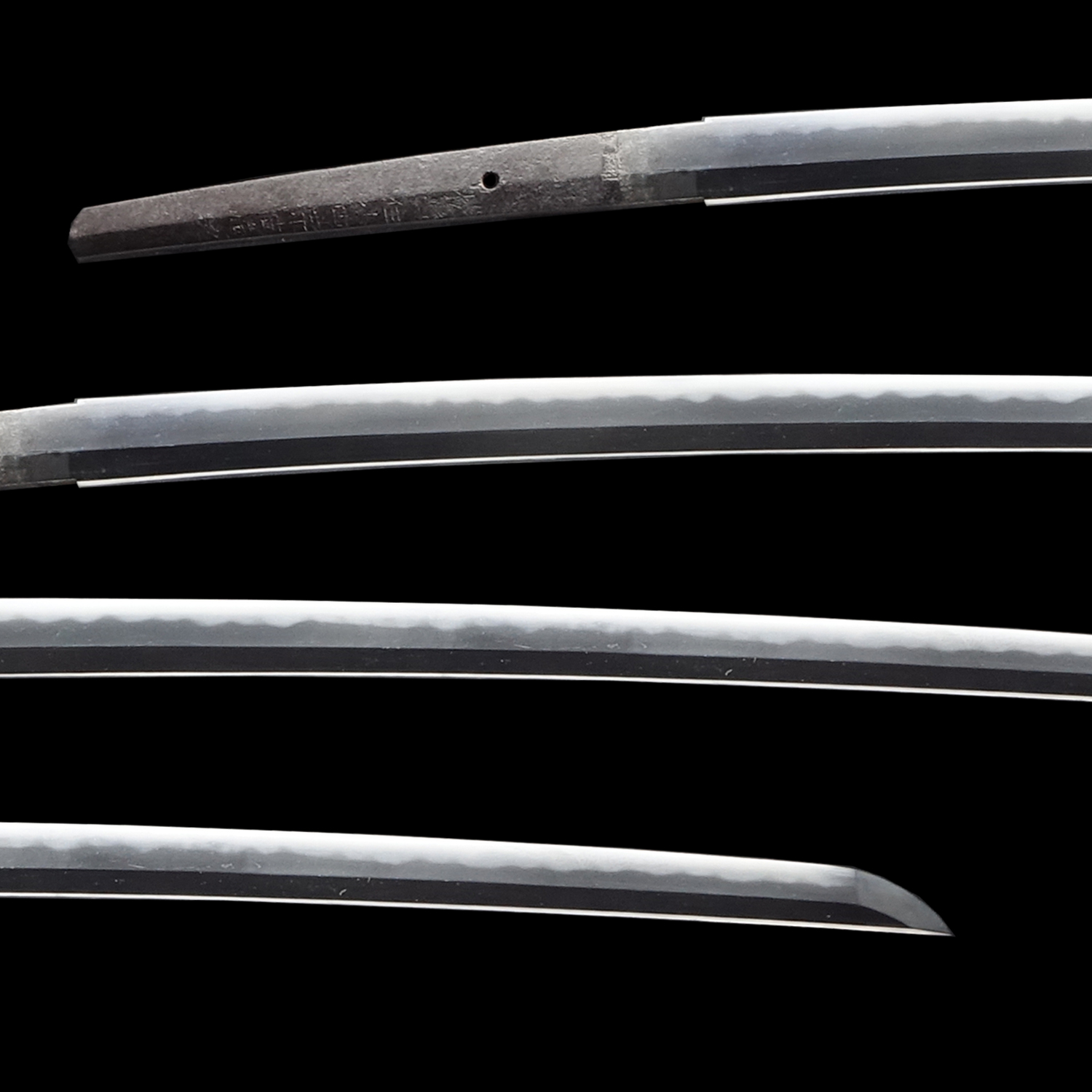
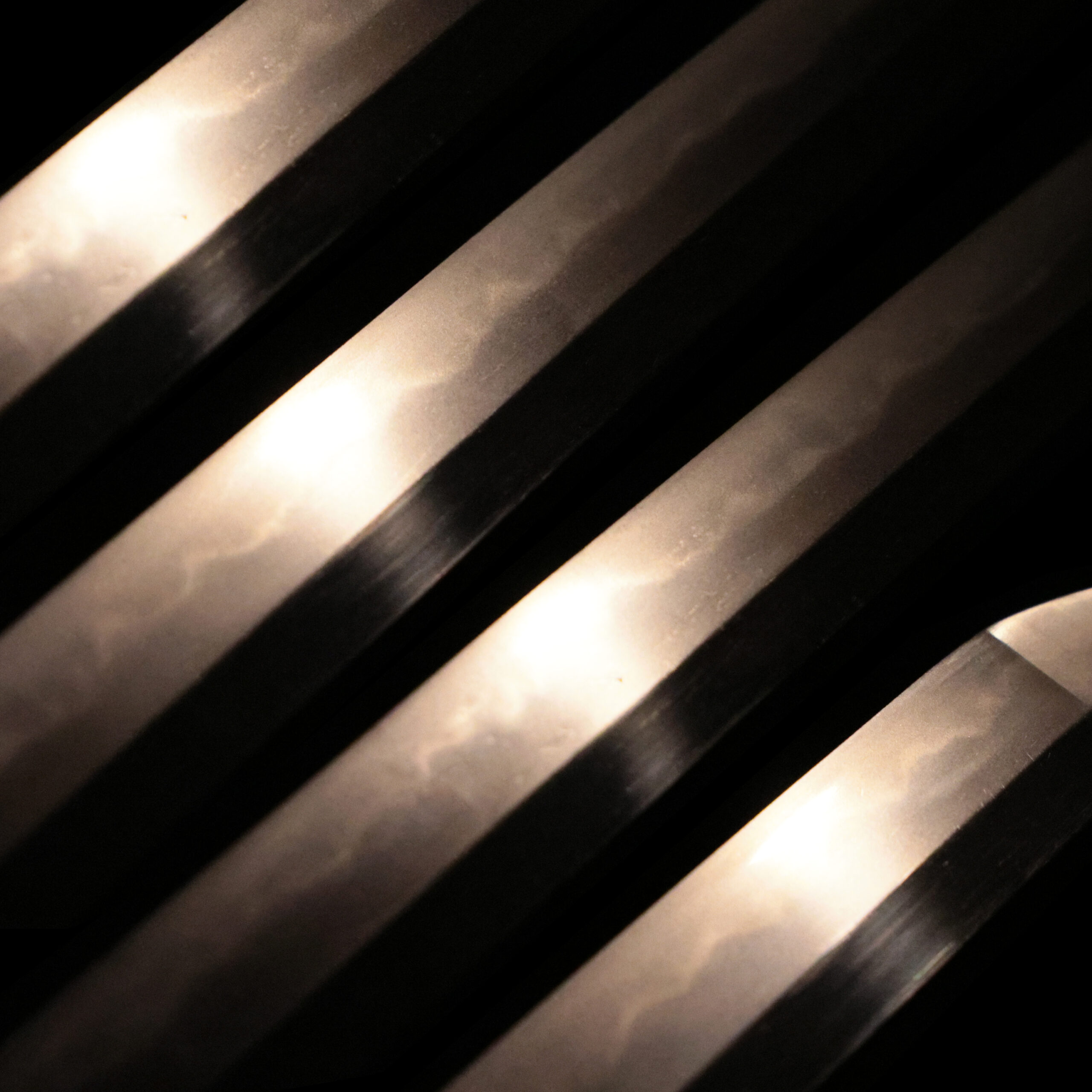
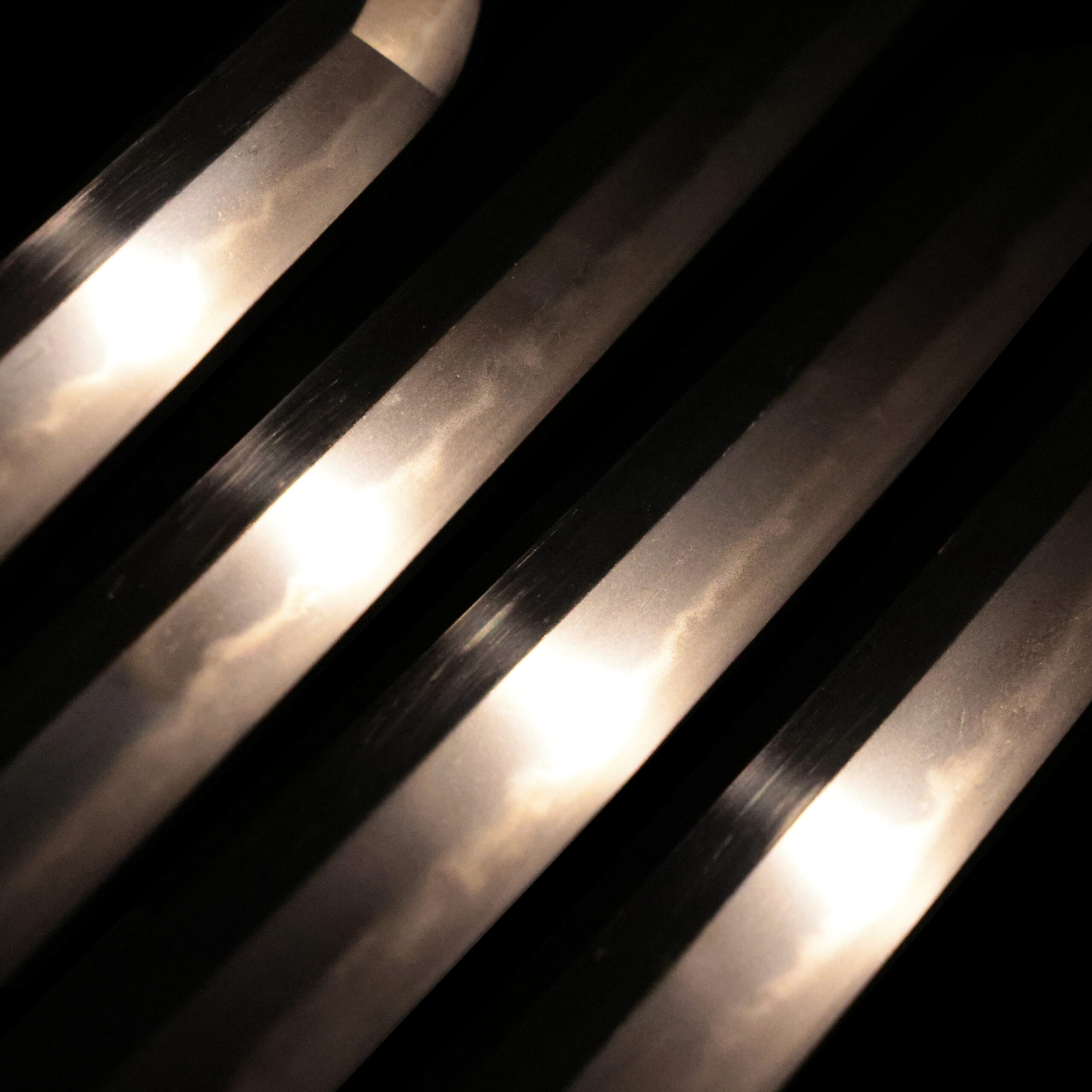
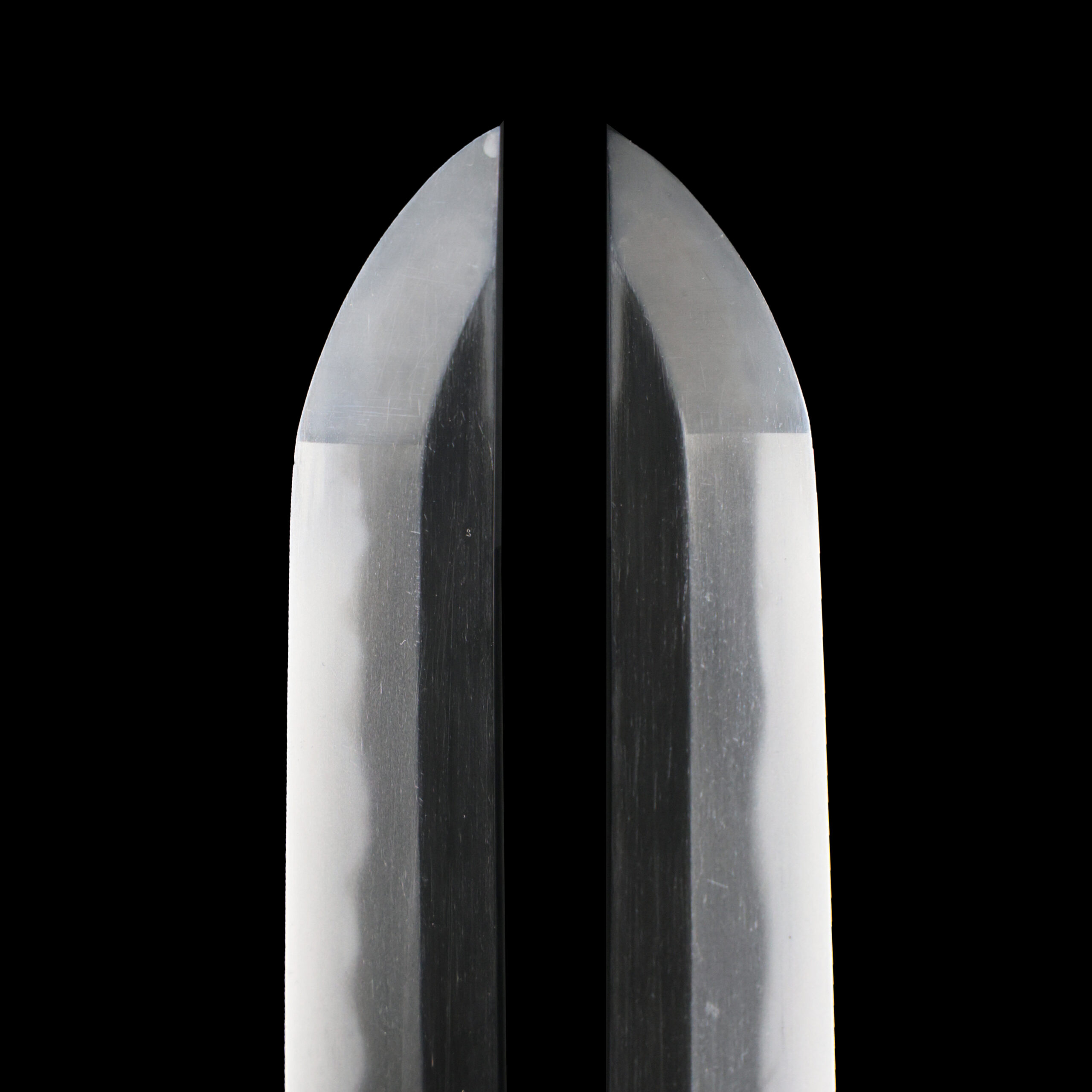
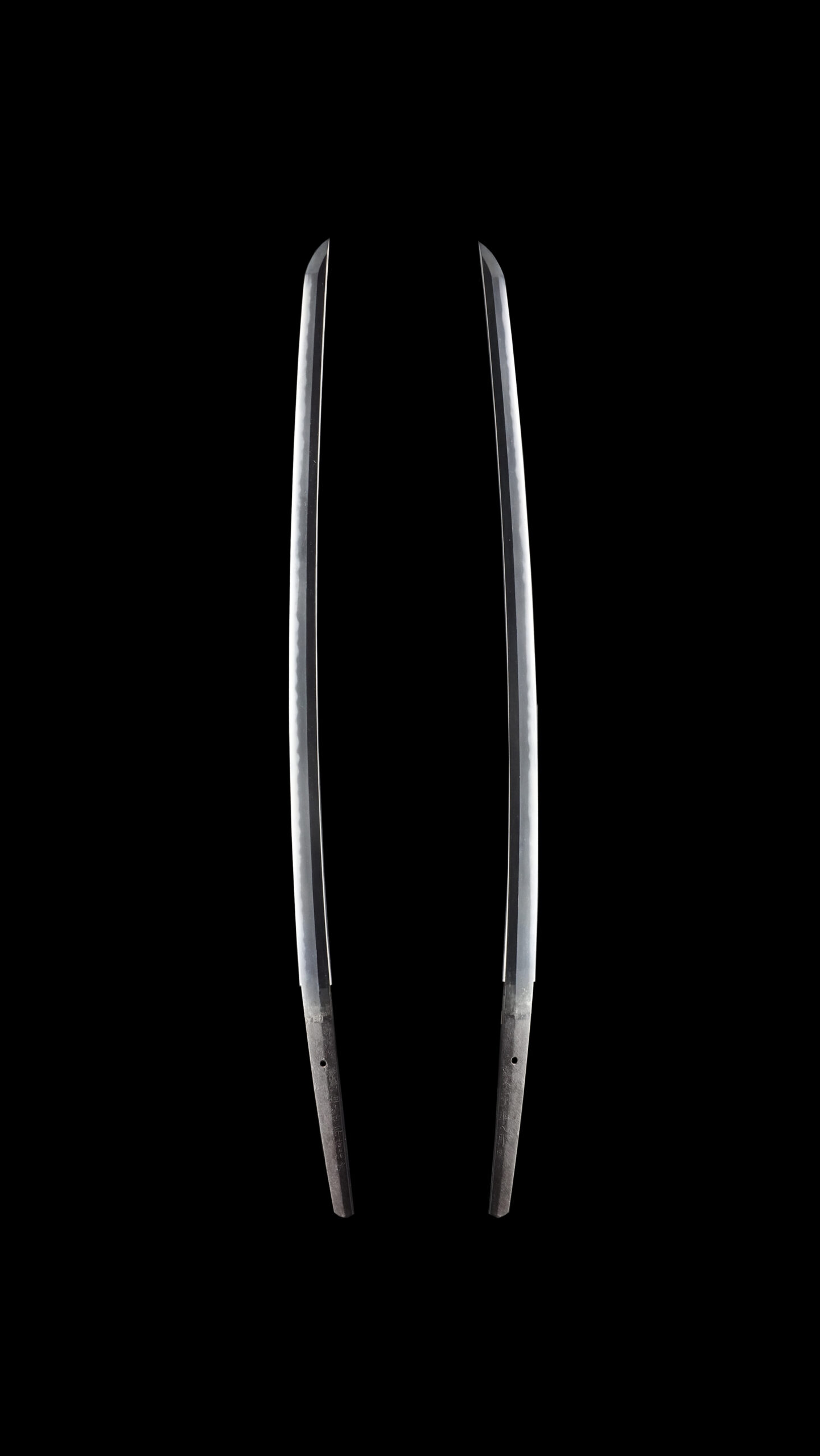
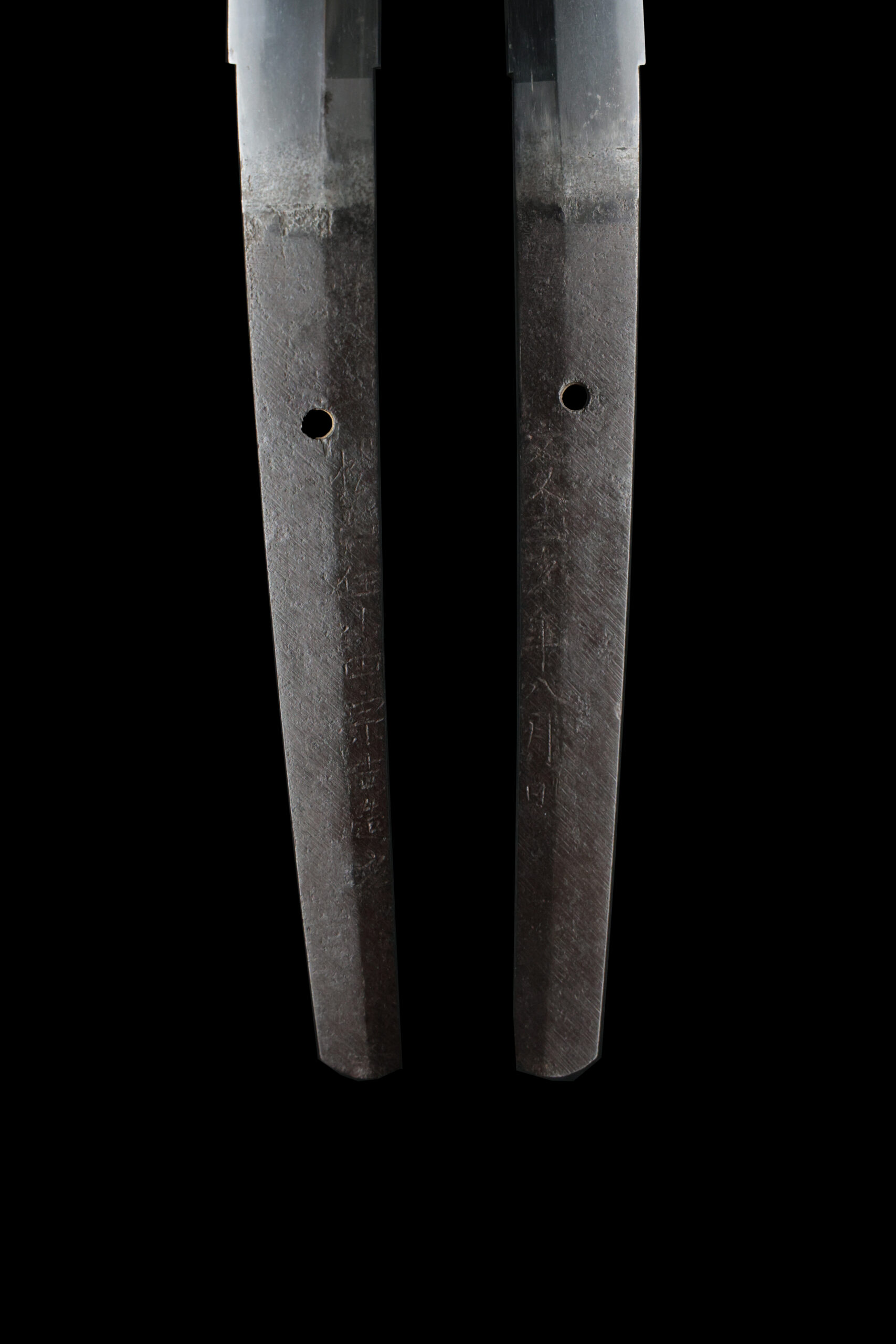
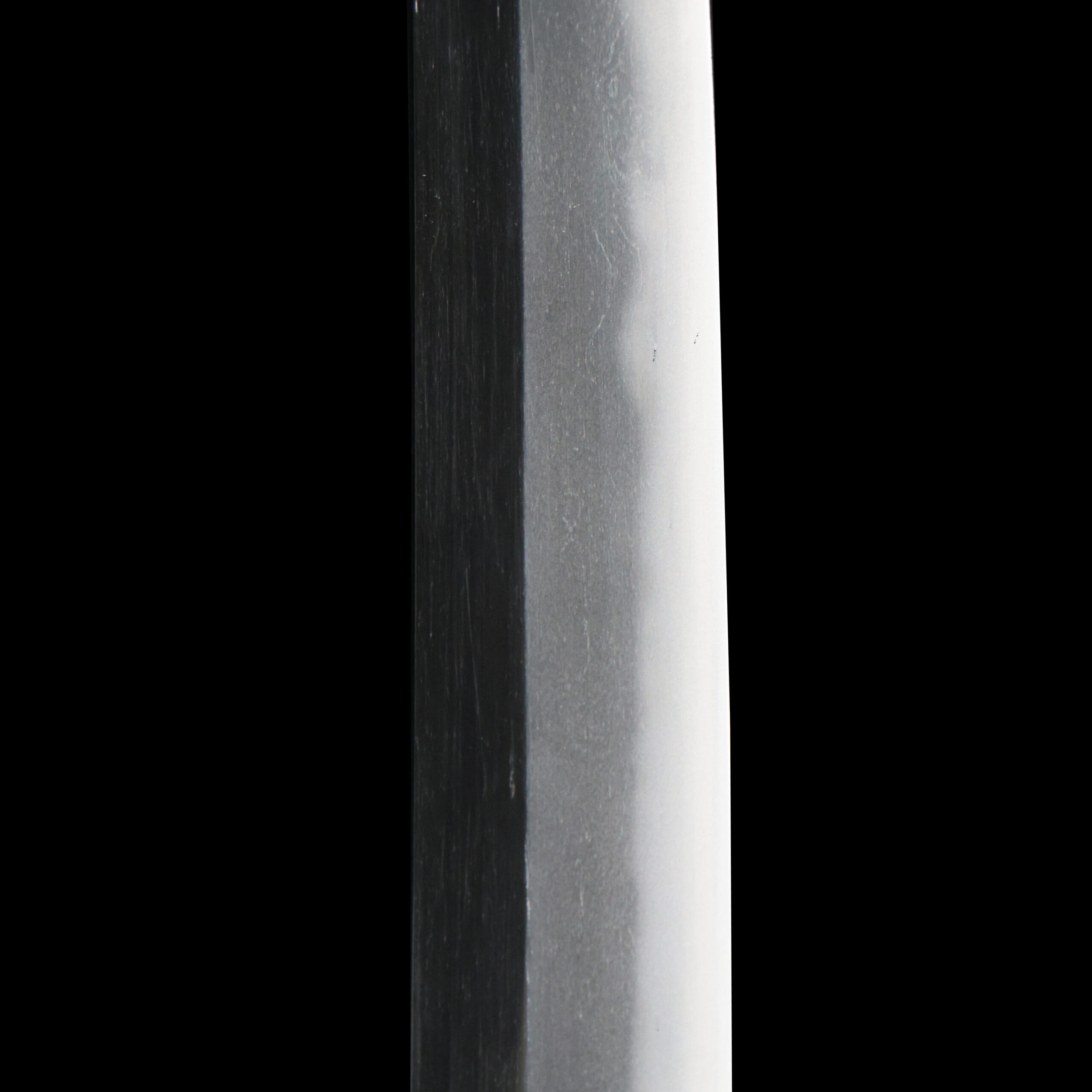
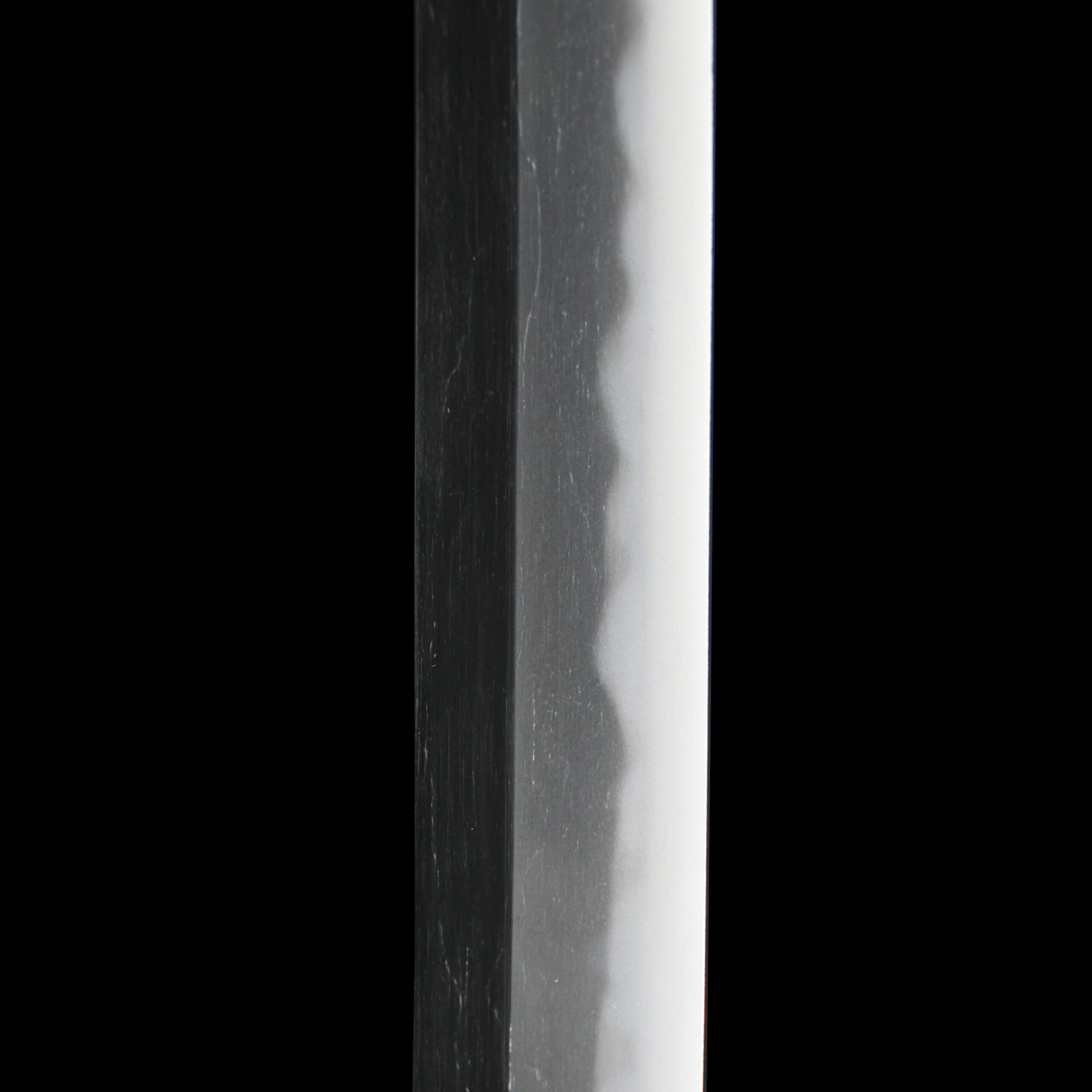
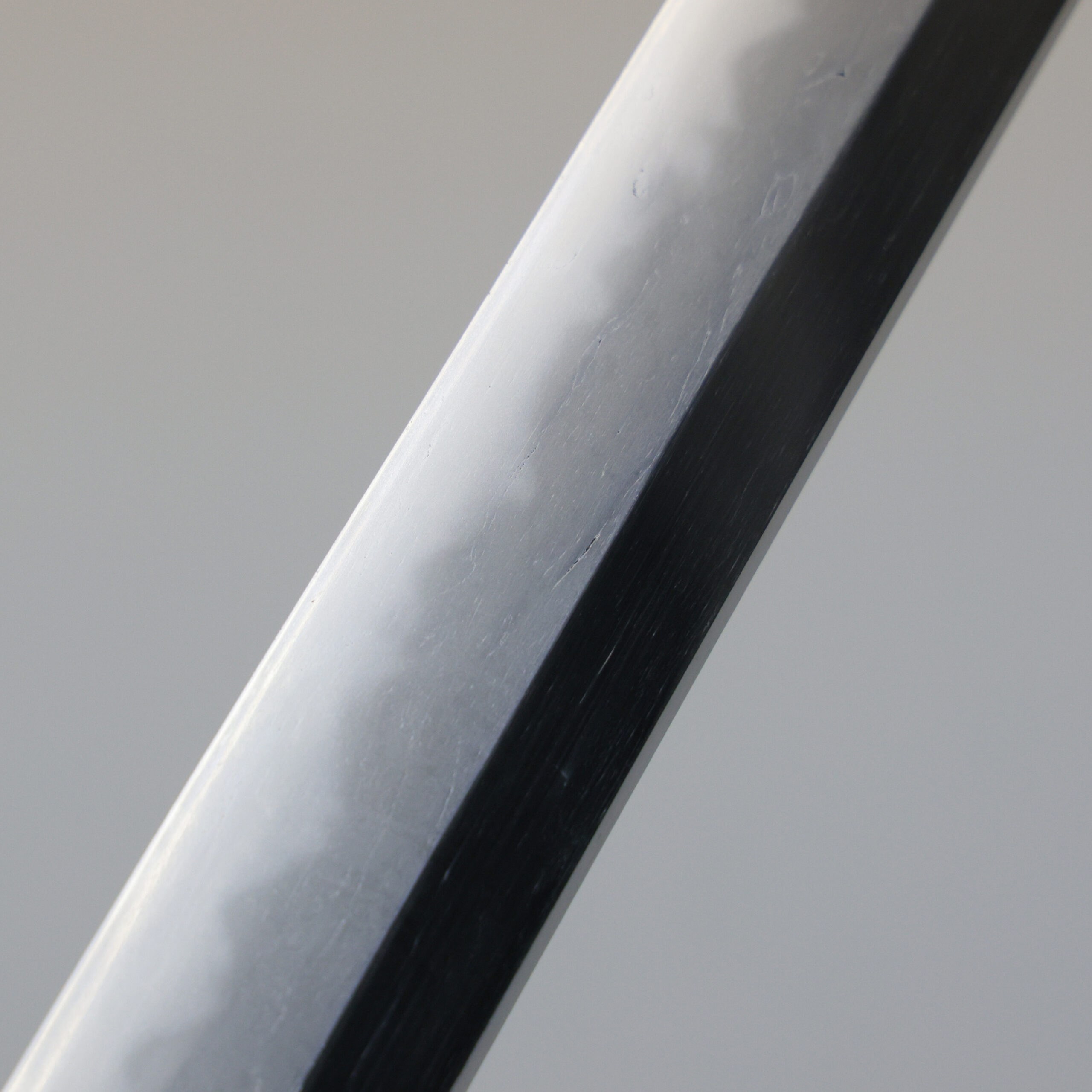
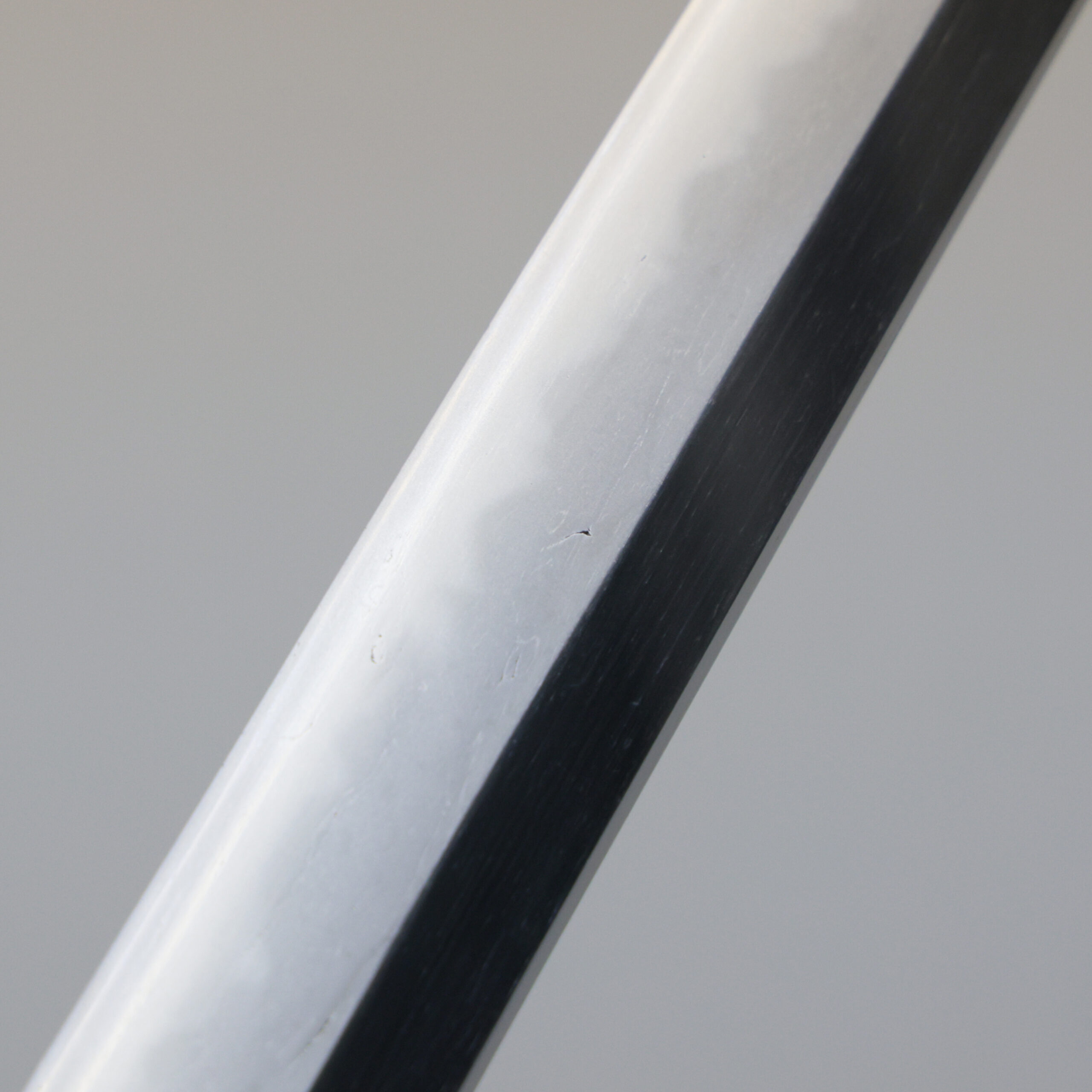
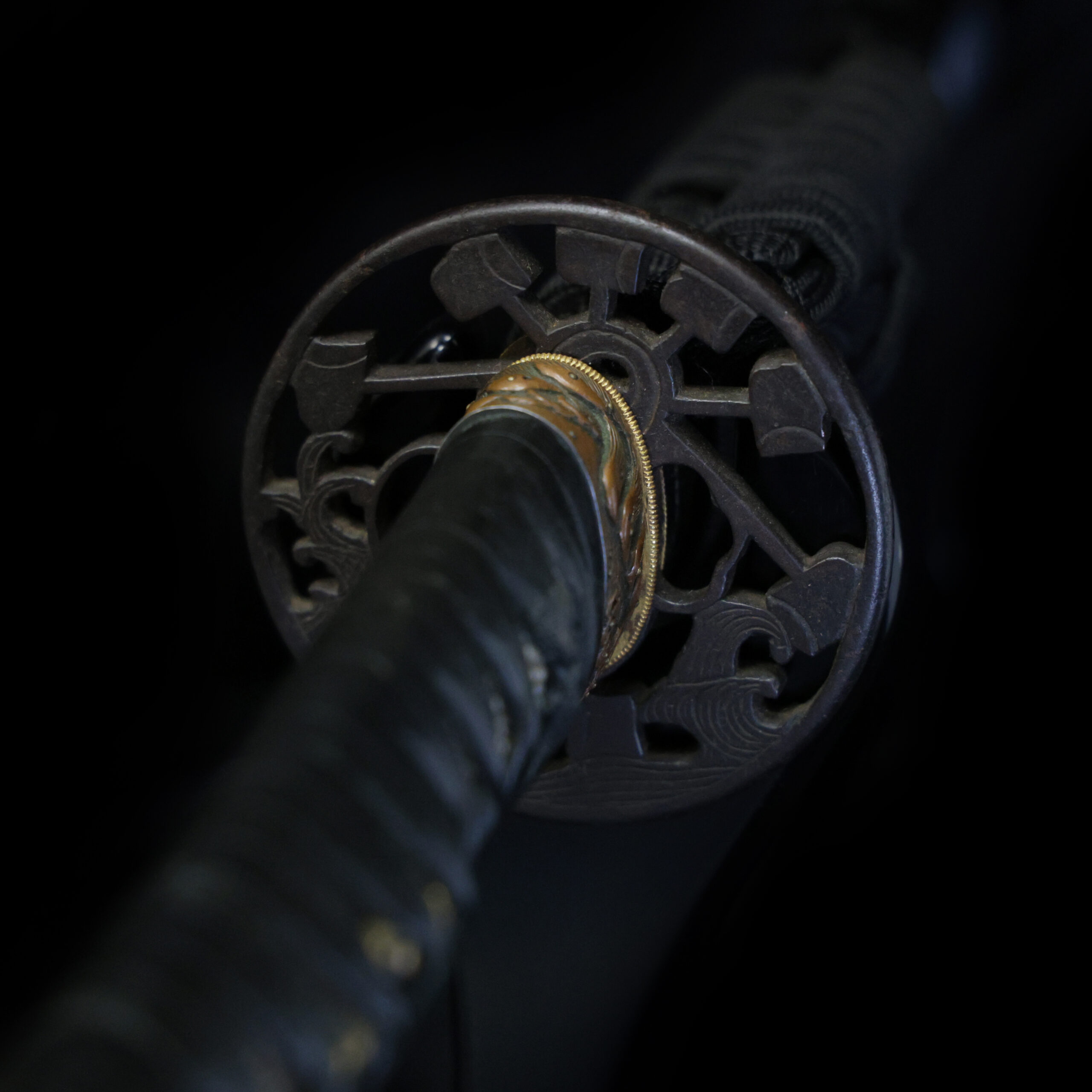
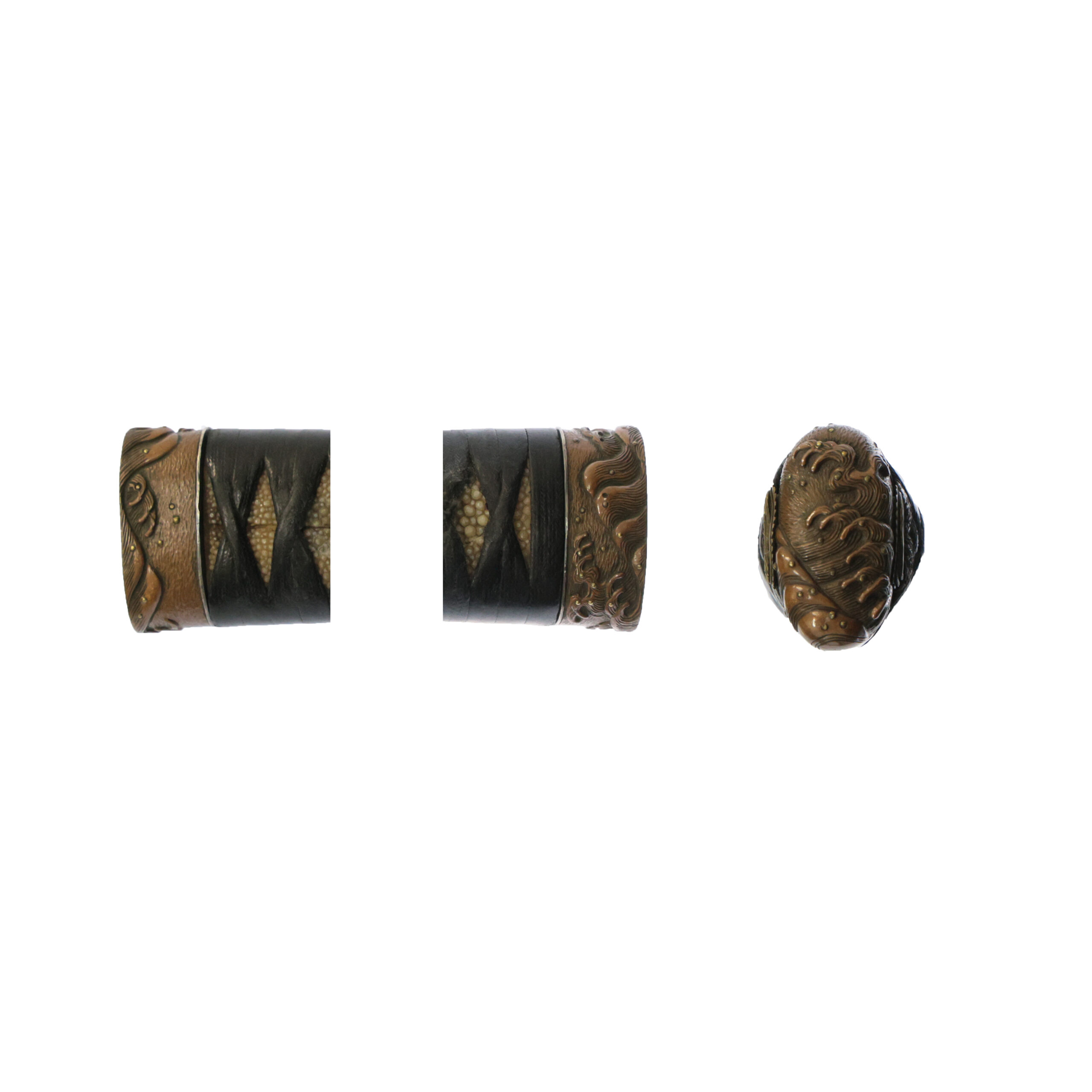
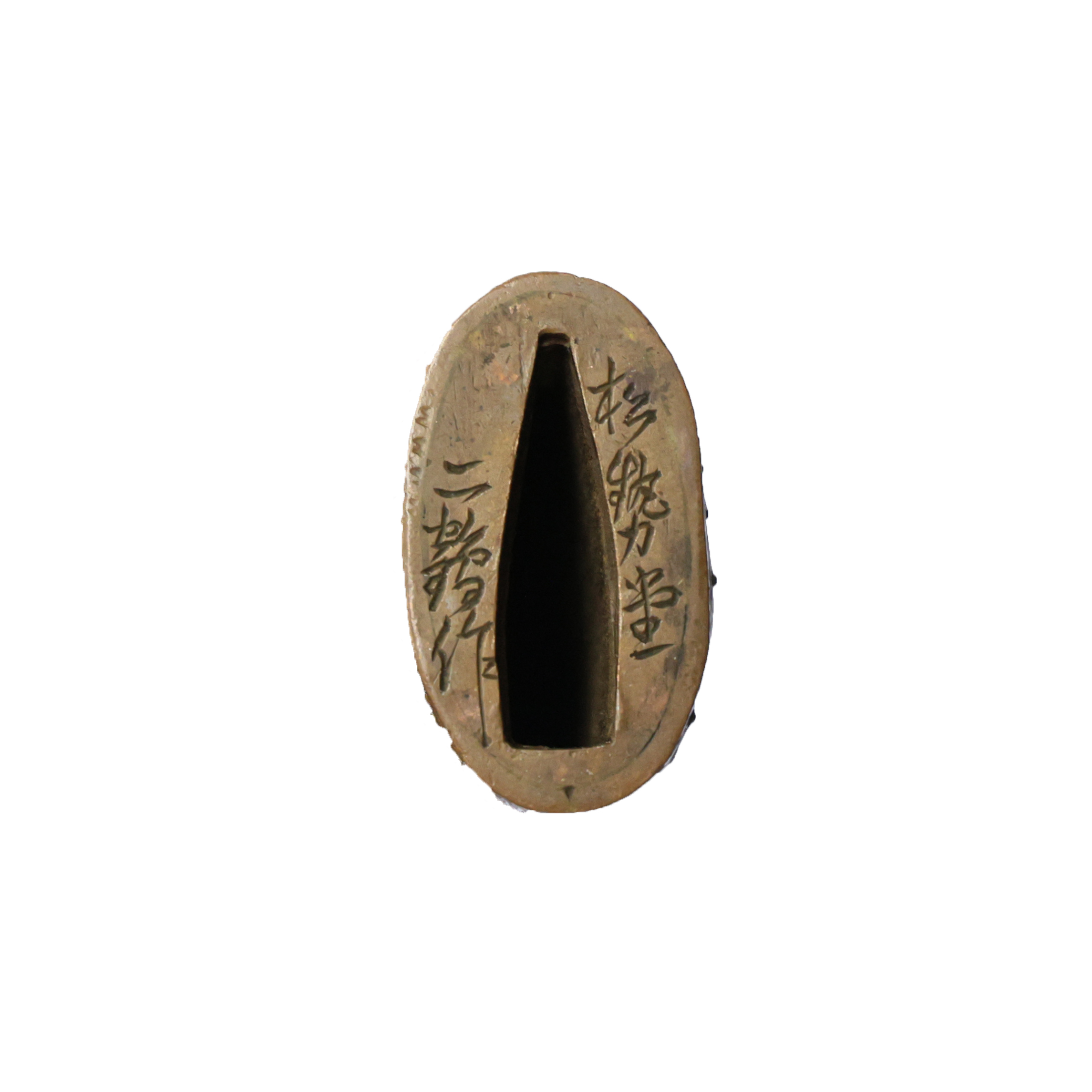
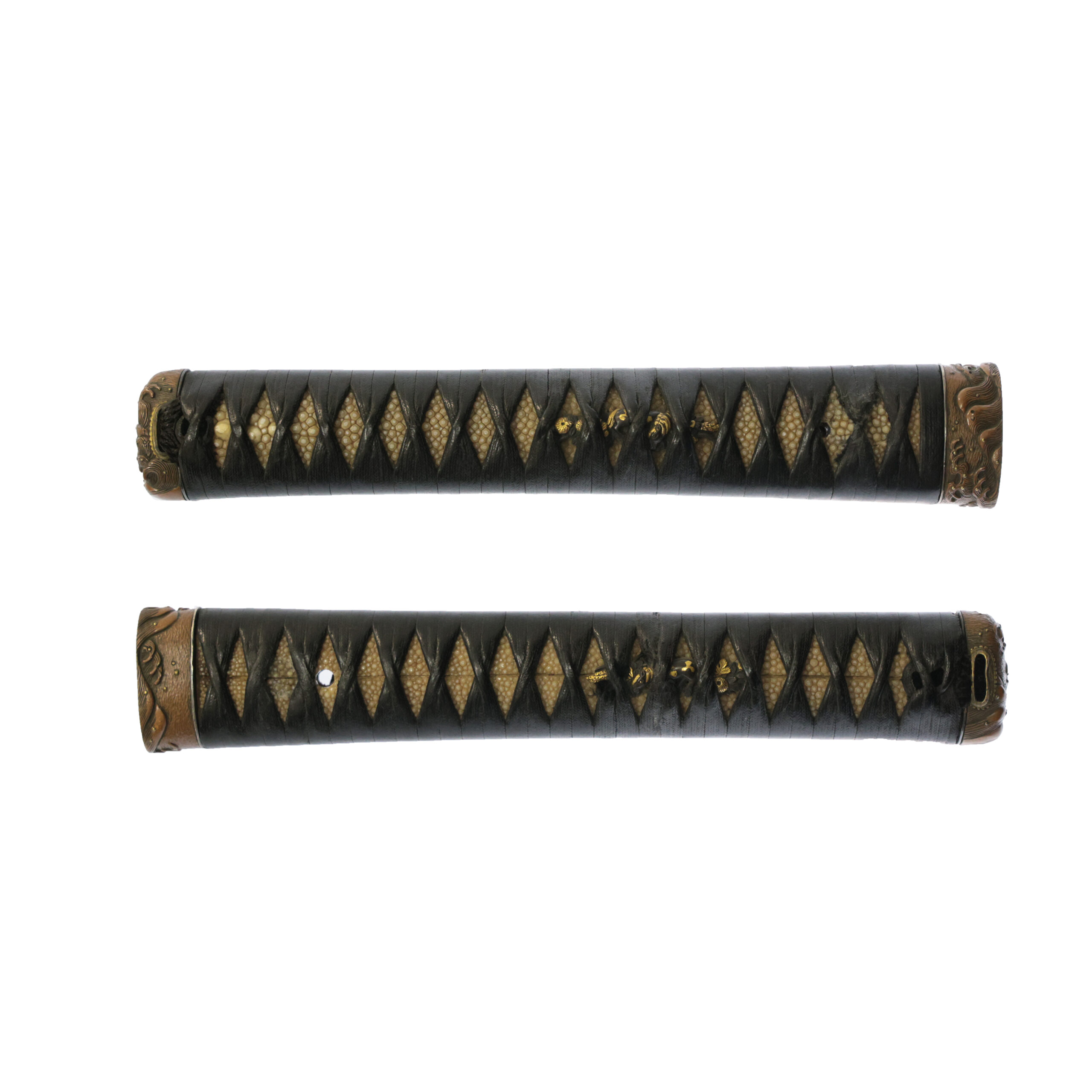
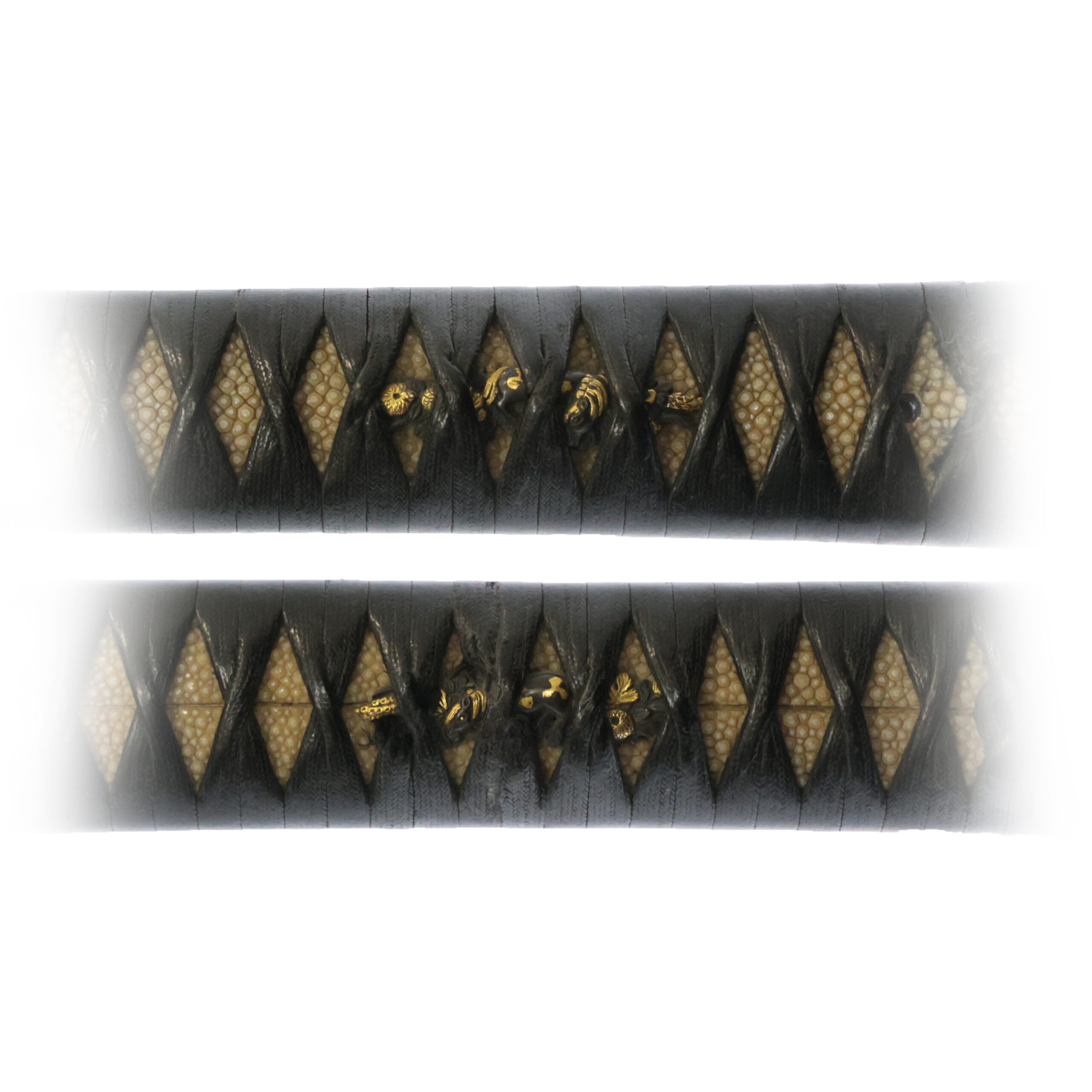
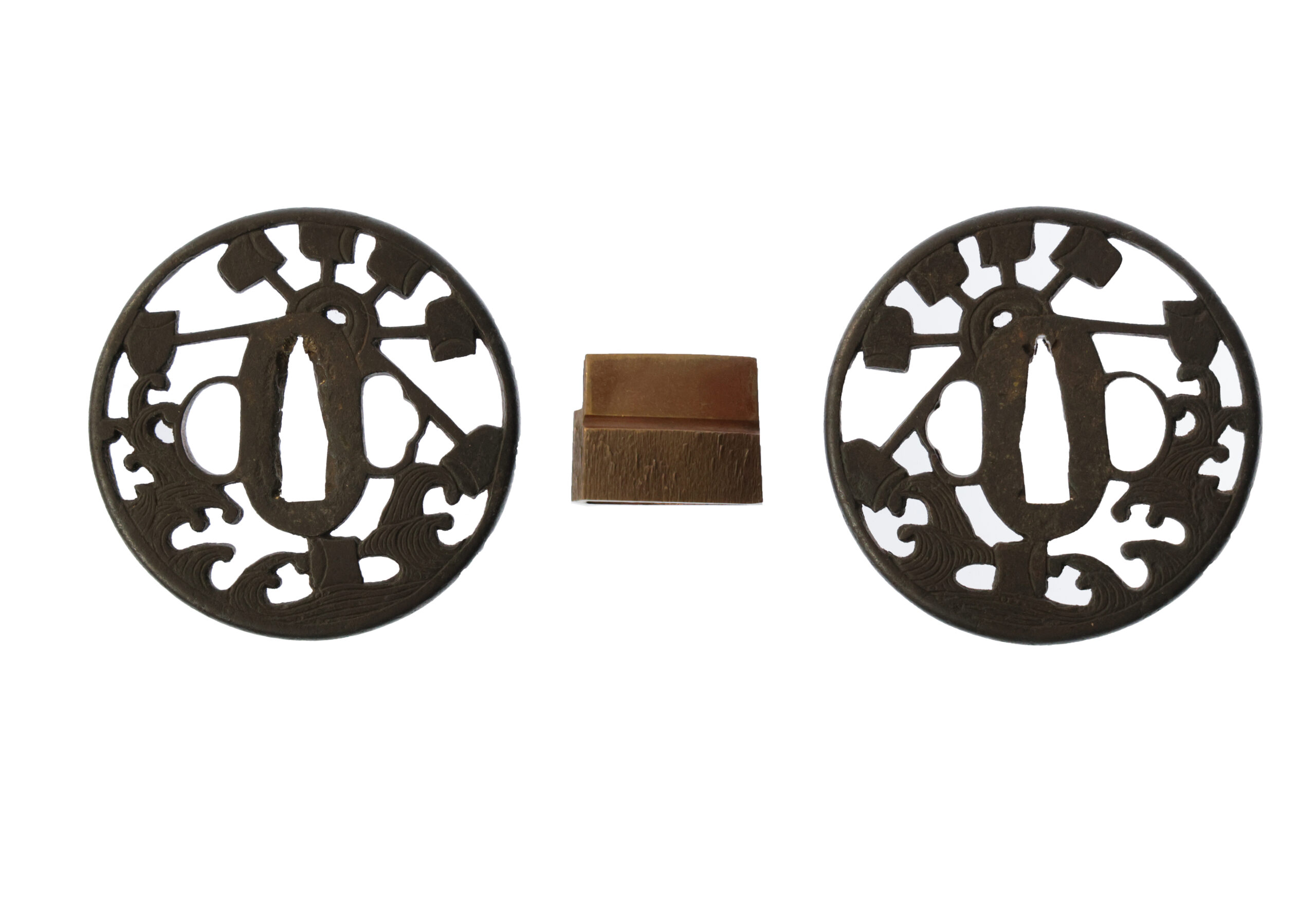
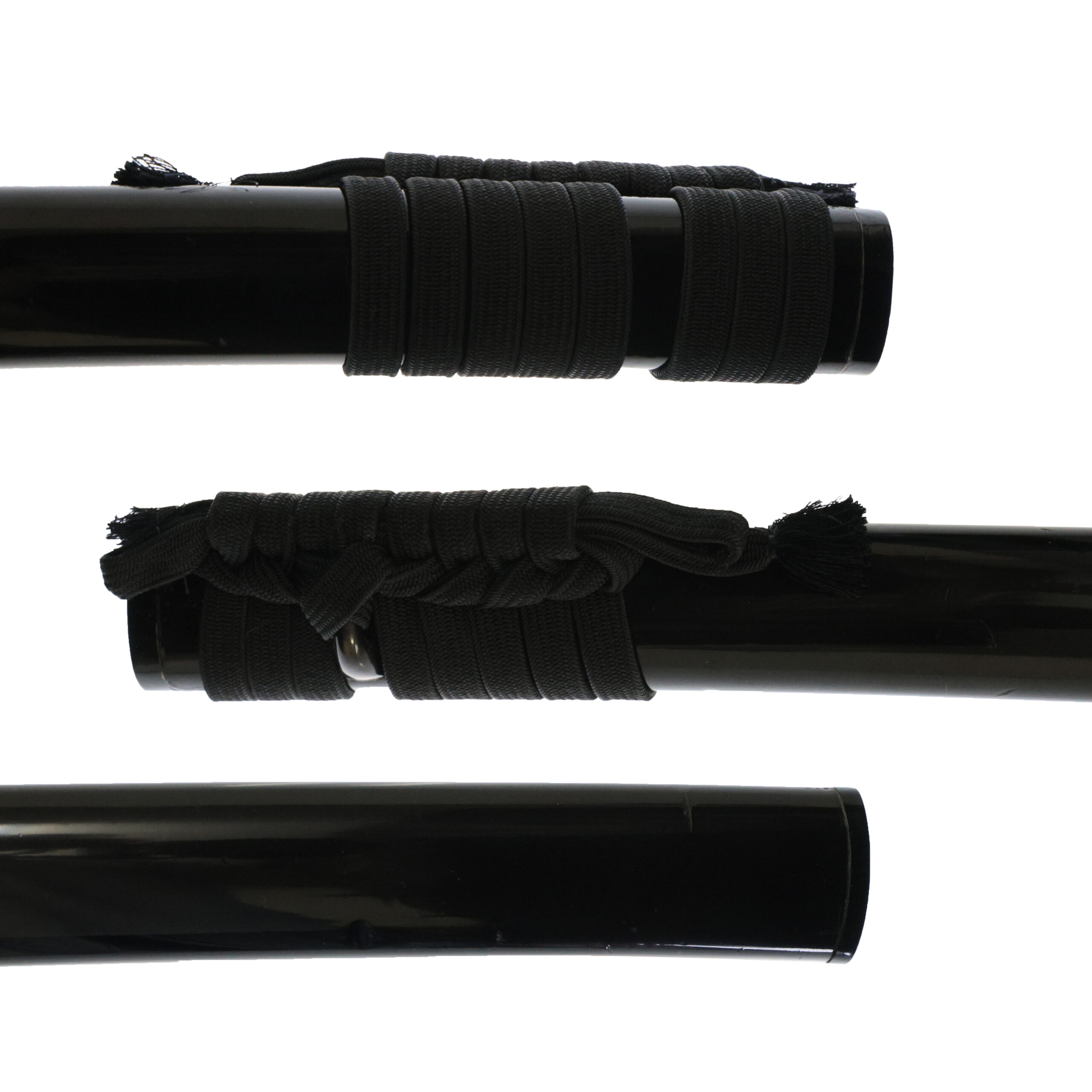
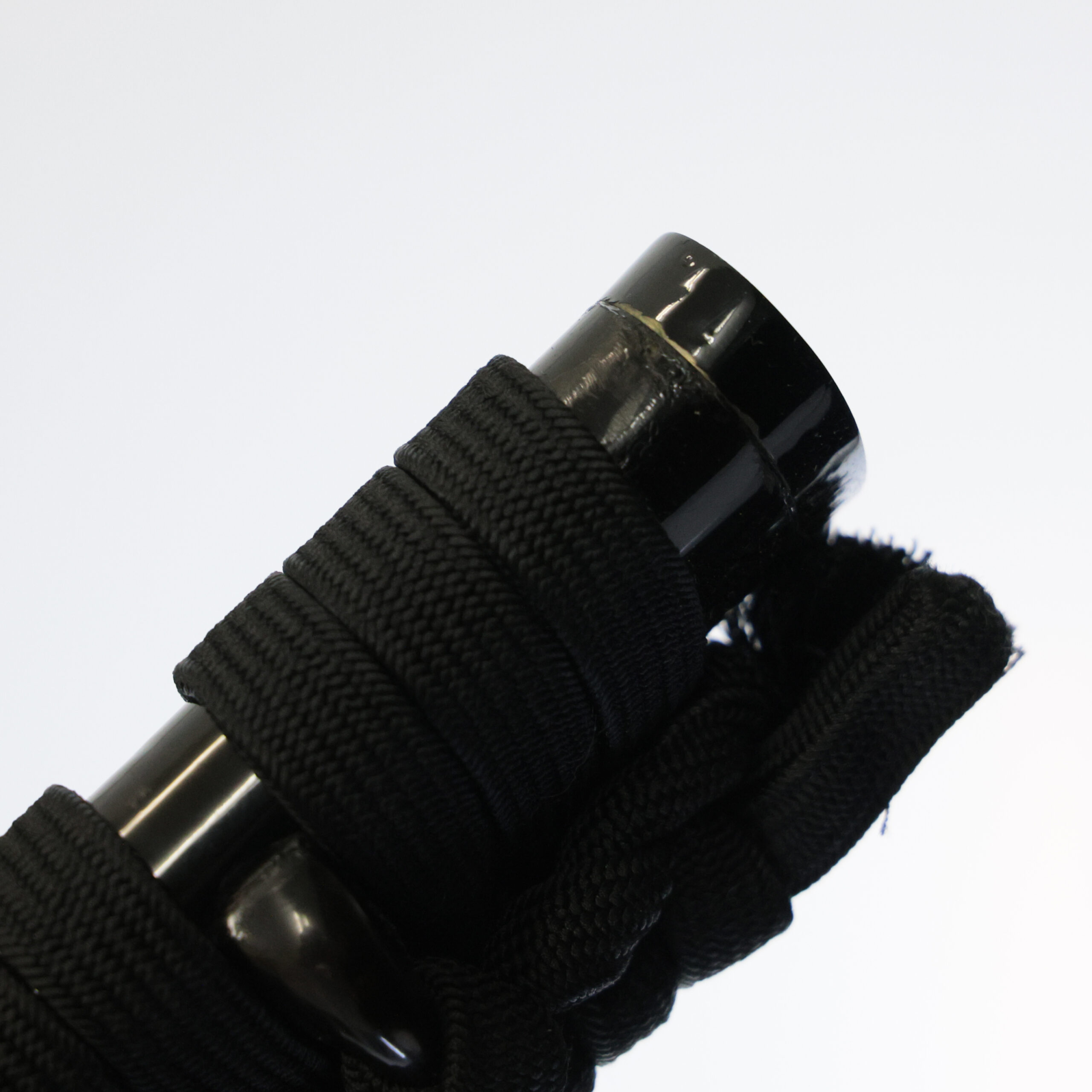
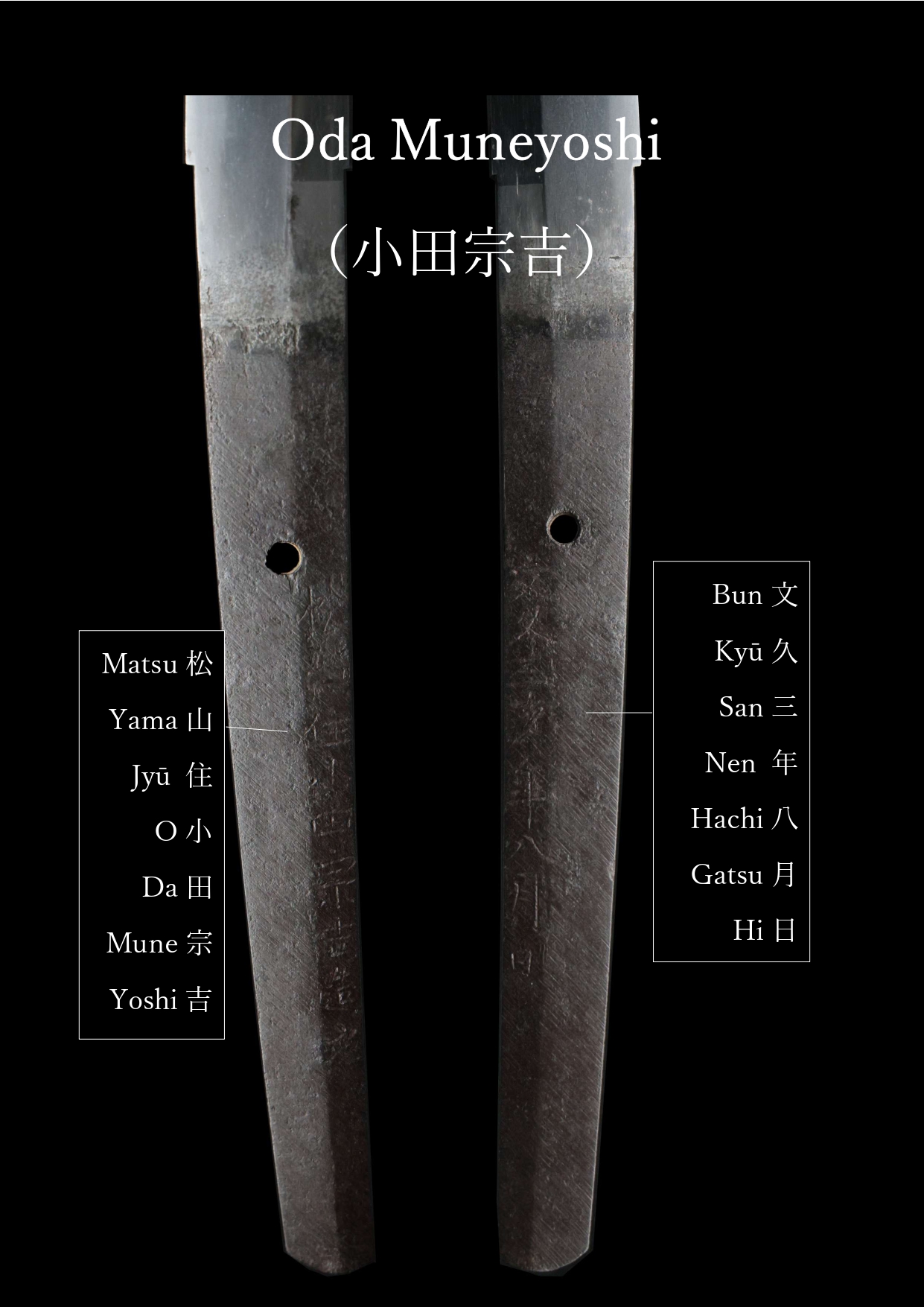
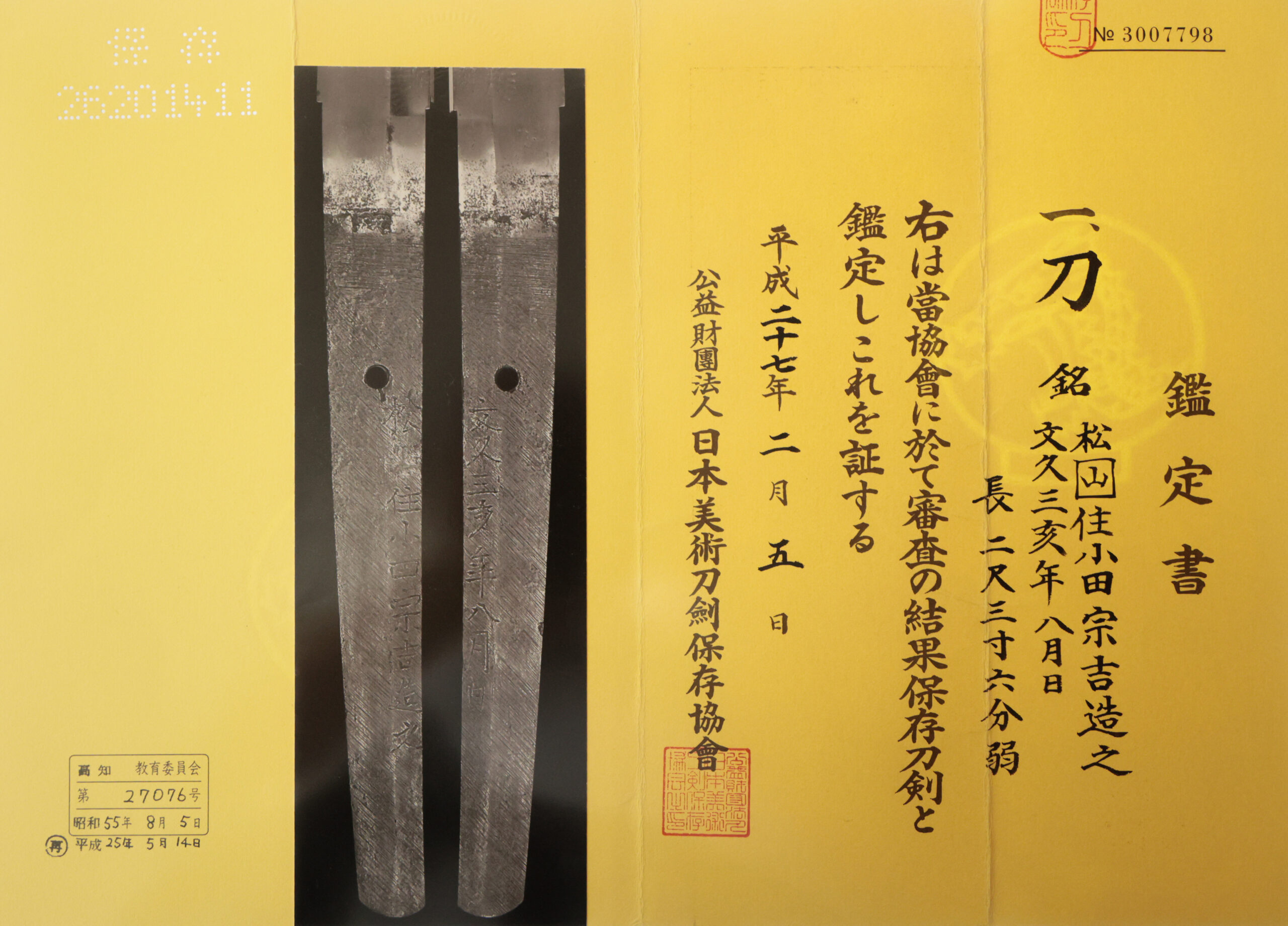
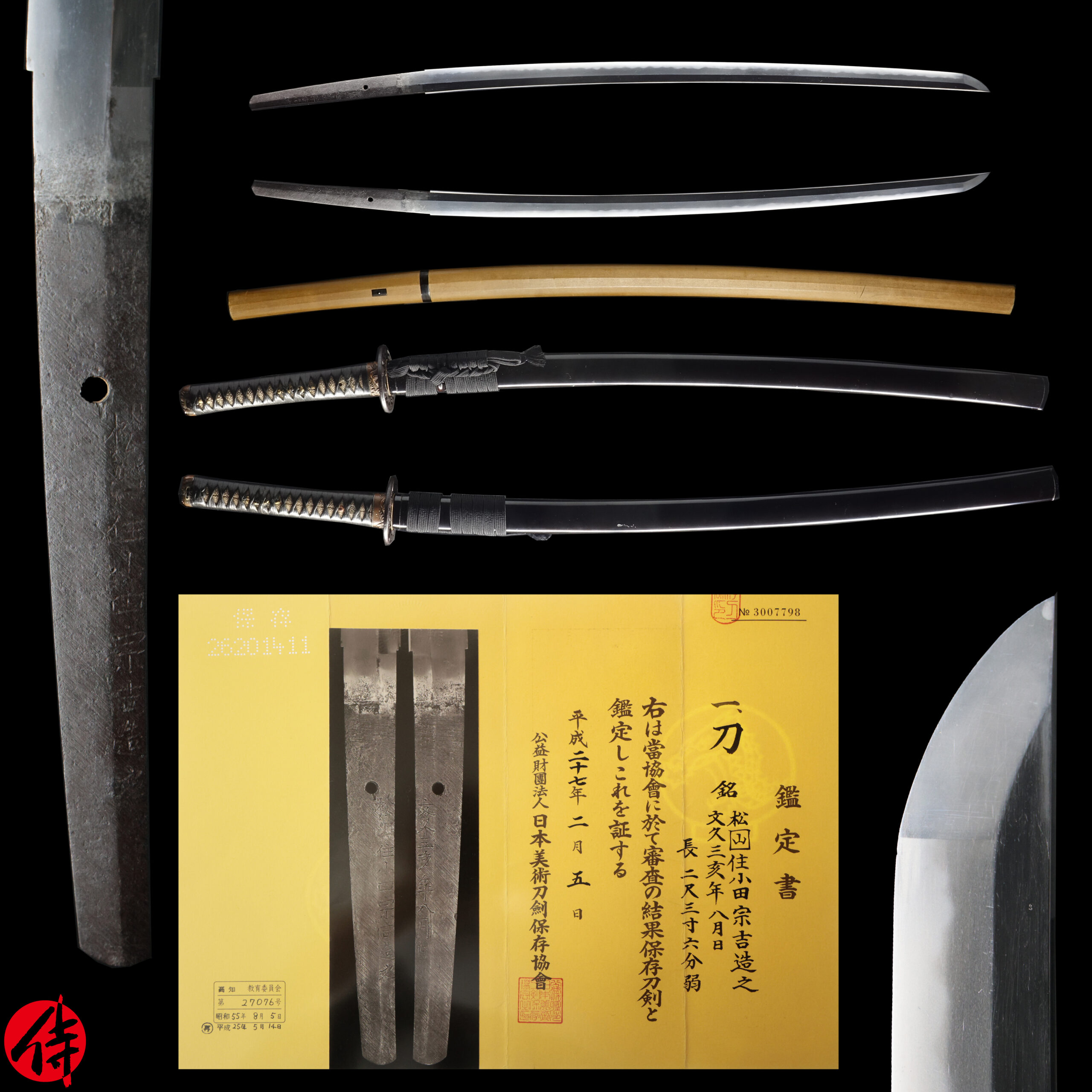
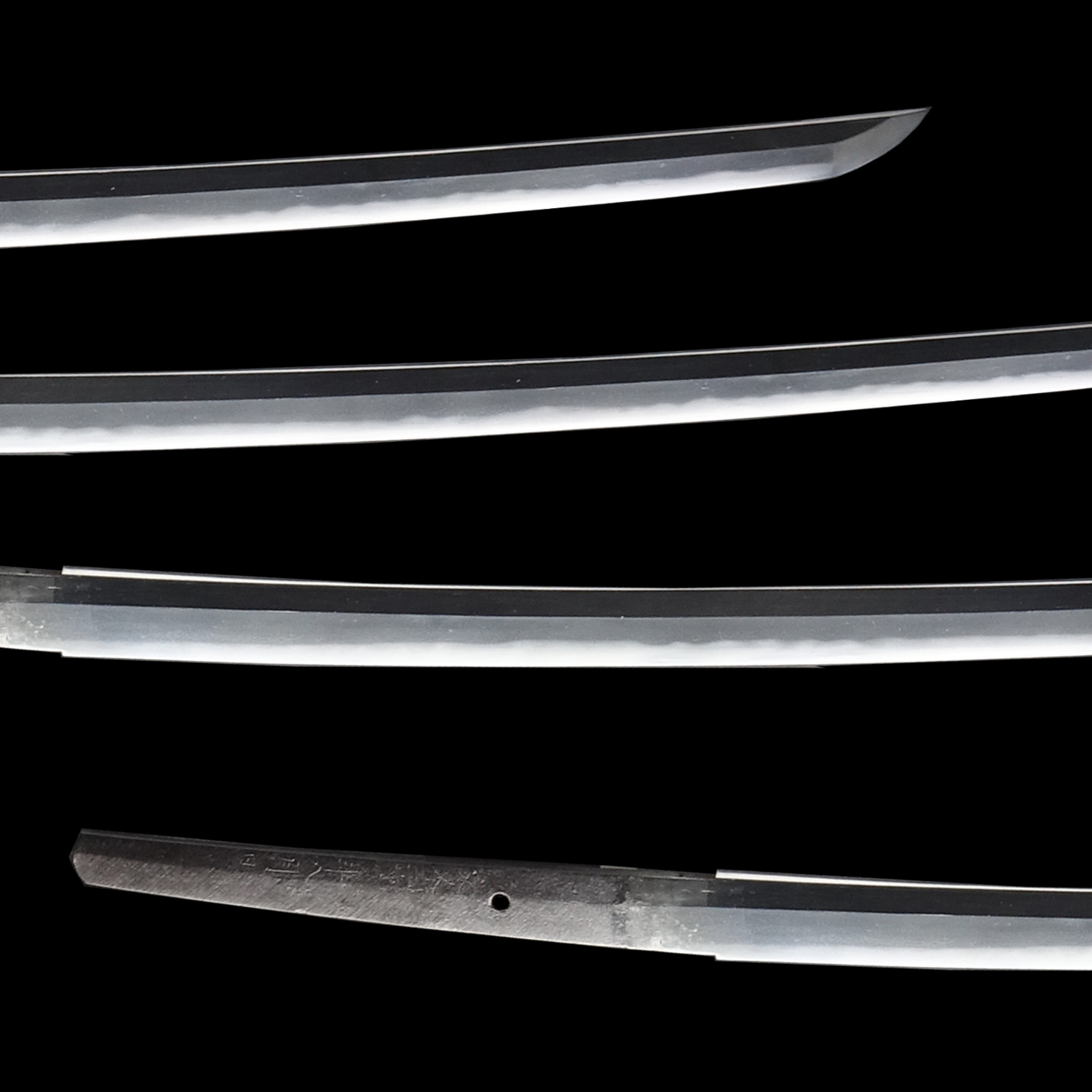
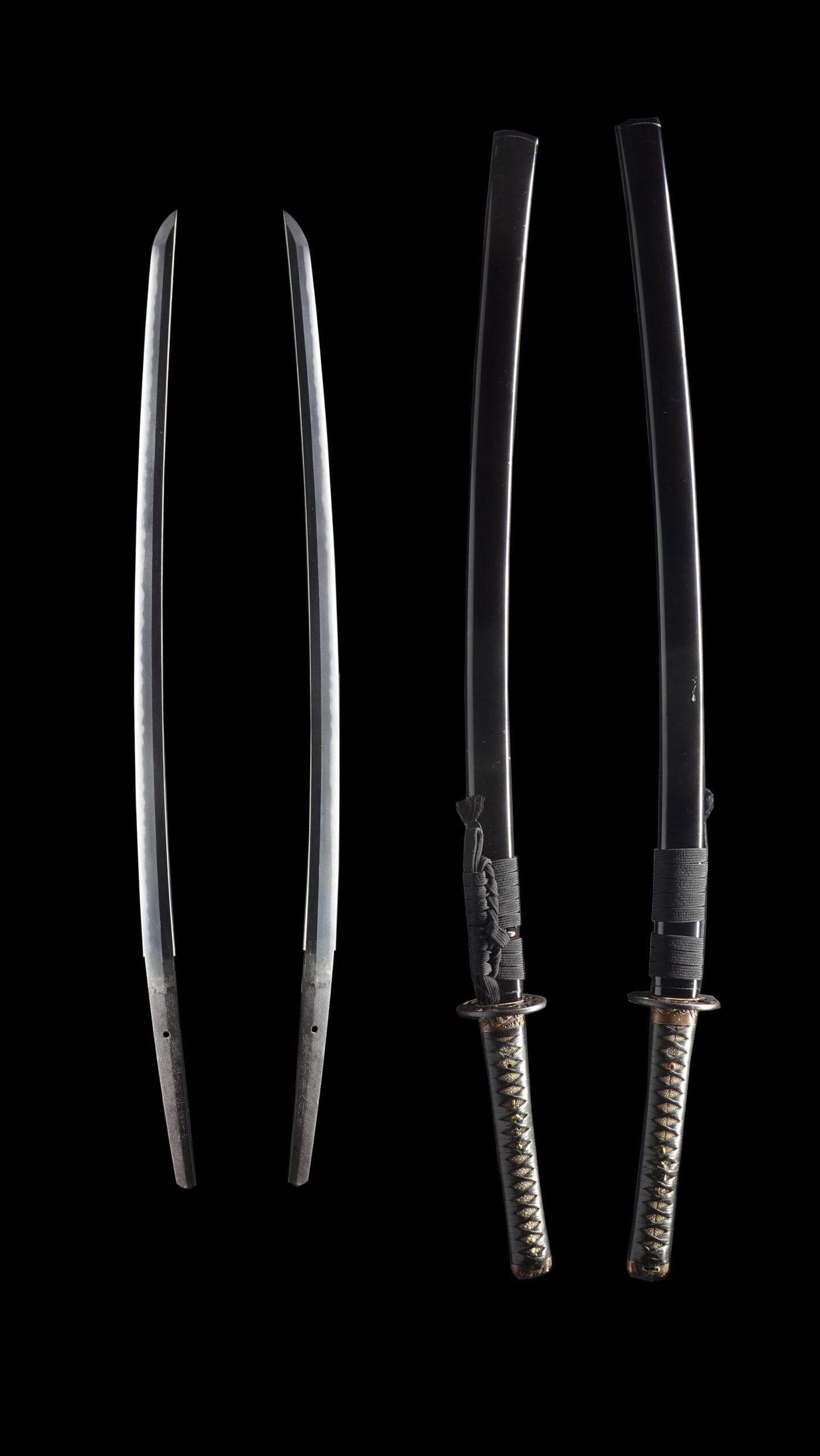
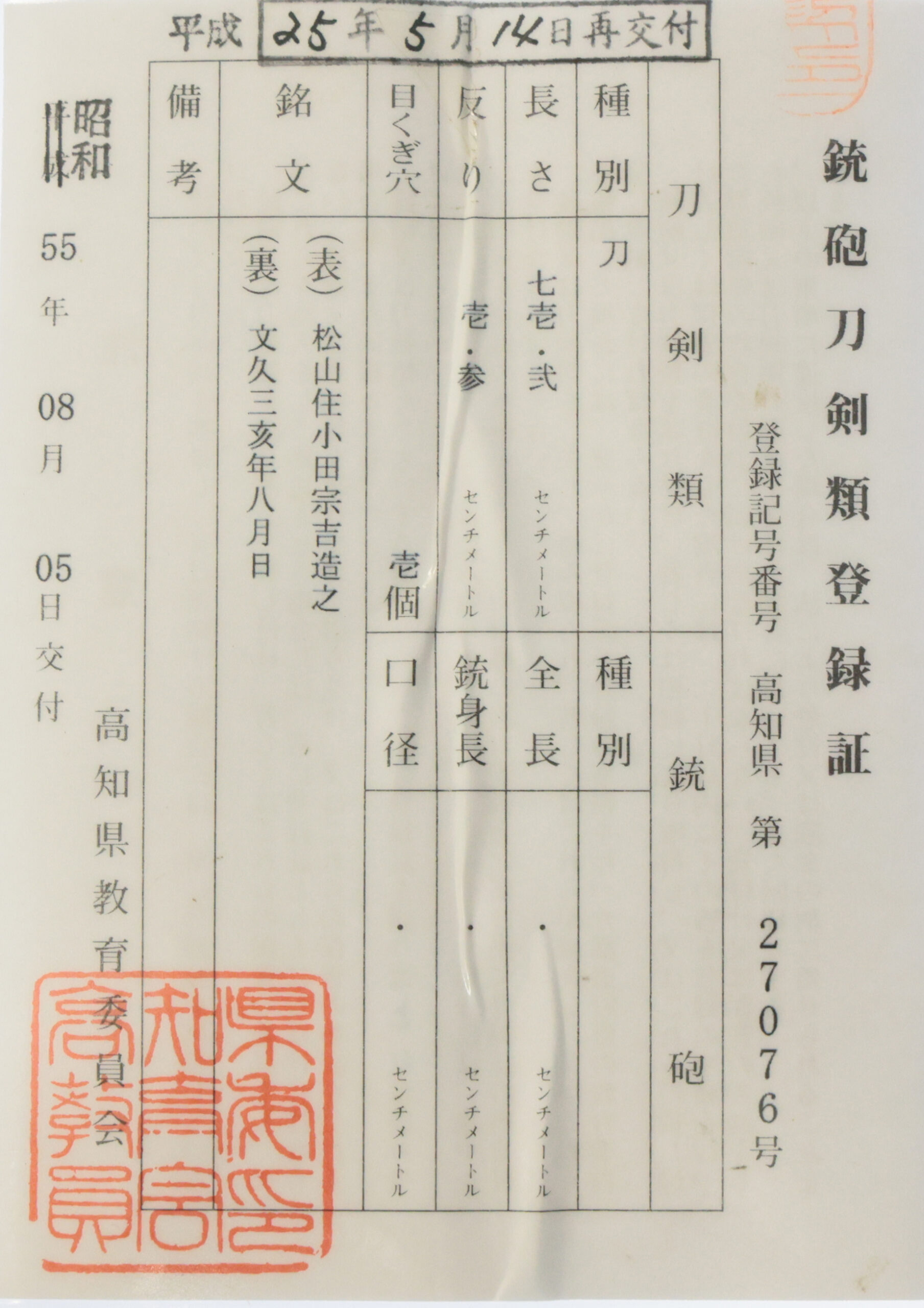
Antique Japanese Sword Katana signed by Oda Muneyoshi with Hozon Certificate 【Description】 This blade was signed by Matsuyama-jū Oda Muneyoshi (松山住小田宗吉) and dated to the 3rd year of the Bunkyū era (1863), during the late Edo period. Oda Muneyoshi was a swordsmith who worked in Iyo Province (present-day Ehime Prefecture) from the closing years of the Edo period into the early Meiji era. He signed his works with inscriptions such as Yoshū Matsuyama-jū Oda Muneyoshi Tsukuru Kore (予州松山住小田宗吉造之), Matsuyama-jū Oda Muneyoshi Saku (松山住小田宗吉作), Matsuyama-jū Muneyoshi Saku (松山住宗吉作), Yoshū Matsuyama-jū Oda Muneyoshi Saku (予州松山住小田宗吉作), and Iyo Matsuyama-shin Oda Teiji Muneyoshi Saku (伊予松山臣小田禎次宗吉作). Muneyoshi forged swords in Matsuyama from the Keio era (1865–1868) through the early Meiji period. Today, however, very few of his works survive. This is likely because the Haitōrei Edict of 1876, which prohibited the wearing of swords by most people, brought an abrupt end to the traditional sword-making industry. Background – The Late Edo Period This sword was forged in Matsuyama in the eighth month of Bunkyū 3 (文久三年, 1863), during the Bakumatsu (幕末)—the turbulent final years of the Tokugawa shogunate. That same month, Aizu and Satsuma forces carried out a political coup in Kyoto, removing Chōshū and its imperial loyalist allies from power at court. The Shinsengumi (新選組), the samurai force known for policing Kyoto, also took part in this event. Earlier in 1863, British warships had fought Satsuma forces at Kagoshima, showing that tensions with foreign powers had already become an armed conflict. Matsuyama was a castle town in Iyo Province, in today’s Ehime prefecture on Shikoku. Facing the Seto Inland Sea, the domain was increasingly concerned with coastal defense as foreign ships appeared in the region. In 1864, Matsuyama joined the shogunate’s first military expedition against Chōshū. Two years later, its troops fought Chōshū forces on Yashiro Island, now known as Suō-Ōshima, during the second expedition. This sword was made shortly before its home domain became directly involved in these conflicts. Even as firearms changed the nature of warfare during these turbulent years, the Japanese sword remained both a weapon carried by samurai and a treasured symbol of their status and pride. Preserved to this day, this blade offers a tangible connection to the world of the samurai at a pivotal moment in Japan’s history. This blade is appraised as a Hozon Token (保存刀剣) issued by NBTHK (Nihon Bijutsu Touken Hozon Kyokai:日本美術刀剣保存協会). This authentication paper was only given to authentic Japanese swords, well preserved and high quality with artistic value. *Please keep in mind that there are a couple of Kitae Kizu on the blade. If you like to know the detailed condition, please feel free to contact us. 【Blade】 Cutting Edge Length(Nagasa) : 71.2 cm ( 28.0 inches) Curvature(Sori) : 1.3 cm (0.51 inches) Hamon : The crystalline structure which forms along the cutting edge of a blade as a result of the hardening process Jimon(Jihada) : visible steel surface pattern created by folding and hammering during forging process Kissaki : Kissaki is the tip of the Japanese sword. Nakago : Nakago is the tang of the Japanese sword. Japanese swordsmiths left the black rust on the tang because it prevents red rust while the tang is in its handle. And the discoloration of the tang was created over time, and it is a great indicator for a Japanese sword specialist to estimate when the sword was forged. Koshirae :Koshirae is the mounting of the Japanese sword. There are several parts that consist of Koshirae such as Saya (Scabbard), Tsuka (Handle), Tsuba (Handguard). Fuchi-Kashira : A pair of matching sword fittings that cover the upper and bottom parts of its sword hilt. The theme of these Fuchi-Kashira is the hatō-zu motif (波濤図), a traditional Japanese design depicting turbulent ocean waves. The wave motif symbolizes the dynamic and ever-changing power of nature, as well as
NihontoWatch取扱店 サムライミュージアム

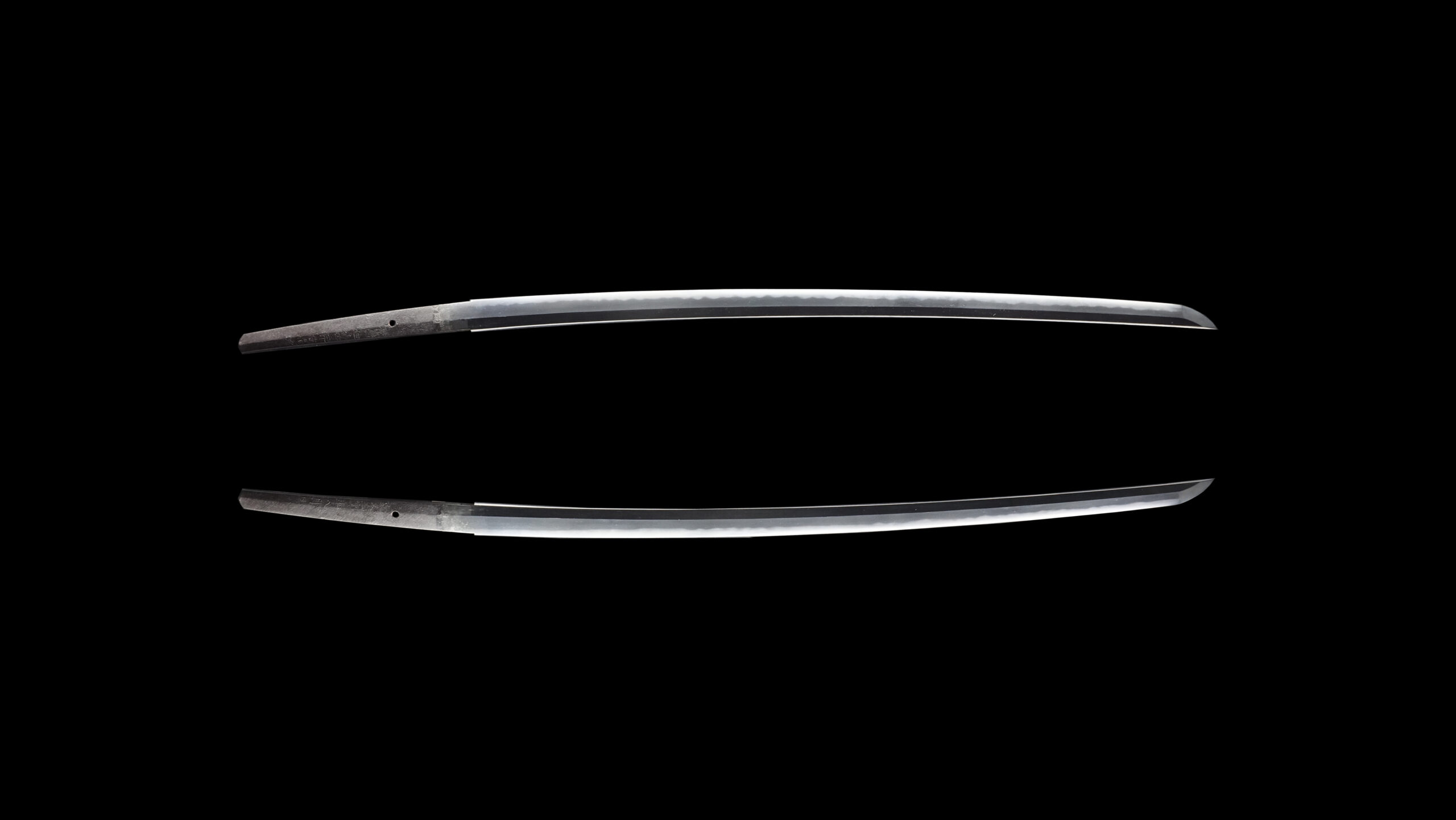
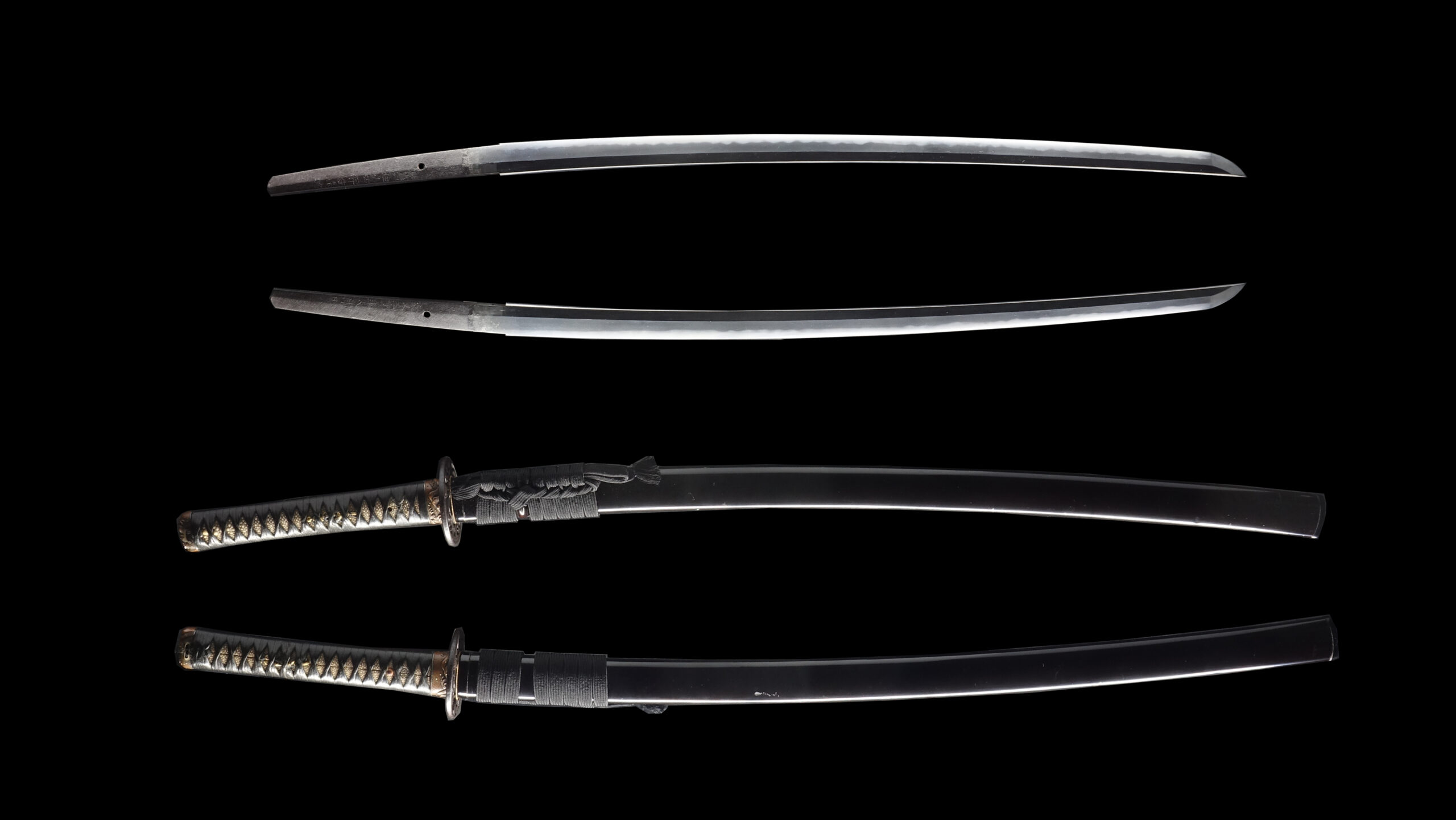
伊予 · 1868-1912頃
刀剣大鑑 上位99%
現在4点販売中
明治 廃刀令ののち
1876年の廃刀令は帯刀を終わらせ、工芸そのものを死の淵に追った。軍の需要と皇室の庇護が命脈を保ち、1906年には月山貞一と宮本包則が帝室技芸員に任じられている。
銘が正しい、または無銘でも年代・国・系統を確実に指摘できる、保存に値する真正の作と鑑定されたものです。
日本美術刀剣保存協会(NBTHK)は、1948年に設立され、文化庁の監督を受ける公益財団法人で、東京・刀剣博物館に本部を置きます。専門の審査員が出品作を直接審査し、美術的・歴史的価値に応じた鑑定書を発行します。NBTHKの鑑定書は、日本刀および刀装具の真正性を示す最も広く認知された基準です。
NBTHK公式サイトReturns/exchanges limited to defects caused by shipping (except willful misconduct or gross negligence by the company); customers must contact within 72 hours of receiving the product.
¥930,000