1876年の廃刀令は帯刀を終わらせ、工芸そのものを死の淵に追った。軍の需要と皇室の庇護が命脈を保ち、1906年には月山貞一と宮本包則が帝室技芸員に任じられている。
 NihontoWatchNihontoWatch
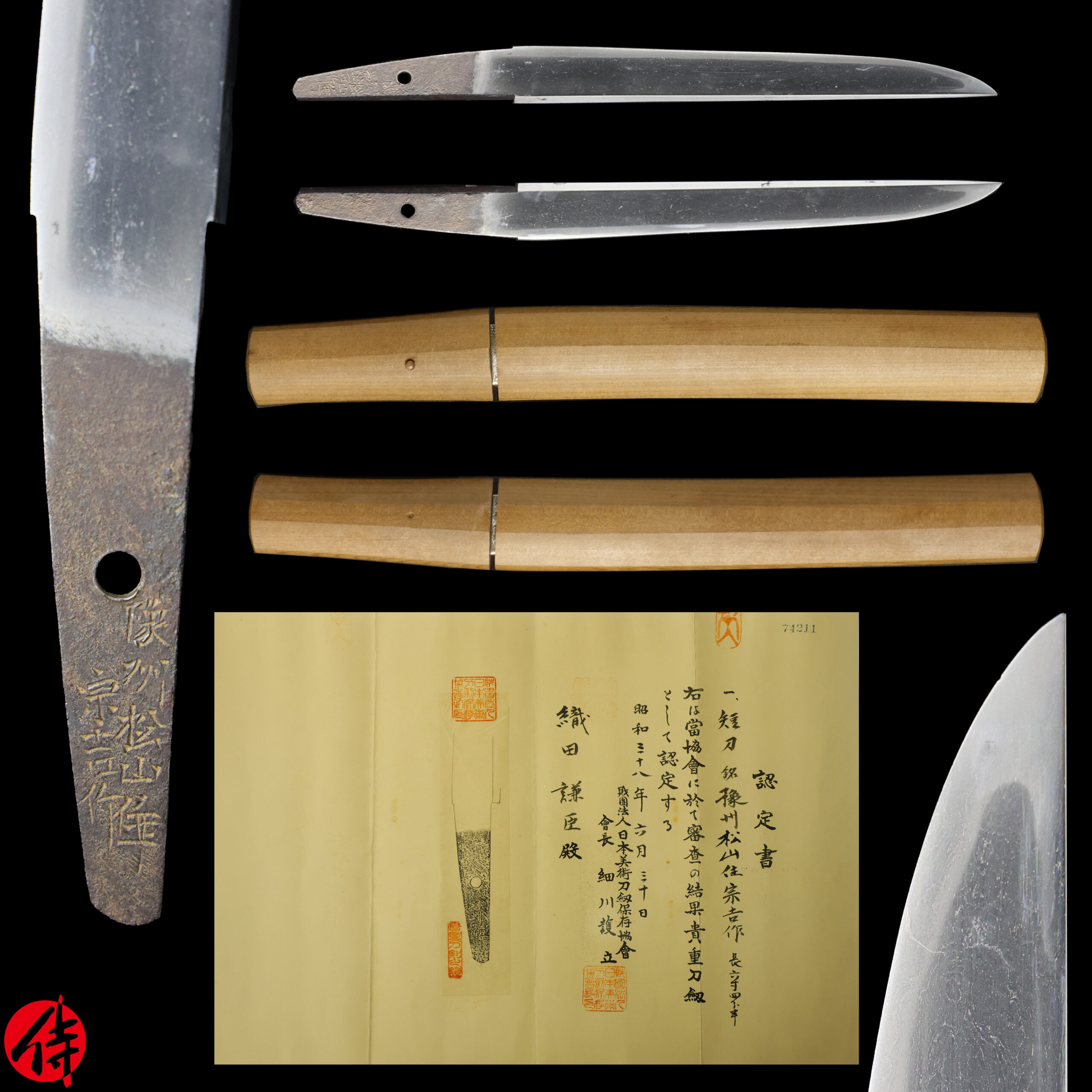
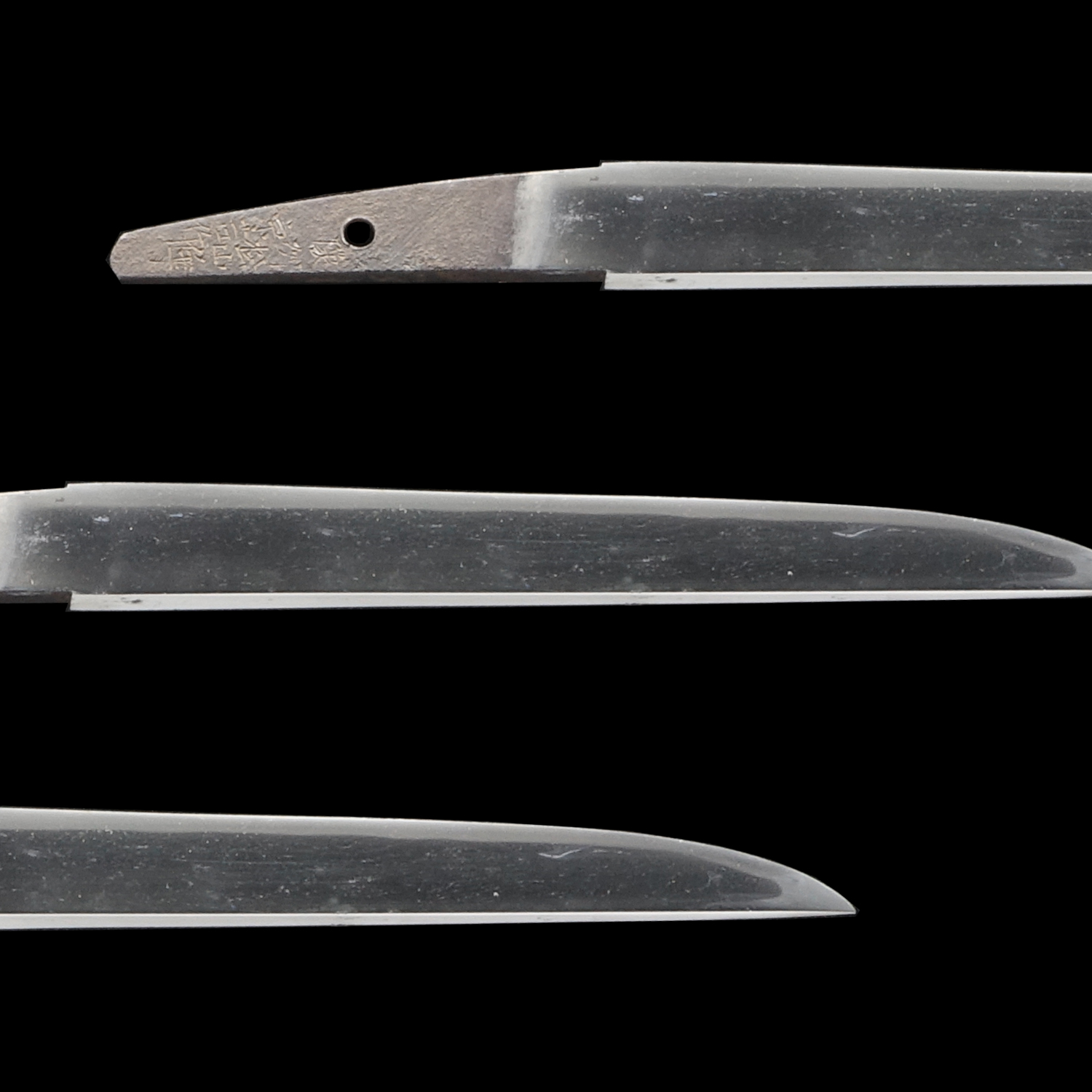
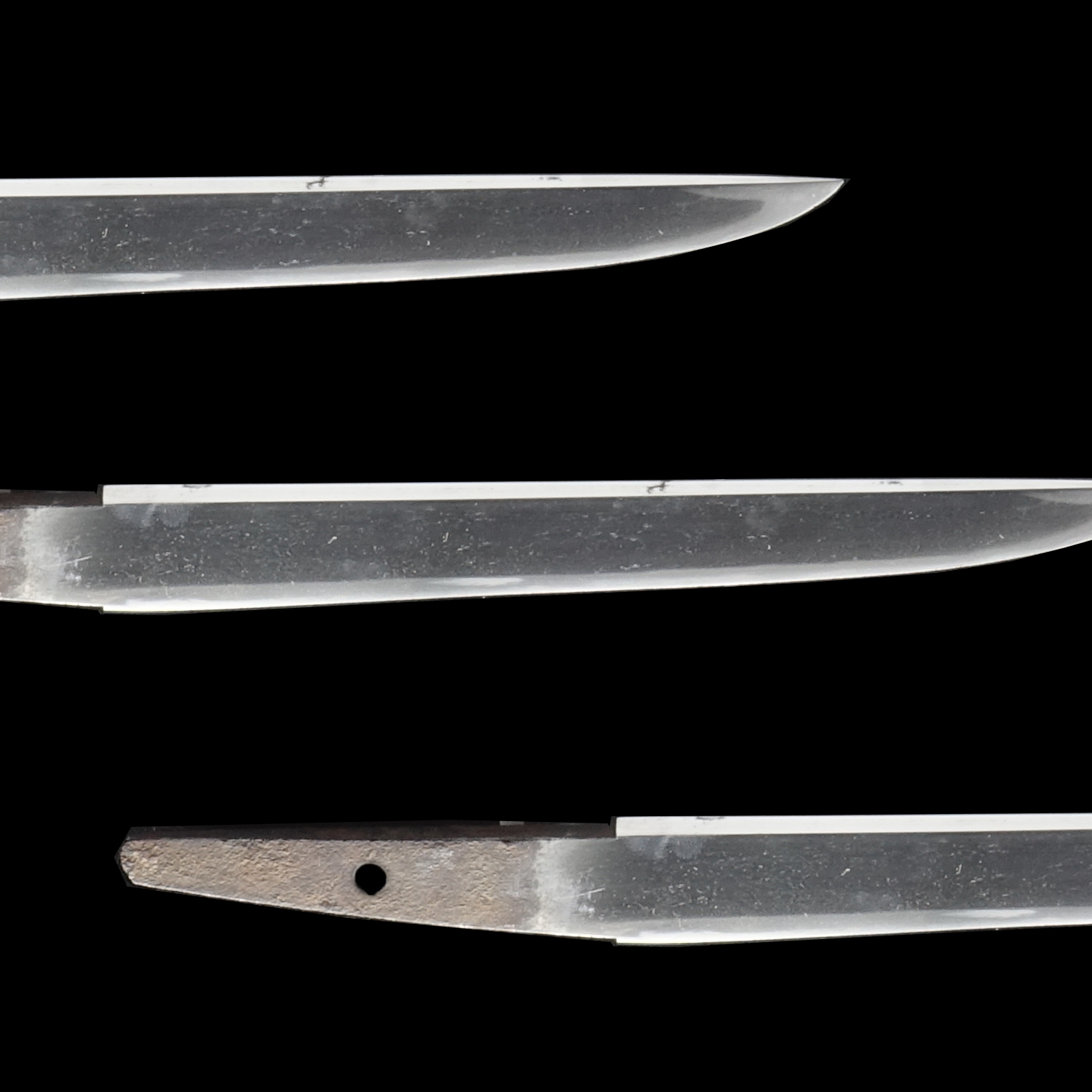
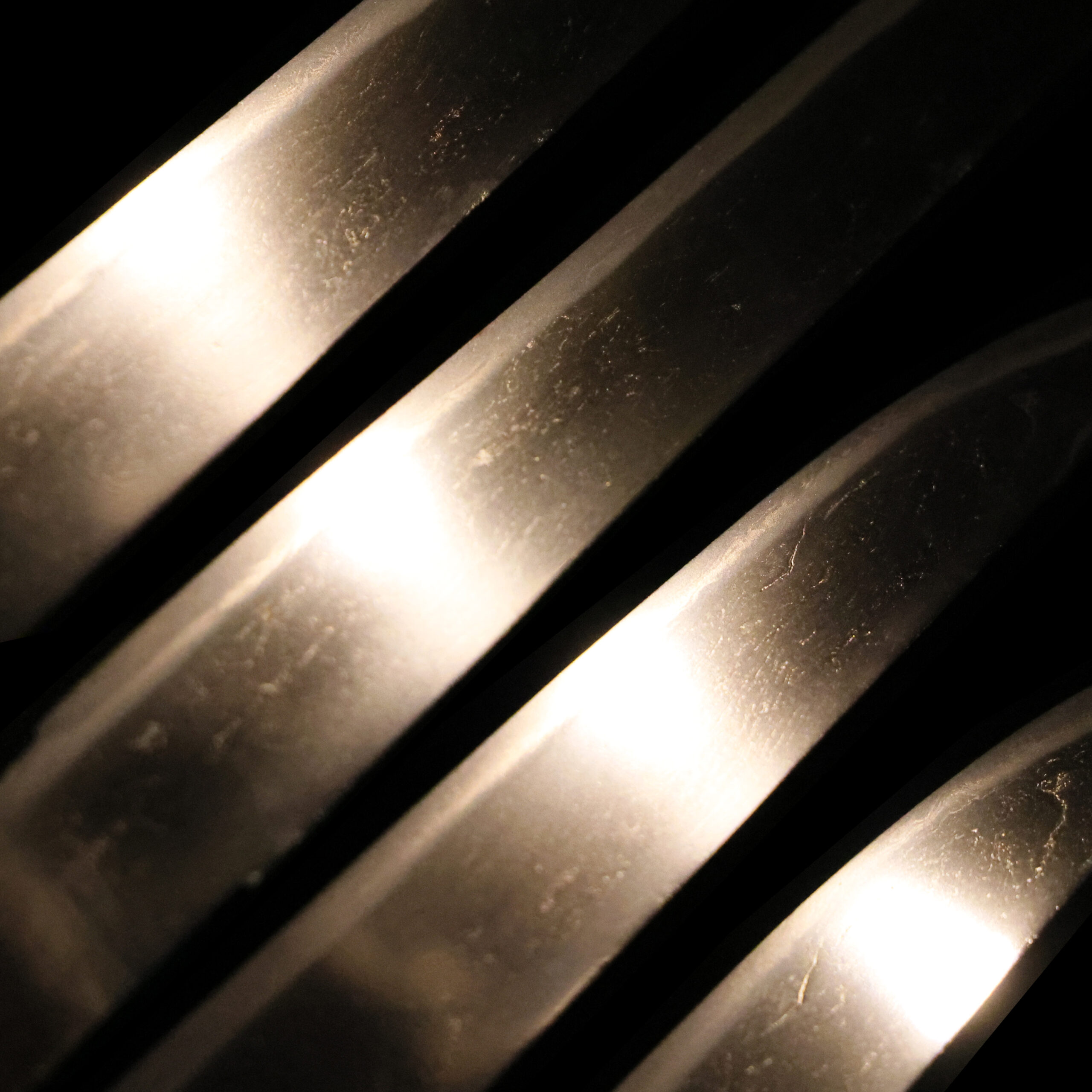
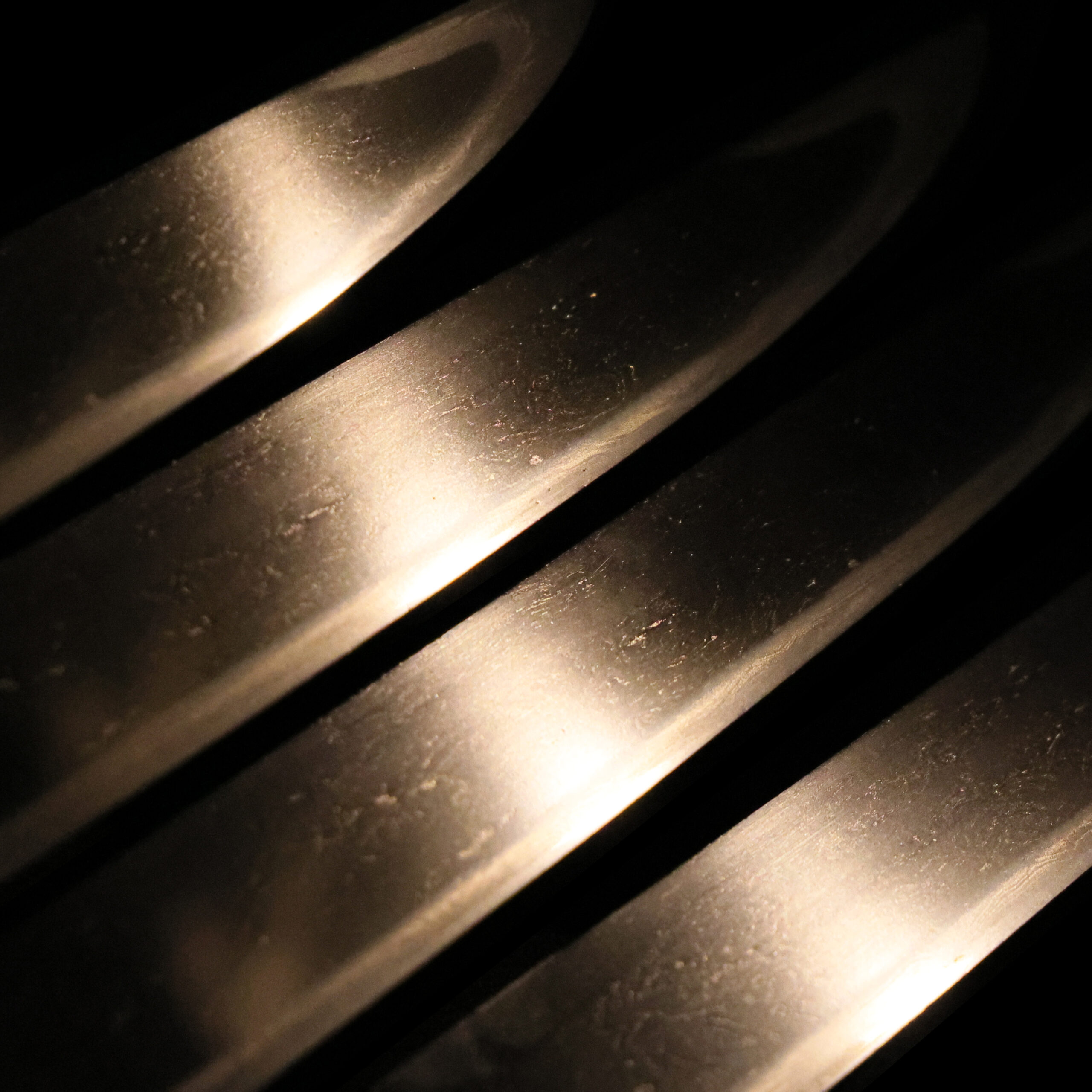
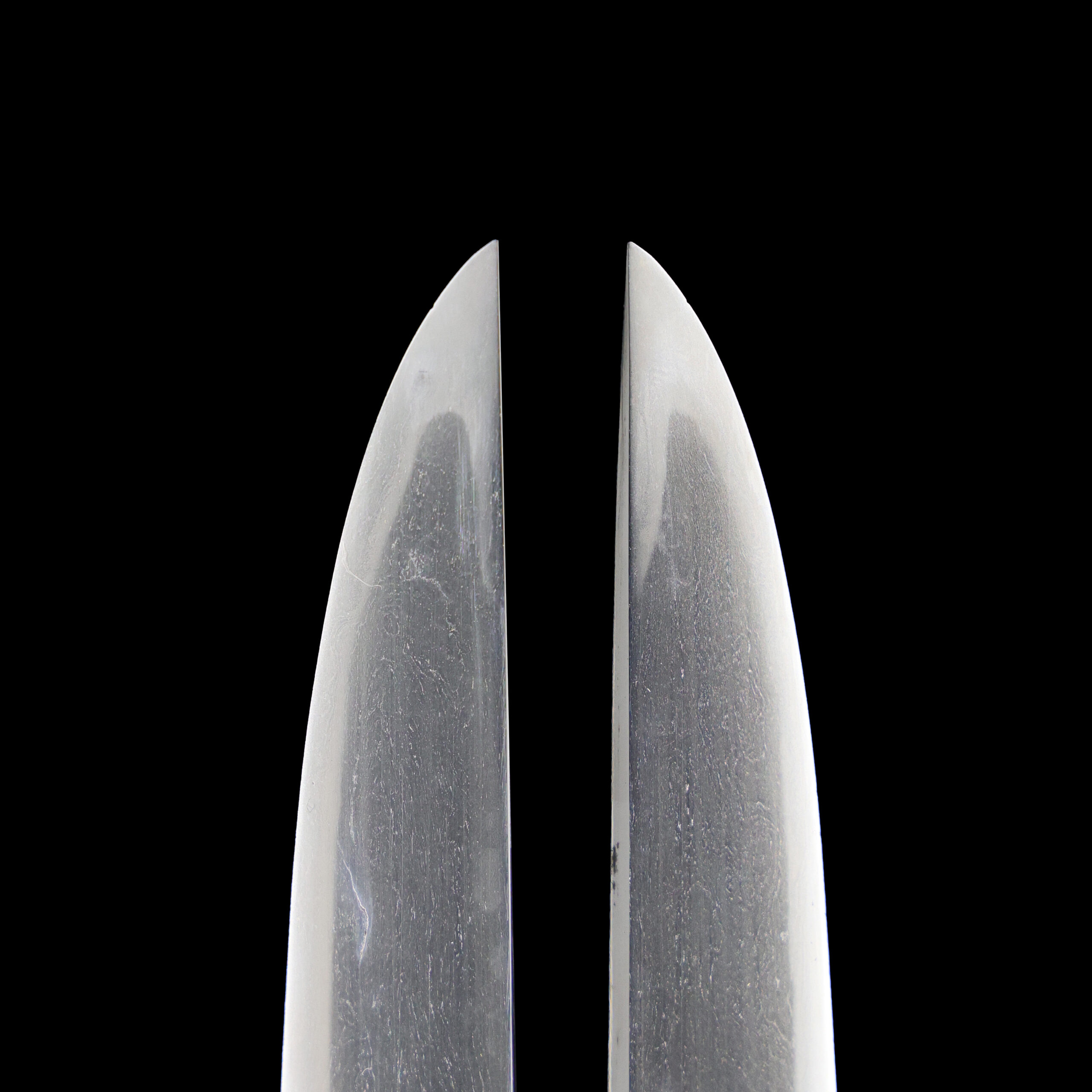
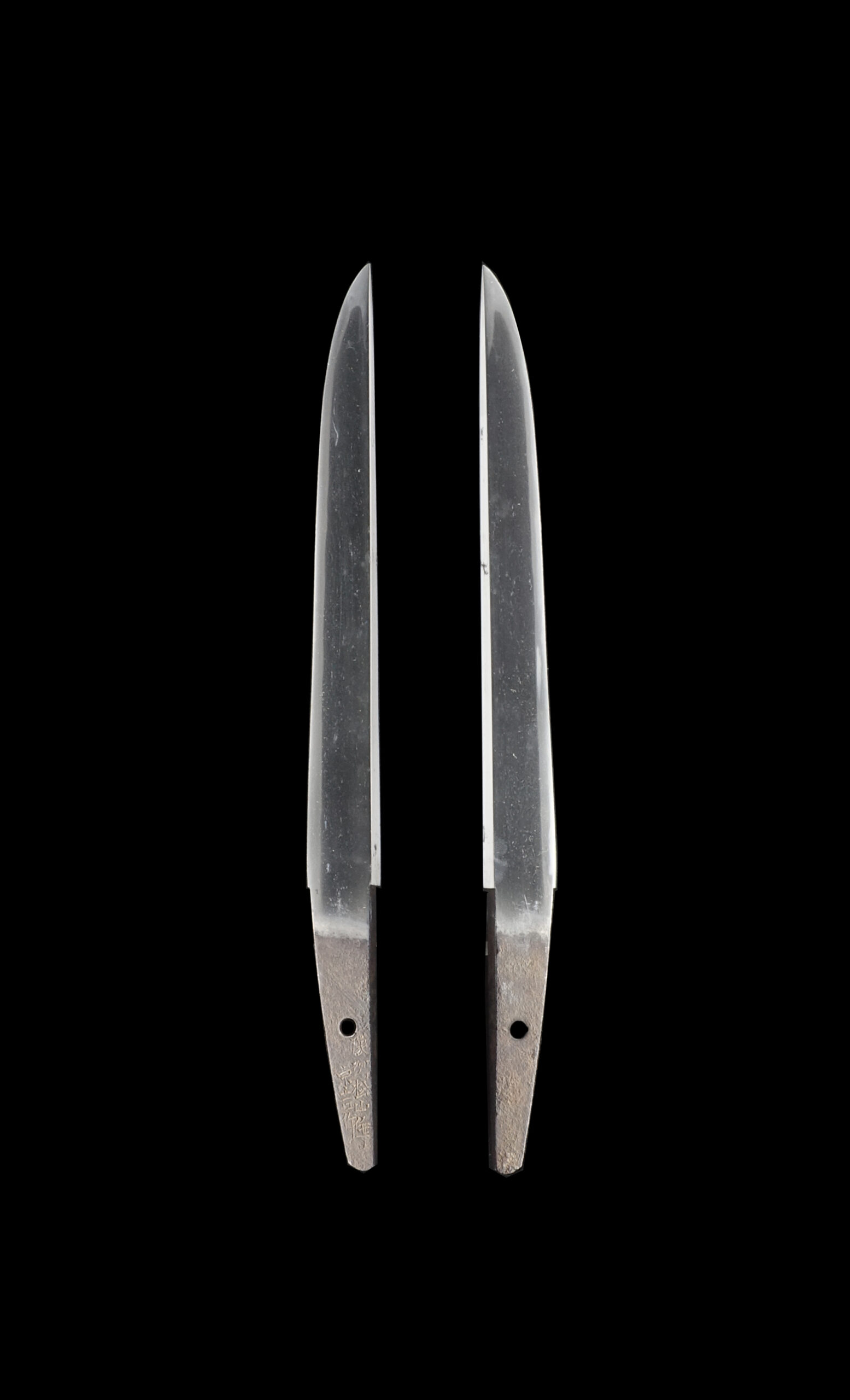
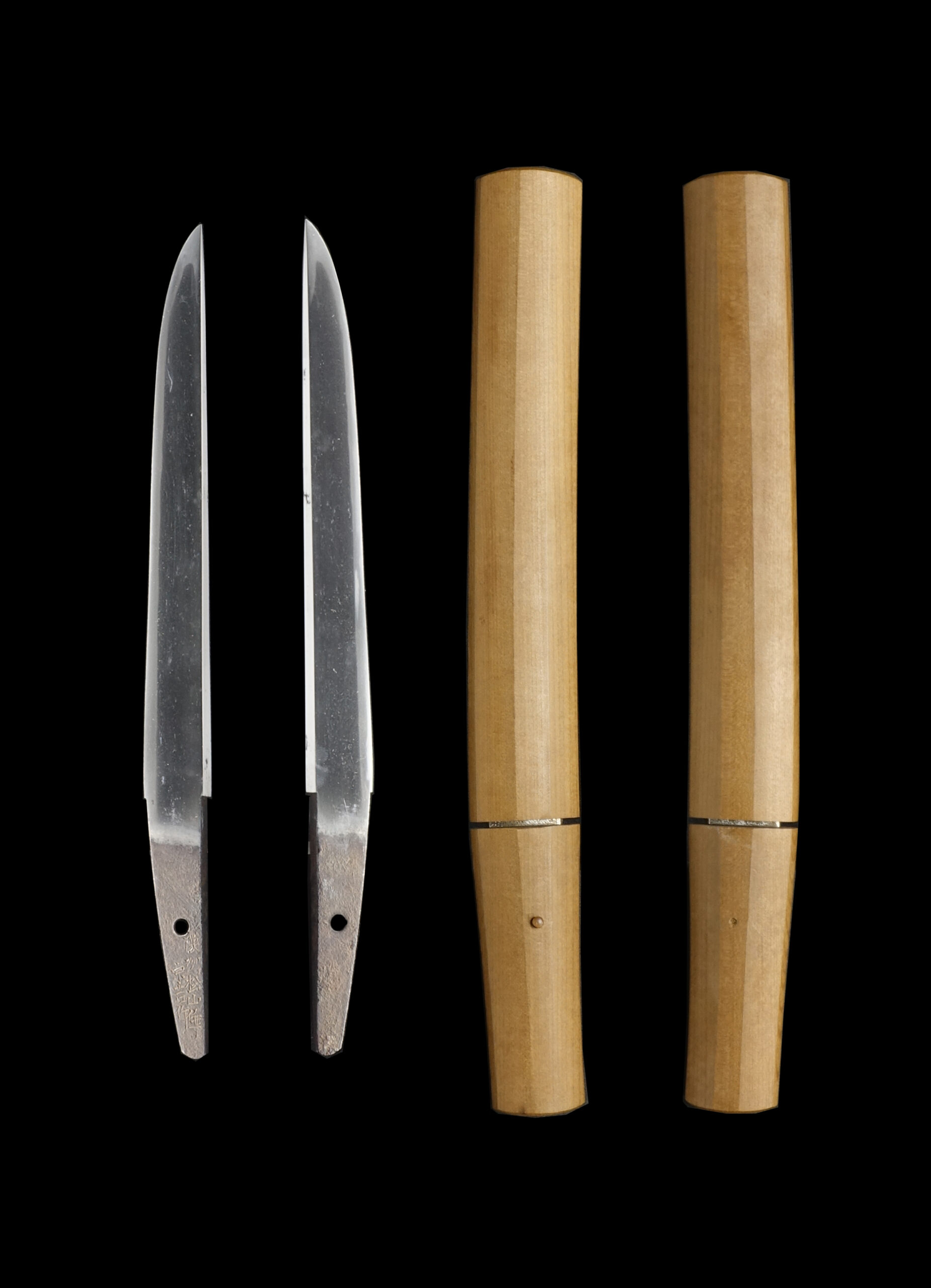
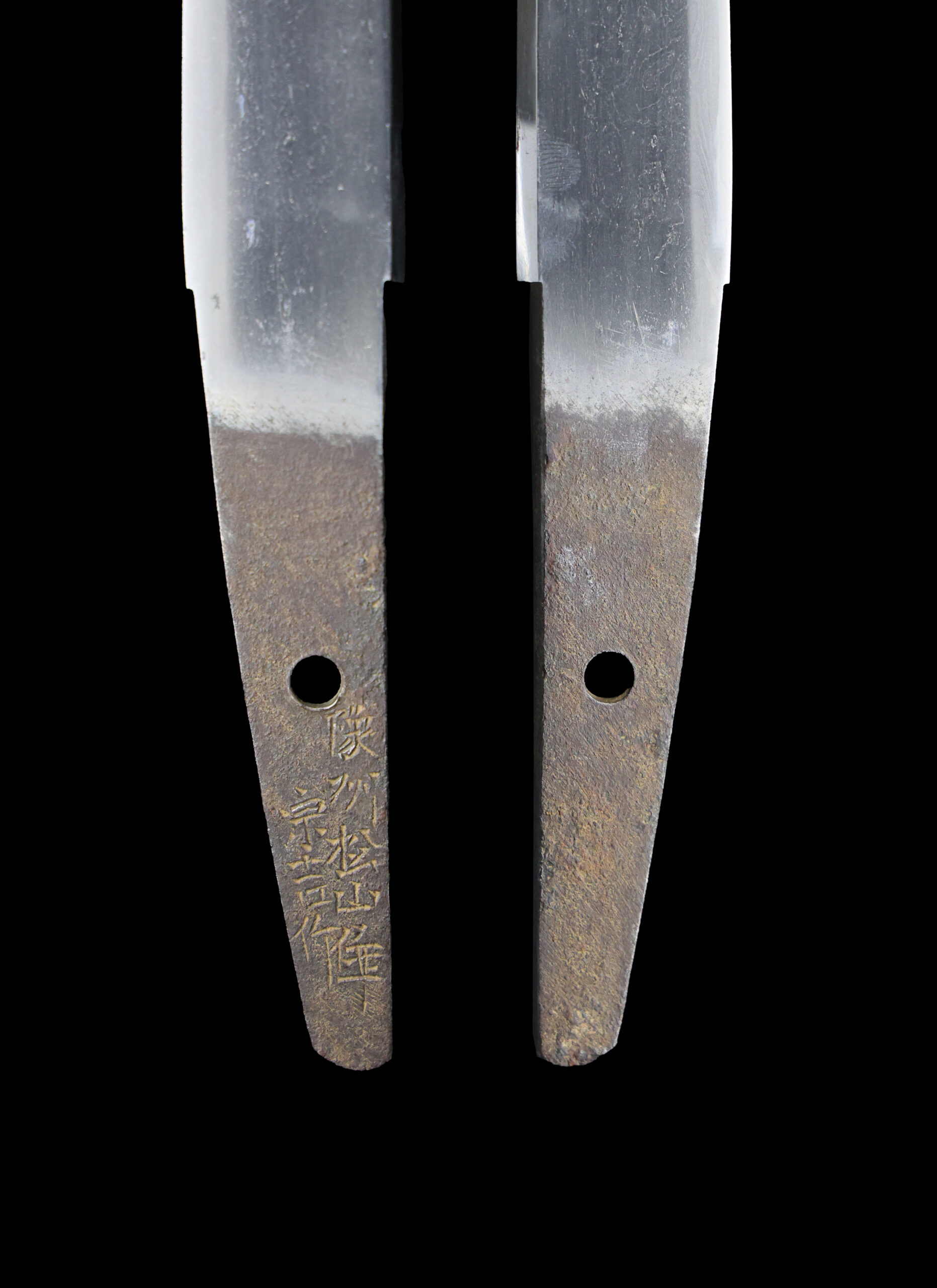
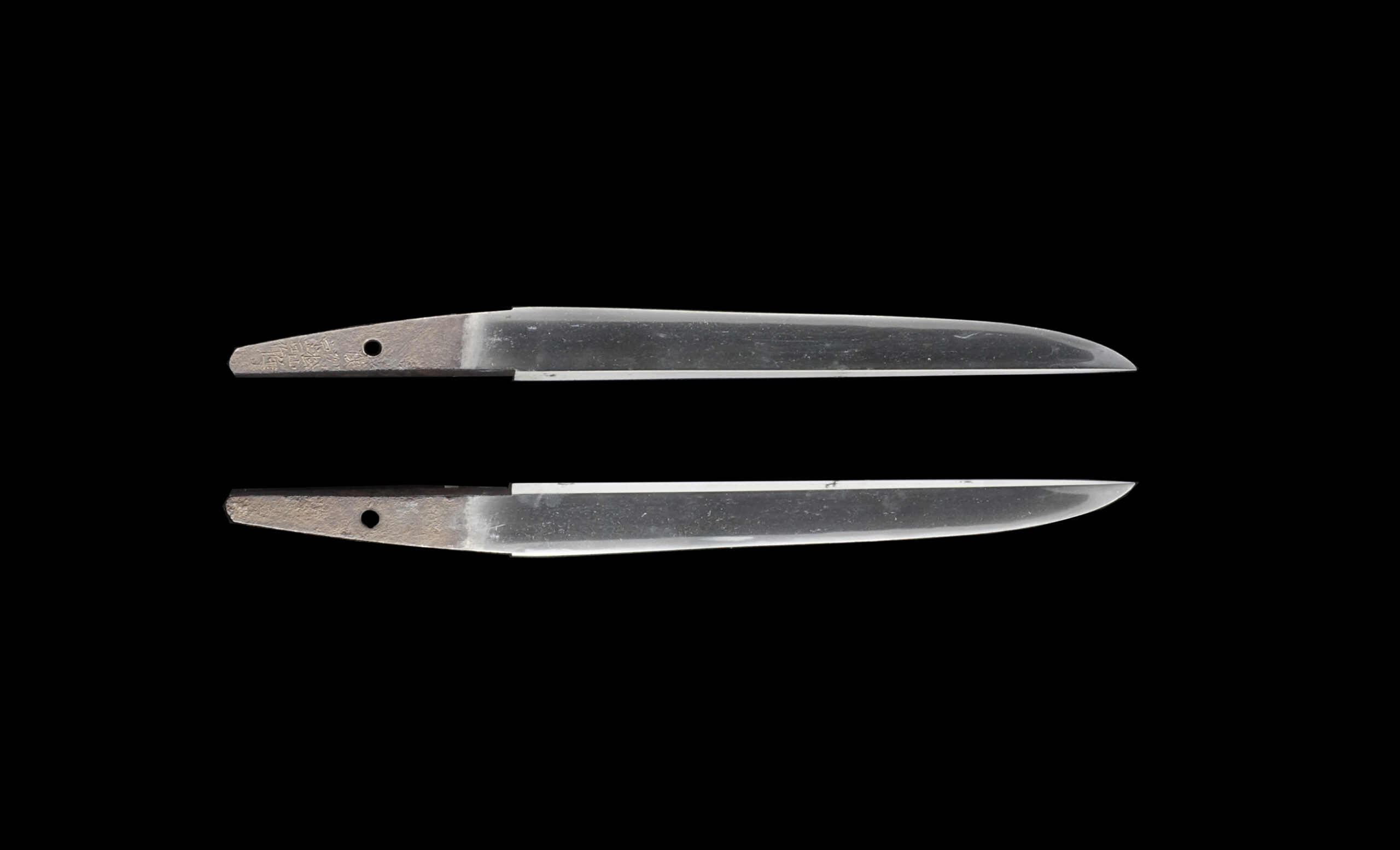
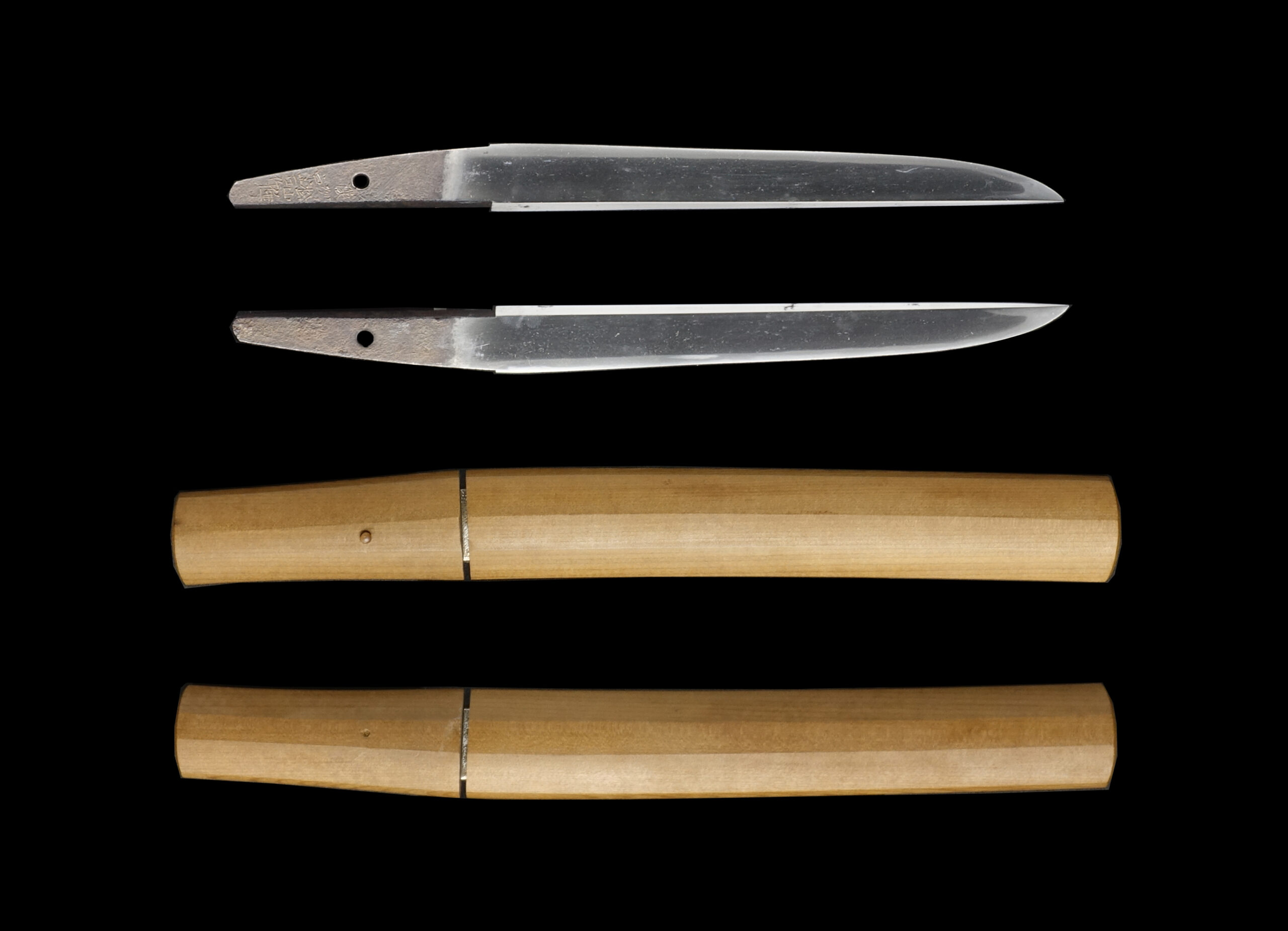
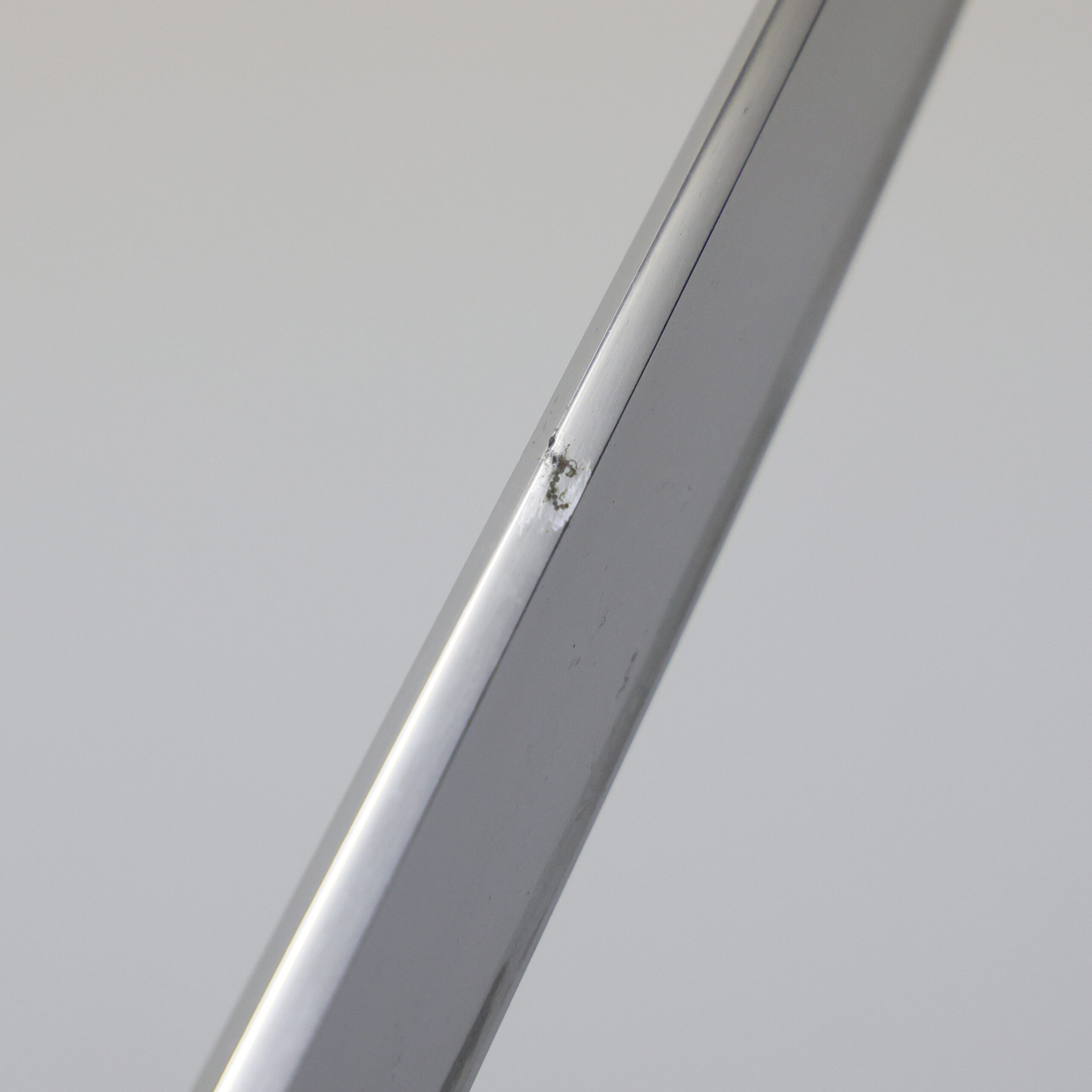
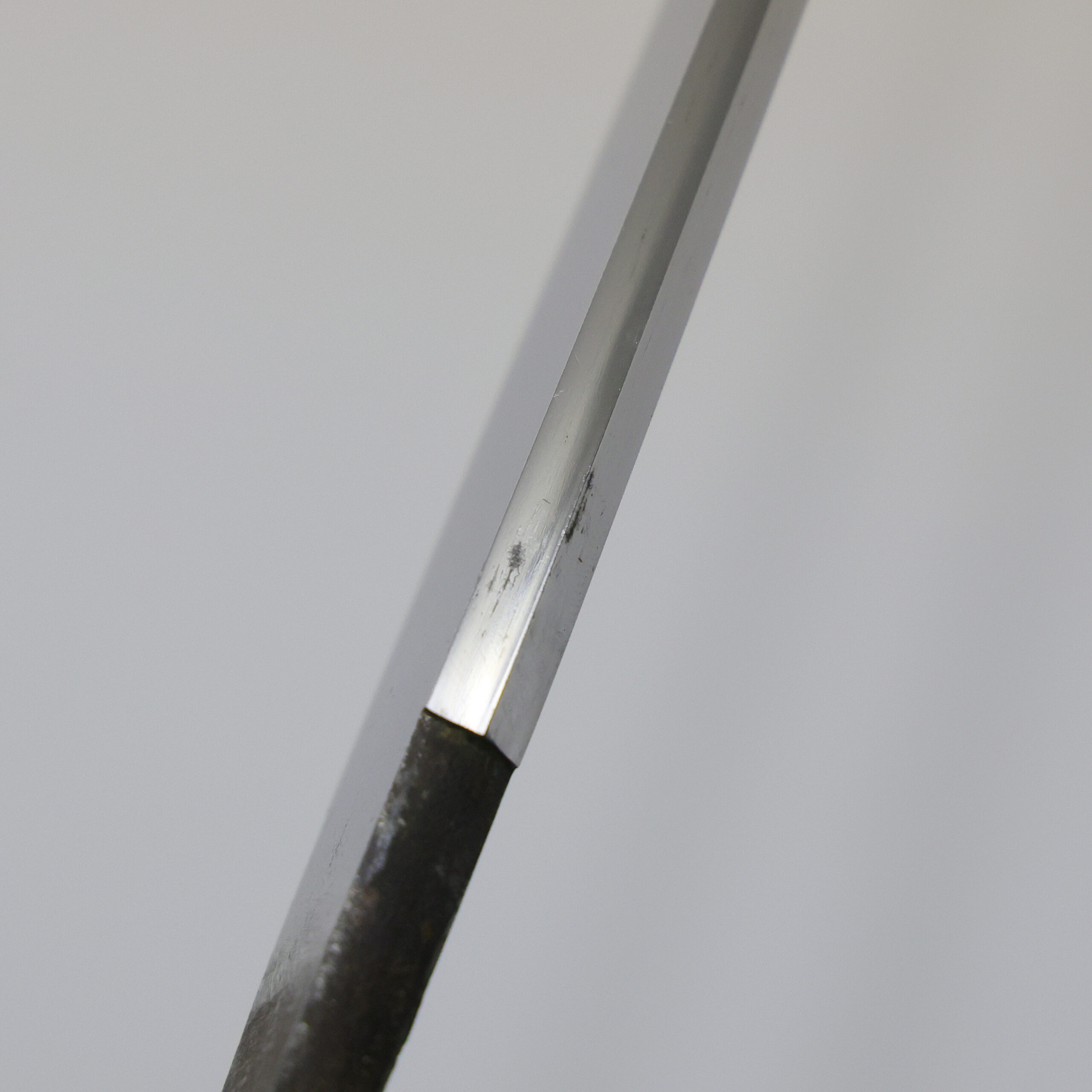
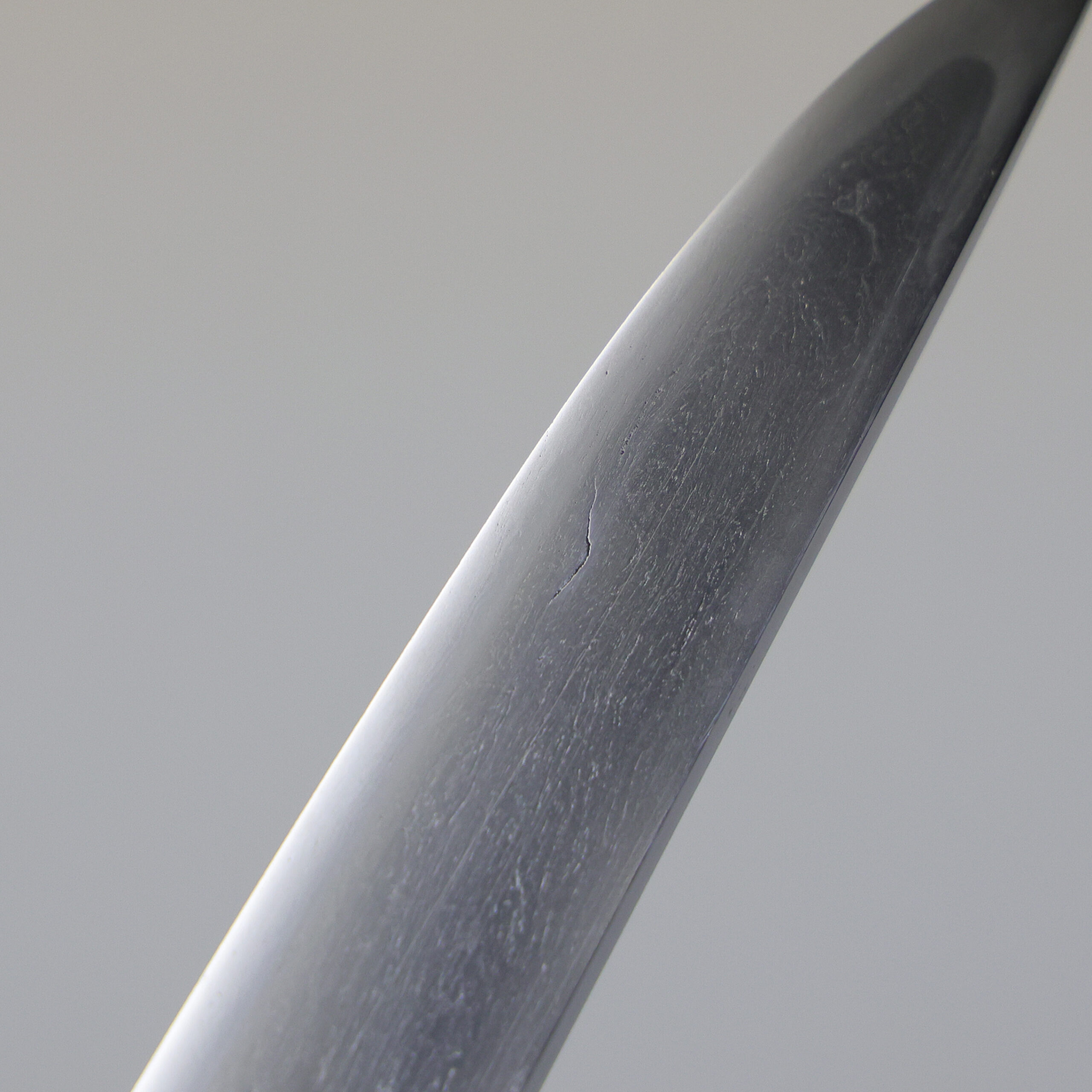
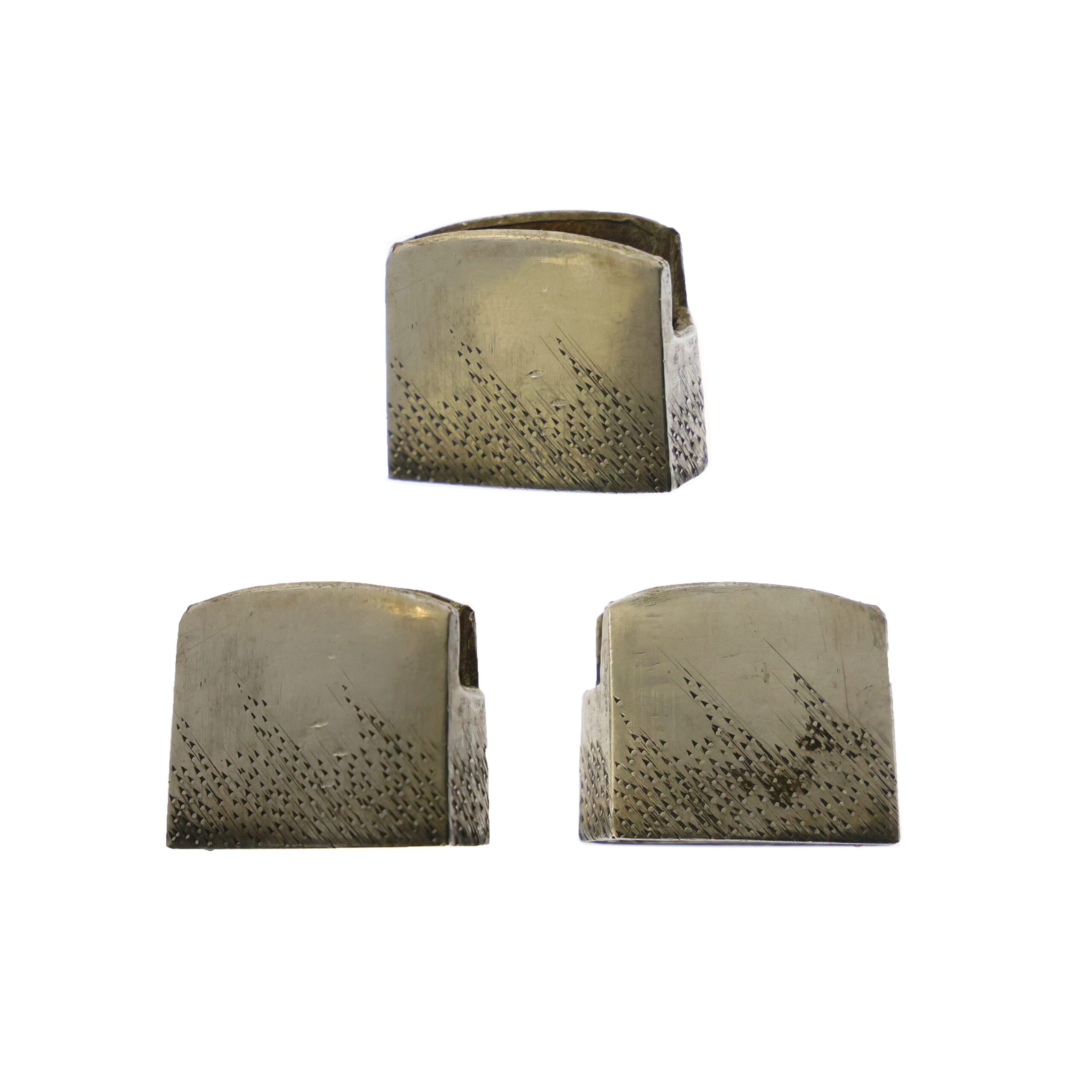
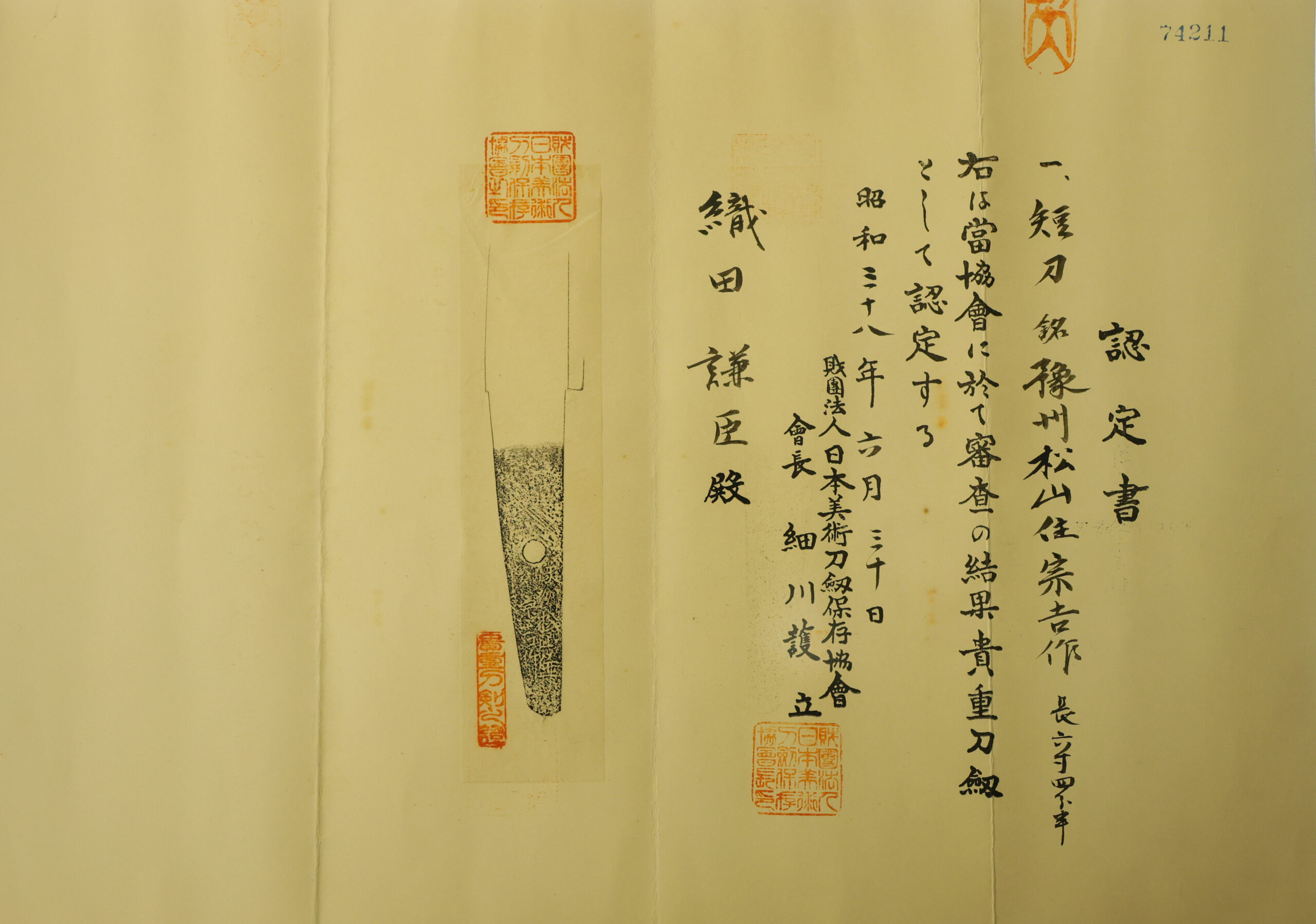
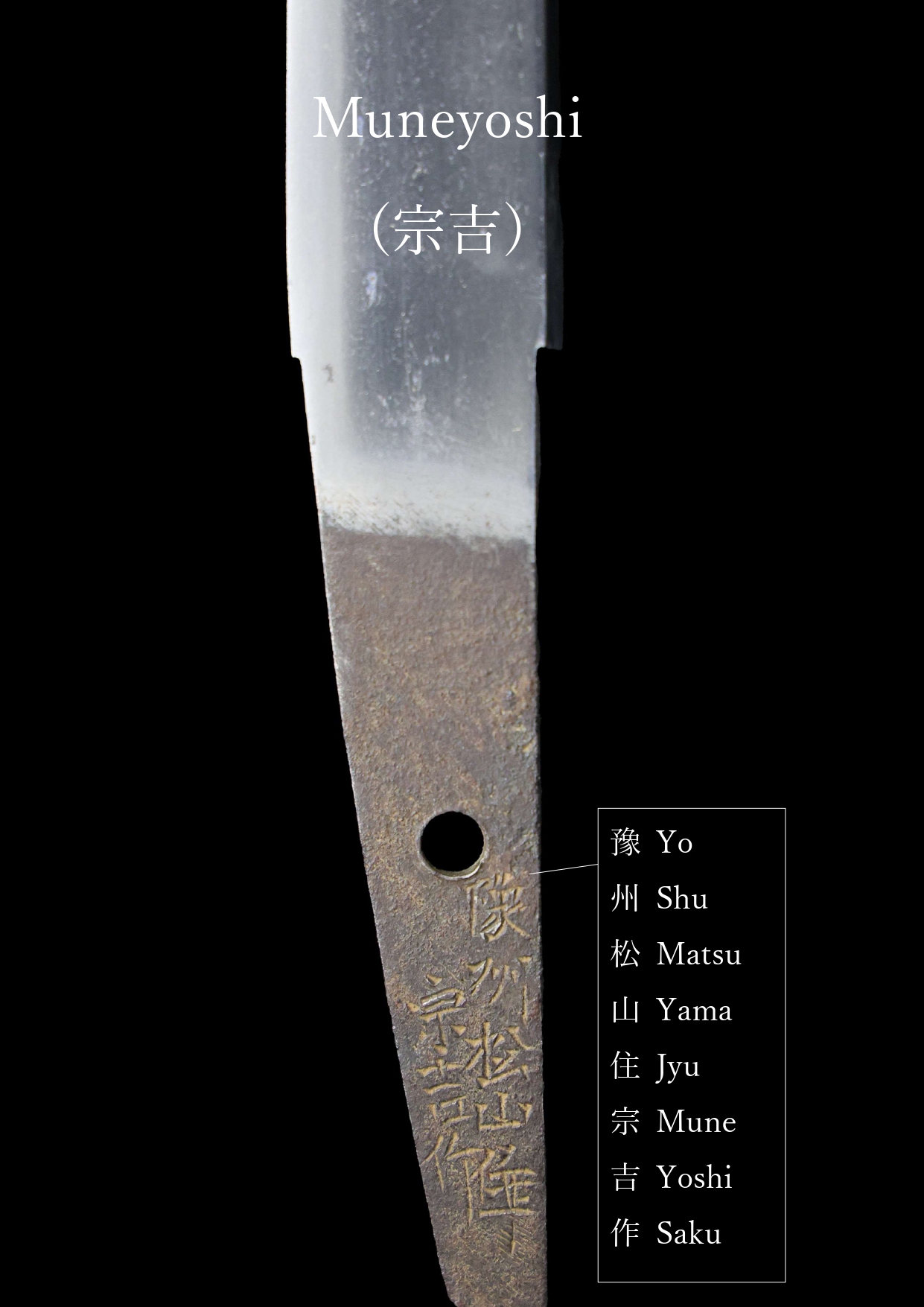
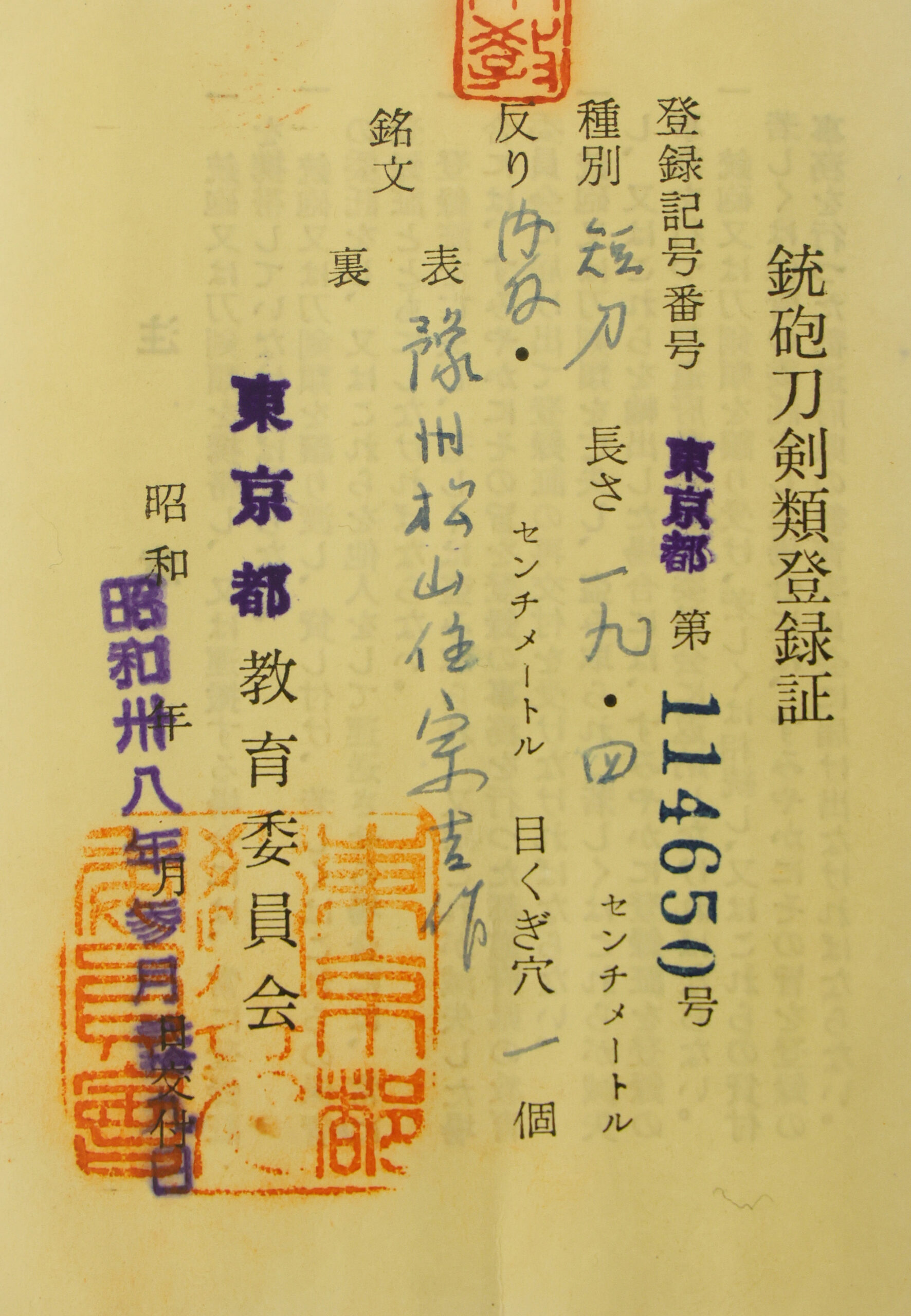
Antique Japanese Sword Tanto signed by Muneyoshi with NBTHK Kicho Certificate 【Description】 This blade is signed by Yoshū Matsuyama Jū Muneyoshi (豫州松山住宗吉), a swordsmith active in Matsuyama of Iyo Province (today’s Ehime prefecture) from the late Edo to the early Meiji period. Background Japan experienced a long period of relative peace from the early to mid-Edo period (17th to mid-18th century), supported by a stable economy and the firm rule of the Tokugawa shogunate. During this time, Samurai had few opportunities to use their swords in battle or in public, and the katana came to be worn primarily as a symbol of social status. As a result, demand for purely functional weapons declined compared to the preceding Warring States period, known as the Sengoku Jidai (1467–1600). However, toward the late Edo period (late 18th to 19th century), the role of the Japanese sword began to change once again. As economic hardship spread and civil unrest increased, swords regained their importance in maintaining public order. At the same time, growing pressure from foreign powers to open Japan’s borders created a climate of uncertainty, prompting Samurai to commission strong, practical blades in preparation for potential conflict. It is believed that many swordsmiths—including Muneyoshi—devoted themselves to forging high-quality, durable swords to meet these demands. This period of tension ultimately culminated in a civil war between the Tokugawa shogunate and the newly established Meiji government. The original owner of this katana may well have lived through—and perhaps witnessed firsthand—the final, turbulent years that marked the end of the Samurai era. What is Tanto? Japanese swords under the blade length of 30cm (11.6 inches) are generally called TANTO, and sometimes TSUBA(鍔; Hand-Guard) is not attached to the TANTO. It was easy to carry and convenient for close combats. It was initially used as a supplemental weapon for Samurai on horseback, who used a pole weapon or long sword in the Kamaura-Muromachi period. Samurai aimed at an unprotected area of his enemy’s armor with Tanto while having to fight with close distance. TANTO was named accordingly, depending on how you carry it, such as HUTOKORO-GATANA (懐刀; Stomach-Sword) or KOSHI-GATANA(腰刀; Waist-Sword) or elsewise. TANTO was also a gift for a bride from her family in a traditional Japanese wedding, as it is believed that TANTO would be divine protection from evil power. *Please keep in mind that there are a couple of black rust and Kitae Kizu as well as a couple of chip on this blade. If you like to know the detailed condition, please feel free to contact us. 【Blade】 Cutting Edge Length(Nagasa) : 19.4 cm (7.6 inches) Curvature(Sori) : 0 cm (0 inches) Hamon : The crystalline structure which forms along the cutting edge of a blade as a result of the hardening process Jimon(Jihada) : visible steel surface pattern created by folding and hammering during forging process Kissaki : Kissaki is the tip of the Japanese sword. Nakago : Nakago is the tang of the Japanese sword. Japanese swordsmiths left the black rust on the tang because it prevents red rust while the tang is in its handle. And the discoloration of the tang was created over time, and it is a great indicator for a Japanese sword specialist to estimate when the sword was forged. Habaki : Habaki is the equipment to make the blade not touch its scabbard inside. It prevents the blade from getting rusty and chipped. Authentication Paper : NBTHK Kicho Certificate for the blade (No. 74211) NBTHK , also known as Nihon Bijutsu Touken Hozon Kyokai (the Society for the Preservation of the Japan Art Sword), is one of the oldest Japanese sword appraising organizations in modern-day Japan. They authenticated the blade on June 30th in the 38th year of Showa (1963). They appraised it as a Kiho Touken, an old form of the certificate. The purchaser will receive the original certificate as well. We can also translate what is written into English
NihontoWatch取扱店 サムライミュージアム
伊予 · 1868-1912頃
刀剣大鑑 上位99%
現在4点販売中
明治 廃刀令ののち
1876年の廃刀令は帯刀を終わらせ、工芸そのものを死の淵に追った。軍の需要と皇室の庇護が命脈を保ち、1906年には月山貞一と宮本包則が帝室技芸員に任じられている。
本作はNBTHKの旧鑑定書(貴重・特別貴重)を有しますが、これらは現在発行されておらず、現在の日刀保ではほとんど認められていません。極めを確認するには、公的な鑑定機関(NBTHK・NTHKなど)に再提出し、現行の鑑定を受けることもご検討ください。
Returns/exchanges limited to defects caused by shipping (except willful misconduct or gross negligence by the company); customers must contact within 72 hours of receiving the product.