NihontoWatch Mon

NihontoWatch

マーケットオークション
事典
NihontoWatch Mon

NihontoWatch

マーケットオークション
事典

説明

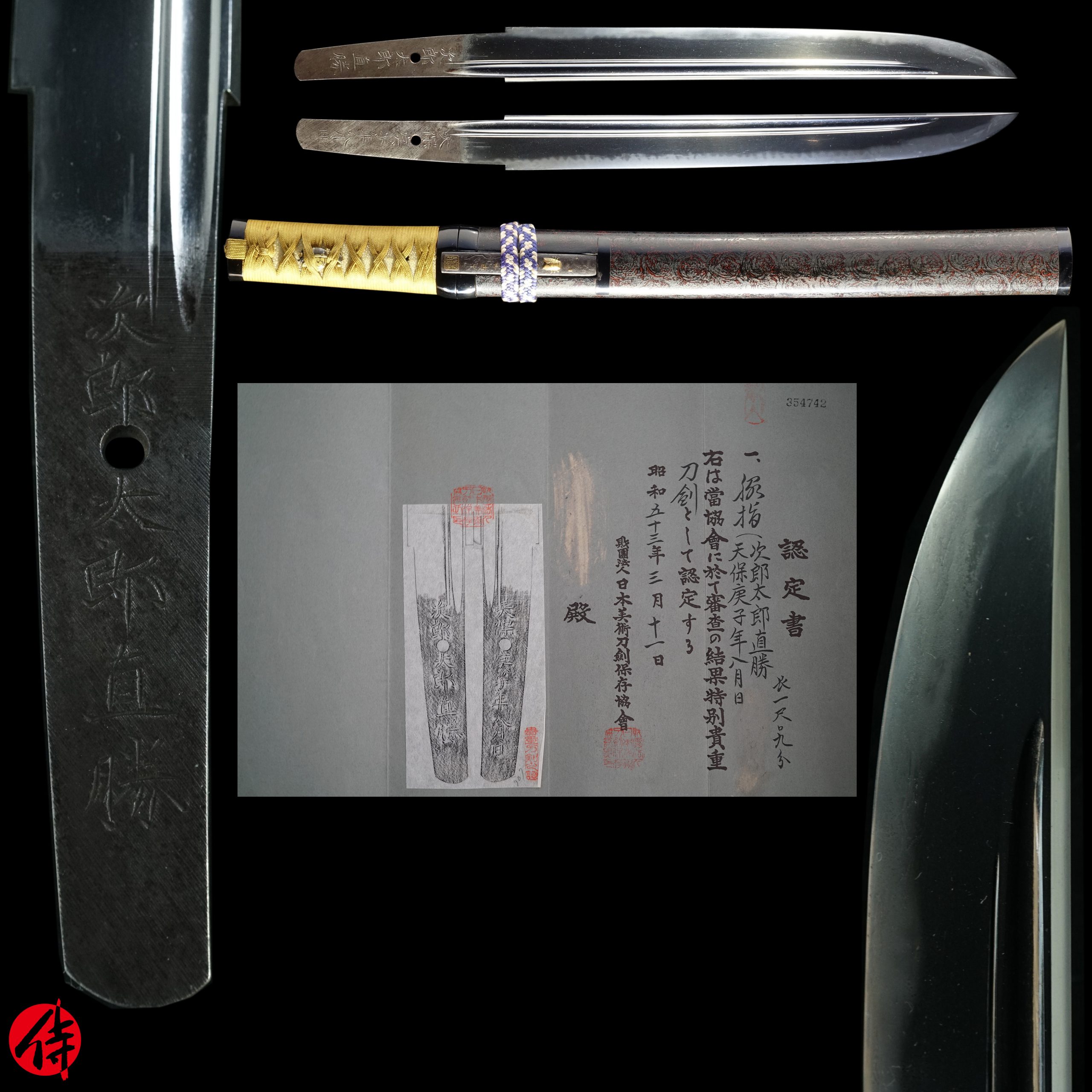
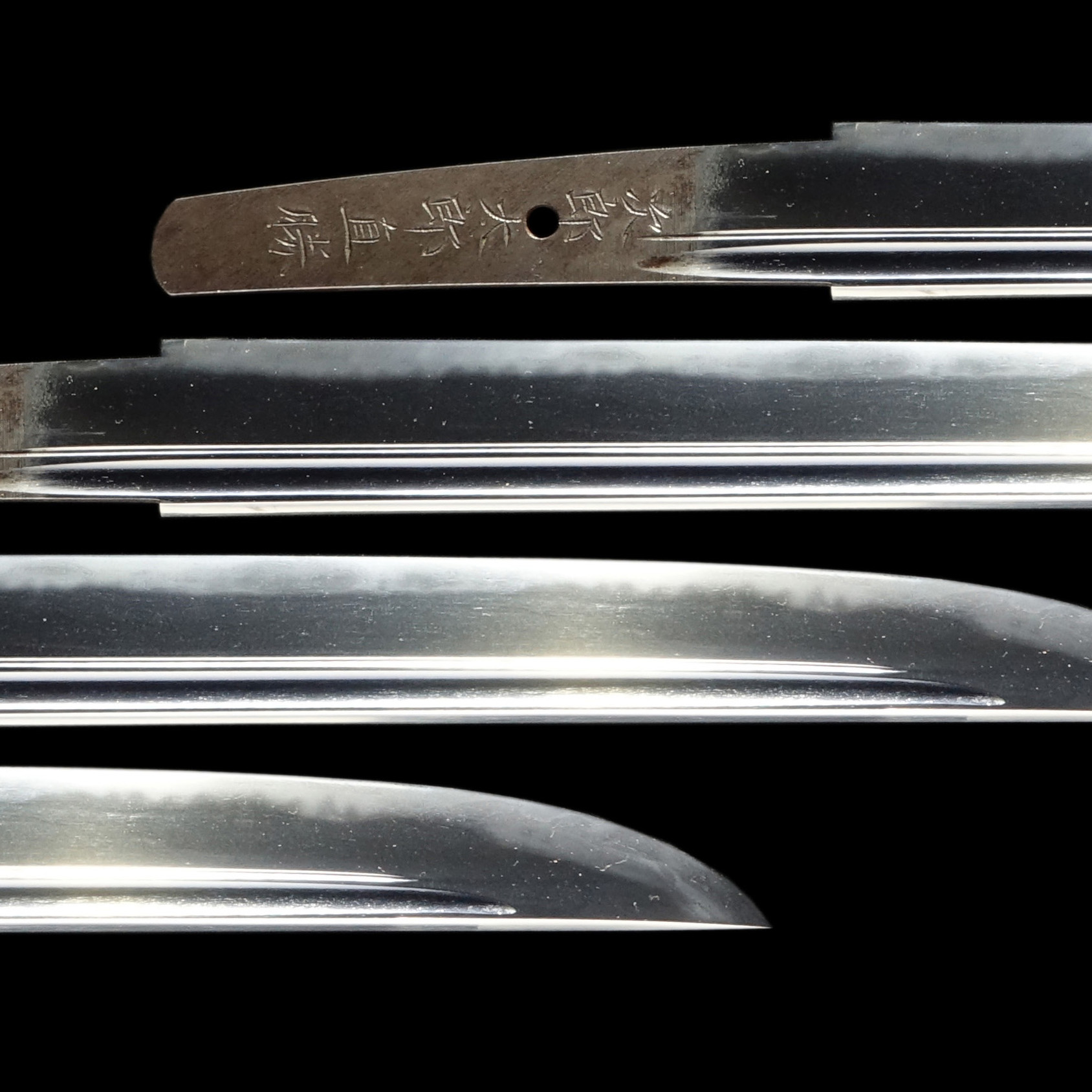
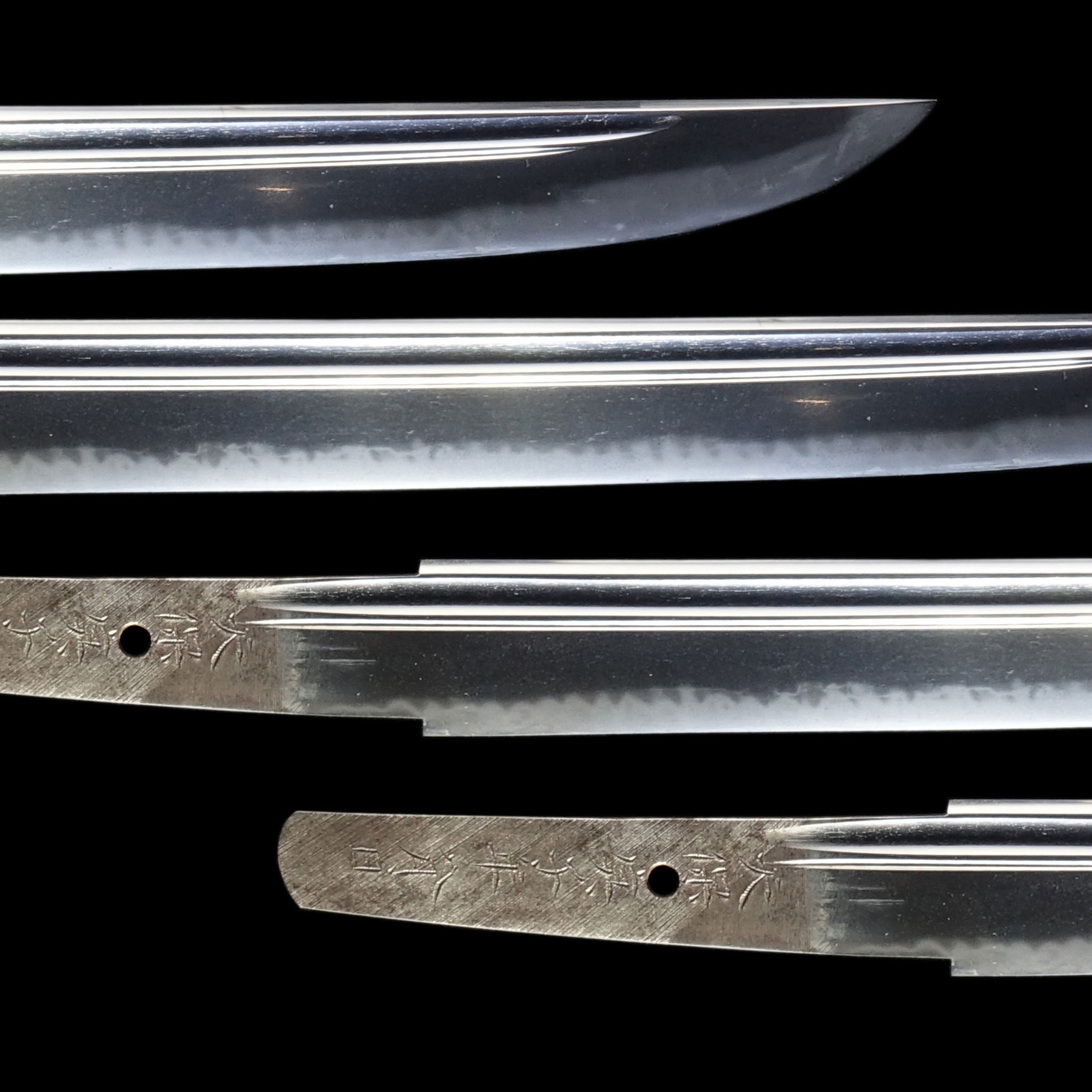
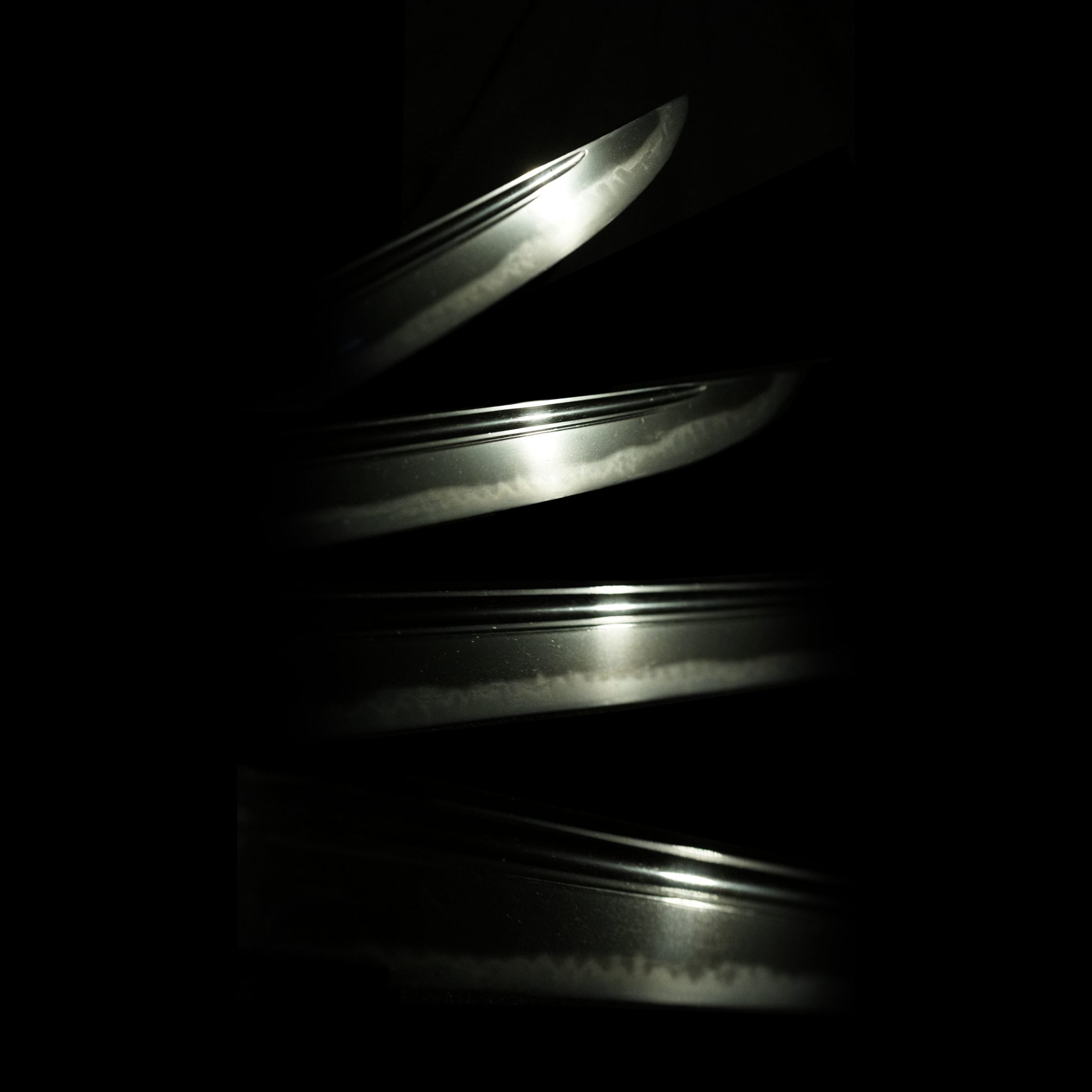
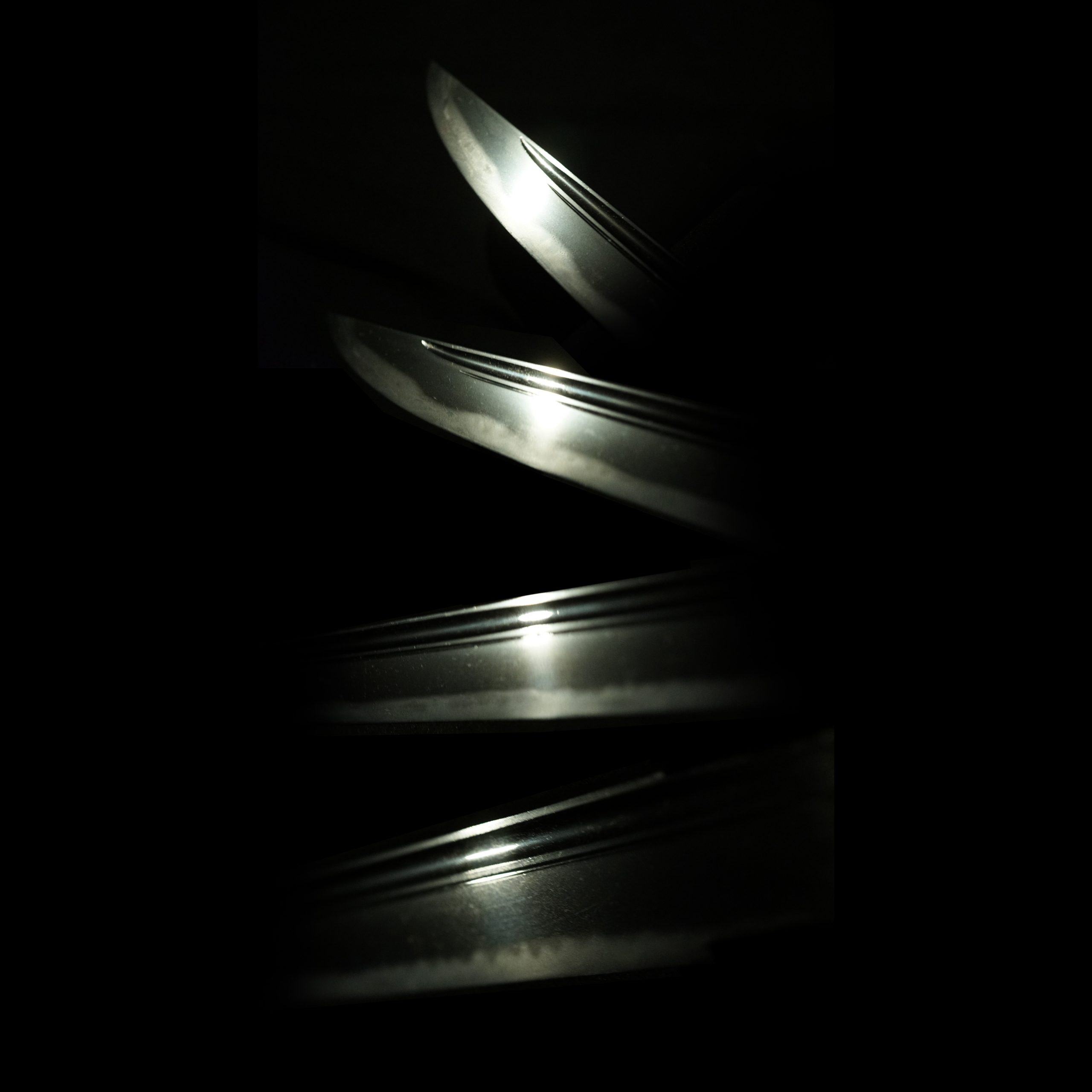
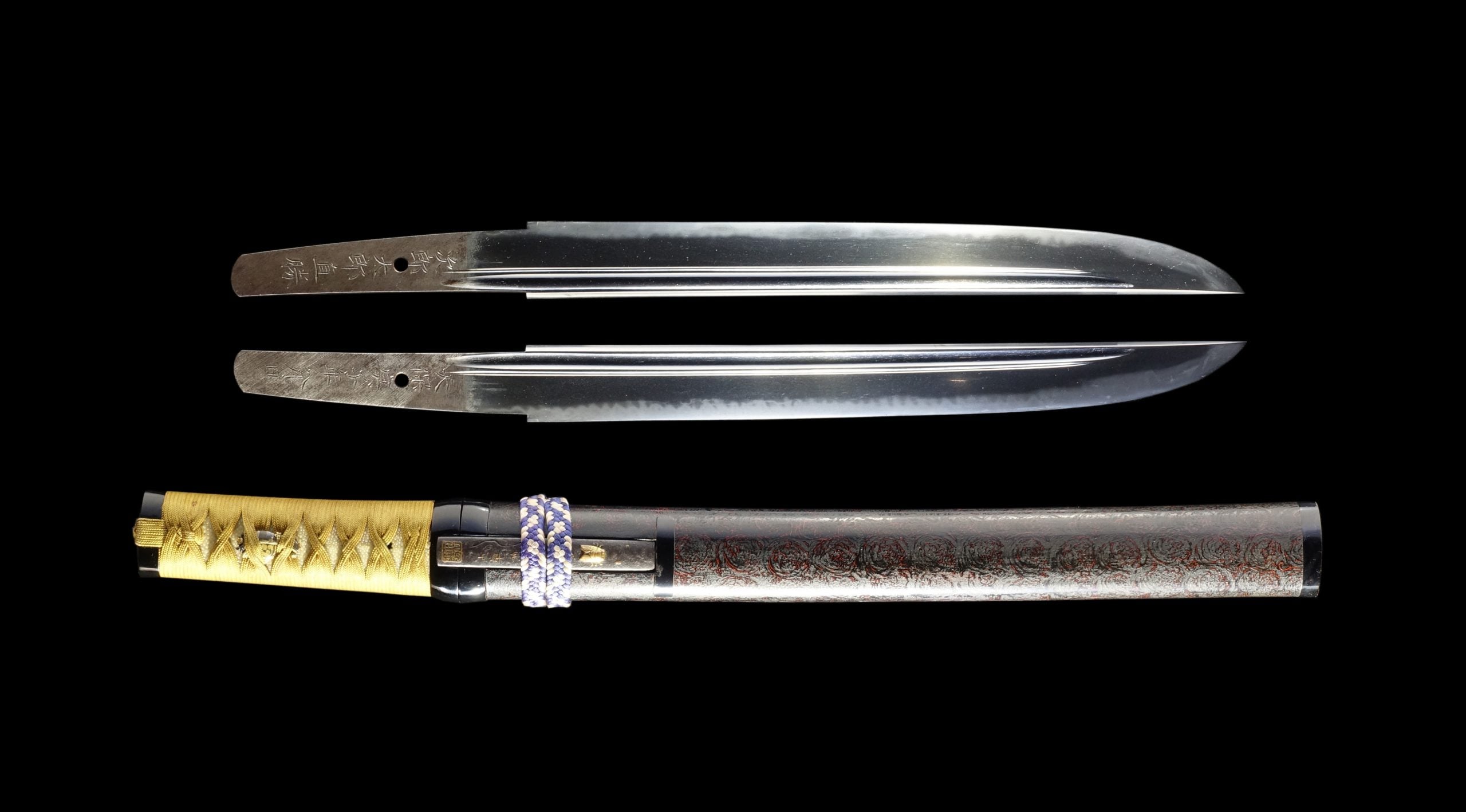
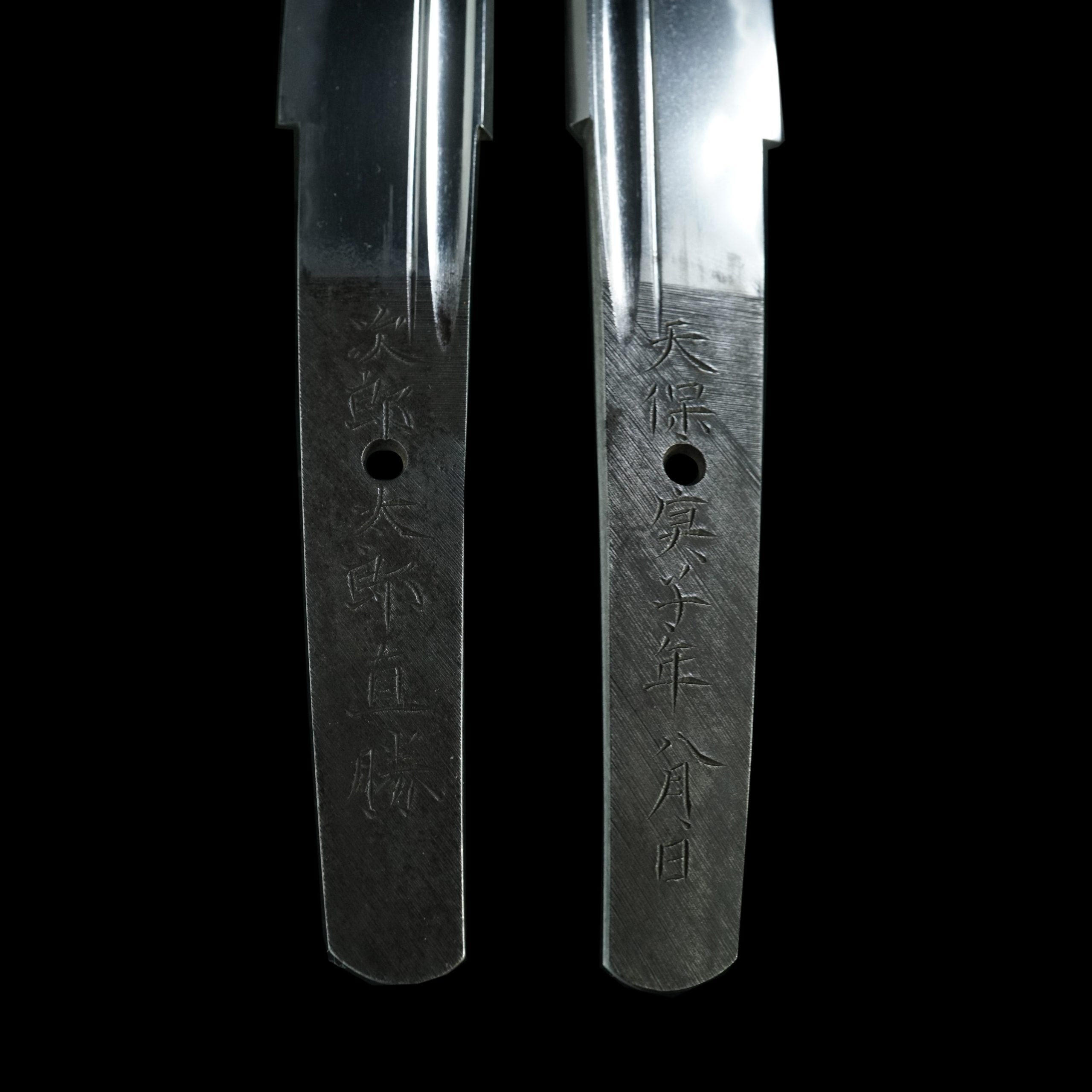
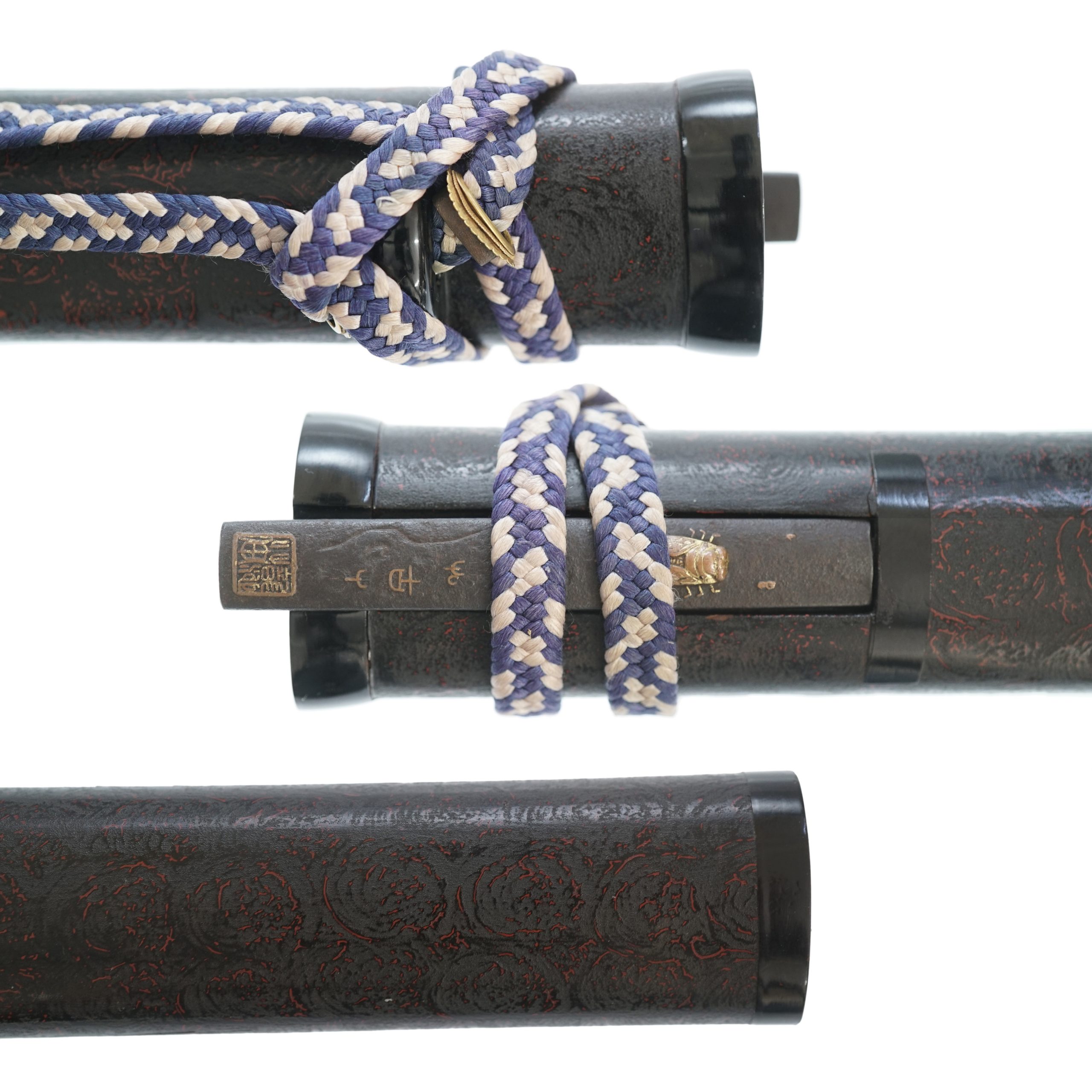
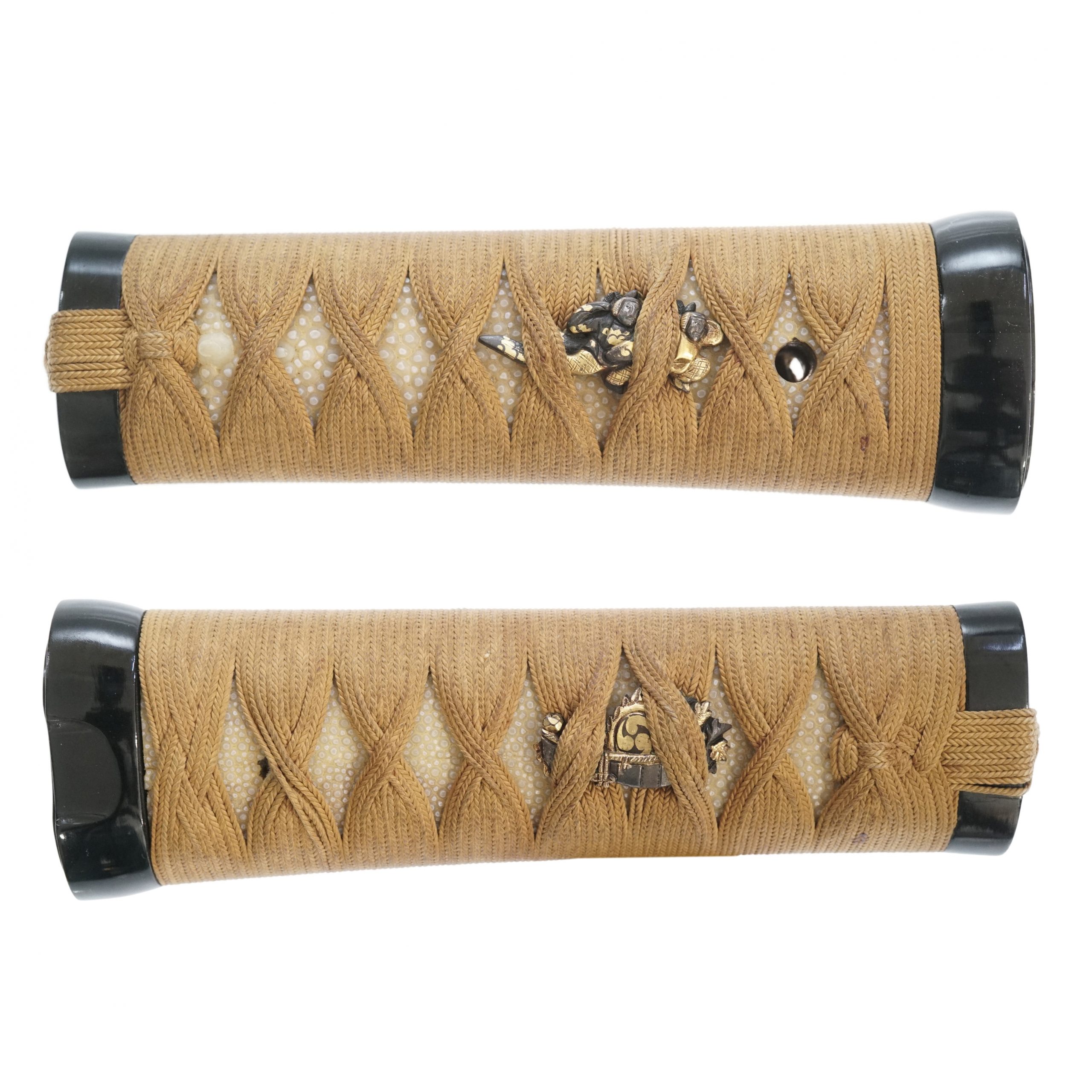
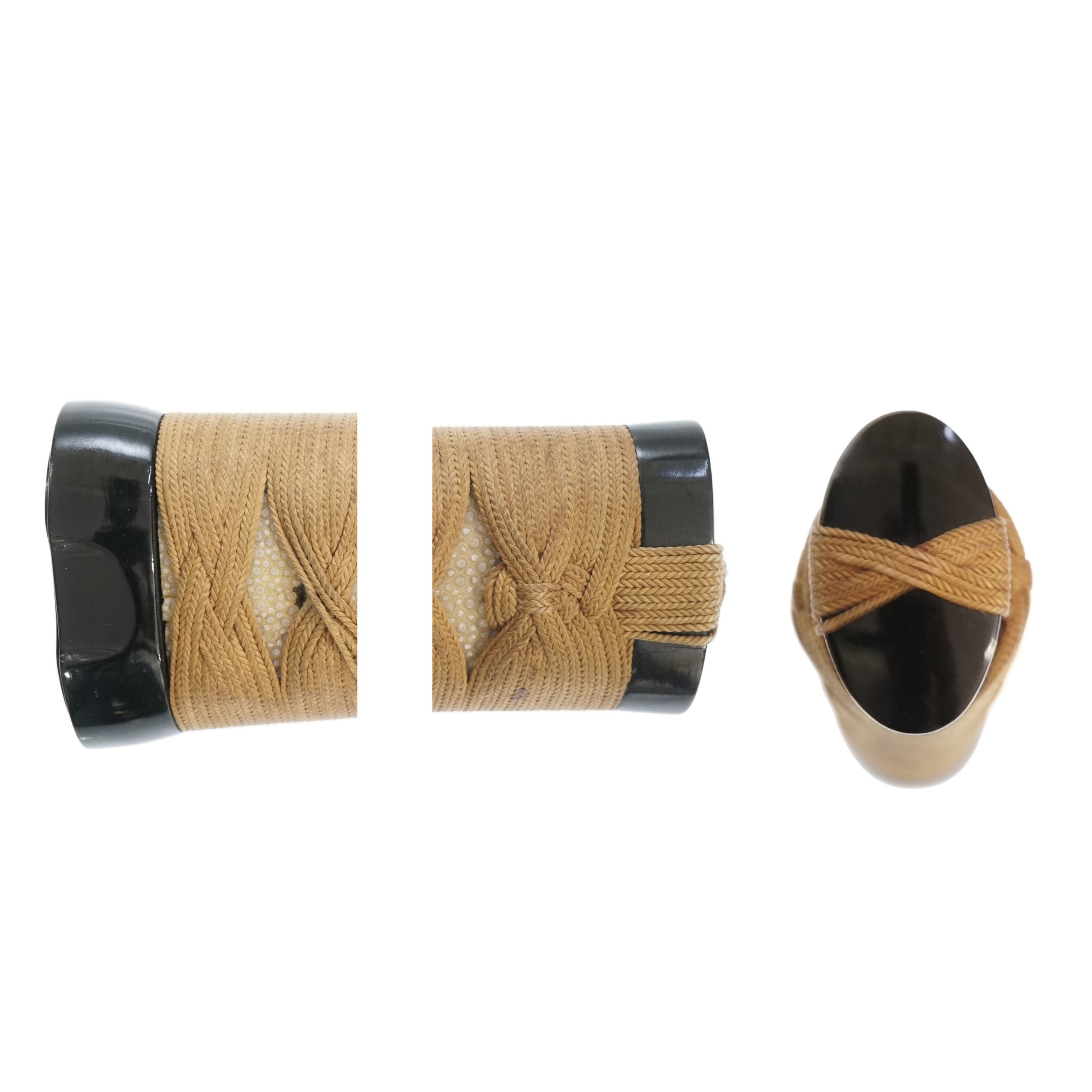
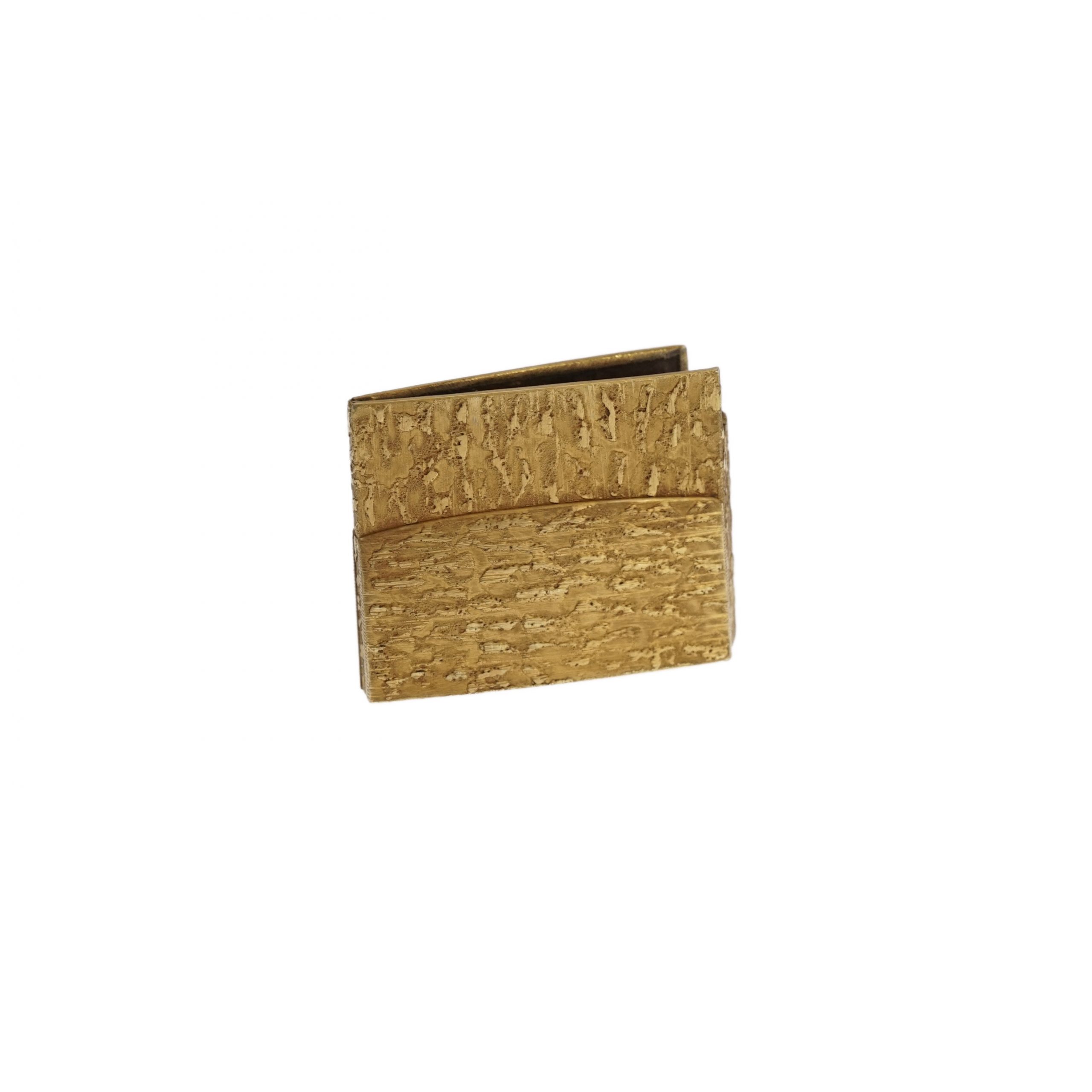
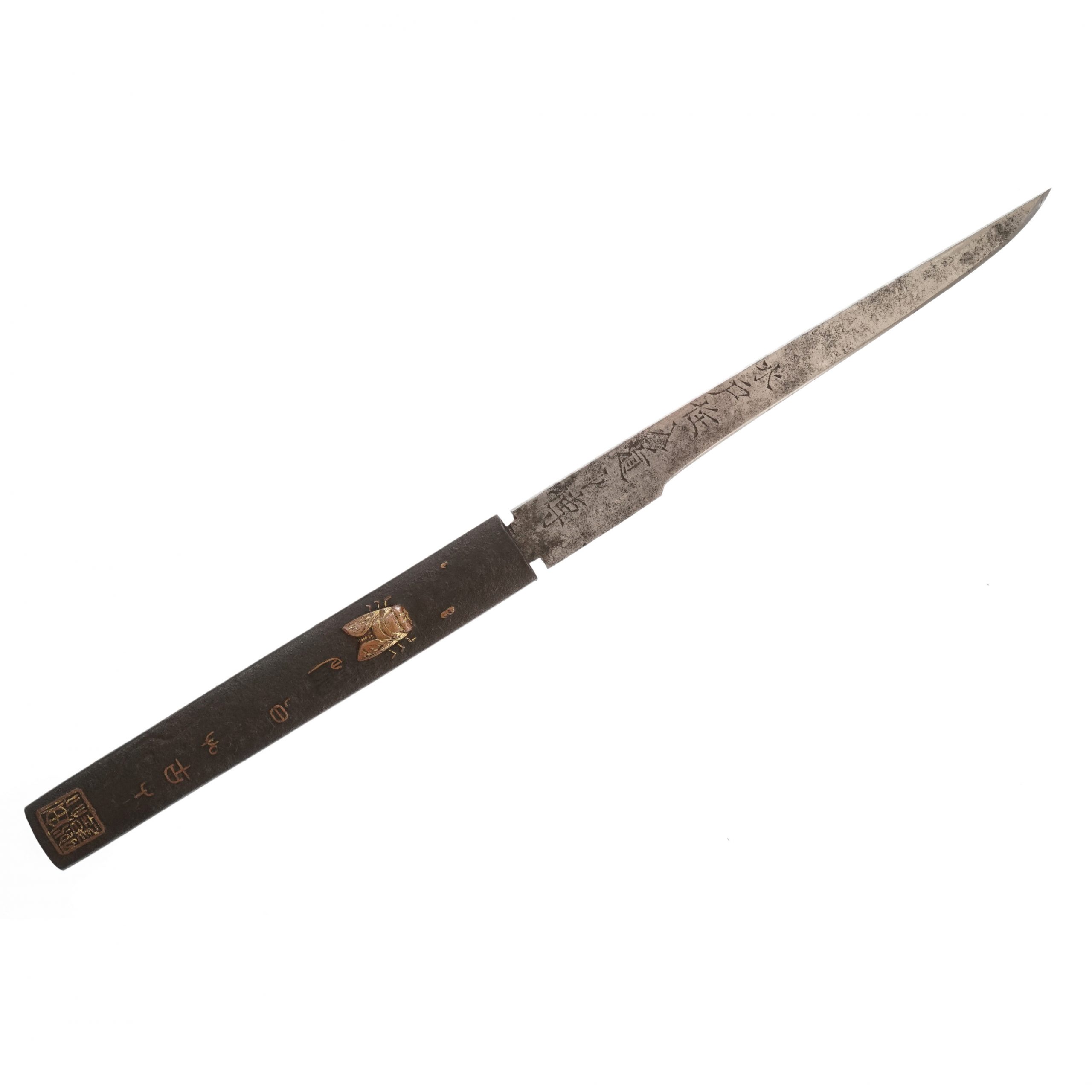
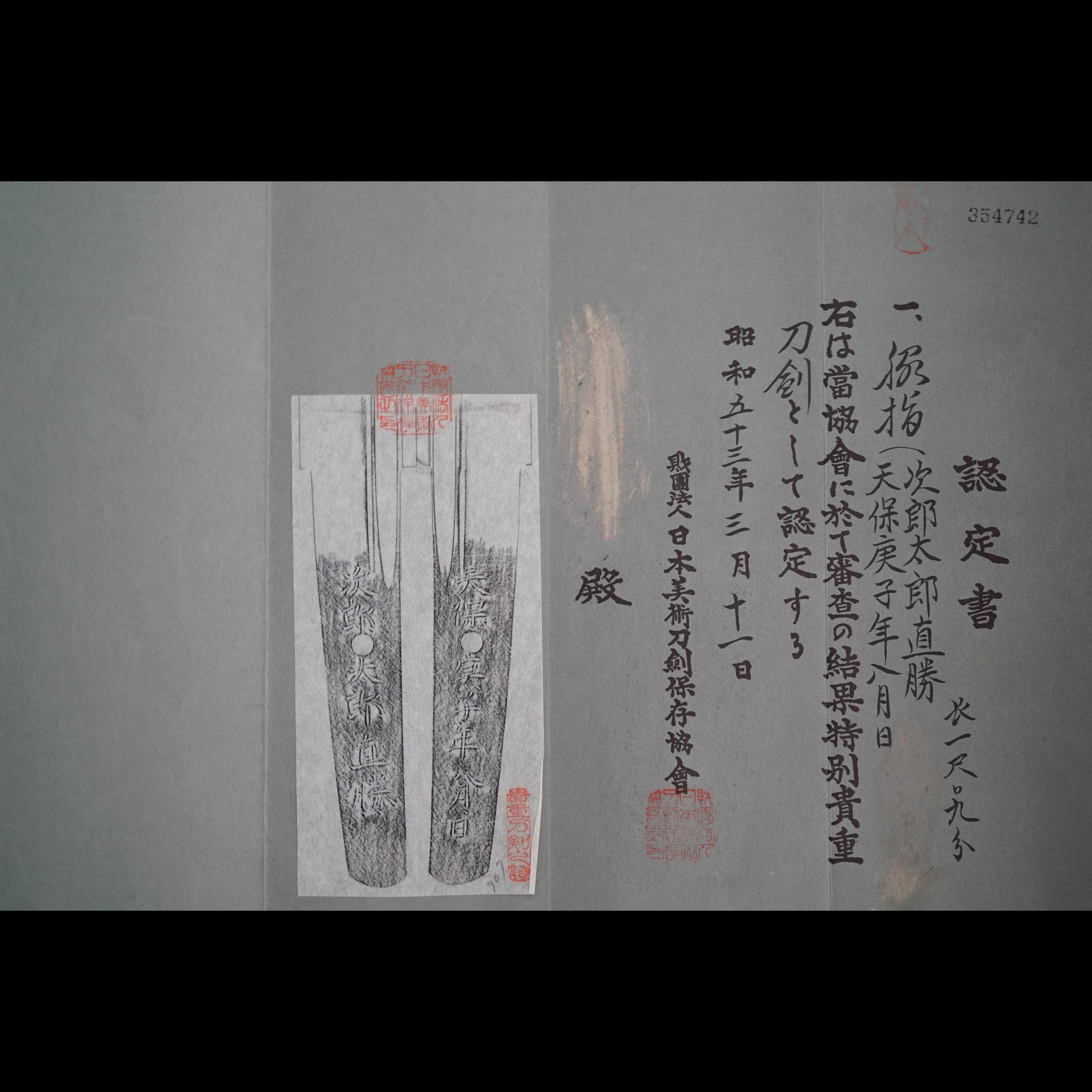
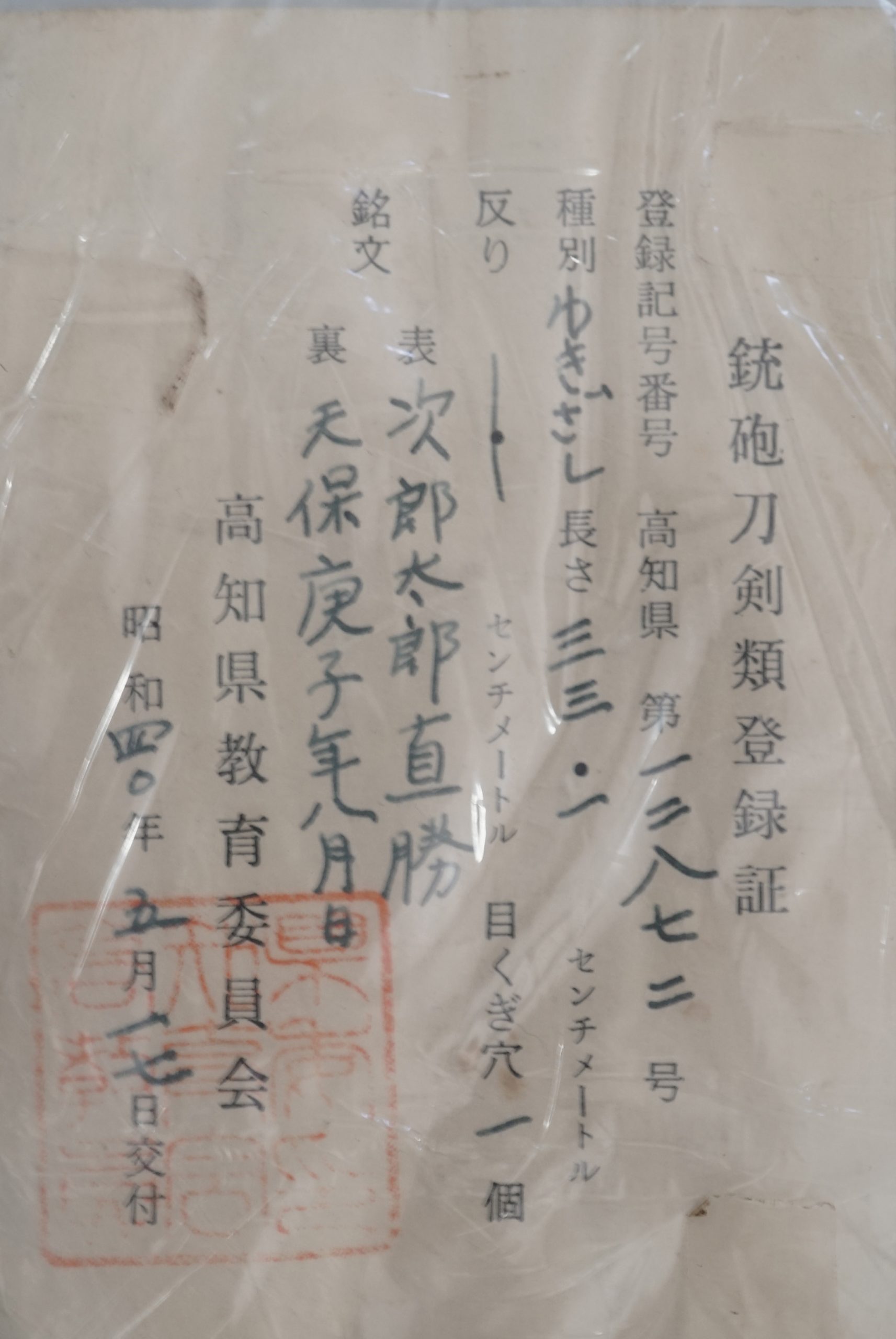
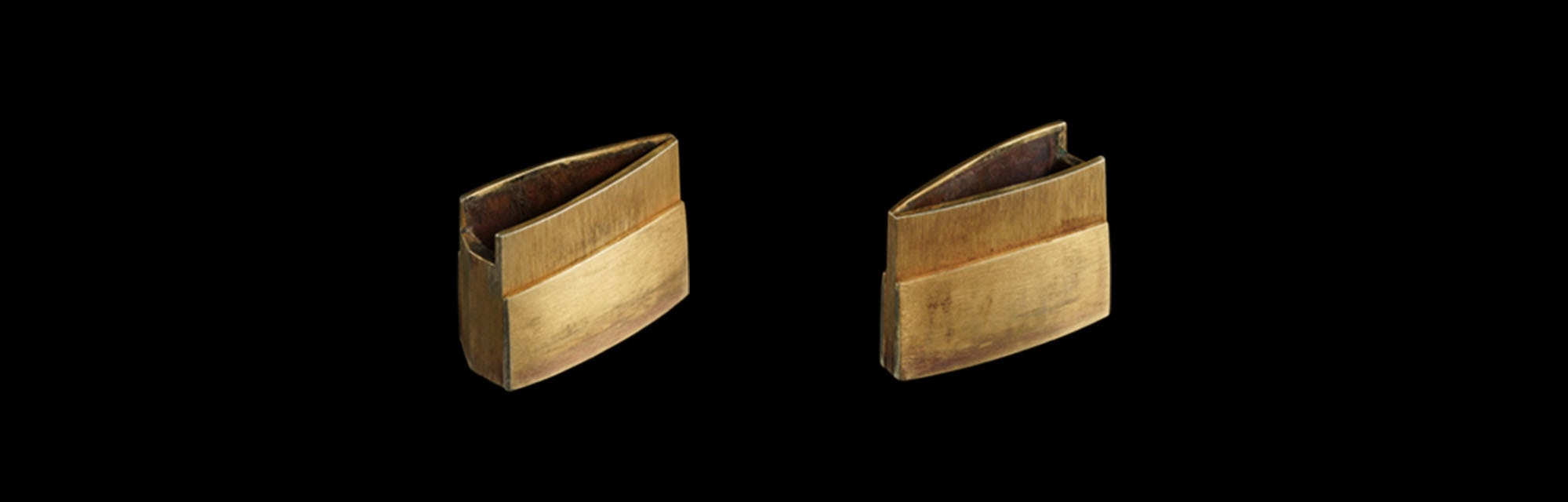
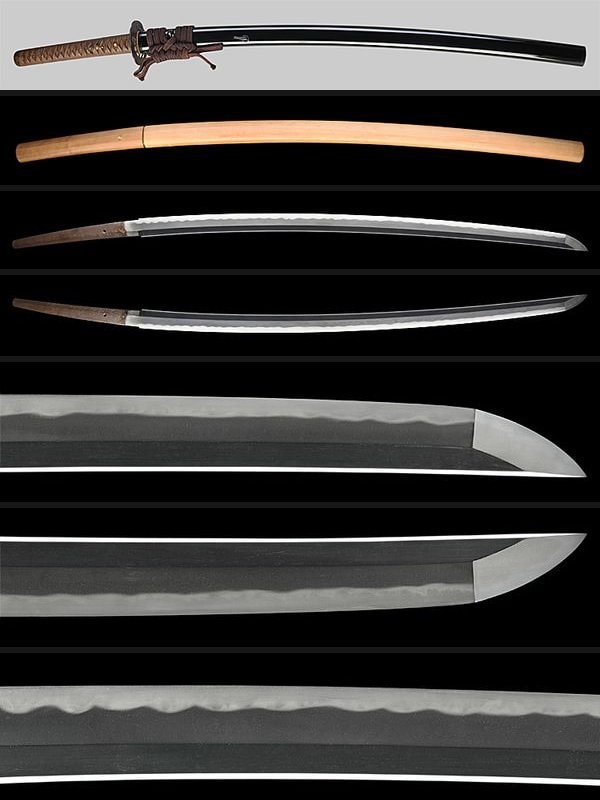
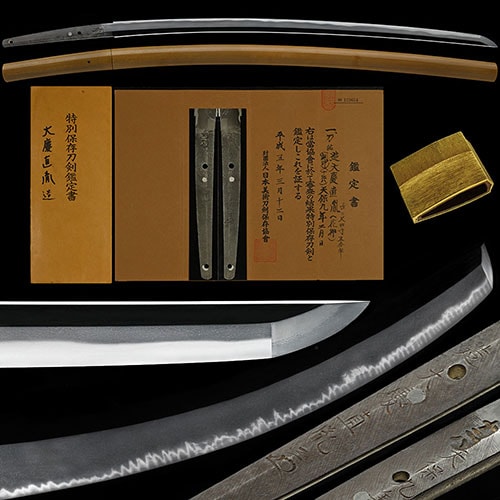
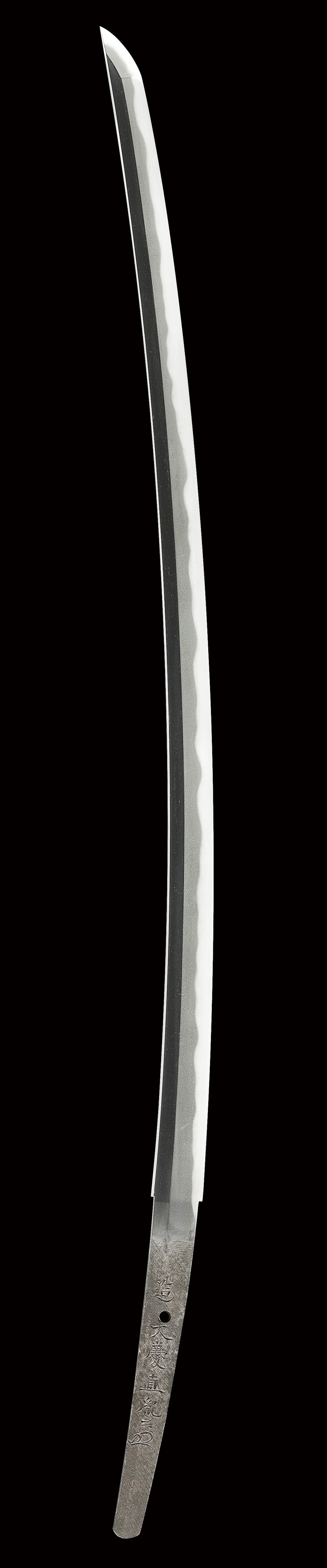
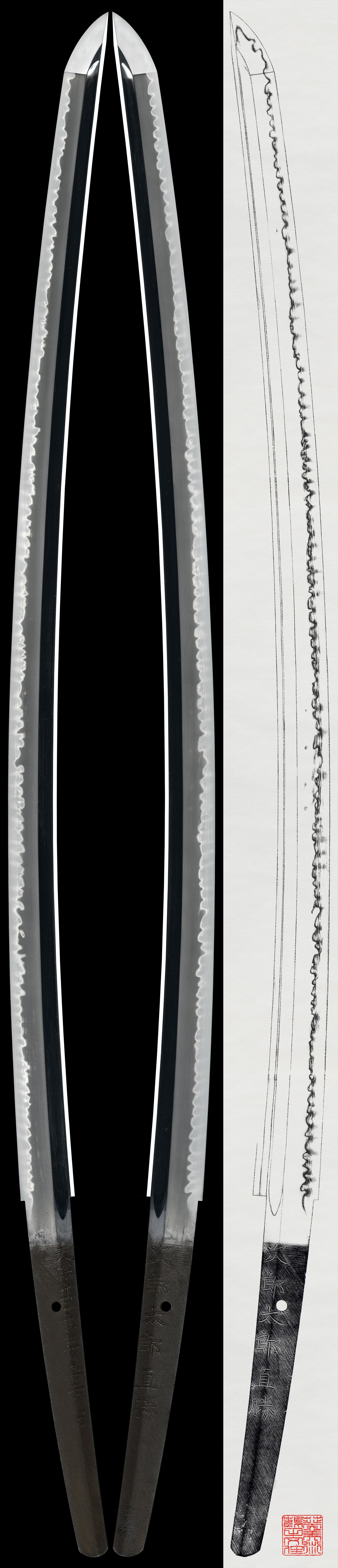
This Wakizashi has been sold out and found a wonderful owner in the USA. It is now being appreciated as the photo below. Antique Japanese Sword Wakizashi Signed by Naokatsu with NBTHK Tokubetsu Kicho Certificate 【Description】 Jiro Taro Naokatsu(次郎太郎直勝) was an apprentice of Taikei Naotane first and then adopted by his master(Naotane). Moving to Edo city, Naokatsu worked for the Akimono family, a prestigious family. Suishinshi Masahide, one of the most famous swordsmiths at the end of the Edo period, also worked for that family. Suishinshi Masahide was the master of Naotane. From the fourth or fifth year of Tenpo period(1833-1844), he started to sign as Jiro Taro Naokatsu. It is said that his technique and skill could surpass his master, Naotane. If you are familiar with Gokaden(五箇伝), his style was the mix of Bizen-Den and Soshu-Den. This Wakizashi comes with Tokubetsu Kicho Certificate authenticated by NBTHK, Nihon Bijutsu Touken Hozon Kyokai, one of the old establishment to appraise Japanese swords. This blade has wide mihaba(width) and has no curvature. You would be amazed to feel how strong-looking it is once you hold in person. 【Blade 】 Cutting Edge Length(Nagasa) : 33.1 cm(13.0 inches) Curvature(Sori) : 0 c m(0 inch) Hamon : The blade pattern created by the tempering process. Kogunome-Choji pattern/ Narrow Yakihaba/Nioi-Honi Jimon : Visible surface pattern on the steel. It has Itame-Kitae. Nakago :The Tang of a Japanese sword is called Nakago. On one side, it has inscribed maker’s name(Jiro Taro Naokatsu) and on the other side, the year and moth were engraved. It says this blade was forged in 11th year of Tenpo period in August) :1840 A.D. 【Koshirae:Sword Mountings】 Fuchi-Kashira : A pair of matching sword fittings that cover the upper and bottom parts of its sword hilt. Waster buffalo was used to make Fuchi Kashira. Tsuka and Menuki : Tsuka is the handle of the Japanese sword and Menuki is its decoration. Menuki has a design of a noble person and Matsuri Taiko (a traditional musical instrument for Japanese festivals). The material of Menuki is Shakudou, and gold/silver inlay is applied. Habaki : Habaki is the equipment to make the blade not touch its scabbard inside. It prevents the blade from getting rusty and chipped. Saya : Saya is the scabbard for the Japanese sword. It is lacquered with gray and flower pattern is designed. Kozuka : Kozuka is the small knife stored in Kozuka Hitsu (groove of the sheath of the Japanese sword). Cicada is designed on this Kozuka. As this insect changes its looks, it symbolizes reborn. Therefore, Samurai loved the cicada pattern. Also, the cicada design has been regarded as a symbol of immortality. Cicadas stay on tall trees and eat only sap, and spend their time singing after becoming adults; therefore, cicada’s life-style has been compared the spirit of “Kouketsu Seihin (高潔清貧),” that means being honorable and unselfish, live a modest life. So, it is considered an ideal personality like hermits. Authentication Paper : NBTHK Tokubetsu Kicho Certificate for the blade NBTHK, also known as Nihon Bijutsu Touken Hozon Kyokai, is one of the oldest Japanese sword appraising organizations in modern-day Japan. They authenticated the blade on March 11 th in the 53th year of Showa(1978). They appraised it as Tokubetsu Kicho Touken. The purchaser will receive this original certificate as well. Registration Number : Kochi 12872 The Board of Education in Kochi prefecture issued a registration paper for this sword . In order to obtain this paper, the sword needs to be traditionally hand forged. With this paper, its owner can legally own an authentic Japanese sword in Japan. —————————————————————– 【About us】 Samurai Museum is located in Tokyo, Japan, exhibiting antique artifacts related to the Samurai history. Samurai Museum Shop is the place for those who are interested in Japanese culture and craftsmanship. We deal with antique Samurai swords/armor, traditional crafts made in Japan and so on. 【 Japanes

NihontoWatch MonNihontoWatch
MarketAuctionsEncyclopedia
刀剣›水心子正秀›直勝›Antique Japanese Sword Wakizashi Signed by Naokatsu NBTHK Tokubetsu Kicho Certificate
脇差特別貴重
直勝

Antique Japanese Sword Wakizashi Signed by Naokatsu NBTHK Tokubetsu Kicho Certificate

在銘 · 慶応 · 長さ 33.1cm

売却済
直勝 — 1 of 14
直勝 — 2 of 14
直勝 — 3 of 14
直勝 — 4 of 14
直勝 — 5 of 14
直勝 — 6 of 14
直勝 — 7 of 14
直勝 — 8 of 14
直勝 — 9 of 14
直勝 — 10 of 14
直勝 — 11 of 14
直勝 — 12 of 14
直勝 — 13 of 14
直勝 — 14 of 14
1 / 14
1 / 14
直勝 — 1 of 14直勝 — 2 of 14直勝 — 3 of 14直勝 — 4 of 14直勝 — 5 of 14直勝 — 6 of 14直勝 — 7 of 14直勝 — 8 of 14直勝 — 9 of 14直勝 — 10 of 14直勝 — 11 of 14直勝 — 12 of 14直勝 — 13 of 14直勝 — 14 of 14
法量・詳細
刀工
直勝
種別
脇差
流派
Suishinshi Masahide
活動期
1830–1844年頃(Tenpo)
国
武蔵
銘
在銘(在銘率 100%)
法量
長さ 33.1cm
説明

This Wakizashi has been sold out and found a wonderful owner in the USA. It is now being appreciated as the photo below. Antique Japanese Sword Wakizashi Signed by Naokatsu with NBTHK Tokubetsu Kicho Certificate 【Description】 Jiro Taro Naokatsu(次郎太郎直勝) was an apprentice of Taikei Naotane first and then adopted by his master(Naotane). Moving to Edo city, Naokatsu worked for the Akimono family, a prestigious family. Suishinshi Masahide, one of the most famous swordsmiths at the end of the Edo period, also worked for that family. Suishinshi Masahide was the master of Naotane. From the fourth or fifth year of Tenpo period(1833-1844), he started to sign as Jiro Taro Naokatsu. It is said that his technique and skill could surpass his master, Naotane. If you are familiar with Gokaden(五箇伝), his style was the mix of Bizen-Den and Soshu-Den. This Wakizashi comes with Tokubetsu Kicho Certificate authenticated by NBTHK, Nihon Bijutsu Touken Hozon Kyokai, one of the old establishment to appraise Japanese swords. This blade has wide mihaba(width) and has no curvature. You would be amazed to feel how strong-looking it is once you hold in person. 【Blade 】 Cutting Edge Length(Nagasa) : 33.1 cm(13.0 inches) Curvature(Sori) : 0 c m(0 inch) Hamon : The blade pattern created by the tempering process. Kogunome-Choji pattern/ Narrow Yakihaba/Nioi-Honi Jimon : Visible surface pattern on the steel. It has Itame-Kitae. Nakago :The Tang of a Japanese sword is called Nakago. On one side, it has inscribed maker’s name(Jiro Taro Naokatsu) and on the other side, the year and moth were engraved. It says this blade was forged in 11th year of Tenpo period in August) :1840 A.D. 【Koshirae:Sword Mountings】 Fuchi-Kashira : A pair of matching sword fittings that cover the upper and bottom parts of its sword hilt. Waster buffalo was used to make Fuchi Kashira. Tsuka and Menuki : Tsuka is the handle of the Japanese sword and Menuki is its decoration. Menuki has a design of a noble person and Matsuri Taiko (a traditional musical instrument for Japanese festivals). The material of Menuki is Shakudou, and gold/silver inlay is applied. Habaki : Habaki is the equipment to make the blade not touch its scabbard inside. It prevents the blade from getting rusty and chipped. Saya : Saya is the scabbard for the Japanese sword. It is lacquered with gray and flower pattern is designed. Kozuka : Kozuka is the small knife stored in Kozuka Hitsu (groove of the sheath of the Japanese sword). Cicada is designed on this Kozuka. As this insect changes its looks, it symbolizes reborn. Therefore, Samurai loved the cicada pattern. Also, the cicada design has been regarded as a symbol of immortality. Cicadas stay on tall trees and eat only sap, and spend their time singing after becoming adults; therefore, cicada’s life-style has been compared the spirit of “Kouketsu Seihin (高潔清貧),” that means being honorable and unselfish, live a modest life. So, it is considered an ideal personality like hermits. Authentication Paper : NBTHK Tokubetsu Kicho Certificate for the blade NBTHK, also known as Nihon Bijutsu Touken Hozon Kyokai, is one of the oldest Japanese sword appraising organizations in modern-day Japan. They authenticated the blade on March 11 th in the 53th year of Showa(1978). They appraised it as Tokubetsu Kicho Touken. The purchaser will receive this original certificate as well. Registration Number : Kochi 12872 The Board of Education in Kochi prefecture issued a registration paper for this sword . In order to obtain this paper, the sword needs to be traditionally hand forged. With this paper, its owner can legally own an authentic Japanese sword in Japan. —————————————————————– 【About us】 Samurai Museum is located in Tokyo, Japan, exhibiting antique artifacts related to the Samurai history. Samurai Museum Shop is the place for those who are interested in Japanese culture and craftsmanship. We deal with antique Samurai swords/armor, traditional crafts made in Japan and so on. 【 Japanes

作者について

直勝

新々刀 · 上野 · 1830-1844頃

現在1点販売中

›

歴史的重要度

直勝の位置づけを、日本刀全体および伝統・時代・時期ごとに示します。各位(随一・屈指・有数・著名)は、NBTHK および文化庁による指定に加え、三作や名物帳などの歴史的栄誉を加味したものです。

随一
随一
屈指
屈指
有数
有数
著名
著名

各項目を選ぶと評価方法が表示されます。

指定の実績
指定1口
御物
1
直勝の作 1点が現在販売中→
直勝 — 詳細新々刀派
流派について

水心子正秀

新々刀 · 武蔵

現在75点販売中

›

水心子正秀派は、十八世紀末から十九世紀初頭の江戸に興り、刀はすべて鎌倉の昔に復すべしとする復古刀運動を中核に据えた新々刀の一門である。開祖水心子正秀は、寛延三年に出羽国赤湯に川部儀八郎として生まれ[[c:1]]、武州下原の鍛冶吉英に学んだのち山形秋元家に仕え、のちに江戸浜町に移って約五十年に及ぶ作刀生活を送り、文政八年に七十六歳で歿した。彼は新々刀の祖と称され、古作の伝法を意図して甦らせることを唱えてその理論を世に広めたが、説明書は正秀自身の才のありかをむしろ壮年までの大坂写しに見いだす。この一門の物語で最も重きをなすのは、彼が江戸に糾合し育てた門人たちであろう。復古刀論を実地に示した第一の門人大慶直胤、二代正義細川守秀がその直下に立ち、さらに直胤の門から養子となった次郎太郎直勝、直胤の女婿と伝える水心子正次、正義の嫡子正守、米沢上杉家に仕えた長運斎綱俊、水戸藩工直江助政が連なって、出羽・江戸を中心に各藩へと広がった。 この一門を貫く共通の語法は、古刀各伝の意図的な復興にある。よく約んだ無地風に近い小板目に地沸を厚くつけ、その地の上に相州伝ののたれ・互の目、あるいは備前伝の丁子・互の目を焼くのが基調で、技術論的かつ教導的な性格がこれを支える。正秀の典型は津田助広に私淑した大坂写しの濤瀾乱れと井上真改風の広直刃にあり、地へこぼれる黒味がちの荒い沸が終始の手癖をなした。これに対して門人たちは古備前への遡りをいっそう深め、新々刀には本来失われた映りを意図して甦らせた。直胤はよくつんだ小板目に乱れ映りを鮮明に立て、後期長船の逆がかりを示す丁子乱れを焼いてこれを得意とし、説明書はその丁子乱れの巧みさを新々刀第一と評する。直勝は兼光に範をとった片落ち互の目を主体に、直胤よりも豪壮な姿と低く静かな焼きで古調を醸し、正次と正守はともに直胤・正義の二伝を忠実に承けて相州伝と備前伝を均しく再現し、綱俊は丁子に互の目を交えた備前伝を主調とした。一方で正秀みずからの備前伝・相州伝は終始焼刃が浅く荒い沸を交え、説明書はその技が門人直胤に及ばないと明記する。差異は資料の支持する範囲で明瞭で、直胤の備前・相州の両伝、直勝の長船写しに見る逆がかりと大杢目、助政の真改風直刃に偏した作域がそれぞれを分かつ。 鑑定の勘所は、まずこの意図的な映りと逆がかりに置かれる。明るい乱れ映りと角互の目を伴う逆がかりの丁子は、映りも逆がかりも持たぬ一般の新々刀から備前伝を分かち、相州伝は独特の渦巻肌と叢づき縞がかる沸の働きによって示される。位列としては正秀を上々作、直胤を最上作の在銘の大名跡とし、正義に次ぐ正守、綱俊、助政らがこれに続く。この一門は在銘・有年紀の作を数多く遺したため、その鑑定の問題は極めの難ではなくむしろ系統内の位置にあり、年ごとに変化する銘がその発展を正確に辿らせる。伝来は真田家伝来の大小や皇室に伝わった御太刀の副作、各藩工としての藩命作にうかがわれ、正秀が向き直らせた江戸の作刀は直胤を介して直勝・正次らへ受け継がれ、兼光・景光をねらった長船復古として幕末の十九世紀作刀に広く及んだ。

14名の刀工指定105口
主要刀工
刀工時代指定
直胤1801-183740
正秀1777-181728
助政1804-18258
直勝1805-18586
正義1791-18605
水心子正秀流派を見る →
真贋は保証されません

本作はNBTHKの旧鑑定書(貴重・特別貴重)を有しますが、これらは現在発行されておらず、信頼性に欠けるとされています。極めを確認するには、公的な鑑定機関(NBTHK・NTHKなど)への再提出による現代の鑑定をご検討いただけます。

販売店
サ
サムライミュージアム
🇯🇵日本から発送
›
✓認証販売店samuraimuseum.jp
✓海外発送可✓英語対応PayPalクレジットカード
返品ポリシー

Returns/exchanges limited to defects caused by shipping (except willful misconduct or gross negligence by the company); customers must contact within 72 hours of receiving the product.
サムライミュージアムの出品一覧を見る→販売店サイトでこの商品を見る→

直勝の他の作

すべて見る →
葵美術
特別保存
Katana - Tokuho - by Suishinshi Masahide Naokatsu - 刀:次郎太郎直勝(天保十年二月日)(日本美術刀剣保存協会 特別保存刀剣)Katana - Tokuho - by Suishinshi Masahide Naokatsu - 刀:次郎太郎直勝(天保十年二月日)(日本美術刀剣保存協会 特別保存刀剣)

刀

作直勝
70.3cm·Tenpo (1830-1844)
¥2,200,000

直勝の売約済み

銀座長州屋
特別保存
Yari - Tokuho - by Suishinshi Masahide Naokatsu - 平三角直槍Yari - Tokuho - by Suishinshi Masahide Naokatsu - 平三角直槍
売切れ

槍

作直勝
64.7cm·Keio (1865-1868)
売却済

水心子正秀派の作

すべて見る →
銀座長州屋
特別保存
Tanto - Tokuho - by Suishinshi Masahide Naotane - 短刀 銘 大慶直胤作之(花押) 天保七年仲春Tanto - Tokuho - by Suishinshi Masahide Naotane - 短刀 銘 大慶直胤作之(花押) 天保七年仲春

短刀

作直胤
23.1cm·Kyowa (1801-1804)
お問い合わせ
丸英刀剣
特別保存
Daisho - Tokuho - by Suishinshi Masahide Naotane - 大小 大慶直胤 (附)蛇皮包鞘大小拵Daisho - Tokuho - by Suishinshi Masahide Naotane - 大小 大慶直胤 (附)蛇皮包鞘大小拵

大小

作直胤
71.2cm·Kyowa (1801-1804)
お問い合わせ
あさひ刀剣
特別保存
Daisho - Tokuho - by Suishinshi Masahide Tsunatoshi - 大小揃Daisho - Tokuho - by Suishinshi Masahide Tsunatoshi - 大小揃

大小

作綱俊
66.8cm·Tenpo (1830-1844)
¥2,900,000
刀剣杉田
重要
Katana - Jūyō - by Suishinshi Masahide Jirotaro Naokatsu - 天保壬寅年十一月日 次郎太郎直勝 (武蔵)(東海道)Katana - Jūyō - by Suishinshi Masahide Jirotaro Naokatsu - 天保壬寅年十一月日 次郎太郎直勝 (武蔵)(東海道)

刀

作直勝
80.3cm·Bunka-Ansei (1805-1858)
¥5,800,000
永楽堂
特別保存
Katana - Tokuho - by Suishinshi Masahide Naotane - 直胤 刀 特別保存刀剣Katana - Tokuho - by Suishinshi Masahide Naotane - 直胤 刀 特別保存刀剣

刀

作直胤
74.4cm·Kyowa (1801-1804)
¥4,000,000
刀剣小町
重要
Katana - Jūyō - by Suishinshi Masahide Naotane - 刀 白鞘入りKatana - Jūyō - by Suishinshi Masahide Naotane - 刀 白鞘入り

刀

作直胤
83.5cm·Kyowa (1801-1804)
¥8,000,000
コレクション情報
重要
Katana - Jūyō - by Suishinshi Masahide Naotane - 刀 (太刀銘)造大慶直胤(花押) Katana:Taikei NaotaneKatana - Jūyō - by Suishinshi Masahide Naotane - 刀 (太刀銘)造大慶直胤(花押) Katana:Taikei Naotane

刀

作直胤
71.4cm·Kyowa (1801-1804)
¥8,500,000
サムライ商会
特別保存
Katana - Tokuho - by Suishinshi Masahide Tsunatoshi - 刀 於江府長寿斎綱俊 文久三歳二月吉日Katana - Tokuho - by Suishinshi Masahide Tsunatoshi - 刀 於江府長寿斎綱俊 文久三歳二月吉日

刀

作綱俊
65.4cm·Tenpo (1830-1844)
¥1,100,000

刀剣

  • 刀
  • 脇差
  • 短刀
  • 太刀
  • 薙刀
  • 槍

刀装具

  • 鍔
  • 縁頭
  • 小柄
  • 目貫

鑑定別

  • 特重
  • 重要
  • 特別保存
  • 保存

リソース

  • 刀剣商一覧
  • 刀工一覧
  • すべて見る
Nihontowatch© 2026
利用規約プライバシーCookie運営者情報

説明

This Wakizashi has been sold out and found a wonderful owner in the USA. It is now being appreciated as the photo below. Antique Japanese Sword Wakizashi Signed by Naokatsu with NBTHK Tokubetsu Kicho Certificate 【Description】 Jiro Taro Naokatsu(次郎太郎直勝) was an apprentice of Taikei Naotane first and then adopted by his master(Naotane). Moving to Edo city, Naokatsu worked for the Akimono family, a prestigious family. Suishinshi Masahide, one of the most famous swordsmiths at the end of the Edo period, also worked for that family. Suishinshi Masahide was the master of Naotane. From the fourth or fifth year of Tenpo period(1833-1844), he started to sign as Jiro Taro Naokatsu. It is said that his technique and skill could surpass his master, Naotane. If you are familiar with Gokaden(五箇伝), his style was the mix of Bizen-Den and Soshu-Den. This Wakizashi comes with Tokubetsu Kicho Certificate authenticated by NBTHK, Nihon Bijutsu Touken Hozon Kyokai, one of the old establishment to appraise Japanese swords. This blade has wide mihaba(width) and has no curvature. You would be amazed to feel how strong-looking it is once you hold in person. 【Blade 】 Cutting Edge Length(Nagasa) : 33.1 cm(13.0 inches) Curvature(Sori) : 0 c m(0 inch) Hamon : The blade pattern created by the tempering process. Kogunome-Choji pattern/ Narrow Yakihaba/Nioi-Honi Jimon : Visible surface pattern on the steel. It has Itame-Kitae. Nakago :The Tang of a Japanese sword is called Nakago. On one side, it has inscribed maker’s name(Jiro Taro Naokatsu) and on the other side, the year and moth were engraved. It says this blade was forged in 11th year of Tenpo period in August) :1840 A.D. 【Koshirae:Sword Mountings】 Fuchi-Kashira : A pair of matching sword fittings that cover the upper and bottom parts of its sword hilt. Waster buffalo was used to make Fuchi Kashira. Tsuka and Menuki : Tsuka is the handle of the Japanese sword and Menuki is its decoration. Menuki has a design of a noble person and Matsuri Taiko (a traditional musical instrument for Japanese festivals). The material of Menuki is Shakudou, and gold/silver inlay is applied. Habaki : Habaki is the equipment to make the blade not touch its scabbard inside. It prevents the blade from getting rusty and chipped. Saya : Saya is the scabbard for the Japanese sword. It is lacquered with gray and flower pattern is designed. Kozuka : Kozuka is the small knife stored in Kozuka Hitsu (groove of the sheath of the Japanese sword). Cicada is designed on this Kozuka. As this insect changes its looks, it symbolizes reborn. Therefore, Samurai loved the cicada pattern. Also, the cicada design has been regarded as a symbol of immortality. Cicadas stay on tall trees and eat only sap, and spend their time singing after becoming adults; therefore, cicada’s life-style has been compared the spirit of “Kouketsu Seihin (高潔清貧),” that means being honorable and unselfish, live a modest life. So, it is considered an ideal personality like hermits. Authentication Paper : NBTHK Tokubetsu Kicho Certificate for the blade NBTHK, also known as Nihon Bijutsu Touken Hozon Kyokai, is one of the oldest Japanese sword appraising organizations in modern-day Japan. They authenticated the blade on March 11 th in the 53th year of Showa(1978). They appraised it as Tokubetsu Kicho Touken. The purchaser will receive this original certificate as well. Registration Number : Kochi 12872 The Board of Education in Kochi prefecture issued a registration paper for this sword . In order to obtain this paper, the sword needs to be traditionally hand forged. With this paper, its owner can legally own an authentic Japanese sword in Japan. —————————————————————– 【About us】 Samurai Museum is located in Tokyo, Japan, exhibiting antique artifacts related to the Samurai history. Samurai Museum Shop is the place for those who are interested in Japanese culture and craftsmanship. We deal with antique Samurai swords/armor, traditional crafts made in Japan and so on. 【 Japanes

NihontoWatch MonNihontoWatch
MarketAuctionsEncyclopedia
刀剣›水心子正秀›直勝›Antique Japanese Sword Wakizashi Signed by Naokatsu NBTHK Tokubetsu Kicho Certificate
脇差特別貴重
直勝

Antique Japanese Sword Wakizashi Signed by Naokatsu NBTHK Tokubetsu Kicho Certificate

在銘 · 慶応 · 長さ 33.1cm

売却済
直勝 — 1 of 14
直勝 — 2 of 14
直勝 — 3 of 14
直勝 — 4 of 14
直勝 — 5 of 14
直勝 — 6 of 14
直勝 — 7 of 14
直勝 — 8 of 14
直勝 — 9 of 14
直勝 — 10 of 14
直勝 — 11 of 14
直勝 — 12 of 14
直勝 — 13 of 14
直勝 — 14 of 14
1 / 14
1 / 14
直勝 — 1 of 14直勝 — 2 of 14直勝 — 3 of 14直勝 — 4 of 14直勝 — 5 of 14直勝 — 6 of 14直勝 — 7 of 14直勝 — 8 of 14直勝 — 9 of 14直勝 — 10 of 14直勝 — 11 of 14直勝 — 12 of 14直勝 — 13 of 14直勝 — 14 of 14
法量・詳細
刀工
直勝
種別
脇差
流派
Suishinshi Masahide
活動期
1830–1844年頃(Tenpo)
国
武蔵
銘
在銘(在銘率 100%)
法量
長さ 33.1cm
説明

This Wakizashi has been sold out and found a wonderful owner in the USA. It is now being appreciated as the photo below. Antique Japanese Sword Wakizashi Signed by Naokatsu with NBTHK Tokubetsu Kicho Certificate 【Description】 Jiro Taro Naokatsu(次郎太郎直勝) was an apprentice of Taikei Naotane first and then adopted by his master(Naotane). Moving to Edo city, Naokatsu worked for the Akimono family, a prestigious family. Suishinshi Masahide, one of the most famous swordsmiths at the end of the Edo period, also worked for that family. Suishinshi Masahide was the master of Naotane. From the fourth or fifth year of Tenpo period(1833-1844), he started to sign as Jiro Taro Naokatsu. It is said that his technique and skill could surpass his master, Naotane. If you are familiar with Gokaden(五箇伝), his style was the mix of Bizen-Den and Soshu-Den. This Wakizashi comes with Tokubetsu Kicho Certificate authenticated by NBTHK, Nihon Bijutsu Touken Hozon Kyokai, one of the old establishment to appraise Japanese swords. This blade has wide mihaba(width) and has no curvature. You would be amazed to feel how strong-looking it is once you hold in person. 【Blade 】 Cutting Edge Length(Nagasa) : 33.1 cm(13.0 inches) Curvature(Sori) : 0 c m(0 inch) Hamon : The blade pattern created by the tempering process. Kogunome-Choji pattern/ Narrow Yakihaba/Nioi-Honi Jimon : Visible surface pattern on the steel. It has Itame-Kitae. Nakago :The Tang of a Japanese sword is called Nakago. On one side, it has inscribed maker’s name(Jiro Taro Naokatsu) and on the other side, the year and moth were engraved. It says this blade was forged in 11th year of Tenpo period in August) :1840 A.D. 【Koshirae:Sword Mountings】 Fuchi-Kashira : A pair of matching sword fittings that cover the upper and bottom parts of its sword hilt. Waster buffalo was used to make Fuchi Kashira. Tsuka and Menuki : Tsuka is the handle of the Japanese sword and Menuki is its decoration. Menuki has a design of a noble person and Matsuri Taiko (a traditional musical instrument for Japanese festivals). The material of Menuki is Shakudou, and gold/silver inlay is applied. Habaki : Habaki is the equipment to make the blade not touch its scabbard inside. It prevents the blade from getting rusty and chipped. Saya : Saya is the scabbard for the Japanese sword. It is lacquered with gray and flower pattern is designed. Kozuka : Kozuka is the small knife stored in Kozuka Hitsu (groove of the sheath of the Japanese sword). Cicada is designed on this Kozuka. As this insect changes its looks, it symbolizes reborn. Therefore, Samurai loved the cicada pattern. Also, the cicada design has been regarded as a symbol of immortality. Cicadas stay on tall trees and eat only sap, and spend their time singing after becoming adults; therefore, cicada’s life-style has been compared the spirit of “Kouketsu Seihin (高潔清貧),” that means being honorable and unselfish, live a modest life. So, it is considered an ideal personality like hermits. Authentication Paper : NBTHK Tokubetsu Kicho Certificate for the blade NBTHK, also known as Nihon Bijutsu Touken Hozon Kyokai, is one of the oldest Japanese sword appraising organizations in modern-day Japan. They authenticated the blade on March 11 th in the 53th year of Showa(1978). They appraised it as Tokubetsu Kicho Touken. The purchaser will receive this original certificate as well. Registration Number : Kochi 12872 The Board of Education in Kochi prefecture issued a registration paper for this sword . In order to obtain this paper, the sword needs to be traditionally hand forged. With this paper, its owner can legally own an authentic Japanese sword in Japan. —————————————————————– 【About us】 Samurai Museum is located in Tokyo, Japan, exhibiting antique artifacts related to the Samurai history. Samurai Museum Shop is the place for those who are interested in Japanese culture and craftsmanship. We deal with antique Samurai swords/armor, traditional crafts made in Japan and so on. 【 Japanes

作者について

直勝

新々刀 · 上野 · 1830-1844頃

現在1点販売中

›

歴史的重要度

直勝の位置づけを、日本刀全体および伝統・時代・時期ごとに示します。各位(随一・屈指・有数・著名)は、NBTHK および文化庁による指定に加え、三作や名物帳などの歴史的栄誉を加味したものです。

随一
随一
屈指
屈指
有数
有数
著名
著名

各項目を選ぶと評価方法が表示されます。

指定の実績
指定1口
御物
1
直勝の作 1点が現在販売中→
直勝 — 詳細新々刀派
流派について

水心子正秀

新々刀 · 武蔵

現在75点販売中

›

水心子正秀派は、十八世紀末から十九世紀初頭の江戸に興り、刀はすべて鎌倉の昔に復すべしとする復古刀運動を中核に据えた新々刀の一門である。開祖水心子正秀は、寛延三年に出羽国赤湯に川部儀八郎として生まれ[[c:1]]、武州下原の鍛冶吉英に学んだのち山形秋元家に仕え、のちに江戸浜町に移って約五十年に及ぶ作刀生活を送り、文政八年に七十六歳で歿した。彼は新々刀の祖と称され、古作の伝法を意図して甦らせることを唱えてその理論を世に広めたが、説明書は正秀自身の才のありかをむしろ壮年までの大坂写しに見いだす。この一門の物語で最も重きをなすのは、彼が江戸に糾合し育てた門人たちであろう。復古刀論を実地に示した第一の門人大慶直胤、二代正義細川守秀がその直下に立ち、さらに直胤の門から養子となった次郎太郎直勝、直胤の女婿と伝える水心子正次、正義の嫡子正守、米沢上杉家に仕えた長運斎綱俊、水戸藩工直江助政が連なって、出羽・江戸を中心に各藩へと広がった。 この一門を貫く共通の語法は、古刀各伝の意図的な復興にある。よく約んだ無地風に近い小板目に地沸を厚くつけ、その地の上に相州伝ののたれ・互の目、あるいは備前伝の丁子・互の目を焼くのが基調で、技術論的かつ教導的な性格がこれを支える。正秀の典型は津田助広に私淑した大坂写しの濤瀾乱れと井上真改風の広直刃にあり、地へこぼれる黒味がちの荒い沸が終始の手癖をなした。これに対して門人たちは古備前への遡りをいっそう深め、新々刀には本来失われた映りを意図して甦らせた。直胤はよくつんだ小板目に乱れ映りを鮮明に立て、後期長船の逆がかりを示す丁子乱れを焼いてこれを得意とし、説明書はその丁子乱れの巧みさを新々刀第一と評する。直勝は兼光に範をとった片落ち互の目を主体に、直胤よりも豪壮な姿と低く静かな焼きで古調を醸し、正次と正守はともに直胤・正義の二伝を忠実に承けて相州伝と備前伝を均しく再現し、綱俊は丁子に互の目を交えた備前伝を主調とした。一方で正秀みずからの備前伝・相州伝は終始焼刃が浅く荒い沸を交え、説明書はその技が門人直胤に及ばないと明記する。差異は資料の支持する範囲で明瞭で、直胤の備前・相州の両伝、直勝の長船写しに見る逆がかりと大杢目、助政の真改風直刃に偏した作域がそれぞれを分かつ。 鑑定の勘所は、まずこの意図的な映りと逆がかりに置かれる。明るい乱れ映りと角互の目を伴う逆がかりの丁子は、映りも逆がかりも持たぬ一般の新々刀から備前伝を分かち、相州伝は独特の渦巻肌と叢づき縞がかる沸の働きによって示される。位列としては正秀を上々作、直胤を最上作の在銘の大名跡とし、正義に次ぐ正守、綱俊、助政らがこれに続く。この一門は在銘・有年紀の作を数多く遺したため、その鑑定の問題は極めの難ではなくむしろ系統内の位置にあり、年ごとに変化する銘がその発展を正確に辿らせる。伝来は真田家伝来の大小や皇室に伝わった御太刀の副作、各藩工としての藩命作にうかがわれ、正秀が向き直らせた江戸の作刀は直胤を介して直勝・正次らへ受け継がれ、兼光・景光をねらった長船復古として幕末の十九世紀作刀に広く及んだ。

14名の刀工指定105口
主要刀工
刀工時代指定
直胤1801-183740
正秀1777-181728
助政1804-18258
直勝1805-18586
正義1791-18605
水心子正秀流派を見る →
真贋は保証されません

本作はNBTHKの旧鑑定書(貴重・特別貴重)を有しますが、これらは現在発行されておらず、信頼性に欠けるとされています。極めを確認するには、公的な鑑定機関(NBTHK・NTHKなど)への再提出による現代の鑑定をご検討いただけます。

販売店
サ
サムライミュージアム
🇯🇵日本から発送
›
✓認証販売店samuraimuseum.jp
✓海外発送可✓英語対応PayPalクレジットカード
返品ポリシー

Returns/exchanges limited to defects caused by shipping (except willful misconduct or gross negligence by the company); customers must contact within 72 hours of receiving the product.

サムライミュージアムの出品一覧を見る→販売店サイトでこの商品を見る→

直勝の他の作

すべて見る →
葵美術
特別保存
Katana - Tokuho - by Suishinshi Masahide Naokatsu - 刀:次郎太郎直勝(天保十年二月日)(日本美術刀剣保存協会 特別保存刀剣)Katana - Tokuho - by Suishinshi Masahide Naokatsu - 刀:次郎太郎直勝(天保十年二月日)(日本美術刀剣保存協会 特別保存刀剣)

刀

作直勝
70.3cm·Tenpo (1830-1844)
¥2,200,000

直勝の売約済み

銀座長州屋
特別保存
Yari - Tokuho - by Suishinshi Masahide Naokatsu - 平三角直槍Yari - Tokuho - by Suishinshi Masahide Naokatsu - 平三角直槍
売切れ

槍

作直勝
64.7cm·Keio (1865-1868)
売却済

水心子正秀派の作

すべて見る →
銀座長州屋
特別保存
Tanto - Tokuho - by Suishinshi Masahide Naotane - 短刀 銘 大慶直胤作之(花押) 天保七年仲春Tanto - Tokuho - by Suishinshi Masahide Naotane - 短刀 銘 大慶直胤作之(花押) 天保七年仲春

短刀

作直胤
23.1cm·Kyowa (1801-1804)
お問い合わせ
丸英刀剣
特別保存
Daisho - Tokuho - by Suishinshi Masahide Naotane - 大小 大慶直胤 (附)蛇皮包鞘大小拵Daisho - Tokuho - by Suishinshi Masahide Naotane - 大小 大慶直胤 (附)蛇皮包鞘大小拵

大小

作直胤
71.2cm·Kyowa (1801-1804)
お問い合わせ
あさひ刀剣
特別保存
Daisho - Tokuho - by Suishinshi Masahide Tsunatoshi - 大小揃Daisho - Tokuho - by Suishinshi Masahide Tsunatoshi - 大小揃

大小

作綱俊
66.8cm·Tenpo (1830-1844)
¥2,900,000
刀剣杉田
重要
Katana - Jūyō - by Suishinshi Masahide Jirotaro Naokatsu - 天保壬寅年十一月日 次郎太郎直勝 (武蔵)(東海道)Katana - Jūyō - by Suishinshi Masahide Jirotaro Naokatsu - 天保壬寅年十一月日 次郎太郎直勝 (武蔵)(東海道)

刀

作直勝
80.3cm·Bunka-Ansei (1805-1858)
¥5,800,000
永楽堂
特別保存
Katana - Tokuho - by Suishinshi Masahide Naotane - 直胤 刀 特別保存刀剣Katana - Tokuho - by Suishinshi Masahide Naotane - 直胤 刀 特別保存刀剣

刀

作直胤
74.4cm·Kyowa (1801-1804)
¥4,000,000
刀剣小町
重要
Katana - Jūyō - by Suishinshi Masahide Naotane - 刀 白鞘入りKatana - Jūyō - by Suishinshi Masahide Naotane - 刀 白鞘入り

刀

作直胤
83.5cm·Kyowa (1801-1804)
¥8,000,000
コレクション情報
重要
Katana - Jūyō - by Suishinshi Masahide Naotane - 刀 (太刀銘)造大慶直胤(花押) Katana:Taikei NaotaneKatana - Jūyō - by Suishinshi Masahide Naotane - 刀 (太刀銘)造大慶直胤(花押) Katana:Taikei Naotane

刀

作直胤
71.4cm·Kyowa (1801-1804)
¥8,500,000
サムライ商会
特別保存
Katana - Tokuho - by Suishinshi Masahide Tsunatoshi - 刀 於江府長寿斎綱俊 文久三歳二月吉日Katana - Tokuho - by Suishinshi Masahide Tsunatoshi - 刀 於江府長寿斎綱俊 文久三歳二月吉日

刀

作綱俊
65.4cm·Tenpo (1830-1844)
¥1,100,000

刀剣

  • 刀
  • 脇差
  • 短刀
  • 太刀
  • 薙刀
  • 槍

刀装具

  • 鍔
  • 縁頭
  • 小柄
  • 目貫

鑑定別

  • 特重
  • 重要
  • 特別保存
  • 保存

リソース

  • 刀剣商一覧
  • 刀工一覧
  • すべて見る
Nihontowatch© 2026
利用規約プライバシーCookie運営者情報
NihontoWatch Mon

NihontoWatch

マーケットオークション
事典
NihontoWatch Mon

NihontoWatch

マーケットオークション
事典