江戸は刀の目利きの時代である。本阿弥の鑑定、1719年の享保名物帳、盛んな刀剣書が、戦で抜かれることのなくなった刀を学問の対象へと変えていった。
 NihontoWatchNihontoWatch
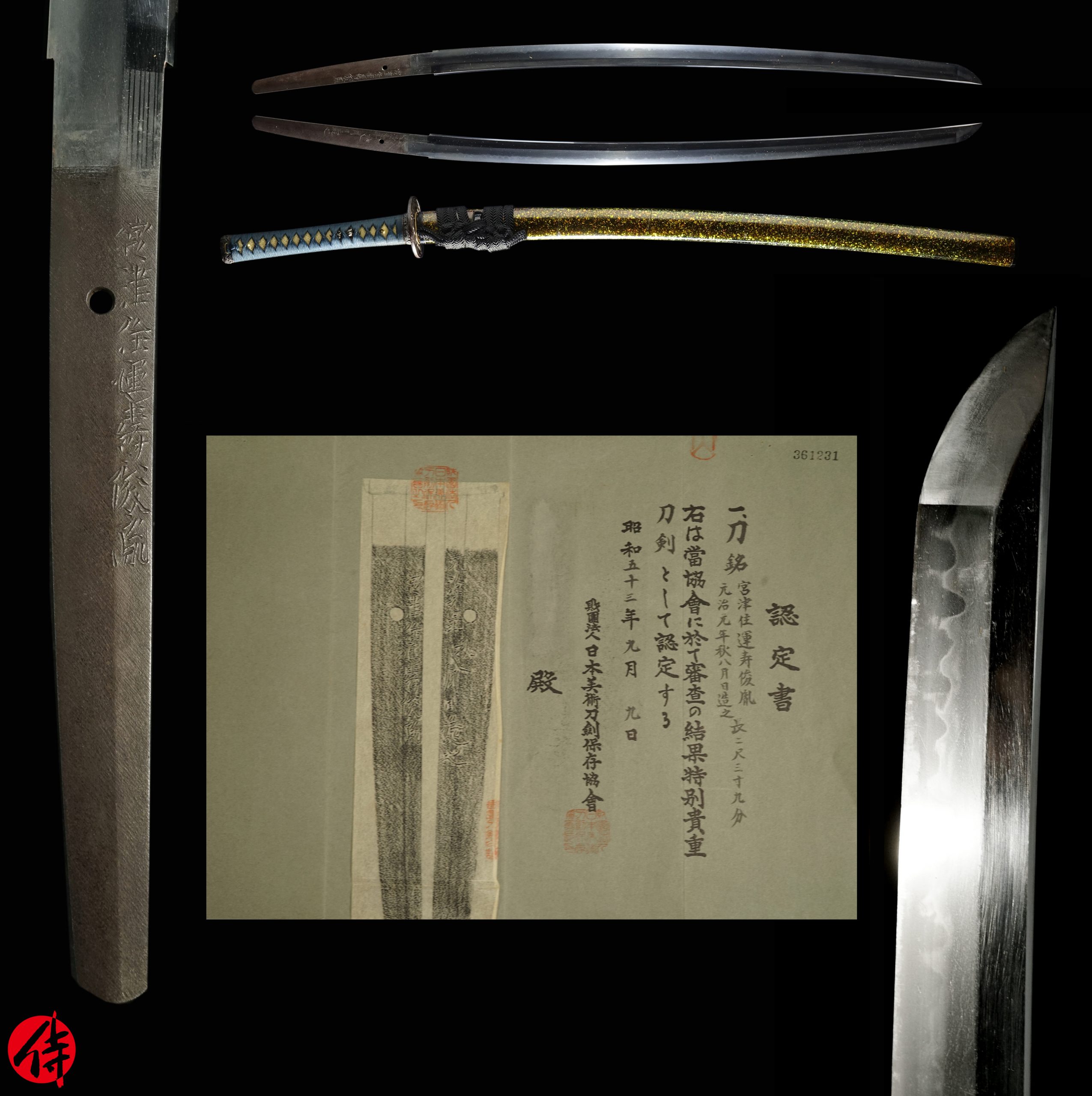
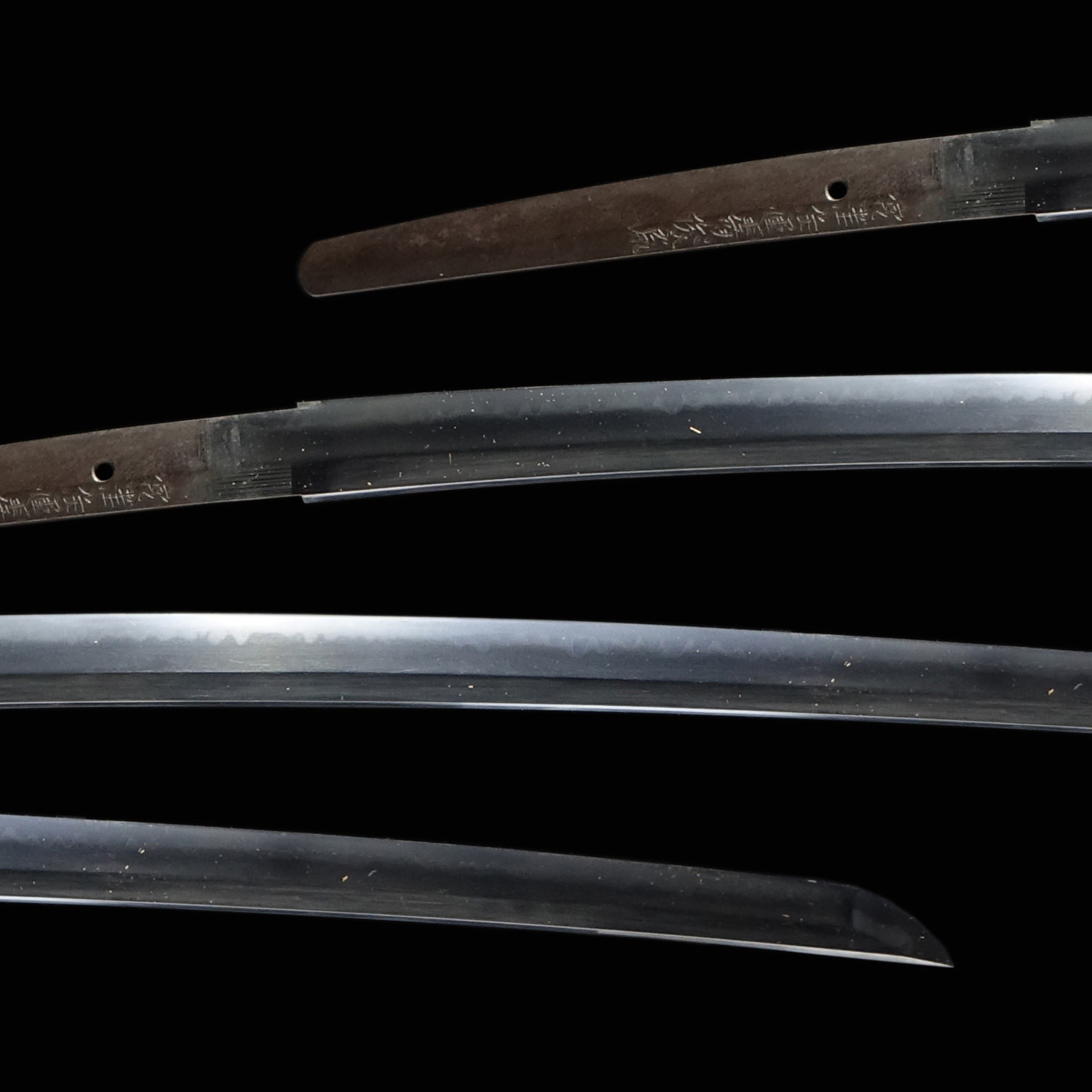
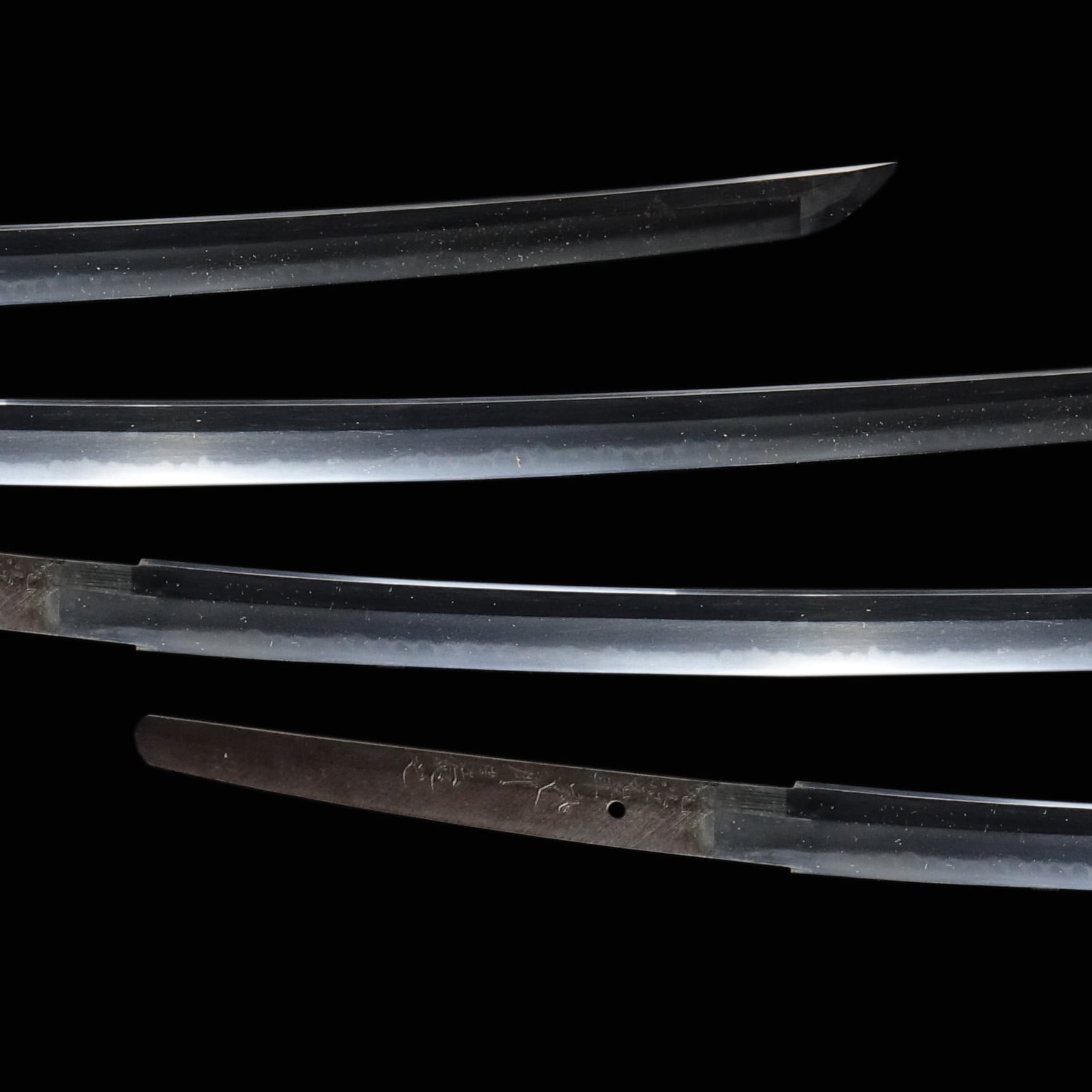
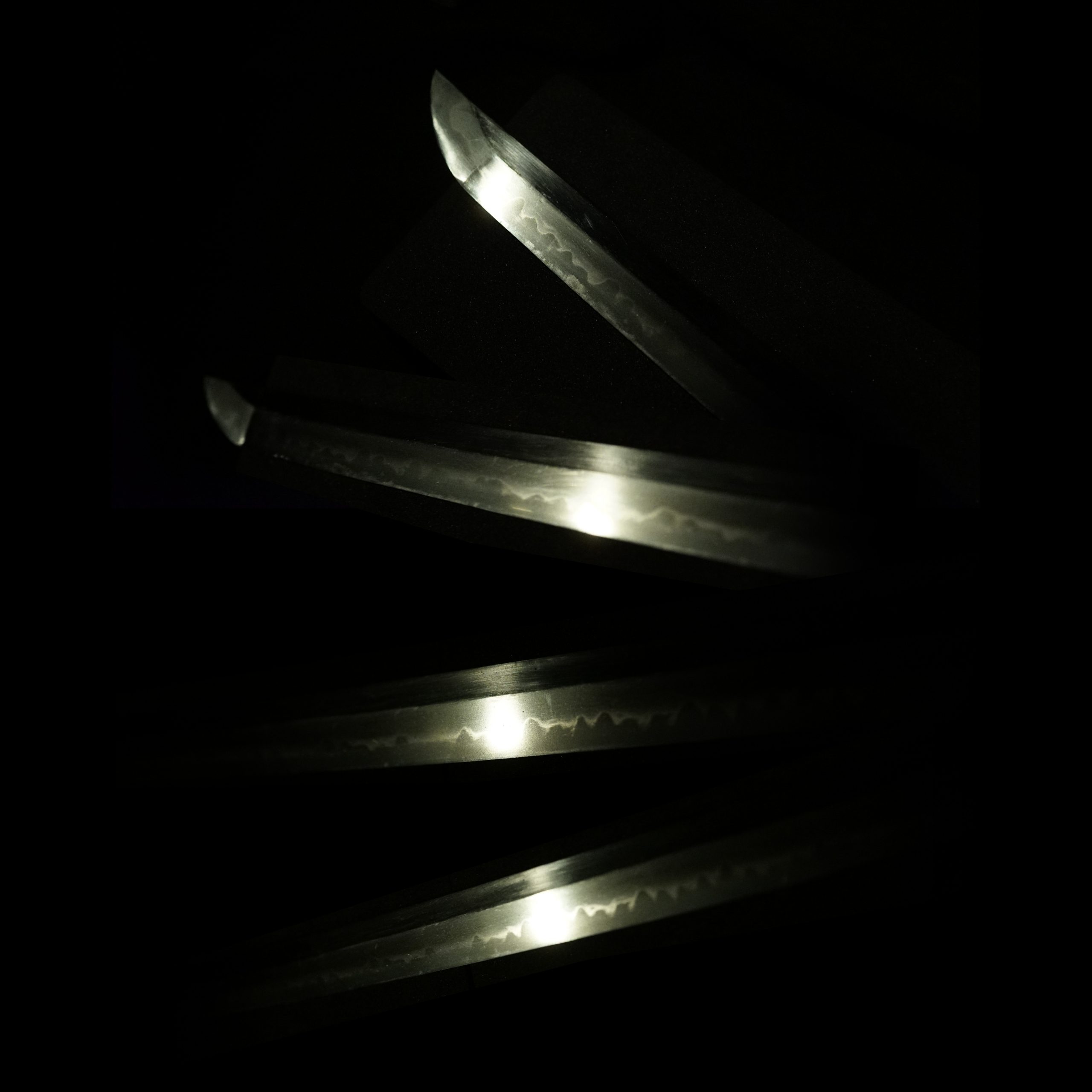
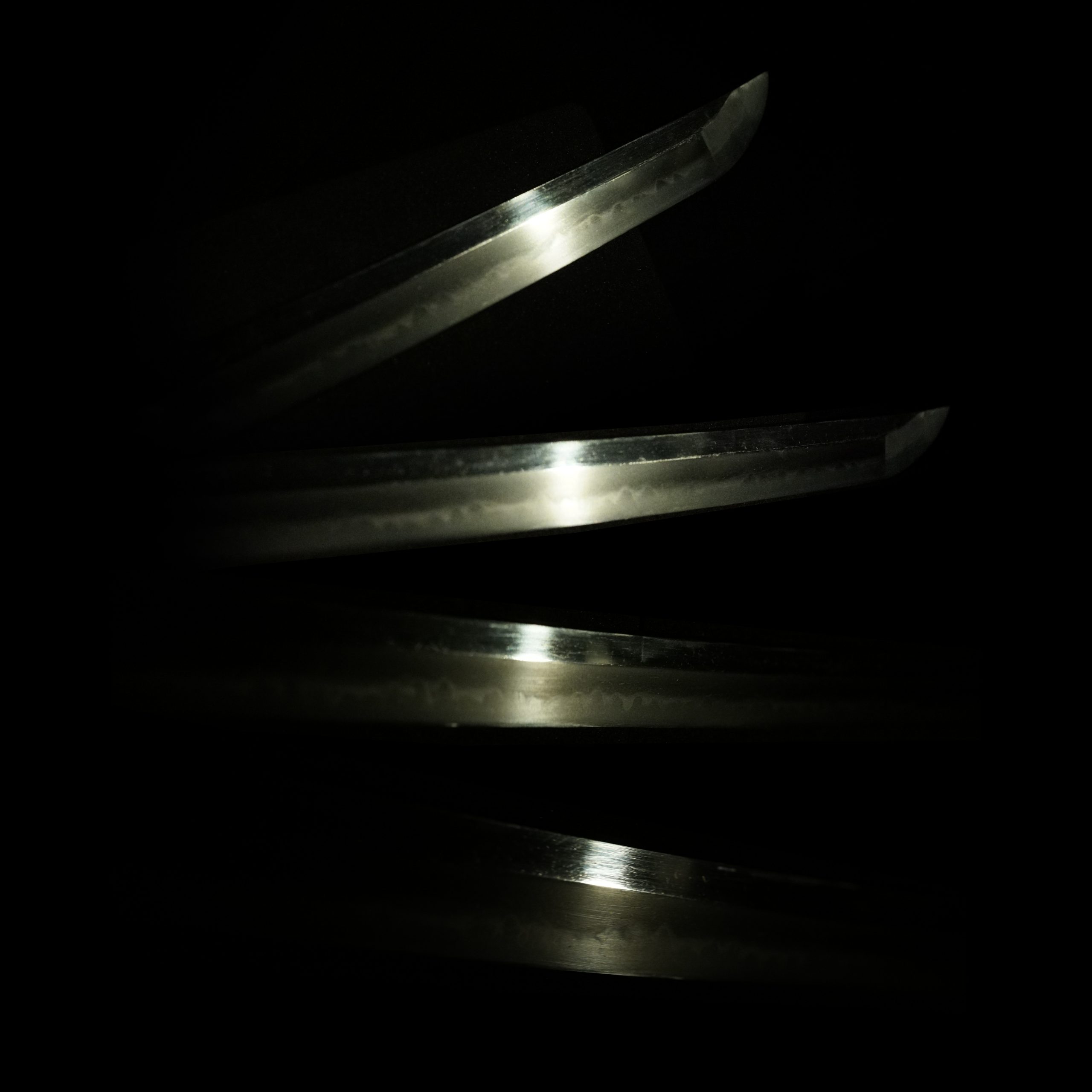
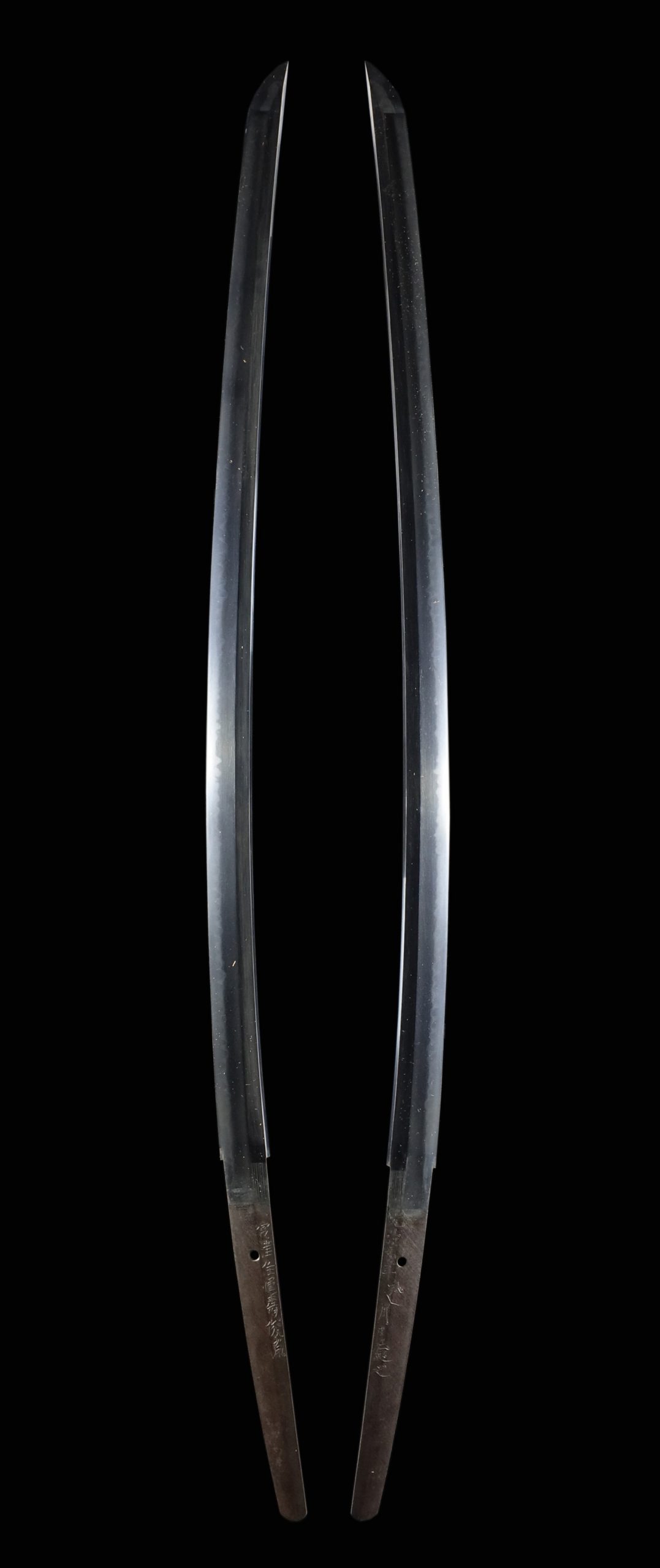
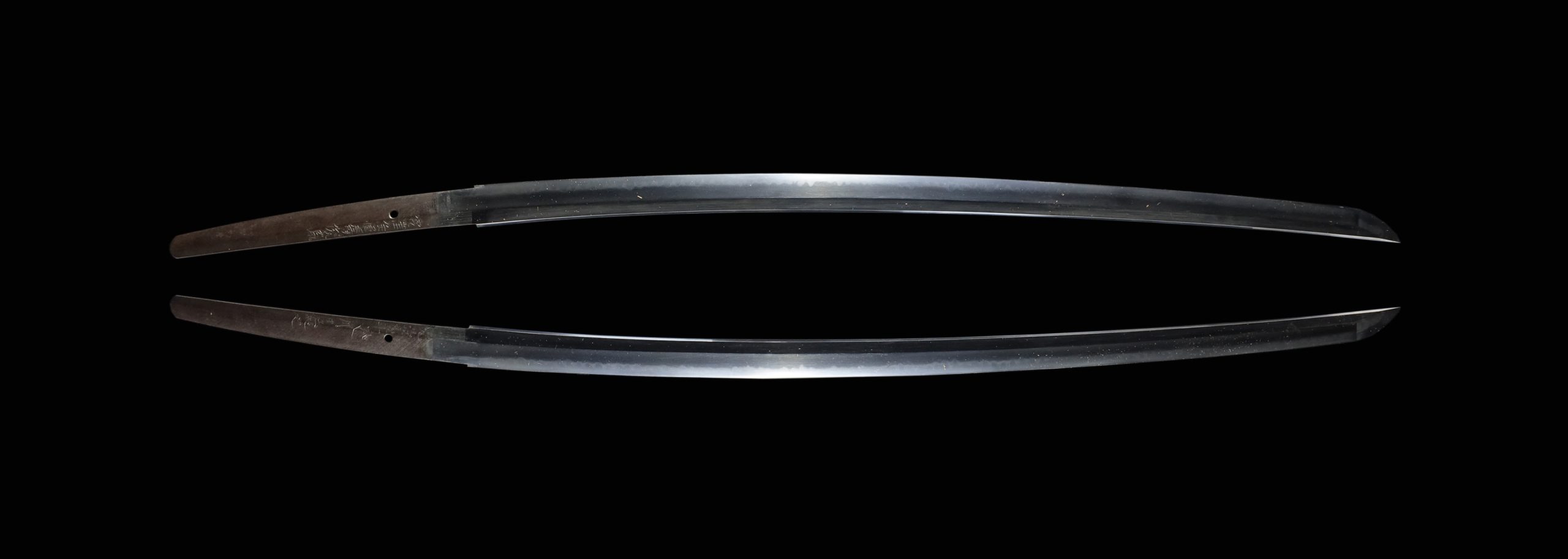
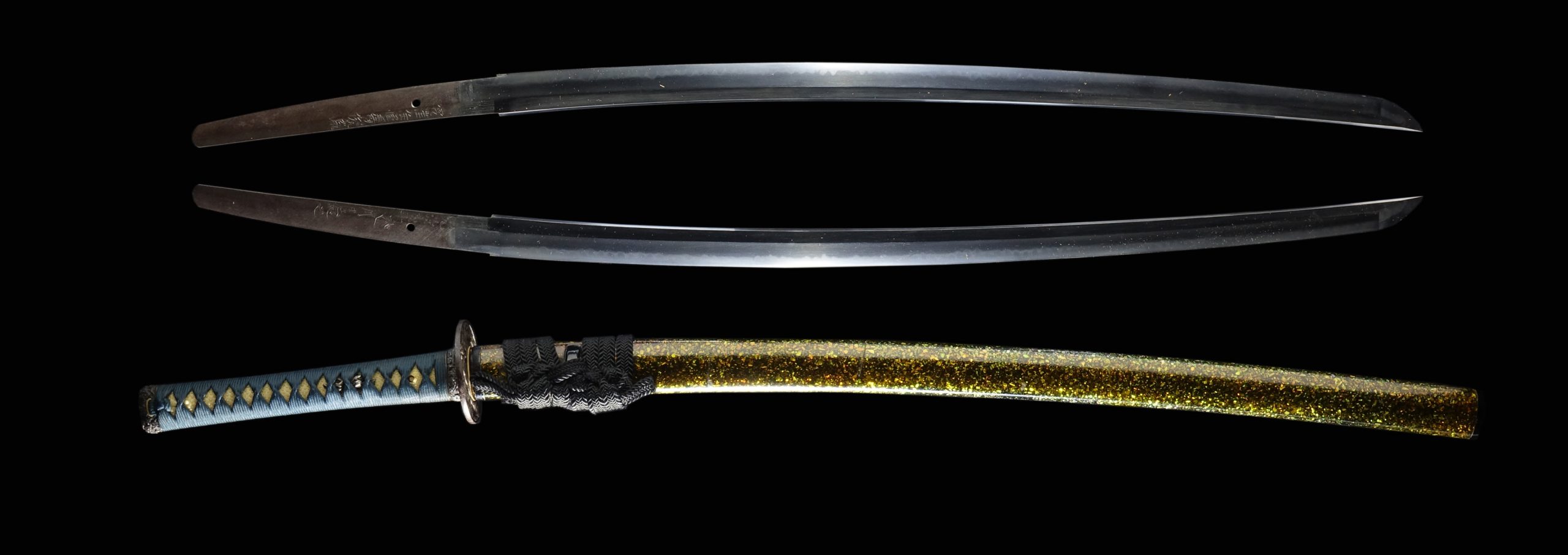
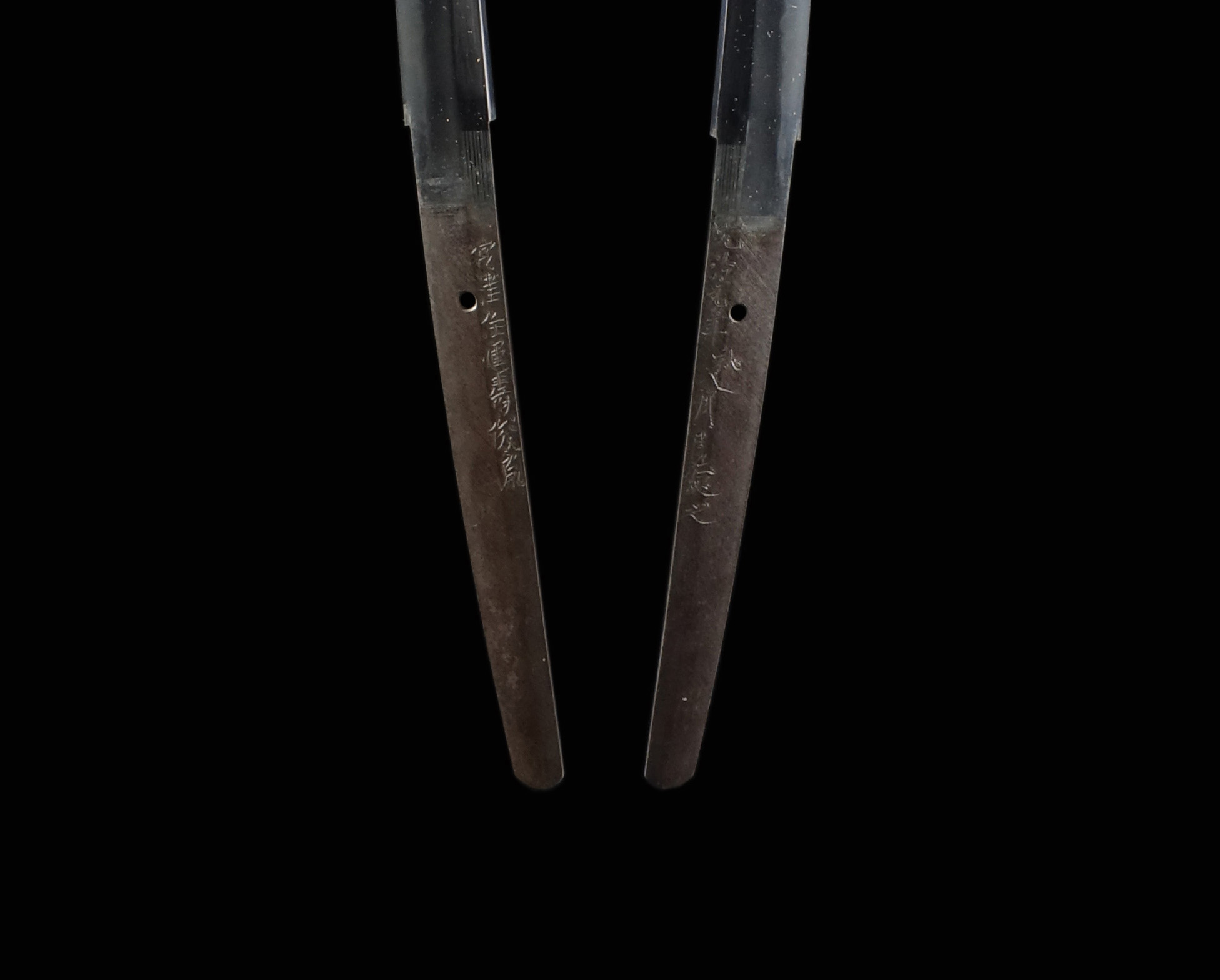
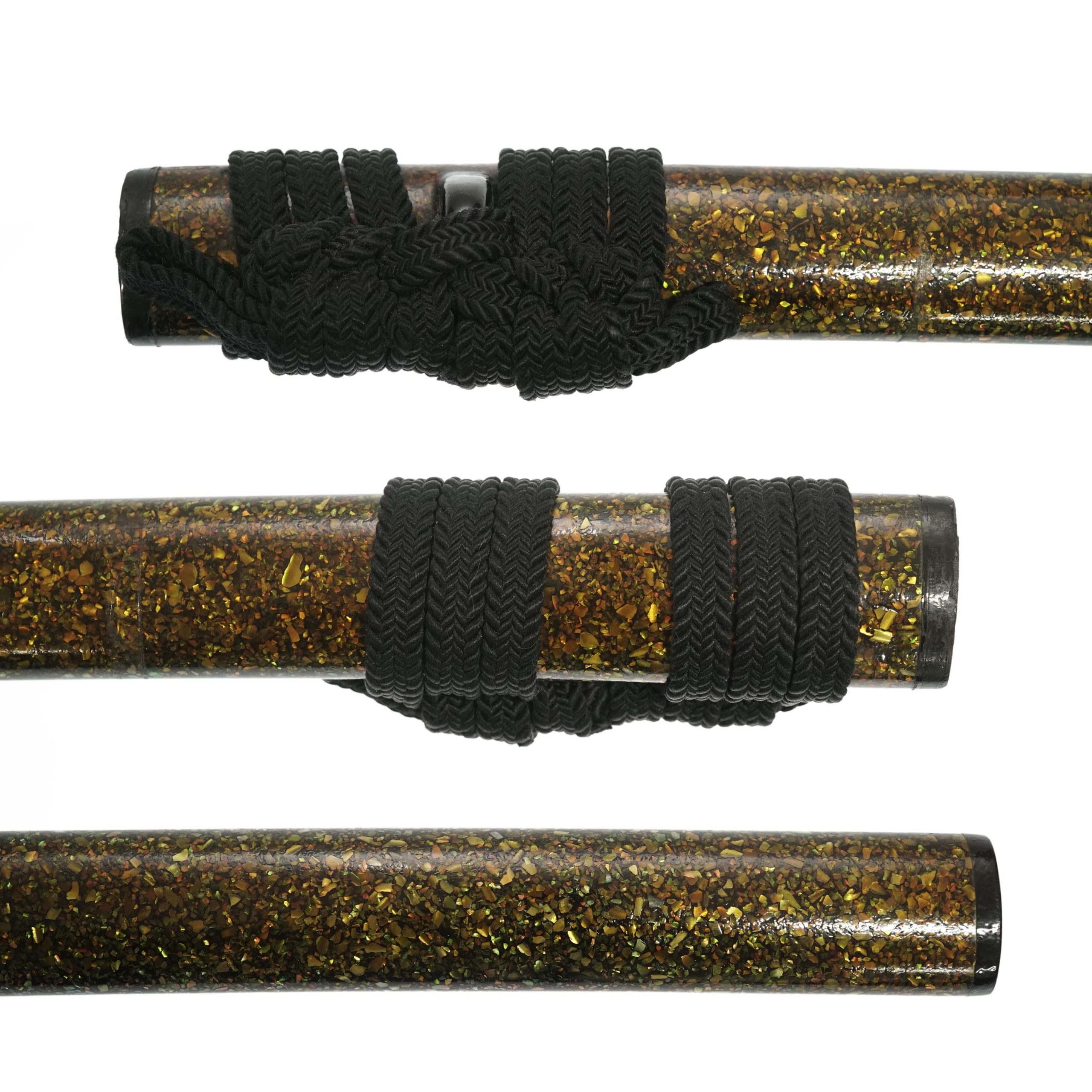
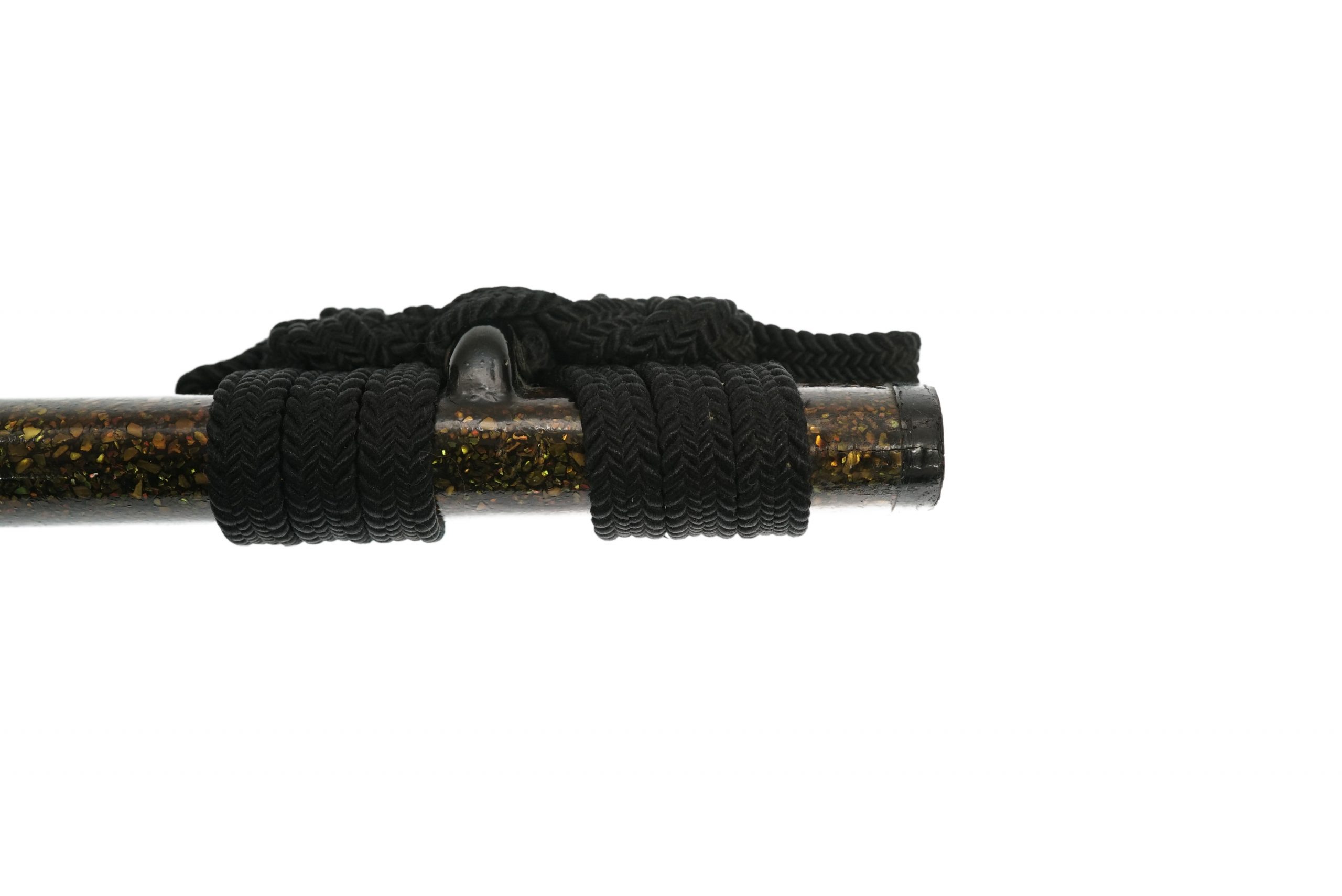
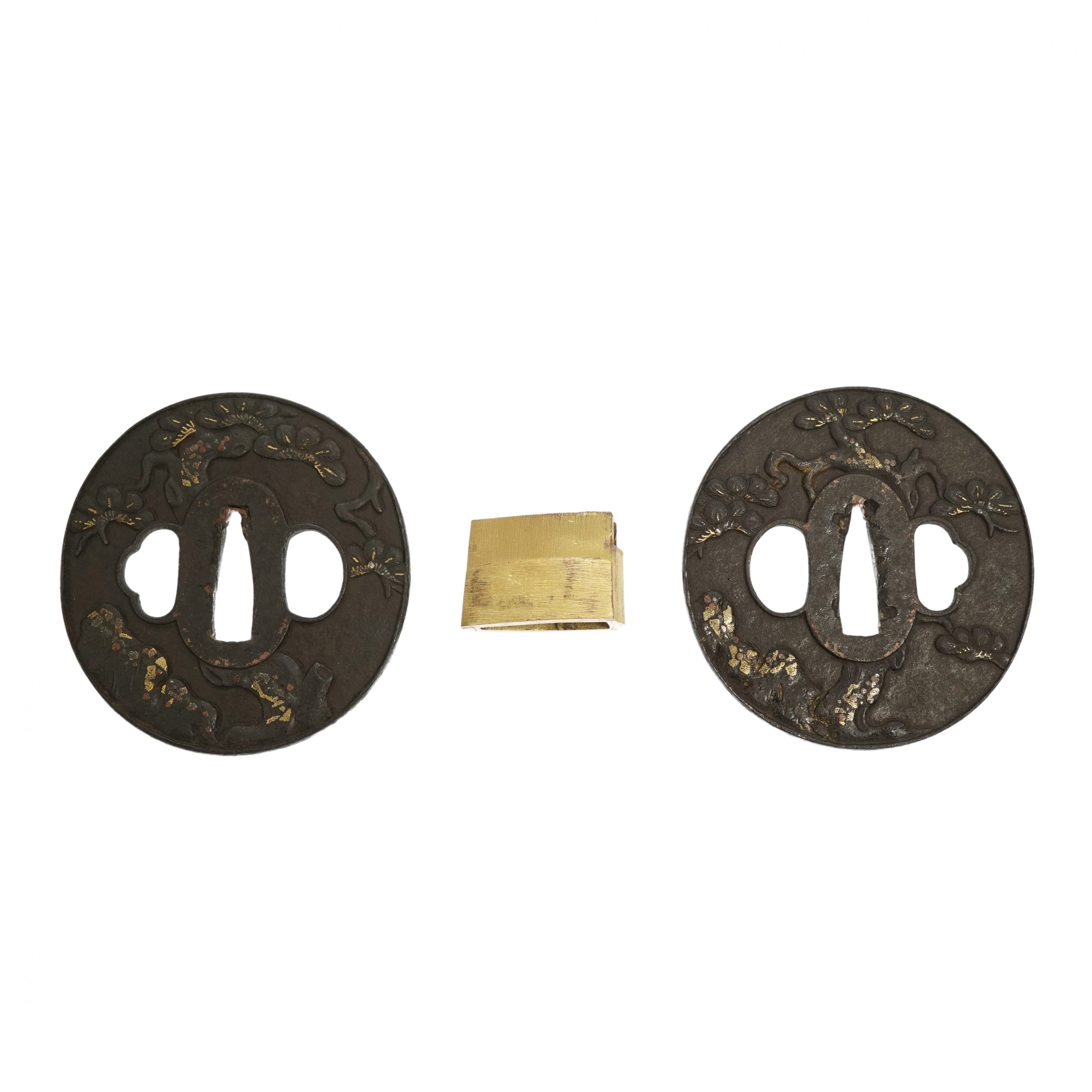
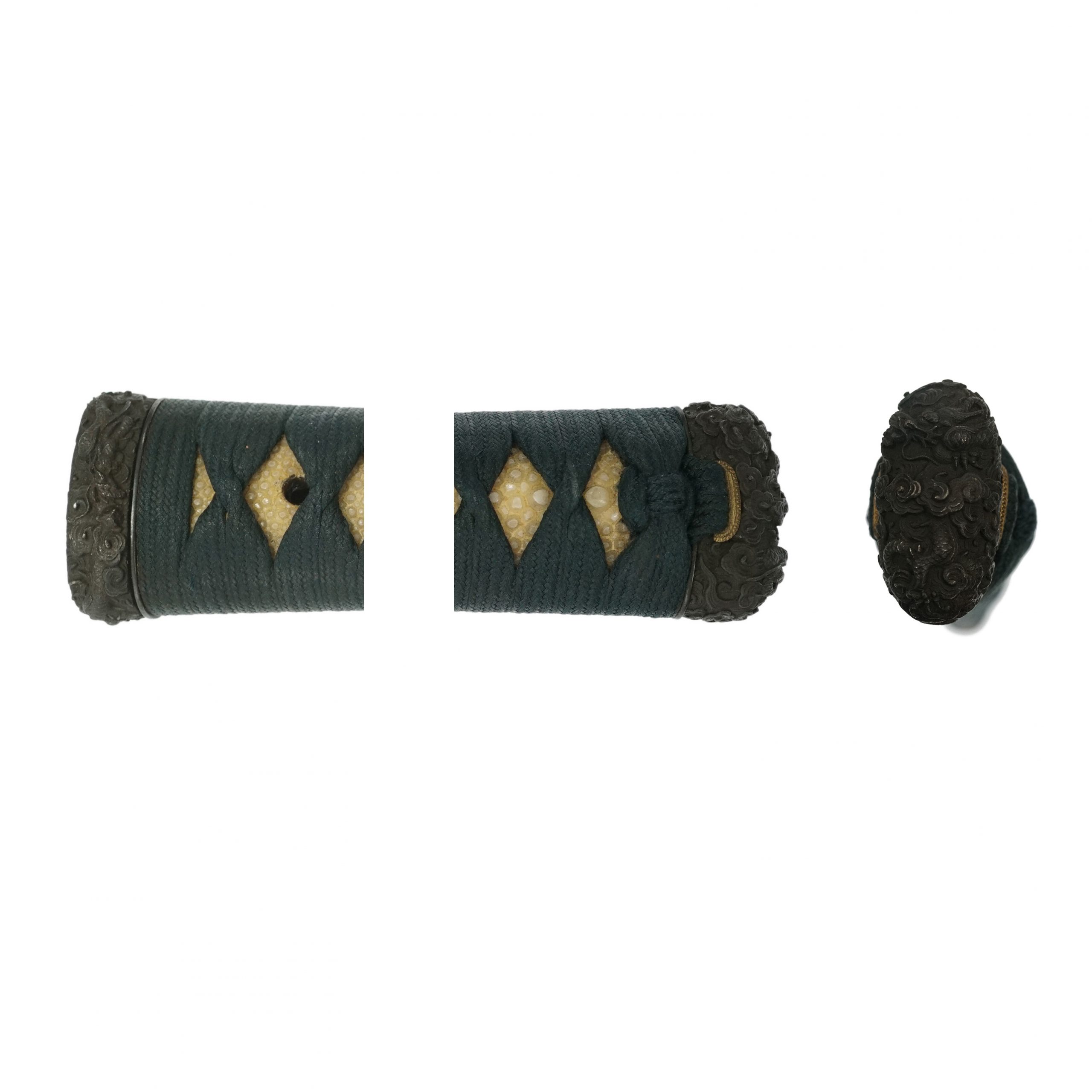
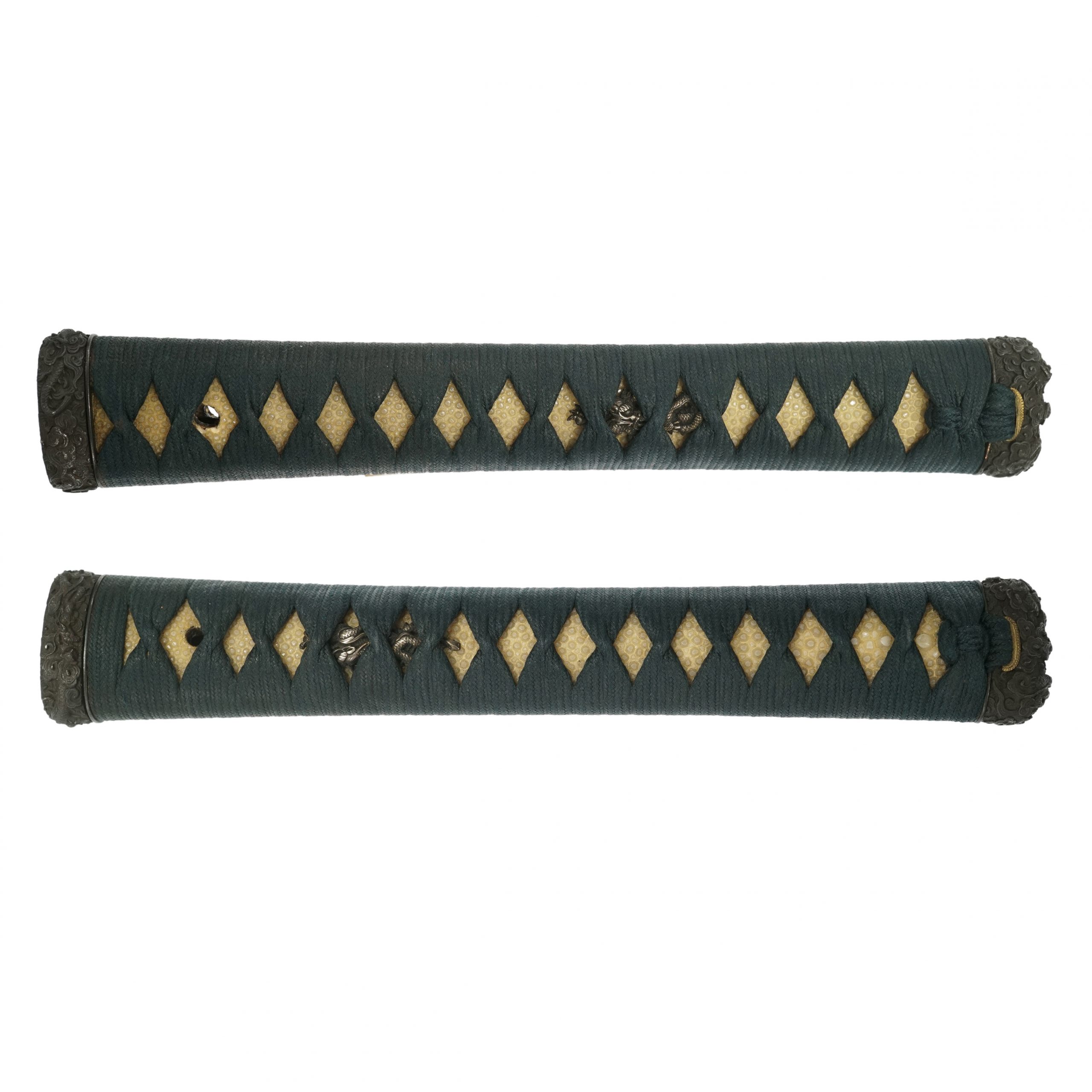
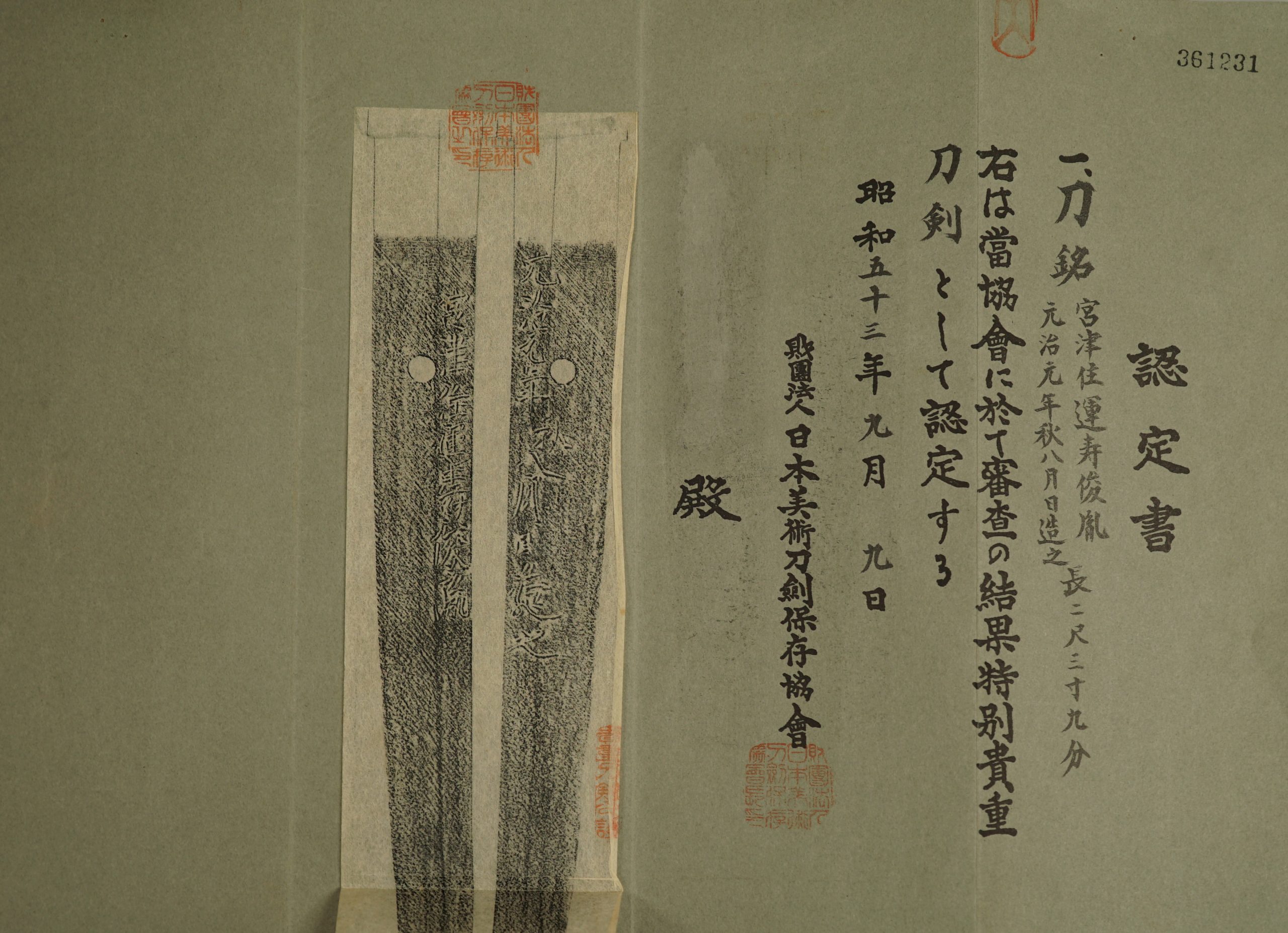
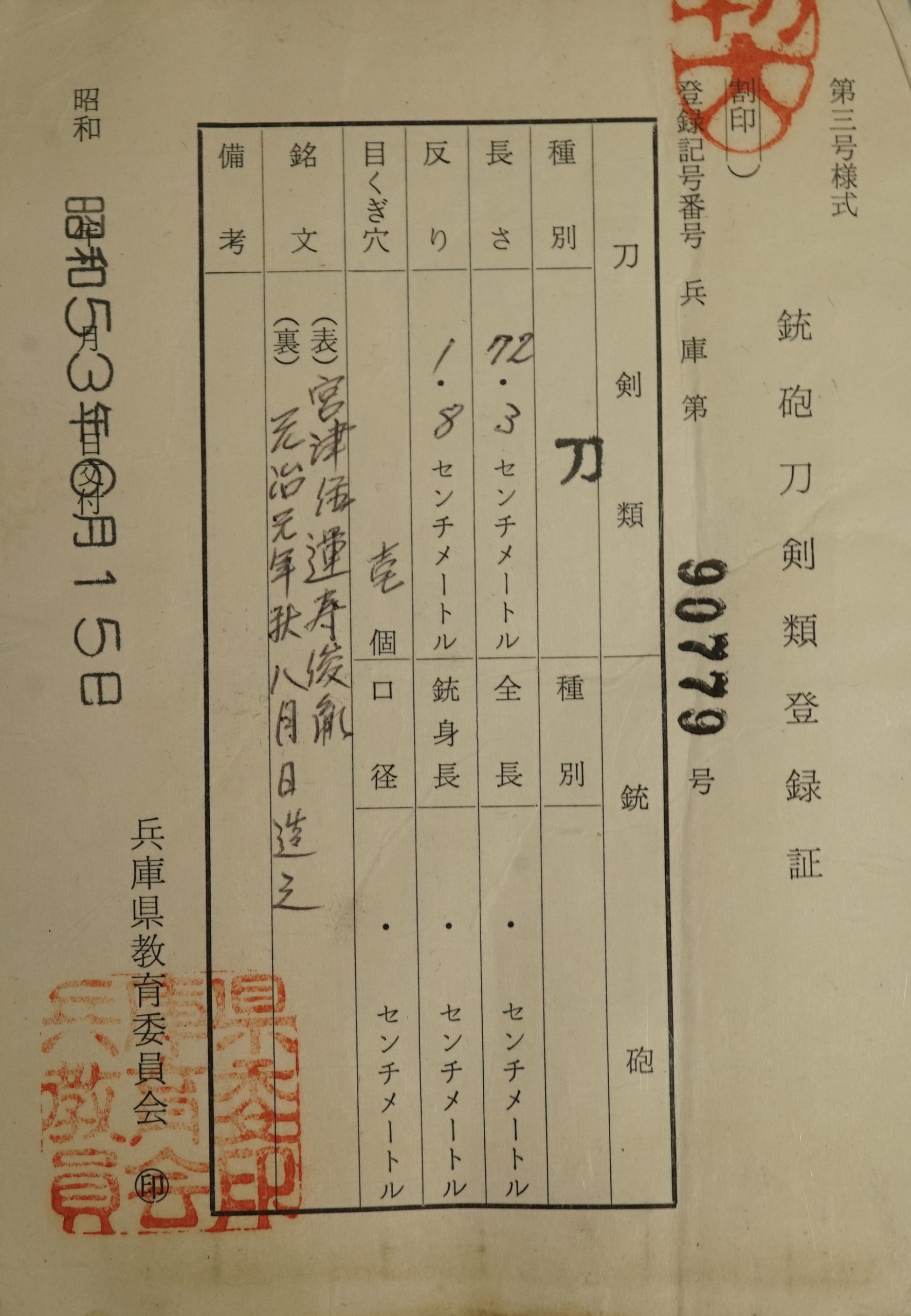
Miyazu Ju Unjyu Toshitane forged this blade in the first year of the GENJI era(1864 A.D) according to the signature on the tang.He studied under the master, Seventh gen Ishido Unjyu Korekazu, a famous swordsmith in Ishido school. Toshitane was selected as Okakae Kaji for Honjyo clan in the Miyazu domain in Tango area. (today’s northern Kyoto) That means he was exclusively forging swords for this clan. It was quite honorable for any swordsmiths to be an Okakae Kaji. His works have a close resemblance to his master, and we assume he helped his master to forge swords. Toshitane took over the name Unjyu from his master, meaning there must have been a strong connection between the two. This blade was forged in the end of the Edo period(GENJI era) when there was a civil war between Tokugawa’s military government and new Meiji government. The original owner of this Katana might have seen the moment when Samurai’s life changed forever. This blade has a strong looking and must have been practical to use it in that demanding time. Toshitane kept forging swords even after the Edo period ended. It was much stricter to make swords under the new Meiji Government, but he tried to keep the craftsmanship from the Samurai period going. This blade has the Tokubetsu NBTHK Kicho certificate, which was issued during 1950-1982. NBTHK is currently the most active organization for the authentication of Japanese swords. The foundation of NBTHK dates back to the post-WWII era, following the establishment of the current Japanese Government, when Japanese swords were on the verge of extinction. It comes with a beautiful set of sword mounting. Its scabbard is especially worth mentioning. It is coated with RADEN(oyster shell coating) Nakago It has the signature of Miyazu Ju Unjyu Toshitane. Other Details Fuchi-Kashira The dragon is engraved for this Fuchi -Kashira. Based on a theory that says dragons live in the clouds, these two motifs are often designed together. The three-dimensional carving shows the majestic appearance of the dragon. The dragon is an imaginary creature that initially comes from ancient Chinese traditions or myths. It is a symbolic beast of auspicious signs. Its body is likened to nine animals: antlers are deer, the head is a camel, eyes are demons, the neck is a snake, belly is Mizuchi (蛟, a mythical animal in Japan which looks like a snake and have a horn and four legs), scales are fish, claws are falcons, palms are tigers, and ears are cows. It was thought that the dragon would reign at the top of all animals because of its odd-looking appearance. People appreciate the dragon pattern as the all-purpose auspicious pattern since ancient times. Tsuka and Menuki Dragons are designed or this Menuki as well as Fuchi-Kashira. They twist their slender bodies that seem similar to snake. Each scale and each sharp nails are carefully carved. It shows us the high-level skill of its metalworker. Tsuba and Habaki Circle-shaped Tsuba made from iron. Matsu (松, pine tree) is engraved on both sides. Each pine needles are finely carved. Cones and trunks are inlaid with gold or brown colored materials; it makes a realistic depiction. As pine trees keep their green color throughout the years withstanding severe heat and cold, this plant pattern represents eternal youth. And its color is called Tokiwa-Iro (常盤色, evergreen trees’ dark green color with brown), and pine trees have another name “Tokiwa-Gi (常盤木).” Tokiwa means immutability, so Tokiwa-Iro is a color that praises green with a wish for longevity and prosperity. It is said this color was appreciated, especially in the Edo period as a good-luck color. The pine tree design gives us an elegant and noble impression; it might be another reason that people love this motif. Saya Fine shell fragments are used, and it makes a glossy brown-gold colored scabbard coating. Authentication Paper They authenticated the blade on Sep 9th in the 53th year of Showa(1978). They appraised it as Tokubetsu Kicho Touken. The purchaser will receive this original certificate as well.We can also translate what is written into English and make a PDF file for your record if you request.

販売店の記載のまま
丹後 · 1848-1864頃
刀剣大鑑 上位77%
現在2点販売中
江戸時代
江戸は刀の目利きの時代である。本阿弥の鑑定、1719年の享保名物帳、盛んな刀剣書が、戦で抜かれることのなくなった刀を学問の対象へと変えていった。
本作はNBTHKの旧鑑定書(貴重・特別貴重)を有しますが、これらは現在発行されておらず、現在の日刀保ではほとんど認められていません。極めを確認するには、公的な鑑定機関(NBTHK・NTHKなど)に再提出し、現行の鑑定を受けることもご検討ください。
Returns/exchanges limited to defects caused by shipping (except willful misconduct or gross negligence by the company); customers must contact within 72 hours of receiving the product.