徳川の泰平のもと、大小は法度の定める身分の制服となり、需要は城下町、とりわけ江戸に集まった。工芸は二つに分かれる。目利きのための華やかな鑑賞の作と、截断の結果を金象嵌に刻む実証の刀である。
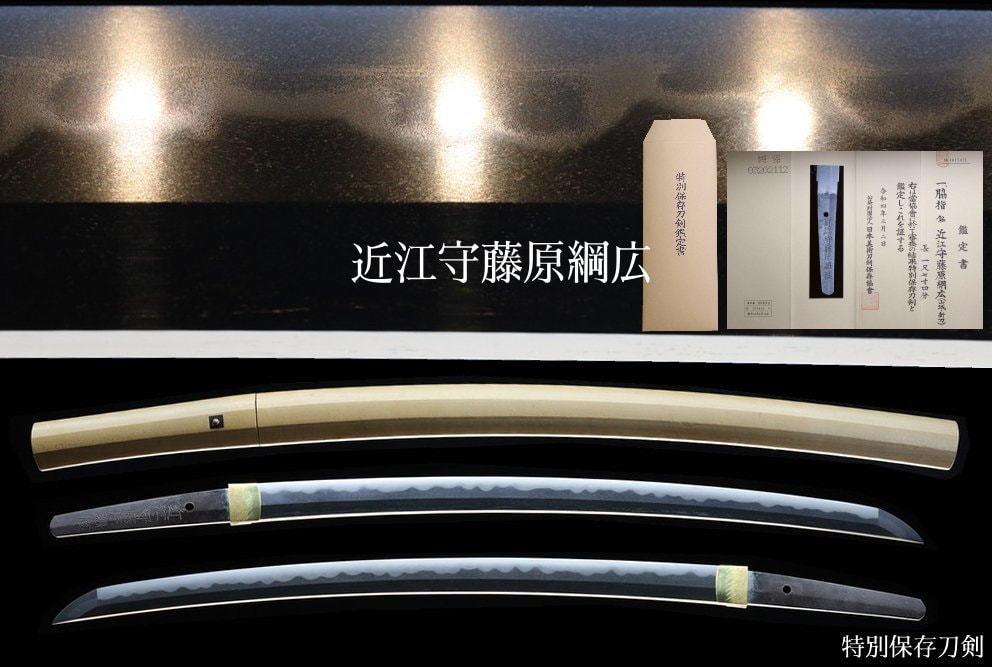
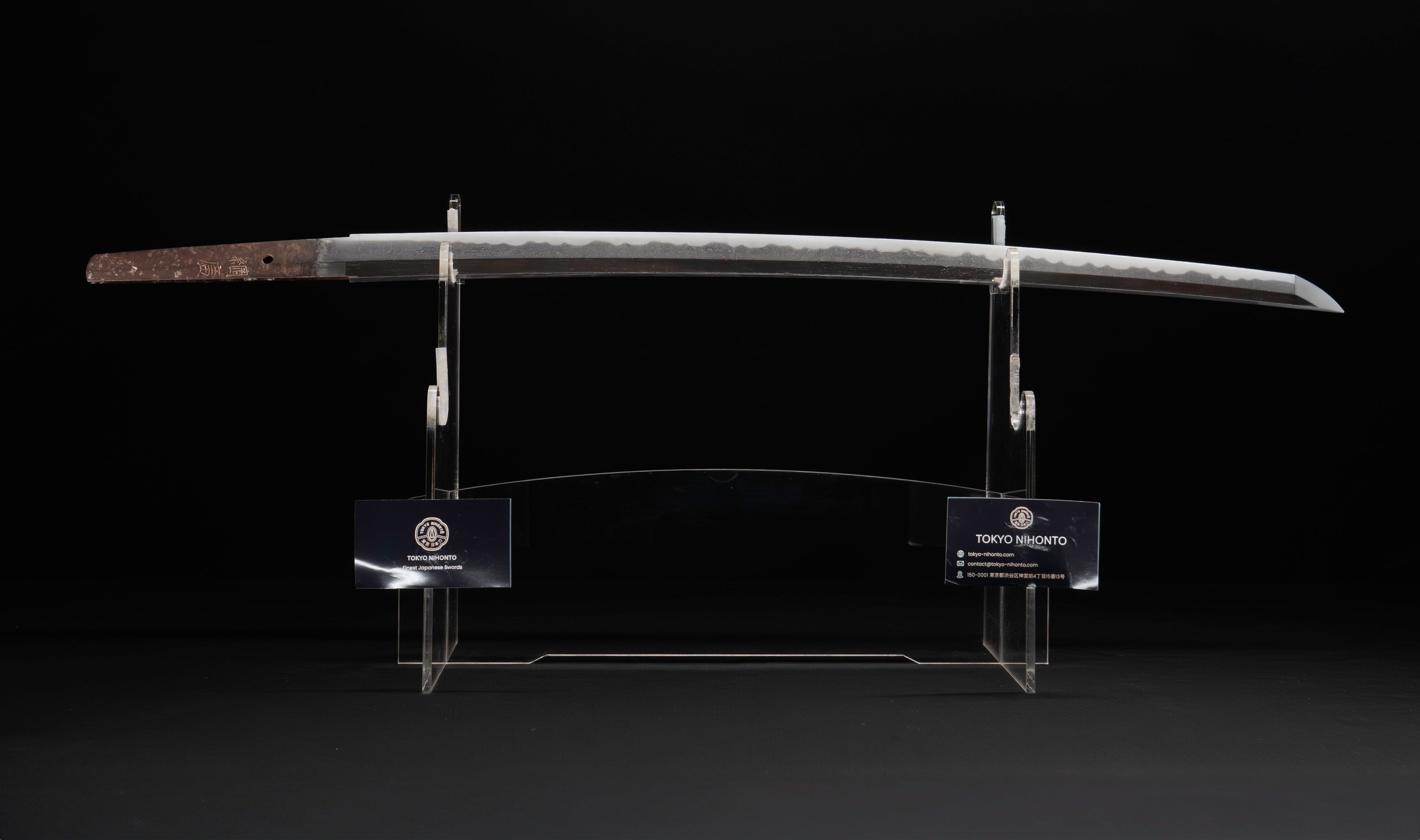
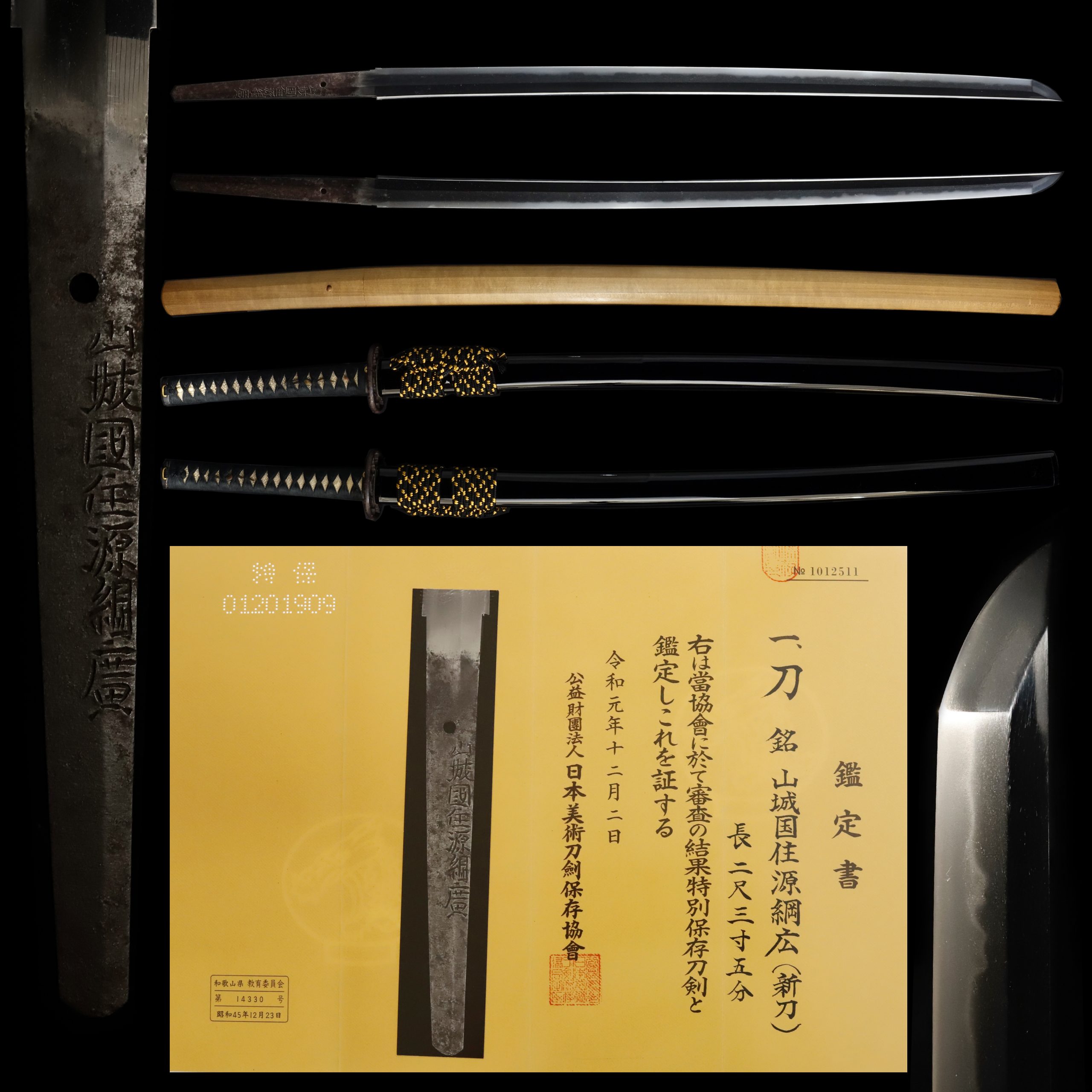
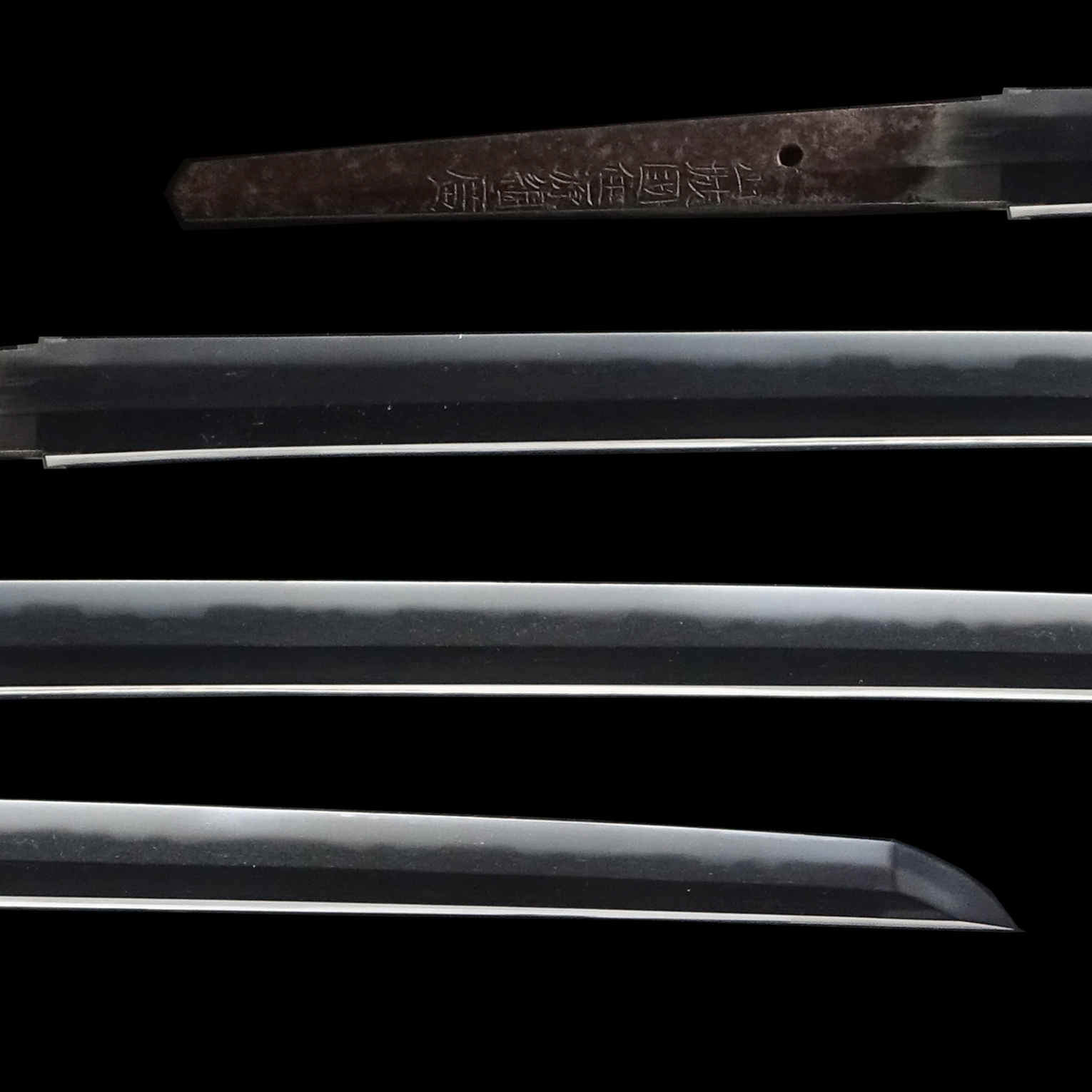
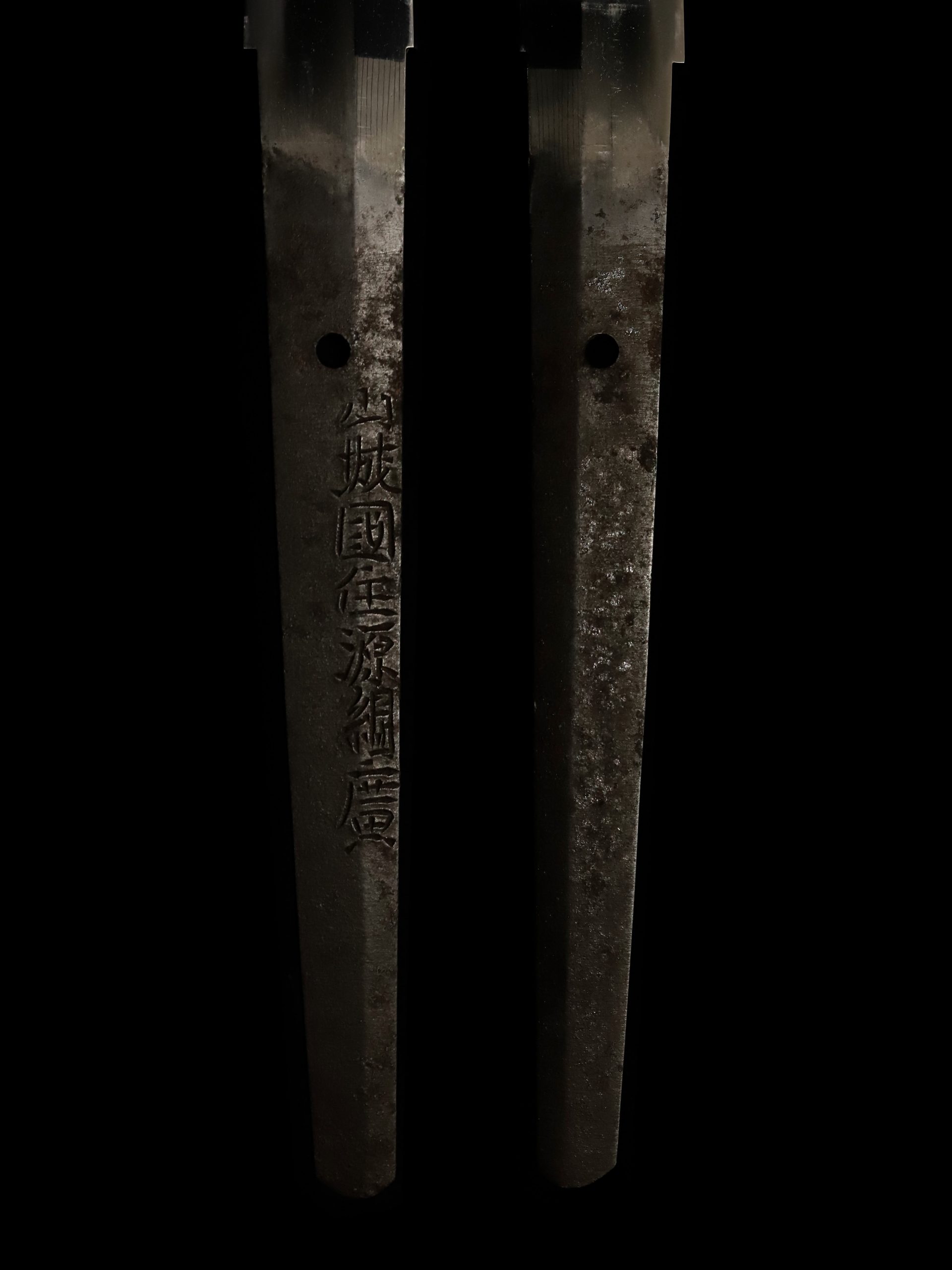
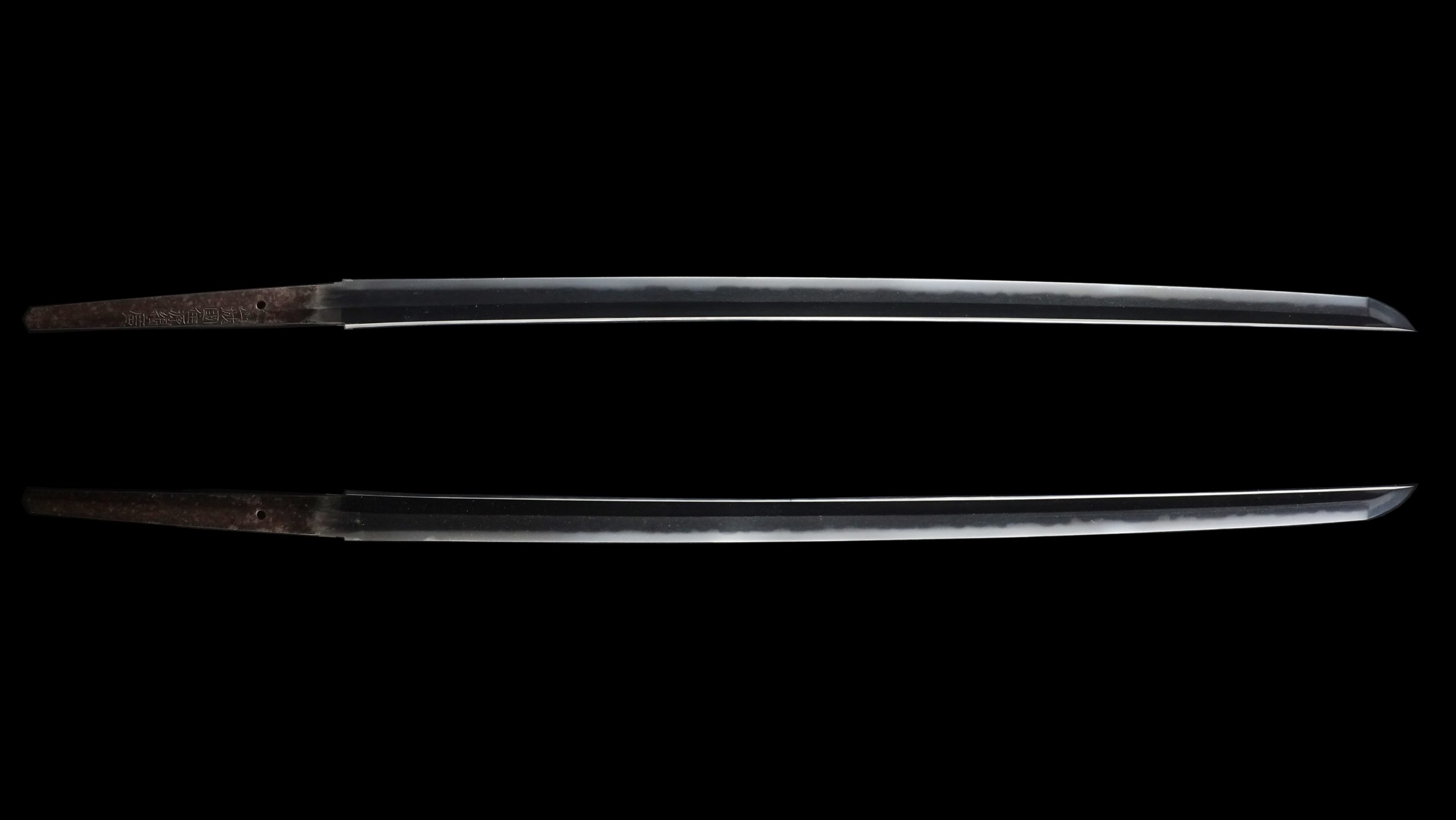
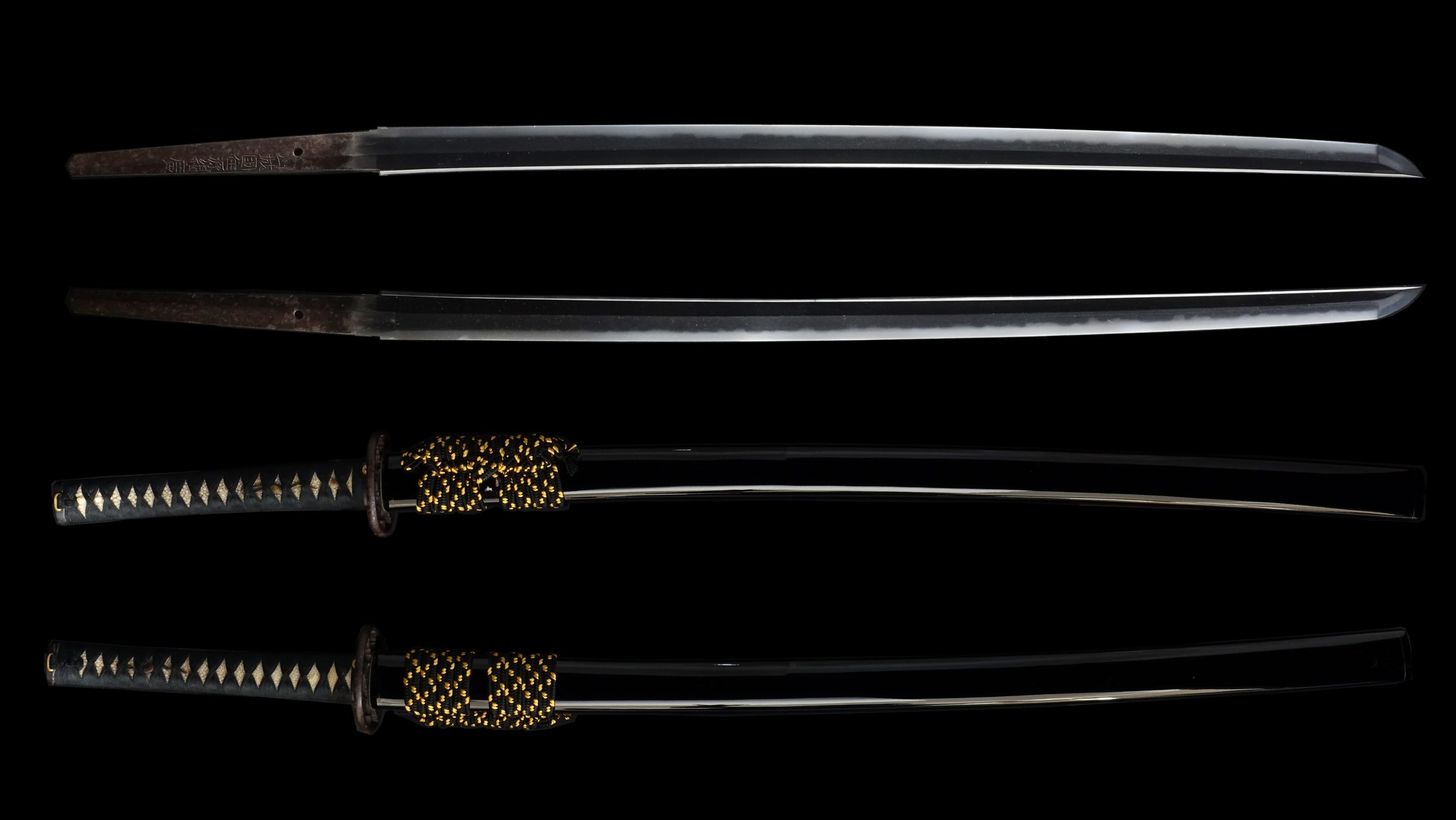
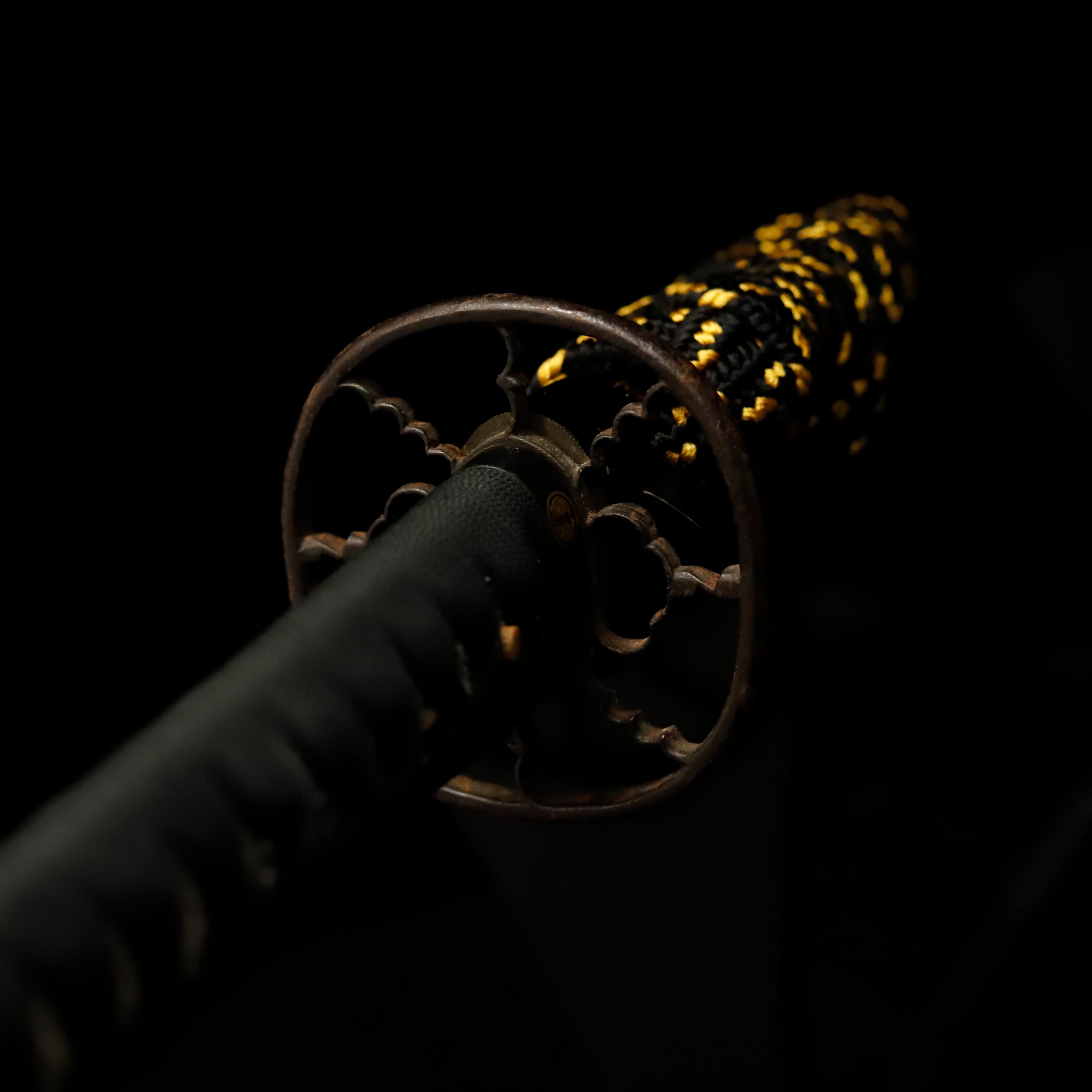
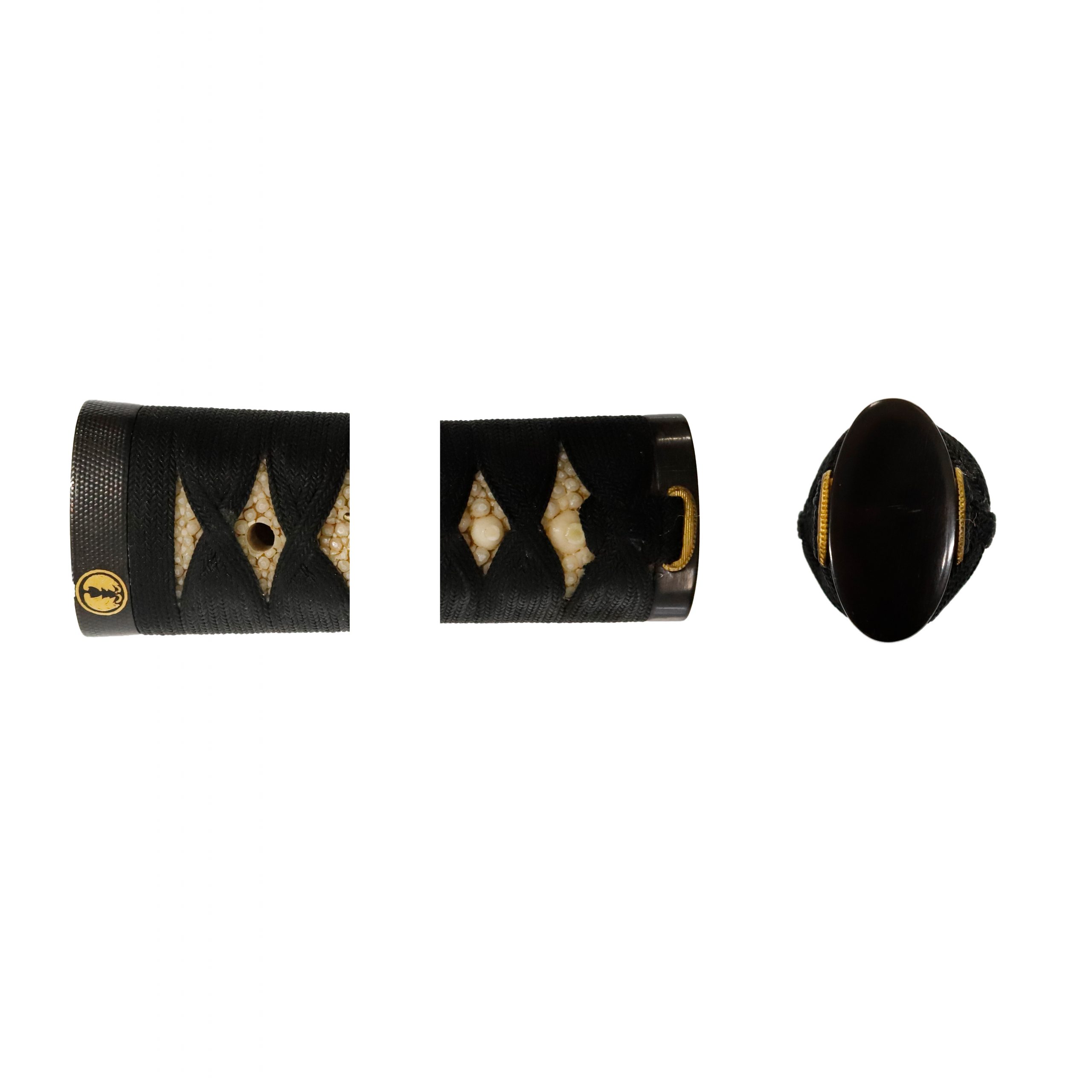
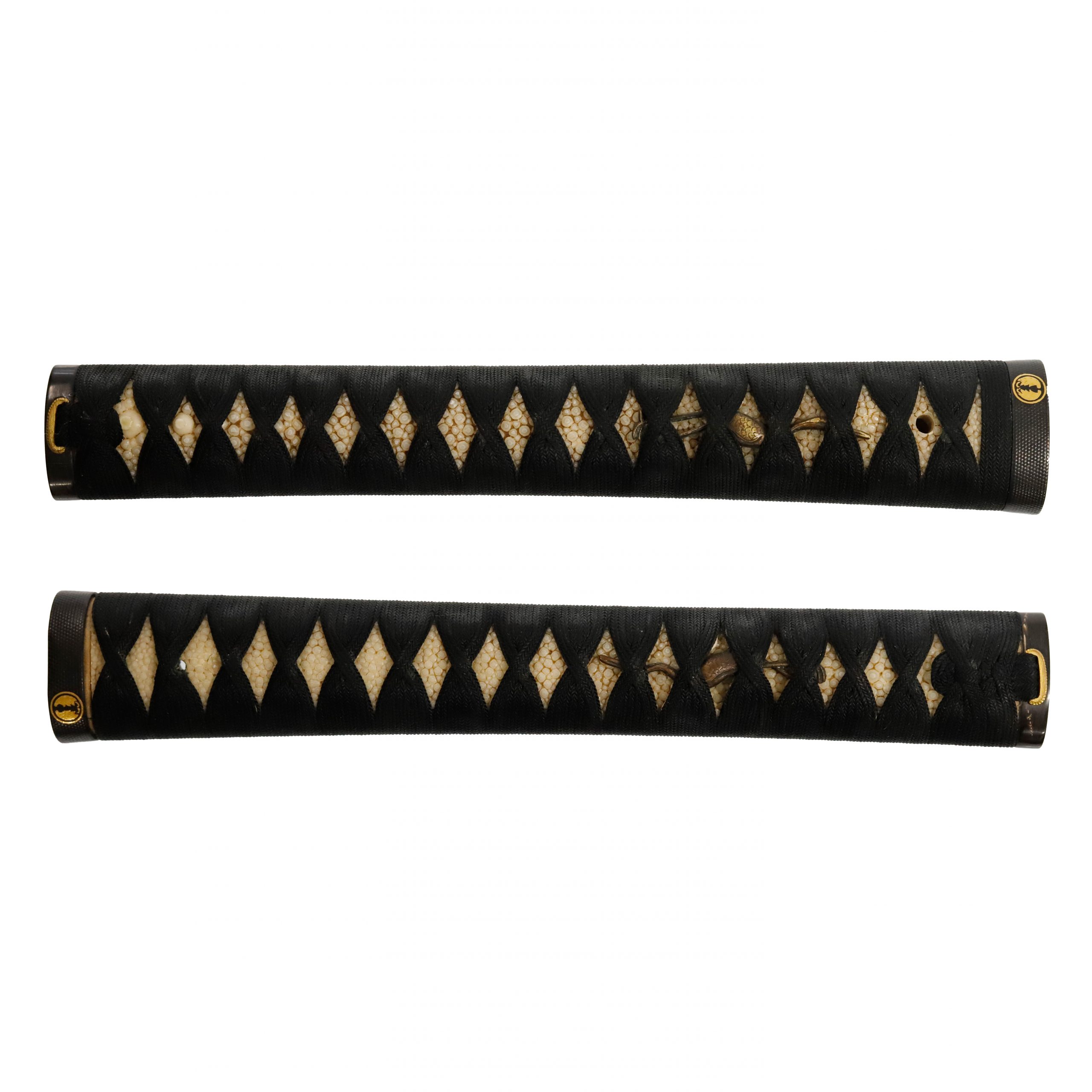
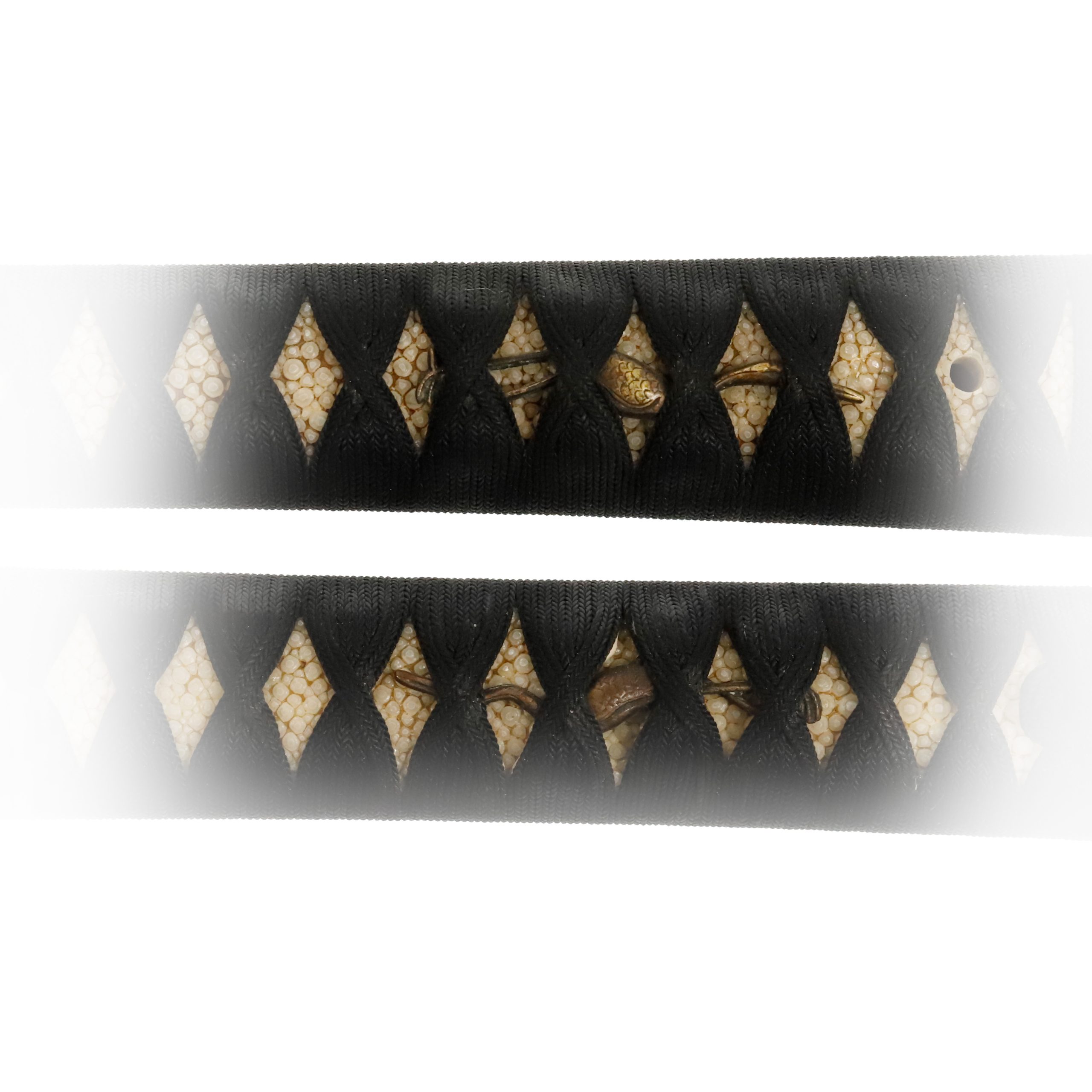
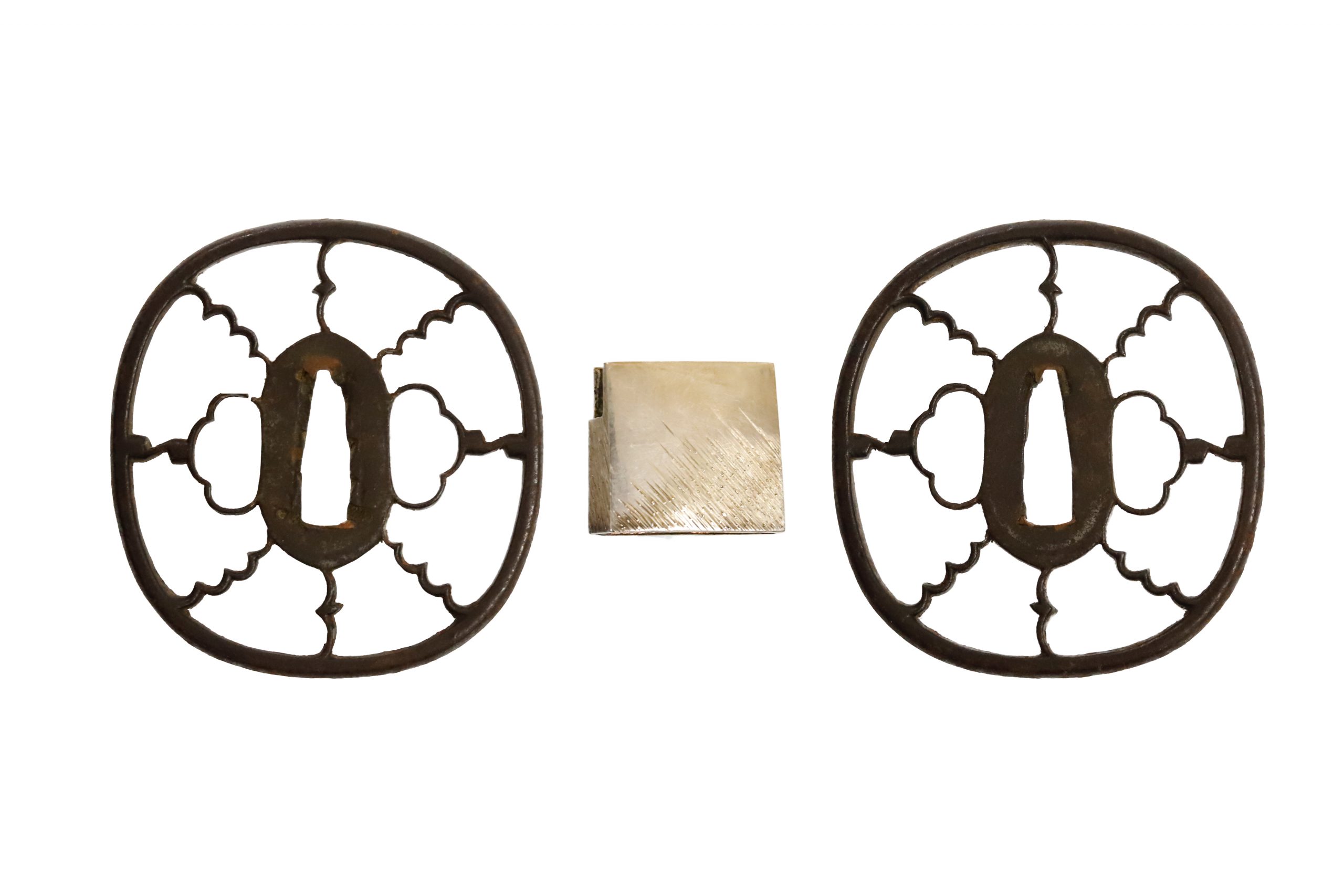
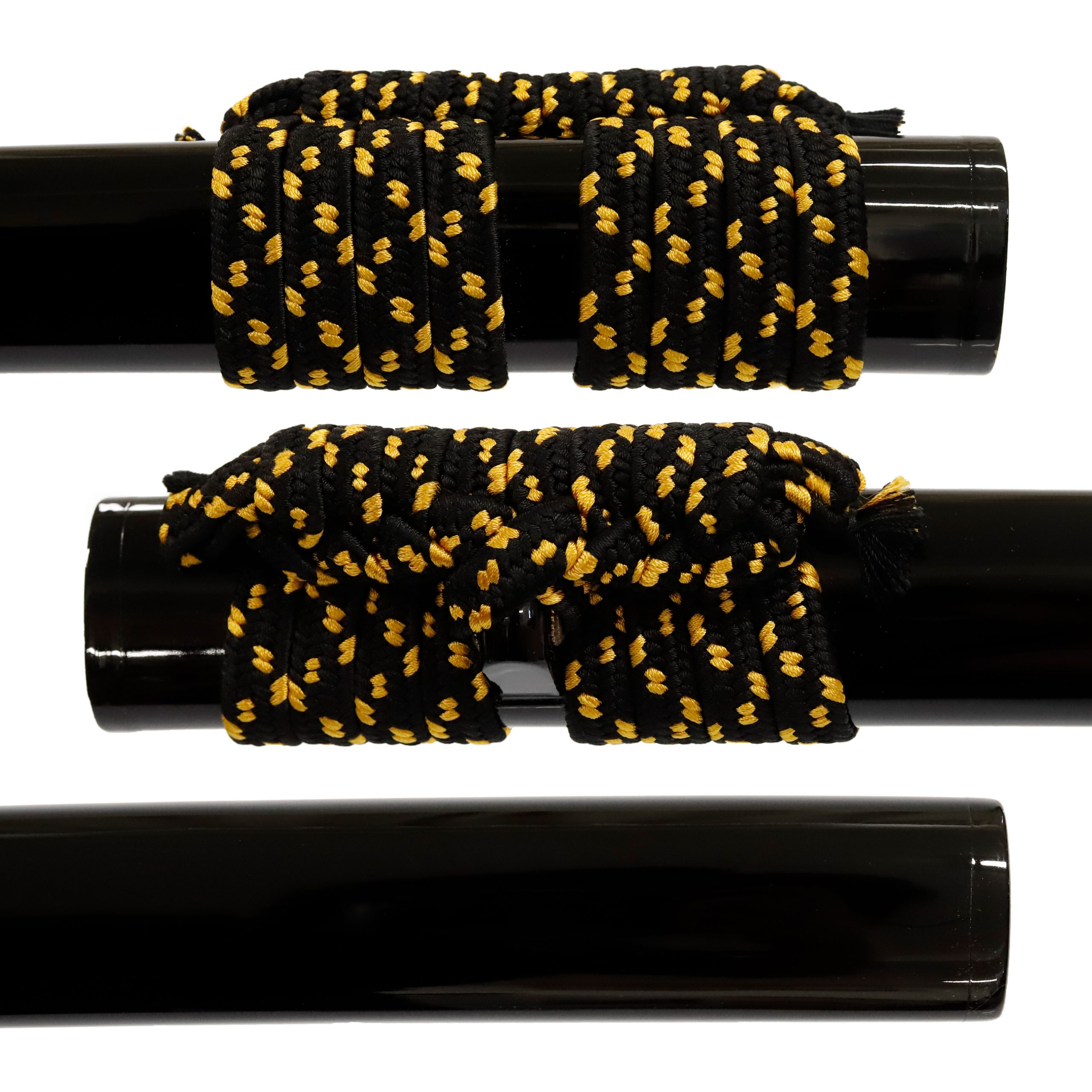
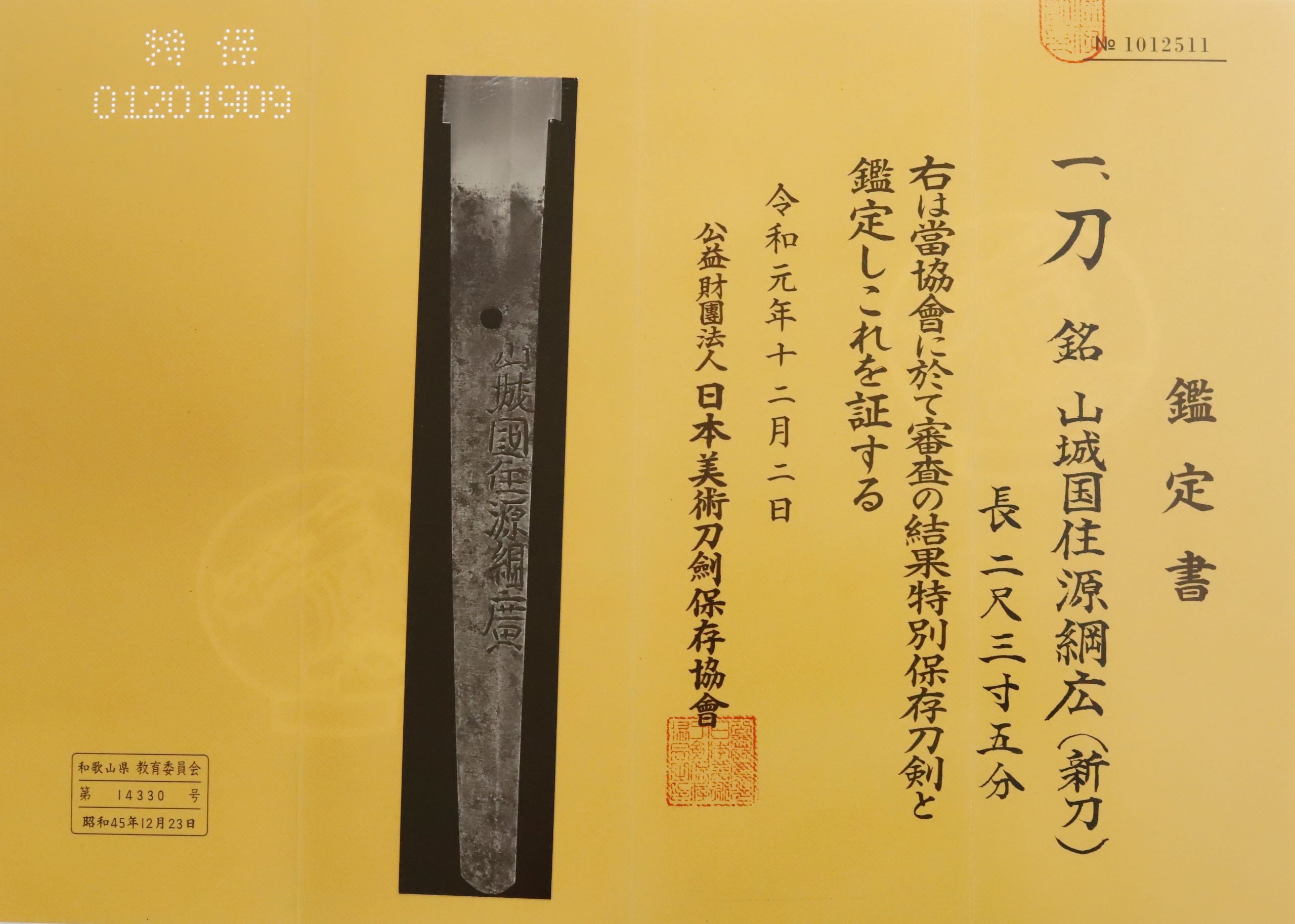
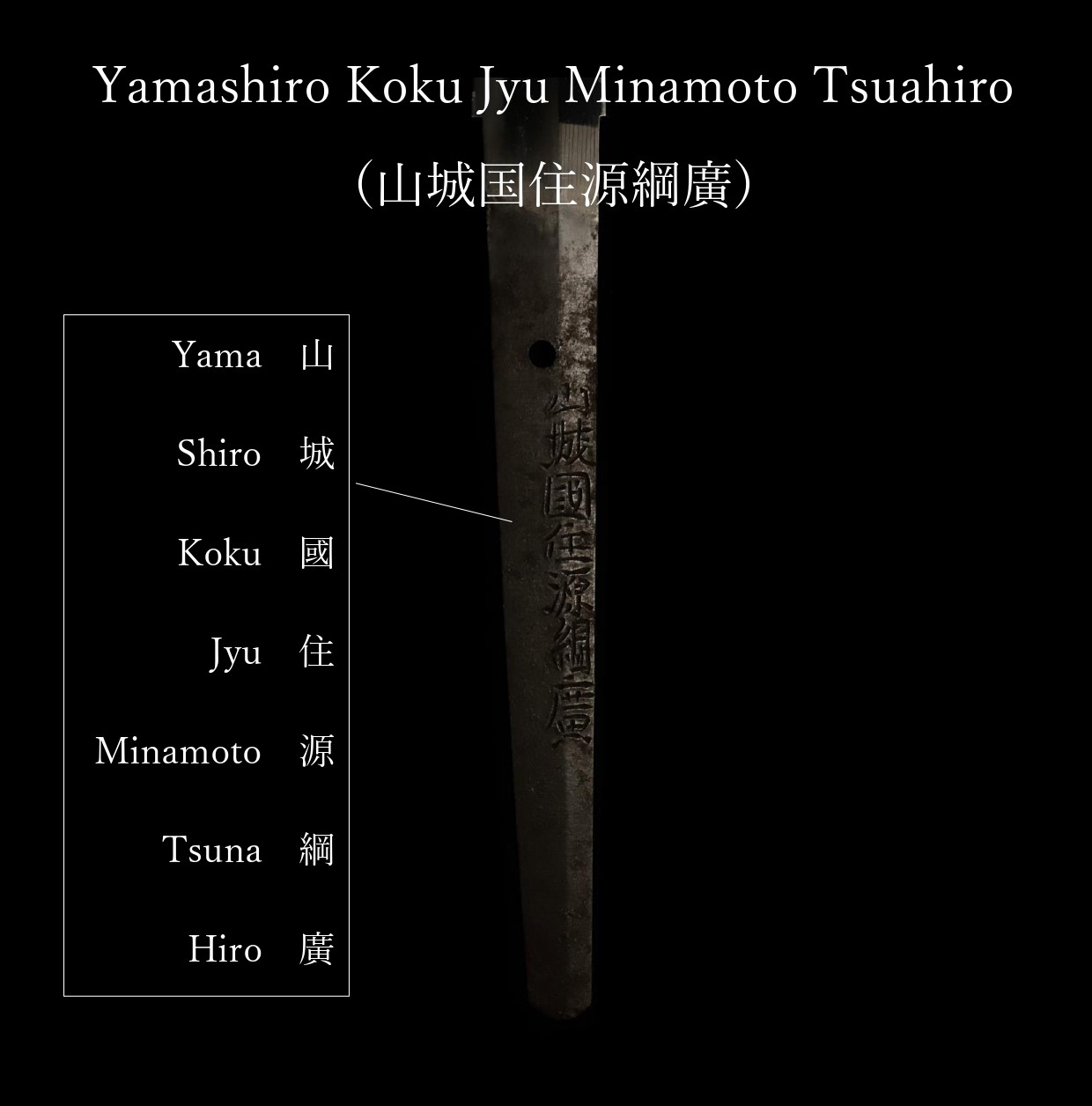
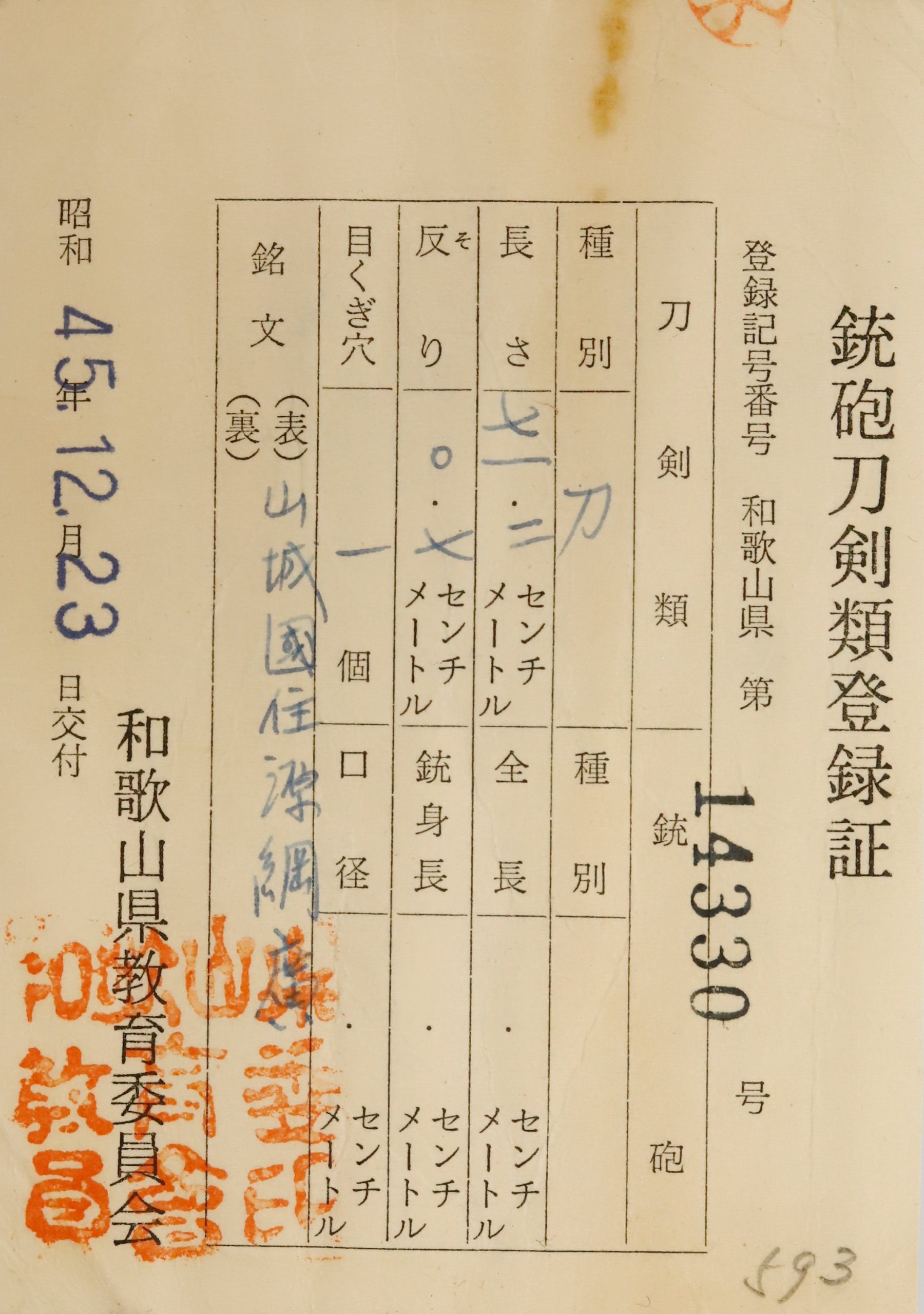
Antique Japanese Sword Katana Signed by Tsunahiro with Tokubetsu Hozon Certificate 【Description】 This blade was signed by Yamashiro Koku Jyu Minamoto Tsuahiro(山城国住源綱廣). He was active in sword-forging during the Kanbun-Jyokyo era(1661-1688: early Edo period), judging from his remaining work and historical records. Therefore, we believe it was made about 350 years ago. Yamashiro koku is the province’s name in the Kyoto area, and Jyu means living in Japanese. The signature indicates that this blade was created when Tsunahiro lived in Yamashiro Koku. There are also records of him signing as Omi no Kami Minamoto Tsunahiro. Omi no Kami is the title given to only selected swordsmiths whose sword-forging techniques were excellent. Yamashiro province was famous for its sword-making style called YAMASHIRO-DEN. YAMASHIRO-DEN’s origin dates back to the Heian period(794 A.D) when the capital city was moved from Nara to Kyoto. The swordsmiths in Yamashiro province initially prospered by forging swords for court nobles and imperial families. Later on, they also forged swords for feudal lords after Samurai military government took control of Japan. There are so many renowned swordsmiths from this region. It is said that the founder of YAMASHIRO-DEN was Sanjo Munechika. And there are seven prestigious schools in this region. One of the most characteristics of YAMASHIRO-DEN is its elegant design and beautiful Jigane. It is said that Tsunahiro was originally from Ise province(Mie prefecture) and moved to Kyoto for his career. We assume he decided to forge swords in Yamashiro province because of the long history of prestigious sword-forging in this region. This blade is appraised as a Tokubetsu Hozon Token(特別保存刀剣) issued by NBTHK(Nihon Bijutsu Touken Hozon Kyokai:日本美術刀剣保存協会). This authentication paper was only given to authentic Japanese swords, especially well preserved and high quality with artistic value. 【 Blade】 Cutting Edge Length(Nagasa) : 71.2 cm(28.0 inches) Curvature(Sori) : 0.7 cm(0.275 inches) Hamon : The crystalline structure which forms along the cutting edge of a blade as a result of the hardening process Jimon(Jihada) : visible steel surface pattern created by folding and hammering during forging process Nakago : Nakago is the tang of the Japanese sword. Japanese swordsmiths left the black rust on the tang because it prevents red rust while the tang is in its handle. And the discoloration of the tang was created over time, and it is a great indicator for a Japanese sword specialist to estimate when the sword was forged. Koshirae: Koshirae is the mounting of the Japanese sword. There are several parts that consist of Koshirae such as Saya(Scabbard), Tsuka( Handle), Tsuba(Handguard). Fuchi-Kashira : A pair of matching sword fittings that cover the upper and bottom parts of its sword hilt. This Fuchi Kashira has beautiful glossy color. The surface of the Fuchi part is decorated with the Nanako-Ji technique. By hitting with the Nanako-Ji Tagane (魚子地鏨, chisel used for this technique), it makes delicate fish egg-shaped protrusion. The same size of particles lined up regularly makes us feel the maker’s expert skill. If you focus on the Fuchi part, you will find there are circle-shaped golden symbol marks. We guess it might be the family crest of the former owner of this sword. It looks this design is a combination of two Myogas. The Myoga (茗荷) is known as Japanese ginger and was brought to Japan from the Continent with the Shoga (生姜, ginger). According to a theory, the Shoga was used to be called “Senoka,” and the Myoga was used to be called “Me noka” in ancient times. It is said that these pronunciations were changed with time. The Myoga has the same pronunciation as another word, “Myoga (冥加),” which means divine protection; therefore, this motif has been treated as a good-luck design. Tsuka and Menuki : Tsuka is the handle of the Japanese sword and Menuki is its decoration. Seeing from the gaps of the Tsukamaki thread, it seems this Me
 NihontoWatch
在銘 · 山城伝 · 延宝 · 長さ 71.2cm · 反り 0.7cm
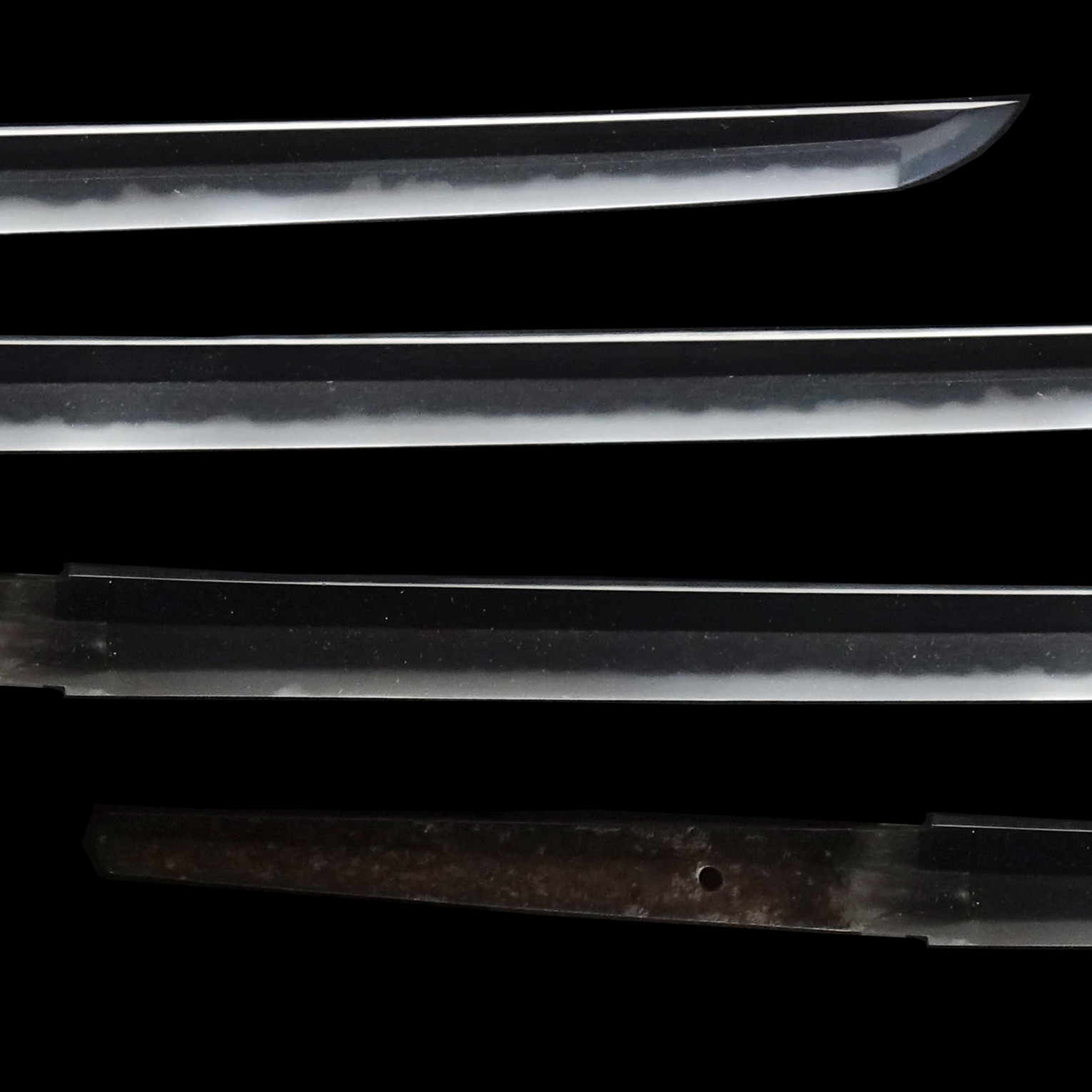
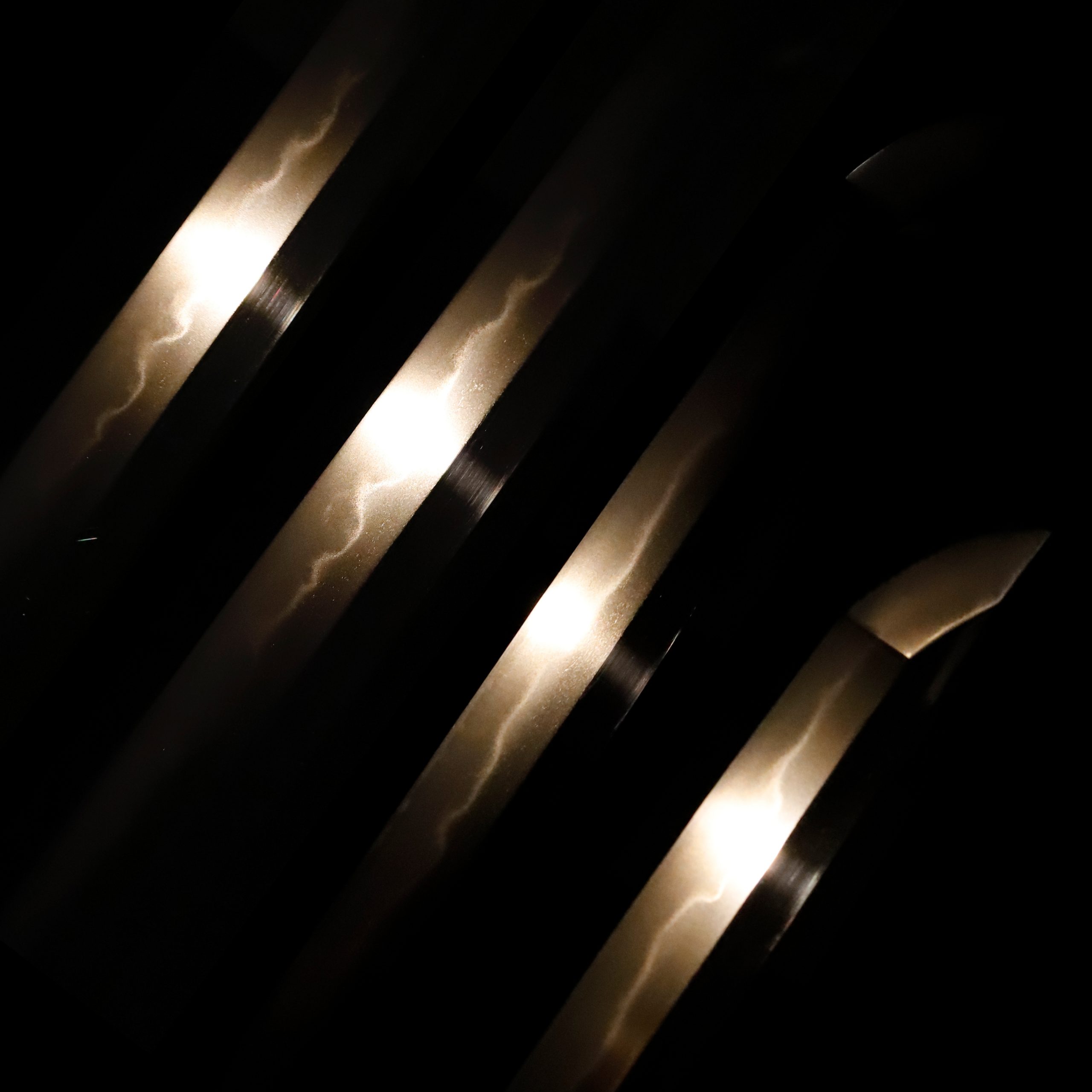
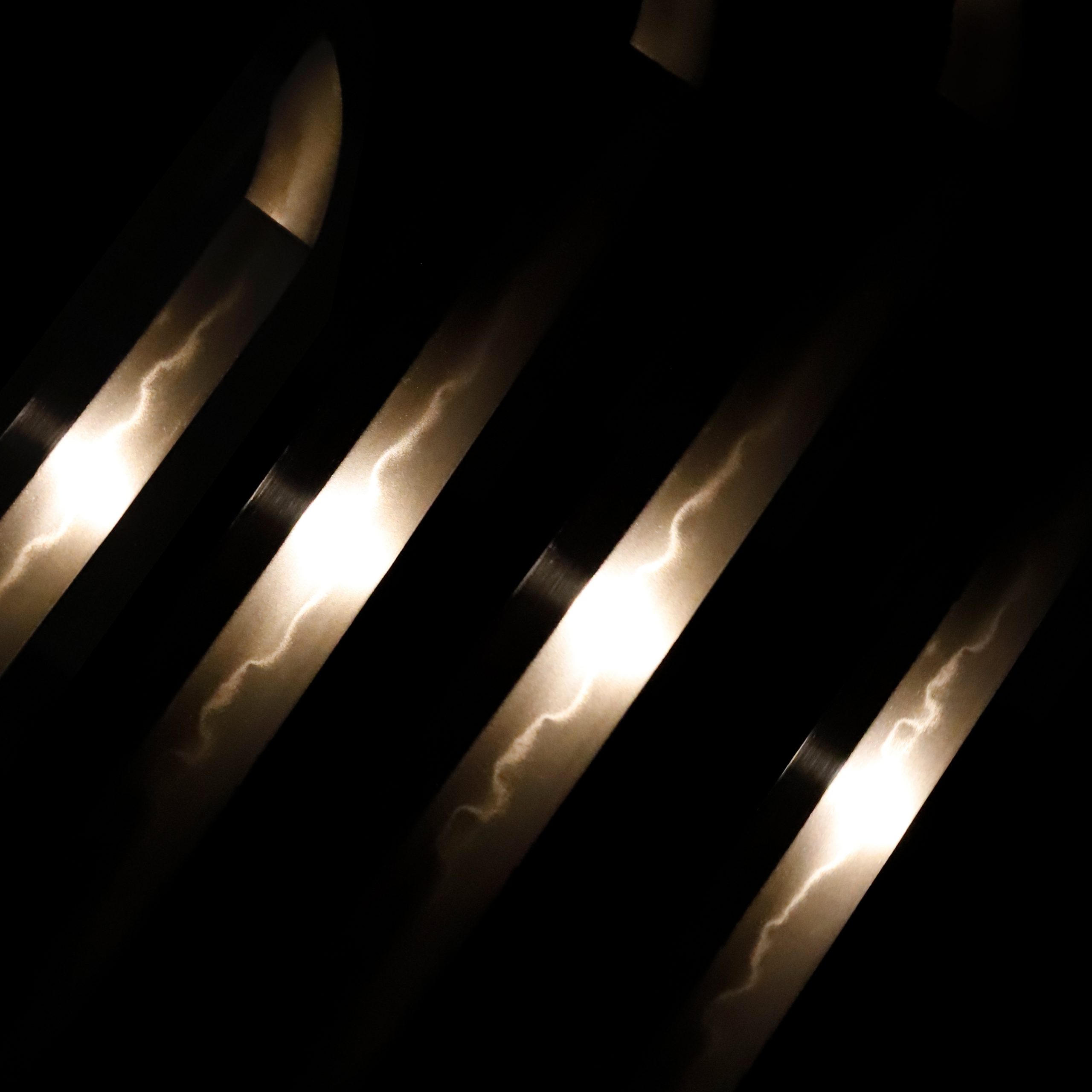
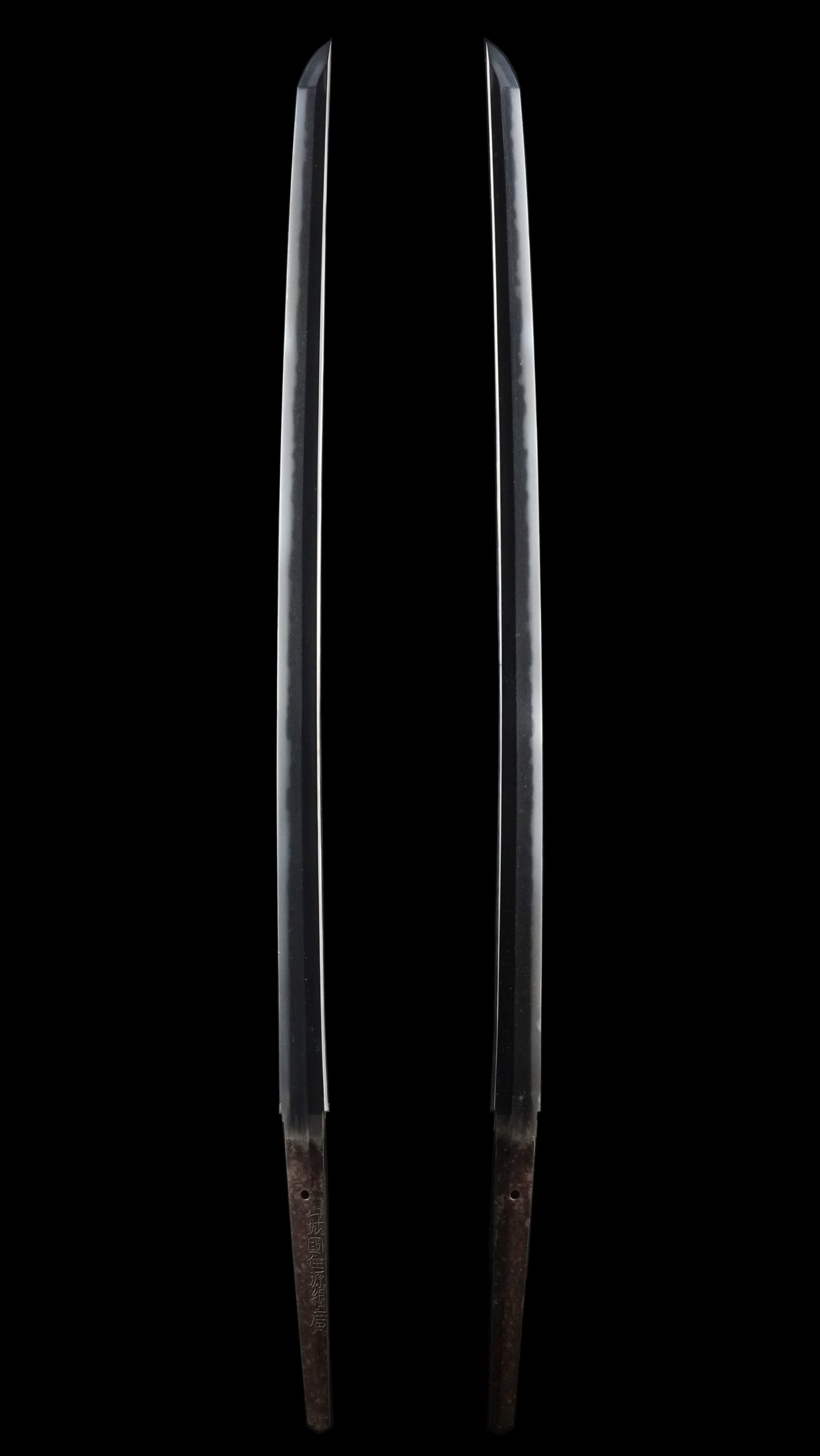
山城 · 1673-1681頃
現在2点販売中
江戸時代
徳川の泰平のもと、大小は法度の定める身分の制服となり、需要は城下町、とりわけ江戸に集まった。工芸は二つに分かれる。目利きのための華やかな鑑賞の作と、截断の結果を金象嵌に刻む実証の刀である。
保存刀剣のうち、出来が一層優れ、保存状態も良好と認められたものです。再刃や、室町・江戸期の多くの無銘作は対象外となり、保存刀剣より高い基準が課されます。
日本美術刀剣保存協会(NBTHK)は、1948年に設立され、文化庁の監督を受ける公益財団法人で、東京・刀剣博物館に本部を置きます。専門の審査員が出品作を直接審査し、美術的・歴史的価値に応じた鑑定書を発行します。NBTHKの鑑定書は、日本刀および刀装具の真正性を示す最も広く認知された基準です。
NBTHK公式サイトReturns/exchanges limited to defects caused by shipping (except willful misconduct or gross negligence by the company); customers must contact within 72 hours of receiving the product.
Antique Japanese Sword Katana Signed by Tsunahiro with Tokubetsu Hozon Certificate 【Description】 This blade was signed by Yamashiro Koku Jyu Minamoto Tsuahiro(山城国住源綱廣). He was active in sword-forging during the Kanbun-Jyokyo era(1661-1688: early Edo period), judging from his remaining work and historical records. Therefore, we believe it was made about 350 years ago. Yamashiro koku is the province’s name in the Kyoto area, and Jyu means living in Japanese. The signature indicates that this blade was created when Tsunahiro lived in Yamashiro Koku. There are also records of him signing as Omi no Kami Minamoto Tsunahiro. Omi no Kami is the title given to only selected swordsmiths whose sword-forging techniques were excellent. Yamashiro province was famous for its sword-making style called YAMASHIRO-DEN. YAMASHIRO-DEN’s origin dates back to the Heian period(794 A.D) when the capital city was moved from Nara to Kyoto. The swordsmiths in Yamashiro province initially prospered by forging swords for court nobles and imperial families. Later on, they also forged swords for feudal lords after Samurai military government took control of Japan. There are so many renowned swordsmiths from this region. It is said that the founder of YAMASHIRO-DEN was Sanjo Munechika. And there are seven prestigious schools in this region. One of the most characteristics of YAMASHIRO-DEN is its elegant design and beautiful Jigane. It is said that Tsunahiro was originally from Ise province(Mie prefecture) and moved to Kyoto for his career. We assume he decided to forge swords in Yamashiro province because of the long history of prestigious sword-forging in this region. This blade is appraised as a Tokubetsu Hozon Token(特別保存刀剣) issued by NBTHK(Nihon Bijutsu Touken Hozon Kyokai:日本美術刀剣保存協会). This authentication paper was only given to authentic Japanese swords, especially well preserved and high quality with artistic value. 【 Blade】 Cutting Edge Length(Nagasa) : 71.2 cm(28.0 inches) Curvature(Sori) : 0.7 cm(0.275 inches) Hamon : The crystalline structure which forms along the cutting edge of a blade as a result of the hardening process Jimon(Jihada) : visible steel surface pattern created by folding and hammering during forging process Nakago : Nakago is the tang of the Japanese sword. Japanese swordsmiths left the black rust on the tang because it prevents red rust while the tang is in its handle. And the discoloration of the tang was created over time, and it is a great indicator for a Japanese sword specialist to estimate when the sword was forged. Koshirae: Koshirae is the mounting of the Japanese sword. There are several parts that consist of Koshirae such as Saya(Scabbard), Tsuka( Handle), Tsuba(Handguard). Fuchi-Kashira : A pair of matching sword fittings that cover the upper and bottom parts of its sword hilt. This Fuchi Kashira has beautiful glossy color. The surface of the Fuchi part is decorated with the Nanako-Ji technique. By hitting with the Nanako-Ji Tagane (魚子地鏨, chisel used for this technique), it makes delicate fish egg-shaped protrusion. The same size of particles lined up regularly makes us feel the maker’s expert skill. If you focus on the Fuchi part, you will find there are circle-shaped golden symbol marks. We guess it might be the family crest of the former owner of this sword. It looks this design is a combination of two Myogas. The Myoga (茗荷) is known as Japanese ginger and was brought to Japan from the Continent with the Shoga (生姜, ginger). According to a theory, the Shoga was used to be called “Senoka,” and the Myoga was used to be called “Me noka” in ancient times. It is said that these pronunciations were changed with time. The Myoga has the same pronunciation as another word, “Myoga (冥加),” which means divine protection; therefore, this motif has been treated as a good-luck design. Tsuka and Menuki : Tsuka is the handle of the Japanese sword and Menuki is its decoration. Seeing from the gaps of the Tsukamaki thread, it seems this Me
NihontoWatch在銘 · 山城伝 · 延宝 · 長さ 71.2cm · 反り 0.7cm
山城 · 1673-1681頃
現在2点販売中
江戸時代
徳川の泰平のもと、大小は法度の定める身分の制服となり、需要は城下町、とりわけ江戸に集まった。工芸は二つに分かれる。目利きのための華やかな鑑賞の作と、截断の結果を金象嵌に刻む実証の刀である。
保存刀剣のうち、出来が一層優れ、保存状態も良好と認められたものです。再刃や、室町・江戸期の多くの無銘作は対象外となり、保存刀剣より高い基準が課されます。
日本美術刀剣保存協会(NBTHK)は、1948年に設立され、文化庁の監督を受ける公益財団法人で、東京・刀剣博物館に本部を置きます。専門の審査員が出品作を直接審査し、美術的・歴史的価値に応じた鑑定書を発行します。NBTHKの鑑定書は、日本刀および刀装具の真正性を示す最も広く認知された基準です。
NBTHK公式サイトReturns/exchanges limited to defects caused by shipping (except willful misconduct or gross negligence by the company); customers must contact within 72 hours of receiving the product.