江戸は刀の目利きの時代である。本阿弥の鑑定、1719年の享保名物帳、盛んな刀剣書が、戦で抜かれることのなくなった刀を学問の対象へと変えていった。
 NihontoWatchNihontoWatch
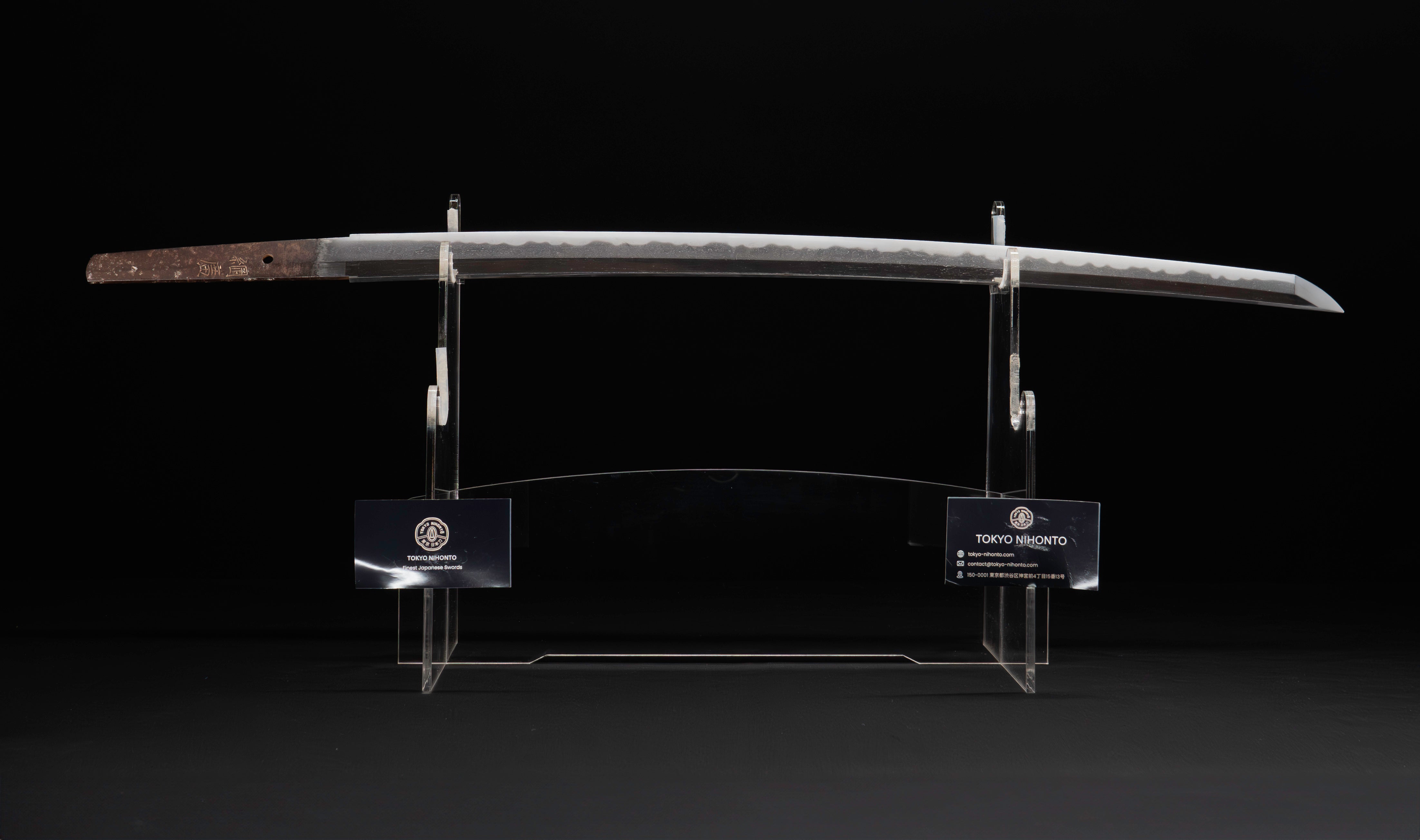
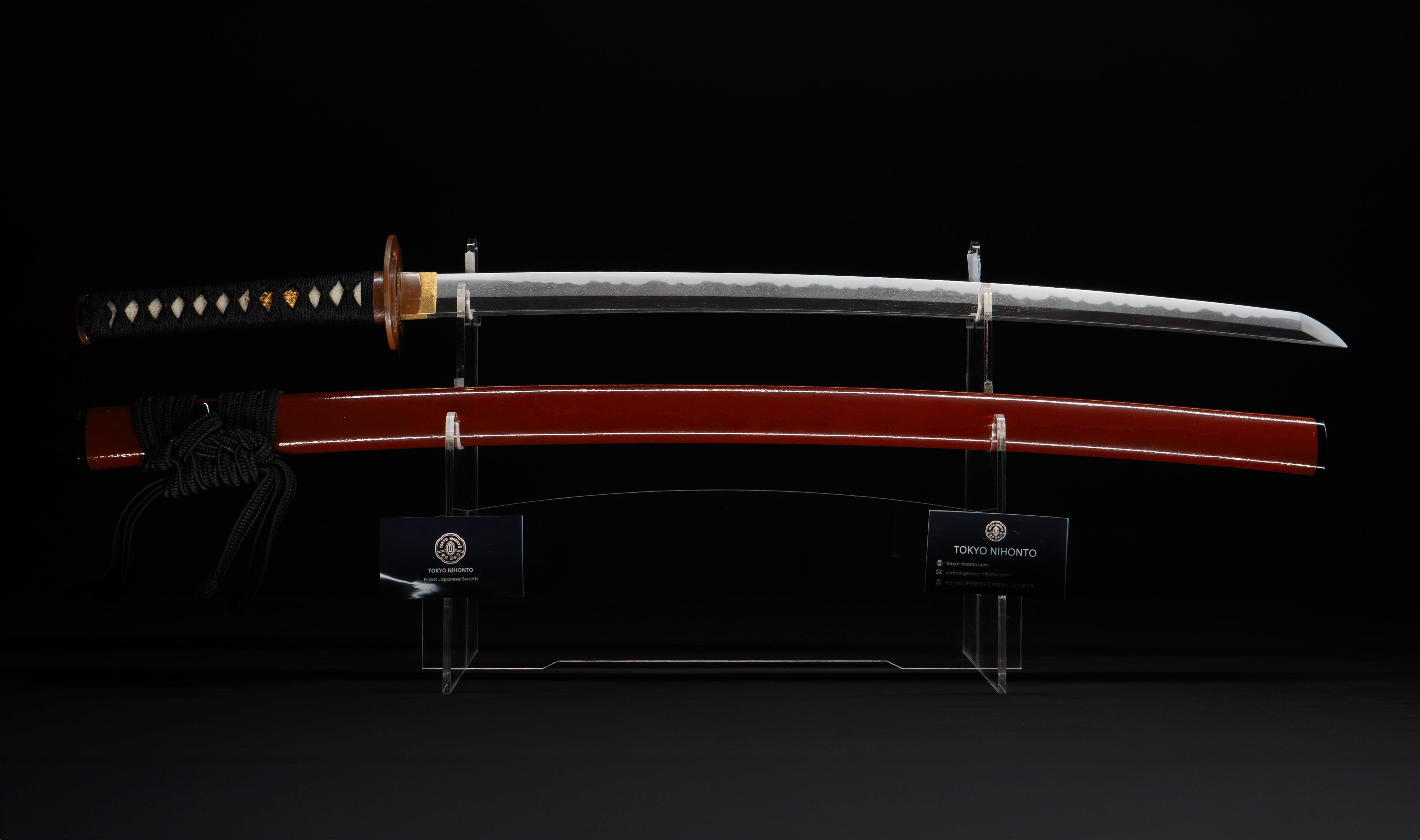
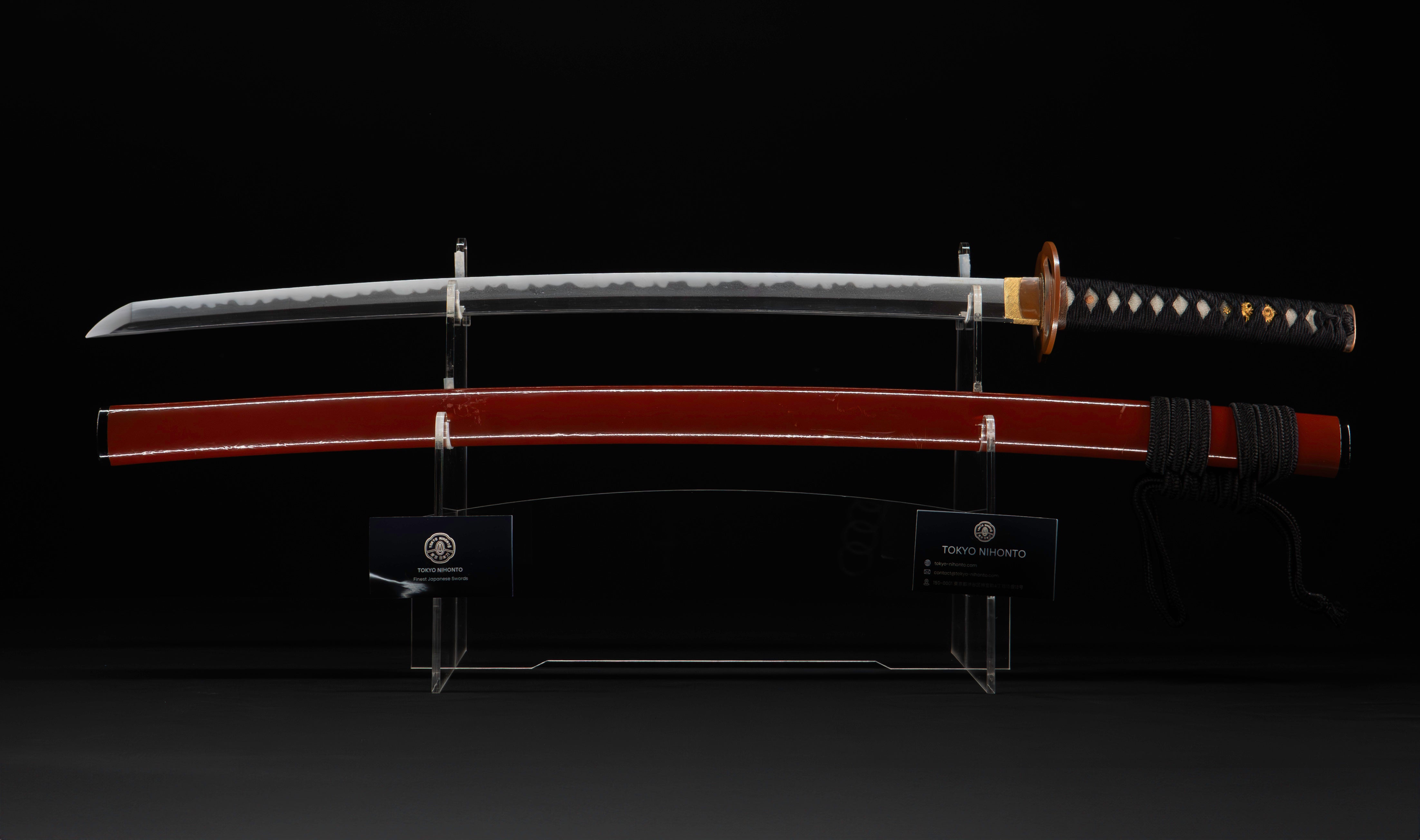
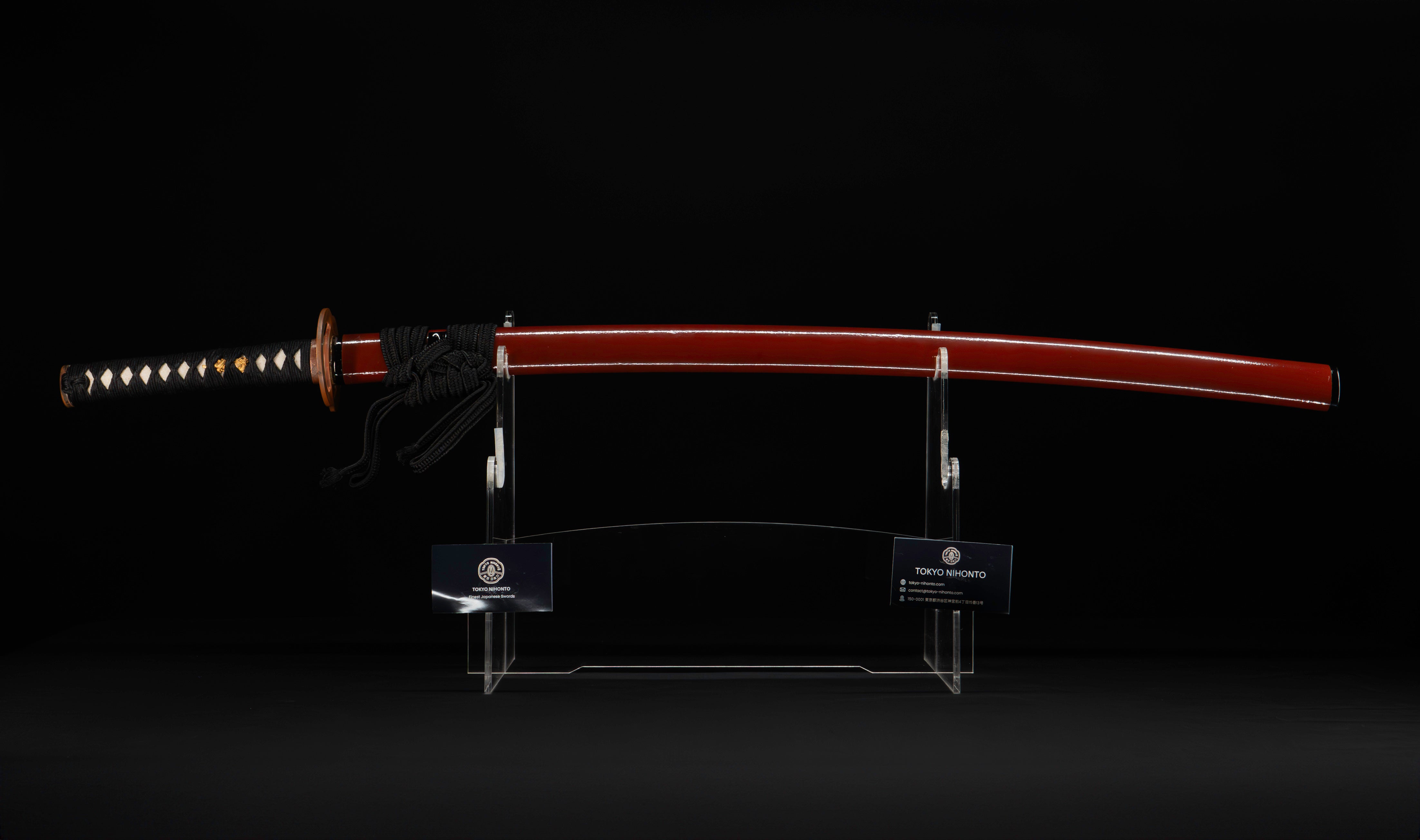
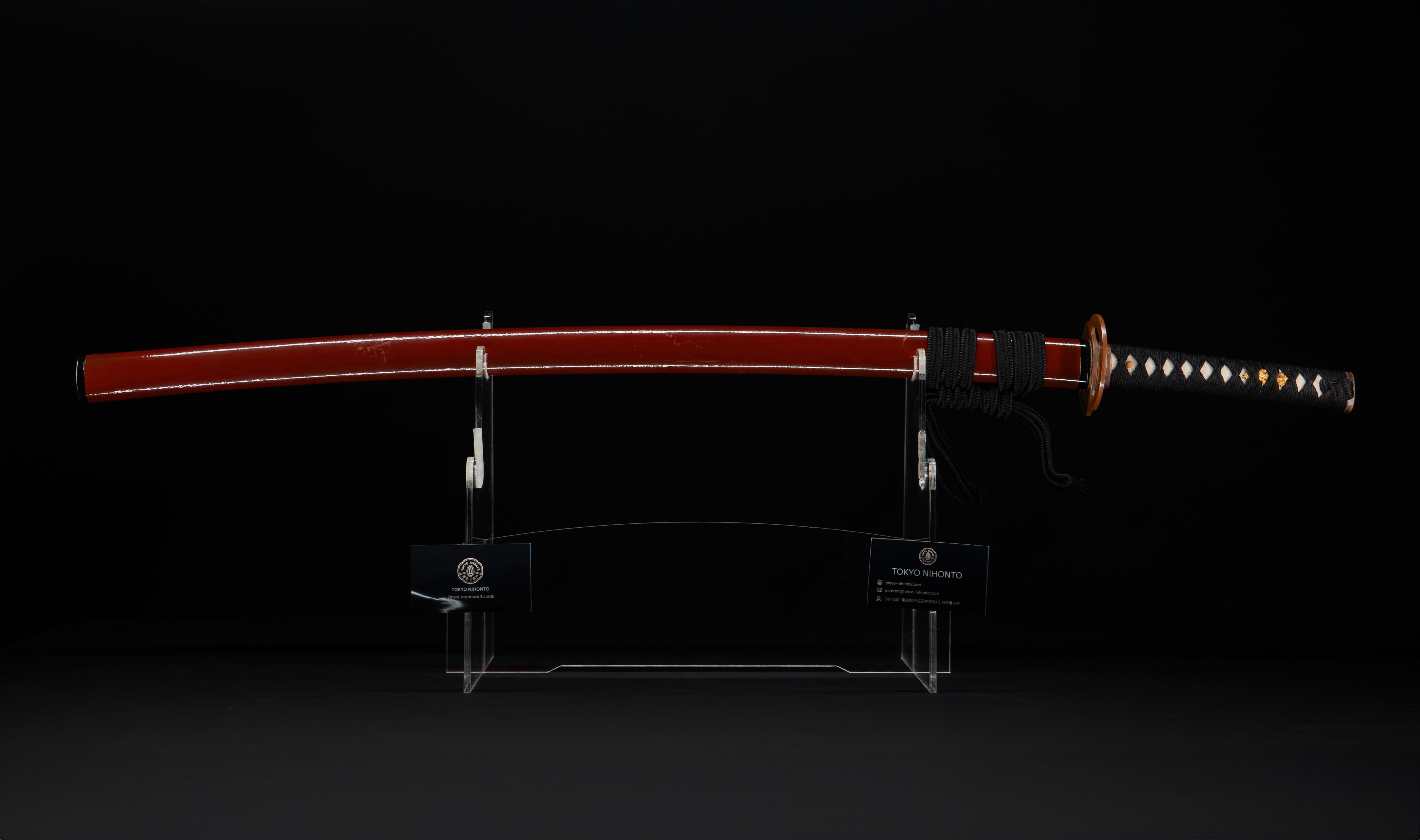
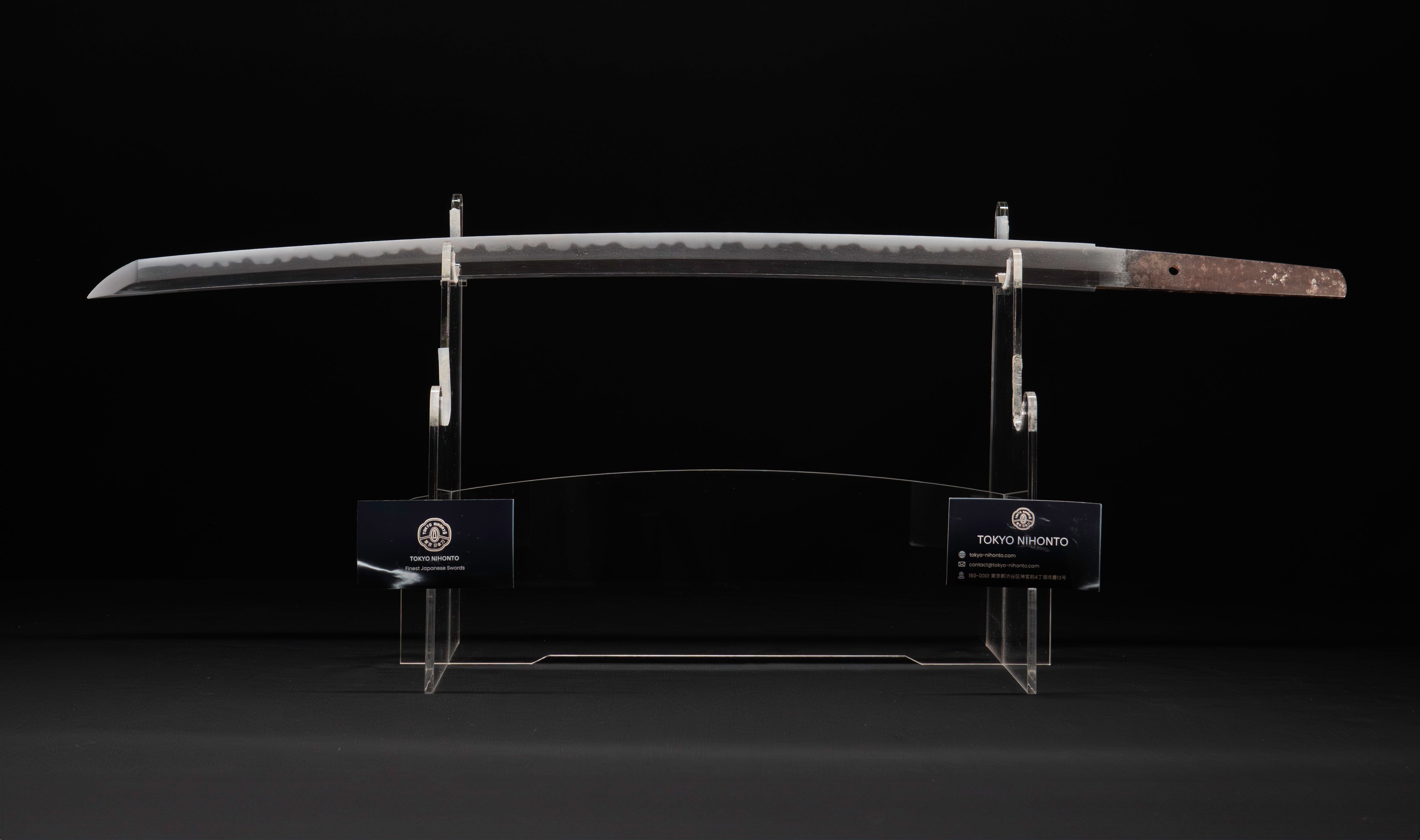
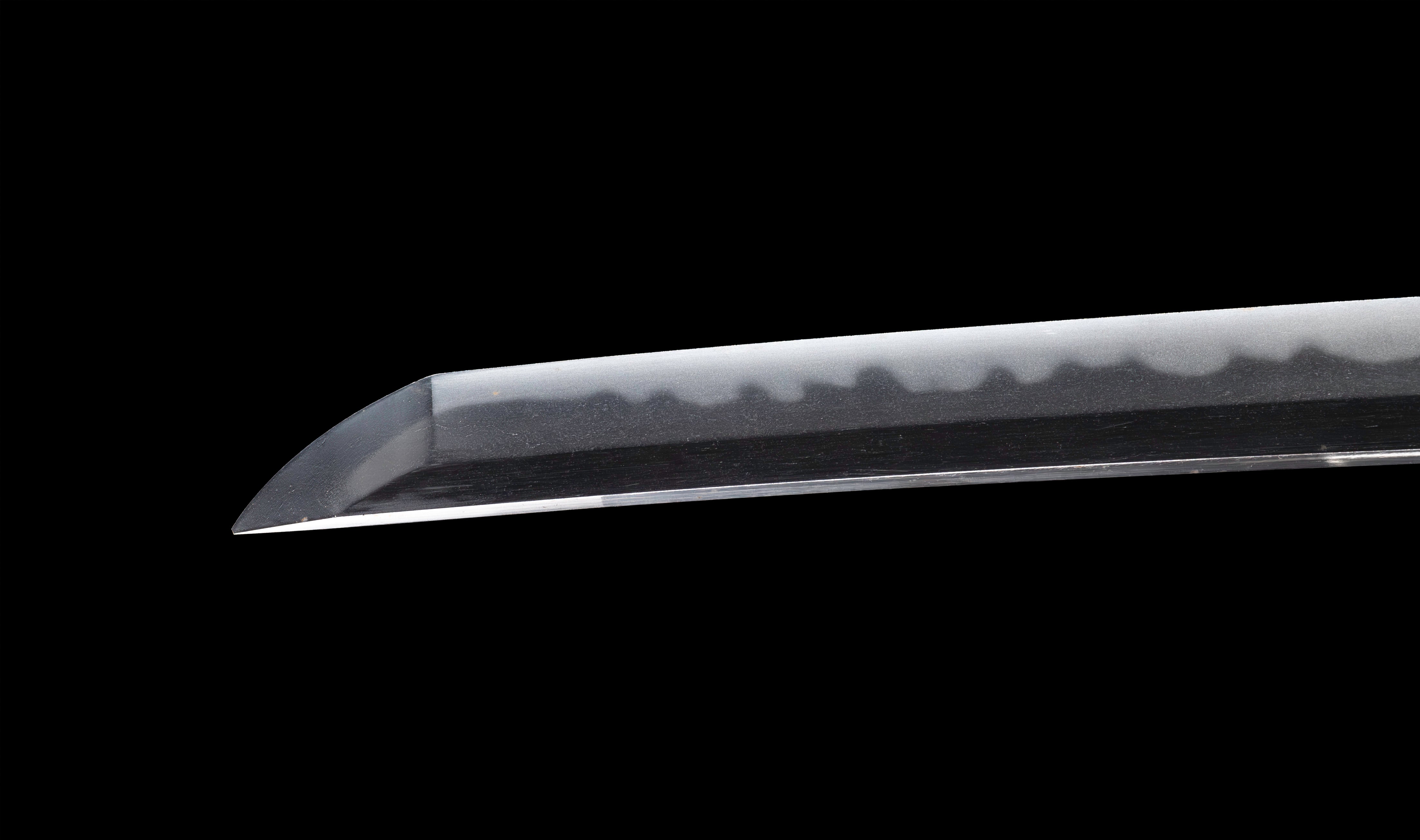
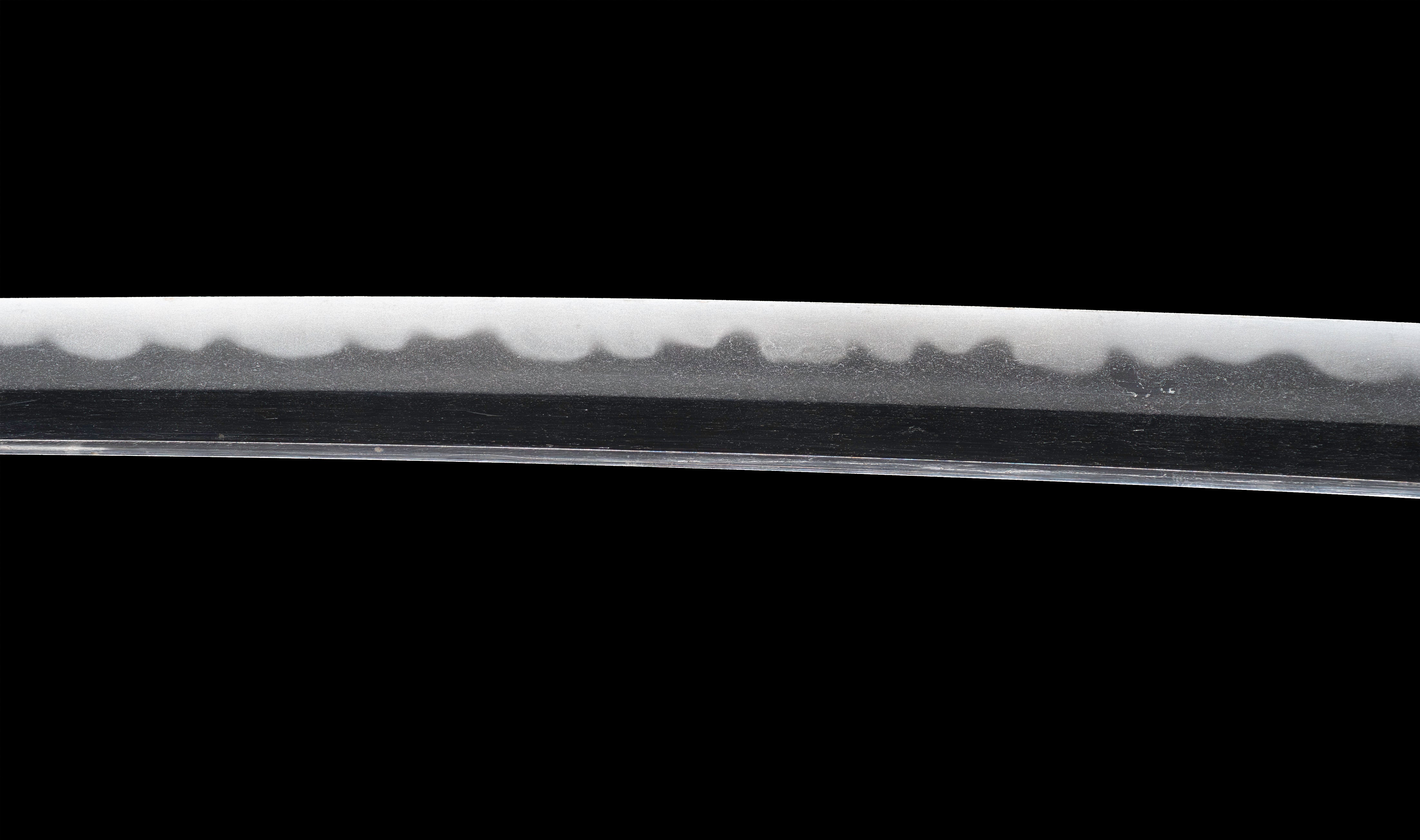
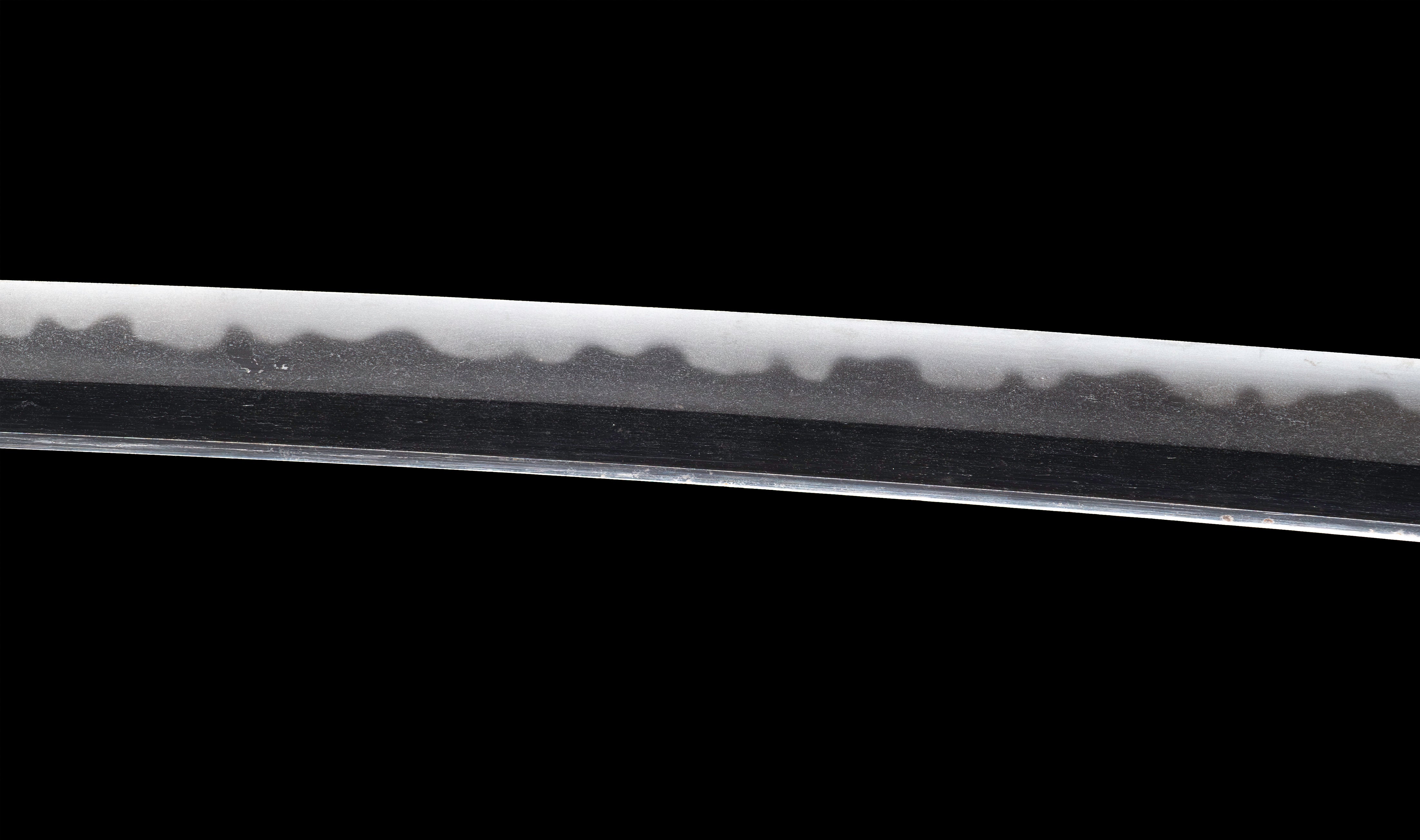
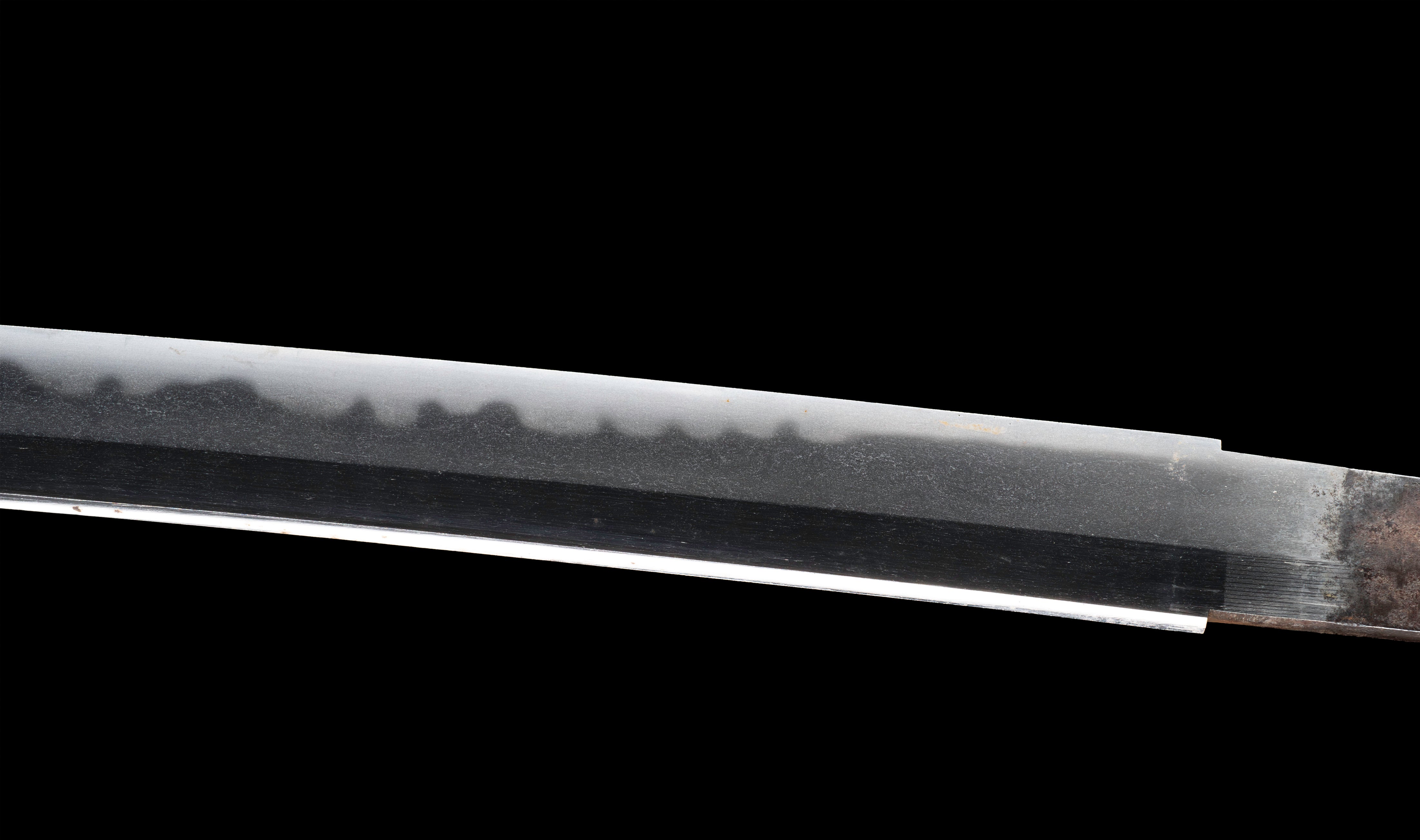
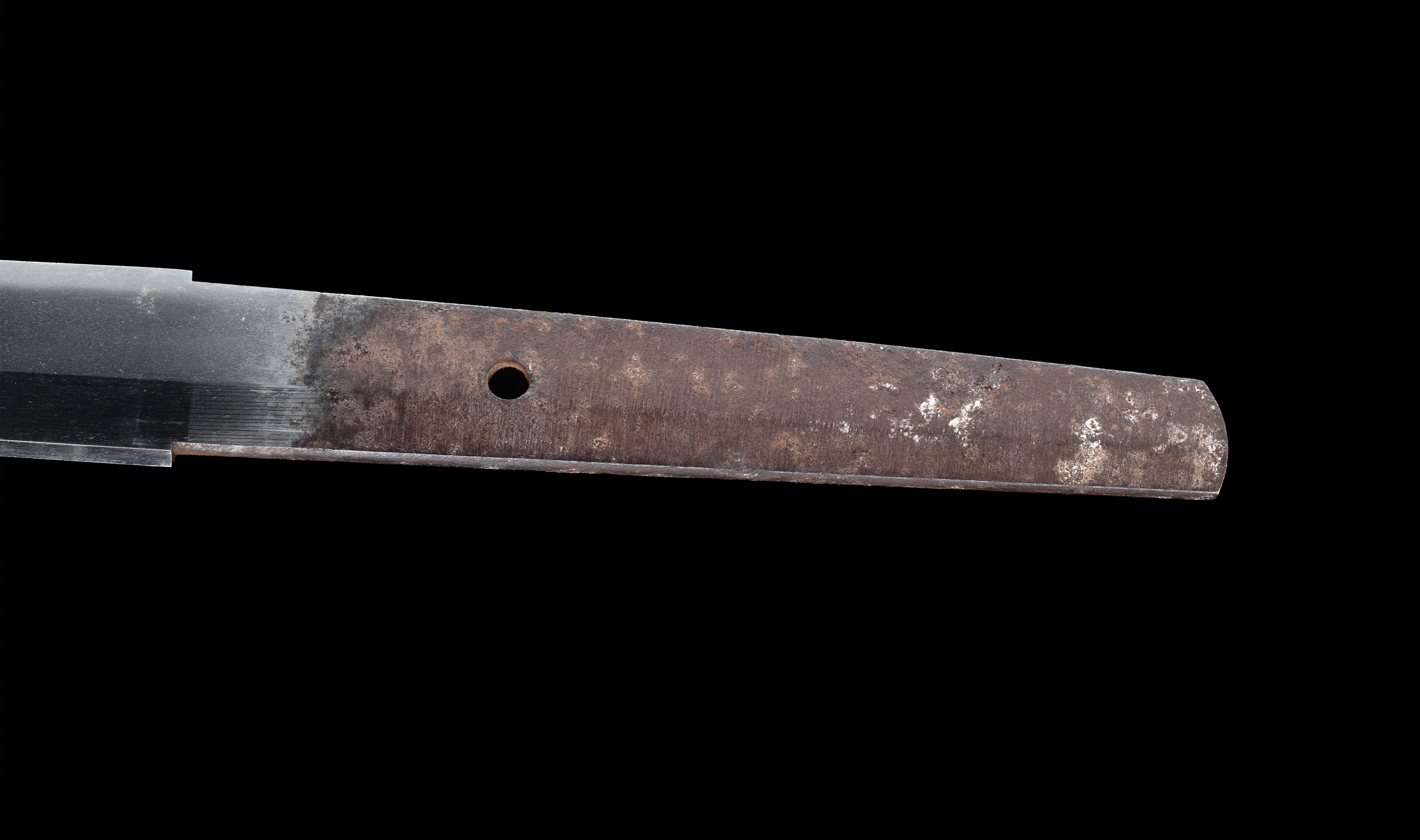
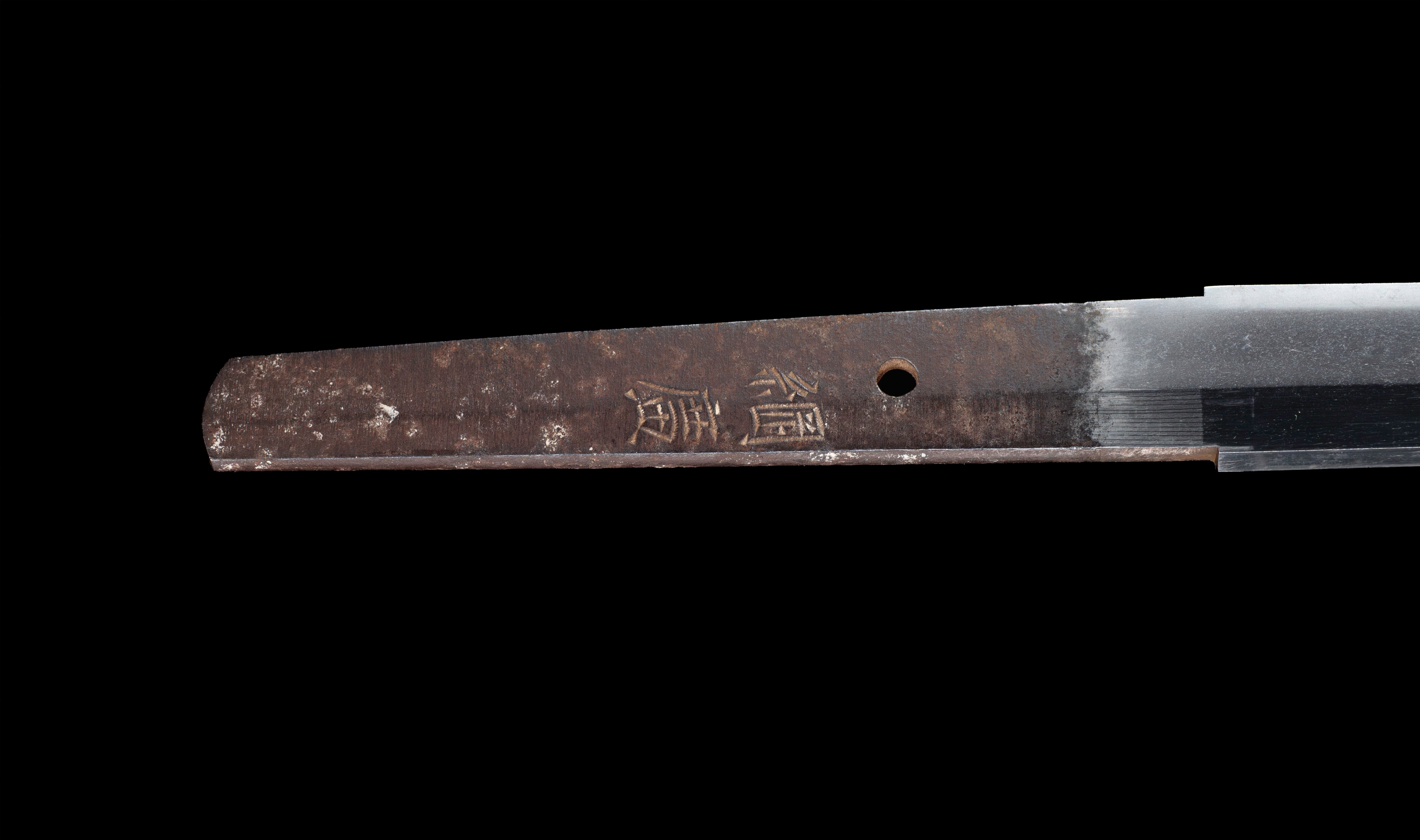
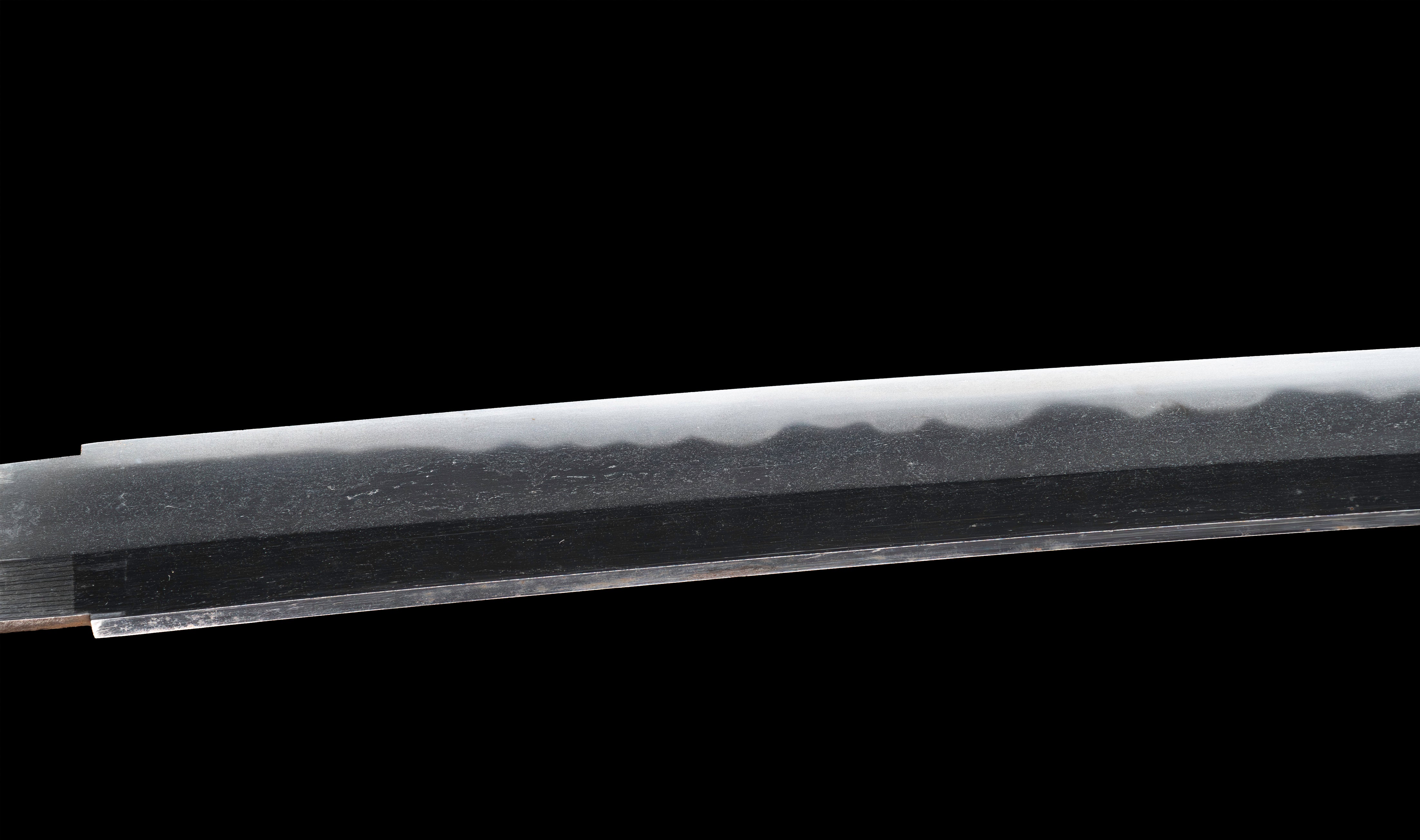
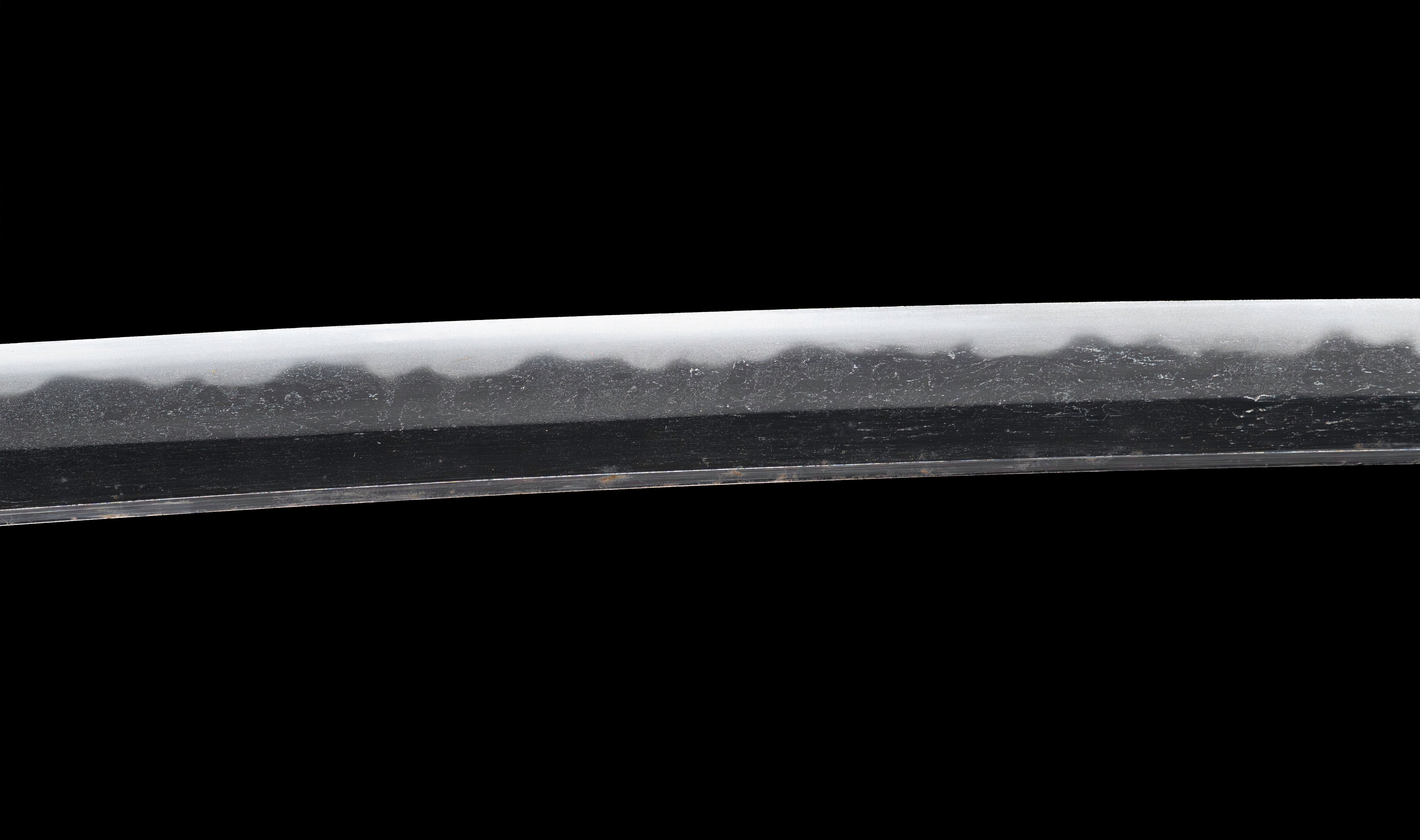
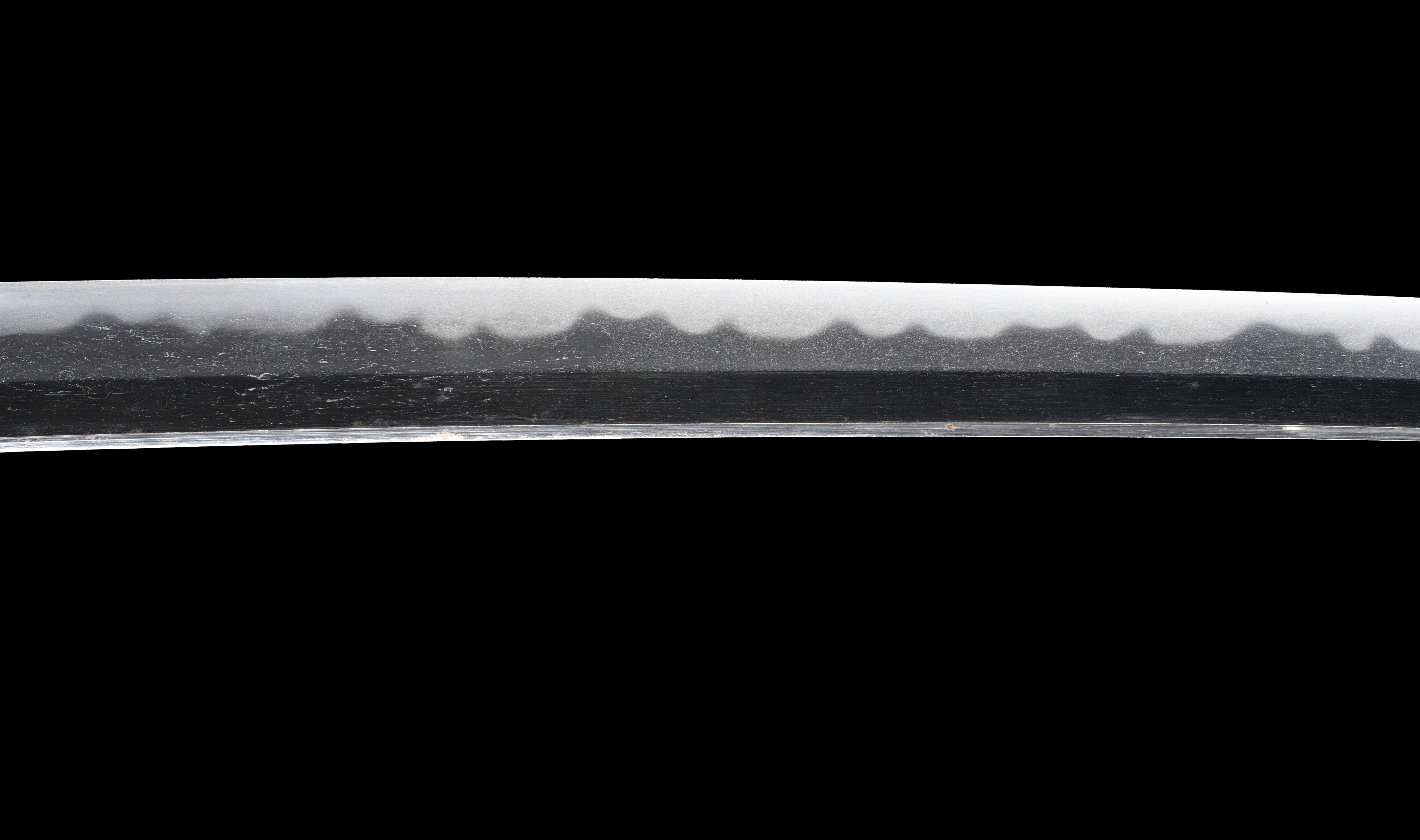
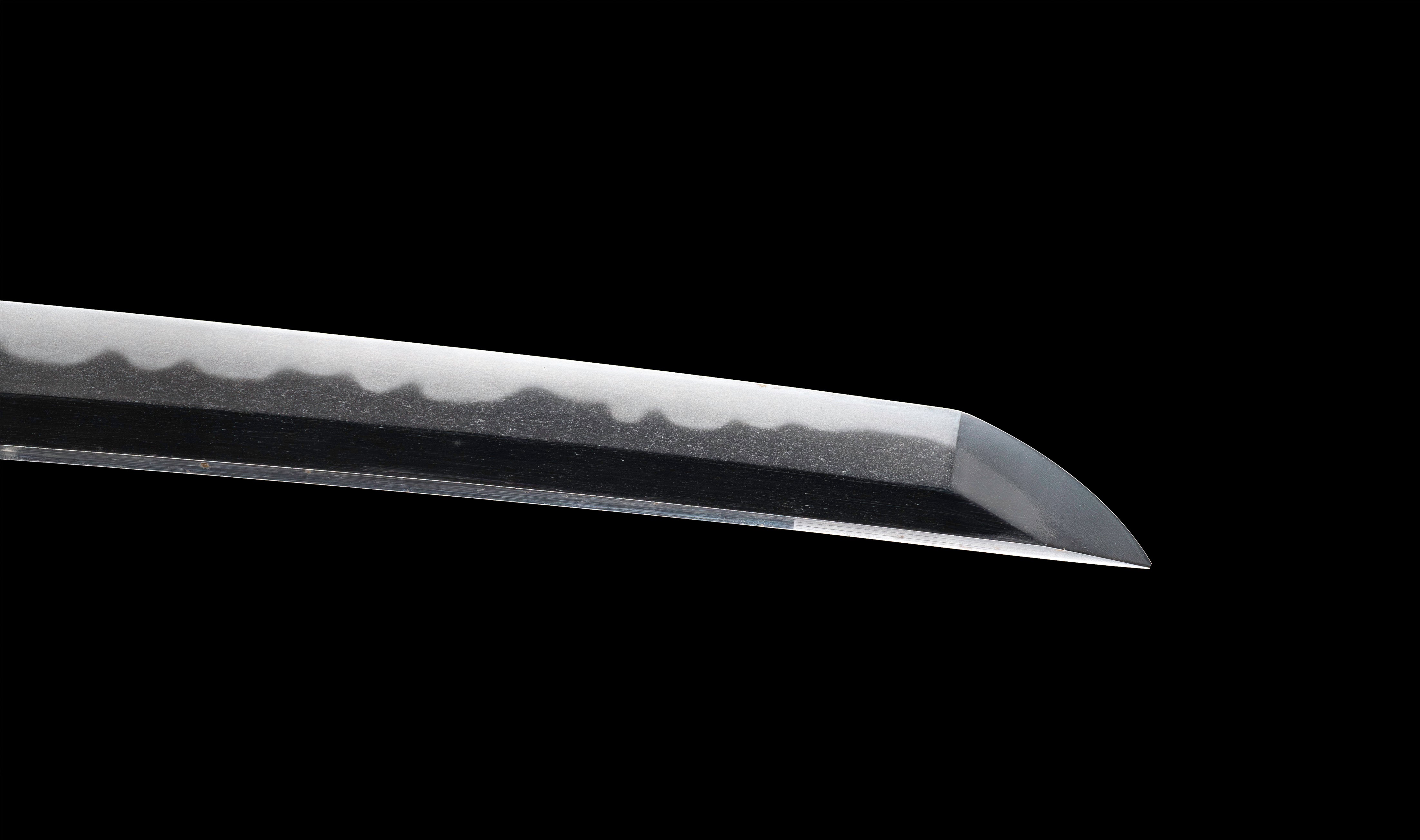
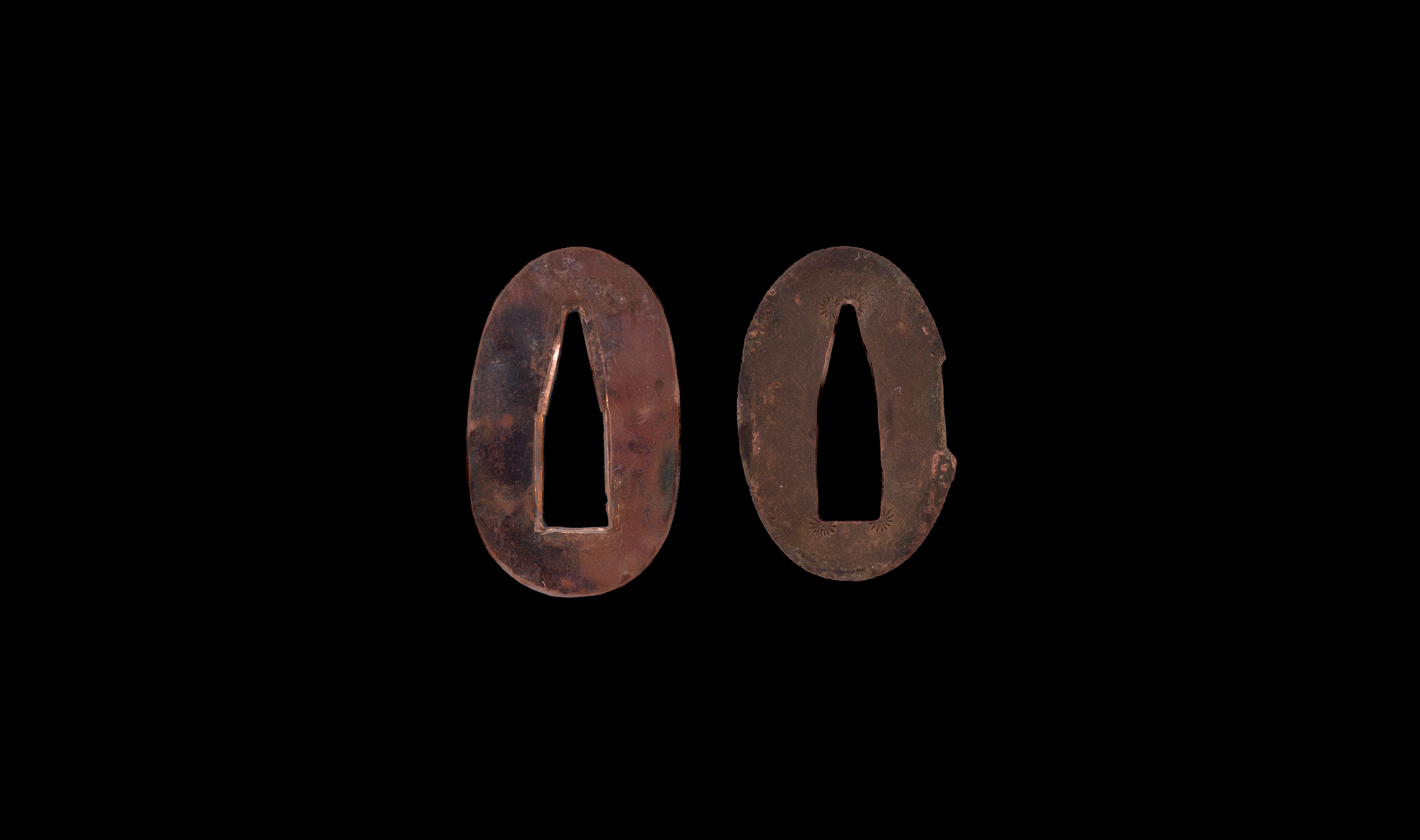
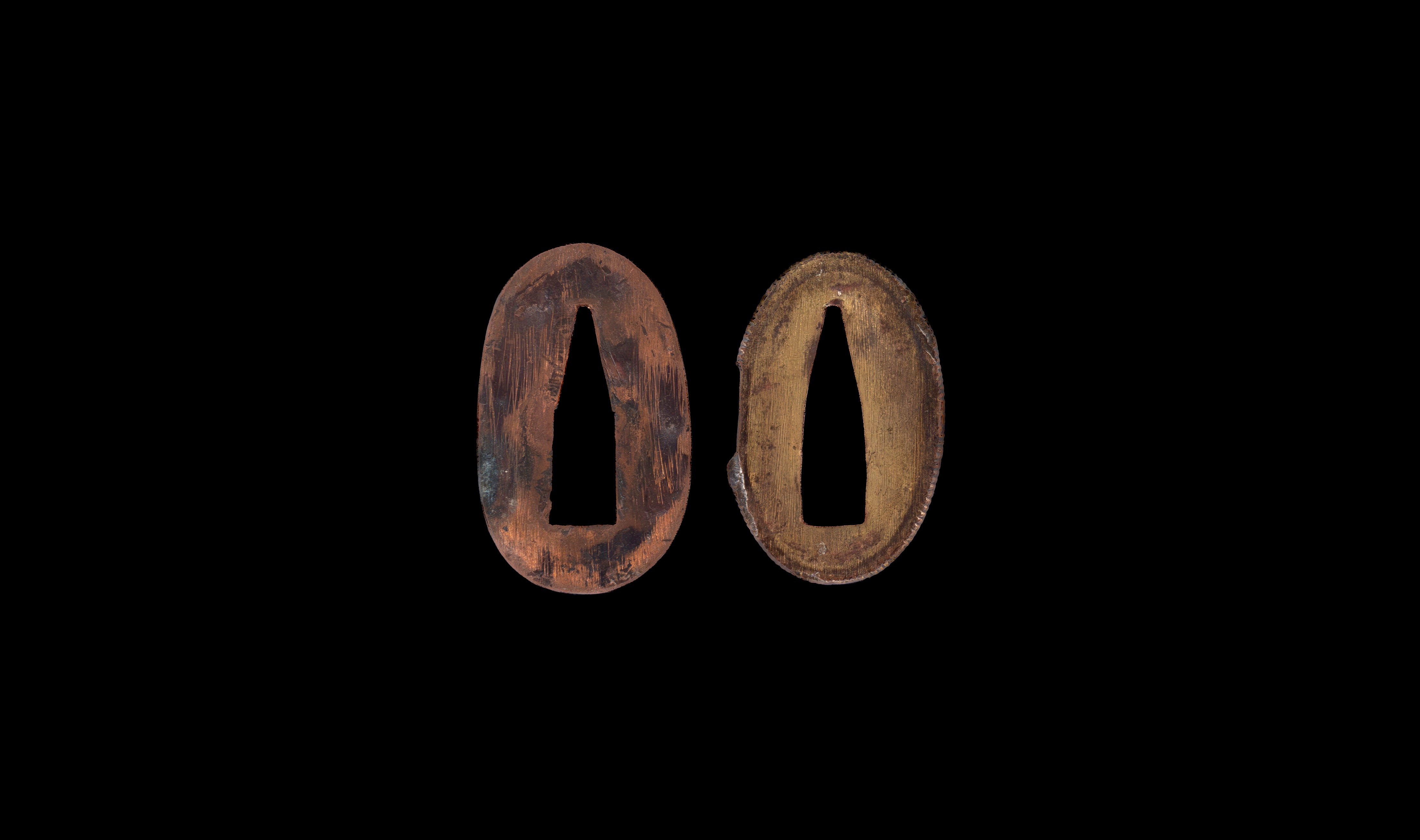
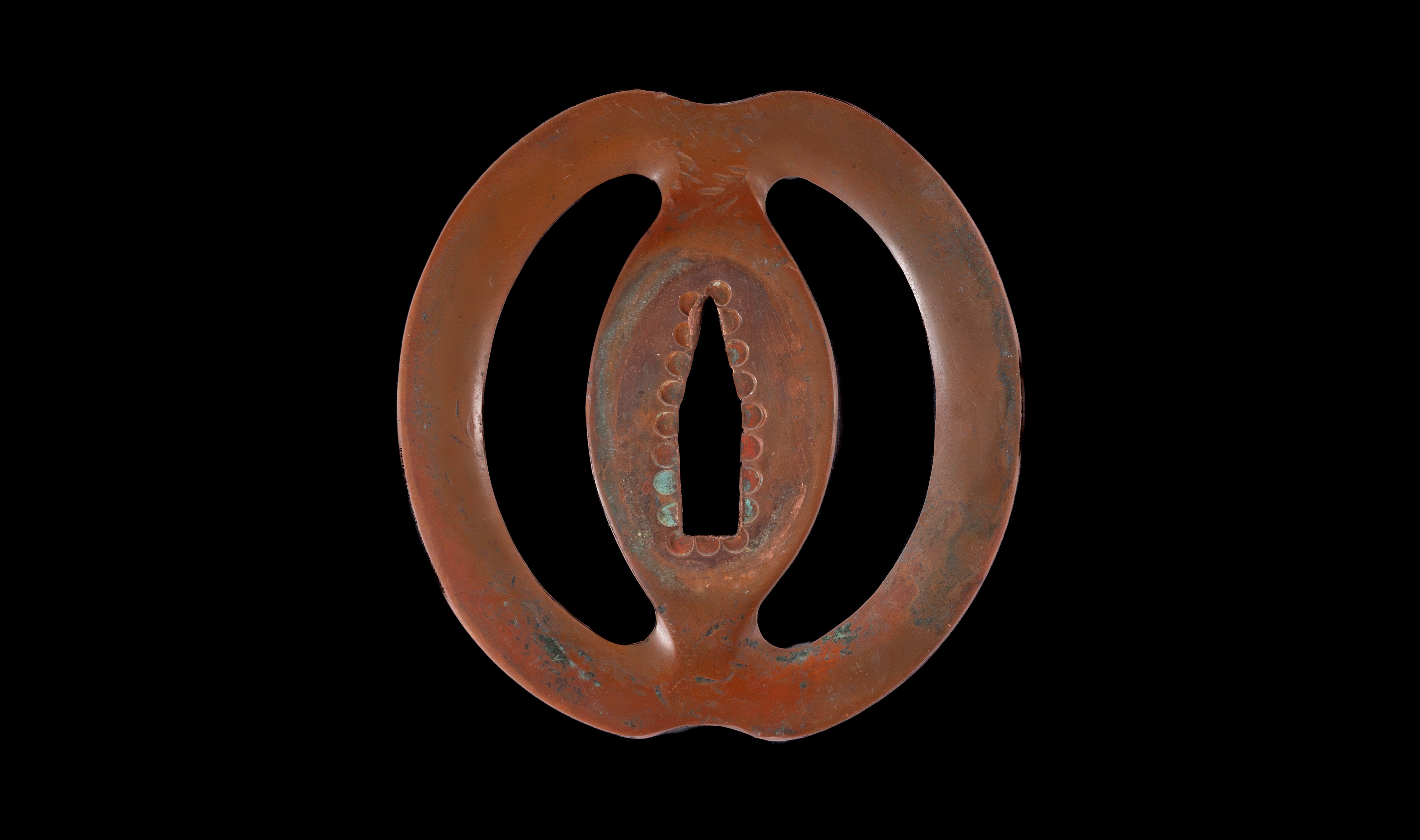
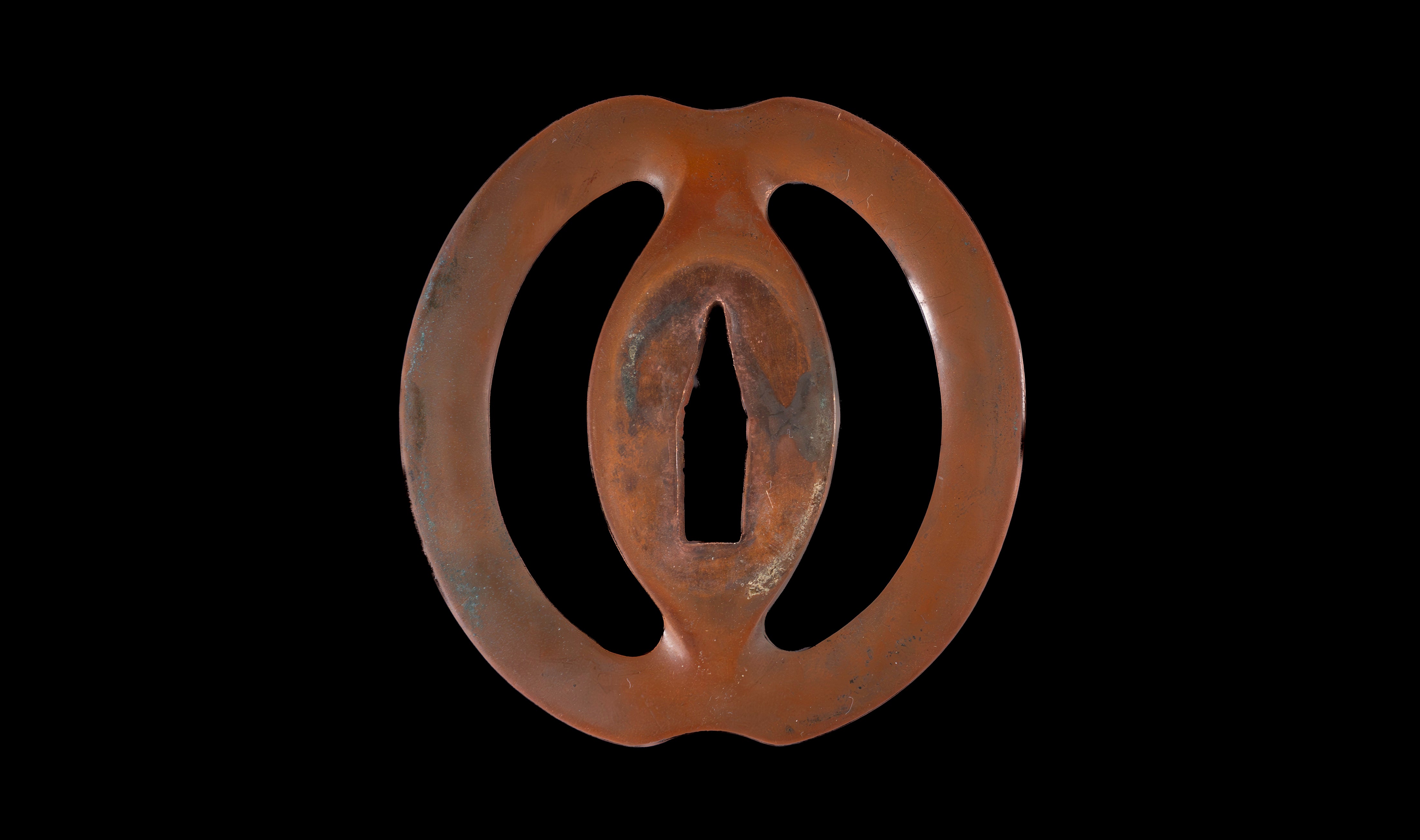
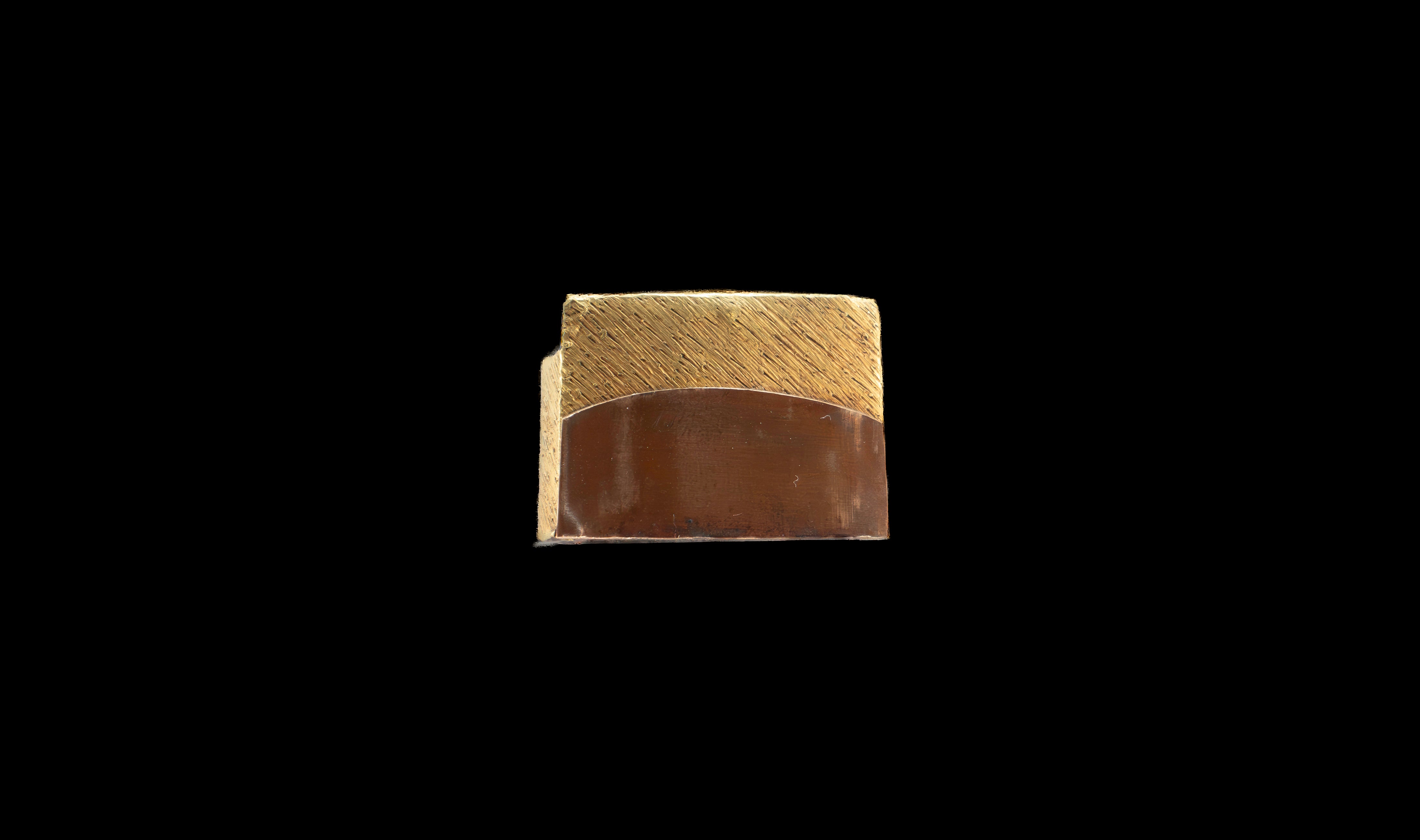
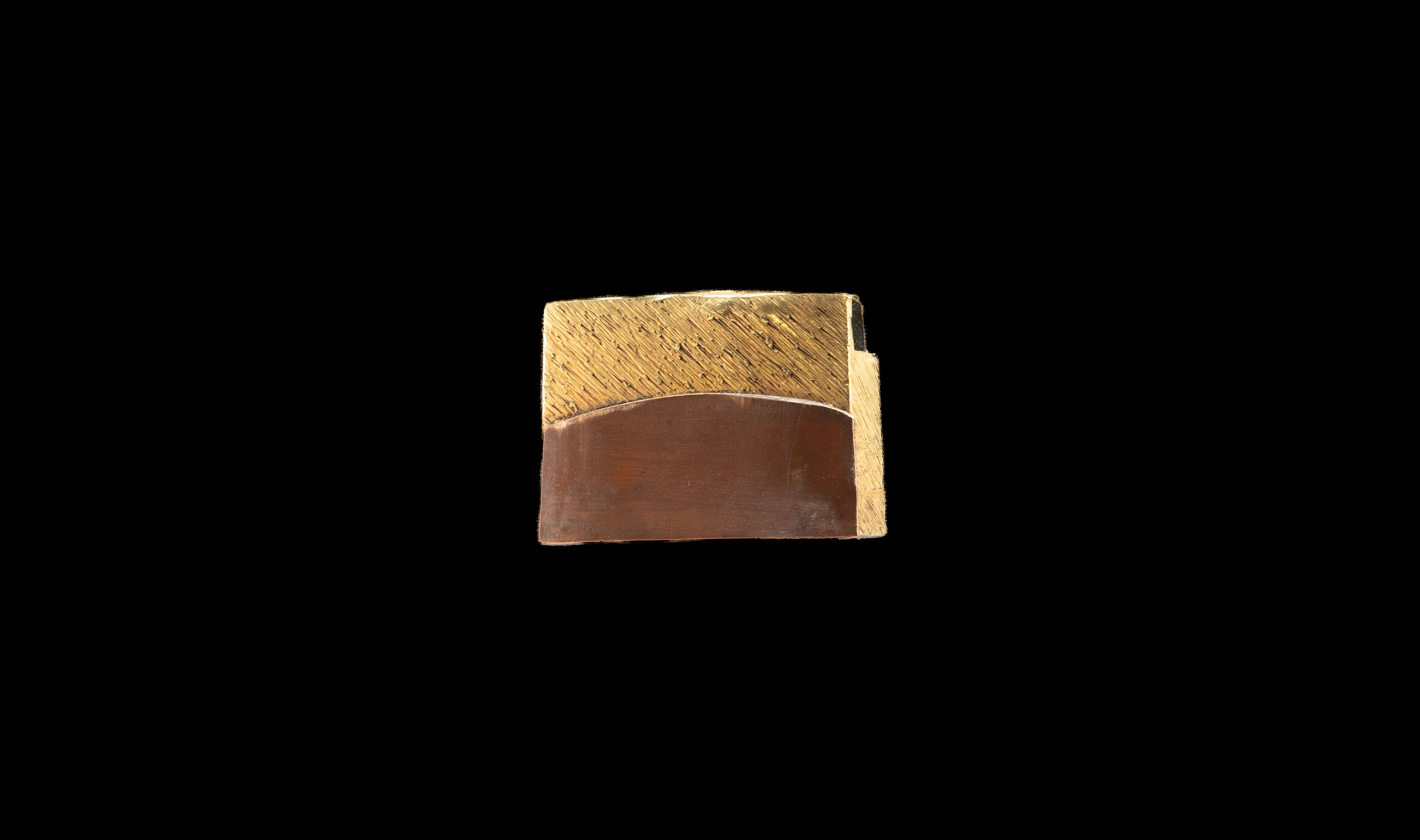
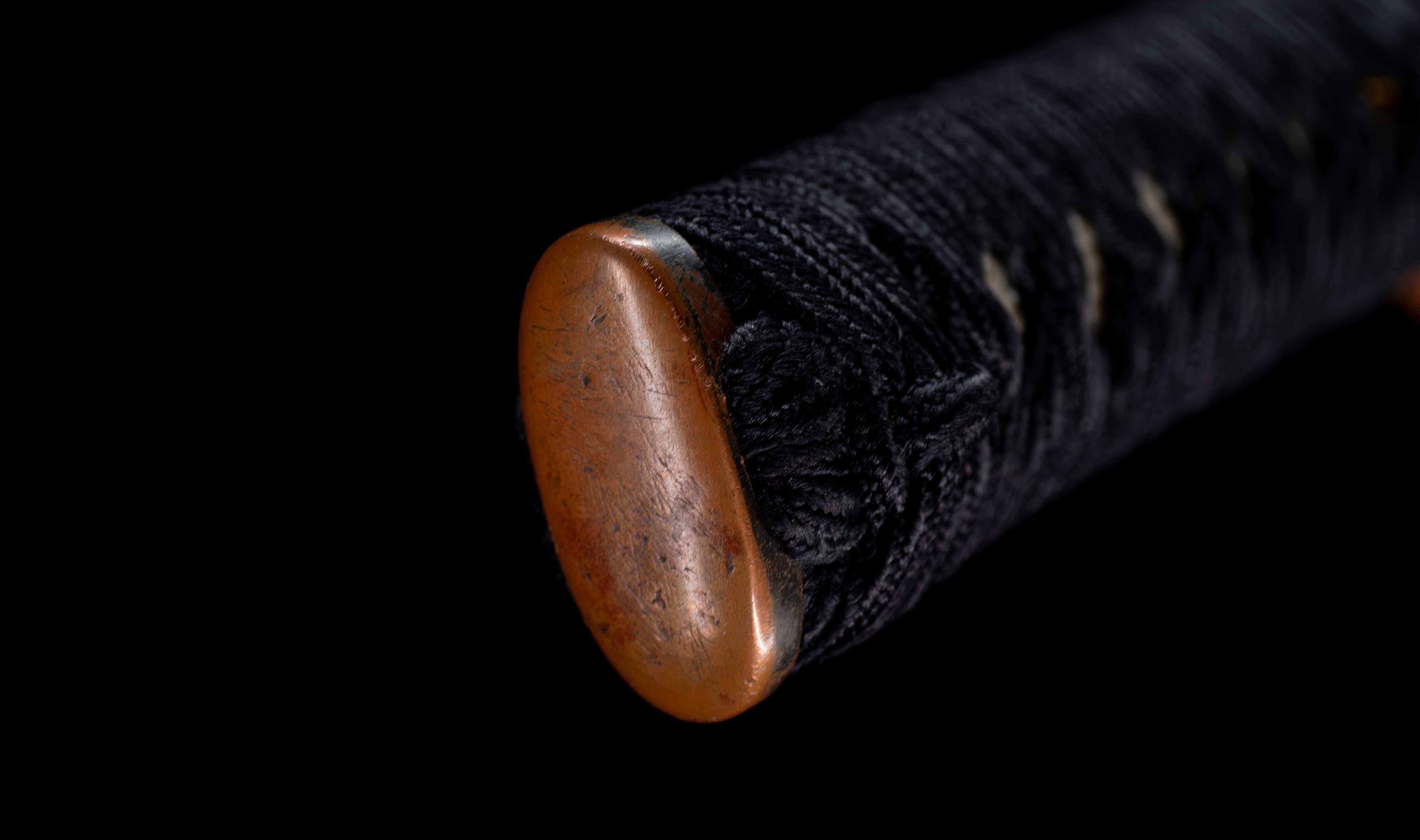
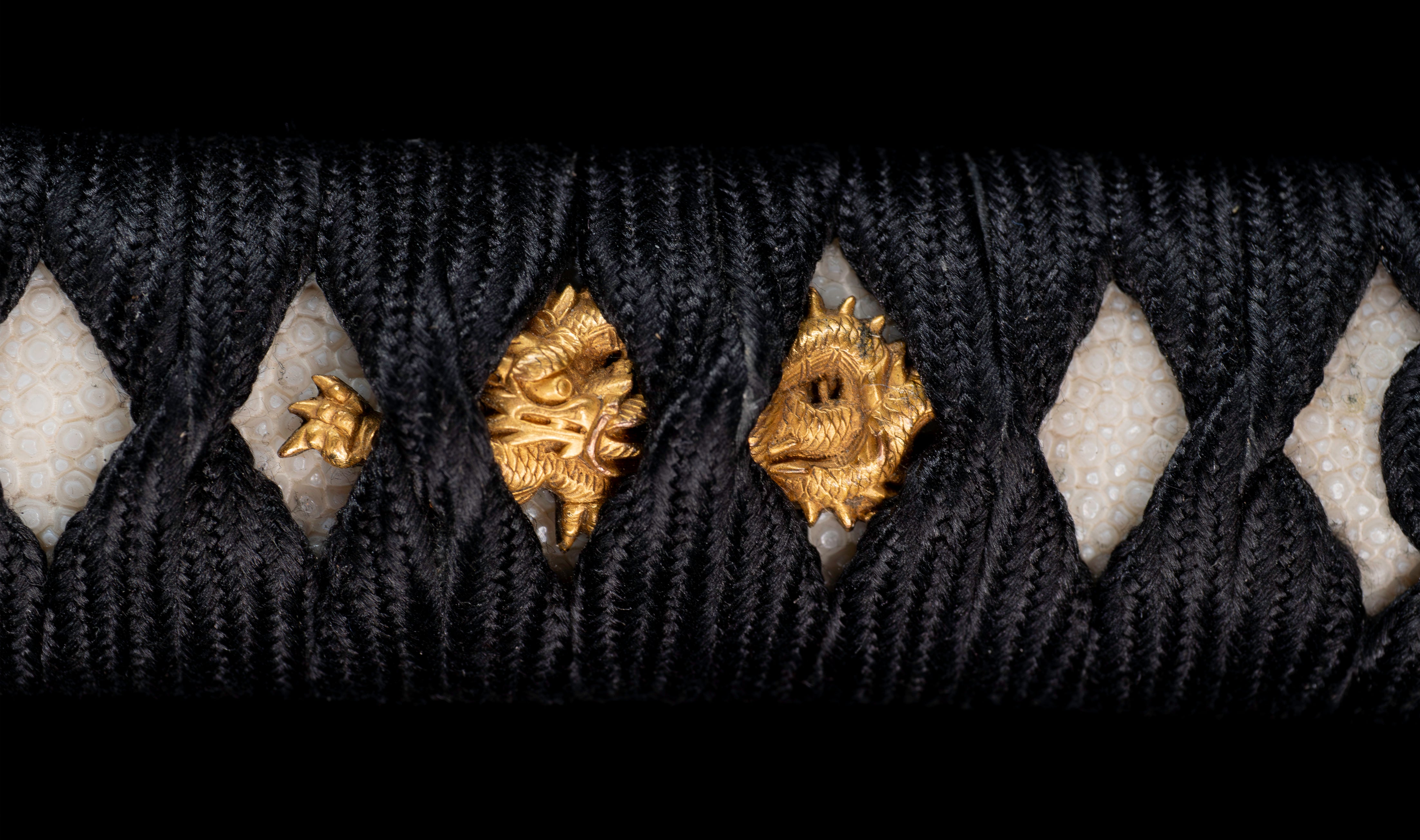
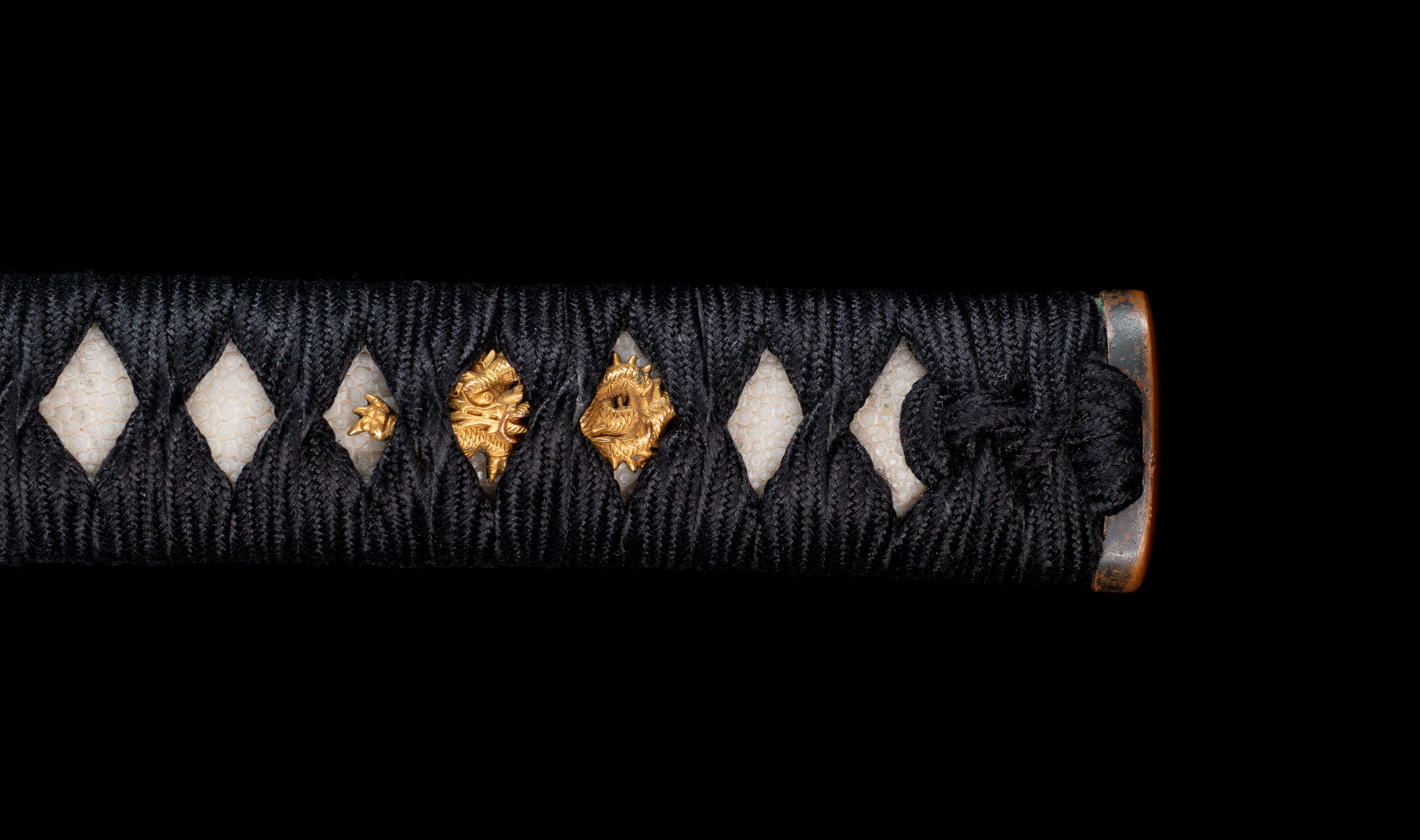
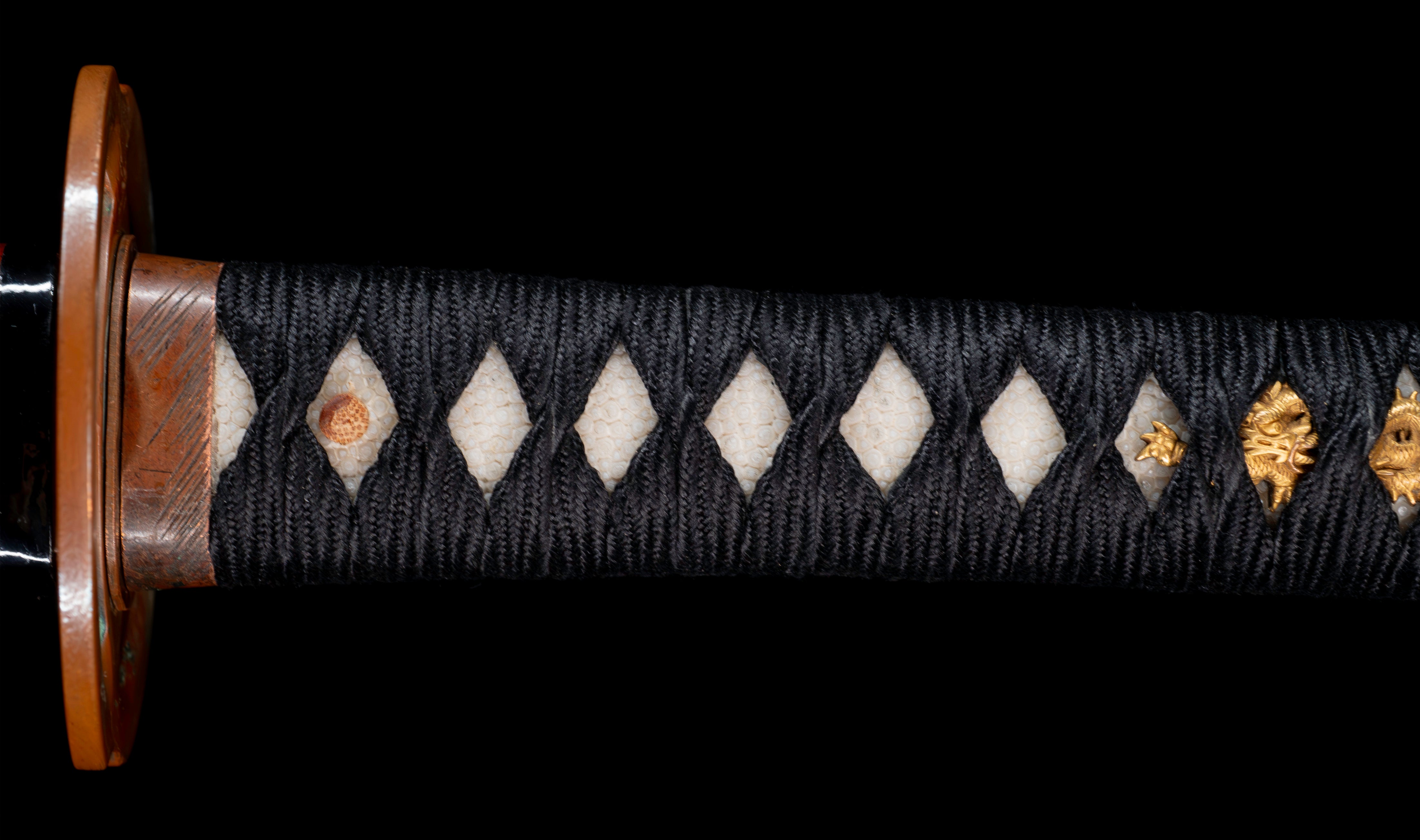
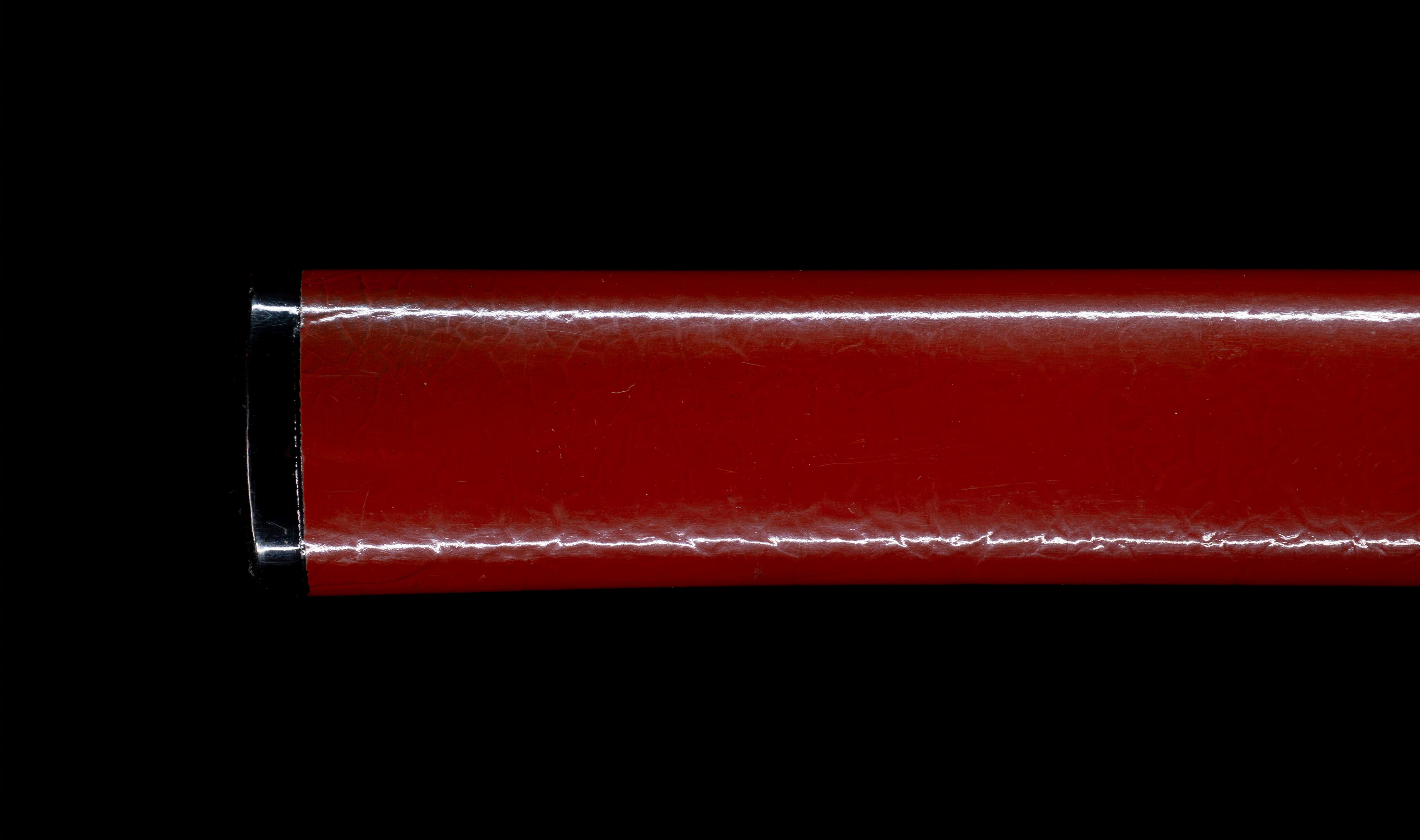
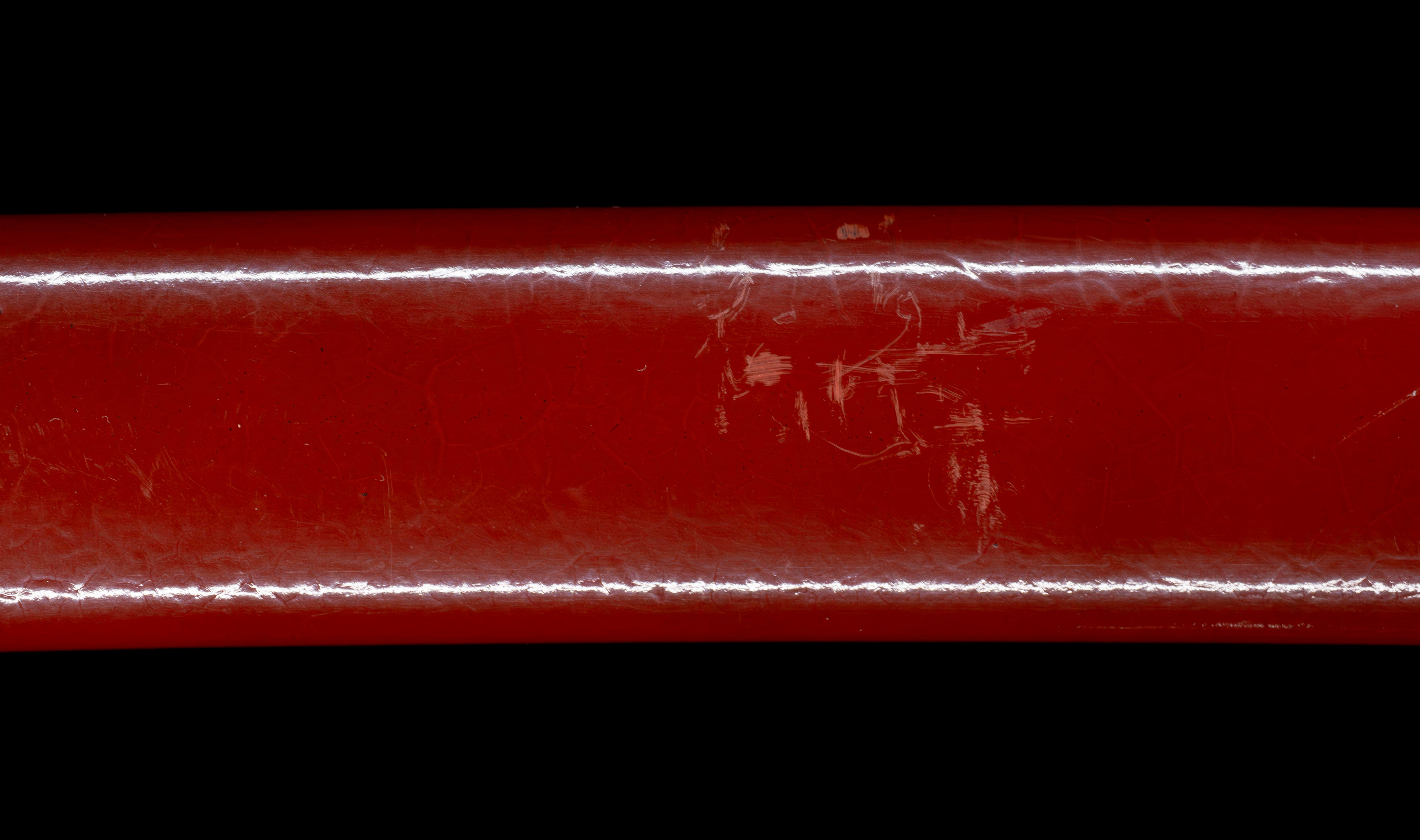
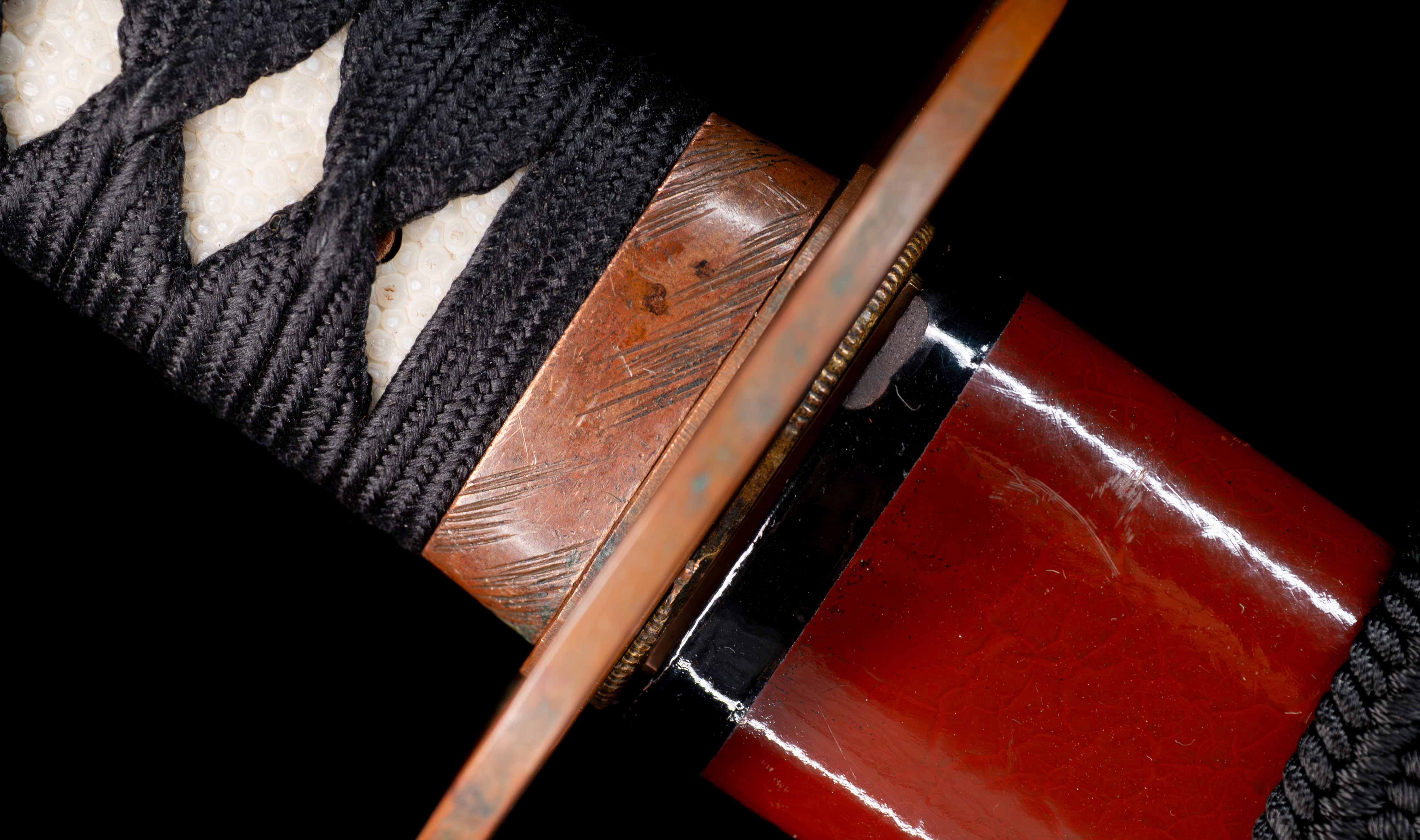
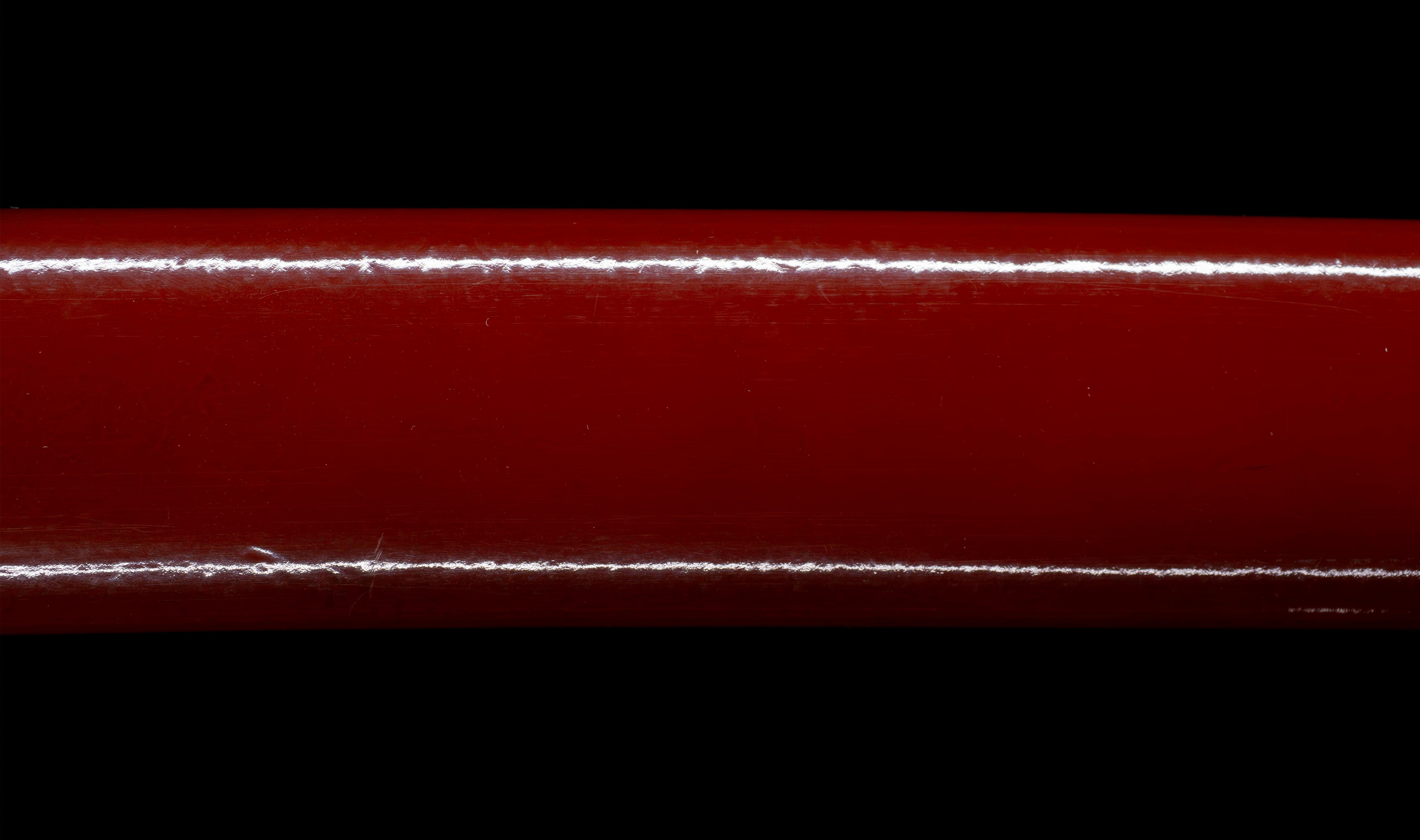
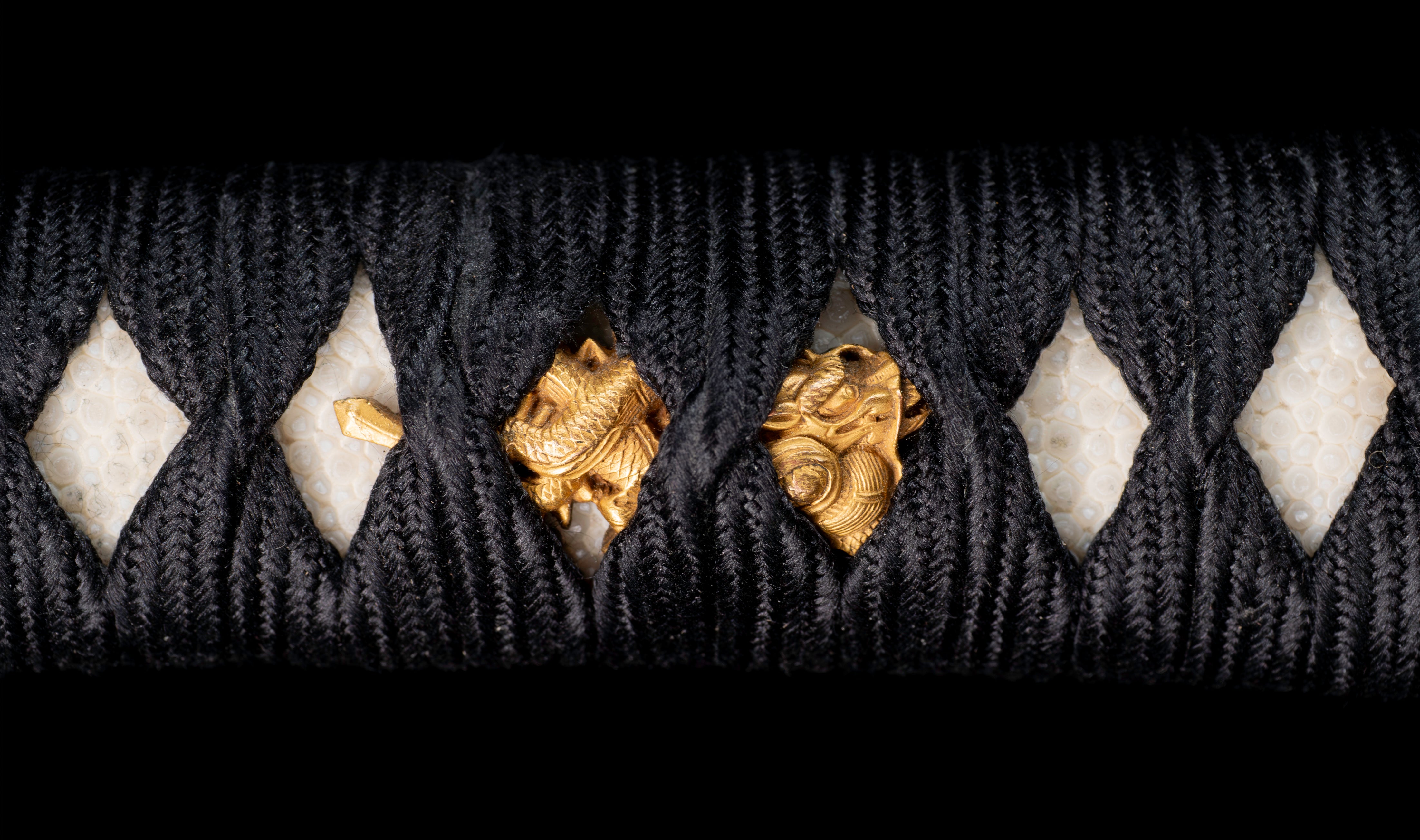
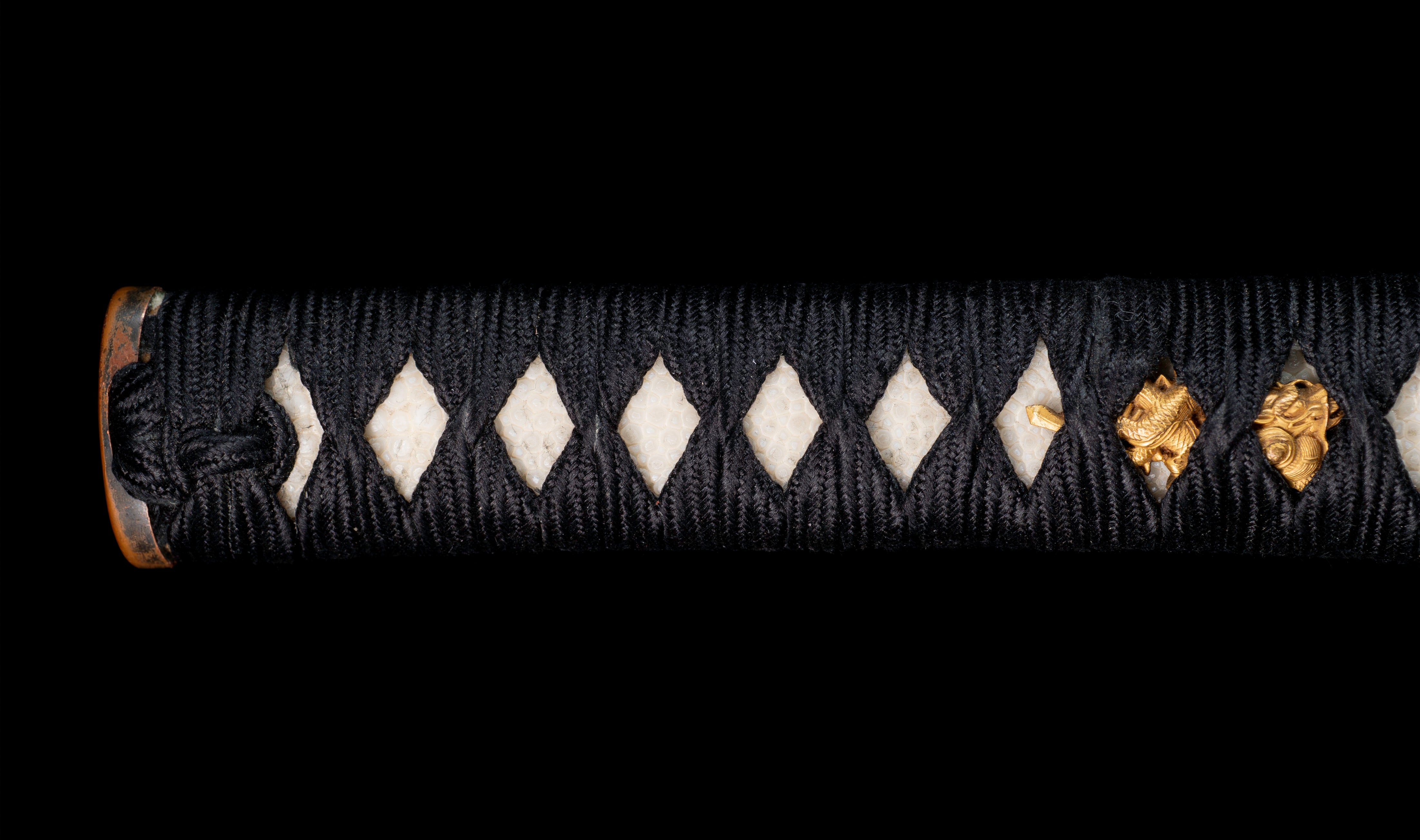
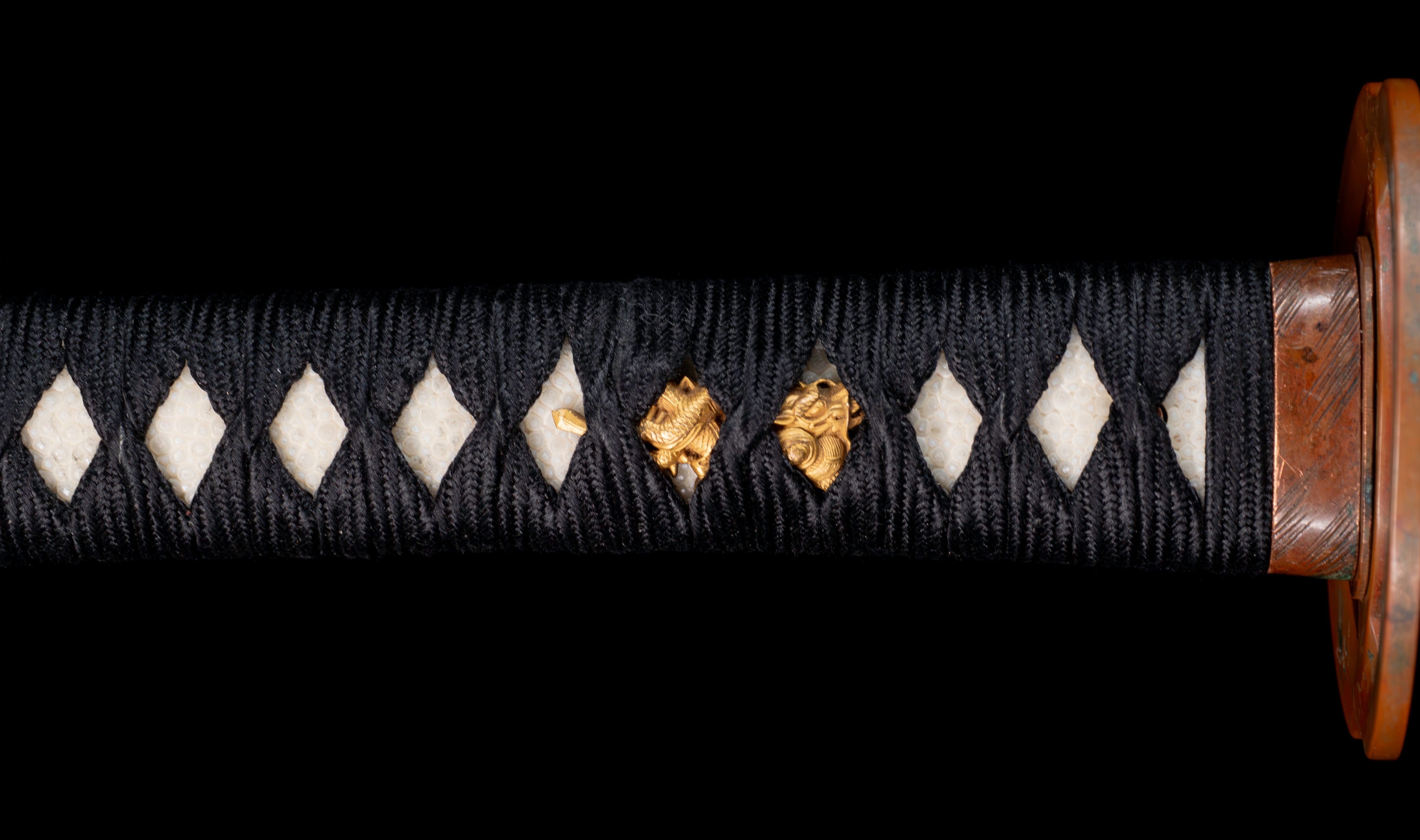
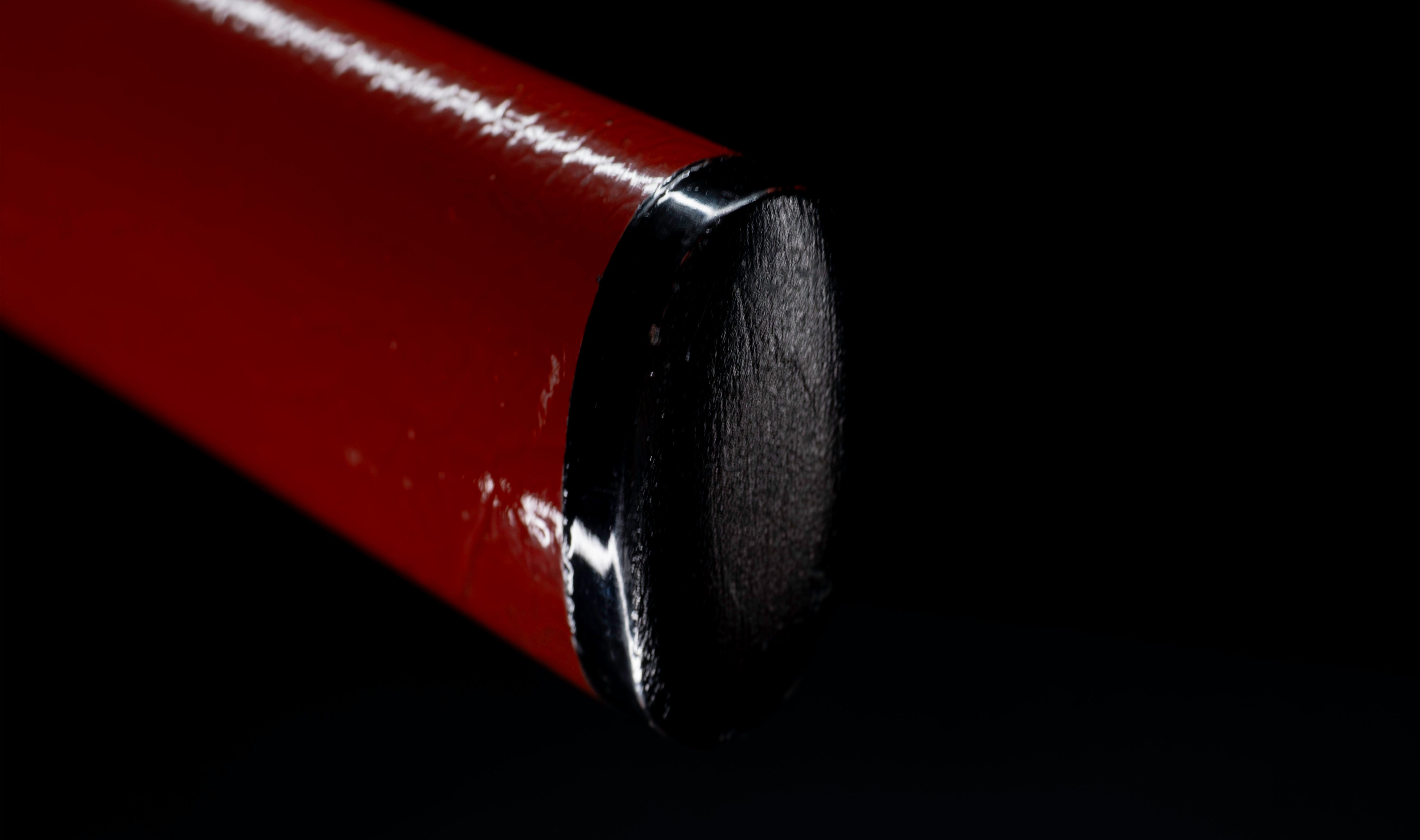
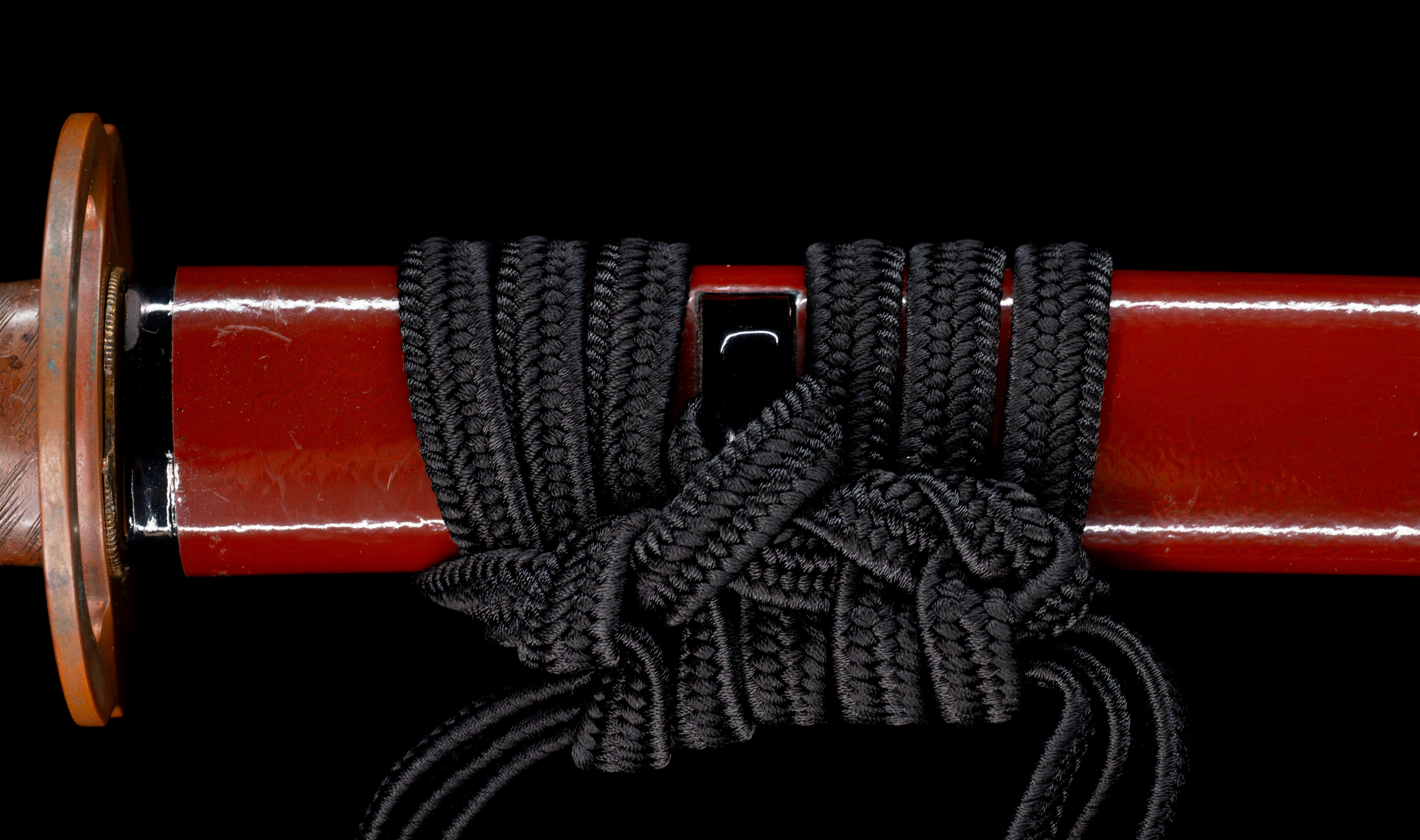
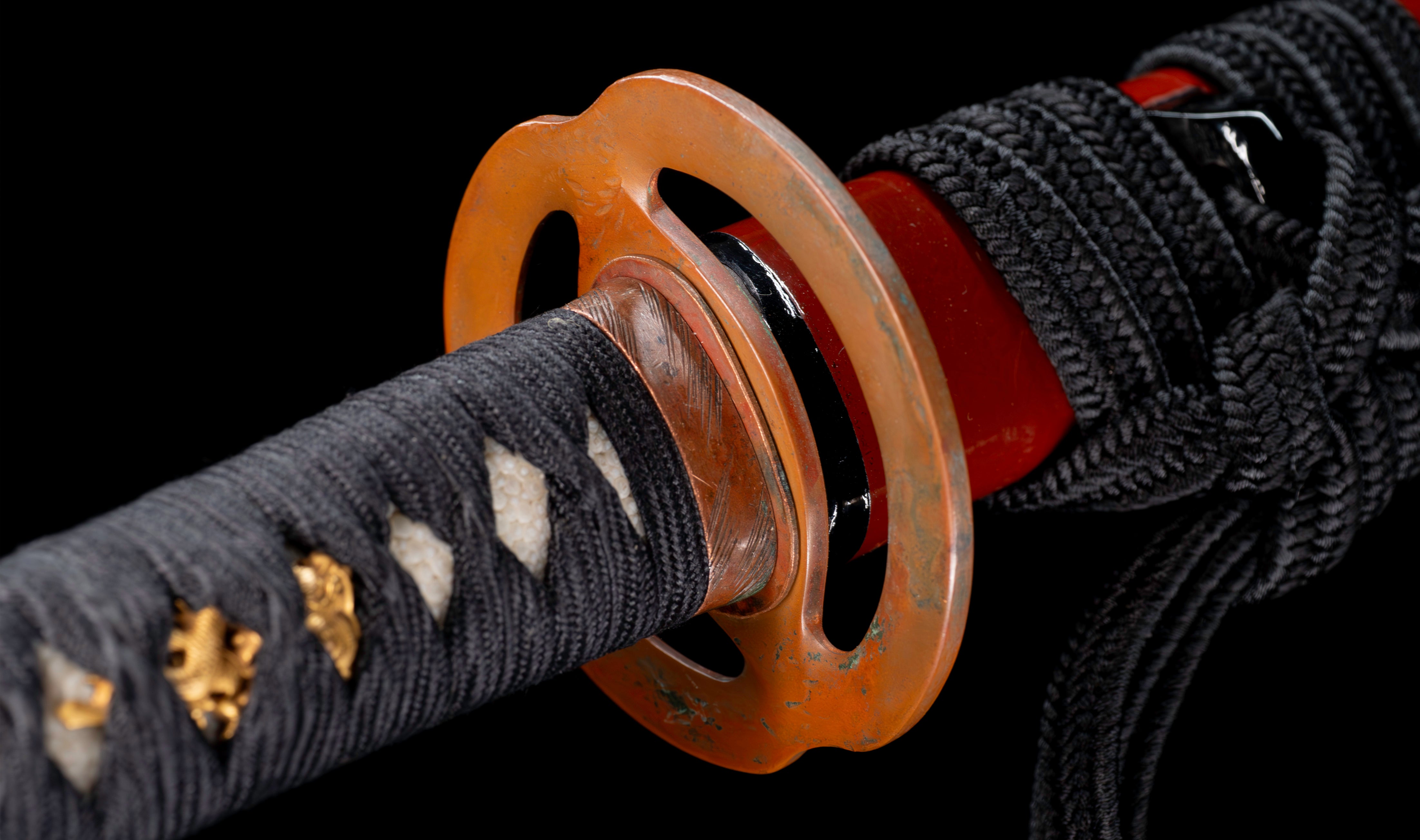
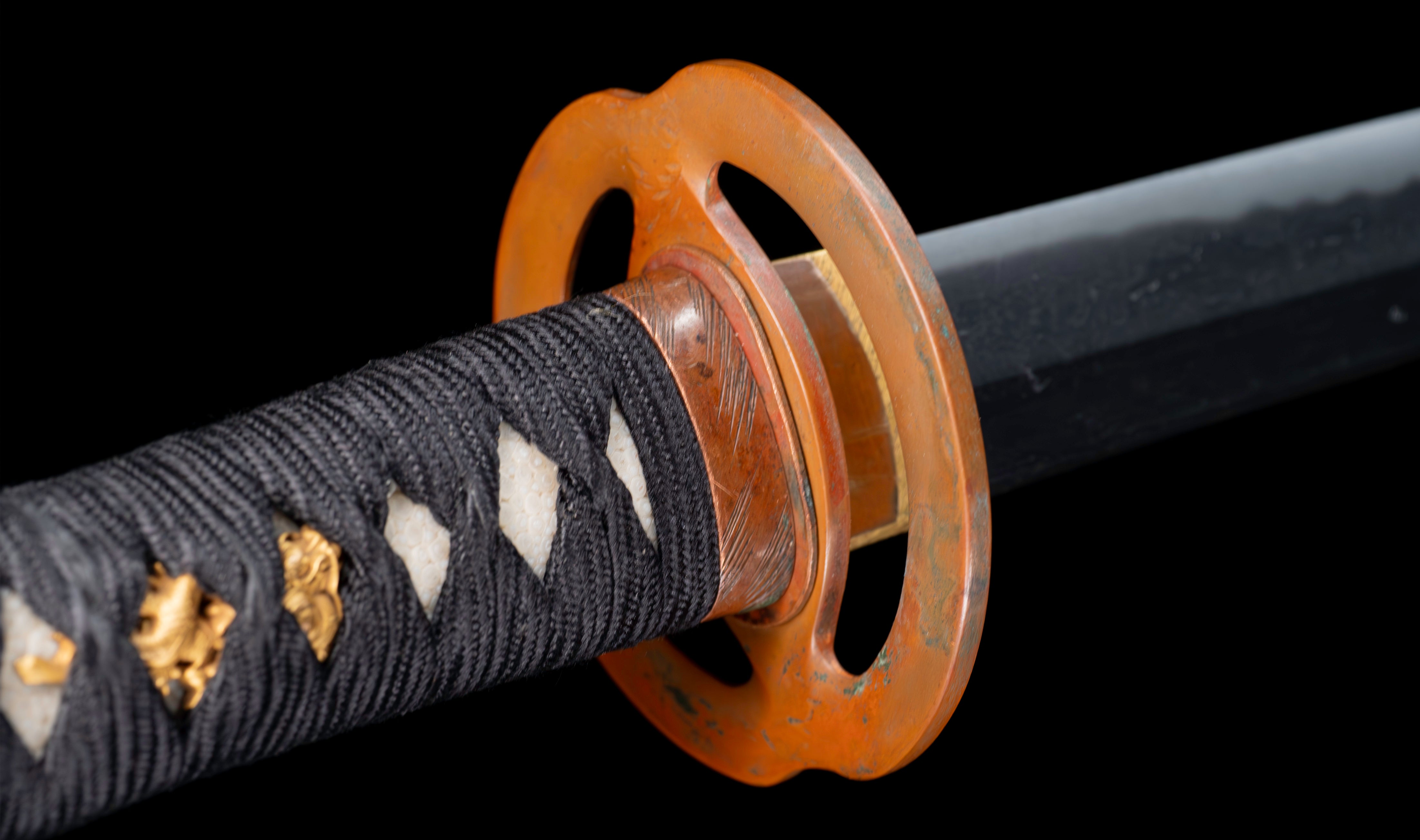
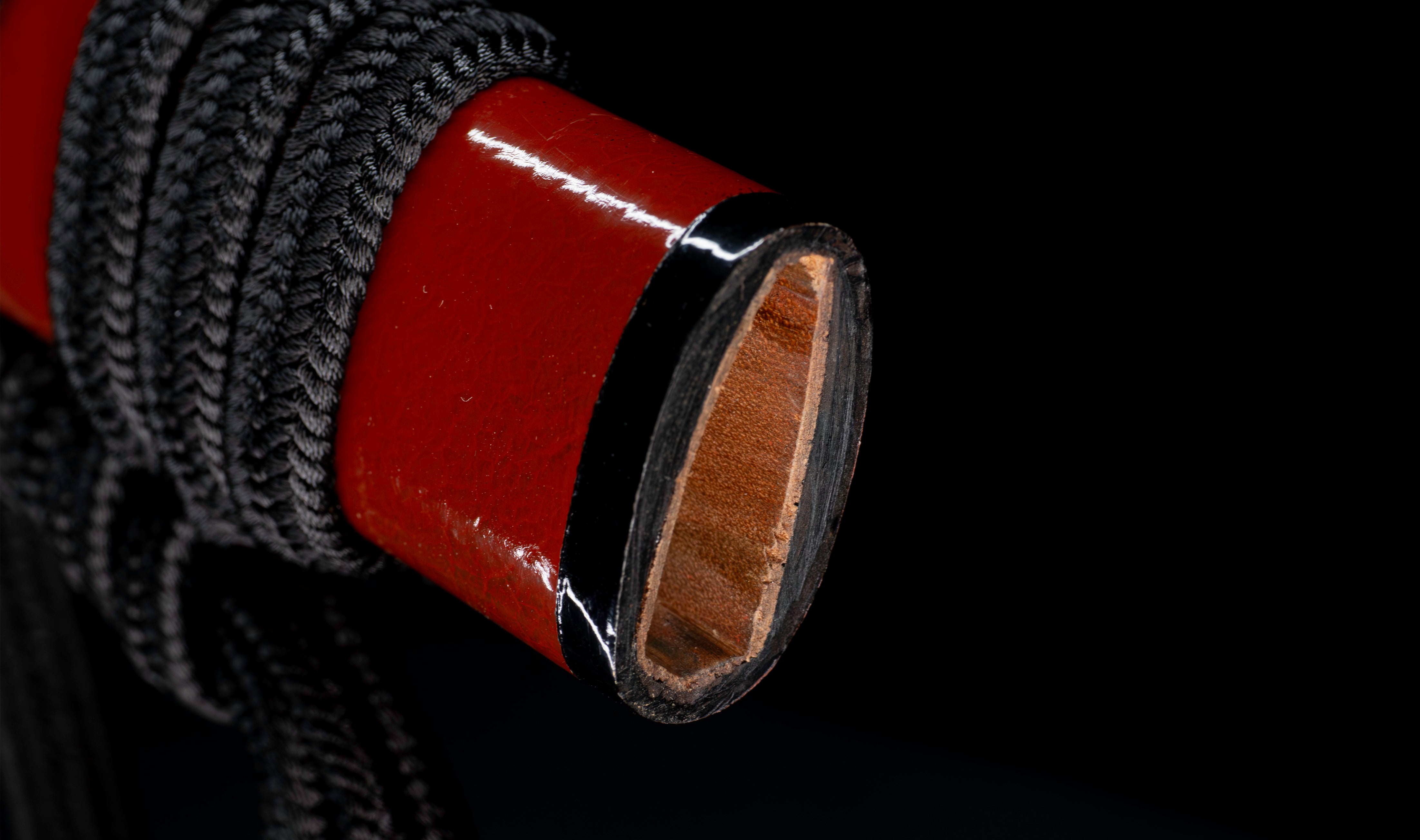
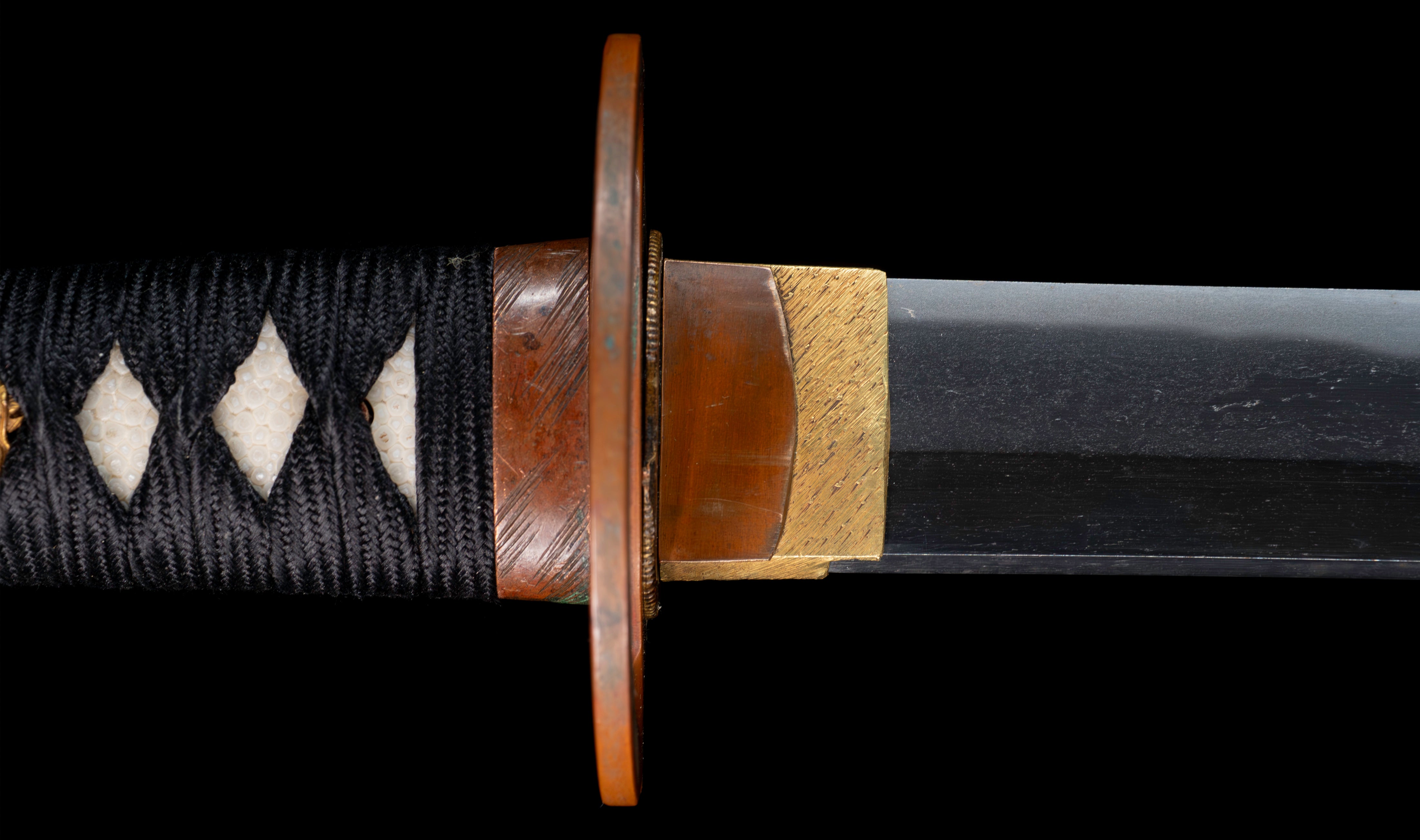
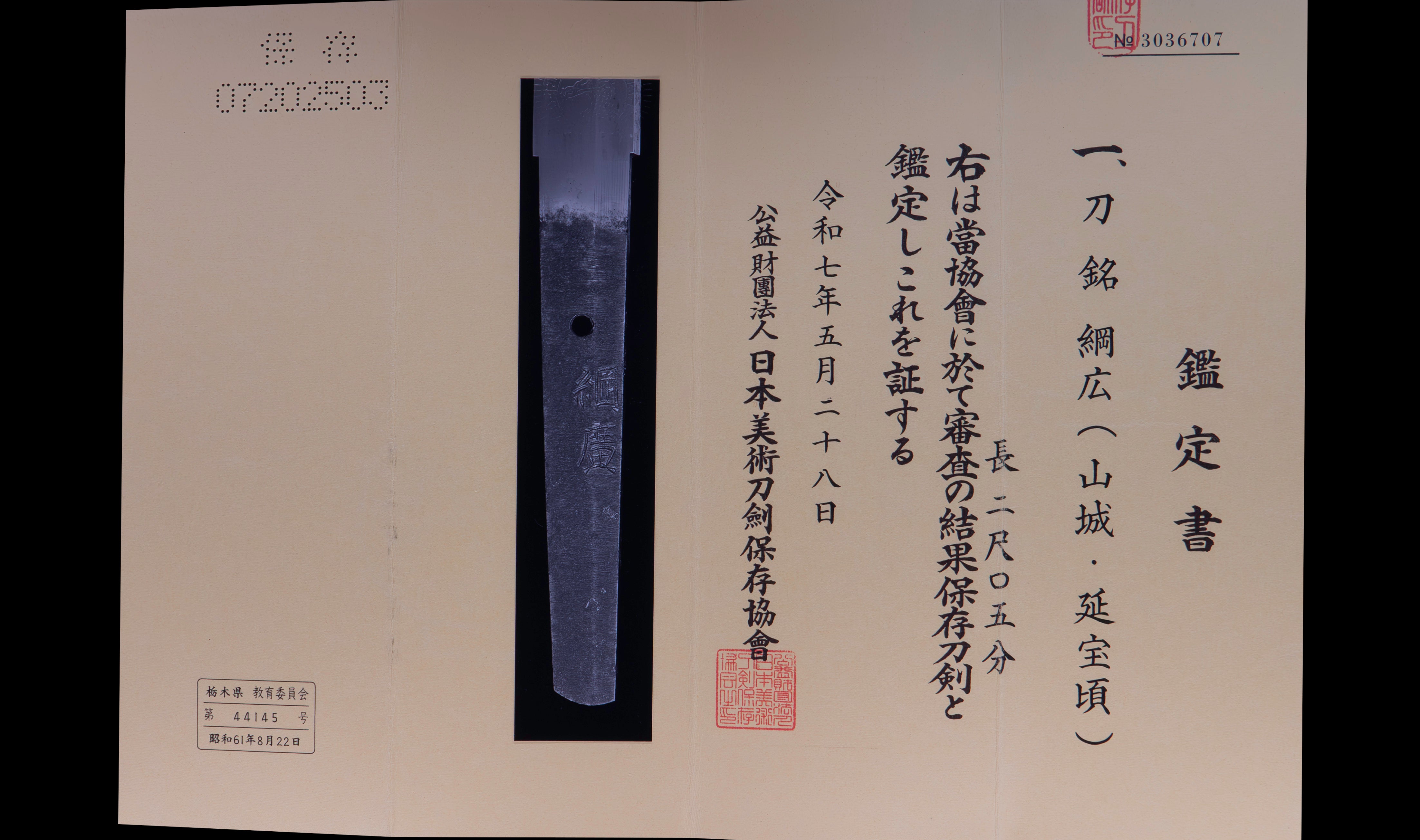
Signature (Mei): 綱廣 Tsunahiro (omote, two characters; ura unsigned) — carved in the classical kyūjitai form, transcribed 綱広 on the NBTHK paper Swordsmith: Tsunahiro of Yamashiro — certified by the NBTHK as 綱広(山城・延宝頃) School / Tradition: Yamashiro (Kyoto) — Shintō-period Kyoto workmanship Period / Province: Edo period, circa Enpō era (1673–1681) — Shintō classification / Yamashiro Province (modern Kyoto) Certificate: NBTHK Hozon Tōken (保存刀剣) No. 3036707 — issued 28 May Reiwa 7 (2025) Japanese Registration (Tōroku-shō): Tochigi Prefecture No. 44145, issued 22 August Shōwa 61 (1986) Mounting: Complete katana koshirae — russet-brown lacquered saya, black silk tsuka-ito, gold dragon menuki, copper-alloy sukashi tsuba Blade Length (Nagasa): 62.1 cm (2 shaku 0 sun 5 bu) Curvature (Sori): 1.1 cm — shallow, typical of mature Shintō geometry Mekugi-ana: 1 — ubu nakago, unshortened, signature intact Shape (Sugata): Shinogi-zukuri, iori-mune, chū-kissaki Hamon: Gunome-midare — large, rounded, openly spaced heads with a broad nioiguchi and nie in the valleys Boshi: Midare-komi with a rounded turnback Habaki: Gold-foiled (kin-kise) with neko-gaki file texturing A NBTHK Hozon-certified katana signed 綱廣 (Tsunahiro), placed by the NBTHK in Yamashiro province — Kyoto — around the Enpō era, 1673 to 1681 . It measures 62.1 cm nagasa with 1.1 cm of sori, and the nakago is ubu : original length, one mekugi-ana, the signature untouched. For an Edo-period blade to reach Hozon the shinsa panel must judge the mei genuine. This one did. The hamon is the reason to look twice. It runs as a bold gunome-midare of large, rounded heads set at generous intervals — an open, unhurried rhythm rather than the tight repetition of a workshop blade. The nioiguchi is broad and softly luminous, with nie collecting in the valleys between the heads, and the pattern widens confidently through the monouchi. This is tempering built to read at arm's length and across a room, which is precisely what a Kyoto smith o
NihontoWatch
山城 · 1673-1681頃
現在1点販売中
江戸時代
江戸は刀の目利きの時代である。本阿弥の鑑定、1719年の享保名物帳、盛んな刀剣書が、戦で抜かれることのなくなった刀を学問の対象へと変えていった。
銘が正しい、または無銘でも年代・国・系統を確実に指摘できる、保存に値する真正の作と鑑定されたものです。
日本美術刀剣保存協会(NBTHK)は、1948年に設立され、文化庁の監督を受ける公益財団法人で、東京・刀剣博物館に本部を置きます。専門の審査員が出品作を直接審査し、美術的・歴史的価値に応じた鑑定書を発行します。NBTHKの鑑定書は、日本刀および刀装具の真正性を示す最も広く認知された基準です。
NBTHK公式サイトReturns/exchanges only for manufactured defects or incorrect products; notify within 72 hours of delivery. Cancellation only within 2 hours of placing. Customer pays return shipping. Refund within 3 business days of package arrival.