NihontoWatch Mon

NihontoWatch

マーケットオークション
事典
NihontoWatch Mon

NihontoWatch

マーケットオークション
事典

説明

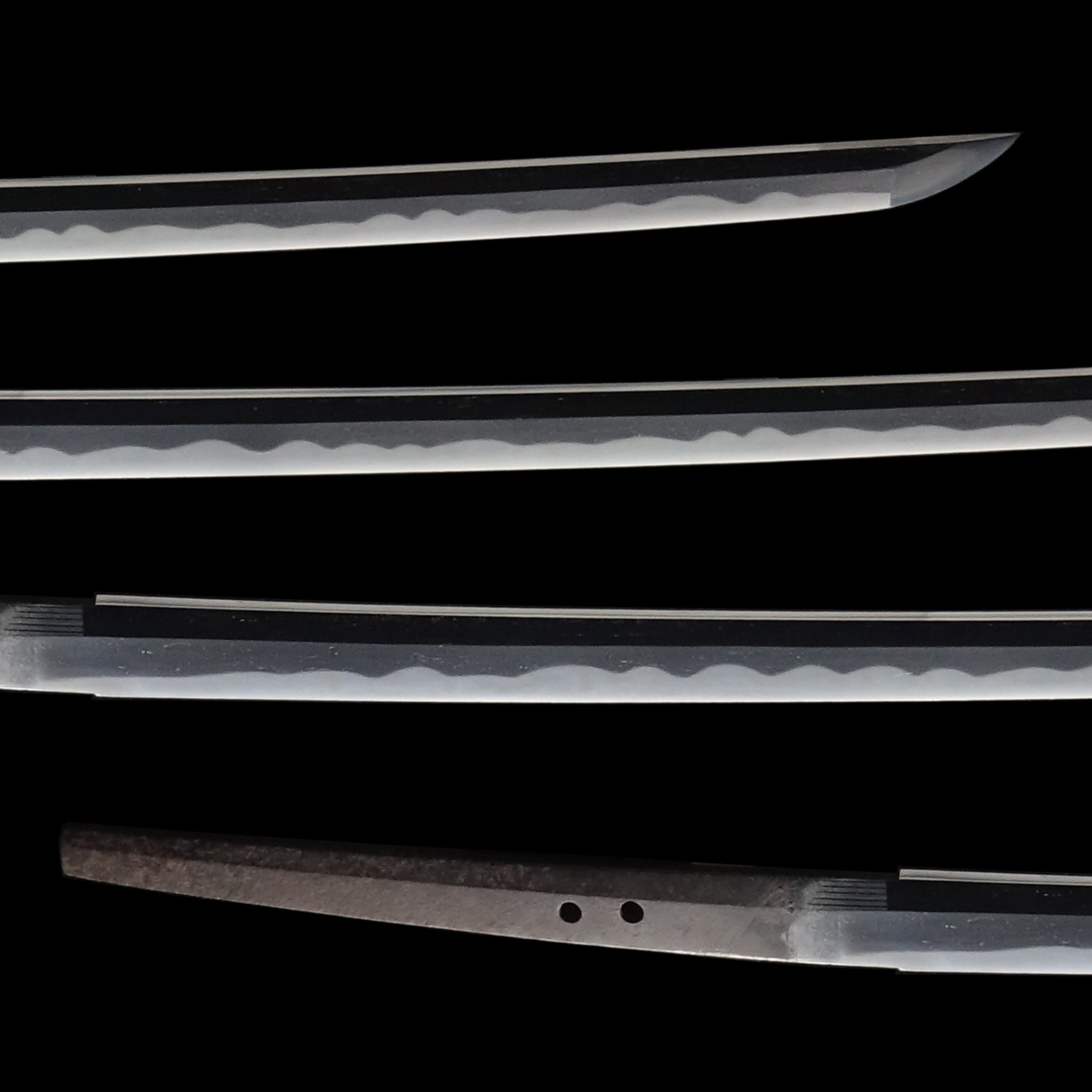
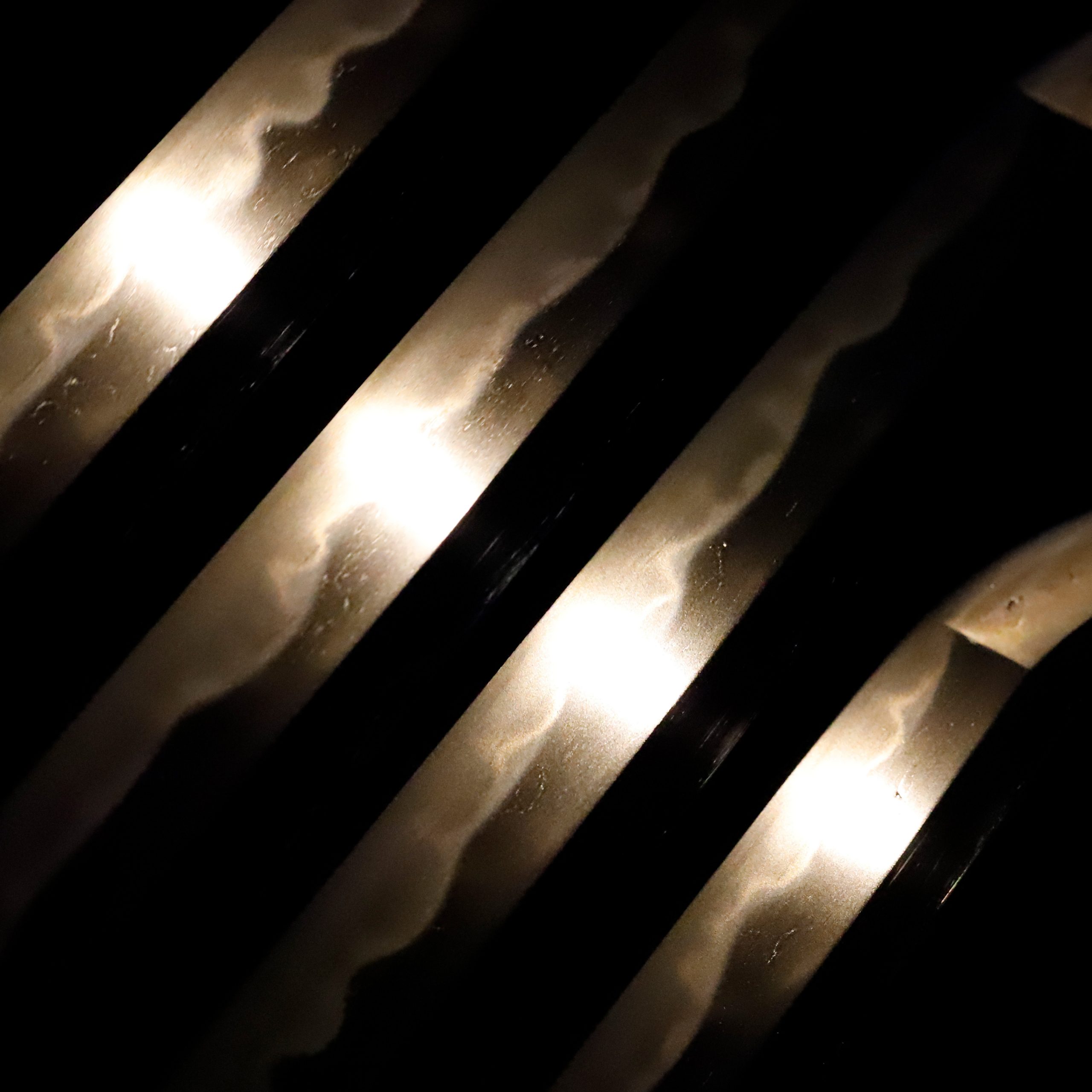
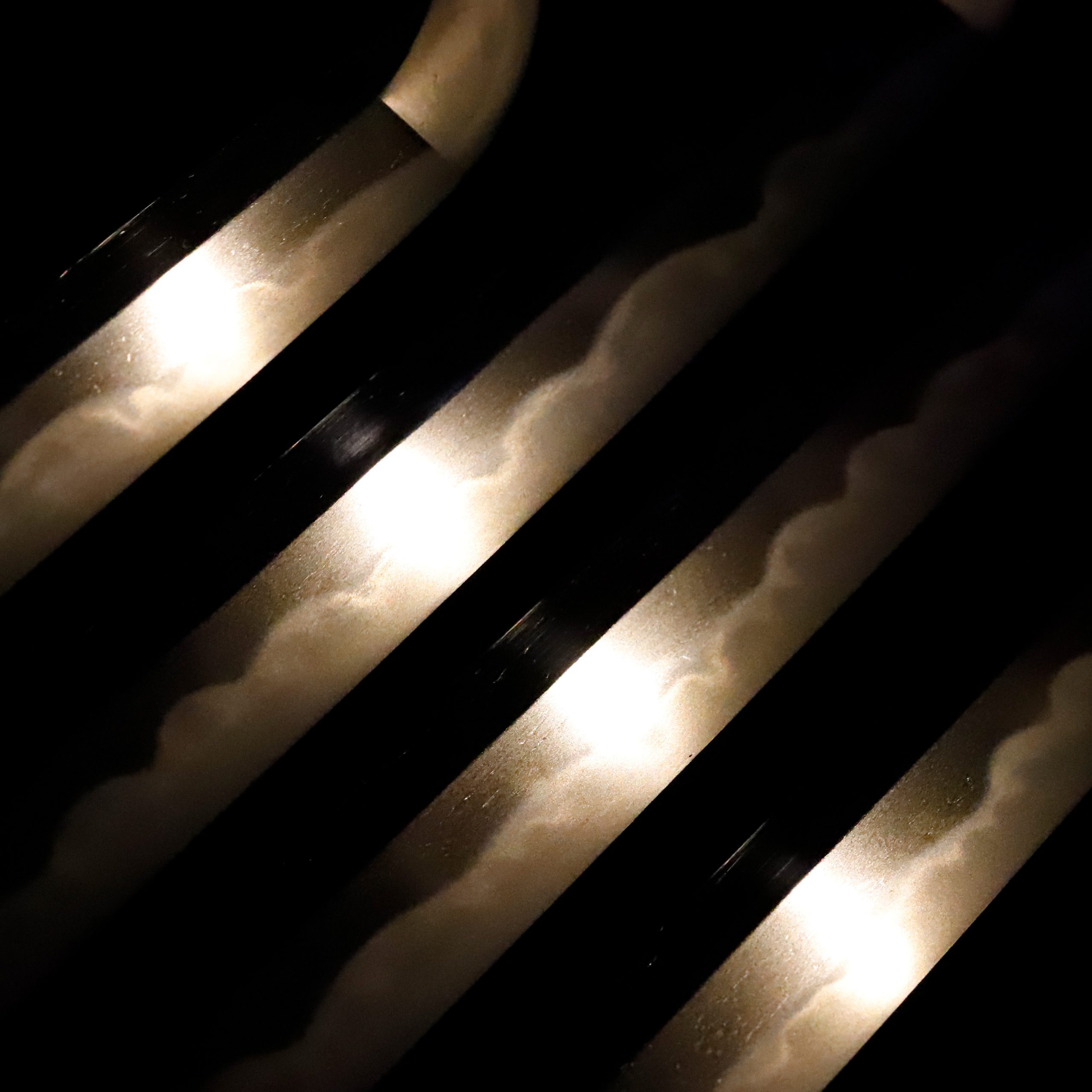
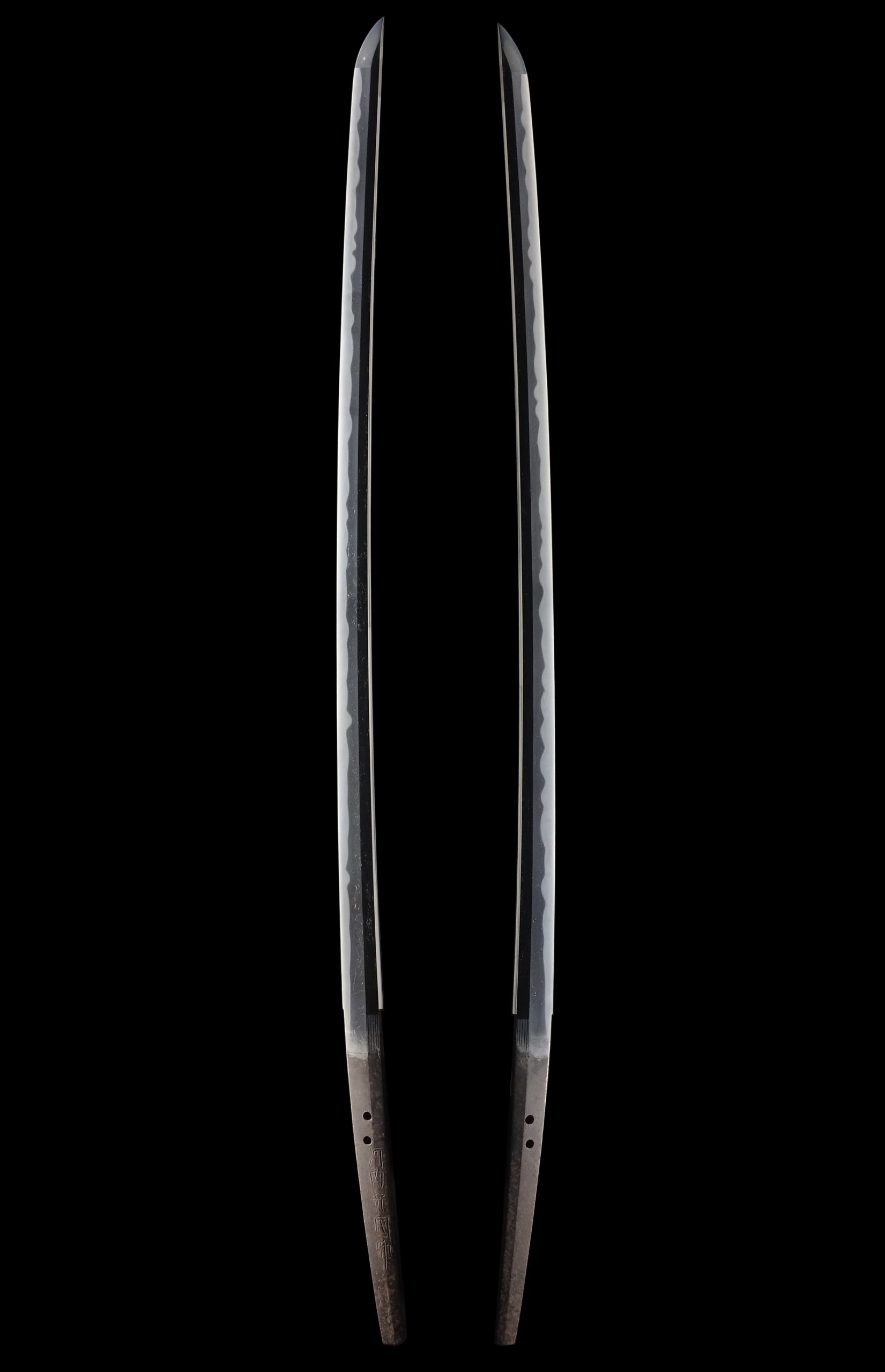
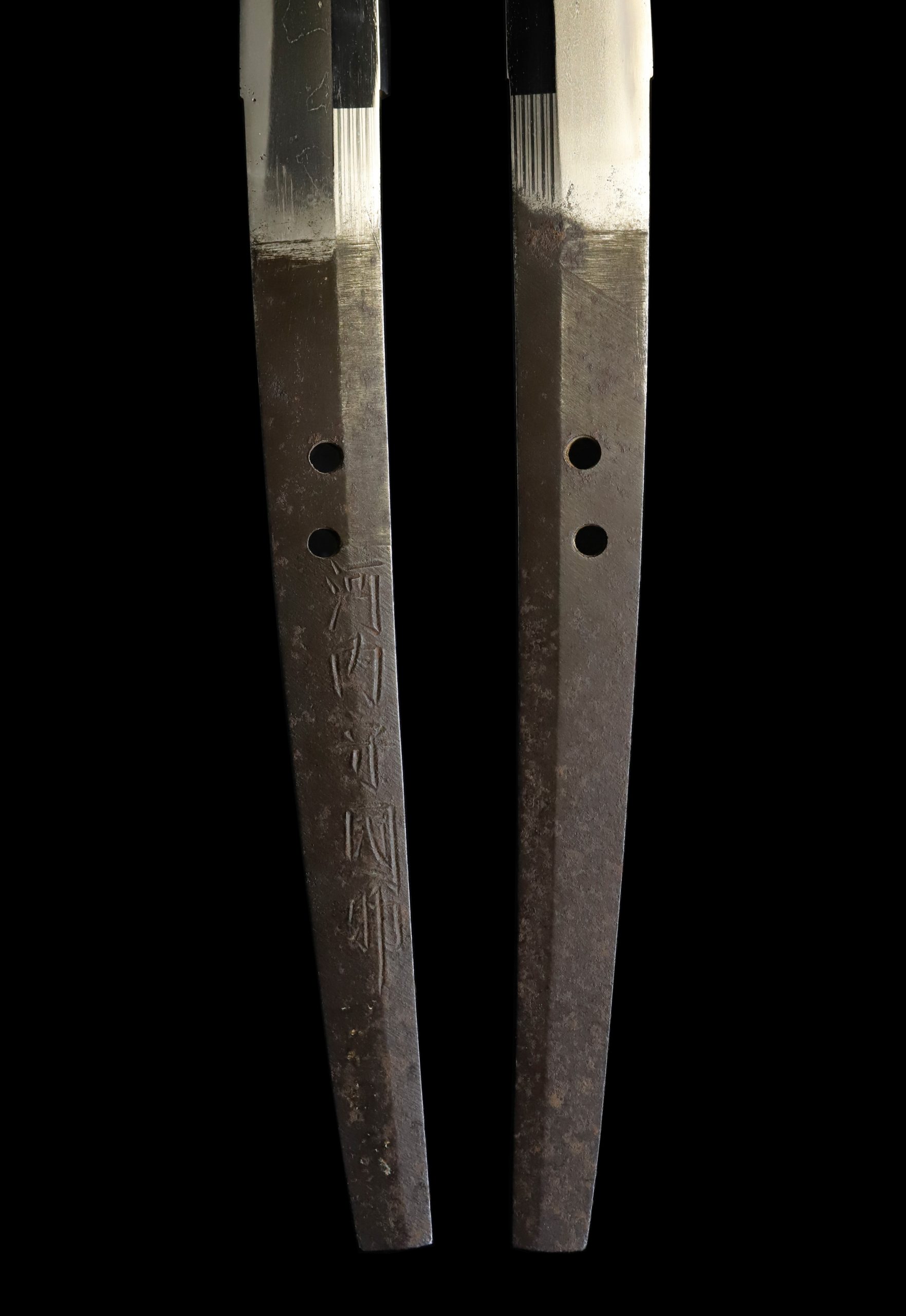
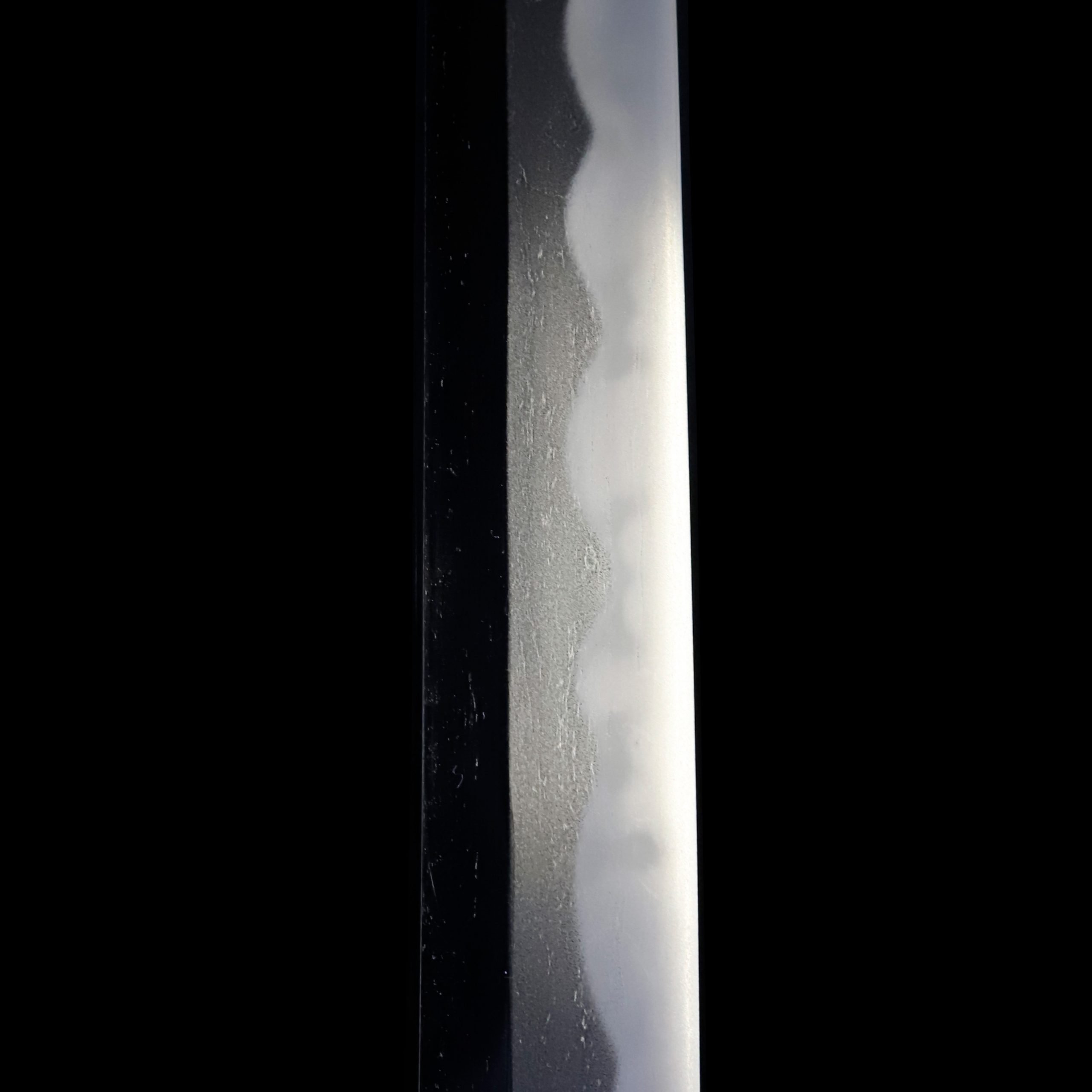
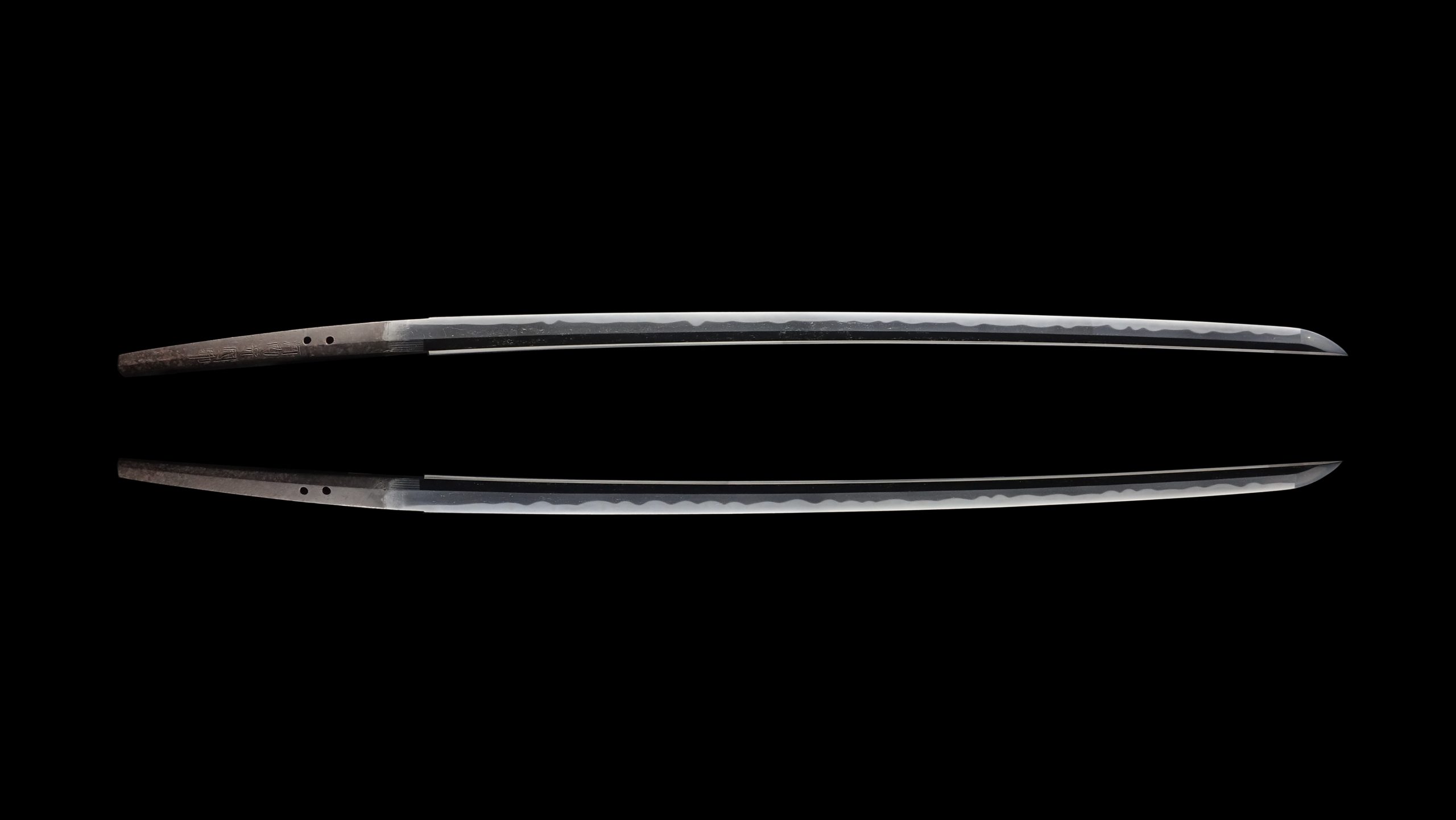
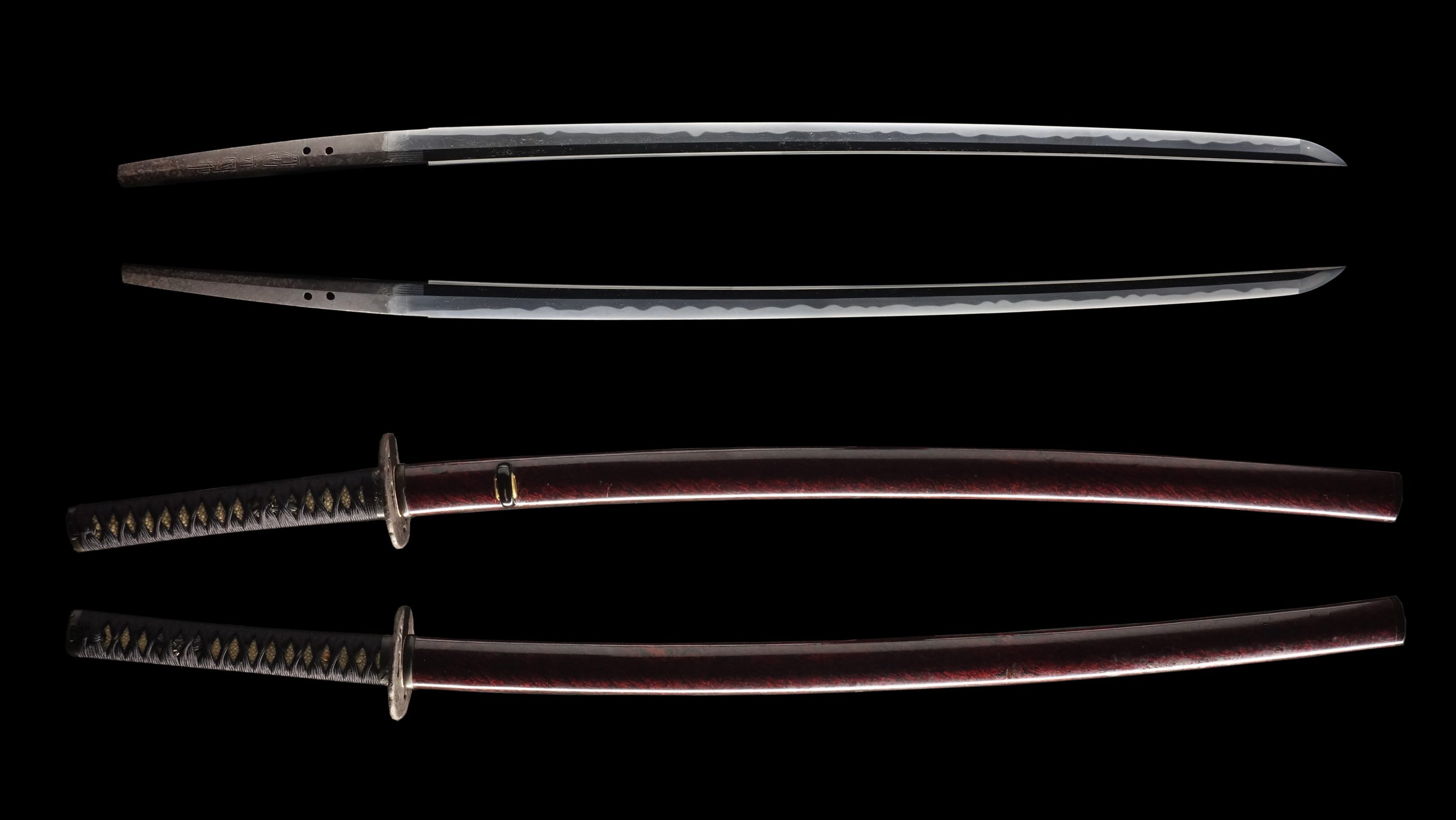
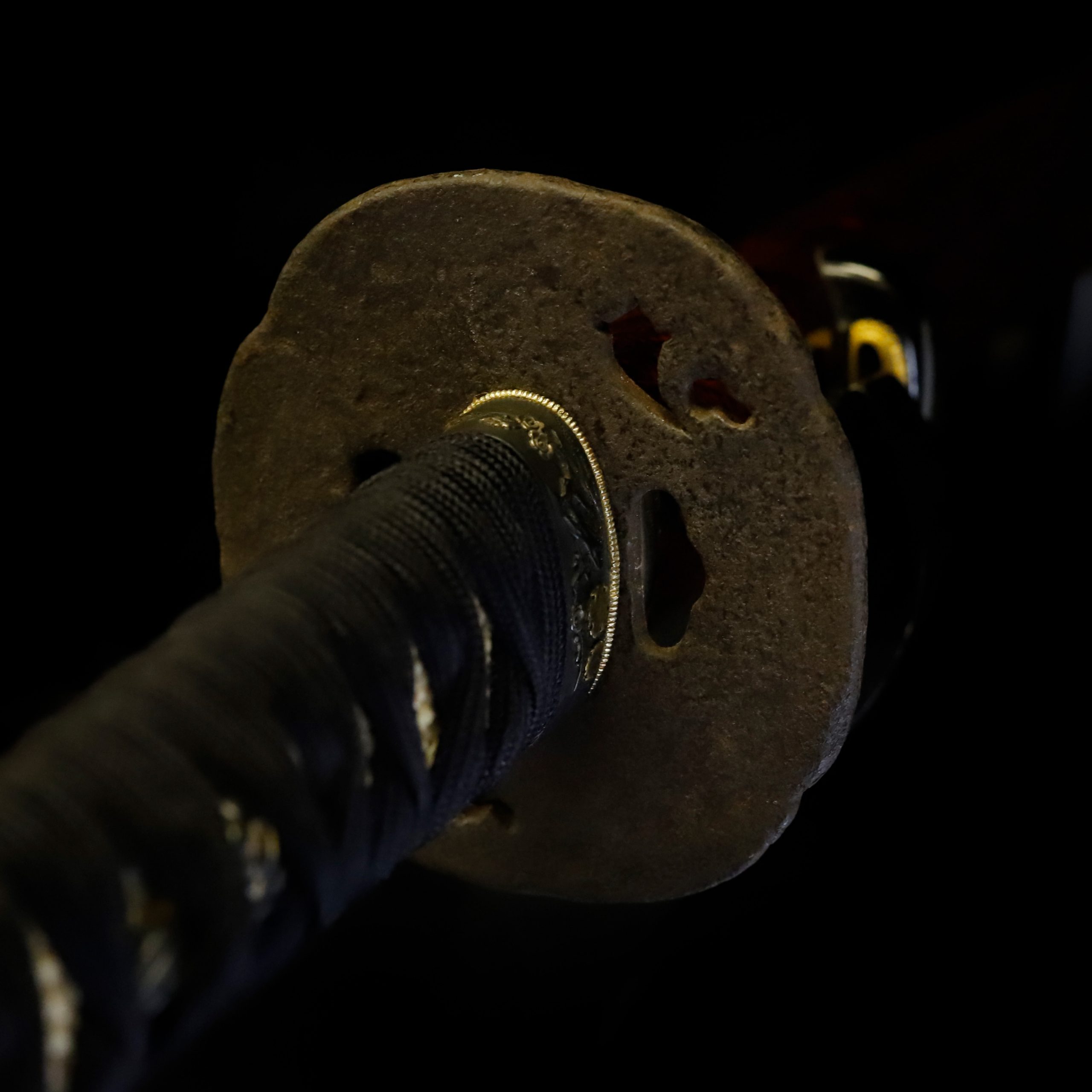
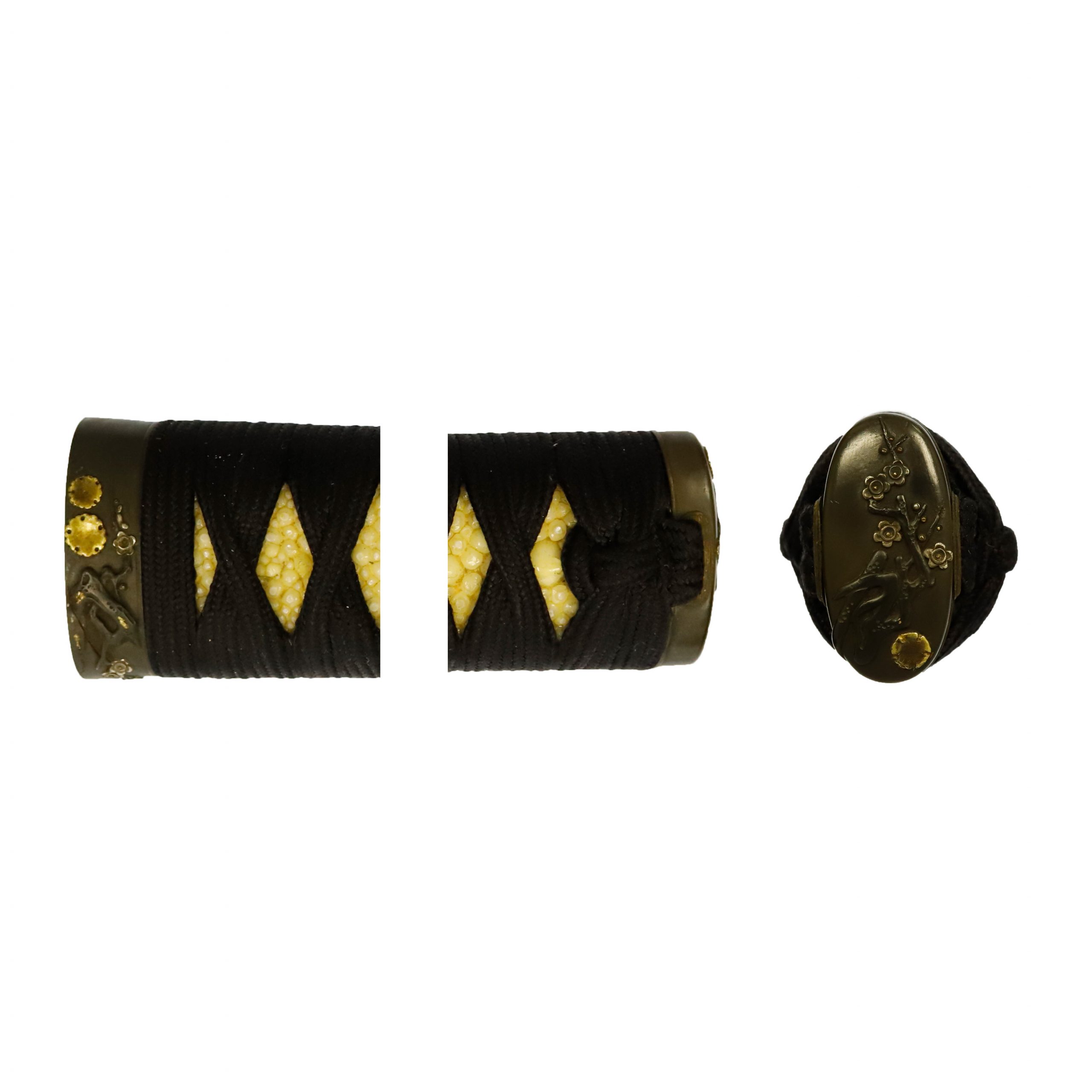
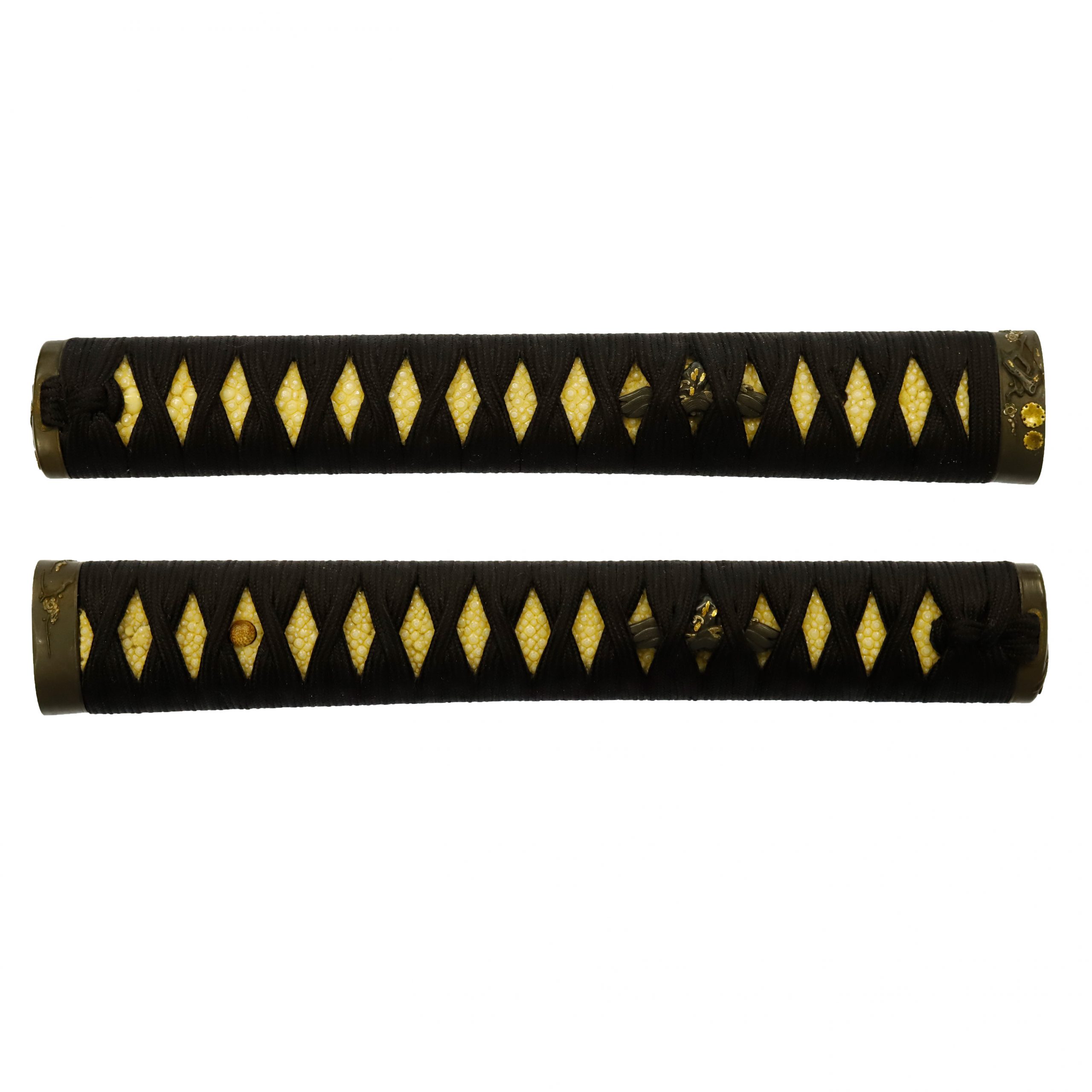
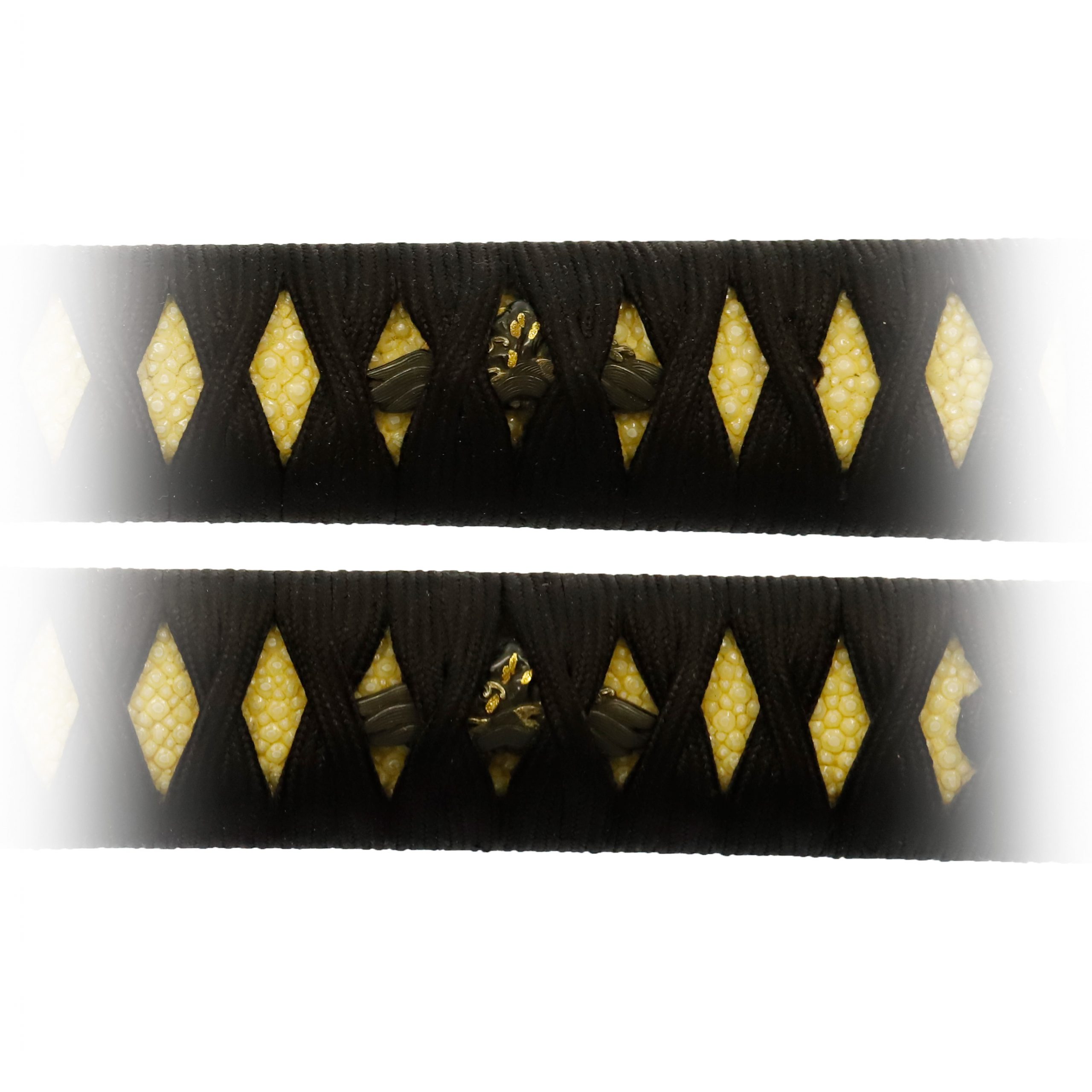
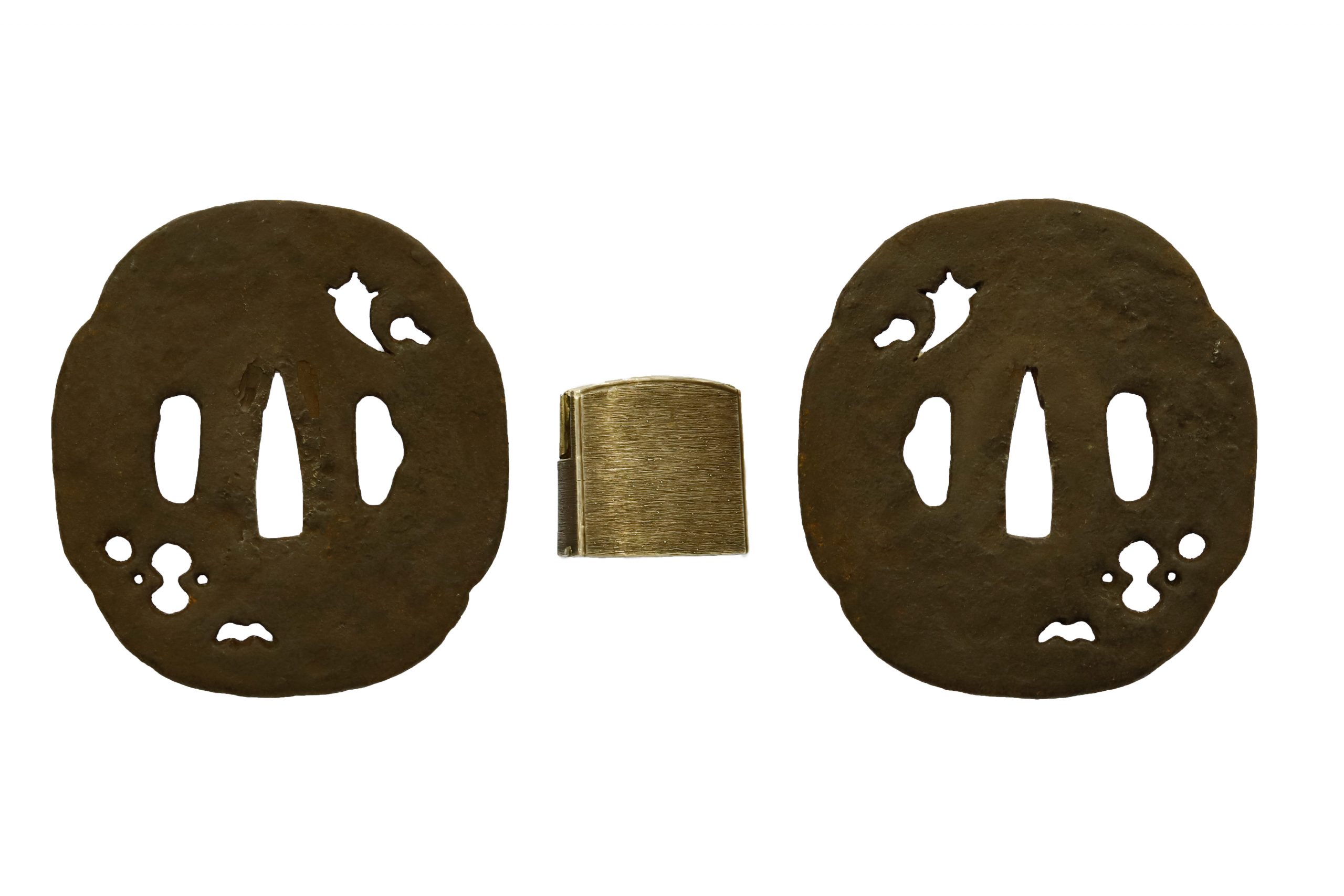
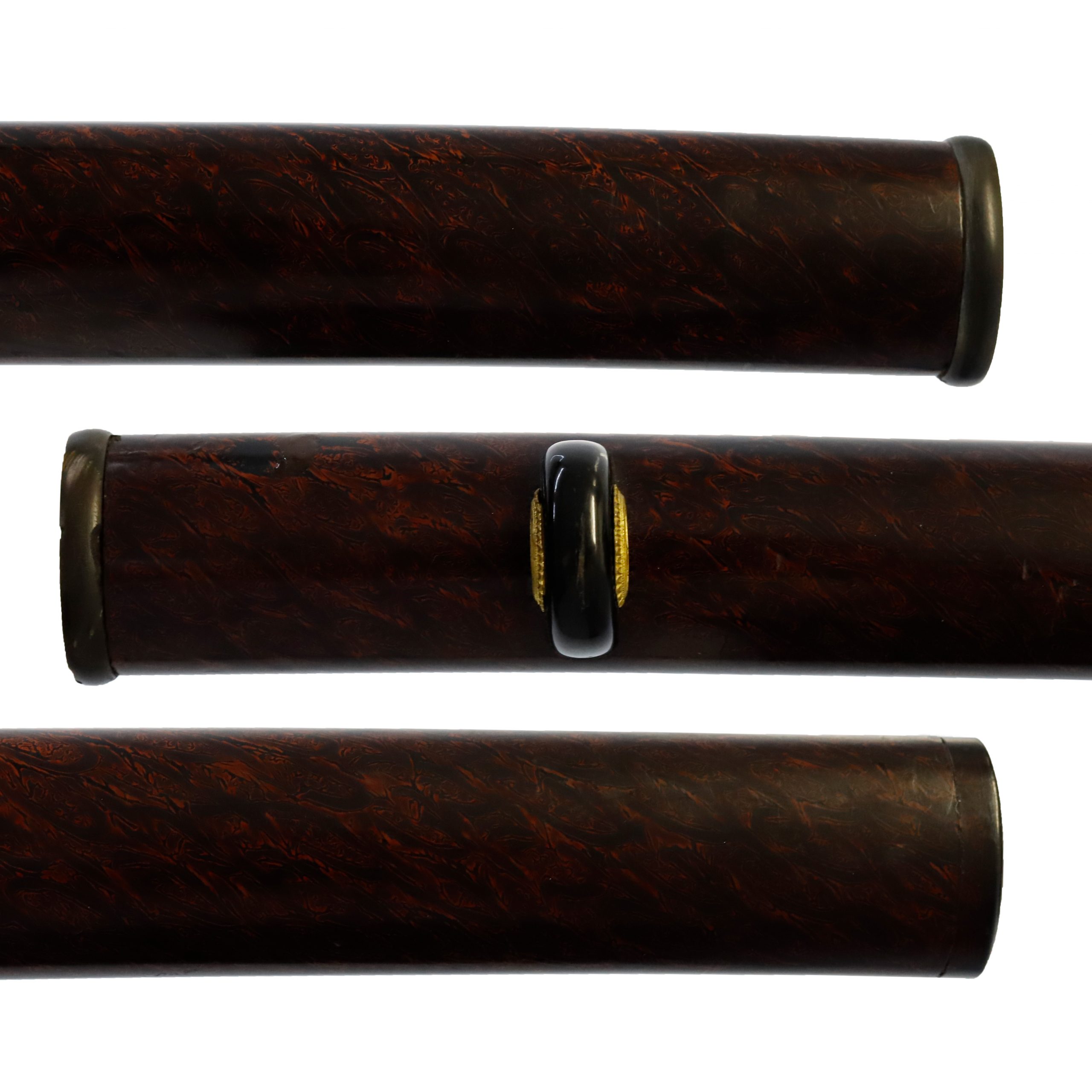
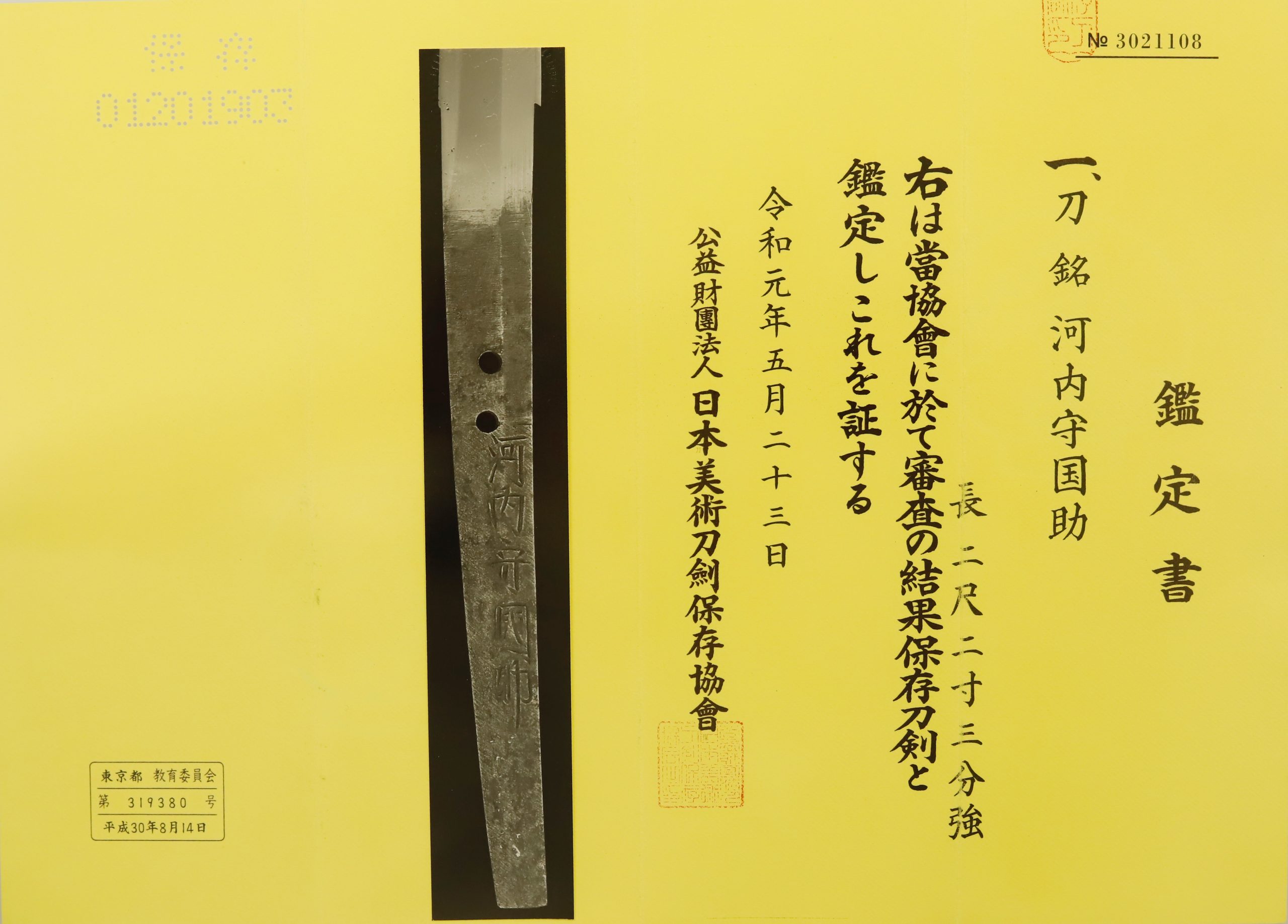
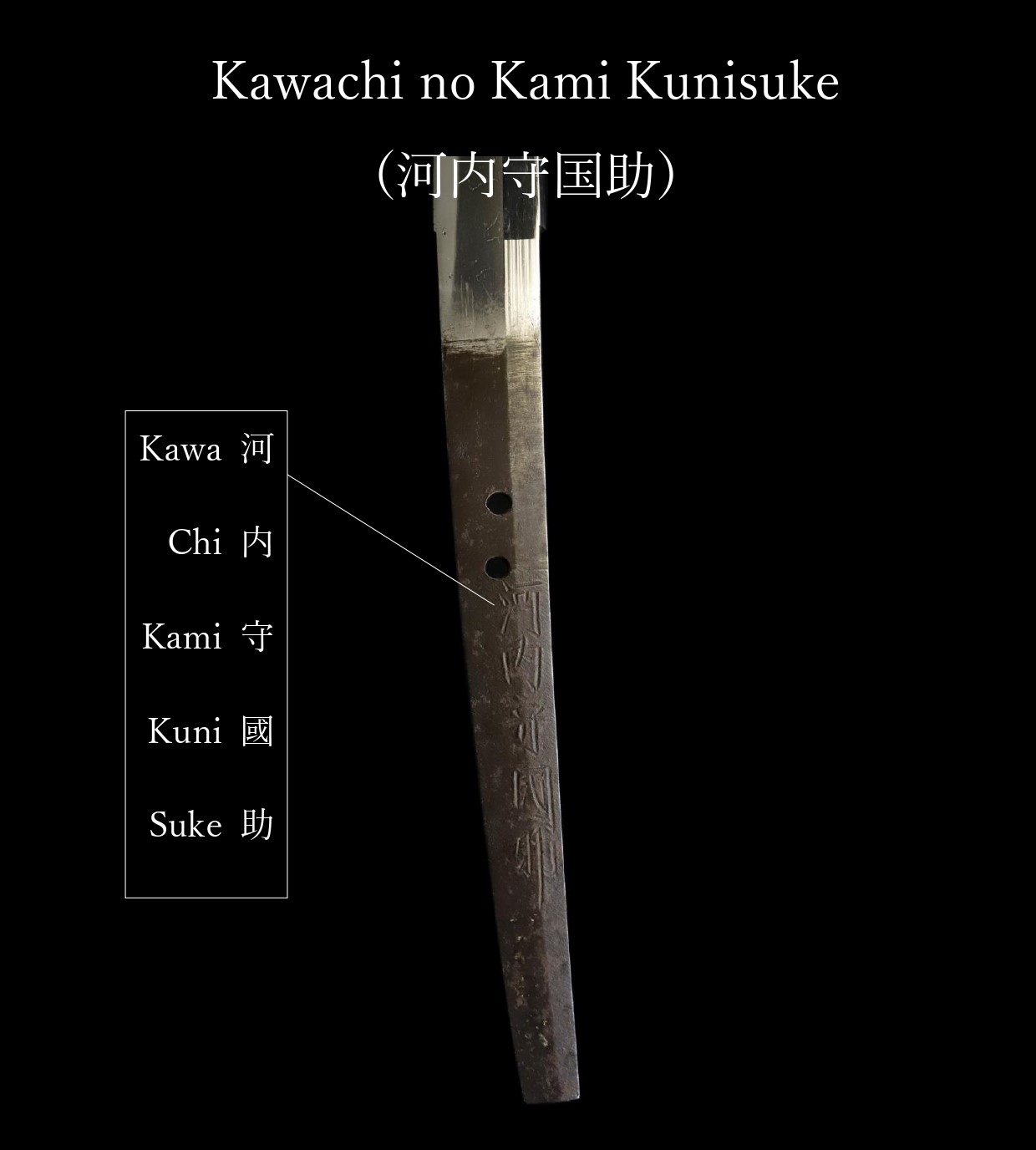
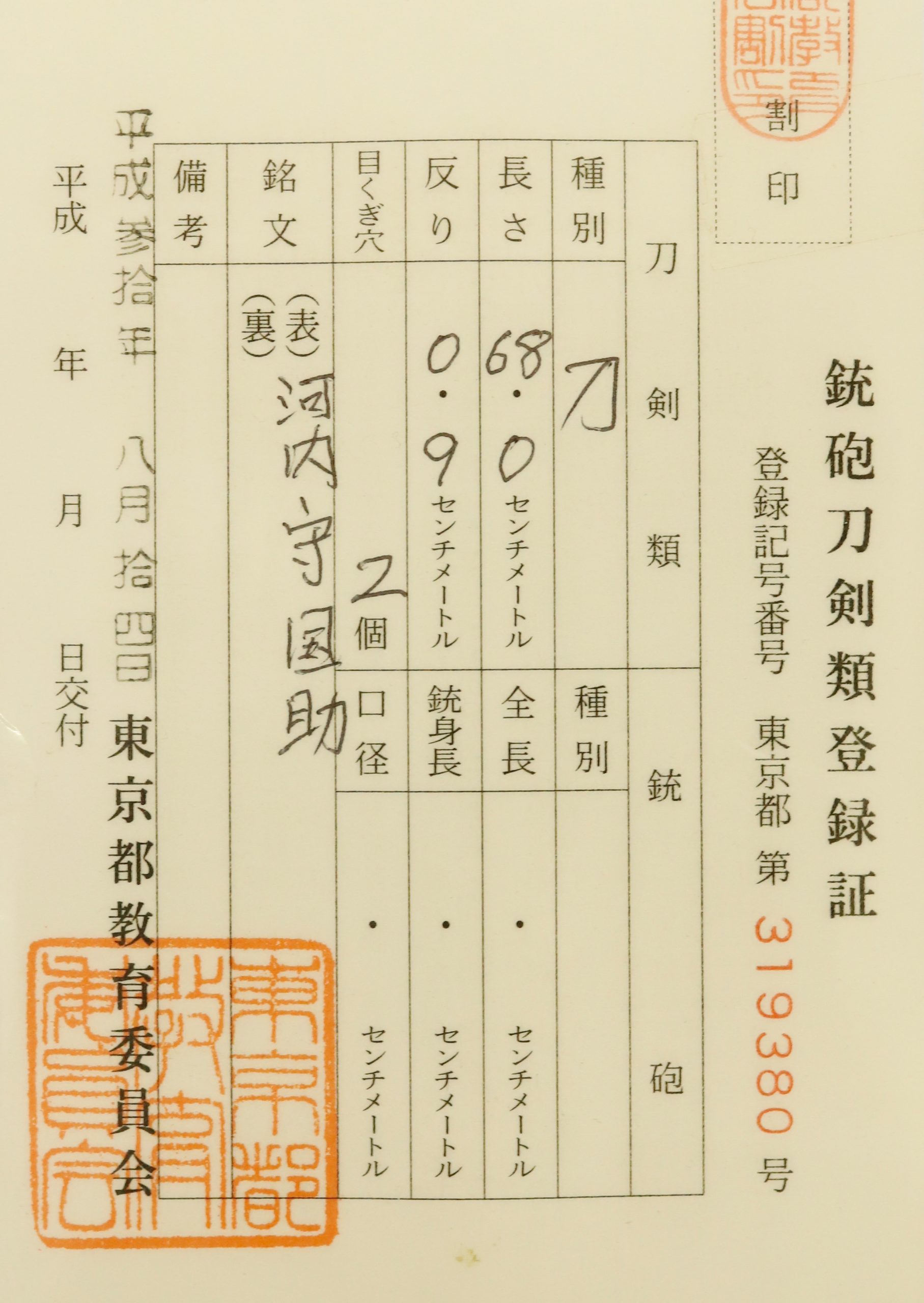
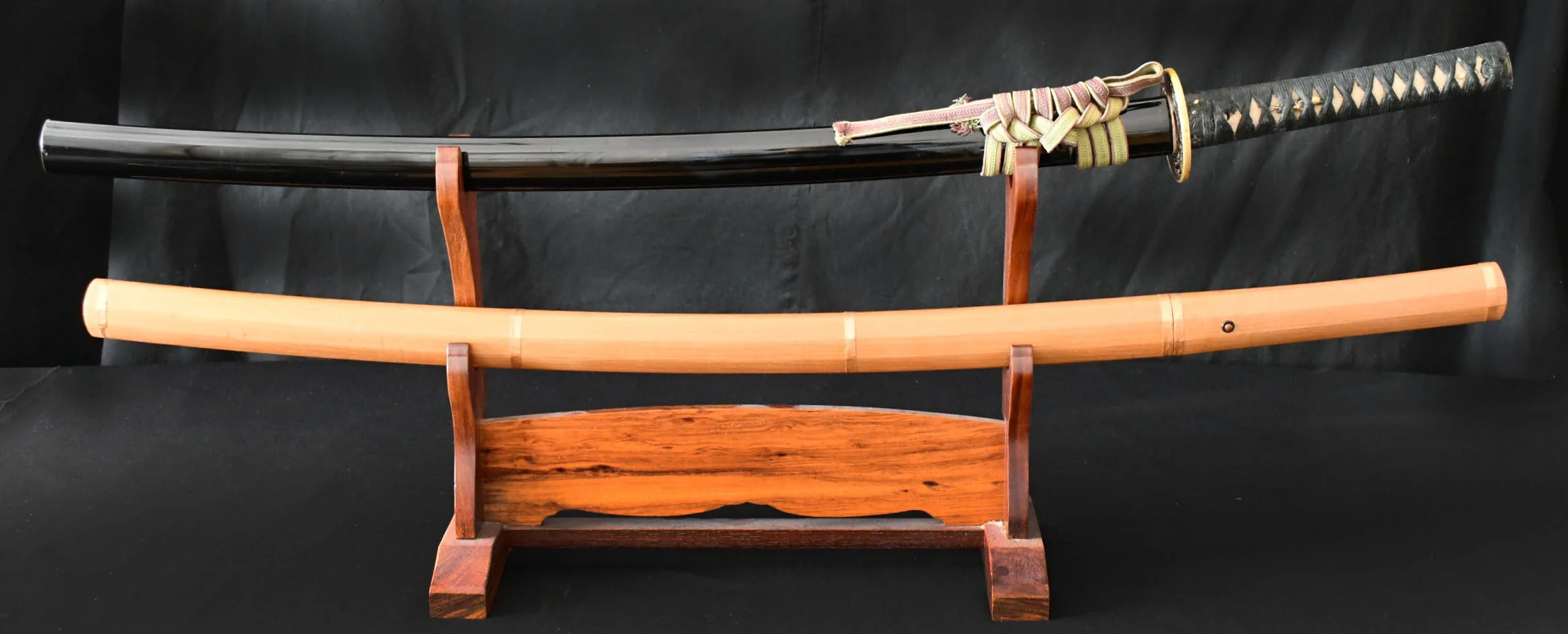
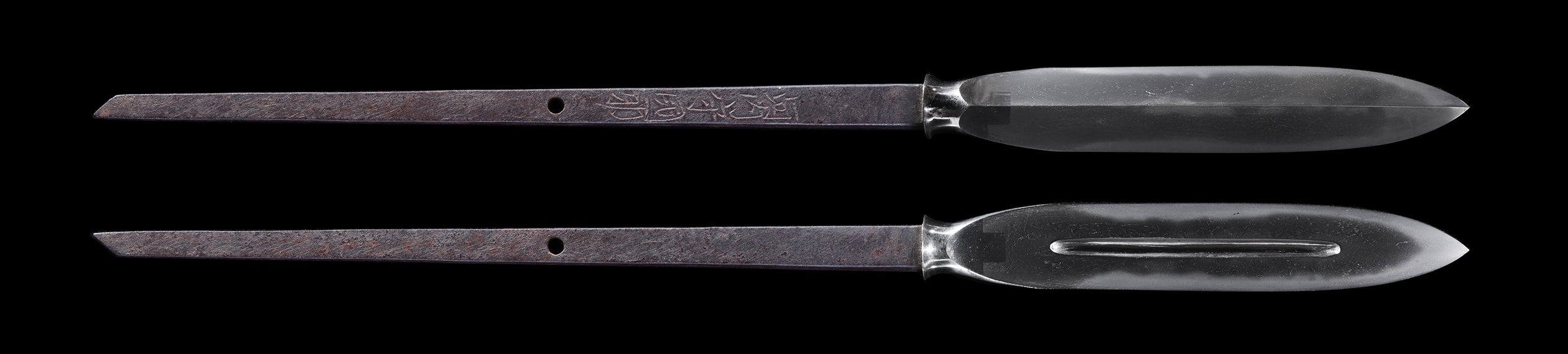
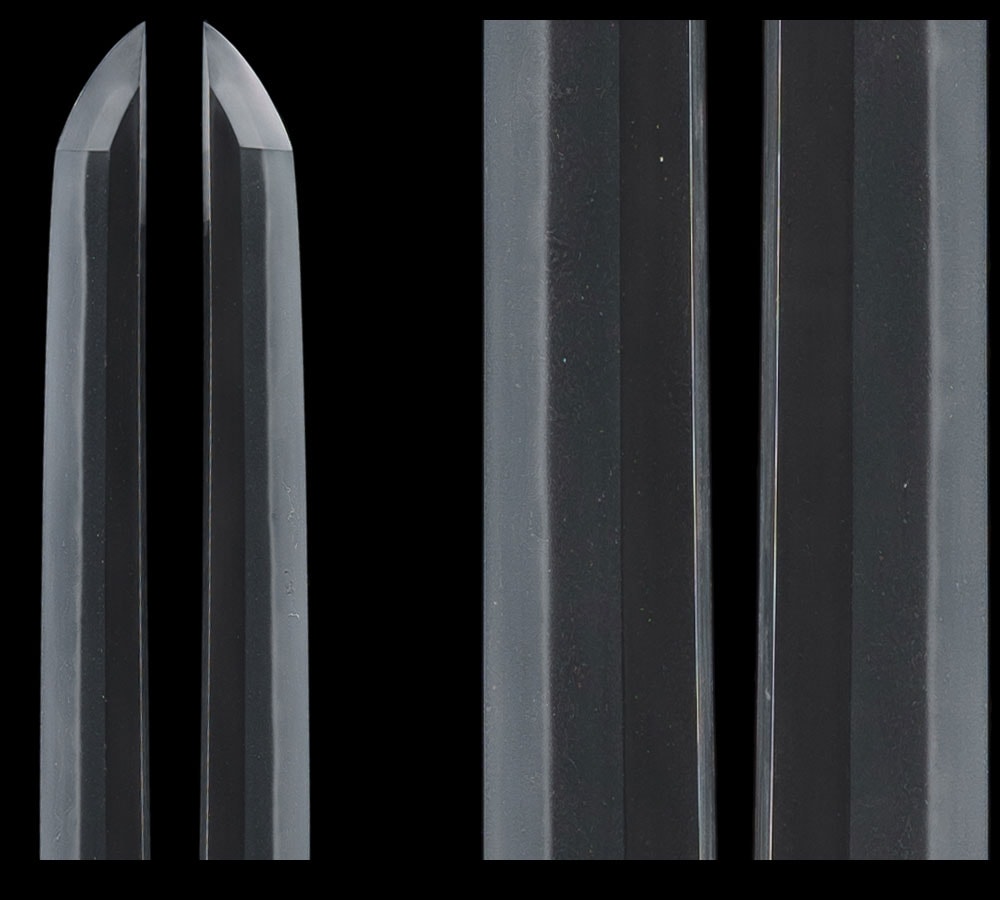
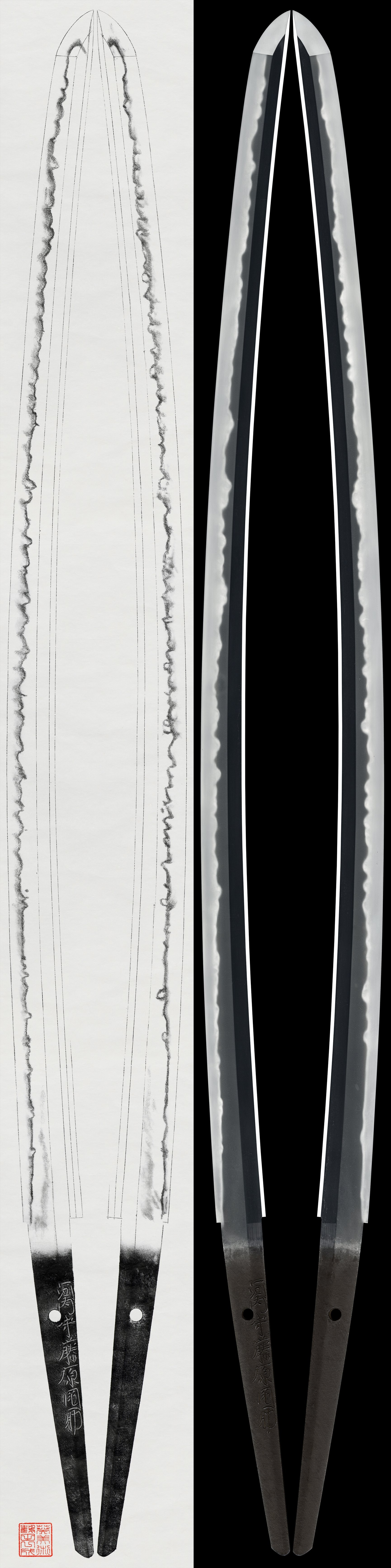
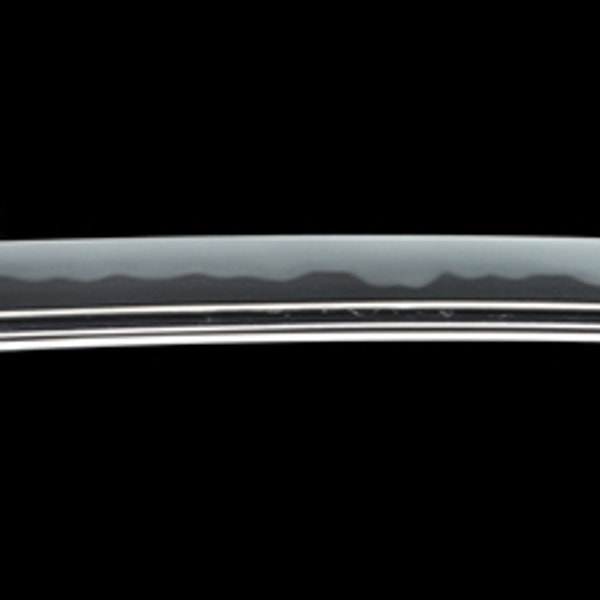
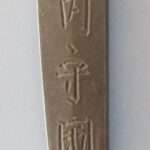
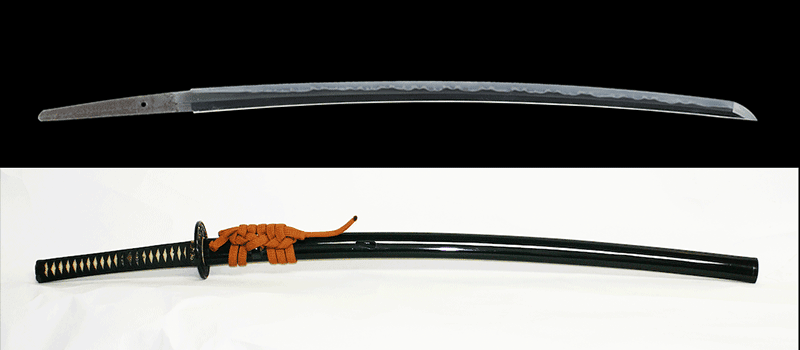
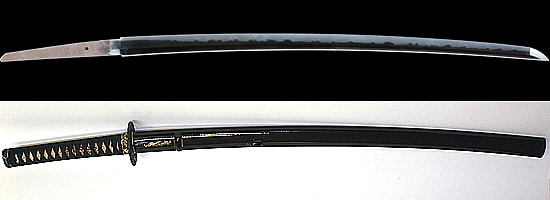
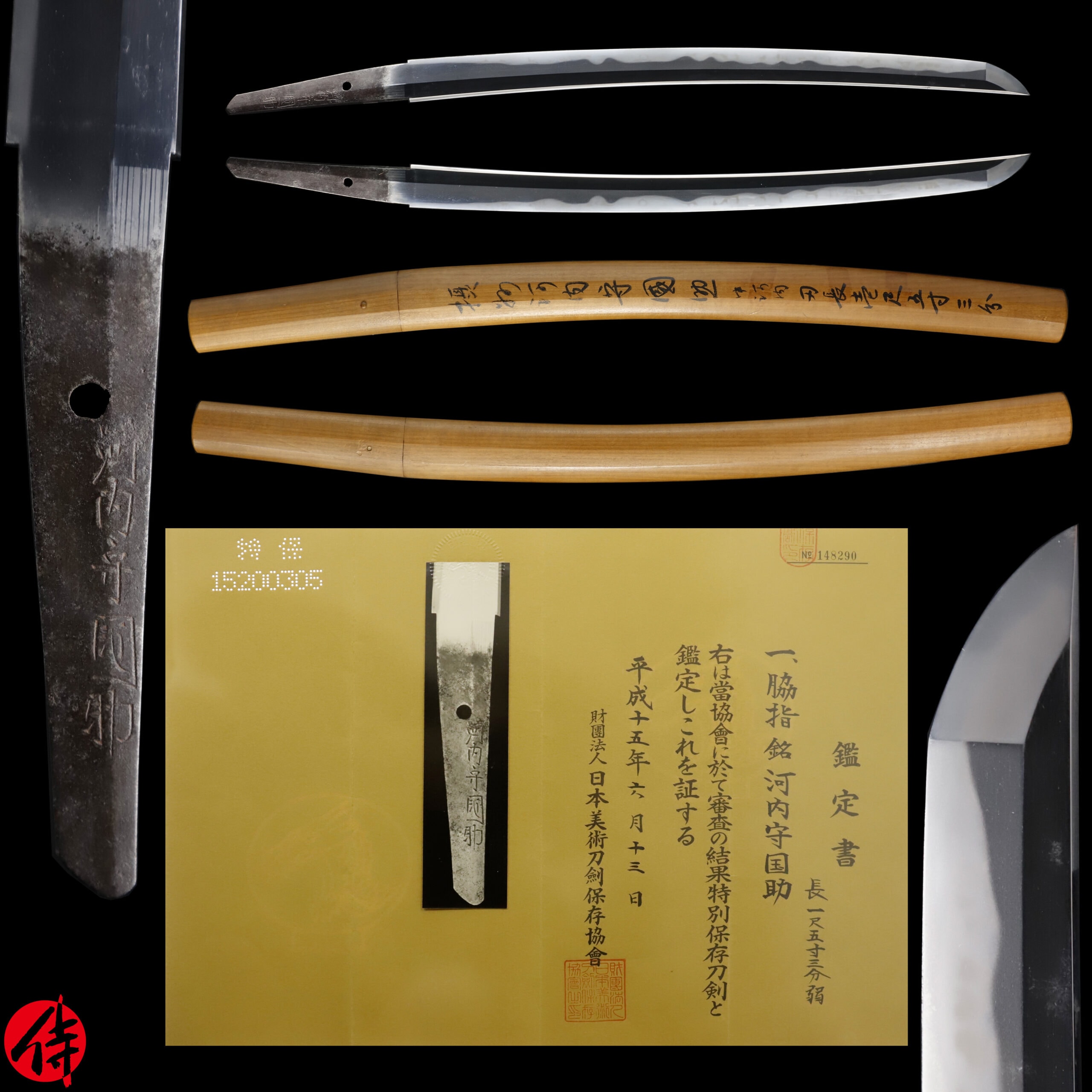
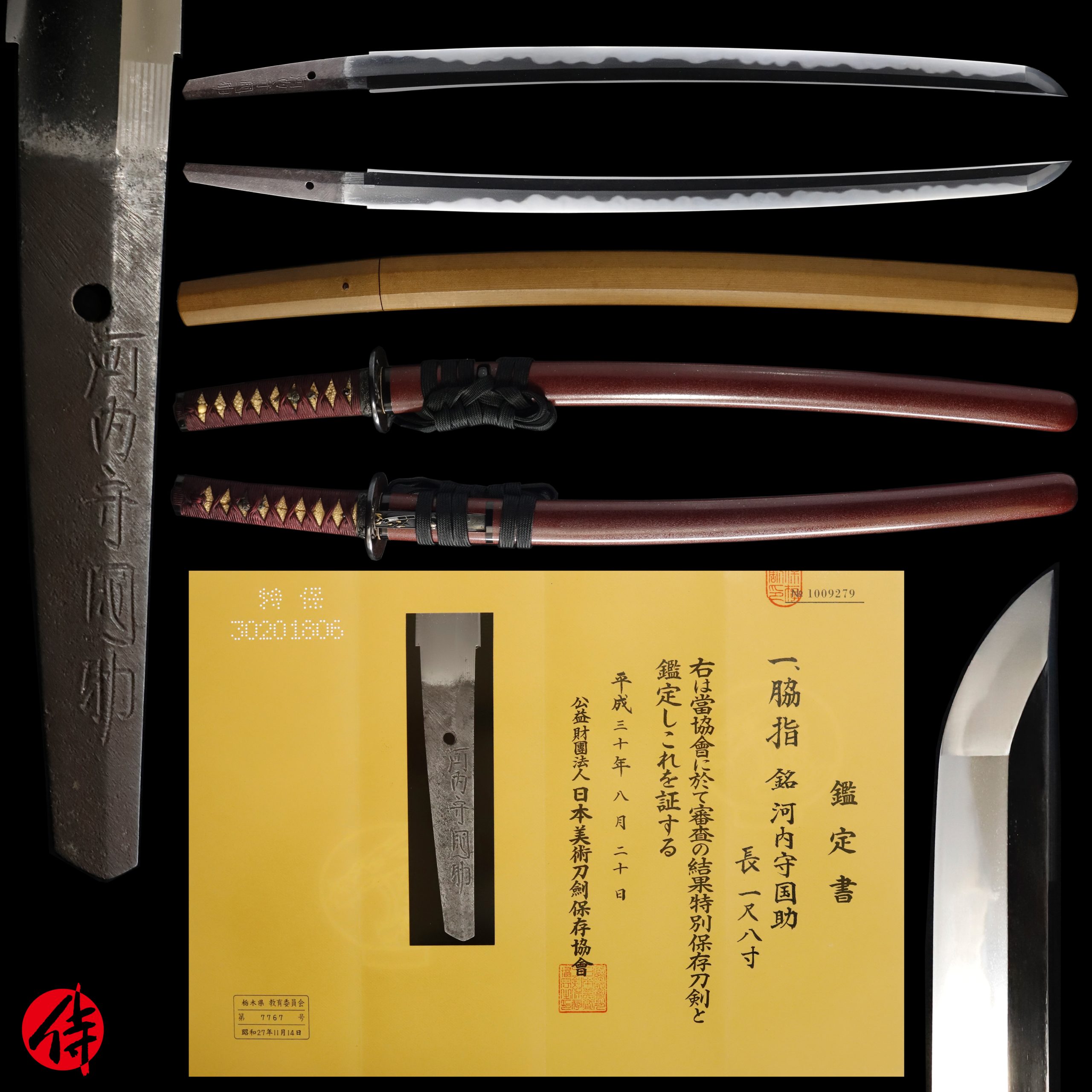
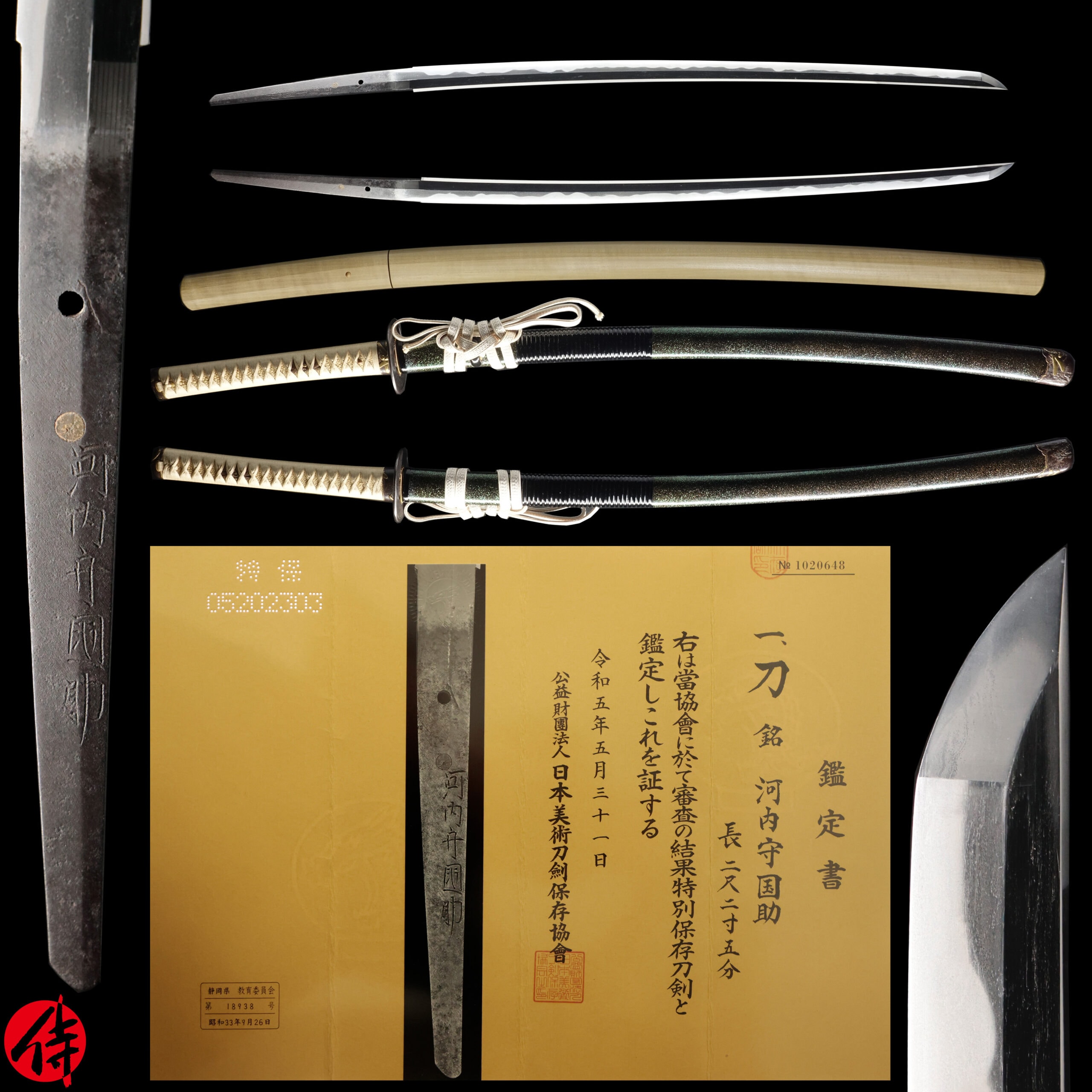
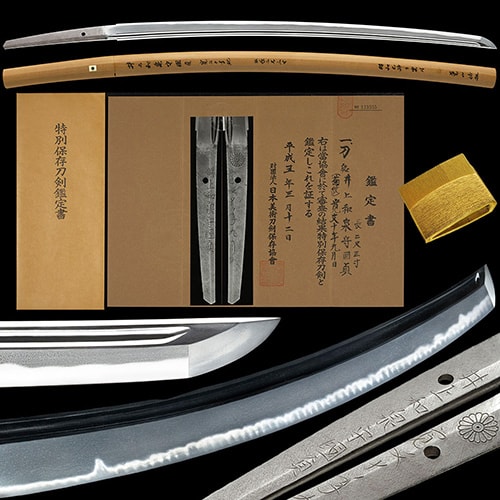
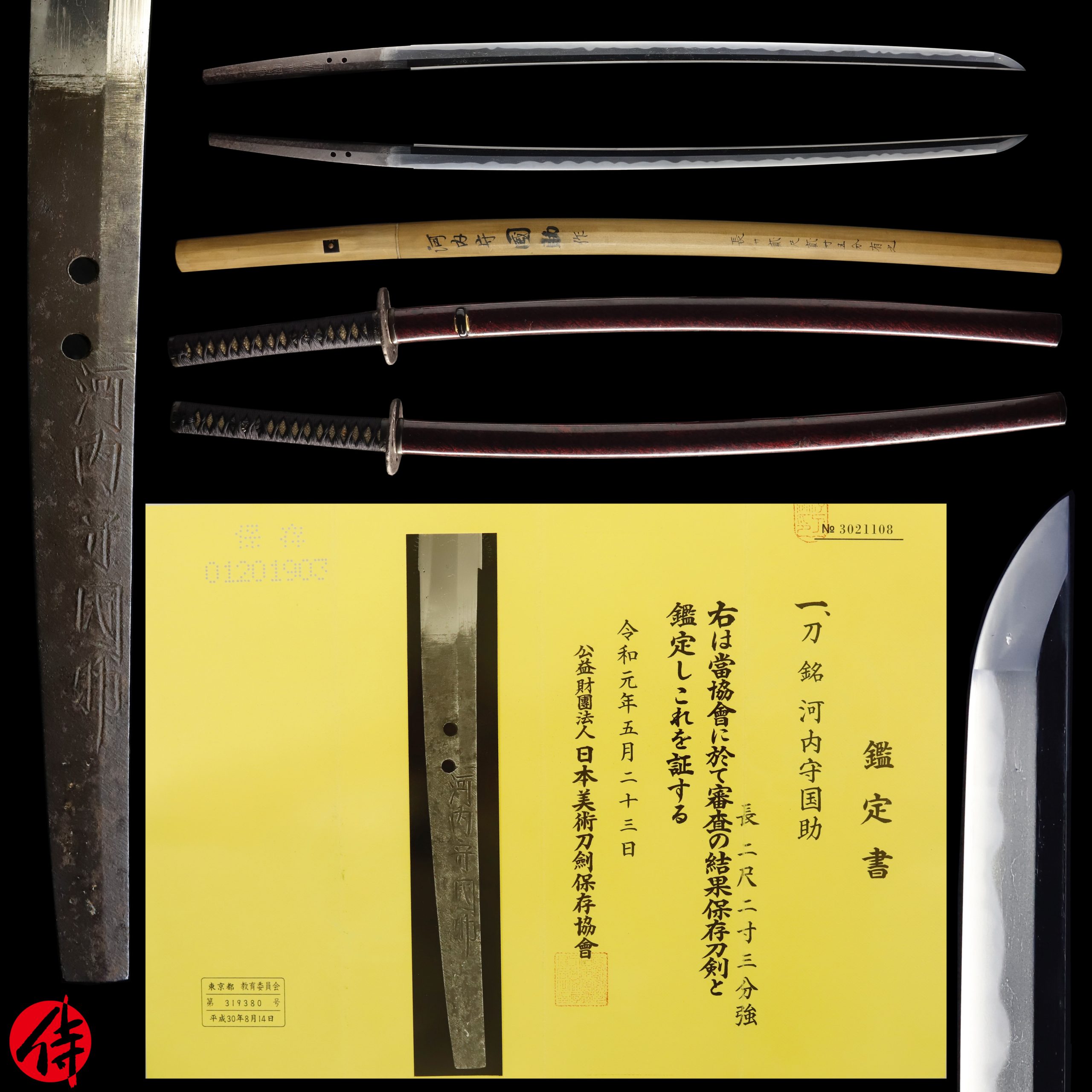
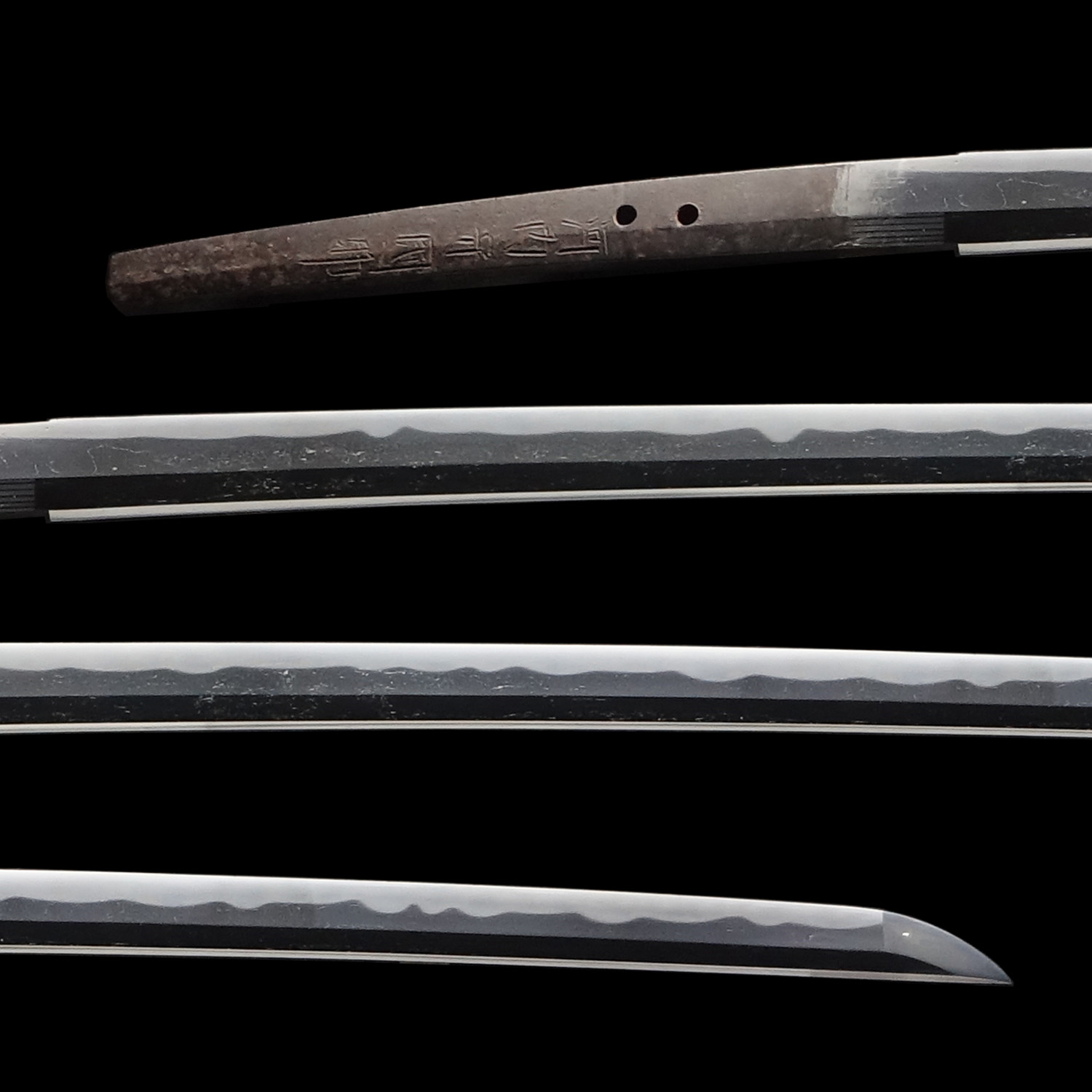
Antique Japanese Sword Katana Signed by Kawachi no Kami Kunisuke with Hozon Certificate 【Description】 This blade was signed by Kawachi no Kami Kunisuke(河内守国助). Based on the characteristic of the blade, we believe the second-gen Kunisuke created this sword. He was active in sword-forging during 1658-1673 (early Edo period). Kunisuke was one of the most well-known swordsmiths in Osaka during the early Edo period. There were three generations of Kunisuke in total. Since the second-gen was active between the first and the third-gen Kunisuke, he was also called Naka Kawachi(中河内). Kawachi is the short term of Kawachi no Kami, the honorable title given to this swordsmith, and Naka means the middle in Japanese. The first-gen Kunisuke was born in Ise province(today’s Mie province) and served Seki Kazumasa, the head of Kameyama castle. However, after the Seki clan was destroyed, he moved to Kyoto. He became an apprentice of Horikawa Kunihiro, one of the most famous swordsmiths during the early Edo period. After Kunihiro deceased, Kunisuke learned the sword-forging technique from Echigo no Kami Kunitomo. Eventually, he moved to Osaka with Izumi no Kami Kunisada to become an independent sword maker in the seventh year of Kaenei(1630). It is said that he played an essential role in making Osaka Shinto movement. the superb craftsmanship of the first-gen was passed down to the second-gen Kunisuke. The blades forged by the second-gen Kunisuke are categorized as Osaka Shinto. Shinto is Japanese Sword terminology that refers to the swords forged during 1596-1781. The blades made in the Osaka area during this period are called Osaka Shinto. There are many famous swordsmiths in this Osaka Shinto era. After Hideyoshi Toyotomi built Osaka castle, Osaka city flourished as a castle town and became the business center. Many swordsmiths moved to Osaka to look for better opportunities. They not only forged swords for those Samurai who lived in Osaka but also for feudal lords nationwide. Ikanshi Tadatsuna(Awataguchi Omi no Kami Tadatsuna), Inoue Shinkai, and Tsuda Sukehiro are the most famous among many swordsmiths. One of the most notable characteristics of Osaka Shinto is its beauty in Jigane. Jigane is a visible steel surface pattern created by folding and hammering during the forging process), which made it possible by the location of Osaka. Osaka had close access to the Tamahagane(special carbon steel to make Japanese swords) production sites. The swordsmiths residing in Osaka were able to get high-quality carbon steel from these sites. This blade is appraised as a Hozon Token(保存刀剣) issued by NBTHK(Nihon Bijutsu Touken Hozon Kyokai:日本美術刀剣保存協会). This authentication paper was only given to authentic Japanese swords, well preserved with artistic value. 【 Blade】 Cutting Edge Length(Nagasa) : 68.0 cm( 26.8 inches) Curvature(Sori) : 0.9 cm( 0.31 inches) Hamon : The crystalline structure which forms along the cutting edge of a blade as a result of the hardening process Jimon(Jihada) : visible steel surface pattern created by folding and hammering during forging process Nakago : Nakago is the tang of the Japanese sword. Japanese swordsmiths left the black rust on the tang because it prevents red rust while the tang is in its handle. And the discoloration of the tang was created over time, and it is a great indicator for a Japanese sword specialist to estimate when the sword was forged. Koshirae: Koshirae is the mounting of the Japanese sword. There are several parts that consist of Koshirae such as Saya(Scabbard), Tsuka(Handle), Tsuba(Handguard). Fuchi-Kashira : A pair of matching sword fittings that cover the upper and bottom parts of its sword hilt. The theme of this Fuchi Kashira is a combination of Ume (梅, Japanese apricot blossom) and Yukiwa (雪輪, snow ring) patterns. Japanese apricot blossoms begin to bloom in winter that snow still covers its tree. People thought this flower told the arrival of spring. Same as cherry blossom, it has been appreciated f

NihontoWatch MonNihontoWatch
MarketAuctionsEncyclopedia
刀剣›堀川›國助›Osaka Shinto Antique Katana Signed by Kunisuke for sale | Samurai Museum Shop E-mail FB Messenger Skip to content Menu Close Samurai Museum Shop Products Antique Japanese Sword Katana Signed by Kawachi no Kami Kunisuke NBTHK Hozon Certificate Updated: 21 Jun 2026 SOLD Antique Japanese Sword Katana Signed by Kawachi no Kami Kunisuke NBTHK Hozon Certificate
刀保存
國助

Osaka Shinto Antique Katana Signed by Kunisuke for sale | Samurai Museum Shop E-mail FB Messenger Skip to content Menu Close Samurai Museum Shop Products Antique Japanese Sword Katana Signed by Kawachi no Kami Kunisuke NBTHK Hozon Certificate Updated: 21 Jun 2026 SOLD Antique Japanese Sword Katana Signed by Kawachi no Kami Kunisuke NBTHK Hozon Certificate

在銘 · Osaka Shinto · 江戸 · 長さ 68cm · 反り 0.9cm
売却済
國助 — 1 of 19
國助 — 2 of 19
國助 — 3 of 19
國助 — 4 of 19
國助 — 5 of 19
國助 — 6 of 19
國助 — 7 of 19
國助 — 8 of 19
國助 — 9 of 19
國助 — 10 of 19
國助 — 11 of 19
國助 — 12 of 19
國助 — 13 of 19
國助 — 14 of 19
國助 — 15 of 19
國助 — 16 of 19
國助 — 17 of 19
國助 — 18 of 19
國助 — 19 of 19
1 / 19
1 / 19
國助 — 1 of 19國助 — 2 of 19國助 — 3 of 19國助 — 4 of 19國助 — 5 of 19國助 — 6 of 19國助 — 7 of 19國助 — 8 of 19國助 — 9 of 19國助 — 10 of 19國助 — 11 of 19國助 — 12 of 19國助 — 13 of 19國助 — 14 of 19國助 — 15 of 19國助 — 16 of 19國助 — 17 of 19國助 — 18 of 19國助 — 19 of 19
法量・詳細
刀工
國助
種別
刀
流派
Horikawa
活動期
1624–1650年頃(Genna-Shoho)
国
摂津
銘
在銘(在銘率 100%)
法量
長さ 68cm反り 0.9cm
説明

Antique Japanese Sword Katana Signed by Kawachi no Kami Kunisuke with Hozon Certificate 【Description】 This blade was signed by Kawachi no Kami Kunisuke(河内守国助). Based on the characteristic of the blade, we believe the second-gen Kunisuke created this sword. He was active in sword-forging during 1658-1673 (early Edo period). Kunisuke was one of the most well-known swordsmiths in Osaka during the early Edo period. There were three generations of Kunisuke in total. Since the second-gen was active between the first and the third-gen Kunisuke, he was also called Naka Kawachi(中河内). Kawachi is the short term of Kawachi no Kami, the honorable title given to this swordsmith, and Naka means the middle in Japanese. The first-gen Kunisuke was born in Ise province(today’s Mie province) and served Seki Kazumasa, the head of Kameyama castle. However, after the Seki clan was destroyed, he moved to Kyoto. He became an apprentice of Horikawa Kunihiro, one of the most famous swordsmiths during the early Edo period. After Kunihiro deceased, Kunisuke learned the sword-forging technique from Echigo no Kami Kunitomo. Eventually, he moved to Osaka with Izumi no Kami Kunisada to become an independent sword maker in the seventh year of Kaenei(1630). It is said that he played an essential role in making Osaka Shinto movement. the superb craftsmanship of the first-gen was passed down to the second-gen Kunisuke. The blades forged by the second-gen Kunisuke are categorized as Osaka Shinto. Shinto is Japanese Sword terminology that refers to the swords forged during 1596-1781. The blades made in the Osaka area during this period are called Osaka Shinto. There are many famous swordsmiths in this Osaka Shinto era. After Hideyoshi Toyotomi built Osaka castle, Osaka city flourished as a castle town and became the business center. Many swordsmiths moved to Osaka to look for better opportunities. They not only forged swords for those Samurai who lived in Osaka but also for feudal lords nationwide. Ikanshi Tadatsuna(Awataguchi Omi no Kami Tadatsuna), Inoue Shinkai, and Tsuda Sukehiro are the most famous among many swordsmiths. One of the most notable characteristics of Osaka Shinto is its beauty in Jigane. Jigane is a visible steel surface pattern created by folding and hammering during the forging process), which made it possible by the location of Osaka. Osaka had close access to the Tamahagane(special carbon steel to make Japanese swords) production sites. The swordsmiths residing in Osaka were able to get high-quality carbon steel from these sites. This blade is appraised as a Hozon Token(保存刀剣) issued by NBTHK(Nihon Bijutsu Touken Hozon Kyokai:日本美術刀剣保存協会). This authentication paper was only given to authentic Japanese swords, well preserved with artistic value. 【 Blade】 Cutting Edge Length(Nagasa) : 68.0 cm( 26.8 inches) Curvature(Sori) : 0.9 cm( 0.31 inches) Hamon : The crystalline structure which forms along the cutting edge of a blade as a result of the hardening process Jimon(Jihada) : visible steel surface pattern created by folding and hammering during forging process Nakago : Nakago is the tang of the Japanese sword. Japanese swordsmiths left the black rust on the tang because it prevents red rust while the tang is in its handle. And the discoloration of the tang was created over time, and it is a great indicator for a Japanese sword specialist to estimate when the sword was forged. Koshirae: Koshirae is the mounting of the Japanese sword. There are several parts that consist of Koshirae such as Saya(Scabbard), Tsuka(Handle), Tsuba(Handguard). Fuchi-Kashira : A pair of matching sword fittings that cover the upper and bottom parts of its sword hilt. The theme of this Fuchi Kashira is a combination of Ume (梅, Japanese apricot blossom) and Yukiwa (雪輪, snow ring) patterns. Japanese apricot blossoms begin to bloom in winter that snow still covers its tree. People thought this flower told the arrival of spring. Same as cherry blossom, it has been appreciated f

作者について

國助

Horikawa school, Osaka Shinto (Settsu); Ishido-derived · 摂津 · 1624-1650頃

藤代 Jo-jo saku · 刀剣大鑑 上位17%

現在6点販売中

›

河内守国助は二つの手で担われた大坂新刀の名跡であり、説明書はその両者を慎重に分かつ。初代は京に上って堀川国広の門に末弟子として入り、慶長十九年に国広が歿すると、親国貞こと和泉守国貞とともに大坂へ移り、両者は大坂新刀の開拓者となった。伝に伊勢国神戸の出にして石堂の流れを汲み、説明書はその出自を彼の手の鍵とする。国広門下にあって彼こそ「最も丁子を得意とし」[[c:1]]、その乱れのどこかには必ず丁子が表われるという。諸書はまた、作風と銘振りからして、実際上の師が国広というより兄弟子の越後守国儔であったと判ずる。

その典型は身幅尋常・反り浅く中鋒の鎬造の刀で、小板目よくつみ地沸厚くつく。区上の直ぐの焼出しより起こして、丁子に互の目・小のたれを交えた乱れを焼き、匂深く小沸よくつき、足・葉入り、砂流し・金筋かかり、帽子は直ぐに小丸となる。乱れの中に丁子の目立つところこそ極めの要で、他の堀川の作なら名を得ずに過ぎようとも、堀川一門中では目立つ丁子こそ国助と鑑せられる見どころだと説明書は記す。その作風はともに南下した親国貞に極めて類似し、両者は一つの大坂の始まりの相伴侶として読まれる。

地鉄こそ第二の面が名のるところである。彼の作の少なからず、殊に脇指において、板目が立ってザングリとなり、師国広の派のゆるやかな地を大坂へ伝えたもので、地沸厚く地景入る。その地に小のたれを基調に互の目を交えた刃を焼き、刃中小沸深く、砂流しよくかかり金筋入り、処々棟焼を交える。ある片切刃の脇指を説明書は「堀川色の濃い作風」[[c:2]]と読み、立ってザングリとした肌と沸づいた小のたれを、彼が学んだものの上手な証とする。薙刀樋に添樋を添え、最上手には護摩箸の彫物がこの手を伴う。これは生まれ持った石堂の丁子をついぞ手放さなかった堀川の弟子の手である。

二代は初代の子にして世に中河内と称され、もう一方へ転ずる。よく詰んで美しい小板目を鍛え、自らの拳形丁子を主調とした華やかな丁子を焼き、互の目を交えて単調に陥らず、しばしば長い直ぐの焼出しより起こし、匂口締って明るく冴え、帽子は直ぐに小丸となる。説明書はこれを「石堂家本来の丁子を焼いて」[[c:3]]とし、父の堀川風は殆ど見られぬとする。その得意とするところは「拳形の丁子乱れにあり、地がねはよく整って美しい」[[c:4]]と評され、その作は当時「新刀一文字と賞された」[[c:5]]。説明書はまた率直に、中には富士・玉などを焼いて技巧に走りすぎたるものもあると記す。

この名跡を両隣から分かつのは、まさに極めの言うところである。華やかな濤瀾を焼いた津田一門に対し、中河内は石堂本来の丁子の一方の旗頭であり、よく整った地に焼く明るい拳形丁子がその濤瀾への対となる。初代は逆に、丁子をもって自門の内に分かたれる。乱れのうちに石堂由来の古丁子を宿す唯一の堀川の弟子である。かくして父子は名跡を両側から閉じる。初代は石堂の丁子を保った堀川の手、二代は堀川の手を置いた石堂の手である。

収集の観点では、河内守国助は大坂新刀有数の名跡で、藤代の極めは上々作である。国宝はなく、重要文化財もない。その記録は重要刀剣を通じ、両代あわせて四十八口に及び、うち一刀は戦前の重要美術品に伝わる。説明書は初代の最上の在銘刀を「同作中の傑出の一」[[c:6]]と称える。来歴の知られるものは僅かで、板倉家と皇室がその作の所持に名を列ね、他は所在の知られぬ私蔵にある。初代の現存作は比較的少なく殊に刀は少ないが、中河内の作はやや多く残る。市に出るのは折々のことであり、両代いずれの優品も、大坂新刀を集める者が手にして心満たされる一口である。

歴史的重要度

國助の位置づけを、日本刀全体および伝統・時代・時期ごとに示します。各位(随一・屈指・有数・著名)は、NBTHK および文化庁による指定に加え、三作や名物帳などの歴史的栄誉を加味したものです。

随一
随一
屈指
屈指
有数
有数
著名
著名

各項目を選ぶと評価方法が表示されます。

指定の実績
指定49口
重要美術品
1
御物
1
重要刀剣
47
國助の作 6点が現在販売中→
國助 — 詳細Horikawa school, Osaka Shinto (Settsu); Ishido-derived派

年紀作

在銘年紀作が示す、確実に活動していた年代

活動期間
1626–1650推定期間:1624–1650
指定品48点のうち3点に年紀あり
1620
1630
1640
1650
流派について

堀川

新刀 · 山城

現在64点販売中

›

堀川派は、山城国京都の一条堀川を本拠として、十六世紀末から十七世紀初頭にかけて成立した新刀期の一門である。祖の堀川国広はもと日向飫肥の城主伊東家に仕えた武士で、主家没落の後は諸国を遍歴して鍛刀の技を磨き、足利学校打や美濃大道との合作などにその足跡を銘文へ残した。慶長四年(一五九九)以後は京一条堀川に定住し、多くの俊秀を糾合してこれを育てた。その門からは出羽大掾国路、和泉守国貞(親国貞)、河内守国助、越後守国儔、大隅掾正弘、堀川国安らが輩出する。国広以前の関や末相州の作風を経て、定住後の一門は相州伝、就中、志津や貞宗、左文字の復興を共通の理想に掲げた。慶長新刀の姿に南北朝期の大太刀を磨上げた趣を写し、明寿と並んで新刀の創始を称えられる祖を戴いて、この派は京の鍛冶を改めた起点に立つ。 一門の作風は、地鉄にまず標識を持つ。板目に杢や大板目を交えて肌立つ、いわゆる「ザングリとした」枯れた肌合を呈し、地沸が微塵に厚くつき、地景が細かに頻りに入る。区際より斜めに立つ水影は国広自身の手癖で、正弘や国安、国正にも伝わる。刃は浅いのたれを基調に互の目や尖り刃を交えて沸厚く、金筋や砂流しがかかり、処々に湯走りや飛焼を見せ、匂口が沈みごころとなるのが一派に通じる癖である。刃区を深く焼き込む態も国広に始まり門弟へ及ぶ。この共通の地刃の上に、各工は己の差を置く。国路は肌立ちザングリと枯れた地に厚く荒い沸の志津写しを焼き、浅くのたれ込んで先の尖る三品帽子を見せて、一門中随一の器用人と称された。国安は受領銘を用いず必ず二字に切り、左利きゆえに逆筋違の鑢目を切る唯一の工で、その手は最も祖に近い。正弘は大乱れを焼かず、焼を低く刃取りを抑えて目立つ杢を交え、作風も銘字の藤原の二字に至るまで祖に酷似する。国儔はかえって末関に向かい、頭の丸い互の目と締った匂口に兼之を思わせる美濃の一脈を担った。弘幸は一門ただ一人切り鑢を用い、黒みをおびた鉄に古作大和を想わせる直刃を本領とした。 蒐集家が堀川派を求める理由は、鑑定の勘所と、祖と高弟の格にある。在銘作を主体とし、慶長打は太鏨肩落の大振り二字銘や、日州古屋住から洛陽一条堀川住に至る受領銘を交えるため、銘そのものが工と時を定める手懸りとなる。国広の刀は、ザングリの地、斜めの水影、沈む匂口という手癖を写し物の中にすら宿し、相州伝復興の理想を最も高く体現する。高弟もまた、それぞれの極めの言うところで分かたれる。国路の三品帽子と長い金筋、国安の二字銘と逆鑢、正弘の抑えた焼と目立つ杢、国儔の頭の丸い互の目、弘幸の切り鑢と黒い鉄は、いずれも対手から借りた特徴ではなく己の地刃から引かれた標識である。代表作には伝後水尾天皇御寄進の拵を具して幡枝八幡宮に伝わる奉納太刀があり、伝来は日向伊東家、岡山藩家老伊木家、土佐山内家、大島津家、豊臣秀頼、皇室に及ぶ。最晩年の国広作は弟子の代作代銘と読まれるが、師の監督は厳重で偽物とは全く異なる。そして親国貞と河内守国助は国儔に学んで大坂へ下り、大坂新刀の草創に立った。国貞の嗣は井上真改として、その名を一層名高い世代へと継ぐ。京の堀川に始まった相州伝復興の手は、かくして後世の新刀へと流れていった。

25名の刀工指定495口
主要刀工
刀工時代指定
國廣1573-1613148
國路1615-162474
國貞1624-164688
正弘1596-161514
國儔1596-161527
堀川流派を見る →
NBTHK鑑定書
Hozon Tōken保存刀剣
Sword Worthy of Preservation
›

銘が正しい、または無銘でも年代・国・系統を確実に指摘できる、保存に値する真正の作と鑑定されたものです。

NBTHKについて›

日本美術刀剣保存協会(NBTHK)は、1948年に設立され、文化庁の監督を受ける公益財団法人で、東京・刀剣博物館に本部を置きます。専門の審査員が出品作を直接審査し、美術的・歴史的価値に応じた鑑定書を発行します。NBTHKの鑑定書は、日本刀および刀装具の真正性を示す最も広く認知された基準です。

NBTHK公式サイト→
販売店
サ
サムライミュージアム
🇯🇵日本から発送
›
✓認証販売店samuraimuseum.jp
✓海外発送可✓英語対応PayPalクレジットカード
返品ポリシー

Returns/exchanges limited to defects caused by shipping (except willful misconduct or gross negligence by the company); customers must contact within 72 hours of receiving the product.

サムライミュージアムの出品一覧を見る→販売店サイトでこの商品を見る→

國助の他の作

すべて見る →
刀剣杉田
重要
Katana - Jūyō - by Horikawa Kunisuke - 河内守藤原国助 (第38回重要刀剣)Katana - Jūyō - by Horikawa Kunisuke - 河内守藤原国助 (第38回重要刀剣)

刀

作國助
76.65cm·Genna-Shoho (1615-1647)
¥9,500,000
葵美術
特別保存
Wakizashi - Tokuho - by Horikawa Kunisuke - 脇差:河内守藤原国助(初代) 以唐鉄作之(特別保存刀剣)Wakizashi - Tokuho - by Horikawa Kunisuke - 脇差:河内守藤原国助(初代) 以唐鉄作之(特別保存刀剣)

脇差

作國助
39.8cm·新刀
¥1,200,000
美術刀剣松本
保存
Wakizashi - Hozon - by Horikawa Kunisuke - 商品番号 WA-0863Wakizashi - Hozon - by Horikawa Kunisuke - 商品番号 WA-0863

脇差

作國助
55cm·新刀
¥800,000
Toyuukai
特別保存
Katana - Tokuho - by Horikawa Kunisuke - 刀 河内守国助 特別保存刀剣鑑定書付Katana - Tokuho - by Horikawa Kunisuke - 刀 河内守国助 特別保存刀剣鑑定書付

刀

作國助
江戸
¥1,800,000
刀剣小町
Yari - by Horikawa Kunisuke - 槍 黒塗鞘入りYari - by Horikawa Kunisuke - 槍 黒塗鞘入り

槍

作國助
13cm·江戸
¥180,000
あさひ刀剣
Katana - by Horikawa Kunisuke - 刀 河内守国助Katana - by Horikawa Kunisuke - 刀 河内守国助

刀

作國助
71.1cm·Bakumatsu (c. 1850-1868)
¥1,100,000

國助の売約済み

葵美術
重要
Katana - Jūyō - by Horikawa Kunisuke - 刀:河内守藤原国助(第39回重要刀剣)Katana - Jūyō - by Horikawa Kunisuke - 刀:河内守藤原国助(第39回重要刀剣)
売切れ

刀

作國助
75.6cm·Genna-Shoho (1615-1647)
売却済
銀座長州屋
Wakizashi - by Horikawa Kunisuke - 銘 河内守国助(初代)(業物)Wakizashi - by Horikawa Kunisuke - 銘 河内守国助(初代)(業物)
売切れ

脇差

作國助
Genna-Shoho (1615-1647)
売却済
Japanese Sword Books and Tsuba
Katana - by Horikawa Kunisuke - Q446. Papered Katana by Kawachi Kami KunisukeKatana - by Horikawa Kunisuke - Q446. Papered Katana by Kawachi Kami Kunisuke
売切れ

刀

作國助
65cm·新刀
売却済
飯田高遠堂
Katana - by Horikawa Kunisuke - 新刀 No.813 銘文:河内守国助Katana - by Horikawa Kunisuke - 新刀 No.813 銘文:河内守国助
売切れ

刀

作國助
70.2cm·Bakumatsu (c. 1850-1868)
売却済
飯田高遠堂
重要
Katana - Jūyō - by Horikawa Kunisuke - 河内守国助 国光作 拵付刀Katana - Jūyō - by Horikawa Kunisuke - 河内守国助 国光作 拵付刀
売切れ

刀

作國助
71.8cm·江戸
売却済
サムライミュージアム
特別保存
Wakizashi - Tokuho - by Horikawa Kunisuke - Antique Japanese Sword Wakizashi Signed by Kawachi no Kami Kunisuke NBTHK Tokubetsu Hozon CertificateWakizashi - Tokuho - by Horikawa Kunisuke - Antique Japanese Sword Wakizashi Signed by Kawachi no Kami Kunisuke NBTHK Tokubetsu Hozon Certificate
売切れ

脇差

作國助
46.4cm·Bakumatsu (c. 1850-1868)
売却済
サムライミュージアム
特別保存
Wakizashi - Tokuho - by Horikawa Kunisuke - 日本刀 脇差 銘 国助 日本美術刀剣保存協会 特別保存刀剣鑑定書付Wakizashi - Tokuho - by Horikawa Kunisuke - 日本刀 脇差 銘 国助 日本美術刀剣保存協会 特別保存刀剣鑑定書付
売切れ

脇差

作國助
54.54cm·Bakumatsu (c. 1850-1868)
売却済
サムライミュージアム
特別保存
Katana - Tokuho - by Horikawa Kunisuke - 日本刀 刀 銘 河内守国助 NBTHK 特別保存刀剣鑑定書付Katana - Tokuho - by Horikawa Kunisuke - 日本刀 刀 銘 河内守国助 NBTHK 特別保存刀剣鑑定書付
売切れ

刀

作國助
68.4cm·Bakumatsu (c. 1850-1868)
売却済

堀川派の作

すべて見る →
美術刀剣松本
特別保存
Wakizashi - Tokuho - by Horikawa Kunisada - 和泉守藤原国貞Wakizashi - Tokuho - by Horikawa Kunisada - 和泉守藤原国貞

脇差

作國貞
45.6cm·Genna-Keian (1615-1652)
¥1,000,000
銀座長州屋
特別保存
Katana - Tokuho - by Horikawa Kunihiro - 刀 銘 国広 (大業物)Katana - Tokuho - by Horikawa Kunihiro - 刀 銘 国広 (大業物)

刀

作國廣
65.3cm·Tensho-Keicho (1573-1614)
¥4,000,000
葵美術
特別保存
Katana - Tokuho - by Horikawa Yoshitake - 刀:出雲守藤原吉武(日本美術刀剣保存協会 特別保存刀剣)Katana - Tokuho - by Horikawa Yoshitake - 刀:出雲守藤原吉武(日本美術刀剣保存協会 特別保存刀剣)

刀

作吉武
72.4cm·江戸
¥1,500,000
永楽堂
特別保存
Katana - Tokuho - by Horikawa Kunisada - 国貞 菊紋 刀 特別保存刀剣Katana - Tokuho - by Horikawa Kunisada - 国貞 菊紋 刀 特別保存刀剣

刀

作國貞
69.7cm·新刀
¥5,000,000
江州屋刀剣店
重要
Katana - Jūyō - by Horikawa Kunihiro - 重要刀剣 国広Katana - Jūyō - by Horikawa Kunihiro - 重要刀剣 国広

刀

作國廣
70.85cm·桃山
お問い合わせ
刀剣杉田
重要
Katana - Jūyō - by Horikawa Kunisada - 於大坂和泉守國貞作之 (摂津)(五畿) (第17回重要刀剣)Katana - Jūyō - by Horikawa Kunisada - 於大坂和泉守國貞作之 (摂津)(五畿) (第17回重要刀剣)

刀

作國貞
Genna-Keian (1615-1652)
¥7,800,000
刀剣杉田
重要
Katana - Jūyō - by Horikawa Kunimichi - 出羽大掾藤原國路 (山城)(畿内) (第25回重要刀剣)Katana - Jūyō - by Horikawa Kunimichi - 出羽大掾藤原國路 (山城)(畿内) (第25回重要刀剣)

刀

作國路
69.9cm·Keicho-Kanbun (1608-1662)
¥7,800,000
Kanda Toukodo
特別保存
Katana - Tokuho - by Horikawa Kunisada - 和泉守藤原国貞Katana - Tokuho - by Horikawa Kunisada - 和泉守藤原国貞

刀

作國貞
75.7cm·江戸
¥2,400,000

刀剣

  • 刀
  • 脇差
  • 短刀
  • 太刀
  • 薙刀
  • 槍

刀装具

  • 鍔
  • 縁頭
  • 小柄
  • 目貫

鑑定別

  • 特重
  • 重要
  • 特別保存
  • 保存

リソース

  • 刀剣商一覧
  • 刀工一覧
  • すべて見る
Nihontowatch© 2026
利用規約プライバシーCookie運営者情報

説明

Antique Japanese Sword Katana Signed by Kawachi no Kami Kunisuke with Hozon Certificate 【Description】 This blade was signed by Kawachi no Kami Kunisuke(河内守国助). Based on the characteristic of the blade, we believe the second-gen Kunisuke created this sword. He was active in sword-forging during 1658-1673 (early Edo period). Kunisuke was one of the most well-known swordsmiths in Osaka during the early Edo period. There were three generations of Kunisuke in total. Since the second-gen was active between the first and the third-gen Kunisuke, he was also called Naka Kawachi(中河内). Kawachi is the short term of Kawachi no Kami, the honorable title given to this swordsmith, and Naka means the middle in Japanese. The first-gen Kunisuke was born in Ise province(today’s Mie province) and served Seki Kazumasa, the head of Kameyama castle. However, after the Seki clan was destroyed, he moved to Kyoto. He became an apprentice of Horikawa Kunihiro, one of the most famous swordsmiths during the early Edo period. After Kunihiro deceased, Kunisuke learned the sword-forging technique from Echigo no Kami Kunitomo. Eventually, he moved to Osaka with Izumi no Kami Kunisada to become an independent sword maker in the seventh year of Kaenei(1630). It is said that he played an essential role in making Osaka Shinto movement. the superb craftsmanship of the first-gen was passed down to the second-gen Kunisuke. The blades forged by the second-gen Kunisuke are categorized as Osaka Shinto. Shinto is Japanese Sword terminology that refers to the swords forged during 1596-1781. The blades made in the Osaka area during this period are called Osaka Shinto. There are many famous swordsmiths in this Osaka Shinto era. After Hideyoshi Toyotomi built Osaka castle, Osaka city flourished as a castle town and became the business center. Many swordsmiths moved to Osaka to look for better opportunities. They not only forged swords for those Samurai who lived in Osaka but also for feudal lords nationwide. Ikanshi Tadatsuna(Awataguchi Omi no Kami Tadatsuna), Inoue Shinkai, and Tsuda Sukehiro are the most famous among many swordsmiths. One of the most notable characteristics of Osaka Shinto is its beauty in Jigane. Jigane is a visible steel surface pattern created by folding and hammering during the forging process), which made it possible by the location of Osaka. Osaka had close access to the Tamahagane(special carbon steel to make Japanese swords) production sites. The swordsmiths residing in Osaka were able to get high-quality carbon steel from these sites. This blade is appraised as a Hozon Token(保存刀剣) issued by NBTHK(Nihon Bijutsu Touken Hozon Kyokai:日本美術刀剣保存協会). This authentication paper was only given to authentic Japanese swords, well preserved with artistic value. 【 Blade】 Cutting Edge Length(Nagasa) : 68.0 cm( 26.8 inches) Curvature(Sori) : 0.9 cm( 0.31 inches) Hamon : The crystalline structure which forms along the cutting edge of a blade as a result of the hardening process Jimon(Jihada) : visible steel surface pattern created by folding and hammering during forging process Nakago : Nakago is the tang of the Japanese sword. Japanese swordsmiths left the black rust on the tang because it prevents red rust while the tang is in its handle. And the discoloration of the tang was created over time, and it is a great indicator for a Japanese sword specialist to estimate when the sword was forged. Koshirae: Koshirae is the mounting of the Japanese sword. There are several parts that consist of Koshirae such as Saya(Scabbard), Tsuka(Handle), Tsuba(Handguard). Fuchi-Kashira : A pair of matching sword fittings that cover the upper and bottom parts of its sword hilt. The theme of this Fuchi Kashira is a combination of Ume (梅, Japanese apricot blossom) and Yukiwa (雪輪, snow ring) patterns. Japanese apricot blossoms begin to bloom in winter that snow still covers its tree. People thought this flower told the arrival of spring. Same as cherry blossom, it has been appreciated f

NihontoWatch MonNihontoWatch
MarketAuctionsEncyclopedia
刀剣›堀川›國助›Osaka Shinto Antique Katana Signed by Kunisuke for sale | Samurai Museum Shop E-mail FB Messenger Skip to content Menu Close Samurai Museum Shop Products Antique Japanese Sword Katana Signed by Kawachi no Kami Kunisuke NBTHK Hozon Certificate Updated: 21 Jun 2026 SOLD Antique Japanese Sword Katana Signed by Kawachi no Kami Kunisuke NBTHK Hozon Certificate
刀保存
國助

Osaka Shinto Antique Katana Signed by Kunisuke for sale | Samurai Museum Shop E-mail FB Messenger Skip to content Menu Close Samurai Museum Shop Products Antique Japanese Sword Katana Signed by Kawachi no Kami Kunisuke NBTHK Hozon Certificate Updated: 21 Jun 2026 SOLD Antique Japanese Sword Katana Signed by Kawachi no Kami Kunisuke NBTHK Hozon Certificate

在銘 · Osaka Shinto · 江戸 · 長さ 68cm · 反り 0.9cm
売却済
國助 — 1 of 19
國助 — 2 of 19
國助 — 3 of 19
國助 — 4 of 19
國助 — 5 of 19
國助 — 6 of 19
國助 — 7 of 19
國助 — 8 of 19
國助 — 9 of 19
國助 — 10 of 19
國助 — 11 of 19
國助 — 12 of 19
國助 — 13 of 19
國助 — 14 of 19
國助 — 15 of 19
國助 — 16 of 19
國助 — 17 of 19
國助 — 18 of 19
國助 — 19 of 19
1 / 19
1 / 19
國助 — 1 of 19國助 — 2 of 19國助 — 3 of 19國助 — 4 of 19國助 — 5 of 19國助 — 6 of 19國助 — 7 of 19國助 — 8 of 19國助 — 9 of 19國助 — 10 of 19國助 — 11 of 19國助 — 12 of 19國助 — 13 of 19國助 — 14 of 19國助 — 15 of 19國助 — 16 of 19國助 — 17 of 19國助 — 18 of 19國助 — 19 of 19
法量・詳細
刀工
國助
種別
刀
流派
Horikawa
活動期
1624–1650年頃(Genna-Shoho)
国
摂津
銘
在銘(在銘率 100%)
法量
長さ 68cm反り 0.9cm
説明

Antique Japanese Sword Katana Signed by Kawachi no Kami Kunisuke with Hozon Certificate 【Description】 This blade was signed by Kawachi no Kami Kunisuke(河内守国助). Based on the characteristic of the blade, we believe the second-gen Kunisuke created this sword. He was active in sword-forging during 1658-1673 (early Edo period). Kunisuke was one of the most well-known swordsmiths in Osaka during the early Edo period. There were three generations of Kunisuke in total. Since the second-gen was active between the first and the third-gen Kunisuke, he was also called Naka Kawachi(中河内). Kawachi is the short term of Kawachi no Kami, the honorable title given to this swordsmith, and Naka means the middle in Japanese. The first-gen Kunisuke was born in Ise province(today’s Mie province) and served Seki Kazumasa, the head of Kameyama castle. However, after the Seki clan was destroyed, he moved to Kyoto. He became an apprentice of Horikawa Kunihiro, one of the most famous swordsmiths during the early Edo period. After Kunihiro deceased, Kunisuke learned the sword-forging technique from Echigo no Kami Kunitomo. Eventually, he moved to Osaka with Izumi no Kami Kunisada to become an independent sword maker in the seventh year of Kaenei(1630). It is said that he played an essential role in making Osaka Shinto movement. the superb craftsmanship of the first-gen was passed down to the second-gen Kunisuke. The blades forged by the second-gen Kunisuke are categorized as Osaka Shinto. Shinto is Japanese Sword terminology that refers to the swords forged during 1596-1781. The blades made in the Osaka area during this period are called Osaka Shinto. There are many famous swordsmiths in this Osaka Shinto era. After Hideyoshi Toyotomi built Osaka castle, Osaka city flourished as a castle town and became the business center. Many swordsmiths moved to Osaka to look for better opportunities. They not only forged swords for those Samurai who lived in Osaka but also for feudal lords nationwide. Ikanshi Tadatsuna(Awataguchi Omi no Kami Tadatsuna), Inoue Shinkai, and Tsuda Sukehiro are the most famous among many swordsmiths. One of the most notable characteristics of Osaka Shinto is its beauty in Jigane. Jigane is a visible steel surface pattern created by folding and hammering during the forging process), which made it possible by the location of Osaka. Osaka had close access to the Tamahagane(special carbon steel to make Japanese swords) production sites. The swordsmiths residing in Osaka were able to get high-quality carbon steel from these sites. This blade is appraised as a Hozon Token(保存刀剣) issued by NBTHK(Nihon Bijutsu Touken Hozon Kyokai:日本美術刀剣保存協会). This authentication paper was only given to authentic Japanese swords, well preserved with artistic value. 【 Blade】 Cutting Edge Length(Nagasa) : 68.0 cm( 26.8 inches) Curvature(Sori) : 0.9 cm( 0.31 inches) Hamon : The crystalline structure which forms along the cutting edge of a blade as a result of the hardening process Jimon(Jihada) : visible steel surface pattern created by folding and hammering during forging process Nakago : Nakago is the tang of the Japanese sword. Japanese swordsmiths left the black rust on the tang because it prevents red rust while the tang is in its handle. And the discoloration of the tang was created over time, and it is a great indicator for a Japanese sword specialist to estimate when the sword was forged. Koshirae: Koshirae is the mounting of the Japanese sword. There are several parts that consist of Koshirae such as Saya(Scabbard), Tsuka(Handle), Tsuba(Handguard). Fuchi-Kashira : A pair of matching sword fittings that cover the upper and bottom parts of its sword hilt. The theme of this Fuchi Kashira is a combination of Ume (梅, Japanese apricot blossom) and Yukiwa (雪輪, snow ring) patterns. Japanese apricot blossoms begin to bloom in winter that snow still covers its tree. People thought this flower told the arrival of spring. Same as cherry blossom, it has been appreciated f

作者について

國助

Horikawa school, Osaka Shinto (Settsu); Ishido-derived · 摂津 · 1624-1650頃

藤代 Jo-jo saku · 刀剣大鑑 上位17%

現在6点販売中

›

河内守国助は二つの手で担われた大坂新刀の名跡であり、説明書はその両者を慎重に分かつ。初代は京に上って堀川国広の門に末弟子として入り、慶長十九年に国広が歿すると、親国貞こと和泉守国貞とともに大坂へ移り、両者は大坂新刀の開拓者となった。伝に伊勢国神戸の出にして石堂の流れを汲み、説明書はその出自を彼の手の鍵とする。国広門下にあって彼こそ「最も丁子を得意とし」[[c:1]]、その乱れのどこかには必ず丁子が表われるという。諸書はまた、作風と銘振りからして、実際上の師が国広というより兄弟子の越後守国儔であったと判ずる。

その典型は身幅尋常・反り浅く中鋒の鎬造の刀で、小板目よくつみ地沸厚くつく。区上の直ぐの焼出しより起こして、丁子に互の目・小のたれを交えた乱れを焼き、匂深く小沸よくつき、足・葉入り、砂流し・金筋かかり、帽子は直ぐに小丸となる。乱れの中に丁子の目立つところこそ極めの要で、他の堀川の作なら名を得ずに過ぎようとも、堀川一門中では目立つ丁子こそ国助と鑑せられる見どころだと説明書は記す。その作風はともに南下した親国貞に極めて類似し、両者は一つの大坂の始まりの相伴侶として読まれる。

地鉄こそ第二の面が名のるところである。彼の作の少なからず、殊に脇指において、板目が立ってザングリとなり、師国広の派のゆるやかな地を大坂へ伝えたもので、地沸厚く地景入る。その地に小のたれを基調に互の目を交えた刃を焼き、刃中小沸深く、砂流しよくかかり金筋入り、処々棟焼を交える。ある片切刃の脇指を説明書は「堀川色の濃い作風」[[c:2]]と読み、立ってザングリとした肌と沸づいた小のたれを、彼が学んだものの上手な証とする。薙刀樋に添樋を添え、最上手には護摩箸の彫物がこの手を伴う。これは生まれ持った石堂の丁子をついぞ手放さなかった堀川の弟子の手である。

二代は初代の子にして世に中河内と称され、もう一方へ転ずる。よく詰んで美しい小板目を鍛え、自らの拳形丁子を主調とした華やかな丁子を焼き、互の目を交えて単調に陥らず、しばしば長い直ぐの焼出しより起こし、匂口締って明るく冴え、帽子は直ぐに小丸となる。説明書はこれを「石堂家本来の丁子を焼いて」[[c:3]]とし、父の堀川風は殆ど見られぬとする。その得意とするところは「拳形の丁子乱れにあり、地がねはよく整って美しい」[[c:4]]と評され、その作は当時「新刀一文字と賞された」[[c:5]]。説明書はまた率直に、中には富士・玉などを焼いて技巧に走りすぎたるものもあると記す。

この名跡を両隣から分かつのは、まさに極めの言うところである。華やかな濤瀾を焼いた津田一門に対し、中河内は石堂本来の丁子の一方の旗頭であり、よく整った地に焼く明るい拳形丁子がその濤瀾への対となる。初代は逆に、丁子をもって自門の内に分かたれる。乱れのうちに石堂由来の古丁子を宿す唯一の堀川の弟子である。かくして父子は名跡を両側から閉じる。初代は石堂の丁子を保った堀川の手、二代は堀川の手を置いた石堂の手である。

収集の観点では、河内守国助は大坂新刀有数の名跡で、藤代の極めは上々作である。国宝はなく、重要文化財もない。その記録は重要刀剣を通じ、両代あわせて四十八口に及び、うち一刀は戦前の重要美術品に伝わる。説明書は初代の最上の在銘刀を「同作中の傑出の一」[[c:6]]と称える。来歴の知られるものは僅かで、板倉家と皇室がその作の所持に名を列ね、他は所在の知られぬ私蔵にある。初代の現存作は比較的少なく殊に刀は少ないが、中河内の作はやや多く残る。市に出るのは折々のことであり、両代いずれの優品も、大坂新刀を集める者が手にして心満たされる一口である。

歴史的重要度

國助の位置づけを、日本刀全体および伝統・時代・時期ごとに示します。各位(随一・屈指・有数・著名)は、NBTHK および文化庁による指定に加え、三作や名物帳などの歴史的栄誉を加味したものです。

随一
随一
屈指
屈指
有数
有数
著名
著名

各項目を選ぶと評価方法が表示されます。

指定の実績
指定49口
重要美術品
1
御物
1
重要刀剣
47
國助の作 6点が現在販売中→
國助 — 詳細Horikawa school, Osaka Shinto (Settsu); Ishido-derived派

年紀作

在銘年紀作が示す、確実に活動していた年代

活動期間
1626–1650推定期間:1624–1650
指定品48点のうち3点に年紀あり
1620
1630
1640
1650
流派について

堀川

新刀 · 山城

現在64点販売中

›

堀川派は、山城国京都の一条堀川を本拠として、十六世紀末から十七世紀初頭にかけて成立した新刀期の一門である。祖の堀川国広はもと日向飫肥の城主伊東家に仕えた武士で、主家没落の後は諸国を遍歴して鍛刀の技を磨き、足利学校打や美濃大道との合作などにその足跡を銘文へ残した。慶長四年(一五九九)以後は京一条堀川に定住し、多くの俊秀を糾合してこれを育てた。その門からは出羽大掾国路、和泉守国貞(親国貞)、河内守国助、越後守国儔、大隅掾正弘、堀川国安らが輩出する。国広以前の関や末相州の作風を経て、定住後の一門は相州伝、就中、志津や貞宗、左文字の復興を共通の理想に掲げた。慶長新刀の姿に南北朝期の大太刀を磨上げた趣を写し、明寿と並んで新刀の創始を称えられる祖を戴いて、この派は京の鍛冶を改めた起点に立つ。 一門の作風は、地鉄にまず標識を持つ。板目に杢や大板目を交えて肌立つ、いわゆる「ザングリとした」枯れた肌合を呈し、地沸が微塵に厚くつき、地景が細かに頻りに入る。区際より斜めに立つ水影は国広自身の手癖で、正弘や国安、国正にも伝わる。刃は浅いのたれを基調に互の目や尖り刃を交えて沸厚く、金筋や砂流しがかかり、処々に湯走りや飛焼を見せ、匂口が沈みごころとなるのが一派に通じる癖である。刃区を深く焼き込む態も国広に始まり門弟へ及ぶ。この共通の地刃の上に、各工は己の差を置く。国路は肌立ちザングリと枯れた地に厚く荒い沸の志津写しを焼き、浅くのたれ込んで先の尖る三品帽子を見せて、一門中随一の器用人と称された。国安は受領銘を用いず必ず二字に切り、左利きゆえに逆筋違の鑢目を切る唯一の工で、その手は最も祖に近い。正弘は大乱れを焼かず、焼を低く刃取りを抑えて目立つ杢を交え、作風も銘字の藤原の二字に至るまで祖に酷似する。国儔はかえって末関に向かい、頭の丸い互の目と締った匂口に兼之を思わせる美濃の一脈を担った。弘幸は一門ただ一人切り鑢を用い、黒みをおびた鉄に古作大和を想わせる直刃を本領とした。 蒐集家が堀川派を求める理由は、鑑定の勘所と、祖と高弟の格にある。在銘作を主体とし、慶長打は太鏨肩落の大振り二字銘や、日州古屋住から洛陽一条堀川住に至る受領銘を交えるため、銘そのものが工と時を定める手懸りとなる。国広の刀は、ザングリの地、斜めの水影、沈む匂口という手癖を写し物の中にすら宿し、相州伝復興の理想を最も高く体現する。高弟もまた、それぞれの極めの言うところで分かたれる。国路の三品帽子と長い金筋、国安の二字銘と逆鑢、正弘の抑えた焼と目立つ杢、国儔の頭の丸い互の目、弘幸の切り鑢と黒い鉄は、いずれも対手から借りた特徴ではなく己の地刃から引かれた標識である。代表作には伝後水尾天皇御寄進の拵を具して幡枝八幡宮に伝わる奉納太刀があり、伝来は日向伊東家、岡山藩家老伊木家、土佐山内家、大島津家、豊臣秀頼、皇室に及ぶ。最晩年の国広作は弟子の代作代銘と読まれるが、師の監督は厳重で偽物とは全く異なる。そして親国貞と河内守国助は国儔に学んで大坂へ下り、大坂新刀の草創に立った。国貞の嗣は井上真改として、その名を一層名高い世代へと継ぐ。京の堀川に始まった相州伝復興の手は、かくして後世の新刀へと流れていった。

25名の刀工指定495口
主要刀工
刀工時代指定
國廣1573-1613148
國路1615-162474
國貞1624-164688
正弘1596-161514
國儔1596-161527
堀川流派を見る →
NBTHK鑑定書
Hozon Tōken保存刀剣
Sword Worthy of Preservation
›

銘が正しい、または無銘でも年代・国・系統を確実に指摘できる、保存に値する真正の作と鑑定されたものです。

NBTHKについて›

日本美術刀剣保存協会(NBTHK)は、1948年に設立され、文化庁の監督を受ける公益財団法人で、東京・刀剣博物館に本部を置きます。専門の審査員が出品作を直接審査し、美術的・歴史的価値に応じた鑑定書を発行します。NBTHKの鑑定書は、日本刀および刀装具の真正性を示す最も広く認知された基準です。

NBTHK公式サイト→
販売店
サ
サムライミュージアム
🇯🇵日本から発送
›
✓認証販売店samuraimuseum.jp
✓海外発送可✓英語対応PayPalクレジットカード
返品ポリシー

Returns/exchanges limited to defects caused by shipping (except willful misconduct or gross negligence by the company); customers must contact within 72 hours of receiving the product.

サムライミュージアムの出品一覧を見る→販売店サイトでこの商品を見る→

國助の他の作

すべて見る →
刀剣杉田
重要
Katana - Jūyō - by Horikawa Kunisuke - 河内守藤原国助 (第38回重要刀剣)Katana - Jūyō - by Horikawa Kunisuke - 河内守藤原国助 (第38回重要刀剣)

刀

作國助
76.65cm·Genna-Shoho (1615-1647)
¥9,500,000
葵美術
特別保存
Wakizashi - Tokuho - by Horikawa Kunisuke - 脇差:河内守藤原国助(初代) 以唐鉄作之(特別保存刀剣)Wakizashi - Tokuho - by Horikawa Kunisuke - 脇差:河内守藤原国助(初代) 以唐鉄作之(特別保存刀剣)

脇差

作國助
39.8cm·新刀
¥1,200,000
美術刀剣松本
保存
Wakizashi - Hozon - by Horikawa Kunisuke - 商品番号 WA-0863Wakizashi - Hozon - by Horikawa Kunisuke - 商品番号 WA-0863

脇差

作國助
55cm·新刀
¥800,000
Toyuukai
特別保存
Katana - Tokuho - by Horikawa Kunisuke - 刀 河内守国助 特別保存刀剣鑑定書付Katana - Tokuho - by Horikawa Kunisuke - 刀 河内守国助 特別保存刀剣鑑定書付

刀

作國助
江戸
¥1,800,000
刀剣小町
Yari - by Horikawa Kunisuke - 槍 黒塗鞘入りYari - by Horikawa Kunisuke - 槍 黒塗鞘入り

槍

作國助
13cm·江戸
¥180,000
あさひ刀剣
Katana - by Horikawa Kunisuke - 刀 河内守国助Katana - by Horikawa Kunisuke - 刀 河内守国助

刀

作國助
71.1cm·Bakumatsu (c. 1850-1868)
¥1,100,000

國助の売約済み

葵美術
重要
Katana - Jūyō - by Horikawa Kunisuke - 刀:河内守藤原国助(第39回重要刀剣)Katana - Jūyō - by Horikawa Kunisuke - 刀:河内守藤原国助(第39回重要刀剣)
売切れ

刀

作國助
75.6cm·Genna-Shoho (1615-1647)
売却済
銀座長州屋
Wakizashi - by Horikawa Kunisuke - 銘 河内守国助(初代)(業物)Wakizashi - by Horikawa Kunisuke - 銘 河内守国助(初代)(業物)
売切れ

脇差

作國助
Genna-Shoho (1615-1647)
売却済
Japanese Sword Books and Tsuba
Katana - by Horikawa Kunisuke - Q446. Papered Katana by Kawachi Kami KunisukeKatana - by Horikawa Kunisuke - Q446. Papered Katana by Kawachi Kami Kunisuke
売切れ

刀

作國助
65cm·新刀
売却済
飯田高遠堂
Katana - by Horikawa Kunisuke - 新刀 No.813 銘文:河内守国助Katana - by Horikawa Kunisuke - 新刀 No.813 銘文:河内守国助
売切れ

刀

作國助
70.2cm·Bakumatsu (c. 1850-1868)
売却済
飯田高遠堂
重要
Katana - Jūyō - by Horikawa Kunisuke - 河内守国助 国光作 拵付刀Katana - Jūyō - by Horikawa Kunisuke - 河内守国助 国光作 拵付刀
売切れ

刀

作國助
71.8cm·江戸
売却済
サムライミュージアム
特別保存
Wakizashi - Tokuho - by Horikawa Kunisuke - Antique Japanese Sword Wakizashi Signed by Kawachi no Kami Kunisuke NBTHK Tokubetsu Hozon CertificateWakizashi - Tokuho - by Horikawa Kunisuke - Antique Japanese Sword Wakizashi Signed by Kawachi no Kami Kunisuke NBTHK Tokubetsu Hozon Certificate
売切れ

脇差

作國助
46.4cm·Bakumatsu (c. 1850-1868)
売却済
サムライミュージアム
特別保存
Wakizashi - Tokuho - by Horikawa Kunisuke - 日本刀 脇差 銘 国助 日本美術刀剣保存協会 特別保存刀剣鑑定書付Wakizashi - Tokuho - by Horikawa Kunisuke - 日本刀 脇差 銘 国助 日本美術刀剣保存協会 特別保存刀剣鑑定書付
売切れ

脇差

作國助
54.54cm·Bakumatsu (c. 1850-1868)
売却済
サムライミュージアム
特別保存
Katana - Tokuho - by Horikawa Kunisuke - 日本刀 刀 銘 河内守国助 NBTHK 特別保存刀剣鑑定書付Katana - Tokuho - by Horikawa Kunisuke - 日本刀 刀 銘 河内守国助 NBTHK 特別保存刀剣鑑定書付
売切れ

刀

作國助
68.4cm·Bakumatsu (c. 1850-1868)
売却済

堀川派の作

すべて見る →
美術刀剣松本
特別保存
Wakizashi - Tokuho - by Horikawa Kunisada - 和泉守藤原国貞Wakizashi - Tokuho - by Horikawa Kunisada - 和泉守藤原国貞

脇差

作國貞
45.6cm·Genna-Keian (1615-1652)
¥1,000,000
銀座長州屋
特別保存
Katana - Tokuho - by Horikawa Kunihiro - 刀 銘 国広 (大業物)Katana - Tokuho - by Horikawa Kunihiro - 刀 銘 国広 (大業物)

刀

作國廣
65.3cm·Tensho-Keicho (1573-1614)
¥4,000,000
葵美術
特別保存
Katana - Tokuho - by Horikawa Yoshitake - 刀:出雲守藤原吉武(日本美術刀剣保存協会 特別保存刀剣)Katana - Tokuho - by Horikawa Yoshitake - 刀:出雲守藤原吉武(日本美術刀剣保存協会 特別保存刀剣)

刀

作吉武
72.4cm·江戸
¥1,500,000
永楽堂
特別保存
Katana - Tokuho - by Horikawa Kunisada - 国貞 菊紋 刀 特別保存刀剣Katana - Tokuho - by Horikawa Kunisada - 国貞 菊紋 刀 特別保存刀剣

刀

作國貞
69.7cm·新刀
¥5,000,000
江州屋刀剣店
重要
Katana - Jūyō - by Horikawa Kunihiro - 重要刀剣 国広Katana - Jūyō - by Horikawa Kunihiro - 重要刀剣 国広

刀

作國廣
70.85cm·桃山
お問い合わせ
刀剣杉田
重要
Katana - Jūyō - by Horikawa Kunisada - 於大坂和泉守國貞作之 (摂津)(五畿) (第17回重要刀剣)Katana - Jūyō - by Horikawa Kunisada - 於大坂和泉守國貞作之 (摂津)(五畿) (第17回重要刀剣)

刀

作國貞
Genna-Keian (1615-1652)
¥7,800,000
刀剣杉田
重要
Katana - Jūyō - by Horikawa Kunimichi - 出羽大掾藤原國路 (山城)(畿内) (第25回重要刀剣)Katana - Jūyō - by Horikawa Kunimichi - 出羽大掾藤原國路 (山城)(畿内) (第25回重要刀剣)

刀

作國路
69.9cm·Keicho-Kanbun (1608-1662)
¥7,800,000
Kanda Toukodo
特別保存
Katana - Tokuho - by Horikawa Kunisada - 和泉守藤原国貞Katana - Tokuho - by Horikawa Kunisada - 和泉守藤原国貞

刀

作國貞
75.7cm·江戸
¥2,400,000

刀剣

  • 刀
  • 脇差
  • 短刀
  • 太刀
  • 薙刀
  • 槍

刀装具

  • 鍔
  • 縁頭
  • 小柄
  • 目貫

鑑定別

  • 特重
  • 重要
  • 特別保存
  • 保存

リソース

  • 刀剣商一覧
  • 刀工一覧
  • すべて見る
Nihontowatch© 2026
利用規約プライバシーCookie運営者情報
NihontoWatch Mon

NihontoWatch

マーケットオークション
事典
NihontoWatch Mon

NihontoWatch

マーケットオークション
事典