NihontoWatch Mon

NihontoWatch

マーケット
事典
鑑定
NihontoWatch Mon

NihontoWatch

マーケット
事典
鑑定

説明

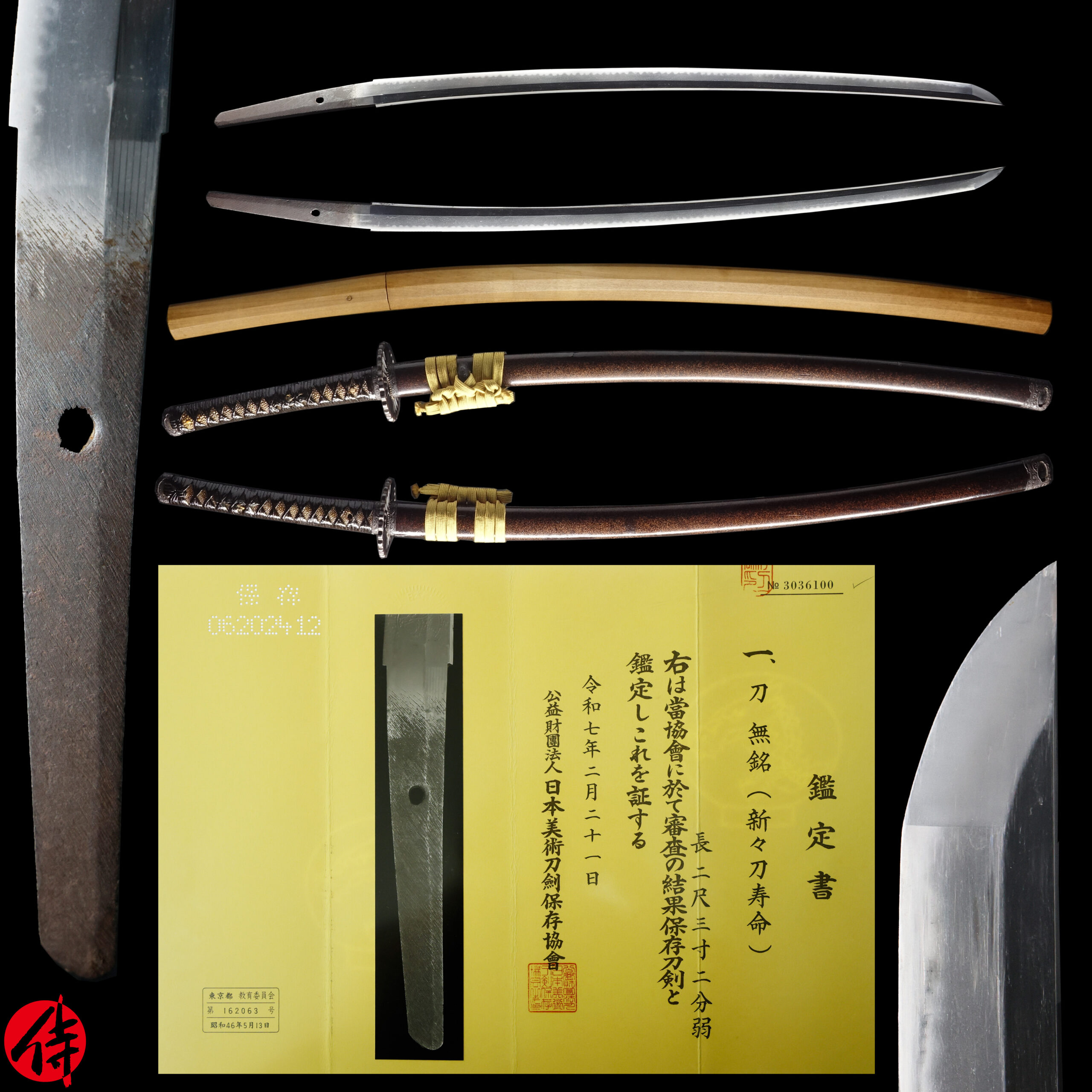
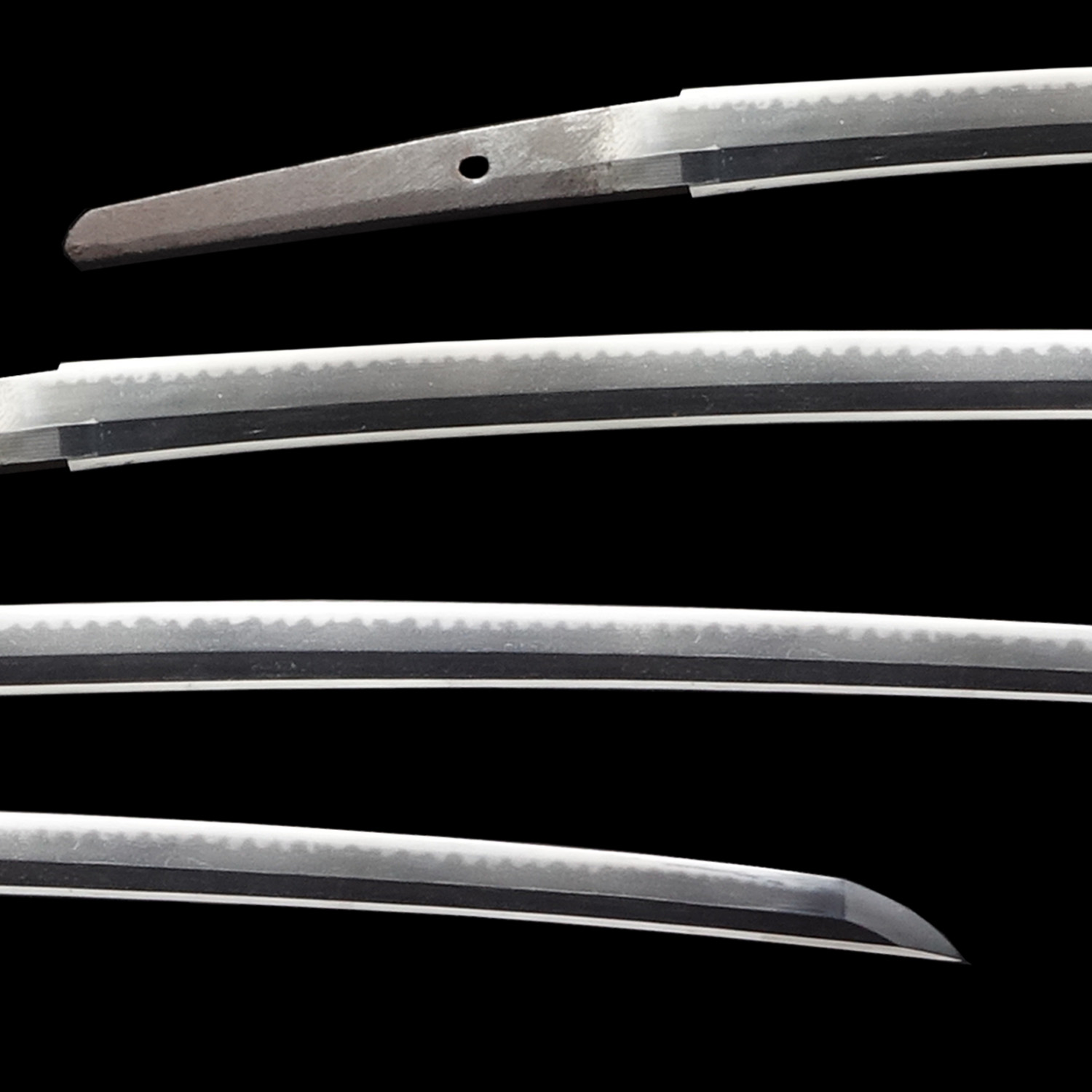
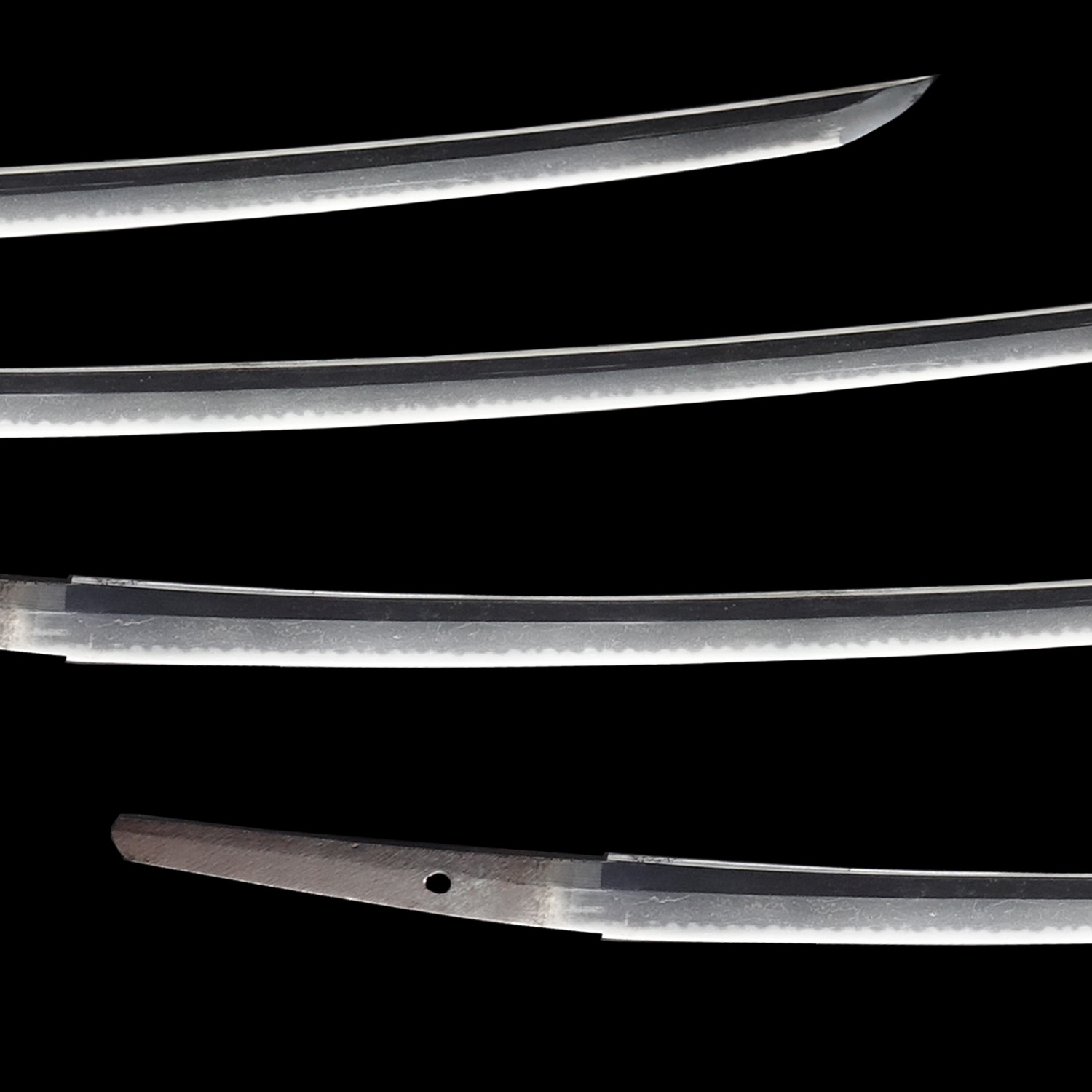
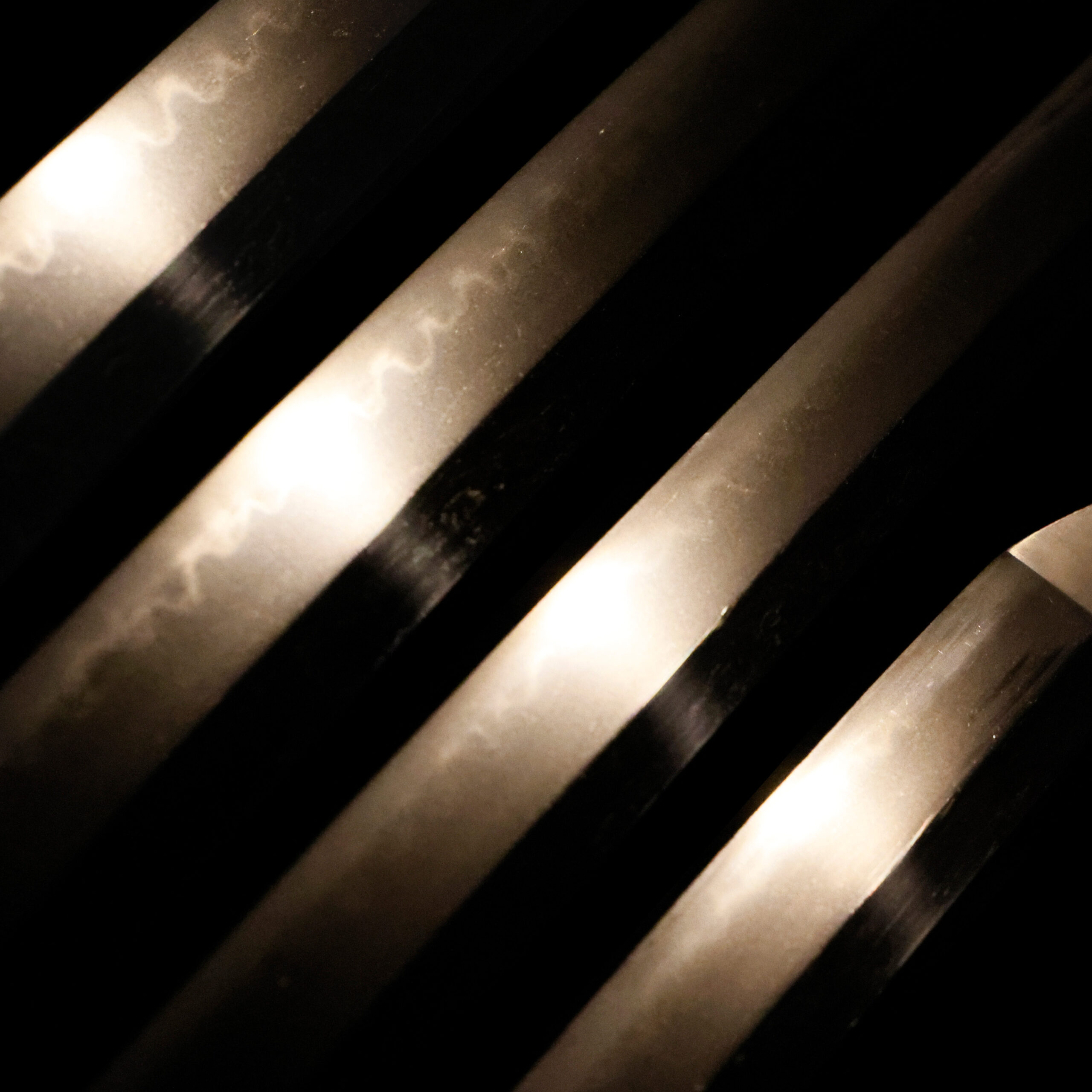
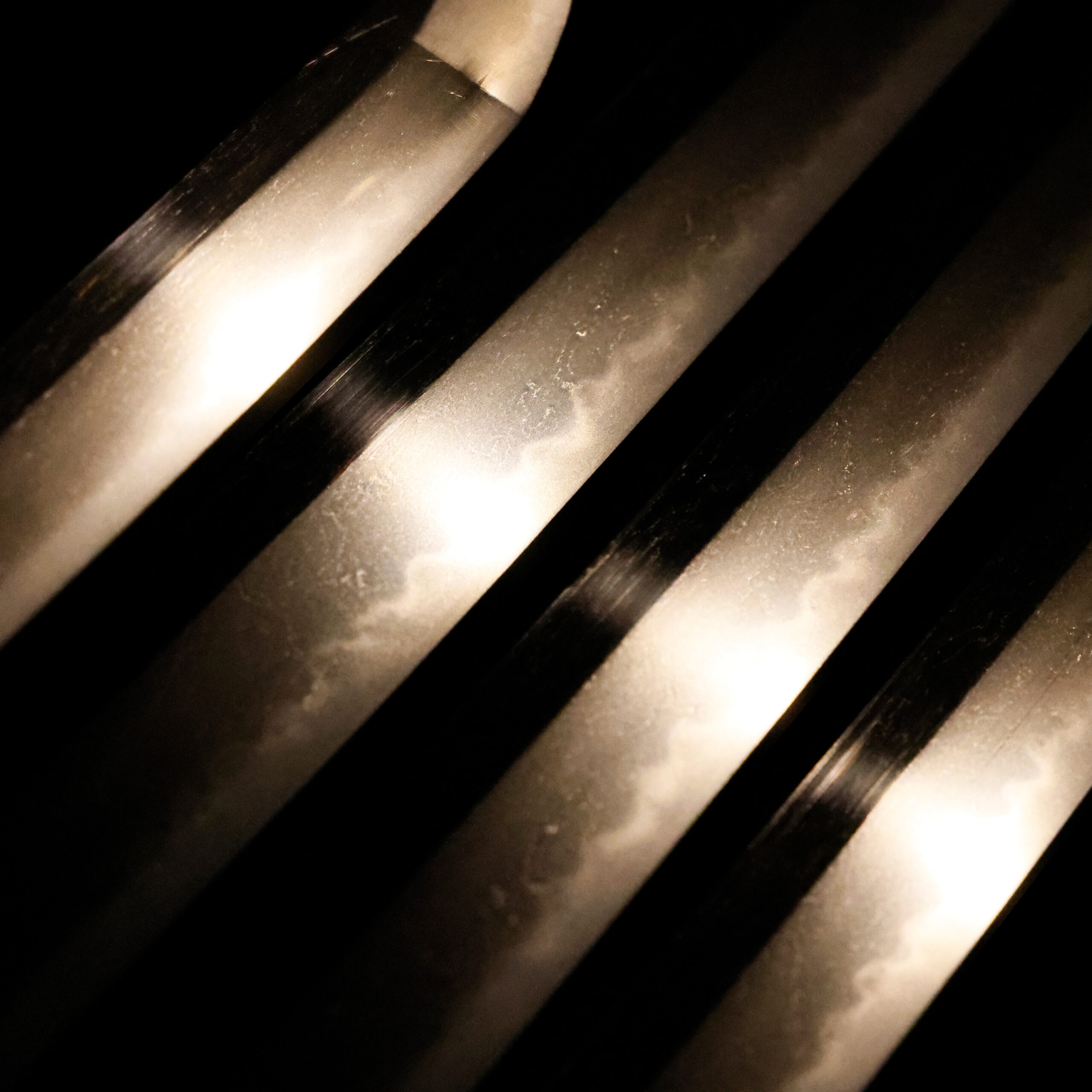
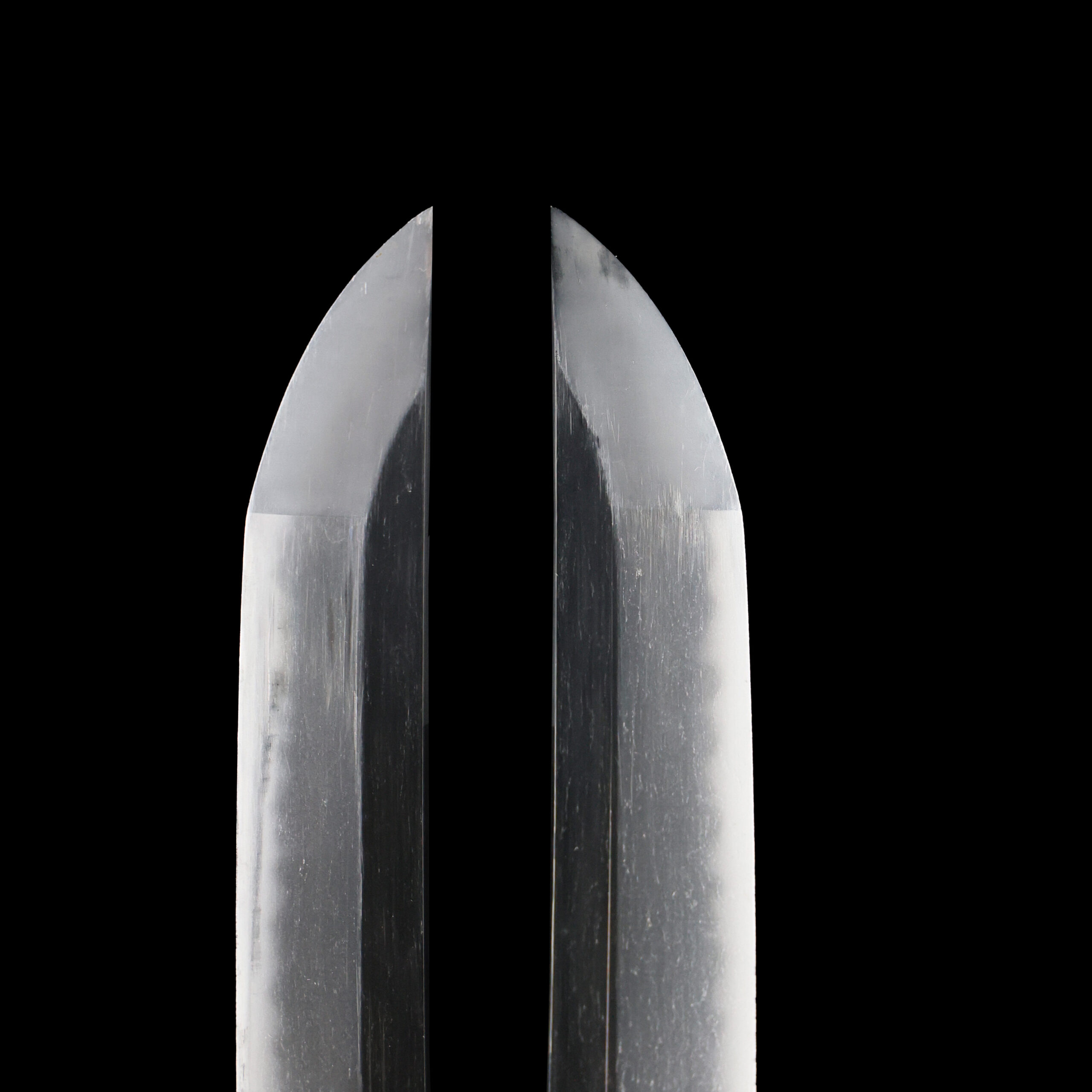
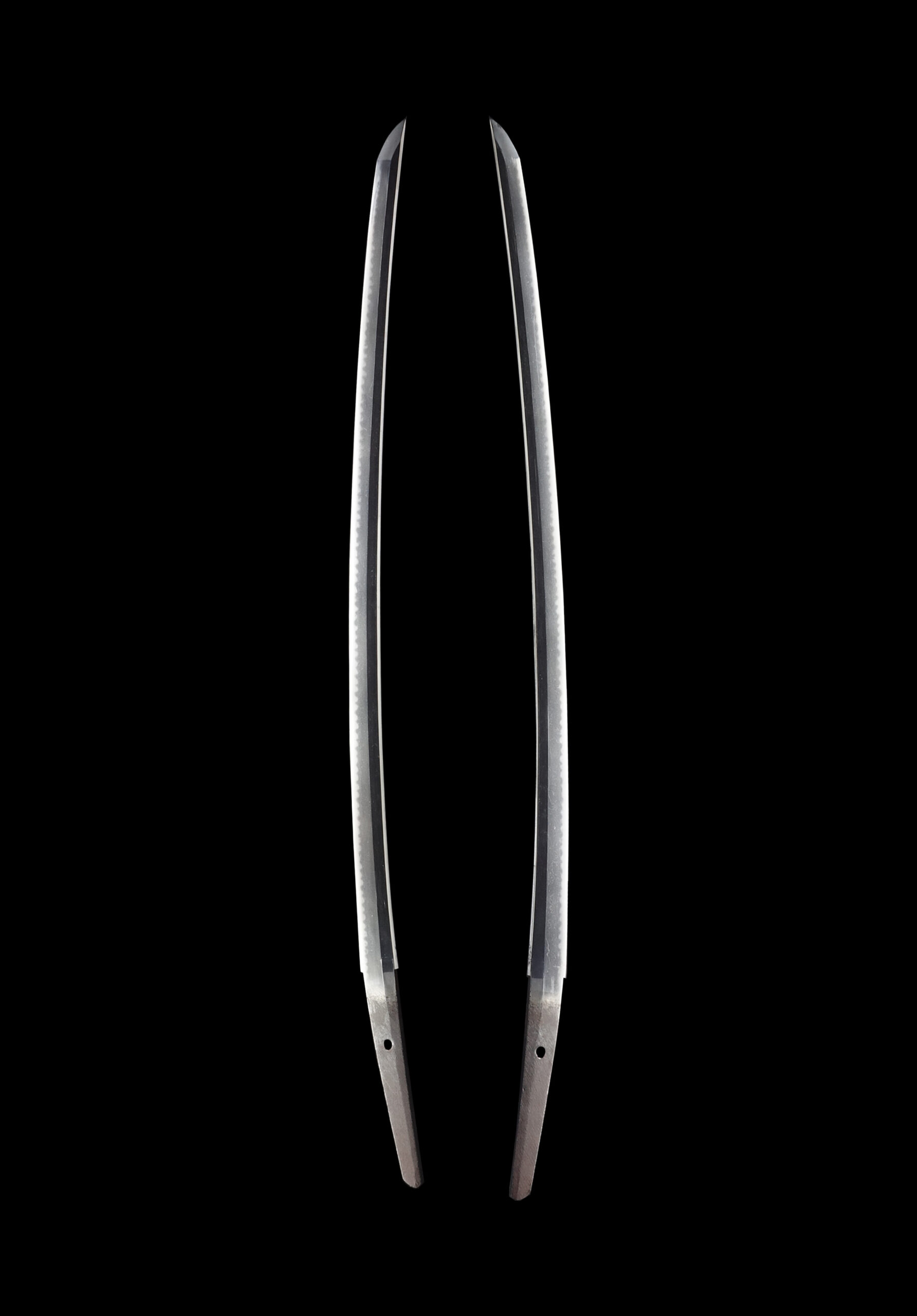
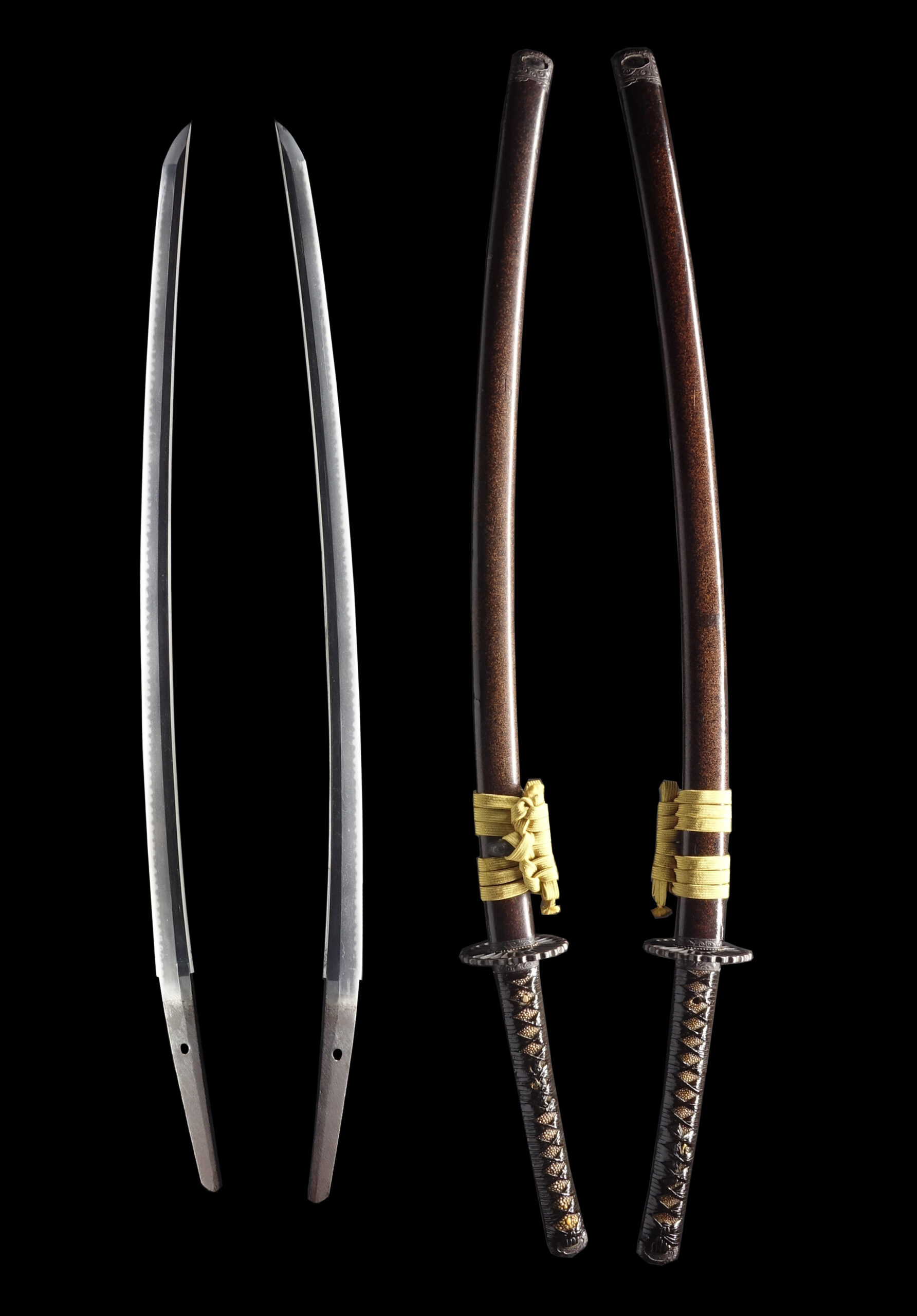
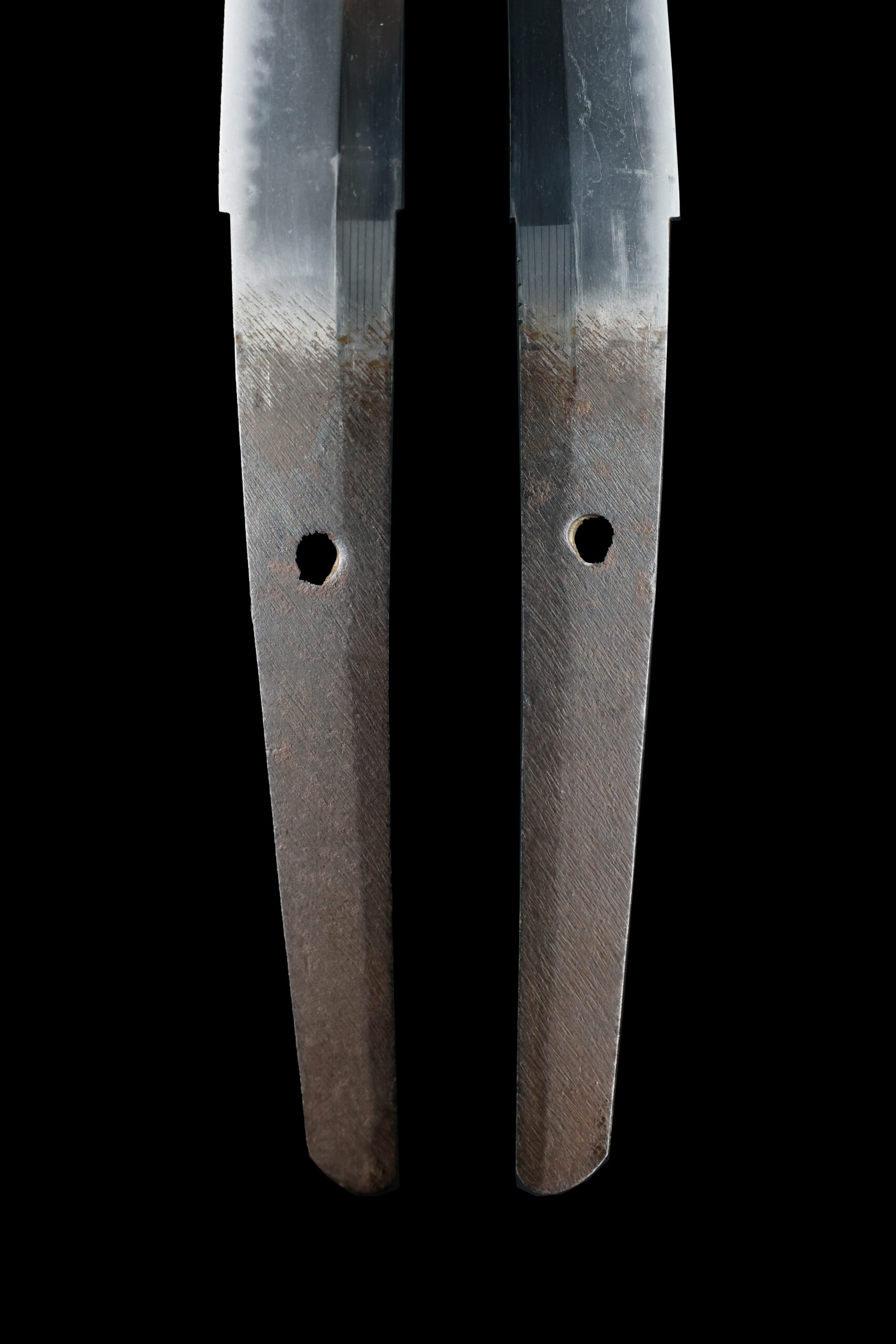
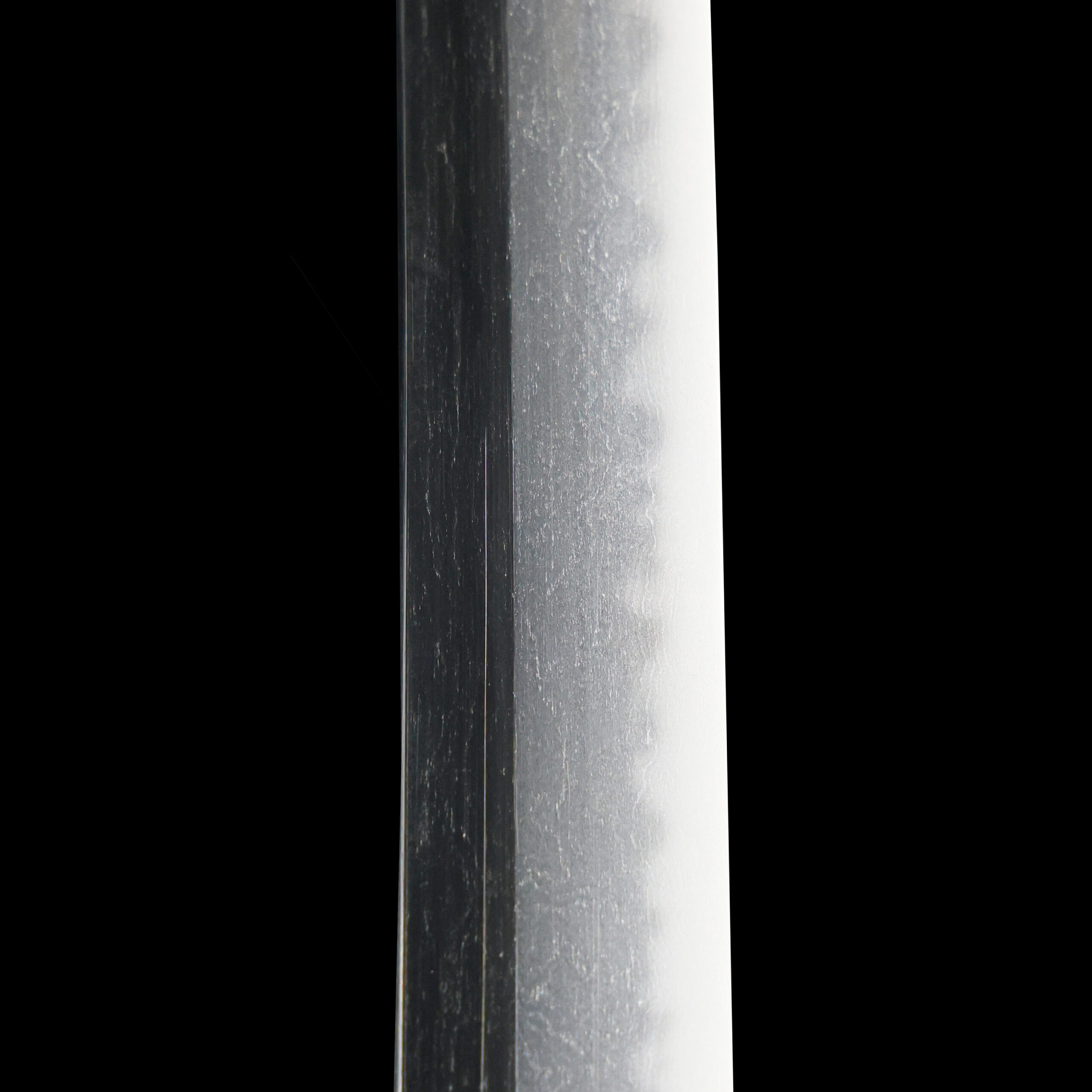
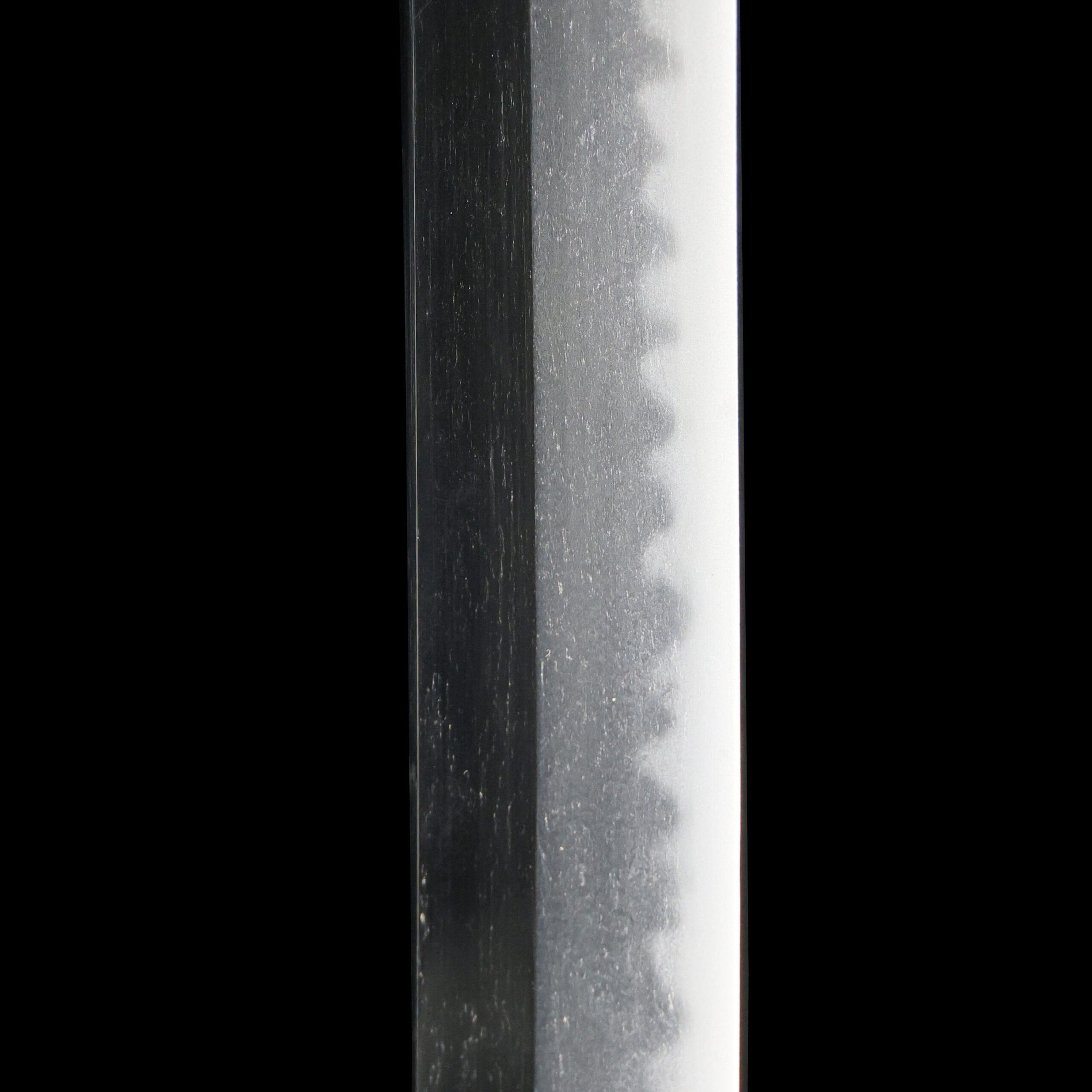
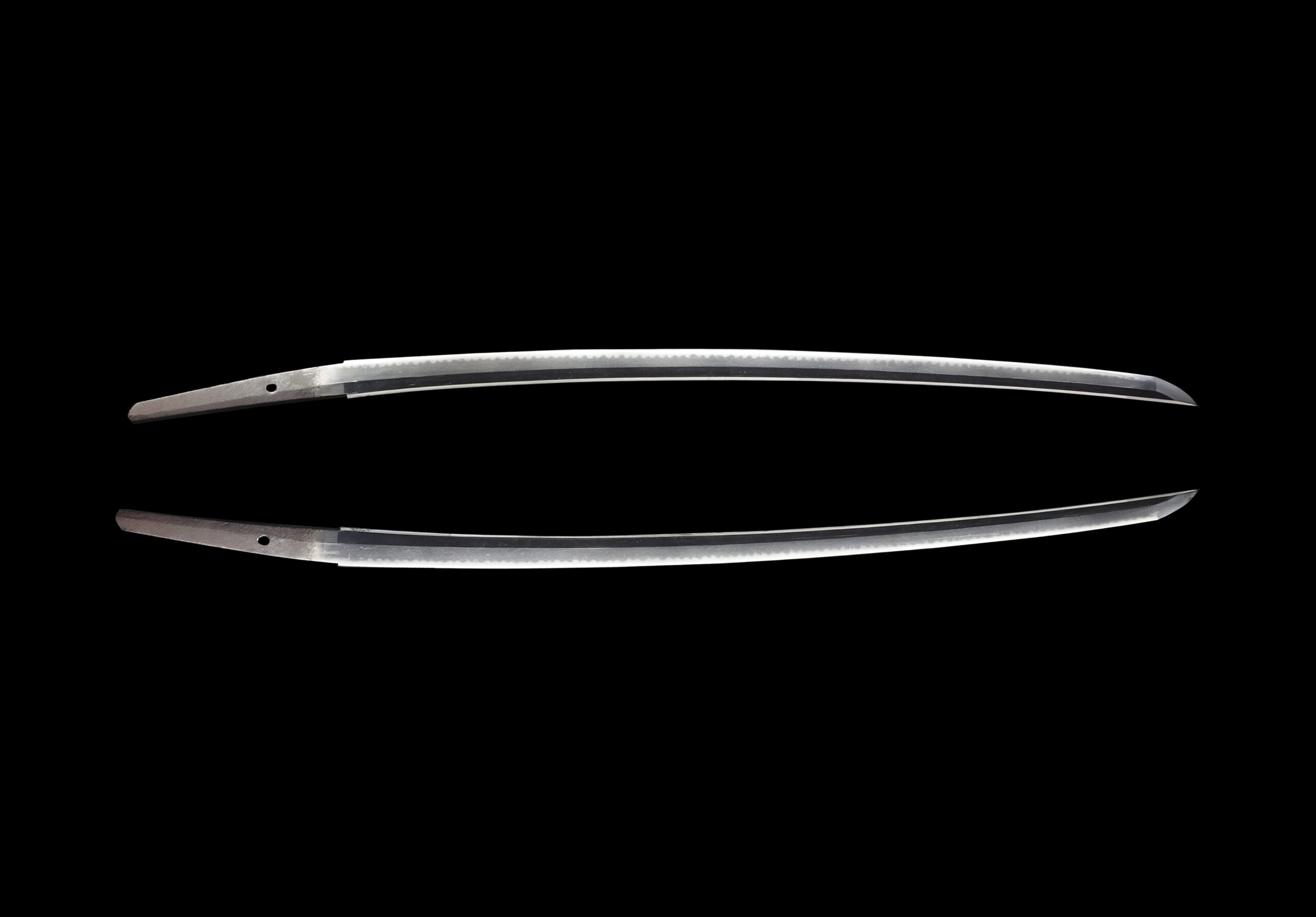
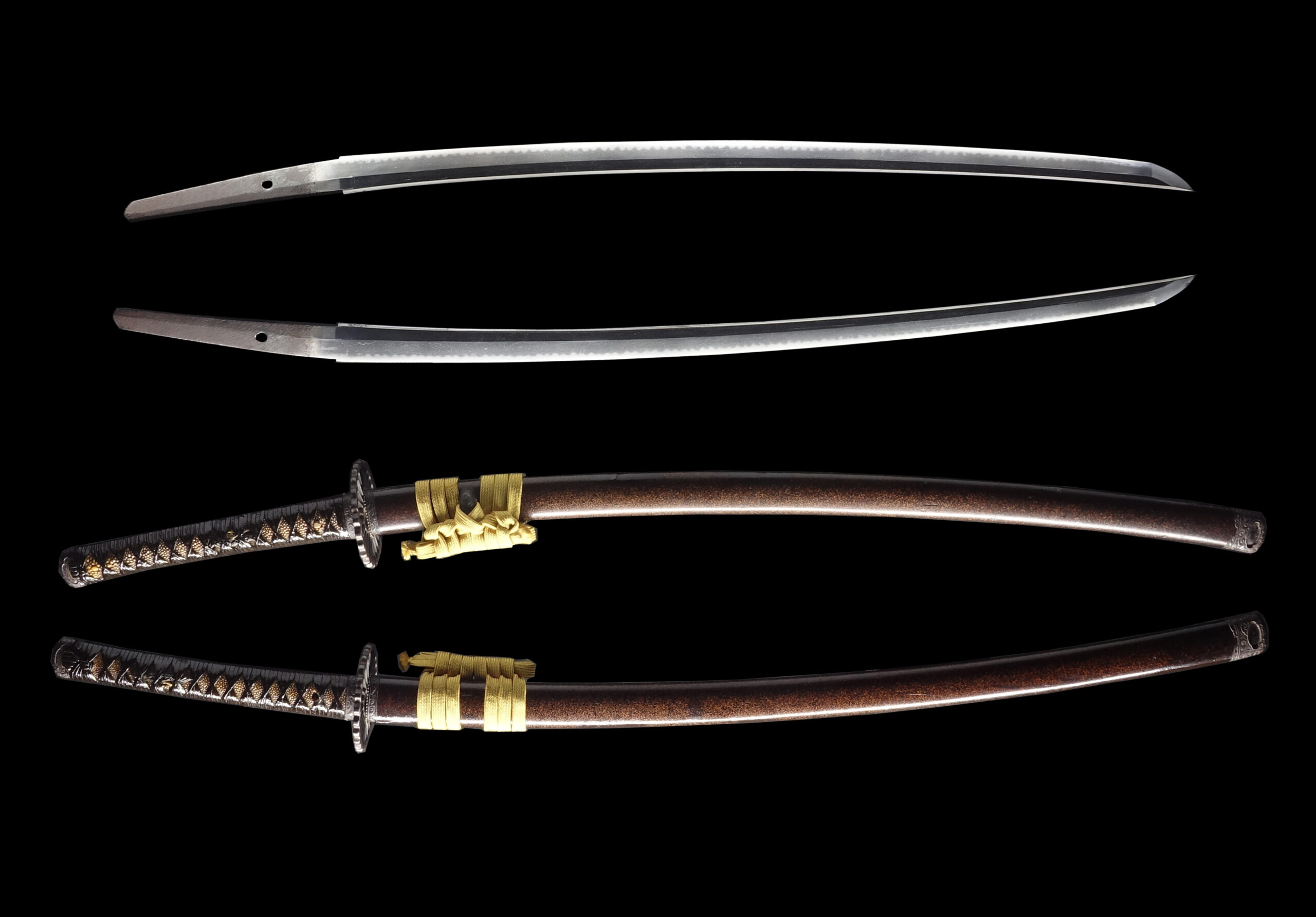
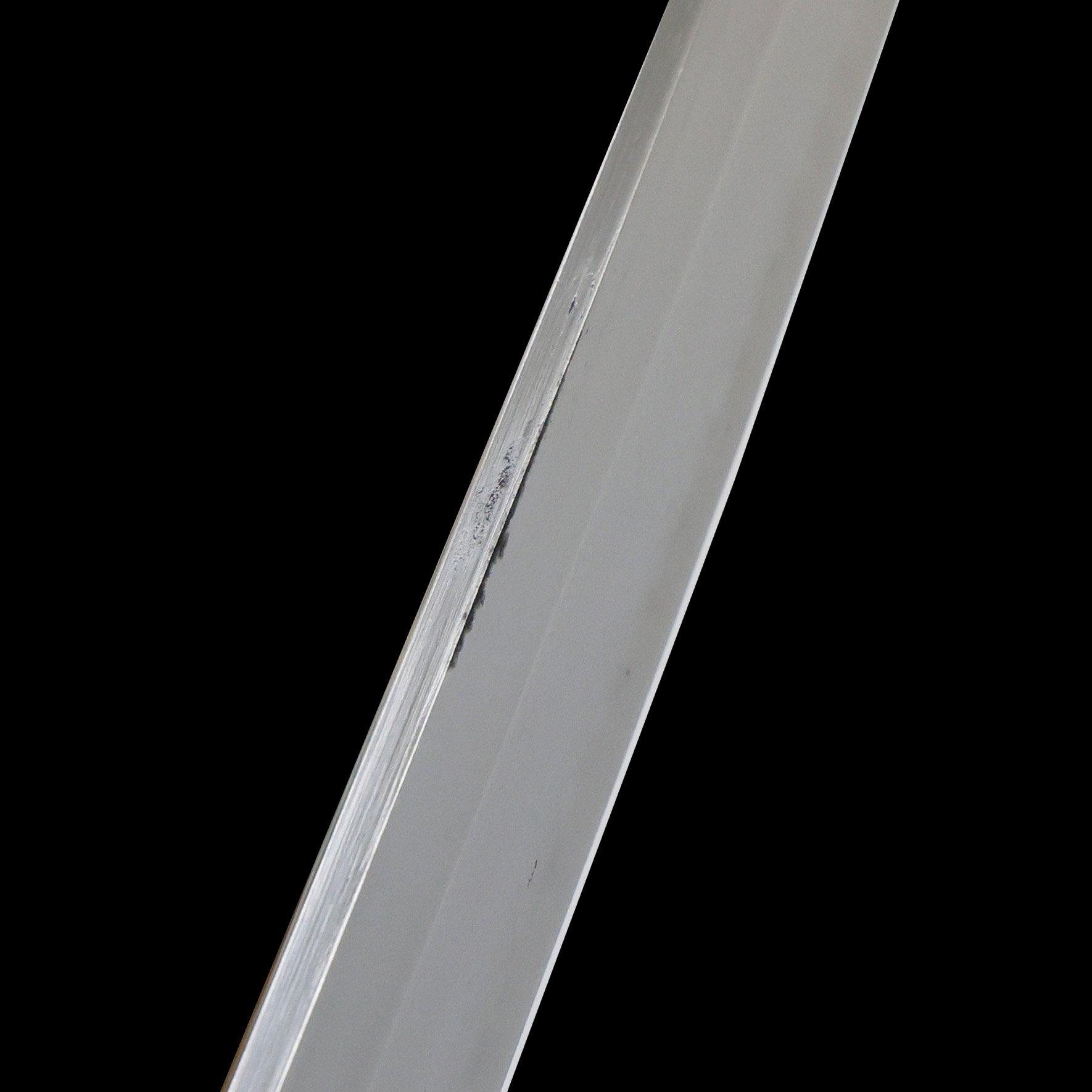
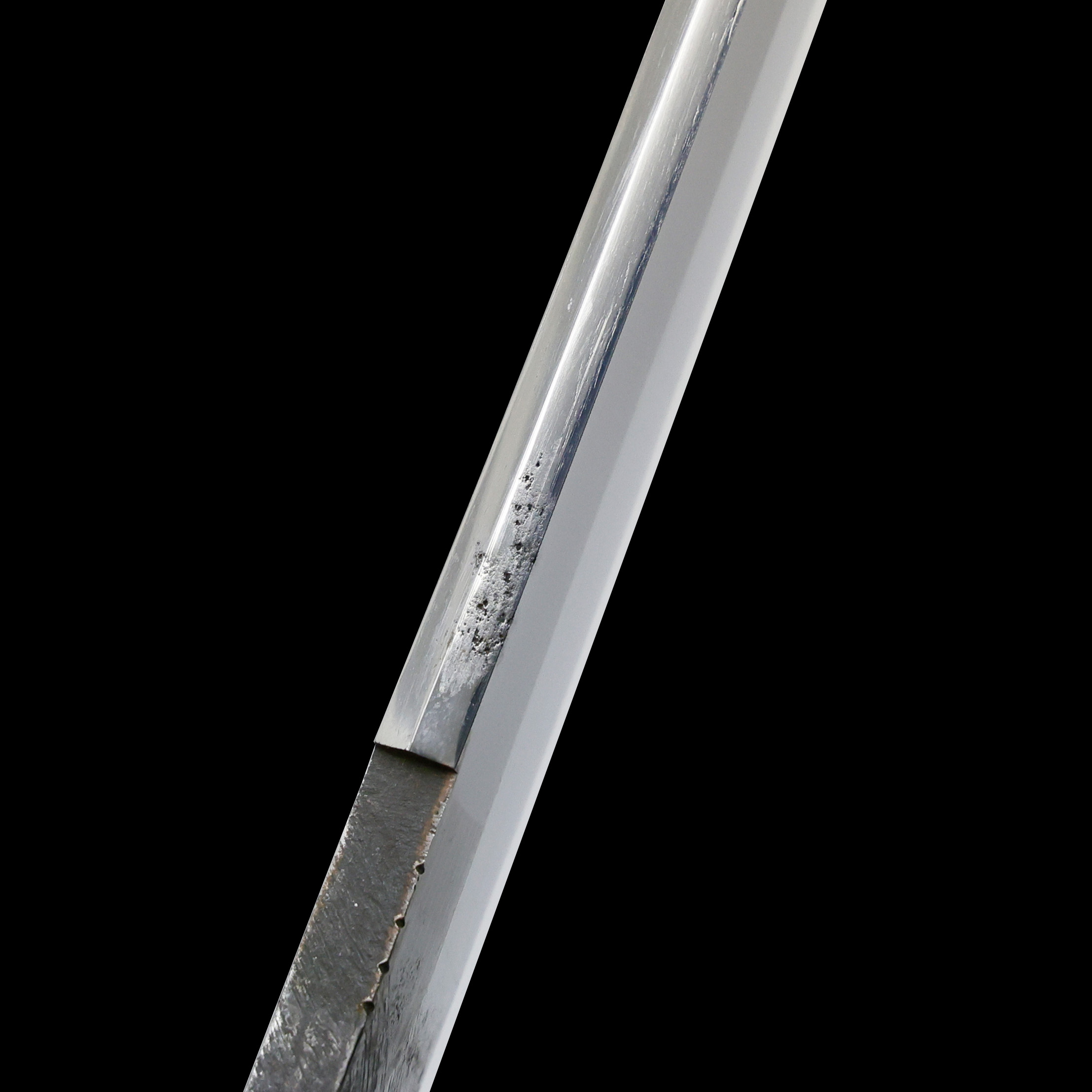
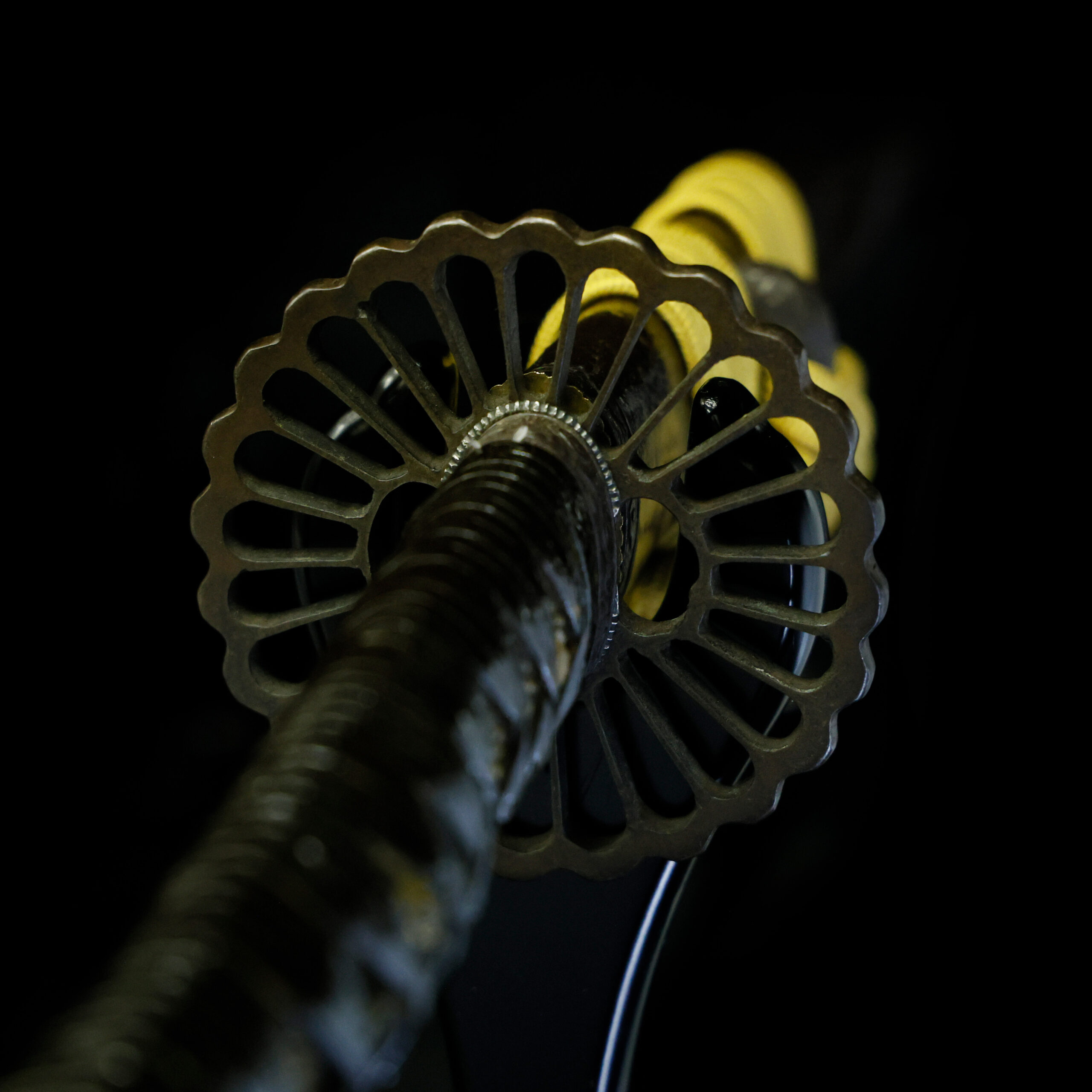
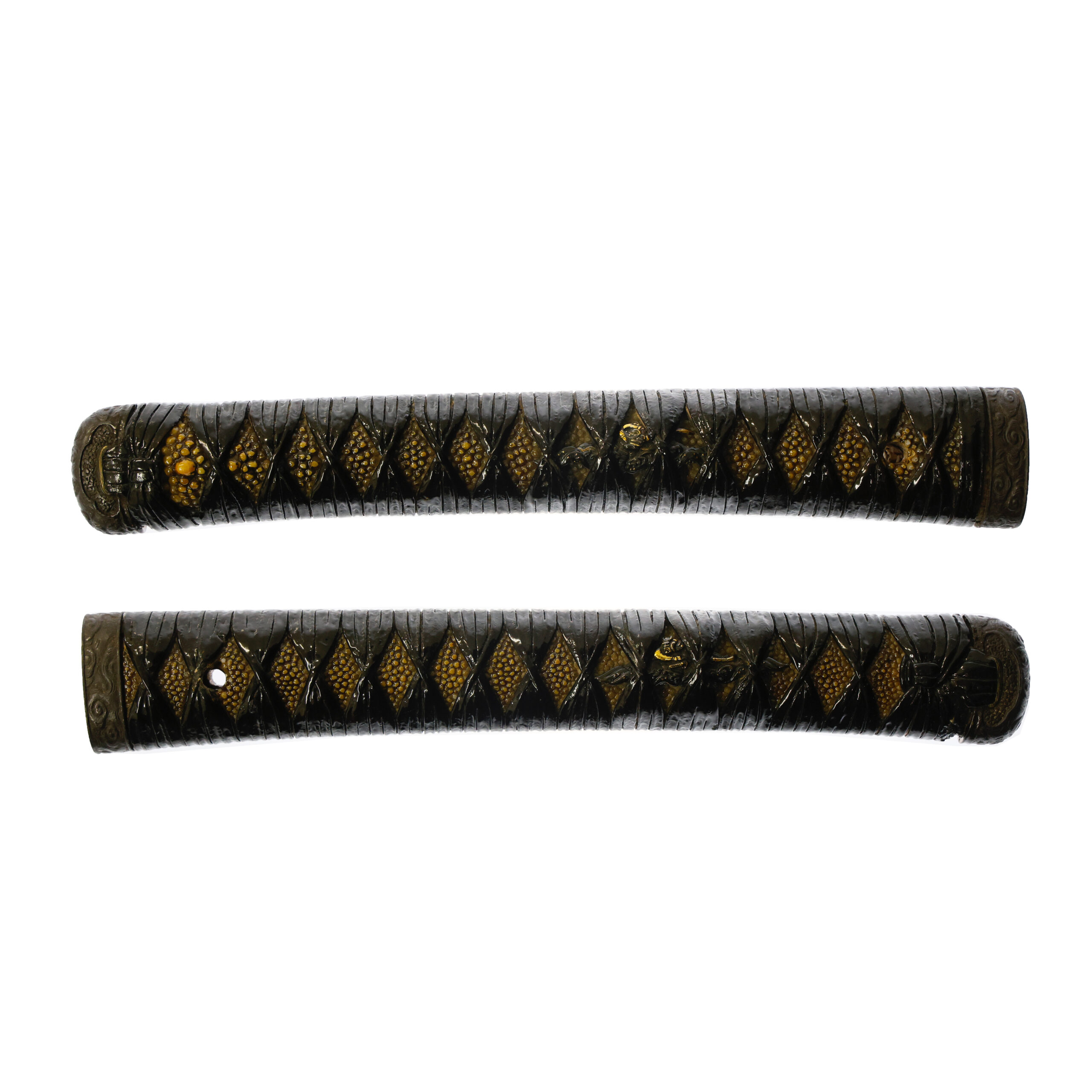
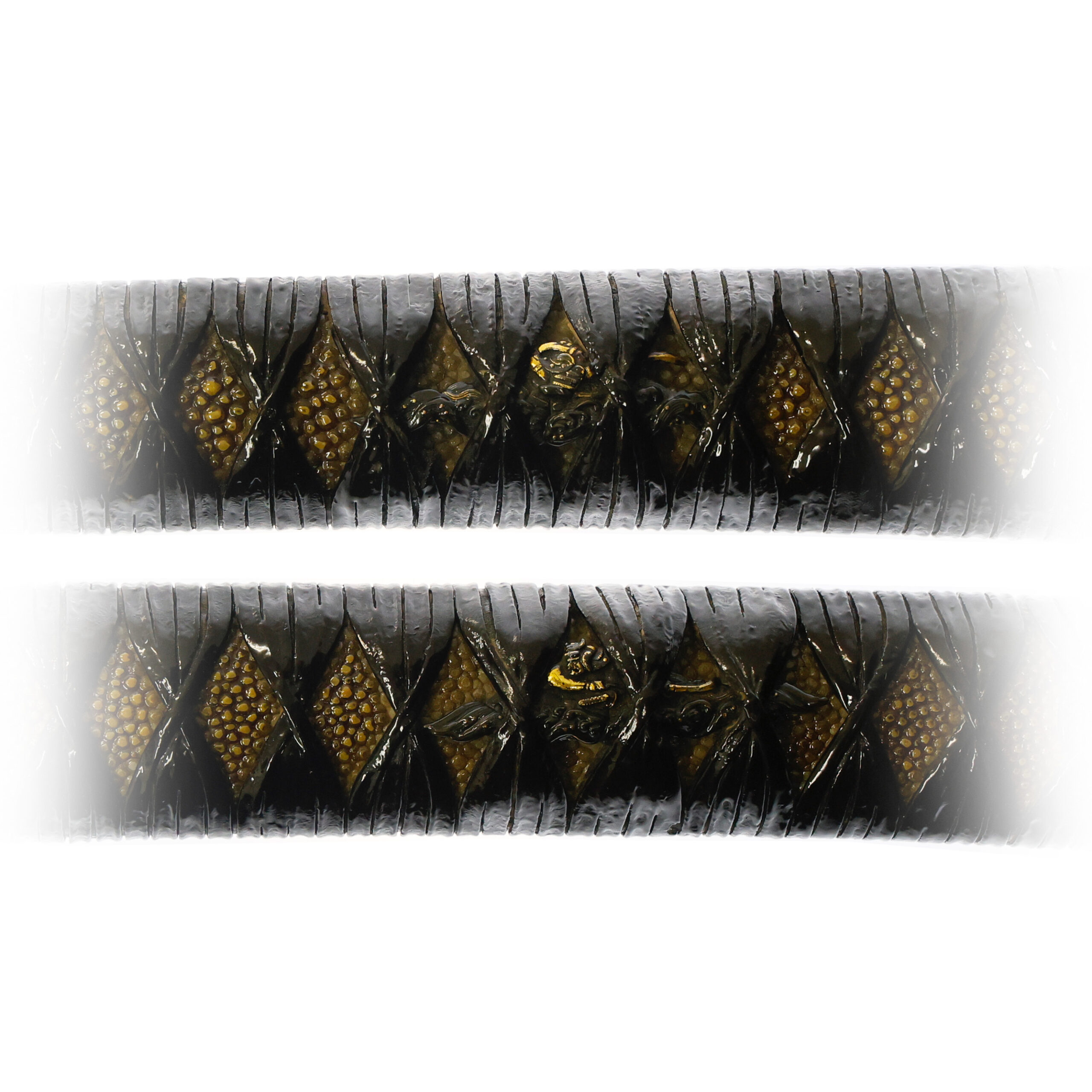
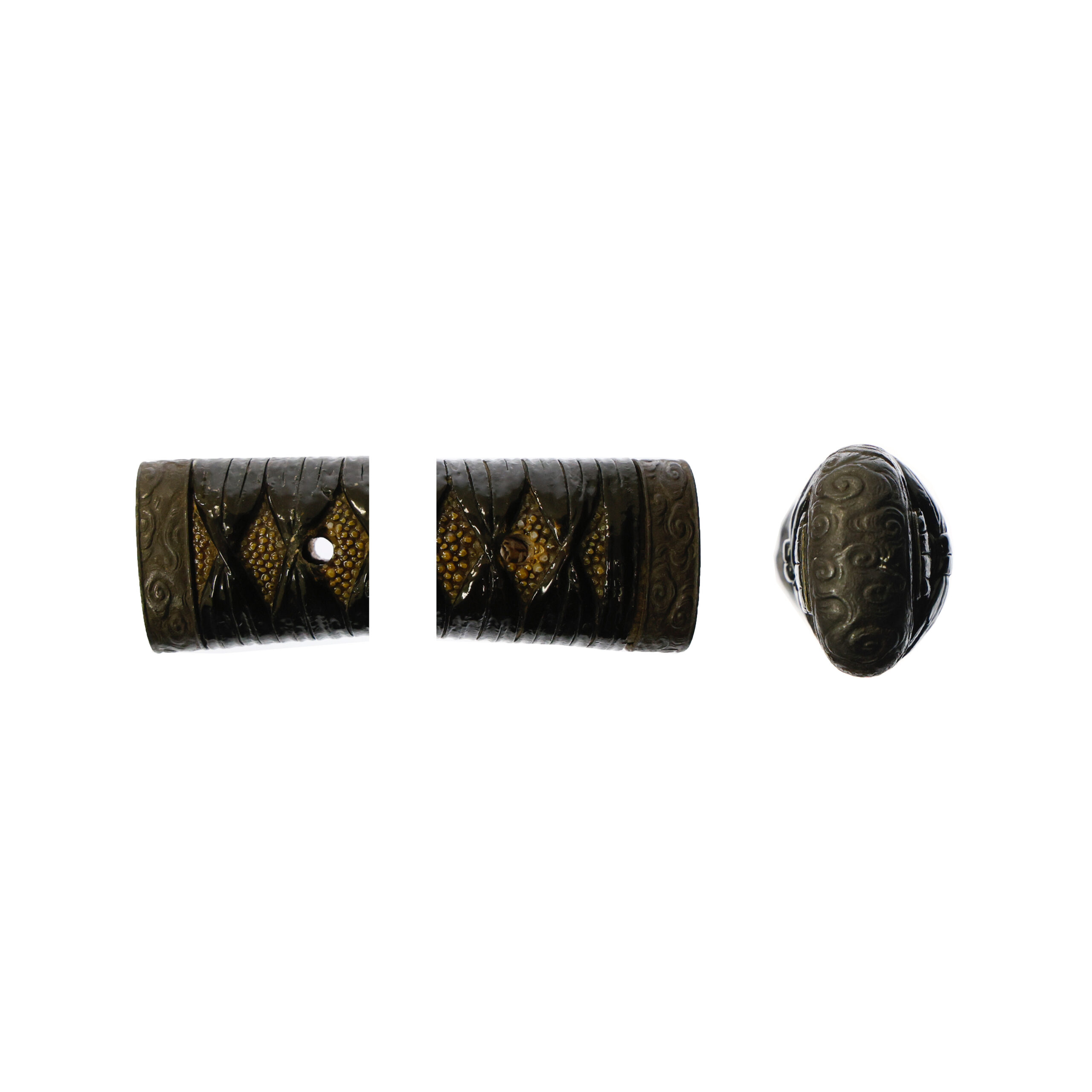
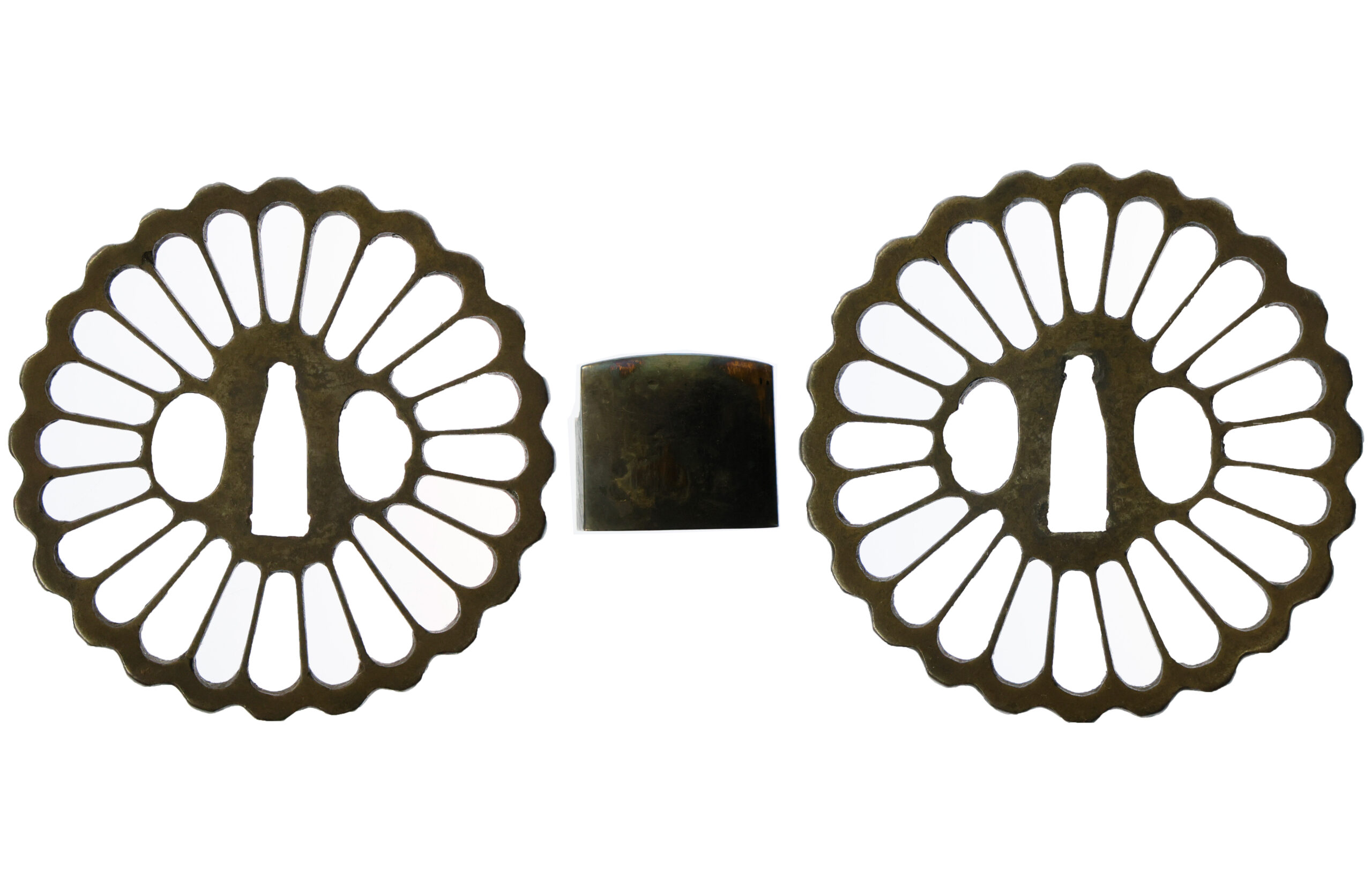
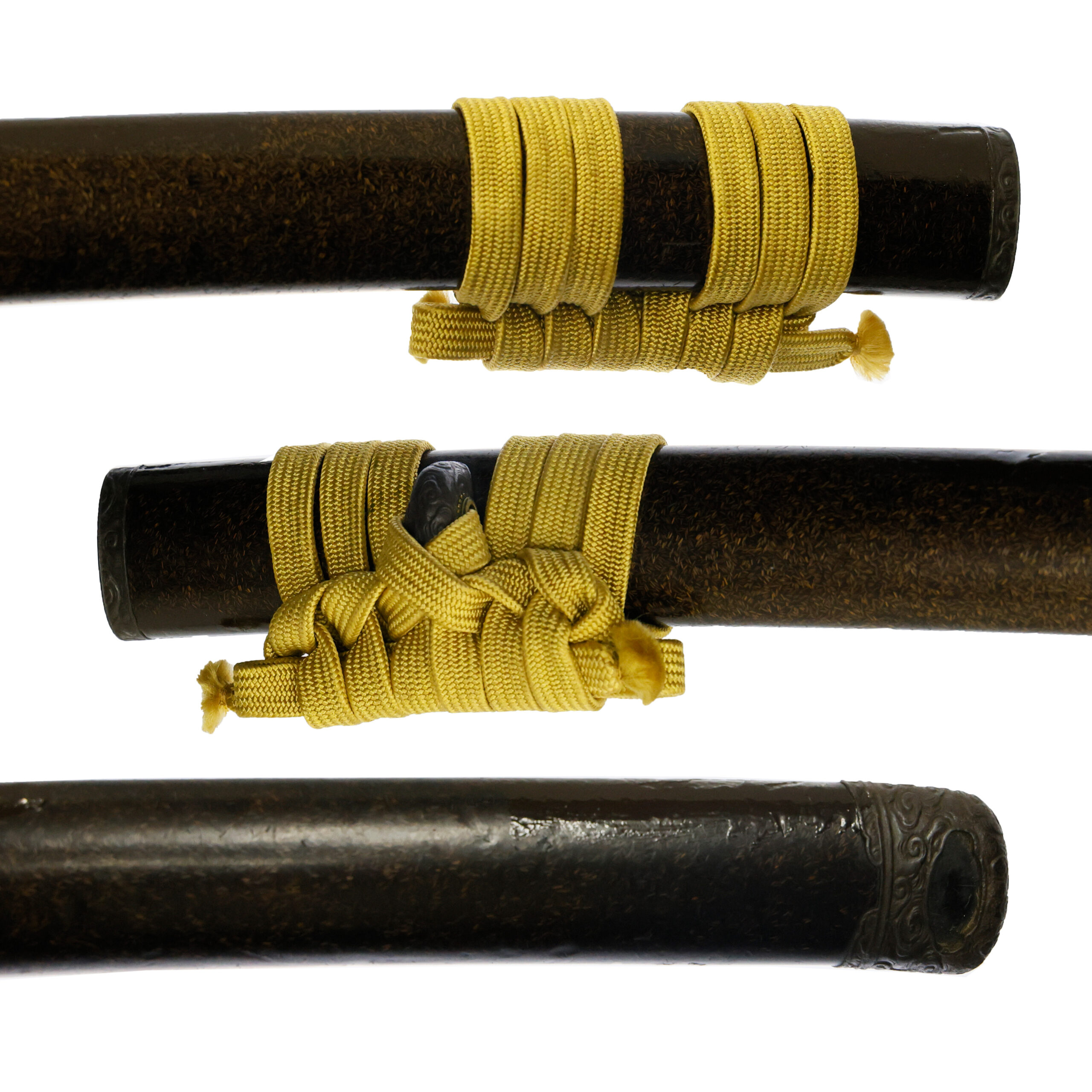
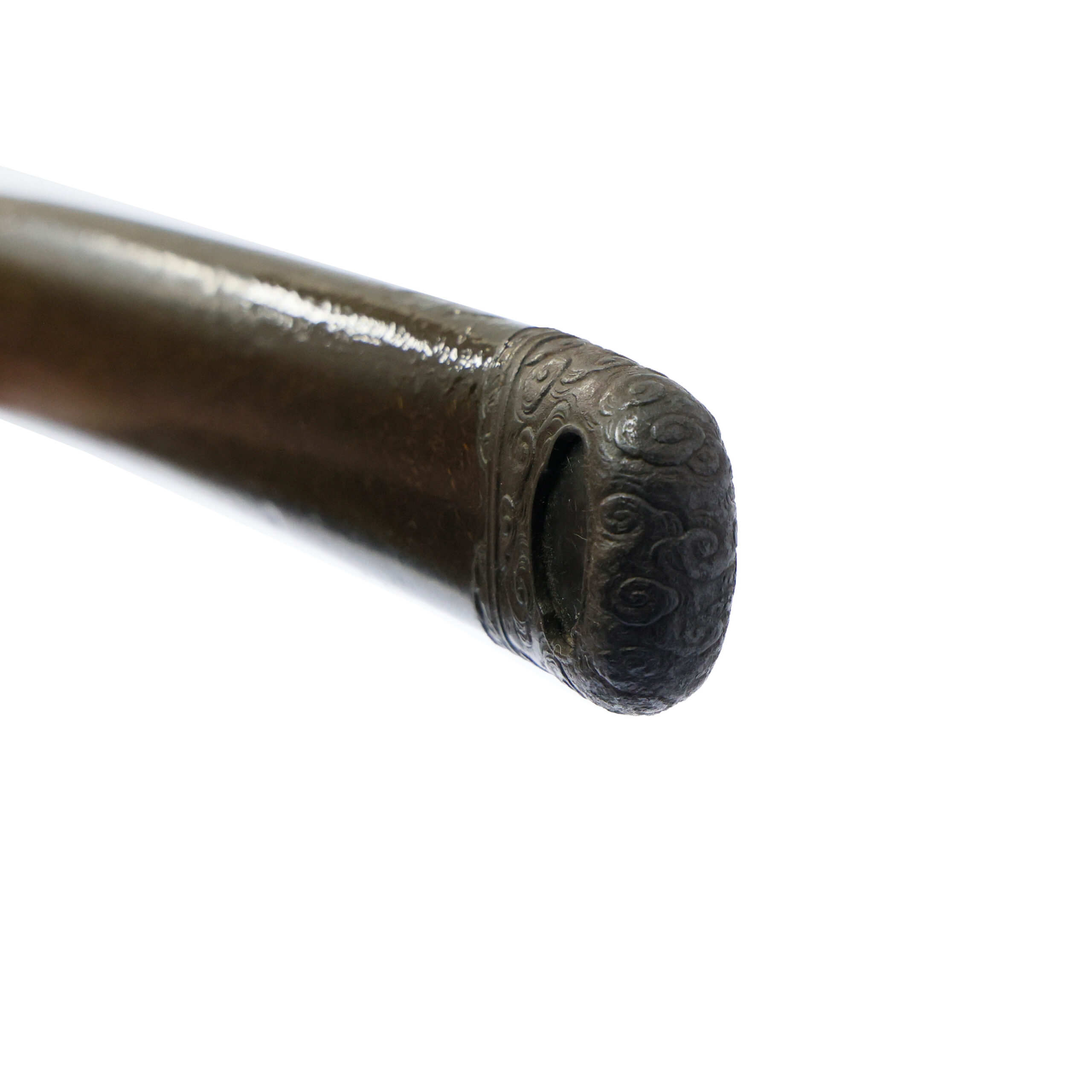
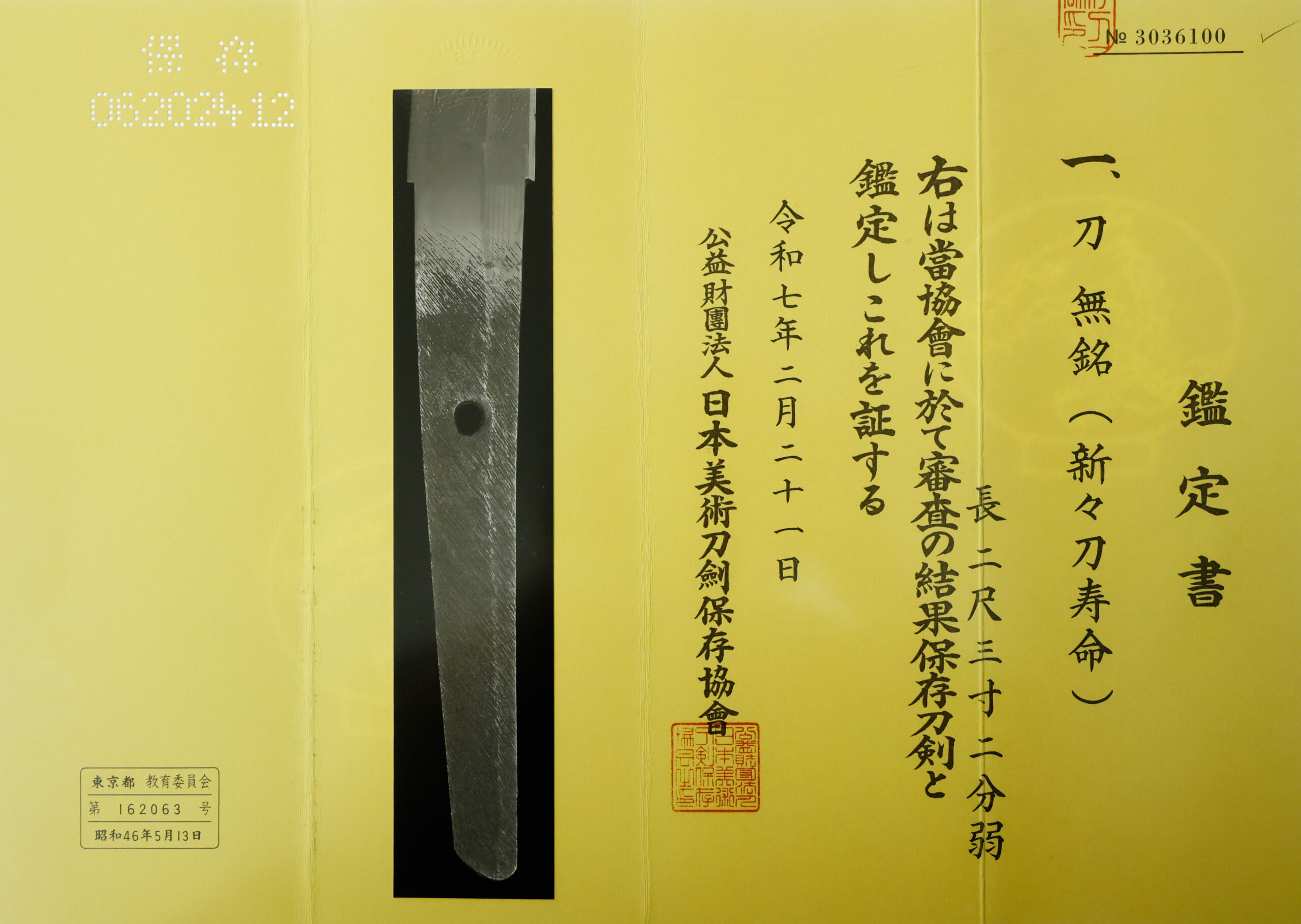
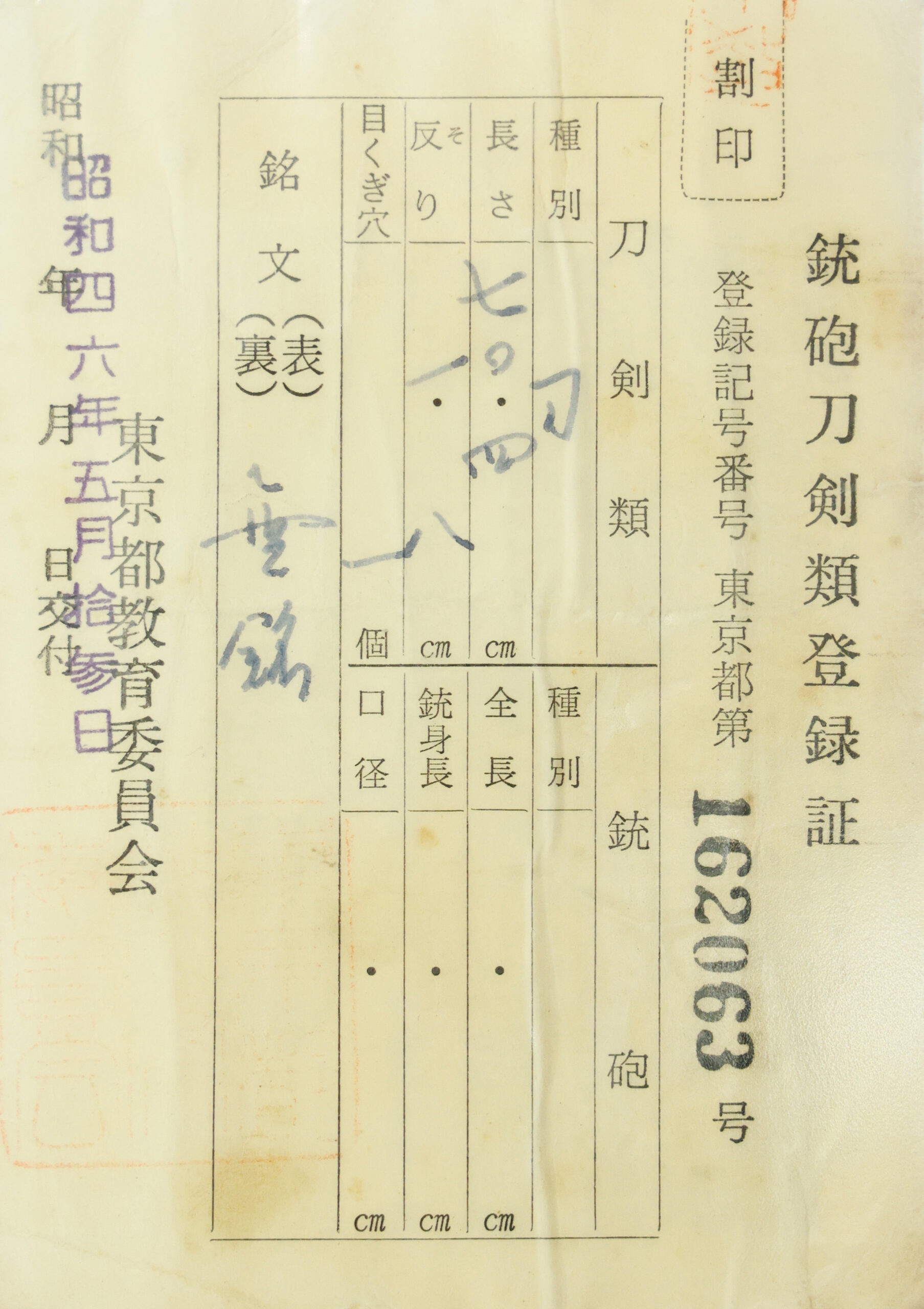
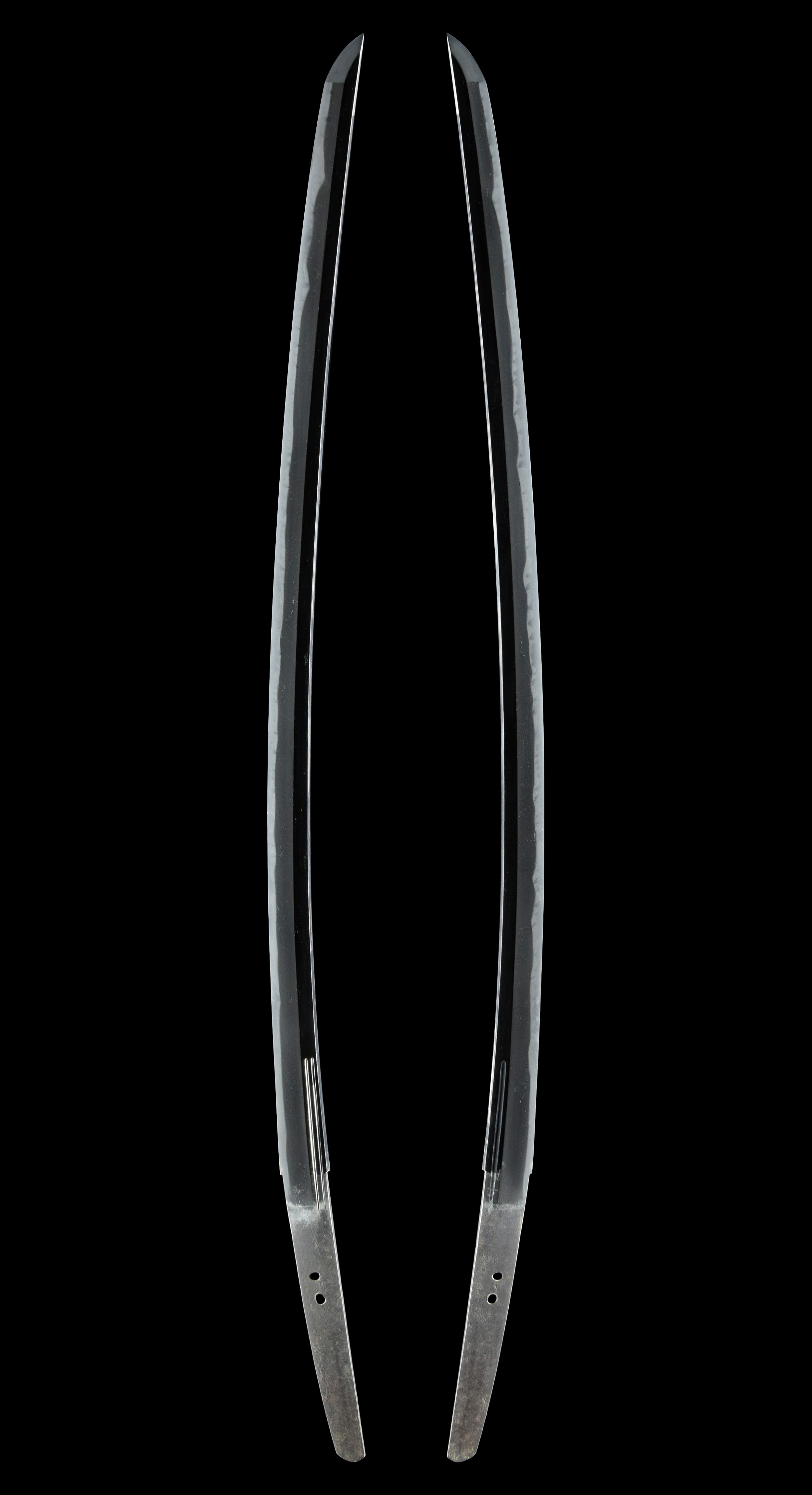
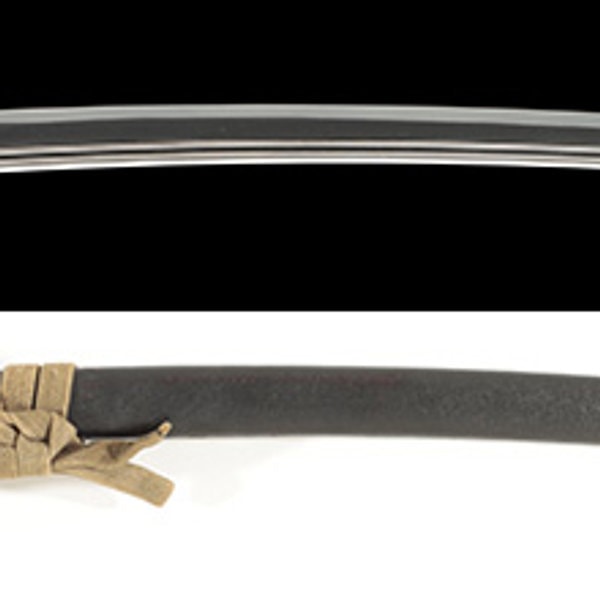
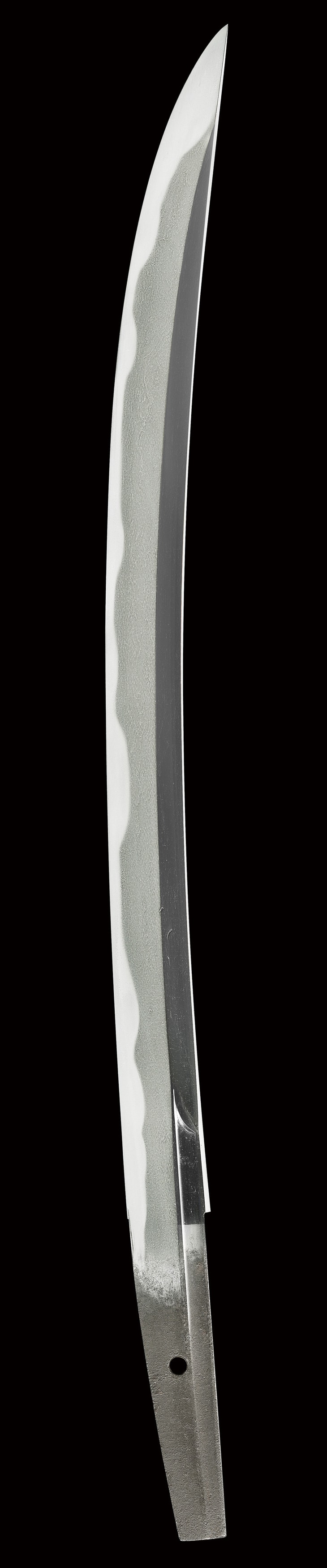
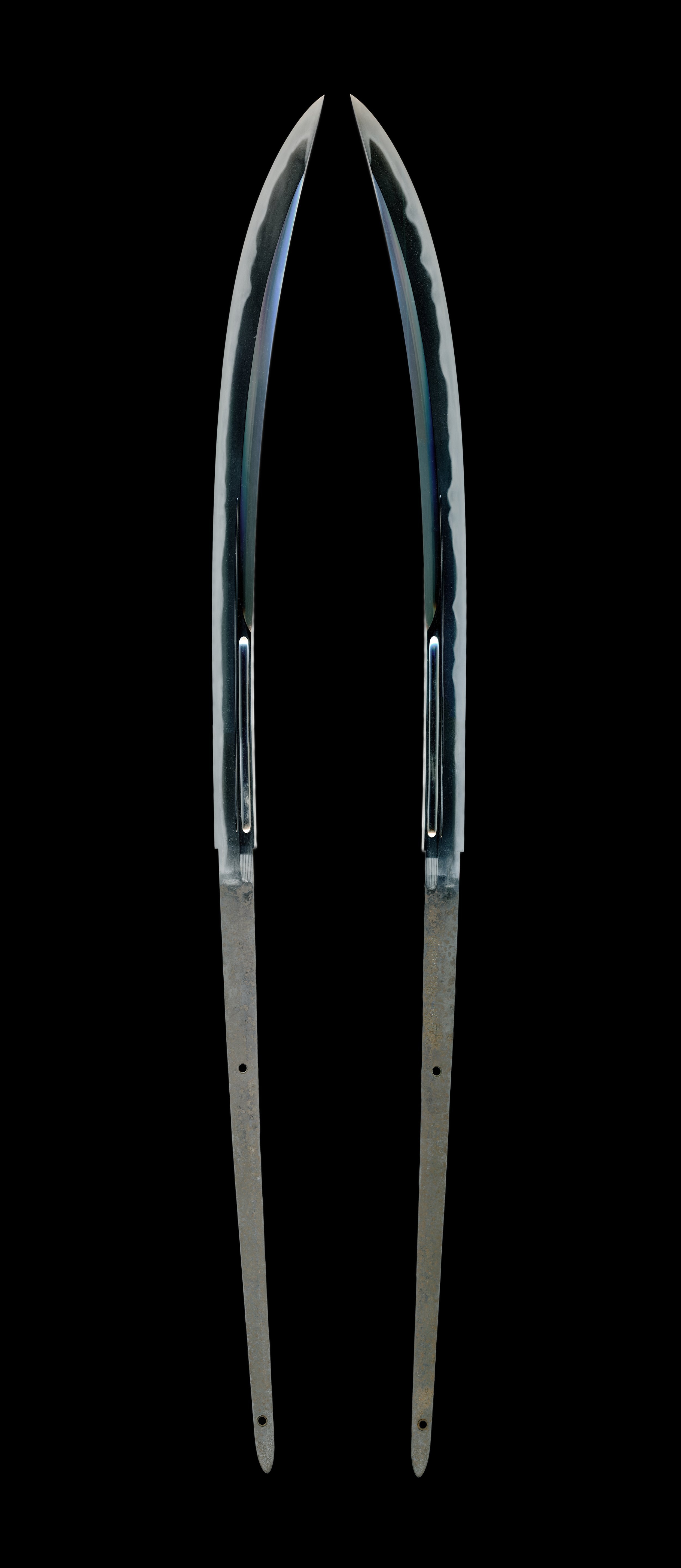
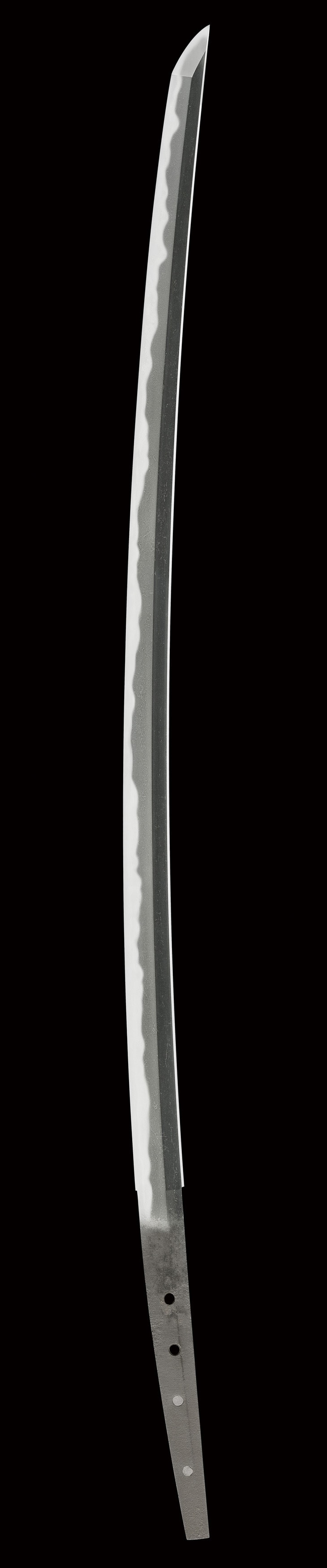
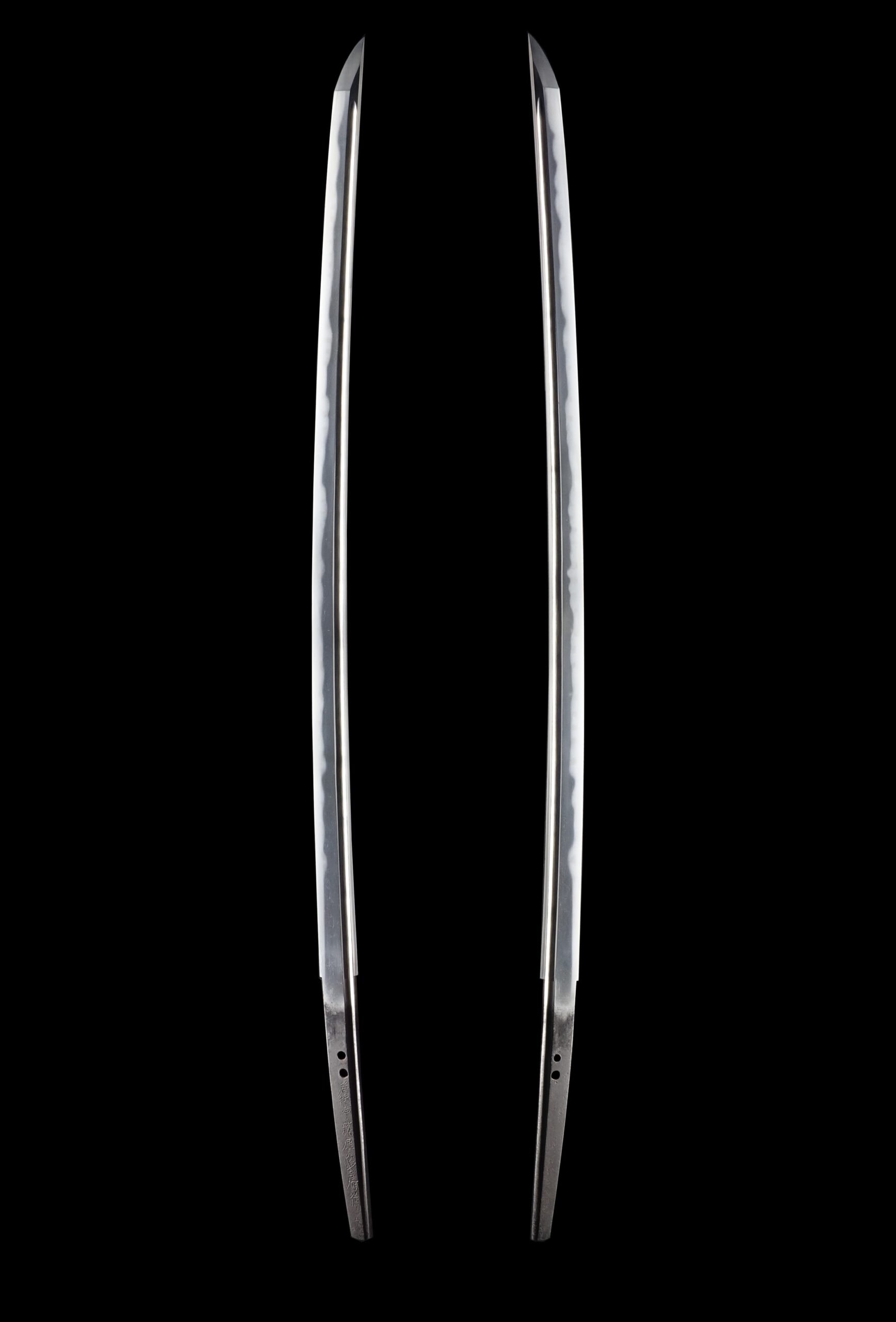
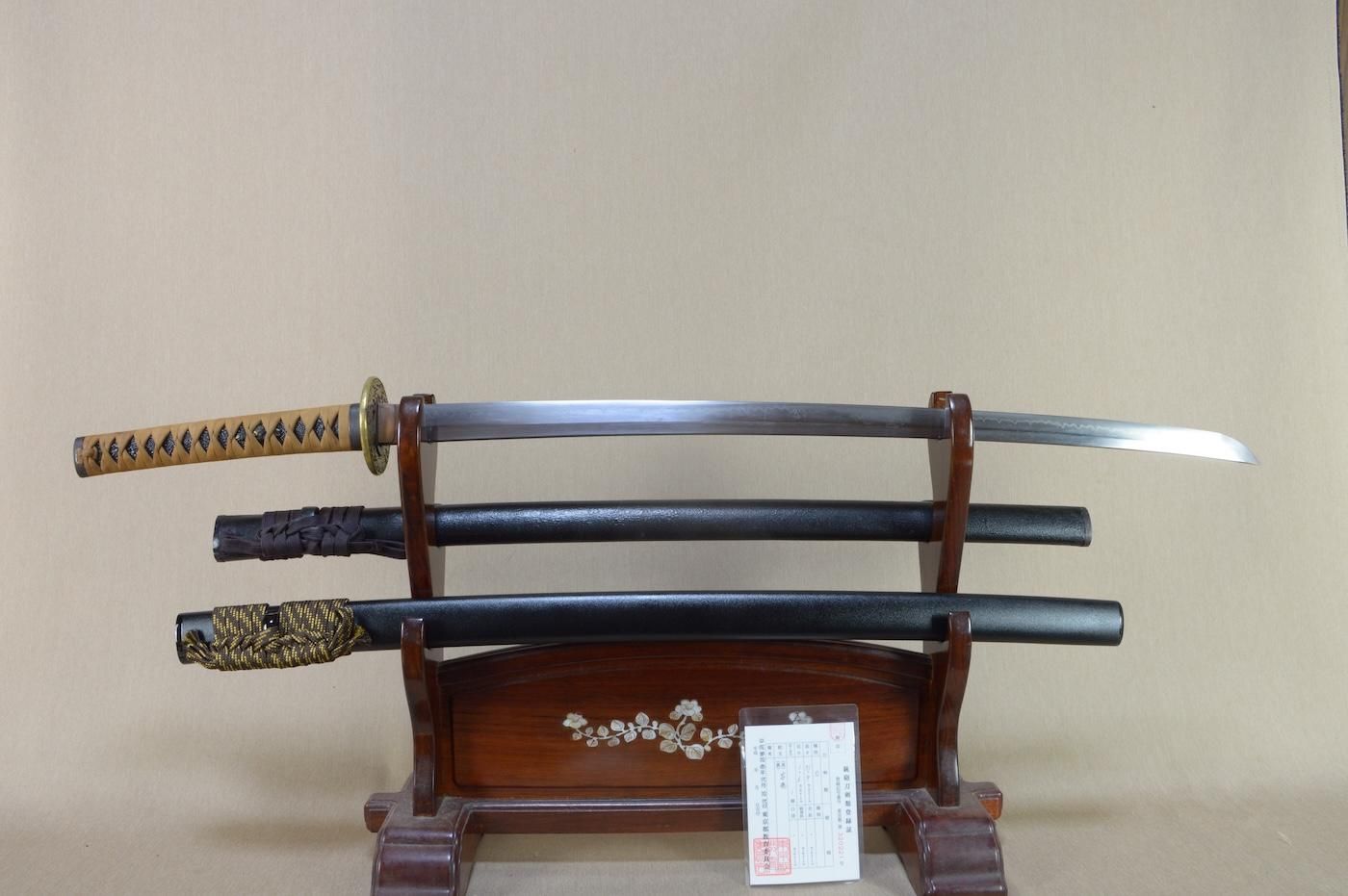
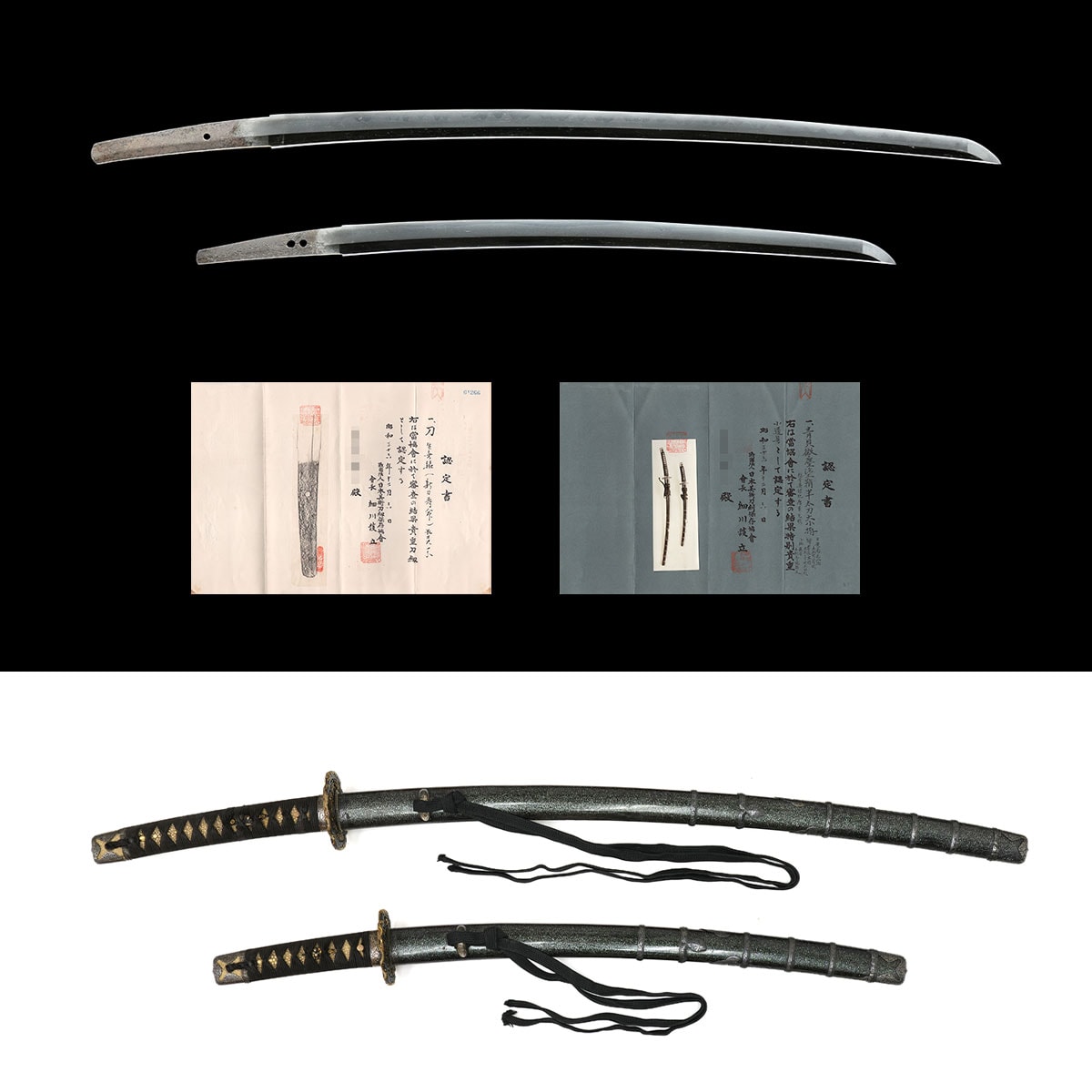
Antique Japanese Sword Katana attributed to Jyumyo with NBTHK Hozon Certificate 【Description】 This blade is attributed to a work of the Jyumyo school from SHIN SHIN TO era (late Edo Period) according to NBTHK’s appraisal. The JYUMYO school has its origins from YAMATO(NARA Pref.) and moved to MINO province in KAMAKURA period. The tradition continued for centuries right up until the end of EDO period. Their name “JYUMYO” means life span or longevity. As it’s meaning is so hopeful, their swords were prized as celebrated gift to DAIMYO great families among the SAMURAI society. The MINO swordsmiths style, also known as MINO-DEN, basically has the TOGARI(Pointed shapes protruding from the Hamon )in a classic straight line and random temper line with some white Utsuri. MINO-DEN had its origin from YAMATO-DEN in the late KAMAKURA period(1280-1330). It flourished in the MUROMACHI period(1333-1573) and continued until the EDO period(1603-1868). MINO-DEN especially prospered during Sengoku Jidai(Warring State period) due to the high demand for weapons. And the location of Mino province beat others. Akechi Mitsuhide controlled Mino province, and Nobunaga Oda ruled Owari province, and Tokugawa Ieyasu was the lord of Suruga (Neighboring areas). There was high demand from those powerful feudal lords and their retainers. Furthermore, so many wars occurred between the Kanto region and the Kyoto area. Mino is located in the middle, making feudal lords feel convenient to order swords from MINO-DEN. The blades forged in MINO provinces also had the reputation of its practical design and sharpness. Many feudal lords demanded swords forged in the Mino province. The tradition of excellent sword forging skills had been passed to the Edo period, and Jyumyo is a good example. This blade is appraised as a Hozon Touken (保存刀剣) issued by NBTHK (Nihon Bijutsu Touken Hozon Kyokai: 日本美術刀剣保存協会). This authentication paper was only given to authentic Japanese swords, well preserved and high quality with artistic value. *Please keep in mind that there is a couple of black rusts on this blade. If you like to see the detailed condition, please feel free to contact us. 【Blade】 Cutting Edge Length (Nagasa) : 70.4 cm ( 27.7 inches) Curvature (Sori) : 1.8 cm (0.70 inches) Hamon : The crystalline structure which forms along the cutting edge of a blade as a result of the hardening process. Jimon (Jihada) : Visible steel surface pattern created by folding and hammering during forging process. Kissaki : Kissaki is the tip of the Japanese sword. Nakago : Nakago is the tang of the Japanese sword. Japanese swordsmiths left the black rust on the tang because it prevents red rust while the tang is in its handle. And the discoloration of the tang was created over time, and it is a great indicator for a Japanese sword specialist to estimate when the sword was forged. Koshirae : Koshirae is the mounting of the Japanese sword. There are several parts that consist of Koshirae such as Saya (Scabbard), Tsuka (Handle), Tsuba (Handguard). Fuchi-Kashira : A pair of matching sword fittings that cover the upper and bottom parts of its sword hilt. The theme of the Fuchi Kashira is a wave (波). Waves are a prominent motif in Japanese art, symbolizing the strength and resilience of nature as well as the ebb and flow of life. This design not only highlights the beauty of dynamic movement but also reflects the harmony and power inherent in water, an element deeply valued in Japanese culture. By incorporating this wave pattern, the Fuchi Kashira captures both aesthetic appeal and profound symbolism, resonating with the natural world’s balance and energy. Tsuka and Menuki : Tsuka is the handle of the Japanese sword and Menuki is its decoration. This menuki features a design depicting samurai warriors on horseback, known as bajō musha (馬上武者, mounted warriors). Judging from their luxurious armor, they appear to be high-ranking samurai. In Japan’s earlier periods of warfare, particularly during the He

NihontoWatch MonNihontoWatch
MarketEncyclopediaKantei
刀剣›美濃伝›寿命›Late Edo Katana Jyumyo
不明保存
寿命派

Late Edo Katana Jyumyo

無銘 · Jumyo · 新々刀 · 長さ 70.4cm · 反り 1.8cm

売却済
寿命派 — 1 of 24
寿命派 — 2 of 24
寿命派 — 3 of 24
寿命派 — 4 of 24
寿命派 — 5 of 24
寿命派 — 6 of 24
寿命派 — 7 of 24
寿命派 — 8 of 24
寿命派 — 9 of 24
寿命派 — 10 of 24
寿命派 — 11 of 24
寿命派 — 12 of 24
寿命派 — 13 of 24
寿命派 — 14 of 24
寿命派 — 15 of 24
寿命派 — 16 of 24
寿命派 — 17 of 24
寿命派 — 18 of 24
寿命派 — 19 of 24
寿命派 — 20 of 24
寿命派 — 21 of 24
寿命派 — 22 of 24
寿命派 — 23 of 24
寿命派 — 24 of 24
1 / 24
1 / 24
寿命派 — 1 of 24寿命派 — 2 of 24寿命派 — 3 of 24寿命派 — 4 of 24寿命派 — 5 of 24寿命派 — 6 of 24寿命派 — 7 of 24寿命派 — 8 of 24寿命派 — 9 of 24寿命派 — 10 of 24寿命派 — 11 of 24寿命派 — 12 of 24寿命派 — 13 of 24寿命派 — 14 of 24寿命派 — 15 of 24寿命派 — 16 of 24寿命派 — 17 of 24寿命派 — 18 of 24寿命派 — 19 of 24寿命派 — 20 of 24寿命派 — 21 of 24寿命派 — 22 of 24寿命派 — 23 of 24寿命派 — 24 of 24
法量・詳細
刀工

寿命派

時代

Shin-shinto

国

美濃

銘

無銘

鑑定書

保存 (NBTHK)

説明

Antique Japanese Sword Katana attributed to Jyumyo with NBTHK Hozon Certificate 【Description】 This blade is attributed to a work of the Jyumyo school from SHIN SHIN TO era (late Edo Period) according to NBTHK’s appraisal. The JYUMYO school has its origins from YAMATO(NARA Pref.) and moved to MINO province in KAMAKURA period. The tradition continued for centuries right up until the end of EDO period. Their name “JYUMYO” means life span or longevity. As it’s meaning is so hopeful, their swords were prized as celebrated gift to DAIMYO great families among the SAMURAI society. The MINO swordsmiths style, also known as MINO-DEN, basically has the TOGARI(Pointed shapes protruding from the Hamon )in a classic straight line and random temper line with some white Utsuri. MINO-DEN had its origin from YAMATO-DEN in the late KAMAKURA period(1280-1330). It flourished in the MUROMACHI period(1333-1573) and continued until the EDO period(1603-1868). MINO-DEN especially prospered during Sengoku Jidai(Warring State period) due to the high demand for weapons. And the location of Mino province beat others. Akechi Mitsuhide controlled Mino province, and Nobunaga Oda ruled Owari province, and Tokugawa Ieyasu was the lord of Suruga (Neighboring areas). There was high demand from those powerful feudal lords and their retainers. Furthermore, so many wars occurred between the Kanto region and the Kyoto area. Mino is located in the middle, making feudal lords feel convenient to order swords from MINO-DEN. The blades forged in MINO provinces also had the reputation of its practical design and sharpness. Many feudal lords demanded swords forged in the Mino province. The tradition of excellent sword forging skills had been passed to the Edo period, and Jyumyo is a good example. This blade is appraised as a Hozon Touken (保存刀剣) issued by NBTHK (Nihon Bijutsu Touken Hozon Kyokai: 日本美術刀剣保存協会). This authentication paper was only given to authentic Japanese swords, well preserved and high quality with artistic value. *Please keep in mind that there is a couple of black rusts on this blade. If you like to see the detailed condition, please feel free to contact us. 【Blade】 Cutting Edge Length (Nagasa) : 70.4 cm ( 27.7 inches) Curvature (Sori) : 1.8 cm (0.70 inches) Hamon : The crystalline structure which forms along the cutting edge of a blade as a result of the hardening process. Jimon (Jihada) : Visible steel surface pattern created by folding and hammering during forging process. Kissaki : Kissaki is the tip of the Japanese sword. Nakago : Nakago is the tang of the Japanese sword. Japanese swordsmiths left the black rust on the tang because it prevents red rust while the tang is in its handle. And the discoloration of the tang was created over time, and it is a great indicator for a Japanese sword specialist to estimate when the sword was forged. Koshirae : Koshirae is the mounting of the Japanese sword. There are several parts that consist of Koshirae such as Saya (Scabbard), Tsuka (Handle), Tsuba (Handguard). Fuchi-Kashira : A pair of matching sword fittings that cover the upper and bottom parts of its sword hilt. The theme of the Fuchi Kashira is a wave (波). Waves are a prominent motif in Japanese art, symbolizing the strength and resilience of nature as well as the ebb and flow of life. This design not only highlights the beauty of dynamic movement but also reflects the harmony and power inherent in water, an element deeply valued in Japanese culture. By incorporating this wave pattern, the Fuchi Kashira captures both aesthetic appeal and profound symbolism, resonating with the natural world’s balance and energy. Tsuka and Menuki : Tsuka is the handle of the Japanese sword and Menuki is its decoration. This menuki features a design depicting samurai warriors on horseback, known as bajō musha (馬上武者, mounted warriors). Judging from their luxurious armor, they appear to be high-ranking samurai. In Japan’s earlier periods of warfare, particularly during the He

流派について

寿命

美濃伝 · 美濃

現在15点販売中

›
0名の刀工指定0口
主要刀工
刀工時代指定
壽命1288-12930
壽命1681-16840
壽命1532-15550
壽命1624-16440
壽命1573-15920
寿命流派を見る →
NBTHK鑑定書
Hozon Tōken保存刀剣
Sword Worthy of Preservation
›

銘が正しい、または無銘でも年代・国・系統を確実に指摘できる、保存に値する真正の作と鑑定されたものです。

NBTHKについて›

日本美術刀剣保存協会(NBTHK)は、1948年に設立され、文化庁の監督を受ける公益財団法人で、東京・刀剣博物館に本部を置きます。専門の審査員が出品作を直接審査し、美術的・歴史的価値に応じた鑑定書を発行します。NBTHKの鑑定書は、日本刀および刀装具の真正性を示す最も広く認知された基準です。

NBTHK公式サイト→
販売店
サ
サムライミュージアム
🇯🇵日本から発送
›
✓認証販売店samuraimuseum.jp
✓海外発送可✓英語対応PayPalクレジットカード
返品ポリシー

Returns/exchanges limited to defects caused by shipping (except willful misconduct or gross negligence by the company); customers must contact within 72 hours of receiving the product.
サムライミュージアムの出品一覧を見る→販売店サイトでこの商品を見る→

寿命派の売約済み

すべて見る →
池田美術
Katana - by Jumyo School - 【実用向けの末古刀】「岩捲」71.9cm 、鑑賞に・居合・試斬刀として!!!Katana - by Jumyo School - 【実用向けの末古刀】「岩捲」71.9cm 、鑑賞に・居合・試斬刀として!!!
売切れ

刀

作寿命派
71.9cm·桃山
売却済
刀心
Daisho - by Jumyo School - (大)無銘(新刀壽命) - Mumei(Shinto Toshinaga) - / (小)肥前國住伊豫掾源宗次 - Hizen no kuni ju Iyo no jo Munetsugu - 2-1832Daisho - by Jumyo School - (大)無銘(新刀壽命) - Mumei(Shinto Toshinaga) - / (小)肥前國住伊豫掾源宗次 - Hizen no kuni ju Iyo no jo Munetsugu - 2-1832
売切れ

大小

作寿命派
63.35cm·新刀
売却済
Tozando
保存
Katana - Hozon - by Jumyo School - 日本刀 刀 無銘(伝利恒)古刀 NBTHK保存刀剣鑑定書付 | 東山堂Katana - Hozon - by Jumyo School - 日本刀 刀 無銘(伝利恒)古刀 NBTHK保存刀剣鑑定書付 | 東山堂
売切れ

刀

作寿命派
72cm·古刀
売却済
刀剣杉田
保存
Katana - Hozon - by Jumyo School - 無銘(寿命) (美濃)(東山道)Katana - Hozon - by Jumyo School - 無銘(寿命) (美濃)(東山道)
売切れ

刀

作寿命派
古刀
売却済
銀座誠友堂
特別保存
Tanto - Tokuho - by Jumyo School - 短刀[無銘 寿長(新々刀寿命)][日本美術刀剣保存協会]保存刀剣/特別保存刀装具Tanto - Tokuho - by Jumyo School - 短刀[無銘 寿長(新々刀寿命)][日本美術刀剣保存協会]保存刀剣/特別保存刀装具
売切れ

短刀

作寿命派
17.3cm·新々刀
売却済
Tozando
Tanto - by Jumyo School - 短刀 寿長 合口拵 穿込茎 新刀期 東京都 第225129号Tanto - by Jumyo School - 短刀 寿長 合口拵 穿込茎 新刀期 東京都 第225129号
売切れ

短刀

作寿命派
18.6cm·新々刀
売却済
Tokyo Sword
Wakizashi - by Jumyo School - Rayskin Koshirae 鮫皮研出拵 Jumyo 壽命 Wakizashi Muromachi Period with ShirasayaWakizashi - by Jumyo School - Rayskin Koshirae 鮫皮研出拵 Jumyo 壽命 Wakizashi Muromachi Period with Shirasaya
売切れ

脇差

作寿命派
30.7cm·室町
売却済
Unique Japan
特別保存
Katana - Tokuho - by Jumyo School - A JUMYO KATANA (常陸守藤原寿命)Katana - Tokuho - by Jumyo School - A JUMYO KATANA (常陸守藤原寿命)
売切れ

刀

作寿命派
74.6cm·Shintô – middle Edo Period (circa kyôho era: 1716-1736)
売却済

寿命派の作

すべて見る →
刀心
保存
Katana - Hozon - by Jumyo School - 無銘(寿命) 2-1456Katana - Hozon - by Jumyo School - 無銘(寿命) 2-1456

刀

作寿命派
72.75cm·1288
¥550,000
Tokyo Nihonto
保存
Katana - Hozon - by Jumyo - 日本刀 刀 銘 寿命(生茎)黒呂色塗鞘拵 NBTHK保存刀剣鑑定書Katana - Hozon - by Jumyo - 日本刀 刀 銘 寿命(生茎)黒呂色塗鞘拵 NBTHK保存刀剣鑑定書

刀

作壽命
62.4cm·Tenna (1681-1684)
¥5,100
美術刀剣松本
特別保存
Naginata - Tokuho - by Jumyo - 薙刀 河内守藤原寿命Naginata - Tokuho - by Jumyo - 薙刀 河内守藤原寿命

薙刀

作壽命
39.7cm·江戸
¥450,000
サムライ商会
保存
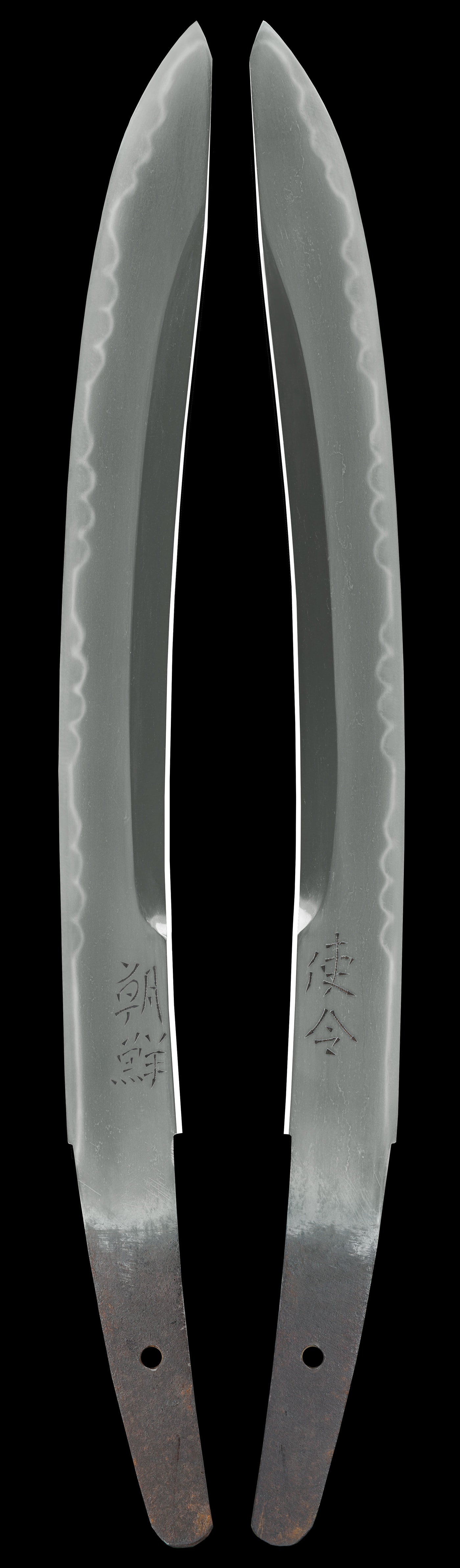
Tanto - Hozon - by Jumyo Toshinaga - 短刀 無銘(新々刀寿命)(刀身切付銘)朝鮮使令Tanto - Hozon - by Jumyo Toshinaga - 短刀 無銘(新々刀寿命)(刀身切付銘)朝鮮使令

短刀

作壽命
25cm·Tenna (1681-1684)
¥398,000
SamuraiSword
保存
Wakizashi - Hozon - by Jumyo - 脇差 寿命Wakizashi - Hozon - by Jumyo - 脇差 寿命

脇差

作壽命
38.5cm·新刀
¥12,000
サムライ商会
保存
Katana - Hozon - by Jumyo Toshinaga - 刀 無銘(新々刀寿命)Katana - Hozon - by Jumyo Toshinaga - 刀 無銘(新々刀寿命)

刀

作壽命
63.4cm·Tenna (1681-1684)
¥850,000
刀心
保存
Tanto - Hozon - by Jumyo - 無銘(寿命) - 4-358Tanto - Hozon - by Jumyo - 無銘(寿命) - 4-358

短刀

作壽命
18.6cm·室町
¥110,000
銀座長州屋
Katana - by Jumyo - 銘 寿命Katana - by Jumyo - 銘 寿命

刀

作壽命
Kanbun (1661-1673)
¥900,000

美濃の伝統

すべて見る →
コレクション情報
特別保存
Wakizashi - Tokuho - by Shizu Kaneuji - 薙刀直し脇差し 無銘(伝志津) Wakizashi:Mumei(Den Shizu)Wakizashi - Tokuho - by Shizu Kaneuji - 薙刀直し脇差し 無銘(伝志津) Wakizashi:Mumei(Den Shizu)

脇差

作兼氏
41.7cm·Geno (1319-1321)
¥1,550,000
宝刀堂
特別保存
Naginata - Tokuho - by Aki Teruhiro School - 播磨守藤原輝広 薙刀Naginata - Tokuho - by Aki Teruhiro School - 播磨守藤原輝広 薙刀

薙刀

作安芸輝広派
50cm·1596-1644
¥850,000
コレクション情報
重要
Katana - Jūyō - by Shizu Kaneuji - 刀 大和志津(無銘)Katana - Jūyō - by Shizu Kaneuji - 刀 大和志津(無銘)

刀

作兼氏
69.5cm·Geno (1319-1321)
¥9,500,000
葵美術
特別保存
Katana - Tokuho - by Naoe Shizu School - 刀:無銘(直江志津)(日本美術刀剣保存協会 特別保存刀剣)Katana - Tokuho - by Naoe Shizu School - 刀:無銘(直江志津)(日本美術刀剣保存協会 特別保存刀剣)

刀

作直江志津派
72.3cm·南北朝
¥2,200,000
Supein Nihonto
特別保存
Katana - Tokuho - by Sakakura Seki Masatoshi - 刀 銘 正利(坂倉関) 特別保存刀剣鑑定書付Katana - Tokuho - by Sakakura Seki Masatoshi - 刀 銘 正利(坂倉関) 特別保存刀剣鑑定書付

刀

作正利
71.2cm·室町
¥12,500
銀座長州屋
特別保存
Katana - Tokuho - by Naoe Shizu School - 大磨上無銘伝直江志津Katana - Tokuho - by Naoe Shizu School - 大磨上無銘伝直江志津

刀

作直江志津派
69.39cm·南北朝
¥2,500,000
サムライミュージアム
特別保存
Katana - Tokuho - by Seki Ujifusa - 日本刀 刀 銘 氏房(NBTHK 特別保存刀剣鑑定書)Katana - Tokuho - by Seki Ujifusa - 日本刀 刀 銘 氏房(NBTHK 特別保存刀剣鑑定書)

刀

作氏房
72.2cm·桃山
¥18,874
葵美術
特別保存
Katana - Tokuho - by Yamato Shizu School - 刀:大和志津兼氏(金象嵌銘)本阿弥(花押)(光遜)日本美術刀剣保存協会 特別保存刀剣Katana - Tokuho - by Yamato Shizu School - 刀:大和志津兼氏(金象嵌銘)本阿弥(花押)(光遜)日本美術刀剣保存協会 特別保存刀剣

刀

作大和志津派
69.2cm·南北朝
¥2,300,000

刀剣

  • 刀
  • 脇差
  • 短刀
  • 太刀
  • 薙刀
  • 槍

刀装具

  • 鍔
  • 縁頭
  • 小柄
  • 目貫

甲冑武具

  • 兜
  • 甲冑

鑑定別

  • 特重
  • 重要
  • 特別保存
  • 保存

リソース

  • 刀剣商一覧
  • 刀工一覧
  • 誌上鑑定
  • すべて見る
Nihontowatch© 2026
利用規約プライバシーCookie運営者情報

説明

Antique Japanese Sword Katana attributed to Jyumyo with NBTHK Hozon Certificate 【Description】 This blade is attributed to a work of the Jyumyo school from SHIN SHIN TO era (late Edo Period) according to NBTHK’s appraisal. The JYUMYO school has its origins from YAMATO(NARA Pref.) and moved to MINO province in KAMAKURA period. The tradition continued for centuries right up until the end of EDO period. Their name “JYUMYO” means life span or longevity. As it’s meaning is so hopeful, their swords were prized as celebrated gift to DAIMYO great families among the SAMURAI society. The MINO swordsmiths style, also known as MINO-DEN, basically has the TOGARI(Pointed shapes protruding from the Hamon )in a classic straight line and random temper line with some white Utsuri. MINO-DEN had its origin from YAMATO-DEN in the late KAMAKURA period(1280-1330). It flourished in the MUROMACHI period(1333-1573) and continued until the EDO period(1603-1868). MINO-DEN especially prospered during Sengoku Jidai(Warring State period) due to the high demand for weapons. And the location of Mino province beat others. Akechi Mitsuhide controlled Mino province, and Nobunaga Oda ruled Owari province, and Tokugawa Ieyasu was the lord of Suruga (Neighboring areas). There was high demand from those powerful feudal lords and their retainers. Furthermore, so many wars occurred between the Kanto region and the Kyoto area. Mino is located in the middle, making feudal lords feel convenient to order swords from MINO-DEN. The blades forged in MINO provinces also had the reputation of its practical design and sharpness. Many feudal lords demanded swords forged in the Mino province. The tradition of excellent sword forging skills had been passed to the Edo period, and Jyumyo is a good example. This blade is appraised as a Hozon Touken (保存刀剣) issued by NBTHK (Nihon Bijutsu Touken Hozon Kyokai: 日本美術刀剣保存協会). This authentication paper was only given to authentic Japanese swords, well preserved and high quality with artistic value. *Please keep in mind that there is a couple of black rusts on this blade. If you like to see the detailed condition, please feel free to contact us. 【Blade】 Cutting Edge Length (Nagasa) : 70.4 cm ( 27.7 inches) Curvature (Sori) : 1.8 cm (0.70 inches) Hamon : The crystalline structure which forms along the cutting edge of a blade as a result of the hardening process. Jimon (Jihada) : Visible steel surface pattern created by folding and hammering during forging process. Kissaki : Kissaki is the tip of the Japanese sword. Nakago : Nakago is the tang of the Japanese sword. Japanese swordsmiths left the black rust on the tang because it prevents red rust while the tang is in its handle. And the discoloration of the tang was created over time, and it is a great indicator for a Japanese sword specialist to estimate when the sword was forged. Koshirae : Koshirae is the mounting of the Japanese sword. There are several parts that consist of Koshirae such as Saya (Scabbard), Tsuka (Handle), Tsuba (Handguard). Fuchi-Kashira : A pair of matching sword fittings that cover the upper and bottom parts of its sword hilt. The theme of the Fuchi Kashira is a wave (波). Waves are a prominent motif in Japanese art, symbolizing the strength and resilience of nature as well as the ebb and flow of life. This design not only highlights the beauty of dynamic movement but also reflects the harmony and power inherent in water, an element deeply valued in Japanese culture. By incorporating this wave pattern, the Fuchi Kashira captures both aesthetic appeal and profound symbolism, resonating with the natural world’s balance and energy. Tsuka and Menuki : Tsuka is the handle of the Japanese sword and Menuki is its decoration. This menuki features a design depicting samurai warriors on horseback, known as bajō musha (馬上武者, mounted warriors). Judging from their luxurious armor, they appear to be high-ranking samurai. In Japan’s earlier periods of warfare, particularly during the He

NihontoWatch MonNihontoWatch
MarketEncyclopediaKantei
刀剣›美濃伝›寿命›Late Edo Katana Jyumyo
不明保存
寿命派

Late Edo Katana Jyumyo

無銘 · Jumyo · 新々刀 · 長さ 70.4cm · 反り 1.8cm

売却済
寿命派 — 1 of 24
寿命派 — 2 of 24
寿命派 — 3 of 24
寿命派 — 4 of 24
寿命派 — 5 of 24
寿命派 — 6 of 24
寿命派 — 7 of 24
寿命派 — 8 of 24
寿命派 — 9 of 24
寿命派 — 10 of 24
寿命派 — 11 of 24
寿命派 — 12 of 24
寿命派 — 13 of 24
寿命派 — 14 of 24
寿命派 — 15 of 24
寿命派 — 16 of 24
寿命派 — 17 of 24
寿命派 — 18 of 24
寿命派 — 19 of 24
寿命派 — 20 of 24
寿命派 — 21 of 24
寿命派 — 22 of 24
寿命派 — 23 of 24
寿命派 — 24 of 24
1 / 24
1 / 24
寿命派 — 1 of 24寿命派 — 2 of 24寿命派 — 3 of 24寿命派 — 4 of 24寿命派 — 5 of 24寿命派 — 6 of 24寿命派 — 7 of 24寿命派 — 8 of 24寿命派 — 9 of 24寿命派 — 10 of 24寿命派 — 11 of 24寿命派 — 12 of 24寿命派 — 13 of 24寿命派 — 14 of 24寿命派 — 15 of 24寿命派 — 16 of 24寿命派 — 17 of 24寿命派 — 18 of 24寿命派 — 19 of 24寿命派 — 20 of 24寿命派 — 21 of 24寿命派 — 22 of 24寿命派 — 23 of 24寿命派 — 24 of 24
法量・詳細
刀工

寿命派

時代

Shin-shinto

国

美濃

銘

無銘

鑑定書

保存 (NBTHK)

説明

Antique Japanese Sword Katana attributed to Jyumyo with NBTHK Hozon Certificate 【Description】 This blade is attributed to a work of the Jyumyo school from SHIN SHIN TO era (late Edo Period) according to NBTHK’s appraisal. The JYUMYO school has its origins from YAMATO(NARA Pref.) and moved to MINO province in KAMAKURA period. The tradition continued for centuries right up until the end of EDO period. Their name “JYUMYO” means life span or longevity. As it’s meaning is so hopeful, their swords were prized as celebrated gift to DAIMYO great families among the SAMURAI society. The MINO swordsmiths style, also known as MINO-DEN, basically has the TOGARI(Pointed shapes protruding from the Hamon )in a classic straight line and random temper line with some white Utsuri. MINO-DEN had its origin from YAMATO-DEN in the late KAMAKURA period(1280-1330). It flourished in the MUROMACHI period(1333-1573) and continued until the EDO period(1603-1868). MINO-DEN especially prospered during Sengoku Jidai(Warring State period) due to the high demand for weapons. And the location of Mino province beat others. Akechi Mitsuhide controlled Mino province, and Nobunaga Oda ruled Owari province, and Tokugawa Ieyasu was the lord of Suruga (Neighboring areas). There was high demand from those powerful feudal lords and their retainers. Furthermore, so many wars occurred between the Kanto region and the Kyoto area. Mino is located in the middle, making feudal lords feel convenient to order swords from MINO-DEN. The blades forged in MINO provinces also had the reputation of its practical design and sharpness. Many feudal lords demanded swords forged in the Mino province. The tradition of excellent sword forging skills had been passed to the Edo period, and Jyumyo is a good example. This blade is appraised as a Hozon Touken (保存刀剣) issued by NBTHK (Nihon Bijutsu Touken Hozon Kyokai: 日本美術刀剣保存協会). This authentication paper was only given to authentic Japanese swords, well preserved and high quality with artistic value. *Please keep in mind that there is a couple of black rusts on this blade. If you like to see the detailed condition, please feel free to contact us. 【Blade】 Cutting Edge Length (Nagasa) : 70.4 cm ( 27.7 inches) Curvature (Sori) : 1.8 cm (0.70 inches) Hamon : The crystalline structure which forms along the cutting edge of a blade as a result of the hardening process. Jimon (Jihada) : Visible steel surface pattern created by folding and hammering during forging process. Kissaki : Kissaki is the tip of the Japanese sword. Nakago : Nakago is the tang of the Japanese sword. Japanese swordsmiths left the black rust on the tang because it prevents red rust while the tang is in its handle. And the discoloration of the tang was created over time, and it is a great indicator for a Japanese sword specialist to estimate when the sword was forged. Koshirae : Koshirae is the mounting of the Japanese sword. There are several parts that consist of Koshirae such as Saya (Scabbard), Tsuka (Handle), Tsuba (Handguard). Fuchi-Kashira : A pair of matching sword fittings that cover the upper and bottom parts of its sword hilt. The theme of the Fuchi Kashira is a wave (波). Waves are a prominent motif in Japanese art, symbolizing the strength and resilience of nature as well as the ebb and flow of life. This design not only highlights the beauty of dynamic movement but also reflects the harmony and power inherent in water, an element deeply valued in Japanese culture. By incorporating this wave pattern, the Fuchi Kashira captures both aesthetic appeal and profound symbolism, resonating with the natural world’s balance and energy. Tsuka and Menuki : Tsuka is the handle of the Japanese sword and Menuki is its decoration. This menuki features a design depicting samurai warriors on horseback, known as bajō musha (馬上武者, mounted warriors). Judging from their luxurious armor, they appear to be high-ranking samurai. In Japan’s earlier periods of warfare, particularly during the He

流派について

寿命

美濃伝 · 美濃

現在15点販売中

›
0名の刀工指定0口
主要刀工
刀工時代指定
壽命1288-12930
壽命1681-16840
壽命1532-15550
壽命1624-16440
壽命1573-15920
寿命流派を見る →
NBTHK鑑定書
Hozon Tōken保存刀剣
Sword Worthy of Preservation
›

銘が正しい、または無銘でも年代・国・系統を確実に指摘できる、保存に値する真正の作と鑑定されたものです。

NBTHKについて›

日本美術刀剣保存協会(NBTHK)は、1948年に設立され、文化庁の監督を受ける公益財団法人で、東京・刀剣博物館に本部を置きます。専門の審査員が出品作を直接審査し、美術的・歴史的価値に応じた鑑定書を発行します。NBTHKの鑑定書は、日本刀および刀装具の真正性を示す最も広く認知された基準です。

NBTHK公式サイト→
販売店
サ
サムライミュージアム
🇯🇵日本から発送
›
✓認証販売店samuraimuseum.jp
✓海外発送可✓英語対応PayPalクレジットカード
返品ポリシー

Returns/exchanges limited to defects caused by shipping (except willful misconduct or gross negligence by the company); customers must contact within 72 hours of receiving the product.
サムライミュージアムの出品一覧を見る→販売店サイトでこの商品を見る→

寿命派の売約済み

すべて見る →
池田美術
Katana - by Jumyo School - 【実用向けの末古刀】「岩捲」71.9cm 、鑑賞に・居合・試斬刀として!!!Katana - by Jumyo School - 【実用向けの末古刀】「岩捲」71.9cm 、鑑賞に・居合・試斬刀として!!!
売切れ

刀

作寿命派
71.9cm·桃山
売却済
刀心
Daisho - by Jumyo School - (大)無銘(新刀壽命) - Mumei(Shinto Toshinaga) - / (小)肥前國住伊豫掾源宗次 - Hizen no kuni ju Iyo no jo Munetsugu - 2-1832Daisho - by Jumyo School - (大)無銘(新刀壽命) - Mumei(Shinto Toshinaga) - / (小)肥前國住伊豫掾源宗次 - Hizen no kuni ju Iyo no jo Munetsugu - 2-1832
売切れ

大小

作寿命派
63.35cm·新刀
売却済
Tozando
保存
Katana - Hozon - by Jumyo School - 日本刀 刀 無銘(伝利恒)古刀 NBTHK保存刀剣鑑定書付 | 東山堂Katana - Hozon - by Jumyo School - 日本刀 刀 無銘(伝利恒)古刀 NBTHK保存刀剣鑑定書付 | 東山堂
売切れ

刀

作寿命派
72cm·古刀
売却済
刀剣杉田
保存
Katana - Hozon - by Jumyo School - 無銘(寿命) (美濃)(東山道)Katana - Hozon - by Jumyo School - 無銘(寿命) (美濃)(東山道)
売切れ

刀

作寿命派
古刀
売却済
銀座誠友堂
特別保存
Tanto - Tokuho - by Jumyo School - 短刀[無銘 寿長(新々刀寿命)][日本美術刀剣保存協会]保存刀剣/特別保存刀装具Tanto - Tokuho - by Jumyo School - 短刀[無銘 寿長(新々刀寿命)][日本美術刀剣保存協会]保存刀剣/特別保存刀装具
売切れ

短刀

作寿命派
17.3cm·新々刀
売却済
Tozando
Tanto - by Jumyo School - 短刀 寿長 合口拵 穿込茎 新刀期 東京都 第225129号Tanto - by Jumyo School - 短刀 寿長 合口拵 穿込茎 新刀期 東京都 第225129号
売切れ

短刀

作寿命派
18.6cm·新々刀
売却済
Tokyo Sword
Wakizashi - by Jumyo School - Rayskin Koshirae 鮫皮研出拵 Jumyo 壽命 Wakizashi Muromachi Period with ShirasayaWakizashi - by Jumyo School - Rayskin Koshirae 鮫皮研出拵 Jumyo 壽命 Wakizashi Muromachi Period with Shirasaya
売切れ

脇差

作寿命派
30.7cm·室町
売却済
Unique Japan
特別保存
Katana - Tokuho - by Jumyo School - A JUMYO KATANA (常陸守藤原寿命)Katana - Tokuho - by Jumyo School - A JUMYO KATANA (常陸守藤原寿命)
売切れ

刀

作寿命派
74.6cm·Shintô – middle Edo Period (circa kyôho era: 1716-1736)
売却済

寿命派の作

すべて見る →
刀心
保存
Katana - Hozon - by Jumyo School - 無銘(寿命) 2-1456Katana - Hozon - by Jumyo School - 無銘(寿命) 2-1456

刀

作寿命派
72.75cm·1288
¥550,000
Tokyo Nihonto
保存
Katana - Hozon - by Jumyo - 日本刀 刀 銘 寿命(生茎)黒呂色塗鞘拵 NBTHK保存刀剣鑑定書Katana - Hozon - by Jumyo - 日本刀 刀 銘 寿命(生茎)黒呂色塗鞘拵 NBTHK保存刀剣鑑定書

刀

作壽命
62.4cm·Tenna (1681-1684)
¥5,100
美術刀剣松本
特別保存
Naginata - Tokuho - by Jumyo - 薙刀 河内守藤原寿命Naginata - Tokuho - by Jumyo - 薙刀 河内守藤原寿命

薙刀

作壽命
39.7cm·江戸
¥450,000
サムライ商会
保存
Tanto - Hozon - by Jumyo Toshinaga - 短刀 無銘(新々刀寿命)(刀身切付銘)朝鮮使令Tanto - Hozon - by Jumyo Toshinaga - 短刀 無銘(新々刀寿命)(刀身切付銘)朝鮮使令

短刀

作壽命
25cm·Tenna (1681-1684)
¥398,000
SamuraiSword
保存
Wakizashi - Hozon - by Jumyo - 脇差 寿命Wakizashi - Hozon - by Jumyo - 脇差 寿命

脇差

作壽命
38.5cm·新刀
¥12,000
サムライ商会
保存
Katana - Hozon - by Jumyo Toshinaga - 刀 無銘(新々刀寿命)Katana - Hozon - by Jumyo Toshinaga - 刀 無銘(新々刀寿命)

刀

作壽命
63.4cm·Tenna (1681-1684)
¥850,000
刀心
保存
Tanto - Hozon - by Jumyo - 無銘(寿命) - 4-358Tanto - Hozon - by Jumyo - 無銘(寿命) - 4-358

短刀

作壽命
18.6cm·室町
¥110,000
銀座長州屋
Katana - by Jumyo - 銘 寿命Katana - by Jumyo - 銘 寿命

刀

作壽命
Kanbun (1661-1673)
¥900,000

美濃の伝統

すべて見る →
コレクション情報
特別保存
Wakizashi - Tokuho - by Shizu Kaneuji - 薙刀直し脇差し 無銘(伝志津) Wakizashi:Mumei(Den Shizu)Wakizashi - Tokuho - by Shizu Kaneuji - 薙刀直し脇差し 無銘(伝志津) Wakizashi:Mumei(Den Shizu)

脇差

作兼氏
41.7cm·Geno (1319-1321)
¥1,550,000
宝刀堂
特別保存
Naginata - Tokuho - by Aki Teruhiro School - 播磨守藤原輝広 薙刀Naginata - Tokuho - by Aki Teruhiro School - 播磨守藤原輝広 薙刀

薙刀

作安芸輝広派
50cm·1596-1644
¥850,000
コレクション情報
重要
Katana - Jūyō - by Shizu Kaneuji - 刀 大和志津(無銘)Katana - Jūyō - by Shizu Kaneuji - 刀 大和志津(無銘)

刀

作兼氏
69.5cm·Geno (1319-1321)
¥9,500,000
葵美術
特別保存
Katana - Tokuho - by Naoe Shizu School - 刀:無銘(直江志津)(日本美術刀剣保存協会 特別保存刀剣)Katana - Tokuho - by Naoe Shizu School - 刀:無銘(直江志津)(日本美術刀剣保存協会 特別保存刀剣)

刀

作直江志津派
72.3cm·南北朝
¥2,200,000
Supein Nihonto
特別保存
Katana - Tokuho - by Sakakura Seki Masatoshi - 刀 銘 正利(坂倉関) 特別保存刀剣鑑定書付Katana - Tokuho - by Sakakura Seki Masatoshi - 刀 銘 正利(坂倉関) 特別保存刀剣鑑定書付

刀

作正利
71.2cm·室町
¥12,500
銀座長州屋
特別保存
Katana - Tokuho - by Naoe Shizu School - 大磨上無銘伝直江志津Katana - Tokuho - by Naoe Shizu School - 大磨上無銘伝直江志津

刀

作直江志津派
69.39cm·南北朝
¥2,500,000
サムライミュージアム
特別保存
Katana - Tokuho - by Seki Ujifusa - 日本刀 刀 銘 氏房(NBTHK 特別保存刀剣鑑定書)Katana - Tokuho - by Seki Ujifusa - 日本刀 刀 銘 氏房(NBTHK 特別保存刀剣鑑定書)

刀

作氏房
72.2cm·桃山
¥18,874
葵美術
特別保存
Katana - Tokuho - by Yamato Shizu School - 刀:大和志津兼氏(金象嵌銘)本阿弥(花押)(光遜)日本美術刀剣保存協会 特別保存刀剣Katana - Tokuho - by Yamato Shizu School - 刀:大和志津兼氏(金象嵌銘)本阿弥(花押)(光遜)日本美術刀剣保存協会 特別保存刀剣

刀

作大和志津派
69.2cm·南北朝
¥2,300,000

刀剣

  • 刀
  • 脇差
  • 短刀
  • 太刀
  • 薙刀
  • 槍

刀装具

  • 鍔
  • 縁頭
  • 小柄
  • 目貫

甲冑武具

  • 兜
  • 甲冑

鑑定別

  • 特重
  • 重要
  • 特別保存
  • 保存

リソース

  • 刀剣商一覧
  • 刀工一覧
  • 誌上鑑定
  • すべて見る
Nihontowatch© 2026
利用規約プライバシーCookie運営者情報
NihontoWatch Mon

NihontoWatch

マーケット
事典
鑑定
NihontoWatch Mon

NihontoWatch

マーケット
事典
鑑定