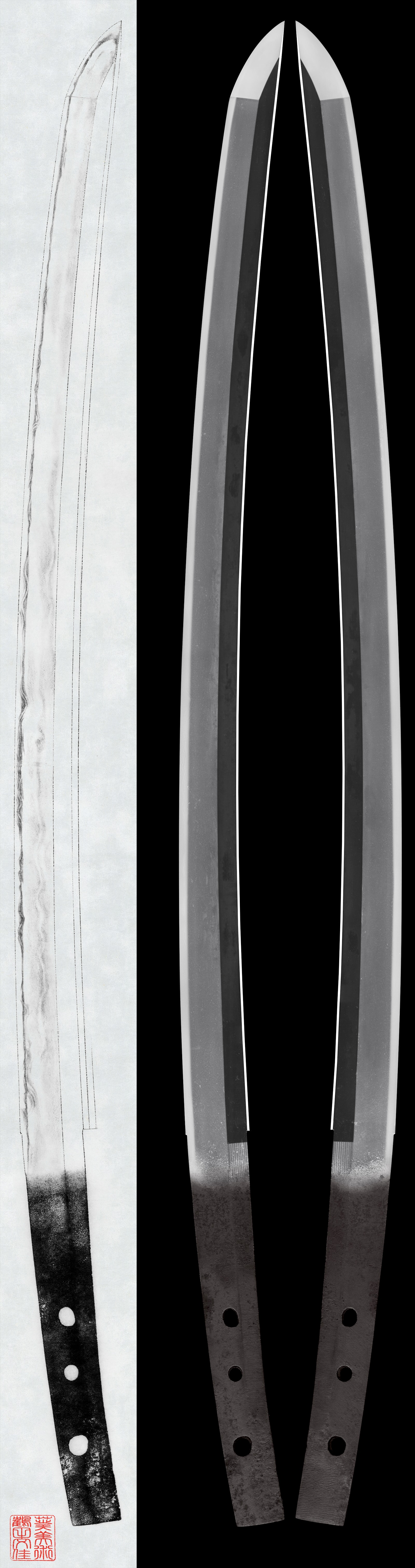
二つの朝廷、六十年の戦、そして刀剣史上もっとも劇的な姿。幅広の刀身、延びた切先、後代に磨上げられて雄大な刀となった大太刀。相州風がこの時代の様式であった。
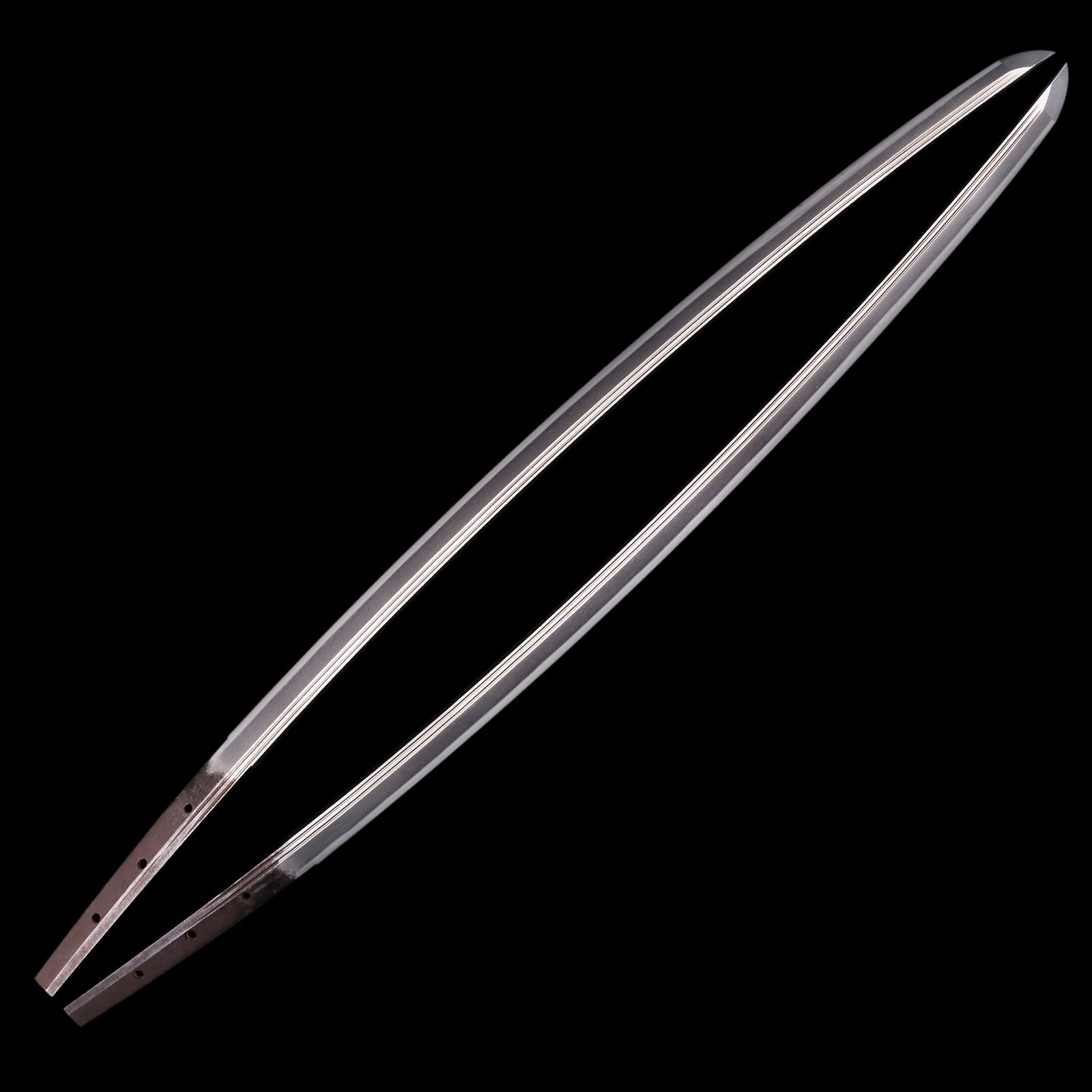
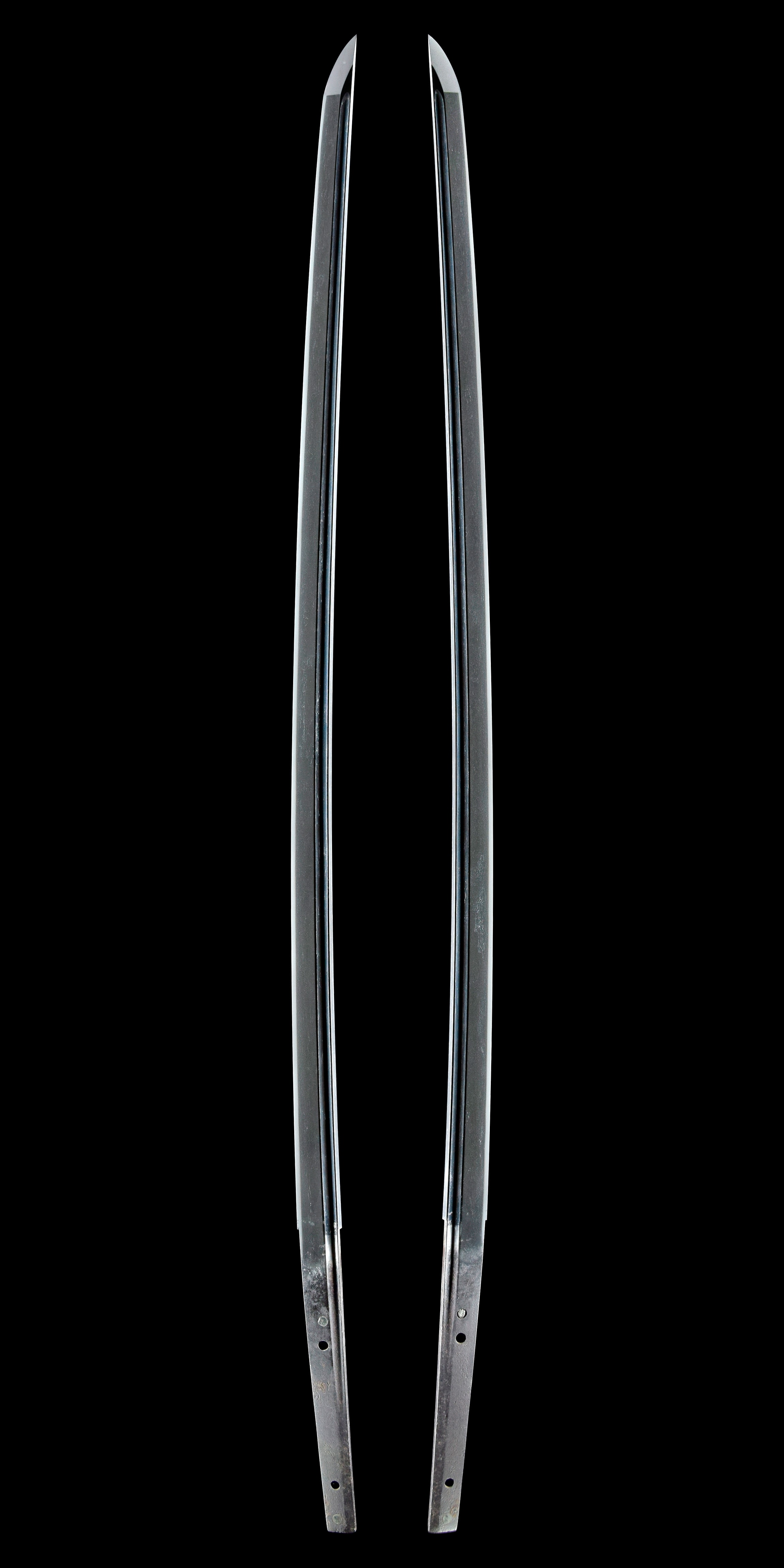
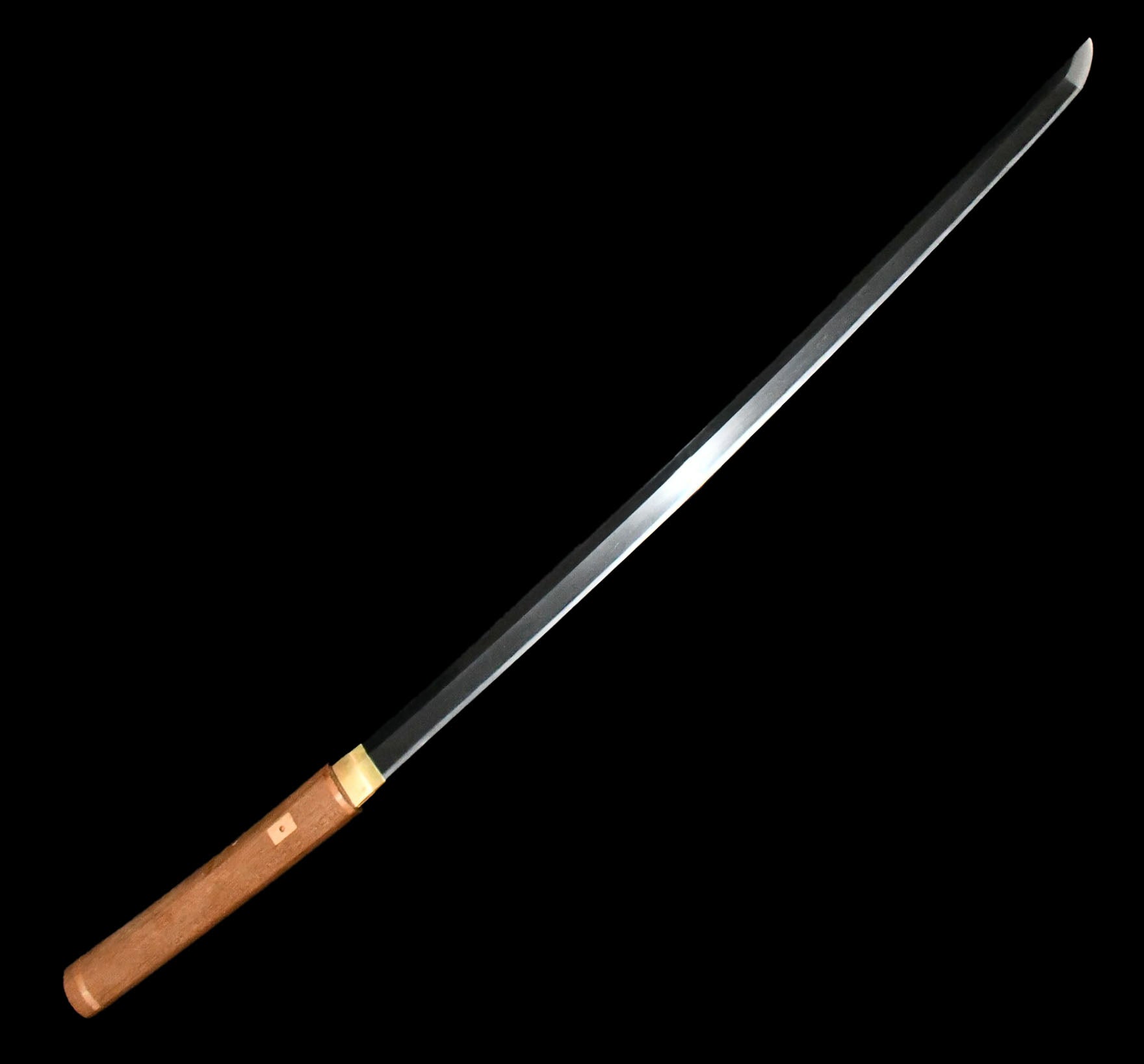
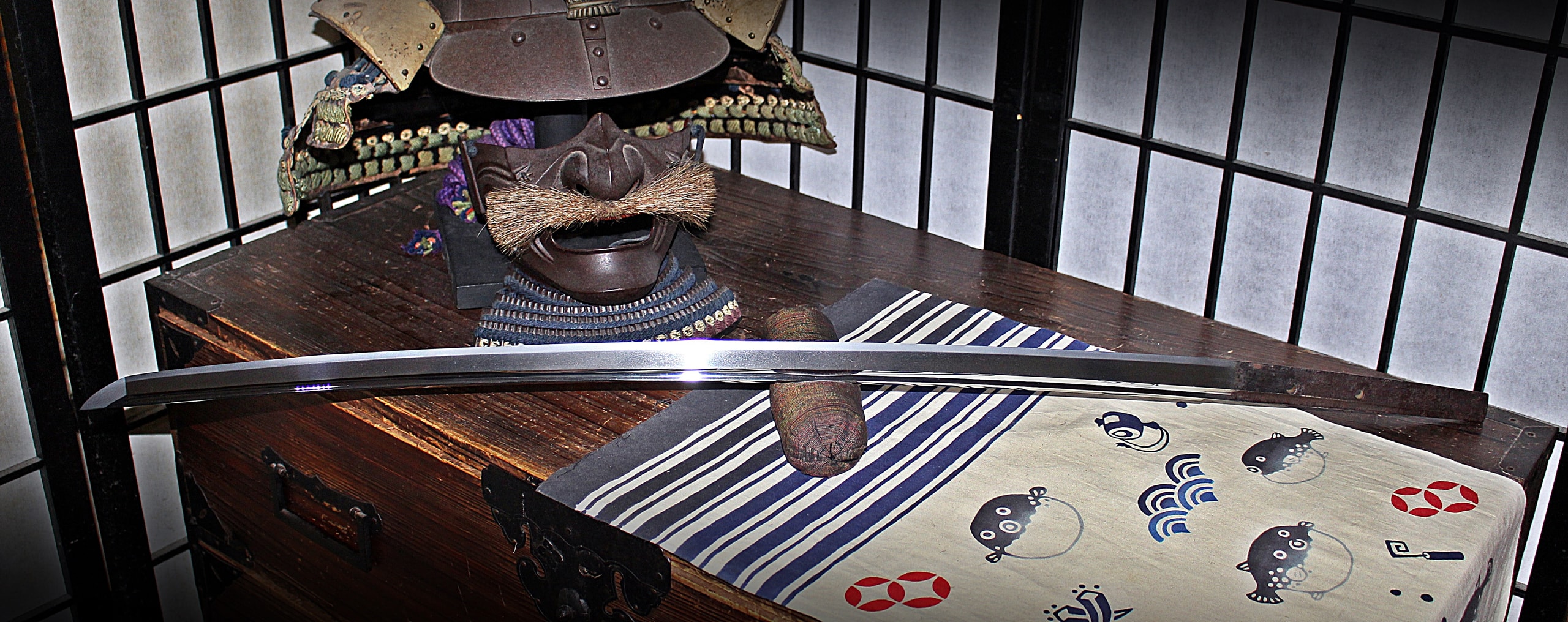
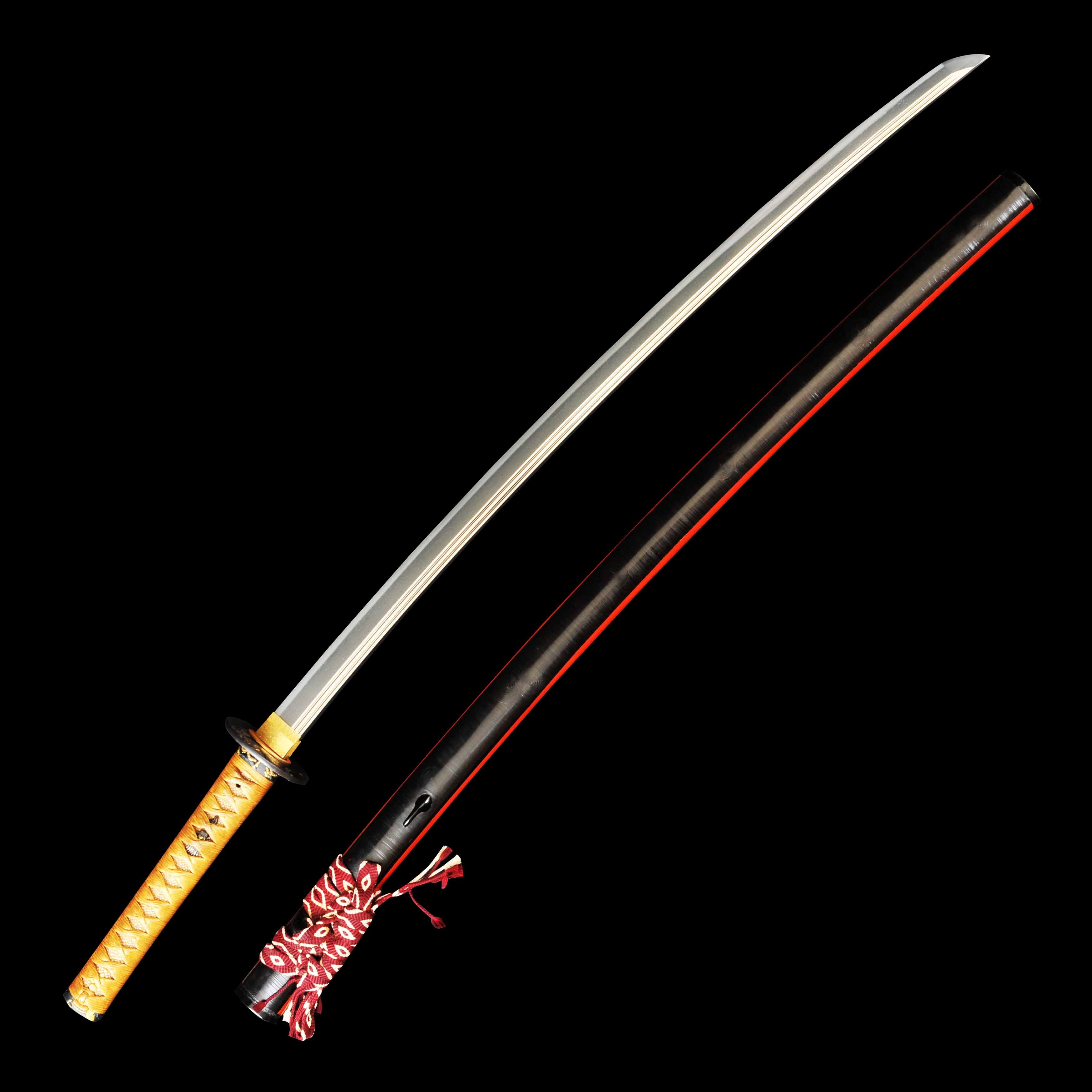
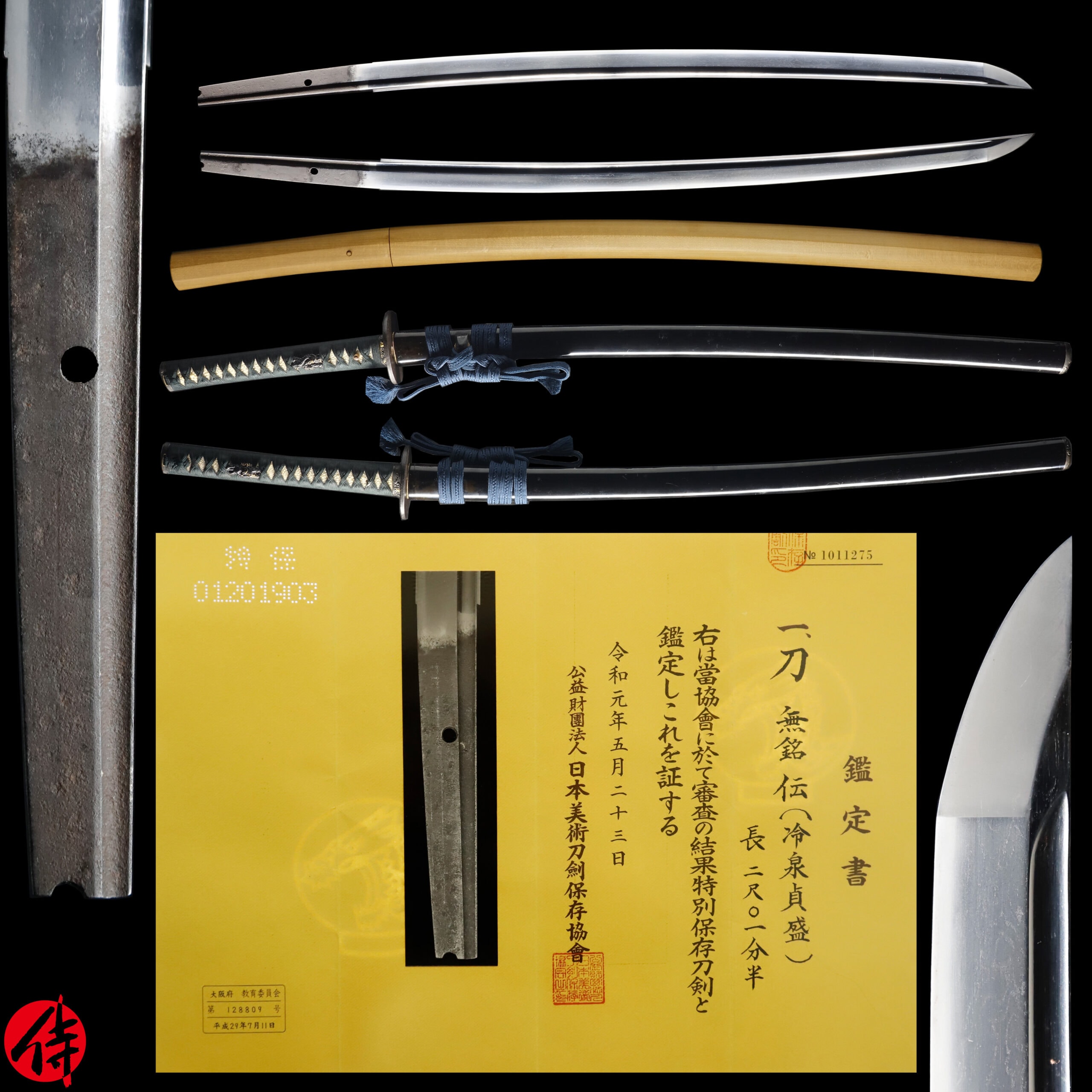
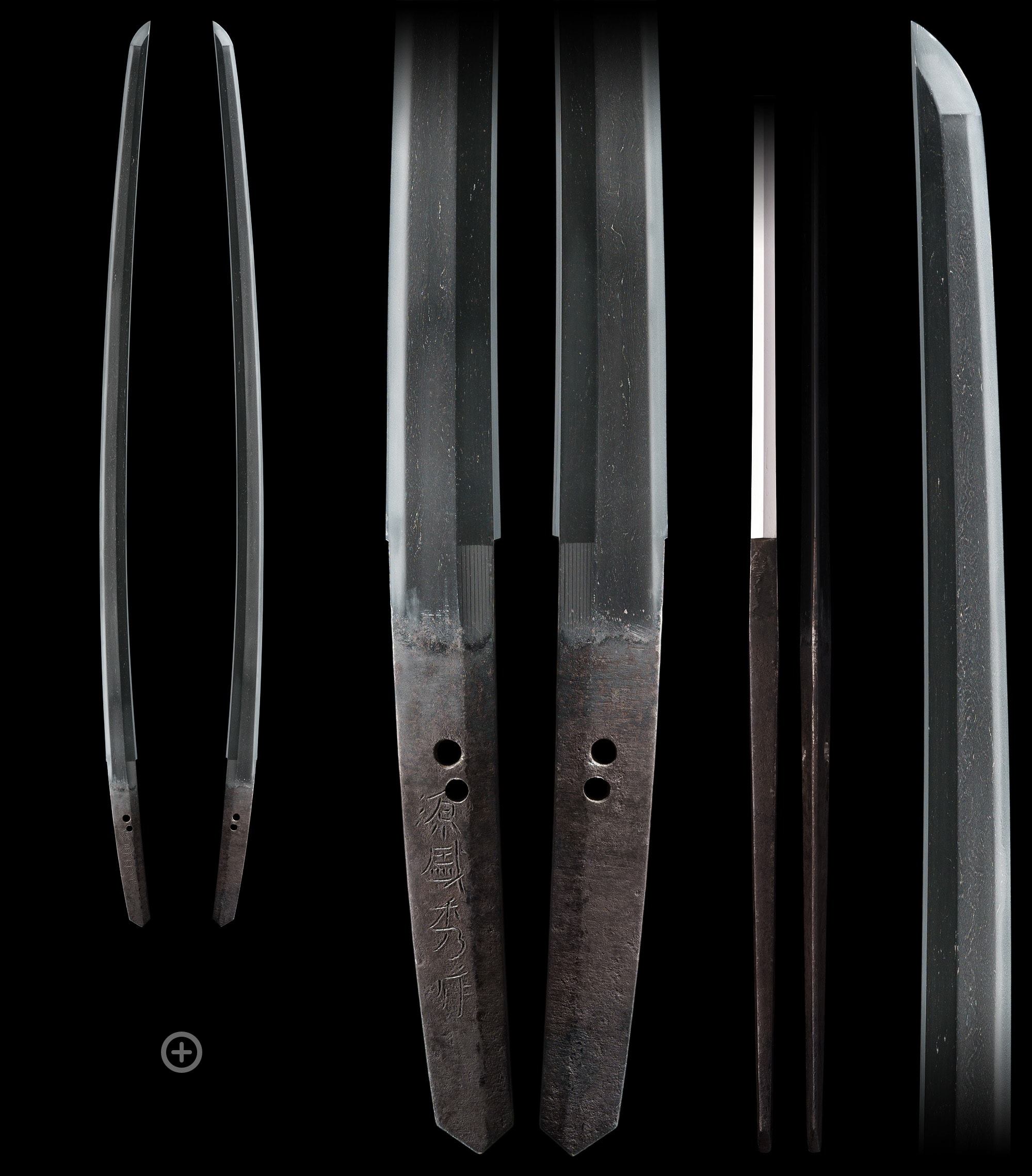
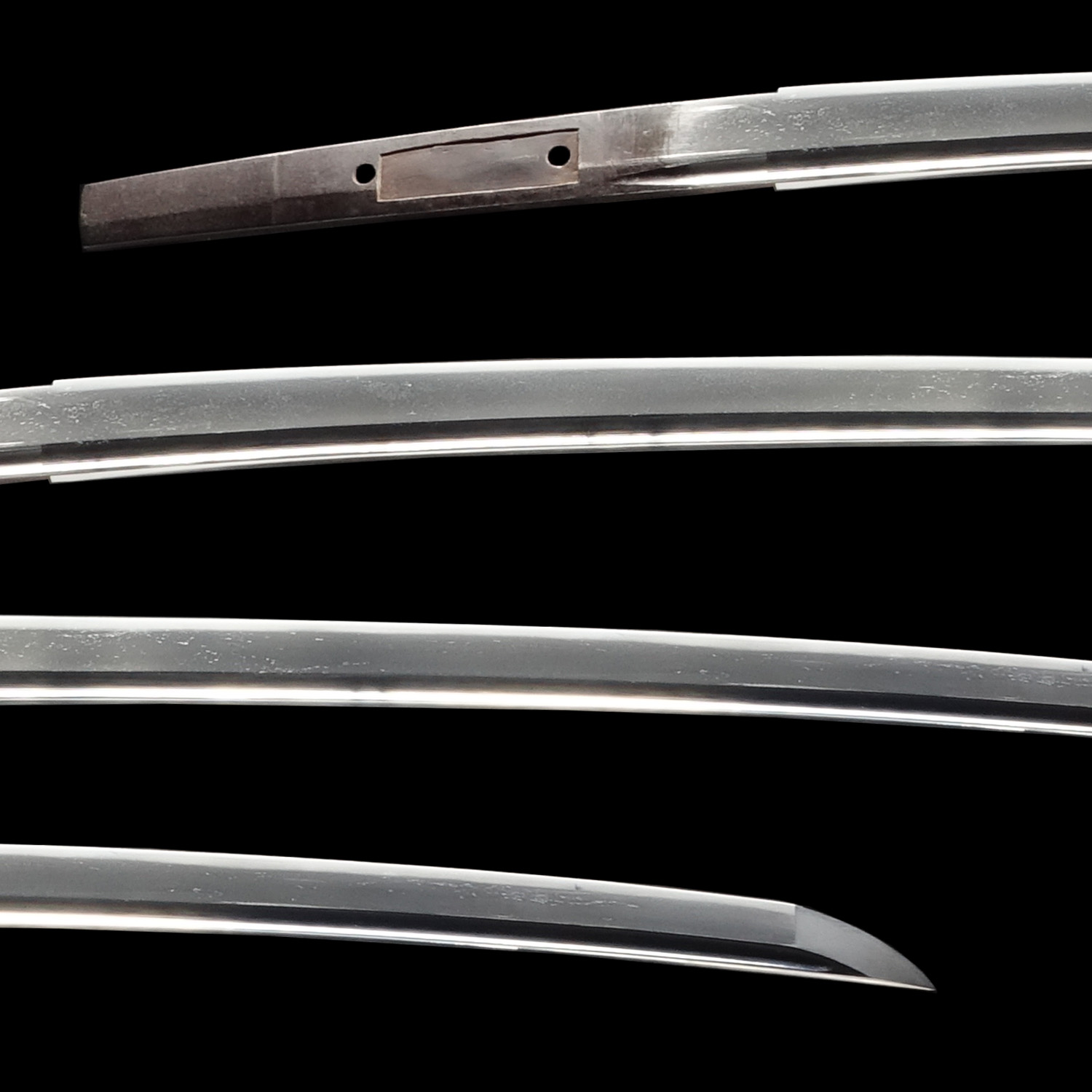
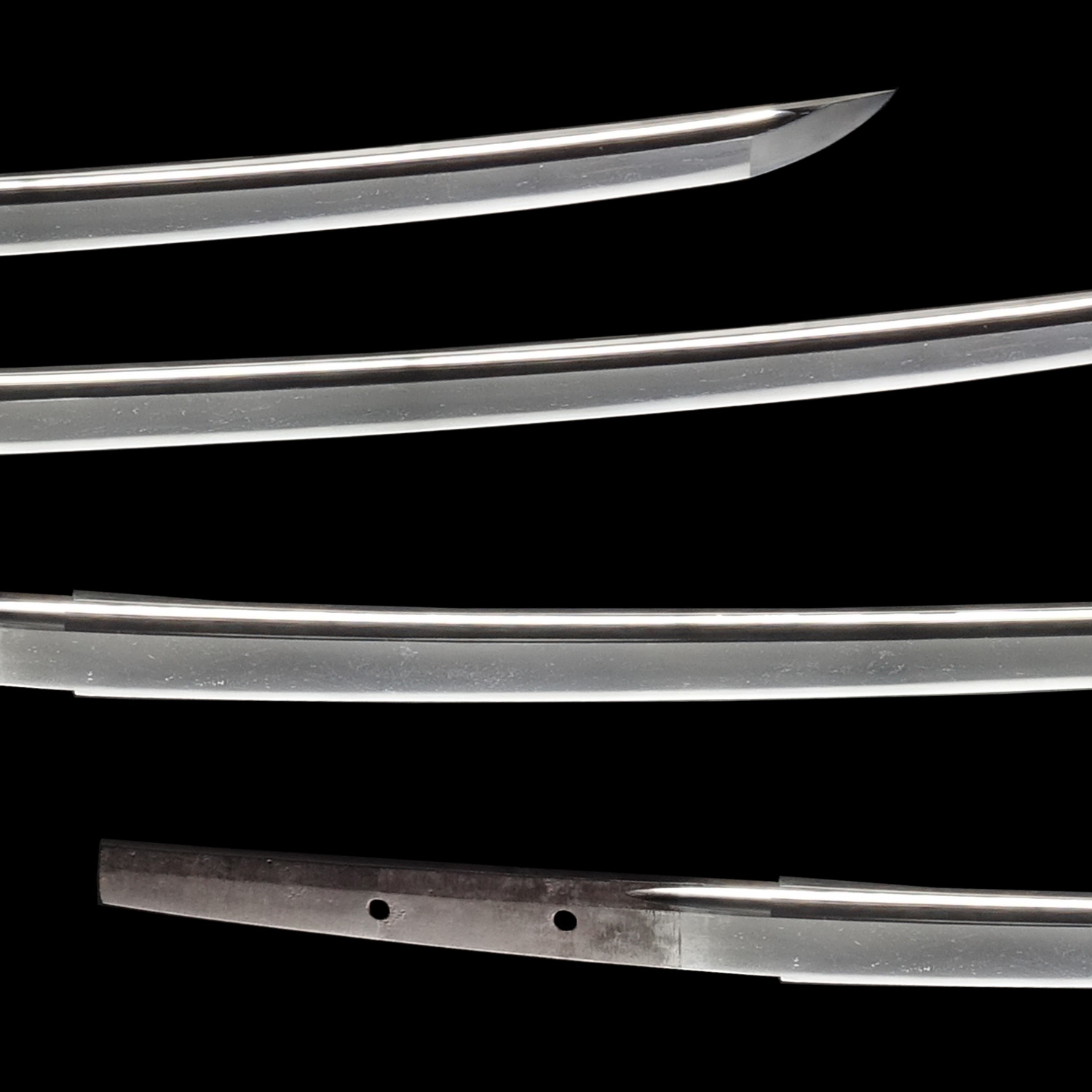
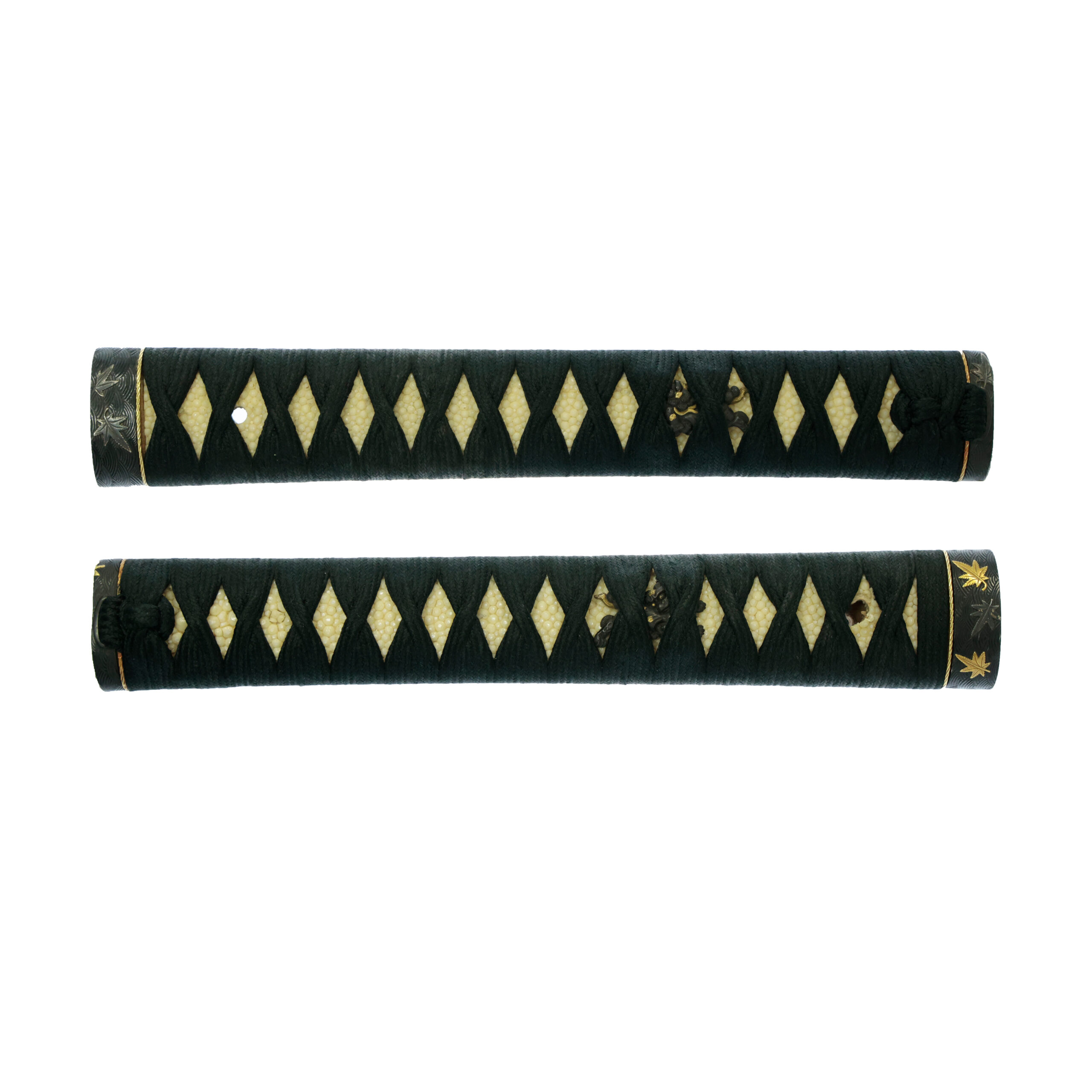
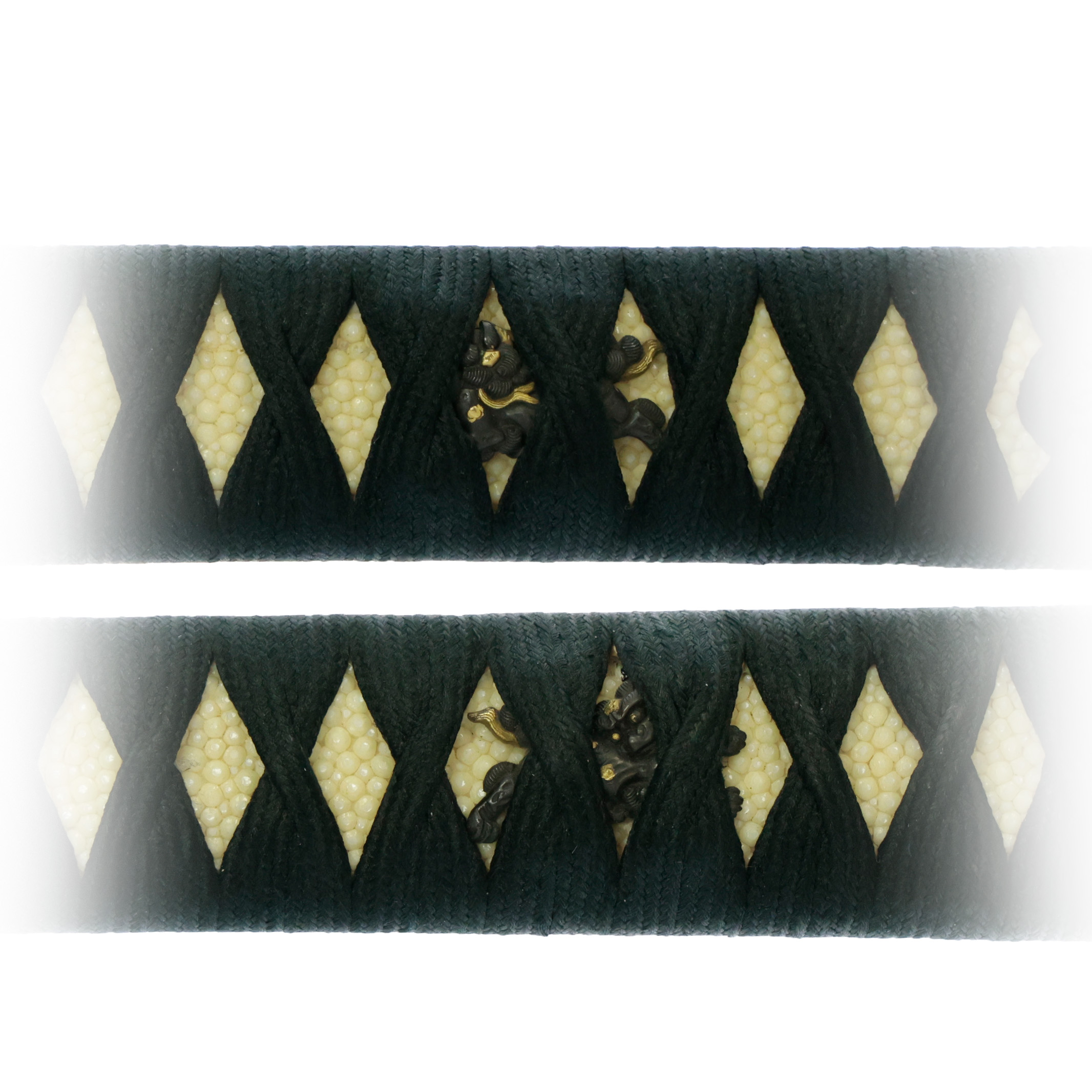
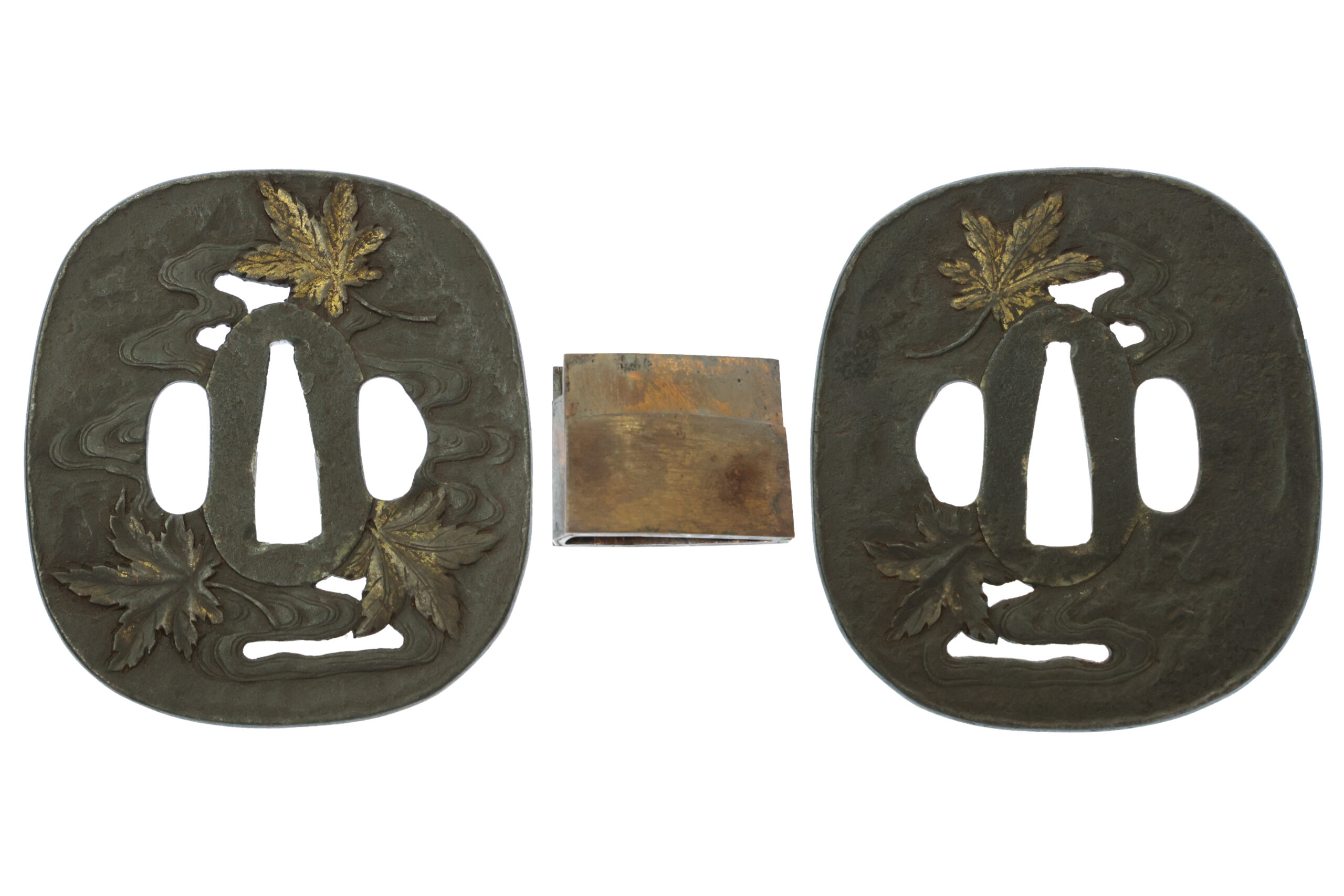
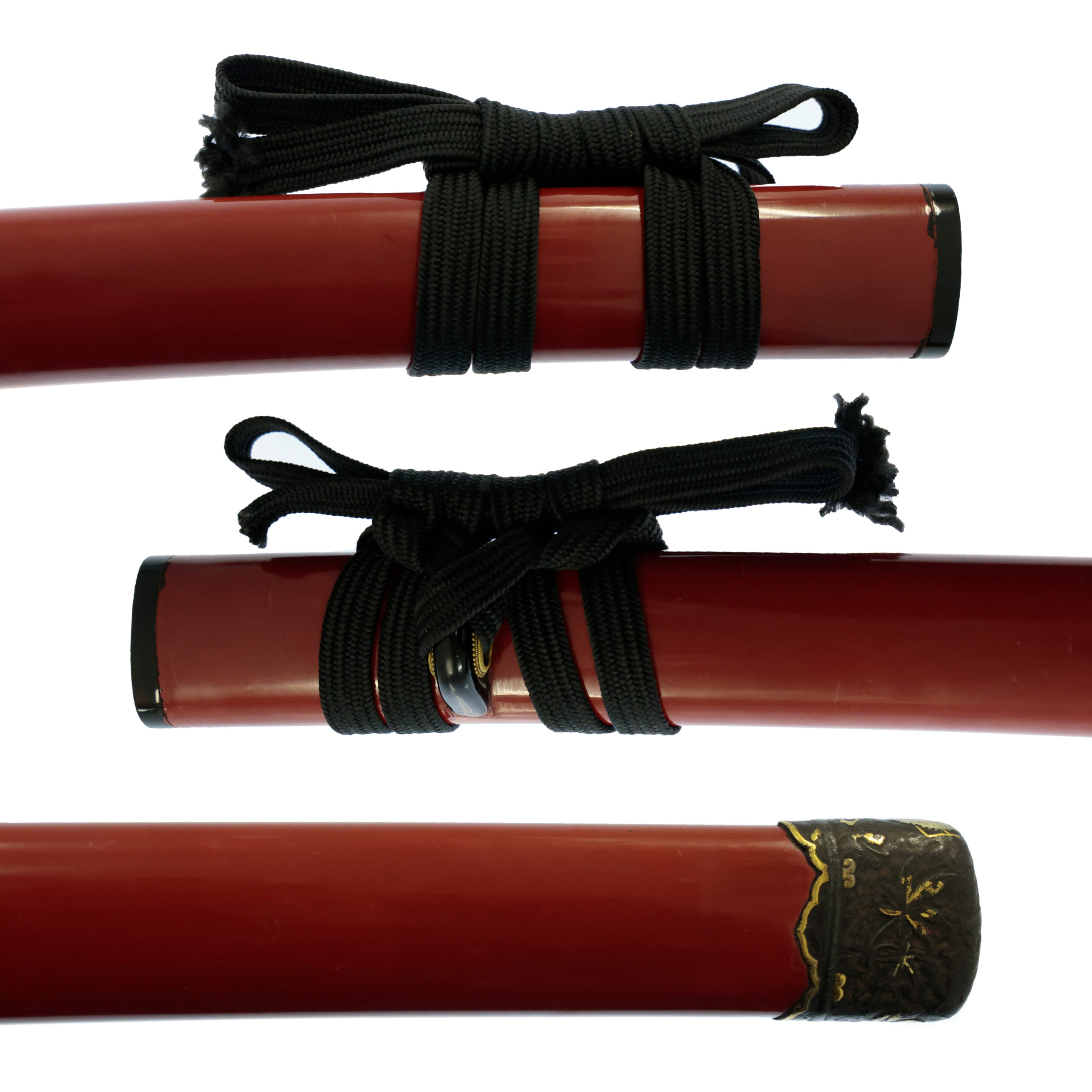
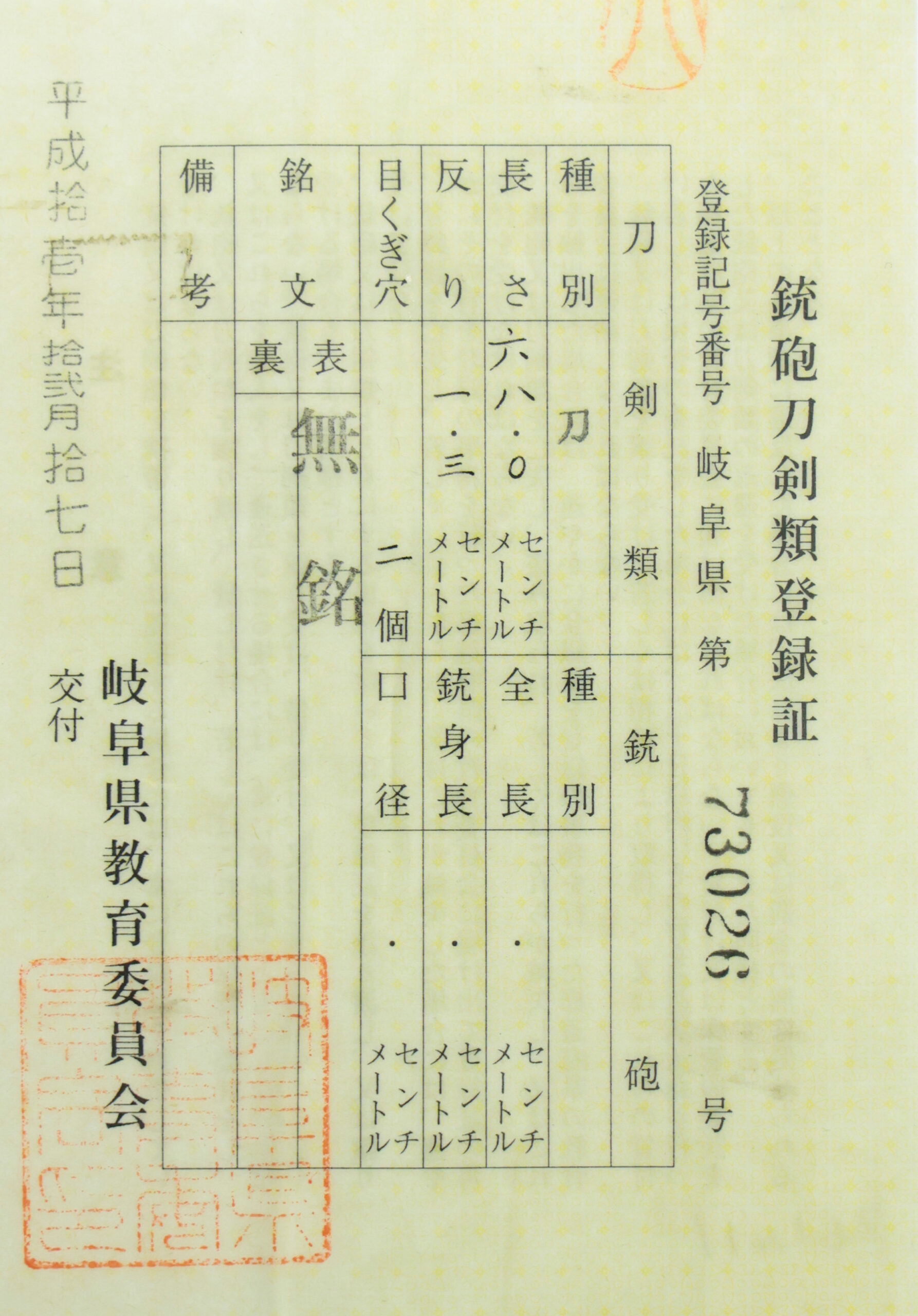
日本刀 刀 伝・冷泉貞盛(金剛兵衛) NBTHK特別保存刀剣鑑定書付 【解説】 本作は南北朝時代(貞和〜貞治頃/1345-1362年頃)に活躍した筑前国の刀工、冷泉貞盛(れいぜん さだもり)の伝作です。貞盛は、鎌倉時代後期の弘安頃(1278年頃)に盛国を始祖として興った名門「金剛兵衛(こんごうひょうえ)」派に属します。貞盛が「冷泉」と号したのは、当時、大陸との貿易拠点であった大宰府に近く、国防の要所として武士が集った博多の地(冷泉津)に居住し、作刀に励んだことに由来すると伝えられています。 金剛兵衛派は、同国の名門である西蓮一派とも深い繋がりがあったとされ、霊山として知られる宝満山(金剛宝満)の麓、浦山に居住して多くの名工を輩出しました。一門の刀工は貞盛をはじめ、名に「盛」の字を冠するのが特徴です。また、茎(なかご)の形状が「卒塔婆(そとば)」状になる独特の形態で知られますが、本作は大磨上げのため、その特徴は失われています。 また、金剛兵衛派は仏教との関わりが非常に強く、当時政治・軍事的に大きな勢力を持っていた宝満山の僧兵たちのために、専ら作刀を行っていた集団でもありました。 貞盛が活躍した南北朝時代は、朝廷が南北に分かれ戦乱が続いた激動の時代です。金剛兵衛派の刀工たちは、戦場へ赴く武士たちのために、実戦に耐えうる堅牢かつ質の高い刀剣を数多く打ち上げました。 本作は、日本美術刀剣保存協会(NBTHK)により「特別保存刀剣」に指定されています。これは、保存状態が極めて良く、かつ美術的価値の高い真作の日本刀にのみ与えられる格調高い鑑定書です。 ※刀身には僅かに鍛え傷が見受けられます。詳細なコンディションについては、お気軽にお問い合わせください。 【刀身】 長さ(Nagasa):68.0 cm 反り(Sori):1.3 cm 刃文(Hamon):焼入れによって刃先に現れる結晶構造。 地肌(Jihada):折り返し鍛錬によって現れる鋼の表面模様。 切先(Kissaki):刀身の先端部分。 茎(Nakago):柄に収まる茎の部分。 日本刀の茎には、赤錆を防ぐために意図的に残された「黒錆」が付着しています。この錆色は長い年月を経て形成されるもので、作刀年代を特定する上で極めて重要な指標となります。 【拵】 拵(Koshirae):鞘、柄、鍔などを含めた外装一式。 縁頭(Fuchi-Kashira):柄の両端を保護する金具。 意匠は「紅葉」です。紅葉は長寿の象徴とされるほか、鮮やかに色を変える様から、世渡りに長け幸福を掴むという意味も込められています。また、水面に紅葉が流れる様を描いたものは「流水紅葉文」と呼ばれ、古くから愛されてきた文様です。 柄・目貫(Tsuka / Menuki):柄の装飾金具。 目貫のモチーフは「獅子」です。当時、日本に獅子は生息していませんでしたが、唐を経由してペルシャ(イラン)から伝わった想像上の聖獣として尊ばれました。太陽と権威の象徴とされています。
 NihontoWatch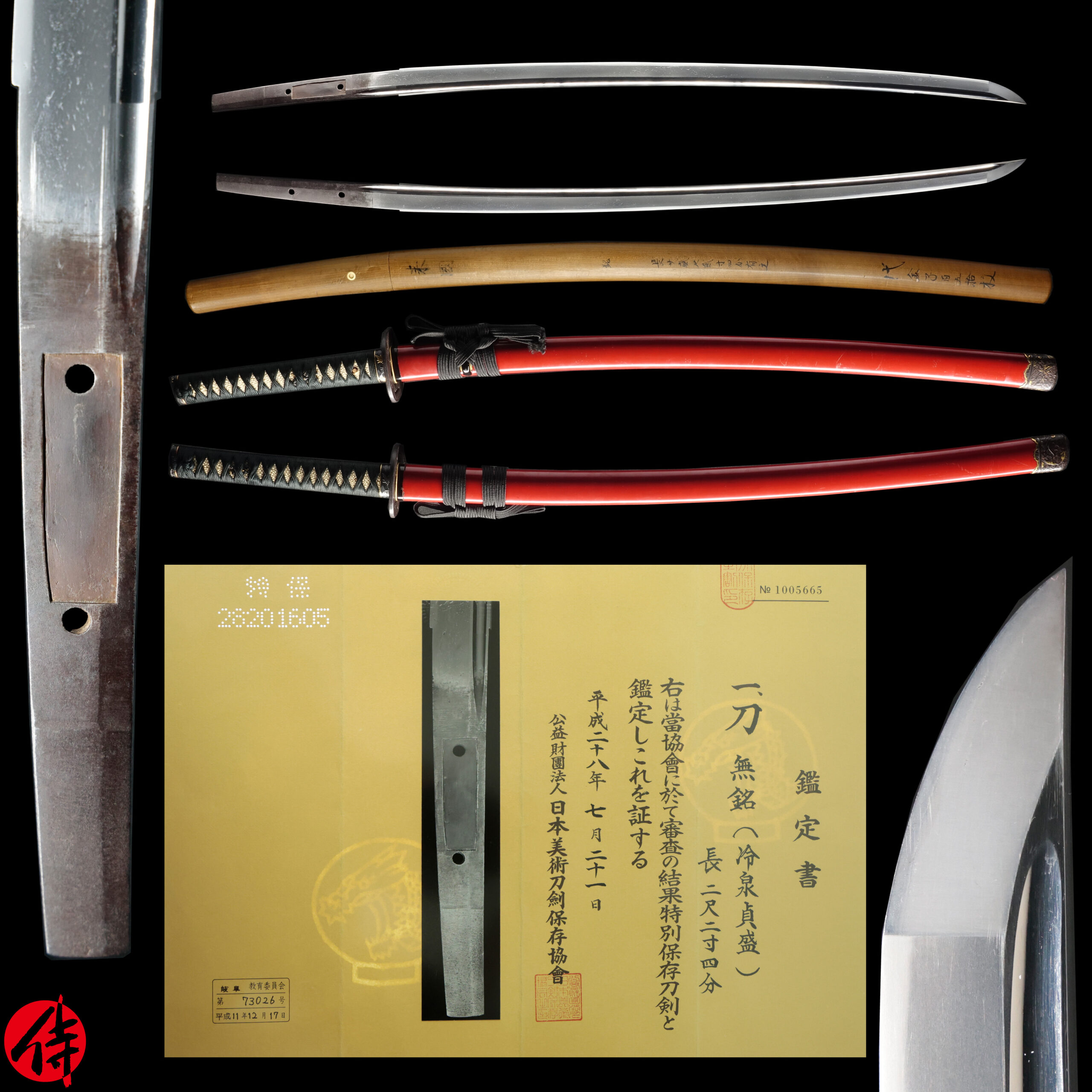
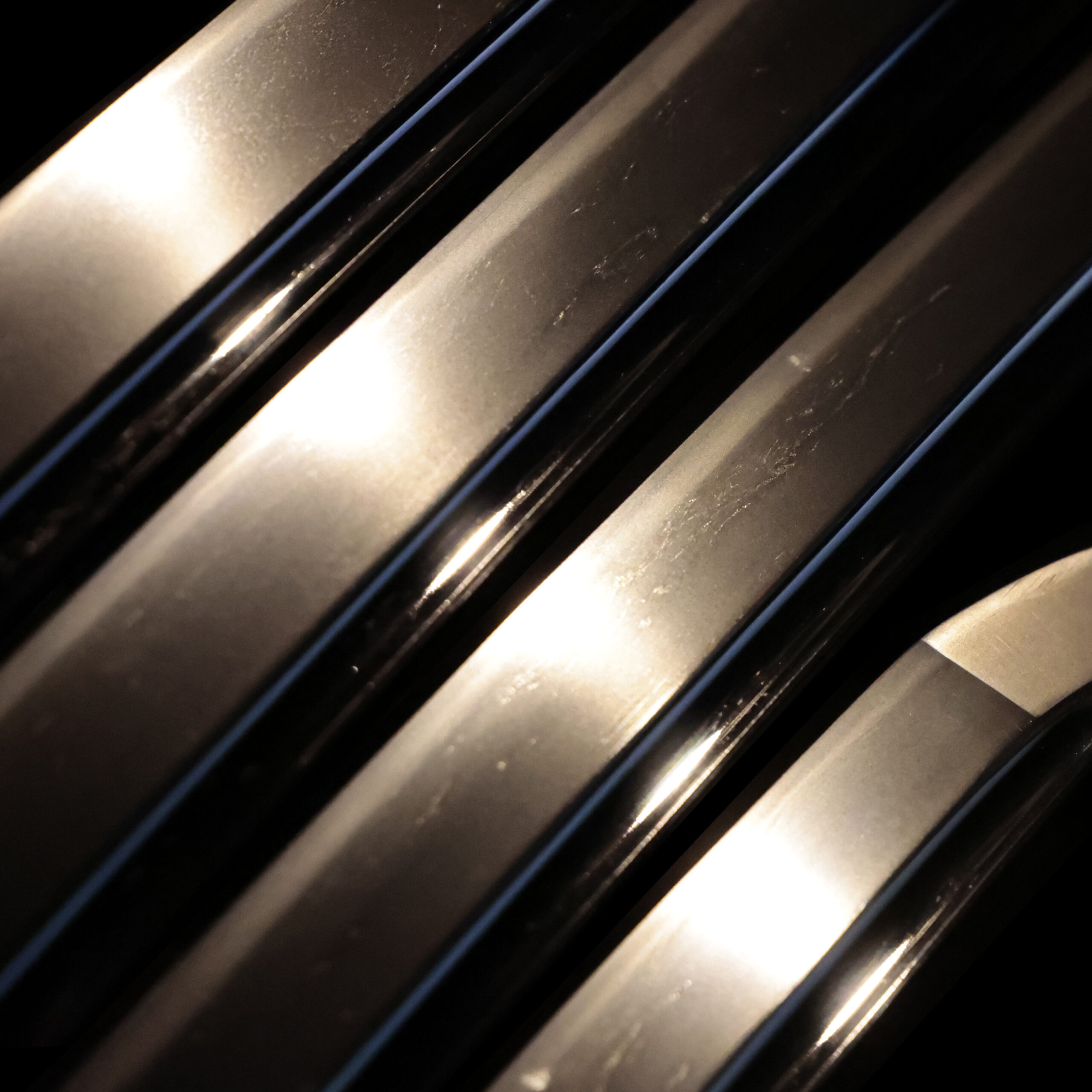
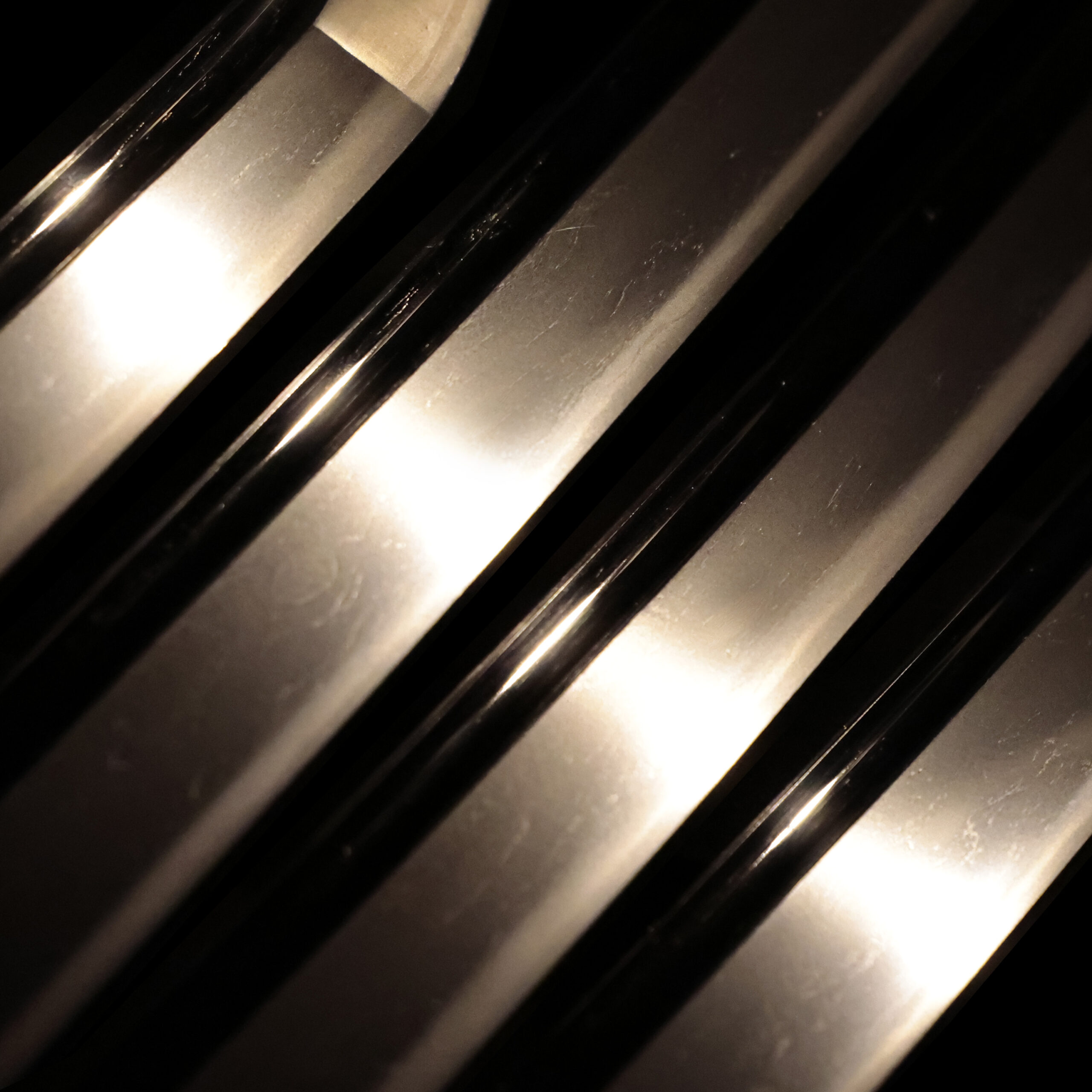
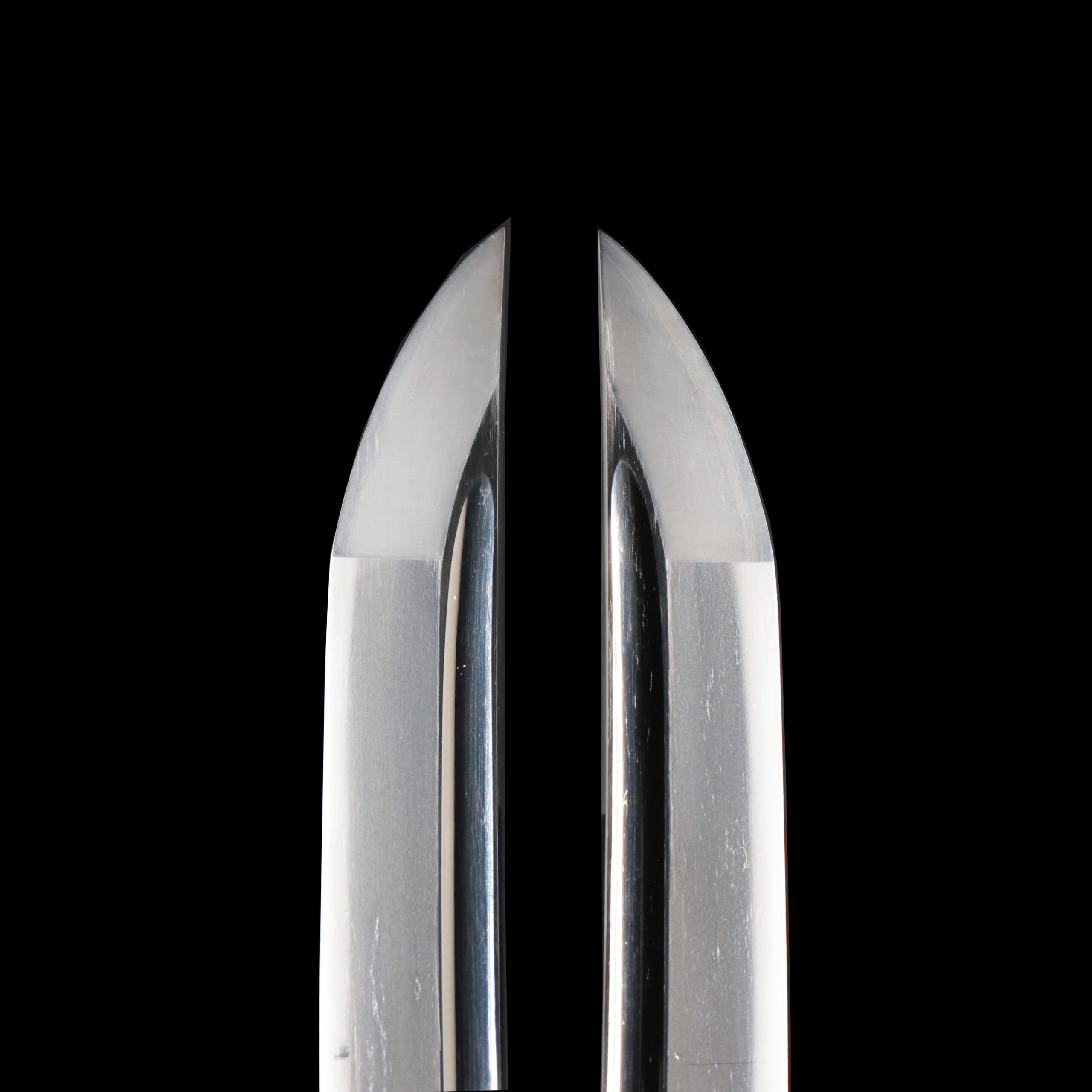
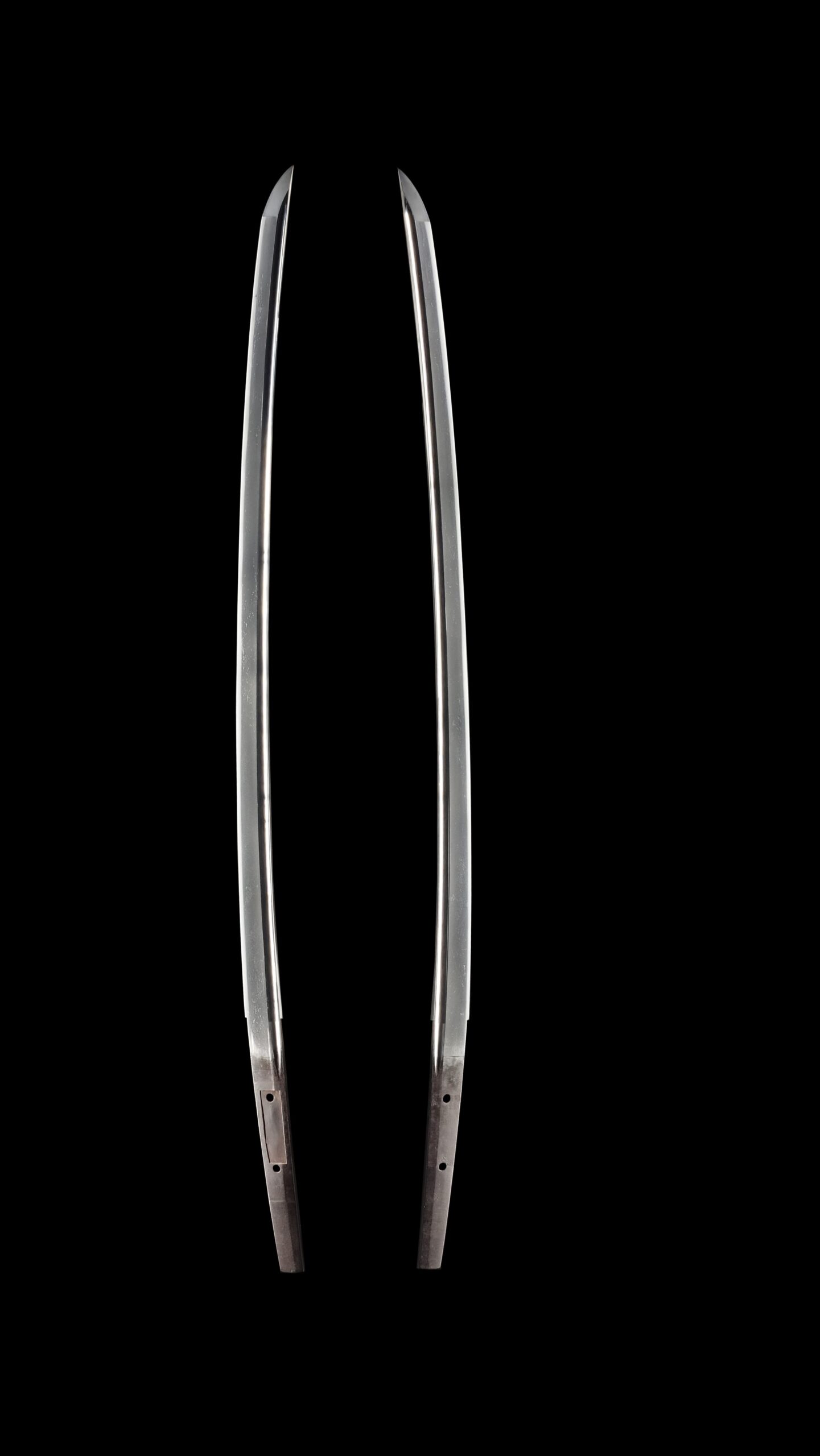
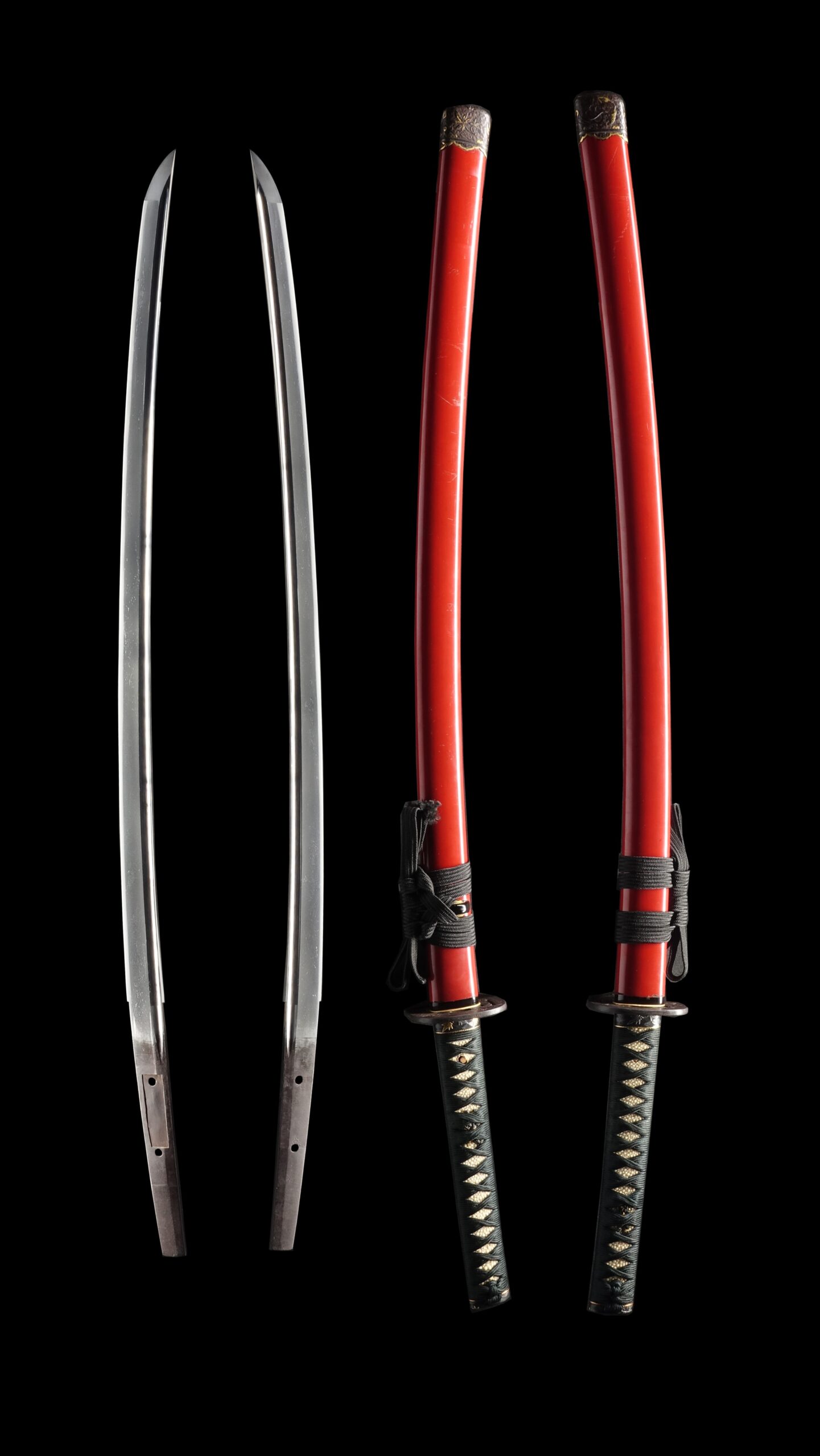
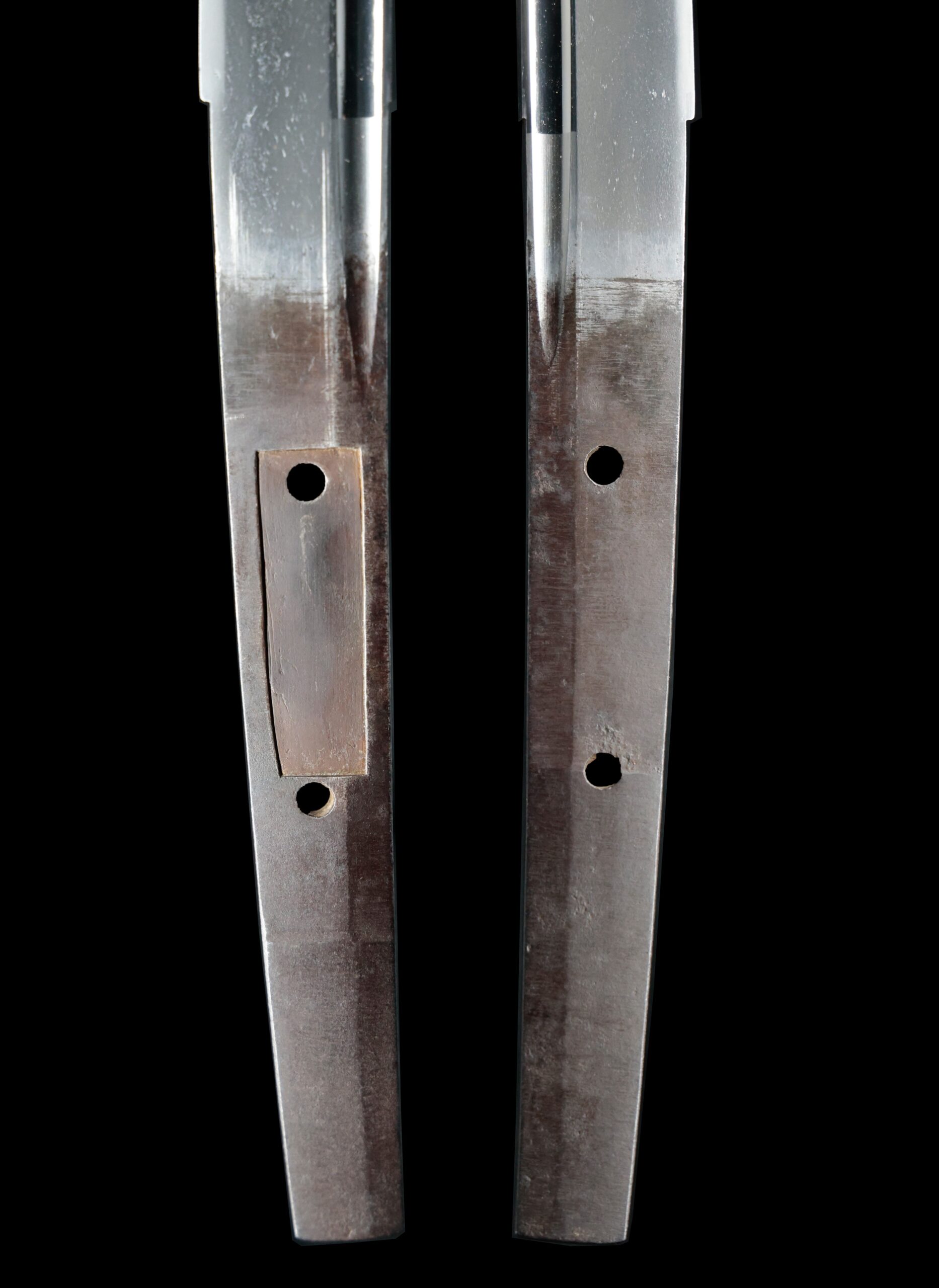
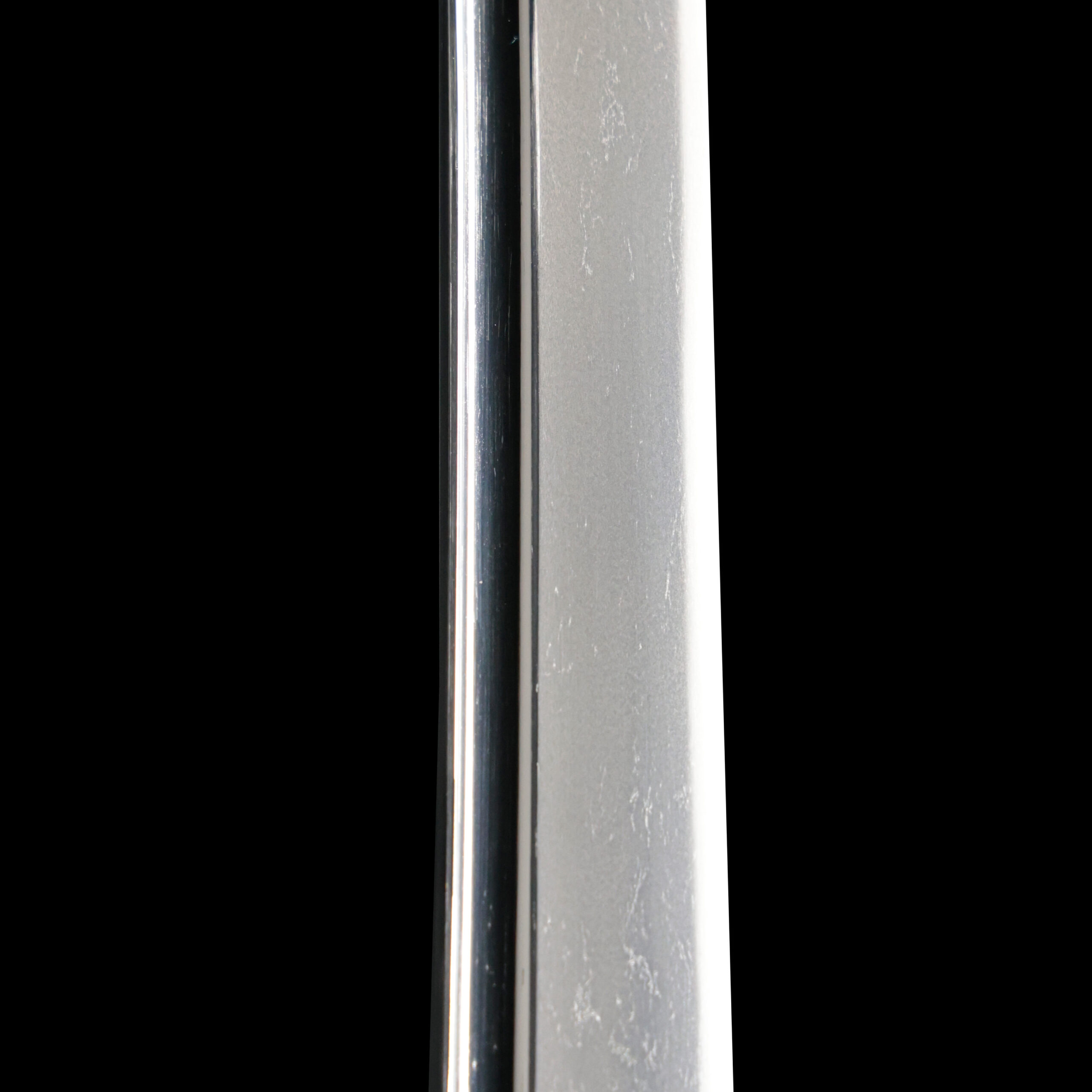
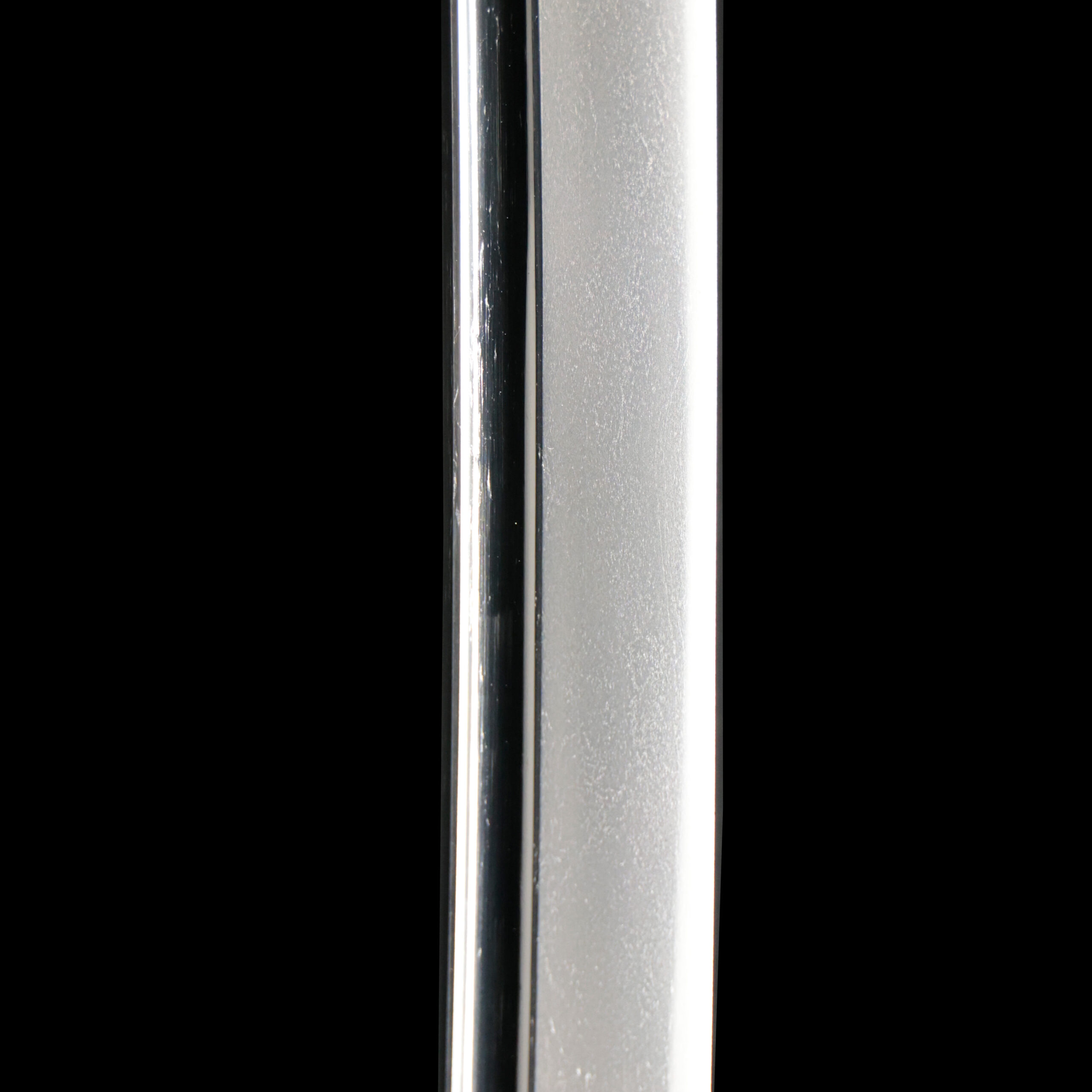
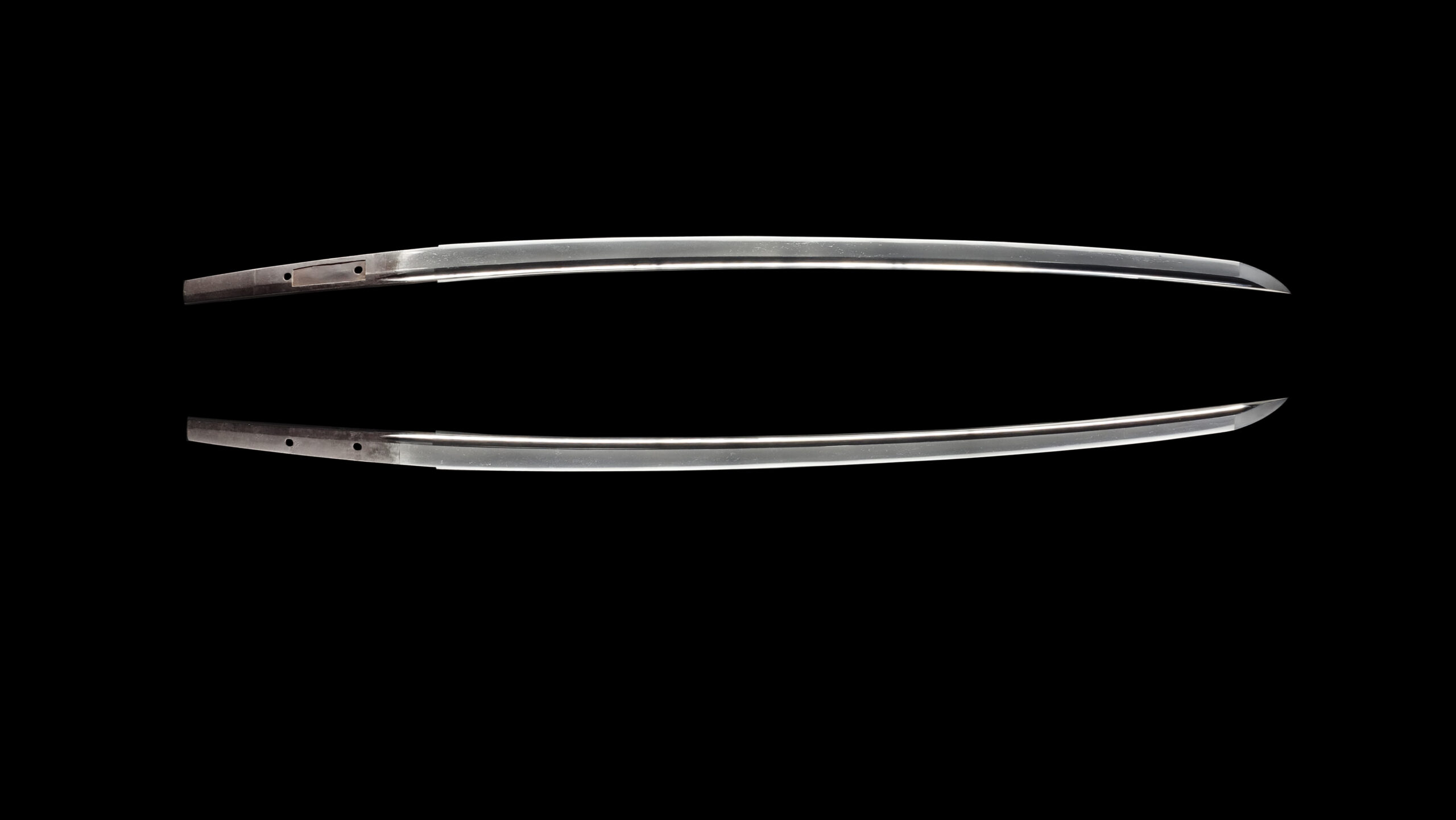
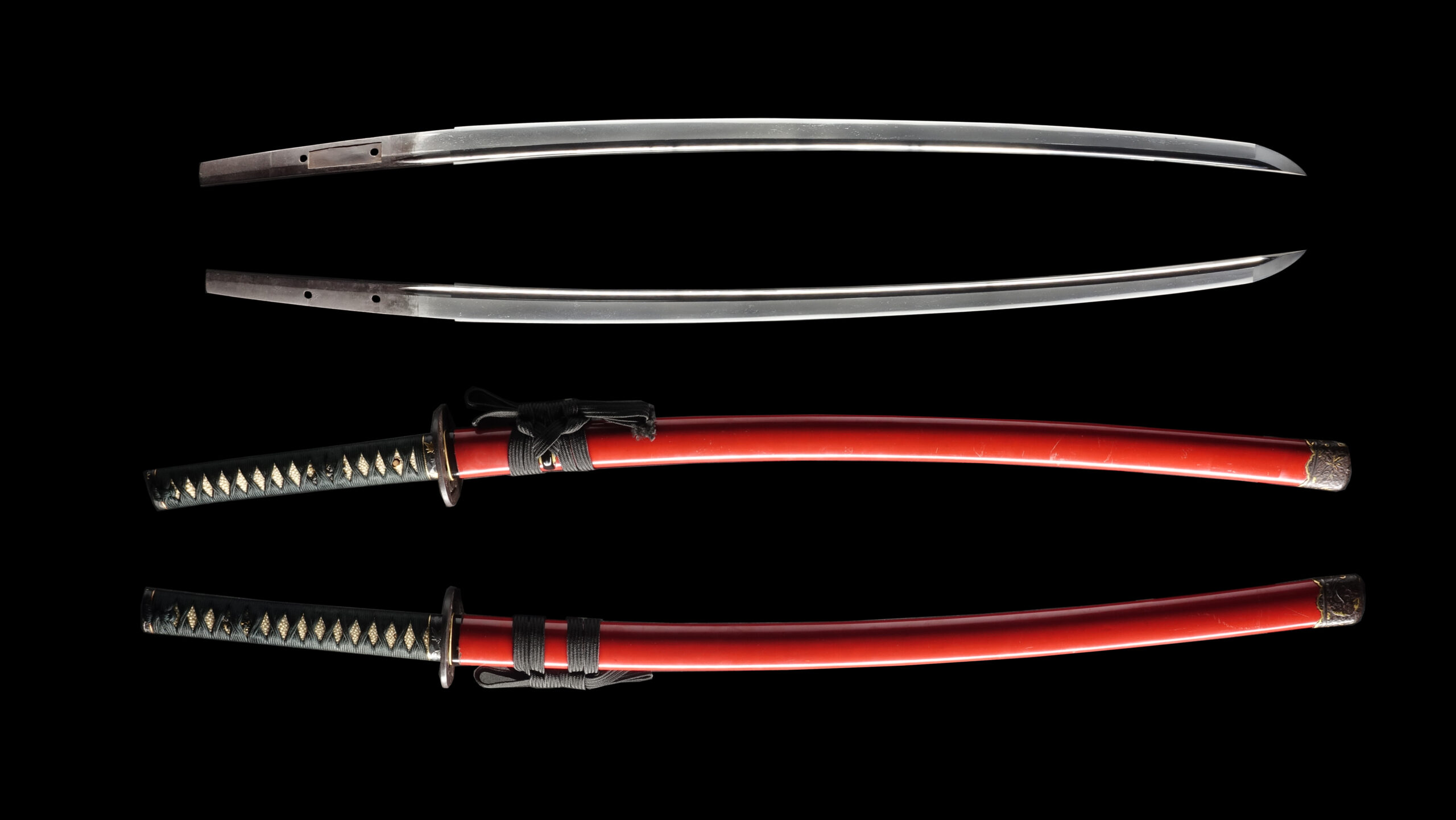
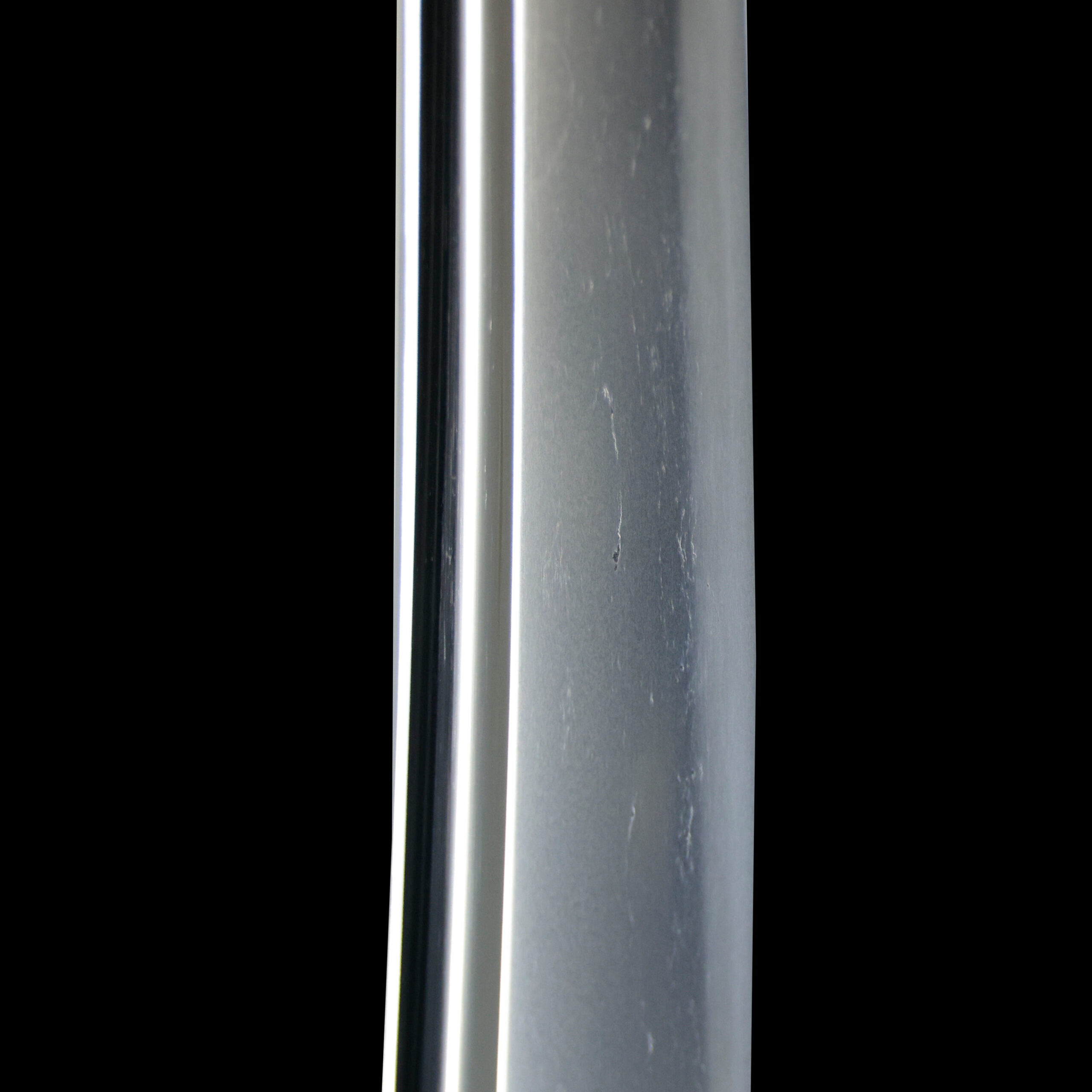
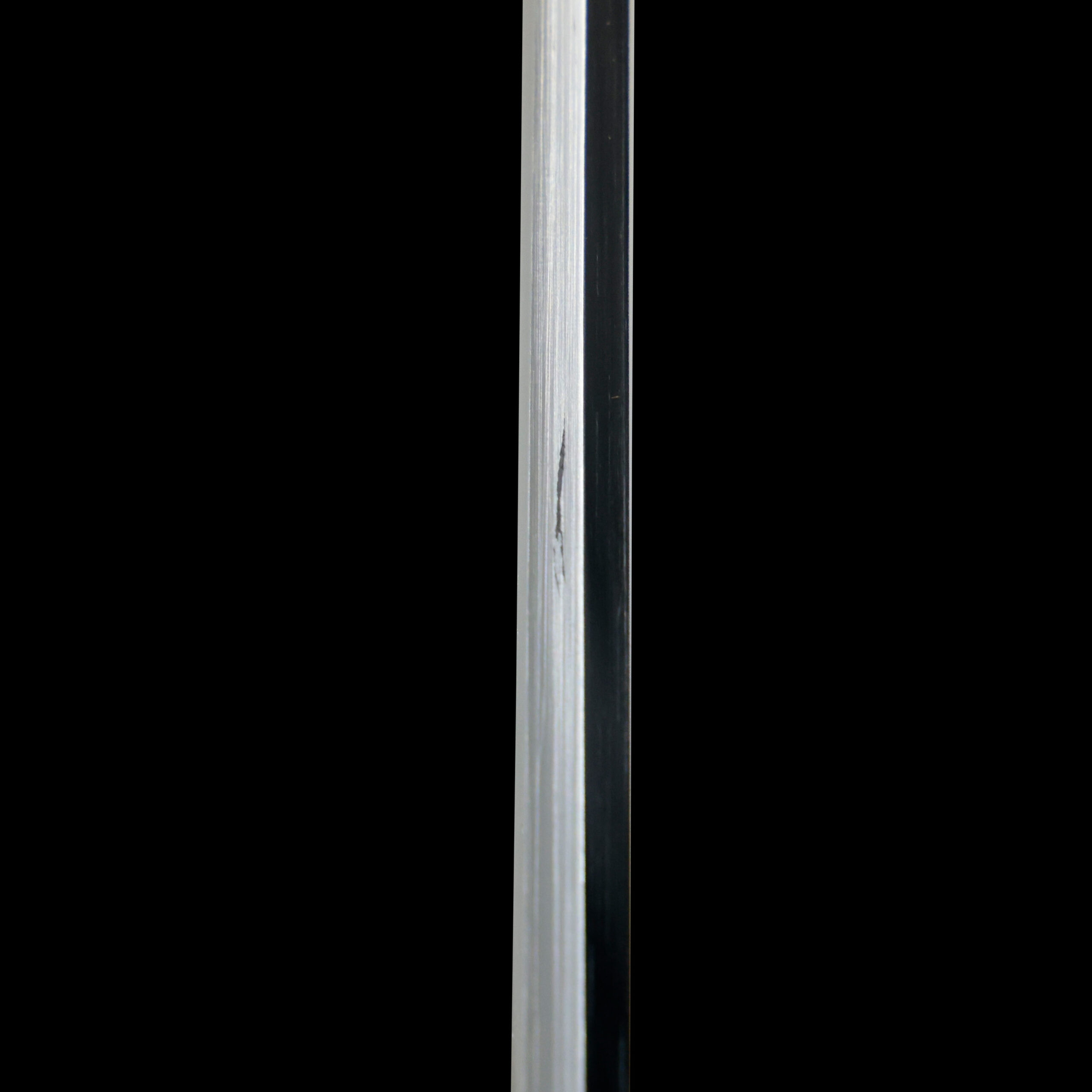
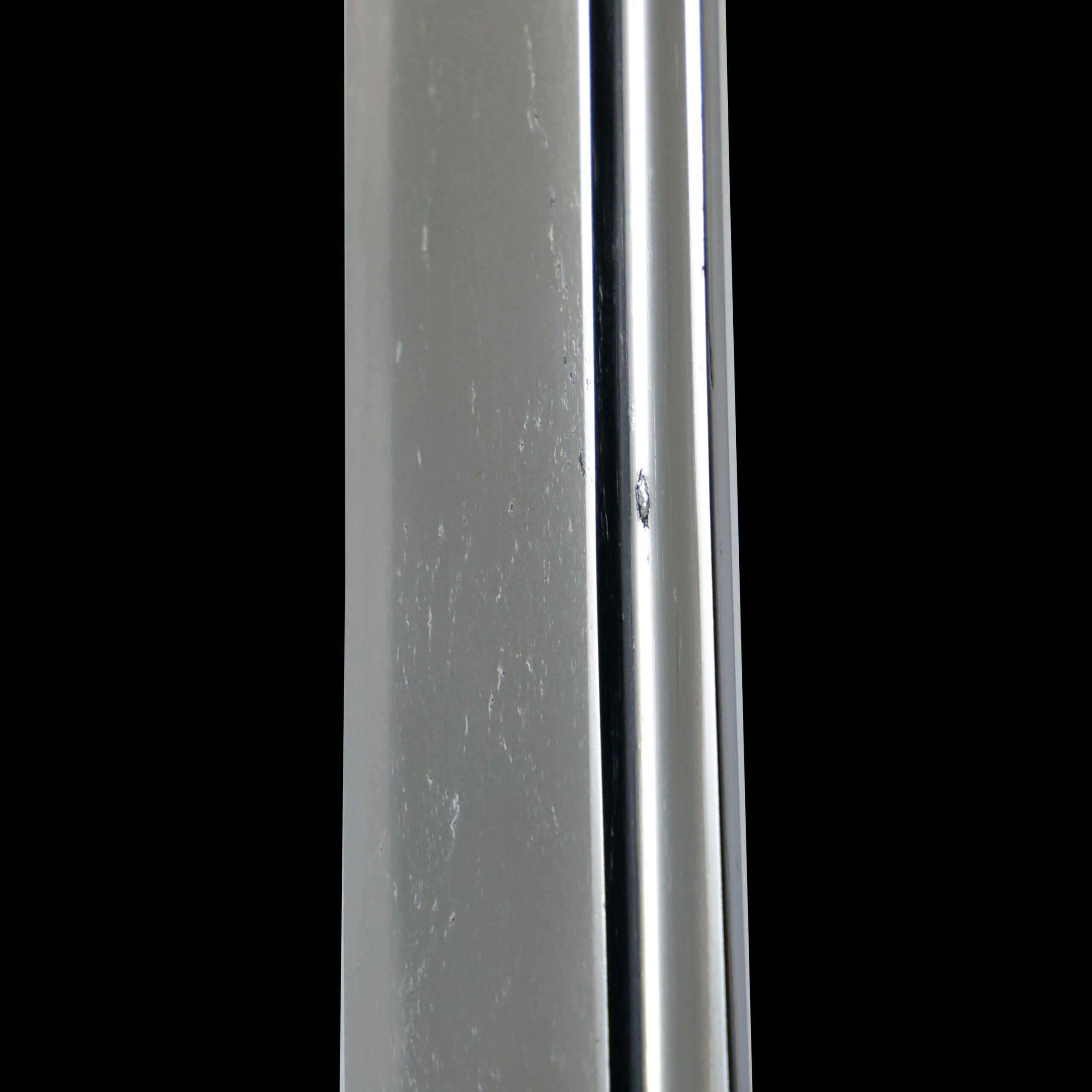
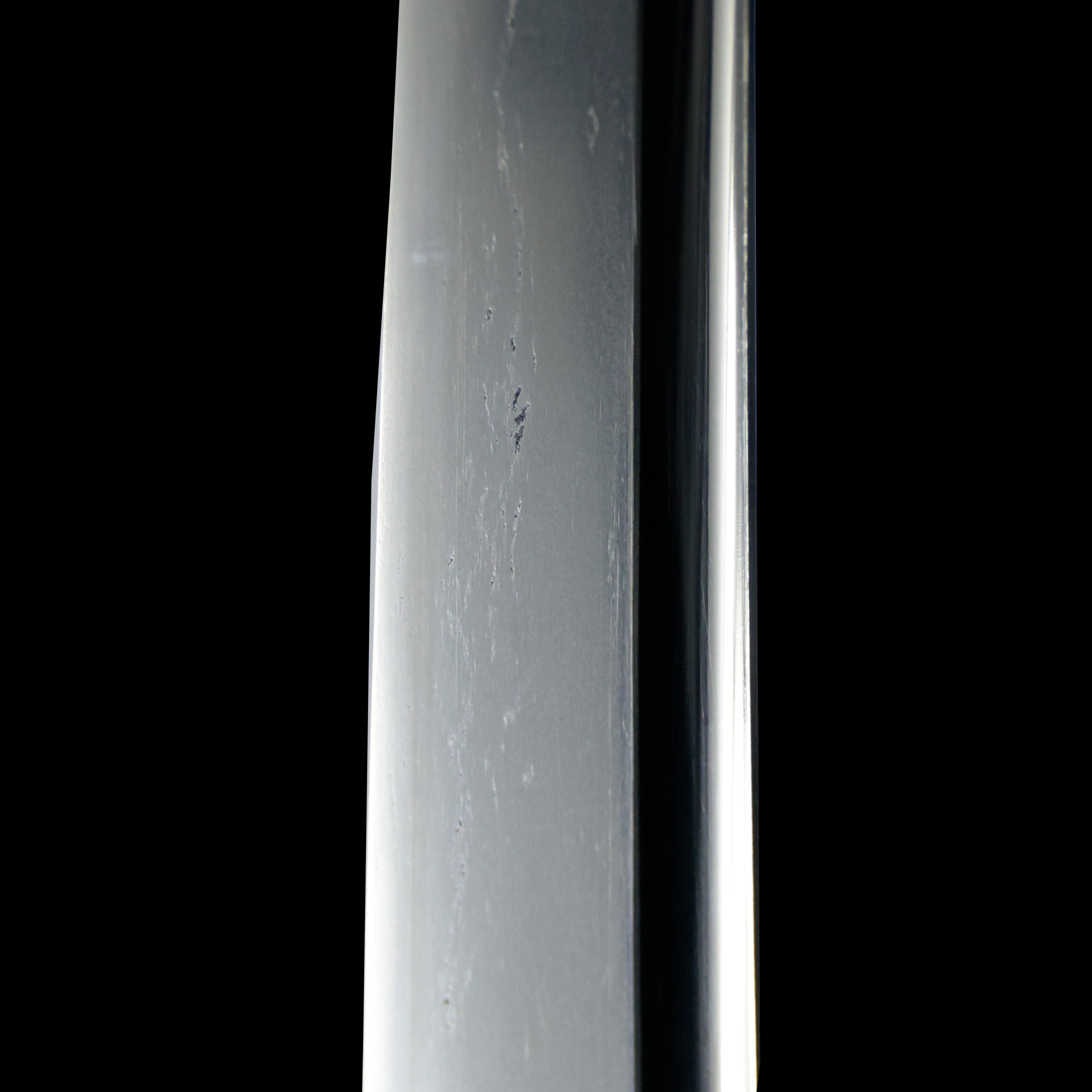
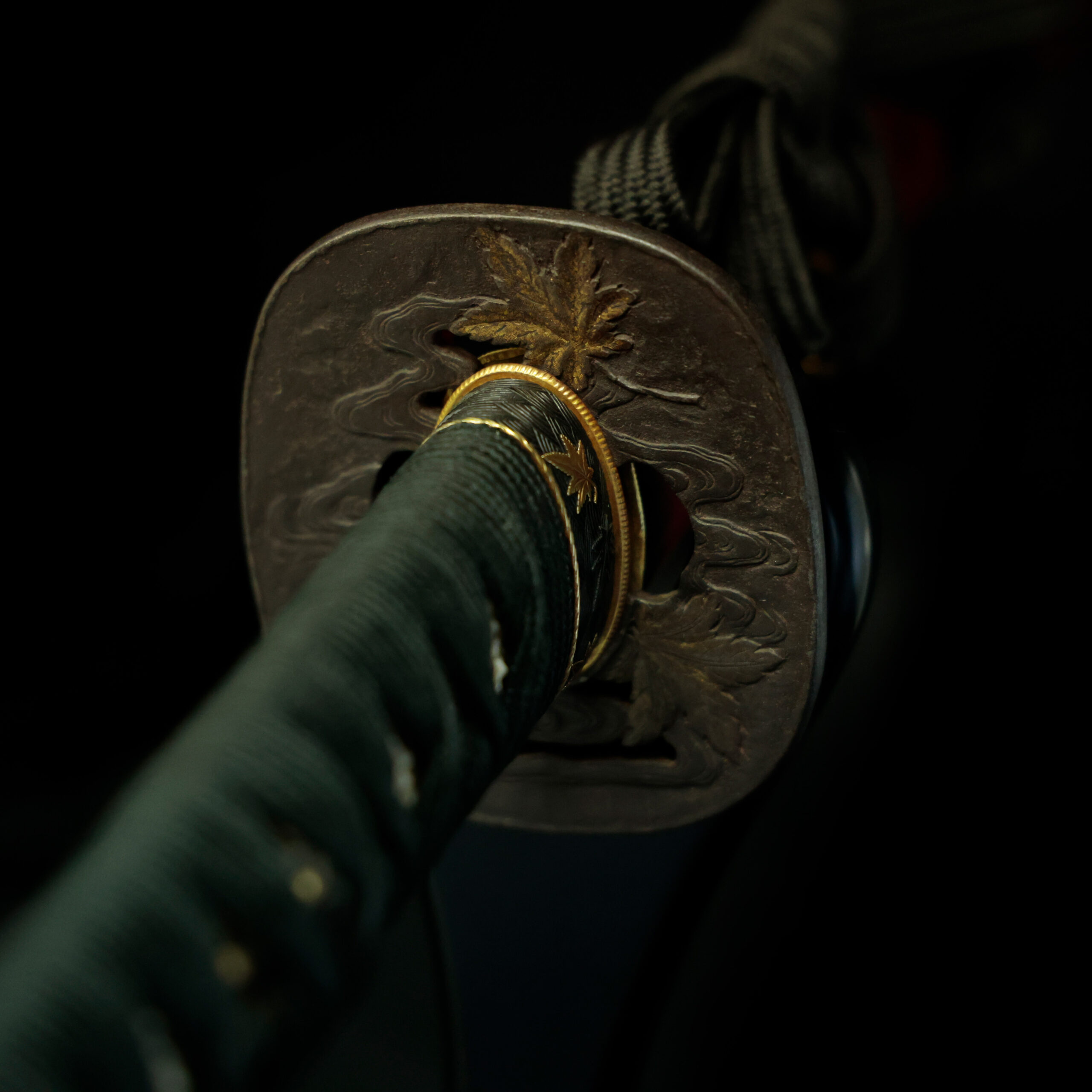
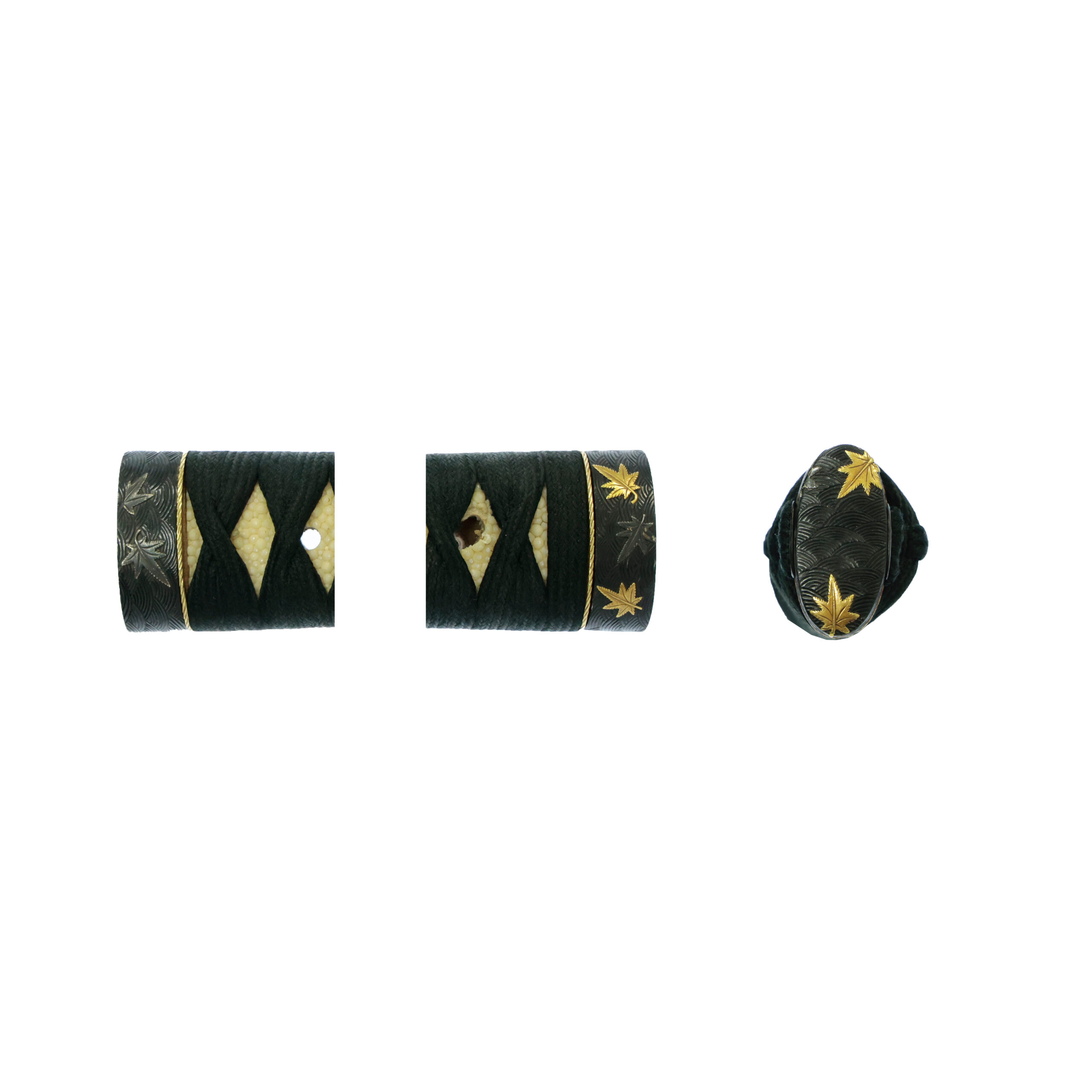
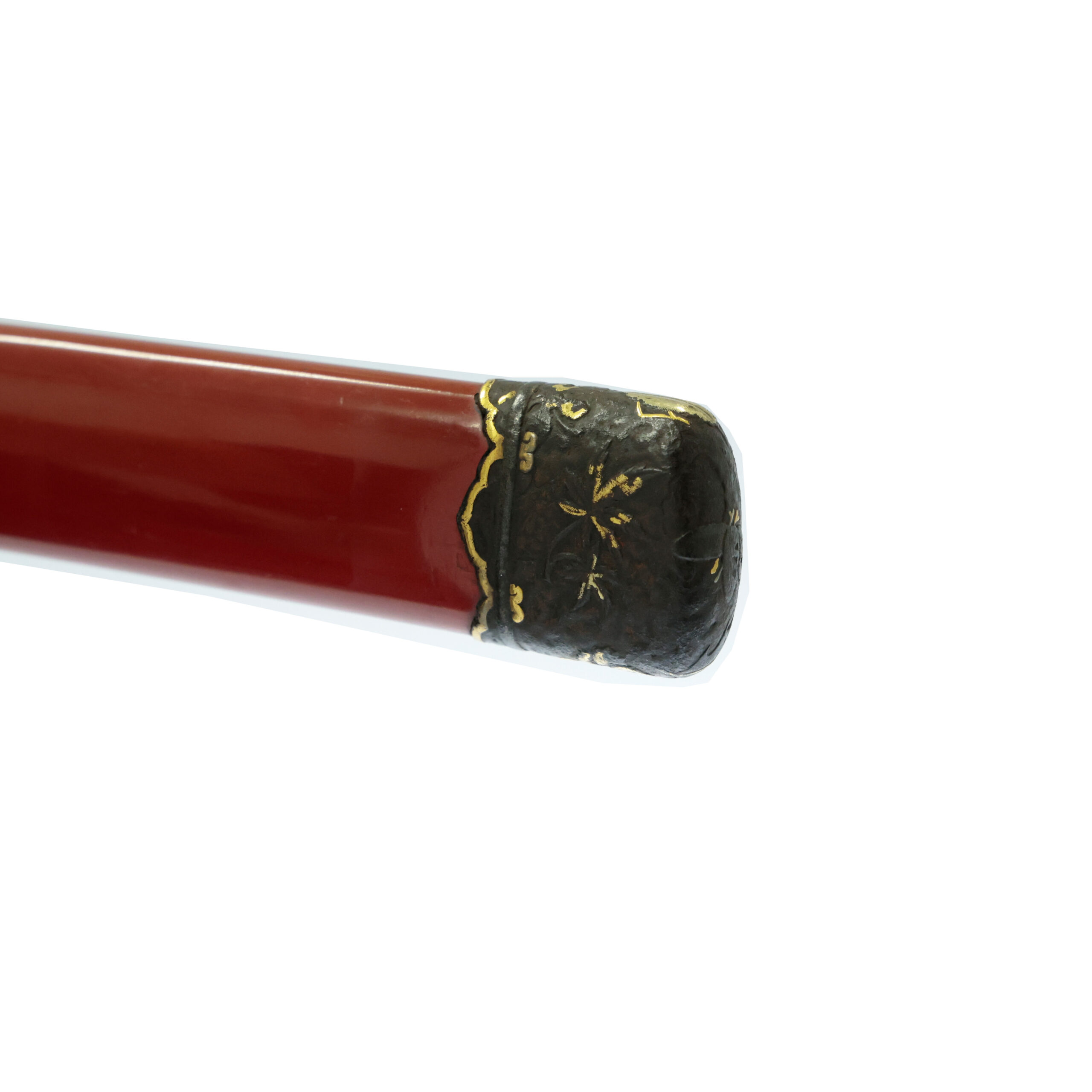
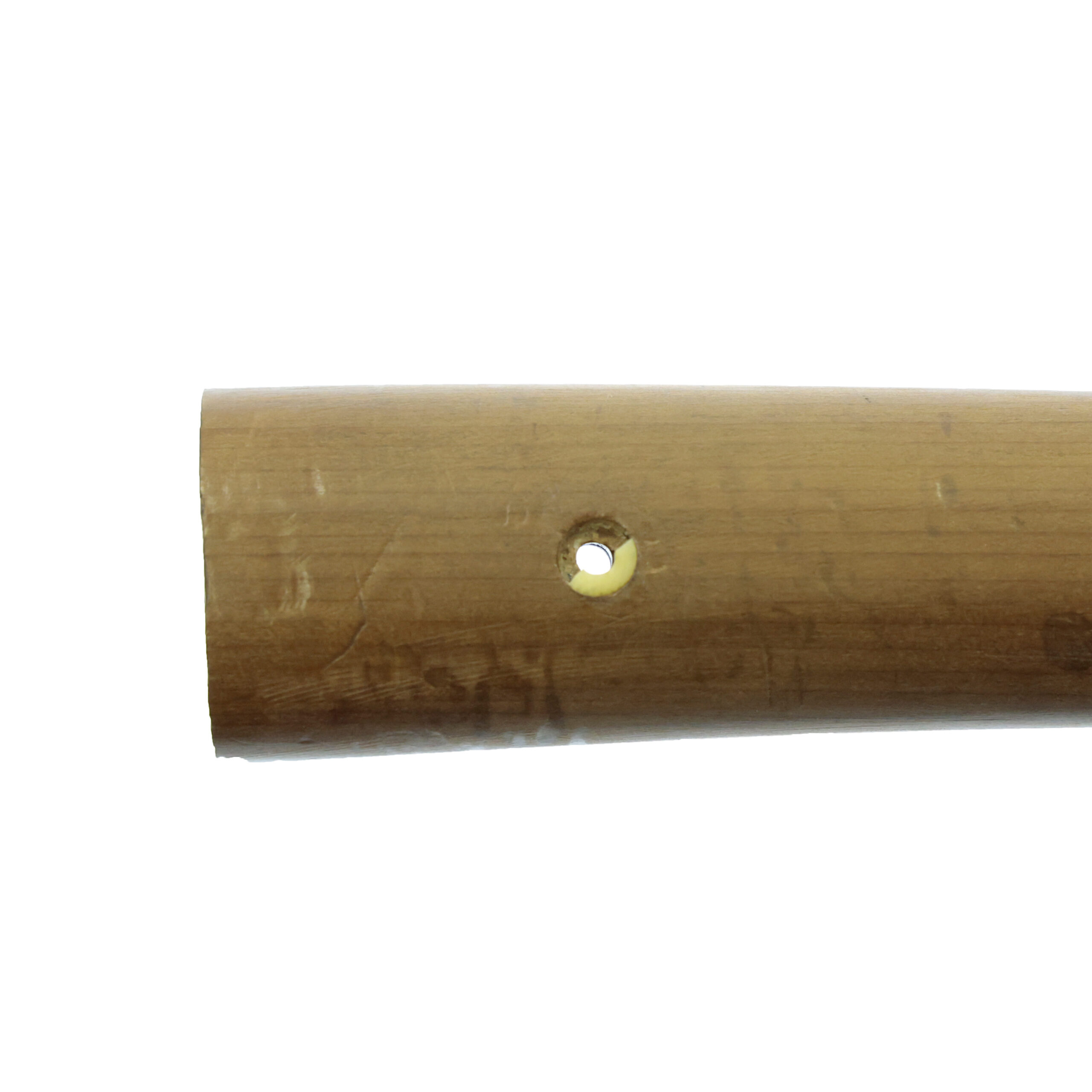
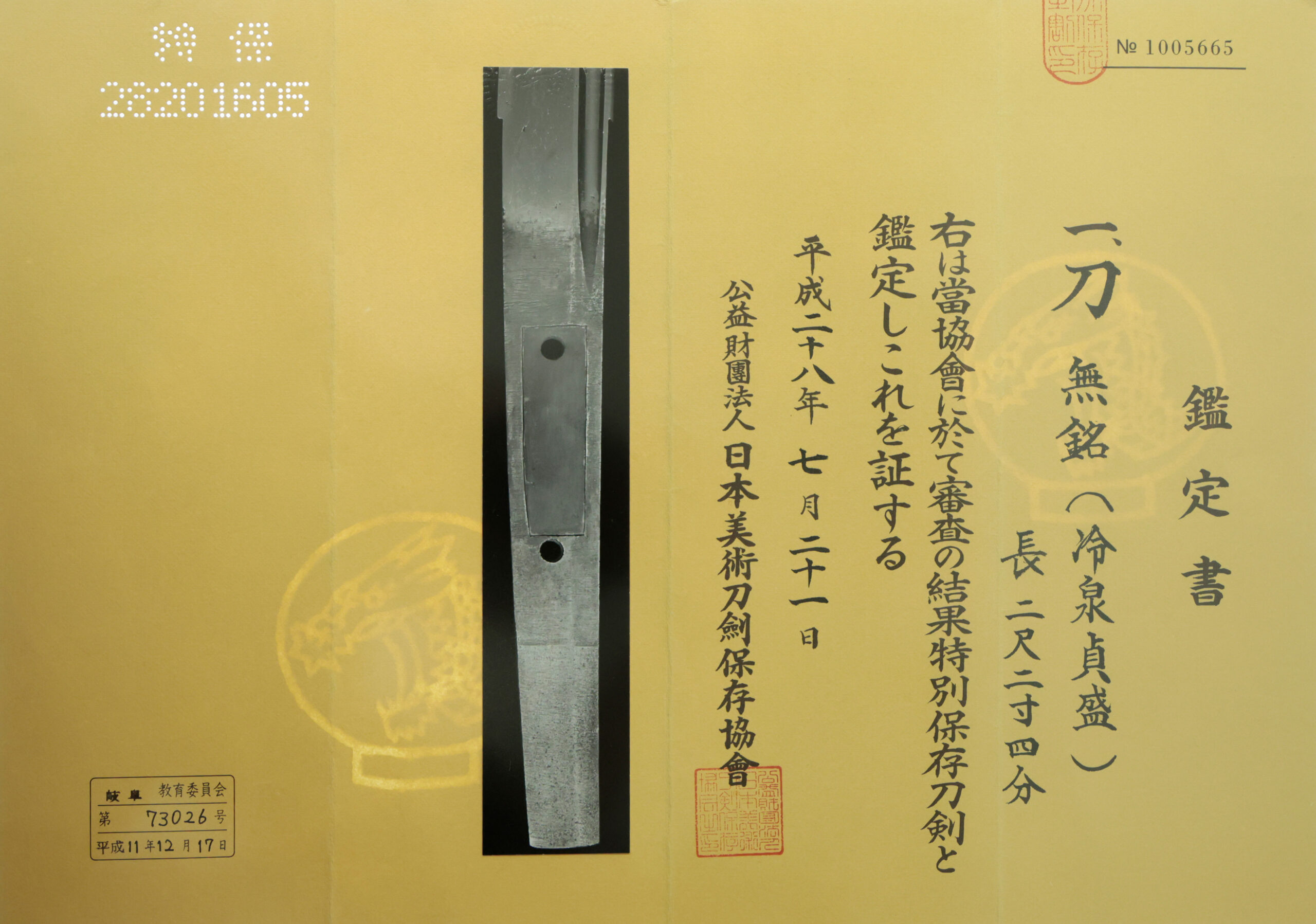
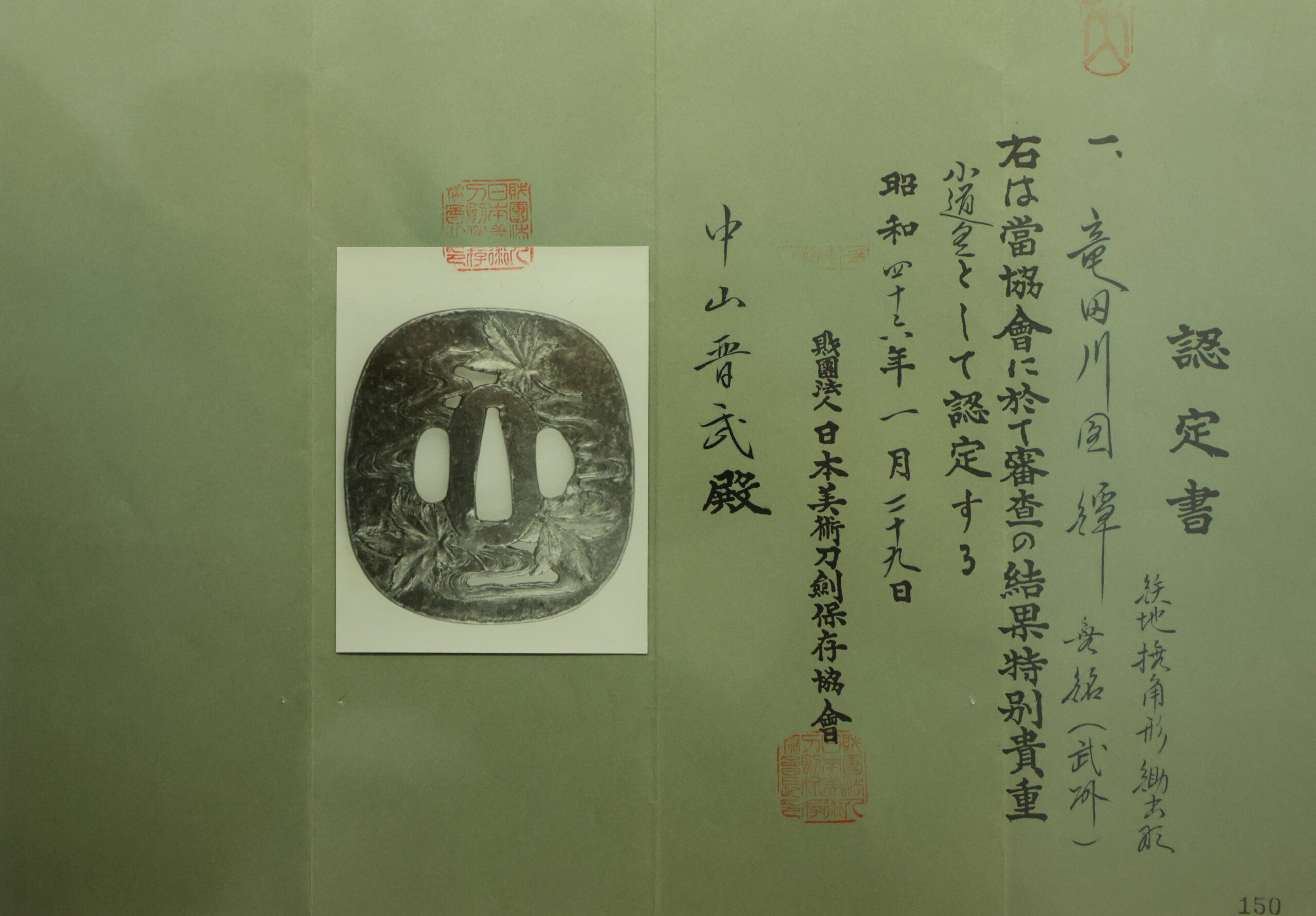
Kongo-Hyoe / Reizei (Chikuzen) · 筑前 · 1345-1350頃
刀剣大鑑 上位26%
現在4点販売中
冷泉貞盛は南北朝期の筑前に活躍した刀工で、その名の最も確かな拠り所は、茎に「筑州冷泉貞盛 正平廿五一月日」[[c:1]]、すなわち一三七〇年と銘した小ぶりの短刀ただ一口である。説明書は本工を論じるたびにこの一口へ立ち返る。在銘作が極めて少ないために、この在紀の短刀が他の極めをはかる規範となっているからである。説明書は本工を初代金剛兵衛盛高に遡る金剛兵衛系に置き、左文字一派と並ぶ国内二派の後者とする。左文字と一線を画すのは、説明書のいうところでは気質であり、その手は大和気質を九州の鉄に通わせたものと読まれる。
記録の大半は在銘ではない。それは大磨上無銘の刀で、身幅広く重ね薄く、中鋒延びて、南北朝の長寸の刀を磨り上げ、本工と極めたものである。地鉄は板目が流れて殊に刃寄り柾がかり、肌立ち、地沸厚くつき、地景頻りに入る。かな色は濁って黒みがかり、淡く白け映りが地に立つ。その地に焼の低い刃幅の狭い直刃を匂口締まりごころに焼いて、小沸つき、刃縁にほつれ・打のけを見せ、物打辺に二重刃ごころとなり、刃中に砂流し・金筋を細く見せる。帽子は直ぐに小丸へ掃きかけ、時に焼詰めとなる。この華やかならぬ静かな作域こそ、説明書が此の工の見どころと名指すところである。
地鉄は極めの終始変わらぬ拠りどころである。流れて柾がかった鉄、肌立つ地、黒みのかな色と白け映りが各作に繰り返し現れ、判者はここから大和気質を読む。説明書は九州物の色合が色濃いと評し、ある重要刀剣の刀を「九州物の色彩が色濃く表示されており」[[c:2]]滋味豊かな一口とする。同じ説明書は極めの難しさにも率直で、ある磨上の作については、同様の大和の特色は三原物などにも見られるとしつつ、「肌立った地がねから、 冷泉貞盛の鑑定は一段とまさるものがある」[[c:3]]と結ぶ。刃幅の狭い直刃と黒く肌立つ地とが相俟って、銘の残らぬところに名を負わせる。
この静かな規範に対して、数口の在銘作は型を破る。「冷泉貞盛 筑州住人」[[c:5]]と銘した特別重要刀剣の脇指と、「貞盛」とのみ銘した重要刀剣の短刀は、狭い直刃を離れて、のたれに小互の目・互の目を交えた刃幅の広い刃を焼き、足・葉入り、沸出来、砂流し・金筋豊かにかかって、帽子は強く掃きかける乱れ込みとなる。説明書は本工の作のうちにも明確に区別を引き、在銘短刀について、「正平廿五年紀の作とは異なり」[[c:4]]刃幅広くのたれに互の目を交えた豊富な変化の作域であるとする。すなわち一工が複数の作域をもち、在銘作は規範を離れる故にこそ、作風研究の上で貴ばれる。
本工を分かつものは、隣派から借りたものではなく、判者自らが名指すところである。系統において左文字と対し、国においてより広い大和伝と対する。明るく黒く柾がかった地鉄、焼の低い締まった直刃、九州の鉄の色合が、説明書がその個性として挙げる見どころであり、在紀の短刀がこれらを束ねる証となる。金剛兵衛・冷泉系のうち、貞盛は一派の大磨上無銘の刀が最も多く負う名であり、その一口の在紀の規範と、時代と、一派の作風から極められる。説明書は磨上の作の一部について、貞盛でなければならぬという確証はないとしつつ、大和風の地と狭い刃から極めを首肯する。
収集の観点では、本工は記録の薄い、しかし確かな南北朝の名で、見栄えと同じく資料性によって貴ばれる。国宝はなく、重要文化財もない。その記録は一口の特別重要刀剣と二十口余りの重要刀剣を通じ、正平廿五年紀の短刀と一口の太刀は戦前の重要美術品に挙げられる。来歴は乏しく、機関ではなく私蔵に伝わり、在紀の短刀はかつて小泉家に、初期の貞守銘の太刀は福岡の諸富義雄の許にあった。作の多くは重要刀剣の大磨上無銘の刀で、これらが世に出るのは折に触れてのことであり、在銘の冷泉貞盛はさらに稀である。説明書は在銘の特別重要刀剣の脇指を、「在銘稀有な冷泉貞盛の作域を窺うことが出来る貴」[[c:6]]重な作品とする。私蔵の一口は、在銘であれ無銘であれ、大和の手が南北朝の筑前にいかに働いたかを語る証であり、収集家が稀にしか出会わぬものである。
貞盛の位置づけを、日本刀全体および伝統・時代・時期ごとに示します。各位(随一・屈指・有数・著名)は、NBTHK および文化庁による指定に加え、三作や名物帳などの歴史的栄誉を加味したものです。
各項目を選ぶと評価方法が表示されます。
脇物 · 筑前
時期区分: 古金剛兵衛· 1200–1393
現在10点販売中
古金剛兵衛は、筑前金剛兵衛派の最も早い時期、すなわち鎌倉末期から南北朝期にかけての一群を指す。設示の伝えるところでは、南北朝期の筑前国には左文字派と金剛兵衛派の両派が並び立ち、後者は寺院ゆかりの一門として知られた。その祖と目されるのが初代金剛兵衛盛高であり、盛高には正平四年紀を有する作が現存するものの、その作の多くは室町時代以降に降る。この南北朝期に位置する有銘の刀工として、同派の系列に冷泉貞盛がおり、貞盛には「筑州冷泉貞盛 正平廿五一月日」と銘じた短刀が残り、後代の極めに際しての貴重な規範となっている。盛高を祖とし、貞盛のごとき初期工がこれに連なるのが、この区分の輪郭である。 作風の核心は、地刃にうかがわれる大和気質にある。鍛えは板目に杢を交え、刃寄りに流れて柾がかり、処々肌立ち、地沸がつき、地景がしきりに入る。かな色はやや黒みがかって少しく濁りを帯び、白け映りが立つことが多い。刃文は刃幅の狭い直刃を基調とし、匂口は締まりごころで小沸がよくつき、刃縁にほつれ、処々に打のけや二重刃を交え、金筋・砂流しが地刃にまたがって働く。脇指のごとく身幅広く、のたれに互の目を交えて足や葉のよく入る変化に富んだ作もあるが、これは正平廿五年紀の刃幅の狭い直刃とは趣を異にする一面である。彫物には棒樋や二筋樋、喰違樋、薙刀樋状の樋など多様な意匠が見られる。こうした締まった直刃と九州独特のかな味に特色のある初期の作域は、室町時代に降って盛高の主たる作が展開する末金剛兵衛とは、おのずとその時代色を分かつものである。 古金剛兵衛の鑑定にあたっては、板目に流れ柾を交えた肌立ちごころの地鉄、黒みを帯びて地景の頼りとなるかね、そして締まりごころの細直刃に、ほつれ・打のけ・二重刃や金筋・砂流しの働きを読み取ることが要点となる。帽子が掃きかけて尖りごころに返る点にも、この一派らしい野趣がうかがわれる。主要工としては祖たる盛高と、有銘短刀を規範として名を残す冷泉貞盛が挙げられ、後者の在銘作は稀有であるため、その短刀がこの区分を極める拠りどころとされてきた。伝来する古作の多くは大磨上げの無銘で「古金剛兵衛」あるいは「冷泉貞盛」と極められたものであり、身幅広く反り浅く中鋒の延びた南北朝の体配をとどめて、筑前鍛冶の作域を今に伝えている。 詳しく見る →
南北朝時代
二つの朝廷、六十年の戦、そして刀剣史上もっとも劇的な姿。幅広の刀身、延びた切先、後代に磨上げられて雄大な刀となった大太刀。相州風がこの時代の様式であった。
保存刀剣のうち、出来が一層優れ、保存状態も良好と認められたものです。再刃や、室町・江戸期の多くの無銘作は対象外となり、保存刀剣より高い基準が課されます。
日本美術刀剣保存協会(NBTHK)は、1948年に設立され、文化庁の監督を受ける公益財団法人で、東京・刀剣博物館に本部を置きます。専門の審査員が出品作を直接審査し、美術的・歴史的価値に応じた鑑定書を発行します。NBTHKの鑑定書は、日本刀および刀装具の真正性を示す最も広く認知された基準です。
NBTHK公式サイトReturns/exchanges limited to defects caused by shipping (except willful misconduct or gross negligence by the company); customers must contact within 72 hours of receiving the product.