江戸は刀の目利きの時代である。本阿弥の鑑定、1719年の享保名物帳、盛んな刀剣書が、戦で抜かれることのなくなった刀を学問の対象へと変えていった。
 NihontoWatchNihontoWatch
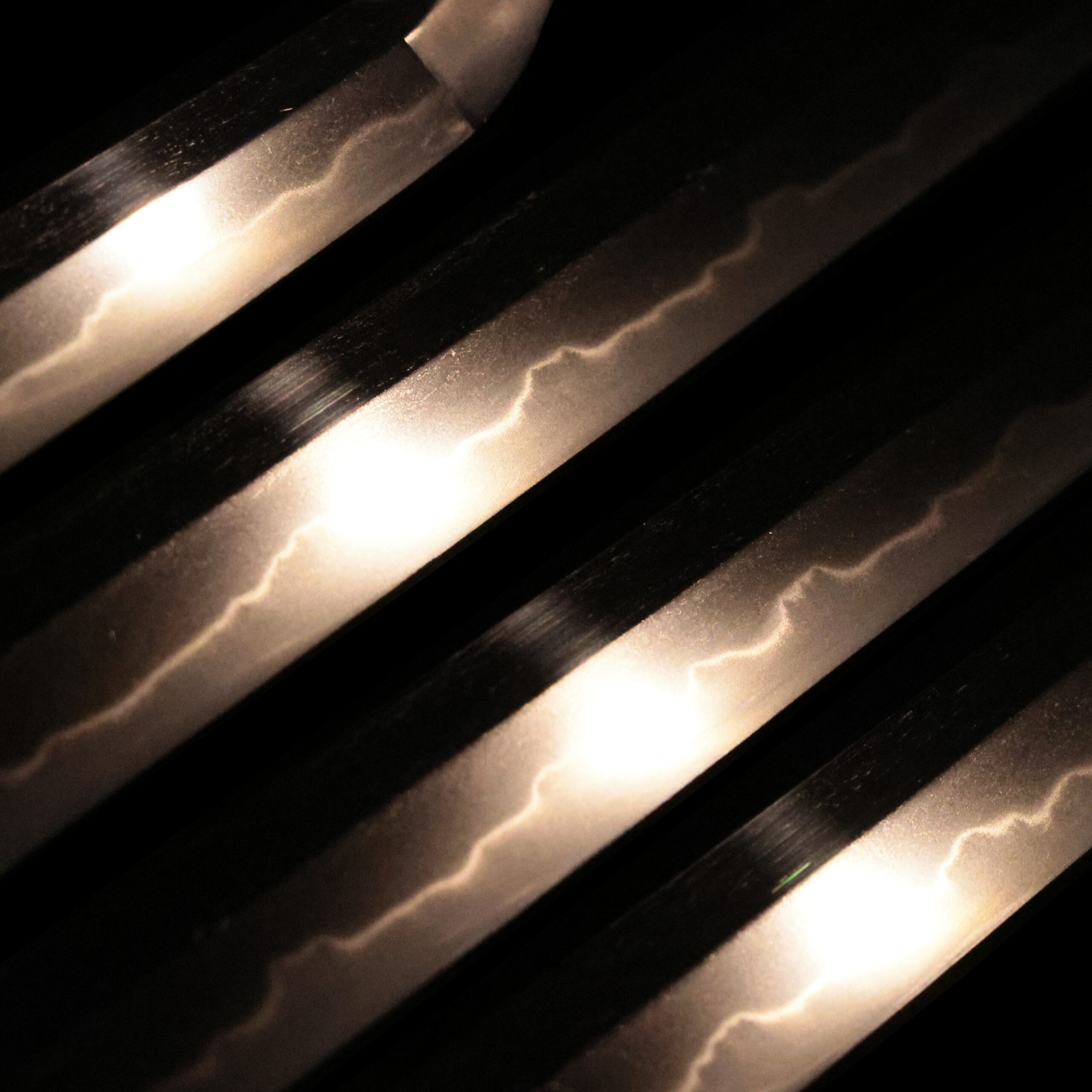
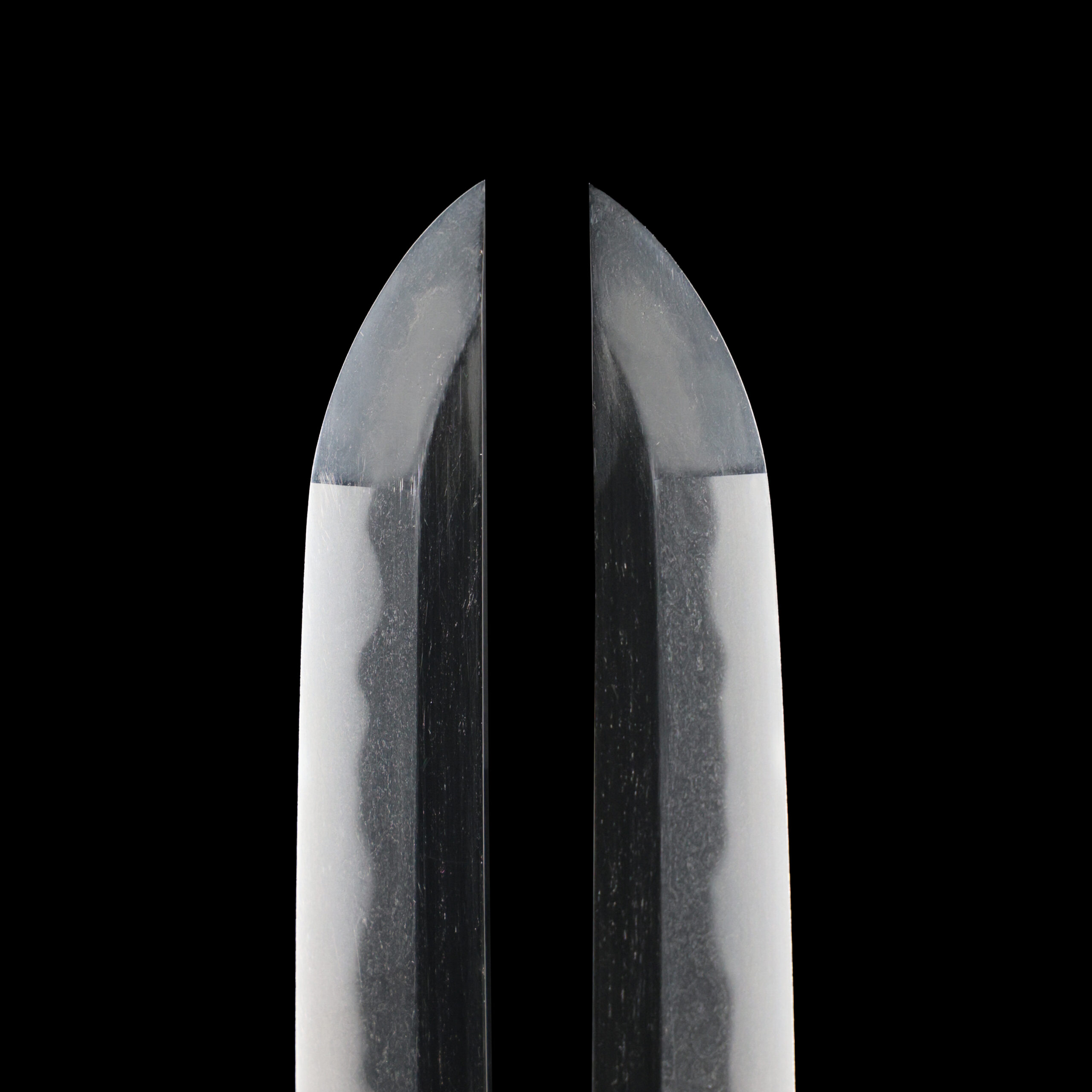
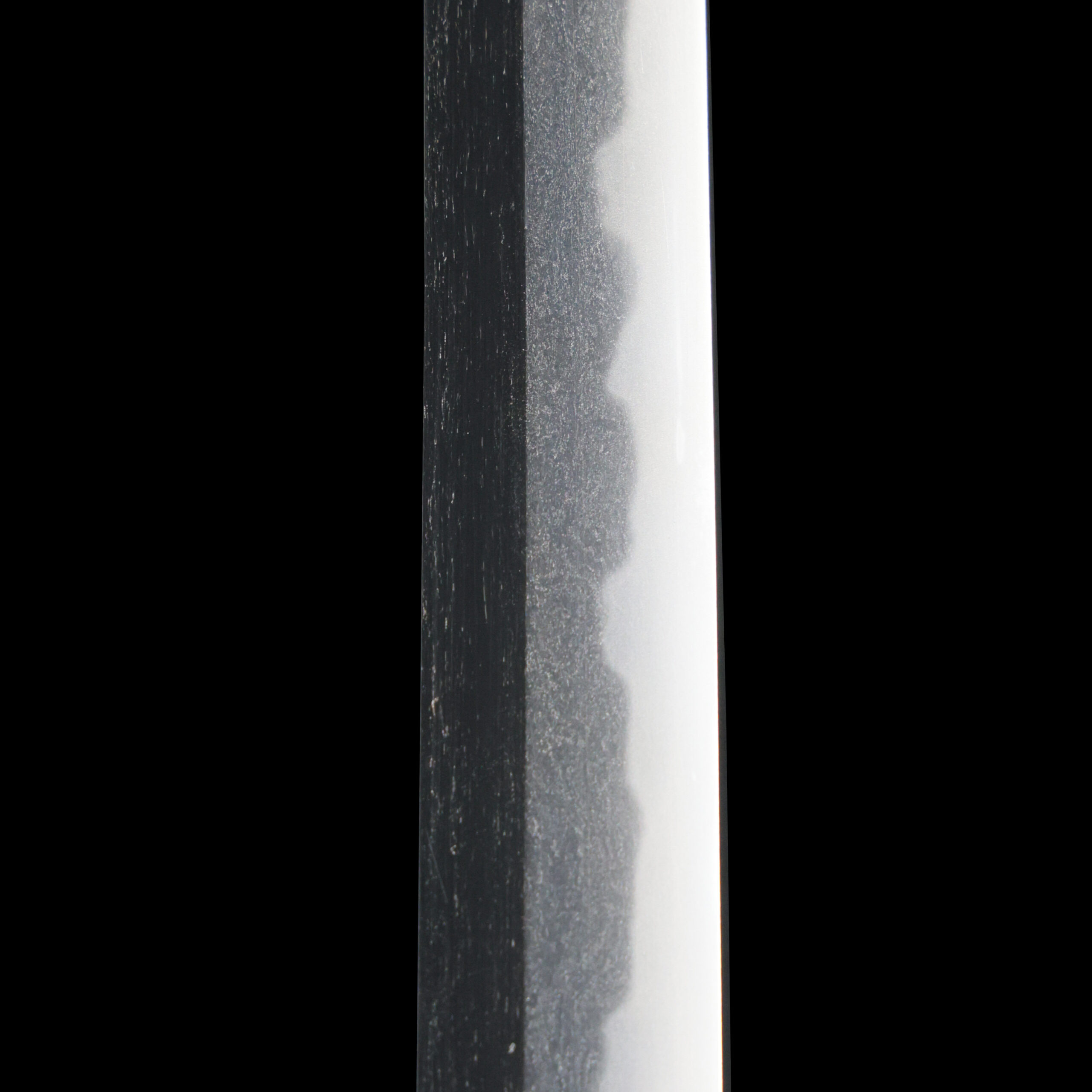
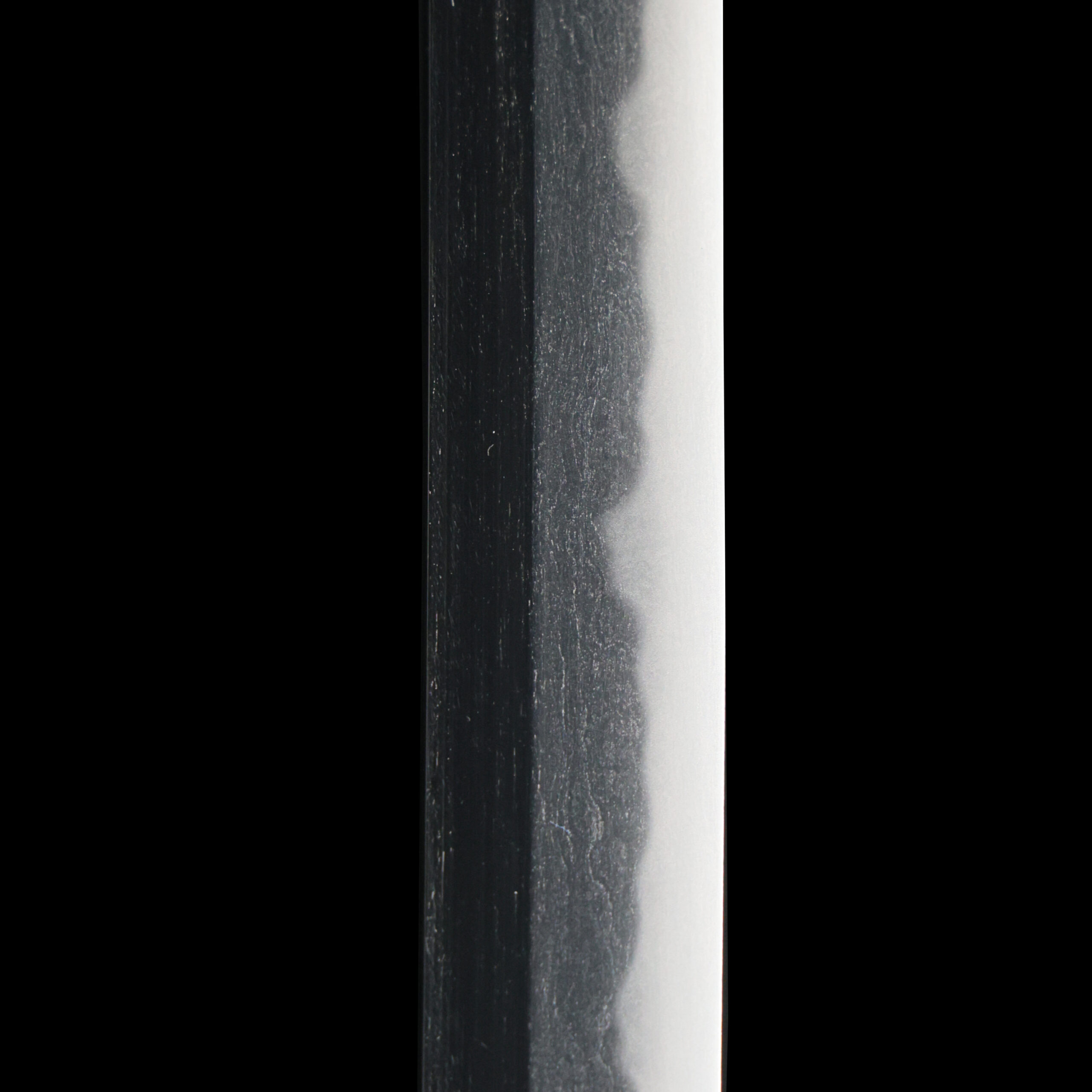
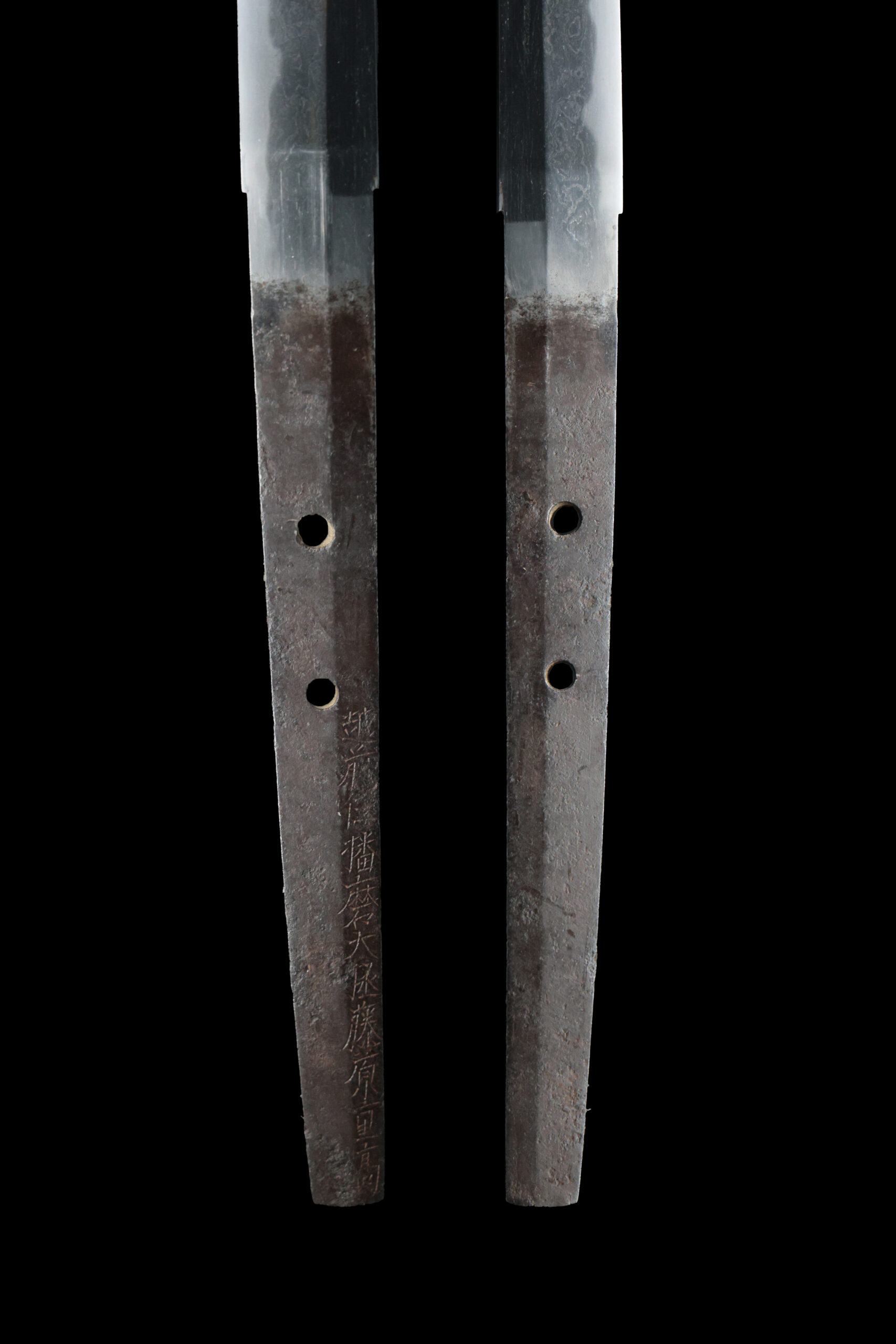
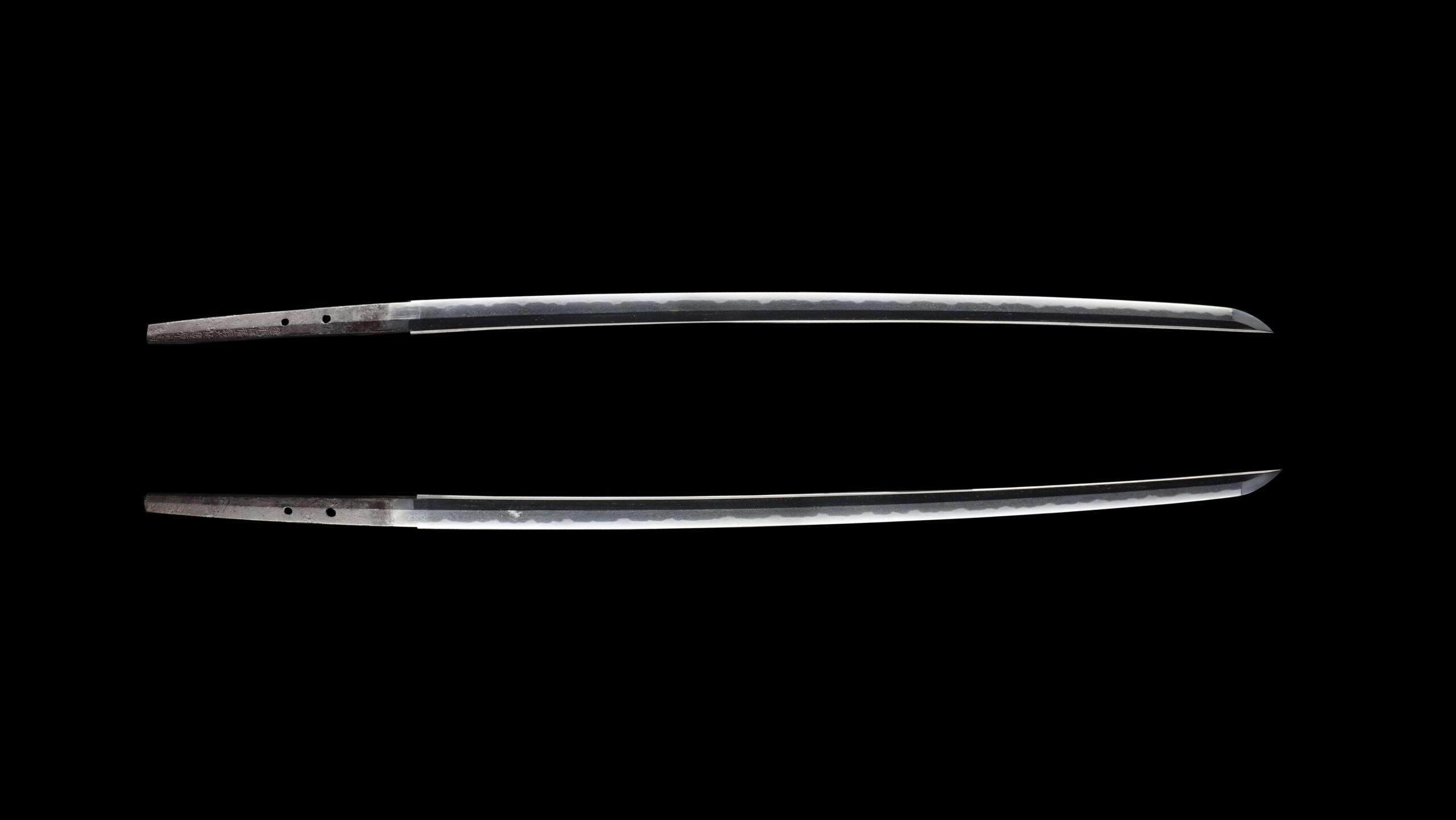
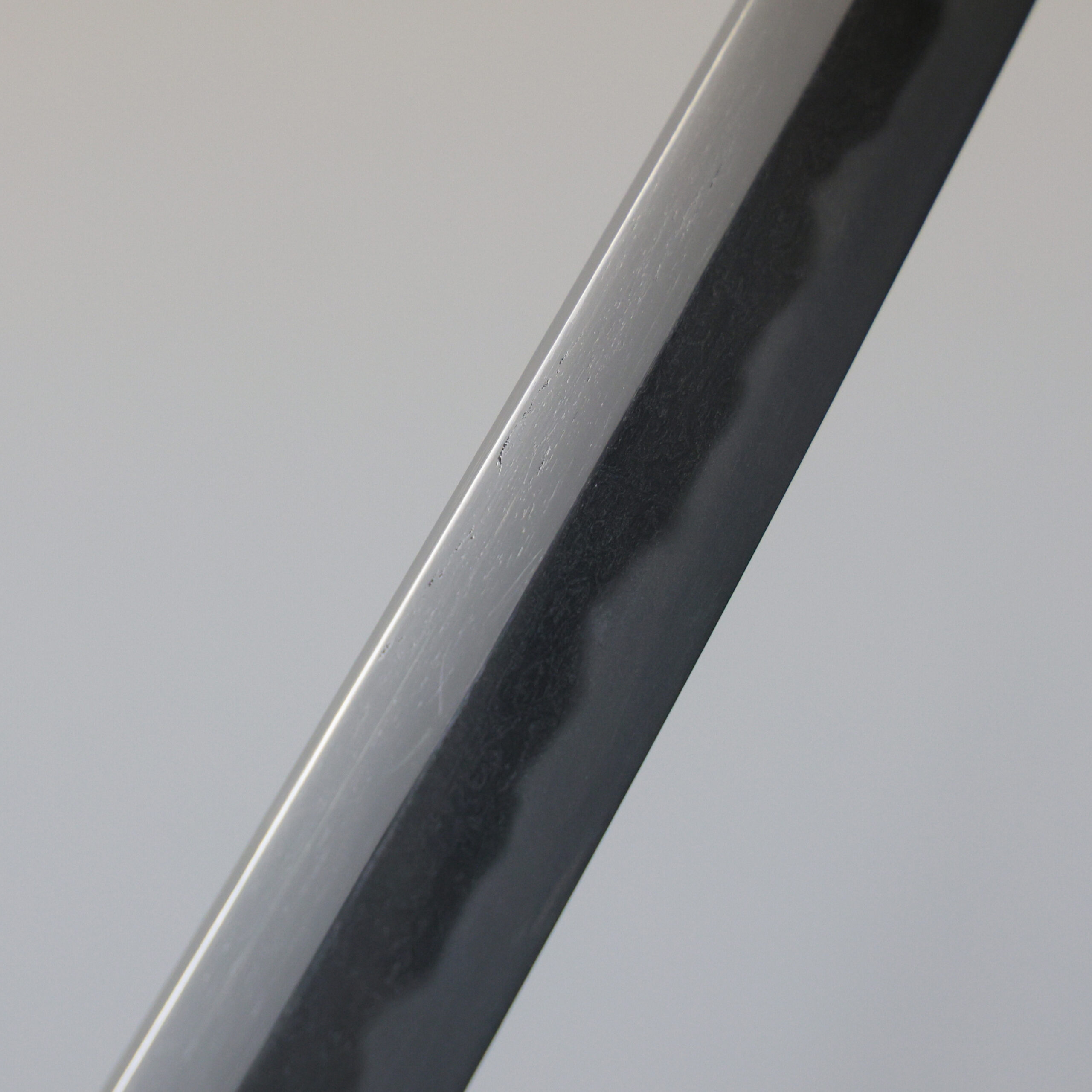
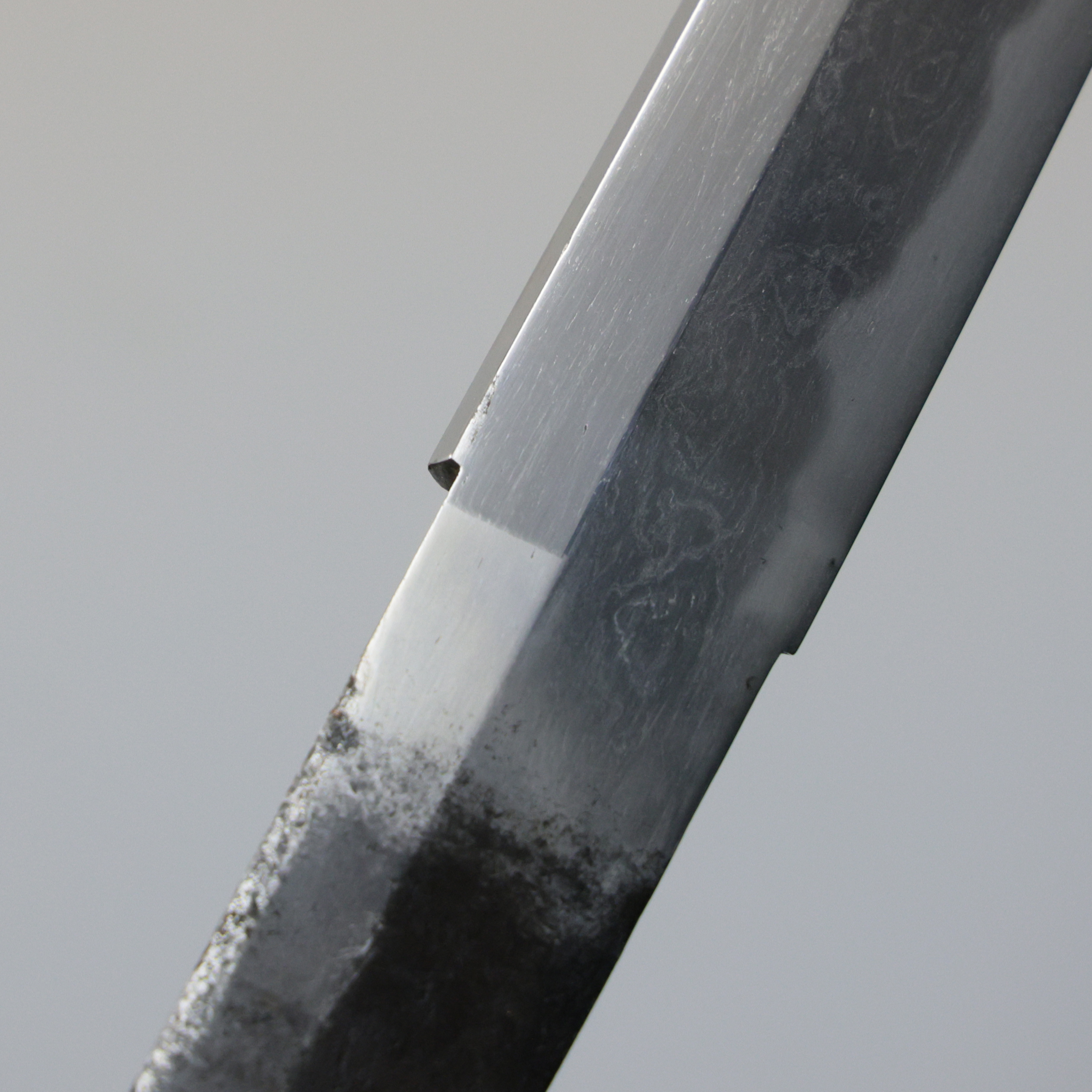
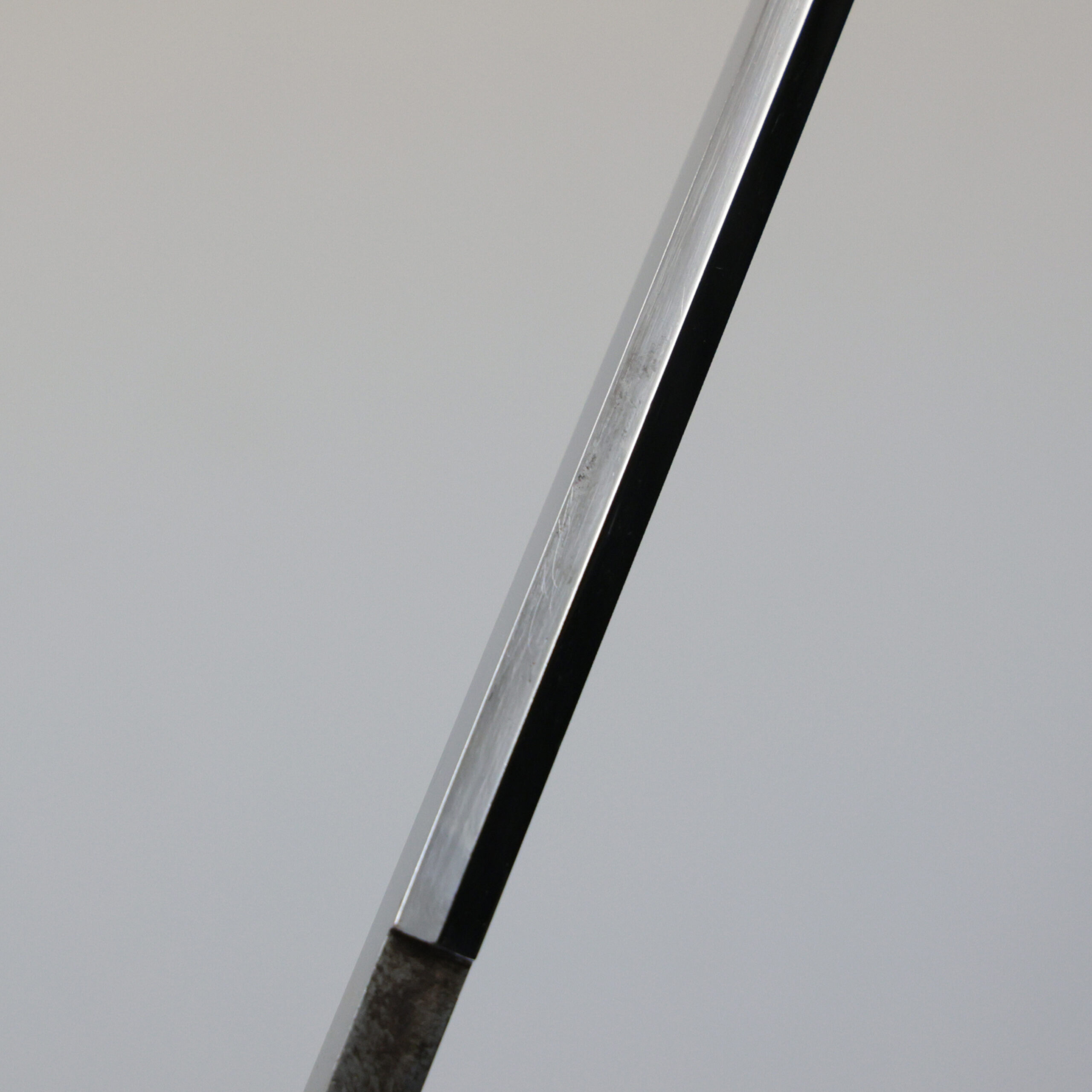
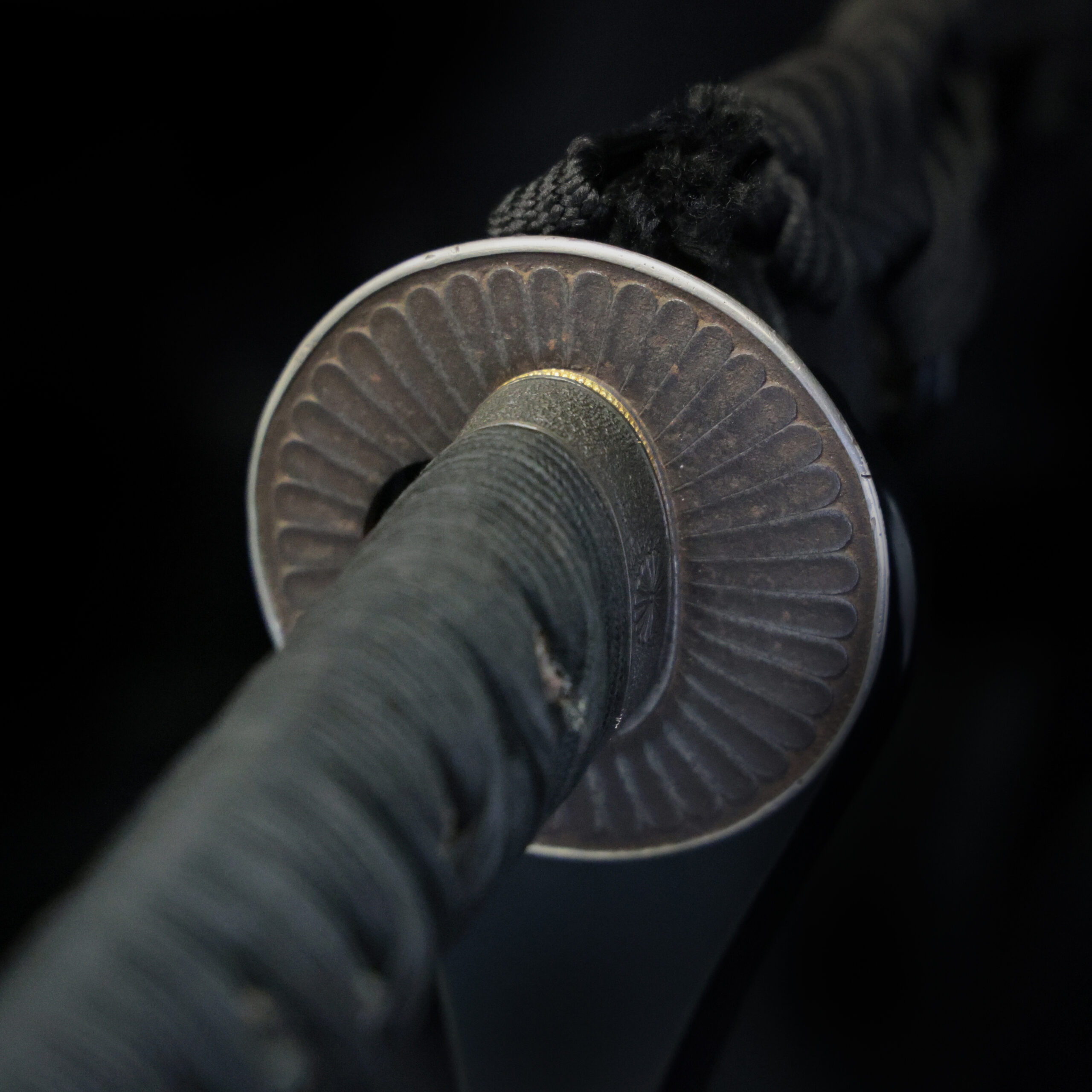
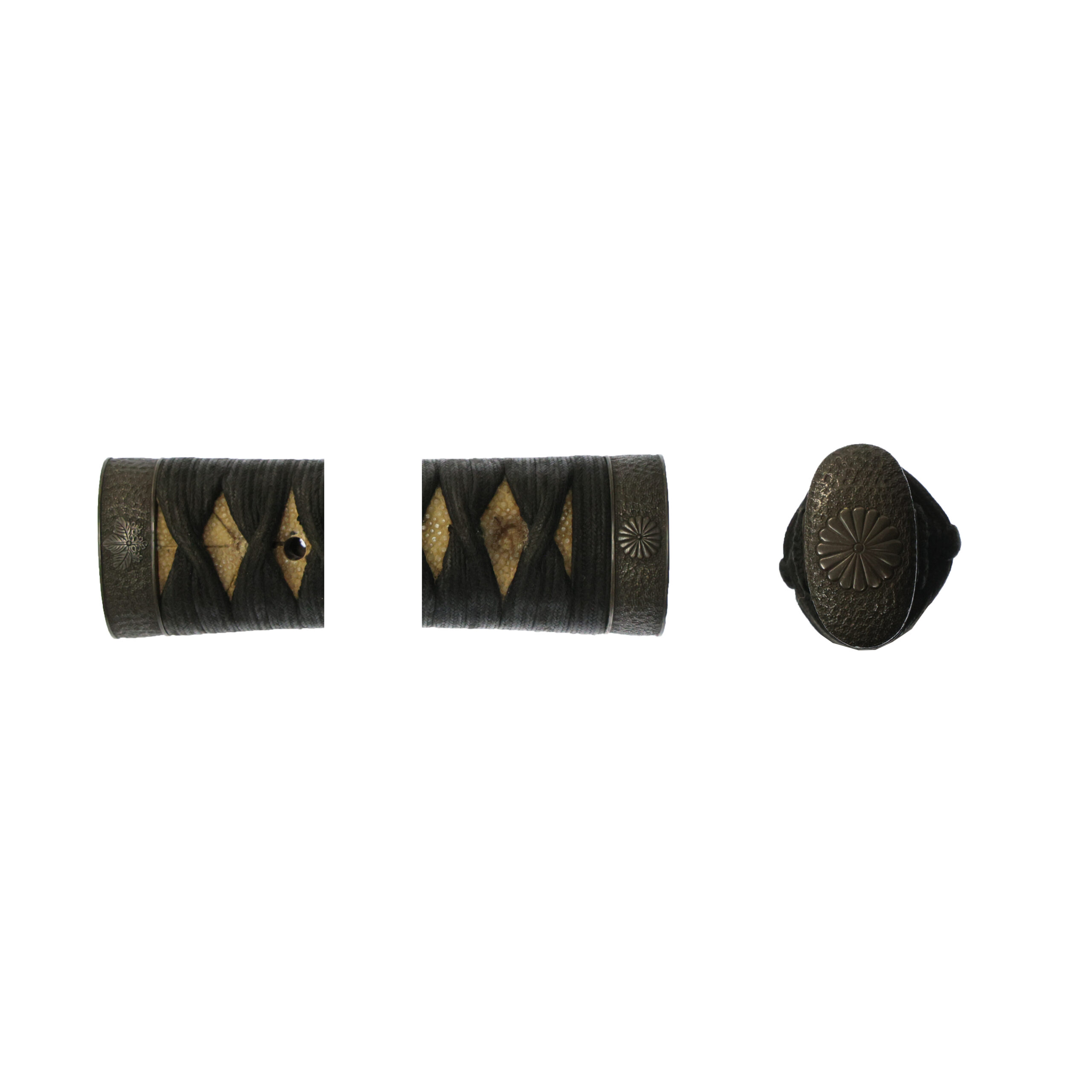
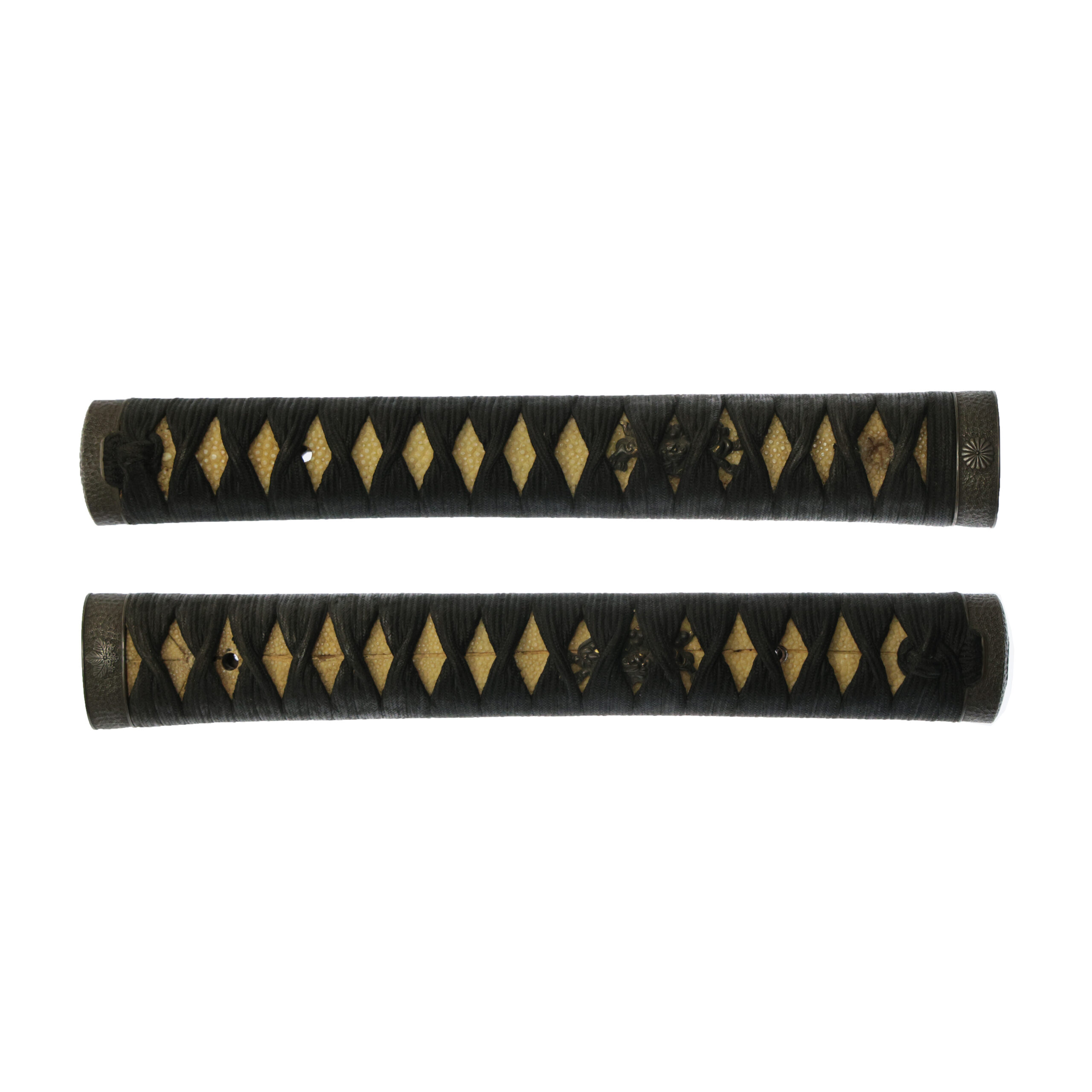
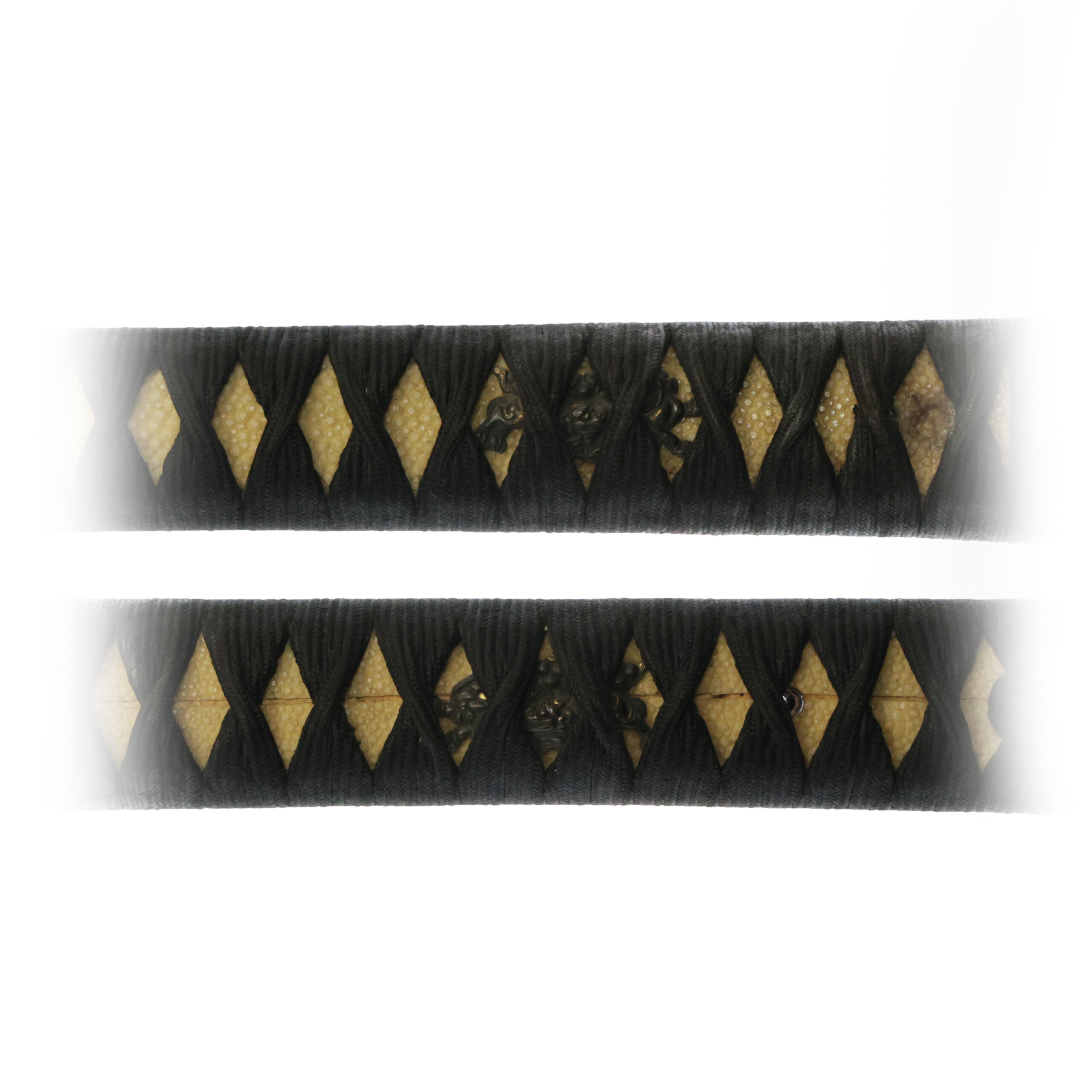
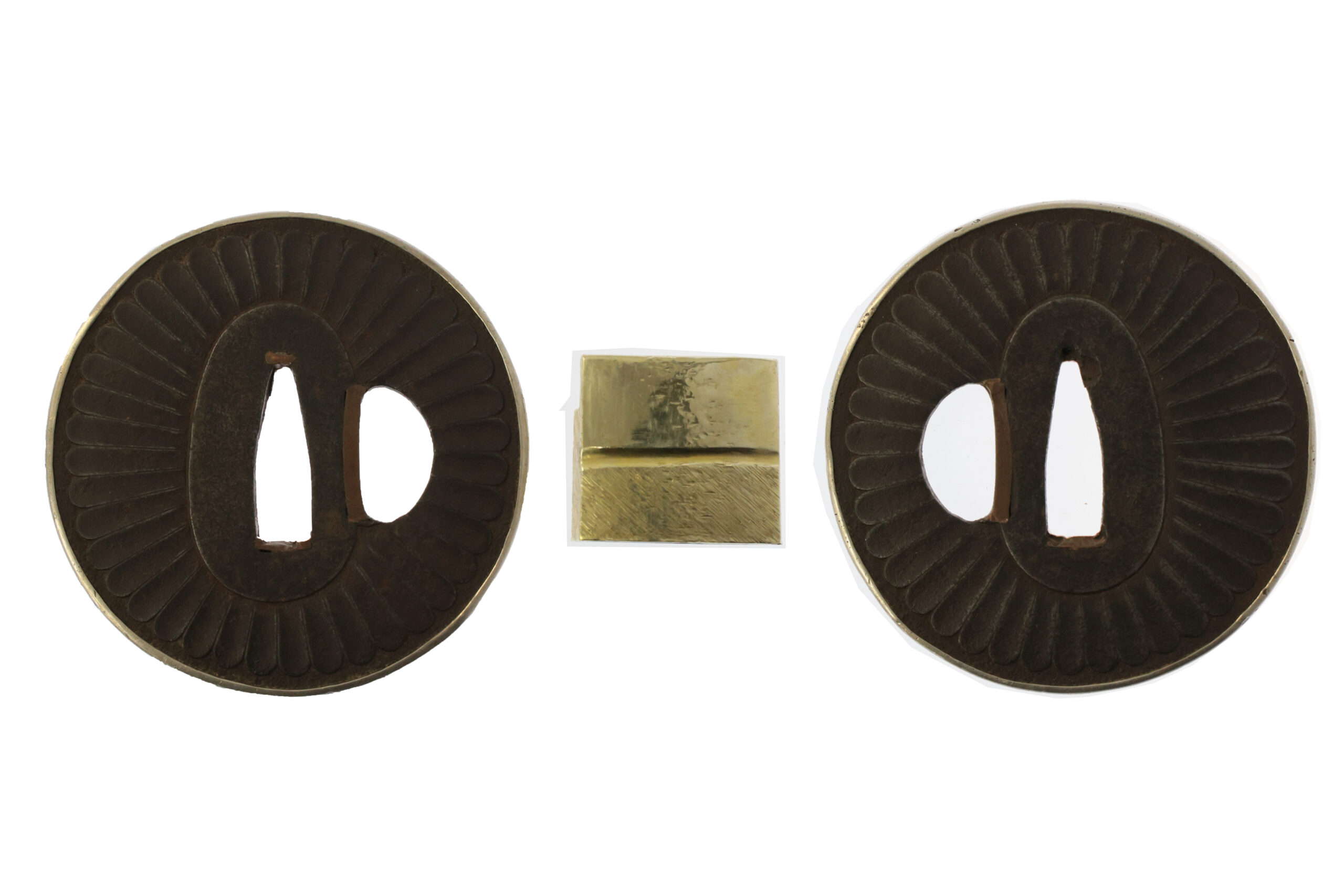
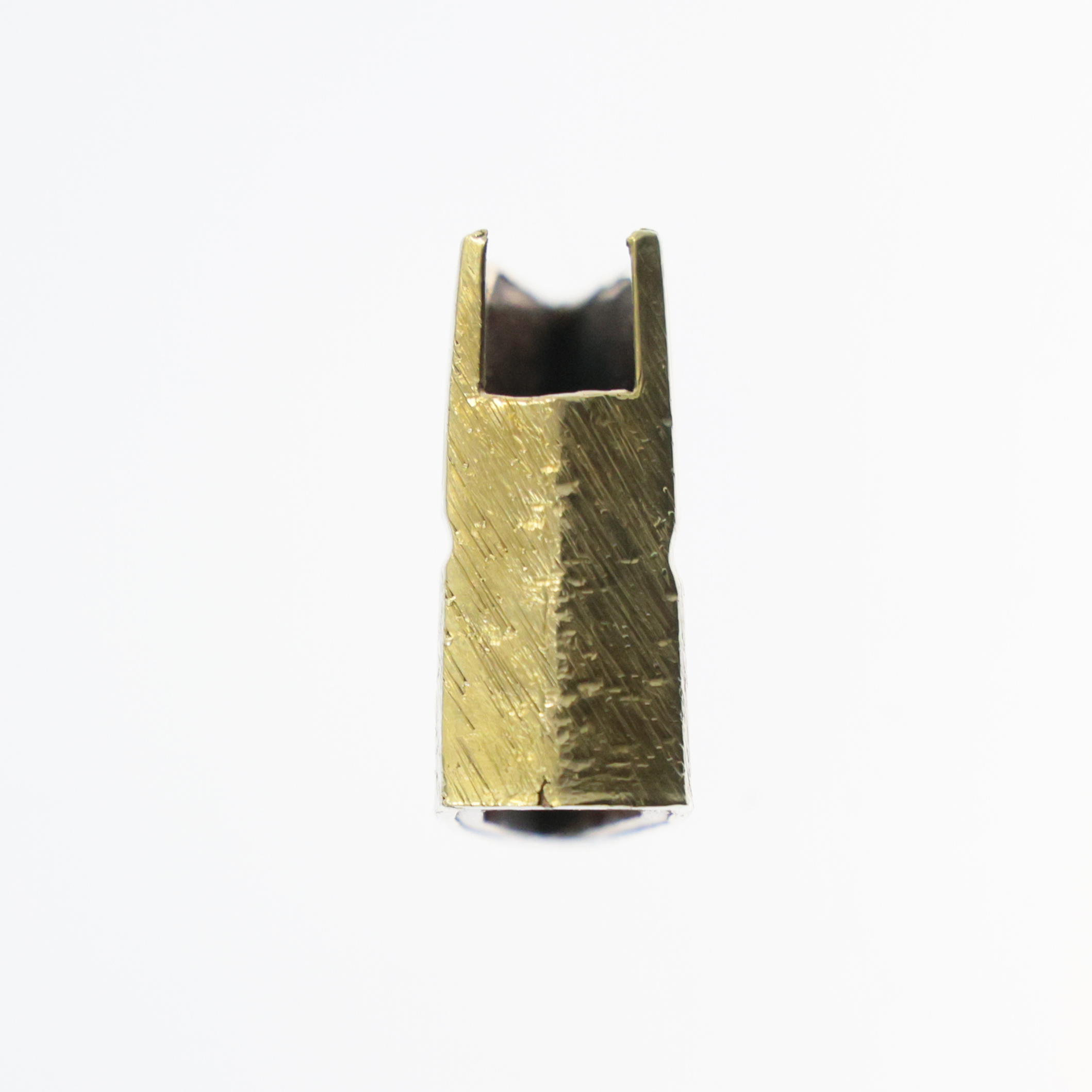
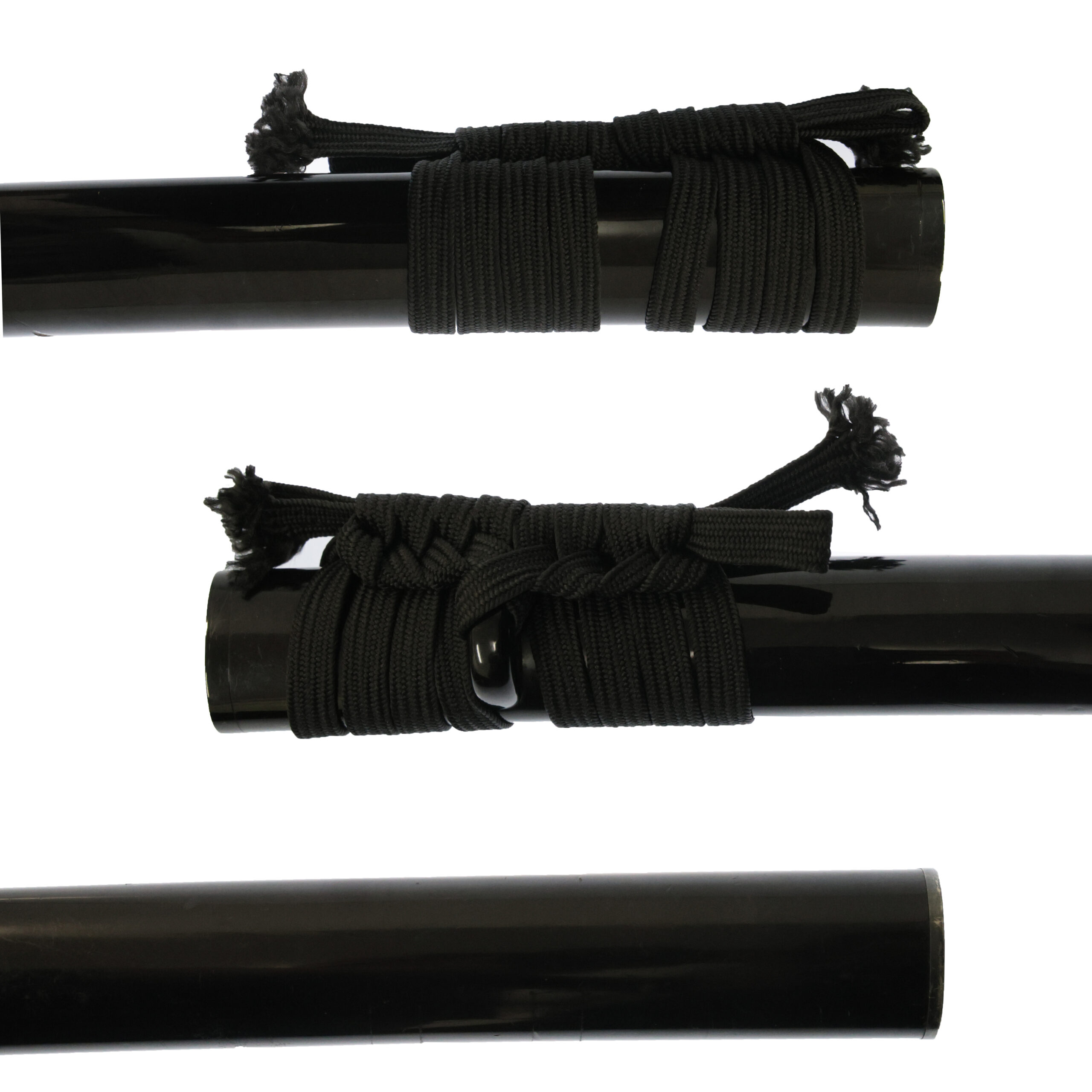
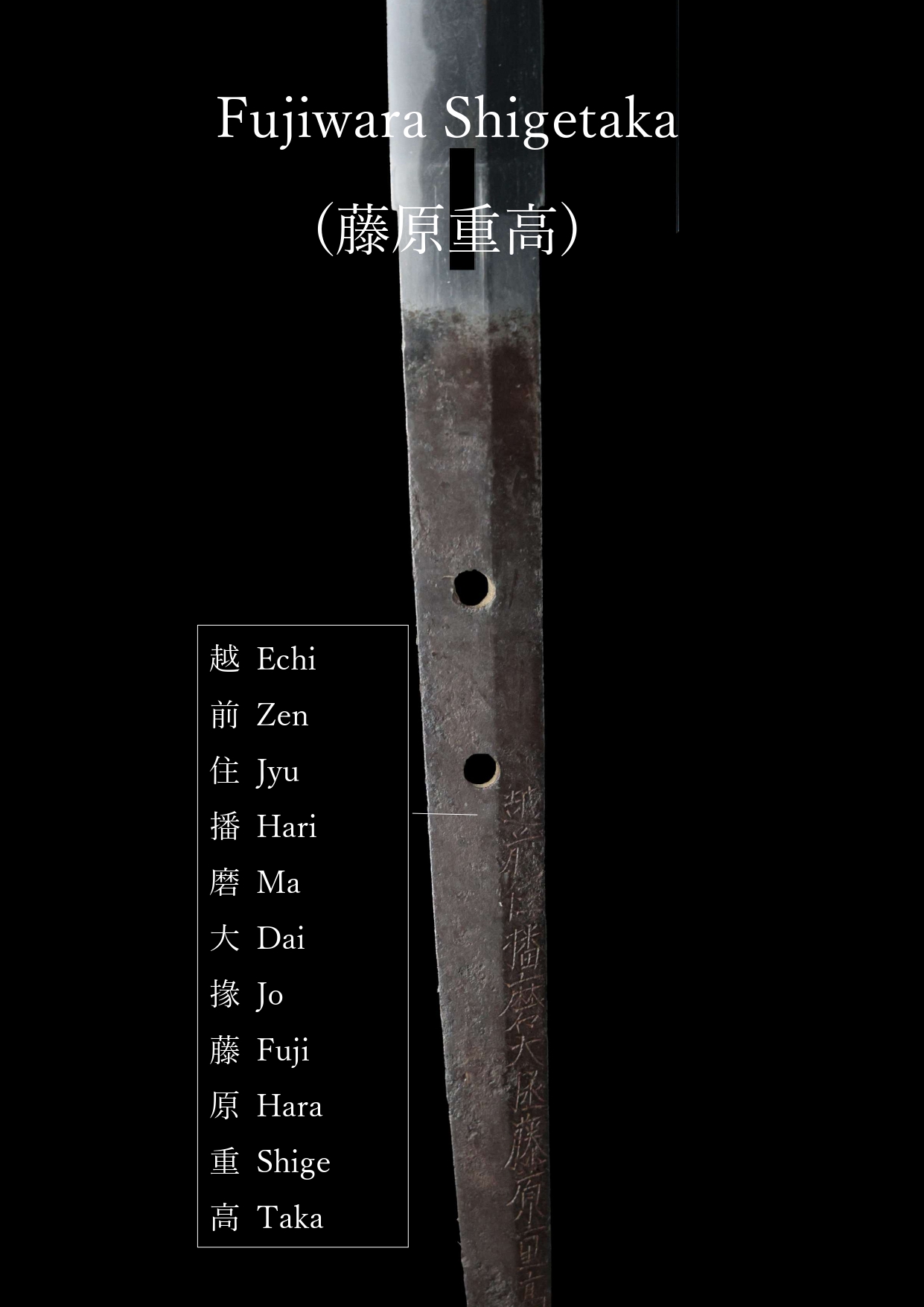
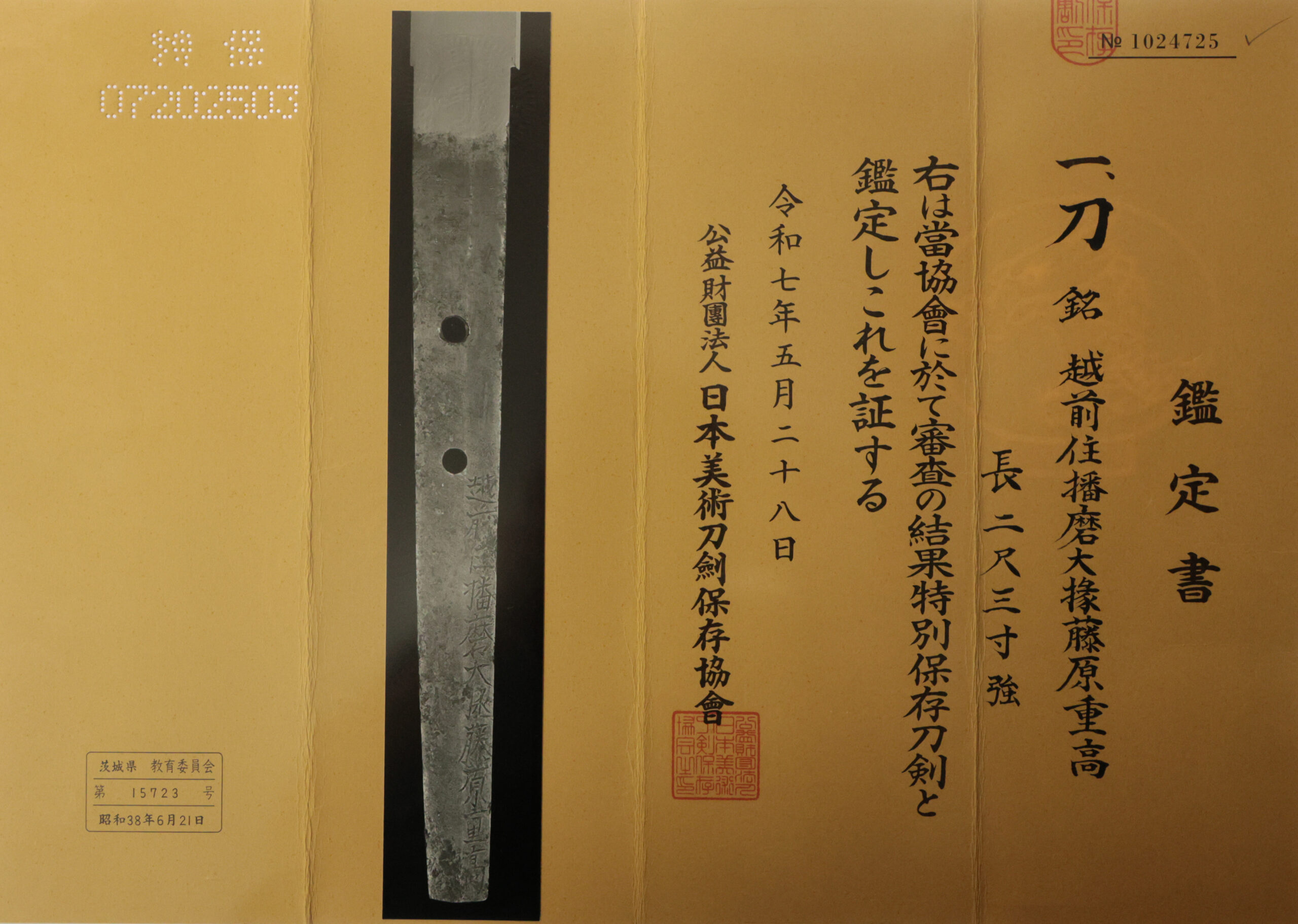
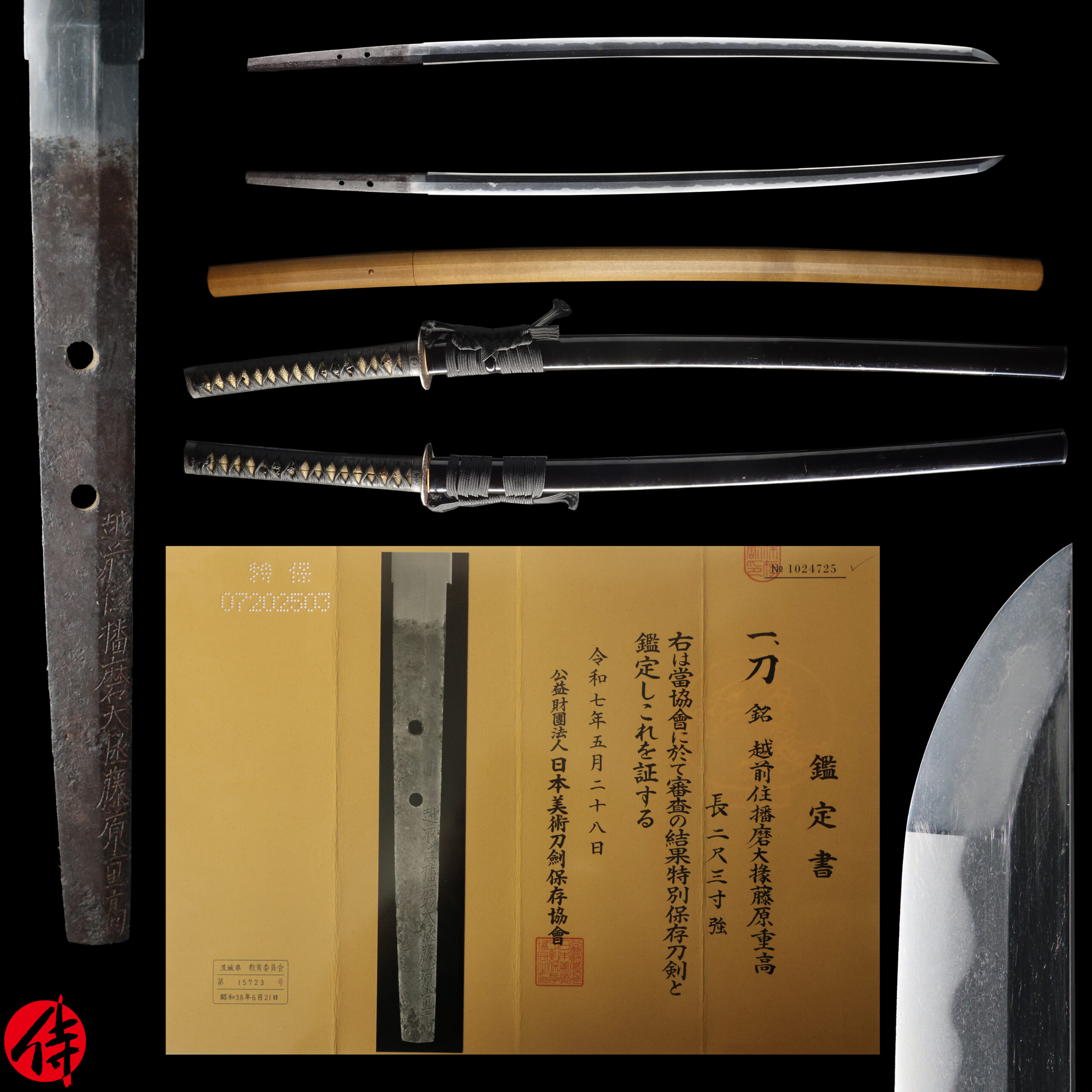
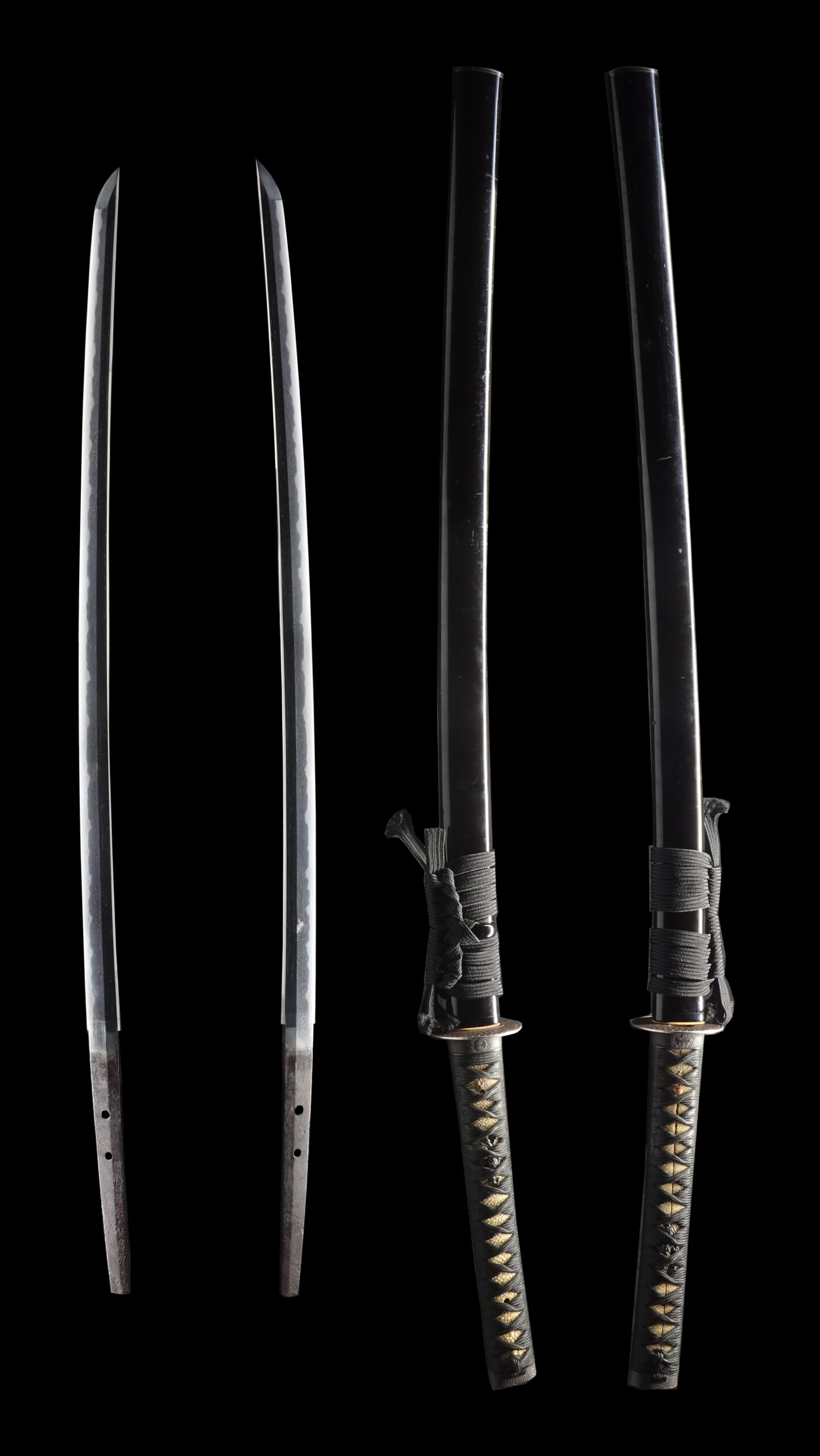
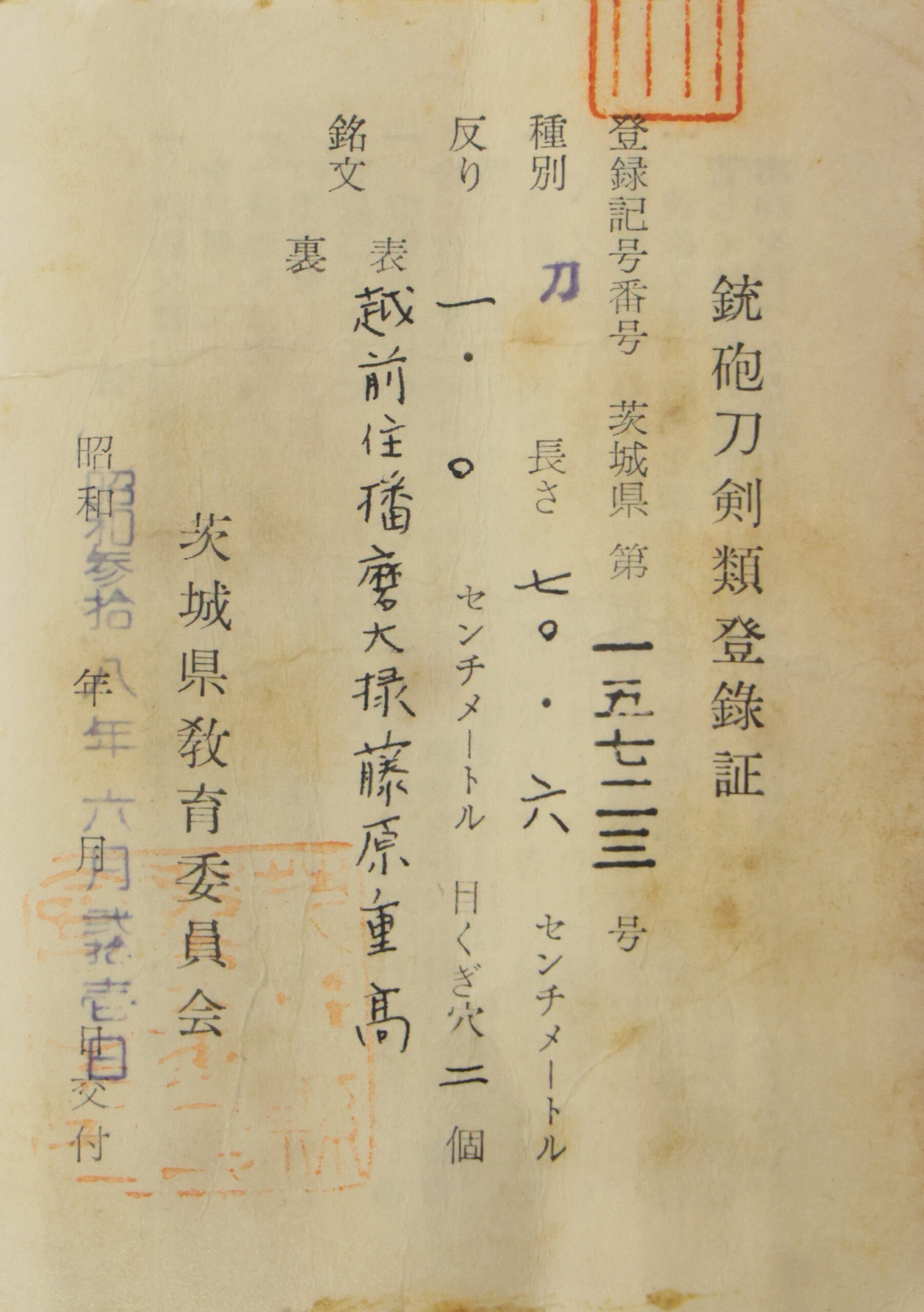
This blade was signed Echizen-jū Harima Daijō Fujiwara Shigetaka (越前住播磨大掾藤原重高). “Echizen-jū” indicates that the smith resided in Echizen Province (present-day Fukui Prefecture), while “Harima Daijō” is an honorary court title granted in recognition of exceptional craftsmanship. It was common for Japanese swordsmiths to include both their place of residence and official title in their signatures. The name Shigetaka (重高) was passed down through 11 generations until the end of the Edo period (late 19th century) and represents one of the most prominent swordsmith lineages in Echizen. Among these, only the first and second generations used the clan name “Fujiwara (藤原)” in their signatures, and both are known to have held the title Harima Daijō (播磨大掾). Based on these characteristics, this blade is attributed to either the first or second generation Shigetaka. The first generation was active around 1600–1624, and the second generation from 1624–1661. The third generation (1661–1681) is also highly regarded and considered comparable in skill to the earlier masters. The first-generation Shigetaka is said to have been born in the Shinshū region (present-day Nagano Prefecture). He later moved to Mino Province (present-day Gifu Prefecture), one of Japan’s major sword-producing centers, where he trained under Kanenori (兼則), a highly respected swordsmith. Toward the end of the Muromachi period (late 16th century), Shigetaka and his master relocated to Echizen Province. From that time onward, successive generations of the Shigetaka lineage remained in Echizen, producing high-quality blades under the patronage of the Matsudaira clan, the ruling family of the region. Echizen Province was prosperous during the Edo period, being ruled by the Echizen Matsudaira clan, a direct retainer of Tokugawa clan who ruled the Edo government. Many skilled swordsmiths from different regions moved to Echizen because of the high demand among the Samurai. Many renowned swordsmiths, such as the first-gen Shigetaka, were originally from the Mino province (Gifu prefecture). They are called Echizen Seki swordsmiths. It is appraised as a Tokubetsu Hozon Token (特別保存刀剣) issued by NBTHK (Nihon Bijutsu Touken Hozon Kyokai:日本美術刀剣保存協会). *Please keep in mind that there are a couple of Kitae Kizu and small rust on this blade. Fuchi-Kashira This fuchi-kashira is decorated with chrysanthemum crests (kikka-mon, 菊花紋) and the Go-shichi no Kiri (五七の桐) motif, both of which have long been associated in Japan with nobility, authority, and auspicious symbolism. The chrysanthemum crest is closely linked to the Imperial family, while the paulownia motif has historically been used by the Imperial court and later by powerful political and military leaders. Together, these motifs lend the piece a dignified and prestigious character. The Go-shichi no Kiri motif—literally “five-seven-five,” referring to the arrangement of its paulownia flowers—appears in several variations. Designs with fewer flowers were more commonly used by the general public, whereas those with a greater number of blossoms were associated with higher rank and prestige. According to tradition, the hōō (鳳凰, Fenghuang), a mythical phoenix-like creature, is said to rest only upon the paulownia tree, further reinforcing its status as a sacred and noble symbol. Tsuka and Menuki The theme of the Menuki is Karajishi (唐獅子, lion). The Shishi (獅子) means a lion in Japanese, and the Karajishi is a lion brought from the continent to Japan in the Toh period (唐, Tang dynasty, 618-907). The Karajishi typically has curly hair for its head, neck, body, and tail, as seen on this work. In Buddhism, the Karajishi is regarded as a symbol of wisdom, and Monju Bosatu (文殊菩薩, Manjushri Bodhisattva) rides lions. According to a theory, the Karajishi is the origin of Komainu (狛犬, stone guardian dogs that exorcize evil spirits). It shows this animal motif has been familiar to Japanese people since ancient times. Tsuba and Habaki This tsuba is made of iron and formed in a circular shape, featuring a design of chrysanthemum petals radiating outward. The chrysanthemum (菊, kiku) has long been regarded as a symbol of longevity and vitality. In ancient China, it was believed to possess medicinal properties that could promote a long life, and this concept was introduced to Japan during the Nara period (710–794). Since then, the chrysanthemum has been deeply appreciated as one of the flowers representing autumn. Its radially arranged petals have often been likened to the sun, reinforcing its association with eternal youth, longevity, and good health. The chrysanthemum crest, known as Kiku no Gomon (菊の御紋), has historically been used by the Emperor and the Imperial family, and is therefore recognized as a highly prestigious and noble motif. From the Kamakura period (1185–1333) through the Warring States period (1467–1615), this crest was sometimes bestowed by the Emperor upon warlords in recognition of their distinguished service. For example, Ashikaga Takauji (1305–1358), the first shogun of the Muromachi shogunate, is said to have been granted the chrysanthemum crest for his role in overthrowing the Kamakura shogunate in cooperation with Emperor Go-Daigo (1288–1339). Similarly, Toyotomi Hideyoshi (1537–1598) is also believed to have been granted the chrysanthemum crest by Emperor Go-Yōzei. Receiving such a crest was considered an extraordinary honor, as the Emperor was revered as a divine figure, and this association underscores the deep connection between the chrysanthemum motif and samurai culture. ※ Please note that the surface of this Habaki has some minor damage. Saya This Saya is covered with black lacquer. Due to its high waterproof effect, lacquer has been used since ancient times in Asia. The blade of a Japanese sword is made of iron, and moisture is the greatest enemy of iron. For the purpose of carrying the blade without degrading it, people devised a method of coating the scabbard with lacquer. To prevent not only moisture but also rain and snow from penetrating the inside of the scabbard, it was necessary to apply multiple layers of lacquer. The Nushi (塗師, lacquerers) was born precisely because advanced techniques were required to handle the complicated processes. ※ Please note that the surface of this Saya has some minor damage. Authentication Paper They authenticated the blade on May 28th in the 7th year of Reiwa (2025). They appraised it as Tokubetsu Hozon Touken, the blade especially worth preserving for Japanese society.

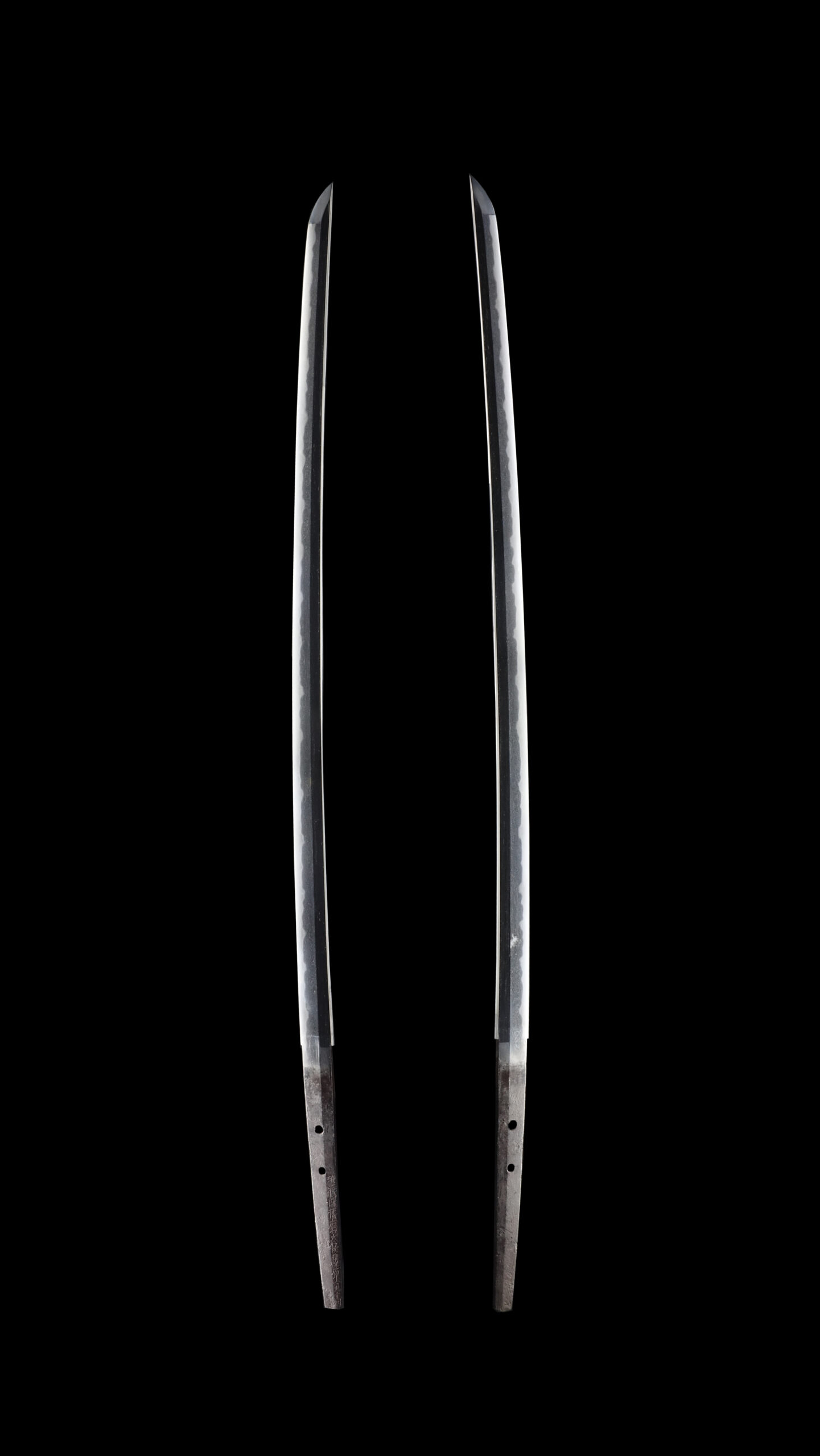
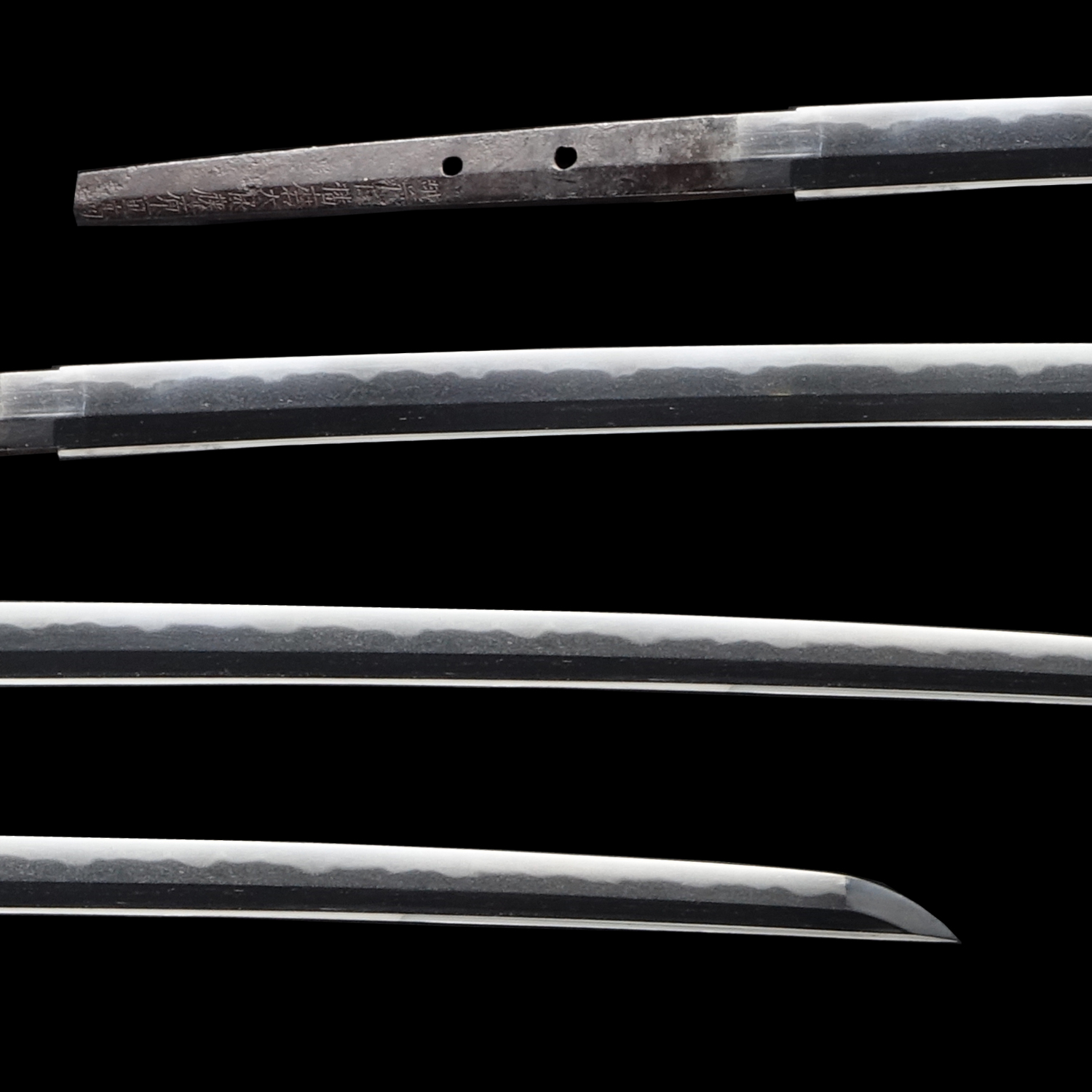
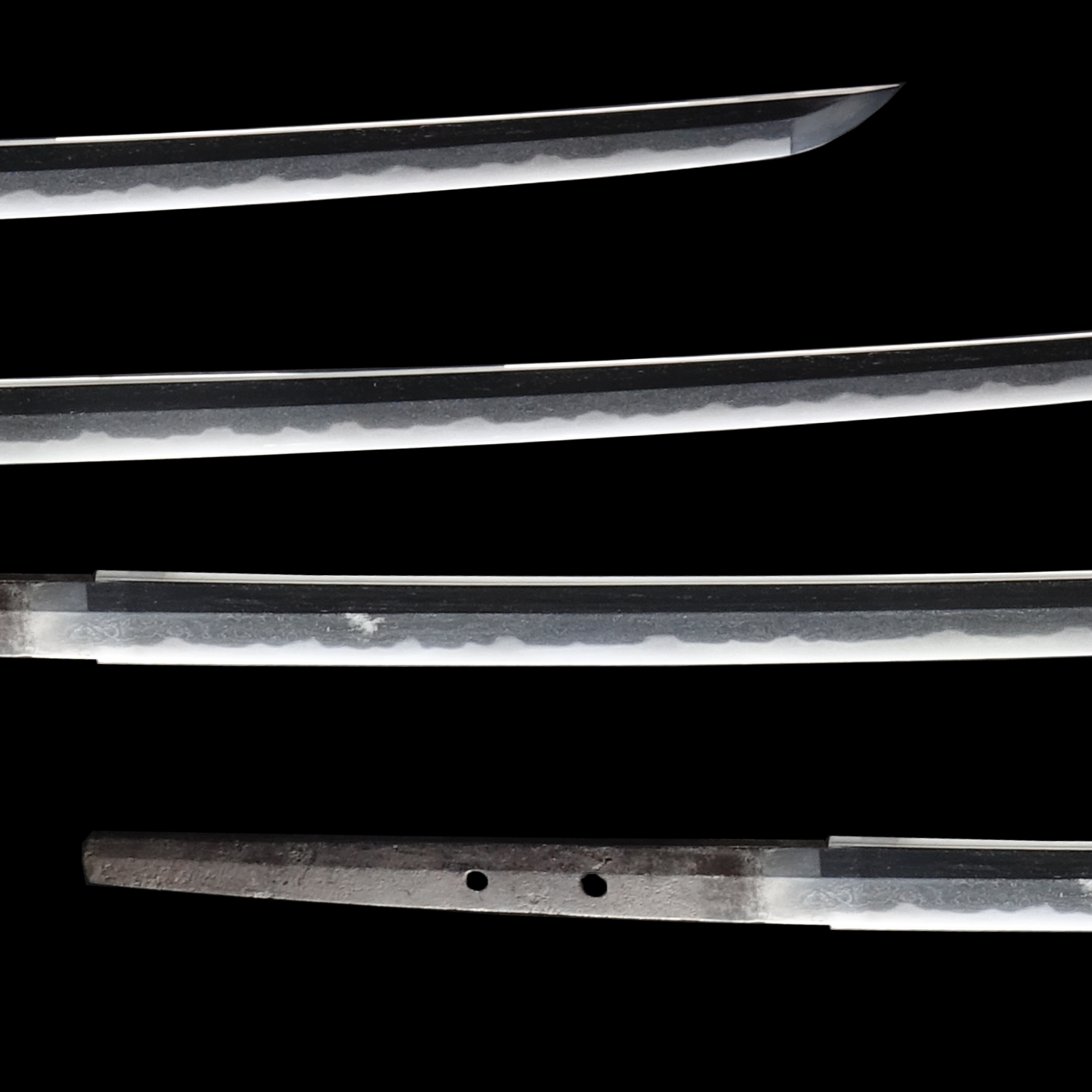
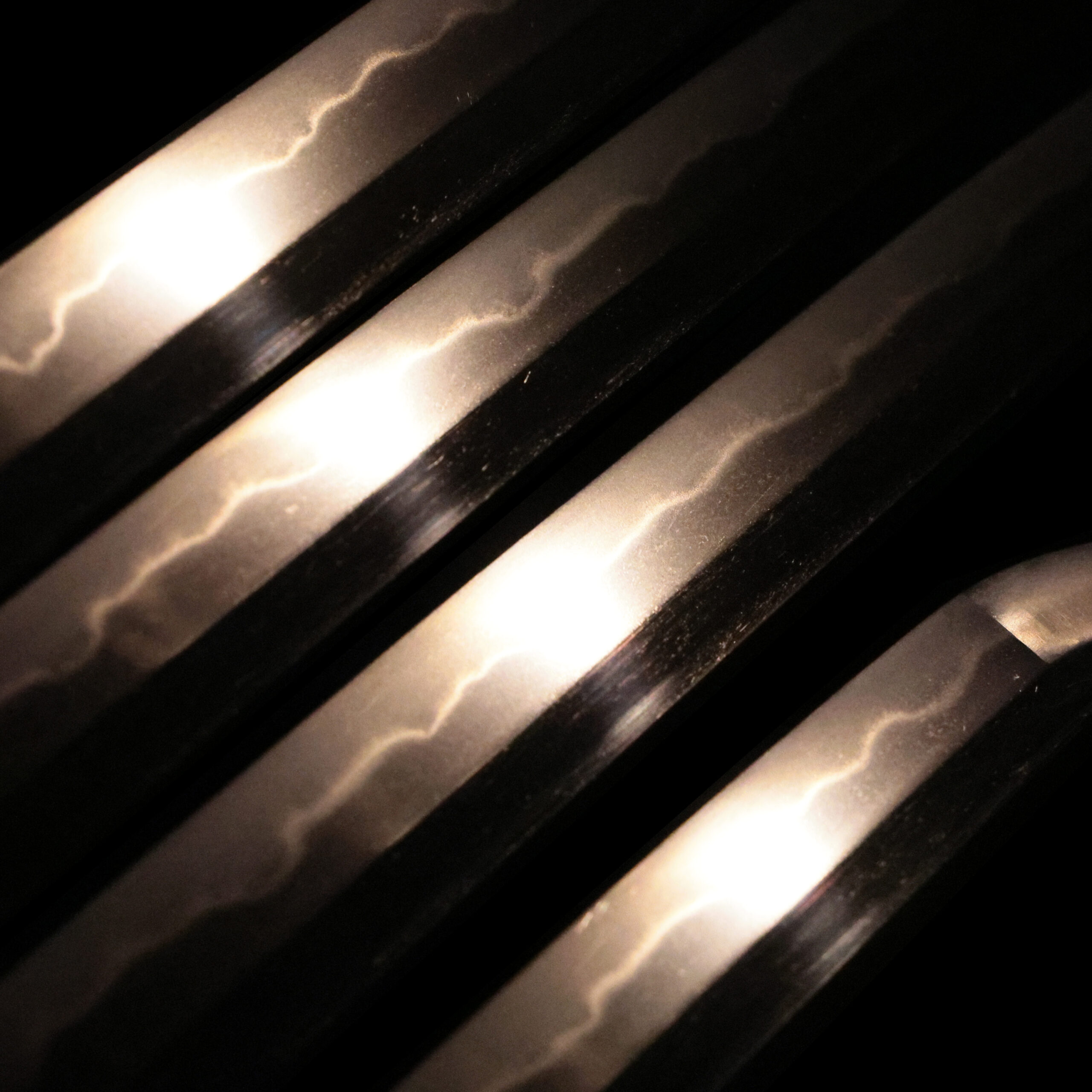
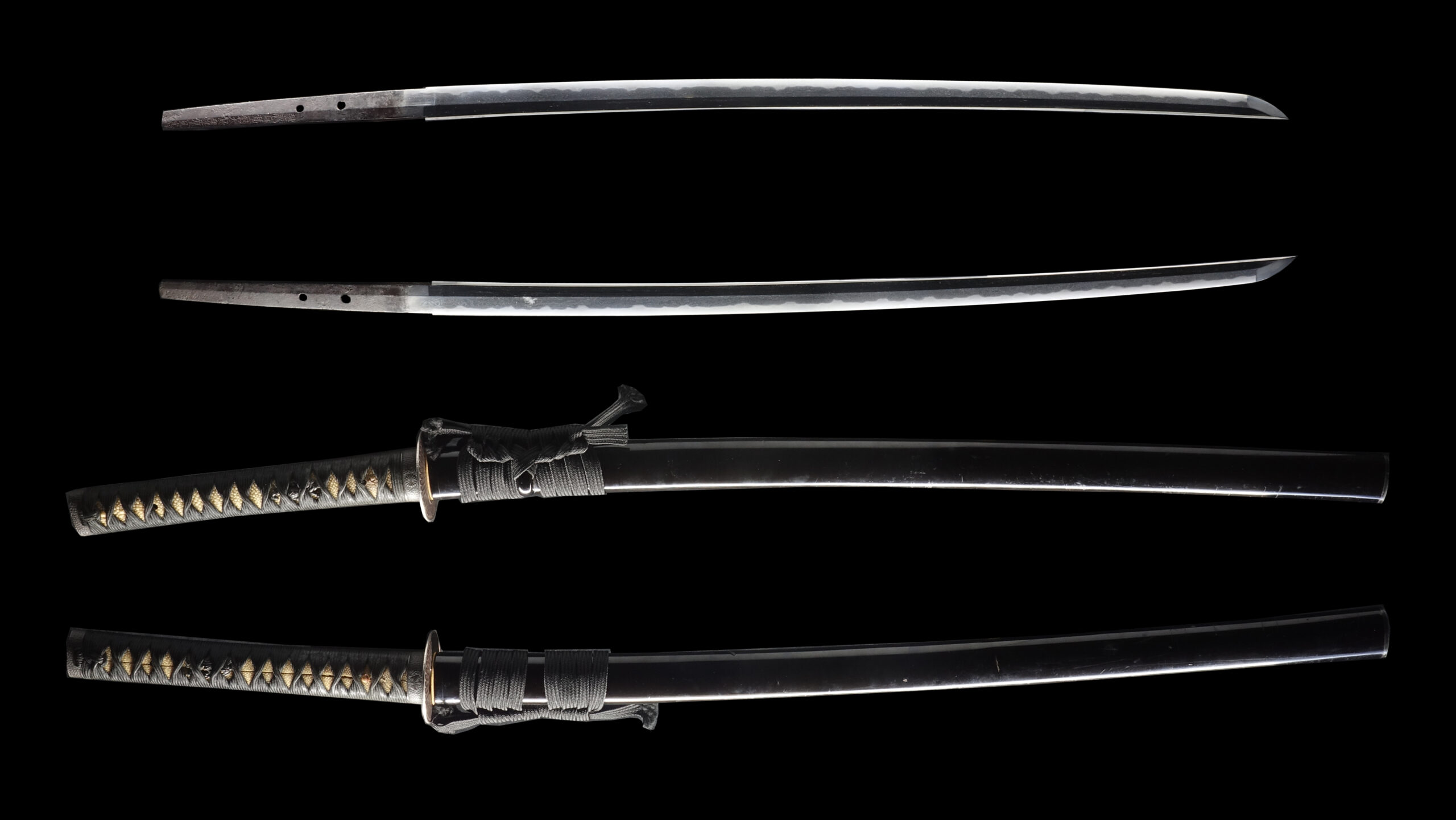
販売店の記載のまま
新刀 · 越前
現在39点販売中
茎にきられた黒い鉄こそ、この一門の最も確かな標である。鍛えは板目に杢が目立って交じり、刃寄り棟寄りに流れて肌立ち、地沸厚く、地景細かに入って、かねが総じて黒みをおびる。説明書はこれを繰り返し「越前がねの特色」と名指し、初代康継から重高・貞国・貞次に至るまで終始変わらぬ見どころとする。この一団は近江国坂田郡下坂郷を本貫とし、新刀初頭の越前にあって「下坂」を商標として用いた幾人かの鍛冶の集まりであって、説明書は一人の刀工とみるよりは一団とみるのが妥当とし、初期は康継をその代表者とする。初代康継は下坂市左衛門と称して越前に移り結城秀康に仕え、初め肥後大掾下坂と銘した。慶長十年から十一年にかけて江戸に召され、家康・秀忠両将軍の御前で鍛刀した褒賞として「康」の一字と三つ葉葵紋を茎にきることを許されて康継と改名し、葵下坂・御紋康継の名はこれに発する。以後は将軍家の御抱工として越前と江戸を隔年に勤め、本国打には越前住、江戸打には於武州江戸と切り添え、南蛮鉄を以南蛮鉄と添えた。肥後大掾藤原下坂の康継前銘は貞国・兼法・国康らと鏨運びも筆意も酷似し、今日なお銘振りによってしか分かち得ぬほど近い。 この一門の手は静かで、同時代の備前・美濃の華やかな新刀の多くに対置される。刃文は浅いのたれ・中直刃を基調に小互の目を連れて交え、小足・葉入り、沸厚く、荒めの沸がむらにつき、本工らしいばさけを生じて、金筋・砂流しが長くかかり、棟焼・飛焼さかんに、時に皆焼風となり、匂口は沈みごころとなる。帽子は浅くのたれて先尖りごころに三品風を呈し、掃きかけて長く返る。姿は身幅広く元先の幅差少なく重ね厚め反り浅い慶長新刀体配で、平造脇指は幅広寸延びとなる。彫物がいま一つの恒常で、彫口深く力強い越前彫・記内彫が一門の手を示し、不動三体仏・倶利迦羅・梵字・護摩箸・素剣を巧みに彫る。記内ら越前の彫物師の手によるこの深い浮彫は、説明書が地方の特色と名指すものである。一門が最も称えられる作域は相州写しであって、初代・二代ともに大坂落城に焼失した名物の再刃を試み、中でも貞宗写しを最も得意とし、各写しに自らの作風を加えて徒らに模倣せぬところに特色がある。手は系統と目的とで分かれ、貞国は直刃を得意として地がつんで精美に、貞次は越前関の系譜を引いて丁子の目立つ明るい現れを示し、重高は茎尻を栗尻とする点で一門の剣形と分かたれる。 収集家がこの一門の作に向かうべき所以は、その見分けやすさにある。黒く肌立った越前がね、ばさけた刃縁、縞がかる砂流し、長く掃きかける小丸の返り、そして深い記内彫が併さって、写した古作によってではなく一門自らの語法によって読まれる。中心に立つのは初代康継で、駿府滞在中の駿州打や名物写しを残し、駿府御分物の一刀は紀州徳川家に、号風雷神の刀は越前松平家に伝来した。嫡子二代康継は父風を忠実に継ぎ、継の字形以外では殆ど区別し難く、晩年は初代に劣らぬ域に達した。二代の後、家は江戸三代を右馬助、越前家を四郎右衛門が継いで両系に分かれ、同名は幕末まで両地に栄えた。江戸三代は鍛えがつんで綺麗に、匂口は明るく、直ぐの焼出しを置いて法城寺一派など当時の江戸物に近づく。後援者本多飛騨守成重の立葵紋が貞次や康継一門の優品に多くきられ、截断銘がその伝来を彩る。藤代は上々作から上作に位し、一門は名だたる蔵伝よりも在銘の指定刀を通して出会われる。市に現れるのは葵紋を切った在銘の康継、あるいは下坂貞国・貞次・重高の在銘作であって、根気をもって待てば折にふれ世に現れ、現れれば家康の葵紋下賜に発する越前下坂の確かな一口となる。 詳しく見る →
江戸時代
江戸は刀の目利きの時代である。本阿弥の鑑定、1719年の享保名物帳、盛んな刀剣書が、戦で抜かれることのなくなった刀を学問の対象へと変えていった。
保存刀剣のうち、出来が一層優れ、保存状態も良好と認められたものです。再刃や、室町・江戸期の多くの無銘作は対象外となり、保存刀剣より高い基準が課されます。
日本美術刀剣保存協会(NBTHK)は、1948年に設立され、文化庁の監督を受ける公益財団法人で、東京・刀剣博物館に本部を置きます。専門の審査員が出品作を直接審査し、美術的・歴史的価値に応じた鑑定書を発行します。NBTHKの鑑定書は、日本刀および刀装具の真正性を示す最も広く認知された基準です。
NBTHK公式サイトReturns/exchanges limited to defects caused by shipping (except willful misconduct or gross negligence by the company); customers must contact within 72 hours of receiving the product.
Certificate reading — 銘 越前住播磨大掾藤原重高