応仁の乱が足利の体制を砕いた後、戦国の一世紀はほとんどすべての国を武装させた。この時代は選ぶ目に報いる。並の作は多いが、その傍らには第一級の注文打ちが立っている。
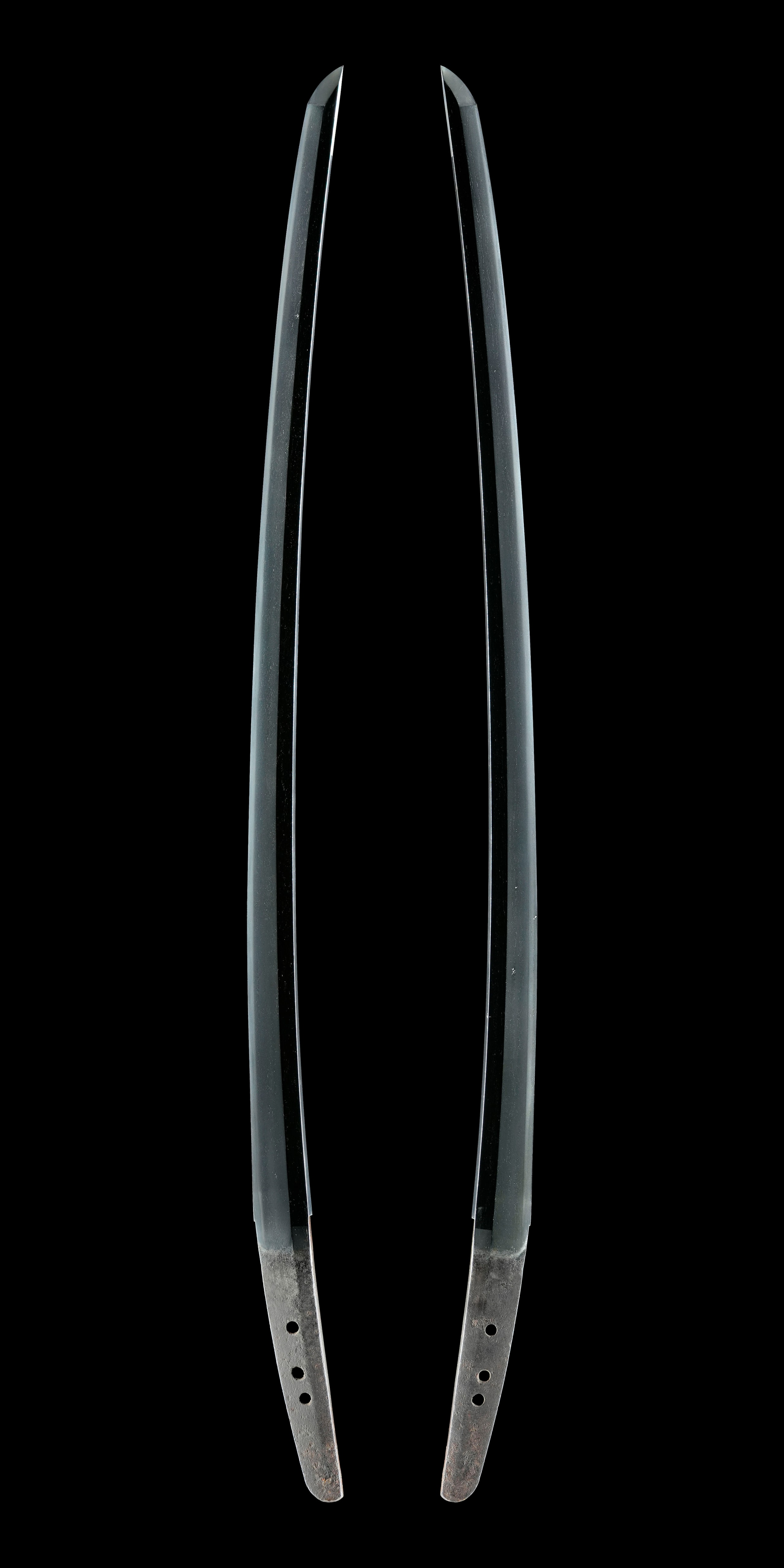
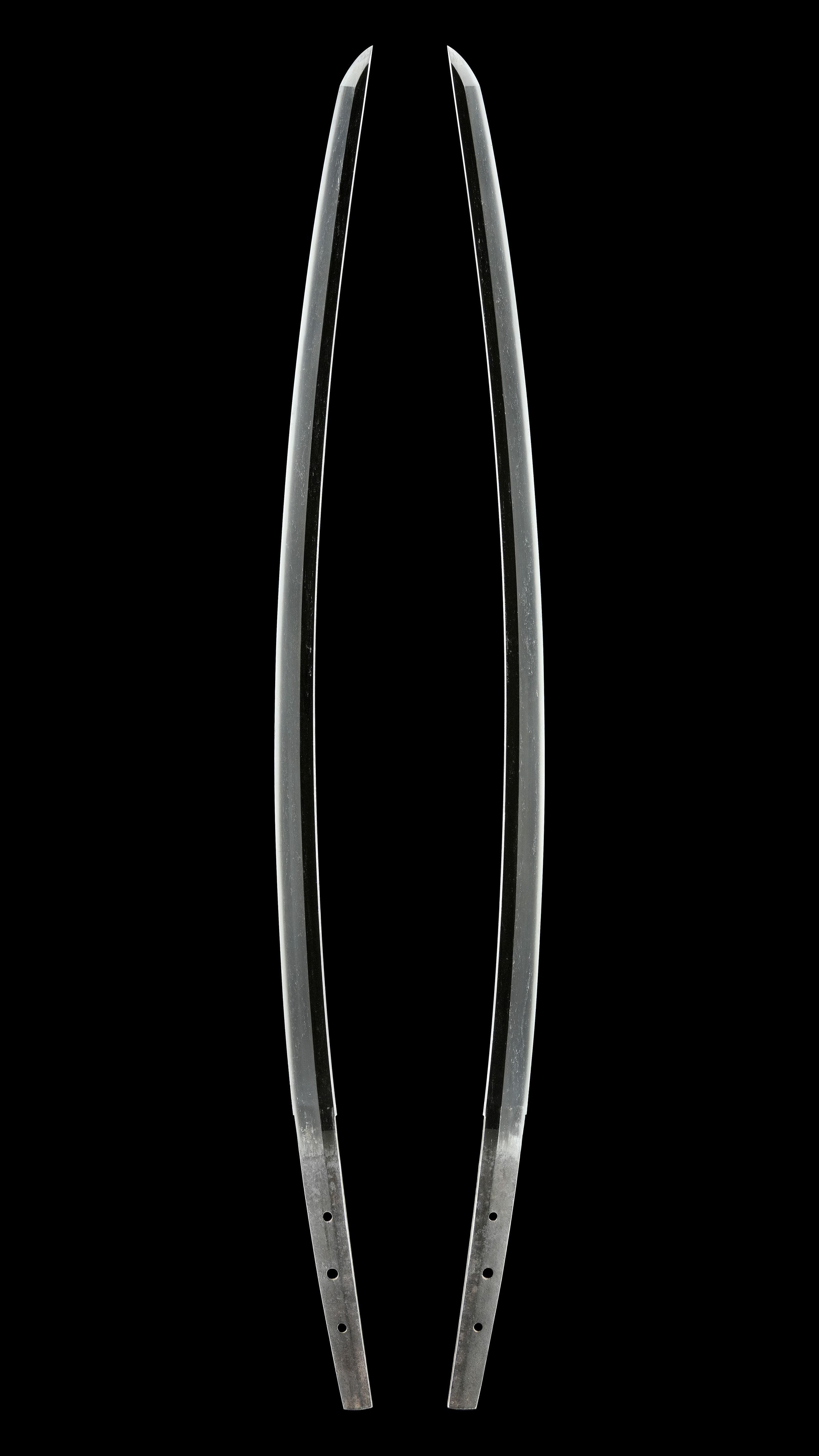
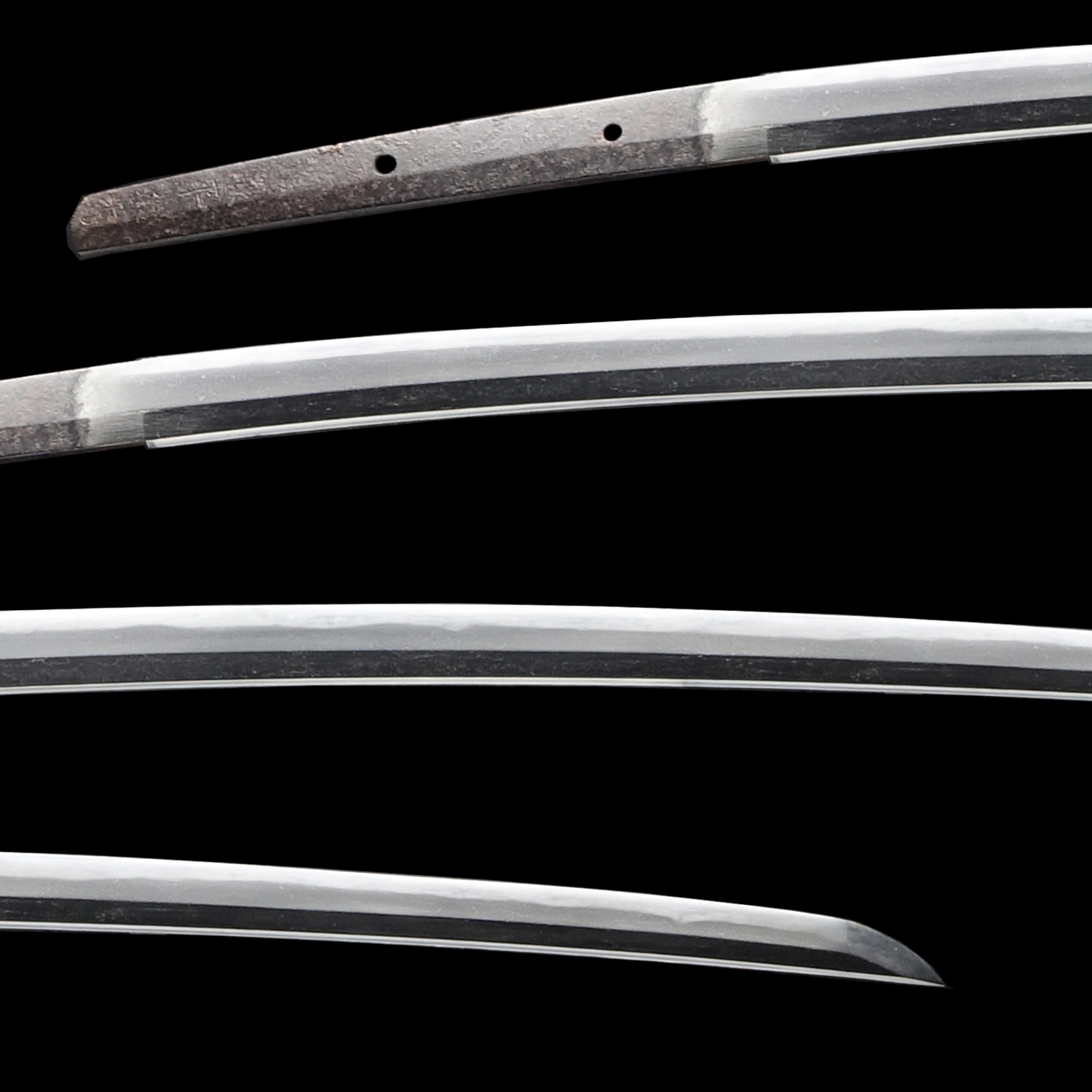
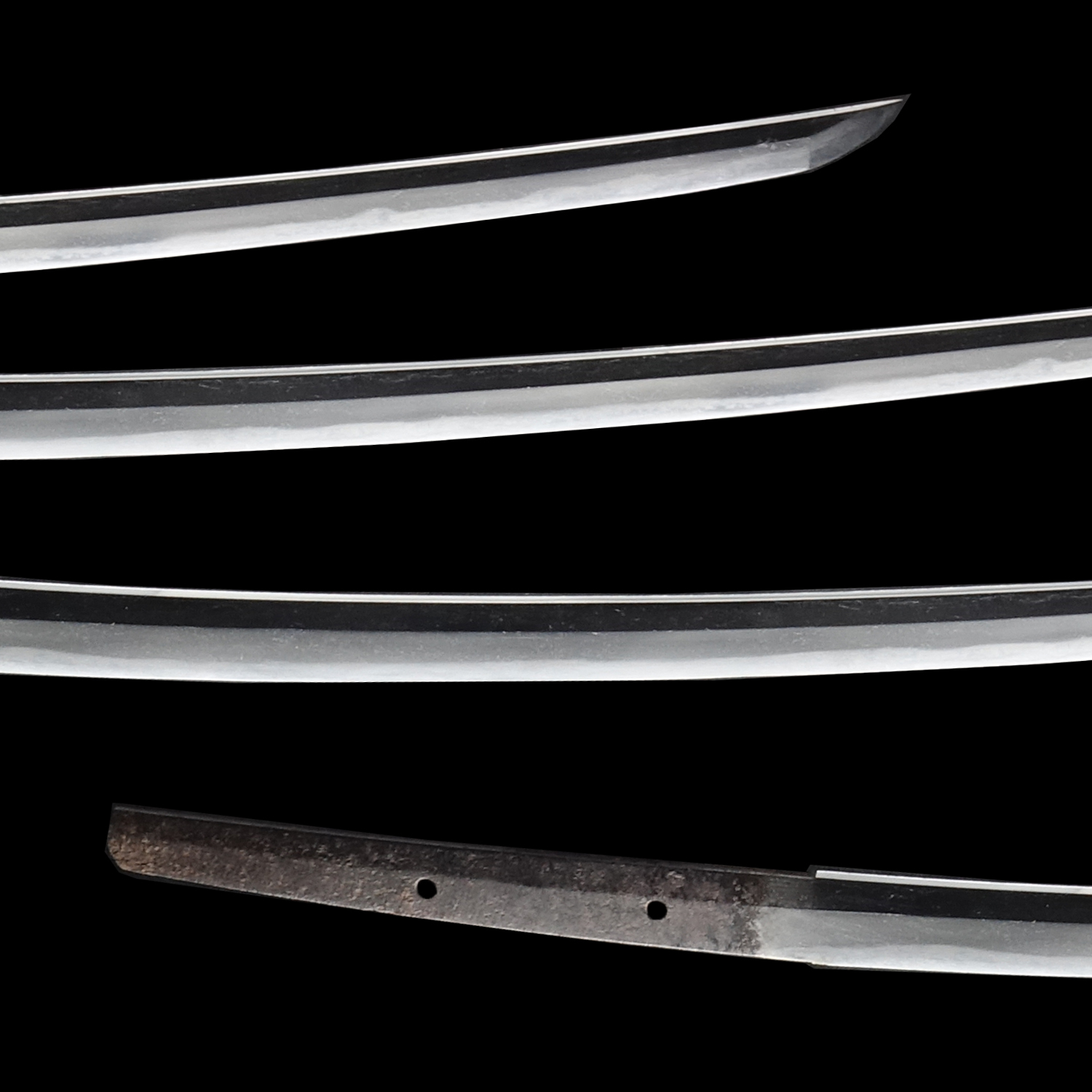
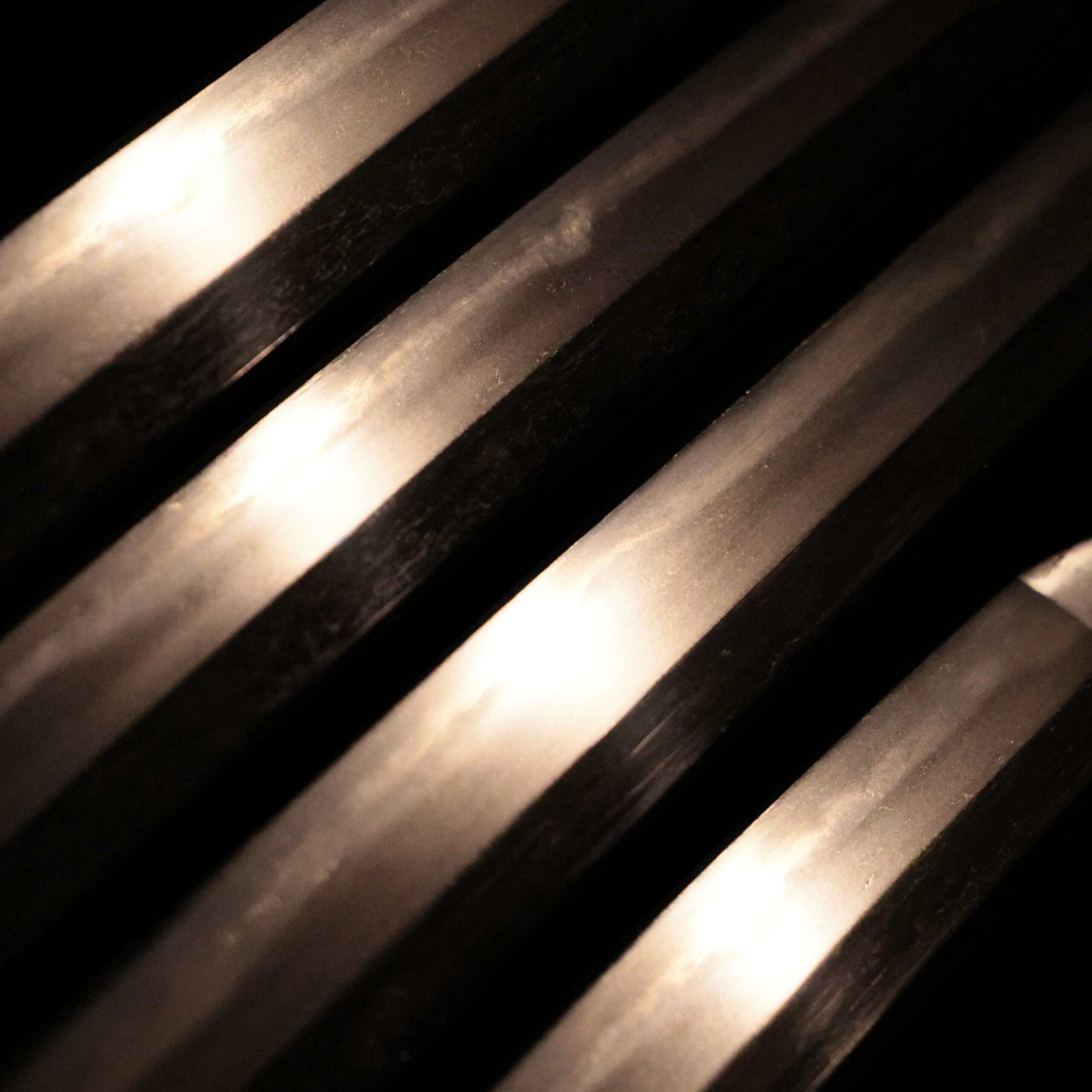
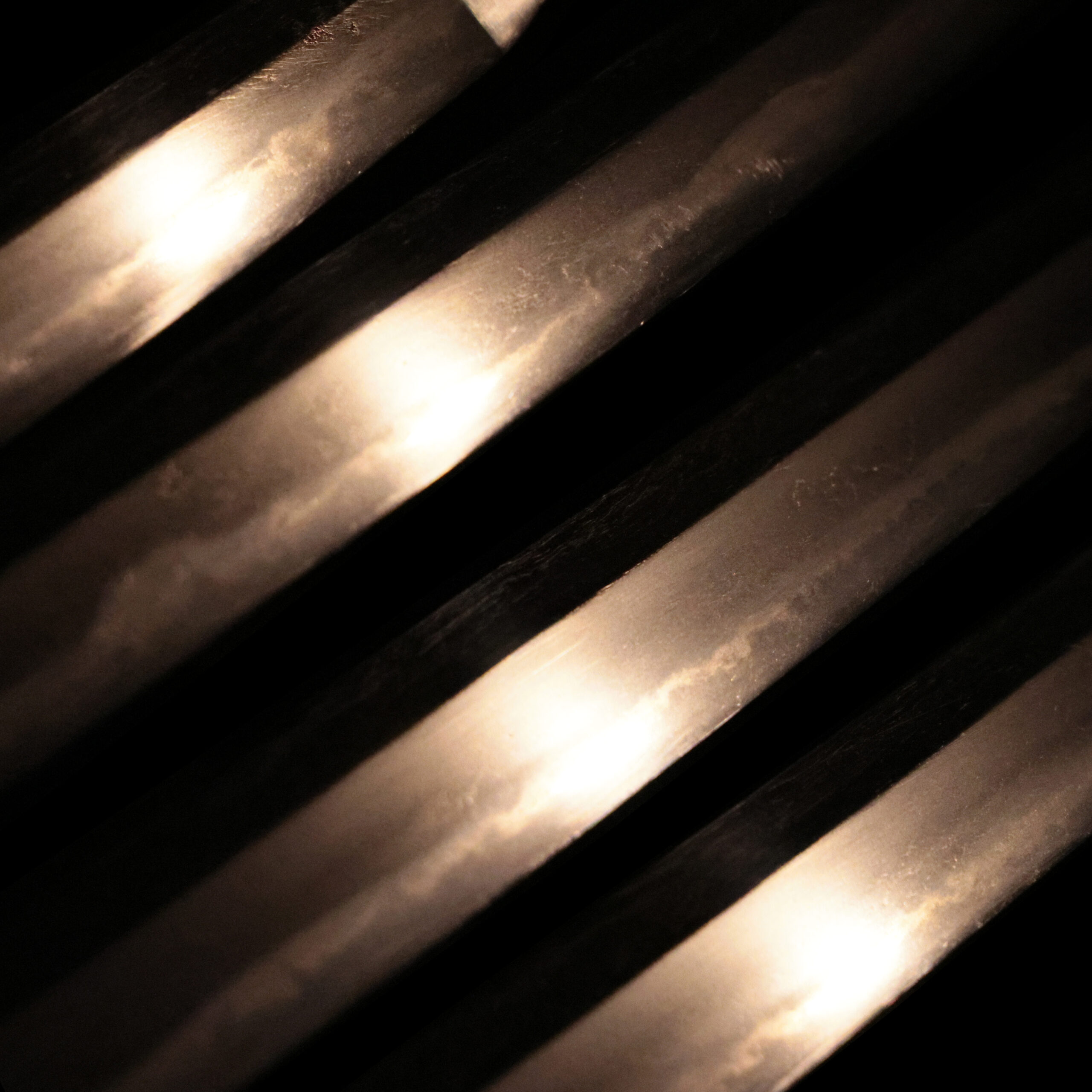
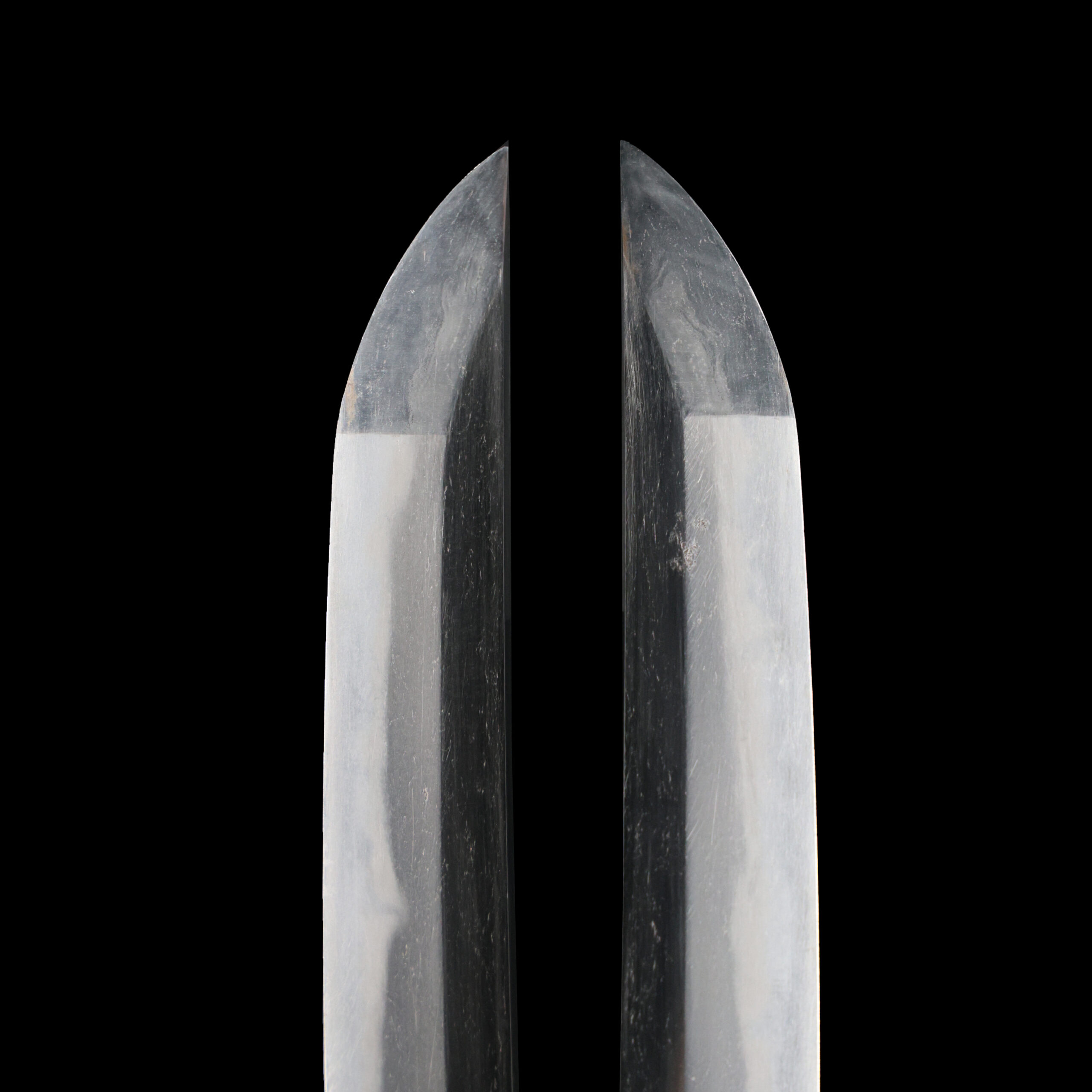
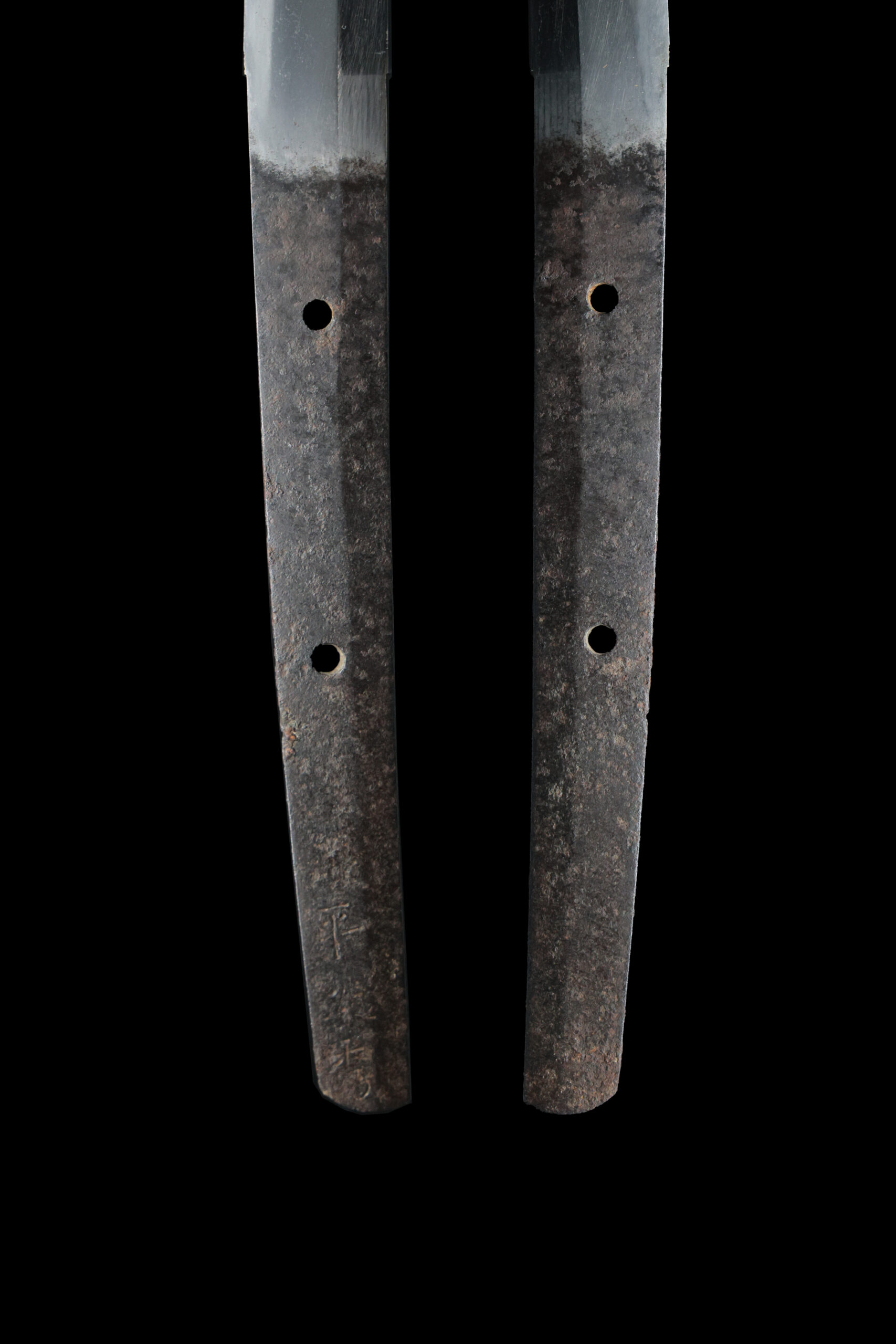
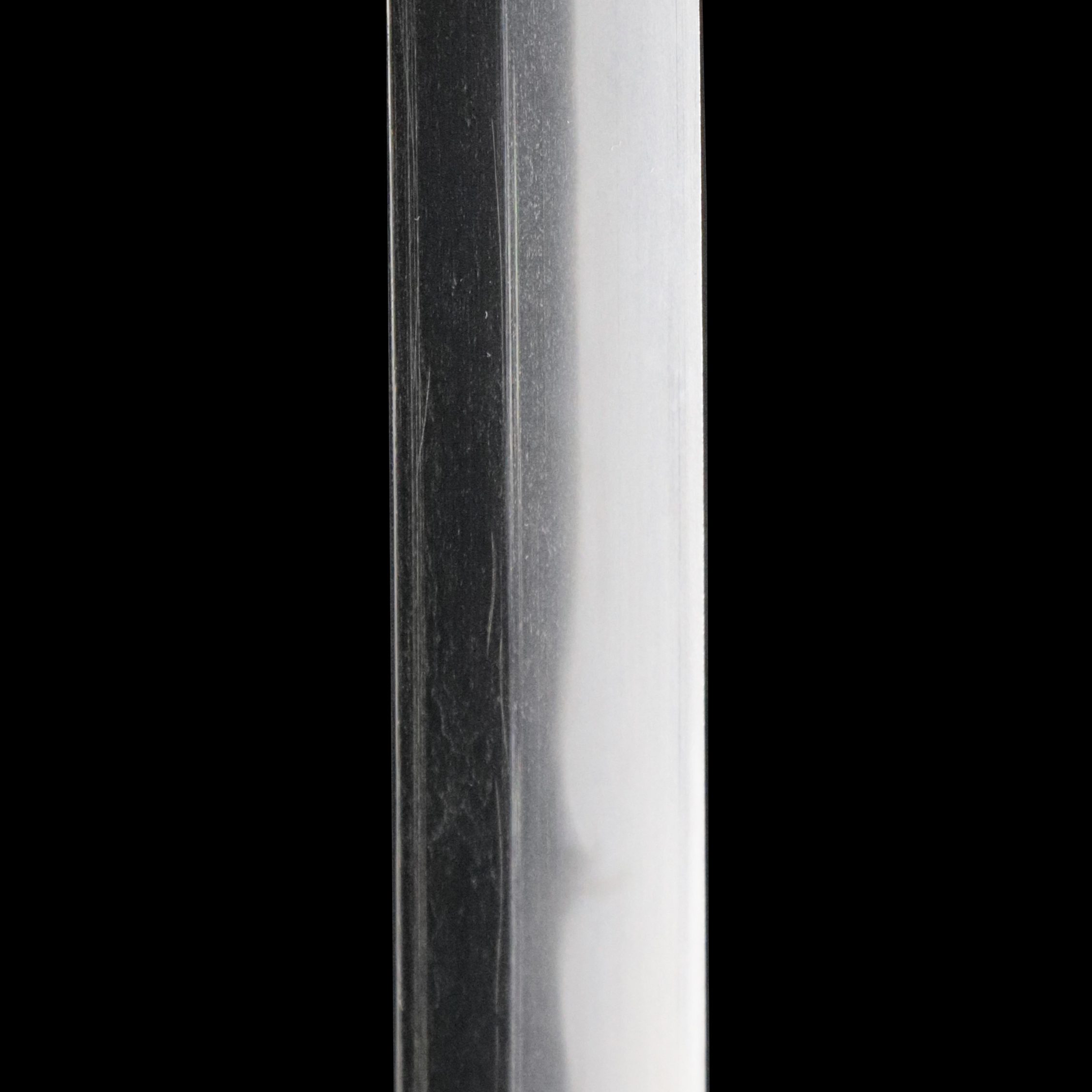
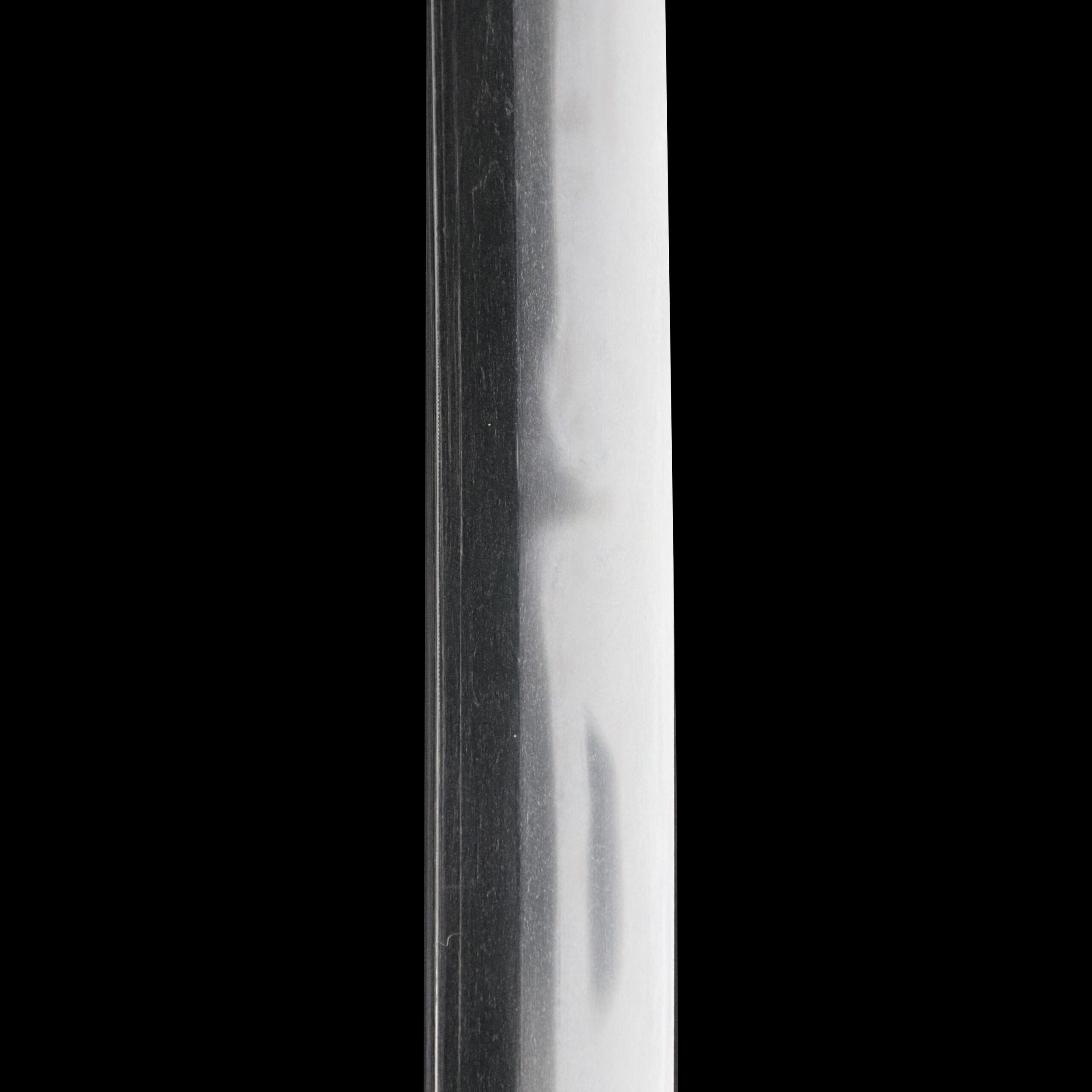
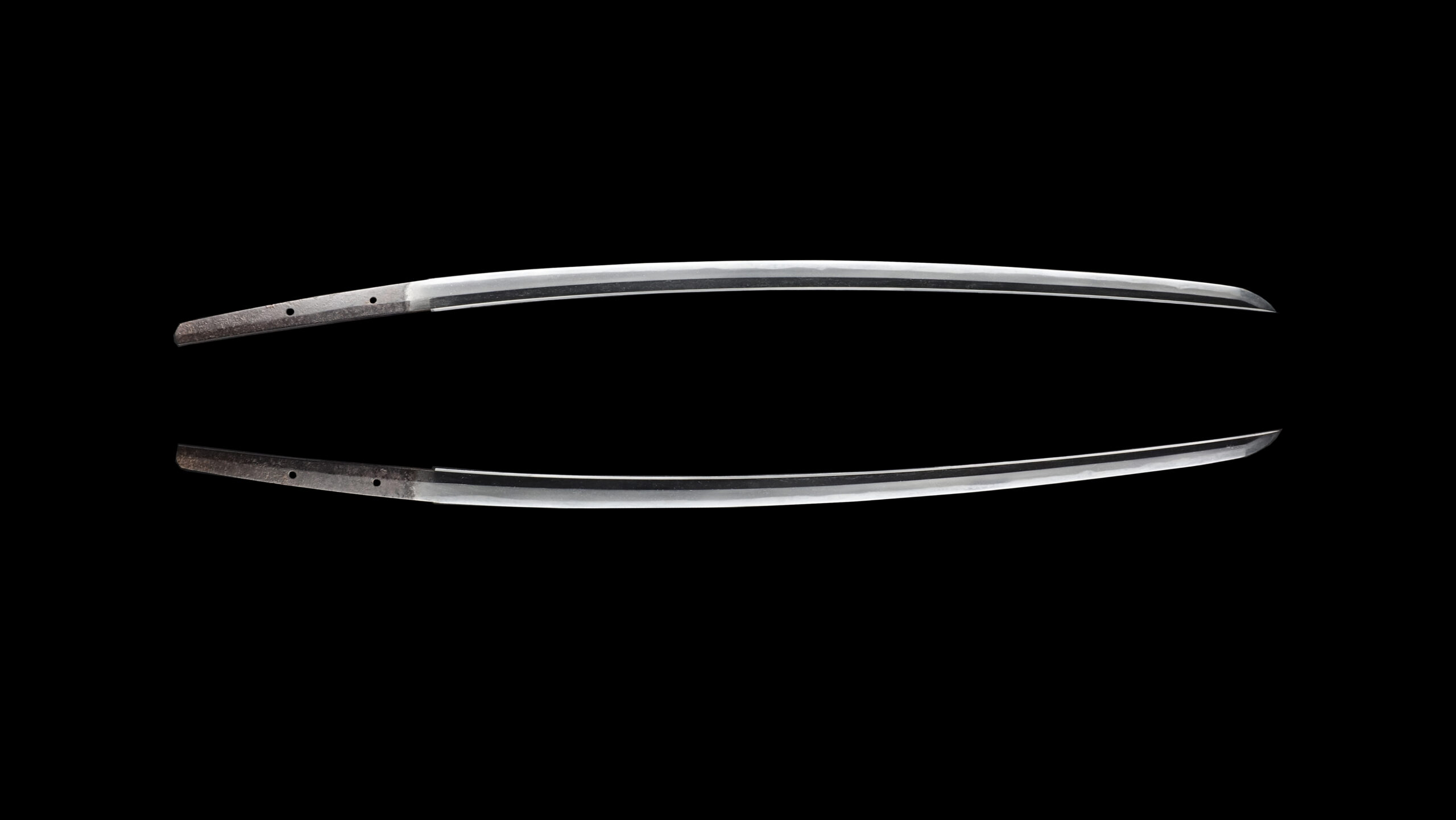
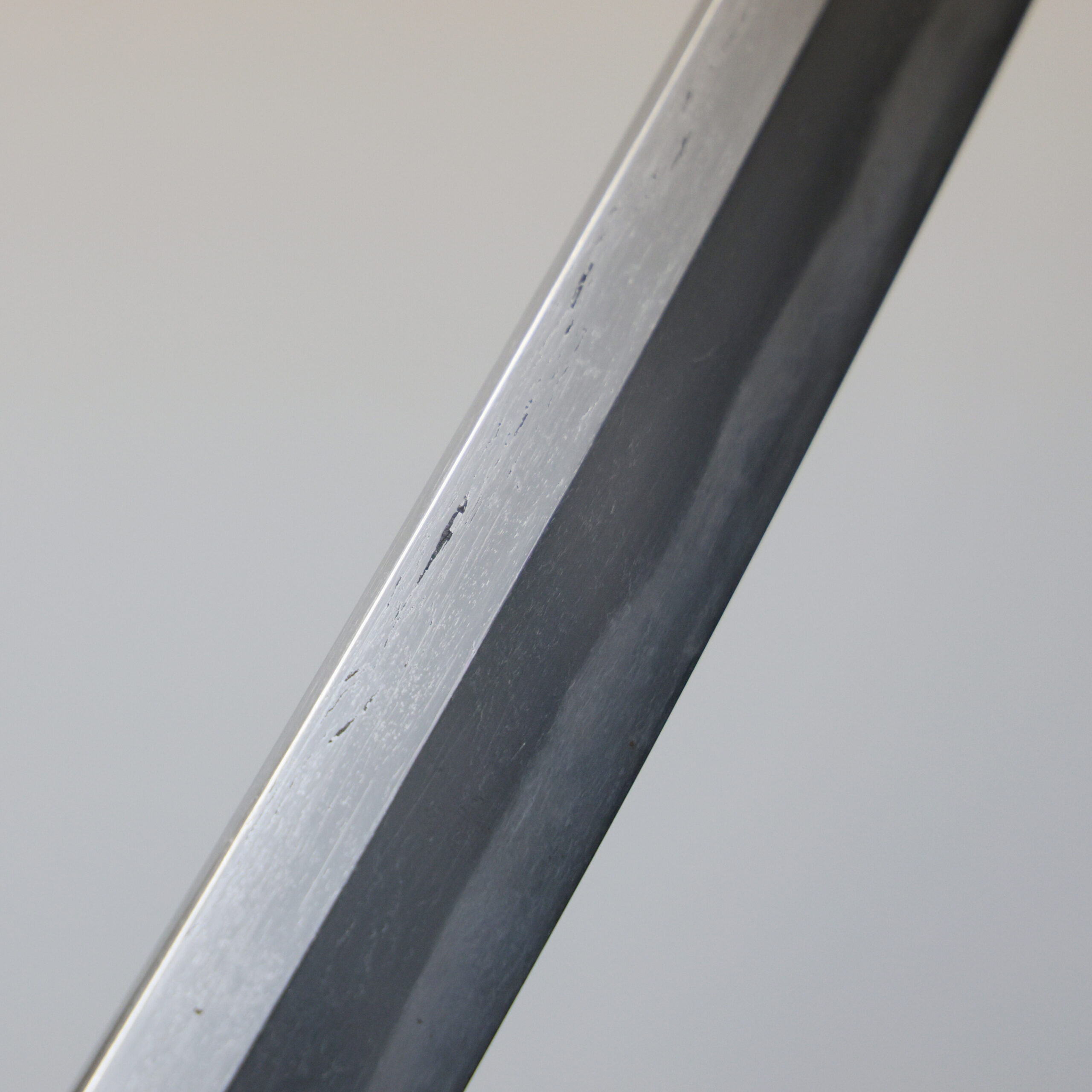
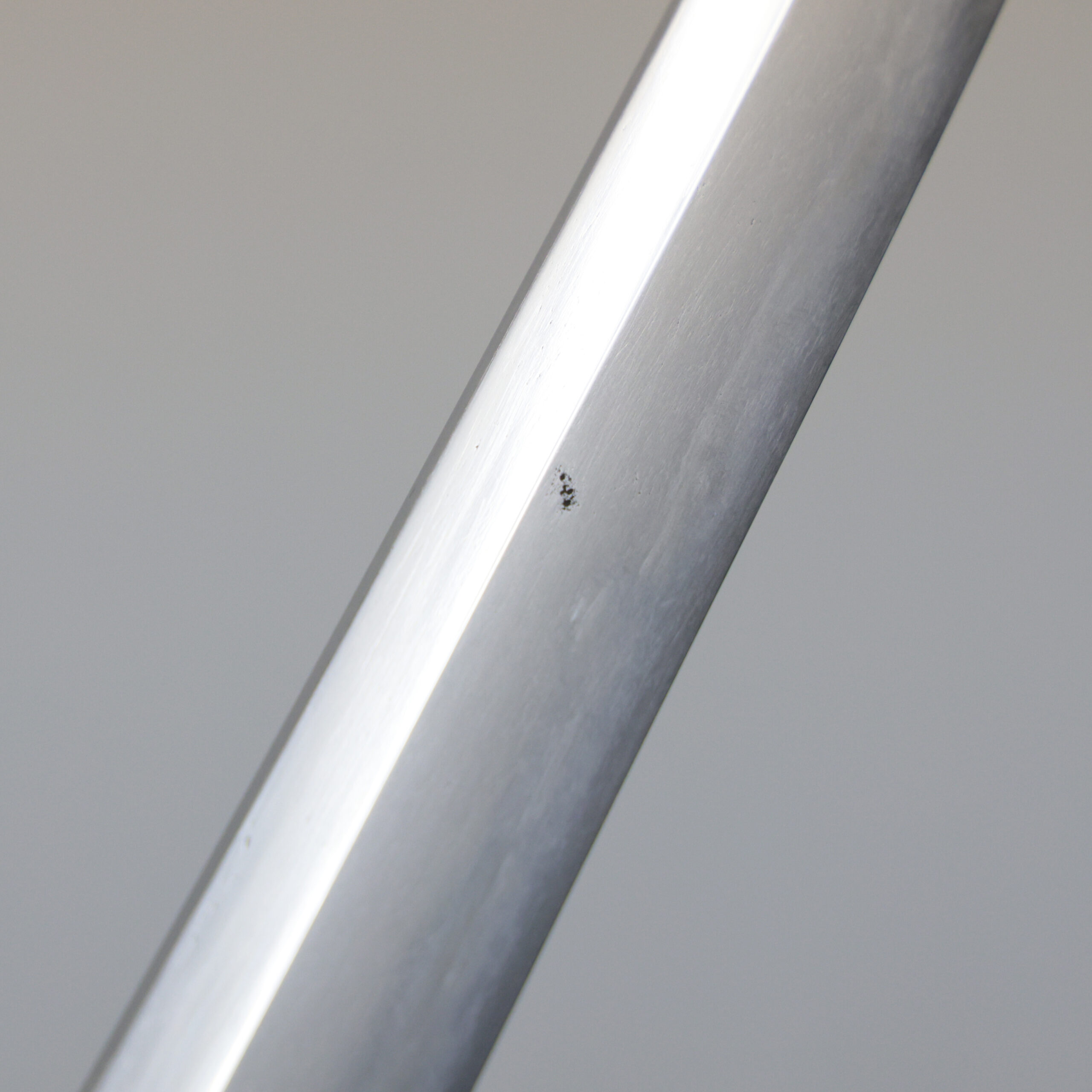
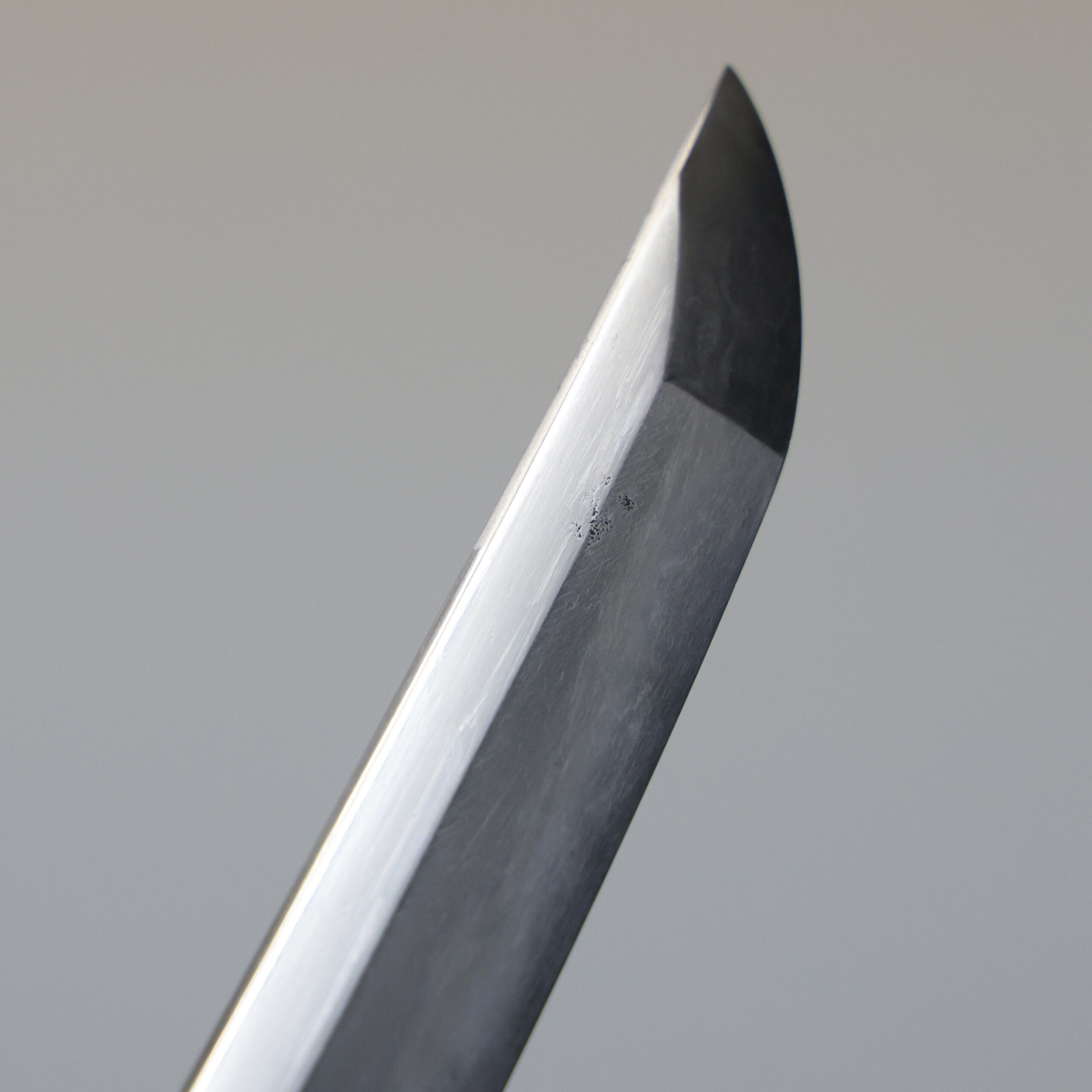
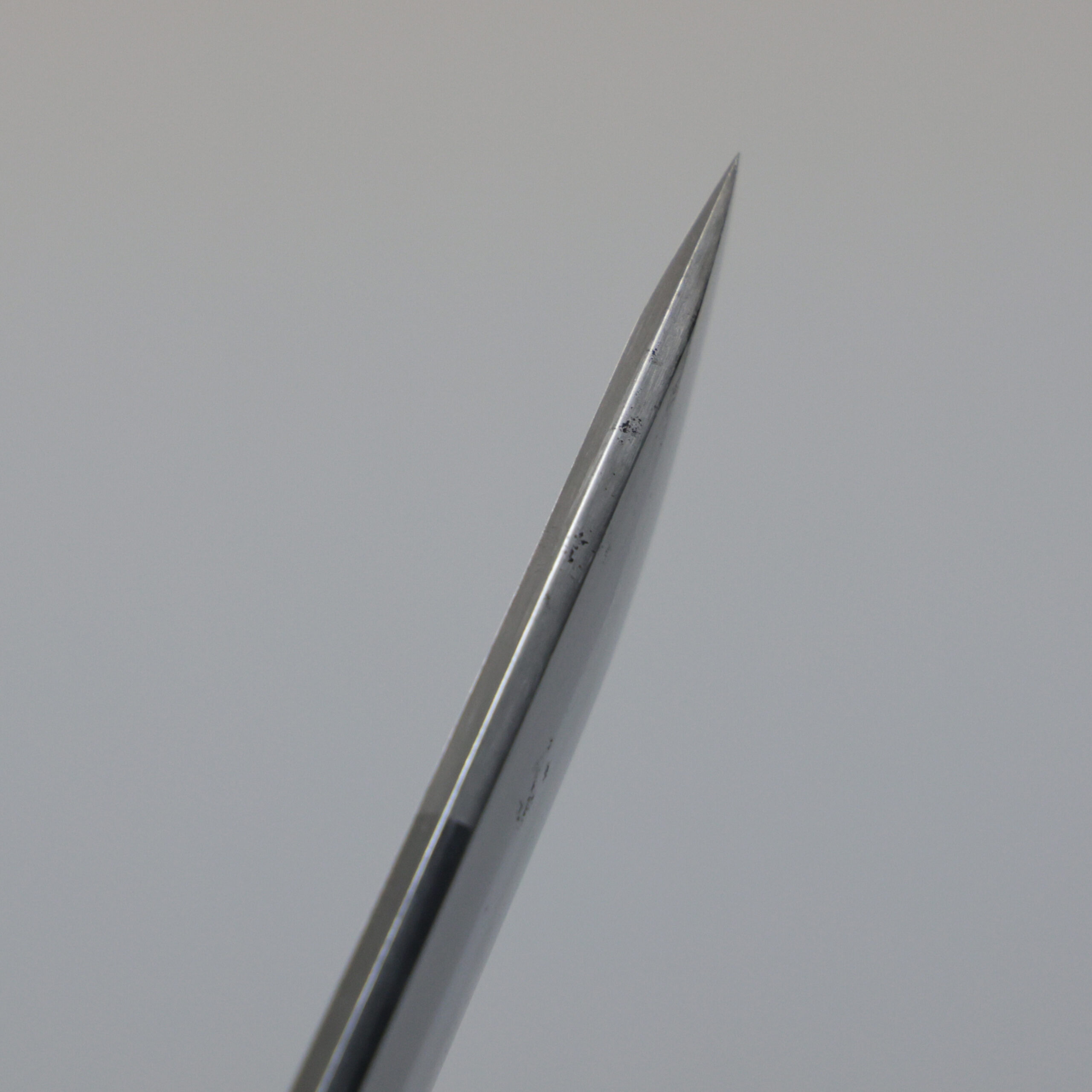
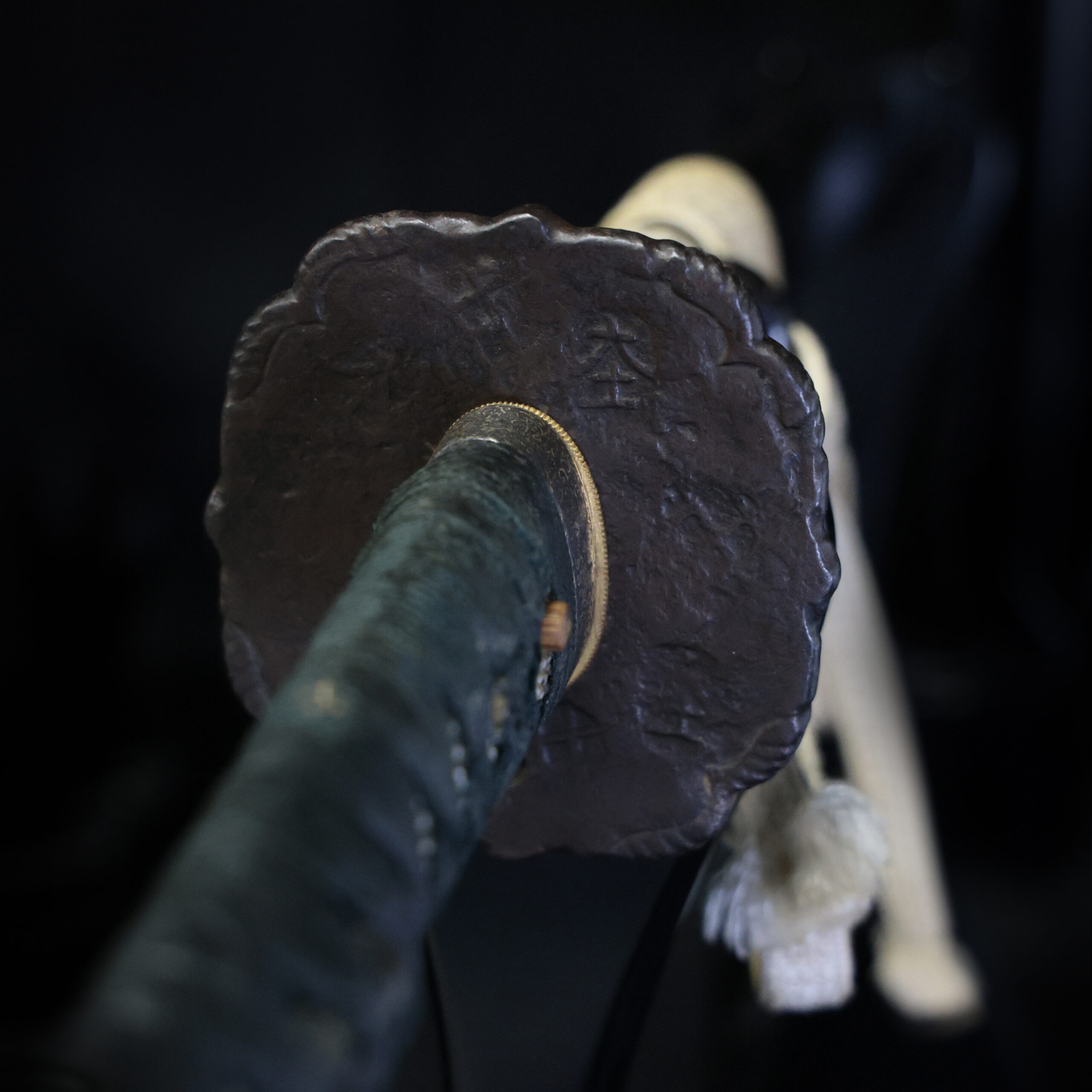
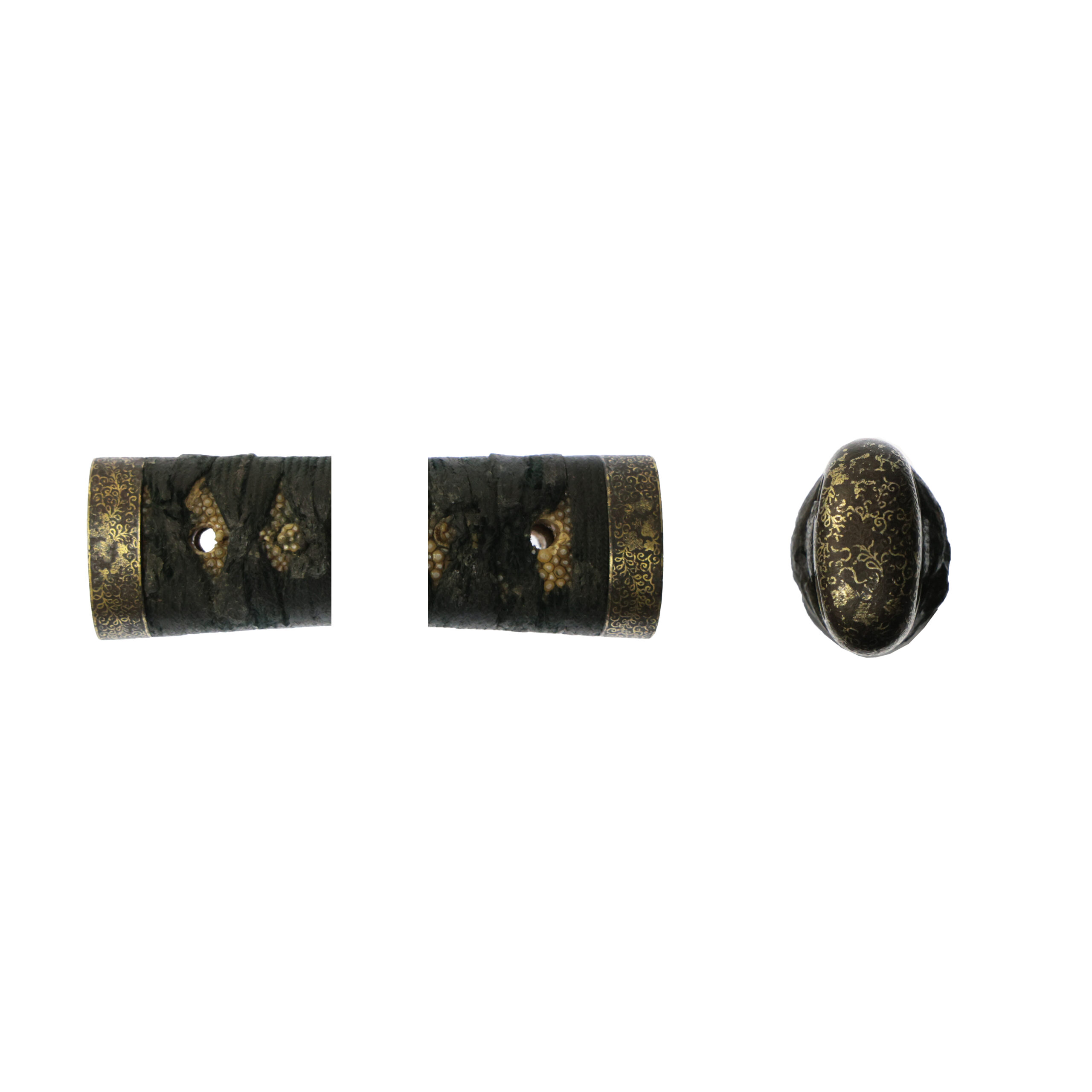
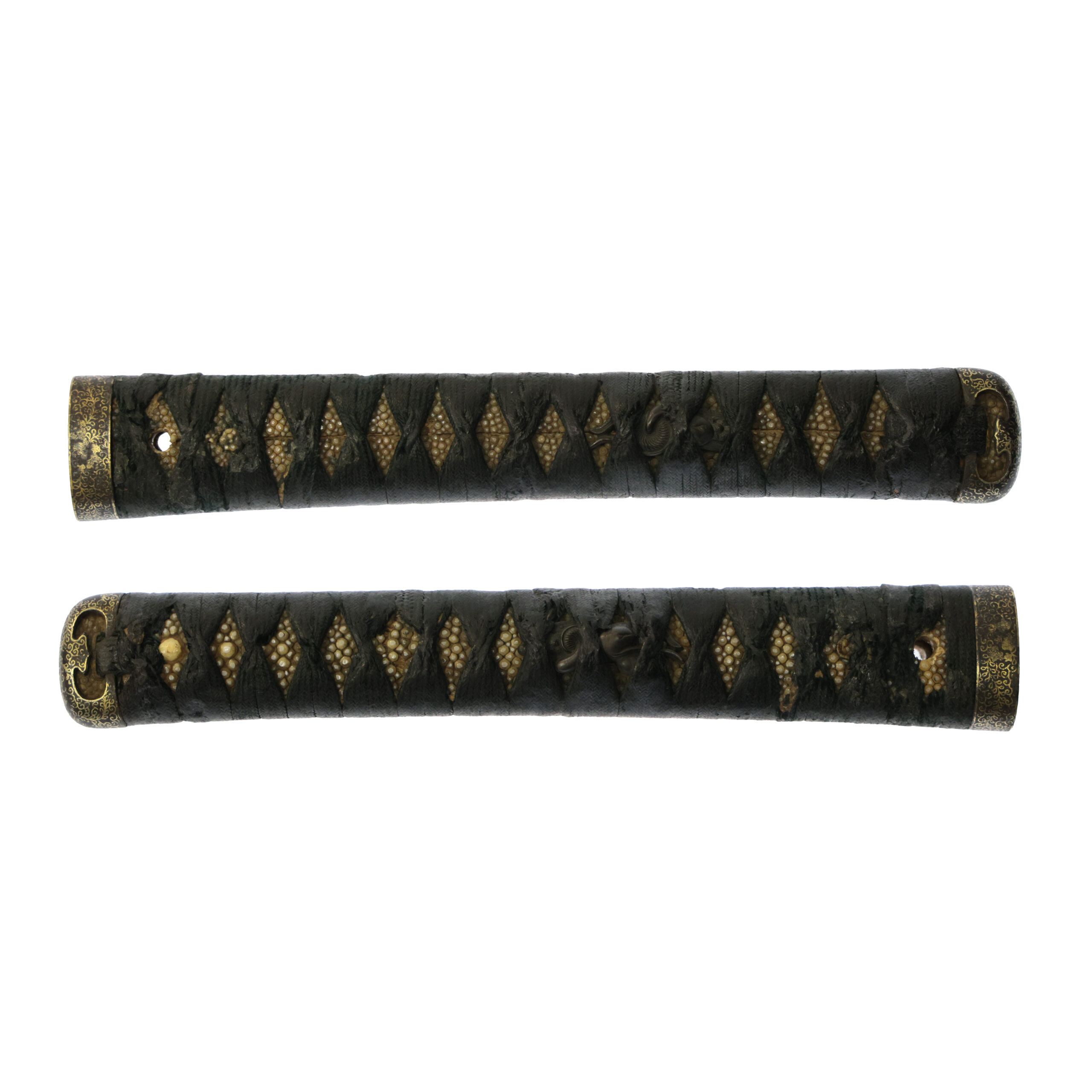
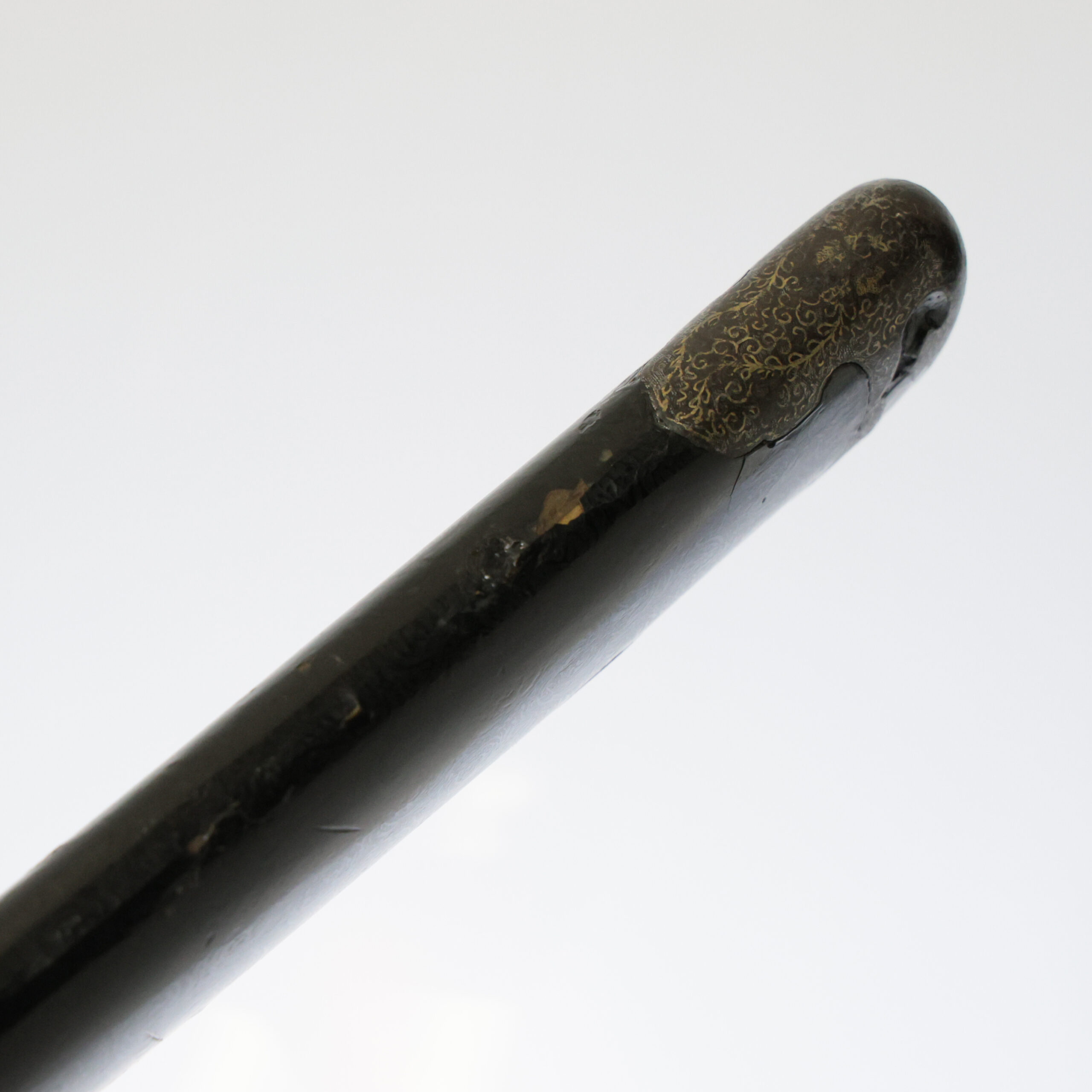
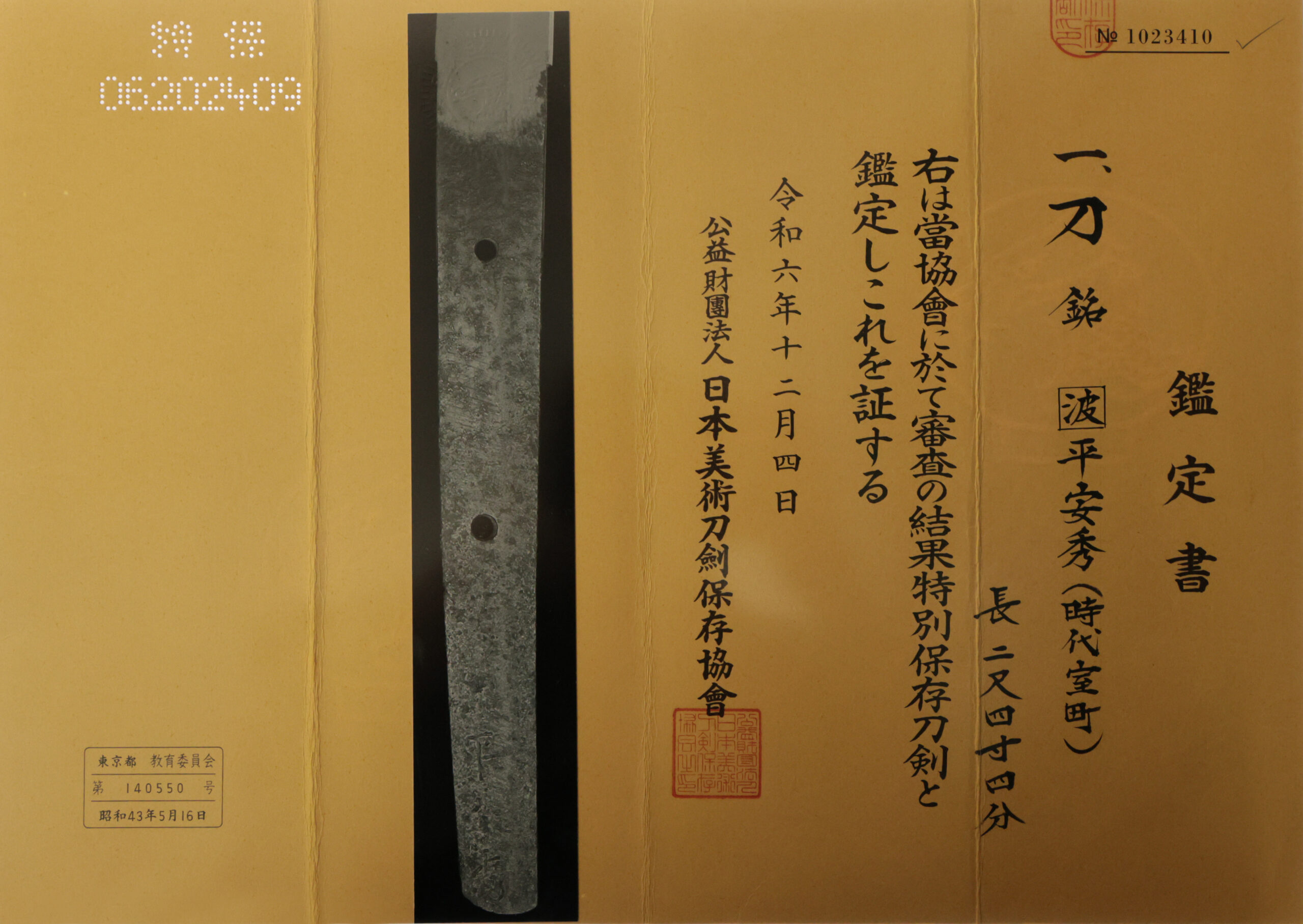
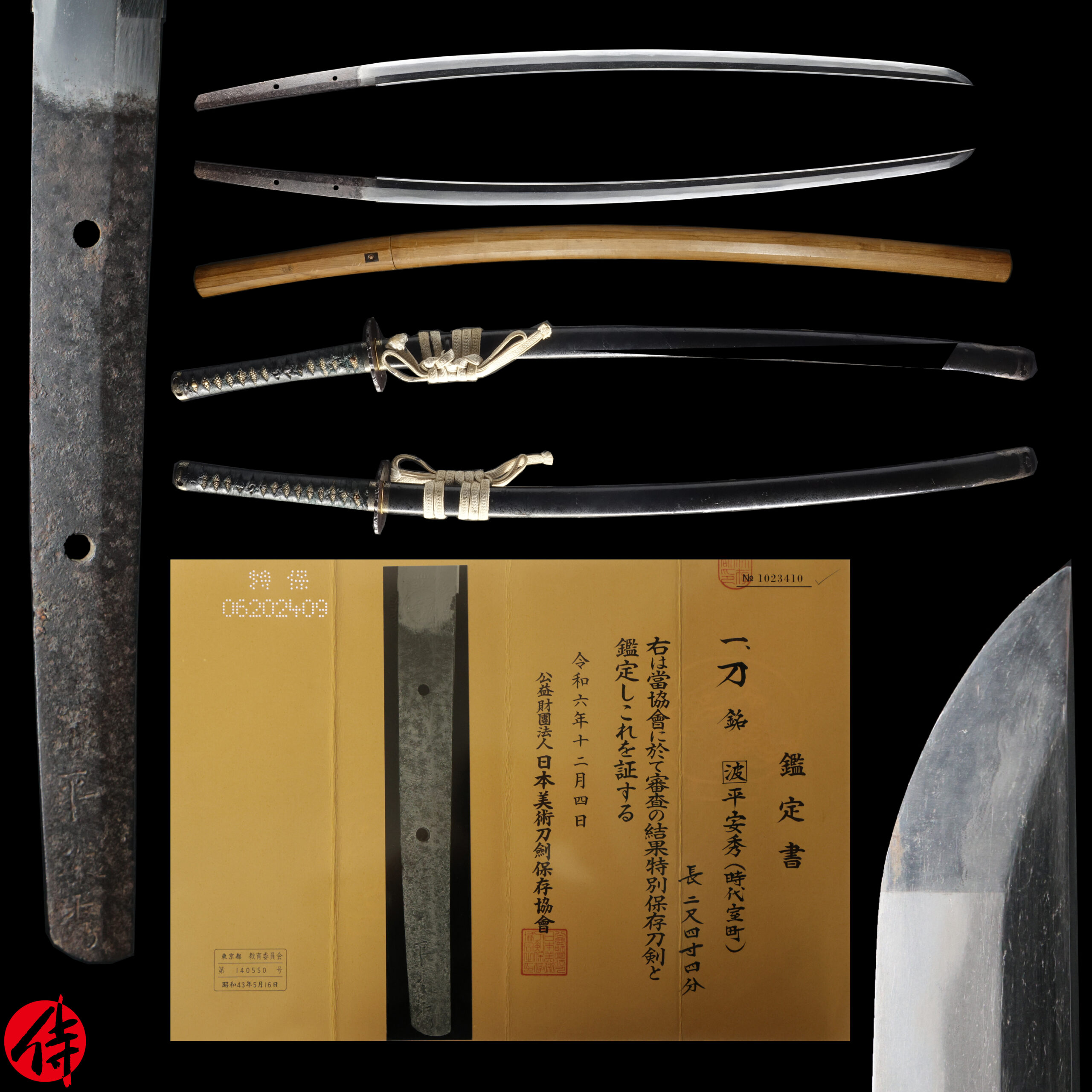
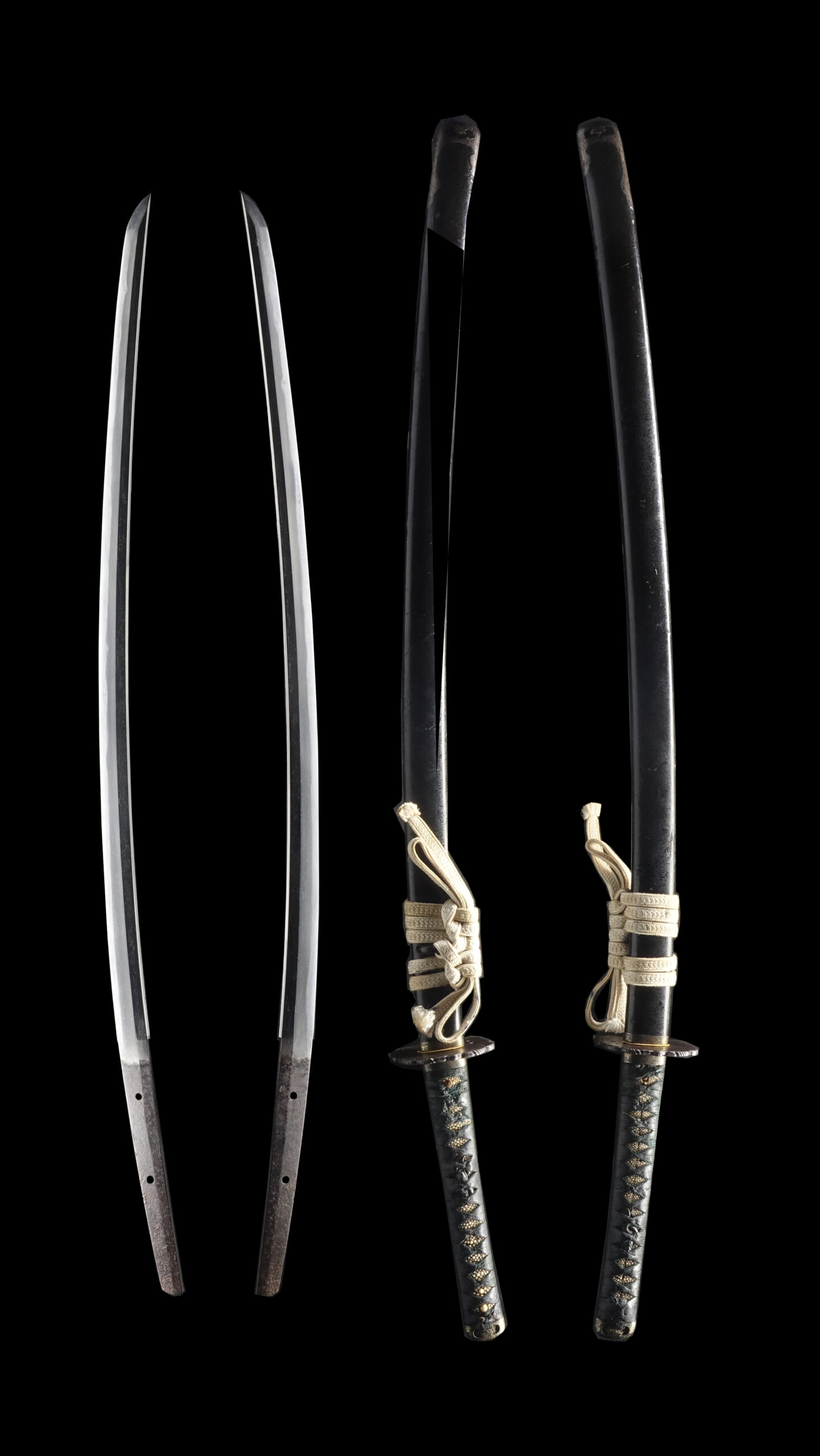
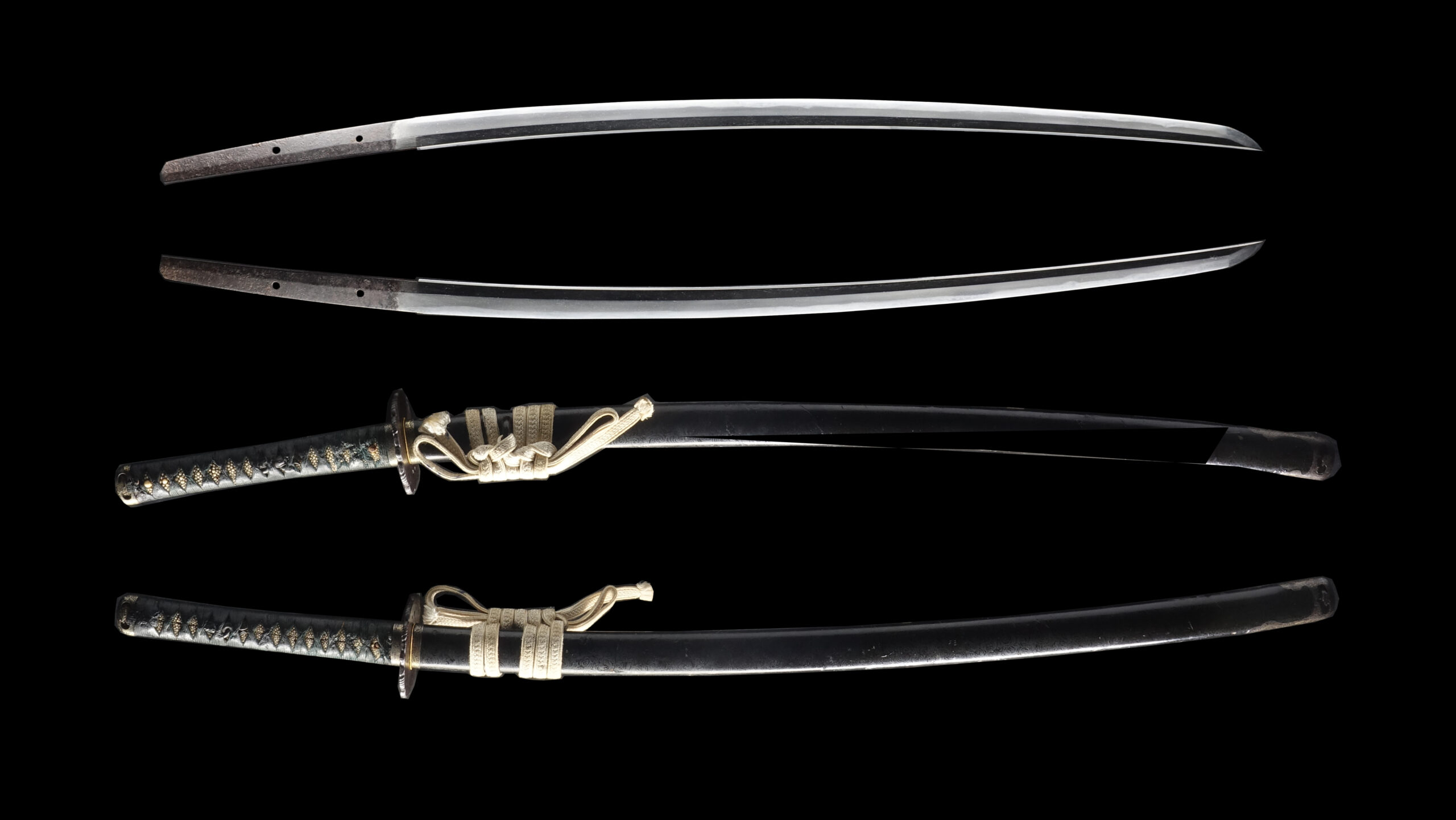
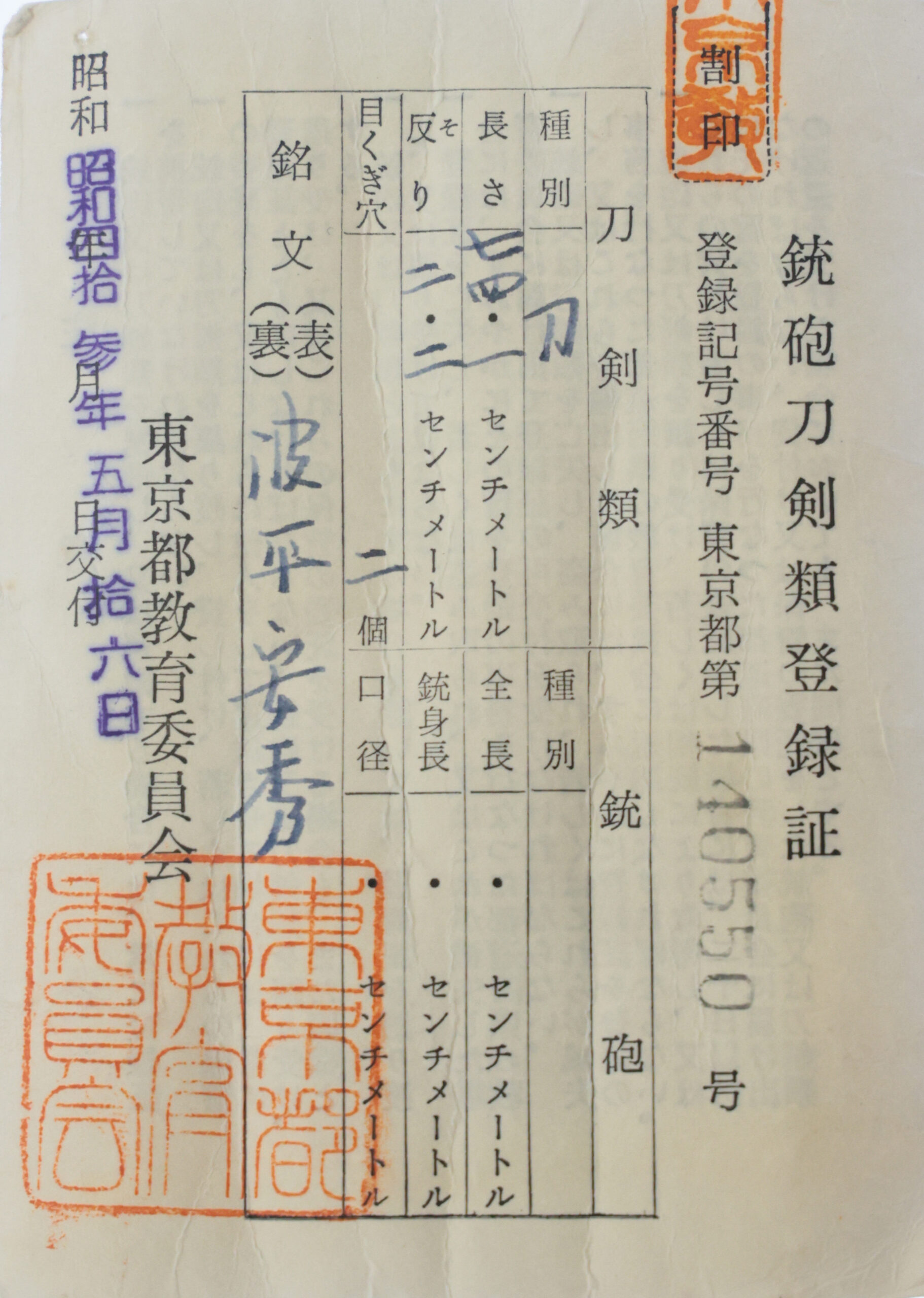
特別保存刀剣鑑定書付 刀 銘:波平安秀 【解説】 本作は室町時代(15〜16世紀頃)の波平安秀による一振りです。安秀の名は、南北朝時代から室町時代後期(1346年〜1528年)にかけて五代にわたり受け継がれた世襲銘であり、初代安秀は正平年間(1346年〜1370年)に活躍しました。日本美術刀剣保存協会(NBTHK)により、三代の安秀が作刀に励んだ室町時代(1452年〜1528年)の作と鑑定されています。 波平派は、平安時代後期(12世紀末)に正國を始祖として興った、薩摩国(現在の鹿児島県)を代表する名門流派です。同派の職人は、名の中に「行」または「安」の字を冠することで知られています。平安後期から幕末に至るまで、約千年にわたりその伝統と血脈を維持し続けました。 波平の刀は、特に水軍や海に携わる武士の間で重宝されました。これは「波平」という名が「波が平らかである(穏やかな海)」と解釈できることに由来します。この名の起源は流派の創設時に遡ると伝えられています。伝承によれば、大和国(現在の奈良県)出身の正國が薩摩へ向かう際、荒れ狂う海を鎮めるために自らの刀を海に捧げたところ、波が静まったという故事に基づいています。 武士と波平の関わり 波平の刀は、勇猛果敢な戦いぶりで知られる薩摩武士の精神と深く結びついています。その象徴とも言えるのが、関ヶ原の戦いにおける島津義弘の退却戦で見せた「捨て奸(すてがまり)」という戦術です。これは、本隊を撤退させる時間を稼ぐため、小部隊が殿(しんがり)として死ぬまで戦い続けるという壮絶な遅滞戦術でした。一つの部隊が全滅しても、また次の部隊が立ち塞がり、敵の進撃を食い止めることで、島津本隊は関ヶ原からの脱出に成功しました。こうした戦いの歴史の中で、薩摩において刀剣は極めて重要視されました。特に波平派は名門として、代々の薩摩武士に刀を供給し続けました。 しかしながら、応永4年(1397年)、波平派の拠点であった谷山地域の谷山城主が島津氏に敗れて去ったことにより、同派は一時的な衰退を余儀なくされます。その後、島津氏による度重なる合戦の中で多くの刀が実戦投入され、消耗・磨滅していったため、今日現存する波平の刀は非常に希少で価値の高いものとなっています。 また、「波平」という名は「波風が立たず、航海が安全である」という吉祥の意味を持つことから、古来より縁起物として珍重され、近代においても日本海軍関係者の間で高く評価され、取引されてきました。 本作は、日本美術刀剣保存協会(NBTHK)より「特別保存刀剣」に鑑定されています。この鑑定書は、保存状態が極めて良く、かつ美術的価値の高い真作の日本刀にのみ与えられるものです。 ※刀身には僅かな鍛え傷と薄い点錆が見受けられます。詳細なコンディションについては、お気軽にお問い合わせください。 【刀身】 長さ(長狭):74.1 cm 反り:2.2 cm 刃文:焼入れによって刃先に現れる結晶構造 地文(地肌):折り返し鍛錬によって現れる鋼の表面模様 切先:刀身の先端部分 茎(なかご):柄に収まる持ち手部分
Certificate reading — 銘 波平安秀
 NihontoWatch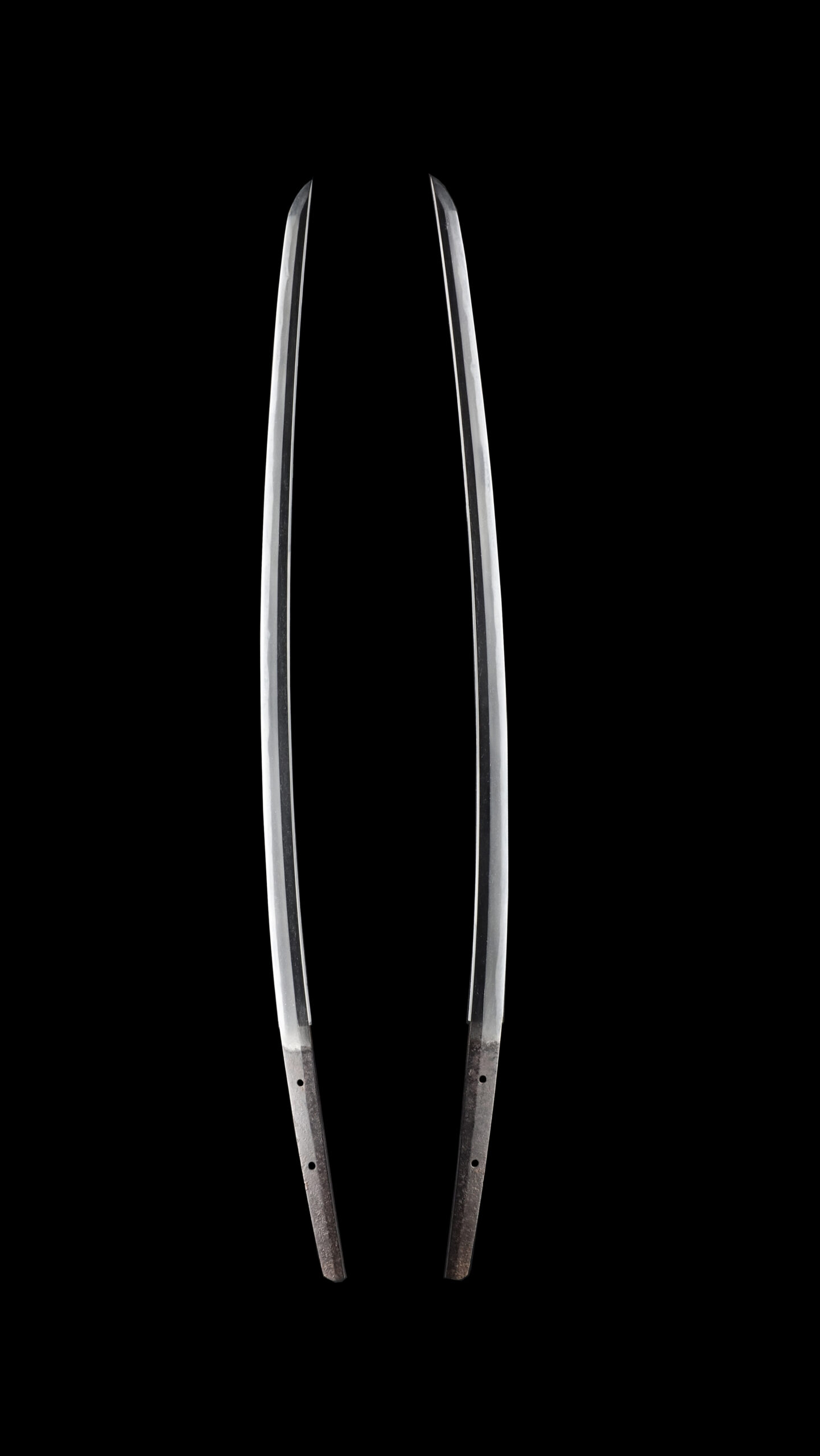
脇物 · 薩摩
時期区分: 末波平· 1393–1900
現在2点販売中
室町後期から江戸初期にかけての波平派は、開祖以来連綿と続いた古波平の系譜をそのまま受け継ぐ後代の一群であり、これを末波平と称する。島津氏の治める薩摩・大隅の地にあって、この派は保守的な気質を強く保ち、先祖の作風を長く固守した。説示によれば室町後期の末波平は大別して橋口系・石神系・佐藤系に分かれ、佐藤系には清左や貞清の名が見える。年紀作の遺る貞次・貞清・治行・重鑑らはおおむね天文頃の活躍が知られ、重鑑のごとく隅州を称して大隅に住しながら薩摩にも作刀した工もある。永禄・元亀・天正の頃には篤倉が出るが、波平一派にあって藤原姓を銘文に冠する点が珍しく注目される。後代に至るまで安常のごとく波平を冠した銘を切る通例が守られた。 末波平の作風は、説示が記すところでは鍛えが肌立って流れ、白けが目立ち、刃文は焼の低い直刃ほつれで、匂口がうるみ、地刃ともに弱く感じられるものが多い。これは総じて先祖の古波平の風を伝承した結果であり、古波平の大和気質を引き継ぎつつ、後代に下って作がやや粗く、定型化した趣を呈する。ただし保守的な同派の中にあっても、まま時好の作風を取り入れたあか抜けした出来口の工が存在する。それらは主に末備前風、ないし末相州風のもので、貞次・貞清の作はのたれ調に互の目を交えた乱れ刃を焼き、足・葉が入り、鍛えがつよく刃が冴える。篤倉の作は腰開きの複式ごころの乱れ刃に飛焼を交えて一種の皆焼となり、治行の作は平高田派に通じる出来を見せる。古波平の精美にして古様な直刃の趣とは異なり、これら後代の乱れ刃は時代の流行を映したものである。 鑑定の上で末波平を古波平と分かつ要点は、後代に至る肌立ち流れた鍛えと白け、焼の低いほつれ調の直刃、うるみごころの匂口といった、いかにも弱く感ぜられる地刃の総体的な趣にある。これに対して時好を取り入れた工の乱れ刃の作は、同派の作域の幅を知る上で貴重な資料となる。主要な工としては佐藤系の貞清が同工のみならず同派の代表作と称すべき出来を遺し、貞次・治行・重鑑・篤倉らもそれぞれ傑出の一口を伝える。新刀期に下れば、薩摩国波平派五十九代を担った安常が延享・明和の年紀作を遺し、相州伝を加味して匂深く沸厚くつき、薩摩新刀に共通する剛健な造込みを示すなど、古波平以来の直刃の伝統に後代ならではの新味を加えている。 詳しく見る →
応仁の乱が足利の体制を砕いた後、戦国の一世紀はほとんどすべての国を武装させた。この時代は選ぶ目に報いる。並の作は多いが、その傍らには第一級の注文打ちが立っている。
保存刀剣のうち、出来が一層優れ、保存状態も良好と認められたものです。再刃や、室町・江戸期の多くの無銘作は対象外となり、保存刀剣より高い基準が課されます。
日本美術刀剣保存協会(NBTHK)は、1948年に設立され、文化庁の監督を受ける公益財団法人で、東京・刀剣博物館に本部を置きます。専門の審査員が出品作を直接審査し、美術的・歴史的価値に応じた鑑定書を発行します。NBTHKの鑑定書は、日本刀および刀装具の真正性を示す最も広く認知された基準です。
NBTHK公式サイトReturns/exchanges limited to defects caused by shipping (except willful misconduct or gross negligence by the company); customers must contact within 72 hours of receiving the product.
特別保存刀剣鑑定書付 刀 銘:波平安秀 【解説】 本作は室町時代(15〜16世紀頃)の波平安秀による一振りです。安秀の名は、南北朝時代から室町時代後期(1346年〜1528年)にかけて五代にわたり受け継がれた世襲銘であり、初代安秀は正平年間(1346年〜1370年)に活躍しました。日本美術刀剣保存協会(NBTHK)により、三代の安秀が作刀に励んだ室町時代(1452年〜1528年)の作と鑑定されています。 波平派は、平安時代後期(12世紀末)に正國を始祖として興った、薩摩国(現在の鹿児島県)を代表する名門流派です。同派の職人は、名の中に「行」または「安」の字を冠することで知られています。平安後期から幕末に至るまで、約千年にわたりその伝統と血脈を維持し続けました。 波平の刀は、特に水軍や海に携わる武士の間で重宝されました。これは「波平」という名が「波が平らかである(穏やかな海)」と解釈できることに由来します。この名の起源は流派の創設時に遡ると伝えられています。伝承によれば、大和国(現在の奈良県)出身の正國が薩摩へ向かう際、荒れ狂う海を鎮めるために自らの刀を海に捧げたところ、波が静まったという故事に基づいています。 武士と波平の関わり 波平の刀は、勇猛果敢な戦いぶりで知られる薩摩武士の精神と深く結びついています。その象徴とも言えるのが、関ヶ原の戦いにおける島津義弘の退却戦で見せた「捨て奸(すてがまり)」という戦術です。これは、本隊を撤退させる時間を稼ぐため、小部隊が殿(しんがり)として死ぬまで戦い続けるという壮絶な遅滞戦術でした。一つの部隊が全滅しても、また次の部隊が立ち塞がり、敵の進撃を食い止めることで、島津本隊は関ヶ原からの脱出に成功しました。こうした戦いの歴史の中で、薩摩において刀剣は極めて重要視されました。特に波平派は名門として、代々の薩摩武士に刀を供給し続けました。 しかしながら、応永4年(1397年)、波平派の拠点であった谷山地域の谷山城主が島津氏に敗れて去ったことにより、同派は一時的な衰退を余儀なくされます。その後、島津氏による度重なる合戦の中で多くの刀が実戦投入され、消耗・磨滅していったため、今日現存する波平の刀は非常に希少で価値の高いものとなっています。 また、「波平」という名は「波風が立たず、航海が安全である」という吉祥の意味を持つことから、古来より縁起物として珍重され、近代においても日本海軍関係者の間で高く評価され、取引されてきました。 本作は、日本美術刀剣保存協会(NBTHK)より「特別保存刀剣」に鑑定されています。この鑑定書は、保存状態が極めて良く、かつ美術的価値の高い真作の日本刀にのみ与えられるものです。 ※刀身には僅かな鍛え傷と薄い点錆が見受けられます。詳細なコンディションについては、お気軽にお問い合わせください。 【刀身】 長さ(長狭):74.1 cm 反り:2.2 cm 刃文:焼入れによって刃先に現れる結晶構造 地文(地肌):折り返し鍛錬によって現れる鋼の表面模様 切先:刀身の先端部分 茎(なかご):柄に収まる持ち手部分
Certificate reading — 銘 波平安秀
NihontoWatch脇物 · 薩摩
時期区分: 末波平· 1393–1900
現在2点販売中
室町後期から江戸初期にかけての波平派は、開祖以来連綿と続いた古波平の系譜をそのまま受け継ぐ後代の一群であり、これを末波平と称する。島津氏の治める薩摩・大隅の地にあって、この派は保守的な気質を強く保ち、先祖の作風を長く固守した。説示によれば室町後期の末波平は大別して橋口系・石神系・佐藤系に分かれ、佐藤系には清左や貞清の名が見える。年紀作の遺る貞次・貞清・治行・重鑑らはおおむね天文頃の活躍が知られ、重鑑のごとく隅州を称して大隅に住しながら薩摩にも作刀した工もある。永禄・元亀・天正の頃には篤倉が出るが、波平一派にあって藤原姓を銘文に冠する点が珍しく注目される。後代に至るまで安常のごとく波平を冠した銘を切る通例が守られた。 末波平の作風は、説示が記すところでは鍛えが肌立って流れ、白けが目立ち、刃文は焼の低い直刃ほつれで、匂口がうるみ、地刃ともに弱く感じられるものが多い。これは総じて先祖の古波平の風を伝承した結果であり、古波平の大和気質を引き継ぎつつ、後代に下って作がやや粗く、定型化した趣を呈する。ただし保守的な同派の中にあっても、まま時好の作風を取り入れたあか抜けした出来口の工が存在する。それらは主に末備前風、ないし末相州風のもので、貞次・貞清の作はのたれ調に互の目を交えた乱れ刃を焼き、足・葉が入り、鍛えがつよく刃が冴える。篤倉の作は腰開きの複式ごころの乱れ刃に飛焼を交えて一種の皆焼となり、治行の作は平高田派に通じる出来を見せる。古波平の精美にして古様な直刃の趣とは異なり、これら後代の乱れ刃は時代の流行を映したものである。 鑑定の上で末波平を古波平と分かつ要点は、後代に至る肌立ち流れた鍛えと白け、焼の低いほつれ調の直刃、うるみごころの匂口といった、いかにも弱く感ぜられる地刃の総体的な趣にある。これに対して時好を取り入れた工の乱れ刃の作は、同派の作域の幅を知る上で貴重な資料となる。主要な工としては佐藤系の貞清が同工のみならず同派の代表作と称すべき出来を遺し、貞次・治行・重鑑・篤倉らもそれぞれ傑出の一口を伝える。新刀期に下れば、薩摩国波平派五十九代を担った安常が延享・明和の年紀作を遺し、相州伝を加味して匂深く沸厚くつき、薩摩新刀に共通する剛健な造込みを示すなど、古波平以来の直刃の伝統に後代ならではの新味を加えている。 詳しく見る →
応仁の乱が足利の体制を砕いた後、戦国の一世紀はほとんどすべての国を武装させた。この時代は選ぶ目に報いる。並の作は多いが、その傍らには第一級の注文打ちが立っている。
保存刀剣のうち、出来が一層優れ、保存状態も良好と認められたものです。再刃や、室町・江戸期の多くの無銘作は対象外となり、保存刀剣より高い基準が課されます。
日本美術刀剣保存協会(NBTHK)は、1948年に設立され、文化庁の監督を受ける公益財団法人で、東京・刀剣博物館に本部を置きます。専門の審査員が出品作を直接審査し、美術的・歴史的価値に応じた鑑定書を発行します。NBTHKの鑑定書は、日本刀および刀装具の真正性を示す最も広く認知された基準です。
NBTHK公式サイトReturns/exchanges limited to defects caused by shipping (except willful misconduct or gross negligence by the company); customers must contact within 72 hours of receiving the product.
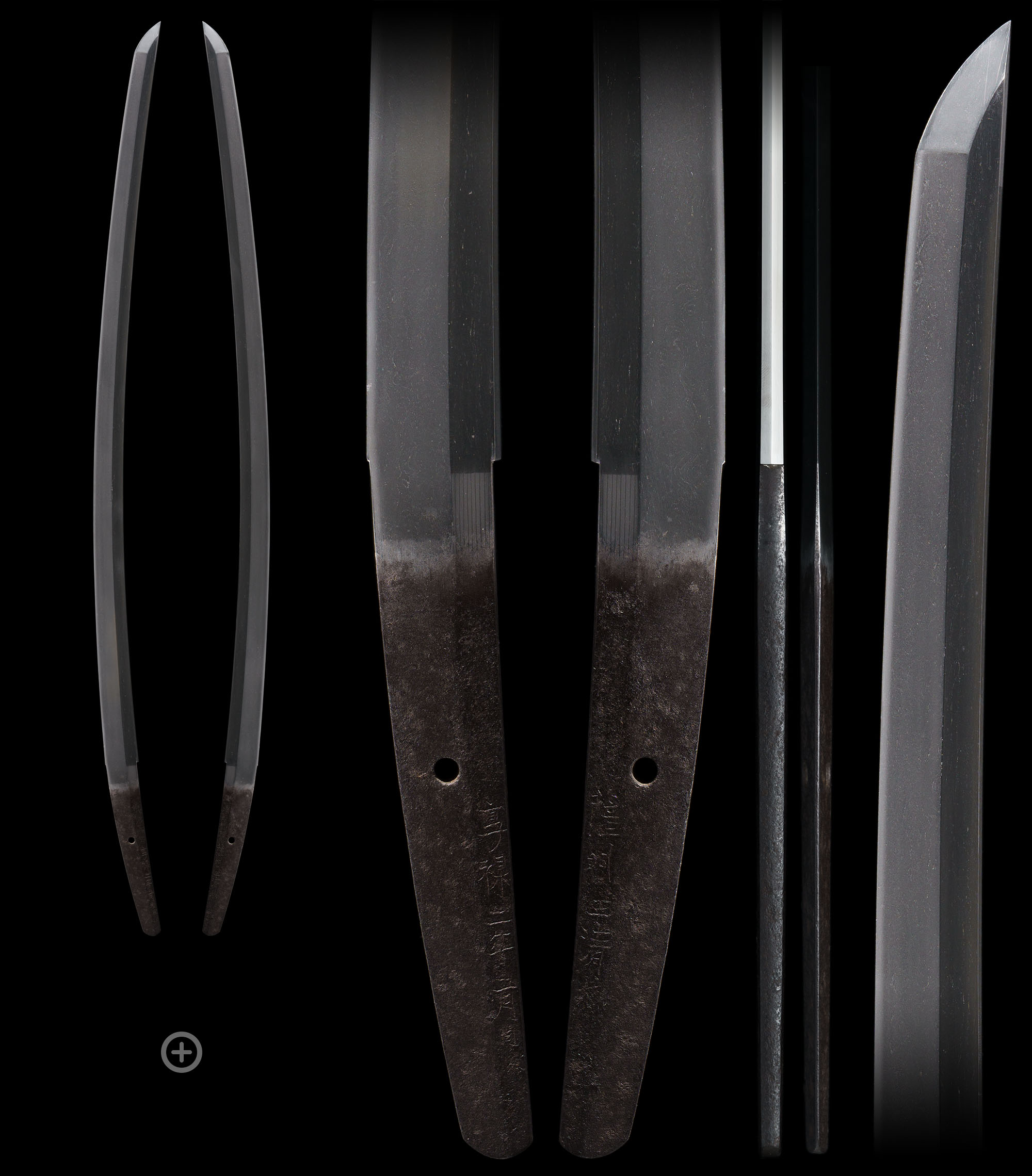


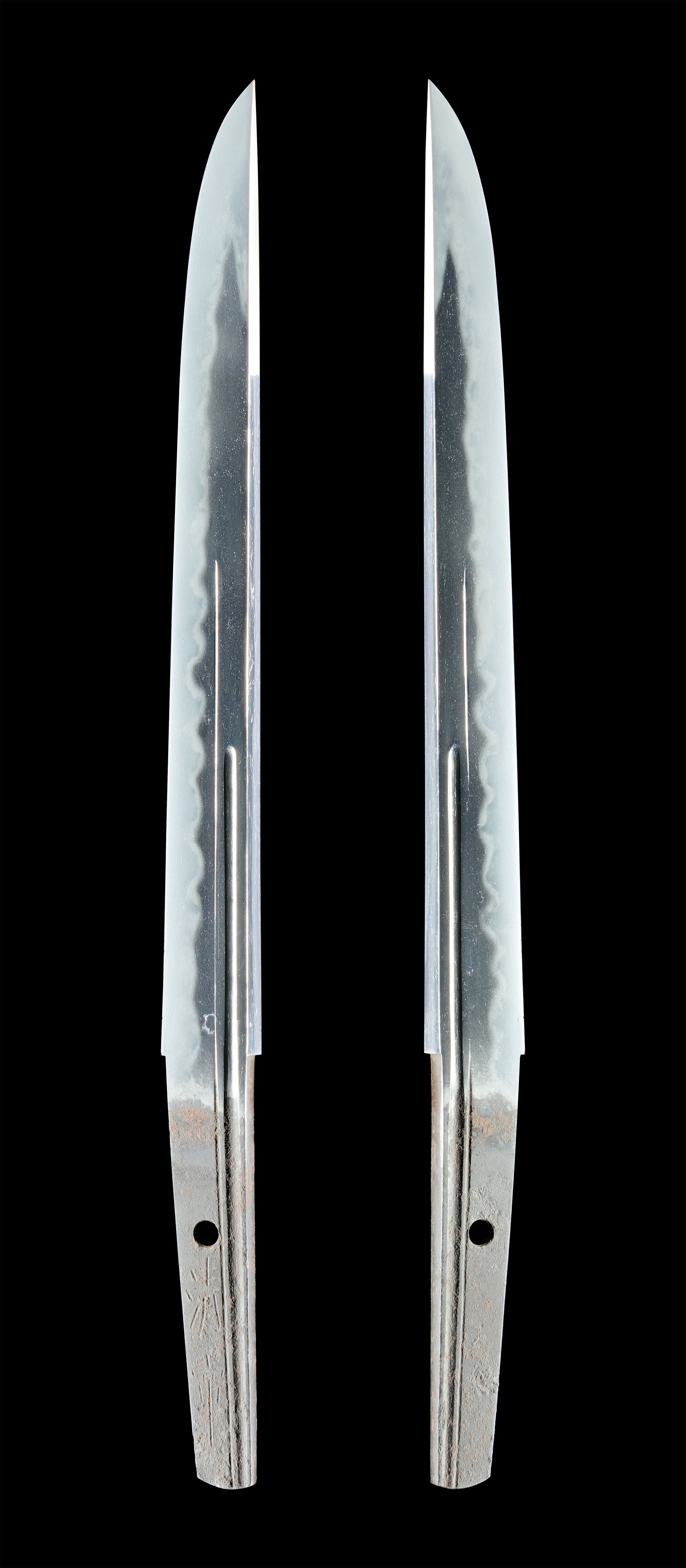
![Tanto - Hozon - by Naminohira School - 短刀 重[行]作(伝波平) 八月吉日](/_next/image?url=https%3A%2F%2Fitbhfhyptogxcjbjfzwx.supabase.co%2Fstorage%2Fv1%2Fobject%2Fpublic%2Flisting-images%2Fe-sword%2FL00294%2F01.jpg&w=2560&q=90)
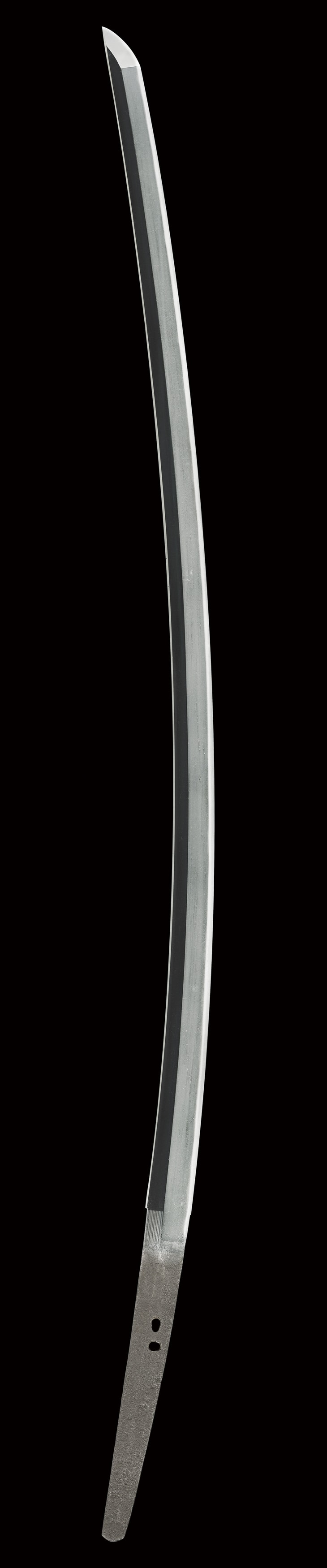
![Katana - Jūyō - by Naminohira - 刀[無銘 古波之平][日本美術刀剣保存協会]重要刀剣](/_next/image?url=https%3A%2F%2Fitbhfhyptogxcjbjfzwx.supabase.co%2Fstorage%2Fv1%2Fobject%2Fpublic%2Flisting-images%2Fworld-seiyudo%2FL581476%2F01.jpg&w=2560&q=90)