江戸は刀の目利きの時代である。本阿弥の鑑定、1719年の享保名物帳、盛んな刀剣書が、戦で抜かれることのなくなった刀を学問の対象へと変えていった。
 NihontoWatchNihontoWatch
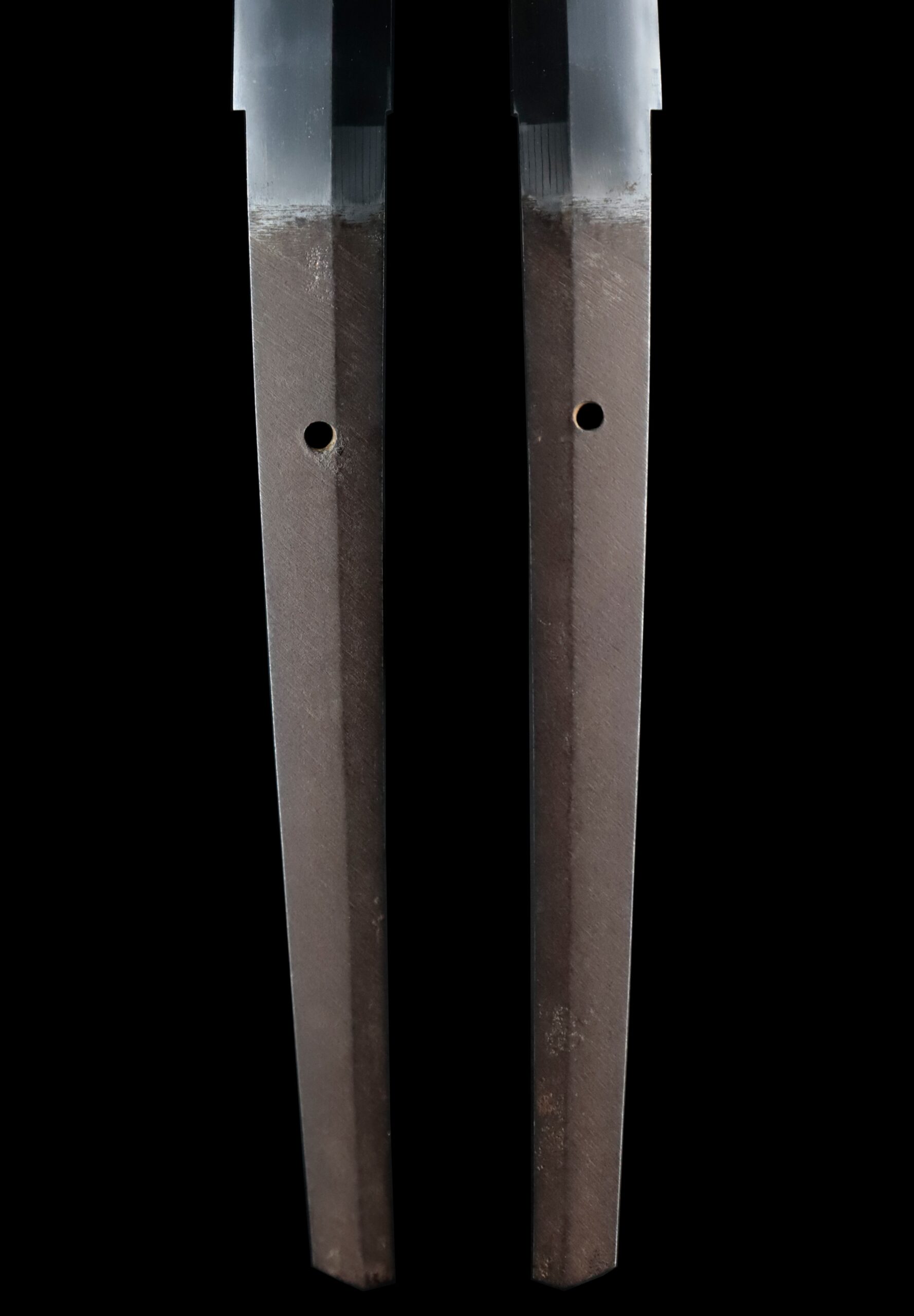
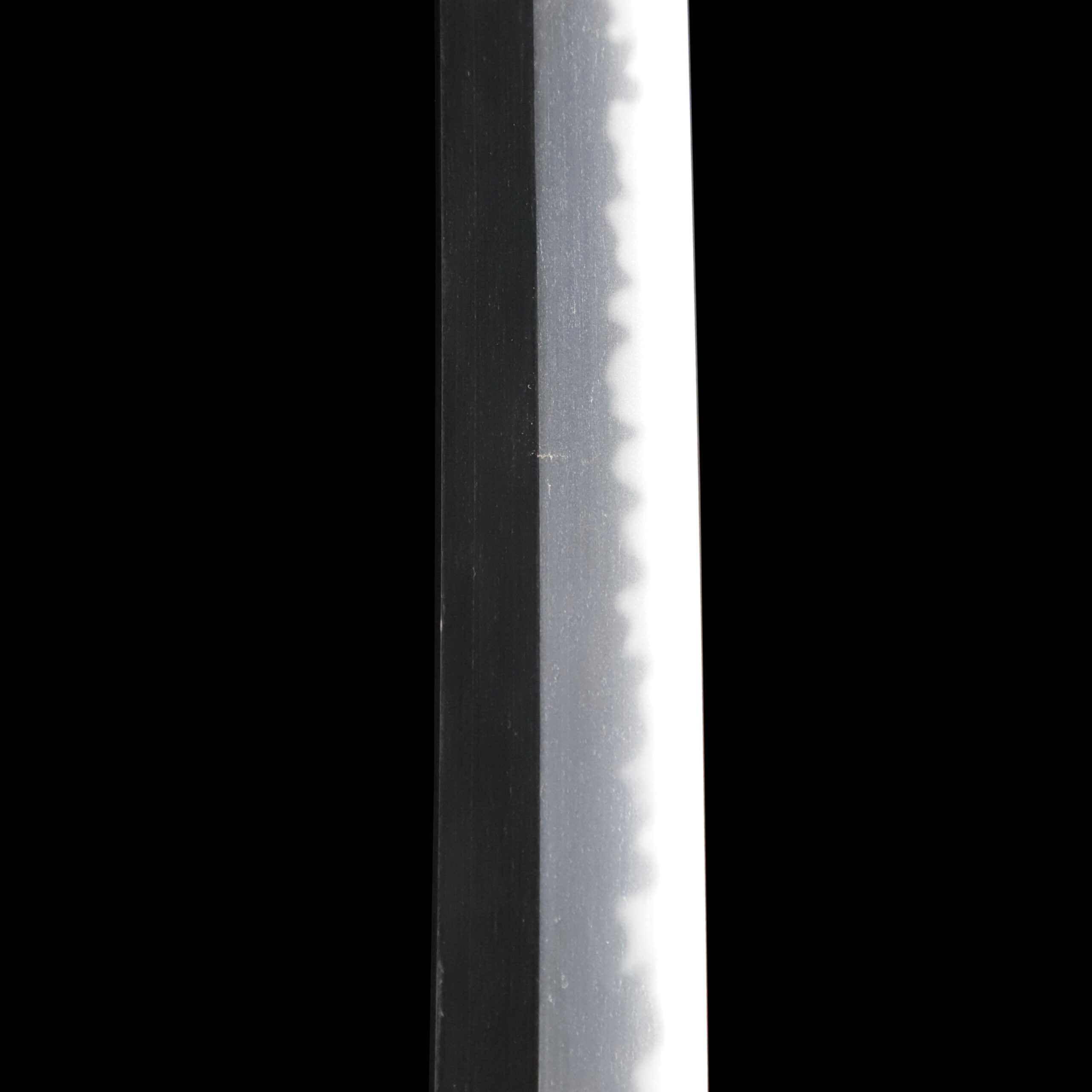
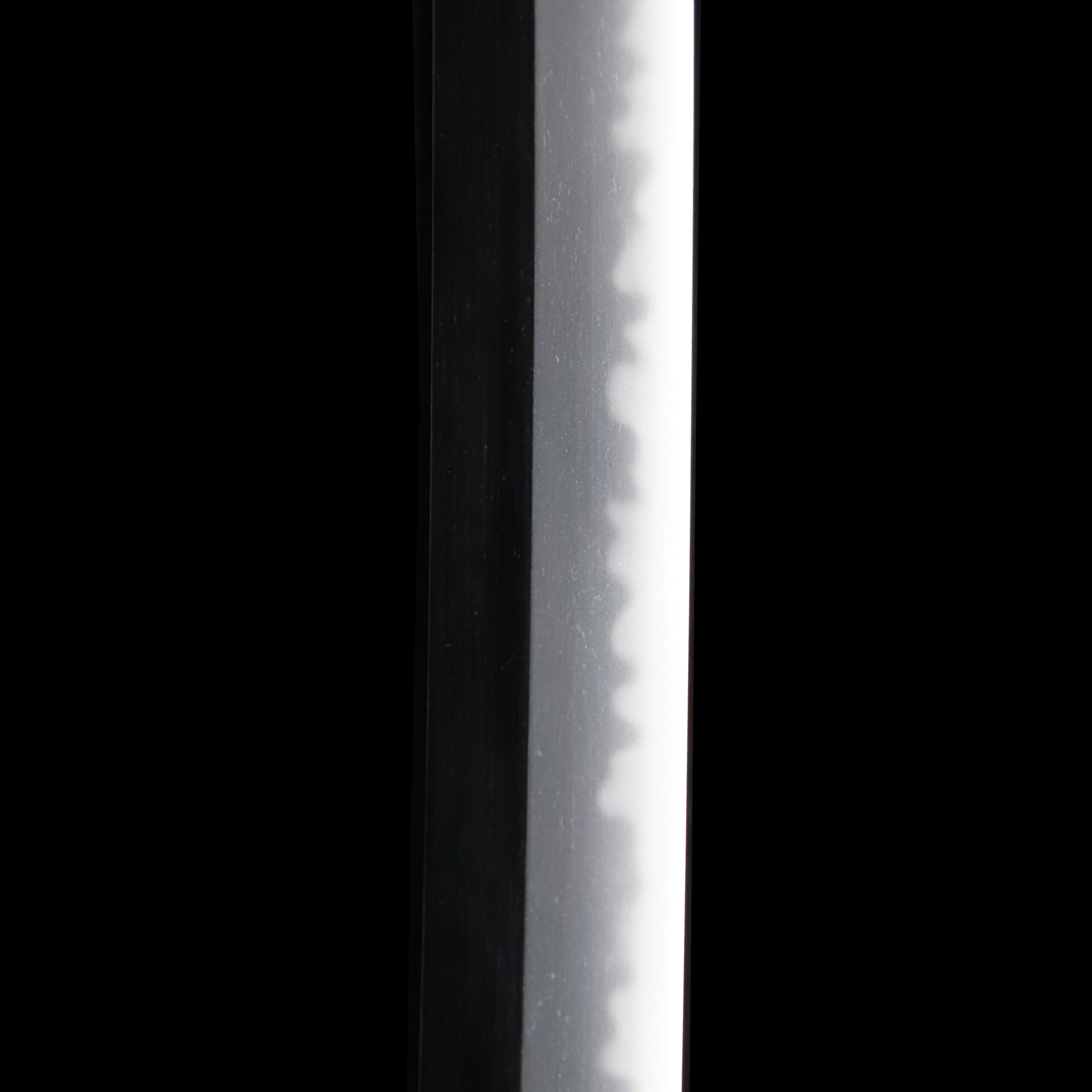
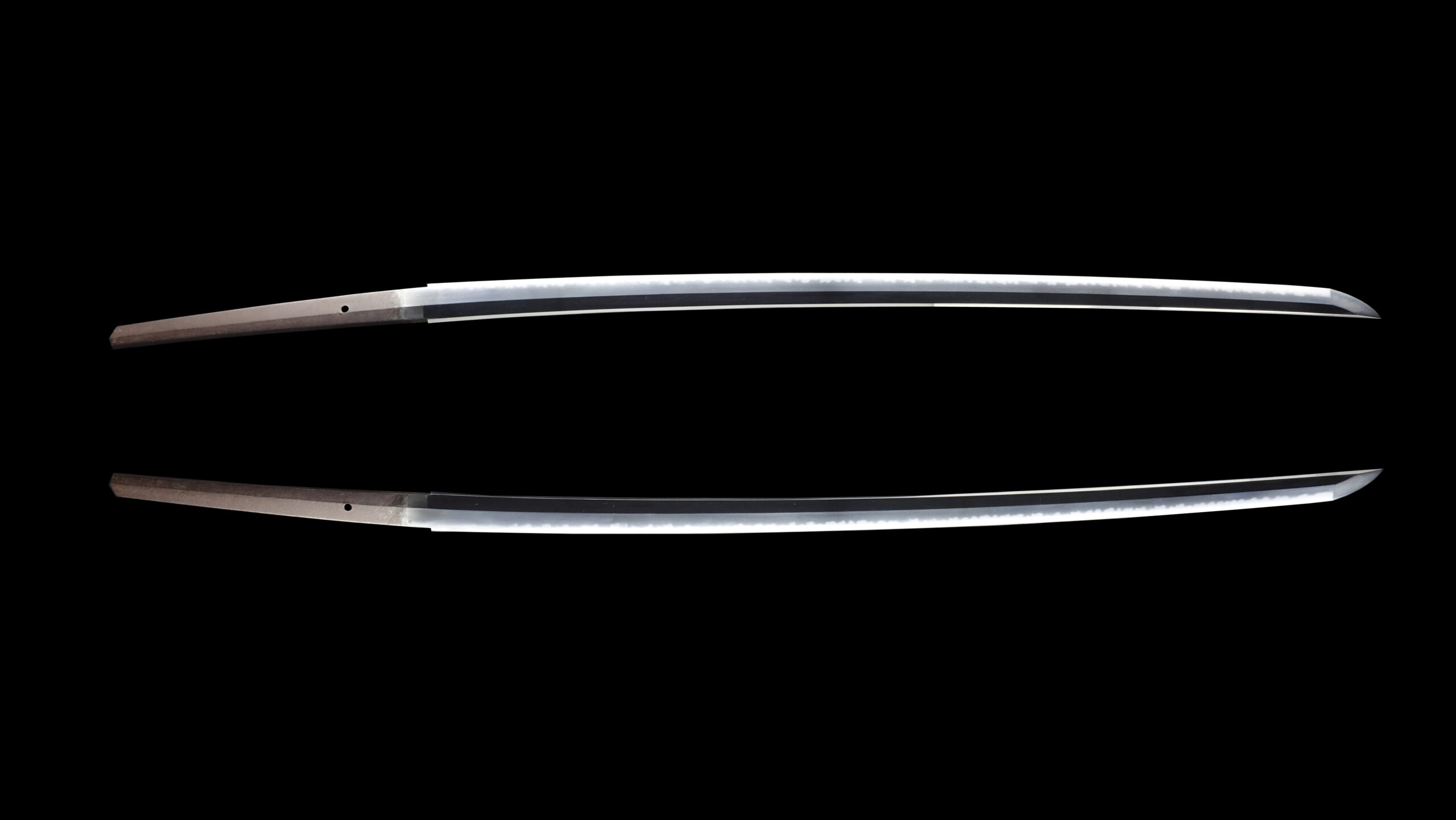
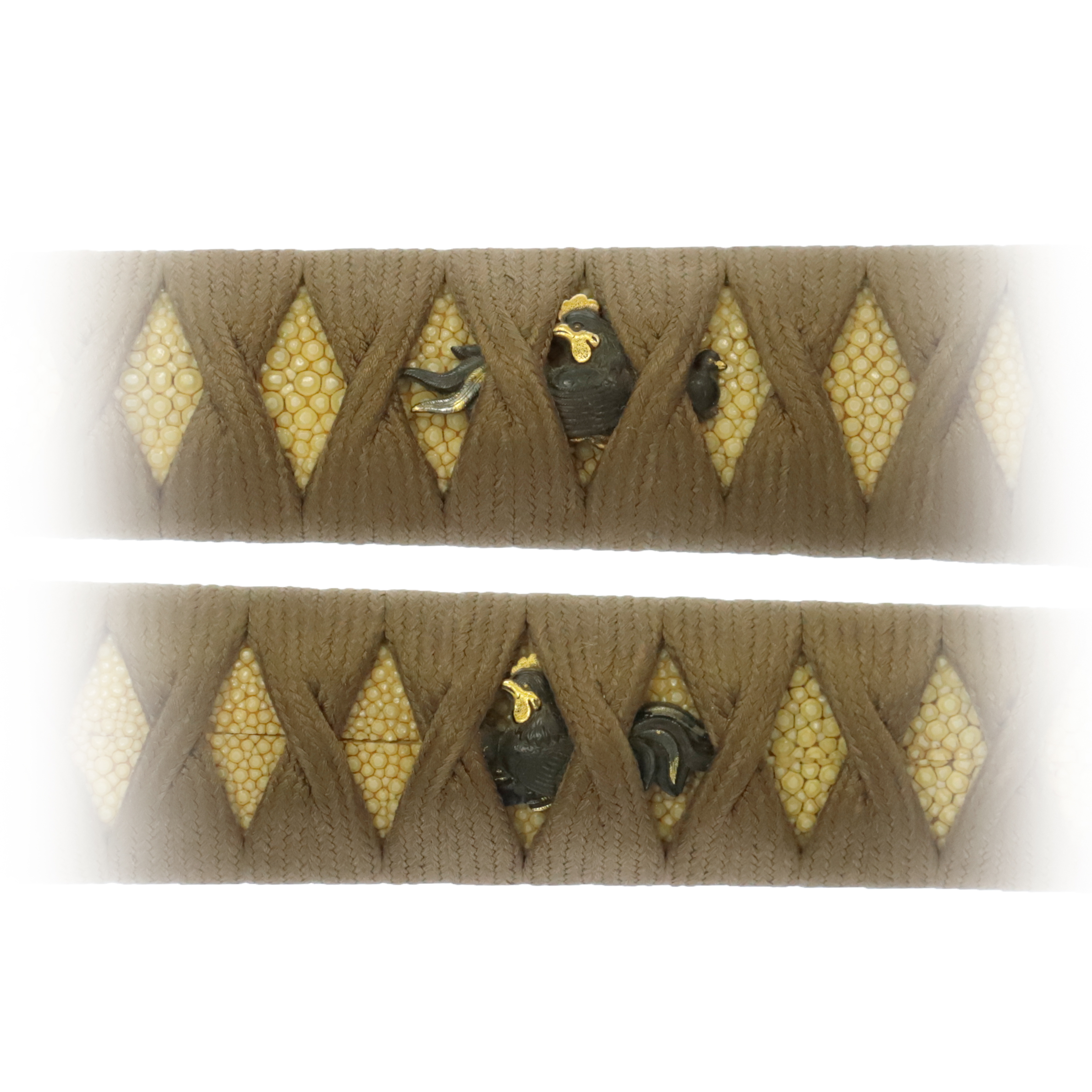
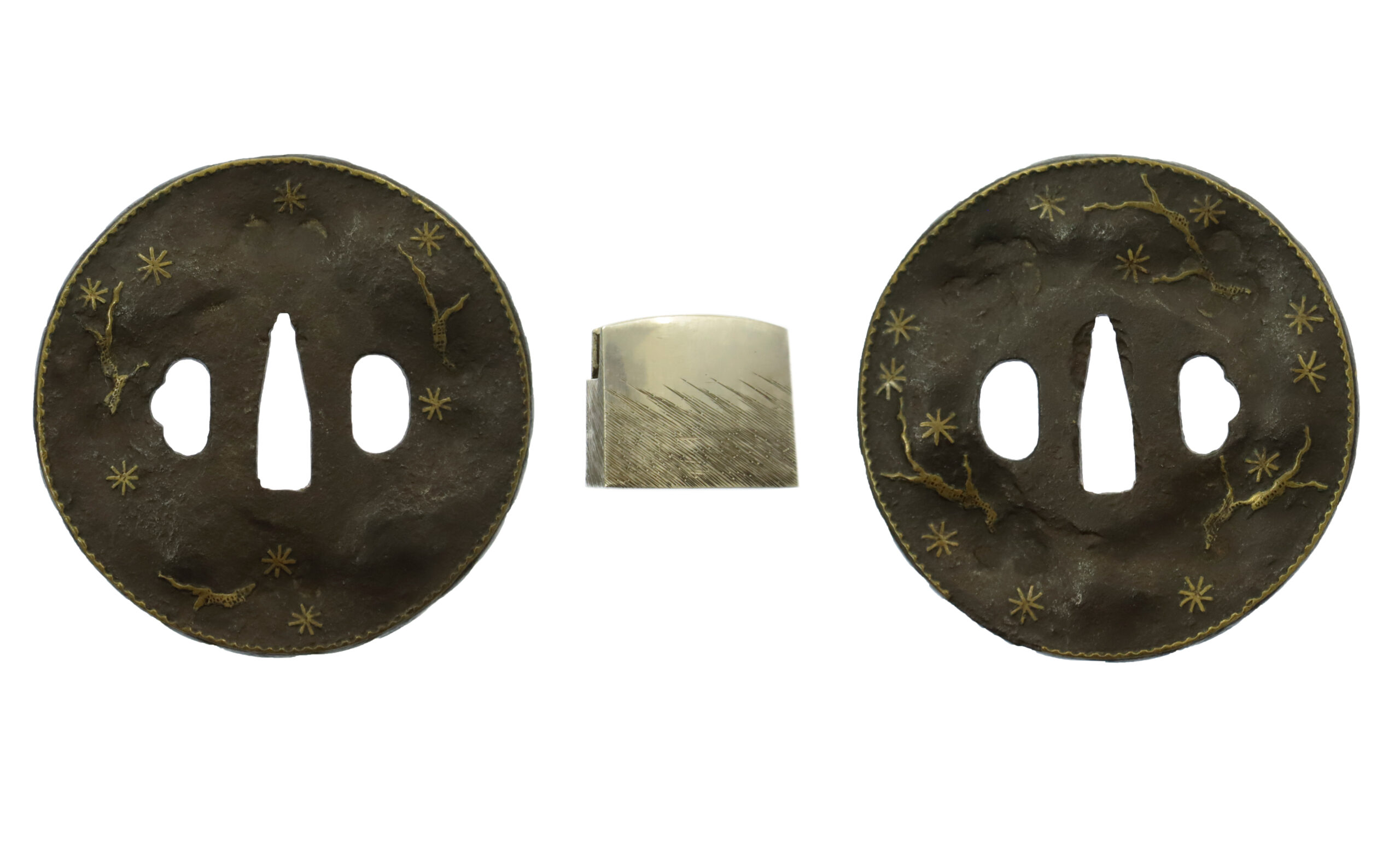
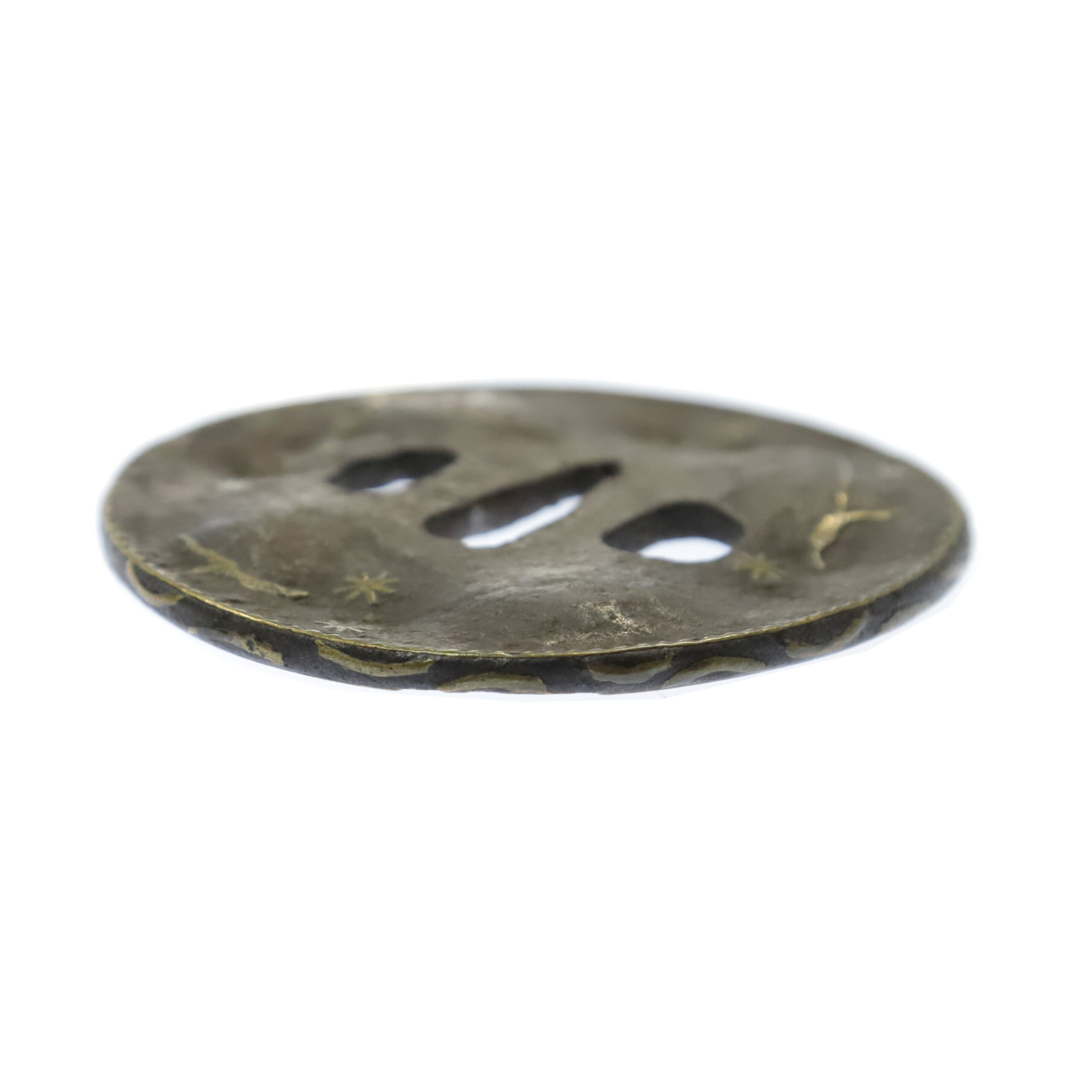
This blade is attributed to Koyama Munetoshi (固山宗俊), who was active during the late Edo period (1854-1868). He was born in Shirakawa domain in Mutsu province (today’s Fukushima prefecture) and was a member of the family of Koyama Munetsugu (固山宗次), a swordsmith who also lived in Shirakawa. His master Koyama Munetsugu (固山宗次) was said to be one of the most popular and famous swordsmiths in Edo city during the end Edo period. Munetsugu first served Shirakawa Matsudaira (白河松平家) clan as Hanko (藩工:retained swordsmith). After Matsudaira clan was ordered to relocate to Kuwana domain (Today’s Mie prefecture), Munetsugu became a swordsmith for that domain. However, he eventually settled in Edo city from the second year of the Koka era (1845) by working for Matsudaira clan of the Kuwana family. The swords which were forged by Munetsugu have been known for their sharpness. There are many records of his swords passing the test cutting process (Tameshigiri). Therefore, he was in the service of the Matsudaira Hisamatsu family, the lords of the Shirakawa domain. Also, he was such an excellent swordsmith that he is also known as the best of the Bizen-den swordsmiths in the end of the Edo period. The style of Koyama Munetoshi (固山宗俊)’s sword is similar to that of Munetsugu in terms of the shape of the Nakago and so on. Also, it is said that Munetoshi sometimes forged the swords which surpassed the quality of the swords forged by his master Munetsugu. This blade is appraised as a Hozon Touken (保存刀剣) issued by NBTHK (Nihon Bijutsu Touken Hozon Kyokai: 日本美術刀剣保存協会). Fuchi-Kashira Wave (波: Nami) is depicted on this Kashira. The wave pattern represents eternity, immortality, longevity, birth, etcetera as waves’ movements continue endlessly. Also, since tides repeatedly change the shape and terrain of rocks, some people hoped for a strong will by using this motif. People used this pattern wishing for an indomitable spirit to rechallenge time and time without giving up. Thanks to its dynamic design, this motif has been appreciated, especially for men’s Kimono (traditional Japanese costume). Tsuka and Menuki The theme of this Tsuka and Menuki is Niwatori (鶏: rooster and hen). You would see two Niwatori having golden cock combs. In ancient times, this bird was used for rituals to offer to gods. It is said this is why the chicken pattern was incorporated into family crests. As this bird tells the arrival of morning, people regard it as the Ake-no Tori (明けの鳥, bird of the dawn). Also, chickens have been treated as auspicious birds because they sing at first in the new year. In another theory, there is a wordplay: Yoikoto-wo “Tori”komu (良いことを取り込む, “take” good things). This Tori (取り) and Tori (鳥, bird) are associated based on the common pronunciation. Some people believe that this bird would bring a plentiful harvest or success in business. This Menuki design might have been chosen due to these ideas. Tsuba and Habaki We assume the theme of this Tsuba is the Snow ring(雪輪: Yukiwa). It is considered snow is the sign of a plentiful harvest. Especially if snow in the New Year, people thought that year would have a bumper crop. According to a theory, the snow crystal pattern itself was born in the Muromachi period (1336-1573), and people started incorporating it as a motif of family crests since the Edo period. Date Masamune (伊達 正宗, 1567-1636), who is well-known Samurai and is often called as Dokuganryu (独眼竜, one-eyed dragon). He used several family crests, and one of them has a snow ring motif. Authentication Paper They authenticated the blade on Dec 15th in the 5th year of Reiwa (2023). They appraised it as Hozon Touken, the blade worth preserving for Japanese society.

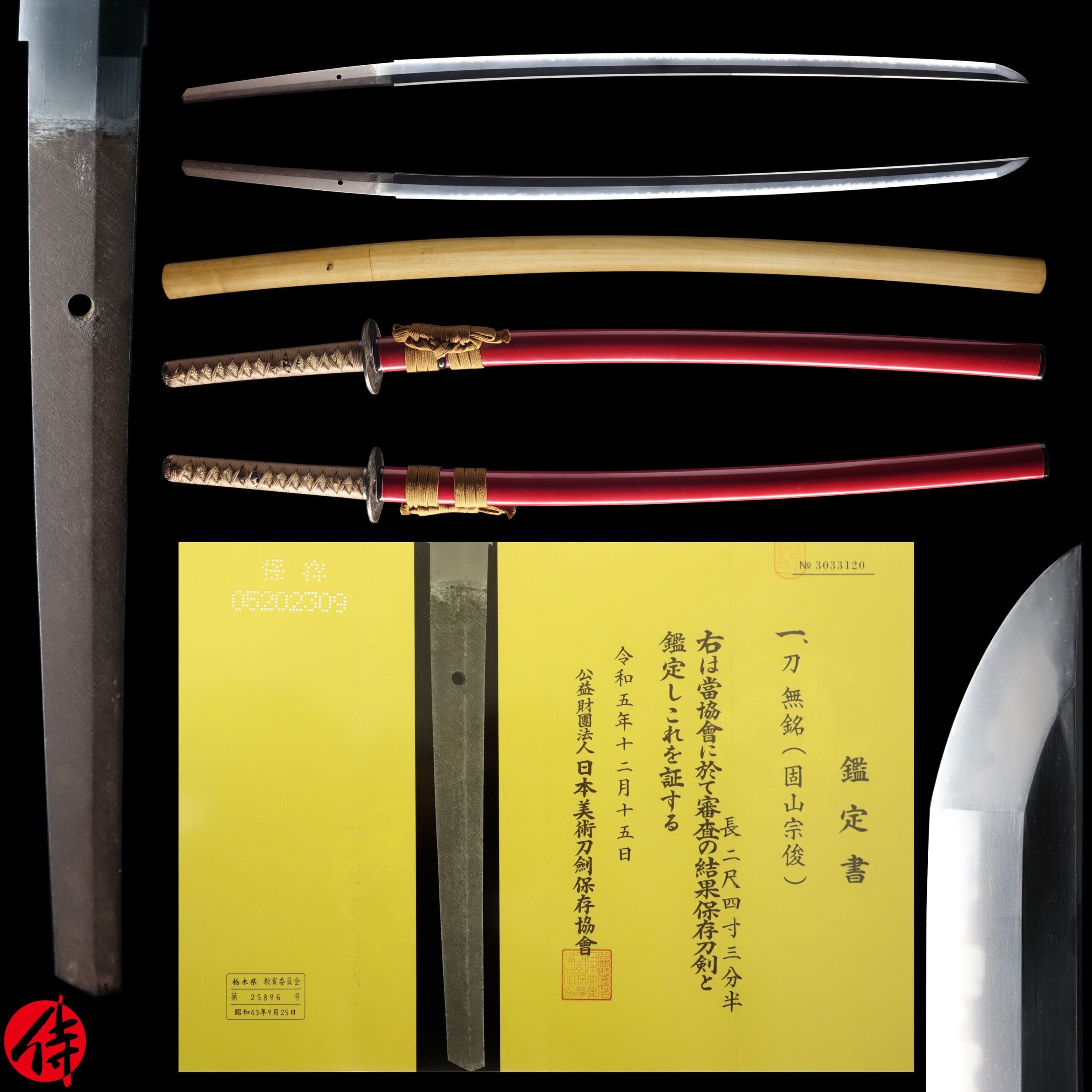
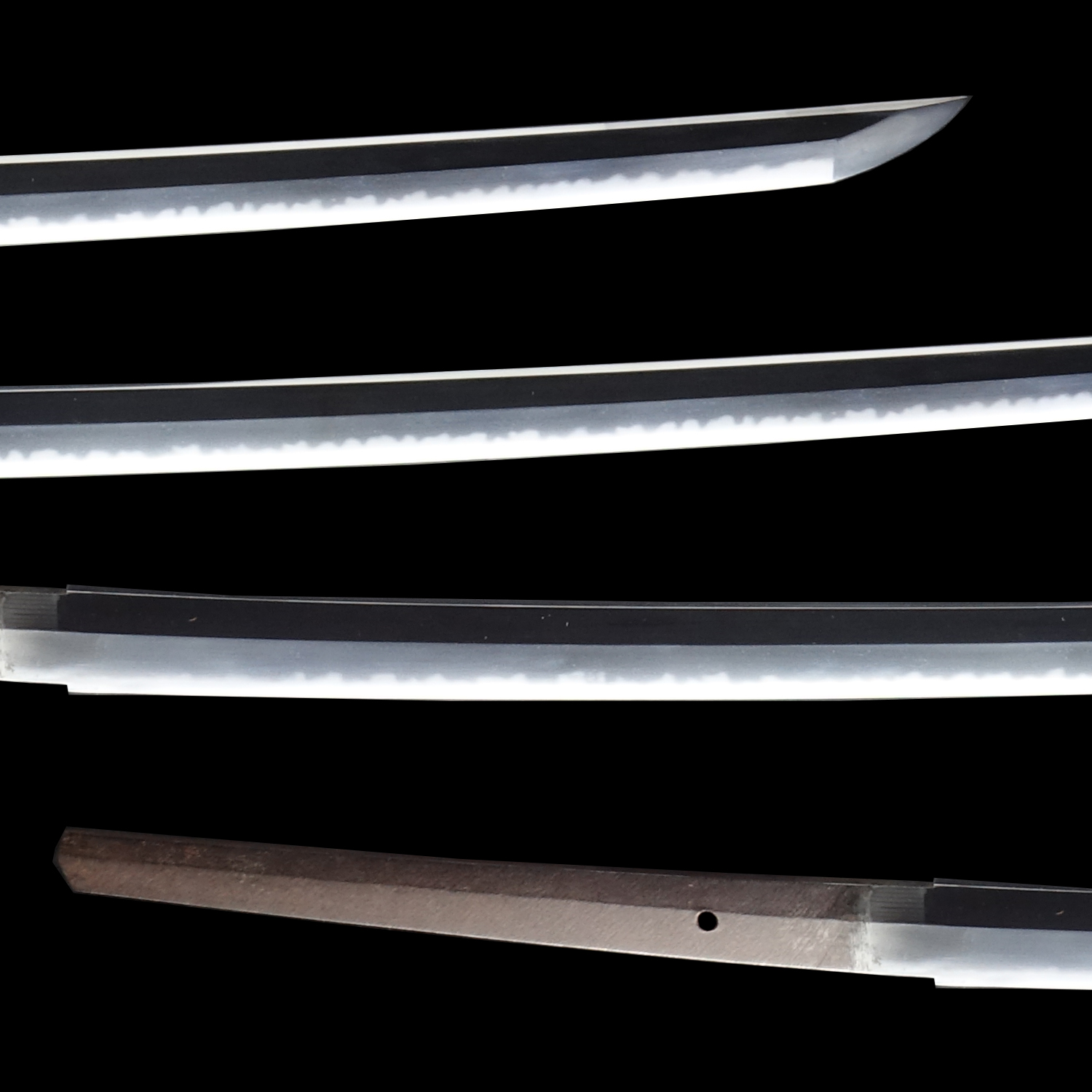
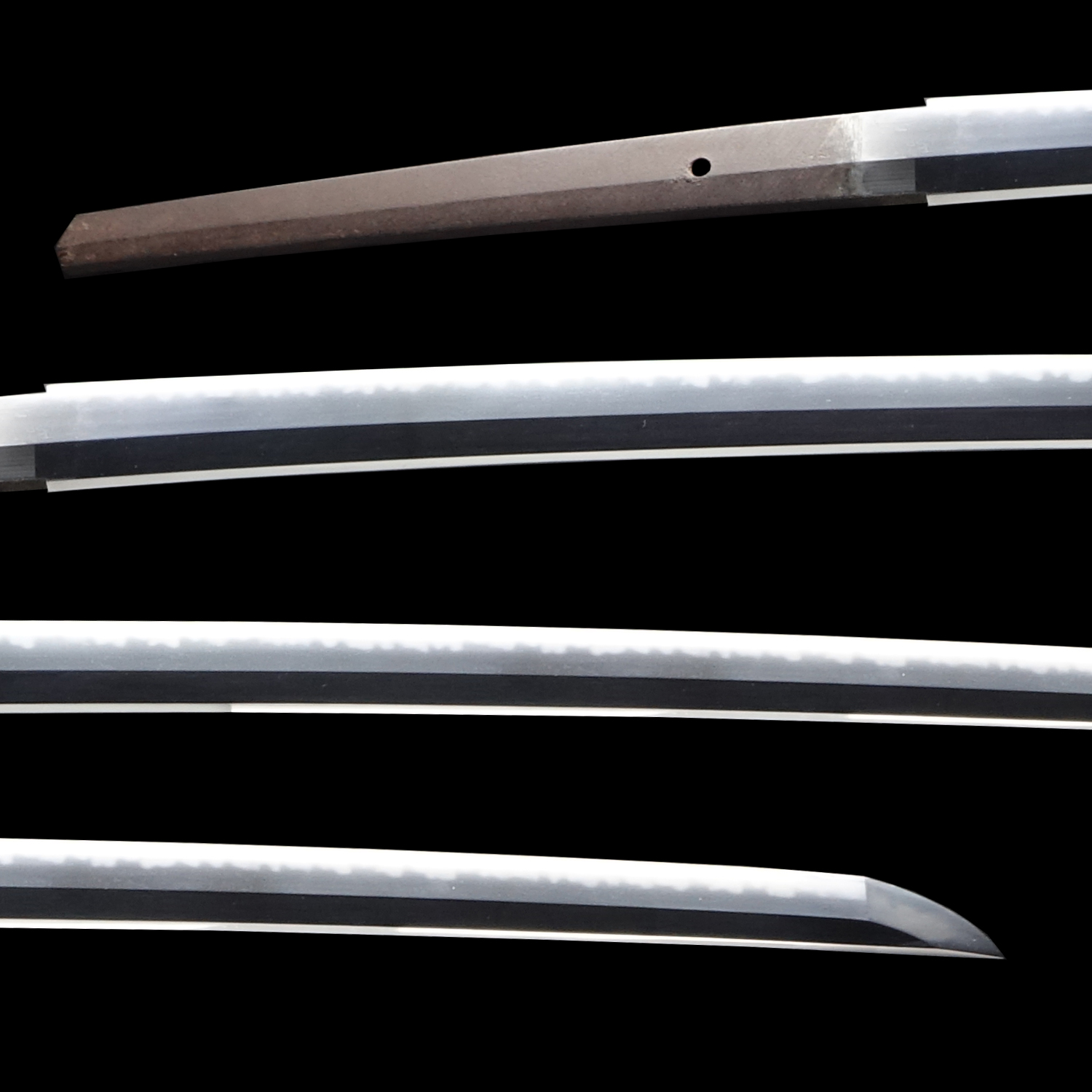
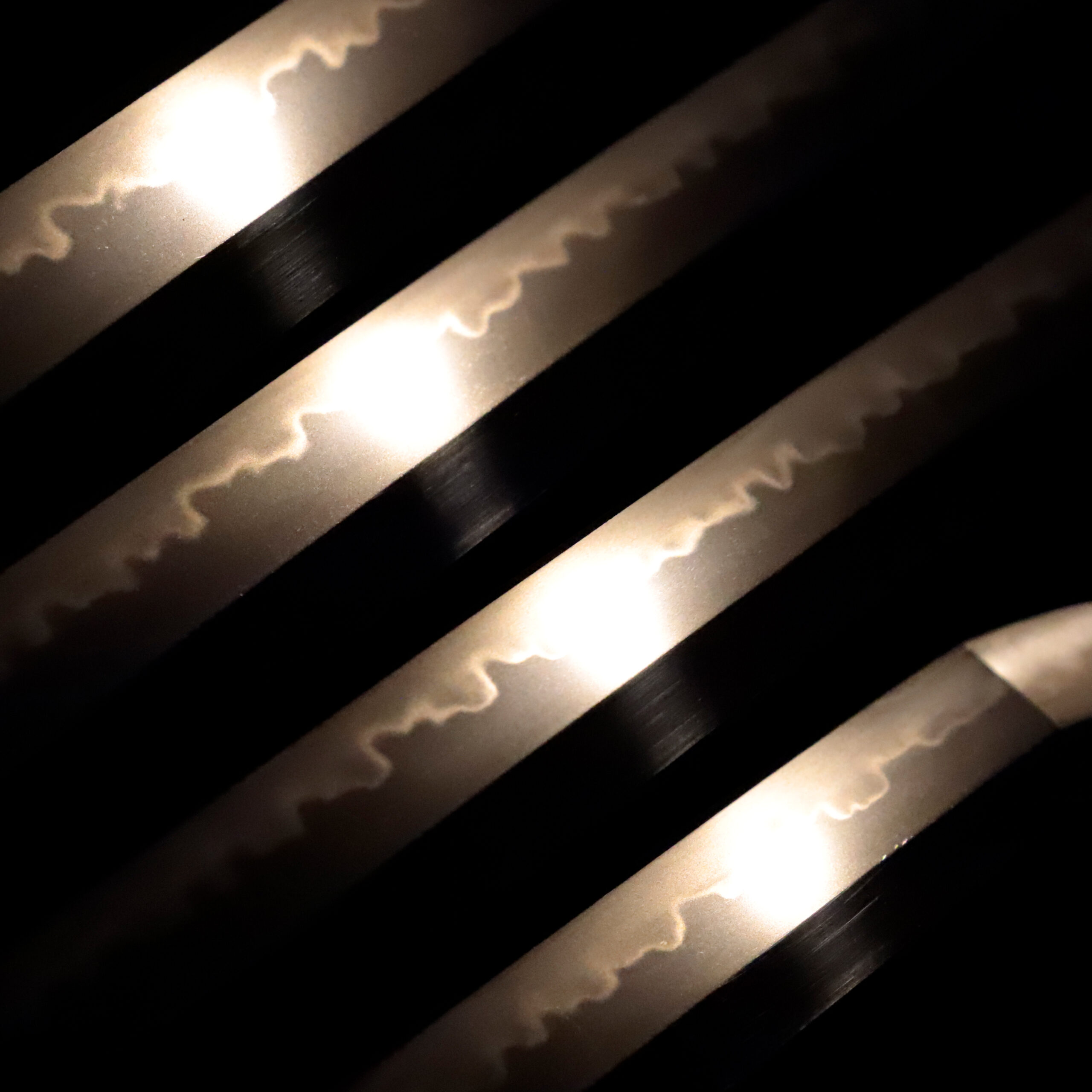
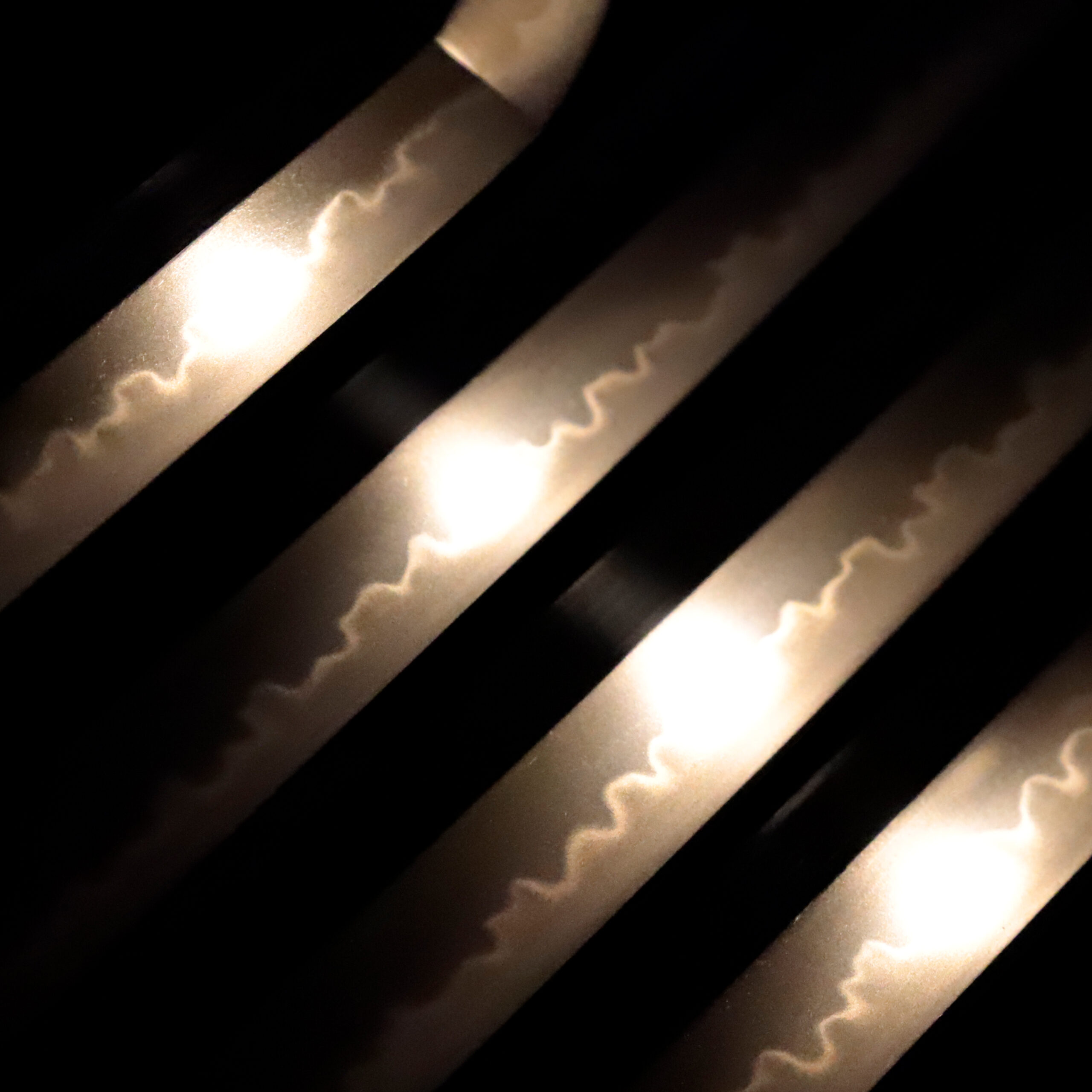
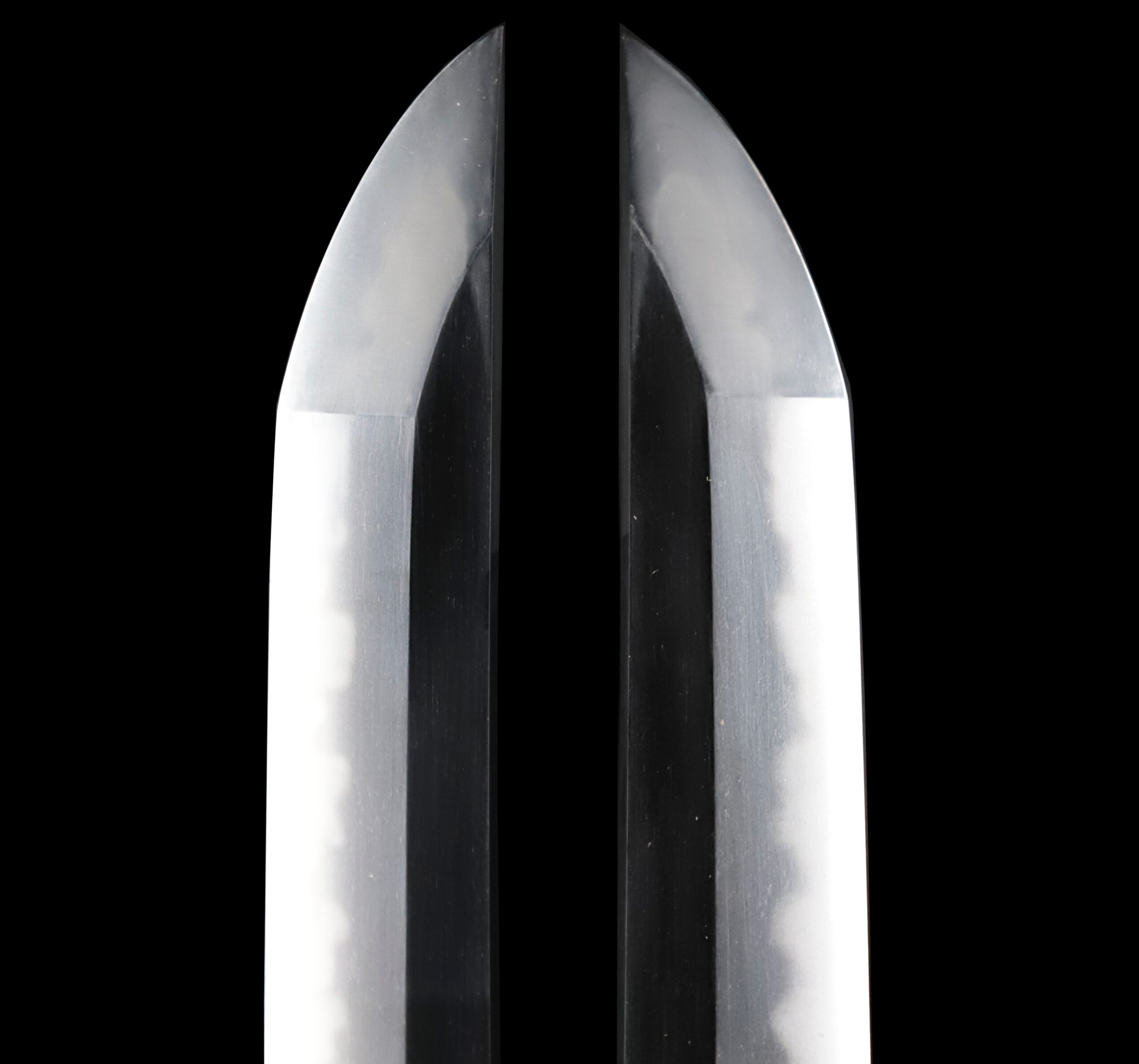
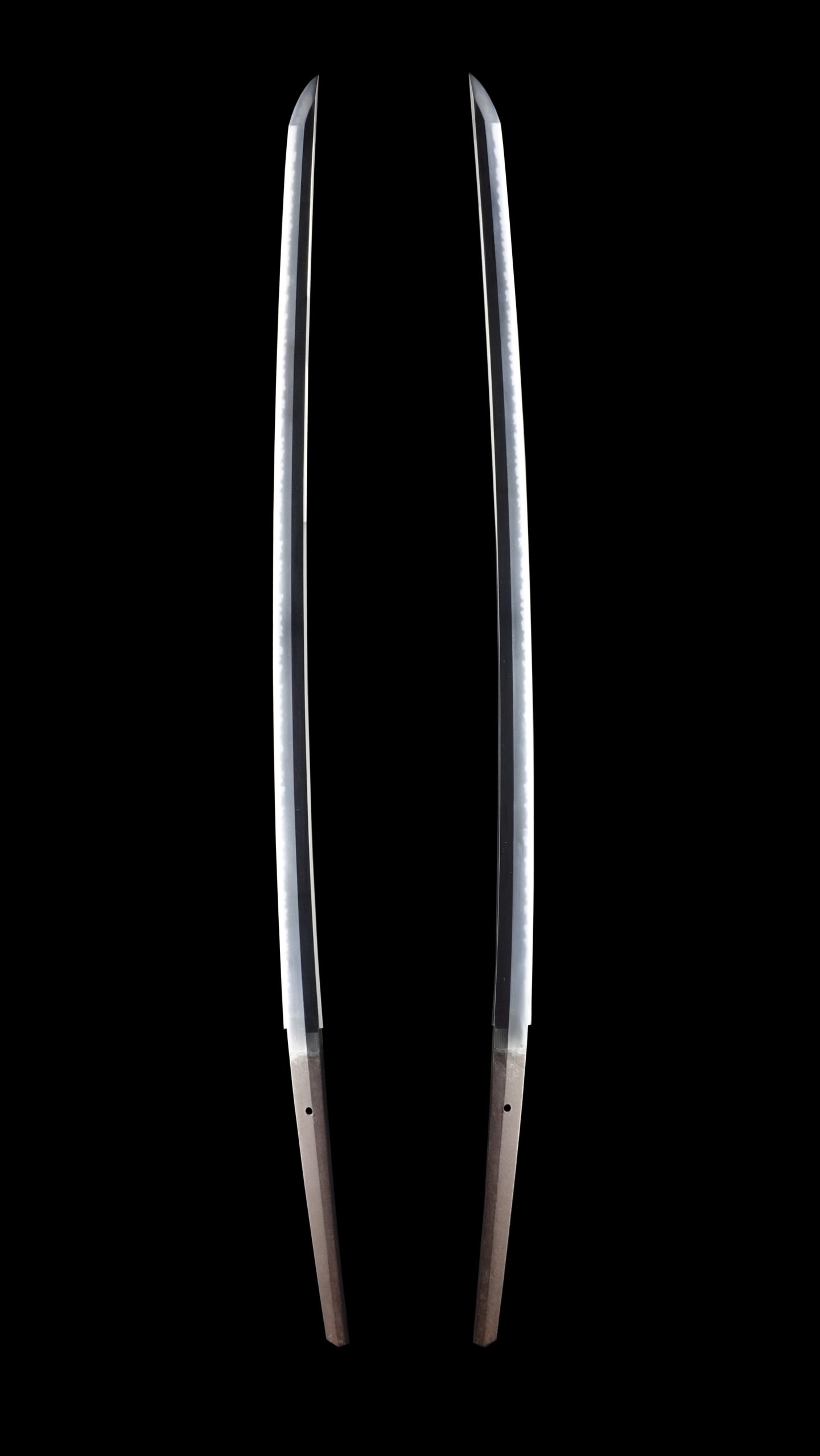
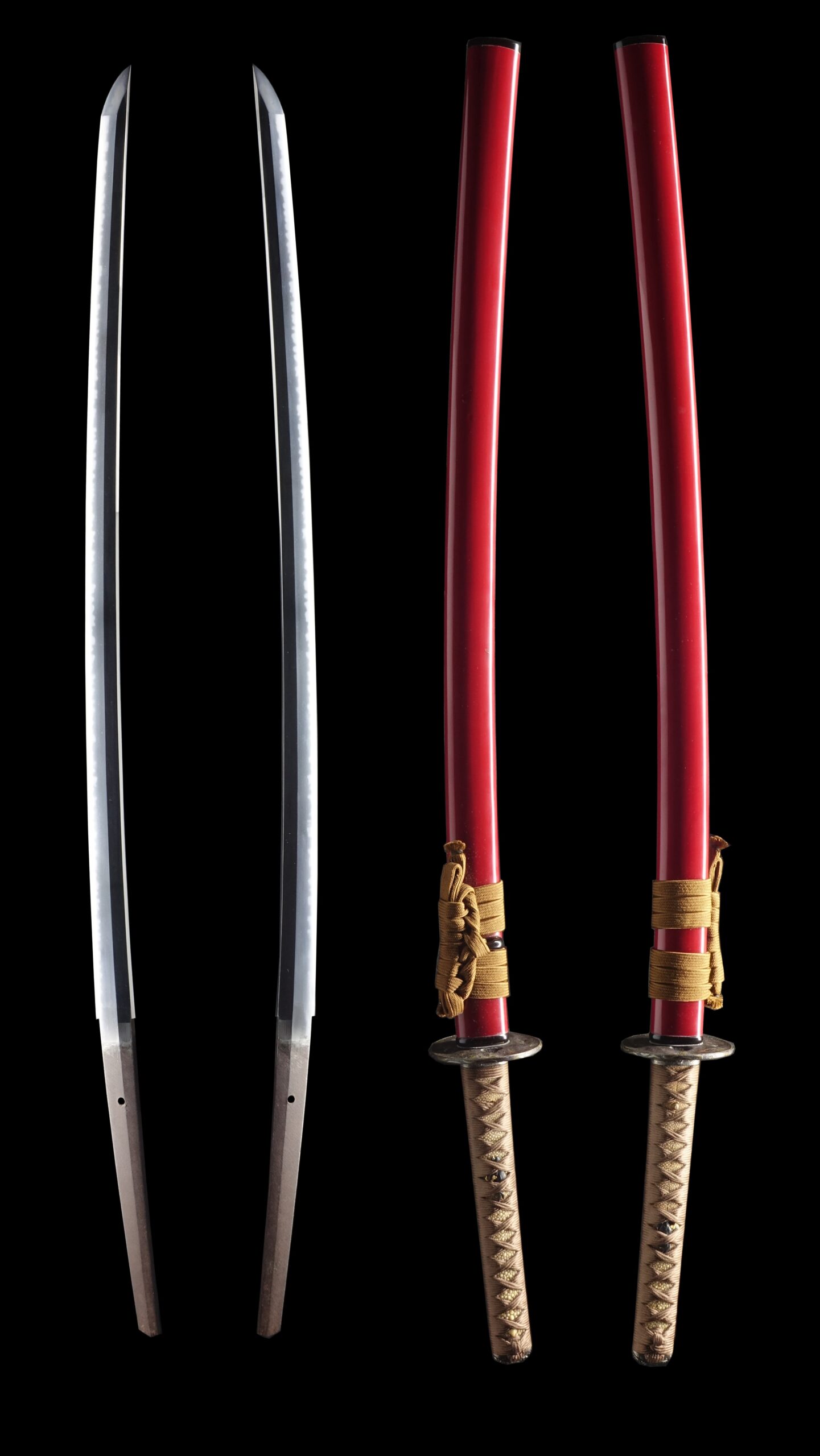
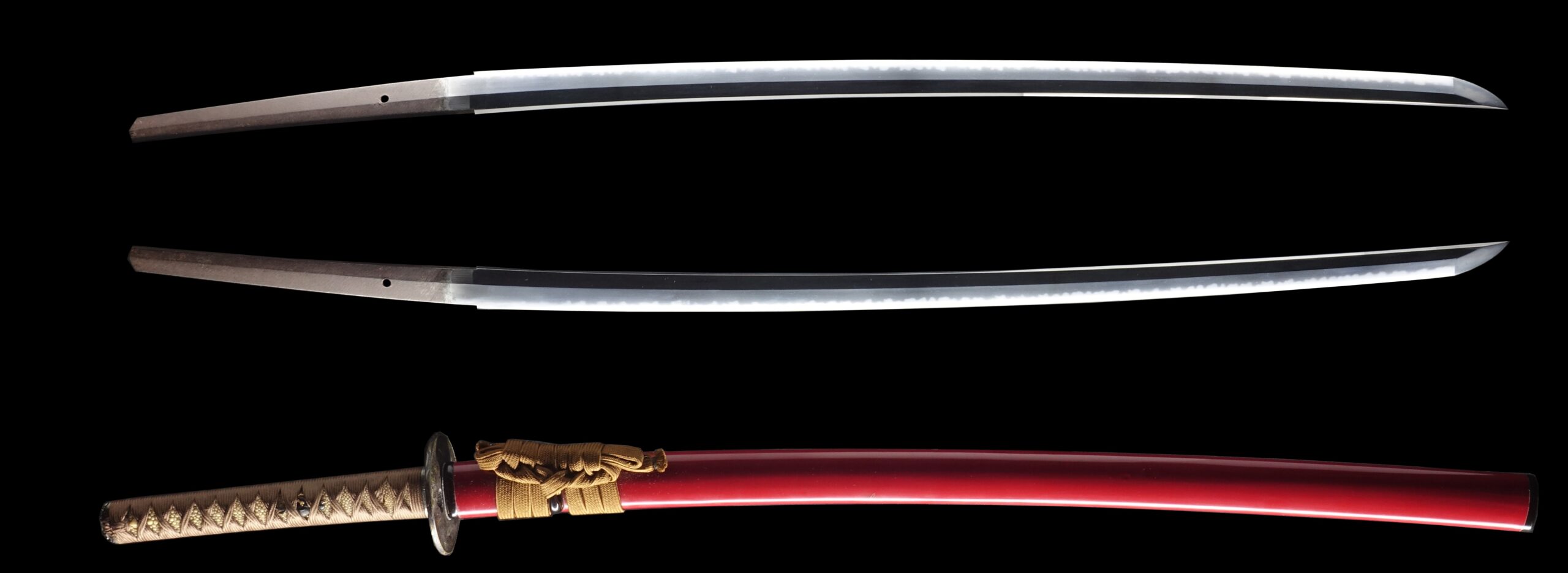
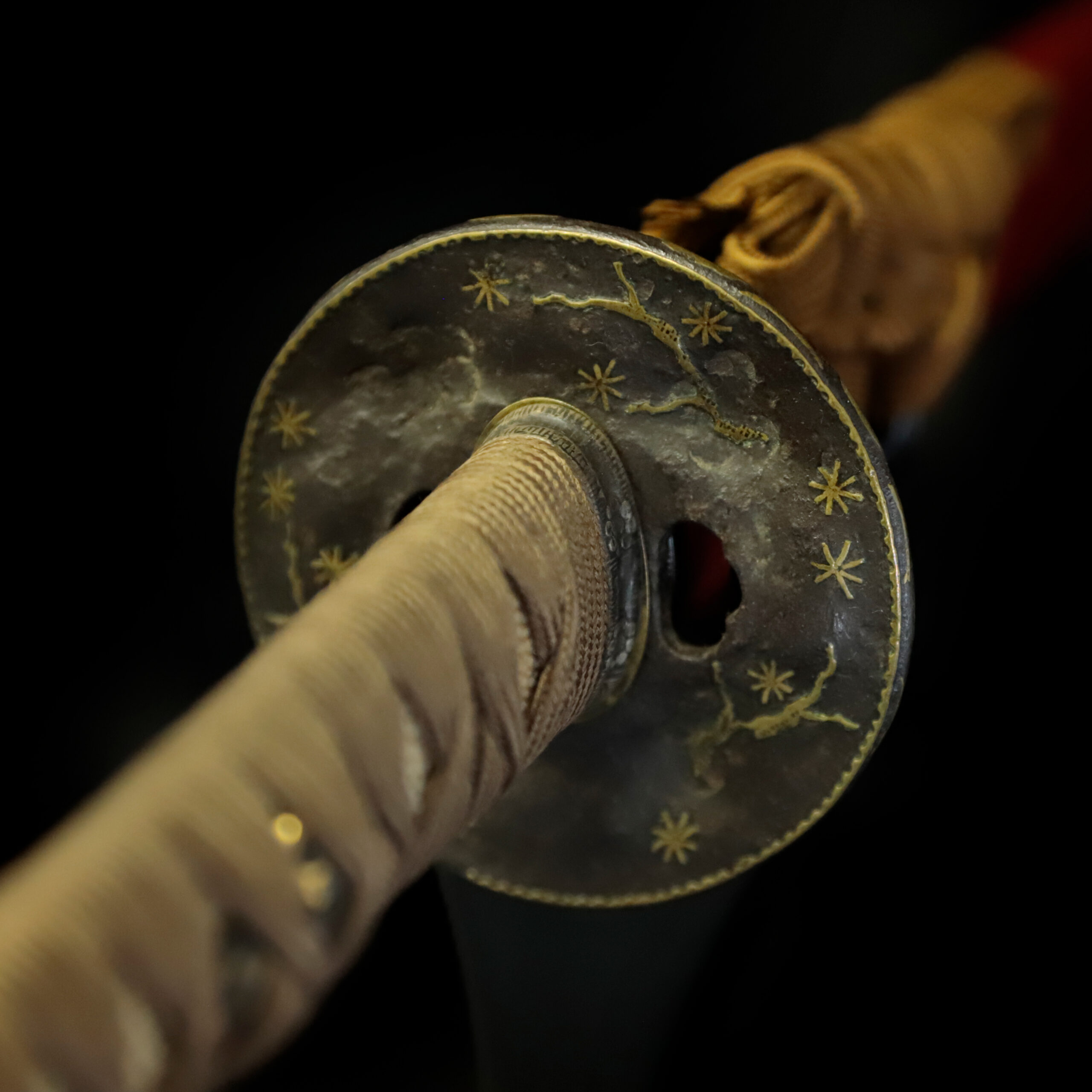
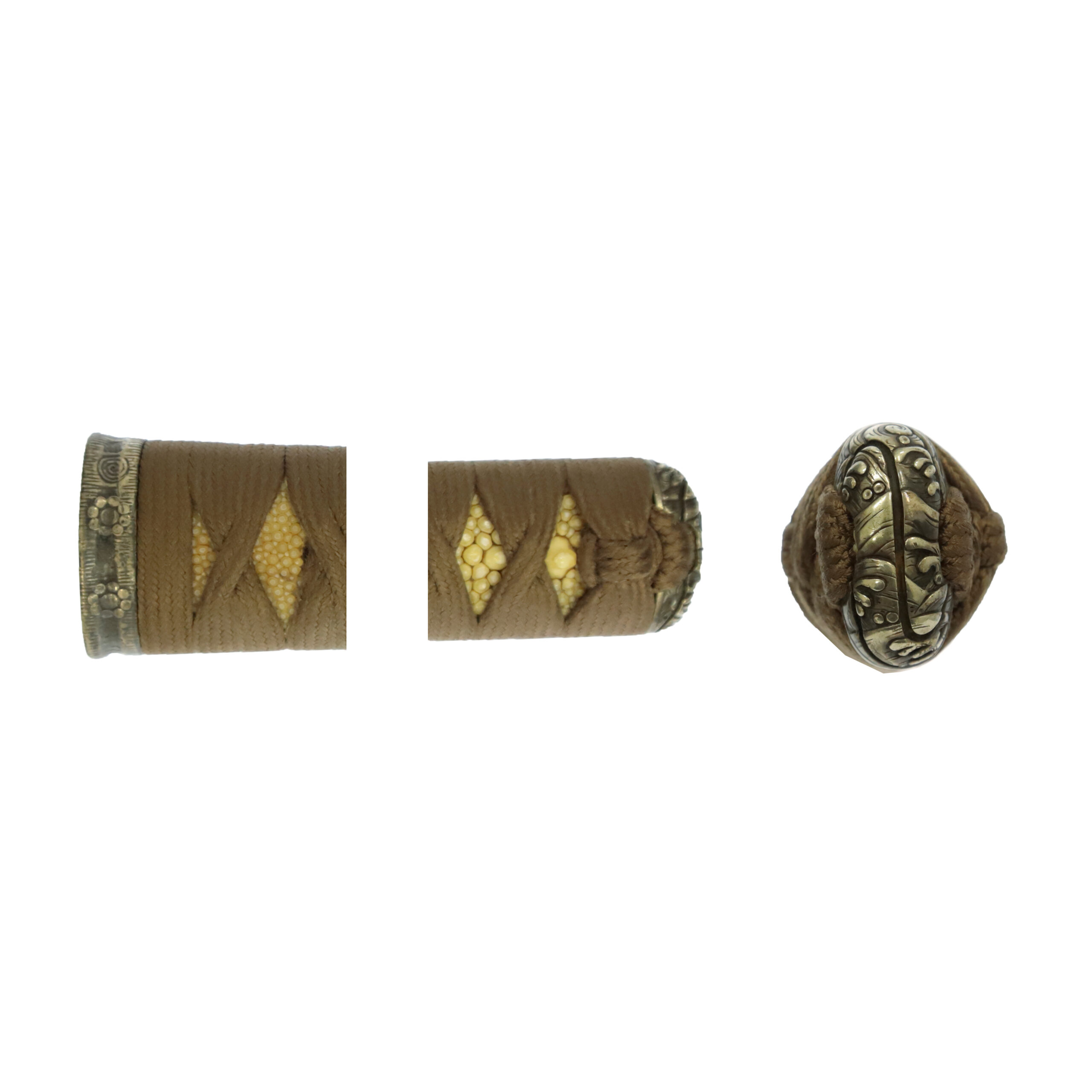
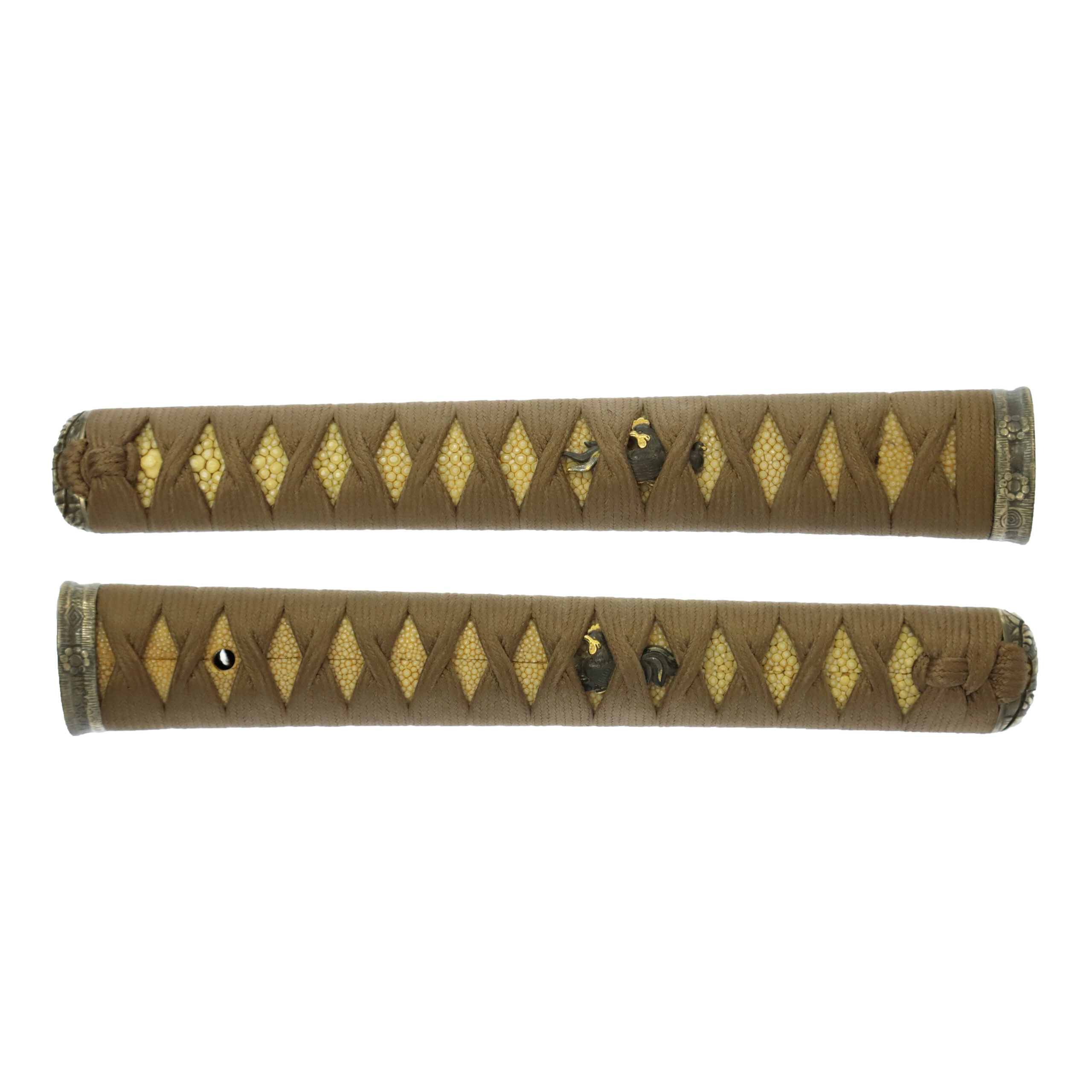
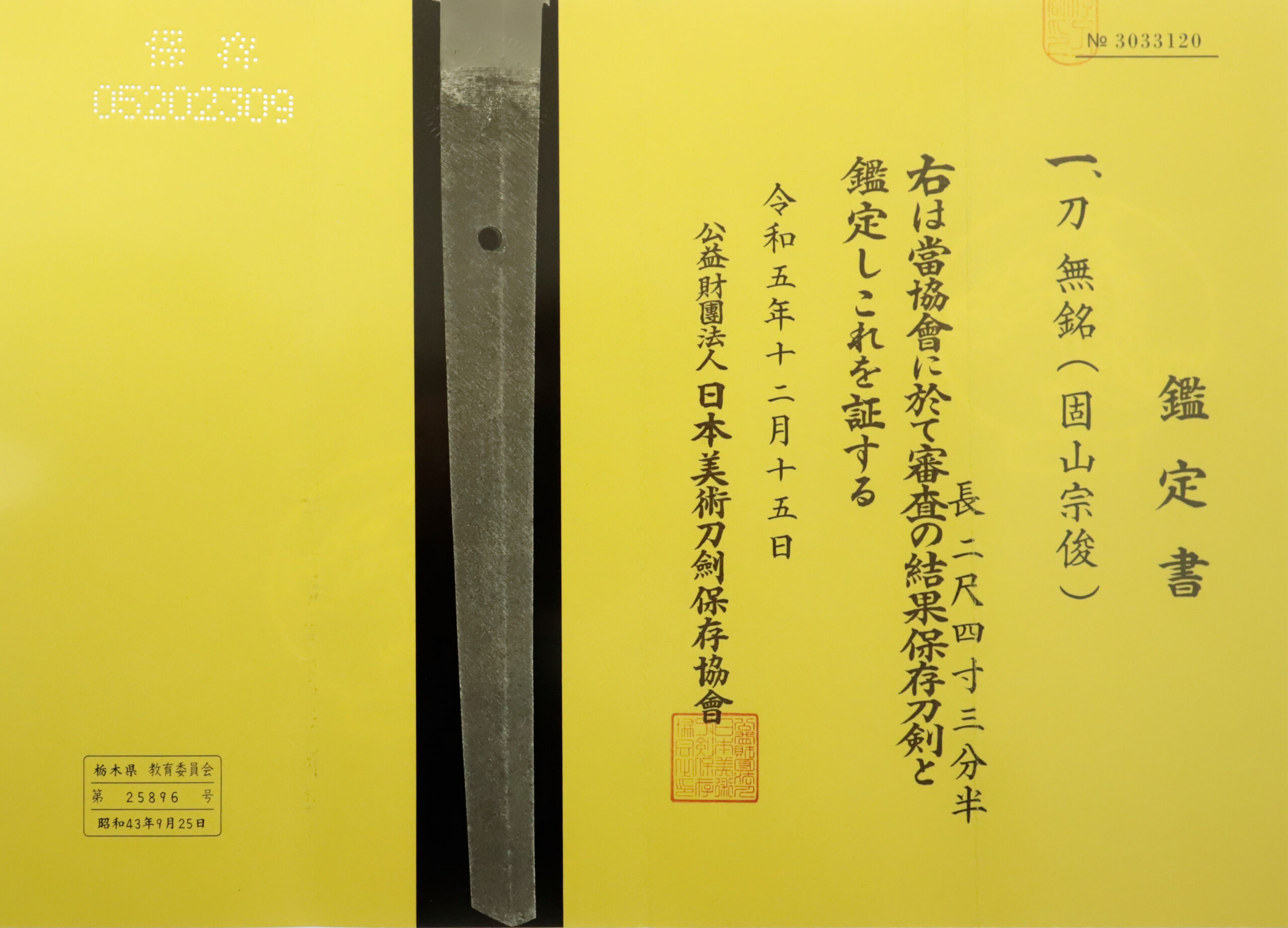
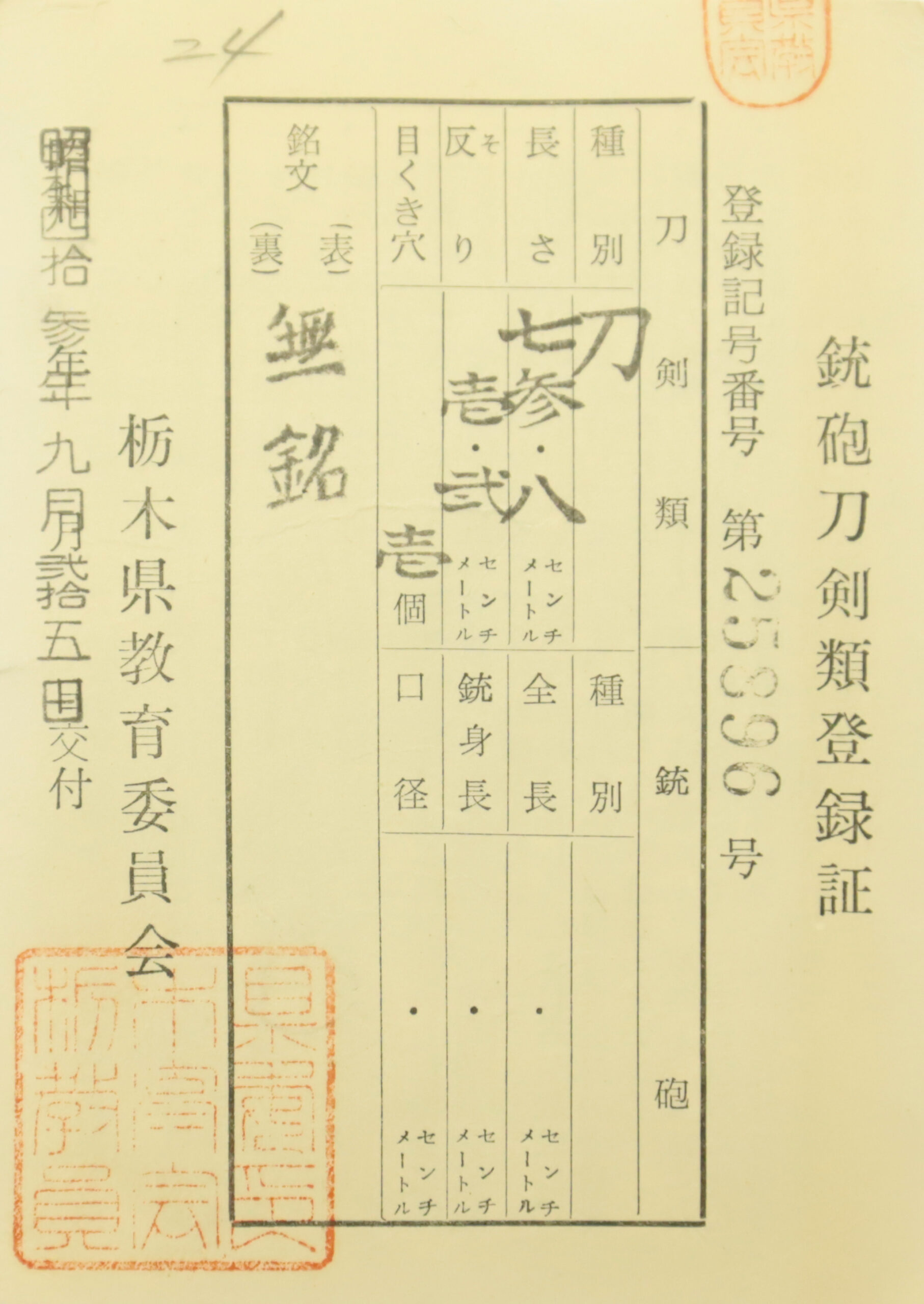
販売店の記載のまま
陸奥 · 1860-1861頃
現在2点販売中
江戸時代
江戸は刀の目利きの時代である。本阿弥の鑑定、1719年の享保名物帳、盛んな刀剣書が、戦で抜かれることのなくなった刀を学問の対象へと変えていった。
銘が正しい、または無銘でも年代・国・系統を確実に指摘できる、保存に値する真正の作と鑑定されたものです。
日本美術刀剣保存協会(NBTHK)は、1948年に設立され、文化庁の監督を受ける公益財団法人で、東京・刀剣博物館に本部を置きます。専門の審査員が出品作を直接審査し、美術的・歴史的価値に応じた鑑定書を発行します。NBTHKの鑑定書は、日本刀および刀装具の真正性を示す最も広く認知された基準です。
NBTHK公式サイトReturns/exchanges limited to defects caused by shipping (except willful misconduct or gross negligence by the company); customers must contact within 72 hours of receiving the product.