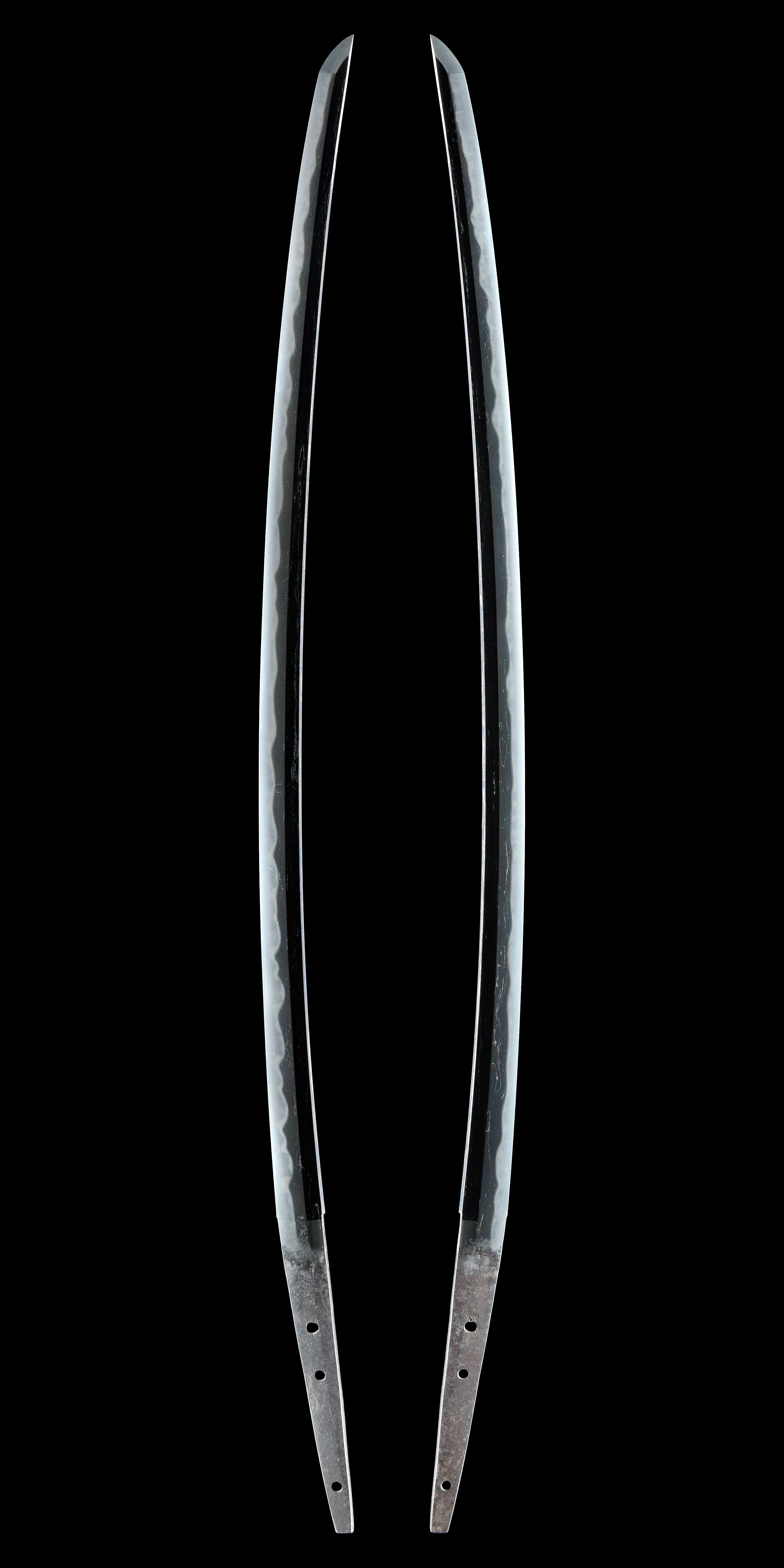
室町期の長船は二層の商いを営んだ。兵卒のための数打ち物と、注文主の俗名を銘に負う注文打ちである。末備前であっても、祐定の最上作は一派のいかなる時代の作にも劣らない。
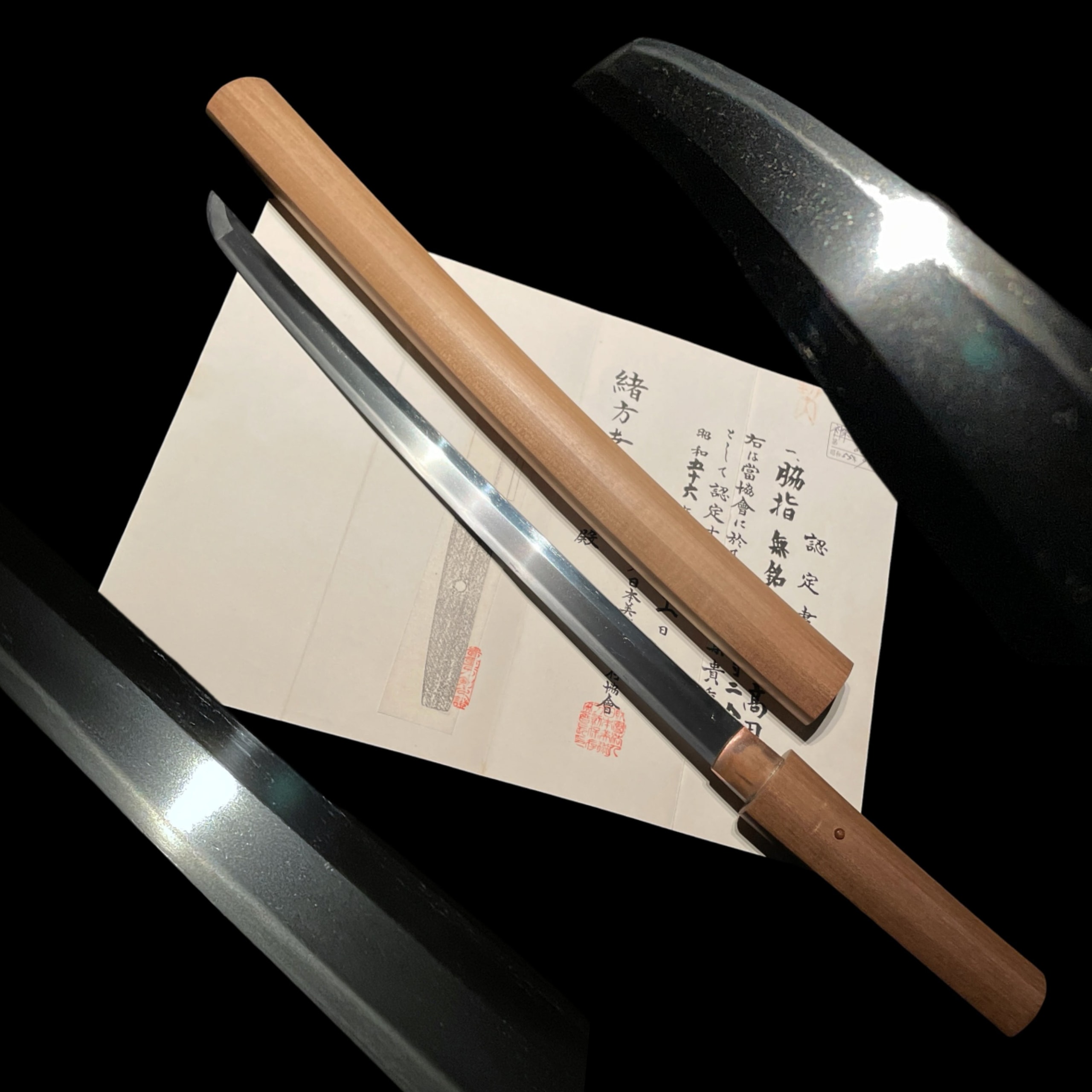
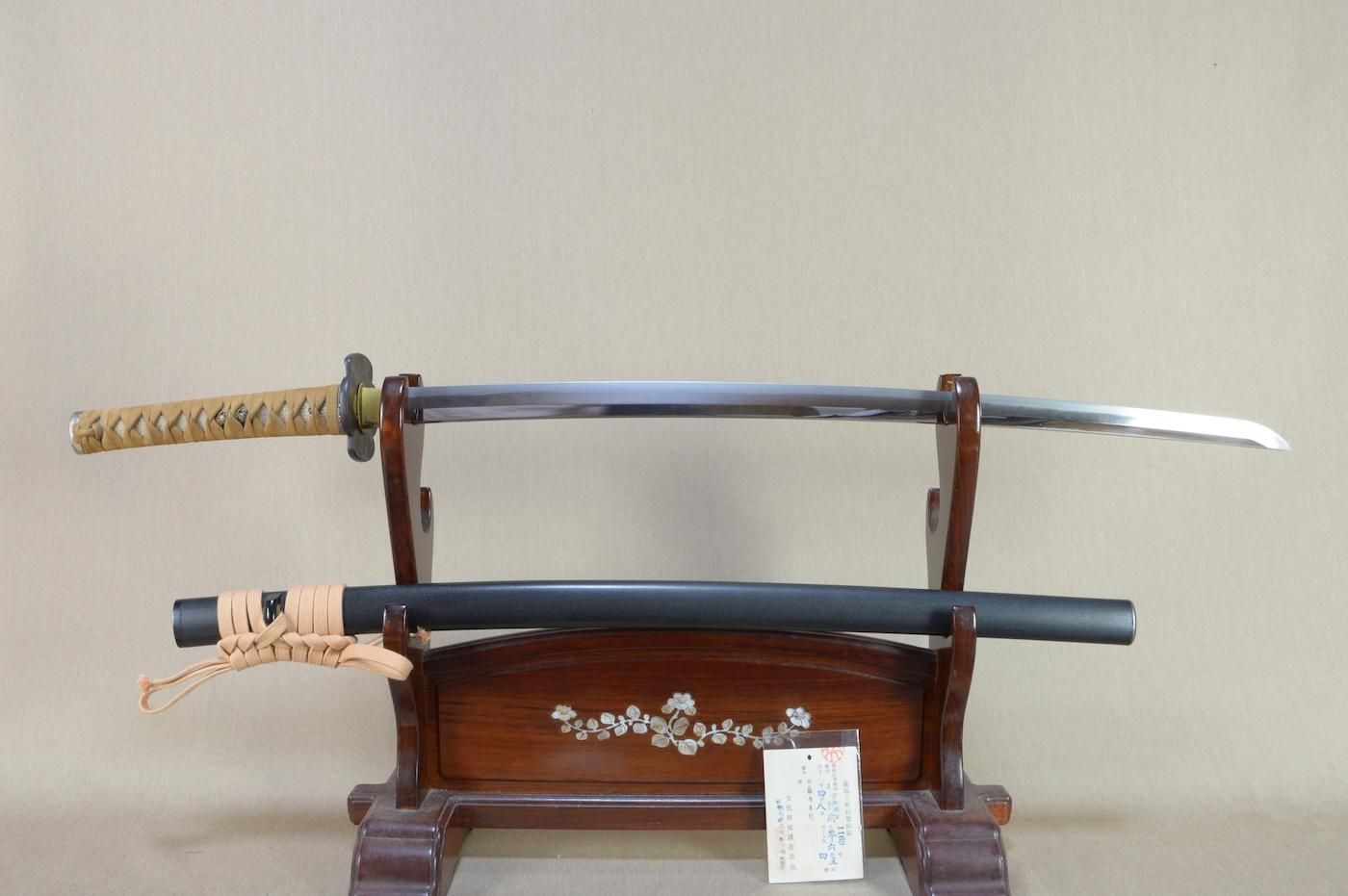
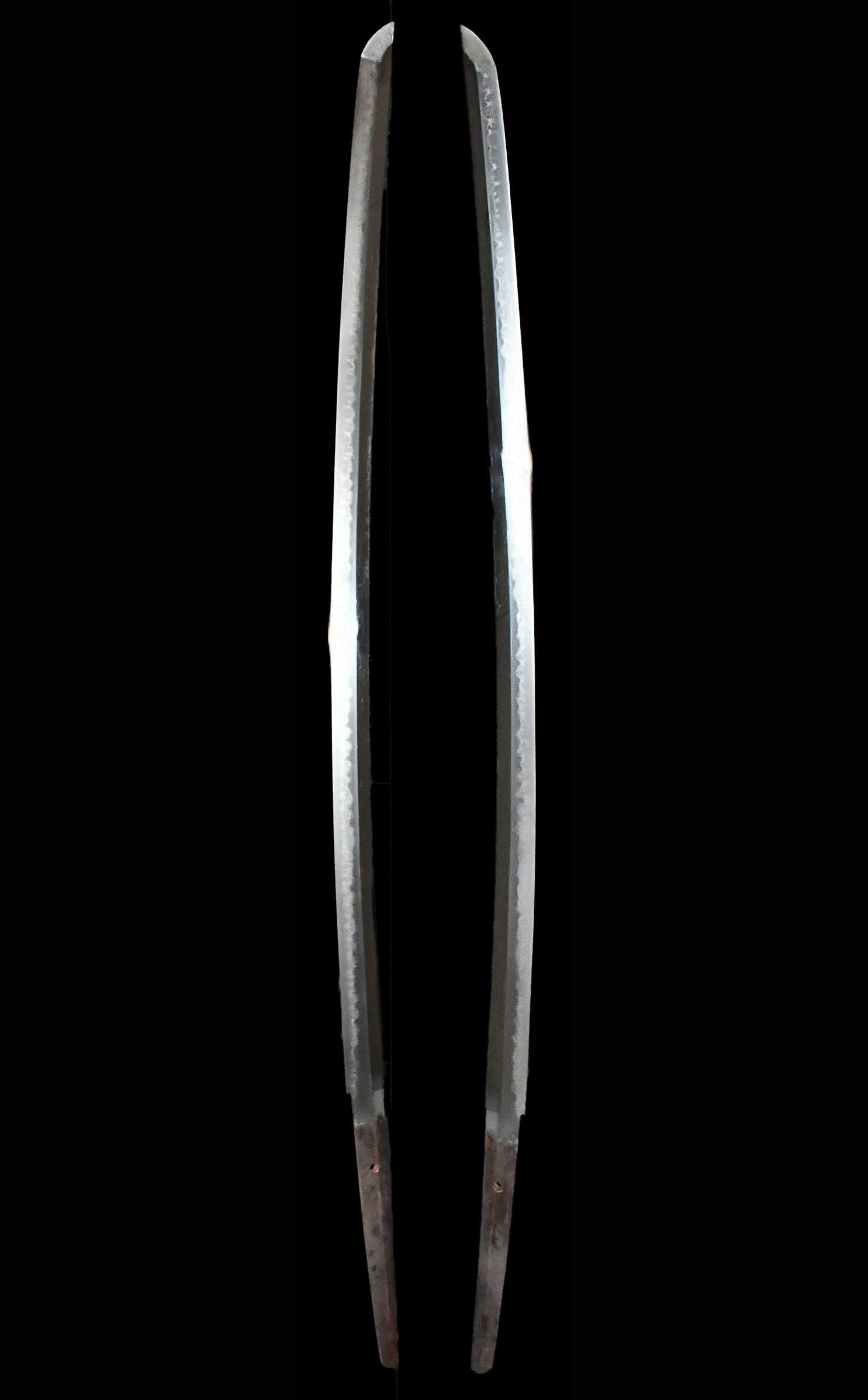
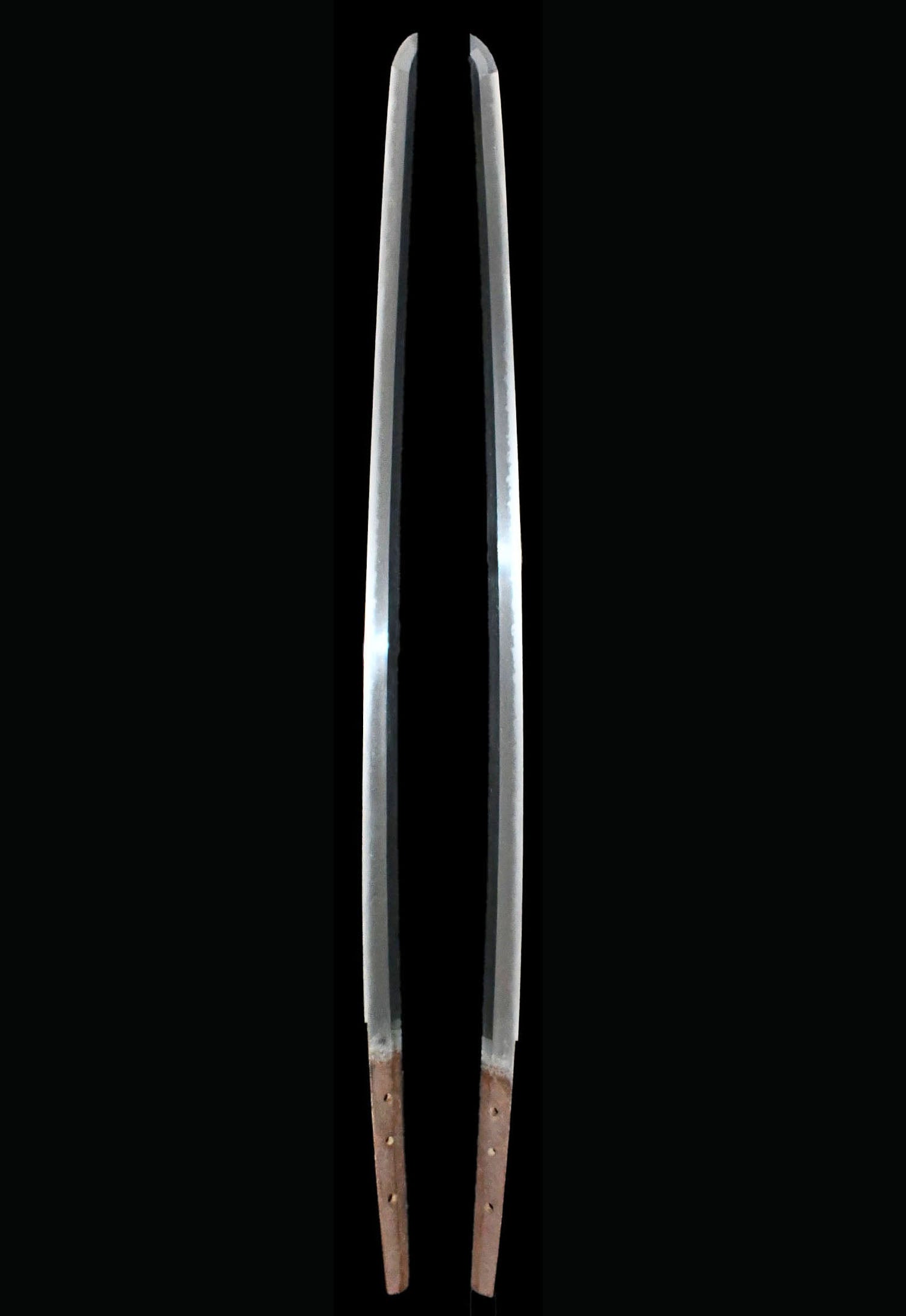
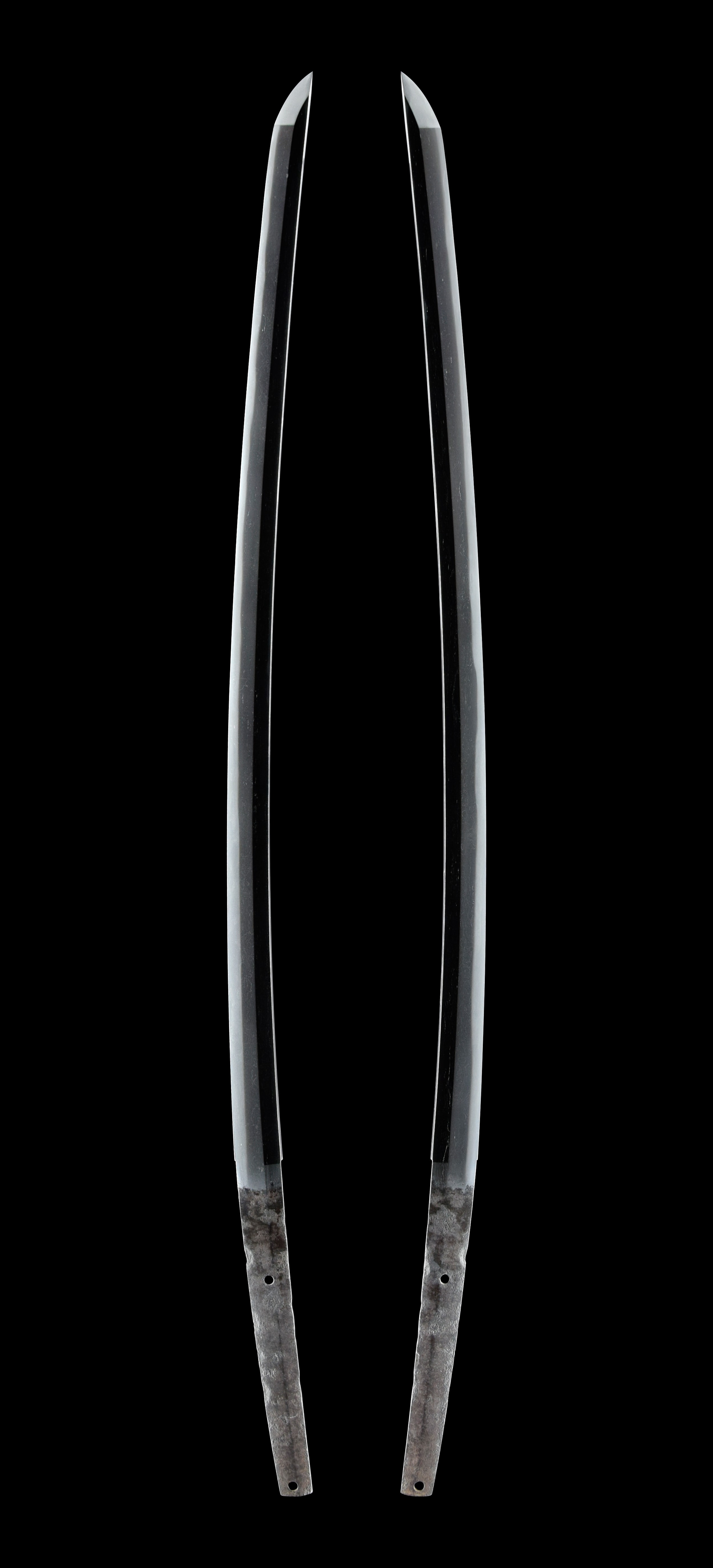
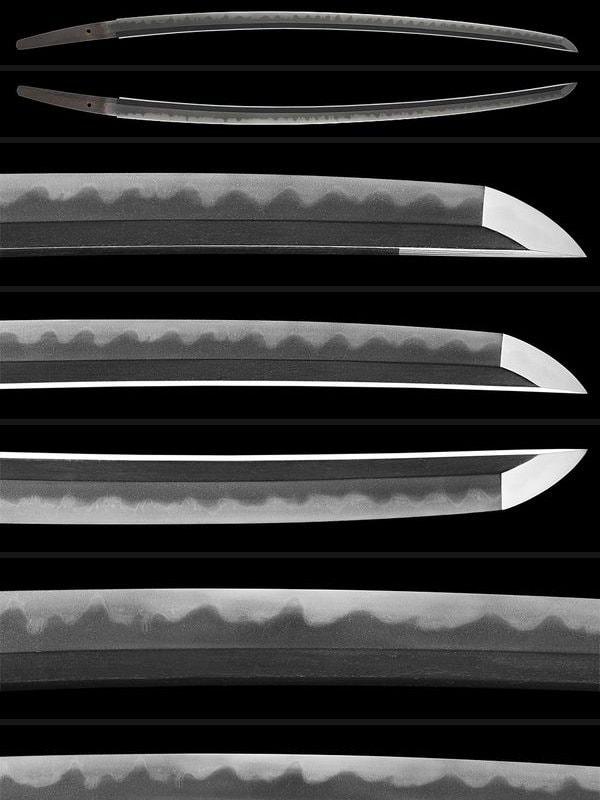
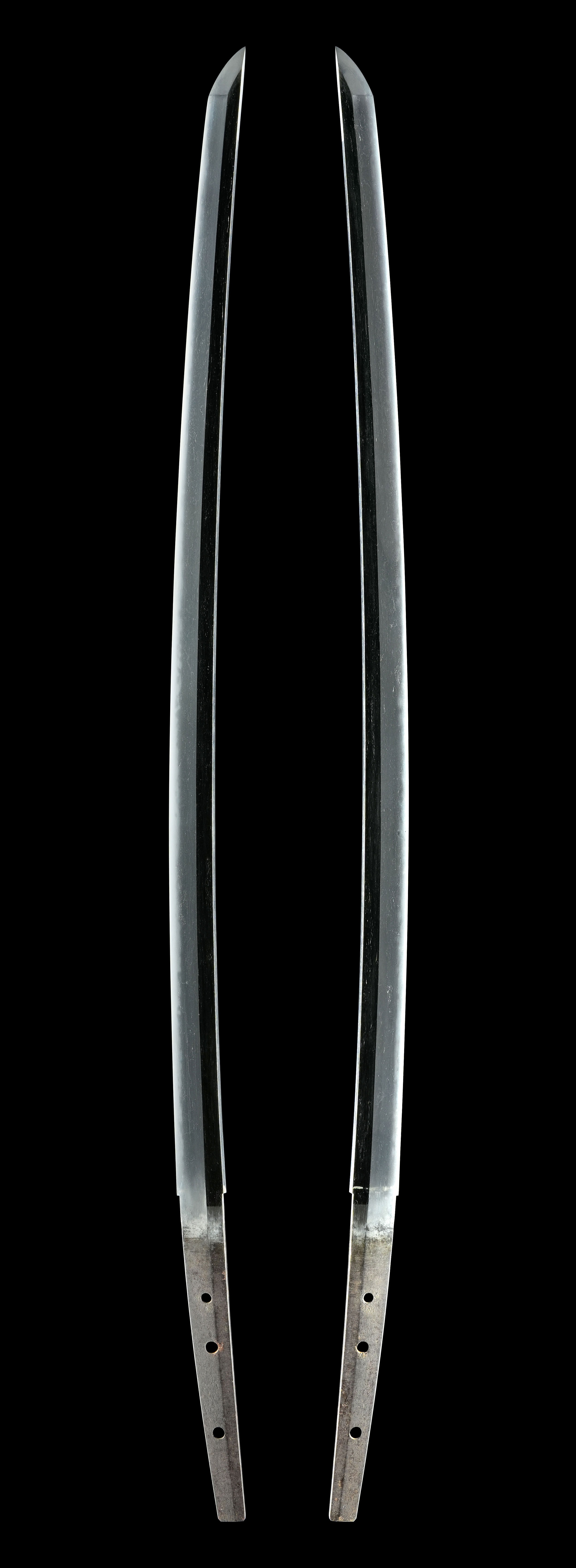
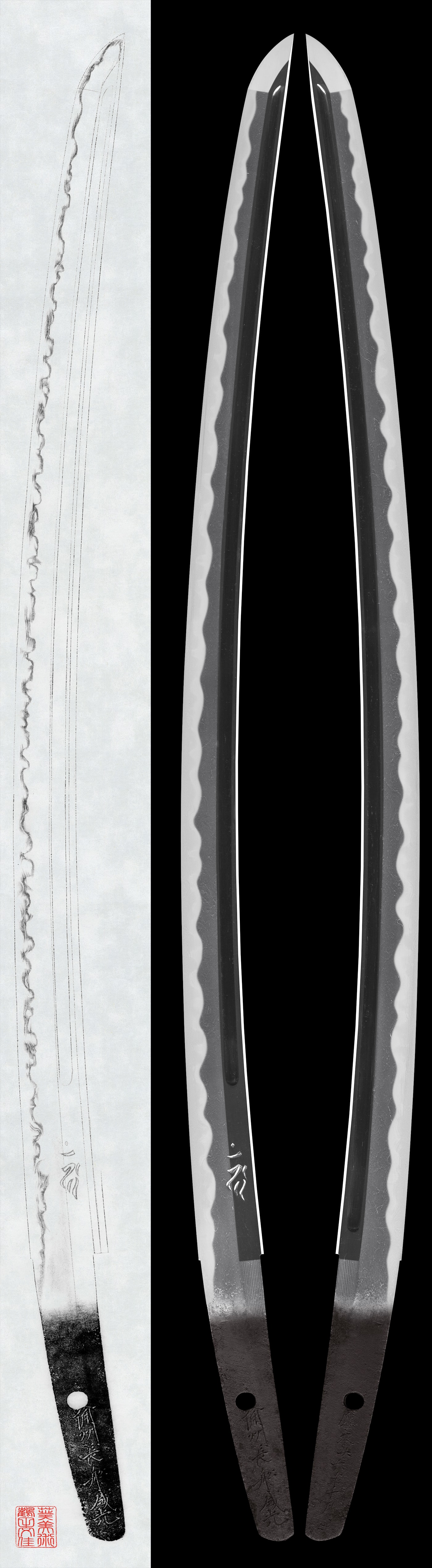
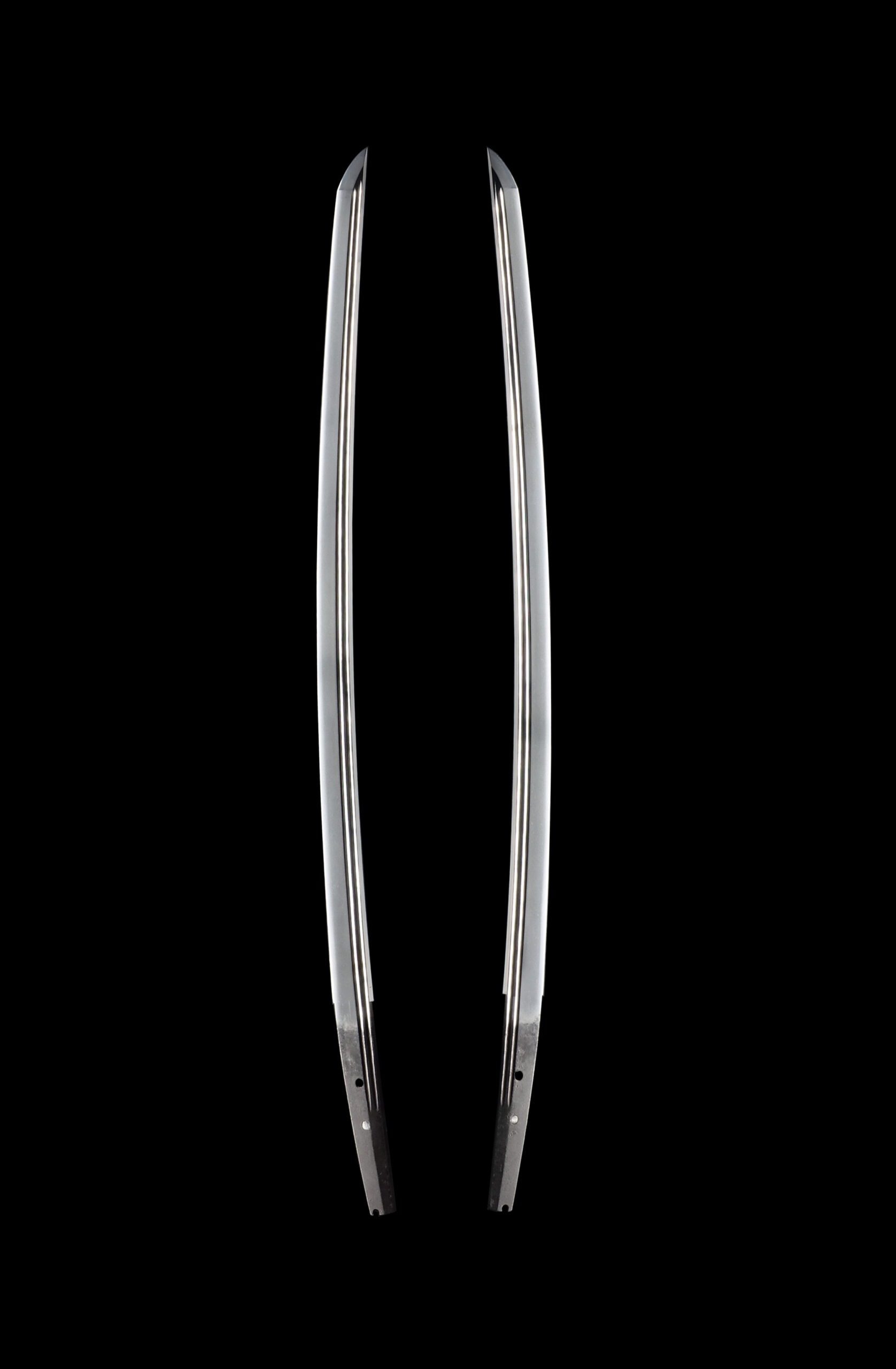
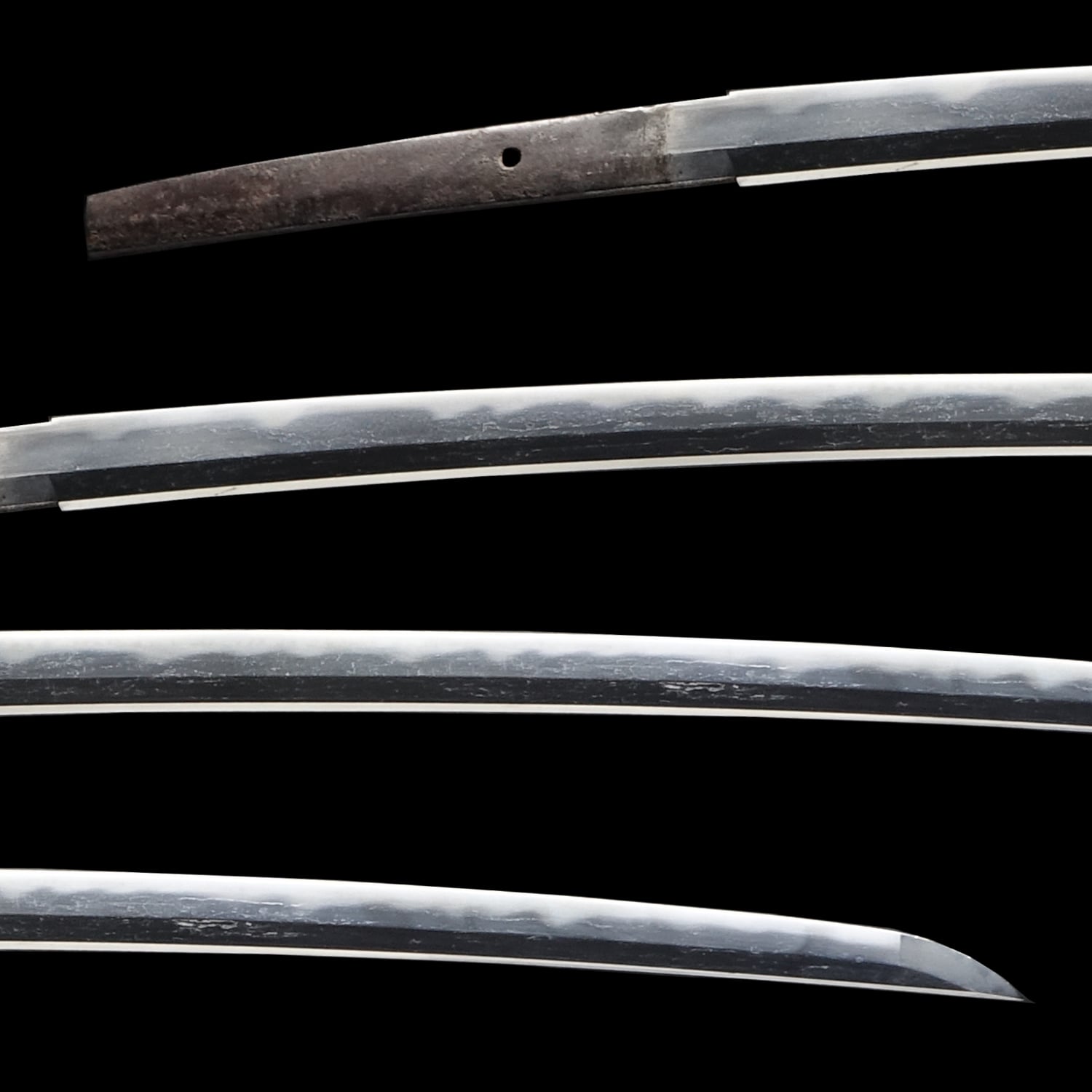
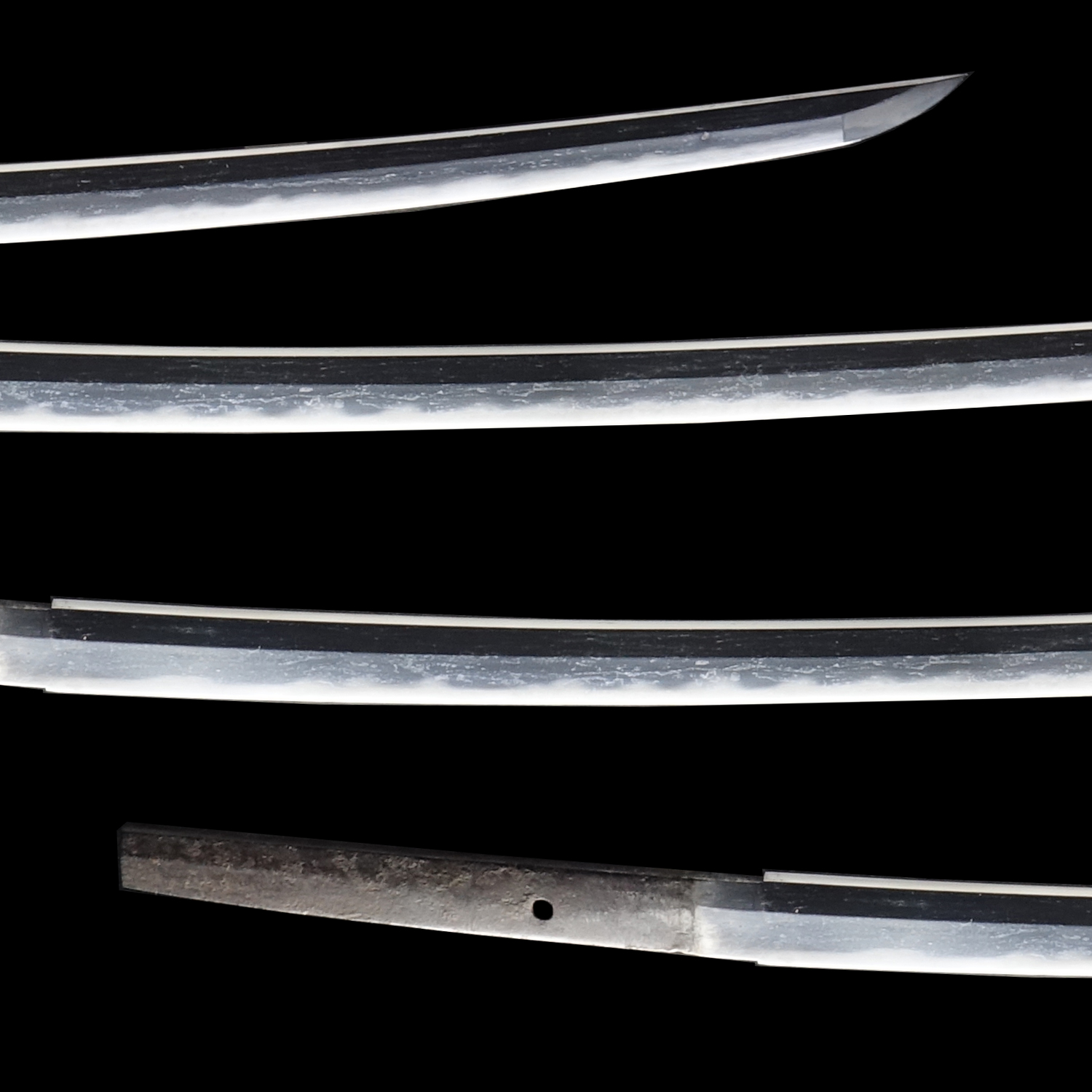
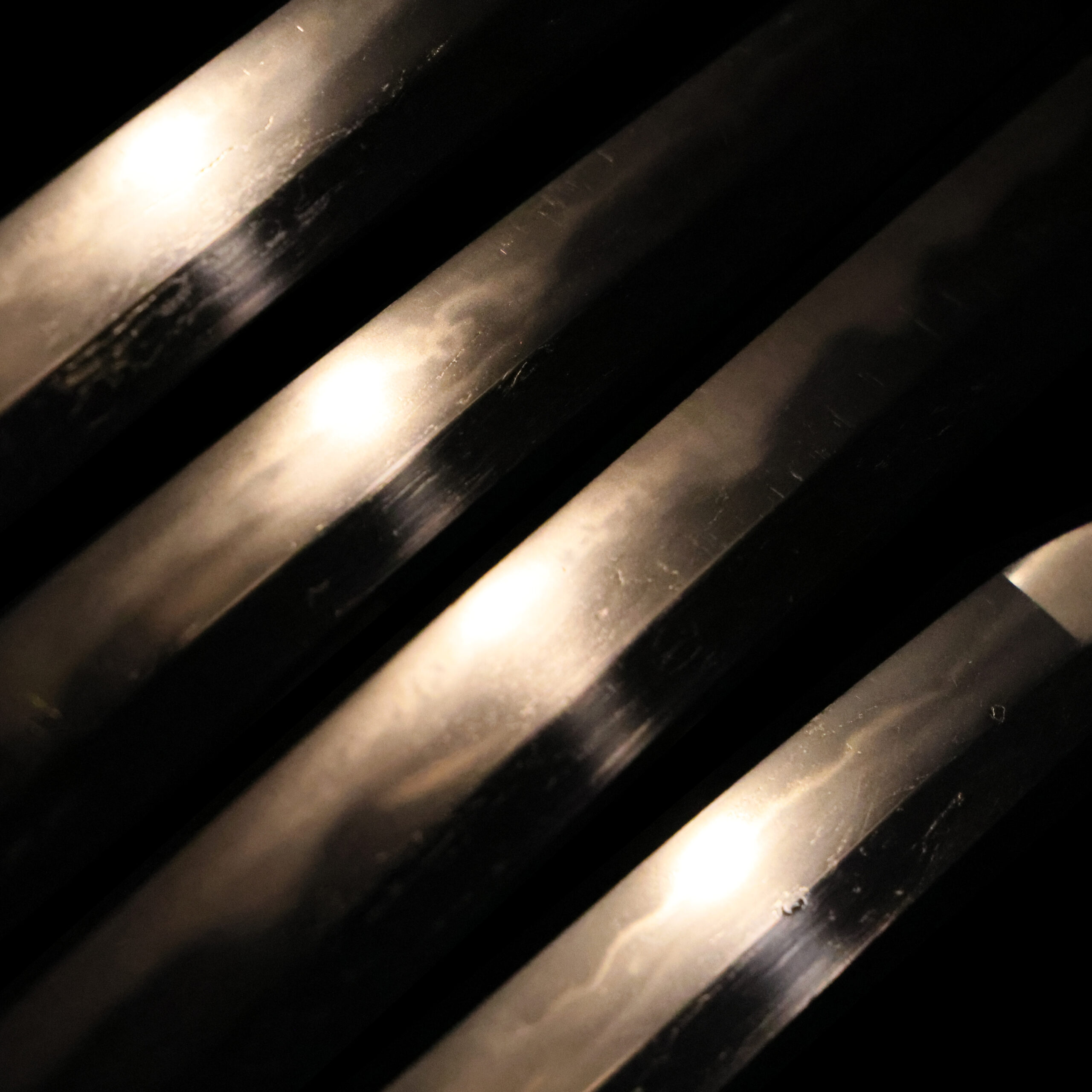
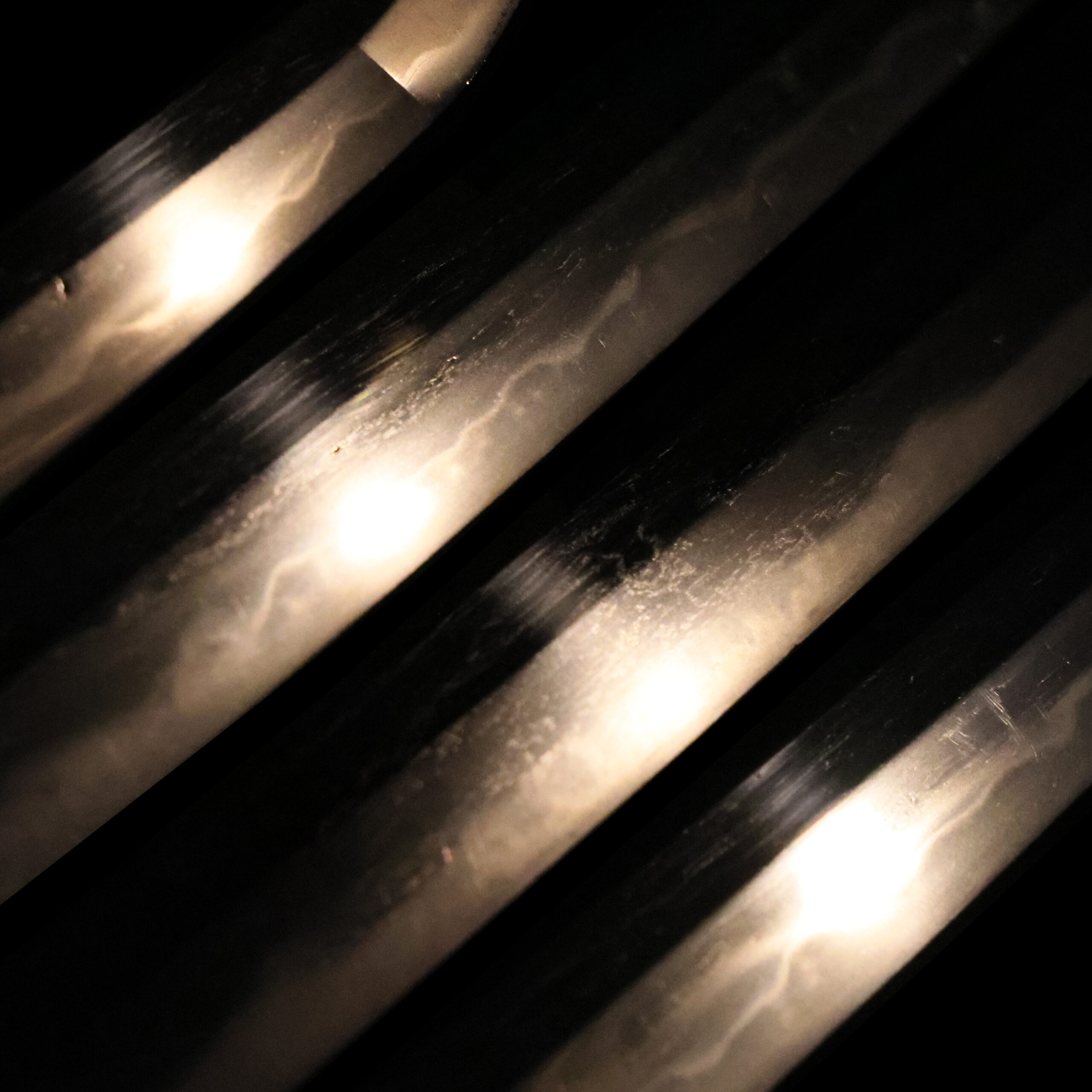
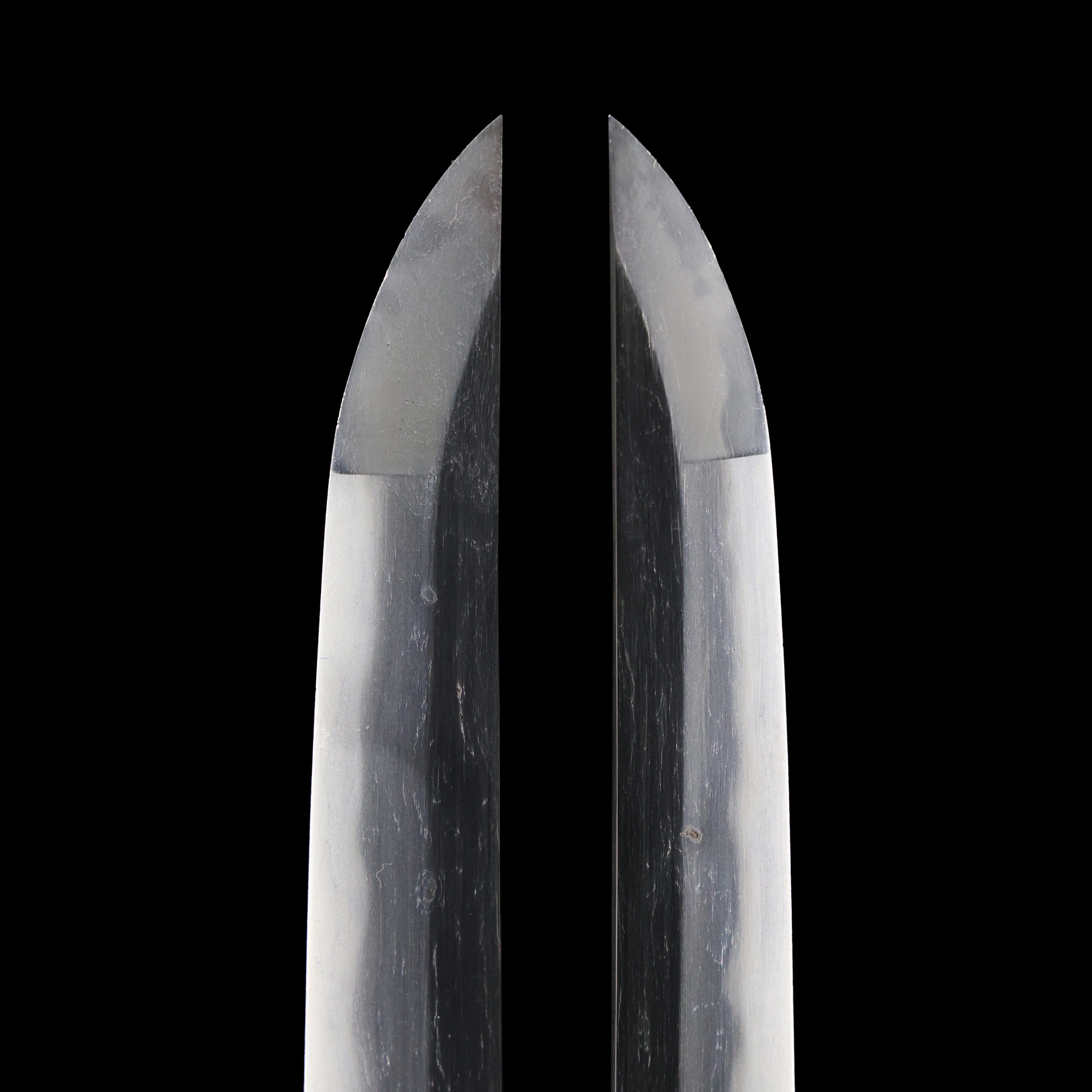
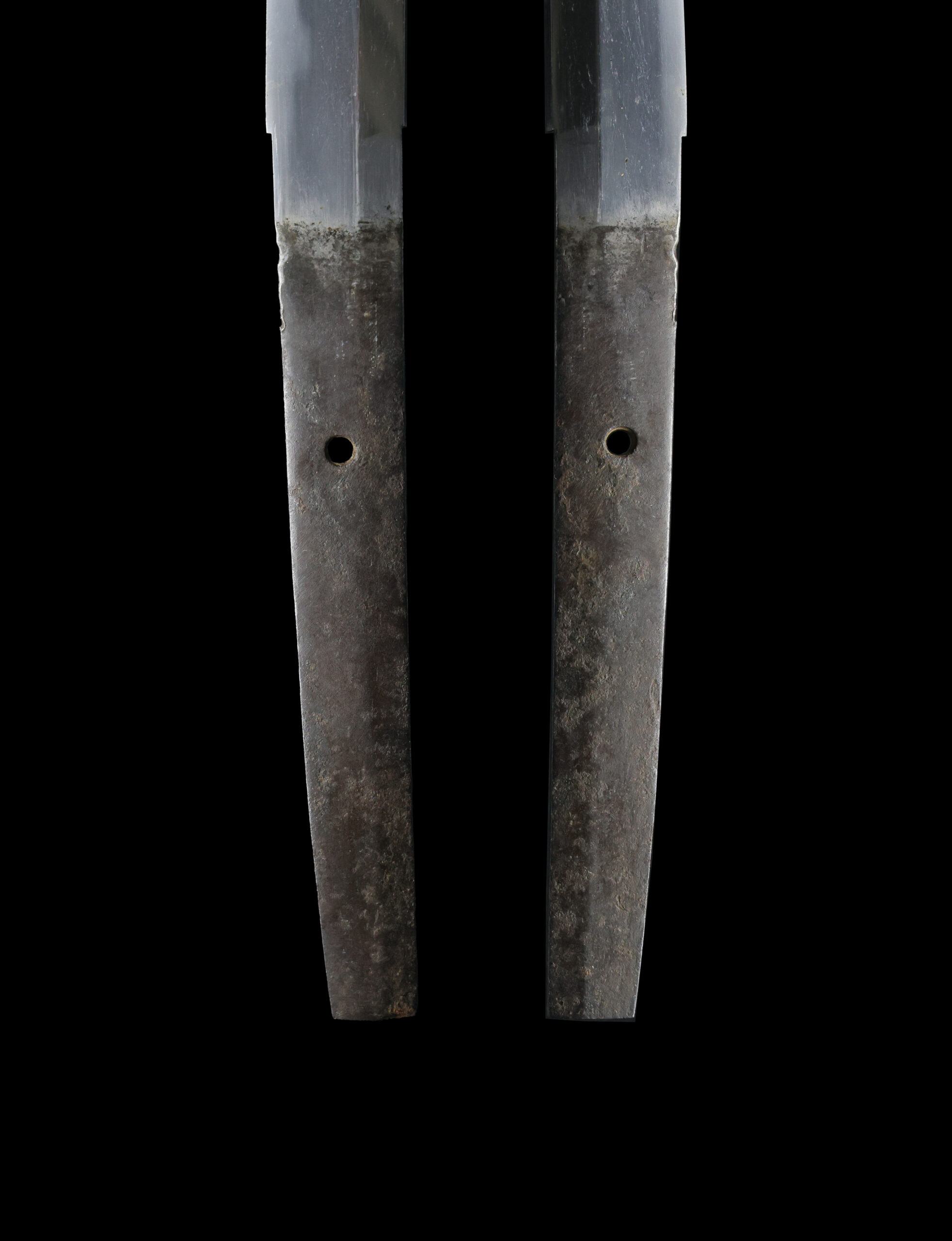
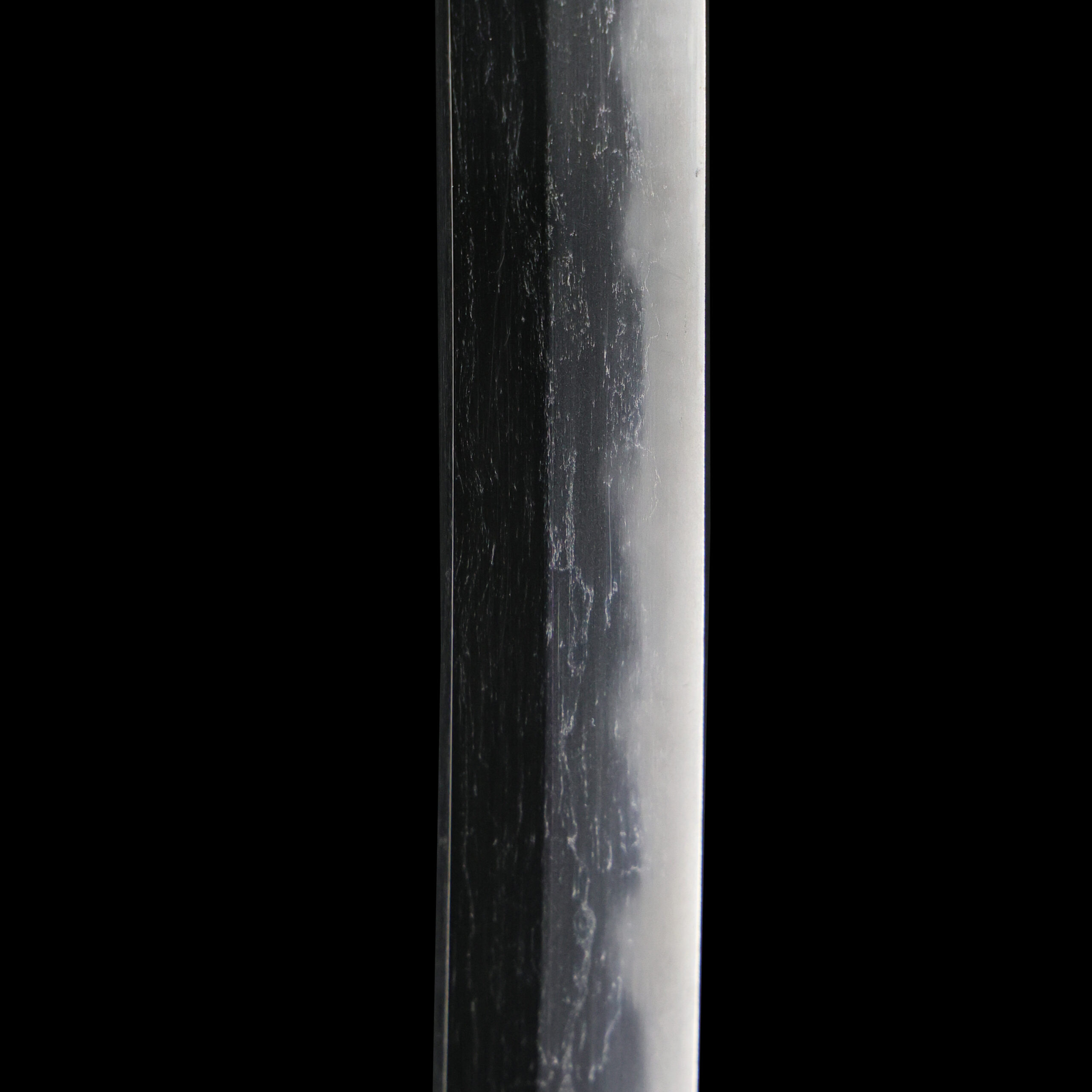
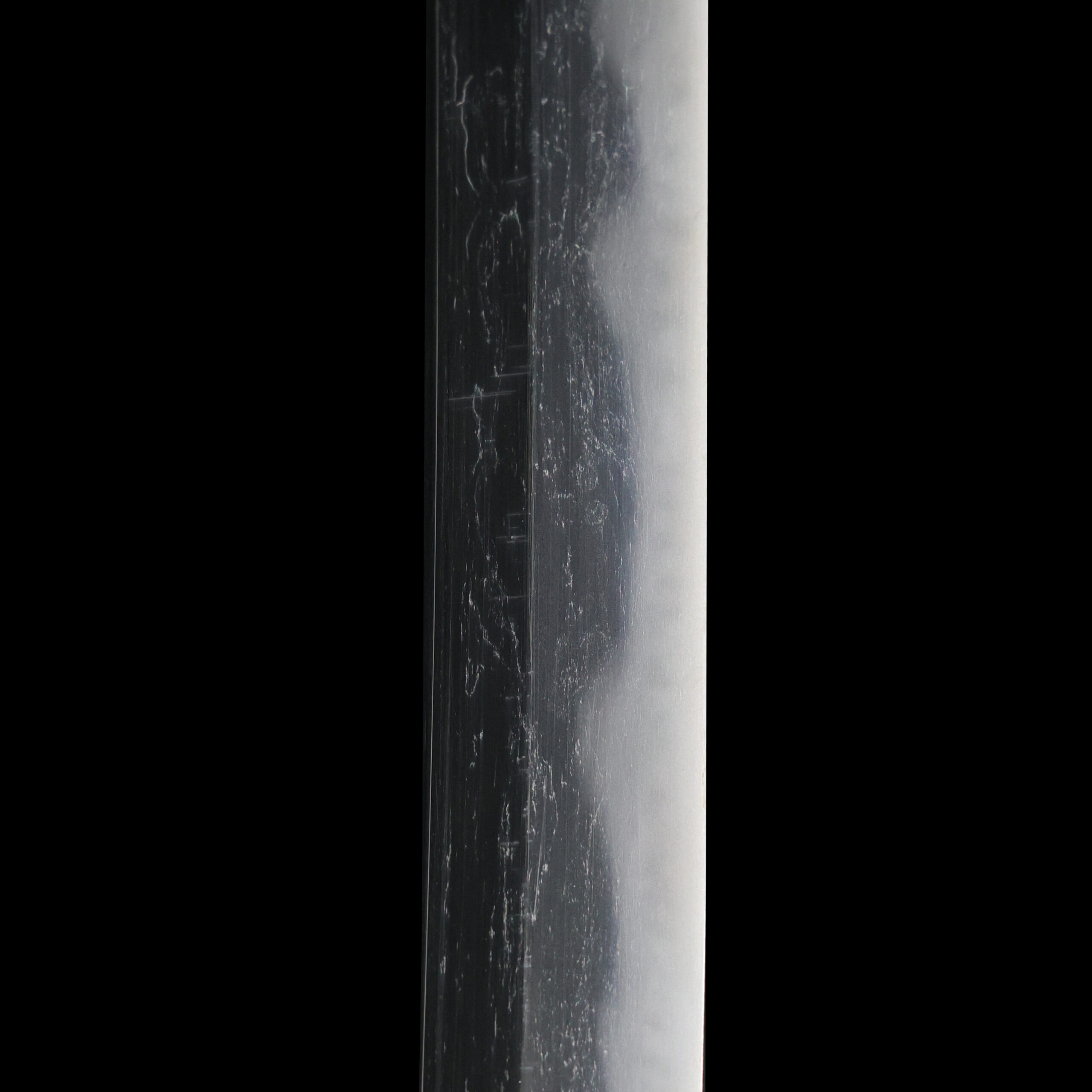
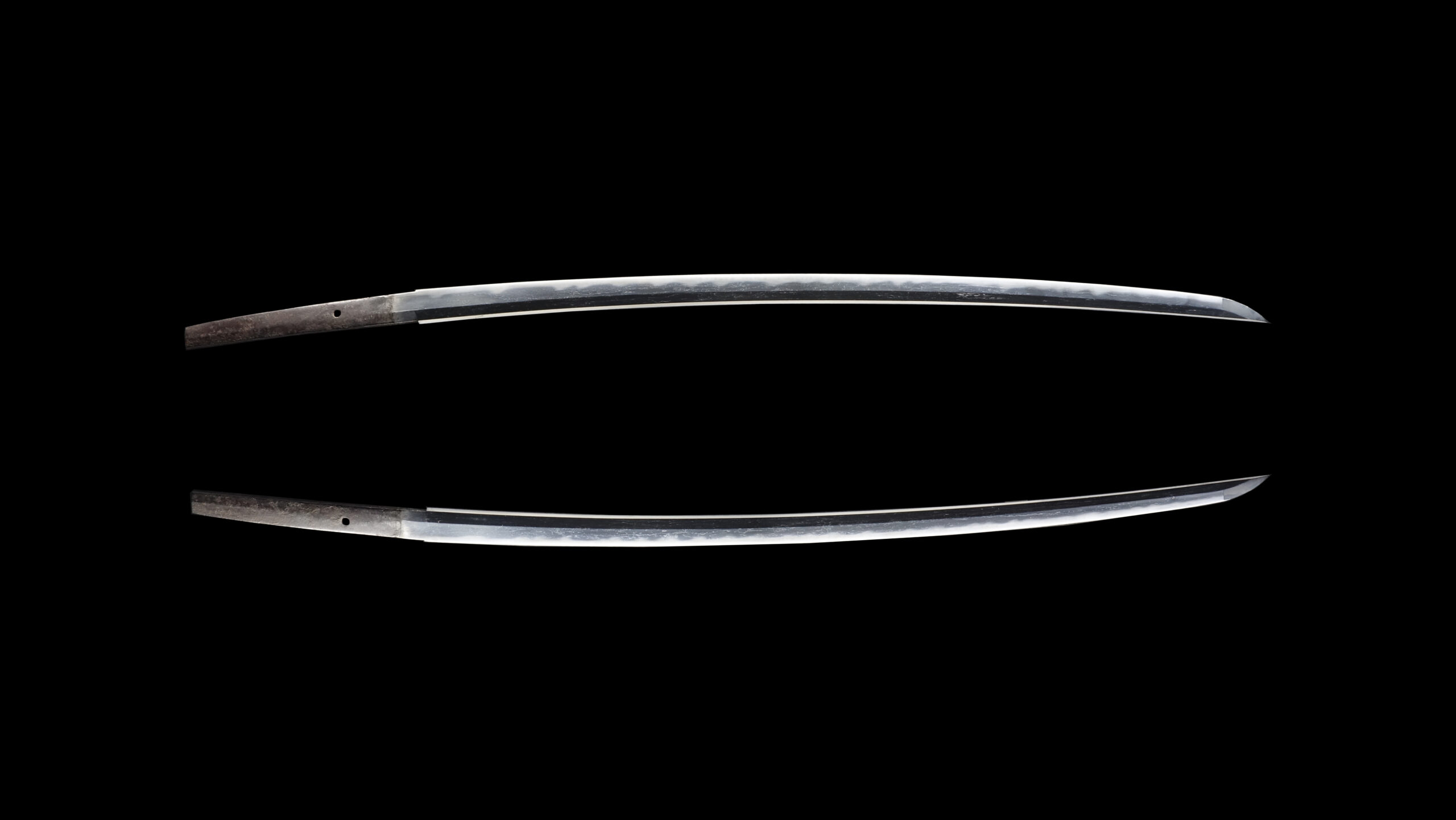
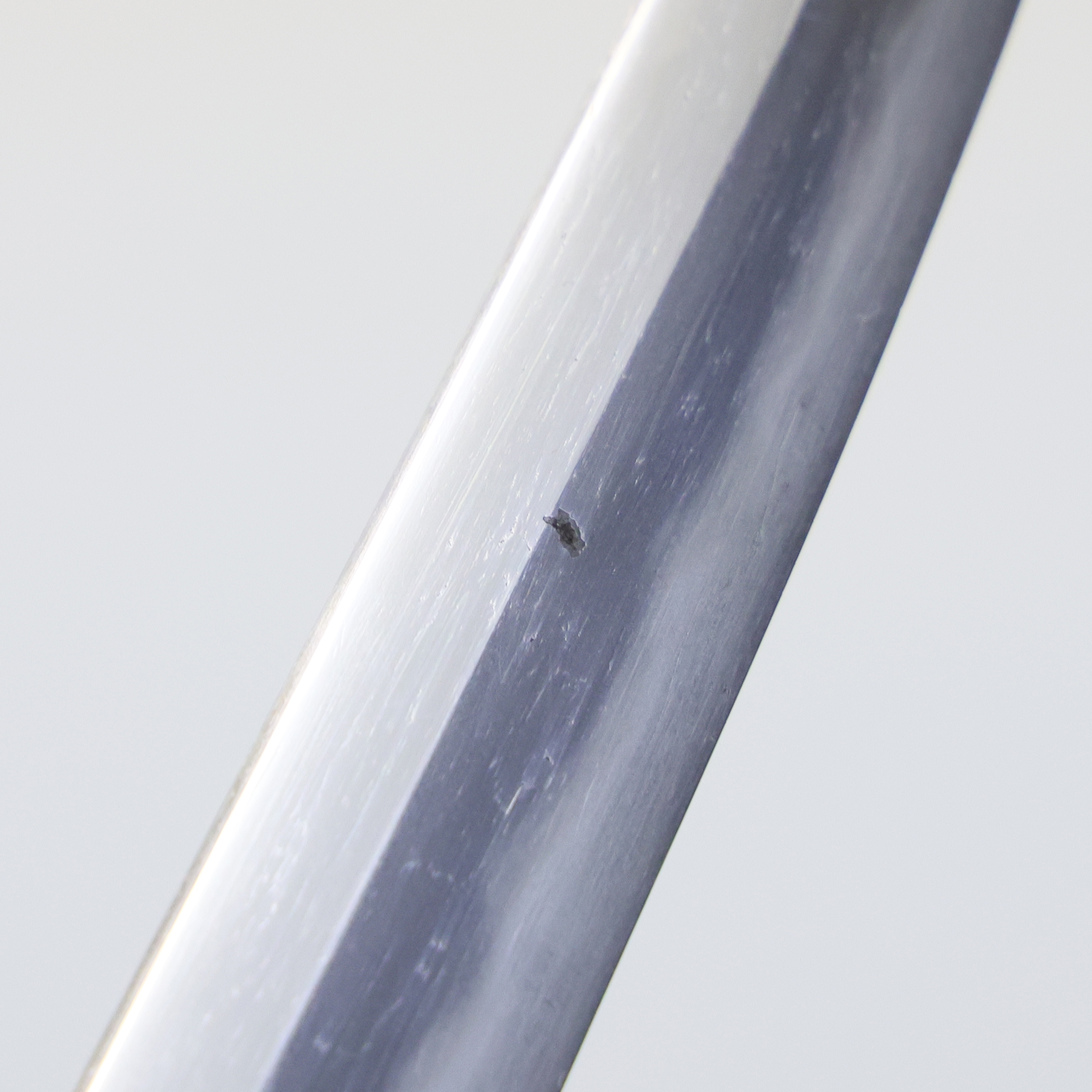
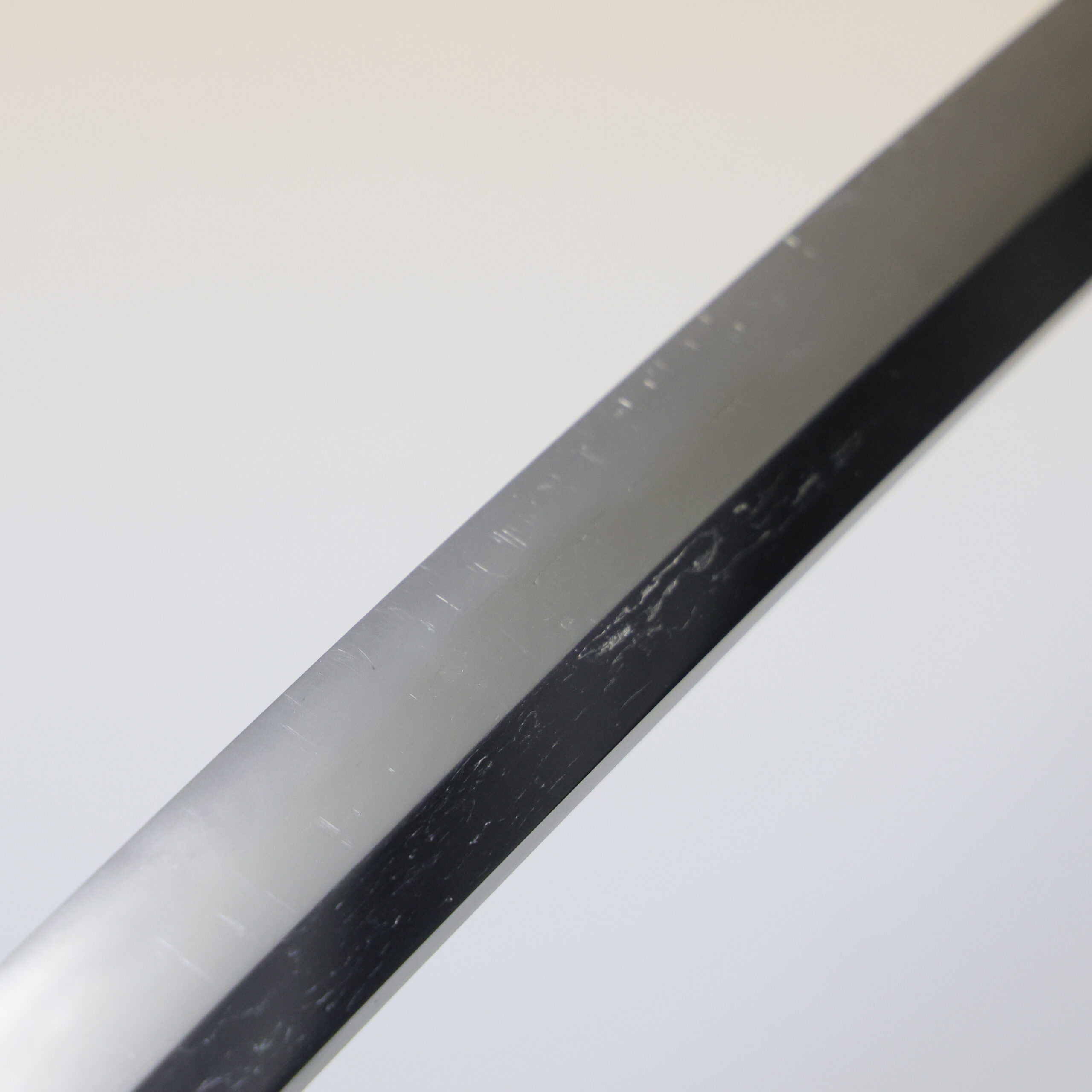
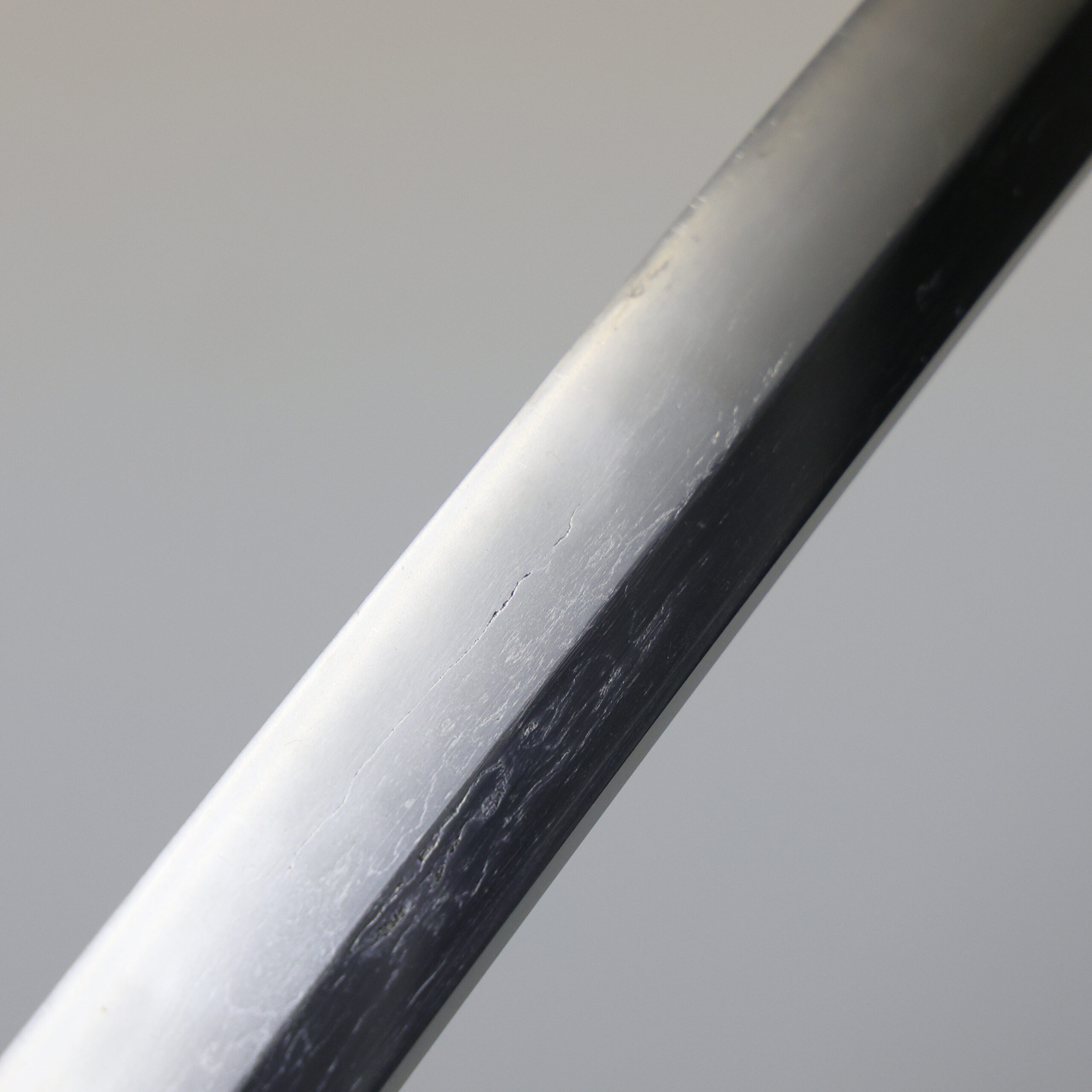
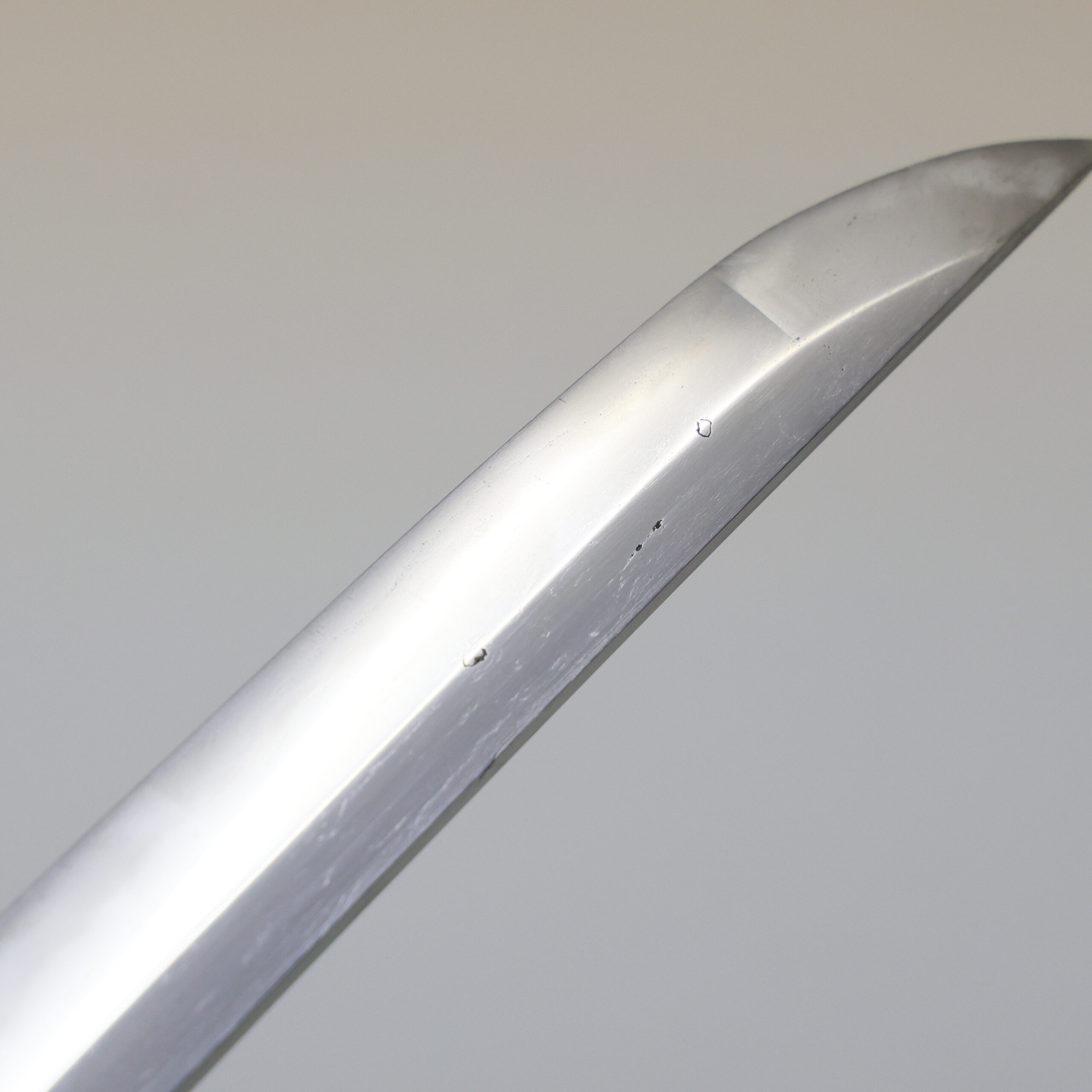
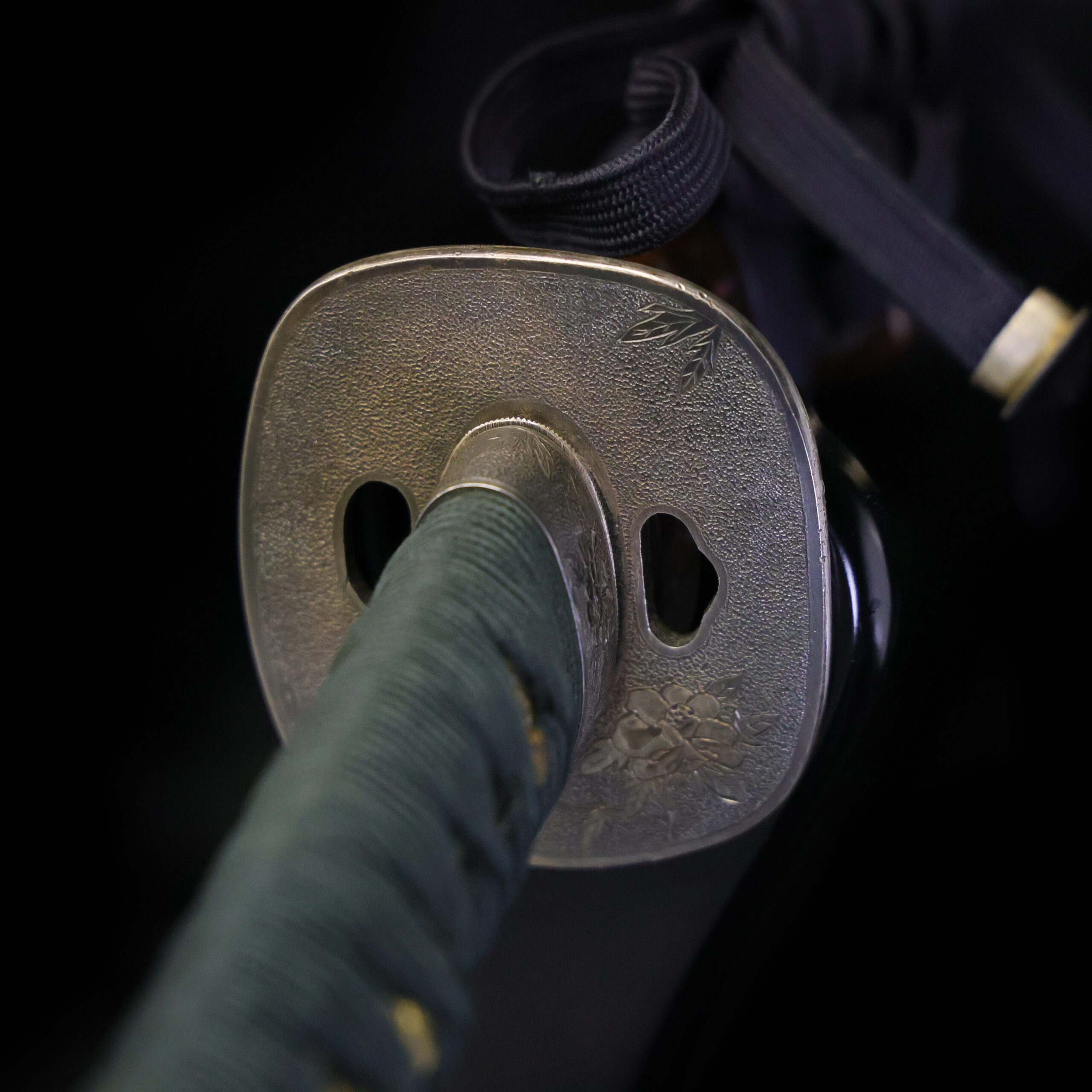
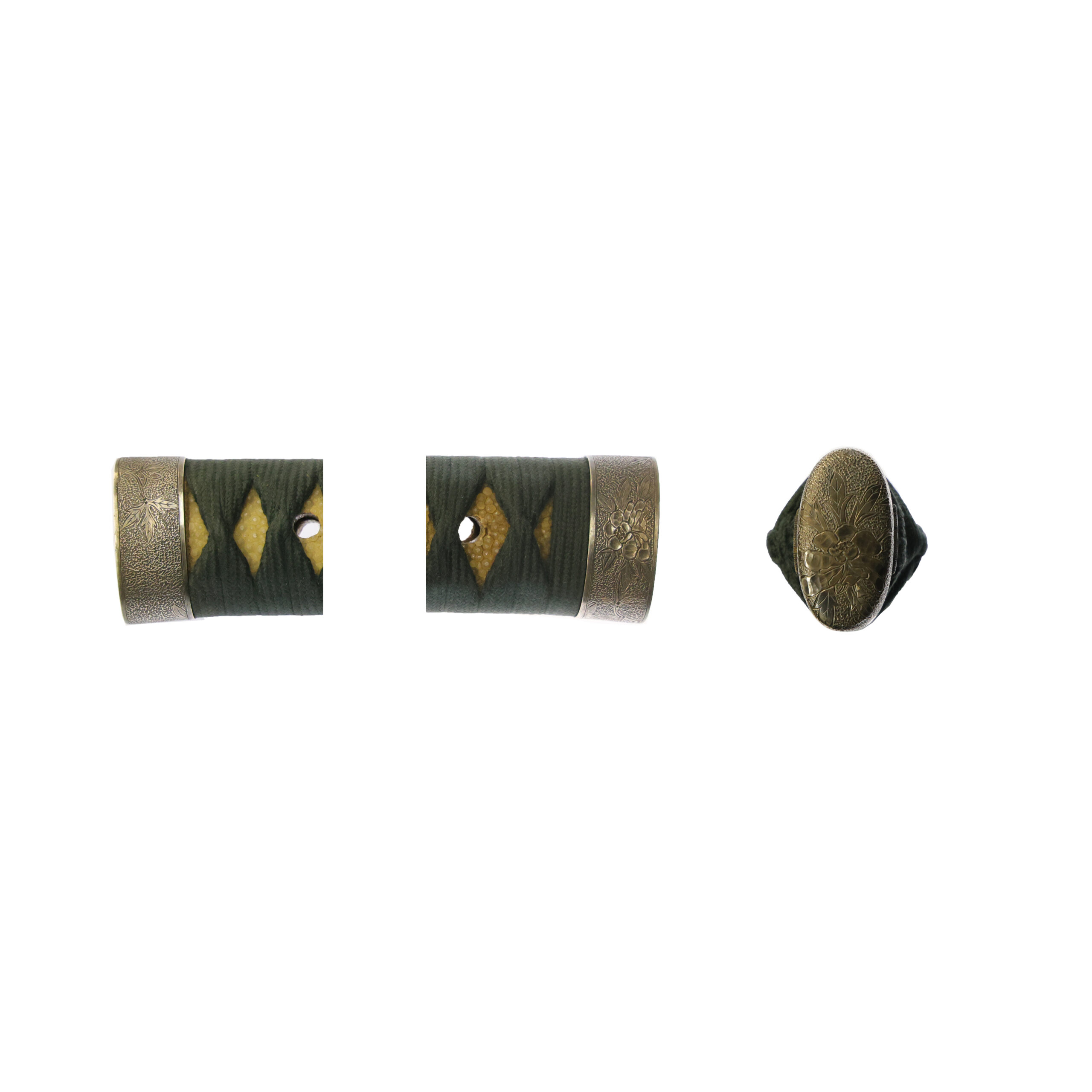
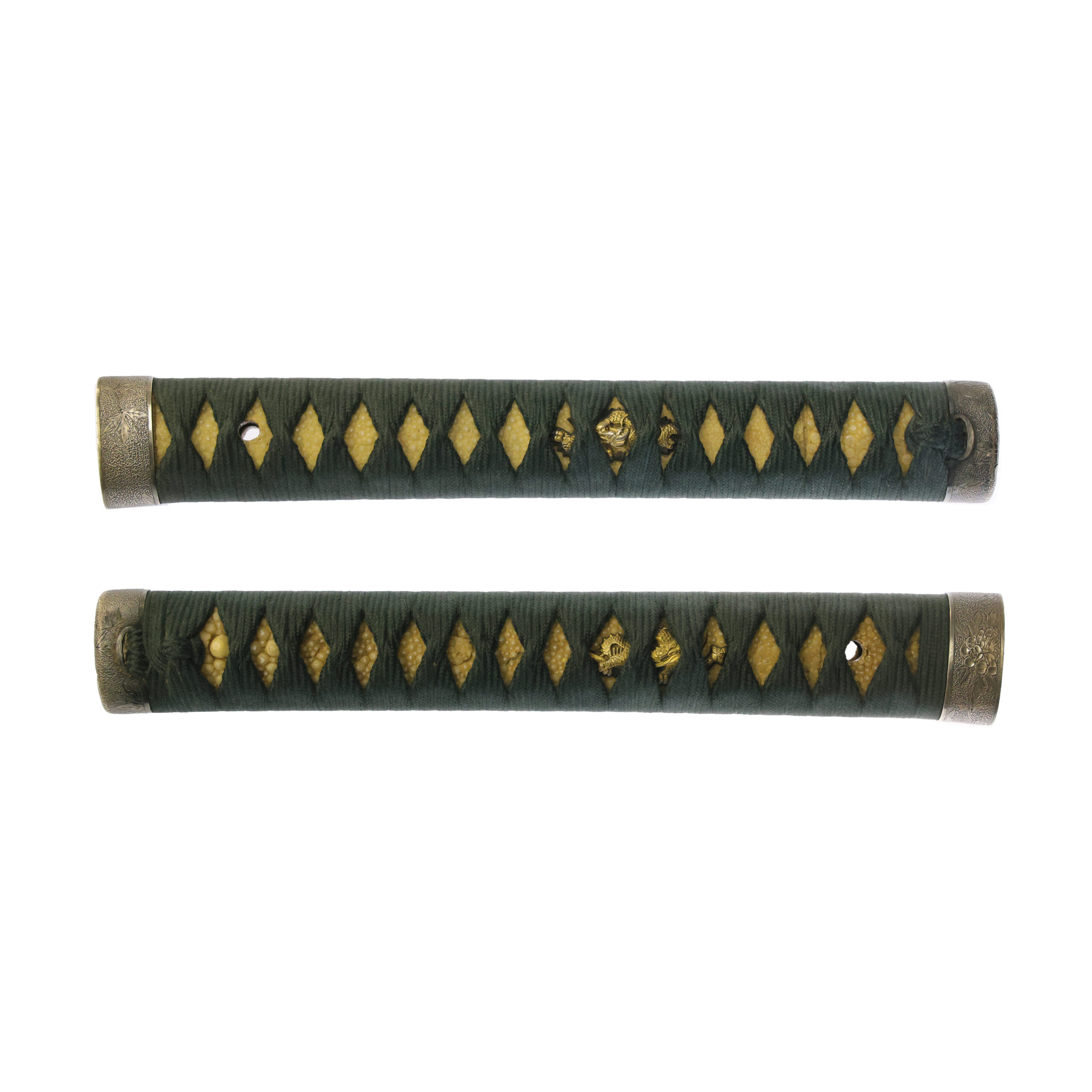
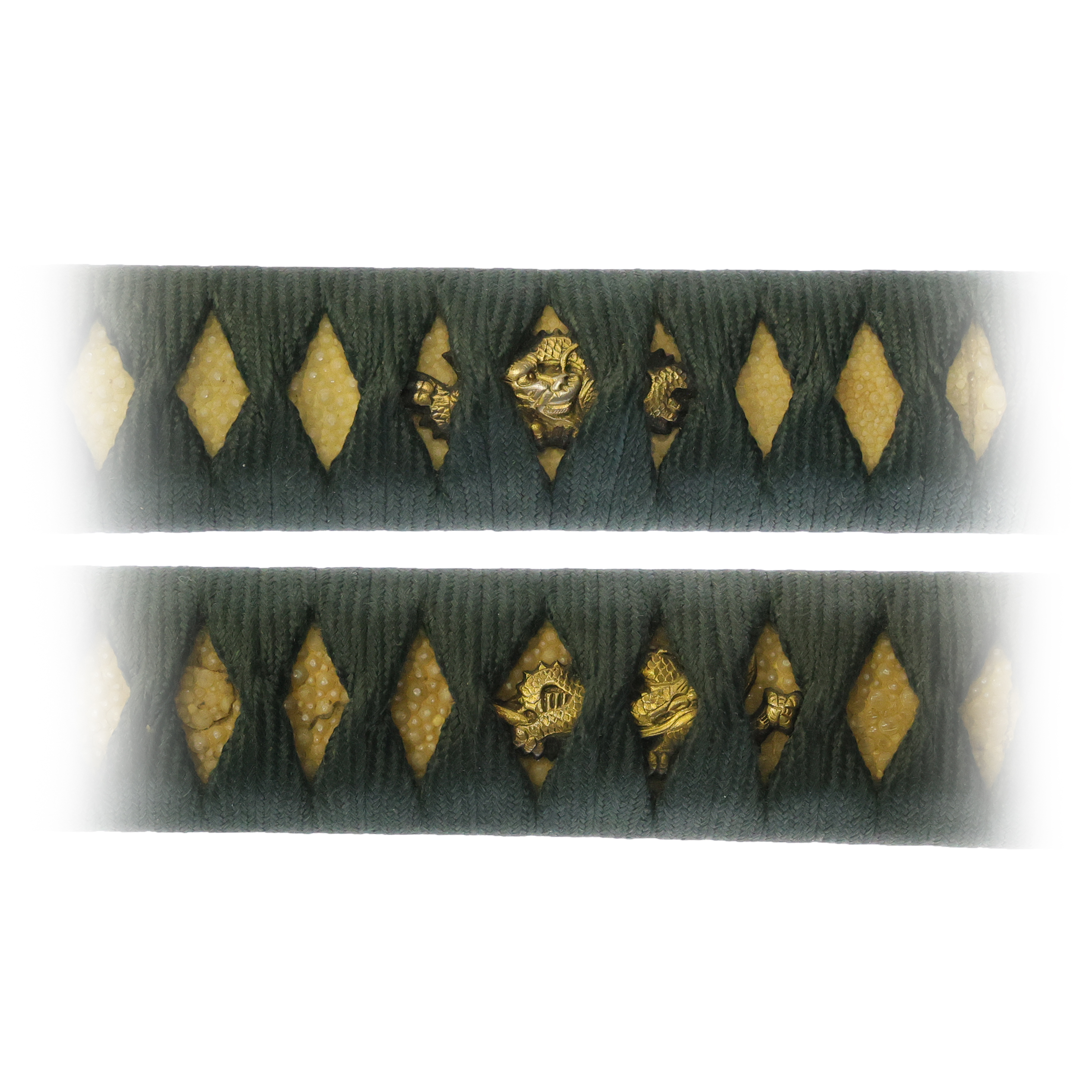
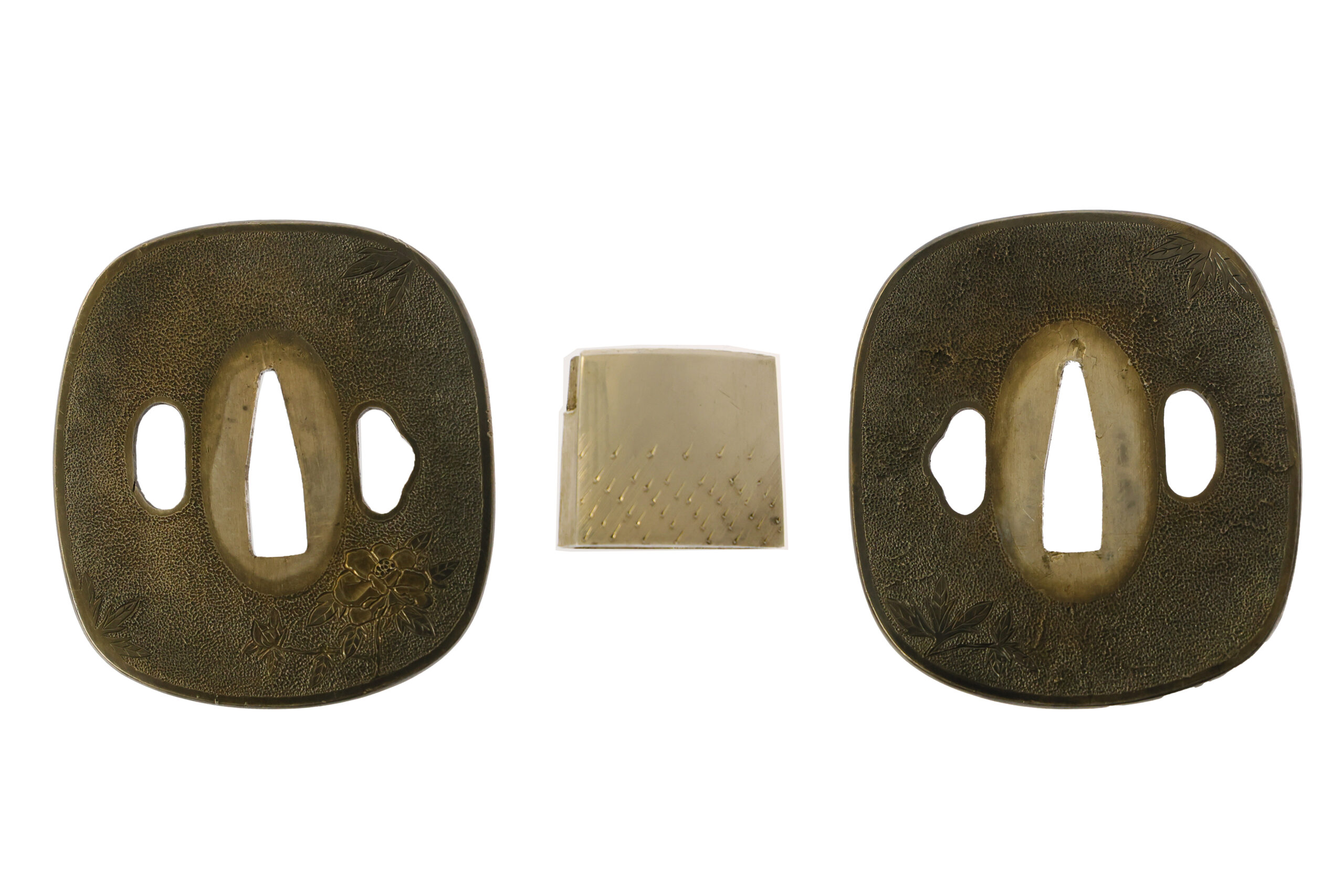
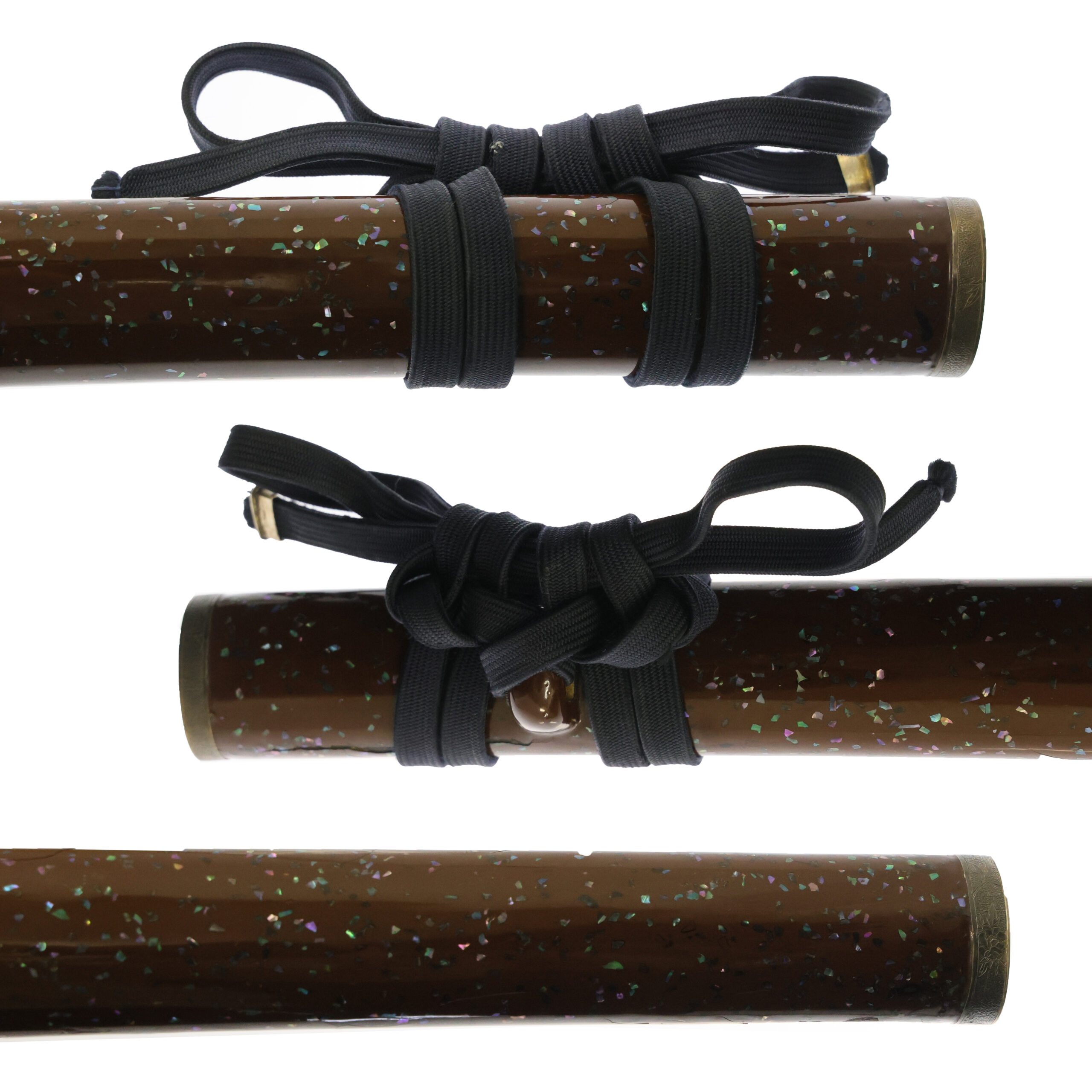
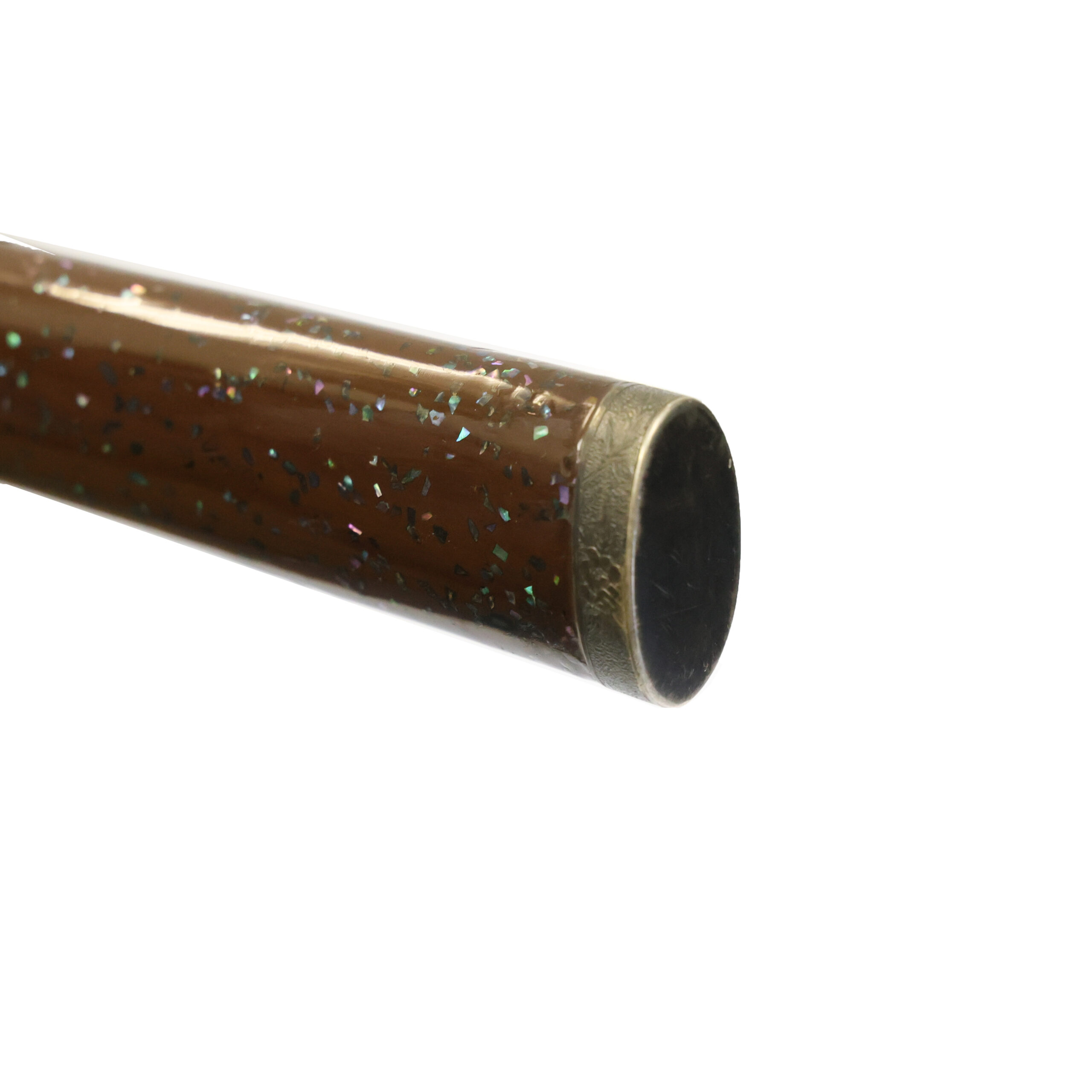
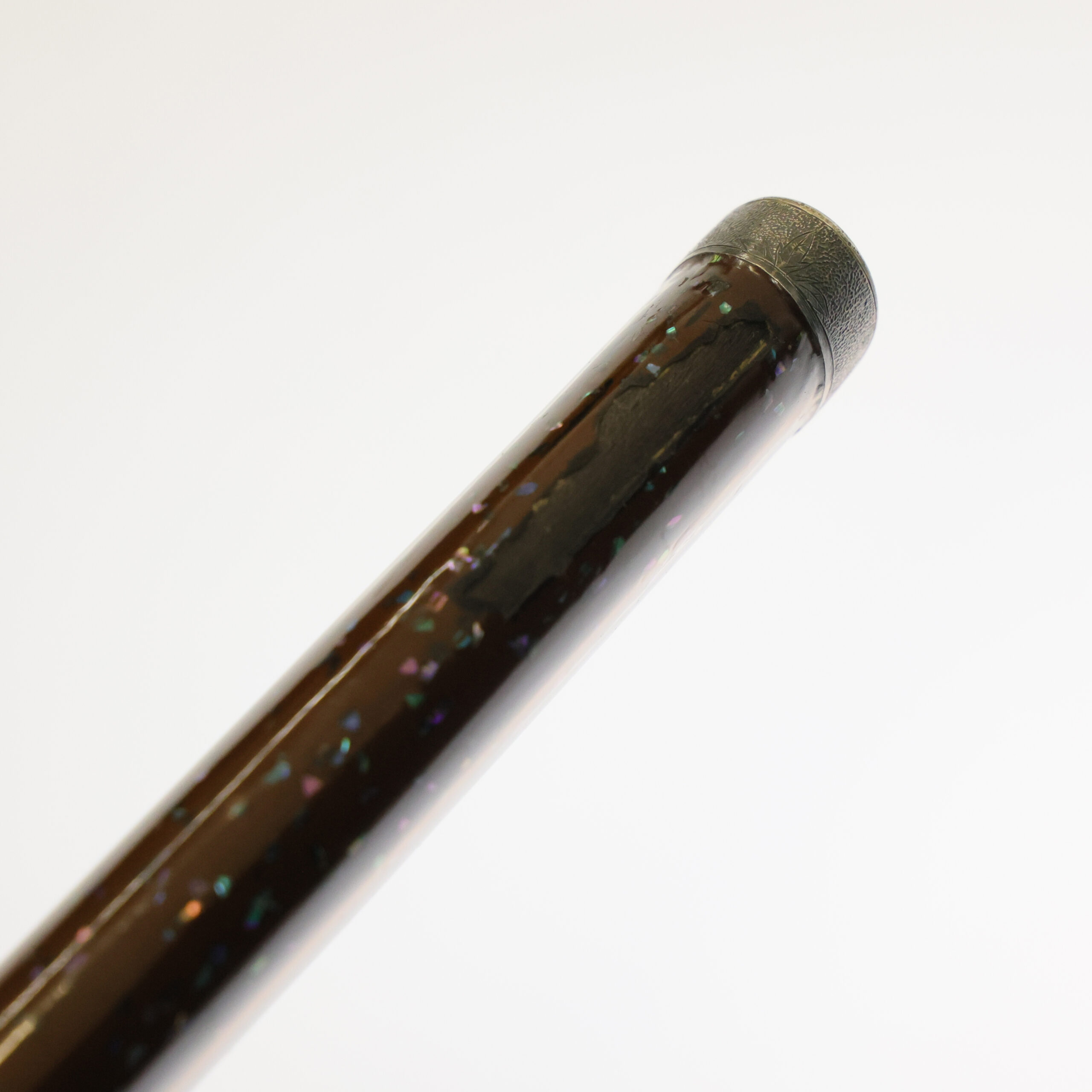
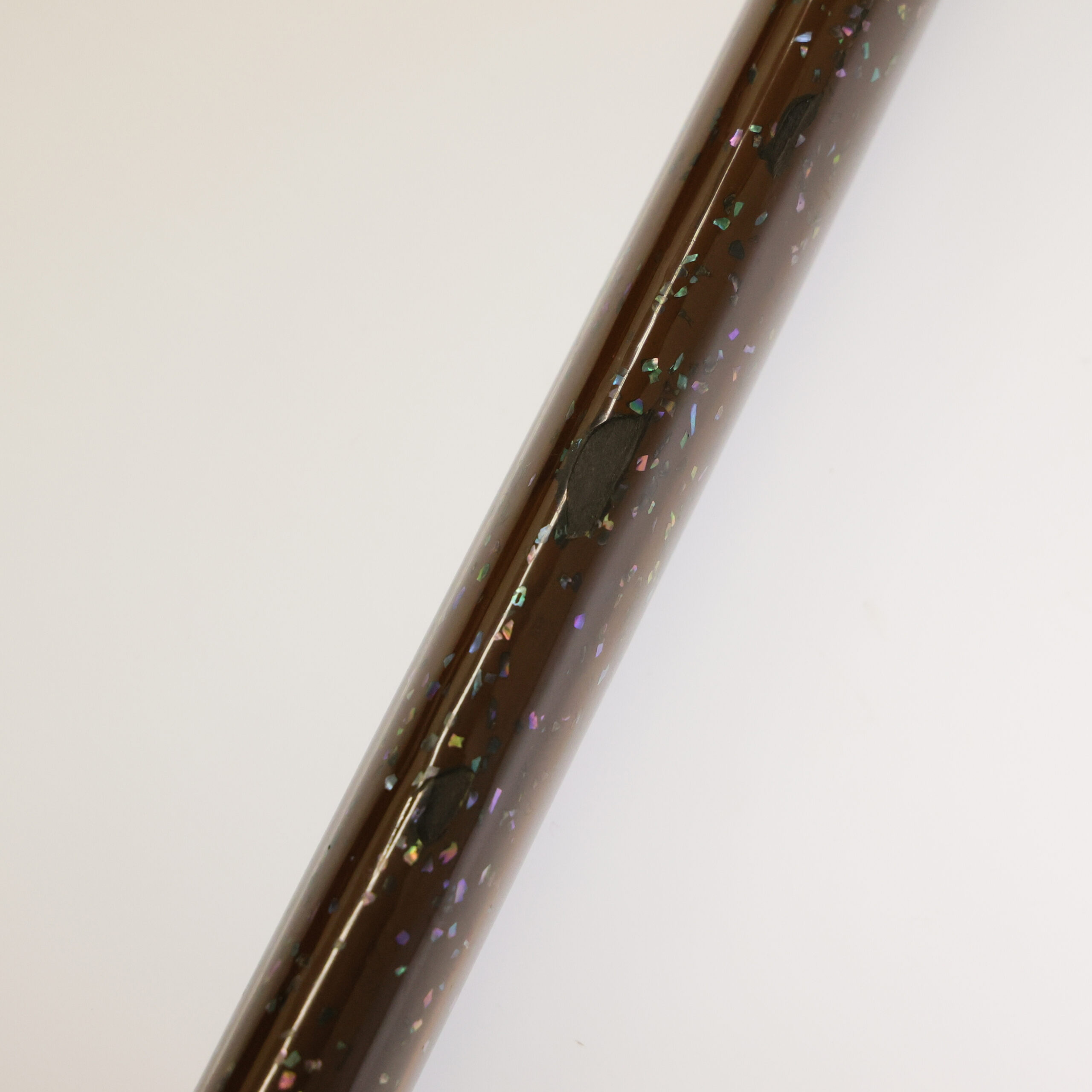
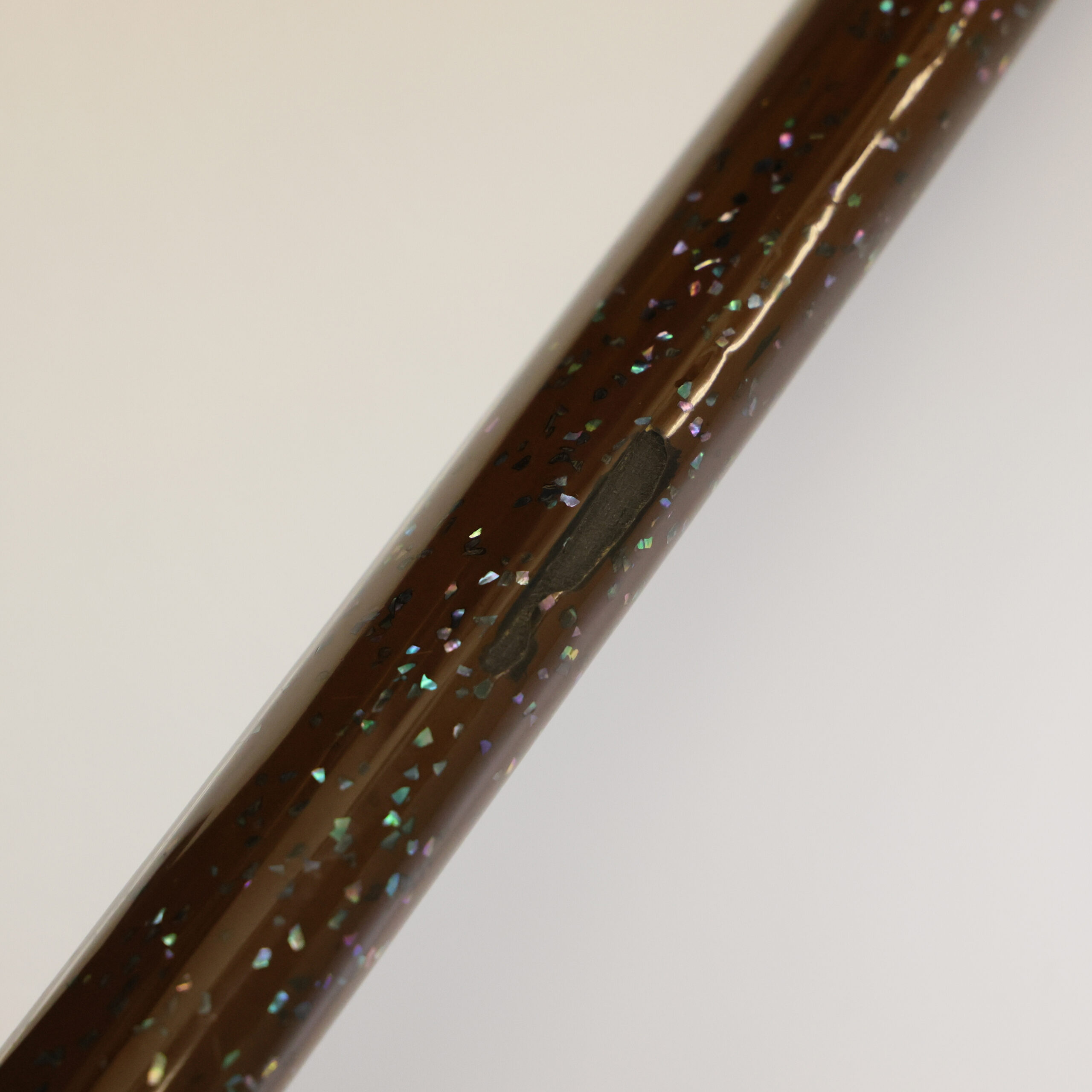
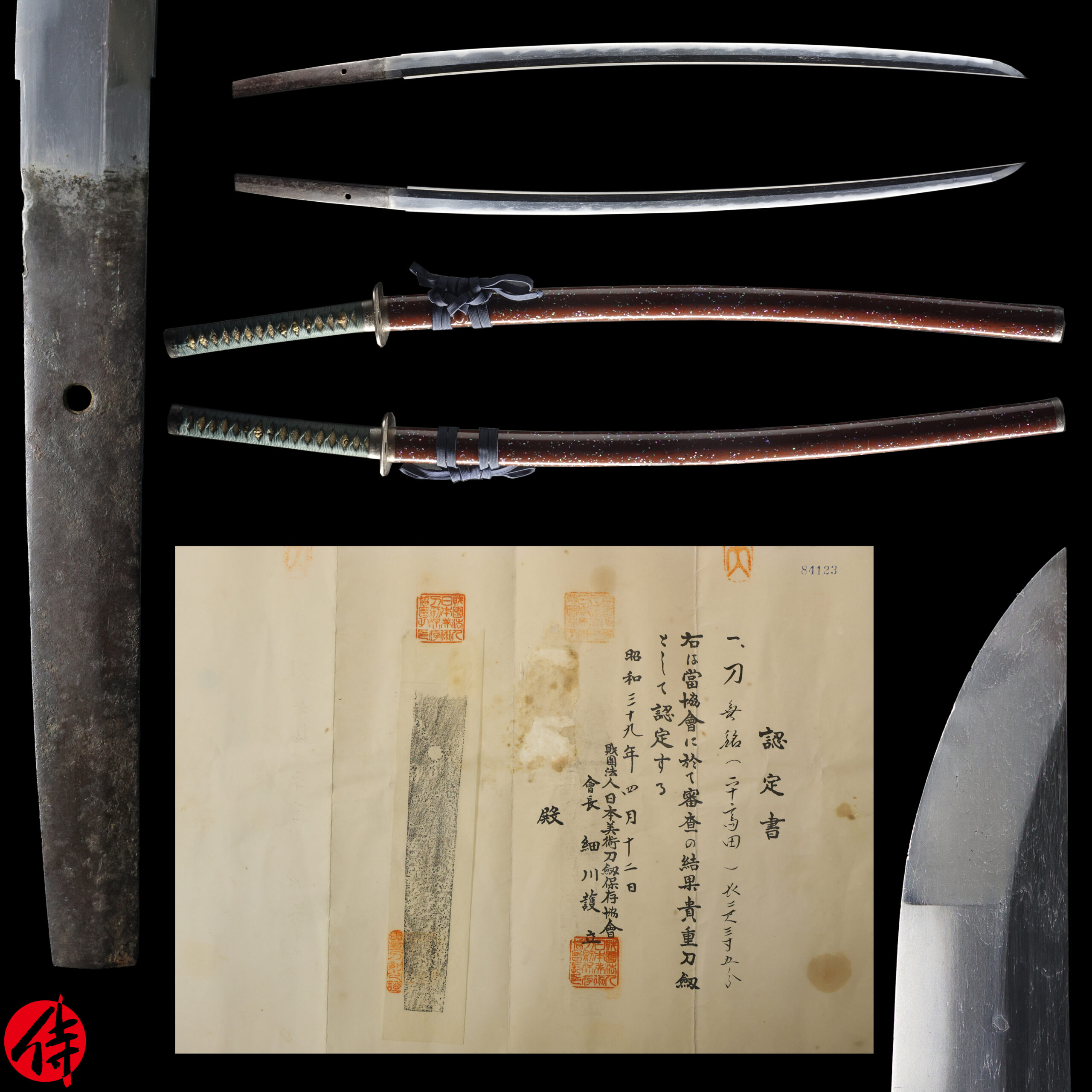
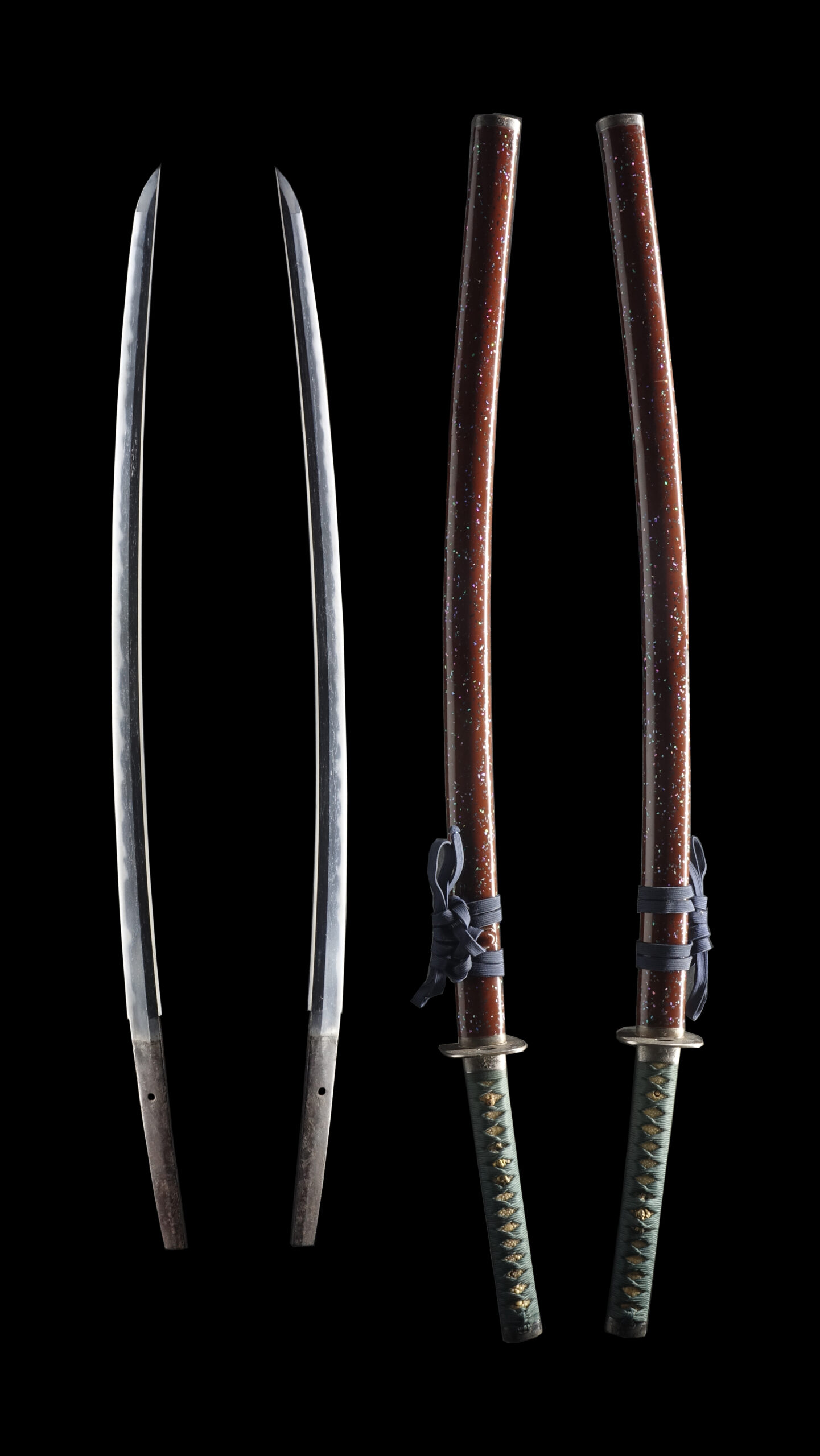
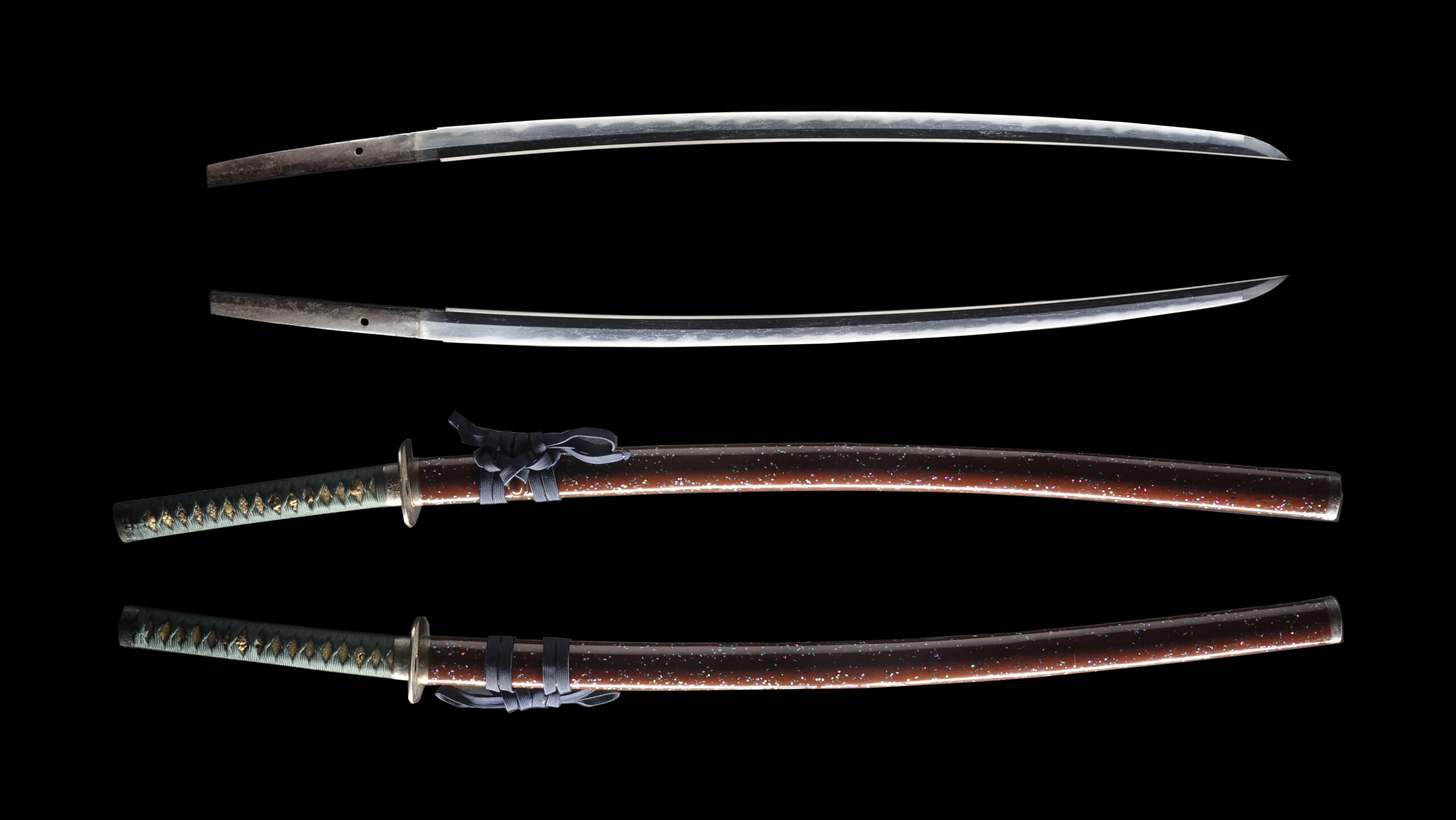
平高田 認定書付 刀 【解説】 本作は平高田(たいらたかだ)と極められた一振りです。高田とは、南北朝時代(1334-1338年頃)に高田友行が豊後国高田(現在の大分県)にて興した名門流派を指します。友行は備前国(現在の岡山県)へ渡って備前伝の鍛刀技術を修めた後、郷里に戻り門弟を育成しました。これが高田学校の始まりとされています。 江戸時代以前に高田の地で打たれたものは「平高田」、江戸時代以降のものは「藤原高田」と呼称されます。本作の鑑定に基づけば、室町時代末期頃の製作と推測されます。 戦国時代(15世紀後半から16世紀後半)、高田派は九州の武士のために数多くの刀を鍛造しました。その評価は、二大産地として名高い備前や美濃に比肩するほどであったと伝えられています。 戦国時代の豊後国は大友宗麟(義鎮)によって統治されていました。宗麟は九州を代表する有力大名の一人であり、強固な軍事的・政治的基盤を築きました。高田の鍛冶たちは、この大友氏に仕える家臣団のために刀を打っていたと言われています。 一般的に九州地方はアジア諸国との交易の歴史が長く、刀剣製作も盛んでした。各地の諸大名が交易の利権を巡って争う中、需要の増大に伴い高田派も多くの注文を受け繁栄しました。 また、高田の近隣に位置する祖母傾山系は、日本刀の原料となる良質な砂鉄や木炭が豊富でした。こうした地理的条件と天然資源に恵まれたことが、高田派の隆盛を支えたと考えられます。 ※本作には鍛え傷、部分的な黒錆、および僅かな刃毀れがございます。詳細なコンディションについては、お気軽にお問い合わせください。 【刀身】 長さ(Nagasa):71.2 cm 反り(Sori):1.9 cm 刃文(Hamon):焼入れによって刃先に現れる結晶構造。 地文(Jihada):鍛錬の際の折り返しによって現れる鋼の表面模様。 切先(Kissaki):刀身の先端部分。 茎(Nakago):柄に収まる持ち手にあたる部分。 日本の刀工は、柄内部での赤錆の発生を防ぐために茎に黒錆を残しました。茎の錆色は時の経過とともに変化するため、専門家が製作年代を推定する際の重要な指標となります。 【拵】 拵(Koshirae):外装一式。鞘、柄、鍔などの諸工作で構成されます。 縁頭(Fuchi-Kashira):柄の両端を保護する一対の金具。 本作の縁頭は、鍔と同様に「椿」をモチーフとした意匠で統一されています。 柄・目貫(Tsuka / Menuki):柄は刀の持ち手、目貫はその装飾金具です。 目貫の題材は「龍」です。 龍は古代中国の伝承や神話に登場する想像上の生物であり、瑞祥を象徴する聖獣とされています。その姿は「九似」とされ、角は鹿、頭は駱駝、眼は鬼(または兎)、項は蛇、腹は蛟(みずち)、鱗は鯉、爪は鷹、掌は虎、耳は牛に似ると形容されます。その異形ゆえに、あらゆる動物の頂点に立つものと考えられてきました。 また、日本では古来より龍を水の神として崇める「竜神信仰」が根付いています。稲作が盛んな我が国において、水神である龍は極めて重要な守護神として尊ばれてきました。
 NihontoWatch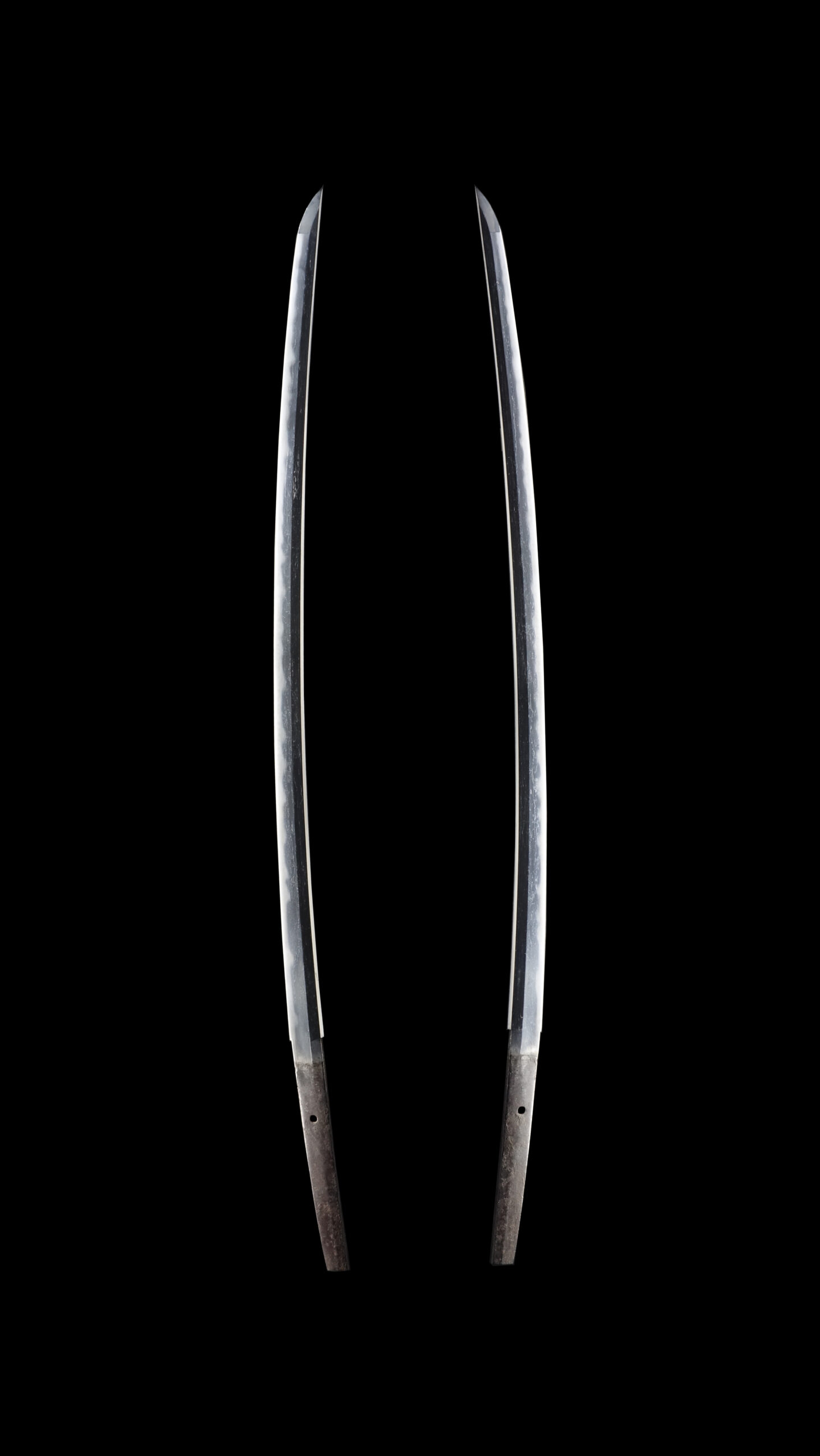
備前伝 · 豊後
現在42点販売中
豊後国の高田派は、同国高田荘の地名を負う一門で、鎌倉初期に定秀・行平らの名工を出した九州刀の伝統が一時跡絶えた後、南北朝時代に友行が同地に現れて再興した鍛冶集団である。説示は友行をもって高田鍛冶の祖とし、現存する年紀作に貞治・正平の年号を伝える点を挙げる。友行のほか、その子あるいは門人と伝える時行が著名で、別系と思われる行政には建徳二年紀の短刀がある。南北朝期の作には「藤原」を冠し、室町期以降は「平」を銘じて「盛」「守」「鎮」「統」などを通字とし、これらを総じて平高田と汎称する。さらに末期に至って再び「藤原」を冠するようになり、江戸期以降もこれを踏襲して藤原高田と呼び習わされ区分される。この間に長盛・竪守・鎮教・鎮清・鎮正らを輩出し、鎮正の門からは伊予宇和島に移った国房が出て新刀期へと繋がるなど、室町後期から江戸期に及ぶ長い系譜を形づくった。 作風は説示の記すところ多彩で、一様には括れない。鍛えは板目に杢を交え、総じて肌立ちごころとなり、柾に流れる態を見せて、地沸つき地景入り、白気映りや乱れ映りが立つものが多い。刃文は直刃を基調とするものから、小互の目や角ばる互の目を交えて乱れるもの、腰の開いた複式風で末備前を彷彿とさせるもの、さらに皆焼に及ぶものまで幅がある。祖の友行は同時代の左文字一類に近似するが、刃中に角ばる互の目が間遠に連れ、地に白けが強く地斑を交える点が見どころとされる。室町期の作の多くに共通する要所として、刃中に針の先で突いたような固い葉が入ることが従来指摘されており、系統と時代の判別に資する。姿形は室町中期頃までは反りが深くついて反らせたものが多く、末期は身幅広めで反りが幾分浅く、中鋒が延びて時代を映した頑健な造込みとなる。行政の作のように、鍛えが大きく流れて古典色が濃く、櫃中に行平を踏襲した倶利迦羅の浮彫を施す例もみられる。 伝承の上では、高田物は実用刀として広く行き渡った一方、斯界の評価は決して高くないとされてきた。説示はその傾向を踏まえつつ、地刃に破綻なく締まりごころとなり、来国行を参考にしたとも言えるほどの出来を示す鎮教や、地鉄精良で匂口冴える鎮清の作をもって面目を挽回する出色の一口と評し、平高田中で最も技倆に優れ直刃を得意とした長盛を一派の代表として挙げる。伝来を備える品も少なくなく、行政の短刀は庄内酒井家に伝わって本阿弥光忠の折紙を添え、鎮教には黒田家の重宝となり享保名物追記に載る権藤鎮教の長刀があり、長盛の脇指には島津継豊から本田親章へ拝領された切付銘を持つものがある。中世豊後刀工の作域を今に伝える資料として、また実用に堪える堅牢さと九州古典派の余韻を併せ持つ一門として位置づけられる。 詳しく見る →
室町時代の備前
室町期の長船は二層の商いを営んだ。兵卒のための数打ち物と、注文主の俗名を銘に負う注文打ちである。末備前であっても、祐定の最上作は一派のいかなる時代の作にも劣らない。
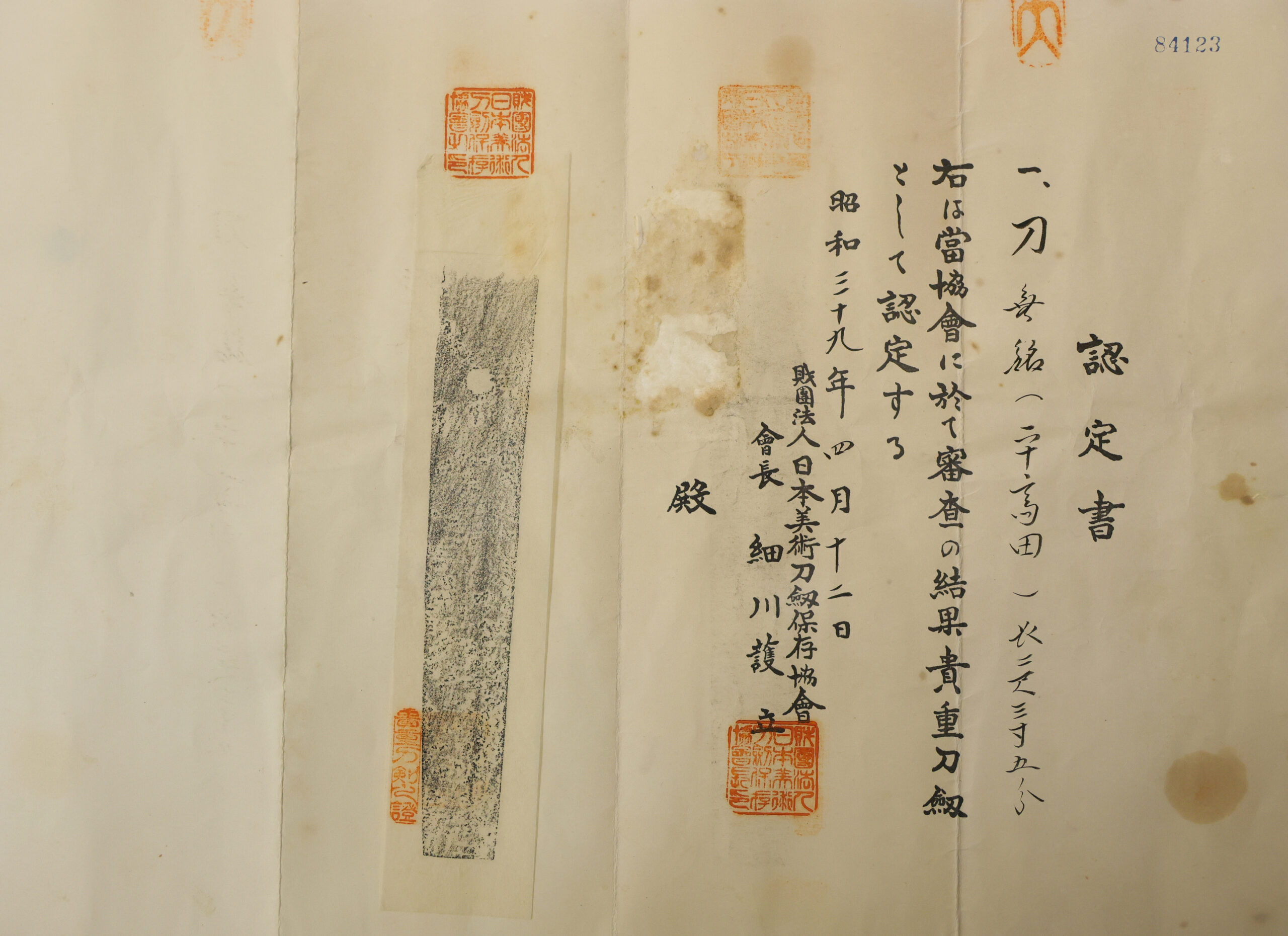
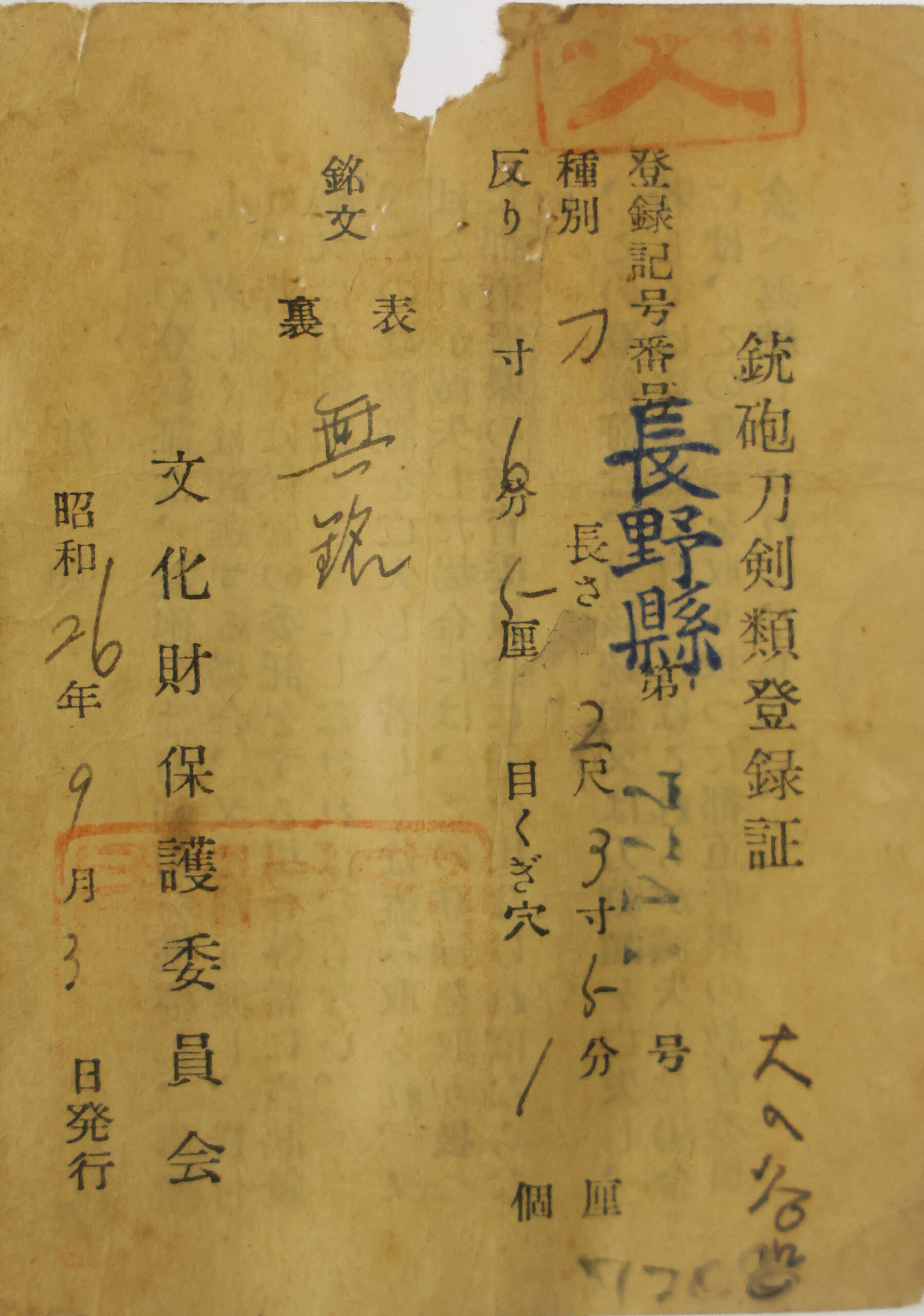
本作はNBTHKの旧鑑定書(貴重・特別貴重)を有しますが、これらは現在発行されておらず、信頼性に欠けるとされています。極めを確認するには、公的な鑑定機関(NBTHK・NTHKなど)への再提出による現代の鑑定をご検討いただけます。
Returns/exchanges limited to defects caused by shipping (except willful misconduct or gross negligence by the company); customers must contact within 72 hours of receiving the product.
平高田 認定書付 刀 【解説】 本作は平高田(たいらたかだ)と極められた一振りです。高田とは、南北朝時代(1334-1338年頃)に高田友行が豊後国高田(現在の大分県)にて興した名門流派を指します。友行は備前国(現在の岡山県)へ渡って備前伝の鍛刀技術を修めた後、郷里に戻り門弟を育成しました。これが高田学校の始まりとされています。 江戸時代以前に高田の地で打たれたものは「平高田」、江戸時代以降のものは「藤原高田」と呼称されます。本作の鑑定に基づけば、室町時代末期頃の製作と推測されます。 戦国時代(15世紀後半から16世紀後半)、高田派は九州の武士のために数多くの刀を鍛造しました。その評価は、二大産地として名高い備前や美濃に比肩するほどであったと伝えられています。 戦国時代の豊後国は大友宗麟(義鎮)によって統治されていました。宗麟は九州を代表する有力大名の一人であり、強固な軍事的・政治的基盤を築きました。高田の鍛冶たちは、この大友氏に仕える家臣団のために刀を打っていたと言われています。 一般的に九州地方はアジア諸国との交易の歴史が長く、刀剣製作も盛んでした。各地の諸大名が交易の利権を巡って争う中、需要の増大に伴い高田派も多くの注文を受け繁栄しました。 また、高田の近隣に位置する祖母傾山系は、日本刀の原料となる良質な砂鉄や木炭が豊富でした。こうした地理的条件と天然資源に恵まれたことが、高田派の隆盛を支えたと考えられます。 ※本作には鍛え傷、部分的な黒錆、および僅かな刃毀れがございます。詳細なコンディションについては、お気軽にお問い合わせください。 【刀身】 長さ(Nagasa):71.2 cm 反り(Sori):1.9 cm 刃文(Hamon):焼入れによって刃先に現れる結晶構造。 地文(Jihada):鍛錬の際の折り返しによって現れる鋼の表面模様。 切先(Kissaki):刀身の先端部分。 茎(Nakago):柄に収まる持ち手にあたる部分。 日本の刀工は、柄内部での赤錆の発生を防ぐために茎に黒錆を残しました。茎の錆色は時の経過とともに変化するため、専門家が製作年代を推定する際の重要な指標となります。 【拵】 拵(Koshirae):外装一式。鞘、柄、鍔などの諸工作で構成されます。 縁頭(Fuchi-Kashira):柄の両端を保護する一対の金具。 本作の縁頭は、鍔と同様に「椿」をモチーフとした意匠で統一されています。 柄・目貫(Tsuka / Menuki):柄は刀の持ち手、目貫はその装飾金具です。 目貫の題材は「龍」です。 龍は古代中国の伝承や神話に登場する想像上の生物であり、瑞祥を象徴する聖獣とされています。その姿は「九似」とされ、角は鹿、頭は駱駝、眼は鬼(または兎)、項は蛇、腹は蛟(みずち)、鱗は鯉、爪は鷹、掌は虎、耳は牛に似ると形容されます。その異形ゆえに、あらゆる動物の頂点に立つものと考えられてきました。 また、日本では古来より龍を水の神として崇める「竜神信仰」が根付いています。稲作が盛んな我が国において、水神である龍は極めて重要な守護神として尊ばれてきました。
NihontoWatch備前伝 · 豊後
現在42点販売中
豊後国の高田派は、同国高田荘の地名を負う一門で、鎌倉初期に定秀・行平らの名工を出した九州刀の伝統が一時跡絶えた後、南北朝時代に友行が同地に現れて再興した鍛冶集団である。説示は友行をもって高田鍛冶の祖とし、現存する年紀作に貞治・正平の年号を伝える点を挙げる。友行のほか、その子あるいは門人と伝える時行が著名で、別系と思われる行政には建徳二年紀の短刀がある。南北朝期の作には「藤原」を冠し、室町期以降は「平」を銘じて「盛」「守」「鎮」「統」などを通字とし、これらを総じて平高田と汎称する。さらに末期に至って再び「藤原」を冠するようになり、江戸期以降もこれを踏襲して藤原高田と呼び習わされ区分される。この間に長盛・竪守・鎮教・鎮清・鎮正らを輩出し、鎮正の門からは伊予宇和島に移った国房が出て新刀期へと繋がるなど、室町後期から江戸期に及ぶ長い系譜を形づくった。 作風は説示の記すところ多彩で、一様には括れない。鍛えは板目に杢を交え、総じて肌立ちごころとなり、柾に流れる態を見せて、地沸つき地景入り、白気映りや乱れ映りが立つものが多い。刃文は直刃を基調とするものから、小互の目や角ばる互の目を交えて乱れるもの、腰の開いた複式風で末備前を彷彿とさせるもの、さらに皆焼に及ぶものまで幅がある。祖の友行は同時代の左文字一類に近似するが、刃中に角ばる互の目が間遠に連れ、地に白けが強く地斑を交える点が見どころとされる。室町期の作の多くに共通する要所として、刃中に針の先で突いたような固い葉が入ることが従来指摘されており、系統と時代の判別に資する。姿形は室町中期頃までは反りが深くついて反らせたものが多く、末期は身幅広めで反りが幾分浅く、中鋒が延びて時代を映した頑健な造込みとなる。行政の作のように、鍛えが大きく流れて古典色が濃く、櫃中に行平を踏襲した倶利迦羅の浮彫を施す例もみられる。 伝承の上では、高田物は実用刀として広く行き渡った一方、斯界の評価は決して高くないとされてきた。説示はその傾向を踏まえつつ、地刃に破綻なく締まりごころとなり、来国行を参考にしたとも言えるほどの出来を示す鎮教や、地鉄精良で匂口冴える鎮清の作をもって面目を挽回する出色の一口と評し、平高田中で最も技倆に優れ直刃を得意とした長盛を一派の代表として挙げる。伝来を備える品も少なくなく、行政の短刀は庄内酒井家に伝わって本阿弥光忠の折紙を添え、鎮教には黒田家の重宝となり享保名物追記に載る権藤鎮教の長刀があり、長盛の脇指には島津継豊から本田親章へ拝領された切付銘を持つものがある。中世豊後刀工の作域を今に伝える資料として、また実用に堪える堅牢さと九州古典派の余韻を併せ持つ一門として位置づけられる。 詳しく見る →
室町時代の備前
室町期の長船は二層の商いを営んだ。兵卒のための数打ち物と、注文主の俗名を銘に負う注文打ちである。末備前であっても、祐定の最上作は一派のいかなる時代の作にも劣らない。
本作はNBTHKの旧鑑定書(貴重・特別貴重)を有しますが、これらは現在発行されておらず、信頼性に欠けるとされています。極めを確認するには、公的な鑑定機関(NBTHK・NTHKなど)への再提出による現代の鑑定をご検討いただけます。
Returns/exchanges limited to defects caused by shipping (except willful misconduct or gross negligence by the company); customers must contact within 72 hours of receiving the product.