江戸は刀の目利きの時代である。本阿弥の鑑定、1719年の享保名物帳、盛んな刀剣書が、戦で抜かれることのなくなった刀を学問の対象へと変えていった。
 NihontoWatchNihontoWatch
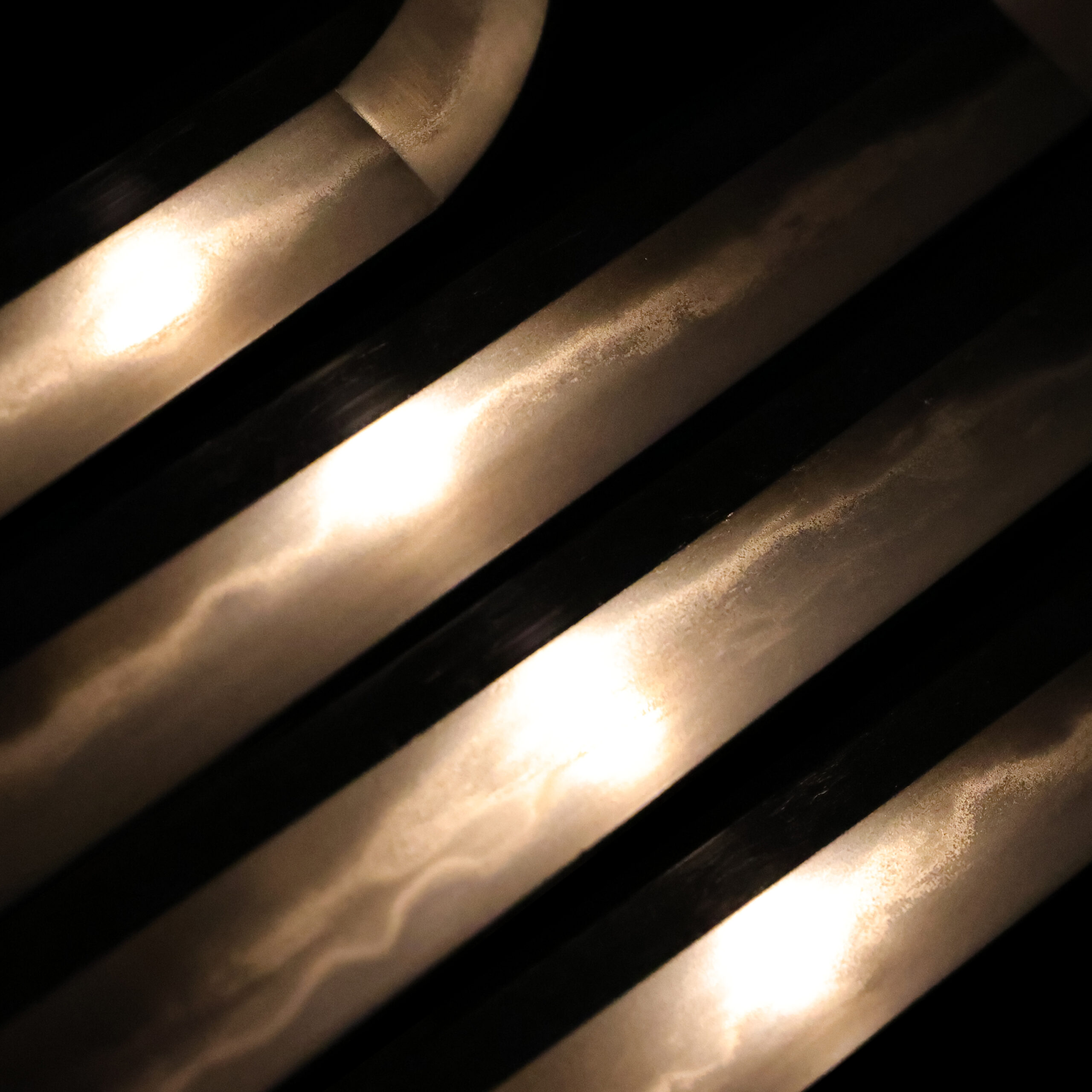
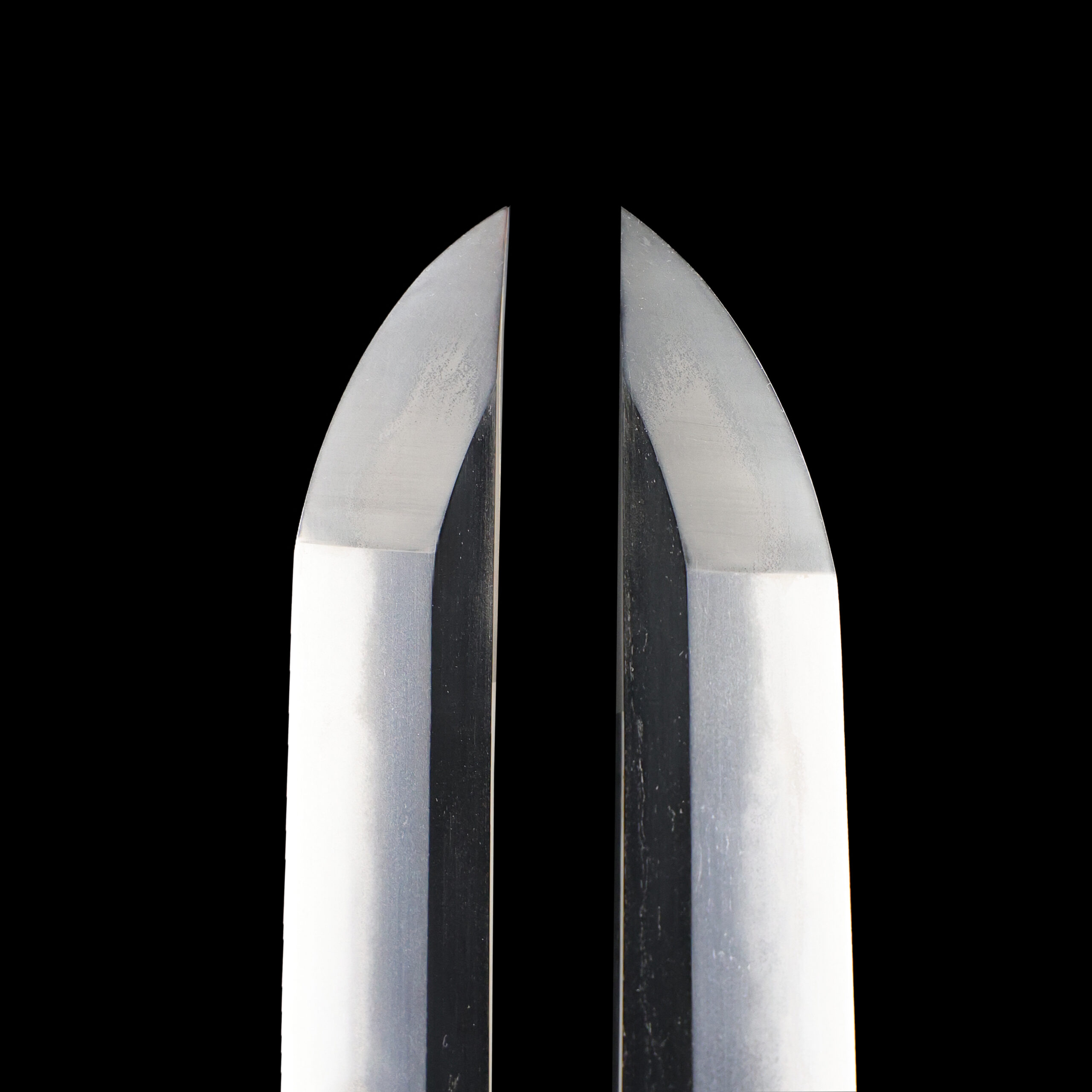
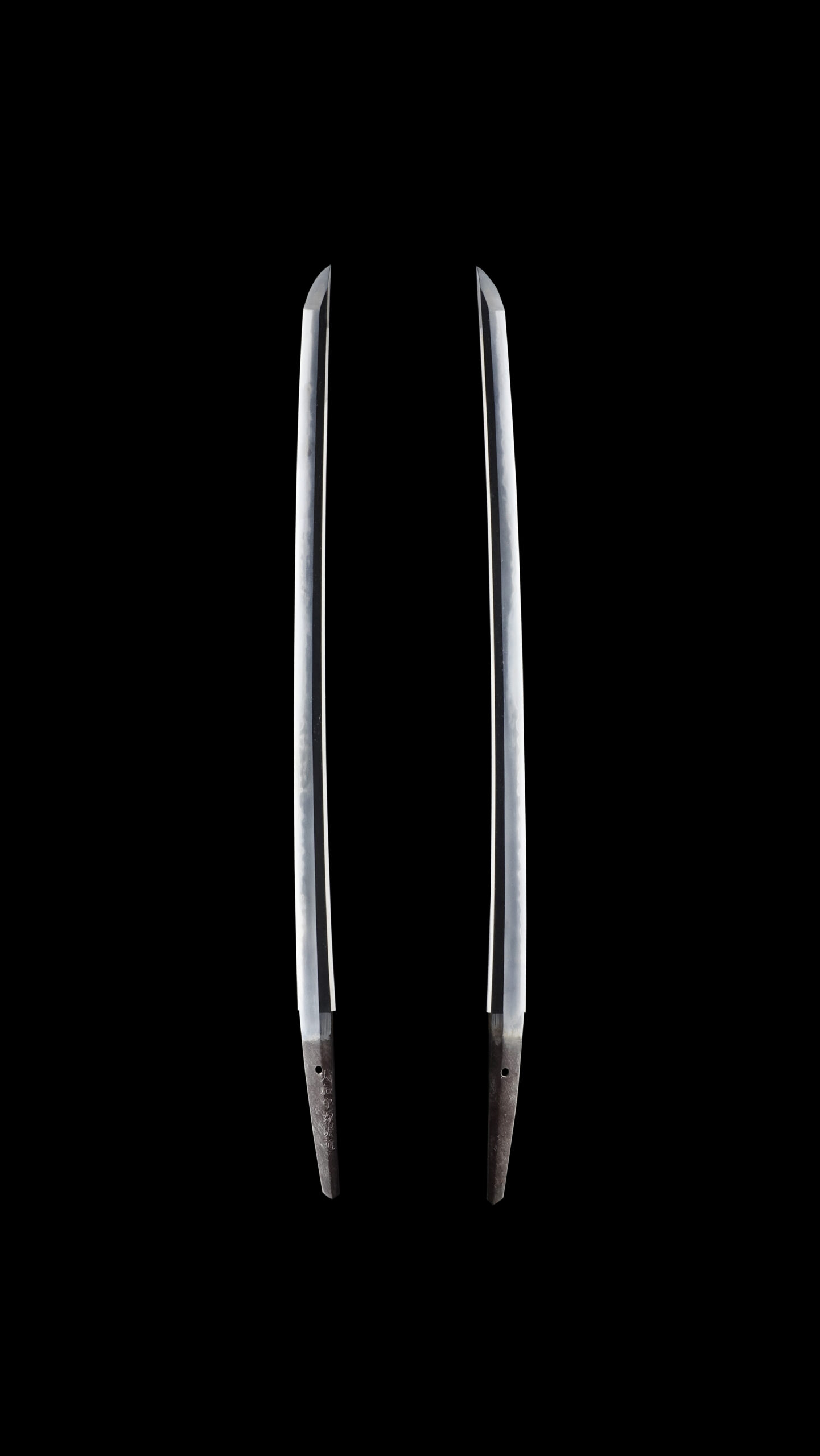
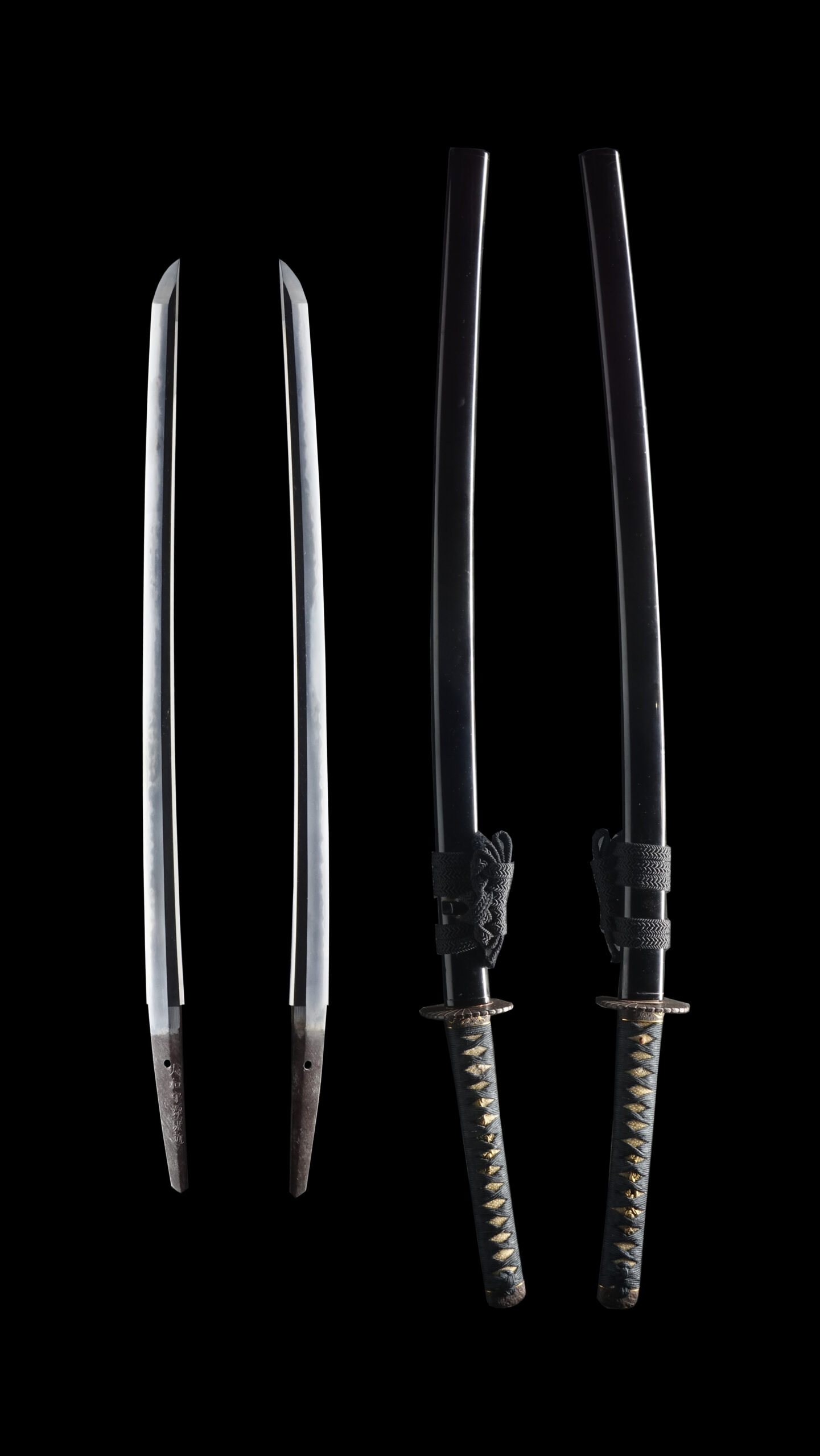
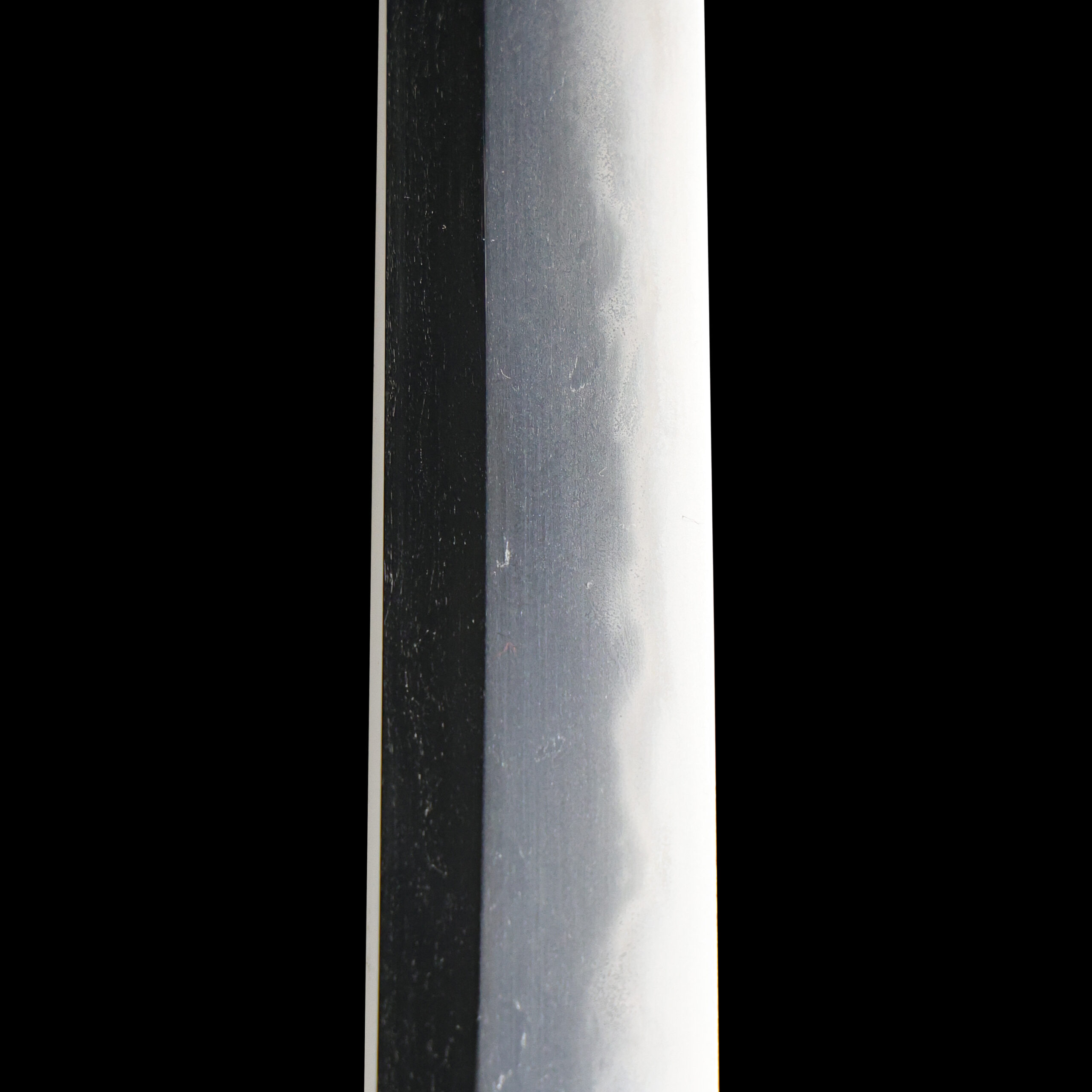
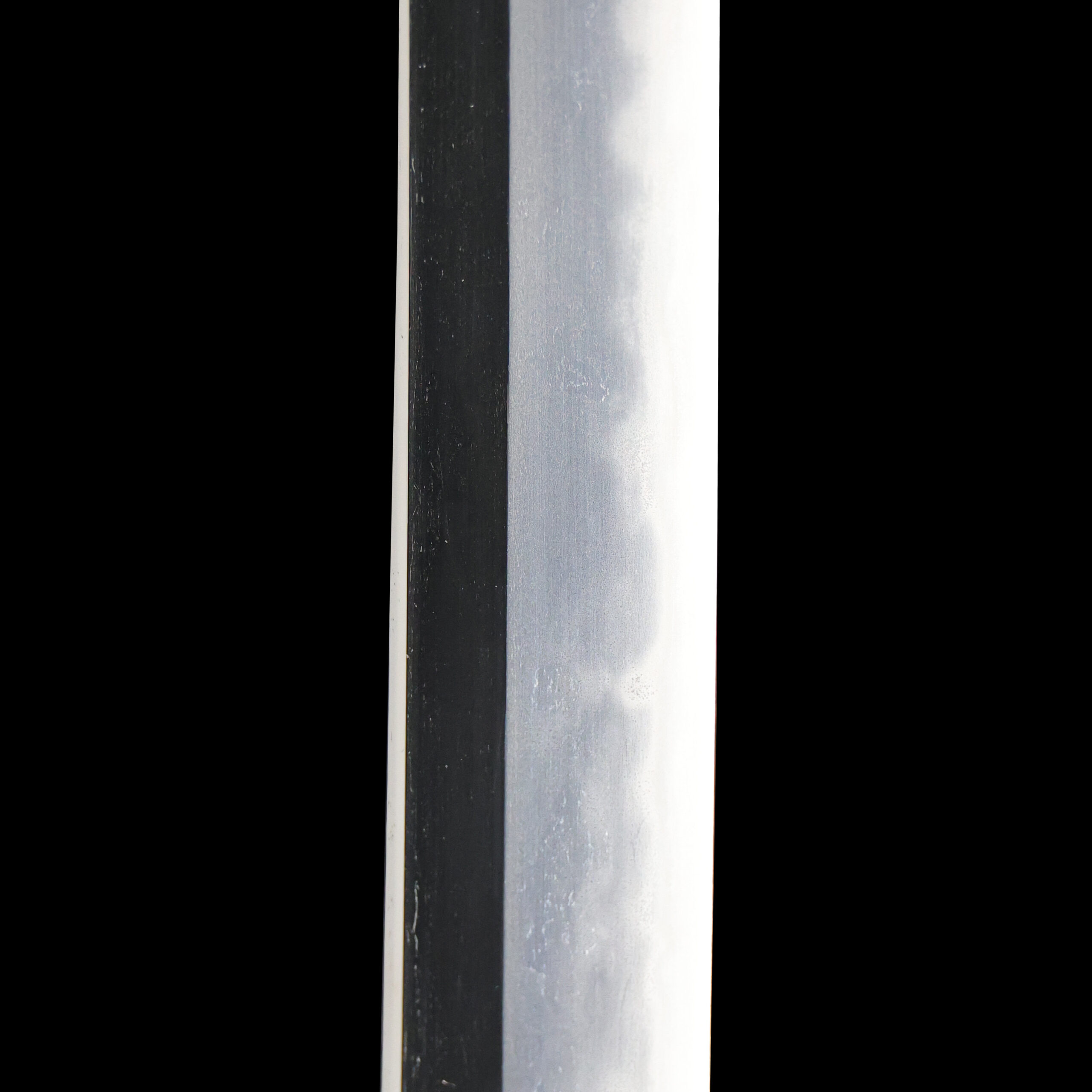
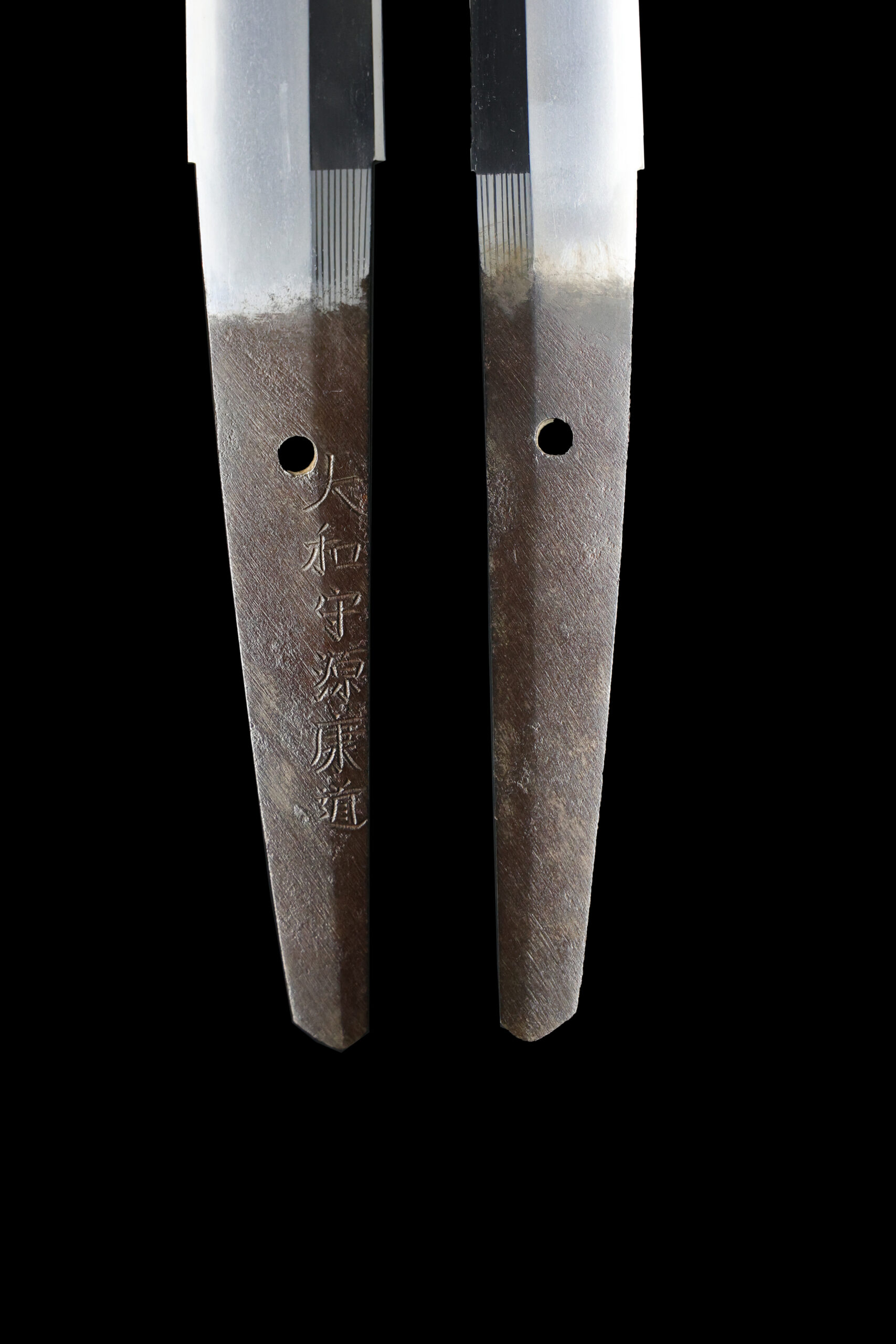
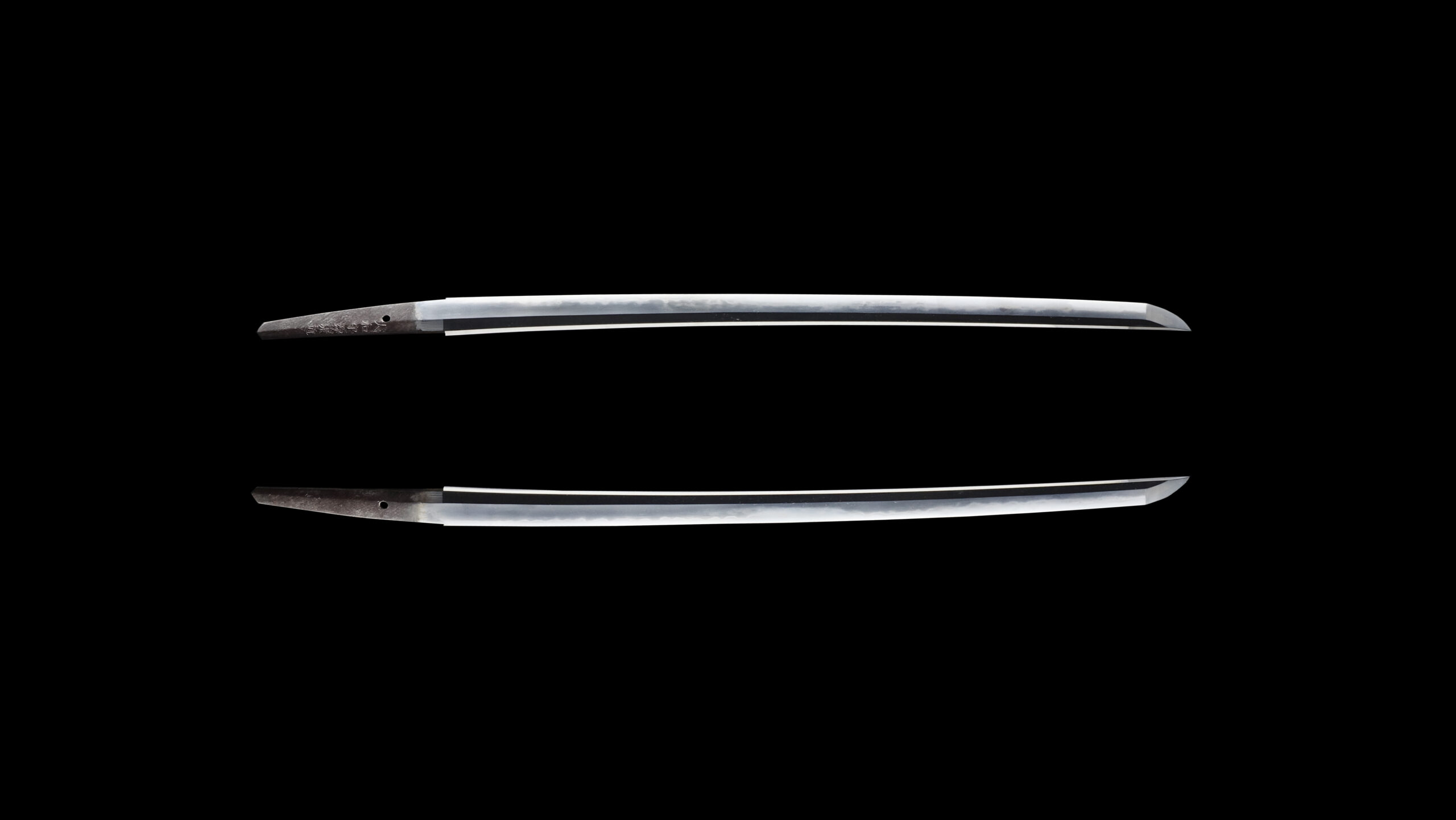
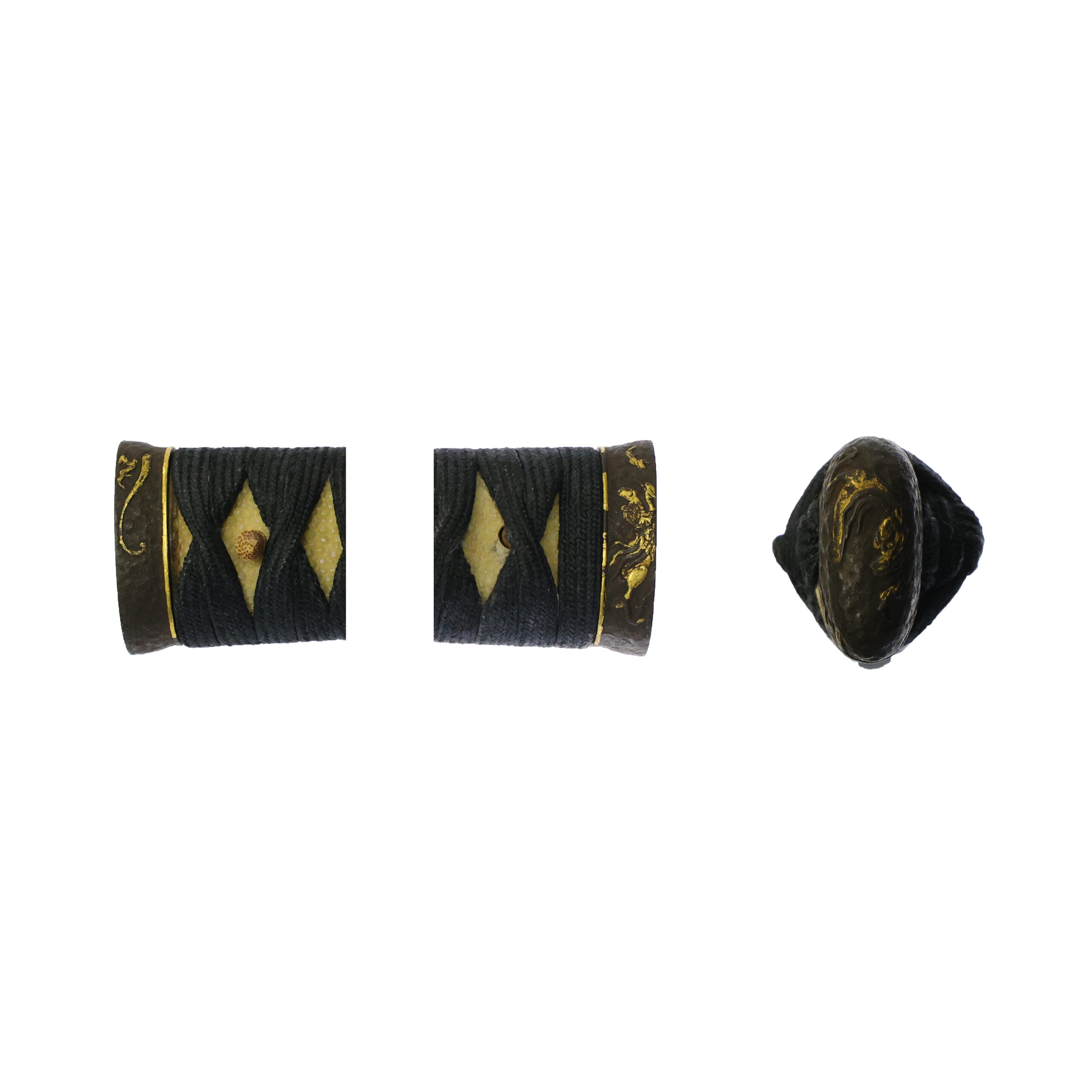
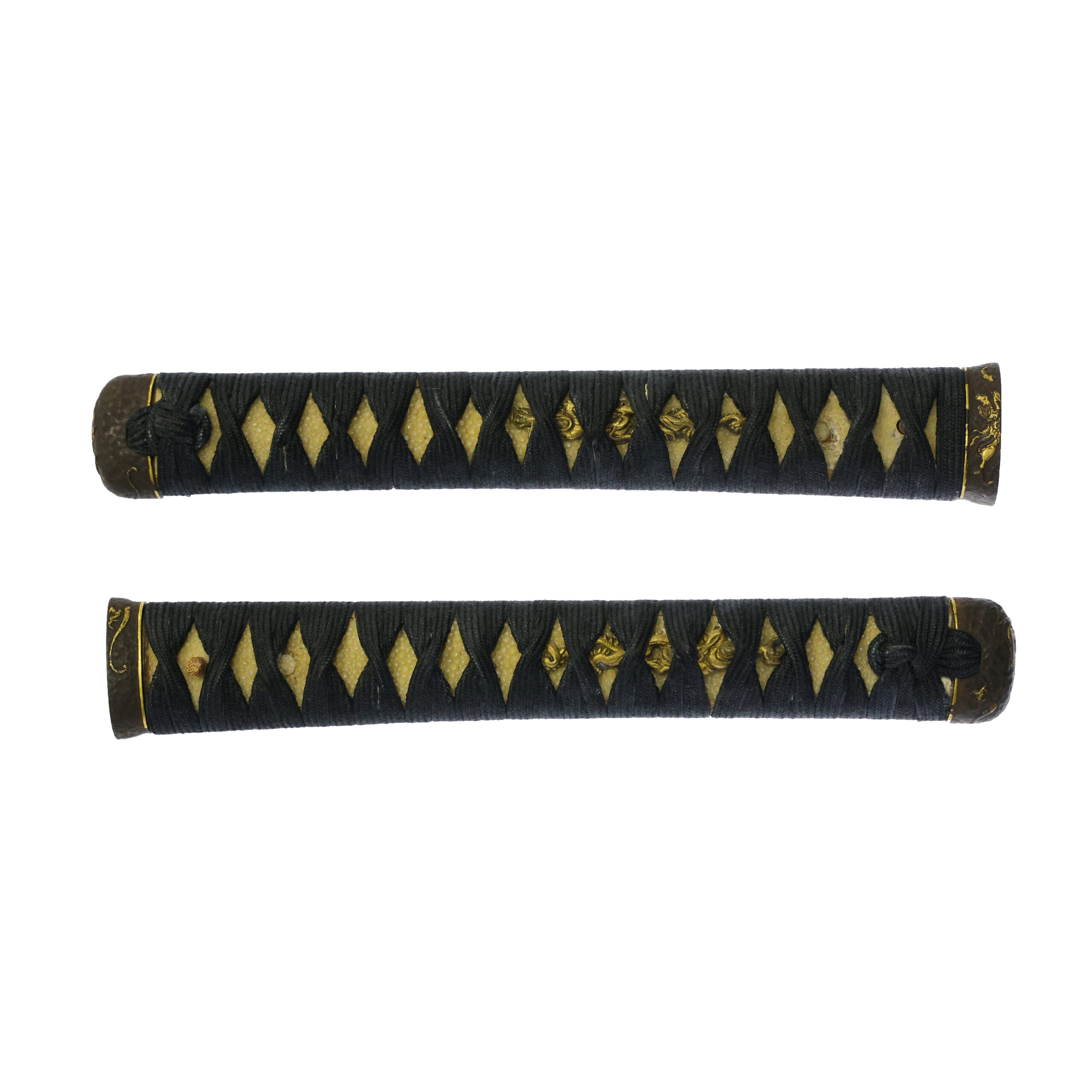
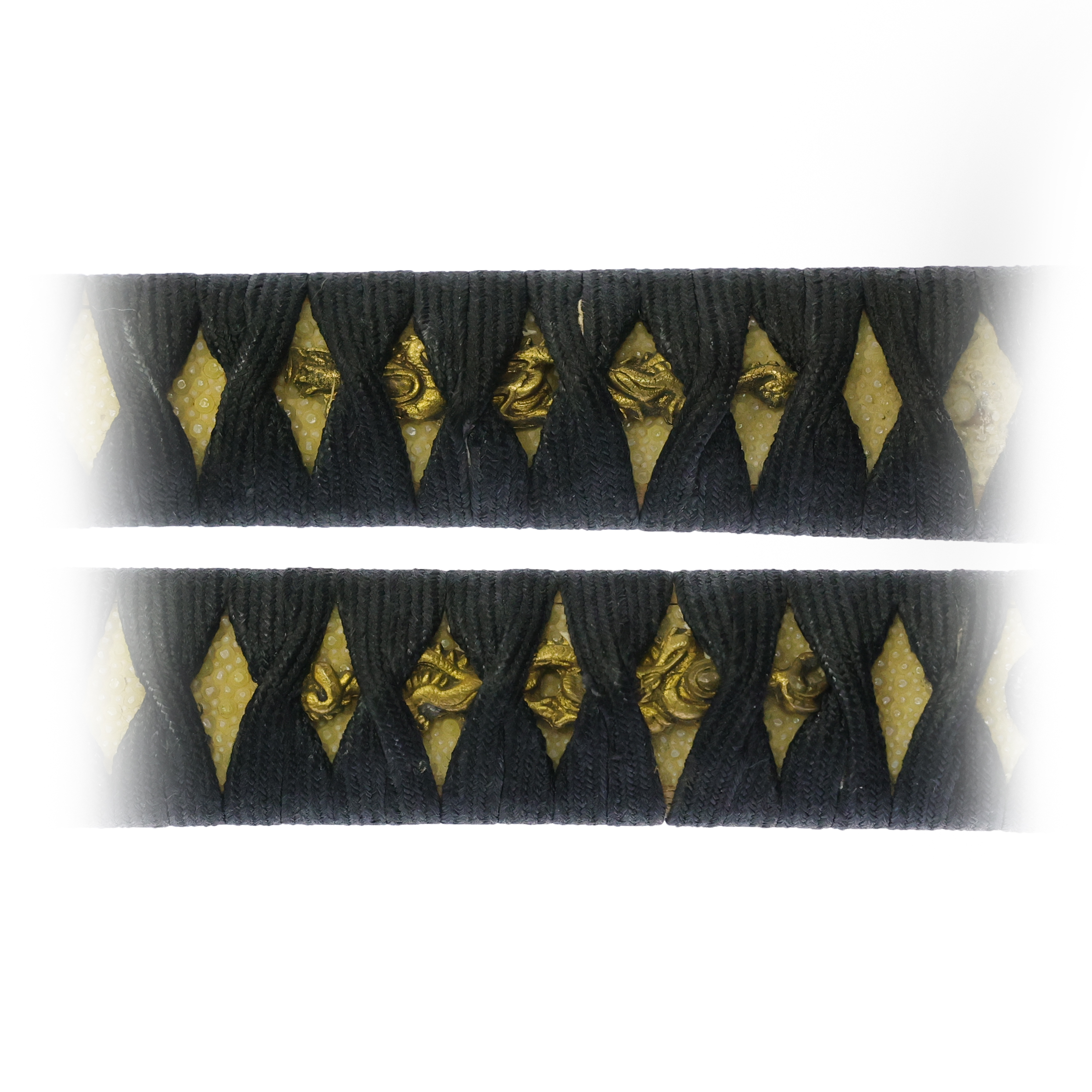
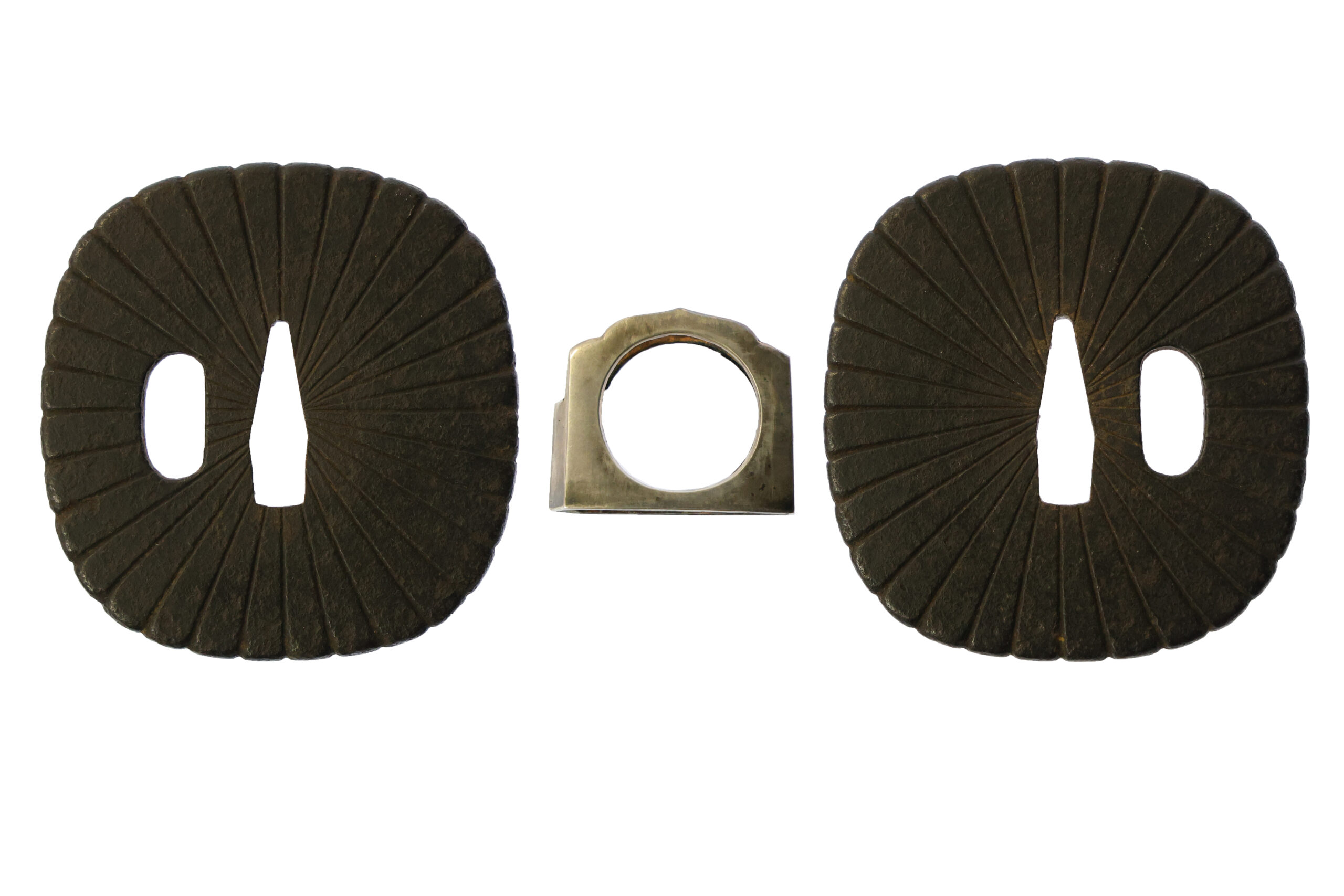
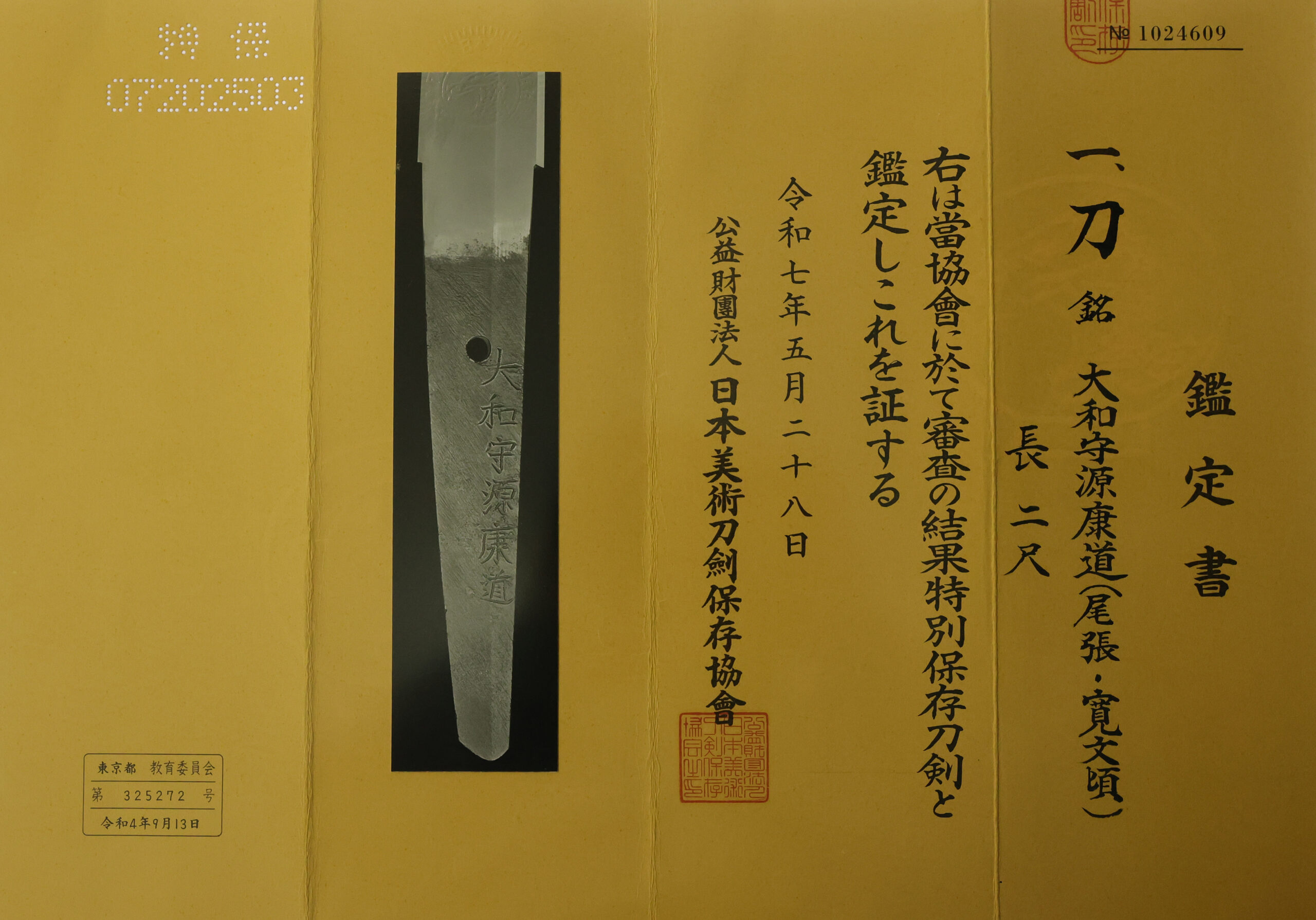
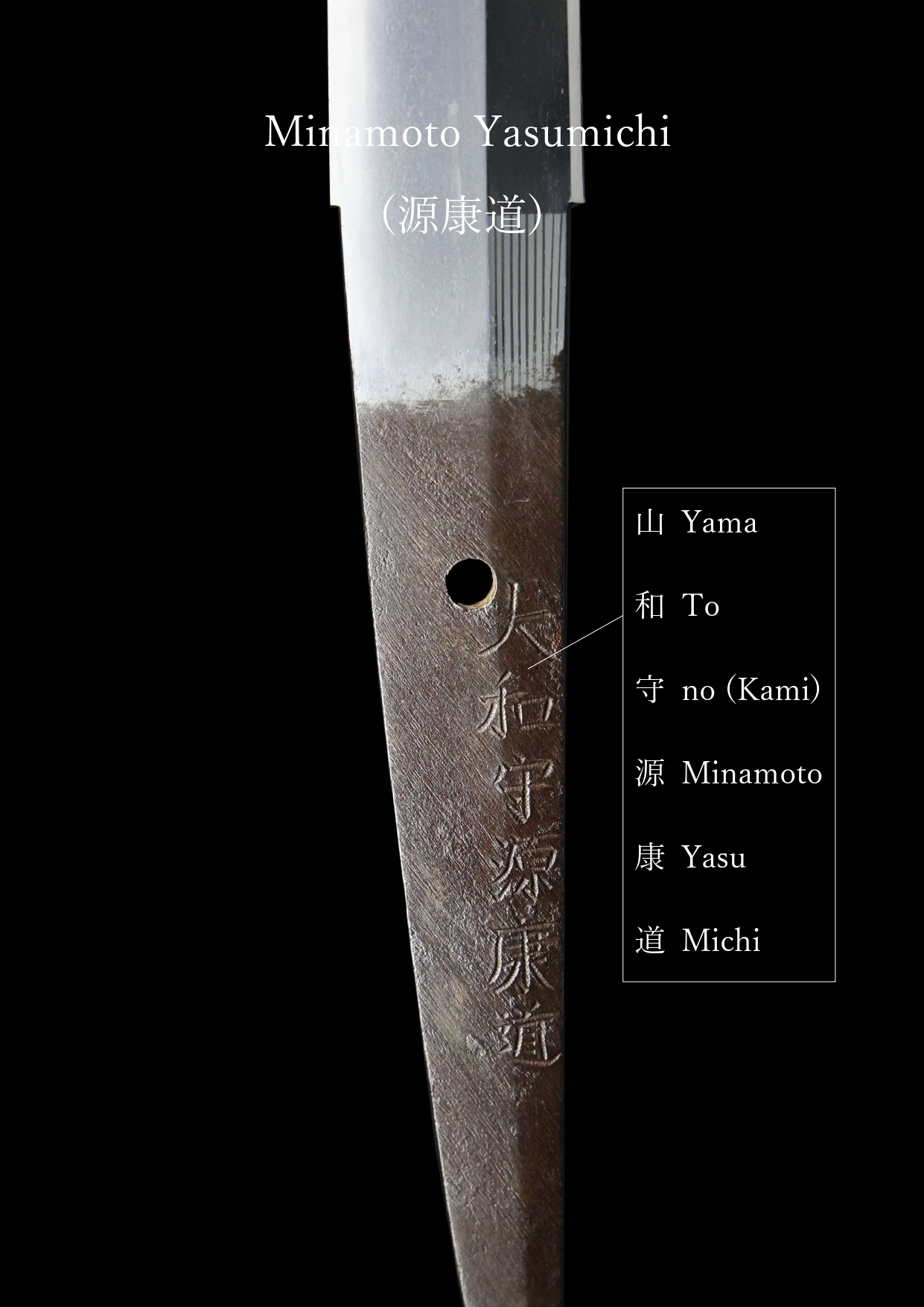
This blade is signed by Yamato no Kami Yasumichi (大和守康道), a swordsmith active during the early Edo period, specifically the Kanbun era (1661–1673). The name Yasumichi continued across several generations, and the first-generation Yasumichi belonged to the Mino Senjuin school, one of the most prominent swordmaking traditions from the late Nanbokuchō to late Muromachi periods (mid-14th to early 16th century) in Mino Province (present-day Gifu Prefecture). Yamato no Kami Yasumichi was originally based in Mino Province and later relocated to Owari Province during his career. The signature indicates that this blade was forged using Nanban Tetsu, a type of imported Western steel highly valued in Japan during the Edo period. Yasumichi was a disciple of Yasutsuna, a swordsmith of the Kishū Ishidō school, and in recognition of his skill and accomplishments, he was granted the official court title of Yamato no Kami. Mino Senjuin School The Mino Senjuin school was based in Akasaka village, near Sekigahara, a strategically important area that had long served as a major transportation hub and military crossroads. The school is traditionally said to have been founded by Sensui (泉水), the son of Yamato no Koku Senjuin Shigehiro. The Yamato region (present-day Nara Prefecture) was one of Japan’s most important centers of sword production during the late Heian and Kamakura periods, and Sensui later moved from Yamato to Akasaka in Mino Province during the Nanbokuchō period, establishing the foundation of the Mino Senjuin tradition. Senjuin School in Yamato region There was a temple called Senjudo in Nara prefecture where Senju Kannon (Thousand arms) Budha statue was worshiped. And a group of swordsmiths who lived there was known as Senjuin (千手院). They belonged to Todaji temple. Senjuin School was founded by Yukinobu, who was the son of Yoshiyuki. Yukinonobu was originally a servant for Senjuin temple, a branch of Todaiji temple during the late Heian period (1086-1107), and eventually became an Okakae Kaji for the temple. It is appraised as a Tokubetsu Hozon Token (特別保存刀剣) issued by NBTHK (Nihon Bijutsu Touken Hozon Kyokai:日本美術刀剣保存協会). *Please keep in mind that there are a couple of Kitae Kizu on the blade. Fuchi-Kashira The theme of this Fuchi-Kashira is a dragon (龍, ryu). Initially, the dragon is an imaginary creature found in ancient Chinese traditions or myths. Furthermore, it is regarded as a symbolic beast of auspicious signs. Its body is likened to nine animals: antlers are deer, the head is a camel, eyes are demons, the neck is a snake, belly is Mizuchi (蛟, mythical animal in Japan which looks like a snake and have a horn and four legs), scales are fish, claws are falcons, palms are tigers, and ears are cows. It was thought that the dragon would reign at the top of all animals because of its odd-looking appearance. In ancient China, the dragon pattern was used for emperors’ clothing so that people strictly defined its shape or even the number of nails. On the other hand, the dragon pattern does not have detailed rules to represent classes in Japan. However, still, it maintains its meaning as the all-purpose auspicious pattern. Also, in Japan, there is a belief that worships dragon as a water god and is called Ryujin Shinkou (竜神信仰). Since rice cultivation flourished in this country, water is always an essential resource. Therefore, the dragon motif has been familiar to Japanese people since a long time ago. Tsuka and Menuki The motif of this Menuki is the same as Fuchi-Kashira: dragon (龍, ryu). Tsuba and Habaki The theme of this Tsuba is chrysanthemum (菊, Kiku). A long time ago, the chrysanthemum was used as a medicine to obtain a long life in China, and it was brought to Japan with this thought in the Nara period (648-781). The chrysanthemum is one of the flowers that symbolize fall, and people have appreciated it very much since ancient times. As its petals form radially, the chrysanthemum has been likened to the sun. That is why this flower pattern is treated as the symbol of perpetual youth and longevity or good health. “Kiku no Gomon (菊の御紋)” is a kind of chrysanthemum pattern, and it has been used as the crest of the Emperor and the royal family in Japan, so it is well-known as a noble pattern. From the Kamakura (1185-1333) period to the Warring States period (1467-1615), the chrysanthemum crest was given as a reward from the Emperor back then to the warlords who made significant contributions. For example, Ashikaga Takauji (1305-1358), who became the first Shogun of the Muromachi Shogunate, cooperated with Emperor Go-Daigo (後醍醐天皇, 1288-1339) to dissolve the Kamakura Shogunate. And Takauji was given a chrysanthemum crest. In addition, Toyotomi Hideyoshi (1537-1598) was also given a chrysanthemum crest by Emperor Goyouzei. A theory says Hideyoshi was delighted and used this motif for furniture. At that time, the Emperor was regarded as God. Therefore, it was an irreplaceable honor for Samurais to receive the family crest from the Emperor. This is how the chrysanthemum pattern has a deep connection with Samurai culture. There is a popular design that is called Kikusui Mon (菊水紋). It depicts chrysanthemum flowers floating in running water. Since a long time ago, the Kikusui Mon has been known as a design that represents longevity based on a Chinese legend. It says we could extend our lifespan by drinking water flowing from the chrysanthemum colony. Therefore, people treated this design as a kind of good luck motif. It is said this pattern started to be used in the Kamakura period (1185-1333). Some families used it for their family crests. Kusunoki Masashige (楠木 正成, 1294?-1336) is one of them. He contributed to the defeat of the Kamakura Shogunate and was given the chrysanthemum flower crest by Emperor Go-Daigo in recognition of his remarkable achievements. However, Masashige chose to use the Kikusui Mon, the water flowing in the lower half of the chrysanthemum flower. According to a theory, it was because he thought it was too presumptuous to have the same crest as the Emperor. Saya This scabbard is covered with black lacquer. Due to its high waterproof effect, lacquer has been used since ancient times in Asia. The blade of a Japanese sword is made of iron, and moisture is the greatest enemy of iron. For the purpose of carrying the blade without degrading it, people devised a method of coating the scabbard with lacquer. To prevent not only moisture but also rain and snow from penetrating the inside of the scabbard, it was necessary to apply multiple layers of lacquer. The Nushi (塗師, lacquerers) was born precisely because advanced techniques were required to handle the complicated processes. Authentication Paper They authenticated the blade on May 28th in the 7th year of Reiwa (2025). They appraised it as Tokubetsu Hozon Touken, the blade especially worth preserving for Japanese society.
康道Yasumichi
取扱店 サムライミュージアム

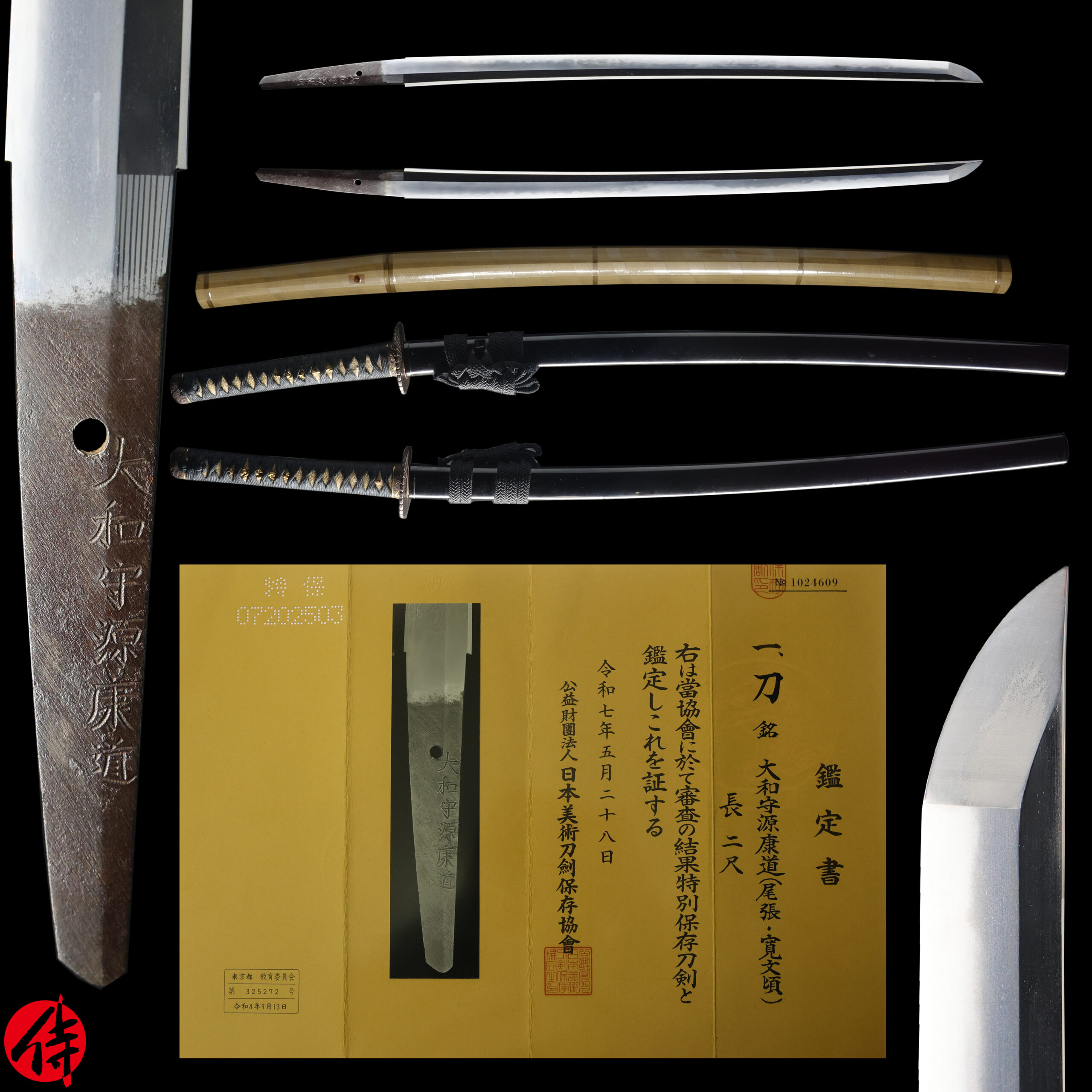
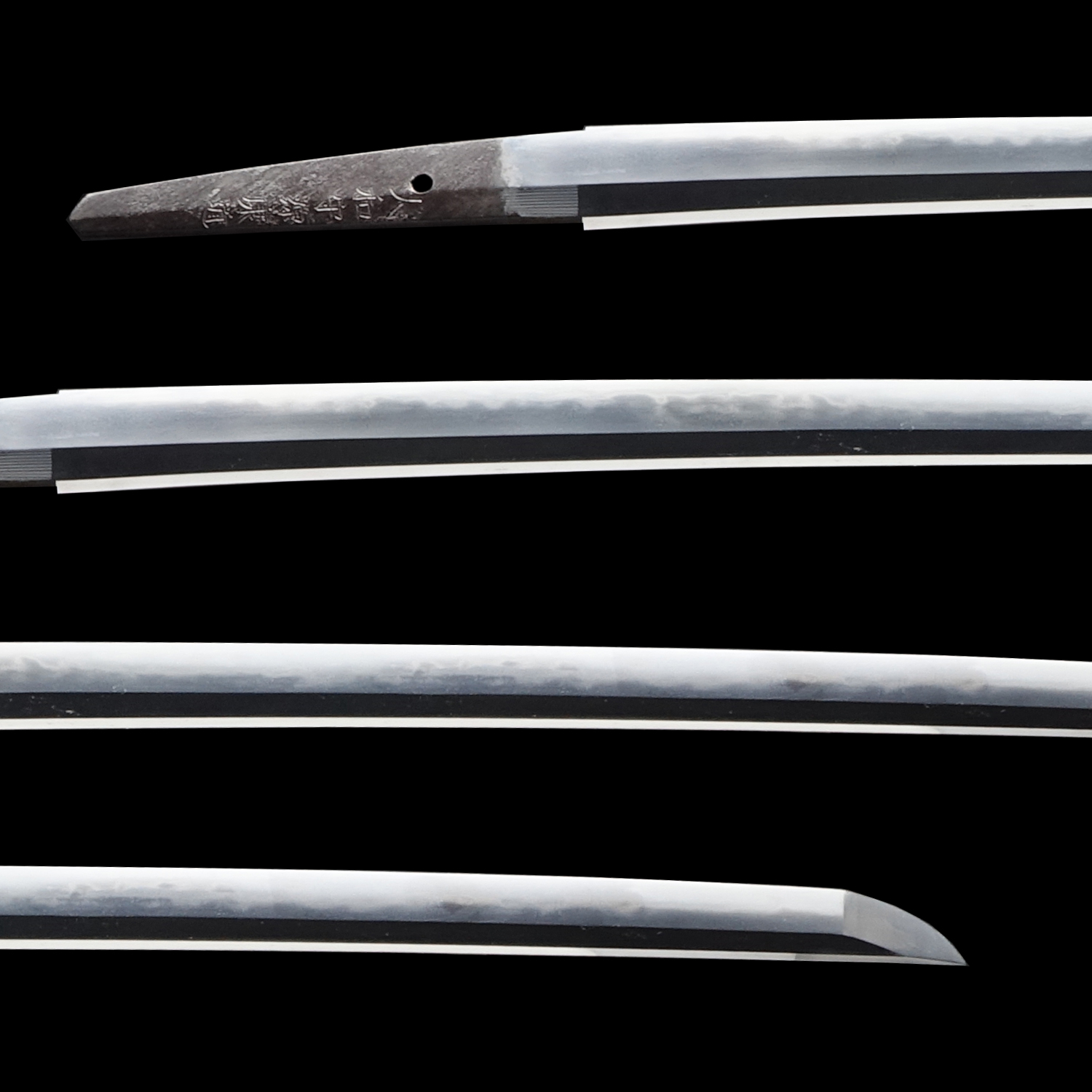
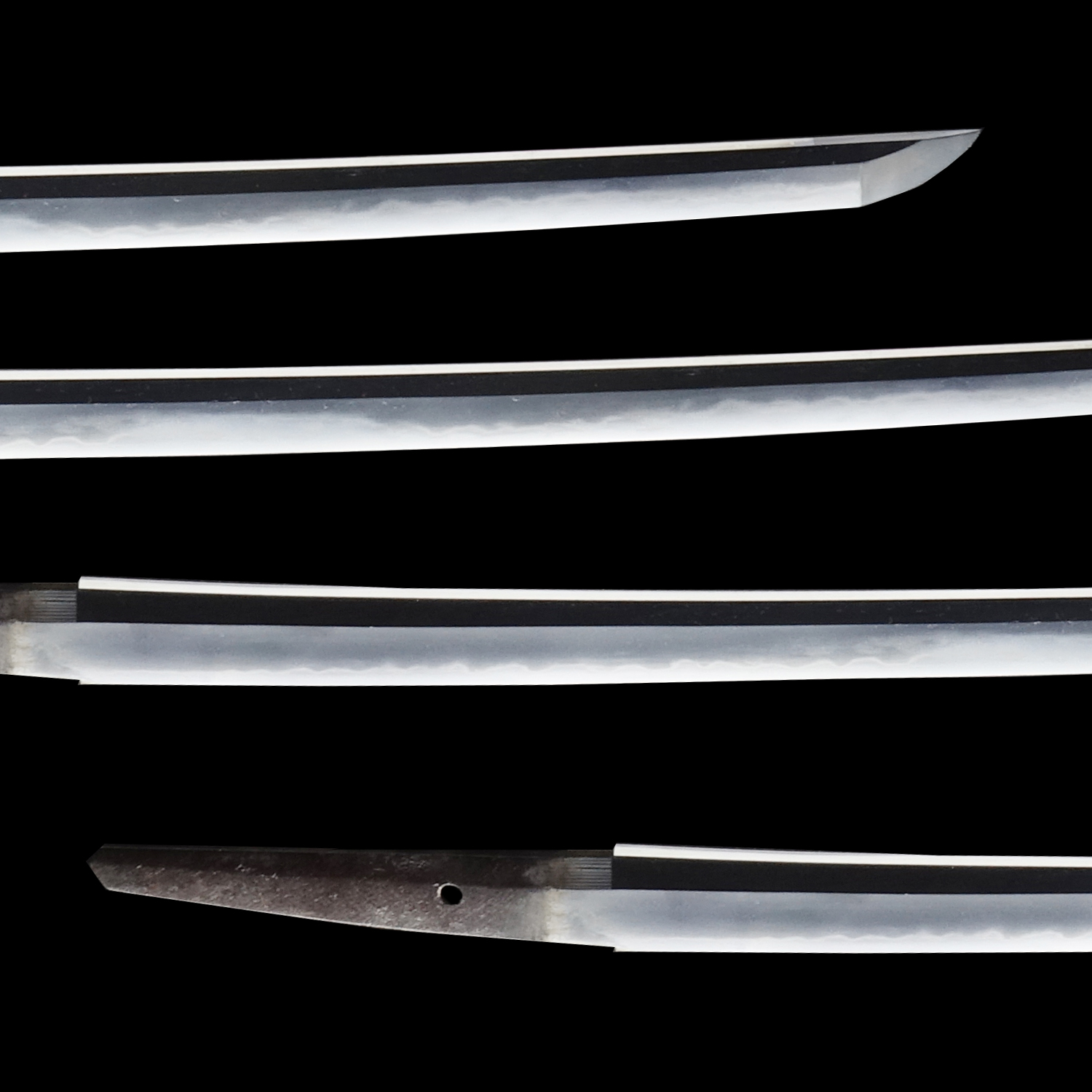
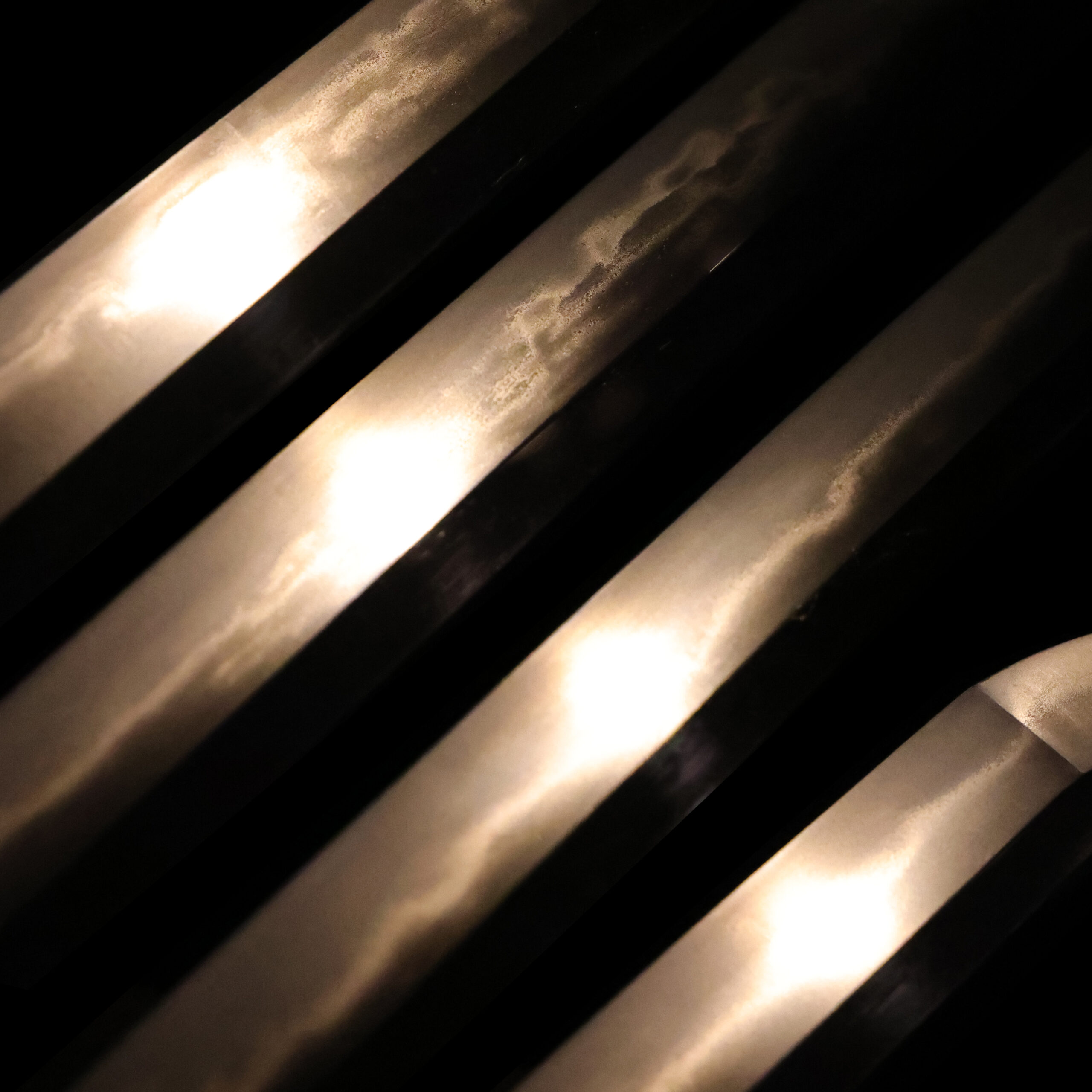
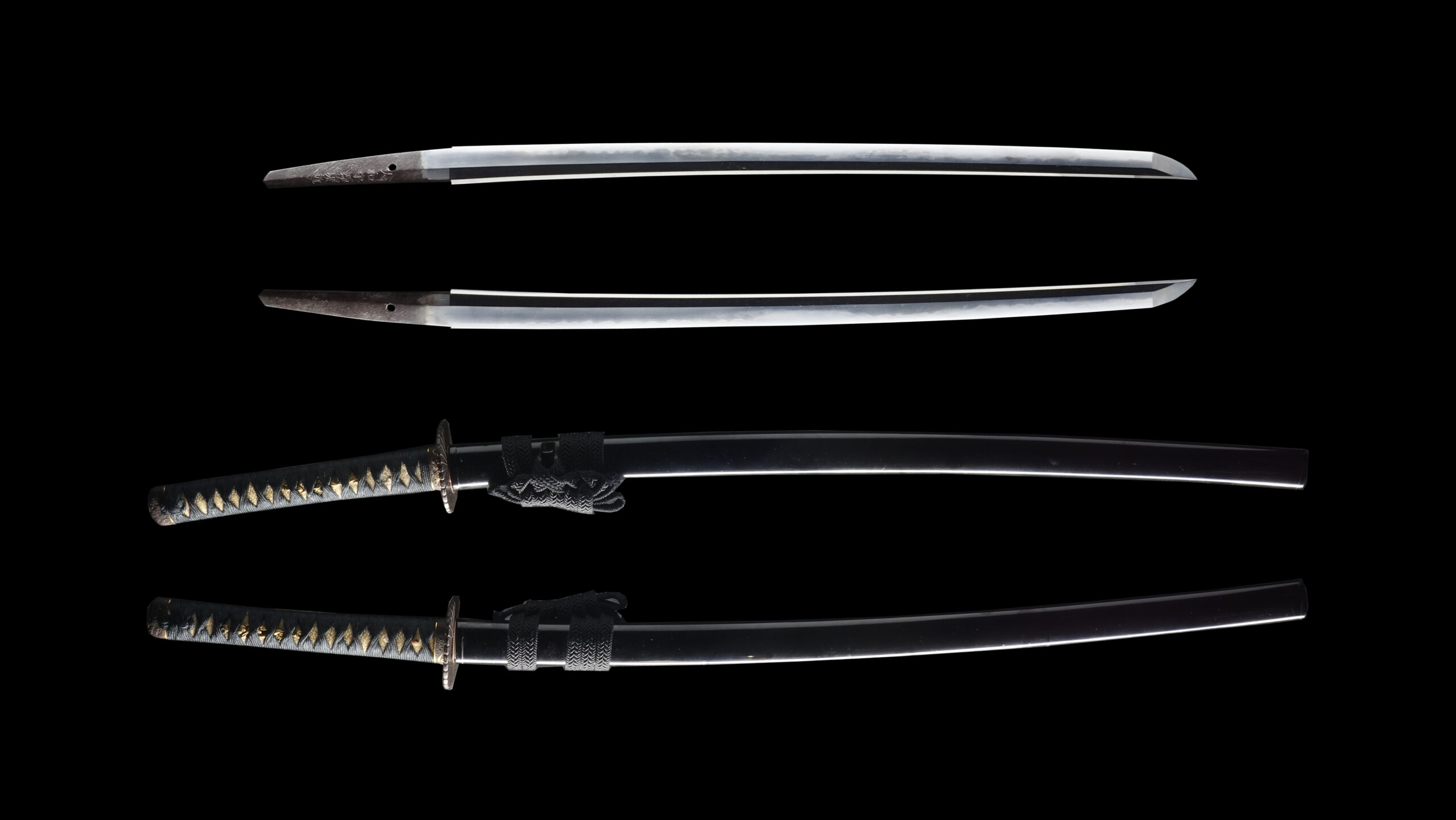
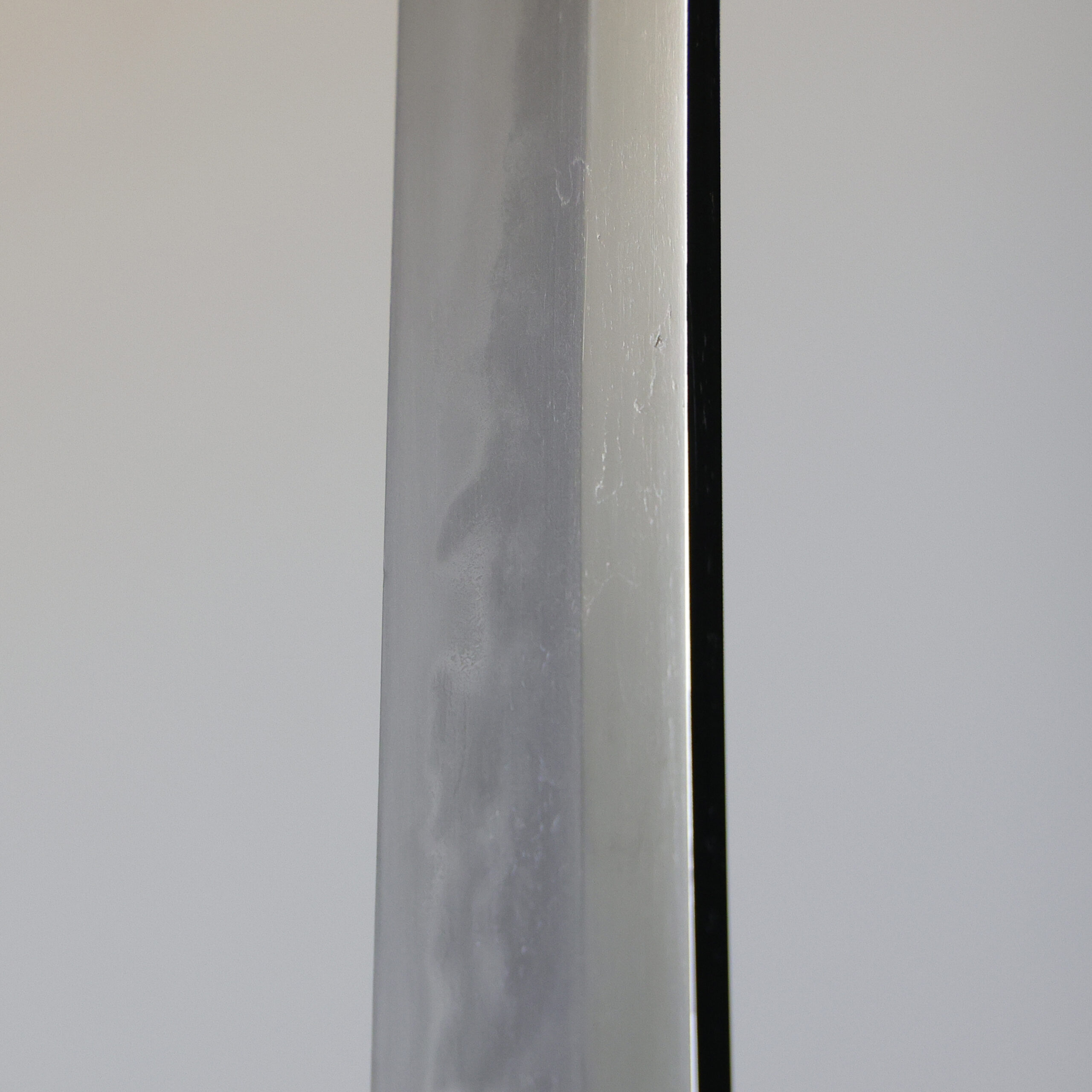
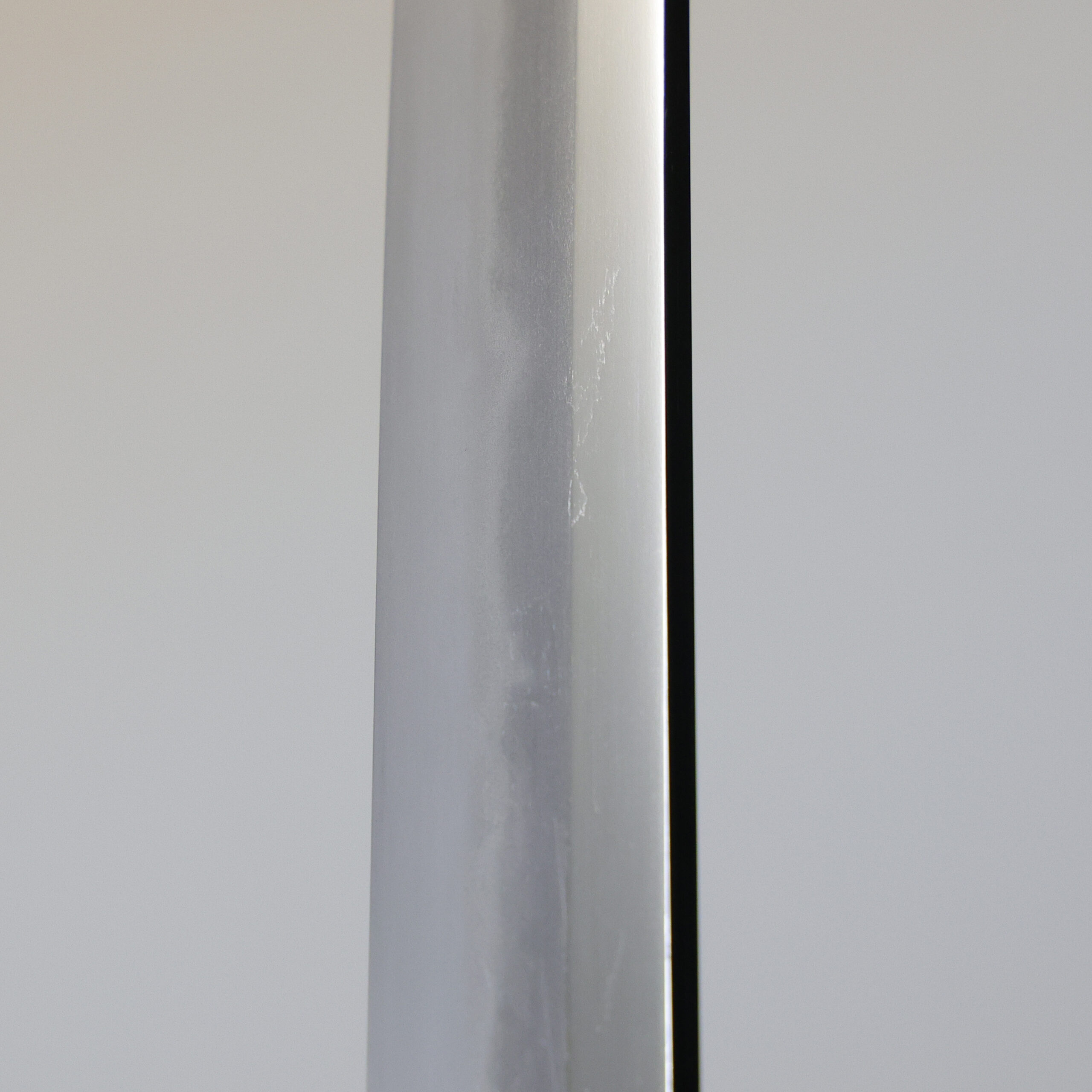
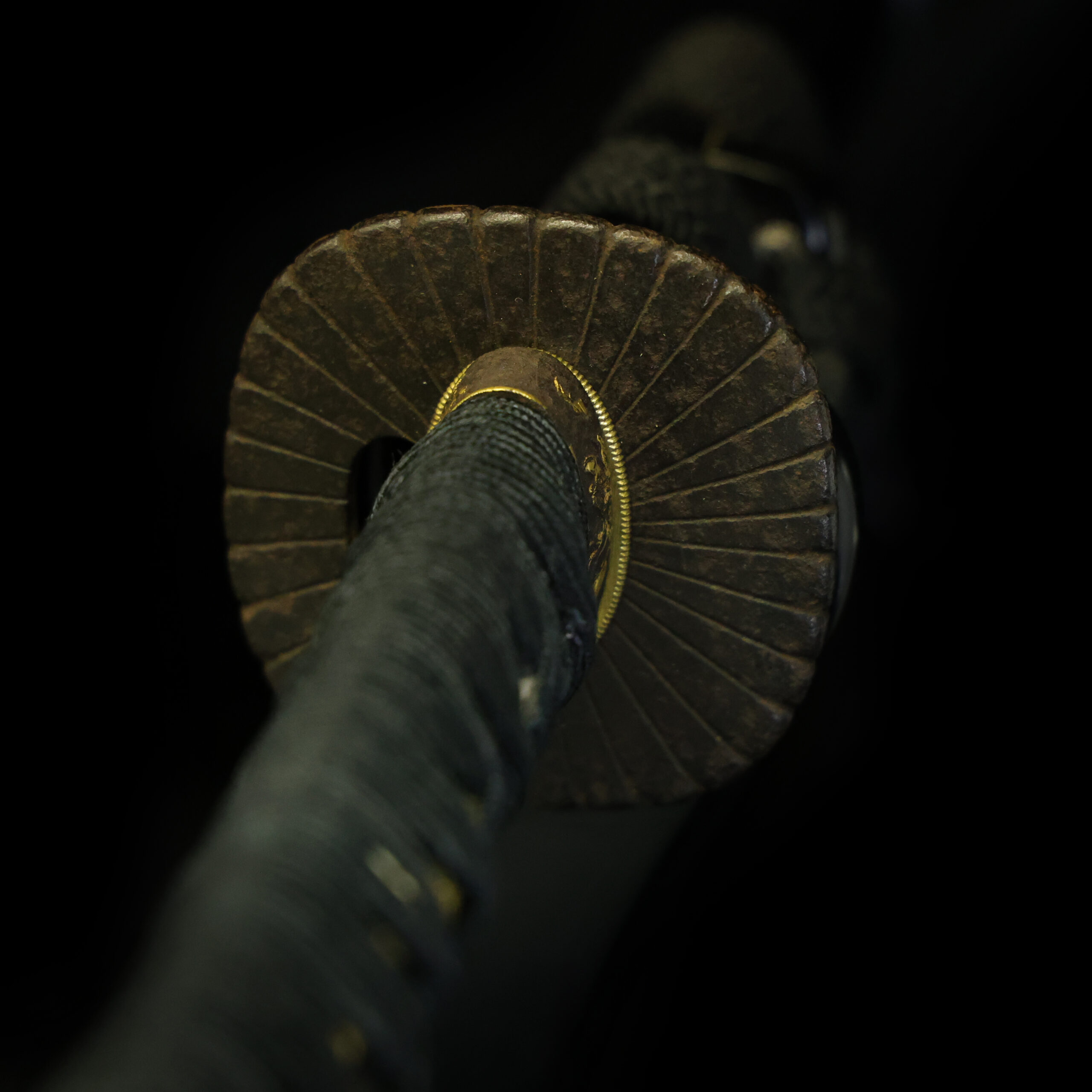
販売店の記載のまま
美濃 · 1661-1673頃
藤代 中作 · 刀剣大鑑 上位97%
現在2点販売中
江戸時代
江戸は刀の目利きの時代である。本阿弥の鑑定、1719年の享保名物帳、盛んな刀剣書が、戦で抜かれることのなくなった刀を学問の対象へと変えていった。
保存刀剣のうち、出来が一層優れ、保存状態も良好と認められたものです。再刃や、室町・江戸期の多くの無銘作は対象外となり、保存刀剣より高い基準が課されます。
日本美術刀剣保存協会(NBTHK)は、1948年に設立され、文化庁の監督を受ける公益財団法人で、東京・刀剣博物館に本部を置きます。専門の審査員が出品作を直接審査し、美術的・歴史的価値に応じた鑑定書を発行します。NBTHKの鑑定書は、日本刀および刀装具の真正性を示す最も広く認知された基準です。
NBTHK公式サイトReturns/exchanges limited to defects caused by shipping (except willful misconduct or gross negligence by the company); customers must contact within 72 hours of receiving the product.