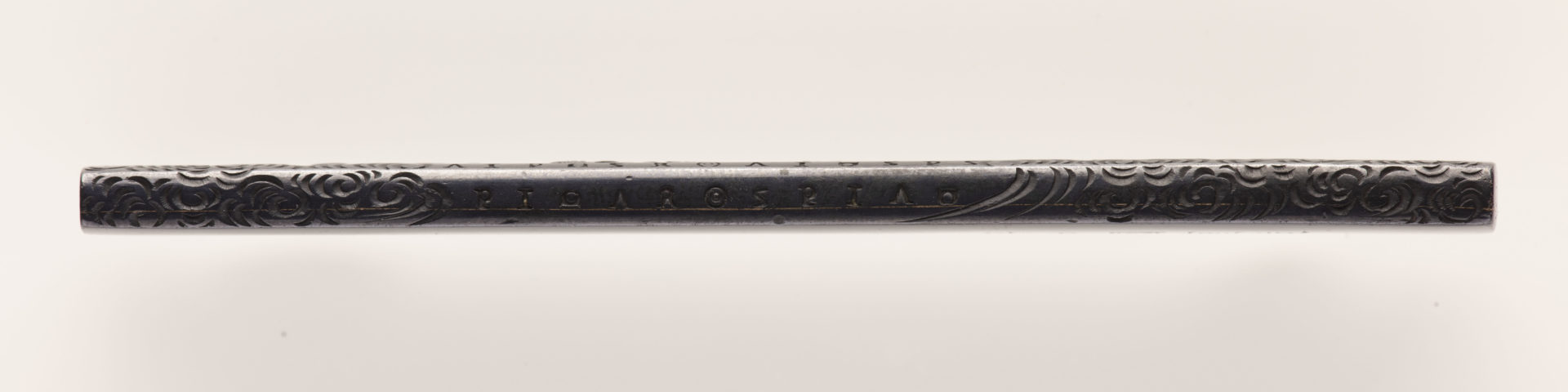
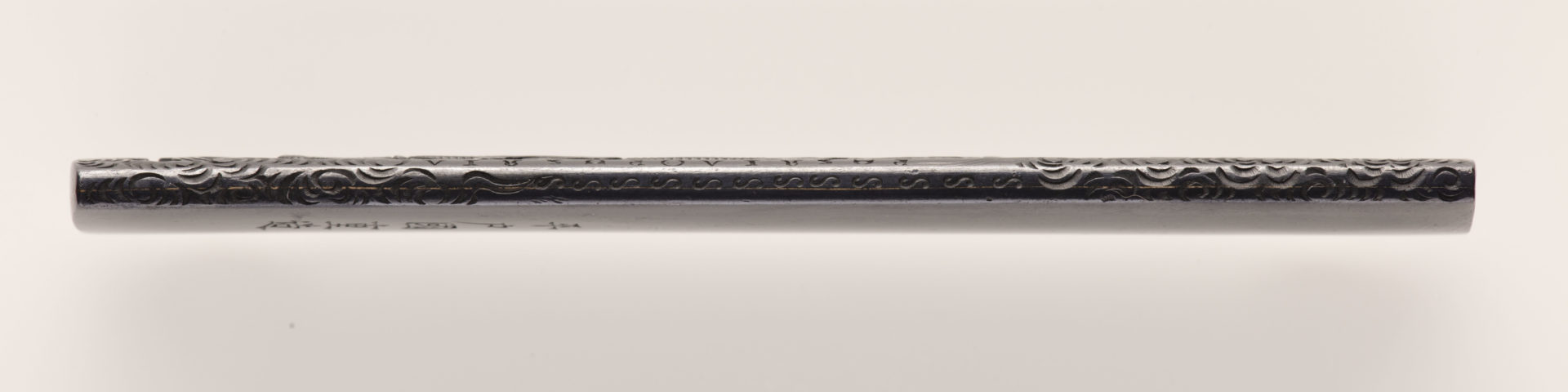
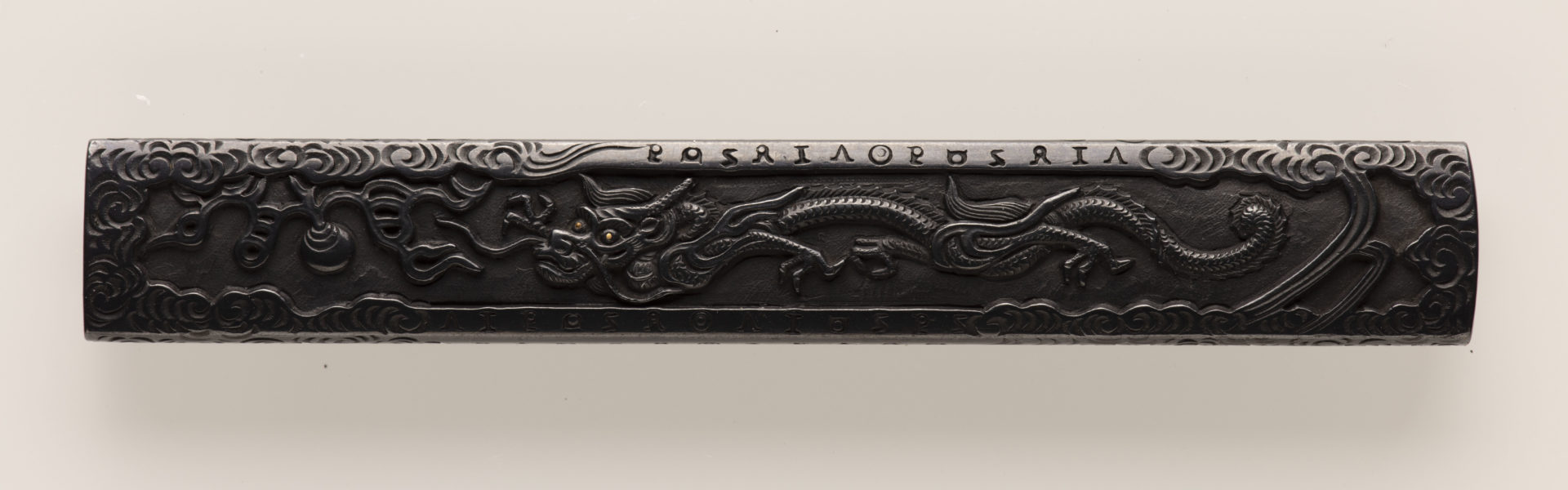
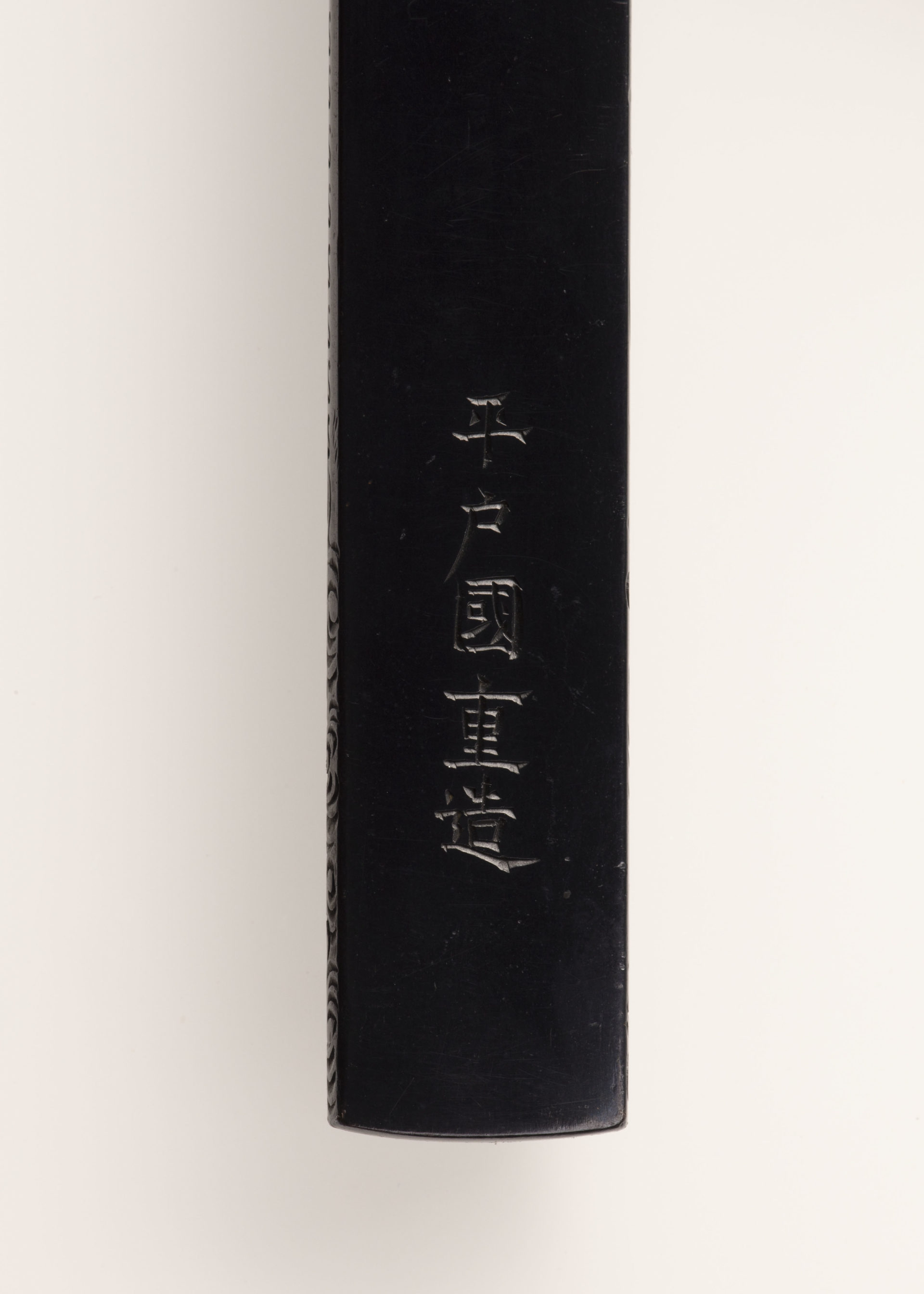
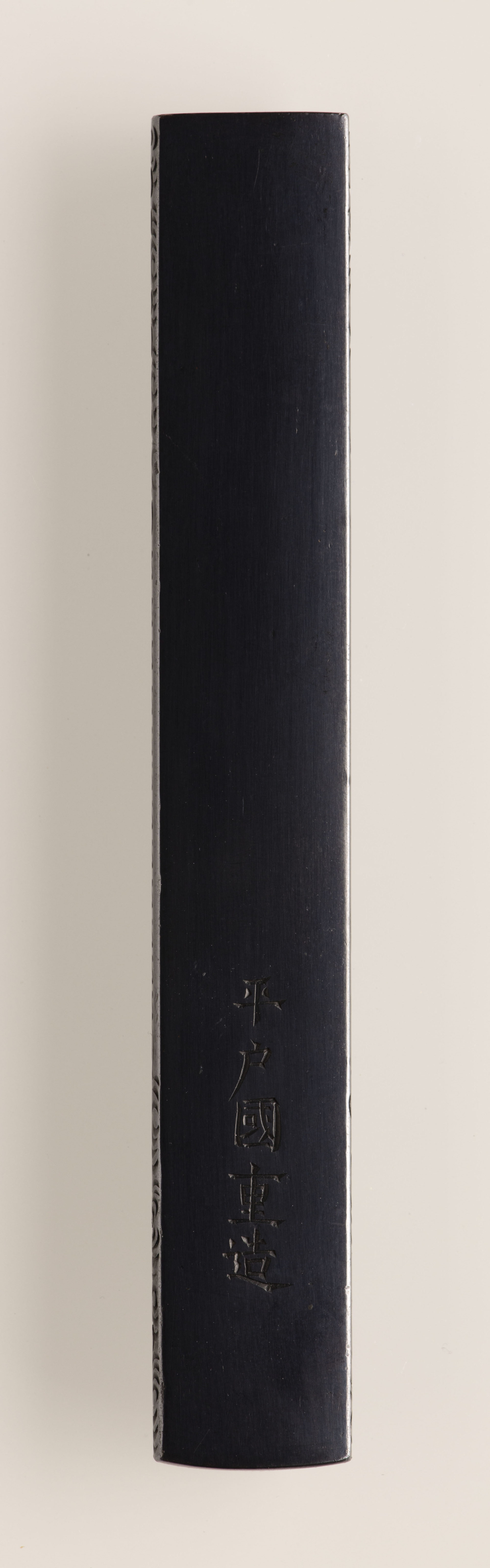
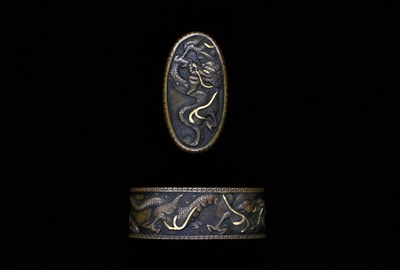
Rare Kozuka by Hirado Kunishige Hirado is an island lying off the coast of Nagasaki, and until the early Edo period, had been a port of call for ships from all over Asia since the Nara period. It’s relevance as a port was magnified with the increased trade with Korea and China in the 14th and 15th centuries, and eventually the Dutch East India Company under the supervision of the Matsuura Clan in the early 17th century. The Dutch and Portuguese stylistic influence on Japanese sword fittings of the were manifested through this trade and a style of work collectively known as “Namban” was popularized in Japan during this time. The European style was exotic and fashionable to the Japanese in many respects and also influenced style of clothing to a lesser extent, and even Japanese armor can be seen to exhibit elements of the European style armor. In his book, “The Japanese Toso Kinko Schools”, Markus Sesko writes that there are thought to be at least two, and maybe three generations working under the name Hirado Kunishige. Markus also notes active work years are around 1716-1736. It is my feeling, that since there are a wide variety of somewhat generic looking signatures, it could be within the realm of possibility that Kunishige perhaps had a number of workers under him to produce works in his name rather than multiple generations. There is an extant tsuba signed Hirado Nagasada which is assumed to be a student. Kunishige works exhibit the “foreign” flare that embodied the fashionable Namban style seen in Hizen province works of this time. The overwhelming majority of Hirado fittings are rendered on brass, likely because brass was a major import product, and thus also in demand, however some works on copper are seen. Works produced on shakudo such at this kozuka are exceedingly rare. In fact among the many Kunishige works I have seen over the past couple of decades, this kozuka, (and a set of fuchi kashira set that will also be listed), are the only two examples of Hira
 NihontoWatch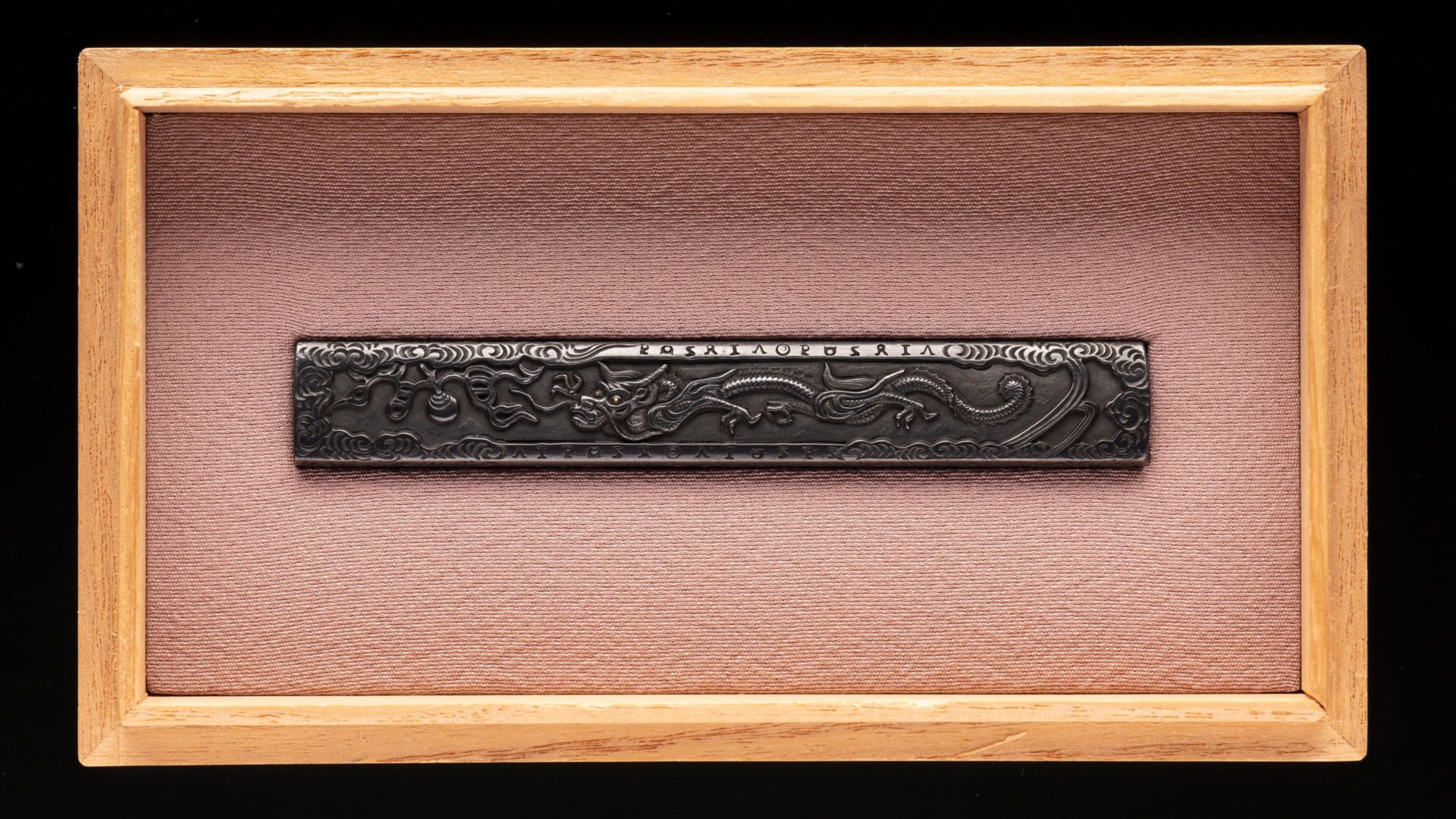
国重
江戸
肥前
在銘
保存 (NBTHK)
金工 · 1670頃
現在3点販売中
国重の位置づけを、日本刀全体および伝統・時代・時期ごとに示します。各位(随一・屈指・有数・著名)は、NBTHK および文化庁による指定に加え、三作や名物帳などの歴史的栄誉を加味したものです。
各項目を選ぶと評価方法が表示されます。
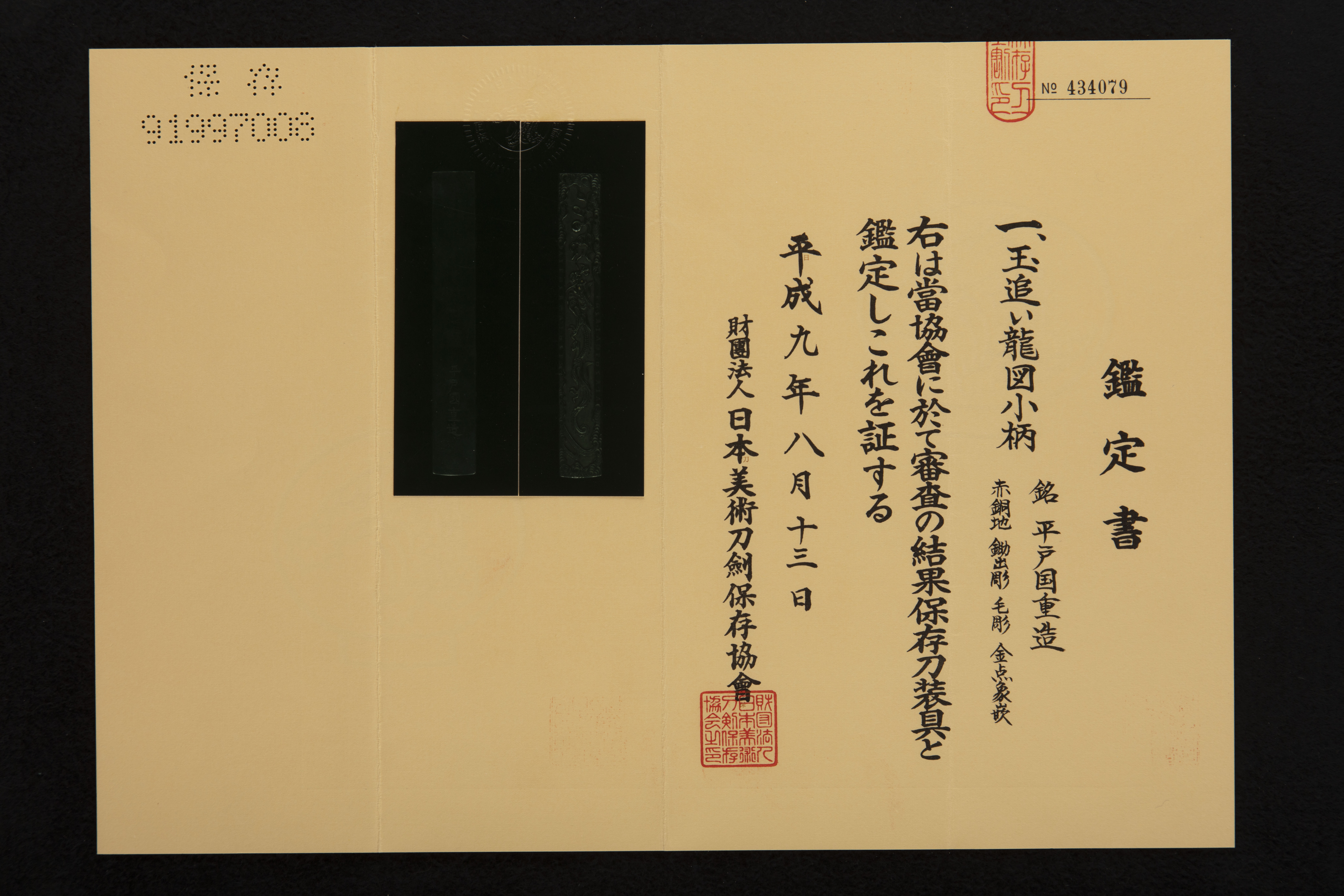
銘が正しい、または無銘でも年代・流派を指摘でき、美術工芸的価値が認められる、保存に値する真正の刀装具と鑑定されたものです。
日本美術刀剣保存協会(NBTHK)は、1948年に設立され、文化庁の監督を受ける公益財団法人で、東京・刀剣博物館に本部を置きます。専門の審査員が出品作を直接審査し、美術的・歴史的価値に応じた鑑定書を発行します。NBTHKの鑑定書は、日本刀および刀装具の真正性を示す最も広く認知された基準です。
NBTHK公式サイトRare Kozuka by Hirado Kunishige Hirado is an island lying off the coast of Nagasaki, and until the early Edo period, had been a port of call for ships from all over Asia since the Nara period. It’s relevance as a port was magnified with the increased trade with Korea and China in the 14th and 15th centuries, and eventually the Dutch East India Company under the supervision of the Matsuura Clan in the early 17th century. The Dutch and Portuguese stylistic influence on Japanese sword fittings of the were manifested through this trade and a style of work collectively known as “Namban” was popularized in Japan during this time. The European style was exotic and fashionable to the Japanese in many respects and also influenced style of clothing to a lesser extent, and even Japanese armor can be seen to exhibit elements of the European style armor. In his book, “The Japanese Toso Kinko Schools”, Markus Sesko writes that there are thought to be at least two, and maybe three generations working under the name Hirado Kunishige. Markus also notes active work years are around 1716-1736. It is my feeling, that since there are a wide variety of somewhat generic looking signatures, it could be within the realm of possibility that Kunishige perhaps had a number of workers under him to produce works in his name rather than multiple generations. There is an extant tsuba signed Hirado Nagasada which is assumed to be a student. Kunishige works exhibit the “foreign” flare that embodied the fashionable Namban style seen in Hizen province works of this time. The overwhelming majority of Hirado fittings are rendered on brass, likely because brass was a major import product, and thus also in demand, however some works on copper are seen. Works produced on shakudo such at this kozuka are exceedingly rare. In fact among the many Kunishige works I have seen over the past couple of decades, this kozuka, (and a set of fuchi kashira set that will also be listed), are the only two examples of Hira
NihontoWatch国重
江戸
肥前
在銘
保存 (NBTHK)
金工 · 1670頃
現在3点販売中
国重の位置づけを、日本刀全体および伝統・時代・時期ごとに示します。各位(随一・屈指・有数・著名)は、NBTHK および文化庁による指定に加え、三作や名物帳などの歴史的栄誉を加味したものです。
各項目を選ぶと評価方法が表示されます。
銘が正しい、または無銘でも年代・流派を指摘でき、美術工芸的価値が認められる、保存に値する真正の刀装具と鑑定されたものです。
日本美術刀剣保存協会(NBTHK)は、1948年に設立され、文化庁の監督を受ける公益財団法人で、東京・刀剣博物館に本部を置きます。専門の審査員が出品作を直接審査し、美術的・歴史的価値に応じた鑑定書を発行します。NBTHKの鑑定書は、日本刀および刀装具の真正性を示す最も広く認知された基準です。
NBTHK公式サイト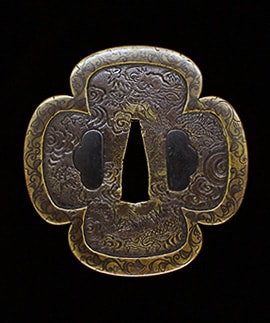

![Tsuba - Tokuho - 作 国重 - 鐔[平戸住国重 三匹龍図鐔][N.B.T.H.K]特別保存刀装具](/_next/image?url=https%3A%2F%2Fitbhfhyptogxcjbjfzwx.supabase.co%2Fstorage%2Fv1%2Fobject%2Fpublic%2Flisting-images%2Fworld-seiyudo%2FL32510%2F00.jpg&w=2560&q=90)