 NihontoWatchNihontoWatch
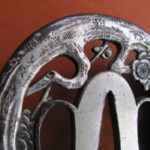
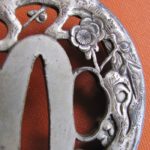
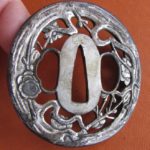
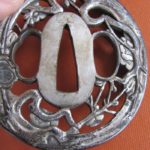
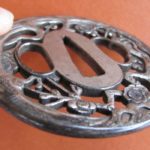
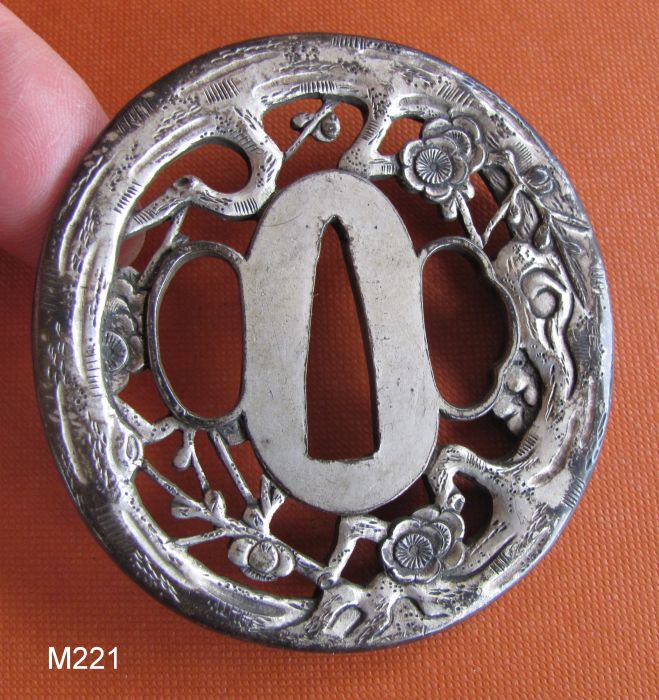
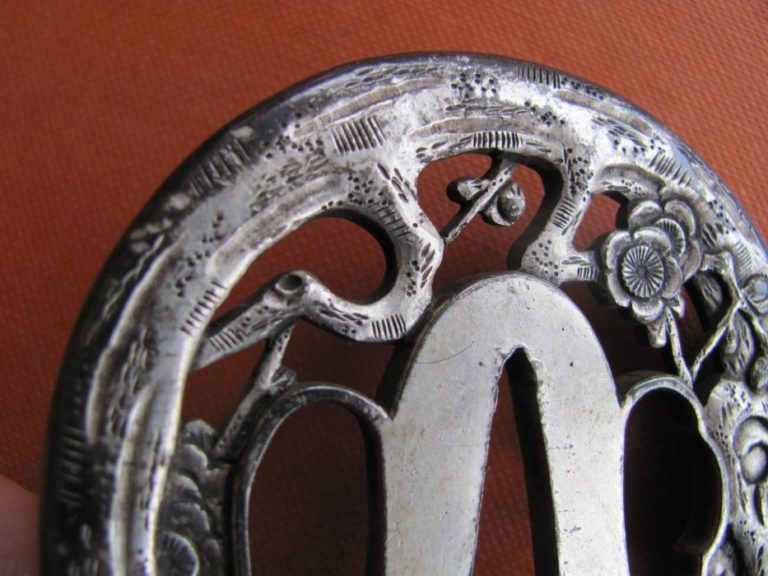
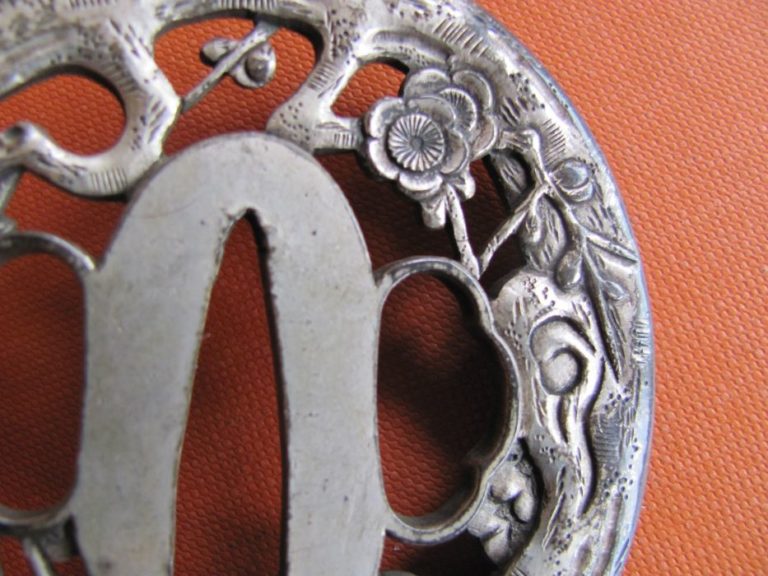
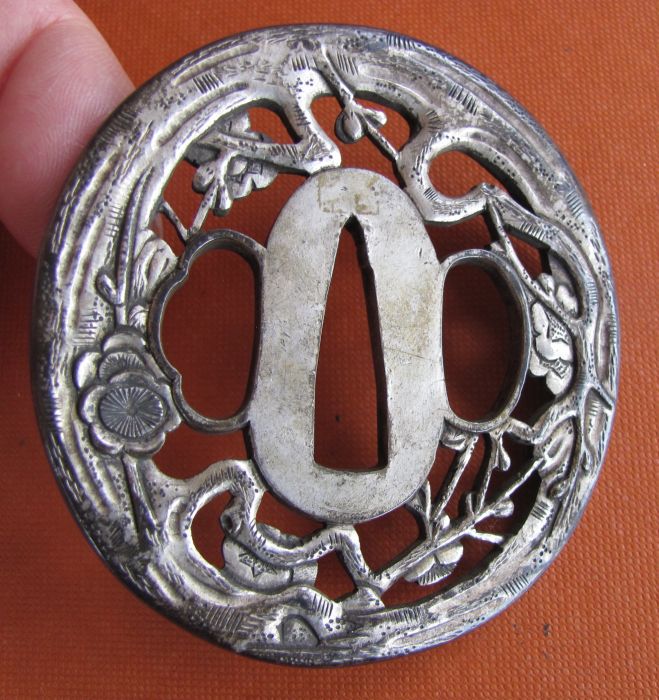
M221. Sukashi tsuba of gold plated brass (or possibly some other soft metal alloy). 6.7 x 7.2 x .35 cm. The nakago hitsu-ana is.8 x 2.7 cm. This tsuba, as well, comes from Robert Haynes, who had this to say about it. Umetada. Oval brass tsuba with gold plated surface. The whole carved in the form of a plum tree with the branches and blooms in openwork forming the web of the plate. The surface and detail carving shows the hand of a master carver. The slightly oval shape hitsu-ana are in the style of the Umetada School, and since the subject of the tsuba is the plum (ume, of Umetada), it is only natural to see the connection to that family school. This example would seem to date from the late Edo Period when gold could be used more freely. Some of the gold has been lost to time, principally along the rim; otherwise condition is excellent.
NihontoWatch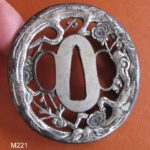
新刀 · Kyoto
現在44点販売中
埋忠派は桃山時代を代表する金工集団であり、刀装具制作において後藤家と並び称される名流である。その鐔制作の技術は他の追随を許さず、古来より「埋忠鐔」の名を以て絶賛されている。特に埋忠彦次郎を中心とする本流は、吉川広家指料の「碇切り」に代表される苔鑢の妙技で知られ、金無垢地に施された鑢目の高尚な品格は筆舌に尽くせないほどである。桃山期における溌剌とした芸術精神を反映し、鐔の世界に新生面を拓いた。 作風の特徴として、金無垢、素銅、真鍮など多様な地金を用い、絶妙な肉取りの平地に締まった肉置きを見せる。斜めに掛けられた鑢や角耳の鑢仕立ては埋忠の真髄であり、切羽台外周に施された微妙な角度の配慮は、拵や刀装具を熟知した技術者ならではの工夫である。意匠は桜花透、胡蝶透、葡萄文、菊唐草文など図案化された文様を陰透や平象嵌で表し、明寿が創始した赤銅・銀・金の平象嵌研出しの技法は極めて効果的である。家紋を散らした刻印打込や七宝象嵌など装飾性に富み、絵画的で雅な雰囲気が満ちている。 江戸時代に入ると京都金工界において後藤、平田、正阿弥と各派が互いに影響し合い、埋忠派もその作風に変化を見せている。埋忠寿斉の銘がある慶長十年正月の縁頭は、金無垢地に家紋散図を施した豪華な仕立てであり、上層武家の需要に応えた作例として知られる。金無垢の鐔は度々の激動期に鋳潰されたため桃山期以前の作品は極めて少なく、現存する作例は資料的にも貴重である。埋忠二字銘の作品も江戸前期に見られ、明寿に近い出来を示すものもある。 詳しく見る →
3-day return window from receipt.