二十世紀は二度この工芸を殺しかけた。戦時の歪みと、占領下の禁令である。1948年の日刀保設立と1953年の作刀再開が刀を美術として再建し、人間国宝と無鑑査がその頂に立つ。
 NihontoWatchNihontoWatch
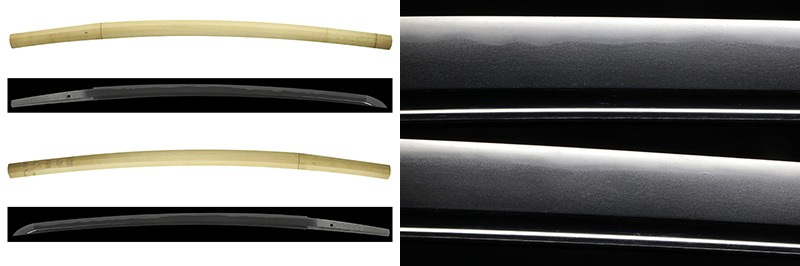
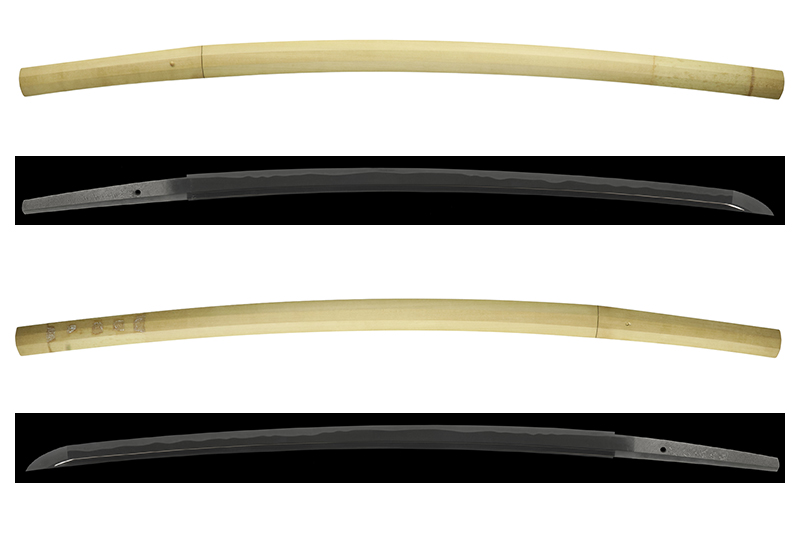
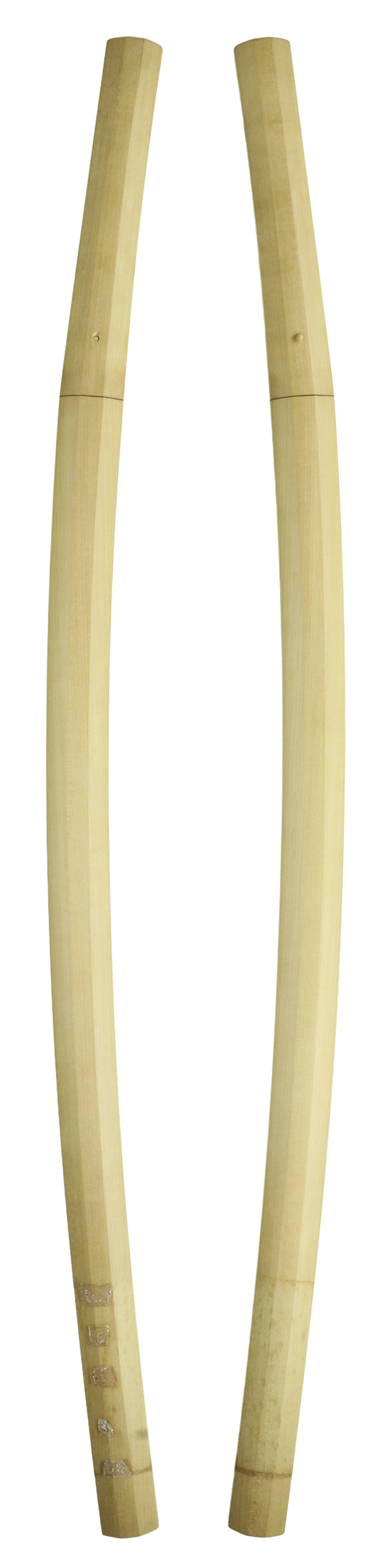
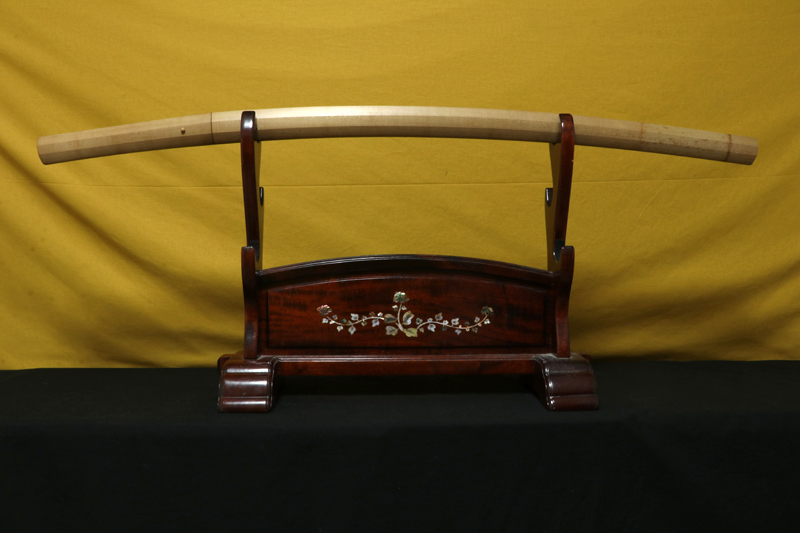
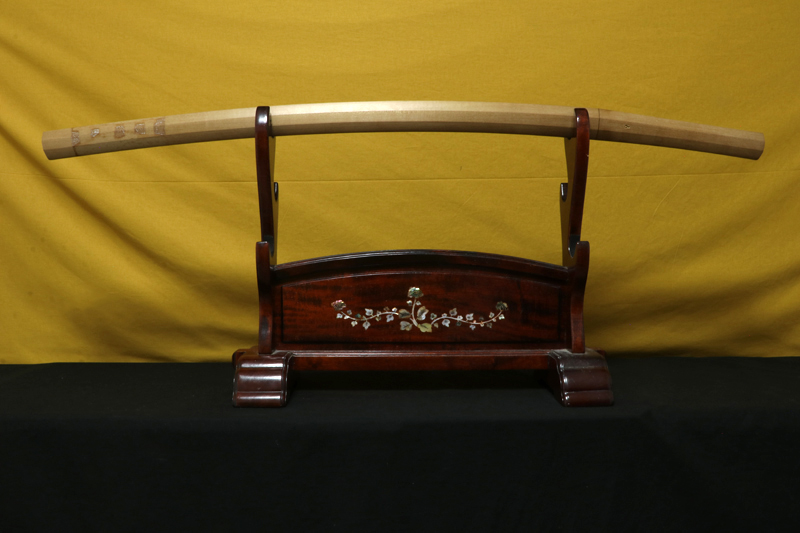
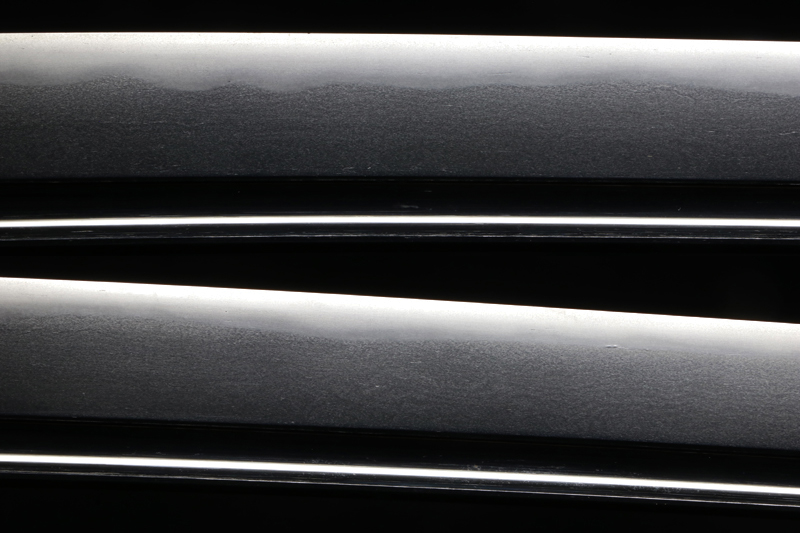
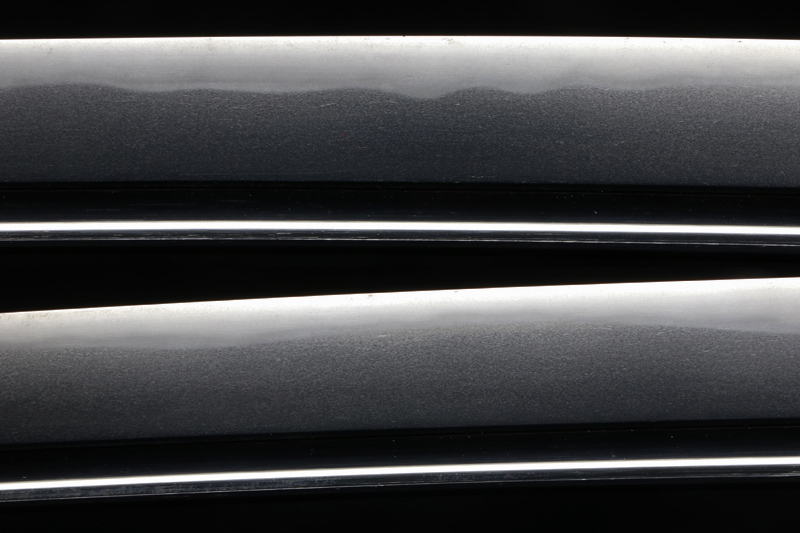
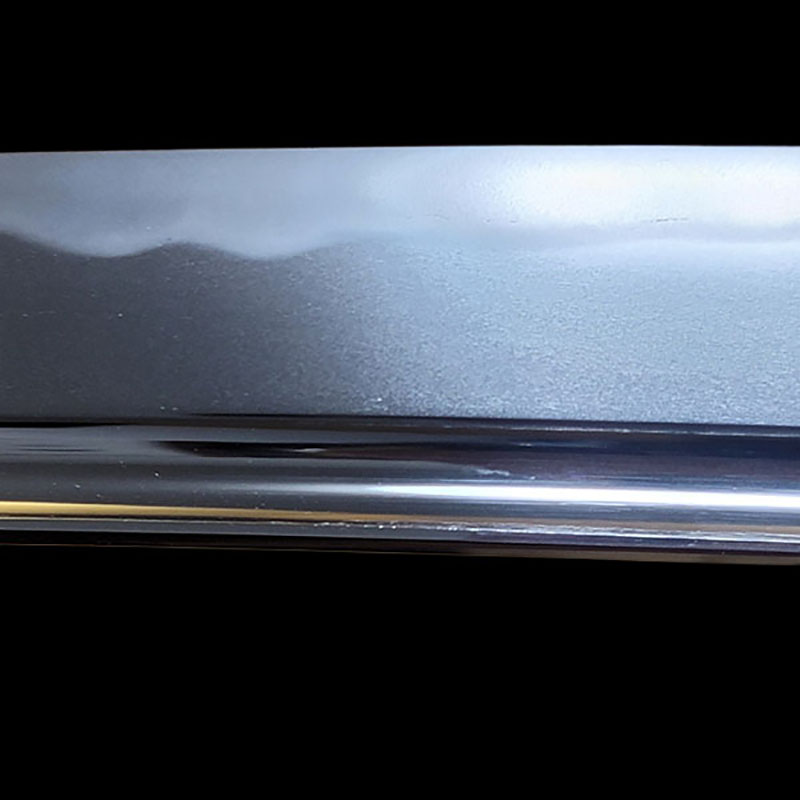
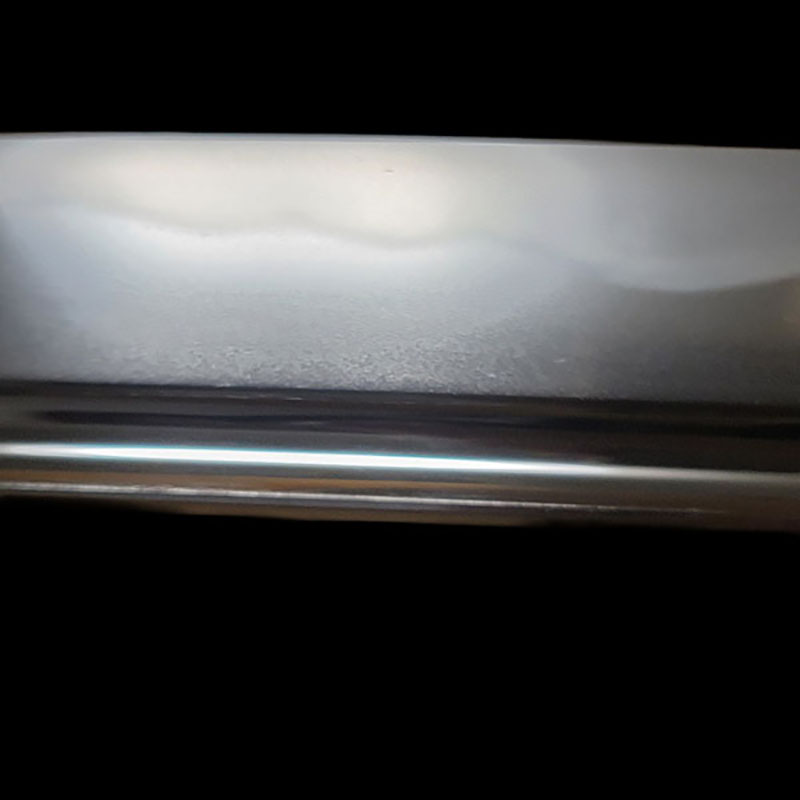
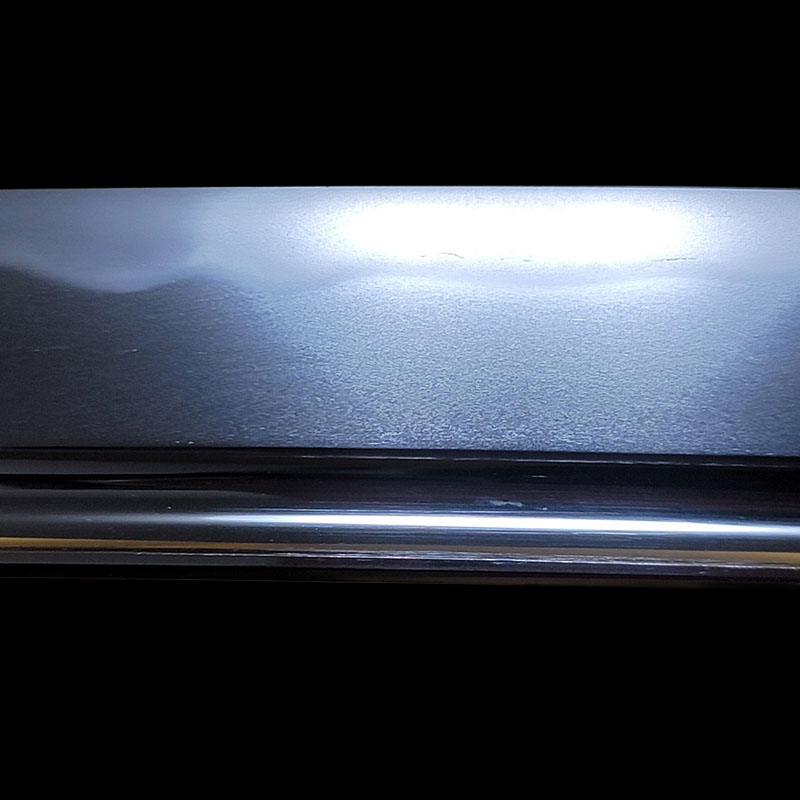
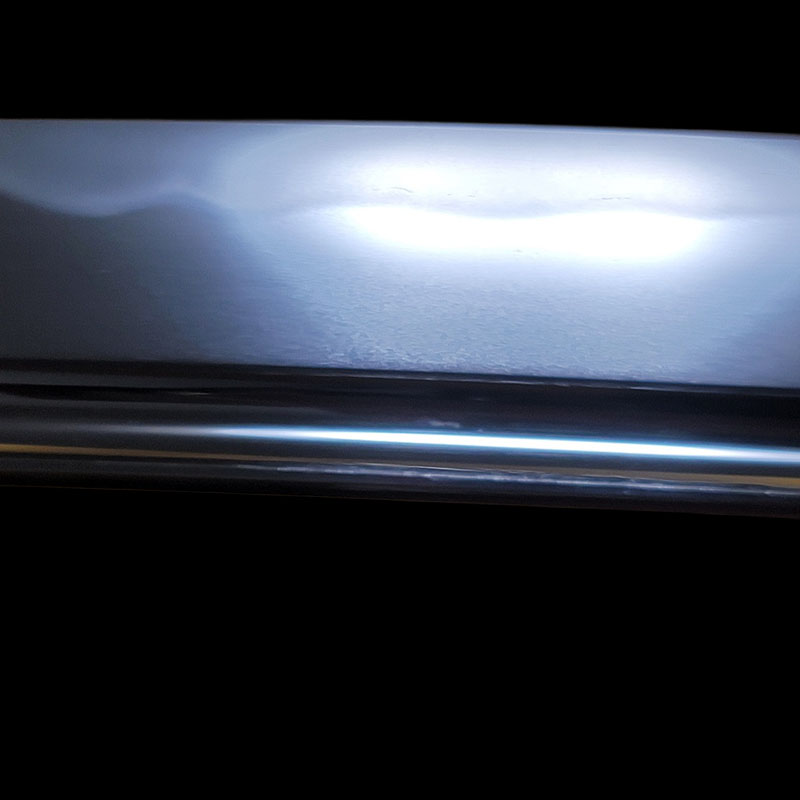
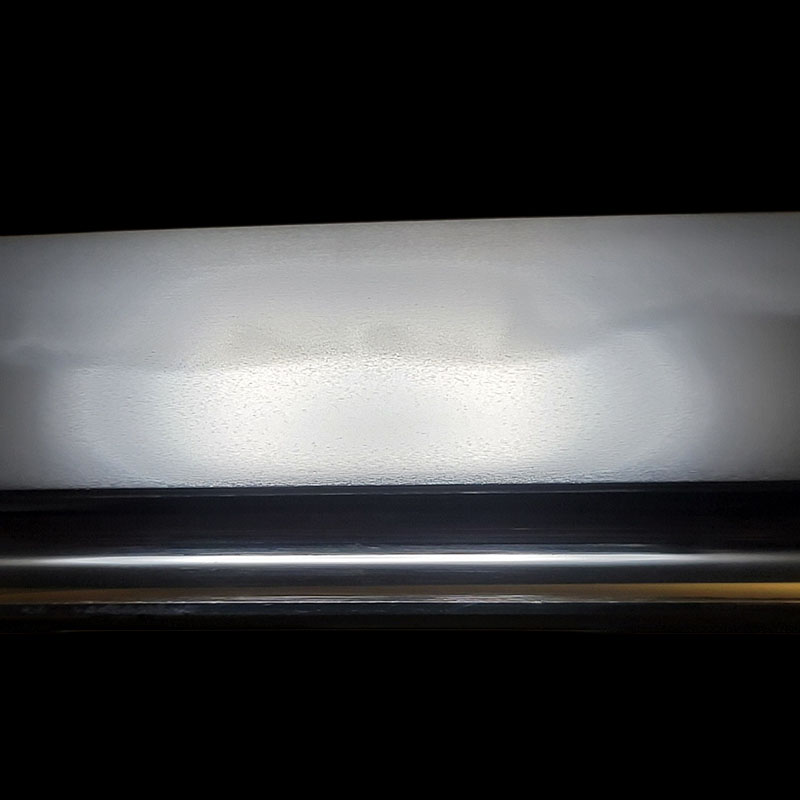
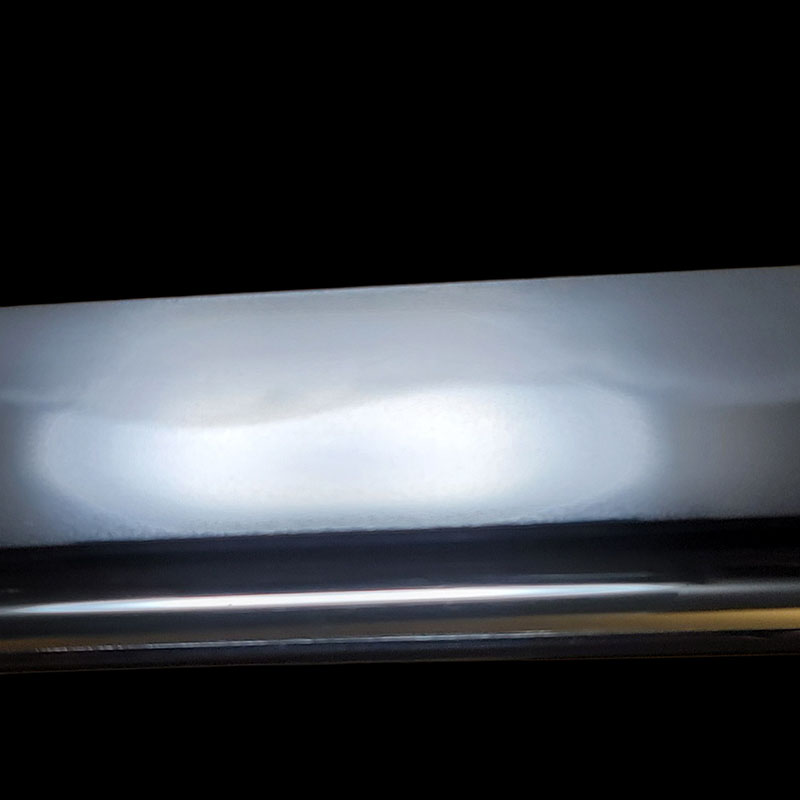
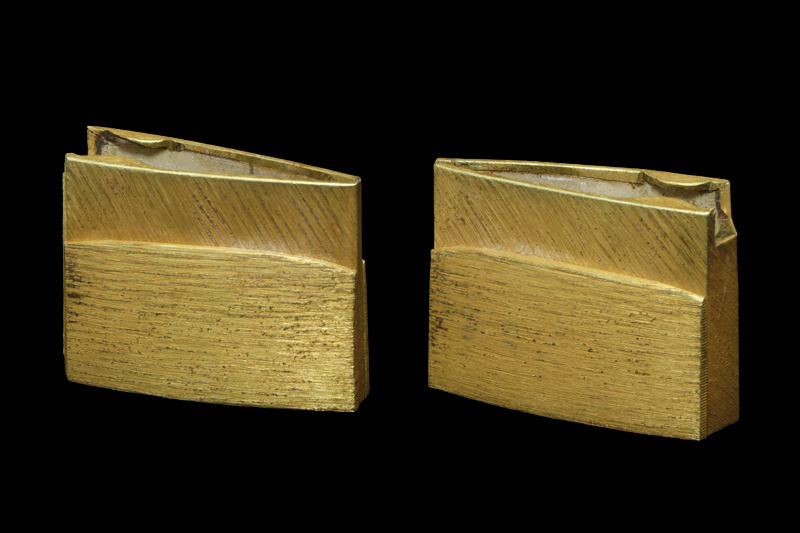
Modern sword Shinbo Yoshiharu(Shinbo Motihira) tsukuru with Shirosaya 宮入一門の重鎮として知られる新潟の名工、新保義治(新保基平)の作品です。 本作は、相州貞宗を狙った作で、よく詰んだ地鉄に互の目乱れの刃紋を焼いた逸品です。 This is a work by Shinbo Yoshiharu (also signing as Shinbo Motohira), the noted master swordsmith of Niigata known as a leading figure among the Miyairi school. This blade was made in emulation of Sōshū Sadamune, and is an outstanding piece featuring well-compacted jihada and a gunome-midare hamon. 「刀姿 sword figre」 鎬造り、庵棟。身幅やや広く、重ね尋常にして鳥居反り、大鋒。茎は生ぶで筋違鑢がかかり、茎尻は栗尻。 Shinogi-zukuri, iori-mune. The blade is somewhat wide, with ordinary thickness, torii-zori curvature, and a large kissaki. The tang is ubu (unaltered), finished with sujikai yasuri (diagonal file marks), and the nakago-jiri is kurijiri. 「彫物 carving」 彫物は、片チリの棒樋を茎尻まで掻き通しとしています。 The horimono consists of a kata-chiri bōhi carried through to the end of the tang. 「地鉄 jigane」 地鉄は板目肌がよく詰み、地沸が厚く付く。 The jigane is a well-compacted itame-hada, with thick ji-nie. 「刃紋 hamon」 刃紋は沸出来の互の目で、焼幅に高低をつけ、足よく入り、砂流しかかる。帽子は乱れ込み、小丸に返る。 The hamon is a nie-deki gunome, with the width of the temper varying in height; ashi enter well, and sunagashi appear. The bōshi continues in midare and turns back in a small rounded ko-maru. 「特徴 detailed」 新保義治は、本名を新保基治といい、昭和16年9月4日、新潟県佐渡両津生まれ。銘は初め「義治」と切り、後に「基平」と切ります。昭和31年より相州伝の鍛錬および沸の研究を始め、昭和37年には重要無形文化財保持者(人間国宝)・故宮入行平に入門しました。こうして相州伝のみならず相伝備前をも会得し、昭和38年、第9回作刀技術発表会に初出品すると、見事初入選を果たします。以後も連続して出品を重ね、毎日新聞社特賞1回、優秀賞9回、奨励賞1回、努力賞20回を受賞するなど、数々の入賞と栄誉を重ねました。その作風はきわめて真摯で、技量・評価ともに高く、全日本刀匠会においても近年の活躍は目覚ましいものがあり、今後さらなる飛躍が期待される注目の刀匠です。現在は、鎌倉時代中頃の備前物の再現に尽力しています。 本作は、相州貞宗を狙った作で、よく詰んだ地鉄に互の目乱れを焼いた逸品です。 Shinbo Yoshiharu, whose real name is Shinbo Motoharu, was born on September 4, 1941, in Ryotsu, Sado, Niigata Prefecture. He first signed his works “Yoshiharu” and later used the signature “Motohira.” Beginning in 1956, he undertook the study of forging and nie in the Sōshū tradition, and in 1962 he entered the school of the late Miyairi Yukihira, a Holder of Important Intangible Cultural Property (Living National Treasure). In this way, he mastered not only the Sōshū tradition but also Sōden-Bizen, and when he made his first submission to the 9th Sword Forging Techniques Exhibition in 1963, he achieved acceptance on his very first attempt. Thereafter, he continued to exhibit regularly, receiving numerous honors, including the Mainichi Newspapers Special Prize once, the Excellence Award nine times, the Encouragement Award once, and the Effort Award twenty times, along with many other distinctions. His work is exceptionally sincere in character, and both his skill and reputation are highly regarded. His achievements in recent years within the All Japan Swordsmith Association have been particularly remarkable, marking him as a talented and noteworthy smith from whom even greater accomplishments are expected in the future. At present, he is devoted to the re-creation of mid-Kamakura Bizen works. This piece was made in emulation of Sōshū Sadamune, and is an outstanding work featuring well-forged, tightly compact jihada and a gunome-midare hamon. 「拵 Koshirae」 ハバキ(habaki) :素銅地金着二重。 鞘(saya) : 白鞘。 「刀剣の状態 condition of blade」 研:概ね良好です。 傷:欠点に成るような傷は有りません。


1926-1989頃
現在2点販売中
昭和から現代へ 断絶と再生
二十世紀は二度この工芸を殺しかけた。戦時の歪みと、占領下の禁令である。1948年の日刀保設立と1953年の作刀再開が刀を美術として再建し、人間国宝と無鑑査がその頂に立つ。
ご購入頂いた商品の到着してから3日以内であれば返金もしくは交換対応をいたします。返品時の送料と返金する際の振込手数料はお客様のご負担とさせていただきます。