江戸は刀の目利きの時代である。本阿弥の鑑定、1719年の享保名物帳、盛んな刀剣書が、戦で抜かれることのなくなった刀を学問の対象へと変えていった。
 NihontoWatchNihontoWatch
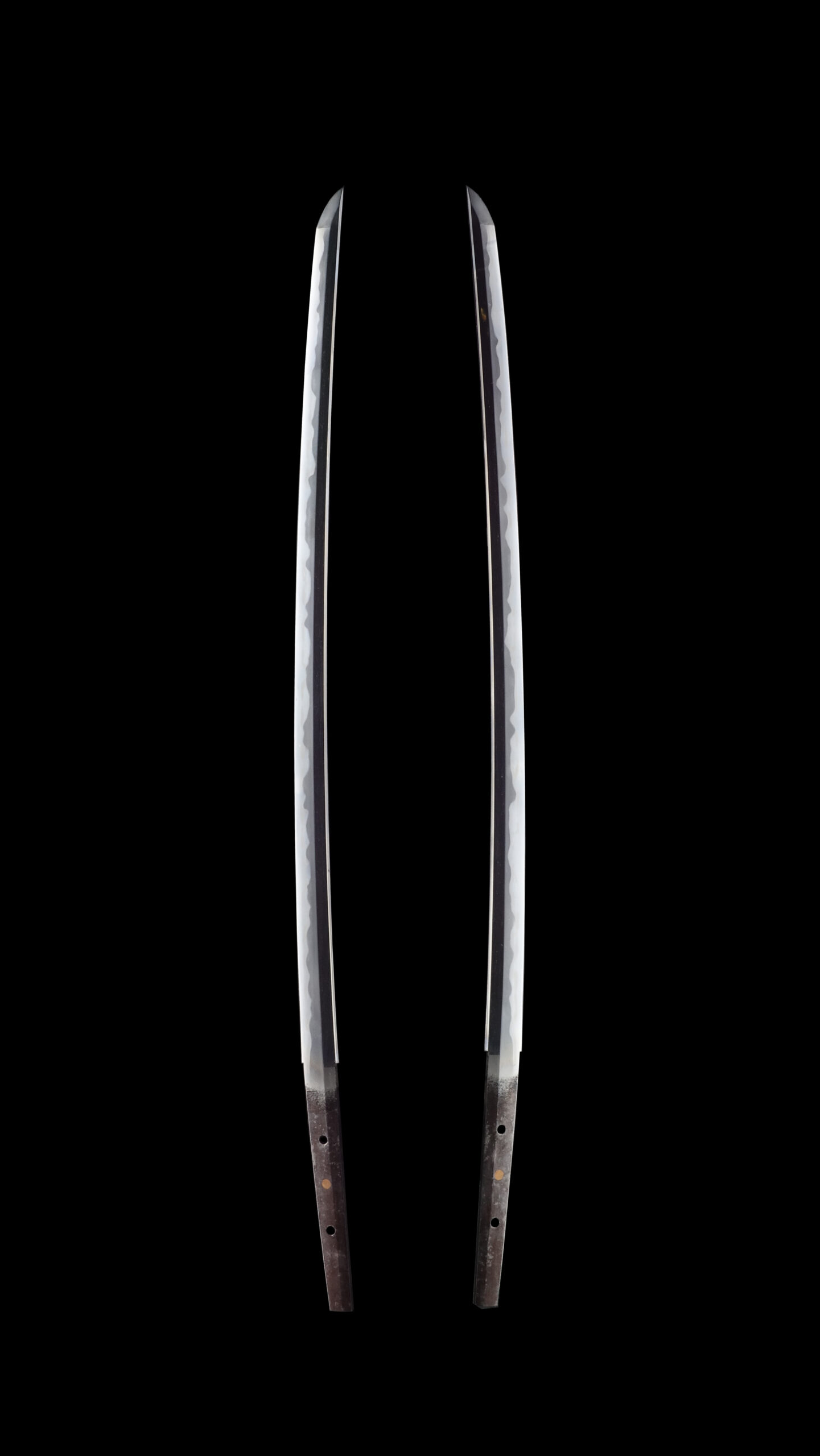
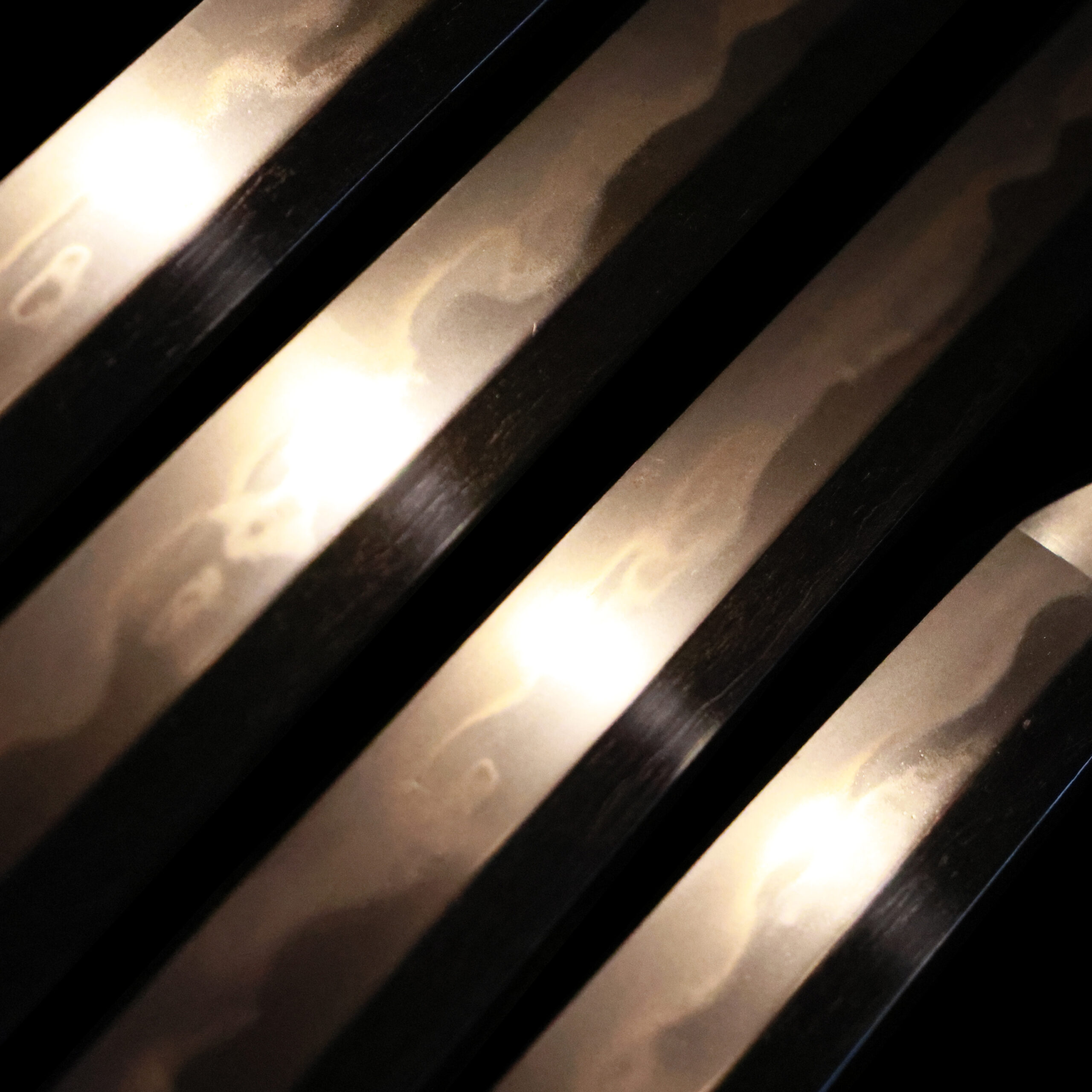
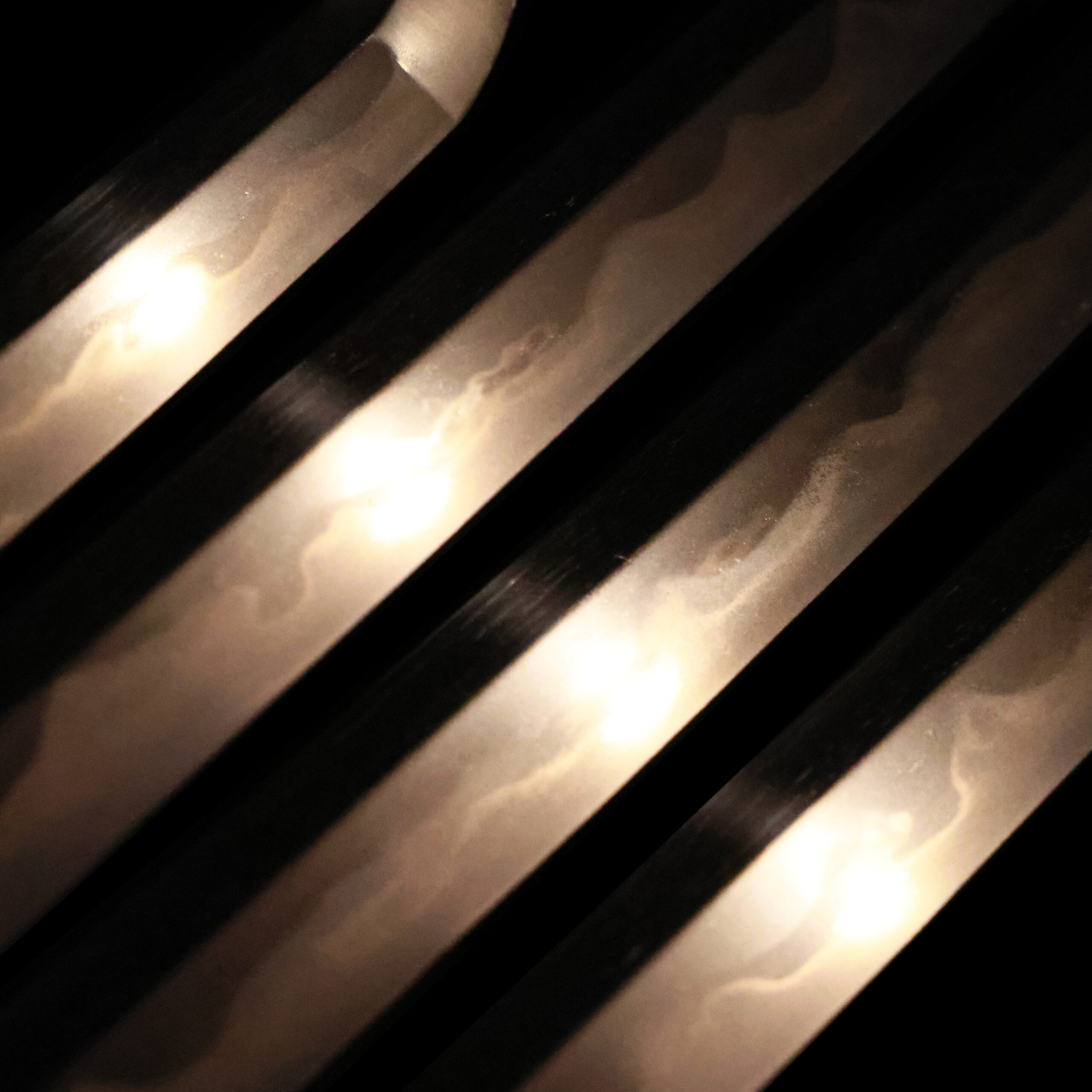
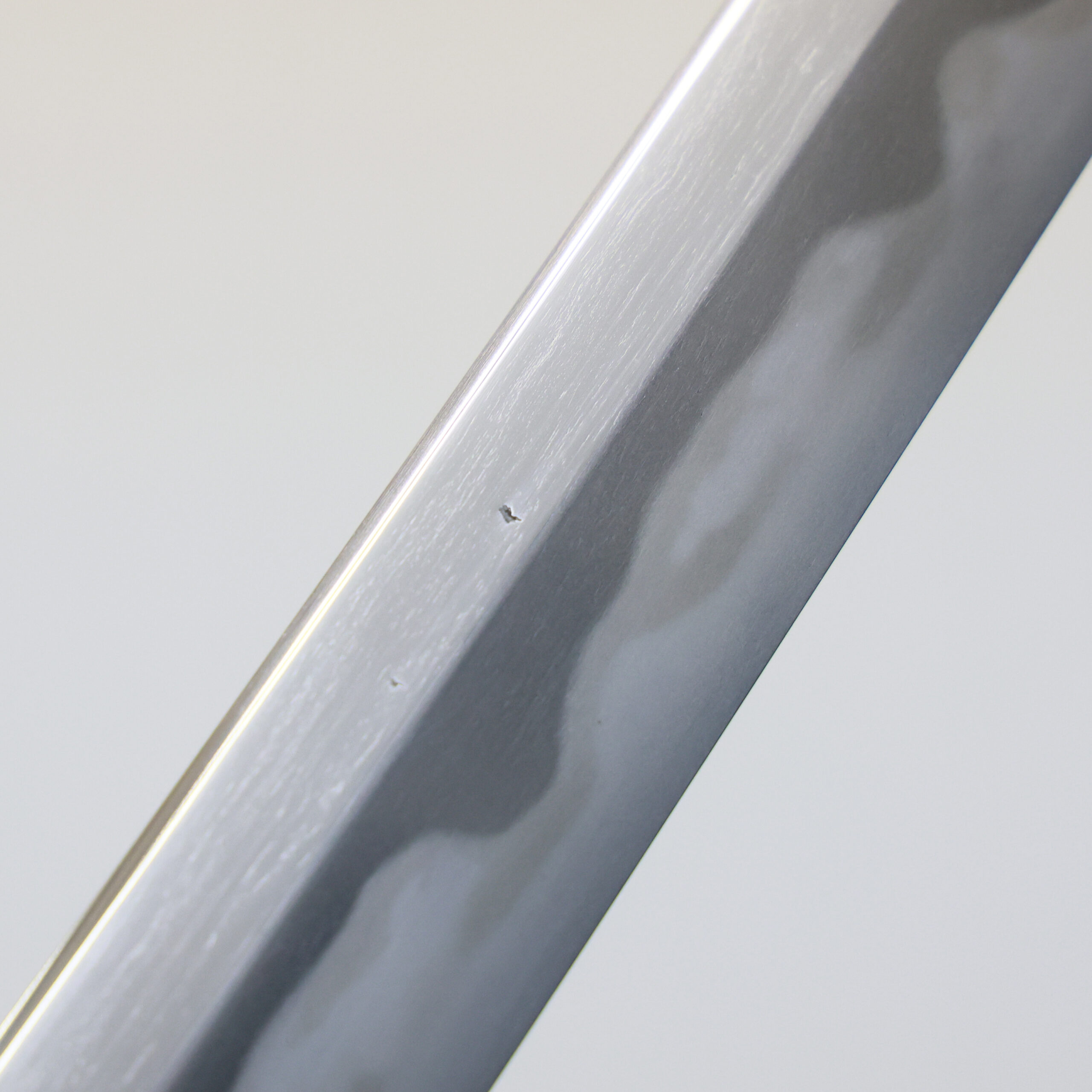
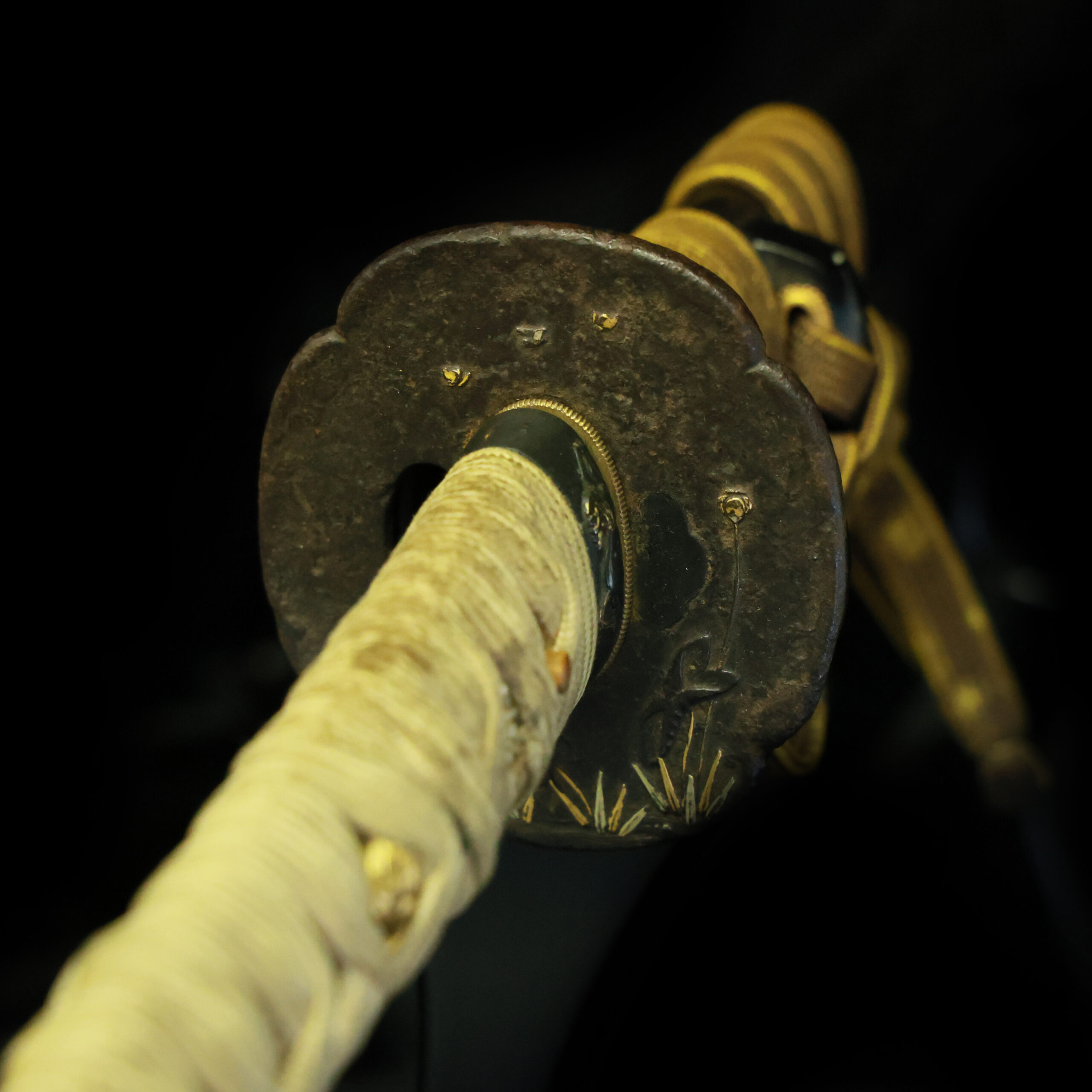
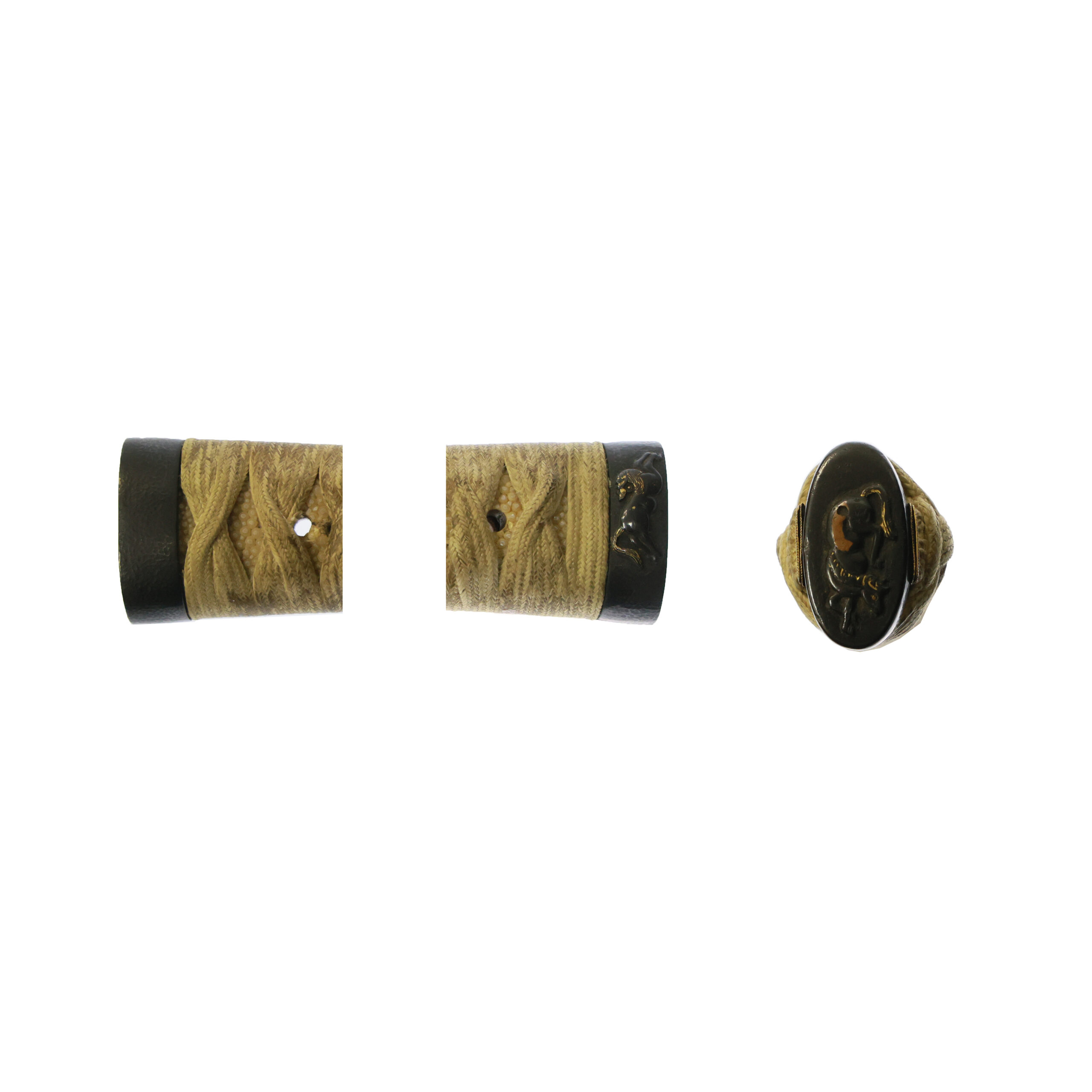
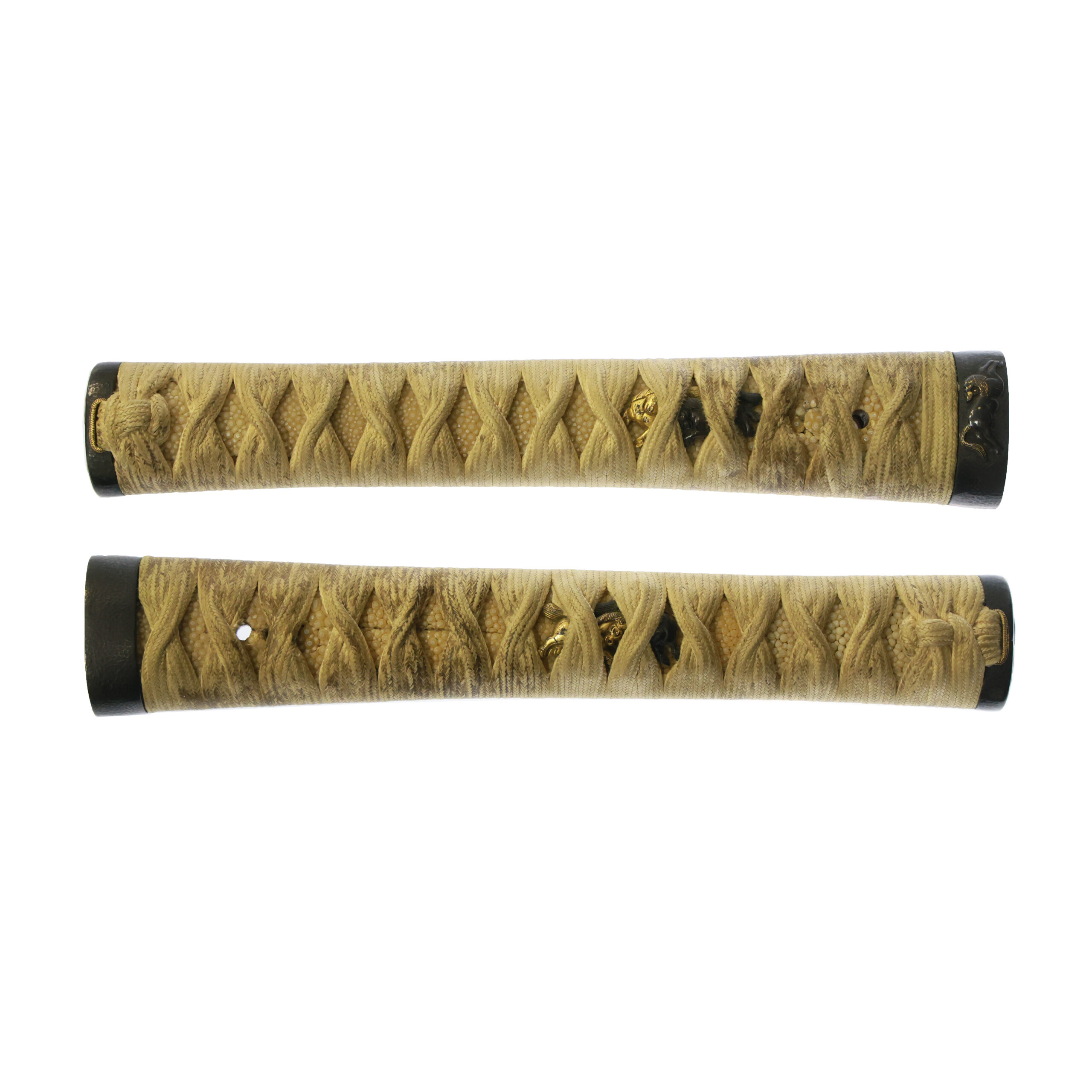
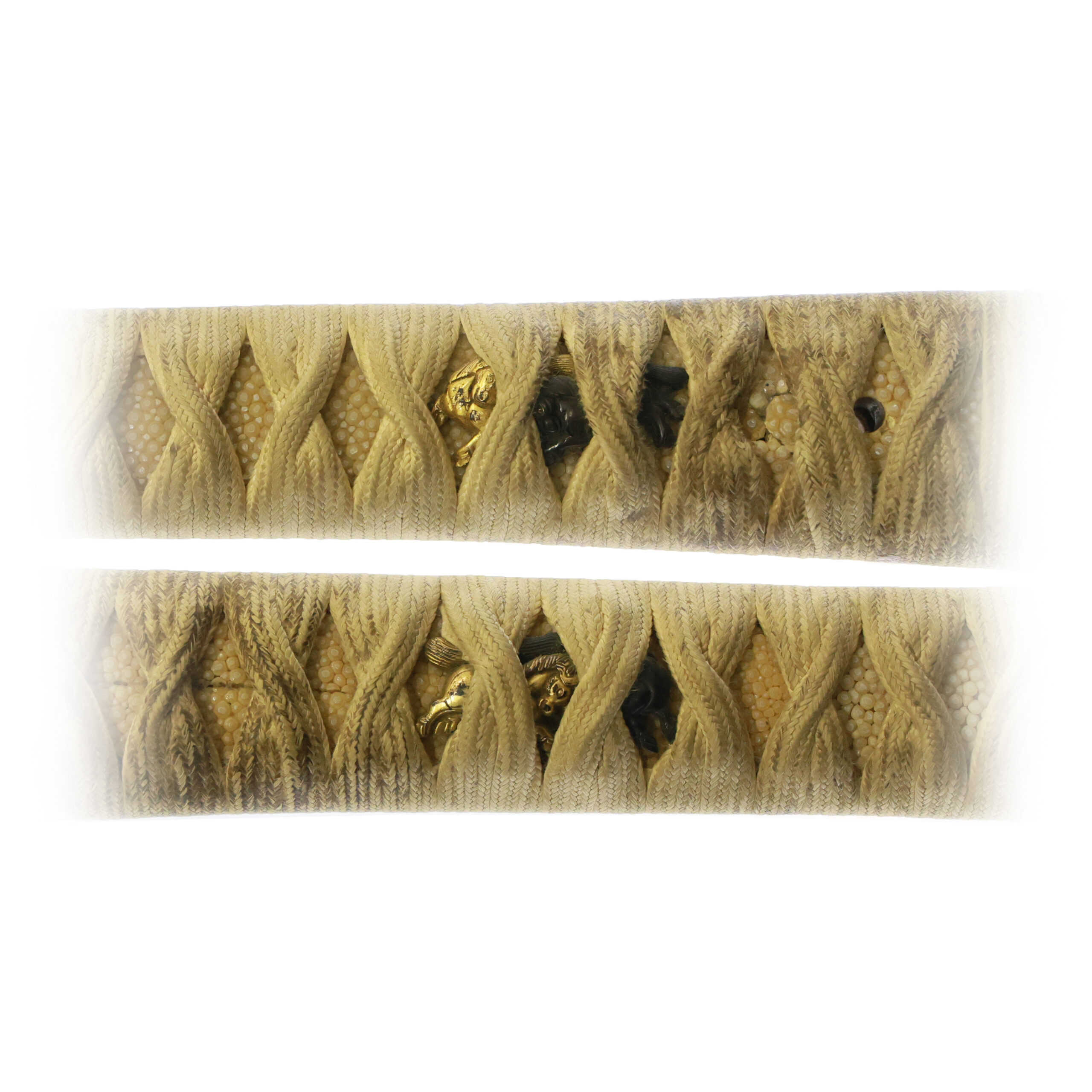
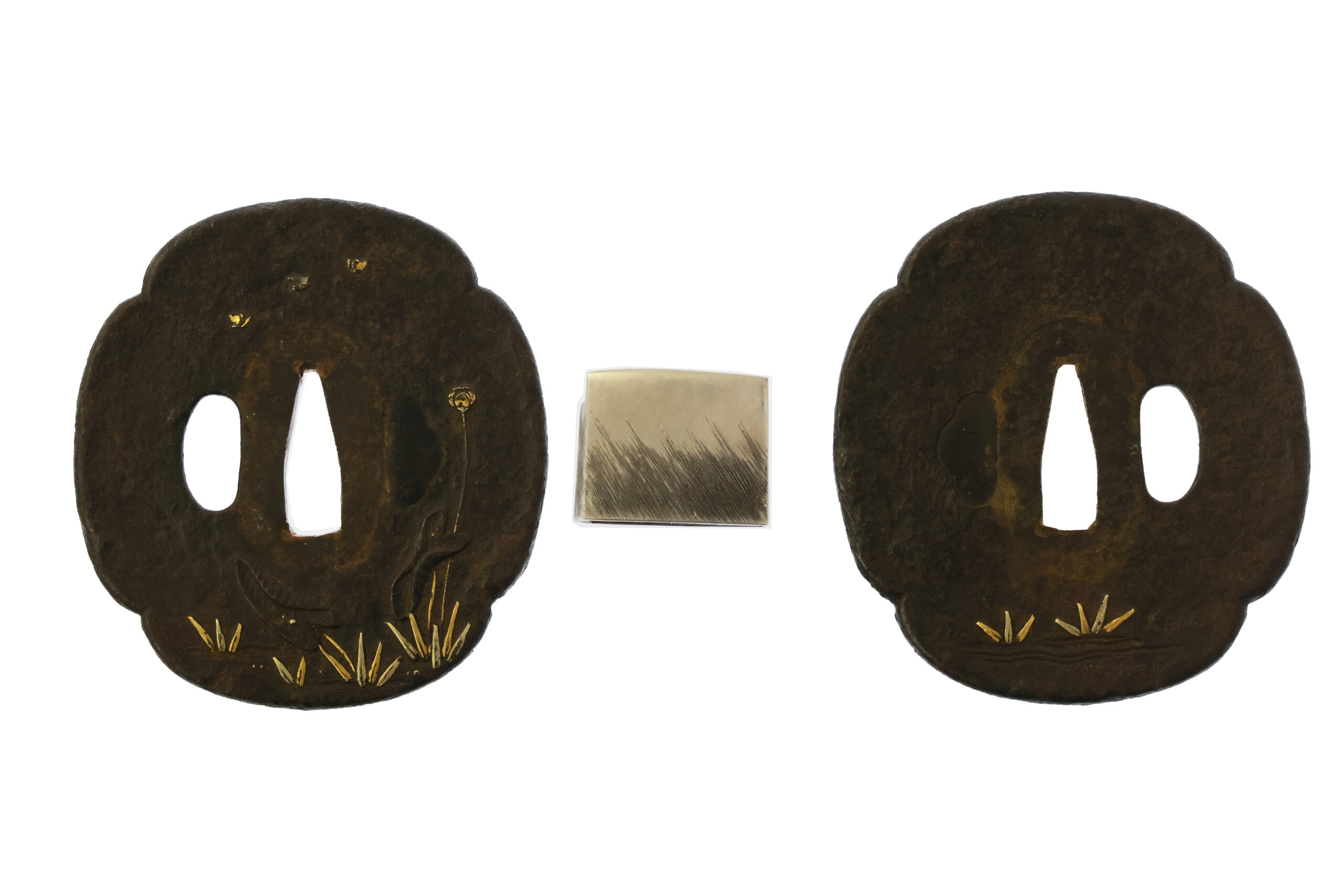
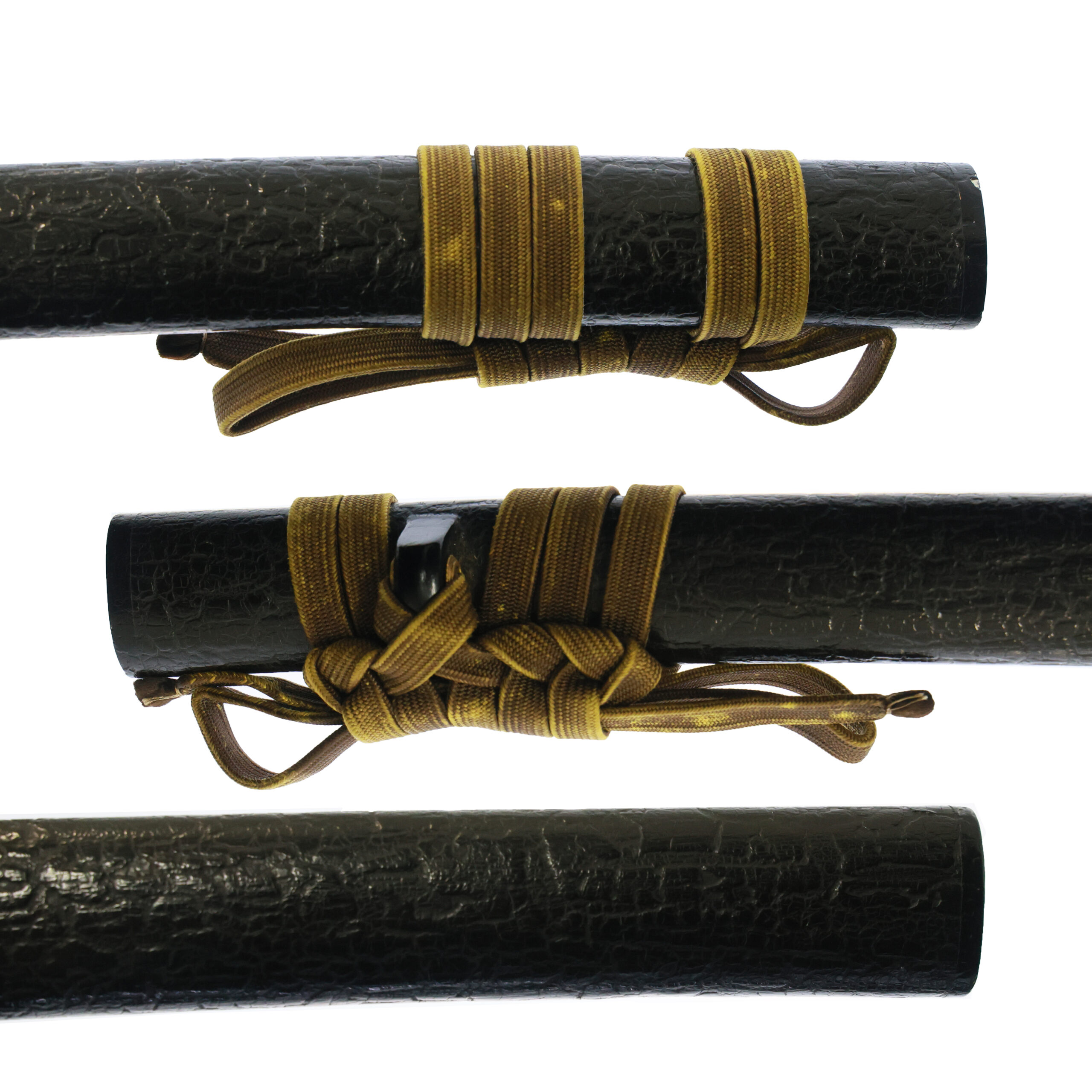
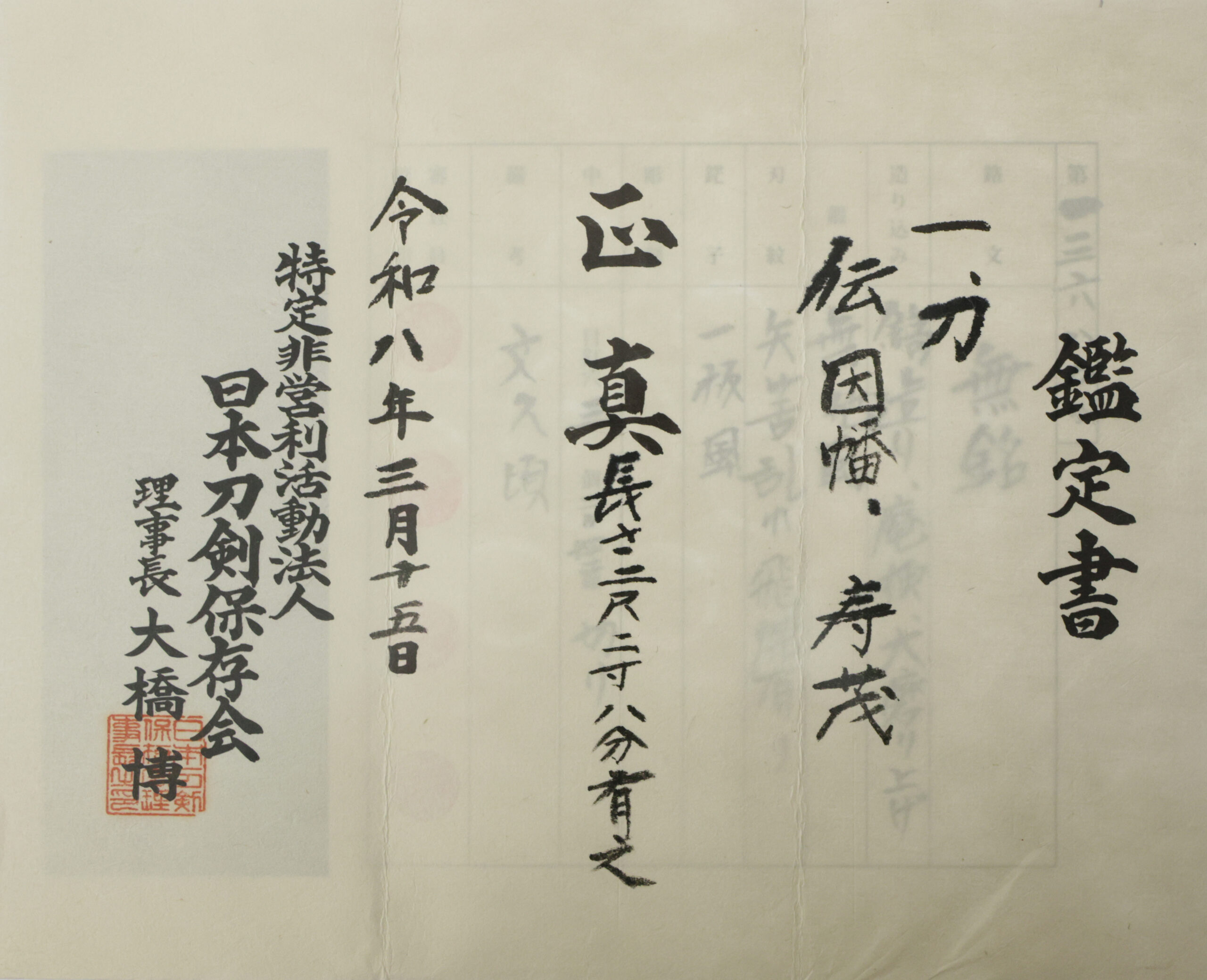
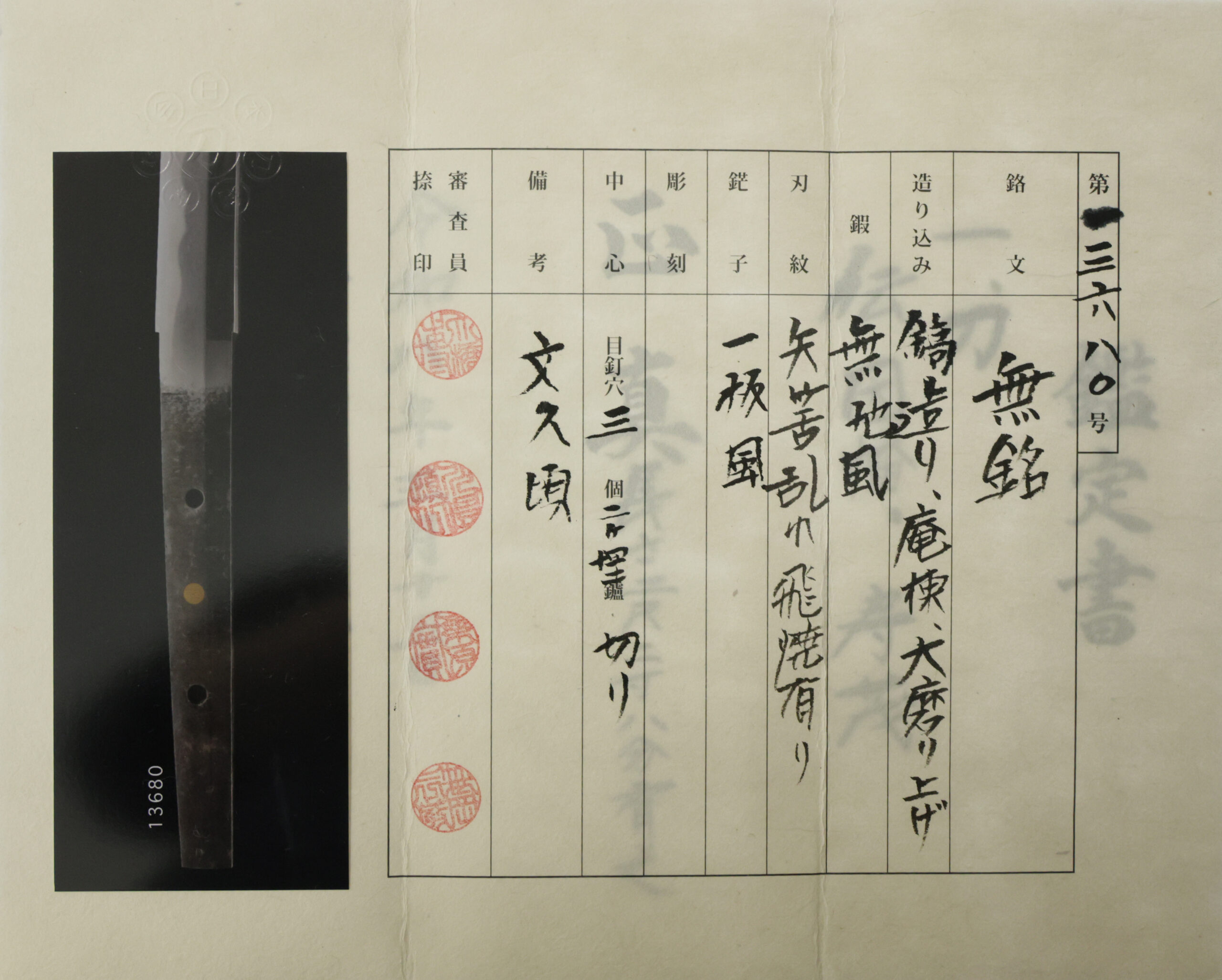
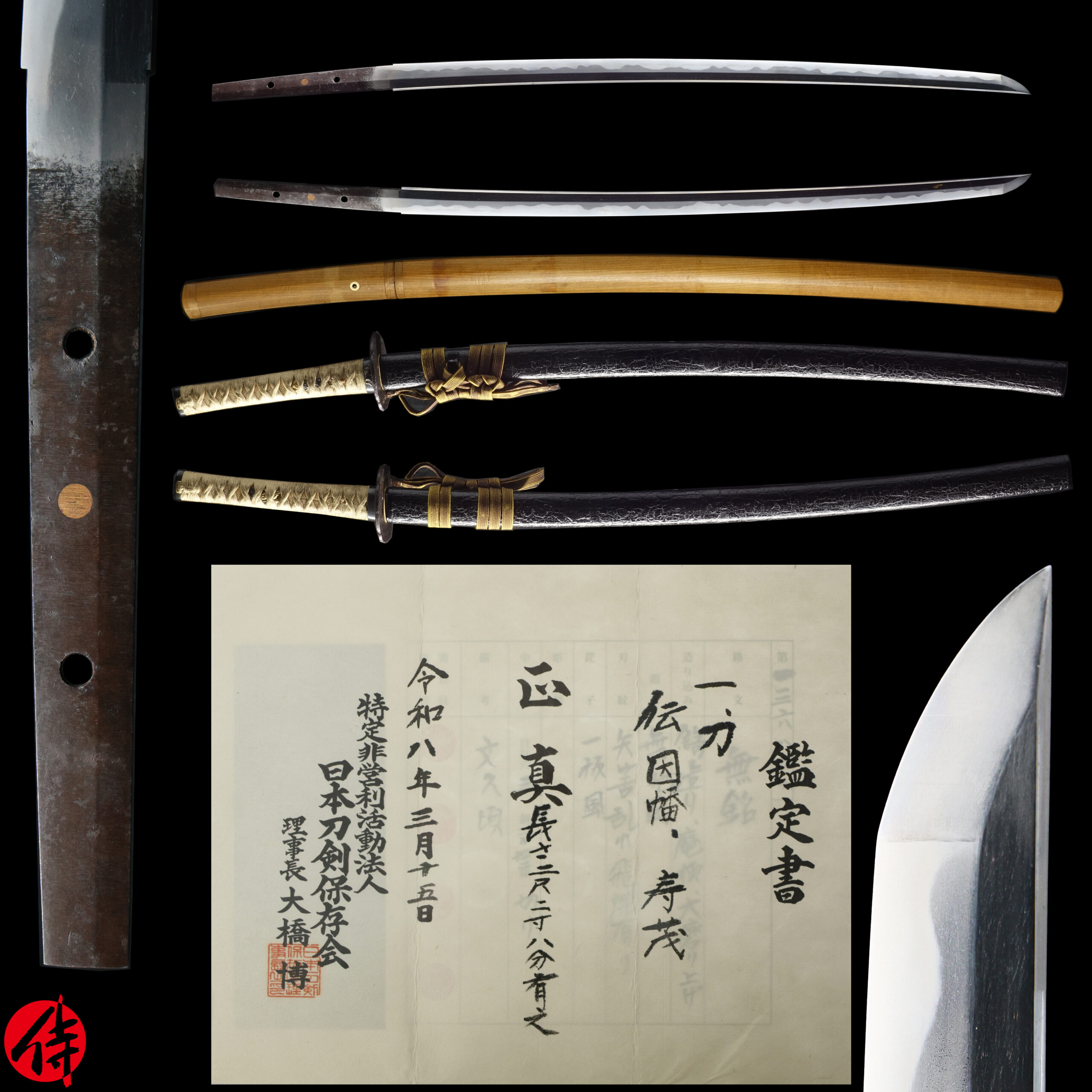
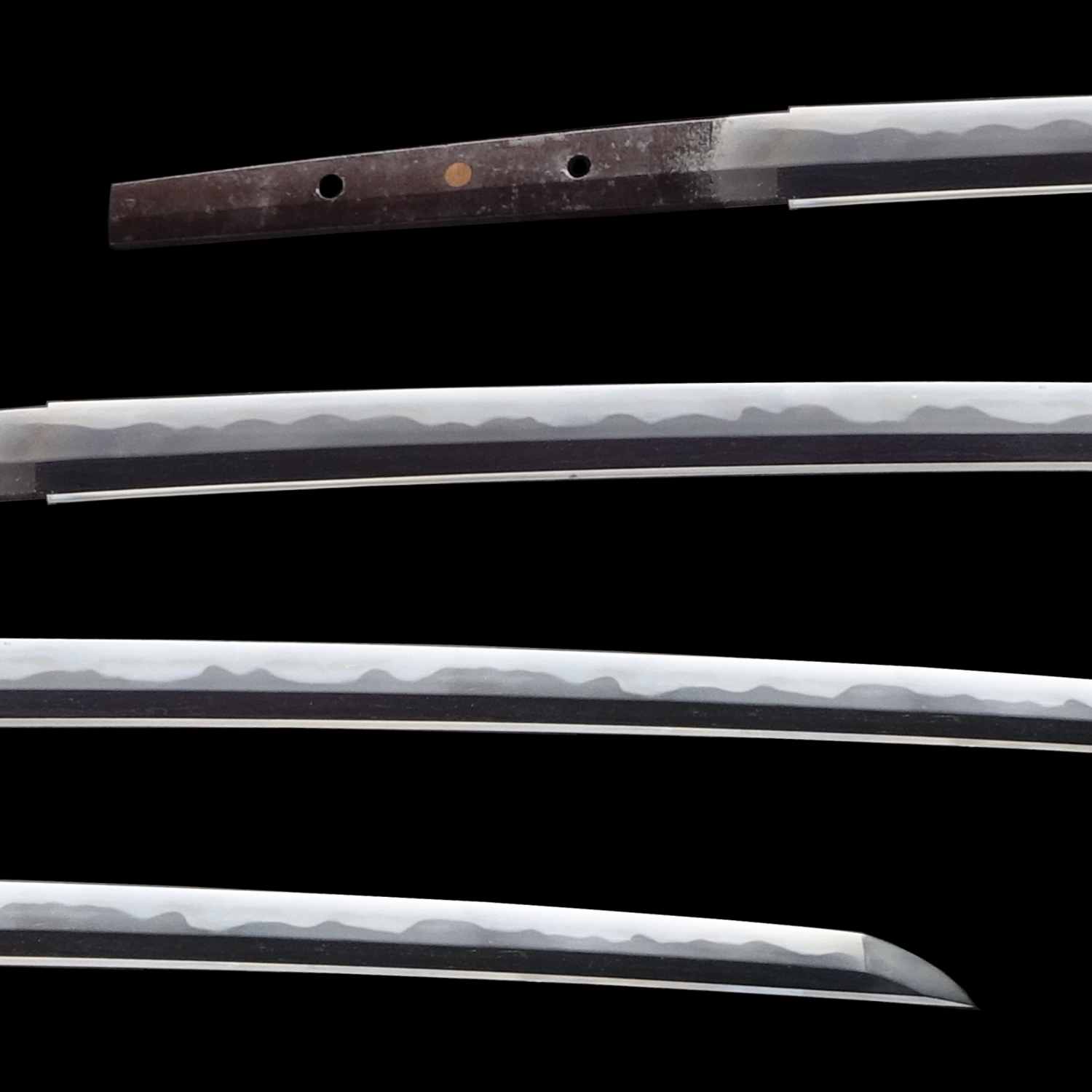
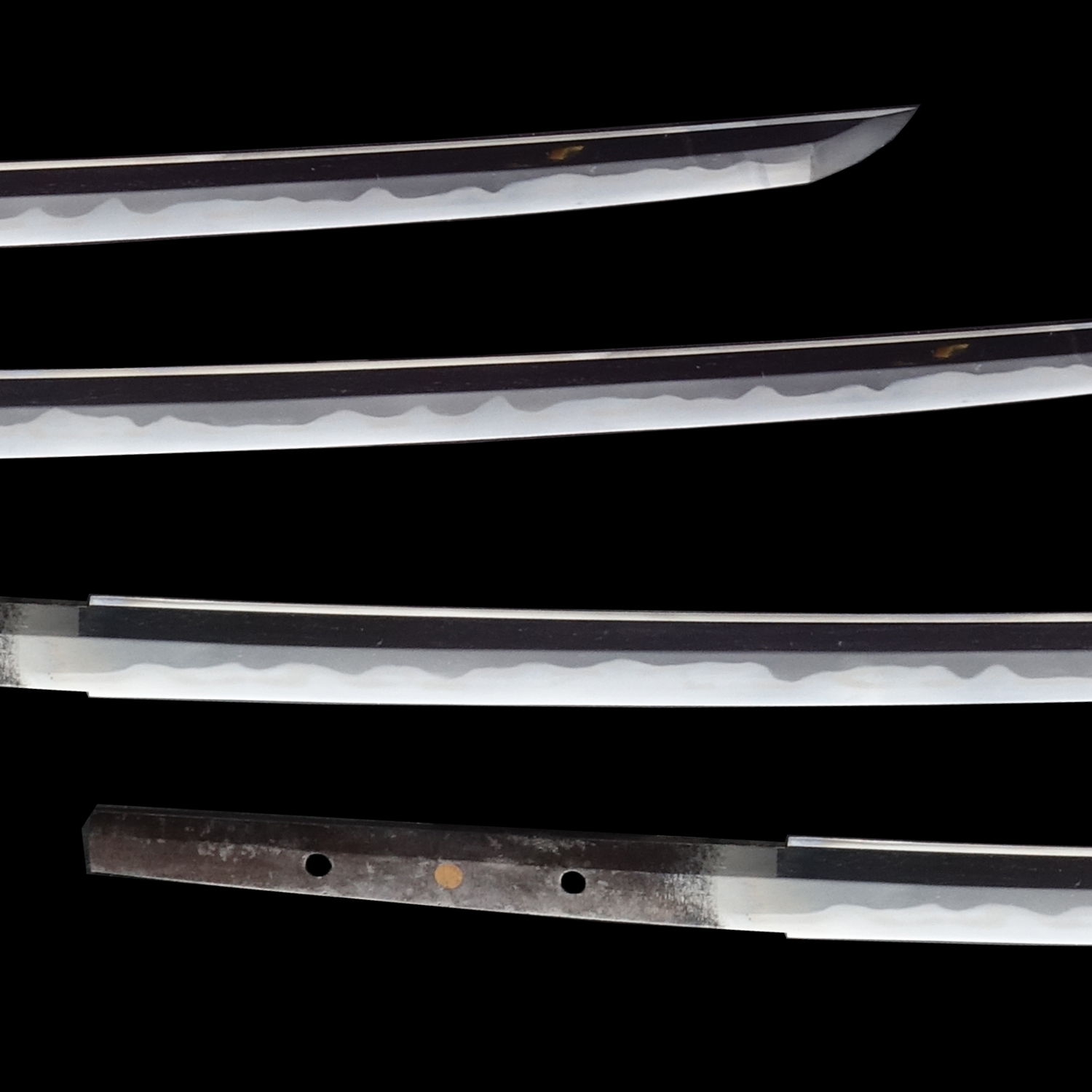
This blade is attributed to Den Inaba Toshishige (伝因幡寿茂), and is estimated to have been made during the Bunkyū era (1861–1864), according to the certification by the NTHK (Nihon Tōken Hozon Kai). Toshishige belonged to Hamabe school in Inaba province (today’s Tottori prefecture). The founder of the school, Hamabe Toshinori (浜部寿格), was born in 1746 in Tottori prefecture. He first learned sword forging techniques from Hioki Kanesaki in Tottori prefecture. And he also went to Edo city twice during 1781-1800 to study sword making under different masters. He stayed in Bizen Osafune as well to master Bizen Den from Sukesada. When he was 41 years old, he received the title of Mino no kami and changed his maker’s name to Toshinori. Then, he worked for the Tottori clan. His school had a lot of apprentices, including Toshishige, and his fame and achievements are well-known even today among Japanese sword connoisseurs. It is said that Toshishige was either the brother or relative of Hamabe Toshiyuki, the third-gen head of the school. The Bunkyū era falls within the late Edo period, a time of great political unrest and transition in Japan, often referred to as the Bakumatsu period (幕末). During this time, the Tokugawa shogunate was weakening, and conflicts between pro-imperial and pro-shogunate factions were intensifying. As a result, swords were not only weapons but also powerful symbols of status, loyalty, and identity for the samurai class. “Inaba” (因幡) refers to a historical province located in the eastern part of today’s Tottori Prefecture. This region, while not as widely known as major sword-producing centers such as Bizen or Seki, had its own local tradition of swordsmithing, often influenced by surrounding schools. *Please keep in mind that that there are a couple of Kitae Kizu and black rust on this blade. Fuchi-Kashira This fuchi-kashira features a horse (馬, Uma) design. For samurai, the horse was not only an essential companion in battle but also held significant cultural meaning in Japan. The horse symbolizes strength, nobility, and loyalty, reflecting qualities that were highly valued by the samurai. In Japanese culture, the horse is also seen as a symbol of grace, freedom, and connection to nature, often appearing in various forms of art and tradition. Tsuba and Menuki This menuki features a horse motif, matching the design of the fuchi-kashira. *Please keep in mind that there are some noticeable stain on the Tsuka Ito (thread on the handle). Tsuba and Habaki This tsuba is mokkō-shaped (木瓜型, mokko-gata), a form resembling a cross-section of a gourd or the Japanese quince flower, which was a popular shape for sword guards from the Muromachi through the Edo period(15th–19th centuries). Authentication Paper NTHK, also known as NPO Nihon Touken Hozon Kai, is the oldest organization for sword authentication of Japanese swords in modern times. It was established in 1910 during the post-Samurai era. They authenticated the blade on March 15th in the 8th year of Reiwa (2026).
取扱店 サムライミュージアム
写真に鑑定書が写っており、出品ページには日本刀剣保存会の鑑定書と記されていますが、当サイトの記録にはまだありません。私たちが第三者による確認として頼りにしているのは、現在有効な日刀保・日本刀剣保存会の審査の鑑定書です。鑑定書の鮮明な写真を刀剣商にお求めになるとよいでしょう。 — Hoshi

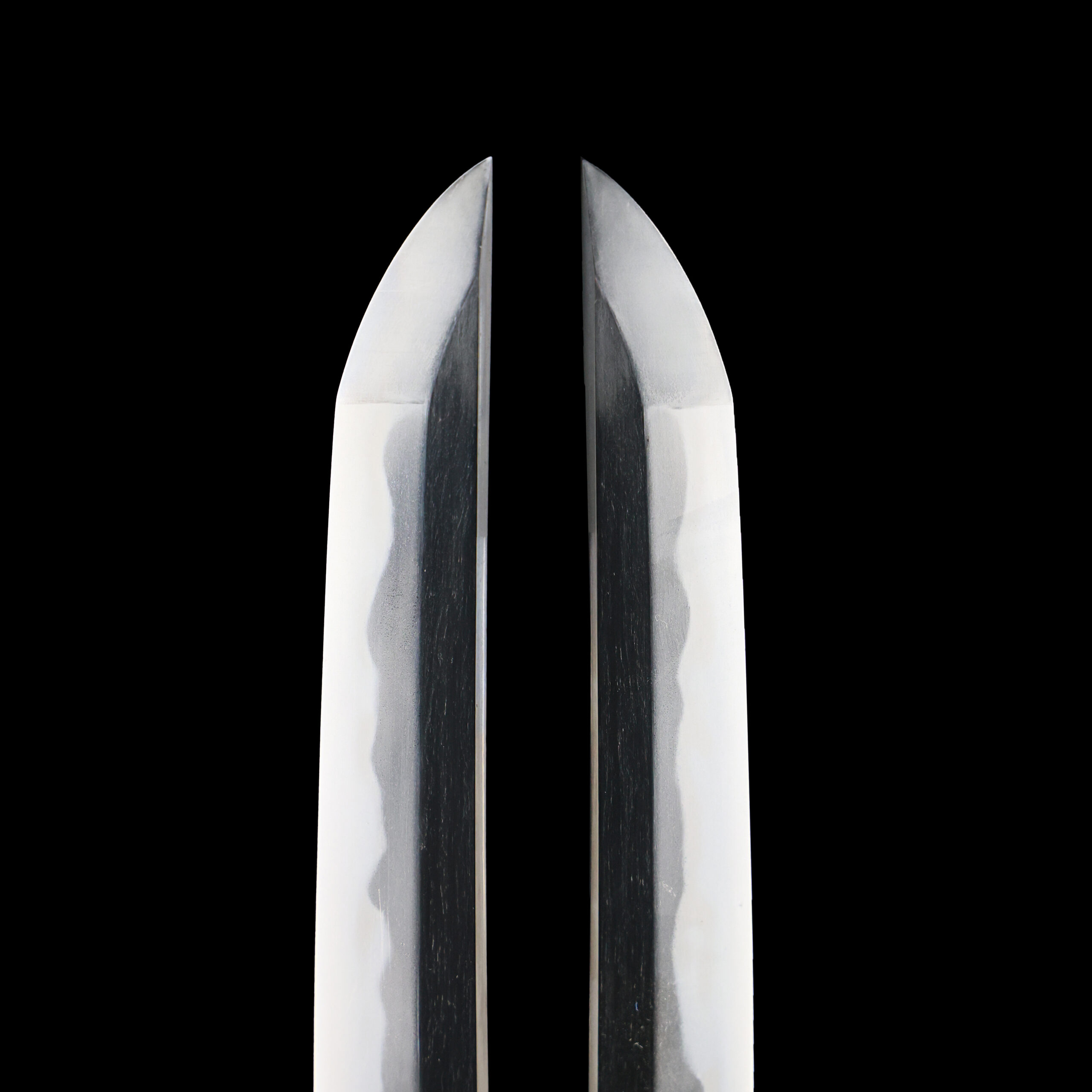
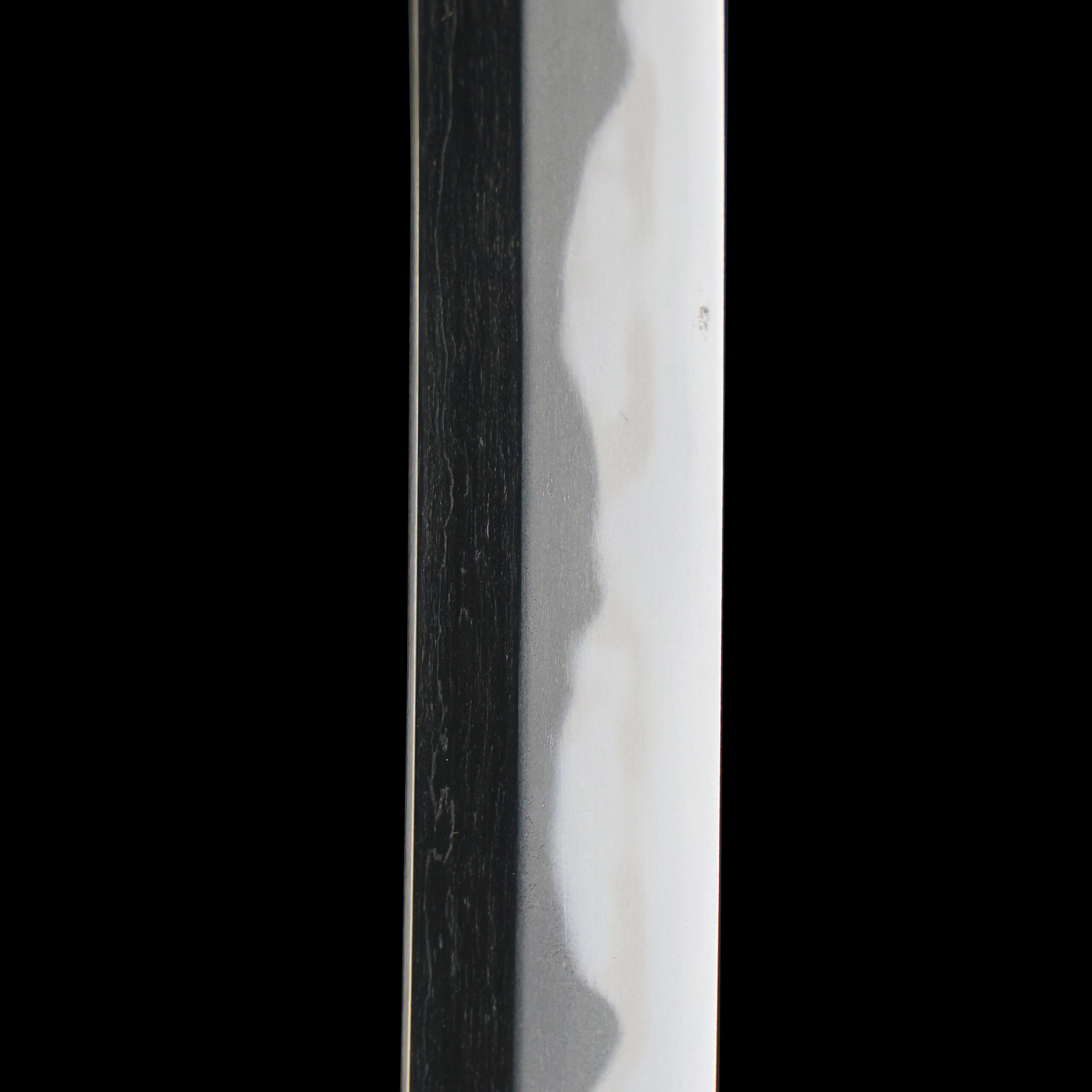
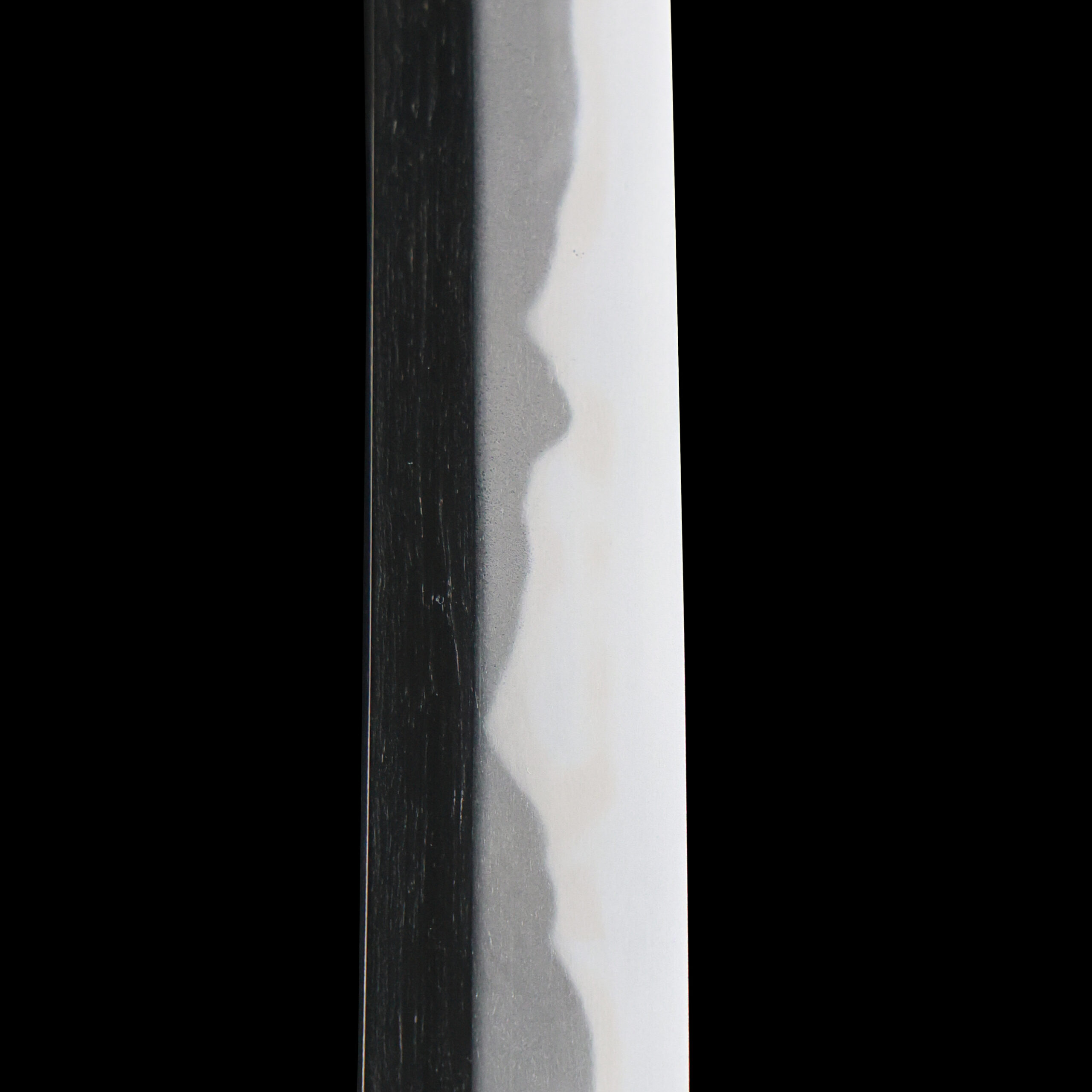
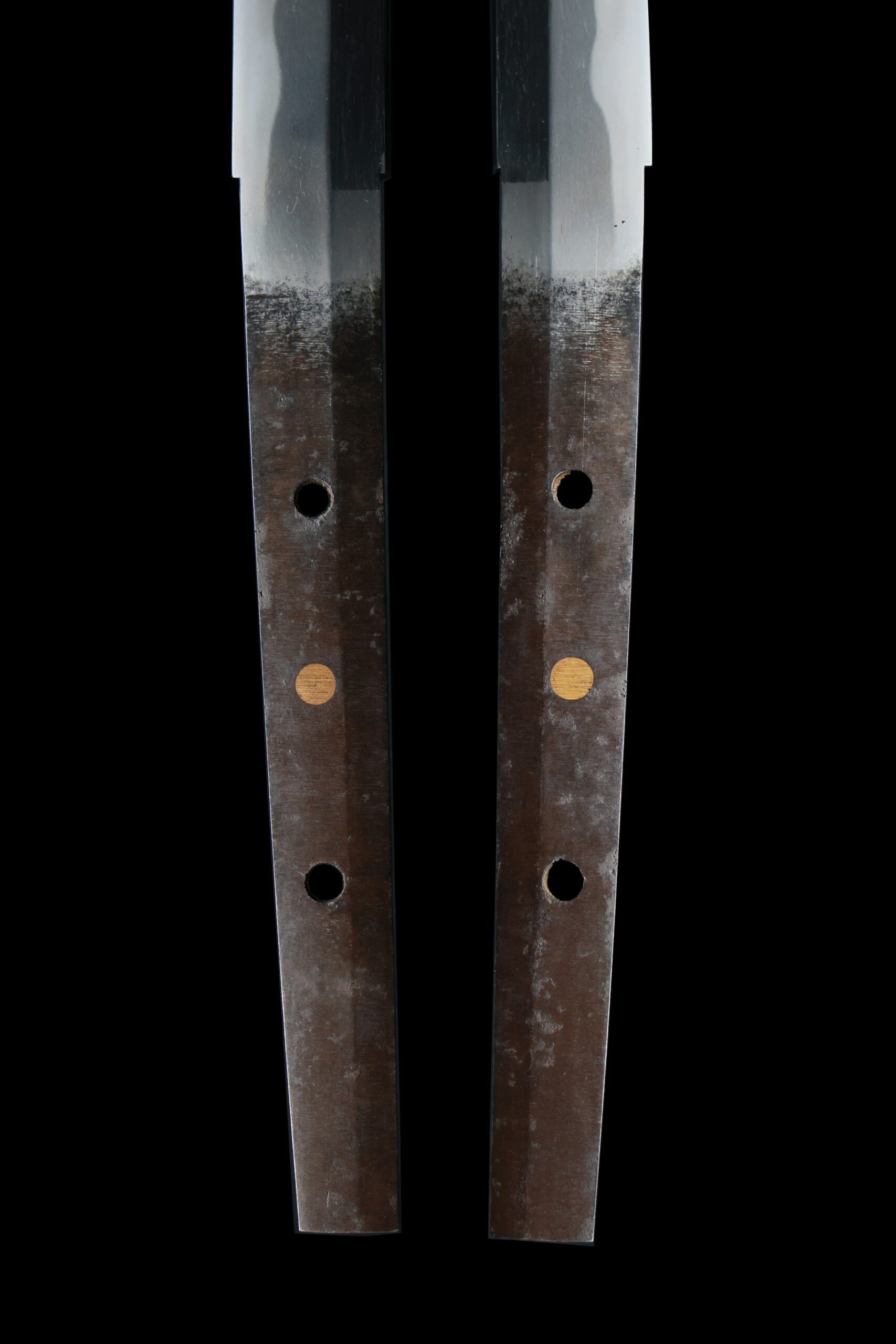
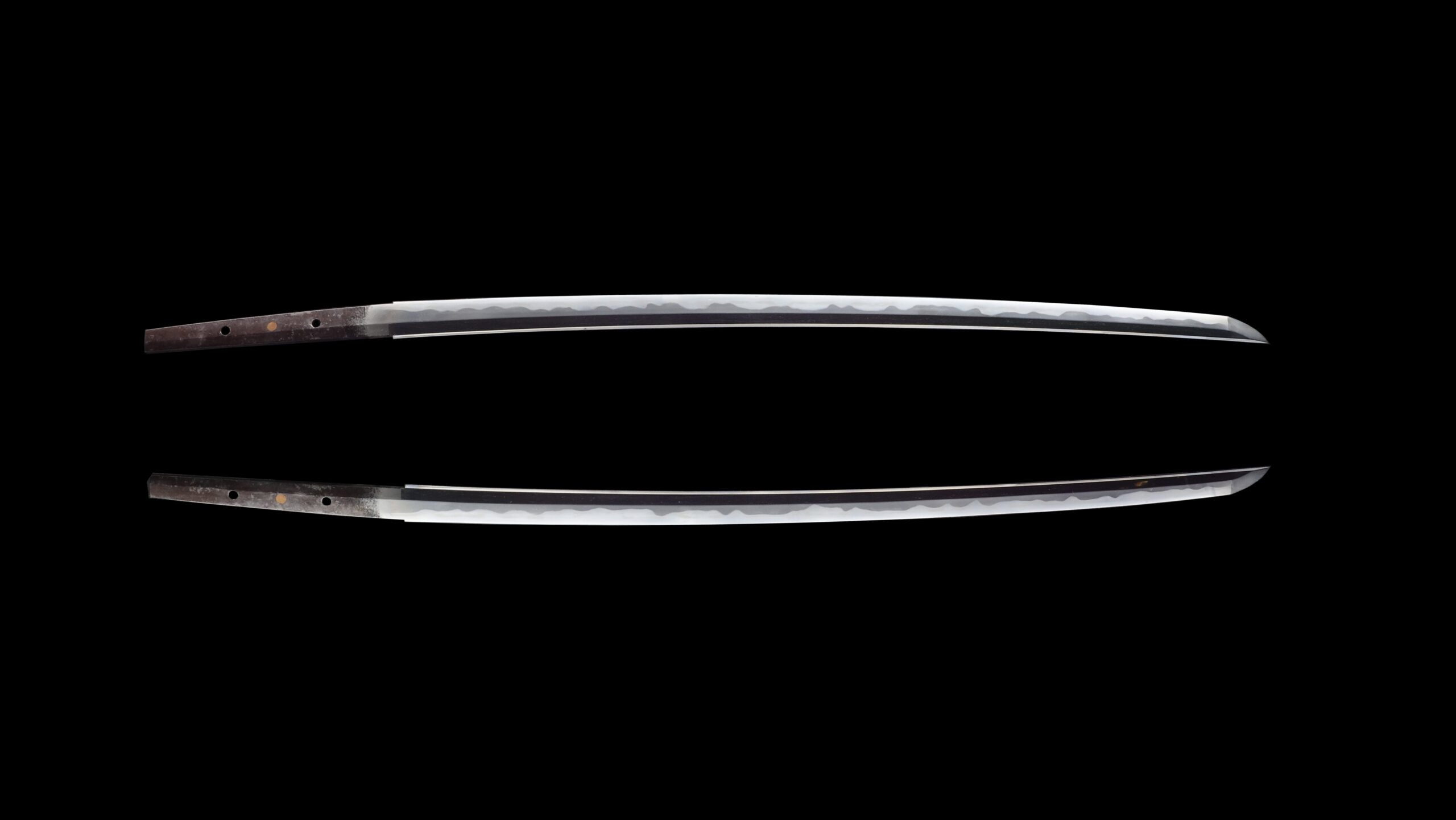
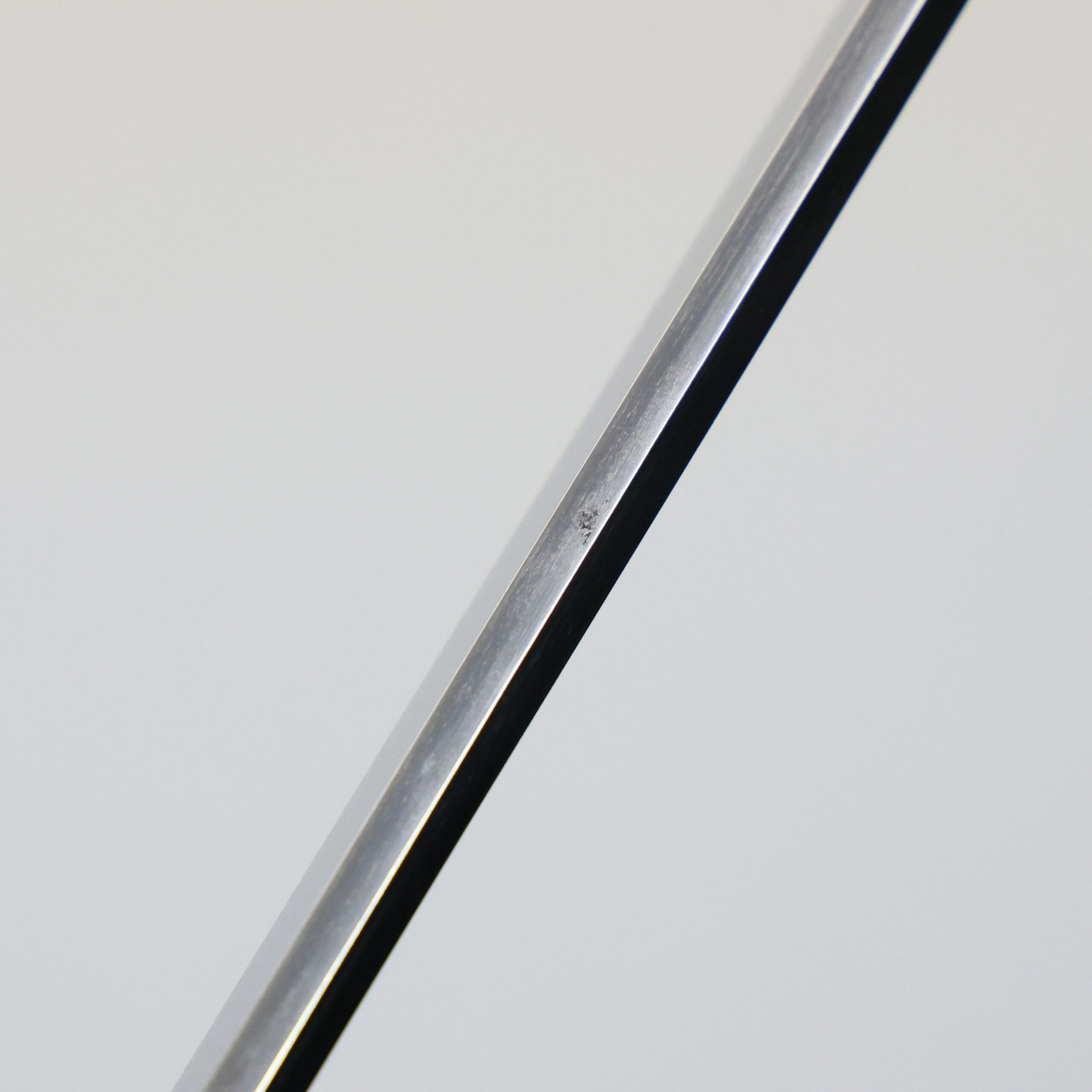
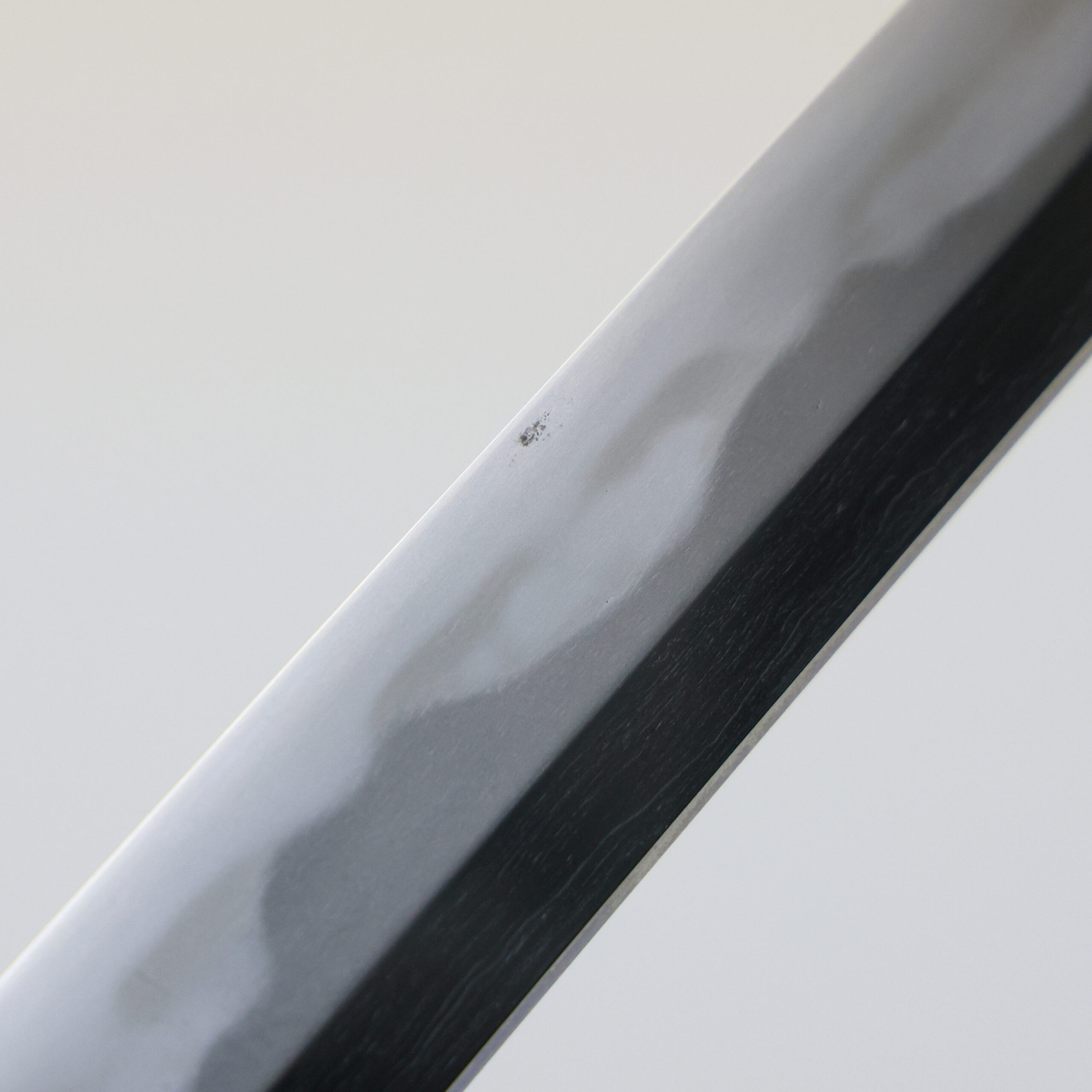
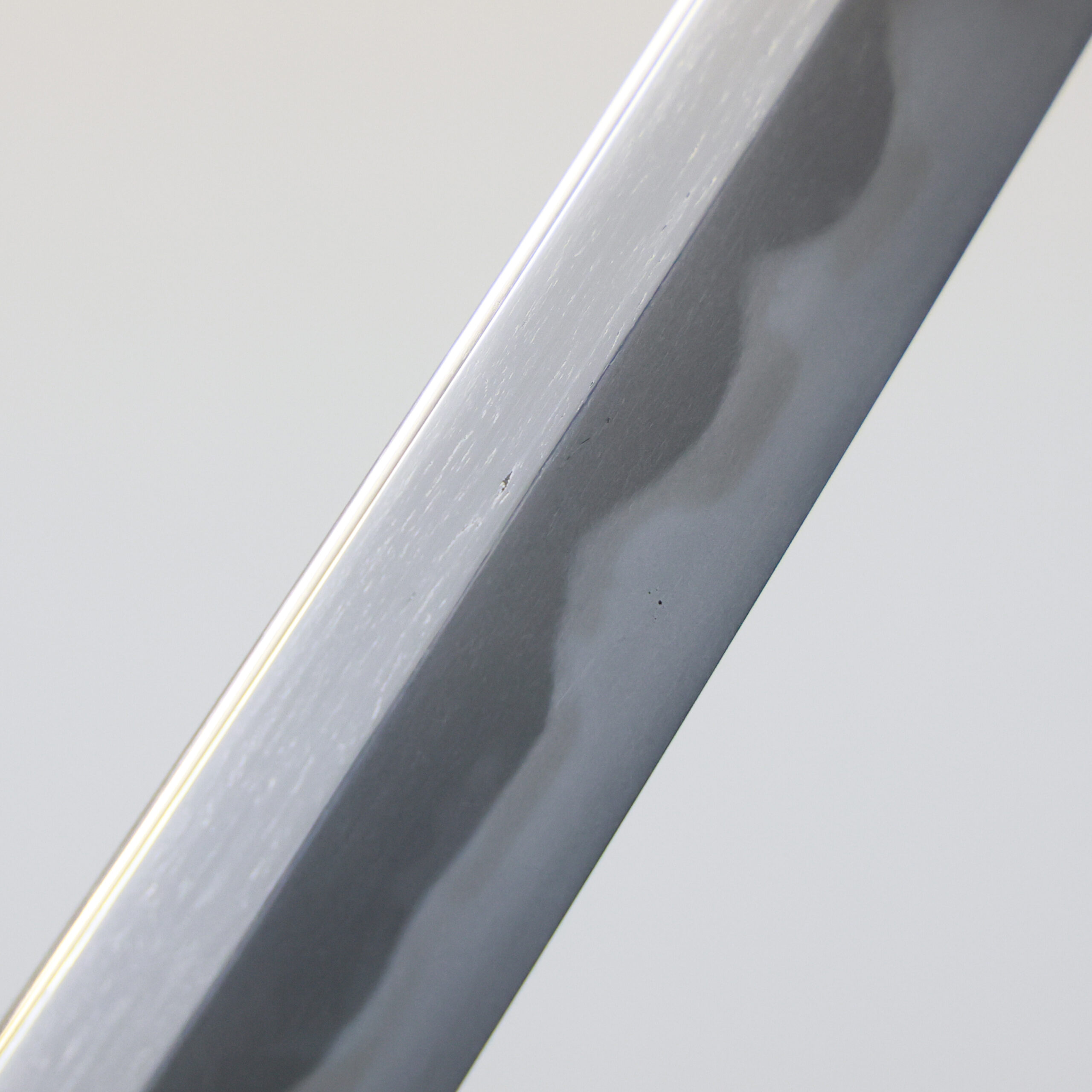
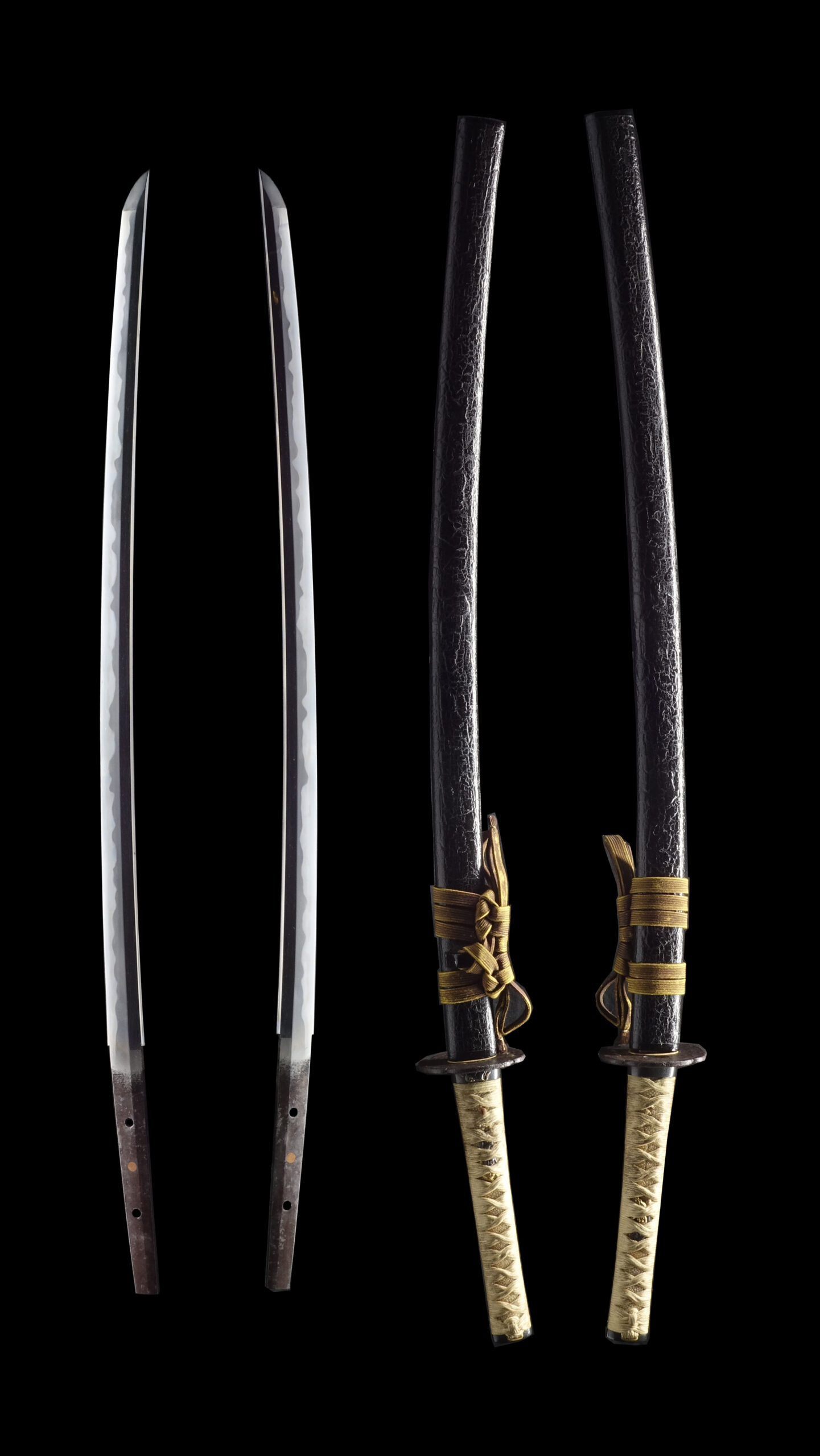
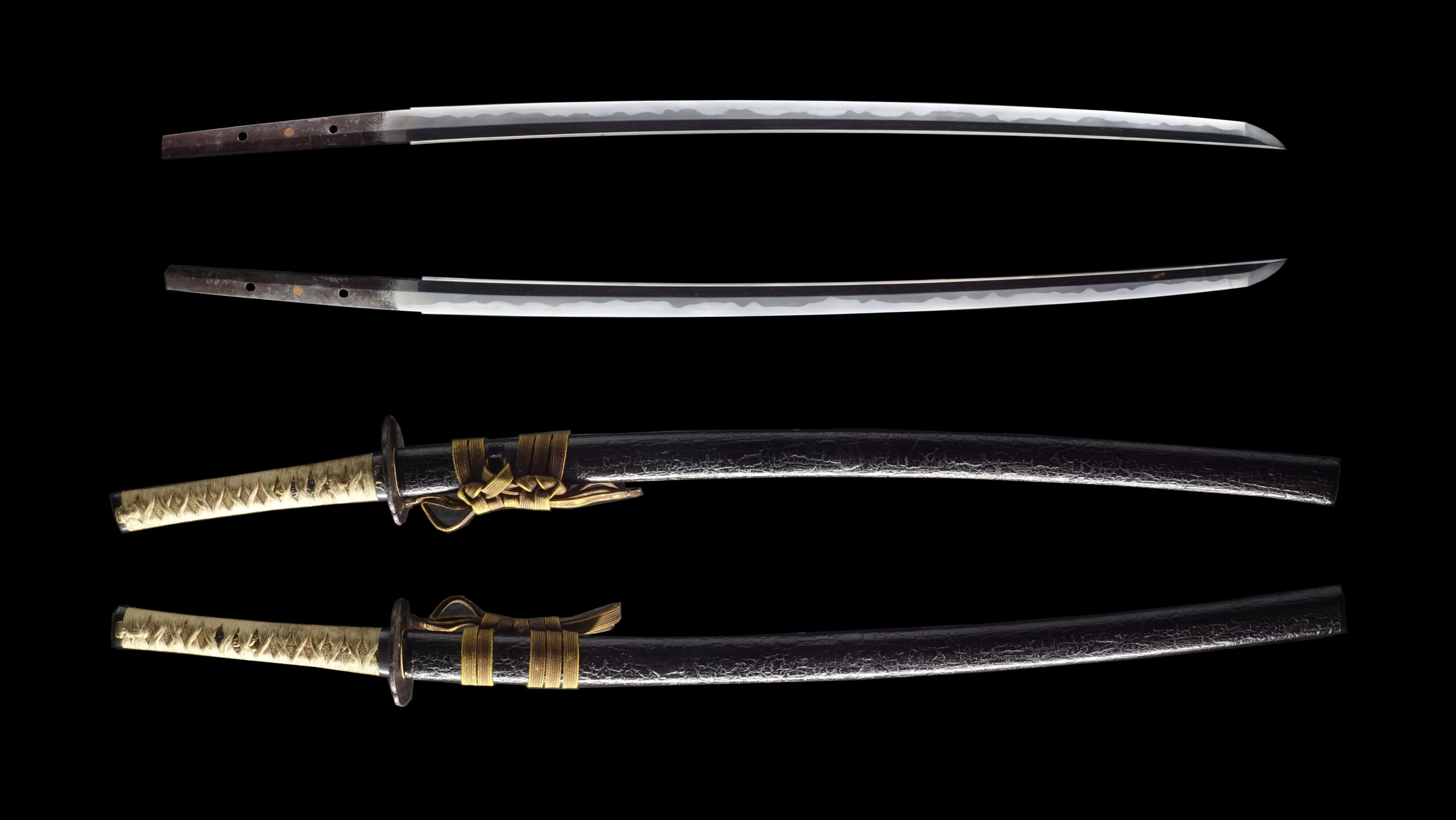
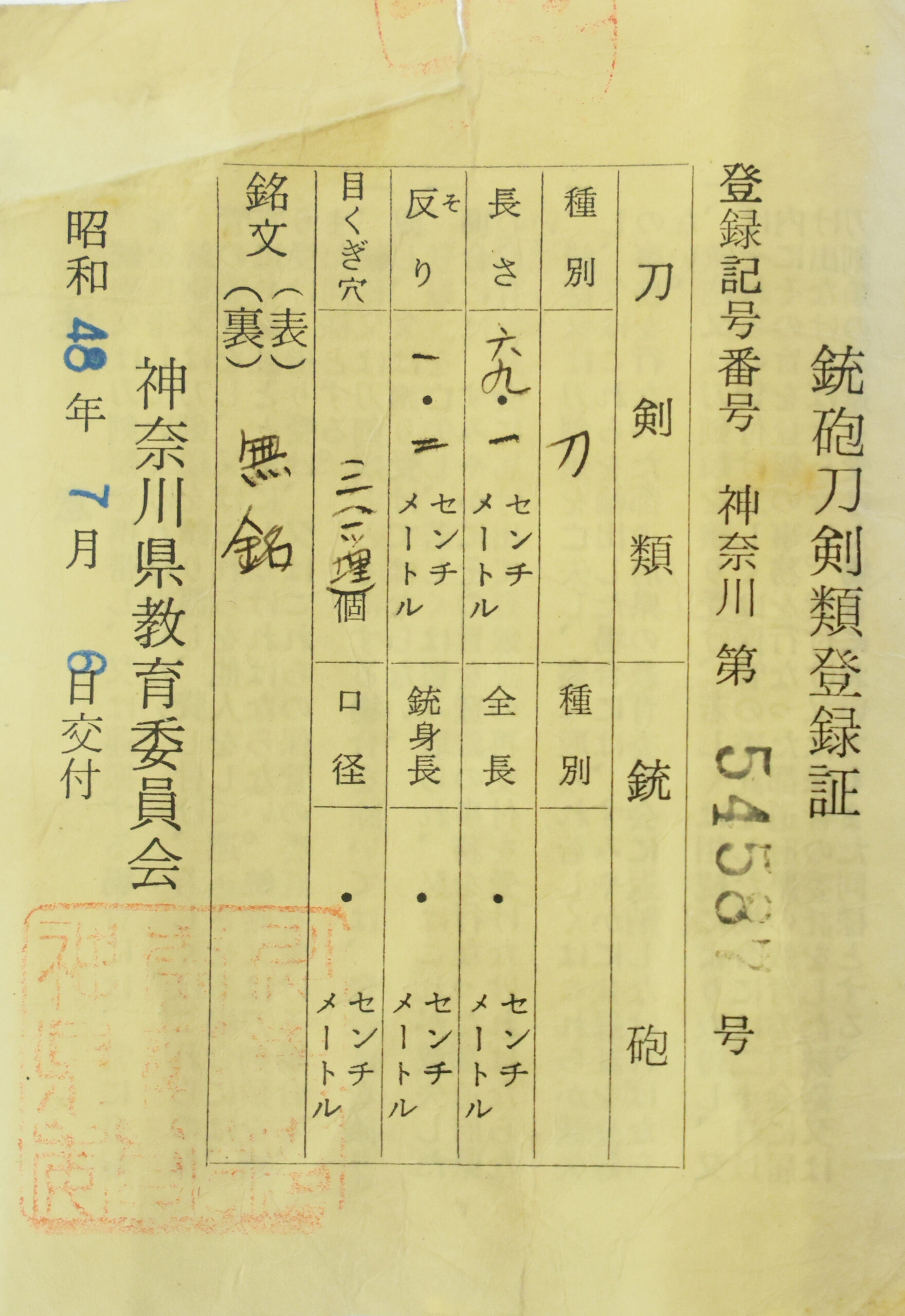
販売店の記載のまま
江戸時代
江戸は刀の目利きの時代である。本阿弥の鑑定、1719年の享保名物帳、盛んな刀剣書が、戦で抜かれることのなくなった刀を学問の対象へと変えていった。
NTHKの中心的な鑑定書で、相応の出来を備えた刀剣に発行されます。在銘作は銘の正真を、無銘作は審査員による刀工・流派の極めを示します。点数を記す詳細な審査表が付されます。
NTHK(日本刀剣保存会)は、NBTHK(1948年設立)に先立つ1910年に創立された、日本で最も古い刀剣鑑定団体です。長く会を率いた会長の没後、NTHKとNTHK-NPOの二つに分かれ、いずれも審査を続けています。刀剣に対するNTHKの鑑定書は、点数と審査員の所見を併記する詳細な審査表が特徴です(刀装具の鑑定書に点数は付されません)。特に無銘作の極めに定評があります。
Returns/exchanges limited to defects caused by shipping (except willful misconduct or gross negligence by the company); customers must contact within 72 hours of receiving the product.
¥570,000