江戸は刀の目利きの時代である。本阿弥の鑑定、1719年の享保名物帳、盛んな刀剣書が、戦で抜かれることのなくなった刀を学問の対象へと変えていった。
 NihontoWatchNihontoWatch
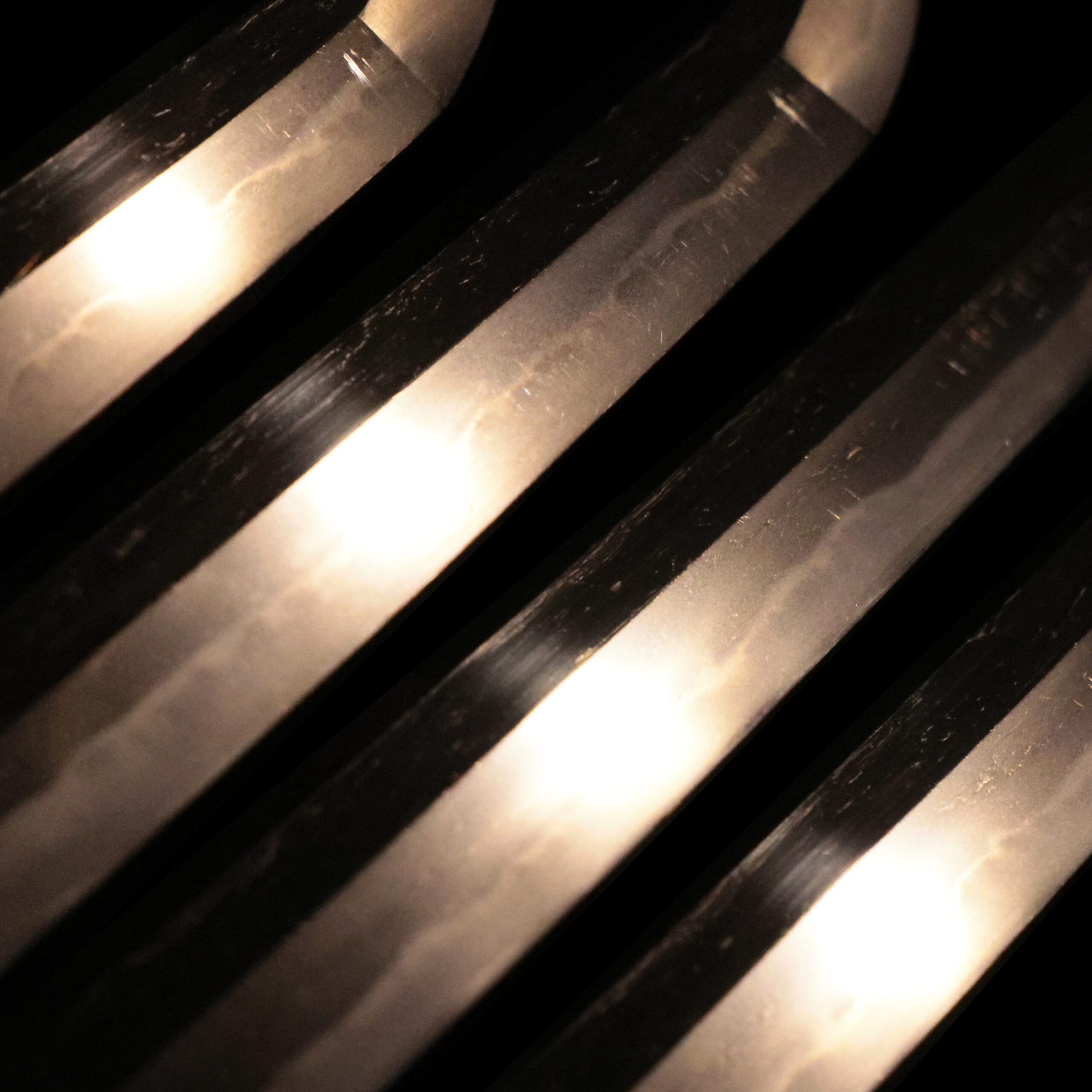
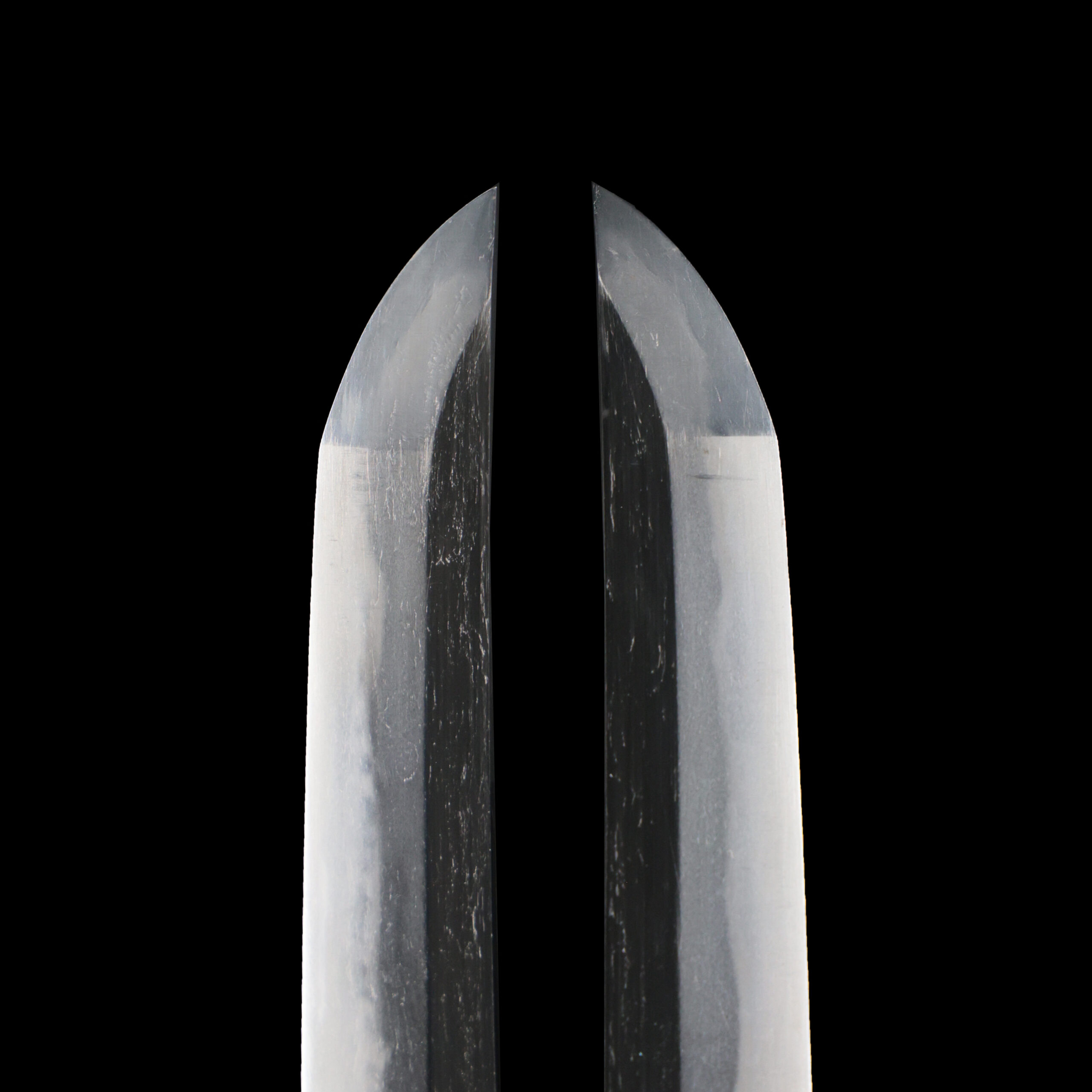
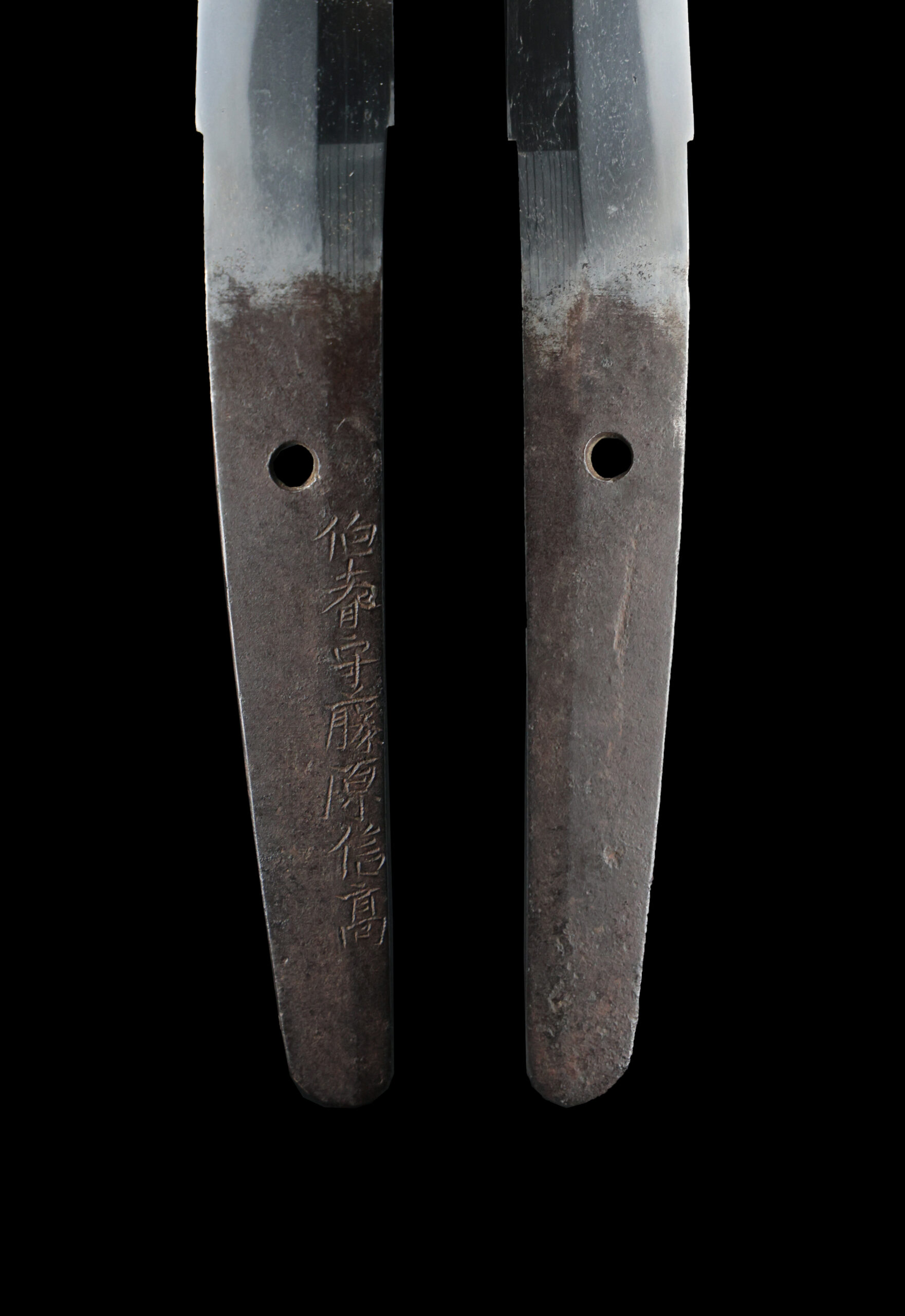
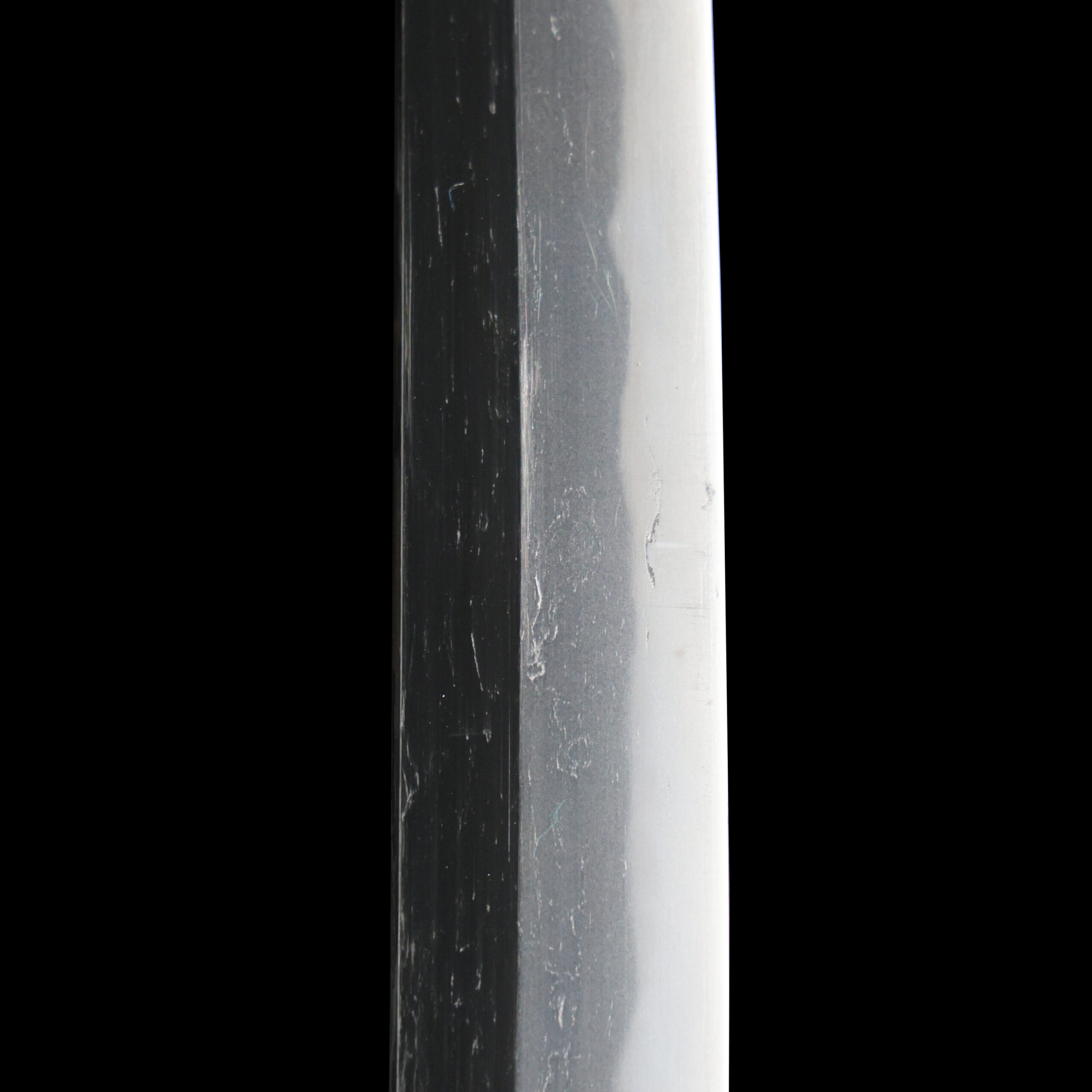
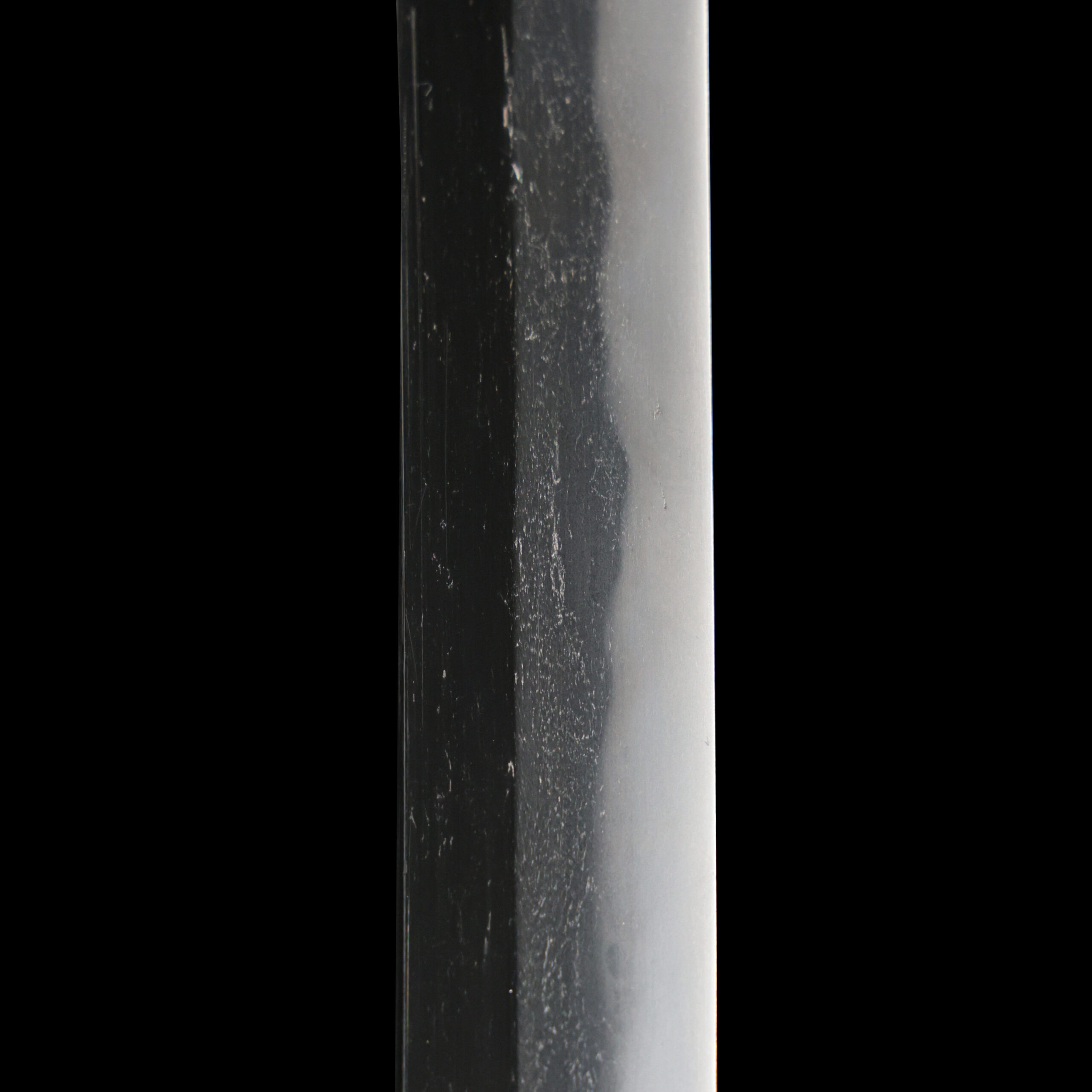
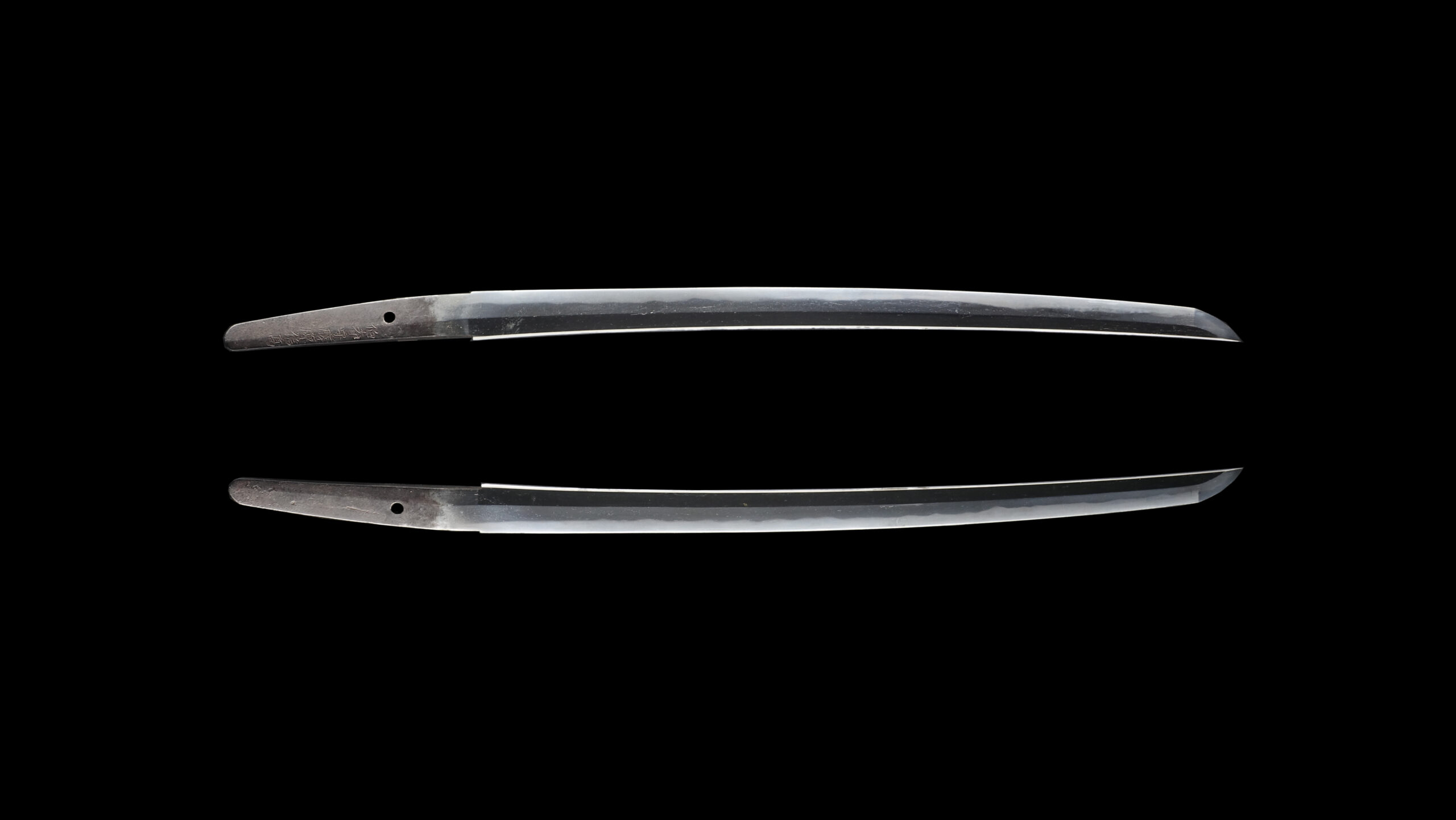
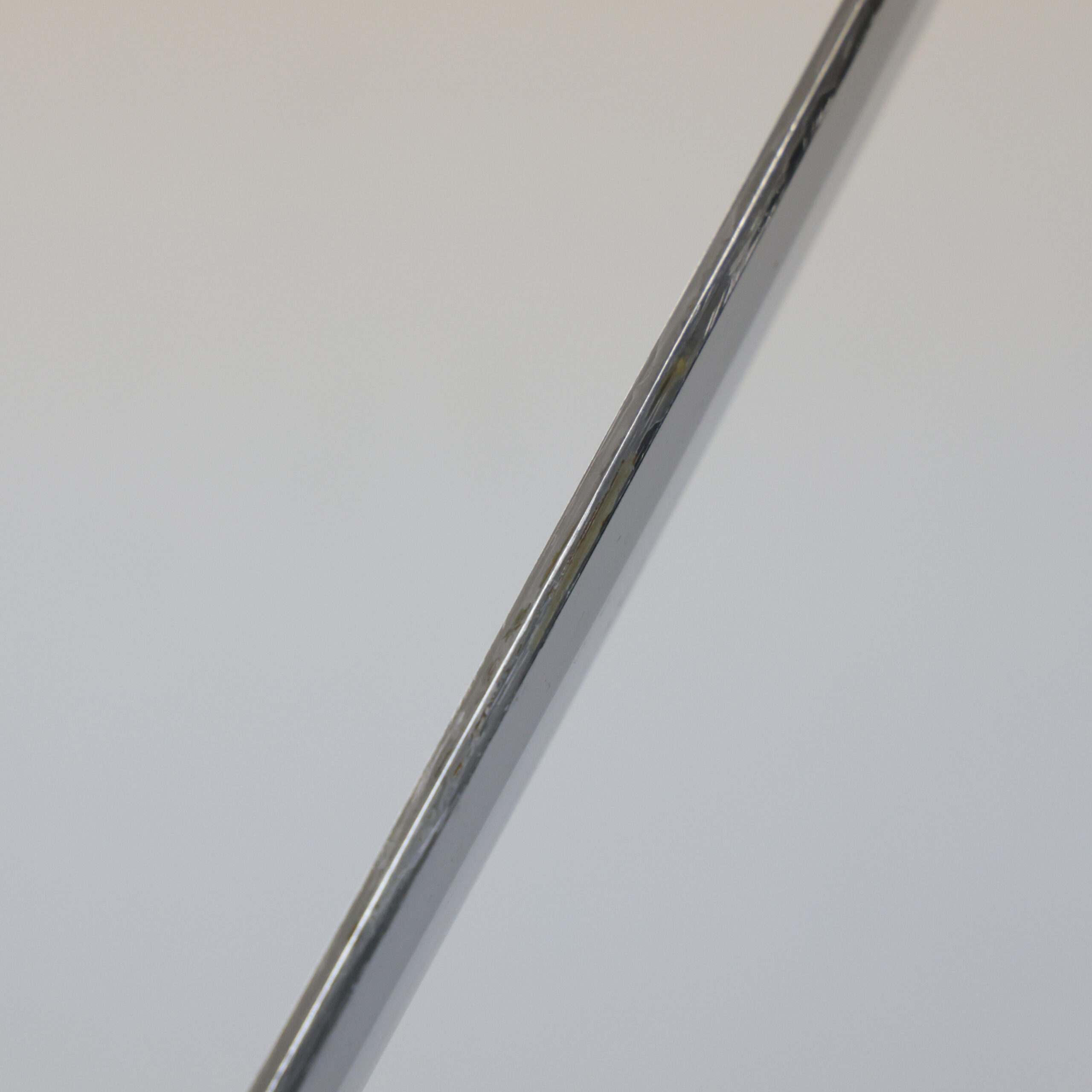
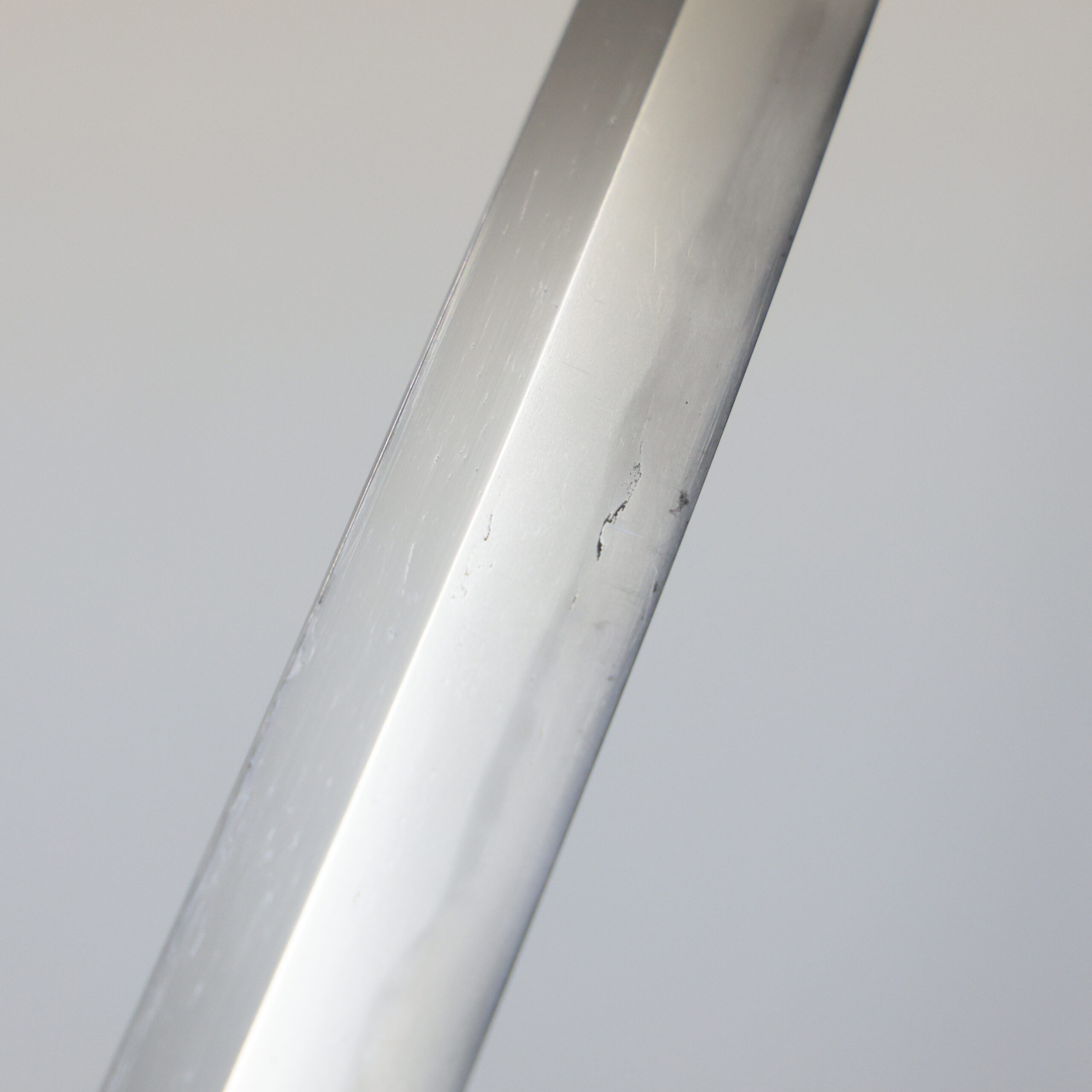
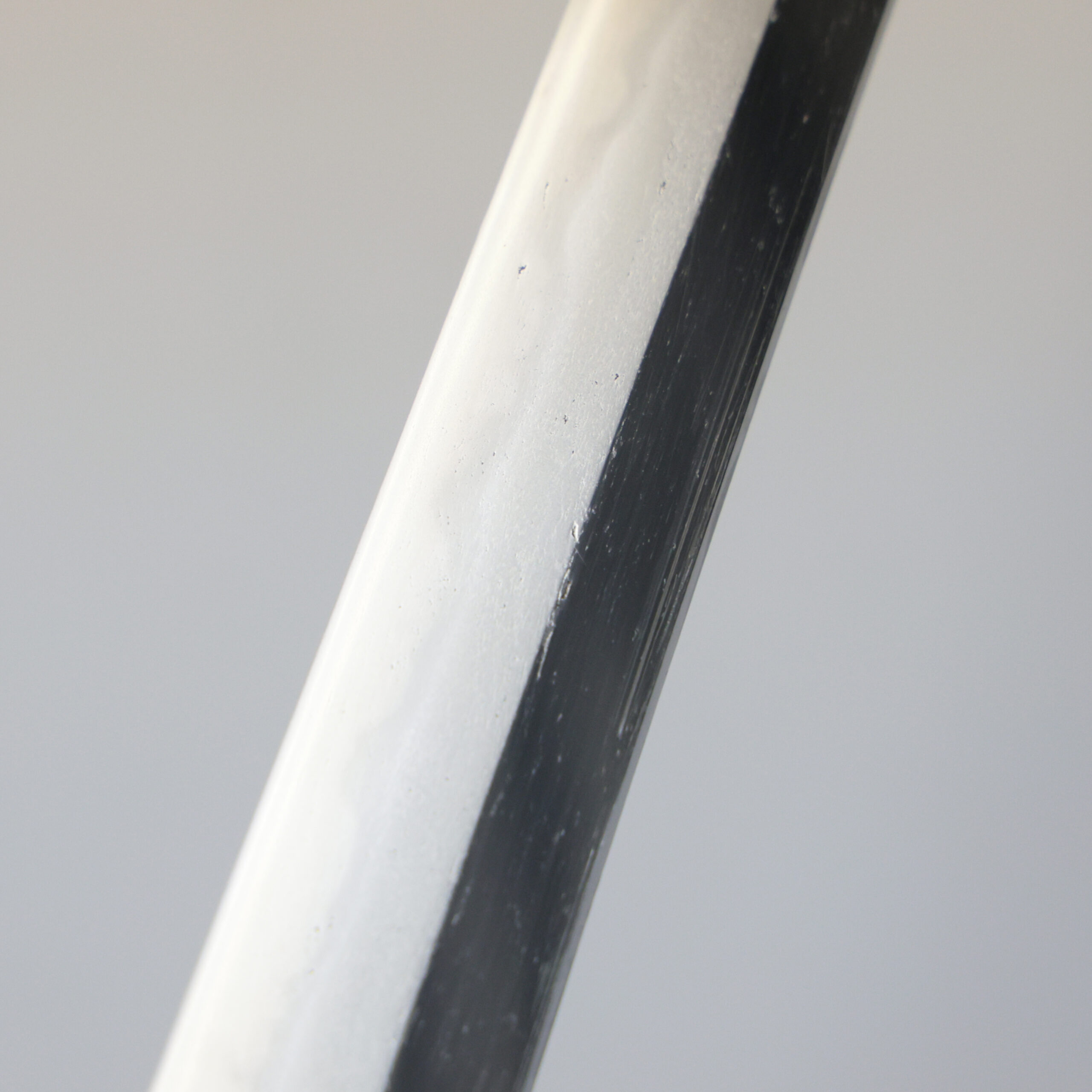
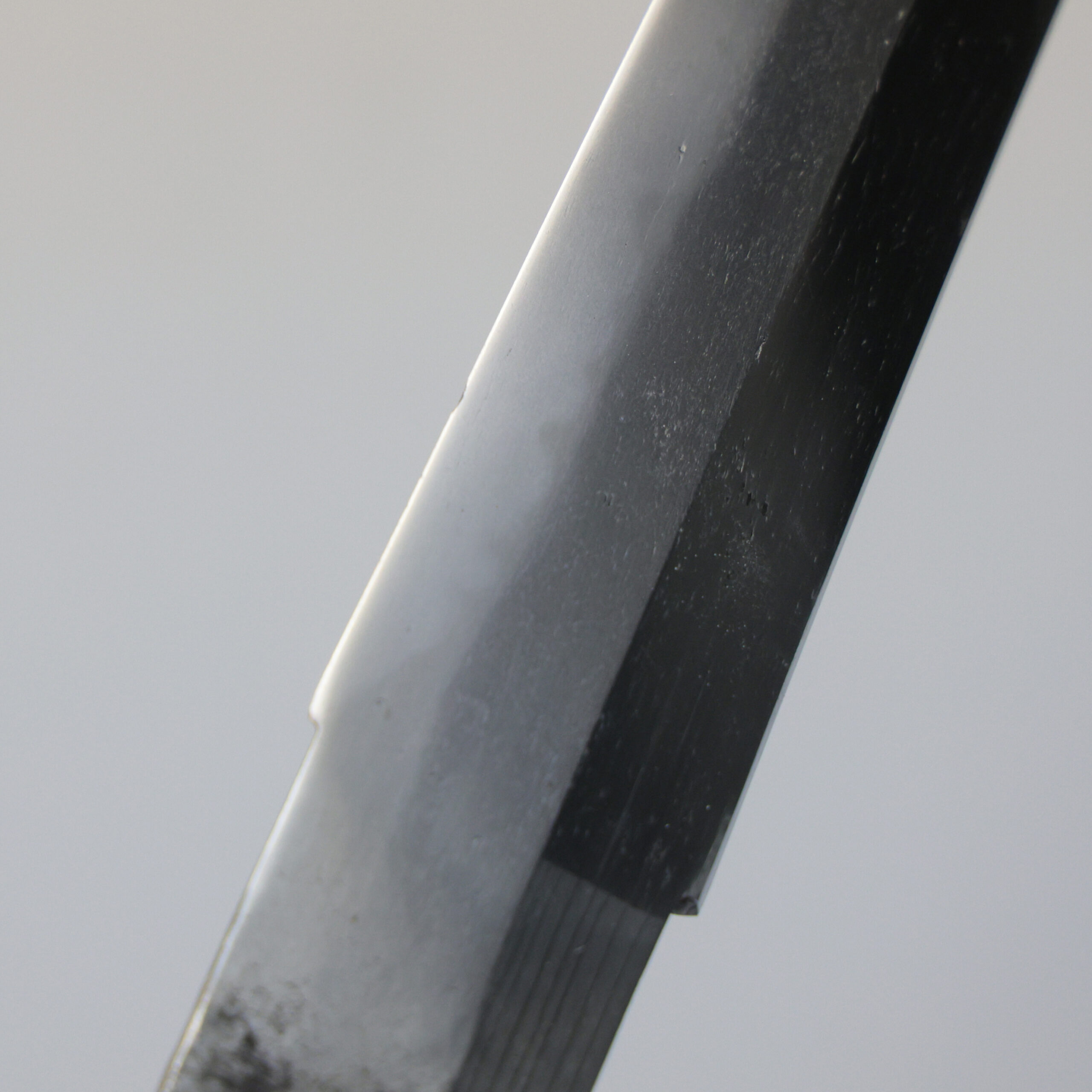
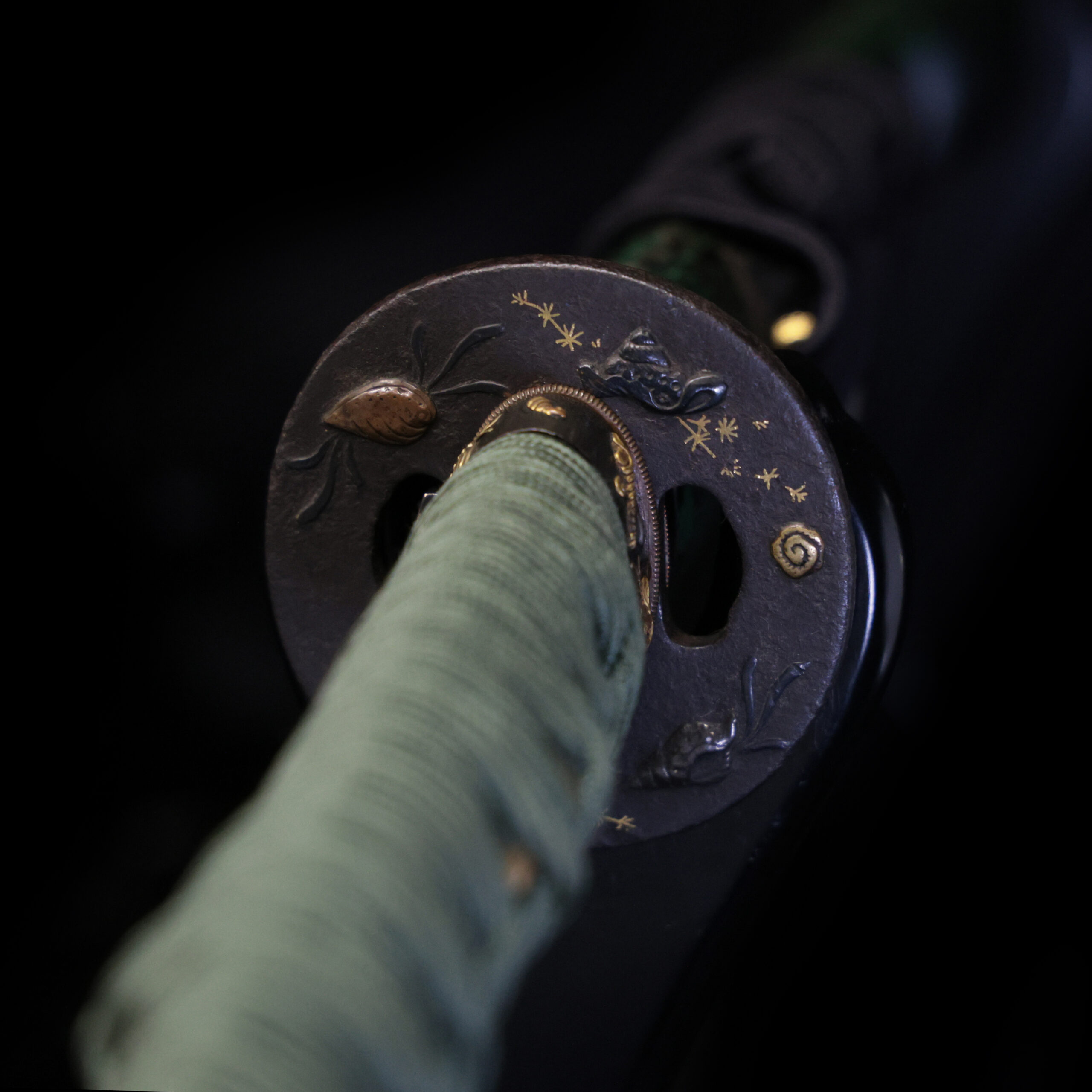
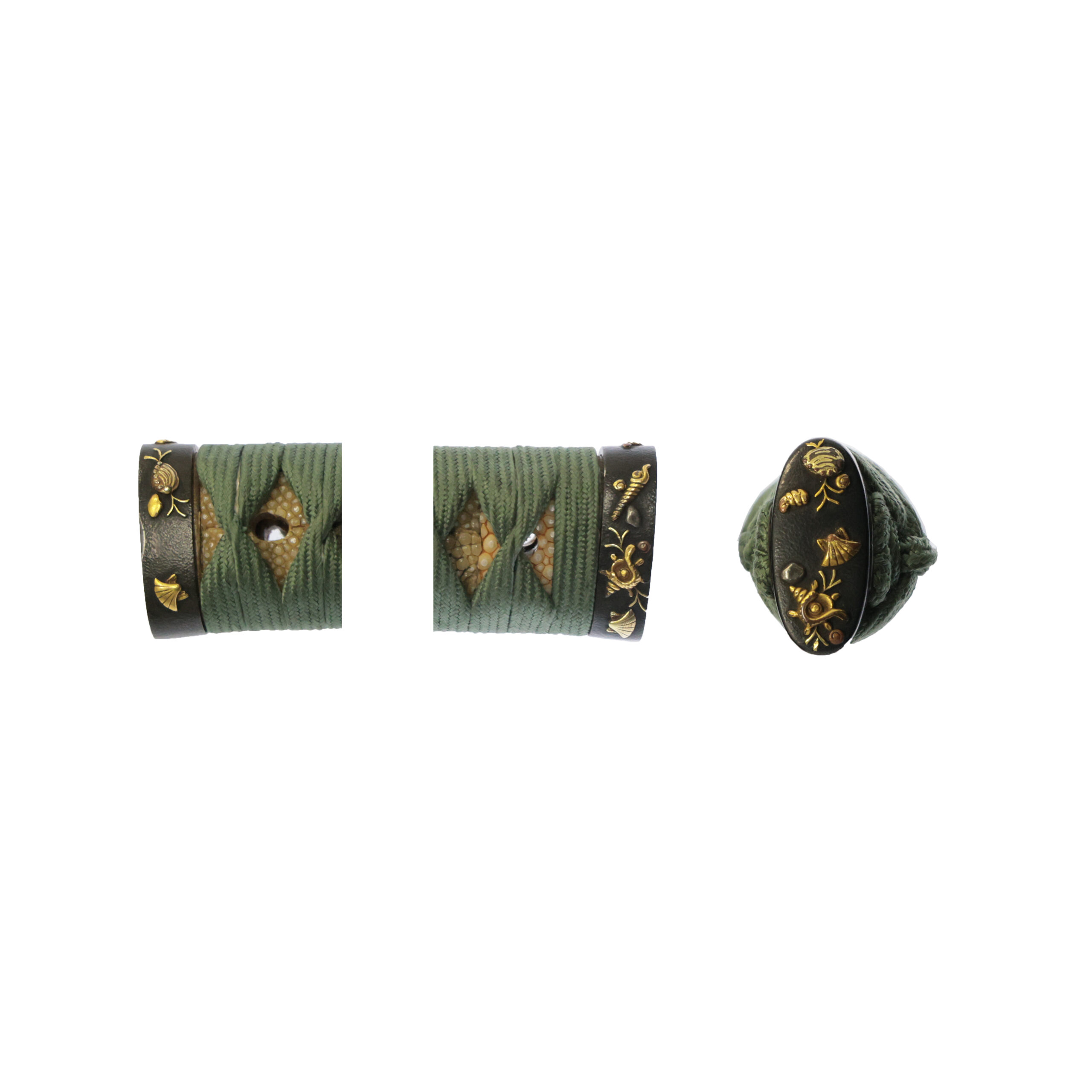
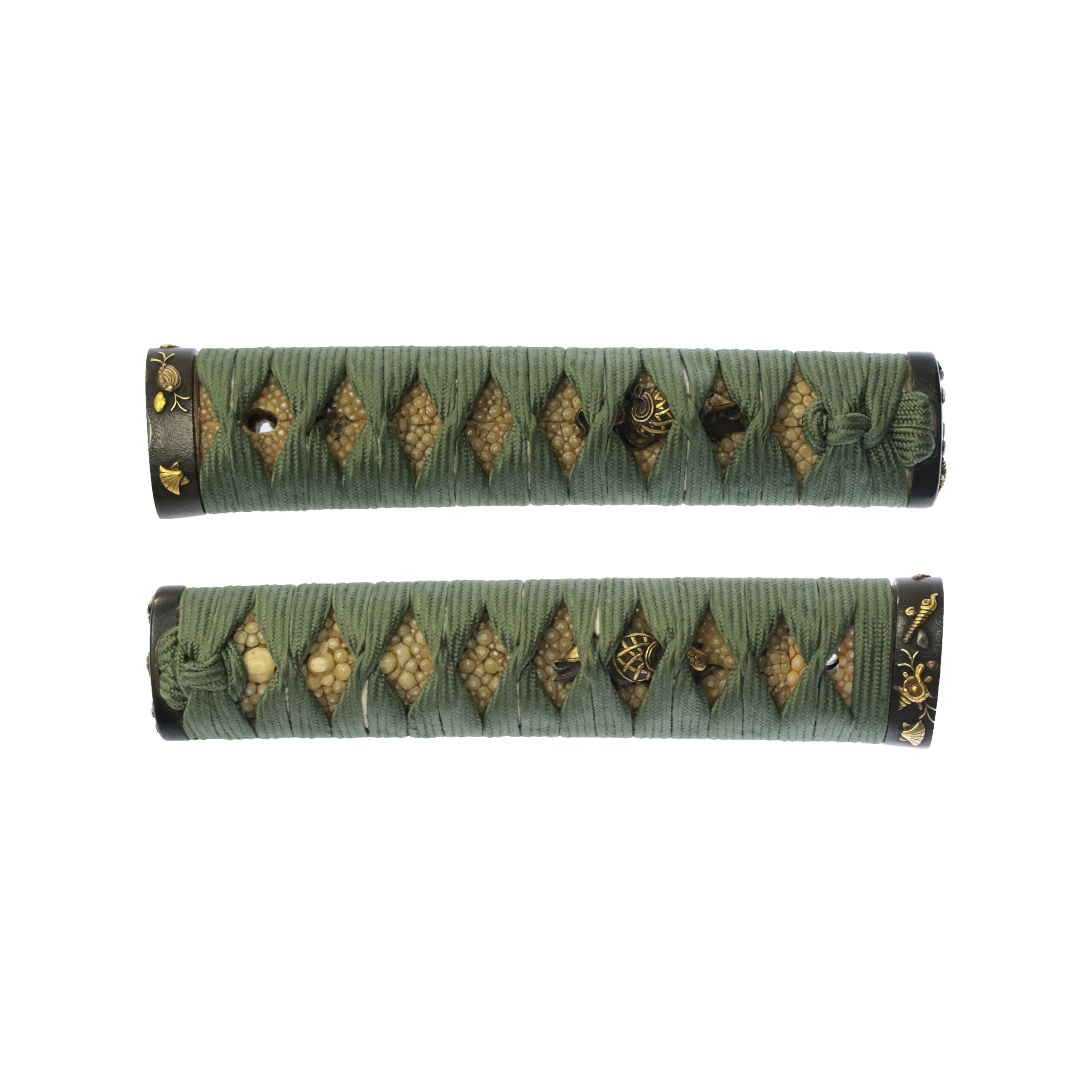
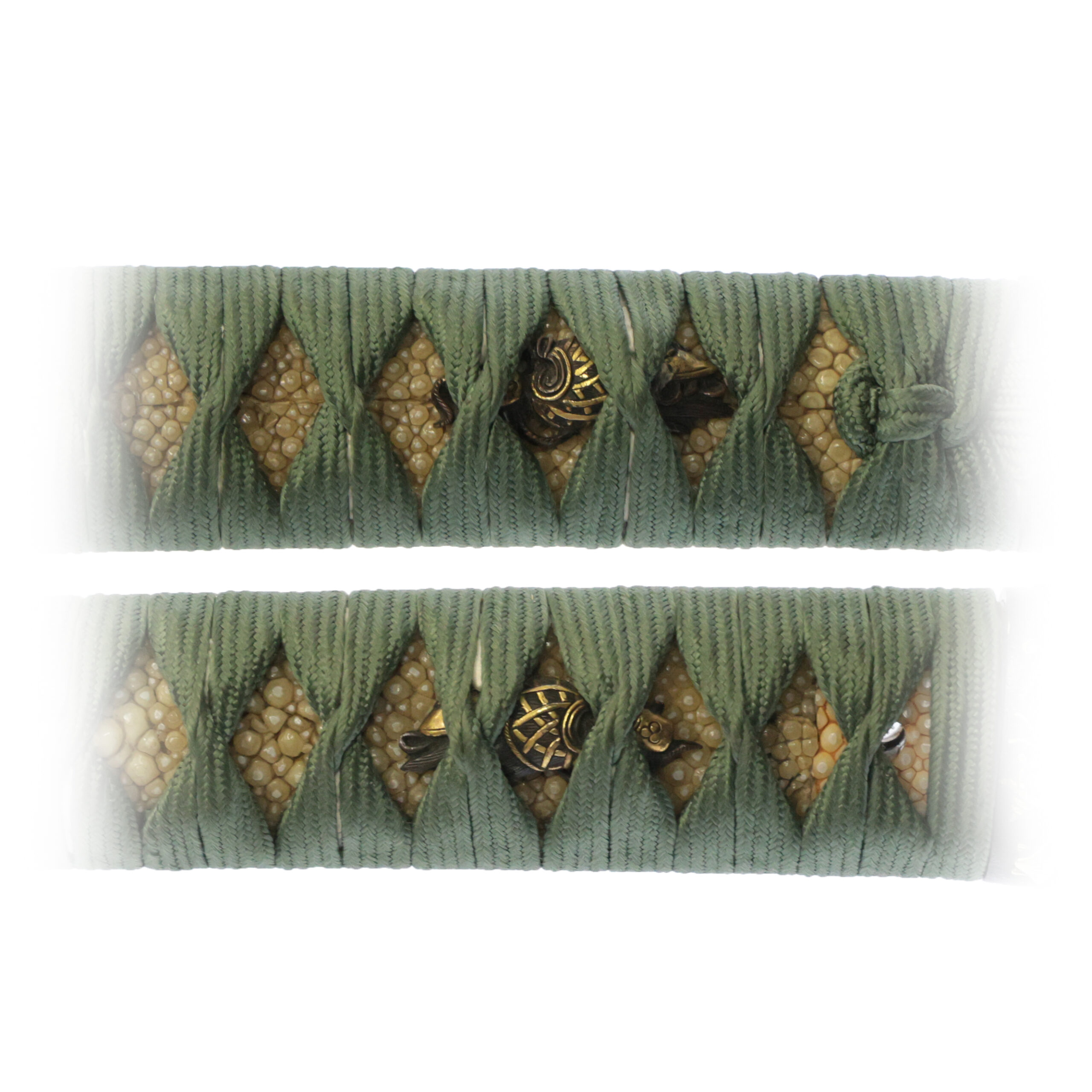
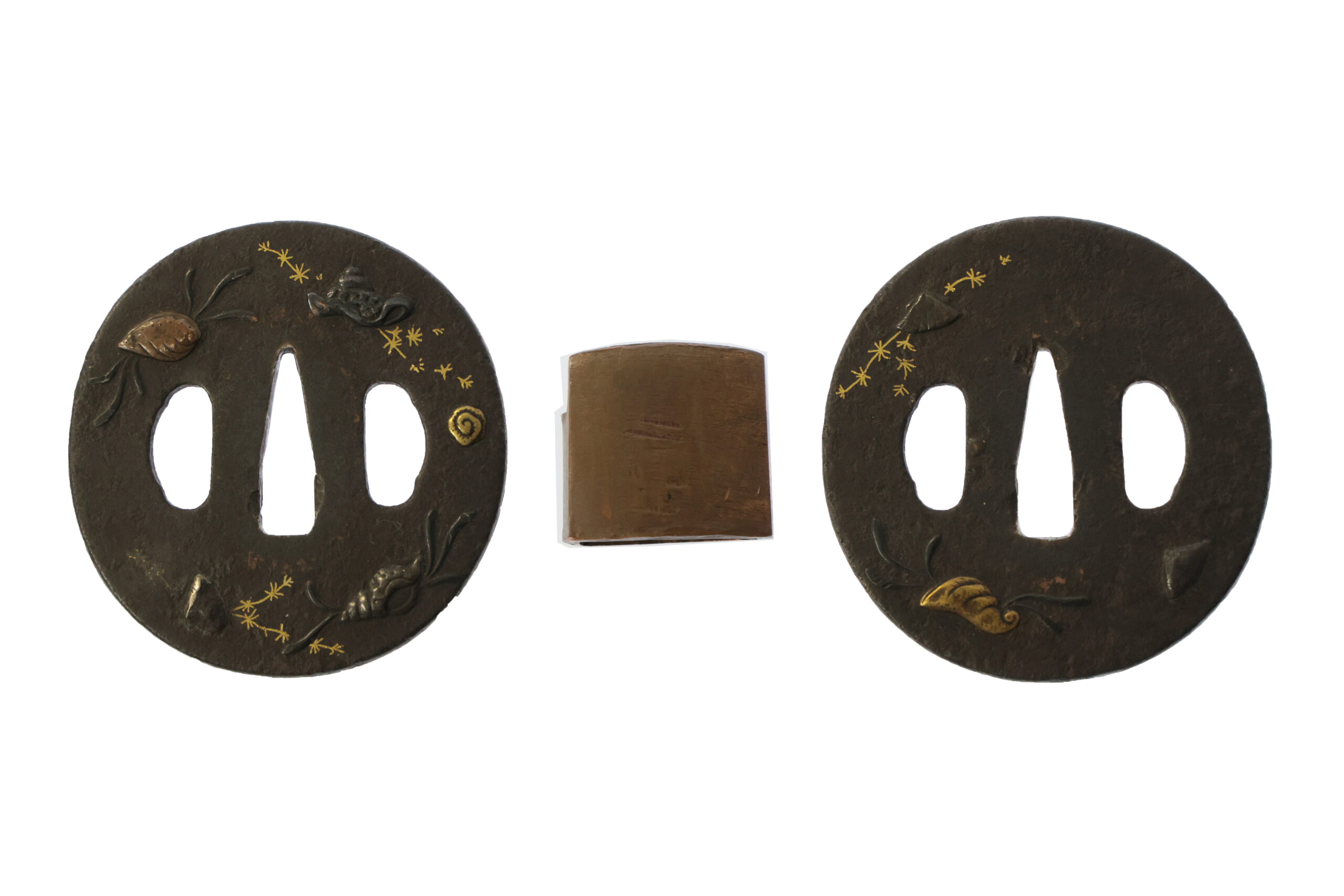
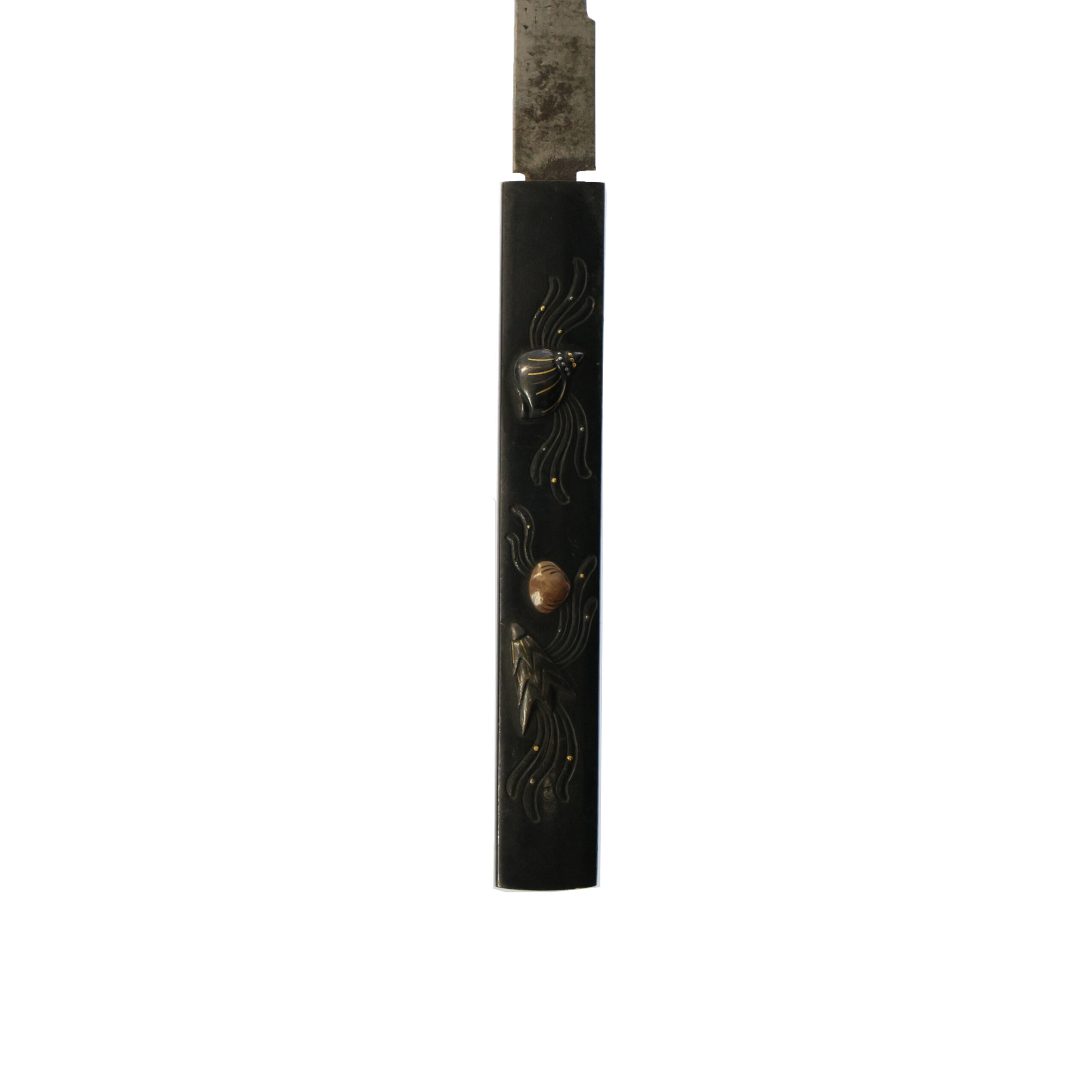
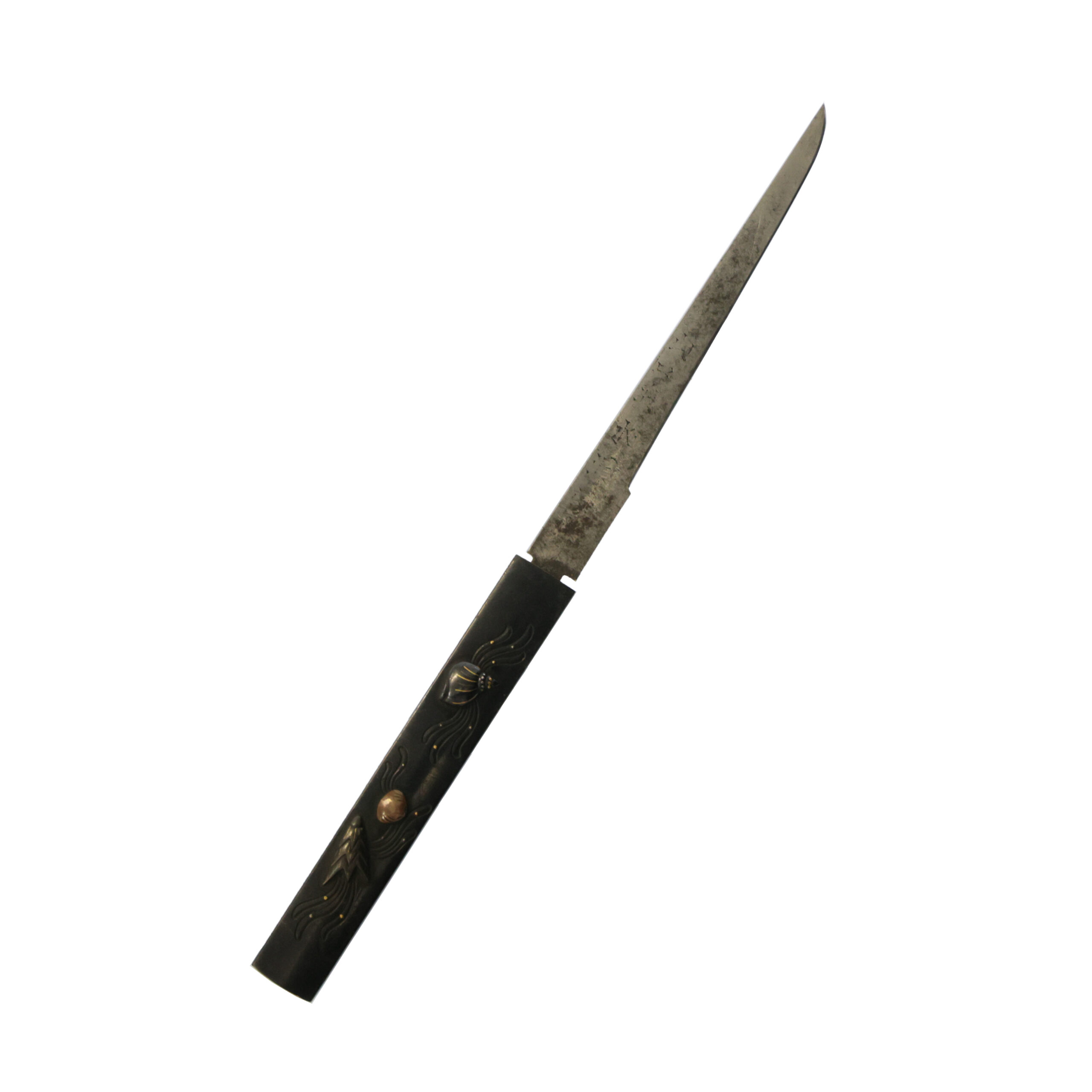
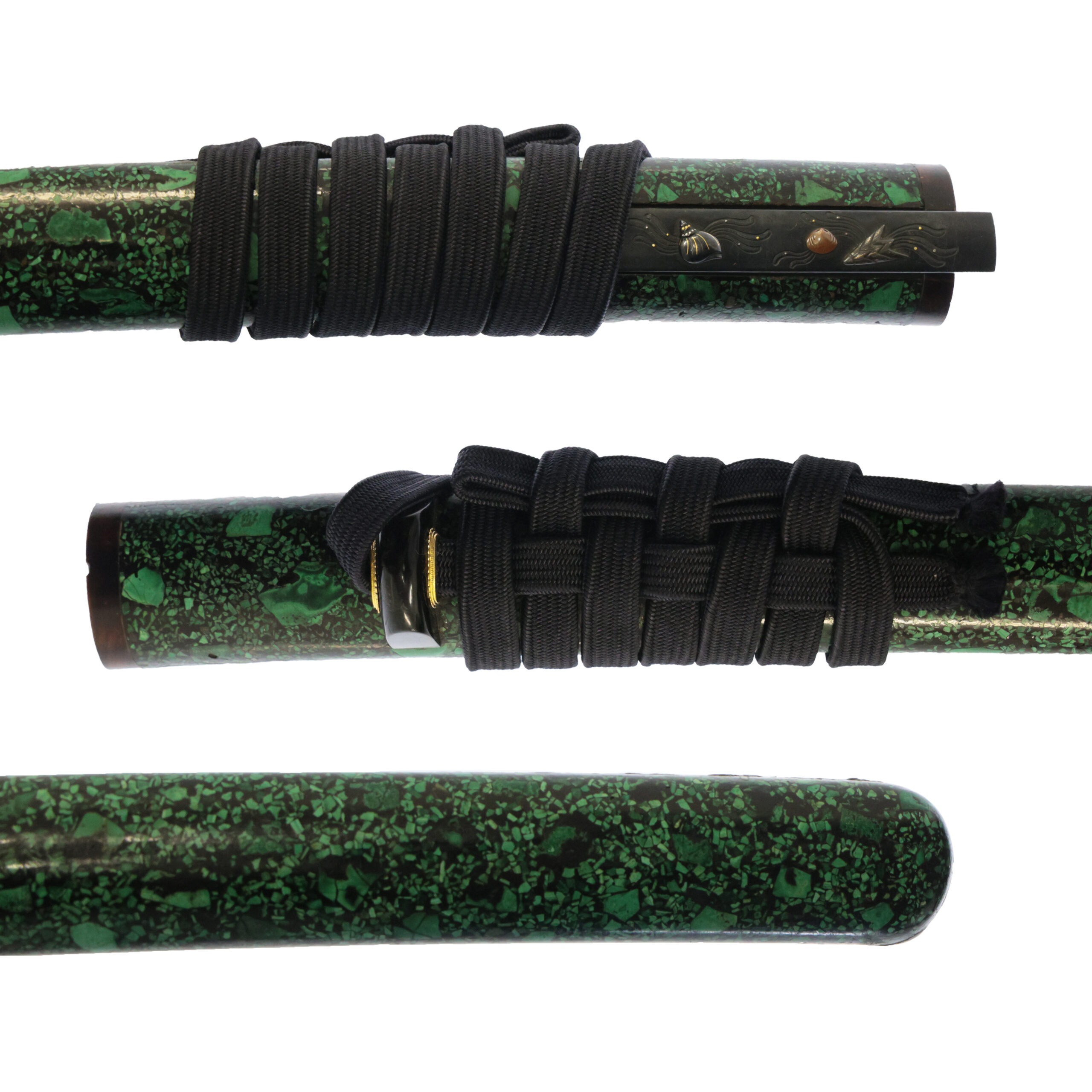
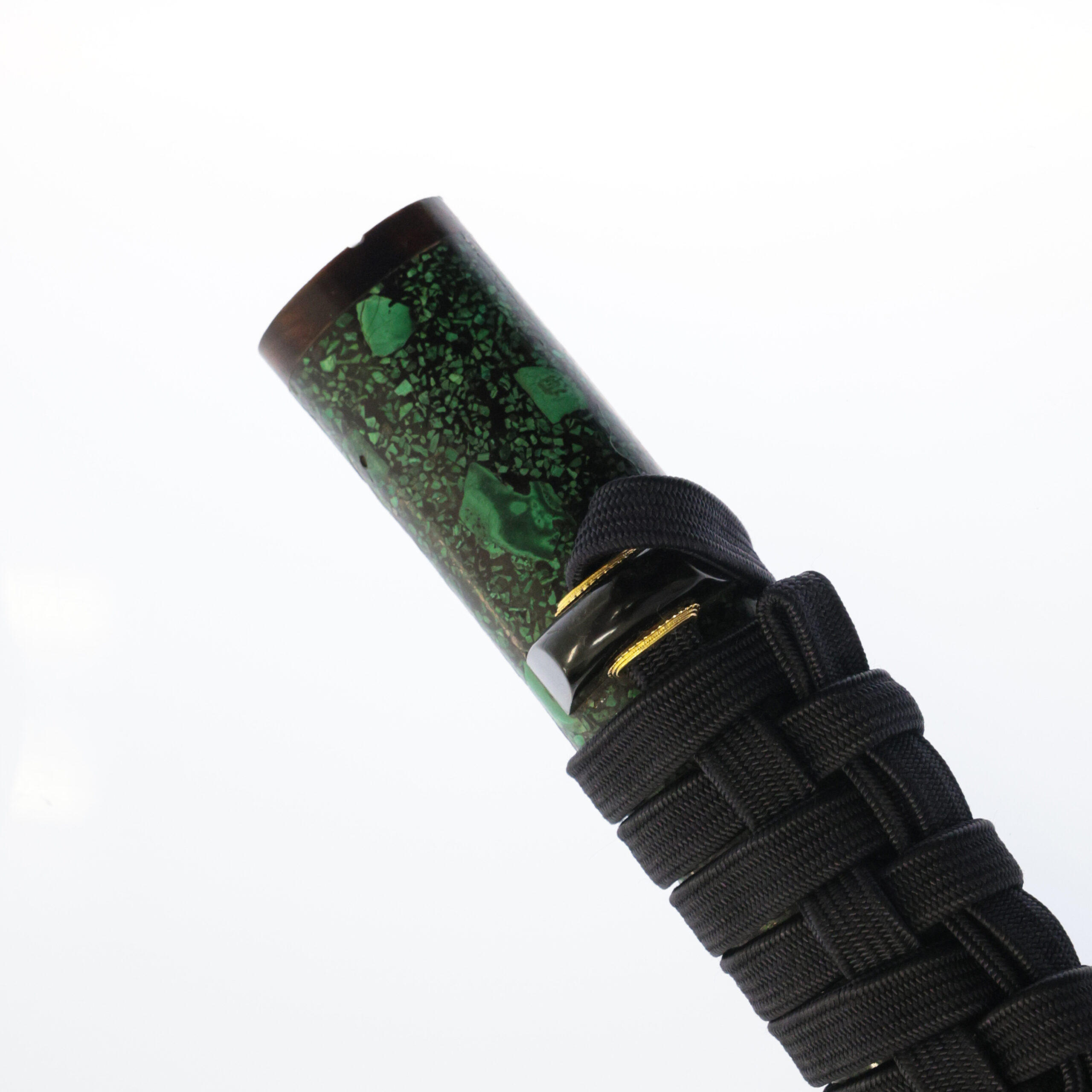
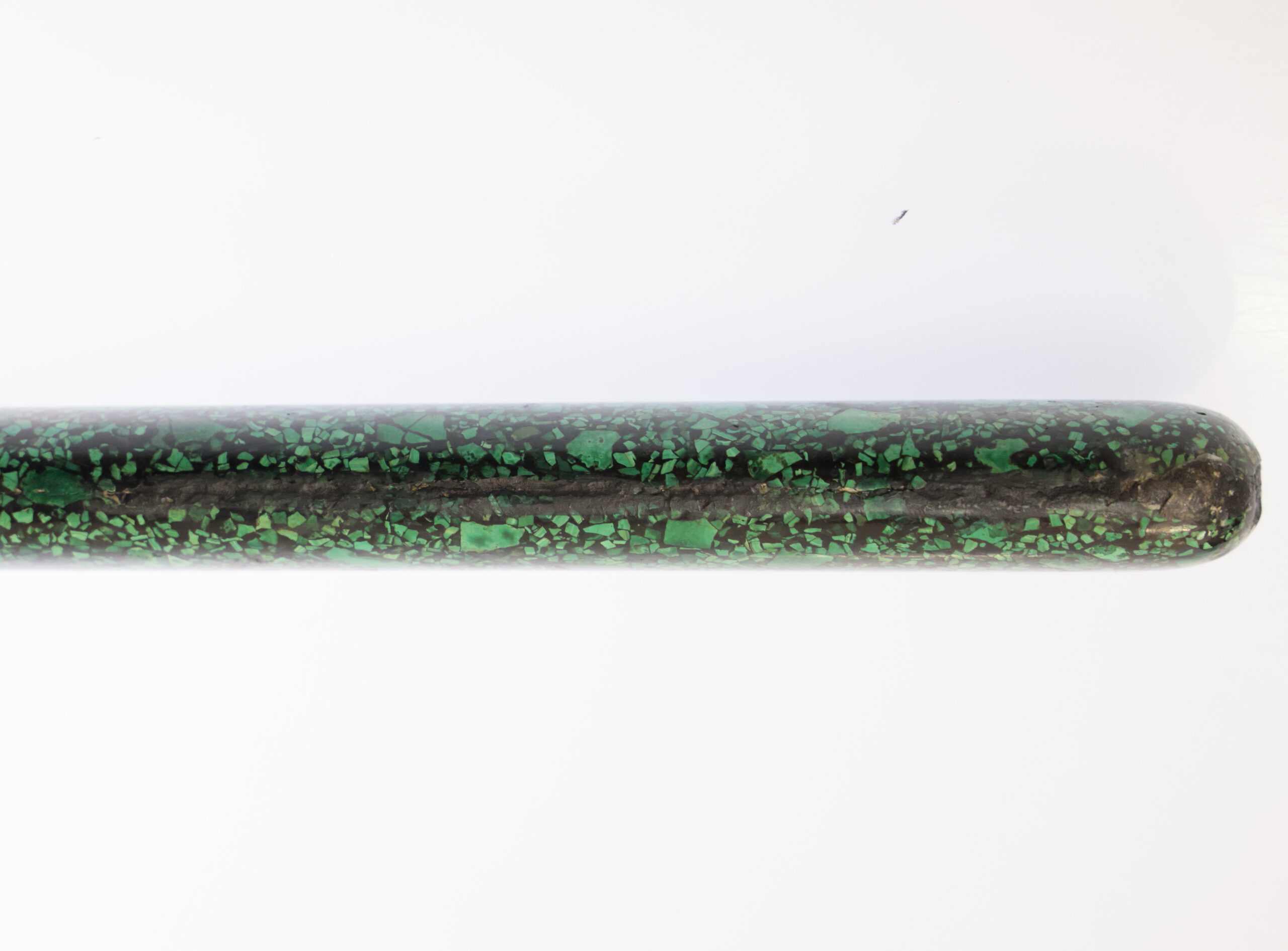
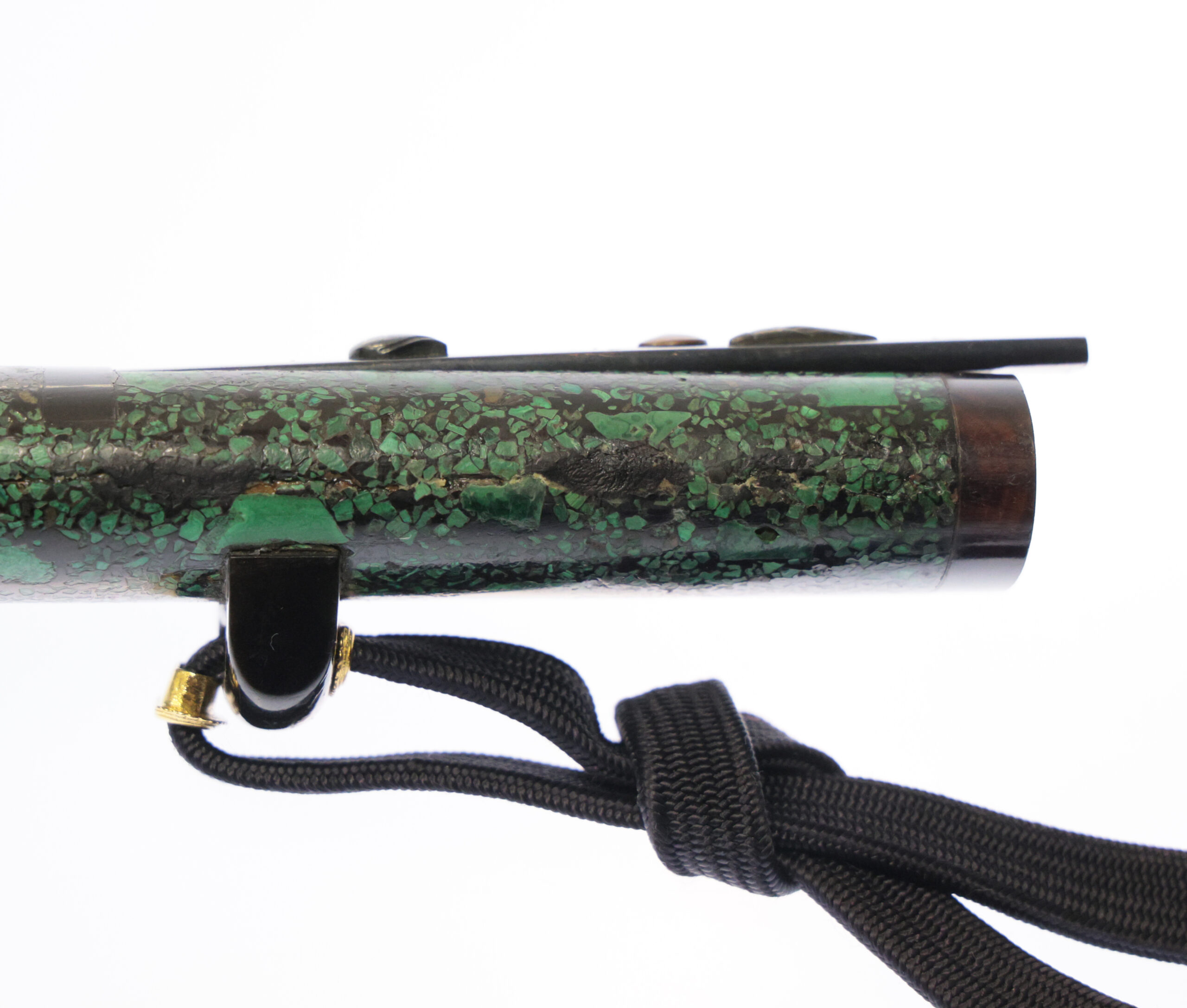
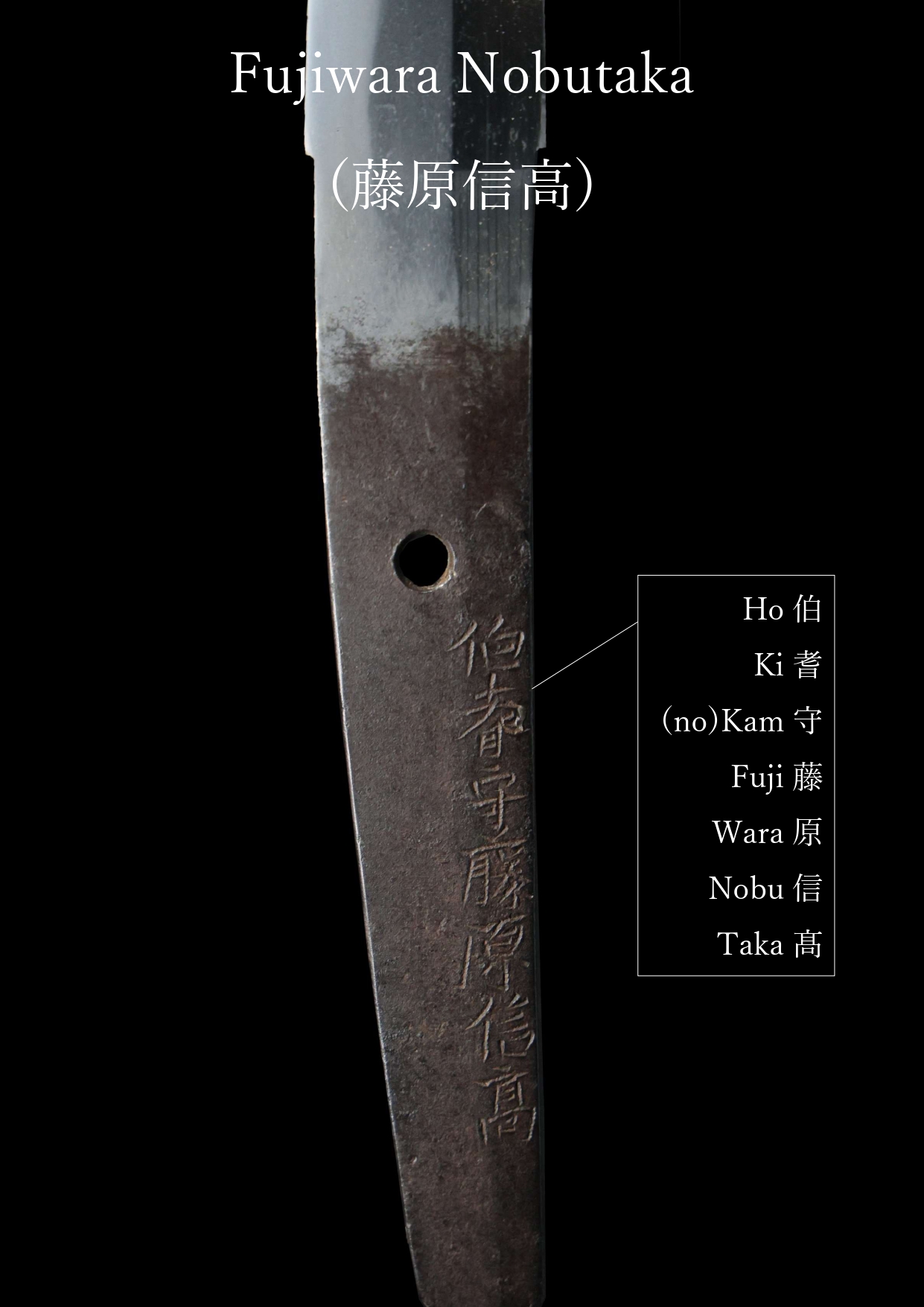
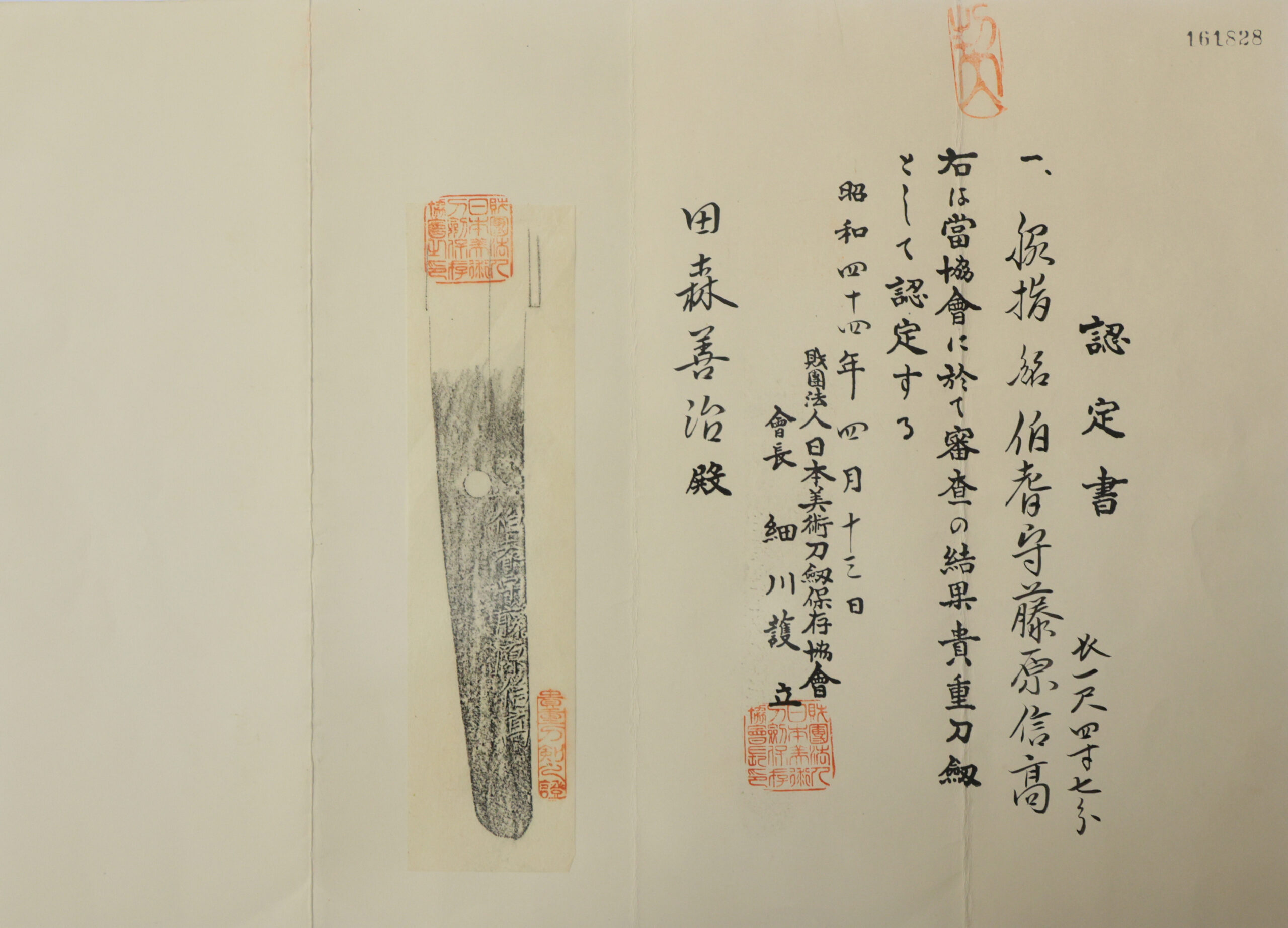
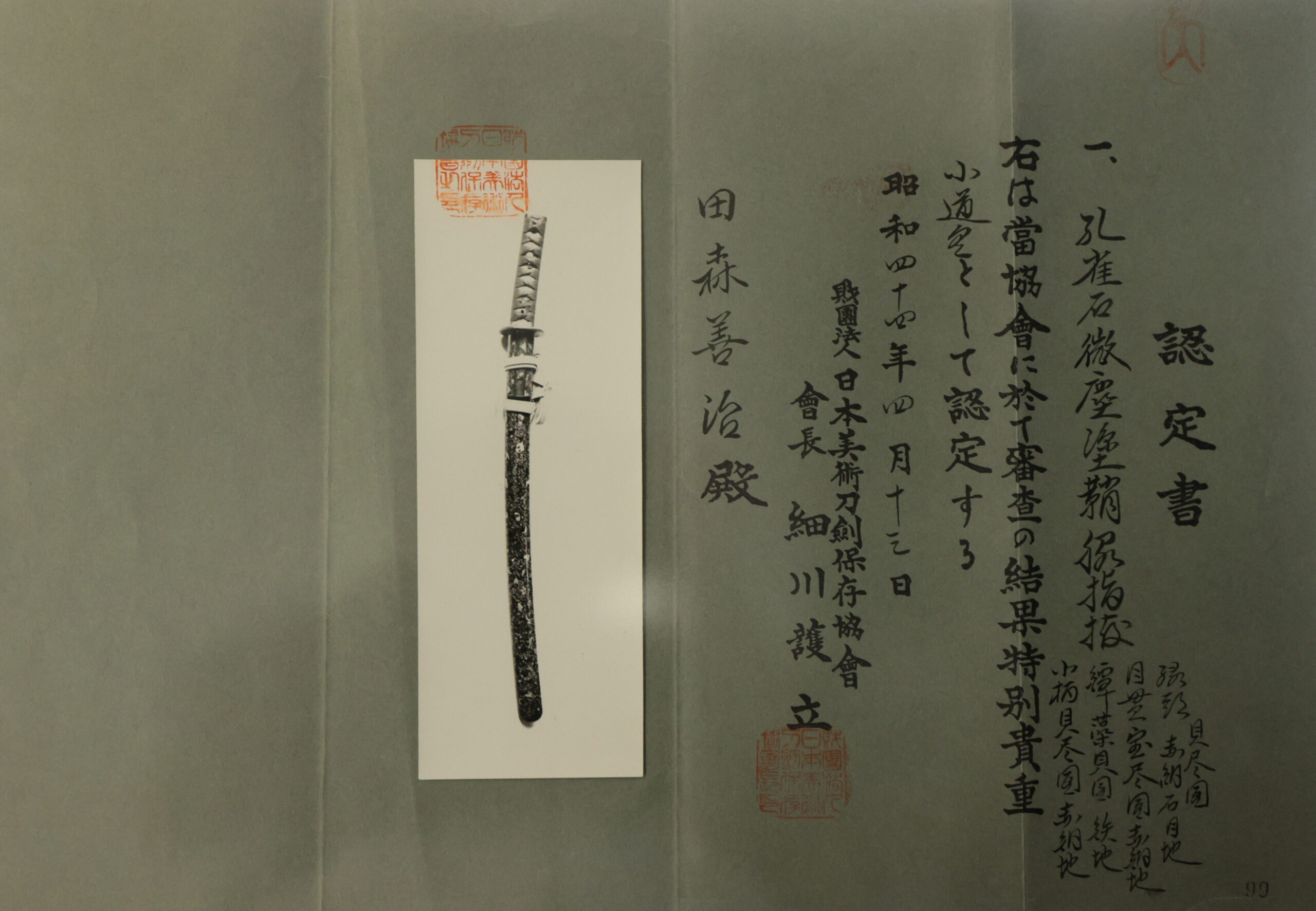
This blade was signed by Hoki no Kami Fujiwara Nobutaka (伯耆守藤原信高). The swordsmith’s name “Nobutaka” lasted 6th generation during the Edo period. Hoki no Kami was an honorable title given to this swordsmith, and the 1st-5th generation received this title. It is said that Nobutaka was a descendant of Kanekuni, who belonged to Mino koku San-Ami school. We believe the attribution was given to the first-gen Nobutaka, who was especially active during 1596-1615 (Late Azuchi Momoyama- early Edo period). The first-gen Nobutaka was originally from Mino province, which is famous for Japanese sword tradition, MINO-DEN. The first-gen moved to Owari castle at the beginning of the Keicho era(the late 1590s). And he relocated to Nagoya after Nagoya castle was built. There were many swordsmiths from Mino province who moved to Owari province. They are called Owari Seki. The most famous swordsmiths categorized as Owari Seki are the first-gen Hoki no Kami Nobutaka, Hida no Kami Ujifusa, and Sagami no Kami Masatsune. All the highly refined sword-forging techniques the first-gen Nobutaka had passed down to the second-gen. As Owari province(today’s Aichi prefecture) was active in martial arts during the early Edo period, there was much demand among high-class Samurai to order swords forged by the second-gen Nobutaka. He often worked with his son(the third-gen Nobutaka), and there is some remaining work where both signatures are found. *Please keep in mind that there are a couple of Kitae Kizu and chip and black rust sports on the blade. Fuchi-Kashira The theme of the Fuchi-Kashira is Seashells (貝尽くし, Kai-zukushi), matching the design of the fuchi-kashira and creating a sense of harmony throughout the koshirae. As for the wakizashi’s menuki, a lion-like animal and a sword are depicted together. These motifs may represent Karajishi (唐獅子, Chinese lion) and Monju no Riken (文殊の利剣, the Sword of Manjushri). Both of these motifs are closely associated with Monju Bosatsu (文殊菩薩, Manjushri Bodhisattva). Monju Bosatsu is traditionally depicted riding a lion and holding a sword in his right hand. This sword is not a weapon, but a symbol of wisdom. In Buddhist belief, it represents the power to cut through worldly desires, delusion, and attachment. The lion on which Monju Bosatsu rides symbolizes the majestic and fearless power of wisdom. Therefore, this menuki design may express the Buddhist ideal of overcoming confusion and ignorance through wisdom. Tsuka and Menuki The motif of these menuki is takara-zukushi (宝尽くし), or “a collection of treasures.” This traditional pattern combines various auspicious objects, each with its own symbolic meaning. Together, they are believed to bring good fortune, prosperity, and happiness. Tsuba and Habaki This iron Tsuba features a Mogai (藻貝) motif, matching the design seen on the Tsuba. Mogai is a decorative motif combining aquatic plants or seaweed (藻, mo) with various types of shellfish (貝, kai), such as conch shells, scallops, and abalone. Symbolizing the abundance of the sea, the motif was also regarded as auspicious. Parts of the design are further embellished with colored inlays, adding depth and elegance to the decoration. Shells have played an important role in Japanese culture since ancient times, serving not only as food but also as materials for ornaments and everyday objects. During the Heian period (794–1185), aristocrats enjoyed a game known as Kai-awase (貝合わせ), in which matching pairs of bivalve shells were identified. The inner surfaces of the shells were sometimes beautifully decorated with paintings, and the practice became closely associated with the refined aesthetic culture of the imperial court. By the Edo period (1603–1867), shells had also become popular subjects for collecting, waka poetry, and various forms of decorative art. Designs depicting an assortment of different shells, known as Kaizukushi (貝尽くし), appeared on a wide variety of works of art and craft. The Mogai motif found throughout the Koshirae reflects this long-standing Japanese appreciation for the beauty and symbolism of shells and marine life, a tradition cultivated over many centuries. Kozuka This Kozuka, like the Fuchi-Kashira, features a Kaizukushi (貝尽くし) motif depicting an assortment of shells, creating a sense of unity throughout the Koshirae. Saya *Please keep in mind that this Saya is partially damaged due to its age. This Saya is finished in Kujaku ishi Nuri (孔雀石塗), in which the Kujaku stone was fully used. It is said that the Kujaku stone was so expensive in the Edo period that only high-class Samurais were allowed to wear such gorgeous Koshirae mountings. This Kujaku ishi Nuri can not be made in modern times because the stones are no longer available. Authentication Paper They authenticated the blade on April 13th in the 44th year of Showa (1969). They appraised the Katana as a Kicho Touken, an old form of the certificate. The purchaser will receive the original certificate as well. Authentication Paper They authenticated the blade and its Koshirae on April 13th in the 44th year of Showa (1969). They appraised it as Hozon Tosogu, an old form of the certificate.
Hoki no Kami Fujiwara Nobutaka
取扱店 サムライミュージアム
鑑定書は旧鑑定書(緑紙・貴重刀剣など)のみで、現在の日刀保ではほとんど認められていません。現在の審査を通っているかを刀剣商にお尋ねください。 — Hoshi

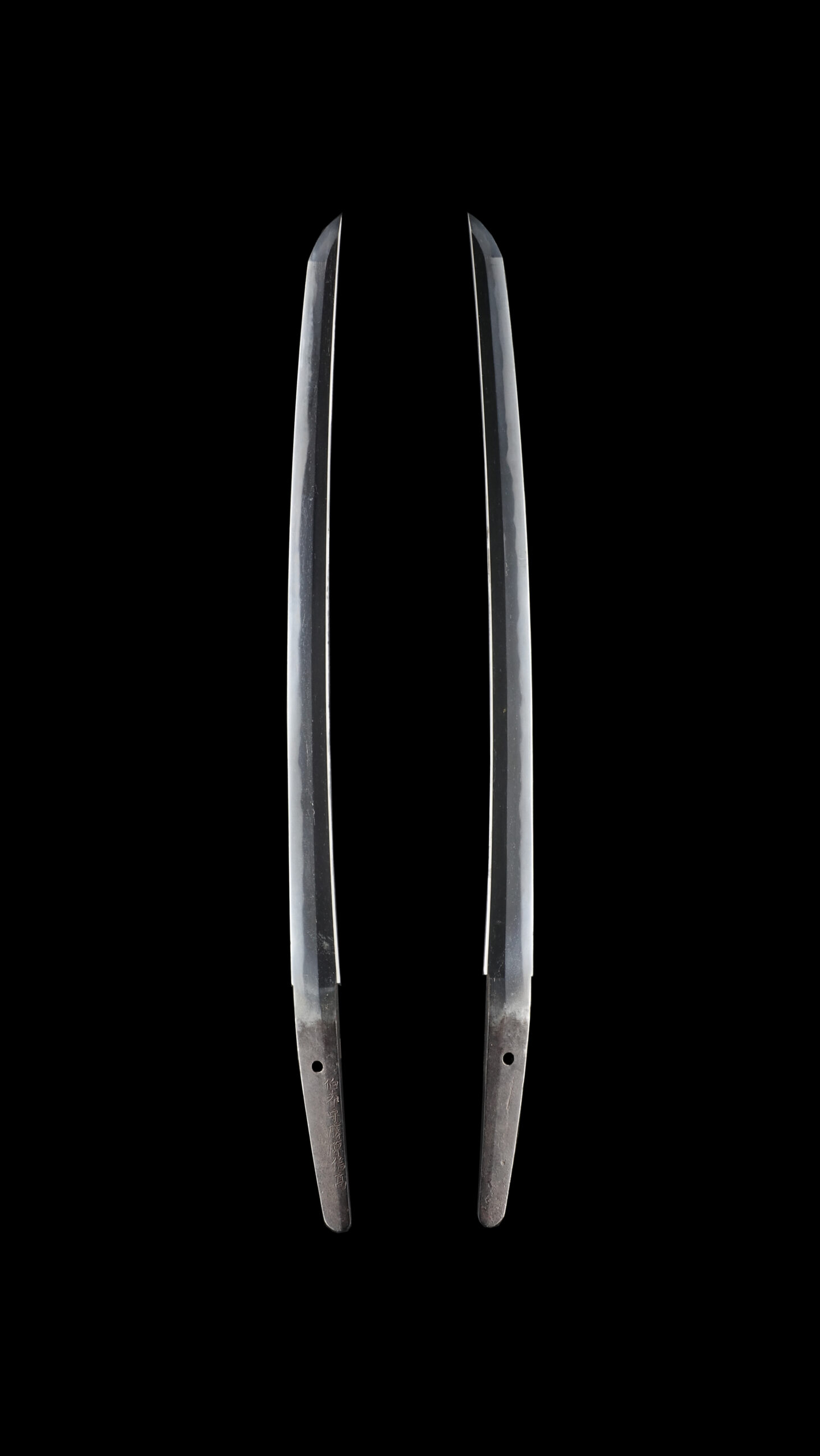
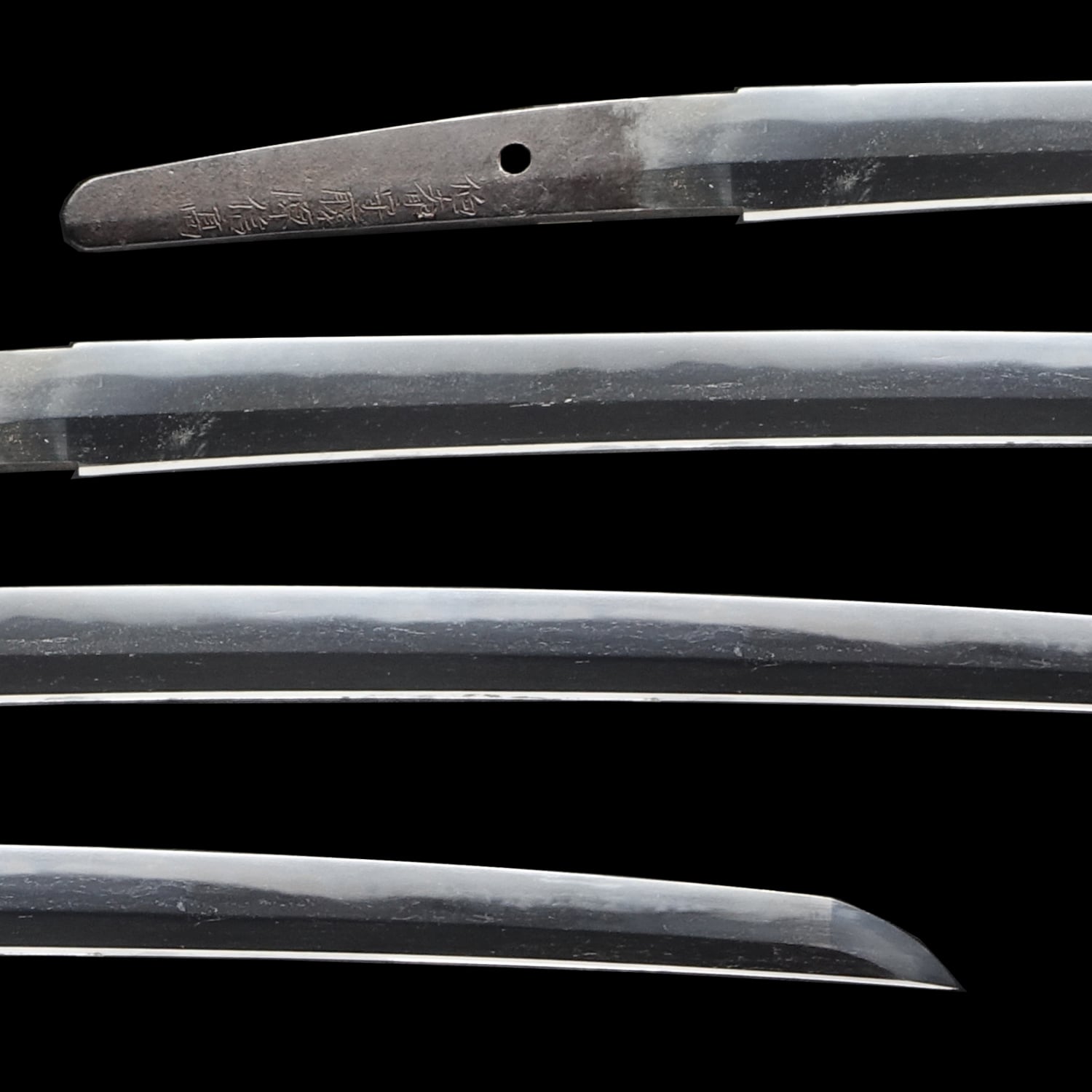
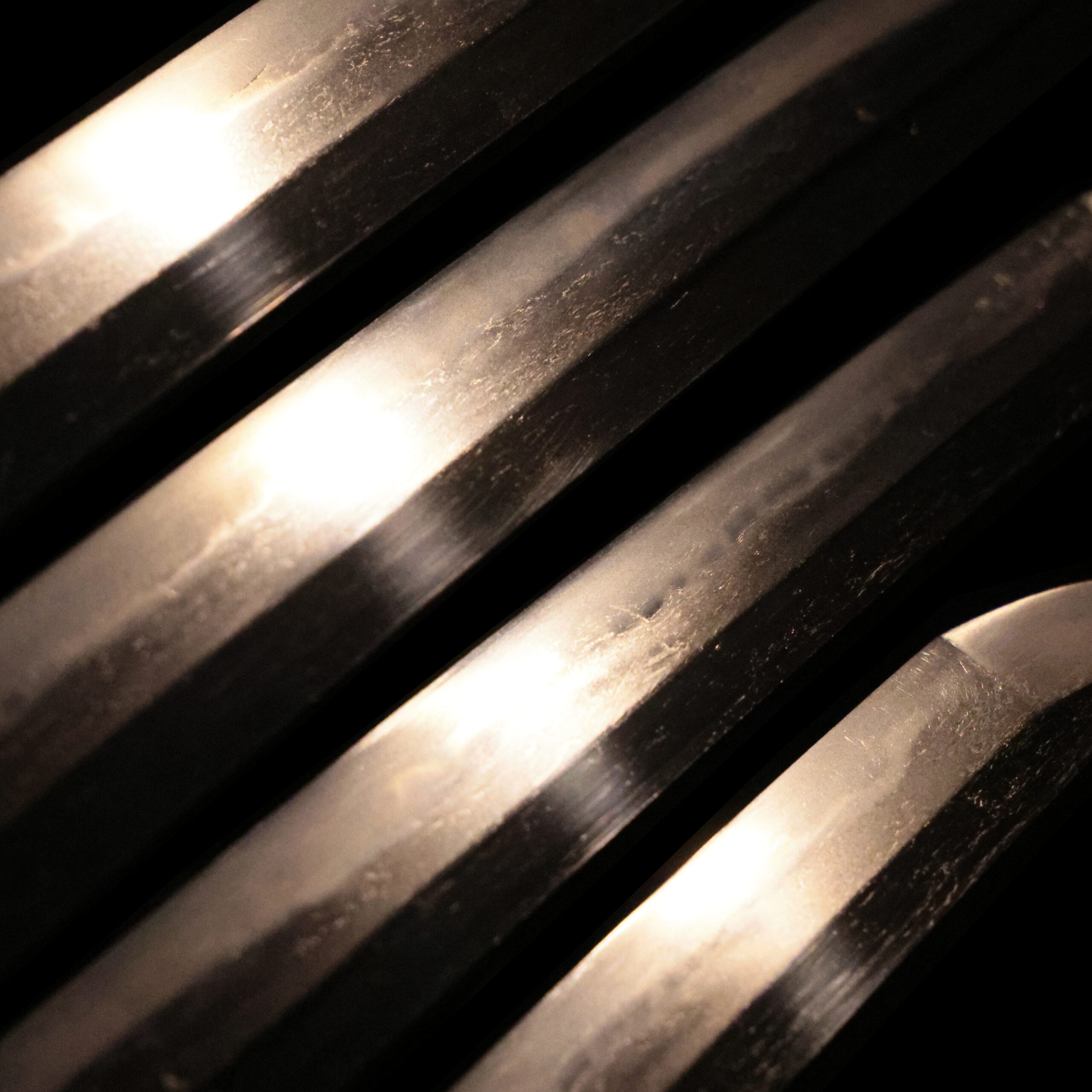
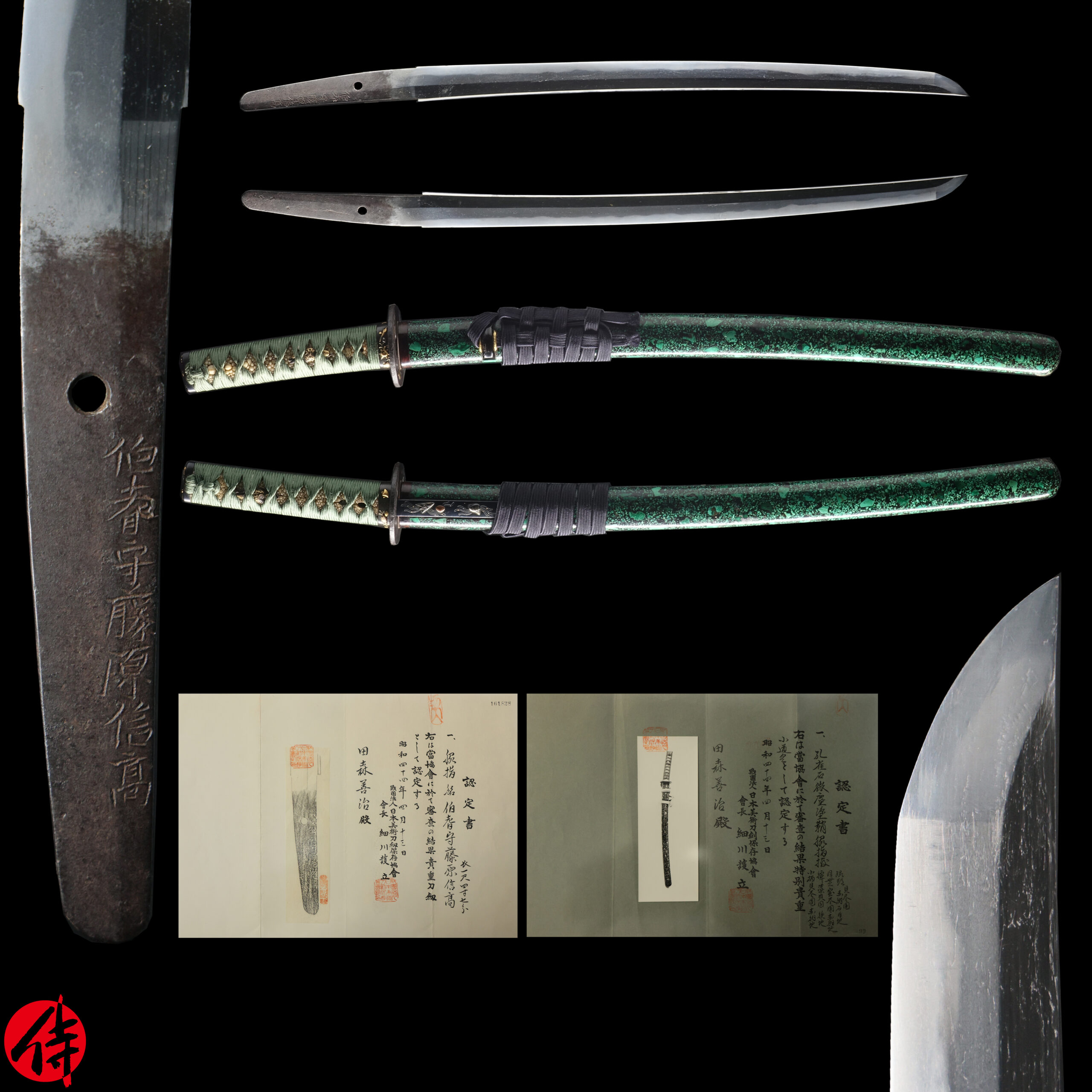
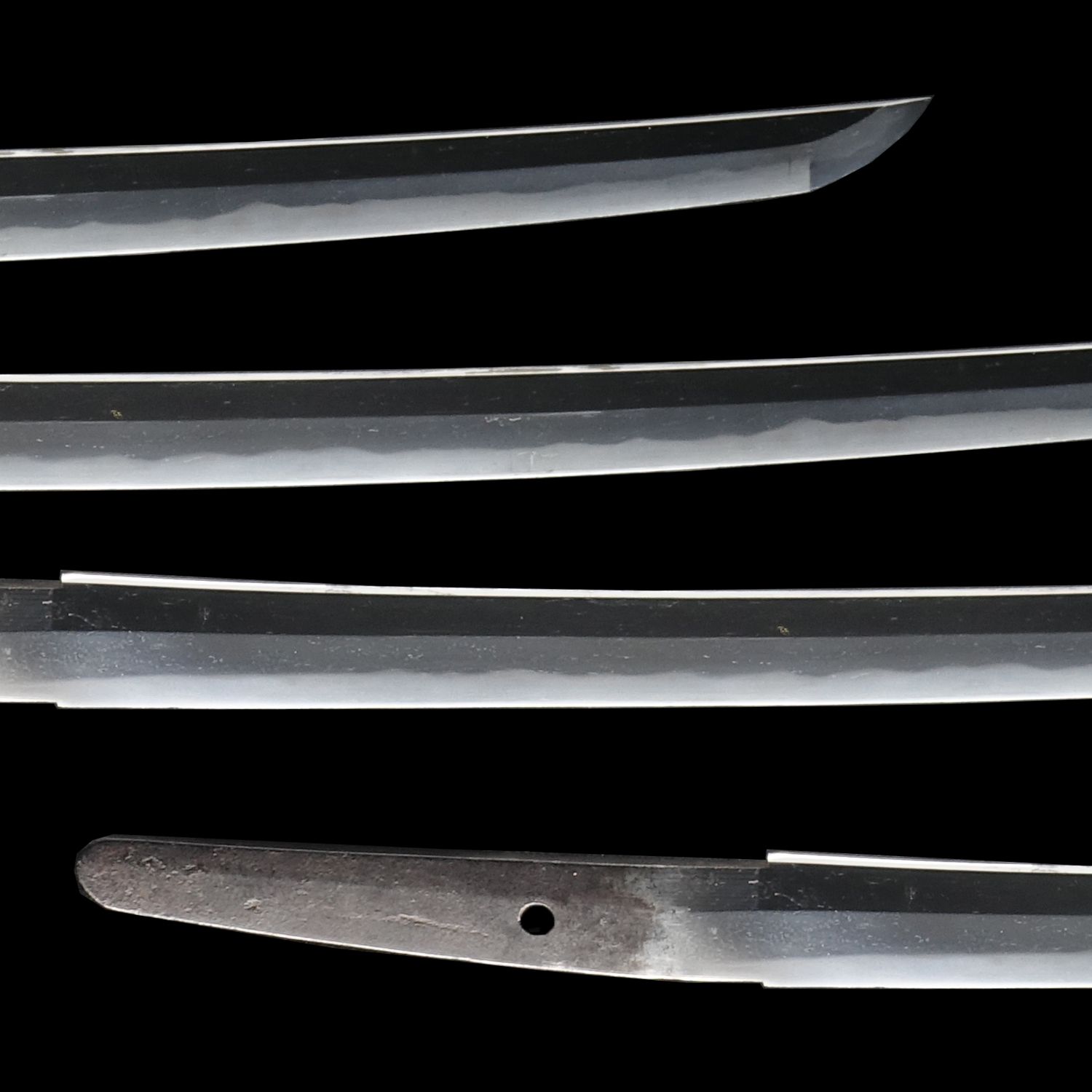
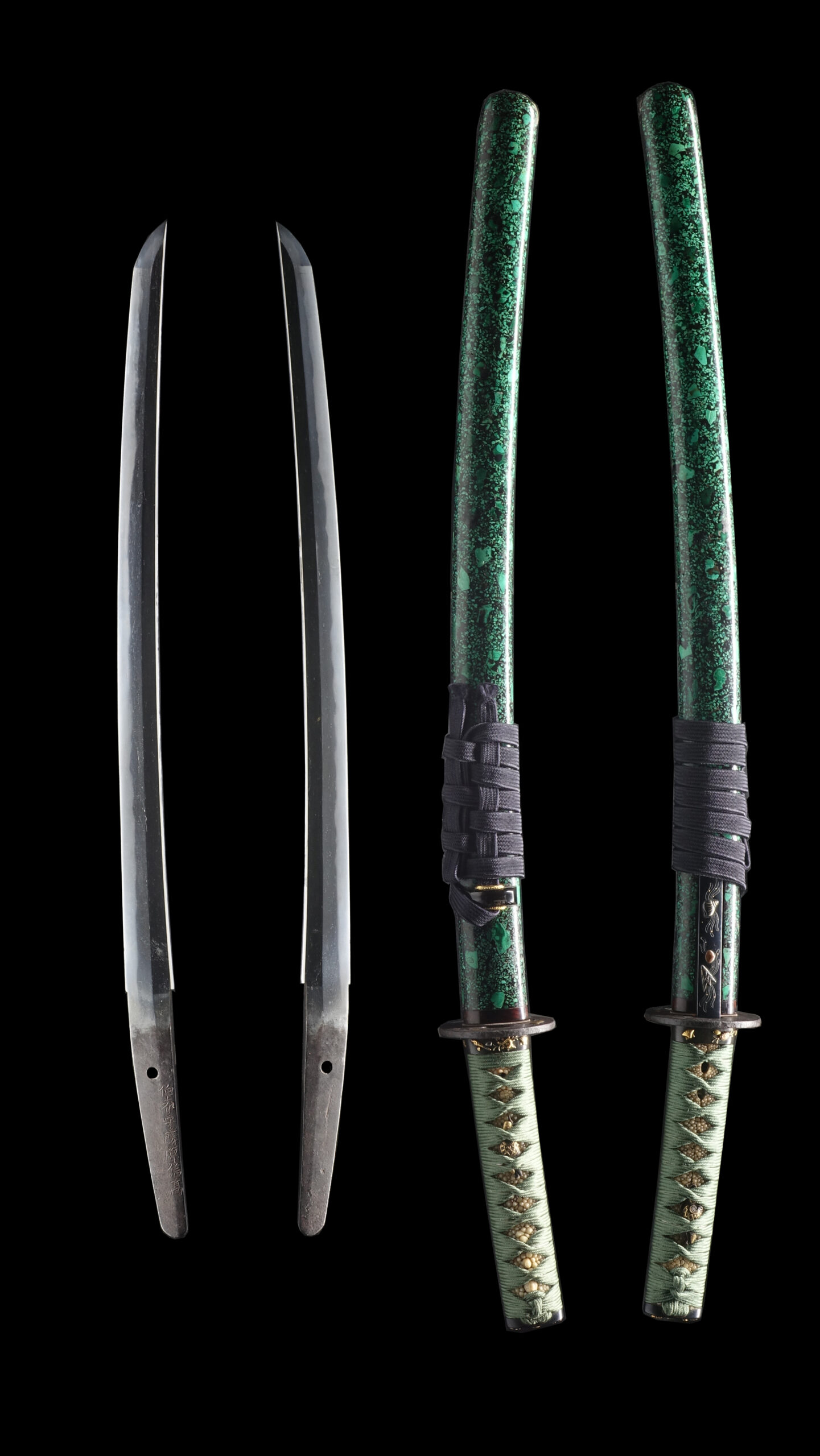
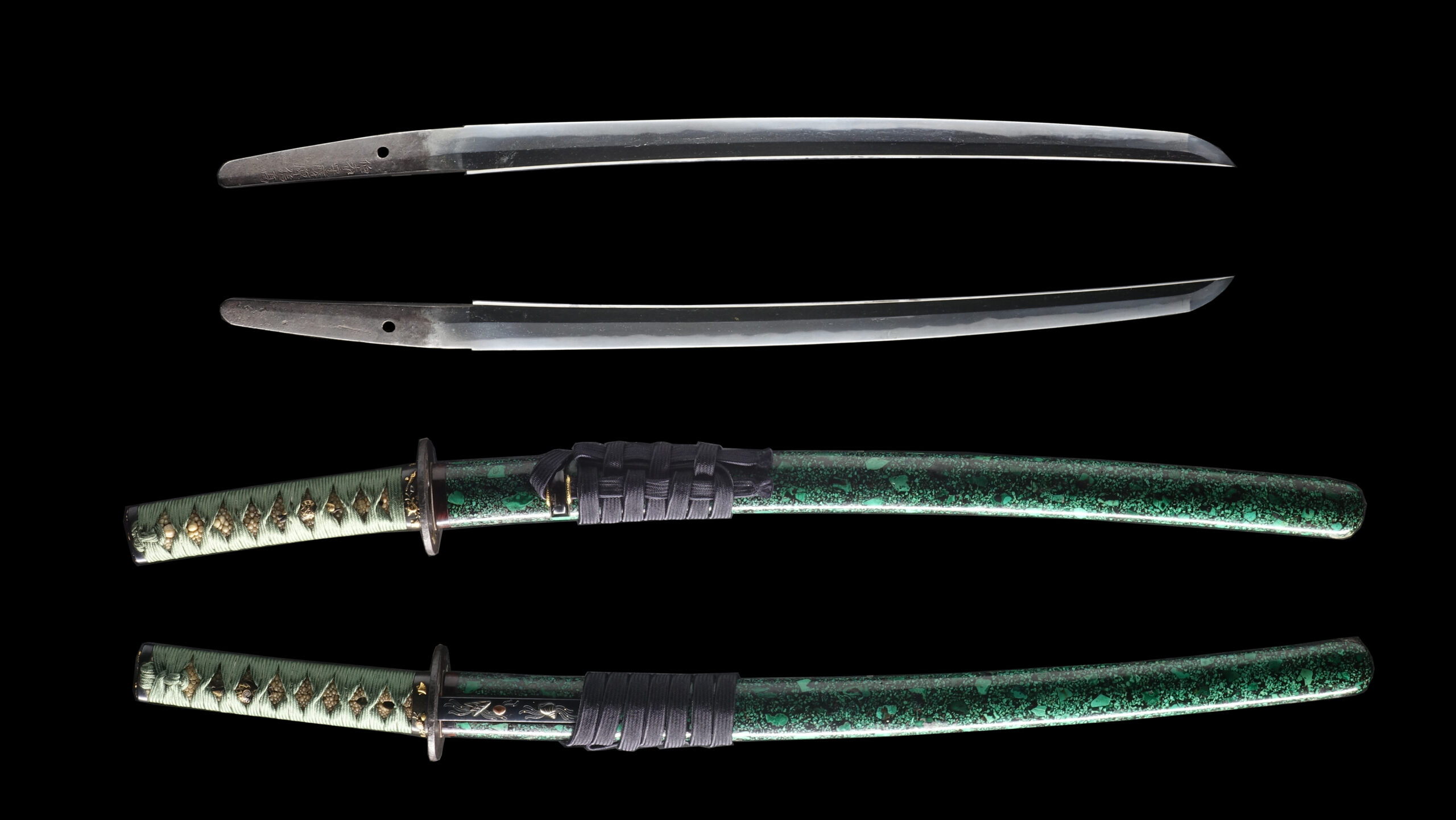
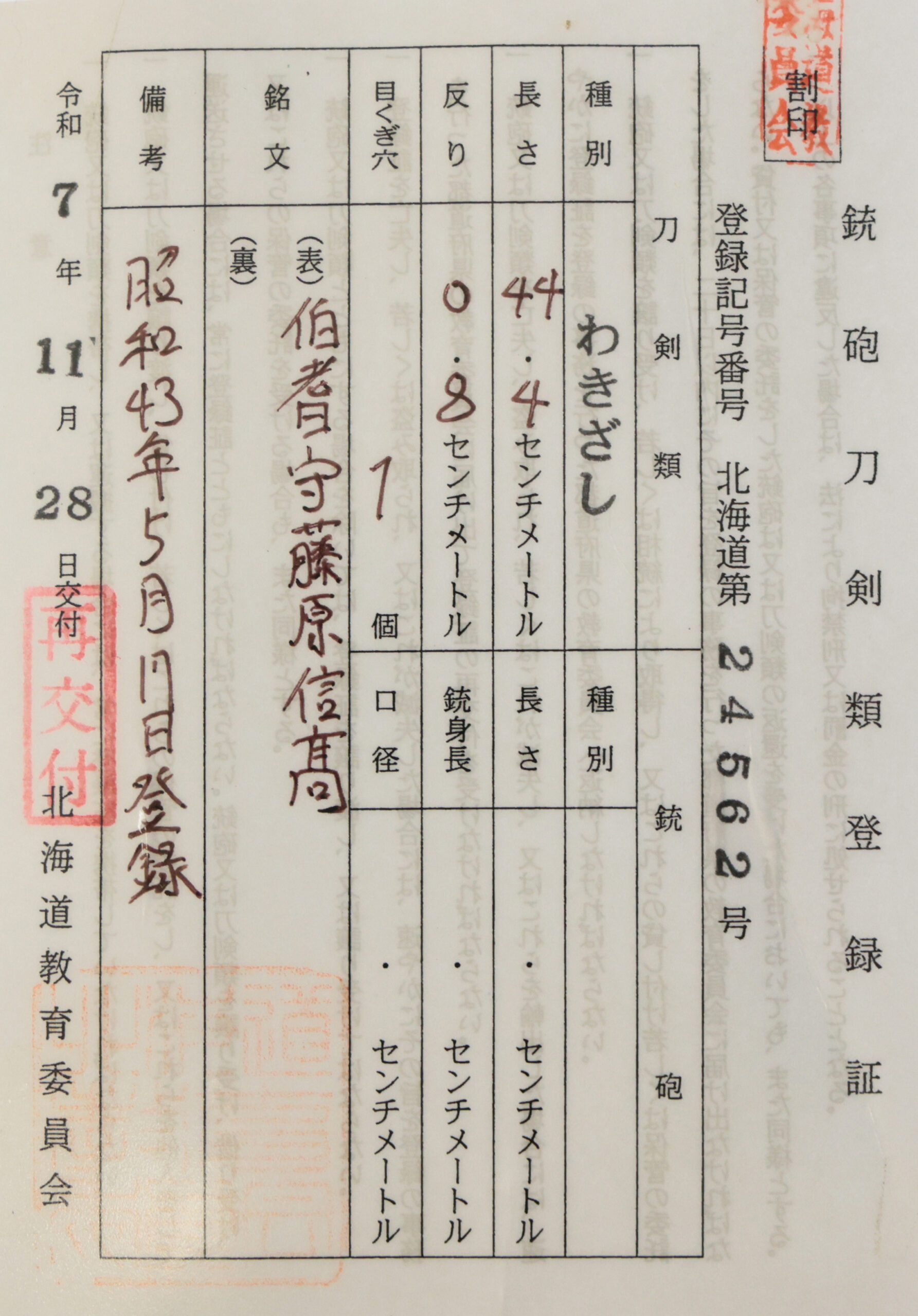
販売店の記載のまま
江戸時代
江戸は刀の目利きの時代である。本阿弥の鑑定、1719年の享保名物帳、盛んな刀剣書が、戦で抜かれることのなくなった刀を学問の対象へと変えていった。
本作はNBTHKの旧鑑定書(貴重・特別貴重)を有しますが、これらは現在発行されておらず、現在の日刀保ではほとんど認められていません。極めを確認するには、公的な鑑定機関(NBTHK・NTHKなど)に再提出し、現行の鑑定を受けることもご検討ください。
Returns/exchanges limited to defects caused by shipping (except willful misconduct or gross negligence by the company); customers must contact within 72 hours of receiving the product.
¥550,000