江戸は刀の目利きの時代である。本阿弥の鑑定、1719年の享保名物帳、盛んな刀剣書が、戦で抜かれることのなくなった刀を学問の対象へと変えていった。
 NihontoWatchNihontoWatch
Katana in Shirasaya with Koshirae (NBTHK Hozon Token) (We divide 4 sections for each sword as Saijyo Saku, Jyojyo Saku, Jyo Saku and Regular Saku). This blade is ranked as Jyo Saku among the works of Hirofusa. Shape: A powerful and imposing katana with a wide mihaba, relatively shallow curvature, and an elongated kissaki. The blade has a robust and magnificent appearance. Jigane: Ko-itame hada with a slightly pronounced grain pattern. Areas of hardened steel are visible in places along the shinogi-ji. Hamon: Nie-deki ko-gunome-midare. The boshi displays a midare-komi pattern. Features: Hirofusa, who used the art name Gimeisai, was a swordsmith active in Kuwana, Ise Province. He was a disciple of Daido. Historical Background: The Bakumatsu period (approximately 1853–1869) was a turbulent time in Japanese history, beginning with the arrival of the American Black Ships and culminating in the collapse of the Edo shogunate and the establishment of the new Meiji government. The following were some of the major events of this period. 1853 – Arrival of the Black Ships: Commodore Matthew Perry's American fleet arrived at Uraga and demanded that Japan open its ports to foreign nations. 1854 – Convention of Kanagawa: Japan signed the Treaty of Peace and Amity with the United States, marking a significant step toward ending its policy of national seclusion. The ports of Shimoda and Hakodate were opened to American ships. 1858 – Treaty of Amity and Commerce: Ii Naosuke, the Tairo (Great Elder) of the shogunate, signed a commercial treaty with the United States without obtaining imperial approval. The treaty expanded foreign trade but contained unequal provisions that disadvantaged Japan. 1860 – Sakuradamon Incident: Ii Naosuke was assassinated outside the Sakuradamon Gate of Edo Castle by a group that included former samurai from the Mito Domain. 1867 – Restoration of Imperial Rule (Taisei Hokan): Tokugawa Yoshinobu, the 15th and final Tokugawa shogun, formally returned political authority to the Imperial Court, bringing the Tokugawa shogunate to an end. 1868 – Bloodless Surrender of Edo Castle: Through negotiations involving Katsu Kaishu and Saigo Takamori, Edo Castle was surrendered without a major battle, helping prevent widespread destruction in the city. NBTHK Tokubetsu Hozon Token.
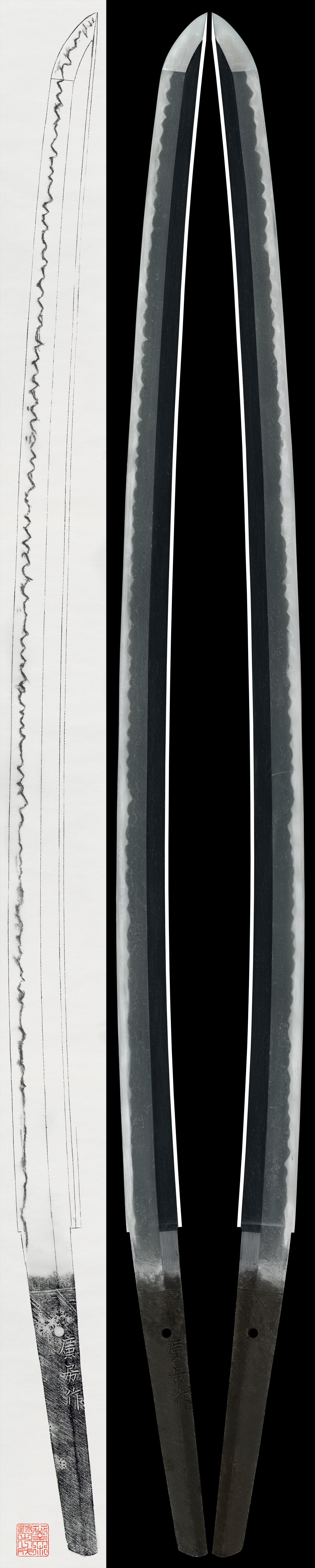



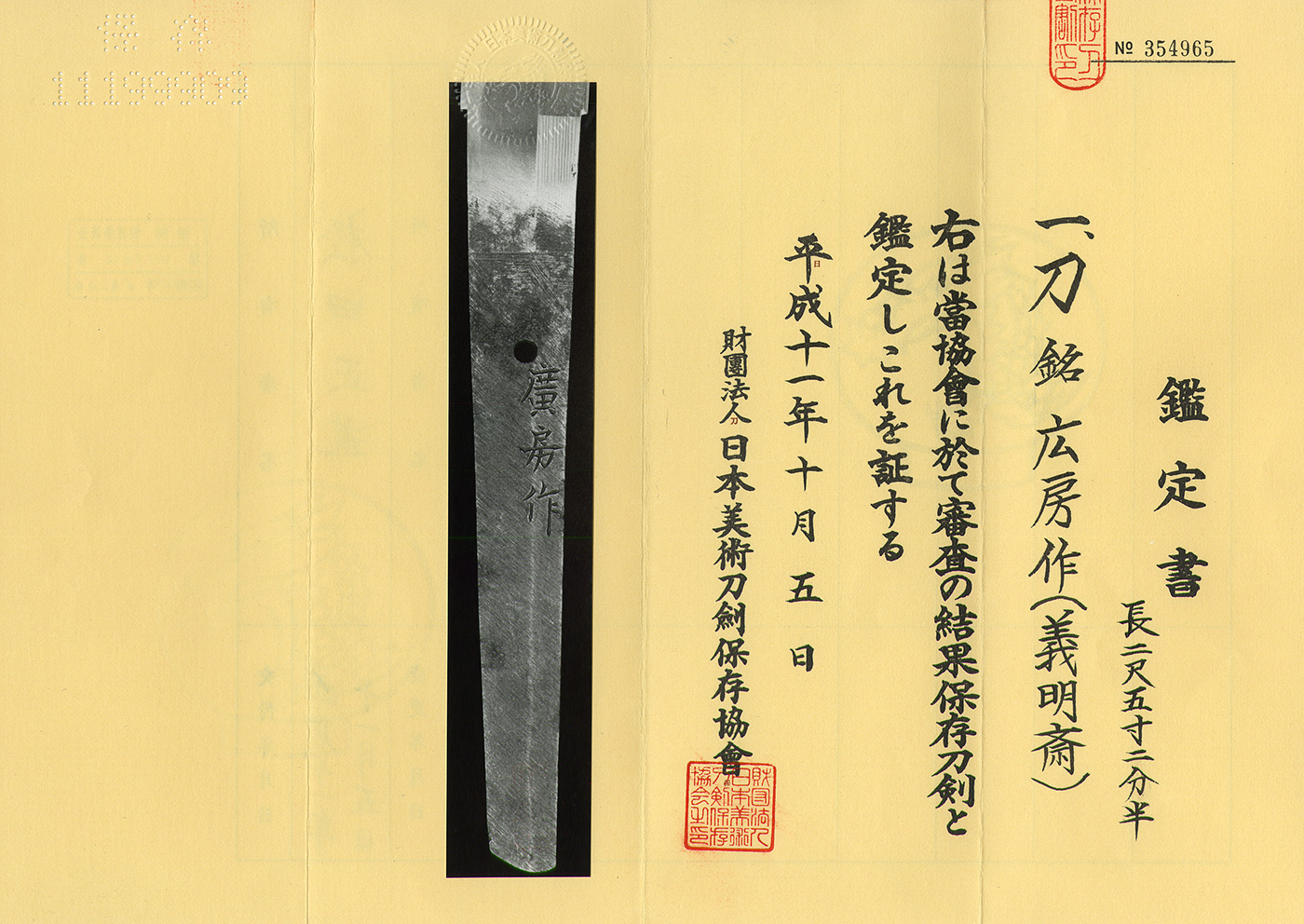
販売店の記載のまま
江戸時代
江戸は刀の目利きの時代である。本阿弥の鑑定、1719年の享保名物帳、盛んな刀剣書が、戦で抜かれることのなくなった刀を学問の対象へと変えていった。
銘が正しい、または無銘でも年代・国・系統を確実に指摘できる、保存に値する真正の作と鑑定されたものです。
日本美術刀剣保存協会(NBTHK)は、1948年に設立され、文化庁の監督を受ける公益財団法人で、東京・刀剣博物館に本部を置きます。専門の審査員が出品作を直接審査し、美術的・歴史的価値に応じた鑑定書を発行します。NBTHKの鑑定書は、日本刀および刀装具の真正性を示す最も広く認知された基準です。
NBTHK公式サイト返品をご希望の場合、お客様が受領されてから3日以内にお知らせください。この期間を過ぎますとキャンセルはお受けできかねますので何卒ご了承ください。なお当社へのご返送は、5営業日以内の発送をお願いしております。なおキャンセルは販売した当時の状態がそのまま保持されている事が条件となりますのでお取り扱いには十分ご注意下さい。
開始価格
¥500,000