応仁の乱が足利の体制を砕いた後、戦国の一世紀はほとんどすべての国を武装させた。この時代は選ぶ目に報いる。並の作は多いが、その傍らには第一級の注文打ちが立っている。
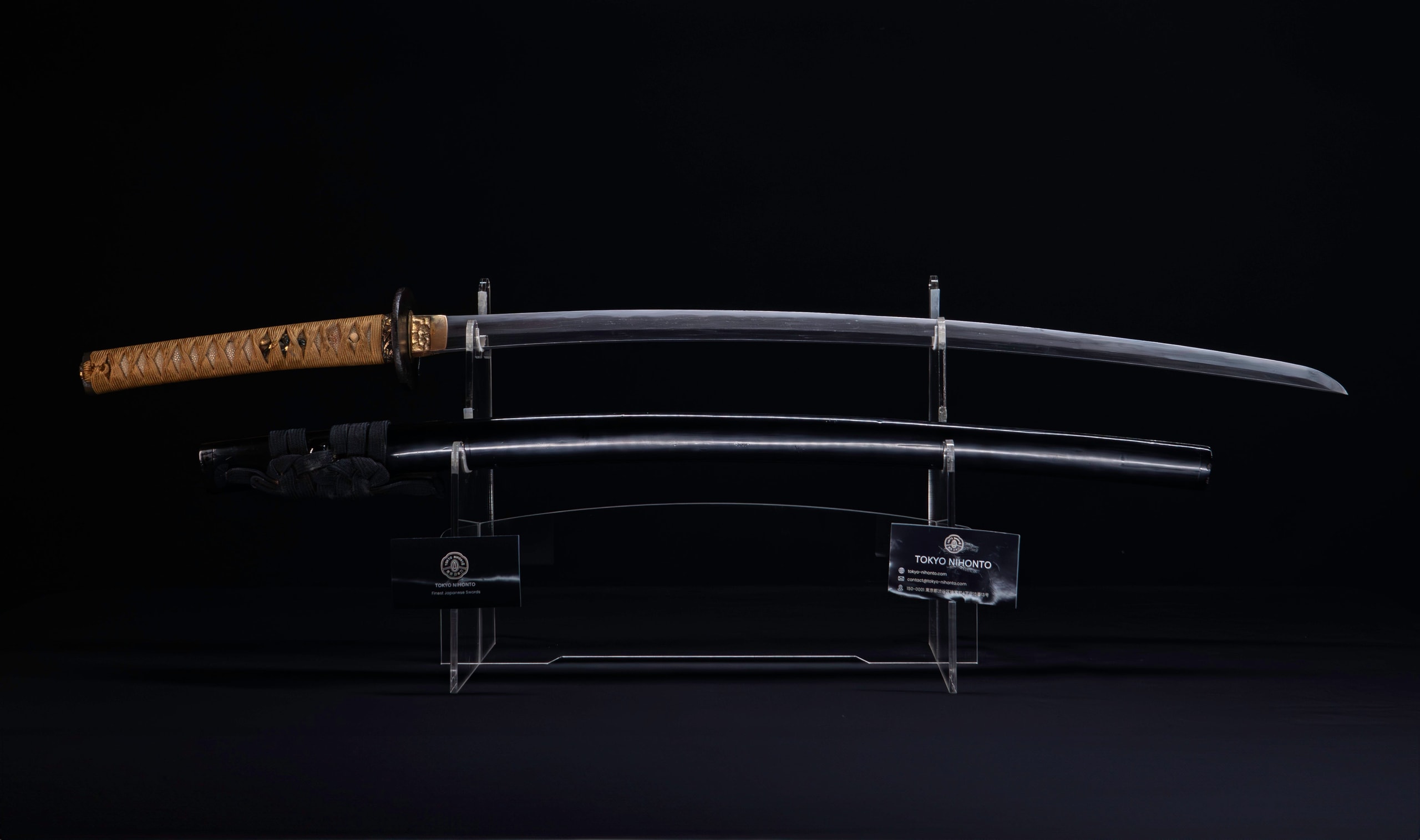
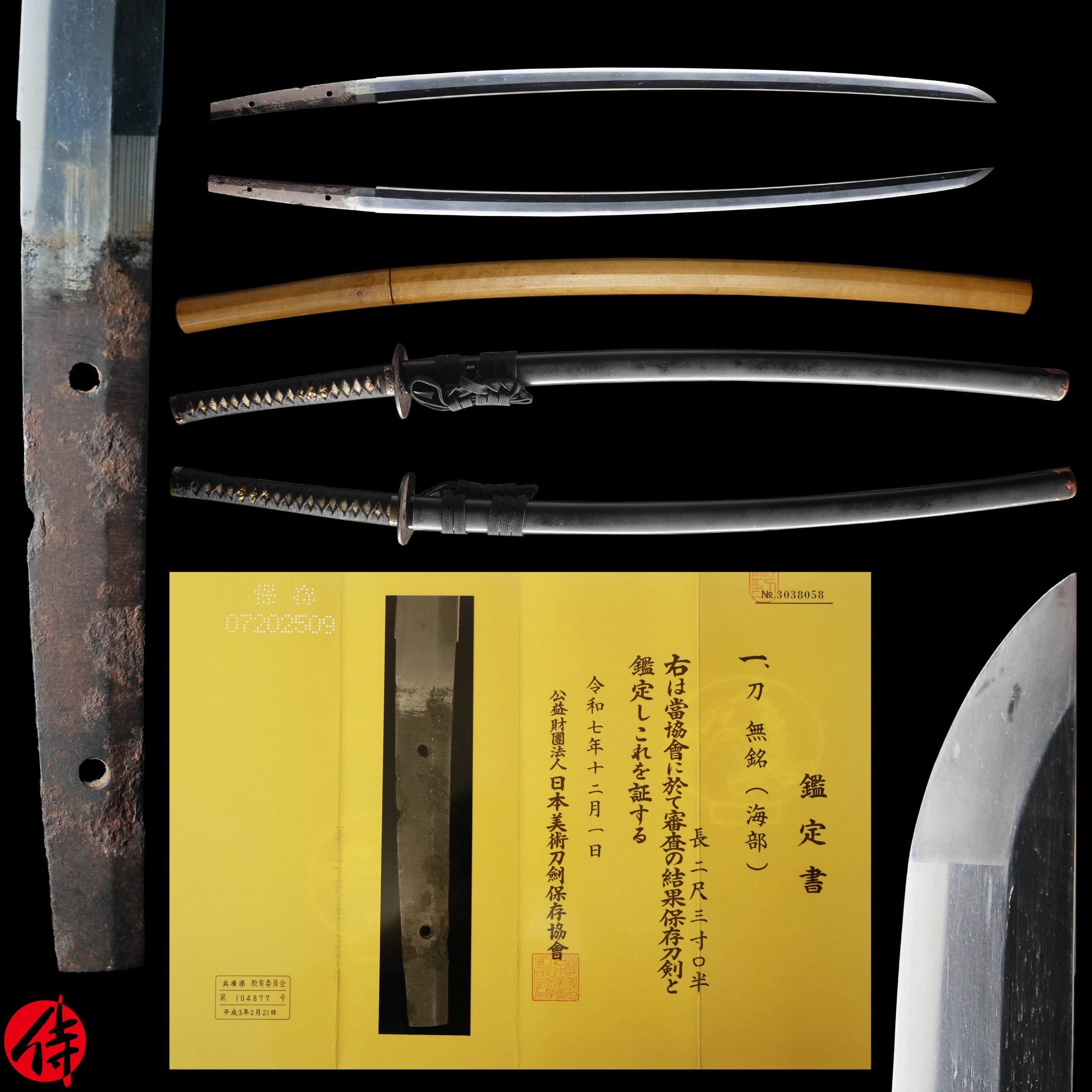
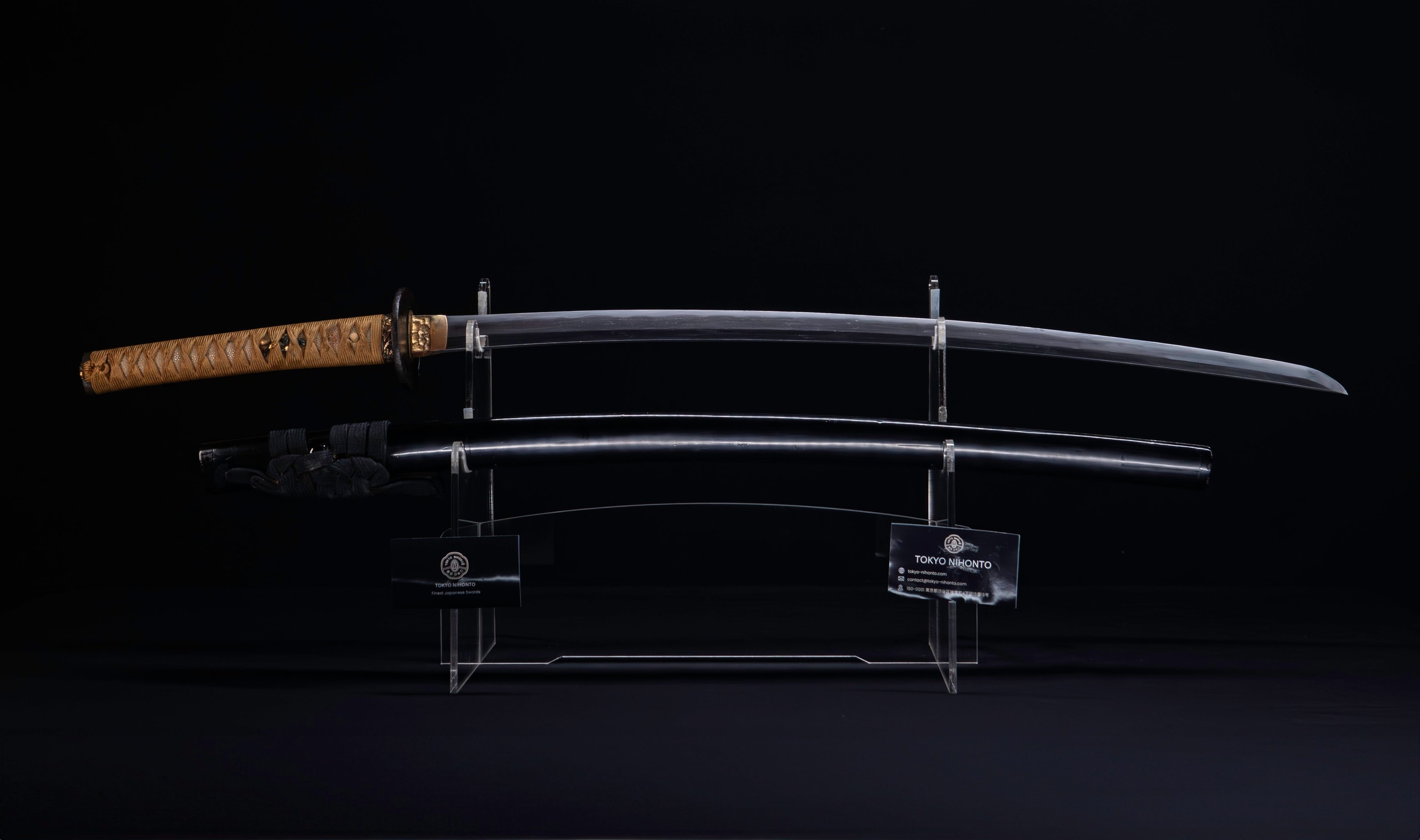
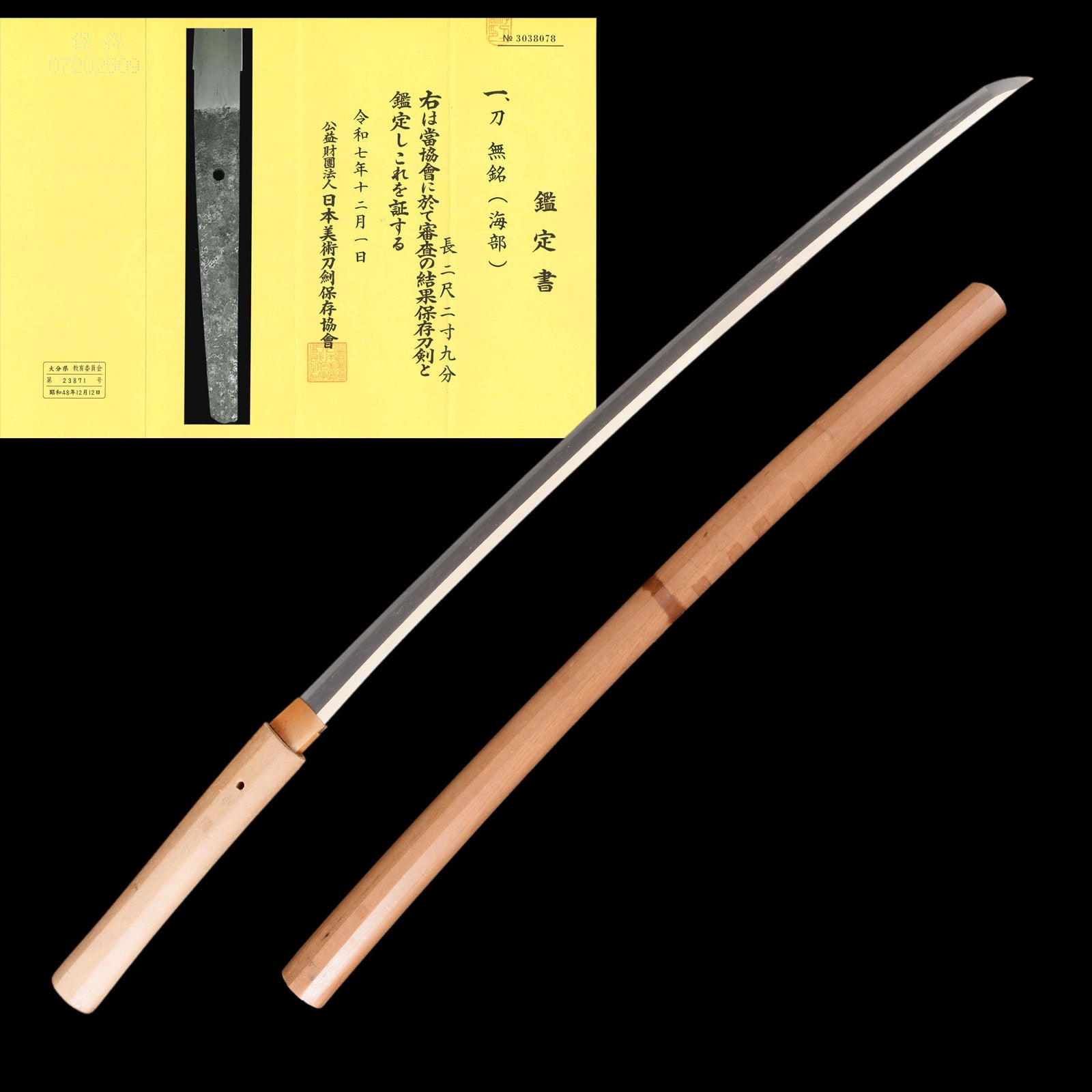
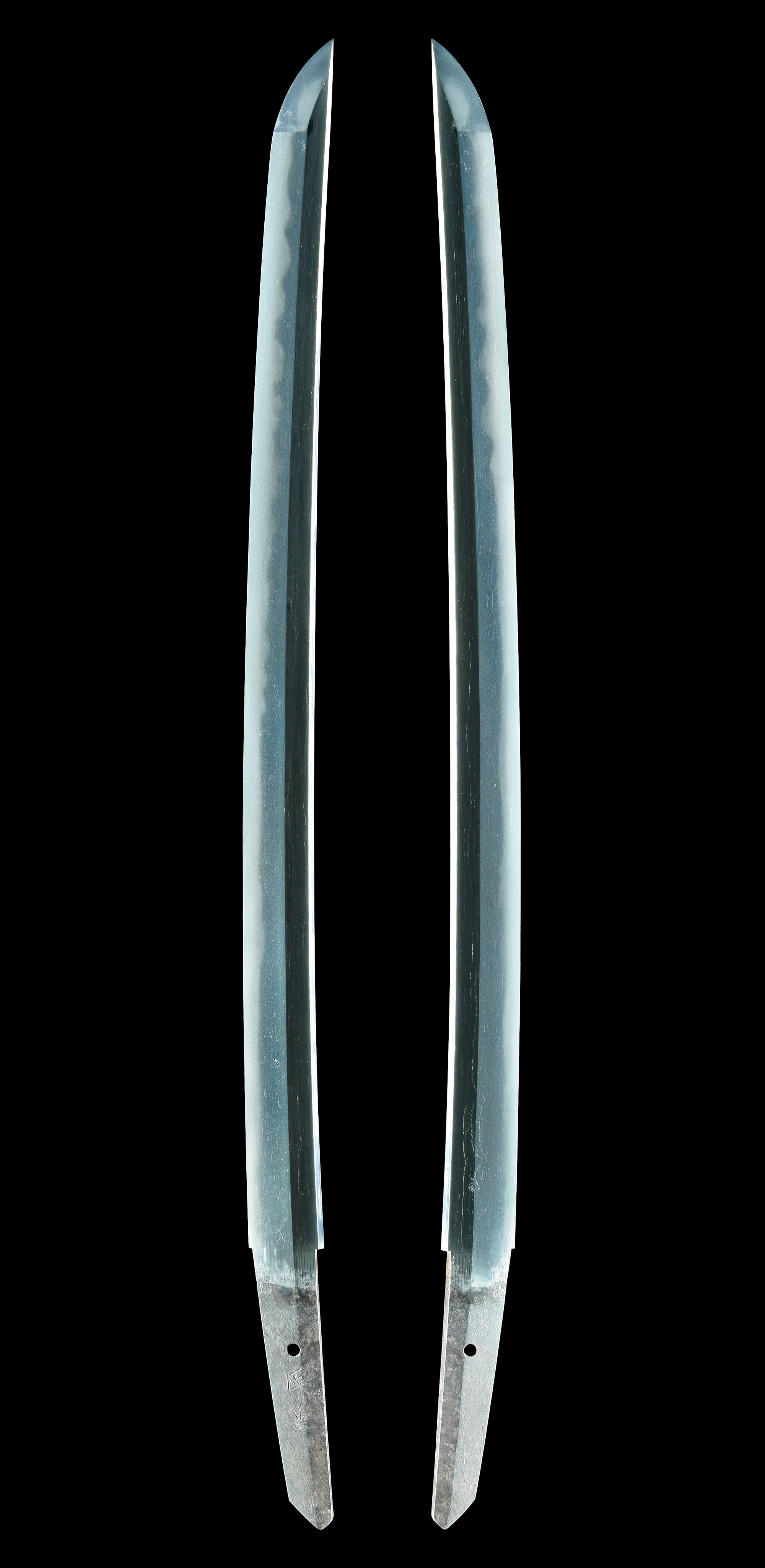
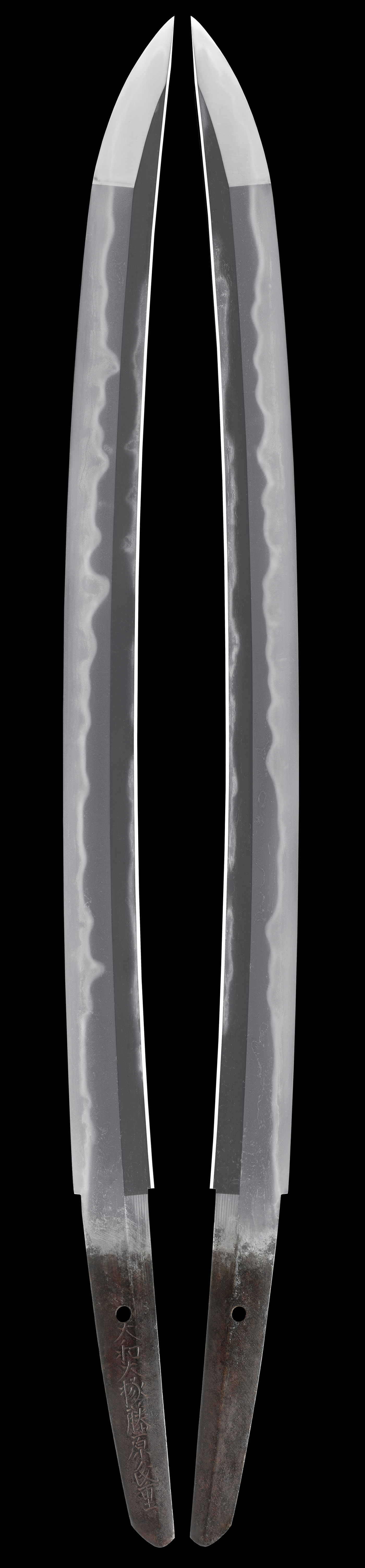
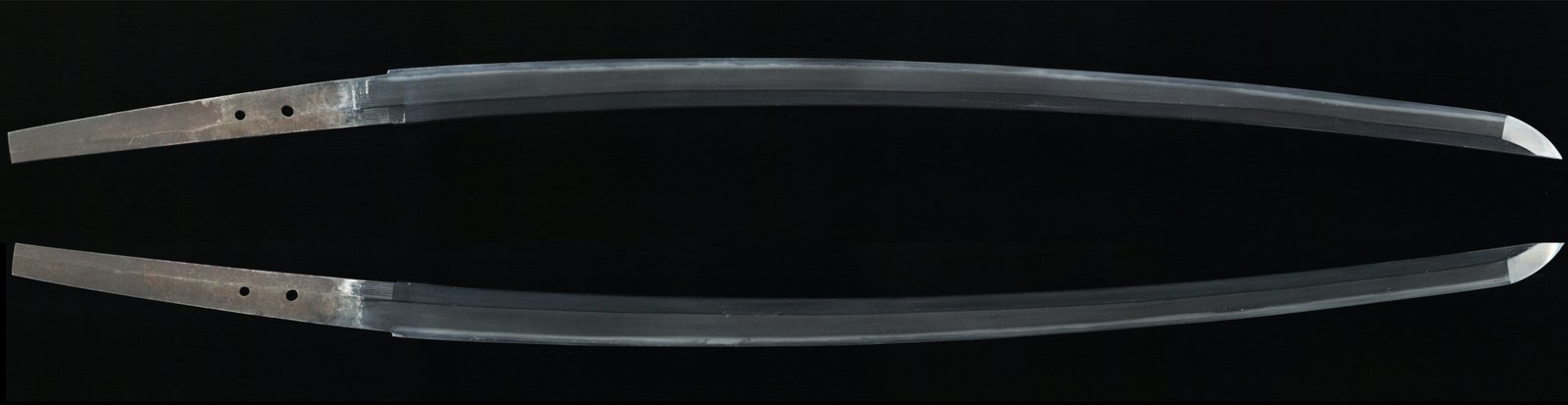
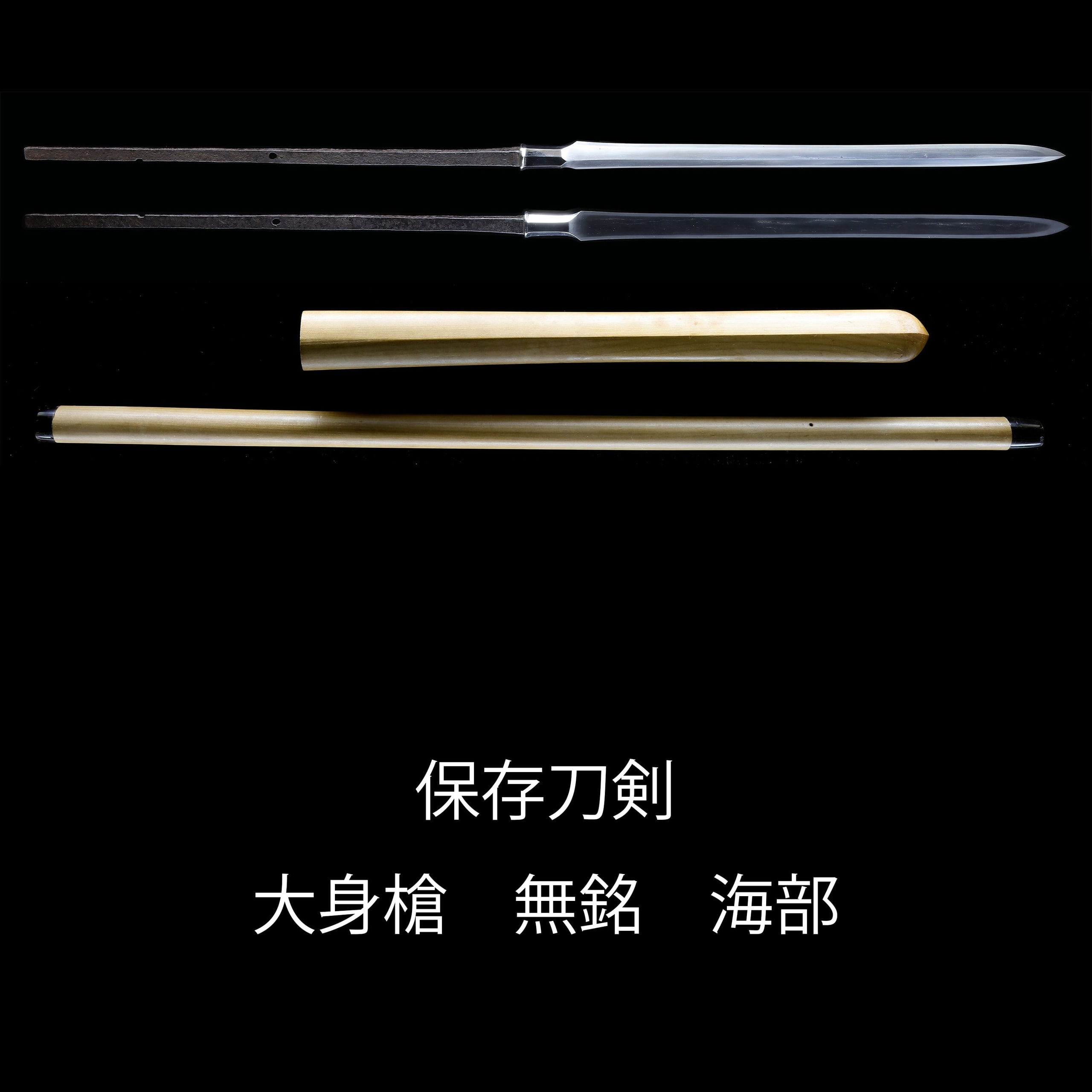
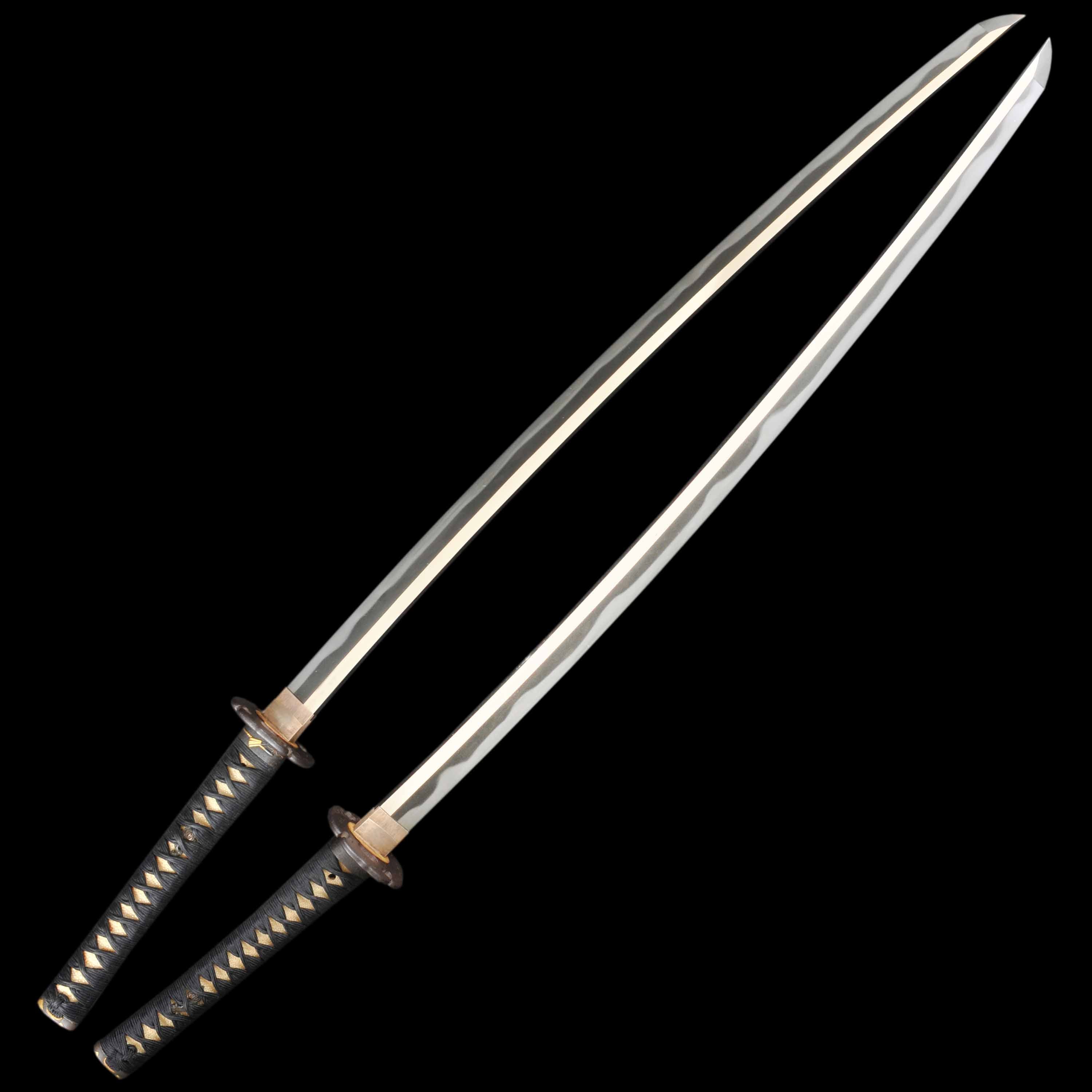
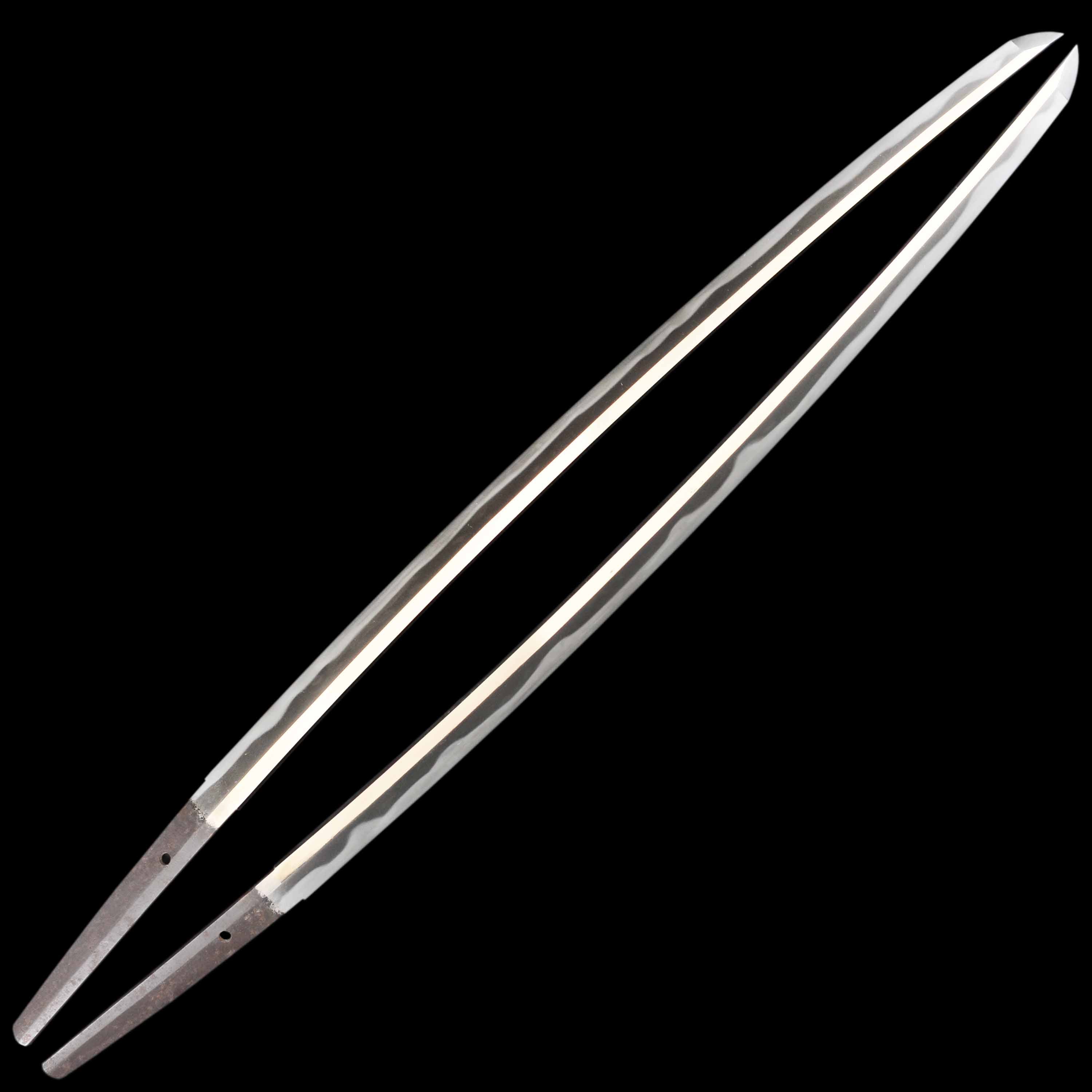
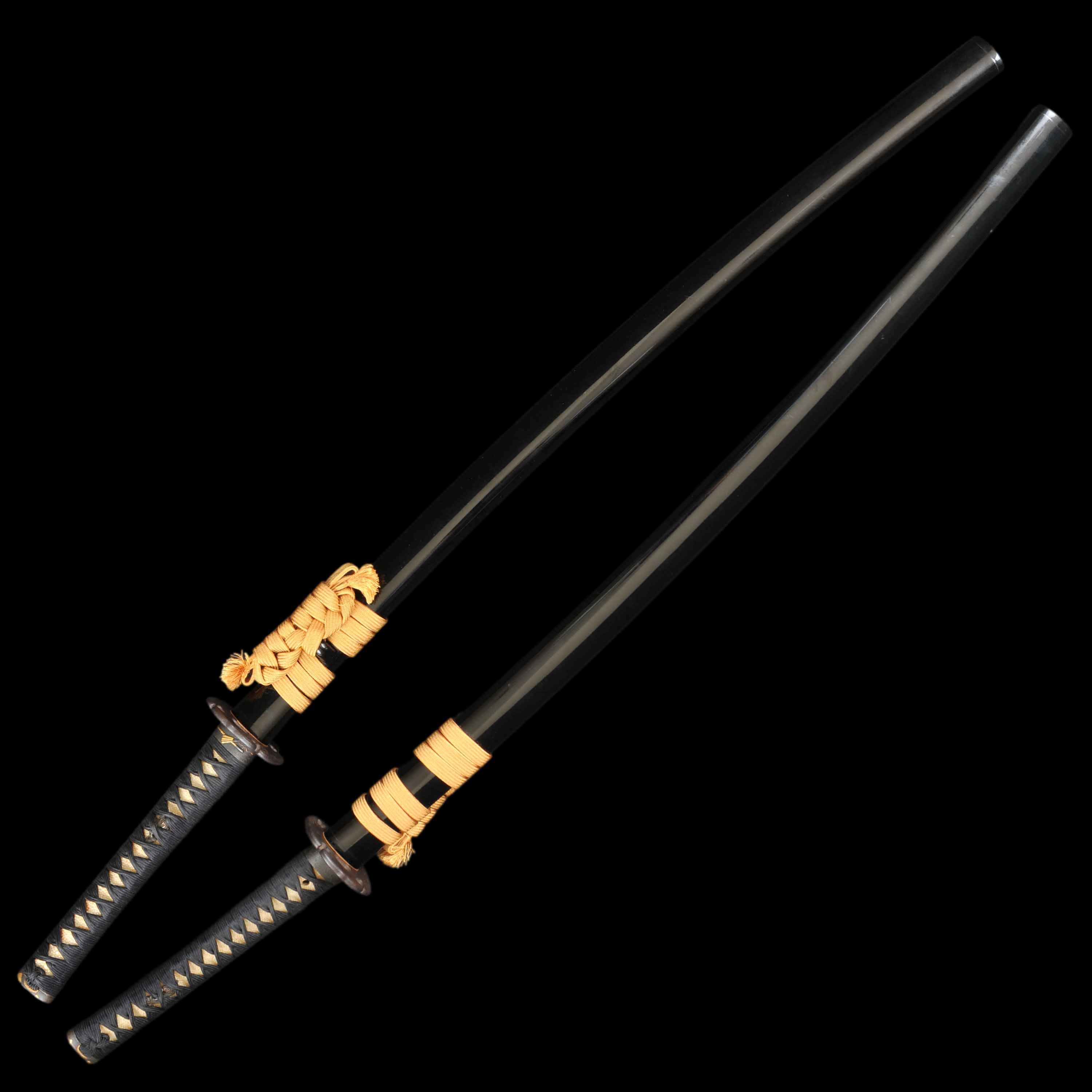
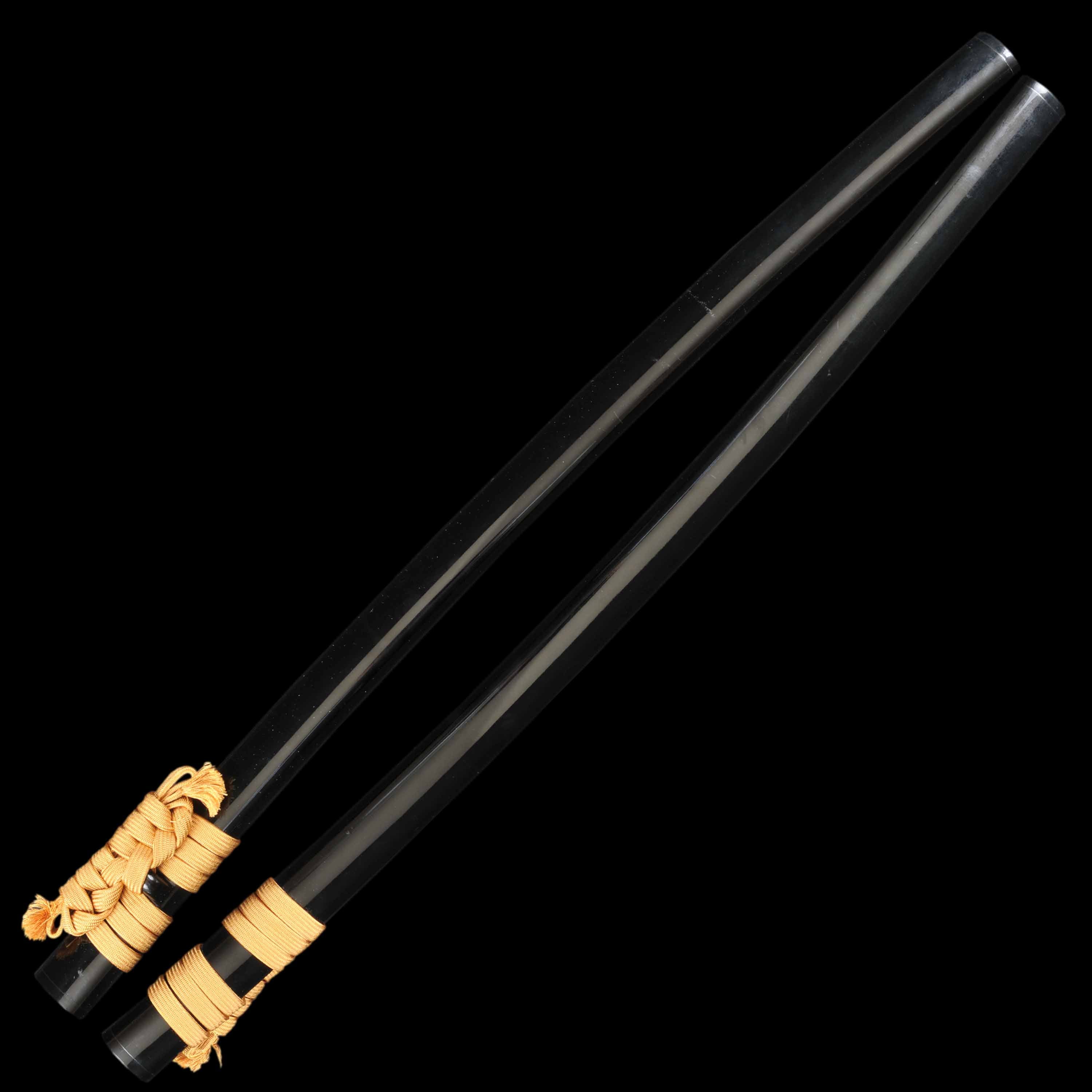
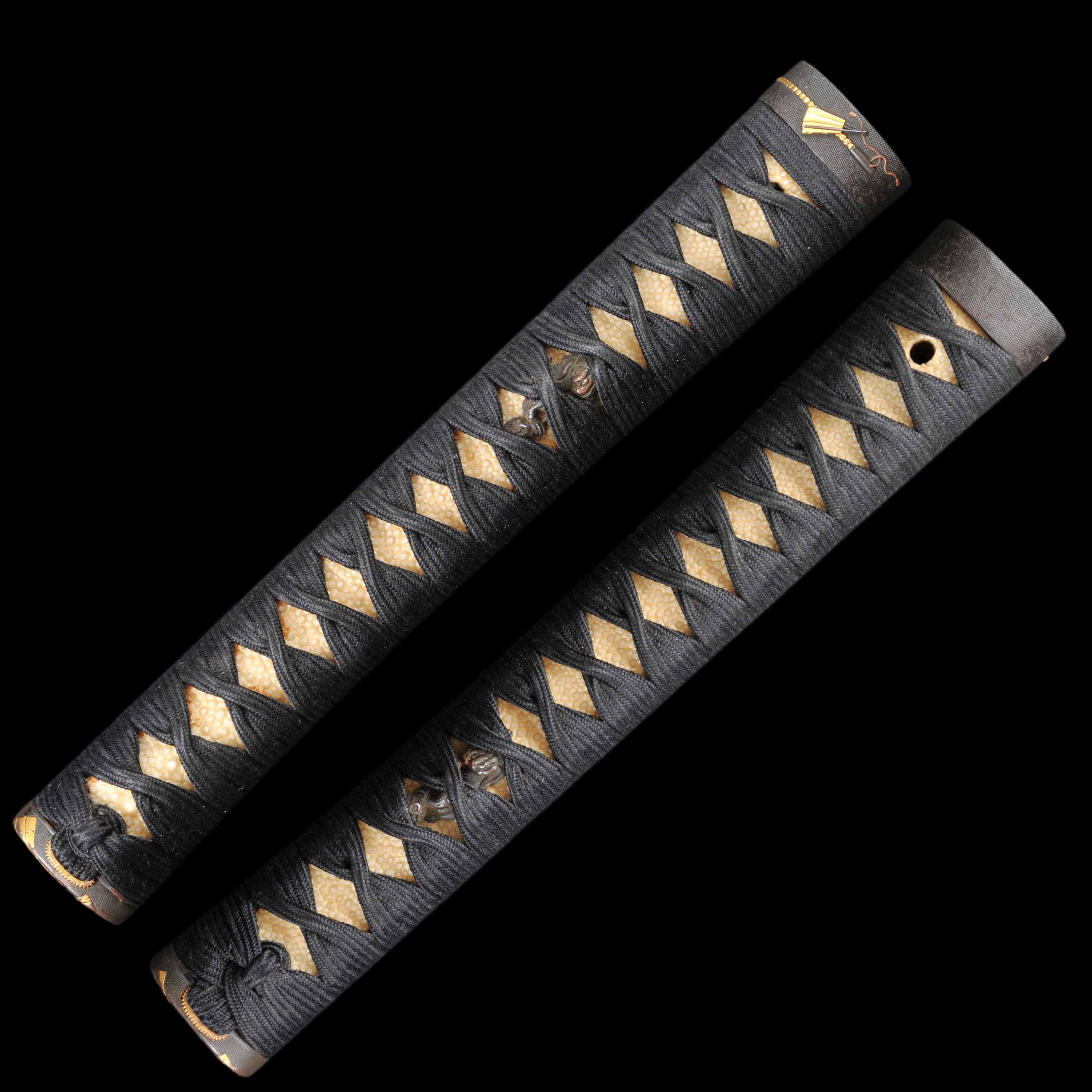
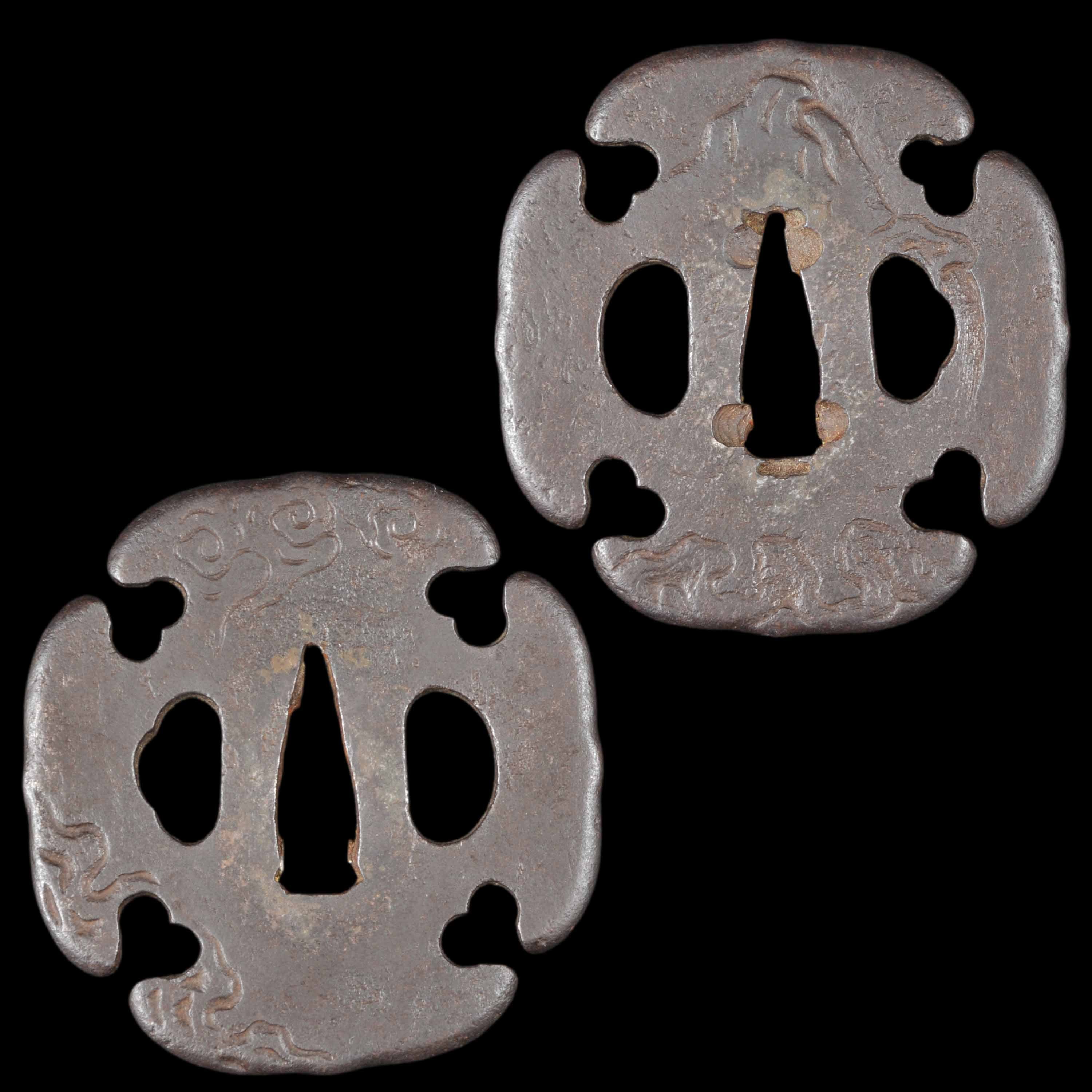
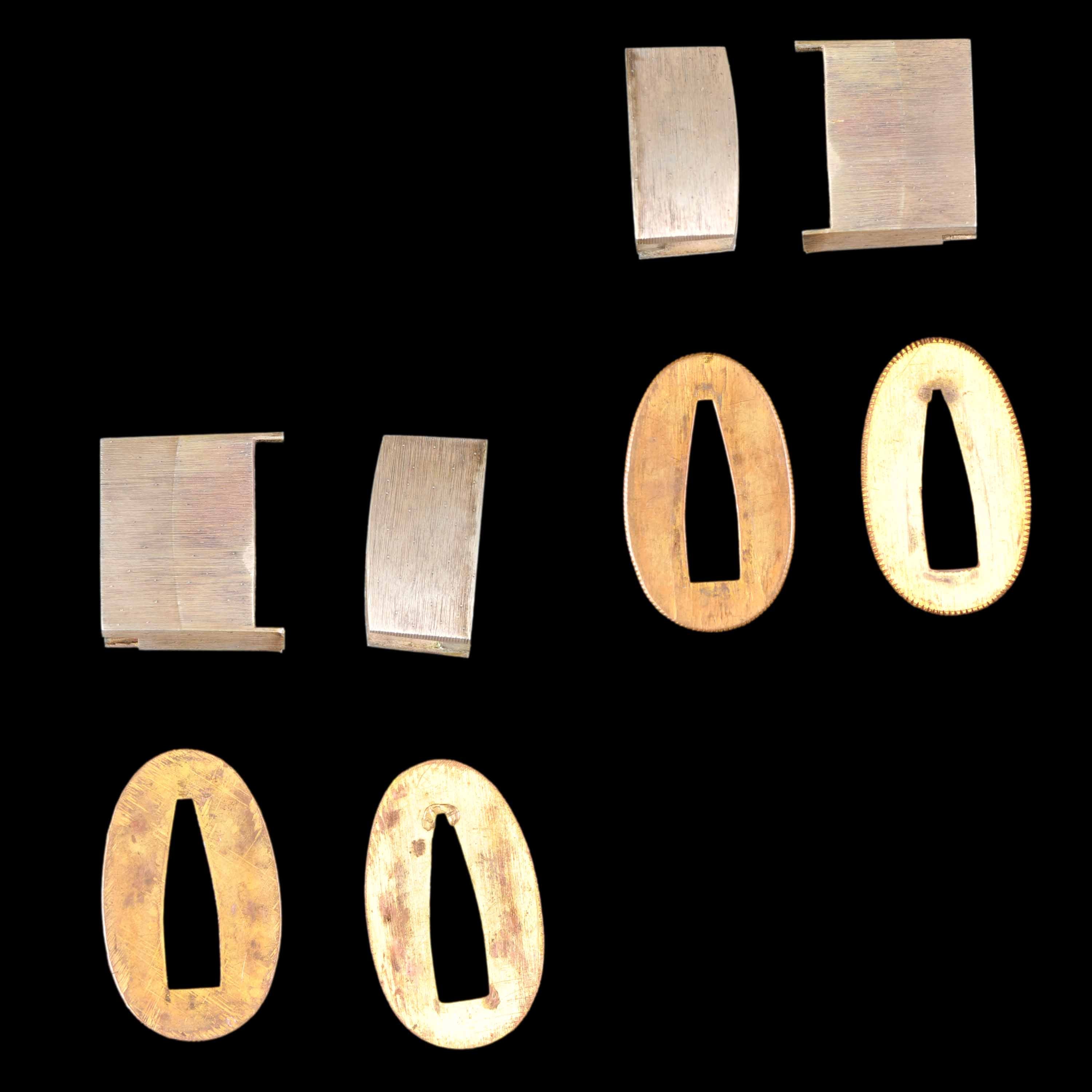
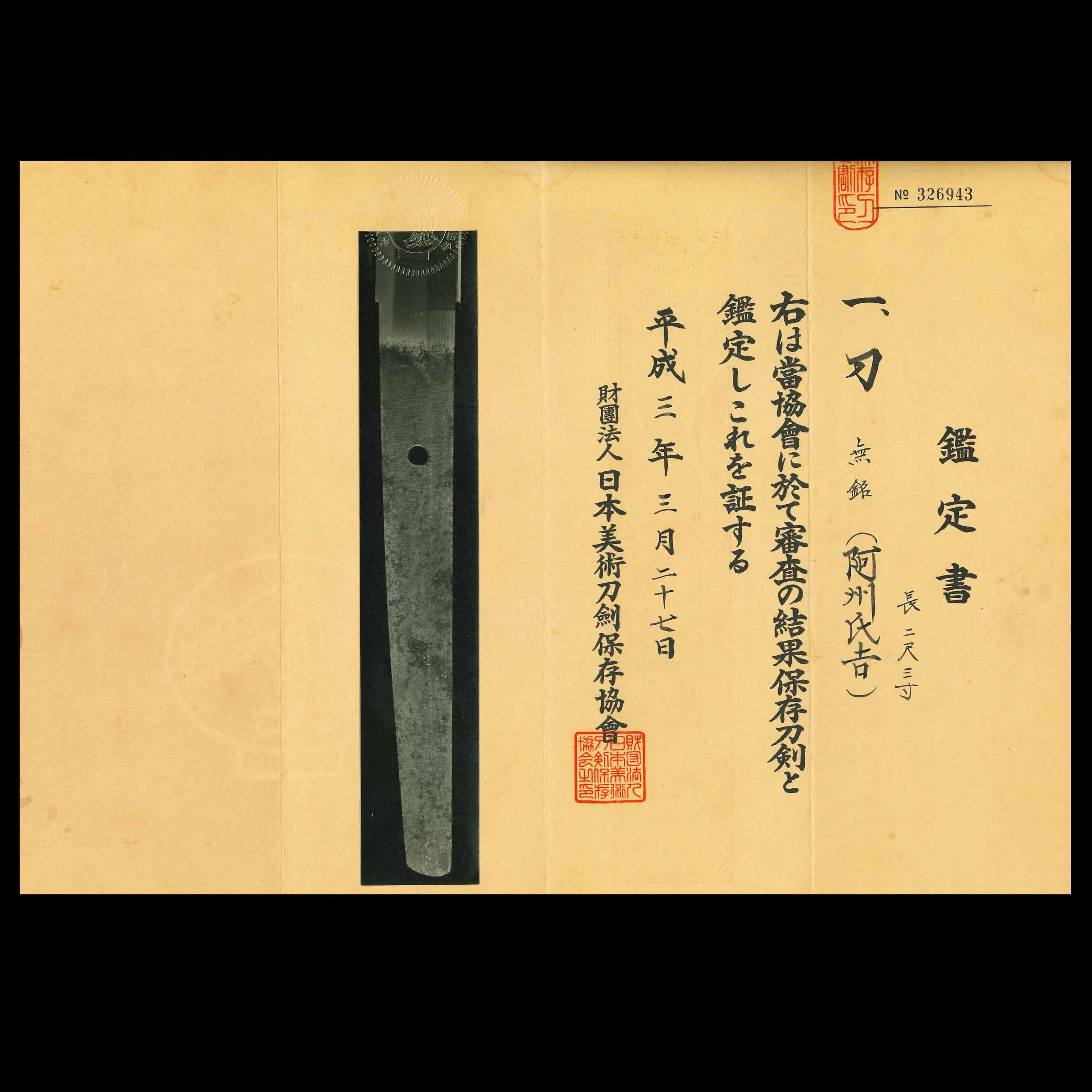
日本美術刀剣保存協会(NBTHK)の保存刀剣鑑定書が付属する、保存状態極めて良好な無銘の刀をご紹介いたします。 本作は古刀期のものとしては驚くほど健全で、鍛え割れや錆、刃こぼれ等もなく、地鉄・刃文ともに非常に美しい状態を保っております。 地鉄は板目肌がよく練れ、刃文はのたれを基調に互の目が交じり、潤いのある匂口を見せます。さらに平地には飛び焼状の映りが現れ、非常に躍動感に満ちた作域を呈しております。 無銘ではありますが、平成3年3月に日本美術刀剣保存協会より「氏吉」の作と鑑定され、後世に伝えるべき価値ある一振として保存刀剣に指定されました。 氏吉は室町時代中期から後期にかけて阿波国(現在の徳島県)で活躍した名工です。戦国時代の阿波国は刀剣製作が盛んな地であり、海部川沿いには六十名を超える刀工がひしめき合っていました。時の海部城主自らが水軍の実戦刀として作刀に携わったと伝えられるほど、実用性に優れた名刀を輩出した地として知られています。 外装は、趣ある意匠の鍔に、後補の縁頭を合わせた時代感のある拵となっております。この魅力的な拵が、戦国期に鍛えられた本作の魅力をより一層引き立てています。 抜き付けや居合の稽古にも適した実用性を兼ね備えた一振、ぜひ貴家のコレクションにお加えください。 長さ:69.7 cm 反り:1.5 cm 目釘穴:1個 先幅:18.4 mm 先重ね:3.4 mm 元幅:28.6 mm 元重ね:6.2 mm 銘:無銘 時代:古刀 造り:鎬造、庵棟 地鉄:板目肌 刃文:のたれ 帽子:乱れ込んで小丸に返る 重量:660 g(鞘を払って950 g) 茎:生ぶ 拵:黒糸諸つまみ巻、黒呂色塗鞘 登録証:秋田 第1427号 お探しの刀剣がございましたら、お気軽にお問い合わせください。
 NihontoWatch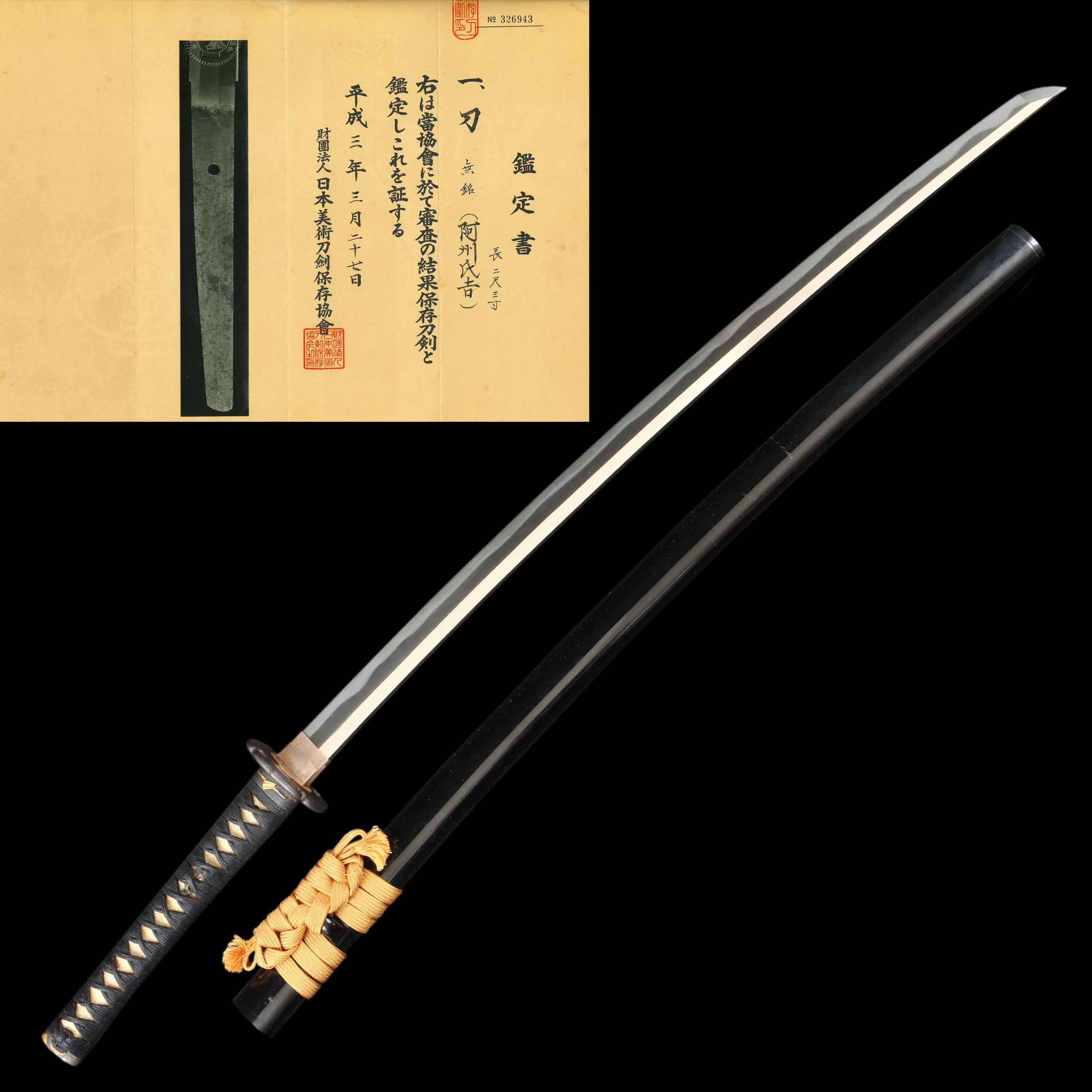
脇物 · 安房
現在10点販売中
海部派は阿波国、すなわち現在の徳島を中心とする四国の地に興った刀工の一群である。説示は『古今銘尽』『古刀銘尽』を引いて、この派に二つの系統があったことを伝える。その一は康暦頃の海部太郎氏吉を祖とする系であり、いま一つは応安頃の波平の弟子と伝え、「藤」と一字を銘する者を祖とする系である。もっとも祖と仰がれる氏吉の作は現存せず、現存する作品にも南北朝時代まで時代の遡るものはなく、世に海部物と呼ばれる作の多くは室町時代のものとされる。活躍が目立つのは室町時代の後半からであり、説示に名を挙げる工としては、氏吉、藤原氏吉、阿州開府氏吉と銘する一群のほか、明応頃と天文頃の二工が知られる氏重、大永年紀を残す泰吉、同じく大永頃の海部鍛冶である泰長がある。氏重については、後に播州姫路に移り大和大掾を受領した初代、通称三木新五郎の名が伝えられ、その末裔に手柄山正繁が出たことも記される。 作風について説示はおおむね二様を記す。一つは、光の弱い地景が目立ち、大のたれ・小のたれを焼いて、匂口が望洋としてしまらず、地景と同調する金筋がかかるものである。いま一つは、板目に柾気が交じって鍛えがやや軟らかく、少しく白け、働きのあまり見られない直刃を焼く、波平風と評されるものである。短刀には、平造、三ッ棟で身幅広く寸延び、重ね薄めに僅かに内反りのついた大柄な姿が見られ、板目に杢を交え、刃寄りが流れて柾がかり、地沸が微塵につき、白け映りが立つなかに細直刃を焼いて枯淡の趣を醸す作がある。彫物には棟寄りの梵字に素剣・護摩箸を掻き流したものや棒樋があり、刀身によく調和する。脇指には海部の山刀と呼ばれる切刃造のものが知られ、地刃の出来に見劣りするものが多いと説示は述べる。海部を見分ける手がかりは、光の弱い地景、白け映りと柾がかった鍛え、しまりに乏しい匂口、そして直刃に波平風の趣を帯びる点にある。 鑑定にあたっては、これら地景・白け・匂口の性格に加え、銘字を太鏨で大振りに刻む茎の様子が拠りどころとなる。海部物は実用に即した性格が強く、その切れ味の鋭さを語る作が伝わる。氏吉作の名物岩切海部は享保名物帳に所載され、名はその切れ味の鋭利さに由来すると伝え、もとは阿波の豪族三好家にあって長慶がこの刀で武功をたて、後に福岡の黒田家に伝わったという。また泰吉や泰長の作には、海部の作が江に化したと語られるごとく、地刃や帽子に物語を生む要素を含むものがある。氏吉作の短刀には『光山押形』に所載され伊東巳代治の旧蔵にかかる一口もある。有銘の作は総じて少なく、それゆえ氏重・氏吉・泰吉・泰長らの遺例は、各工のみならず海部派全般を研究するうえで貴重な資料であり、阿波の地に根ざした実用刀の一系として位置づけられる。 詳しく見る →
室町時代
応仁の乱が足利の体制を砕いた後、戦国の一世紀はほとんどすべての国を武装させた。この時代は選ぶ目に報いる。並の作は多いが、その傍らには第一級の注文打ちが立っている。
銘が正しい、または無銘でも年代・国・系統を確実に指摘できる、保存に値する真正の作と鑑定されたものです。
日本美術刀剣保存協会(NBTHK)は、1948年に設立され、文化庁の監督を受ける公益財団法人で、東京・刀剣博物館に本部を置きます。専門の審査員が出品作を直接審査し、美術的・歴史的価値に応じた鑑定書を発行します。NBTHKの鑑定書は、日本刀および刀装具の真正性を示す最も広く認知された基準です。
NBTHK公式サイトAs a general rule, returns/exchanges are not accepted on Japanese sword orders unless damaged upon delivery. Other items: returns/exchanges accepted within 7 days of delivery. Cancellation for personal reasons incurs a 30% restocking fee (70% refunded). Return shipping must be prepaid and insured by the buyer; shipping/handling fees are non-refundable. Contact katana@tozando.co.jp to initiate a return.