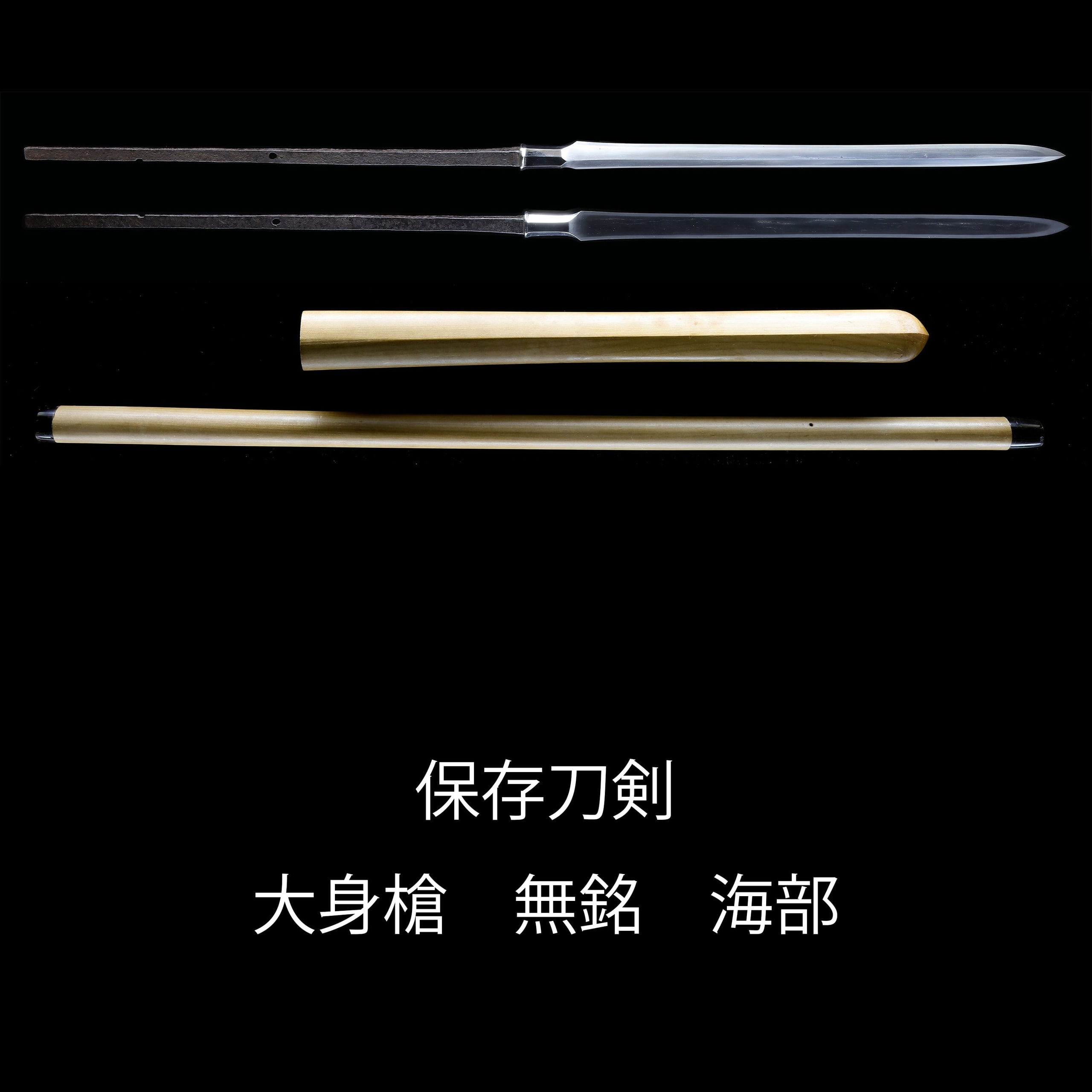
応仁の乱が足利の体制を砕いた後、戦国の一世紀はほとんどすべての国を武装させた。この時代は選ぶ目に報いる。並の作は多いが、その傍らには第一級の注文打ちが立っている。
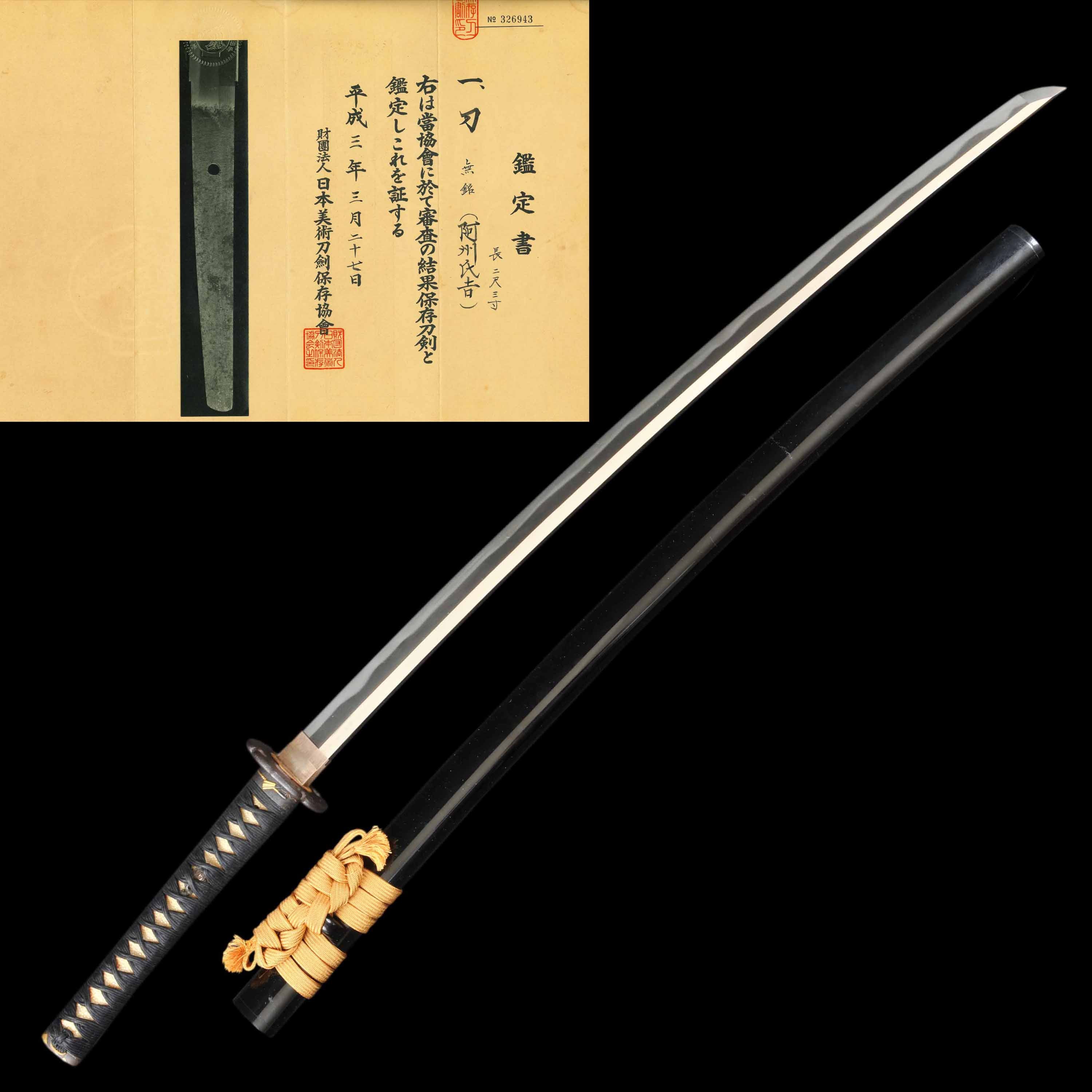
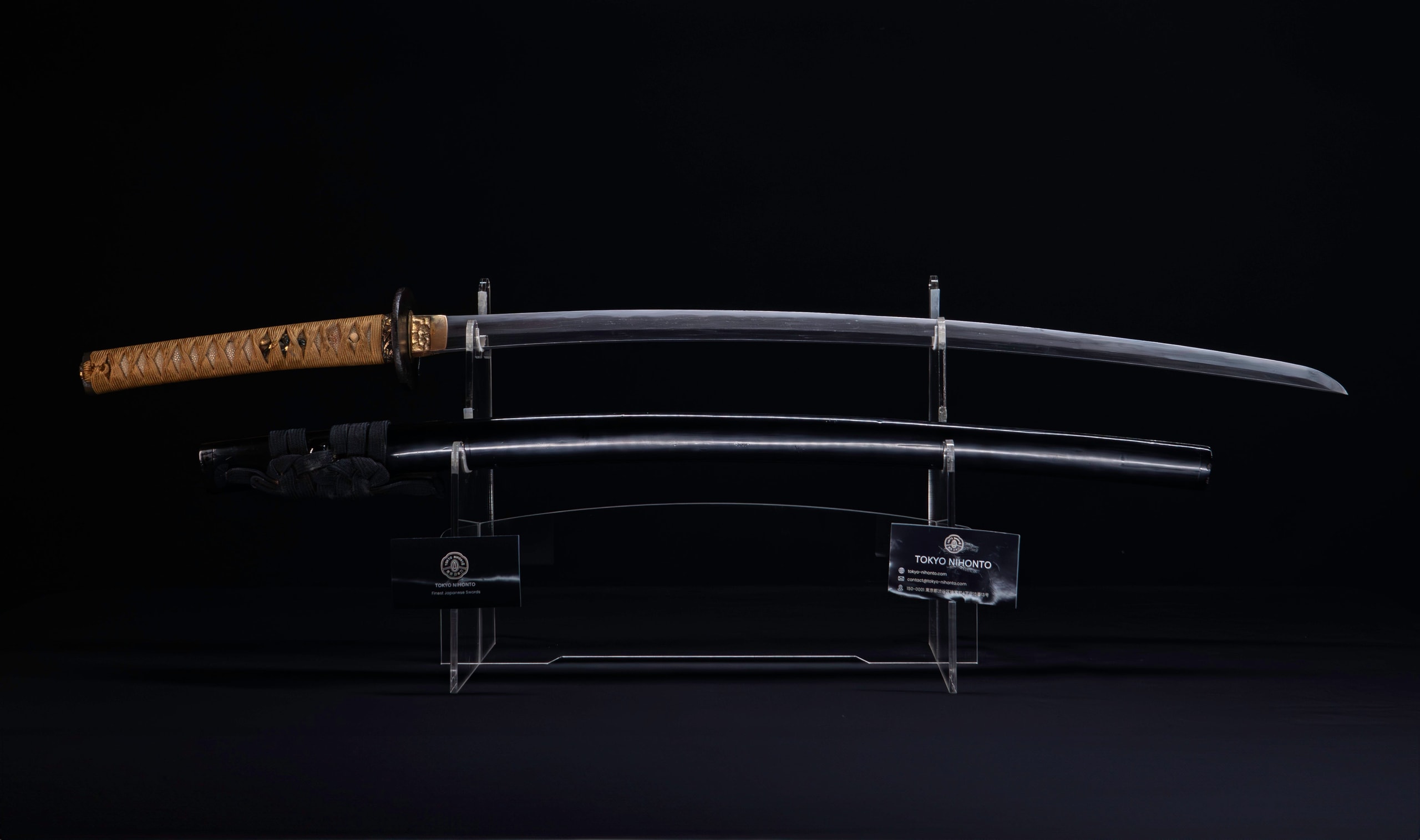
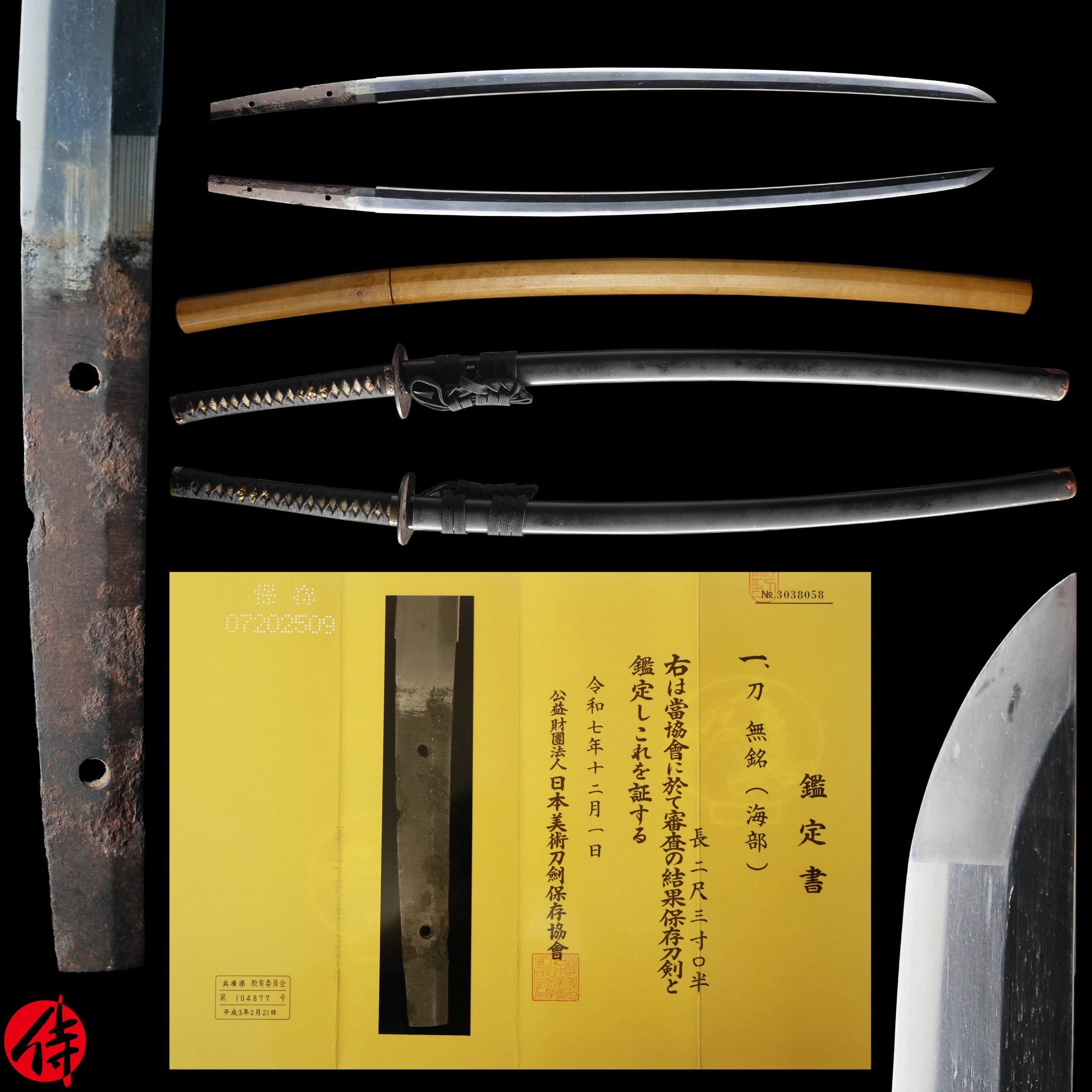
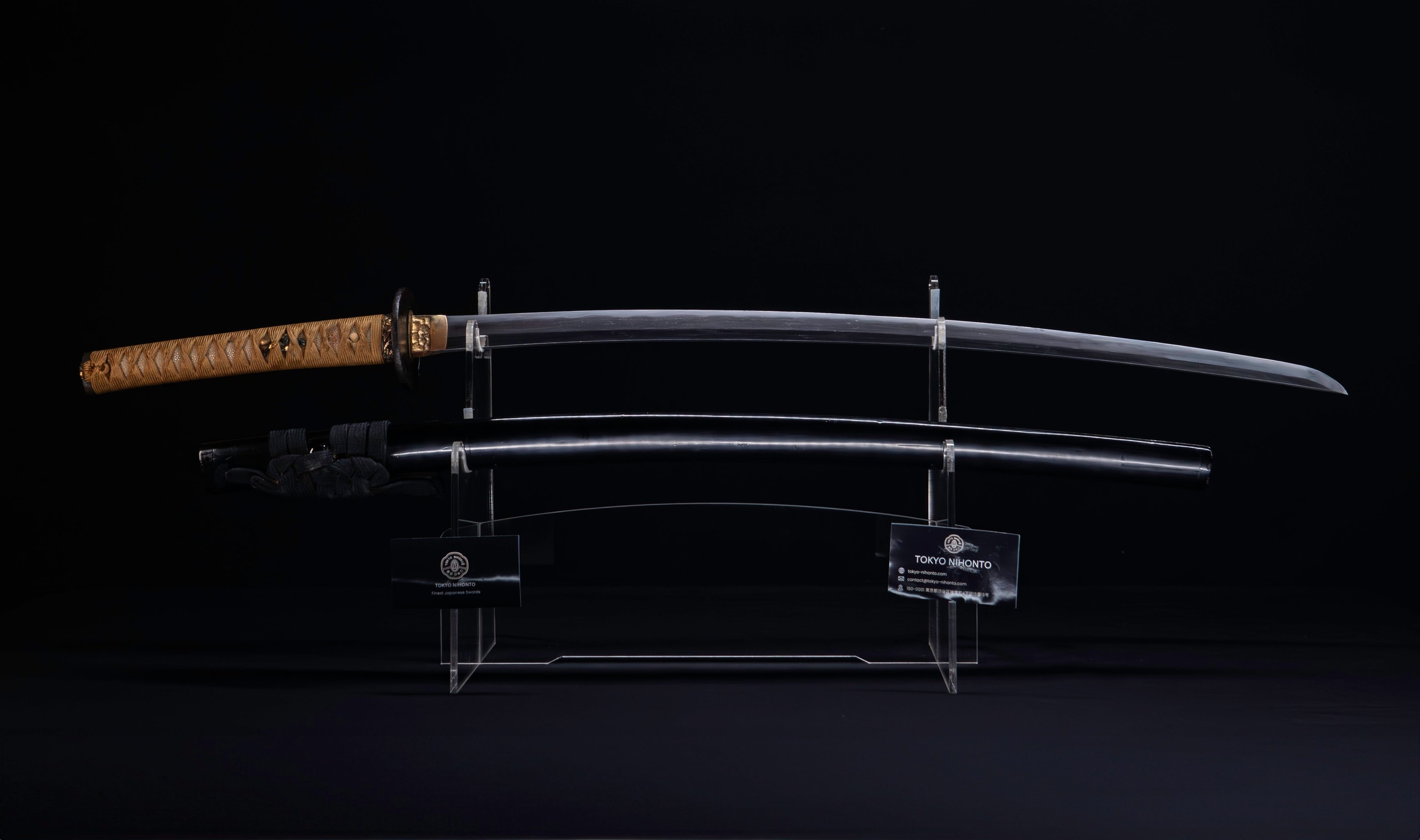
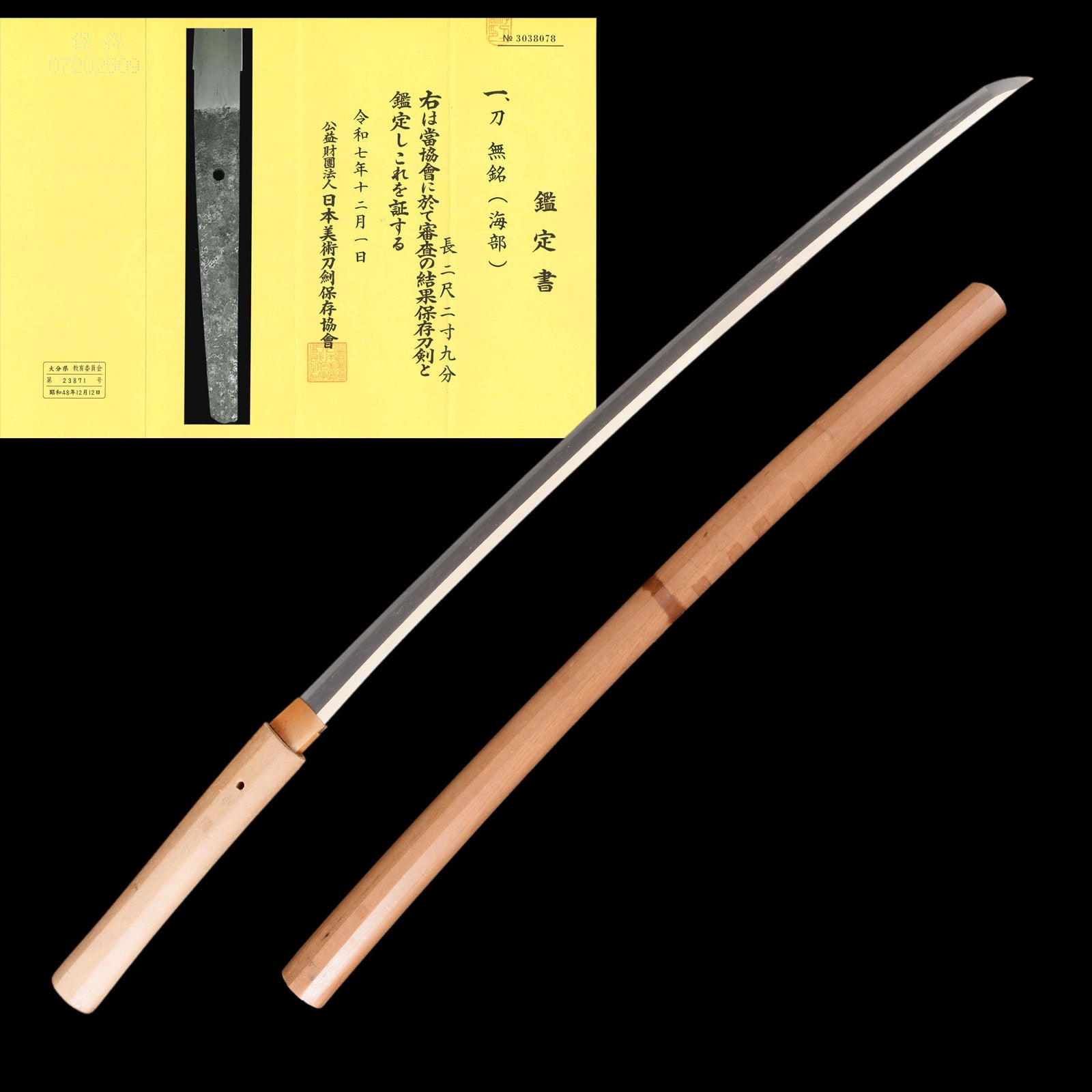
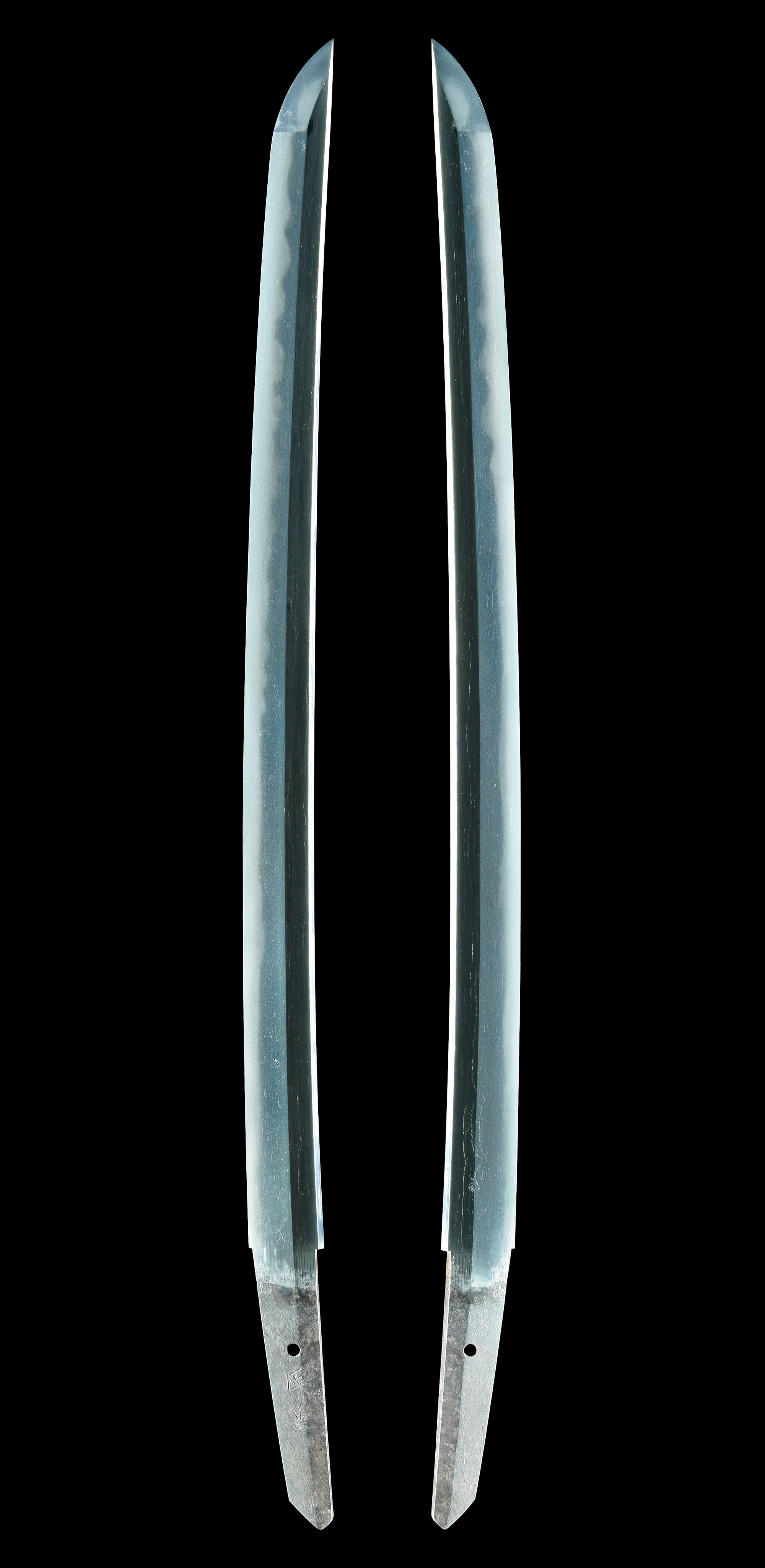
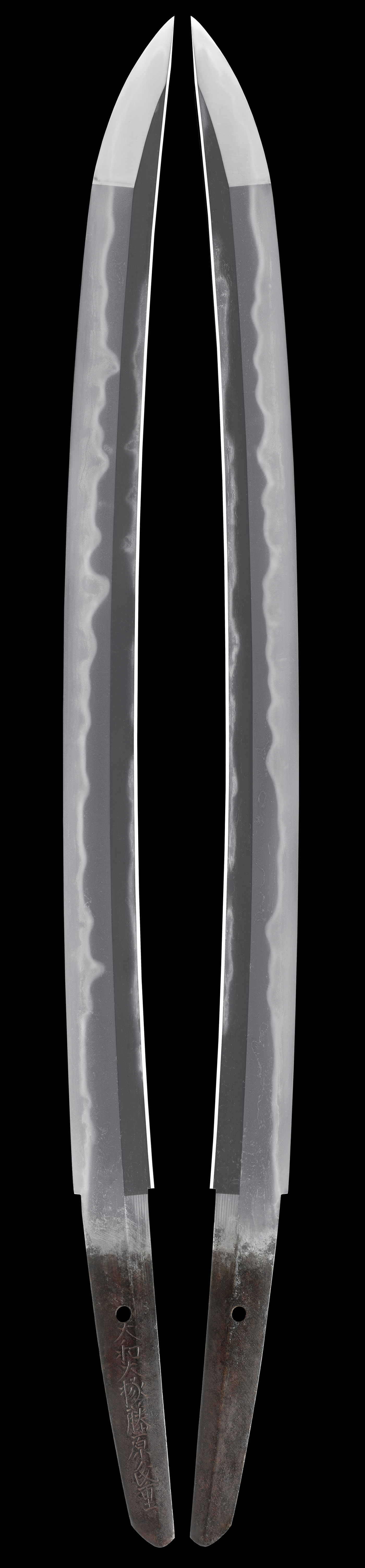
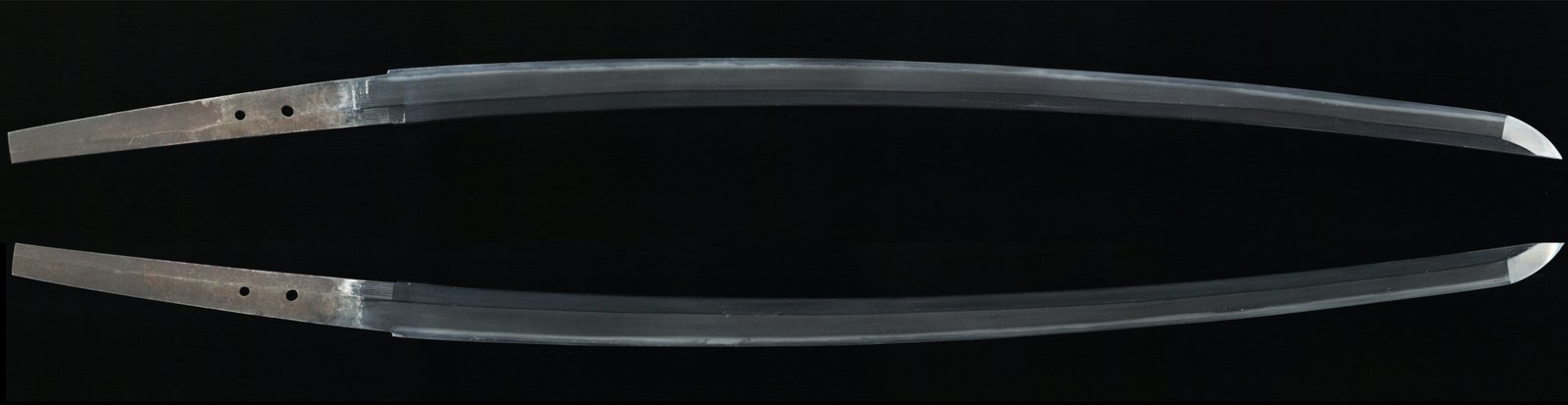
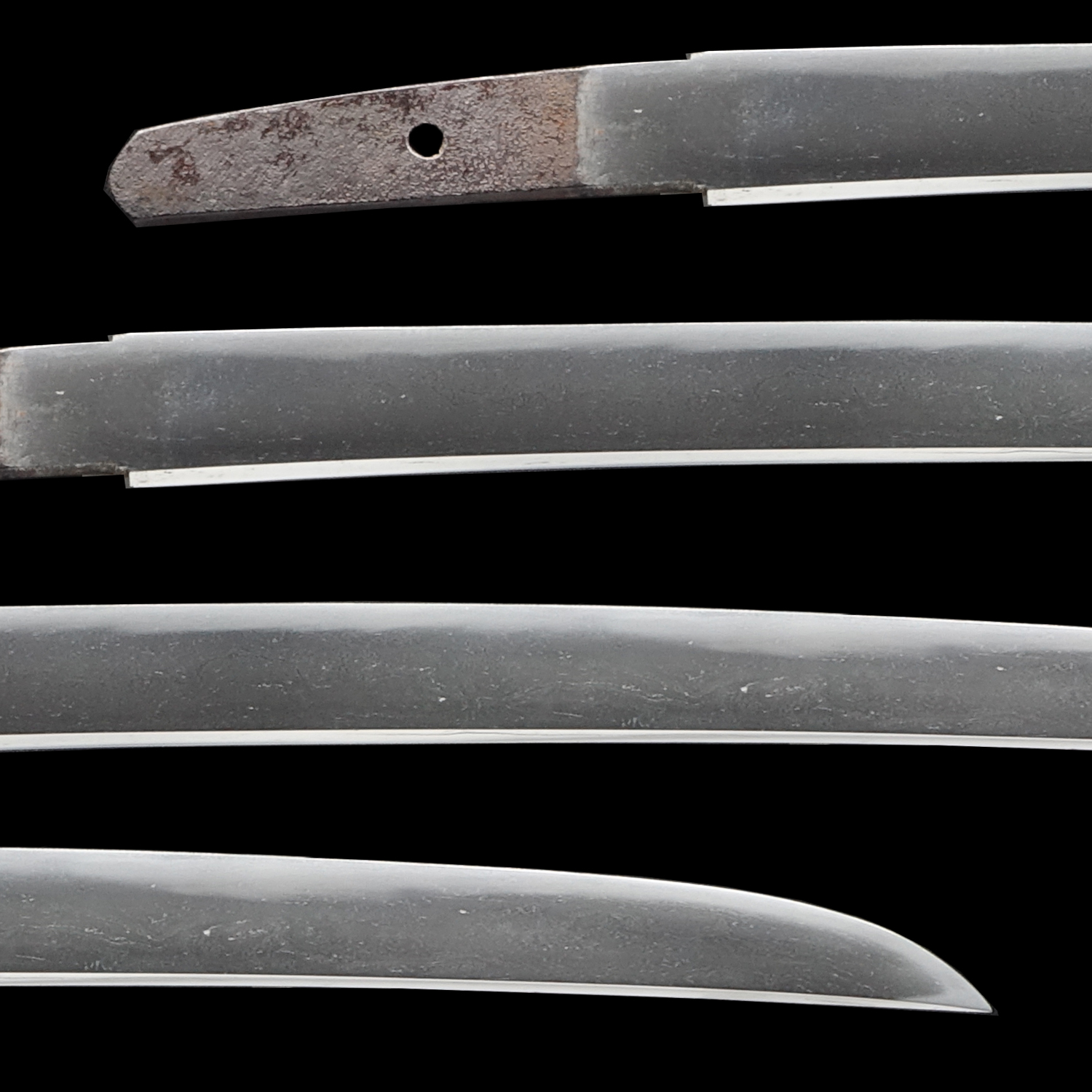
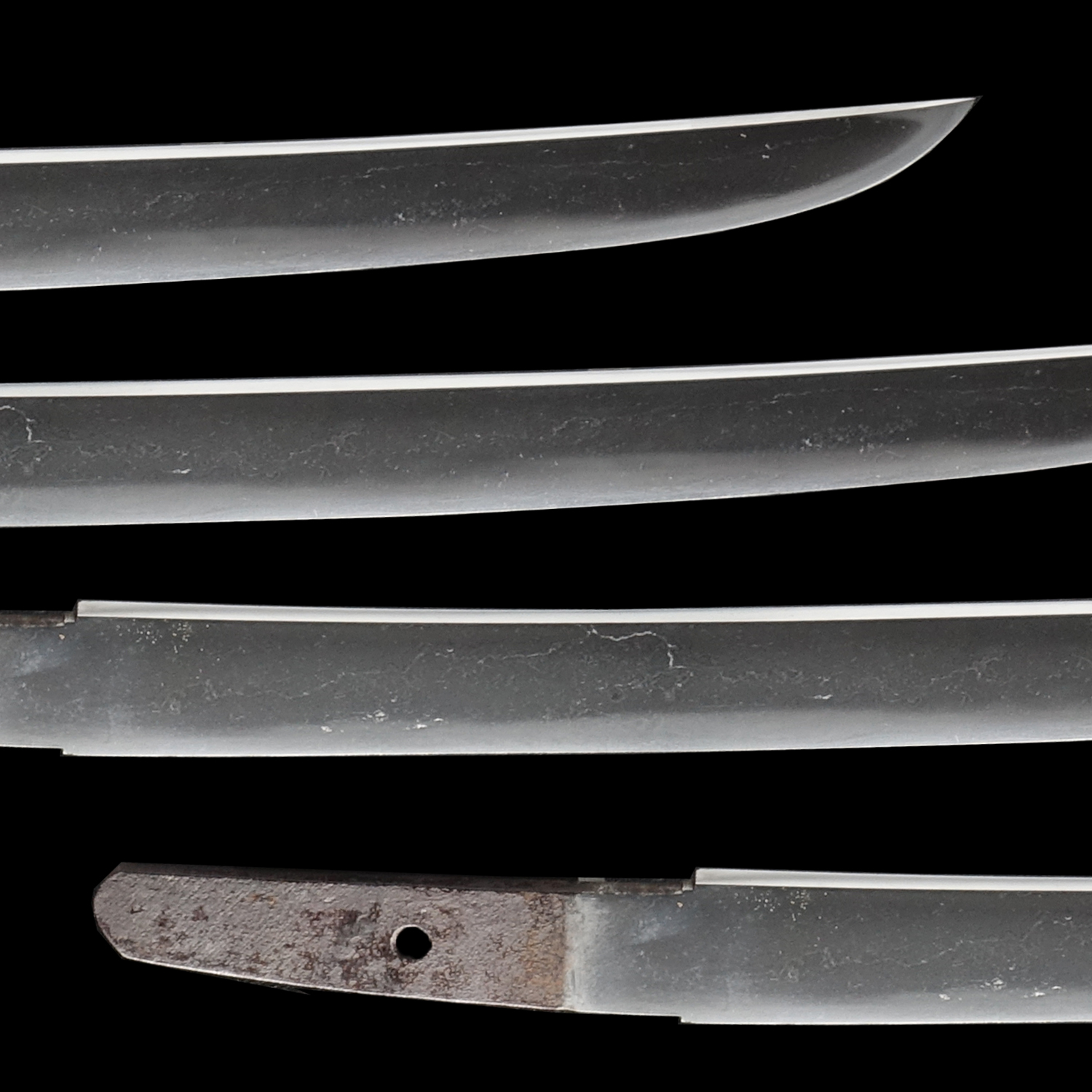
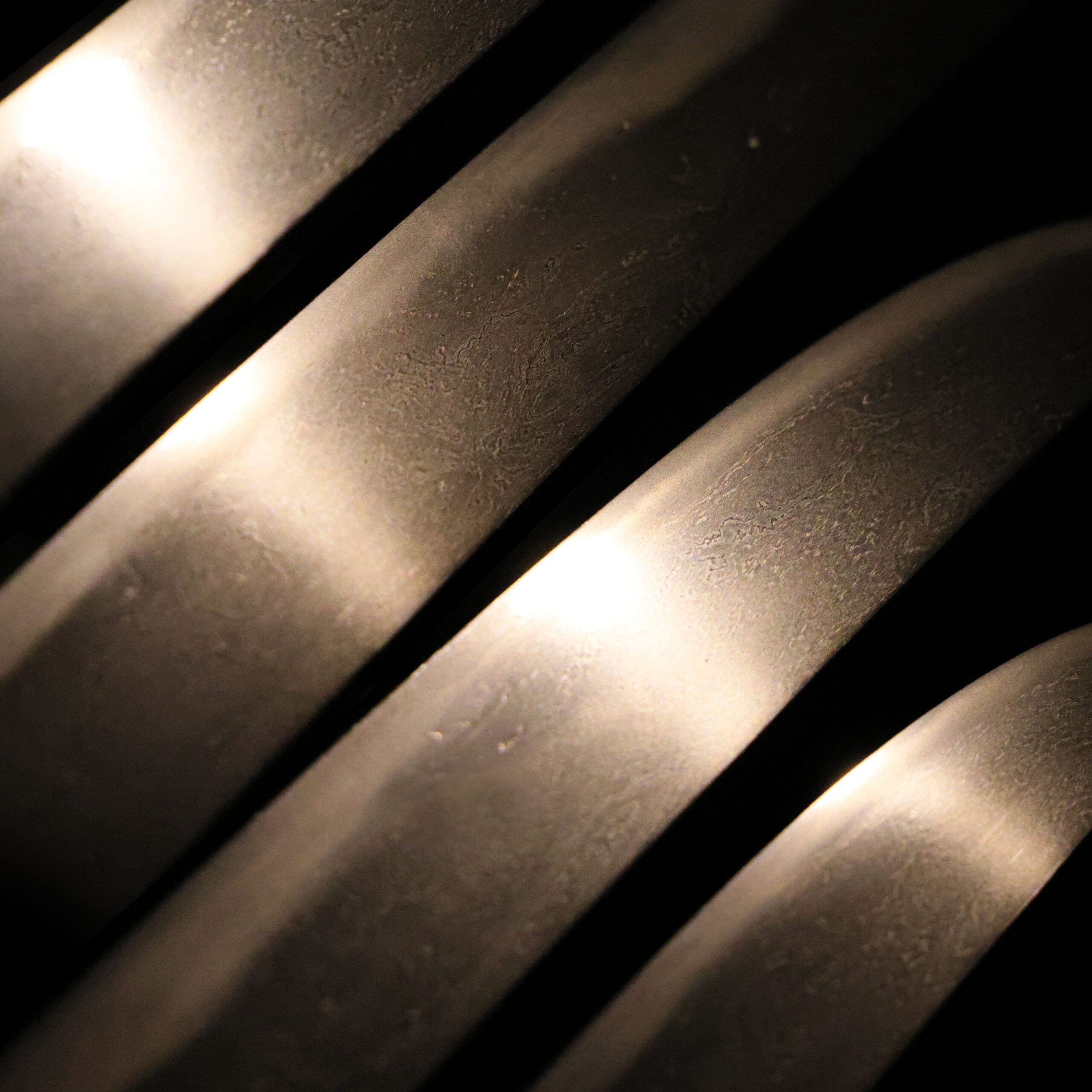
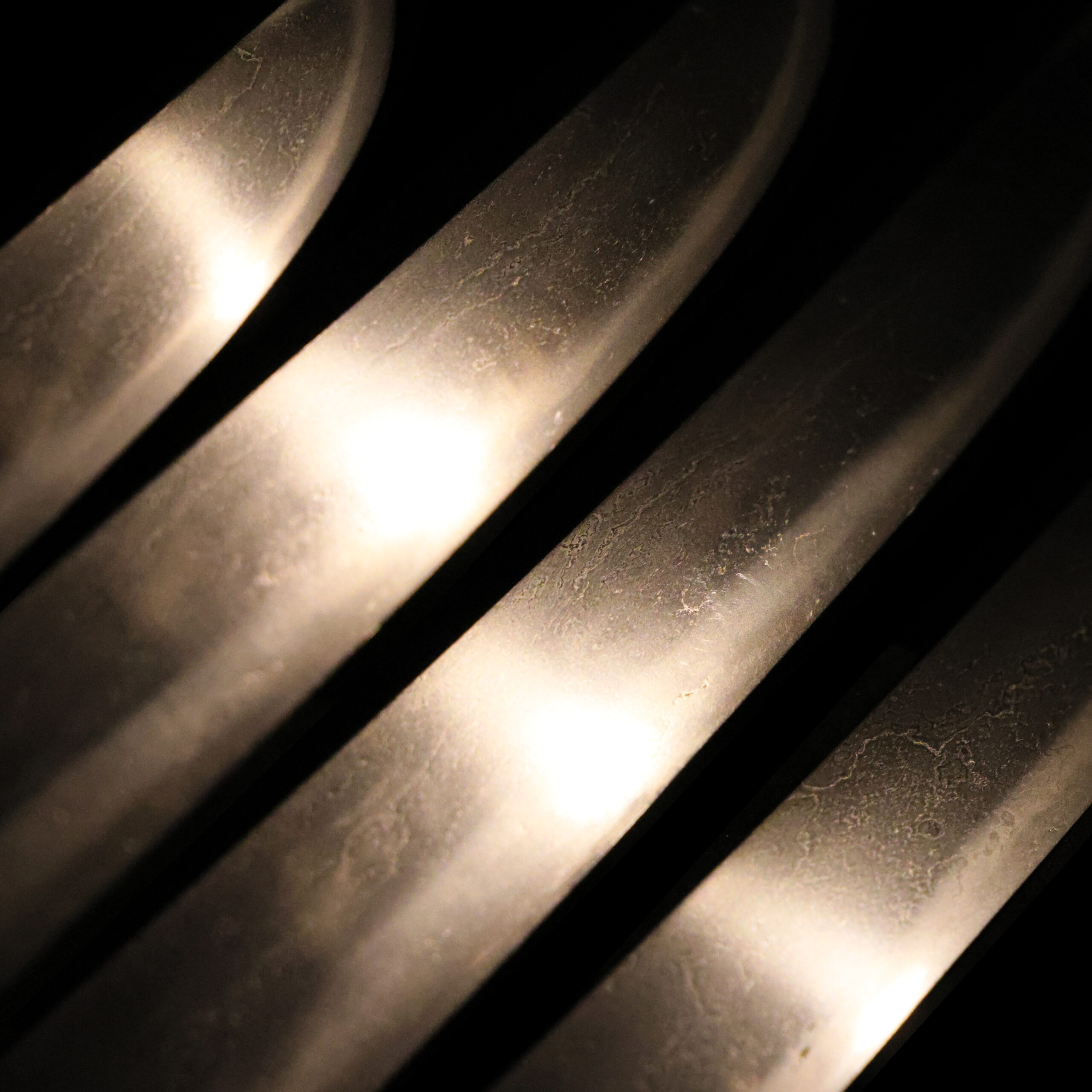
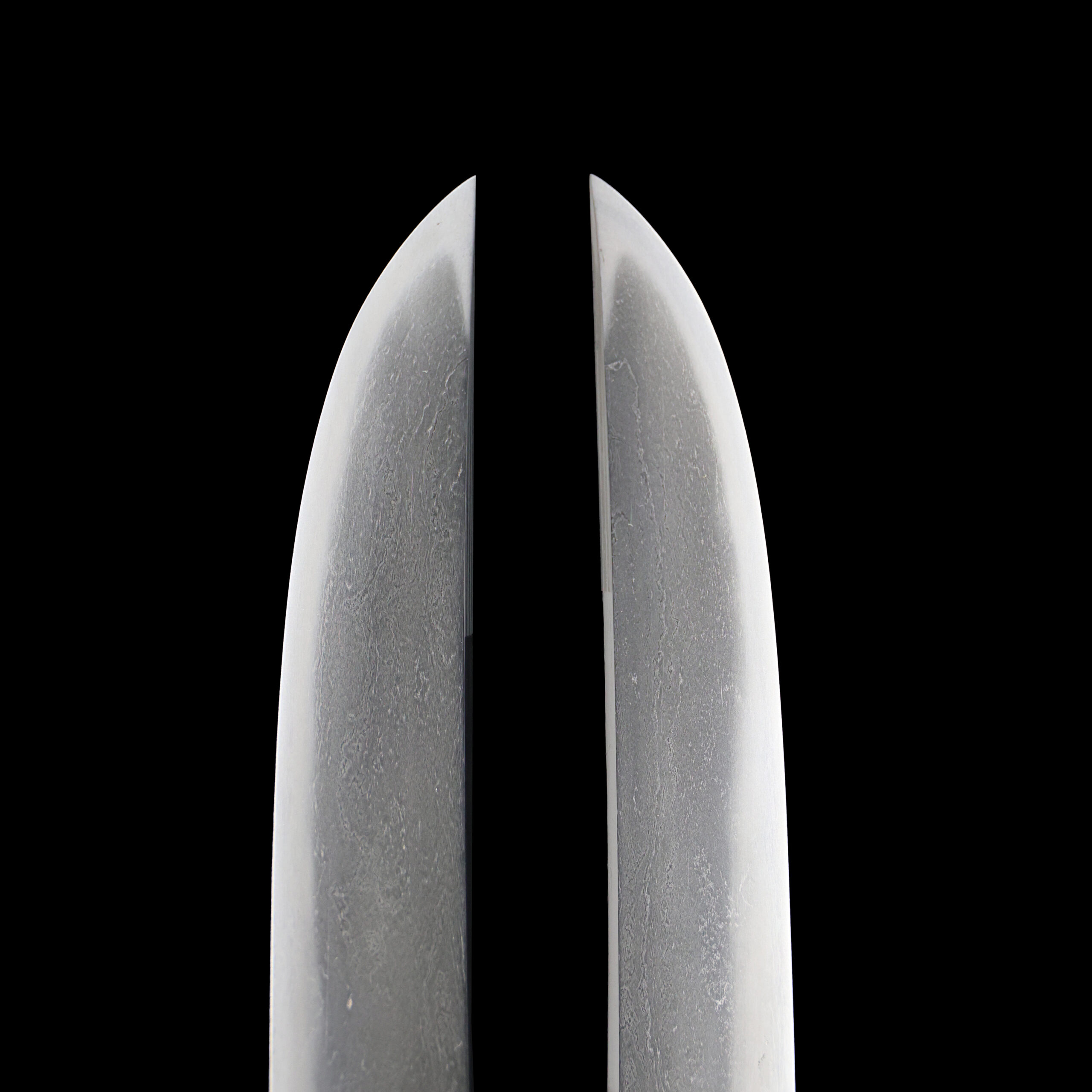
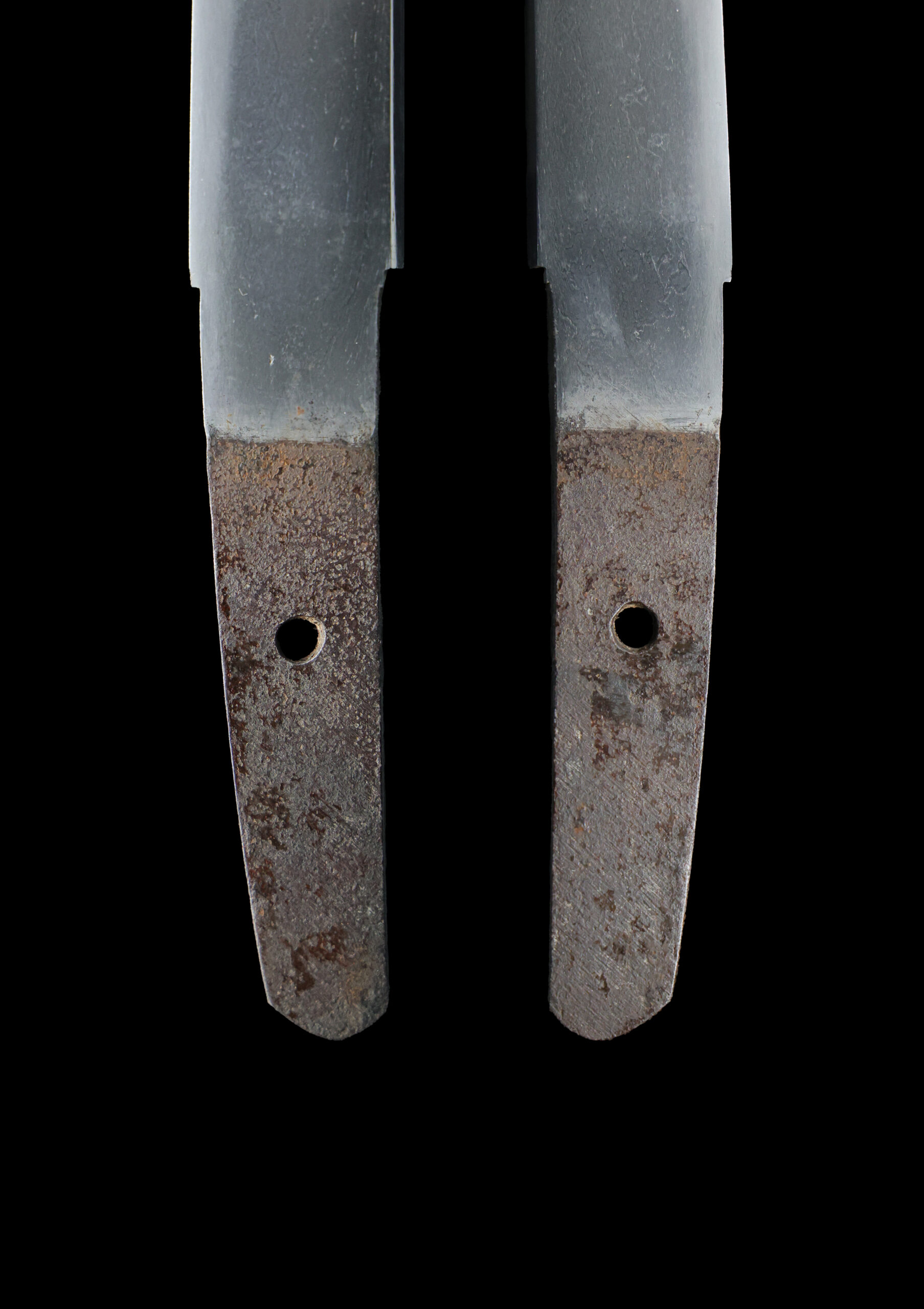
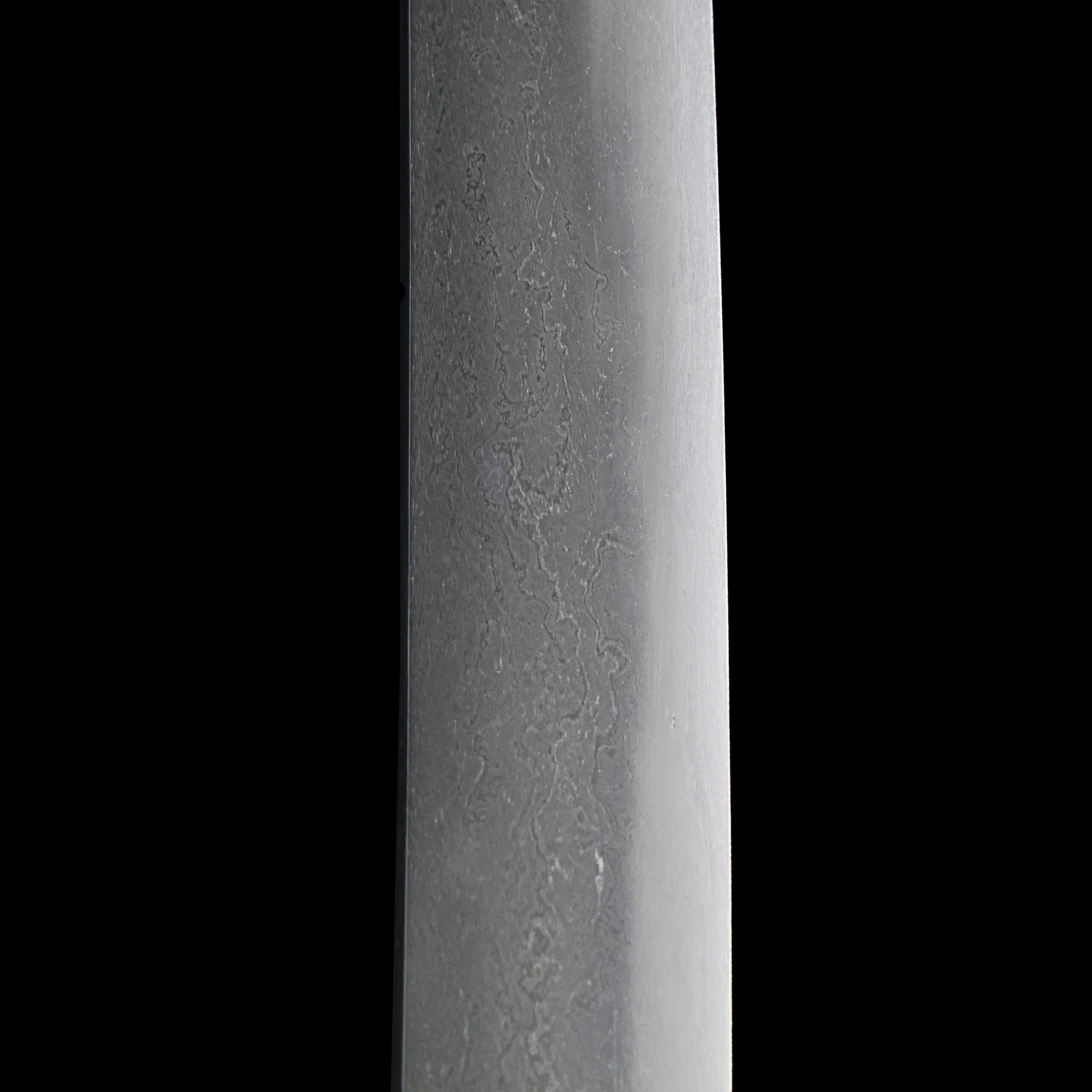
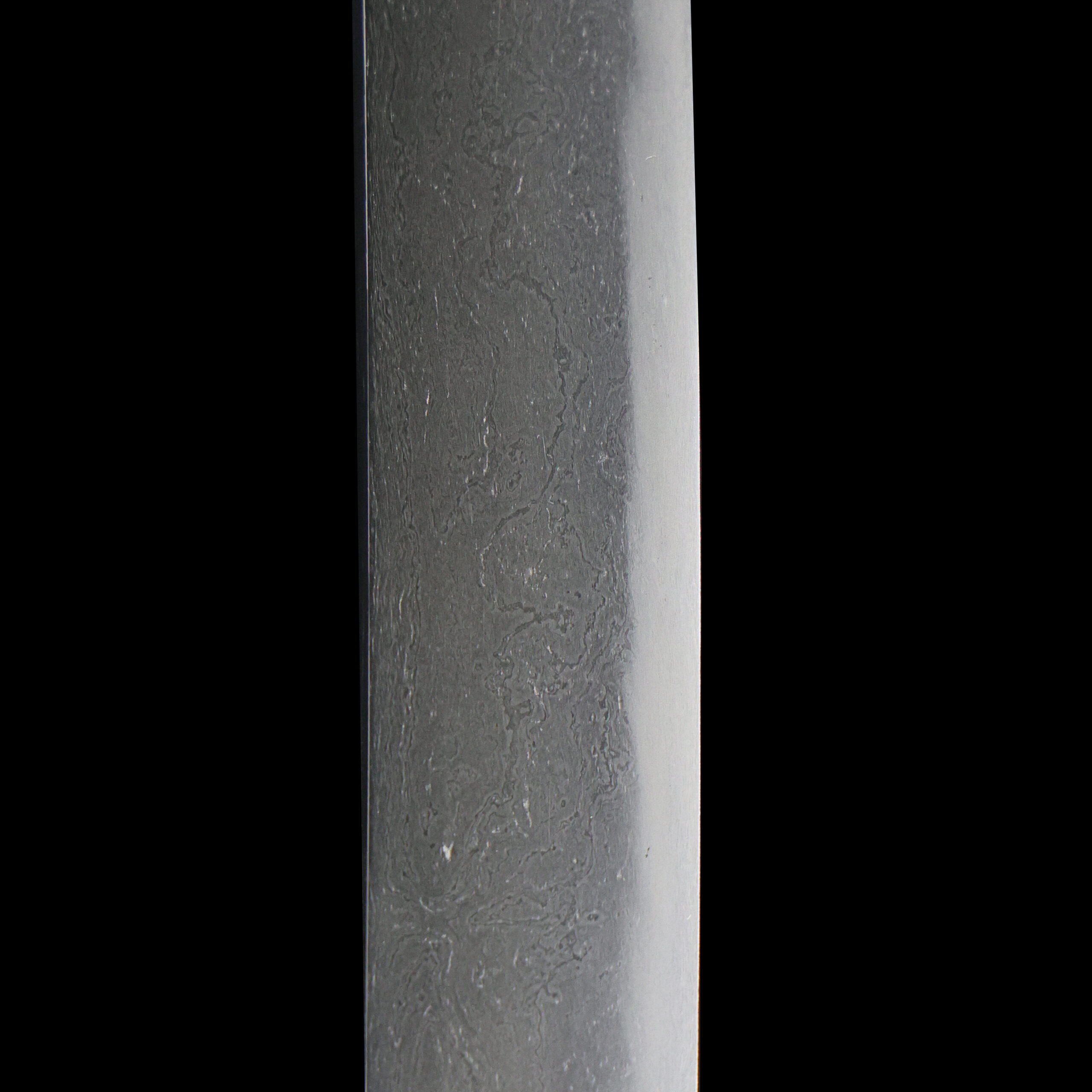
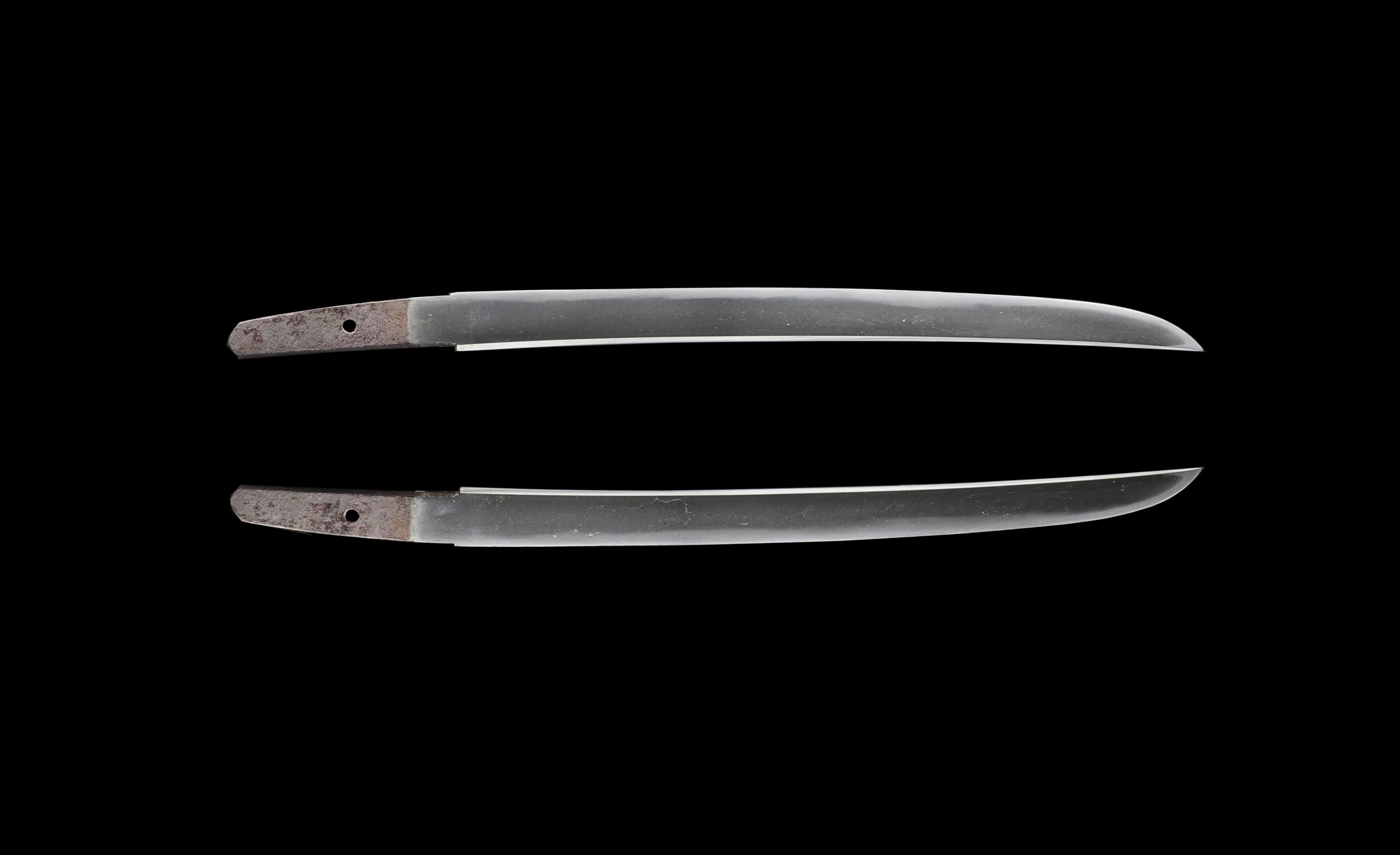
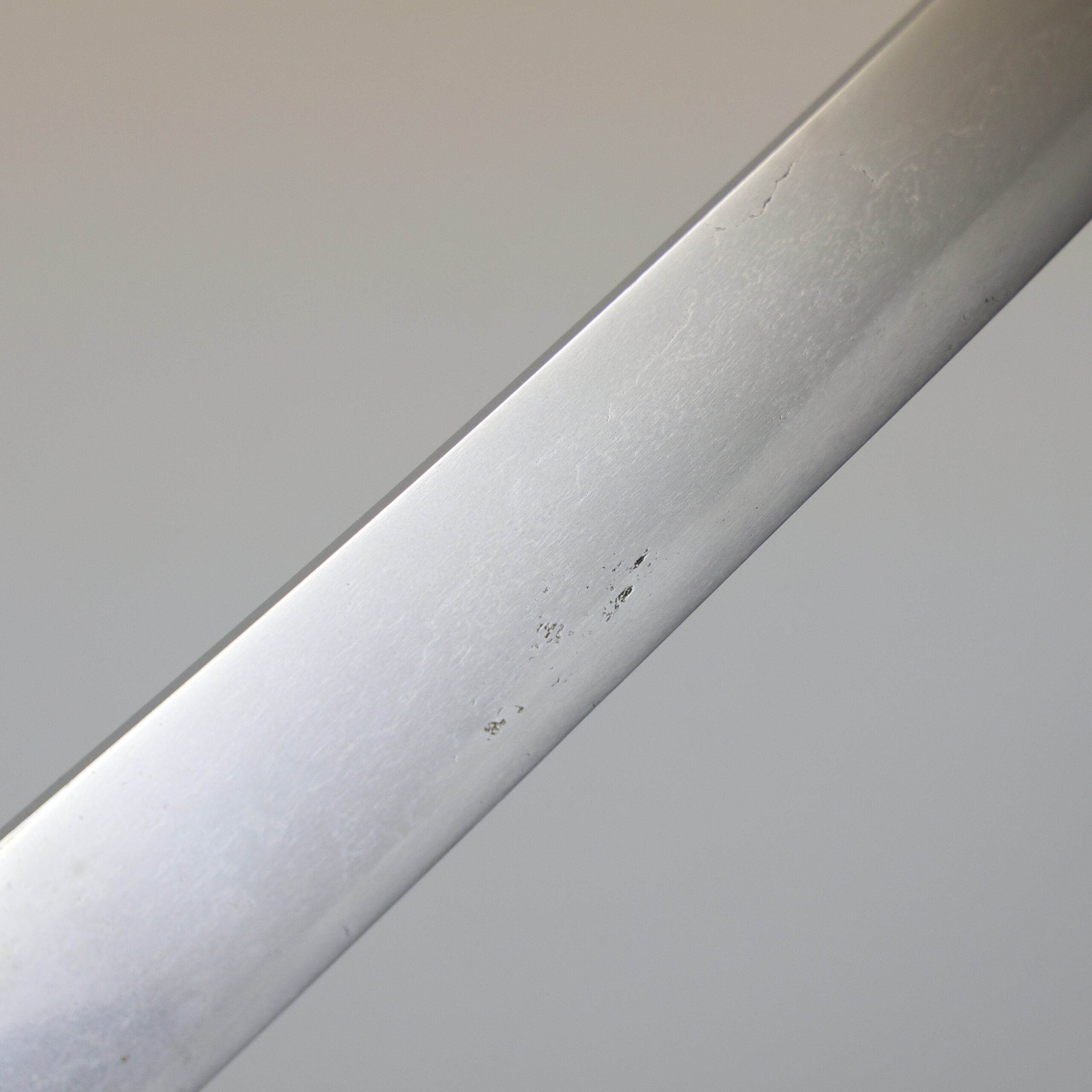
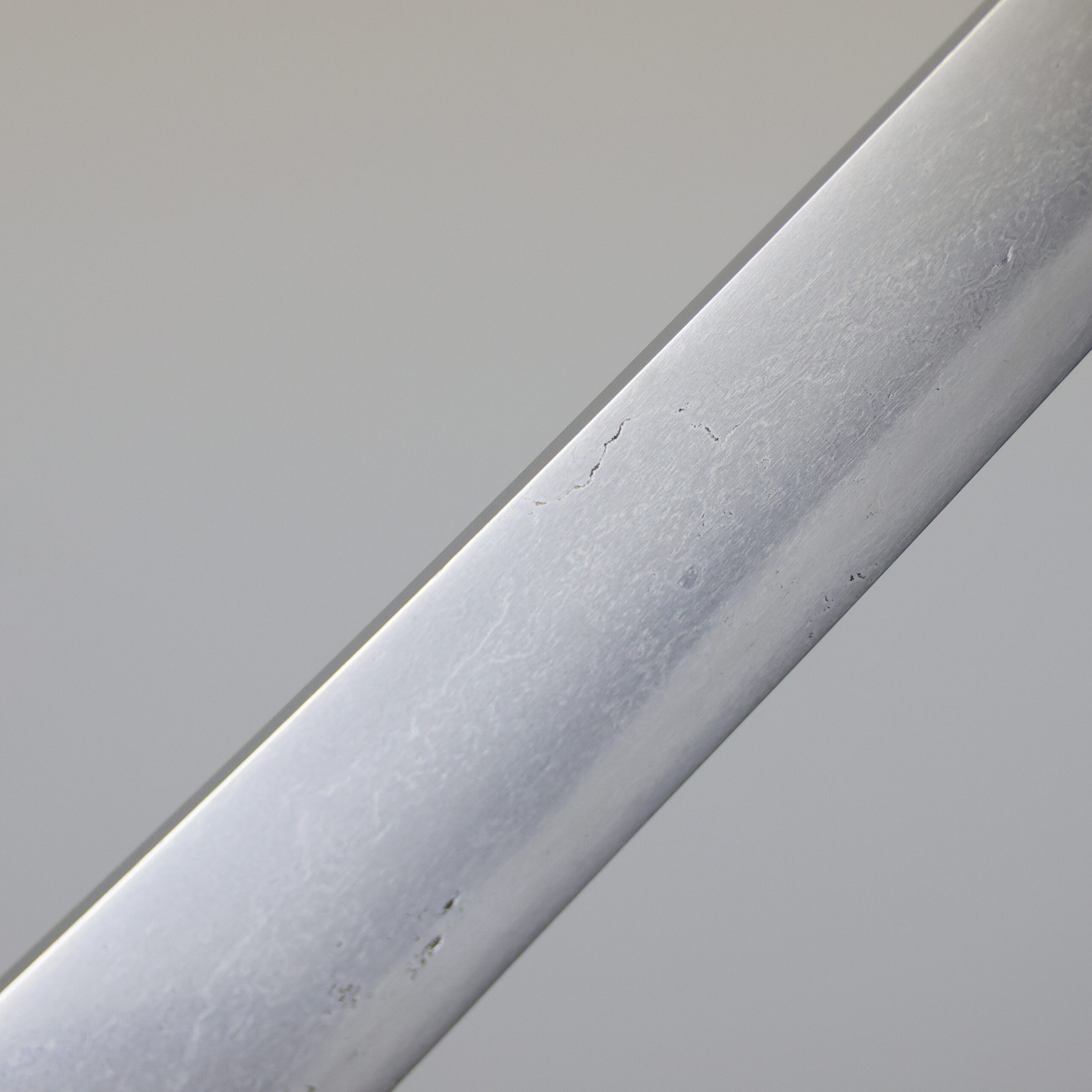
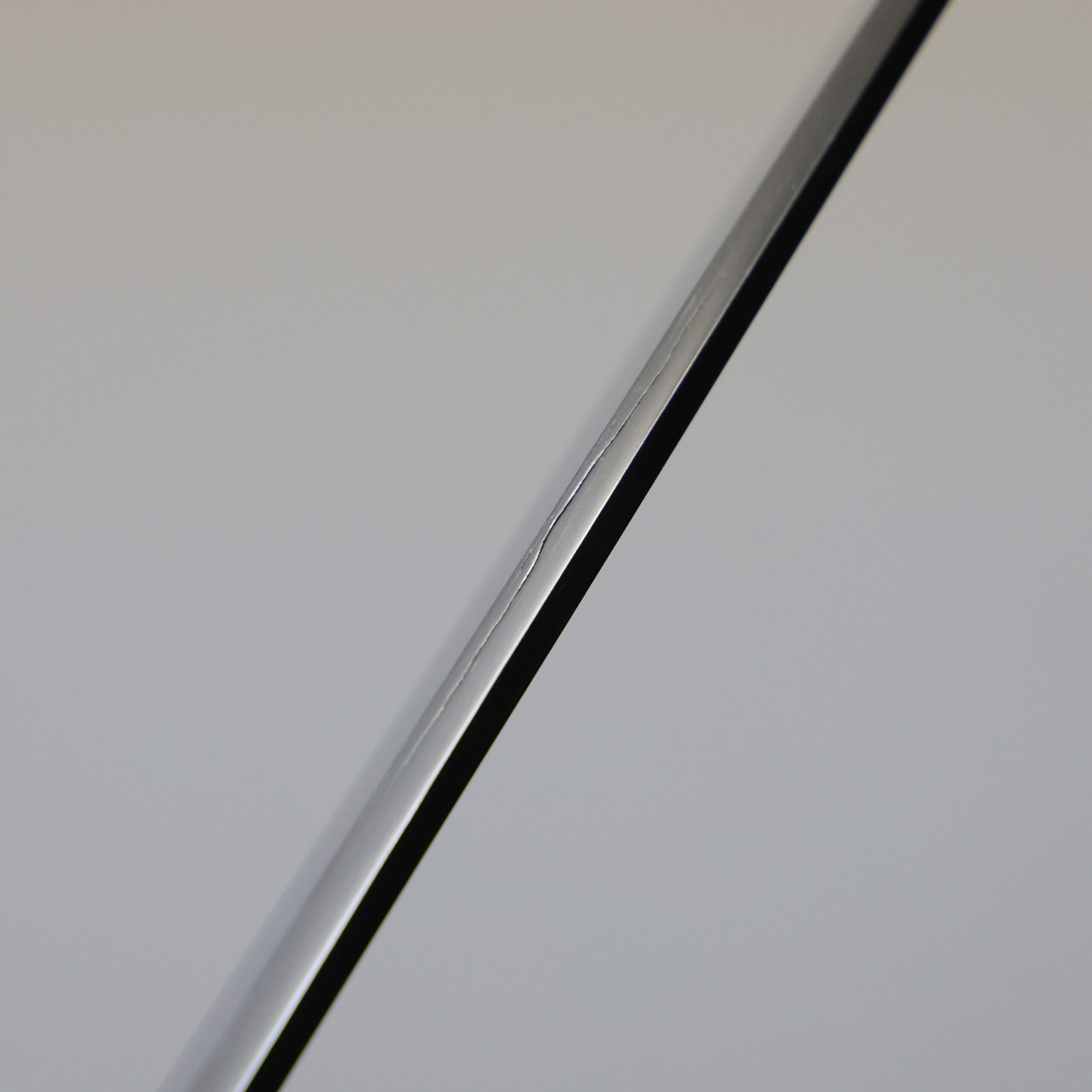
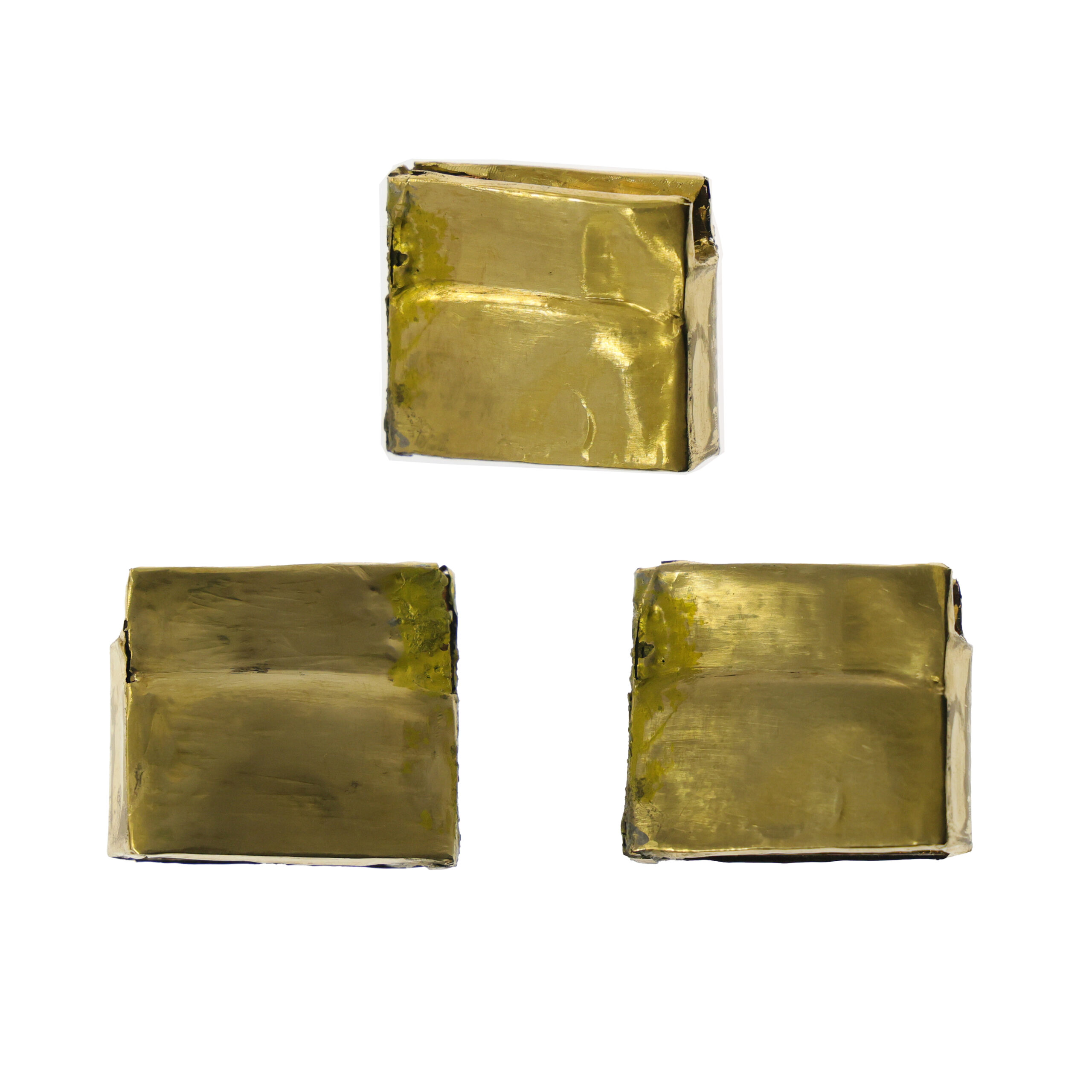
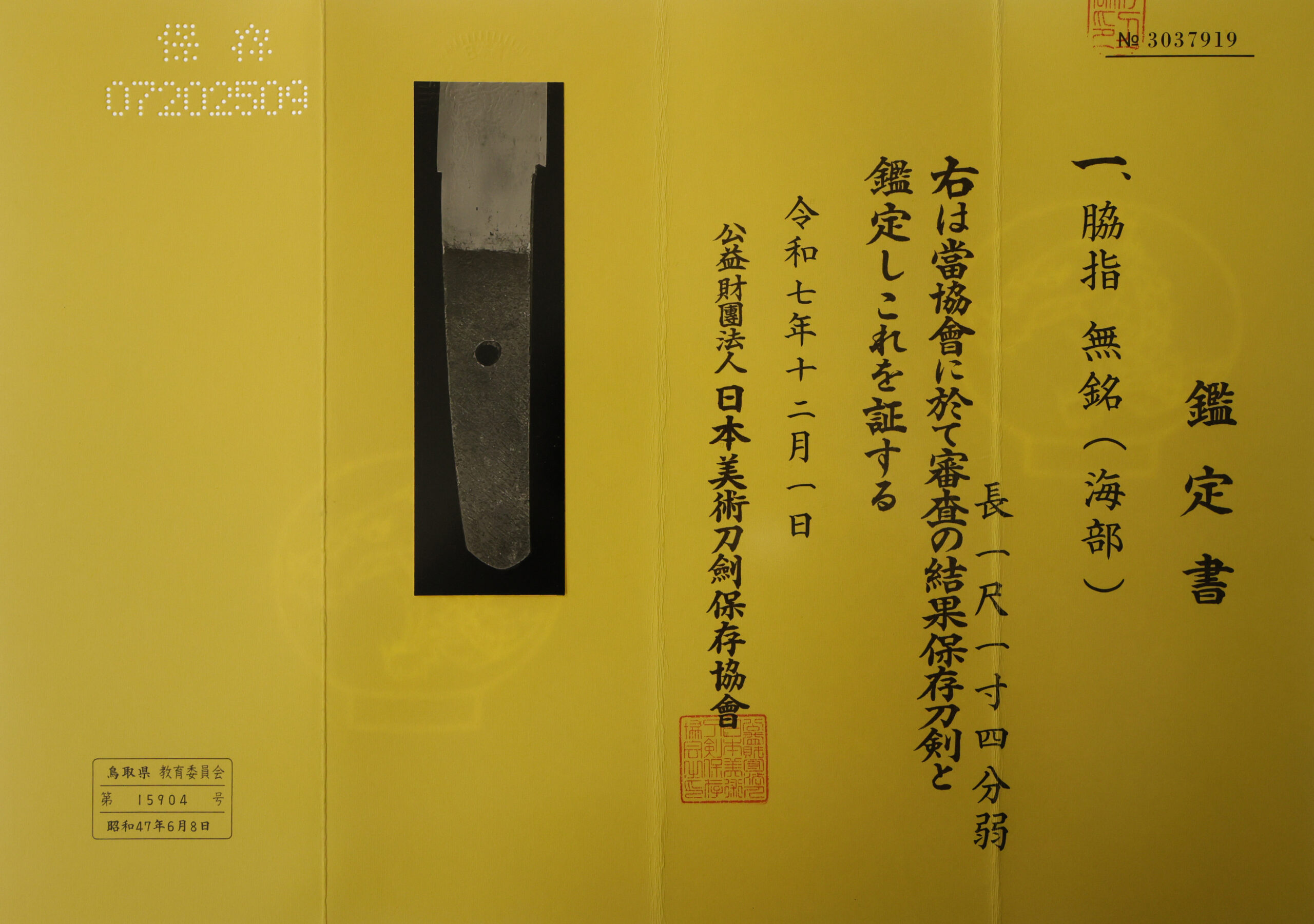
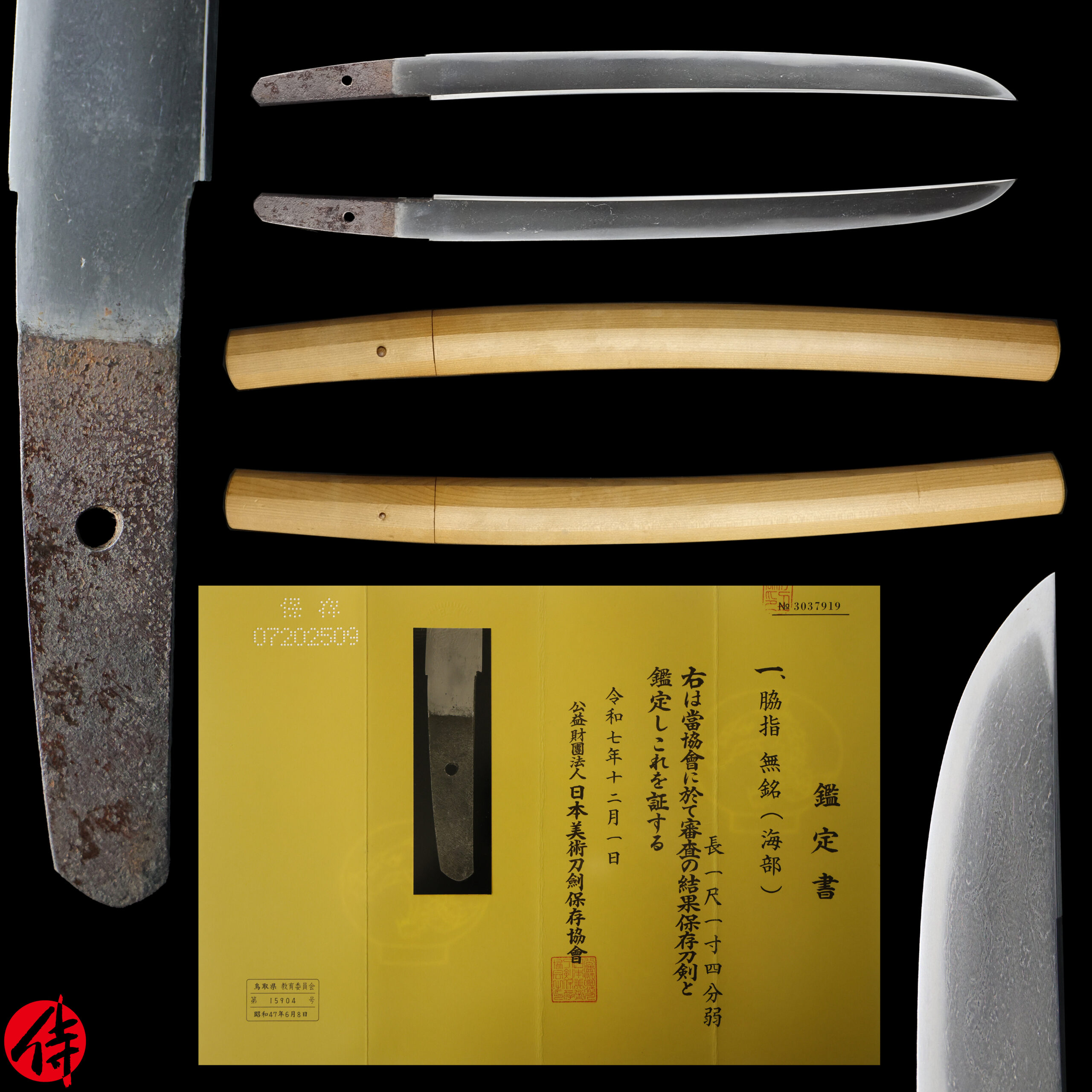
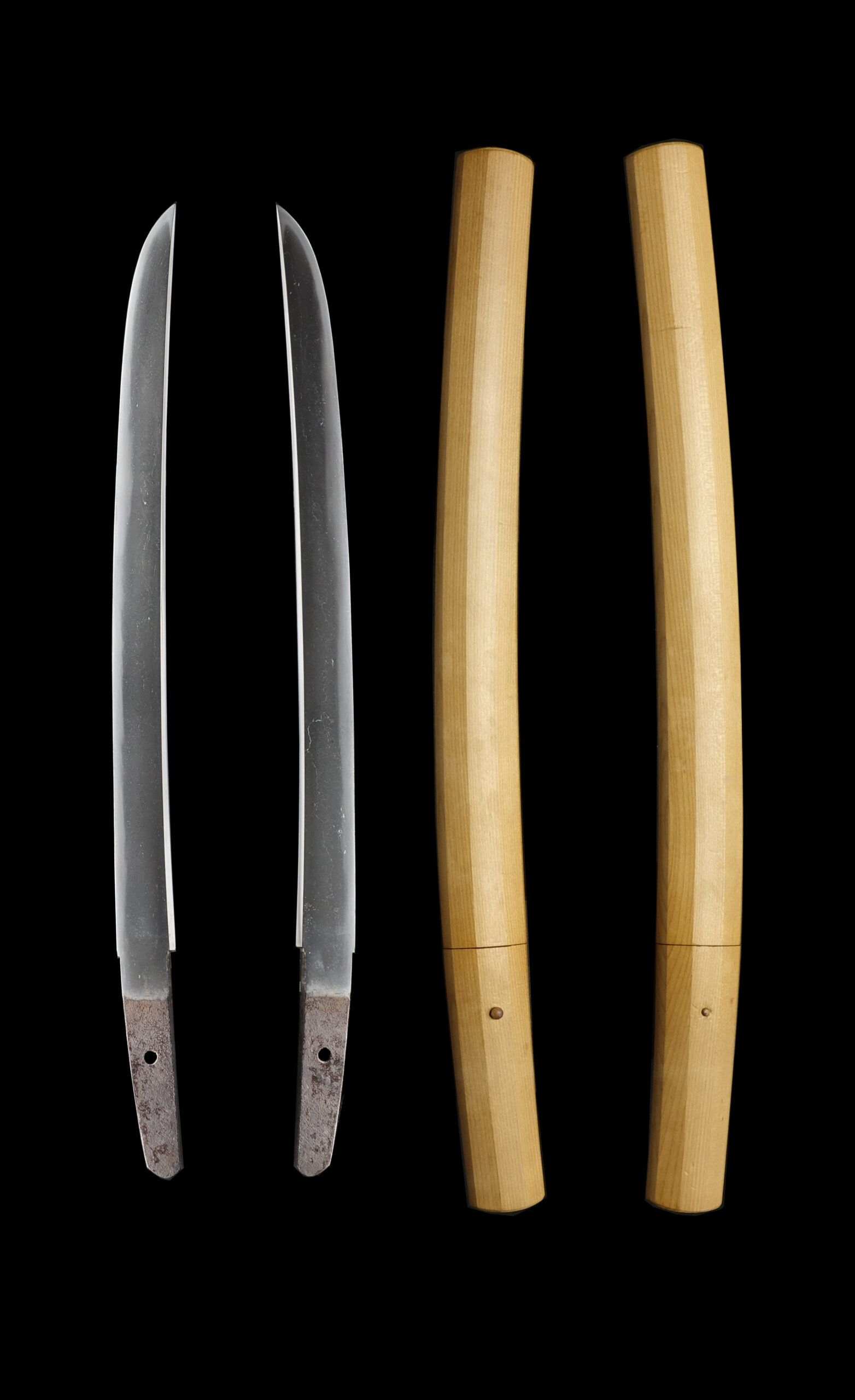
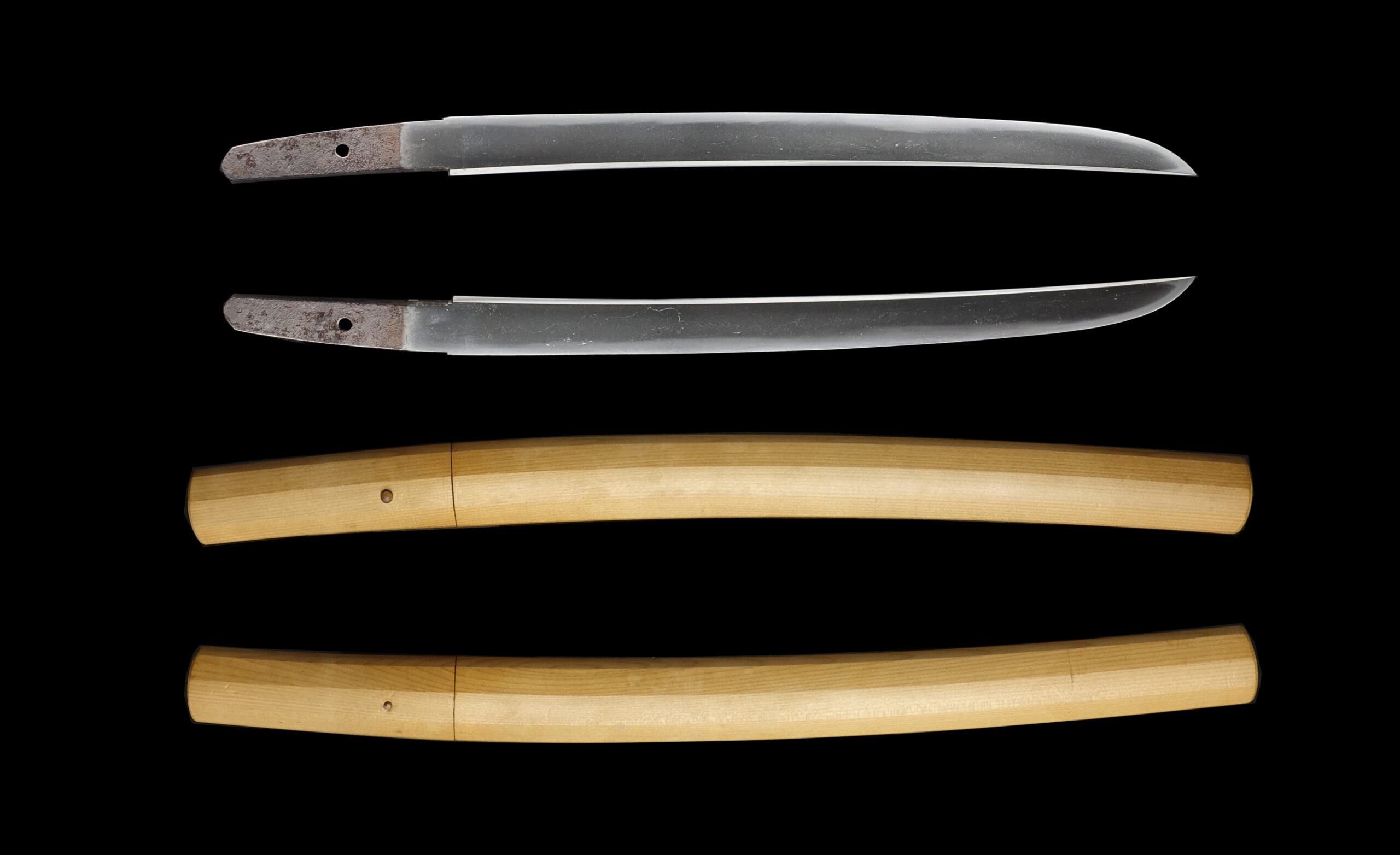
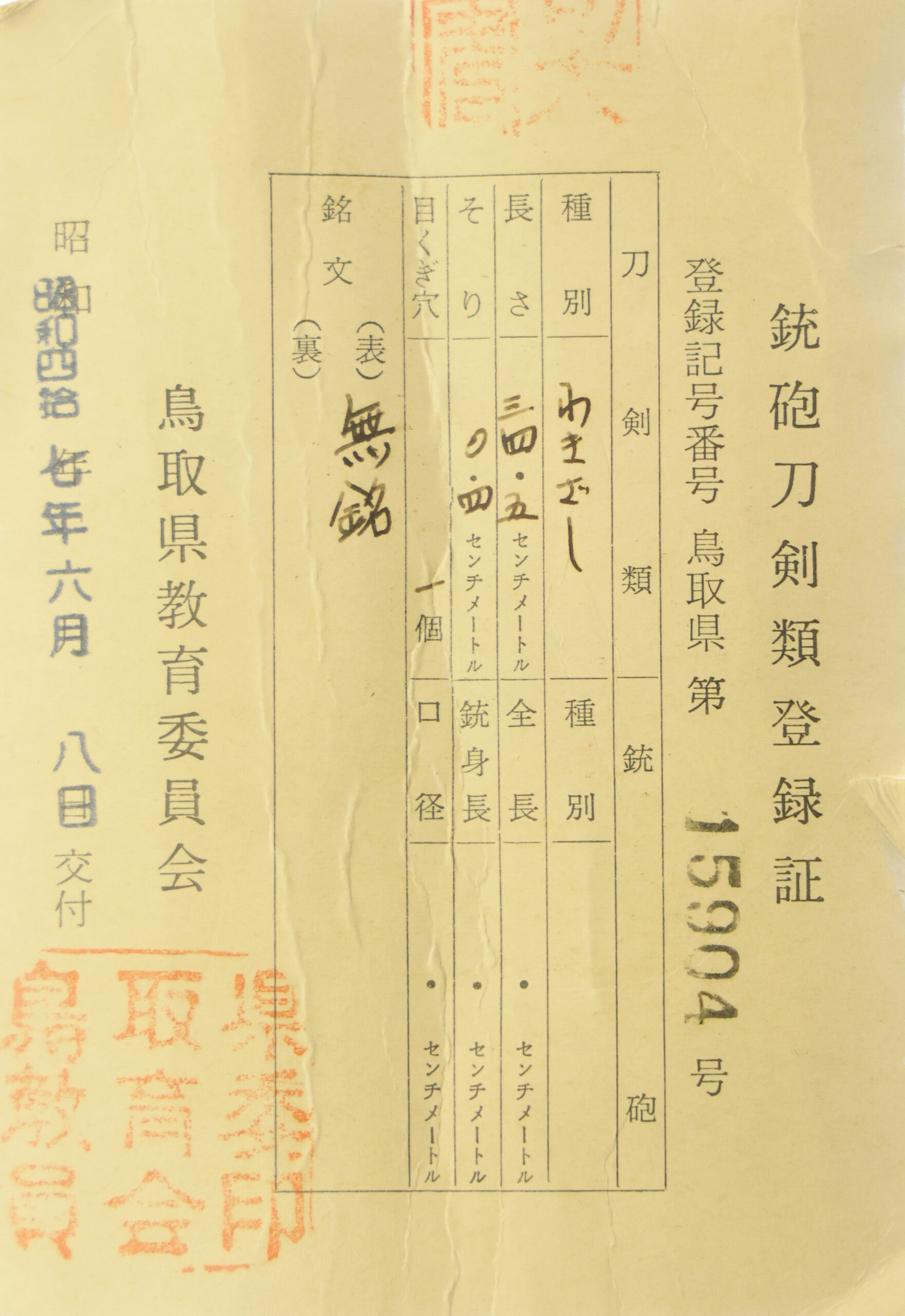
日本刀 脇差:無銘(海部) 日本美術刀剣保存協会 保存刀剣鑑定書付 【解説】 概要 本作は室町時代後期(15世紀後半〜16世紀中期)の「海部(かいふ)」と極められた一振りです。海部は阿波国(現在の徳島県)を拠点とした一族および刀工群の名称です。鎌倉時代初期より、海部川周辺で産出される良質な砂鉄を利用して作刀が始まりました。その活動は戦国時代に全盛期を迎え、実戦的な打物として名を馳せました。天正3年(1575年)、海部一族は長宗我部元親の侵攻により一時衰退しますが、後に蜂須賀氏が阿波に入国すると、海部刀工らは徳島城下へ招かれ、藩のお抱え鍛冶として幕末までその伝統を繋ぎました。 歴史的背景 室町時代後期は、日本全国で軍事的衝突と政治的混乱が続いた「戦国時代」にあたります。この激動の時代において、武士階級は戦士として、また政治の主役として中心的な役割を果たしました。 刀剣は武士にとって単なる武器ではなく、個人の名誉と地位の象徴でもありました。丹念に鍛えられた刀は武士の魂の拠り所とされ、実戦のみならず儀礼においても重んじられました。 戦乱の激化に伴い、高品質な刀剣の需要は急速に高まりました。各地の大名たちは軍備を整えるため、機能性と美術性を兼ね備えた優れた刀工を求め、自軍の強化を図ったのです。 鑑定 本作は、公益財団法人 日本美術刀剣保存協会(NBTHK)により「保存刀剣」に指定されています。この鑑定書は、美術品として価値が高く、保存状態の良い真正の日本刀に対してのみ発行されるものです。 ※本作には数箇所、鍛え傷(きたえきず)が見受けられます。詳細なコンディションについては、お気軽にお問い合わせください。 【刀身】 長さ(長野):34.5 cm 反り:0.4 cm 刃文:焼入れによって刃先に現れる結晶構造。 地鉄(肌):鍛錬の過程で折り返し、叩き延ばされることで現れる鋼の表面模様。 切先:刀身の先端部分。 茎(なかご):柄に収まる持ち手にあたる部分。 日本の刀工は、柄内部での赤錆を防ぐために茎に黒錆を残しました。この茎の経年変化(錆色)は、専門家が作刀年代を推定する際の重要な指標となります。 鎺(はばき):刀身が鞘の内部に直接触れるのを防ぎ、刀身を固定して錆や欠けを防止する金具。 鑑定書:日本美術刀剣保存協会(NBTHK)保存刀剣鑑定書(第3037919号) 日本美術刀剣保存協会は、現代日本において最も権威ある刀剣鑑定機関の一つです。本作は令和7年(2025年)12月1日に「保存刀剣(日本の社会において特に保存する価値がある刀剣)」として鑑定されました。ご購入者様にはこの鑑定書原本をお渡しいたします。ご希望により、記載内容の英訳PDFを作成することも可能です。 登録証:鳥取県 第15904号 鳥取県教育委員会より発行された「銃砲刀剣類登録証」が付属します。文化庁はこの登録証が付された日本刀を、美術品として認めています。この登録制度により、伝統的な手作業で玉鋼を用いて鍛えられた日本刀であることが証明されています。
Certificate reading — 無銘(海部)
 NihontoWatch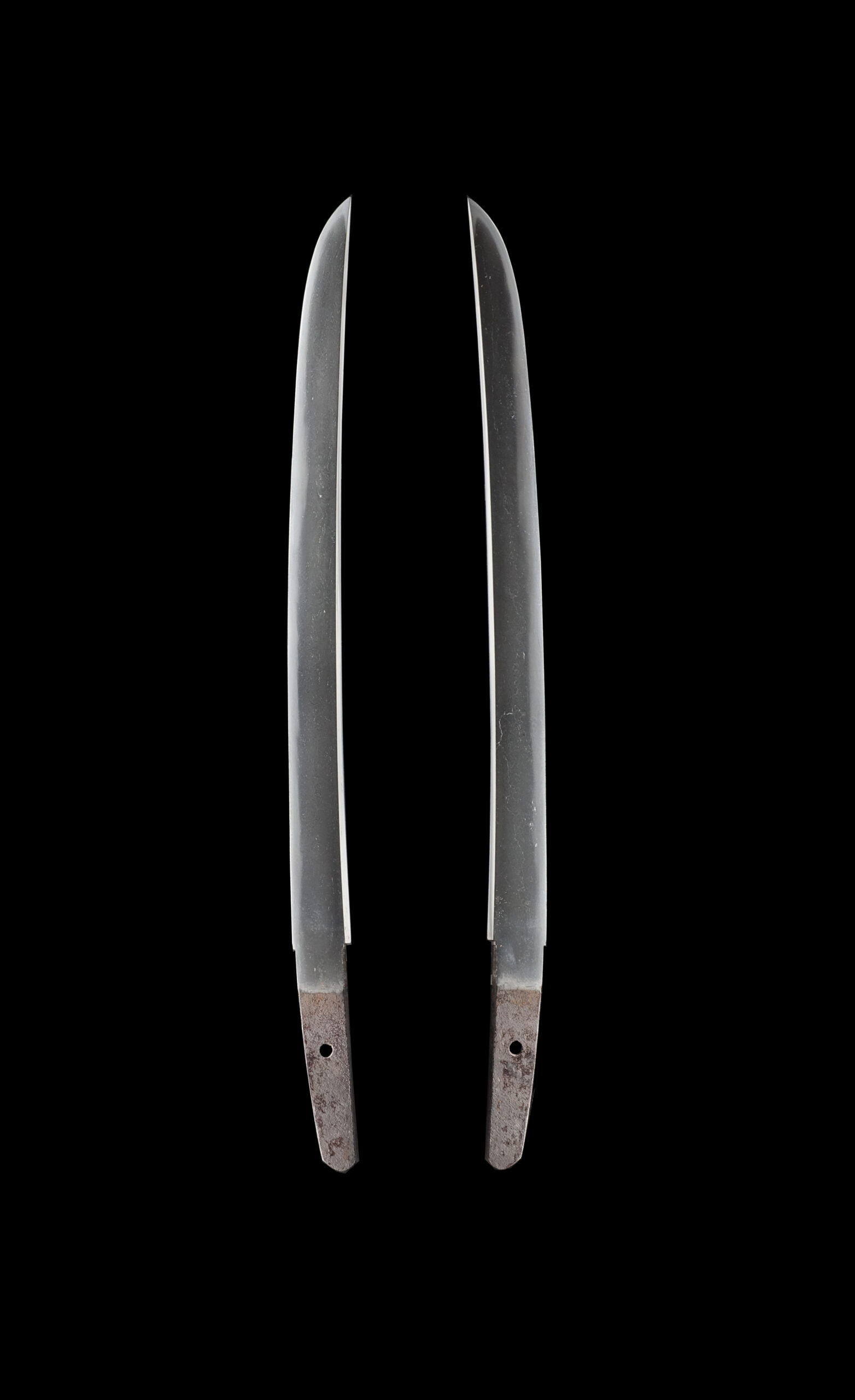
脇物 · 安房
現在10点販売中
海部派は阿波国、すなわち現在の徳島を中心とする四国の地に興った刀工の一群である。説示は『古今銘尽』『古刀銘尽』を引いて、この派に二つの系統があったことを伝える。その一は康暦頃の海部太郎氏吉を祖とする系であり、いま一つは応安頃の波平の弟子と伝え、「藤」と一字を銘する者を祖とする系である。もっとも祖と仰がれる氏吉の作は現存せず、現存する作品にも南北朝時代まで時代の遡るものはなく、世に海部物と呼ばれる作の多くは室町時代のものとされる。活躍が目立つのは室町時代の後半からであり、説示に名を挙げる工としては、氏吉、藤原氏吉、阿州開府氏吉と銘する一群のほか、明応頃と天文頃の二工が知られる氏重、大永年紀を残す泰吉、同じく大永頃の海部鍛冶である泰長がある。氏重については、後に播州姫路に移り大和大掾を受領した初代、通称三木新五郎の名が伝えられ、その末裔に手柄山正繁が出たことも記される。 作風について説示はおおむね二様を記す。一つは、光の弱い地景が目立ち、大のたれ・小のたれを焼いて、匂口が望洋としてしまらず、地景と同調する金筋がかかるものである。いま一つは、板目に柾気が交じって鍛えがやや軟らかく、少しく白け、働きのあまり見られない直刃を焼く、波平風と評されるものである。短刀には、平造、三ッ棟で身幅広く寸延び、重ね薄めに僅かに内反りのついた大柄な姿が見られ、板目に杢を交え、刃寄りが流れて柾がかり、地沸が微塵につき、白け映りが立つなかに細直刃を焼いて枯淡の趣を醸す作がある。彫物には棟寄りの梵字に素剣・護摩箸を掻き流したものや棒樋があり、刀身によく調和する。脇指には海部の山刀と呼ばれる切刃造のものが知られ、地刃の出来に見劣りするものが多いと説示は述べる。海部を見分ける手がかりは、光の弱い地景、白け映りと柾がかった鍛え、しまりに乏しい匂口、そして直刃に波平風の趣を帯びる点にある。 鑑定にあたっては、これら地景・白け・匂口の性格に加え、銘字を太鏨で大振りに刻む茎の様子が拠りどころとなる。海部物は実用に即した性格が強く、その切れ味の鋭さを語る作が伝わる。氏吉作の名物岩切海部は享保名物帳に所載され、名はその切れ味の鋭利さに由来すると伝え、もとは阿波の豪族三好家にあって長慶がこの刀で武功をたて、後に福岡の黒田家に伝わったという。また泰吉や泰長の作には、海部の作が江に化したと語られるごとく、地刃や帽子に物語を生む要素を含むものがある。氏吉作の短刀には『光山押形』に所載され伊東巳代治の旧蔵にかかる一口もある。有銘の作は総じて少なく、それゆえ氏重・氏吉・泰吉・泰長らの遺例は、各工のみならず海部派全般を研究するうえで貴重な資料であり、阿波の地に根ざした実用刀の一系として位置づけられる。 詳しく見る →
室町時代
応仁の乱が足利の体制を砕いた後、戦国の一世紀はほとんどすべての国を武装させた。この時代は選ぶ目に報いる。並の作は多いが、その傍らには第一級の注文打ちが立っている。
銘が正しい、または無銘でも年代・国・系統を確実に指摘できる、保存に値する真正の作と鑑定されたものです。
日本美術刀剣保存協会(NBTHK)は、1948年に設立され、文化庁の監督を受ける公益財団法人で、東京・刀剣博物館に本部を置きます。専門の審査員が出品作を直接審査し、美術的・歴史的価値に応じた鑑定書を発行します。NBTHKの鑑定書は、日本刀および刀装具の真正性を示す最も広く認知された基準です。
NBTHK公式サイトReturns/exchanges limited to defects caused by shipping (except willful misconduct or gross negligence by the company); customers must contact within 72 hours of receiving the product.