NihontoWatch Mon

NihontoWatchBETA

マーケットオークション
事典
NihontoWatch Mon

NihontoWatchBETA

マーケットオークション
事典

説明

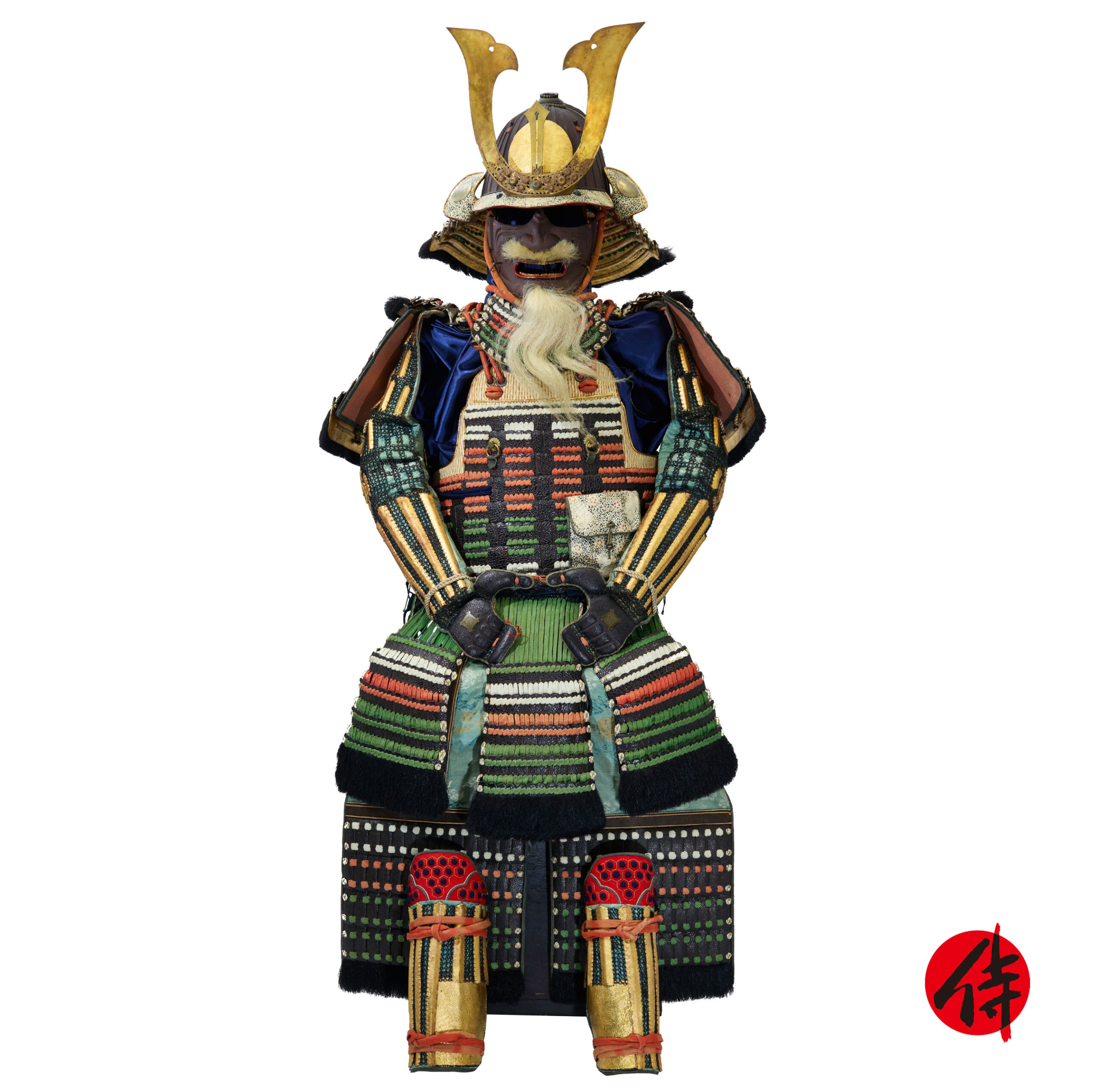
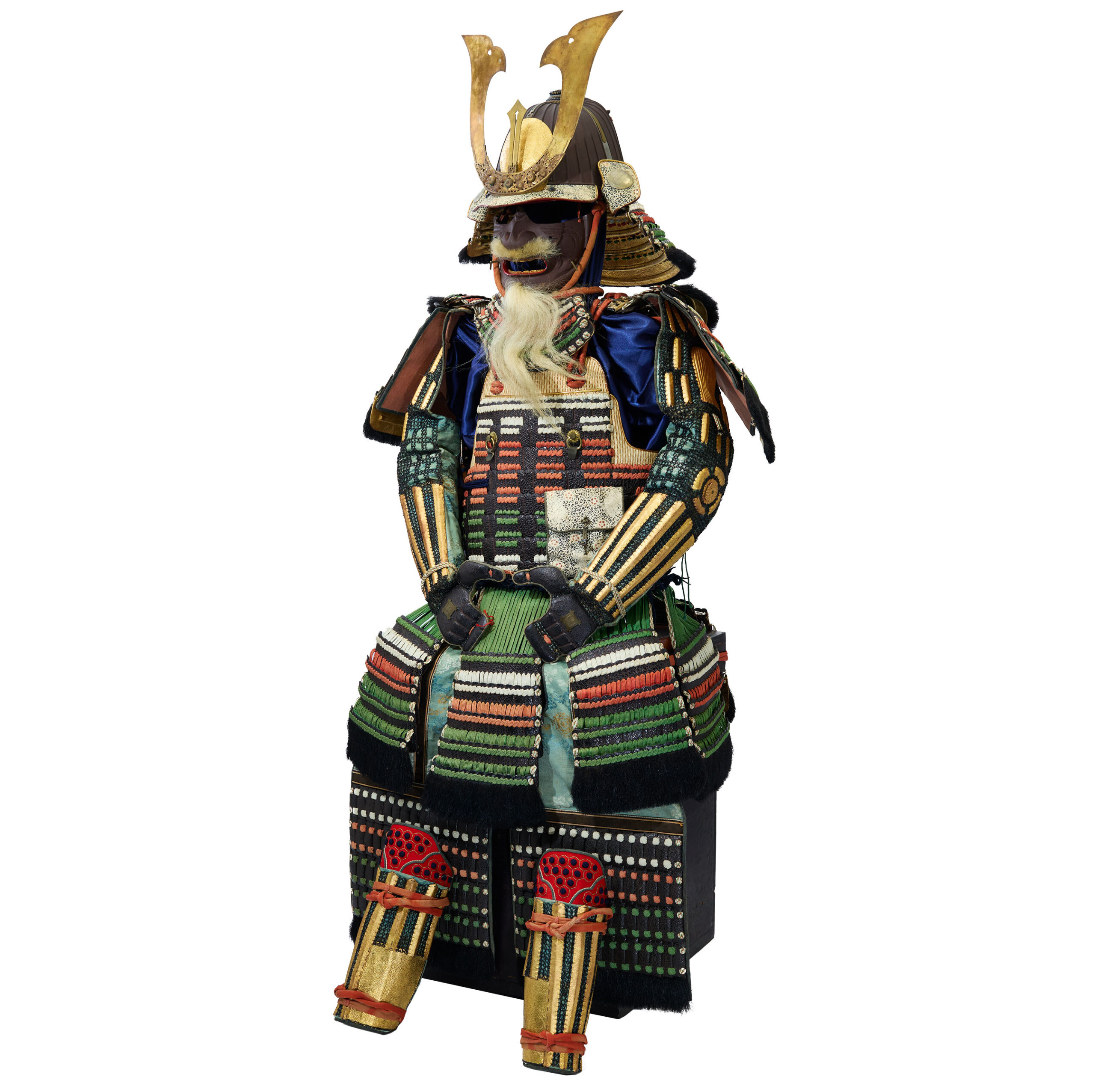
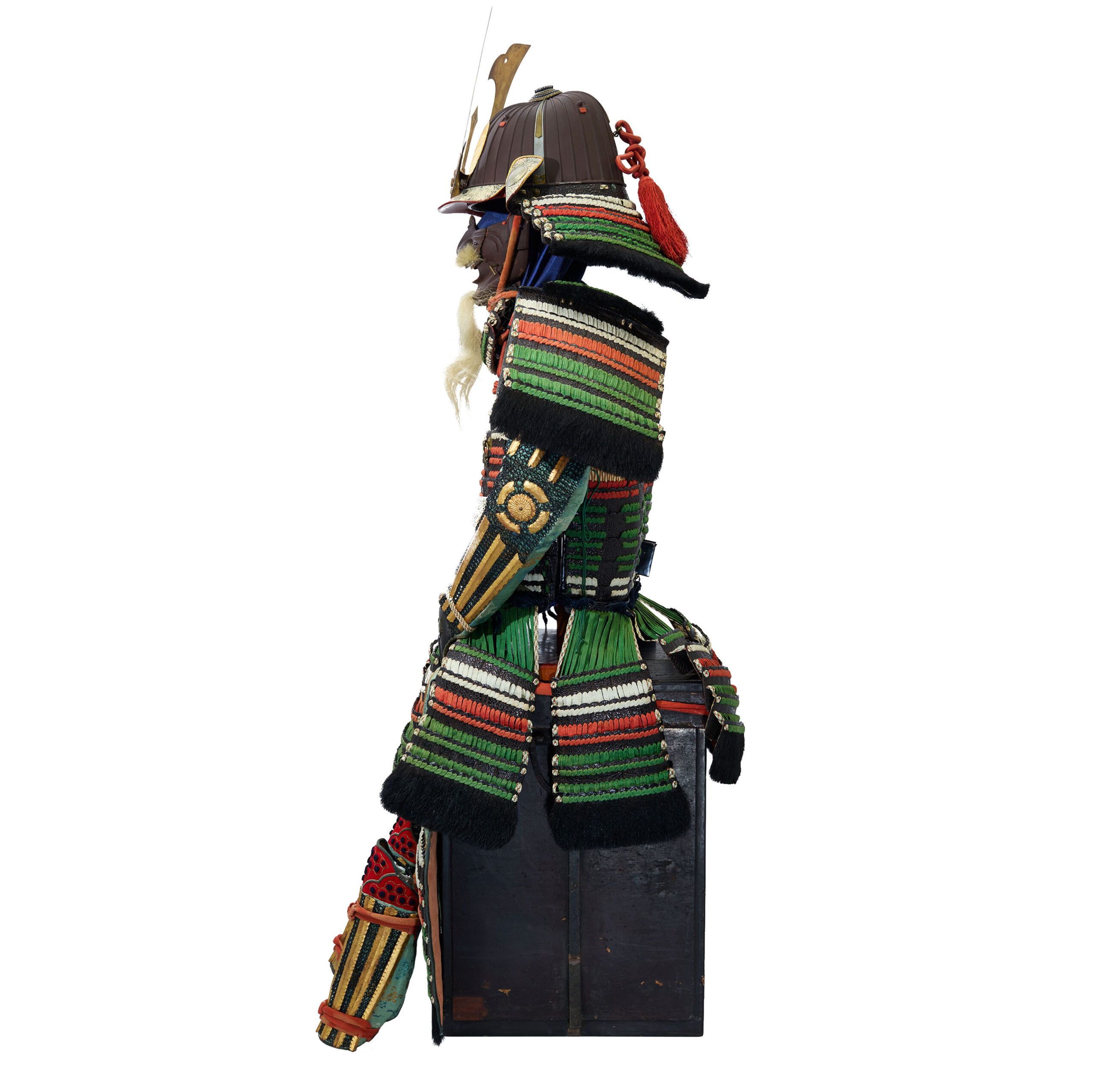
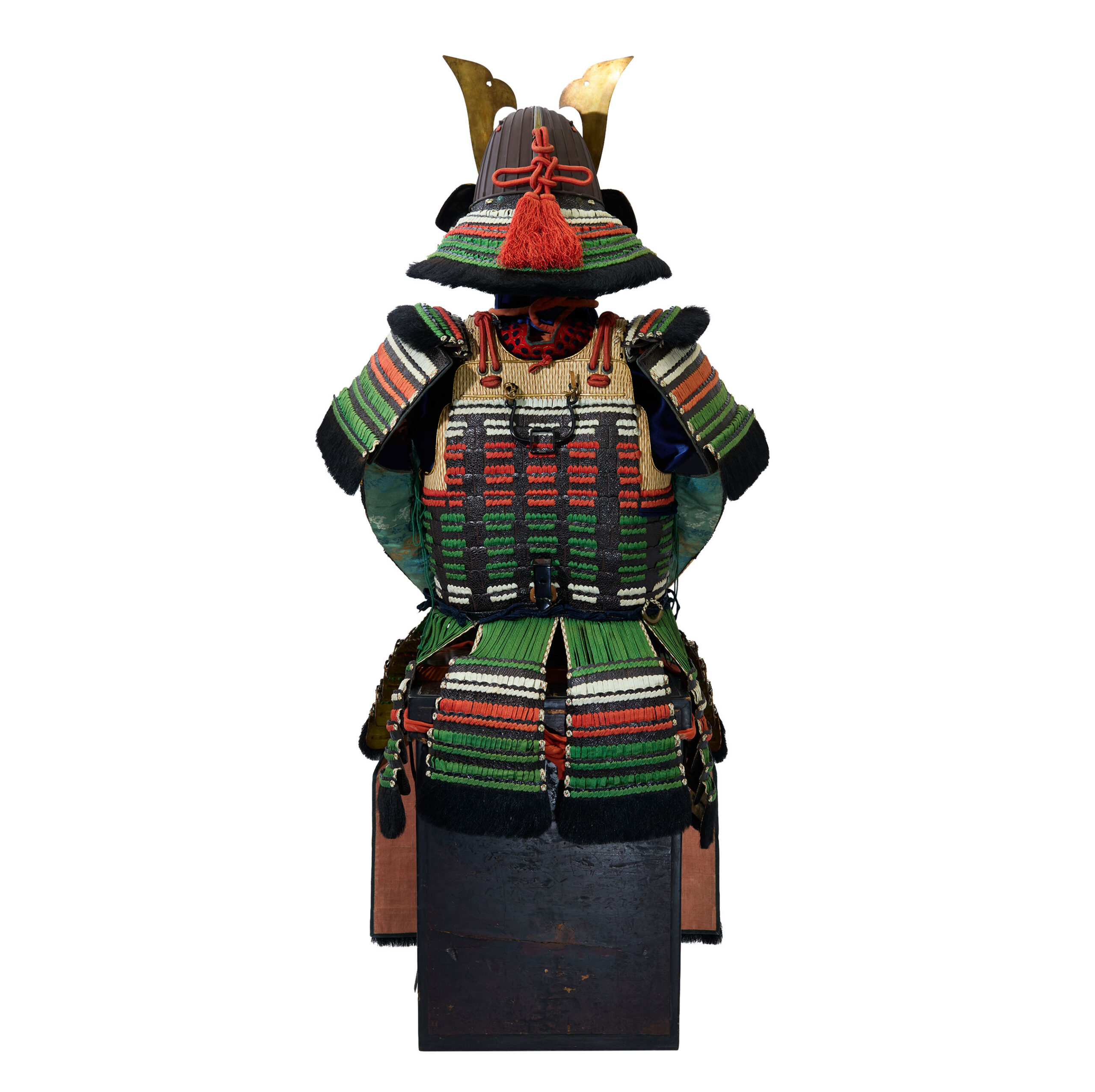
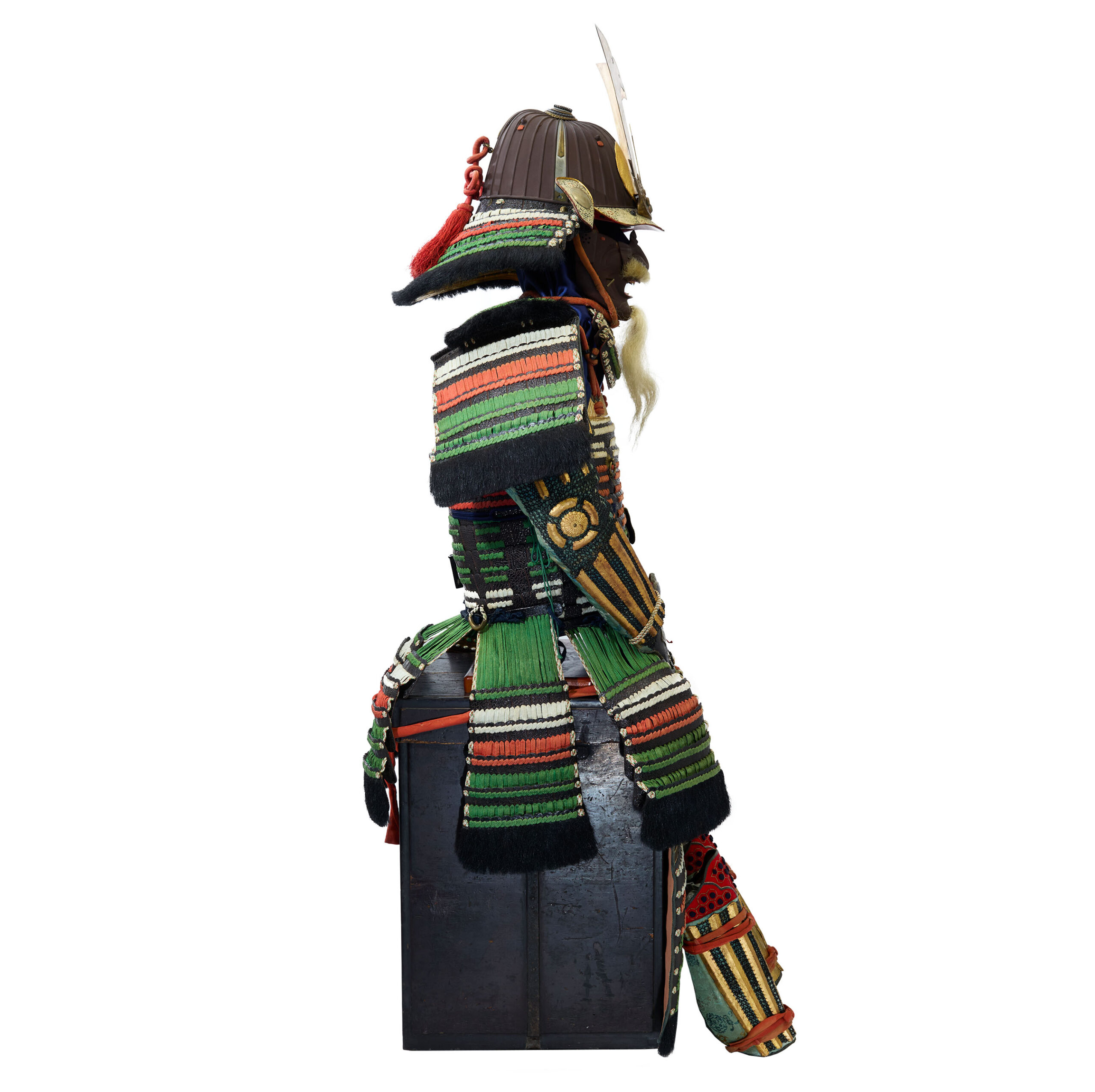
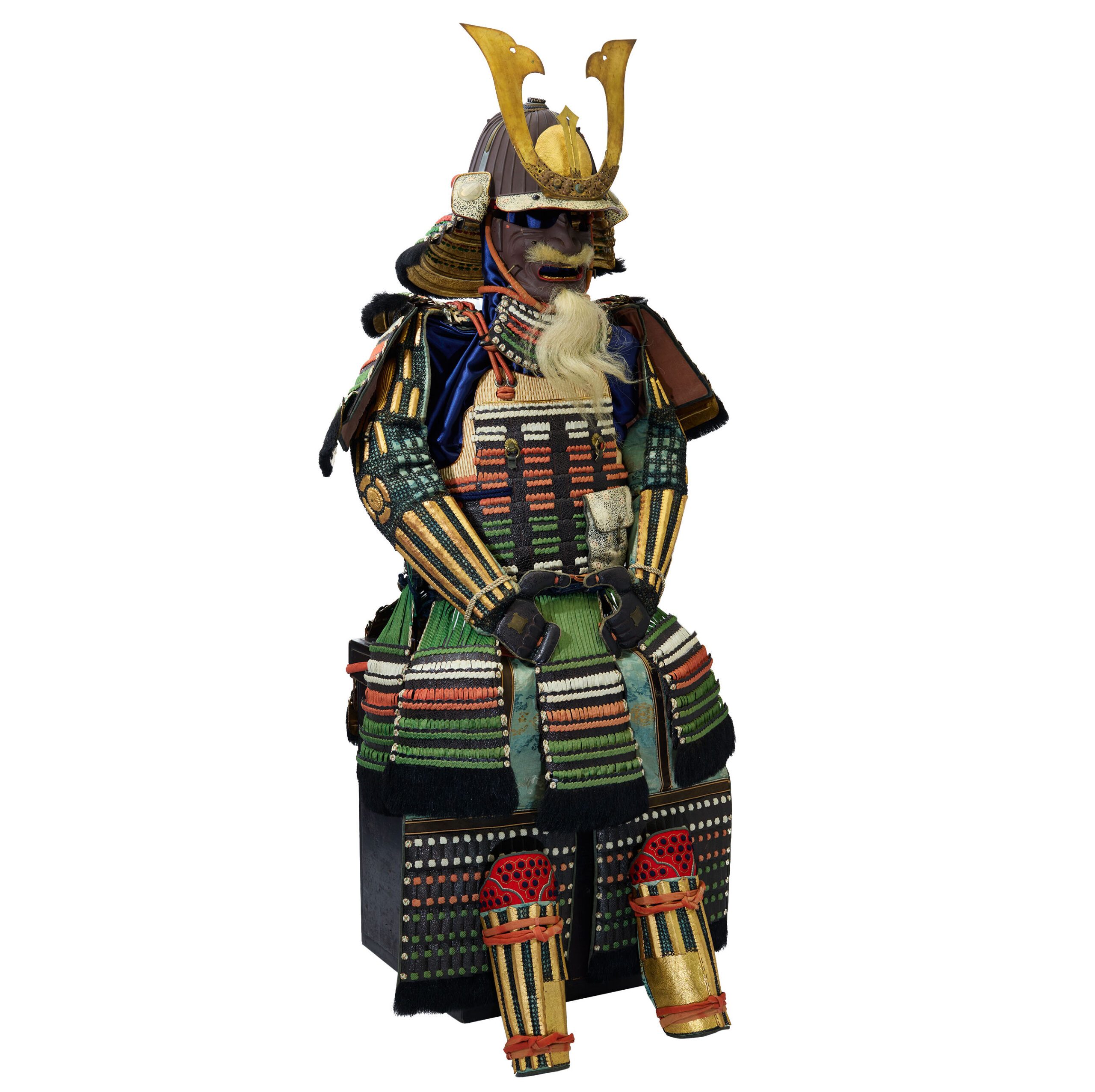
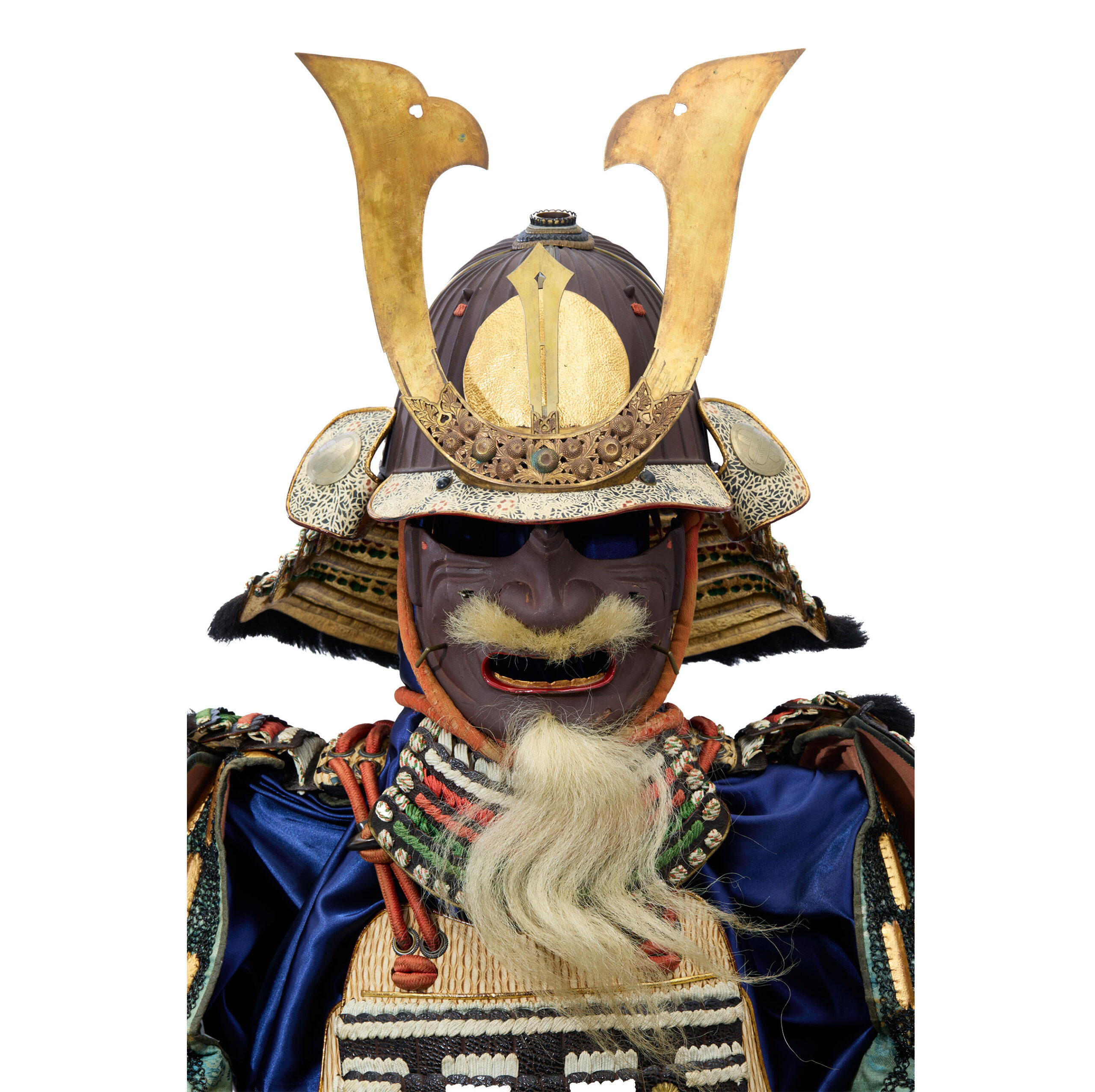
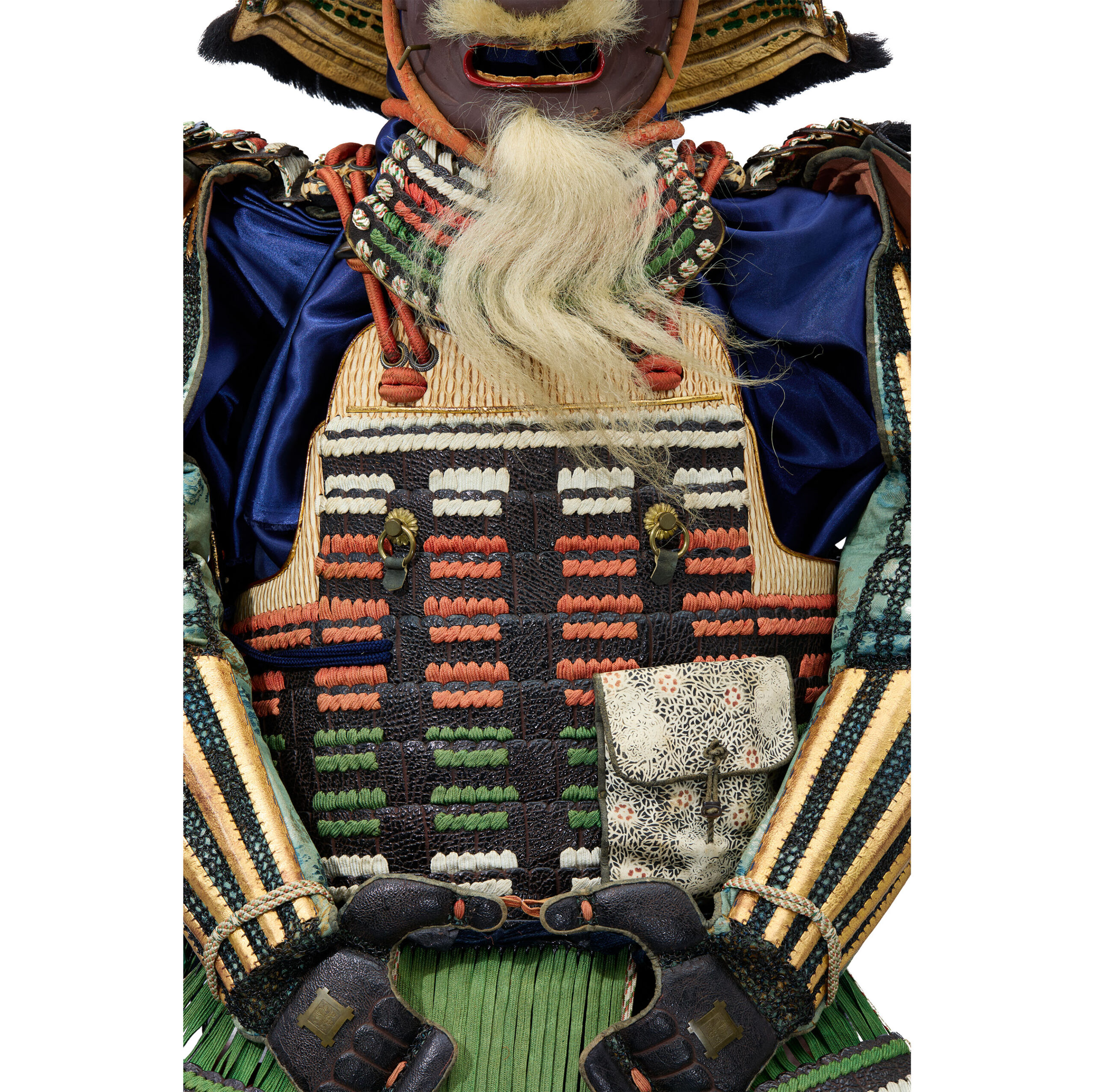
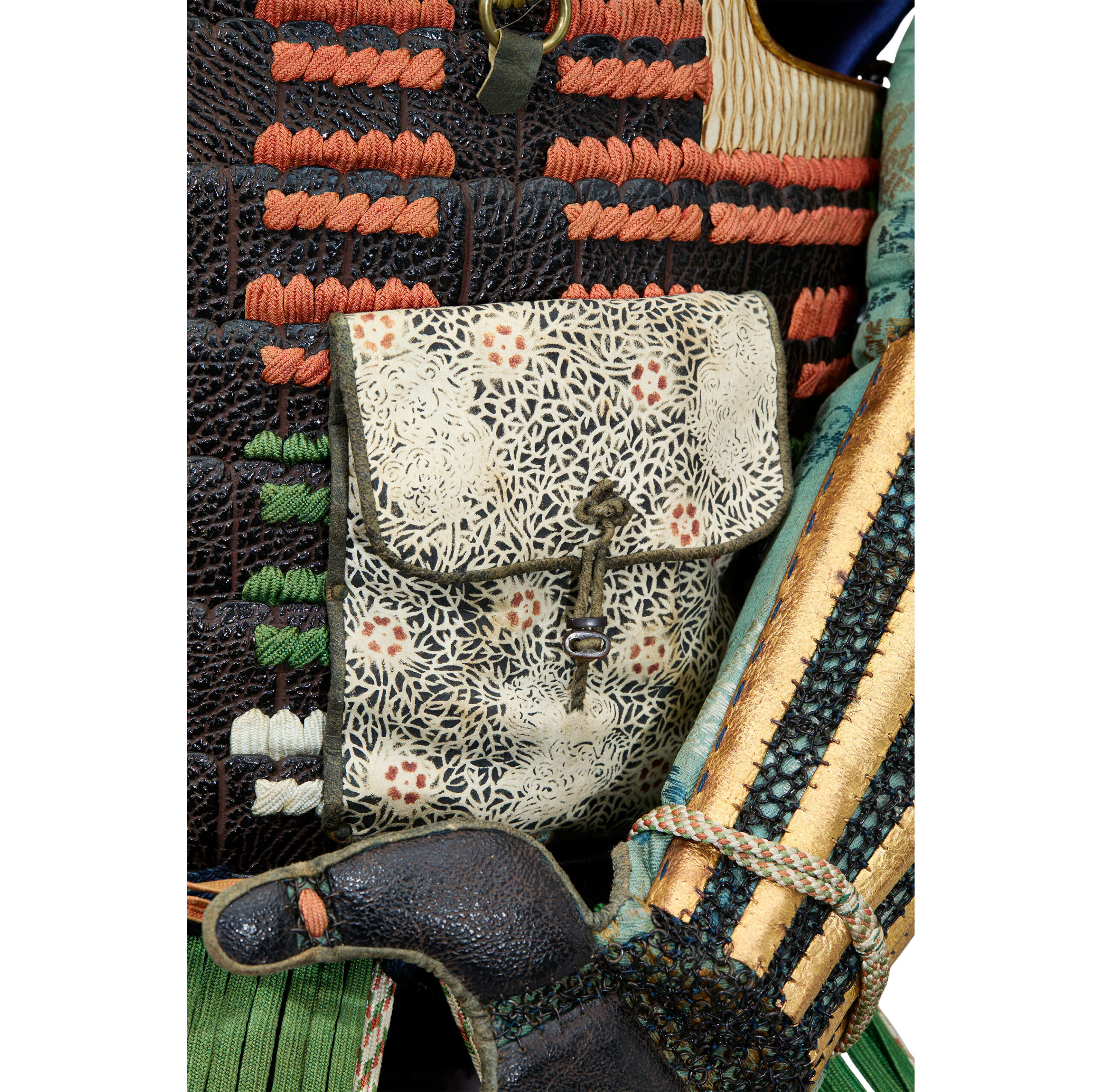
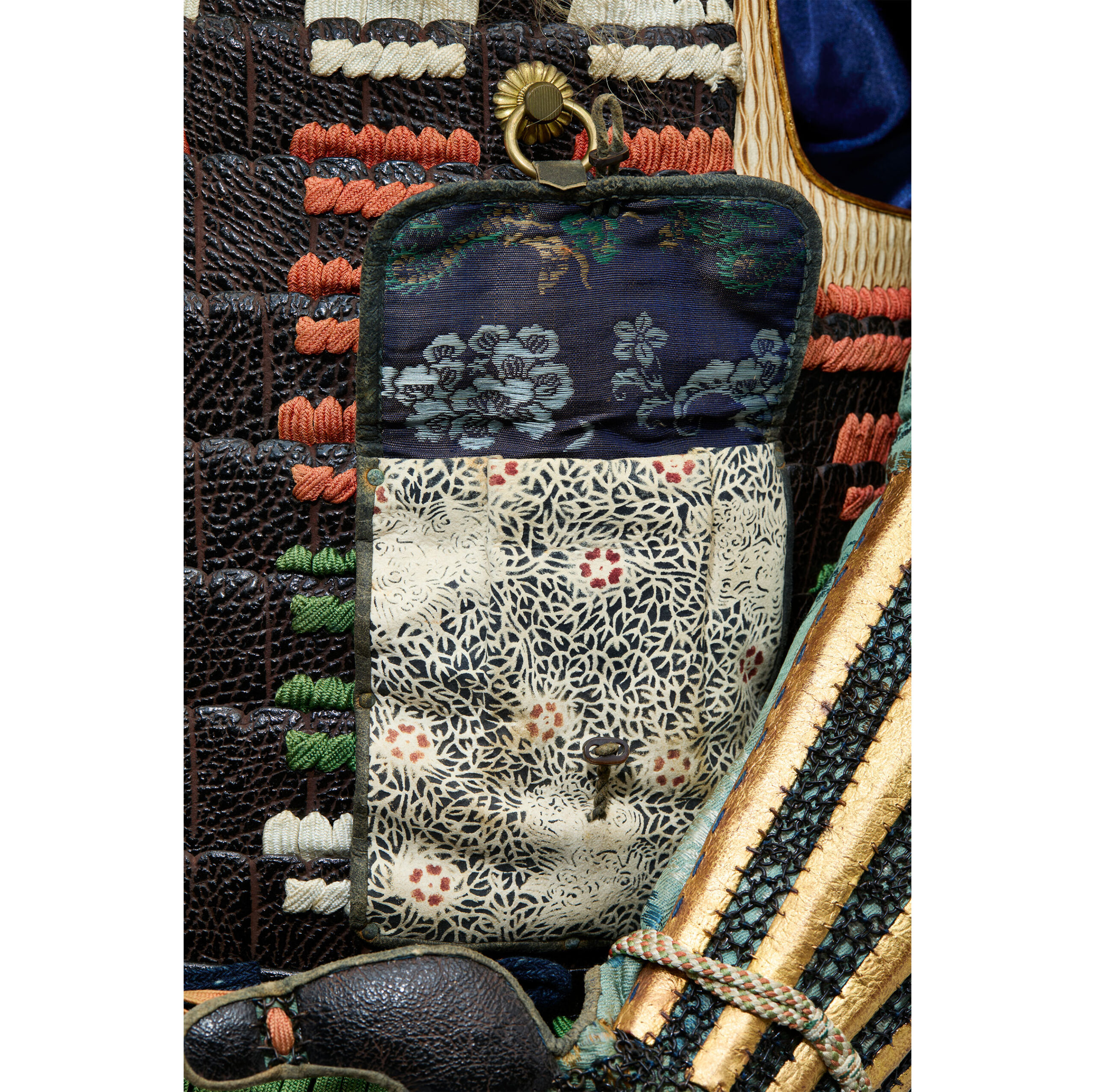
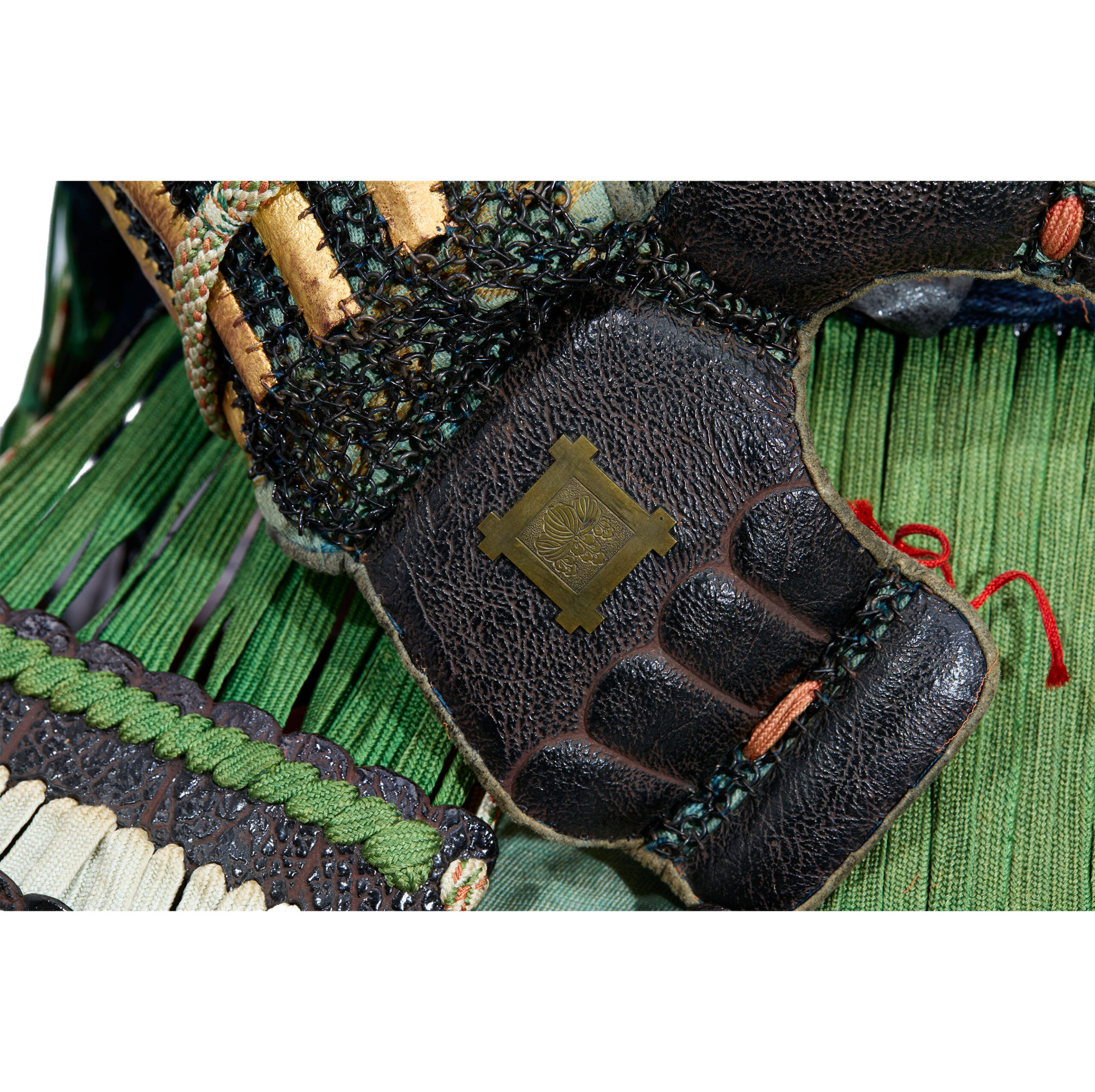
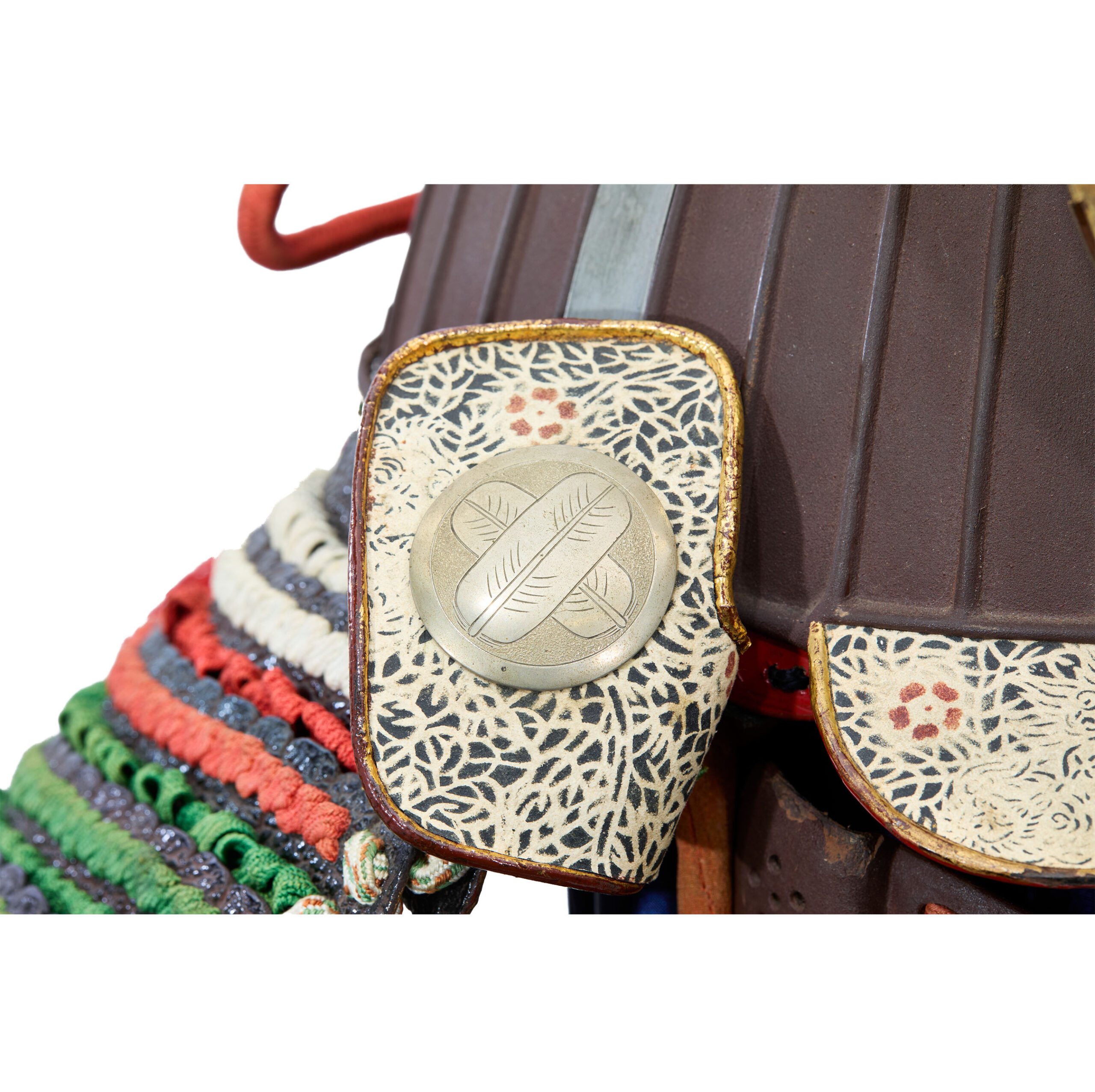
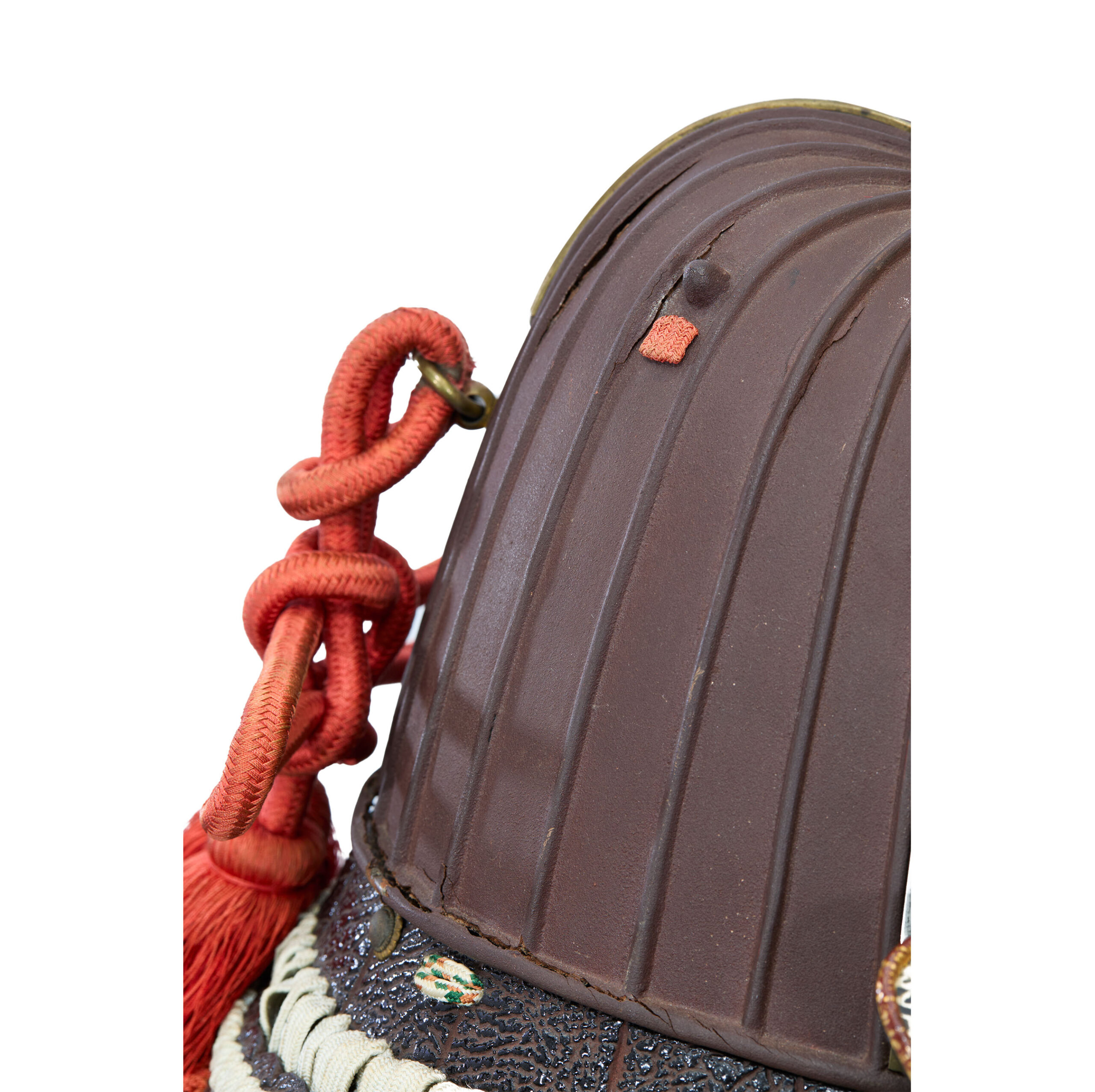
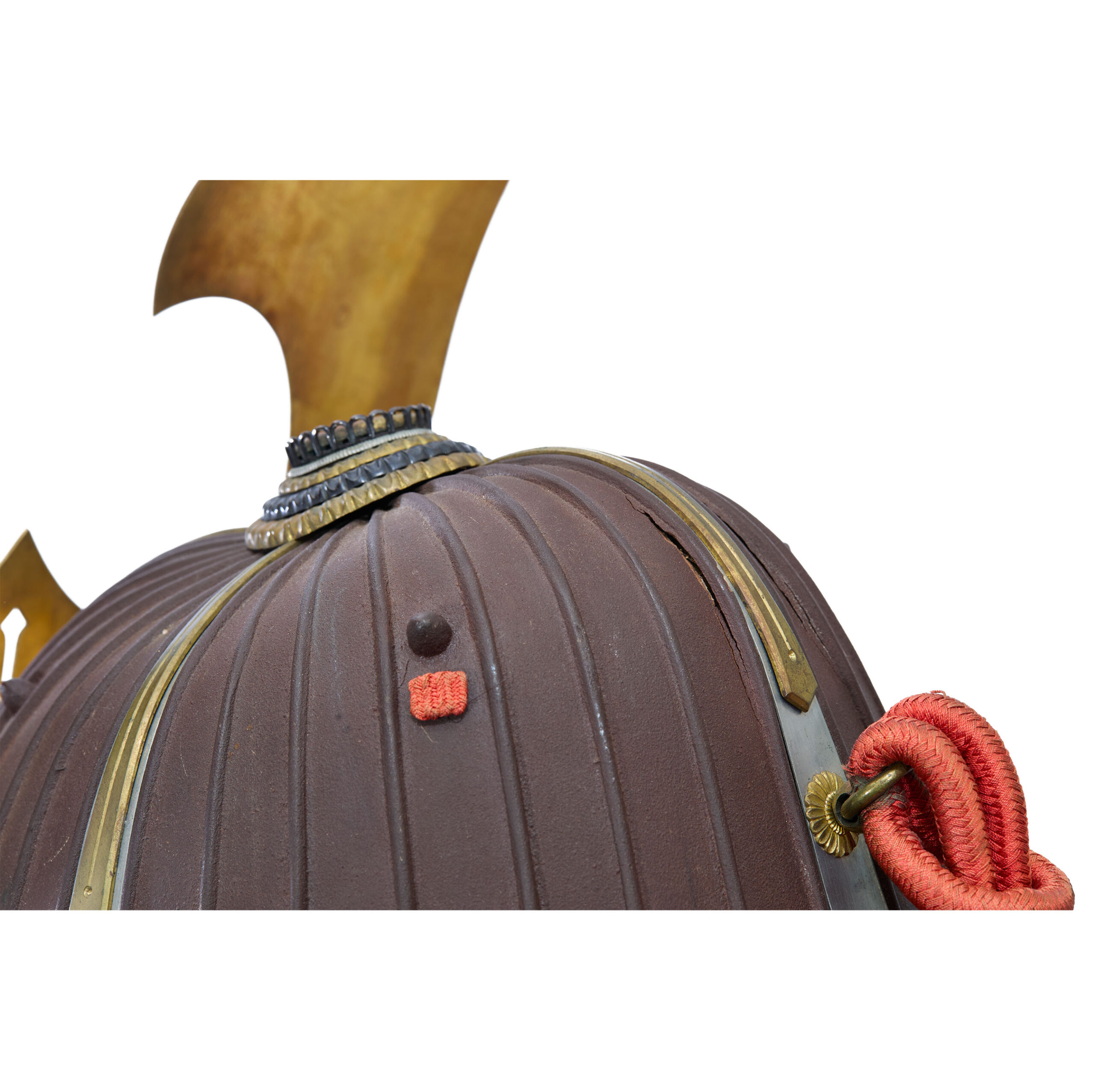
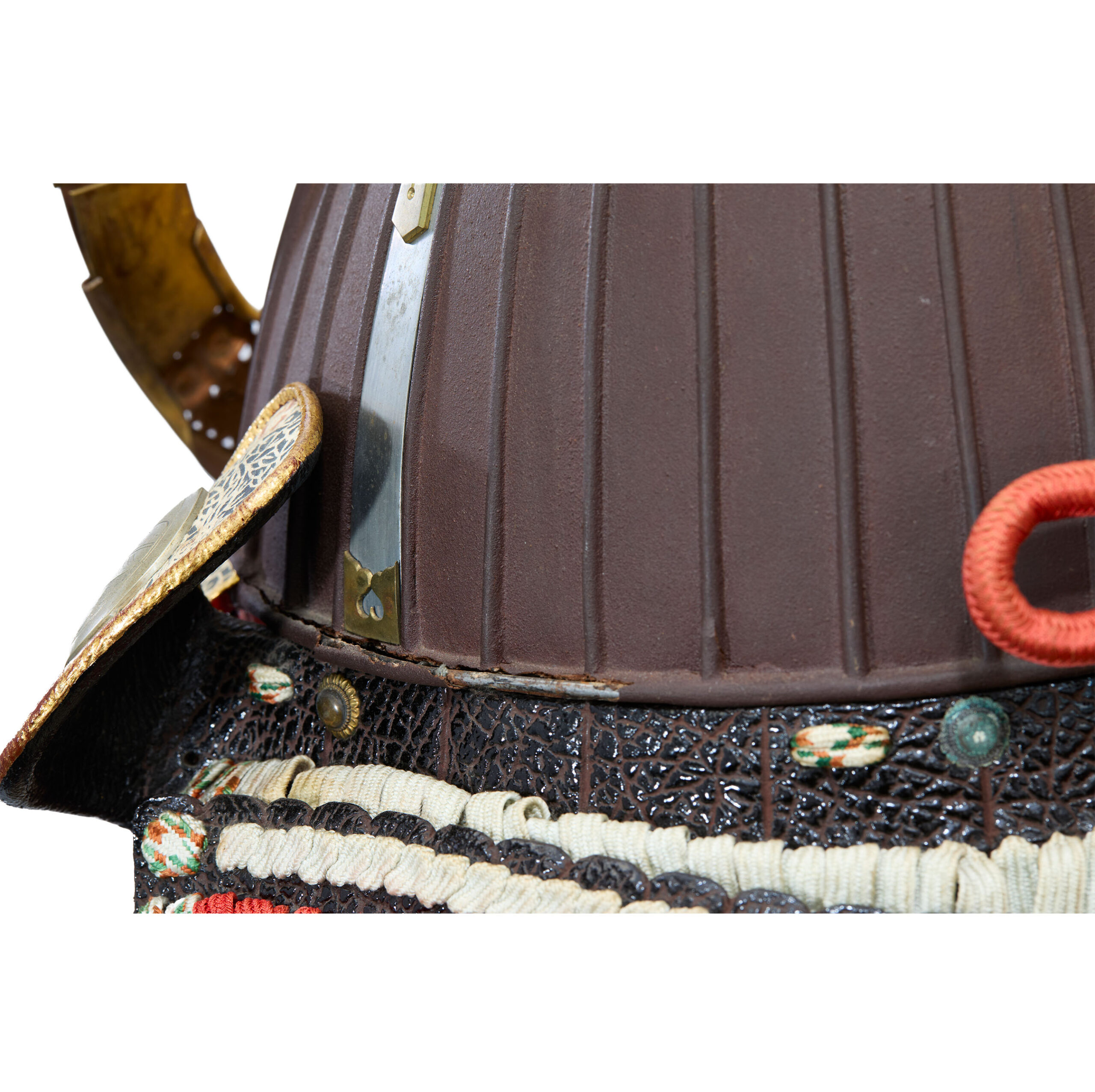
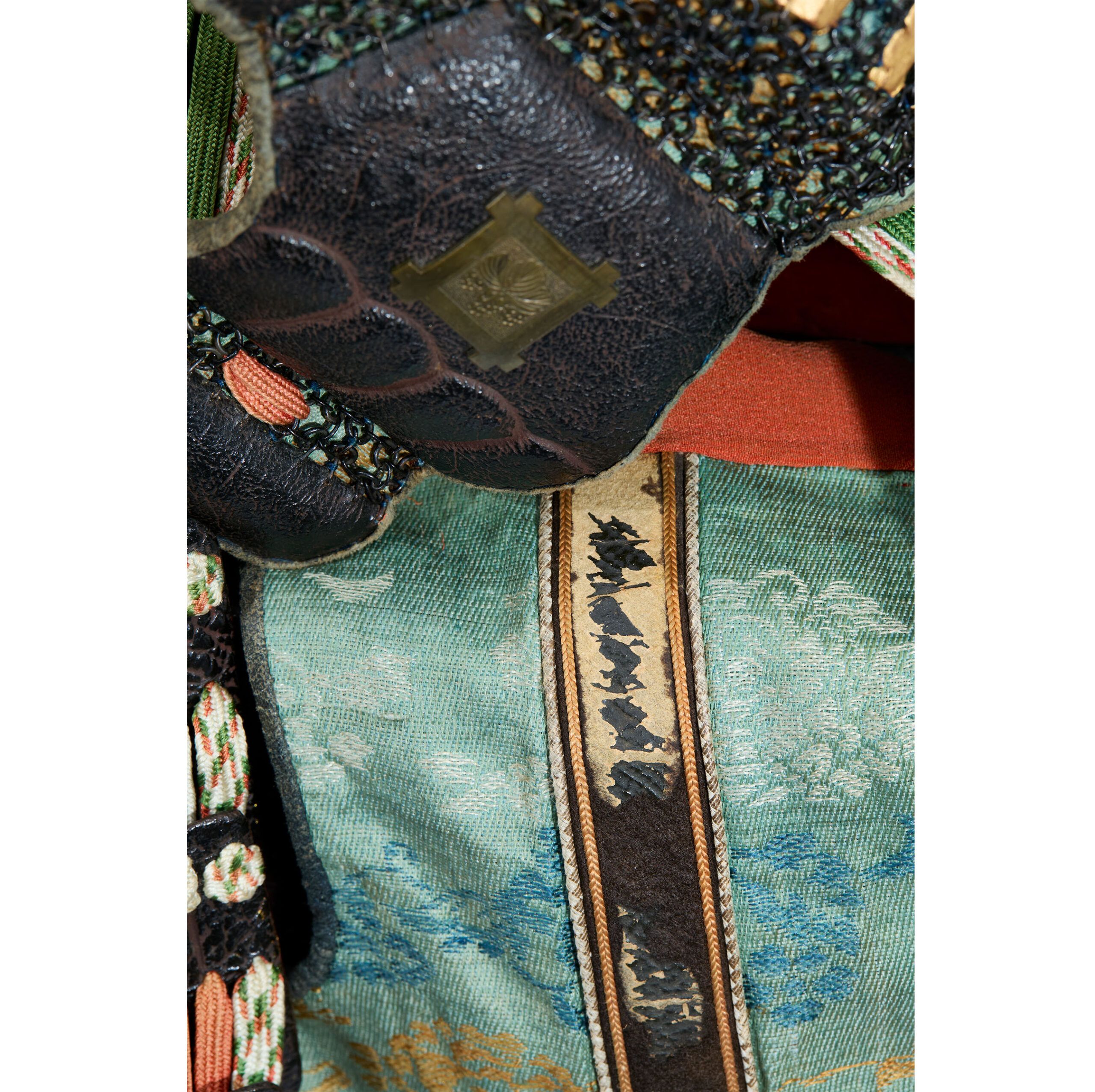
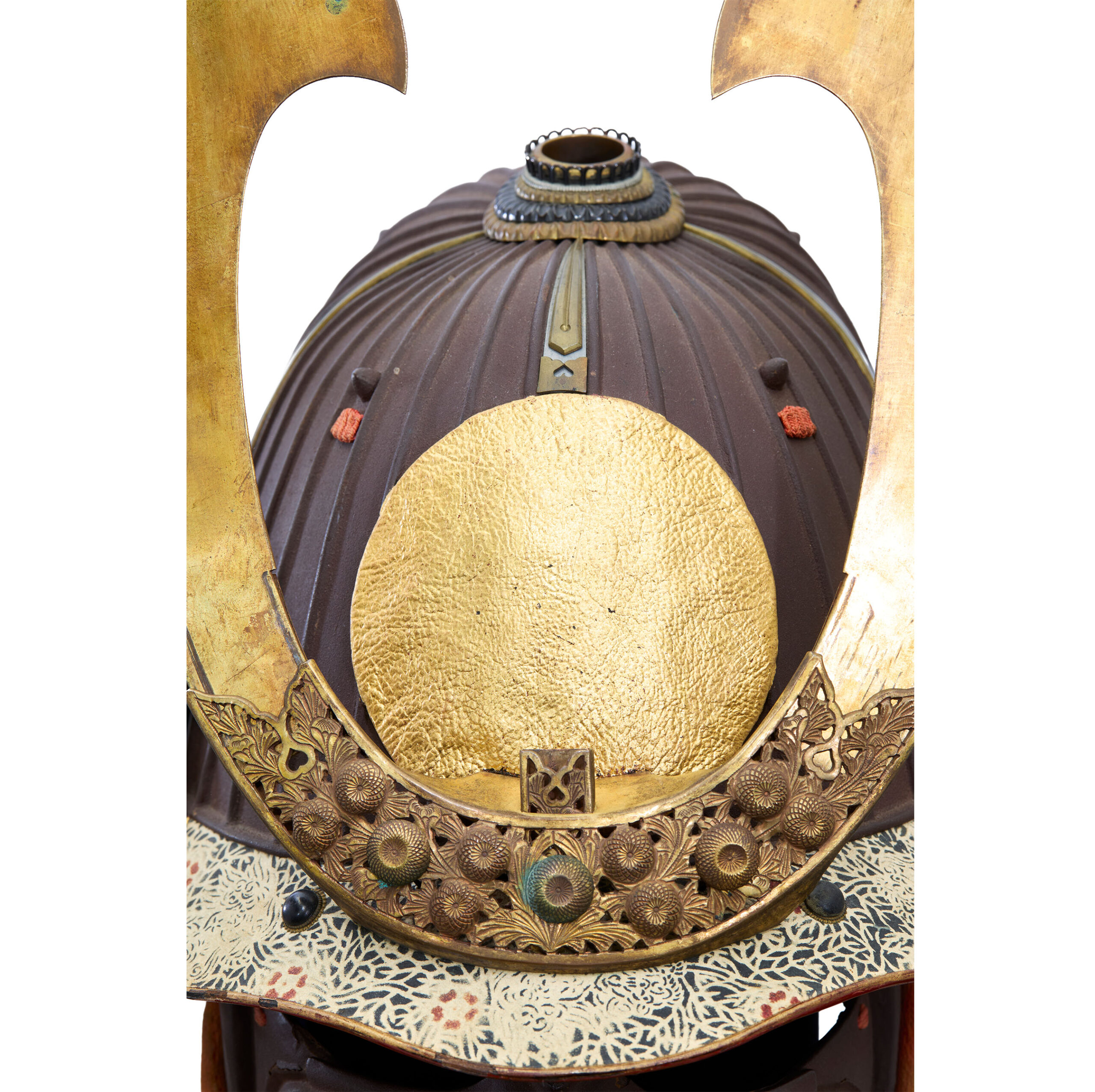
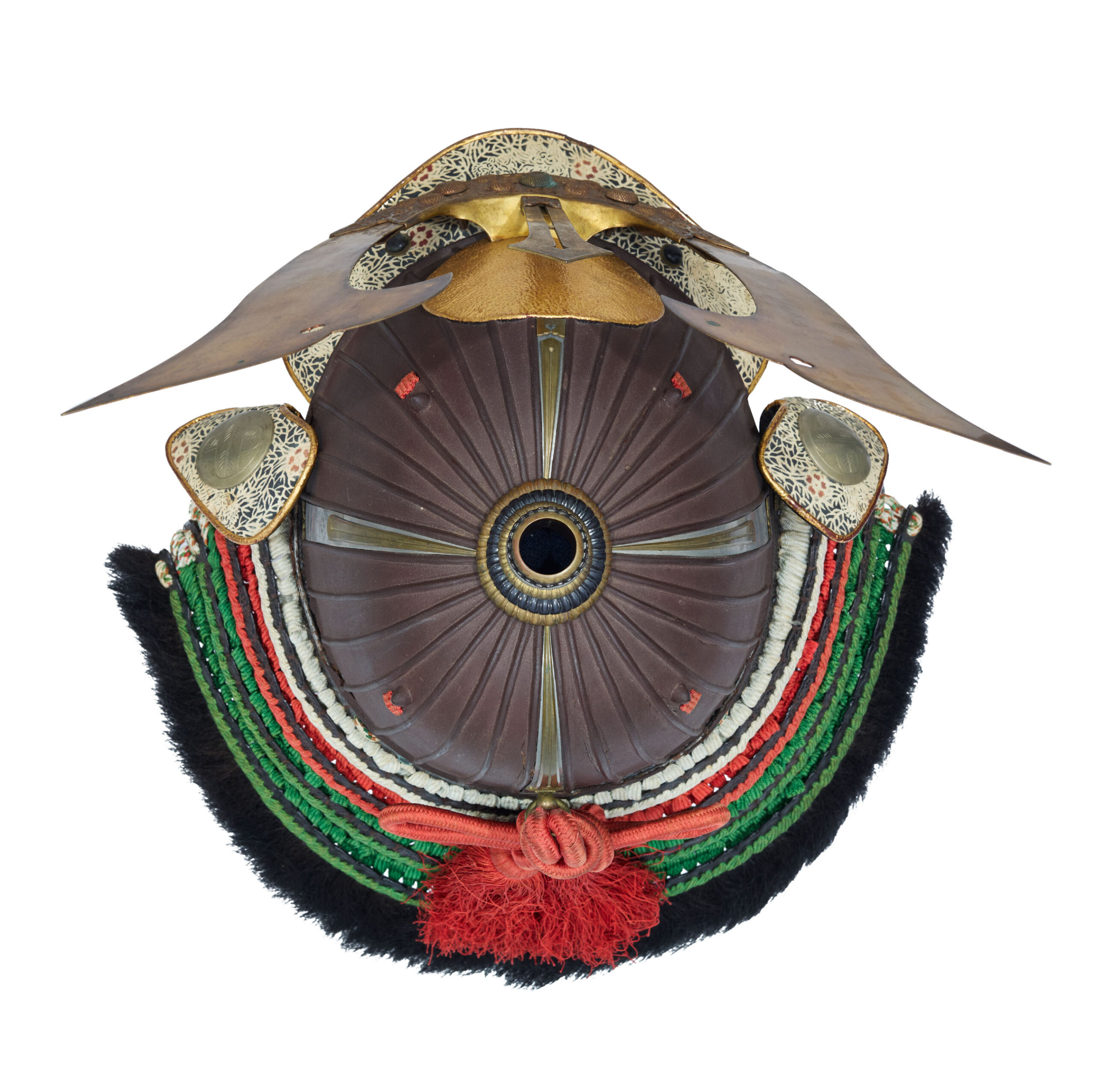
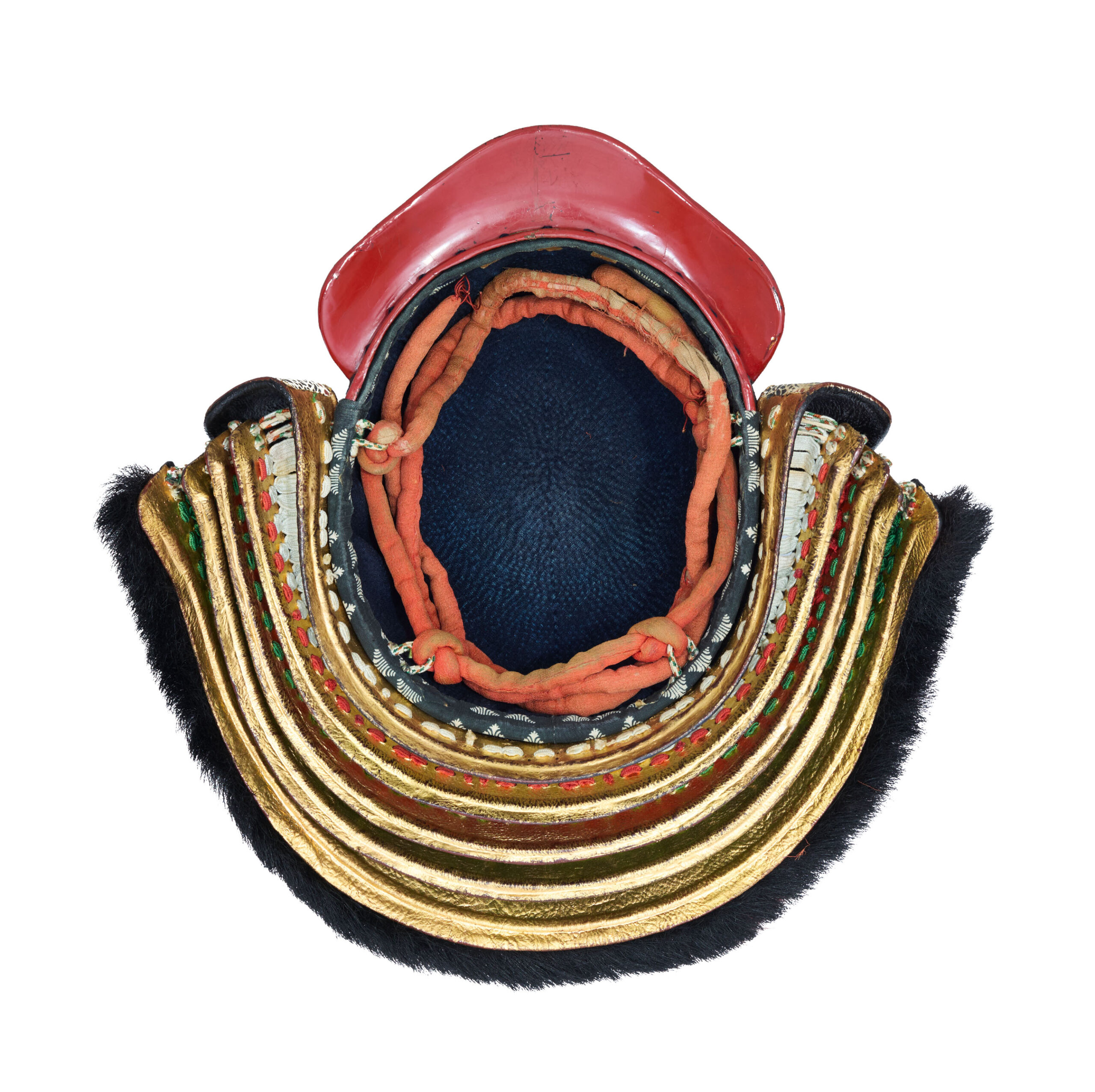
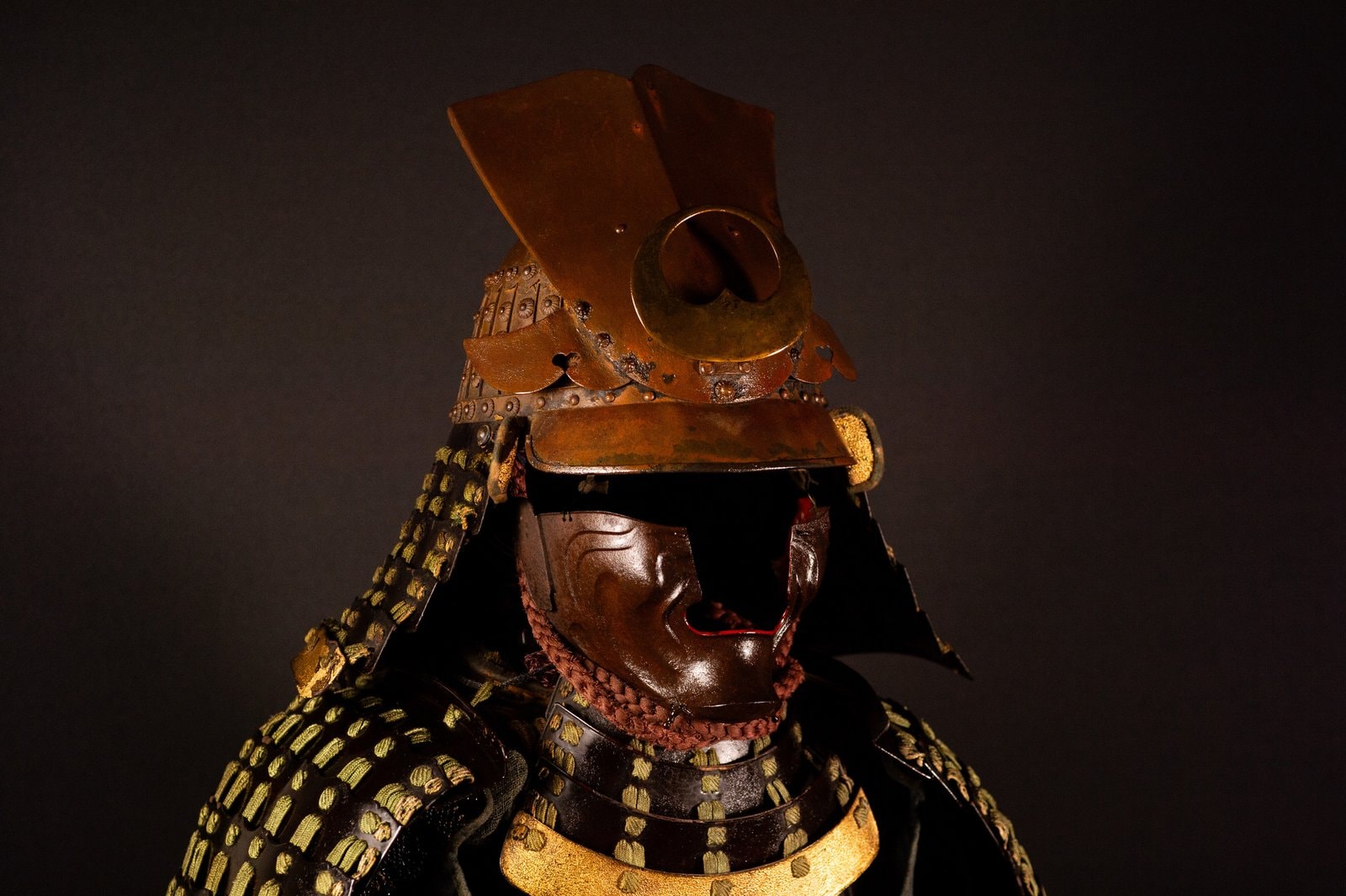
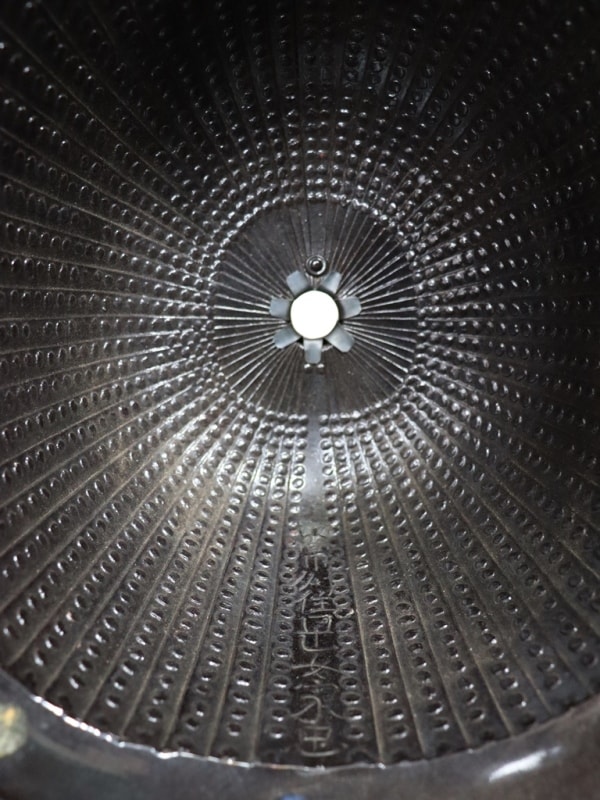
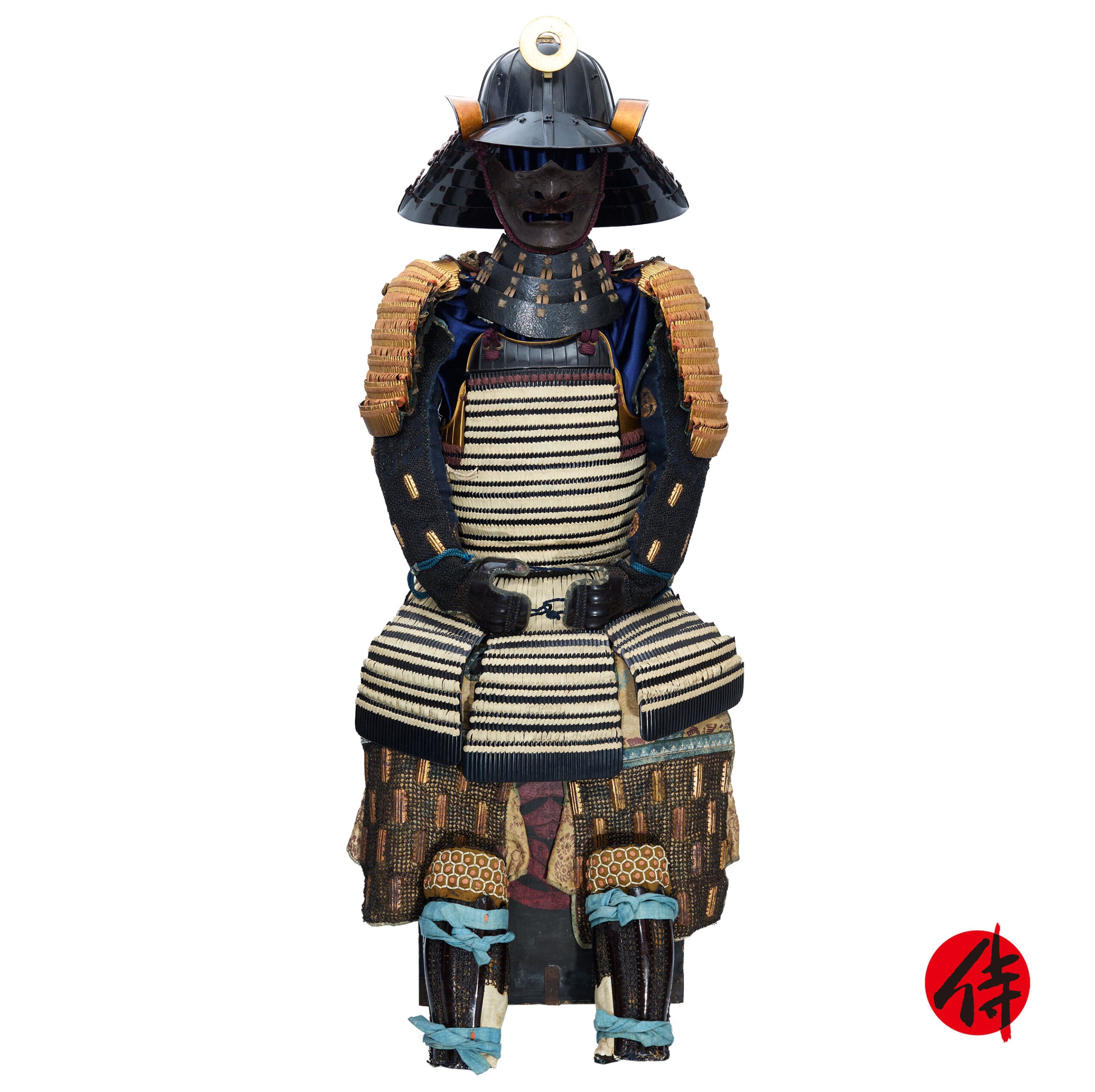
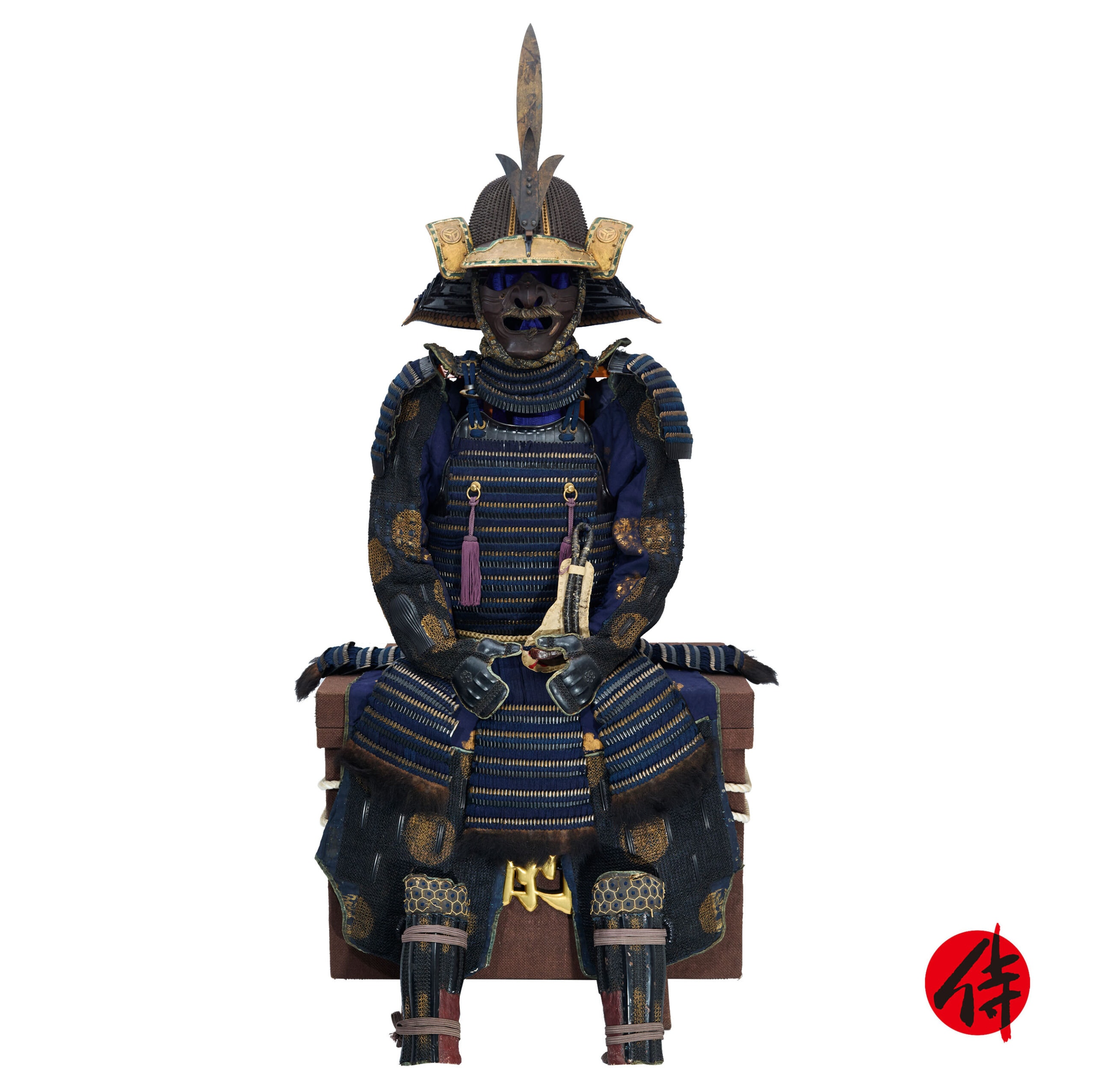
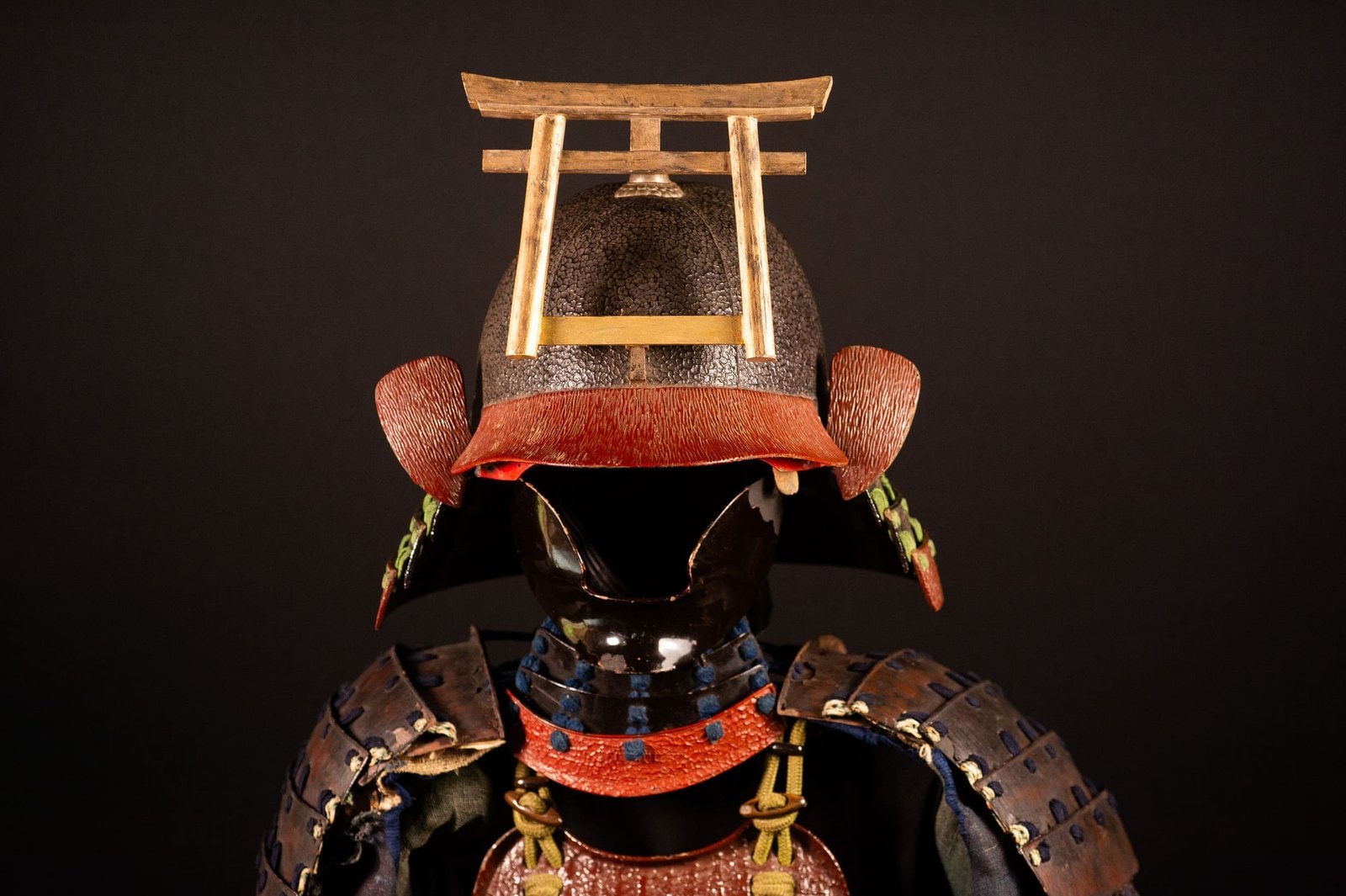
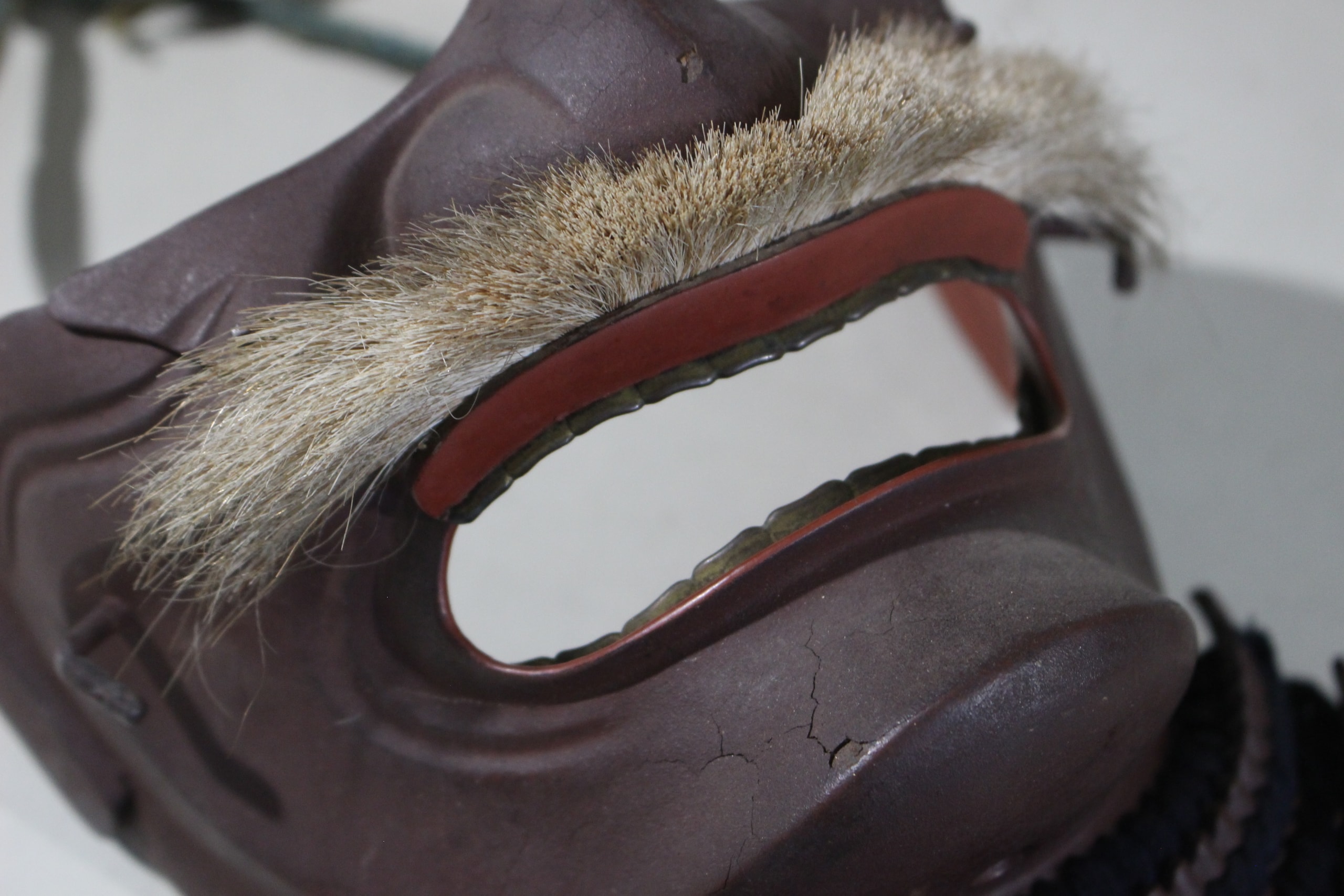
Antique Late Edo Period Samurai Armor with Tokubetsu Kicho Shiryo Certificate (A-62) Period: Late Edo Period (1781-1867) appraised by The Association for the Research and Preservation of Japanese Helmets and Armor on March 15th 2026. Kabuto (helmet) ■Helmet bowl: Suji Kabuto The kabuto (helmet) served as essential head protection for the samurai. While early helmets were designed primarily for practical use, over time they came to express the warrior’s dignity, individuality, and even religious beliefs. From the late Muromachi period to the Edo period, more decorative helmets known as kawari kabuto (unusual or exotic helmets) appeared, often adorned with materials such as animal fur, seashells, plants, or paper. Among the more practical designs, the suji kabuto (ridged helmet) became highly valued. Its bowl was constructed with raised ridges designed to deflect the strikes of swords, reducing their impact. This innovation also contributed to weight reduction, meeting the demands of changing battle tactics in the 14th–16th centuries. Production of suji kabuto flourished during the Muromachi period. This example is a Sanjūniken Suji Kabuto (Thirty-Two Plate Suji Kabuto), made by riveting together 32 individual iron plates to form the helmet bowl, with radiating ridges that combine both beauty and functionality. The use of such a high number of plates created a smoother, more rounded silhouette, showcasing the advanced craftsmanship of armorers of the time. Furthermore, at the very top of the helmet bowl is the tehen-no-ana (天辺の穴, “top opening”), which in this piece is adorned with an intricate design: a chrysanthemum flower at the center. In Japanese culture, the chrysanthemum is a symbol of nobility and longevity, famously associated with the Imperial family. The arabesque motif, depicting endlessly extending vines, represents vitality, prosperity, and the flourishing of descendants. Originally, the tehen-no-ana was a functional opening through which the warrior’s topknot (mage) would protrude. However, as it provided an easy target for enemy attacks, this practice gradually disappeared around the Kamakura period (1185–1333). Thereafter, the opening lost its practical use and instead became a space for elaborate decoration, as seen in this example. ■Shikoro (side neck guard): ■Fukikaeshi (side neck guard) The fukikaeshi are the side flaps attached to both ends of a samurai helmet (kabuto). They served a defensive function by protecting the face from sword strikes, while also providing space for decorative designs that indicated a warrior’s status and affiliation. The fukikaeshi of this helmet bear the Taka no ha-mon (鷹の羽紋, hawk feather crest), one of the most iconic family crests in Japan. Hawks have long captivated people with the elegance of their flight and the fierceness they display when pursuing prey. For the samurai class in particular, the hawk was an object of admiration. In addition, hawks were closely associated with humans through the practice of falconry (takagari), where they played an active role in hunting. Because of their powerful image and their deep connection with people, hawks came to symbolize strength and authority. From this cultural background, the Taka no ha-mon emerged and spread widely among warrior families. The underlying decorative motif appears to be Kara-jishi Botan (唐獅子牡丹), a traditional design combining a Chinese lion (karajishi) and peonies. This motif symbolizes courage, nobility, and protection, with the lion representing strength and the peony—often called the “king of flowers”—signifying wealth and elegance. Together, they form an auspicious design frequently associated with the warrior class and protective symbolism. ■Menpo (face guard): Ressēmen (烈勢面) This type of menpō (face guard) is called a ressēmen (烈勢面). The name literally means “fierce expression mask.” As the term suggests, it was crafted to give the wearer a fearsome look on the battlefield. Such masks not only provided pro

NihontoWatch MonNihontoWatchBETA
MarketAuctionsEncyclopedia
甲冑›Armor›Antique Late Edo Period Samurai Armor Tokubetsu Kicho Shiryo Certificate (A-62)
甲冑Tokubetsu Kicho Shiryo

Antique Late Edo Period Samurai Armor Tokubetsu Kicho Shiryo Certificate (A-62)

江戸

売却済
Antique Late Edo Period Samurai Armor Tokubetsu Kicho Shiryo Certificate (A-62) — 1 of 20
Antique Late Edo Period Samurai Armor Tokubetsu Kicho Shiryo Certificate (A-62) — 2 of 20
Antique Late Edo Period Samurai Armor Tokubetsu Kicho Shiryo Certificate (A-62) — 3 of 20
Antique Late Edo Period Samurai Armor Tokubetsu Kicho Shiryo Certificate (A-62) — 4 of 20
Antique Late Edo Period Samurai Armor Tokubetsu Kicho Shiryo Certificate (A-62) — 5 of 20
Antique Late Edo Period Samurai Armor Tokubetsu Kicho Shiryo Certificate (A-62) — 6 of 20
Antique Late Edo Period Samurai Armor Tokubetsu Kicho Shiryo Certificate (A-62) — 7 of 20
Antique Late Edo Period Samurai Armor Tokubetsu Kicho Shiryo Certificate (A-62) — 8 of 20
Antique Late Edo Period Samurai Armor Tokubetsu Kicho Shiryo Certificate (A-62) — 9 of 20
Antique Late Edo Period Samurai Armor Tokubetsu Kicho Shiryo Certificate (A-62) — 10 of 20
Antique Late Edo Period Samurai Armor Tokubetsu Kicho Shiryo Certificate (A-62) — 11 of 20
Antique Late Edo Period Samurai Armor Tokubetsu Kicho Shiryo Certificate (A-62) — 12 of 20
Antique Late Edo Period Samurai Armor Tokubetsu Kicho Shiryo Certificate (A-62) — 13 of 20
Antique Late Edo Period Samurai Armor Tokubetsu Kicho Shiryo Certificate (A-62) — 14 of 20
Antique Late Edo Period Samurai Armor Tokubetsu Kicho Shiryo Certificate (A-62) — 15 of 20
Antique Late Edo Period Samurai Armor Tokubetsu Kicho Shiryo Certificate (A-62) — 16 of 20
Antique Late Edo Period Samurai Armor Tokubetsu Kicho Shiryo Certificate (A-62) — 17 of 20
Antique Late Edo Period Samurai Armor Tokubetsu Kicho Shiryo Certificate (A-62) — 18 of 20
Antique Late Edo Period Samurai Armor Tokubetsu Kicho Shiryo Certificate (A-62) — 19 of 20
Antique Late Edo Period Samurai Armor Tokubetsu Kicho Shiryo Certificate (A-62) — 20 of 20
1 / 20
1 / 20
Antique Late Edo Period Samurai Armor Tokubetsu Kicho Shiryo Certificate (A-62) — 1 of 20Antique Late Edo Period Samurai Armor Tokubetsu Kicho Shiryo Certificate (A-62) — 2 of 20Antique Late Edo Period Samurai Armor Tokubetsu Kicho Shiryo Certificate (A-62) — 3 of 20Antique Late Edo Period Samurai Armor Tokubetsu Kicho Shiryo Certificate (A-62) — 4 of 20Antique Late Edo Period Samurai Armor Tokubetsu Kicho Shiryo Certificate (A-62) — 5 of 20Antique Late Edo Period Samurai Armor Tokubetsu Kicho Shiryo Certificate (A-62) — 6 of 20Antique Late Edo Period Samurai Armor Tokubetsu Kicho Shiryo Certificate (A-62) — 7 of 20Antique Late Edo Period Samurai Armor Tokubetsu Kicho Shiryo Certificate (A-62) — 8 of 20Antique Late Edo Period Samurai Armor Tokubetsu Kicho Shiryo Certificate (A-62) — 9 of 20Antique Late Edo Period Samurai Armor Tokubetsu Kicho Shiryo Certificate (A-62) — 10 of 20Antique Late Edo Period Samurai Armor Tokubetsu Kicho Shiryo Certificate (A-62) — 11 of 20Antique Late Edo Period Samurai Armor Tokubetsu Kicho Shiryo Certificate (A-62) — 12 of 20Antique Late Edo Period Samurai Armor Tokubetsu Kicho Shiryo Certificate (A-62) — 13 of 20Antique Late Edo Period Samurai Armor Tokubetsu Kicho Shiryo Certificate (A-62) — 14 of 20Antique Late Edo Period Samurai Armor Tokubetsu Kicho Shiryo Certificate (A-62) — 15 of 20Antique Late Edo Period Samurai Armor Tokubetsu Kicho Shiryo Certificate (A-62) — 16 of 20Antique Late Edo Period Samurai Armor Tokubetsu Kicho Shiryo Certificate (A-62) — 17 of 20Antique Late Edo Period Samurai Armor Tokubetsu Kicho Shiryo Certificate (A-62) — 18 of 20Antique Late Edo Period Samurai Armor Tokubetsu Kicho Shiryo Certificate (A-62) — 19 of 20Antique Late Edo Period Samurai Armor Tokubetsu Kicho Shiryo Certificate (A-62) — 20 of 20
法量・詳細

仕様

形式

当世具足 · 二枚胴

揃い

具足一連(完備)

兜

32間 · 筋鉢

銘

無銘

膕(おどし)

Orange, Green, White

家紋

Taka no ha-mon (hawk feather crest)

時代

江戸

鑑定書

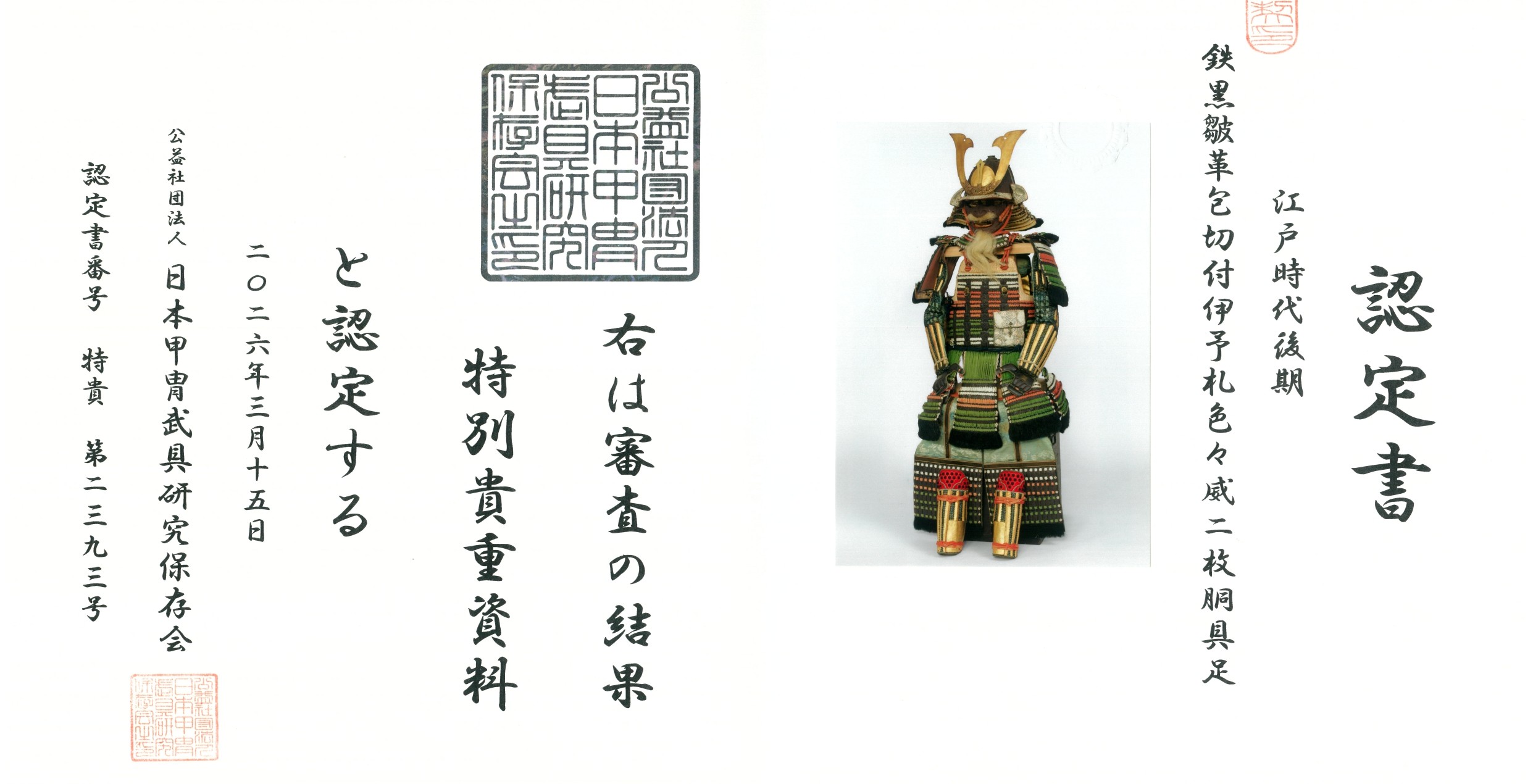
特別貴重資料 · 日本甲胄武具研究保存会

説明

Antique Late Edo Period Samurai Armor with Tokubetsu Kicho Shiryo Certificate (A-62) Period: Late Edo Period (1781-1867) appraised by The Association for the Research and Preservation of Japanese Helmets and Armor on March 15th 2026. Kabuto (helmet) ■Helmet bowl: Suji Kabuto The kabuto (helmet) served as essential head protection for the samurai. While early helmets were designed primarily for practical use, over time they came to express the warrior’s dignity, individuality, and even religious beliefs. From the late Muromachi period to the Edo period, more decorative helmets known as kawari kabuto (unusual or exotic helmets) appeared, often adorned with materials such as animal fur, seashells, plants, or paper. Among the more practical designs, the suji kabuto (ridged helmet) became highly valued. Its bowl was constructed with raised ridges designed to deflect the strikes of swords, reducing their impact. This innovation also contributed to weight reduction, meeting the demands of changing battle tactics in the 14th–16th centuries. Production of suji kabuto flourished during the Muromachi period. This example is a Sanjūniken Suji Kabuto (Thirty-Two Plate Suji Kabuto), made by riveting together 32 individual iron plates to form the helmet bowl, with radiating ridges that combine both beauty and functionality. The use of such a high number of plates created a smoother, more rounded silhouette, showcasing the advanced craftsmanship of armorers of the time. Furthermore, at the very top of the helmet bowl is the tehen-no-ana (天辺の穴, “top opening”), which in this piece is adorned with an intricate design: a chrysanthemum flower at the center. In Japanese culture, the chrysanthemum is a symbol of nobility and longevity, famously associated with the Imperial family. The arabesque motif, depicting endlessly extending vines, represents vitality, prosperity, and the flourishing of descendants. Originally, the tehen-no-ana was a functional opening through which the warrior’s topknot (mage) would protrude. However, as it provided an easy target for enemy attacks, this practice gradually disappeared around the Kamakura period (1185–1333). Thereafter, the opening lost its practical use and instead became a space for elaborate decoration, as seen in this example. ■Shikoro (side neck guard): ■Fukikaeshi (side neck guard) The fukikaeshi are the side flaps attached to both ends of a samurai helmet (kabuto). They served a defensive function by protecting the face from sword strikes, while also providing space for decorative designs that indicated a warrior’s status and affiliation. The fukikaeshi of this helmet bear the Taka no ha-mon (鷹の羽紋, hawk feather crest), one of the most iconic family crests in Japan. Hawks have long captivated people with the elegance of their flight and the fierceness they display when pursuing prey. For the samurai class in particular, the hawk was an object of admiration. In addition, hawks were closely associated with humans through the practice of falconry (takagari), where they played an active role in hunting. Because of their powerful image and their deep connection with people, hawks came to symbolize strength and authority. From this cultural background, the Taka no ha-mon emerged and spread widely among warrior families. The underlying decorative motif appears to be Kara-jishi Botan (唐獅子牡丹), a traditional design combining a Chinese lion (karajishi) and peonies. This motif symbolizes courage, nobility, and protection, with the lion representing strength and the peony—often called the “king of flowers”—signifying wealth and elegance. Together, they form an auspicious design frequently associated with the warrior class and protective symbolism. ■Menpo (face guard): Ressēmen (烈勢面) This type of menpō (face guard) is called a ressēmen (烈勢面). The name literally means “fierce expression mask.” As the term suggests, it was crafted to give the wearer a fearsome look on the battlefield. Such masks not only provided pro

日本甲冑武具研究保存会
Tokubetsu Kichō Shiryō特別貴重資料
Especially Valuable Reference Material
›

出来・保存状態が特に優れ、特別に貴重と認められた甲冑武具で、五段階の第三位にあたります。

甲冑武具研究保存会について›

甲冑はNBTHKの鑑定対象ではありません。日本甲冑武具研究保存会(1961年設立)が甲冑武具の研究・保存を担う中心的団体で、その審査は作品を「資料」として、保存資料・貴重資料・特別貴重資料・甲種特別貴重資料・最高位の重要文化資料という五段階で格付けします。「資料」という呼称は、刀剣の鑑定とは別に、甲冑を文化的・歴史的な資料として保存するという会の趣旨を表しています。

販売店
サ
サムライミュージアム
🇯🇵日本から発送
›
✓認証販売店samuraimuseum.jp
✓海外発送可✓英語対応PayPalクレジットカード
返品ポリシー

Returns/exchanges limited to defects caused by shipping (except willful misconduct or gross negligence by the company); customers must contact within 72 hours of receiving the product.
サムライミュージアムの出品一覧を見る→販売店サイトでこの商品を見る→

刀剣

  • 刀
  • 脇差
  • 短刀
  • 太刀
  • 薙刀
  • 槍

刀装具

  • 鍔
  • 縁頭
  • 小柄
  • 目貫

鑑定別

  • 特重
  • 重要
  • 特別保存
  • 保存

リソース

  • 刀剣商一覧
  • 刀工一覧
  • すべて見る
Nihontowatch© 2026
利用規約プライバシーCookie運営者情報

説明

Antique Late Edo Period Samurai Armor with Tokubetsu Kicho Shiryo Certificate (A-62) Period: Late Edo Period (1781-1867) appraised by The Association for the Research and Preservation of Japanese Helmets and Armor on March 15th 2026. Kabuto (helmet) ■Helmet bowl: Suji Kabuto The kabuto (helmet) served as essential head protection for the samurai. While early helmets were designed primarily for practical use, over time they came to express the warrior’s dignity, individuality, and even religious beliefs. From the late Muromachi period to the Edo period, more decorative helmets known as kawari kabuto (unusual or exotic helmets) appeared, often adorned with materials such as animal fur, seashells, plants, or paper. Among the more practical designs, the suji kabuto (ridged helmet) became highly valued. Its bowl was constructed with raised ridges designed to deflect the strikes of swords, reducing their impact. This innovation also contributed to weight reduction, meeting the demands of changing battle tactics in the 14th–16th centuries. Production of suji kabuto flourished during the Muromachi period. This example is a Sanjūniken Suji Kabuto (Thirty-Two Plate Suji Kabuto), made by riveting together 32 individual iron plates to form the helmet bowl, with radiating ridges that combine both beauty and functionality. The use of such a high number of plates created a smoother, more rounded silhouette, showcasing the advanced craftsmanship of armorers of the time. Furthermore, at the very top of the helmet bowl is the tehen-no-ana (天辺の穴, “top opening”), which in this piece is adorned with an intricate design: a chrysanthemum flower at the center. In Japanese culture, the chrysanthemum is a symbol of nobility and longevity, famously associated with the Imperial family. The arabesque motif, depicting endlessly extending vines, represents vitality, prosperity, and the flourishing of descendants. Originally, the tehen-no-ana was a functional opening through which the warrior’s topknot (mage) would protrude. However, as it provided an easy target for enemy attacks, this practice gradually disappeared around the Kamakura period (1185–1333). Thereafter, the opening lost its practical use and instead became a space for elaborate decoration, as seen in this example. ■Shikoro (side neck guard): ■Fukikaeshi (side neck guard) The fukikaeshi are the side flaps attached to both ends of a samurai helmet (kabuto). They served a defensive function by protecting the face from sword strikes, while also providing space for decorative designs that indicated a warrior’s status and affiliation. The fukikaeshi of this helmet bear the Taka no ha-mon (鷹の羽紋, hawk feather crest), one of the most iconic family crests in Japan. Hawks have long captivated people with the elegance of their flight and the fierceness they display when pursuing prey. For the samurai class in particular, the hawk was an object of admiration. In addition, hawks were closely associated with humans through the practice of falconry (takagari), where they played an active role in hunting. Because of their powerful image and their deep connection with people, hawks came to symbolize strength and authority. From this cultural background, the Taka no ha-mon emerged and spread widely among warrior families. The underlying decorative motif appears to be Kara-jishi Botan (唐獅子牡丹), a traditional design combining a Chinese lion (karajishi) and peonies. This motif symbolizes courage, nobility, and protection, with the lion representing strength and the peony—often called the “king of flowers”—signifying wealth and elegance. Together, they form an auspicious design frequently associated with the warrior class and protective symbolism. ■Menpo (face guard): Ressēmen (烈勢面) This type of menpō (face guard) is called a ressēmen (烈勢面). The name literally means “fierce expression mask.” As the term suggests, it was crafted to give the wearer a fearsome look on the battlefield. Such masks not only provided pro

NihontoWatch MonNihontoWatchBETA
MarketAuctionsEncyclopedia
甲冑›Armor›Antique Late Edo Period Samurai Armor Tokubetsu Kicho Shiryo Certificate (A-62)
甲冑Tokubetsu Kicho Shiryo

Antique Late Edo Period Samurai Armor Tokubetsu Kicho Shiryo Certificate (A-62)

江戸

売却済
Antique Late Edo Period Samurai Armor Tokubetsu Kicho Shiryo Certificate (A-62) — 1 of 20
Antique Late Edo Period Samurai Armor Tokubetsu Kicho Shiryo Certificate (A-62) — 2 of 20
Antique Late Edo Period Samurai Armor Tokubetsu Kicho Shiryo Certificate (A-62) — 3 of 20
Antique Late Edo Period Samurai Armor Tokubetsu Kicho Shiryo Certificate (A-62) — 4 of 20
Antique Late Edo Period Samurai Armor Tokubetsu Kicho Shiryo Certificate (A-62) — 5 of 20
Antique Late Edo Period Samurai Armor Tokubetsu Kicho Shiryo Certificate (A-62) — 6 of 20
Antique Late Edo Period Samurai Armor Tokubetsu Kicho Shiryo Certificate (A-62) — 7 of 20
Antique Late Edo Period Samurai Armor Tokubetsu Kicho Shiryo Certificate (A-62) — 8 of 20
Antique Late Edo Period Samurai Armor Tokubetsu Kicho Shiryo Certificate (A-62) — 9 of 20
Antique Late Edo Period Samurai Armor Tokubetsu Kicho Shiryo Certificate (A-62) — 10 of 20
Antique Late Edo Period Samurai Armor Tokubetsu Kicho Shiryo Certificate (A-62) — 11 of 20
Antique Late Edo Period Samurai Armor Tokubetsu Kicho Shiryo Certificate (A-62) — 12 of 20
Antique Late Edo Period Samurai Armor Tokubetsu Kicho Shiryo Certificate (A-62) — 13 of 20
Antique Late Edo Period Samurai Armor Tokubetsu Kicho Shiryo Certificate (A-62) — 14 of 20
Antique Late Edo Period Samurai Armor Tokubetsu Kicho Shiryo Certificate (A-62) — 15 of 20
Antique Late Edo Period Samurai Armor Tokubetsu Kicho Shiryo Certificate (A-62) — 16 of 20
Antique Late Edo Period Samurai Armor Tokubetsu Kicho Shiryo Certificate (A-62) — 17 of 20
Antique Late Edo Period Samurai Armor Tokubetsu Kicho Shiryo Certificate (A-62) — 18 of 20
Antique Late Edo Period Samurai Armor Tokubetsu Kicho Shiryo Certificate (A-62) — 19 of 20
Antique Late Edo Period Samurai Armor Tokubetsu Kicho Shiryo Certificate (A-62) — 20 of 20
1 / 20
1 / 20
Antique Late Edo Period Samurai Armor Tokubetsu Kicho Shiryo Certificate (A-62) — 1 of 20Antique Late Edo Period Samurai Armor Tokubetsu Kicho Shiryo Certificate (A-62) — 2 of 20Antique Late Edo Period Samurai Armor Tokubetsu Kicho Shiryo Certificate (A-62) — 3 of 20Antique Late Edo Period Samurai Armor Tokubetsu Kicho Shiryo Certificate (A-62) — 4 of 20Antique Late Edo Period Samurai Armor Tokubetsu Kicho Shiryo Certificate (A-62) — 5 of 20Antique Late Edo Period Samurai Armor Tokubetsu Kicho Shiryo Certificate (A-62) — 6 of 20Antique Late Edo Period Samurai Armor Tokubetsu Kicho Shiryo Certificate (A-62) — 7 of 20Antique Late Edo Period Samurai Armor Tokubetsu Kicho Shiryo Certificate (A-62) — 8 of 20Antique Late Edo Period Samurai Armor Tokubetsu Kicho Shiryo Certificate (A-62) — 9 of 20Antique Late Edo Period Samurai Armor Tokubetsu Kicho Shiryo Certificate (A-62) — 10 of 20Antique Late Edo Period Samurai Armor Tokubetsu Kicho Shiryo Certificate (A-62) — 11 of 20Antique Late Edo Period Samurai Armor Tokubetsu Kicho Shiryo Certificate (A-62) — 12 of 20Antique Late Edo Period Samurai Armor Tokubetsu Kicho Shiryo Certificate (A-62) — 13 of 20Antique Late Edo Period Samurai Armor Tokubetsu Kicho Shiryo Certificate (A-62) — 14 of 20Antique Late Edo Period Samurai Armor Tokubetsu Kicho Shiryo Certificate (A-62) — 15 of 20Antique Late Edo Period Samurai Armor Tokubetsu Kicho Shiryo Certificate (A-62) — 16 of 20Antique Late Edo Period Samurai Armor Tokubetsu Kicho Shiryo Certificate (A-62) — 17 of 20Antique Late Edo Period Samurai Armor Tokubetsu Kicho Shiryo Certificate (A-62) — 18 of 20Antique Late Edo Period Samurai Armor Tokubetsu Kicho Shiryo Certificate (A-62) — 19 of 20Antique Late Edo Period Samurai Armor Tokubetsu Kicho Shiryo Certificate (A-62) — 20 of 20
法量・詳細

仕様

形式

当世具足 · 二枚胴

揃い

具足一連(完備)

兜

32間 · 筋鉢

銘

無銘

膕(おどし)

Orange, Green, White

家紋

Taka no ha-mon (hawk feather crest)

時代

江戸

鑑定書

特別貴重資料 · 日本甲胄武具研究保存会

説明

Antique Late Edo Period Samurai Armor with Tokubetsu Kicho Shiryo Certificate (A-62) Period: Late Edo Period (1781-1867) appraised by The Association for the Research and Preservation of Japanese Helmets and Armor on March 15th 2026. Kabuto (helmet) ■Helmet bowl: Suji Kabuto The kabuto (helmet) served as essential head protection for the samurai. While early helmets were designed primarily for practical use, over time they came to express the warrior’s dignity, individuality, and even religious beliefs. From the late Muromachi period to the Edo period, more decorative helmets known as kawari kabuto (unusual or exotic helmets) appeared, often adorned with materials such as animal fur, seashells, plants, or paper. Among the more practical designs, the suji kabuto (ridged helmet) became highly valued. Its bowl was constructed with raised ridges designed to deflect the strikes of swords, reducing their impact. This innovation also contributed to weight reduction, meeting the demands of changing battle tactics in the 14th–16th centuries. Production of suji kabuto flourished during the Muromachi period. This example is a Sanjūniken Suji Kabuto (Thirty-Two Plate Suji Kabuto), made by riveting together 32 individual iron plates to form the helmet bowl, with radiating ridges that combine both beauty and functionality. The use of such a high number of plates created a smoother, more rounded silhouette, showcasing the advanced craftsmanship of armorers of the time. Furthermore, at the very top of the helmet bowl is the tehen-no-ana (天辺の穴, “top opening”), which in this piece is adorned with an intricate design: a chrysanthemum flower at the center. In Japanese culture, the chrysanthemum is a symbol of nobility and longevity, famously associated with the Imperial family. The arabesque motif, depicting endlessly extending vines, represents vitality, prosperity, and the flourishing of descendants. Originally, the tehen-no-ana was a functional opening through which the warrior’s topknot (mage) would protrude. However, as it provided an easy target for enemy attacks, this practice gradually disappeared around the Kamakura period (1185–1333). Thereafter, the opening lost its practical use and instead became a space for elaborate decoration, as seen in this example. ■Shikoro (side neck guard): ■Fukikaeshi (side neck guard) The fukikaeshi are the side flaps attached to both ends of a samurai helmet (kabuto). They served a defensive function by protecting the face from sword strikes, while also providing space for decorative designs that indicated a warrior’s status and affiliation. The fukikaeshi of this helmet bear the Taka no ha-mon (鷹の羽紋, hawk feather crest), one of the most iconic family crests in Japan. Hawks have long captivated people with the elegance of their flight and the fierceness they display when pursuing prey. For the samurai class in particular, the hawk was an object of admiration. In addition, hawks were closely associated with humans through the practice of falconry (takagari), where they played an active role in hunting. Because of their powerful image and their deep connection with people, hawks came to symbolize strength and authority. From this cultural background, the Taka no ha-mon emerged and spread widely among warrior families. The underlying decorative motif appears to be Kara-jishi Botan (唐獅子牡丹), a traditional design combining a Chinese lion (karajishi) and peonies. This motif symbolizes courage, nobility, and protection, with the lion representing strength and the peony—often called the “king of flowers”—signifying wealth and elegance. Together, they form an auspicious design frequently associated with the warrior class and protective symbolism. ■Menpo (face guard): Ressēmen (烈勢面) This type of menpō (face guard) is called a ressēmen (烈勢面). The name literally means “fierce expression mask.” As the term suggests, it was crafted to give the wearer a fearsome look on the battlefield. Such masks not only provided pro

日本甲冑武具研究保存会
Tokubetsu Kichō Shiryō特別貴重資料
Especially Valuable Reference Material
›

出来・保存状態が特に優れ、特別に貴重と認められた甲冑武具で、五段階の第三位にあたります。

甲冑武具研究保存会について›

甲冑はNBTHKの鑑定対象ではありません。日本甲冑武具研究保存会(1961年設立)が甲冑武具の研究・保存を担う中心的団体で、その審査は作品を「資料」として、保存資料・貴重資料・特別貴重資料・甲種特別貴重資料・最高位の重要文化資料という五段階で格付けします。「資料」という呼称は、刀剣の鑑定とは別に、甲冑を文化的・歴史的な資料として保存するという会の趣旨を表しています。

販売店
サ
サムライミュージアム
🇯🇵日本から発送
›
✓認証販売店samuraimuseum.jp
✓海外発送可✓英語対応PayPalクレジットカード
返品ポリシー

Returns/exchanges limited to defects caused by shipping (except willful misconduct or gross negligence by the company); customers must contact within 72 hours of receiving the product.
サムライミュージアムの出品一覧を見る→販売店サイトでこの商品を見る→

刀剣

  • 刀
  • 脇差
  • 短刀
  • 太刀
  • 薙刀
  • 槍

刀装具

  • 鍔
  • 縁頭
  • 小柄
  • 目貫

鑑定別

  • 特重
  • 重要
  • 特別保存
  • 保存

リソース

  • 刀剣商一覧
  • 刀工一覧
  • すべて見る
Nihontowatch© 2026
利用規約プライバシーCookie運営者情報
NihontoWatch Mon

NihontoWatchBETA

マーケットオークション
事典
NihontoWatch Mon

NihontoWatchBETA

マーケットオークション
事典