二十世紀は二度この工芸を殺しかけた。戦時の歪みと、占領下の禁令である。1948年の日刀保設立と1953年の作刀再開が刀を美術として再建し、人間国宝と無鑑査がその頂に立つ。
 NihontoWatchNihontoWatch
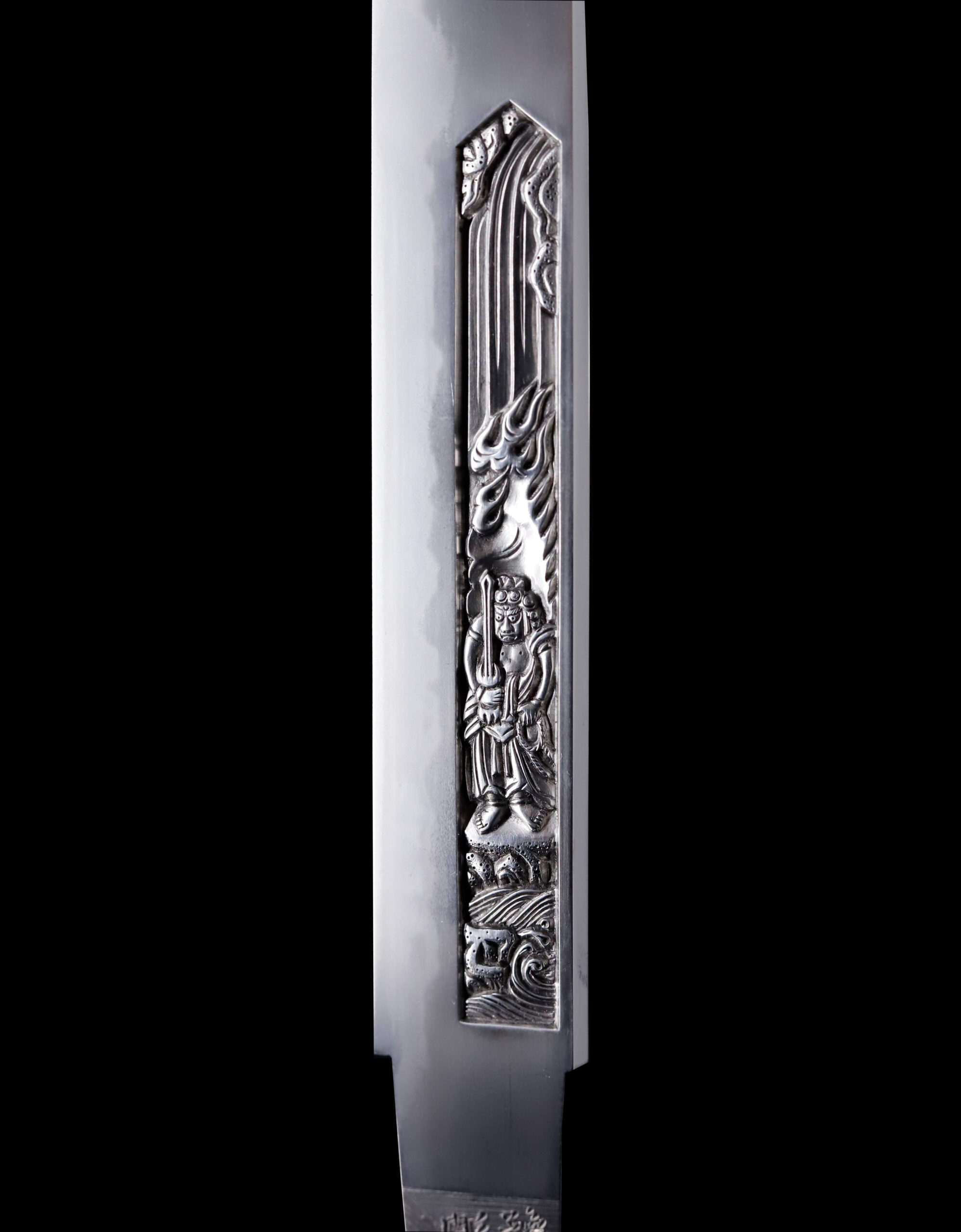
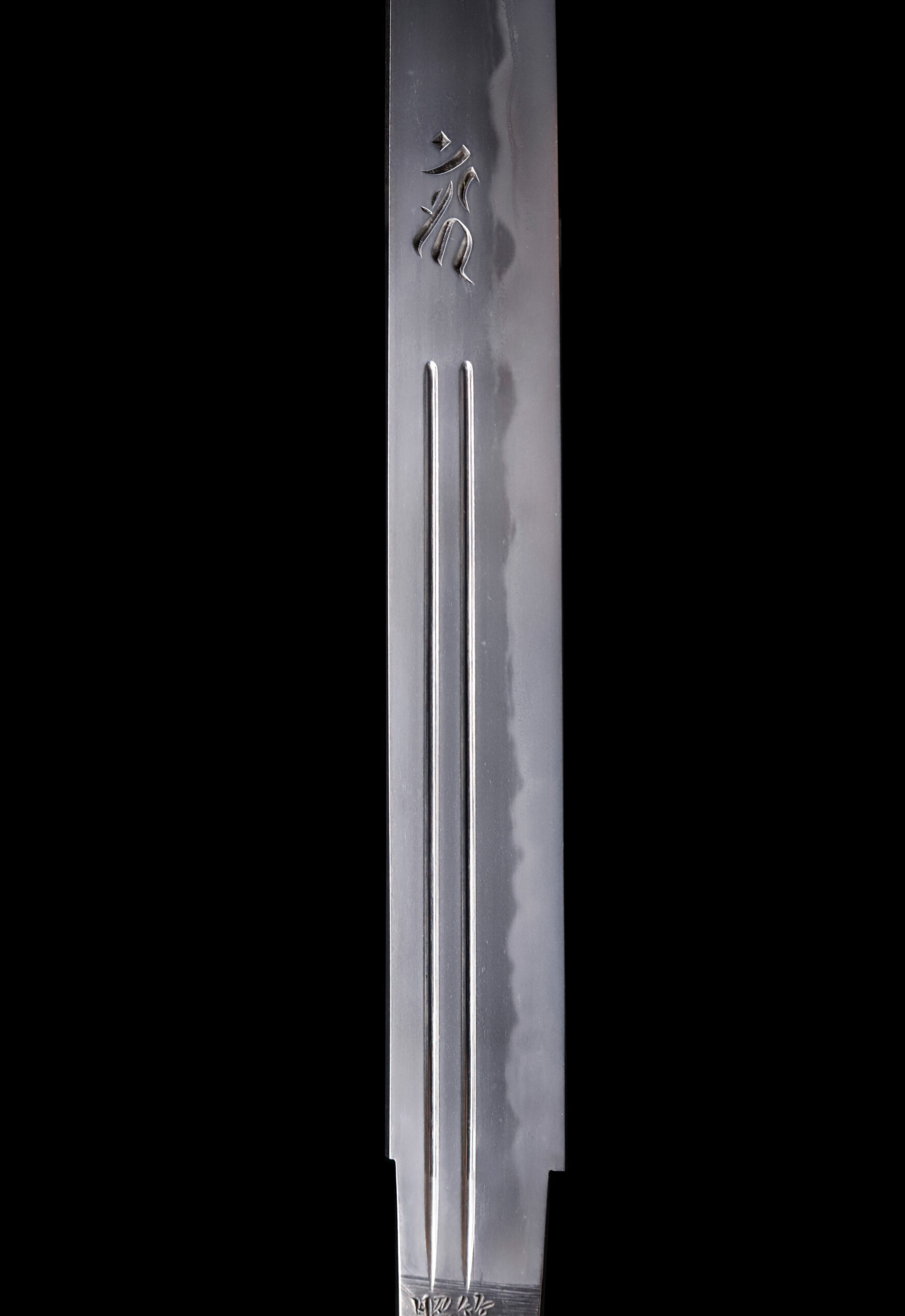
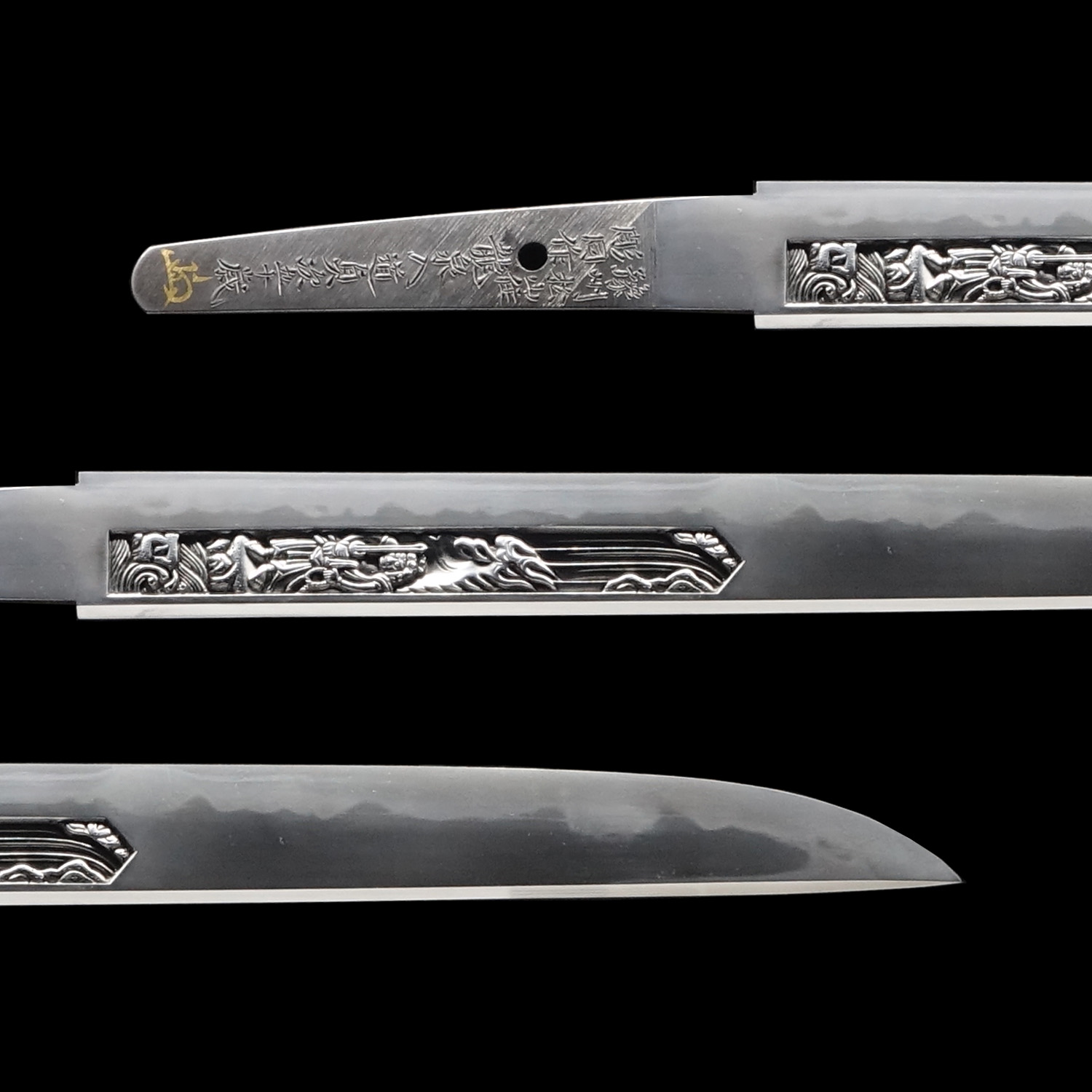
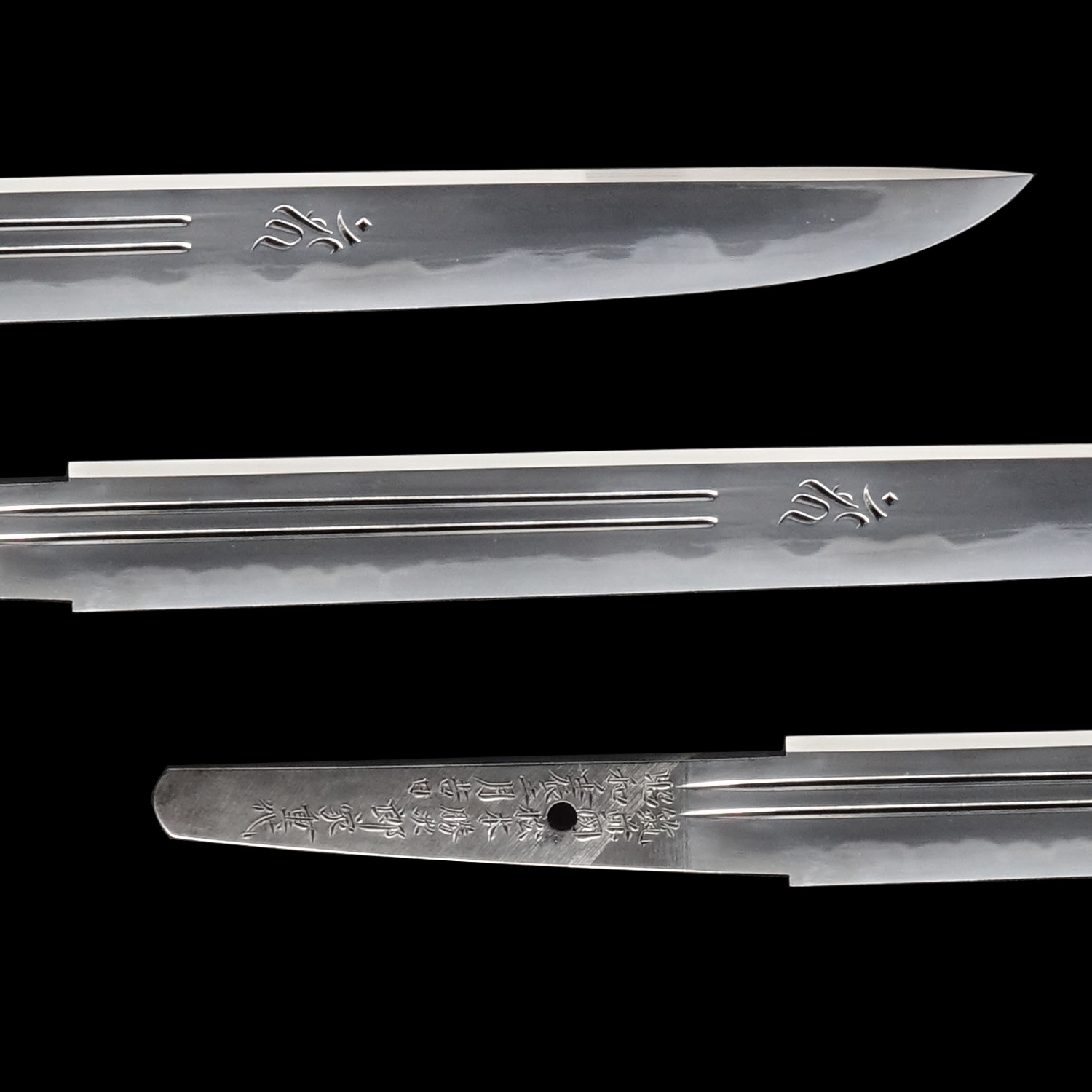
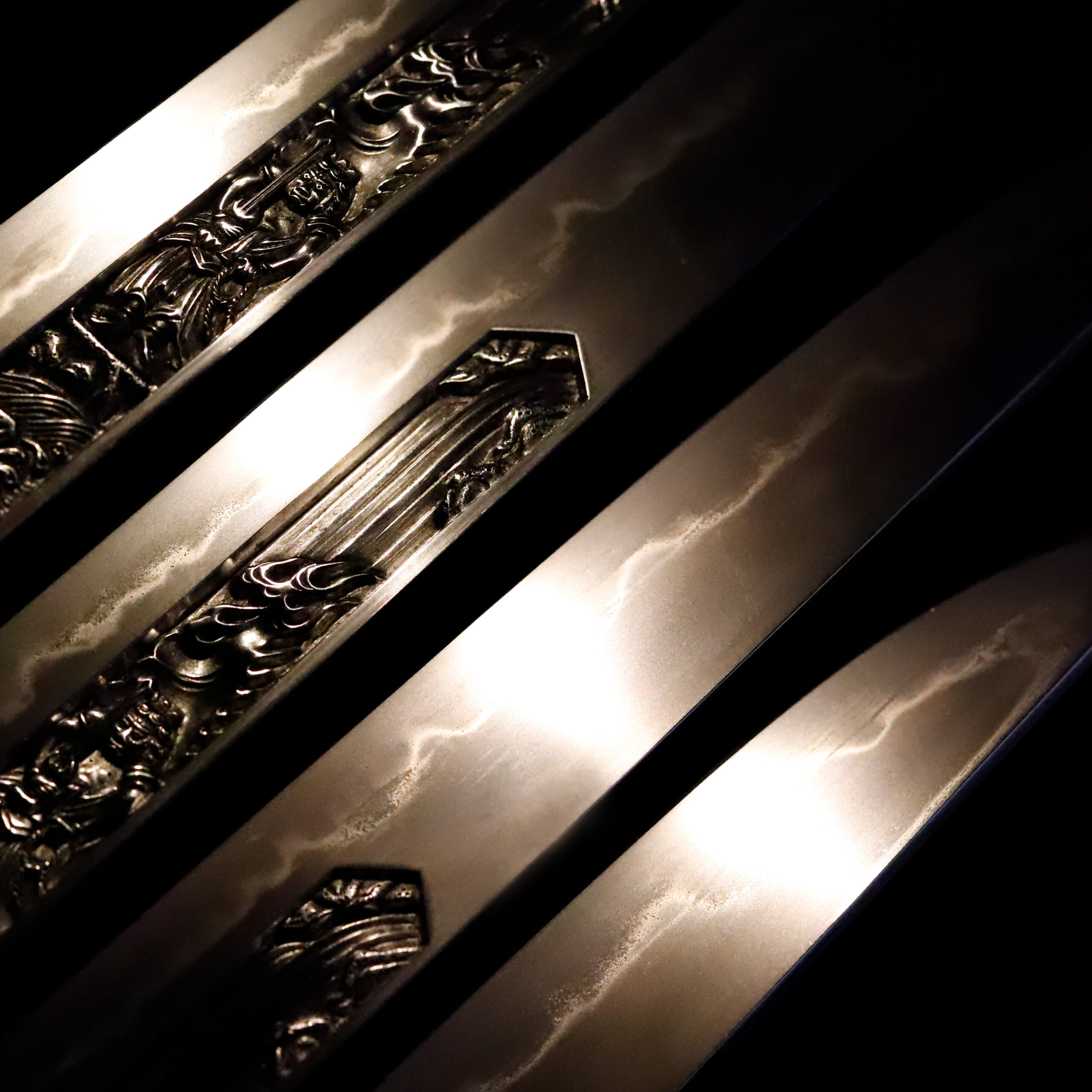
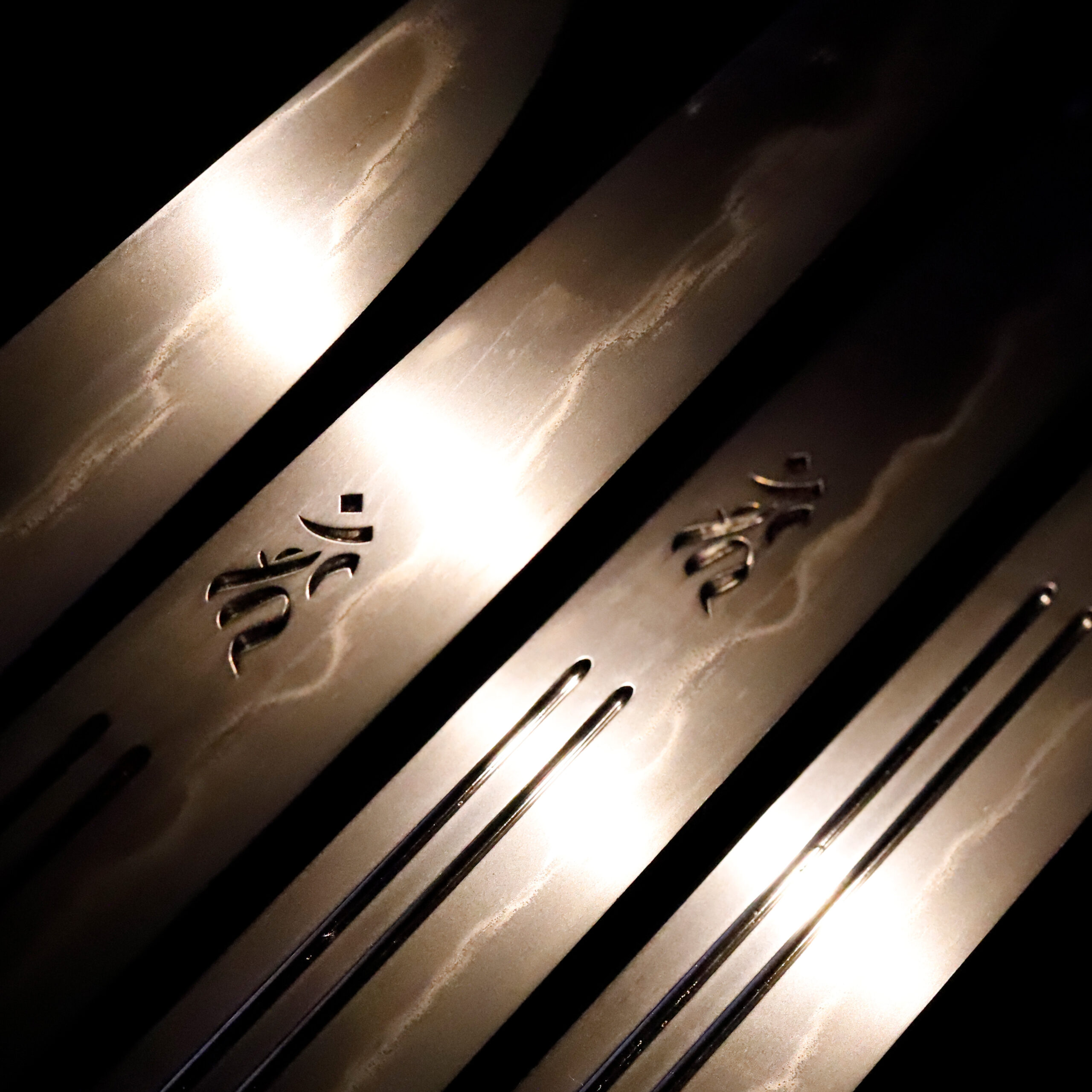
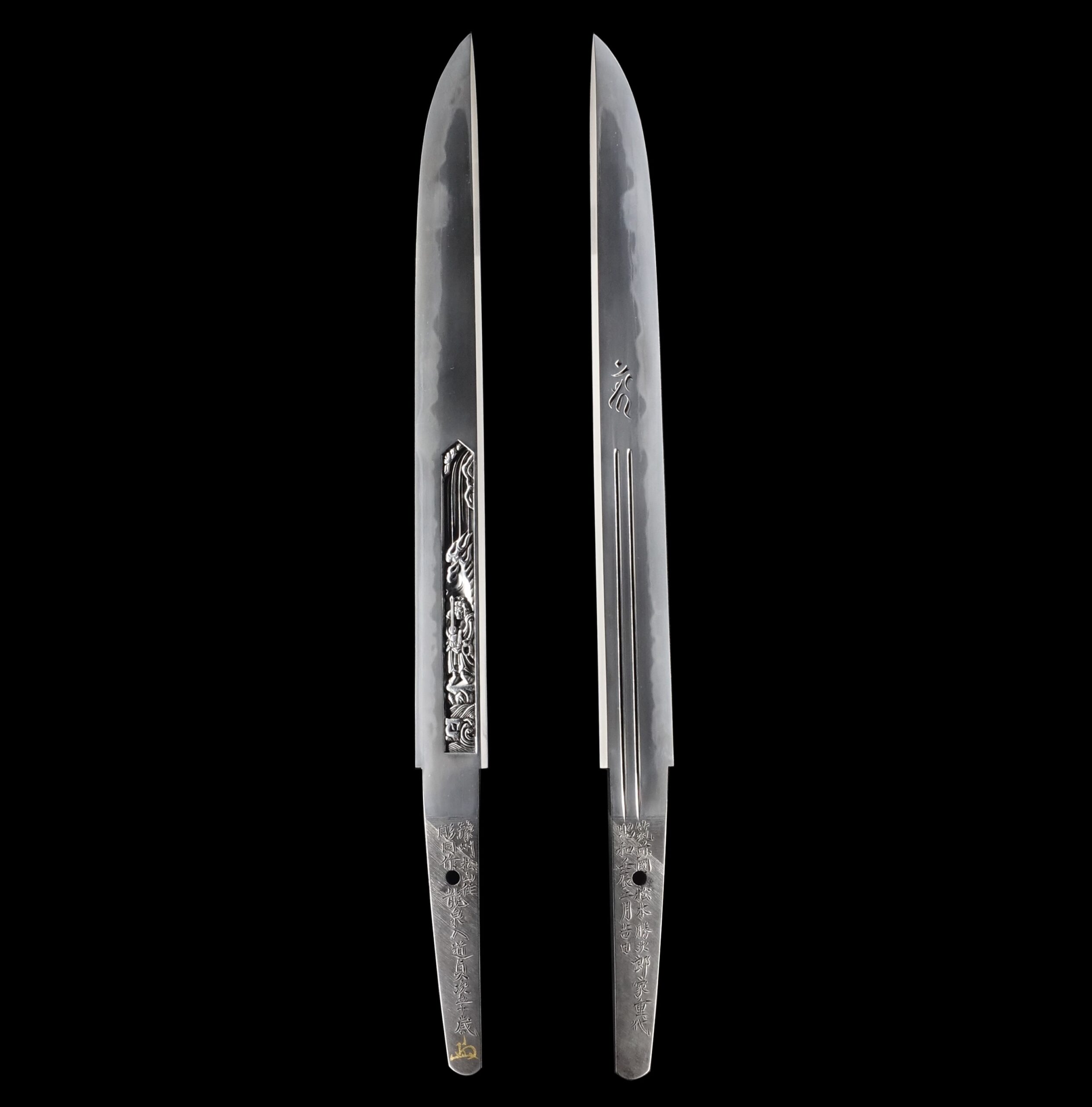
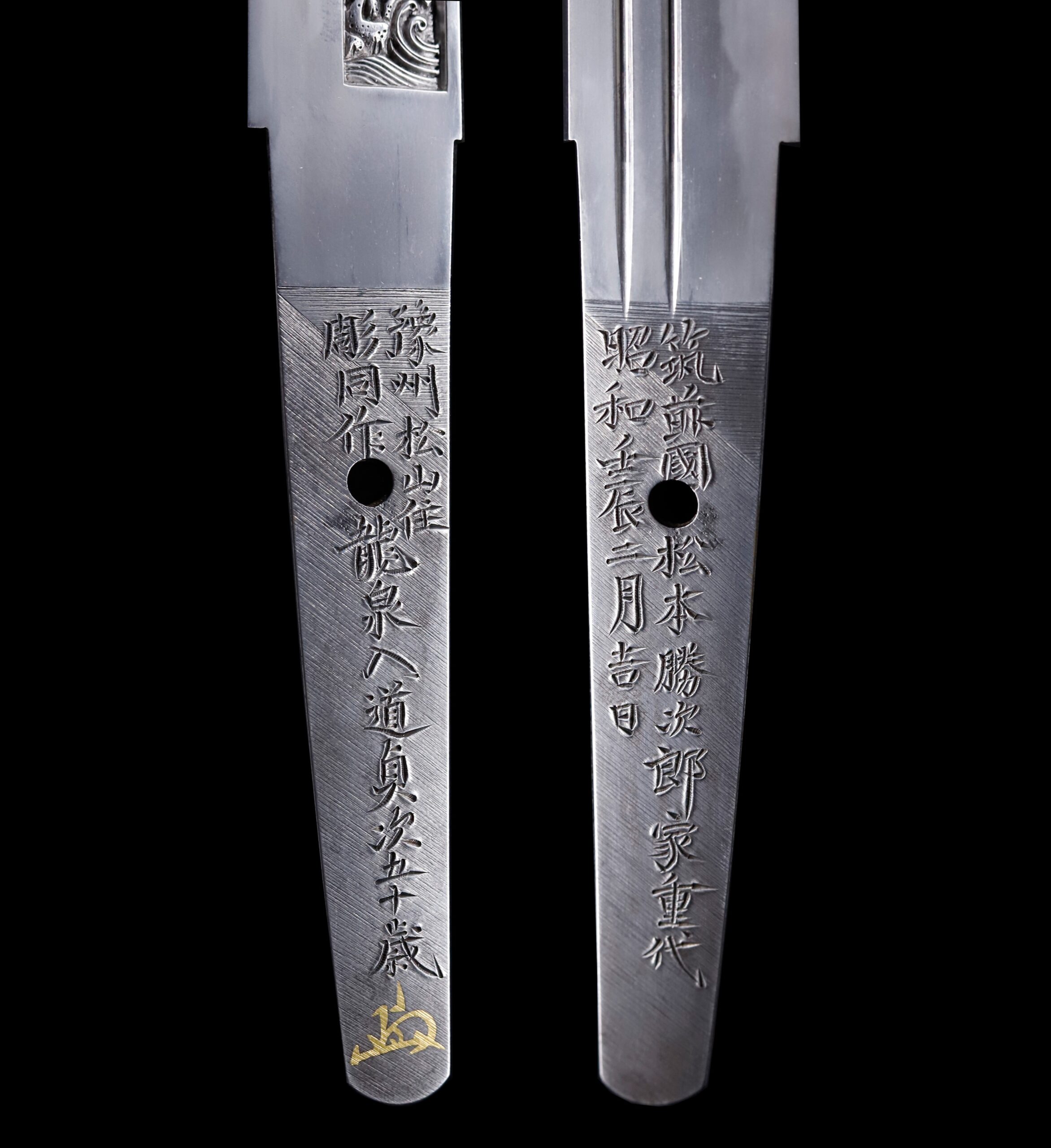
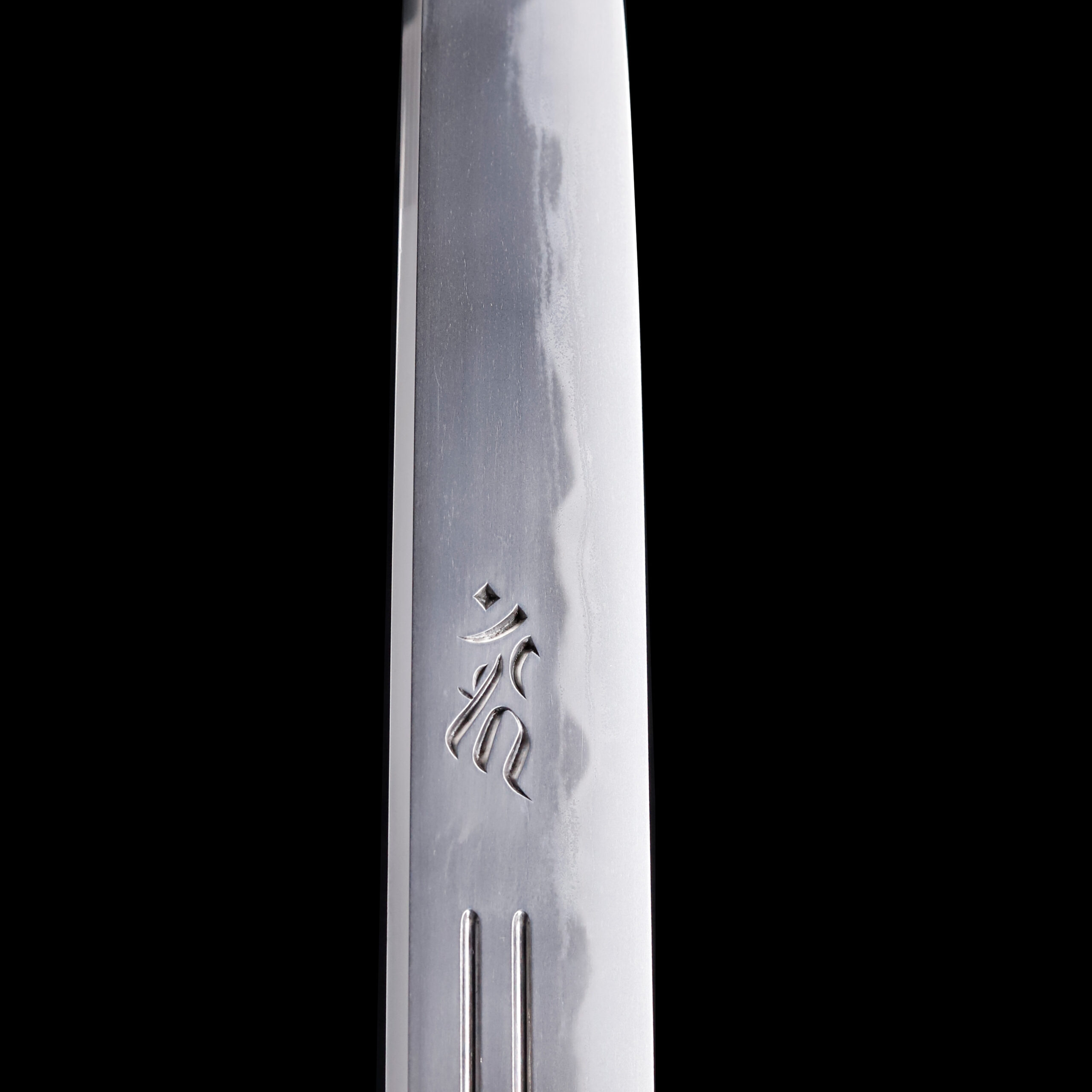
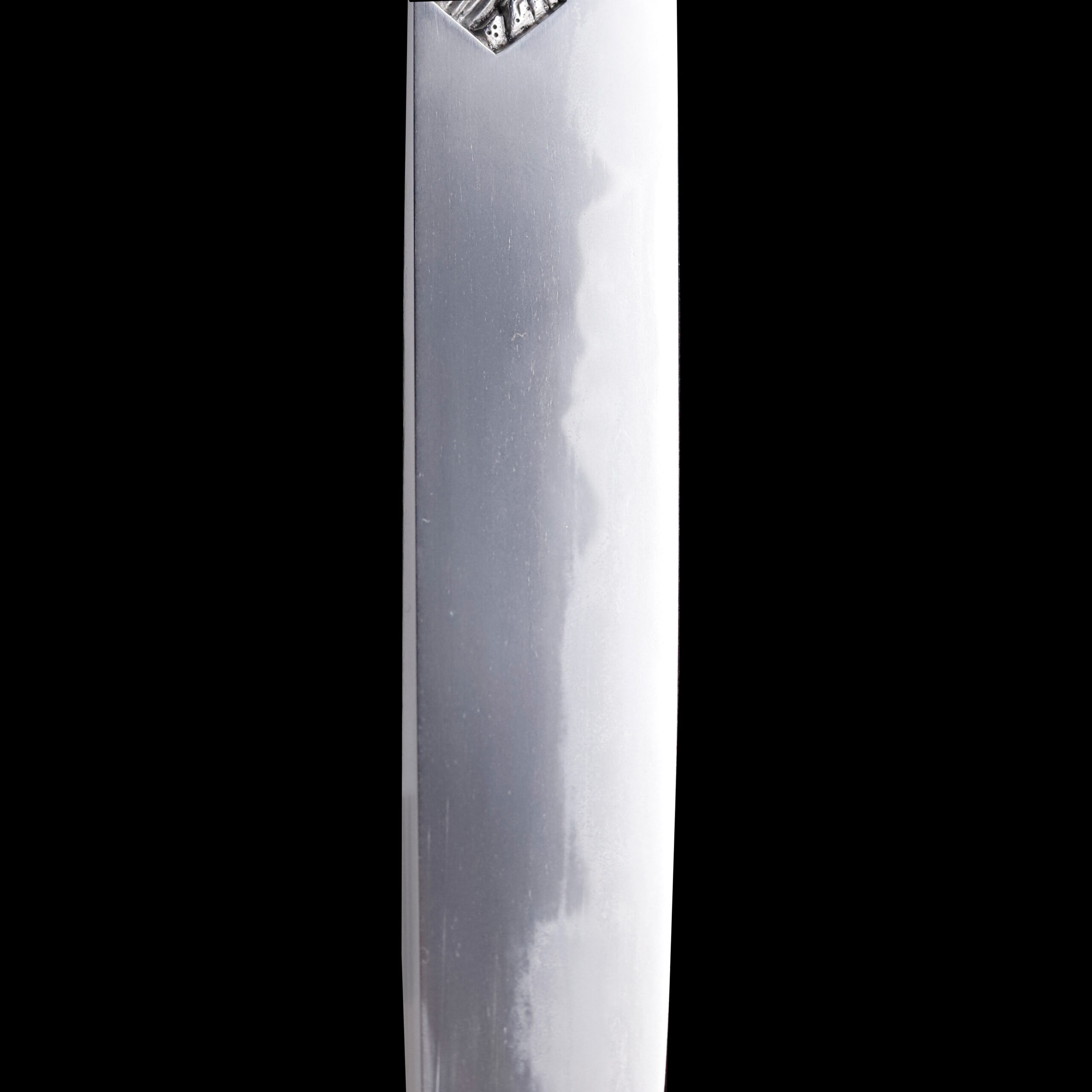
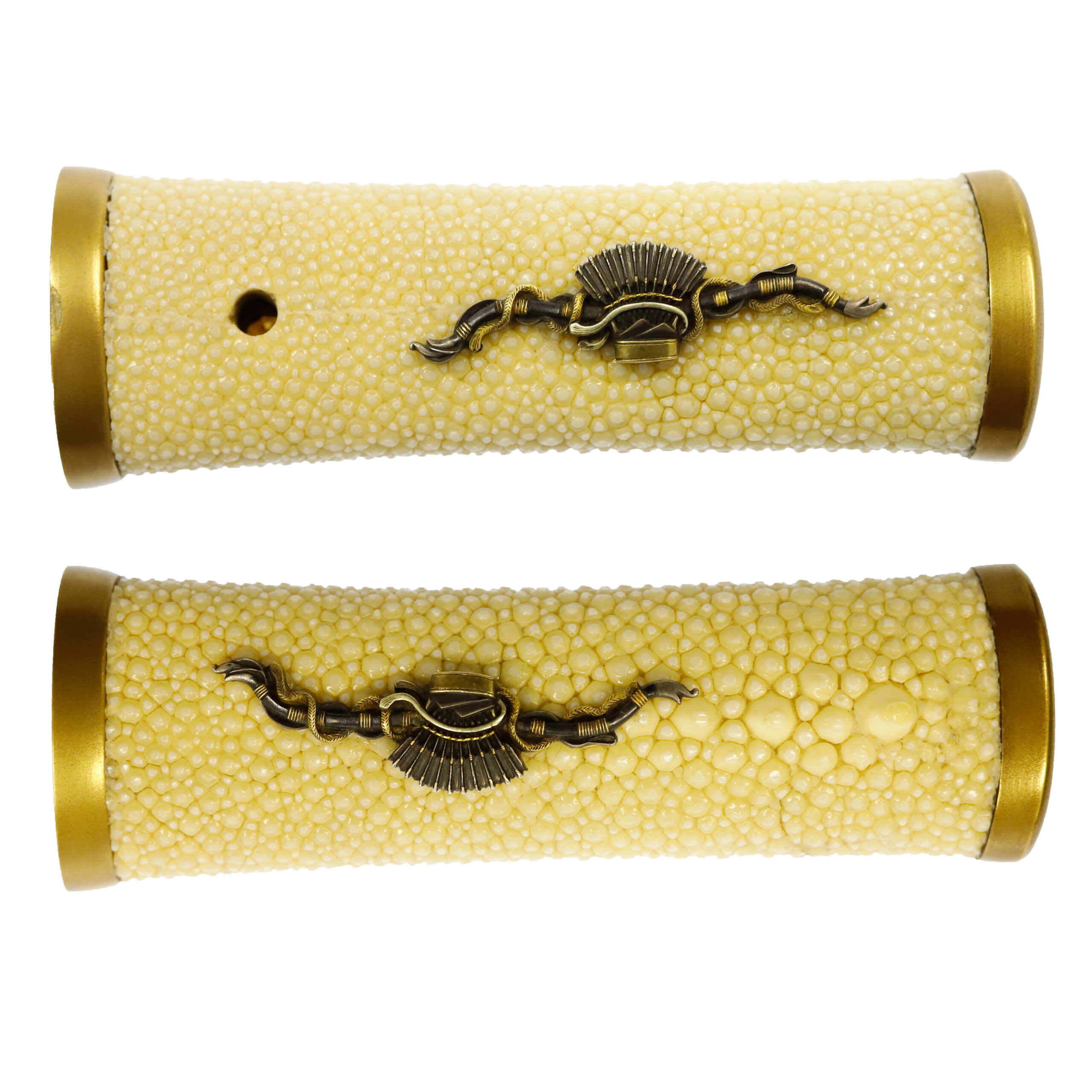
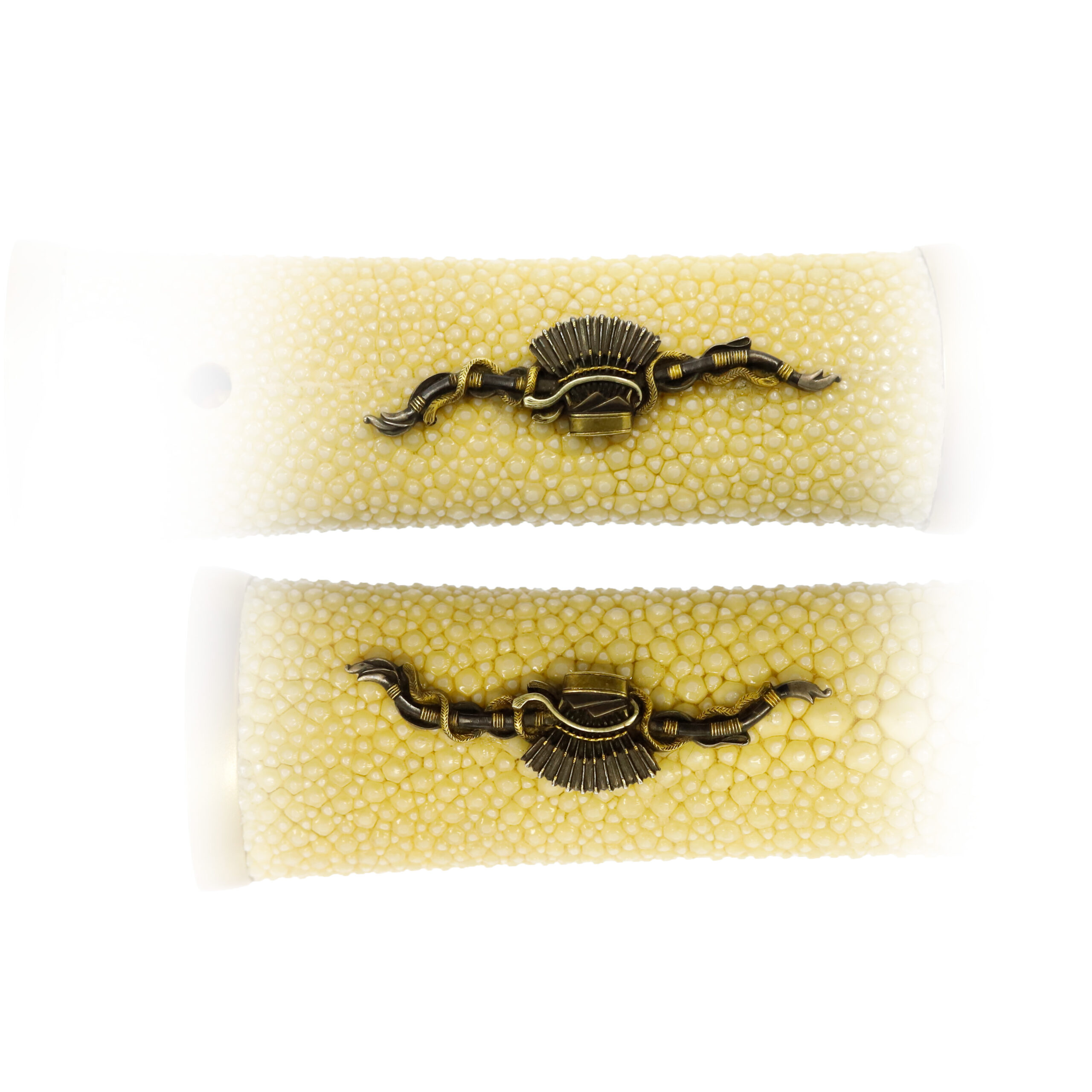
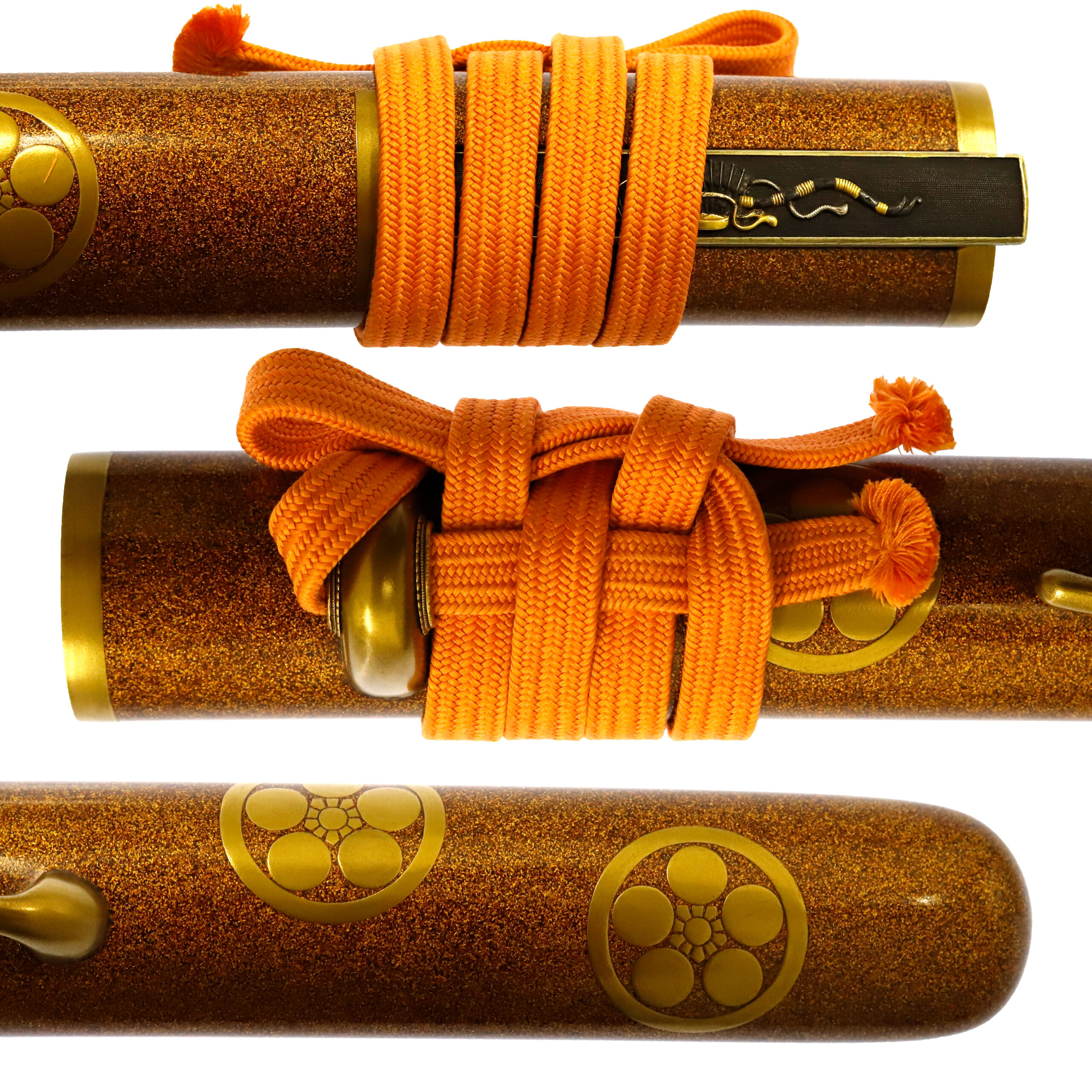
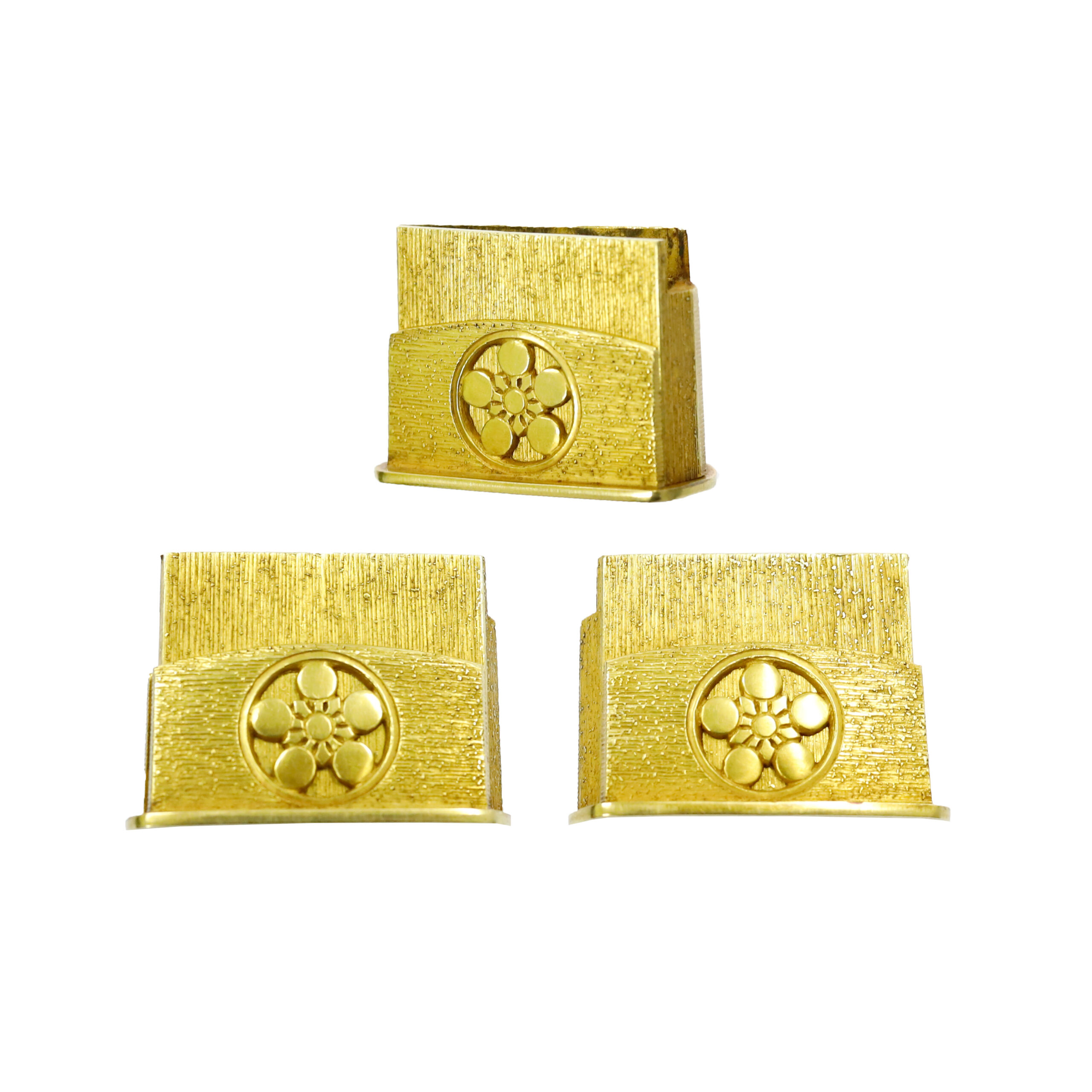
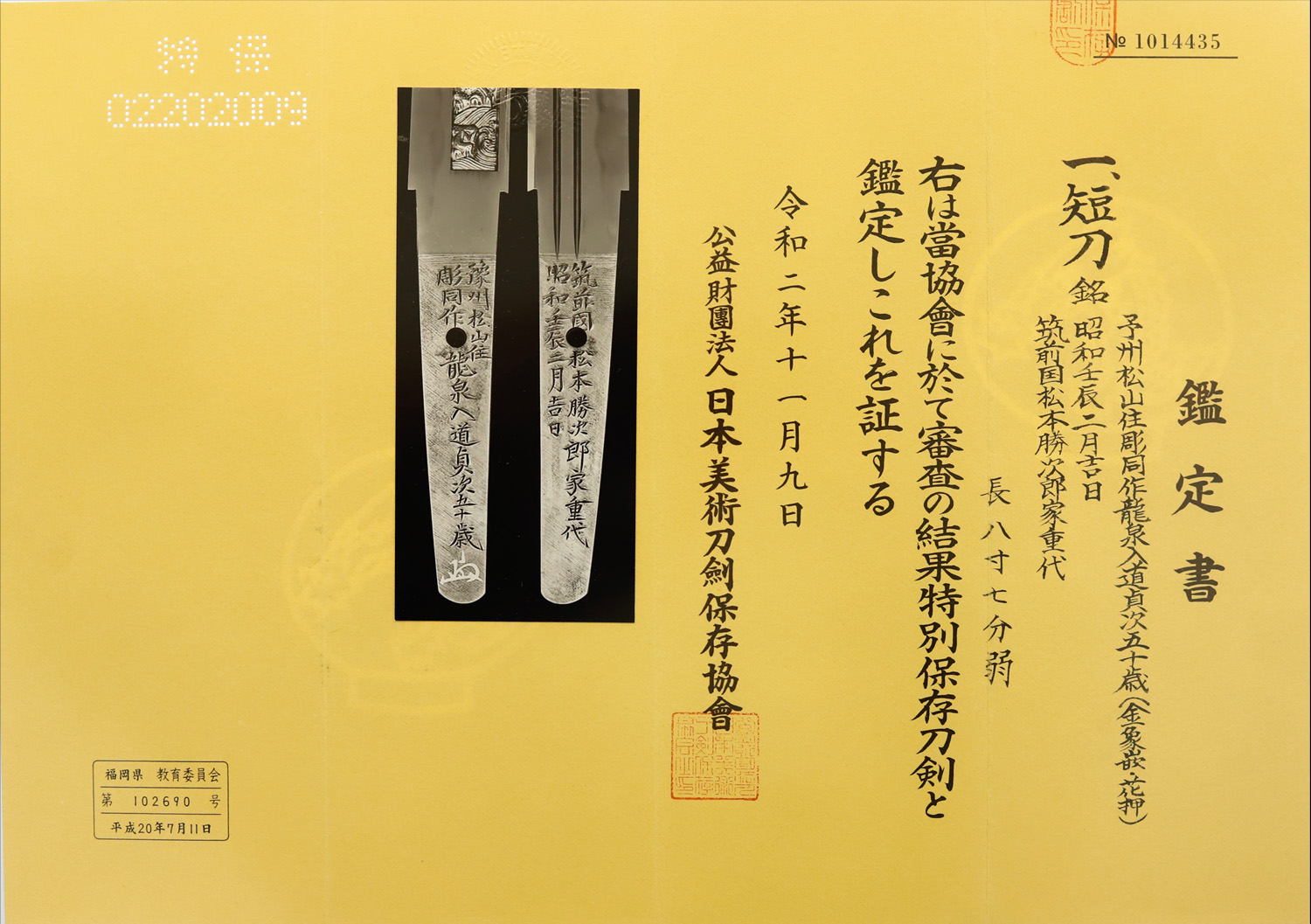
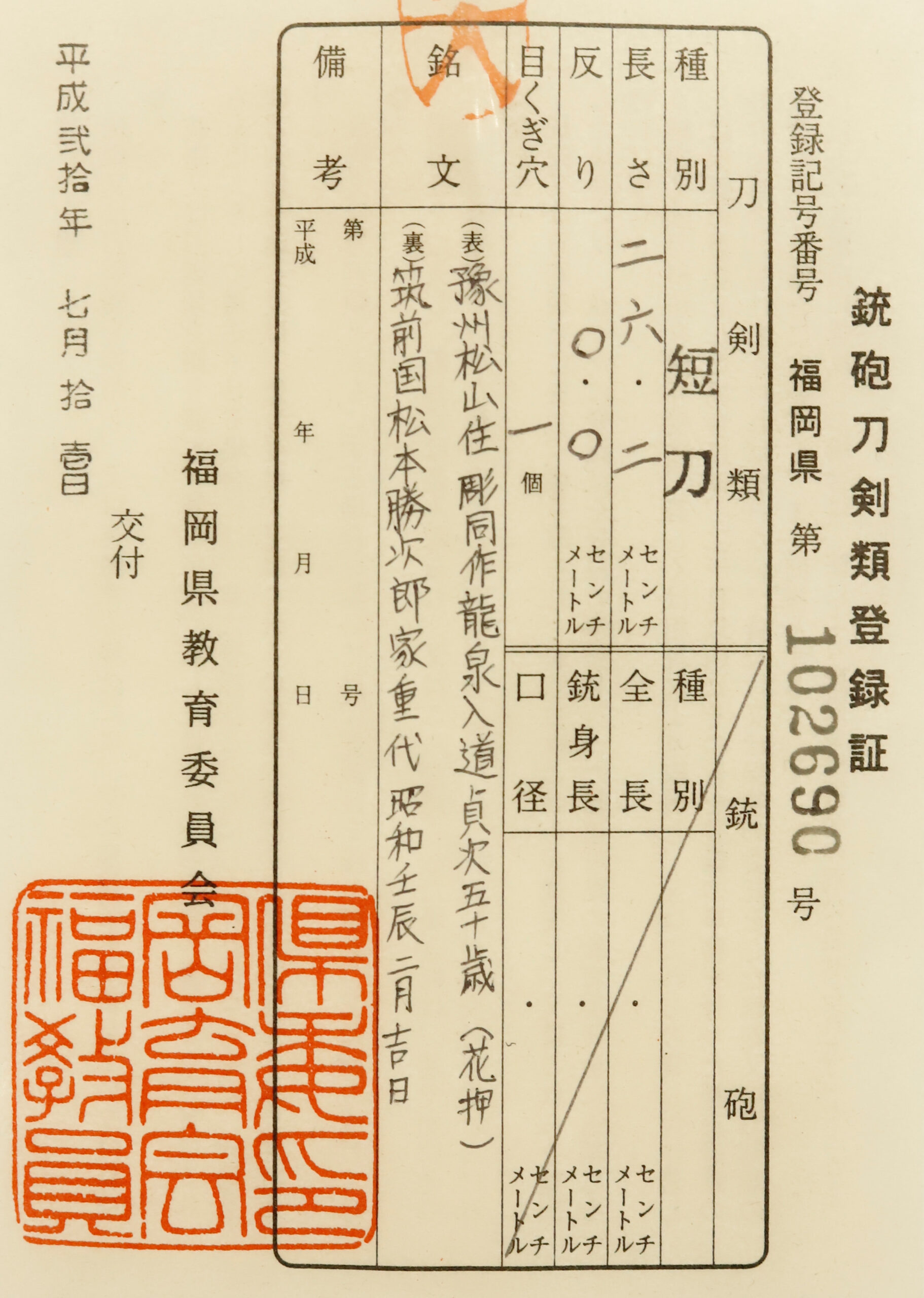
Modern Authentic Japanese Sword Tanto Signed by Takahashi Sadatsugu with Tokubetsu Hozon Certificate 【Description】 The information on the signature This blade was signed by Yoshu Matsuyama Jyu Ryusen Nyudo Sadatsugu (予州松山住龍泉入道貞次). Yoshu is another name for Ehime prefecture. And Matsuyama is the name of the city Sadatsugu lived in when he forged this blade. Ryusen Nyudo is a title he often inscribed along with his signature. The front side also says Chokoku Dosaku (彫刻同作), which means that Sadatsugu also created the engraving. He also wrote a Kaou (花押) with gold. Kaou is a symbol written after his signature. It also says he was 50 years old when he forged this blade. The back of the tang describes who he made this blade for. It was made for Chikuzen Matsumoto Katsujiro. And it is meant to be a family heirloom (家重代). According to the signature, it was made in February, the 27th year of the Showa era (1952). The summary of the swordsmith Sadatsugu was born in Ehime prefecture in the 35th year of the Meiji era (1902). Being inspired by his older brother (Takayashi Yoshimune: a professional swordsmith), Sadatsugu started to be interested in sword forging from his childhood. He became an apprentice of Gassan Sadakazu&Sadakatsu, two of the renowned swordsmiths in the post-Samurai period when he was 15 years old (1917). And he mastered excellent sword-forging techniques and engraving skills from them. In 1936, he established his sword-forging site in Ehime prefecture (his birthplace). Since then, he started to sign Sadatsugu (貞次) while his birth name was Takahashi Kinichi. In 1938, he first participated in a major Japanese Sword crafting competition, and he received Prime Miniter’s Award. And he got awarded in many competitions during his career. He worked for the imperial family as well. He also created blades to devote to many highly regarded shrines, such as Ise shrine and Atsuta, for commemoration. He was one of the most famous swordsmiths in modern times. He made great efforts to keep the tradition of Japanese sword forging in his career. And he was finally recognized by the government and designated as an Intangible Cultural Asset in 1952, which was the first time for a Japanese swordsmith. And in 1955, he received an Important Intangible Cultural Asset and became a living National Treasure of Japan , the first swordsmith that received this honor back then. After becoming a national treasure, he created a Tanto, also known as Omamori Gatana (Protection sword) for Crown Princess Michiko (the name used back then) in 1959 when she married. And, Sadatsugu kept forging all the Tanto (Omamori Gatana) for the sons of Crown Princess Michiko. It is said that he mastered all five Japanese sword traditions, also known as Gokaden (BIZEN, YAMASHIRO, YAMATO, MINO, and SOSHU DEN). He was incredibly excellent at forging the BIZEN DEN sword with Choji Midare Hamon and SOSHU DEN. To improve his craftsmanship, he thoroughly researched works of renowned swordsmiths in the past, such as Masamune, Sadamune, Echizen Yasutsugu, Ichimonji school, and Bizen Osafune school. He often did Utsushi of famous Japanese swords to enhance the depth of his knowledge. One of his specialties was engraving, such as dragon and Fudo Myo O engravings. Some sword experts say that the level of the engraving techniques Sadatsugu mastered is equivalent to Gassan Sadakazu (his master). *Utsushi is a Japanese sword whose specification was based on historically famous swords, but it was made by a different swordsmith to pay respect to a renowned swordsmith. Horimono You would find a Horimo (彫物, blade sculpture) on both sides of this blade. On the front, you see the figure of the Fudo Myo-O. The flame that burns away worldly desires is blazing behind it, and it holds a sword in its right hand and brings a rope in its left hand. It is depicted in a form that conforms to established theory. Fudo Myo-O is one of the objects of worship in Buddhism. This god was also known as the god
NihontoWatch貞次Sadatsugu
取扱店 サムライミュージアム

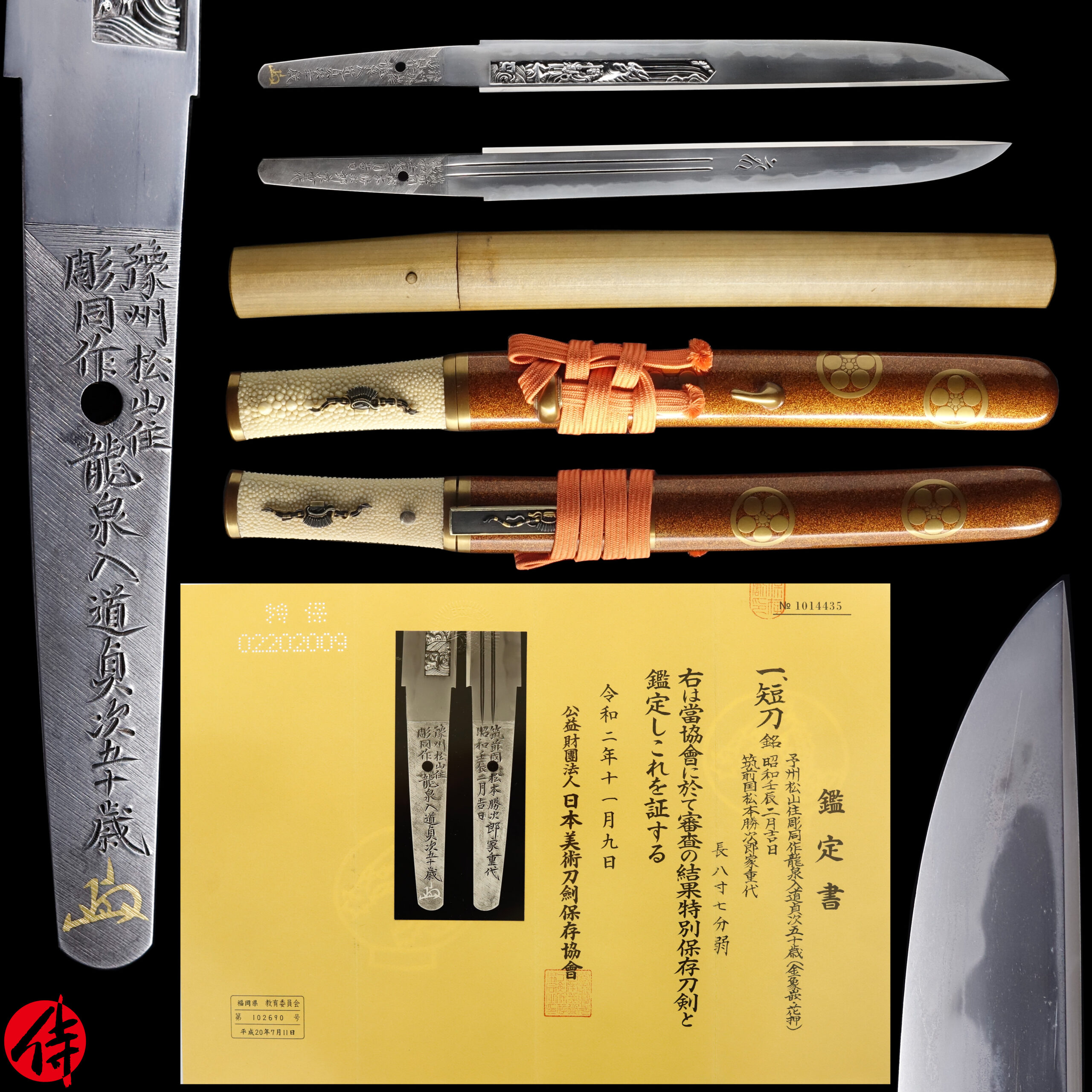
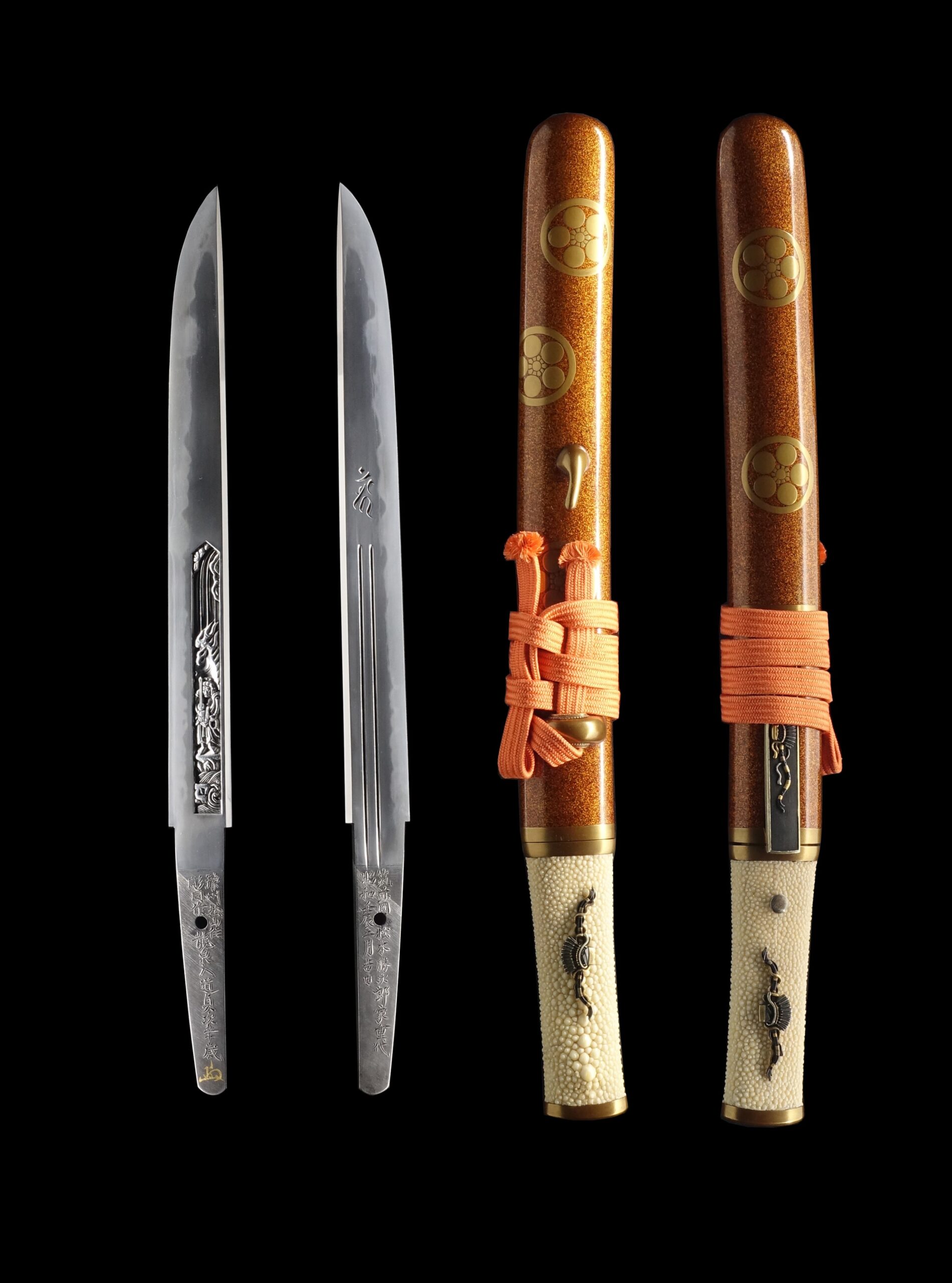
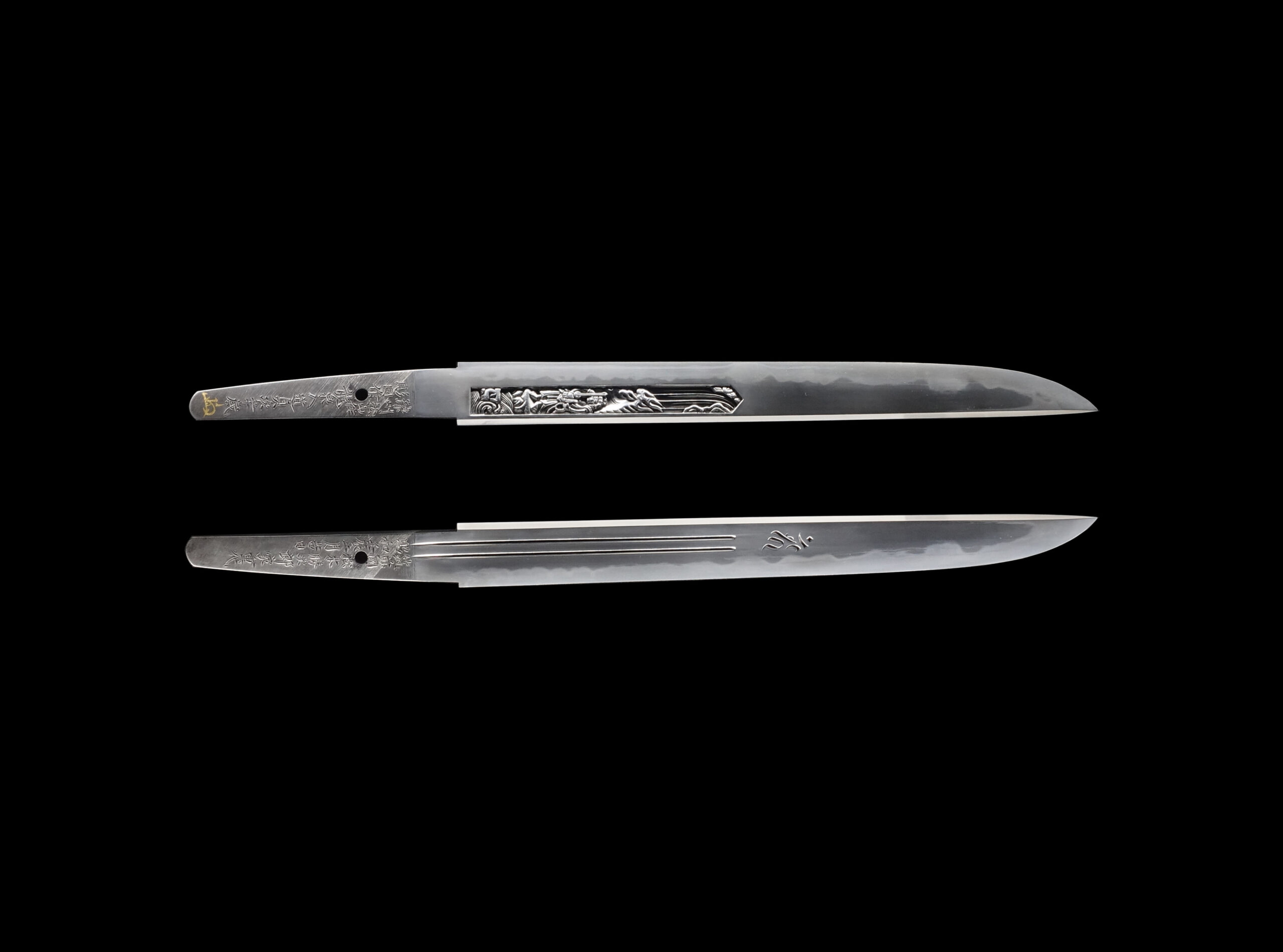
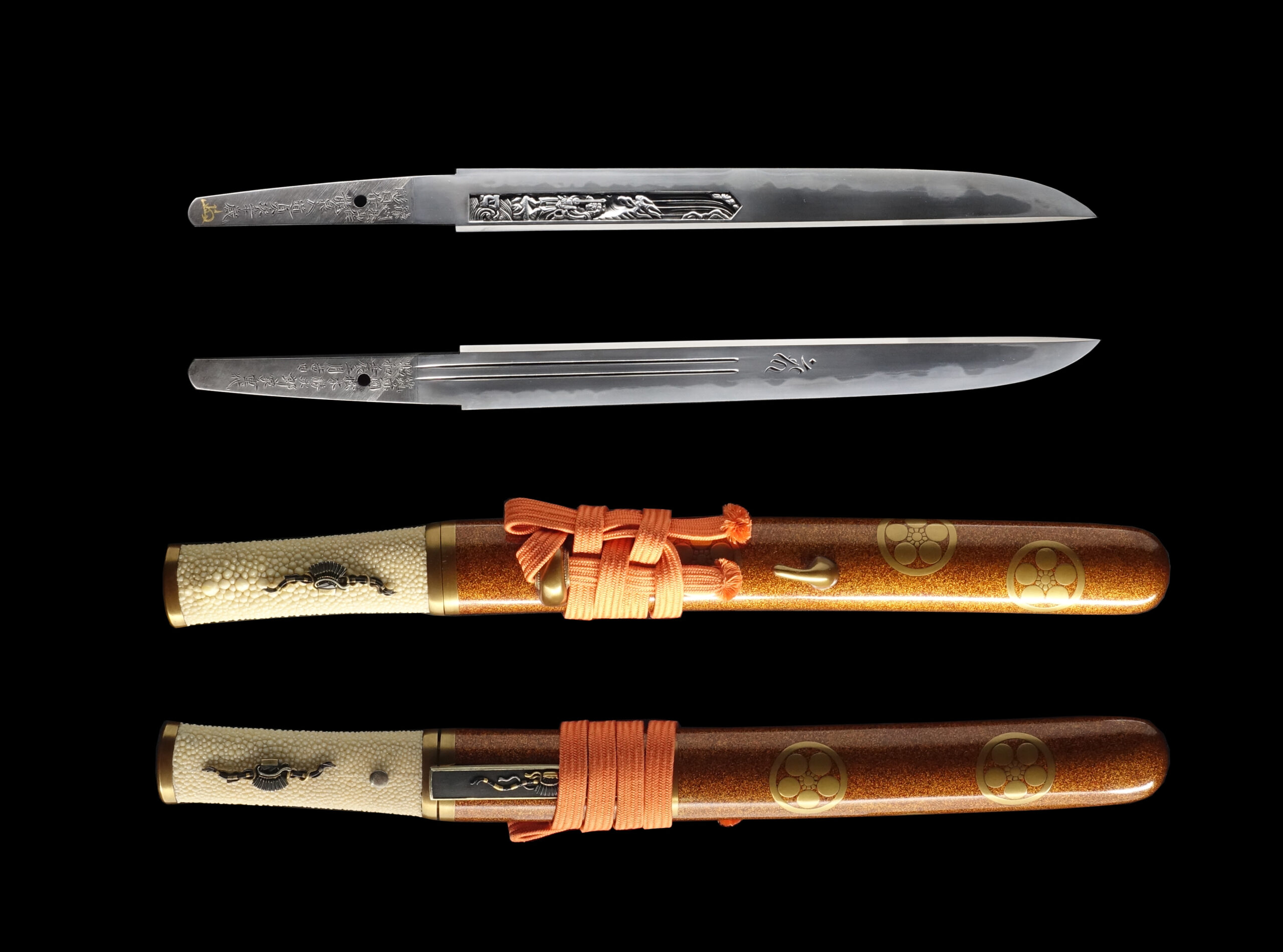
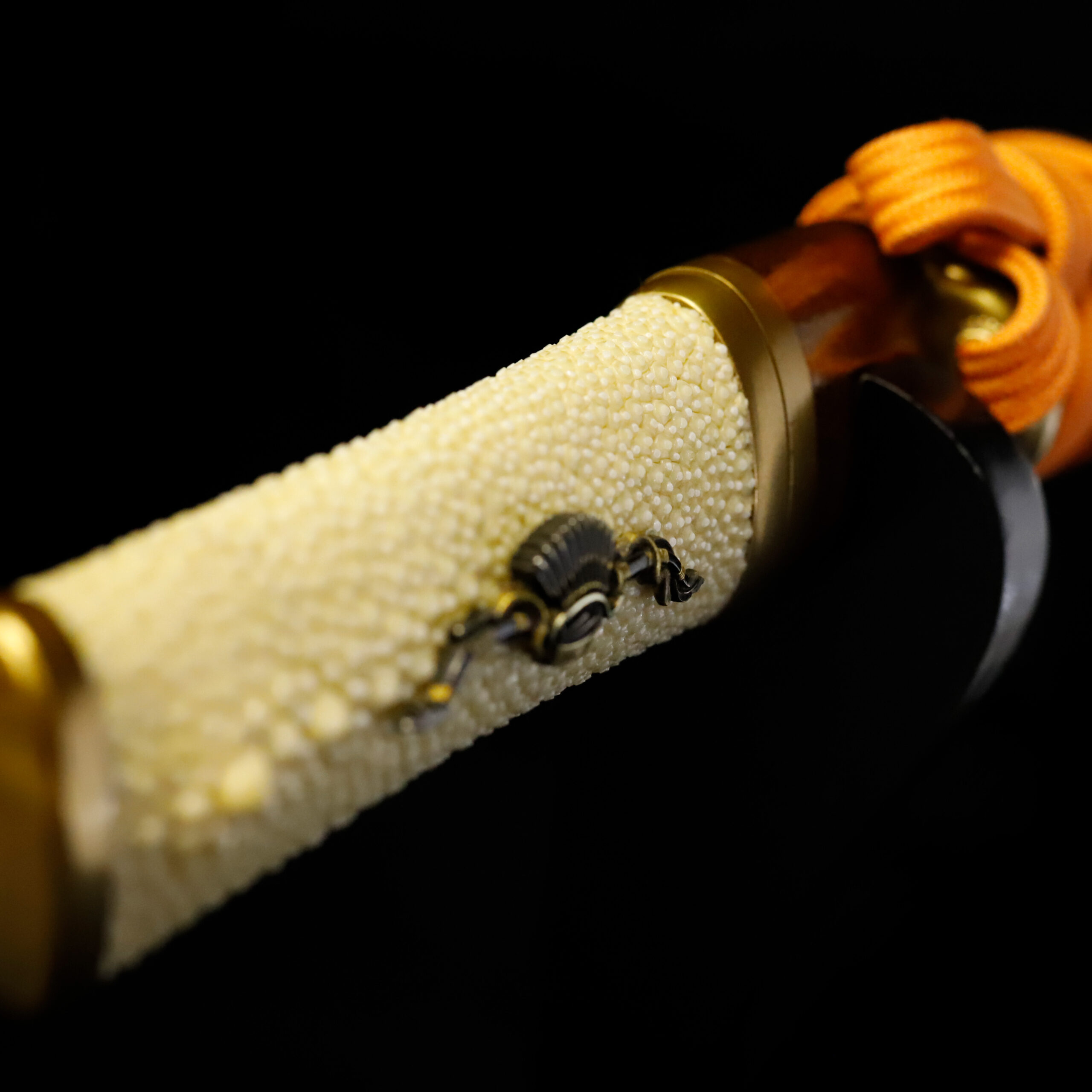
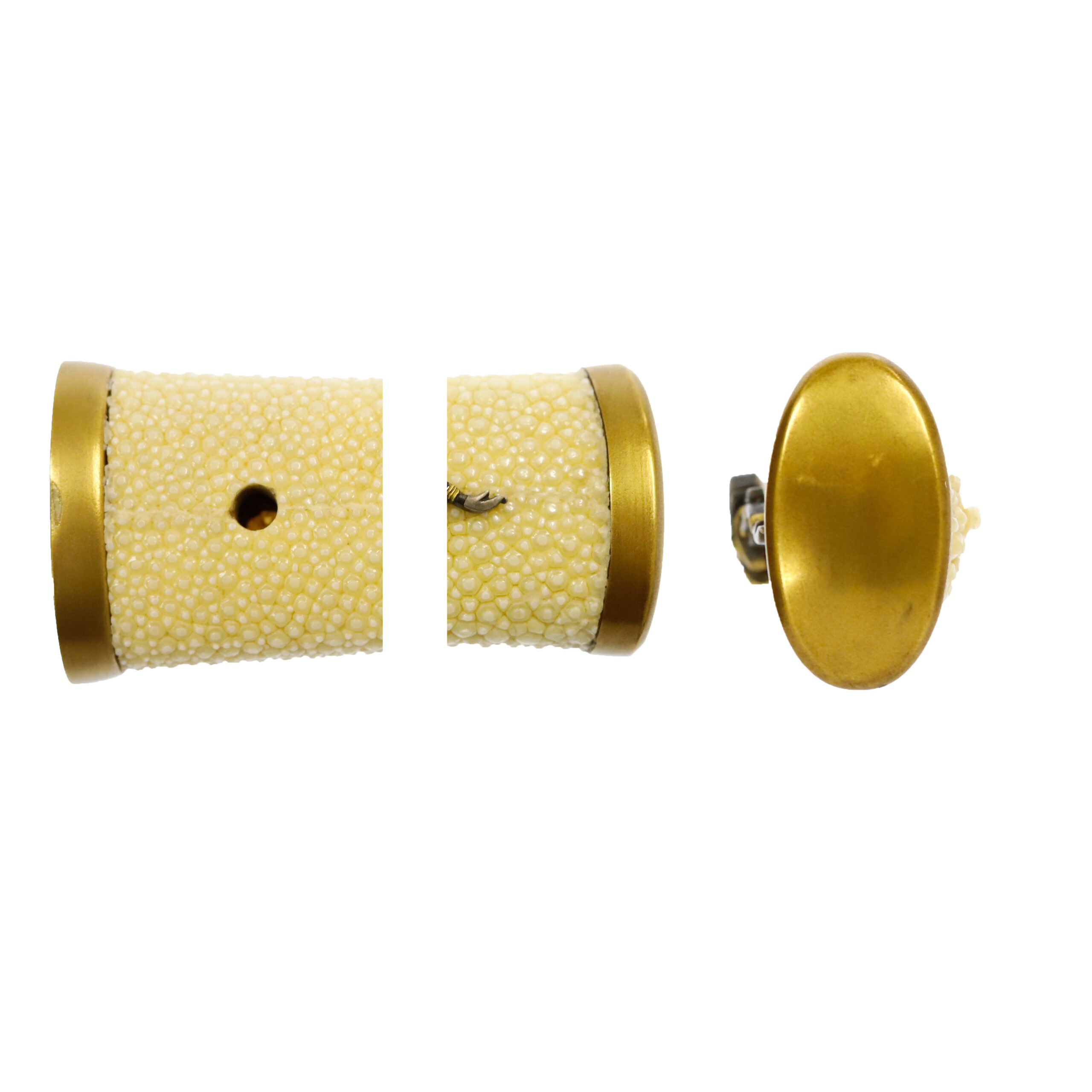
Ehime · 1926-1989頃
現在3点販売中
昭和から現代へ 断絶と再生
二十世紀は二度この工芸を殺しかけた。戦時の歪みと、占領下の禁令である。1948年の日刀保設立と1953年の作刀再開が刀を美術として再建し、人間国宝と無鑑査がその頂に立つ。
保存刀剣のうち、出来が一層優れ、保存状態も良好と認められたものです。再刃や、室町・江戸期の多くの無銘作は対象外となり、保存刀剣より高い基準が課されます。
日本美術刀剣保存協会(NBTHK)は、1948年に設立され、文化庁の監督を受ける公益財団法人で、東京・刀剣博物館に本部を置きます。専門の審査員が出品作を直接審査し、美術的・歴史的価値に応じた鑑定書を発行します。NBTHKの鑑定書は、日本刀および刀装具の真正性を示す最も広く認知された基準です。
NBTHK公式サイトReturns/exchanges limited to defects caused by shipping (except willful misconduct or gross negligence by the company); customers must contact within 72 hours of receiving the product.