参勤交代が集めた日本最大の帯刀人口が江戸にあった。御用鍛冶康継は茎に葵紋を許され、虎徹の刀は截断銘の金象嵌を帯びる。この町では、証こそが物を言った。
 NihontoWatchNihontoWatch
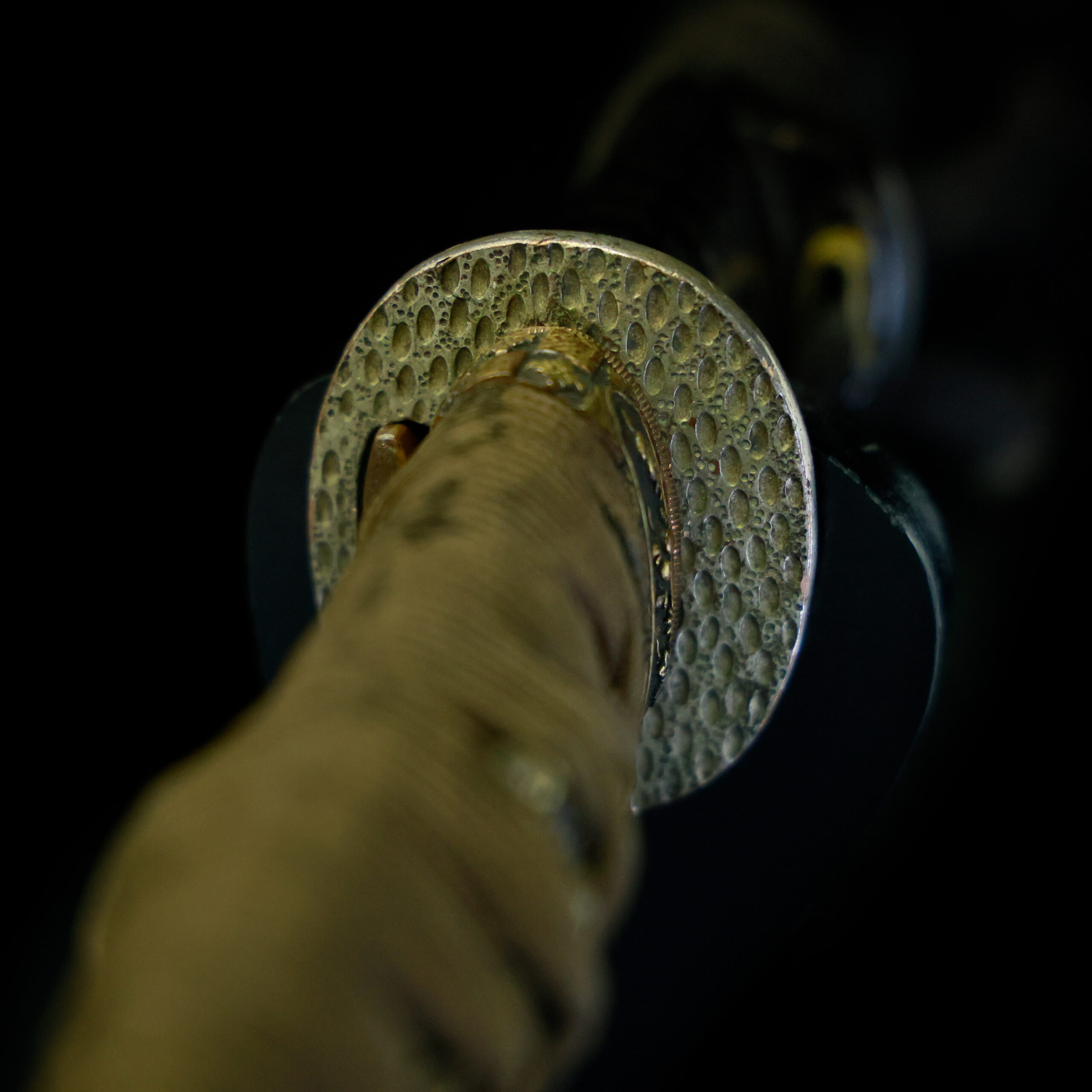
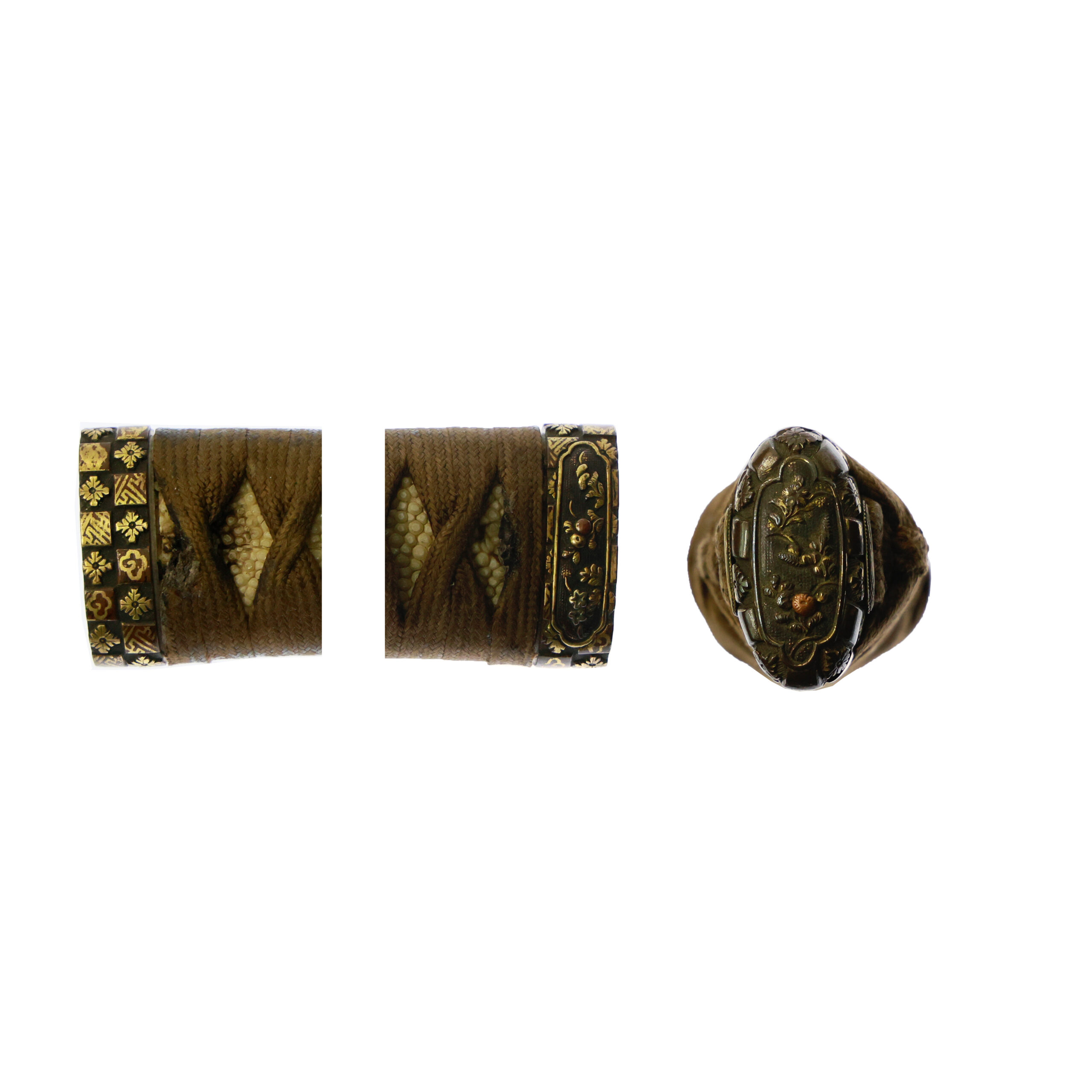
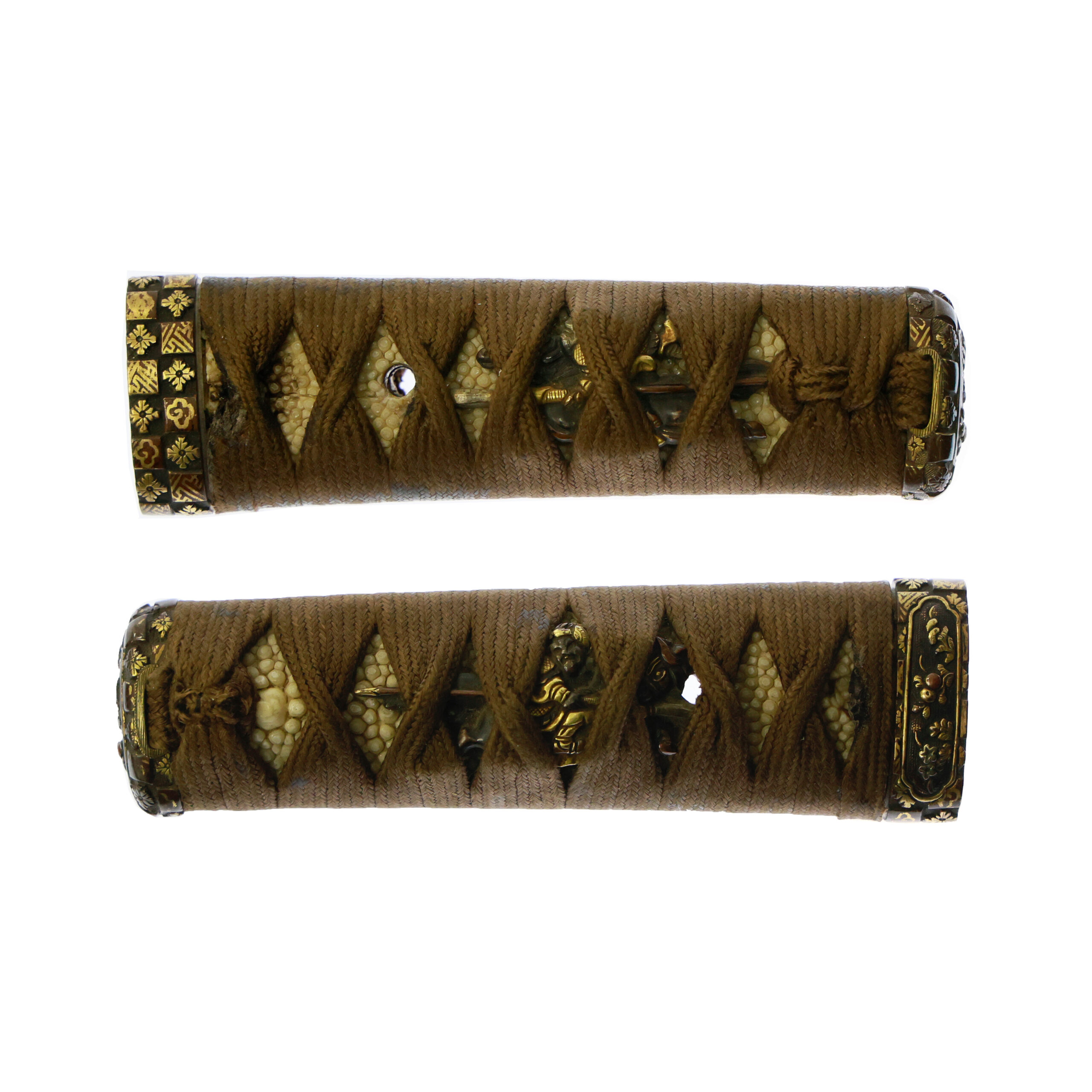
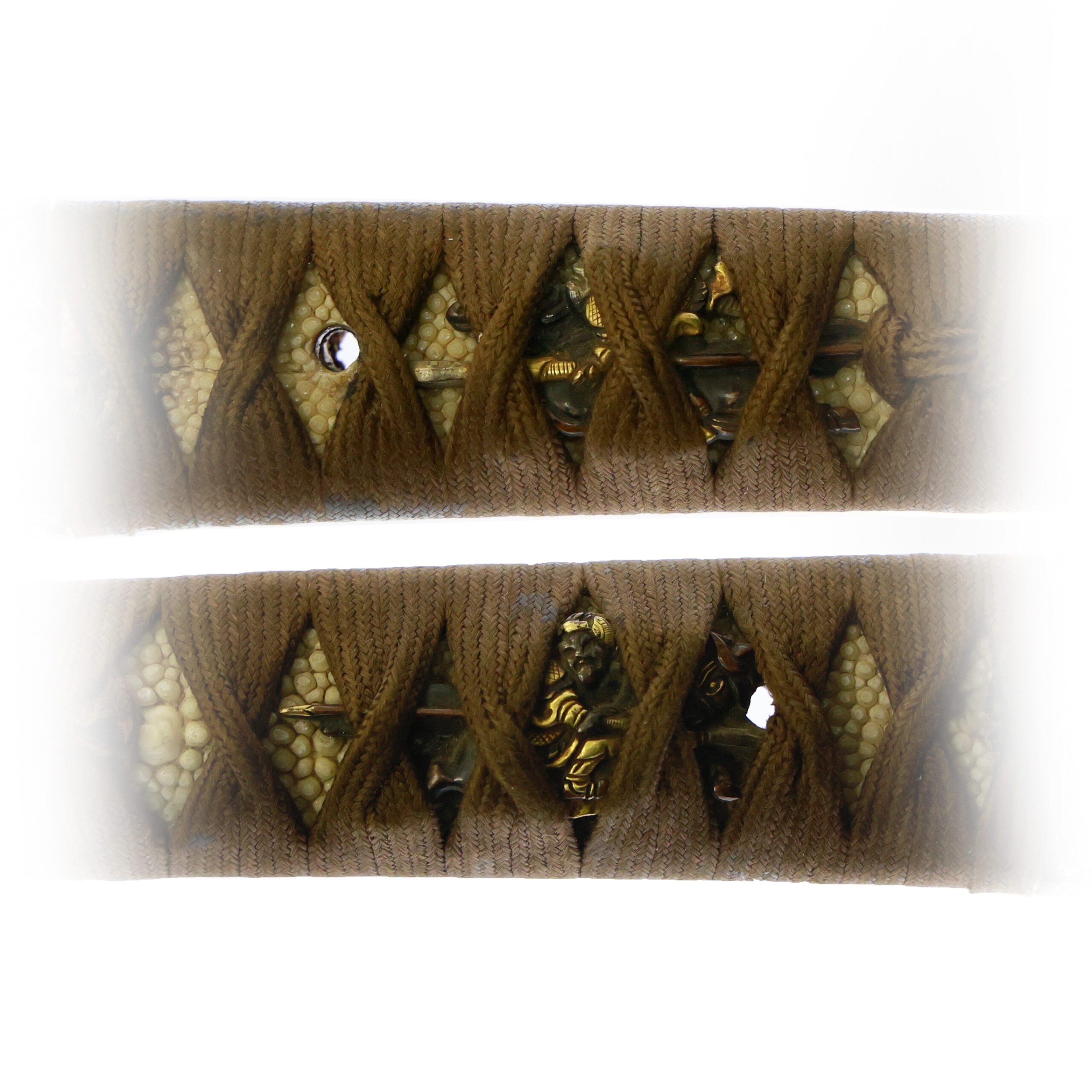
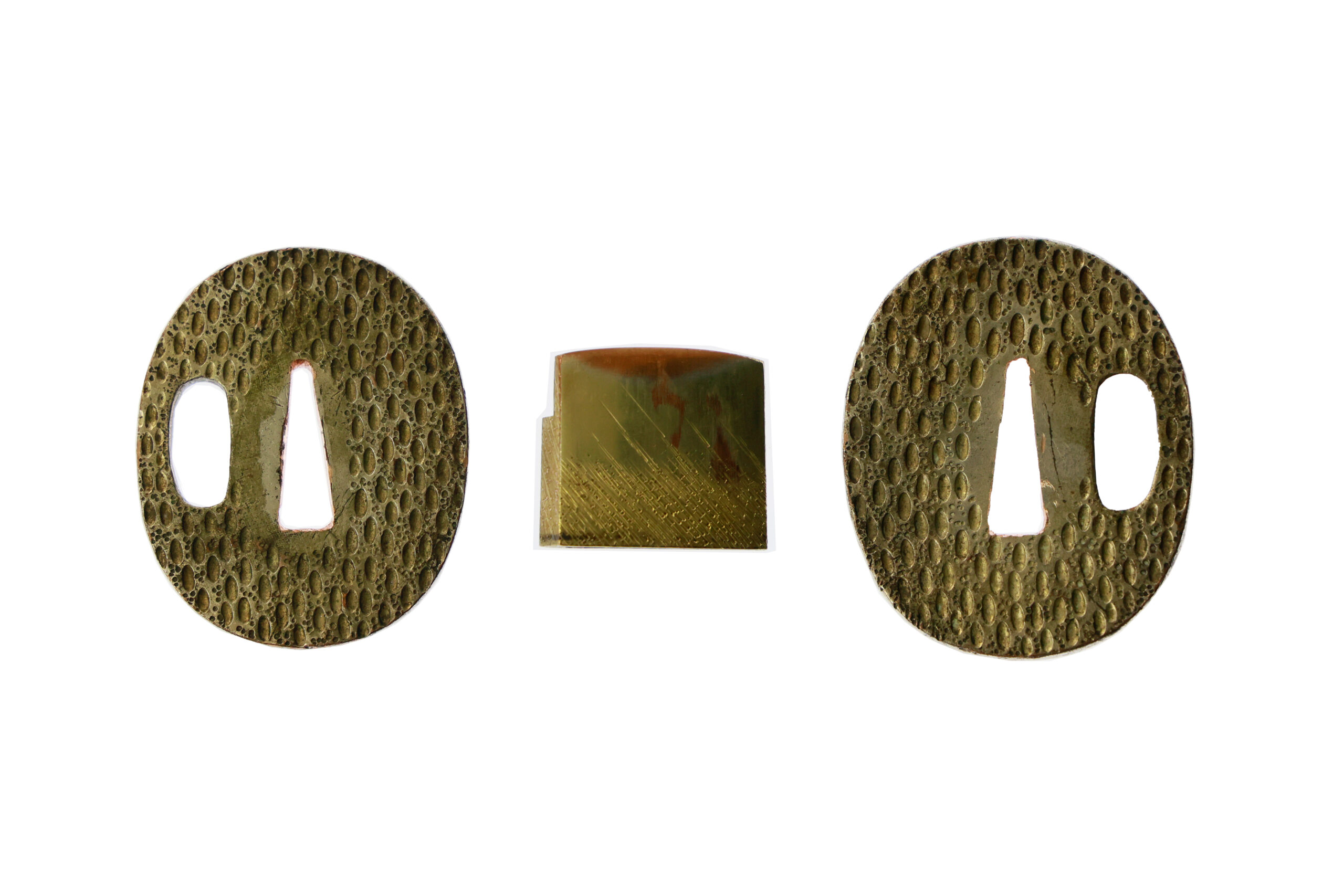
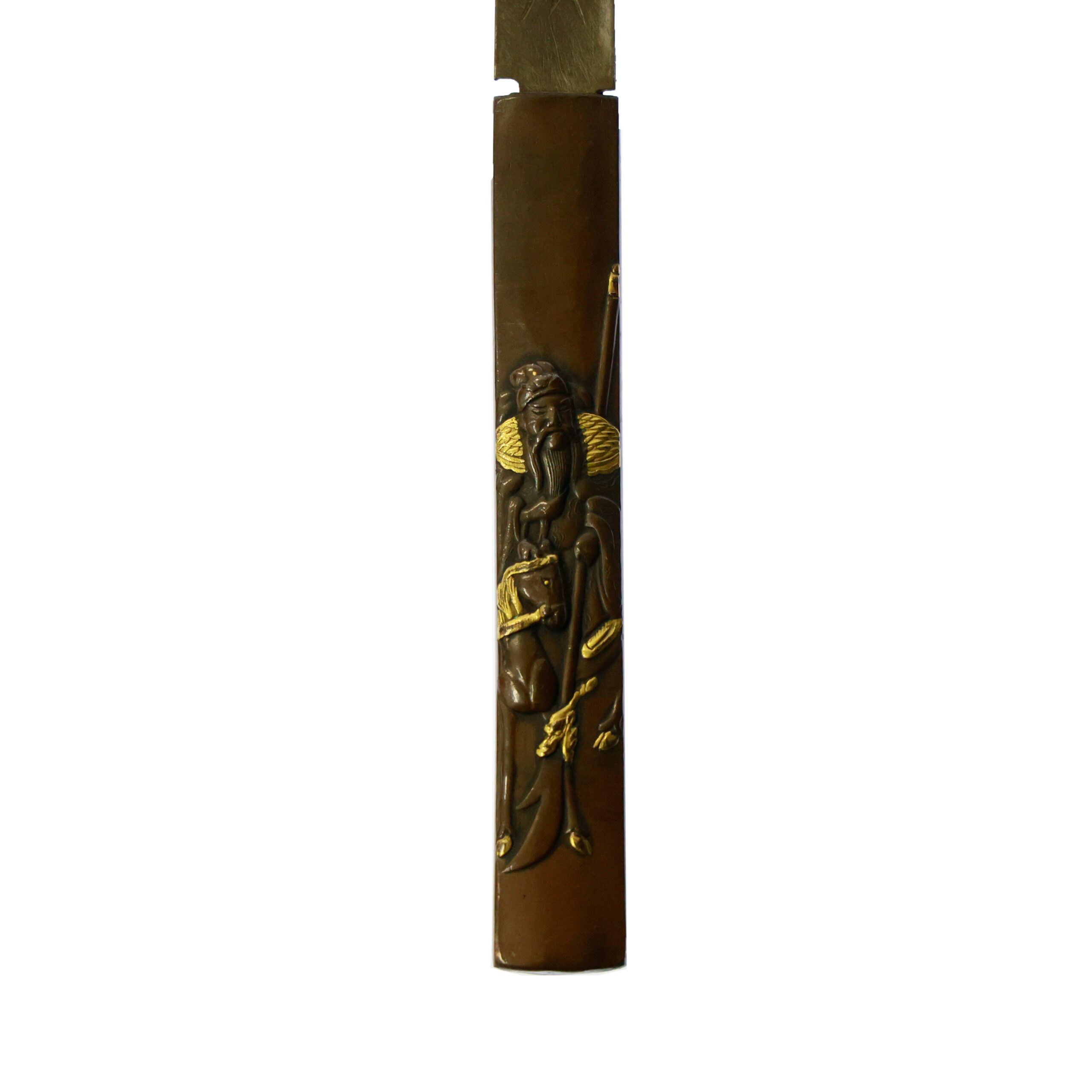
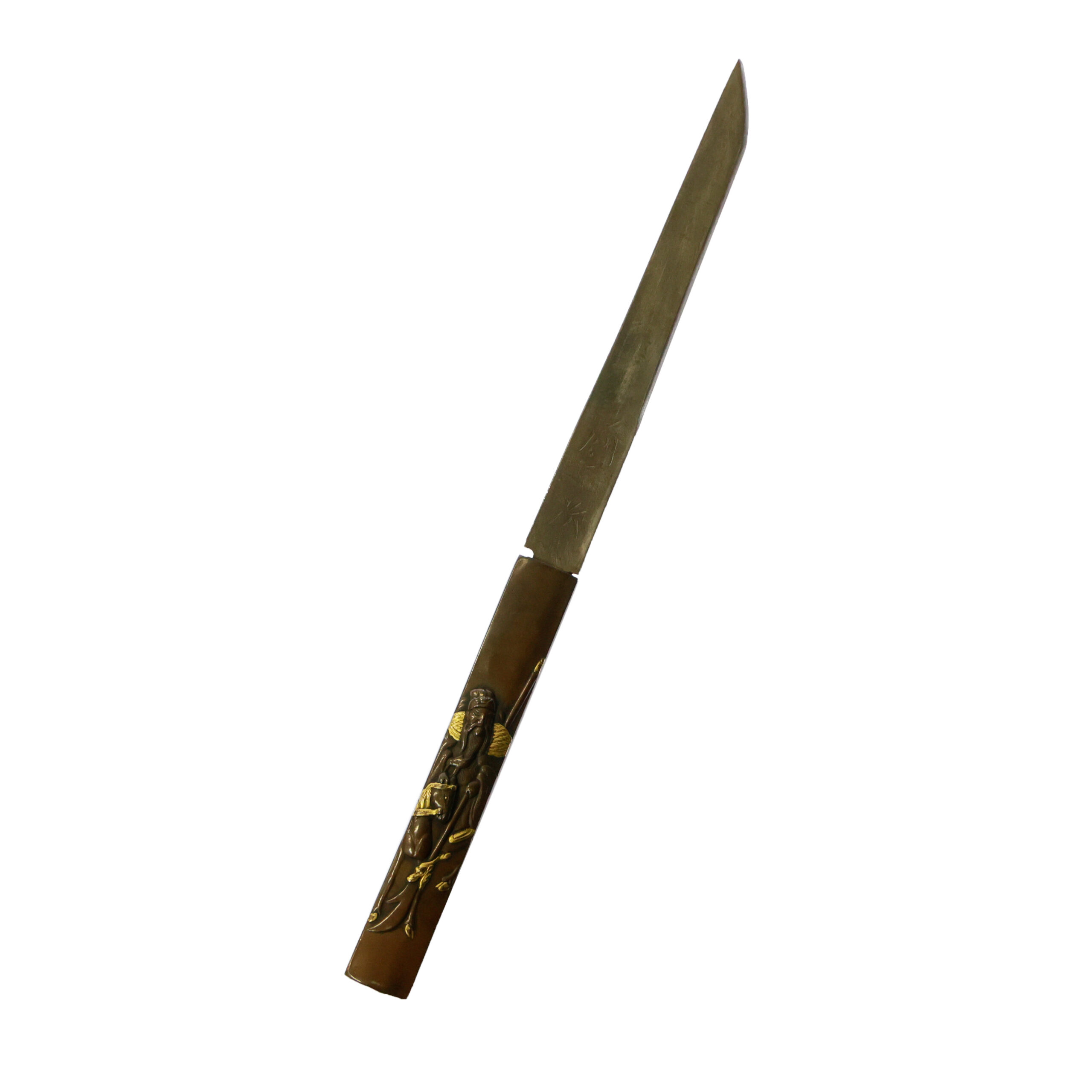
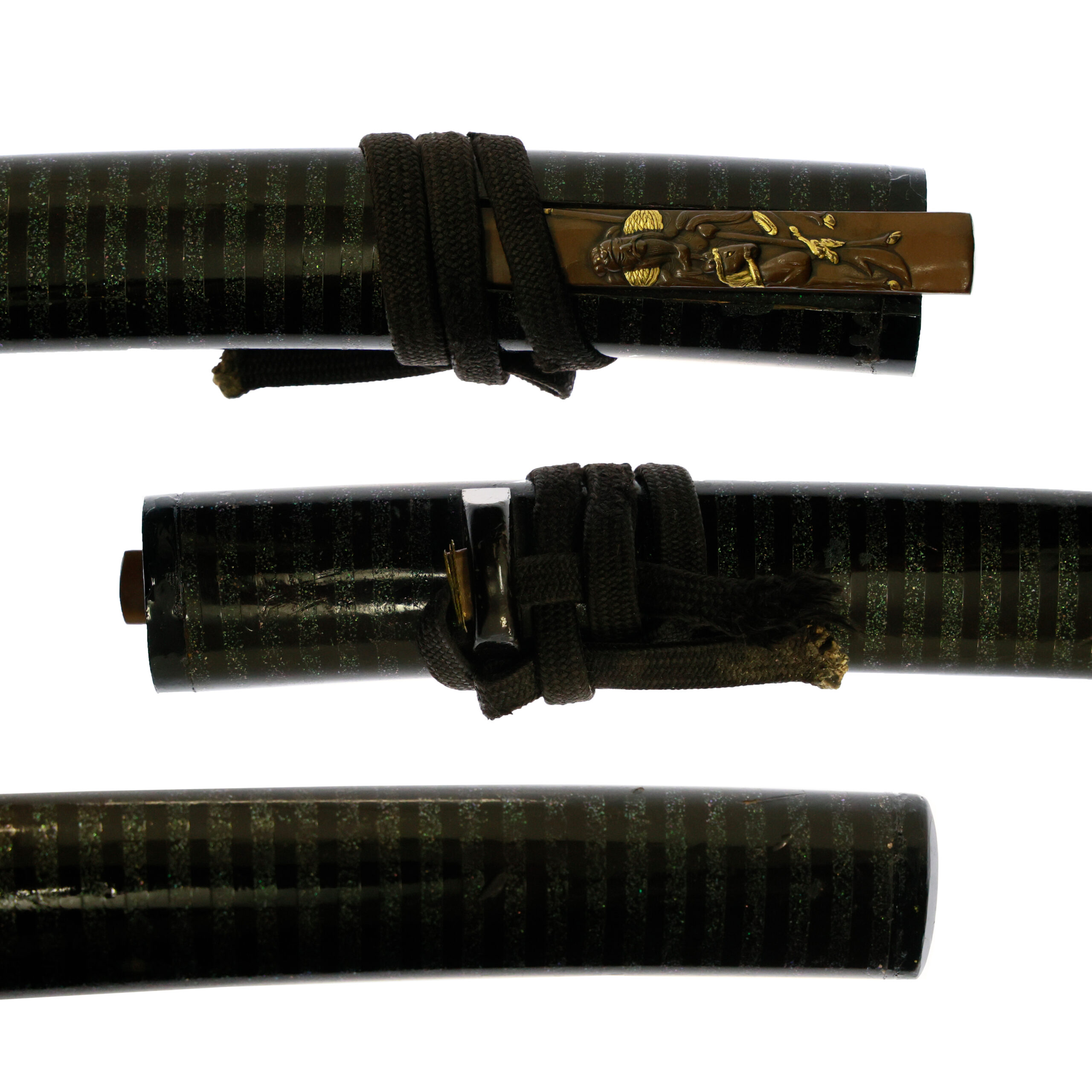
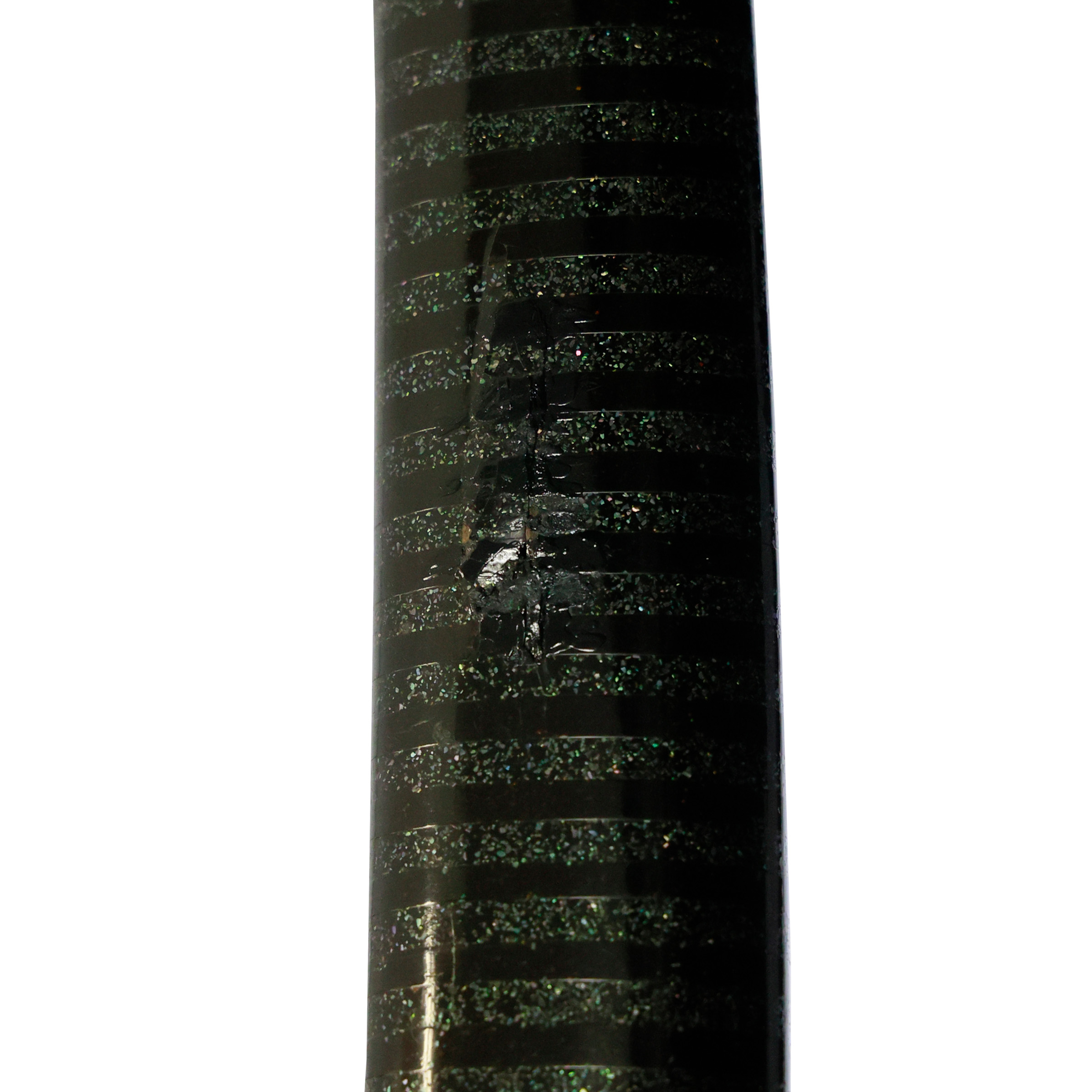
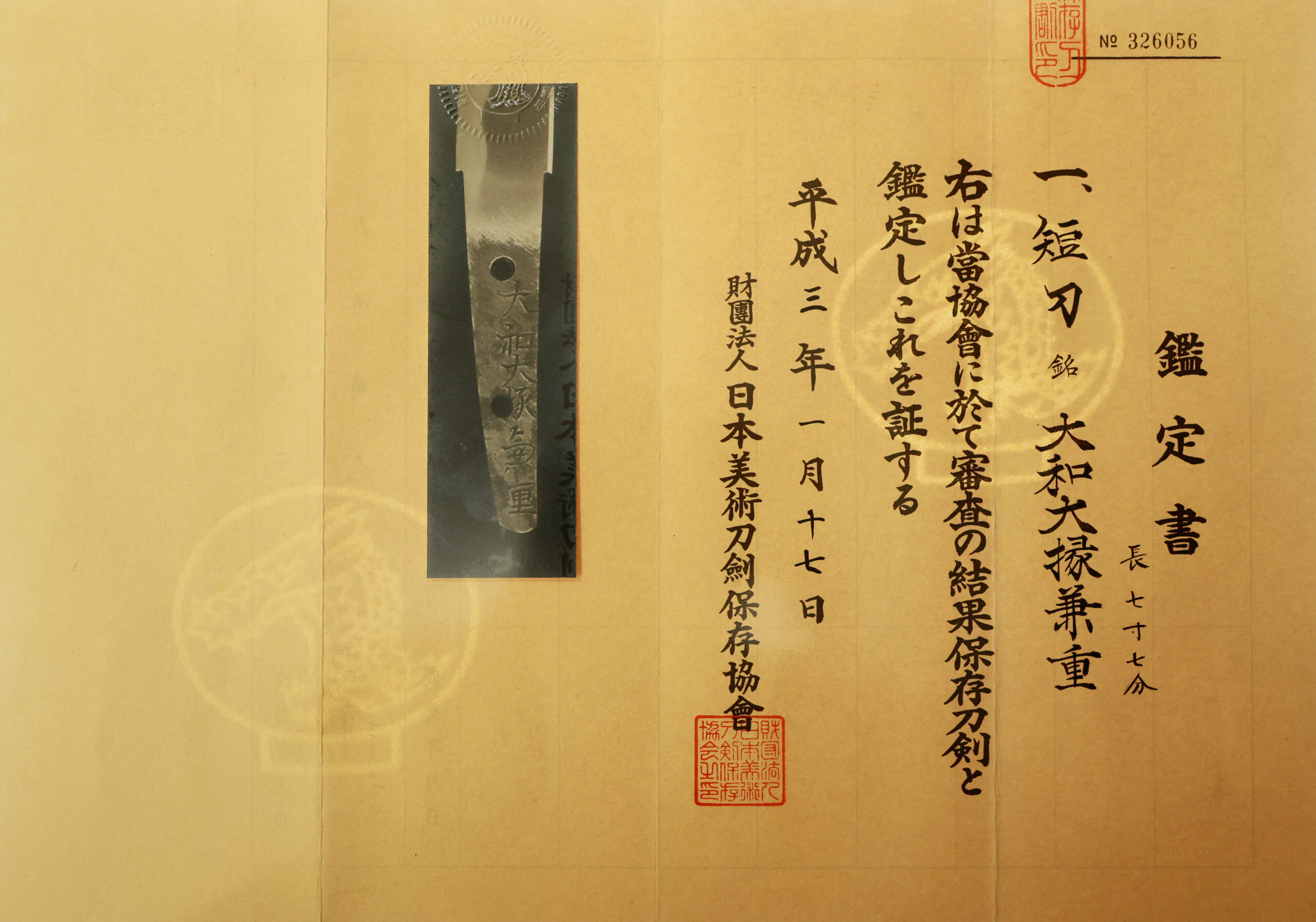
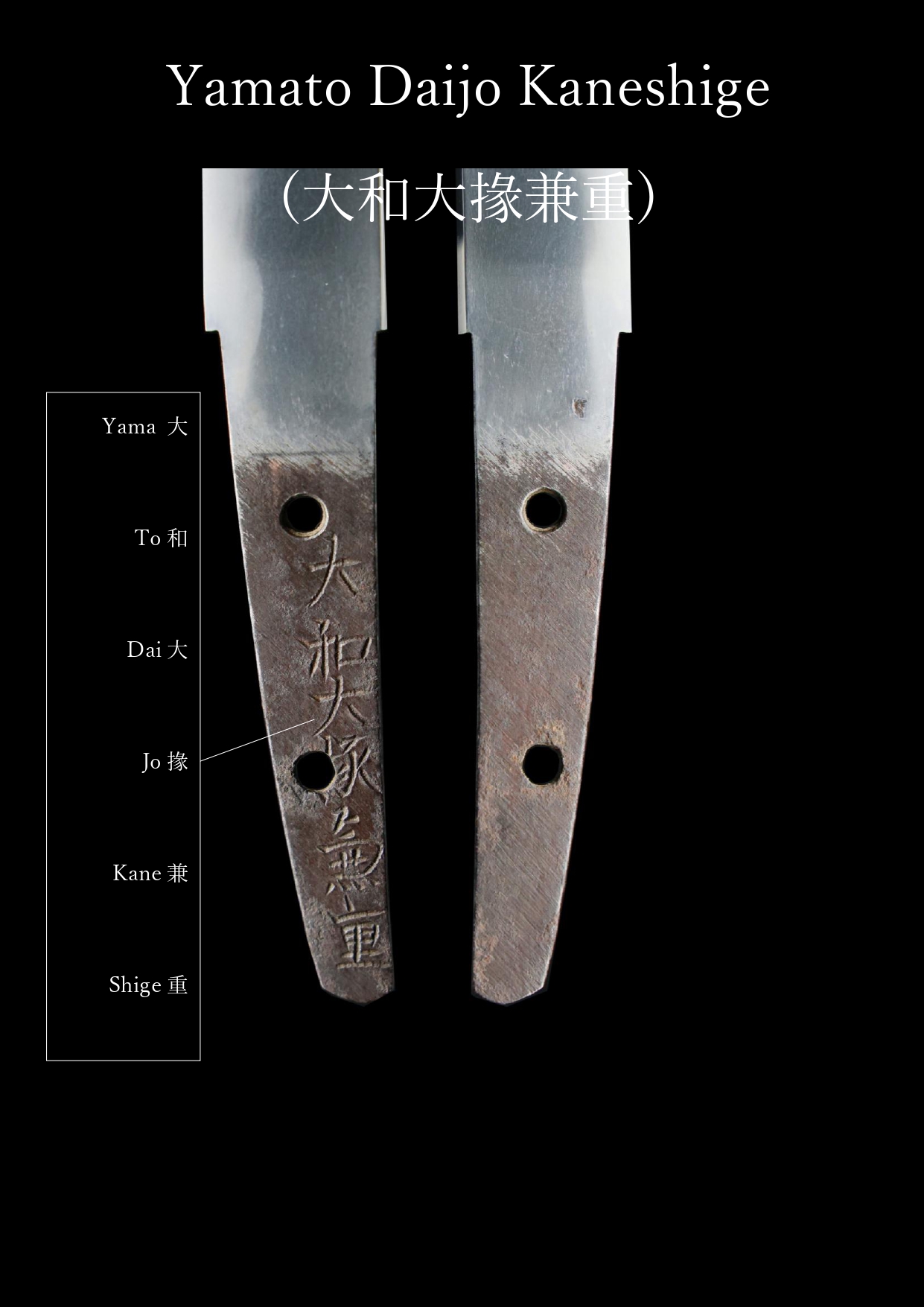
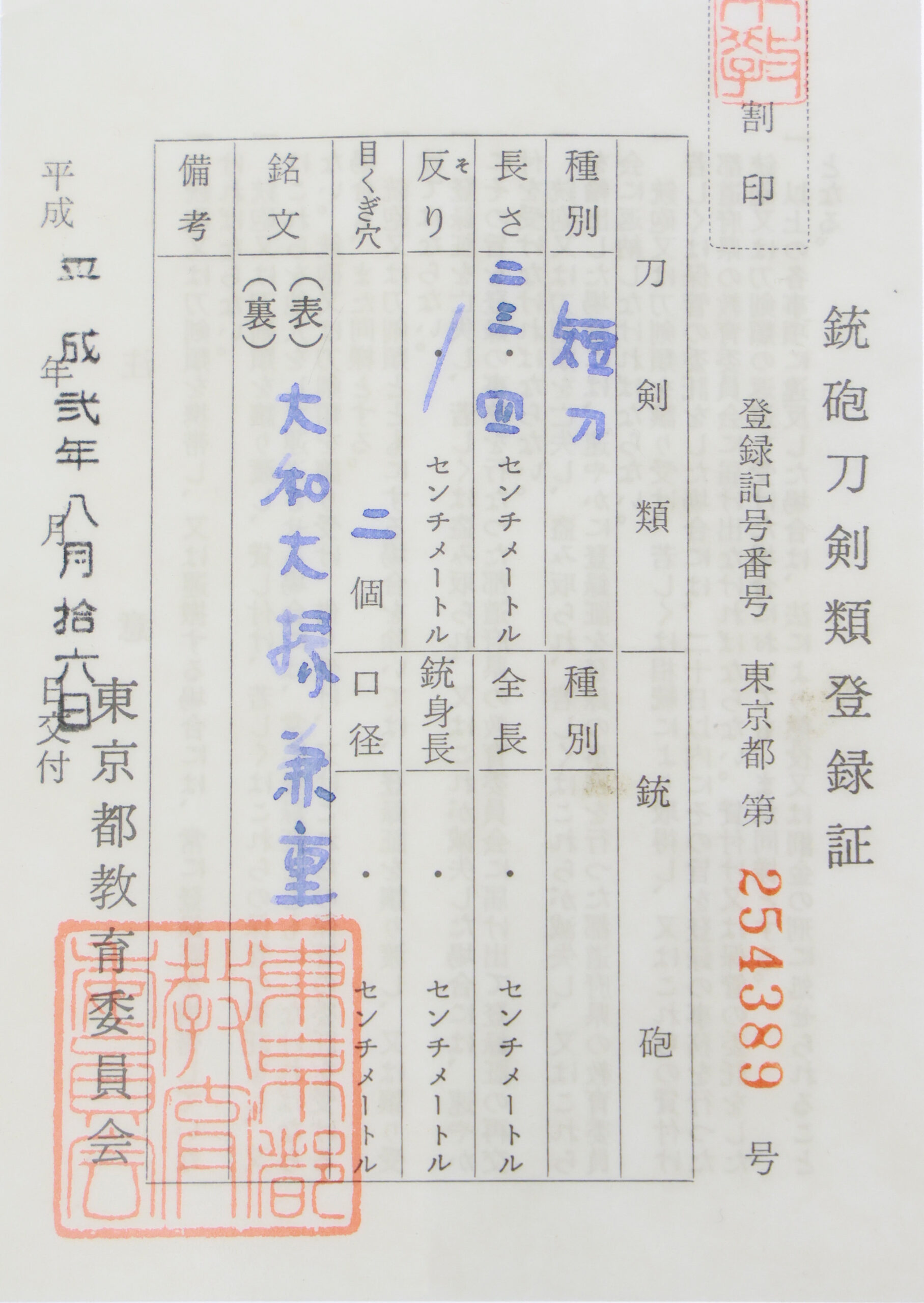
Summary This sword bears the signature of Yamato Daijō Kaneshige(大和大掾兼重). It is difficult to determine exactly which Kaneshige forged this blade, as several swordsmiths used that name. Based on available evidence and what NBTHK informed us, this piece may have been made by a Kaneshige who was active in the early-mid Edo period. The use of the character “兼” (Kane) in the name suggests that the swordsmith may have belonged to the Mino tradition, a well-known school of sword-making characterized by its practical and robust style. The swordsmiths of Mino province, known for their unwavering dedication and exceptional craftsmanship, developed a unique sword-forging tradition called Mino-den (美濃伝). This tradition was characterized by togari-ba (pointed shapes protruding from the hamon), a classic straight temper line, and a midare-ba (irregular temper pattern) sometimes accompanied by a whitish utsuri. Mino-den originated from Yamato-den in the late Kamakura period (1280–1330) and flourished throughout the Nanbokuchō and Muromachi periods (1333–1573), continuing its legacy well into the Edo period (1603–1868). The evolution and endurance of Mino-den stand as a testament to the skill and artistry of its swordsmiths. Mino-den reached its peak during the Sengoku Jidai (Warring States period, 1467-1590), when the demand for weapons surged. The province’s strategic location gave it a competitive edge—Akechi Mitsuhide controlled Mino, Oda Nobunaga ruled neighboring Owari, and Tokugawa Ieyasu governed Suruga. These powerful feudal lords and their retainers required a steady supply of weapons. Additionally, Mino was geographically positioned between the Kantō region and Kyoto, making it a convenient hub for sword orders. The blades produced in Mino were renowned for their practical design and exceptional sharpness, further solidifying the province’s reputation as a premier center for sword production. The highly refined craftsmanship has passed to the Edo period as well and many of the swordsmiths in Mino moved to other parts of Japan for other opportunities. Kaneshige is thought to have been one of them. This blade is appraised as a Hozon Touken (保存刀剣) issued by NBTHK (Nihon Bijutsu Touken Hozon Kyokai: 日本美術刀剣保存協会). *Please keep in mind that there are a couple of Kitae Kizu on this blade. Fuchi-Kashira The design of this fuchi kashira features features a horse depicted alongside bellflowers (桔梗, kikyo) and chrysanthemums (菊, kiku), both of which are part of the Aki no Nanakusa—the Seven Flowers of Autumn in Japanese tradition. Aki no Nanakusa (秋の七草), or the Seven Flowers of Autumn, are a group of traditional Japanese wildflowers that have been celebrated in poetry and art since ancient times. Unlike the Seven Herbs of Spring, which are edible and associated with health and nourishment, the autumn flowers are appreciated purely for their beauty and poetic symbolism. Tsuka and Menuki The menuki (hilt ornaments) on this sword depict a mounted warrior holding a naginata (polearm), likely representing a prominent military figure from ancient China. One of the most famous Chinese generals known for wielding a naginata is Guan Yu, a legendary hero from the late Eastern Han to the Three Kingdoms period. He is traditionally depicted riding a red hare horse and wielding the massive Green Dragon Crescent Blade (青龍偃月刀, known in Chinese as Qinglong Yanyue Dao), which is said to have weighed 82 jin—approximately 18 kilograms by the standards of that era. Due to the similarities in appearance and armament, the figure on the menuki may have been modeled after Guan Yu. Tsuba and Habaki The surface of this Tsuba is decorated with the Ishime-Ji (石目地). Its base was hit by Tagane (鏨, chisel for metalworking), and it makes a rough surface that seems stone. Kozuka The kozuka (small utility knife) also features a depiction of a warrior on horseback, likely representing Guan Yu riding his legendary Red Hare. Among the more than 500 heroes featured in the historical epic “Romance of the Three Kingdoms”, Guan Yu stands out as one of the most famous and revered figures. He is celebrated not only for his martial prowess and loyalty, but also for his enduring legacy in Chinese and East Asian culture. Saya This saya features a decorative lacquer technique known as Fuemaki-nuri (笛巻塗). The name literally means “flute-wrap lacquer” and refers to a style in which thin cords or string are wrapped around the scabbard before being coated with multiple layers of lacquer. After drying, the surface is polished, creating a textured, ridged pattern that resembles the wrapping of a traditional Japanese flute (笛, fue). *Please keep in mind that there are some area where you can see the restoration work. Authentication Paper They authenticated the blade on January 17th in the 3rd year of Heisei (1991). They appraised it as Hozon Touken, the blade worth preserving for Japanese society.

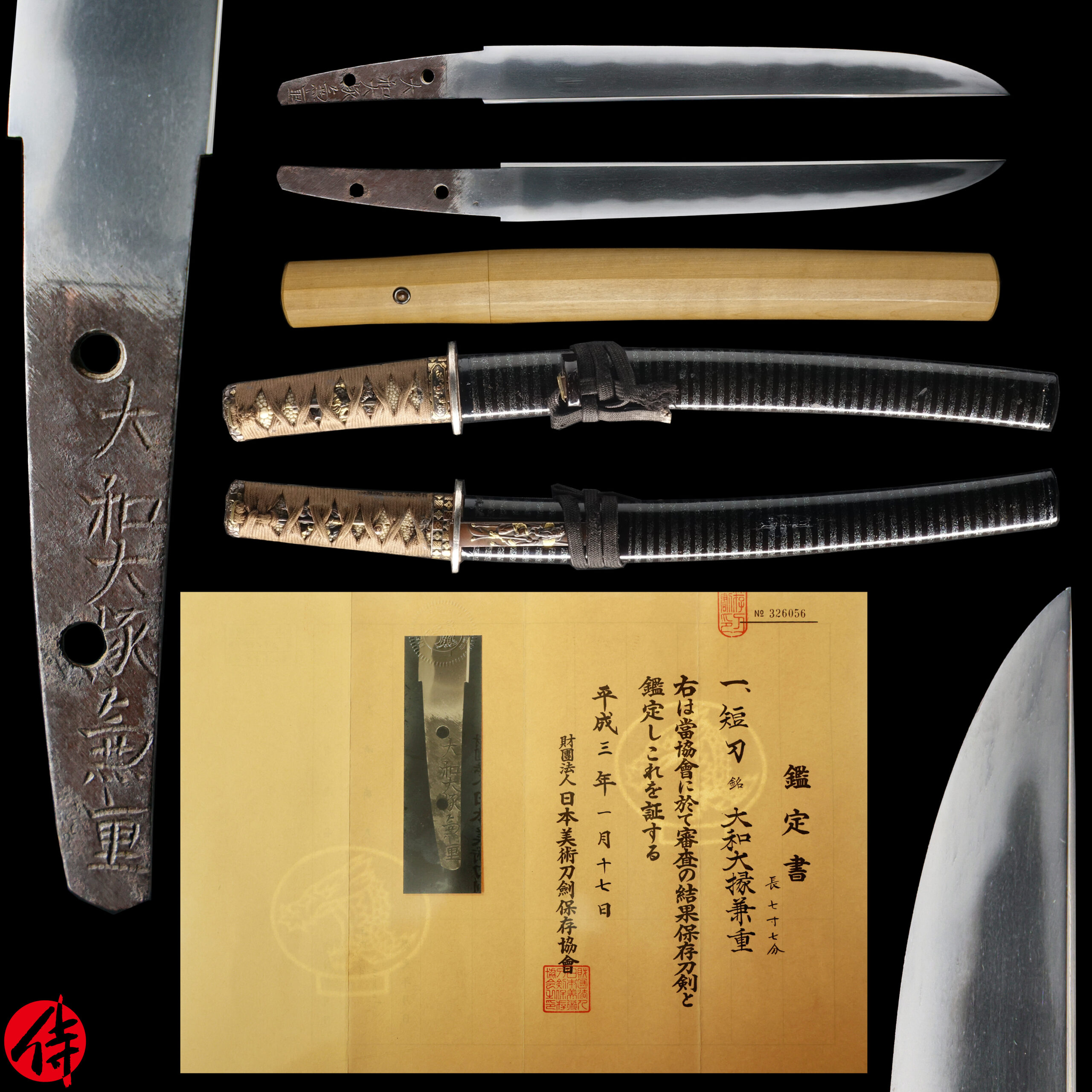
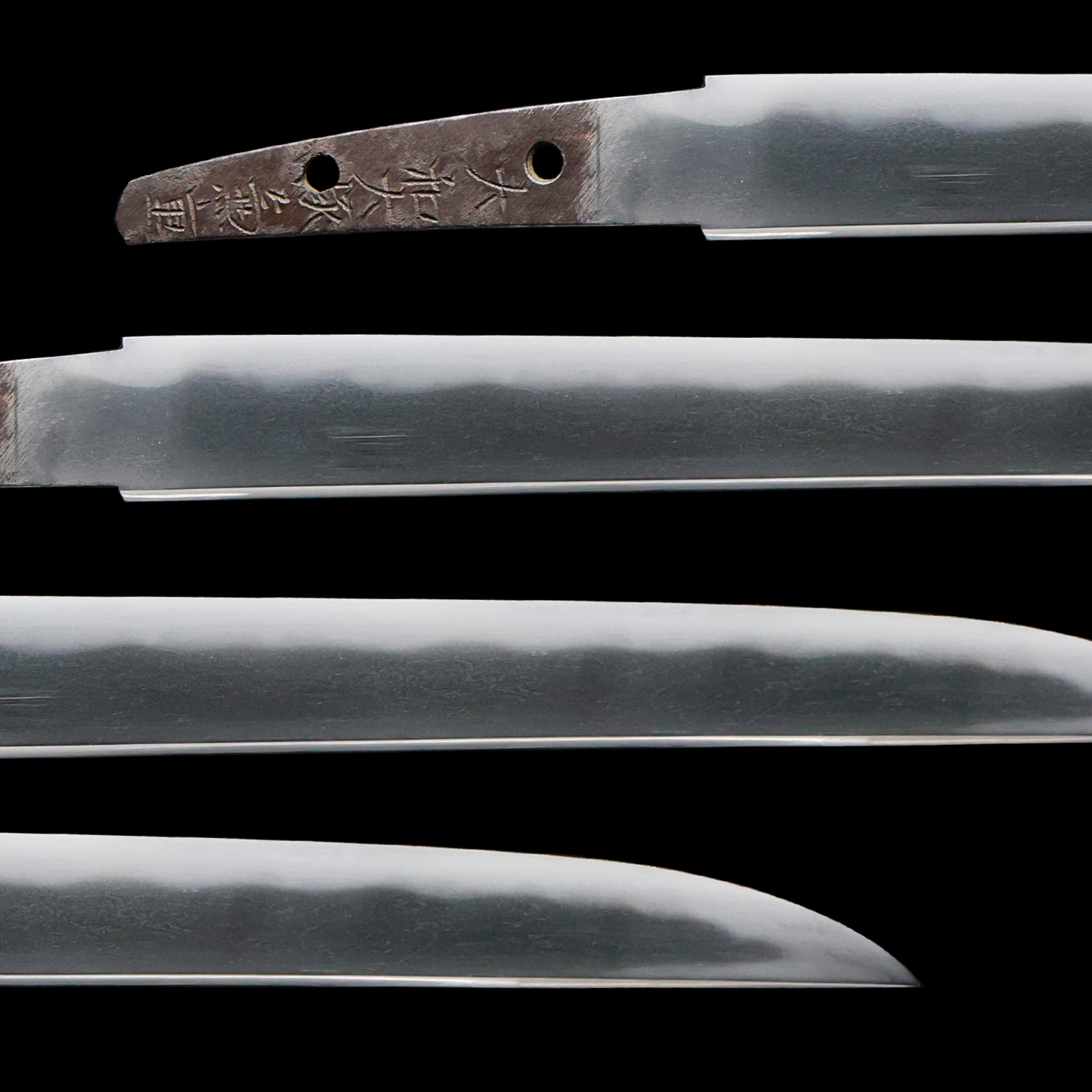
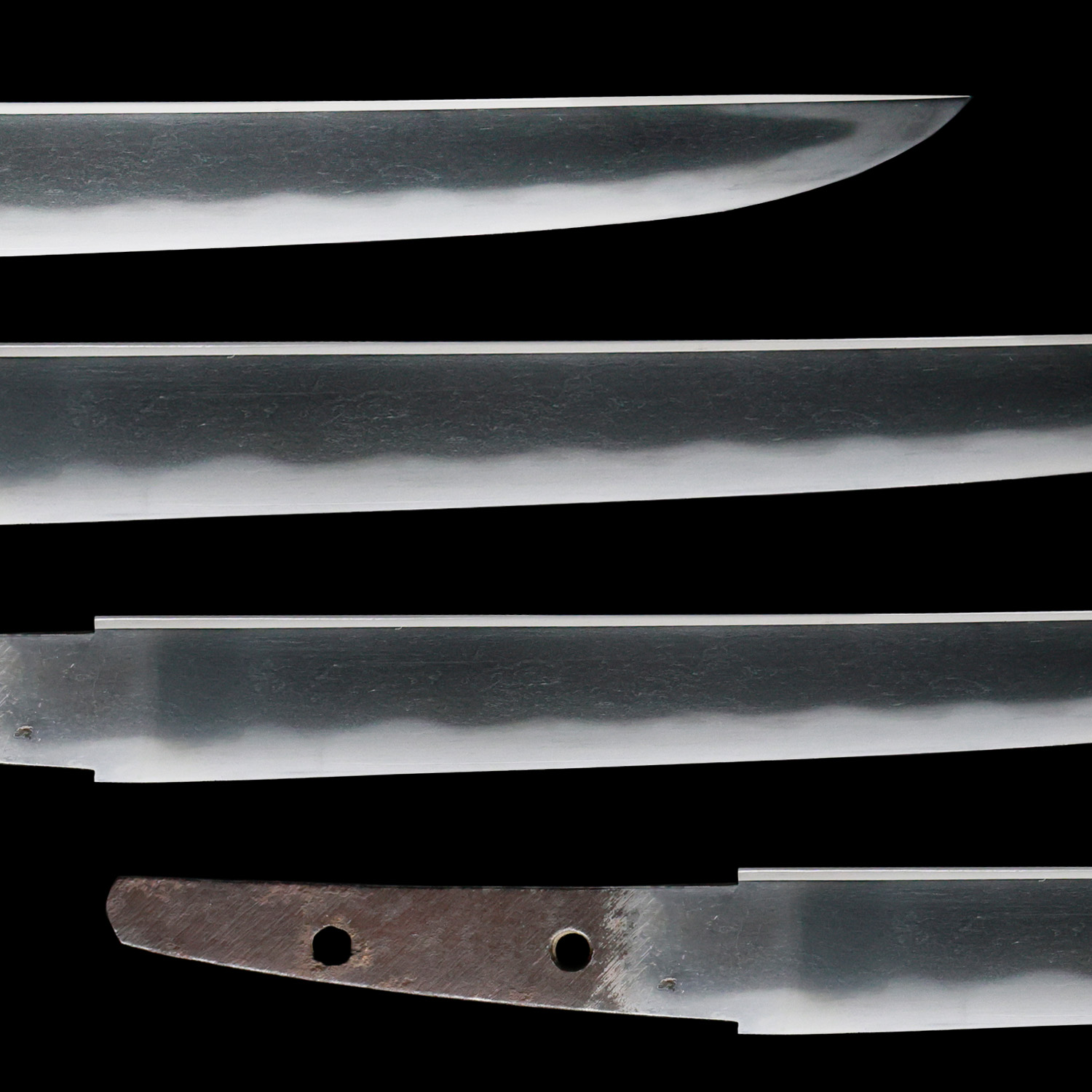


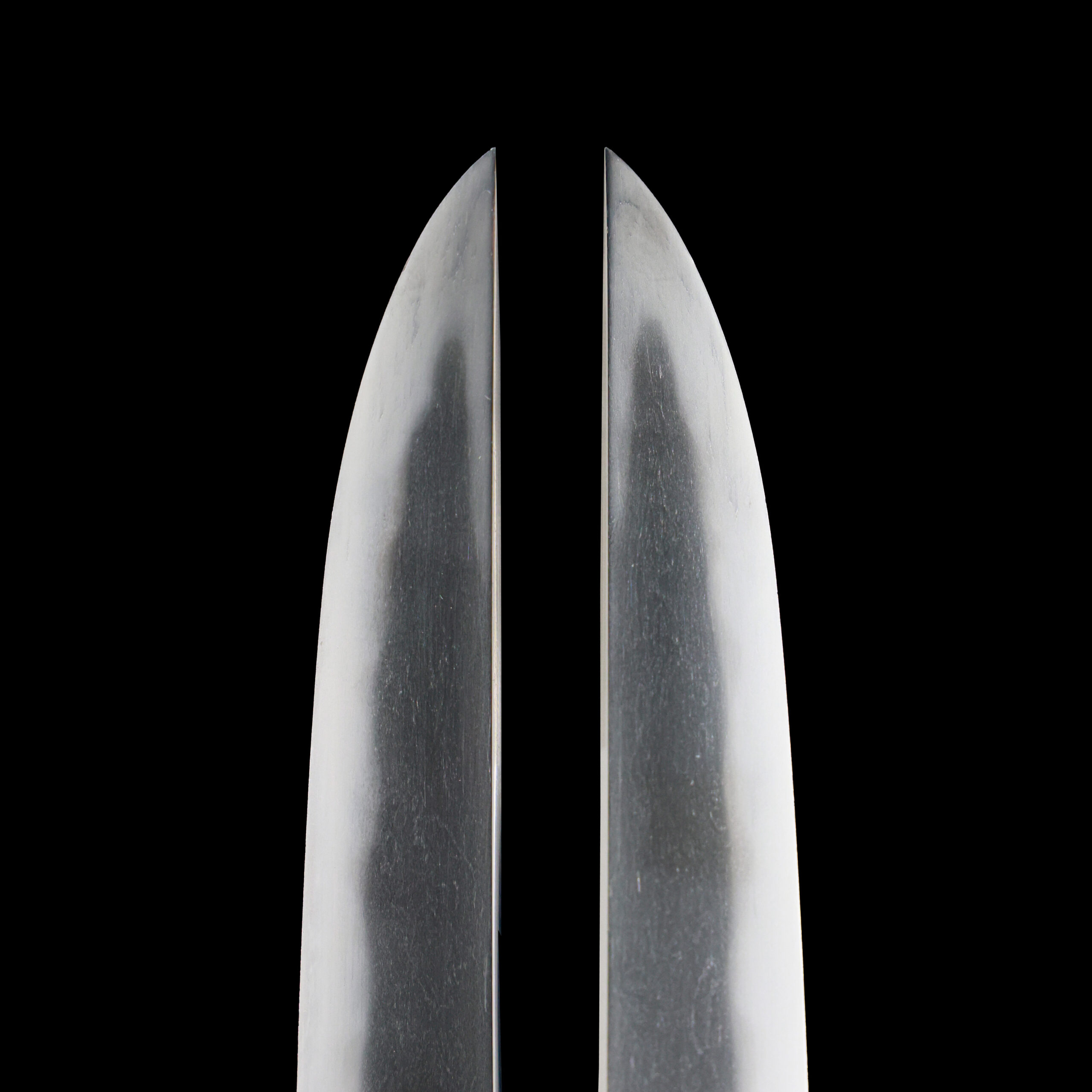
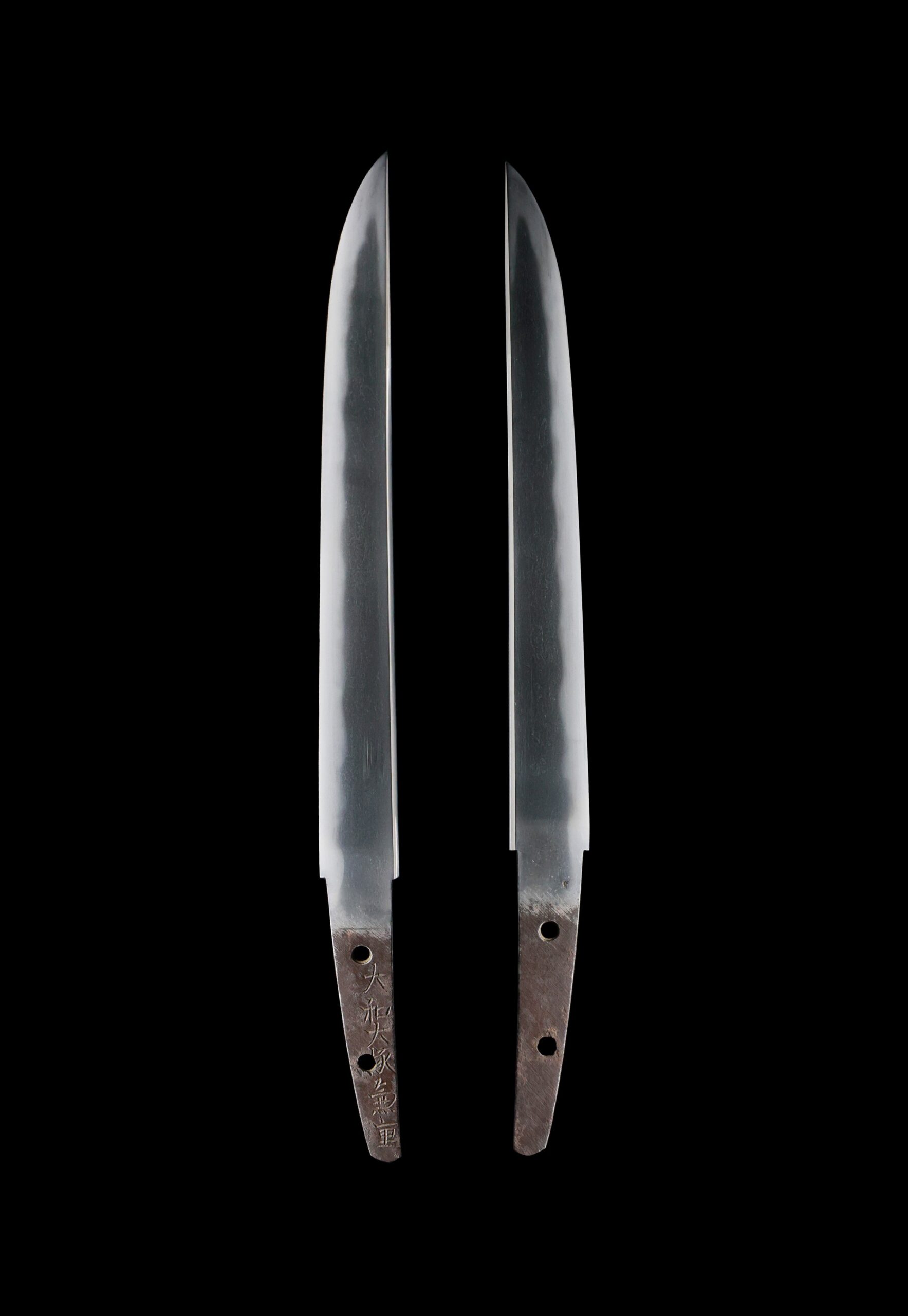
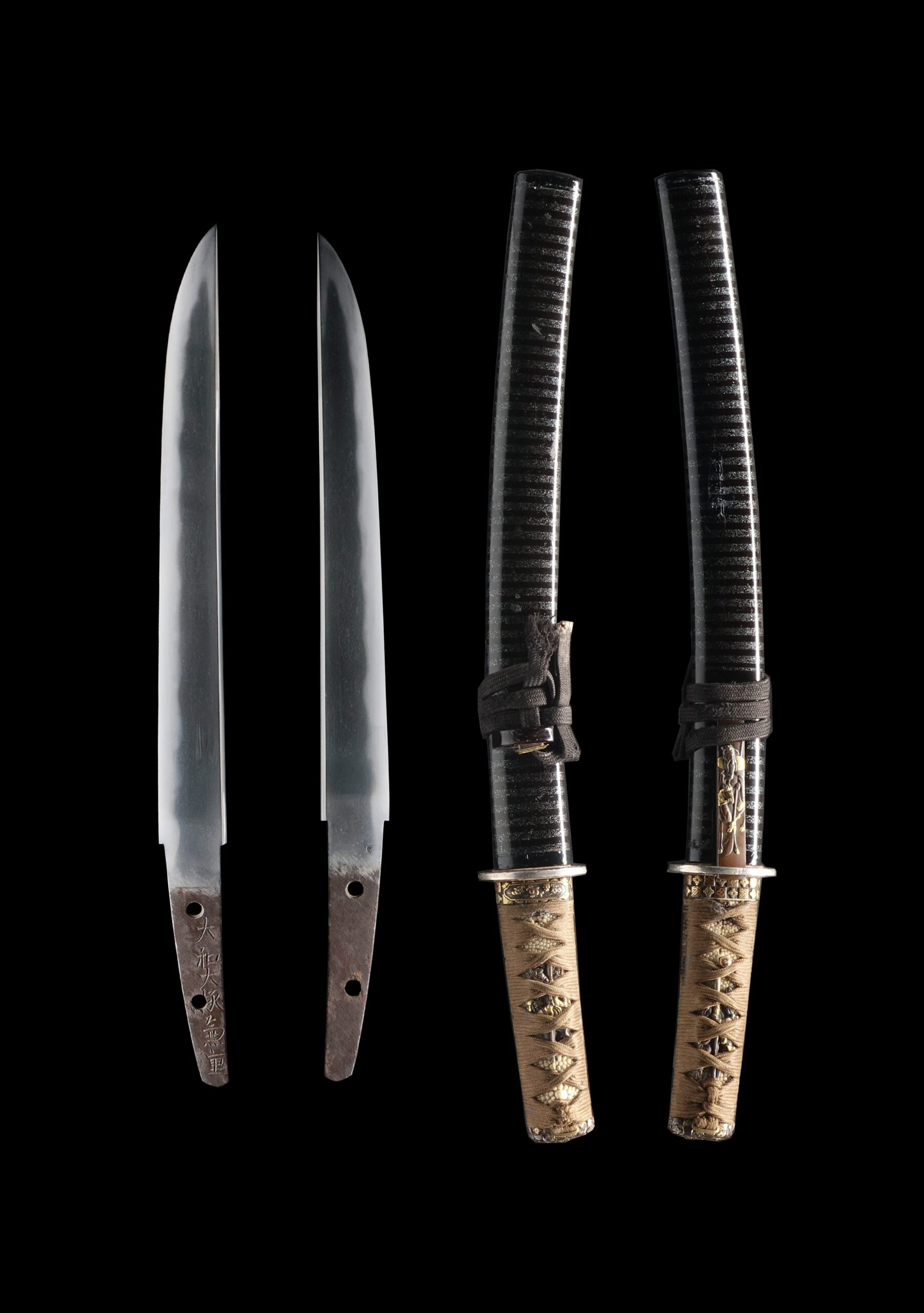
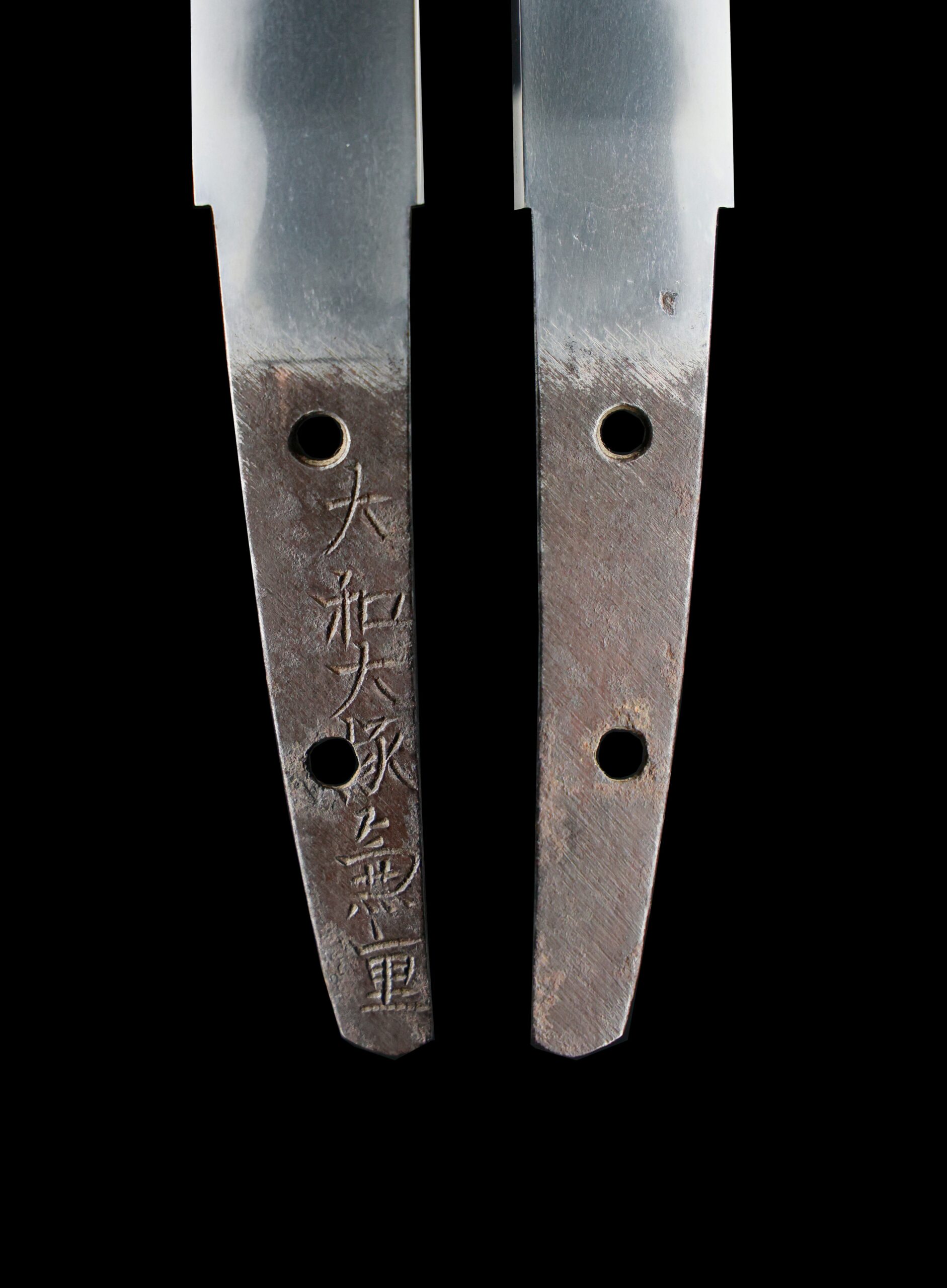
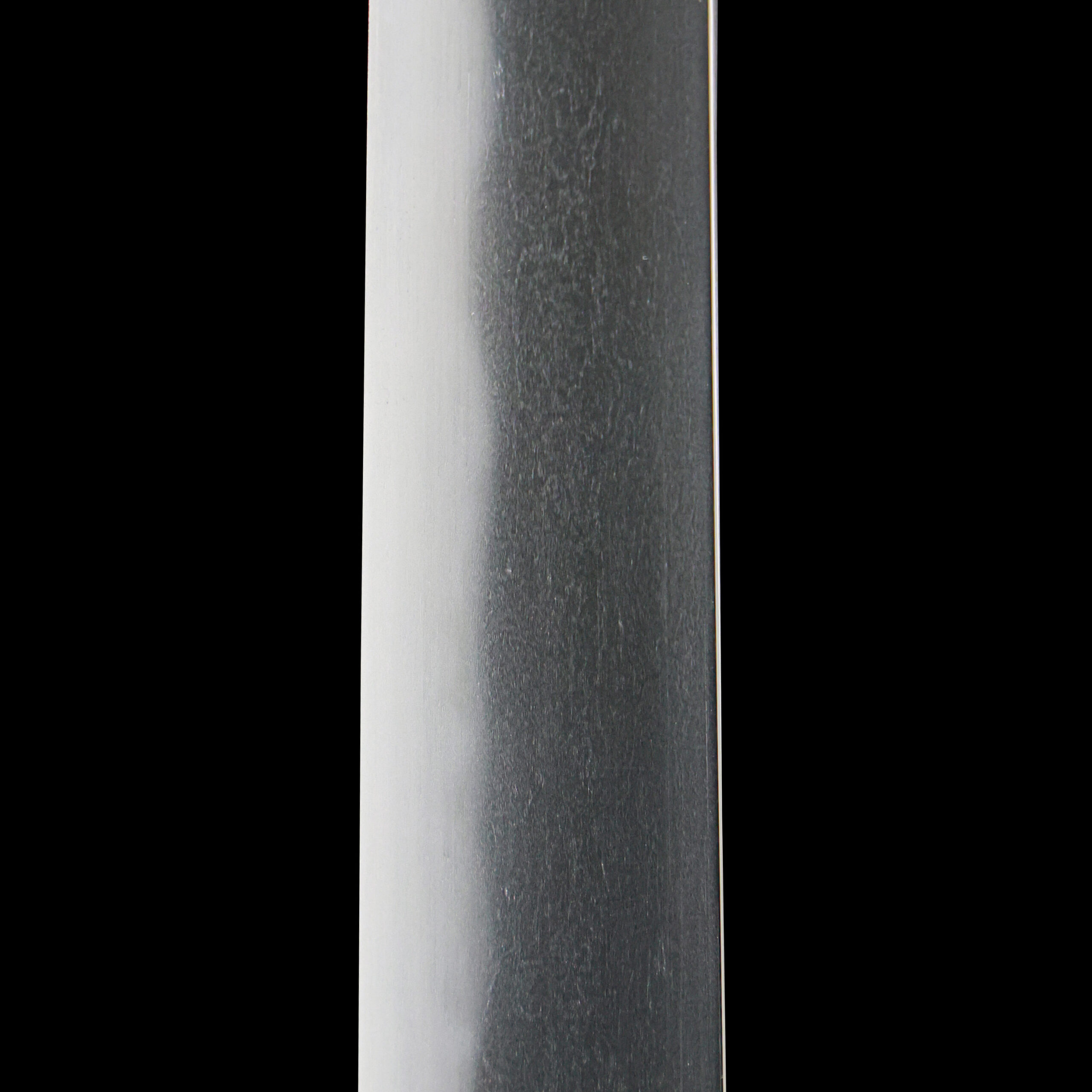
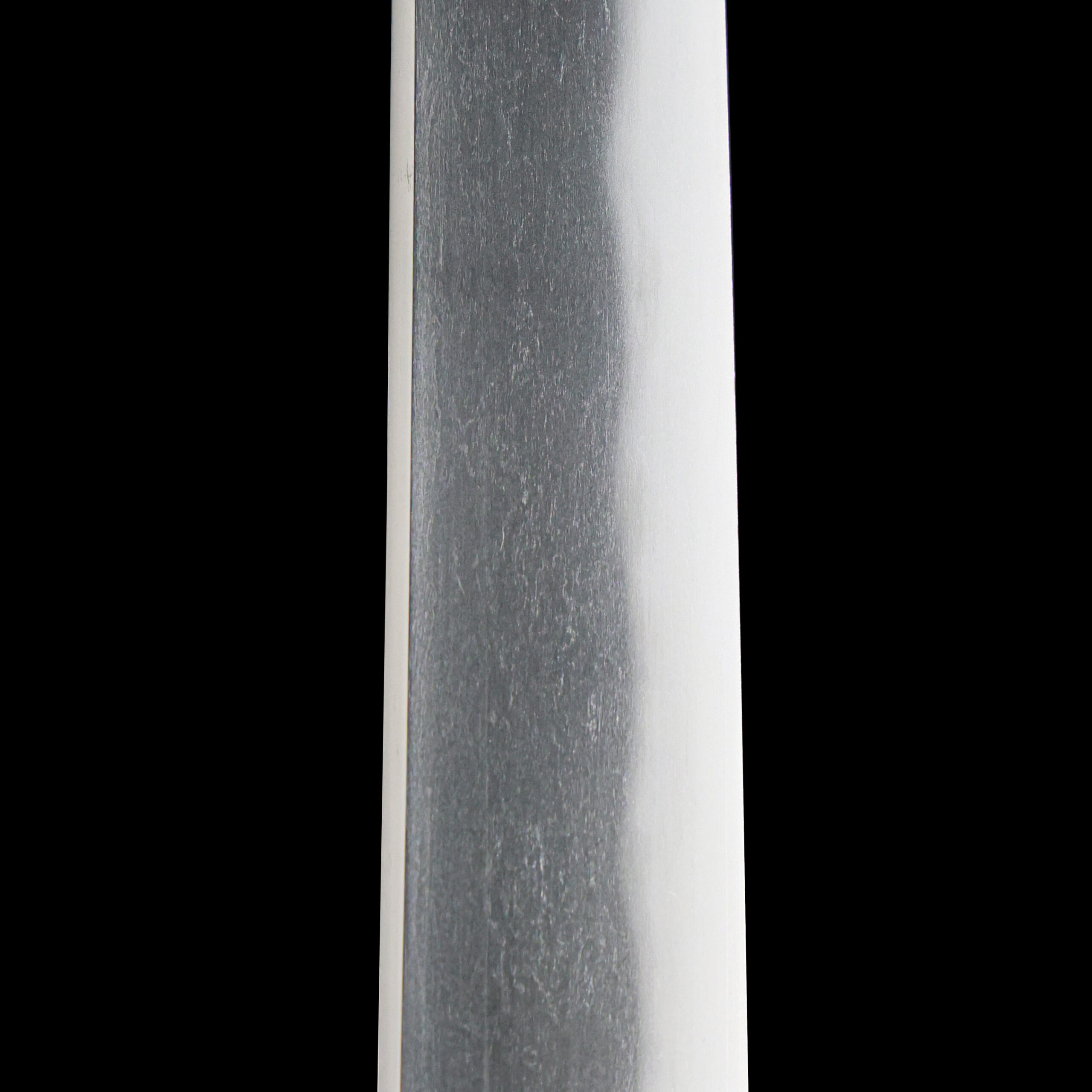
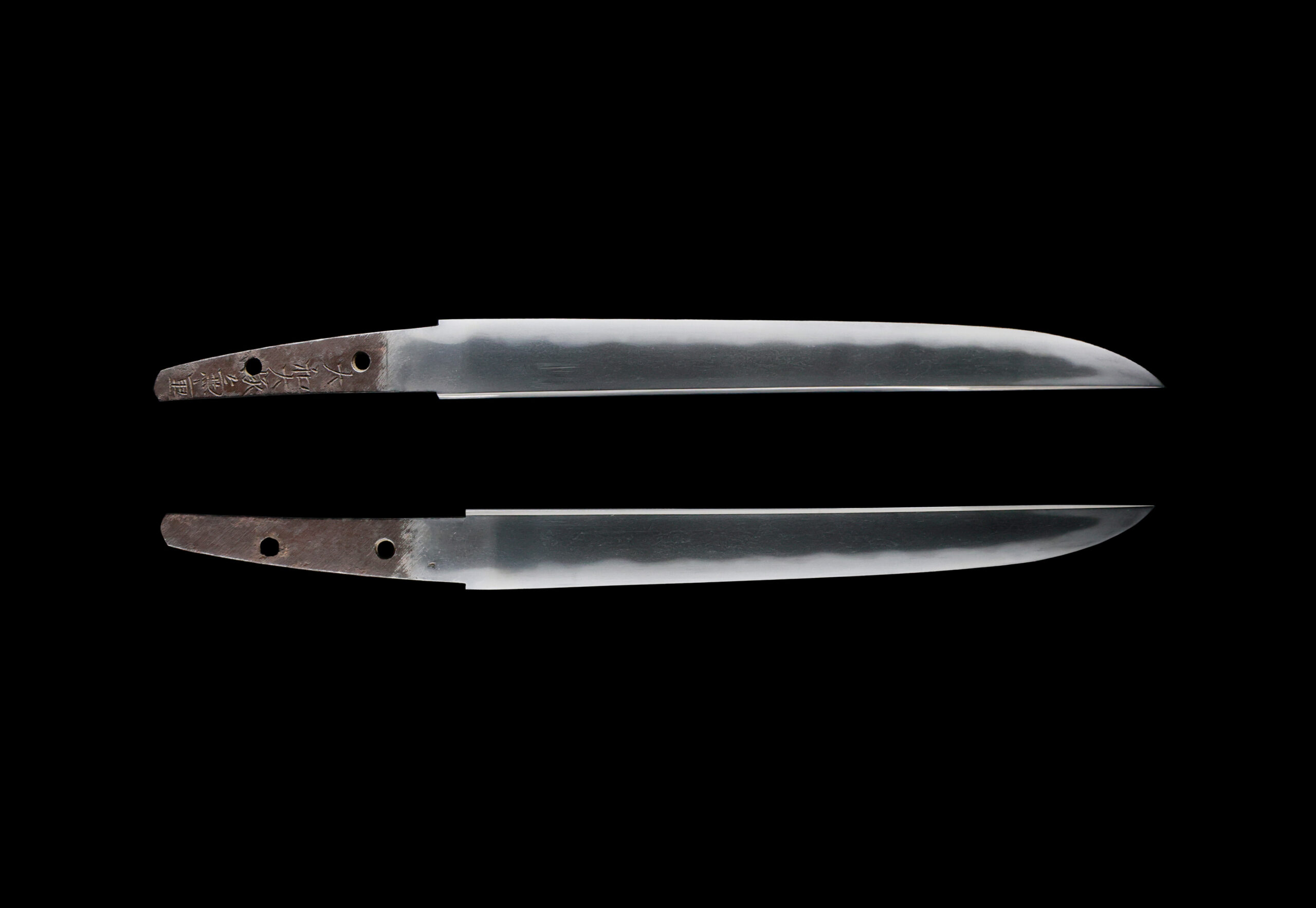
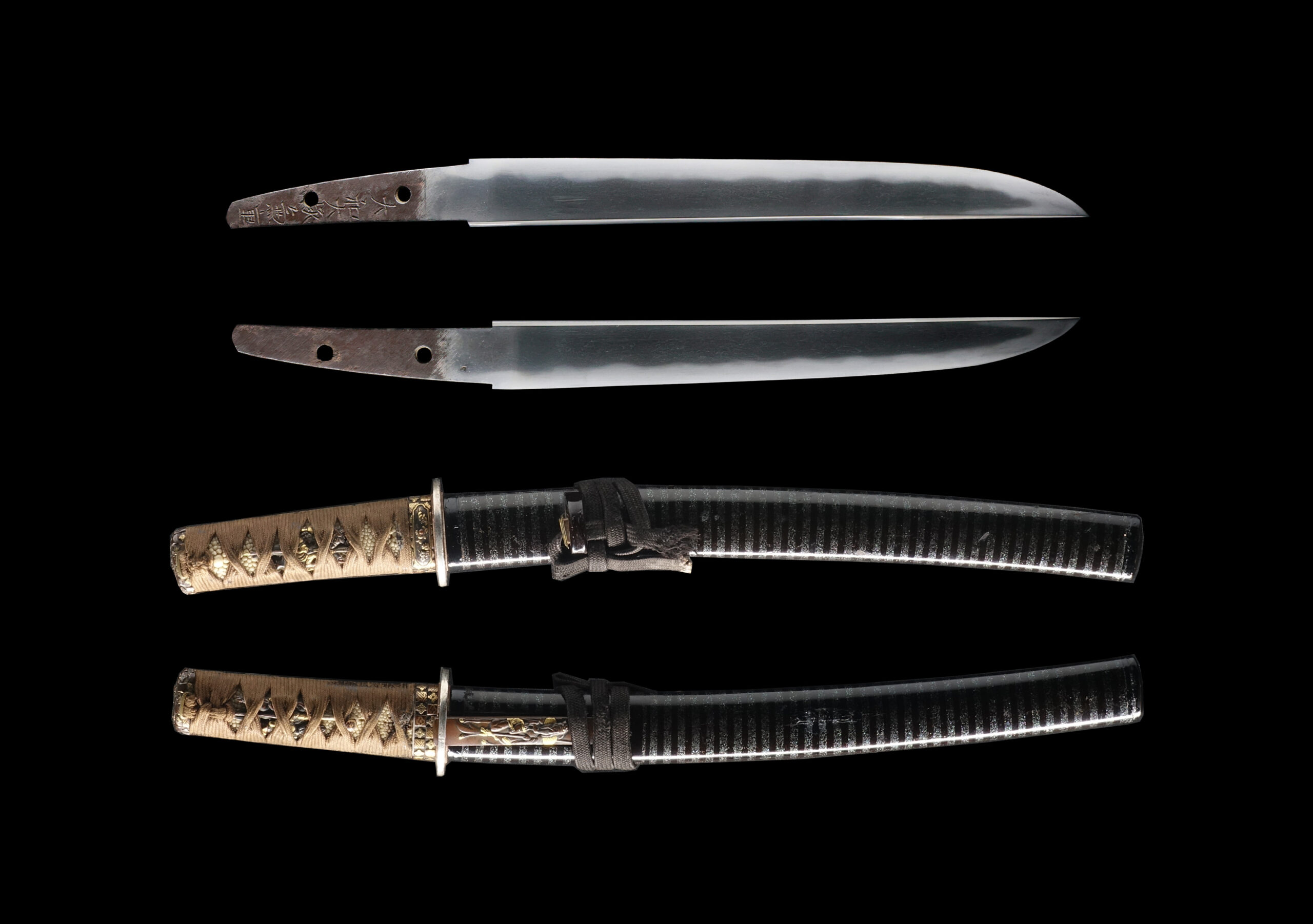
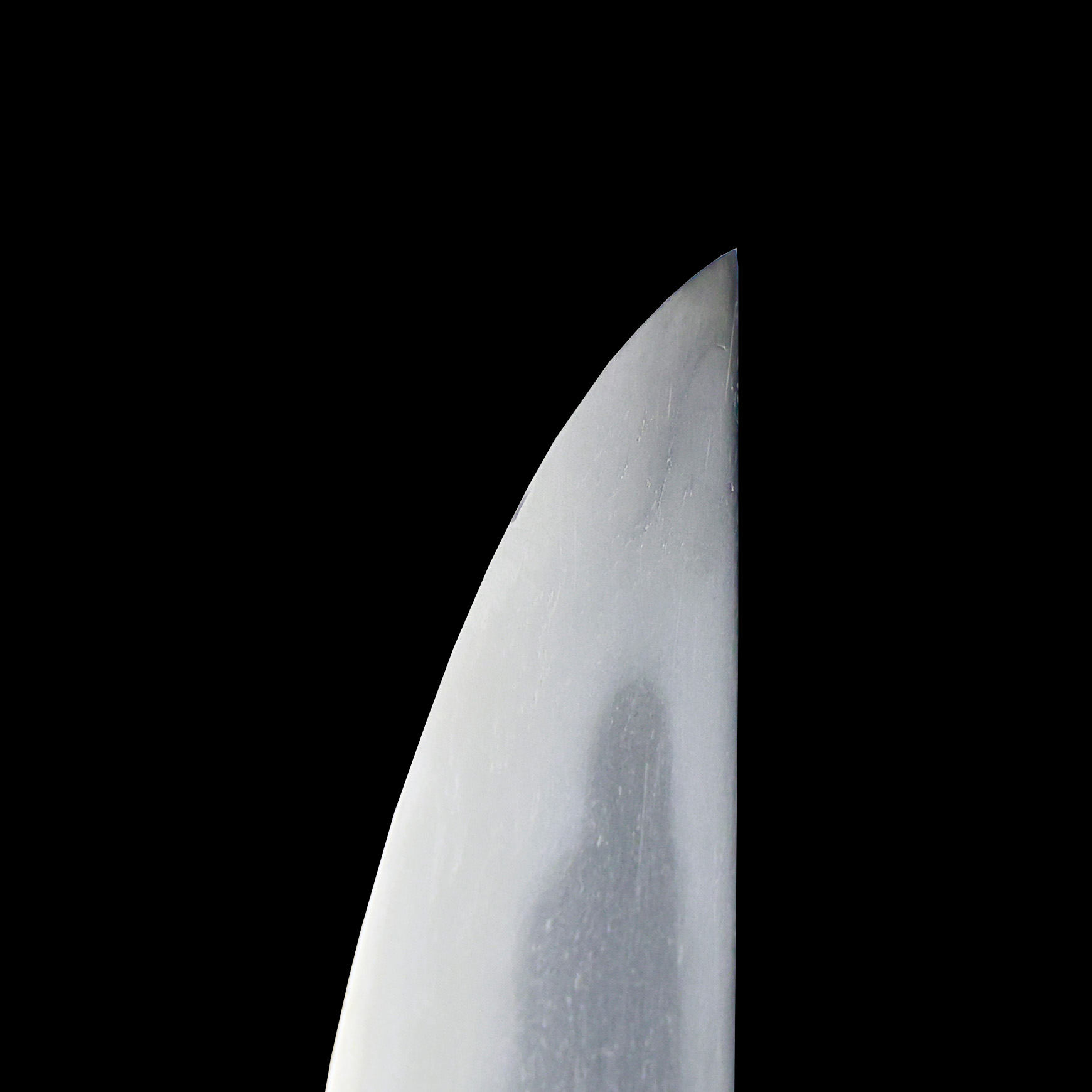
販売店の記載のまま
新刀 · 武蔵
現在6点販売中
兼重は、初代康継・繁慶についで江戸にあらわれた鍛冶で、説示は初代和泉守兼重をもと越前の矢ノ根鍛冶とし、のちに江戸へ出て刀鍛冶に転じたと伝える。古今鍛冶備考の説に拠るとあり、その現存作で最も早い年紀は寛永二年八月日紀の薙刀で、作刀は明暦の頃にまで及ぶ。和泉守と上総介の両者は従来同人とされ、藤堂和泉守に抱えられたために主君と受領銘が同じであることを憚って上総介に改めたと伝えられてきたが、辻上総介藤原兼重四十三歳於江戸作之康継下坂市之丞云々と銘じた脇指、ならびに寛文六年紀の康継合作刀の存在によって、上総介兼重は寛永三年の生まれと算せられ、和泉守とは明らかに別人であることが説示に示される。二代上総介兼重は和泉守兼重の子または弟子とみられる兼重二代目であり、上総守と冠することもあって、作刀はおよそ明暦・万治から始まり、寛文・延宝の頃が活躍期で、虎徹と同時代に位置する。近年は両者の銘字を比較検討して代替りの時期を慶安期とし、二代も初期には和泉守を冠したのち上総守・上総介を交互に用い、さらに二代の子と伝える助九郎兼常による代銘を指摘するなど、新説が打ち出されているという。 作風は説示が初二代に分けて記す。初代和泉守の作は大別して二様で、一はのたれを基調に互の目が連れて交じり足の入ったもの、一は沸匂深く直刃仕立に浅くのたれをおびた刃取りで匂口が明るく冴えるものである。鍛えは小板目肌がよくつみ、あるいは板目に杢・流れ肌を交えて肌立ちごころとなり、地沸が微塵に厚くつき地景が細かによく入る。直刃の作では広直刃に浅いのたれをおびて沸筋がかかり、匂が一段と深く沸が厚くつくところが、この作域を手懸けた折の特色とされる。二代上総介の作は、直刃調に互の目が連れて数珠刃風となるのが本領で、足太く頻りに入り、金筋・砂流しがかかって匂口が明るい。互の目を一つ焼くと次は二つ焼くというふうに、一つ二つと繰り返して焼く一定のリズムが見られ、これが大きな見どころと説示は繰り返す。姿は身幅尋常、元先の幅差つき、反り浅く中鋒の詰まった寛文新刀の体配を示し、寛永・正保頃の作には慶長新刀から寛文新刀へ移行する過渡的な姿もあらわれる。茎には化粧風の鑢がかかり、後世の装飾的な化粧鑢の原形とみられると説示はほぼ一様に記す。 伝承の要点として説示が重んじるのは虎徹との関係である。二代は虎徹同様に数珠刃を得意とし、万治四年の山野加右衛門尉永久の金象嵌截断銘の脇指に虎徹に先立って完全な数珠刃を焼いた作があることから、その作風が後の虎徹の数珠刃に大きな影響を及ぼしたと想像に難くないとし、初代もまた虎徹の師と云われるとの伝を引く。一見虎徹を髣髴させ、ほとんど虎徹に見紛う程の出来とする評が諸作に見え、長曽祢虎徹や法城寺一派と類似した数珠刃風の互の目を江戸鍛冶相互の影響のうちに焼いたとも説く。截断銘を伴う作が多いのも特色で、山野加右衛門尉永久、勘十郎時代の同人、柴崎伝左衛門正次、前島八郎友次らの金象嵌截断銘が裏に添えられ、三ツ胴・二ツ胴截断の業物として遇されたことを示す。茎の隷書風の独特の書体による五字・七字・長銘も同工識別の手懸りであり、銘字の太細や大小の推移が前後期の判別に資する。明暦三年紀や寛文・延宝紀の作を含め、説示は数珠刃の完成度と直刃の冴えの両面に同派の到達を見ている。 詳しく見る →
江戸 将軍の御膝元
参勤交代が集めた日本最大の帯刀人口が江戸にあった。御用鍛冶康継は茎に葵紋を許され、虎徹の刀は截断銘の金象嵌を帯びる。この町では、証こそが物を言った。
銘が正しい、または無銘でも年代・国・系統を確実に指摘できる、保存に値する真正の作と鑑定されたものです。
日本美術刀剣保存協会(NBTHK)は、1948年に設立され、文化庁の監督を受ける公益財団法人で、東京・刀剣博物館に本部を置きます。専門の審査員が出品作を直接審査し、美術的・歴史的価値に応じた鑑定書を発行します。NBTHKの鑑定書は、日本刀および刀装具の真正性を示す最も広く認知された基準です。
NBTHK公式サイトReturns/exchanges limited to defects caused by shipping (except willful misconduct or gross negligence by the company); customers must contact within 72 hours of receiving the product.