二世紀半の泰平のあいだ、刀は武器である以上に武士の身分の標章であった。江戸の実証と大坂の華やぎのように都市ごとの作風が育ち、時代の末には需要も細っていく。
 NihontoWatchNihontoWatch
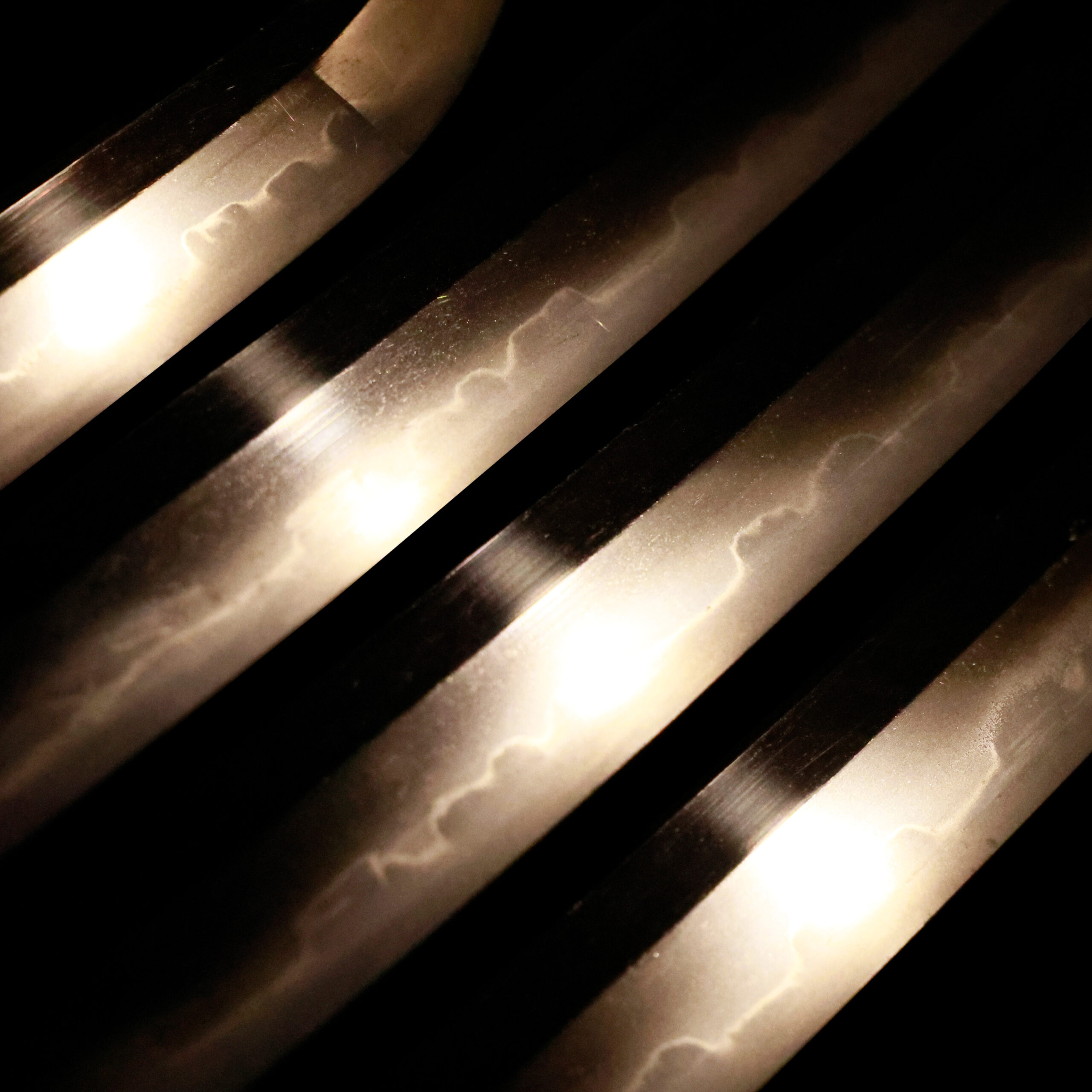
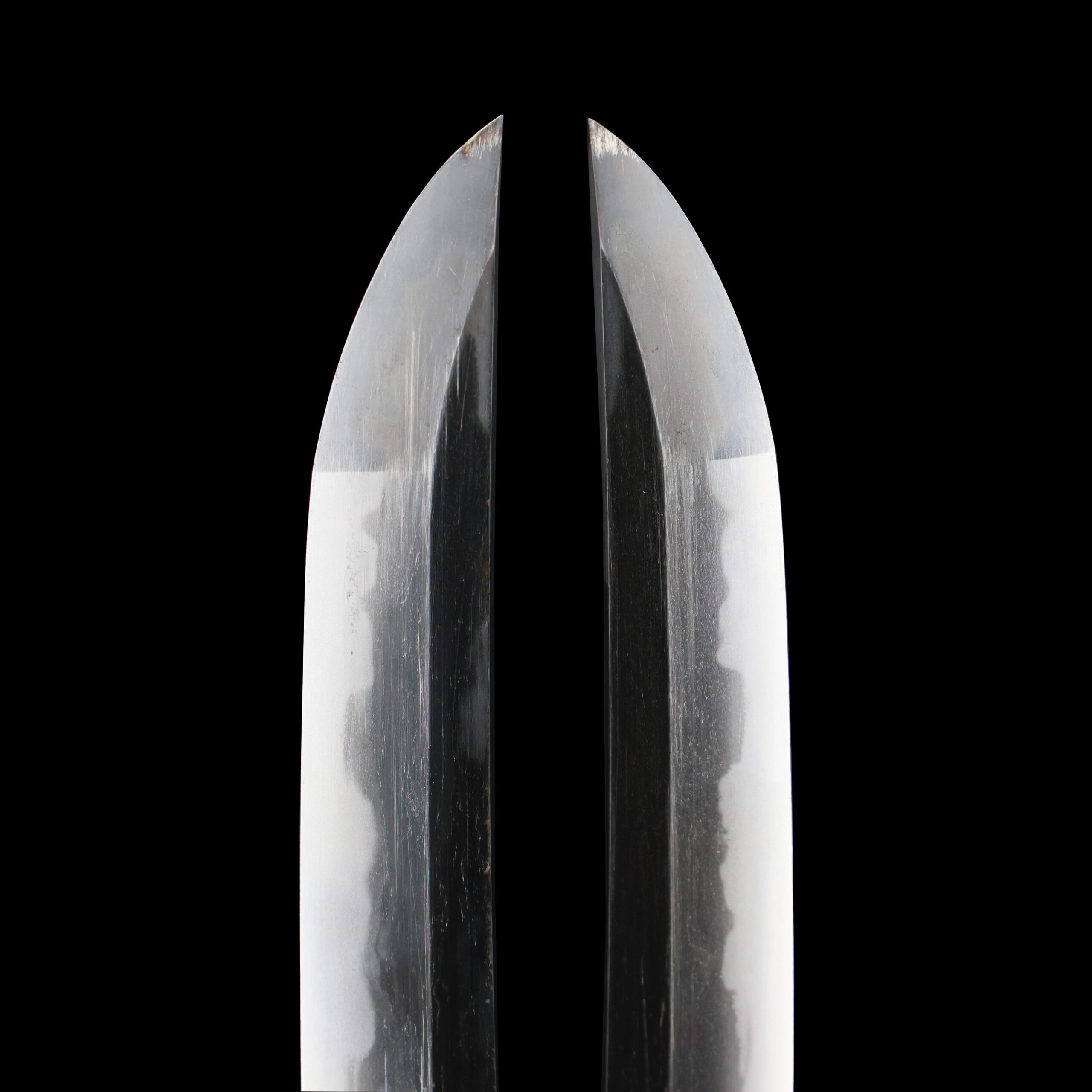
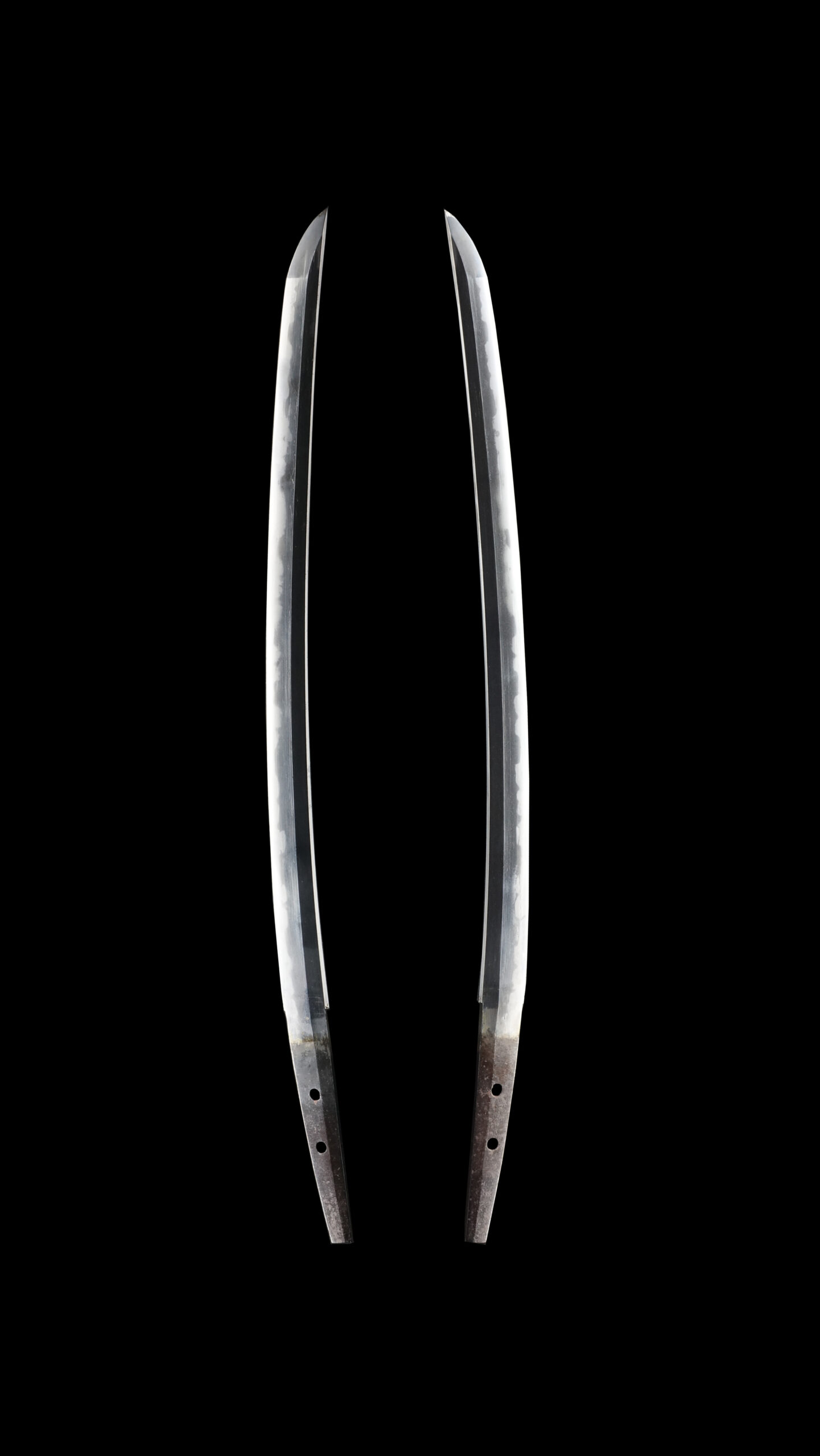
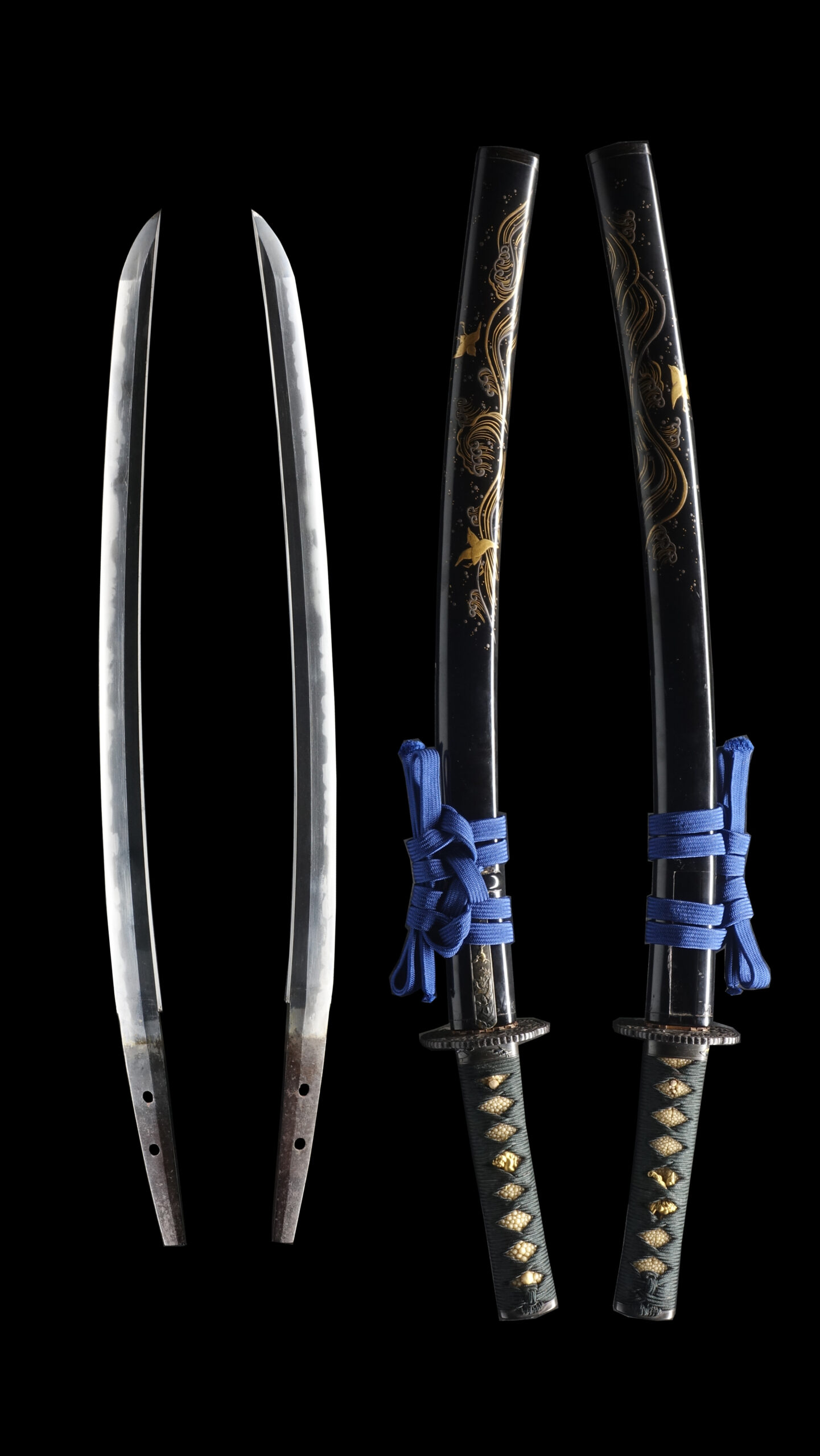
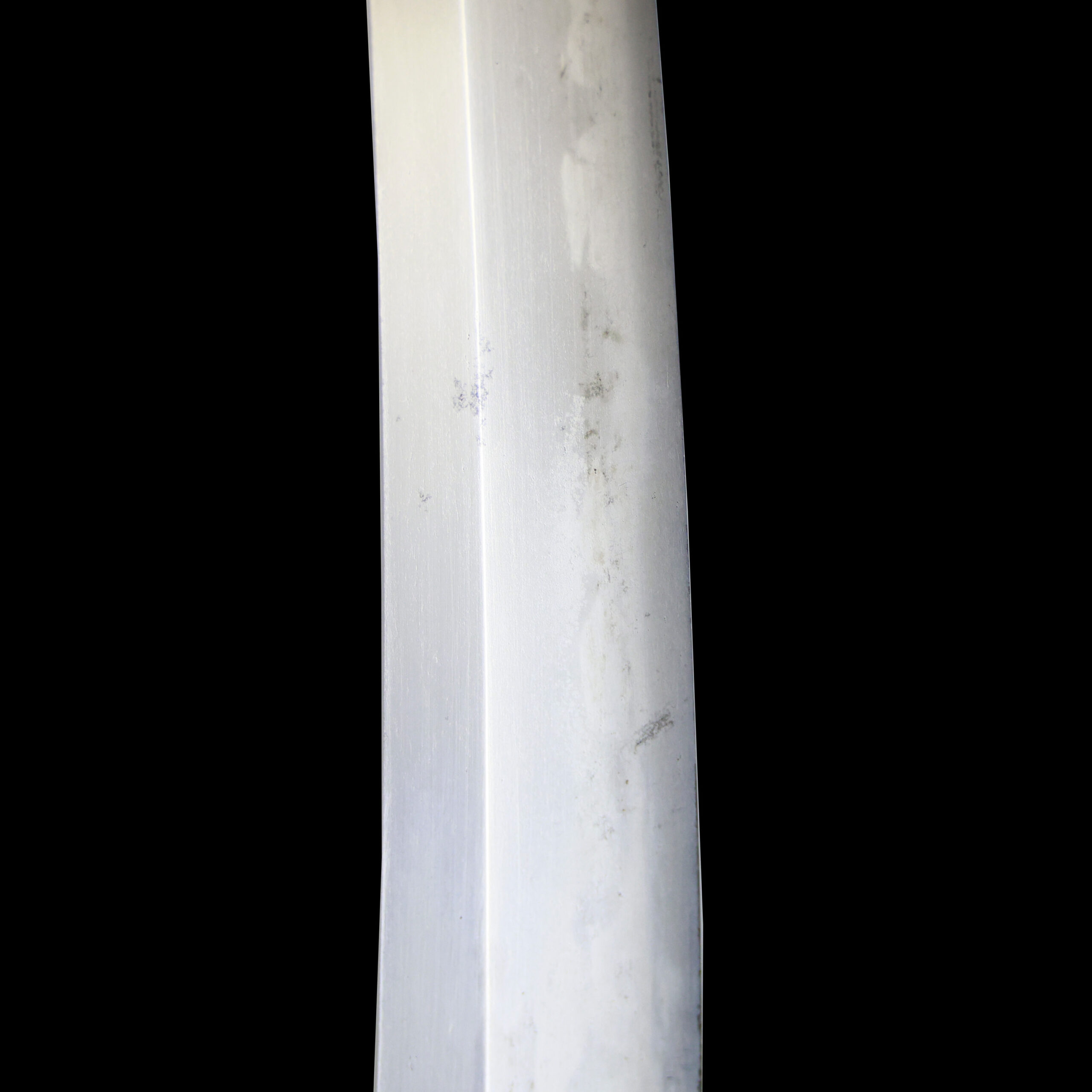
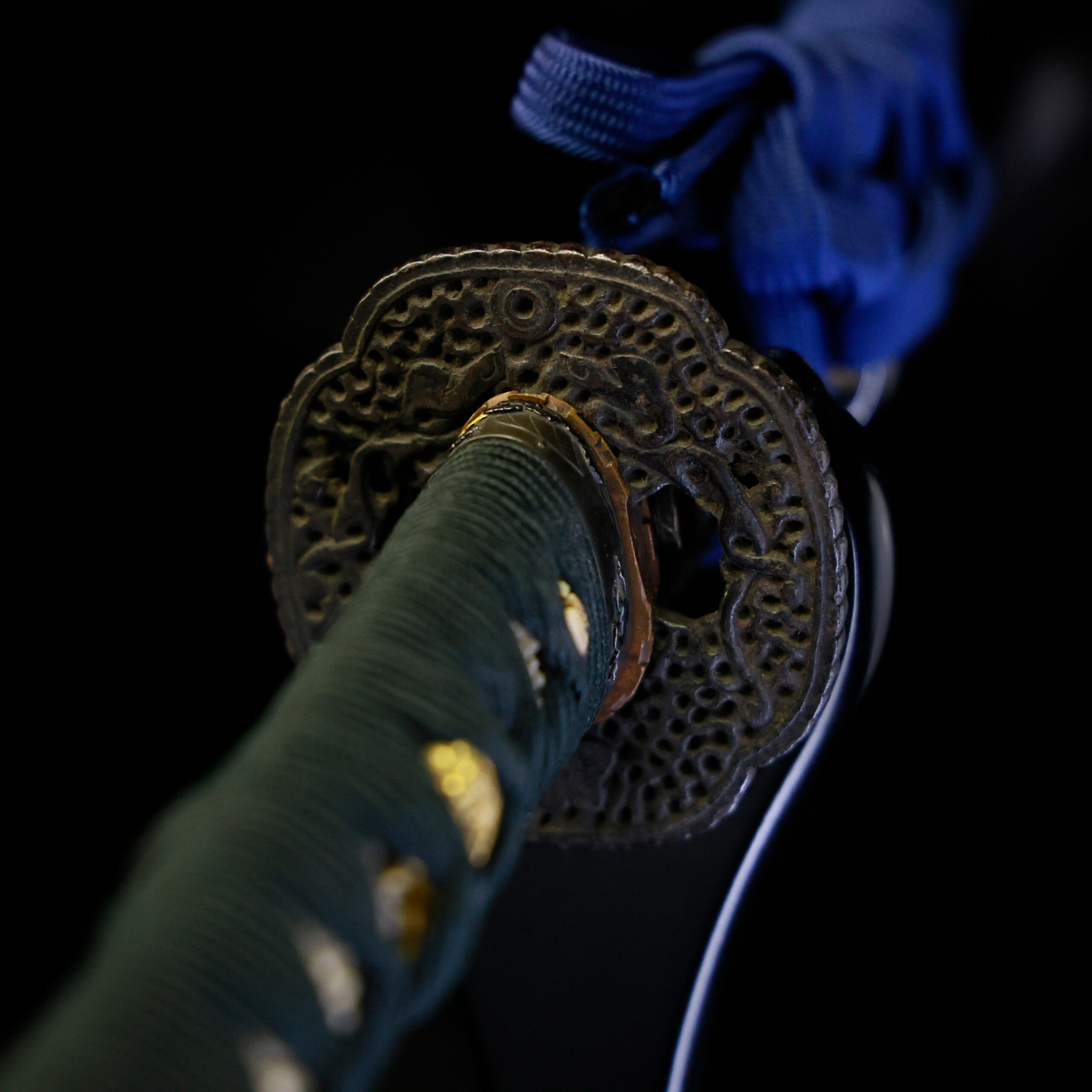
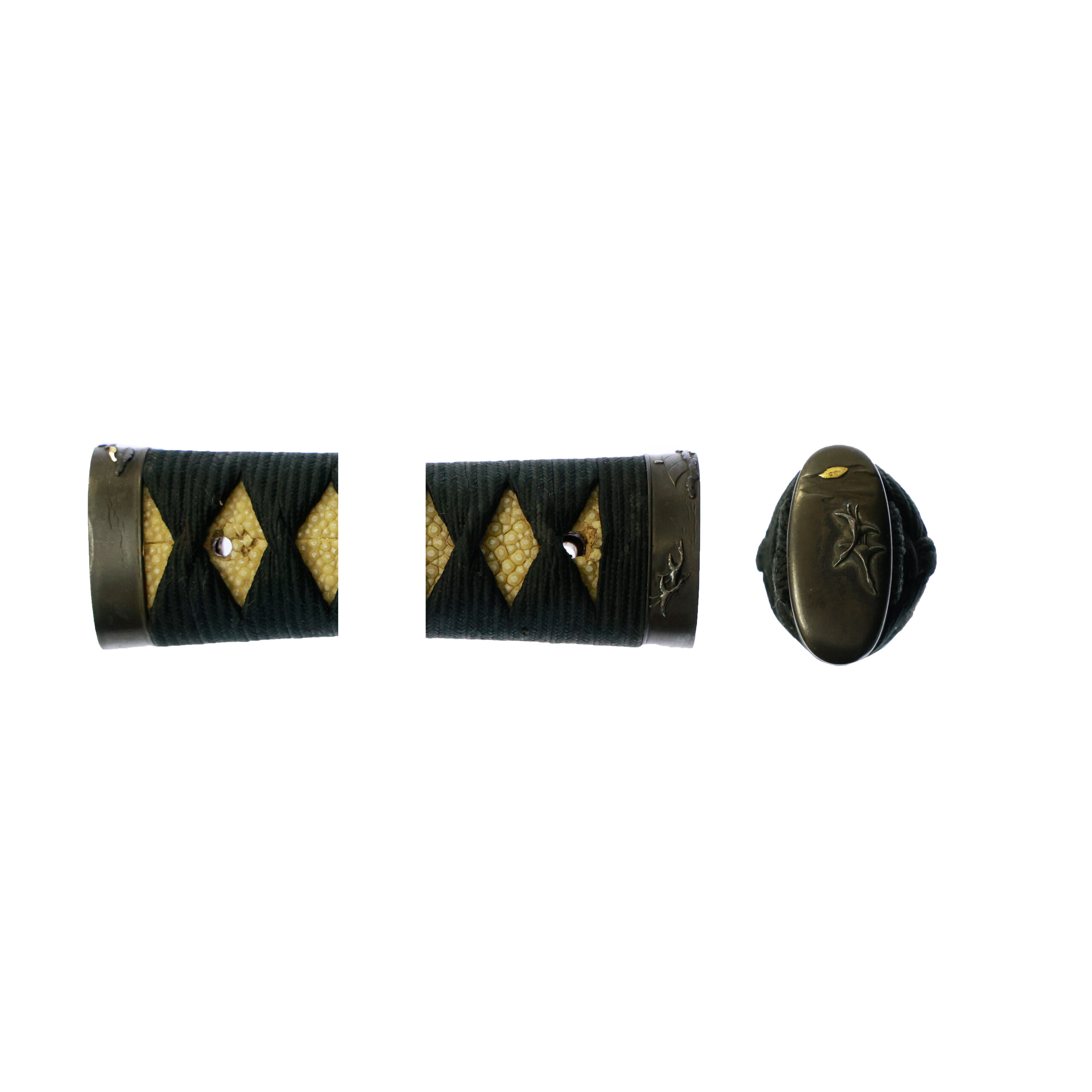
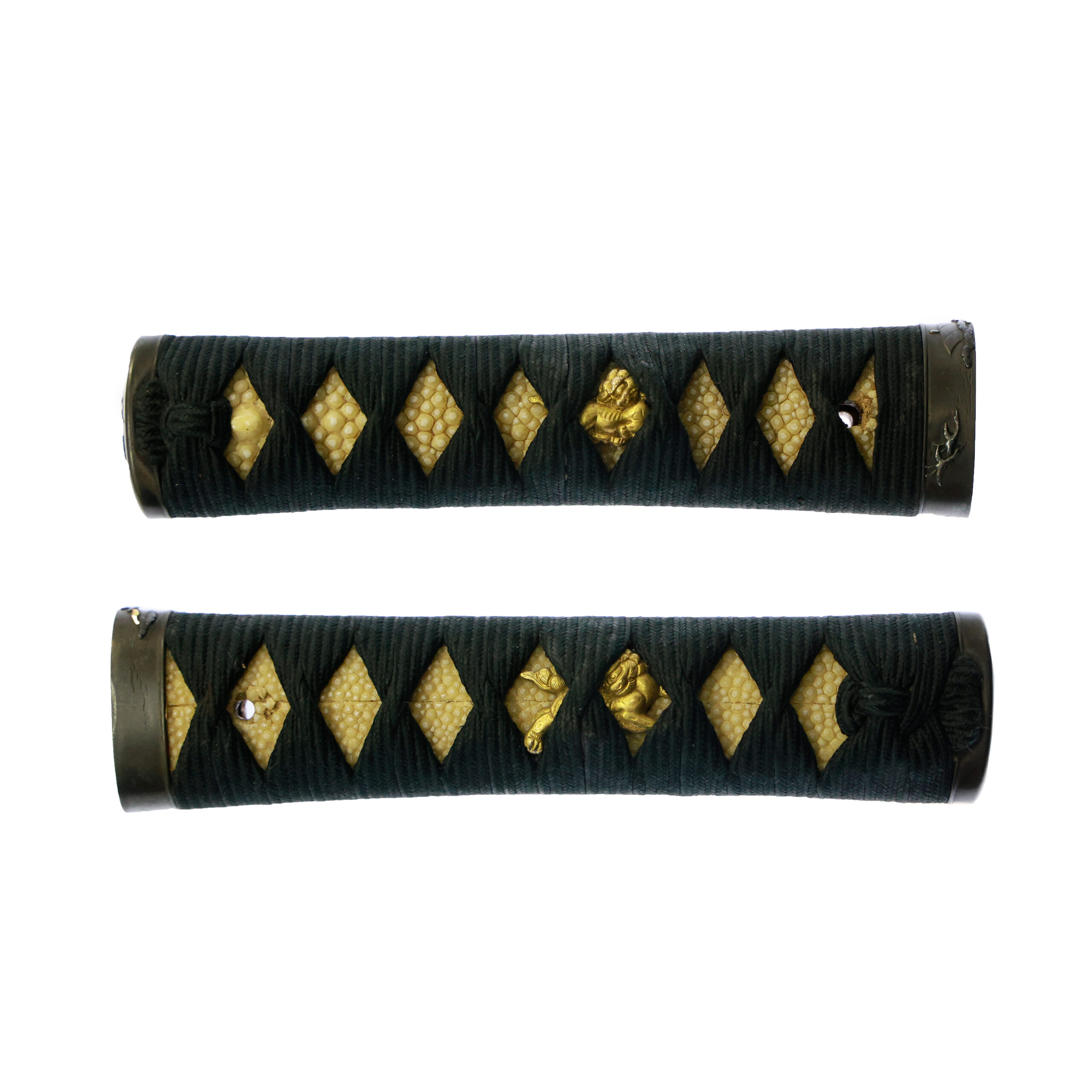
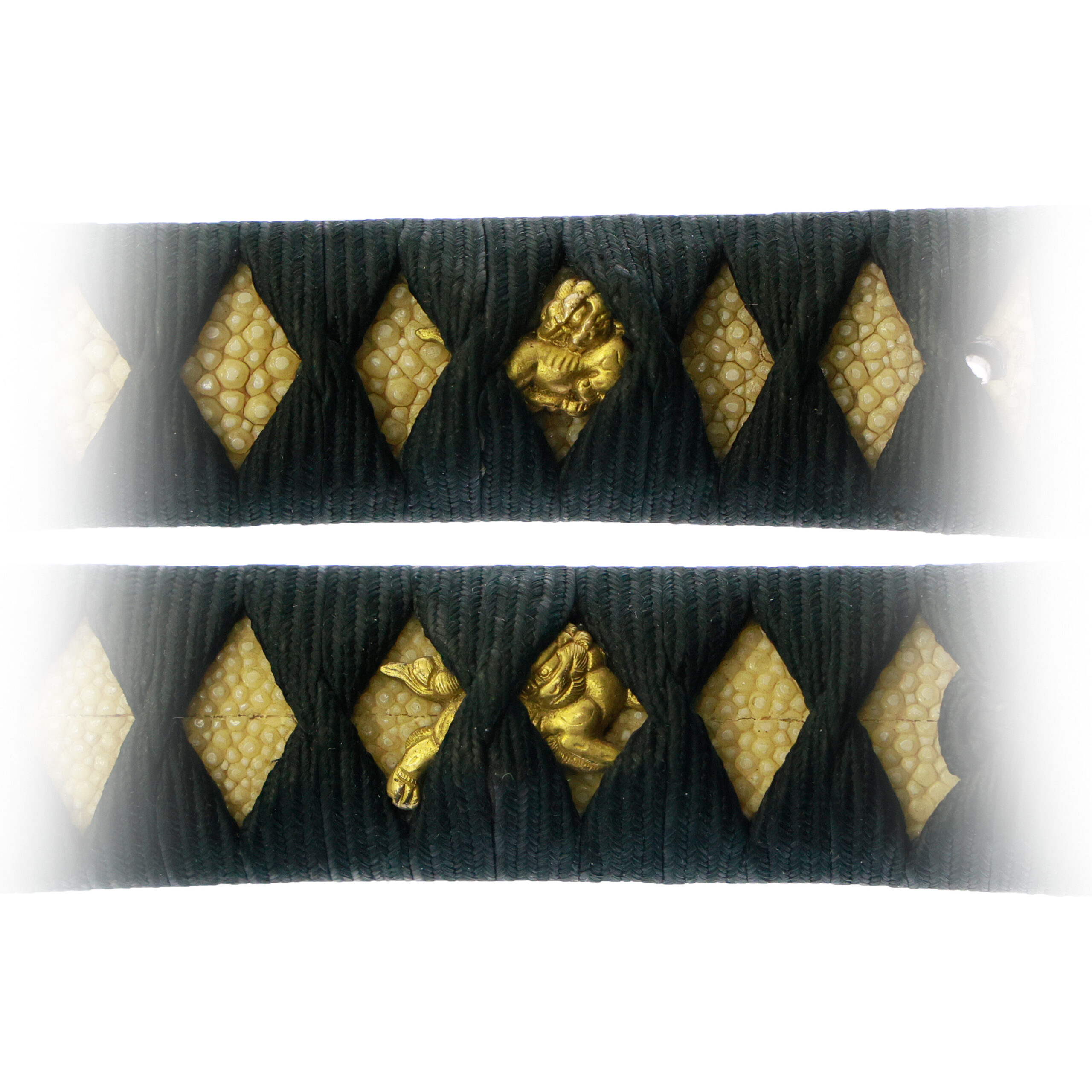
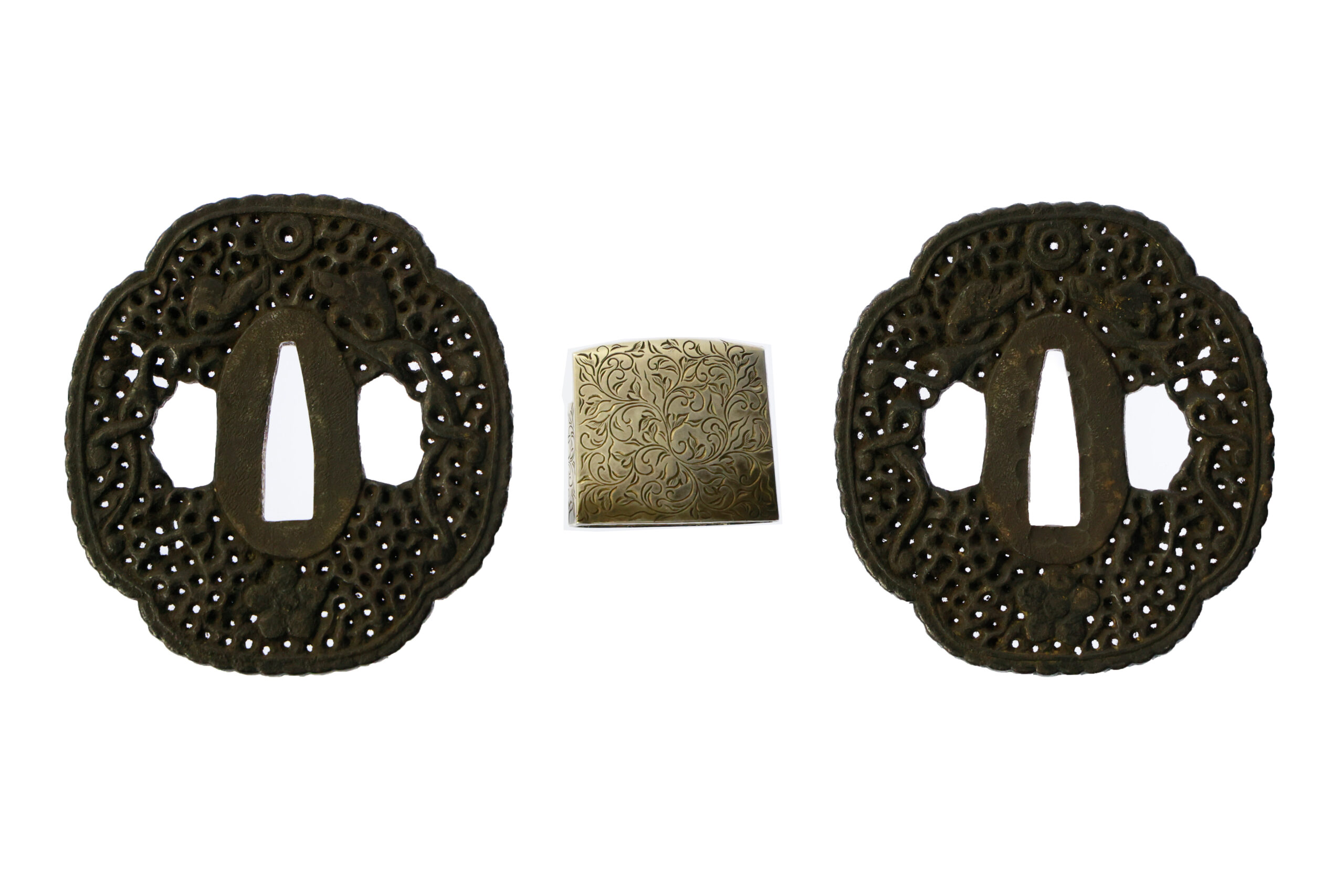
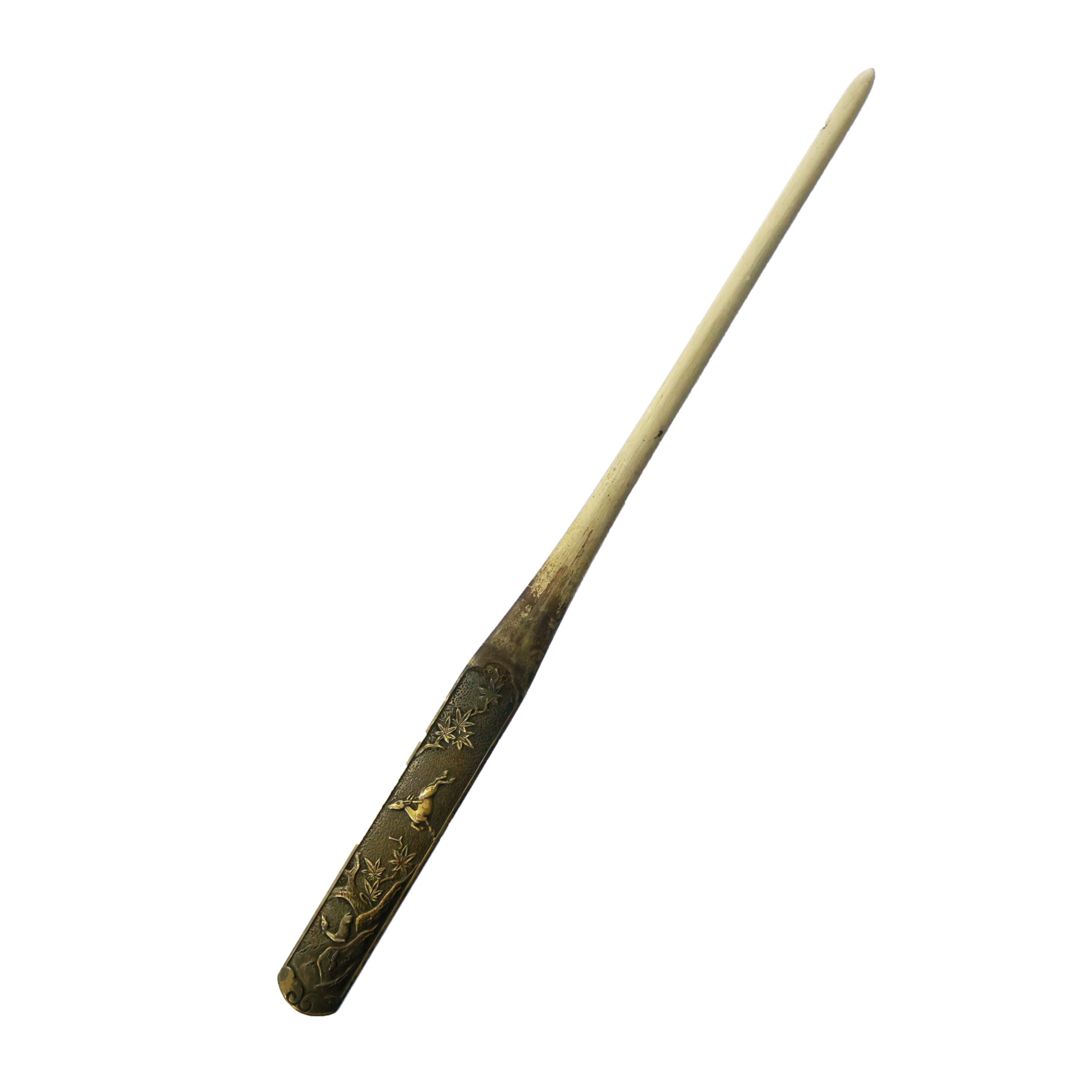
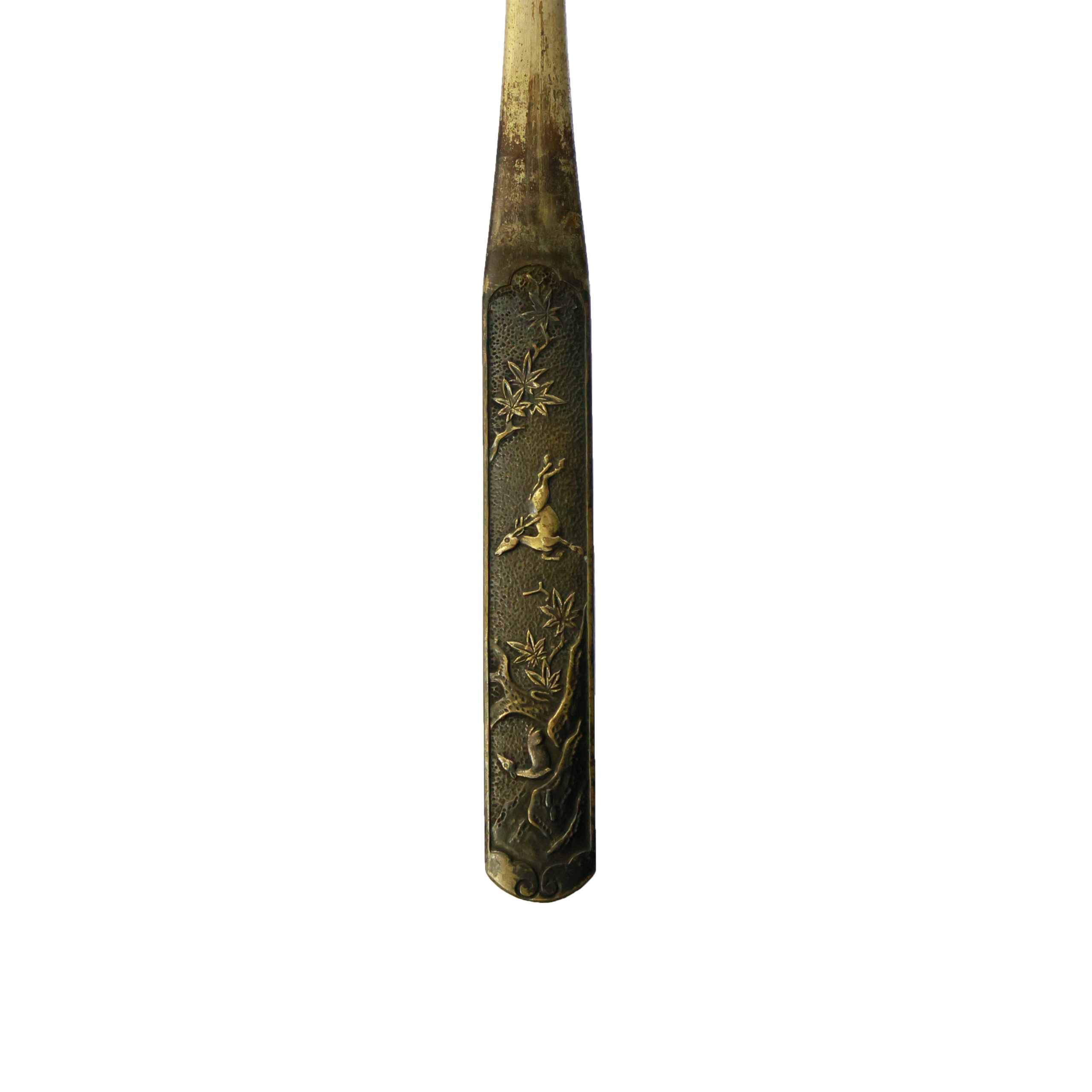
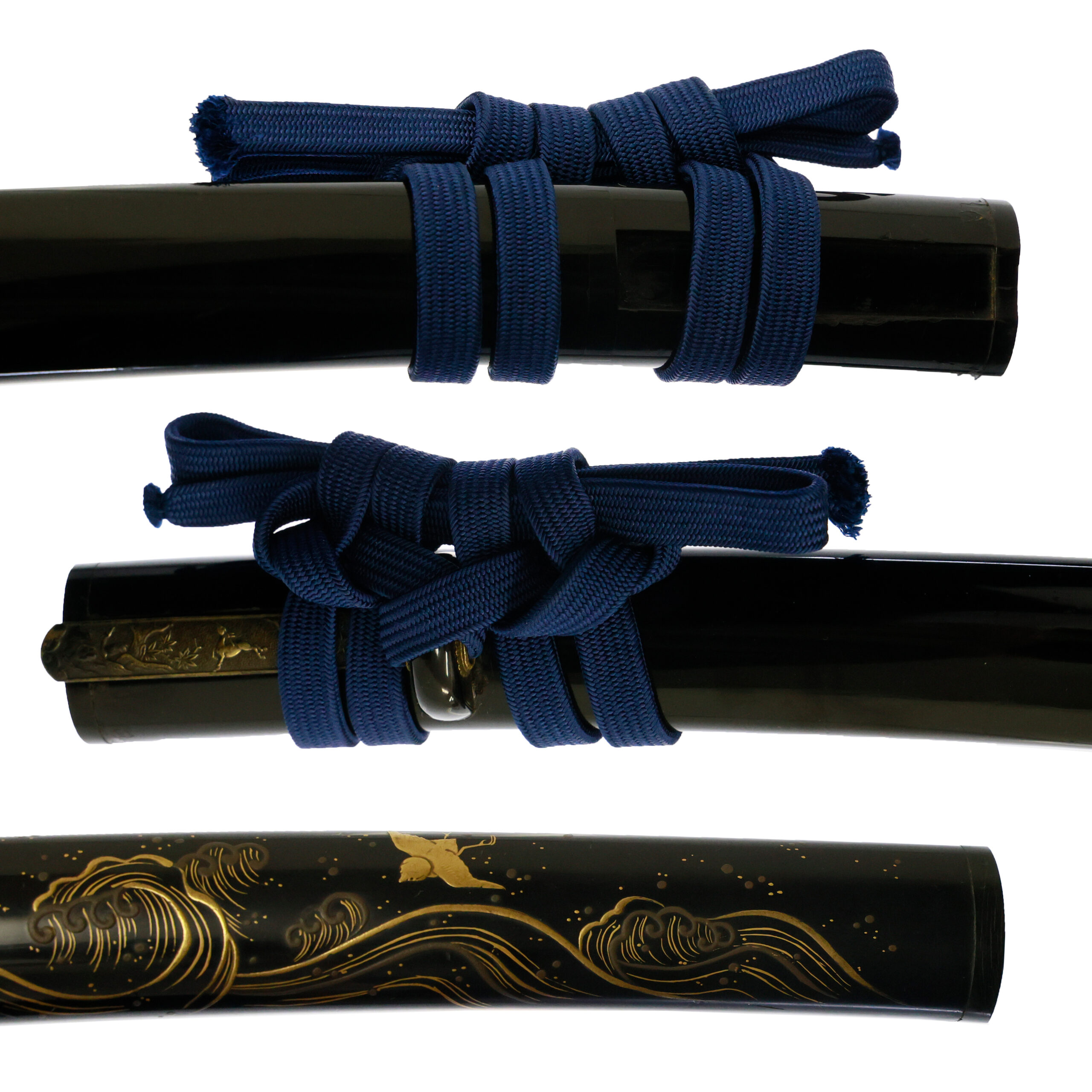
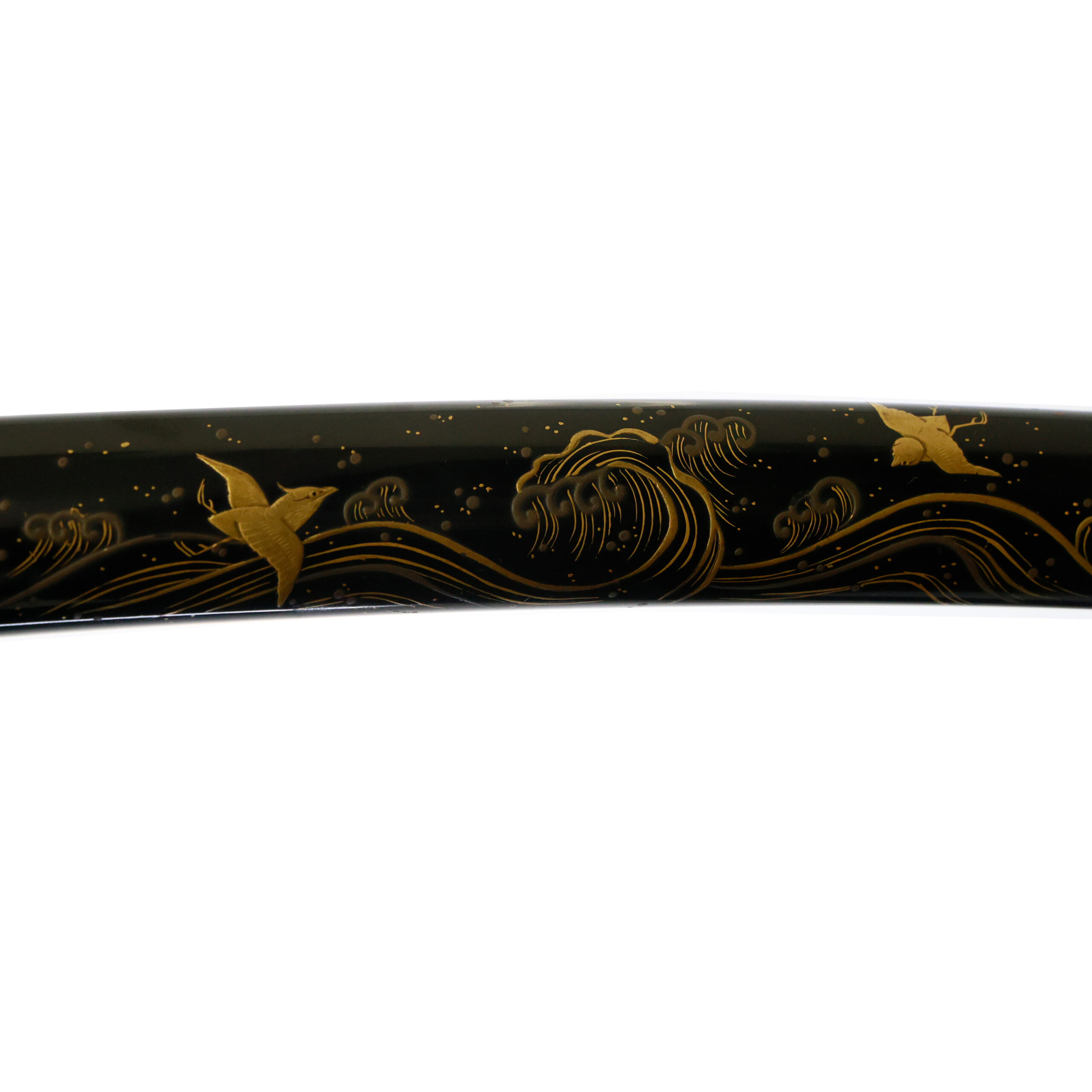
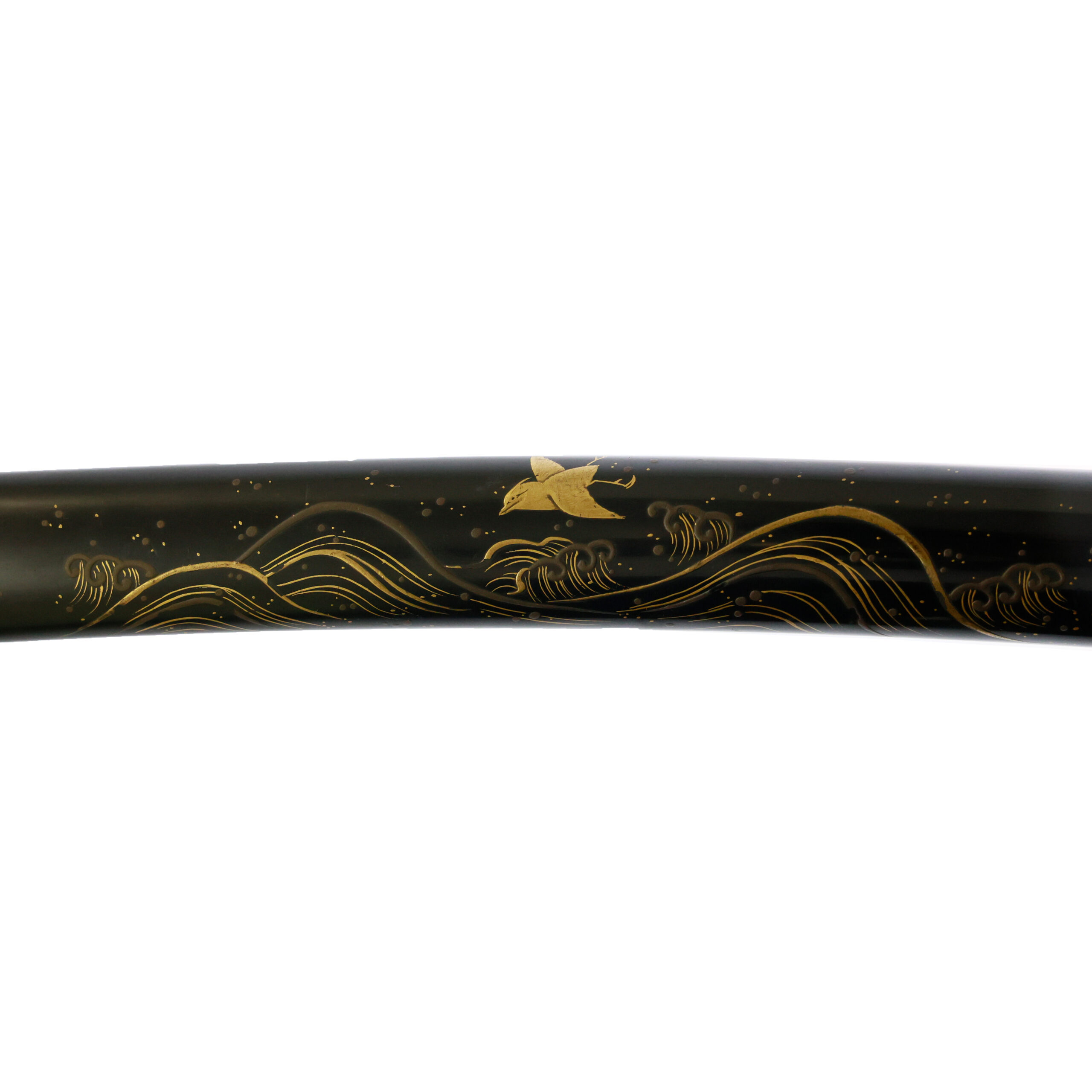
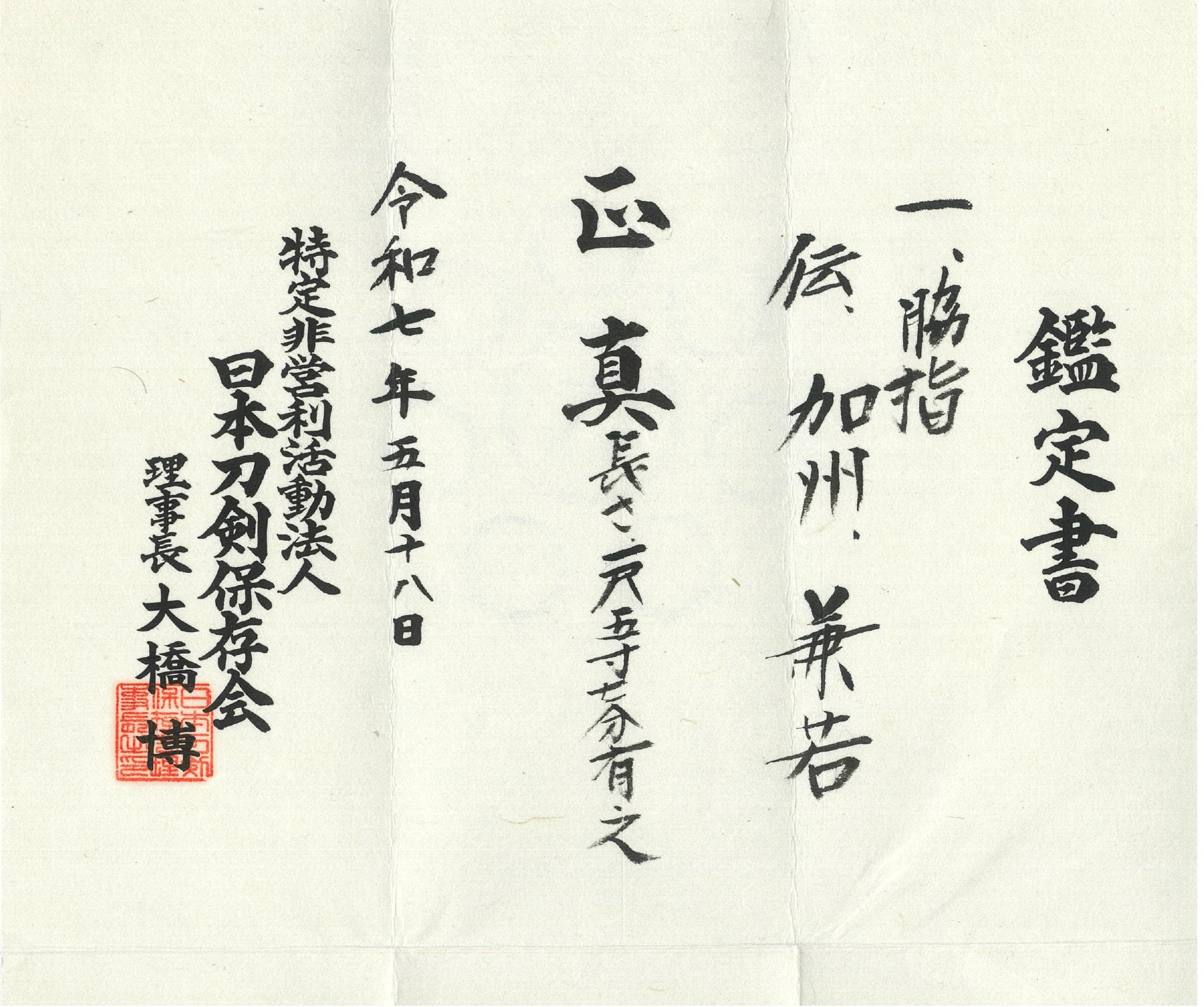
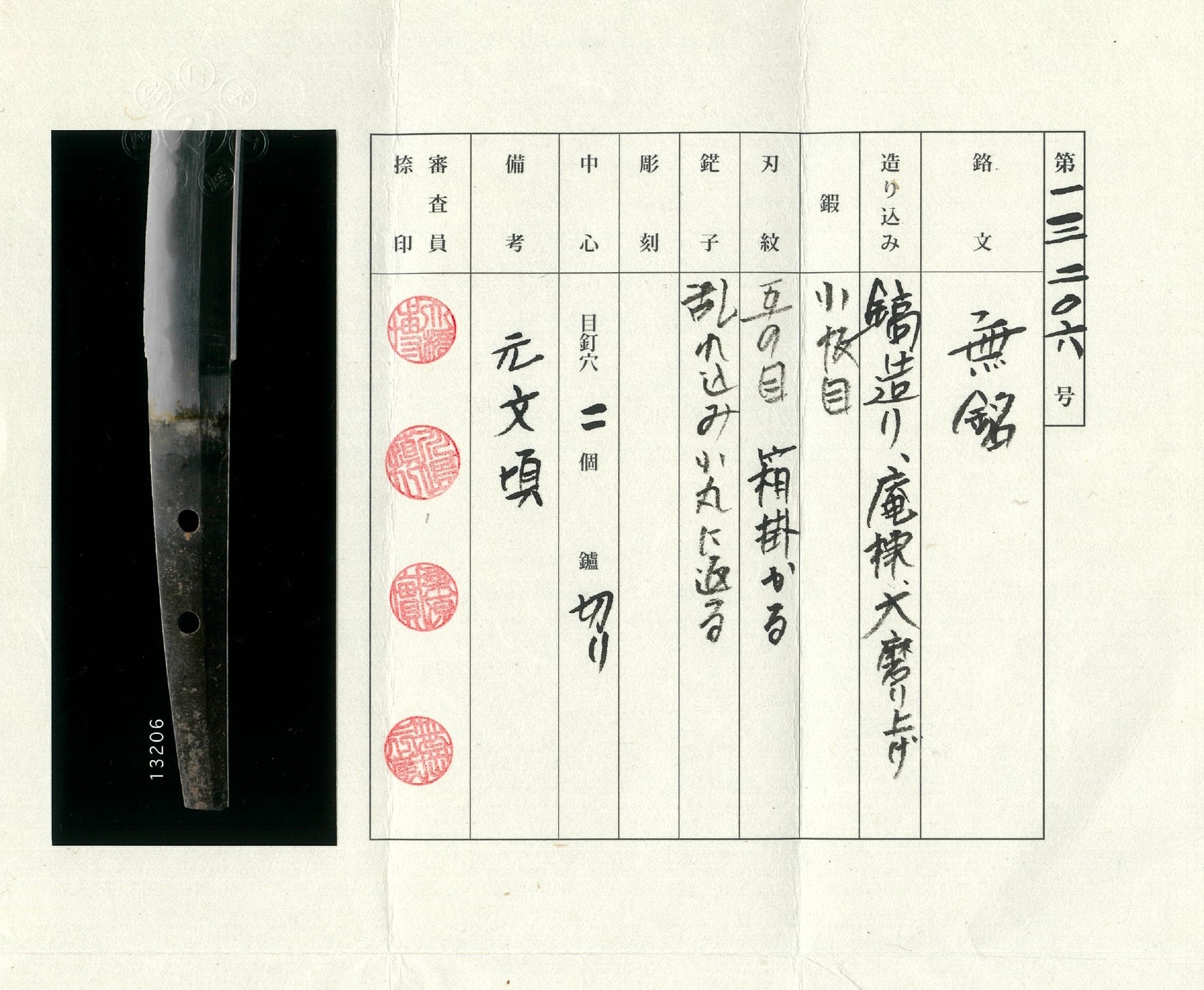
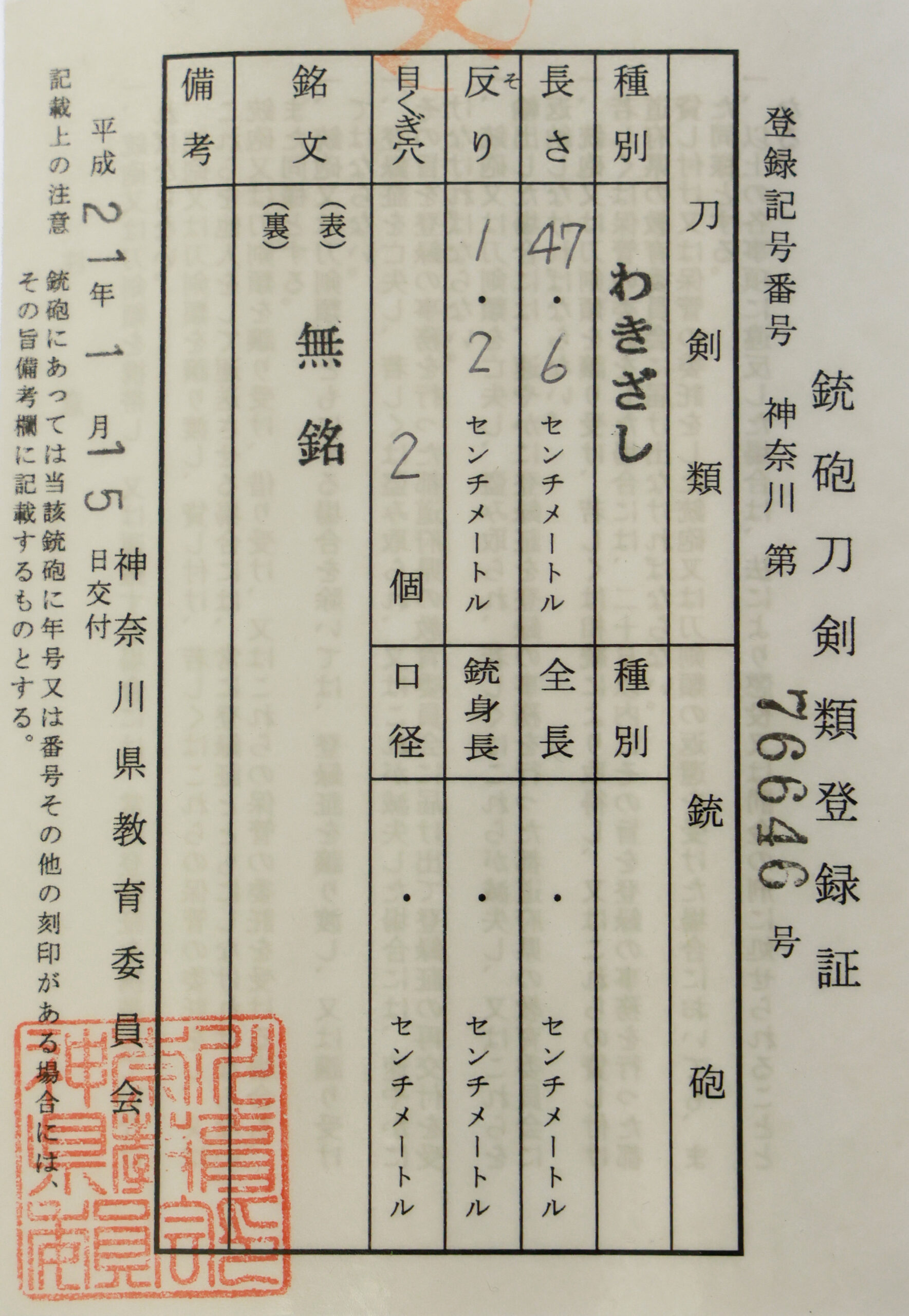
This blade is attributed to Kashu Kanewaka (賀州兼若) while it is unsigned. Kashu is another name of Kaga province (today’s Ishikawa prefecture), and it means he resided in this area when he forged blades. The maker’s name, Kanewaka, is one of the most prestigious swordsmiths in this province and lasted several generations during the early-late Edo period (approx. 280-400 years ago). According to the NTHK Kanteisho Certificate, this sword was forged around the Genbun era (元文, 1736–1741). The first-gen Kanewaka was originally from Mino province (today’s Gifu prefecture). Later on, he moved to the Kaga domain (today’s Ishikawa prefecture) at the beginning of the Edo period after being summoned by Maeda Toshitsune, the third-gen head of the Kaga domain. Then, he changed his name to Takahira (高平) and he received an honorable official title, Etchu no Kami for his excellent sword-forging techniques from the imperial court around the 5th year of the Genna era (1619). Kanewaka was known as one of the most famous swordsmiths in the Kaga domain in the early-mid Edo period. It is said that Kanewaka forged swords for those who belonged to the Kaga domain under Maeda clan’s control. All the swordsmiths who signed Kanewaka in the Kaga domain were under the auspice of Maeda clan from generation to generation because of their highly skilled craftsmanship. Based on the appraisal of this blade, the attribution was given to 5th-gen Kanewaka, judging from his active period. Maeda Clan Maeda clan was originally a retainer of Oda family, who ruled Owari province (today’s Nagoya area in Aichi prefecture). The first head of the Maeda clan was Toshie Maeda. He climbed the social ladder of Samurai society, and he became the feudal lord of Kaga province (today’s Ishikawa prefecture). It is said that he had a vast rice fief that fed 100 million grown-up adults, which is called Hyakuman Goku. The Maeda clan was one of the most powerful lines in Samurai history. Toshie Maeda had a close tie with Oda Nobunaga and Hideyoshi Toyotomi. It is said that the first-gen Kanewaka forged blades for Maeda Toshiie when Kanewaka was still in Mino province (today’s Gifu prefecture). *Please keep in mind that there are a couple of black rust spots as well as some Kitae Kizu on this blade. Fuchi-Kashira This Fuchi-kashira (縁頭) features a traditional Japanese motif. On the left side, two birds—likely chidori (千鳥)—are depicted in flight. Chidori often appear in the classic design known as nami ni chidori (波に千鳥, “plovers over waves”), symbolizing safe travels and strong family ties. On the right side, a sailboat is shown gliding over waves, suggesting a journey or voyage. Together, the design expresses a wish for smooth sailing through life (順風満帆, junpū manpan), making it a meaningful and auspicious (吉祥, kisshō) decoration. Tsuka and Menuki This menuki features a design of a Kara-jishi (唐獅子), or Chinese lion. In Japanese art, the Kara-jishi is a mythical lion-like creature that originated from Chinese culture and was introduced to Japan through Buddhist iconography. It is often associated with protection, power, and sacred spaces, commonly seen guarding temple gates or depicted alongside peonies (牡丹, botan), symbolizing strength and beauty. Unlike natural lions, Kara-jishi are depicted with exaggerated features: a curly mane, a strong muscular body, and an expressive face. They are considered guardians against evil spirits and are often used as auspicious motifs in sword fittings. Tsuba and Habaki This tsuba features an elegant “ume-karakusa” (梅唐草) design, created using openwork (透かし彫り, sukashi-bori) techniques. The ume (梅, plum blossom) symbolizes resilience, renewal, and good fortune, as it blooms early in spring even through the cold of winter. The karakusa (唐草, arabesque vines) represents longevity and prosperity, with its endlessly intertwining vines. Kougaai This Kougai is adorned with the traditional Japanese motif of “deer and maple leaves” (鹿に紅葉, shika ni momiji), a symbolic expression of autumn deeply rooted in Japanese culture. This imagery is commonly seen on the October card in hanafuda (traditional Japanese playing cards) and frequently appears in waka poetry, evoking a sense of quiet solitude, melancholy, and the changing seasons. The deer symbolizes peace and sacredness, while the maple leaves represent the beauty and impermanence of nature. Together, they reflect the uniquely Japanese aesthetic of wabi-sabi, which finds beauty in transience and subtlety. Saya This saya (scabbard) features the classic Japanese motif of “plovers over waves” (波に千鳥, nami ni chidori), also seen on the fuchi-kashira. The design, rendered in gold maki-e on black lacquer, symbolizes resilience and harmony—plovers flying above crashing waves represent the strength to overcome adversity and the bonds of family and togetherness. Authentication Paper NTHK, also known as NPO Nihon Touken Hozon Kai, is the oldest organization for sword authentication of Japanese swords in modern times. It was established in 1910 during the post-Samurai era. They authenticated the blade on May 18th in the 7th year of Reiwa (2025). Registration Number It is called Jyu Hou Touken Rui Torokusho (銃砲刀剣類登録証).

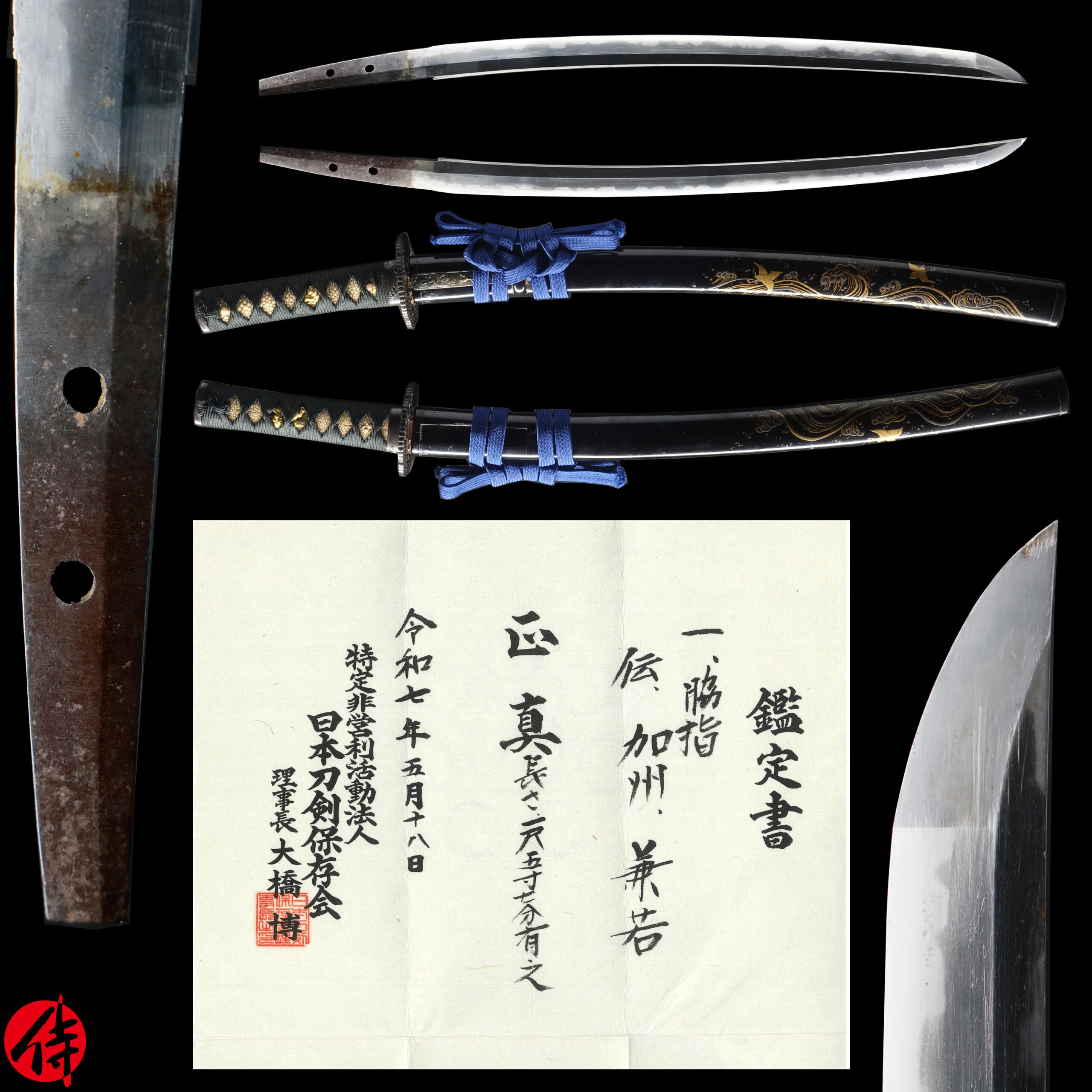
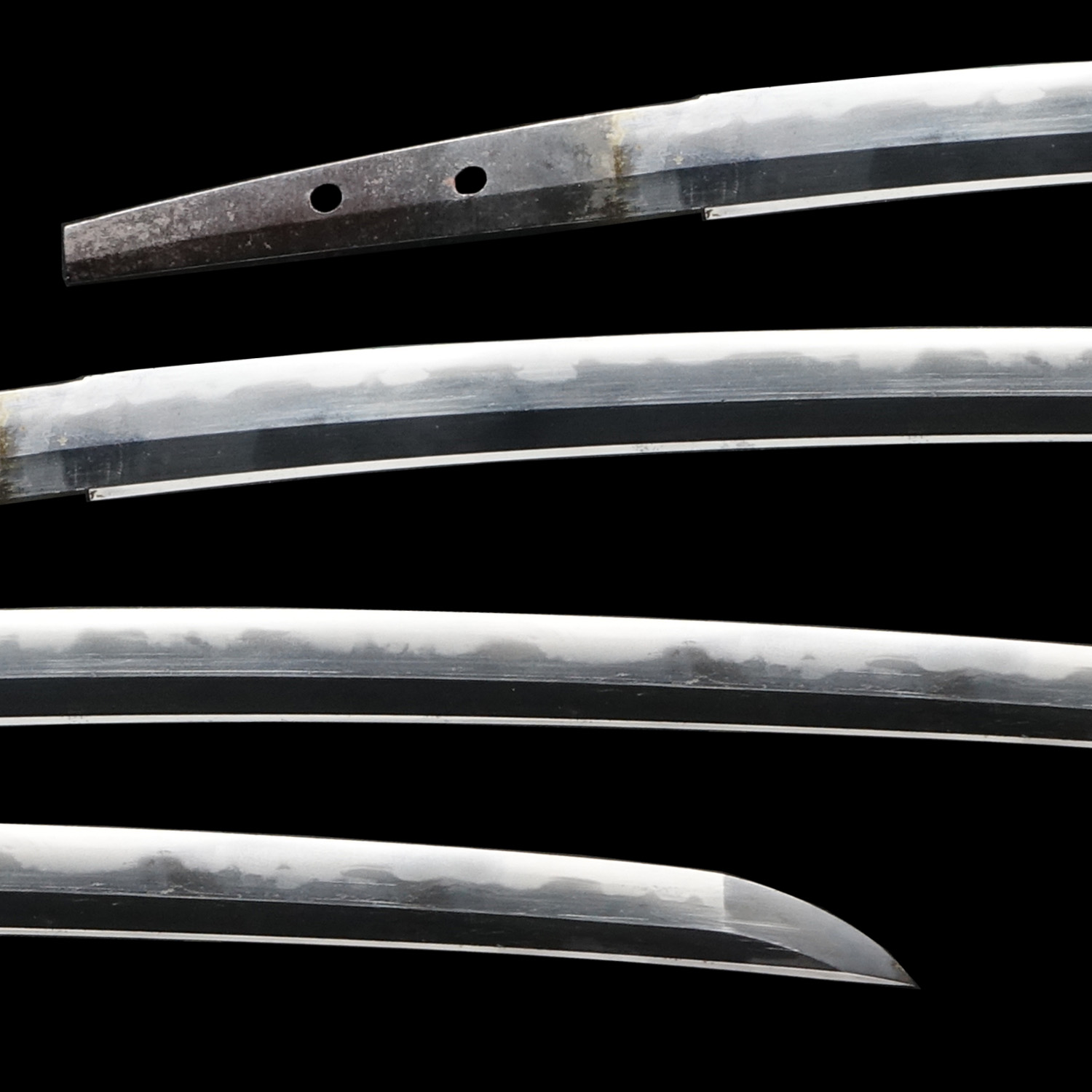
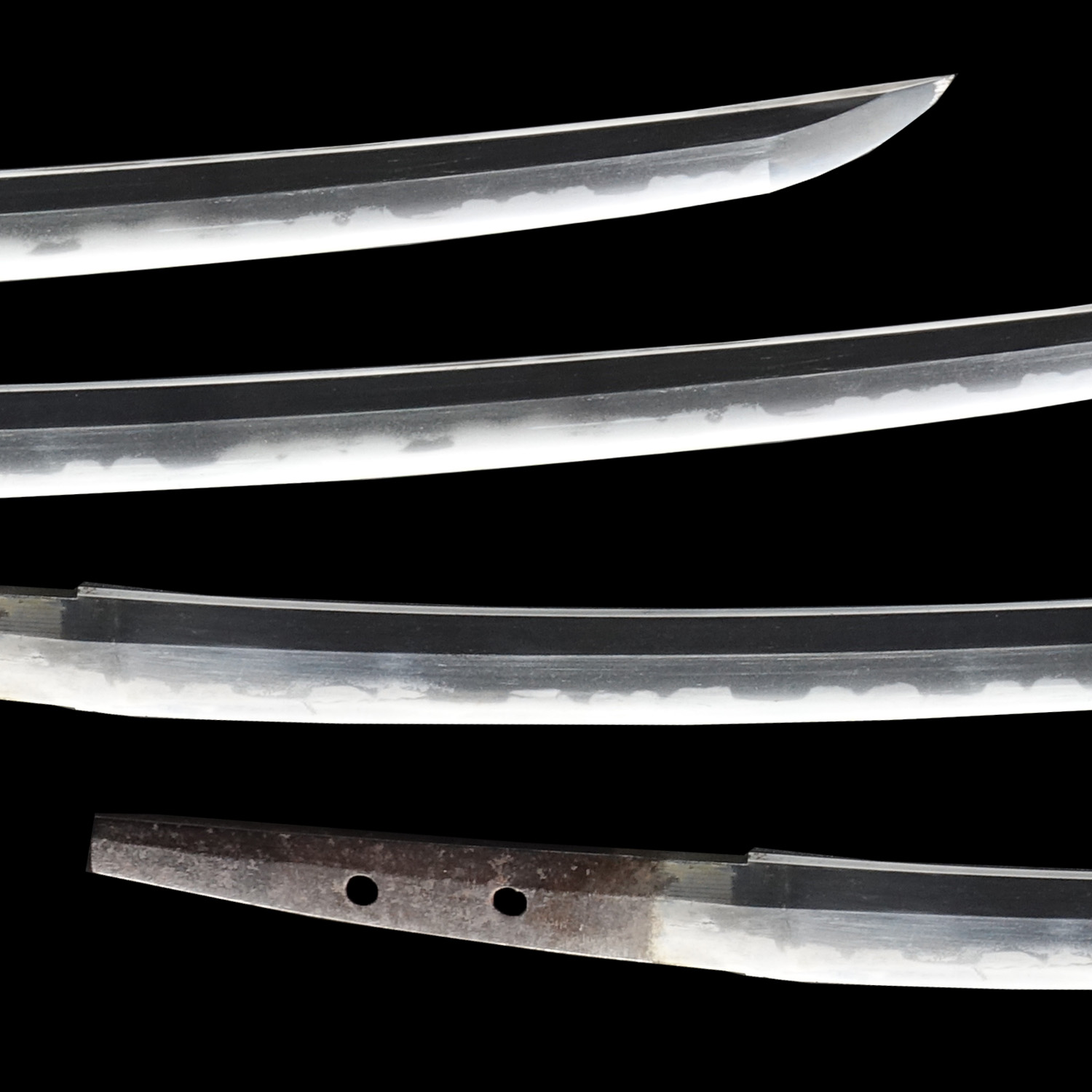
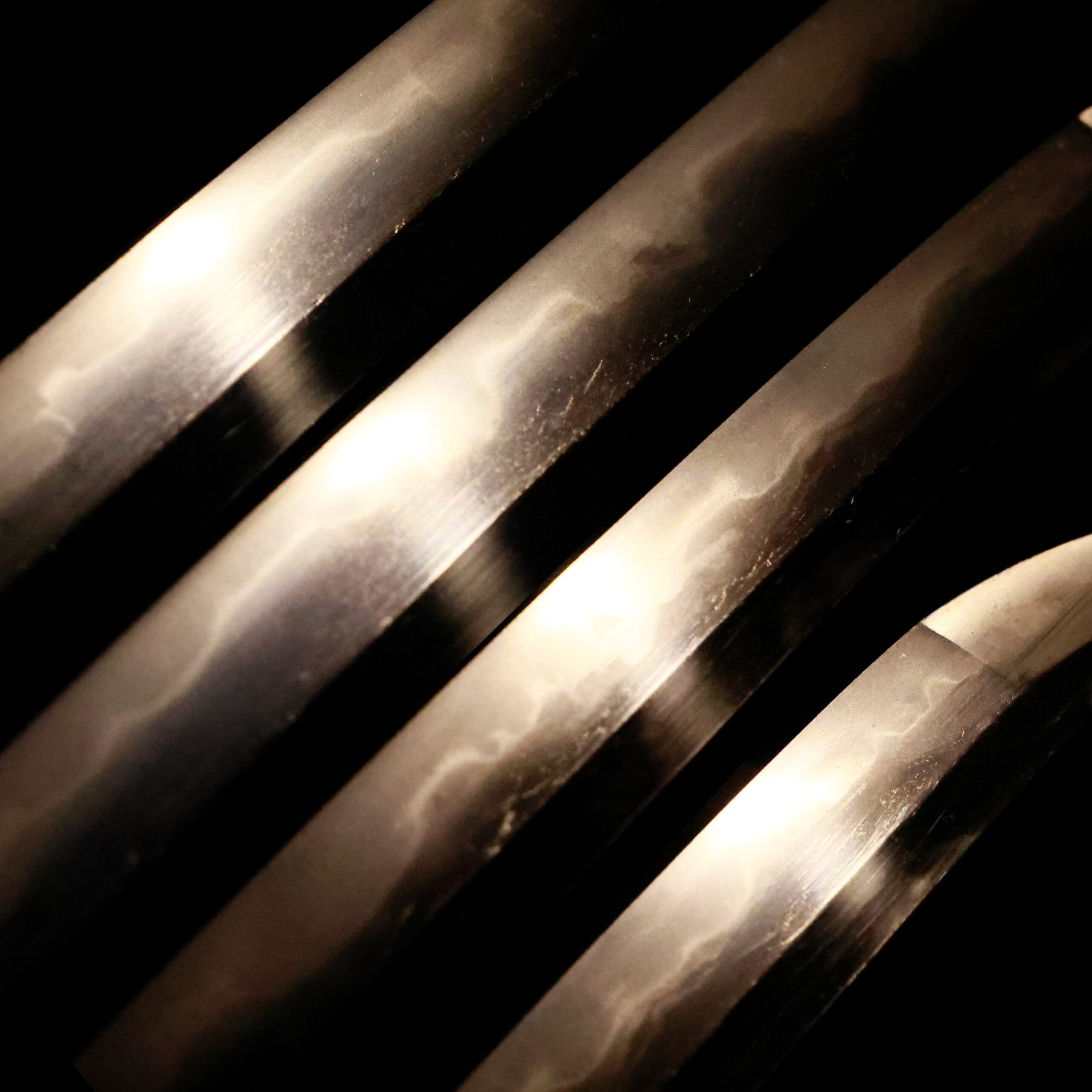
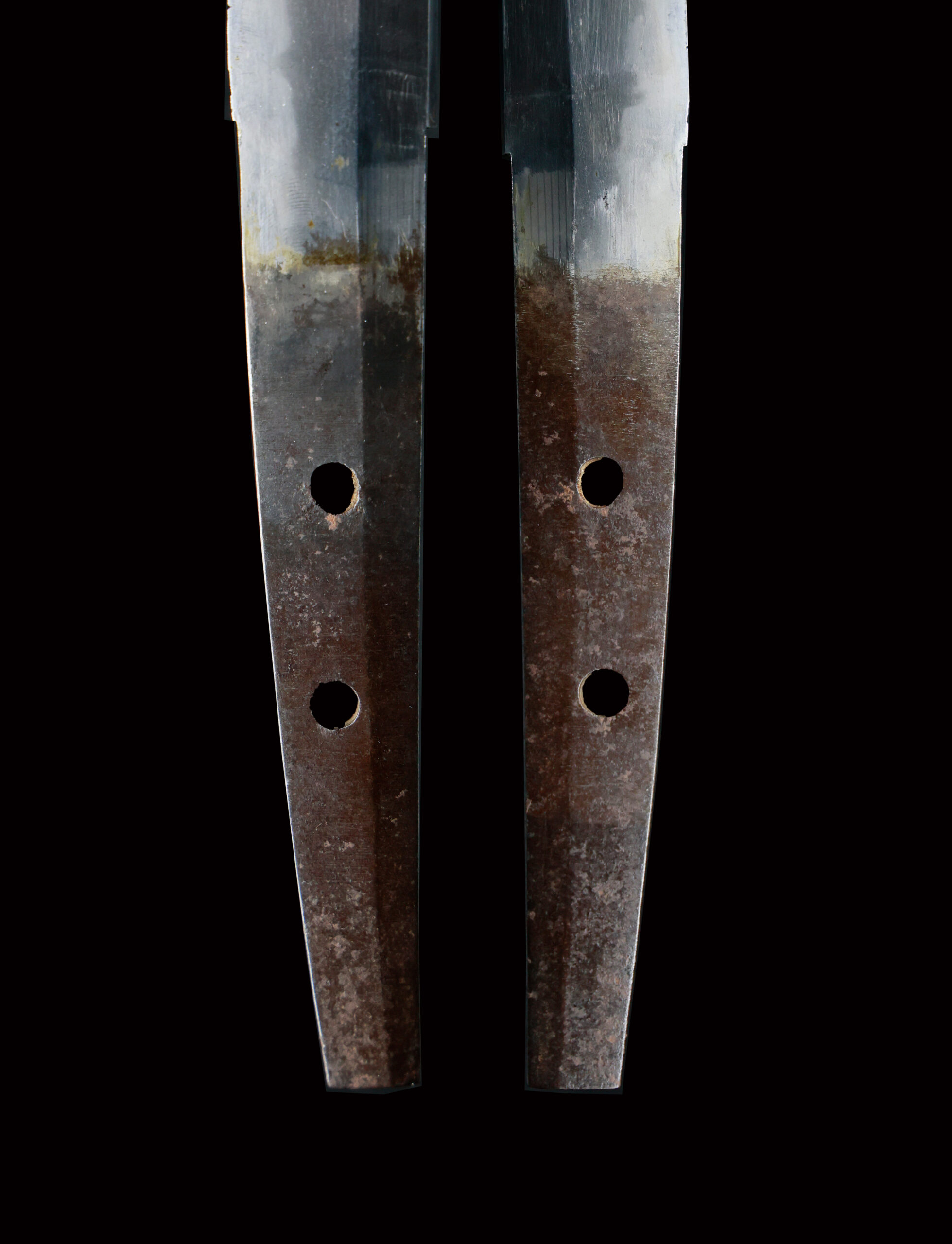
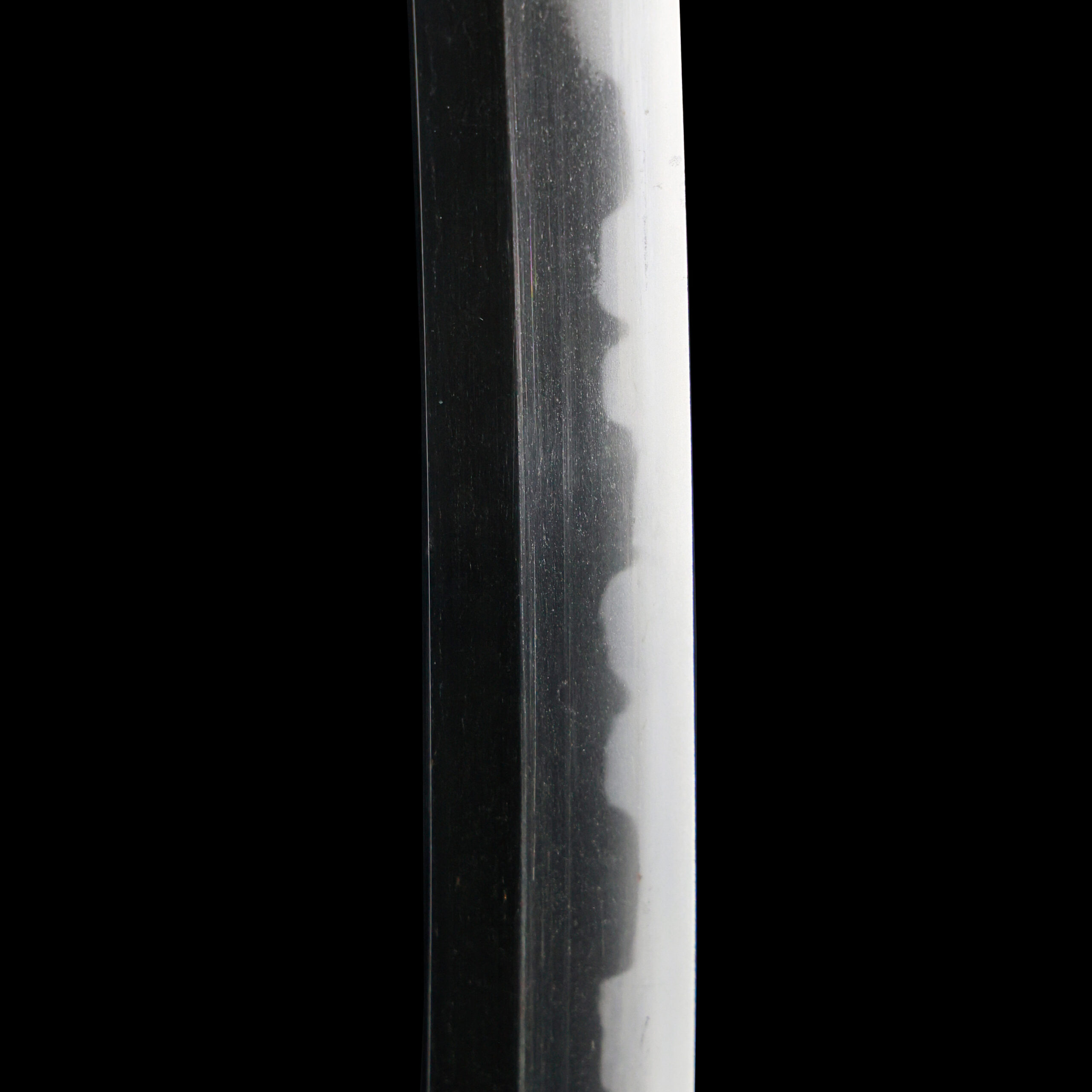
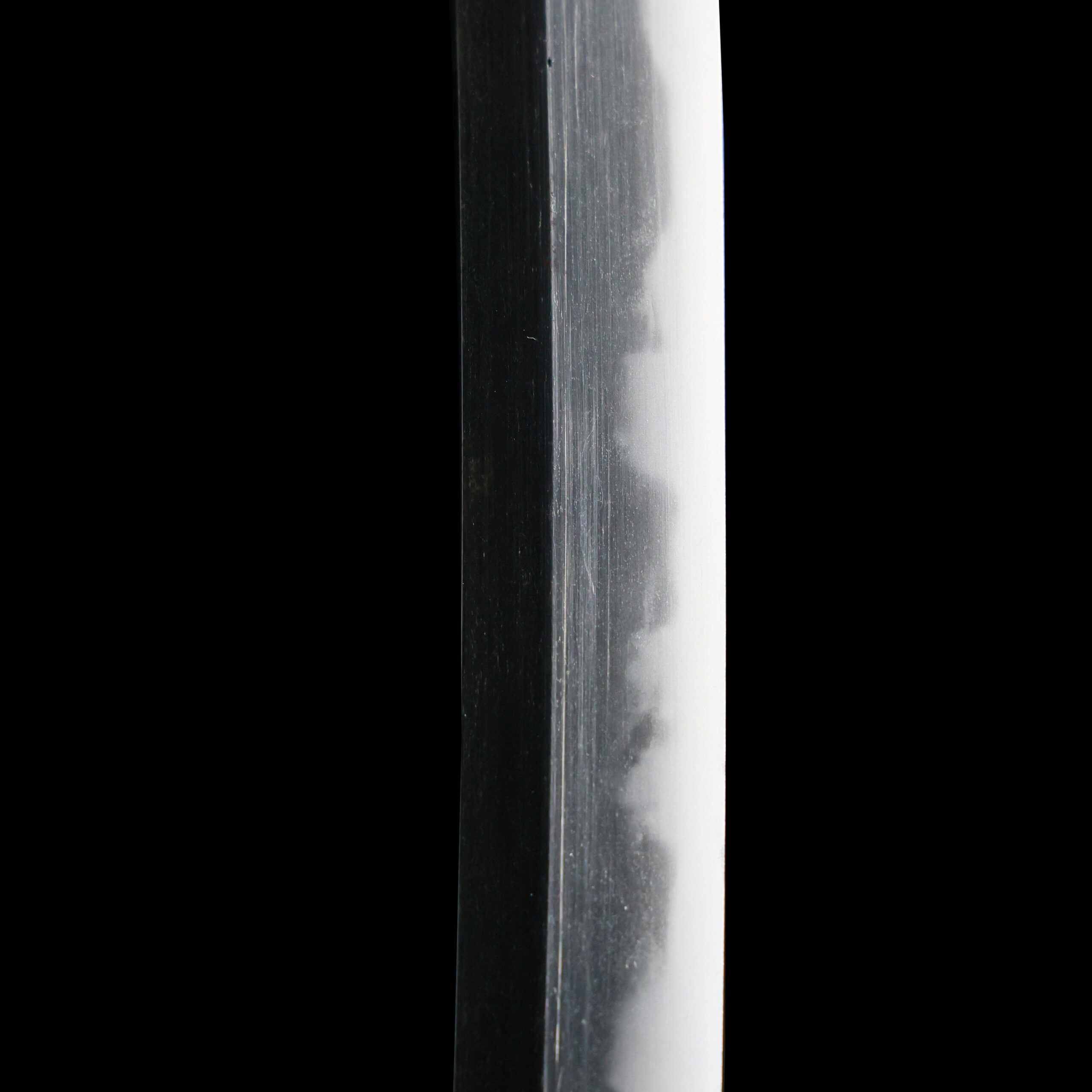
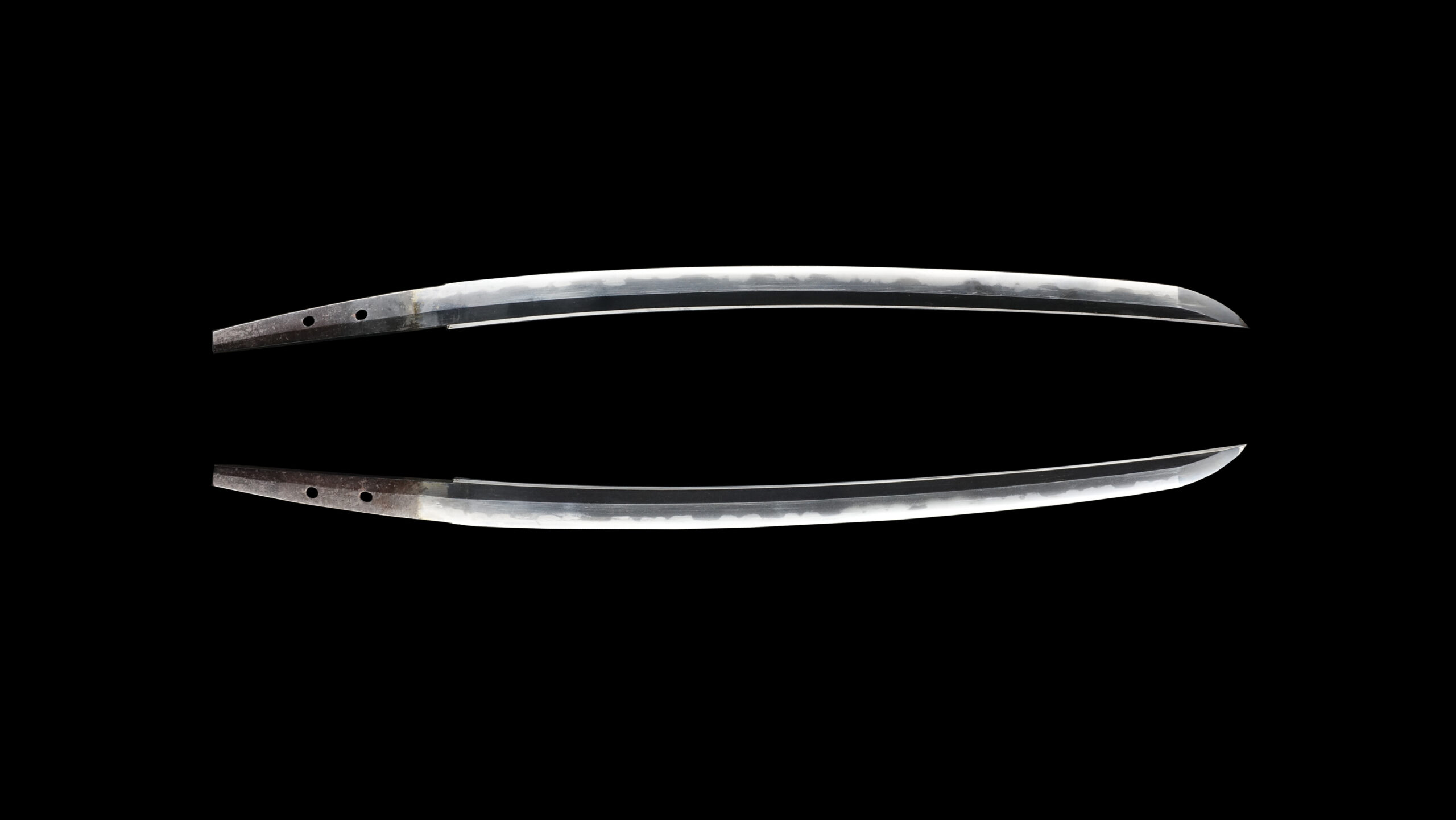
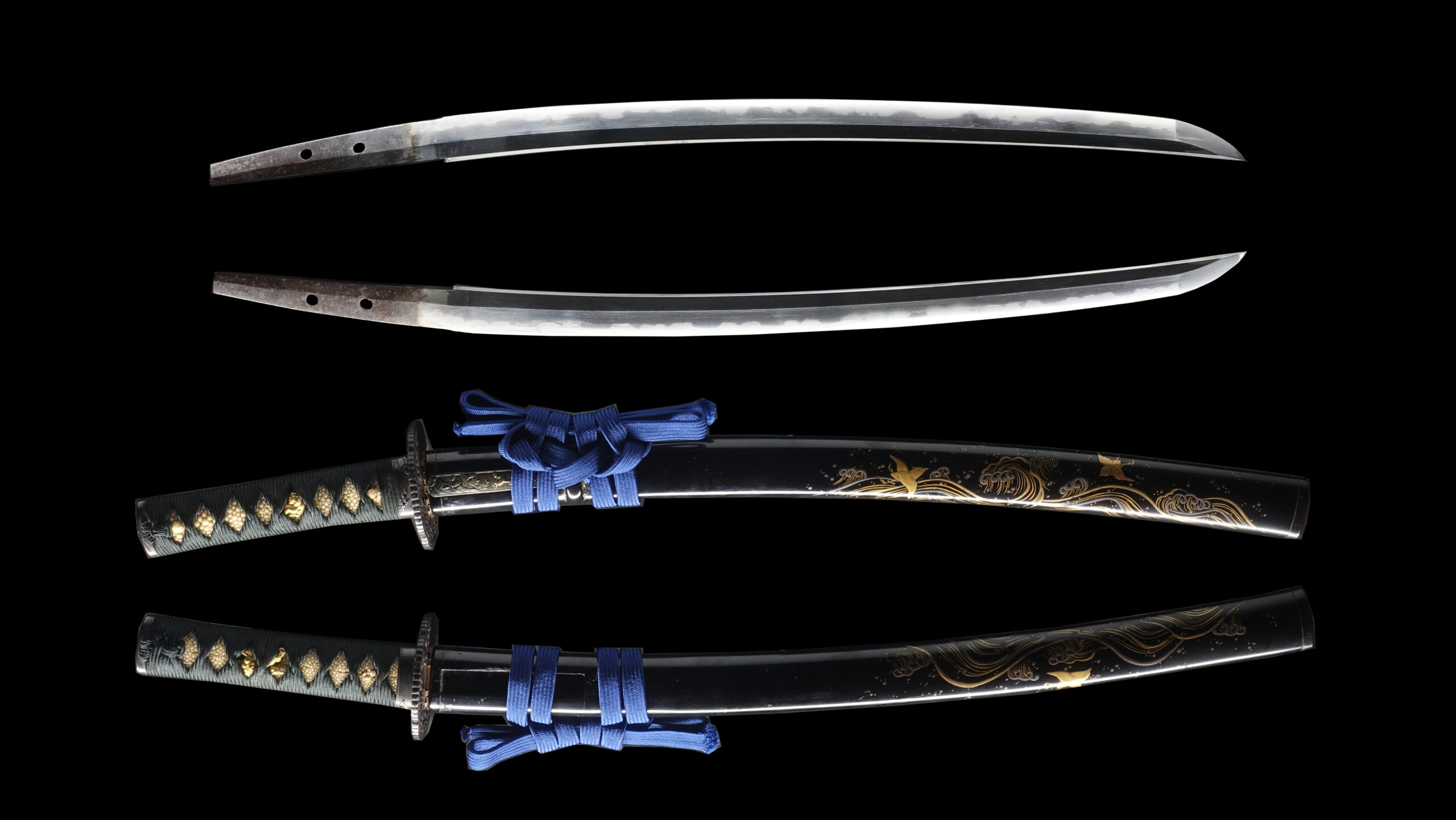
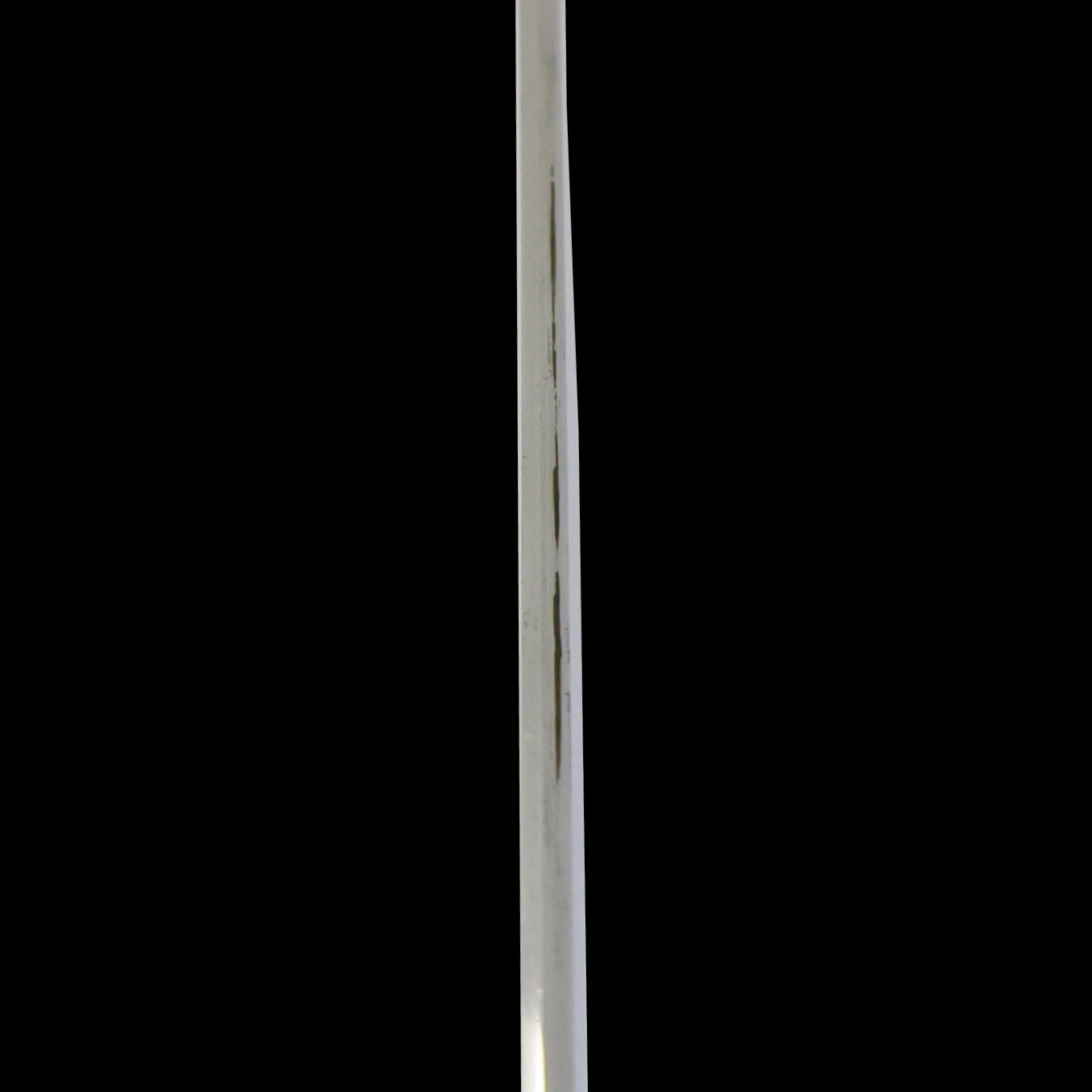
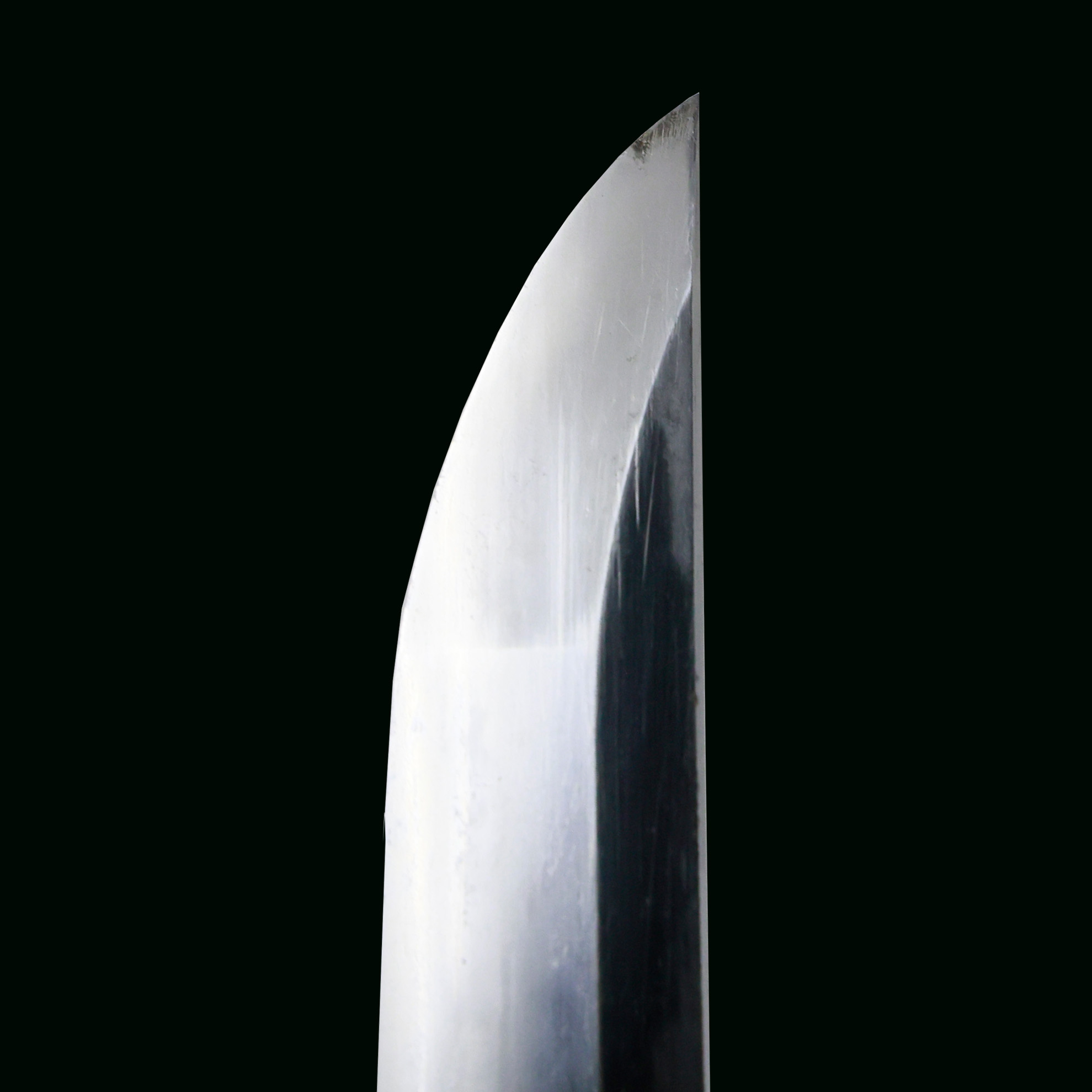
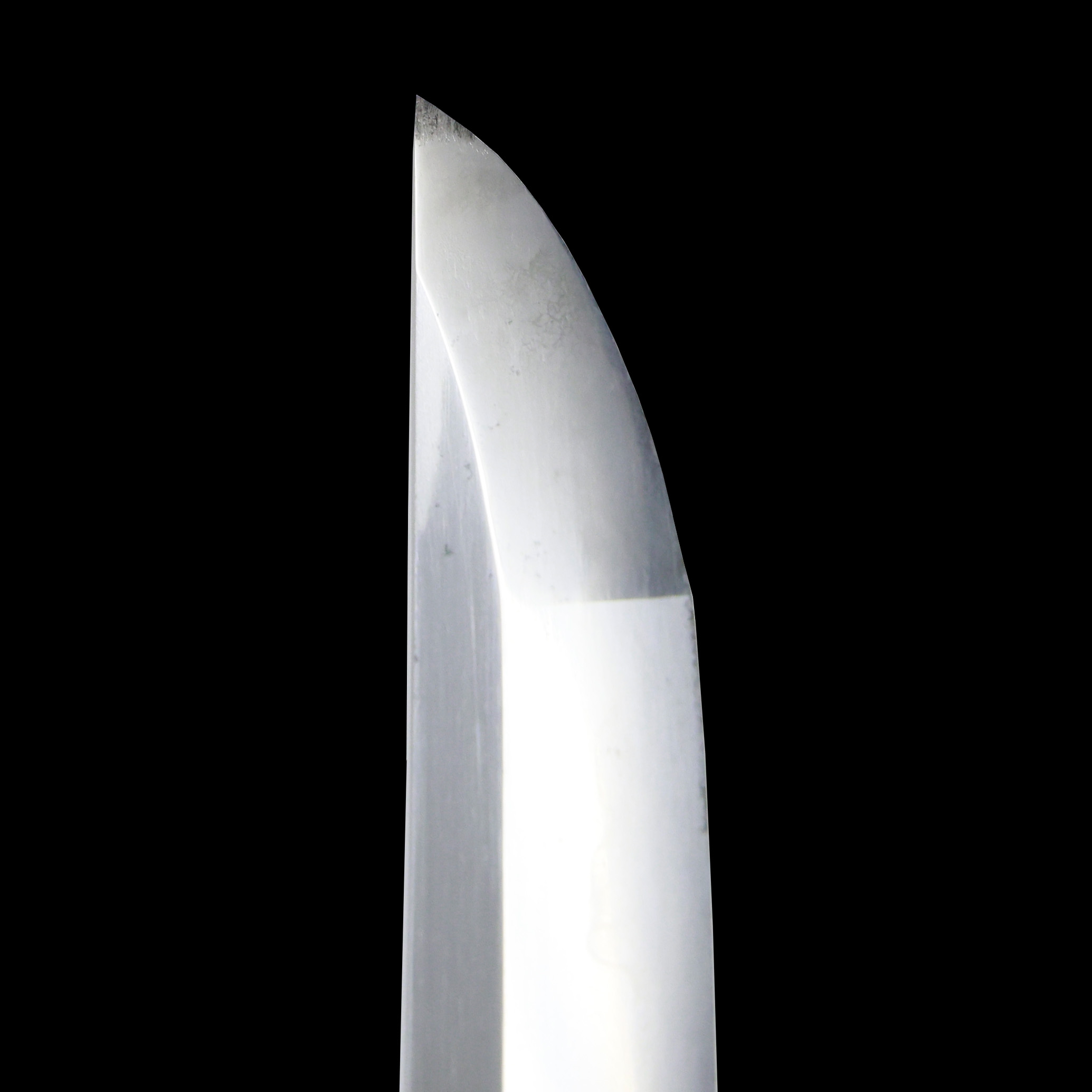
販売店の記載のまま
新刀 · 加賀
現在4点販売中
加州兼若は、加賀国金沢に興った新刀の一門である。その祖は美濃国関の四方助兼若の子と伝え、後に加賀へ移住して鍛刀した工に始まる。初代は辻村甚六と称し、のちに四郎右衛門尉を名乗り、現存する加州打の作刀は慶長十二年ないし十四年紀に始まる。元和五年頃に越中守を受領し、名を高平と改めたとされ、銘も「賀州住兼若造」の六字銘から、受領後は「越中守藤原高平」と切るものが多くなる。二代は又助といい、初代の三男にあたり、「越中守高平三男兼若」[[c:1]]と銘したものや、「加州住兼若 辻村又助年五十三歳造之」[[c:2]]と俗名を入れた作からその出自と年齢が知られる。これに徴すれば慶長十七年の生まれで、寛永から延宝にかけて活躍し、延宝五年に六十六歳で歿している。三代は初代同様に四郎右衛門を名乗り、二代又助の嫡子であって、その刀歴は寛文から正徳に及び、初期には父又助の代作・代銘の仕事も多かったと伝える。 作風は、出身地である美濃の色の濃いものが多い。鍛えは板目に処々柾がかって流れ、肌立ちごころに地沸つき、地景の入るものが見られ、かねが少しく黒みをおびて冴える点に北国物の態がうかがわれる。刃文は湾れ調に互の目、尖り刃、箱がかった刃を交え、足が入り、沸がよくつき、砂流し、金筋がかかり、帽子は乱れ込んで先掃きかけるものが多い。直江志津、美濃志津の風を示す作はことに上手とされる。代の判別には箱刃の現れ方が一つの目安となり、初代の箱がかった刃は沸崩れごころとなって味があるのに対し、二代、三代になるとはっきりとした箱刃を焼く傾向が強まる。地鉄に純然たる柾目を見せる作は三代にまま現れ、刃縁がほつれて砂流し頻りに、帽子も掃きかけて焼詰めごころとなるなど、大和伝に徹したものもある。短刀や剣の作は遺存が少なく、いずれも出来がよい。 鑑定にあたっては、まず美濃色の濃い乱刃と箱がかった刃の質を見、銘振りと俗名・受領銘の有無から代を見分けるのが要点となる。初代の二字銘の作には古調で直江志津ごころを示すものがあり、典型作の一として伝えられる。越中守高平と改名した後の作には、辻村越中守藤原高平と二行に切り、試切の截断銘を金象嵌したものもあり、五度の試し切りを記して切味を示した一口が知られる。三代の柾目鍛えの太刀には葦手絵蒔絵毛抜形太刀が附帯する例もある。加州兼若は前田藩の地に根を張った美濃系の新刀工として数代に及び、その作は加州物の特色をよく示すとともに、銘文に俗名を加えた資料性の高い作も伝わって、新刀加賀鍛冶を考える上で重んじられている。 詳しく見る →
江戸時代
二世紀半の泰平のあいだ、刀は武器である以上に武士の身分の標章であった。江戸の実証と大坂の華やぎのように都市ごとの作風が育ち、時代の末には需要も細っていく。
NTHKの中心的な鑑定書で、相応の出来を備えた作に発行されます。在銘作は銘の正真を、無銘作は審査員による刀工・流派の極めを示します。点数を記す詳細な審査表が付されます。
NTHK(日本刀剣保存会)は、NBTHK(1948年設立)に先立つ1910年に創立された、日本で最も古い刀剣鑑定団体です。長く会を率いた会長の没後、NTHKとNTHK-NPOの二つに分かれ、いずれも審査を続けています。NTHKの鑑定書は、点数と審査員の所見を併記する詳細な審査表が特徴で、特に無銘作の極めに定評があります。
Returns/exchanges limited to defects caused by shipping (except willful misconduct or gross negligence by the company); customers must contact within 72 hours of receiving the product.