NihontoWatch Mon

NihontoWatchBETA

マーケットオークション
事典
NihontoWatch Mon

NihontoWatchBETA

マーケットオークション
事典

説明

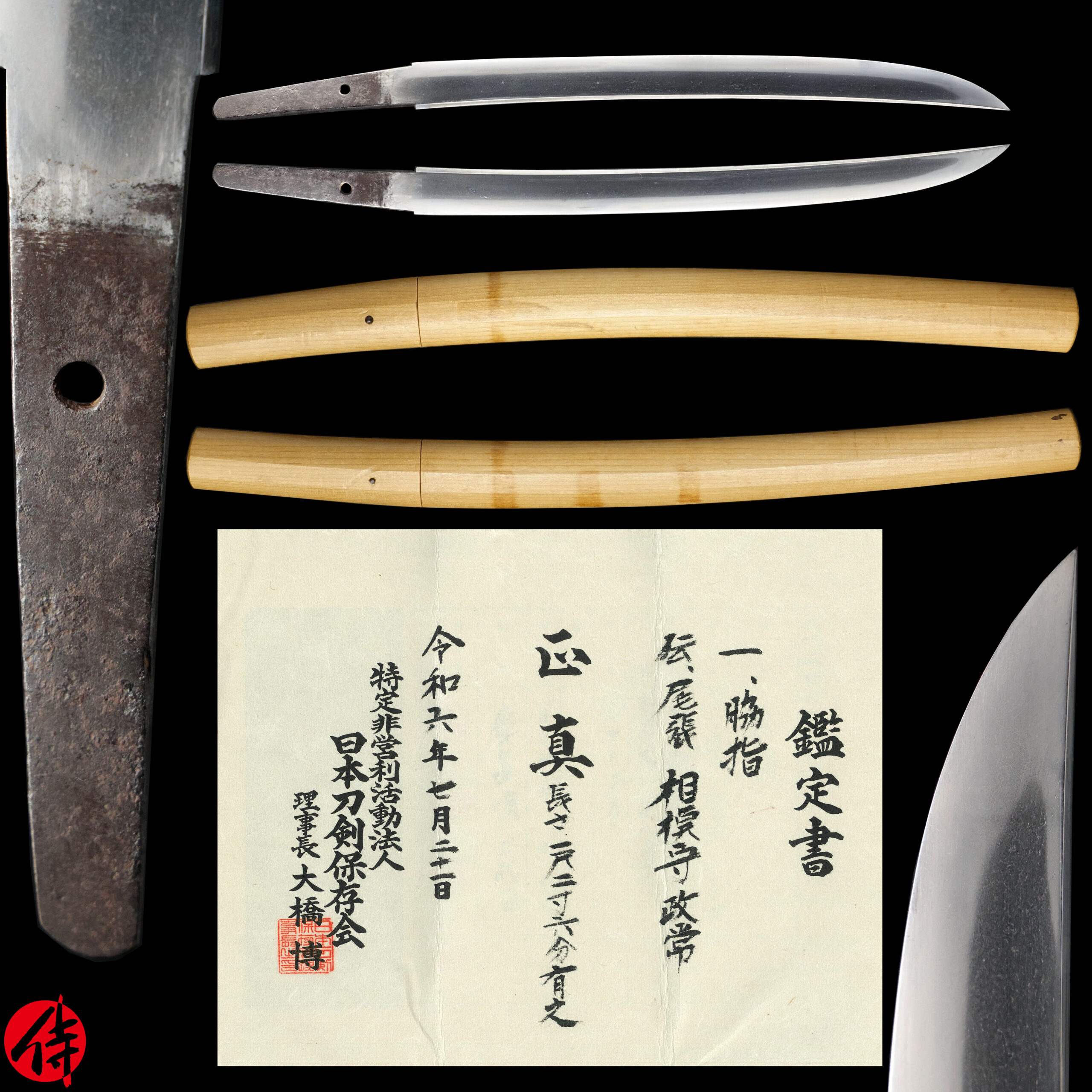
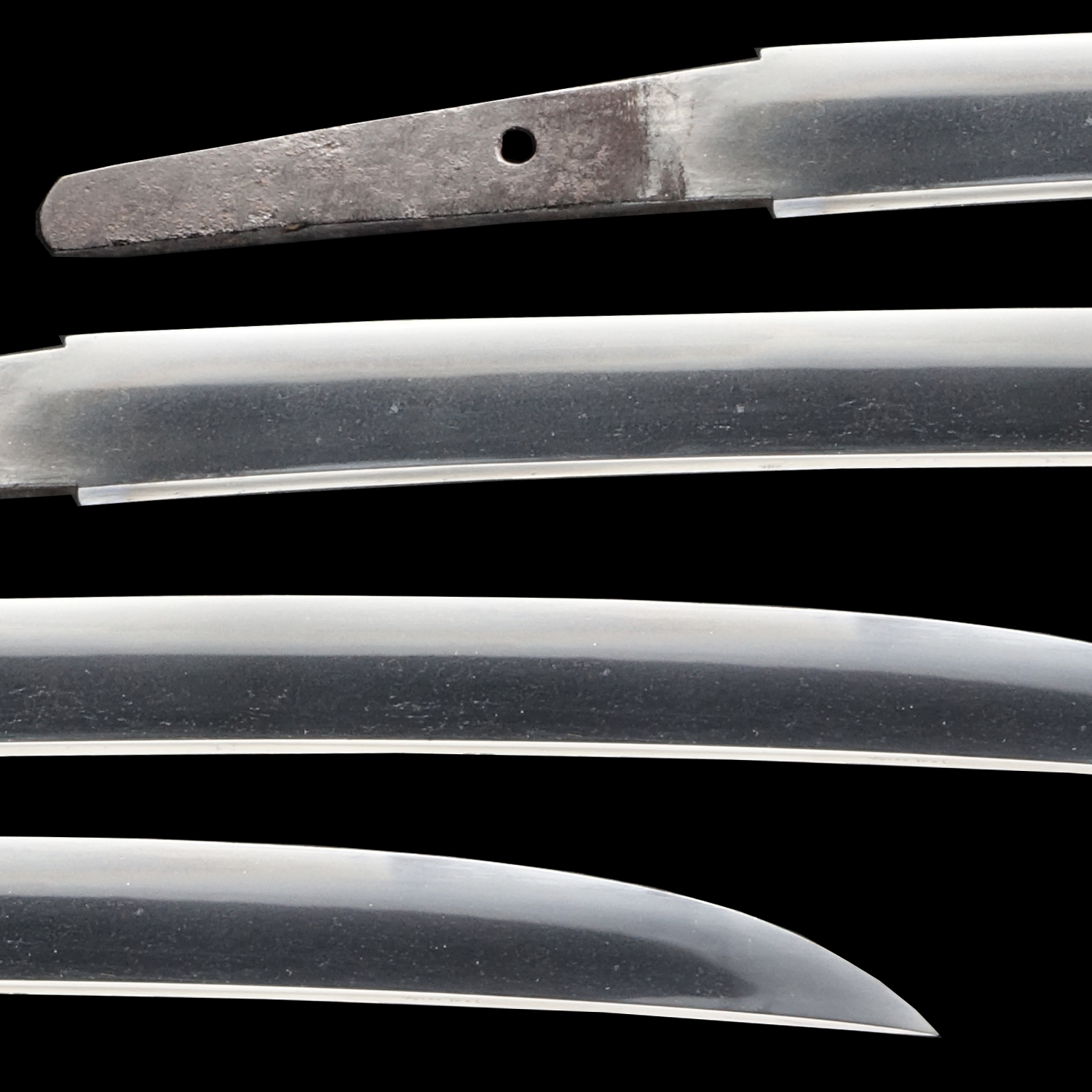
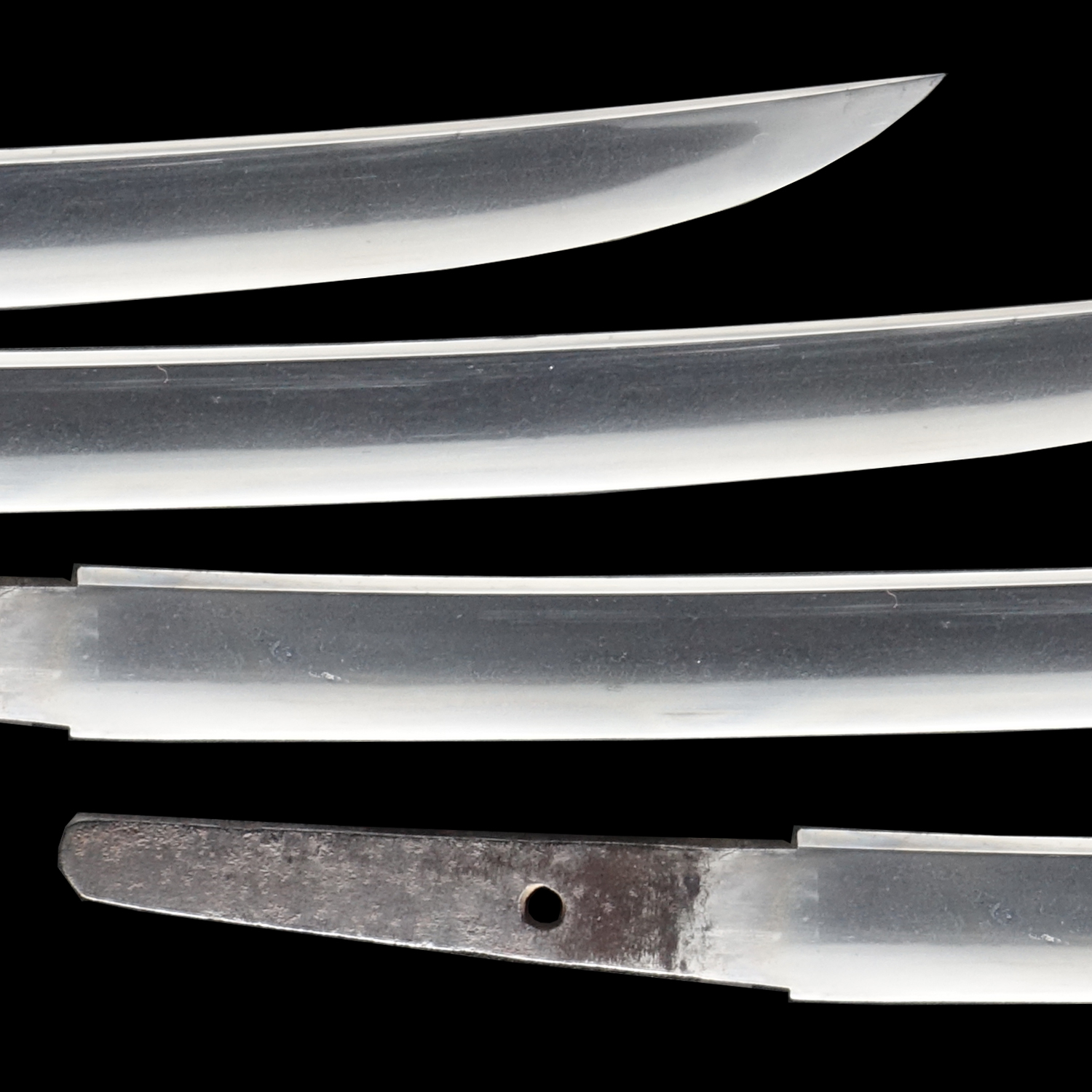
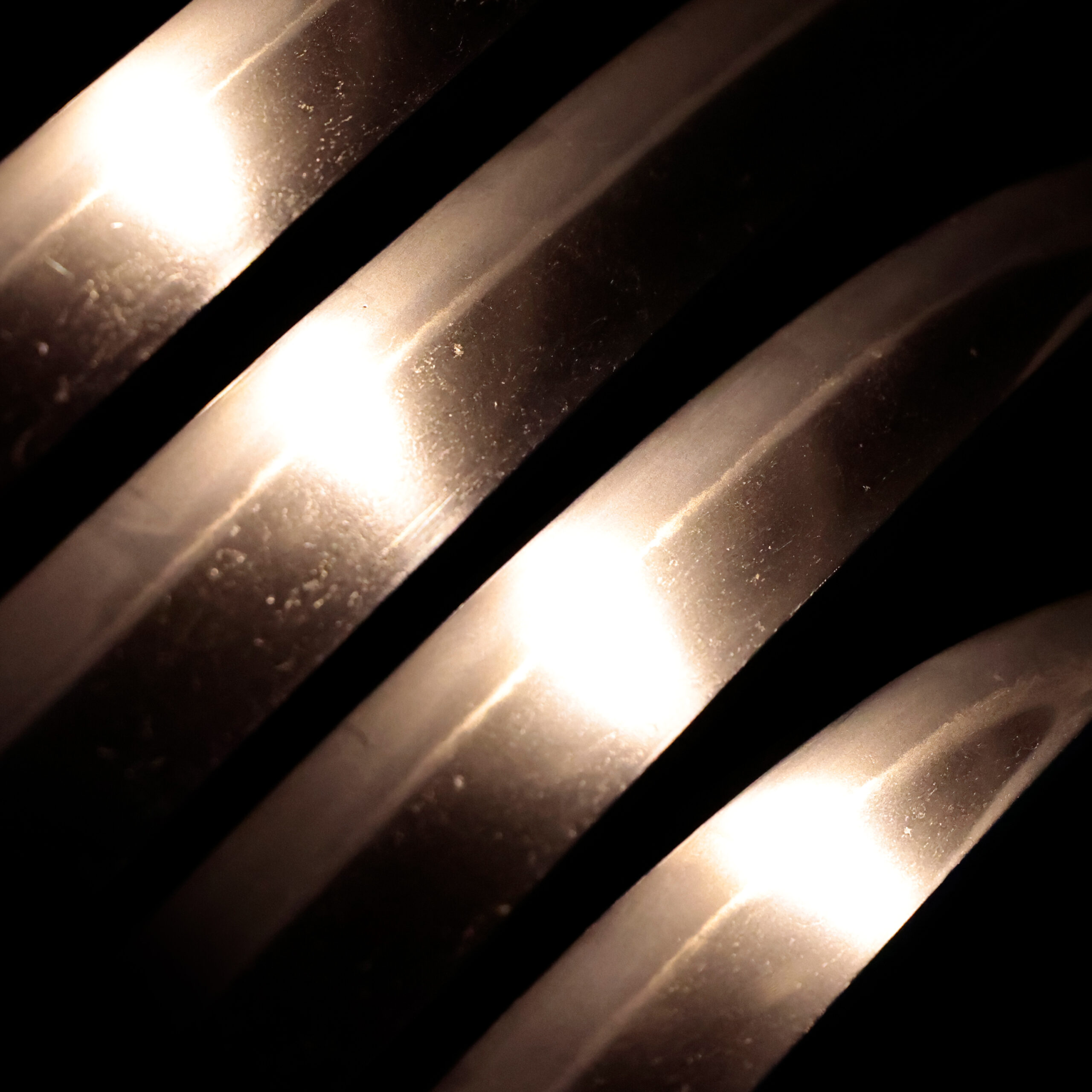
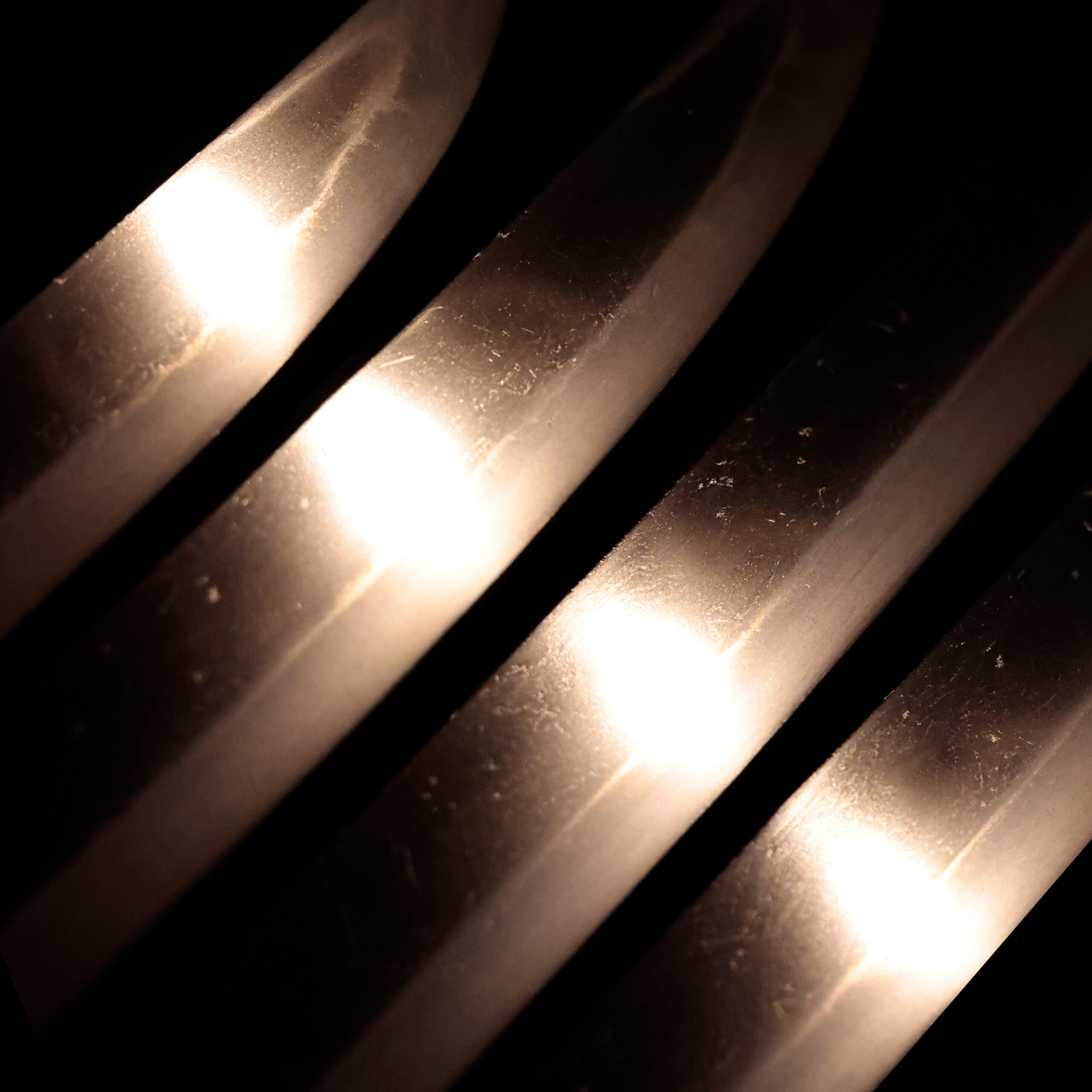
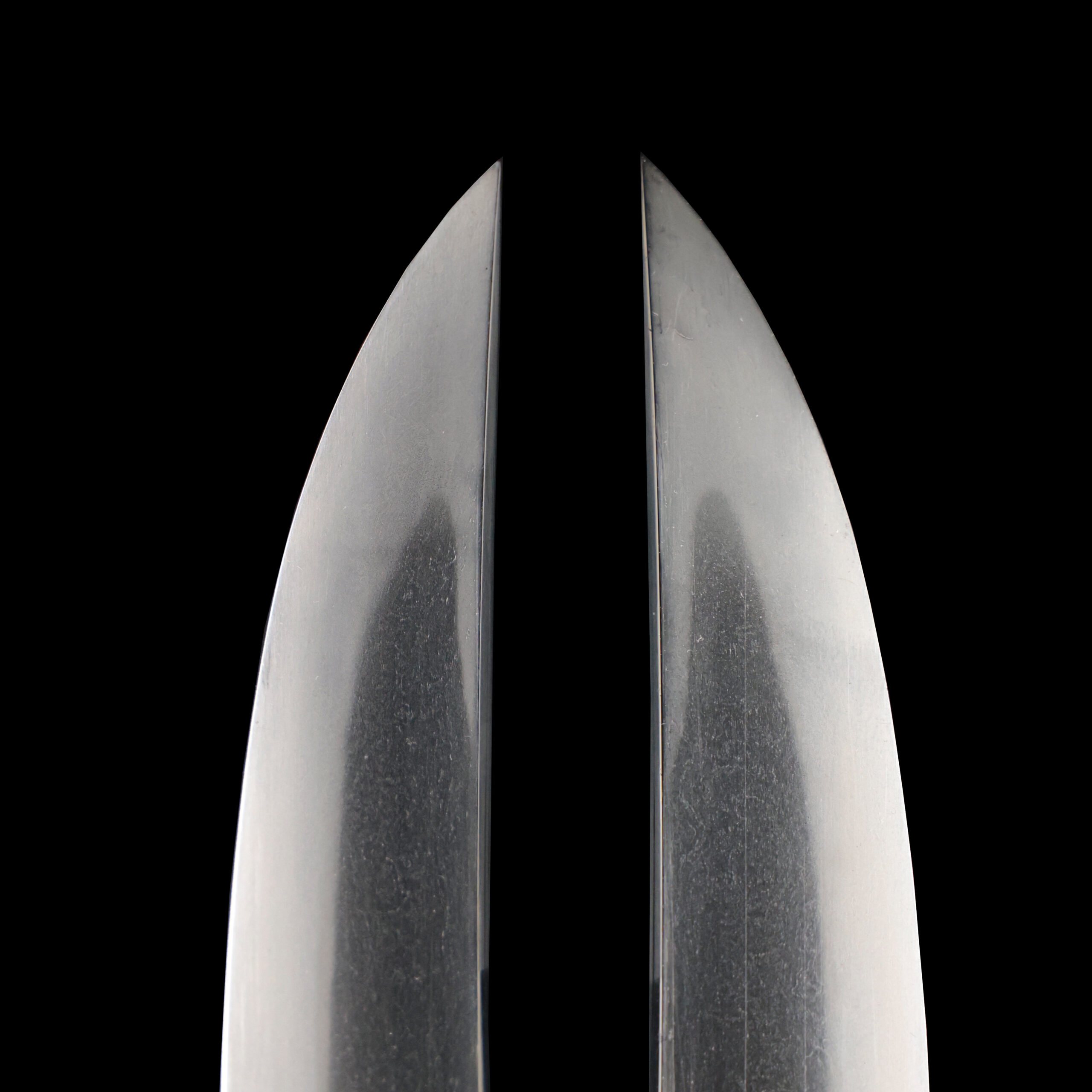
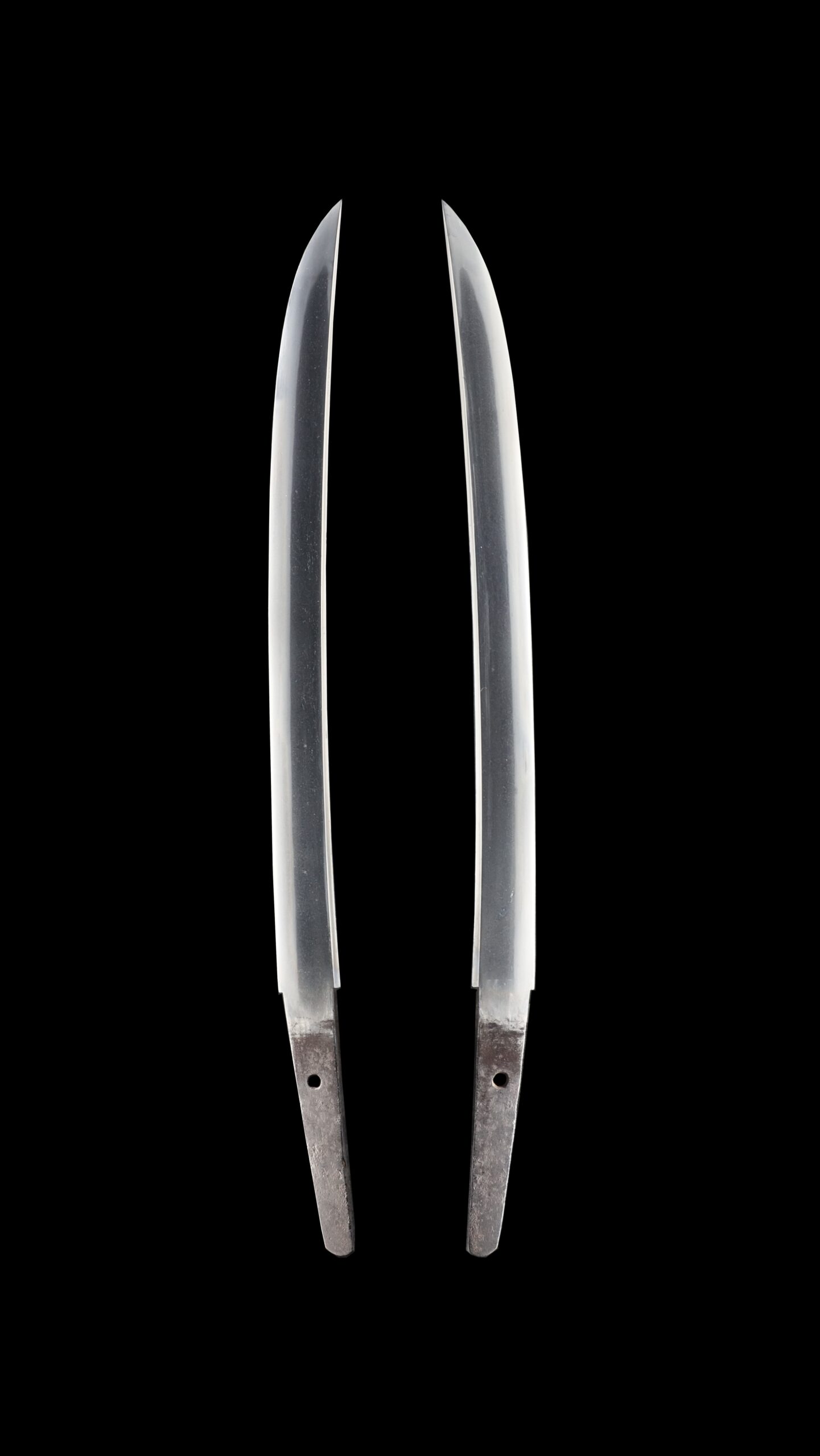
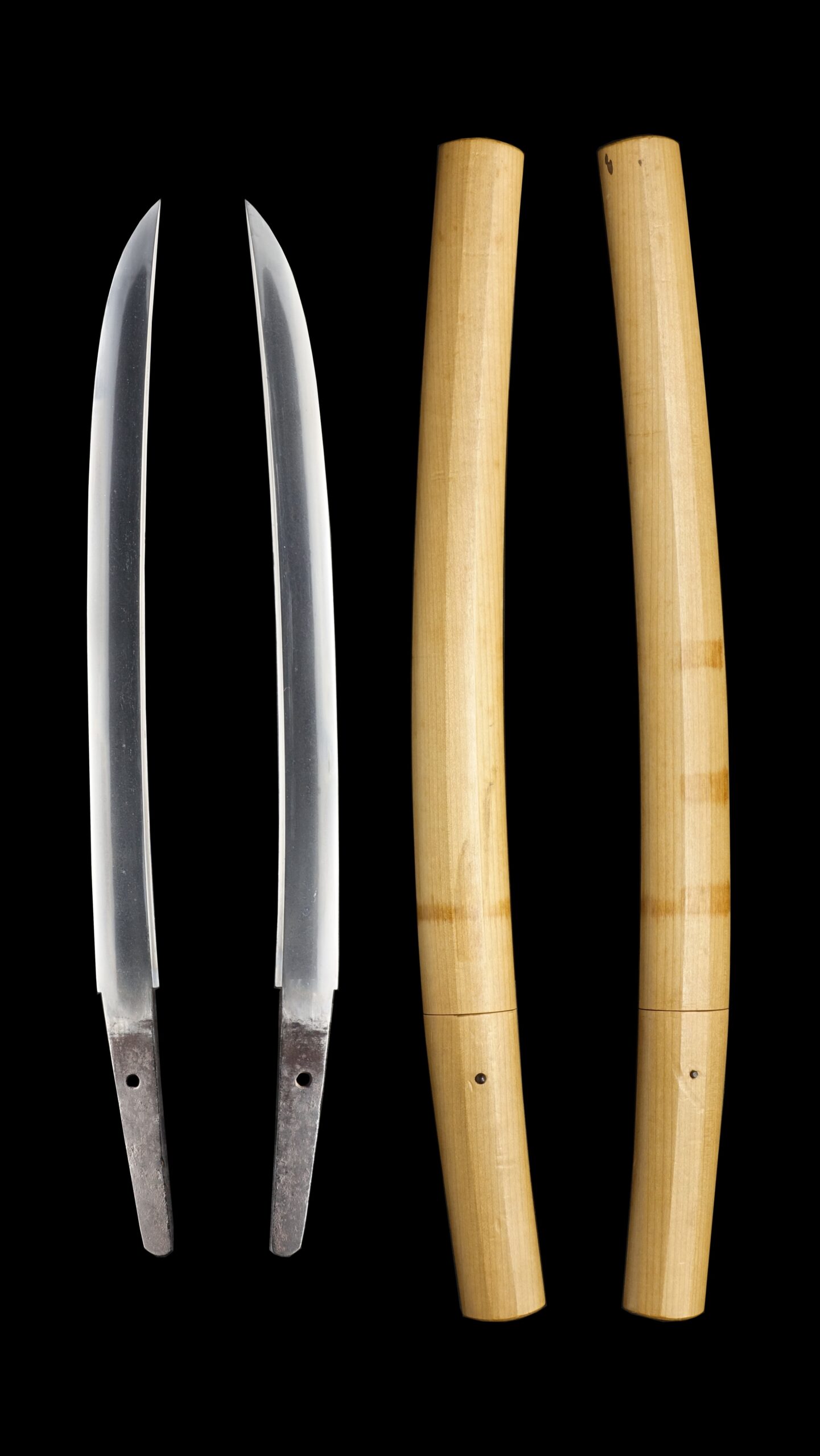
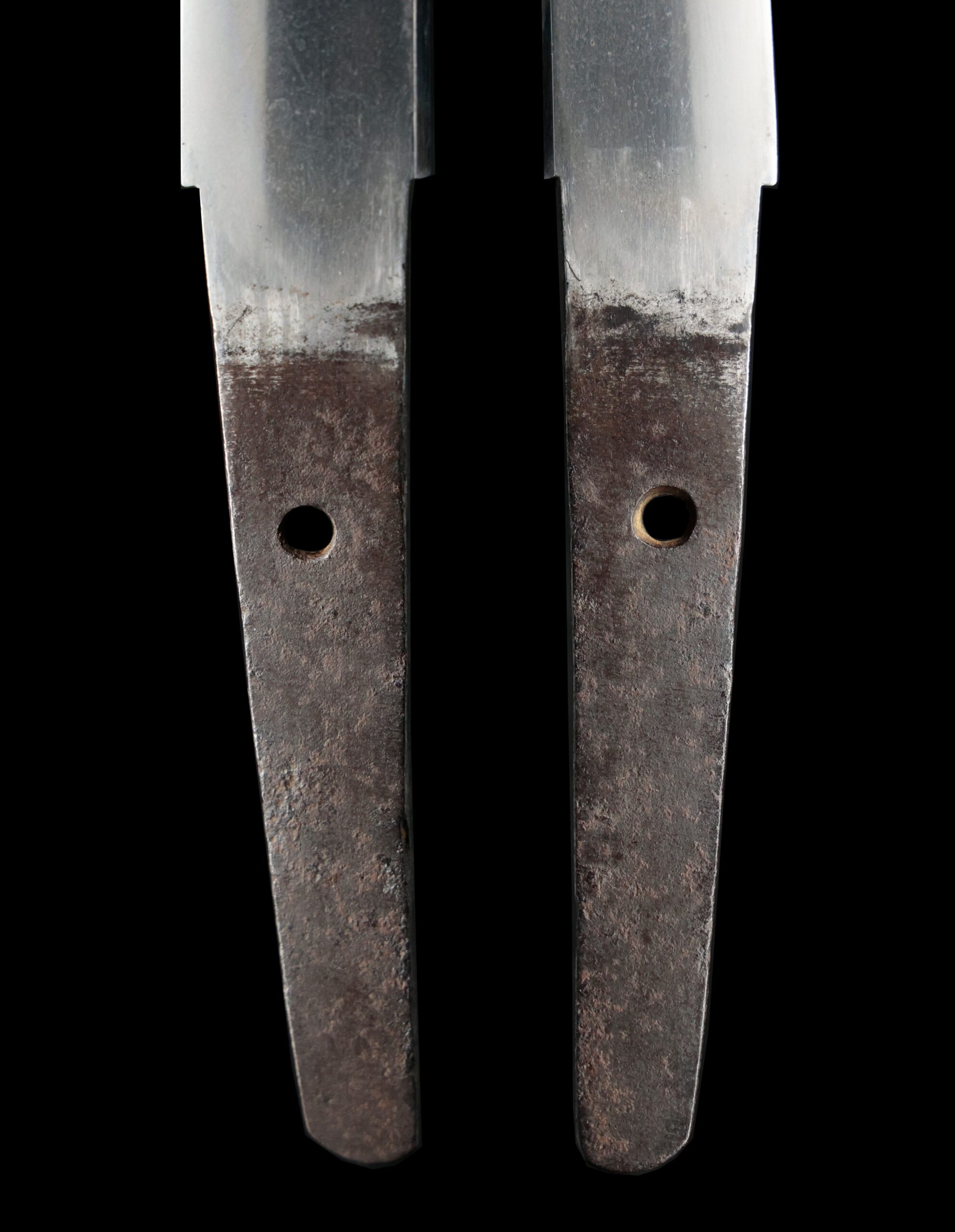
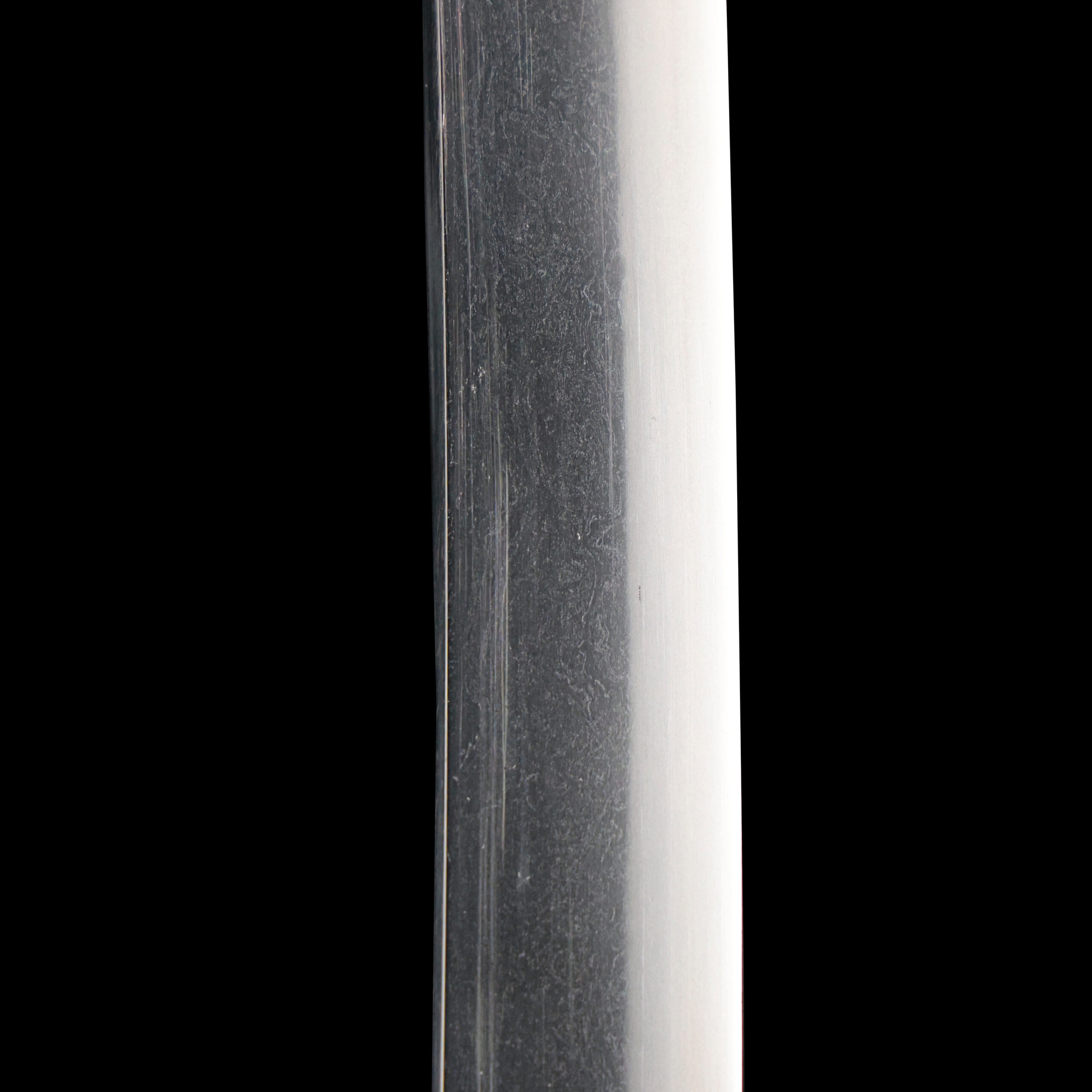
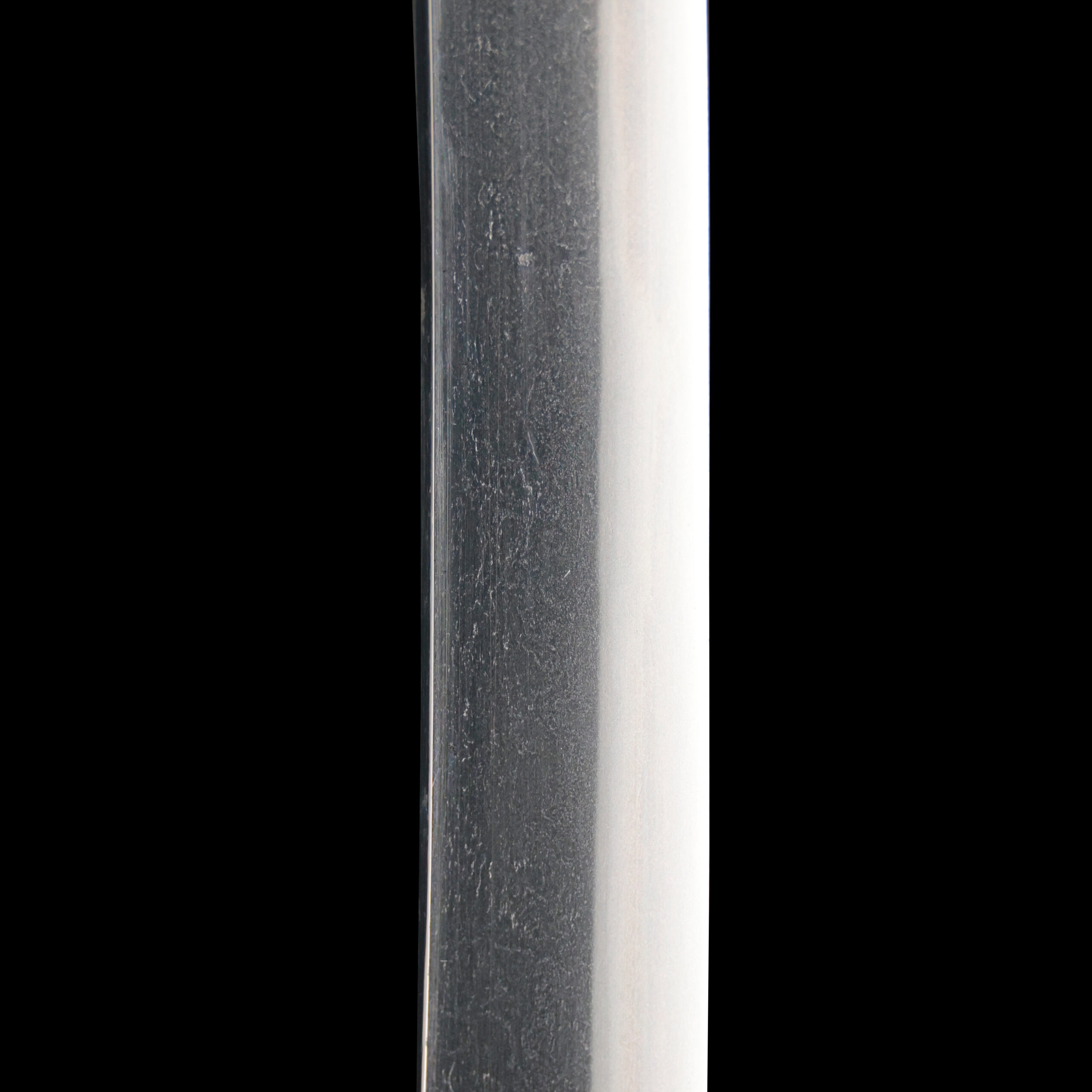
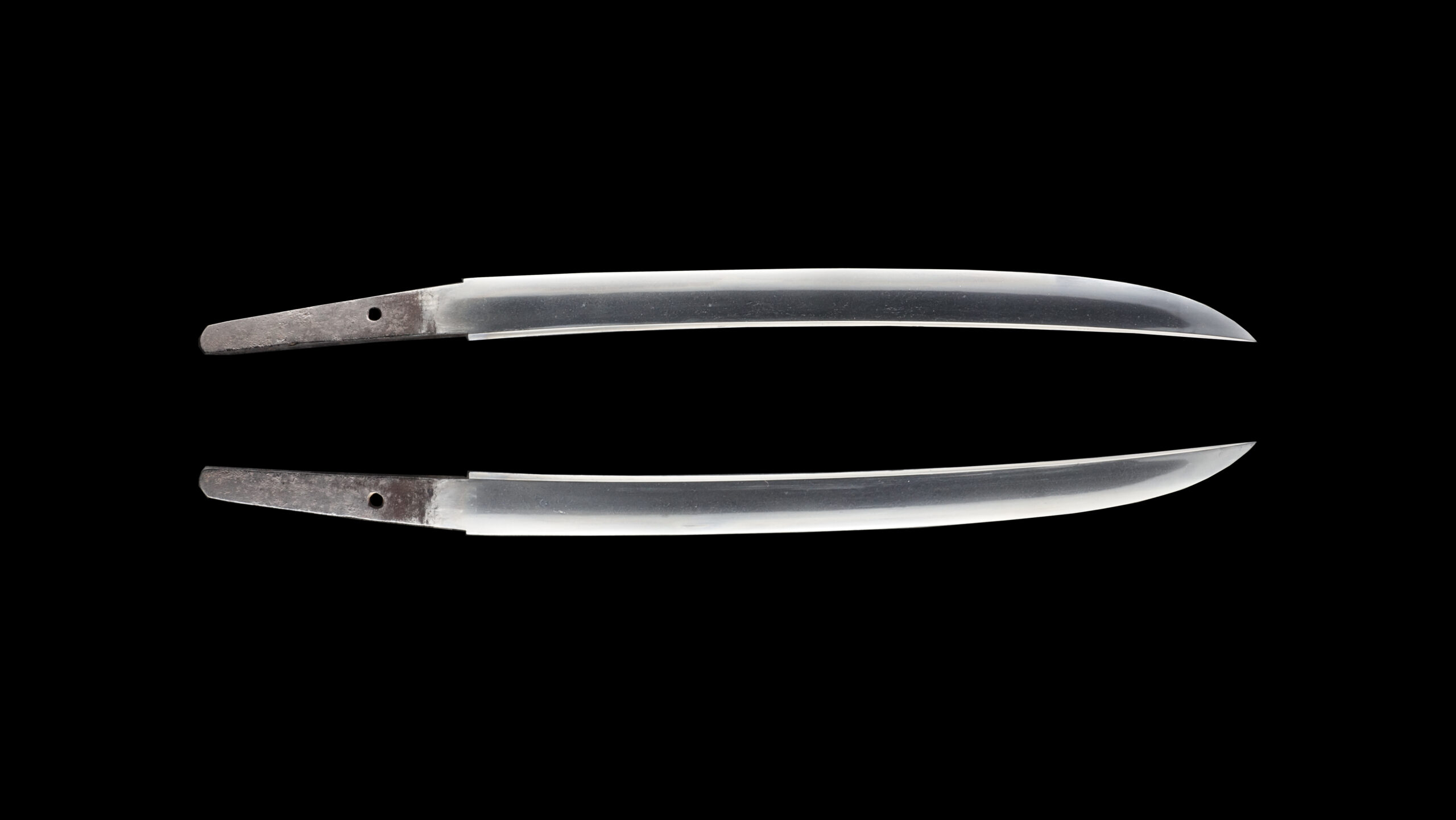
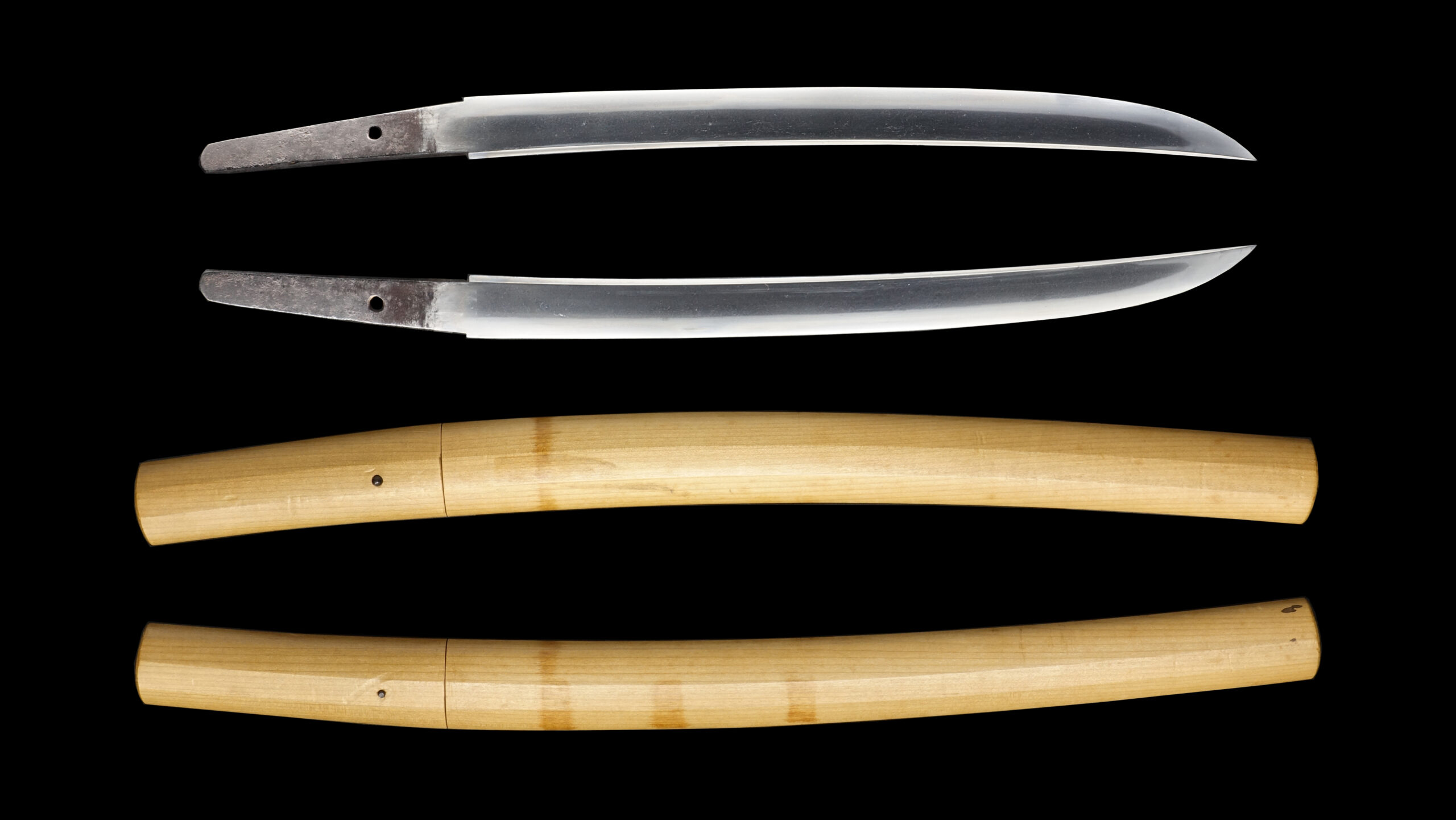
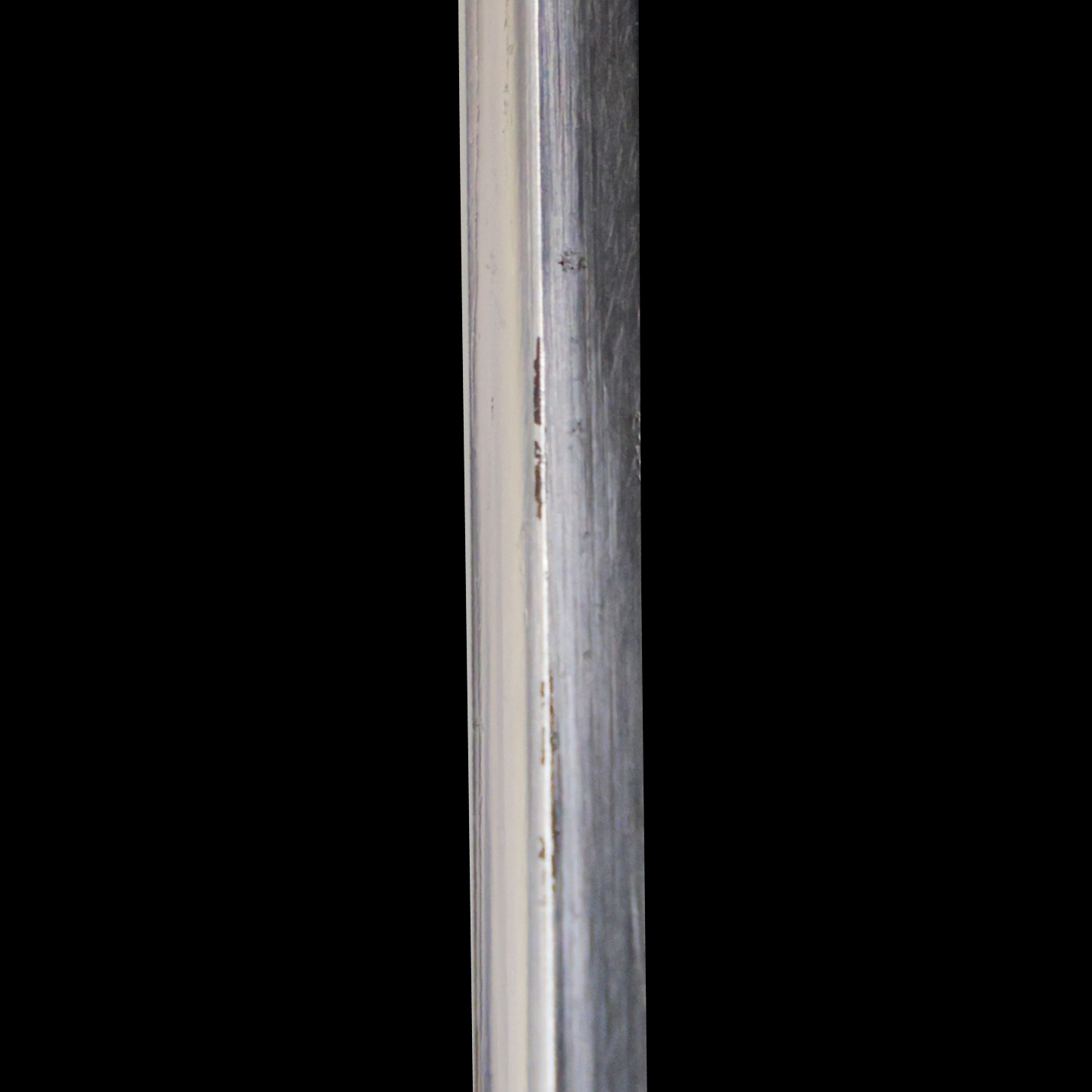
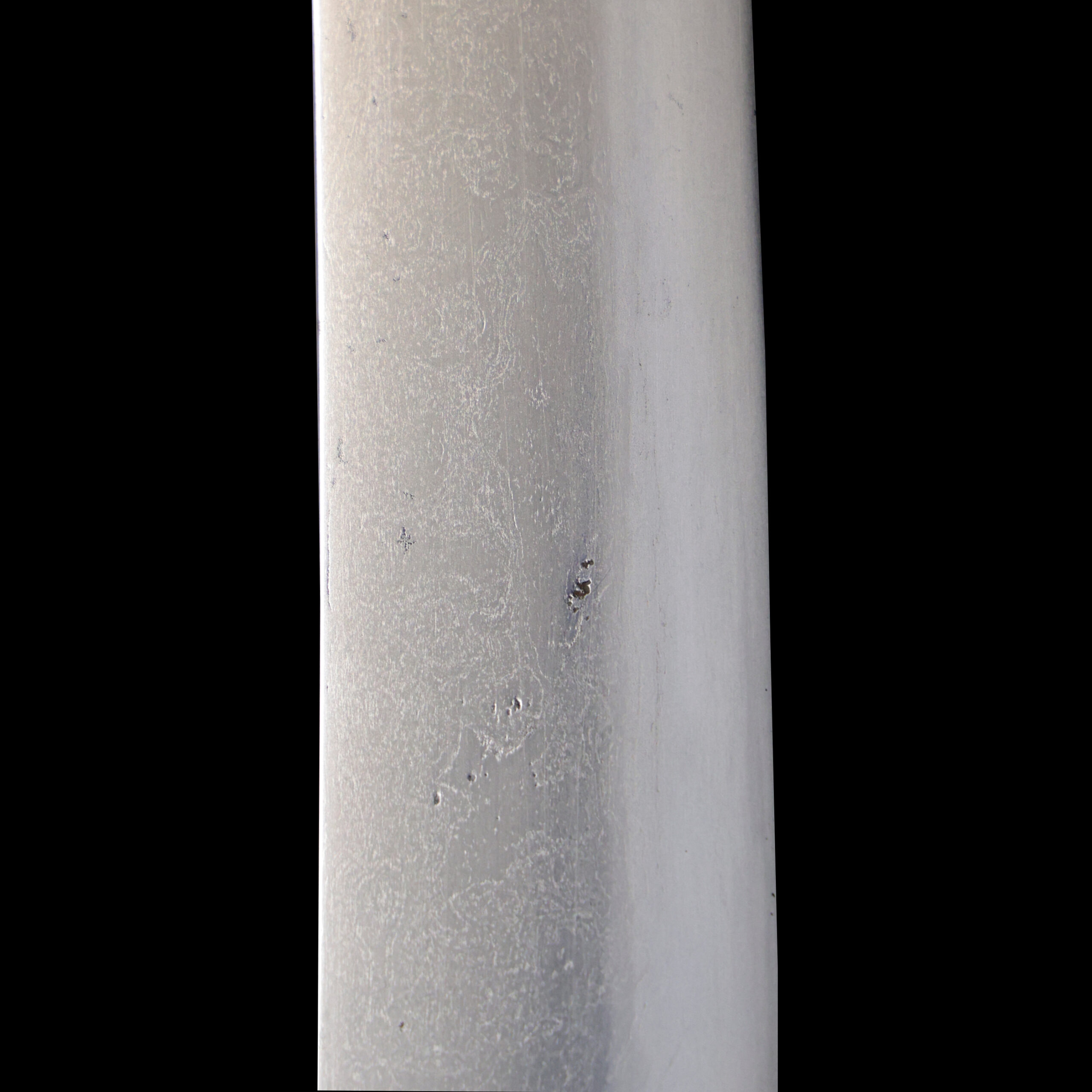
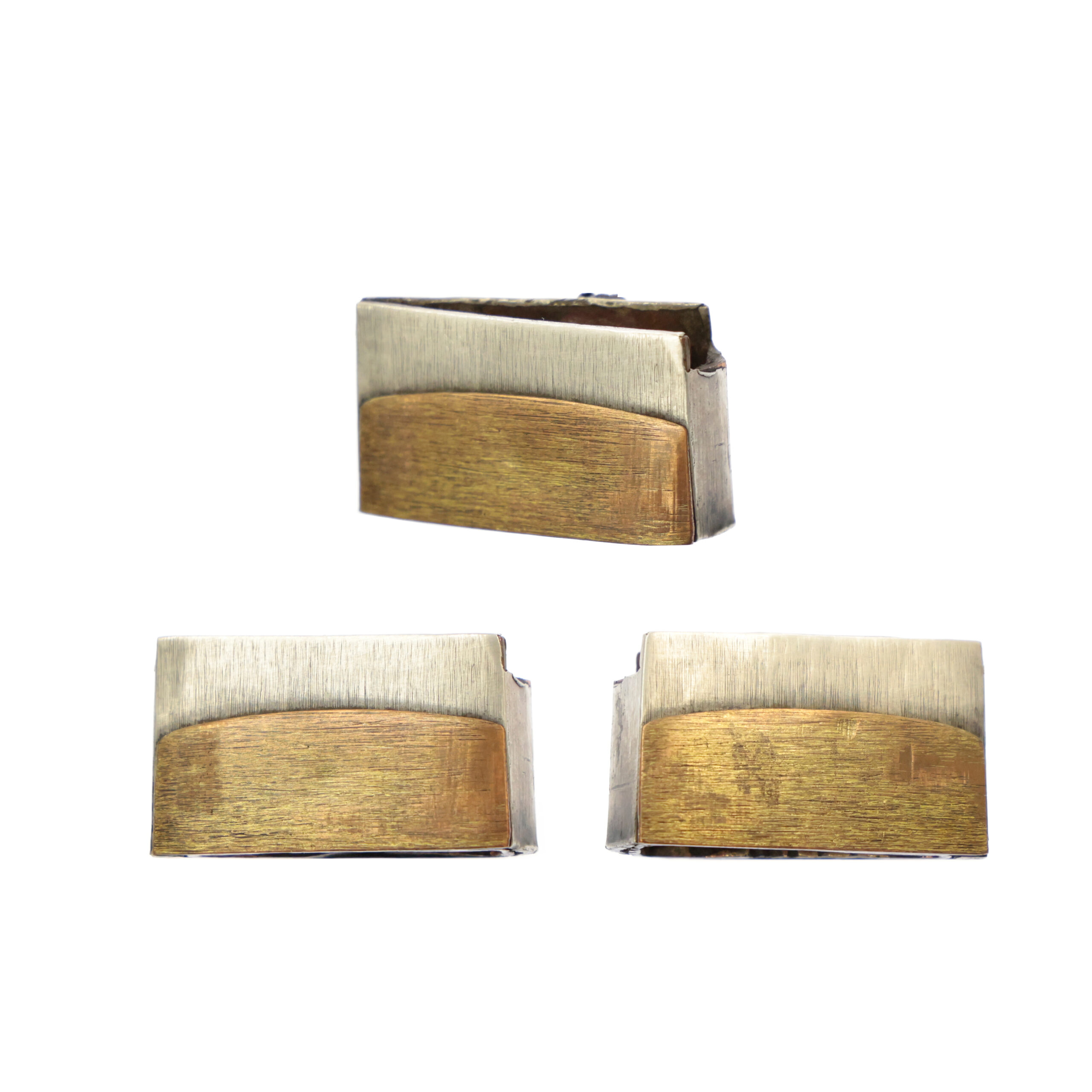
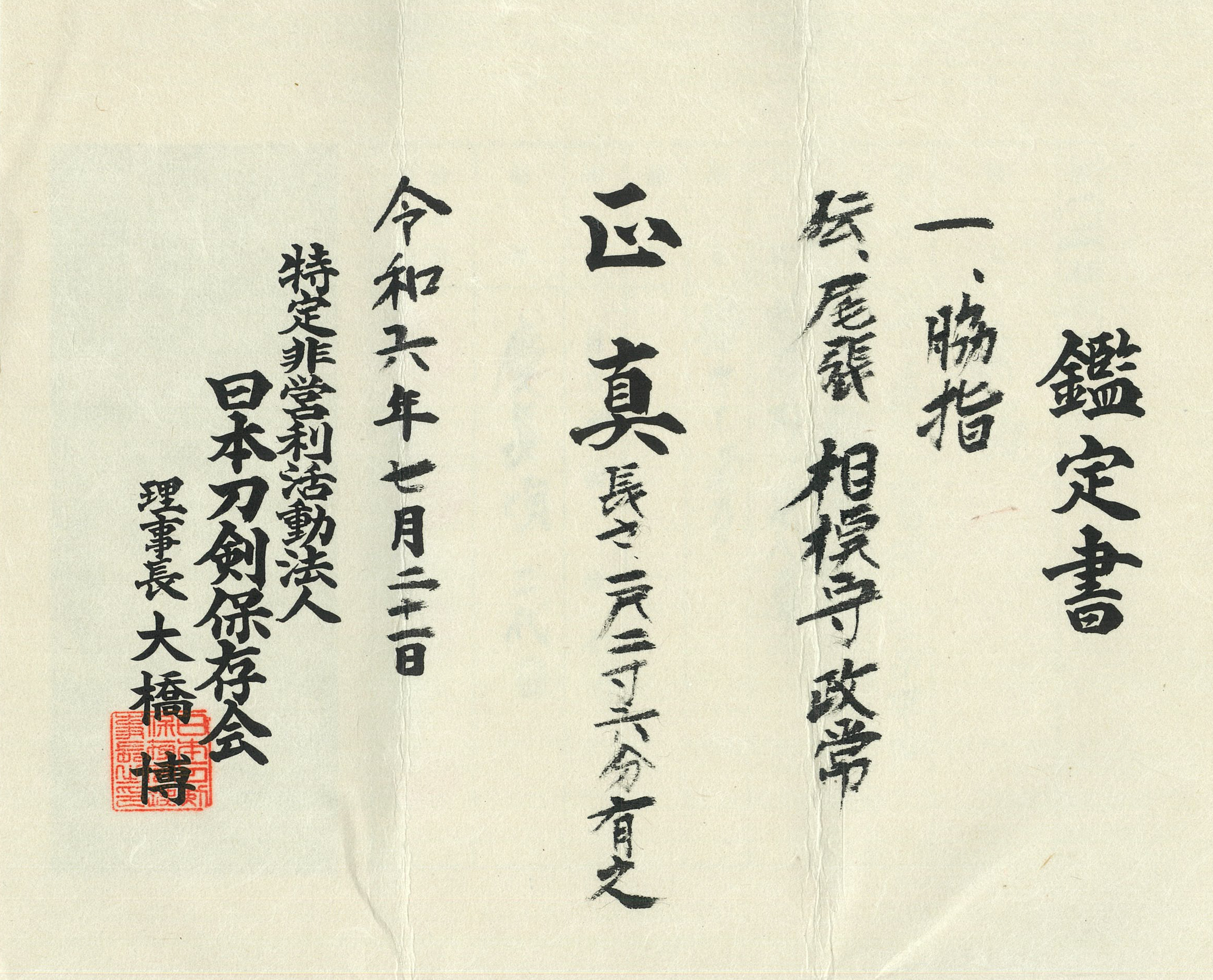
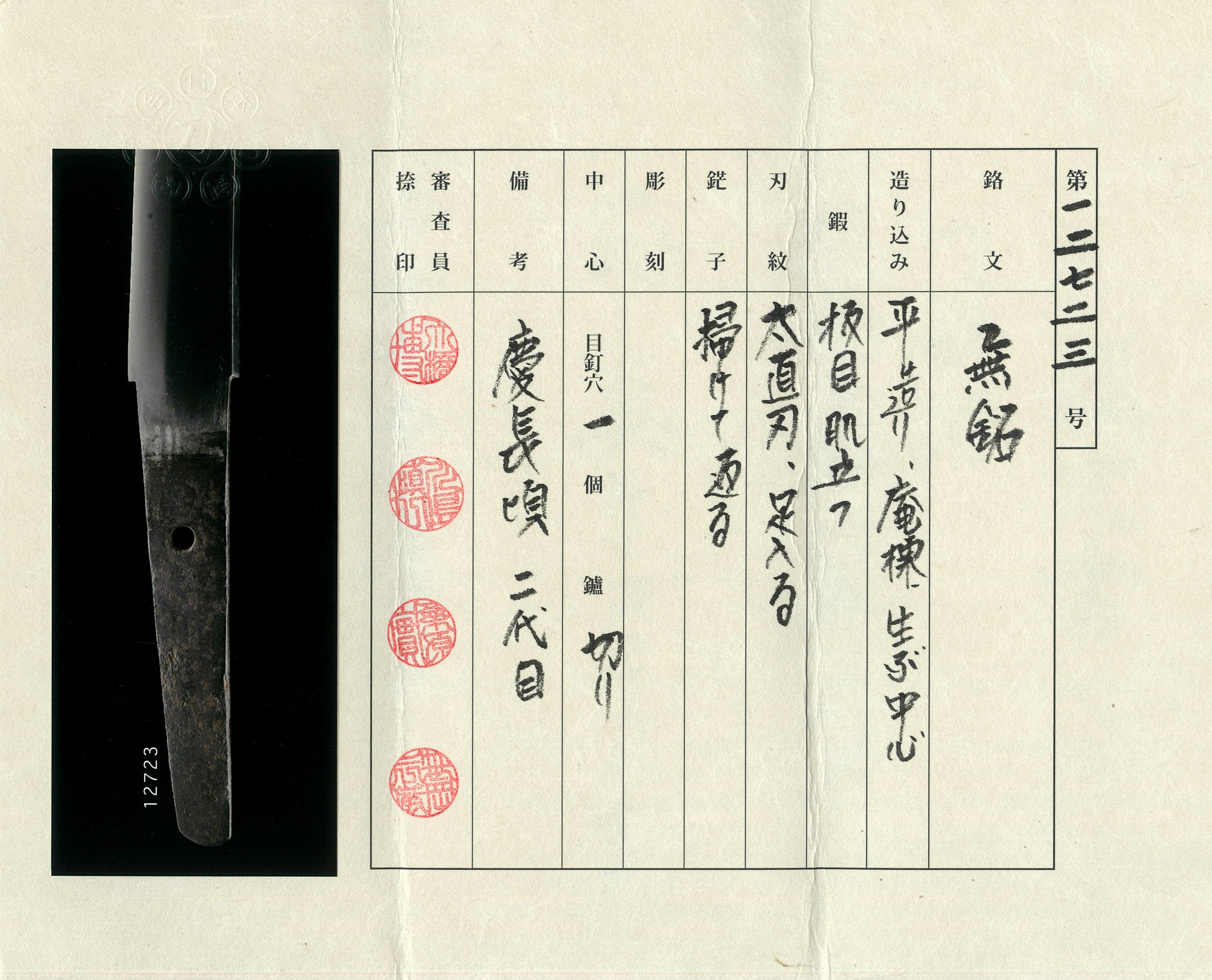
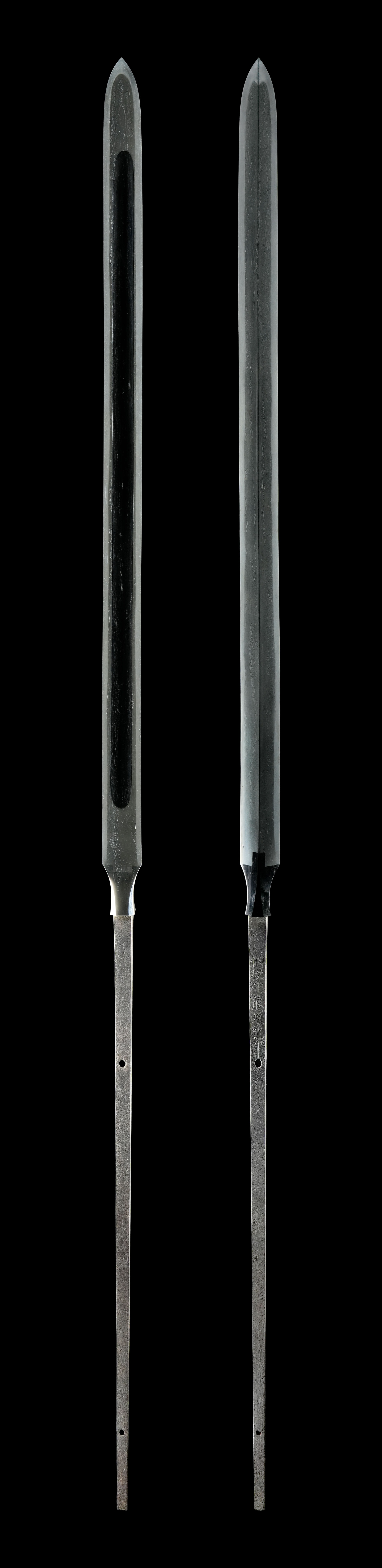
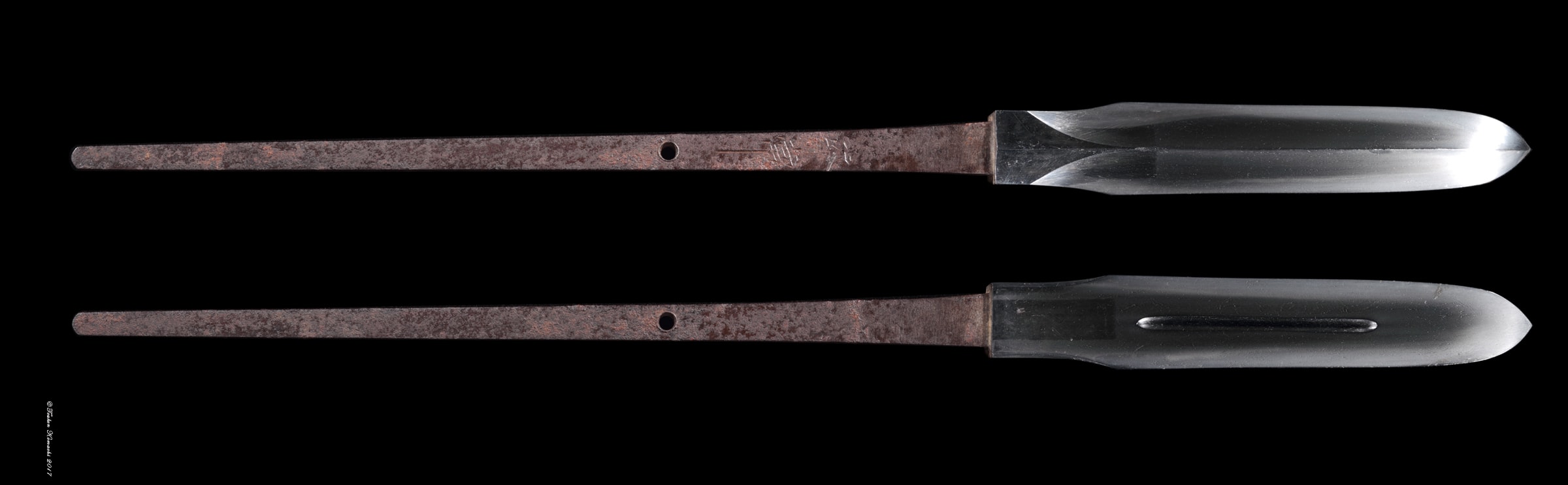
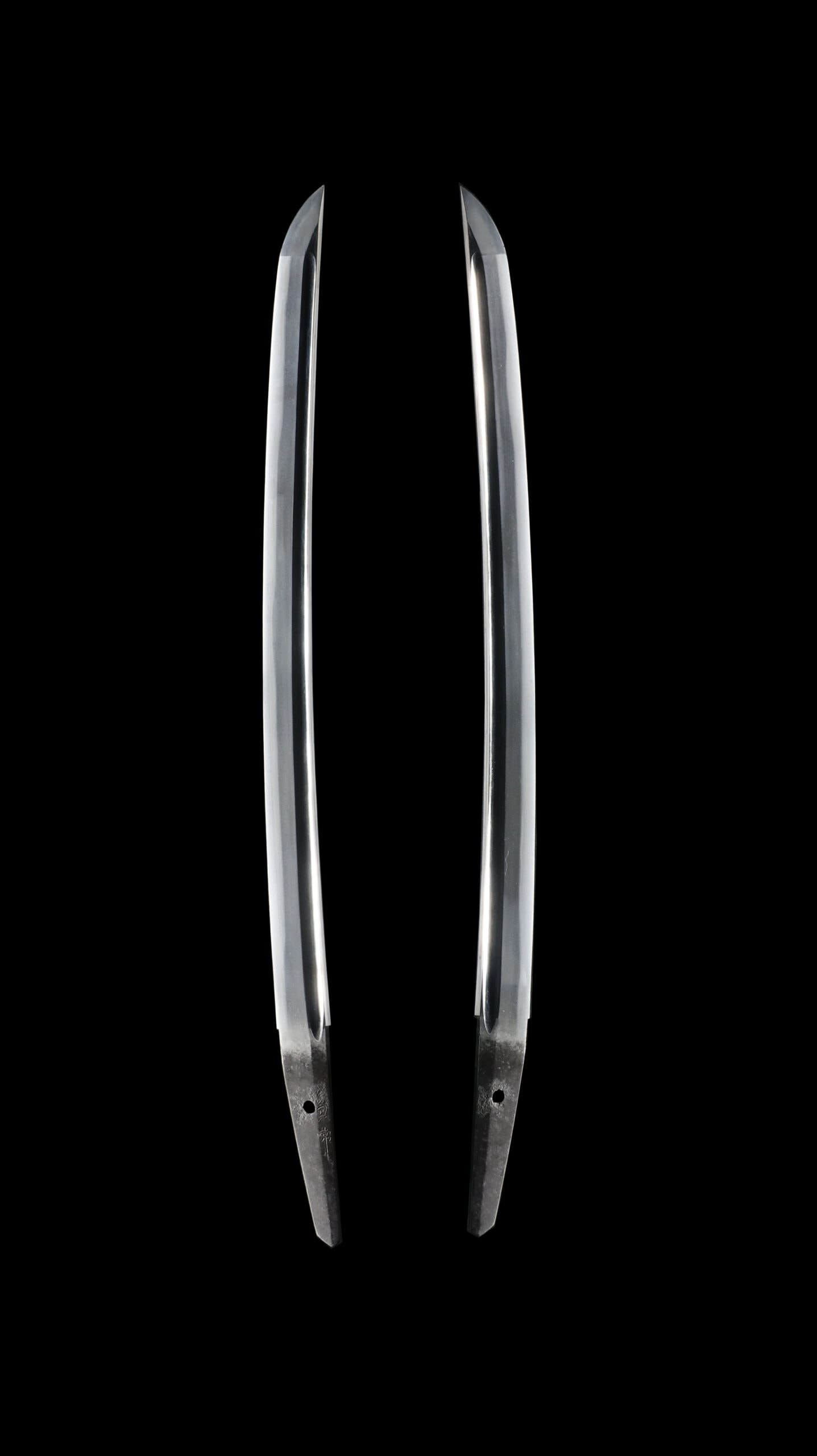
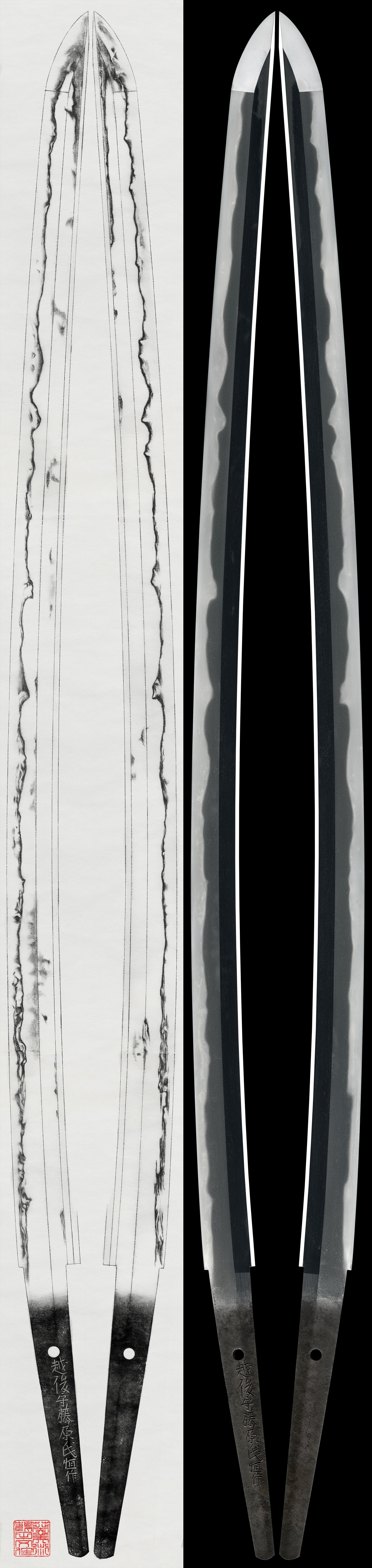
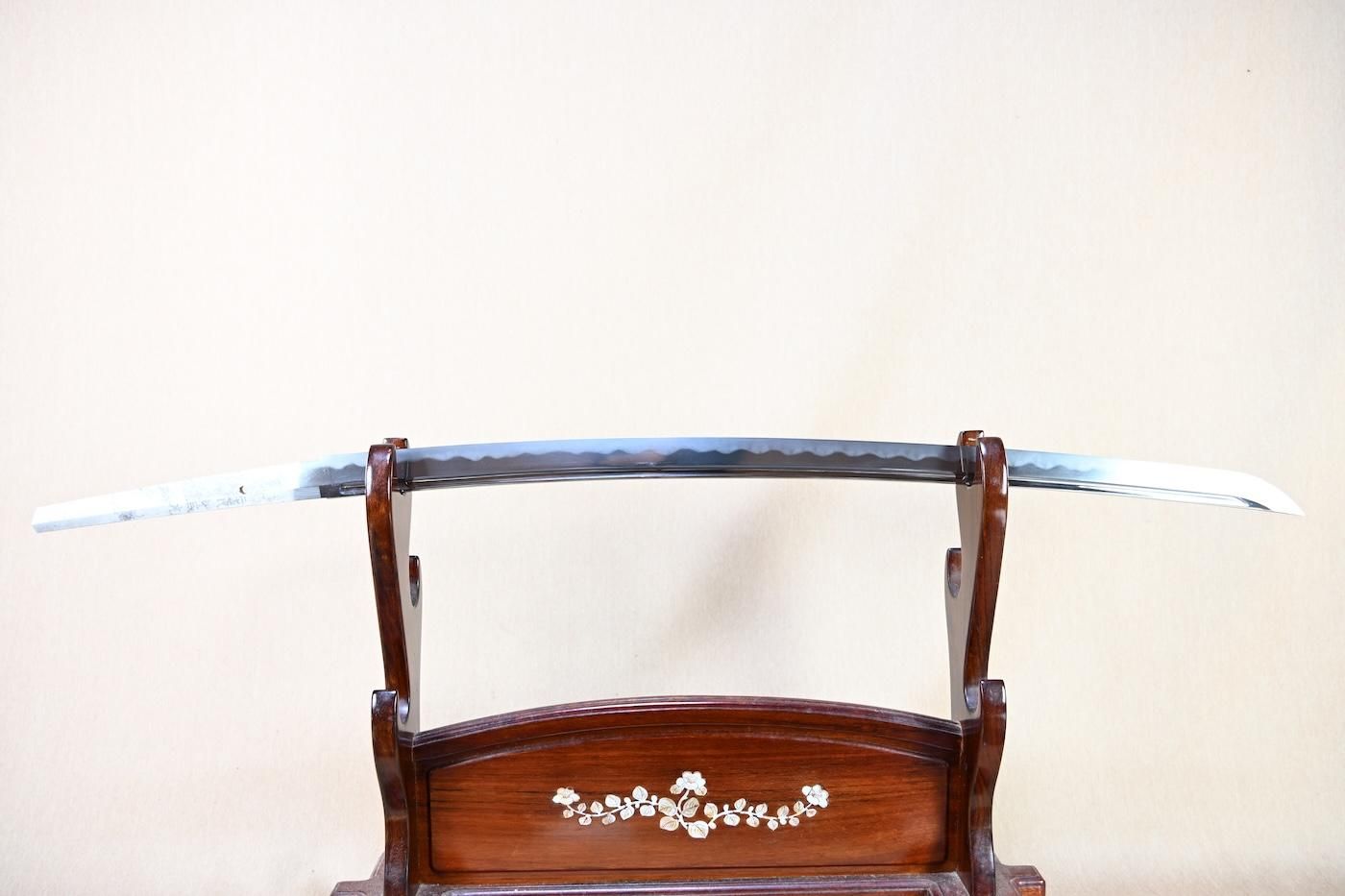
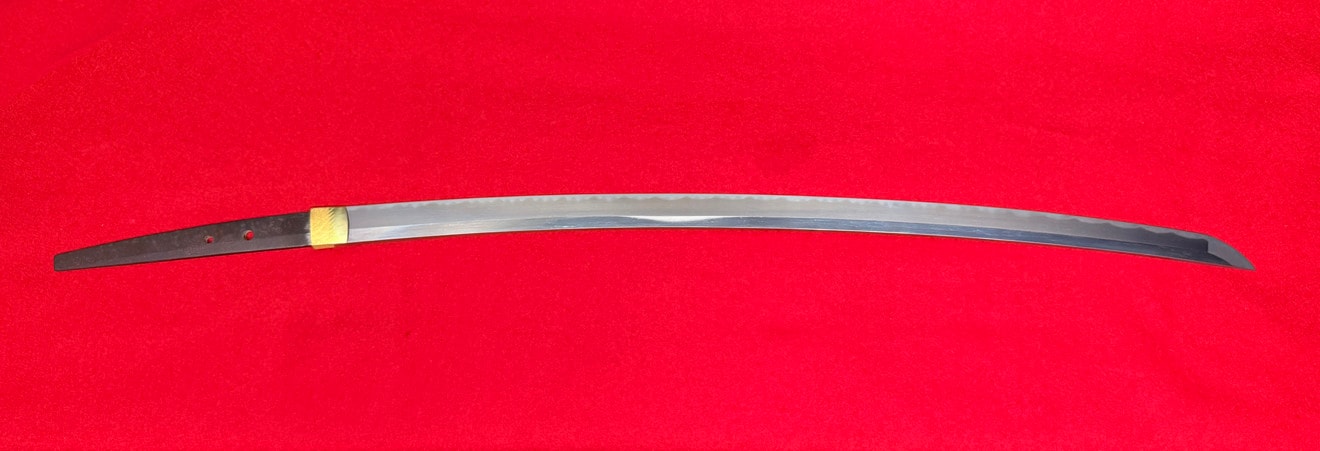
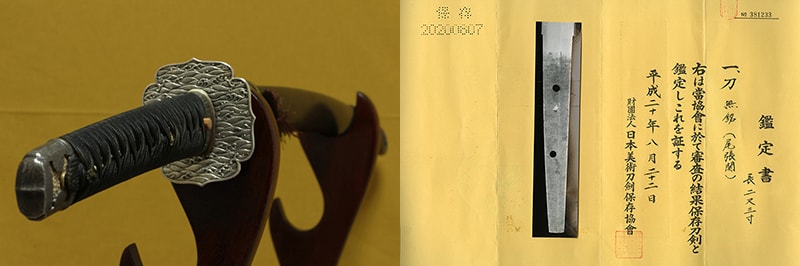
Antique Japanese Sword Wakizashi Attributed to the second-gen Masatsune with NTHK Kanteisho Certificate 【Description】 This blade is attributed to a work of the second generation Sagami no Kami Masatsune (二代相模守政常) during the Keicho era (1596-1615: the late Azuchi Momoyama – the early Edo period), according to NTHK’s appraisal. The 2nd-gen Masatsune was born as the son of the first-gen Masatsune, who was active during 1573-1592 (Azuchi Momoyama period) and one of the three famous representative swordsmiths in Owari province (today’s Aichi prefecture), also known as one of Owari Sansaku (尾張三作) or Owari Sanketsu (尾張三傑), which also includes Hidano Kami Ujifusa and Hoki no Kami Nobutaka. The first gen Masatsune, whose previous maker’s name was Kanetsune (兼常), was born as the second son of Suke Uemon Kanetsune in the third year of the Tenbun era (1534: Late Muromachi period). His father was also a renowned swordsmith in Mino province (Today’s Gifu prefecture). It is said that he learned sword-forging techniques from his father. And, in 1567, when he was 33 years old, he became an independent swordsmith and signed as Kanetsune (兼常), moving to Komaki village in Owari domain (Today’s Aichi prefecture). According to available records, he and his school forged 100 spear swords, which Tokugawa Ieyasu ordered for Komaki Nagakute Battle in 1584. Masatsune received an honorable official title of Sagami no Kami in 1592 and changed his maker’s name to Masatsune after Ikeda Terumasa (池田輝政), the head of the Kamaki domain, gave one of his letters to Kanetsune. It was common to let a swordsmith use one of the Kanjis in one lord’s first name as a token of great craftsmanship, such as Masatsune (政常). When Masatsune was 66 years old in 1600, Satsuma no Kami Matsudaira Tadayoshi, the 4th son of Tokugawa Ieyasu, became the head of the Kiyosu castle, the headquarter of Owari domain. And, Fukushima Masanori, one of the most famous Samurai who served Hideyoshi Toyotomi, ordered Masatsune to relocate from Komaki village to the castle town near the Kiyosu castle. And, Masatsune started to serve Tadayoshi as an Okakaekaji, exclusively forging blades for his master. In the same year, the head of the Owari domain changed to Tokugawa Yoshinao, 9th son of Tokugawa Ieyasu. In the 12th year of Keicho era (1607), his son took over his father’s name as the second gen Sagami no Kami Masatsune. The first and second Masatsune started serving Yoshinao. The first gen Masatsune once retired in the 12th year of the Keicho era (1607), but he returned to forge blades because his son, the second gen, died unexpectedly. He eventually adopted his heir from Omichi school in Mino province. the first-gen Masatsune lived until he was 85 years old. As Owari province (today’s Aichi prefecture) was active in martial arts during the early Edo period, there was much demand among high-class Samurai to order swords forged by Masatsune. *Please keep in mind that there is a couple of Kitae Kizu and black rusts on the blade. If you like to see the detailed condition, please feel free to contact us. 【 Blade】 Cutting Edge Length(Nagasa) : 38.1 cm (15.0 inches) Curvature(Sori) : 0.9 cm (0.35 inches) Hamon : The crystalline structure which forms along the cutting edge of a blade as a result of the hardening process Jimon(Jihada) : visible steel surface pattern created by folding and hammering during forging process Kissaki : Kissaki is the tip of the Japanese sword. Nakago : Nakago is the tang of the Japanese sword. Japanese swordsmiths left the black rust on the tang because it prevents red rust while the tang is in its handle. And the discoloration of the tang was created over time, and it is a great indicator for a Japanese sword specialist to estimate when the sword was forged. Habaki : Habaki is the equipment to make the blade not touch its scabbard inside. It prevents the blade from getting rusty and chipped. Authentication Paper : NTHK Kanteisho Certificate for the blade (No. 12723) NTHK

NihontoWatch MonNihontoWatchBETA
MarketAuctionsEncyclopedia
刀剣›美濃伝›尾張政常›Antique Japanese Sword Wakizashi Attributed to the second-gen Masatsune NTHK Kanteisho Certificate
脇差
尾張政常派

Antique Japanese Sword Wakizashi Attributed to the second-gen Masatsune NTHK Kanteisho Certificate

無銘 · Kanbun (1661-1673) · 長さ 38.1cm · 反り 0.9cm

売却済
尾張政常派 — 1 of 19
尾張政常派 — 2 of 19
尾張政常派 — 3 of 19
尾張政常派 — 4 of 19
尾張政常派 — 5 of 19
尾張政常派 — 6 of 19
尾張政常派 — 7 of 19
尾張政常派 — 8 of 19
尾張政常派 — 9 of 19
尾張政常派 — 10 of 19
尾張政常派 — 11 of 19
尾張政常派 — 12 of 19
尾張政常派 — 13 of 19
尾張政常派 — 14 of 19
尾張政常派 — 15 of 19
尾張政常派 — 16 of 19
尾張政常派 — 17 of 19
尾張政常派 — 18 of 19
尾張政常派 — 19 of 19
1 / 19
1 / 19
尾張政常派 — 1 of 19尾張政常派 — 2 of 19尾張政常派 — 3 of 19尾張政常派 — 4 of 19尾張政常派 — 5 of 19尾張政常派 — 6 of 19尾張政常派 — 7 of 19尾張政常派 — 8 of 19尾張政常派 — 9 of 19尾張政常派 — 10 of 19尾張政常派 — 11 of 19尾張政常派 — 12 of 19尾張政常派 — 13 of 19尾張政常派 — 14 of 19尾張政常派 — 15 of 19尾張政常派 — 16 of 19尾張政常派 — 17 of 19尾張政常派 — 18 of 19尾張政常派 — 19 of 19
法量・詳細
刀工
尾張政常派
種別
脇差
流派
Owari Masatsune
活動期
Kanbun (1661-1673)(1596-1644)
国
尾張
銘
無銘
法量
長さ 38.1cm反り 0.9cm
説明

Antique Japanese Sword Wakizashi Attributed to the second-gen Masatsune with NTHK Kanteisho Certificate 【Description】 This blade is attributed to a work of the second generation Sagami no Kami Masatsune (二代相模守政常) during the Keicho era (1596-1615: the late Azuchi Momoyama – the early Edo period), according to NTHK’s appraisal. The 2nd-gen Masatsune was born as the son of the first-gen Masatsune, who was active during 1573-1592 (Azuchi Momoyama period) and one of the three famous representative swordsmiths in Owari province (today’s Aichi prefecture), also known as one of Owari Sansaku (尾張三作) or Owari Sanketsu (尾張三傑), which also includes Hidano Kami Ujifusa and Hoki no Kami Nobutaka. The first gen Masatsune, whose previous maker’s name was Kanetsune (兼常), was born as the second son of Suke Uemon Kanetsune in the third year of the Tenbun era (1534: Late Muromachi period). His father was also a renowned swordsmith in Mino province (Today’s Gifu prefecture). It is said that he learned sword-forging techniques from his father. And, in 1567, when he was 33 years old, he became an independent swordsmith and signed as Kanetsune (兼常), moving to Komaki village in Owari domain (Today’s Aichi prefecture). According to available records, he and his school forged 100 spear swords, which Tokugawa Ieyasu ordered for Komaki Nagakute Battle in 1584. Masatsune received an honorable official title of Sagami no Kami in 1592 and changed his maker’s name to Masatsune after Ikeda Terumasa (池田輝政), the head of the Kamaki domain, gave one of his letters to Kanetsune. It was common to let a swordsmith use one of the Kanjis in one lord’s first name as a token of great craftsmanship, such as Masatsune (政常). When Masatsune was 66 years old in 1600, Satsuma no Kami Matsudaira Tadayoshi, the 4th son of Tokugawa Ieyasu, became the head of the Kiyosu castle, the headquarter of Owari domain. And, Fukushima Masanori, one of the most famous Samurai who served Hideyoshi Toyotomi, ordered Masatsune to relocate from Komaki village to the castle town near the Kiyosu castle. And, Masatsune started to serve Tadayoshi as an Okakaekaji, exclusively forging blades for his master. In the same year, the head of the Owari domain changed to Tokugawa Yoshinao, 9th son of Tokugawa Ieyasu. In the 12th year of Keicho era (1607), his son took over his father’s name as the second gen Sagami no Kami Masatsune. The first and second Masatsune started serving Yoshinao. The first gen Masatsune once retired in the 12th year of the Keicho era (1607), but he returned to forge blades because his son, the second gen, died unexpectedly. He eventually adopted his heir from Omichi school in Mino province. the first-gen Masatsune lived until he was 85 years old. As Owari province (today’s Aichi prefecture) was active in martial arts during the early Edo period, there was much demand among high-class Samurai to order swords forged by Masatsune. *Please keep in mind that there is a couple of Kitae Kizu and black rusts on the blade. If you like to see the detailed condition, please feel free to contact us. 【 Blade】 Cutting Edge Length(Nagasa) : 38.1 cm (15.0 inches) Curvature(Sori) : 0.9 cm (0.35 inches) Hamon : The crystalline structure which forms along the cutting edge of a blade as a result of the hardening process Jimon(Jihada) : visible steel surface pattern created by folding and hammering during forging process Kissaki : Kissaki is the tip of the Japanese sword. Nakago : Nakago is the tang of the Japanese sword. Japanese swordsmiths left the black rust on the tang because it prevents red rust while the tang is in its handle. And the discoloration of the tang was created over time, and it is a great indicator for a Japanese sword specialist to estimate when the sword was forged. Habaki : Habaki is the equipment to make the blade not touch its scabbard inside. It prevents the blade from getting rusty and chipped. Authentication Paper : NTHK Kanteisho Certificate for the blade (No. 12723) NTHK

流派について

尾張政常

美濃伝 · 尾張

現在12点販売中

›

尾張政常は、美濃国納土に生まれた相模守政常を祖とする一系である。政常は初め兼常と銘し、永禄十年に分家独立して小牧村に移り、この頃に名を政常と改めたとみられる。天正十九年五月に相模守を受領し、慶長五年、松平忠吉に従って清洲に移った。清洲では伯耆守信高、飛騨守氏房とともに鍛刀し、後世に尾張三作と称される一人となり、やがて尾張徳川家の抱え工となっている。慶長十二年には入道隠居してその子に相模守政常の名を継がせたが、二代が急逝したため再び現役に復し、以後政常入道と入道銘を用いたといい、元和五年、八十四歳で歿したと伝える。説示が扱う工は、この相模守政常を中心とし、兼常と二字に銘した初期作から、相模守を受領して以後の政常時代、さらに政常入道銘の時期に及ぶ。あわせて、岐阜大道の子で相模守政常の養子となり二代目を継いだ美濃守政常も含まれ、本国美濃の関鍛冶を根に、清洲移住を経て尾張藩の庇護下に展開した一門である。 作風は説示が繰り返し記すところに明瞭である。鍛えは板目に杢を交え、棟寄りに流れて柾がかる傾向を示し、地沸が微塵によくつき、地景がよく入る。区下や区際から水影風の立つ例も認められる。刃文は中直刃を基調とし、処々に小互の目・小丁子を交え、小足・葉が入り、小沸がよくつく。刃縁にはほつれ・二重刃・喰違刃・打のけがあらわれ、金筋・砂流しが細かにかかって匂口は明るい。帽子は直ぐに小丸、あるいは浅くのたれて返り、先を掃きかける。彫物には素剣・護摩箸・梵字・倶梨迦羅などがみられ、刀身によく調和して作を引き締めている。現存する作は平造の脇指・短刀が最も多く、しかも上手であって、刀および鎬造の脇指は極めて少ない。一方で槍・薙刀を得意とし、槍は平三角造の直槍が多く、稀に両鎬造や十文字を見る。見分けの要は、柾がかる地鉄に明るい直刃を主体とする端正な作柄と、刃縁の二重刃・喰違刃や帽子の掃きかけにあり、互の目が箱がかって沸の強まる乱刃の一作風も知られる。 鑑定にあたっては、まず銘の推移を押さえることが肝要である。兼常二字銘は政常受領以前の初期作にあたり、室町後期永禄頃の体配を示すため、同工の作域を知るうえで資料的価値が高い。政常入道銘は二代の急逝後に再び鍛刀した時期のもので、太鏨の長銘や七字銘を指表に切る例が多い。代表的な作には、相州貞宗や信国に範を求めたとみられる乱刃の優品、得意の直刃を端正に焼いた脇指・短刀、笹穂や両鎬の槍、大振りの薙刀があり、藻柄子宗典一作の拵に納められた脇指のように後世まで伝えられた例もある。刀や鎬造脇指の遺例が乏しいことから、これらは政常研究の資料としても重んじられる。尾張三作の一として清洲鍛冶の系譜に位置づけられ、美濃伝を根としながら相州風をも取り入れた点に、桃山から江戸初期の尾張新刀を代表する地位がある。

2名の刀工指定21口
主要刀工
刀工時代指定
政常1615-162420
政常1661-16730
政常1688-17040
政常1661-16730
兼常1573-15921
尾張政常流派を見る →
NTHK(日本刀剣保存会)鑑定
Kanteishō鑑定書
NTHK Appraisal Certificate
›

NTHKの中心的な鑑定書で、相応の出来を備えた作に発行されます。在銘作は銘の正真を、無銘作は審査員による刀工・流派の極めを示します。点数を記す詳細な審査表が付されます。

NTHKについて›

NTHK(日本刀剣保存会)は、NBTHK(1948年設立)に先立つ1910年に創立された、日本で最も古い刀剣鑑定団体です。長く会を率いた会長の没後、NTHKとNTHK-NPOの二つに分かれ、いずれも審査を続けています。NTHKの鑑定書は、点数と審査員の所見を併記する詳細な審査表が特徴で、特に無銘作の極めに定評があります。

販売店
サ
サムライミュージアム
🇯🇵日本から発送
›
✓認証販売店samuraimuseum.jp
✓海外発送可✓英語対応PayPalクレジットカード
返品ポリシー

Returns/exchanges limited to defects caused by shipping (except willful misconduct or gross negligence by the company); customers must contact within 72 hours of receiving the product.
サムライミュージアムの出品一覧を見る→販売店サイトでこの商品を見る→

尾張政常派の作

すべて見る →
葵美術
特別保存
Wakizashi - Tokuho - by Owari Masatsune - 脇差:正恒(日本美術刀剣保存協会 特別保存刀剣)Wakizashi - Tokuho - by Owari Masatsune - 脇差:正恒(日本美術刀剣保存協会 特別保存刀剣)

脇差

作政常
36.3cm·Kanbun (1661-1673)
開始価格¥350,000
サムライミュージアム
特別保存
Wakizashi - Tokuho - by Masatsune Kanetsune - 日本刀 脇差 銘 兼常(日本美術刀剣保存協会 特別保存刀剣鑑定書付)Wakizashi - Tokuho - by Masatsune Kanetsune - 日本刀 脇差 銘 兼常(日本美術刀剣保存協会 特別保存刀剣鑑定書付)

脇差

作兼常
45.6cm·桃山
¥4,835
銀座長州屋
特別保存
Yari - Tokuho - by Owari Masatsune - 平三角直槍Yari - Tokuho - by Owari Masatsune - 平三角直槍

槍

作政常
17.6cm·Kanbun (1661-1673)
お問い合わせ
刀剣小町
保存
Yari - Hozon - by Owari Masatsune School - 槍 白鞘入りYari - Hozon - by Owari Masatsune School - 槍 白鞘入り

槍

作尾張政常派
12cm·Genroku (1688-1704)
¥180,000
刀心
Yari - by Owari Masatsune - 相模守藤原政常 6-069Yari - by Owari Masatsune - 相模守藤原政常 6-069

槍

作政常
77.4cm·室町
¥660,000
イーソード
特別保存
Katana - Tokuho - by Owari Masatsune School - 日本刀 刀 政常(新々刀) (尾張徳川家伝来)Katana - Tokuho - by Owari Masatsune School - 日本刀 刀 政常(新々刀) (尾張徳川家伝来)

刀

作尾張政常派
69.6cm·Kanbun (1661-1673)
¥1,500,000
刀剣徳川
保存
Tanto - Hozon - by Owari Masatsune - 寸延短刀 銘 相模守藤原正常Tanto - Hozon - by Owari Masatsune - 寸延短刀 銘 相模守藤原正常

短刀

作政常
32.8cm·Tenshō–Kan'ei (相模守 rec. 1591, act. to early Edo)
お問い合わせ
銀座長州屋
保存
Yari - Hozon - by Owari Masatsune School - 平三角直槍Yari - Hozon - by Owari Masatsune School - 平三角直槍

槍

作尾張政常派
17.5cm·Kanbun (1661-1673)
お問い合わせ

美濃の伝統

すべて見る →
コレクション情報
重要
Katana - Jūyō - by Shizu Kaneuji - 刀 大和志津(無銘)Katana - Jūyō - by Shizu Kaneuji - 刀 大和志津(無銘)

刀

作兼氏
69.5cm·Geno (1319-1321)
¥9,500,000
刀剣徳川
特別保存
Tanto - Tokuho - by Seki Kanefusa - 兼房作 短刀 黒漆塗鮫皮研出鞘 小刀拵Tanto - Tokuho - by Seki Kanefusa - 兼房作 短刀 黒漆塗鮫皮研出鞘 小刀拵

短刀

作兼房
26.8cm·室町
¥700,000
十拳
特別保存
Wakizashi - Tokuho - by Naoe Shizu School - 無銘 直江志津Wakizashi - Tokuho - by Naoe Shizu School - 無銘 直江志津

脇差

作直江志津派
53.9cm·南北朝
¥880,000
刀剣徳川
特別保存
Katana - Tokuho - by Naoe Shizu School - 刀 無銘 直江志津伝Katana - Tokuho - by Naoe Shizu School - 刀 無銘 直江志津伝

刀

作直江志津派
63.7cm·南北朝
¥1,350,000
葵美術
重要
Katana - Jūyō - by Yamato Shizu School - 刀:無銘(大和志津)(第16回重要刀剣)Katana - Jūyō - by Yamato Shizu School - 刀:無銘(大和志津)(第16回重要刀剣)

刀

作大和志津派
68cm·古刀
¥2,700,000
Connoisseur Arms
重要
Katana - Jūyō - by Kanemoto - 史実的銘刀 関の孫六兼元 本身刀Katana - Jūyō - by Kanemoto - 史実的銘刀 関の孫六兼元 本身刀

刀

作兼元
室町
お問い合わせ
飯田高遠堂
特別保存
Katana - Tokuho - by Yamato Shizu School - 刀剣Katana - Tokuho - by Yamato Shizu School - 刀剣

刀

作大和志津派
71.8cm·鎌倉
¥2,200,000
銀座長州屋
保存
Wakizashi - Hozon - by Seki Ujifusa - 片切刃造脇差 大磨上無銘 飛騨守藤原氏房Wakizashi - Hozon - by Seki Ujifusa - 片切刃造脇差 大磨上無銘 飛騨守藤原氏房

脇差

作氏房
40.6cm·Keicho (1596-1615)
¥600,000

刀剣

  • 刀
  • 脇差
  • 短刀
  • 太刀
  • 薙刀
  • 槍

刀装具

  • 鍔
  • 縁頭
  • 小柄
  • 目貫

鑑定別

  • 特重
  • 重要
  • 特別保存
  • 保存

リソース

  • 刀剣商一覧
  • 刀工一覧
  • すべて見る
Nihontowatch© 2026
利用規約プライバシーCookie

説明

Antique Japanese Sword Wakizashi Attributed to the second-gen Masatsune with NTHK Kanteisho Certificate 【Description】 This blade is attributed to a work of the second generation Sagami no Kami Masatsune (二代相模守政常) during the Keicho era (1596-1615: the late Azuchi Momoyama – the early Edo period), according to NTHK’s appraisal. The 2nd-gen Masatsune was born as the son of the first-gen Masatsune, who was active during 1573-1592 (Azuchi Momoyama period) and one of the three famous representative swordsmiths in Owari province (today’s Aichi prefecture), also known as one of Owari Sansaku (尾張三作) or Owari Sanketsu (尾張三傑), which also includes Hidano Kami Ujifusa and Hoki no Kami Nobutaka. The first gen Masatsune, whose previous maker’s name was Kanetsune (兼常), was born as the second son of Suke Uemon Kanetsune in the third year of the Tenbun era (1534: Late Muromachi period). His father was also a renowned swordsmith in Mino province (Today’s Gifu prefecture). It is said that he learned sword-forging techniques from his father. And, in 1567, when he was 33 years old, he became an independent swordsmith and signed as Kanetsune (兼常), moving to Komaki village in Owari domain (Today’s Aichi prefecture). According to available records, he and his school forged 100 spear swords, which Tokugawa Ieyasu ordered for Komaki Nagakute Battle in 1584. Masatsune received an honorable official title of Sagami no Kami in 1592 and changed his maker’s name to Masatsune after Ikeda Terumasa (池田輝政), the head of the Kamaki domain, gave one of his letters to Kanetsune. It was common to let a swordsmith use one of the Kanjis in one lord’s first name as a token of great craftsmanship, such as Masatsune (政常). When Masatsune was 66 years old in 1600, Satsuma no Kami Matsudaira Tadayoshi, the 4th son of Tokugawa Ieyasu, became the head of the Kiyosu castle, the headquarter of Owari domain. And, Fukushima Masanori, one of the most famous Samurai who served Hideyoshi Toyotomi, ordered Masatsune to relocate from Komaki village to the castle town near the Kiyosu castle. And, Masatsune started to serve Tadayoshi as an Okakaekaji, exclusively forging blades for his master. In the same year, the head of the Owari domain changed to Tokugawa Yoshinao, 9th son of Tokugawa Ieyasu. In the 12th year of Keicho era (1607), his son took over his father’s name as the second gen Sagami no Kami Masatsune. The first and second Masatsune started serving Yoshinao. The first gen Masatsune once retired in the 12th year of the Keicho era (1607), but he returned to forge blades because his son, the second gen, died unexpectedly. He eventually adopted his heir from Omichi school in Mino province. the first-gen Masatsune lived until he was 85 years old. As Owari province (today’s Aichi prefecture) was active in martial arts during the early Edo period, there was much demand among high-class Samurai to order swords forged by Masatsune. *Please keep in mind that there is a couple of Kitae Kizu and black rusts on the blade. If you like to see the detailed condition, please feel free to contact us. 【 Blade】 Cutting Edge Length(Nagasa) : 38.1 cm (15.0 inches) Curvature(Sori) : 0.9 cm (0.35 inches) Hamon : The crystalline structure which forms along the cutting edge of a blade as a result of the hardening process Jimon(Jihada) : visible steel surface pattern created by folding and hammering during forging process Kissaki : Kissaki is the tip of the Japanese sword. Nakago : Nakago is the tang of the Japanese sword. Japanese swordsmiths left the black rust on the tang because it prevents red rust while the tang is in its handle. And the discoloration of the tang was created over time, and it is a great indicator for a Japanese sword specialist to estimate when the sword was forged. Habaki : Habaki is the equipment to make the blade not touch its scabbard inside. It prevents the blade from getting rusty and chipped. Authentication Paper : NTHK Kanteisho Certificate for the blade (No. 12723) NTHK

NihontoWatch MonNihontoWatchBETA
MarketAuctionsEncyclopedia
刀剣›美濃伝›尾張政常›Antique Japanese Sword Wakizashi Attributed to the second-gen Masatsune NTHK Kanteisho Certificate
脇差
尾張政常派

Antique Japanese Sword Wakizashi Attributed to the second-gen Masatsune NTHK Kanteisho Certificate

無銘 · Kanbun (1661-1673) · 長さ 38.1cm · 反り 0.9cm

売却済
尾張政常派 — 1 of 19
尾張政常派 — 2 of 19
尾張政常派 — 3 of 19
尾張政常派 — 4 of 19
尾張政常派 — 5 of 19
尾張政常派 — 6 of 19
尾張政常派 — 7 of 19
尾張政常派 — 8 of 19
尾張政常派 — 9 of 19
尾張政常派 — 10 of 19
尾張政常派 — 11 of 19
尾張政常派 — 12 of 19
尾張政常派 — 13 of 19
尾張政常派 — 14 of 19
尾張政常派 — 15 of 19
尾張政常派 — 16 of 19
尾張政常派 — 17 of 19
尾張政常派 — 18 of 19
尾張政常派 — 19 of 19
1 / 19
1 / 19
尾張政常派 — 1 of 19尾張政常派 — 2 of 19尾張政常派 — 3 of 19尾張政常派 — 4 of 19尾張政常派 — 5 of 19尾張政常派 — 6 of 19尾張政常派 — 7 of 19尾張政常派 — 8 of 19尾張政常派 — 9 of 19尾張政常派 — 10 of 19尾張政常派 — 11 of 19尾張政常派 — 12 of 19尾張政常派 — 13 of 19尾張政常派 — 14 of 19尾張政常派 — 15 of 19尾張政常派 — 16 of 19尾張政常派 — 17 of 19尾張政常派 — 18 of 19尾張政常派 — 19 of 19
法量・詳細
刀工
尾張政常派
種別
脇差
流派
Owari Masatsune
活動期
Kanbun (1661-1673)(1596-1644)
国
尾張
銘
無銘
法量
長さ 38.1cm反り 0.9cm
説明

Antique Japanese Sword Wakizashi Attributed to the second-gen Masatsune with NTHK Kanteisho Certificate 【Description】 This blade is attributed to a work of the second generation Sagami no Kami Masatsune (二代相模守政常) during the Keicho era (1596-1615: the late Azuchi Momoyama – the early Edo period), according to NTHK’s appraisal. The 2nd-gen Masatsune was born as the son of the first-gen Masatsune, who was active during 1573-1592 (Azuchi Momoyama period) and one of the three famous representative swordsmiths in Owari province (today’s Aichi prefecture), also known as one of Owari Sansaku (尾張三作) or Owari Sanketsu (尾張三傑), which also includes Hidano Kami Ujifusa and Hoki no Kami Nobutaka. The first gen Masatsune, whose previous maker’s name was Kanetsune (兼常), was born as the second son of Suke Uemon Kanetsune in the third year of the Tenbun era (1534: Late Muromachi period). His father was also a renowned swordsmith in Mino province (Today’s Gifu prefecture). It is said that he learned sword-forging techniques from his father. And, in 1567, when he was 33 years old, he became an independent swordsmith and signed as Kanetsune (兼常), moving to Komaki village in Owari domain (Today’s Aichi prefecture). According to available records, he and his school forged 100 spear swords, which Tokugawa Ieyasu ordered for Komaki Nagakute Battle in 1584. Masatsune received an honorable official title of Sagami no Kami in 1592 and changed his maker’s name to Masatsune after Ikeda Terumasa (池田輝政), the head of the Kamaki domain, gave one of his letters to Kanetsune. It was common to let a swordsmith use one of the Kanjis in one lord’s first name as a token of great craftsmanship, such as Masatsune (政常). When Masatsune was 66 years old in 1600, Satsuma no Kami Matsudaira Tadayoshi, the 4th son of Tokugawa Ieyasu, became the head of the Kiyosu castle, the headquarter of Owari domain. And, Fukushima Masanori, one of the most famous Samurai who served Hideyoshi Toyotomi, ordered Masatsune to relocate from Komaki village to the castle town near the Kiyosu castle. And, Masatsune started to serve Tadayoshi as an Okakaekaji, exclusively forging blades for his master. In the same year, the head of the Owari domain changed to Tokugawa Yoshinao, 9th son of Tokugawa Ieyasu. In the 12th year of Keicho era (1607), his son took over his father’s name as the second gen Sagami no Kami Masatsune. The first and second Masatsune started serving Yoshinao. The first gen Masatsune once retired in the 12th year of the Keicho era (1607), but he returned to forge blades because his son, the second gen, died unexpectedly. He eventually adopted his heir from Omichi school in Mino province. the first-gen Masatsune lived until he was 85 years old. As Owari province (today’s Aichi prefecture) was active in martial arts during the early Edo period, there was much demand among high-class Samurai to order swords forged by Masatsune. *Please keep in mind that there is a couple of Kitae Kizu and black rusts on the blade. If you like to see the detailed condition, please feel free to contact us. 【 Blade】 Cutting Edge Length(Nagasa) : 38.1 cm (15.0 inches) Curvature(Sori) : 0.9 cm (0.35 inches) Hamon : The crystalline structure which forms along the cutting edge of a blade as a result of the hardening process Jimon(Jihada) : visible steel surface pattern created by folding and hammering during forging process Kissaki : Kissaki is the tip of the Japanese sword. Nakago : Nakago is the tang of the Japanese sword. Japanese swordsmiths left the black rust on the tang because it prevents red rust while the tang is in its handle. And the discoloration of the tang was created over time, and it is a great indicator for a Japanese sword specialist to estimate when the sword was forged. Habaki : Habaki is the equipment to make the blade not touch its scabbard inside. It prevents the blade from getting rusty and chipped. Authentication Paper : NTHK Kanteisho Certificate for the blade (No. 12723) NTHK

流派について

尾張政常

美濃伝 · 尾張

現在12点販売中

›

尾張政常は、美濃国納土に生まれた相模守政常を祖とする一系である。政常は初め兼常と銘し、永禄十年に分家独立して小牧村に移り、この頃に名を政常と改めたとみられる。天正十九年五月に相模守を受領し、慶長五年、松平忠吉に従って清洲に移った。清洲では伯耆守信高、飛騨守氏房とともに鍛刀し、後世に尾張三作と称される一人となり、やがて尾張徳川家の抱え工となっている。慶長十二年には入道隠居してその子に相模守政常の名を継がせたが、二代が急逝したため再び現役に復し、以後政常入道と入道銘を用いたといい、元和五年、八十四歳で歿したと伝える。説示が扱う工は、この相模守政常を中心とし、兼常と二字に銘した初期作から、相模守を受領して以後の政常時代、さらに政常入道銘の時期に及ぶ。あわせて、岐阜大道の子で相模守政常の養子となり二代目を継いだ美濃守政常も含まれ、本国美濃の関鍛冶を根に、清洲移住を経て尾張藩の庇護下に展開した一門である。 作風は説示が繰り返し記すところに明瞭である。鍛えは板目に杢を交え、棟寄りに流れて柾がかる傾向を示し、地沸が微塵によくつき、地景がよく入る。区下や区際から水影風の立つ例も認められる。刃文は中直刃を基調とし、処々に小互の目・小丁子を交え、小足・葉が入り、小沸がよくつく。刃縁にはほつれ・二重刃・喰違刃・打のけがあらわれ、金筋・砂流しが細かにかかって匂口は明るい。帽子は直ぐに小丸、あるいは浅くのたれて返り、先を掃きかける。彫物には素剣・護摩箸・梵字・倶梨迦羅などがみられ、刀身によく調和して作を引き締めている。現存する作は平造の脇指・短刀が最も多く、しかも上手であって、刀および鎬造の脇指は極めて少ない。一方で槍・薙刀を得意とし、槍は平三角造の直槍が多く、稀に両鎬造や十文字を見る。見分けの要は、柾がかる地鉄に明るい直刃を主体とする端正な作柄と、刃縁の二重刃・喰違刃や帽子の掃きかけにあり、互の目が箱がかって沸の強まる乱刃の一作風も知られる。 鑑定にあたっては、まず銘の推移を押さえることが肝要である。兼常二字銘は政常受領以前の初期作にあたり、室町後期永禄頃の体配を示すため、同工の作域を知るうえで資料的価値が高い。政常入道銘は二代の急逝後に再び鍛刀した時期のもので、太鏨の長銘や七字銘を指表に切る例が多い。代表的な作には、相州貞宗や信国に範を求めたとみられる乱刃の優品、得意の直刃を端正に焼いた脇指・短刀、笹穂や両鎬の槍、大振りの薙刀があり、藻柄子宗典一作の拵に納められた脇指のように後世まで伝えられた例もある。刀や鎬造脇指の遺例が乏しいことから、これらは政常研究の資料としても重んじられる。尾張三作の一として清洲鍛冶の系譜に位置づけられ、美濃伝を根としながら相州風をも取り入れた点に、桃山から江戸初期の尾張新刀を代表する地位がある。

2名の刀工指定21口
主要刀工
刀工時代指定
政常1615-162420
政常1661-16730
政常1688-17040
政常1661-16730
兼常1573-15921
尾張政常流派を見る →
NTHK(日本刀剣保存会)鑑定
Kanteishō鑑定書
NTHK Appraisal Certificate
›

NTHKの中心的な鑑定書で、相応の出来を備えた作に発行されます。在銘作は銘の正真を、無銘作は審査員による刀工・流派の極めを示します。点数を記す詳細な審査表が付されます。

NTHKについて›

NTHK(日本刀剣保存会)は、NBTHK(1948年設立)に先立つ1910年に創立された、日本で最も古い刀剣鑑定団体です。長く会を率いた会長の没後、NTHKとNTHK-NPOの二つに分かれ、いずれも審査を続けています。NTHKの鑑定書は、点数と審査員の所見を併記する詳細な審査表が特徴で、特に無銘作の極めに定評があります。

販売店
サ
サムライミュージアム
🇯🇵日本から発送
›
✓認証販売店samuraimuseum.jp
✓海外発送可✓英語対応PayPalクレジットカード
返品ポリシー

Returns/exchanges limited to defects caused by shipping (except willful misconduct or gross negligence by the company); customers must contact within 72 hours of receiving the product.

サムライミュージアムの出品一覧を見る→販売店サイトでこの商品を見る→

尾張政常派の作

すべて見る →
葵美術
特別保存
Wakizashi - Tokuho - by Owari Masatsune - 脇差:正恒(日本美術刀剣保存協会 特別保存刀剣)Wakizashi - Tokuho - by Owari Masatsune - 脇差:正恒(日本美術刀剣保存協会 特別保存刀剣)

脇差

作政常
36.3cm·Kanbun (1661-1673)
開始価格¥350,000
サムライミュージアム
特別保存
Wakizashi - Tokuho - by Masatsune Kanetsune - 日本刀 脇差 銘 兼常(日本美術刀剣保存協会 特別保存刀剣鑑定書付)Wakizashi - Tokuho - by Masatsune Kanetsune - 日本刀 脇差 銘 兼常(日本美術刀剣保存協会 特別保存刀剣鑑定書付)

脇差

作兼常
45.6cm·桃山
¥4,835
銀座長州屋
特別保存
Yari - Tokuho - by Owari Masatsune - 平三角直槍Yari - Tokuho - by Owari Masatsune - 平三角直槍

槍

作政常
17.6cm·Kanbun (1661-1673)
お問い合わせ
刀剣小町
保存
Yari - Hozon - by Owari Masatsune School - 槍 白鞘入りYari - Hozon - by Owari Masatsune School - 槍 白鞘入り

槍

作尾張政常派
12cm·Genroku (1688-1704)
¥180,000
刀心
Yari - by Owari Masatsune - 相模守藤原政常 6-069Yari - by Owari Masatsune - 相模守藤原政常 6-069

槍

作政常
77.4cm·室町
¥660,000
イーソード
特別保存
Katana - Tokuho - by Owari Masatsune School - 日本刀 刀 政常(新々刀) (尾張徳川家伝来)Katana - Tokuho - by Owari Masatsune School - 日本刀 刀 政常(新々刀) (尾張徳川家伝来)

刀

作尾張政常派
69.6cm·Kanbun (1661-1673)
¥1,500,000
刀剣徳川
保存
Tanto - Hozon - by Owari Masatsune - 寸延短刀 銘 相模守藤原正常Tanto - Hozon - by Owari Masatsune - 寸延短刀 銘 相模守藤原正常

短刀

作政常
32.8cm·Tenshō–Kan'ei (相模守 rec. 1591, act. to early Edo)
お問い合わせ
銀座長州屋
保存
Yari - Hozon - by Owari Masatsune School - 平三角直槍Yari - Hozon - by Owari Masatsune School - 平三角直槍

槍

作尾張政常派
17.5cm·Kanbun (1661-1673)
お問い合わせ

美濃の伝統

すべて見る →
コレクション情報
重要
Katana - Jūyō - by Shizu Kaneuji - 刀 大和志津(無銘)Katana - Jūyō - by Shizu Kaneuji - 刀 大和志津(無銘)

刀

作兼氏
69.5cm·Geno (1319-1321)
¥9,500,000
刀剣徳川
特別保存
Tanto - Tokuho - by Seki Kanefusa - 兼房作 短刀 黒漆塗鮫皮研出鞘 小刀拵Tanto - Tokuho - by Seki Kanefusa - 兼房作 短刀 黒漆塗鮫皮研出鞘 小刀拵

短刀

作兼房
26.8cm·室町
¥700,000
十拳
特別保存
Wakizashi - Tokuho - by Naoe Shizu School - 無銘 直江志津Wakizashi - Tokuho - by Naoe Shizu School - 無銘 直江志津

脇差

作直江志津派
53.9cm·南北朝
¥880,000
刀剣徳川
特別保存
Katana - Tokuho - by Naoe Shizu School - 刀 無銘 直江志津伝Katana - Tokuho - by Naoe Shizu School - 刀 無銘 直江志津伝

刀

作直江志津派
63.7cm·南北朝
¥1,350,000
葵美術
重要
Katana - Jūyō - by Yamato Shizu School - 刀:無銘(大和志津)(第16回重要刀剣)Katana - Jūyō - by Yamato Shizu School - 刀:無銘(大和志津)(第16回重要刀剣)

刀

作大和志津派
68cm·古刀
¥2,700,000
Connoisseur Arms
重要
Katana - Jūyō - by Kanemoto - 史実的銘刀 関の孫六兼元 本身刀Katana - Jūyō - by Kanemoto - 史実的銘刀 関の孫六兼元 本身刀

刀

作兼元
室町
お問い合わせ
飯田高遠堂
特別保存
Katana - Tokuho - by Yamato Shizu School - 刀剣Katana - Tokuho - by Yamato Shizu School - 刀剣

刀

作大和志津派
71.8cm·鎌倉
¥2,200,000
銀座長州屋
保存
Wakizashi - Hozon - by Seki Ujifusa - 片切刃造脇差 大磨上無銘 飛騨守藤原氏房Wakizashi - Hozon - by Seki Ujifusa - 片切刃造脇差 大磨上無銘 飛騨守藤原氏房

脇差

作氏房
40.6cm·Keicho (1596-1615)
¥600,000

刀剣

  • 刀
  • 脇差
  • 短刀
  • 太刀
  • 薙刀
  • 槍

刀装具

  • 鍔
  • 縁頭
  • 小柄
  • 目貫

鑑定別

  • 特重
  • 重要
  • 特別保存
  • 保存

リソース

  • 刀剣商一覧
  • 刀工一覧
  • すべて見る
Nihontowatch© 2026
利用規約プライバシーCookie
NihontoWatch Mon

NihontoWatchBETA

マーケットオークション
事典
NihontoWatch Mon

NihontoWatchBETA

マーケットオークション
事典