二つの朝廷、六十年の戦、そして刀剣史上もっとも劇的な姿。幅広の刀身、延びた切先、後代に磨上げられて雄大な刀となった大太刀。相州風がこの時代の様式であった。
 NihontoWatchNihontoWatch
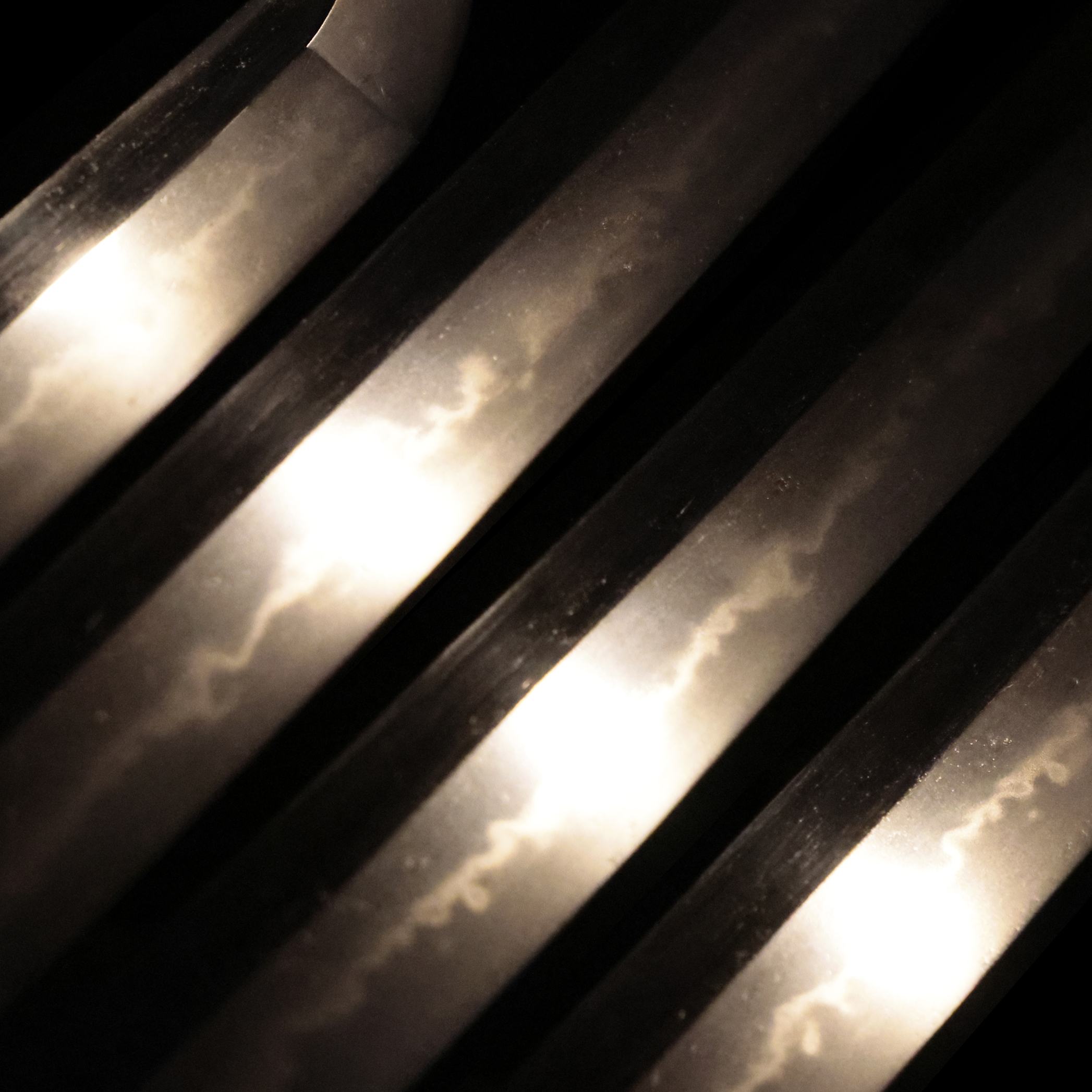
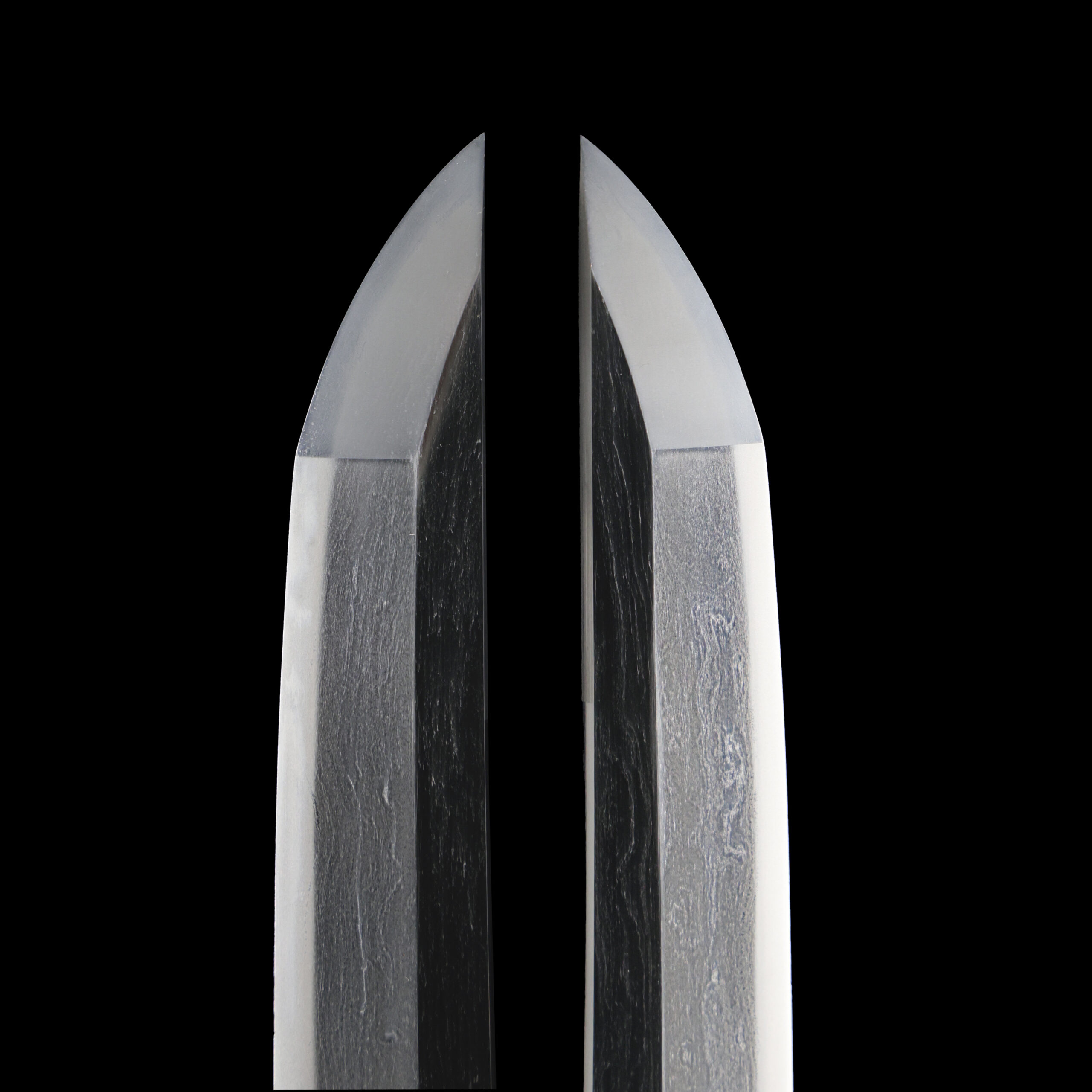
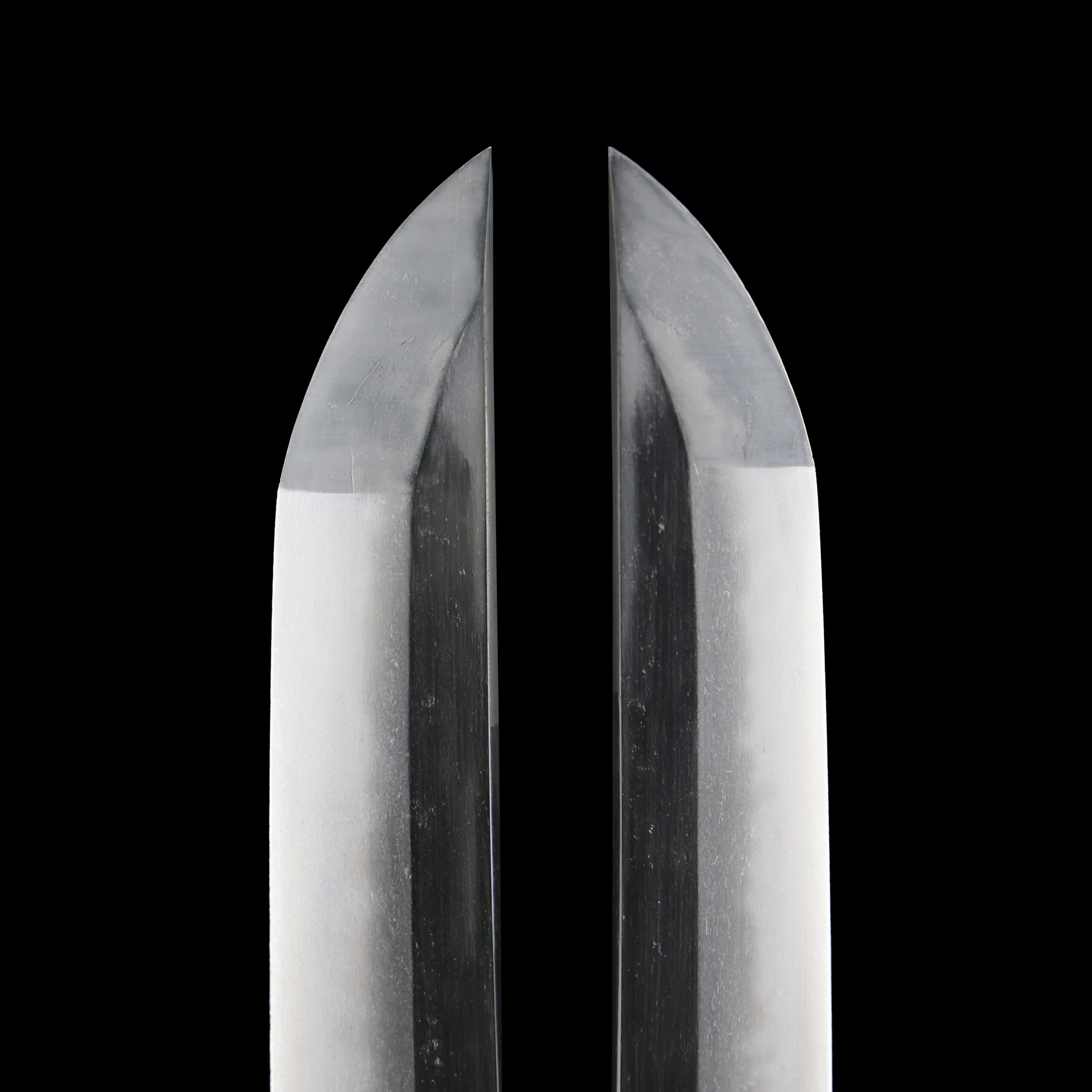
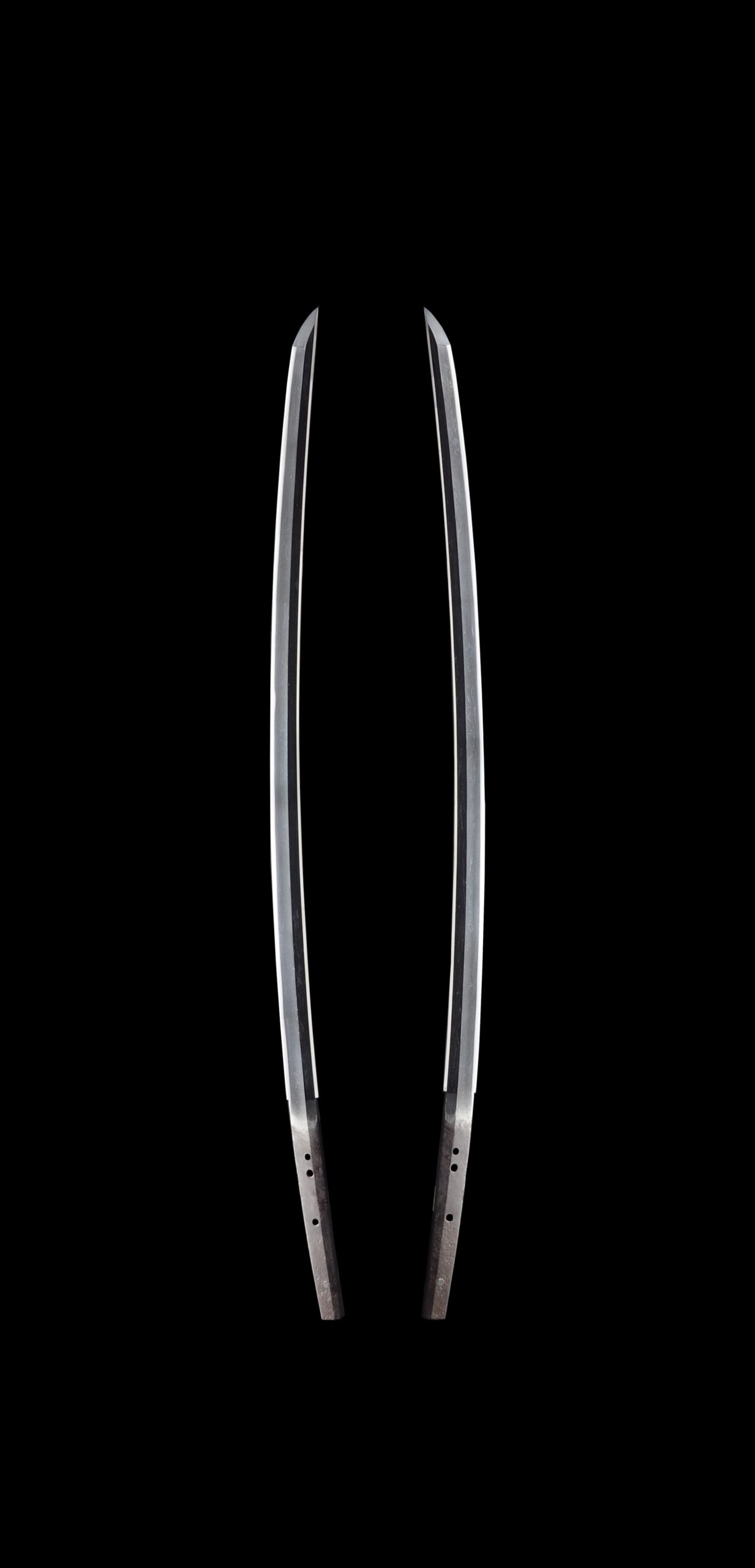
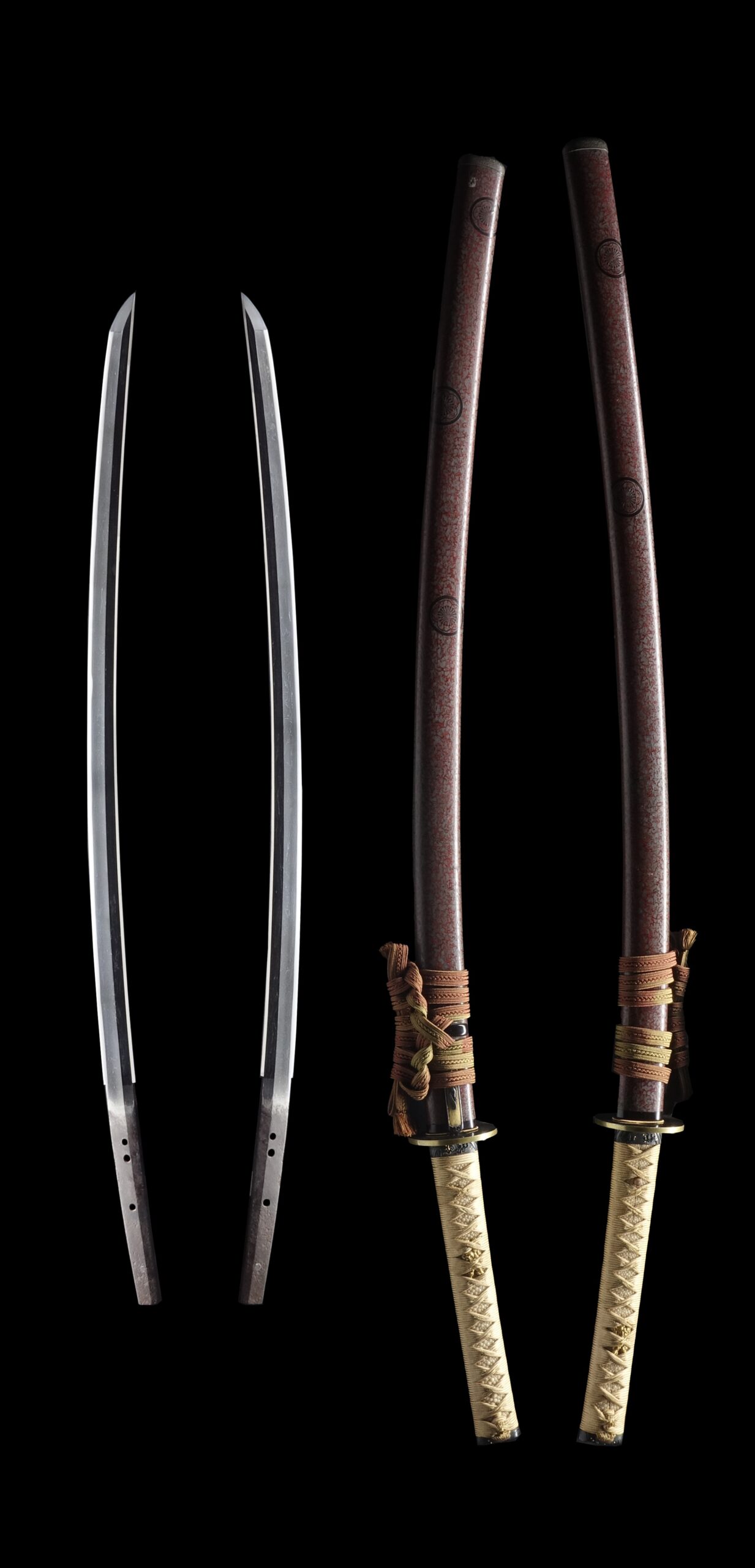
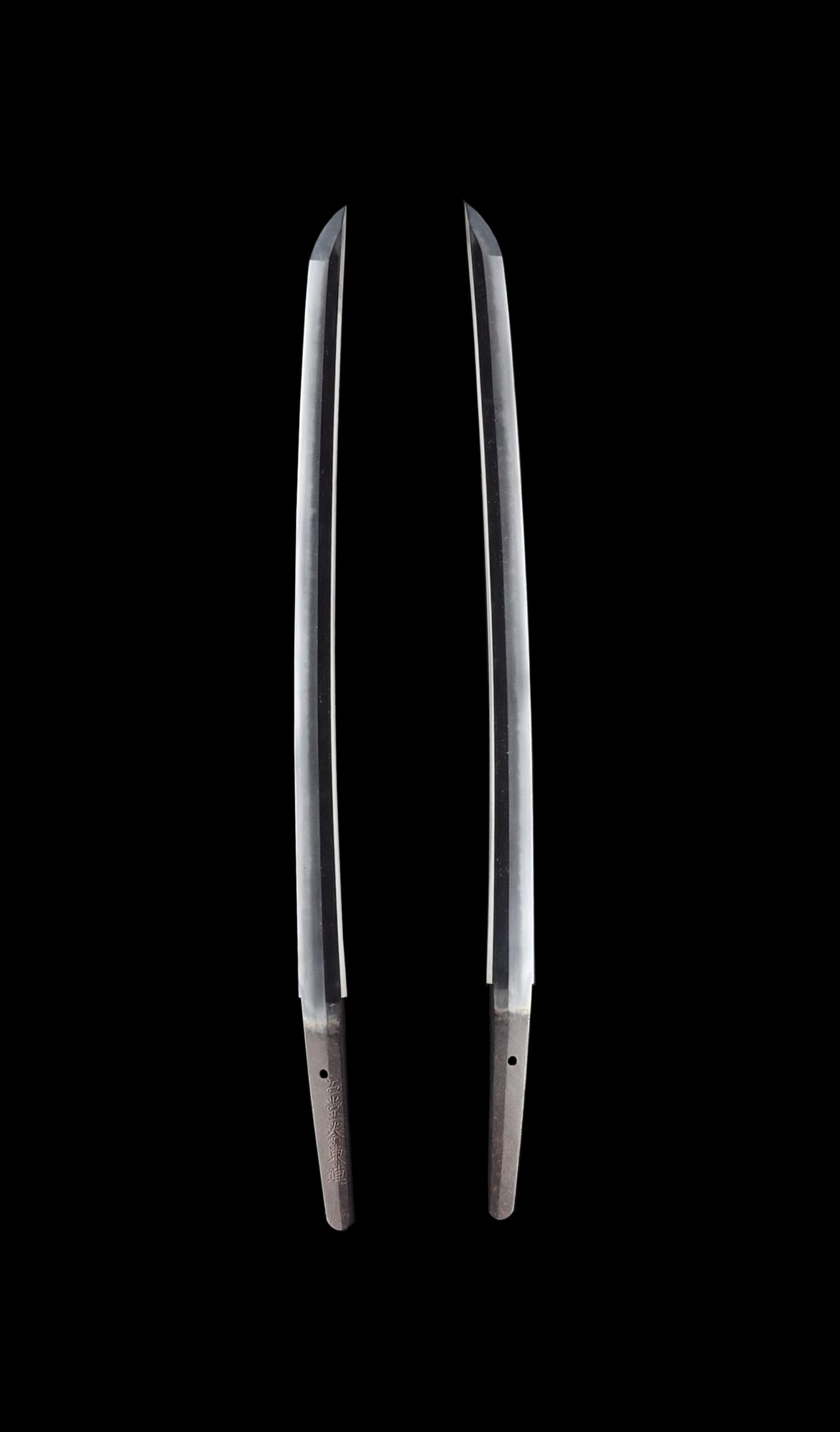
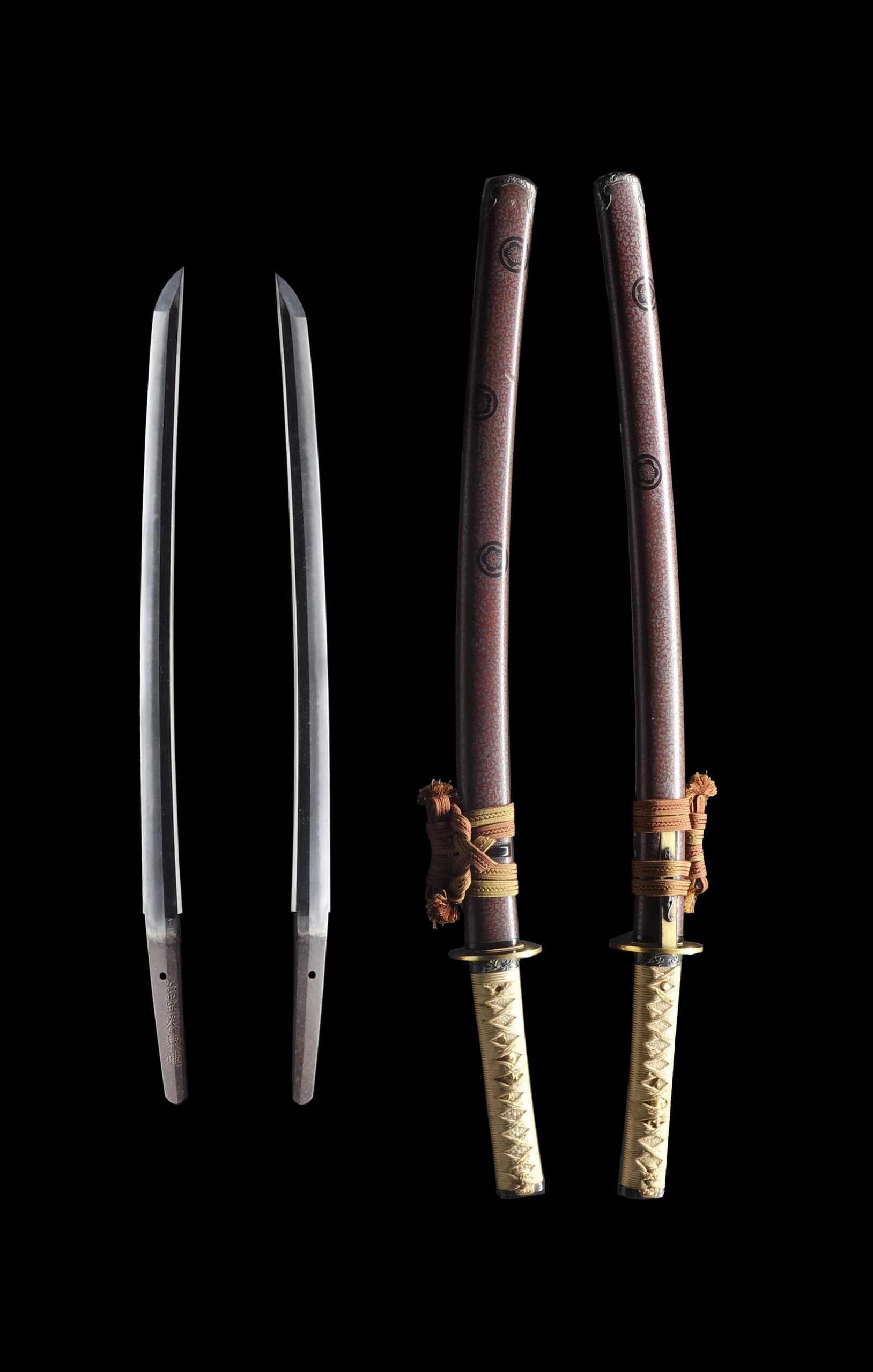
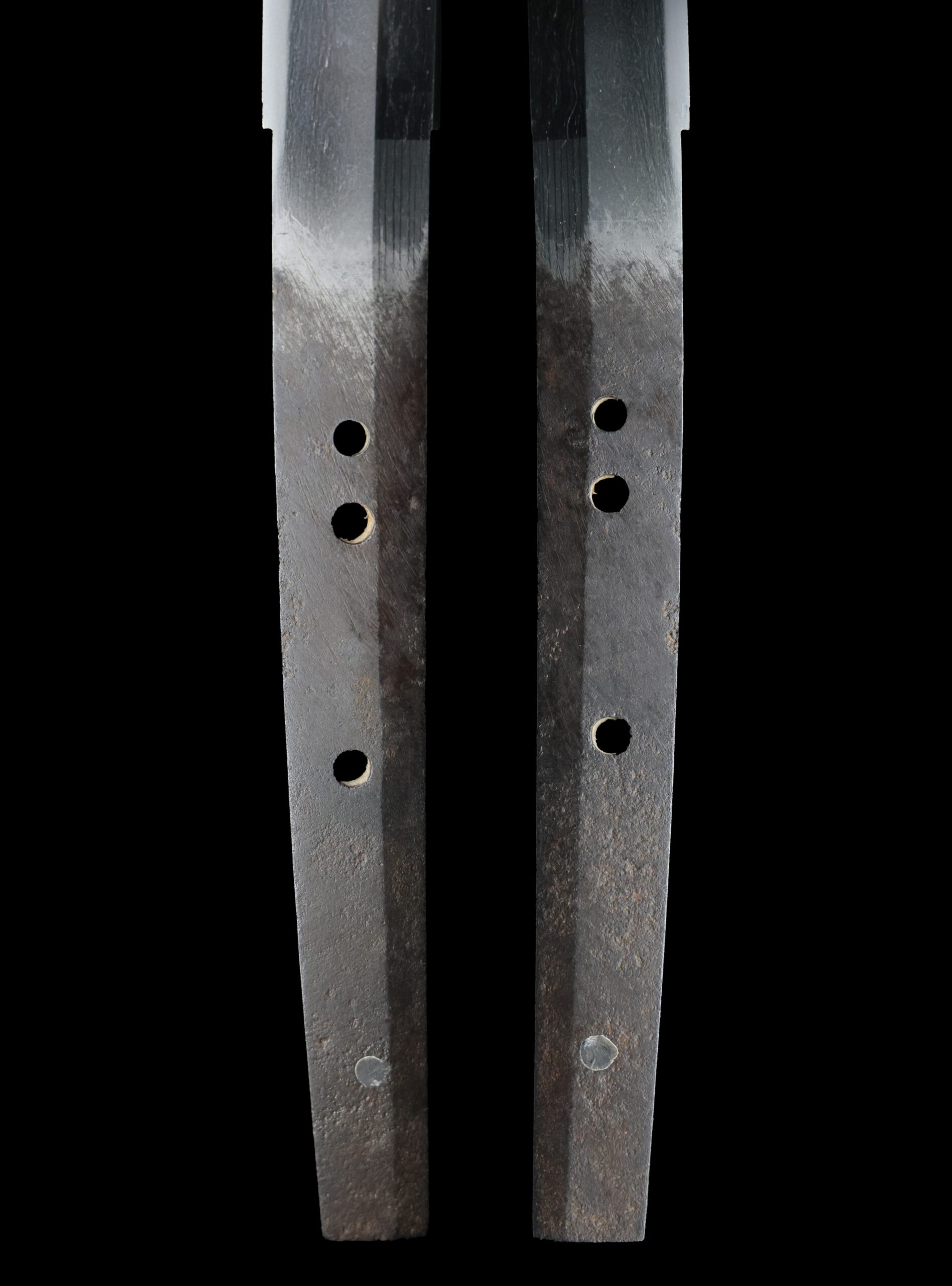
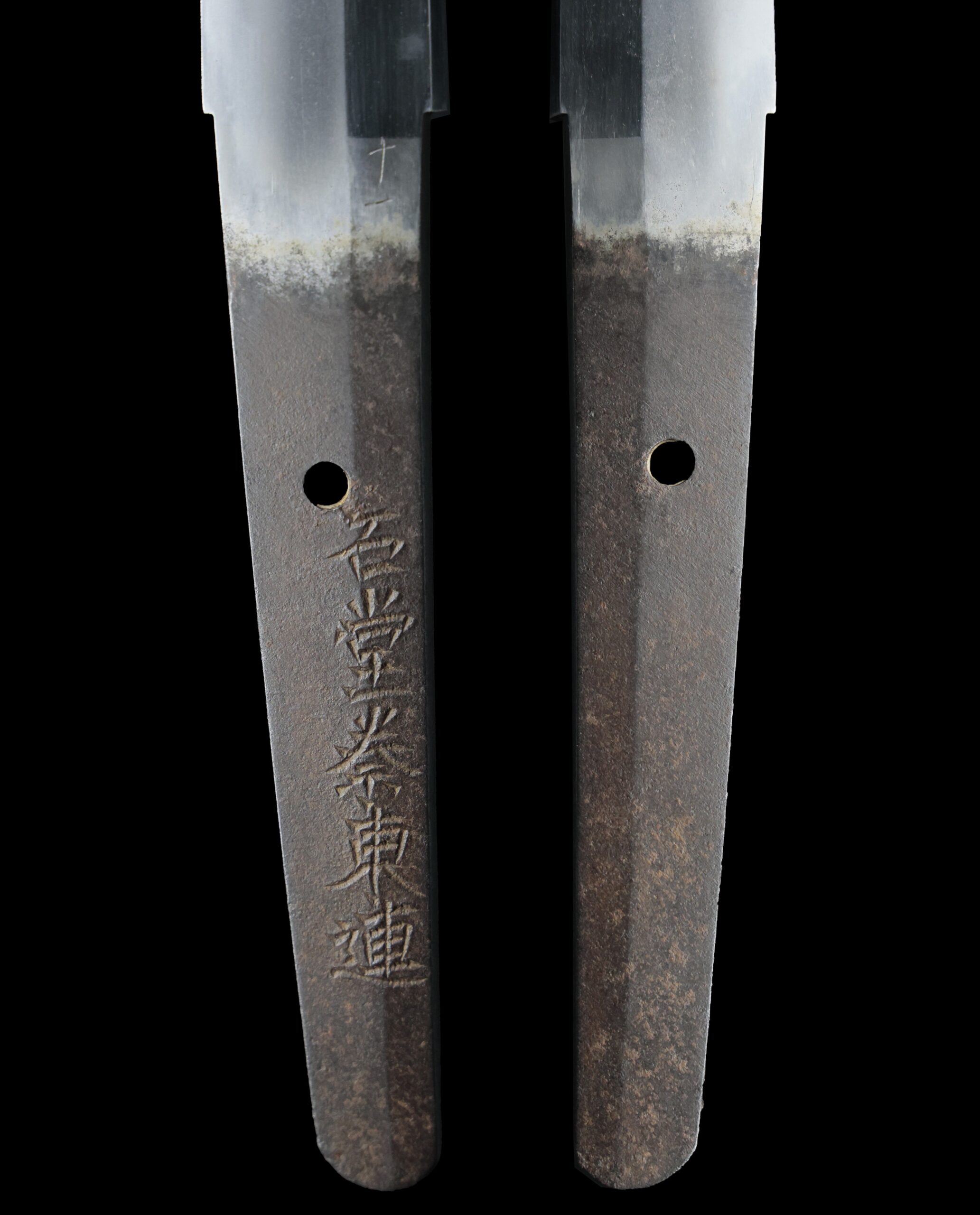
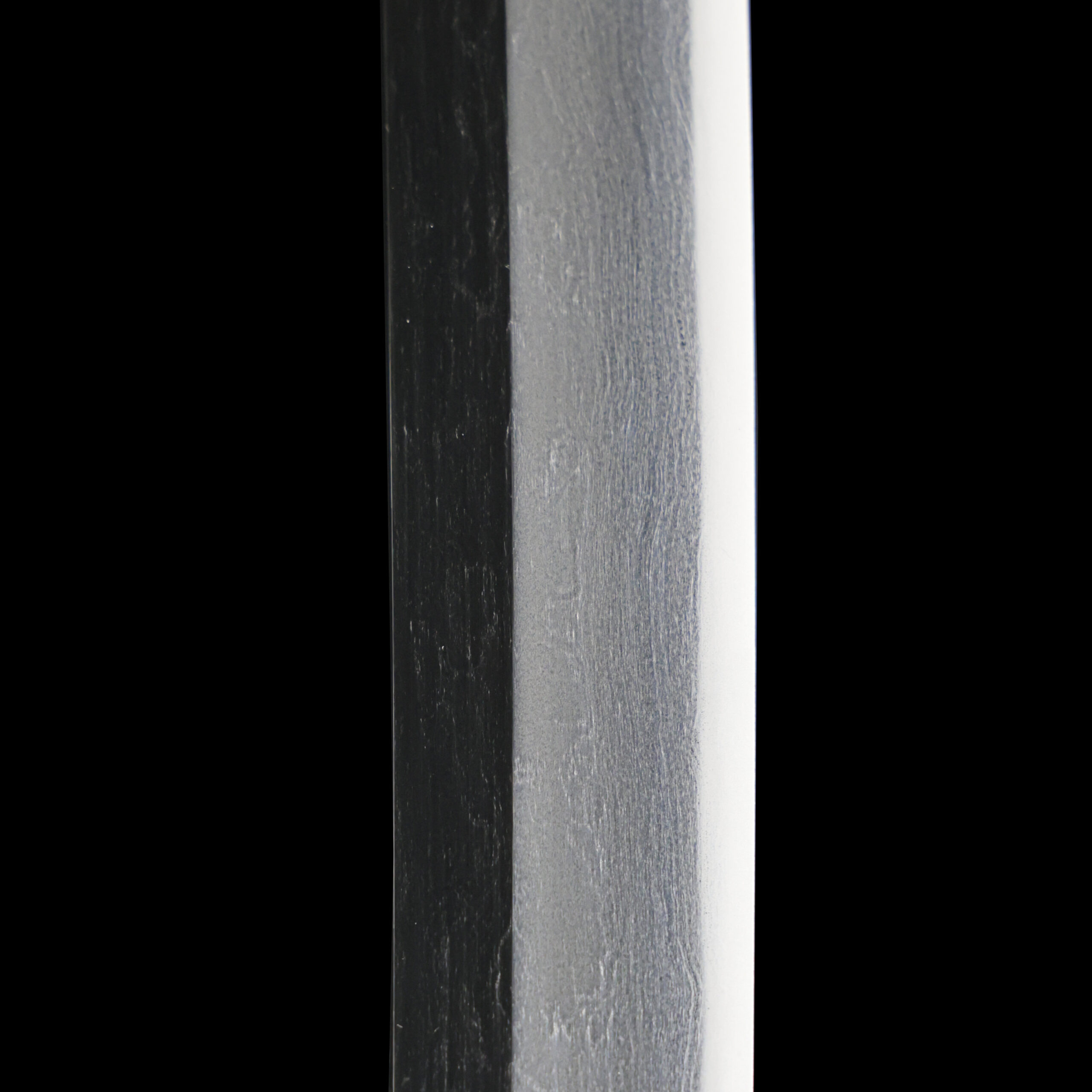
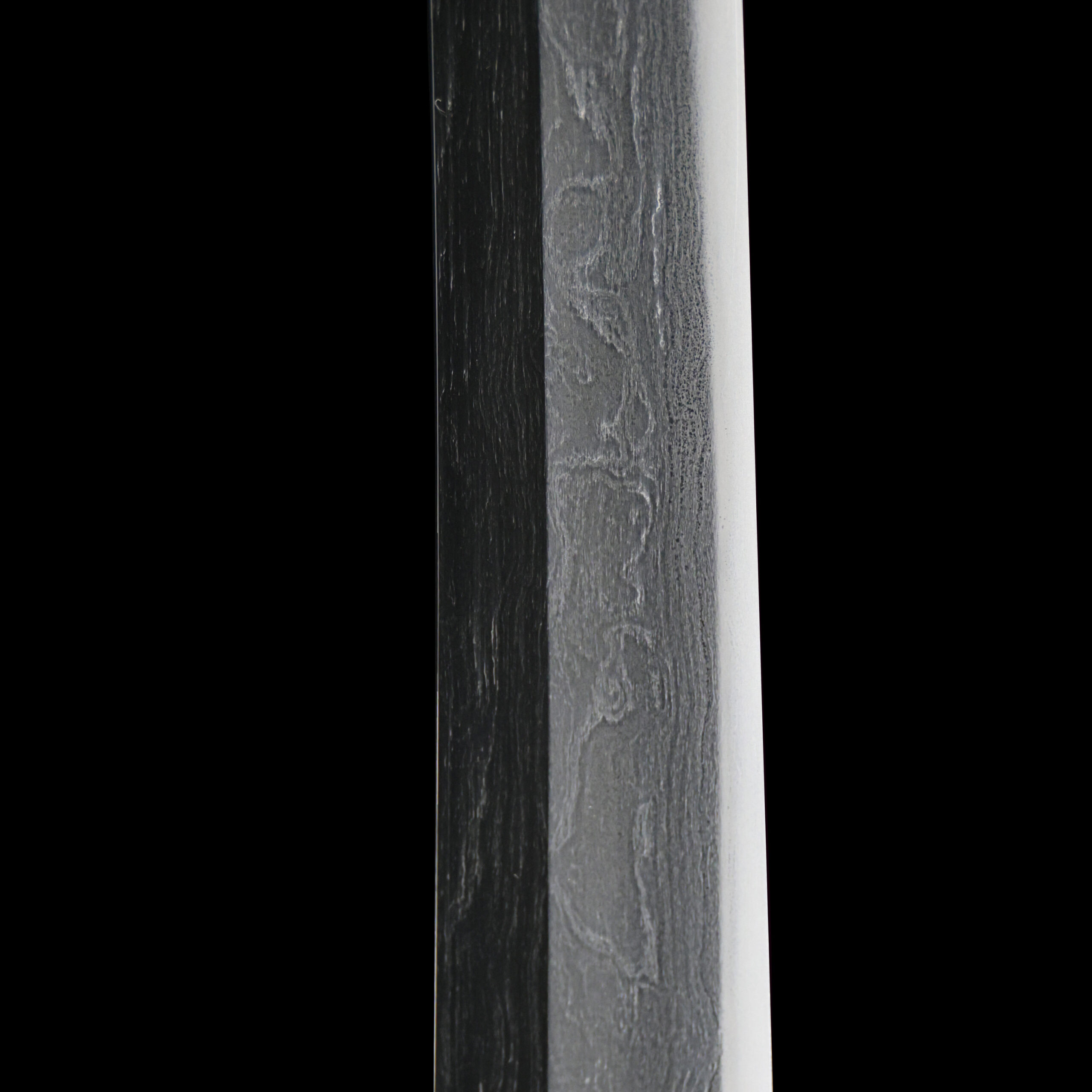
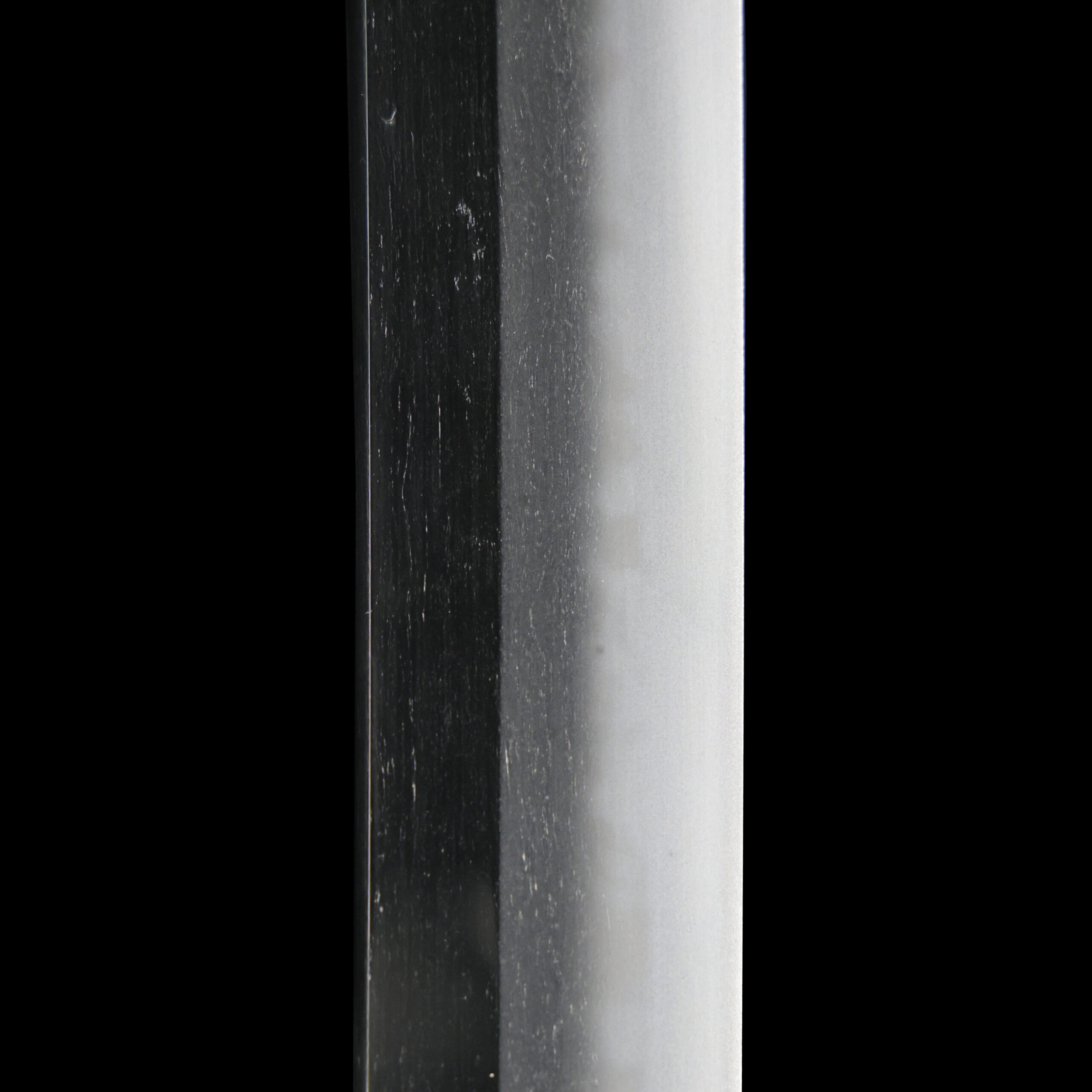
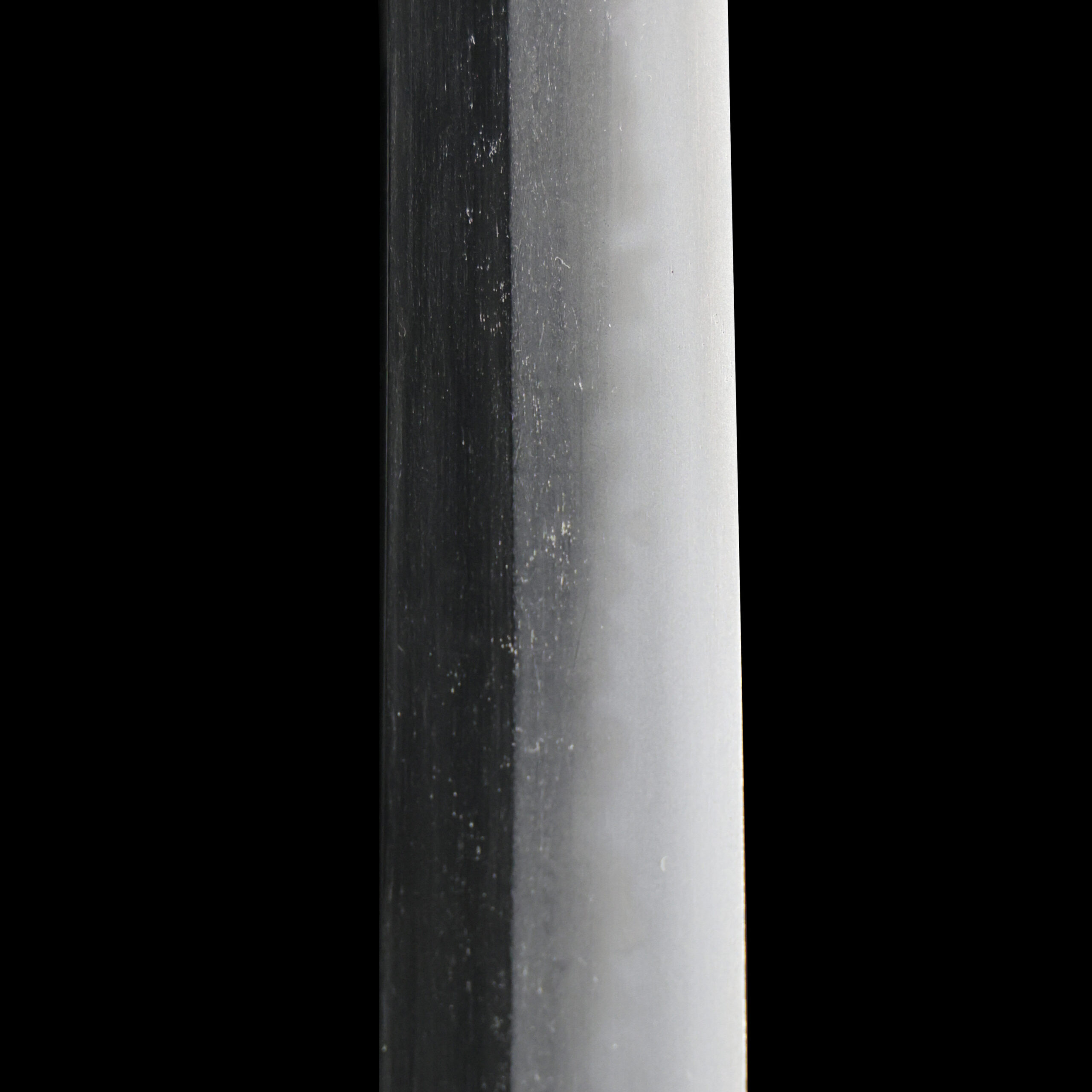
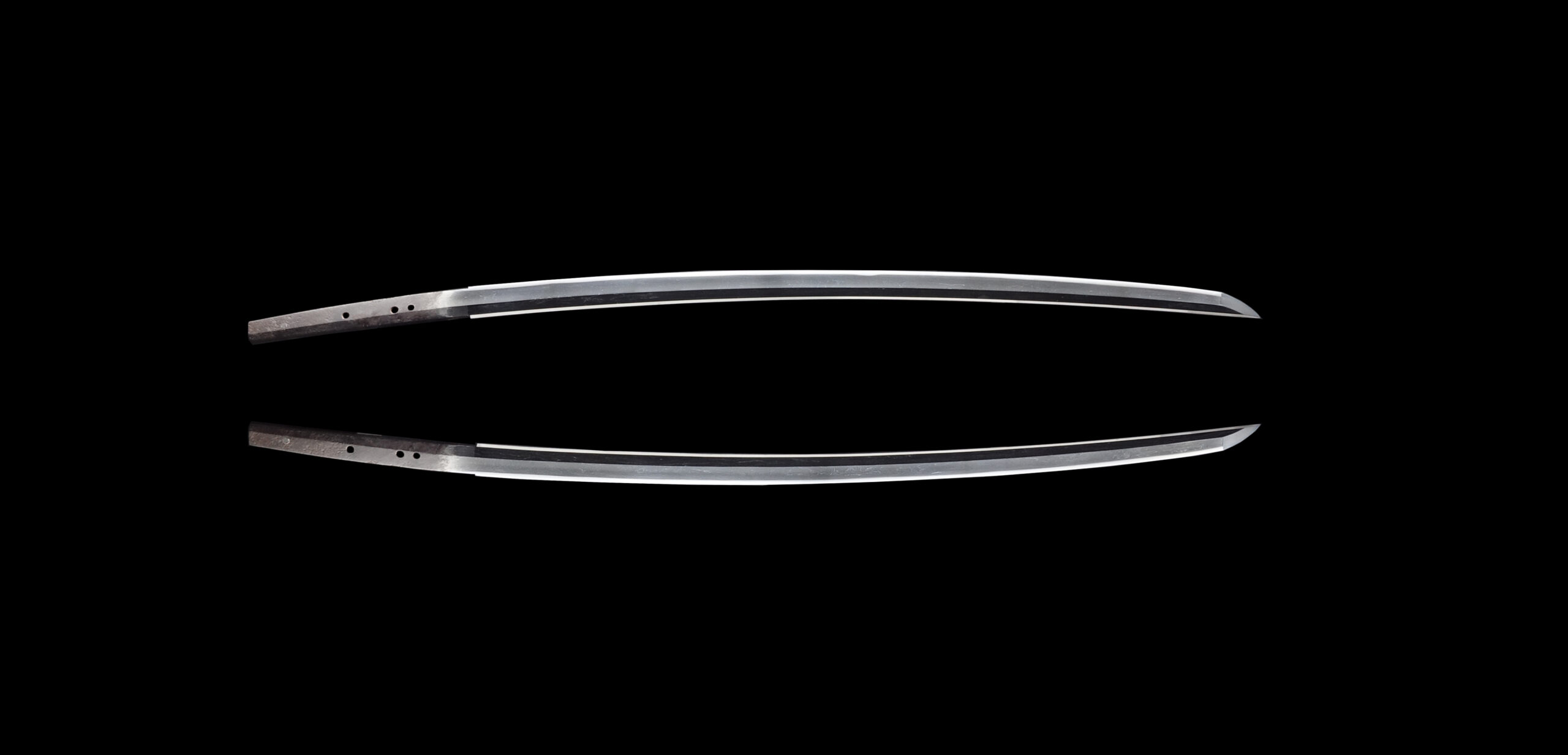
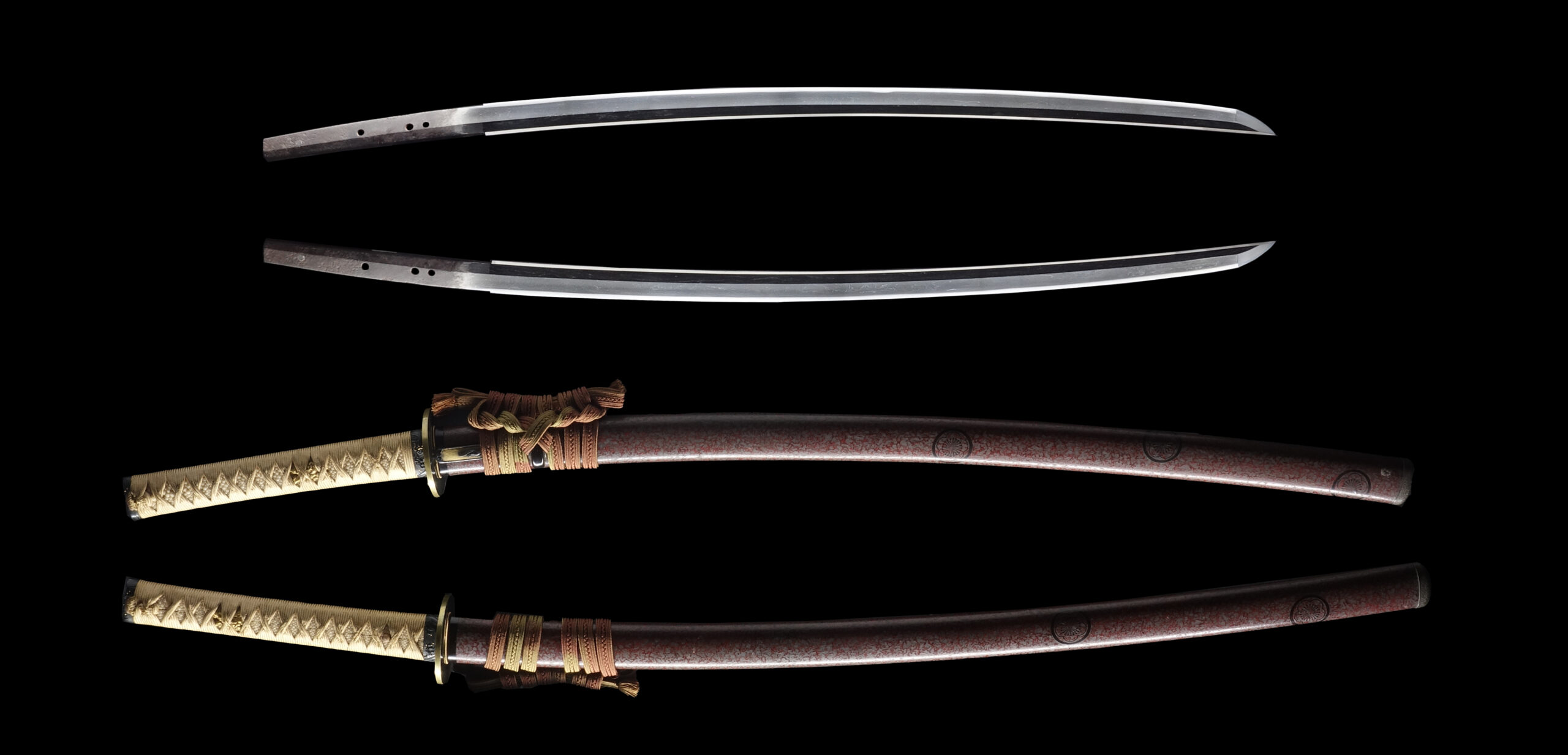
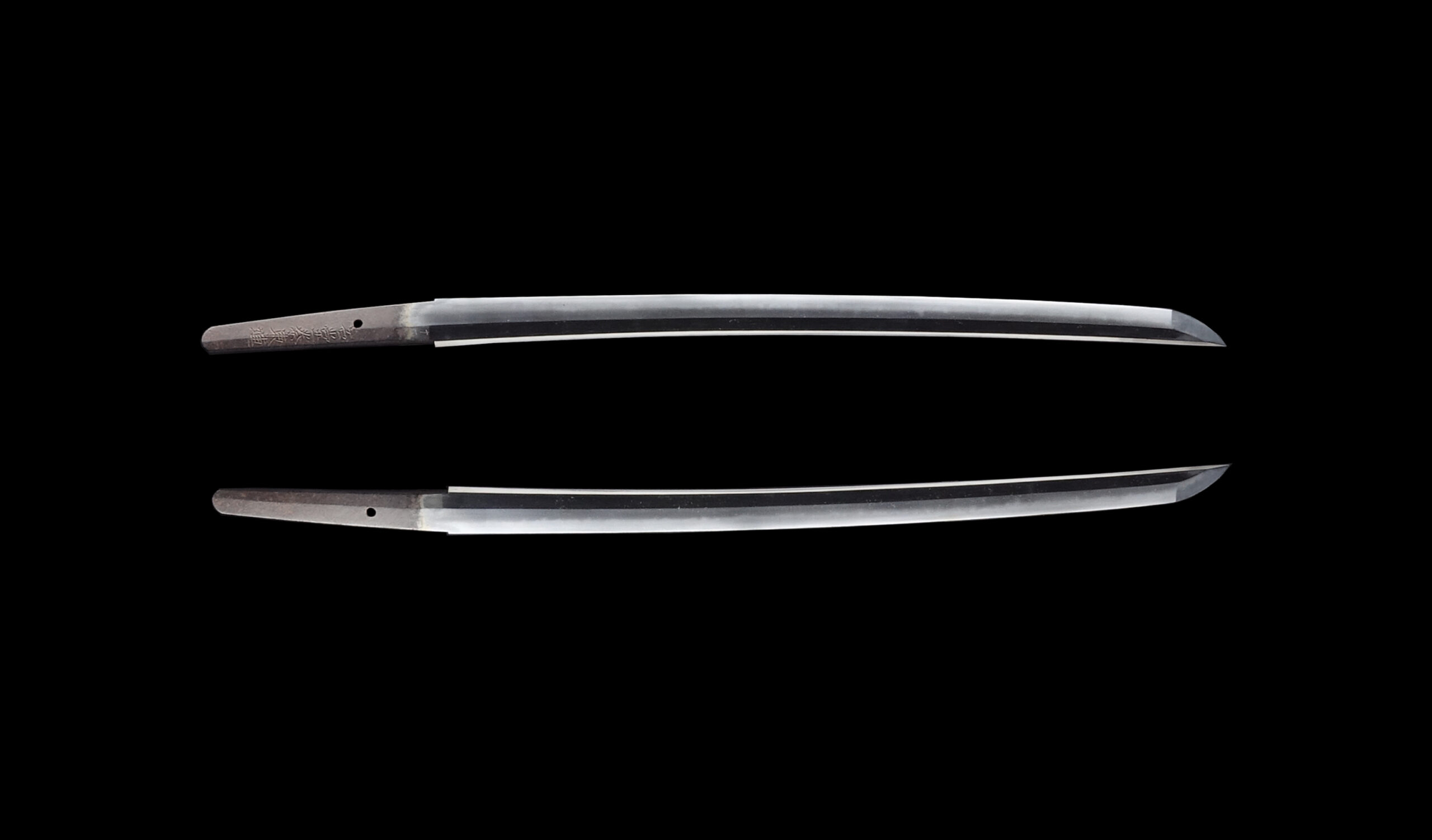
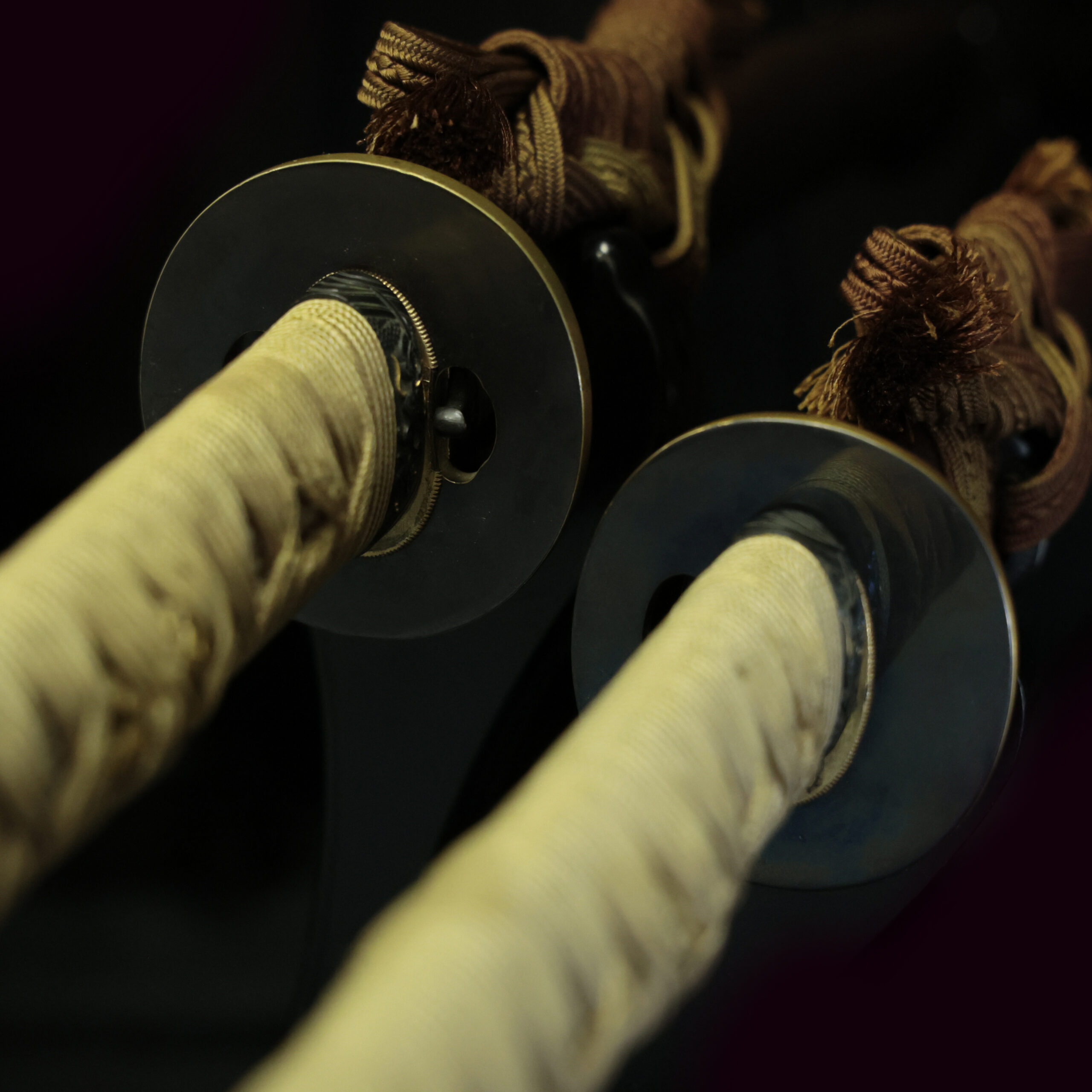
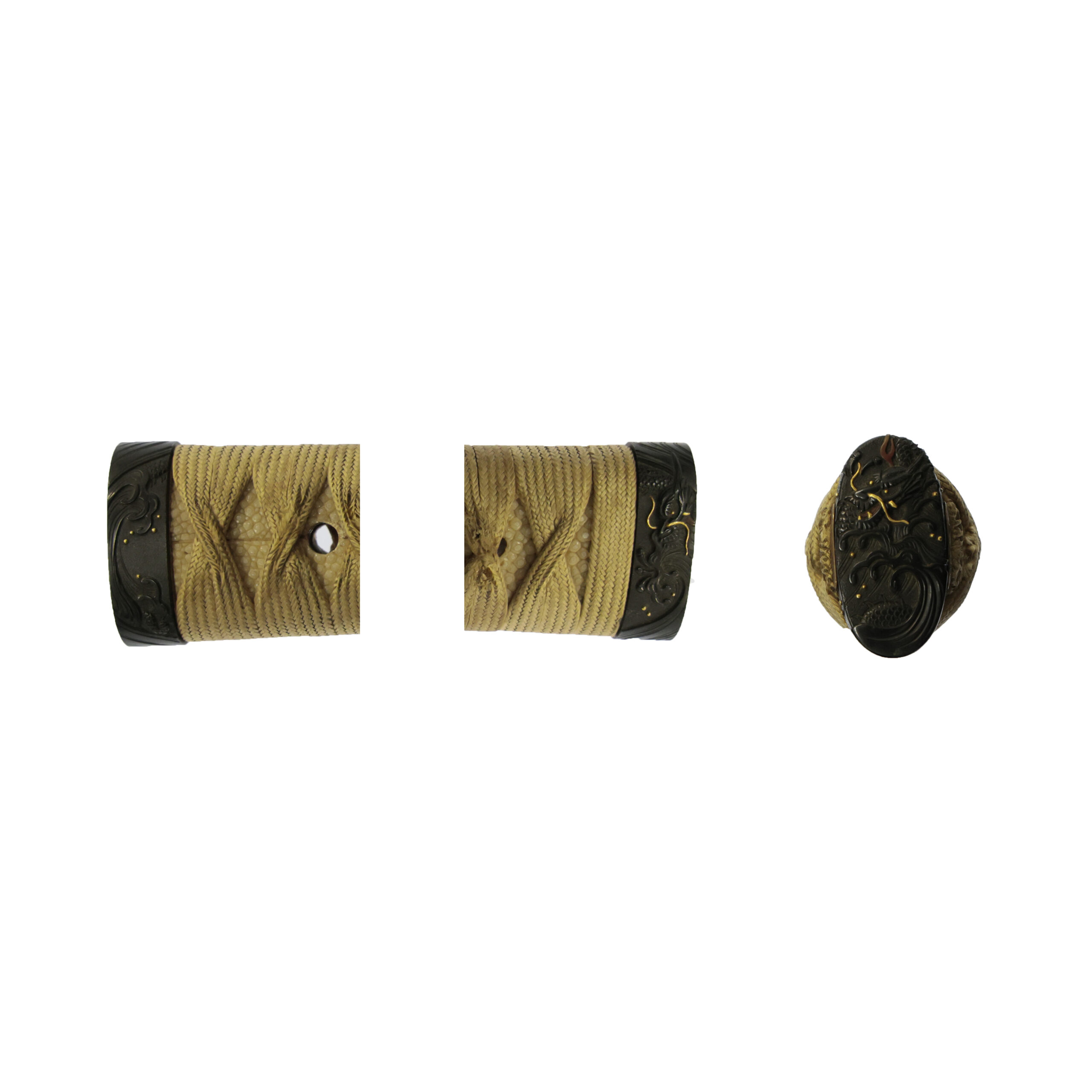
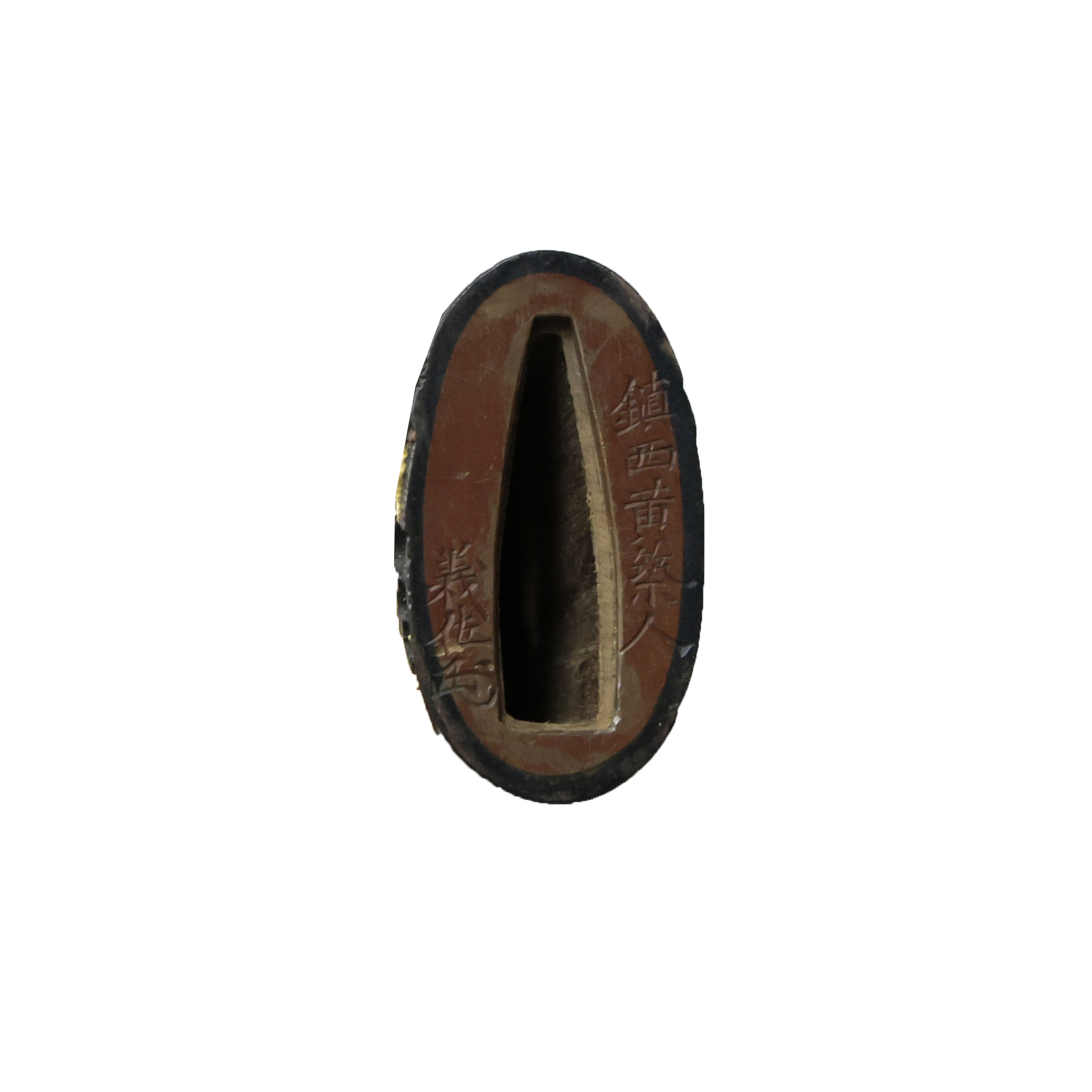
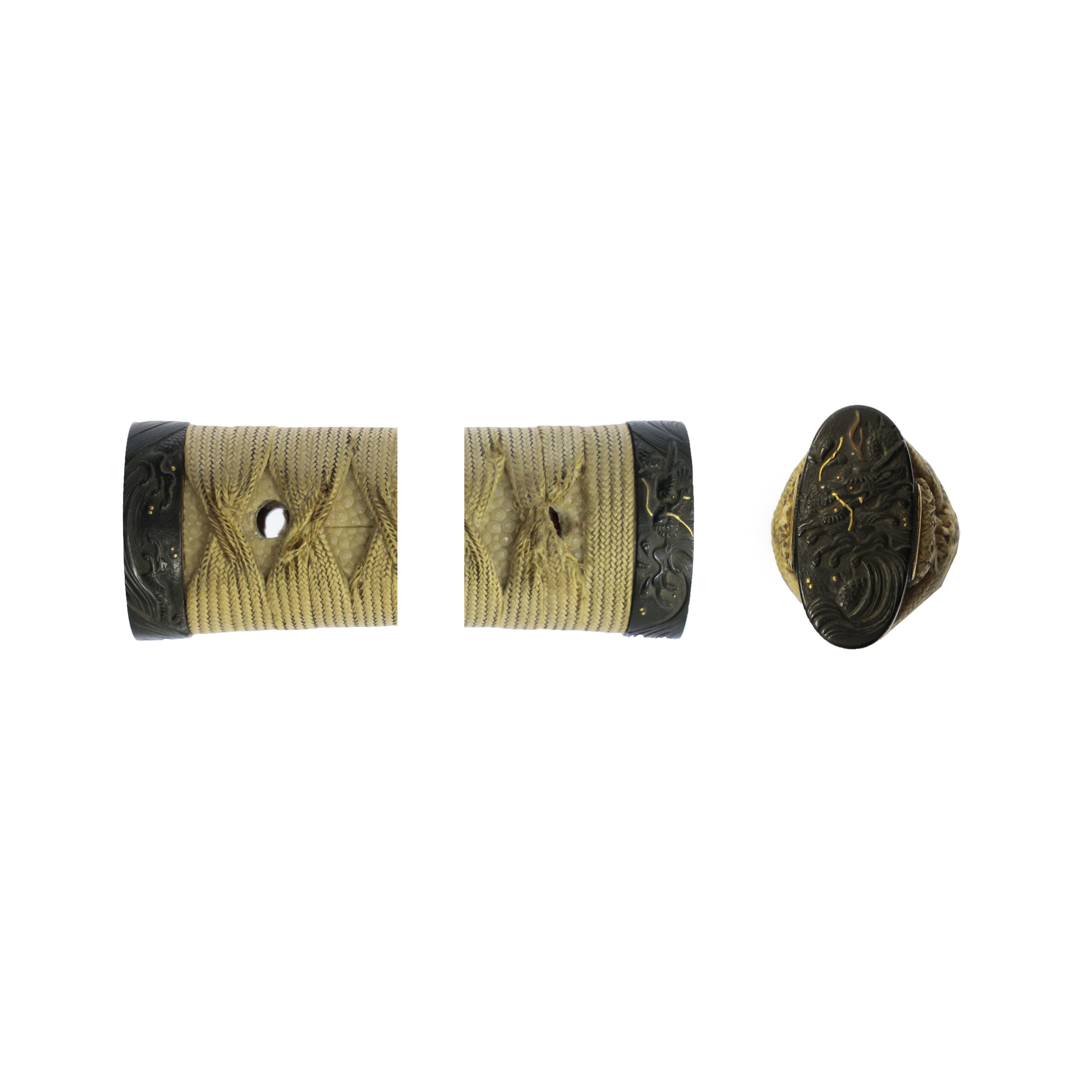
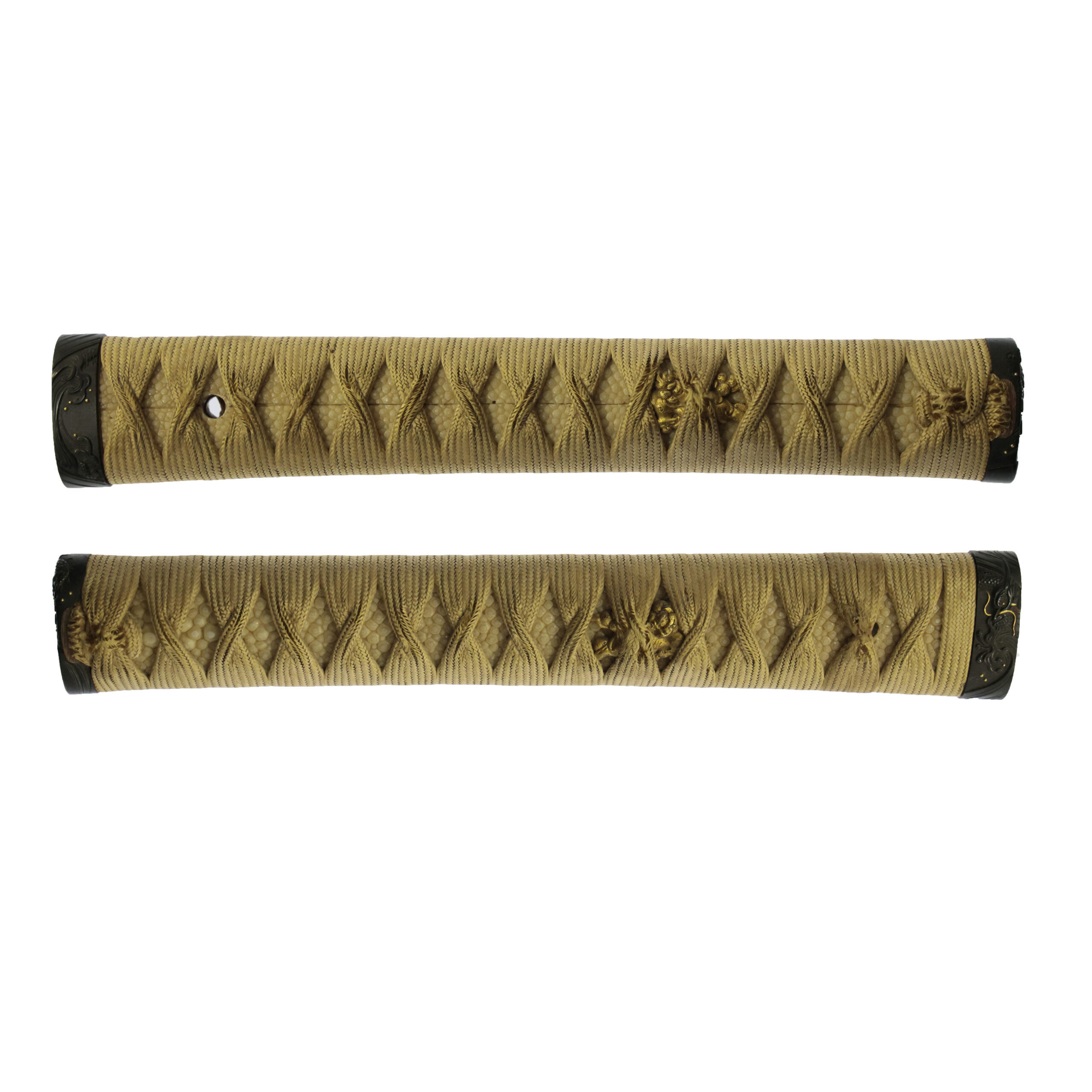
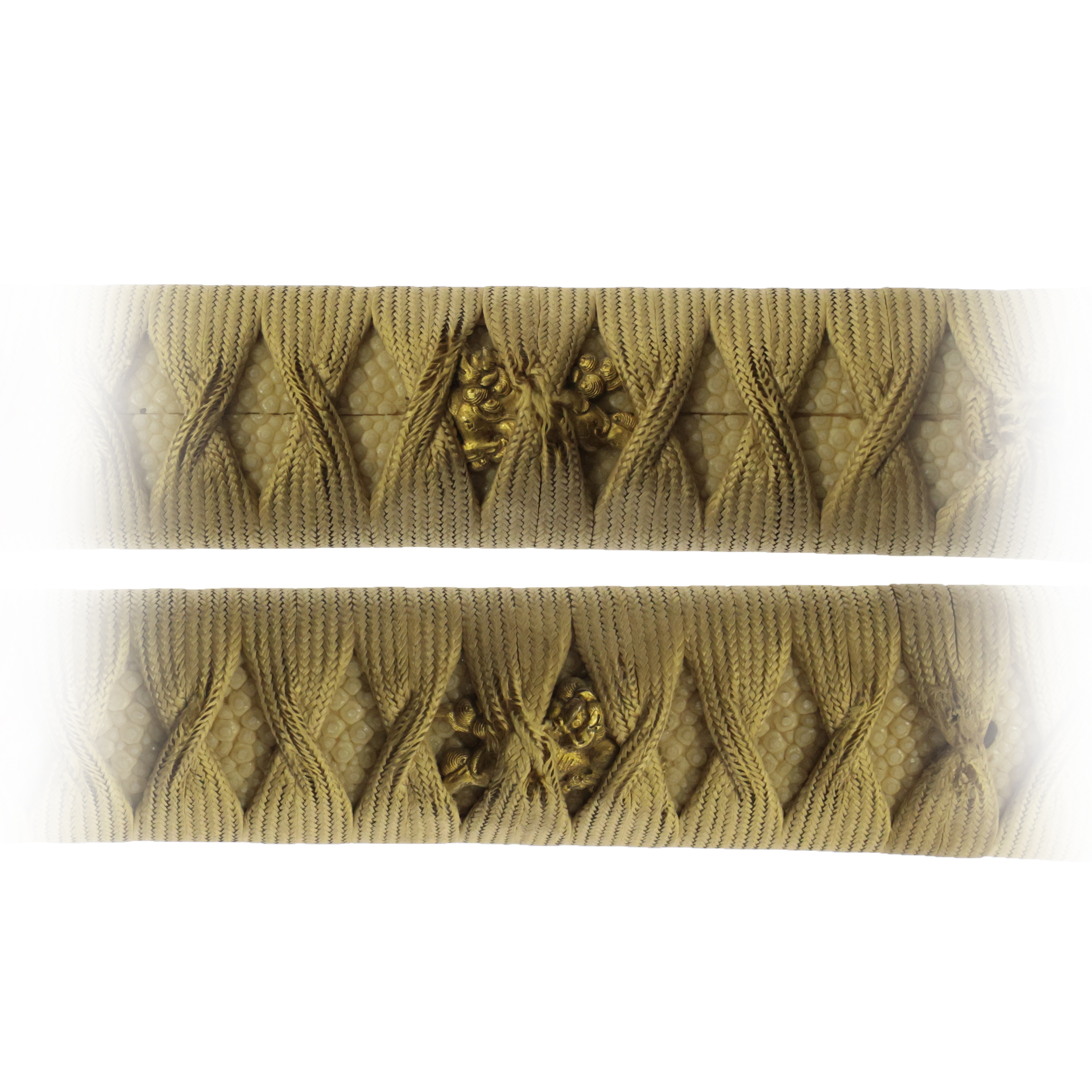
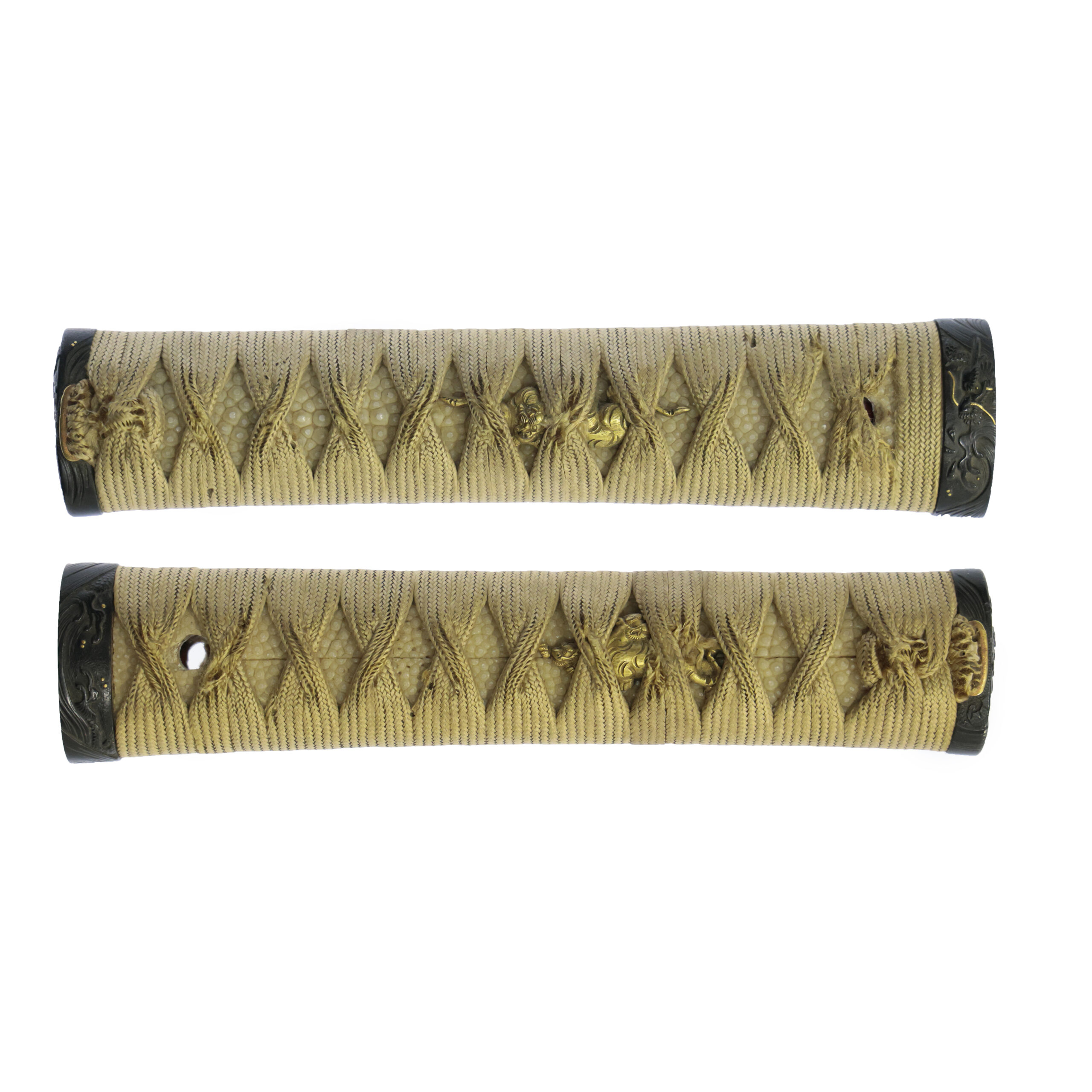
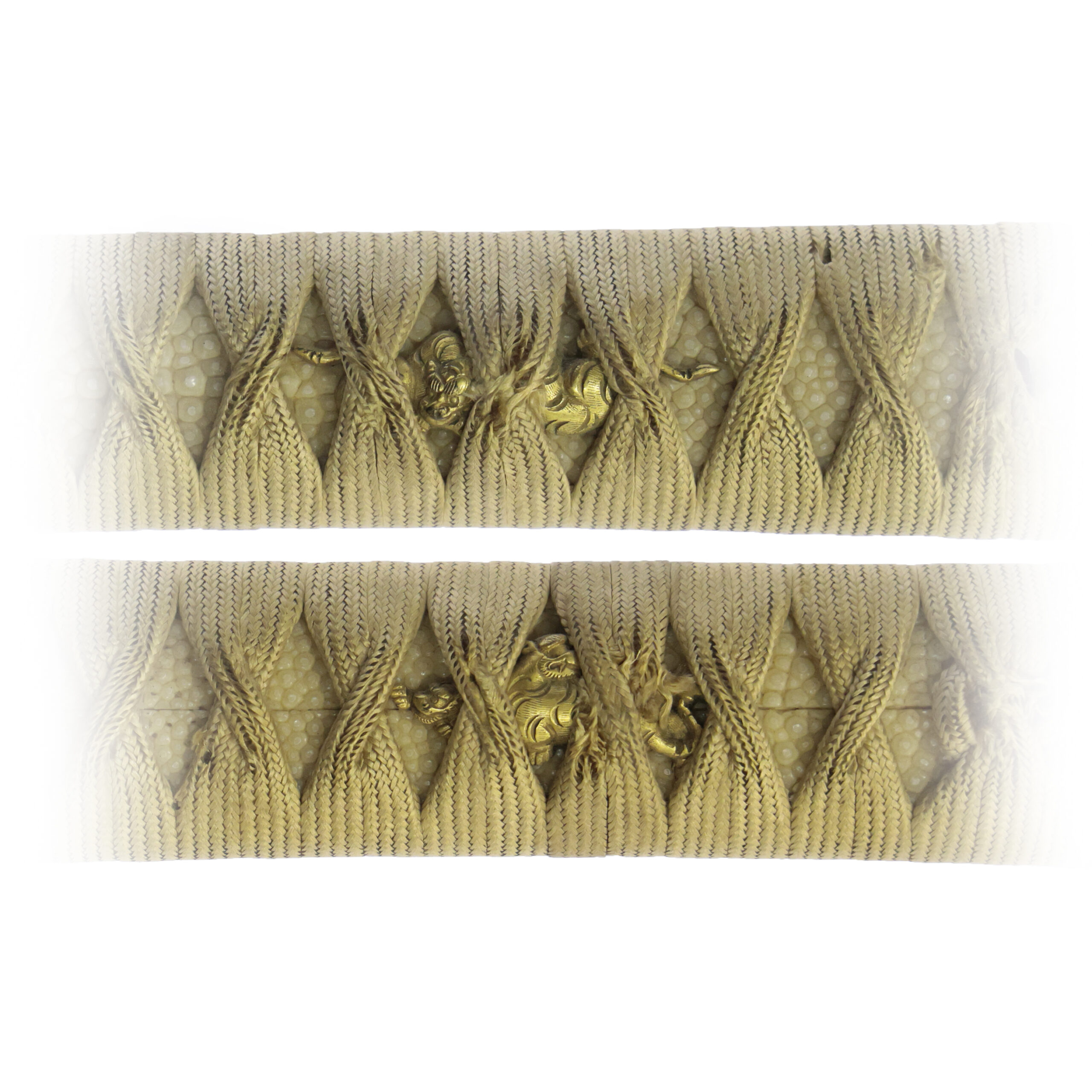
–Katana This blade is attributed to Ko-Mihara, a prestigious school in Bingo province (Today’s Hiroshima prefecture). According to recent studies, it is general knowledge that Mihara school was founded by Kokubunji Sukekuni (国分寺助国) in the late Kamakura period (Late13th century-Early 14th century). Two of the most prominent figures in this school are Mihara Masaie (三原正家) and his son, Masahiro (正広). Mihara school is divided into three categories in Japanese sword terminology depending on the period. When the blade is older than the Nanbokucho era(the 1300s), it is called *Ko-Mihara (Old Mihara). And it is called Mihara for those forged in the early-Mid Muromachi period. Finally, Sue-Mihara(Late Mihara) is used for the late Muromachi period. Based on the NBTHK appraisal of this blade, it was approximately forged during the late Kamakura- Nanbokucho era (Early-Late 14th century). That means it is about 600 years old. In Bingo province, many lands were owned by politically powerful temples of the Yamato region (today’s Nara prefecture) from ancient times. And many Samurai formed military groups to protect those lands, being hired by temples. And quite a few swordsmiths moved from the Yamato region to the Bingo region to forge blades for those Samurai. It is said that the swordsmiths in Yamato region strongly influenced how swords were forged in the Bingo province because of the history above. The blades forged by Mihara school had distinctive characteristics of Yamato DEN, one of the five Japanese sword traditions (Gokaden). The swordsmiths in the Bingo province, including Mihara school, produced many swords during the late Kamakura period-Muromachi period due to the high demand for weapons. Bingo is located near the Chugoku Mountains, where iron sands, one of the essential materials for making Japanese swords, were abundant. This geological location contributed to the Mihara swordsmiths forging high-quality refined blades. We presume Bingo was quite active in sword-forging from ancient times. The swords forged in Yamato DEN tradition are famous for their beautiful Jigane, steel surface, and straight tempering line(Suguha). This blade has a beautiful Jigane with a Suguha tempering line, which shows an outstanding characteristic of the Yamato DEN sword. -Wakizashi This wakizashi bears the signature of Ishido Hata Toren (石堂秦東蓮), also known as, Ishido Morihisa, a swordsmith of the Edo Ishidō school. His original name was Ishido Hachizaemon, and he came from Mino Province before later adopting the name Tōren. He is said to have lived in Bushū Edo’s Toshima area and also in Kōnosu. His works are signed in various ways, such as “Bushū-ju Hata Morihisa,” “Bushu-ju Ishido Hata Morihisa,” “Bushu Toshima-gun Edo-jū Ishidō Hata Morihisa,” and finally “Ishido Hata Toren.” He is especially renowned as a skilled smith (wazamono) of the Edo Ishido line. The Foundation of Ishido School Ishido school was founded by Sukenaga, an offspring of Ichimonji Sukemune, who made Fukuoka Ichimonji school in Bizen province (Today’s Okayama prefecture). During 1492-1501 (Late Muromachi period), Sukenaga and his school moved from Bizen province to Omi province after being summoned by Gamou family, a powerful feudal line in that region. Sukenaga started to live in front of Ishido temple, and he changed his surname to Ishido. It is said that Ishido Korekazu was the founder of the Edo Ishido school. He was originally from Omi Koku(Today’s Shiga prefecture). He was a descendant of Ichimonji Sukemune (一文字助宗) from Bizen Koku(Today’s Okayama prefecture). Korekazu moved to Edo (today’s Tokyo) and founded the school at the beginning of the Edo period. This school became one of the most popular ones in Edo city, Musashi Koku. Ishido Hata Toren belonged to this school. As of the early Edo period, many Ishido swordsmiths moved to other parts of Japan, looking for better opportunities. There are four areas: Edo, Osaka, Kishu(Wakayama prefecture), and Chikuzen(Fukuoka prefecture). What is Daisho? Daisho is a pair of two Japanese swords Samurai carried. During the Edo period, having Daisho in public places was considered social status for Samurai. Furthermore, Samurai were required to wear them under the law back then. Daisho is written as 大=Big and 小=Small. Dai part means Katana, and Sho part means Wakizashi. We are confident you would like this pair of Daisho Koshirae. Appraisal This Katana blade was appraised as a Tokubetsu Hozon Token (特別保存刀剣) and the Wakizashi was appraised as a Hozon Token. They were issued by NBTHK (Nihon Bijutsu Touken Hozon Kyokai:日本美術刀剣保存協会). These authentication papers were only given to authentic Japanese swords, well preserved and high quality with artistic value. *Please keep in mind that there are a couple of small Kitae Kizu on both blades. -Katana Jimon(Jihada) -Katana -Wakizashi Fuchi-Kashira The theme of this Fuchi Kashira is the Hatou Zu (波涛図), which depicts large undulating and splashing waves. As waves’ movements continue endlessly, the wave pattern represents eternity, immortality, longevity, birth, etcetera. Also, since tides repeatedly change the shape and terrain of rocks, some people hoped for a strong will by using this motif. People used this pattern wishing for an indomitable spirit to rechallenge time and time without giving up. Thanks to its dynamic design, this motif has been appreciated, especially for men’s Kimono (traditional Japanese costume). It is also said that warlords used wave patterns on their banners and armors, comparing the movement of battle to that of waves coming and going. Tsuka and Menuki The theme of the Menuki is Karajishi (唐獅子, lion). The Shishi (獅子) means a lion in Japanese, and the Karajishi is a lion brought from the continent to Japan in the Toh period (唐, Tang dynasty, 618-907). The Karajishi typically has curly hair for its head, neck, body, and tail, as seen on this work. In Buddhism, the Karajishi is regarded as a symbol of wisdom, and Monju Bosatu (文殊菩薩, Manjushri Bodhisattva) rides lions. According to a theory, the Karajishi is the origin of Komainu (狛犬, stone guardian dogs that exorcize evil spirits). It shows this animal motif has been familiar to Japanese people since ancient times. Tsuba and Habaki The tsuba is oval-shaped and made of brass. Brass (shinchū in Japanese) is an alloy of copper and zinc, valued for its warm golden color and durability. In traditional Japanese metalwork, brass has often been used for sword fittings and decorative objects, as it combines both practicality and refined beauty. Kozuka The Kozuka, attached to the Wakizashi, is decorated with dragon (龍, Ryū) motif, a powerful symbol in both Chinese and Japanese cultures. Originally an imaginary creature from ancient Chinese myths, the dragon is believed to bring good fortune and strength. Its body is described as a fusion of nine animals: deer antlers, a camel’s head, demon eyes, a snake’s neck, the belly of a Mizuchi (蛟, a mythical Japanese serpent with a horn and legs), fish scales, falcon claws, tiger palms, and cow ears. Due to its majestic form, it was seen as the ruler of all creatures. In ancient China, the dragon symbol was strictly controlled, appearing only on the emperor’s robes, with even the number of claws indicating rank. In Japan, however, the dragon motif was widely used without such restrictions, remaining an auspicious symbol of power, protection, and good fortune (吉祥, Kisshō). Today, dragons continue to appear in samurai armor, sword fittings, temples, and traditional art, embodying strength and divine influence. Kougai This kogai, which accompanies the katana, is also decorated with a dragon motif. Saya Both scabbards (saya) are adorned with a plum blossom crest, a traditional Japanese motif. The plum blossom (梅, ume) is one of the earliest flowers to bloom in spring, symbolizing resilience, renewal, and good fortune. As a crest, it was widely used by samurai families to express strength and elegance. Authentication Paper NBTHK Tokubetsu Hozon Certificate for the blade (No. 1014597) and NBTHK Hozon Certificate for the Wakizashi (No. 3029652) NBTHK,, also known as Nihon Bijutsu Touken Hozon Kyokai (the Society for the Preservation of the Japan Art Sword), is one of the oldest Japanese sword appraising organizations in modern-day Japan. They authenticated the Katana blade on November 9th in the 2nd year of the Reiwa (2020) and Wakizashi on August 25th in the 4th year of Reiwa (2022). They appraised the Katana blade as Tokubetsu Hozon Touken and Wakizashi as Hozon Token, blades worth preserving for Japanese society. Registration Number The Board of Education in Fukuoka prefecture issued a registration paper for the Katana blade and Nagasaki prefecture issued a registration paper for the Wakizashi sword .
取扱店 サムライミュージアム

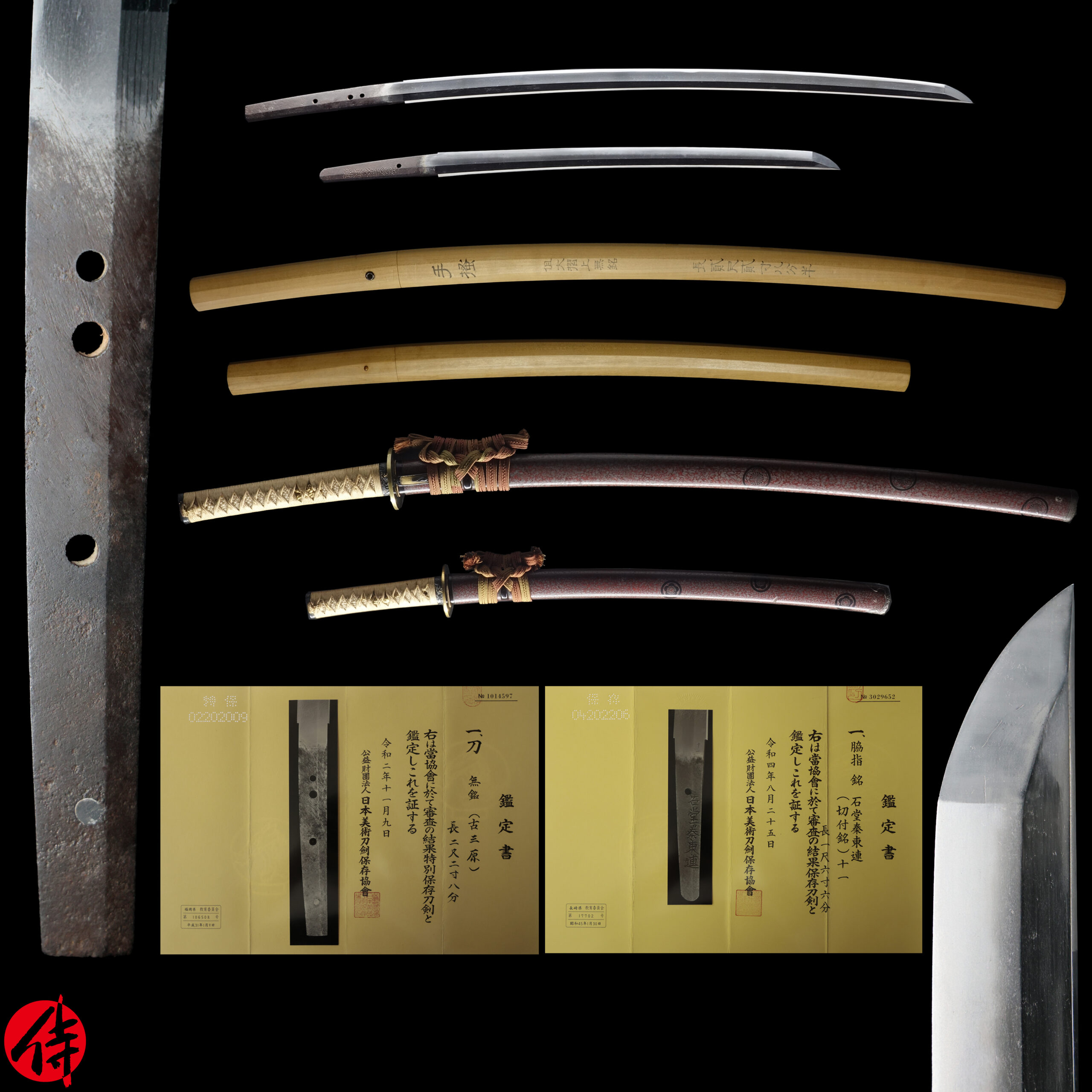
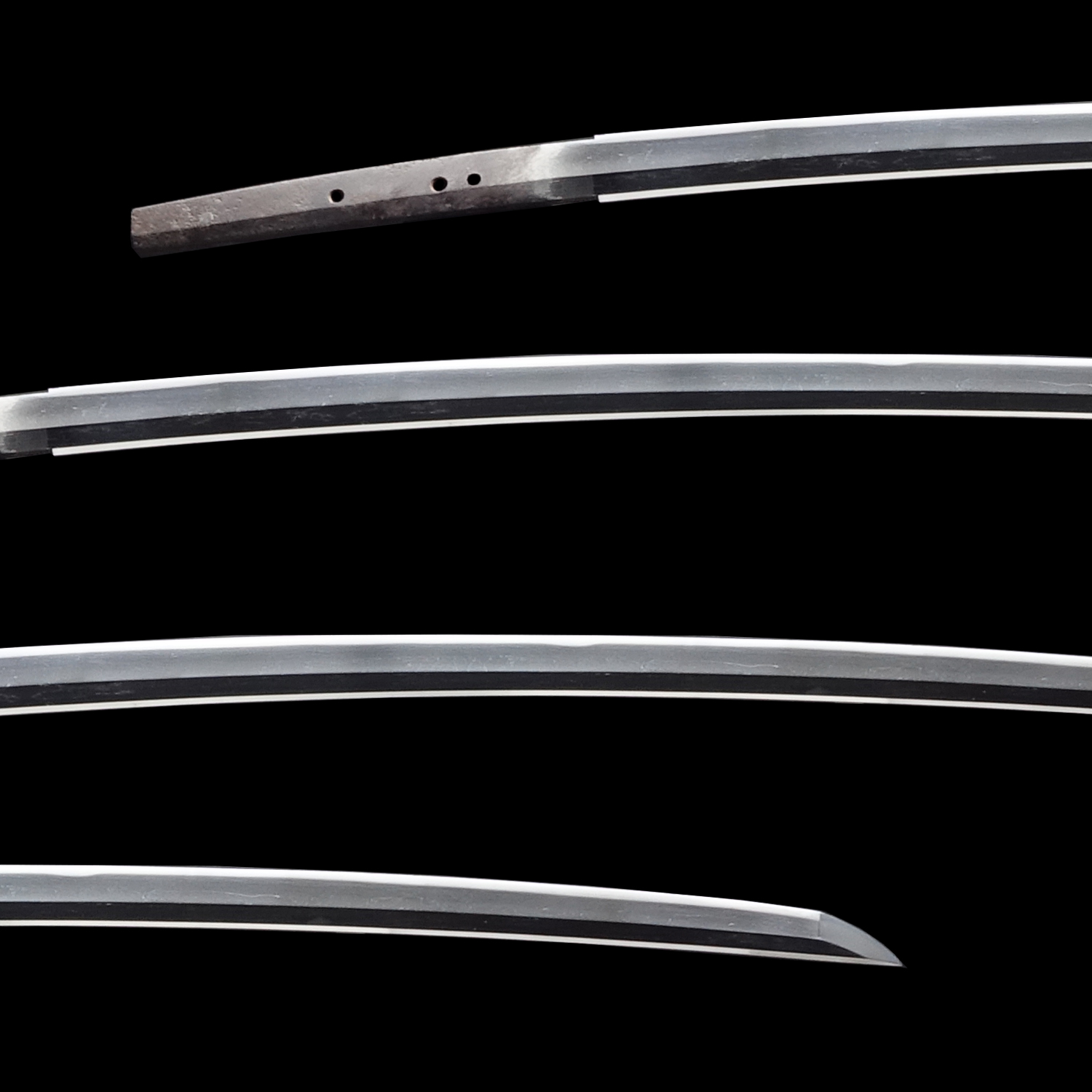
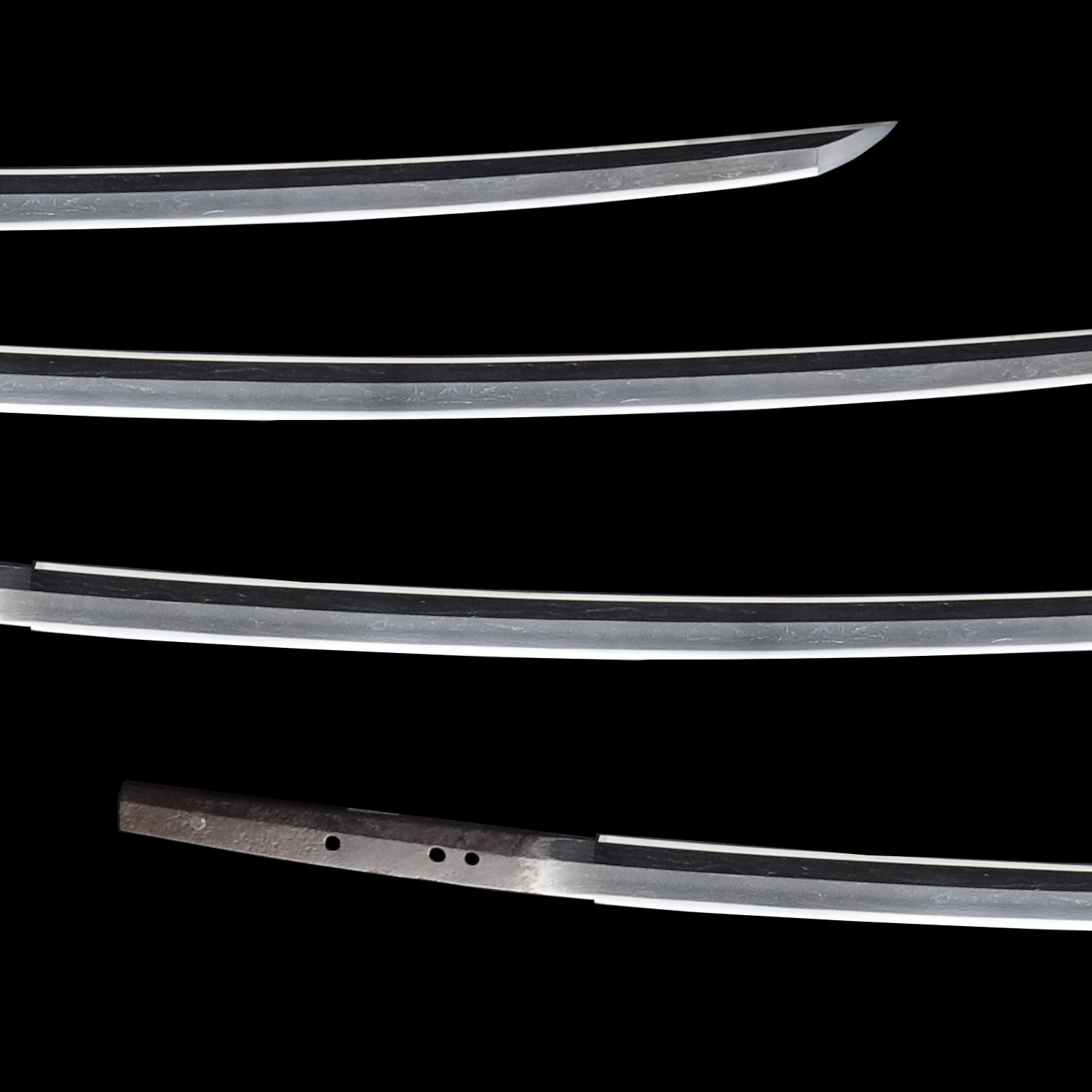
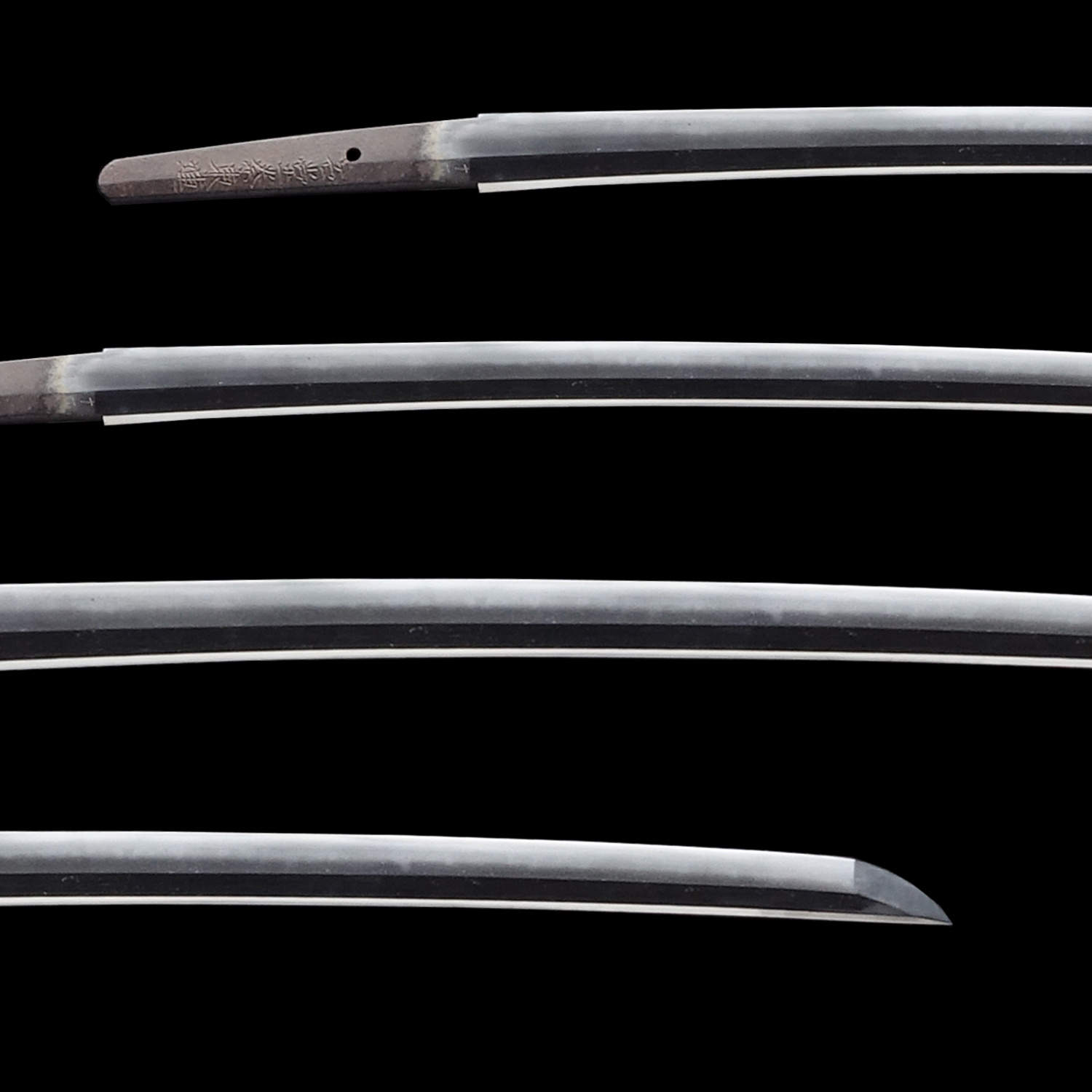
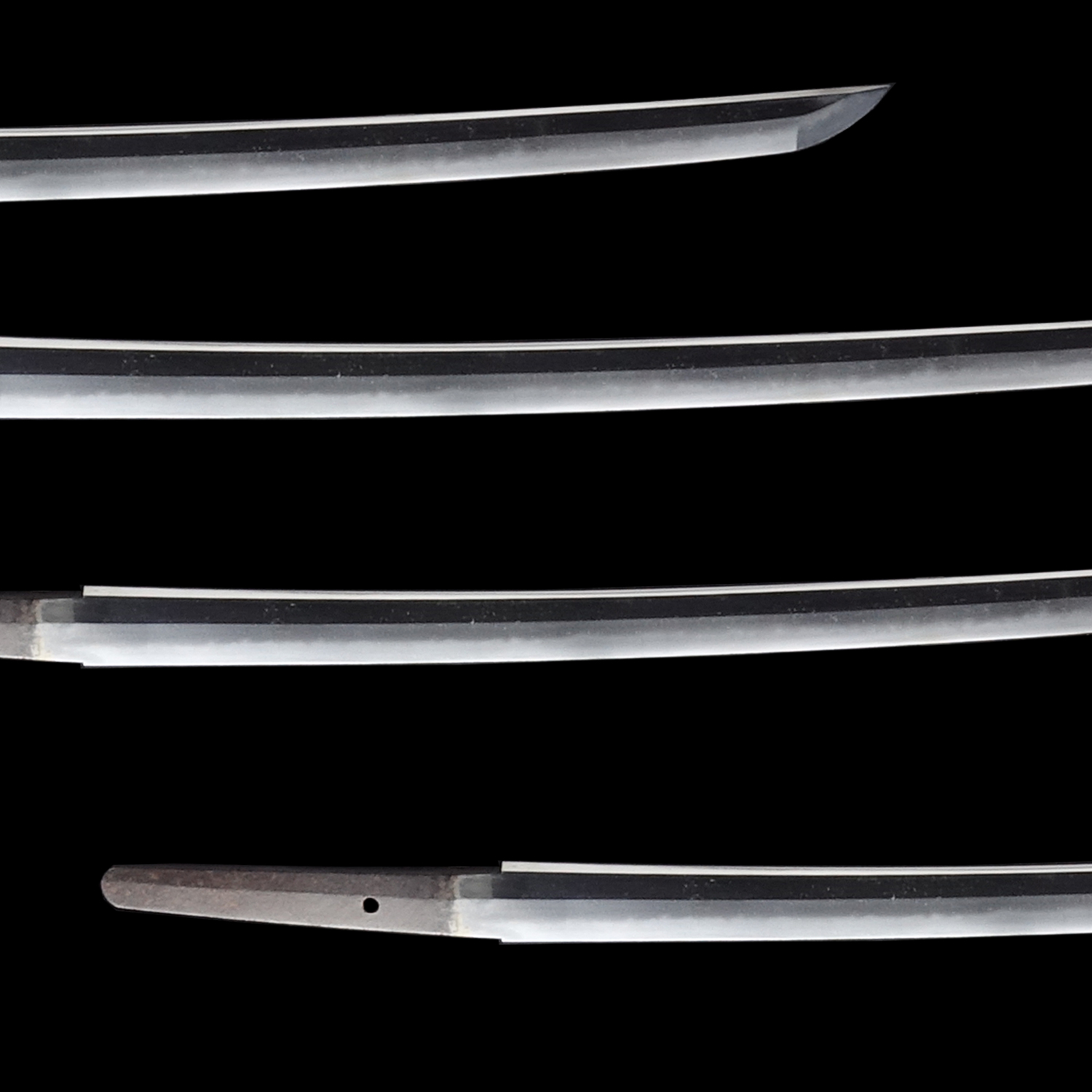
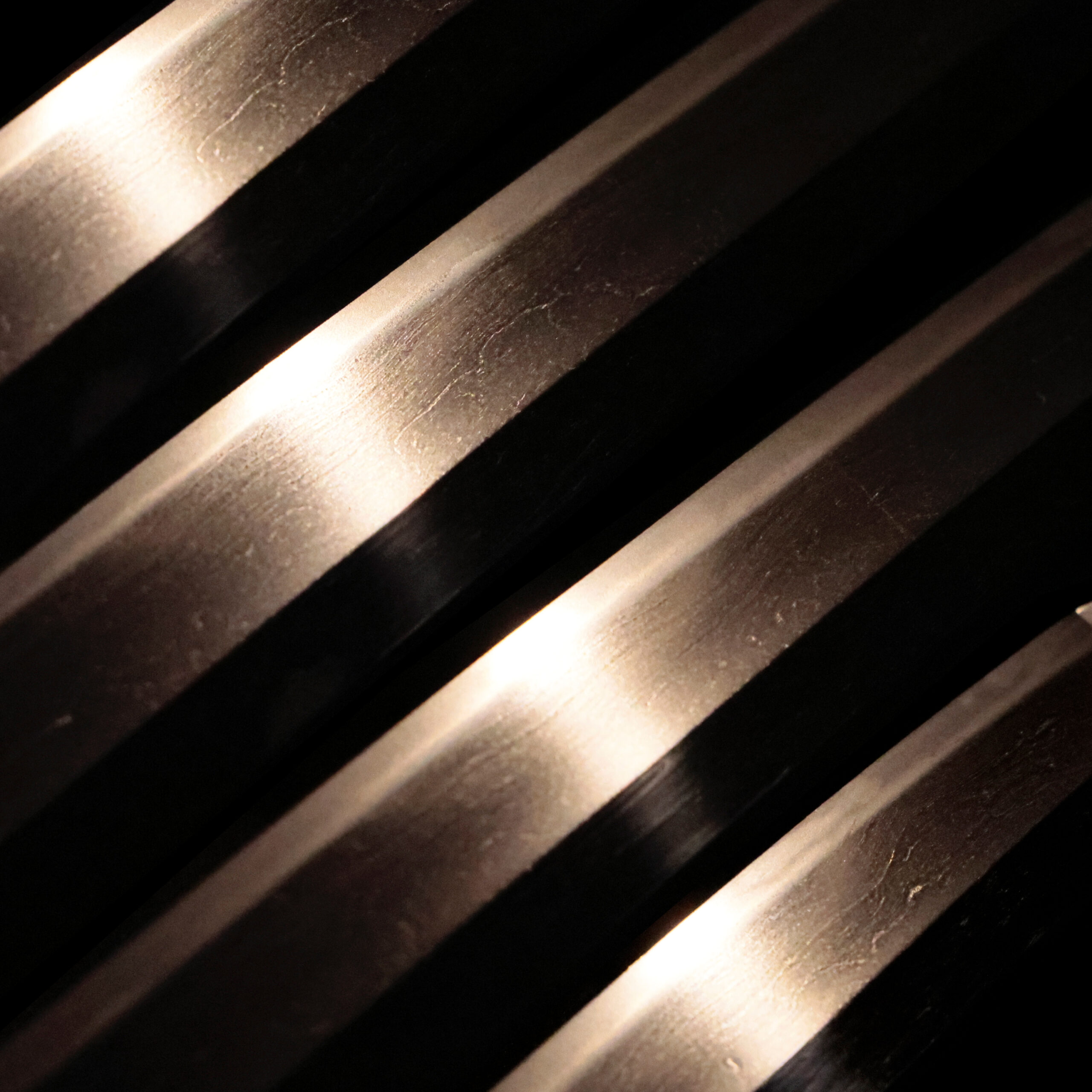
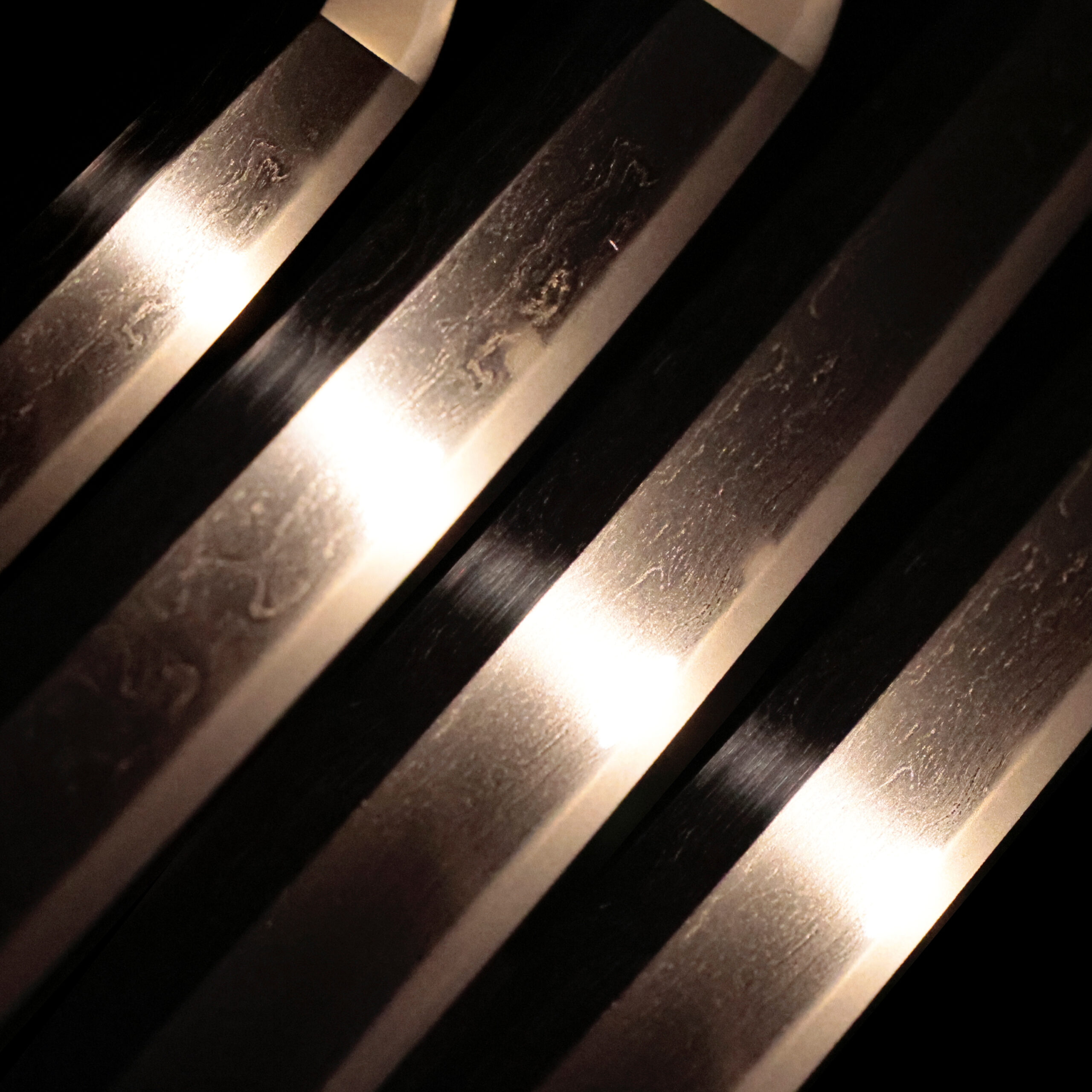
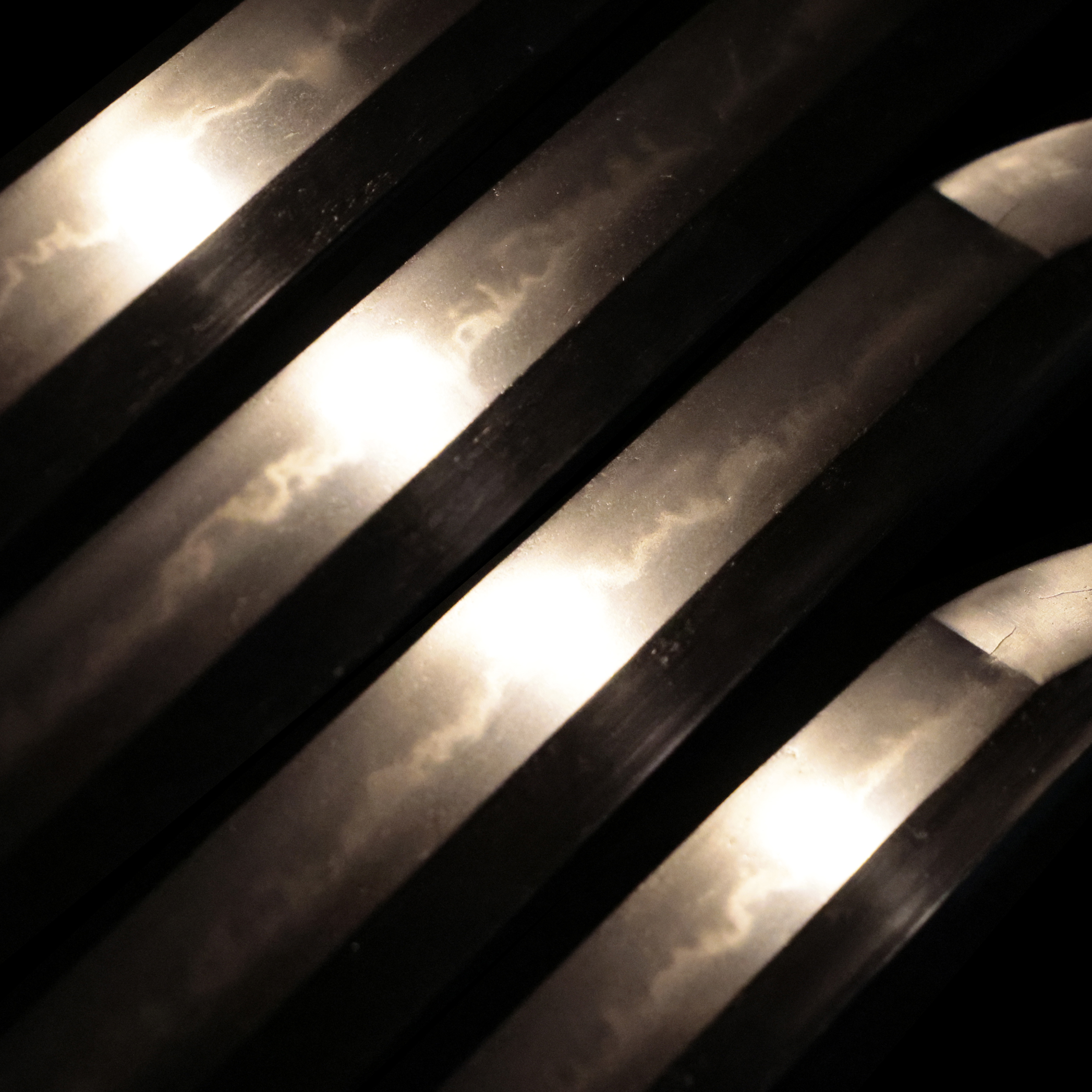
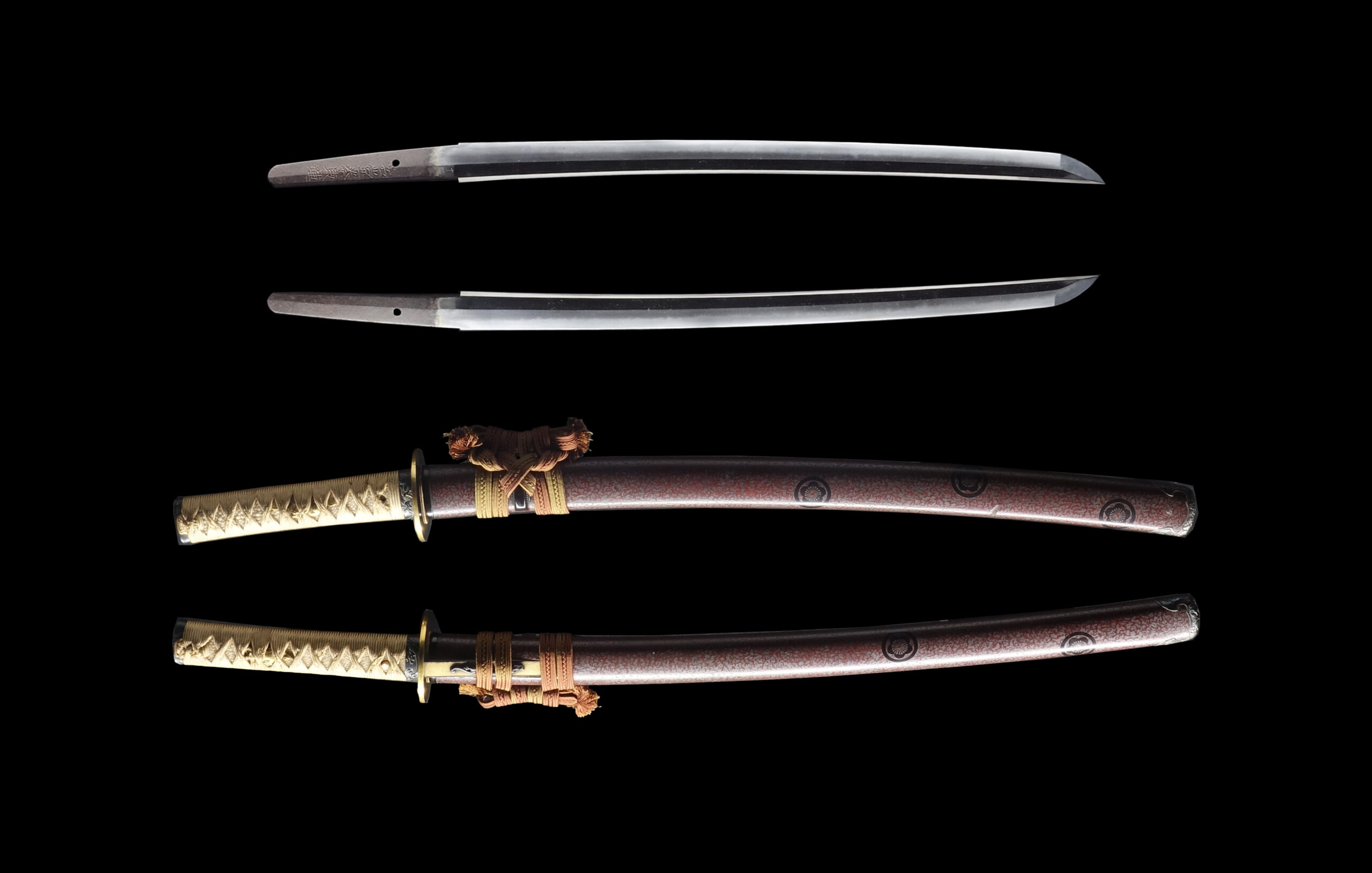
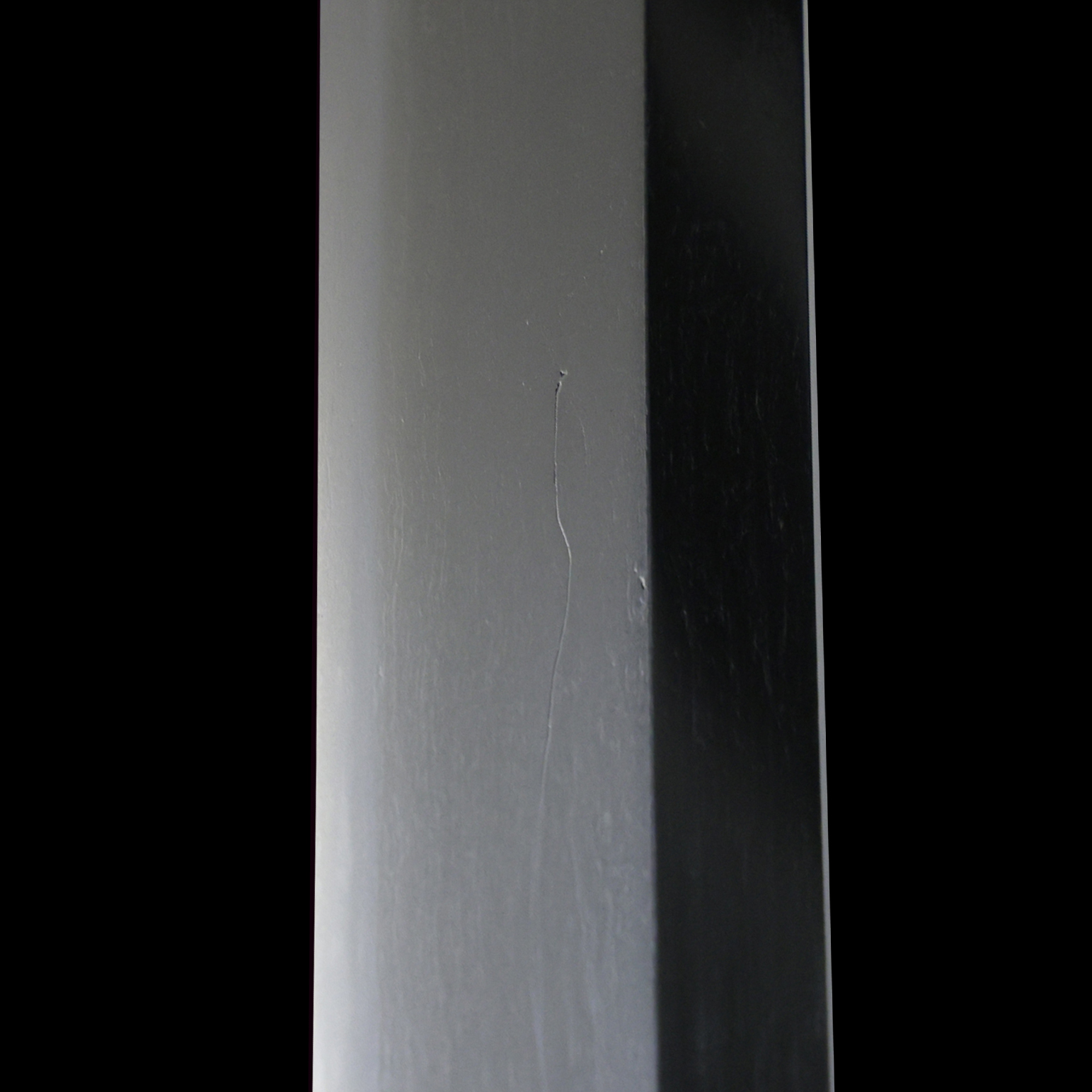
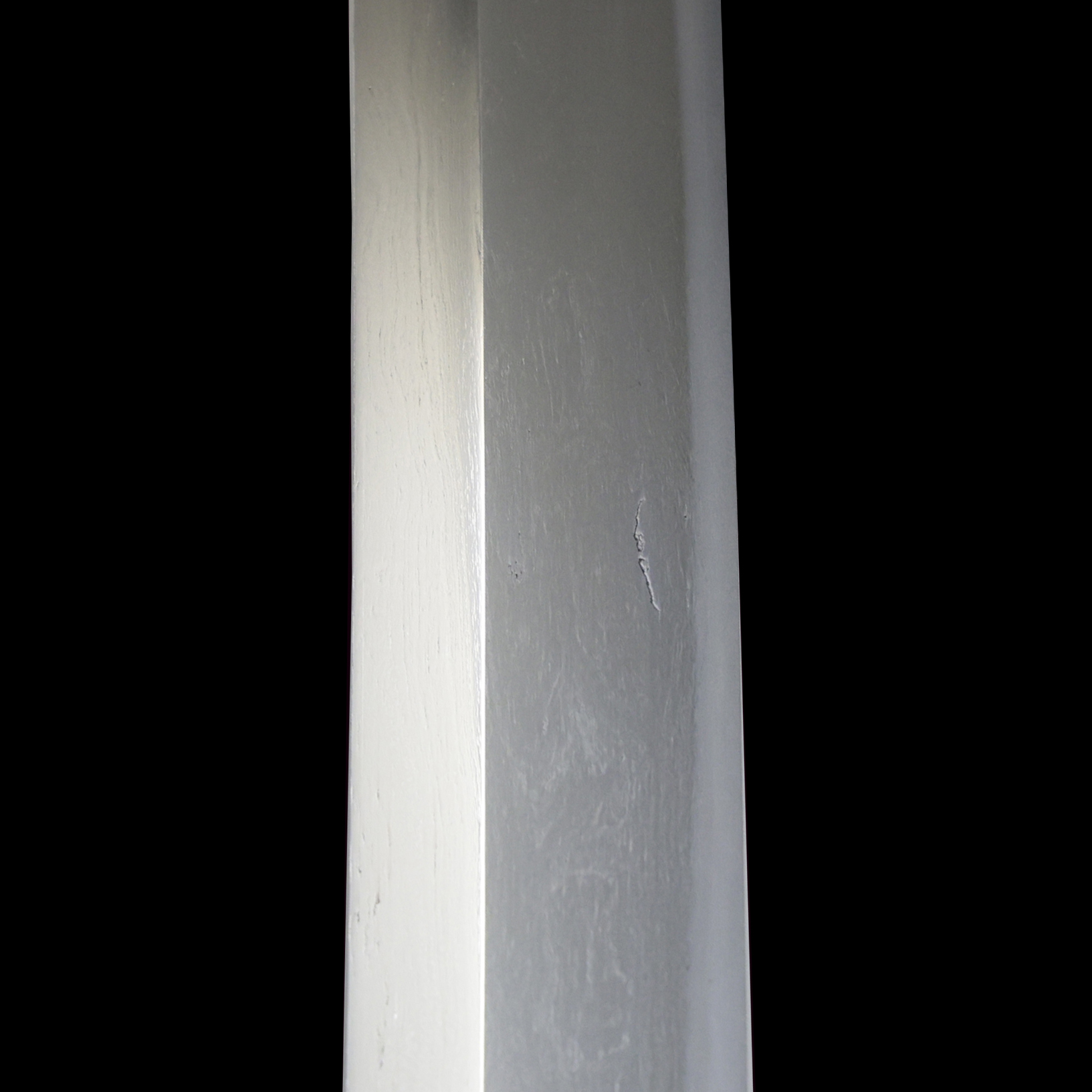
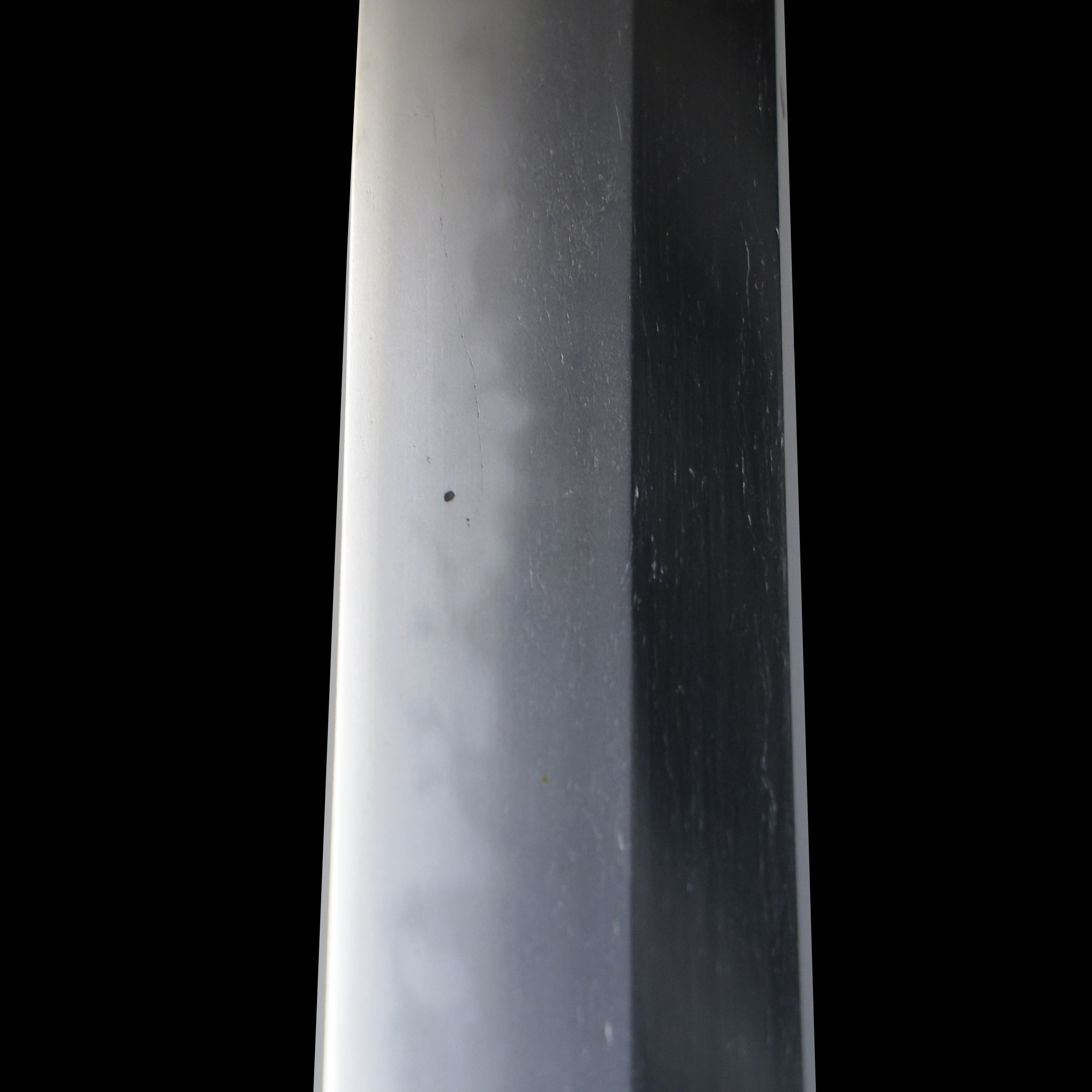
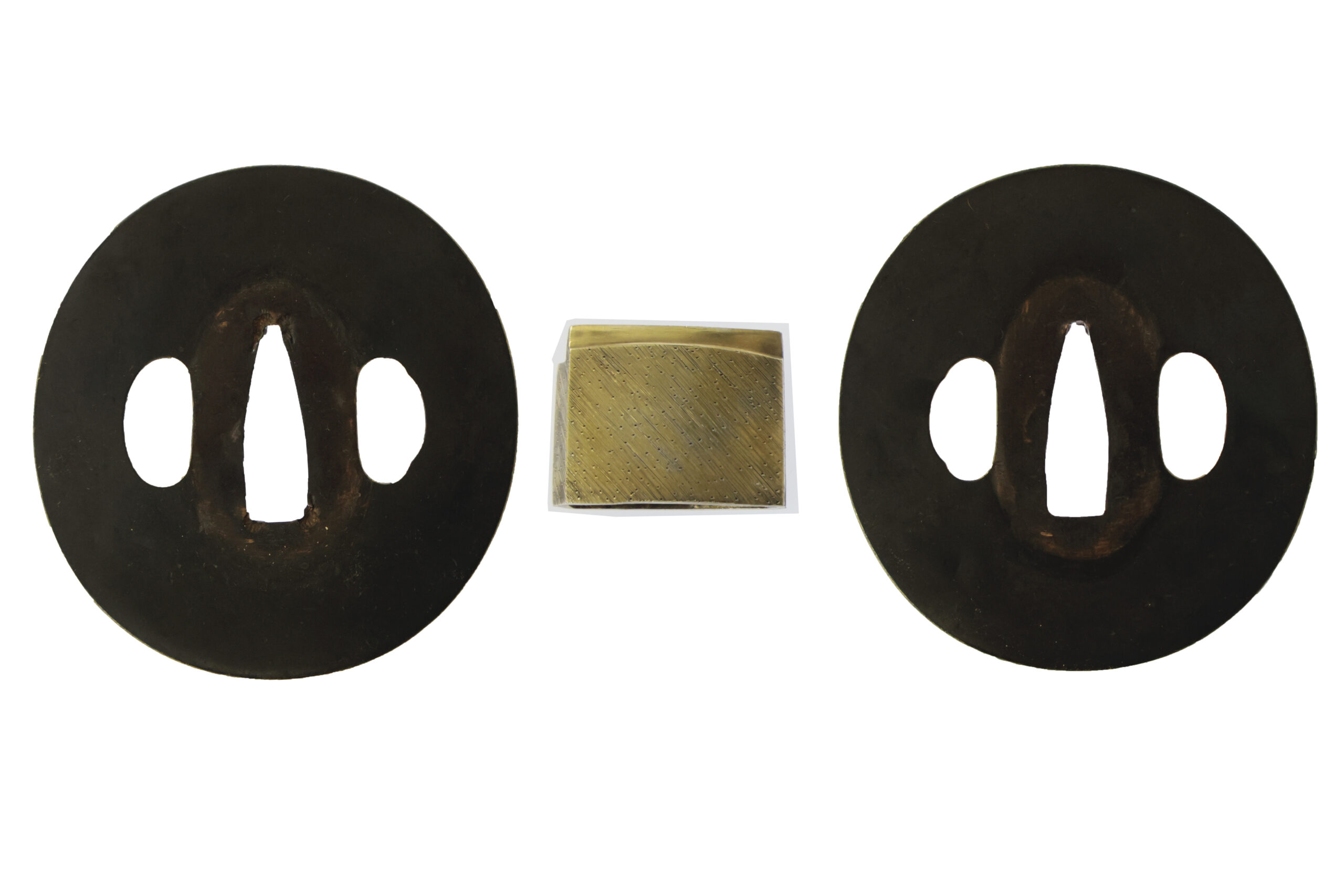
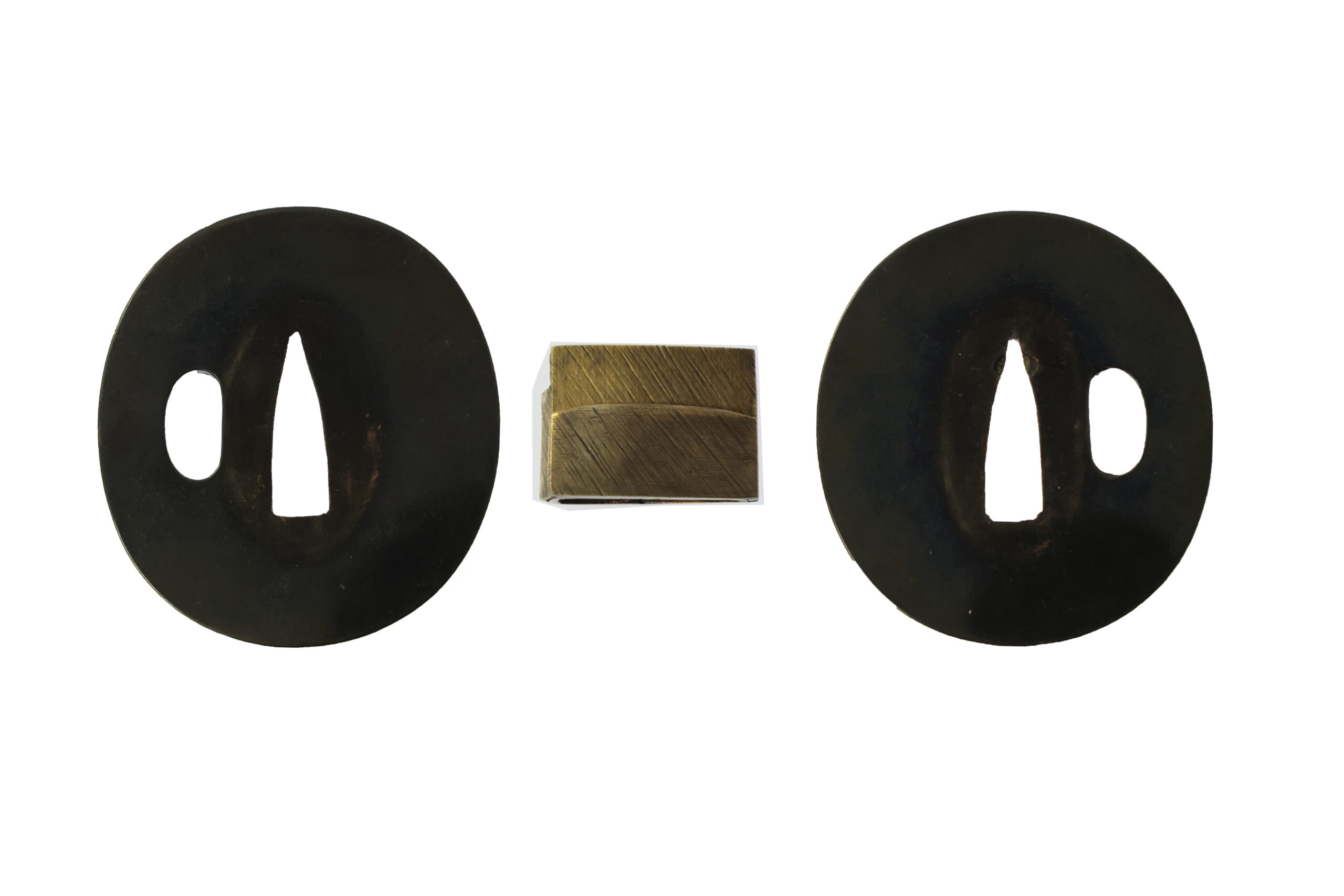
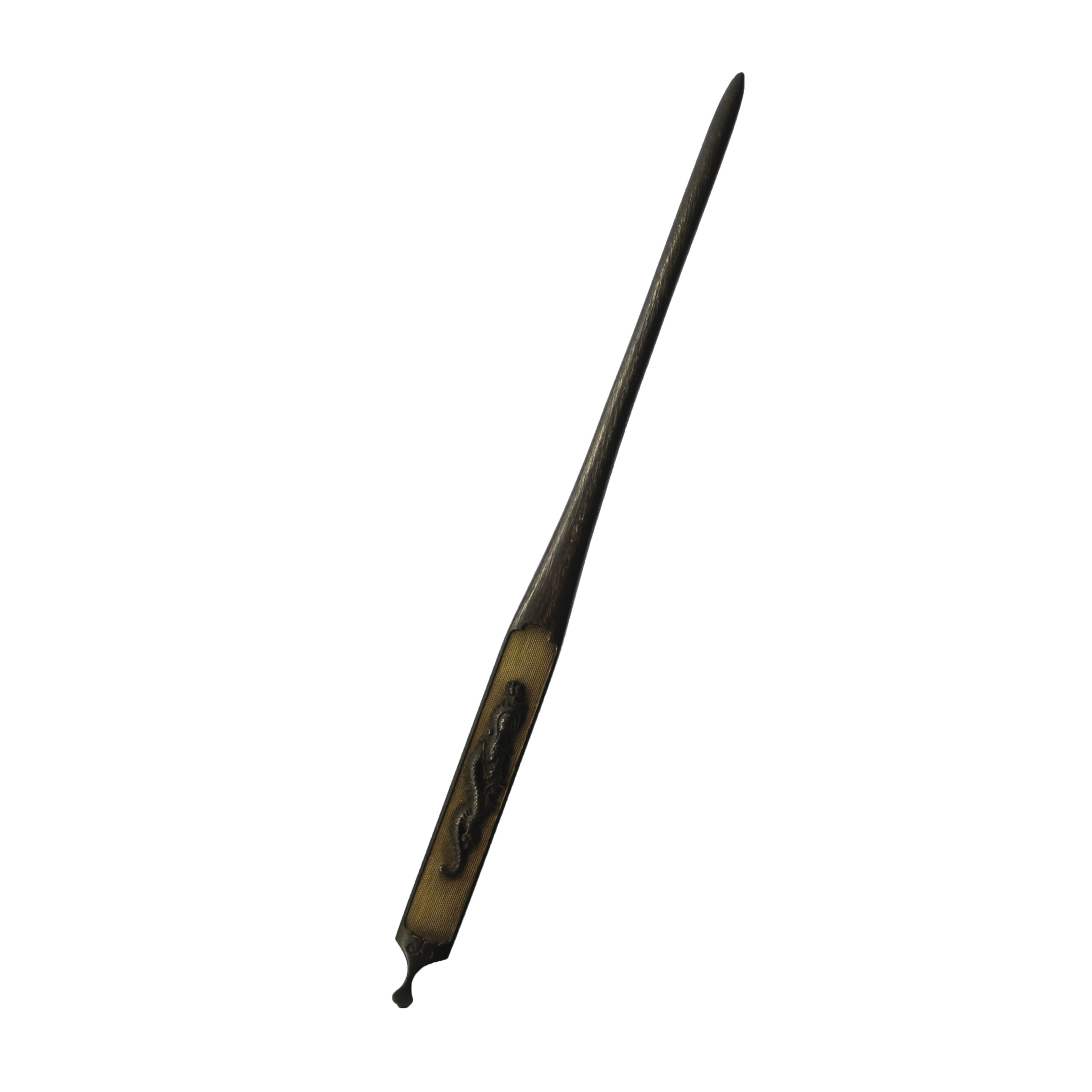
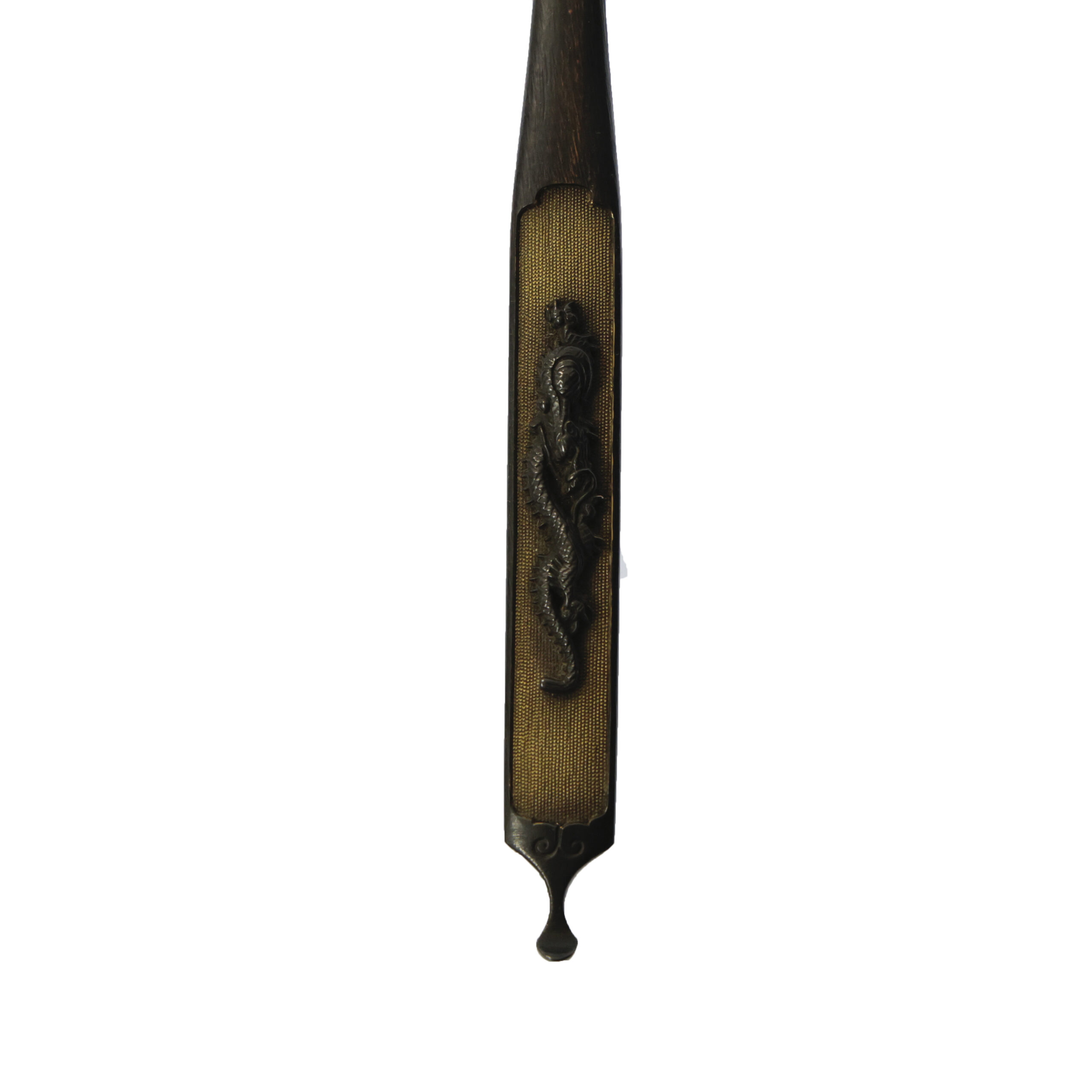
販売店の記載のまま
南北朝時代
二つの朝廷、六十年の戦、そして刀剣史上もっとも劇的な姿。幅広の刀身、延びた切先、後代に磨上げられて雄大な刀となった大太刀。相州風がこの時代の様式であった。
保存刀剣のうち、出来が一層優れ、保存状態も良好と認められたものです。再刃や、室町・江戸期の多くの無銘作は対象外となり、保存刀剣より高い基準が課されます。
日本美術刀剣保存協会(NBTHK)は、1948年に設立され、文化庁の監督を受ける公益財団法人で、東京・刀剣博物館に本部を置きます。専門の審査員が出品作を直接審査し、美術的・歴史的価値に応じた鑑定書を発行します。NBTHKの鑑定書は、日本刀および刀装具の真正性を示す最も広く認知された基準です。
NBTHK公式サイトReturns/exchanges limited to defects caused by shipping (except willful misconduct or gross negligence by the company); customers must contact within 72 hours of receiving the product.