NihontoWatch MonNihontoWatch
マーケット
事典
鑑定

説明

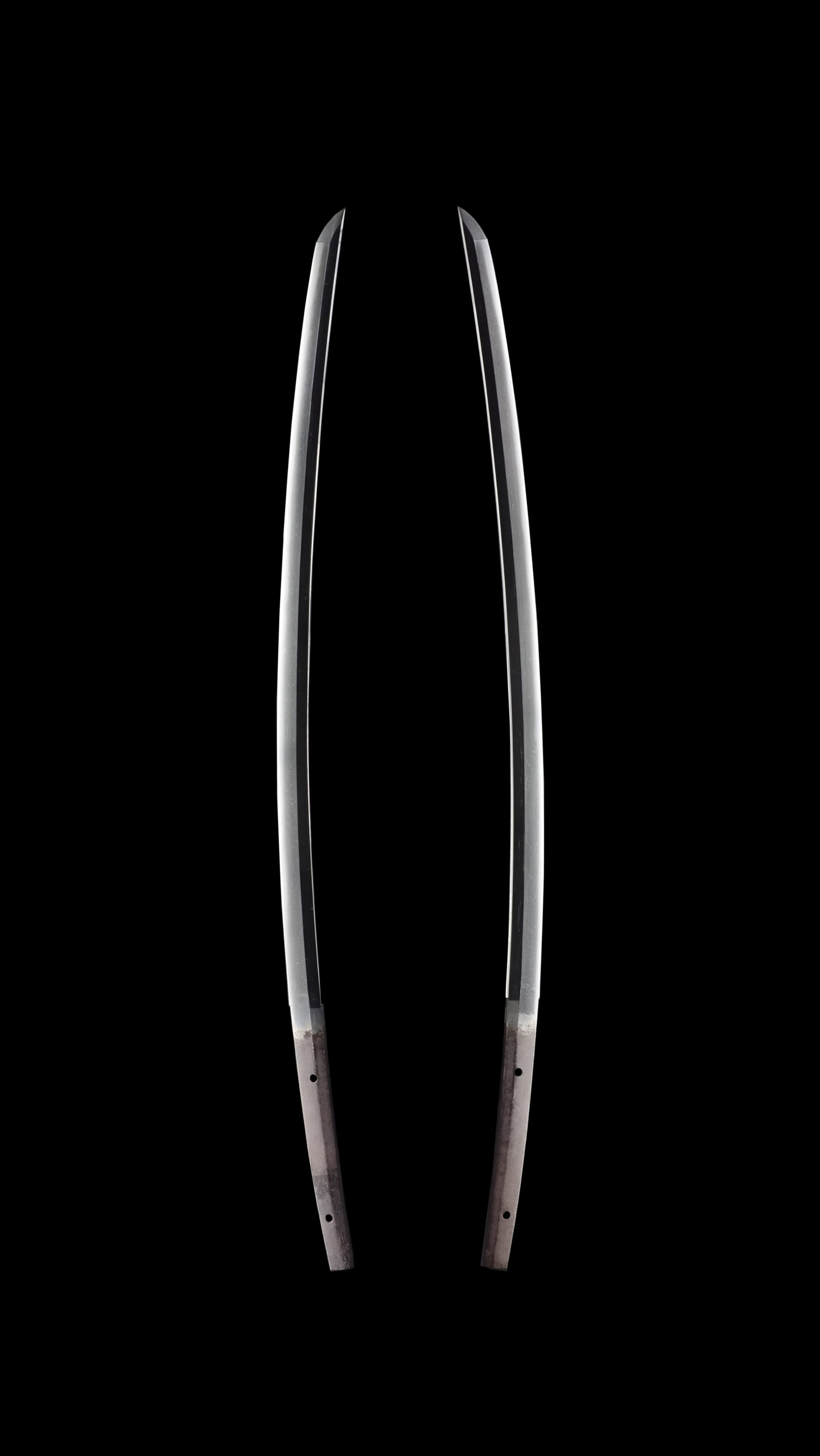
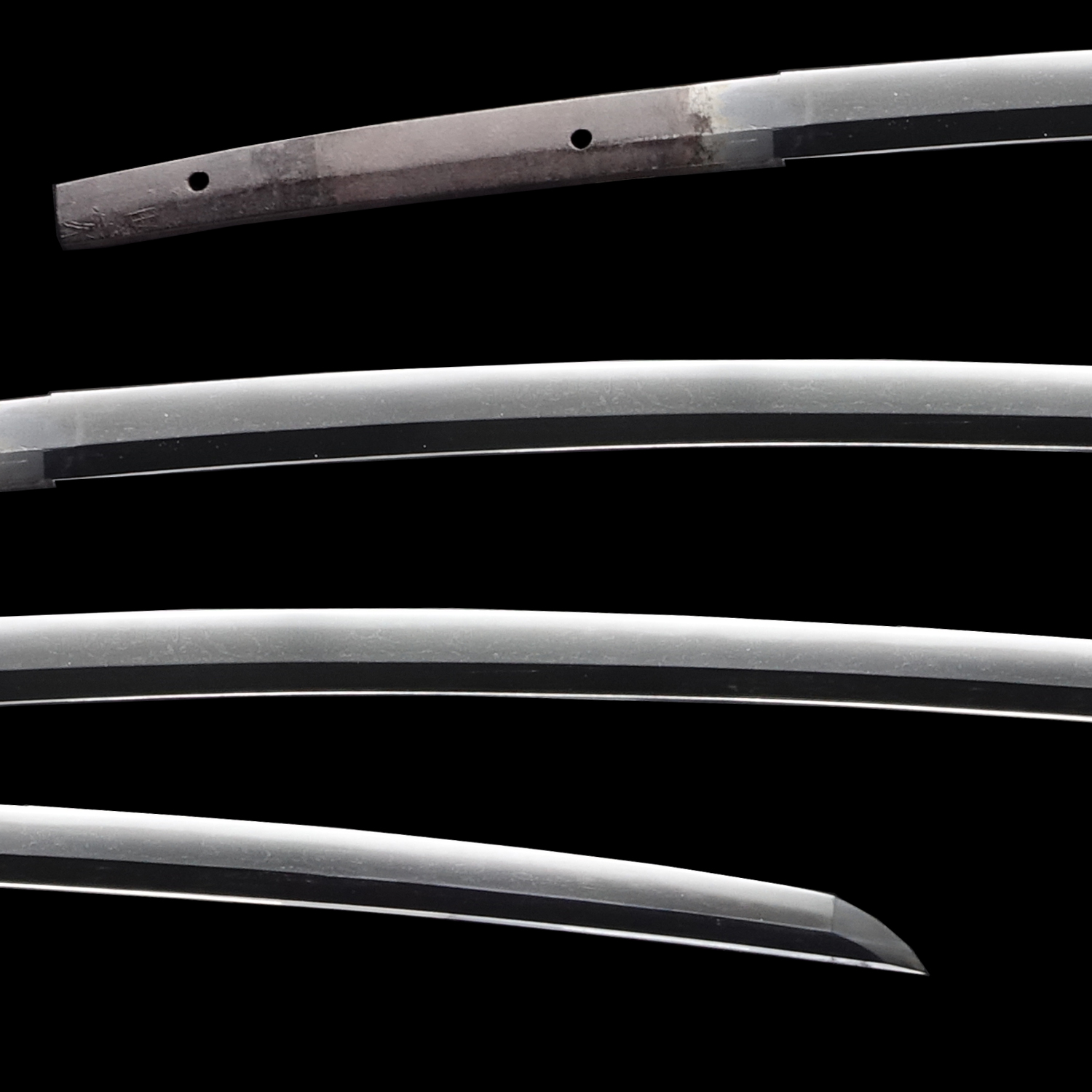
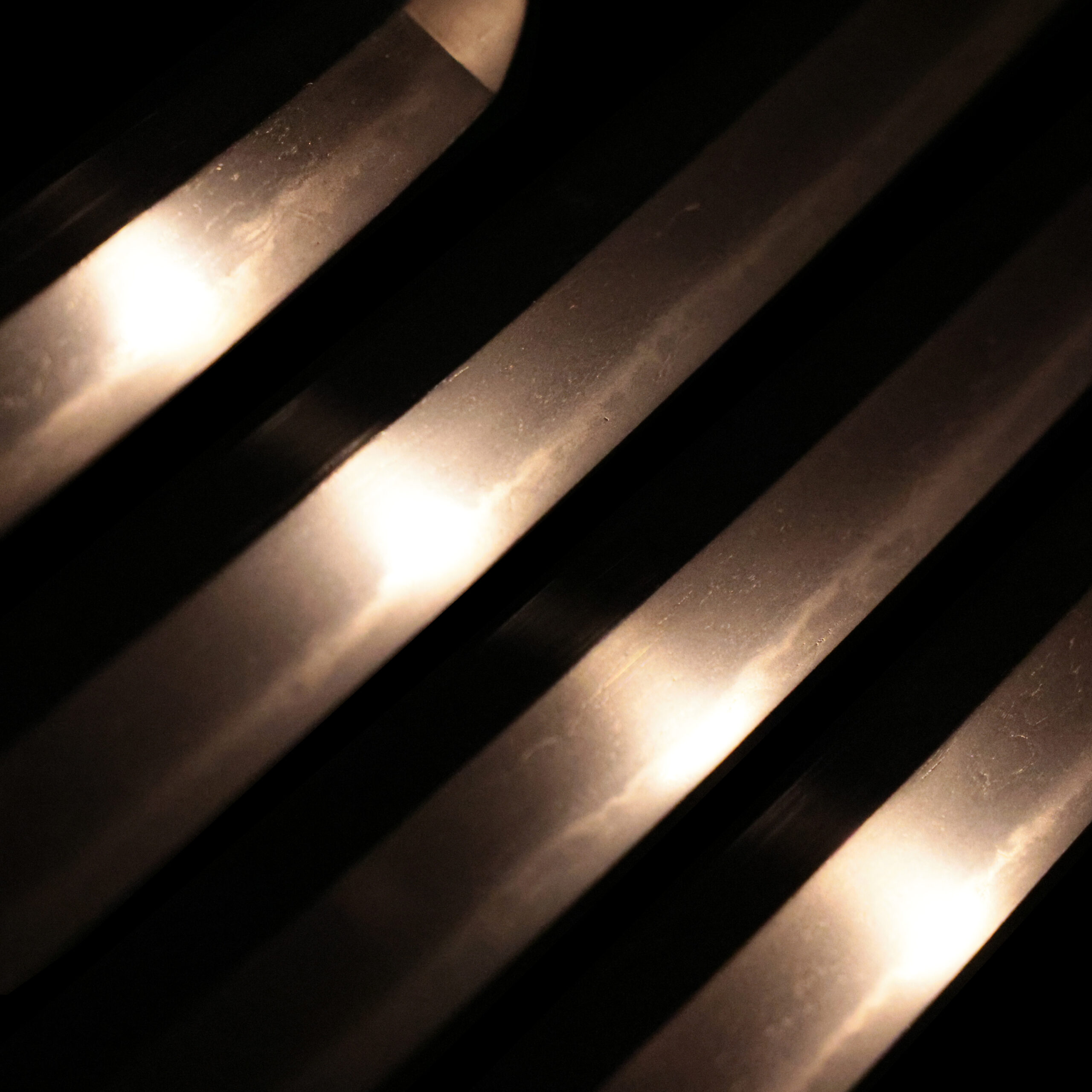
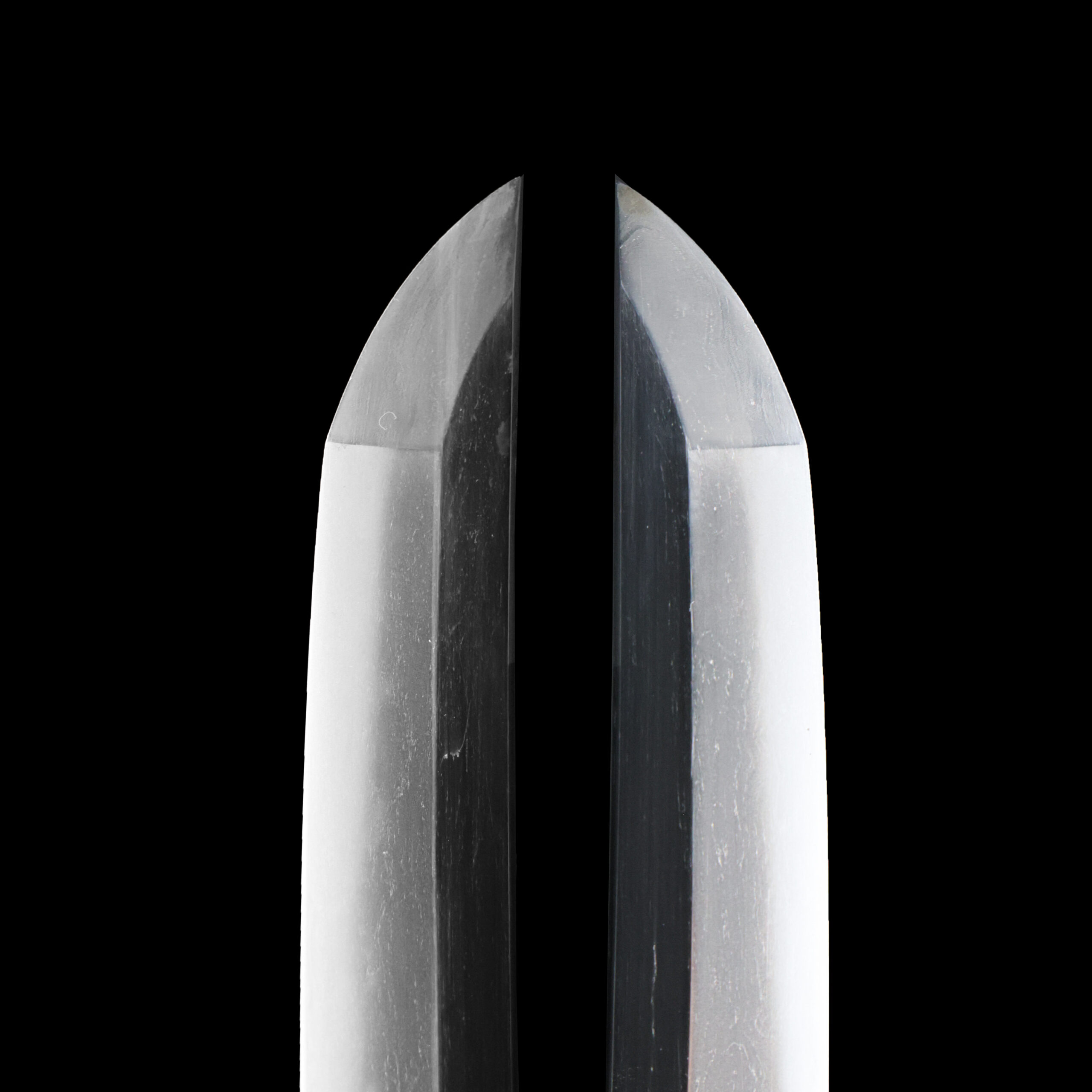
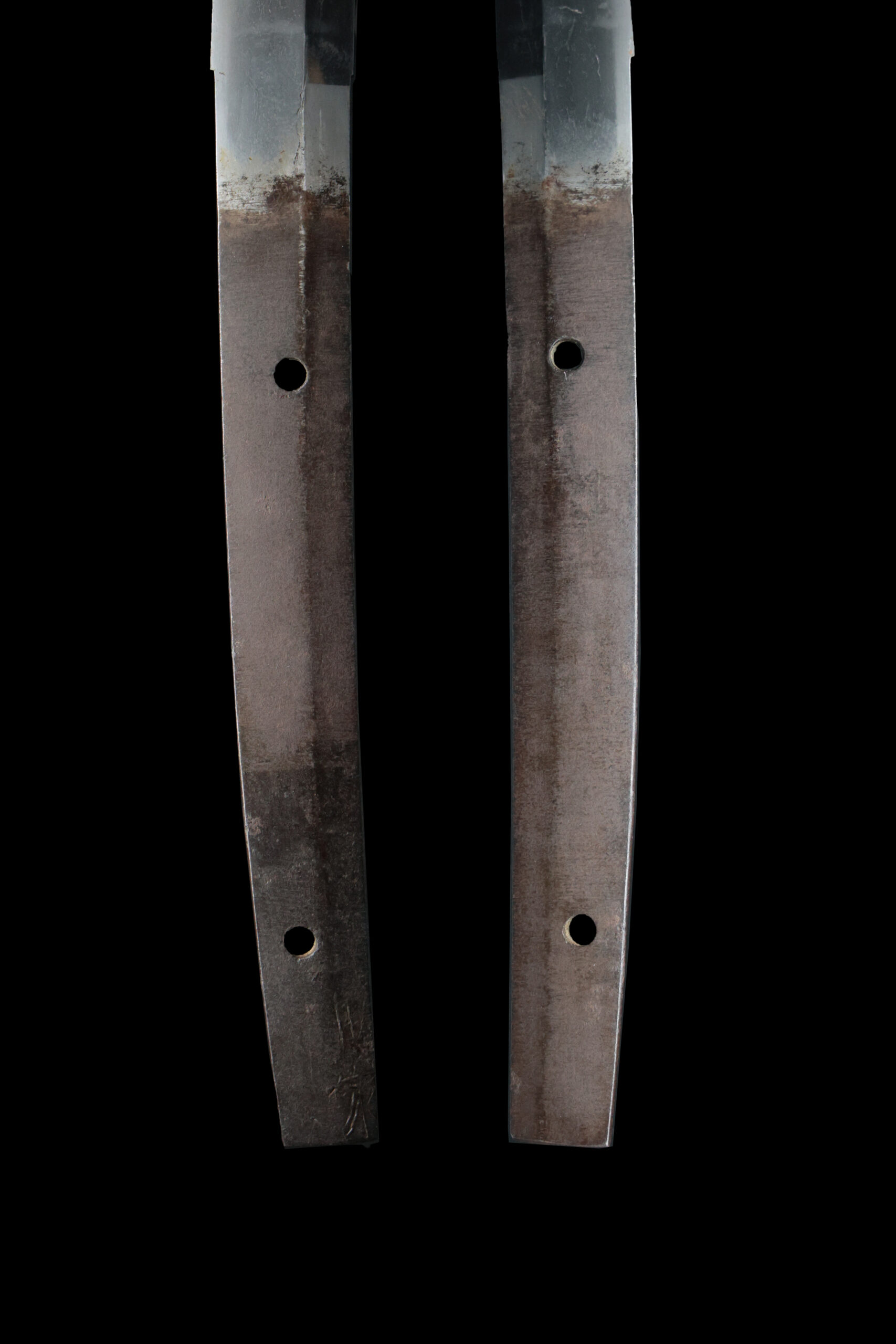
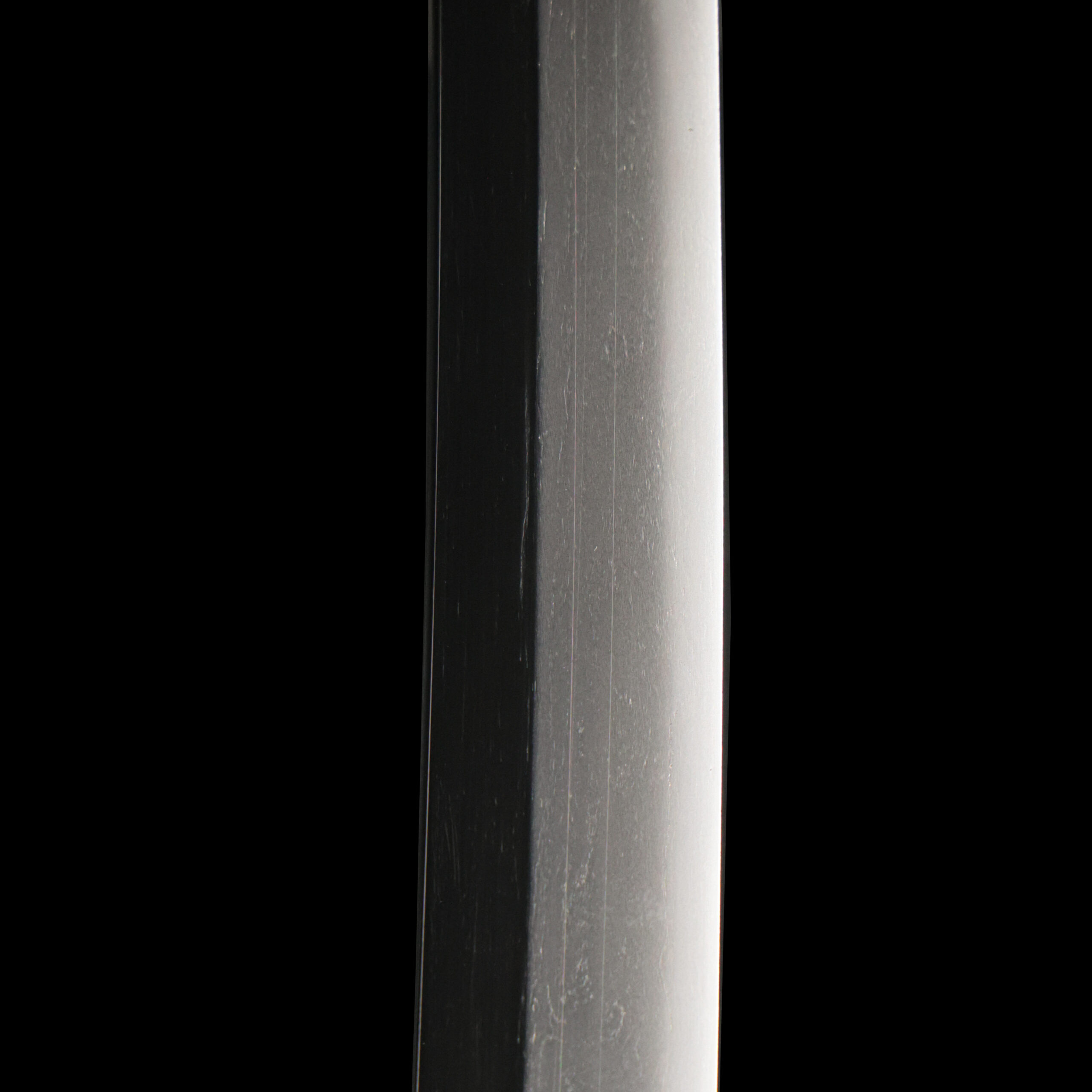
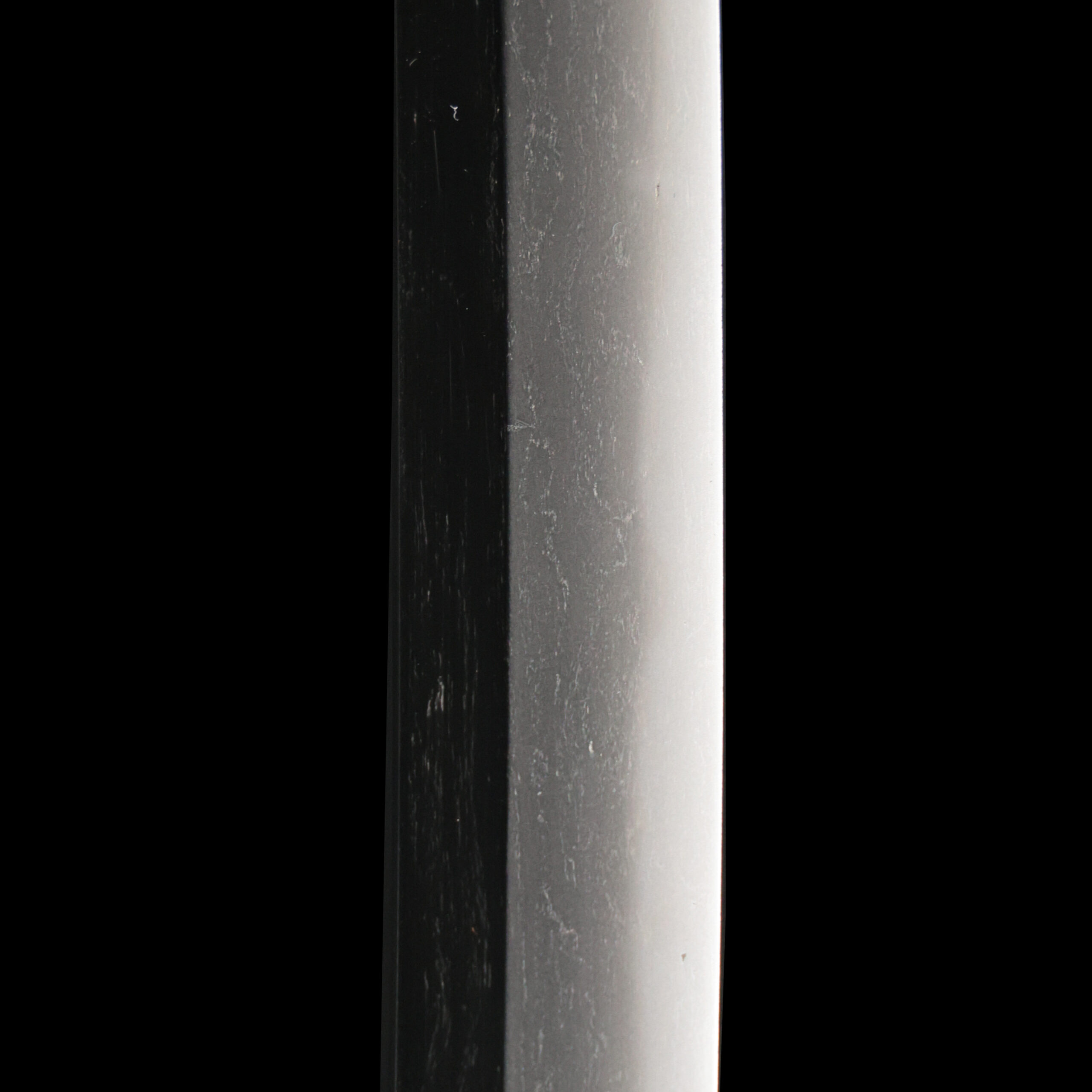
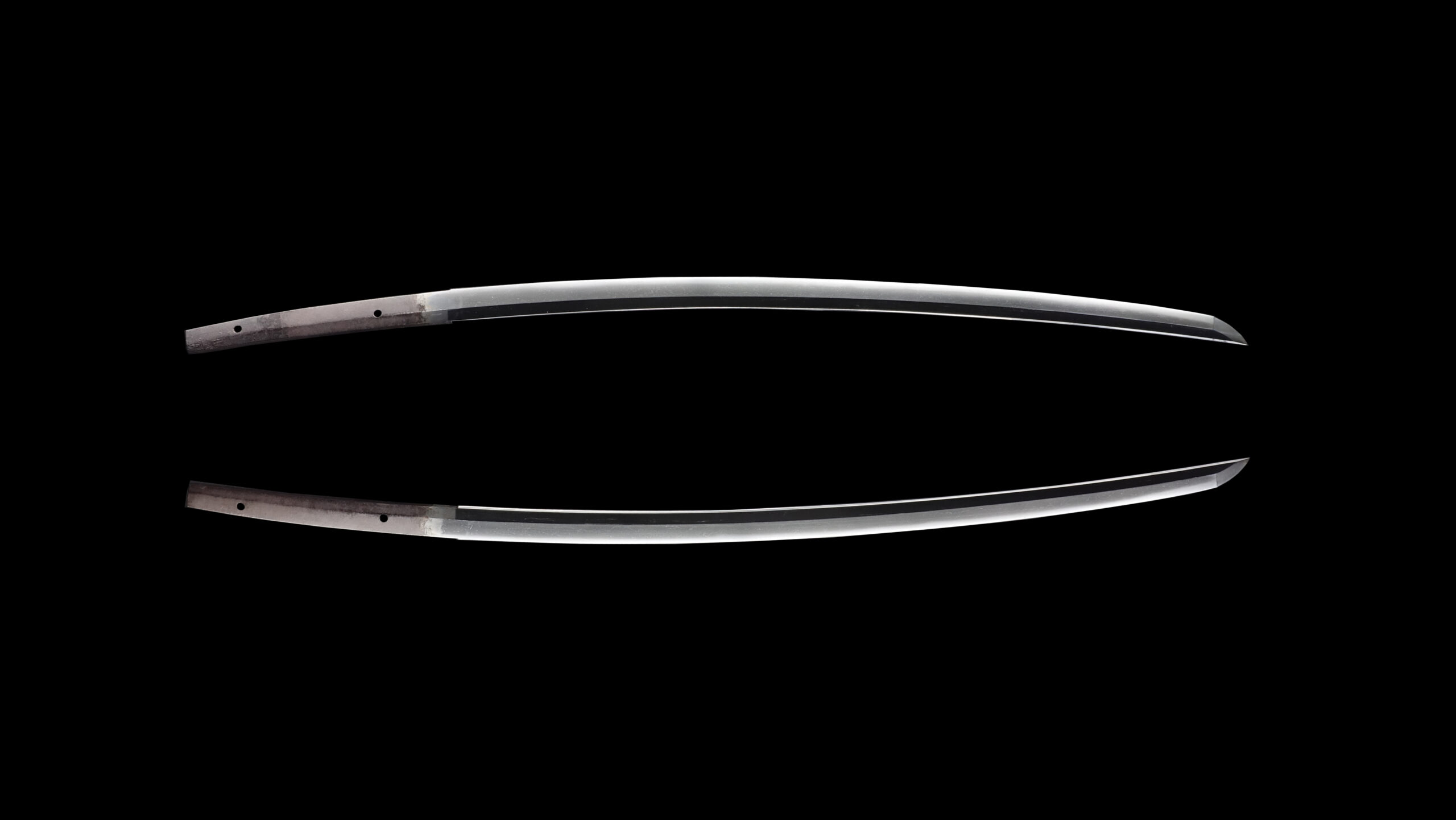
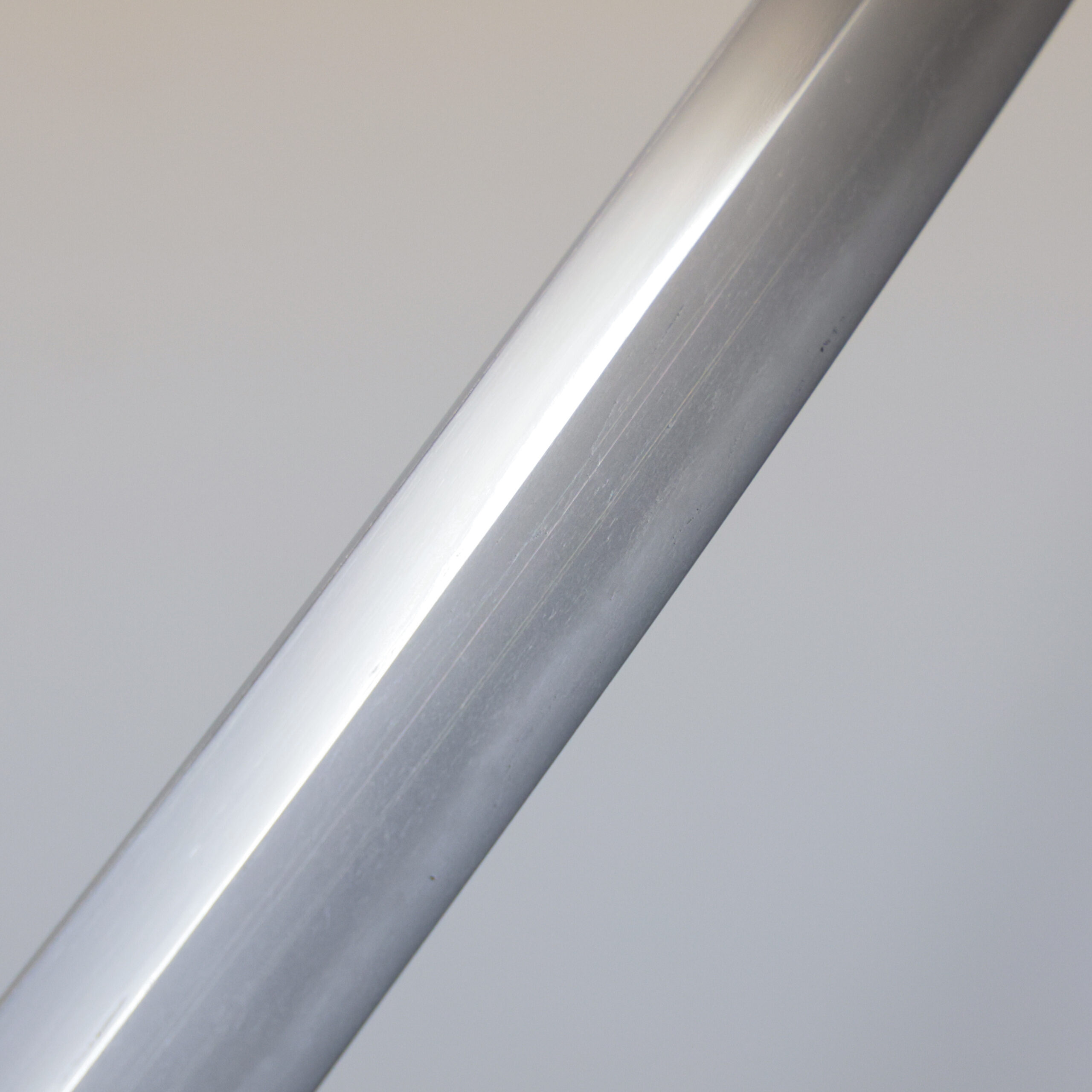
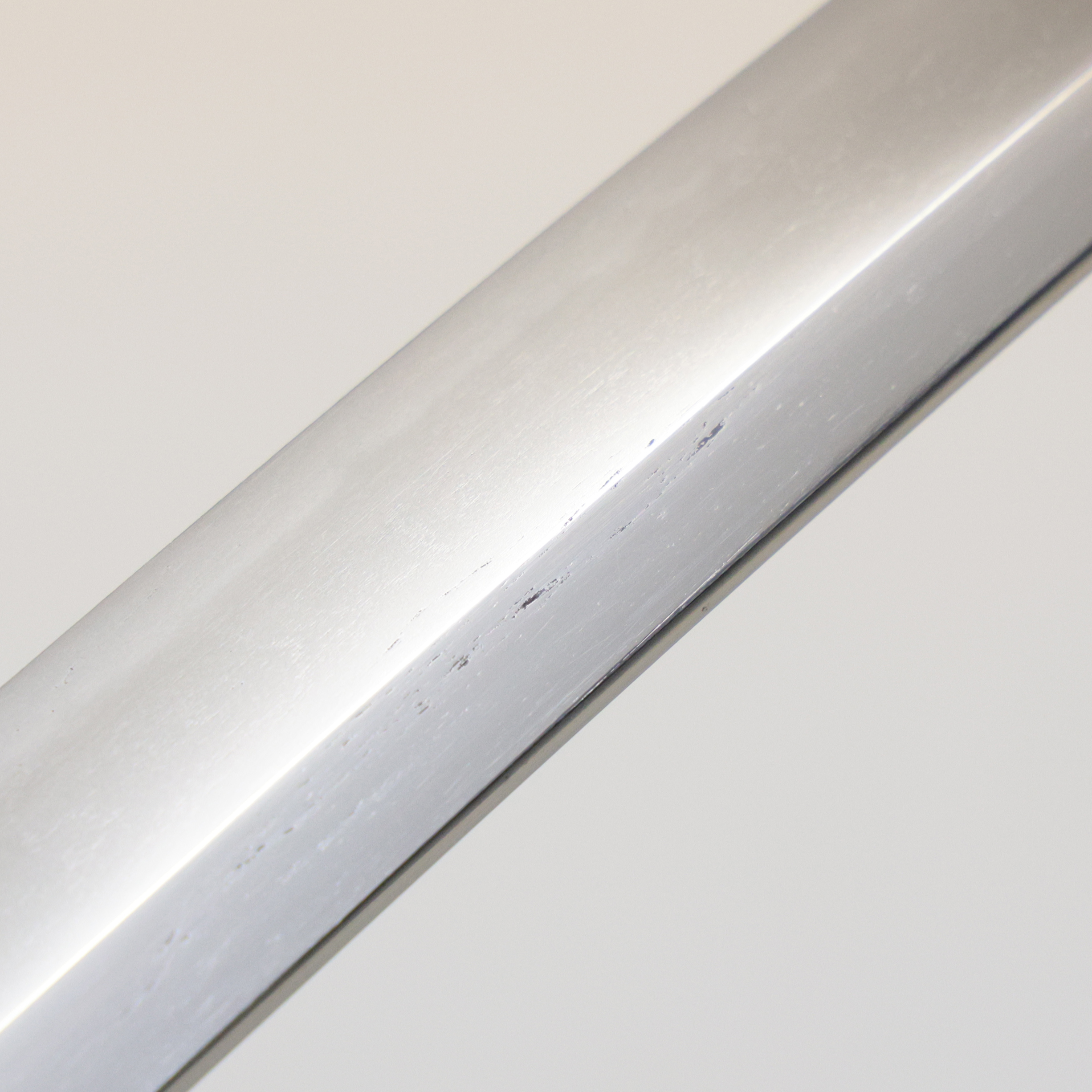
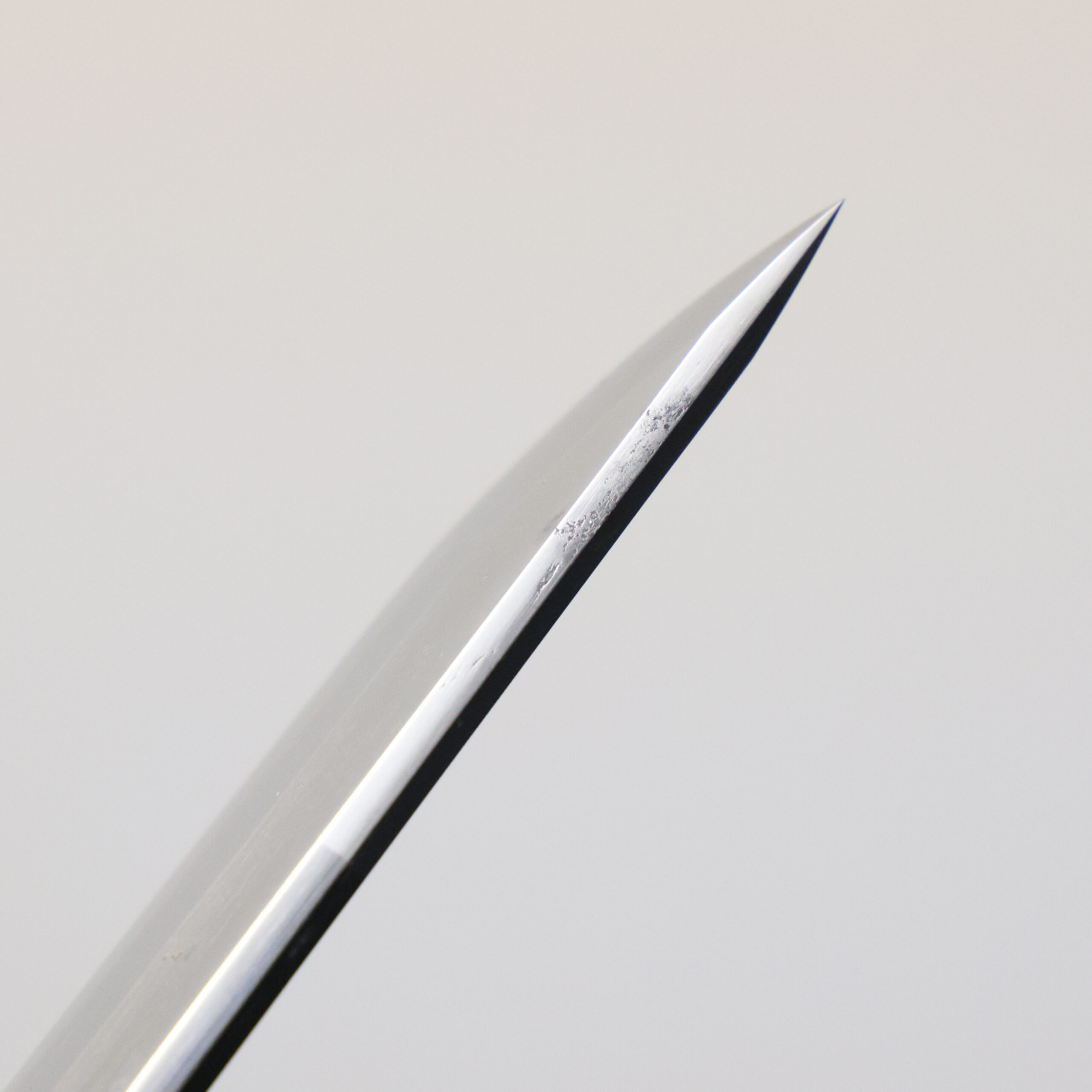
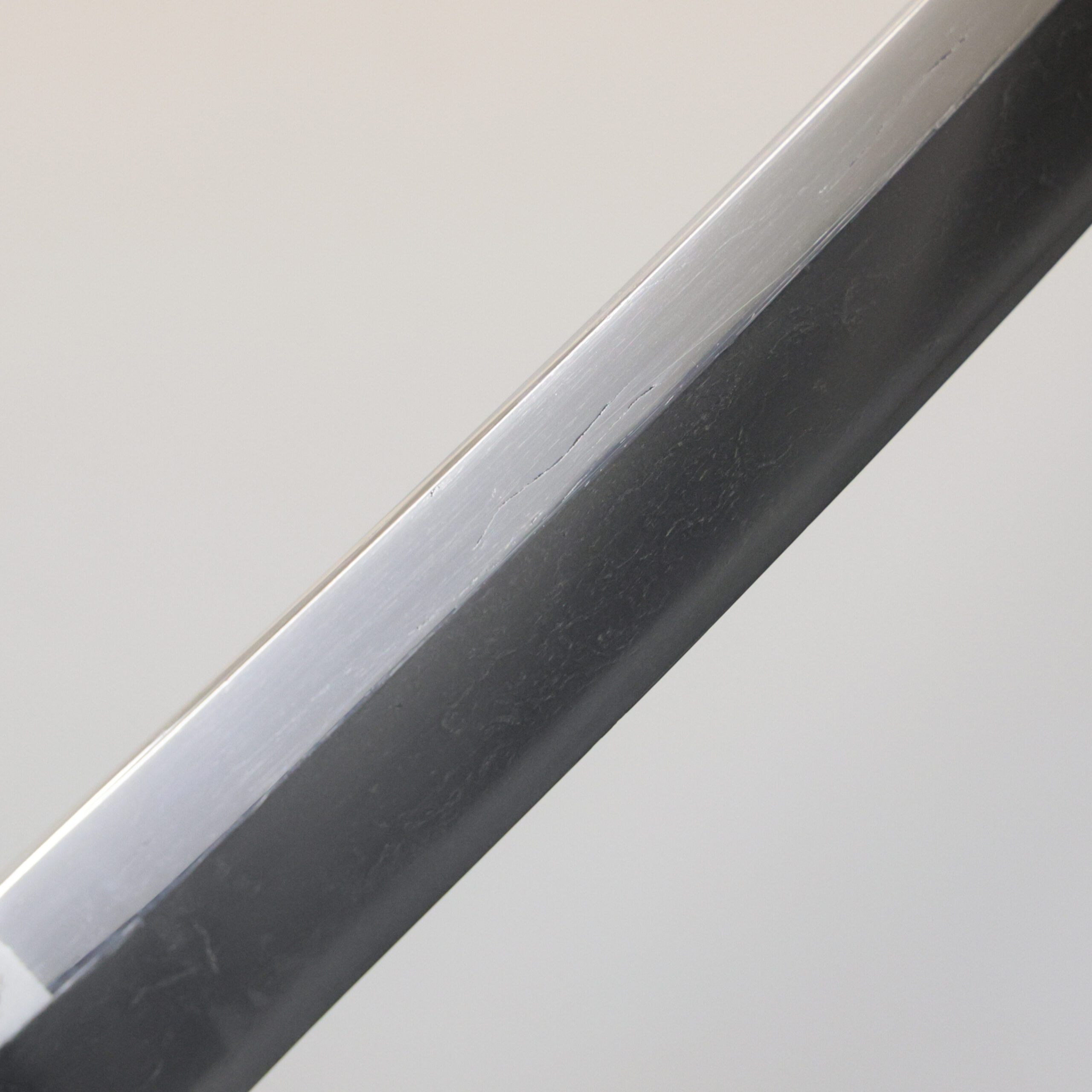
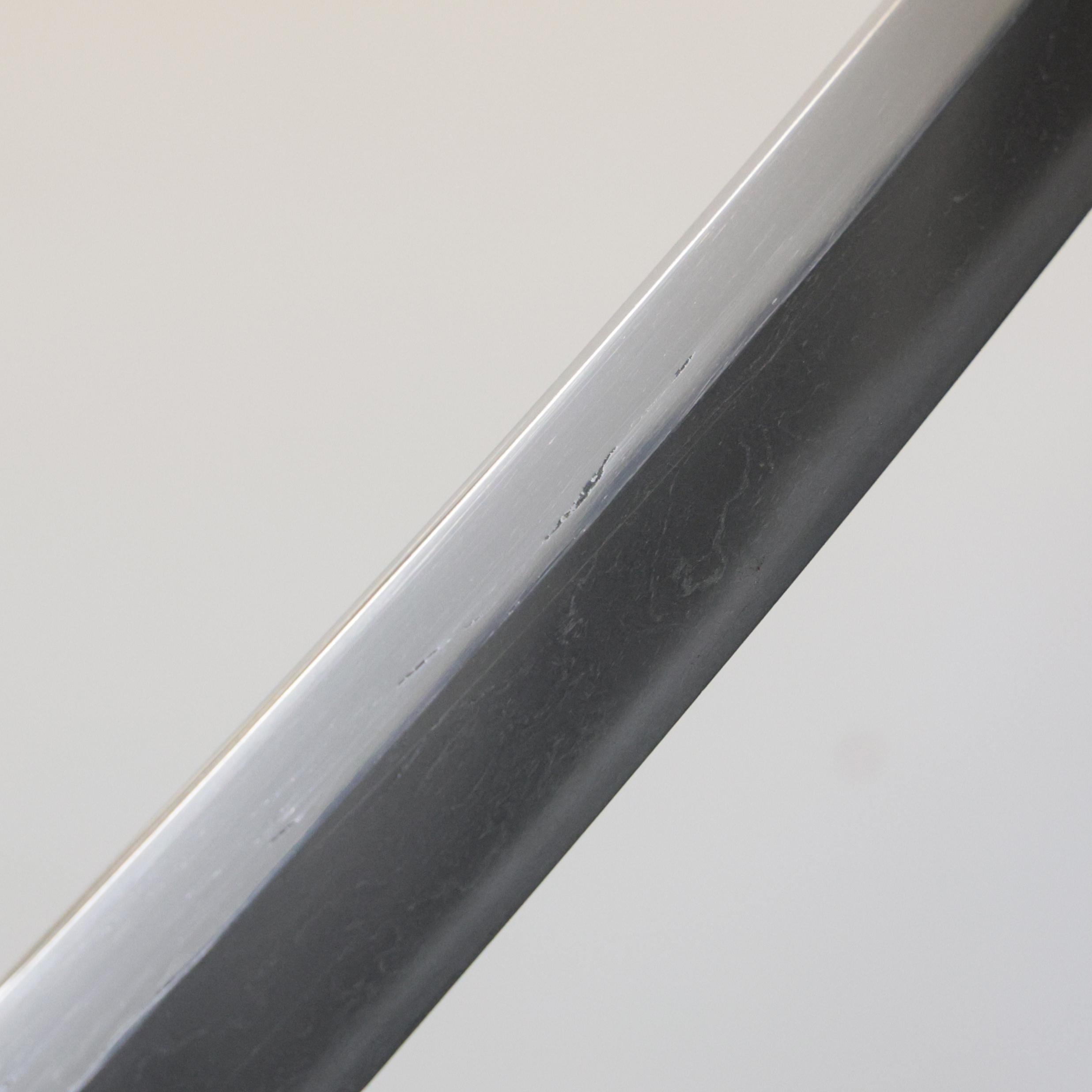
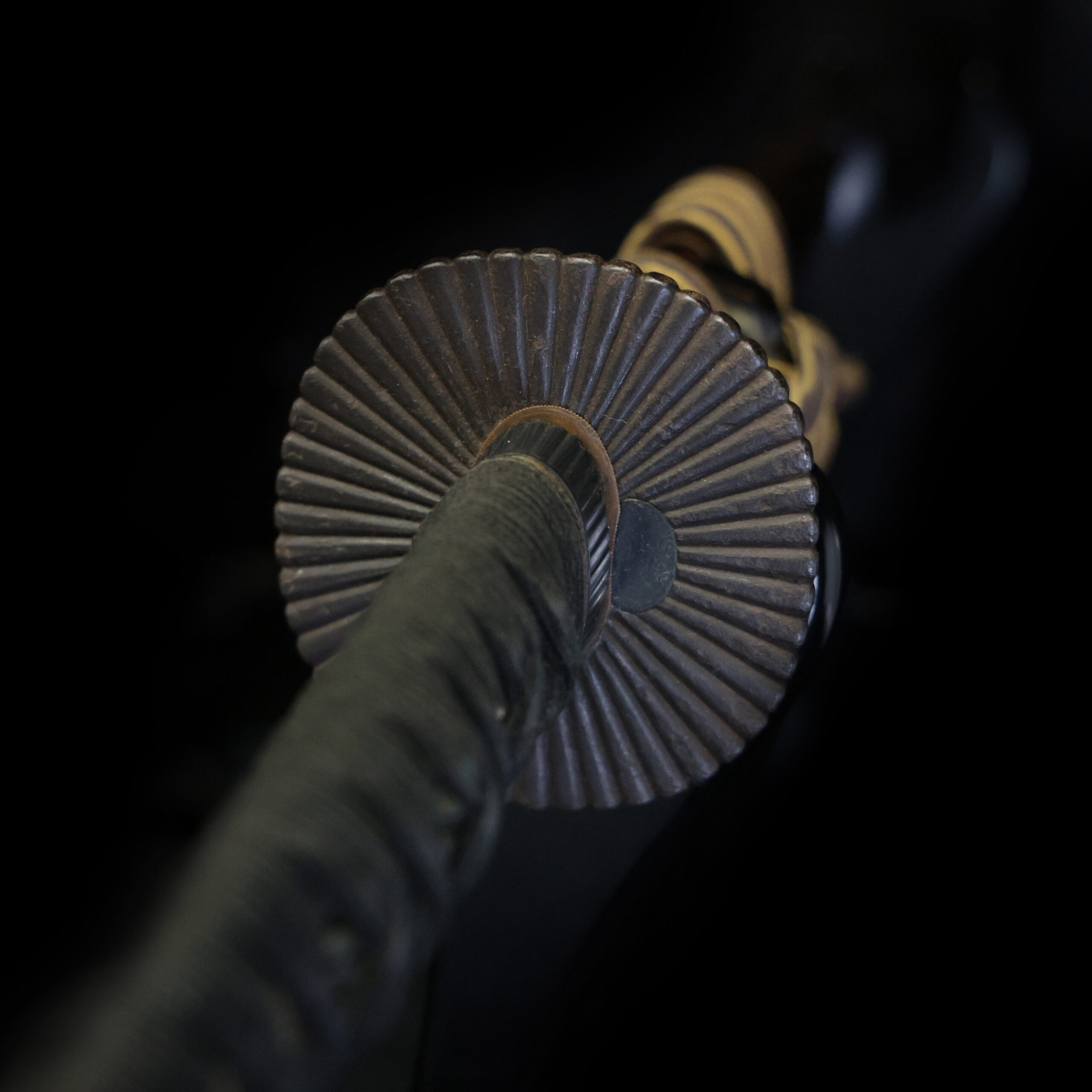
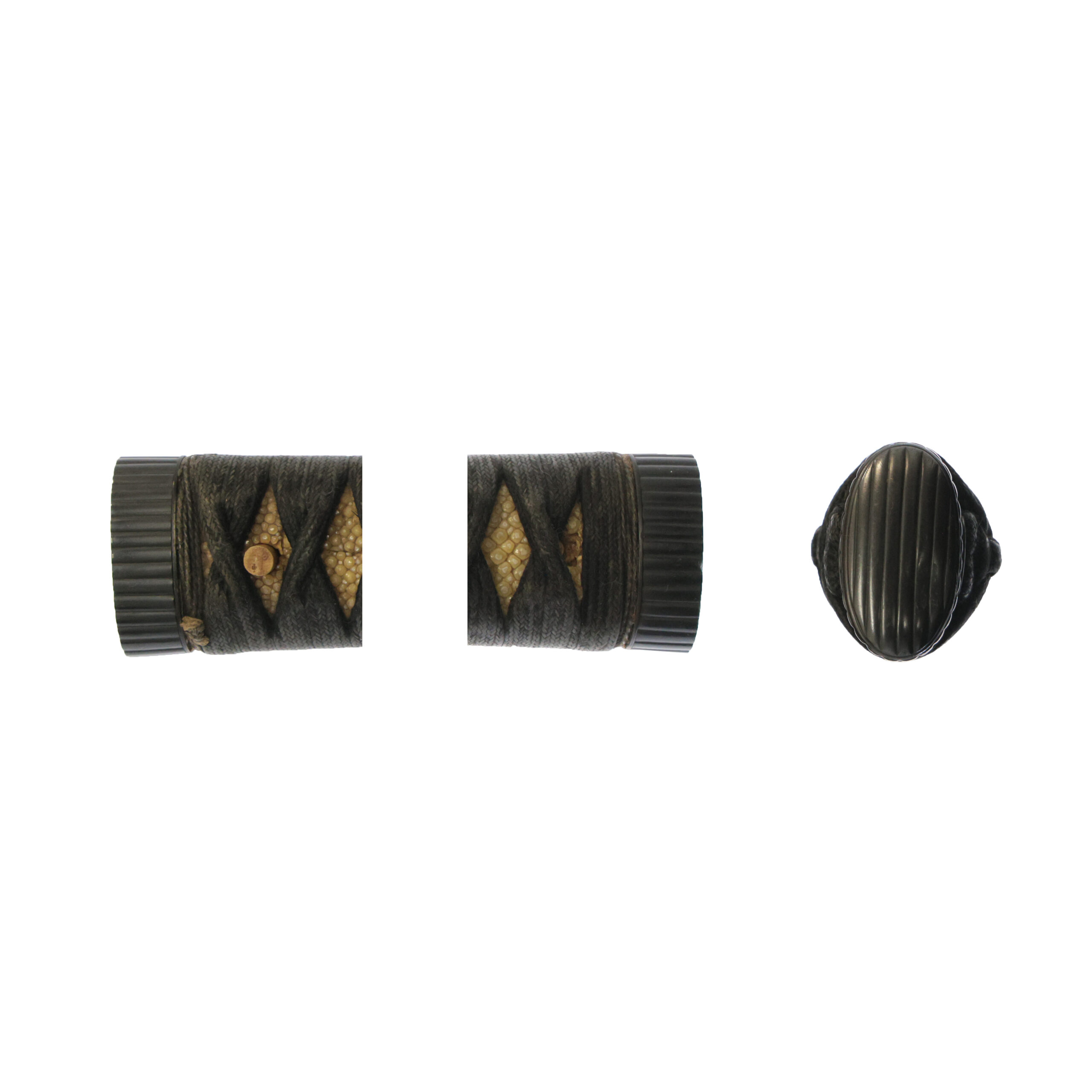
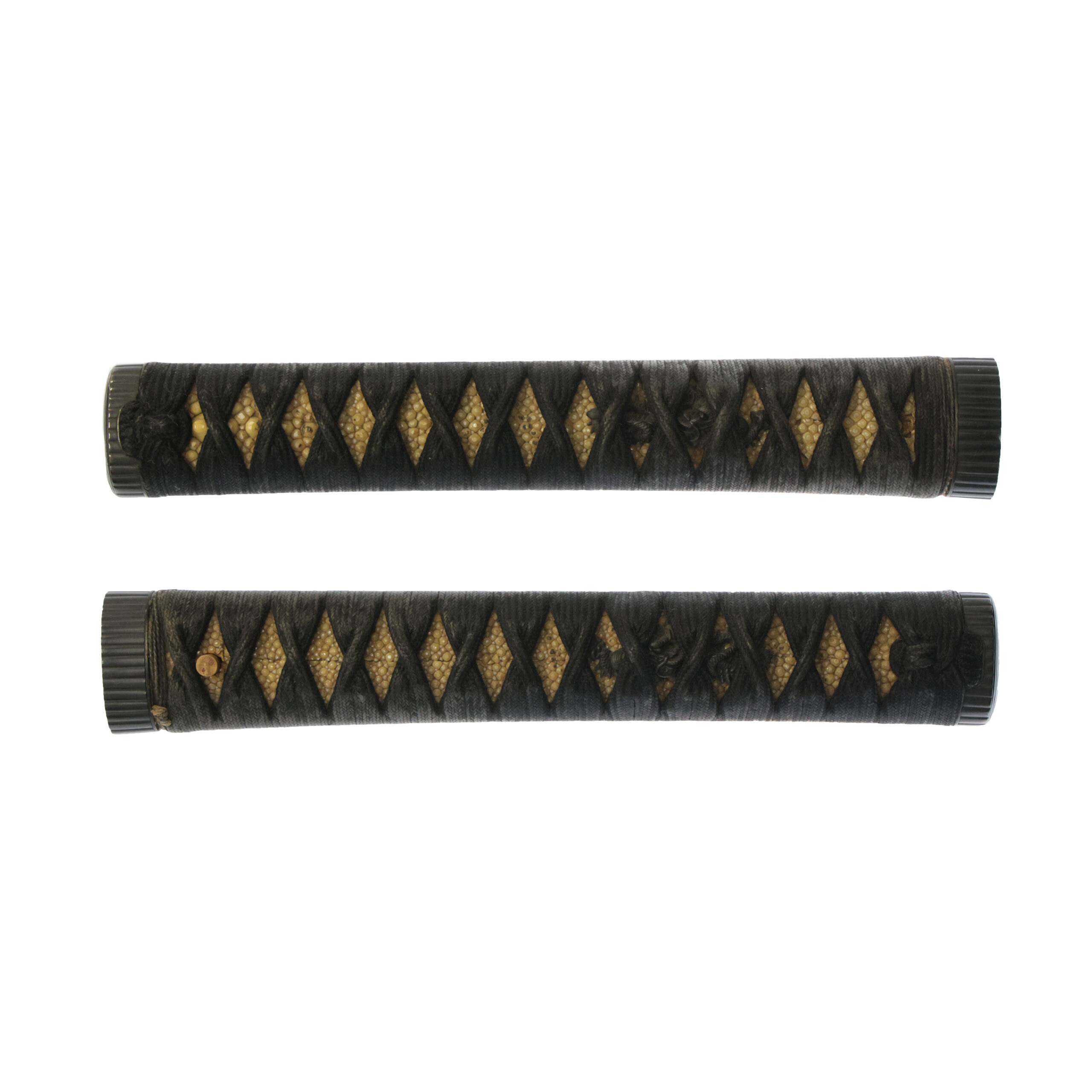
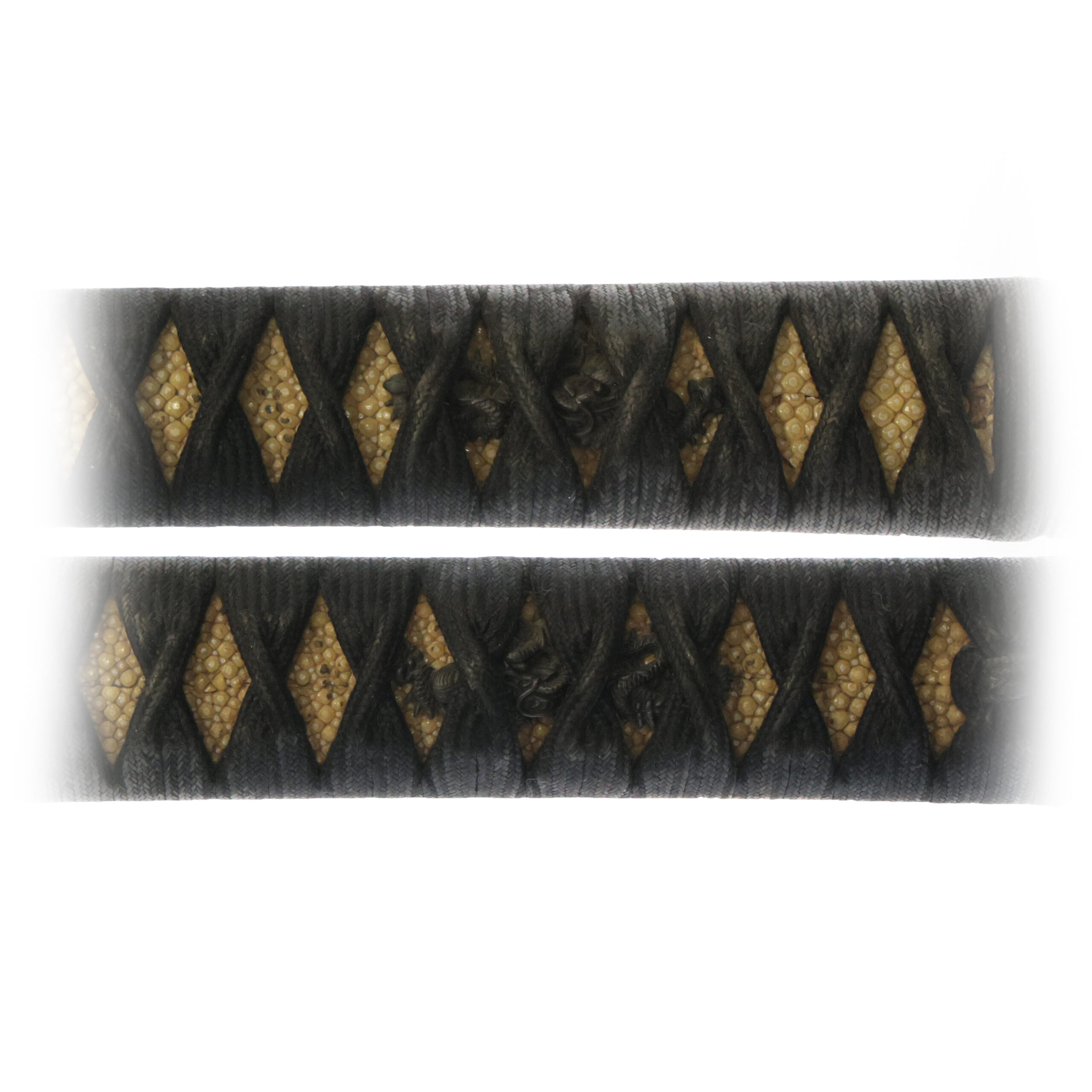
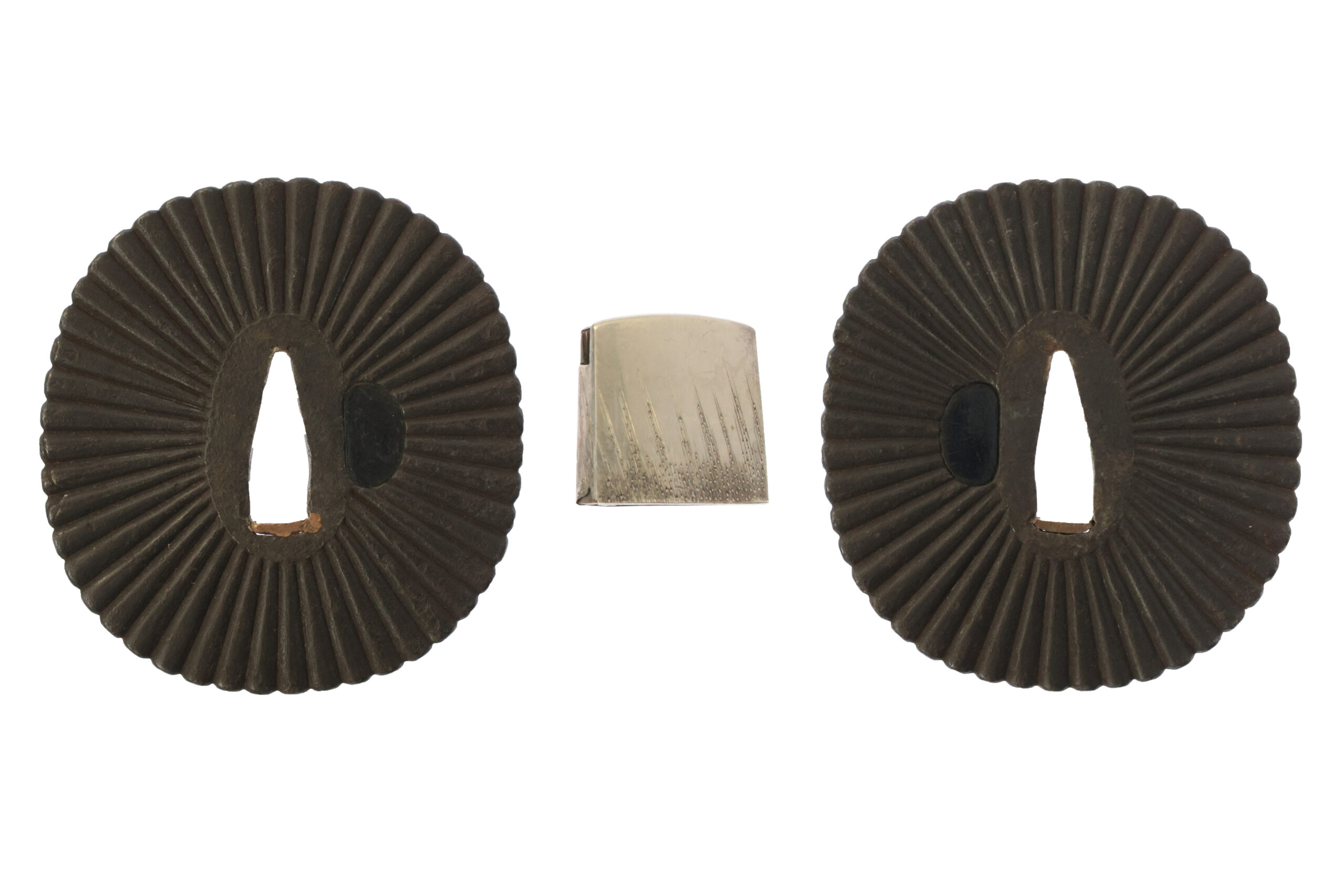
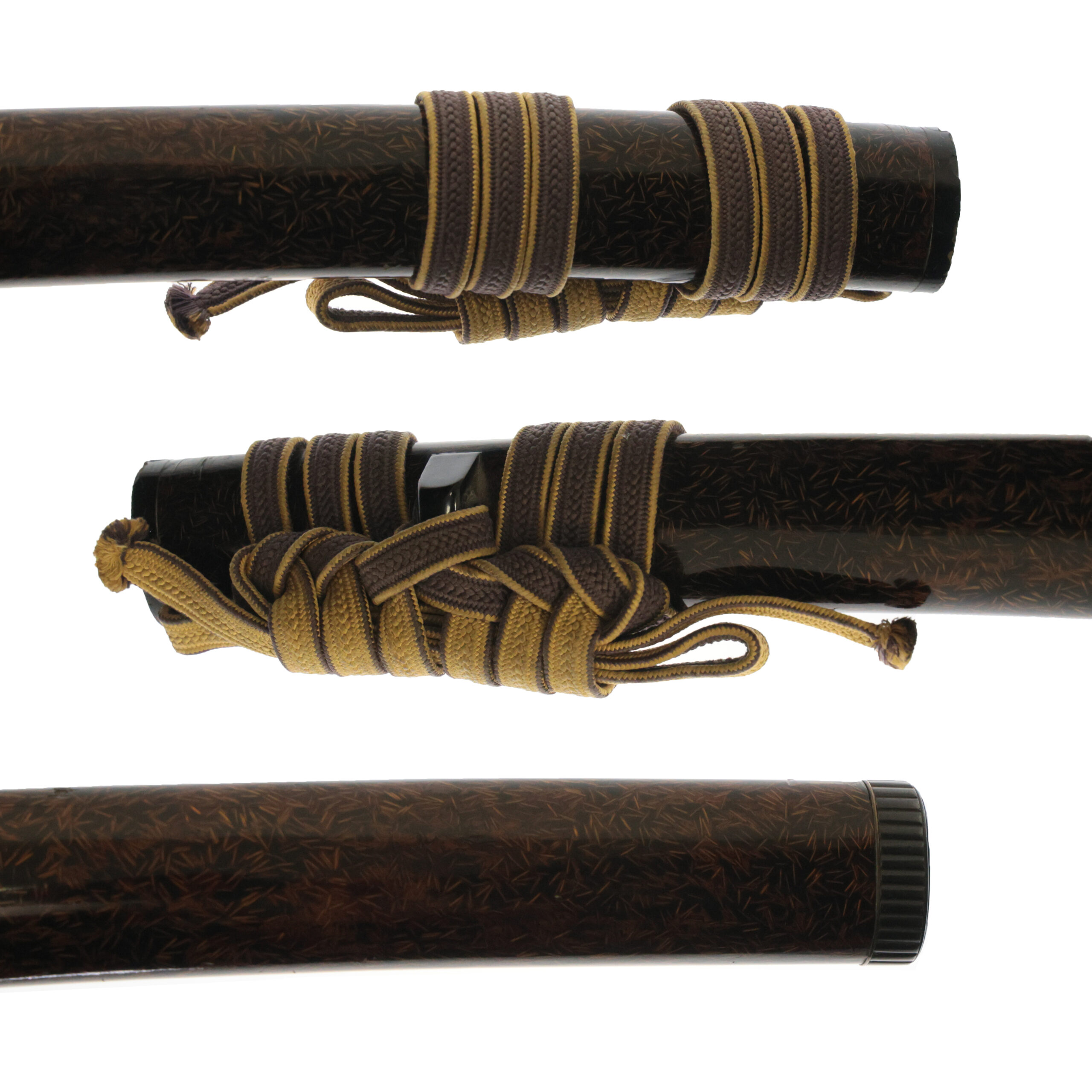
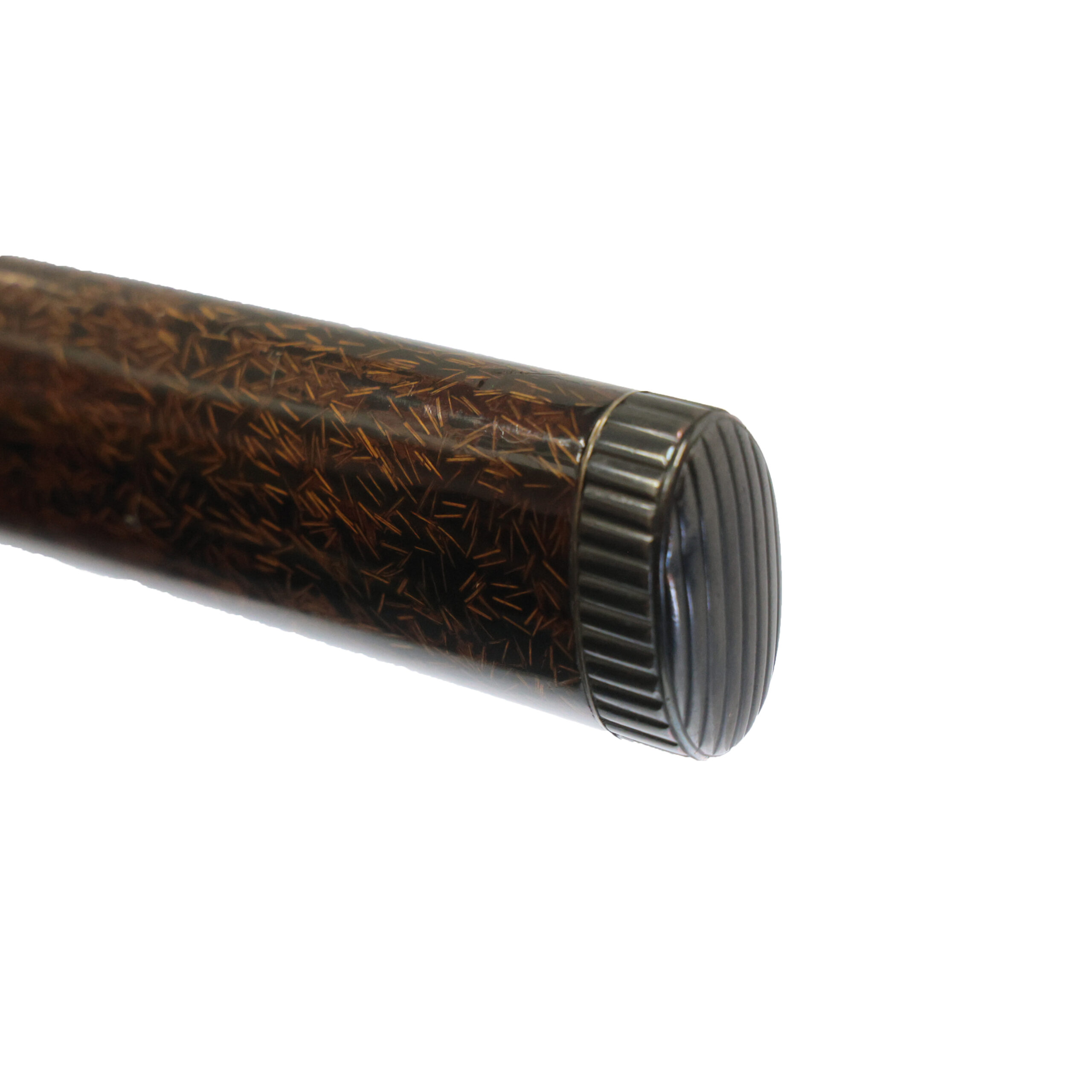
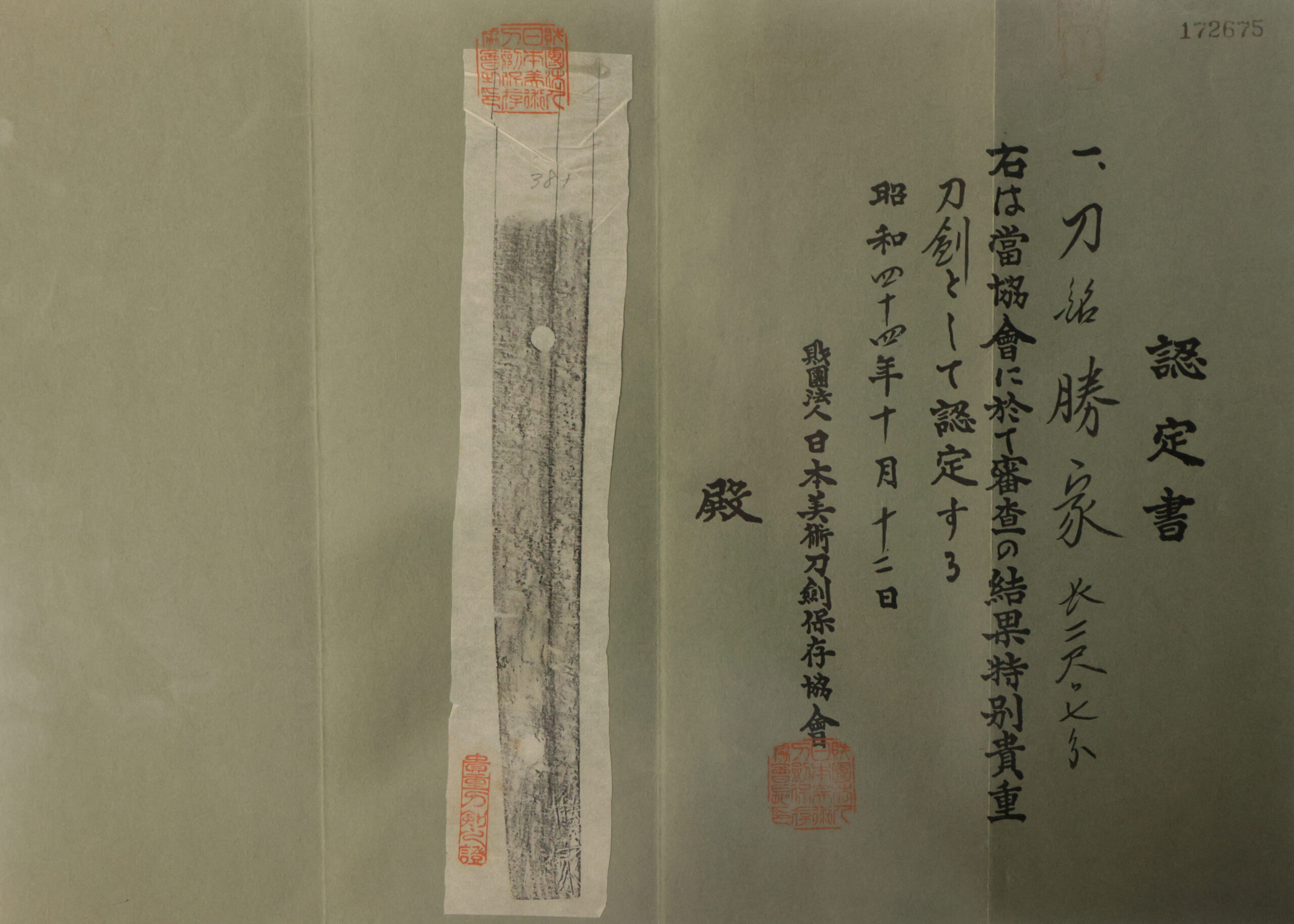
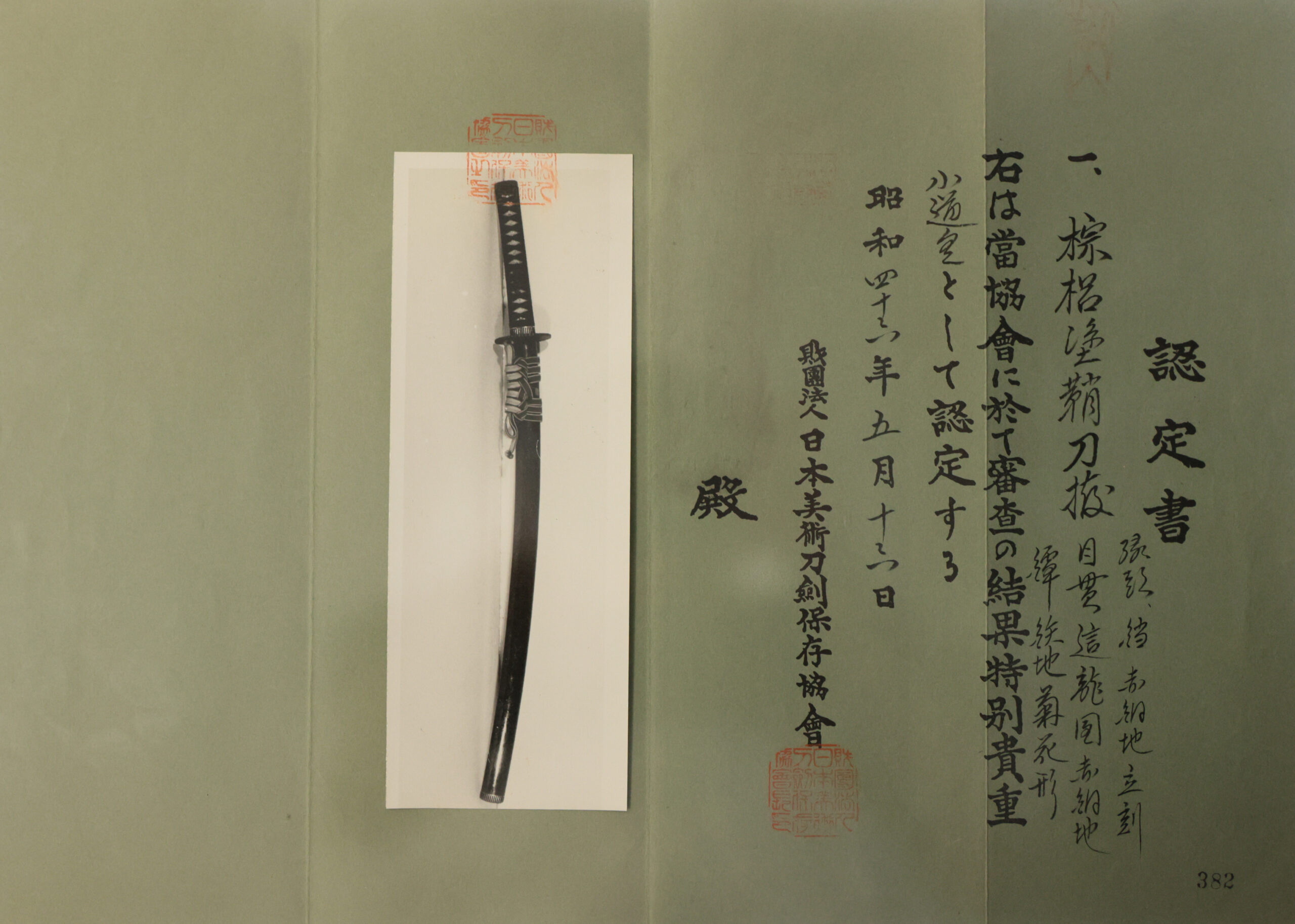
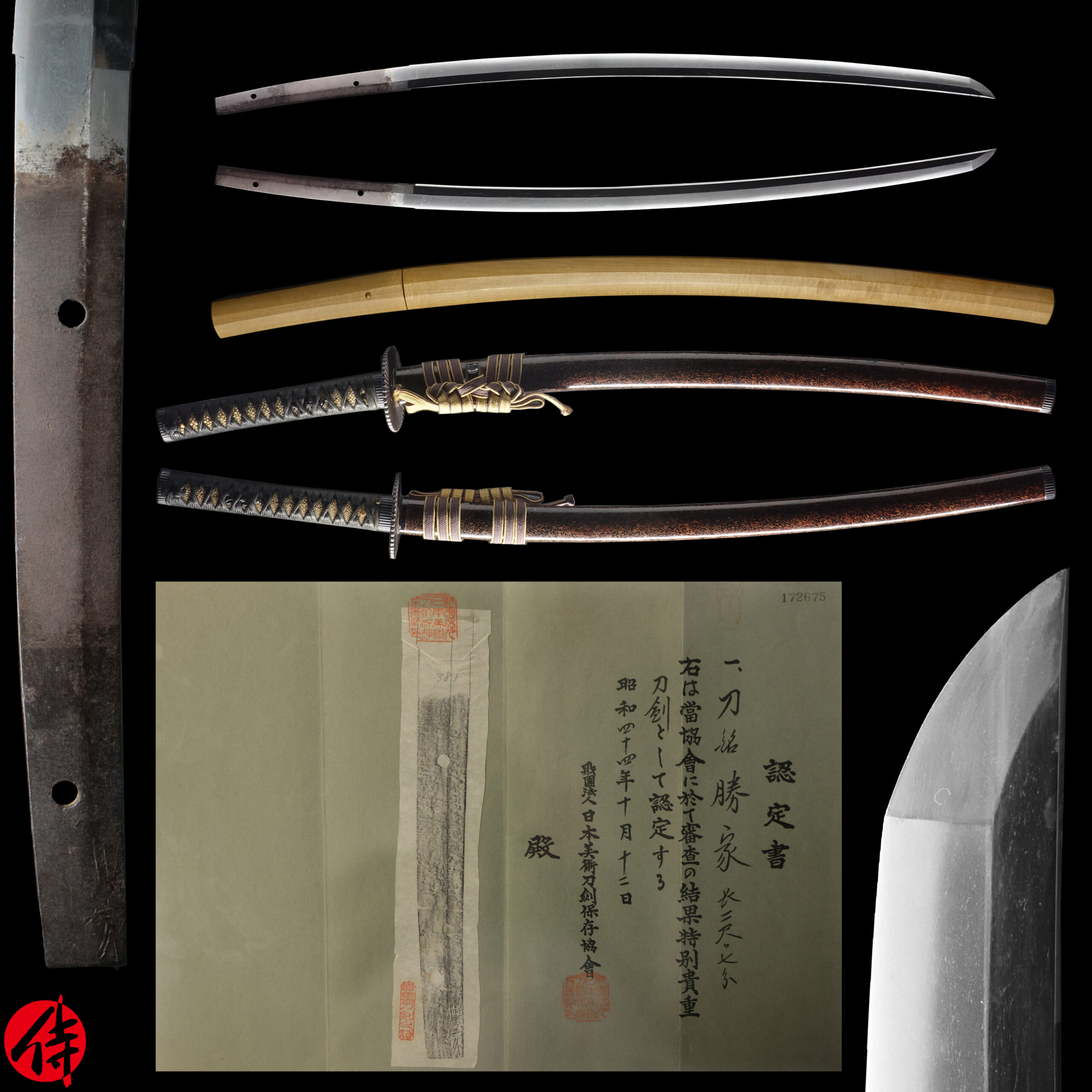
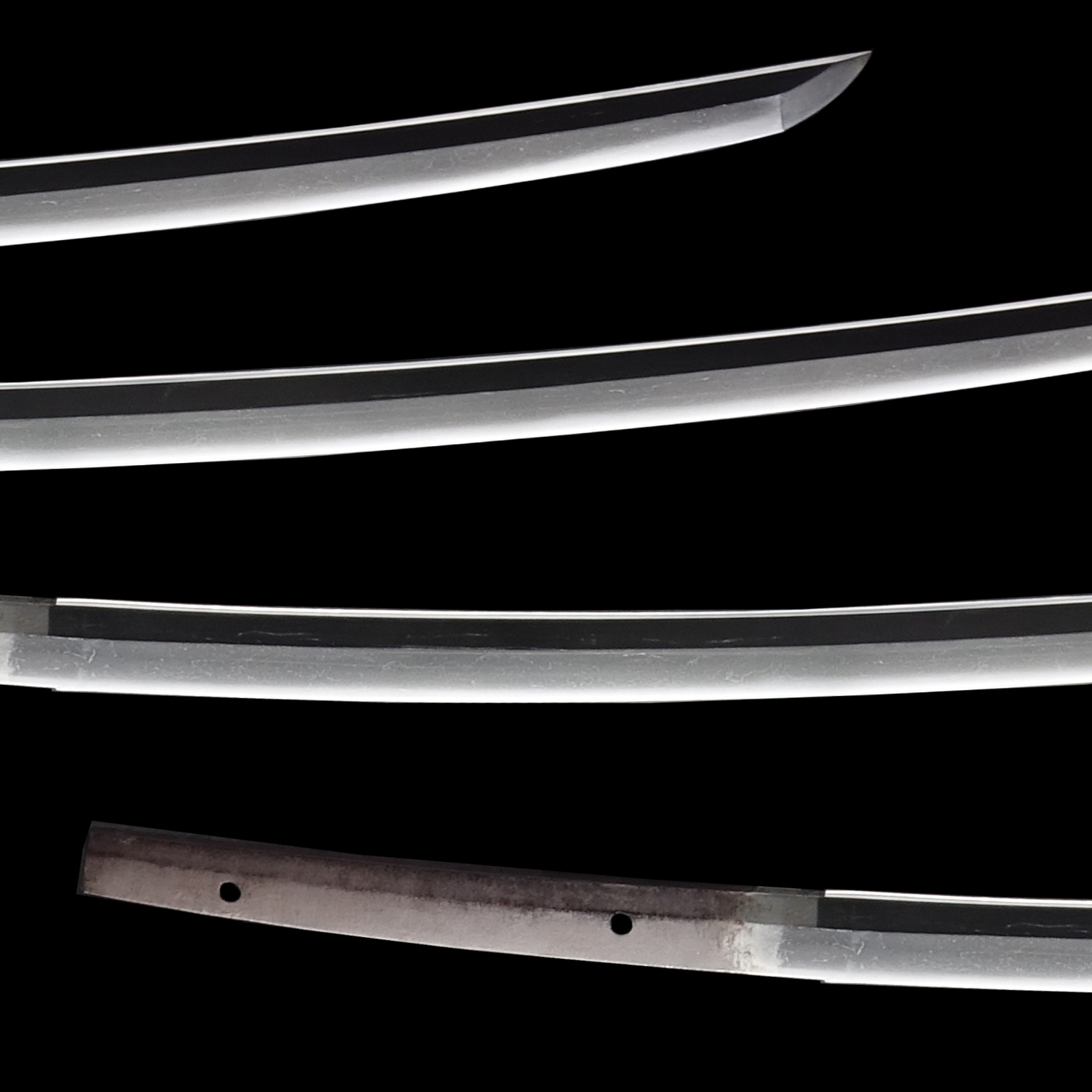
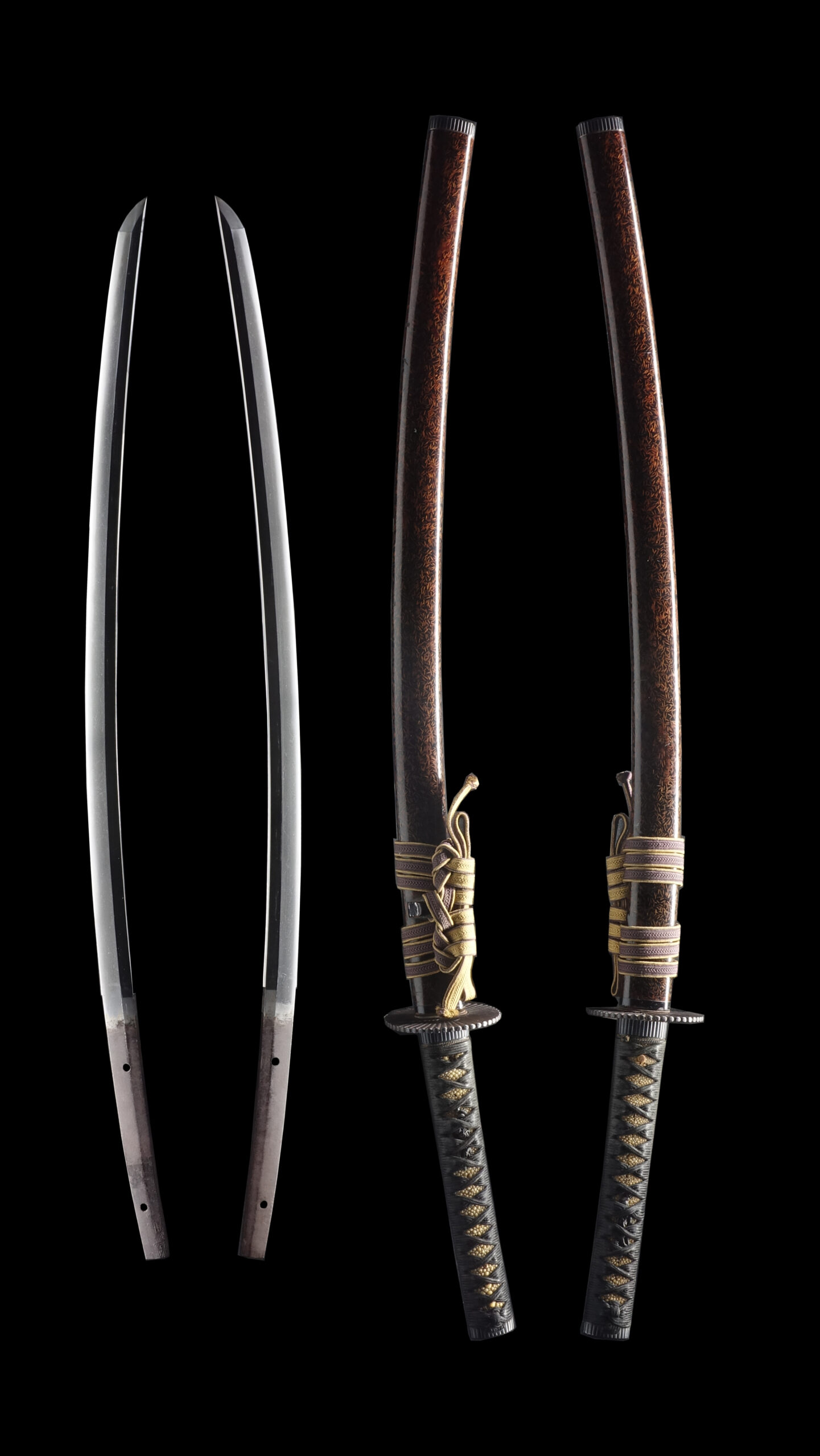
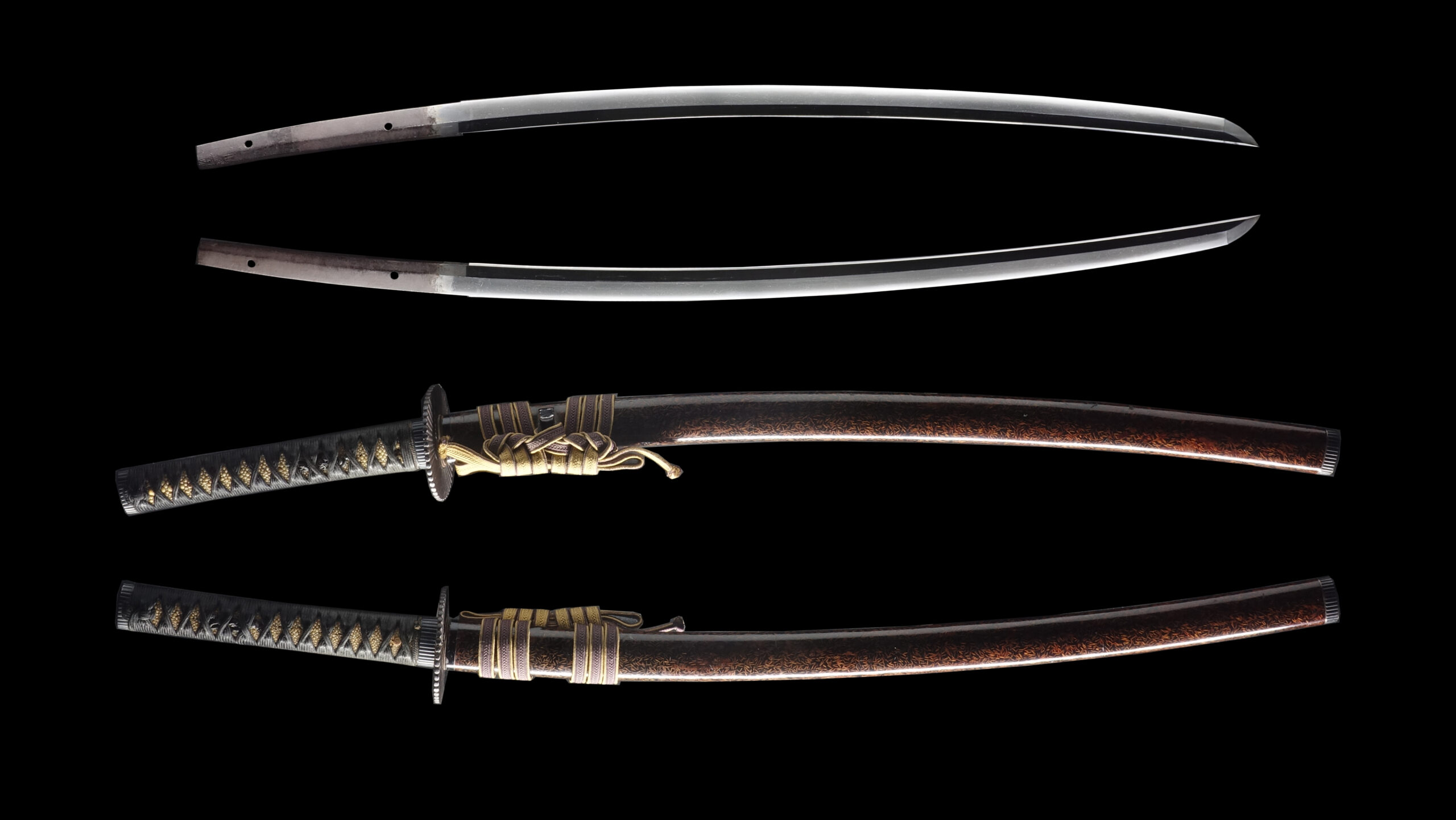
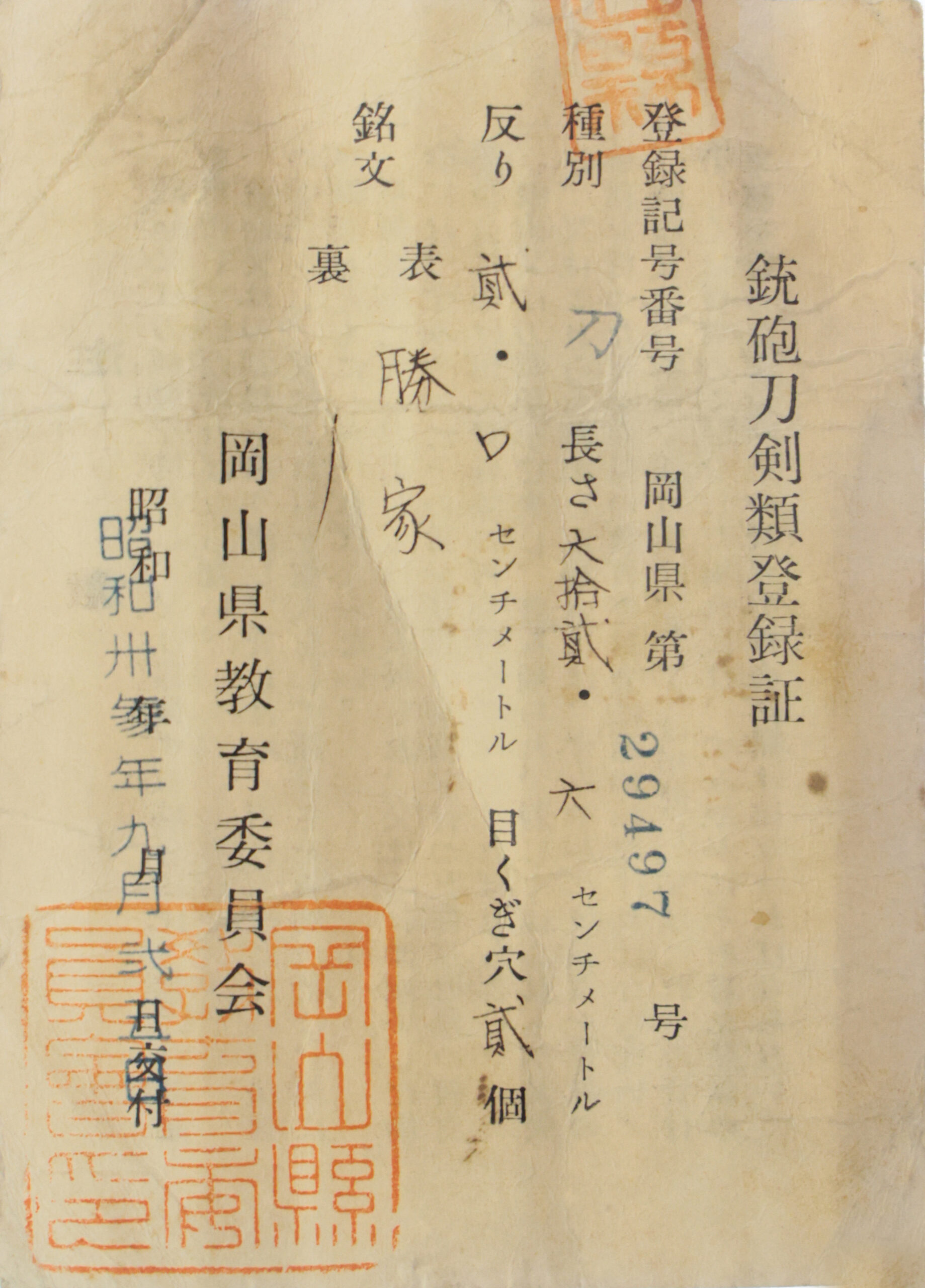
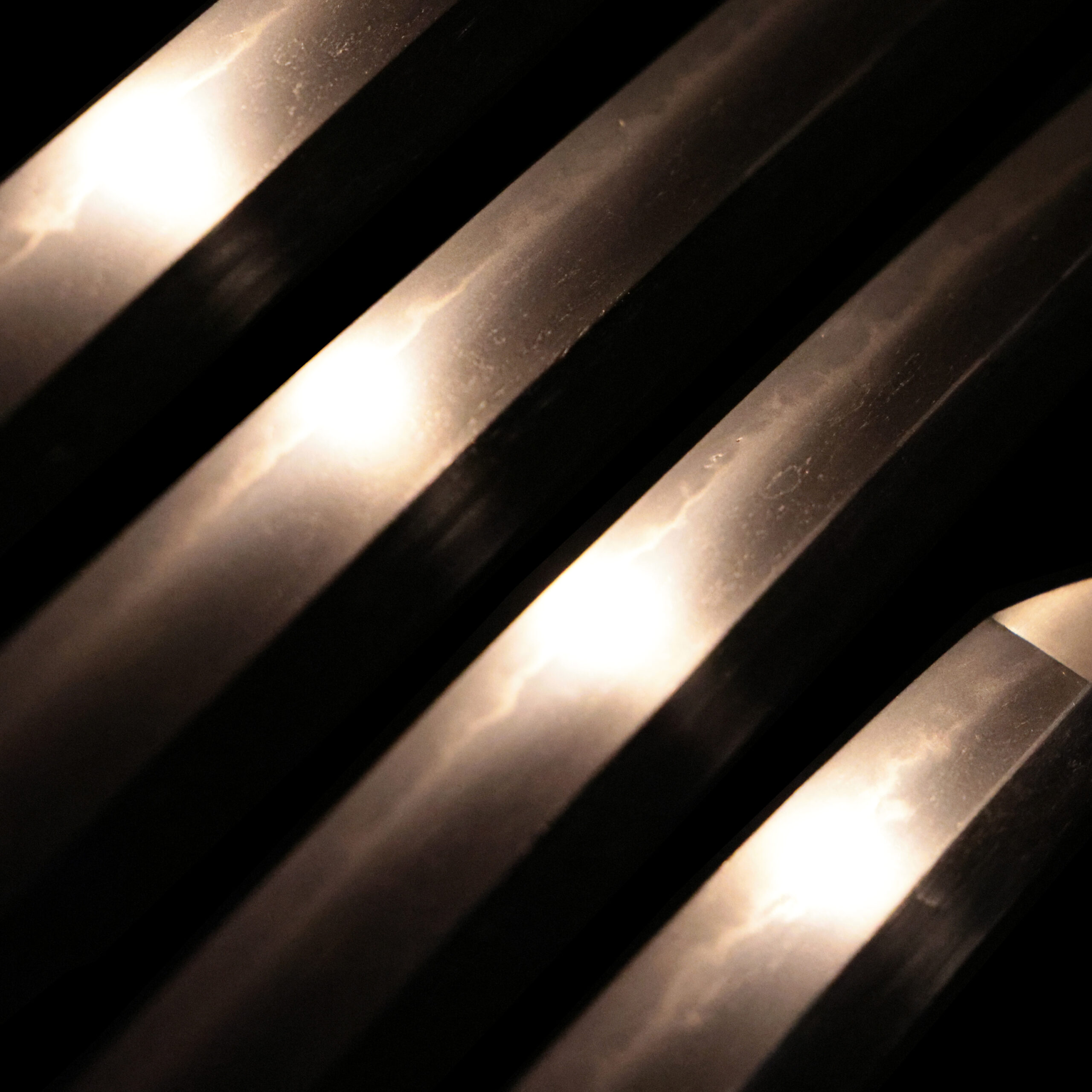
Antique Japanese Sword Katana Signed by Katsuie with Tokubetsu Kicho Certificates for the blade & the koshirae 【Description】 This blade bears the signature of Katsuie (勝家) and is estimated to date to the late Muromachi period (late 15th to mid-16th century). The swordsmith name “Katsuie” (勝家) lasted several generations from the middle of the Muromachi period to the early Edo period (1450s-1650s), and we believe the attribution was given to a late generation Katsuie in the late Murimachi period (the late 15th – mid 16th century). The first generation Katsuie was originally from Mino province, famous for the sword-forging tradition called MINO-DEN (美濃伝). He and his apprentices moved to Kaga Koku (today’s Ishikawa prefecture) in the middle of the Muromachi period (1450’s). They founded a Darani (陀羅尼) school after being hired by the monks who lived there. However, from the second generation, Katsuie served the famous feudal clan, Maeda clan, forging swords for famous Samurais. It was honorable for any swordsmiths to serve a feudal clan exclusively. This blade might have been made in the middle of Sengoku Jidai (Warring States period) when there was so much rivalry between warlords trying to gain political power nationwide. It would be nice to have a piece that survived through this period. Maeda Clan Maeda clan was originally a retainer of Oda family, who ruled Owari province (today’s Nagoya area in Aichi prefecture). The first head of the Maeda clan was Toshie Maeda. He climbed the social ladder of Samurai society and became the feudal lord of Kaga province (today’s Ishikawa prefecture). He had a vast rice fief that fed 1 million grown-up adults, which is called Hyakuman Goku. The Maeda clan was one of the most influential families in Samurai history. Toshie Maeda had a close tie with Oda Nobunaga and Hideyoshi Toyotomi. *Please keep in mind that there are a few Kitae Kizu on the blade. If you like to know the detailed condition, please feel free to contact us. 【Blade】 Cutting Edge Length(Nagasa) : 62.6 cm ( 24.6 inches) Curvature(Sori) : 2.0 cm (0.78 inches) Hamon : The crystalline structure which forms along the cutting edge of a blade as a result of the hardening process Jimon(Jihada) : visible steel surface pattern created by folding and hammering during forging process Kissaki : Kissaki is the tip of the Japanese sword. Nakago : Nakago is the tang of the Japanese sword. Japanese swordsmiths left the black rust on the tang because it prevents red rust while the tang is in its handle. And the discoloration of the tang was created over time, and it is a great indicator for a Japanese sword specialist to estimate when the sword was forged. Koshirae :Koshirae is the mounting of the Japanese sword. There are several parts that consist of Koshirae such as Saya (Scabbard), Tsuka (Handle), Tsuba (Handguard). Fuchi-Kashira : A pair of matching sword fittings that cover the upper and bottom parts of its sword hilt. The fuchi-kashira are made of shakudo (a copper-gold alloy) and decorated with vertically engraved stripes. Tsuka and Menuki : Tsuka is the handle of the Japanese sword and Menuki is its decoration. The certificate says that this Menuki’s motif is the Hairyu Zu (這龍図). You could see the dragon’s characteristic elongated body through the gaps in the Tsukamaki threads on each side. The figures of dragons crawling along with flames are designed. Initially, the dragon was an imaginary creature found in ancient foreign traditions or myths. Furthermore, it is regarded as a symbolic beast of auspicious signs. Its body is likened to nine animals: antlers are deer, the head is a camel, eyes are demons, the neck is a snake, belly is the Mizuchi (蛟, a mythical animal in Japan that looks like a snake and has a horn and four legs), scales are fish, claws are falcons, palms are tigers, and ears are cows. It was thought that the dragon would reign at the top of all animals because of its odd-looking appearance. Tsuba and Habaki : Tsuba is t

NihontoWatch MonNihontoWatch
MarketEncyclopediaKantei
刀剣›勝家›Antique Japanese Sword Katana signed by Katsuie NBTHK Tokubetsu Kicho for the blade and Koshirae
刀特別貴重
勝家

Antique Japanese Sword Katana signed by Katsuie NBTHK Tokubetsu Kicho for the blade and Koshirae

在銘 · Darani · 室町 · 長さ 62.6cm · 反り 2cm
¥780,000
販売店のサイトへ →
勝家 · Darani · 室町販売中 1点 →
刀
刀身だけで刀工を見抜けますか? 本日の鑑定 →
勝家 — 1 of 28
勝家 — 2 of 28
勝家 — 3 of 28
勝家 — 4 of 28
勝家 — 5 of 28
勝家 — 6 of 28
勝家 — 7 of 28
勝家 — 8 of 28
勝家 — 9 of 28
勝家 — 10 of 28
勝家 — 11 of 28
勝家 — 12 of 28
勝家 — 13 of 28
勝家 — 14 of 28
勝家 — 15 of 28
勝家 — 16 of 28
勝家 — 17 of 28
勝家 — 18 of 28
勝家 — 19 of 28
勝家 — 20 of 28
勝家 — 21 of 28
勝家 — 22 of 28
勝家 — 23 of 28
勝家 — 24 of 28
勝家 — 25 of 28
勝家 — 26 of 28
勝家 — 27 of 28
勝家 — 28 of 28
1 / 28
1 / 28
勝家 — 1 of 28勝家 — 2 of 28勝家 — 3 of 28勝家 — 4 of 28勝家 — 5 of 28勝家 — 6 of 28勝家 — 7 of 28勝家 — 8 of 28勝家 — 9 of 28勝家 — 10 of 28勝家 — 11 of 28勝家 — 12 of 28勝家 — 13 of 28勝家 — 14 of 28勝家 — 15 of 28勝家 — 16 of 28勝家 — 17 of 28勝家 — 18 of 28勝家 — 19 of 28勝家 — 20 of 28勝家 — 21 of 28勝家 — 22 of 28勝家 — 23 of 28勝家 — 24 of 28勝家 — 25 of 28勝家 — 26 of 28勝家 — 27 of 28勝家 — 28 of 28
勝家 · Darani · 室町販売中 1点 →
刀
刀身だけで刀工を見抜けますか? 本日の鑑定 →
法量・詳細
刀工
勝家
種別
刀
活動期
1492–1501年頃(明応)
国
加賀
銘
在銘
法量
長さ 62.6cm反り 2cm
説明

Antique Japanese Sword Katana Signed by Katsuie with Tokubetsu Kicho Certificates for the blade & the koshirae 【Description】 This blade bears the signature of Katsuie (勝家) and is estimated to date to the late Muromachi period (late 15th to mid-16th century). The swordsmith name “Katsuie” (勝家) lasted several generations from the middle of the Muromachi period to the early Edo period (1450s-1650s), and we believe the attribution was given to a late generation Katsuie in the late Murimachi period (the late 15th – mid 16th century). The first generation Katsuie was originally from Mino province, famous for the sword-forging tradition called MINO-DEN (美濃伝). He and his apprentices moved to Kaga Koku (today’s Ishikawa prefecture) in the middle of the Muromachi period (1450’s). They founded a Darani (陀羅尼) school after being hired by the monks who lived there. However, from the second generation, Katsuie served the famous feudal clan, Maeda clan, forging swords for famous Samurais. It was honorable for any swordsmiths to serve a feudal clan exclusively. This blade might have been made in the middle of Sengoku Jidai (Warring States period) when there was so much rivalry between warlords trying to gain political power nationwide. It would be nice to have a piece that survived through this period. Maeda Clan Maeda clan was originally a retainer of Oda family, who ruled Owari province (today’s Nagoya area in Aichi prefecture). The first head of the Maeda clan was Toshie Maeda. He climbed the social ladder of Samurai society and became the feudal lord of Kaga province (today’s Ishikawa prefecture). He had a vast rice fief that fed 1 million grown-up adults, which is called Hyakuman Goku. The Maeda clan was one of the most influential families in Samurai history. Toshie Maeda had a close tie with Oda Nobunaga and Hideyoshi Toyotomi. *Please keep in mind that there are a few Kitae Kizu on the blade. If you like to know the detailed condition, please feel free to contact us. 【Blade】 Cutting Edge Length(Nagasa) : 62.6 cm ( 24.6 inches) Curvature(Sori) : 2.0 cm (0.78 inches) Hamon : The crystalline structure which forms along the cutting edge of a blade as a result of the hardening process Jimon(Jihada) : visible steel surface pattern created by folding and hammering during forging process Kissaki : Kissaki is the tip of the Japanese sword. Nakago : Nakago is the tang of the Japanese sword. Japanese swordsmiths left the black rust on the tang because it prevents red rust while the tang is in its handle. And the discoloration of the tang was created over time, and it is a great indicator for a Japanese sword specialist to estimate when the sword was forged. Koshirae :Koshirae is the mounting of the Japanese sword. There are several parts that consist of Koshirae such as Saya (Scabbard), Tsuka (Handle), Tsuba (Handguard). Fuchi-Kashira : A pair of matching sword fittings that cover the upper and bottom parts of its sword hilt. The fuchi-kashira are made of shakudo (a copper-gold alloy) and decorated with vertically engraved stripes. Tsuka and Menuki : Tsuka is the handle of the Japanese sword and Menuki is its decoration. The certificate says that this Menuki’s motif is the Hairyu Zu (這龍図). You could see the dragon’s characteristic elongated body through the gaps in the Tsukamaki threads on each side. The figures of dragons crawling along with flames are designed. Initially, the dragon was an imaginary creature found in ancient foreign traditions or myths. Furthermore, it is regarded as a symbolic beast of auspicious signs. Its body is likened to nine animals: antlers are deer, the head is a camel, eyes are demons, the neck is a snake, belly is the Mizuchi (蛟, a mythical animal in Japan that looks like a snake and has a horn and four legs), scales are fish, claws are falcons, palms are tigers, and ears are cows. It was thought that the dragon would reign at the top of all animals because of its odd-looking appearance. Tsuba and Habaki : Tsuba is t

作者について

勝家

加賀 · 1492-1501頃

現在1点販売中

›
勝家の作 1点が現在販売中→
勝家 — 詳細

この作者について学ぶ →

歴史的背景

室町時代

›

応仁の乱が足利の体制を砕いた後、戦国の一世紀はほとんどすべての国を武装させた。この時代は選ぶ目に報いる。並の作は多いが、その傍らには第一級の注文打ちが立っている。

室町時代 →

真贋は保証されません

本作はNBTHKの旧鑑定書(貴重・特別貴重)を有しますが、これらは現在発行されておらず、信頼性に欠けるとされています。極めを確認するには、公的な鑑定機関(NBTHK・NTHKなど)への再提出による現代の鑑定をご検討いただけます。

販売店
サ
サムライミュージアム
🇯🇵日本から発送
›
✓認証販売店samuraimuseum.jp
決済通貨:JPY
✓海外発送可✓英語対応PayPalクレジットカード
返品ポリシー

Returns/exchanges limited to defects caused by shipping (except willful misconduct or gross negligence by the company); customers must contact within 72 hours of receiving the product.

サムライミュージアムの出品一覧を見る→販売店サイトでこの商品を見る→

Darani派の作

成蹊堂
保存
Katana - Hozon - 作 藤島派 - 勝家Katana - Hozon - 作 藤島派 - 勝家
拵付

刀

作藤島派
72.9cm·応永
¥1,200,000
サムライミュージアム
特別貴重
Katana - Tokubetsu Kichō - 作 藤島派 - 日本刀 刀 無銘(勝家) 日本美術刀剣保存協会 保存刀剣鑑定書付 附 特別貴重小道具認定書(拵)Katana - Tokubetsu Kichō - 作 藤島派 - 日本刀 刀 無銘(勝家) 日本美術刀剣保存協会 保存刀剣鑑定書付 附 特別貴重小道具認定書(拵)

刀

作藤島派
67.8cm·室町
¥840,000

刀剣

  • 刀
  • 脇差
  • 短刀
  • 太刀
  • 薙刀
  • 槍
  • 日本刀の販売
  • サムライソード

刀装具

  • 鍔
  • 縁頭
  • 小柄
  • 目貫
  • 鍔(ソードガード)

甲冑武具

  • 兜
  • 甲冑
  • 甲冑・武具一覧

鑑定別

  • 特重
  • 重要
  • 特別保存
  • 保存

リソース

  • 刀剣商一覧
  • 刀工一覧
  • 誌上鑑定
  • すべて見る
Nihontowatch© 2026
利用規約プライバシーCookie運営者情報

¥780,000

サムライミュージアムで見る
NihontoWatch MonNihontoWatch
マーケット
事典
鑑定