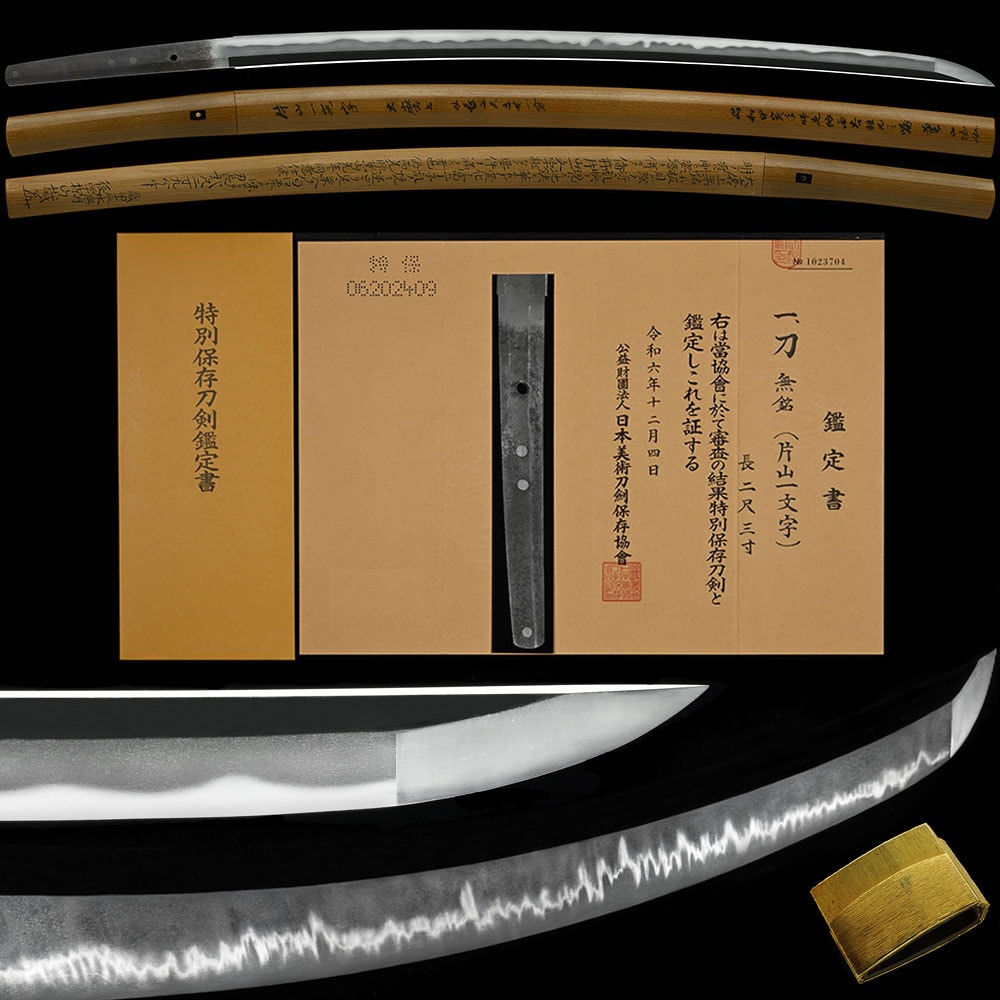
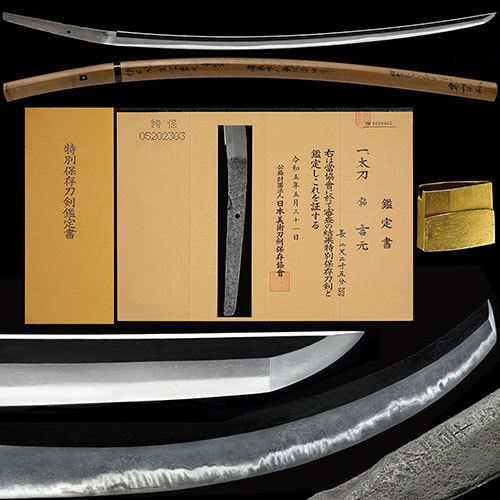
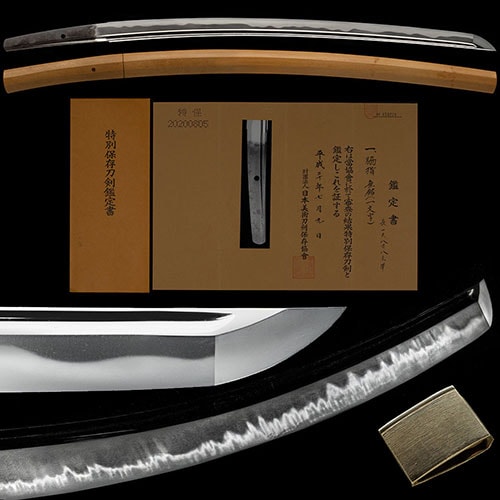
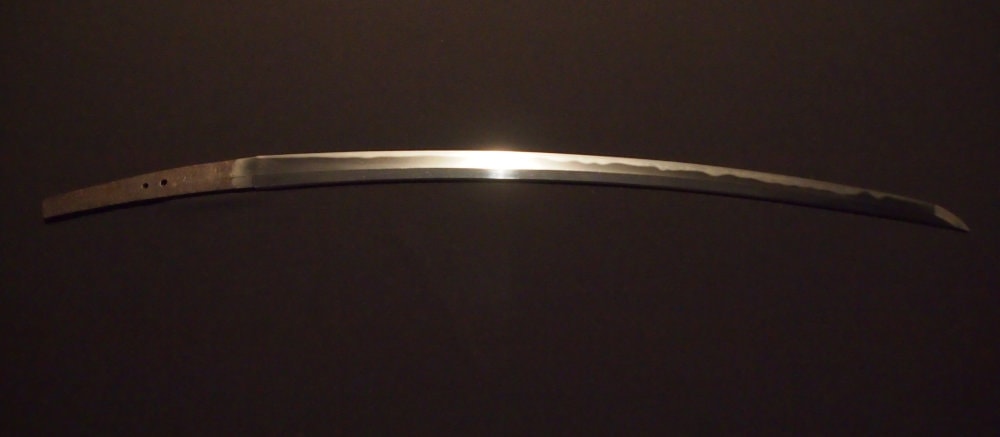
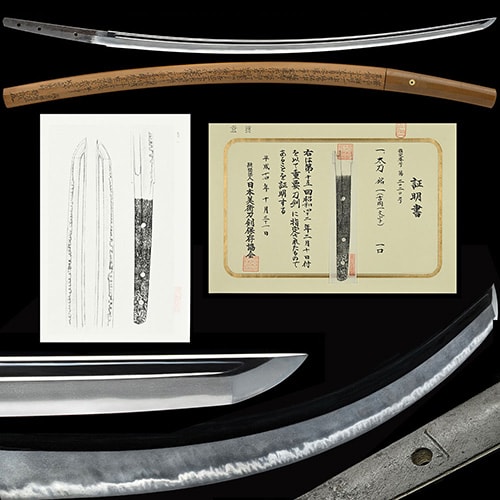
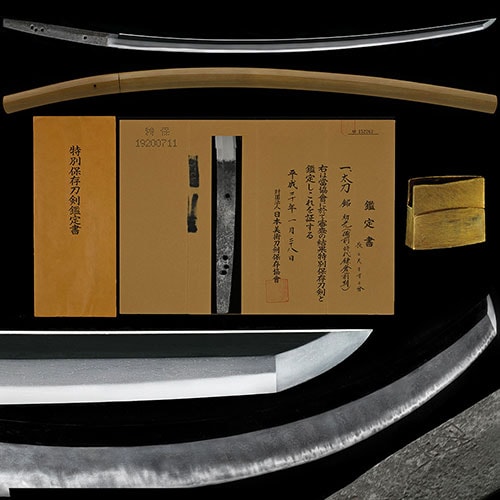
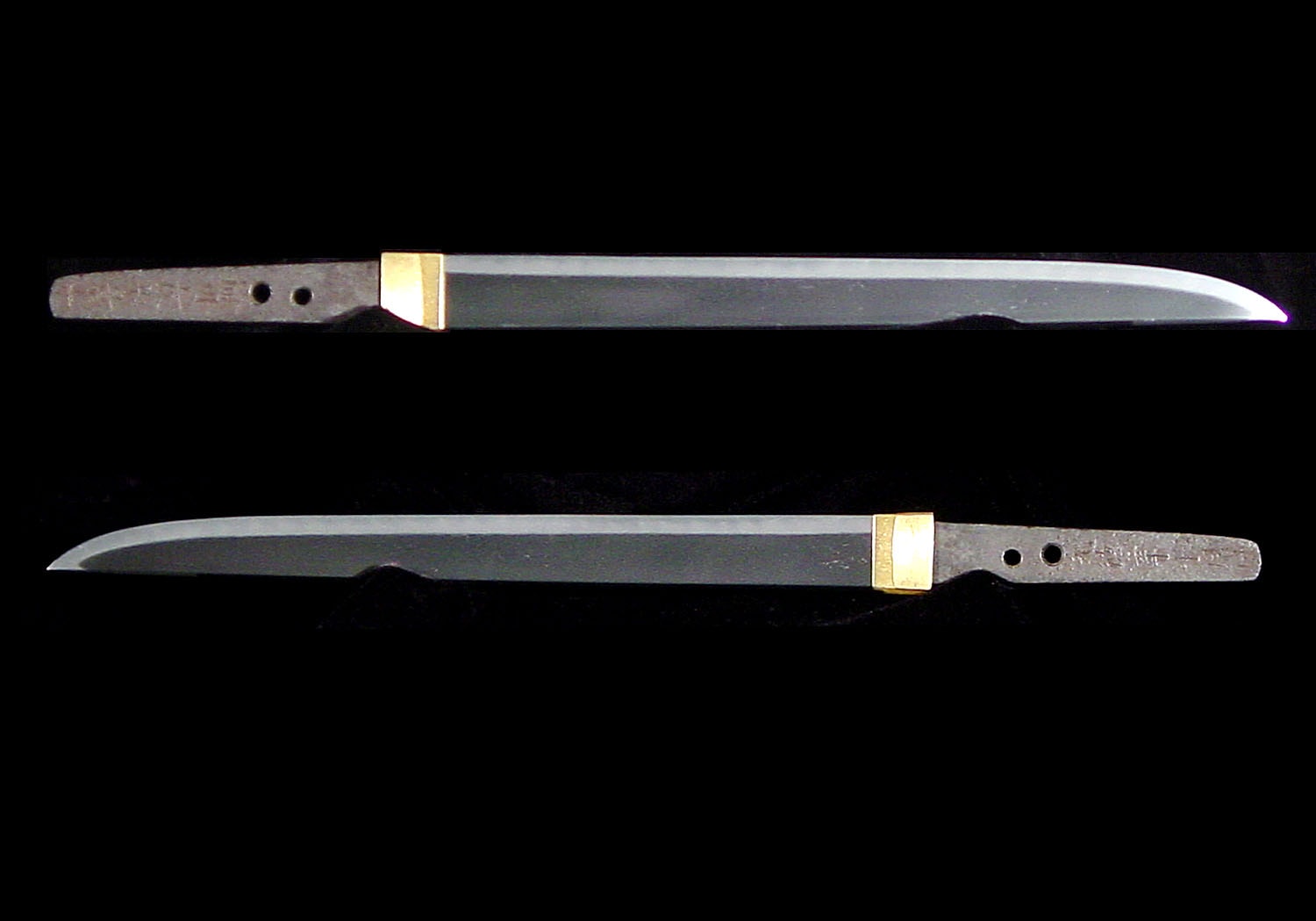
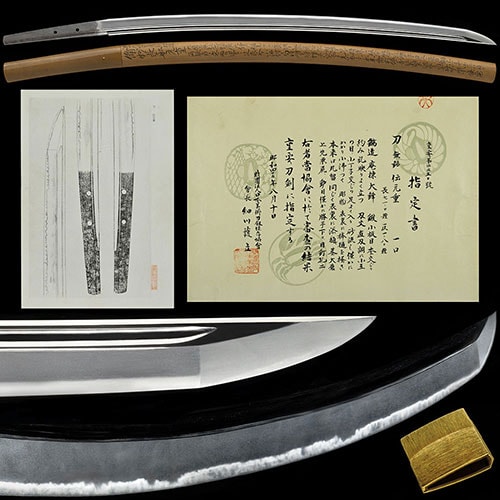
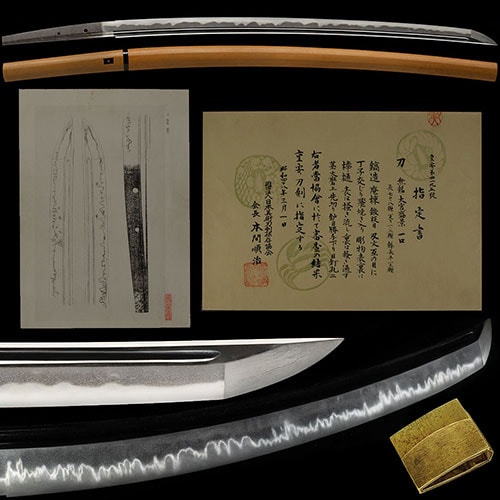
Fukuoka Ichimonji Suketsuna (助綱) is traditionally said to have been the son of Sukezane (助真), and together with his father, he went down from Bizen Province to Kamakura in Sagami, where both came to be referred to by the separate appellation "Kamakura Ichimonji." While forging chōji in the manner of Bizen Ichimonji, Suketsuna's works characteristically display a markedly stronger presence of nie than is typical of the school: the jihada shows powerful ji-nie together with chikei and related effects, and within the hamon one often finds abundant internal activities such as kinsuji and sunagashi. His forging tends toward a more standing grain (hada-dachi) than Sukezane's, and his temper does not consistently present the fully archetypal chōji seen in some other Ichimonji work.
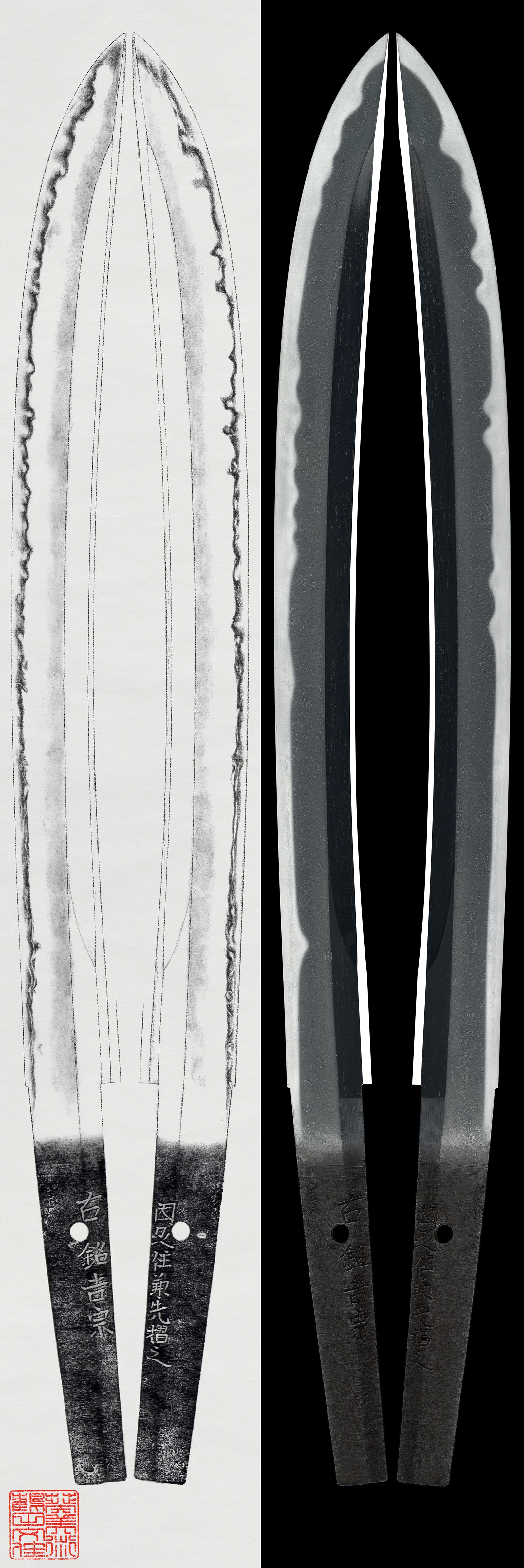
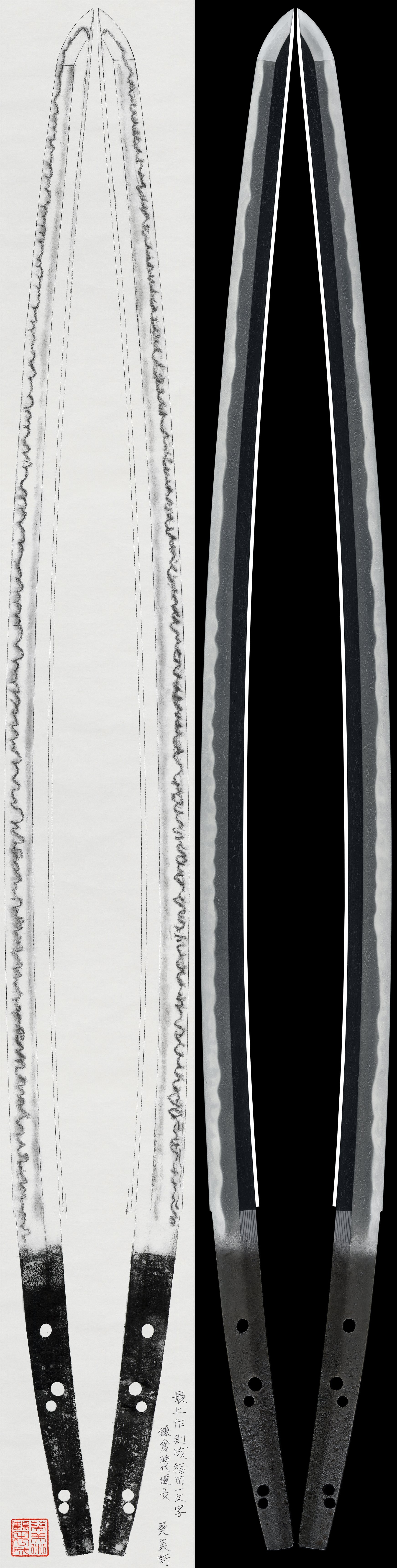
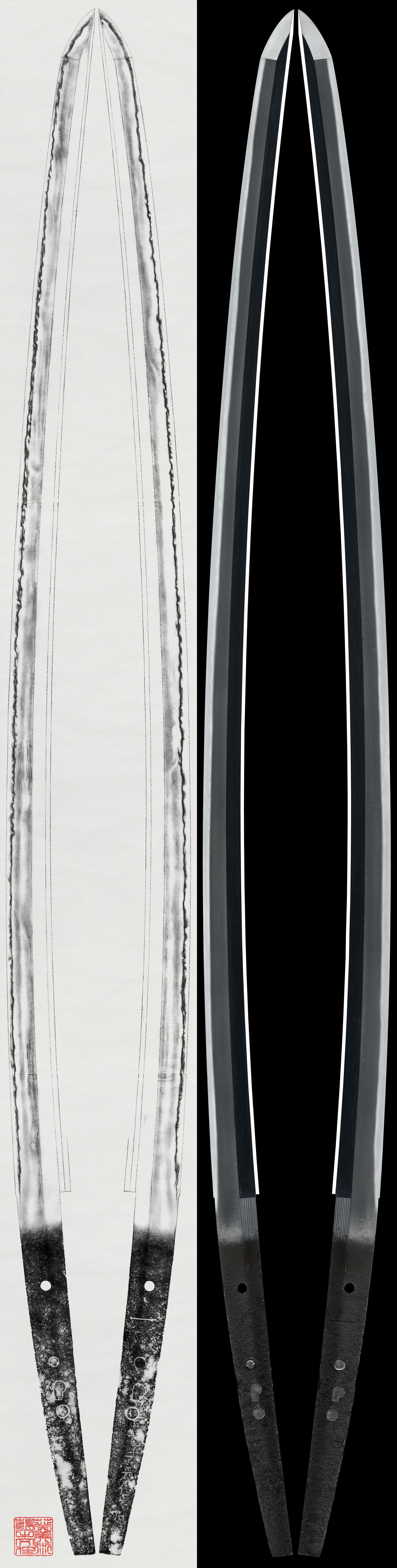
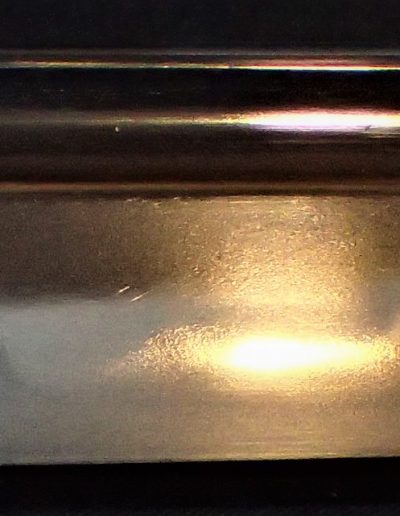
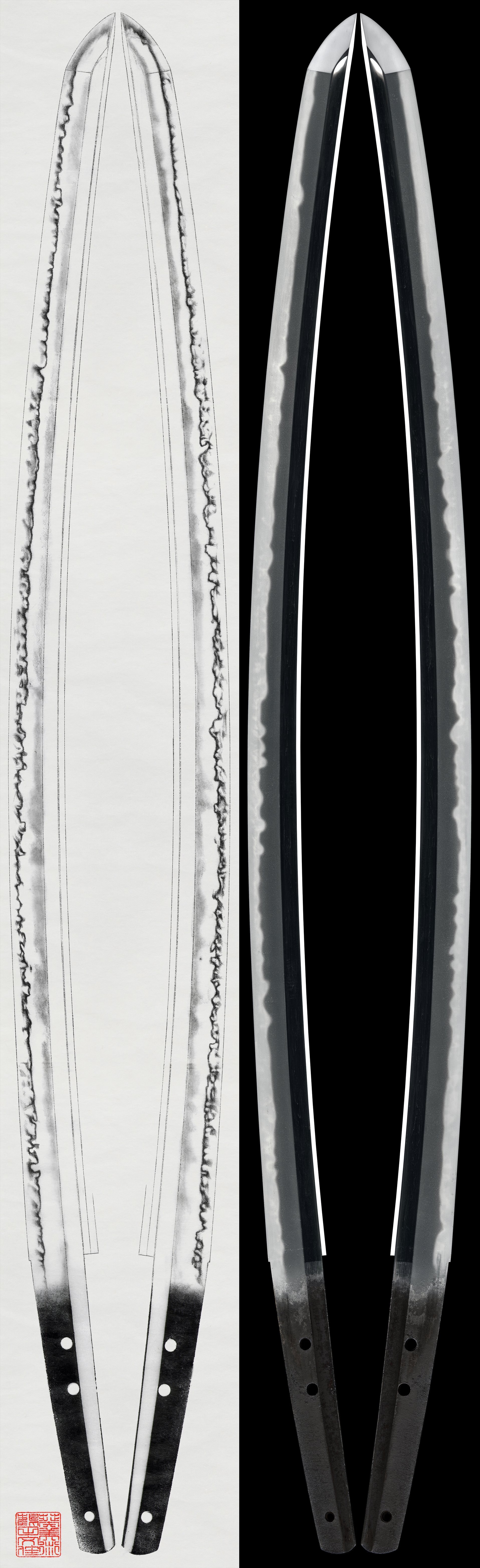
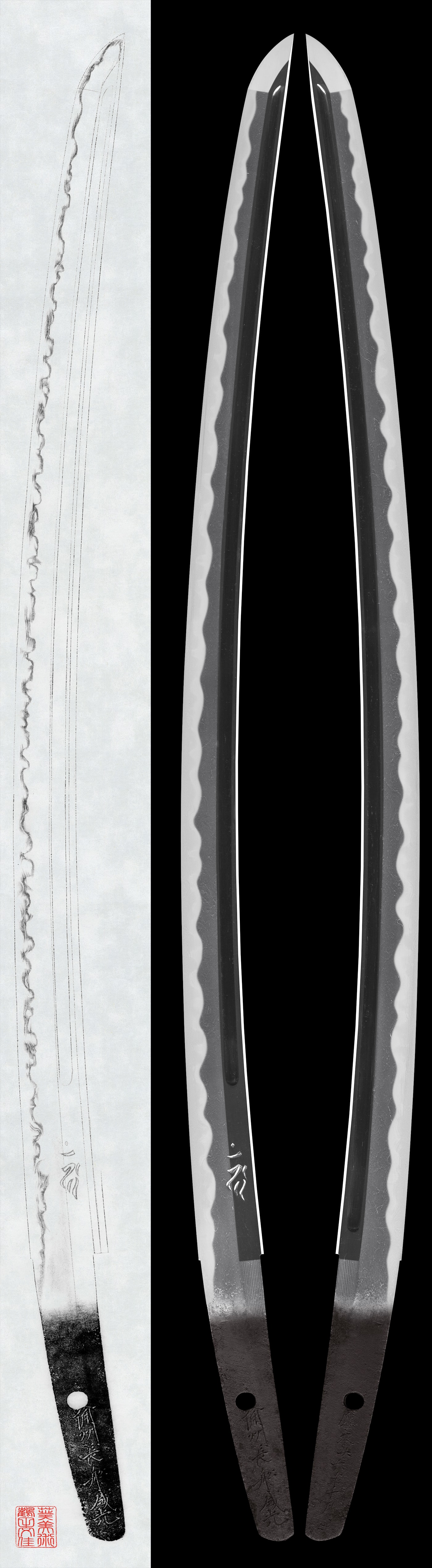
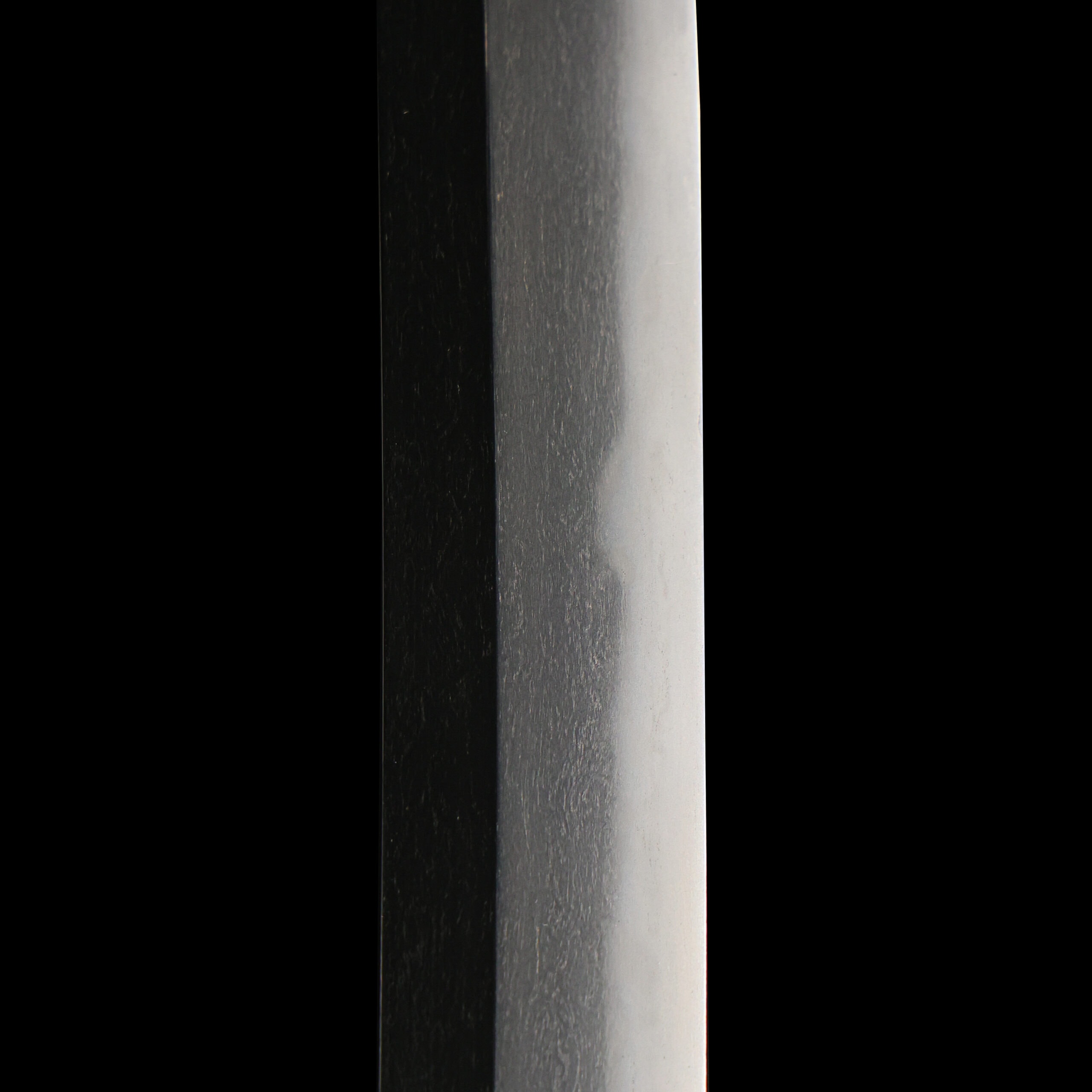
The characteristic technical profile is consistent across Suketsuna's surviving blades: an itame-hada mixed with mokume, overall tending toward hada-dachi, with thickly formed ji-nie and fine chikei interwoven; midare-utsuri standing out with clarity. The hamon is chōji mixed with gunome, togariba, and other elements, with profuse ashi and yō, and the entire temper often tends toward saka-gakari. The nioiguchi is bright, nie adheres well, and tobiyaki appears in places. Suketsuna's bōshi frequently shows more vigorous activity than in ordinary Ichimonji work, sometimes becoming flame-like (kaen-style) with sweeping hakikake. Among his works, certain pieces show an especially strong Sōshū-den tendency, with yubashiri and coarse nie so intense as to embody the very temperament of the Kamakura period in the steel.
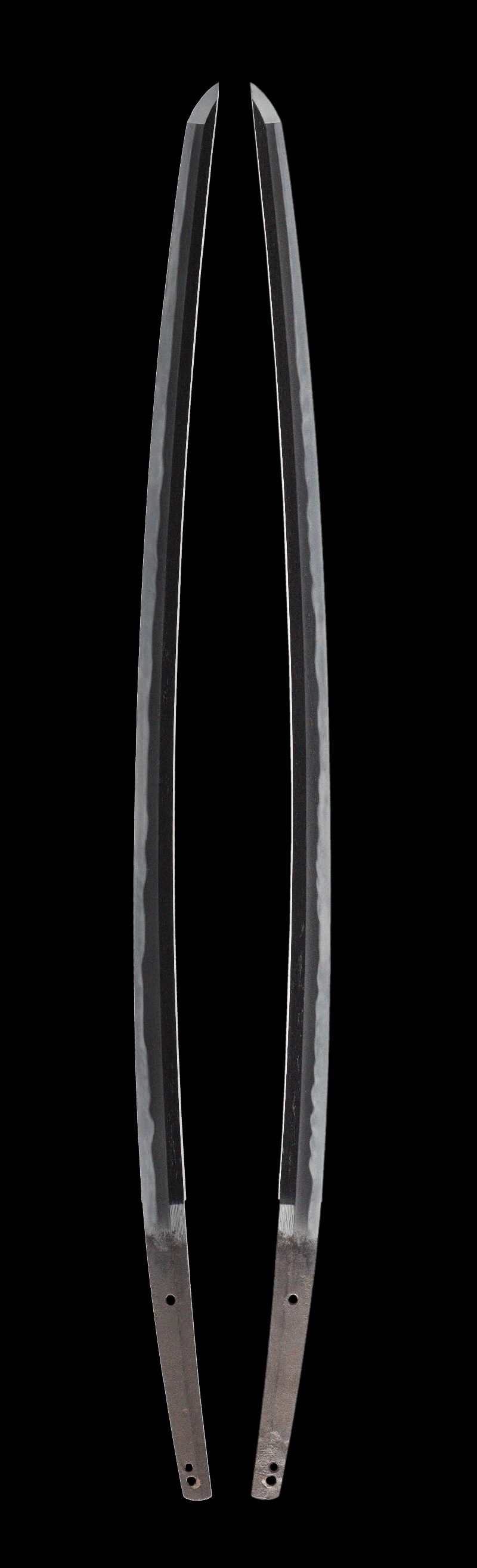
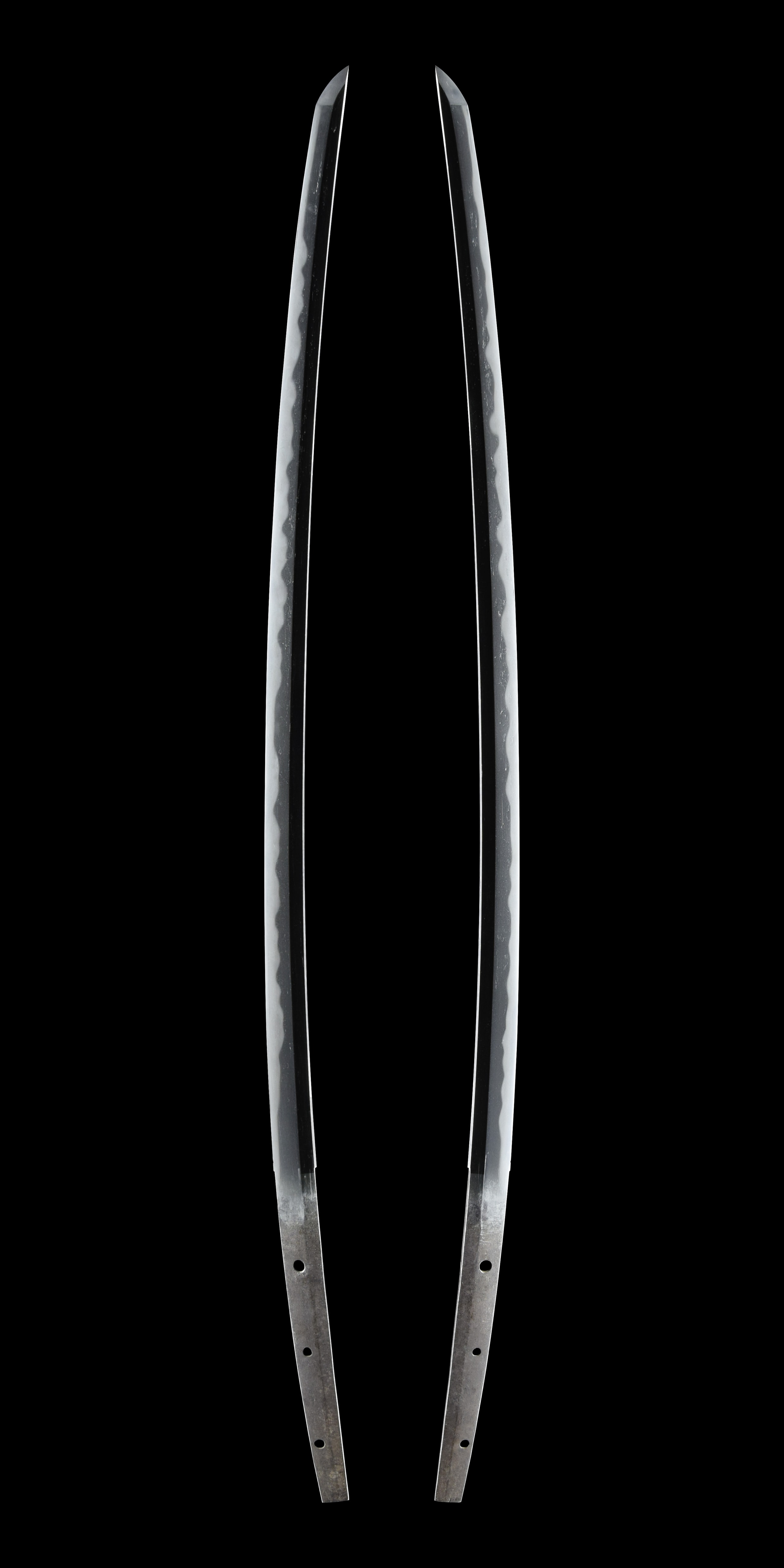
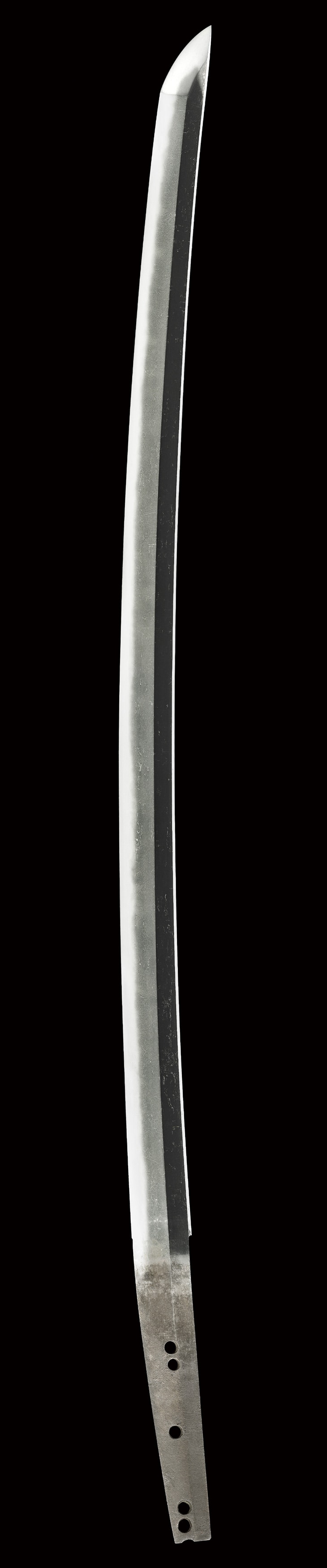
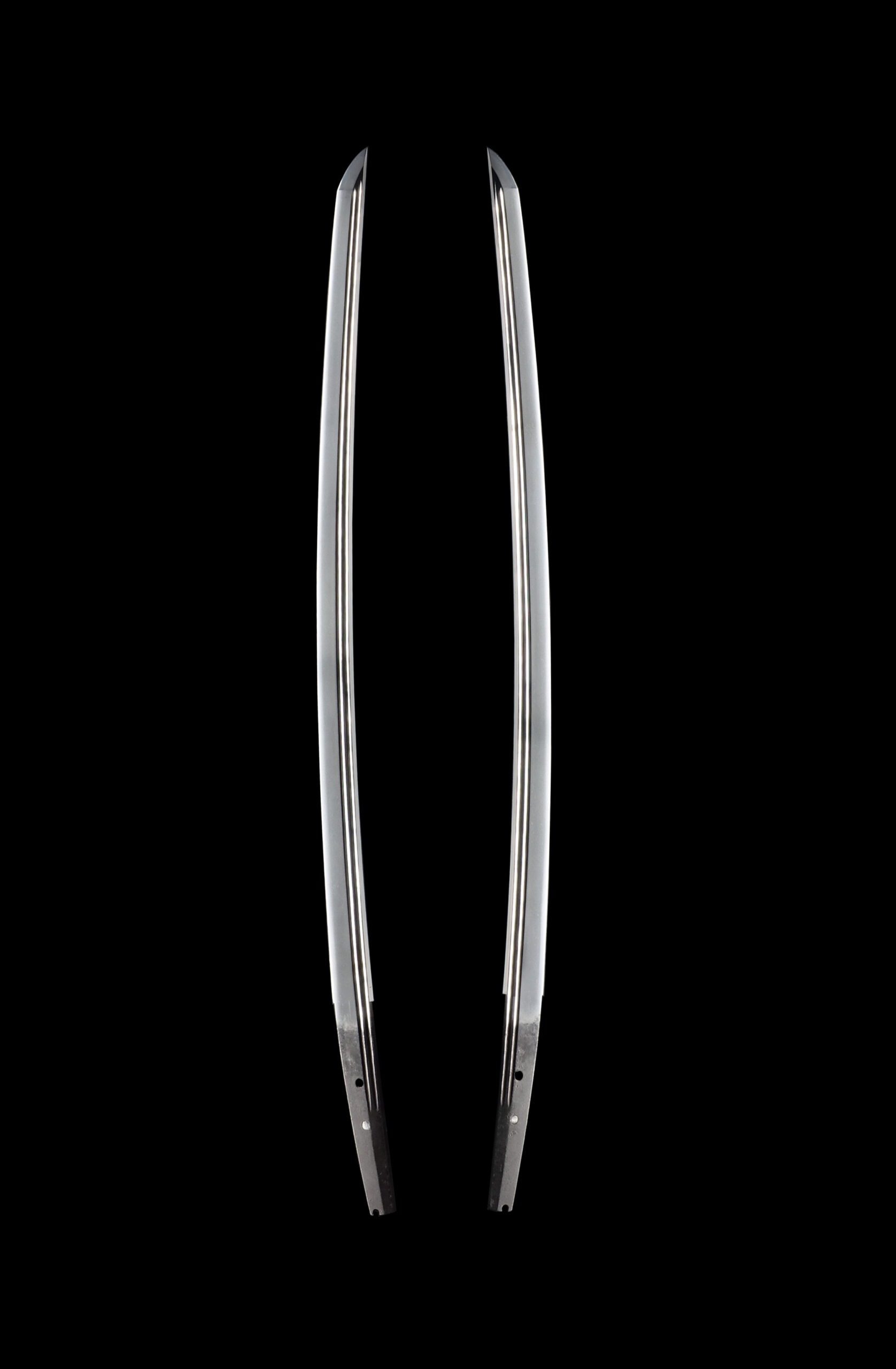
Suketsuna's blades characteristically exhibit an imposing, dignified sugata: broad in mihaba with abundant hiraniku, conveying the martial vigor of the mid-Kamakura period. All surviving works are greatly shortened (ō-suriage) and unsigned, attributed through appraisal on the basis of their nie-laden workmanship and departure from typical Bizen character. The NBTHK has consistently affirmed that in both ji and ha, the distinctive features of Suketsuna are well displayed, making the traditional attributions wholly convincing. His works are valued for their splendidly florid midare, excellent overall workmanship, and the sound, well-preserved (kenzen) condition of their steel.