NihontoWatch MonNihontoWatchBETA
MarketAuctionsEncyclopedia
NihontoWatch Mon

NihontoWatchBETA

MarketAuctions
Encyclopedia
Overview·Dated Works·Historical importance·Designations·Blade Forms·Signatures·Lineage·School
OverviewDated WorksHistorical importanceDesignationsBlade FormsSignaturesLineageSchool
  1. Schools
  2. Osaka Shinto
  3. Suketaka

Shinto Suketaka

助隆

Jūyō
Vol. 14, No. 317 · Katana

Shinto Suketaka

助隆

2 ranked works

Notable smith
ProvinceSettsuEraKansei (1789–1801)PeriodEdoSchoolOsaka ShintoTraditionShintoTeacherKuroda TakanobuFujishiroJo sakuToko Taikan450(top 31%)TypeSwordsmithCodeSUK525
2Jūyō Tōken

Overview

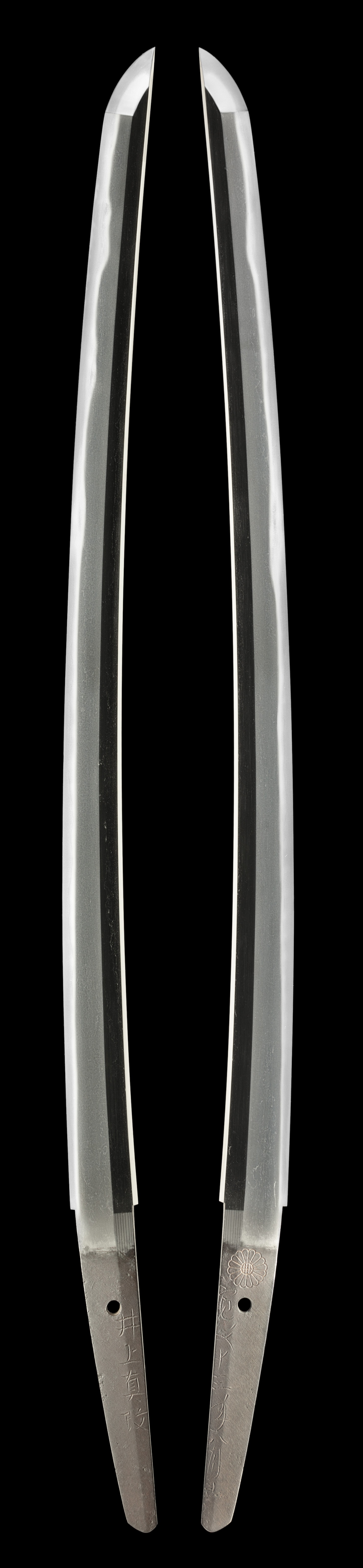
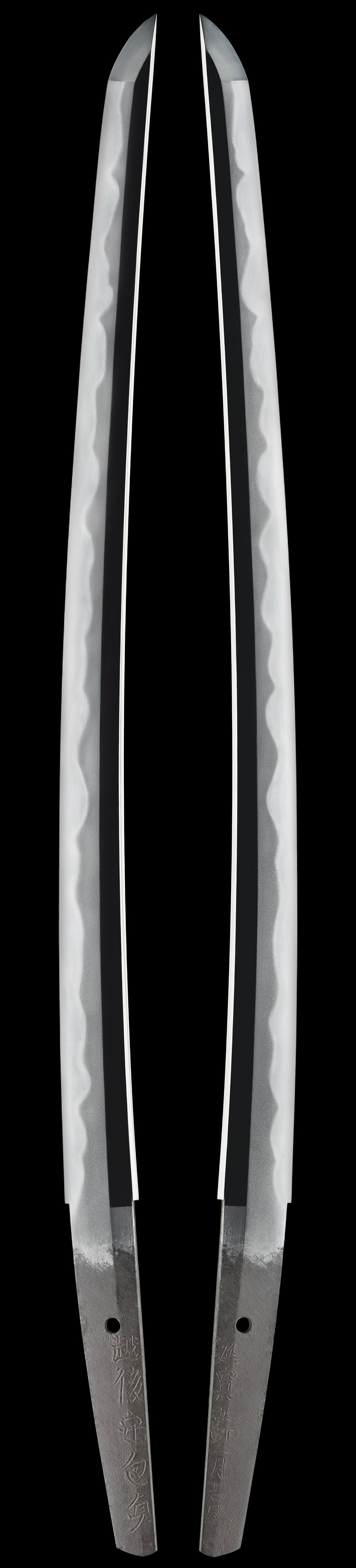
Suketaka's home province was Harima (Banshu). He studied under Kuroda Takazane, and in Kansei 10 (1798) received the honorary title Nagato no Kami. He died in Bunka 2 (1805) at the age of fifty-three. Throughout his career, Suketaka held Tsuda no Kami Sukehiro in deep private admiration, and this reverence defined his life's work. Among period smiths who studied Sukehiro's toranba-style temper -- including Suishinshi Masahide and Tegarayama Masashige -- Suketaka is regarded as particularly skillful.

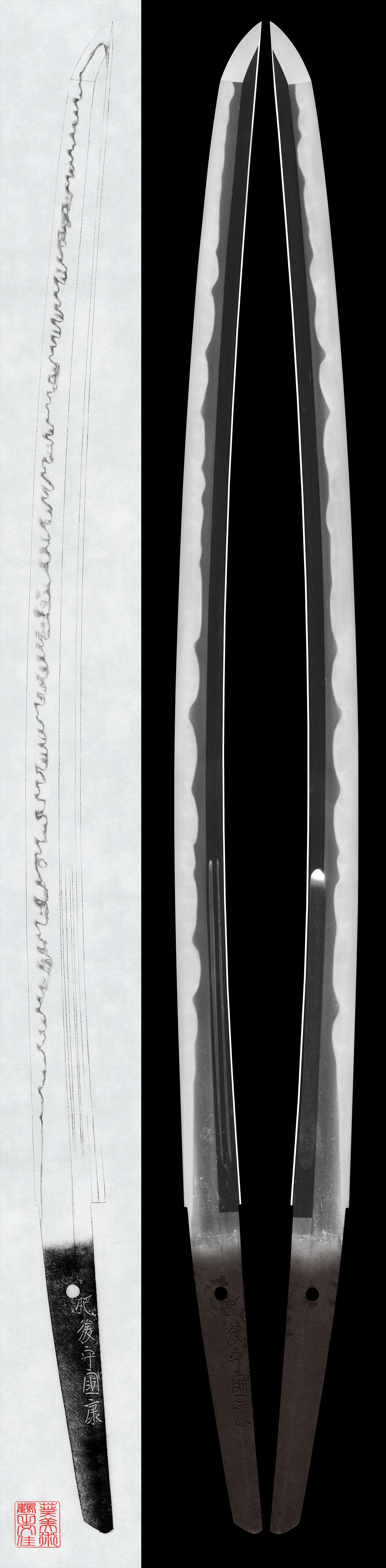
His blades consistently present a large-scaled with somewhat wide , shallow , and an elongated . The is a so tightly forged it approaches , with adhering and the bright and clear. The begins with a long , then forms a toran--like composition in which large and - intermix, creating conspicuous height variations and a billowing, wave-like effect. Thick enter; the is deep; and adheres well, with appearing in places. The is bright and clear throughout. The is characteristically with , showing toward the tip. The long and application of likewise emulate Sukehiro's manner.

The notes that Suketaka's toran- is "truly so accomplished that it approaches the genuine article," though none among his contemporaries attains the degree of brightness seen in Sukehiro himself. His is praised as carefully refined, evidencing high technical skill, and his works are consistently termed representative pieces. Matched made as true pairs are noted as uncommon, adding to the documentary significance of such examples.


Dated Works

Years he was demonstrably active, proven by signed-and-dated blades

Active period
1794–1803Editorial estimate: 1789–1803
2 of 2 designated works carry a date
17901810
  1. 1794
    寛政六年Juyo session 16, item 204
  2. 1803
    享和三年Juyo session 14, item 317

Historical importance

Where Suketaka stands among comparable artisans: across all of nihontō, and within tradition, era, and period. The tiers (Foremost · Leading · Major · Notable) weigh official designations from the NBTHK and Japan's Agency for Cultural Affairs, together with historical honors of lasting repute such as the Sansaku and Meibutsu-chō.

随一
Foremost
屈指
Leading
有数
Major
著名
Notable

Select a lens to see how it's measured.

Designations

Kokuhō—
Jūyō Bunkazai—
Jūyō Bijutsuhin—
Gyobutsu—
Tokubetsu Jūyō—
Jūyō Tōken2

Elite Standing

0.00 across 2 designated works

Top 100% among smiths

Blade Forms

Distribution across 2 ranked works

Signatures

Signature types across 2 ranked works

Currently Available

Lineage

Suketaka
Students (4)
  1. 1.Fusanobu房信
  2. 2.Narinaga成長
  3. 3.Takakatsu貴勝
  4. 4.Tokurin徳隣2designated

Osaka Shinto School

Other artisans of the Osaka Shinto school

  1. 1.Shinkai真改12 for sale79designated
  2. 2.Tadatsuna忠綱3 for sale53designated
  3. 3.Kanesada包貞9 for sale78designated
  4. 4.Kunisuke國助5 for sale10designated
  5. 5.Kanesada包貞3 for sale10designated
  6. 6.Kuniyasu國康5 for sale7designated
  7. 7.Kuniteru國輝4designated
  8. 8.Sadanori貞則1 for sale3designated
  9. 9.Yoshimichi吉道1designated
  10. 10.Kanemichi兼道2designated
  11. 11.Kiho紀峰1designated
  12. 12.Kuniteru國輝1 for sale1designated

Suketaka

Suketaka(助隆) was a Japanese swordsmith of the Osaka Shinto school in Settsu province, active during the Kansei (1789-1801) period.

The work follows the Shinto tradition.

Designated works by Suketaka include 2 Jūyō.