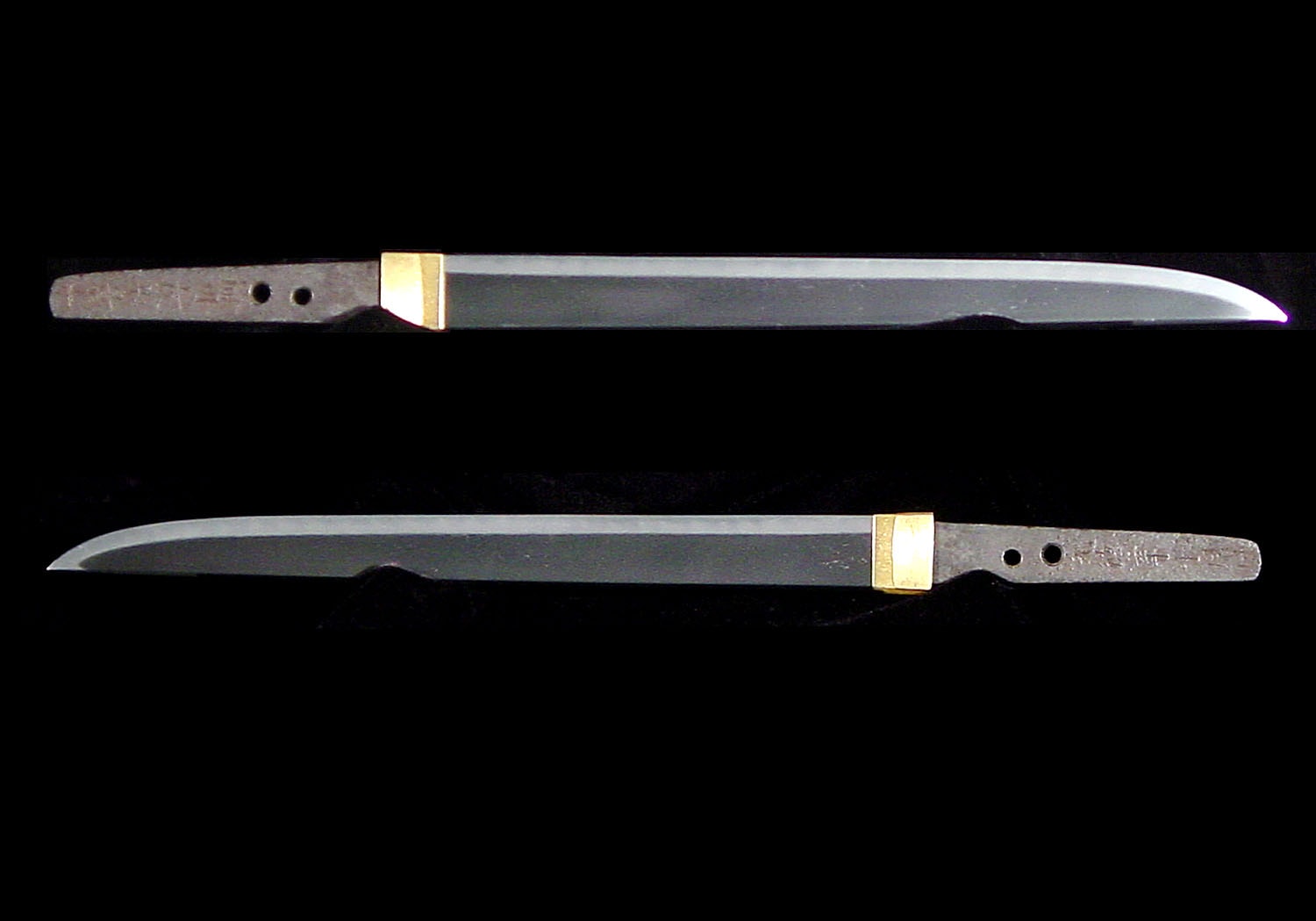
Yoshinori is a swordsmith active during the late to early period, working within the broader tradition of Province smiths whose output predates the rise of the and related lineages. The term denotes, as a general designation, the swordsmiths of and their works from this formative era. Extant signed works by Yoshinori are scarcely found, making each surviving example of considerable documentary importance. A later smith bearing the reading, Yoshinori of Kawada in , is documented in the period with a dated work inscribed Jowa 2 (1346); the Kawada locality lies at some distance from , and its workmanship differs considerably from the group.
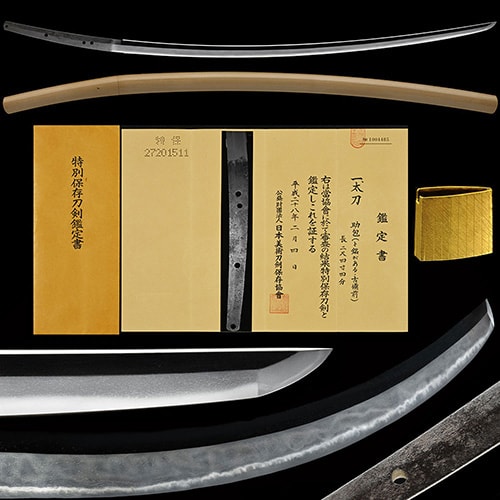
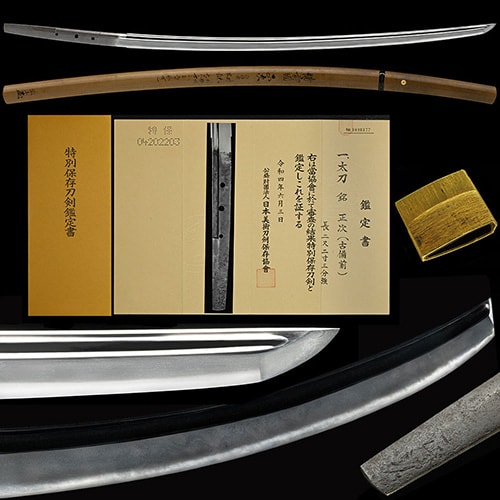
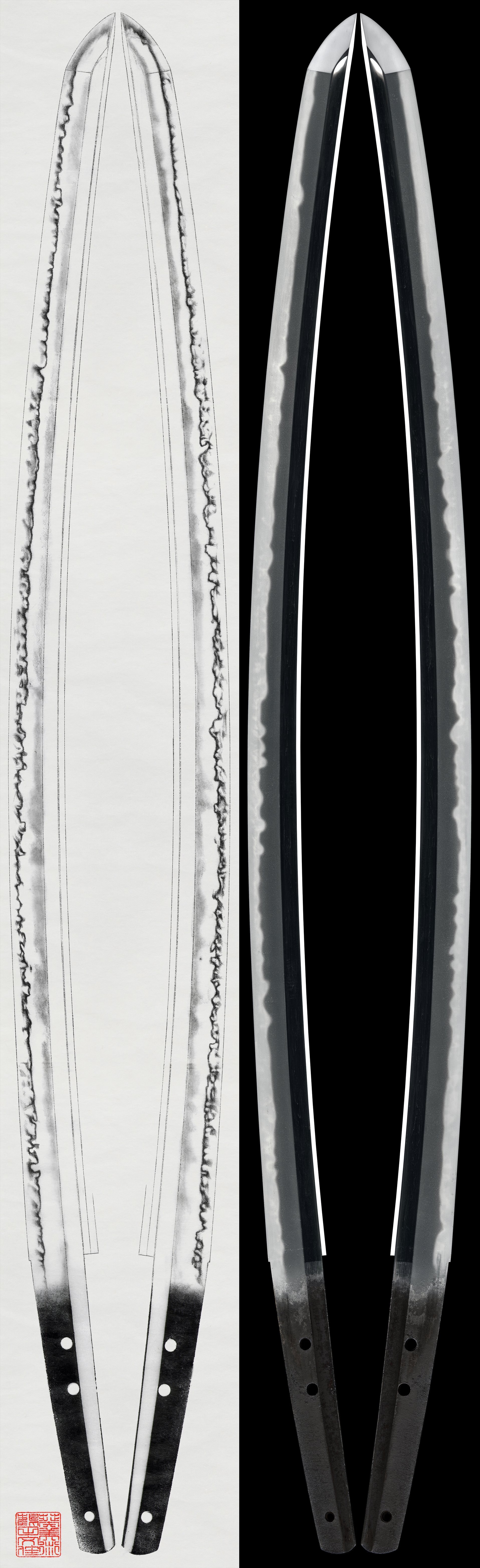
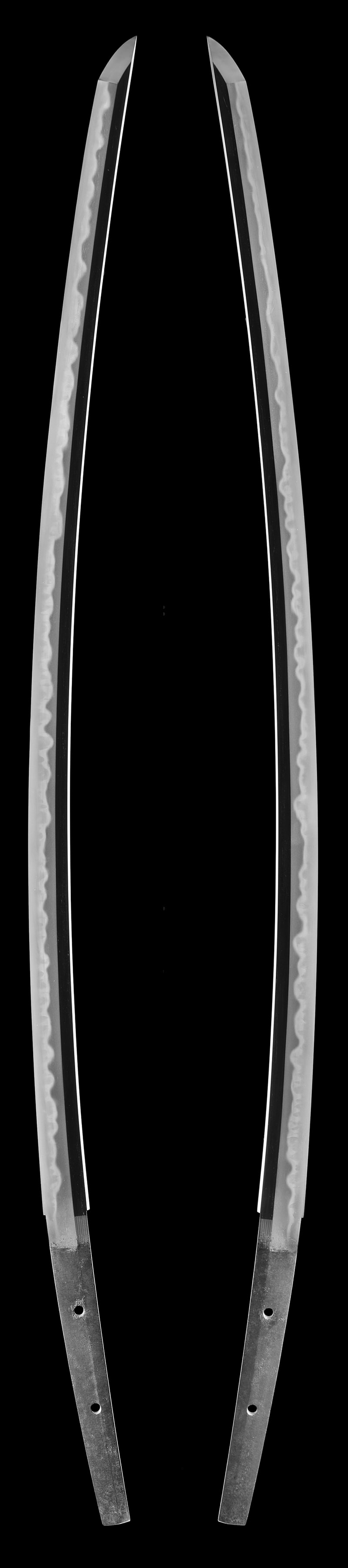
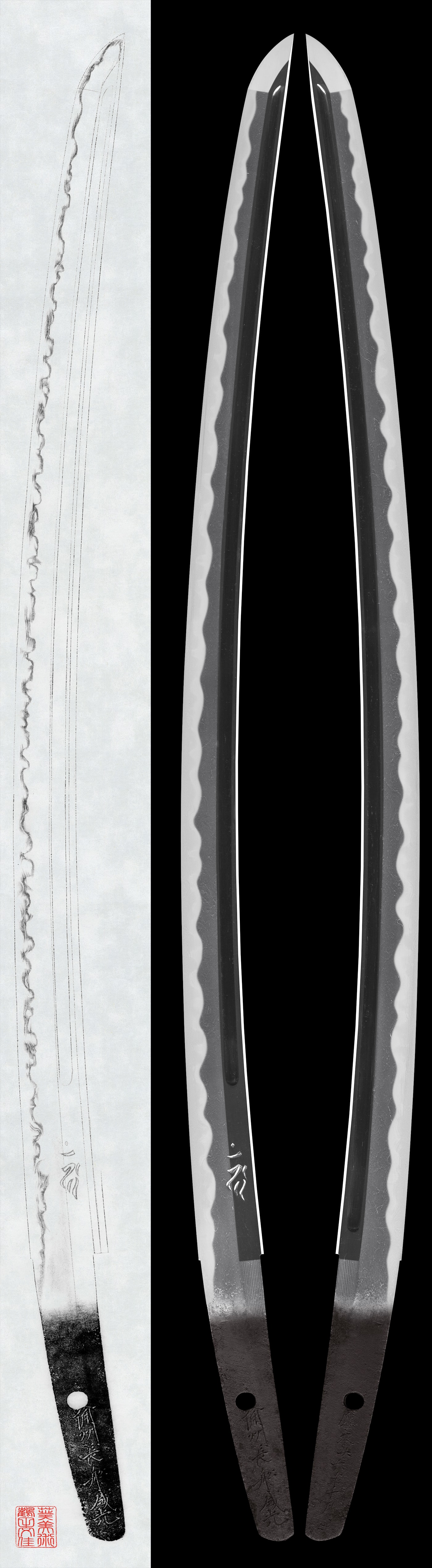
The Yoshinori's characteristic form is a somewhat slender with deep and a slight forward inclination toward the tip, clearly manifesting the archetypal shape of the period. The forging is in which the grain rises subtly, a quality described as , and stands out prominently. The is based on into which small , , and minor irregularities are mixed; and appear within the temper, adheres well, and are present. A slight degree of -otoshi at the base of the temper lends an additional archaic flavor. The is , turning back in . Several examples preserve carved kaki-nagashi.
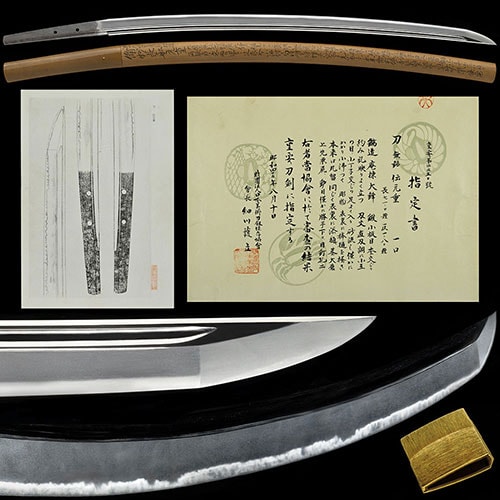
Yoshinori's are consistently noted for being — sound and well-preserved in both and — with good workmanship throughout. The combination of standing-grain forging, prominent , and a -based temper with restrained activity places his work squarely within the aesthetic, characterized by an antique dignity that distinguishes these earliest smiths. His bold, thick-chiseled signatures, rendered in large characters, constitute precious source material for research into the school and its documentary record.