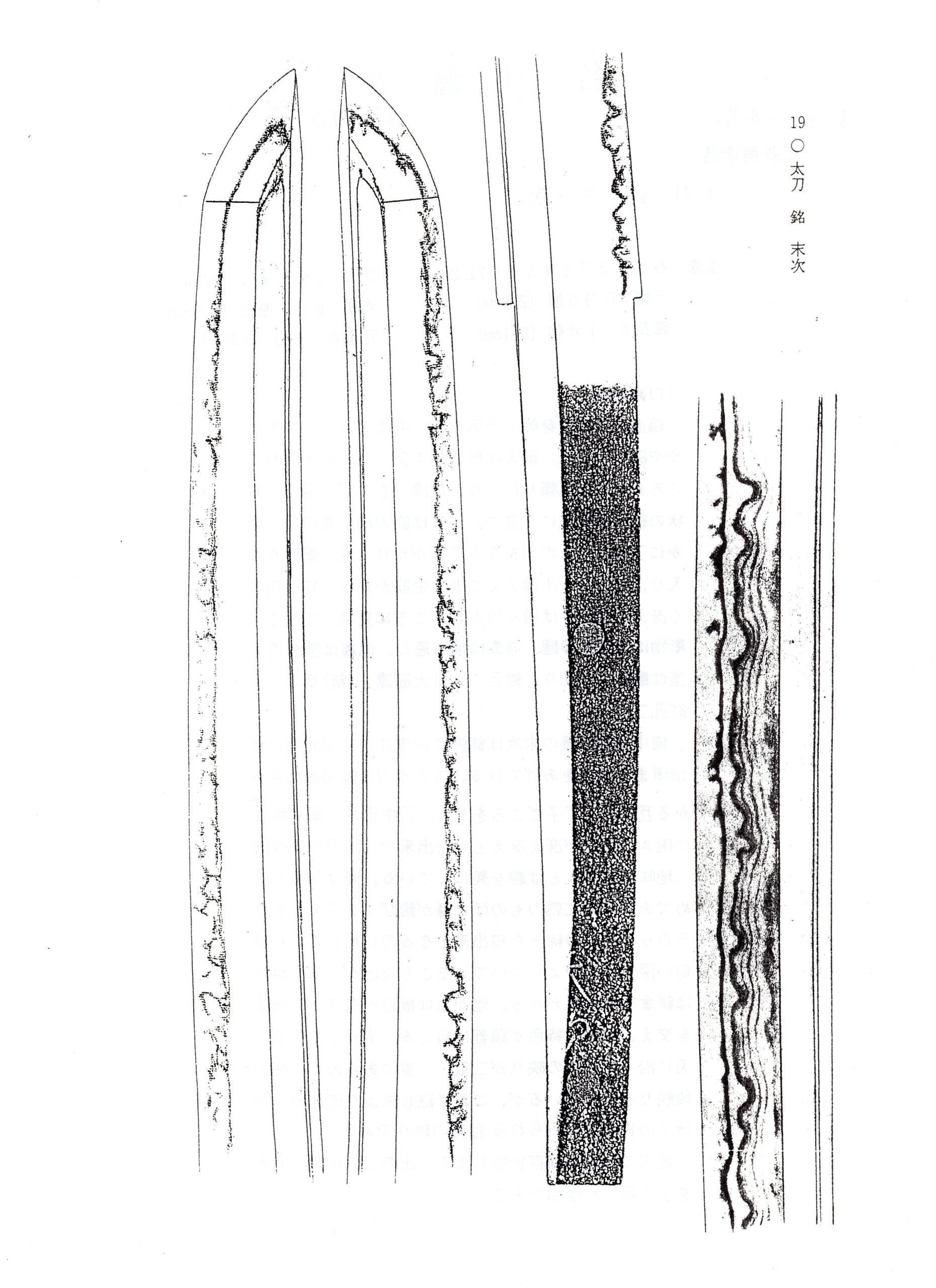
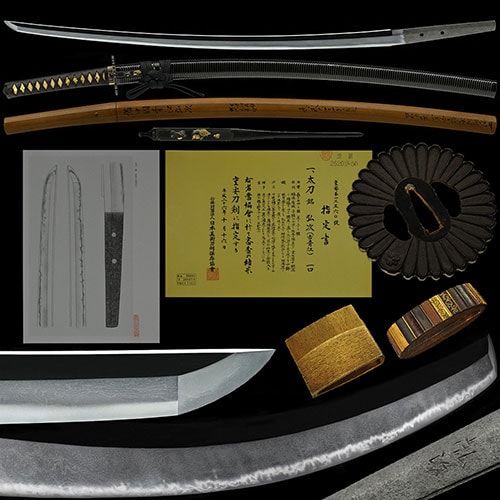
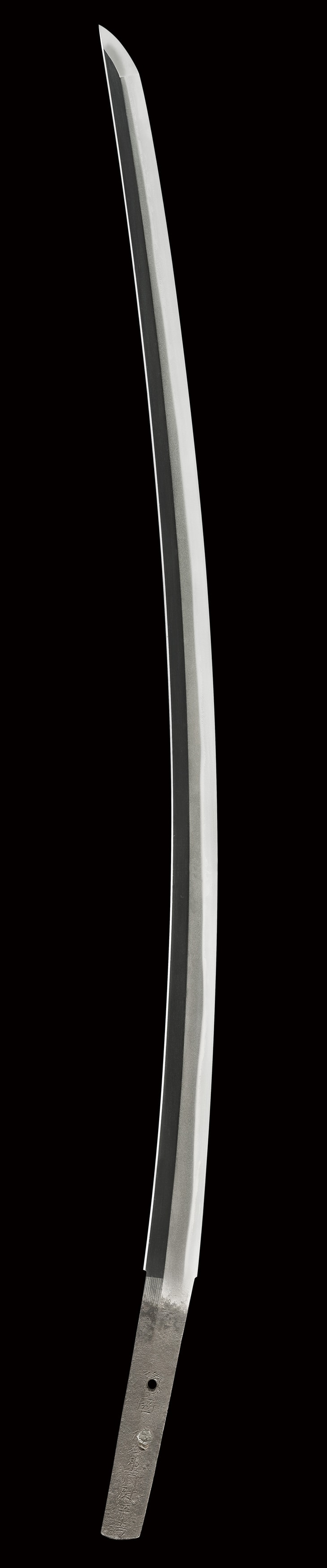
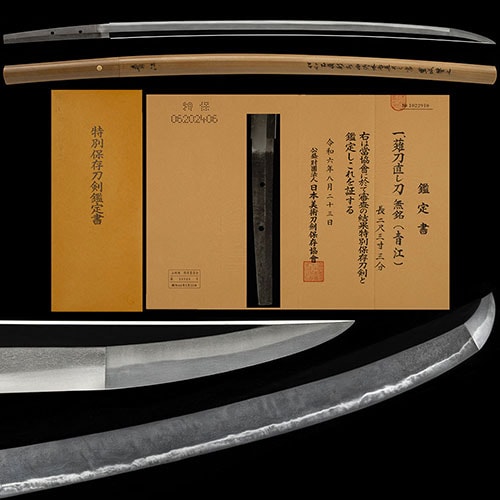
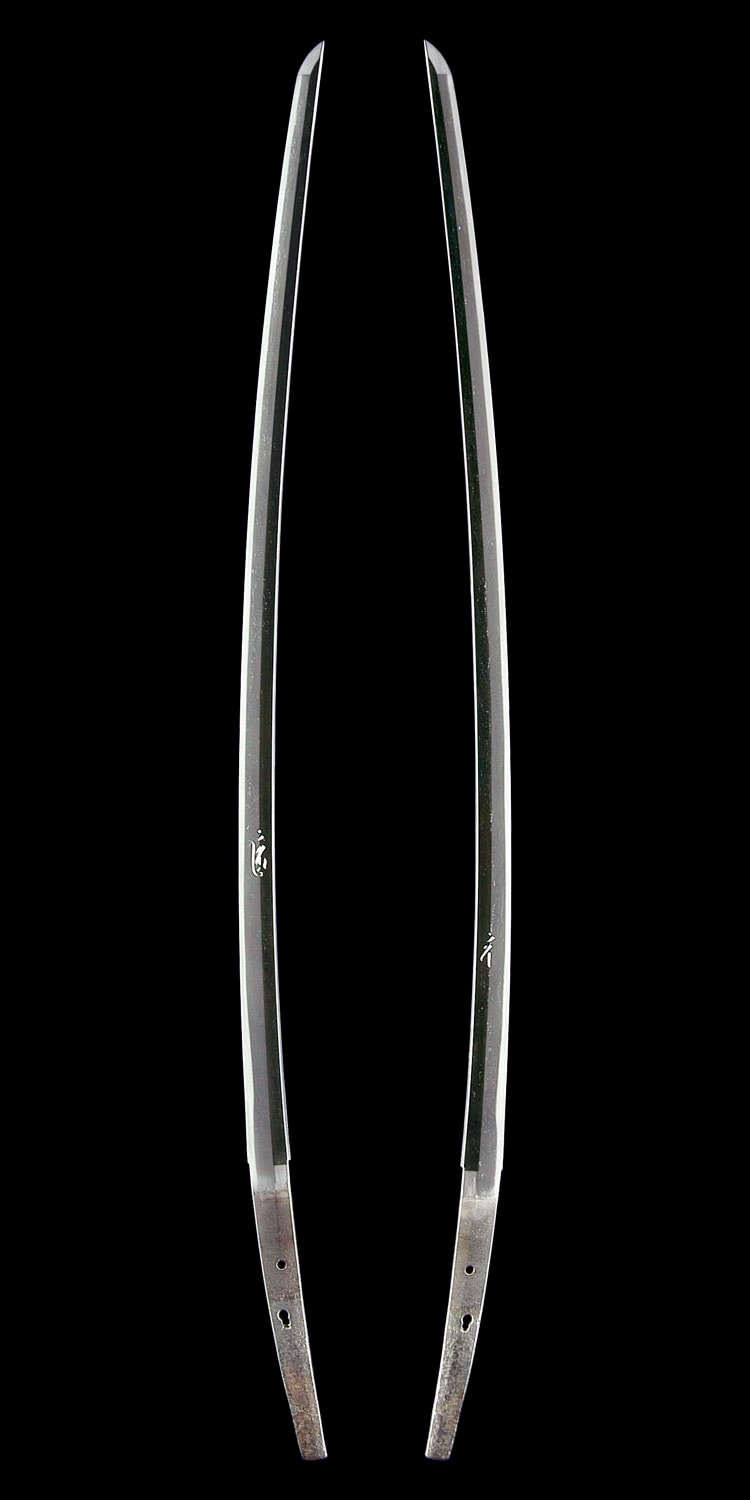
Suketsuna is a smith of the lineage, active in Province from the late through approximately the mid- period. The swordsmiths of are broadly divided into two groups: those of the Seno Kajishi line tracing their origin to Noritaka, and those of the Kajishi line whose signatures characteristically incorporate the character . Today, however, these are generally grouped together under the broad designation " smiths." While the name Suketsuna also appears among the , Fukuoka , , and Kokubunji lineages, the works attributed to this maker belong specifically to the tradition, which flourished centered on along the basin of the Takahashi River. Extant signed works by this smith are comparatively rare, making each surviving example precious as documentary material.
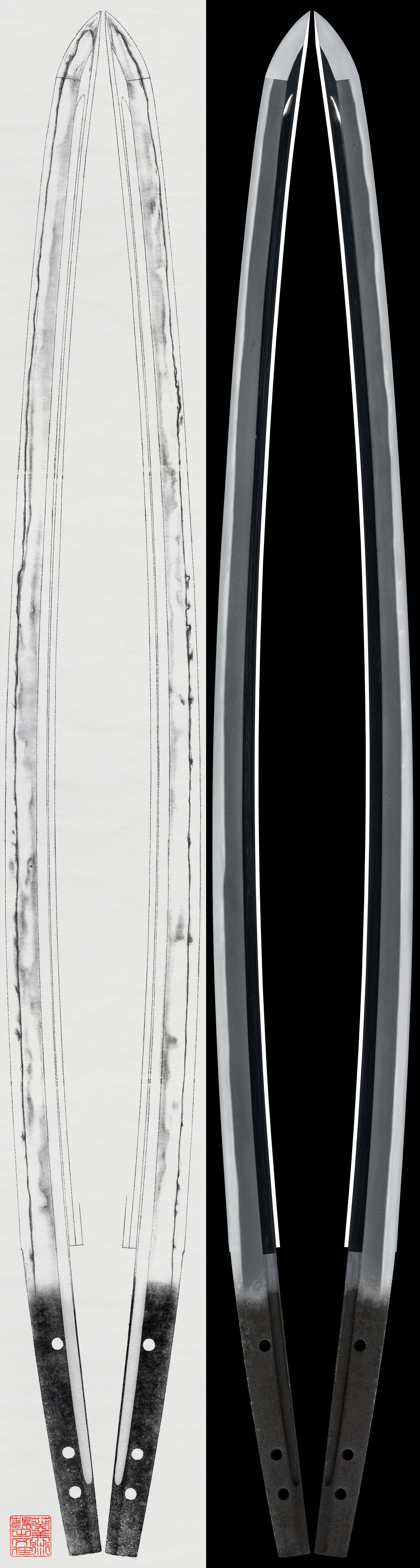
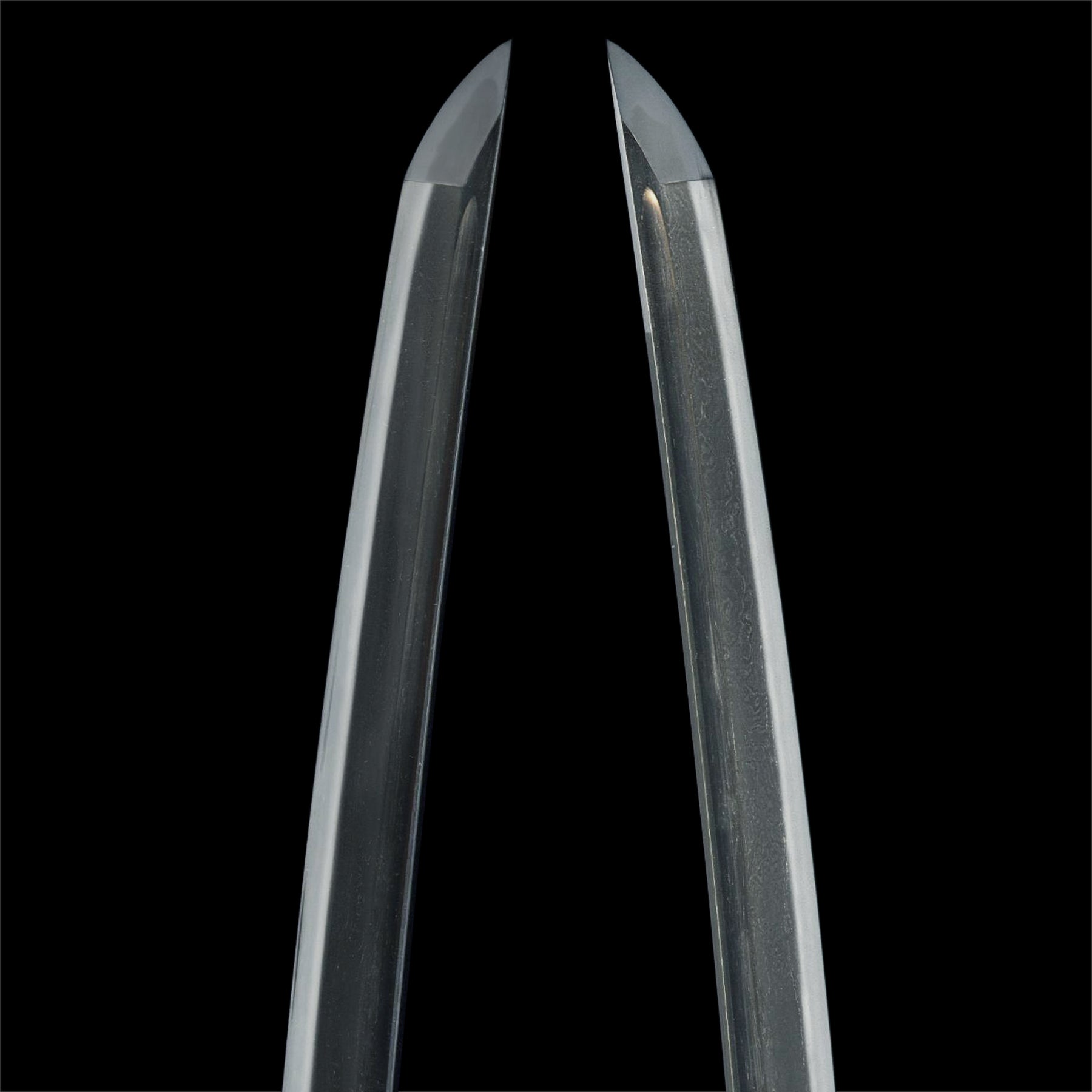
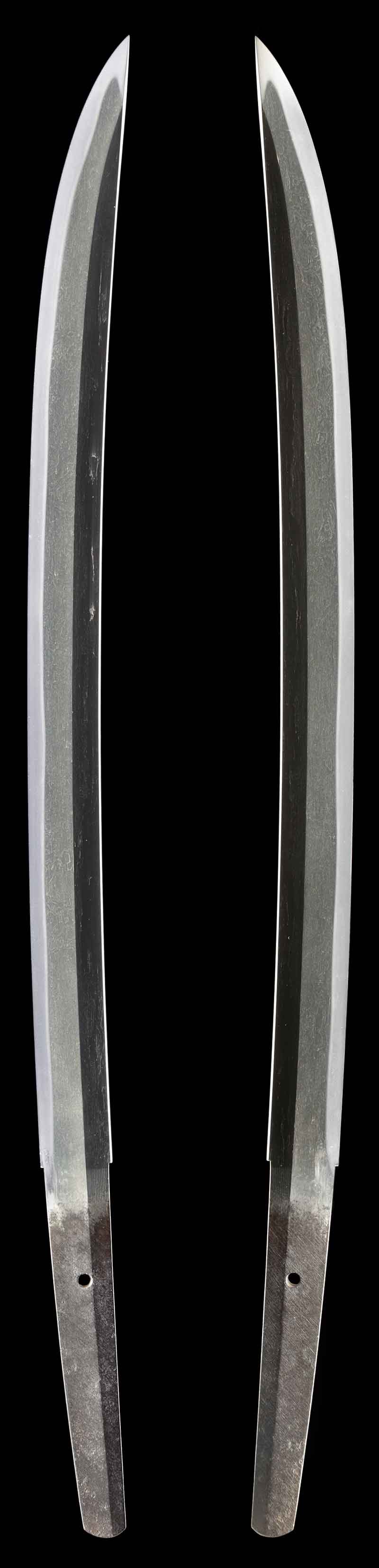
In terms of workmanship, Suketsuna's blades display the hallmark characteristics of the school. The tends toward , forming a (crepe-like) texture, with frequently appearing alongside well-adhering . The is consistently -based, rendered in , often mixed with , , or ; and enter within the temper, and is sometimes applied. The characteristically runs straight or in shallow , turning back in with slight . are commonly carved through on both sides. The , typically , bears the distinctive practice of cutting the signature on the side with thick chisel strokes. Overall, when compared with contemporary works, the impression is more subdued and austere, with the tending toward .
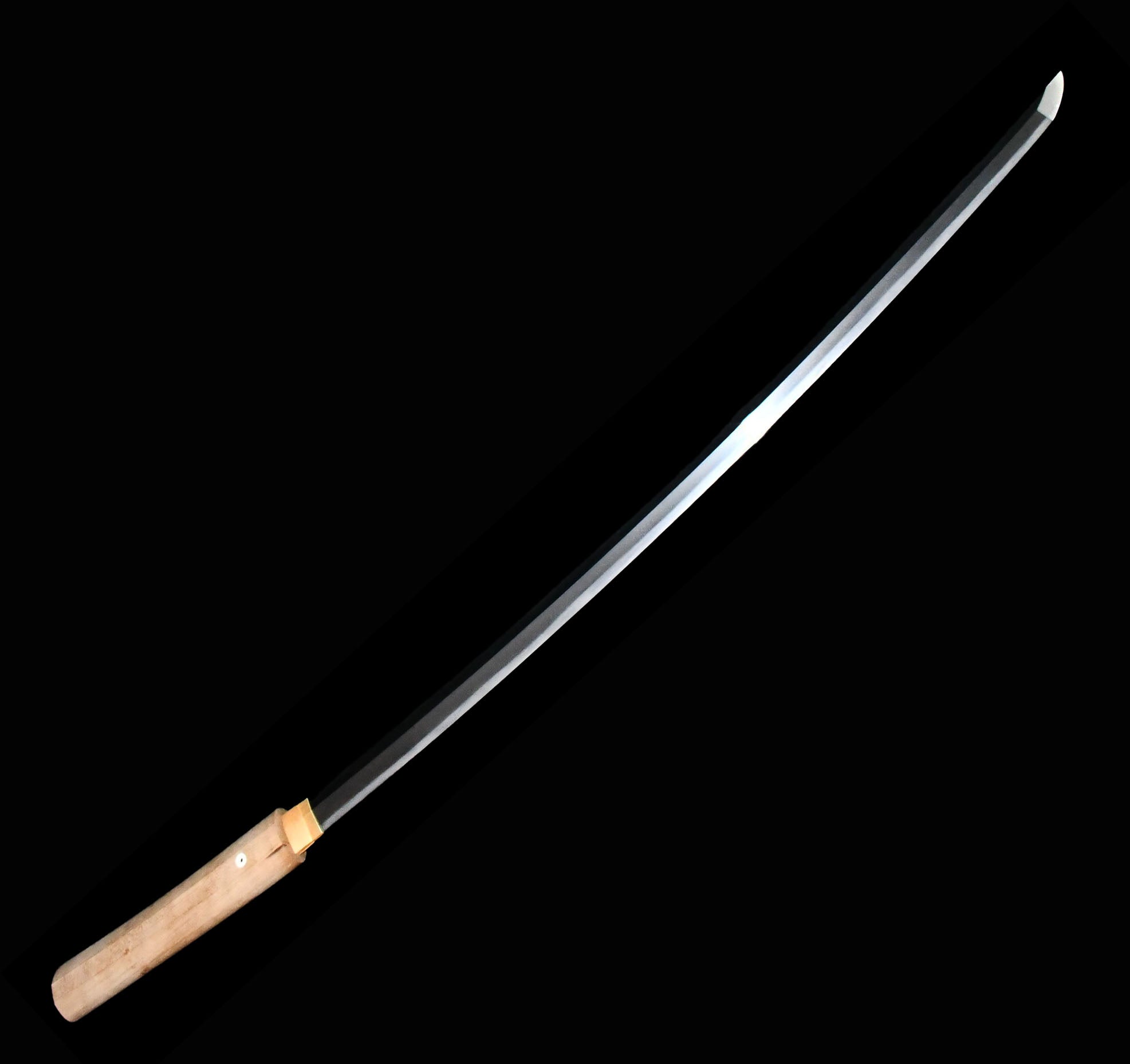
Suketsuna's surviving consistently exhibit a slender build with pronounced and , preserving an archaic period character that does not descend later than the mid- period. The combination of standing out clearly in the , the restrained -toned temper with , and the signature placement on the side together constitute unmistakable hallmarks of the school. As works by this smith are few, each blade serves not only as an exemplar of craftsmanship but also as invaluable source material for the study of early swordmaking traditions.