The twentieth century nearly killed the craft twice: wartime distortion, then the occupation ban. The NBTHK’s founding in 1948 and licensed forging from 1953 rebuilt the sword as an art, crowned by Living National Treasures and the mukansa rank.
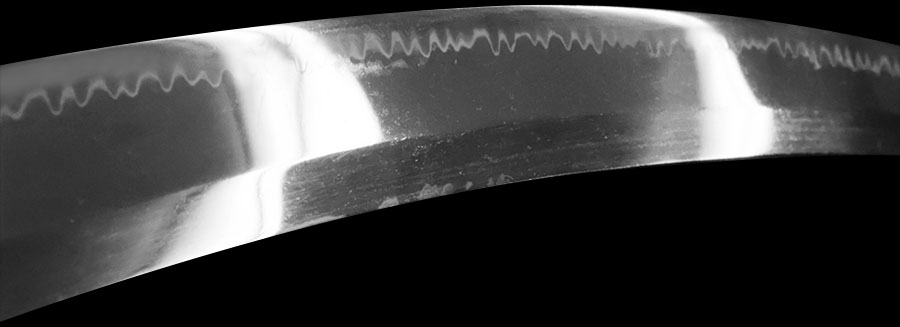
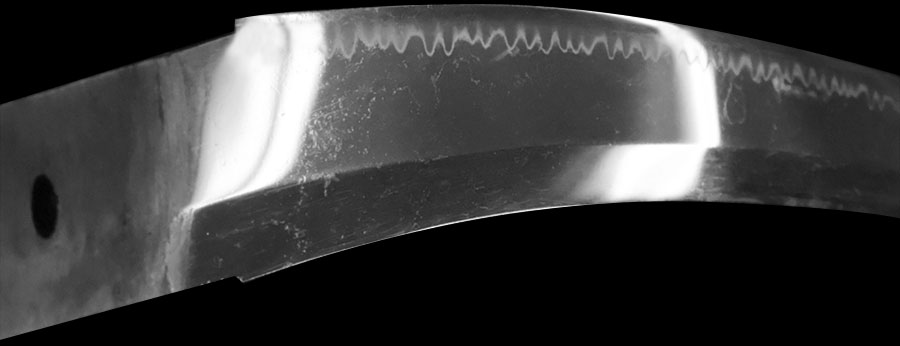
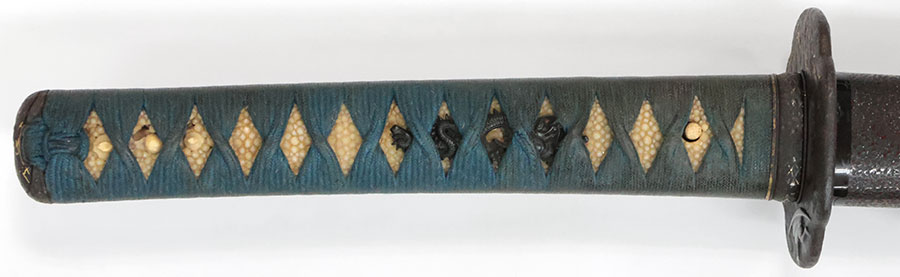
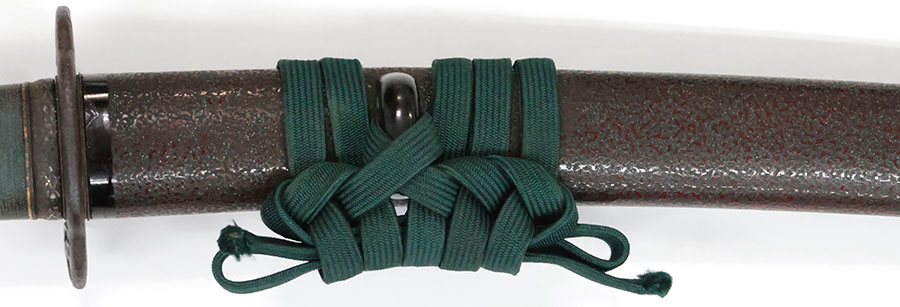
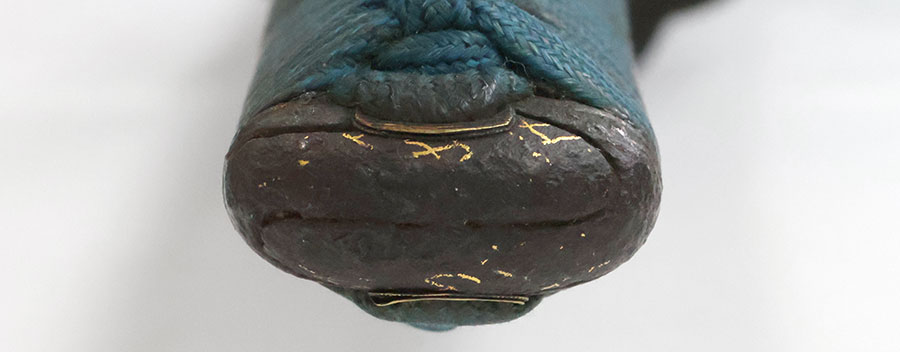
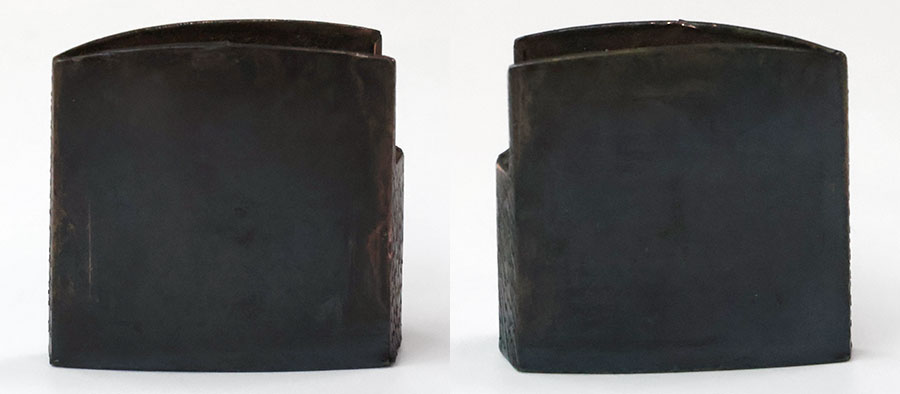
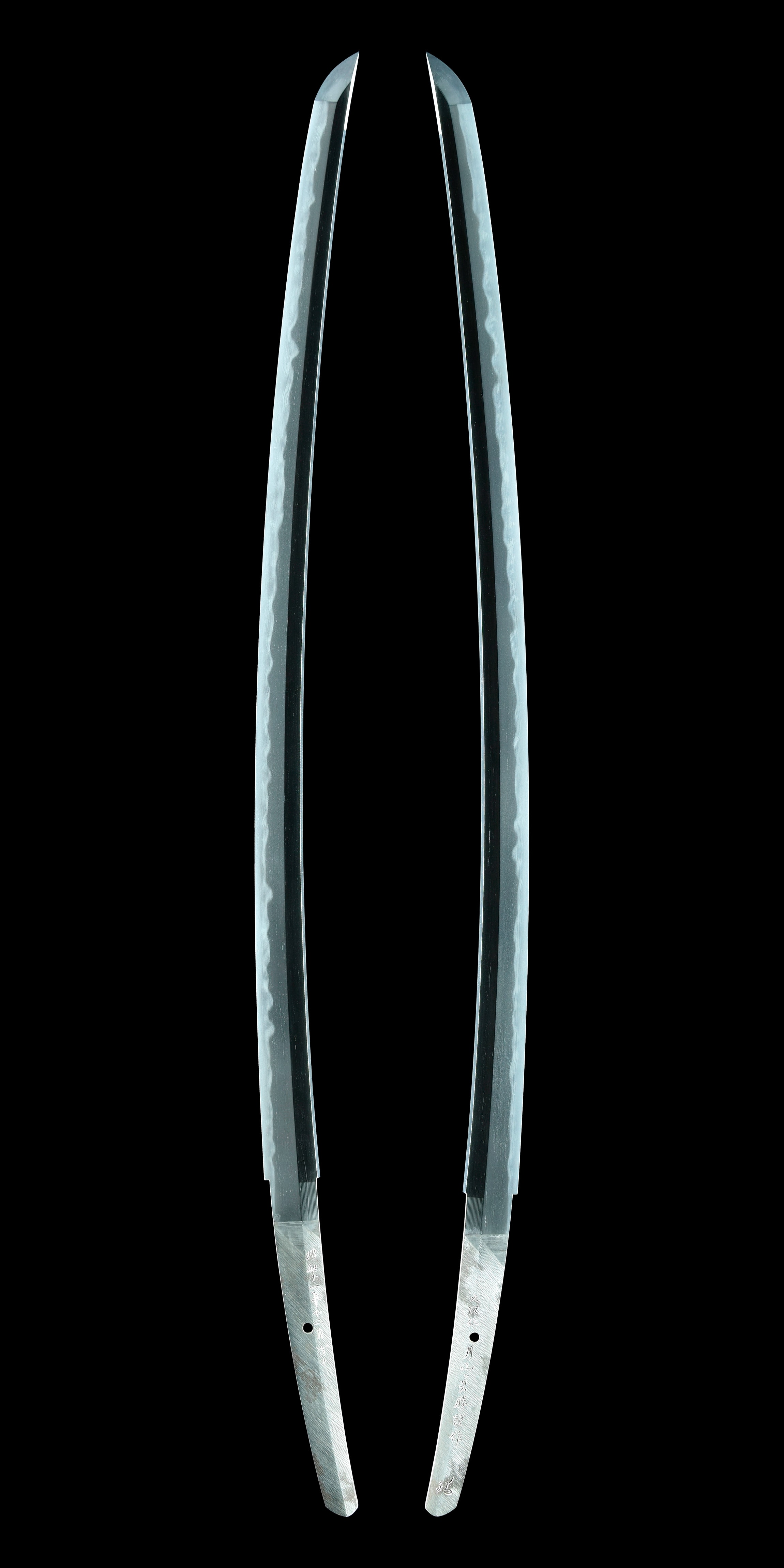
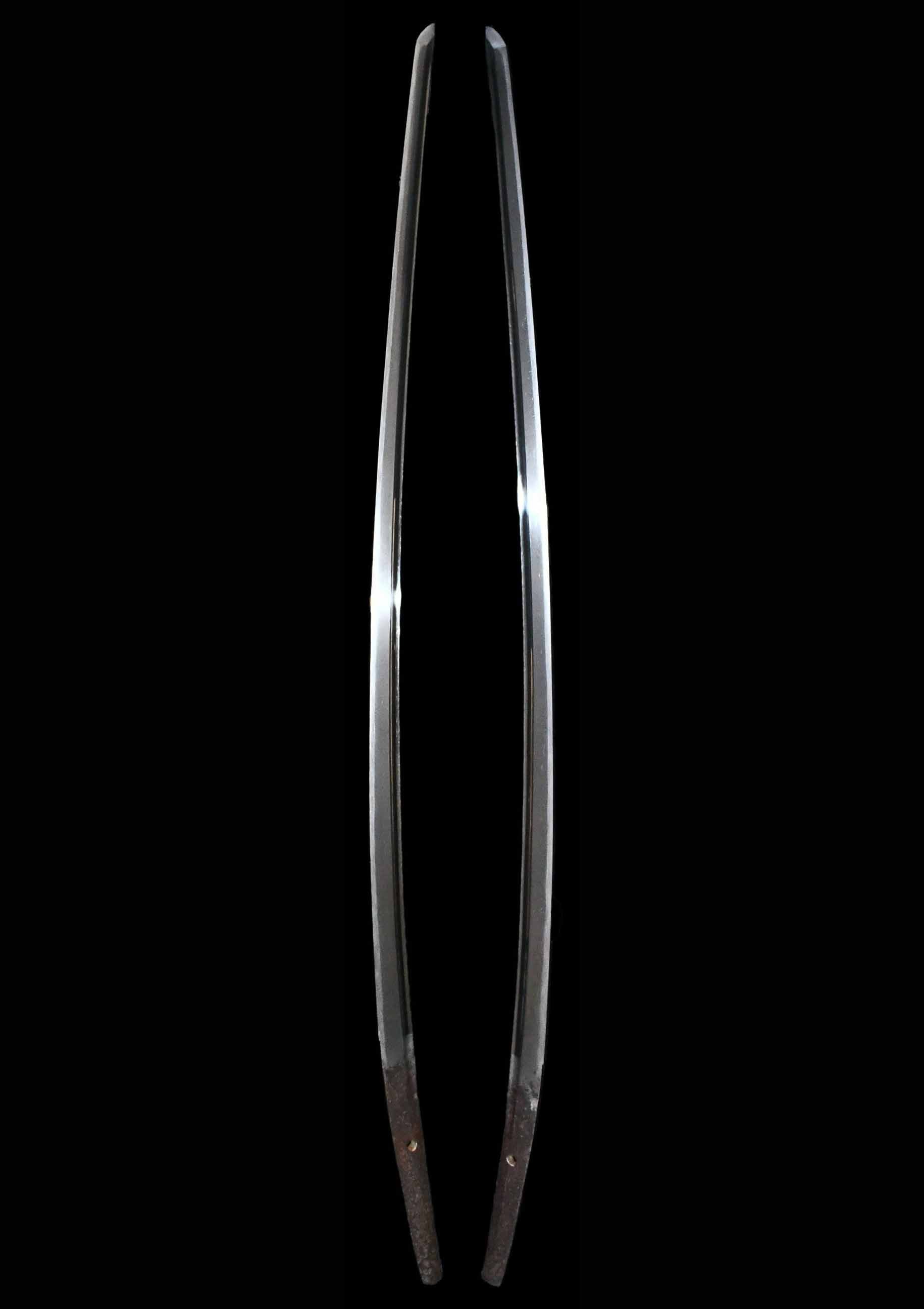
Weight (excluding saya): 1050g It has arrived! A katana by the swordsmith Morioka Masayoshi has arrived. Morioka Masayoshi belongs to the lineage of Suishinshi Masahide and is a grandchild-disciple of Gassan Sadayoshi of Osaka. This katana exhibits an excellent sugata with a distinct difference between the motohaba and sakihaba. The jigane is forged in ko-itame hada, showing a tight, bright, and high-quality jitetsu. The hamon is composed of nioi-deki with ko-nie, featuring a Bizen-den style gunome-midare ba fired brightly and clearly; it even includes tobiyaki on the mune, displaying a spirited temper line. This ubu mumei sword is what is known as a kageuchi. It is likely a work where two blades were forged for a single order, the mei was inscribed on the superior one to be delivered, and the remaining one was left in the world without a signature. While adding a mei would allow it to be sold for a higher price, swordsmiths of old valued honor and integrity; since the work was created for a specific client, the kageuchi was released as mumei. The koshirae is a luxurious set featuring an aogai mijin cha-kanshisunuri saya, which adds further splendor to this sword. This blade has been cherished for generations in an old family, but as the couple has grown elderly, they have entrusted it to us with the request: "Please pass this on at an affordable price to someone who will treasure it." Therefore, we are offering it at a special discount. Although it is mumei, please truly enjoy this katana by Morioka Masayoshi.
 NihontoWatch
mumei · Showa · nagasa 69.5cm · sori 1.9cm






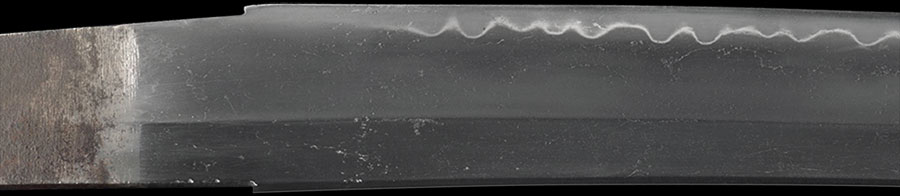




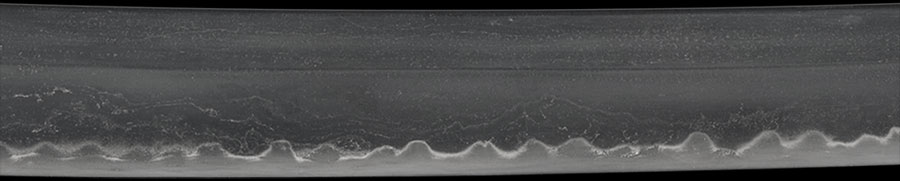
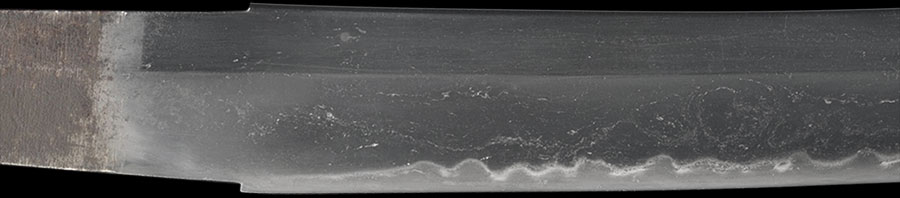

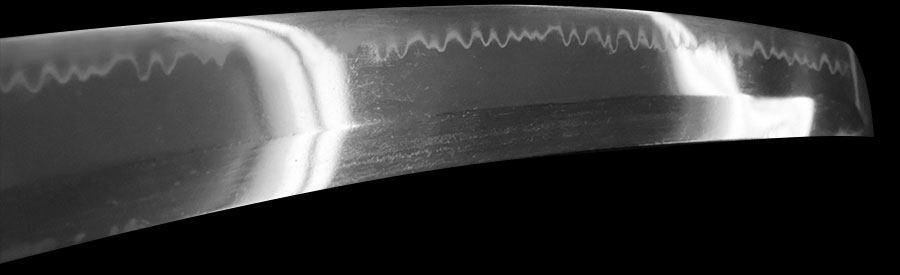



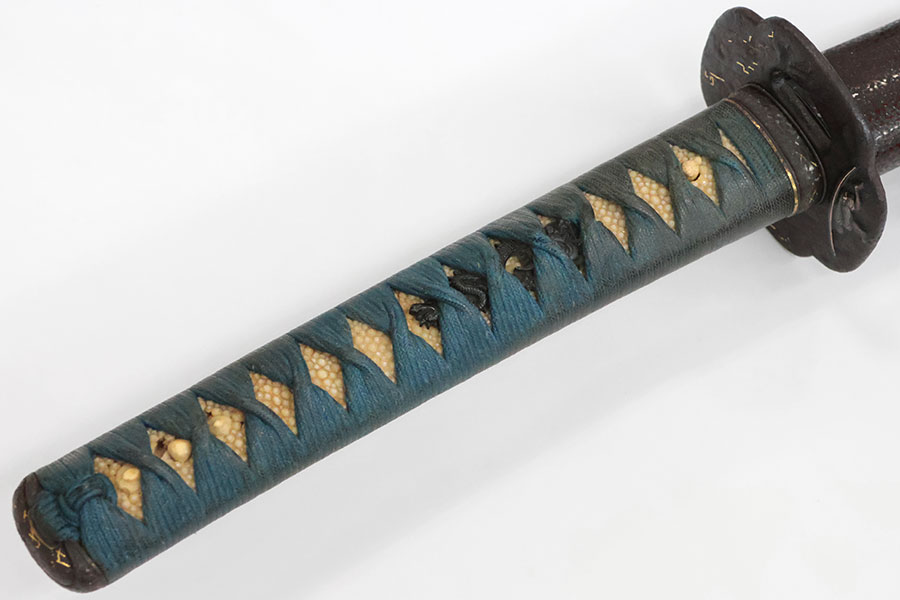
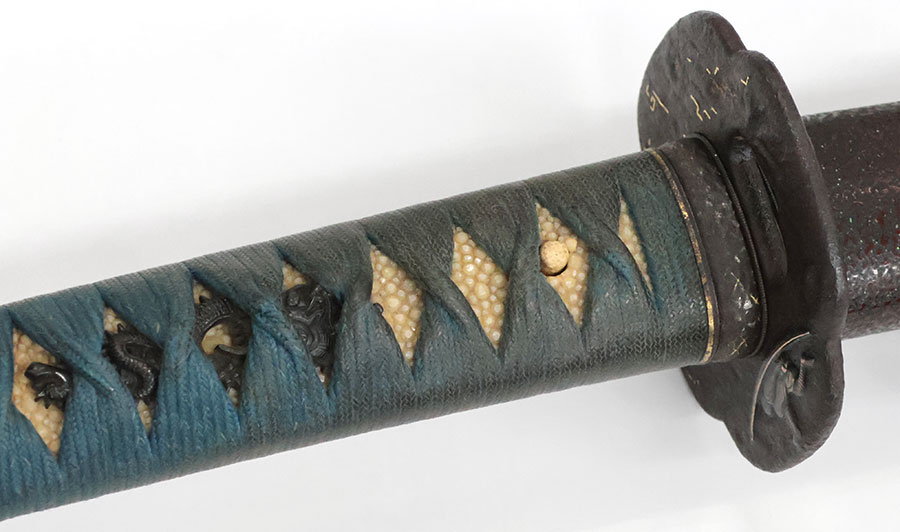
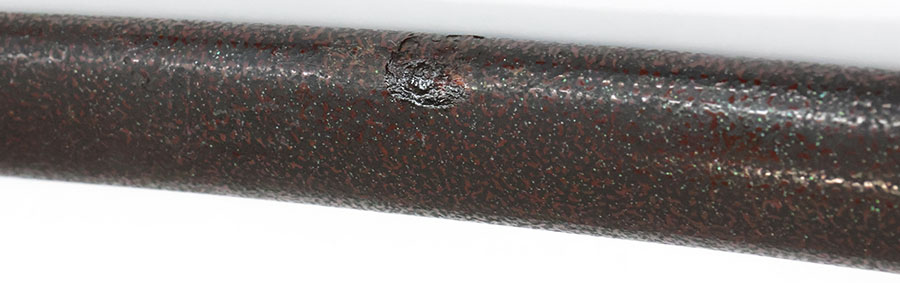
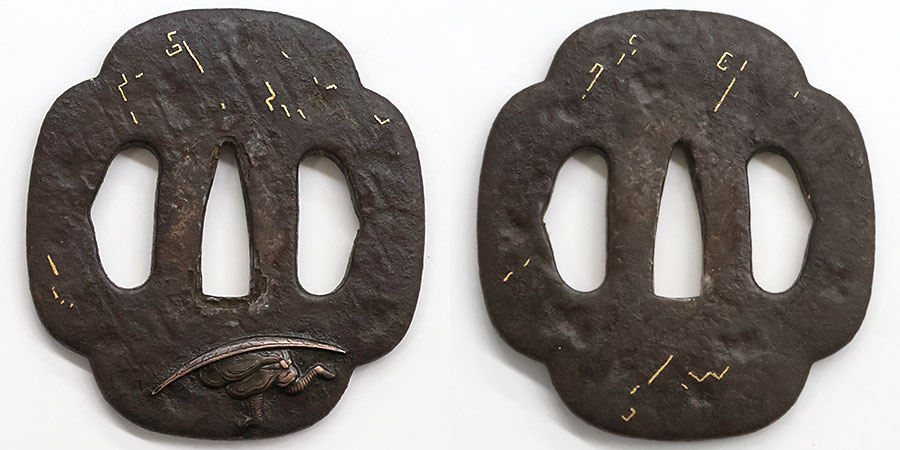


Shinshinto · Settsu
36 pieces on the market now
| Smith | Era | Designated |
|---|---|---|
| Sadaharu貞晴 | 1865-1868 | 0 |
| Sadayoshi貞吉 | 1926-1989 | 0 |
| Yoshiaki吉明 | 1844-1848 | 0 |
| Naonobu直信 | 1854-1860 | 0 |
| Sadayoshi貞吉 | 1830-1863 | 0 |
Shōwa to the present: destruction and revival
The twentieth century nearly killed the craft twice: wartime distortion, then the occupation ban. The NBTHK’s founding in 1948 and licensed forging from 1953 rebuilt the sword as an art, crowned by Living National Treasures and the mukansa rank.
We could not find an authenticity certificate on the seller’s listing. Japanese swords and fittings are normally papered by the NBTHK (or the NTHK). Without one, the attribution is the seller’s own assessment and has not been independently verified — treat it with caution and ask the dealer about certification before buying.
For returns due to customer circumstances, the cost is the customer's responsibility. For returns due to our mis-shipment or a defective item, we bear the cost.
¥290,000




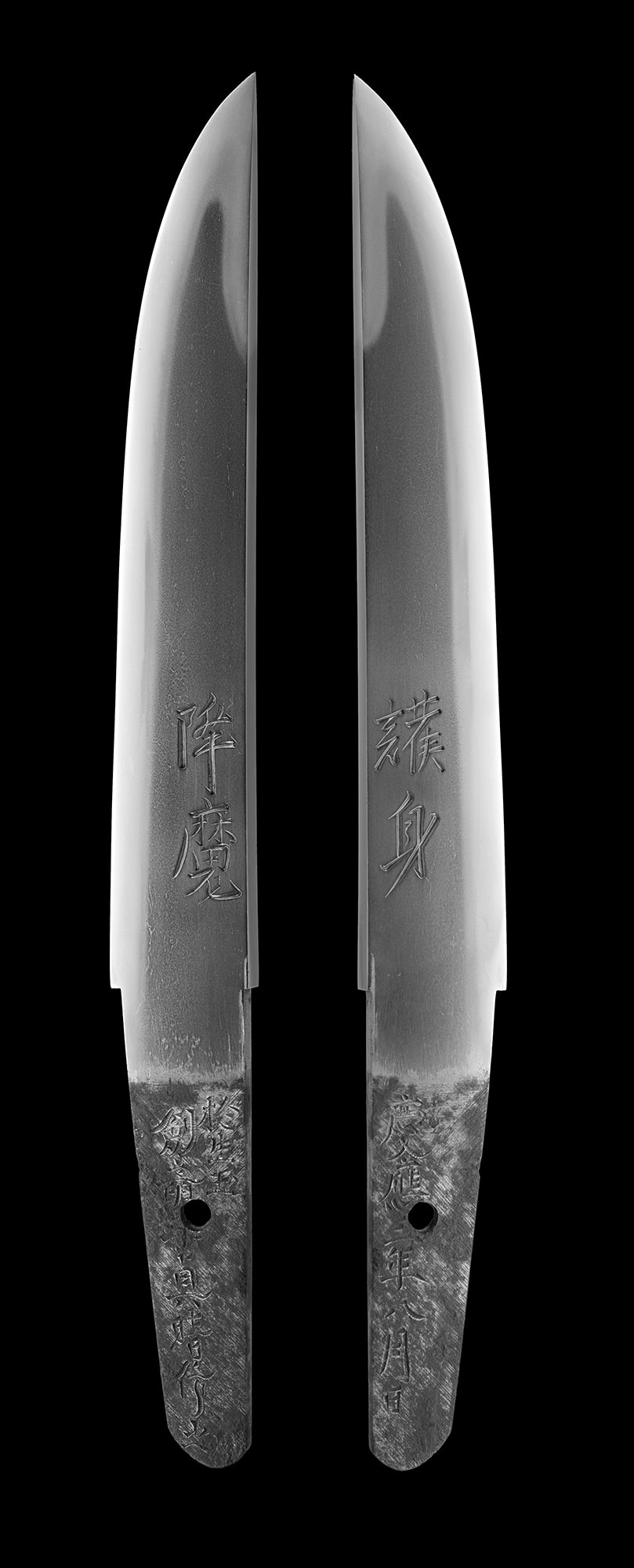
![Katana - Tokuho - by Gassan Sadakazu - Signed Naniwa ju Gassan Unryushi Sadakazu tsukuru [Seal] Keio gannen 11 gatsujitsu](/_next/image?url=https%3A%2F%2Fitbhfhyptogxcjbjfzwx.supabase.co%2Fstorage%2Fv1%2Fobject%2Fpublic%2Flisting-images%2Fchoshuya%2FL805711%2F00.jpg&w=2560&q=90)
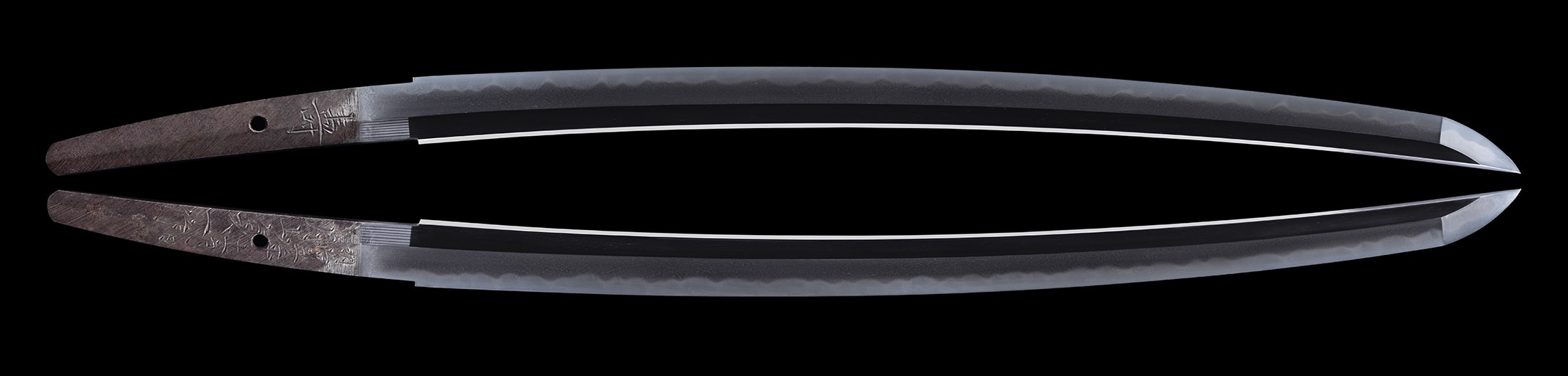
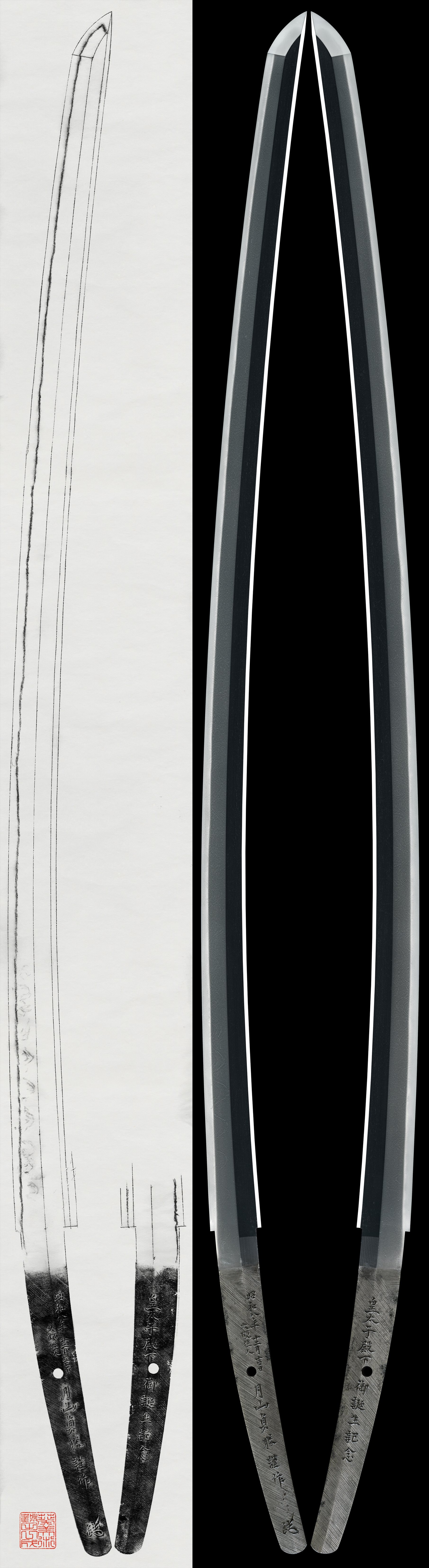

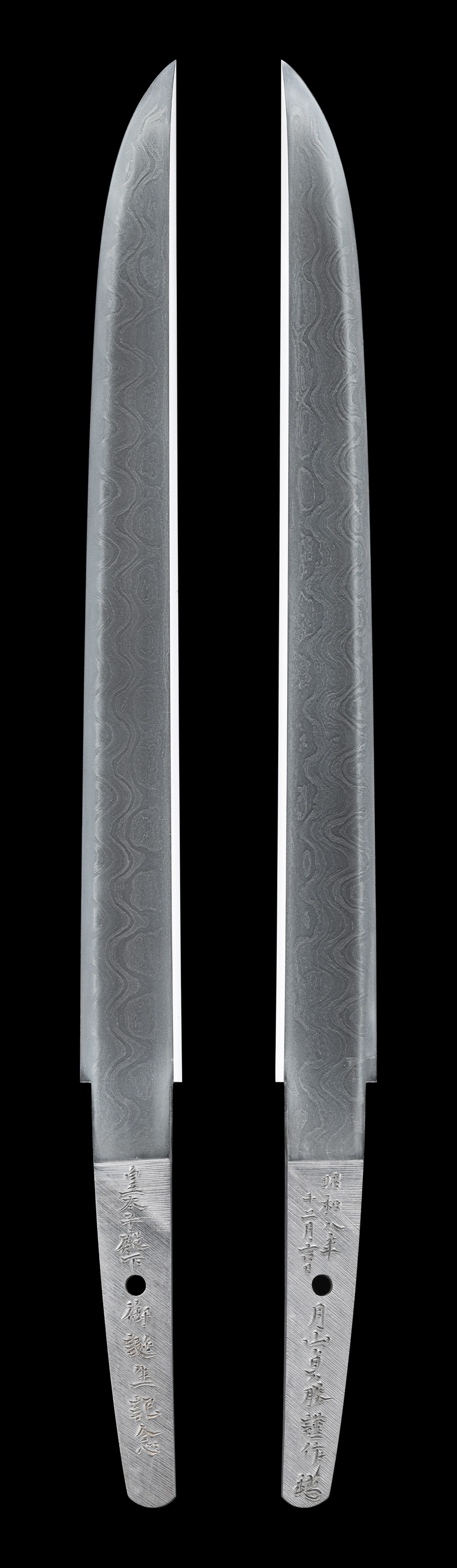


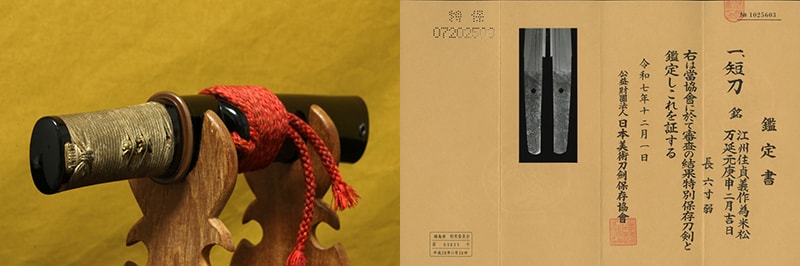
![Tanto - Hozon - by Gassan Sadayoshi - Fuyou Asahi, Ansei Hebidoshi 8gatsuhi (Attributed to Gassan Sadayoshi) [NBTHK Hozon]](/_next/image?url=https%3A%2F%2Fitbhfhyptogxcjbjfzwx.supabase.co%2Fstorage%2Fv1%2Fobject%2Fpublic%2Flisting-images%2Ftoyuukai%2FL519985%2F04.jpg&w=2560&q=90)

