NihontoWatch Mon

NihontoWatchBETA

MarketAuctions
Encyclopedia
NihontoWatch Mon

NihontoWatchBETA

MarketAuctions
Encyclopedia

Description

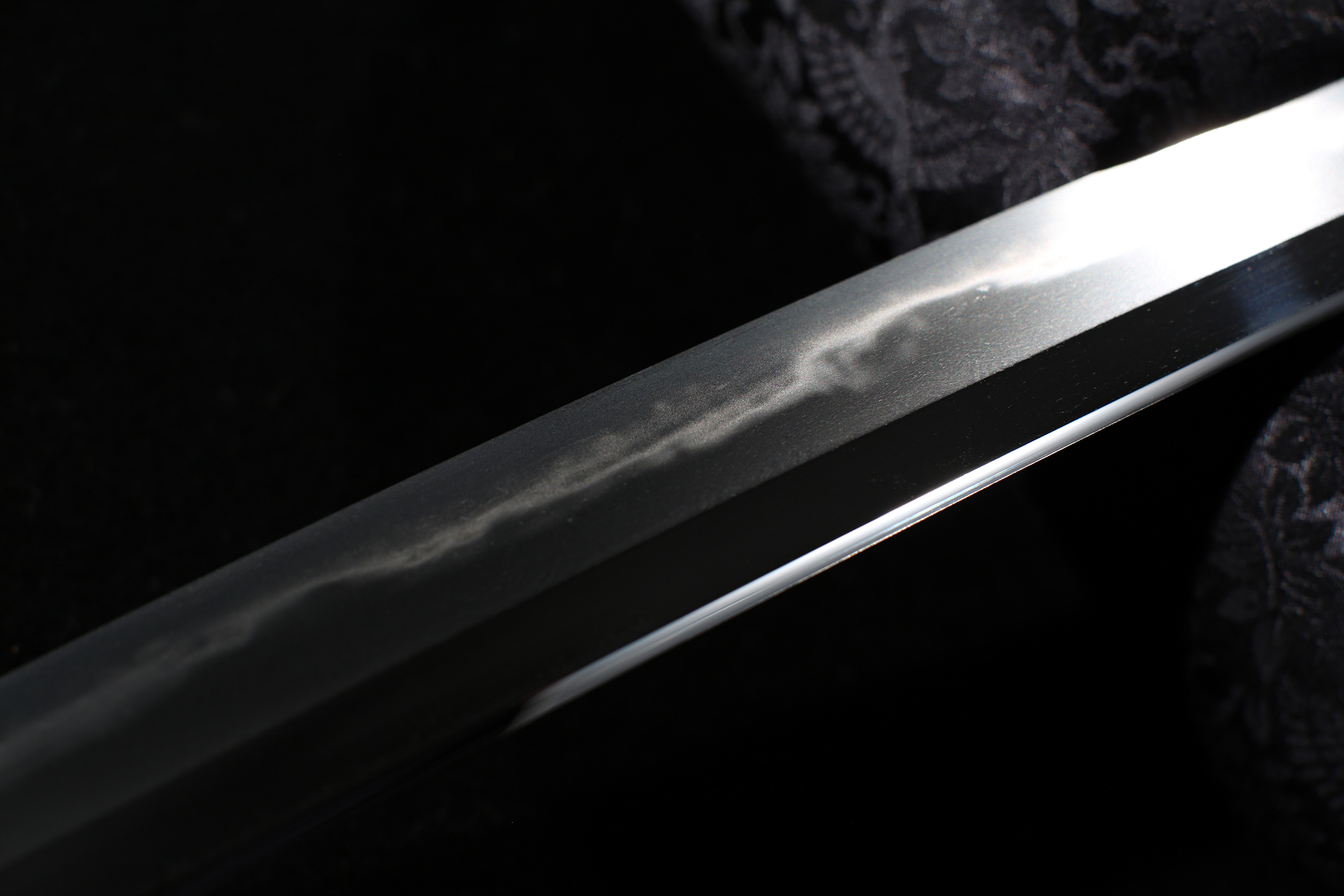
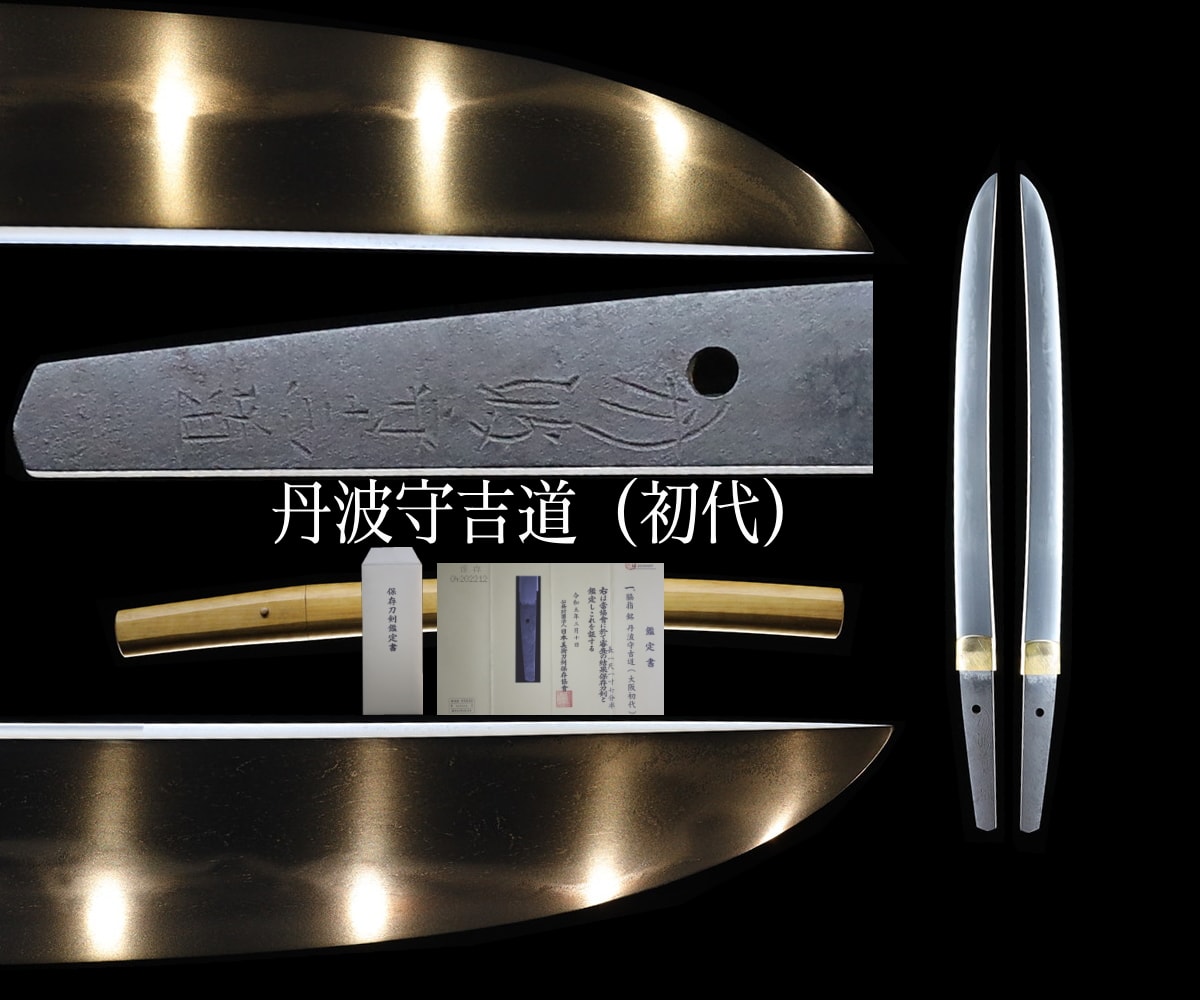
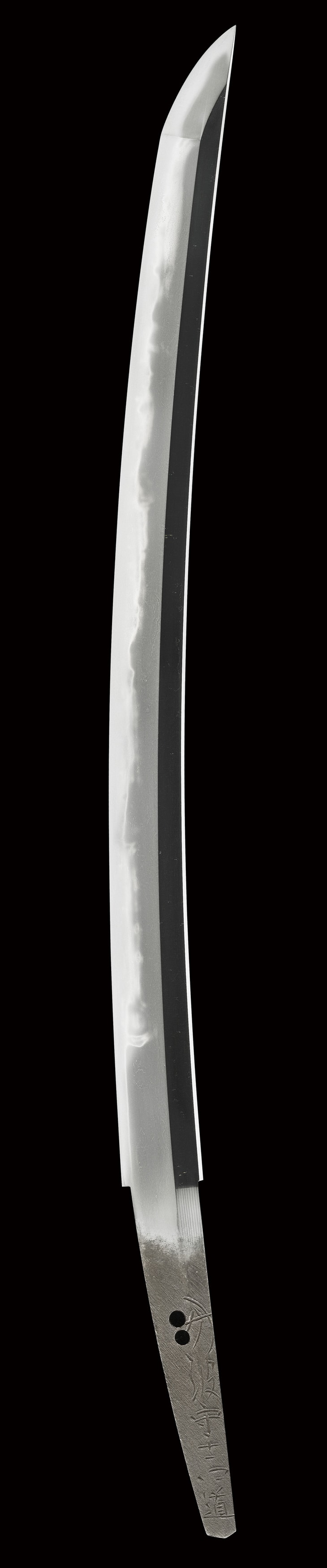
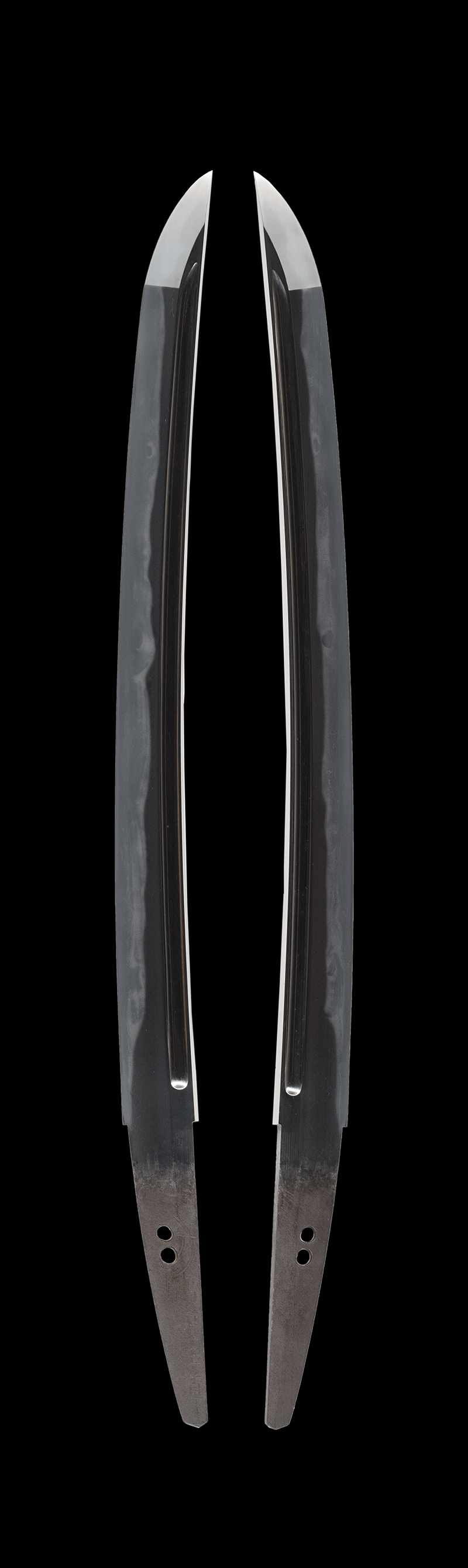
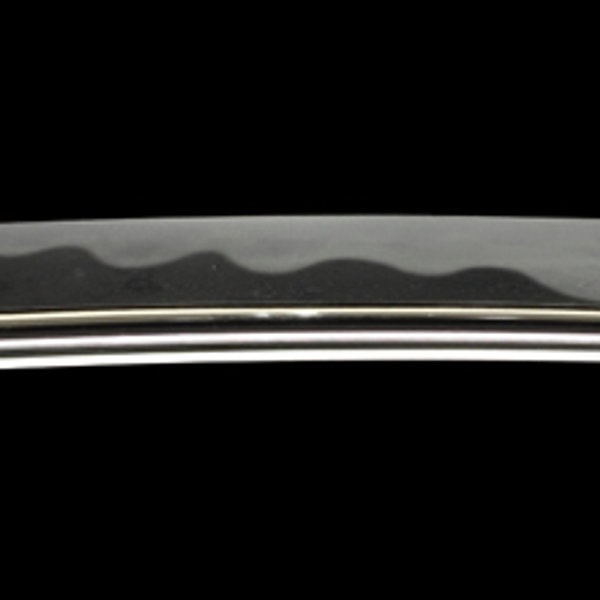
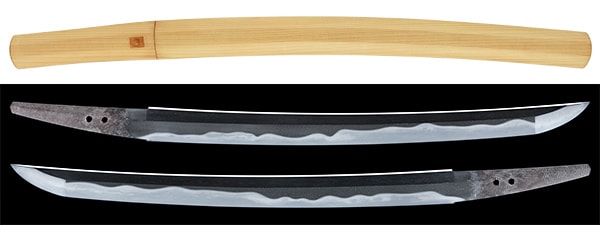
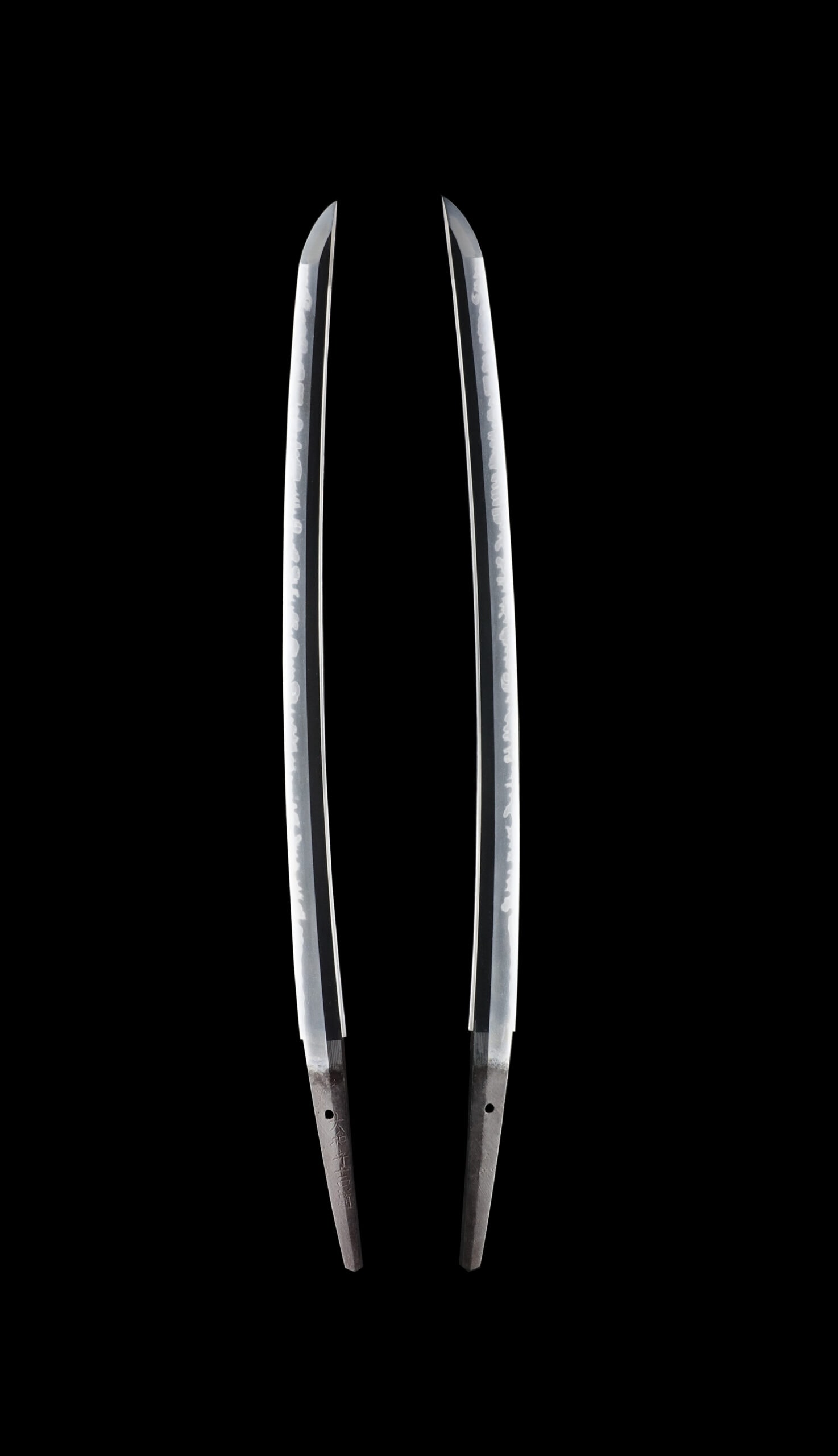
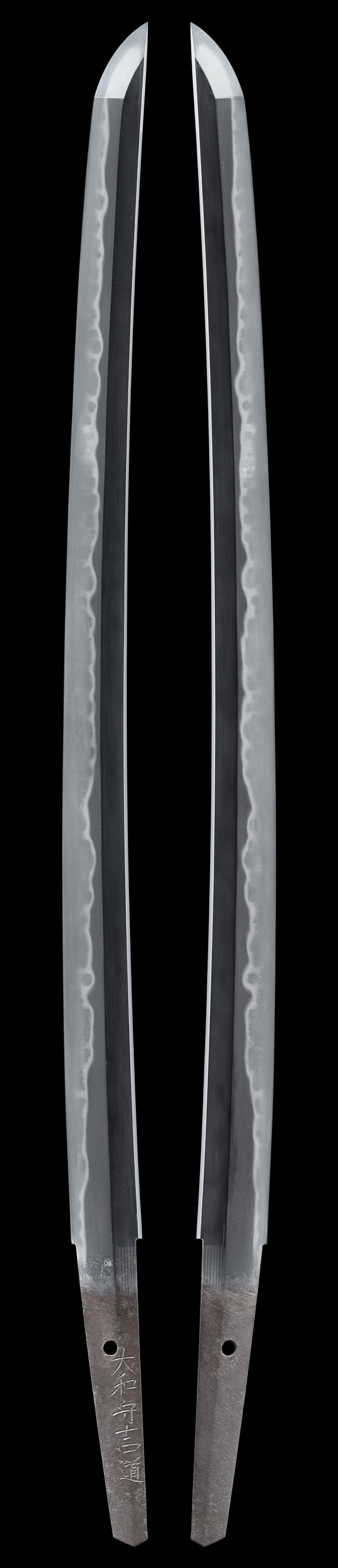
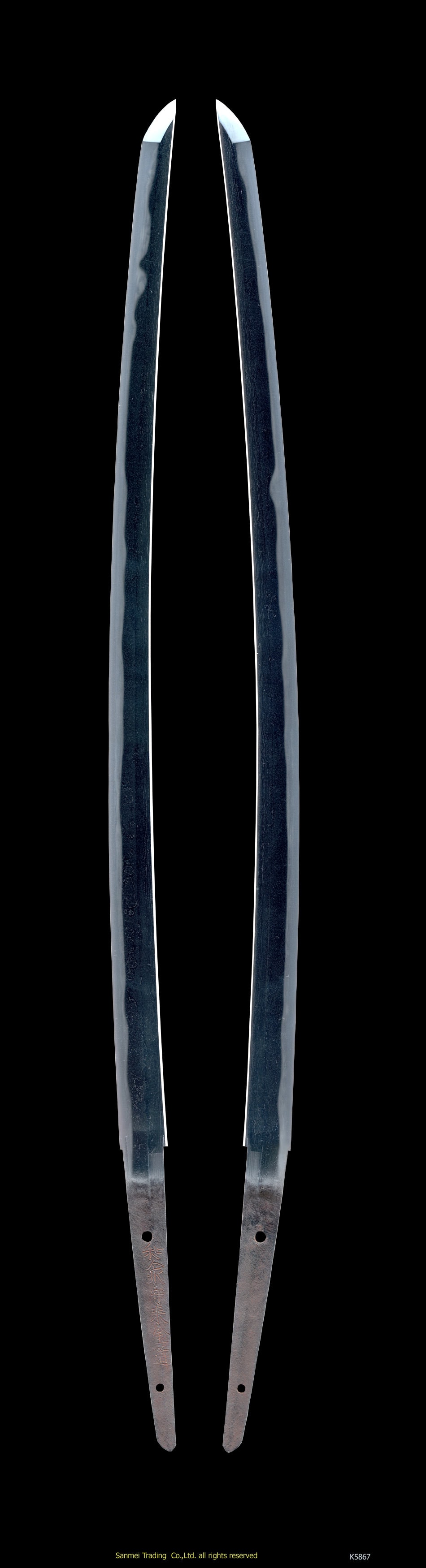
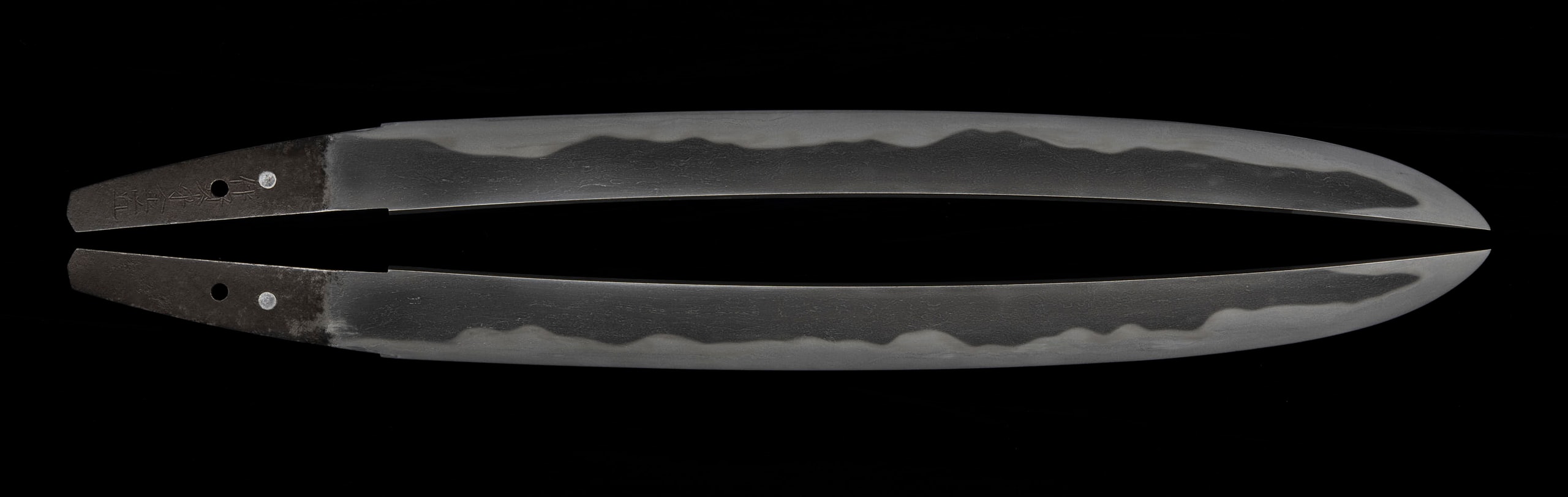
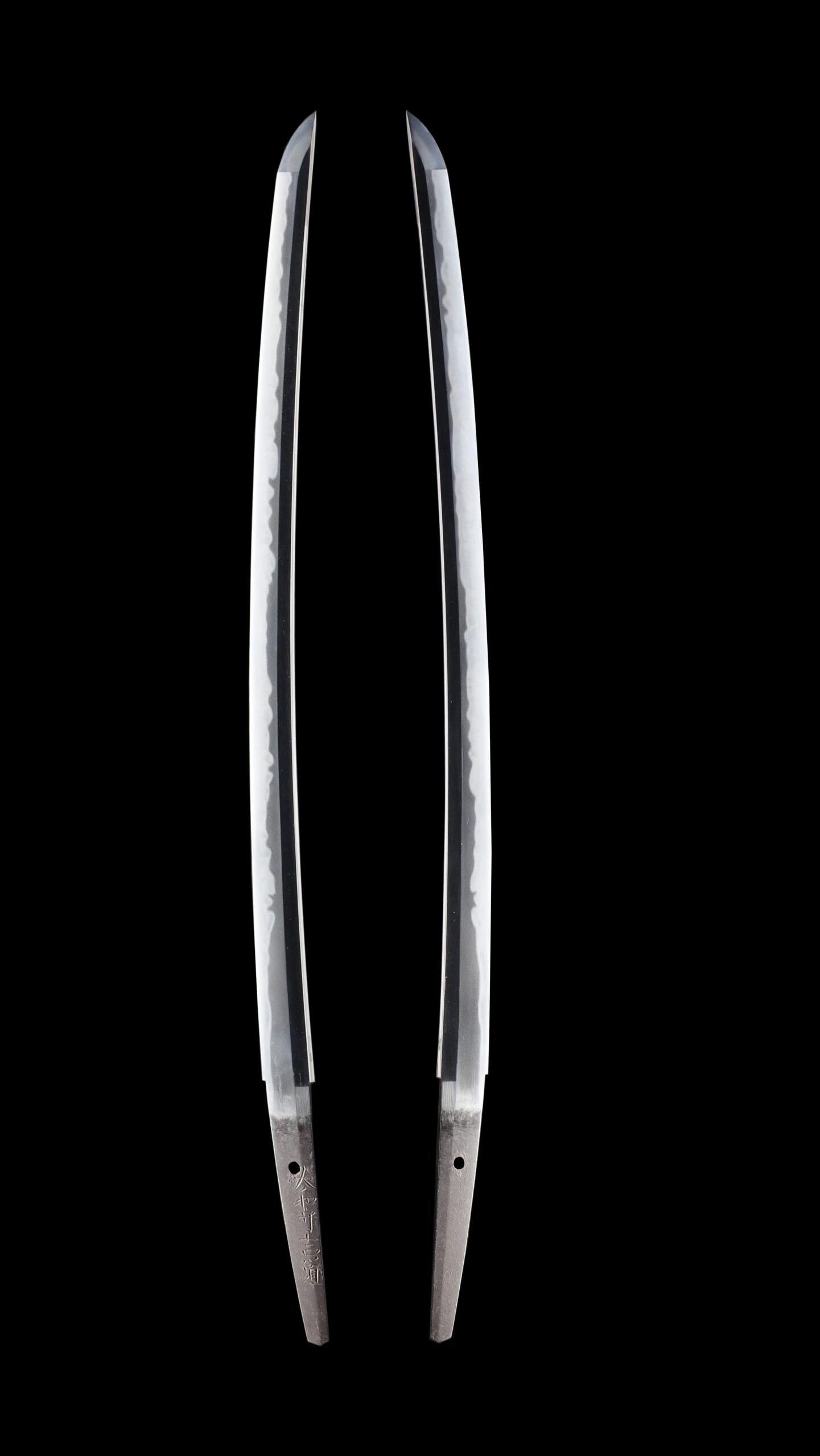
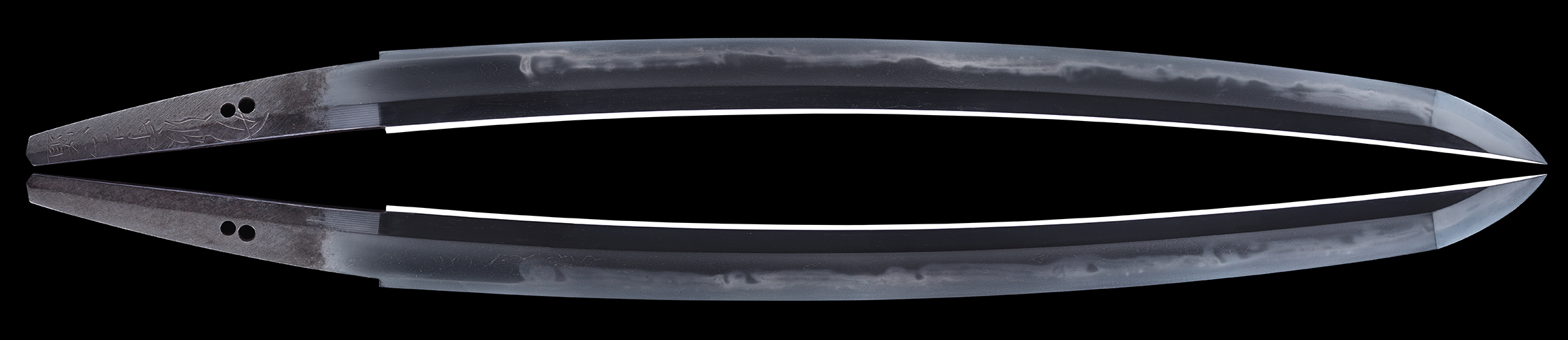
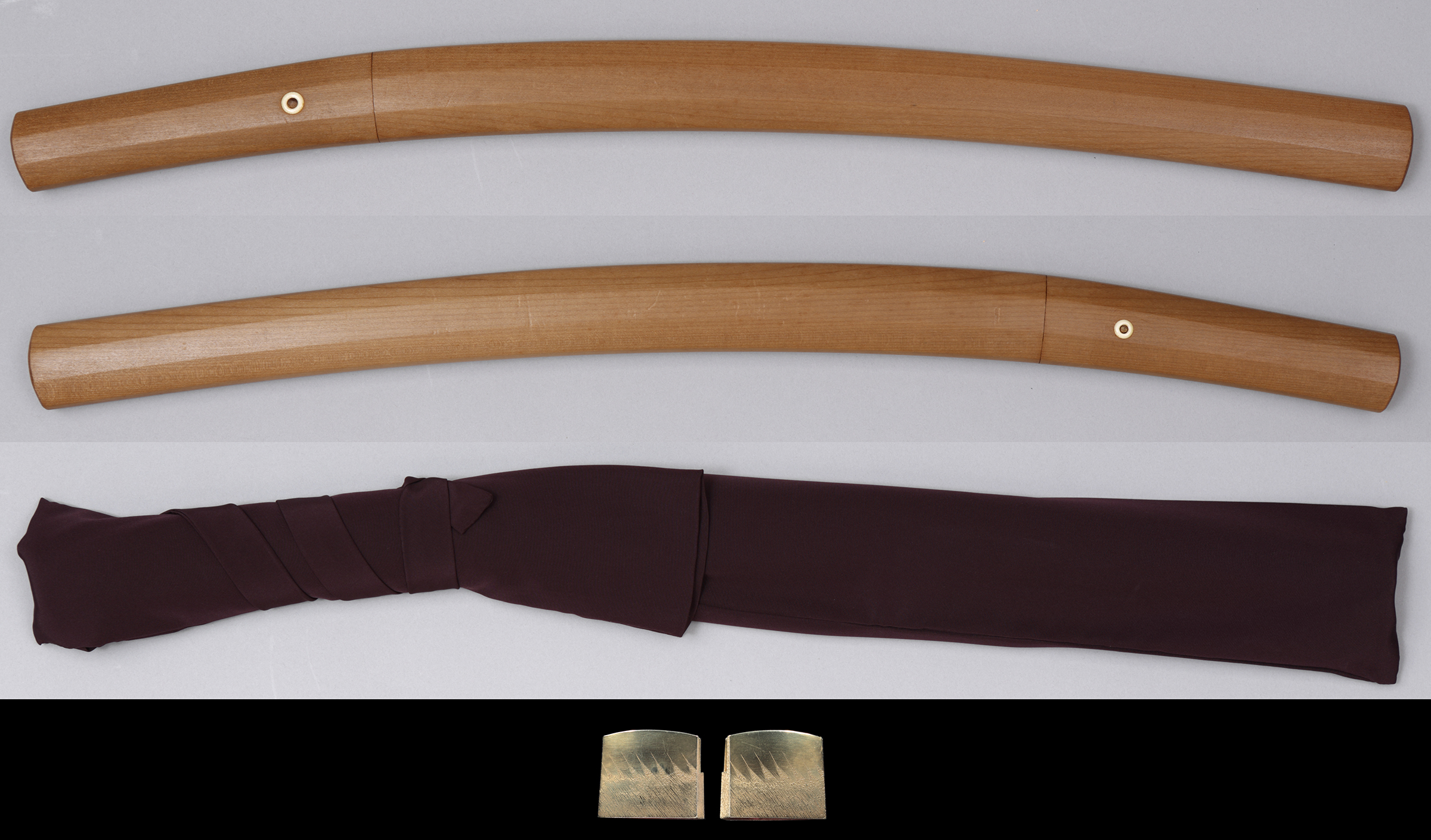
This is a wakizashi made by Yoshimichi (Kyo the first generation) in Yamashiro province during the early Edo period. The blade features a wide body, standard kasane, and a slightly sori. It comes with a shirasaya, shirasaya bag, registration certificate, and a Tokubetsu Hozon certificate from the NBTHK.

NihontoWatch MonNihontoWatchBETA
MarketAuctionsEncyclopedia
Swords›Mishina›Yoshimichi›Wakizashi in Shirasaya
wakizashi
Mishina Yoshimichi

mei · Shinto · nagasa 43.78cm · sori 1.3cm

SOLD
Mishina Yoshimichi — 1 of 3
Mishina Yoshimichi — 2 of 3
Mishina Yoshimichi — 3 of 3
1 / 3
1 / 3
Mishina Yoshimichi — 1 of 3Mishina Yoshimichi — 2 of 3Mishina Yoshimichi — 3 of 3
Measurements & details
Smith
Mishina Yoshimichi
Type
Wakizashi
School
Mishina
Period
Around 1596–1615(Keicho)
Province
Yamashiro
Signature
Signed(100% of this smith's designated works are signed)
Measurements
Nagasa 43.78cmSori 1.3cmMotohaba 3.11cmSakihaba 2.36cmKasane 0.7cmWeight 485.5g
Description
About the maker

Yoshimichi

吉道

Mishina (Sanpin) school, Kyo-Tanba line, Kyoto Shinto · Yamashiro · around 1596-1615

Tōken Taikan top 14%

2 pieces on the market now

›

The shodai Tanba no Kami Yoshimichi devised sudareba, the basket-weave temper that became the signature of the Mishina school and one of the most immediately recognizable hamon in all of Shinto. The published sources are explicit that the pattern was his own invention[[c:1]]. He was the third son of Kanemichi of Mino-Seki, and together with his father and his brothers Iga no Kami Kinmichi, Rai Kinmichi and Etchu no Kami Masatoshi he came up from Mino to Kyoto, settling there in the closing decades of the sixteenth century and raising the Mishina name to its height. The commentary places him among the leading hands of his moment, counting him on one Juyo blade "among the foremost master smiths even of early Shinto[[c:2]]." His blades carry a robust early-Edo bearing, wide in body and thick in the kasane, the sori shallow, the kissaki extended and on the broadest pieces reaching an o-kissaki.

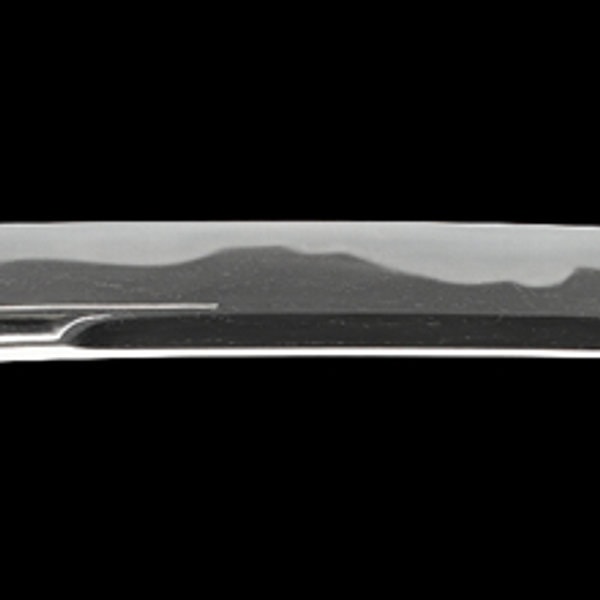
His recognized hand is read off a single tell. Over an itame that flows into masame toward the mune, the grain standing, the published sources set thick and often coarse ji-nie with chikei, then open the temper with a long suguha yakidashi before widening it into a notare-based midare of large and small gunome. Into that line yubashiri, tobiyaki and shimaba run in two and three rows, and frequent striped sunagashi gathers until the whole takes on the bamboo-blind look of sudareba, the nie strong and somewhat coarse and uneven, long kinsuji entering, the nioiguchi tending to sink. The boshi rises in a pointed tsukiage sweep and turns back deeply with vigorous hakikake, the form the sources name the Mishina boshi.

The jigane is the constant beneath all of this. A standing itame flowing to masame, with rough ji-nie and chikei, carries the Mino-Seki inheritance into his Kyoto work and underpins the sudareba above it. His sunagashi, far heavier than on a Bizen blade and worked together with the yubashiri and tobiyaki, is the very material out of which the temper is built. On his finest signed katana the published commentary reads the abundant sunagashi as suggesting "the wellspring of the sudareba seen in later generations[[c:3]]," the activity that would harden into the school's hallmark.

The heart of his connoisseurship lies in the incompleteness of that sudareba. Where his successors regularized it into a technical, almost mannered pattern, the first generation's is still a free, semi-cursive disorder. The judges return to the point again and again, holding on one Juyo blade that "the place where it has not yet settled into a fully established sudareba[[c:4]] is the point of interest in the first generation, and therein lie its strength and savor[[c:5]]." They cite the Shinto Bengi that in his work "within the patterned arrangement of the hamon there is the intent of sudareba[[c:6]]" rather than the fixed lattice of his heirs. Relatively many of his blades survive, but dated examples are rare; no Keicho-dated piece has been encountered, and only a single dated wakizashi, of Genna 7, has been examined firsthand. The signature whose tan character is shaped like a sail is the celebrated Hokake Tanba.

What separates him from the rest of the Mishina house is exactly this manner. Against his brothers Kinmichi and Masatoshi, who worked across a wider range of styles, Yoshimichi is the individualist, the one hand bound to the sudareba and the bright striped sunagashi that builds it. Apart from that manner he made suguha only very rarely, a register the sources call "an extremely rare case within the Kanemichi house[[c:7]], the so-called Sanpin family," and one in which they discern the Yamato tradition that lies as a fountainhead beneath the Mino style, the ha somewhat frayed with hotsure and laid with well-adhering ko-nie. He stands at the head of his own line, the Kyo-Tanba Yoshimichi name continuing through several generations in Kyoto and Osaka, none of whom the published sources rank with the first.

For the collector he is a signed, knowable name, all of his recorded blades carrying a mei. Two of his works on record reach the Tokubetsu Juyo rank and a further thirty-three the Juyo, with examples also among the prewar Juyo Bijutsuhin; one such Juyo Bijutsuhin katana is called by Honma "the finest workmanship among the first-generation Tanba no Kami Yoshimichi I have examined[[c:8]]." The recorded provenance runs through samurai and collector hands rather than great museums: the katana made for Naito Kuroemon, inscribed to be handed down through his descendants generation after generation, the blade certified to Kashiwara Jinbe of Osaka, and a piece from the Satake family, with one katana now held by the Kyoto National Museum. He has no National Treasures or Important Cultural Properties on record, so his work is, unusually for a name of his standing, one a private collector may realistically hope to encounter. A signed shodai Tanba no Kami Yoshimichi comes to market only from time to time and at the upper end of it, but it does come, the rare chance to hold the blade in which the most famous temper of the Shinto era was first being worked out.

Historical importance

Where Yoshimichi stands among comparable artisans: across all of nihontō, and within tradition, era, and period. The tiers (Foremost · Leading · Major · Notable) weigh official designations from the NBTHK and Japan's Agency for Cultural Affairs, together with historical honors of lasting repute such as the Sansaku and Meibutsu-chō.

随一
Foremost
屈指
Leading
有数
Major
著名
Notable

Select a lens to see how it's measured.

Designation record
36 designated works
Jūyō Bijutsuhin
1
Tokubetsu Jūyō
2
Jūyō
33
2 works by Yoshimichi on the market→
Yoshimichi — full profileMishina (Sanpin) school, Kyo-Tanba line, Kyoto Shinto school
About the school

Mishina

三品

Shinto · Yamashiro

59 pieces on the market now

›

The Mishina school (三品), one of the two dominant smithing groups of early Edo Kyoto beside the Horikawa, grew from the late-Mino workshop of Kanemichi of Seki, whose dated blades run through the Tenbun, Eiroku, and Tenshō eras. During the closing decades of the sixteenth century Kanemichi came up to the capital with his four sons and settled at Nishinotōin Ebisugawa, where the eldest, Iga no Kami Kinmichi, is recorded as having greatly raised the name of the line. Learn more →

14 recorded smiths118 designated works
Leading smiths
SmithEraDesignated
Kinmichi金道1596-161523
Yoshimichi吉道1596-161536
Masatoshi正俊1596-161531
Kanemichi兼道1681-17045
Yoshimichi吉道1661-16736
Explore the Mishina school →
Warning — certificate not found

We could not find an authenticity certificate on the seller’s listing. Japanese swords and fittings are normally papered by the NBTHK (or the NTHK). Without one, the attribution is the seller’s own assessment and has not been independently verified — treat it with caution and ask the dealer about certification before buying.

Seller
T
Touken Komachi
Established 2009 · 17 yrs on the market
🇯🇵Ships from Japan
›
✓Verified dealertoukenkomachi.com
✓Ships worldwide✓English supportWire transferPayPal
Return policy

If you judge that the condition of the delivered item differs significantly from the photos or description on our site, a return is possible. However, the return shipping cost is the customer's responsibility. To use cooling-off, please apply in writing by postal mail within one week of the item's arrival. The return shipping cost is the customer's responsibility.

View all of Touken Komachi’s listings→View this item on the dealer’s site→

More works by Mishina Yoshimichi

View all →
Tsuruginoya
Tokujū
Katana - Tokuju - by Mishina Yoshimichi - Tanba no Kami Yoshimichi 1stKatana - Tokuju - by Mishina Yoshimichi - Tanba no Kami Yoshimichi 1st

Katana

ByMishina Yoshimichi
Ask
Katana Ando
脇差Photos not published
Wakizashi - by Mishina Yoshimichi - Wakizashi, Kikumon, Tanba no Kami Yoshimichi

Wakizashi

ByMishina Yoshimichi
¥400,000

Previously sold by Mishina Yoshimichi

Tokka Biz
Tokuho
Wakizashi - Tokuho - by Mishina Yoshimichi - Tanba no Kami Yoshimichi - Kyoto FirstWakizashi - Tokuho - by Mishina Yoshimichi - Tanba no Kami Yoshimichi - Kyoto First
Sold

Wakizashi

ByMishina Yoshimichi
SOLD
Choshuya
Wakizashi - by Mishina Yoshimichi - Japanese Sword for Sale | Ginza Choshuya | Signed Tanba no Kami Yoshimichi (Kyoto 1st Gen.), 308Wakizashi - by Mishina Yoshimichi - Japanese Sword for Sale | Ginza Choshuya | Signed Tanba no Kami Yoshimichi (Kyoto 1st Gen.), 308
Sold

Wakizashi

ByMishina Yoshimichi
SOLD
Choshuya
Wakizashi - by Mishina Yoshimichi - Tanba no Kami Yoshimichi - Keicho 5th Year, MarchWakizashi - by Mishina Yoshimichi - Tanba no Kami Yoshimichi - Keicho 5th Year, March
Sold

Wakizashi

ByMishina Yoshimichi
SOLD
World Seiyudo
Tokuho
Wakizashi - Tokuho - by Mishina Yoshimichi - Tanba no Kami Yoshimichi (1st Generation) - NBTHK Tokubetsu Hozon TokenWakizashi - Tokuho - by Mishina Yoshimichi - Tanba no Kami Yoshimichi (1st Generation) - NBTHK Tokubetsu Hozon Token
Sold

Wakizashi

ByMishina Yoshimichi
SOLD
World Seiyudo
Tokuho
Wakizashi - Tokuho - by Mishina Yoshimichi - Tanba-No-Kami YoshimichiWakizashi - Tokuho - by Mishina Yoshimichi - Tanba-No-Kami Yoshimichi
Sold

Wakizashi

ByMishina Yoshimichi
SOLD
Iida Koendo
Tokuho
Wakizashi - Tokuho - by Mishina Yoshimichi - Tanba no kami Yoshimichi (1st Generation Kyoto)Wakizashi - Tokuho - by Mishina Yoshimichi - Tanba no kami Yoshimichi (1st Generation Kyoto)
Sold

Wakizashi

ByMishina Yoshimichi
SOLD
Kusanagi
Tokuho
Katana - Tokuho - by Mishina Yoshimichi - Shinto Jojo-saku First Generation Mei "Yamato no Kami Yoshimichi" Superb Masterpiece Tokubetsu Hozon TokenKatana - Tokuho - by Mishina Yoshimichi - Shinto Jojo-saku First Generation Mei "Yamato no Kami Yoshimichi" Superb Masterpiece Tokubetsu Hozon Token
Sold

Katana

ByMishina Yoshimichi
SOLD
Nipponto
Jūyō
Katana - Jūyō - by Mishina Yoshimichi - Juyo Katana by Tanbanokami Yoshimichi (1st generation Kyoto), Soshu Masamune copyKatana - Jūyō - by Mishina Yoshimichi - Juyo Katana by Tanbanokami Yoshimichi (1st generation Kyoto), Soshu Masamune copy
Sold

Katana

ByMishina Yoshimichi
SOLD

More from the Mishina school

View all →
Aoi Art
Tokuho
Katana - Tokuho - by Mishina School - Echigo-no-kami Fujiwara Rai KinmichiKatana - Tokuho - by Mishina School - Echigo-no-kami Fujiwara Rai Kinmichi

Katana

ByMishina School
Starting Bid¥800,000
Aoi Art
Tokuho
Yari - Tokuho - by Mishina School - Echizen no Kami MasatoshiYari - Tokuho - by Mishina School - Echizen no Kami Masatoshi

Yari

ByMishina School
Starting Bid¥410,000
Nipponto
Hozon
Katana - Hozon - by Mishina Kinmichi - Katana Mumei Shodai Iganokami Kinmichi (Sayagaki is Shinoarare Shizu)Katana - Hozon - by Mishina Kinmichi - Katana Mumei Shodai Iganokami Kinmichi (Sayagaki is Shinoarare Shizu)

Katana

ByMishina Kinmichi
¥650,000
Katana Yamadaiya
Tokuho
Katana - Tokuho - by Mishina Hisamichi - Tokubetsu Hozon Token / Koshu Tokubetsu Kicho Token: Omi no Kami Minamoto Hisamichi (with Edagiku Mon)Katana - Tokuho - by Mishina Hisamichi - Tokubetsu Hozon Token / Koshu Tokubetsu Kicho Token: Omi no Kami Minamoto Hisamichi (with Edagiku Mon)

Katana

ByMishina Hisamichi
¥1,000,000
Mandarin Mansion
Jūyō
Wakizashi - Jūyō - by Mishina Kinmichi - Iga no Kami KinmichiWakizashi - Jūyō - by Mishina Kinmichi - Iga no Kami Kinmichi

Wakizashi

ByMishina Kinmichi
¥27,500
Goushuya
Jūyō
Katana - Jūyō - by Mishina Masatoshi - Etchu no Kami Masatoshi, owned by General Tani TatekiKatana - Jūyō - by Mishina Masatoshi - Etchu no Kami Masatoshi, owned by General Tani Tateki

Katana

ByMishina Masatoshi
Ask
Touken Matsumoto
Tokuho
Katana - Tokuho - by Mishina Kinmichi - Izumi no Kami Rai Kinmichi & Hokkyo Rai EisenKatana - Tokuho - by Mishina Kinmichi - Izumi no Kami Rai Kinmichi & Hokkyo Rai Eisen

Katana

ByMishina Kinmichi
¥2,000,000
Choshuya
Tokuho
Katana - Tokuho - by Mishina School - Iga no Kami Fujiwara KinmichiKatana - Tokuho - by Mishina School - Iga no Kami Fujiwara Kinmichi

Katana

ByMishina School
¥1,700,000

Swords

  • Katana
  • Wakizashi
  • Tantō
  • Tachi
  • Naginata
  • Yari

Fittings

  • Tsuba
  • Fuchi-Kashira
  • Kozuka
  • Menuki

By Certification

  • Tokujū
  • Jūyō
  • Tokuho
  • Hozon

Resources

  • Dealer Directory
  • Artist Directory
  • Glossary
  • Browse All
Nihontowatch© 2026
TermsPrivacyCookiesAbout

Description

This is a wakizashi made by Yoshimichi (Kyo the first generation) in Yamashiro province during the early Edo period. The blade features a wide body, standard kasane, and a slightly sori. It comes with a shirasaya, shirasaya bag, registration certificate, and a Tokubetsu Hozon certificate from the NBTHK.

NihontoWatch MonNihontoWatchBETA
MarketAuctionsEncyclopedia
Swords›Mishina›Yoshimichi›Wakizashi in Shirasaya
wakizashi
Mishina Yoshimichi

mei · Shinto · nagasa 43.78cm · sori 1.3cm

SOLD
Mishina Yoshimichi — 1 of 3
Mishina Yoshimichi — 2 of 3
Mishina Yoshimichi — 3 of 3
1 / 3
1 / 3
Mishina Yoshimichi — 1 of 3Mishina Yoshimichi — 2 of 3Mishina Yoshimichi — 3 of 3
Measurements & details
Smith
Mishina Yoshimichi
Type
Wakizashi
School
Mishina
Period
Around 1596–1615(Keicho)
Province
Yamashiro
Signature
Signed(100% of this smith's designated works are signed)
Measurements
Nagasa 43.78cmSori 1.3cmMotohaba 3.11cmSakihaba 2.36cmKasane 0.7cmWeight 485.5g
Description
About the maker

Yoshimichi

吉道

Mishina (Sanpin) school, Kyo-Tanba line, Kyoto Shinto · Yamashiro · around 1596-1615

Tōken Taikan top 14%

2 pieces on the market now

›

The shodai Tanba no Kami Yoshimichi devised sudareba, the basket-weave temper that became the signature of the Mishina school and one of the most immediately recognizable hamon in all of Shinto. The published sources are explicit that the pattern was his own invention[[c:1]]. He was the third son of Kanemichi of Mino-Seki, and together with his father and his brothers Iga no Kami Kinmichi, Rai Kinmichi and Etchu no Kami Masatoshi he came up from Mino to Kyoto, settling there in the closing decades of the sixteenth century and raising the Mishina name to its height. The commentary places him among the leading hands of his moment, counting him on one Juyo blade "among the foremost master smiths even of early Shinto[[c:2]]." His blades carry a robust early-Edo bearing, wide in body and thick in the kasane, the sori shallow, the kissaki extended and on the broadest pieces reaching an o-kissaki.

His recognized hand is read off a single tell. Over an itame that flows into masame toward the mune, the grain standing, the published sources set thick and often coarse ji-nie with chikei, then open the temper with a long suguha yakidashi before widening it into a notare-based midare of large and small gunome. Into that line yubashiri, tobiyaki and shimaba run in two and three rows, and frequent striped sunagashi gathers until the whole takes on the bamboo-blind look of sudareba, the nie strong and somewhat coarse and uneven, long kinsuji entering, the nioiguchi tending to sink. The boshi rises in a pointed tsukiage sweep and turns back deeply with vigorous hakikake, the form the sources name the Mishina boshi.

The jigane is the constant beneath all of this. A standing itame flowing to masame, with rough ji-nie and chikei, carries the Mino-Seki inheritance into his Kyoto work and underpins the sudareba above it. His sunagashi, far heavier than on a Bizen blade and worked together with the yubashiri and tobiyaki, is the very material out of which the temper is built. On his finest signed katana the published commentary reads the abundant sunagashi as suggesting "the wellspring of the sudareba seen in later generations[[c:3]]," the activity that would harden into the school's hallmark.

The heart of his connoisseurship lies in the incompleteness of that sudareba. Where his successors regularized it into a technical, almost mannered pattern, the first generation's is still a free, semi-cursive disorder. The judges return to the point again and again, holding on one Juyo blade that "the place where it has not yet settled into a fully established sudareba[[c:4]] is the point of interest in the first generation, and therein lie its strength and savor[[c:5]]." They cite the Shinto Bengi that in his work "within the patterned arrangement of the hamon there is the intent of sudareba[[c:6]]" rather than the fixed lattice of his heirs. Relatively many of his blades survive, but dated examples are rare; no Keicho-dated piece has been encountered, and only a single dated wakizashi, of Genna 7, has been examined firsthand. The signature whose tan character is shaped like a sail is the celebrated Hokake Tanba.

What separates him from the rest of the Mishina house is exactly this manner. Against his brothers Kinmichi and Masatoshi, who worked across a wider range of styles, Yoshimichi is the individualist, the one hand bound to the sudareba and the bright striped sunagashi that builds it. Apart from that manner he made suguha only very rarely, a register the sources call "an extremely rare case within the Kanemichi house[[c:7]], the so-called Sanpin family," and one in which they discern the Yamato tradition that lies as a fountainhead beneath the Mino style, the ha somewhat frayed with hotsure and laid with well-adhering ko-nie. He stands at the head of his own line, the Kyo-Tanba Yoshimichi name continuing through several generations in Kyoto and Osaka, none of whom the published sources rank with the first.

For the collector he is a signed, knowable name, all of his recorded blades carrying a mei. Two of his works on record reach the Tokubetsu Juyo rank and a further thirty-three the Juyo, with examples also among the prewar Juyo Bijutsuhin; one such Juyo Bijutsuhin katana is called by Honma "the finest workmanship among the first-generation Tanba no Kami Yoshimichi I have examined[[c:8]]." The recorded provenance runs through samurai and collector hands rather than great museums: the katana made for Naito Kuroemon, inscribed to be handed down through his descendants generation after generation, the blade certified to Kashiwara Jinbe of Osaka, and a piece from the Satake family, with one katana now held by the Kyoto National Museum. He has no National Treasures or Important Cultural Properties on record, so his work is, unusually for a name of his standing, one a private collector may realistically hope to encounter. A signed shodai Tanba no Kami Yoshimichi comes to market only from time to time and at the upper end of it, but it does come, the rare chance to hold the blade in which the most famous temper of the Shinto era was first being worked out.
Historical importance

Where Yoshimichi stands among comparable artisans: across all of nihontō, and within tradition, era, and period. The tiers (Foremost · Leading · Major · Notable) weigh official designations from the NBTHK and Japan's Agency for Cultural Affairs, together with historical honors of lasting repute such as the Sansaku and Meibutsu-chō.

随一
Foremost
屈指
Leading
有数
Major
著名
Notable

Select a lens to see how it's measured.

Designation record
36 designated works
Jūyō Bijutsuhin
1
Tokubetsu Jūyō
2
Jūyō
33
2 works by Yoshimichi on the market→
Yoshimichi — full profileMishina (Sanpin) school, Kyo-Tanba line, Kyoto Shinto school
About the school

Mishina

三品

Shinto · Yamashiro

59 pieces on the market now

›

The Mishina school (三品), one of the two dominant smithing groups of early Edo Kyoto beside the Horikawa, grew from the late-Mino workshop of Kanemichi of Seki, whose dated blades run through the Tenbun, Eiroku, and Tenshō eras. During the closing decades of the sixteenth century Kanemichi came up to the capital with his four sons and settled at Nishinotōin Ebisugawa, where the eldest, Iga no Kami Kinmichi, is recorded as having greatly raised the name of the line. Learn more →

14 recorded smiths118 designated works
Leading smiths
SmithEraDesignated
Kinmichi金道1596-161523
Yoshimichi吉道1596-161536
Masatoshi正俊1596-161531
Kanemichi兼道1681-17045
Yoshimichi吉道1661-16736
Explore the Mishina school →
Warning — certificate not found

We could not find an authenticity certificate on the seller’s listing. Japanese swords and fittings are normally papered by the NBTHK (or the NTHK). Without one, the attribution is the seller’s own assessment and has not been independently verified — treat it with caution and ask the dealer about certification before buying.

Seller
T
Touken Komachi
Established 2009 · 17 yrs on the market
🇯🇵Ships from Japan
›
✓Verified dealertoukenkomachi.com
✓Ships worldwide✓English supportWire transferPayPal
Return policy

If you judge that the condition of the delivered item differs significantly from the photos or description on our site, a return is possible. However, the return shipping cost is the customer's responsibility. To use cooling-off, please apply in writing by postal mail within one week of the item's arrival. The return shipping cost is the customer's responsibility.

View all of Touken Komachi’s listings→View this item on the dealer’s site→

More works by Mishina Yoshimichi

View all →
Tsuruginoya
Tokujū
Katana - Tokuju - by Mishina Yoshimichi - Tanba no Kami Yoshimichi 1stKatana - Tokuju - by Mishina Yoshimichi - Tanba no Kami Yoshimichi 1st

Katana

ByMishina Yoshimichi
Ask
Katana Ando
脇差Photos not published
Wakizashi - by Mishina Yoshimichi - Wakizashi, Kikumon, Tanba no Kami Yoshimichi

Wakizashi

ByMishina Yoshimichi
¥400,000

Previously sold by Mishina Yoshimichi

Tokka Biz
Tokuho
Wakizashi - Tokuho - by Mishina Yoshimichi - Tanba no Kami Yoshimichi - Kyoto FirstWakizashi - Tokuho - by Mishina Yoshimichi - Tanba no Kami Yoshimichi - Kyoto First
Sold

Wakizashi

ByMishina Yoshimichi
SOLD
Choshuya
Wakizashi - by Mishina Yoshimichi - Japanese Sword for Sale | Ginza Choshuya | Signed Tanba no Kami Yoshimichi (Kyoto 1st Gen.), 308Wakizashi - by Mishina Yoshimichi - Japanese Sword for Sale | Ginza Choshuya | Signed Tanba no Kami Yoshimichi (Kyoto 1st Gen.), 308
Sold

Wakizashi

ByMishina Yoshimichi
SOLD
Choshuya
Wakizashi - by Mishina Yoshimichi - Tanba no Kami Yoshimichi - Keicho 5th Year, MarchWakizashi - by Mishina Yoshimichi - Tanba no Kami Yoshimichi - Keicho 5th Year, March
Sold

Wakizashi

ByMishina Yoshimichi
SOLD
World Seiyudo
Tokuho
Wakizashi - Tokuho - by Mishina Yoshimichi - Tanba no Kami Yoshimichi (1st Generation) - NBTHK Tokubetsu Hozon TokenWakizashi - Tokuho - by Mishina Yoshimichi - Tanba no Kami Yoshimichi (1st Generation) - NBTHK Tokubetsu Hozon Token
Sold

Wakizashi

ByMishina Yoshimichi
SOLD
World Seiyudo
Tokuho
Wakizashi - Tokuho - by Mishina Yoshimichi - Tanba-No-Kami YoshimichiWakizashi - Tokuho - by Mishina Yoshimichi - Tanba-No-Kami Yoshimichi
Sold

Wakizashi

ByMishina Yoshimichi
SOLD
Iida Koendo
Tokuho
Wakizashi - Tokuho - by Mishina Yoshimichi - Tanba no kami Yoshimichi (1st Generation Kyoto)Wakizashi - Tokuho - by Mishina Yoshimichi - Tanba no kami Yoshimichi (1st Generation Kyoto)
Sold

Wakizashi

ByMishina Yoshimichi
SOLD
Kusanagi
Tokuho
Katana - Tokuho - by Mishina Yoshimichi - Shinto Jojo-saku First Generation Mei "Yamato no Kami Yoshimichi" Superb Masterpiece Tokubetsu Hozon TokenKatana - Tokuho - by Mishina Yoshimichi - Shinto Jojo-saku First Generation Mei "Yamato no Kami Yoshimichi" Superb Masterpiece Tokubetsu Hozon Token
Sold

Katana

ByMishina Yoshimichi
SOLD
Nipponto
Jūyō
Katana - Jūyō - by Mishina Yoshimichi - Juyo Katana by Tanbanokami Yoshimichi (1st generation Kyoto), Soshu Masamune copyKatana - Jūyō - by Mishina Yoshimichi - Juyo Katana by Tanbanokami Yoshimichi (1st generation Kyoto), Soshu Masamune copy
Sold

Katana

ByMishina Yoshimichi
SOLD

More from the Mishina school

View all →
Aoi Art
Tokuho
Katana - Tokuho - by Mishina School - Echigo-no-kami Fujiwara Rai KinmichiKatana - Tokuho - by Mishina School - Echigo-no-kami Fujiwara Rai Kinmichi

Katana

ByMishina School
Starting Bid¥800,000
Aoi Art
Tokuho
Yari - Tokuho - by Mishina School - Echizen no Kami MasatoshiYari - Tokuho - by Mishina School - Echizen no Kami Masatoshi

Yari

ByMishina School
Starting Bid¥410,000
Nipponto
Hozon
Katana - Hozon - by Mishina Kinmichi - Katana Mumei Shodai Iganokami Kinmichi (Sayagaki is Shinoarare Shizu)Katana - Hozon - by Mishina Kinmichi - Katana Mumei Shodai Iganokami Kinmichi (Sayagaki is Shinoarare Shizu)

Katana

ByMishina Kinmichi
¥650,000
Katana Yamadaiya
Tokuho
Katana - Tokuho - by Mishina Hisamichi - Tokubetsu Hozon Token / Koshu Tokubetsu Kicho Token: Omi no Kami Minamoto Hisamichi (with Edagiku Mon)Katana - Tokuho - by Mishina Hisamichi - Tokubetsu Hozon Token / Koshu Tokubetsu Kicho Token: Omi no Kami Minamoto Hisamichi (with Edagiku Mon)

Katana

ByMishina Hisamichi
¥1,000,000
Mandarin Mansion
Jūyō
Wakizashi - Jūyō - by Mishina Kinmichi - Iga no Kami KinmichiWakizashi - Jūyō - by Mishina Kinmichi - Iga no Kami Kinmichi

Wakizashi

ByMishina Kinmichi
¥27,500
Goushuya
Jūyō
Katana - Jūyō - by Mishina Masatoshi - Etchu no Kami Masatoshi, owned by General Tani TatekiKatana - Jūyō - by Mishina Masatoshi - Etchu no Kami Masatoshi, owned by General Tani Tateki

Katana

ByMishina Masatoshi
Ask
Touken Matsumoto
Tokuho
Katana - Tokuho - by Mishina Kinmichi - Izumi no Kami Rai Kinmichi & Hokkyo Rai EisenKatana - Tokuho - by Mishina Kinmichi - Izumi no Kami Rai Kinmichi & Hokkyo Rai Eisen

Katana

ByMishina Kinmichi
¥2,000,000
Choshuya
Tokuho
Katana - Tokuho - by Mishina School - Iga no Kami Fujiwara KinmichiKatana - Tokuho - by Mishina School - Iga no Kami Fujiwara Kinmichi

Katana

ByMishina School
¥1,700,000

Swords

  • Katana
  • Wakizashi
  • Tantō
  • Tachi
  • Naginata
  • Yari

Fittings

  • Tsuba
  • Fuchi-Kashira
  • Kozuka
  • Menuki

By Certification

  • Tokujū
  • Jūyō
  • Tokuho
  • Hozon

Resources

  • Dealer Directory
  • Artist Directory
  • Glossary
  • Browse All
Nihontowatch© 2026
TermsPrivacyCookiesAbout
NihontoWatch Mon

NihontoWatchBETA

MarketAuctions
Encyclopedia
NihontoWatch Mon

NihontoWatchBETA

MarketAuctions
Encyclopedia