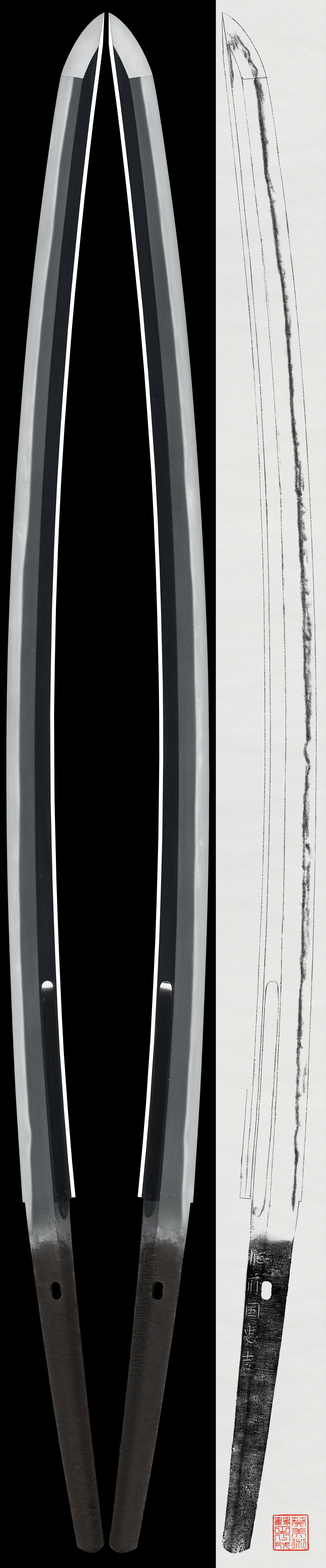
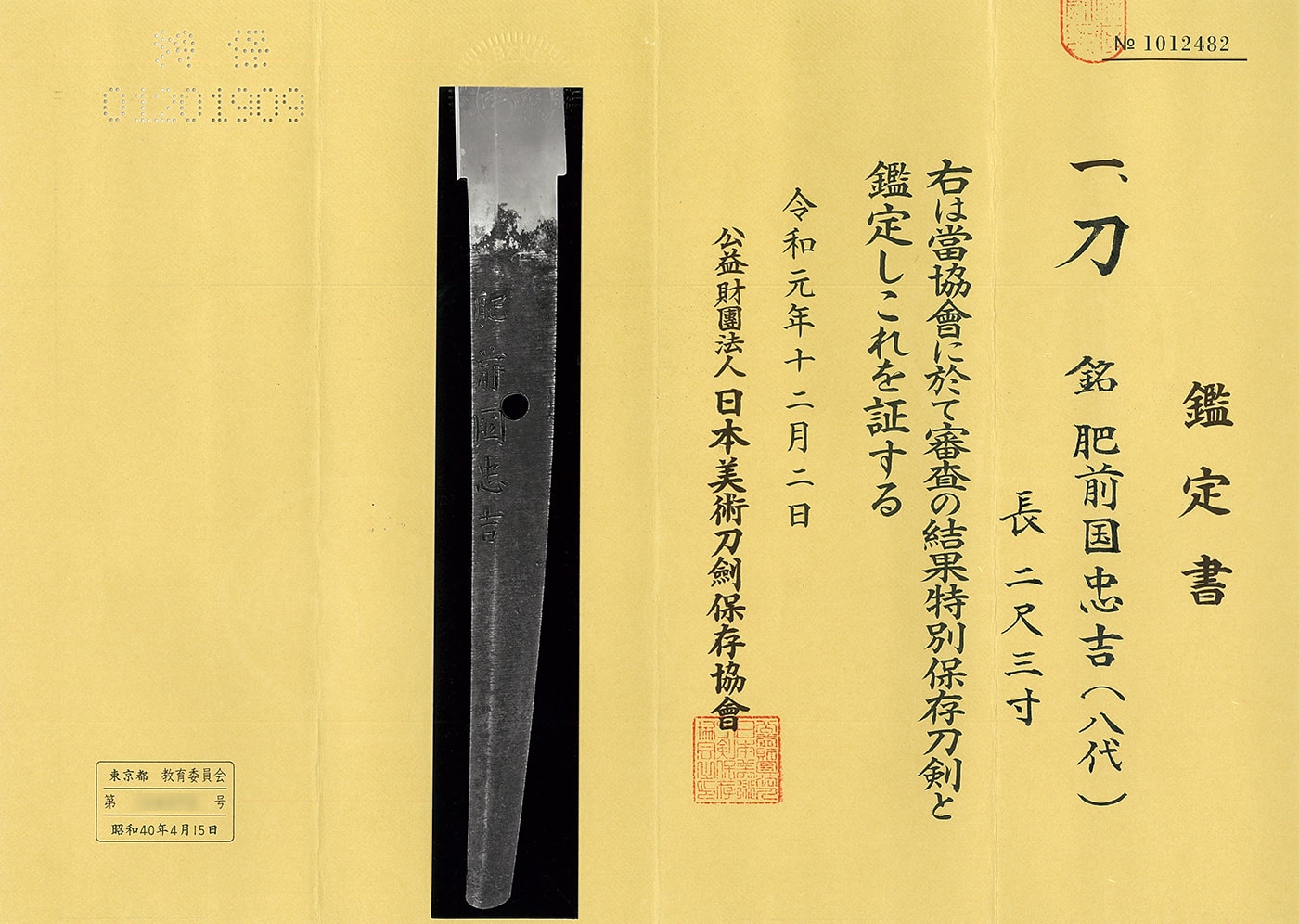
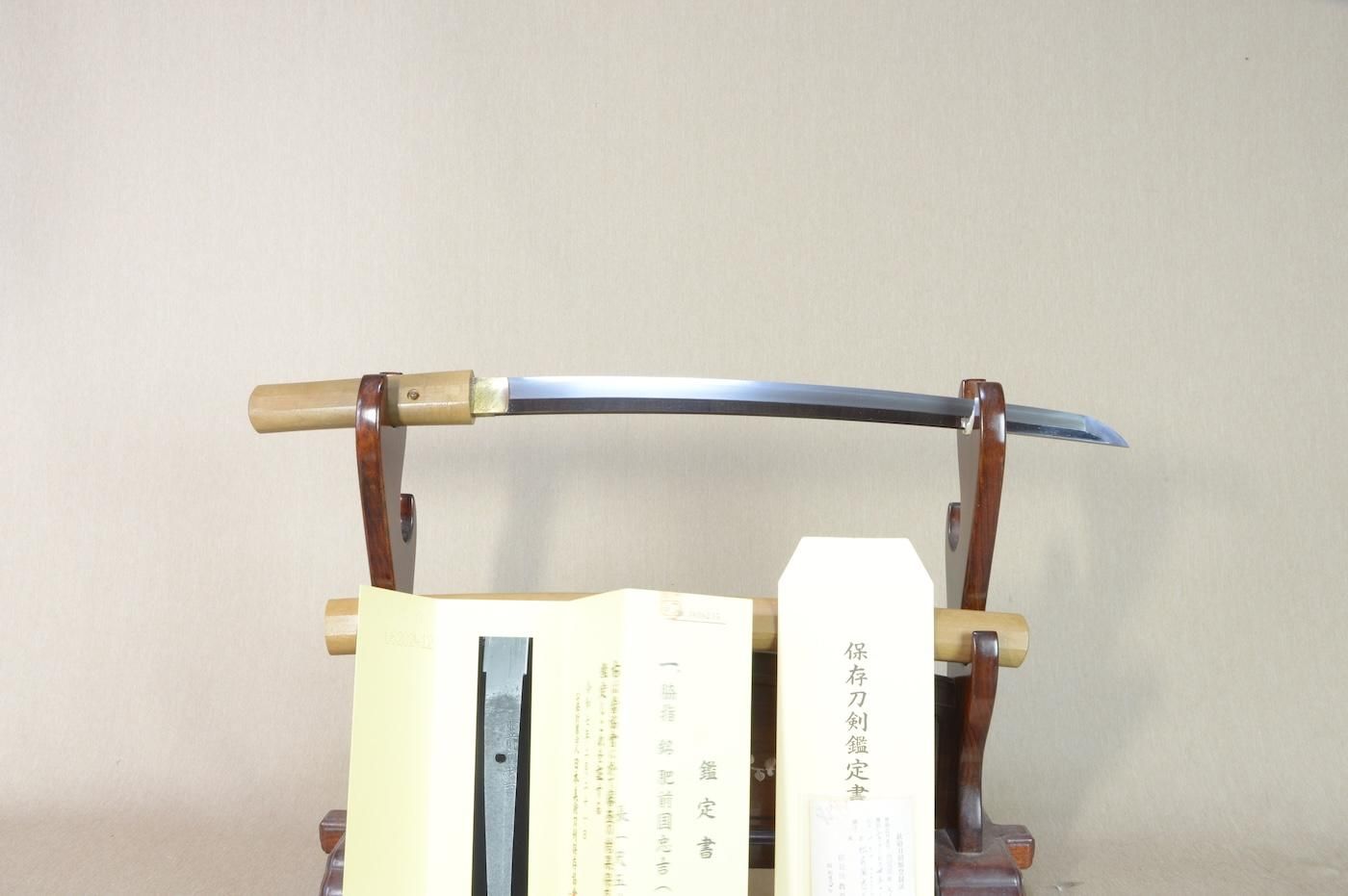
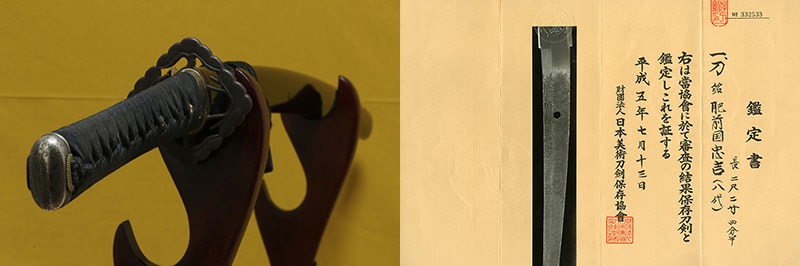
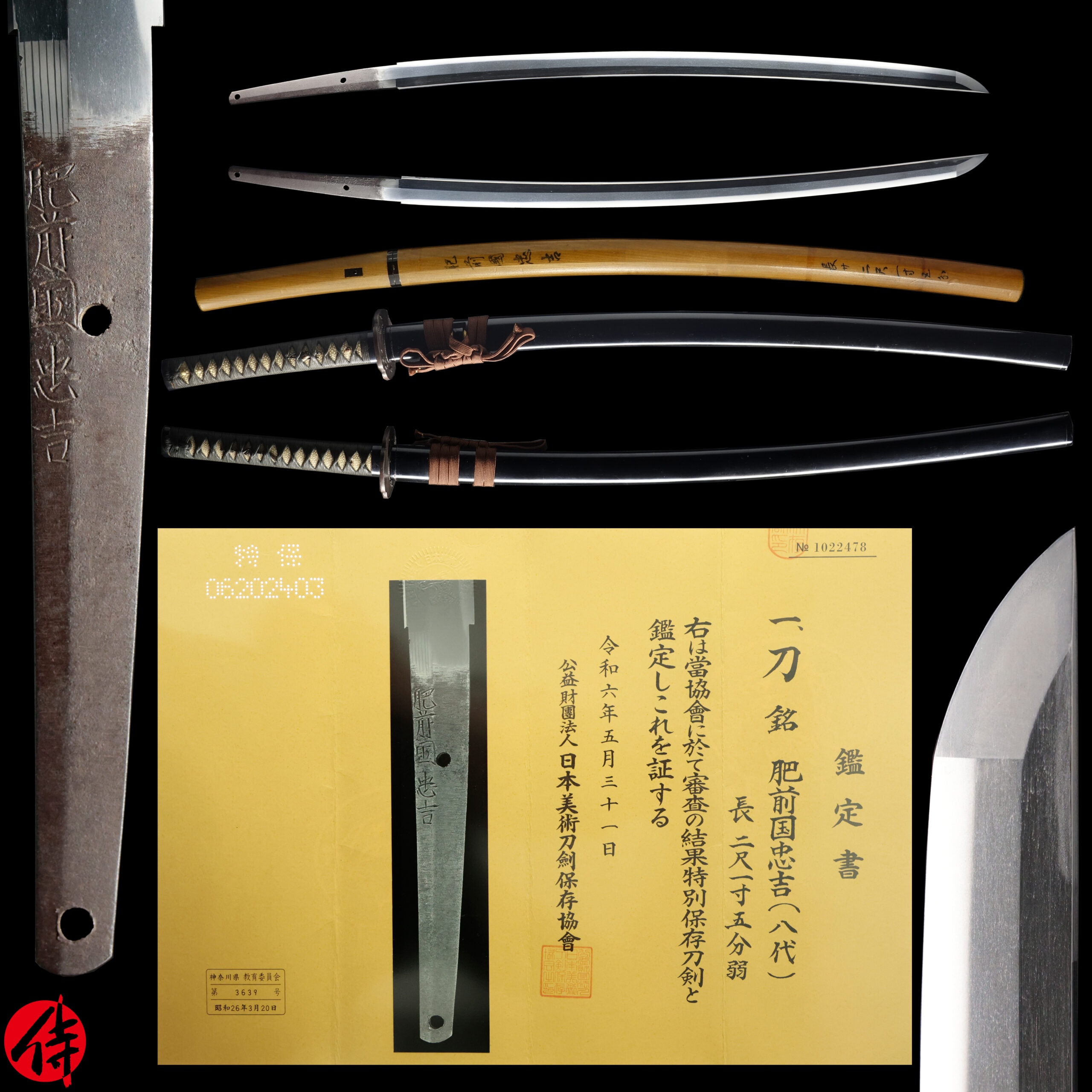
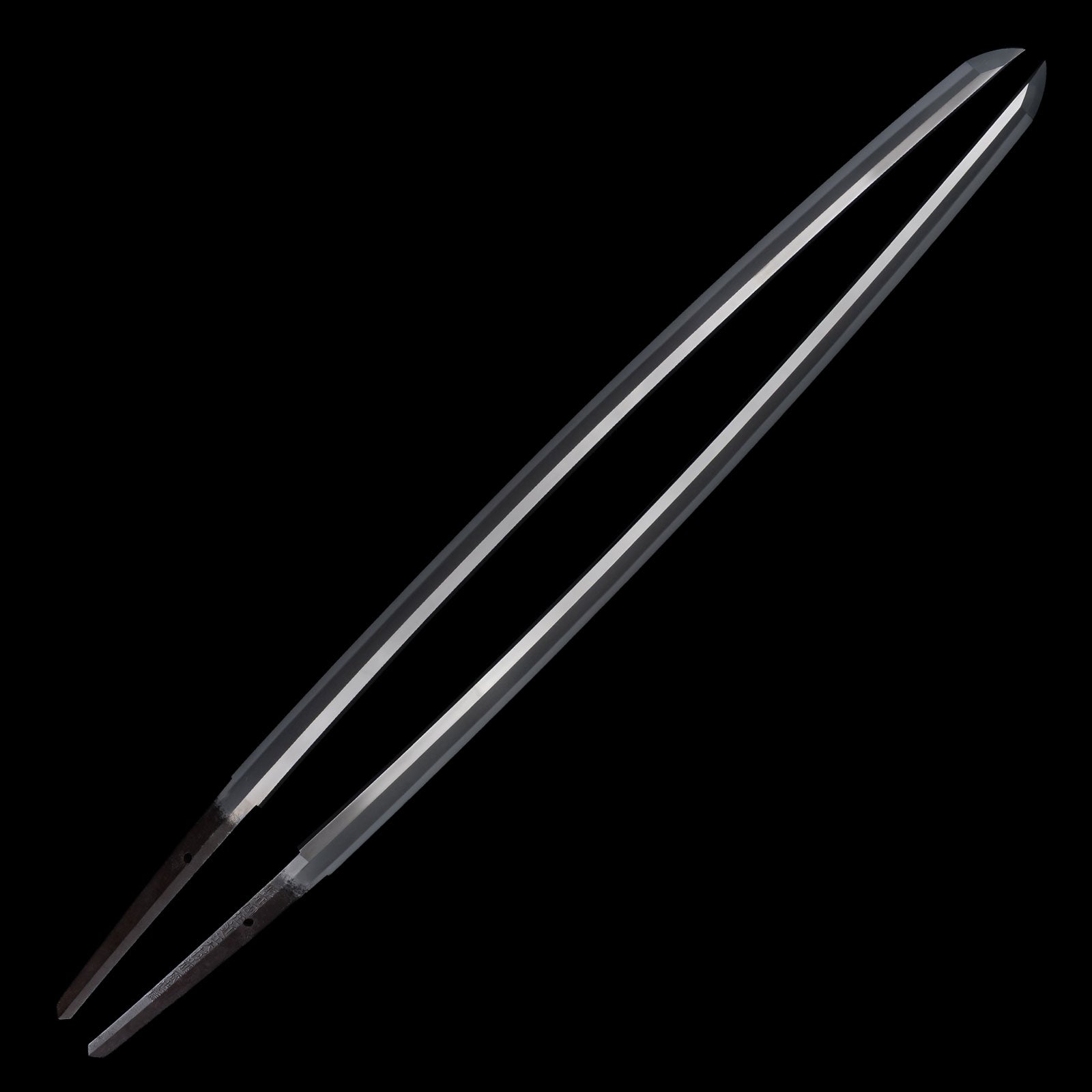
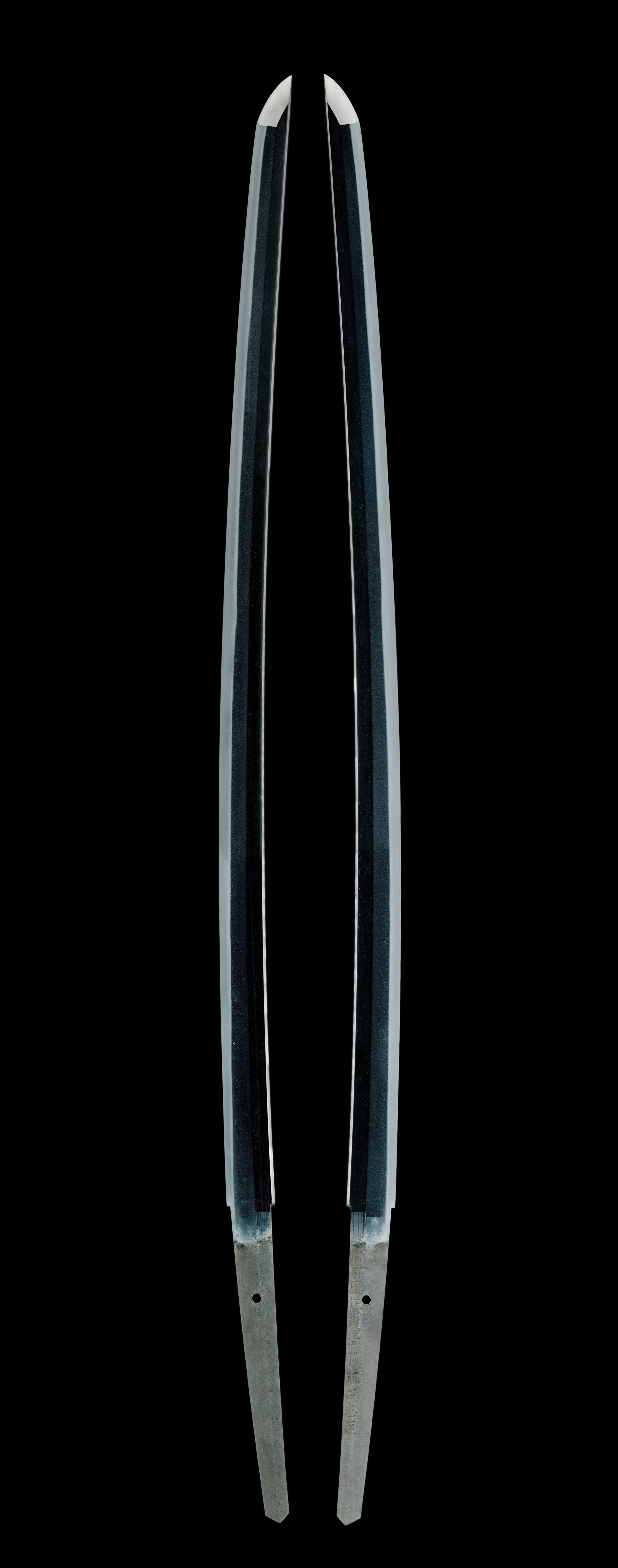
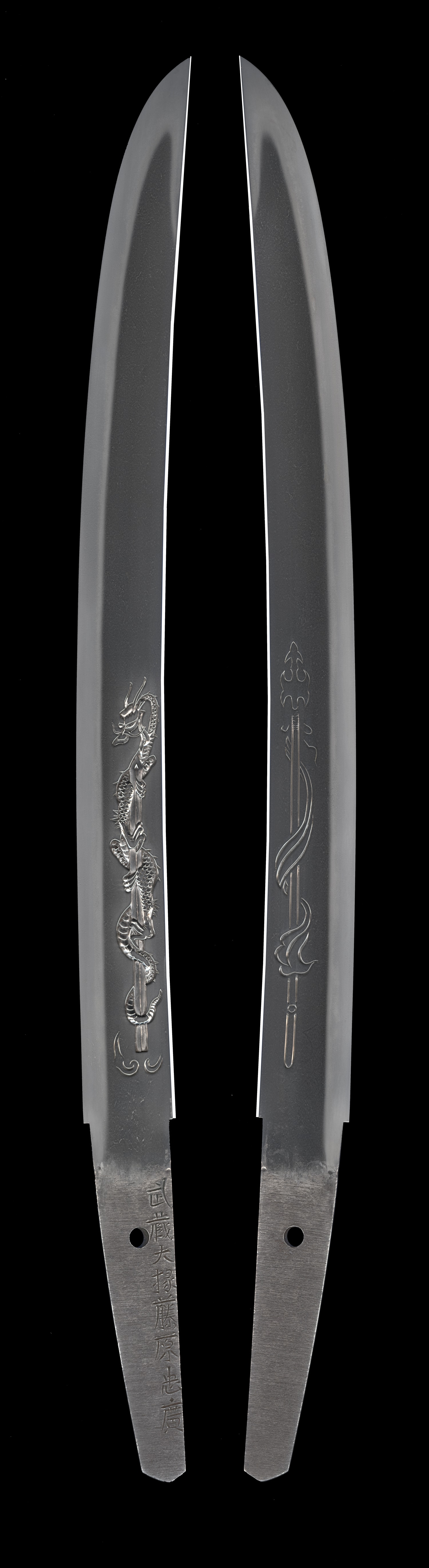
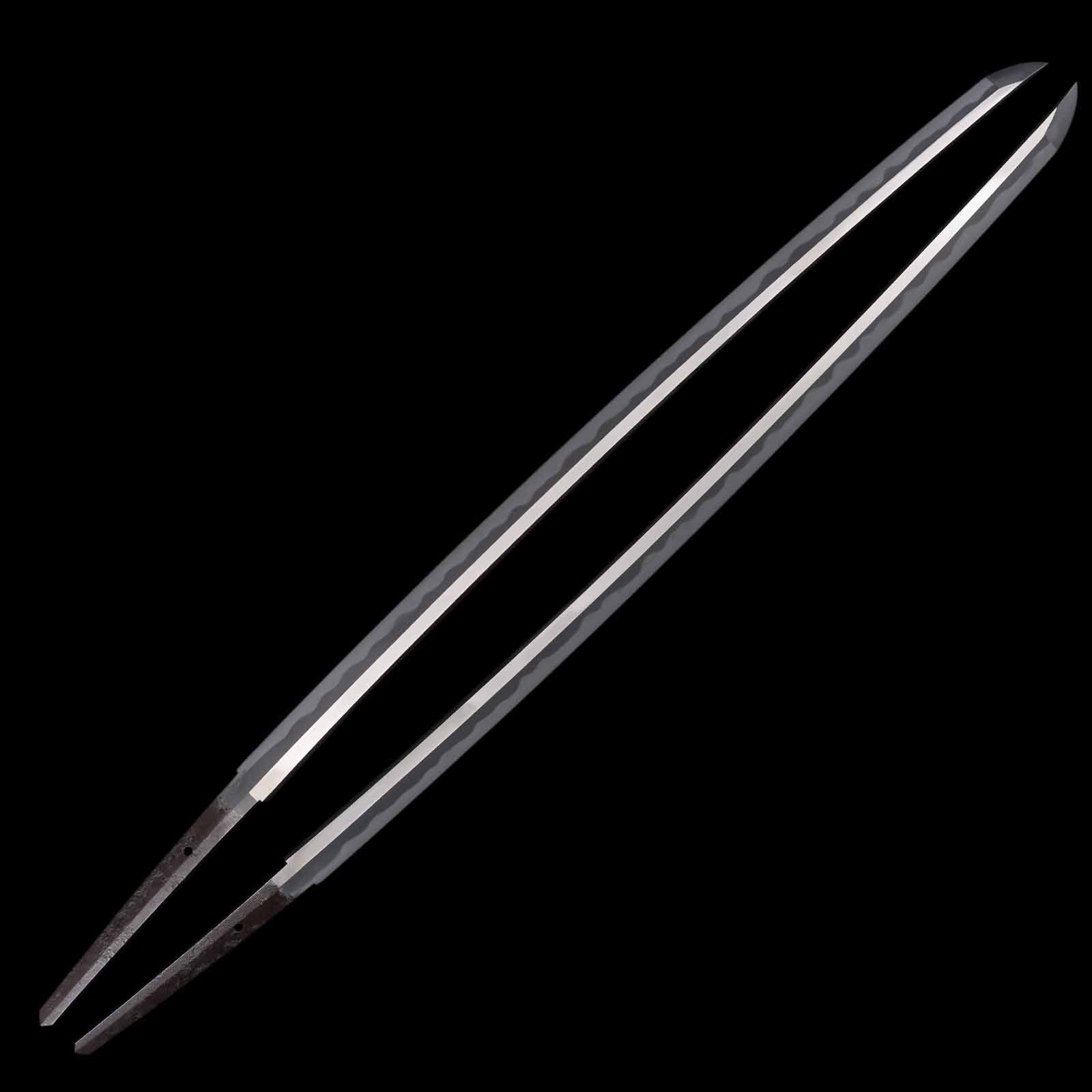
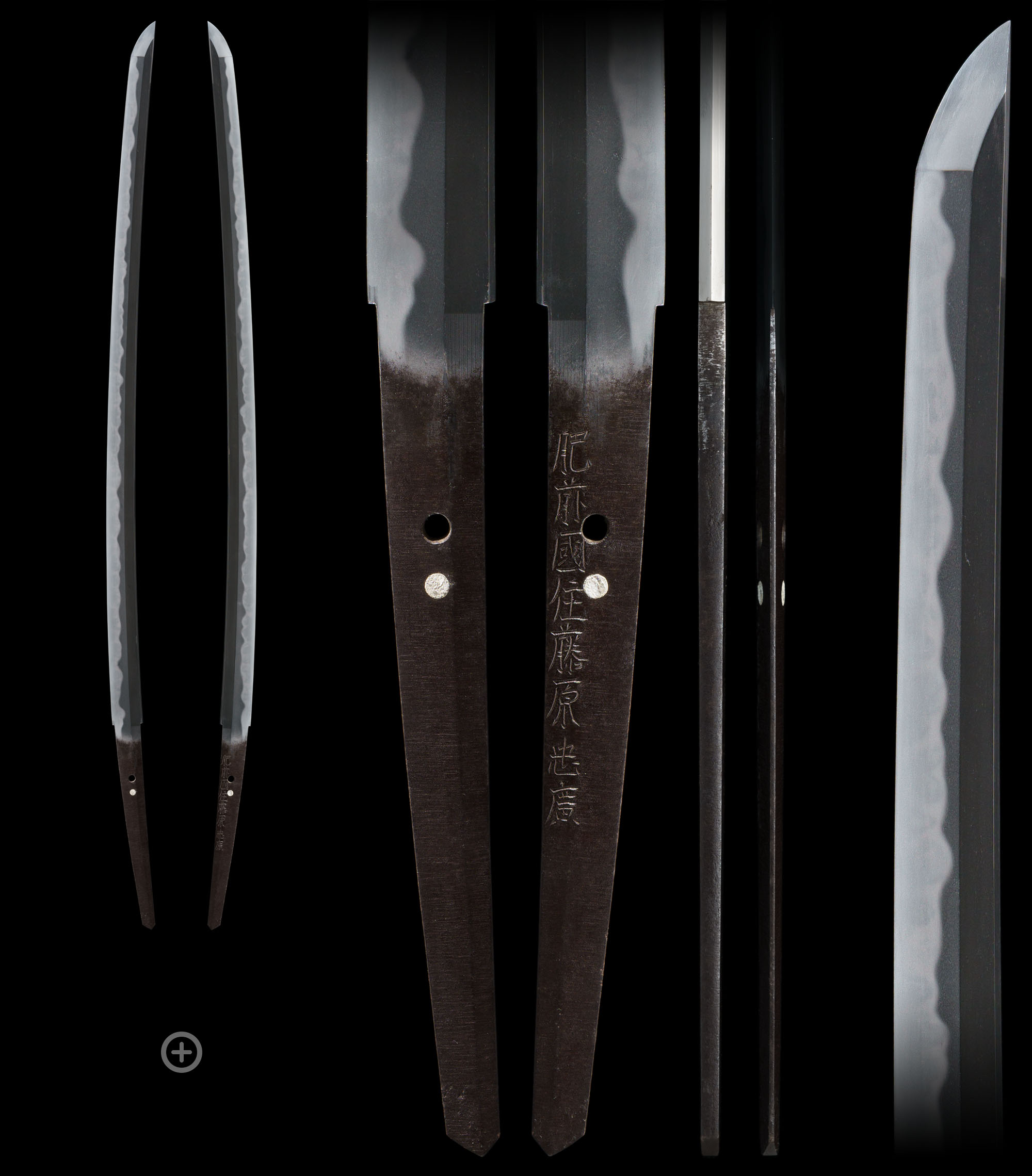
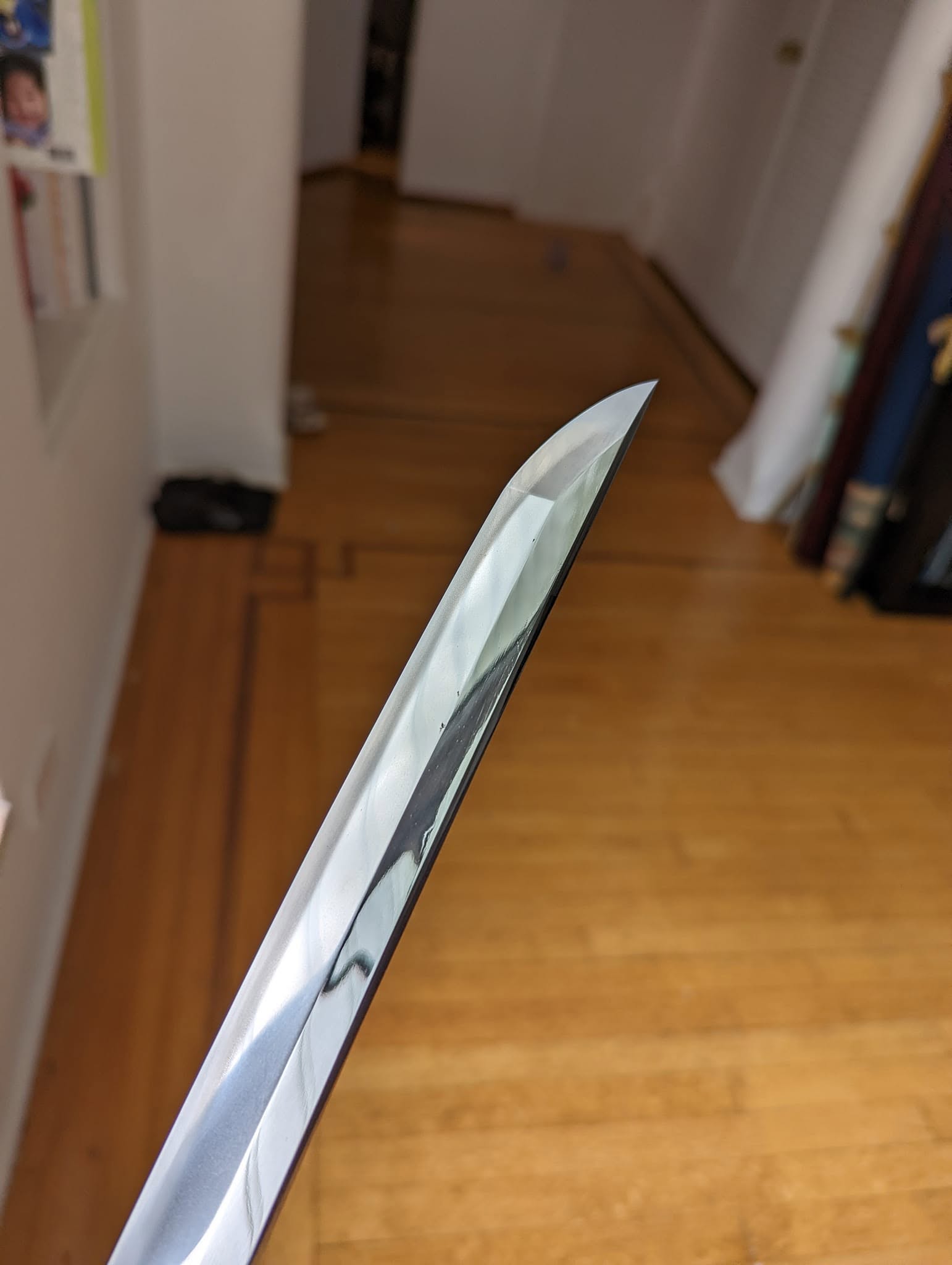
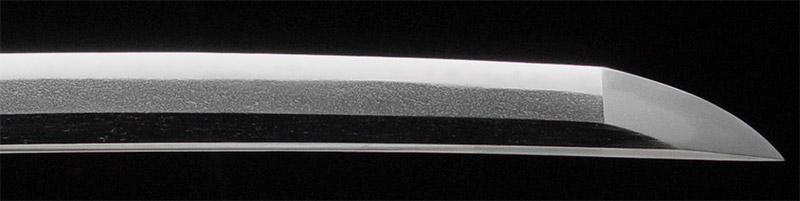
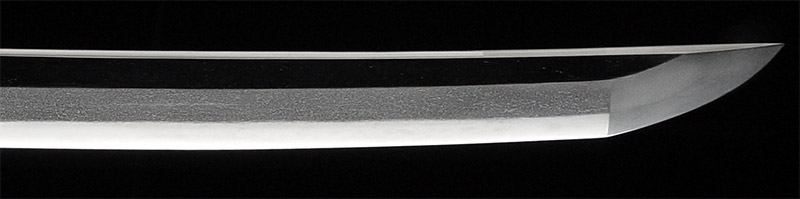
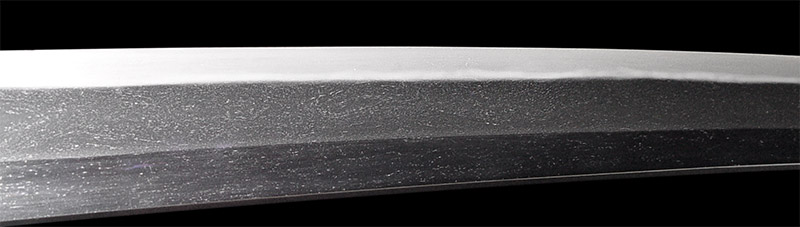
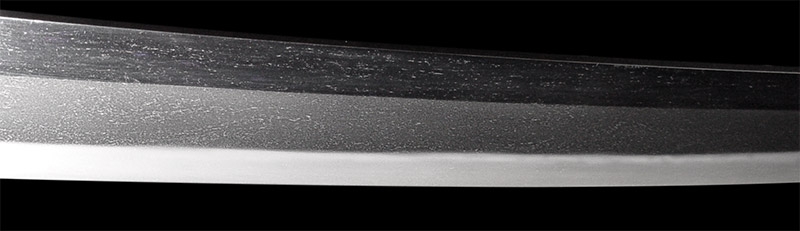
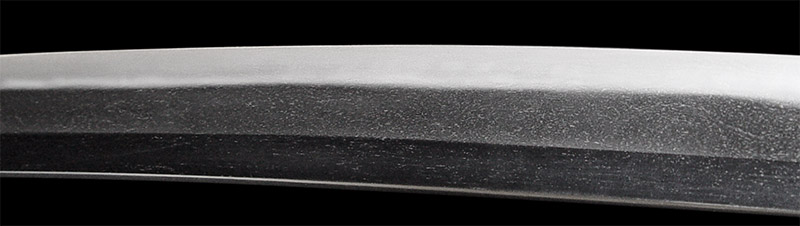
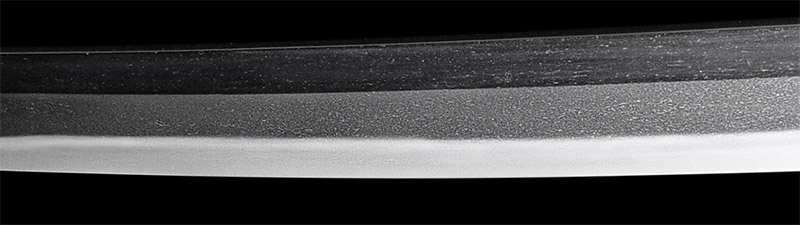
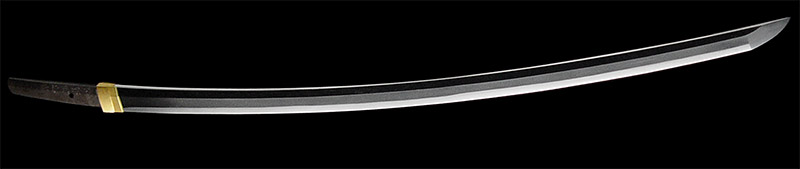
This is a katana made by the 8th generation Tadayoshi of Hizen province during the late Edo period (around 1844). It features a suguha hamon, ko-mokume jigane, and comes with a Tokubetsu Hozon certificate from the NBTHK. The blade exhibits the characteristics of Hizen swords, including a refined appearance and excellent craftsmanship.
 NihontoWatch
mei · Tenpo (1830-1844) · nagasa 70cm · sori 2.6cm

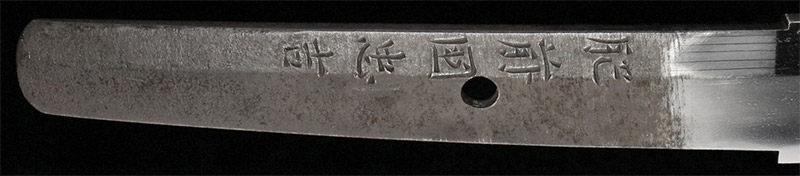
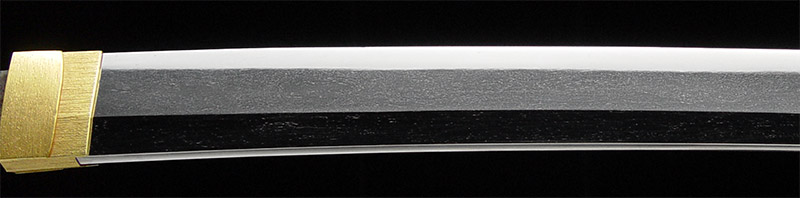
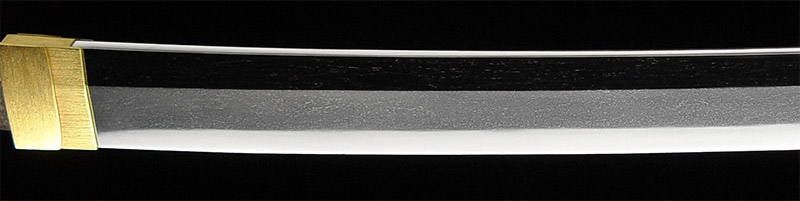
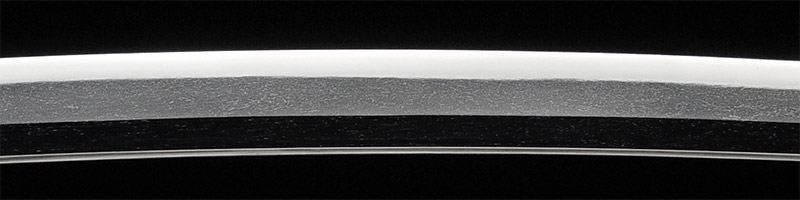
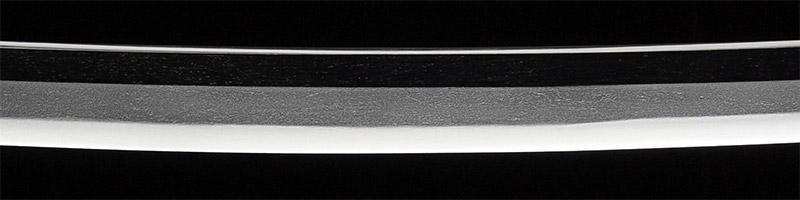

Shinto · Hizen · around 1830-1844
Fujishiro Chu-jo saku · Tōken Taikan top 76%
5 pieces on the market now
Shinto · Hizen
122 pieces on the market now
The Hizen Tadayoshi school began with a single domain commission. In Keicho 1 (1596) the Nabeshima of Hizen ordered Hashimoto Shinzaemon, the smith who would sign Tadayoshi, up to Kyoto with the carver Munenaga; there he entered the gate of Umetada Myoju and studied forging while Munenaga learned the chisel. The two returned to the province in Keicho 3 (1598), and Tadayoshi settled in the castle town below Saga, where under the domain's patronage the line grew into the dominant sword-making house of Kyushu. Learn more →
| Smith | Era | Designated |
|---|---|---|
| Tadayoshi忠吉 | 1596-1632 | 123 |
| Tadayoshi忠吉 | 1662-1681 | 58 |
| Tadahiro忠廣 | 1624-1693 | 169 |
| Masahiro正廣 | 1624-1655 | 32 |
| Tadakuni忠國 | 1648-1652 | 32 |
A Hozon-certified blade judged to show notably superior workmanship and a better state of preservation. The bar is higher: re-tempered blades and most unsigned Muromachi/Edo works are excluded.
The NBTHK (Nihon Bijutsu Tōken Hozon Kyōkai, the Society for the Preservation of Japanese Art Swords) is a public-interest incorporated foundation founded in 1948 and supervised by Japan’s Agency for Cultural Affairs (Bunkachō); it is based at the Japanese Sword Museum in Tokyo. Its expert panels physically examine each submitted work (shinsa) and issue a certificate (kanteishō) ranking it by artistic and historical merit. NBTHK papers are the most widely recognized standard of authentication for Japanese swords and fittings.
NBTHK official siteIf the item is not to your liking, please feel free to return it for any reason. Return shipping is the customer's responsibility. After the item arrives and we confirm it is in the same condition as at the time of sale, we transfer the refund to your designated account the same day. Purchases made at the store are outside the scope of cooling-off.
This is a katana made by the 8th generation Tadayoshi of Hizen province during the late Edo period (around 1844). It features a suguha hamon, ko-mokume jigane, and comes with a Tokubetsu Hozon certificate from the NBTHK. The blade exhibits the characteristics of Hizen swords, including a refined appearance and excellent craftsmanship.
NihontoWatchmei · Tenpo (1830-1844) · nagasa 70cm · sori 2.6cm
Shinto · Hizen · around 1830-1844
Fujishiro Chu-jo saku · Tōken Taikan top 76%
5 pieces on the market now
Shinto · Hizen
122 pieces on the market now
The Hizen Tadayoshi school began with a single domain commission. In Keicho 1 (1596) the Nabeshima of Hizen ordered Hashimoto Shinzaemon, the smith who would sign Tadayoshi, up to Kyoto with the carver Munenaga; there he entered the gate of Umetada Myoju and studied forging while Munenaga learned the chisel. The two returned to the province in Keicho 3 (1598), and Tadayoshi settled in the castle town below Saga, where under the domain's patronage the line grew into the dominant sword-making house of Kyushu. Learn more →
| Smith | Era | Designated |
|---|---|---|
| Tadayoshi忠吉 | 1596-1632 | 123 |
| Tadayoshi忠吉 | 1662-1681 | 58 |
| Tadahiro忠廣 | 1624-1693 | 169 |
| Masahiro正廣 | 1624-1655 | 32 |
| Tadakuni忠國 | 1648-1652 | 32 |
A Hozon-certified blade judged to show notably superior workmanship and a better state of preservation. The bar is higher: re-tempered blades and most unsigned Muromachi/Edo works are excluded.
The NBTHK (Nihon Bijutsu Tōken Hozon Kyōkai, the Society for the Preservation of Japanese Art Swords) is a public-interest incorporated foundation founded in 1948 and supervised by Japan’s Agency for Cultural Affairs (Bunkachō); it is based at the Japanese Sword Museum in Tokyo. Its expert panels physically examine each submitted work (shinsa) and issue a certificate (kanteishō) ranking it by artistic and historical merit. NBTHK papers are the most widely recognized standard of authentication for Japanese swords and fittings.
NBTHK official siteIf the item is not to your liking, please feel free to return it for any reason. Return shipping is the customer's responsibility. After the item arrives and we confirm it is in the same condition as at the time of sale, we transfer the refund to your designated account the same day. Purchases made at the store are outside the scope of cooling-off.