NihontoWatch Mon

NihontoWatch

Market
Encyclopedia
Kantei
NihontoWatch Mon

NihontoWatch

Market
Encyclopedia
Kantei

Description

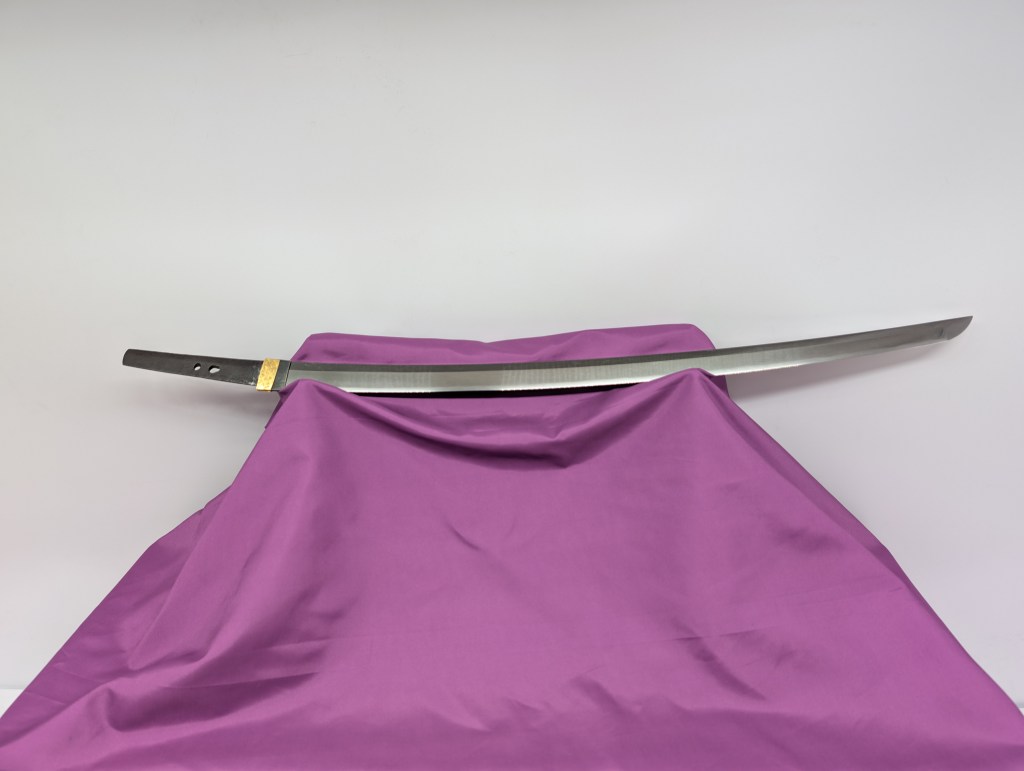
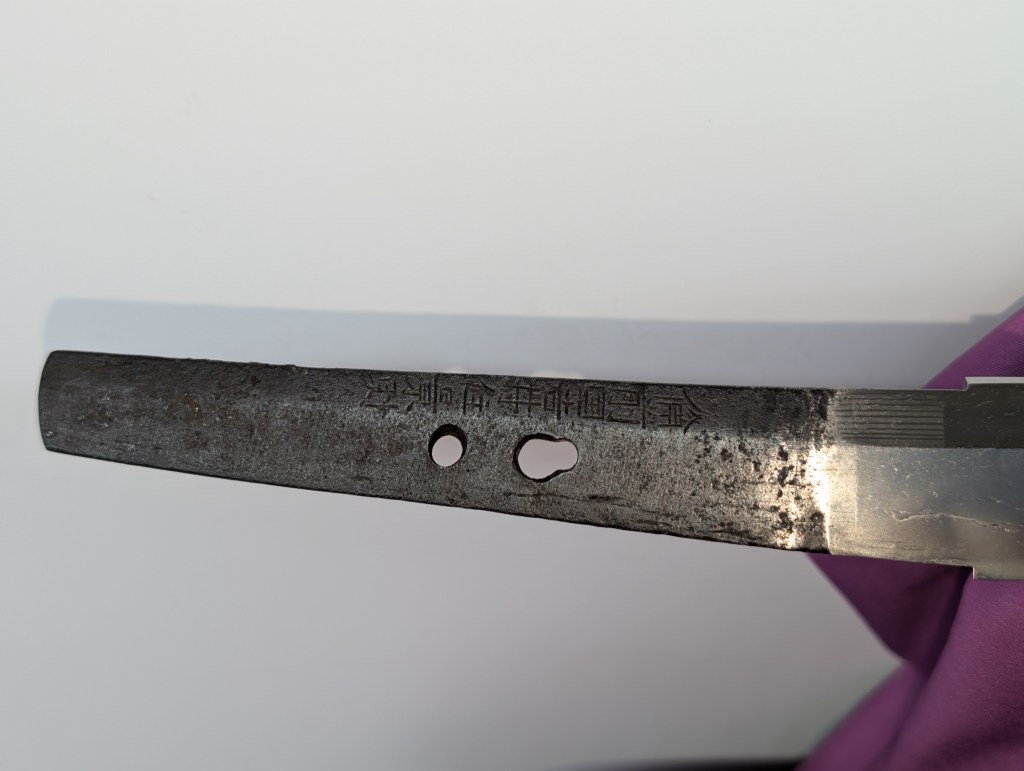
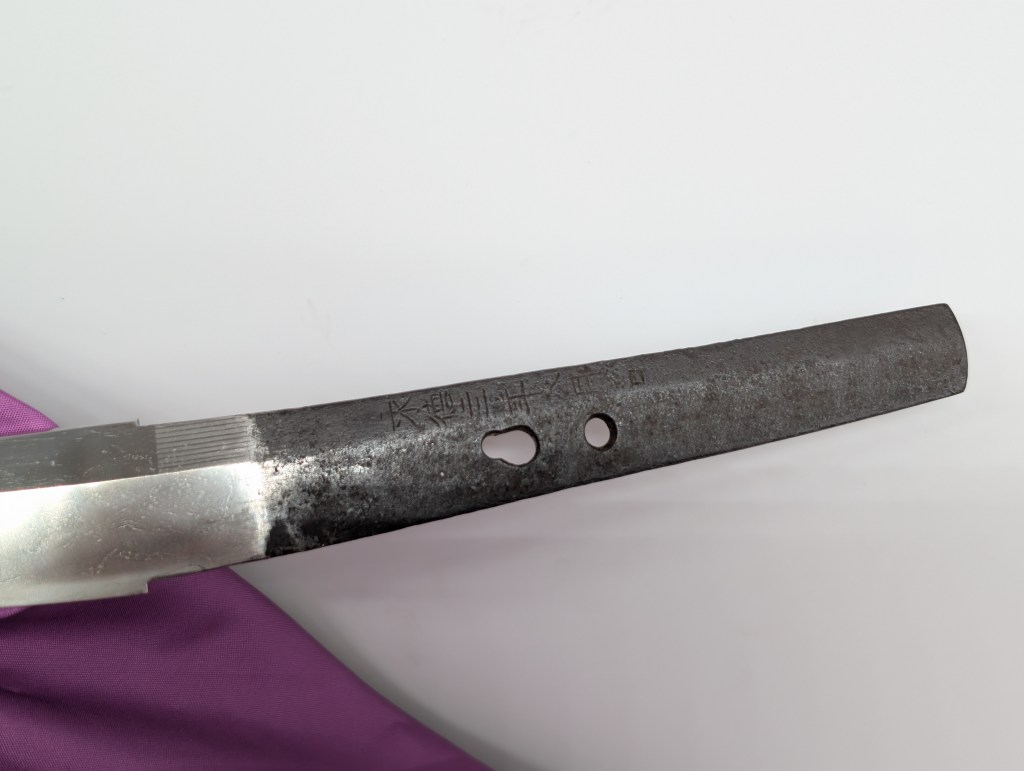
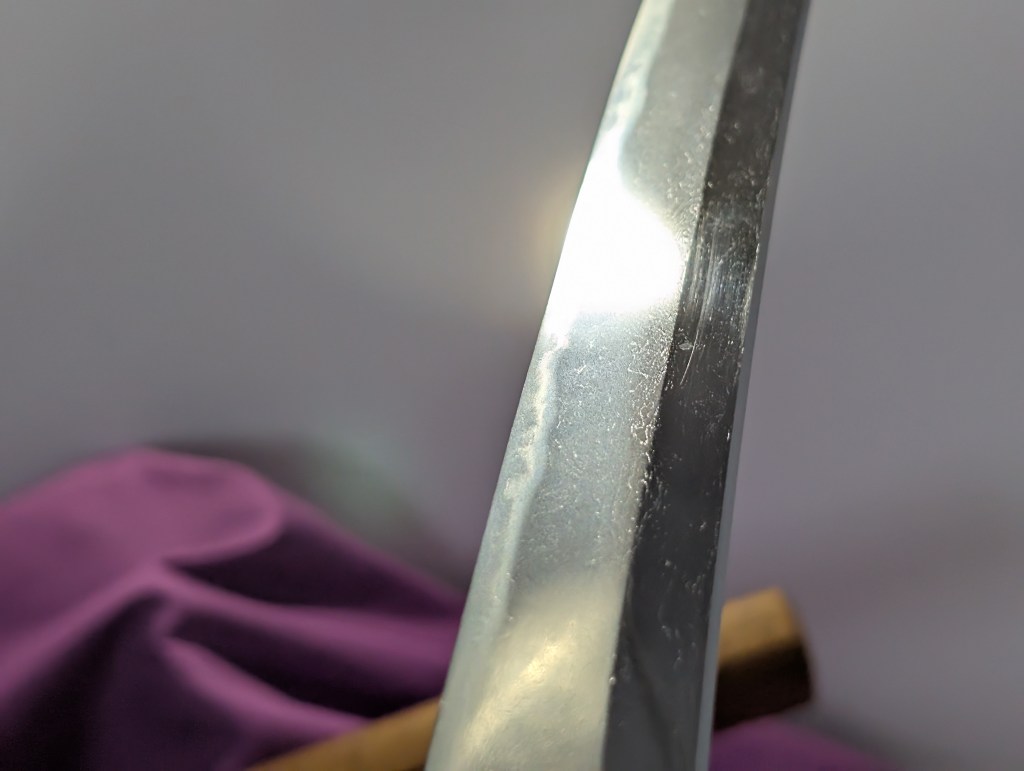
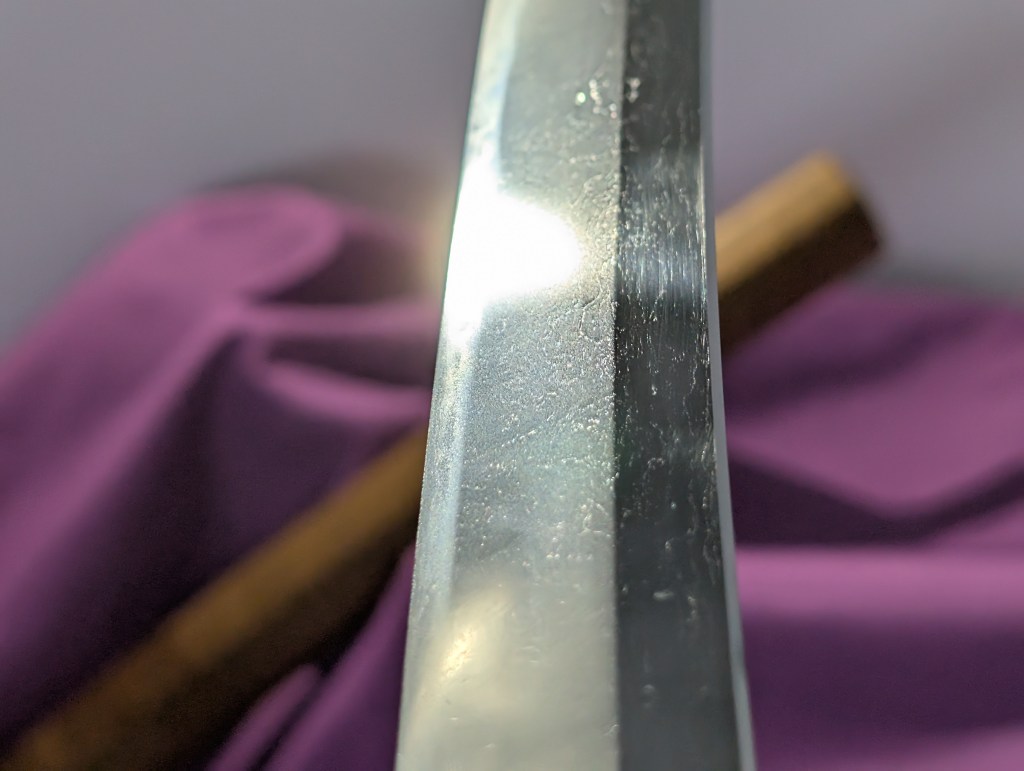
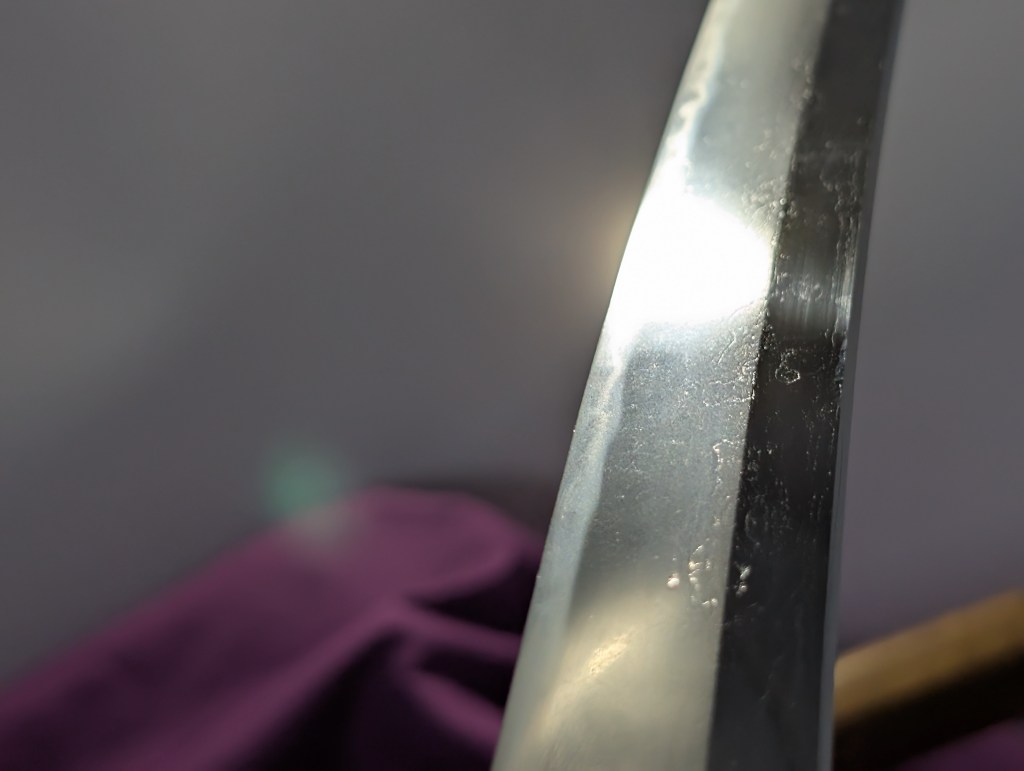
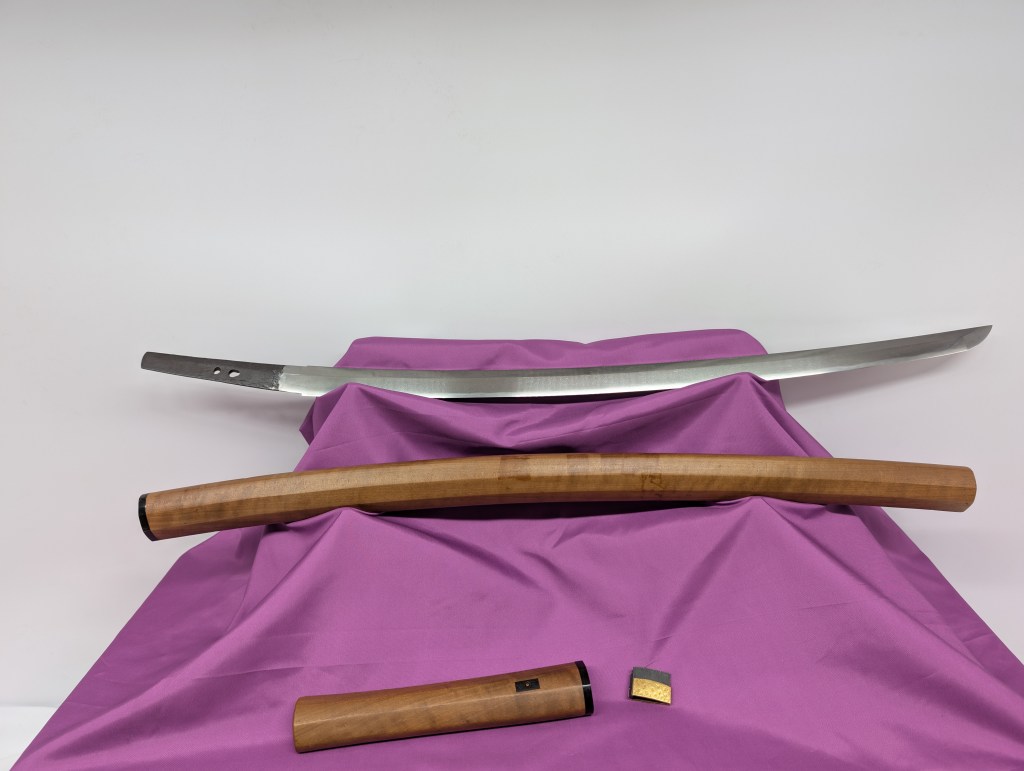
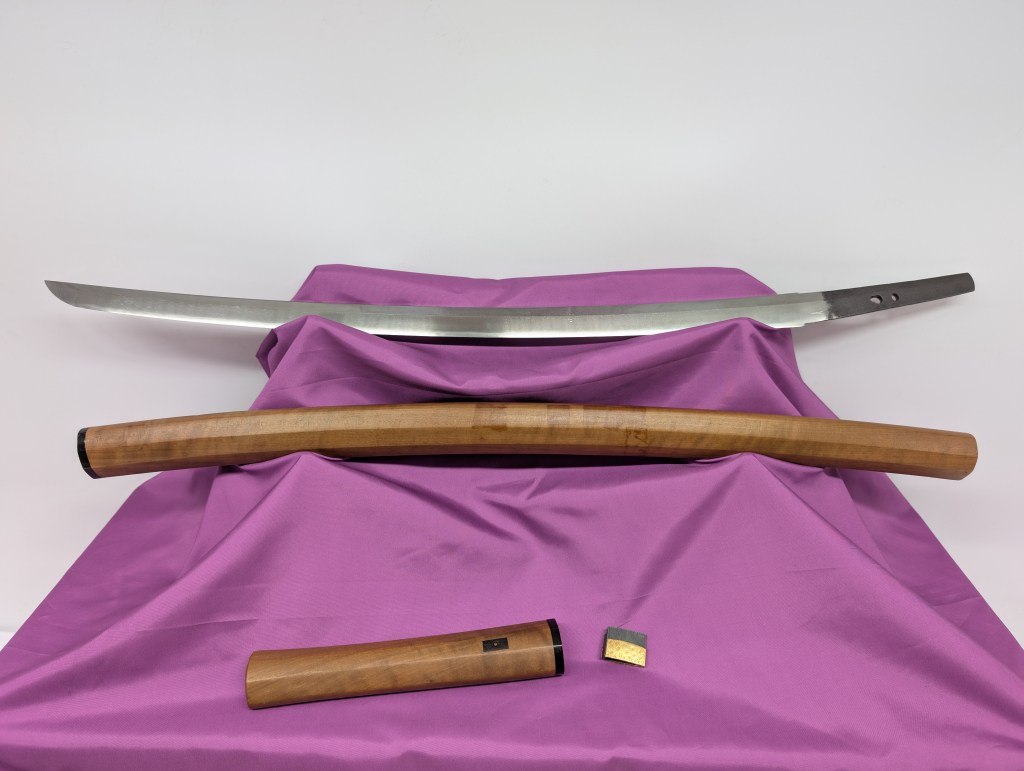
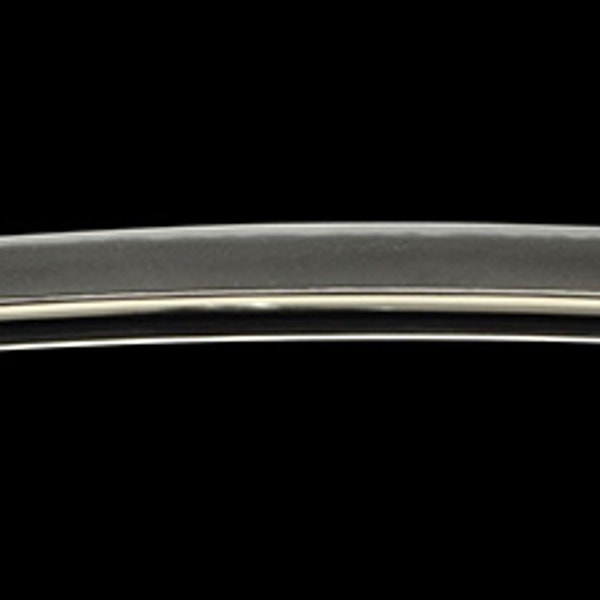
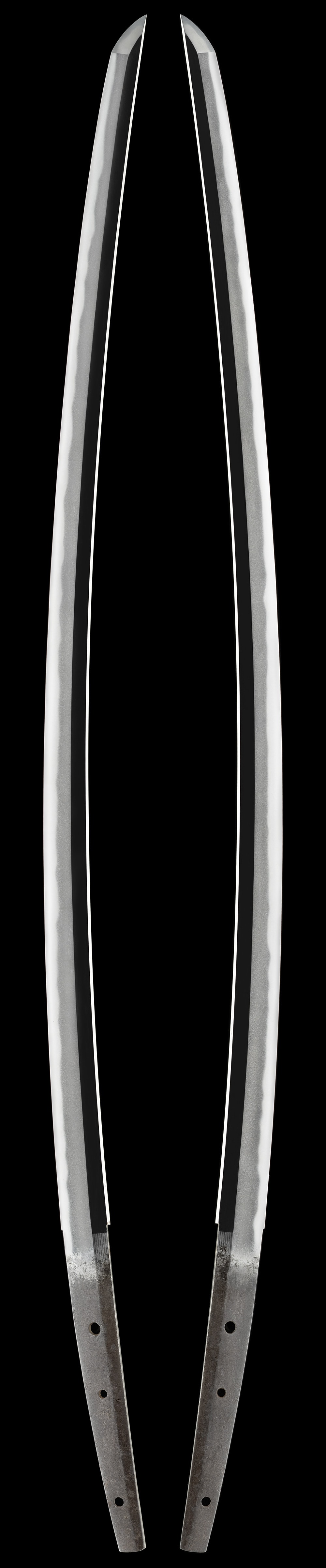
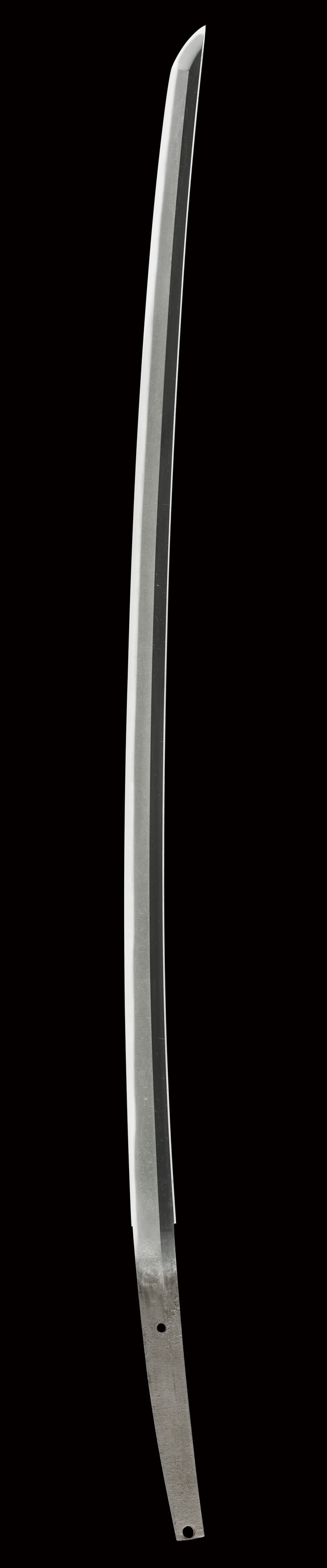
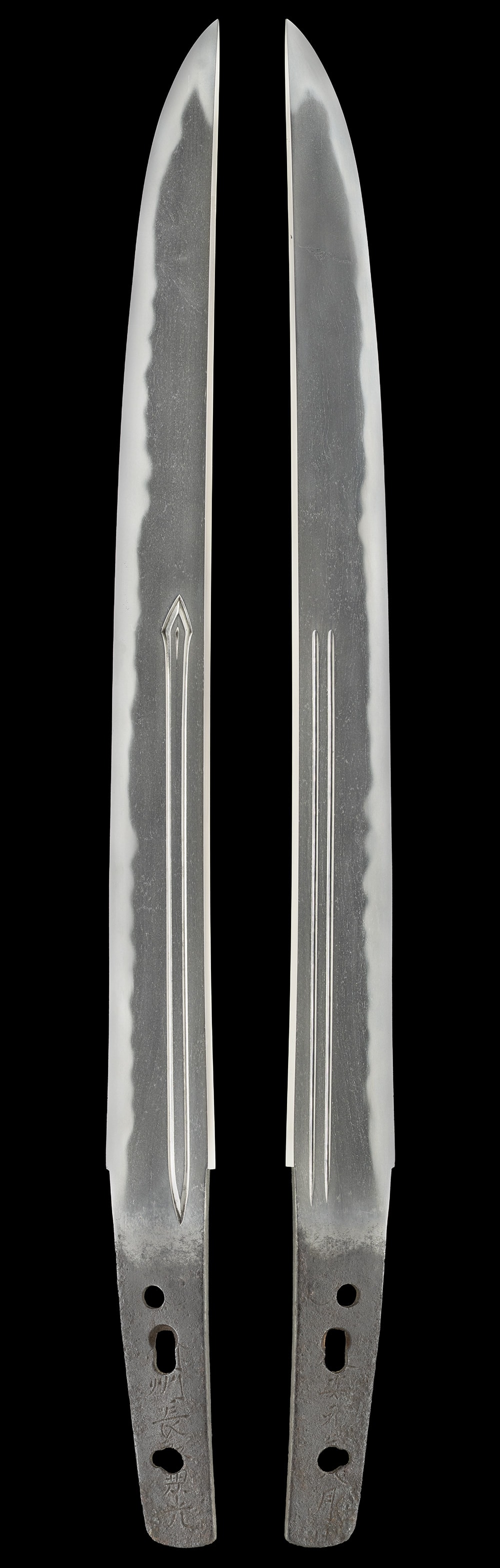
This is an extremely rare, signed and dated Bizen Kagenori Tachi from the Nanbokucho era, specifically dated to 1384. It features an unusually large figure for the Yoshii School and a beautiful choji-gunome hamon reminiscent of Fukuoka Ichimonji. The sword shows signs of combat use, including kirikomi and a dent, yet remains remarkably healthy for its age.

NihontoWatch MonNihontoWatch
MarketEncyclopediaKantei
Swords›Bizen-den›Yoshii›Kagenori›Bizen Kagenori Tachi
tachi
Yoshii Kagenori

Bizen Kagenori Tachi

mei · Yoshii · Eitoku (1381-1384) ND · nagasa 63cm

Price on request
Visit seller website →
Yoshii Kagenori — 1 of 8
Yoshii Kagenori — 2 of 8
Yoshii Kagenori — 3 of 8
Yoshii Kagenori — 4 of 8
Yoshii Kagenori — 5 of 8
Yoshii Kagenori — 6 of 8
Yoshii Kagenori — 7 of 8
Yoshii Kagenori — 8 of 8
1 / 8
1 / 8
Yoshii Kagenori — 1 of 8Yoshii Kagenori — 2 of 8Yoshii Kagenori — 3 of 8Yoshii Kagenori — 4 of 8Yoshii Kagenori — 5 of 8Yoshii Kagenori — 6 of 8Yoshii Kagenori — 7 of 8Yoshii Kagenori — 8 of 8
Measurements & details
Smith
Yoshii Kagenori
Type
Tachi
School
Yoshii
Period
Around 1381–1384(Eitoku ND)
Province
Bizen
Signature
Signed(100% of this smith's designated works are signed)
Measurements
Nagasa 63cmMotohaba 3.1cmSakihaba 2.1cmKasane 0.59cm
Description

This is an extremely rare, signed and dated Bizen Kagenori Tachi from the Nanbokucho era, specifically dated to 1384. It features an unusually large figure for the Yoshii School and a beautiful choji-gunome hamon reminiscent of Fukuoka Ichimonji. The sword shows signs of combat use, including kirikomi and a dent, yet remains remarkably healthy for its age.

About the maker

Kagenori

景則

Bizen-den · Bizen · around 1381-1384

Tōken Taikan top 17%

1 piece on the market now

›

Historical importance

Where Kagenori stands among comparable artisans: across all of nihontō, and within tradition, era, and period. The tiers (Foremost · Leading · Major · Notable) weigh official designations from the NBTHK and Japan's Agency for Cultural Affairs, together with historical honors of lasting repute such as the Sansaku and Meibutsu-chō.

随一
Foremost
屈指
Leading
有数
Major
著名
Notable

Select a lens to see how it's measured.

Designation record
1 designated works
Jūyō
1
1 work by Kagenori on the market→
Kagenori — full profileBizen-den school

Dated Works

Years he was demonstrably active, proven by signed-and-dated blades

Active period
1381Editorial estimate: 1381–1384
1 of 1 designated works carry a date
About the school

Yoshii

吉井

Bizen-den · Bizen

10 pieces on the market now

›

The Yoshii school (吉井) took its name from a locality on the Yoshii River in Bizen province, the stretch of country facing Osafune across the water, and it is from that base that the lineage is read in the late Kamakura period, through the Nanbokucho, and on into the Muromachi. Tradition holds that the line began with Tamenori toward the close of the Kamakura age, though pieces reaching that far back are exceedingly rare; the NBTHK separates the older tier, of Nanbokucho date and before, as Ko-Yoshii, reserving the plain name Yoshii for the full Muromachi production. The dated, signed hands by whom the school is most clearly told run from Kagenori and Noritsuna in the fourteenth century, through Morinori and Naganori of the late Nanbokucho into Oei, to Kiyonori in the middle Muromachi, the name passing along a chain of Nori- and Tsugu-cut signatures (Yoshinori, Kiyonori, Naganori his son) that fixes the school to the year across roughly a century and a half. Kagenori, whose lineage-name endured longest and is held by one account to be the main line, anchors the early record; Kiyonori supplies its textbook Muromachi face. What binds the school as a body, and what no other branch of Bizen-den shares in the same way, is a single distinctive temper: a small gunome (the ko-gunome or ko-choji the trade calls the "Yoshii-ba") linked in a regular, orderly, repeating run, often with a slight slant or togari-gokoro and pointed elements folded into the row. Over this the school raises its second great hallmark, a midare-utsuri so particular that the published sources describe the very shape of the hardened edge as though cast straight into the ji as a shadow, echoing the outline of the temper rather than drifting as an ordinary Bizen reflection would. The jigane is a tight, standing ko-itame mixed with mokume, at times taking an ayasugi-like or masame tendency that itself reads as a Yoshii tell, with ji-nie densely applied and chikei entering; the boshi follows the temper into the point in midare-komi, turning in ko-maru. Within this shared vocabulary the generations diverge in degree: the older Ko-Yoshii hands work nie-laden, with vigorous sunagashi and kinsuji that on Kagenori's boldest tachi recall the oldest Bizen, while the Muromachi production is mostly nioi-based with modest ko-nie and a soft nioiguchi.

A quieter second register runs throughout the school, a narrow suguha carrying only a slight admixture of small gunome, the calm half of the same hand; even there it is the folded-in gunome that returns the attribution to Yoshii. The long signatures, cut toward the mune, frequently use saka-tagane, reverse-driven chisel strokes that mark the very mei as the school's own. To kantei a Yoshii blade is therefore to read the regular linking first: the orderly, repeating ko-gunome and the shadow-cast utsuri distinguish it at once from the softer, cloud-like midare-utsuri and the broader choji of the Osafune mainstream, and the strength of the nie on older pieces is what guards against a later confusion with Mino. The school's standing rests less on grand provenance than on this recognizability and on its documentary value, the dated inscriptions making its smiths placeable to the year, which for late Bizen hands is much of the appeal. Among the named members Kagenori and Morinori carry the line at its Ko-Yoshii finest, the Fujishiro appraisers rating Morinori and Naganori at chu-jo saku, a step above the school's average run; Kiyonori's best wakizashi is judged to approach the Ko-Yoshii range within a Muromachi frame. Recorded whereabouts scatter across temple, museum, and private hands, a Kagenori tachi in the Sano Art Museum, a Kiyonori tachi at Yasukuni Shrine, a Naganori odachi in the Tokugawa Art Museum, and a Kagenori once appraised as Ko-Bizen passing through the Date family; none rises above the Important Sword tier into National Treasure or Important Cultural Property. A signed, dated Yoshii blade thus remains an attainable way to hold late Bizen-den in its most exactly knowable and most immediately recognizable form. Learn more →

18 recorded smiths68 designated works
Leading smiths
SmithEraDesignated
Kiyonori清則1429-14539
Kagenori景則1362-13756
Naganori永則1429-14414
Morinori盛則1378-14284
Noritsuna則綱1364-13943
Explore the Yoshii school →

Historical context

Sixty years of war between two courts drove blades long and broad, and Osafune met the demand: Kanemitsu and Chōgi led forges serving the provincial warriors who did the fighting, while Sōshū influence arrived with the armies to create Sōden-Bizen.

Bizen in the Nanbokuchō period →

Warning — certificate not found

We could not find an authenticity certificate on the seller’s listing. Japanese swords and fittings are normally papered by the NBTHK (or the NTHK). Without one, the attribution is the seller’s own assessment and has not been independently verified — treat it with caution and ask the dealer about certification before buying.

Seller
T
Tosa Touken Do
🇯🇵Ships from Japan
›
✓Verified dealertosatoukendo.com
✓Ships worldwide✓English support
Return policy

As a rule, we do not accept returns from overseas. Once a deposit is paid, we hold the item for up to 3 months. The deposit is non-refundable.

View all of Tosa Touken Do’s listings→View this item on the dealer’s site→

More from the Yoshii school

View all →
Aoi Art
Tokuho
Tanto - Tokuho - by Yoshii Morinori - Bishu-koku Yoshii Morinori (November 1419)Tanto - Tokuho - by Yoshii Morinori - Bishu-koku Yoshii Morinori (November 1419)

Tantō

ByYoshii Morinori
Starting Bid¥400,000
Toushin
Tokuho
Katana - Tokuho - by Yoshii School - Mumei (Ko Yoshi)Katana - Tokuho - by Yoshii School - Mumei (Ko Yoshi)

Katana

ByYoshii School
¥2,530,000
Toushin
Hozon
Tanto - Hozon - by Yoshii School - Bizen (cut off inscription) Yoshii MorinoriTanto - Hozon - by Yoshii School - Bizen (cut off inscription) Yoshii Morinori

Tantō

ByYoshii School
¥275,000
Ayakashi
Tokuho
Katana - Tokuho - by Yoshii School - Mumei Ko-YoshiiKatana - Tokuho - by Yoshii School - Mumei Ko-Yoshii

Katana

ByYoshii School
¥1,600,000
Samurai Shokai
Hozon
Katana - Hozon - by Yoshii School - Mumei (Yoshii)Katana - Hozon - by Yoshii School - Mumei (Yoshii)

Katana

ByYoshii School
¥880,000
Touken Komachi
Katana - by Yoshii School - Mumei (attributed to Yoshii), in ShirasayaKatana - by Yoshii School - Mumei (attributed to Yoshii), in Shirasaya

Katana

ByYoshii School
¥350,000
Nihontocraft
Hozon
Wakizashi - Hozon - by Yoshii Morinori - Bizen Yoshii MorinoriWakizashi - Hozon - by Yoshii Morinori - Bizen Yoshii Morinori

Wakizashi

ByYoshii Morinori
¥3,000
Choshuya
Wakizashi - by Yoshii School - Naginata-naoshi Wakizashi: Mumei Ko-Yoshii, 1488Wakizashi - by Yoshii School - Naginata-naoshi Wakizashi: Mumei Ko-Yoshii, 1488

Wakizashi

ByYoshii School
Ask

More from the Bizen tradition

View all →
Aoi Art
Jūyō
Jūyō - by Ichimonji School - Naginata-Naoshi Katana: Mumei (Ichimonji)Jūyō - by Ichimonji School - Naginata-Naoshi Katana: Mumei (Ichimonji)

Naginata-Naoshi Katana: Mumei (Ichimonji)

ByIchimonji School
Starting Bid¥9,500,000
Aoi Art
Jūyō Bijutsuhin
Daisho - Jubi - by Osafune Nagamitsu - Dai Sho: Katana (Important Art Object): Mumei (Den Nagamitsu) / Wakizashi: Mumei (Sekishu Naotsuna)Daisho - Jubi - by Osafune Nagamitsu - Dai Sho: Katana (Important Art Object): Mumei (Den Nagamitsu) / Wakizashi: Mumei (Sekishu Naotsuna)

Daishō

ByOsafune Nagamitsu
Ask
Nihonto.com
Jūyō
Tanto - Jūyō - by Osafune Kagemitsu - Juyo Tanto by Bizen KagemitsuTanto - Jūyō - by Osafune Kagemitsu - Juyo Tanto by Bizen Kagemitsu

Tantō

ByOsafune Kagemitsu
¥89,500
Tsuruginoya
Jūyō
Katana - Jūyō - by Fukuoka Ichimonji School - Mumei Fukuoka IchimonjiKatana - Jūyō - by Fukuoka Ichimonji School - Mumei Fukuoka Ichimonji

Katana

ByFukuoka Ichimonji School
Ask
Eirakudo
Hozon
Katana - Hozon - by Sukesada - Yosouzaemonnojo Sukesada - Hozon TokenKatana - Hozon - by Sukesada - Yosouzaemonnojo Sukesada - Hozon Token

Katana

BySukesada
¥3,800,000
Eirakudo
Jūyō Bijutsuhin
Katana - Jubi - by Chu-Aoe School - Aoe Sadatsugu Katana Juyo BijutsuhinKatana - Jubi - by Chu-Aoe School - Aoe Sadatsugu Katana Juyo Bijutsuhin

Katana

ByChu-Aoe School
Ask
Toyuukai
Jūyō
Katana - Jūyō - by Aoe School - Mumei (Aoe) - 51st Juyo TokenKatana - Jūyō - by Aoe School - Mumei (Aoe) - 51st Juyo Token

Katana

ByAoe School
¥5,500,000
Samurai Museum
Tokuho
Wakizashi - Tokuho - by Osafune Kagemitsu - Antique Japanese Sword Wakizashi attributed to Den Osafune Kagemitsu NBTHK Tokubetsu Hozon CertificateWakizashi - Tokuho - by Osafune Kagemitsu - Antique Japanese Sword Wakizashi attributed to Den Osafune Kagemitsu NBTHK Tokubetsu Hozon Certificate

Wakizashi

ByOsafune Kagemitsu
¥20,748

Swords

  • Katana
  • Wakizashi
  • Tantō
  • Tachi
  • Naginata
  • Yari

Fittings

  • Tsuba
  • Fuchi-Kashira
  • Kozuka
  • Menuki

Armor

  • Kabuto
  • Samurai Armor

By Certification

  • Tokujū
  • Jūyō
  • Tokuho
  • Hozon

Resources

  • Dealer Directory
  • Artist Directory
  • The Daily Kantei
  • Glossary
  • Browse All
Nihontowatch© 2026
TermsPrivacyCookiesAbout

Description

This is an extremely rare, signed and dated Bizen Kagenori Tachi from the Nanbokucho era, specifically dated to 1384. It features an unusually large figure for the Yoshii School and a beautiful choji-gunome hamon reminiscent of Fukuoka Ichimonji. The sword shows signs of combat use, including kirikomi and a dent, yet remains remarkably healthy for its age.

NihontoWatch MonNihontoWatch
MarketEncyclopediaKantei
Swords›Bizen-den›Yoshii›Kagenori›Bizen Kagenori Tachi
tachi
Yoshii Kagenori

Bizen Kagenori Tachi

mei · Yoshii · Eitoku (1381-1384) ND · nagasa 63cm

Price on request
Visit seller website →
Yoshii Kagenori — 1 of 8
Yoshii Kagenori — 2 of 8
Yoshii Kagenori — 3 of 8
Yoshii Kagenori — 4 of 8
Yoshii Kagenori — 5 of 8
Yoshii Kagenori — 6 of 8
Yoshii Kagenori — 7 of 8
Yoshii Kagenori — 8 of 8
1 / 8
1 / 8
Yoshii Kagenori — 1 of 8Yoshii Kagenori — 2 of 8Yoshii Kagenori — 3 of 8Yoshii Kagenori — 4 of 8Yoshii Kagenori — 5 of 8Yoshii Kagenori — 6 of 8Yoshii Kagenori — 7 of 8Yoshii Kagenori — 8 of 8
Measurements & details
Smith
Yoshii Kagenori
Type
Tachi
School
Yoshii
Period
Around 1381–1384(Eitoku ND)
Province
Bizen
Signature
Signed(100% of this smith's designated works are signed)
Measurements
Nagasa 63cmMotohaba 3.1cmSakihaba 2.1cmKasane 0.59cm
Description

This is an extremely rare, signed and dated Bizen Kagenori Tachi from the Nanbokucho era, specifically dated to 1384. It features an unusually large figure for the Yoshii School and a beautiful choji-gunome hamon reminiscent of Fukuoka Ichimonji. The sword shows signs of combat use, including kirikomi and a dent, yet remains remarkably healthy for its age.

About the maker

Kagenori

景則

Bizen-den · Bizen · around 1381-1384

Tōken Taikan top 17%

1 piece on the market now

›

Historical importance

Where Kagenori stands among comparable artisans: across all of nihontō, and within tradition, era, and period. The tiers (Foremost · Leading · Major · Notable) weigh official designations from the NBTHK and Japan's Agency for Cultural Affairs, together with historical honors of lasting repute such as the Sansaku and Meibutsu-chō.

随一
Foremost
屈指
Leading
有数
Major
著名
Notable

Select a lens to see how it's measured.

Designation record
1 designated works
Jūyō
1
1 work by Kagenori on the market→
Kagenori — full profileBizen-den school

Dated Works

Years he was demonstrably active, proven by signed-and-dated blades

Active period
1381Editorial estimate: 1381–1384
1 of 1 designated works carry a date
About the school

Yoshii

吉井

Bizen-den · Bizen

10 pieces on the market now

›

The Yoshii school (吉井) took its name from a locality on the Yoshii River in Bizen province, the stretch of country facing Osafune across the water, and it is from that base that the lineage is read in the late Kamakura period, through the Nanbokucho, and on into the Muromachi. Tradition holds that the line began with Tamenori toward the close of the Kamakura age, though pieces reaching that far back are exceedingly rare; the NBTHK separates the older tier, of Nanbokucho date and before, as Ko-Yoshii, reserving the plain name Yoshii for the full Muromachi production. The dated, signed hands by whom the school is most clearly told run from Kagenori and Noritsuna in the fourteenth century, through Morinori and Naganori of the late Nanbokucho into Oei, to Kiyonori in the middle Muromachi, the name passing along a chain of Nori- and Tsugu-cut signatures (Yoshinori, Kiyonori, Naganori his son) that fixes the school to the year across roughly a century and a half. Kagenori, whose lineage-name endured longest and is held by one account to be the main line, anchors the early record; Kiyonori supplies its textbook Muromachi face. What binds the school as a body, and what no other branch of Bizen-den shares in the same way, is a single distinctive temper: a small gunome (the ko-gunome or ko-choji the trade calls the "Yoshii-ba") linked in a regular, orderly, repeating run, often with a slight slant or togari-gokoro and pointed elements folded into the row. Over this the school raises its second great hallmark, a midare-utsuri so particular that the published sources describe the very shape of the hardened edge as though cast straight into the ji as a shadow, echoing the outline of the temper rather than drifting as an ordinary Bizen reflection would. The jigane is a tight, standing ko-itame mixed with mokume, at times taking an ayasugi-like or masame tendency that itself reads as a Yoshii tell, with ji-nie densely applied and chikei entering; the boshi follows the temper into the point in midare-komi, turning in ko-maru. Within this shared vocabulary the generations diverge in degree: the older Ko-Yoshii hands work nie-laden, with vigorous sunagashi and kinsuji that on Kagenori's boldest tachi recall the oldest Bizen, while the Muromachi production is mostly nioi-based with modest ko-nie and a soft nioiguchi.

A quieter second register runs throughout the school, a narrow suguha carrying only a slight admixture of small gunome, the calm half of the same hand; even there it is the folded-in gunome that returns the attribution to Yoshii. The long signatures, cut toward the mune, frequently use saka-tagane, reverse-driven chisel strokes that mark the very mei as the school's own. To kantei a Yoshii blade is therefore to read the regular linking first: the orderly, repeating ko-gunome and the shadow-cast utsuri distinguish it at once from the softer, cloud-like midare-utsuri and the broader choji of the Osafune mainstream, and the strength of the nie on older pieces is what guards against a later confusion with Mino. The school's standing rests less on grand provenance than on this recognizability and on its documentary value, the dated inscriptions making its smiths placeable to the year, which for late Bizen hands is much of the appeal. Among the named members Kagenori and Morinori carry the line at its Ko-Yoshii finest, the Fujishiro appraisers rating Morinori and Naganori at chu-jo saku, a step above the school's average run; Kiyonori's best wakizashi is judged to approach the Ko-Yoshii range within a Muromachi frame. Recorded whereabouts scatter across temple, museum, and private hands, a Kagenori tachi in the Sano Art Museum, a Kiyonori tachi at Yasukuni Shrine, a Naganori odachi in the Tokugawa Art Museum, and a Kagenori once appraised as Ko-Bizen passing through the Date family; none rises above the Important Sword tier into National Treasure or Important Cultural Property. A signed, dated Yoshii blade thus remains an attainable way to hold late Bizen-den in its most exactly knowable and most immediately recognizable form. Learn more →

18 recorded smiths68 designated works
Leading smiths
SmithEraDesignated
Kiyonori清則1429-14539
Kagenori景則1362-13756
Naganori永則1429-14414
Morinori盛則1378-14284
Noritsuna則綱1364-13943
Explore the Yoshii school →

Historical context

Sixty years of war between two courts drove blades long and broad, and Osafune met the demand: Kanemitsu and Chōgi led forges serving the provincial warriors who did the fighting, while Sōshū influence arrived with the armies to create Sōden-Bizen.

Bizen in the Nanbokuchō period →

Warning — certificate not found

We could not find an authenticity certificate on the seller’s listing. Japanese swords and fittings are normally papered by the NBTHK (or the NTHK). Without one, the attribution is the seller’s own assessment and has not been independently verified — treat it with caution and ask the dealer about certification before buying.

Seller
T
Tosa Touken Do
🇯🇵Ships from Japan
›
✓Verified dealertosatoukendo.com
✓Ships worldwide✓English support
Return policy

As a rule, we do not accept returns from overseas. Once a deposit is paid, we hold the item for up to 3 months. The deposit is non-refundable.
View all of Tosa Touken Do’s listings→View this item on the dealer’s site→

More from the Yoshii school

View all →
Aoi Art
Tokuho
Tanto - Tokuho - by Yoshii Morinori - Bishu-koku Yoshii Morinori (November 1419)Tanto - Tokuho - by Yoshii Morinori - Bishu-koku Yoshii Morinori (November 1419)

Tantō

ByYoshii Morinori
Starting Bid¥400,000
Toushin
Tokuho
Katana - Tokuho - by Yoshii School - Mumei (Ko Yoshi)Katana - Tokuho - by Yoshii School - Mumei (Ko Yoshi)

Katana

ByYoshii School
¥2,530,000
Toushin
Hozon
Tanto - Hozon - by Yoshii School - Bizen (cut off inscription) Yoshii MorinoriTanto - Hozon - by Yoshii School - Bizen (cut off inscription) Yoshii Morinori

Tantō

ByYoshii School
¥275,000
Ayakashi
Tokuho
Katana - Tokuho - by Yoshii School - Mumei Ko-YoshiiKatana - Tokuho - by Yoshii School - Mumei Ko-Yoshii

Katana

ByYoshii School
¥1,600,000
Samurai Shokai
Hozon
Katana - Hozon - by Yoshii School - Mumei (Yoshii)Katana - Hozon - by Yoshii School - Mumei (Yoshii)

Katana

ByYoshii School
¥880,000
Touken Komachi
Katana - by Yoshii School - Mumei (attributed to Yoshii), in ShirasayaKatana - by Yoshii School - Mumei (attributed to Yoshii), in Shirasaya

Katana

ByYoshii School
¥350,000
Nihontocraft
Hozon
Wakizashi - Hozon - by Yoshii Morinori - Bizen Yoshii MorinoriWakizashi - Hozon - by Yoshii Morinori - Bizen Yoshii Morinori

Wakizashi

ByYoshii Morinori
¥3,000
Choshuya
Wakizashi - by Yoshii School - Naginata-naoshi Wakizashi: Mumei Ko-Yoshii, 1488Wakizashi - by Yoshii School - Naginata-naoshi Wakizashi: Mumei Ko-Yoshii, 1488

Wakizashi

ByYoshii School
Ask

More from the Bizen tradition

View all →
Aoi Art
Jūyō
Jūyō - by Ichimonji School - Naginata-Naoshi Katana: Mumei (Ichimonji)Jūyō - by Ichimonji School - Naginata-Naoshi Katana: Mumei (Ichimonji)

Naginata-Naoshi Katana: Mumei (Ichimonji)

ByIchimonji School
Starting Bid¥9,500,000
Aoi Art
Jūyō Bijutsuhin
Daisho - Jubi - by Osafune Nagamitsu - Dai Sho: Katana (Important Art Object): Mumei (Den Nagamitsu) / Wakizashi: Mumei (Sekishu Naotsuna)Daisho - Jubi - by Osafune Nagamitsu - Dai Sho: Katana (Important Art Object): Mumei (Den Nagamitsu) / Wakizashi: Mumei (Sekishu Naotsuna)

Daishō

ByOsafune Nagamitsu
Ask
Nihonto.com
Jūyō
Tanto - Jūyō - by Osafune Kagemitsu - Juyo Tanto by Bizen KagemitsuTanto - Jūyō - by Osafune Kagemitsu - Juyo Tanto by Bizen Kagemitsu

Tantō

ByOsafune Kagemitsu
¥89,500
Tsuruginoya
Jūyō
Katana - Jūyō - by Fukuoka Ichimonji School - Mumei Fukuoka IchimonjiKatana - Jūyō - by Fukuoka Ichimonji School - Mumei Fukuoka Ichimonji

Katana

ByFukuoka Ichimonji School
Ask
Eirakudo
Hozon
Katana - Hozon - by Sukesada - Yosouzaemonnojo Sukesada - Hozon TokenKatana - Hozon - by Sukesada - Yosouzaemonnojo Sukesada - Hozon Token

Katana

BySukesada
¥3,800,000
Eirakudo
Jūyō Bijutsuhin
Katana - Jubi - by Chu-Aoe School - Aoe Sadatsugu Katana Juyo BijutsuhinKatana - Jubi - by Chu-Aoe School - Aoe Sadatsugu Katana Juyo Bijutsuhin

Katana

ByChu-Aoe School
Ask
Toyuukai
Jūyō
Katana - Jūyō - by Aoe School - Mumei (Aoe) - 51st Juyo TokenKatana - Jūyō - by Aoe School - Mumei (Aoe) - 51st Juyo Token

Katana

ByAoe School
¥5,500,000
Samurai Museum
Tokuho
Wakizashi - Tokuho - by Osafune Kagemitsu - Antique Japanese Sword Wakizashi attributed to Den Osafune Kagemitsu NBTHK Tokubetsu Hozon CertificateWakizashi - Tokuho - by Osafune Kagemitsu - Antique Japanese Sword Wakizashi attributed to Den Osafune Kagemitsu NBTHK Tokubetsu Hozon Certificate

Wakizashi

ByOsafune Kagemitsu
¥20,748

Swords

  • Katana
  • Wakizashi
  • Tantō
  • Tachi
  • Naginata
  • Yari

Fittings

  • Tsuba
  • Fuchi-Kashira
  • Kozuka
  • Menuki

Armor

  • Kabuto
  • Samurai Armor

By Certification

  • Tokujū
  • Jūyō
  • Tokuho
  • Hozon

Resources

  • Dealer Directory
  • Artist Directory
  • The Daily Kantei
  • Glossary
  • Browse All
Nihontowatch© 2026
TermsPrivacyCookiesAbout
NihontoWatch Mon

NihontoWatch

Market
Encyclopedia
Kantei
NihontoWatch Mon

NihontoWatch

Market
Encyclopedia
Kantei