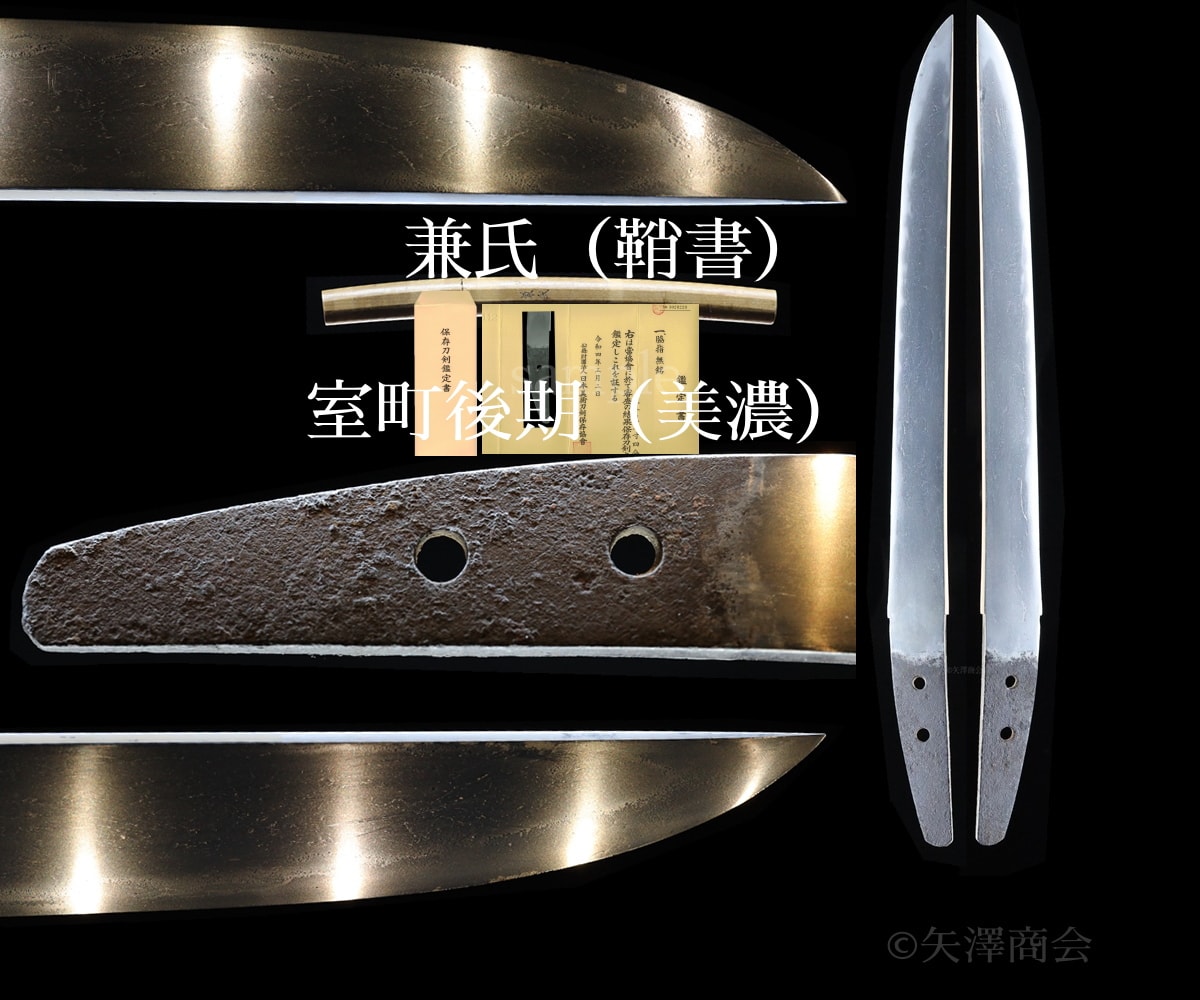
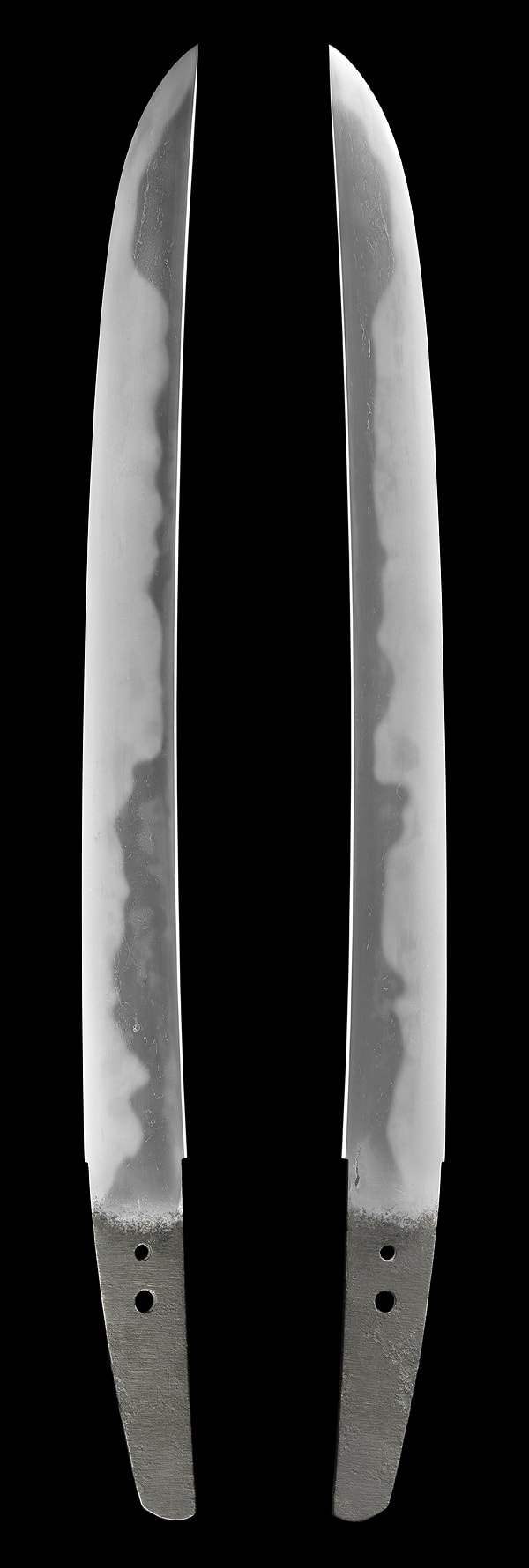
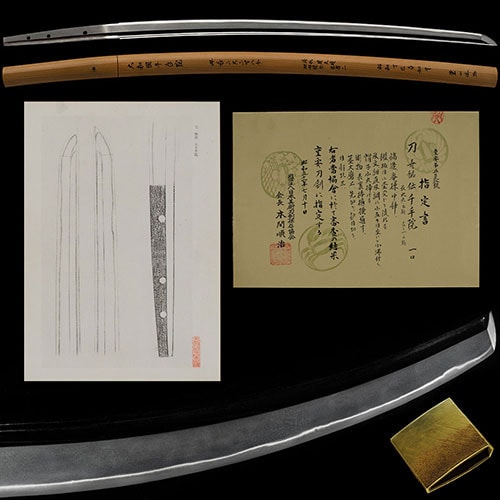
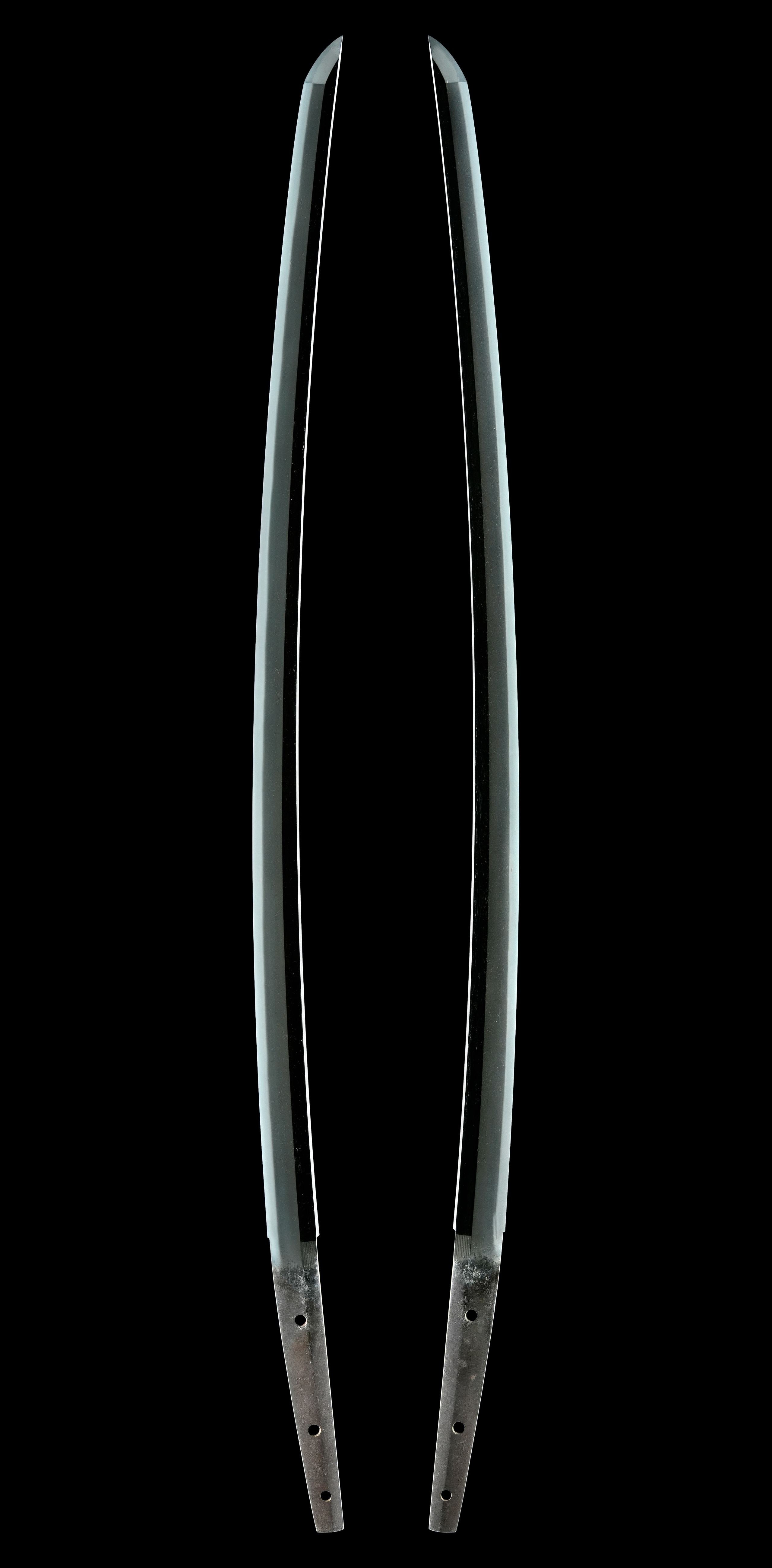
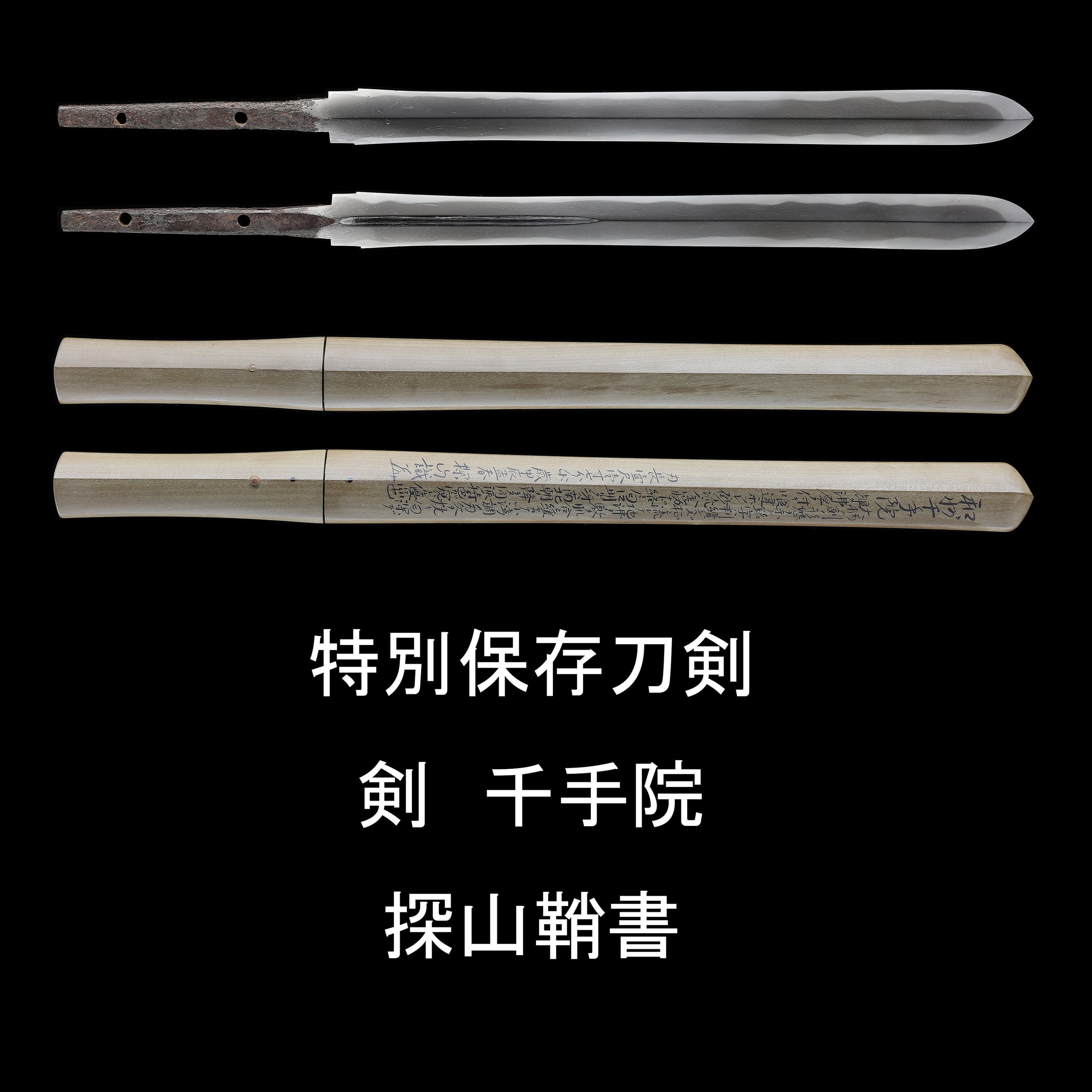
Mino was founded, tradition holds, by immigrants: Kaneuji of the Yamato Tegai line settled at Shizu to work in the new Sōshū manner, so persuasively that later appraisers judged his best blades the closest of any to Masamune.
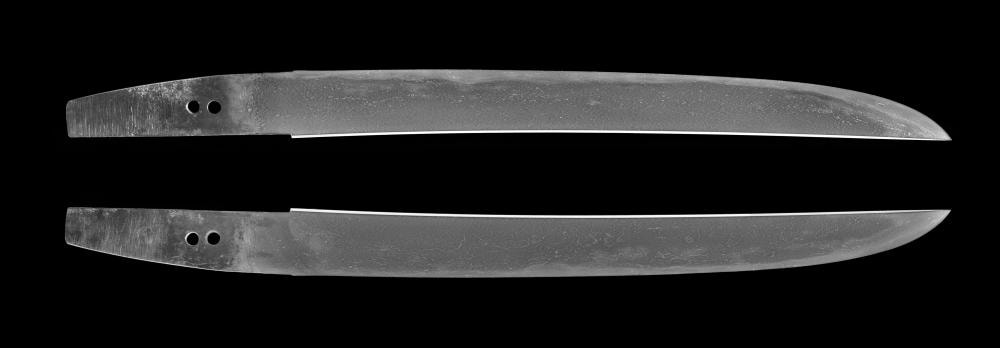
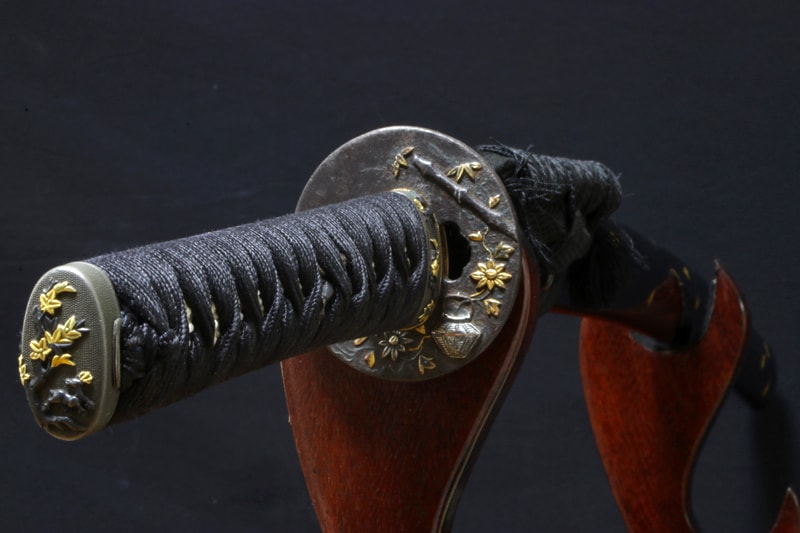
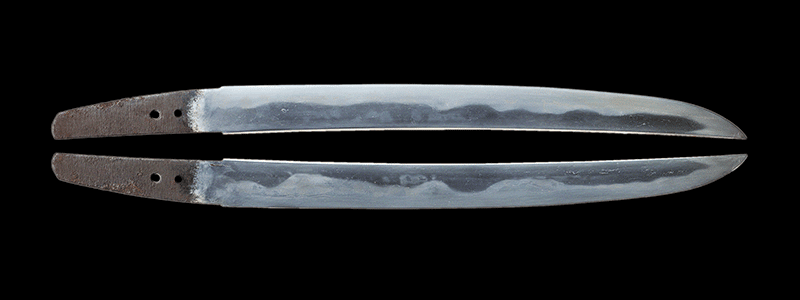
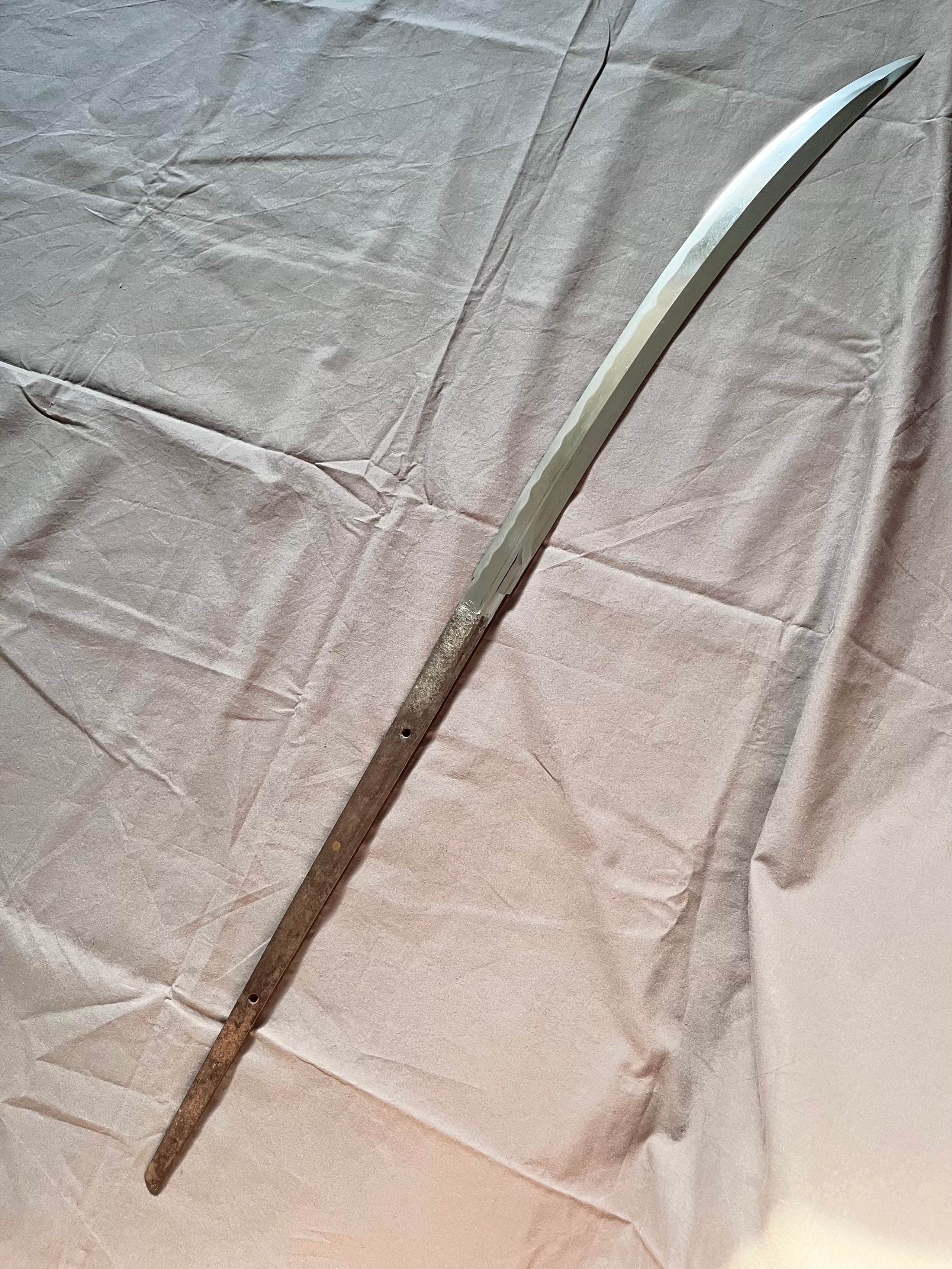
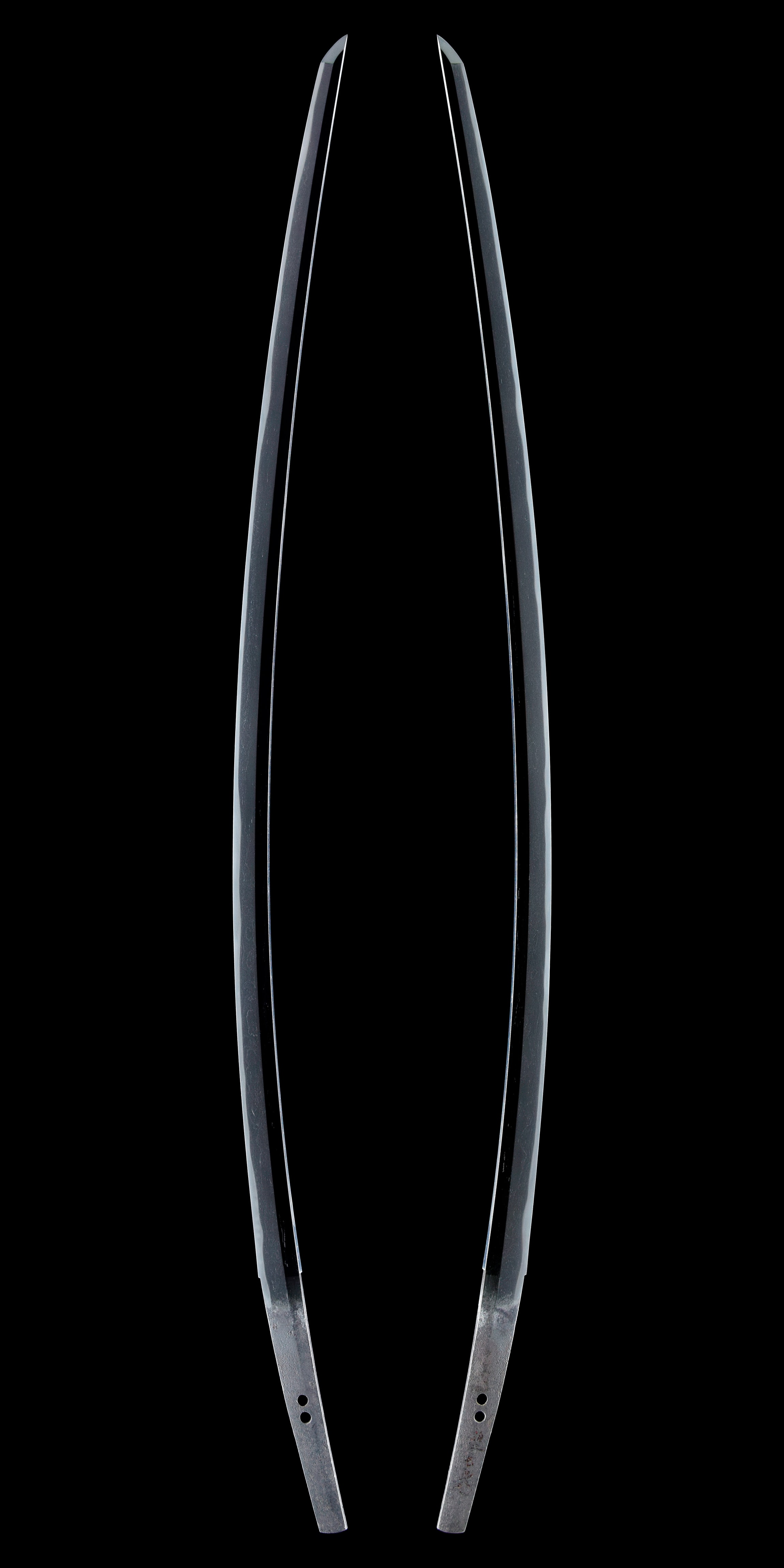
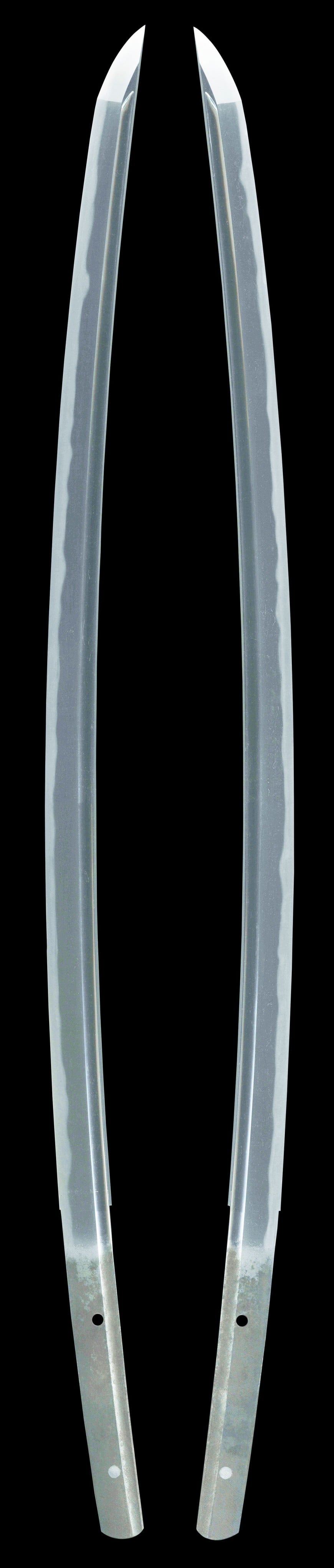
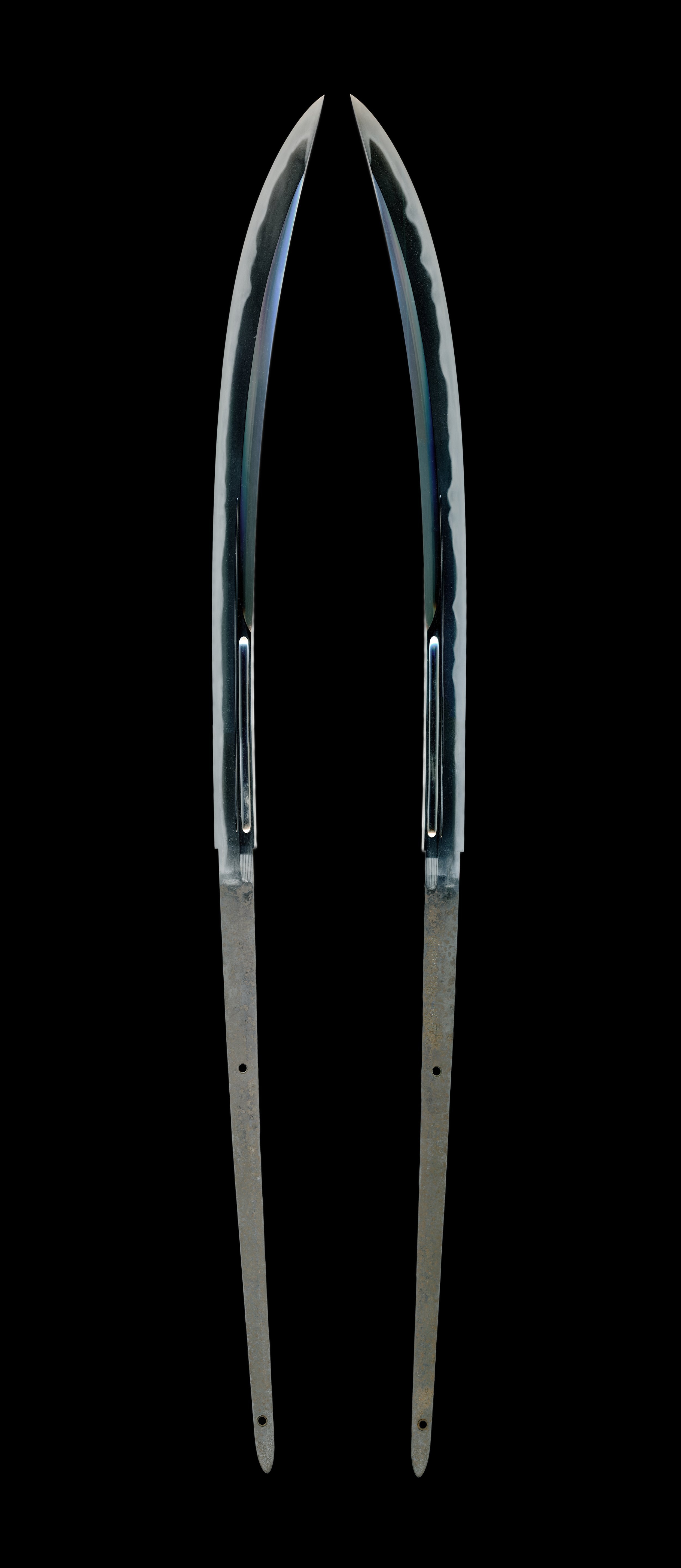
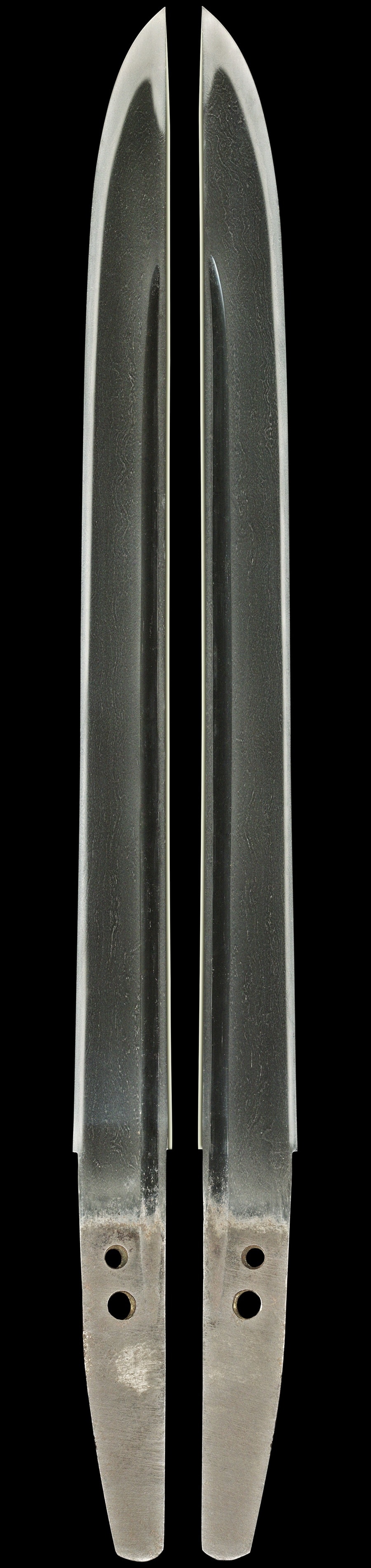
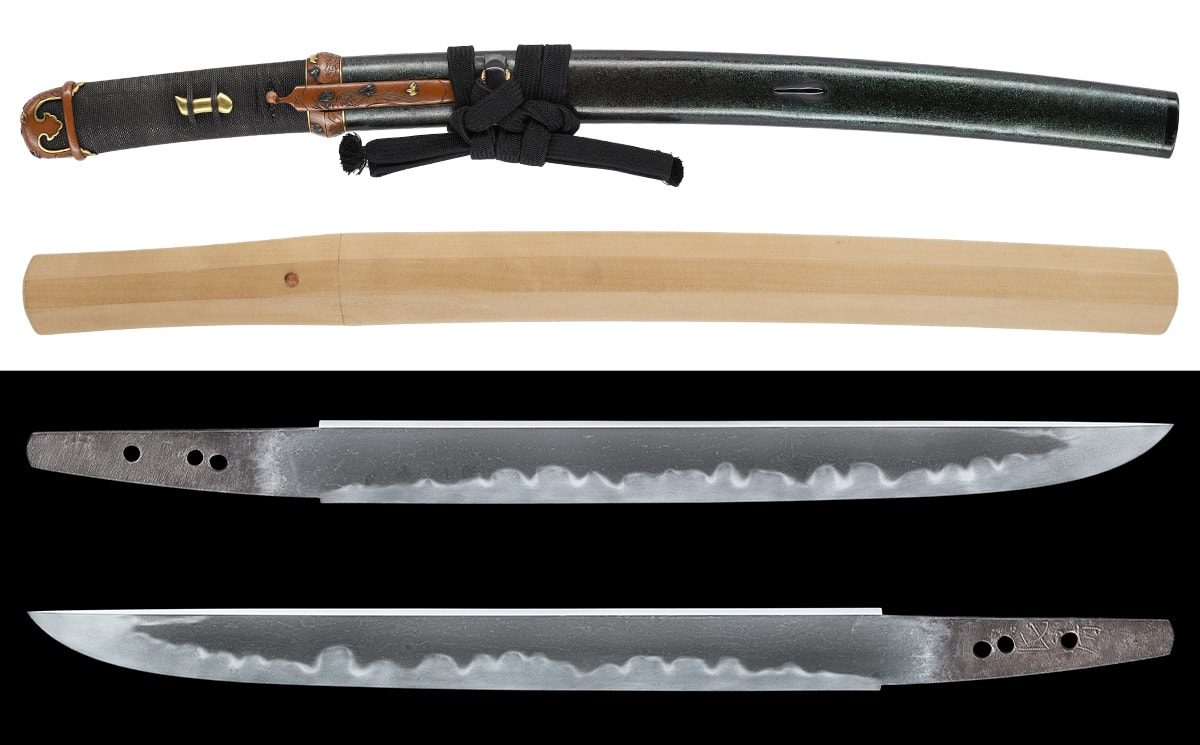
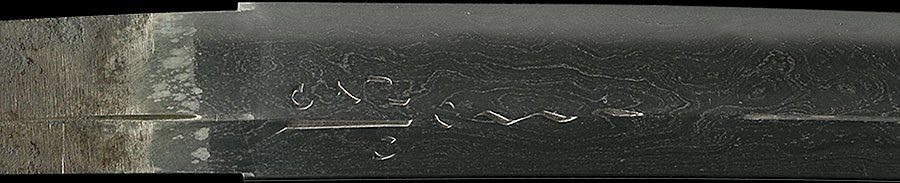
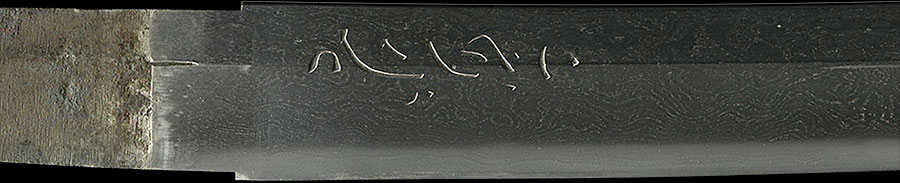
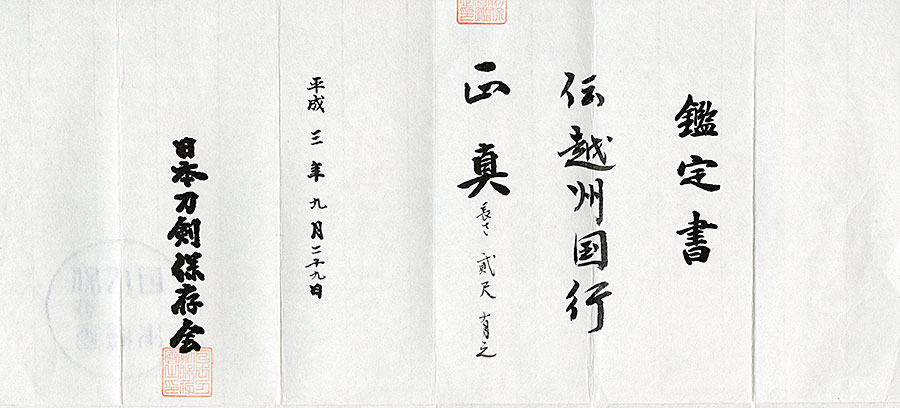
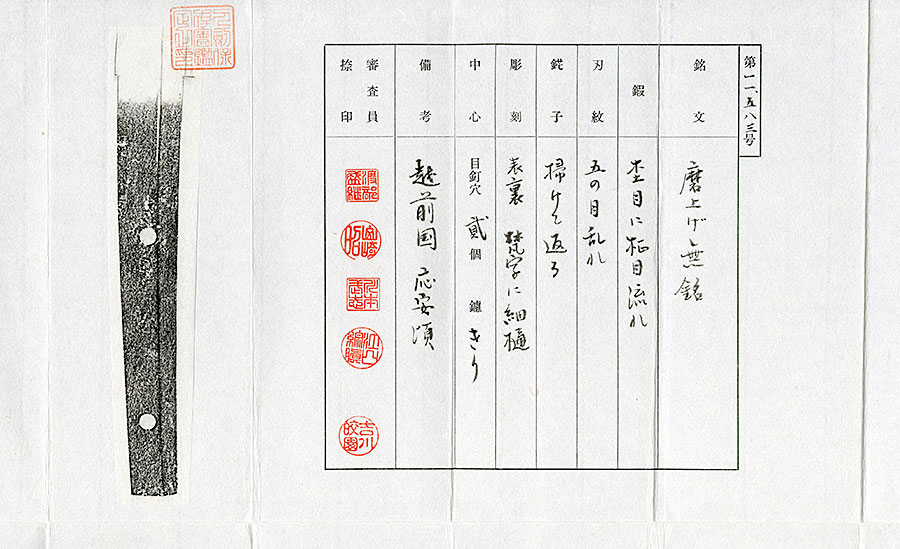
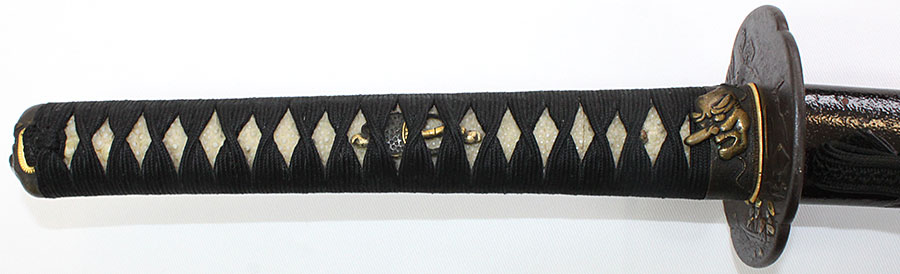
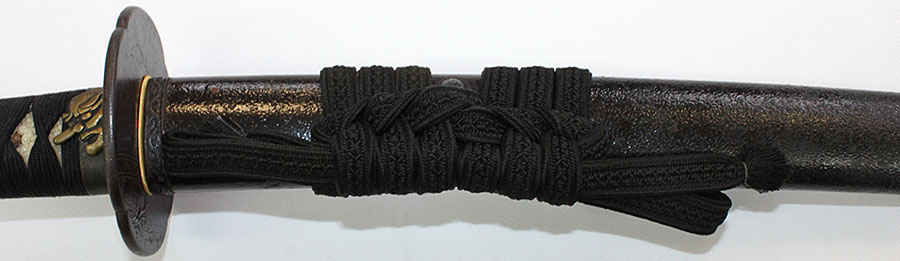
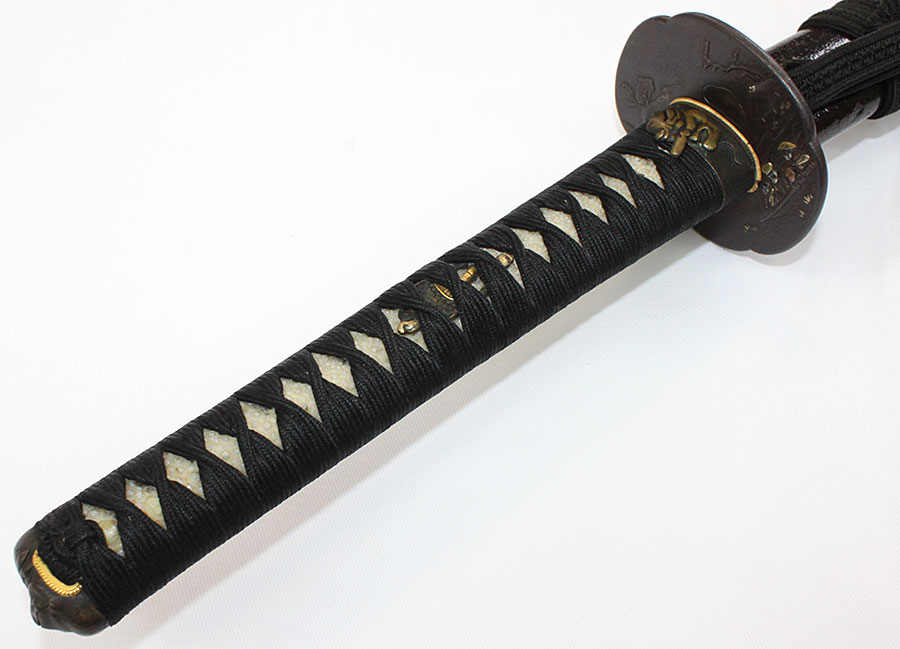
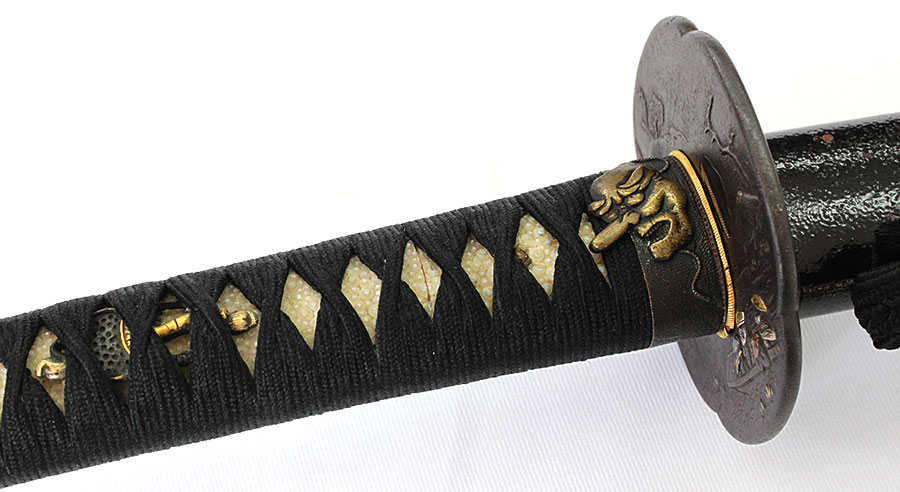
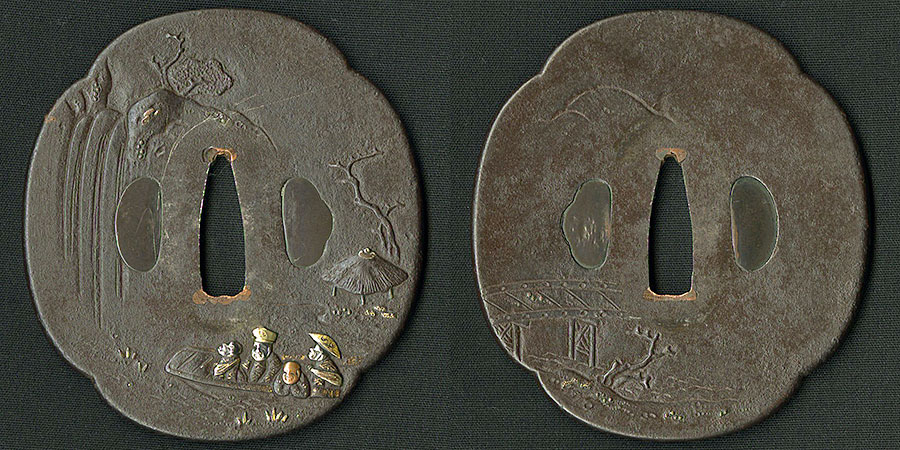
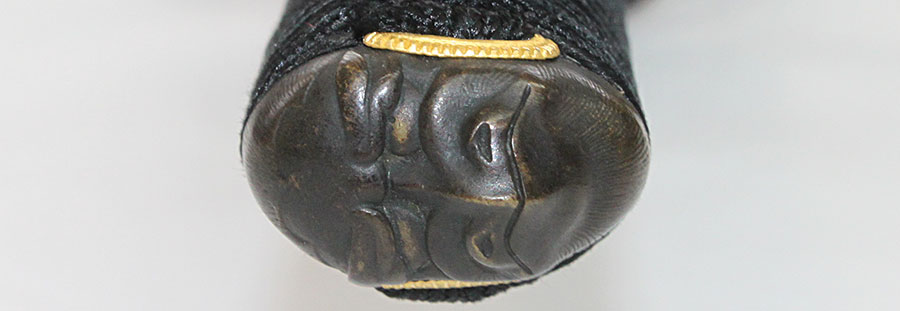
This katana is attributed to the Chiyozuru lineage around the Nanbokucho Oan era (1368) (646 years ago), a school of swordsmiths descending from Yamashiro Rai Kuniyuki. Another theory suggests that a smith of the Yamato Tegai lineage moved to Echizen, and subsequently relocated to Akasaka in Mino Province between Oan 6 and 7. In either case, it is a masterpiece by Esshu Kuniyuki, who undeniably belongs to a lineage of master smiths. The sugata is that of an elegant tachi that has been suriage; the shinogi is high, and the jigane features mokume with flowing masame. The hamon is a varied gunome-midare with kinsuji appearing within the ha. It is a masterpiece that possesses a wonderful koto style and strength, yet also maintains an indescribable elegance. The horimono consists of refined bonji on both sides with narrow hi, executed with superb skill. The Edo period koshirae is simple yet graceful. Please enjoy this tachi from the Nanbokucho period.
 NihontoWatch
den · Nanbokucho · nagasa 60.6cm · sori 1.9cm

















Mino-den · Echizen · around 1362-1368
Fujishiro Jo-jo saku · Tōken Taikan top 23%
1 piece on the market now
Kuniyuki resided at Tsuruga in Echizen and later relocated to Mino Province; dated works bearing the era names Joji and Oan confirm his period of activity within the Nanbokucho era, roughly 1362 to 1375. Signed examples exist reading "Etsushu-ju Fujiwara Kuniyuki" and "Noshu-ju Fujiwara Kuniyuki," and from the sequence of dated works it may be inferred that he entered Mino sometime between the tenth month of Oan 6 and the eighth month of the following year. It is noteworthy that in this same period, smiths such as Kaneshige and Tametsugu also moved from Echizen into Mino. A further signed tachi by a Kuniyuki of the Mino Akasaka Senjuin group[[c:1]] -- said to have been formed by craftsmen who relocated from the Yamato Senjuin lineage -- is also recorded, though his precise lineage remains unclear.
Kuniyuki's manner is characterized by a forging of itame mixed with mokume and a masame tendency, frequently showing hada-dachi; ji-nie forms thickly with chikei, and the steel color tends to be dark, bearing a kana-iro tone. In both jigane and hamon one observes characteristics common to works of the northern provinces[[c:2]] (kitaguni-mono). His tempering encompasses two distinct modes: a slender suguha with tight nioiguchi that is almost entirely nioi-deki, exhibiting fine hotsure and kuichigai-ba; and a notare mixed with gunome accompanied by rather coarse nie, sunagashi, and kinsuji, which at times takes on a hitatsura-like appearance through the addition of yubashiri, tobiyaki, and muneyaki.
Reliably signed works by Kuniyuki are exceedingly few, and the NBTHK has consistently noted that extant signed pieces constitute especially valuable material for scholarly research[[c:3]]. Within both ji and ha one may clearly discern a northern temperament -- a rustic vigor that the examiners have termed particularly interesting -- and works in the hitatsura idiom are recognized for their abundant activities and scenery of nijuba and sanjuba effects. As a rare example of a smith whose move from Echizen to Mino is documented by inscription, and whose oeuvre demonstrates new facets of workmanship through both suguha and midare styles[[c:5]], his blades are regarded as possessing high documentary value[[c:4]].
Where Kuniyuki stands among comparable artisans: across all of nihontō, and within tradition, era, and period. The tiers (Foremost · Leading · Major · Notable) weigh official designations from the NBTHK and Japan's Agency for Cultural Affairs, together with historical honors of lasting repute such as the Sansaku and Meibutsu-chō.
Select a lens to see how it's measured.
Mino-den · Mino
6 pieces on the market now
Akasaka in Mino Province was the seat of a group the NBTHK setsumei records under two names, Mino Senjuin and Akasaka Senjuin, and the documents are consistent on its descent: the line traces to the Yamato Senjuin tradition, whose craftsmen relocated north into Mino. The setsumei place that migration around the end of the Nanbokuchō period, with the group then flourishing into the Muromachi. According to the Kōsei Kotō Meikan as cited, the founder was Kuninaga, set around the Jōji years, with the line carrying the Kuninaga name onward to the Meiō era; Kunishige is placed near Kenmu and is represented by surviving work. The smiths the setsumei name span this arc: Kuninaga, Kunishige, and Kuniyuki of the Nanbokuchō; the joint spear-makers Hironaga and Hiroshige and the ancient smith Tōga of the Muromachi; and later hands signing Dōei, Dōin, Yasumichi, or simply Senjuin. The documents also chart a parallel current, the Echizen smith Kuniyuki of Tsuruga (signing Esshū or Etsushū) who entered Mino between Ōan 6 and 7, alongside Kaneshige and Tametsugu who likewise moved from Echizen. The shared vocabulary of these blades begins in the forging: itame mixed with mokume that flows toward masame, with grain that stands out (hada-dachi), ji-nie, chikei, and a whitish cast (shirake-gokoro) the setsumei return to repeatedly. The temper divides along two lines the documents describe as habitual. " The other runs hotter: notare mixed with gunome, abundant nie, yubashiri, tobiyaki, and muneyaki building toward hitatsura, the manner that marks the Echizen Kuniyuki current.
The bōshi tends to midare-komi with hakikake and a pointed return. To recognize the hand, the setsumei direct attention to the masame-bearing, whitish ji carrying Yamato traits of hotsure and kuichigai-ba, set against a gunome base that leans toward emerging Mino-den character. For kantei the documents are explicit that this line "consistently displays a stronger Yamato character" than the Seki-mono otherwise encountered, and that its hamon "stands at a considerable remove from typical Mino workmanship," though the jigane keeps it within that milieu. Signed pieces carrying an individual maker's name are noted as scarce, which raises the documentary weight of the dated and signed examples the setsumei single out: the Kuninaga tantō dated Ōan gannen, the signed Kunishige and Kuniyuki tachi, and the Esshū Kuniyuki wakizashi dated Sadaji and Ōan whose signatures incorporate Fujiwara. Among named works the setsumei cite the ōmi-yari signed Senjuin with its vermilion-lacquered long-shaft mounting, the joint spear of Hironaga and Hiroshige, and the wakizashi by Tōga held to copy the Genji treasure Higekiri. Provenance is recorded for the Tōga piece, formerly of Tanzan Shrine in Yamato and donated to the Imperial Household, with two further Tanzan blades assigned to the Nanbokuchō. The documents place these works across Tokubetsu-Jūyō, Jūyō, and Imperial registers, reading the group as a Yamato offshoot that carried its masame-grounded manner into Mino while the gunome base turned toward Mino-den. Learn more →
| Smith | Era | Designated |
|---|---|---|
| Kuniyuki國行 | 1362-1368 | 8 |
| Kunishige国重 | 1336-1392 | 1 |
| Sadashige定重 | 1379-1381 | 0 |
| Yasutsugu康繼 | 1532-1555 | 0 |
| Hironaga弘長 | 1469-1487 | 1 |
Mino in the Nanbokuchō period
Mino was founded, tradition holds, by immigrants: Kaneuji of the Yamato Tegai line settled at Shizu to work in the new Sōshū manner, so persuasively that later appraisers judged his best blades the closest of any to Masamune.
The NTHK’s principal certificate, issued for a blade of considerable quality. It confirms a genuine signature, or, for an unsigned (mumei) work, records the judges’ attribution to a smith or school. The paper carries a detailed worksheet with a numerical point score.
The NTHK (Nihon Tōken Hozon Kai, the Society for the Preservation of the Japanese Sword) is the oldest of Japan’s sword-appraisal bodies, founded in 1910, decades before the NBTHK. After the death of its long-serving head it divided into two successor societies, the NTHK and the NTHK-NPO, both of which continue to hold shinsa. NTHK certificates are known for a detailed worksheet that records a numerical point score alongside the judges’ written opinion, and the society is especially respected for its attribution of unsigned (mumei) work.
For returns due to customer circumstances, the cost is the customer's responsibility. For returns due to our mis-shipment or a defective item, we bear the cost.
This katana is attributed to the Chiyozuru lineage around the Nanbokucho Oan era (1368) (646 years ago), a school of swordsmiths descending from Yamashiro Rai Kuniyuki. Another theory suggests that a smith of the Yamato Tegai lineage moved to Echizen, and subsequently relocated to Akasaka in Mino Province between Oan 6 and 7. In either case, it is a masterpiece by Esshu Kuniyuki, who undeniably belongs to a lineage of master smiths. The sugata is that of an elegant tachi that has been suriage; the shinogi is high, and the jigane features mokume with flowing masame. The hamon is a varied gunome-midare with kinsuji appearing within the ha. It is a masterpiece that possesses a wonderful koto style and strength, yet also maintains an indescribable elegance. The horimono consists of refined bonji on both sides with narrow hi, executed with superb skill. The Edo period koshirae is simple yet graceful. Please enjoy this tachi from the Nanbokucho period.
NihontoWatchden · Nanbokucho · nagasa 60.6cm · sori 1.9cm
Mino-den · Echizen · around 1362-1368
Fujishiro Jo-jo saku · Tōken Taikan top 23%
1 piece on the market now
Kuniyuki resided at Tsuruga in Echizen and later relocated to Mino Province; dated works bearing the era names Joji and Oan confirm his period of activity within the Nanbokucho era, roughly 1362 to 1375. Signed examples exist reading "Etsushu-ju Fujiwara Kuniyuki" and "Noshu-ju Fujiwara Kuniyuki," and from the sequence of dated works it may be inferred that he entered Mino sometime between the tenth month of Oan 6 and the eighth month of the following year. It is noteworthy that in this same period, smiths such as Kaneshige and Tametsugu also moved from Echizen into Mino. A further signed tachi by a Kuniyuki of the Mino Akasaka Senjuin group[[c:1]] -- said to have been formed by craftsmen who relocated from the Yamato Senjuin lineage -- is also recorded, though his precise lineage remains unclear.
Kuniyuki's manner is characterized by a forging of itame mixed with mokume and a masame tendency, frequently showing hada-dachi; ji-nie forms thickly with chikei, and the steel color tends to be dark, bearing a kana-iro tone. In both jigane and hamon one observes characteristics common to works of the northern provinces[[c:2]] (kitaguni-mono). His tempering encompasses two distinct modes: a slender suguha with tight nioiguchi that is almost entirely nioi-deki, exhibiting fine hotsure and kuichigai-ba; and a notare mixed with gunome accompanied by rather coarse nie, sunagashi, and kinsuji, which at times takes on a hitatsura-like appearance through the addition of yubashiri, tobiyaki, and muneyaki.
Reliably signed works by Kuniyuki are exceedingly few, and the NBTHK has consistently noted that extant signed pieces constitute especially valuable material for scholarly research[[c:3]]. Within both ji and ha one may clearly discern a northern temperament -- a rustic vigor that the examiners have termed particularly interesting -- and works in the hitatsura idiom are recognized for their abundant activities and scenery of nijuba and sanjuba effects. As a rare example of a smith whose move from Echizen to Mino is documented by inscription, and whose oeuvre demonstrates new facets of workmanship through both suguha and midare styles[[c:5]], his blades are regarded as possessing high documentary value[[c:4]].
Where Kuniyuki stands among comparable artisans: across all of nihontō, and within tradition, era, and period. The tiers (Foremost · Leading · Major · Notable) weigh official designations from the NBTHK and Japan's Agency for Cultural Affairs, together with historical honors of lasting repute such as the Sansaku and Meibutsu-chō.
Select a lens to see how it's measured.
Mino-den · Mino
6 pieces on the market now
Akasaka in Mino Province was the seat of a group the NBTHK setsumei records under two names, Mino Senjuin and Akasaka Senjuin, and the documents are consistent on its descent: the line traces to the Yamato Senjuin tradition, whose craftsmen relocated north into Mino. The setsumei place that migration around the end of the Nanbokuchō period, with the group then flourishing into the Muromachi. According to the Kōsei Kotō Meikan as cited, the founder was Kuninaga, set around the Jōji years, with the line carrying the Kuninaga name onward to the Meiō era; Kunishige is placed near Kenmu and is represented by surviving work. The smiths the setsumei name span this arc: Kuninaga, Kunishige, and Kuniyuki of the Nanbokuchō; the joint spear-makers Hironaga and Hiroshige and the ancient smith Tōga of the Muromachi; and later hands signing Dōei, Dōin, Yasumichi, or simply Senjuin. The documents also chart a parallel current, the Echizen smith Kuniyuki of Tsuruga (signing Esshū or Etsushū) who entered Mino between Ōan 6 and 7, alongside Kaneshige and Tametsugu who likewise moved from Echizen. The shared vocabulary of these blades begins in the forging: itame mixed with mokume that flows toward masame, with grain that stands out (hada-dachi), ji-nie, chikei, and a whitish cast (shirake-gokoro) the setsumei return to repeatedly. The temper divides along two lines the documents describe as habitual. " The other runs hotter: notare mixed with gunome, abundant nie, yubashiri, tobiyaki, and muneyaki building toward hitatsura, the manner that marks the Echizen Kuniyuki current.
The bōshi tends to midare-komi with hakikake and a pointed return. To recognize the hand, the setsumei direct attention to the masame-bearing, whitish ji carrying Yamato traits of hotsure and kuichigai-ba, set against a gunome base that leans toward emerging Mino-den character. For kantei the documents are explicit that this line "consistently displays a stronger Yamato character" than the Seki-mono otherwise encountered, and that its hamon "stands at a considerable remove from typical Mino workmanship," though the jigane keeps it within that milieu. Signed pieces carrying an individual maker's name are noted as scarce, which raises the documentary weight of the dated and signed examples the setsumei single out: the Kuninaga tantō dated Ōan gannen, the signed Kunishige and Kuniyuki tachi, and the Esshū Kuniyuki wakizashi dated Sadaji and Ōan whose signatures incorporate Fujiwara. Among named works the setsumei cite the ōmi-yari signed Senjuin with its vermilion-lacquered long-shaft mounting, the joint spear of Hironaga and Hiroshige, and the wakizashi by Tōga held to copy the Genji treasure Higekiri. Provenance is recorded for the Tōga piece, formerly of Tanzan Shrine in Yamato and donated to the Imperial Household, with two further Tanzan blades assigned to the Nanbokuchō. The documents place these works across Tokubetsu-Jūyō, Jūyō, and Imperial registers, reading the group as a Yamato offshoot that carried its masame-grounded manner into Mino while the gunome base turned toward Mino-den. Learn more →
| Smith | Era | Designated |
|---|---|---|
| Kuniyuki國行 | 1362-1368 | 8 |
| Kunishige国重 | 1336-1392 | 1 |
| Sadashige定重 | 1379-1381 | 0 |
| Yasutsugu康繼 | 1532-1555 | 0 |
| Hironaga弘長 | 1469-1487 | 1 |
Mino in the Nanbokuchō period
Mino was founded, tradition holds, by immigrants: Kaneuji of the Yamato Tegai line settled at Shizu to work in the new Sōshū manner, so persuasively that later appraisers judged his best blades the closest of any to Masamune.
The NTHK’s principal certificate, issued for a blade of considerable quality. It confirms a genuine signature, or, for an unsigned (mumei) work, records the judges’ attribution to a smith or school. The paper carries a detailed worksheet with a numerical point score.
The NTHK (Nihon Tōken Hozon Kai, the Society for the Preservation of the Japanese Sword) is the oldest of Japan’s sword-appraisal bodies, founded in 1910, decades before the NBTHK. After the death of its long-serving head it divided into two successor societies, the NTHK and the NTHK-NPO, both of which continue to hold shinsa. NTHK certificates are known for a detailed worksheet that records a numerical point score alongside the judges’ written opinion, and the society is especially respected for its attribution of unsigned (mumei) work.
For returns due to customer circumstances, the cost is the customer's responsibility. For returns due to our mis-shipment or a defective item, we bear the cost.