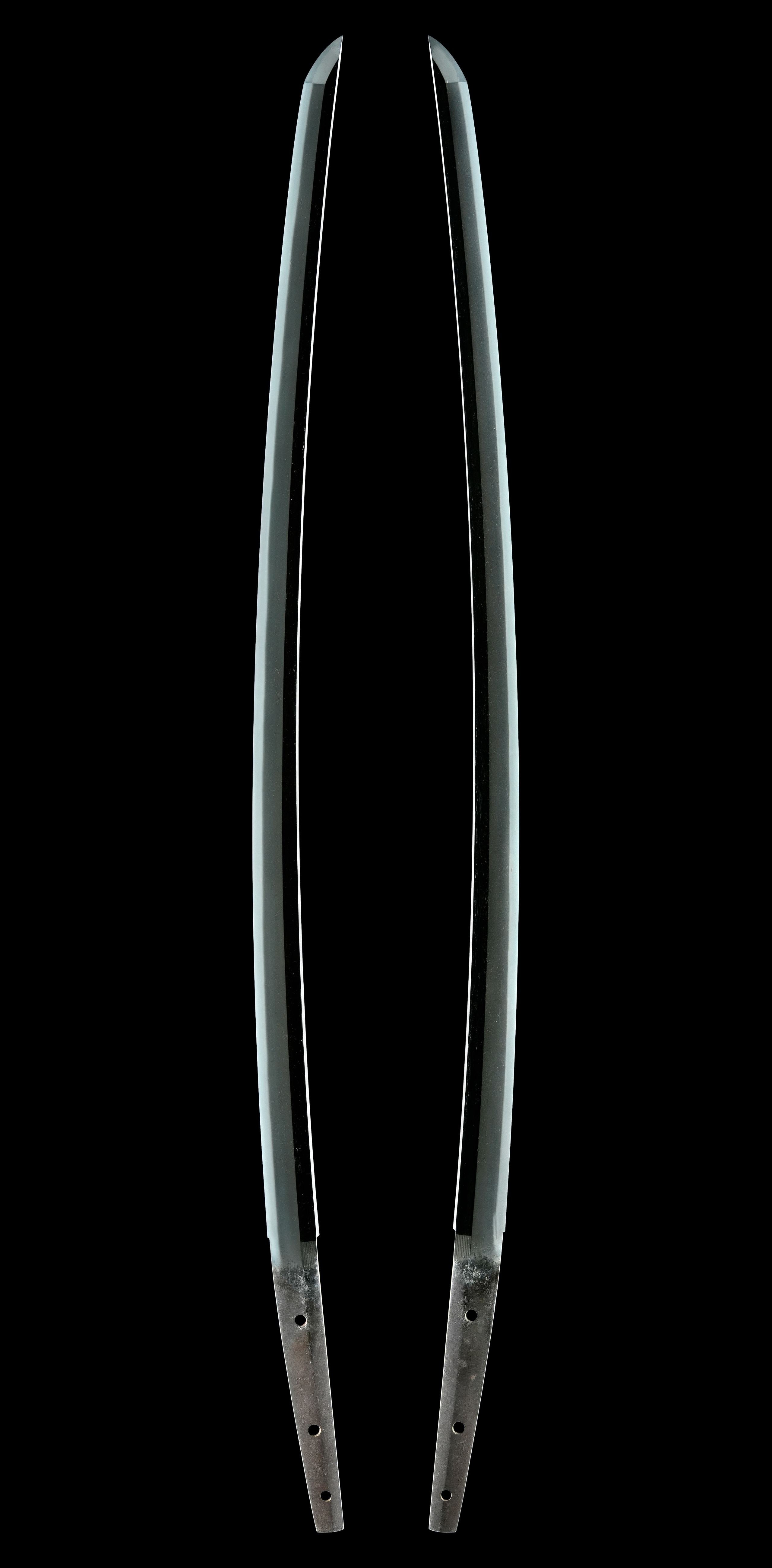
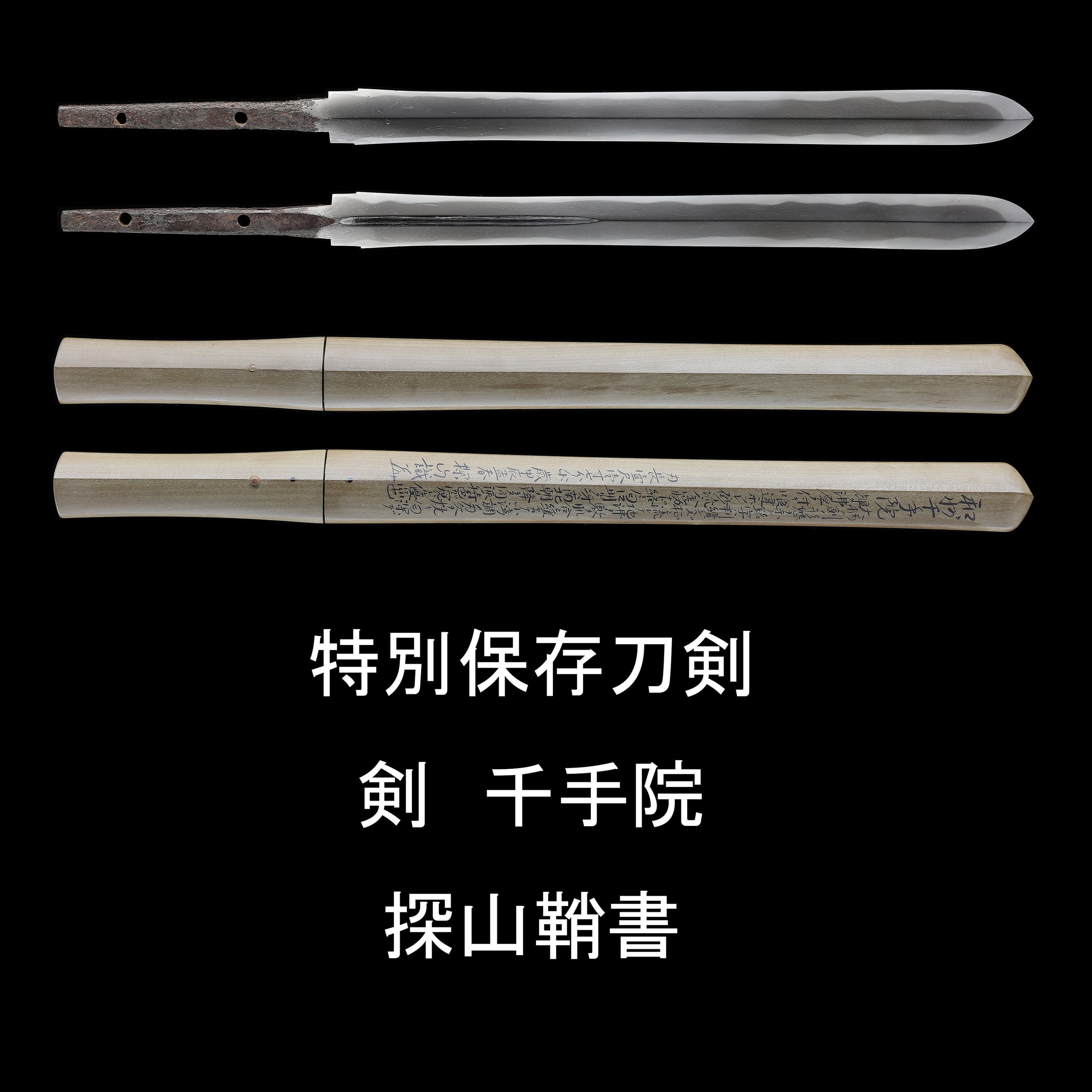
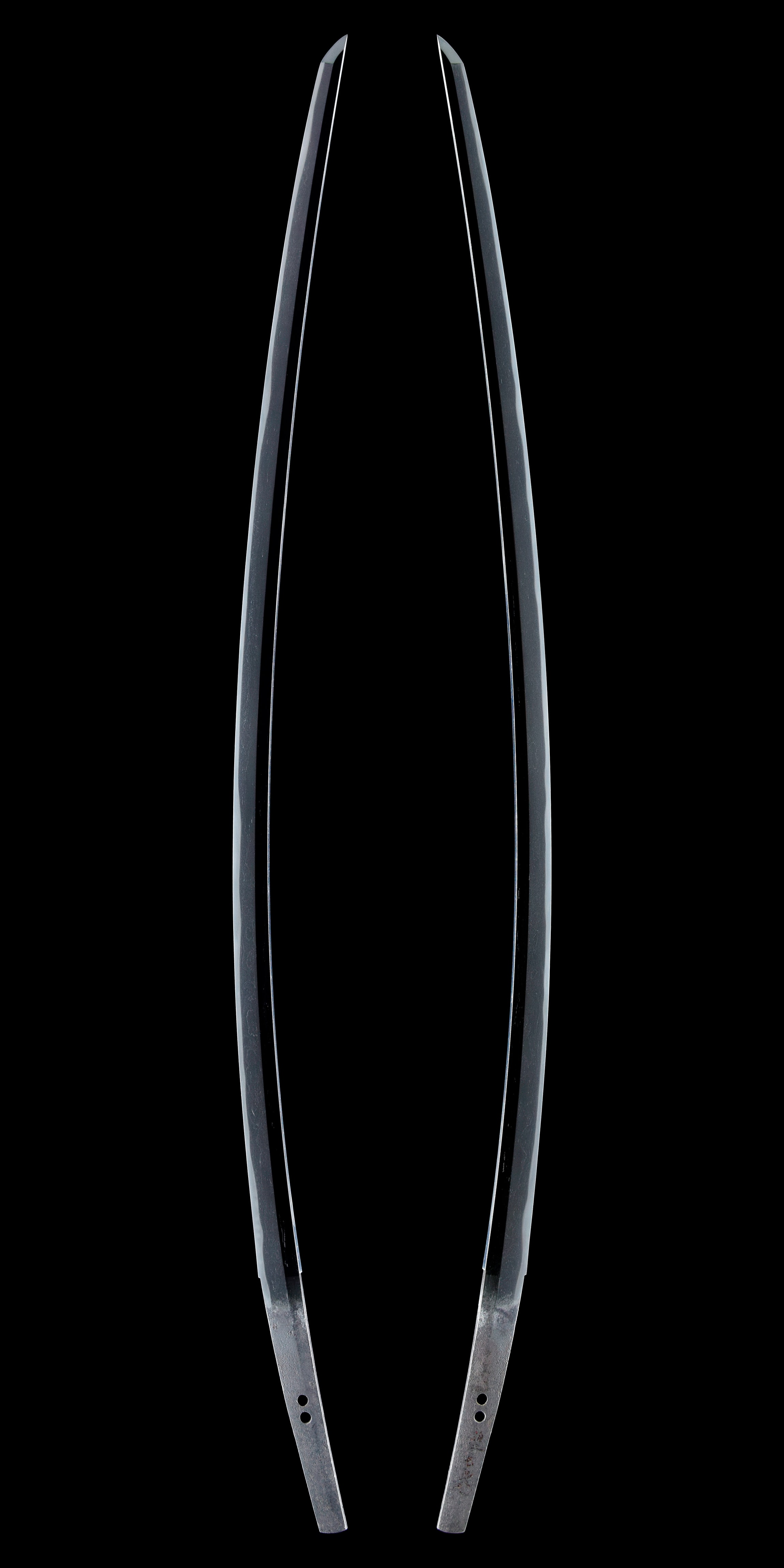
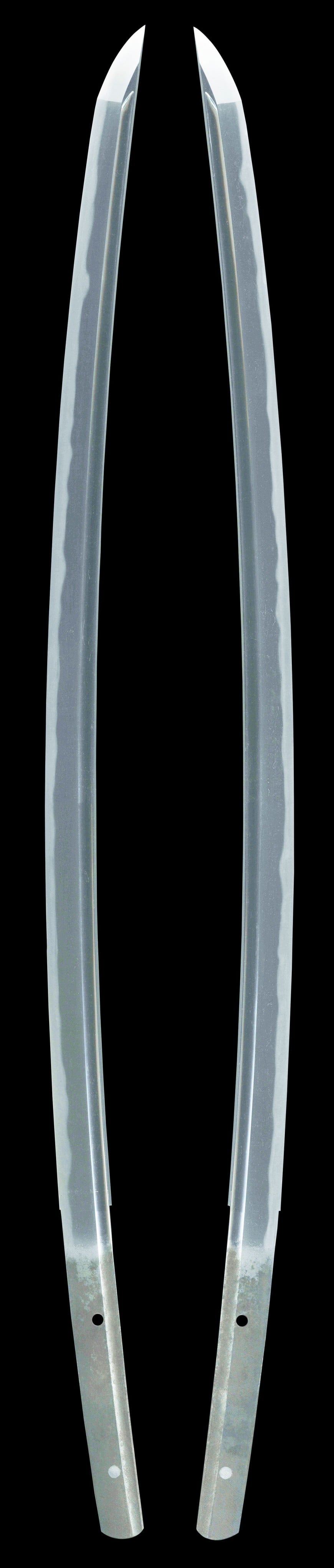
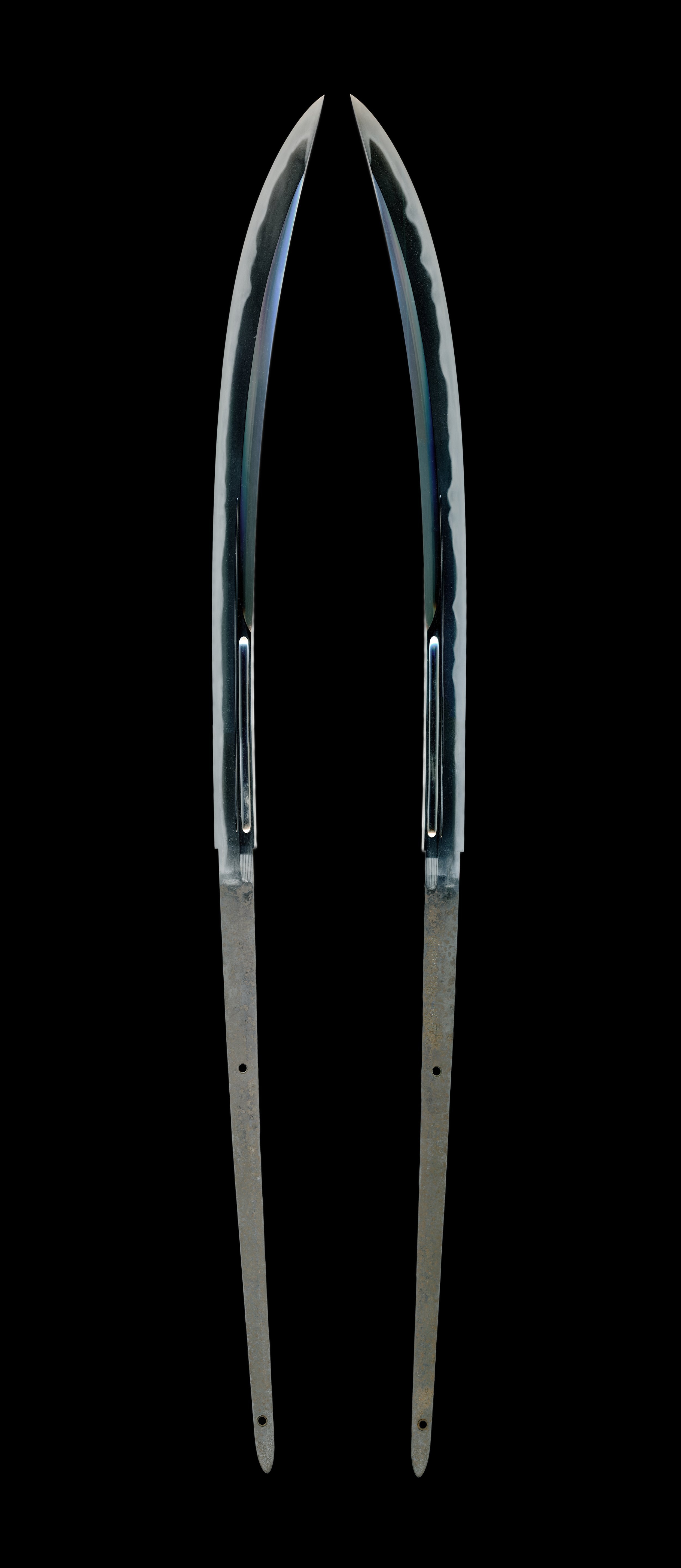
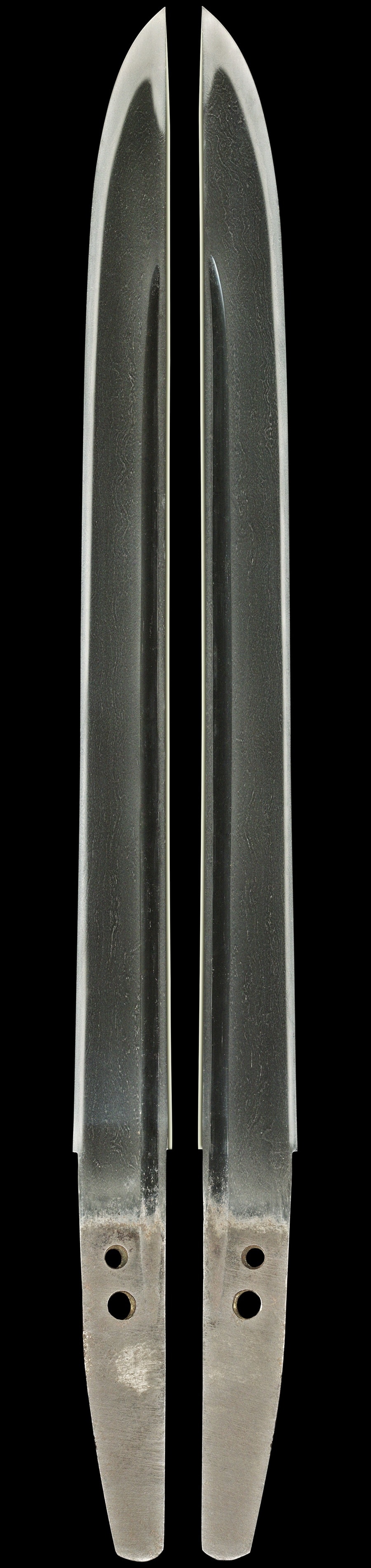
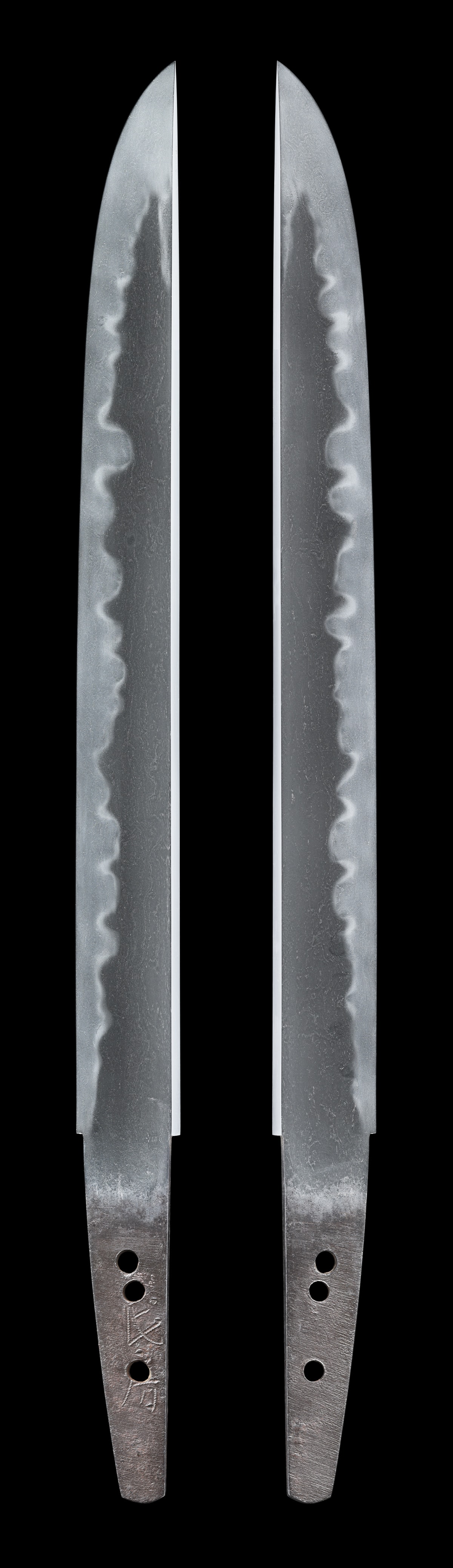
Kuniyuki resided at Tsuruga in and later relocated to Province; dated works bearing the era names Joji and confirm his period of activity within the era, roughly 1362 to 1375. Signed examples exist reading "Etsushu-ju Fujiwara Kuniyuki" and "Noshu-ju Fujiwara Kuniyuki," and from the sequence of dated works it may be inferred that he entered sometime between the tenth month of 6 and the eighth month of the following year. It is noteworthy that in this period, smiths such as Kaneshige and Tametsugu also moved from into . A further signed by a Kuniyuki of the Akasaka Senjuin group -- said to have been formed by craftsmen who relocated from the Yamato Senjuin lineage -- is also recorded, though his precise lineage remains unclear.
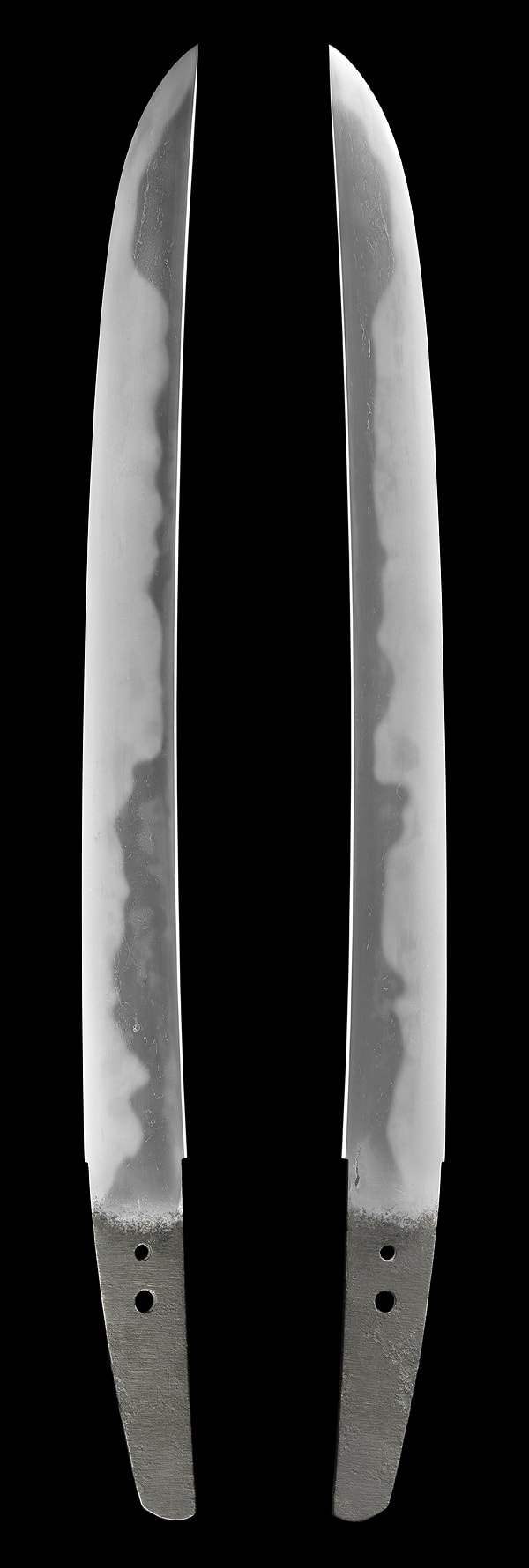
Kuniyuki's manner is characterized by a forging of mixed with and a tendency, frequently showing ; forms thickly with , and the steel color tends to be dark, bearing a kana-iro tone. In both and one observes characteristics common to works of the northern provinces (kitaguni-mono). His tempering encompasses two distinct modes: a slender with tight that is almost entirely , exhibiting fine and ; and a mixed with accompanied by rather coarse , , and , which at times takes on a -like appearance through the addition of , , and .
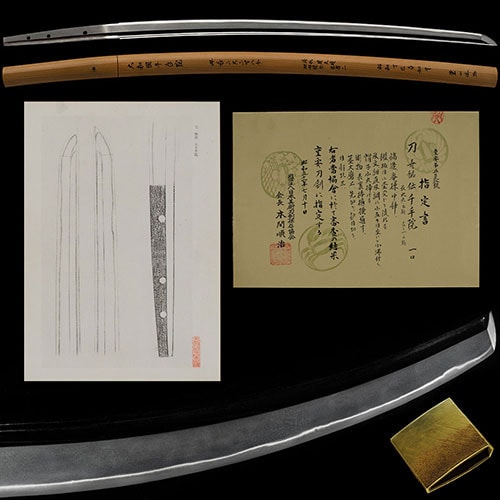
Reliably signed works by Kuniyuki are exceedingly few, and the has consistently noted that extant signed pieces constitute especially valuable material for scholarly research. Within both and one may clearly discern a northern temperament -- a rustic vigor that the examiners have termed particularly interesting -- and works in the idiom are recognized for their abundant activities and scenery of and sanjuba effects. As a rare example of a smith whose move from to is documented by inscription, and whose oeuvre demonstrates new facets of workmanship through both and styles, his blades are regarded as possessing high documentary value.