




The twentieth century nearly killed the craft twice: wartime distortion, then the occupation ban. The NBTHK’s founding in 1948 and licensed forging from 1953 rebuilt the sword as an art, crowned by Living National Treasures and the mukansa rank.
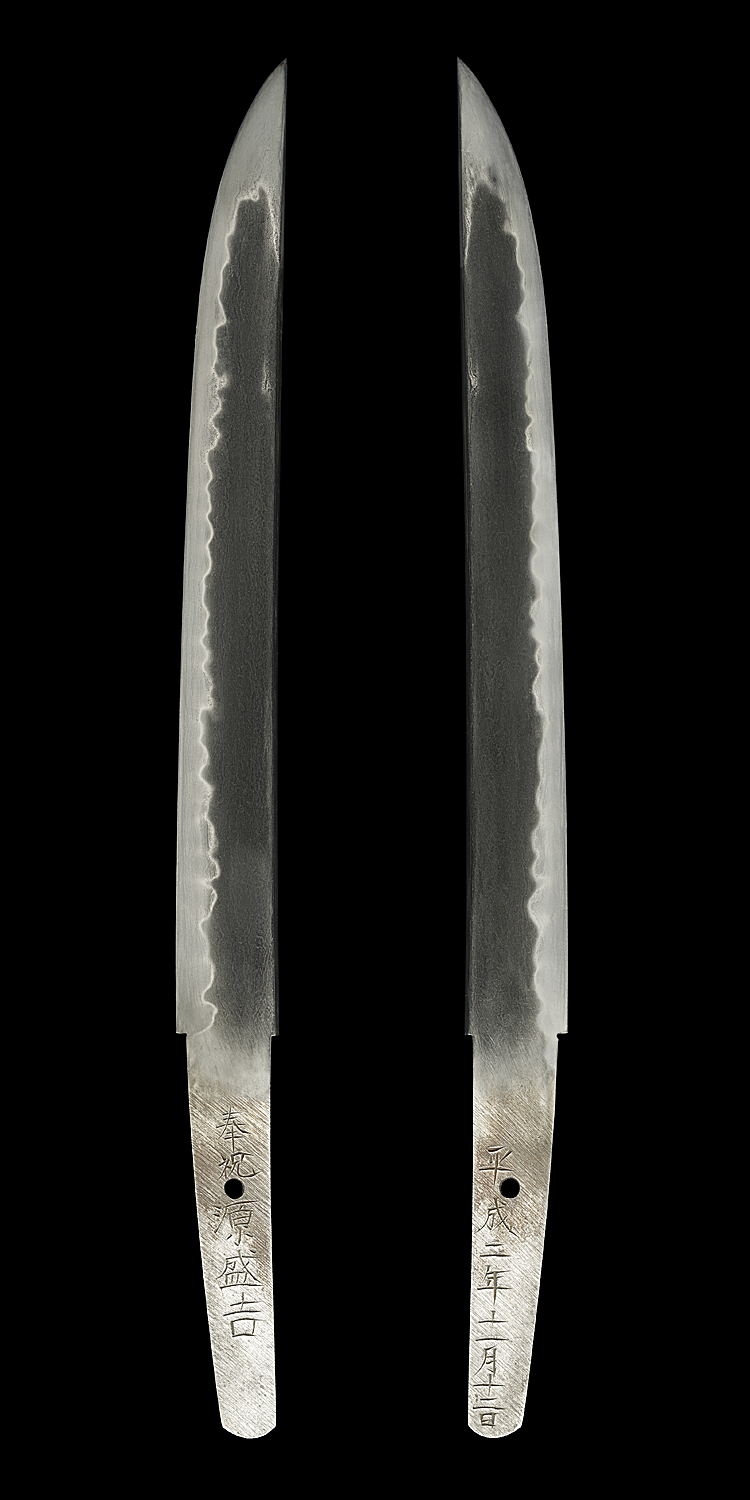
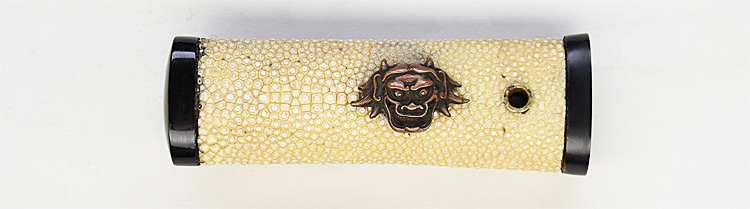
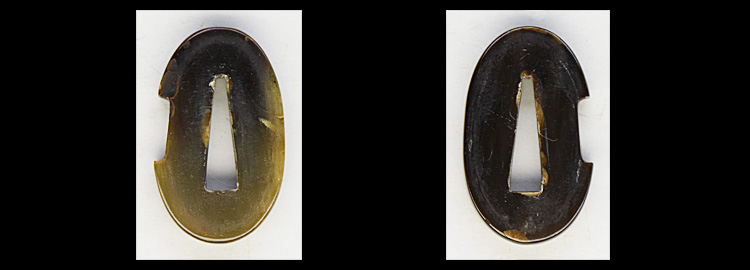
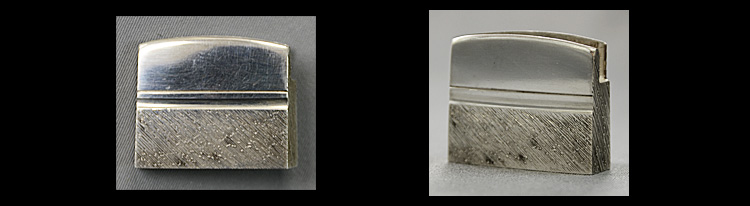
This is a Tanto by Minamoto Moriyoshi from Kumamoto, dated November 12th, Heisei 2 (1990). It features a hira-zukuri, iori-mune blade with an ubu-nakago. The jitetsu is an itame-hada mixed with mokume, standing out with a zanguri texture, well-forged and tightly packed, with fine ji-nie and chikei. The hamon is gunome mixed with togari-gokoro in a notare pattern, with a tight nioi-guchi and abundant ko-nie, showing yubashiri, working ashi and yo, and bright, clear nioi-guchi with kin-suji and sunagashi. The smith's real name was Tanigawa Matsukichi, a student of Kongo Hyoe Moritaka and Enju Nobushige, and he was a Mukansa smith. It comes with a焦茶散塗鞘小刀拵 (dark brown scattered lacquer saya tanto koshirae).
mei · Gendaito · nagasa 26.4cm


Kumamoto · around 1926-1989
9 pieces on the market now
The twentieth century nearly killed the craft twice: wartime distortion, then the occupation ban. The NBTHK’s founding in 1948 and licensed forging from 1953 rebuilt the sword as an art, crowned by Living National Treasures and the mukansa rank.
We could not find an authenticity certificate on the seller’s listing. Japanese swords and fittings are normally papered by the NBTHK (or the NTHK). Without one, the attribution is the seller’s own assessment and has not been independently verified — treat it with caution and ask the dealer about certification before buying.
Within one week of the item's arrival (cooling-off is possible within Japan only). For defects that differ from the purchase conditions, we will accept the return and refund the payment. For other cases such as overseas, we will consult separately.
This is a Tanto by Minamoto Moriyoshi from Kumamoto, dated November 12th, Heisei 2 (1990). It features a hira-zukuri, iori-mune blade with an ubu-nakago. The jitetsu is an itame-hada mixed with mokume, standing out with a zanguri texture, well-forged and tightly packed, with fine ji-nie and chikei. The hamon is gunome mixed with togari-gokoro in a notare pattern, with a tight nioi-guchi and abundant ko-nie, showing yubashiri, working ashi and yo, and bright, clear nioi-guchi with kin-suji and sunagashi. The smith's real name was Tanigawa Matsukichi, a student of Kongo Hyoe Moritaka and Enju Nobushige, and he was a Mukansa smith. It comes with a焦茶散塗鞘小刀拵 (dark brown scattered lacquer saya tanto koshirae).
mei · Gendaito · nagasa 26.4cm


Kumamoto · around 1926-1989
9 pieces on the market now
The twentieth century nearly killed the craft twice: wartime distortion, then the occupation ban. The NBTHK’s founding in 1948 and licensed forging from 1953 rebuilt the sword as an art, crowned by Living National Treasures and the mukansa rank.
We could not find an authenticity certificate on the seller’s listing. Japanese swords and fittings are normally papered by the NBTHK (or the NTHK). Without one, the attribution is the seller’s own assessment and has not been independently verified — treat it with caution and ask the dealer about certification before buying.
Within one week of the item's arrival (cooling-off is possible within Japan only). For defects that differ from the purchase conditions, we will accept the return and refund the payment. For other cases such as overseas, we will consult separately.