Unification closed the mass market, and Seki’s smiths moved to where the new money was: the Mishina line to Kyōto with court titles, Daidō smiths to castle towns across the provinces. Mino became the great technical ancestor of the Shintō age.
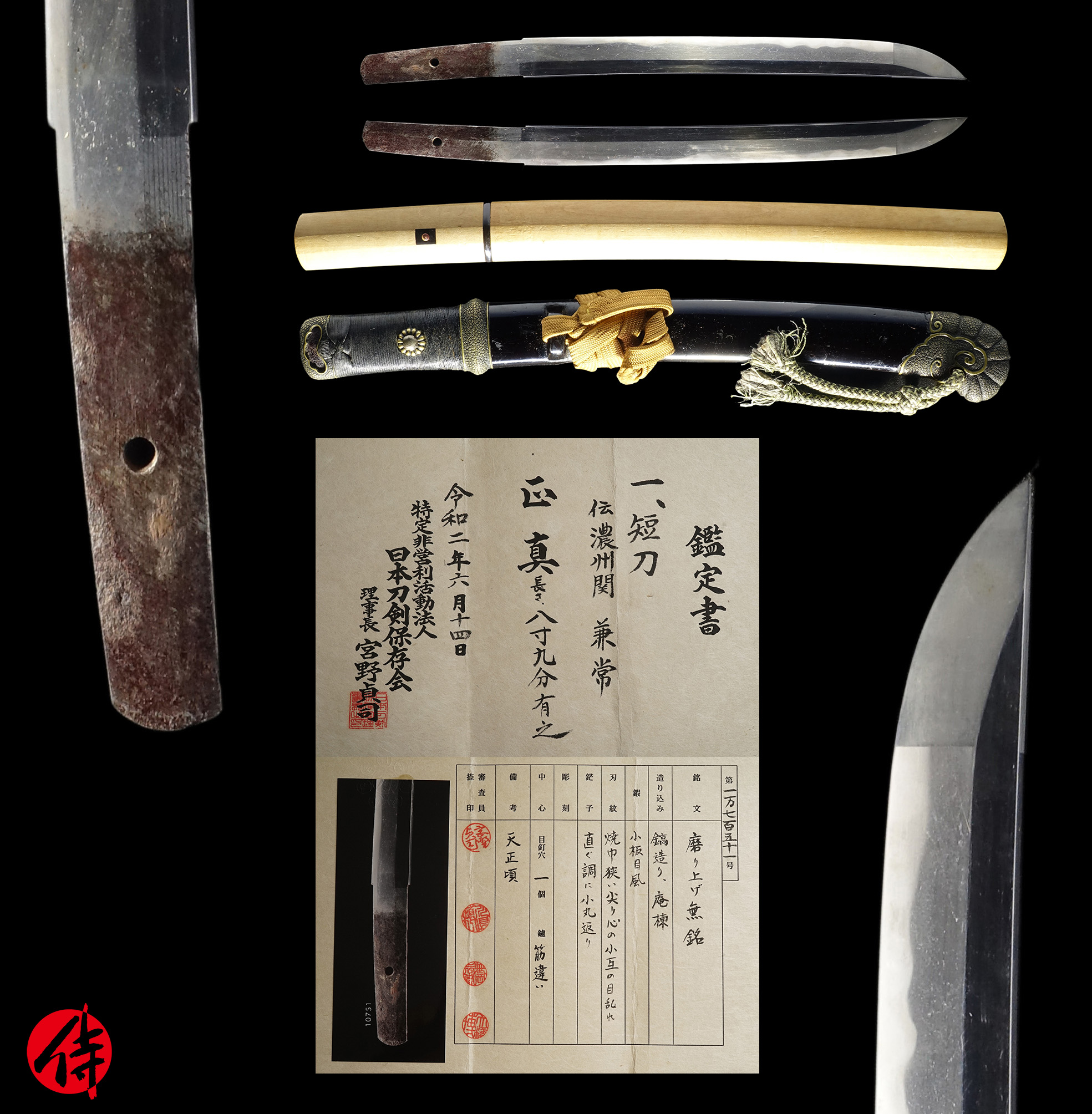
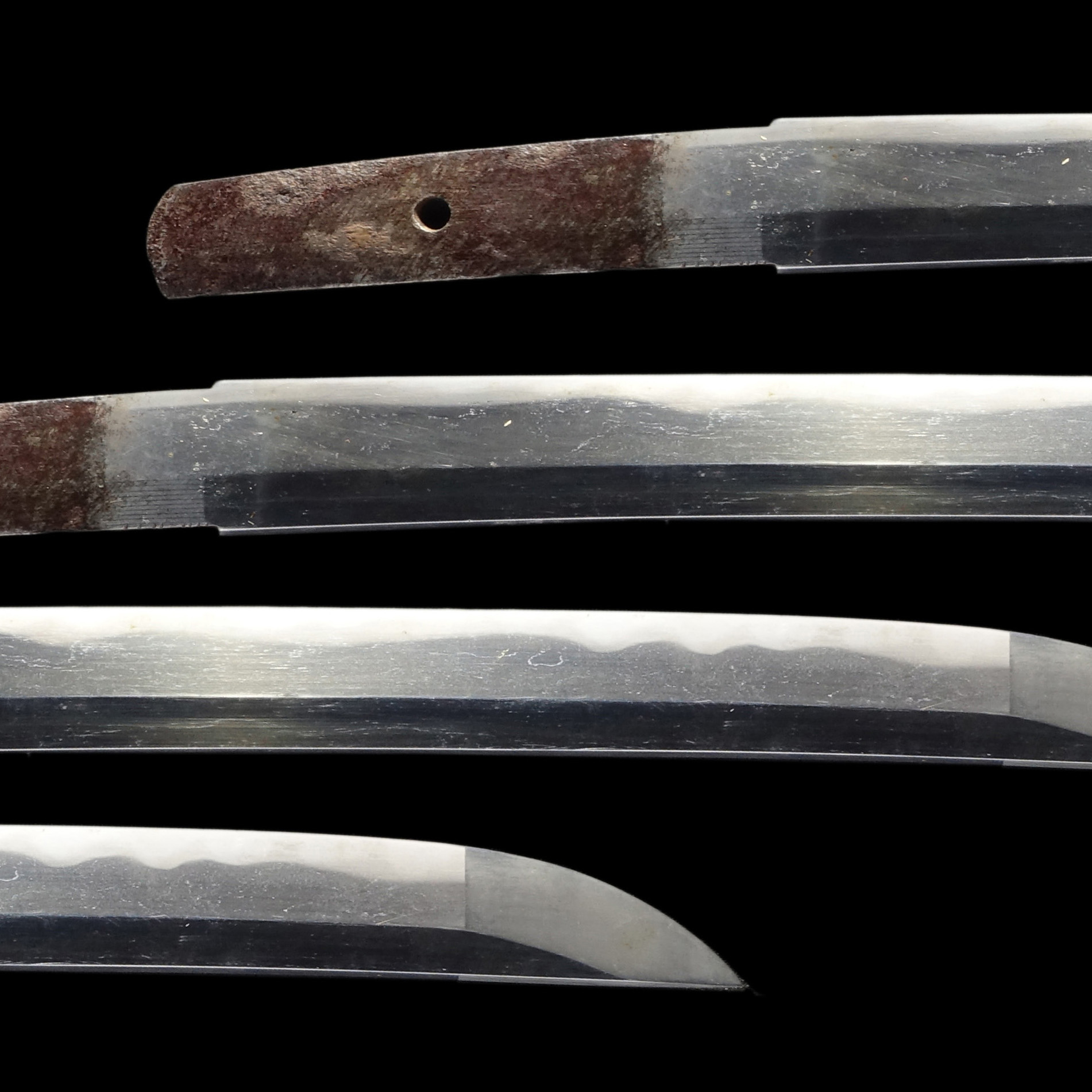
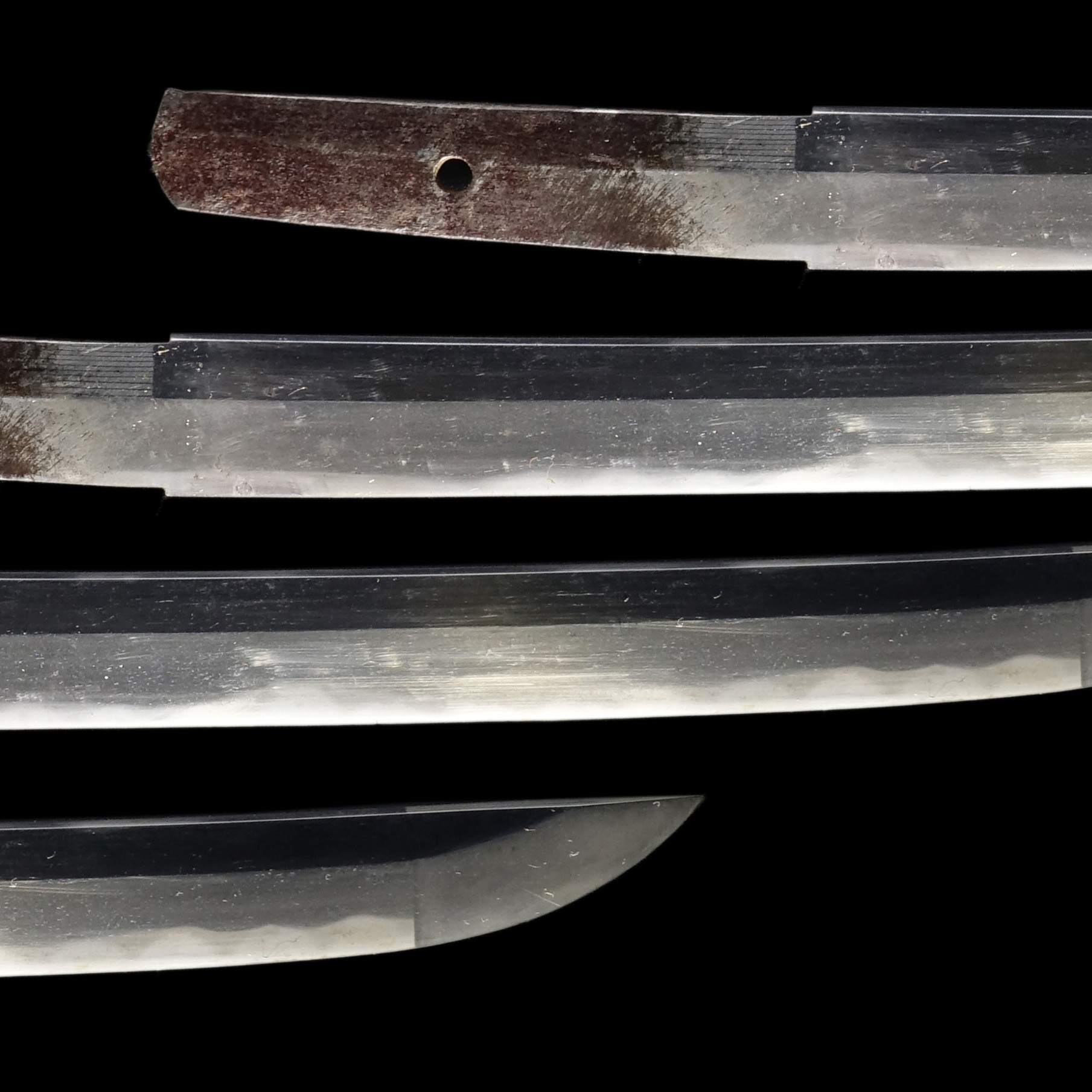
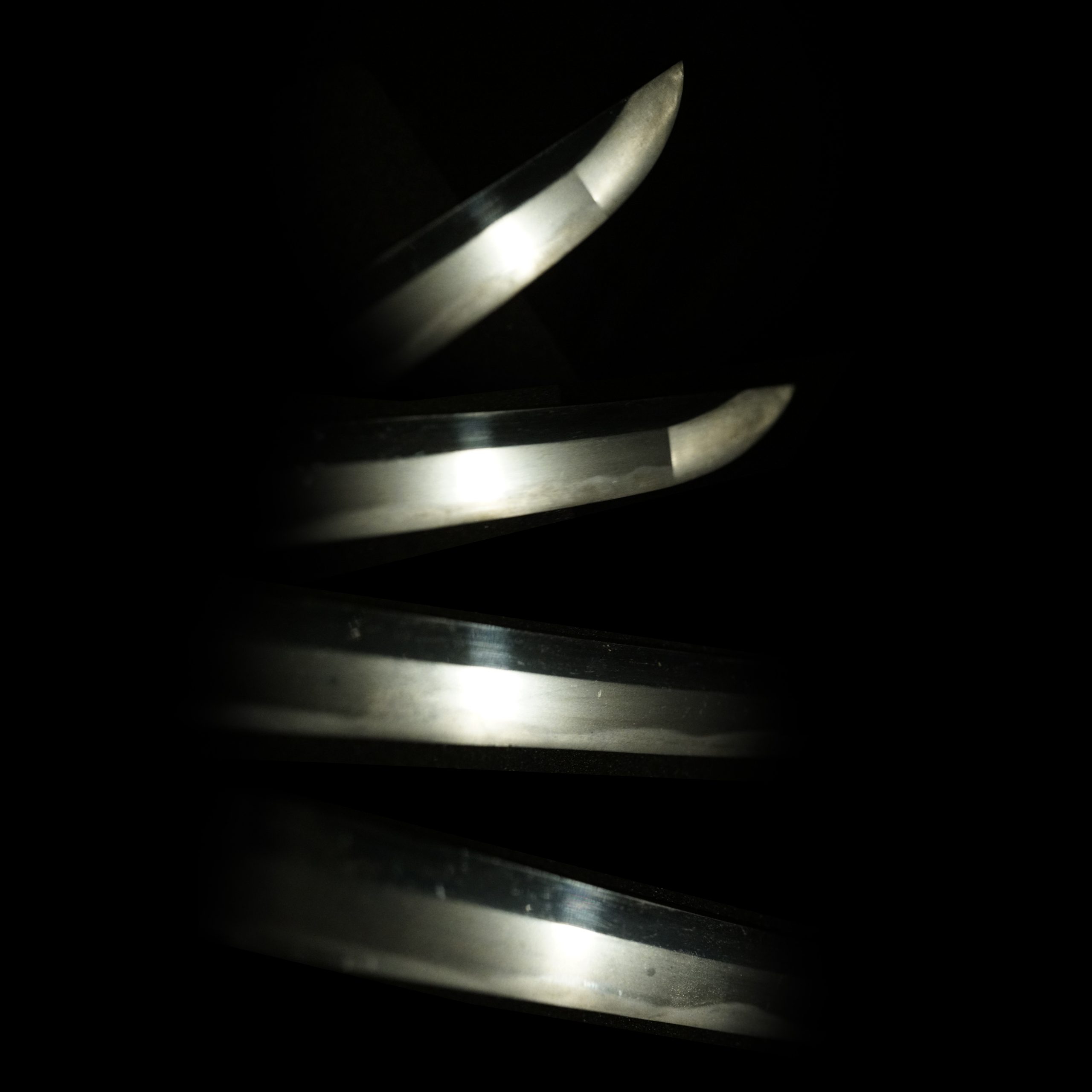
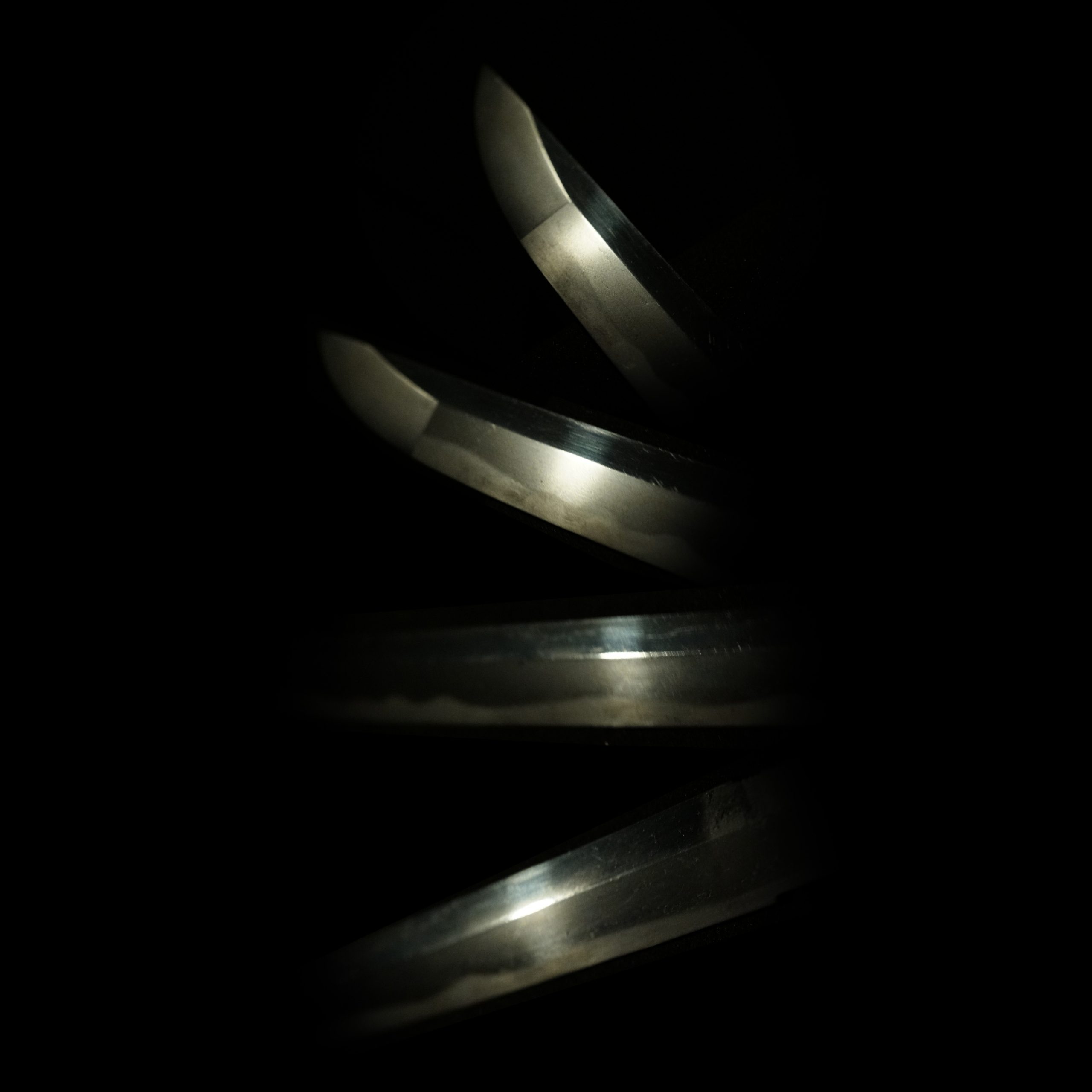
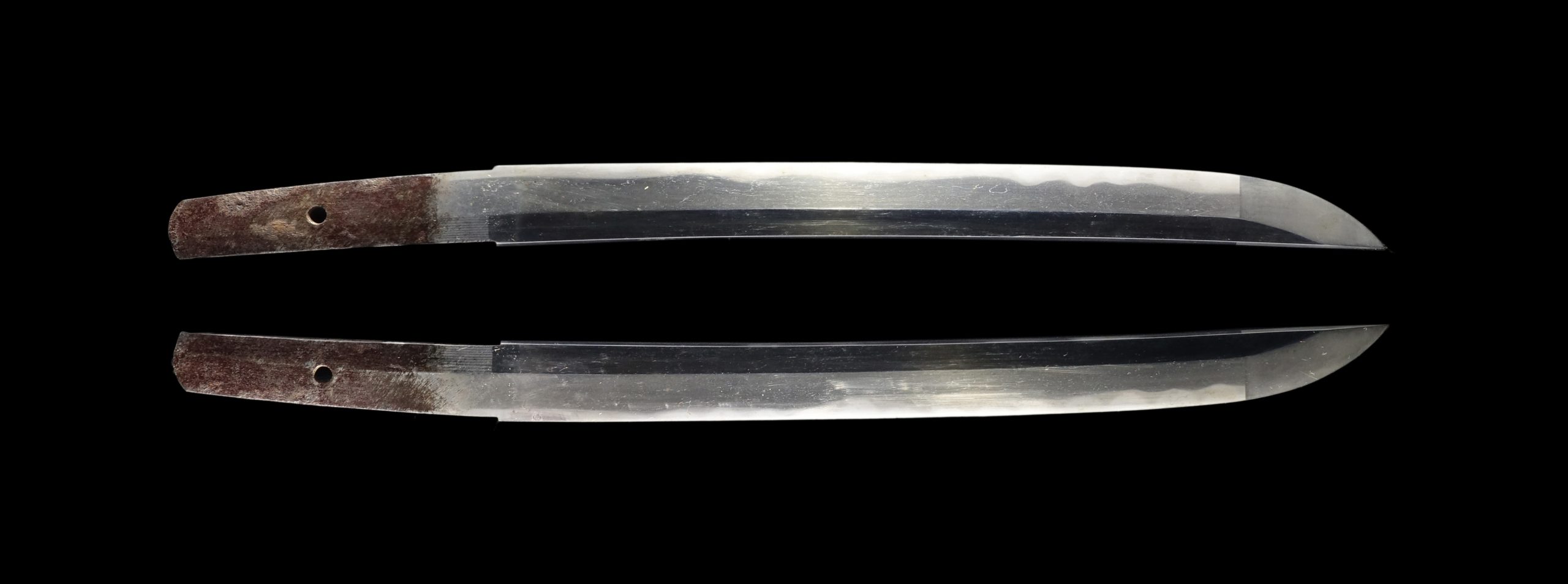
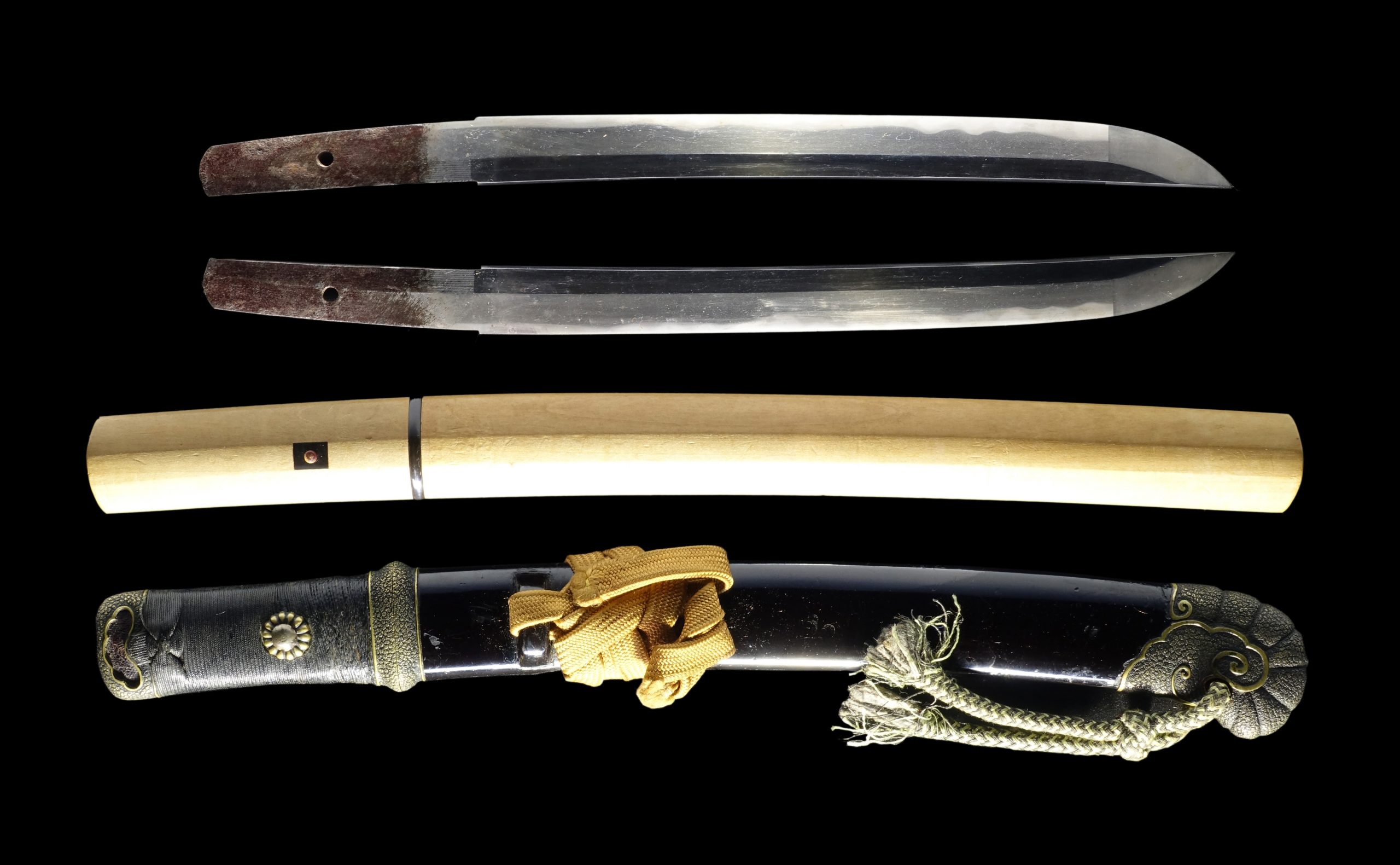
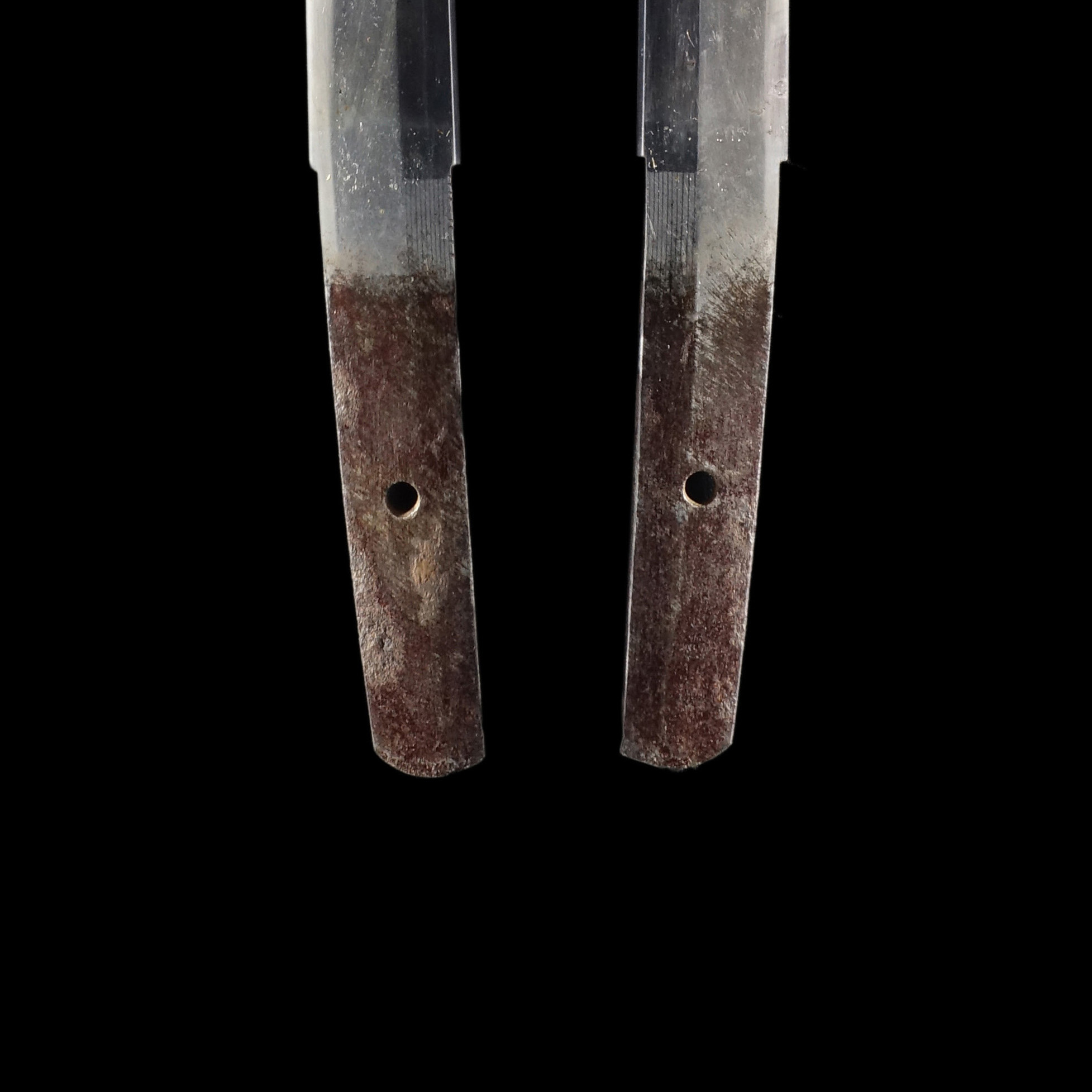
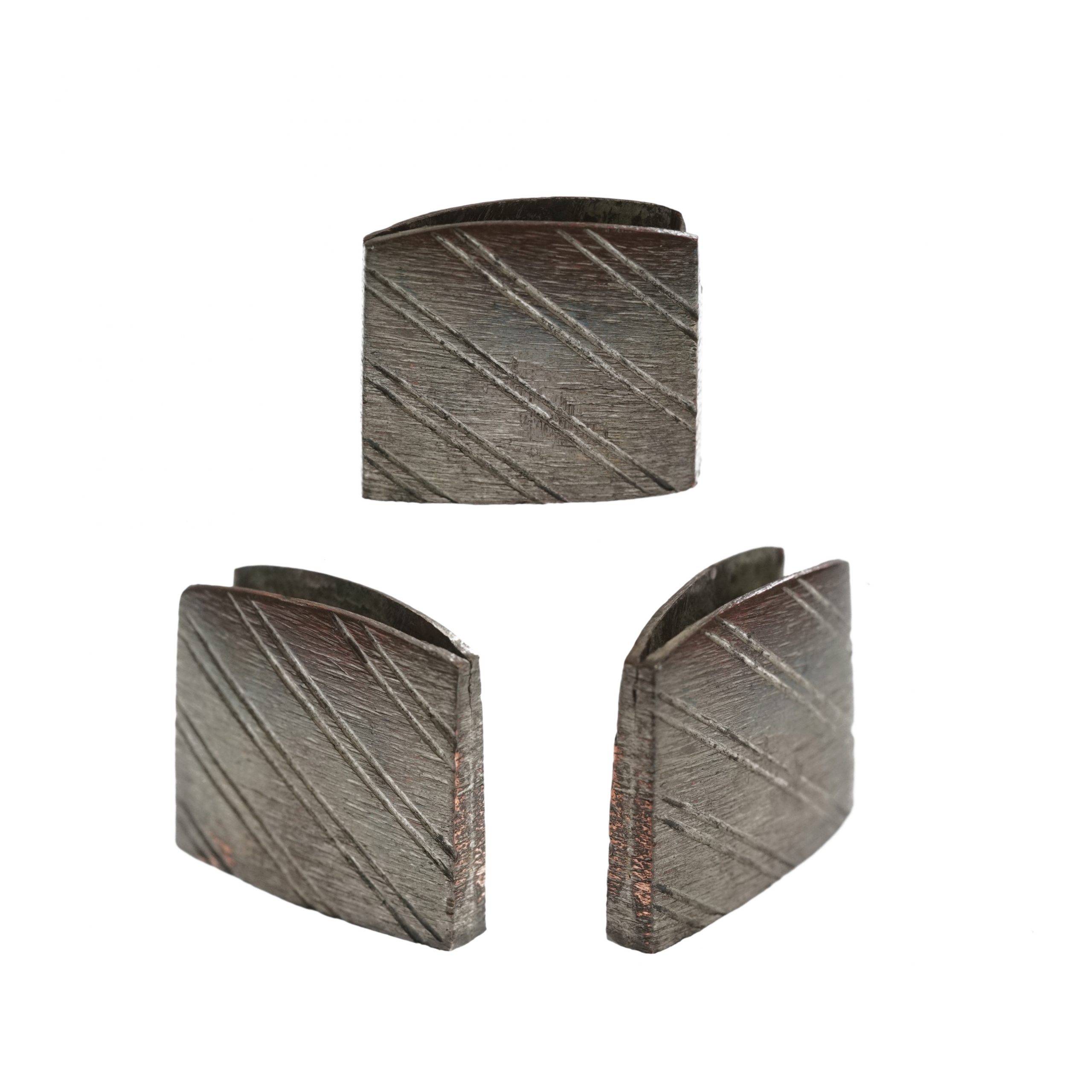
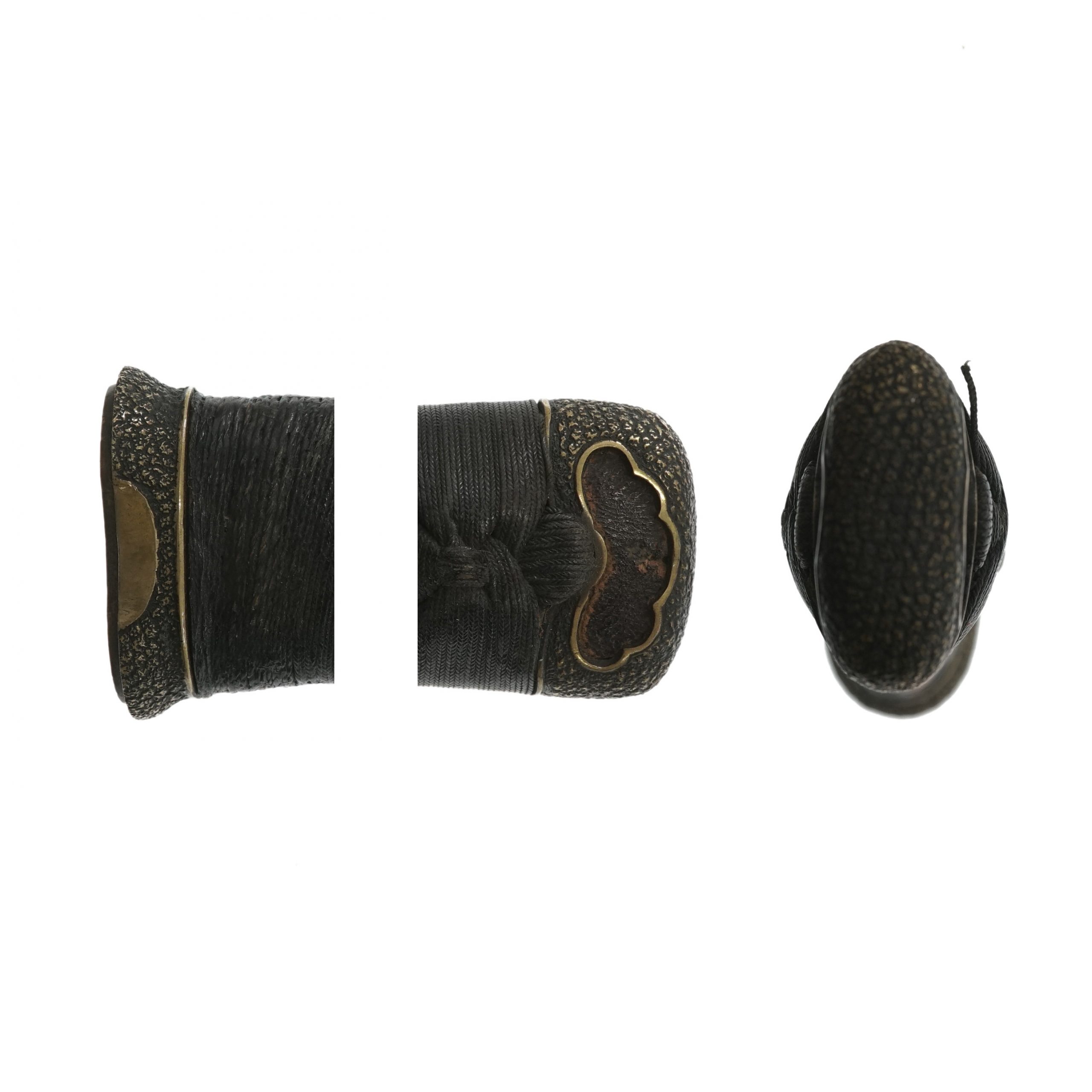
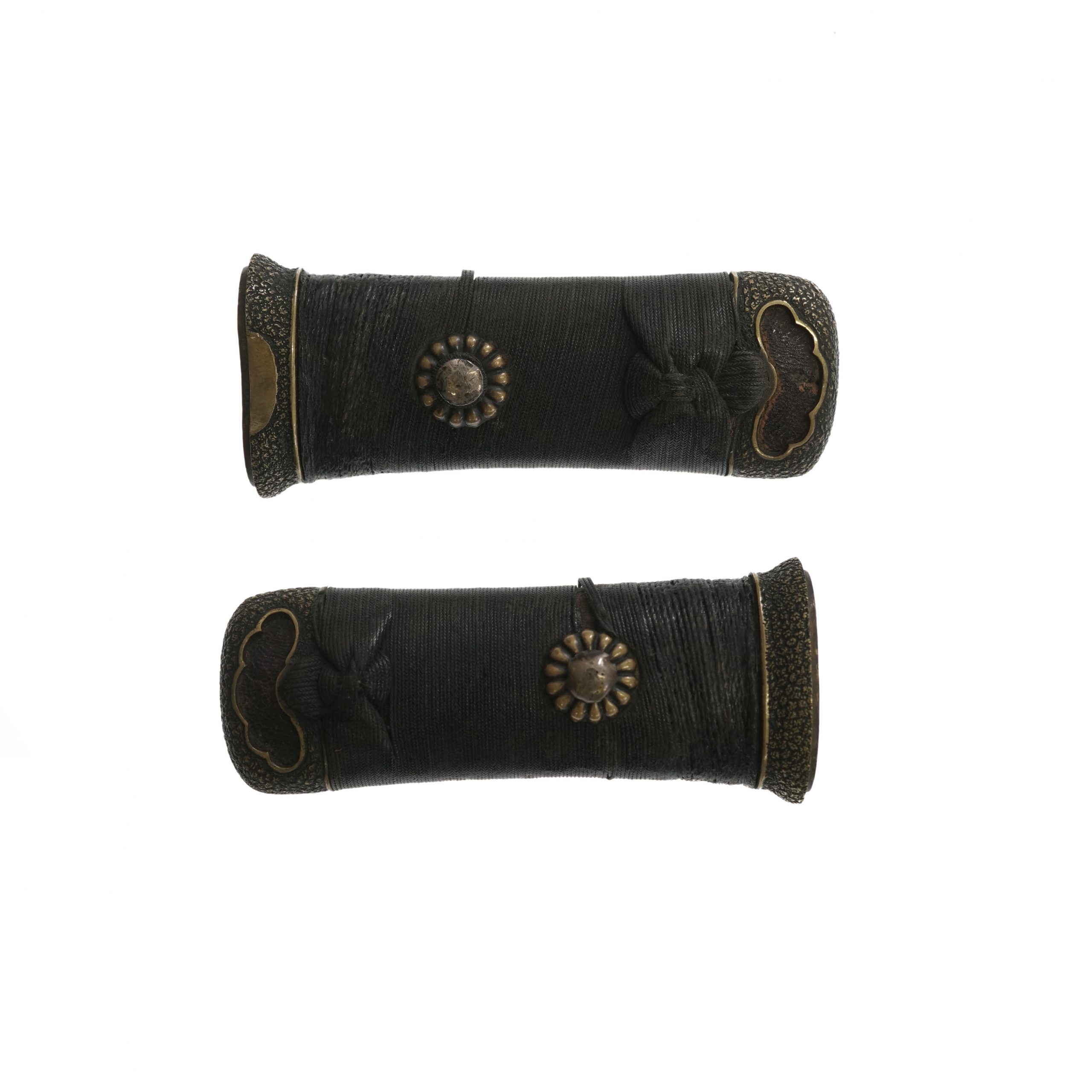
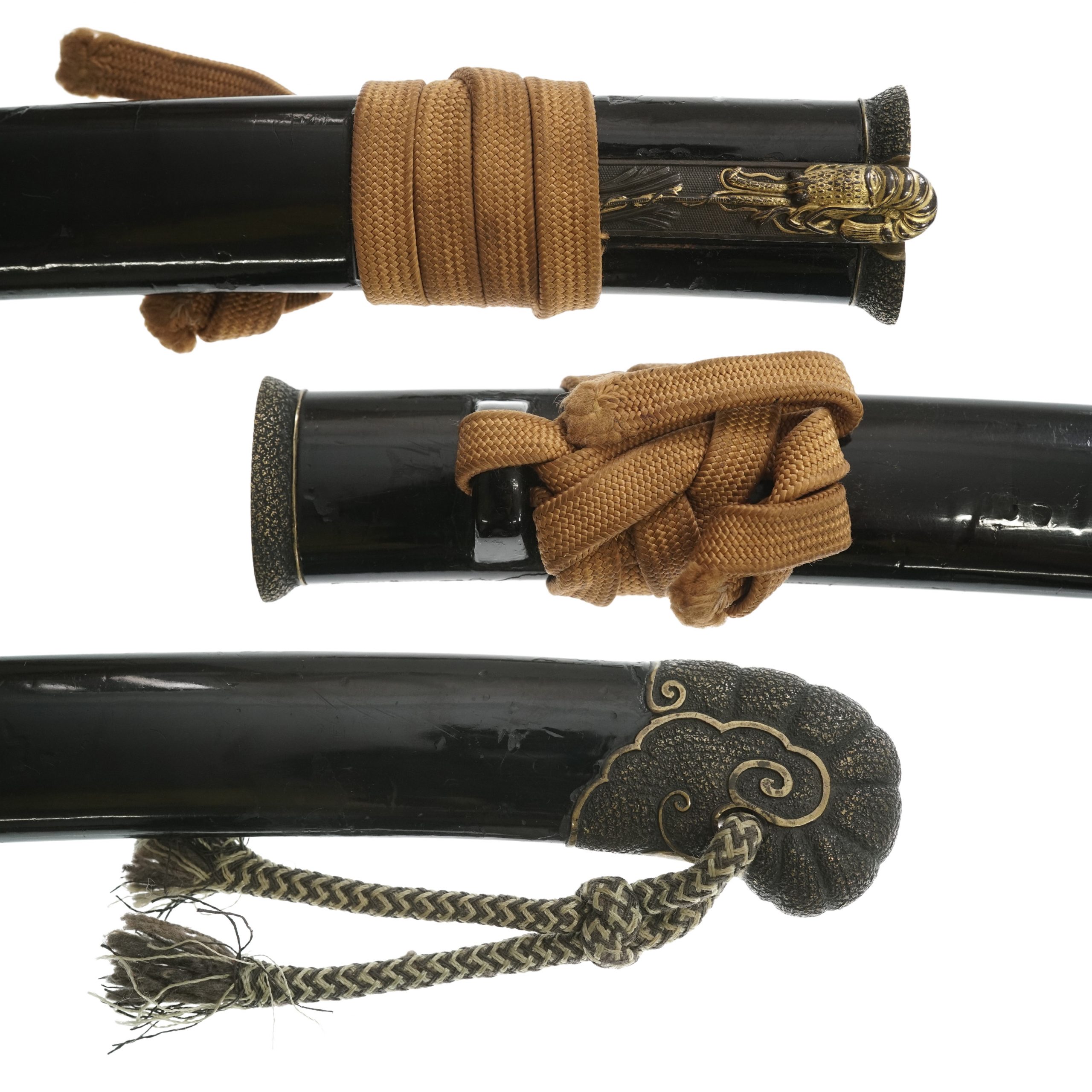
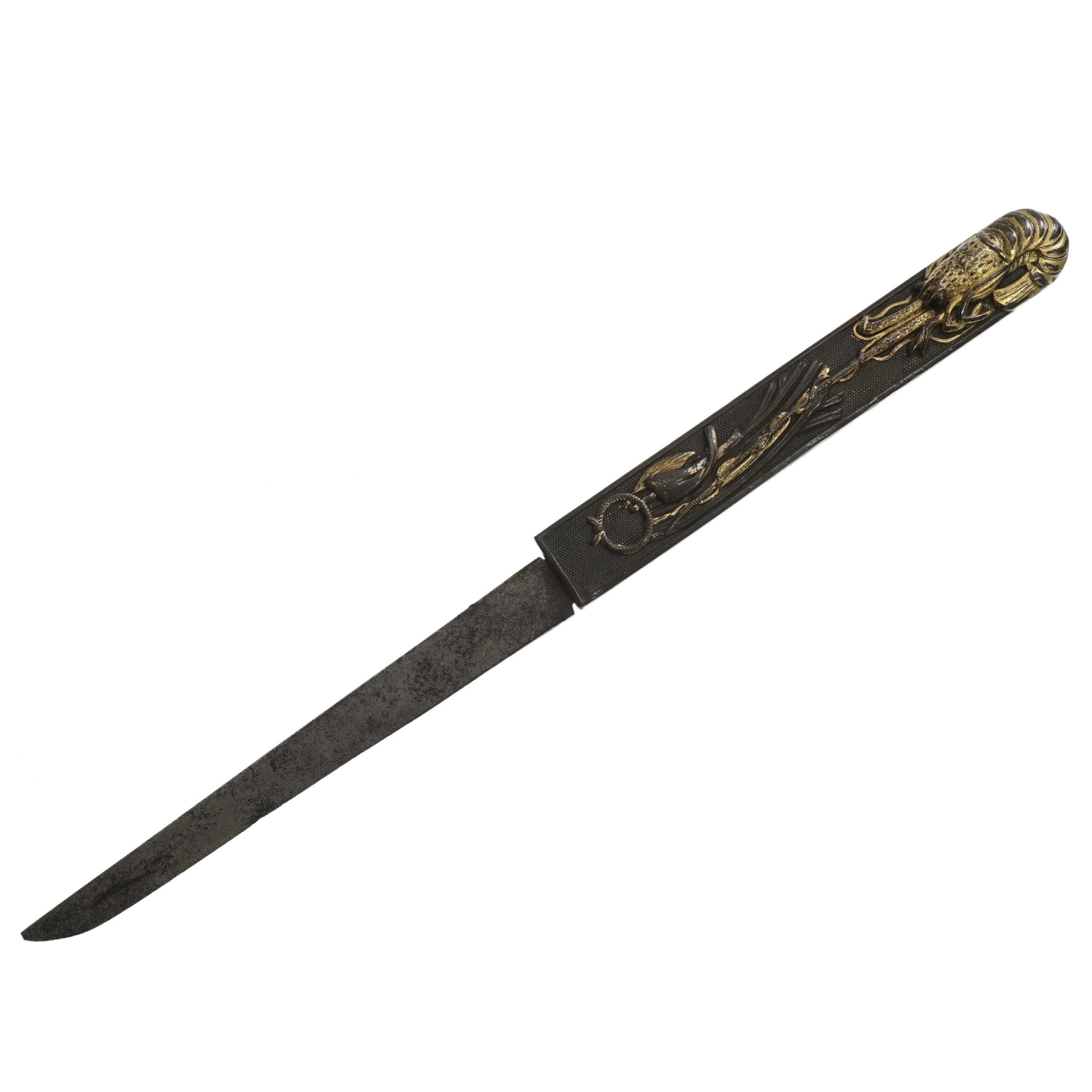
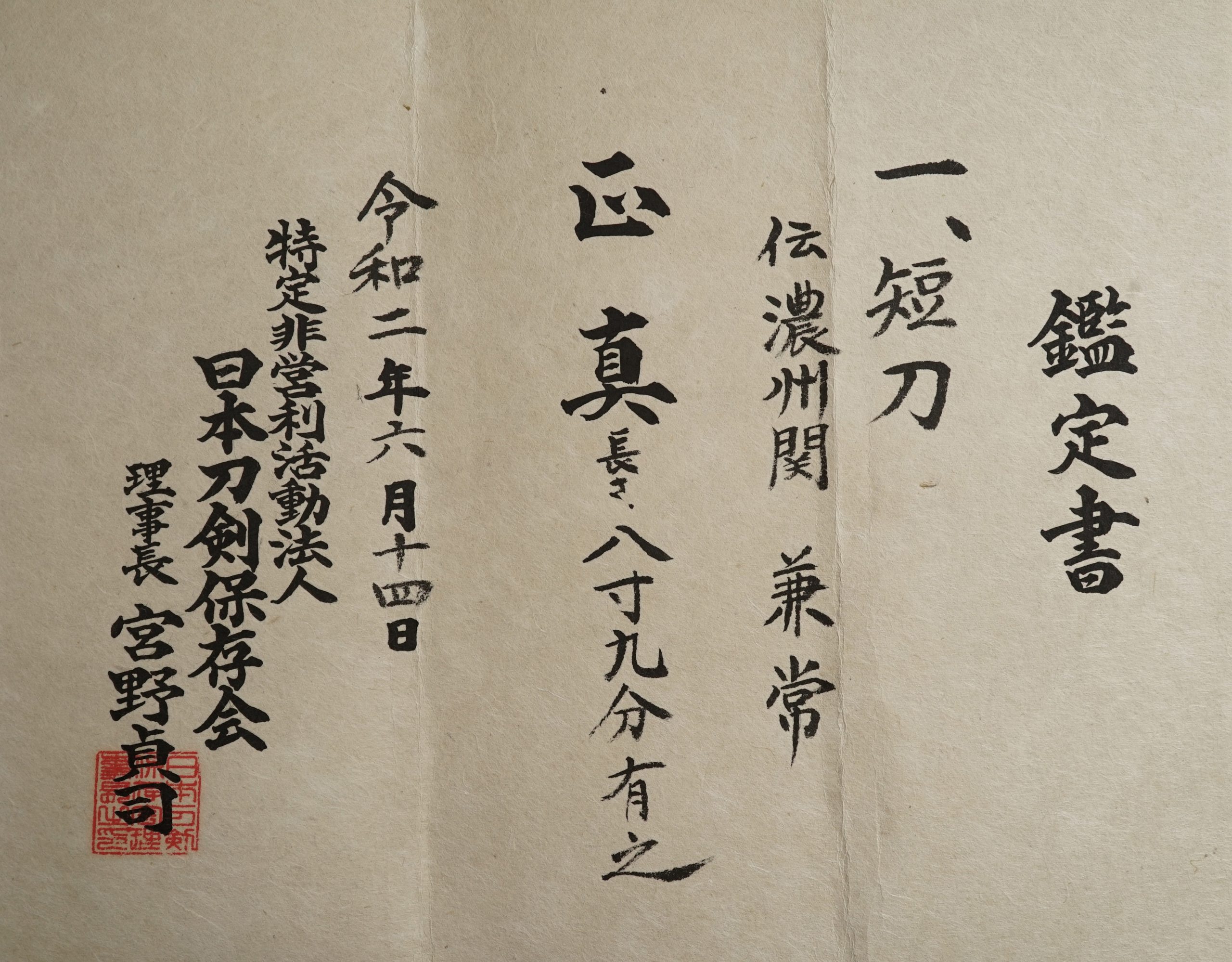
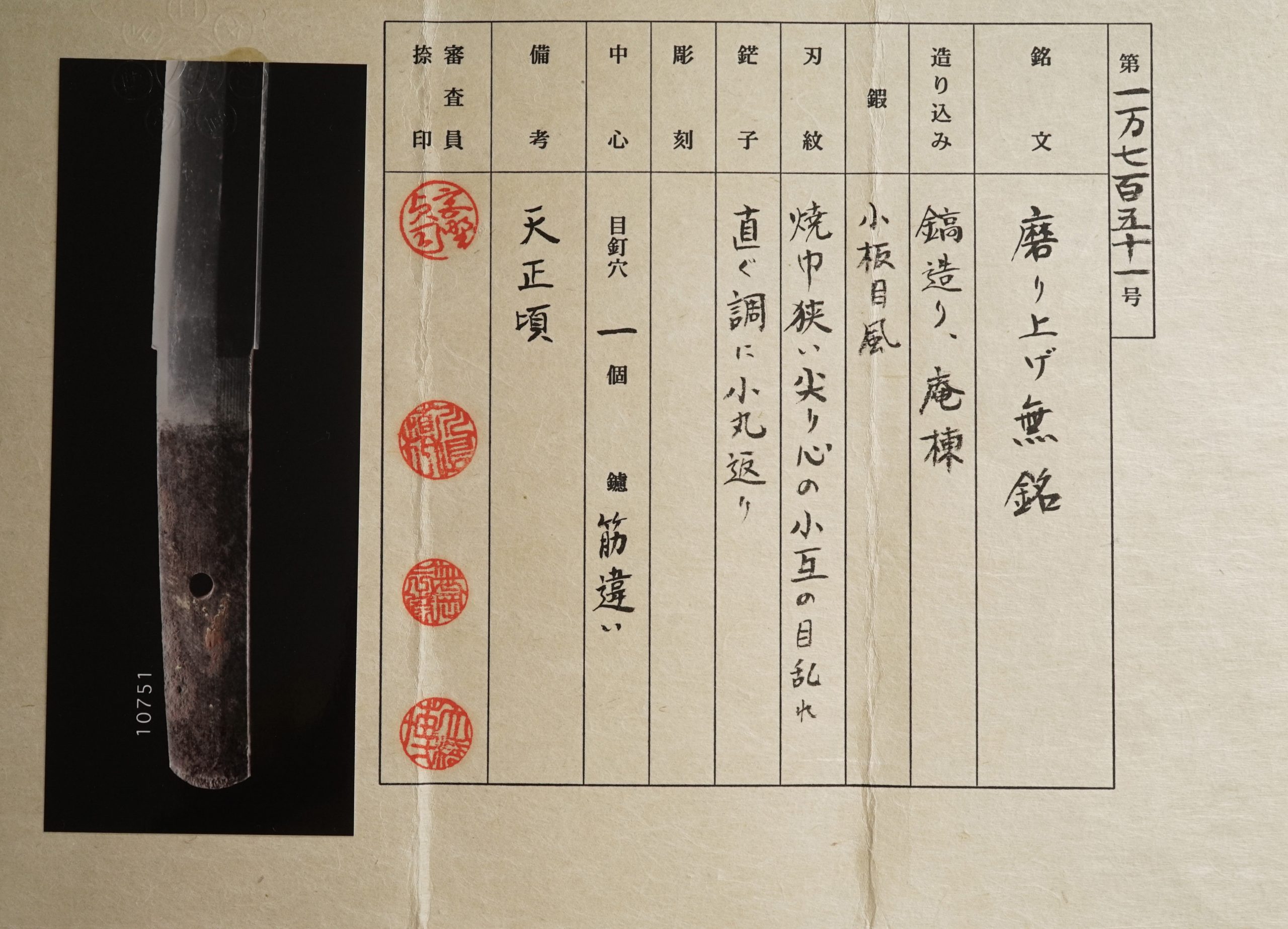
NOSHUSEKI Kanetsune(濃州関兼常) is a famous swordsmith from Mino province(Gifu prefecture). He usually forged Tanto Swords. The swords forged by him was known as superb quality sharp swords. There were a few generations of Kanetsune, and according to NTHK, this blade was forged in the Tensho era(1573-1593) The MINO swordsmiths style, also known as MINO-DEN, basically has the TOGARI(Pointed shapes protruding from the Hamon )in a classic straight line and random temper line with some white Utsuri. MINO-DEN had its origin from YAMATO-DEN in the late KAMAKURA period(1280-1330). It flourished in the MUROMACHI period(1333-1573) and continued until the EDO period(1603-1868). MINO-DEN especially prospered during Sengoku Jidai(Warring State period) due to the high demand for weapons. And the location of Mino province beat others. Akechi Mitsuhide controlled Mino province, and Nobunaga Oda ruled Owari province, and Tokugawa Ieyasu was the lord of Suruga (Neighboring areas). There was high demand from those powerful feudal lords and their retainers. Furthermore, so many wars occurred between the Kanto region and the Kyoto area. Mino is located in the middle, making feudal lords feel convenient to order swords from MINO-DEN. The blades forged in MINO provinces also had the reputation of its practical design and sharpness. Many feudal lords demanded swords forged in the Mino province. The tradition of excellent sword forging skills had been passed to the Edo period. Nakago NTHK concluded that It is Suriage Mumei, meaning the signature part was cut due to shortening the blade. Koshirae Fuchi-Kashira Tsuka’s Fuchi is engraved as pine leaves shape. Pine trees keep their green color through the years by withstanding severe heat and cold. Therefore, people regard it as a sacred plant which represents eternal youth or strong vitality. Tsuka and Menuki Flower-shaped decorations are put for Menuki. It might describe the chrysanthemum flower. A long time ago, people used chrysanthemum as medicine for longevity in China. And it was brought to Japan with this thought in the Nara period (648-781). Chrysanthemum is one of the autumn flowers. People appreciate it very much and liken chrysanthemum to the sun because its petals form radially. That is why this flower pattern is treated as the symbol of perpetual youth and longevity or good health. Habaki Habaki is the equipment to make the blade not touch its scabbard inside.It prevents the blade from getting rusty and chipped. Saya Saya’s point is covered with Kojiri (鐺), and its shape looks like a spiral shell. As Japan is an island, seafood is an essential food for Japanese people. Also, pearls made by shells have been used for ornaments since a long time ago. Conch is the most massive coiled shell in Japan. People once used conch as a musical instrument. They blew conch shells believing that it would exorcise evil spirits and protect them. Kozuka Kozuka is a small knife stored in Koduka Hitsu(groove of the sheath of the Japanese sword). A shrimp is designed for Kozuka. According to a theory, Japanese people already ate shrimp in the Heian period (794-1185). As it was expensive for ordinary citizens, only the nobility and high-class people could enjoy it at that time. People started using shrimp as a good-omen pattern and appreciated designing it for their family crests in the Muromachi period (1336-1573). As shrimps are covered with hard shells, it was thought shrimp represents the brave Samurai wearing the armor in Samurai’s society. Shrimp has been likened to an older adult because of its long feelers. Also, shrimps jump even though they are bowed. That is the reason why the shrimp pattern is treated as a symbol of perpetual youth and longevity. Authentication Paper NTHK, also known as NPO Nihon Touken Hozon Kai, is the oldest organization for sword authentication of Japanese swords. It was established in 1889 during the post-Samurai era. They authenticated the blade on June 14th in the second year of Reiwa (2020).The purchaser will receive this original certificate as well.
Offered by Samurai Museum
This piece has sold
Get an email when a new Masatsune Kanetsune piece hits the market.


As written by the shop
Mino-den · Mino · around 1573-1592
Fujishiro Chu-jo saku · Tōken Taikan top 49%
2 pieces on the market now
Where Kanetsune stands among comparable artisans: across all of nihontō, and within tradition, era, and period. The tiers (Foremost · Leading · Major · Notable) weigh official designations from the NBTHK and Japan's Agency for Cultural Affairs, together with historical honors of lasting repute such as the Sansaku and Meibutsu-chō.
Select a lens to see how it's measured.
Mino-den · Owari
8 pieces on the market now
The line begins with a Mino man. The setsumei record that Sagami no Kami Masatsune (政常) was born at Nōdo in Mino Province, where he first signed Kanetsune (兼常) and is variously said to have been the son or a disciple of Kanetsune of Seki. In Eiroku 10 (1567) he established an independent branch line and moved to Komaki village, likely changing his name to Masatsune about that time; in the fifth month of Tenshō 19 (1591) he received the court title Sagami no Kami, and in Keichō 5 (1600) he followed Matsudaira Tadayoshi to Kiyosu in Owari, where he became a retained smith (kakae-kō) of the Owari Tokugawa house. Several records place him at Kiyosu alongside Hōki no Kami Nobutaka and Hida no Kami Ujifusa, the three later counted as the Owari Sansaku (Three Smiths of Owari). After taking the tonsure and retiring in Keichō 12 (1607), he passed the name to his son; when that second generation died suddenly two years later he resumed forging under the nyūdō signature Masatsune Nyūdō, and is said to have died in Genna 5 (1619) at the age of eighty-four. A separate second generation, Mino no Kami Fujiwara Masatsune, is recorded as the son of Daidō of Gifu, adopted into the line, who carried on its spear and naginata work. A Mino foundation worked toward suguha defines the shared hand. The forging is itame mixed with mokume, frequently flowing into masame toward the mune and shinogi-ji, with the grain standing somewhat (hada-dachi), abundant ji-nie, and chikei; a mizukage-like feature rising from the machi is noted on several tantō and wakizashi.
The temper that the setsumei call his specialty is a chū- to broad suguha in ko-nie-deki, the habuchi worked with hotsure, nijūba, kuichigai-ba, and uchi-noke, with ko-gunome and ko-ashi mixed in, fine kinsuji and sunagashi running through, and a bright nioiguchi. Beside this restrained mode runs a bolder midareba of gunome and ko-notare with togariba, sometimes hakogakari or saka-gakari, where the nie grows coarse and clustered and the nioiguchi turns shizumi (subdued); the notare-ba that the setsumei call the Owari-Seki specialty (尾張関得意の湾れ刃) appears in the wider blades. The bōshi tends to straight with ko-maru and hakikake in the suguha works, midare-komi with a rounded or long return in the midareba works. Carving is plain but crisp: suken, bonji, gomabashi, koshi-hi with soe-hi, and the rarely seen shin no Kurikara in openwork. Among extant works, the setsumei agree, hira-zukuri wakizashi and tantō are the most numerous and of high skill, yari and naginata are comparatively common with the spears often hira-sankaku sasaho form, while katana and shinogi-zukuri wakizashi are extremely few. For kantei this rarity gives weight to the long swords: the 67th Jūyō Kanetsune-signed katana, dated by its sakizori and large kissaki to about Eiroku, anchors the smith's early phase, and the 31st Jūyō Masatsune Nyūdō katana shows the flowing masame, shallow notare, and shizumi nioiguchi read as his own. Named pieces include the Sagami no Kami Masatsune Nyūdō wakizashi held by the Imperial Household Agency and the katana once with Tokugawa Iesato and the Reimeikai Foundation; one wakizashi survives in akikusa-mon koshirae with fittings by Mogarashi Sōten of Hikone. The setsumei note that in his bolder work Masatsune looked to the Sagami masters Sadamune and Nobukuni while keeping the togari and Sanbon-sugi traces of his Mino root, placing his line as the Owari channel through which the Mino-den passed into shintō. Learn more →
| Smith | Era | Designated |
|---|---|---|
| Masatsune政常 | 1567-1619 | 19 |
| Masatsune政常 | 1661-1673 | 0 |
| Masatsune政常 | 1688-1704 | 0 |
| Kanetsune兼常 | 1573-1592 | 1 |
| Masatsune政常 | 1615-1673 | 2 |
Mino in the Momoyama period
Unification closed the mass market, and Seki’s smiths moved to where the new money was: the Mishina line to Kyōto with court titles, Daidō smiths to castle towns across the provinces. Mino became the great technical ancestor of the Shintō age.
The NTHK’s principal certificate, issued for a blade of considerable quality. It confirms a genuine signature, or, for an unsigned (mumei) work, records the judges’ attribution to a smith or school. The paper carries a detailed worksheet with a numerical point score.
The NTHK (Nihon Tōken Hozon Kai, the Society for the Preservation of the Japanese Sword) is the oldest of Japan’s sword-appraisal bodies, founded in 1910, decades before the NBTHK. After the death of its long-serving head it divided into two successor societies, the NTHK and the NTHK-NPO, both of which continue to hold shinsa. NTHK certificates are known for a detailed worksheet that records a numerical point score alongside the judges’ written opinion, and the society is especially respected for its attribution of unsigned (mumei) work.
Returns/exchanges limited to defects caused by shipping (except willful misconduct or gross negligence by the company); customers must contact within 72 hours of receiving the product.