Sengoku Seki was an industry: smiths organized under their tutelary Kasuga shrine, arming the war bands of central Japan. Magoroku Kanemoto’s sanbonsugi and the finest Kanesada work prove quality survived inside mass production.
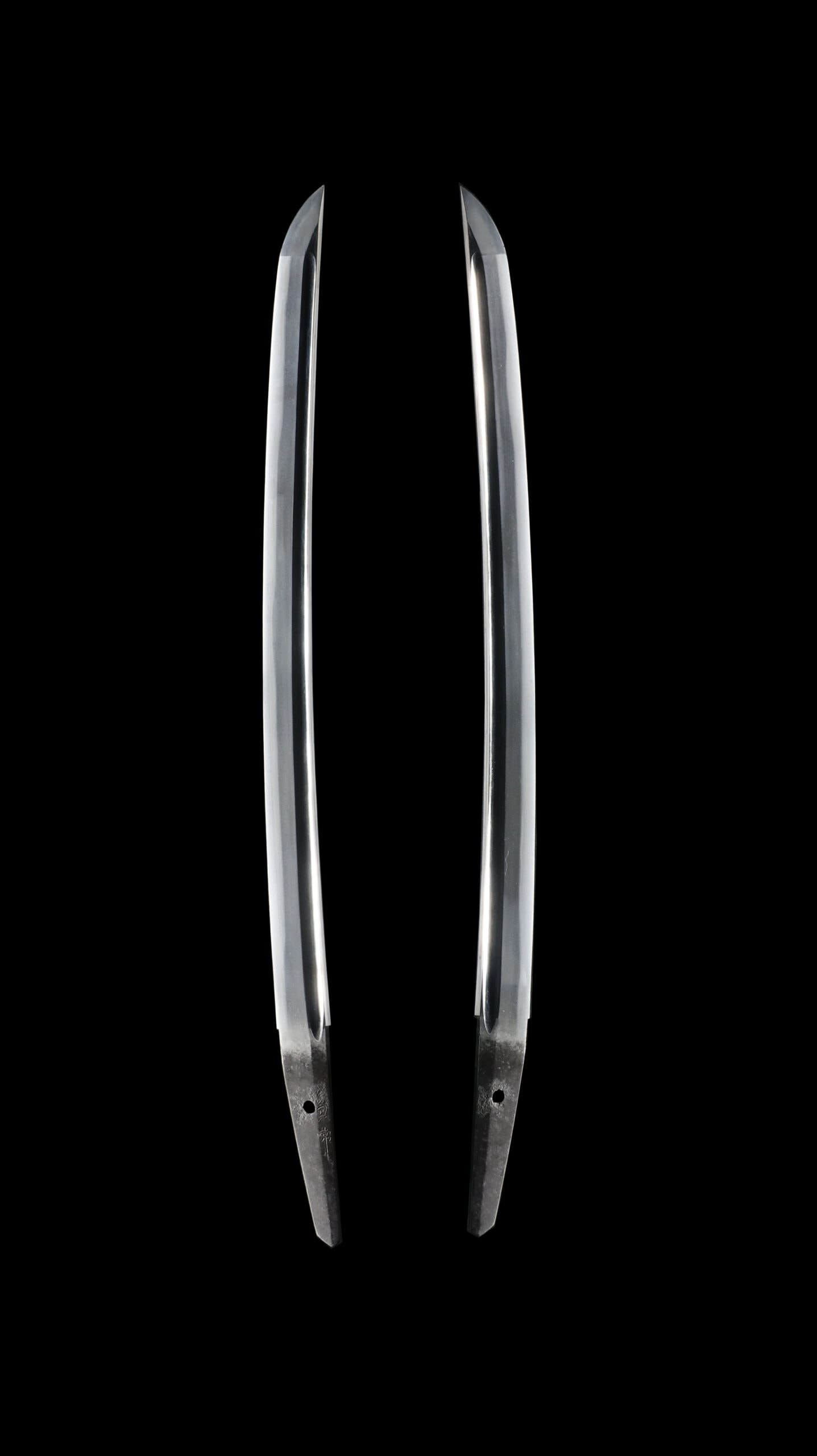
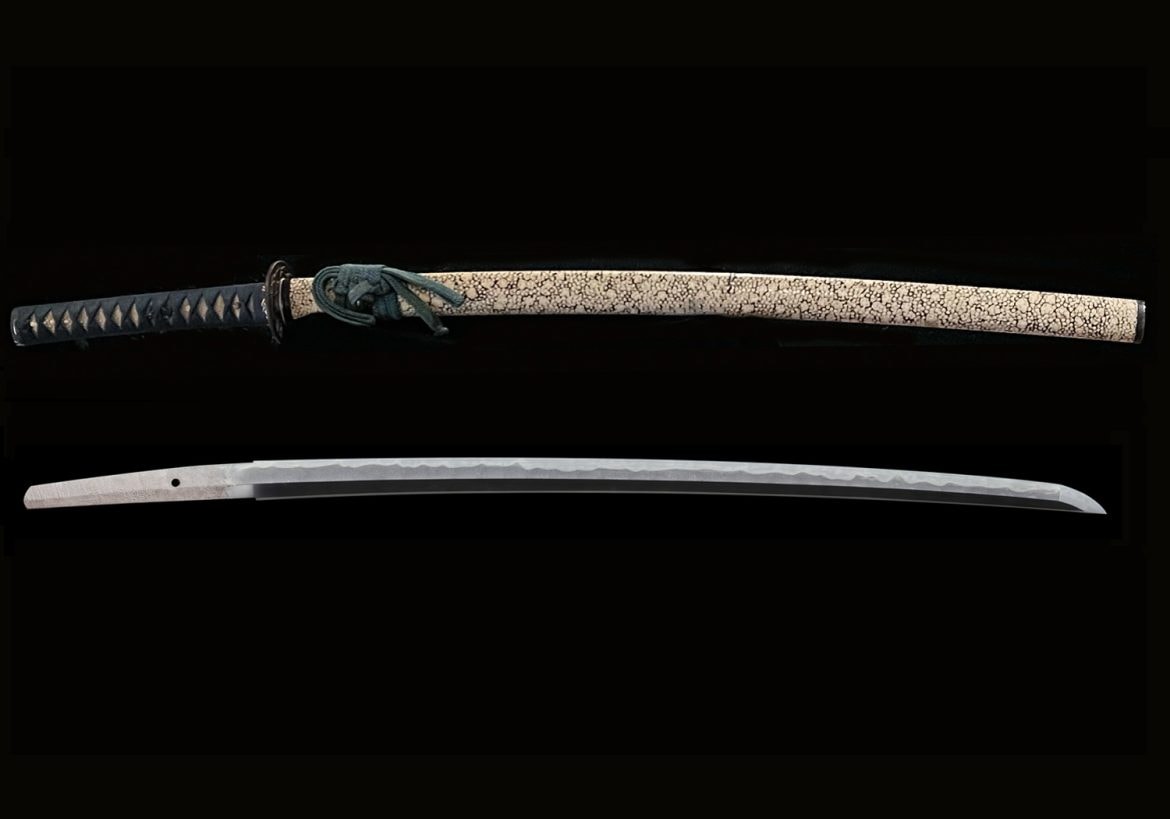
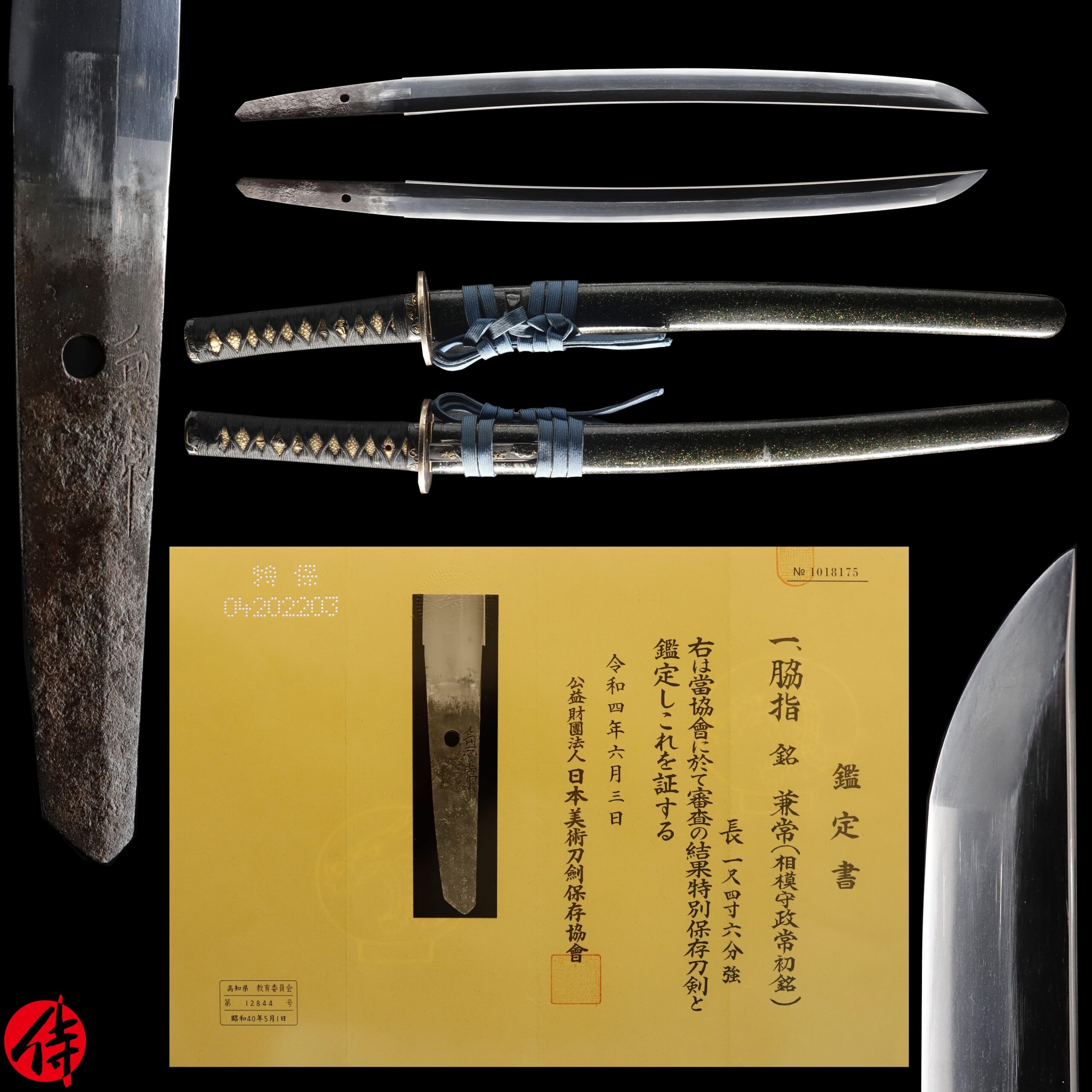
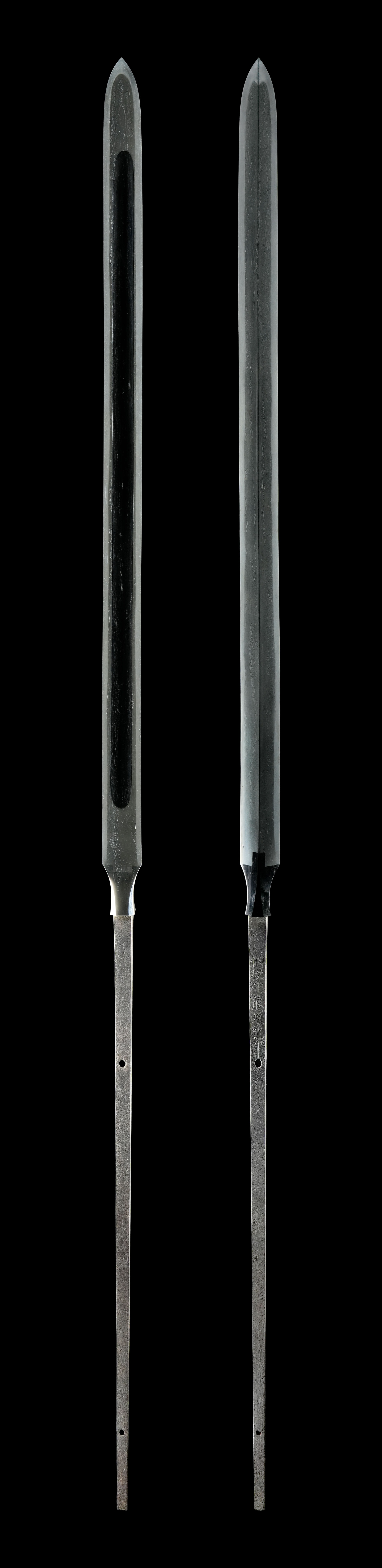
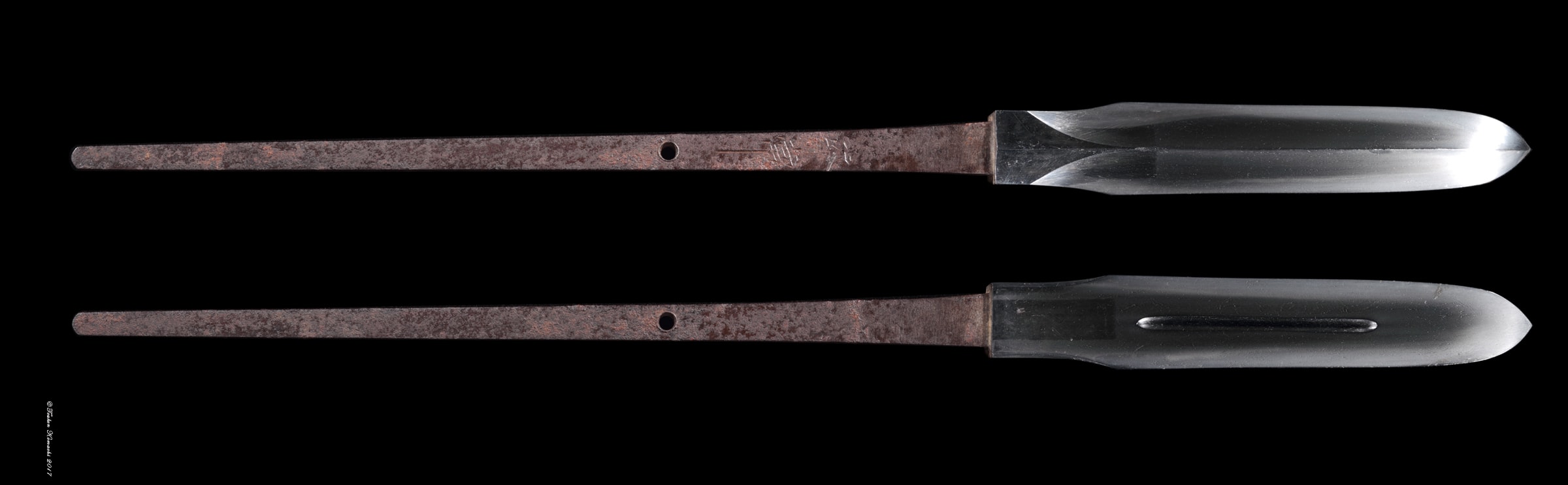
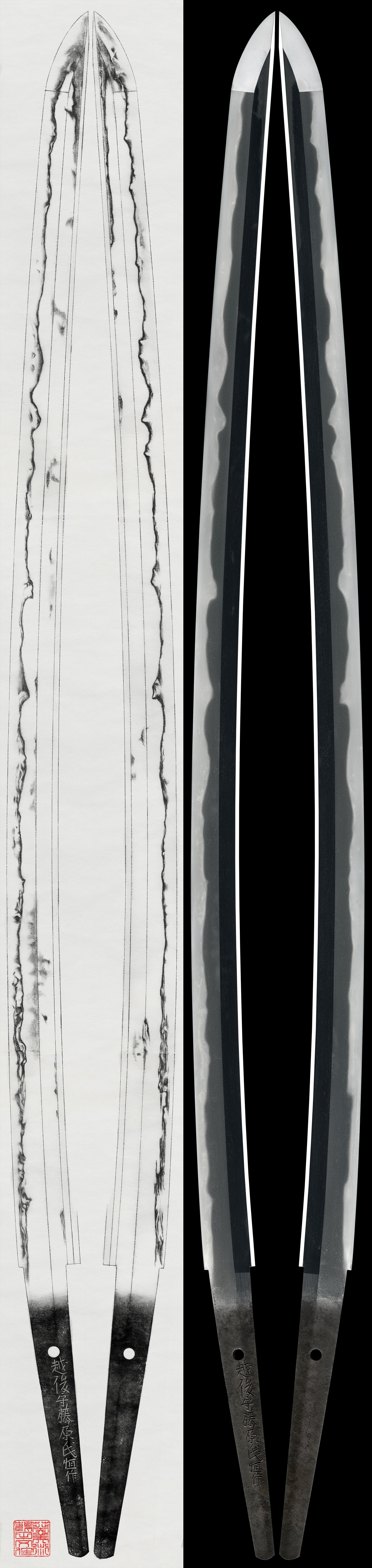
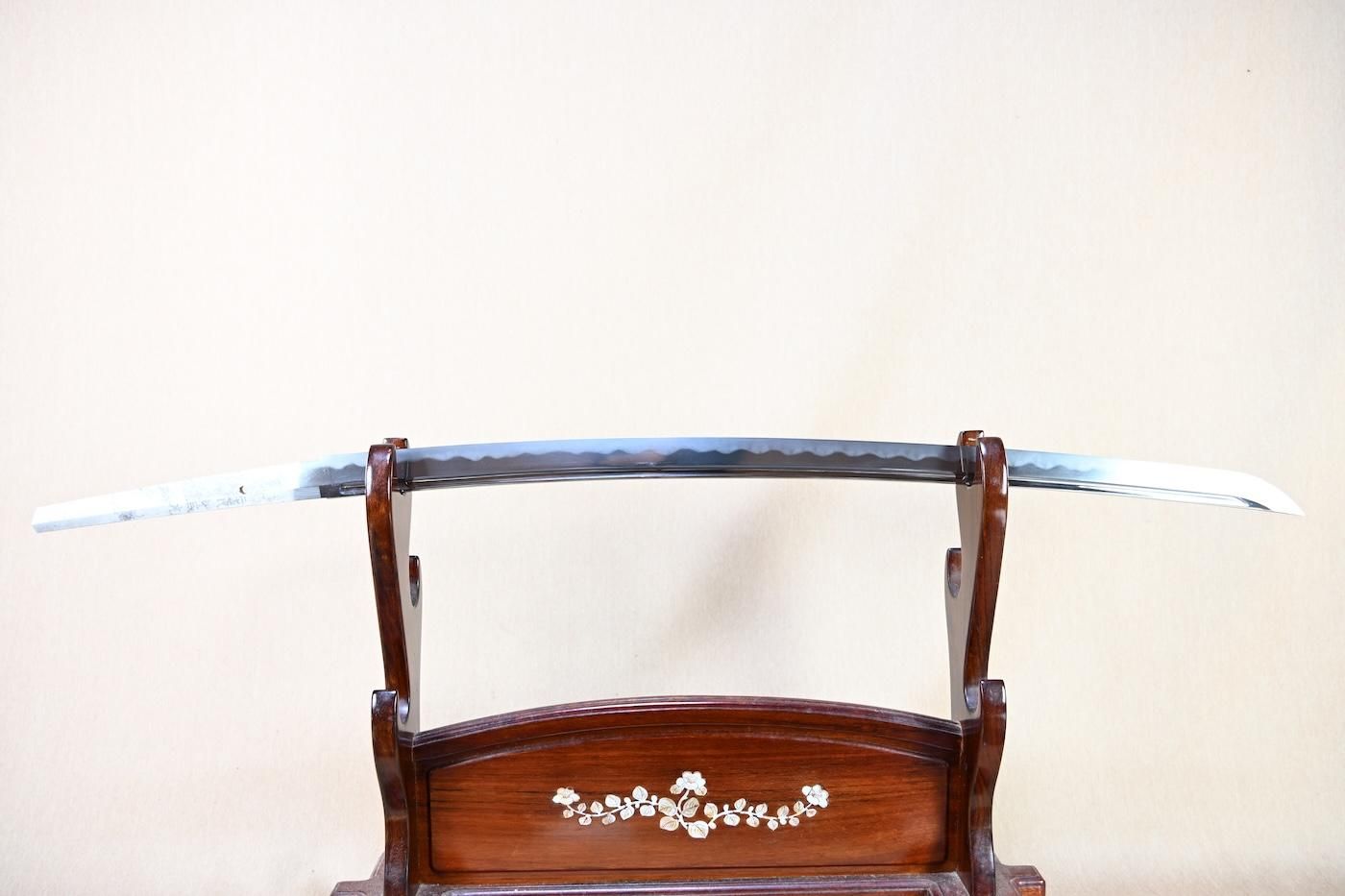
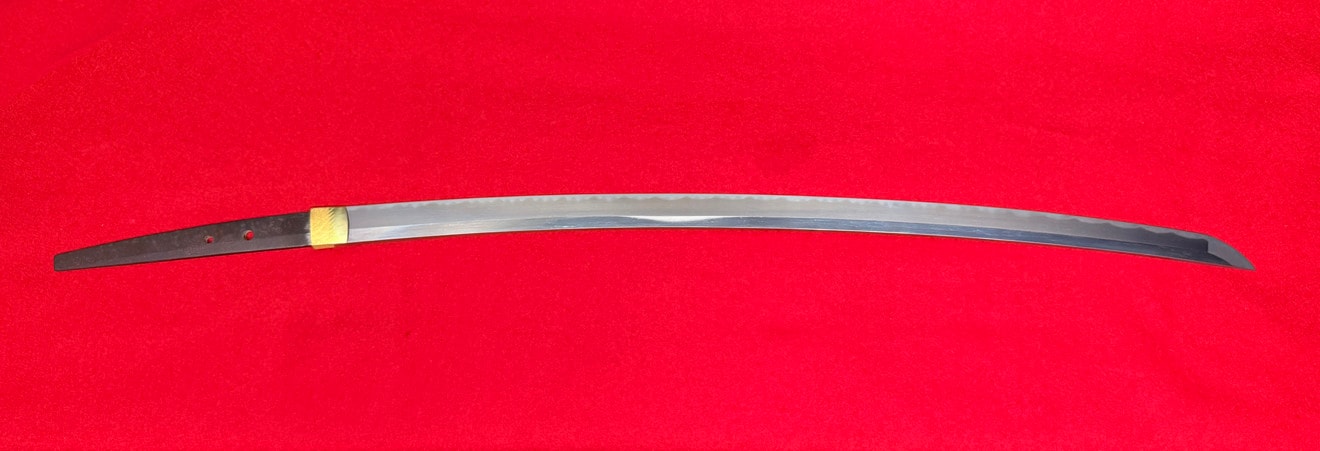
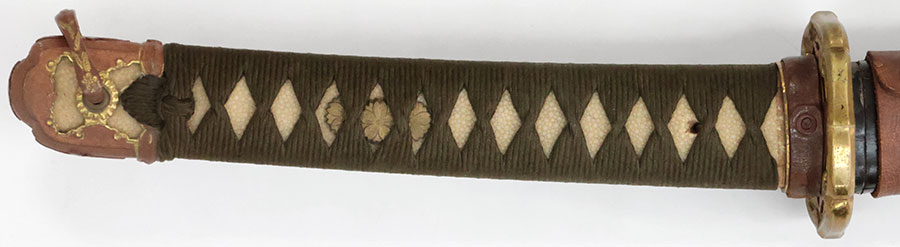
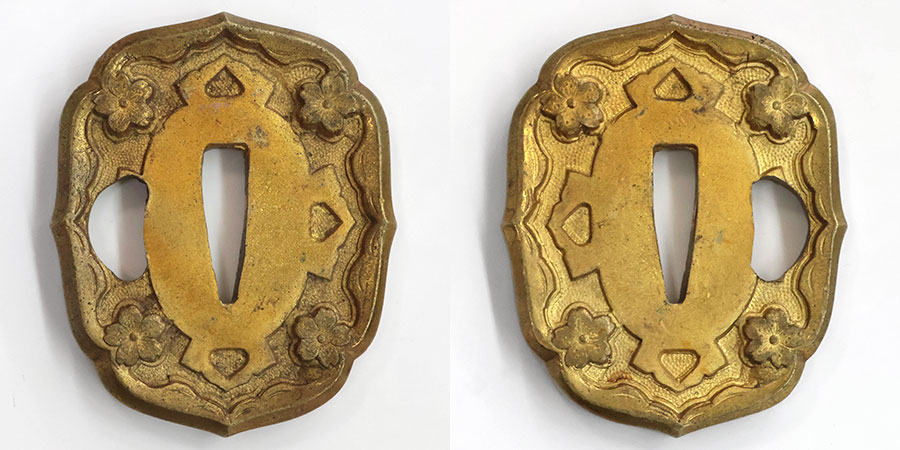
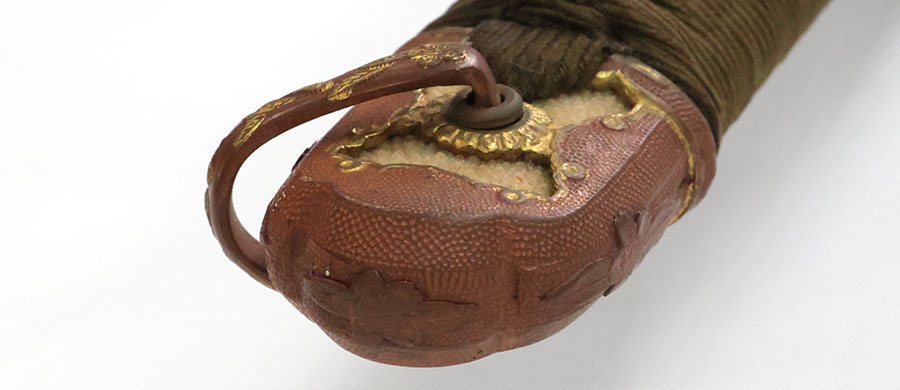
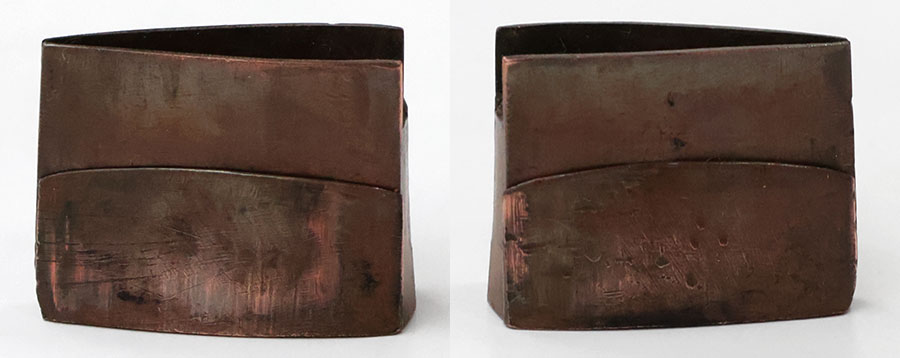
It has arrived, it has arrived—this is a sword that was fashioned into a military sword from a family heirloom to go to the front lines. The smith, Kanetsune, was a descendant of the Yamato Tegai school and belongs to a prestigious lineage of swordsmiths that continued in Mino from the early Muromachi period around the Oei era (1394) (631 years ago). This 9th generation Kanetsune was the father of Sagami no Kami Masatsune, and this is a work from around the Eiroku era (1560) (465 years ago) of the Muromachi period. It was crafted exactly at the time when Oda Nobunaga defeated the great lord of Tokai, Imagawa Yoshimoto, at Okehazama and took his first steps toward unifying the country. This work displays a sugata with a distinct difference between the moto-mihaba and saki-mihaba. The jigane is a finely packed itame-hada resulting in a bright steel. The hamon, as you can see, is a spirited gunome-midare in nioi-deki with ko-nie, featuring yahazu-midare, "crab claw" (kani no tsume) shapes, and sharp "water buffalo horn" shapes resembling the wakidate of a kabuto; it is a bright, varied blade with togari-ba that looks as though it would cut exceptionally well. Regarding the Army gunjin-to koshirae of this work, we are told that when the previous owner's grandfather was called up as an officer in a tank unit, this family heirloom Kanetsune was shortened and fitted into military mounts so that it could be carried inside a tank. Fortunately, he returned safely from the battlefield. On this occasion, the current owners have entrusted it to us, stating that they have grown old and wish to pass it on at a low price to someone who will cherish it; therefore, we are offering it at a special bargain price. Please do enjoy this piece.
 NihontoWatch
Muromachi · nagasa 52.6cm · sori 1.5cm










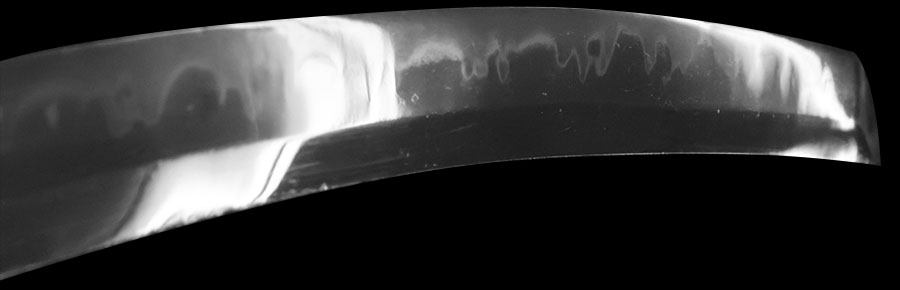
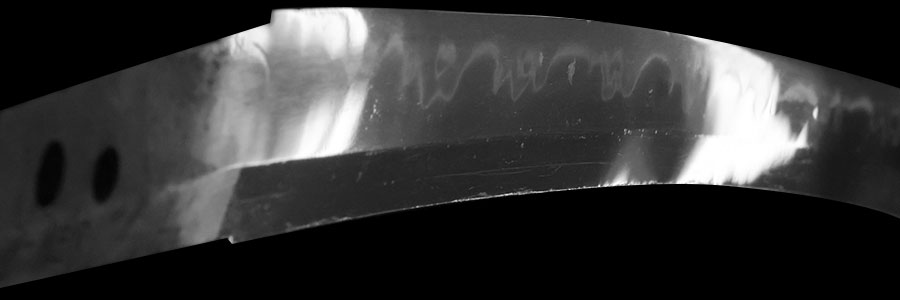

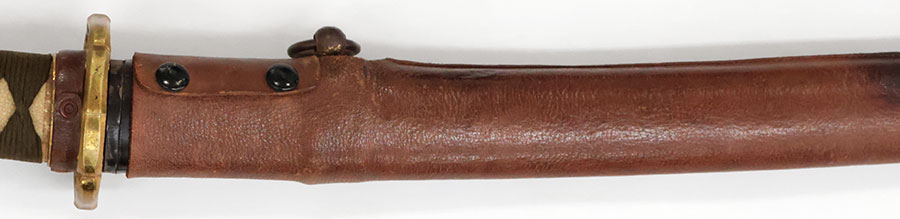


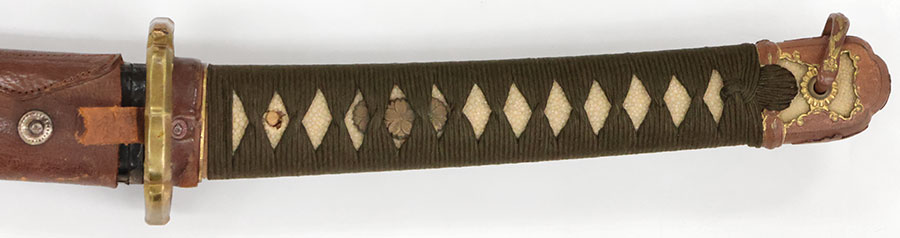
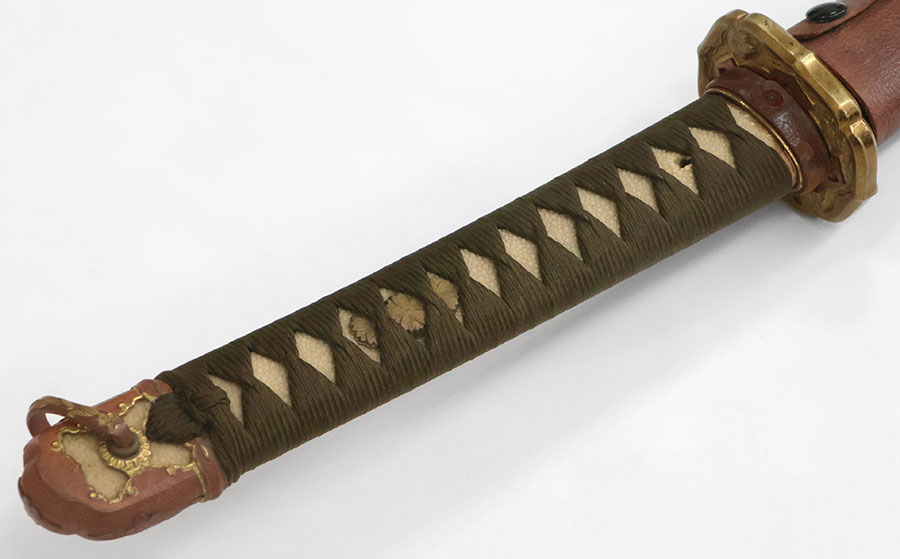
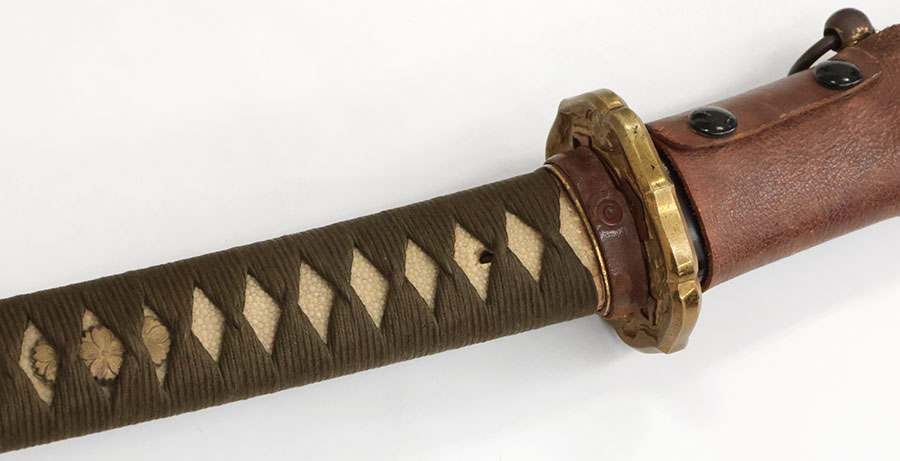
Mino-den · Mino · around 1573-1592
Fujishiro Chu-jo saku · Tōken Taikan top 49%
1 piece on the market now
Where Kanetsune stands among comparable artisans: across all of nihontō, and within tradition, era, and period. The tiers (Foremost · Leading · Major · Notable) weigh official designations from the NBTHK and Japan's Agency for Cultural Affairs, together with historical honors of lasting repute such as the Sansaku and Meibutsu-chō.
Select a lens to see how it's measured.
Mino-den · Owari
13 pieces on the market now
The line begins with a Mino man. The setsumei record that Sagami no Kami Masatsune (政常) was born at Nōdo in Mino Province, where he first signed Kanetsune (兼常) and is variously said to have been the son or a disciple of Kanetsune of Seki. In Eiroku 10 (1567) he established an independent branch line and moved to Komaki village, likely changing his name to Masatsune about that time; in the fifth month of Tenshō 19 (1591) he received the court title Sagami no Kami, and in Keichō 5 (1600) he followed Matsudaira Tadayoshi to Kiyosu in Owari, where he became a retained smith (kakae-kō) of the Owari Tokugawa house. Several records place him at Kiyosu alongside Hōki no Kami Nobutaka and Hida no Kami Ujifusa, the three later counted as the Owari Sansaku (Three Smiths of Owari). After taking the tonsure and retiring in Keichō 12 (1607), he passed the name to his son; when that second generation died suddenly two years later he resumed forging under the nyūdō signature Masatsune Nyūdō, and is said to have died in Genna 5 (1619) at the age of eighty-four. A separate second generation, Mino no Kami Fujiwara Masatsune, is recorded as the son of Daidō of Gifu, adopted into the line, who carried on its spear and naginata work. A Mino foundation worked toward suguha defines the shared hand. The forging is itame mixed with mokume, frequently flowing into masame toward the mune and shinogi-ji, with the grain standing somewhat (hada-dachi), abundant ji-nie, and chikei; a mizukage-like feature rising from the machi is noted on several tantō and wakizashi.
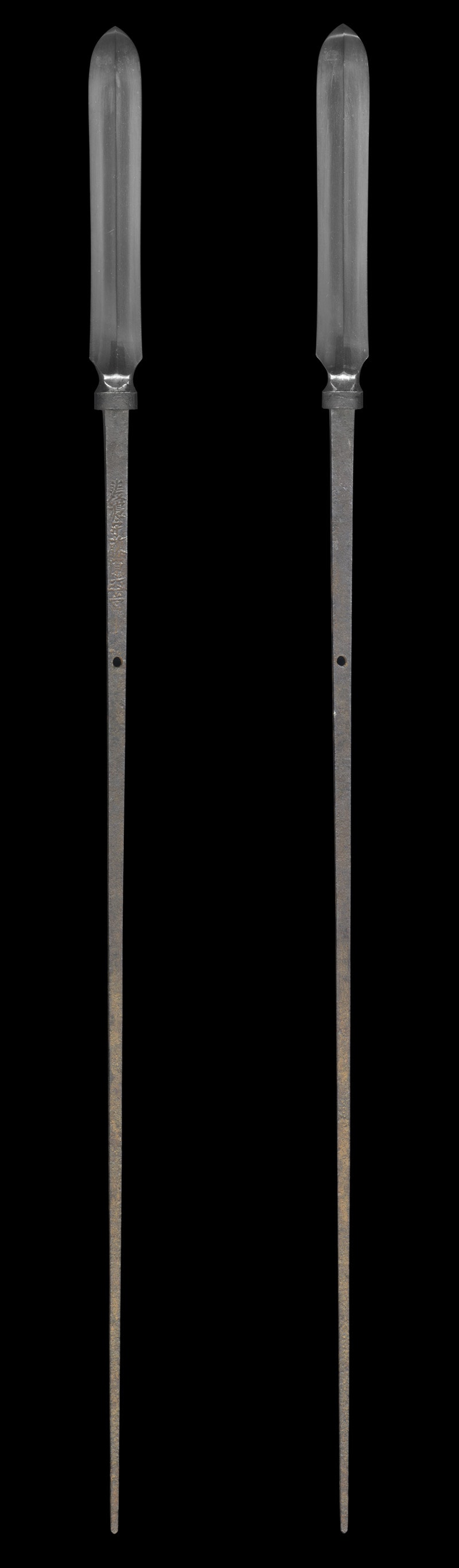
The temper that the setsumei call his specialty is a chū- to broad suguha in ko-nie-deki, the habuchi worked with hotsure, nijūba, kuichigai-ba, and uchi-noke, with ko-gunome and ko-ashi mixed in, fine kinsuji and sunagashi running through, and a bright nioiguchi. Beside this restrained mode runs a bolder midareba of gunome and ko-notare with togariba, sometimes hakogakari or saka-gakari, where the nie grows coarse and clustered and the nioiguchi turns shizumi (subdued); the Owari-Seki "wet" nure quality appears in the wider blades. The bōshi tends to straight with ko-maru and hakikake in the suguha works, midare-komi with a rounded or long return in the midareba works. Carving is plain but crisp: suken, bonji, gomabashi, koshi-hi with soe-hi, and the rarely seen shin no Kurikara in openwork. Among extant works, the setsumei agree, hira-zukuri wakizashi and tantō are the most numerous and of high skill, yari and naginata are comparatively common with the spears often hira-sankaku sasaho form, while katana and shinogi-zukuri wakizashi are extremely few. For kantei this rarity gives weight to the long swords: the 67th Jūyō Kanetsune-signed katana, dated by its sakizori and large kissaki to about Eiroku, anchors the smith's early phase, and the 31st Jūyō Masatsune Nyūdō katana shows the flowing masame, shallow notare, and shizumi nioiguchi read as his own. Named pieces include the Sagami no Kami Masatsune Nyūdō wakizashi held by the Imperial Household Agency and the katana once with Tokugawa Iesato and the Reimeikai Foundation; one wakizashi survives in akikusa-mon koshirae with fittings by Mogarashi Sōten of Hikone. The setsumei note that in his bolder work Masatsune looked to the Sagami masters Sadamune and Nobukuni while keeping the togari and Sanbon-sugi traces of his Mino root, placing his line as the Owari channel through which the Mino-den passed into shintō. Learn more →
| Smith | Era | Designated |
|---|---|---|
| Masatsune政常 | 1567-1619 | 19 |
| Masatsune政常 | 1661-1673 | 0 |
| Masatsune政常 | 1688-1704 | 0 |
| Kanetsune兼常 | 1573-1592 | 1 |
| Masatsune政常 | 1615-1673 | 2 |
Mino in the Muromachi period
Sengoku Seki was an industry: smiths organized under their tutelary Kasuga shrine, arming the war bands of central Japan. Magoroku Kanemoto’s sanbonsugi and the finest Kanesada work prove quality survived inside mass production.
We could not find an authenticity certificate on the seller’s listing. Japanese swords and fittings are normally papered by the NBTHK (or the NTHK). Without one, the attribution is the seller’s own assessment and has not been independently verified — treat it with caution and ask the dealer about certification before buying.
For returns due to customer circumstances, the cost is the customer's responsibility. For returns due to our mis-shipment or a defective item, we bear the cost.