The twentieth century nearly killed the craft twice: wartime distortion, then the occupation ban. The NBTHK’s founding in 1948 and licensed forging from 1953 rebuilt the sword as an art, crowned by Living National Treasures and the mukansa rank.
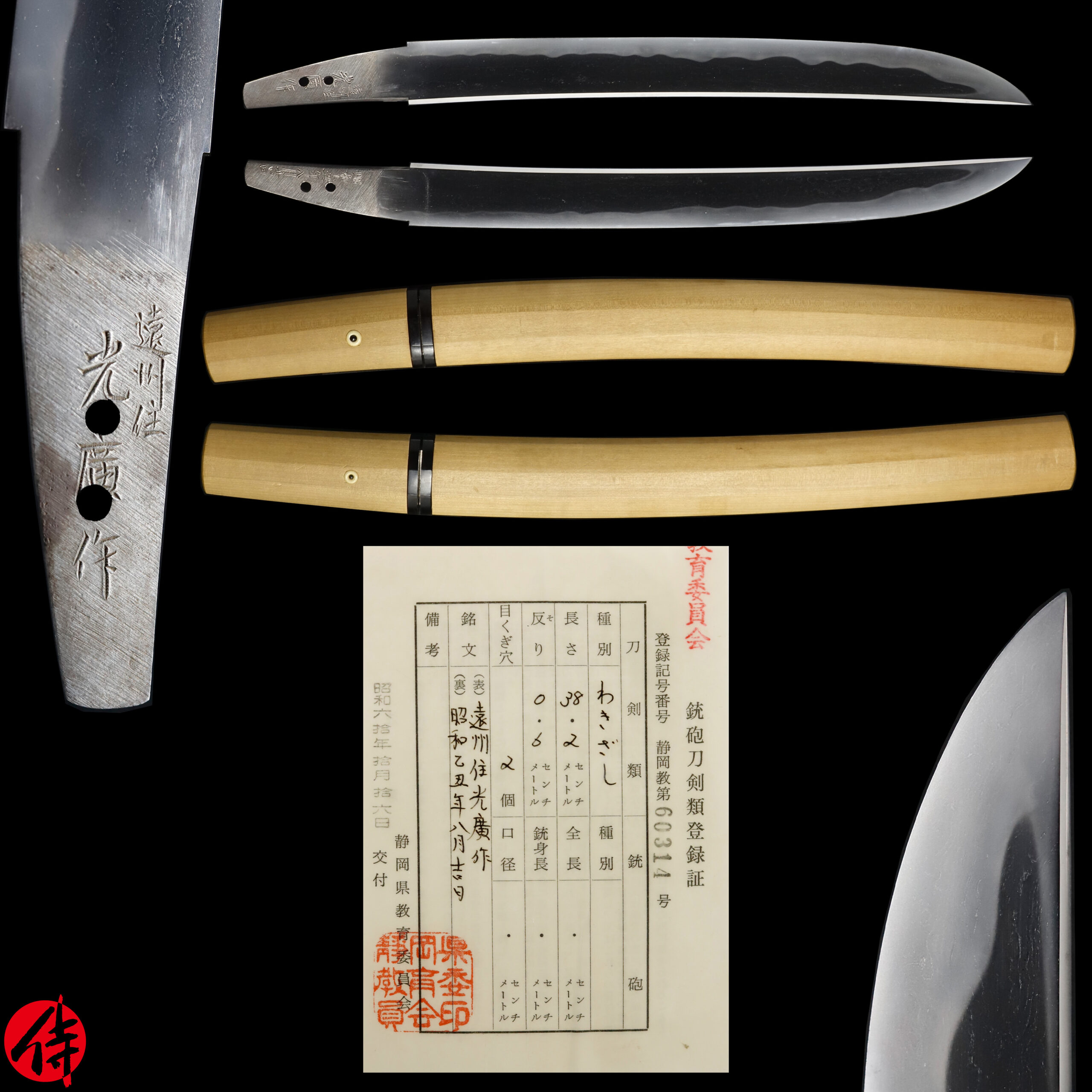
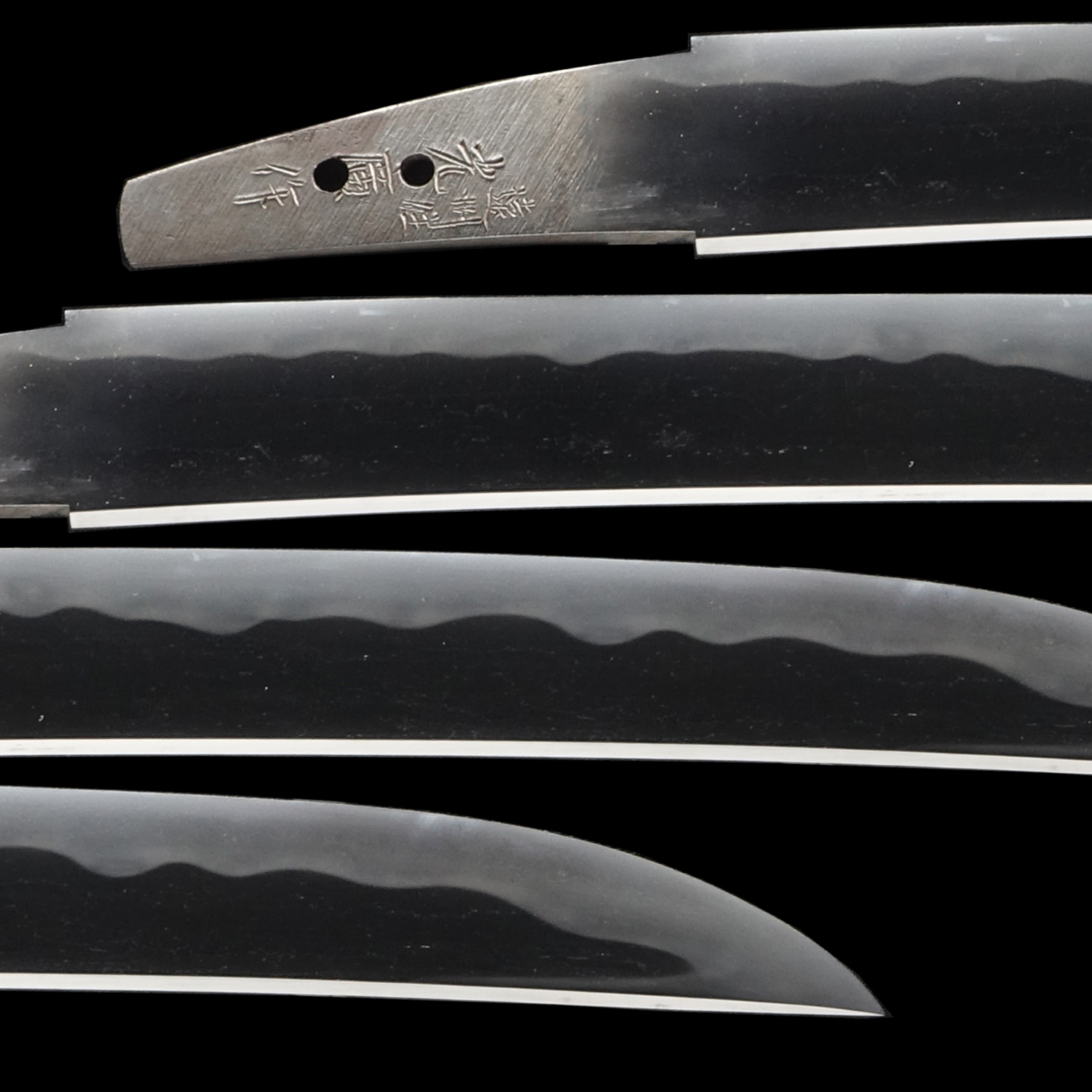
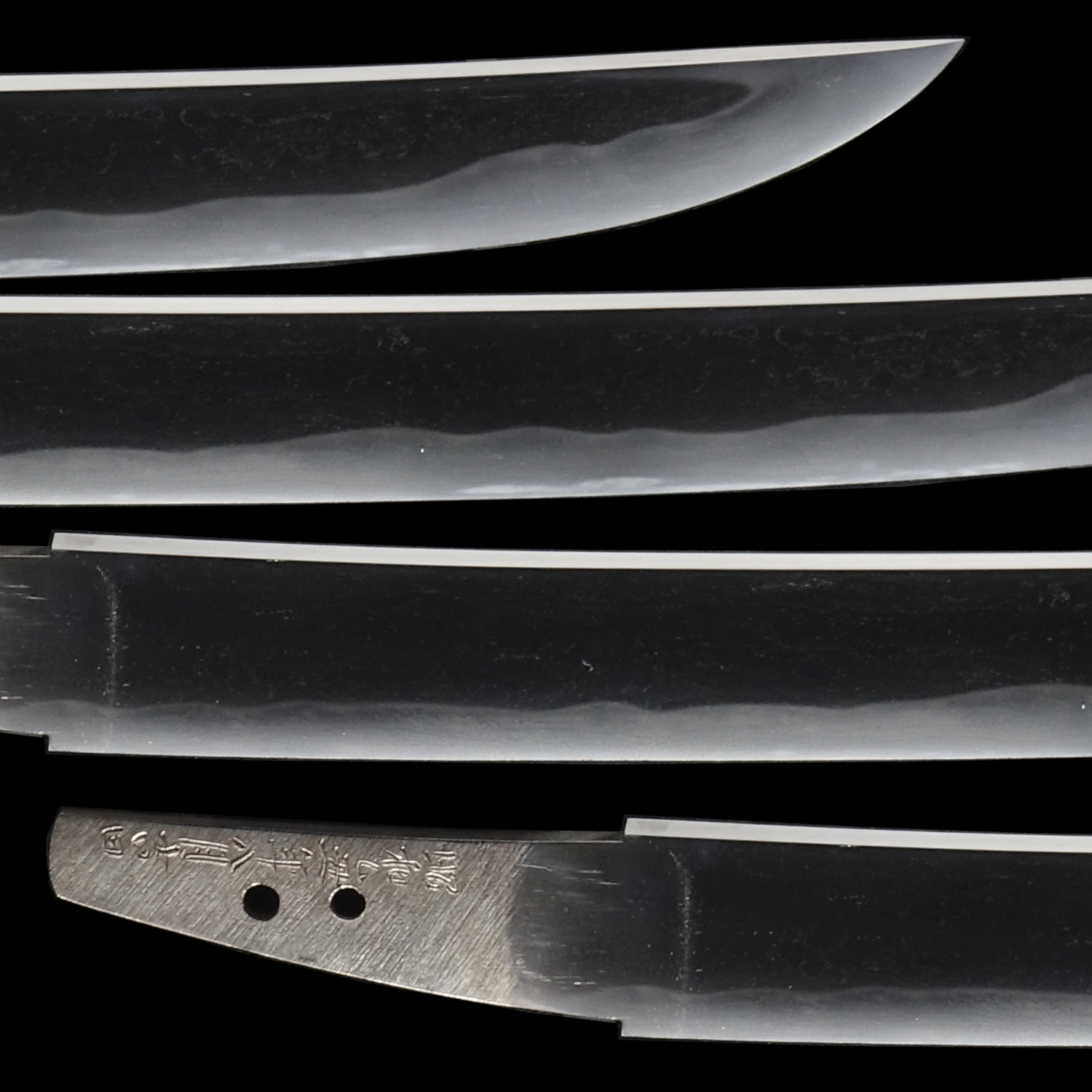
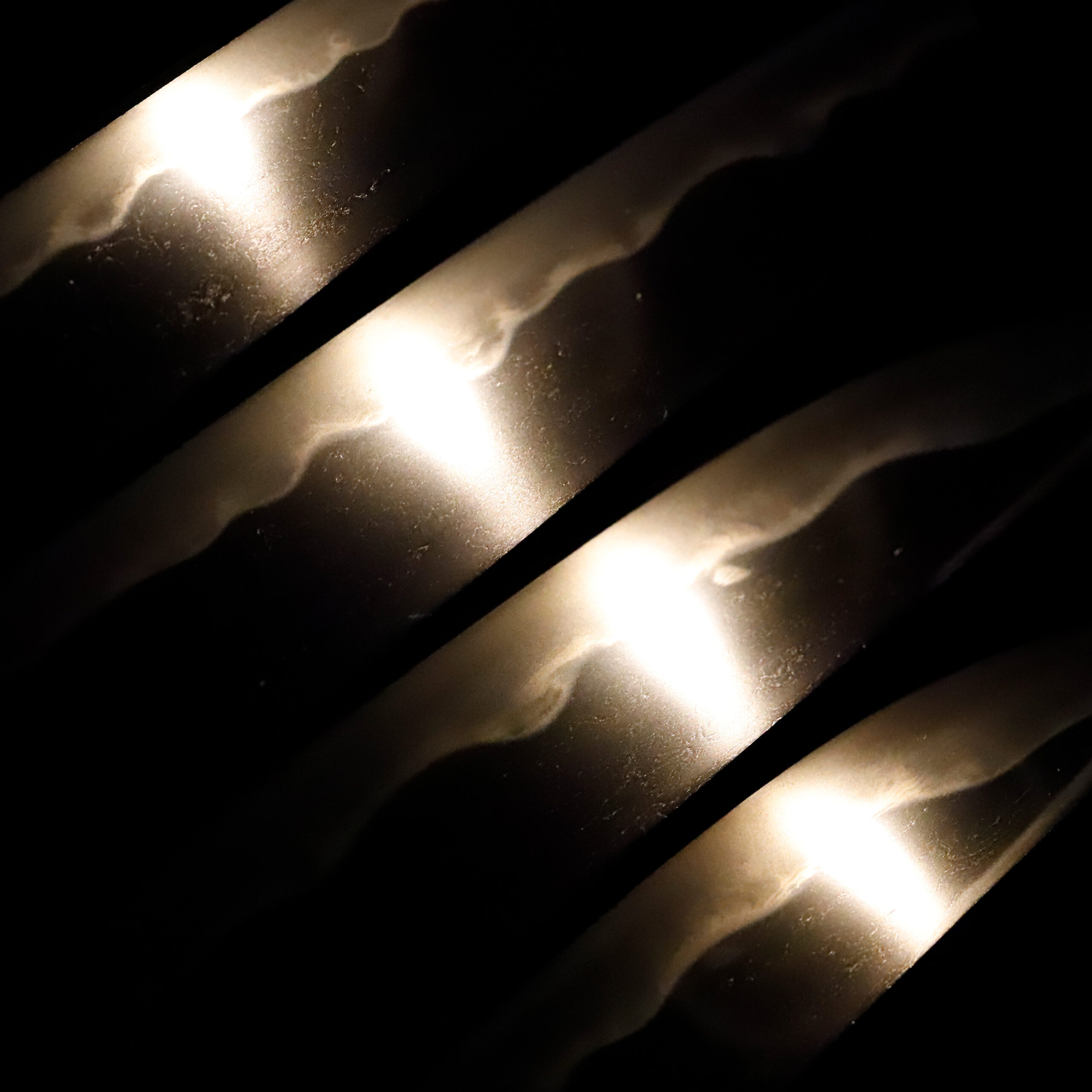
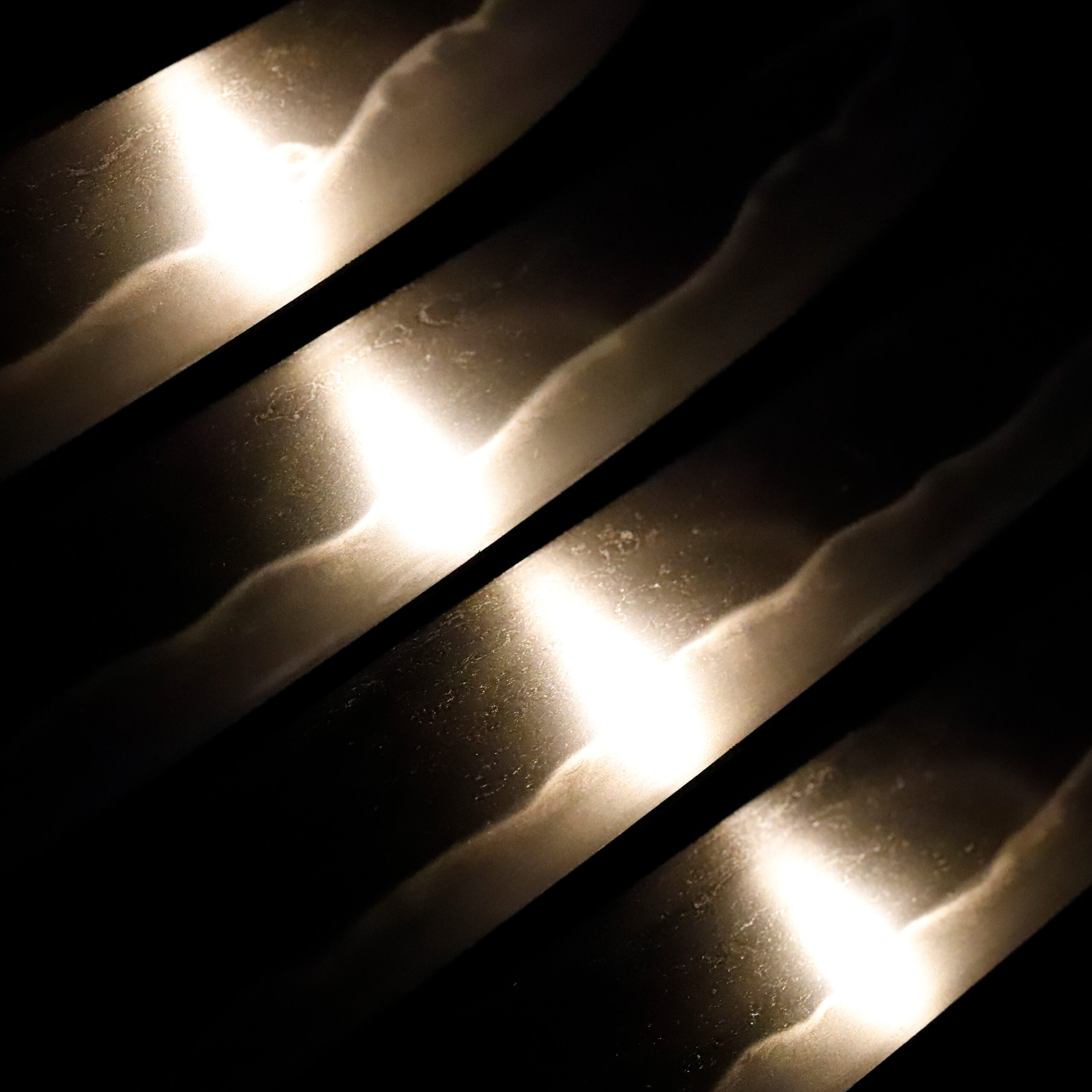
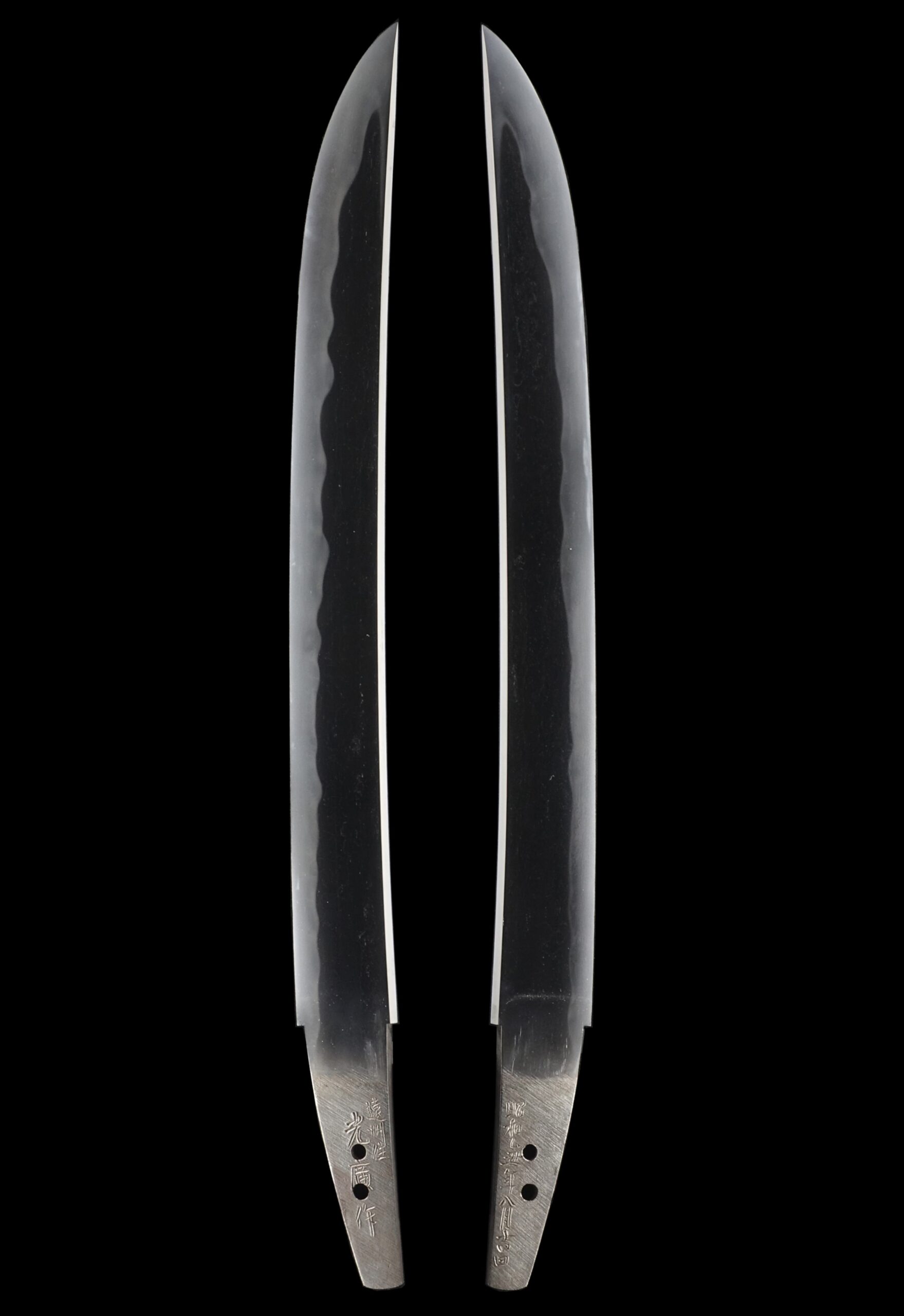
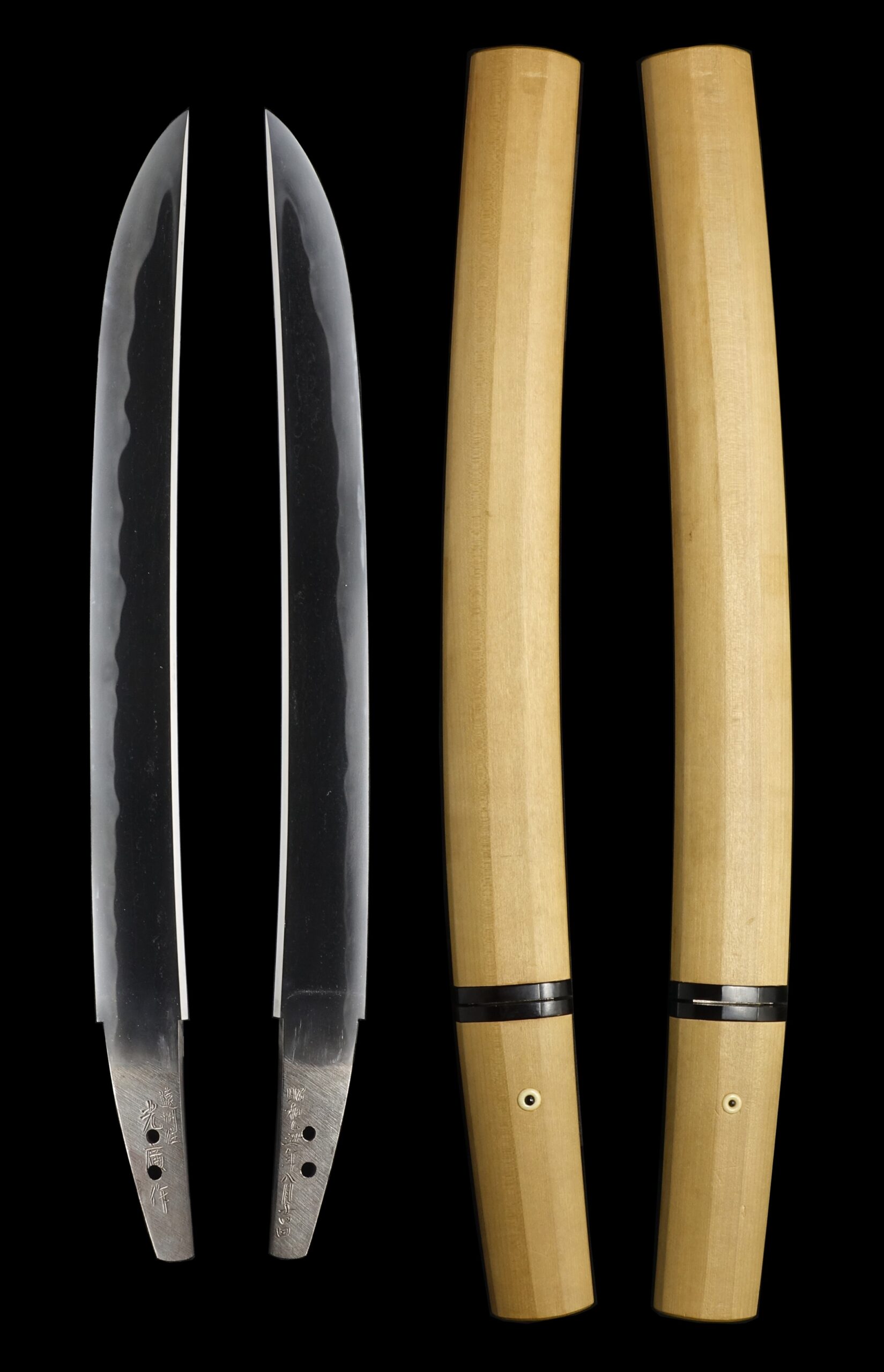
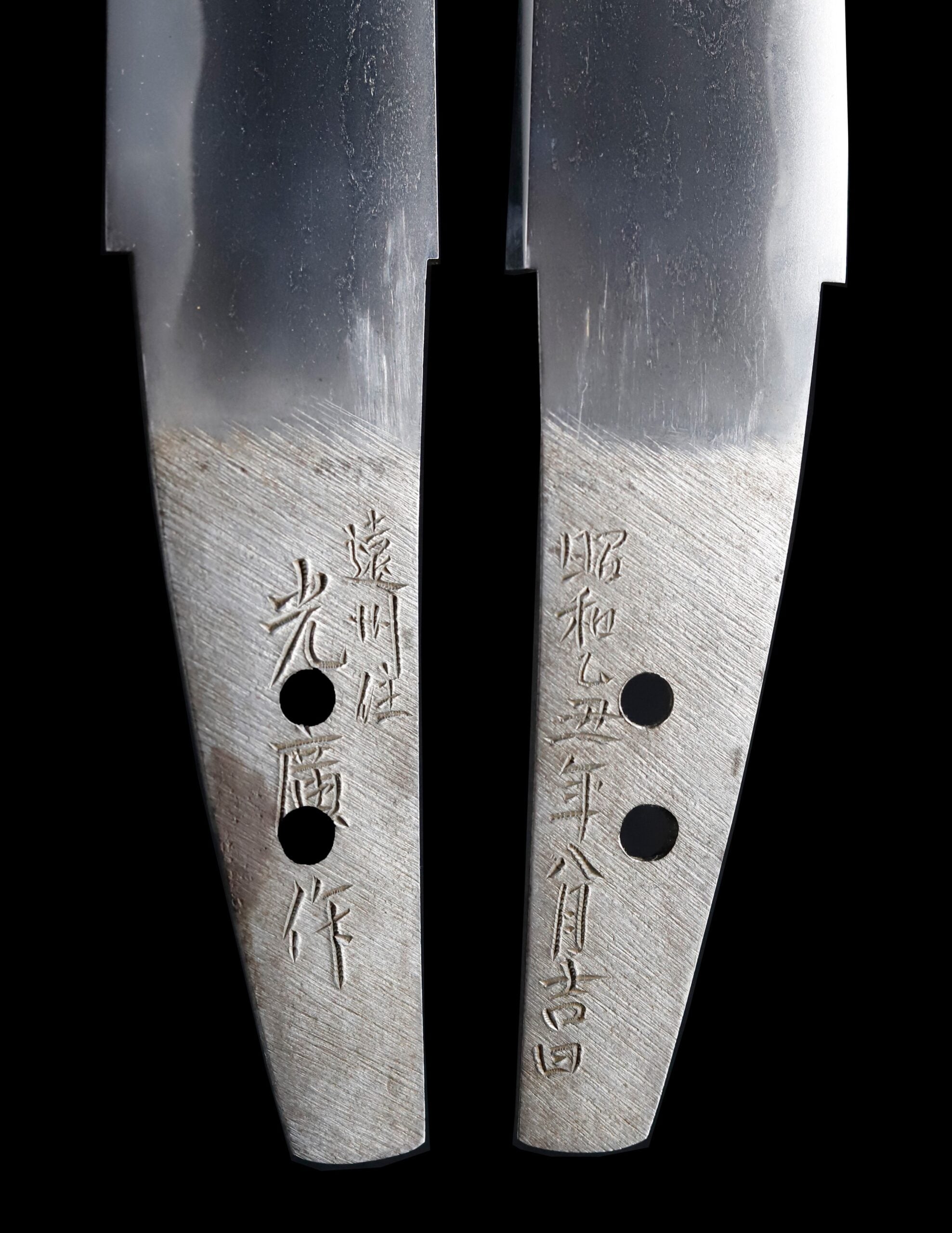
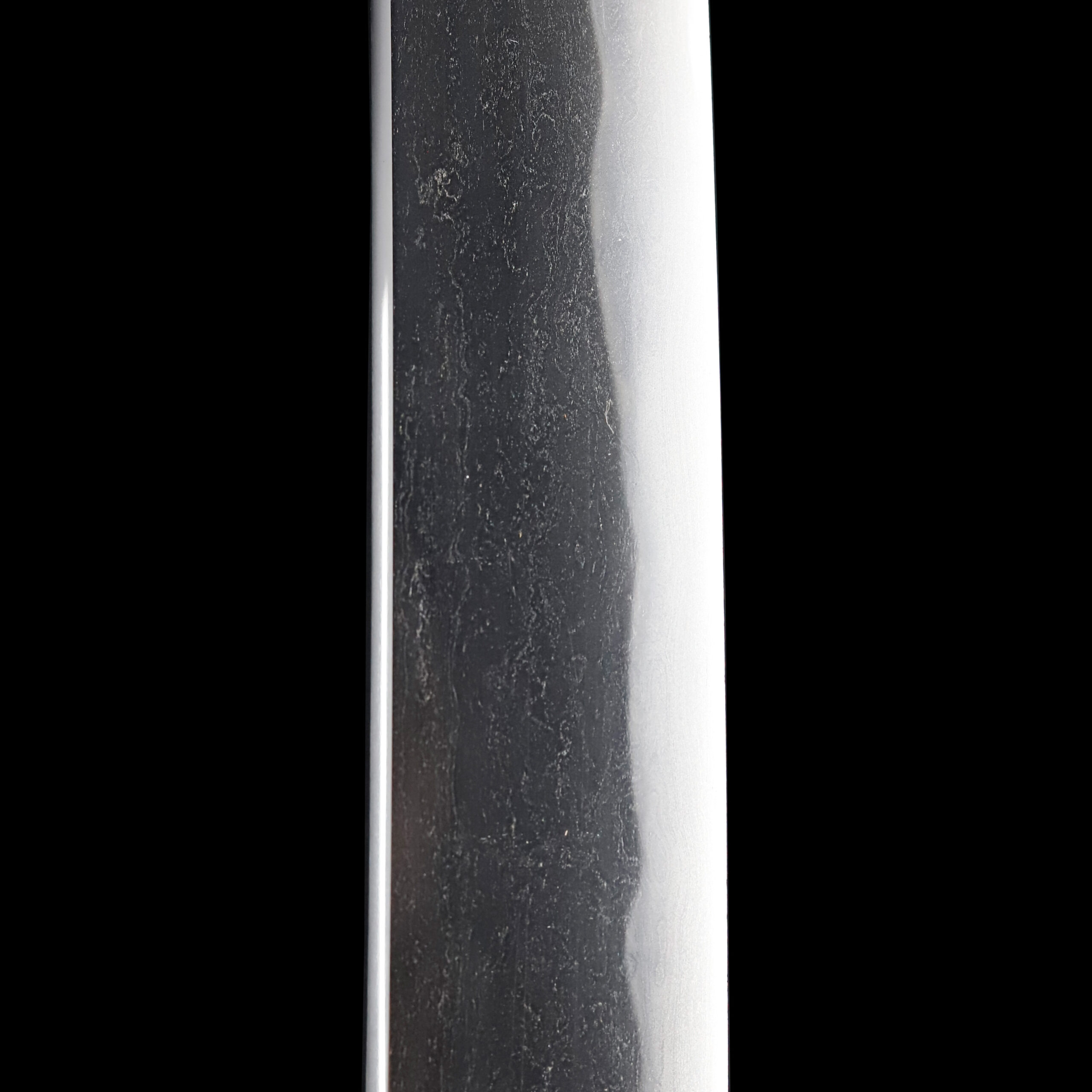
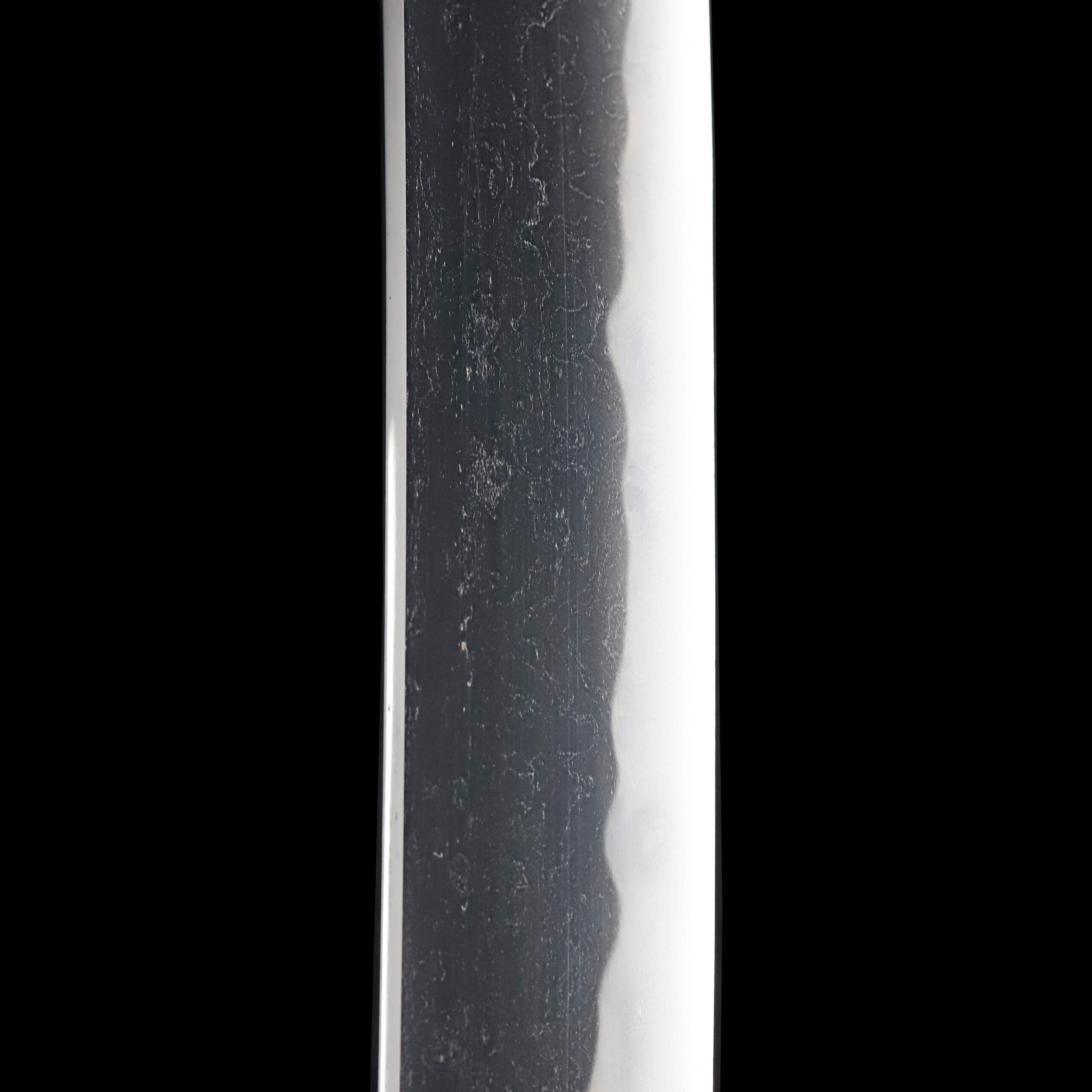
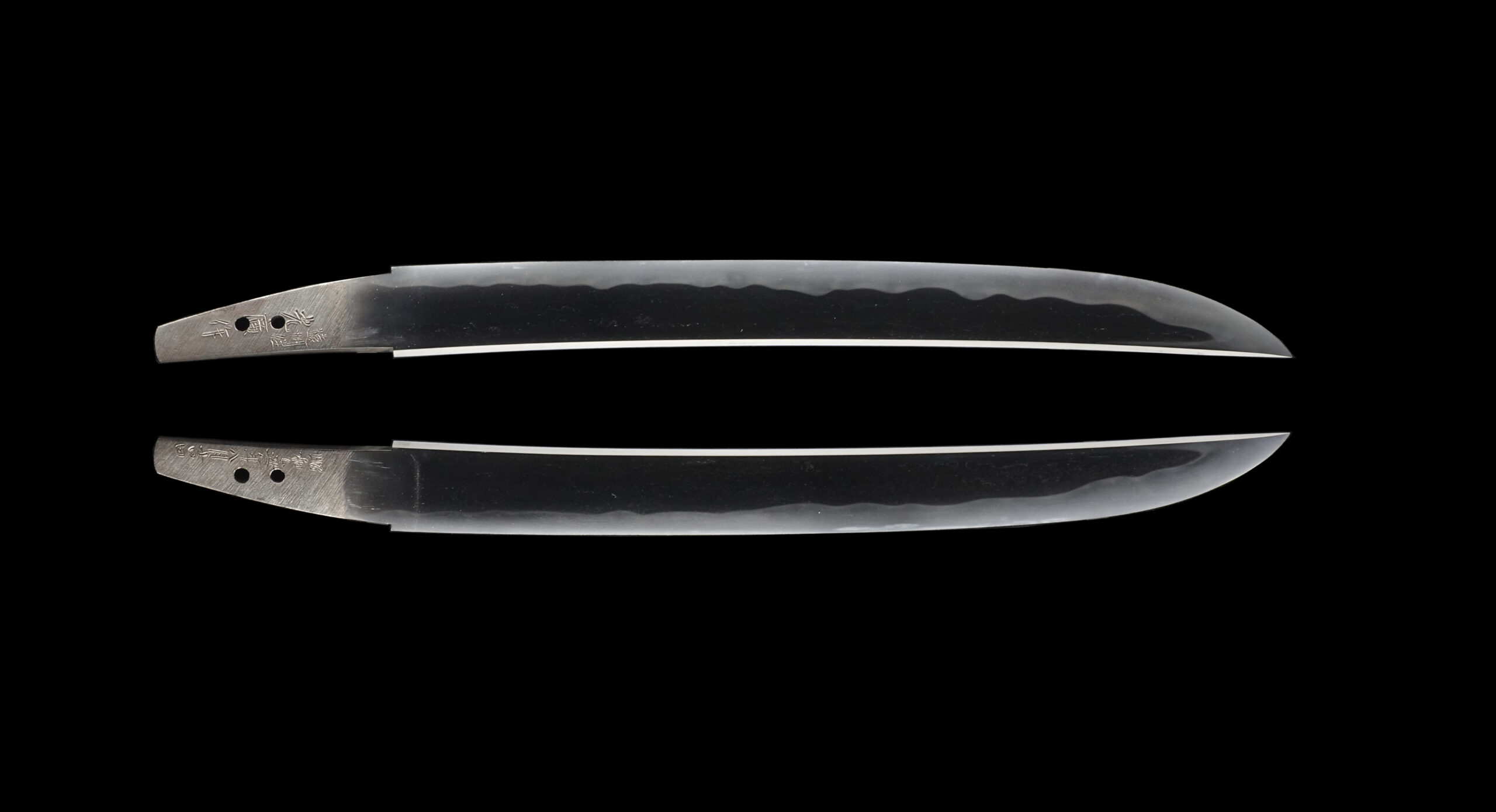
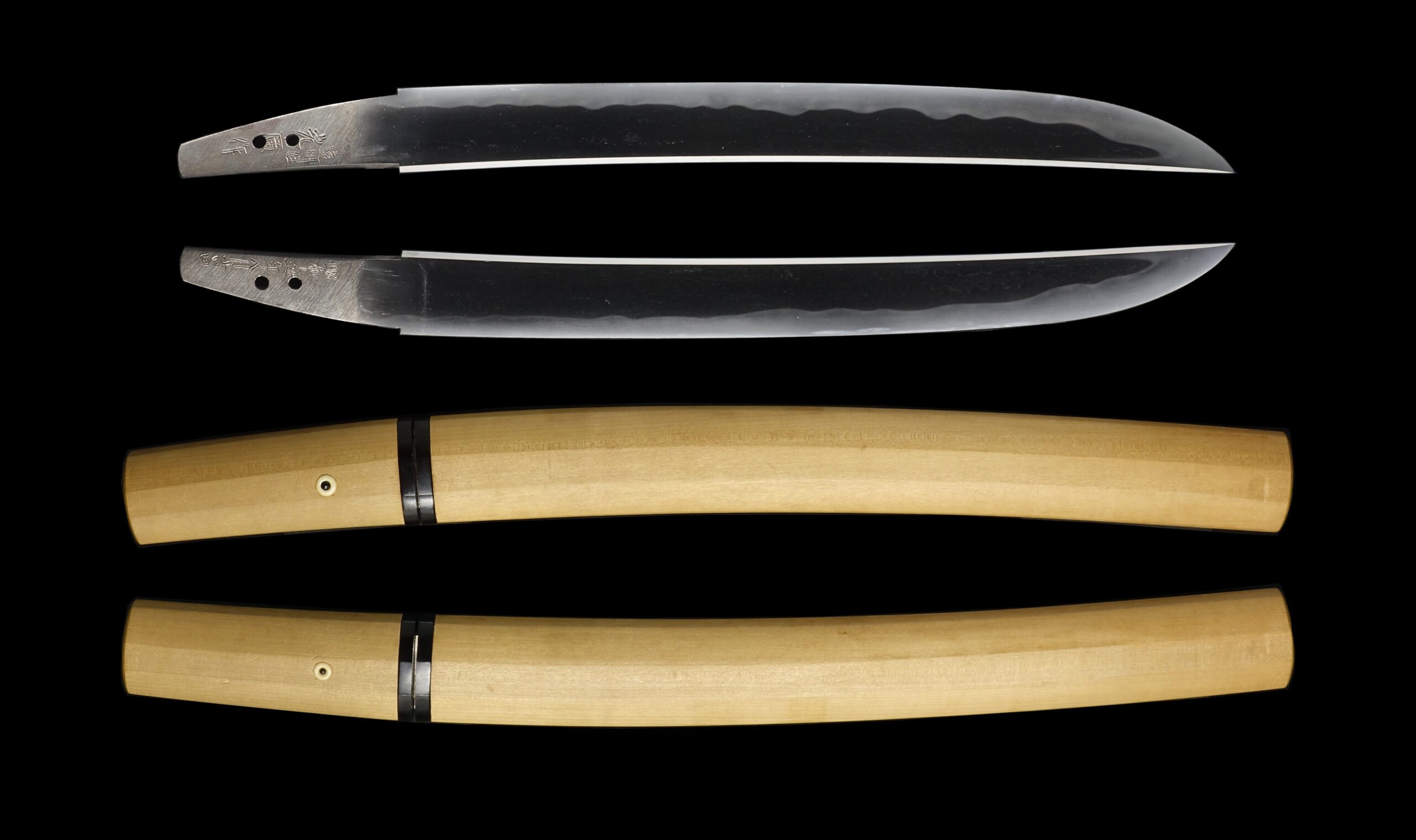
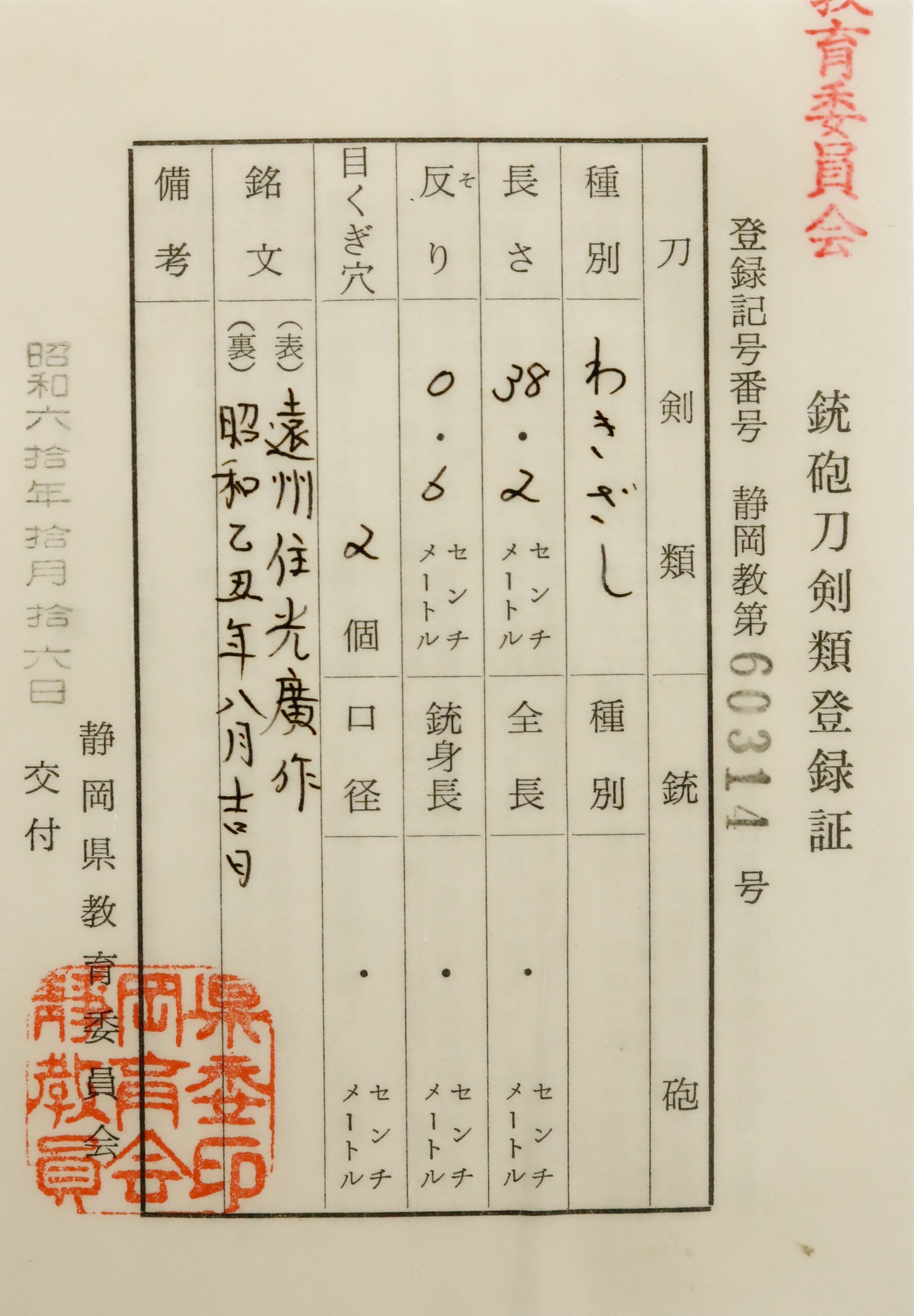
Summary This blade was signed by Enshu Jyu Mitsuhiro (遠州住光広) in Shizuoka prefecture in 1985. Enshu is another name for Totoumi (遠江国), located in the western part of Shizuoka prefecture. Enshu Jyu means he lived in this area when he forged this blade. Mitsuhiro was born in the 4th year of the Taisho era (1915), and he was 70 years old when he created this beautiful Wakizashi. His birthname was Isobe Kouji. He lived in Hamamatsu City, Shizuoka prefecture. He was known as an apprentice of Miyaguchi Ikkansai Tsunetoshi(宮口一貫齋恒寿). Ikansai is an honorable title Tsunetoshi used, and Mitsuhiro took over this title from his master in his career. Tsunatoshi was a student of Miyaguchi Ikkansai Toshihiro(宮口一貫齋寿広), one of the most famous modern Japanese swordsmiths. Mitsuhiro received a “Hiro” letter from Toshihiro. This fact indicates that Mitsuhiro’s craftmanship was also appreciated and recognized by his grandmaster. Mitsuhiro was good at forging blades in the Soshu tradition, one of the five Japanese sword forging techniques. He received multiple awards in the Japanese sword community for his superb craftsmanship. Its widest width (Motohaba) is approx. 4cm and narrowest width (Sakihaba) is approx. 3.4 cm. The thickest part of the blade (Motogasane) is approx. 8mm and thinnest part of the blade is approx. 5mm. Its overall weight without its Habaki is approx. 512g. Its is very strong-looking Wakizashi. About Modern Swordsmith There are around 150-200 swordsmiths in Japan today. To legally produce Japanese swords, one needs to pass the national exam given by the Agency for Cultural Affairs(Bunka-Cho) and receive the license. Before taking the exam, one must finish his or her apprenticeship under a licensed master for more than five years. Those who practice Iaido(居合道) tend to use those modern swords, and there are modern Japanese sword collectors nationwide. Modern Japanese sword makers are researching old ways to forge swords and trying to recreate ancient-style swords. They are the ones who keep the tradition of Japanese history alive.
Offered by Samurai Museum
This piece has sold
Get an email when a new Mitsuhiro piece hits the market.


Shizuoka · around 1926-1989
4 pieces on the market now
Shōwa to the present: destruction and revival
The twentieth century nearly killed the craft twice: wartime distortion, then the occupation ban. The NBTHK’s founding in 1948 and licensed forging from 1953 rebuilt the sword as an art, crowned by Living National Treasures and the mukansa rank.
Returns/exchanges limited to defects caused by shipping (except willful misconduct or gross negligence by the company); customers must contact within 72 hours of receiving the product.