Muromachi turned sword making into an industry: the uchigatana rose with massed infantry warfare, Osafune and Seki produced bundle swords beside custom orders, and the Ming trade carried Japanese blades abroad by the tens of thousands.
 NihontoWatchNihontoWatch
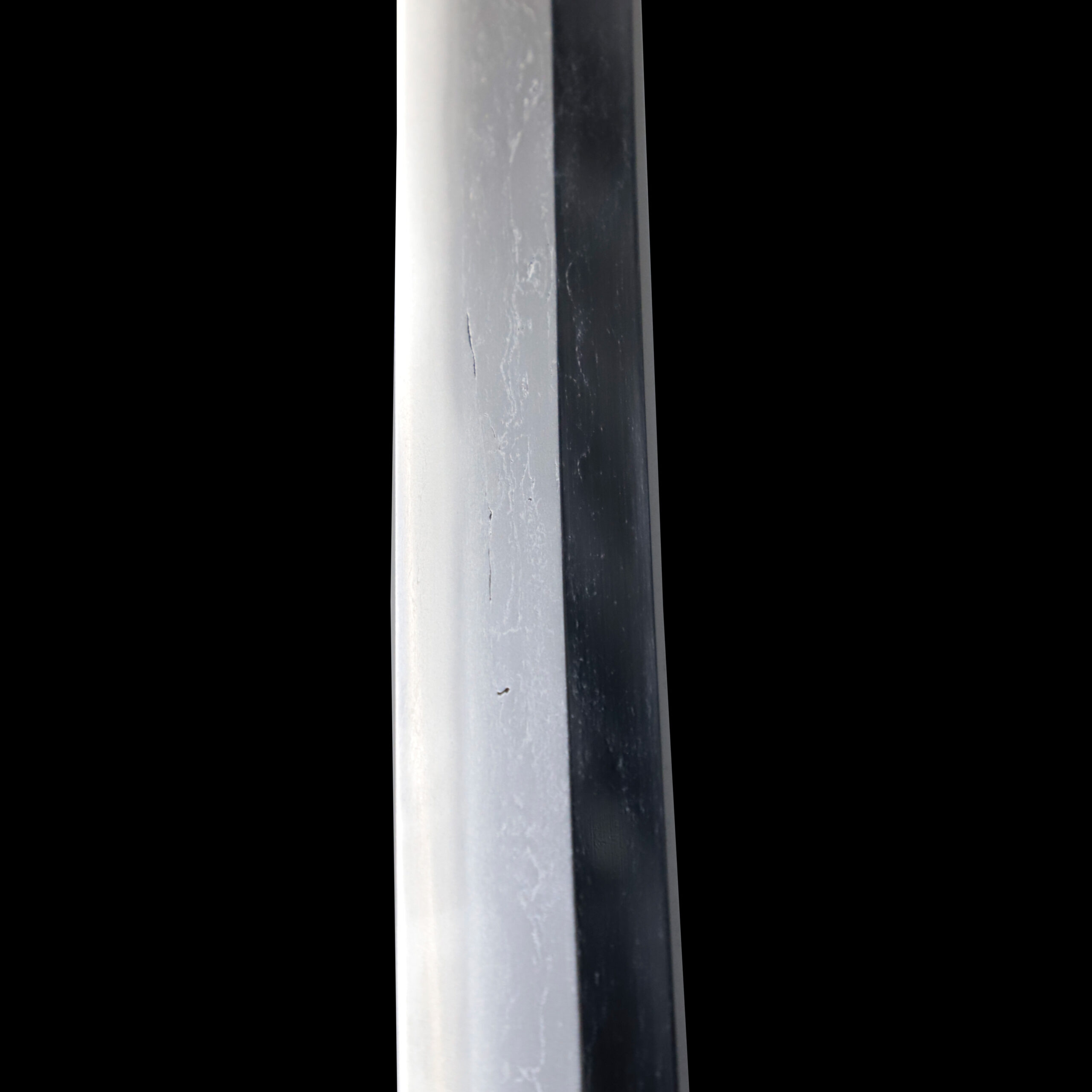
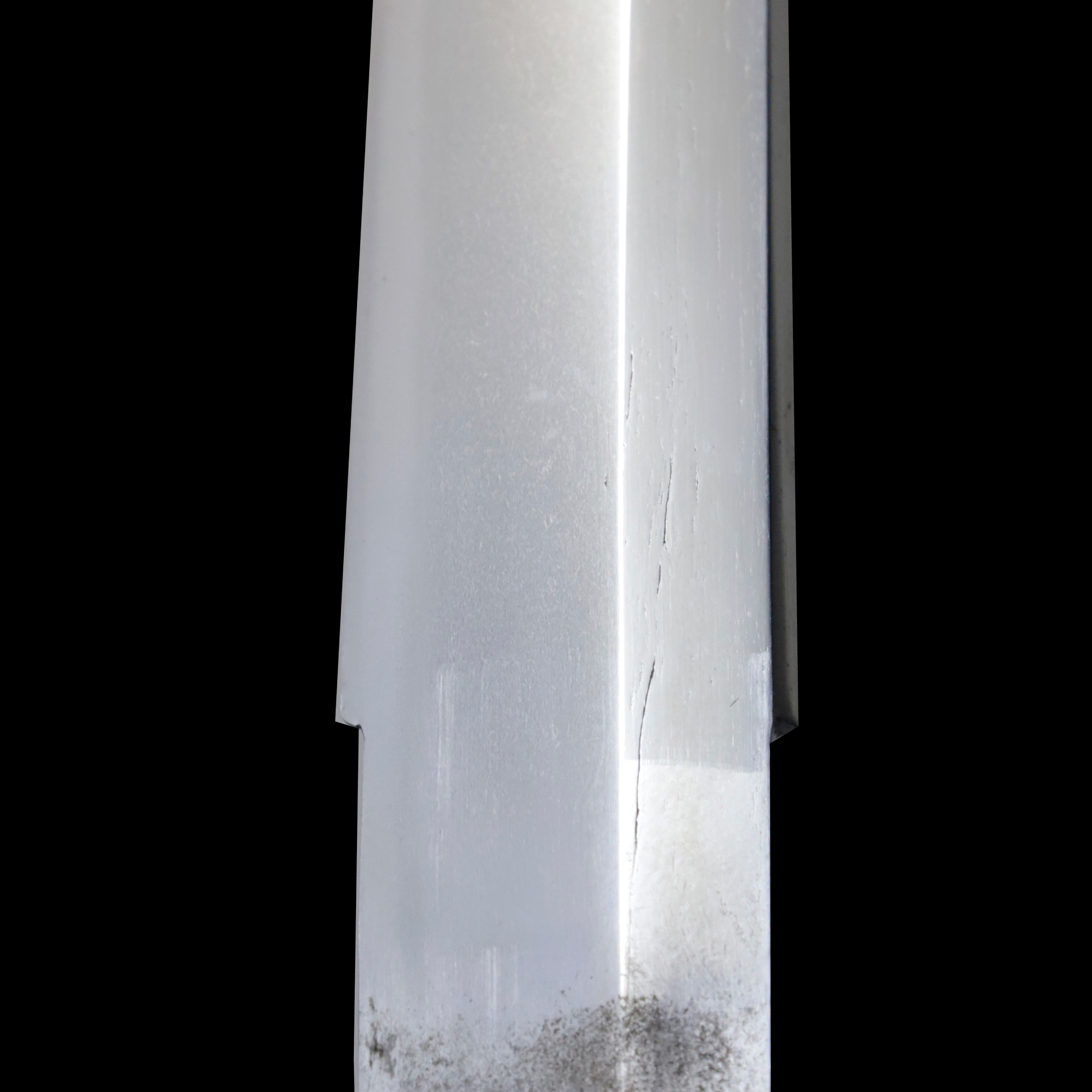
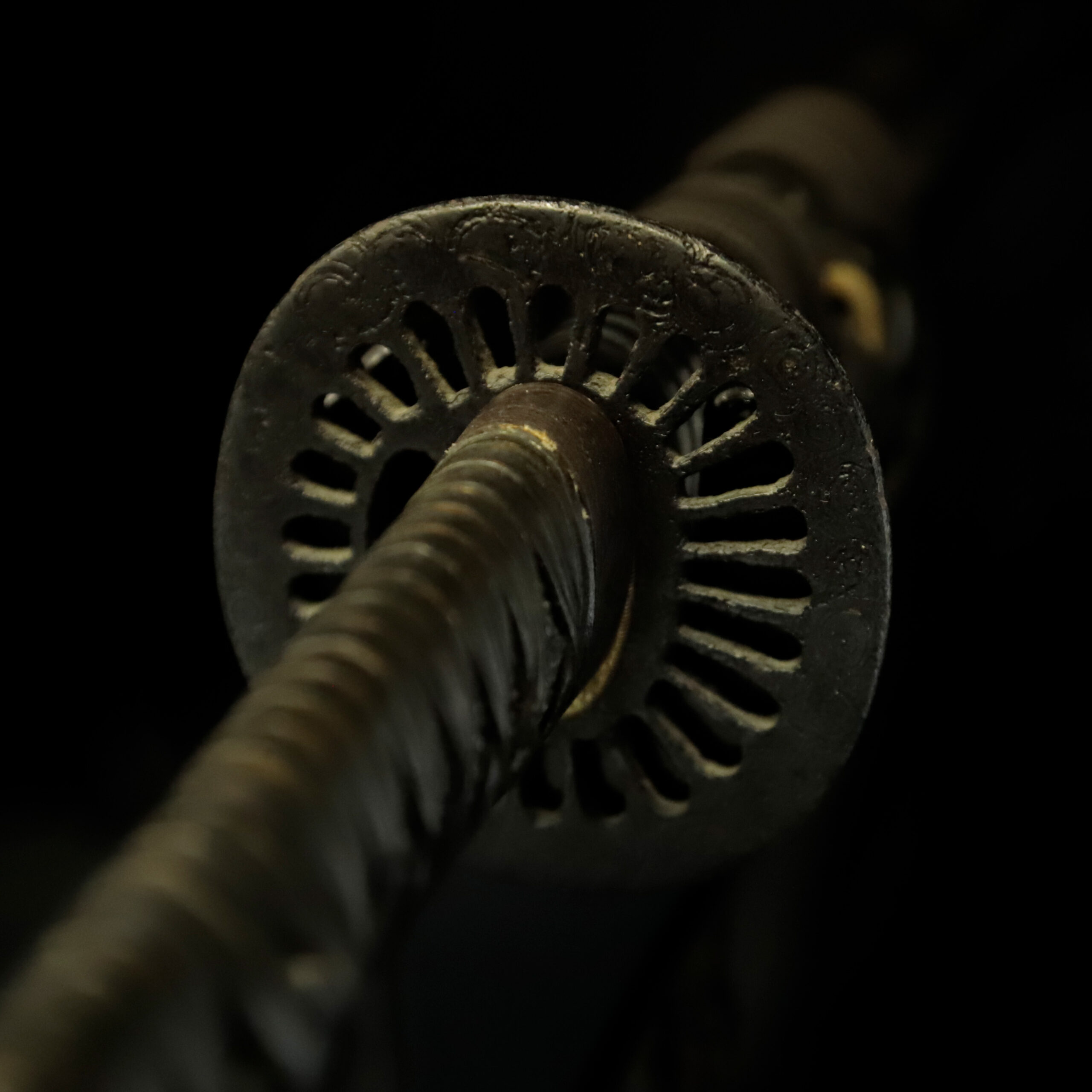
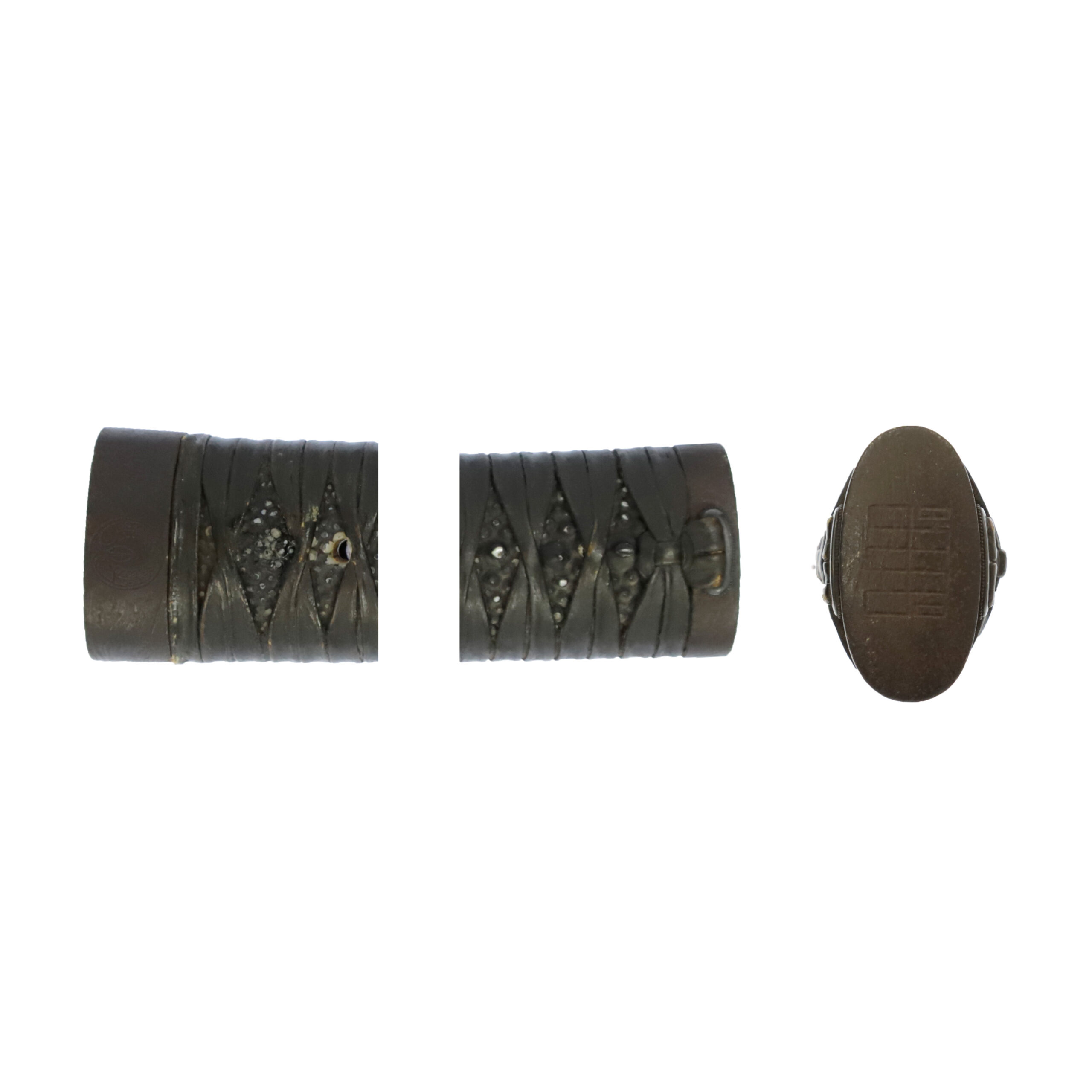
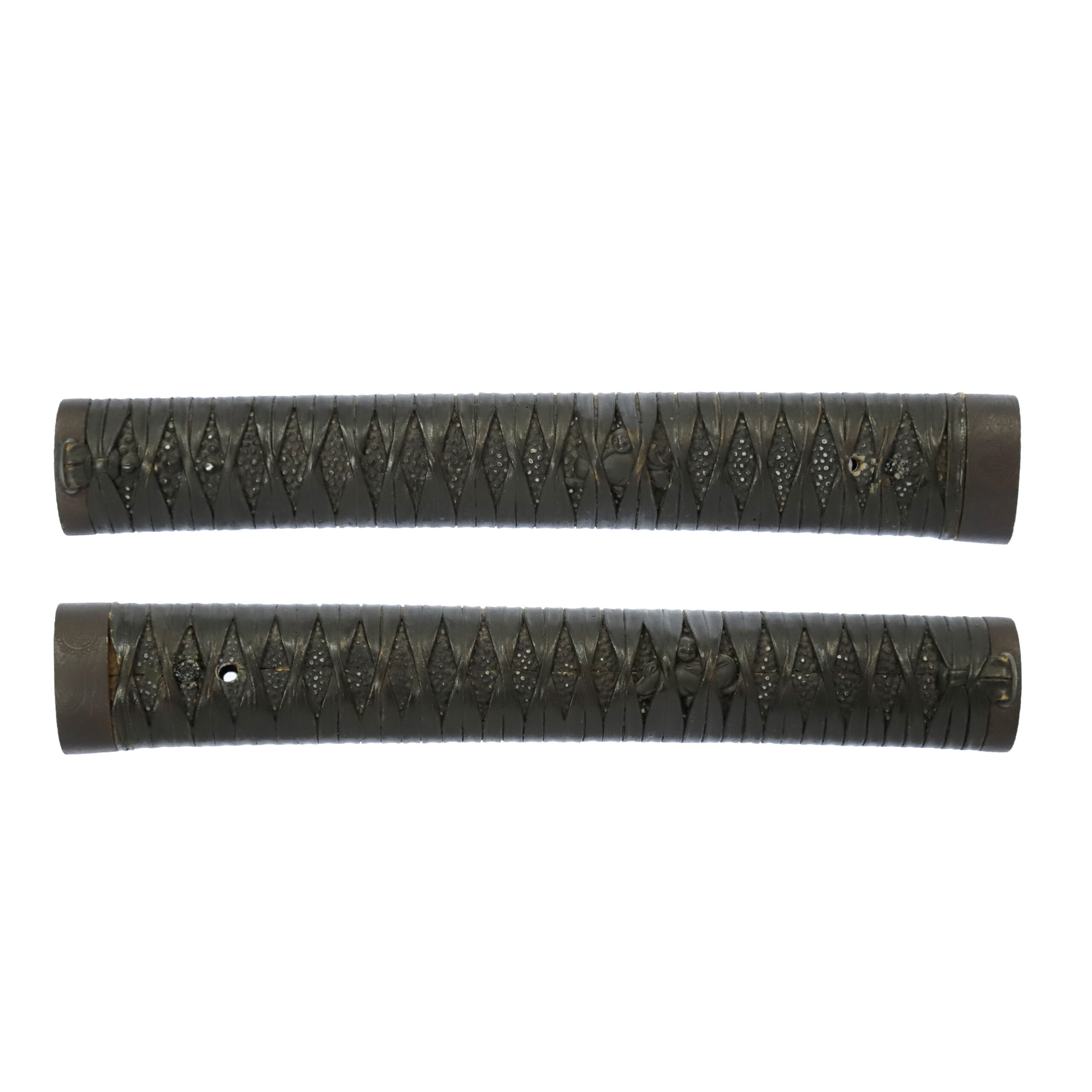
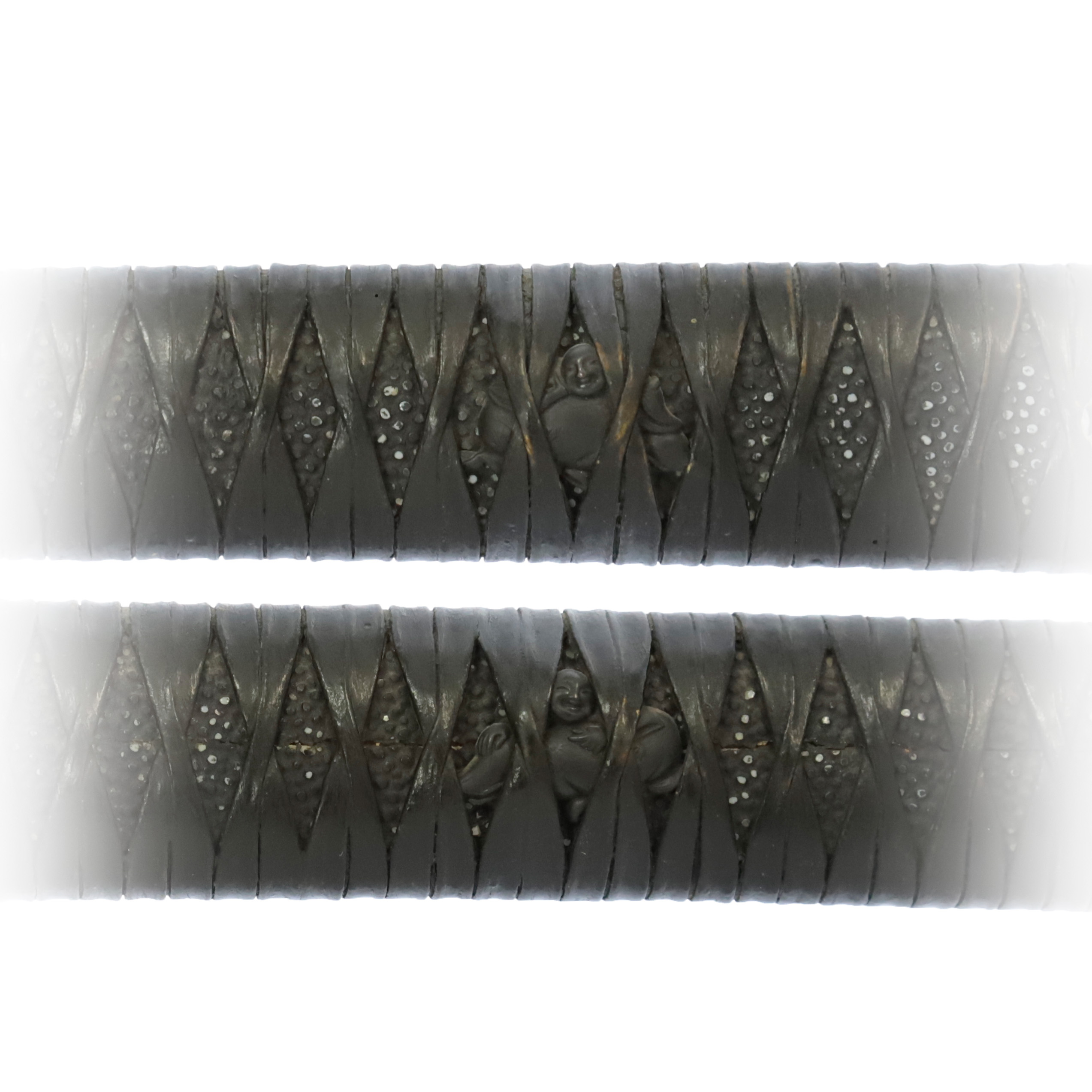
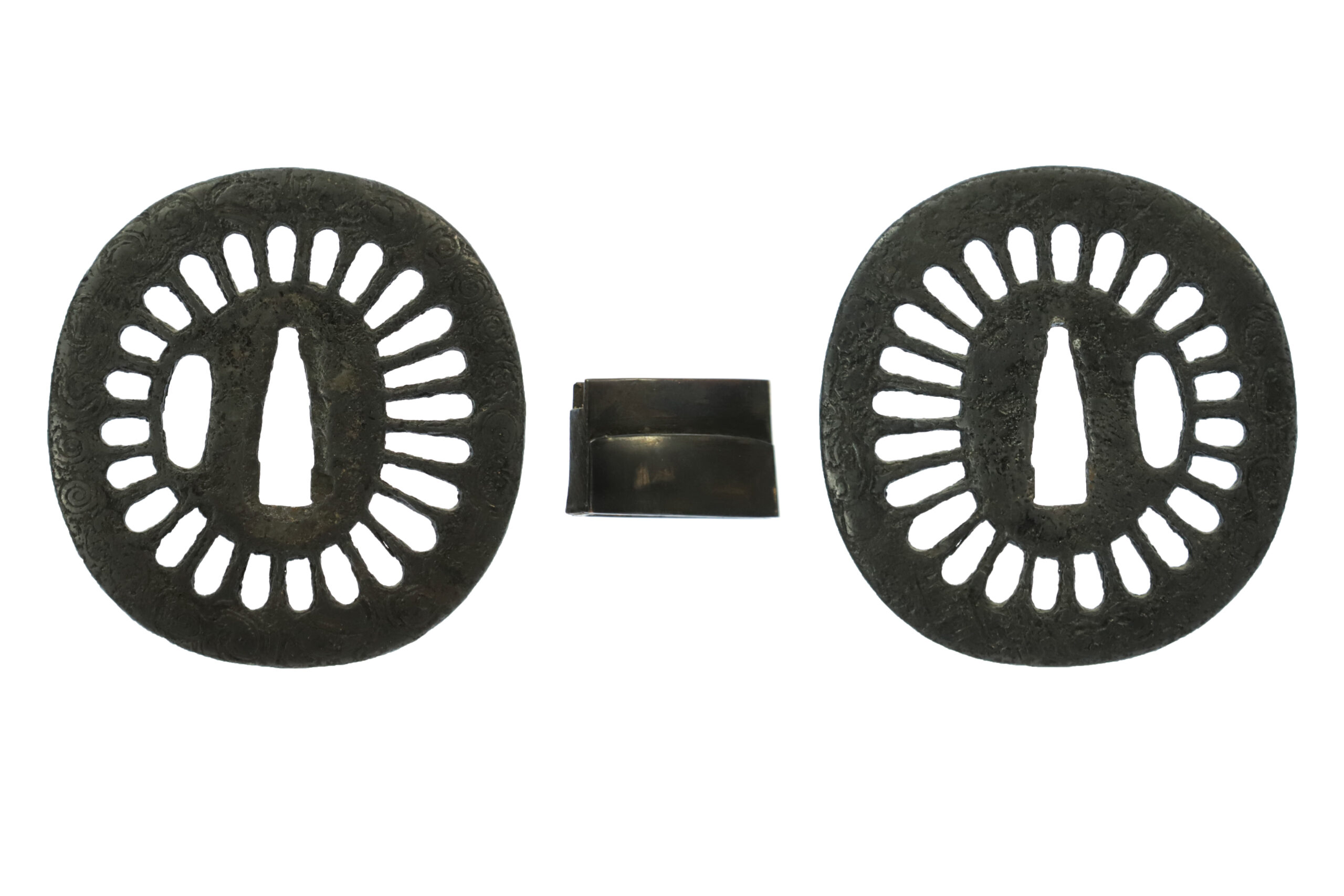
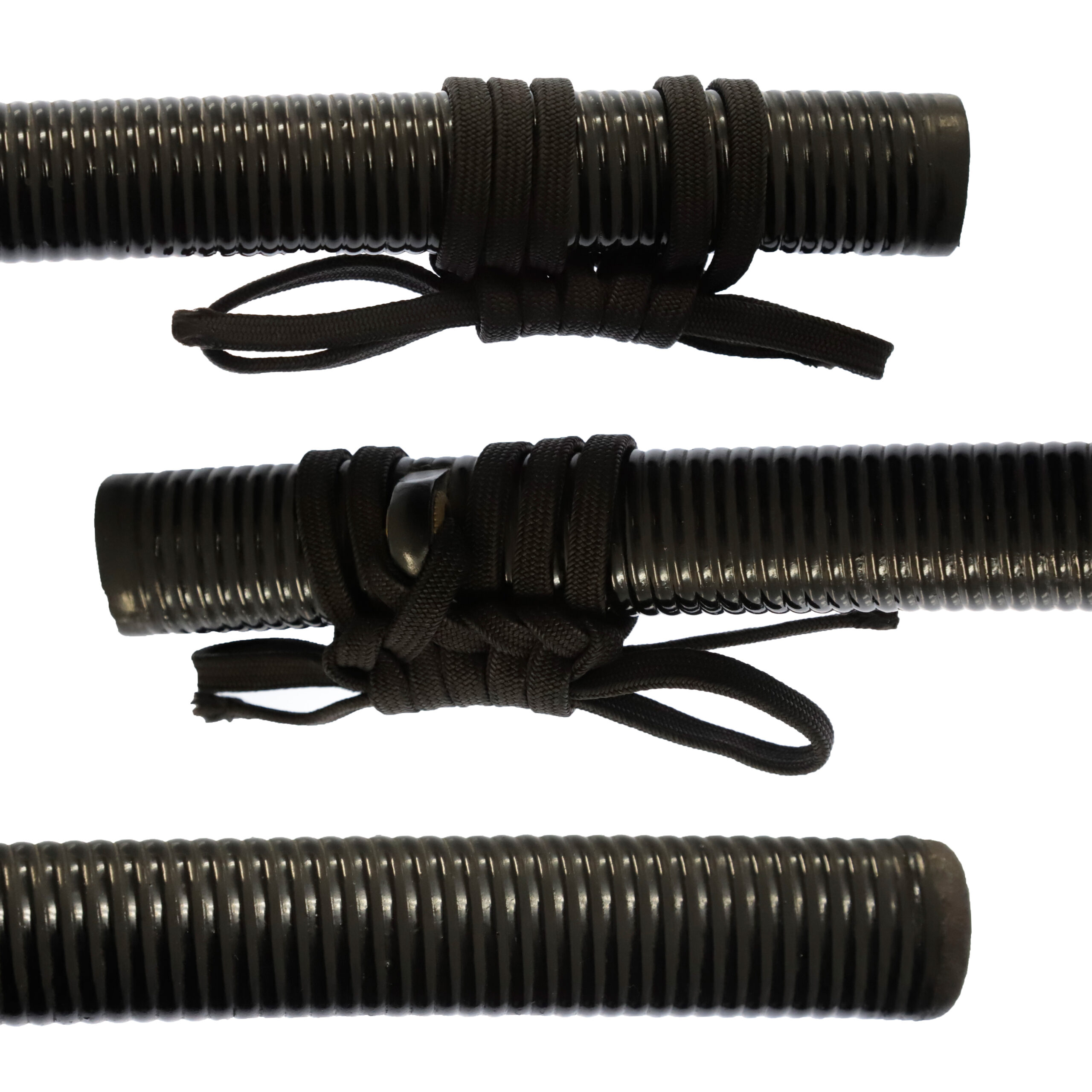
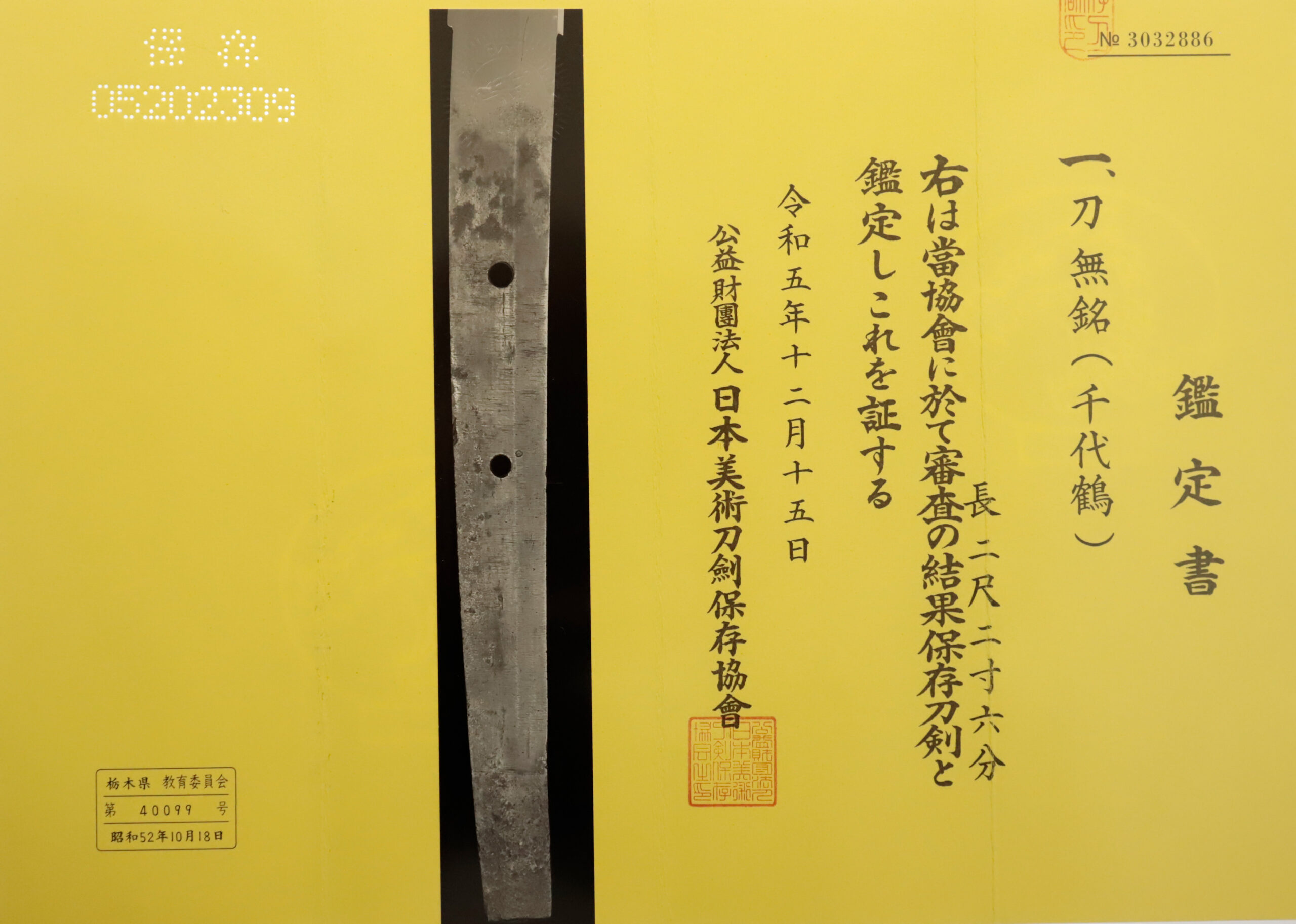
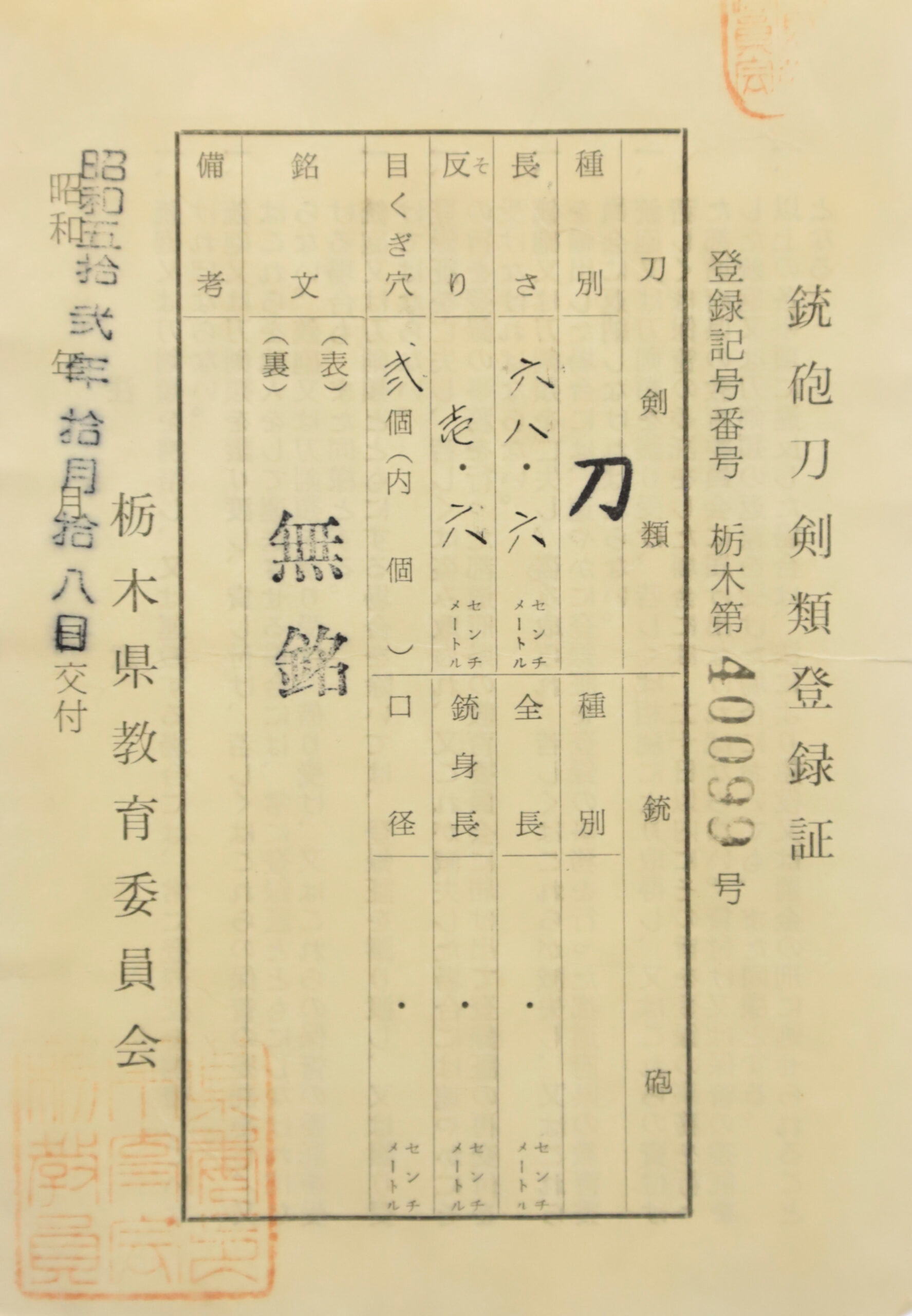
This blade is attributed to Chiyozuru school(千代鶴). It is estimated it was forged during the last years of the Nanbokucho-early Muromachi period(late 14th century-early 15th century). Chiyozuru school The founder of Chiyozuru school was Kuniyasu(國安). It is said that Kuniyasu was the grandson of Kunimatsu, a younger brother of Rai Kunitoshi. Rai Kunitoshi was one of the most famous swordsmiths in Yamashiro province(Kyoto). Kuniyasu is known as the prominent figure of the Echizen Rai school. Kuniyasu was forging swords in Yamashiro province but moved to Echizen prefecture and founded Chiyozuru school. The name of Chiyozuru(千代鶴) came from the fact that Kuniyasu’s name during his childhood was Chiyozurumaru. The school prospered during the last years of the Nanbokucho-early Muromachi period(late 14th century-early 15th century). Rai school&Yamashiro province Yamashiro province was famous for its sword-making style called YAMASHIRO-DEN. YAMASHIRO-DEN’s origin dates back to the Heian period(794 A.D), when the capital city was moved from Nara to Kyoto. The swordsmiths in Yamashiro province initially prospered by forging swords for court nobles and imperial families. Later on, they also forged swords for feudal lords after Samurai military government took control of Japan. There are so many renowned swordsmiths from this region. It is said that the founder of YAMASHIRO-DEN was Sanjo Munechika. And there are seven prestigious schools in this region. One of them is Rai school is one of the most prestigious ones among YAMASHIRO-DEN. And swords forged by members of Chiyozuru school have characteristics of Rai school. The significance of the school’s name Chiyo(千代) means one thousand years, and Zuru(Tsuru:鶴) means crane in Japanese. The name Chiyozuru sounds very auspicious in Japanese. Therefore, the sword forged by this school were popular for any ceremony or events such as weeding from ancient times. There is a proverb that says cranes and turtles live a long life. It says cranes have even one thousand years lifespan; therefore, cranes and turtles have been considered as the symbol of longevity since a long time ago. Also, as cranes make compatible couples, it represents happy marriage. This blade is appraised as a Hozon Touken (保存刀剣) issued by NBTHK (Nihon Bijutsu Touken Hozon Kyokai: 日本美術刀剣保存協会). Please keep in mind that there are a couple of visible Kitae Kizu on this blade. If you like to see the detailed condition before placing an order, please make sure to ask us to send you additional photos first. Fuchi-Kashira We could see several marks are engraved on this Fuchi Kashira. We assume each of them was designed as a family crest. We believe one of these family crests on the Fuchi part is a Fuji (藤, wisteria) pattern called the Sagari-Fuji (下り藤). It depicts a round shape of a wisteria flower cluster hanging down. Since wisterias have strong fertility and grow being entwined with other trees, people regarded this flower as a symbol of longevity and prosperity for future generations. Also, its Japanese name, Fuji, is likened to another word, Fushi (不死), which means immortality. According to a theory, that is why the Fujiwara (藤原) family, who reached the height of glory in the Heian (平安, 794-1185) period, used this motif for their family name and family crest. It is said there were Samurai families who used Fuji-designed family crests due to the admiration of the Fujiwara clan, which once occupied most of the upper aristocrats. Also, it might be because they wanted to share the prosperity of the Fujiwara clan. Tsuka and Menuki You would find the figure of a man-designed Menuki through the gaps of the Tsukamaki thread. We think one of the members of Shichifukujins (七福神, the Seven Gods of Good Fortune), Hoteison (布袋尊), was modeled. Hotei is a legendary priest in ancient China. According to a theory, Hotei is the incarnation of Miroku Bosatsu (弥勒菩薩, the Bodhisattva Maitreya). He has an obese body and brings a big sack that is full of treasures. He was always in contact with people with a smile and gave his prizes to religious people. Due to his mild-mannered attitude, he was surrounded by children and became a topic of people’s conversations. And then, he was started to be treated as a theme in paintings or poetry. Still today, he is gathering people’s faith as the symbol of happiness, happy marriage, and prosperity for future generations. Tsuba and Habaki The same elongated shapes are engraved with the openwork inside of the edge. We think it expresses a Kikuka (菊花, chrysanthemum flower) pattern in an abstract design. The chrysanthemum symbolizes autumn, and people have greatly appreciated it since ancient times. This flower has been likened to the sun as its petals form radially. That is why this flower pattern is treated as the symbol of perpetual youth and longevity or good health. If you focus on the Mimi (耳, edge) part, you will find that irregular cloud-like patterns are engraved. Whilw the surface of this Tsuba has worn due to aging, it seems its entire surface is decorated with this design. Clouds bring rain and snow, and their movements significantly affect the day’s weather. Due to its supernatural power, a theory says that gods, spirits, and dragons dwell in the clouds. The cloud pattern has been associated with magical power, and people thought it an omen of lucky things. In addition, some people wish to have a leisurely life in comfort by seeing the movements of clouds. Also, as clouds appear repeatedly, cloud design represents reincarnation. Samurai warriors were always on the verge of life and death on the battlefields. They might have believed in the power of this pattern. And they had incorporated it into the design of their sword mountings, such as Tsuba. Authentication Paper They authenticated the blade on Dec 15th in the 5th year of Reiwa (2023). They appraised it as Hozon Touken, the blade worth preserving for Japanese society.
Offered by Samurai Museum
This piece has sold
9 on the market
Get an email when new Chiyozuru School work hits the market.

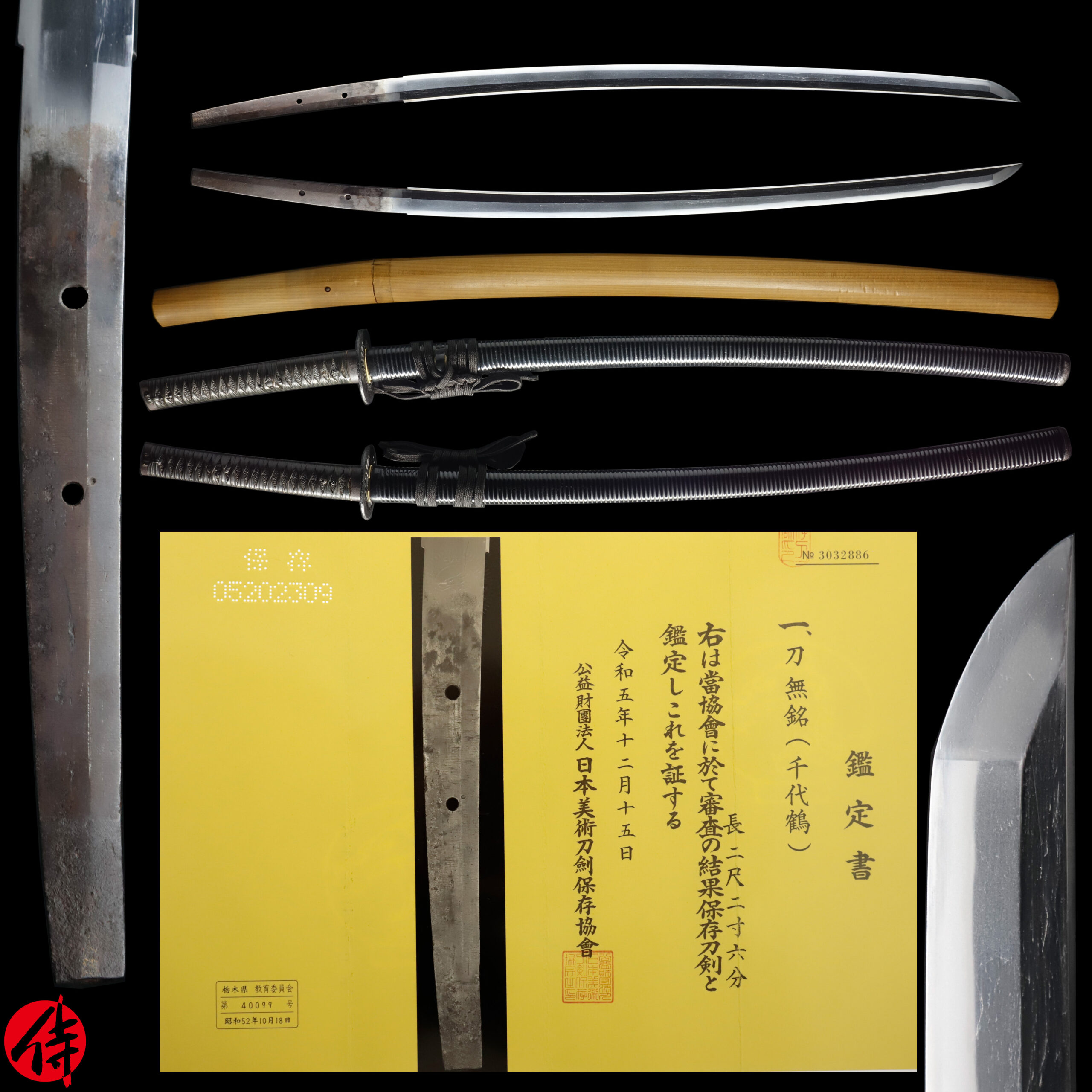
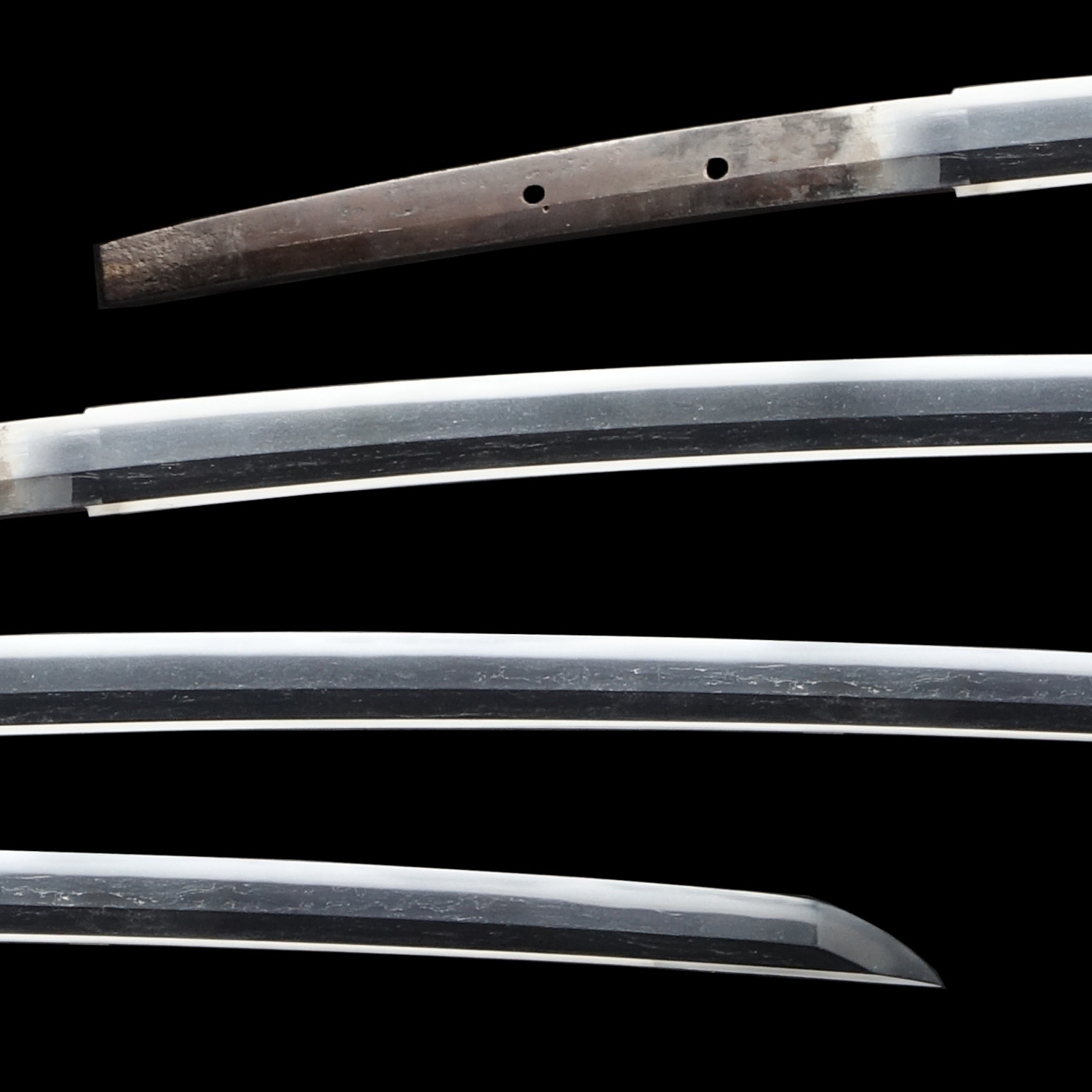
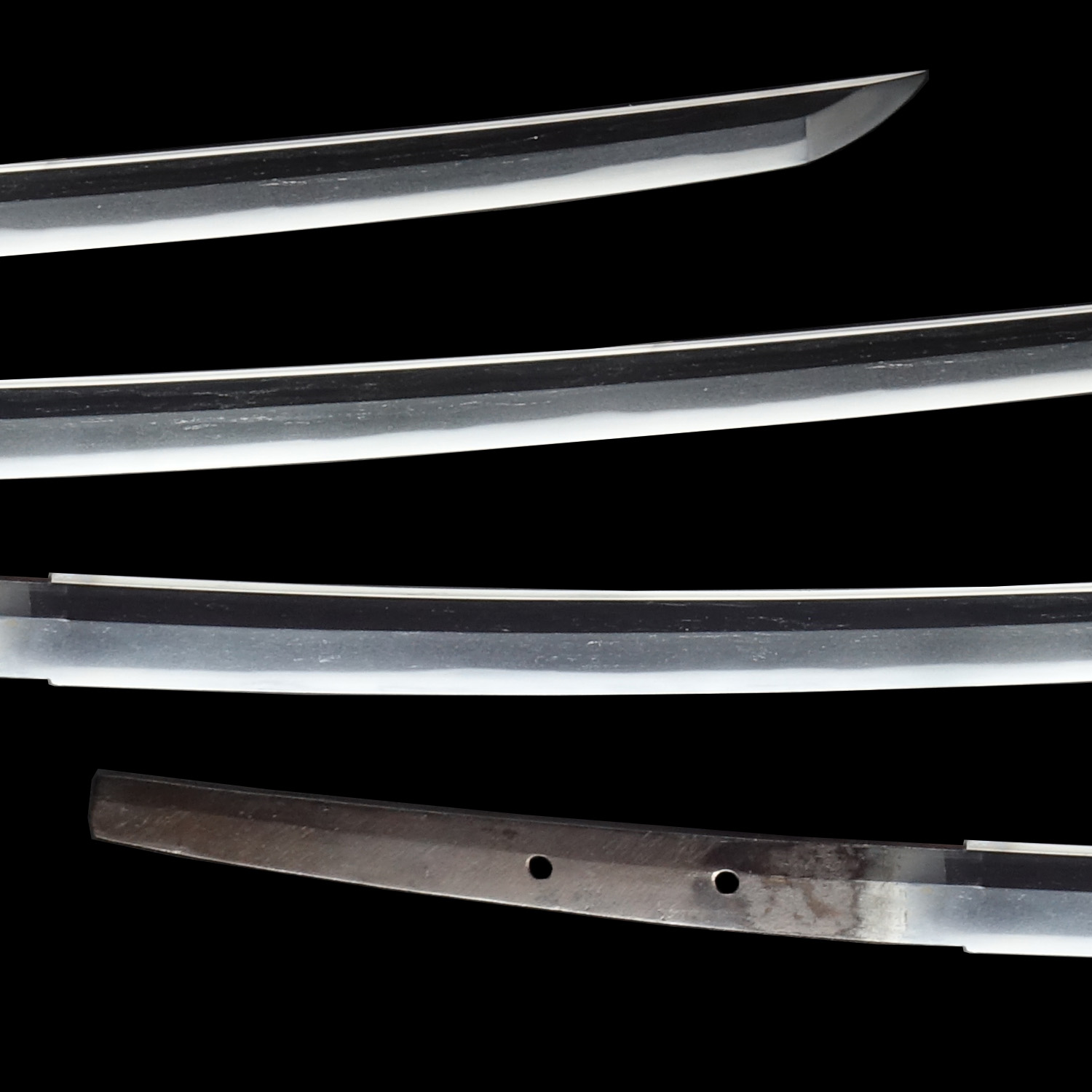
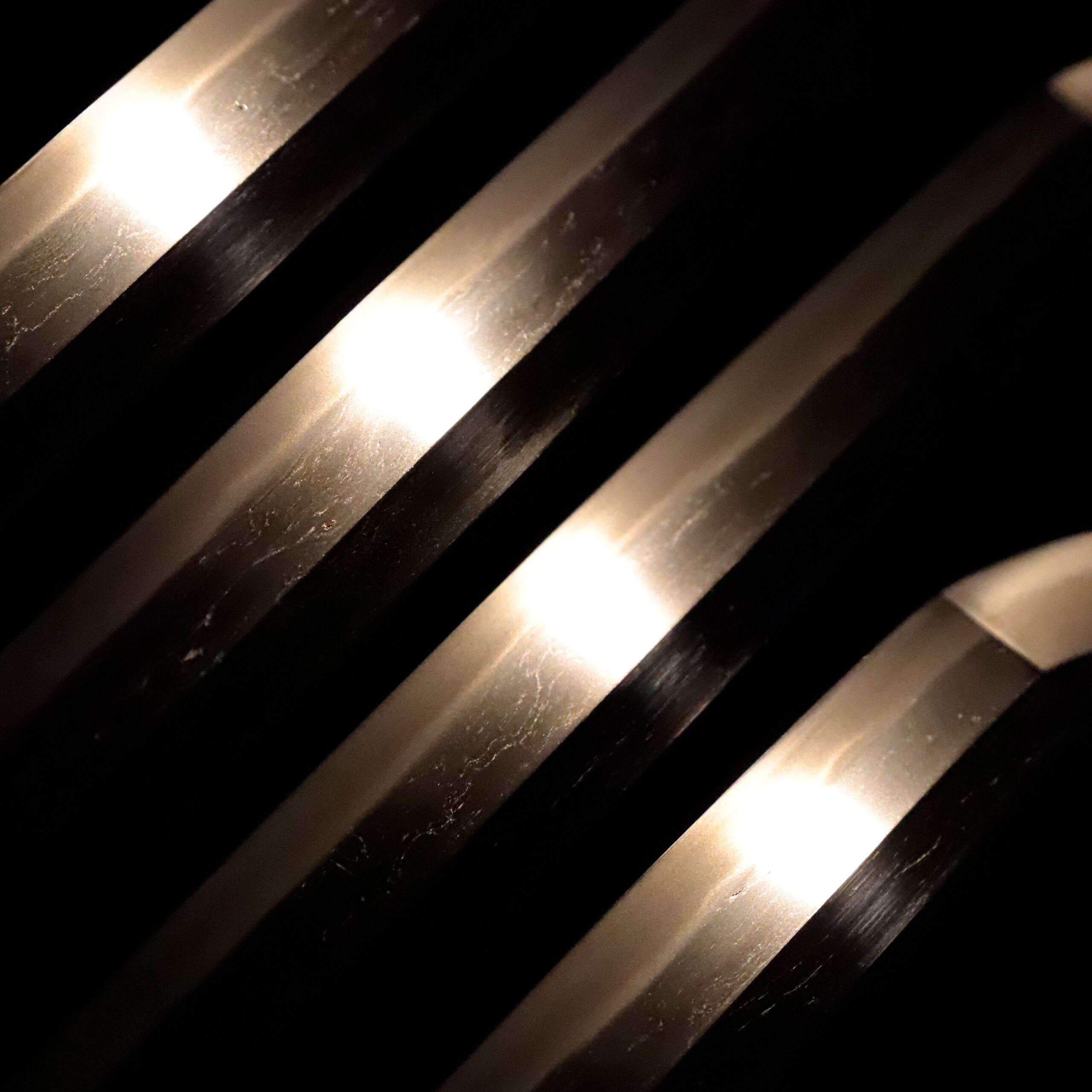
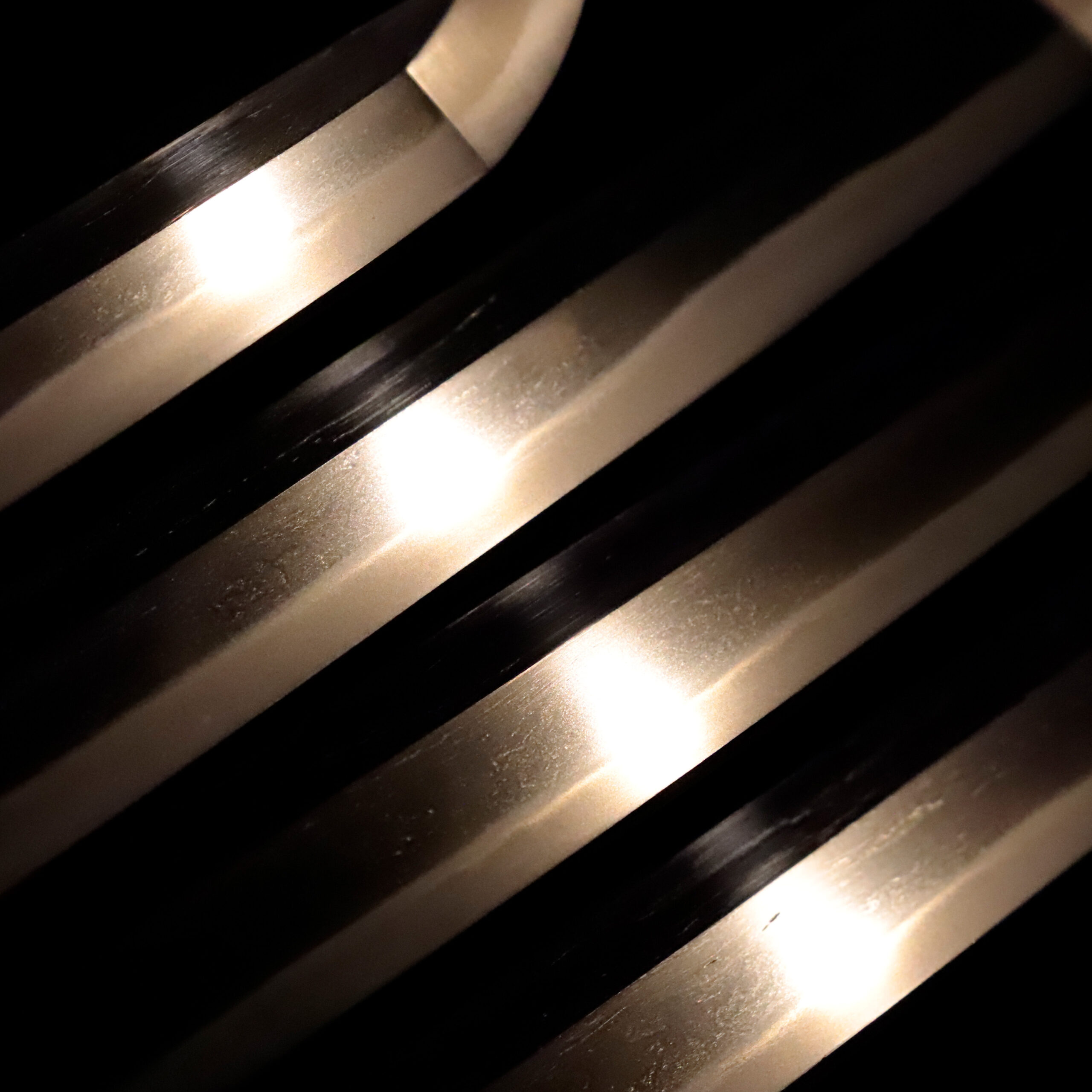
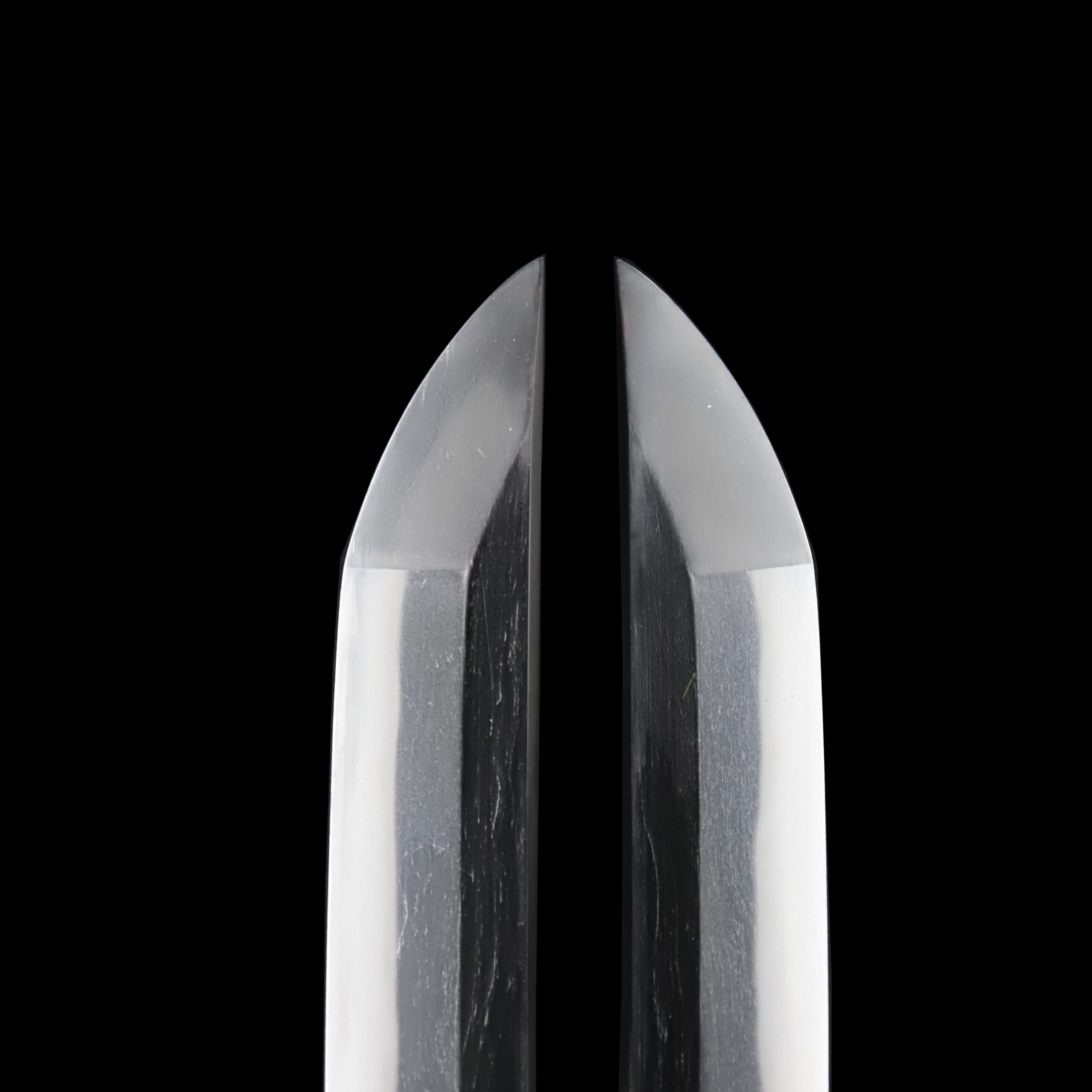
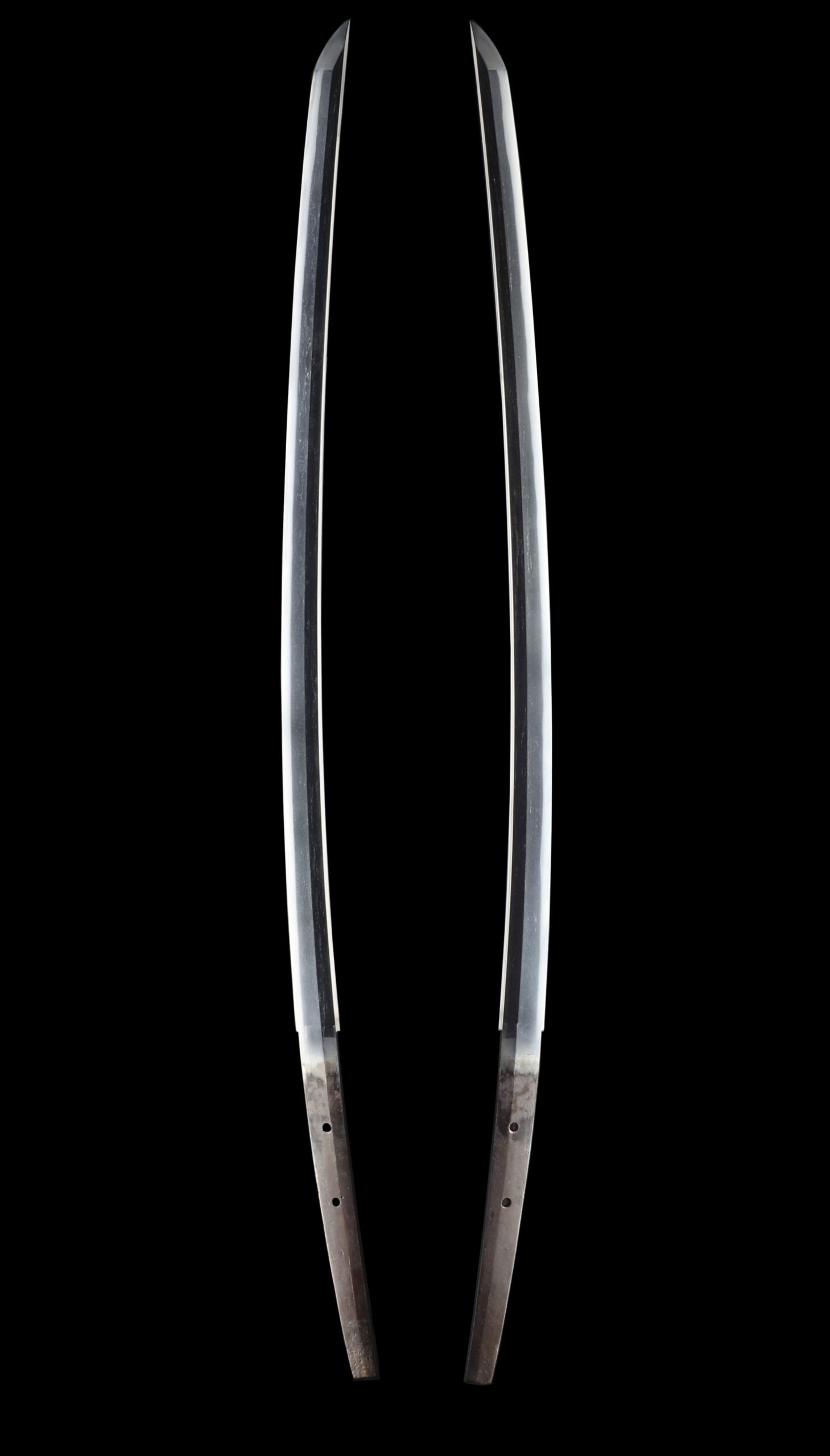
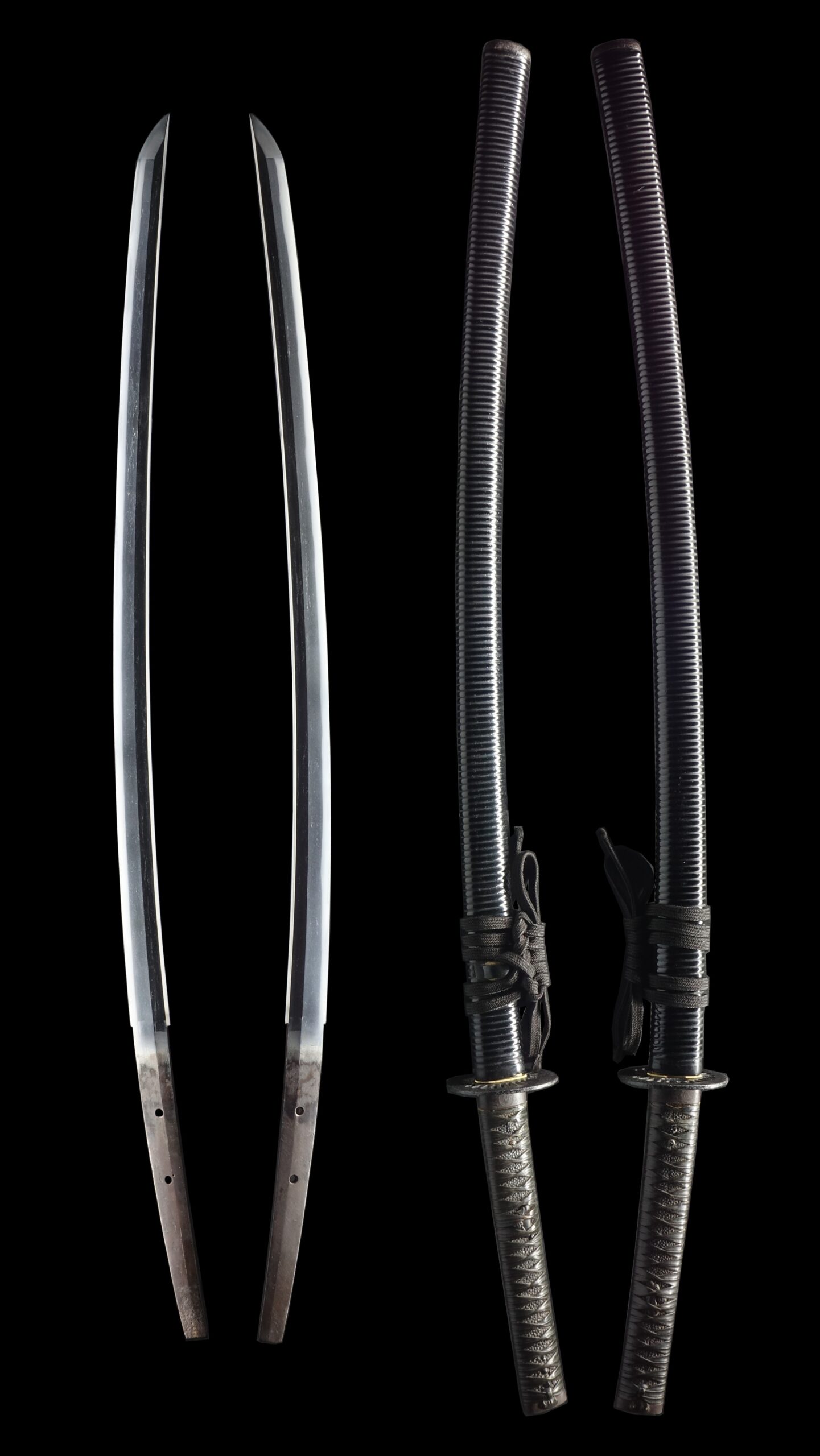
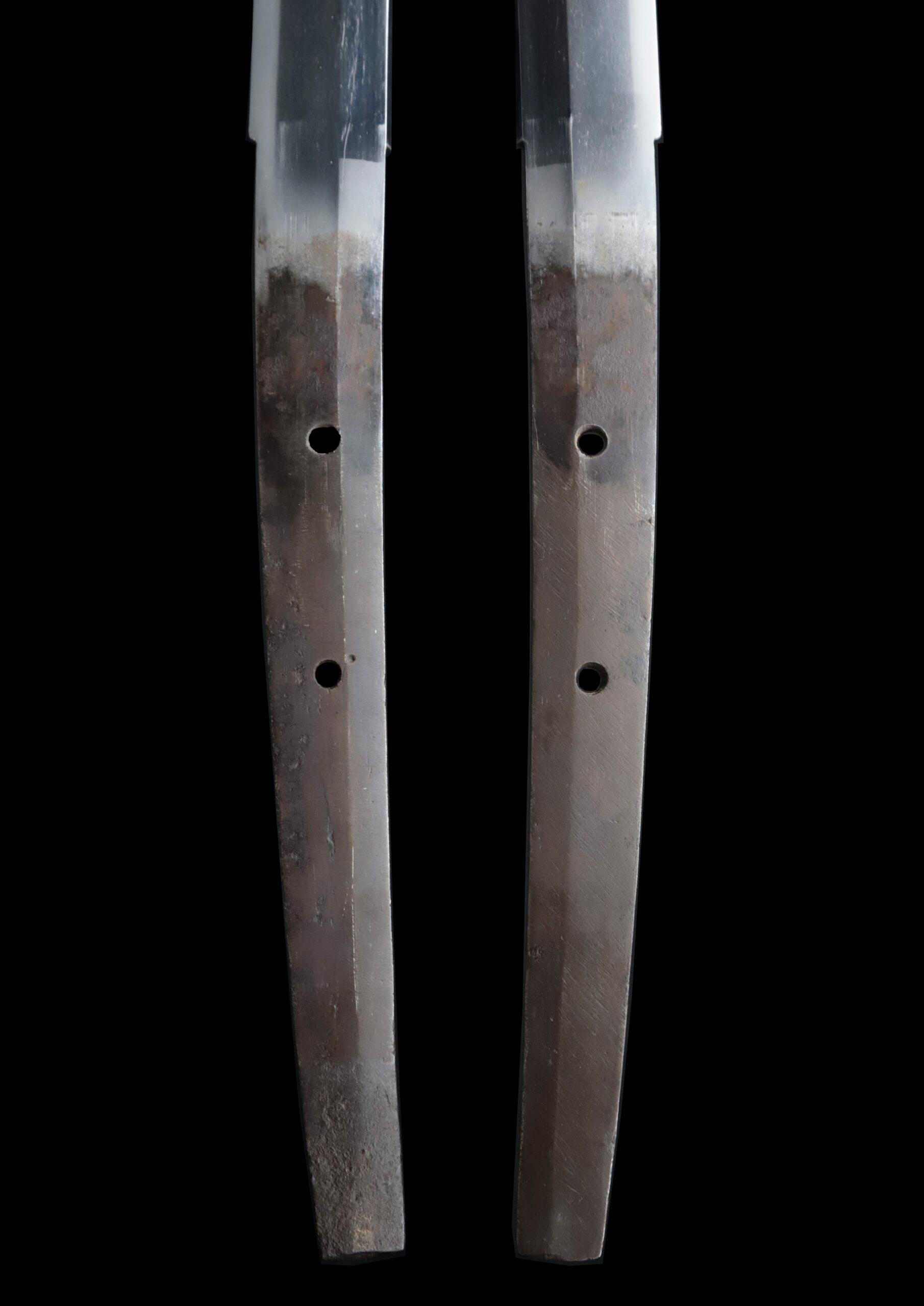
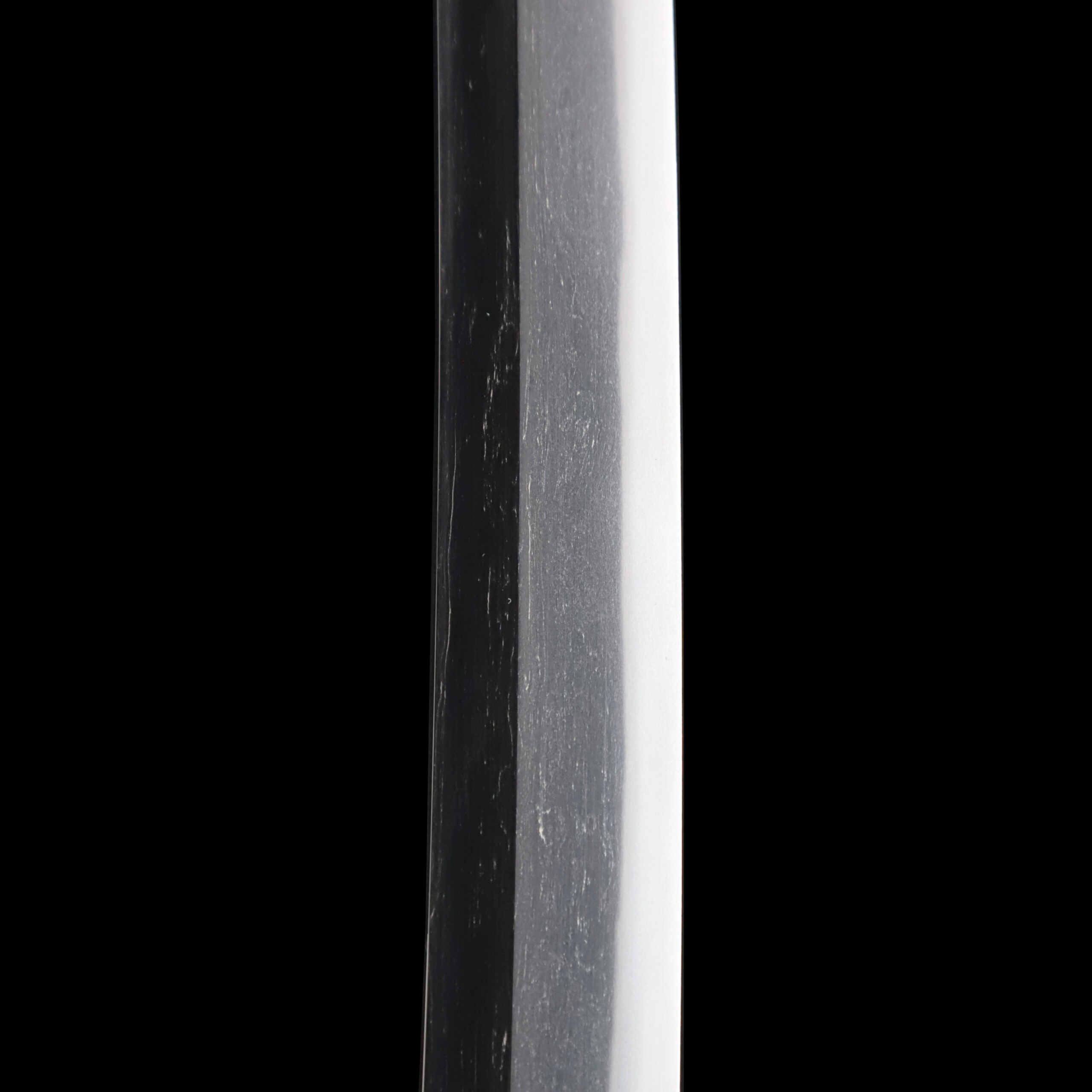
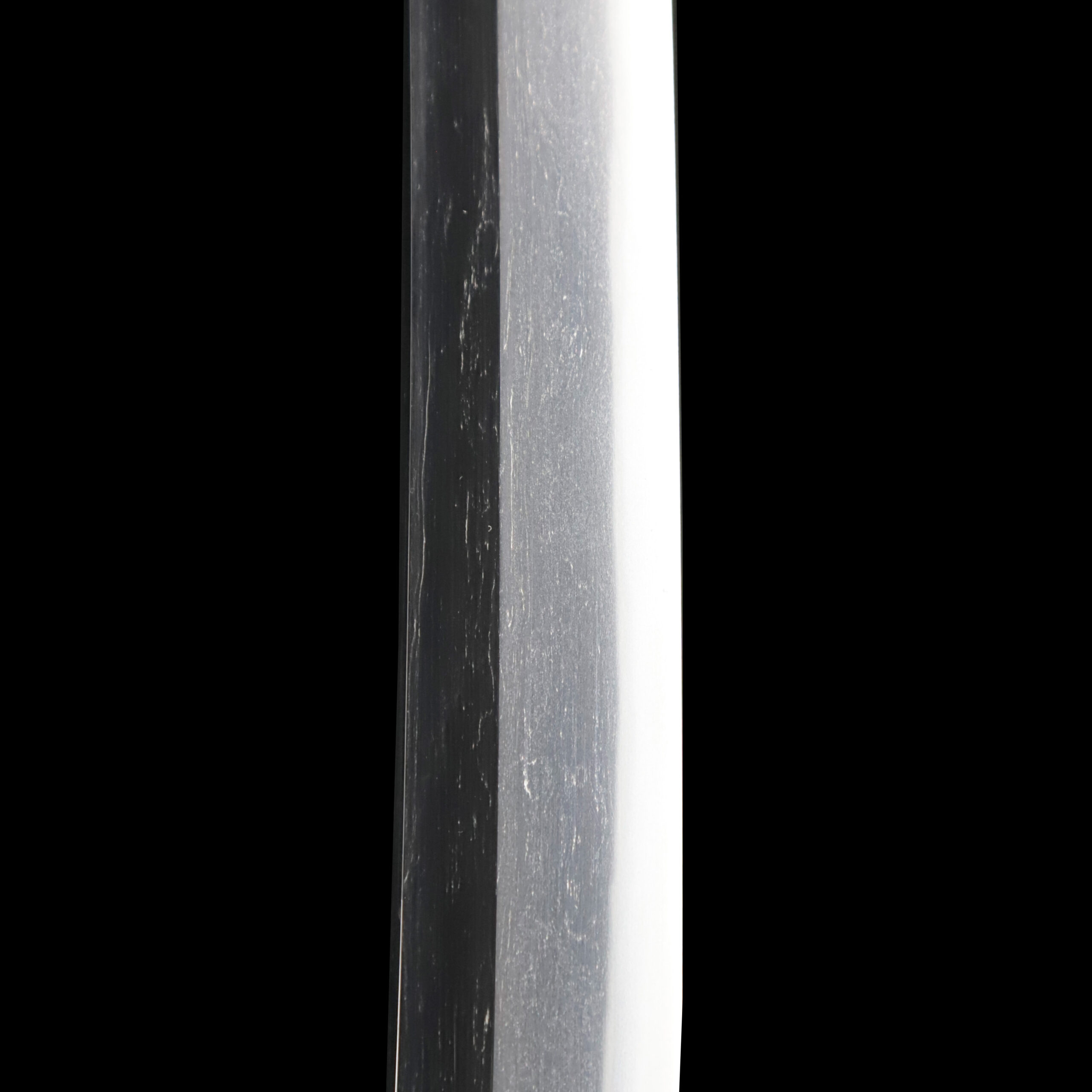
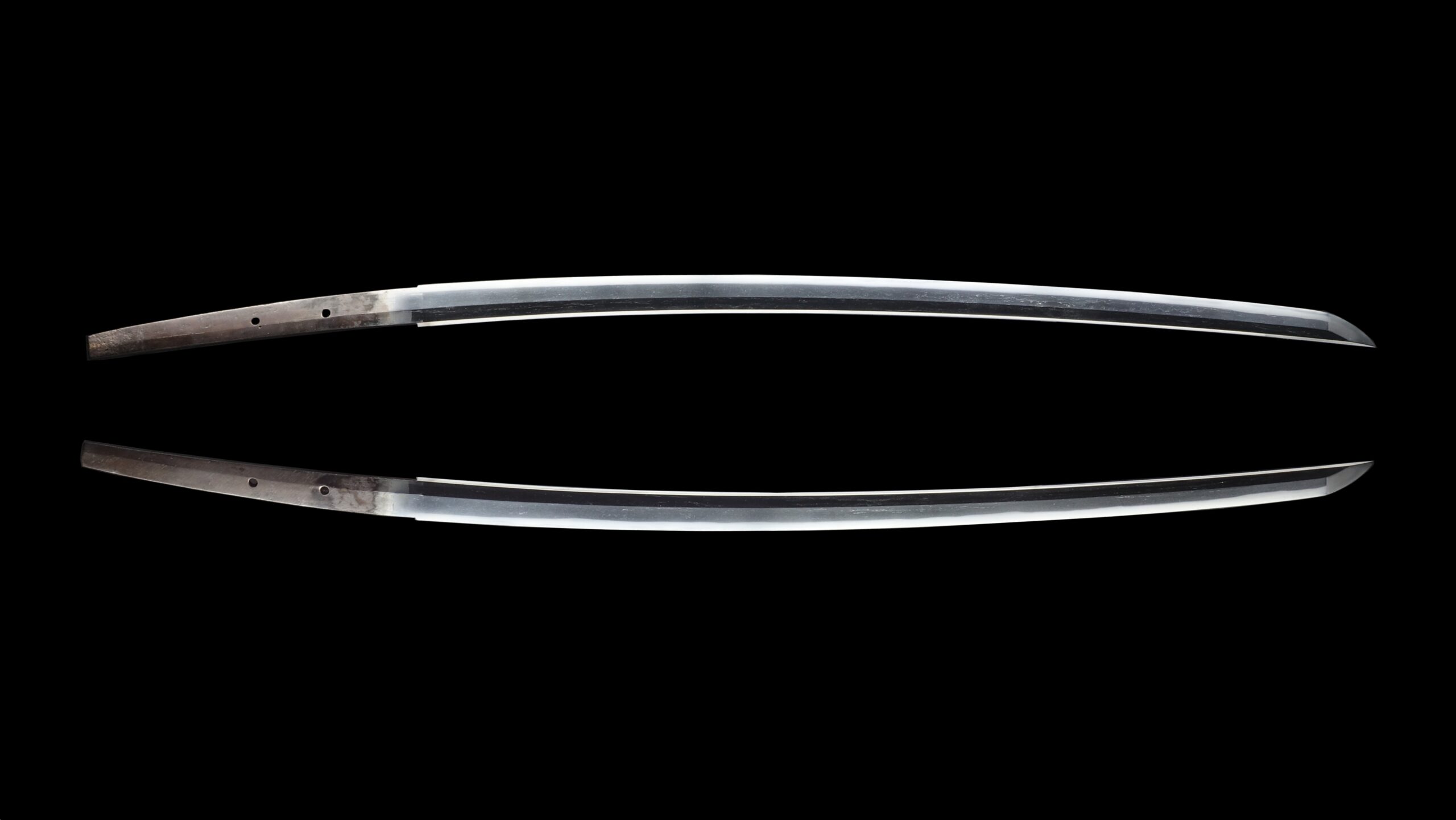
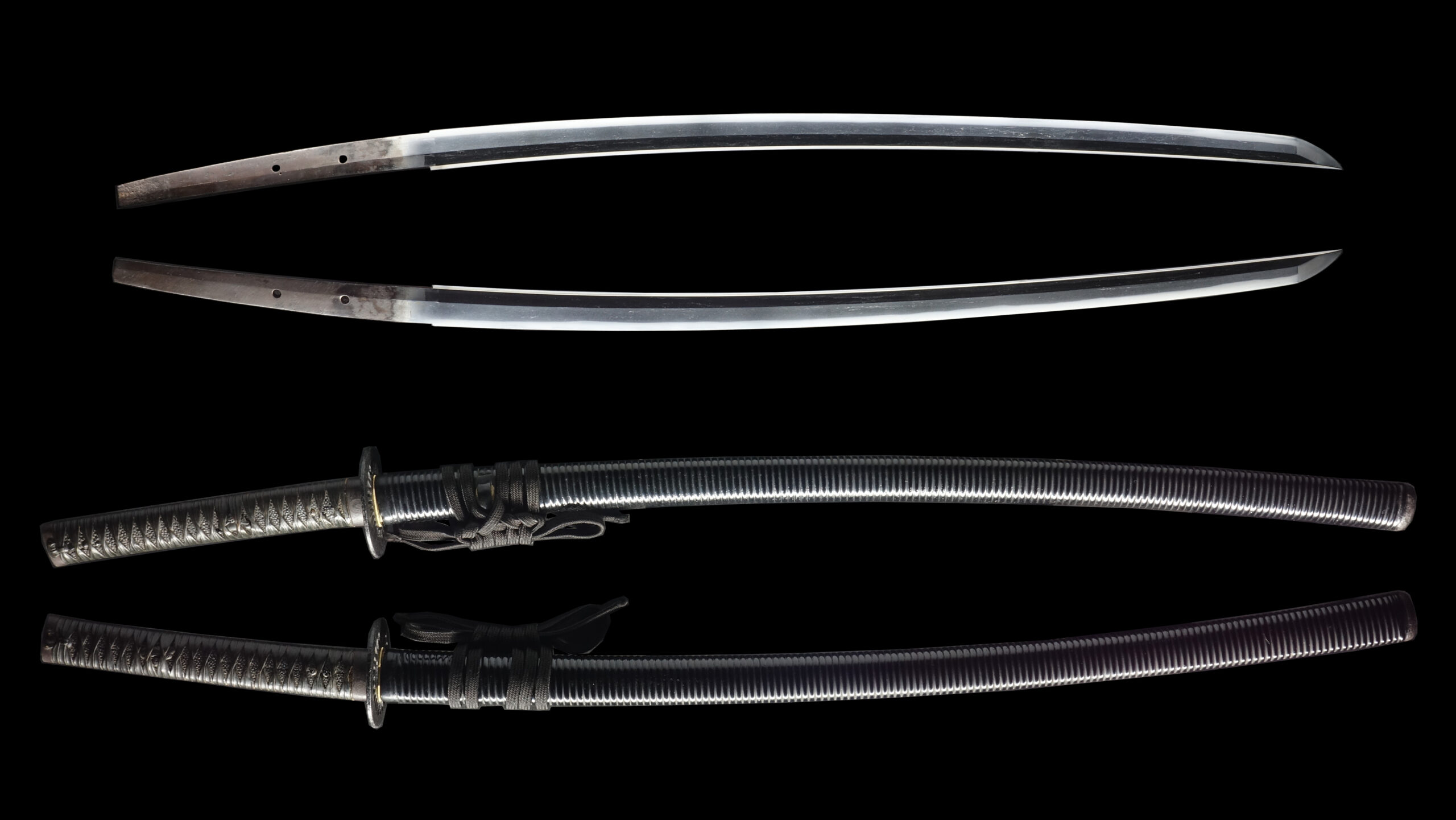
As written by the shop
Yamashiro-den · Echizen
9 pieces on the market now
The Chiyozuru lineage took root in Echizen Province during the Nanbokuchō period, and the setsumei consistently trace its origin to Rai Kuniyasu (来国安). He is said to have been born in Yamashiro Province, with one tradition holding him a grandson of Rai Kunisue; he later moved to Echizen, where the meikan place him around the Jōji and Sadaji eras (ca. 1362 to 1368). A parallel tradition, recorded on the signed tachi attributed to Morihiro, names Chiyozuru Kuniyasu[[c:1]] as a disciple of Rai Kuniyasu and the founder of the line. From this root descend the smiths the blades document: Morihiro (守弘), placed in the Kuniyasu line across two generations, the first set in the Ōei era (1394 to 1428) and the second in the Kakitsu (1441 to 1444) and Bun'an (1444 to 1449) eras; and Mitsuyuki of Tsuruga[[c:2]], recorded as a student of Echizen Kuniyuki and known from a rare Kakei-dated tantō. The Yamashiro inheritance runs through the whole group, even as the workmanship moves away from the Kyoto homeland into a provincial Hokuriku register. Two stylistic strands run through the corpus, and recognizing the hand means reading where a given blade falls between them. The Rai-derived work, seen in the katana attributed to Rai Kuniyasu, shows itame mixed with mokume and nagare-hada, the grain tending to stand (hada-dachi) with thick ji-nie and frequent chikei; the steel carries a whitish or, in places, slightly blackish cast that the setsumei read as a provincial inflection of Yamashiro.
The hamon on these is a chū-suguha mixed with ko-gunome, the edge breaking into hotsure, kuichigai-ba, and nijūba, with ashi, yō, kinsuji, and sunagashi running through and a bright nioiguchi; the bōshi enters midare-komi or shallow notare-komi, turning in ko-maru with hakikake, at times vigorous enough to give a flame-like (kaen) impression. The Morihiro strand turns toward a gunome-based midareba with a chōji tendency, tobiyaki, and muneyaki, the forging moving toward masame near the edge; the setsumei mark this gunome-toned, nie-laden manner as differing in character from the Rai style and proper to the later line. For kantei, the setsumei set the diagnostic problem plainly: a Chiyozuru blade can at first glance resemble the orthodox Yamashiro Rai work, particularly around Rai Kunimitsu, yet careful reading of the standing grain, the whitish or blackish jigane, and the rustic activity in the bōshi beyond what the Kyoto homeland shows directs the attribution to Echizen. The boldest Nanbokuchō pieces, wide in mihaba with ō-kissaki and muneyaki, invite comparison with Hokuriku contemporaries such as Etchū Tametsugu (越中為継), but the character of ji and ha keeps them within the Chiyozuru fold. Signed examples anchor the line: Morihiro tachi and a Kakitsu 1 (1441) dated wakizashi carrying his Tōzaemon no Jō name, and the Mitsuyuki tantō whose Kakei date makes it documentary material of high value, dated works of the group being extremely scarce. The Morihiro tachi of Jūyō-Bijutsuhin standing is recorded in the Kōzan Oshigata, Kokon Kajibikō, and Kantō Zuiroku. Across the corpus the line holds a distinct place among Nanbokuchō and early Muromachi Hokuriku smiths, carrying a Yamashiro pedigree into a workmanship the appraisers read as its own. Learn more →
| Smith | Era | Designated |
|---|---|---|
| Kuniyasu國安 | 1345-1350 | 4 |
| Ieyoshi家善 | 1487-1489 | 0 |
| Kagemori景守 | 1394-1428 | 0 |
| Munemitsu宗光 | 1441-1444 | 0 |
| Iemasa家正 | 1492-1501 | 0 |
The Muromachi period (1392 to 1573)
Muromachi turned sword making into an industry: the uchigatana rose with massed infantry warfare, Osafune and Seki produced bundle swords beside custom orders, and the Ming trade carried Japanese blades abroad by the tens of thousands.
Certifies a genuine blade worth preserving: a signature confirmed correct, or, if unsigned, an era, province, and school that the NBTHK can reliably identify.
The NBTHK (Nihon Bijutsu Tōken Hozon Kyōkai, the Society for the Preservation of Japanese Art Swords) is a public-interest incorporated foundation founded in 1948 and supervised by Japan’s Agency for Cultural Affairs (Bunkachō); it is based at the Japanese Sword Museum in Tokyo. Its expert panels physically examine each submitted work (shinsa) and issue a certificate (kanteishō) ranking it by artistic and historical merit. NBTHK papers are the most widely recognized standard of authentication for Japanese swords and fittings.
NBTHK official siteReturns/exchanges limited to defects caused by shipping (except willful misconduct or gross negligence by the company); customers must contact within 72 hours of receiving the product.