After the Ōnin War broke the Ashikaga order, a century of Sengoku warfare armed nearly every province in Japan. The era rewards a discriminating eye: routine work exists in quantity, and beside it stand custom blades of the first rank.
 NihontoWatchNihontoWatch
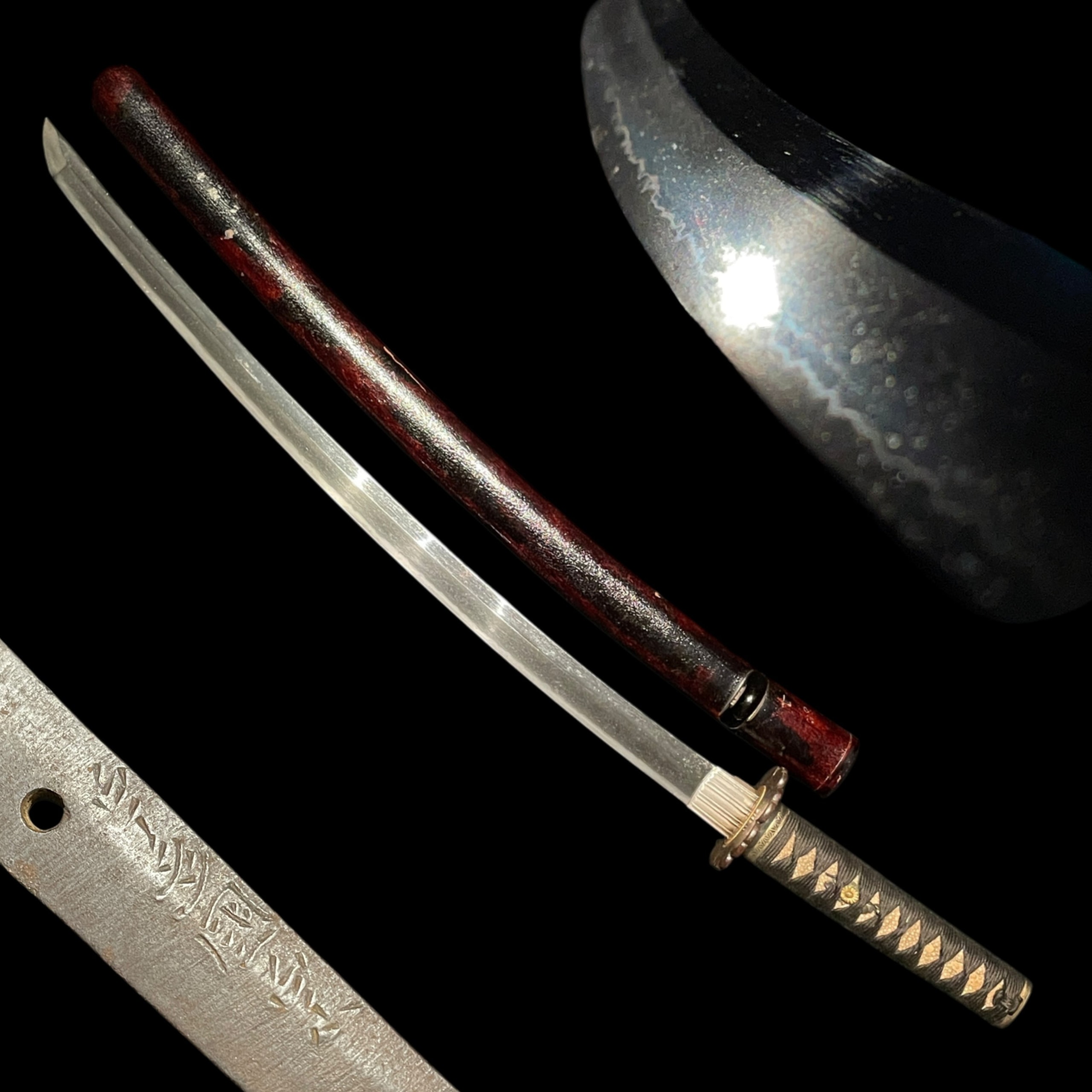
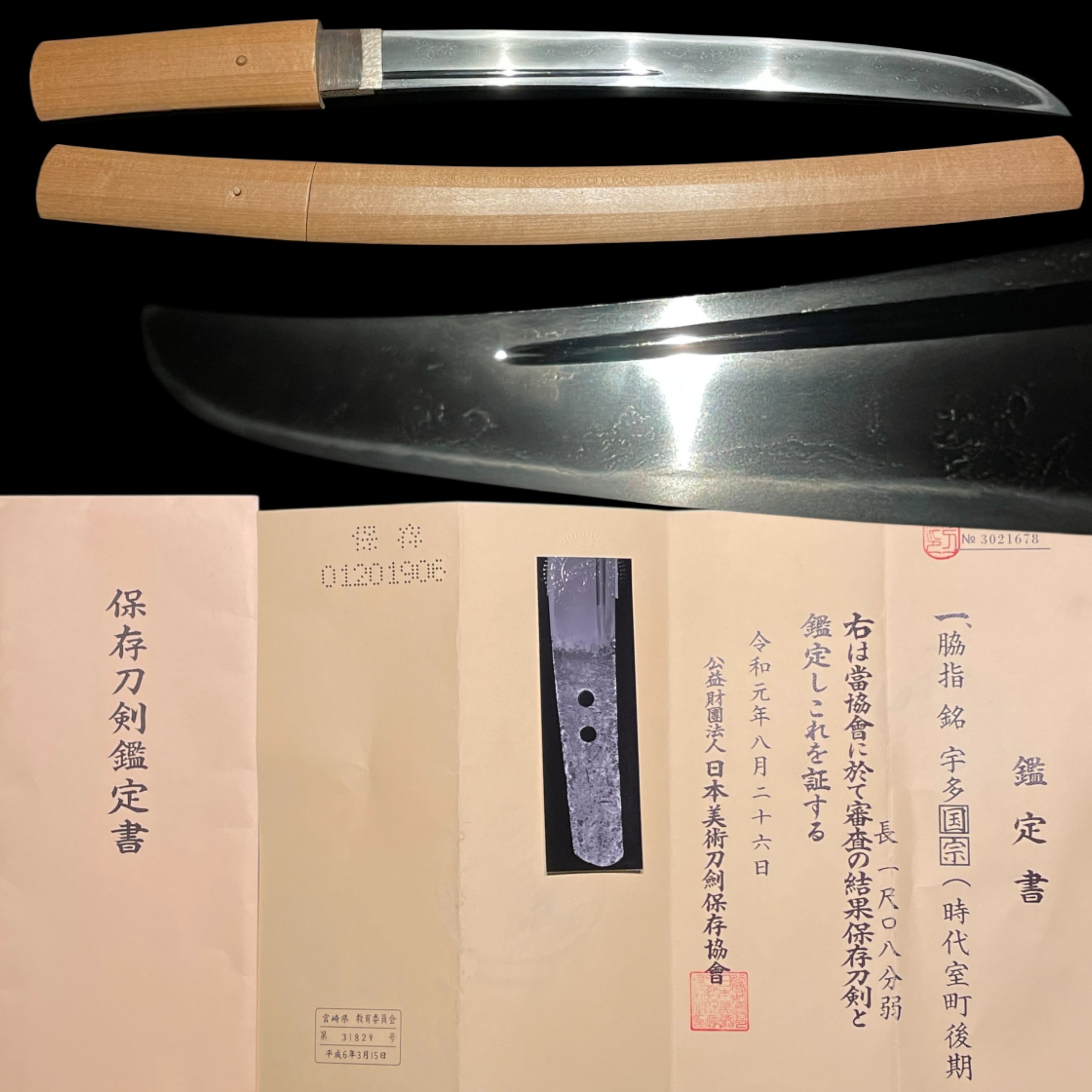
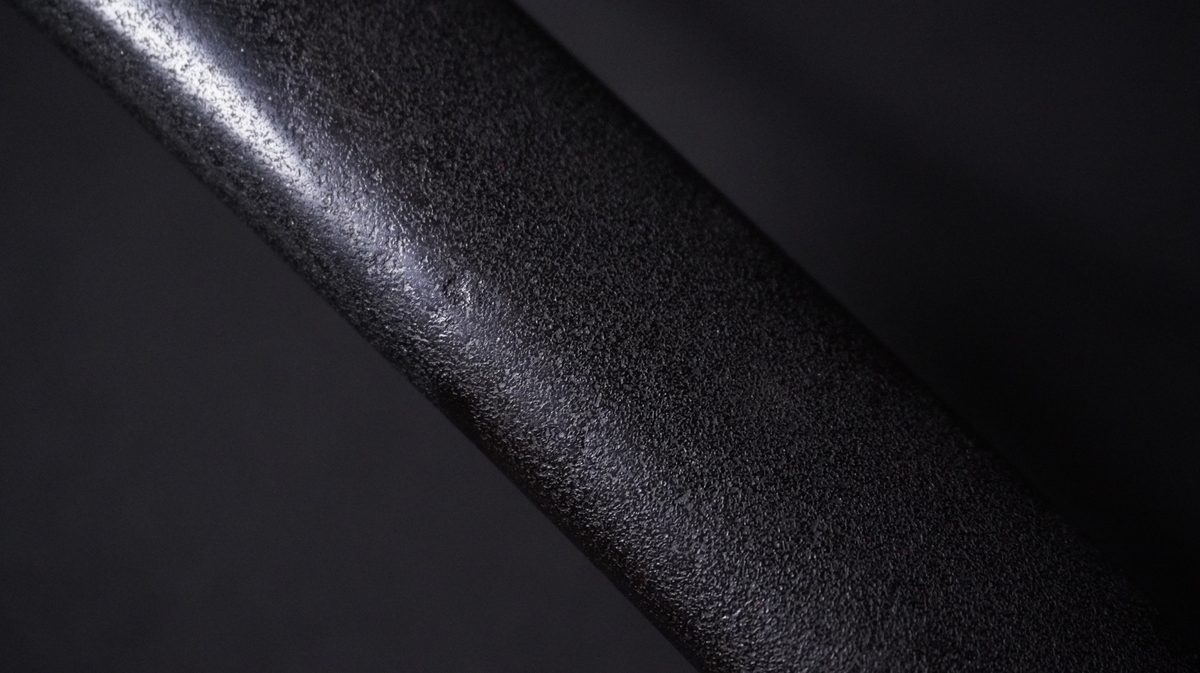
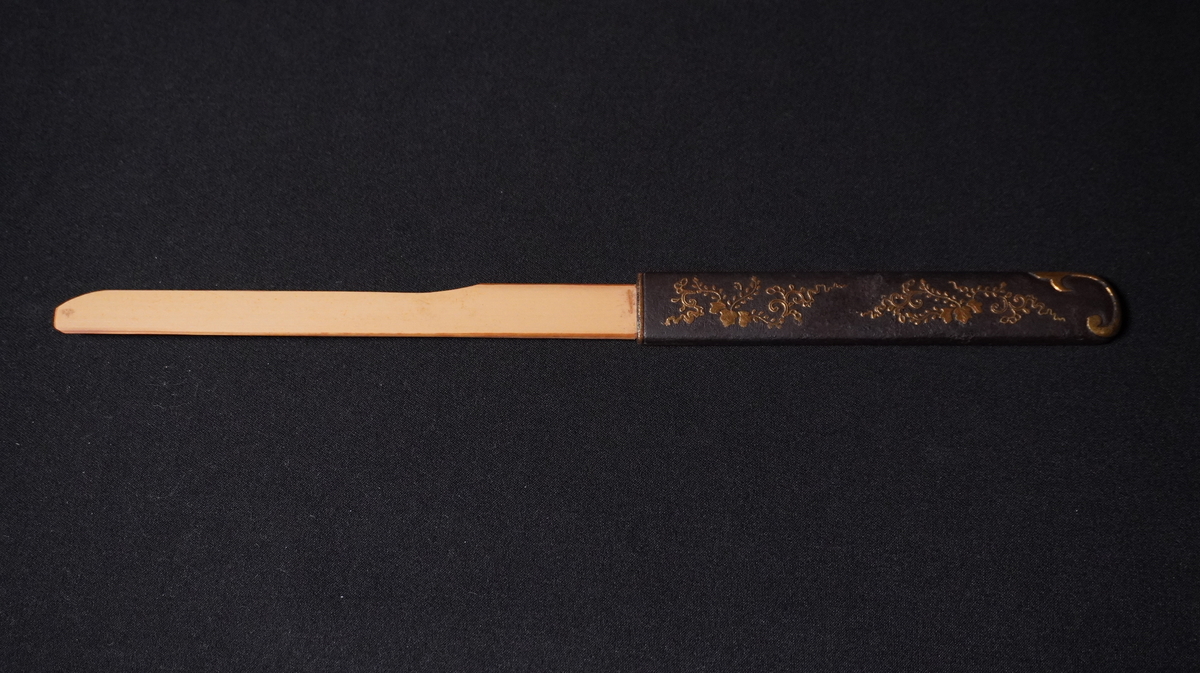
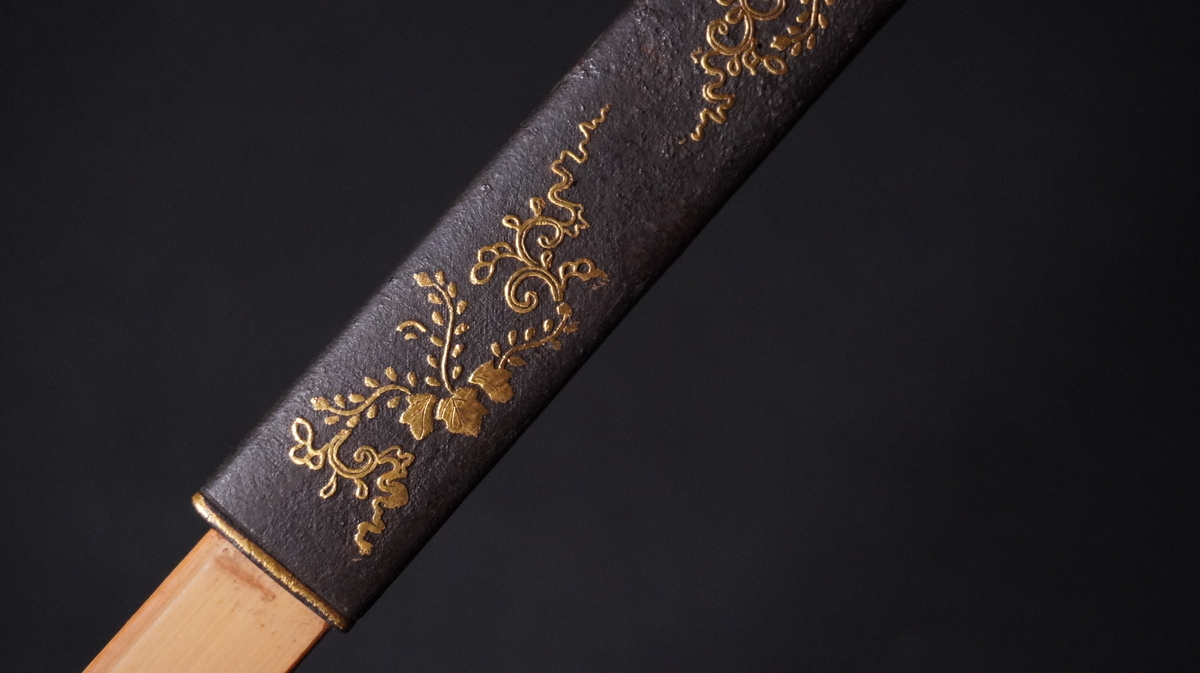
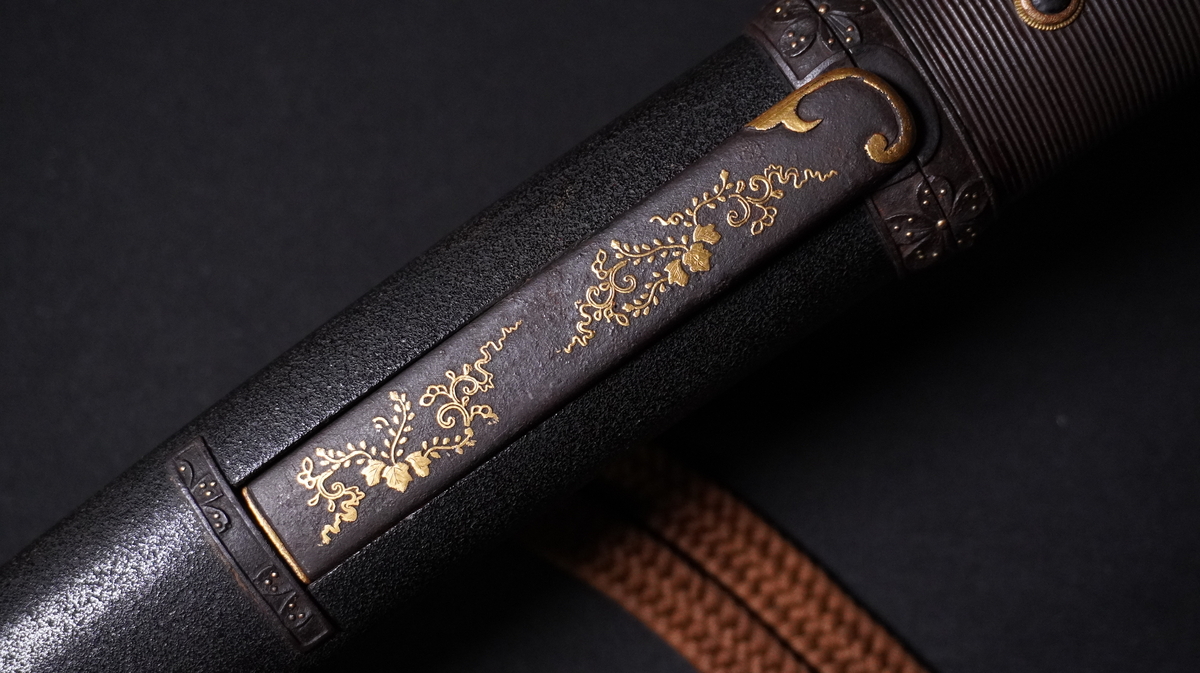
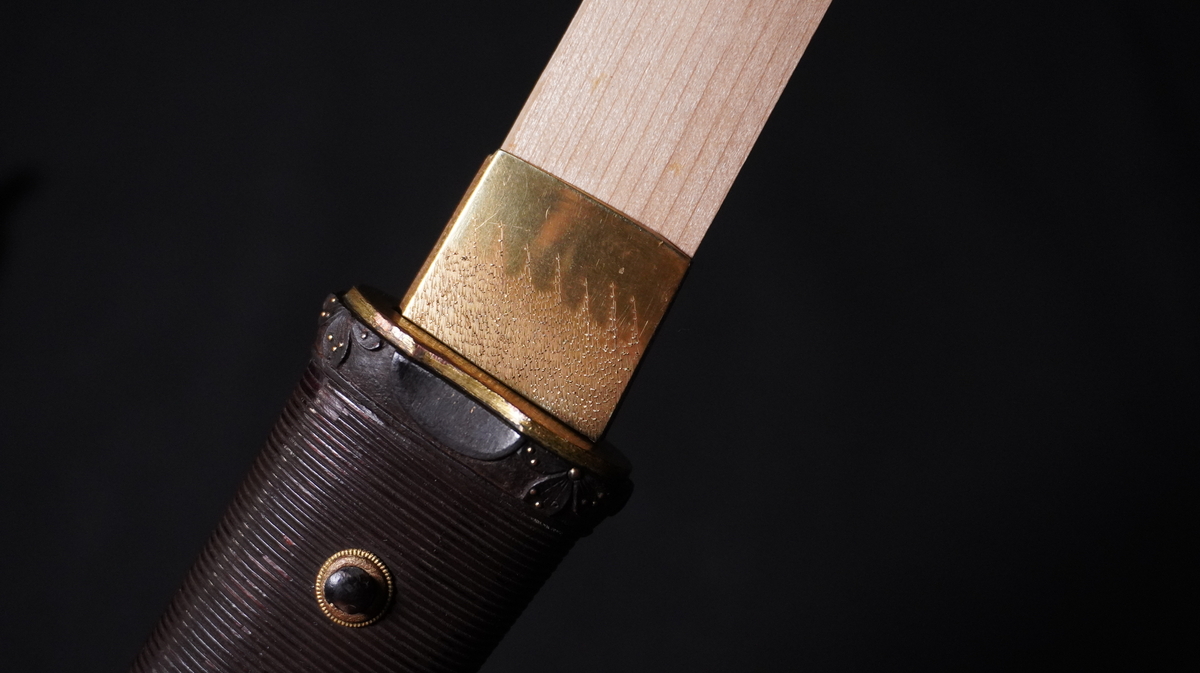
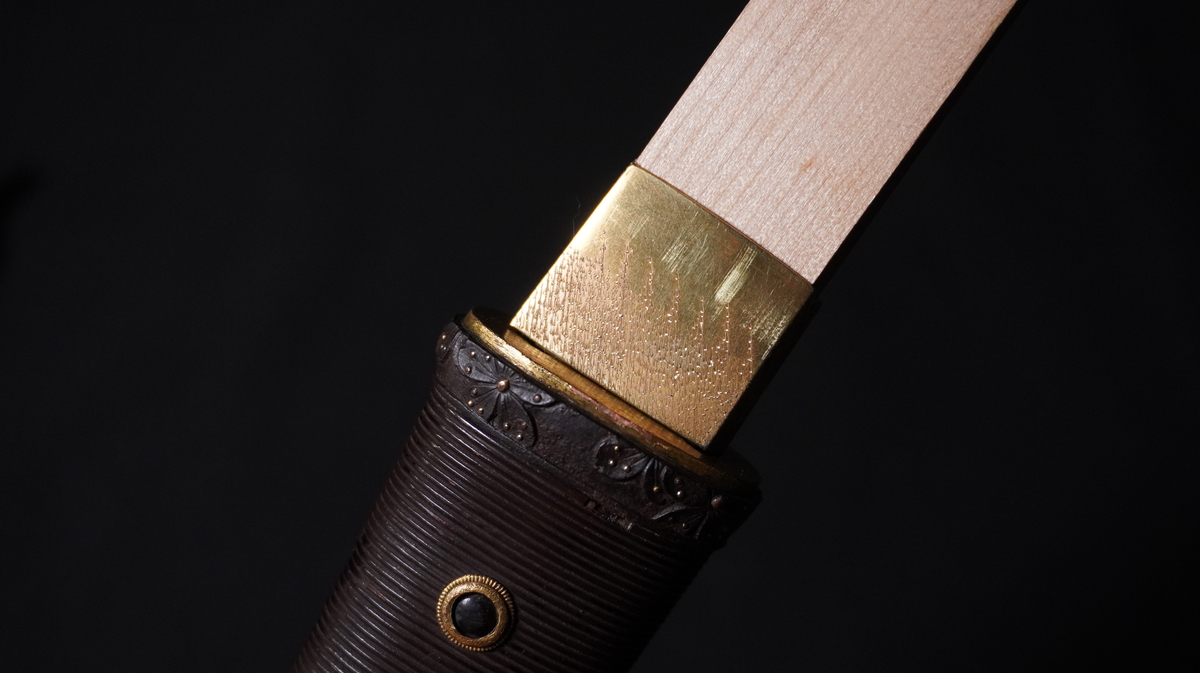
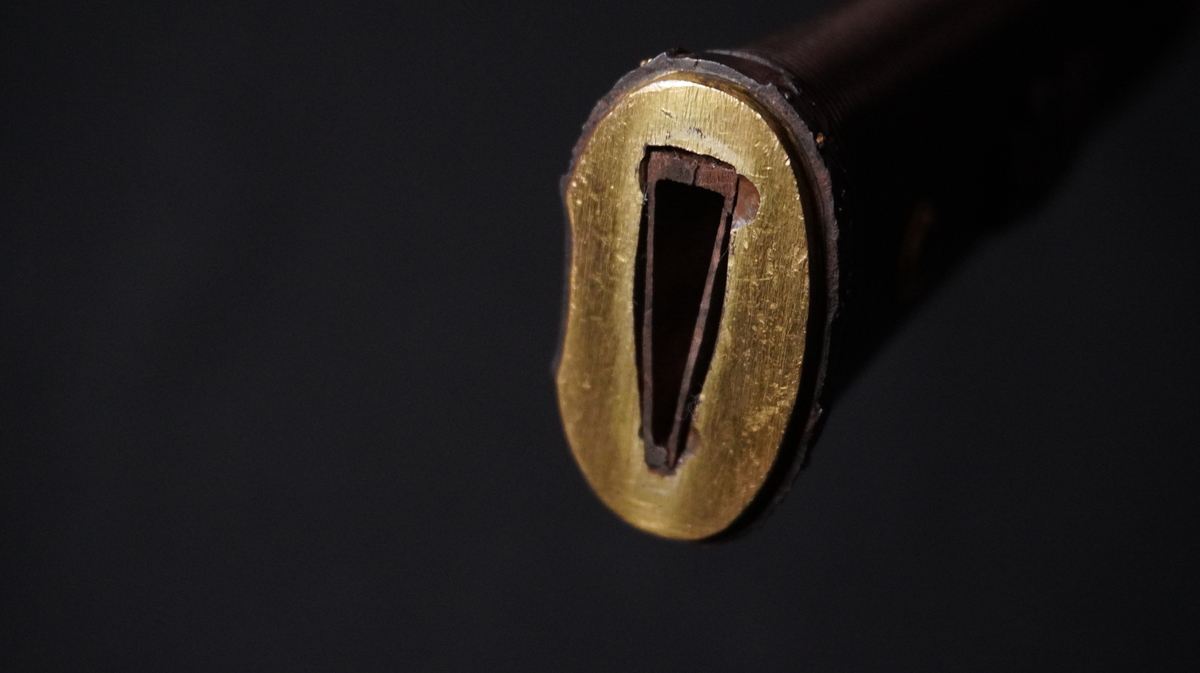
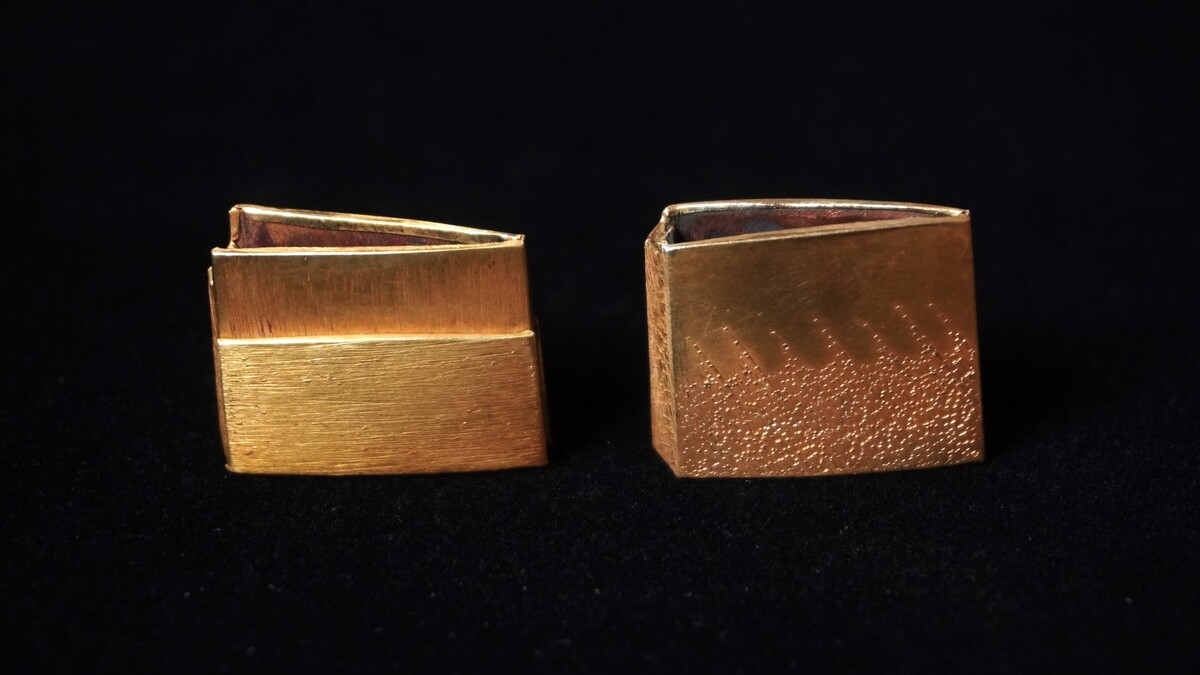
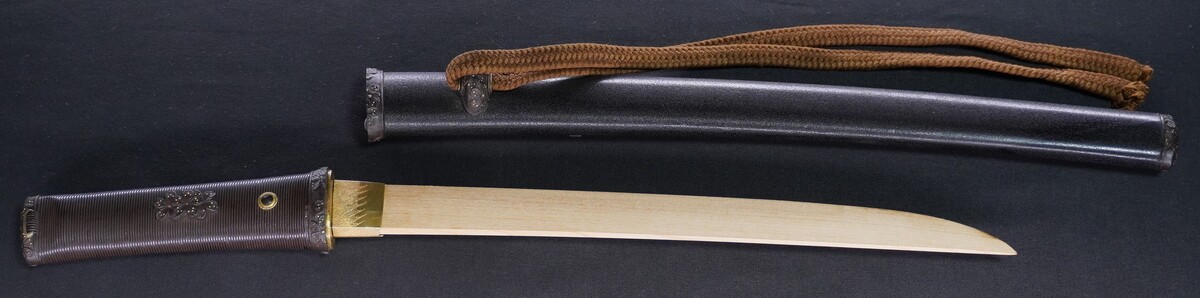
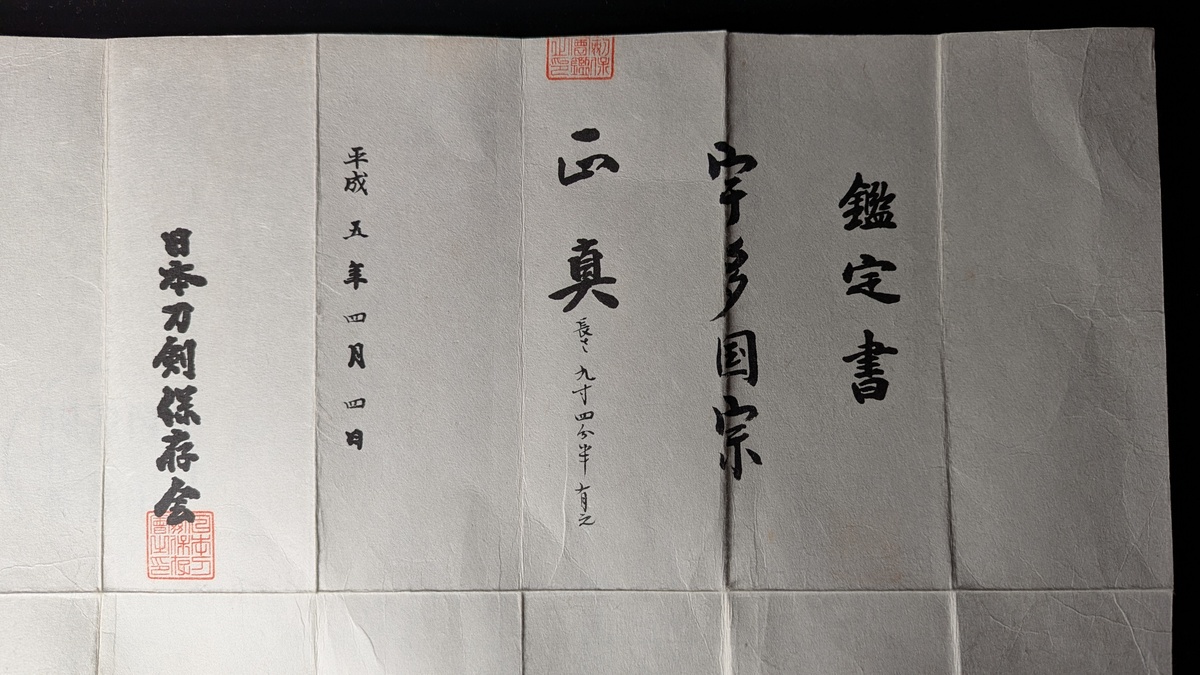
宇多国宗は越中宇多派の祖である国光の子、国房の弟。「泛塵」で知られる国次の兄弟。 国宗は名工として知られ、宇多派の中でも評価が高い一人です。 本刀は在銘の寸伸び短刀。刃文は直刃。鑑定書では地鉄は板目と記載されていますが、銘木を見るような杢が見所の一つかなと個人的には感じます。寸伸び短刀ならではの伸びやかな平造りで、この素晴らしい地鉄をたっぷり鑑賞できます。 もう一つの魅力は拵です。大変出来が良く、保存状態の良い藤巻の合口拵が付属します。 シックな色合いに鉄金具。いずれも桜花をあしらった金具一作です。金象嵌がアクセントで地味になりすぎず上品に仕上がっていて、拵だけでも十分独り歩きできる代物です。時代の拵にしては鞘も痛みが少なく、大切に保管されていたことが伺えます。 白鞘も材料こそ一般的ですが、美品で出来も良いです。 珍しく白鞘用の金着せ二重鎺と拵用の金着せ鎺、二つ付属します。悪い骨董屋であれば木鎺を作って一つは別に売り払うかもしれませんが、当店ではそのような真似はしませんので、それも込みの価格となっております。ご承知おきください。 古研ぎですので、微細な刃毀れ、ヒケ、鎺元に油染みございますので、写真にて詳細ご確認頂ければと思います。
NihontoWatchOffered by Katana Yamadaiya
This piece has sold
25 on the market
Get an email when a new Uda Kunimune piece hits the market.


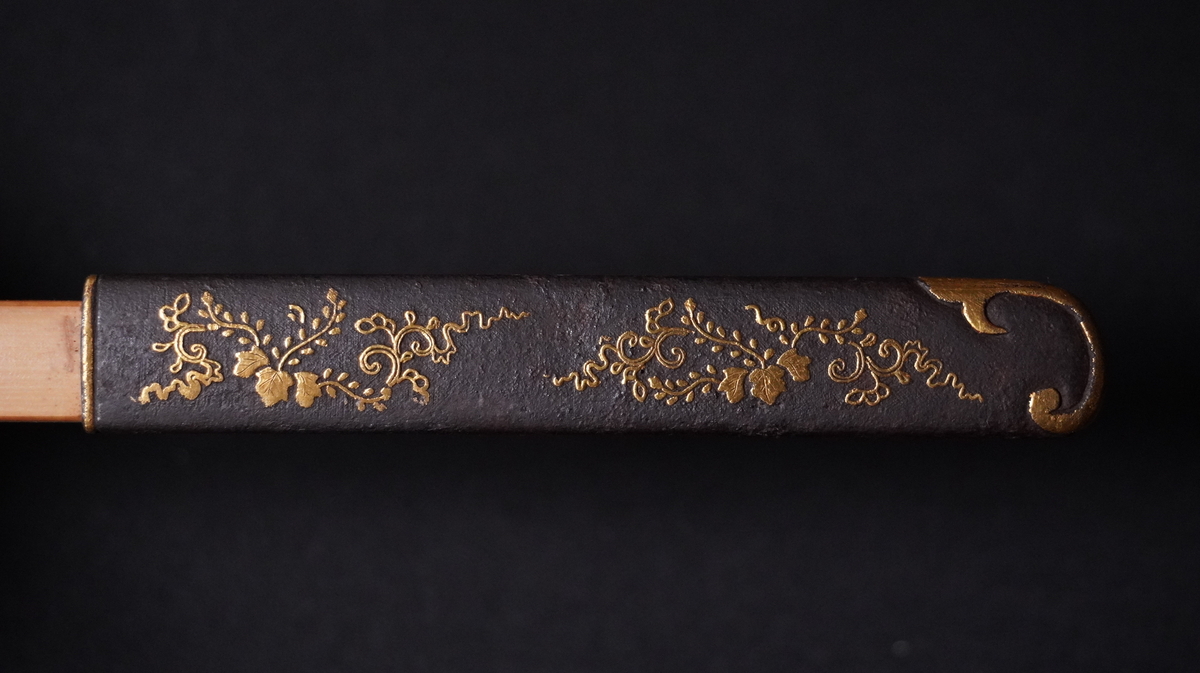
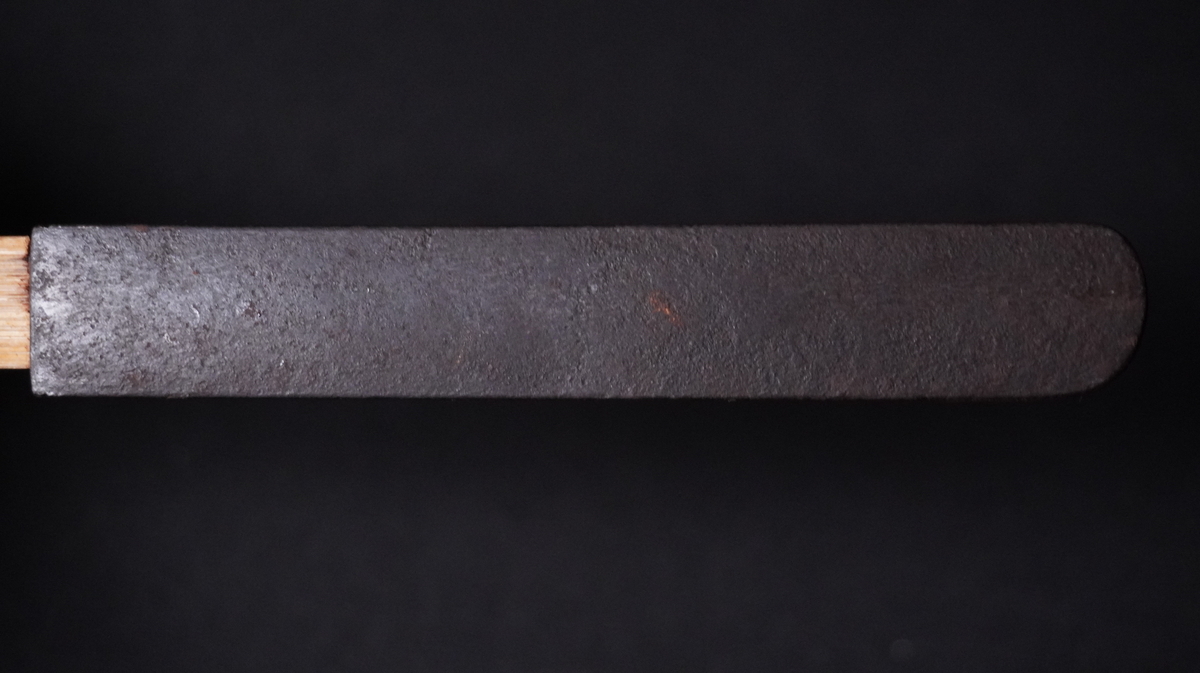
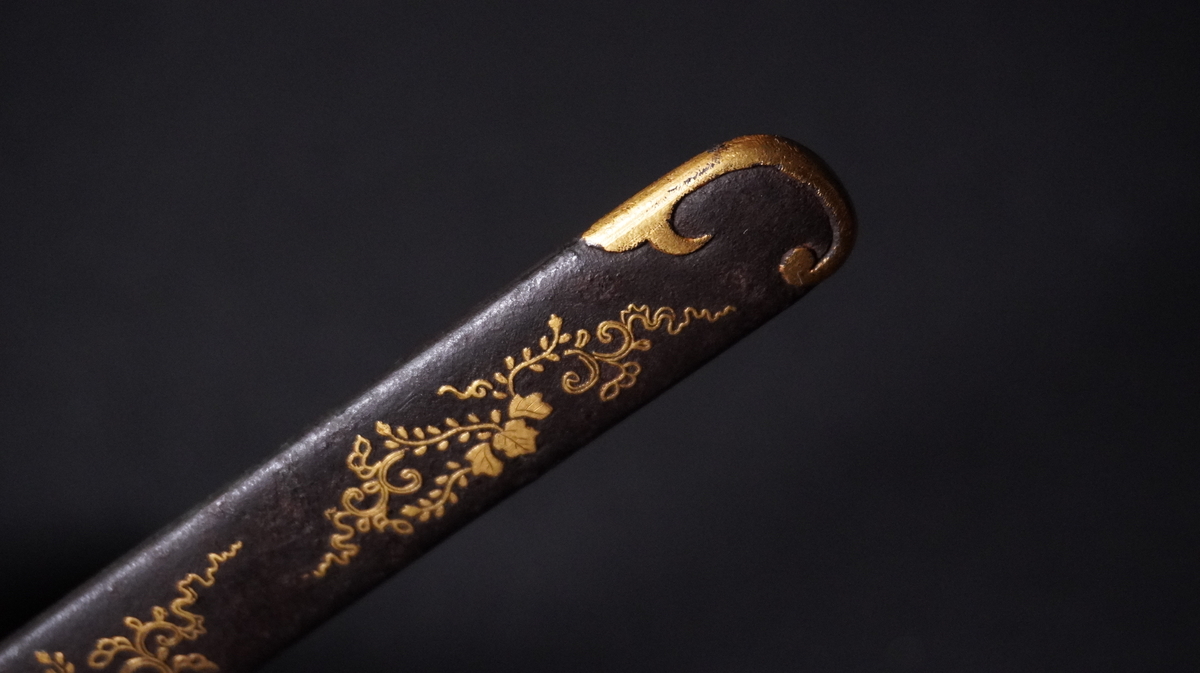
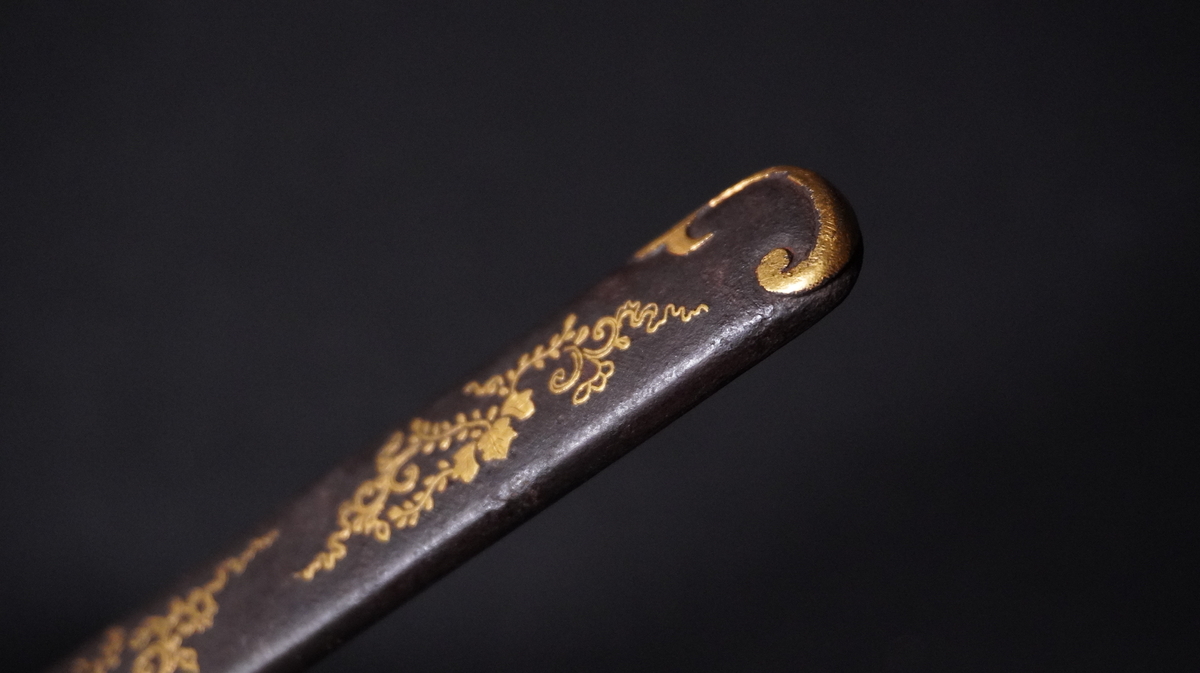


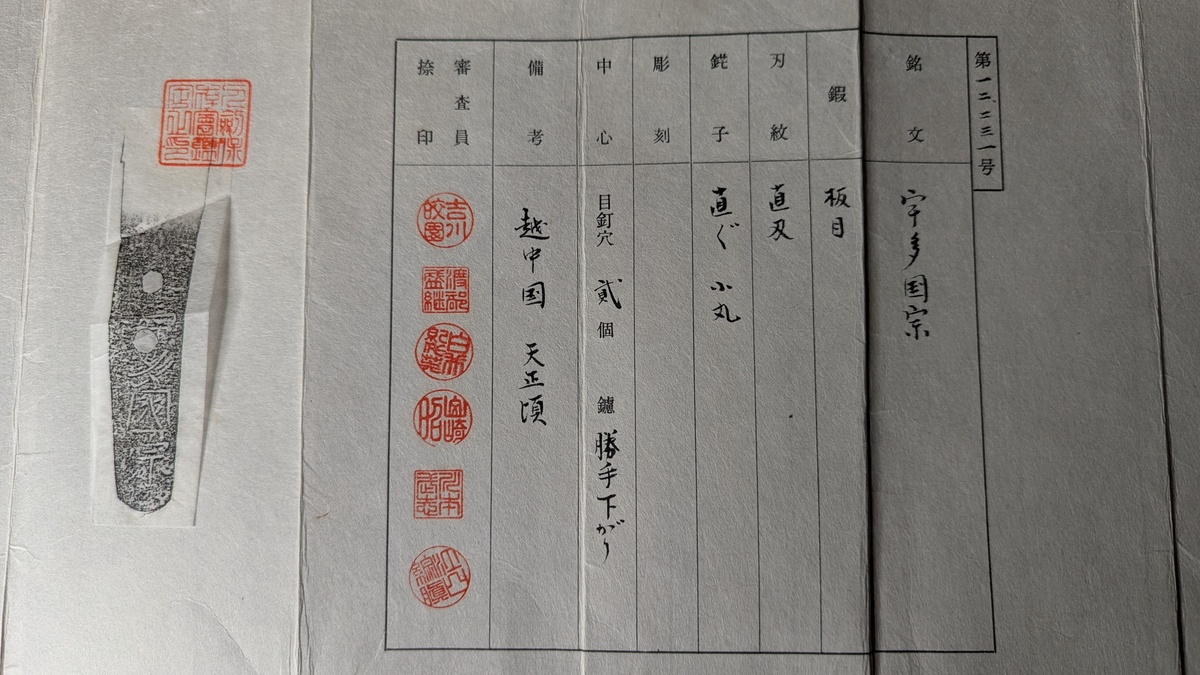
As written by the shop
Uda (Etchū), Yamato-derived · Etchu · around 1429-1479
Fujishiro Jo saku · Tōken Taikan top 60%
A signed Uda Kunimune katana carries the date Bunmei 11 (1479) on the reverse of a tang that has only very slightly been moved up at the machi, and the published sources call it valuable material for research into the smith and his school, sound in both ji and ha[[c:1]]. Kunimune is one of the core names of the Etchū Uda school. That school, the published sources record, was founded around the Bunpō era at the end of the Kamakura period, when Ko-Nyūdō Kunimitsu moved north from Uda District in Yamato to Etchū, and it flourished thereafter through the Muromachi period. The first-generation Kunimune is held to be Kunimitsu's son and the younger brother of Kunifusa. The name then continued through several generations, from the Nanbokuchō period through the late Muromachi and into the shintō era. A signed Uda Kunimune is therefore appraised on shape and the character of ji and ha, and the published sources read each blade as the school manner of a period rather than as one man's hand.
Under every blade lies the jigane on which the appraisal turns. It is an itame that flows and tends to stand, at times with mokume, masame mixing in toward the edge, ji-nie adhering and chikei intermingling. This Yamato-derived steel is what returns an Uda blade to its school. Through the temper, sunagashi run on four of his five signed blades. The more active blades carry a gunome mixed with ko-notare, ko-gunome and a pointed tendency, ashi entering and ko-nie well adhered.
The earliest of the signed blades is an ubu tachi with a fine-chiselled four-character mei, which the published sources read as the work of the Ko-Uda Kunimune and "a work of Yamato temperament"[[c:2]]. Its itame flows into masame with ji-nie and chikei, the gunome runs in a connected line with pointed elements, sunagashi enter frequently, and the bōshi is swept, closing in a ko-maru and tempered down long. The record values it as a rare survival, observing that "ubu, signed tachi of this period are few, and it is good reference material"[[c:3]].
The quiet face of the name is the Yamato root, seen most plainly on a signed ubu hira-zukuri tantō with customary uchizori and a gomabashi carving. Its kitae is a ko-itame with masame-hada toward the edge, ji-nie adhering and chikei entering. The temper is a chū-suguha with a somewhat tight nioiguchi and ko-nie, hardened down toward the machi, and the bōshi runs straight to a ko-maru. The published sources find that the forging in which flowing masame mingles "well expresses the Yamato tradition"[[c:4]], and that the blade "on the whole shows the characteristics of Uda work well"[[c:5]].
The active face belongs to the Muromachi generations. On the Bunmei-dated katana the yakihaba is wide and, from the middle upward, reaches the shinogi; around the monouchi the temper becomes hitatsura-like, and the bōshi is a midare-komi strong in nie with tobiyaki, tempered down long. A wakizashi judged from its shape and workmanship to date from about the Bunmei era mixes gunome, ko-notare, ko-gunome and pointed elements, with slight yubashiri and nijūba. Its carving is fine: long bonji above a suken on the omote, and bonji above a koshihi on the ura. The published sources call it a fine piece "with a bright nioiguchi and ko-nie well adhered, showing well the character not only of the smith but of the whole school"[[c:6]]. A small signed tantō recorded in Honma's inventory of the Imperial collection carries the line later still. With its takenoko-zori, thick kasane and long tang it is "almost like Sue-Bizen"[[c:7]]. It is placed around Eishō to Tenbun, and its notare mixes gunome under a jizō-like bōshi with muneyaki. The same entry adds that the older generations sign with a small mei[[c:8]], which matches the fine chisel of the Ko-Uda tachi against the larger signatures of the Muromachi blades.
Kunimune's official record is small and wholly signed: four Jūyō blades, a tachi, a katana, a wakizashi and a tantō, and the tantō in Honma's inventory, five designated works on record. Fujishiro rates him Jō-saku, and the Tōkō Taikan places him at 300. He has no National Treasure, no Important Cultural Property and no Tokubetsu Jūyō, so his standing rests on Jūyō-ranked work and on its value as research material: a dated katana, an ubu signed tachi of the Ko-Uda generation and a late tantō together mark the span of the name. No provenance or present holder is recorded for his Jūyō blades. For a private collector a signed Uda Kunimune in the Jūyō tier appears only from time to time and with patience. His blades reward the student of how the Yamato tradition was carried into the northern provinces.
Where Kunimune stands among comparable artisans: across all of nihontō, and within tradition, era, and period. The tiers (Foremost · Leading · Major · Notable) weigh official designations from the NBTHK and Japan's Agency for Cultural Affairs, together with historical honors of lasting repute such as the Sansaku and Meibutsu-chō.
Select a lens to see how it's measured.
Years he was demonstrably active, proven by signed-and-dated blades
Wakimono · Etchu
Phase: Uda宇多· 1390–1596
25 pieces on the market now
Where Ko-Uda closes with the Nanbokuchō generations, the chapter that follows opens in early Muromachi and runs to the end of the period. The setsumei draw the boundary plainly: works that descend no later than Nanbokuchō are called Ko-Uda, while everything thereafter is referred to simply as Uda. This later phase is the long Muromachi continuation in Etchū, where the Kuni-named line that began with Ko-Nyūdō Kunimitsu of Uda District in Yamato extends across successive generations sharing single names. Kunihisa, read by the meikan as son of Kunifusa and active from the Ōei era, runs through several generations down to the close of Muromachi; Kunimune carries from Nanbokuchō into Muromachi with dated pieces around Bunmei; and the later registers add Kuninaga, Kuniyoshi, Hirakuni, Sanekuni, Kunikiyo, Tomohisa, and Kunitsugu, names the sources place from Eikyō through Tenshō. Because individuals individuate little, a signed blade of this phase is appraised as the manner of its dated moment rather than the hand of one smith. The steel of the later phase keeps the school's northern foundation while standardizing its expression. The setsumei describe itame mixed with mokume, the grain overall standing (hada-dachi) and tending to flow (nagare), with ji-nie adhering and chikei entering; the jigane leans blackish, and a shirake-utsuri stands distinctly in the ji, sometimes with ji-madara mottling. Over this the temper most often opens as a suguha-based or chū-suguha line into which ko-gunome runs continuously from base to point, ashi and yō entering, ko-nie adhering along a bright nioiguchi, with sunagashi and occasional kinsuji.
A second, more agitated face mixes gunome, ko-notare and pointed togariba with thick nie, yubashiri and tobiyaki that on a Kuninaga wakizashi tend toward hitatsura. Against the earlier Ko-Uda this reads more regularized: where the early generations stayed close to their Yamato and Sōshū models with archaic ji-ha, the later hands settle into the elongated Ōei tantō form (broad for its width, with uchizori) and, in the katana, the wide sun-nobi sugata of advancing Muromachi. The Kunitsugu katana shows this drift toward coarseness directly, its itame standing and rough, the nie uneven and the temper darkening at the edge. To separate later Uda from Ko-Uda is to read the steel before the temper. The whitish, standing jigane with its blackish cast and shirake-utsuri returns a blade to this phase even when a nie-laden midare recalls Sōshū at first glance, and a tightly forged ko-itame may, as with the better Kunihisa pieces, approach Rai Kunimitsu or Rai Kunitsugu before the dark northern grain brings it home. Distinctive markers recur across the named smiths: the bōshi that becomes pointed and is tempered down with a long kaeri, the flaring (susodoshii) nakago-jiri, somewhat coarse rounded nie mixed within the ha, and the particular shaping of the character kuni in the signature. Dated and signed pieces anchor the chronology, from a Kunihisa tantō of Ōei 7 to a Kunimune wakizashi placed around Bunmei and Hirakuni and Sanekuni works set near Tenbun. Provenance for the phase tends toward settled holding, with examples recorded in Honma's inventory of the Imperial collection rather than circulating. Learn more →
| Smith | Era | Designated |
|---|---|---|
| Kunihisa國久 | 1394-1428 | 10 |
| Kunimune國宗 | 1429-1479 | 5 |
| Tomotsugu友次 | 1381-1384 | 3 |
| Kunimune國宗 | 1394-1428 | 3 |
| Kunitsugu國次 | 1469-1487 | 3 |
The Muromachi period (1392 to 1573)
After the Ōnin War broke the Ashikaga order, a century of Sengoku warfare armed nearly every province in Japan. The era rewards a discriminating eye: routine work exists in quantity, and beside it stand custom blades of the first rank.