After the Ōnin War broke the Ashikaga order, a century of Sengoku warfare armed nearly every province in Japan. The era rewards a discriminating eye: routine work exists in quantity, and beside it stand custom blades of the first rank.
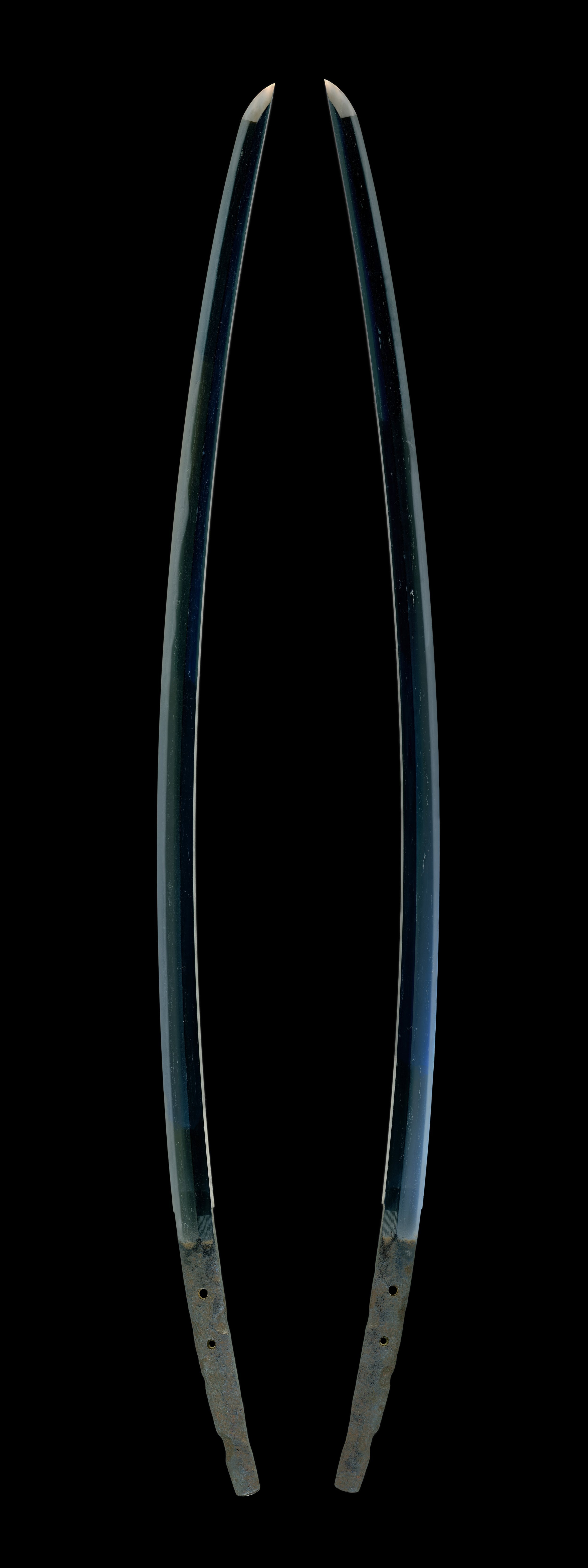
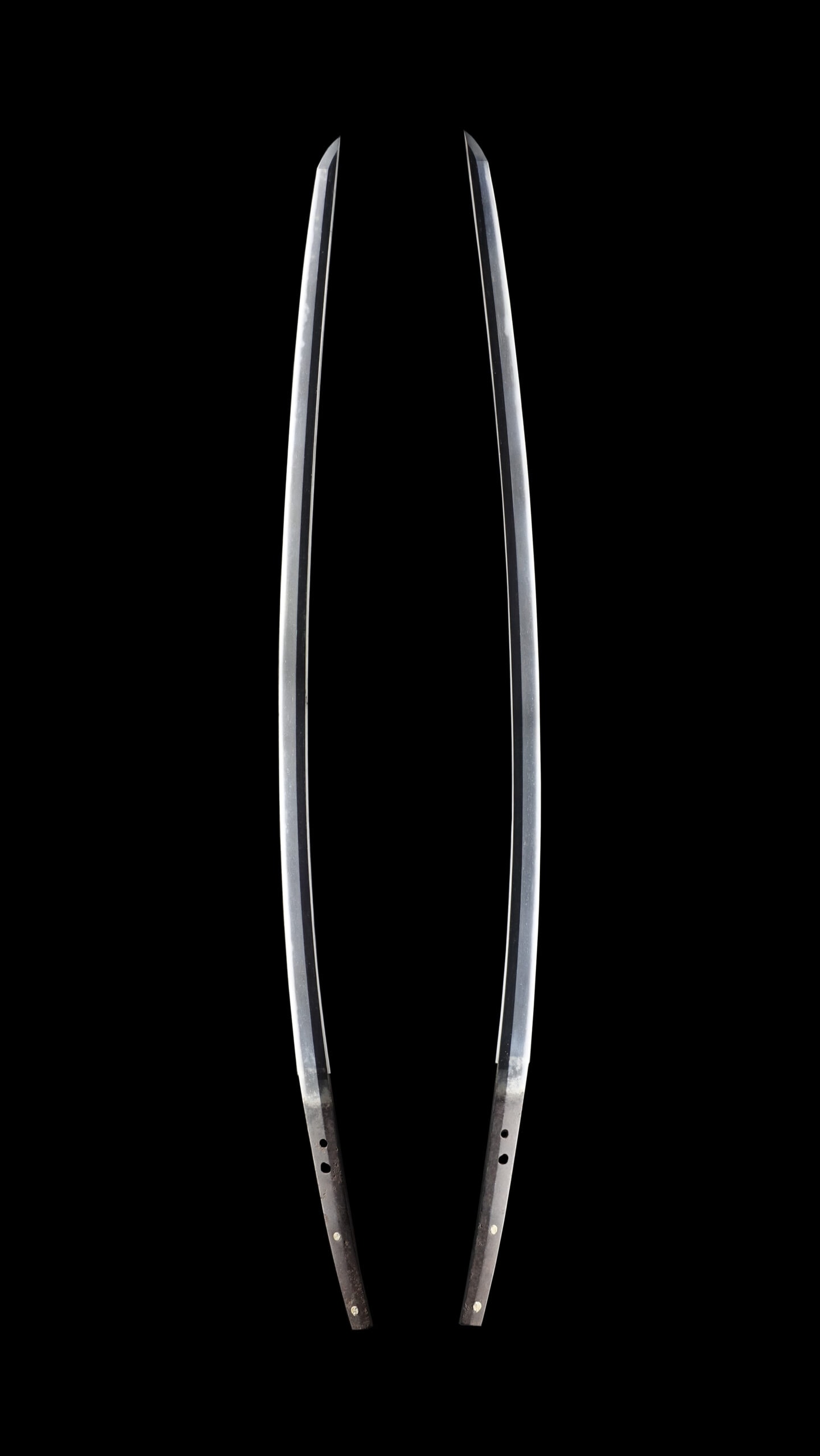
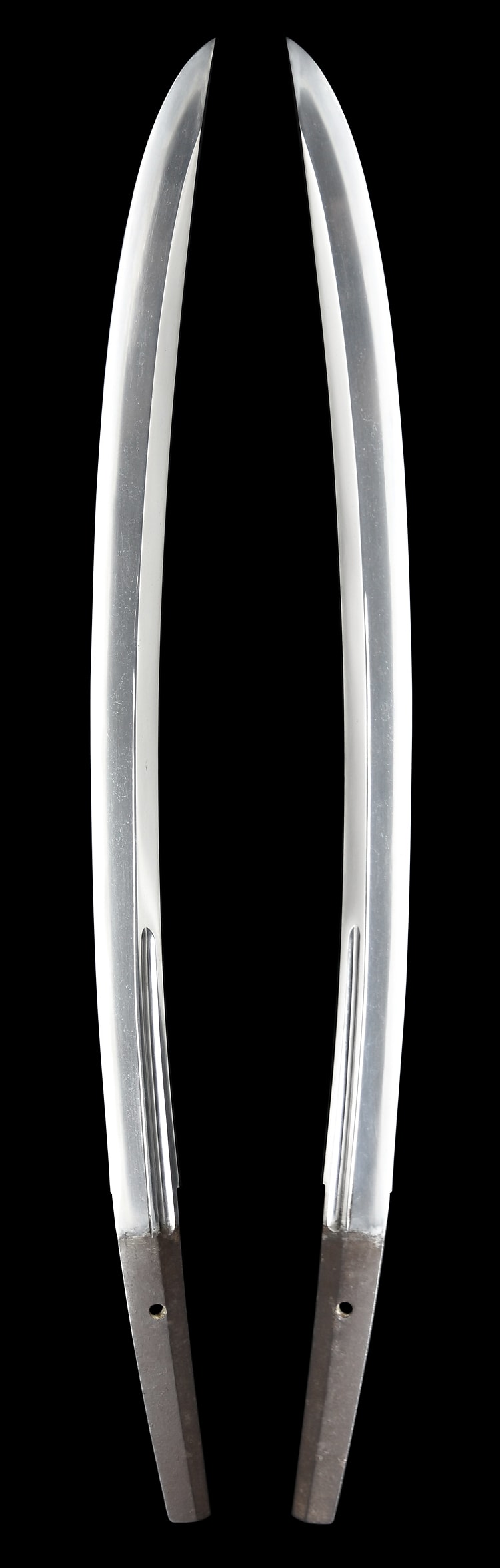
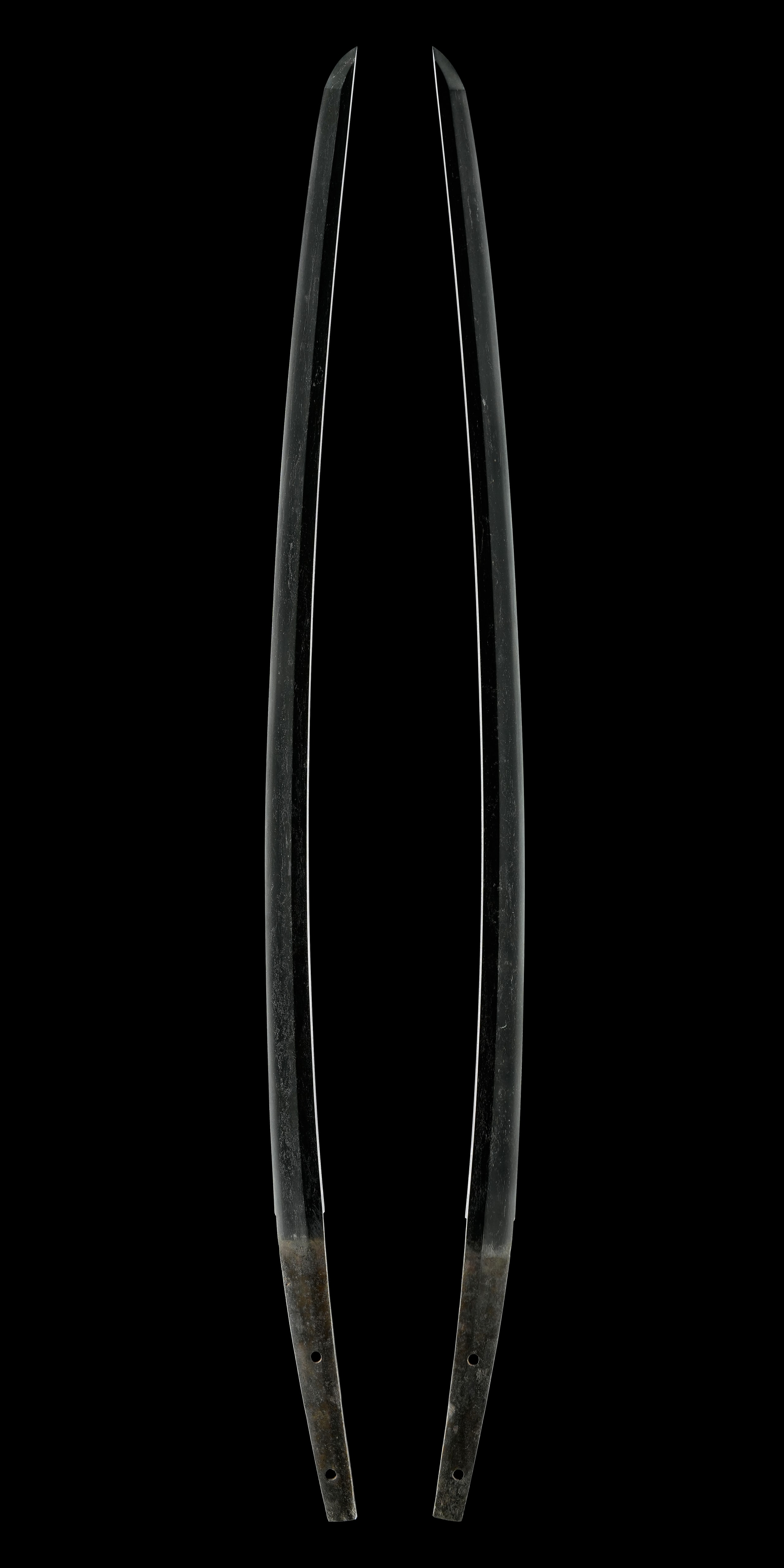
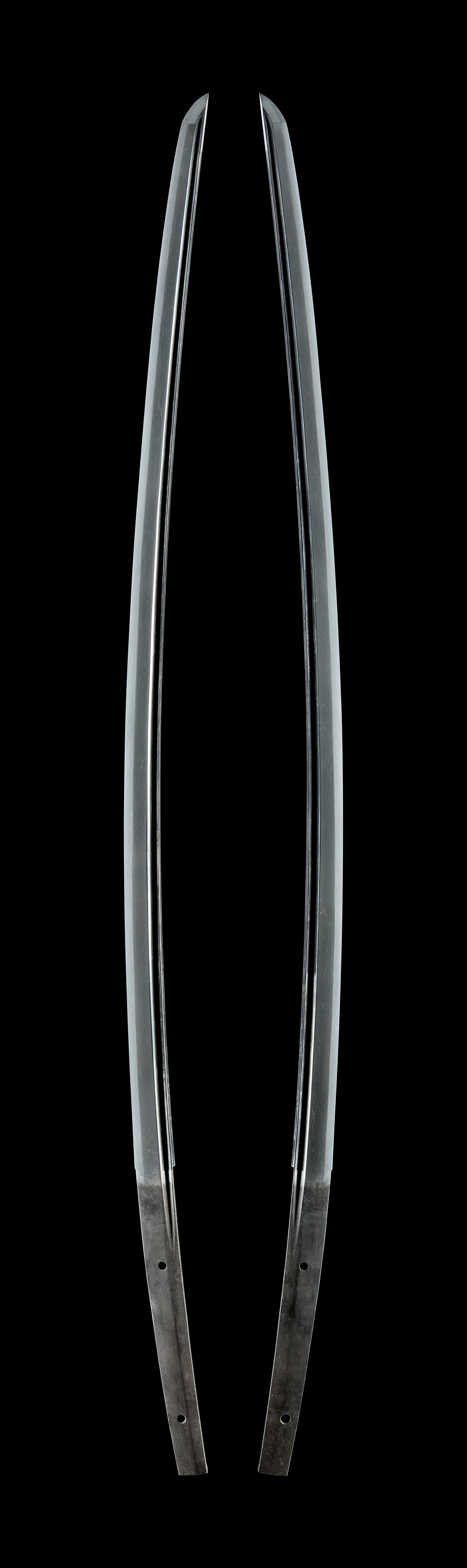
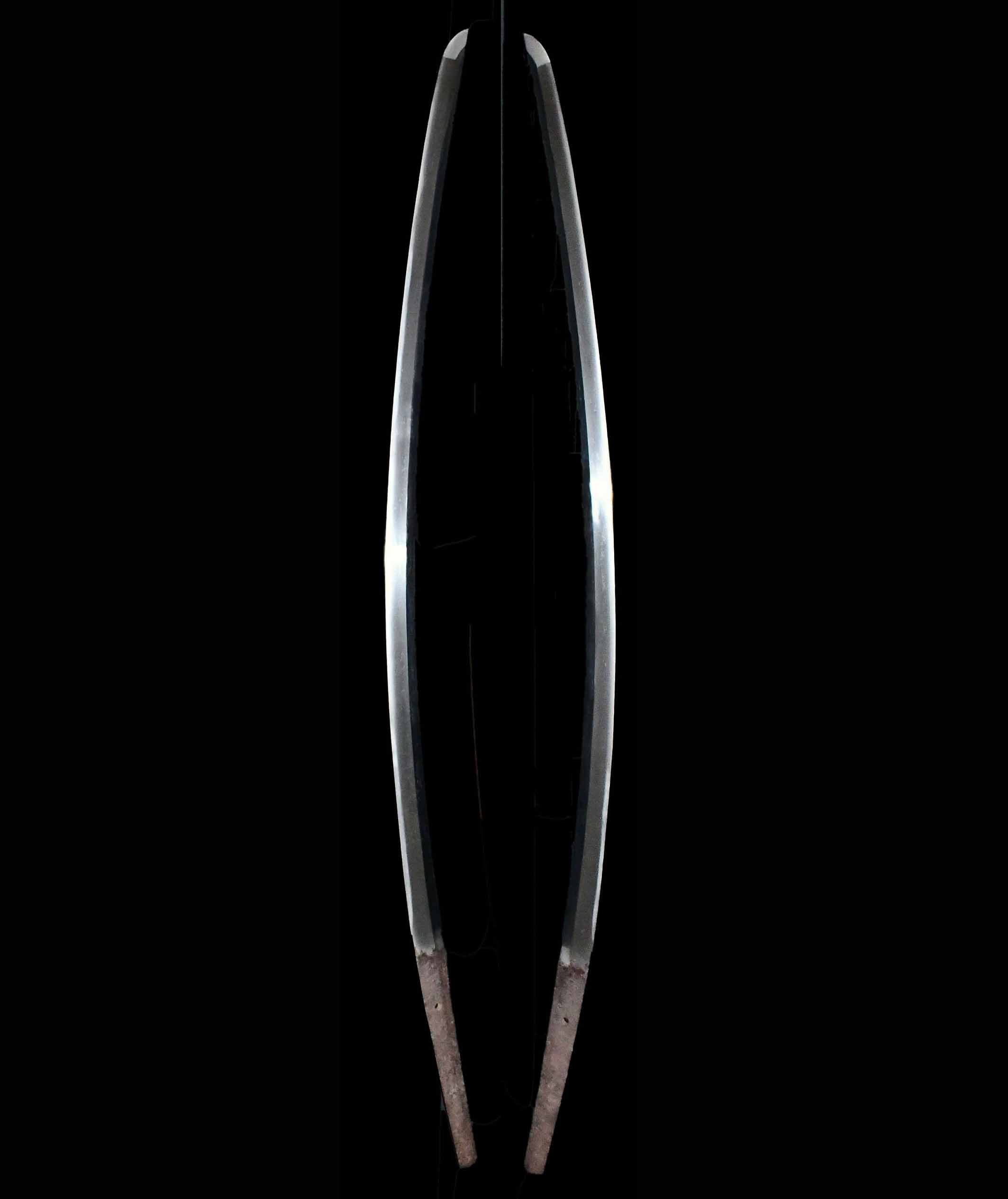
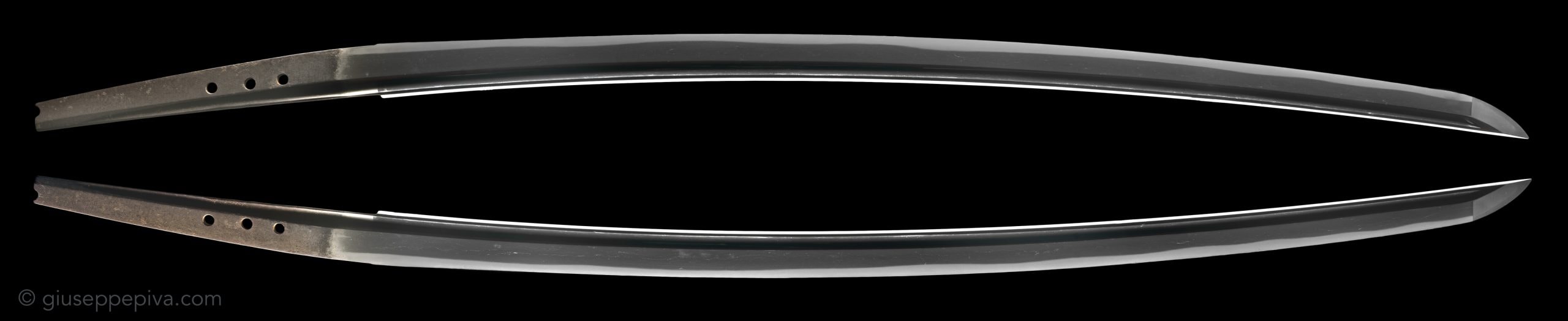
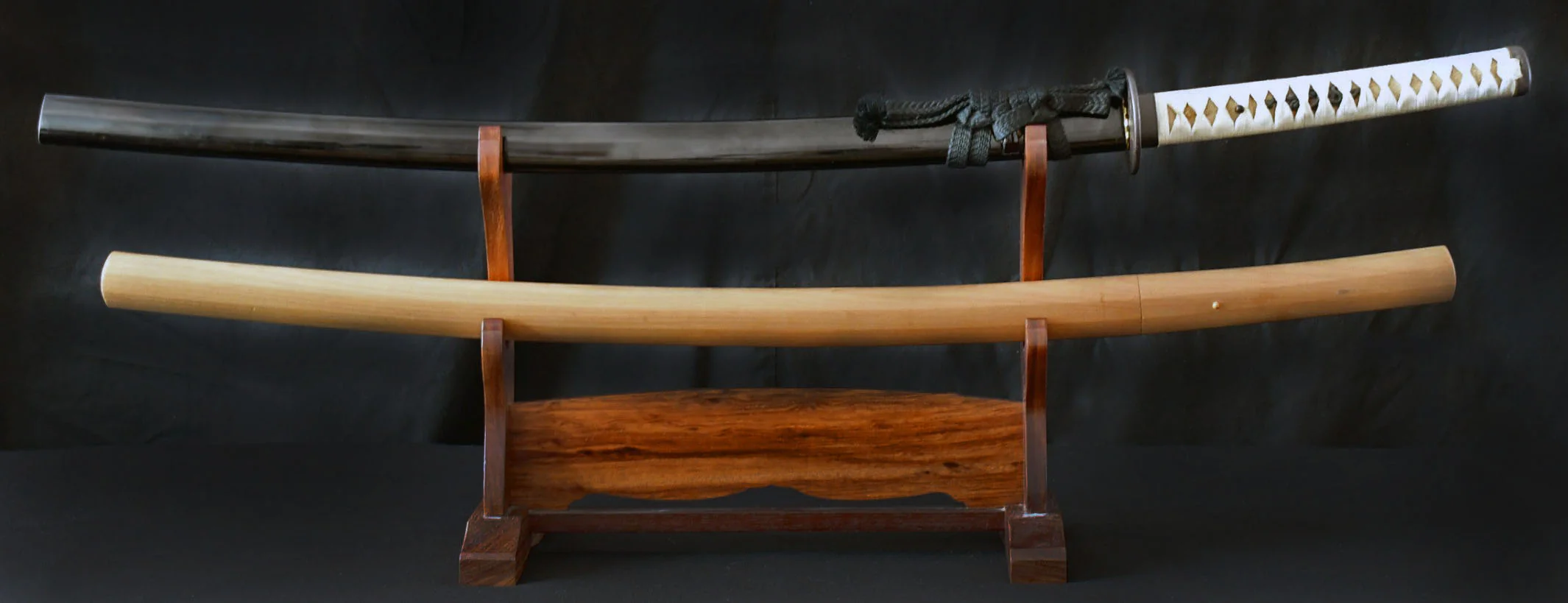
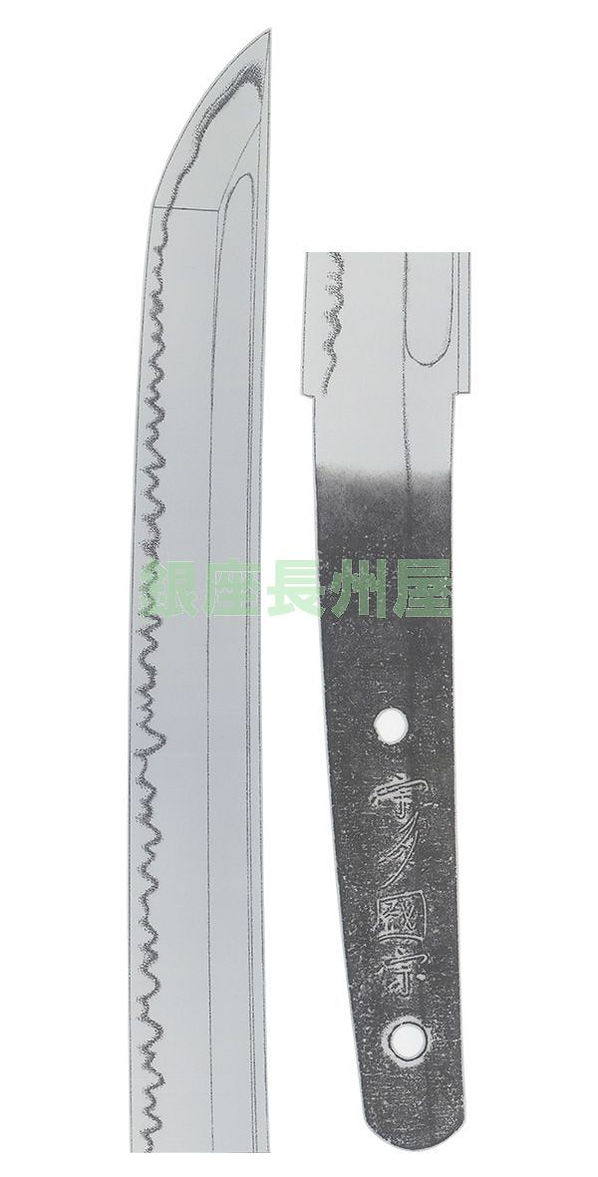
This listing is for a katana by Uda Kunimune from Etchu province, active during the mid-Muromachi period (around Bunmei era). Kunimune was known for his strong, boiling hamon and jihada, reflecting the turbulent Sengoku period. He worked for the Hatakeyama clan and also forged in Kyoto.
 NihontoWatch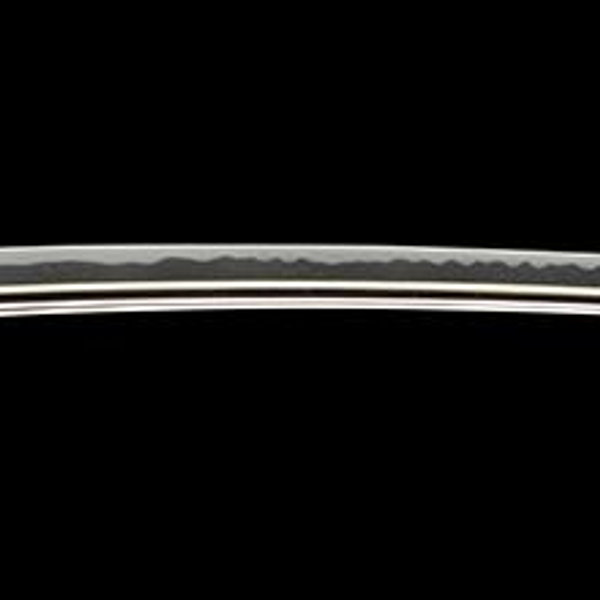
Uda (Etchū), Yamato-derived · Etchu · around 1429-1479
Fujishiro Jo saku · Tōken Taikan top 60%
3 pieces on the market now
One signed Uda Kunimune katana carries a Bunmei 11 date of 1479 cut on the reverse of an essentially ubu tang, and that single dated blade fixes the smith his name records best: a maker of the Etchū Uda school working in the middle of the Muromachi period. The published sources hold the first-generation Kunimune to be a son of Ko-Nyūdō Kunimitsu, the founder who carried the line north from Uda District in Yamato to Etchū around the Bunpō era at the close of the Kamakura period, and the younger brother of Kunifusa. The name then continued through several generations from the Nanbokuchō period down through the late Muromachi and on into the shintō era, so that a signed Uda Kunimune is read less as one hand than as the school manner of a period. Because the school's smiths individuate little, the published record appraises the surviving signed work by shape and the character of ji and ha rather than by an individual signature, placing the dated and dateable pieces around the Bunmei era when the Uda school flourished.
His work is read in two faces over one jigane. The quieter is the Yamato root the school never lost, seen most plainly on a signed ubu tantō in hira-zukuri with customary uchizori and a gomabashi carving. There the kitae is a ko-itame with masame-hada mixing in toward the edge, ji-nie adhering and chikei entering, and over it the temper is a chū-suguha with the nioiguchi somewhat tight, ko-nie adhering, the boundary near the hamachi tending toward yakikomi, the bōshi running straight into a ko-maru. The published sources read this register as a clear statement of origin, observing that the forging in which flowing masame mingles with the grain vividly expresses the Yamato tradition[[c:1]] and that the blade as a whole displays the distinctive character of Uda work[[c:2]].
The more active face is the school's Muromachi midare, the manner the published sources date to around the Bunmei era from the shape and the character of ji and ha. Over an itame mixed at times with mokume, flowing and standing rather than lying flat, the temper is a gunome broken by ko-notare, ko-gunome, chōji-like elements and a pointed tendency, with ashi and yō entering well, ko-nie adhering and sunagashi running frequently. Here and there slight yubashiri and nijūba appear, and on the widest blade the yakihaba broadens until from the middle upward it reaches the shinogi and around the monouchi shows an overall hitatsura-like temper, the bōshi a midare-komi vigorous in nie and carrying tobiyaki, tempered down long into the tang. On the calmer pieces that turnback becomes ko-maru-like and shows hakikake. The published sources call one such wakizashi a fine example in which the nioiguchi is bright and ko-nie adheres well, demonstrating not only the maker's style but the distinctive character of the whole Uda school[[c:3]].
Under both faces lies the one jigane the appraisal turns on. His is an itame that flows and tends to stand, masame mixing in toward the edge, ji-nie adhering and chikei intermingling, and it is this northern, Yamato-derived steel that returns an Uda blade to its school when the temper alone might recall a Yamashiro or Sōshū hand. The carving on his blades extends the same Yamato temperament: the dated wakizashi bears long bonji set one above another with a suken below on the omote, and three bonji with a koshihi in kaki-nagashi on the ura, work the published sources judge splendid. The signatures are a four-character mei cut with a fine or somewhat thick chisel below the mekugi-ana, and the tangs are ubu or only very slightly machi-okuri, the feature that makes these blades documents as much as swords.
What sets his work apart is read through his own grounded traits rather than through any borrowed comparison. The flowing, standing itame with its mixed masame, the frequent sunagashi, and the gunome carrying pointed elements and ko-notare are the marks the published record names as the Uda character, against which his single suguha tantō stands as the quiet Yamato counterpart. The published sources are explicit that this is a school appraisal: they record the founder's migration from Yamato to Etchū, the descent of Kunimune from Kunimitsu and his place beside Kunifusa, and the continuation of the name through several generations, and they assign the dated and dateable signed pieces to the Bunmei era on the evidence of shape and workmanship. Across the corpus the resemblance to the Sōshū-leaning Uda manner of the Nanbokuchō generations is present in the nie activity, while the brightness of the nioiguchi and the standing northern jigane keep the verdict with the Uda school.
The whole of Kunimune's official record is held in the Juyo tier, where four signed blades survive across tachi, katana, wakizashi and tantō, with Fujishiro rating him Jō-saku and the Tōkō Taikan placing him at 300. He has no National Treasures and no Important Cultural Properties, so the honest account is of a school name carried by Juyo-ranked work and by its value as research material rather than of a roll-call of famous swords. The published sources single out the dated tachi for exactly this, noting that ubu signed tachi of this period are few and that the blade is therefore valuable source material[[c:4]], and they read the dated katana as an important document for research into the smith and the school, sound in both ji and ha. Two of his blades are recorded in the Imperial Collection, the most distinguished provenance his work carries. For a private collector the signed Uda Kunimune pieces in the Juyo tier come to market only from time to time and with patience, a maker whose blades reward the student of how the Yamato tradition was carried into the northern provinces more than the chaser of a celebrated name.
Where Kunimune stands among comparable artisans: across all of nihontō, and within tradition, era, and period. The tiers (Foremost · Leading · Major · Notable) weigh official designations from the NBTHK and Japan's Agency for Cultural Affairs, together with historical honors of lasting repute such as the Sansaku and Meibutsu-chō.
Select a lens to see how it's measured.
Years he was demonstrably active, proven by signed-and-dated blades
Wakimono · Etchu
Phase: Uda宇多· 1390–1596
33 pieces on the market now
Where Ko-Uda closes with the Nanbokuchō generations, the chapter that follows opens in early Muromachi and runs to the end of the period. The setsumei draw the boundary plainly: works that descend no later than Nanbokuchō are called Ko-Uda, while everything thereafter is referred to simply as Uda. This later phase is the long Muromachi continuation in Etchū, where the Kuni-named line that began with Ko-Nyūdō Kunimitsu of Uda District in Yamato extends across successive generations sharing single names. Kunihisa, read by the meikan as son of Kunifusa and active from the Ōei era, runs through several generations down to the close of Muromachi; Kunimune carries from Nanbokuchō into Muromachi with dated pieces around Bunmei; and the later registers add Kuninaga, Kuniyoshi, Hirakuni, Sanekuni, Kunikiyo, Tomohisa, and Kunitsugu, names the sources place from Eikyō through Tenshō. Because individuals individuate little, a signed blade of this phase is appraised as the manner of its dated moment rather than the hand of one smith. The steel of the later phase keeps the school's northern foundation while standardizing its expression. The setsumei describe itame mixed with mokume, the grain overall standing (hada-dachi) and tending to flow (nagare), with ji-nie adhering and chikei entering; the jigane leans blackish, and a shirake-utsuri stands distinctly in the ji, sometimes with ji-madara mottling. Over this the temper most often opens as a suguha-based or chū-suguha line into which ko-gunome runs continuously from base to point, ashi and yō entering, ko-nie adhering along a bright nioiguchi, with sunagashi and occasional kinsuji.
A second, more agitated face mixes gunome, ko-notare and pointed togariba with thick nie, yubashiri and tobiyaki that on a Kuninaga wakizashi tend toward hitatsura. Against the earlier Ko-Uda this reads more regularized: where the early generations stayed close to their Yamato and Sōshū models with archaic ji-ha, the later hands settle into the elongated Ōei tantō form (broad for its width, with uchizori) and, in the katana, the wide sun-nobi sugata of advancing Muromachi. The Kunitsugu katana shows this drift toward coarseness directly, its itame standing and rough, the nie uneven and the temper darkening at the edge. To separate later Uda from Ko-Uda is to read the steel before the temper. The whitish, standing jigane with its blackish cast and shirake-utsuri returns a blade to this phase even when a nie-laden midare recalls Sōshū at first glance, and a tightly forged ko-itame may, as with the better Kunihisa pieces, approach Rai Kunimitsu or Rai Kunitsugu before the dark northern grain brings it home. Distinctive markers recur across the named smiths: the bōshi that becomes pointed and is tempered down with a long kaeri, the flaring (susodoshii) nakago-jiri, somewhat coarse rounded nie mixed within the ha, and the particular shaping of the character kuni in the signature. Dated and signed pieces anchor the chronology, from a Kunihisa tantō of Ōei 7 to a Kunimune wakizashi placed around Bunmei and Hirakuni and Sanekuni works set near Tenbun. Provenance for the phase tends toward settled holding, with examples resting in the Imperial Collection rather than circulating. Learn more →
| Smith | Era | Designated |
|---|---|---|
| Kunihisa國久 | 1394-1428 | 10 |
| Kunimune國宗 | 1429-1479 | 6 |
| Kunifusa國房 | 1455-1457 | 3 |
| Tomotsugu友次 | 1381-1384 | 3 |
| Kunimune國宗 | 1394-1428 | 3 |
After the Ōnin War broke the Ashikaga order, a century of Sengoku warfare armed nearly every province in Japan. The era rewards a discriminating eye: routine work exists in quantity, and beside it stand custom blades of the first rank.
We could not find an authenticity certificate on the seller’s listing. Japanese swords and fittings are normally papered by the NBTHK (or the NTHK). Without one, the attribution is the seller’s own assessment and has not been independently verified — treat it with caution and ask the dealer about certification before buying.
If, due to our fault, the item differs significantly from its proper condition, the item may be returned. Cooling-off is within one week of the item's arrival.
This listing is for a katana by Uda Kunimune from Etchu province, active during the mid-Muromachi period (around Bunmei era). Kunimune was known for his strong, boiling hamon and jihada, reflecting the turbulent Sengoku period. He worked for the Hatakeyama clan and also forged in Kyoto.
NihontoWatchUda (Etchū), Yamato-derived · Etchu · around 1429-1479
Fujishiro Jo saku · Tōken Taikan top 60%
3 pieces on the market now
One signed Uda Kunimune katana carries a Bunmei 11 date of 1479 cut on the reverse of an essentially ubu tang, and that single dated blade fixes the smith his name records best: a maker of the Etchū Uda school working in the middle of the Muromachi period. The published sources hold the first-generation Kunimune to be a son of Ko-Nyūdō Kunimitsu, the founder who carried the line north from Uda District in Yamato to Etchū around the Bunpō era at the close of the Kamakura period, and the younger brother of Kunifusa. The name then continued through several generations from the Nanbokuchō period down through the late Muromachi and on into the shintō era, so that a signed Uda Kunimune is read less as one hand than as the school manner of a period. Because the school's smiths individuate little, the published record appraises the surviving signed work by shape and the character of ji and ha rather than by an individual signature, placing the dated and dateable pieces around the Bunmei era when the Uda school flourished.
His work is read in two faces over one jigane. The quieter is the Yamato root the school never lost, seen most plainly on a signed ubu tantō in hira-zukuri with customary uchizori and a gomabashi carving. There the kitae is a ko-itame with masame-hada mixing in toward the edge, ji-nie adhering and chikei entering, and over it the temper is a chū-suguha with the nioiguchi somewhat tight, ko-nie adhering, the boundary near the hamachi tending toward yakikomi, the bōshi running straight into a ko-maru. The published sources read this register as a clear statement of origin, observing that the forging in which flowing masame mingles with the grain vividly expresses the Yamato tradition[[c:1]] and that the blade as a whole displays the distinctive character of Uda work[[c:2]].
The more active face is the school's Muromachi midare, the manner the published sources date to around the Bunmei era from the shape and the character of ji and ha. Over an itame mixed at times with mokume, flowing and standing rather than lying flat, the temper is a gunome broken by ko-notare, ko-gunome, chōji-like elements and a pointed tendency, with ashi and yō entering well, ko-nie adhering and sunagashi running frequently. Here and there slight yubashiri and nijūba appear, and on the widest blade the yakihaba broadens until from the middle upward it reaches the shinogi and around the monouchi shows an overall hitatsura-like temper, the bōshi a midare-komi vigorous in nie and carrying tobiyaki, tempered down long into the tang. On the calmer pieces that turnback becomes ko-maru-like and shows hakikake. The published sources call one such wakizashi a fine example in which the nioiguchi is bright and ko-nie adheres well, demonstrating not only the maker's style but the distinctive character of the whole Uda school[[c:3]].
Under both faces lies the one jigane the appraisal turns on. His is an itame that flows and tends to stand, masame mixing in toward the edge, ji-nie adhering and chikei intermingling, and it is this northern, Yamato-derived steel that returns an Uda blade to its school when the temper alone might recall a Yamashiro or Sōshū hand. The carving on his blades extends the same Yamato temperament: the dated wakizashi bears long bonji set one above another with a suken below on the omote, and three bonji with a koshihi in kaki-nagashi on the ura, work the published sources judge splendid. The signatures are a four-character mei cut with a fine or somewhat thick chisel below the mekugi-ana, and the tangs are ubu or only very slightly machi-okuri, the feature that makes these blades documents as much as swords.
What sets his work apart is read through his own grounded traits rather than through any borrowed comparison. The flowing, standing itame with its mixed masame, the frequent sunagashi, and the gunome carrying pointed elements and ko-notare are the marks the published record names as the Uda character, against which his single suguha tantō stands as the quiet Yamato counterpart. The published sources are explicit that this is a school appraisal: they record the founder's migration from Yamato to Etchū, the descent of Kunimune from Kunimitsu and his place beside Kunifusa, and the continuation of the name through several generations, and they assign the dated and dateable signed pieces to the Bunmei era on the evidence of shape and workmanship. Across the corpus the resemblance to the Sōshū-leaning Uda manner of the Nanbokuchō generations is present in the nie activity, while the brightness of the nioiguchi and the standing northern jigane keep the verdict with the Uda school.
The whole of Kunimune's official record is held in the Juyo tier, where four signed blades survive across tachi, katana, wakizashi and tantō, with Fujishiro rating him Jō-saku and the Tōkō Taikan placing him at 300. He has no National Treasures and no Important Cultural Properties, so the honest account is of a school name carried by Juyo-ranked work and by its value as research material rather than of a roll-call of famous swords. The published sources single out the dated tachi for exactly this, noting that ubu signed tachi of this period are few and that the blade is therefore valuable source material[[c:4]], and they read the dated katana as an important document for research into the smith and the school, sound in both ji and ha. Two of his blades are recorded in the Imperial Collection, the most distinguished provenance his work carries. For a private collector the signed Uda Kunimune pieces in the Juyo tier come to market only from time to time and with patience, a maker whose blades reward the student of how the Yamato tradition was carried into the northern provinces more than the chaser of a celebrated name.
Where Kunimune stands among comparable artisans: across all of nihontō, and within tradition, era, and period. The tiers (Foremost · Leading · Major · Notable) weigh official designations from the NBTHK and Japan's Agency for Cultural Affairs, together with historical honors of lasting repute such as the Sansaku and Meibutsu-chō.
Select a lens to see how it's measured.
Years he was demonstrably active, proven by signed-and-dated blades
Wakimono · Etchu
Phase: Uda宇多· 1390–1596
33 pieces on the market now
Where Ko-Uda closes with the Nanbokuchō generations, the chapter that follows opens in early Muromachi and runs to the end of the period. The setsumei draw the boundary plainly: works that descend no later than Nanbokuchō are called Ko-Uda, while everything thereafter is referred to simply as Uda. This later phase is the long Muromachi continuation in Etchū, where the Kuni-named line that began with Ko-Nyūdō Kunimitsu of Uda District in Yamato extends across successive generations sharing single names. Kunihisa, read by the meikan as son of Kunifusa and active from the Ōei era, runs through several generations down to the close of Muromachi; Kunimune carries from Nanbokuchō into Muromachi with dated pieces around Bunmei; and the later registers add Kuninaga, Kuniyoshi, Hirakuni, Sanekuni, Kunikiyo, Tomohisa, and Kunitsugu, names the sources place from Eikyō through Tenshō. Because individuals individuate little, a signed blade of this phase is appraised as the manner of its dated moment rather than the hand of one smith. The steel of the later phase keeps the school's northern foundation while standardizing its expression. The setsumei describe itame mixed with mokume, the grain overall standing (hada-dachi) and tending to flow (nagare), with ji-nie adhering and chikei entering; the jigane leans blackish, and a shirake-utsuri stands distinctly in the ji, sometimes with ji-madara mottling. Over this the temper most often opens as a suguha-based or chū-suguha line into which ko-gunome runs continuously from base to point, ashi and yō entering, ko-nie adhering along a bright nioiguchi, with sunagashi and occasional kinsuji.
A second, more agitated face mixes gunome, ko-notare and pointed togariba with thick nie, yubashiri and tobiyaki that on a Kuninaga wakizashi tend toward hitatsura. Against the earlier Ko-Uda this reads more regularized: where the early generations stayed close to their Yamato and Sōshū models with archaic ji-ha, the later hands settle into the elongated Ōei tantō form (broad for its width, with uchizori) and, in the katana, the wide sun-nobi sugata of advancing Muromachi. The Kunitsugu katana shows this drift toward coarseness directly, its itame standing and rough, the nie uneven and the temper darkening at the edge. To separate later Uda from Ko-Uda is to read the steel before the temper. The whitish, standing jigane with its blackish cast and shirake-utsuri returns a blade to this phase even when a nie-laden midare recalls Sōshū at first glance, and a tightly forged ko-itame may, as with the better Kunihisa pieces, approach Rai Kunimitsu or Rai Kunitsugu before the dark northern grain brings it home. Distinctive markers recur across the named smiths: the bōshi that becomes pointed and is tempered down with a long kaeri, the flaring (susodoshii) nakago-jiri, somewhat coarse rounded nie mixed within the ha, and the particular shaping of the character kuni in the signature. Dated and signed pieces anchor the chronology, from a Kunihisa tantō of Ōei 7 to a Kunimune wakizashi placed around Bunmei and Hirakuni and Sanekuni works set near Tenbun. Provenance for the phase tends toward settled holding, with examples resting in the Imperial Collection rather than circulating. Learn more →
| Smith | Era | Designated |
|---|---|---|
| Kunihisa國久 | 1394-1428 | 10 |
| Kunimune國宗 | 1429-1479 | 6 |
| Kunifusa國房 | 1455-1457 | 3 |
| Tomotsugu友次 | 1381-1384 | 3 |
| Kunimune國宗 | 1394-1428 | 3 |
After the Ōnin War broke the Ashikaga order, a century of Sengoku warfare armed nearly every province in Japan. The era rewards a discriminating eye: routine work exists in quantity, and beside it stand custom blades of the first rank.
We could not find an authenticity certificate on the seller’s listing. Japanese swords and fittings are normally papered by the NBTHK (or the NTHK). Without one, the attribution is the seller’s own assessment and has not been independently verified — treat it with caution and ask the dealer about certification before buying.
If, due to our fault, the item differs significantly from its proper condition, the item may be returned. Cooling-off is within one week of the item's arrival.