Sengoku Seki was an industry: smiths organized under their tutelary Kasuga shrine, arming the war bands of central Japan. Magoroku Kanemoto’s sanbonsugi and the finest Kanesada work prove quality survived inside mass production.
 NihontoWatchNihontoWatch
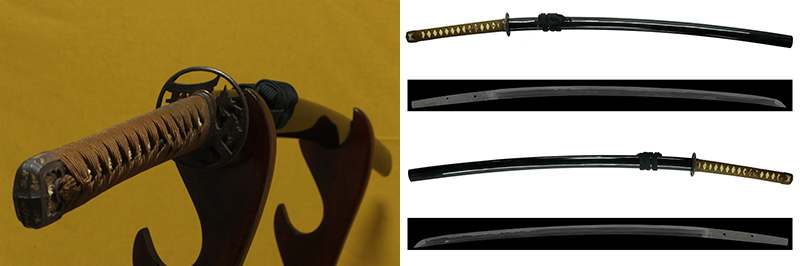
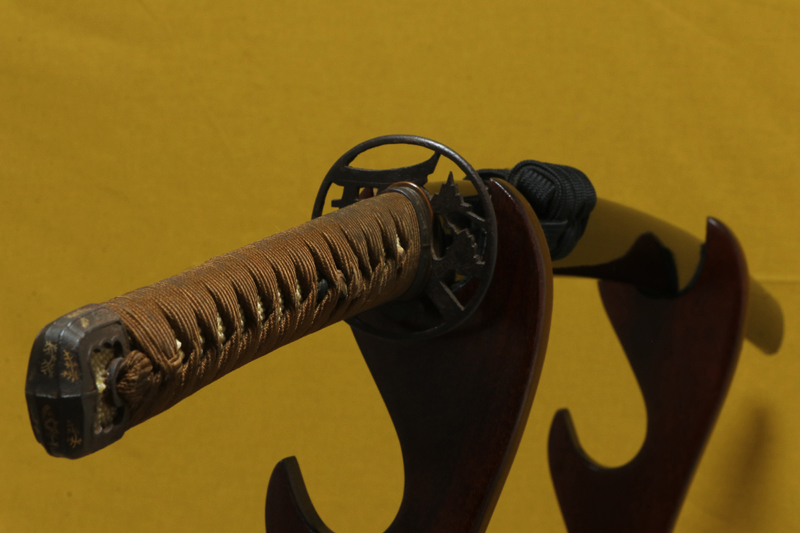
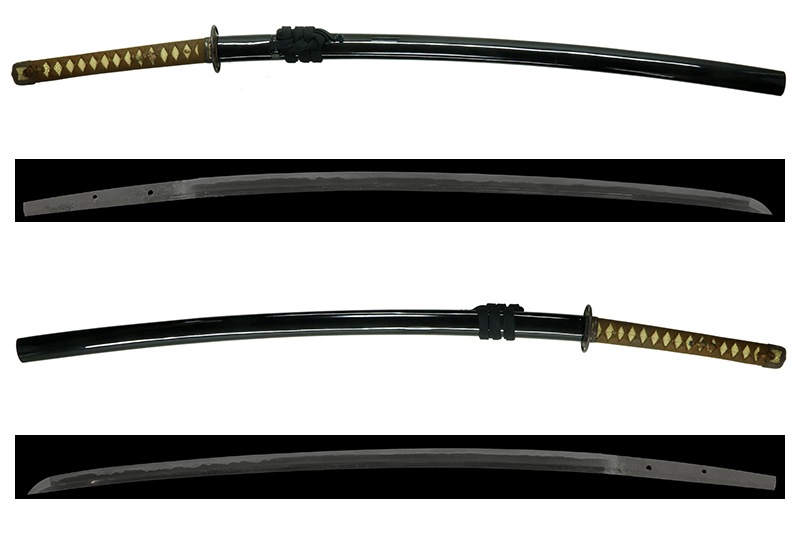
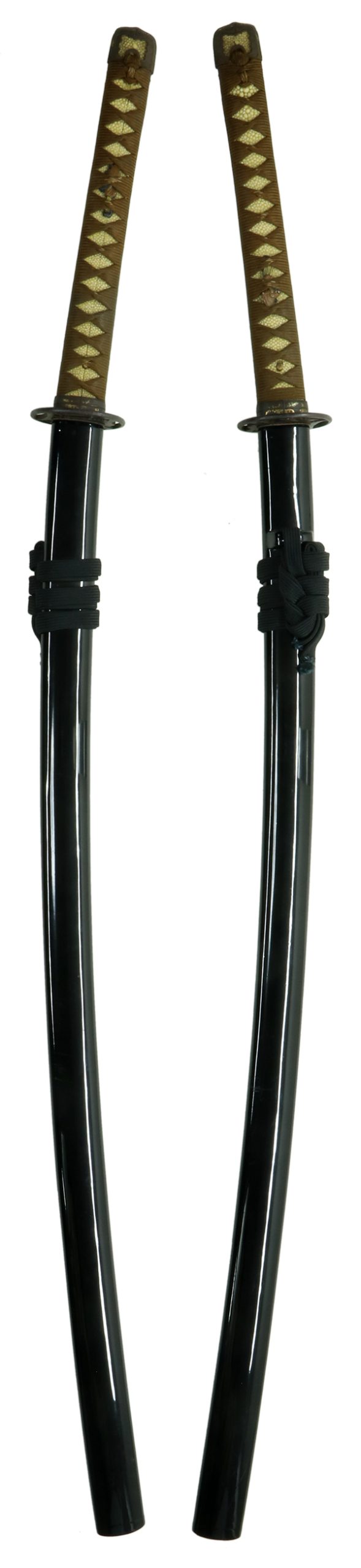
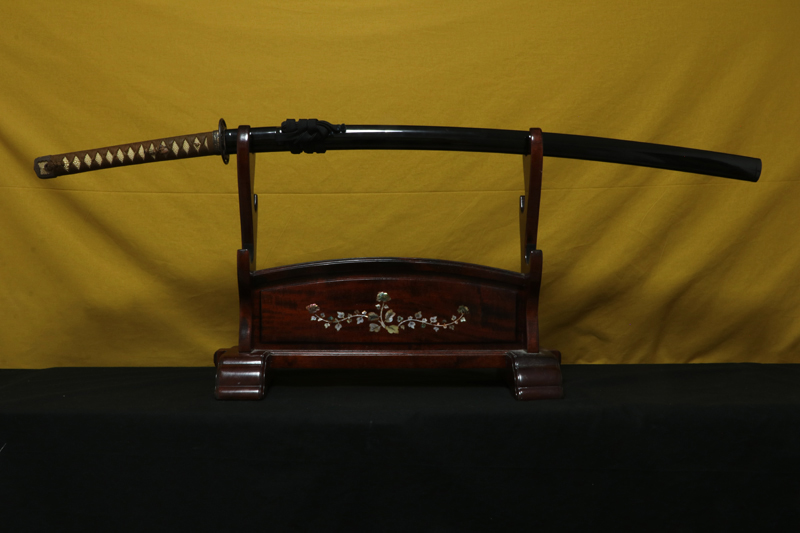
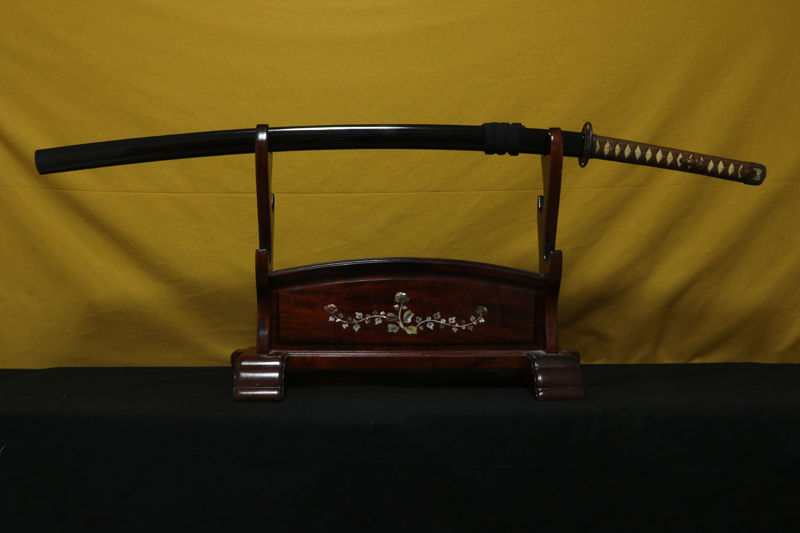
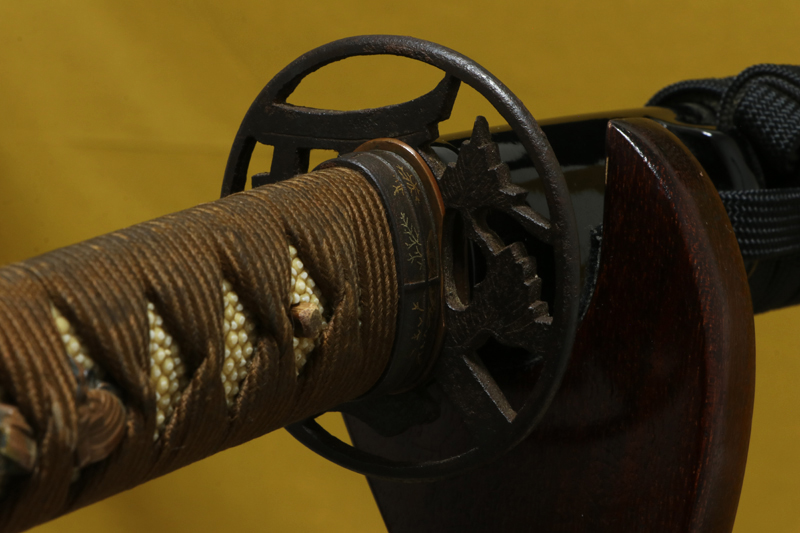
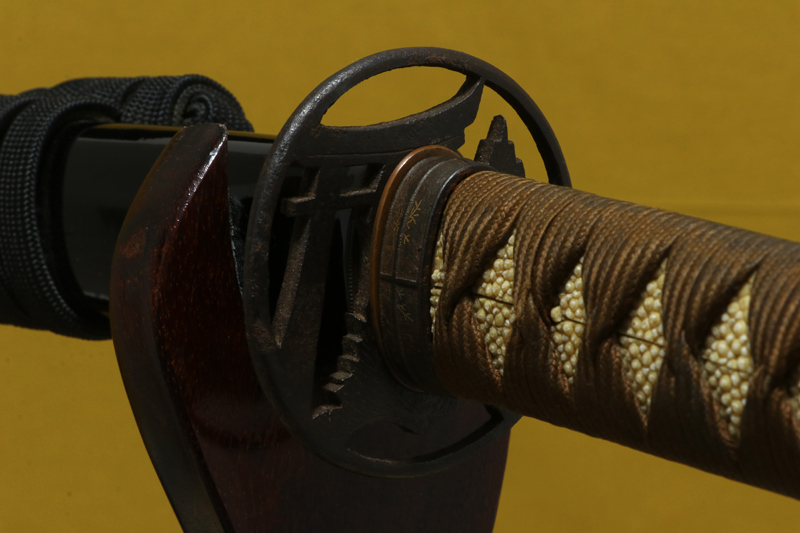
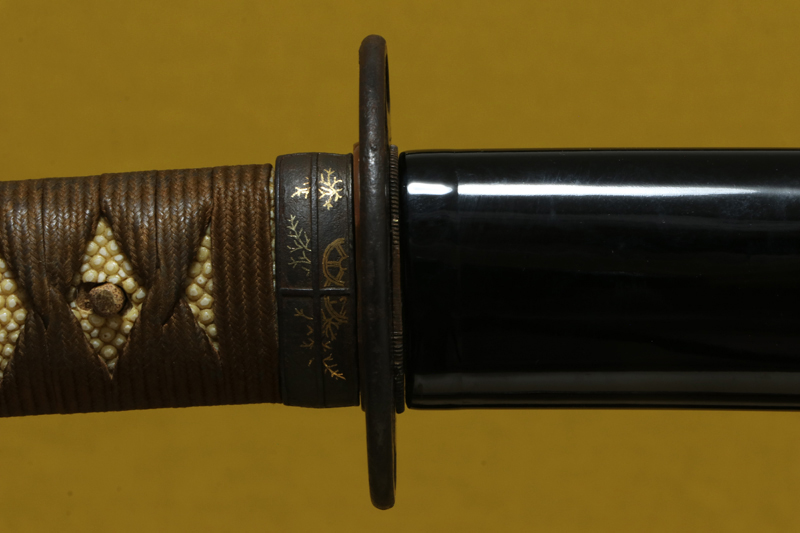
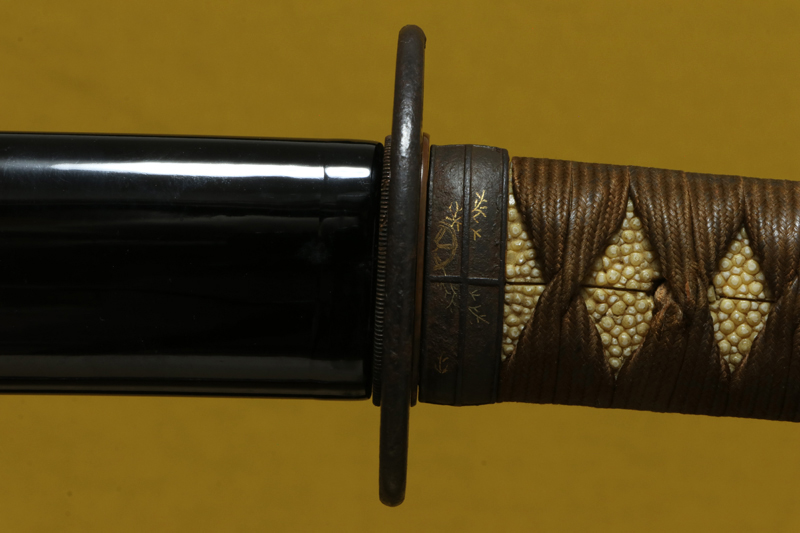
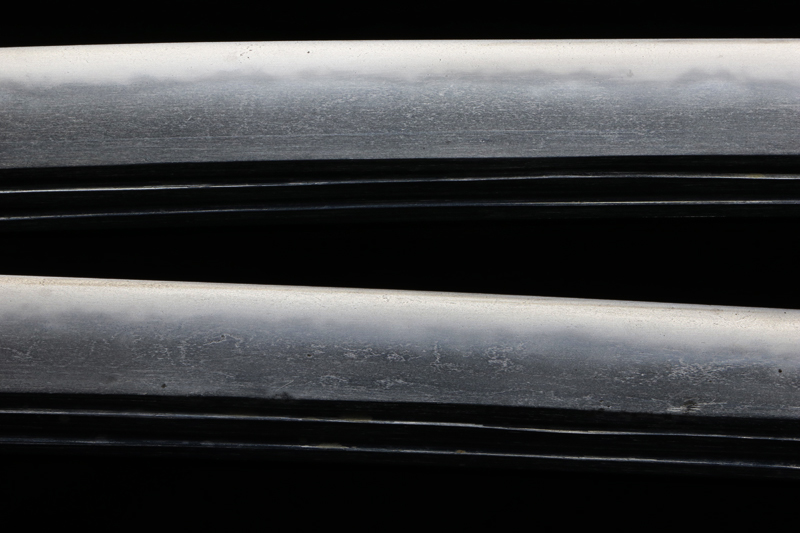
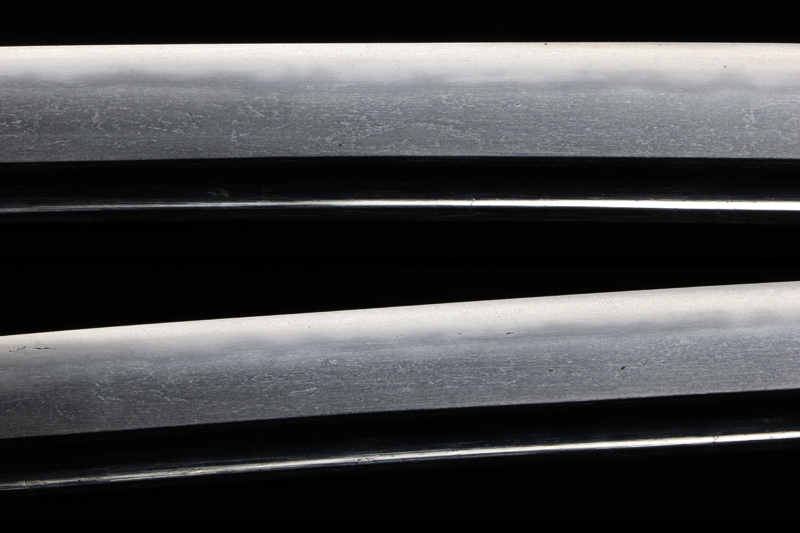
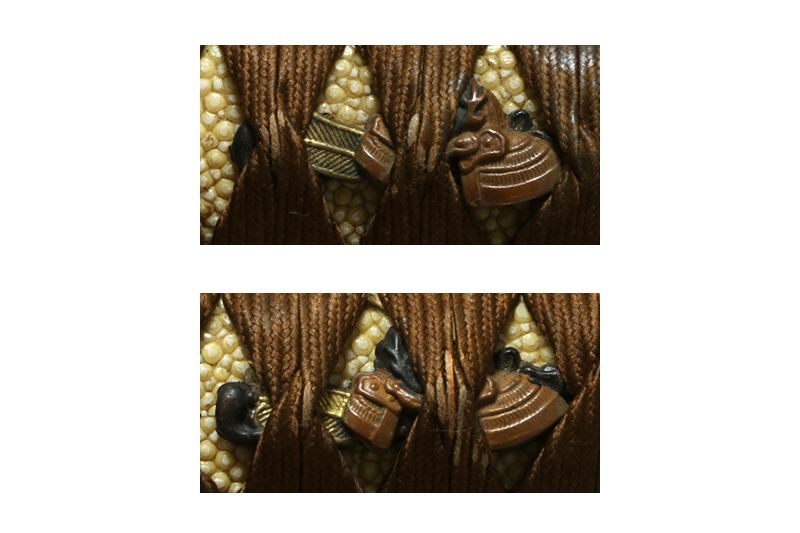
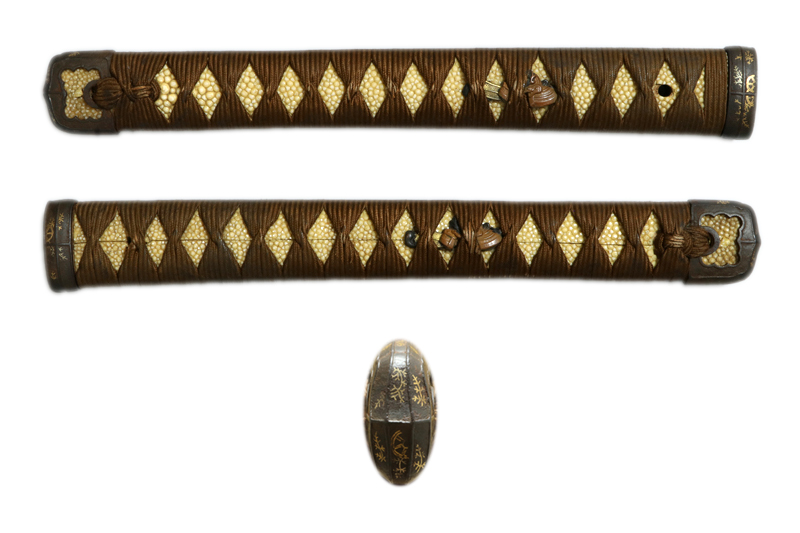
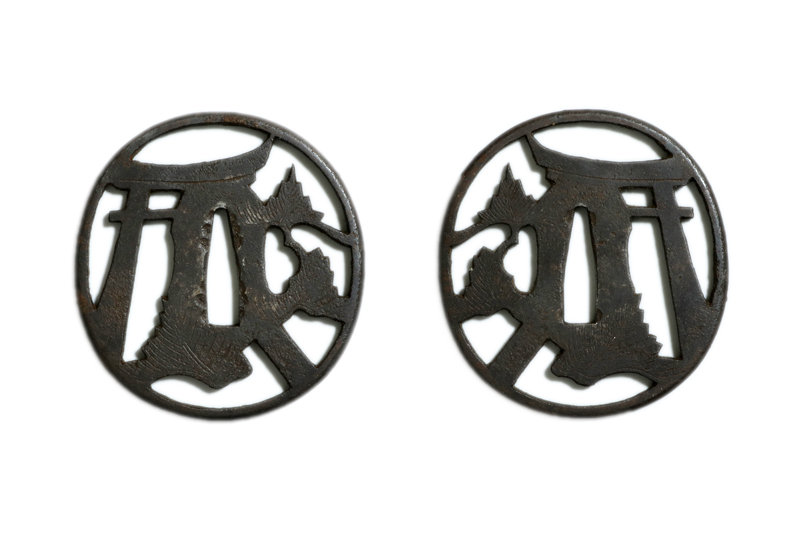
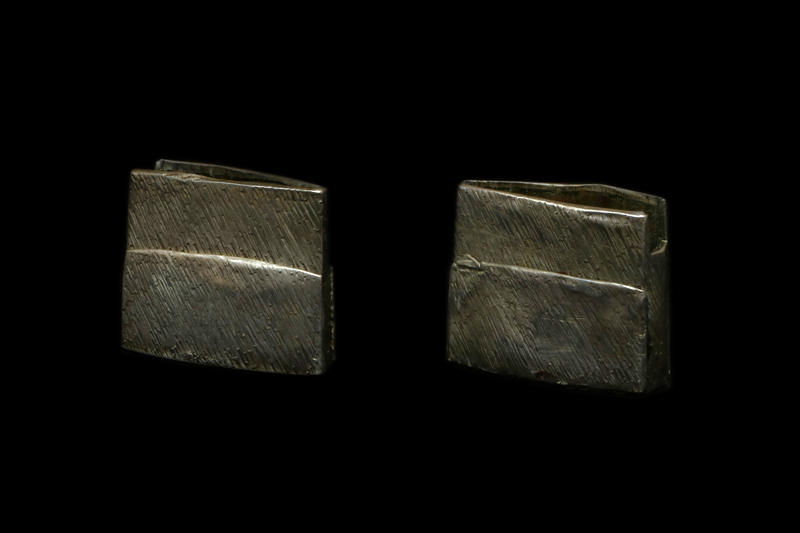
Koto Kaneyoshi with Koshirae. This is a sword by Seki Zenjo Kaneyoshi from the late Muromachi period, around the Daiei era. Although it is o-suriage, a good mei remains, and while there is slight tsukare in the toshin, there are no kizu that would be considered defects. The condition of the koshirae is not bad, and since the weight is light and the balance is good, it is ideal for iai. This is a sword by Seki Zenjo Kaneyoshi from the late Muromachi period, around the Daiei era. Although it has been greatly shortened (o-suriage), a well-preserved signature remains. The blade shows slight signs of wear, but there are no flaws that would be considered defects. The koshirae is in decent condition, and the sword is lightweight and well-balanced, making it ideal for iaido practice. "Taihai" Shinogi-zukuri, iori-mune, mihaba is narrow and kasane is ordinary, torii-sori, chu-kissaki, nakago is o-suriage with kiri yasurime, and the nakago-jiri is cut ichimonji. "Horimono" Regarding horimono, on the sashi-omote there are futasuji-hi carved through from around the monouchi to the nakago-no-mune, and on the sashi-ura there is a bo-hi with ryochiri ending in marudome from around the monouchi to the nakago-no-mune. "Jitetsu" Jitetsu is itame-hada mixed with ko-itame, and shirake-utsuri stands out. "Hamon" Hamon is gunome-midare mixed with togari-ba, the habuchi is nie-deki with sunagashi, and inside the ha there are kinsuji and yo. Boshi is midare-komi returning in ko-maru. "Tokucho" Kaneyoshi was a swordsmith belonging to the Tegai school of Yamato Province, and the first generation also signed his mei as "Tsutsumiyoshi". Around the Oei era in the early Muromachi period, he moved from Yamato to Seki. Because the first generation Kaneyoshi used the hogo "Zenjo", this lineage came to be called the "Zenjo school". The lineage of Zenjo Kaneyoshi served as the soryo of the Seki Shichiryu smiths for generations, and the name succeeded until Kosaka Kinbei Zenjo Kaneyoshi in the Meiji period. This work is thought to be a production by Zenjo Kaneyoshi from around the Daiei era in the late Muromachi period. A certificate is not included, but the mei looks like a shin-saku (cannot be guaranteed). Originally it was a tachi of about 2 shaku 5 sun (approx. 75 cm), and it is thought to have been suriage during the Edo period. Slight tsukare is seen in the toshin, but there are no major defects such as kitae-ware. Due to the old togi, there is usu-sabi and hike (fine scratches), but the jitetsu and hamon are clearly visible, and if re-polished, the beautiful ji-ha will likely be revived. The koshirae is in relatively good condition, and the tsuka length is somewhat long at 29 cm. Overall it is lightweight with good balance, and it is a sword suitable for iai practice. Kaneyoshi was a swordsmith of the Tegai school in Yamato Province, and the first generation also signed his name as “Tsutsumiyoshi.” Around the Oei era in the early Muromachi period, he relocated from Yamato to Seki. The first generation Kaneyoshi took the Buddhist name Zenjo, which led to this lineage being referred to as the Zenjo school. Successive generations of Zenjo Kaneyoshi served as heads of the Seki Seven Schools of swordsmiths, and the lineage continued all the way to the Meiji period with Kosaka Kinbei Zenjo Kaneyoshi. This piece is believed to be the work of Zenjo Kaneyoshi from the late Muromachi period, around the Daiei era. Although it does not come with a certificate, the mei appears to be genuine (though not guaranteed). It was originally a tachi of about 2 shaku 5 sun (approximately 75 cm), and was likely suriage during the Edo period. The blade shows some signs of wear, but there are no kitae-ware. As it retains an old togi, there are areas of usu-sabi and hike (fine scratches), but the jitetsu and hamon remain clearly visible. A professional togi would likely bring out the beauty of the steel and temper line once again. The koshirae is in relatively good condition, although the tsuka is long at 29 cm. The sword is lightweight and well-balanced, making it suitable for iaido practice. "Koshirae" Habaki: Suaka-ji gin-ake niju. Tsuba: Tetsu-ji, design of a torii and pine tree. Fuchigashira: Tetsu-ji, handachi fittings, design of a wheel and pine tree in kin-zogan. Menuki: Suaka-ji, design of a kabuto and saihai. Tsuka: Same is maki-zame with an oyatsubu. Saya: Kuro-ro. "Condition of blade" Togi: Due to the old togi, there is usu-sabi and hike, but the jitetsu and hamon are clearly visible. Kizu: Slight tsukare is seen in the toshin, but there are no major defects such as kitae-ware.
Offered by Giheiya


Translated from the shop's Japanese ·
Rows still in Japanese are as written by the shop
Machine translation from the shop's Japanese · may contain errors ·
Mino-den · Mino
4 pieces on the market now
| Smith | Era | Designated |
|---|---|---|
| Kaneshige兼重 | 1504-1521 | 0 |
| Kaneyoshi兼吉 | 1854-1860 | 0 |
| Kanekado兼門 | 1428-1429 | 0 |
| Yoshikado吉門 | 1624-1644 | 0 |
| Chikanori近則 | 1818-1864 | 0 |
Mino in the Muromachi period
Sengoku Seki was an industry: smiths organized under their tutelary Kasuga shrine, arming the war bands of central Japan. Magoroku Kanemoto’s sanbonsugi and the finest Kanesada work prove quality survived inside mass production.
Within 3 days of the item's arrival, we offer a refund or an exchange. Return shipping and the bank transfer fee for the refund are at the customer's expense.