Mino was founded, tradition holds, by immigrants: Kaneuji of the Yamato Tegai line settled at Shizu to work in the new Sōshū manner, so persuasively that later appraisers judged his best blades the closest of any to Masamune.
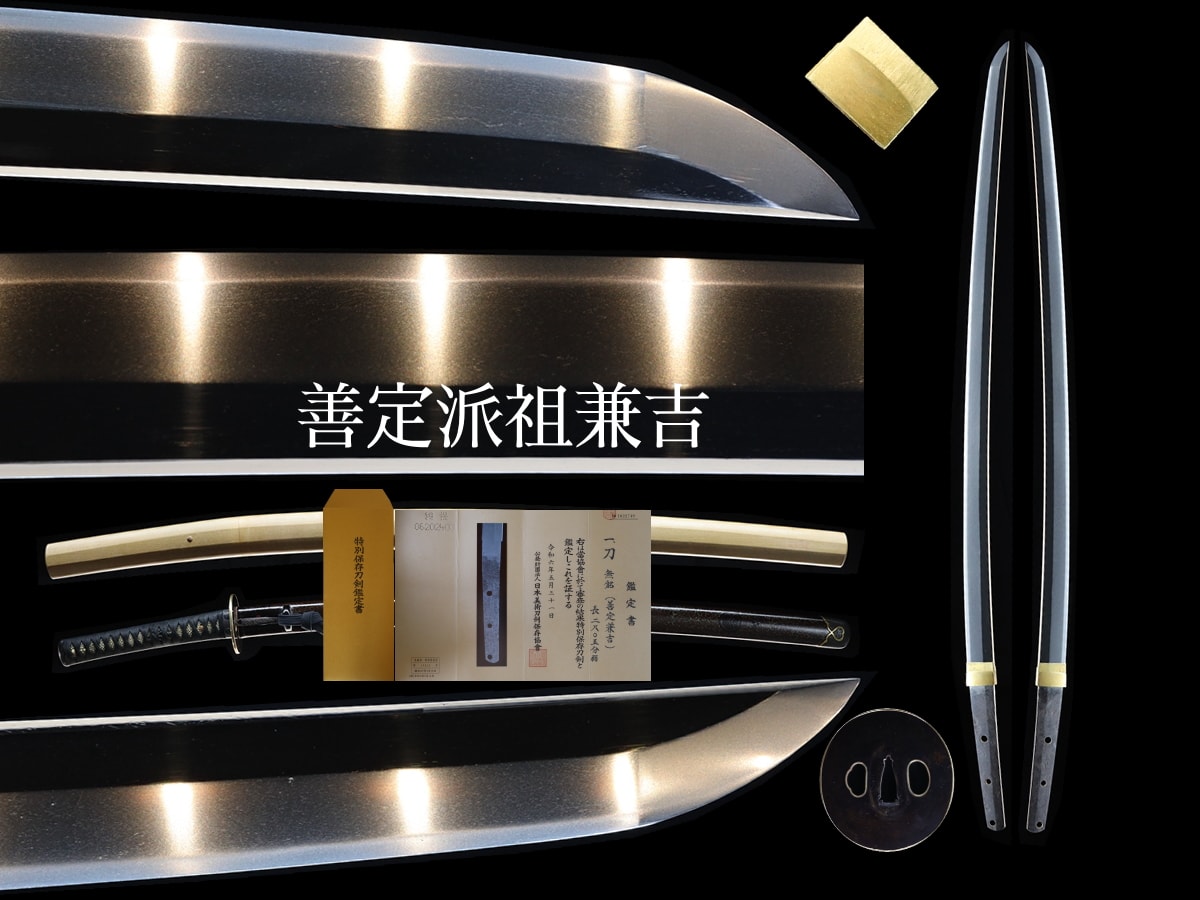
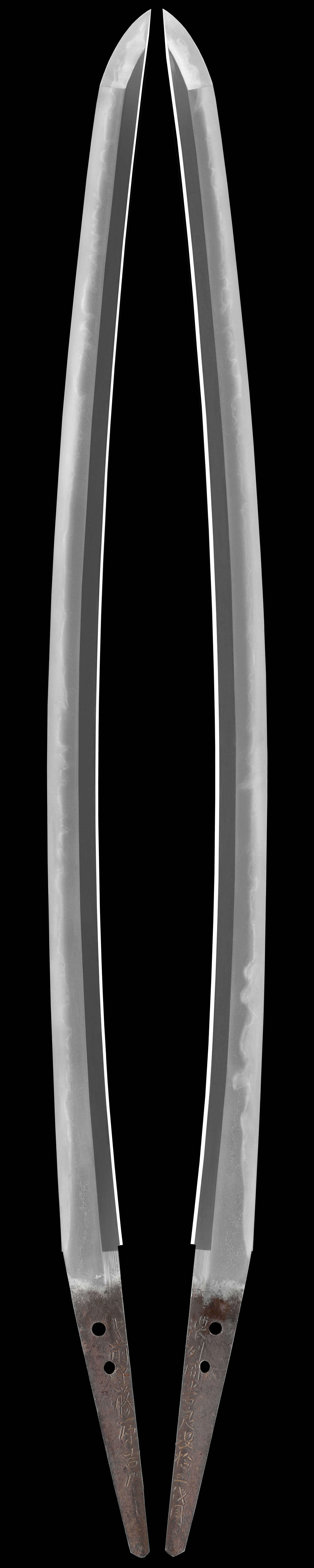
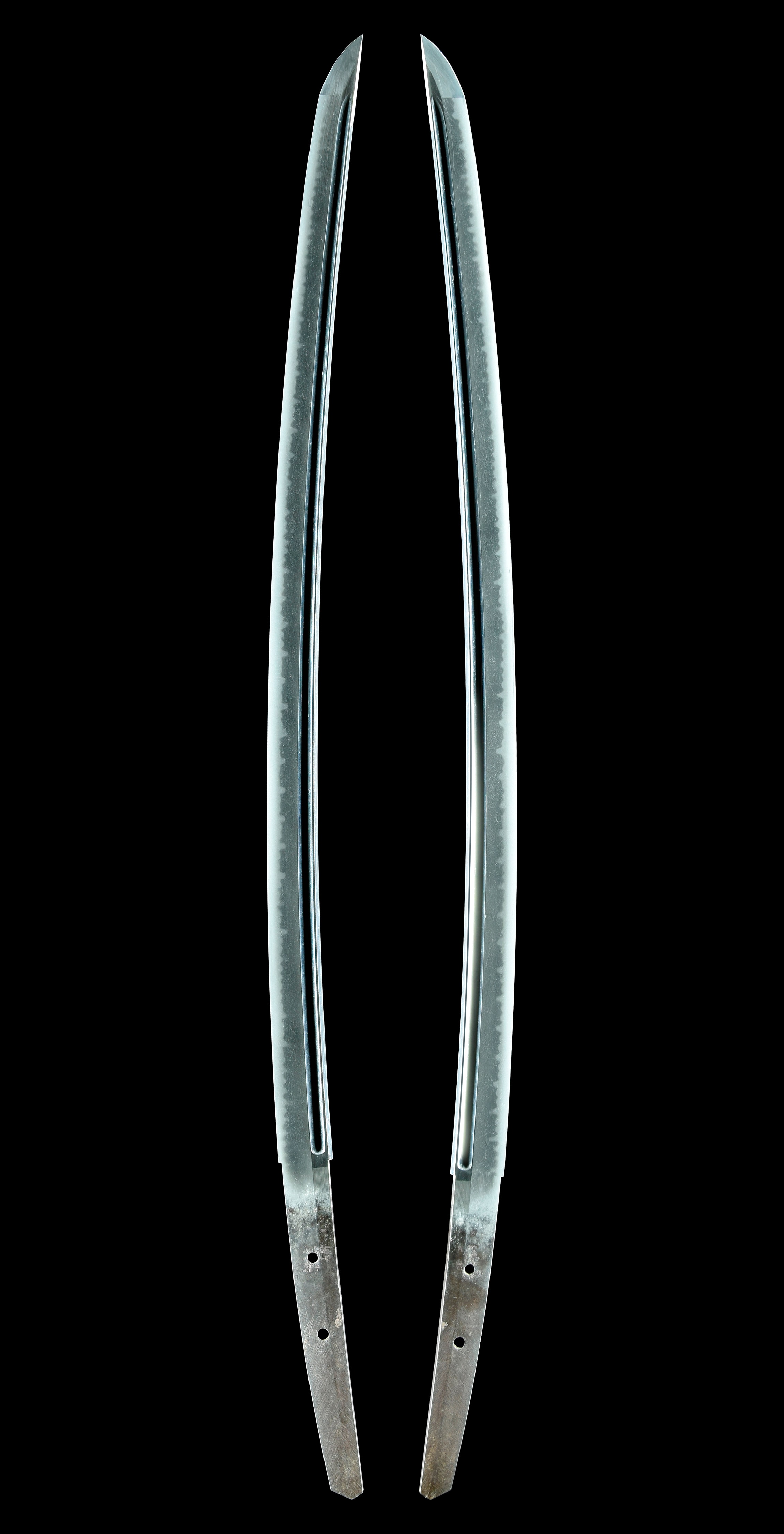
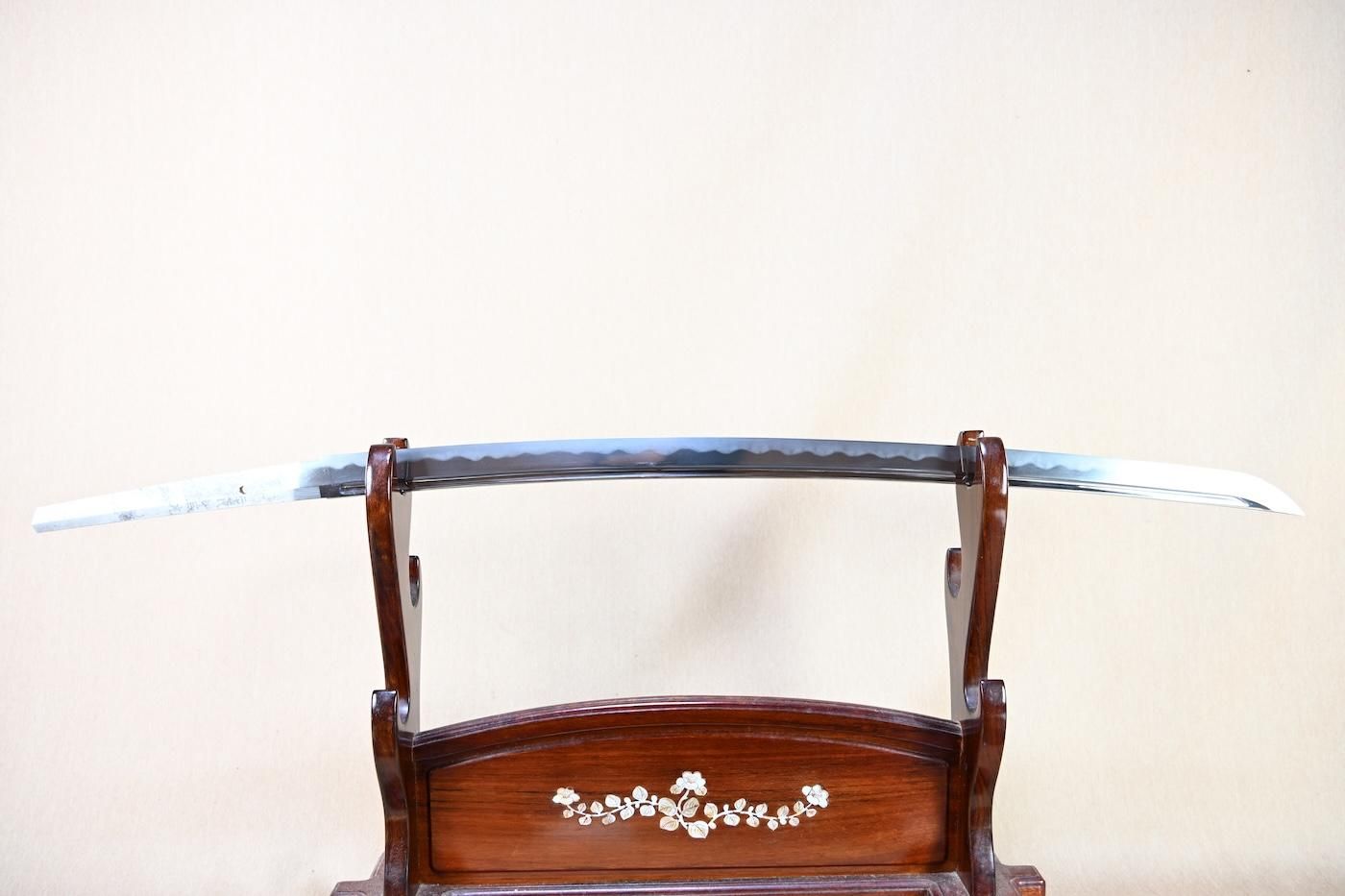
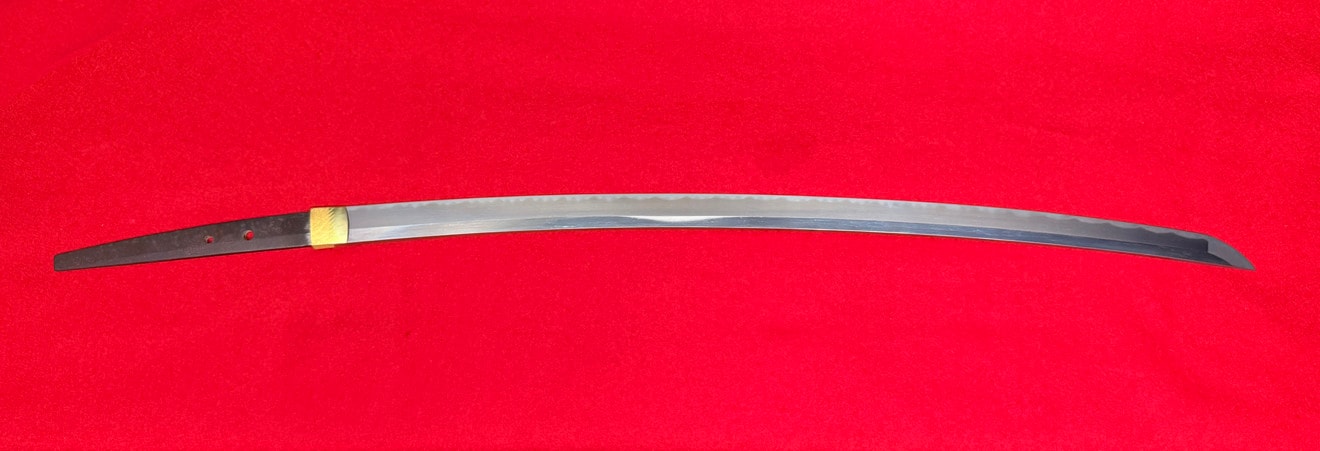
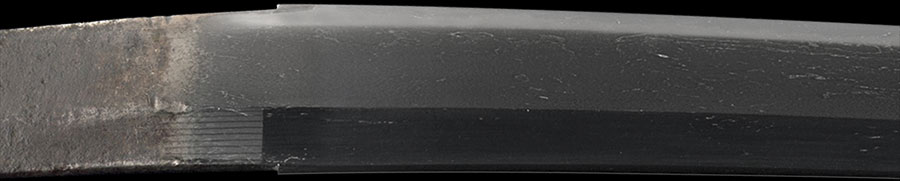
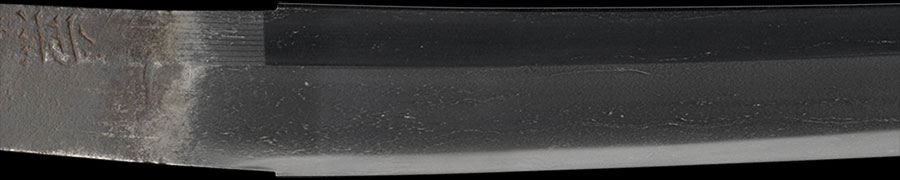
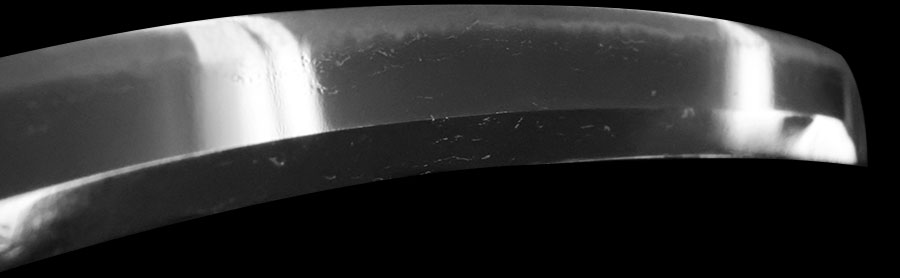
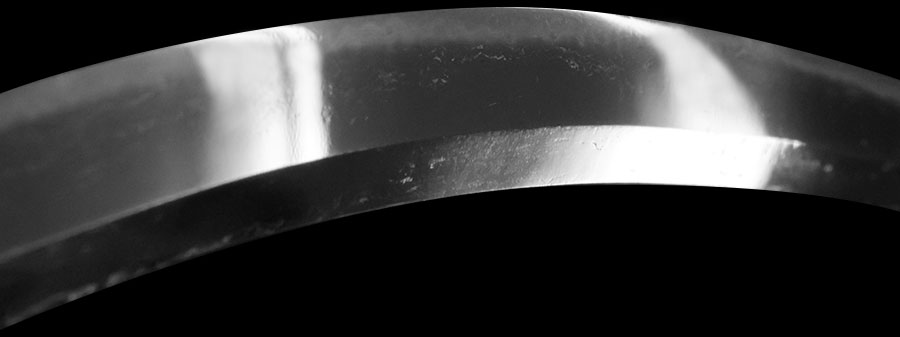
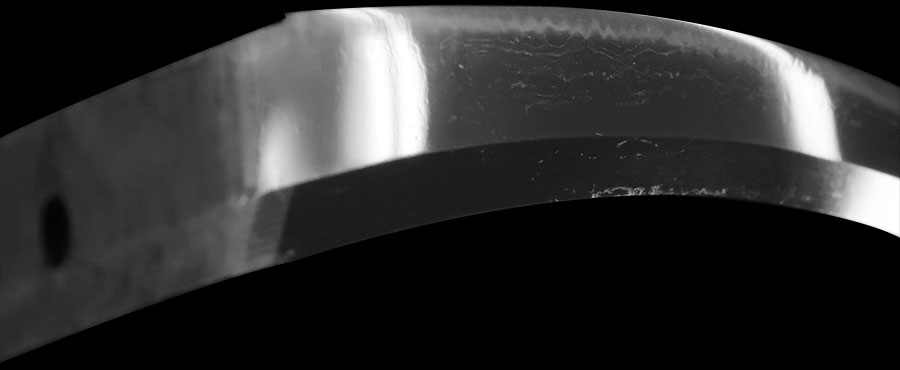
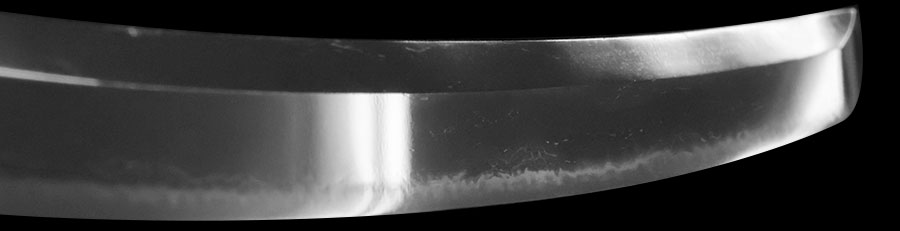
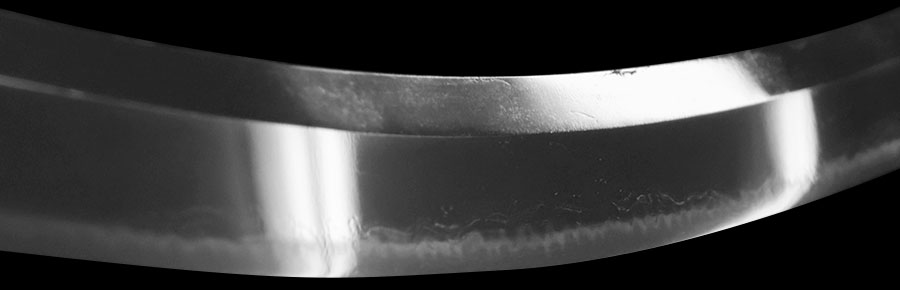
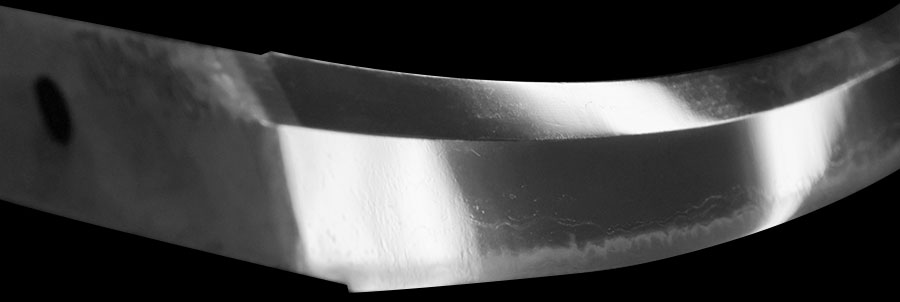
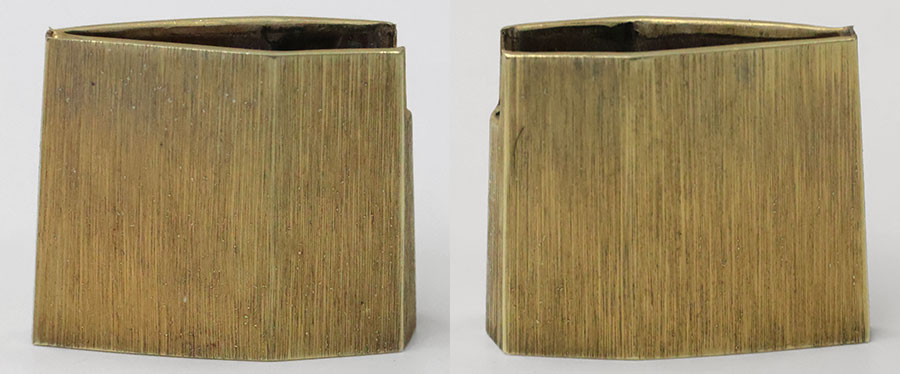
Weight: 593g (toshin only) It has appeared, it has appeared! A tachi by Kaneyoshi of the Mino Seki Zenjo school, which has been cherished and passed down through generations of an old family, has emerged. While it could be said that almost all works by Kaneyoshi feature the family tradition of suguha yakiba, when I beheld this Kaneyoshi with its ko-gunome-ba, it was such a shocking discovery that I nearly fell over in surprise. Kaneyoshi was the son of Yamato Tegai Kaneyoshi (written with different characters), who moved to Seki along with Yamato Shizu Kaneuji. Yamato Shizu took the name Kaneuji, and Kaneyoshi took the name Kaneyoshi, becoming the founder of the Zenjo school. This is a very old and prestigious lineage of swordsmiths continuing from the Nanbokucho period, around the Ko-o era (1389) (637 years ago). Although the name Kaneyoshi is famous, few works remain today, perhaps because many were consumed during the Sengoku period; in that sense, this Kaneyoshi tachi is precious. Regarding the mei on this tachi, as it is a tachi-mei, could it be the Kaneyoshi from around the Eikyo era (1429) (597 years ago) of the Muromachi period—the same time the second generation Bizen Osafune Yasumitsu was active? Since ancient times, because Kaneyoshi originated from Yamato Tegai, they almost exclusively forged archaic blades in a sugu-cho style similar to the Yamato Tegai school; however, this sword is an exceptional hamon, featuring a continuous series of ko-gunome midare-ba. The sugata of this sword shows a slightly high shinogi with a difference between the moto-mihaba and saki-mihaba, presenting a fine tachi-sugata with sori. The jigane is a tightly packed ko-itame hada mixed with masame hada, with ji-nie attached, forging a clear jigane. The hamon is a continuous series of ko-gunome-ba in nioi-deki with ko-nie. This tachi by Kaneyoshi has been cherished for generations by an old family, but as they have aged, we have been entrusted to find someone who will treasure this tachi by the head smith of the Zenjo school, and to offer it at a low price. As it has not yet been submitted for shinsa, even though it is a wonderfully made tachi, we are offering it as a "kibo-mei" (hoped-for signature) Kaneyoshi tachi at a special bargain price. The accompanying gold-clad ichiju habaki is also quite heavy and would be expensive to make today. Since I have never personally seen a tachi-mei by Kaneyoshi before, please enjoy this for now as a kibo-mei Kaneyoshi.
 NihontoWatch











Mino-den · Mino
4 pieces on the market now
| Smith | Era | Designated |
|---|---|---|
| Kaneshige兼重 | 1504-1521 | 0 |
| Kaneyoshi兼吉 | 1854-1860 | 0 |
| Kanekado兼門 | 1428-1429 | 0 |
| Yoshikado吉門 | 1624-1644 | 0 |
| Chikanori近則 | 1818-1864 | 0 |
Mino in the Nanbokuchō period
Mino was founded, tradition holds, by immigrants: Kaneuji of the Yamato Tegai line settled at Shizu to work in the new Sōshū manner, so persuasively that later appraisers judged his best blades the closest of any to Masamune.
We could not find an authenticity certificate on the seller’s listing. Japanese swords and fittings are normally papered by the NBTHK (or the NTHK). Without one, the attribution is the seller’s own assessment and has not been independently verified — treat it with caution and ask the dealer about certification before buying.
For returns due to customer circumstances, the cost is the customer's responsibility. For returns due to our mis-shipment or a defective item, we bear the cost.