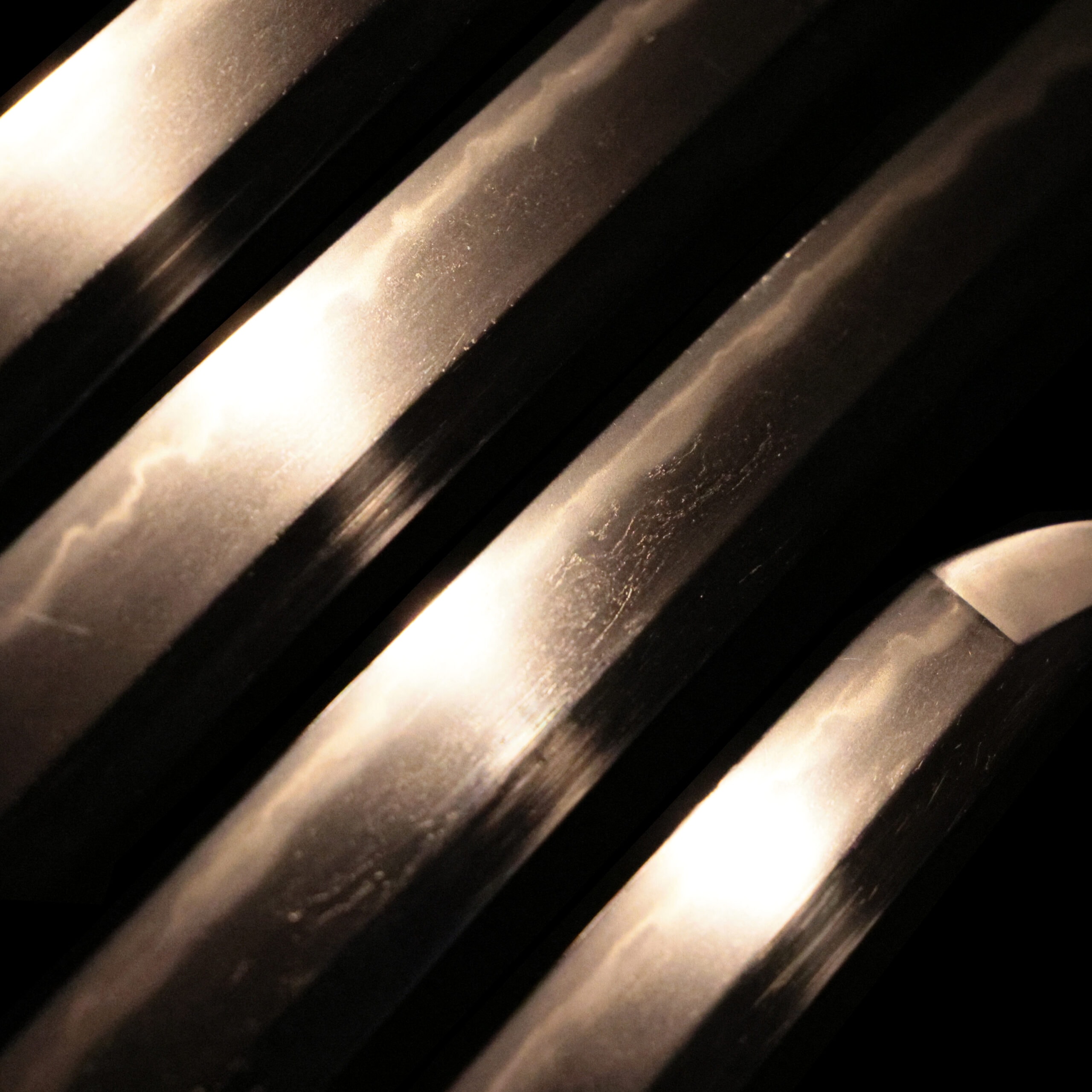
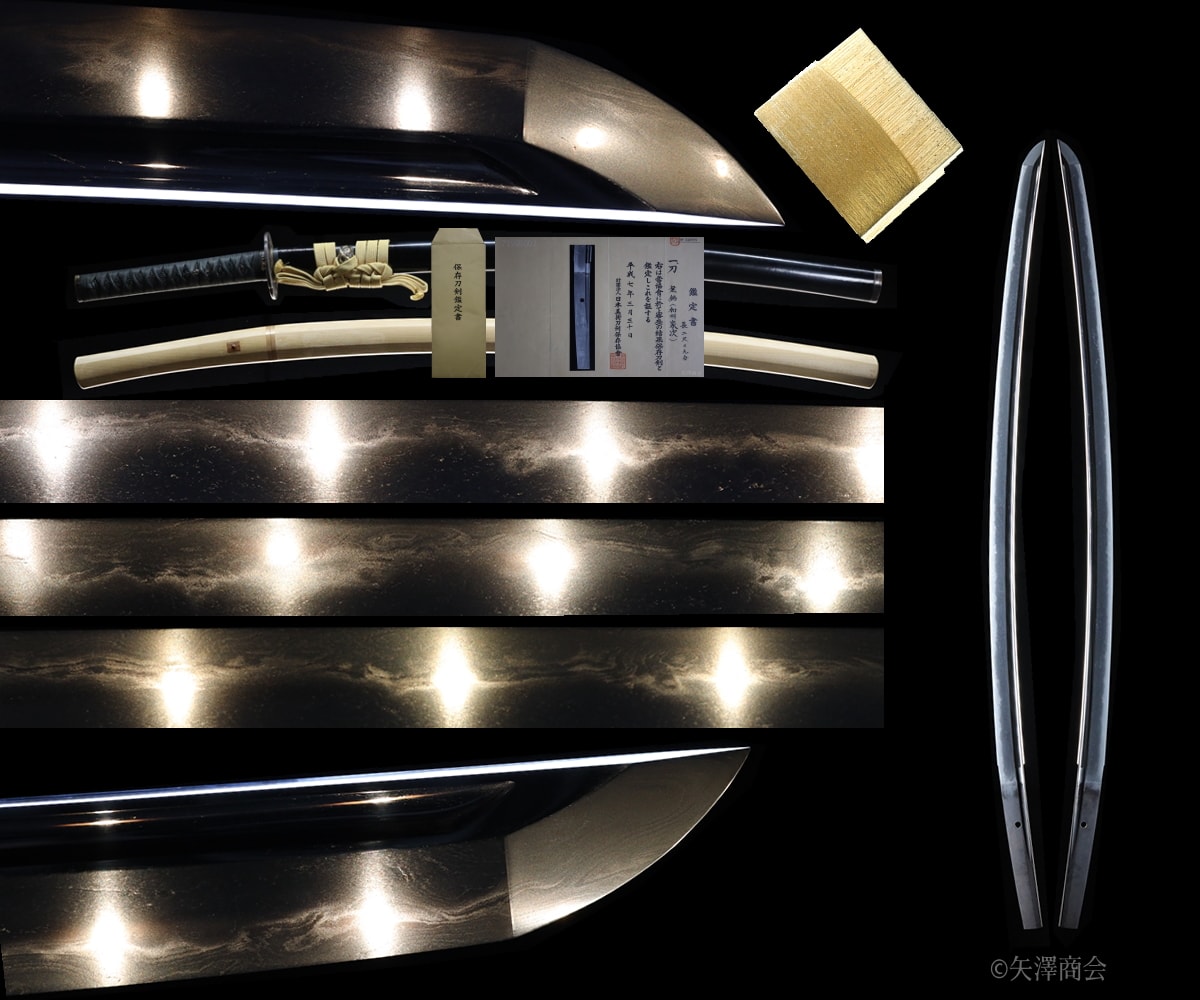
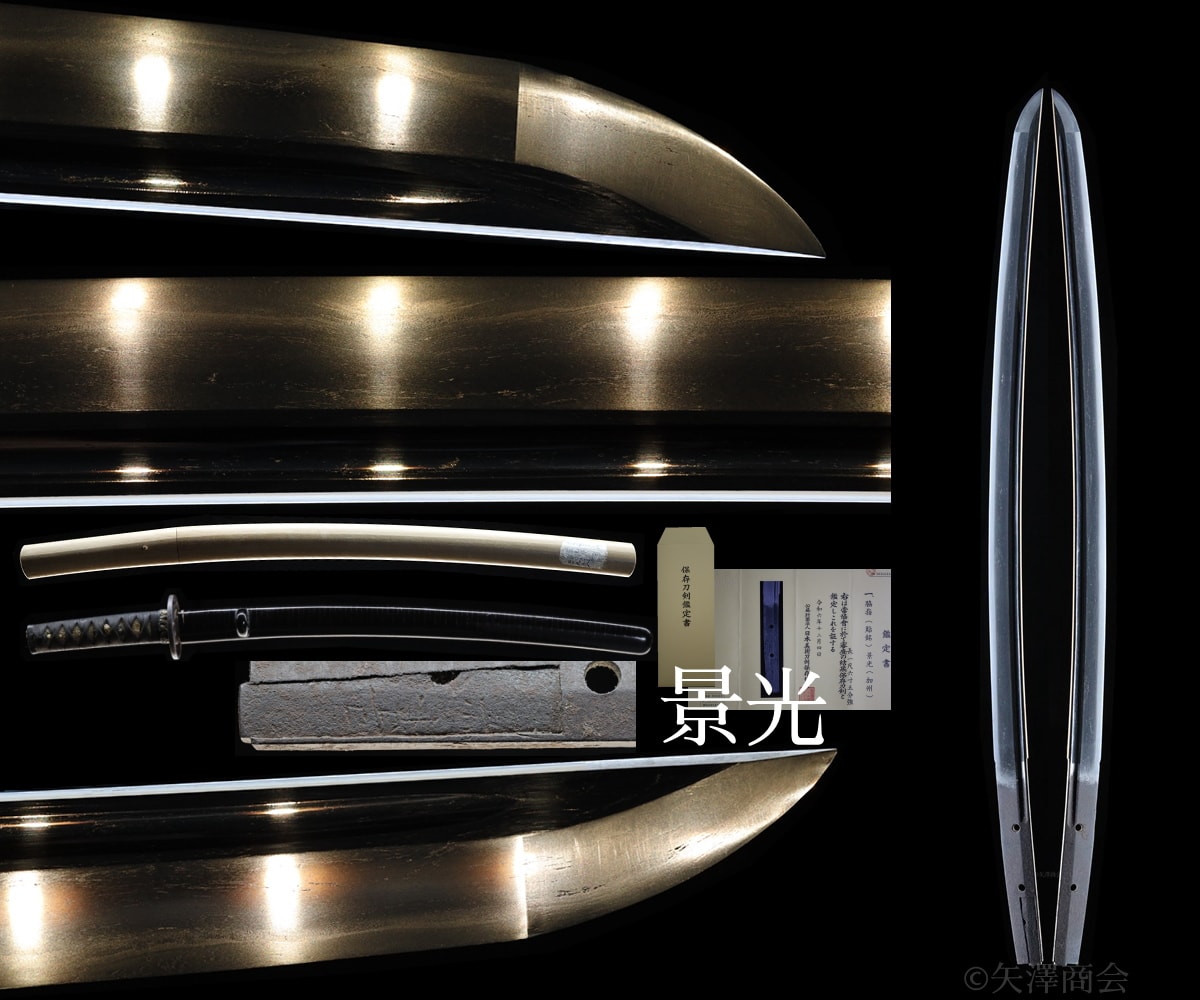
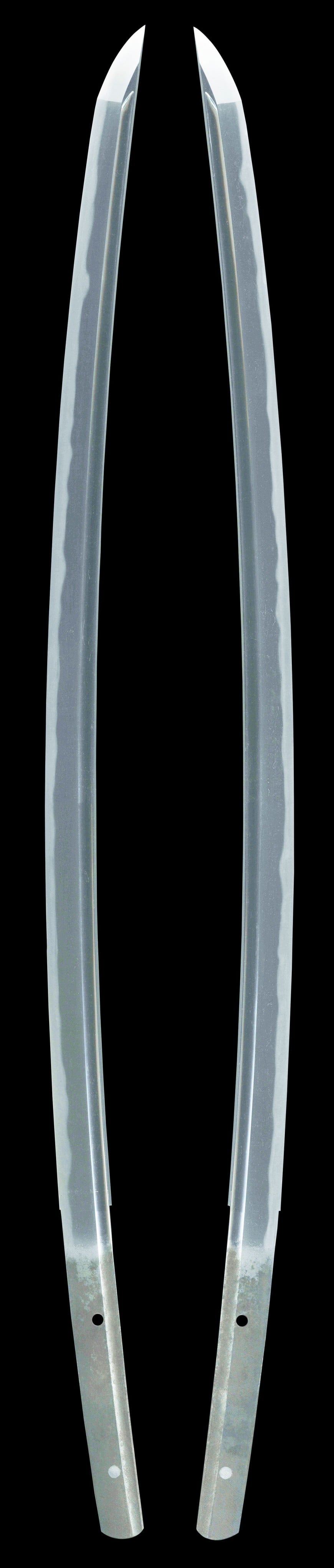
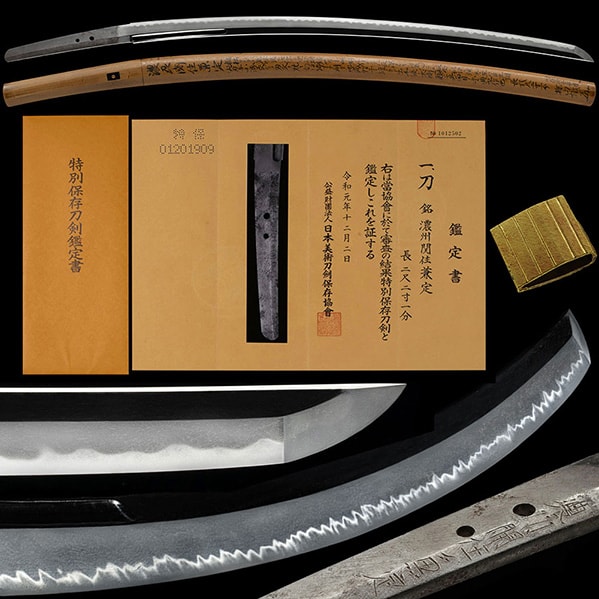
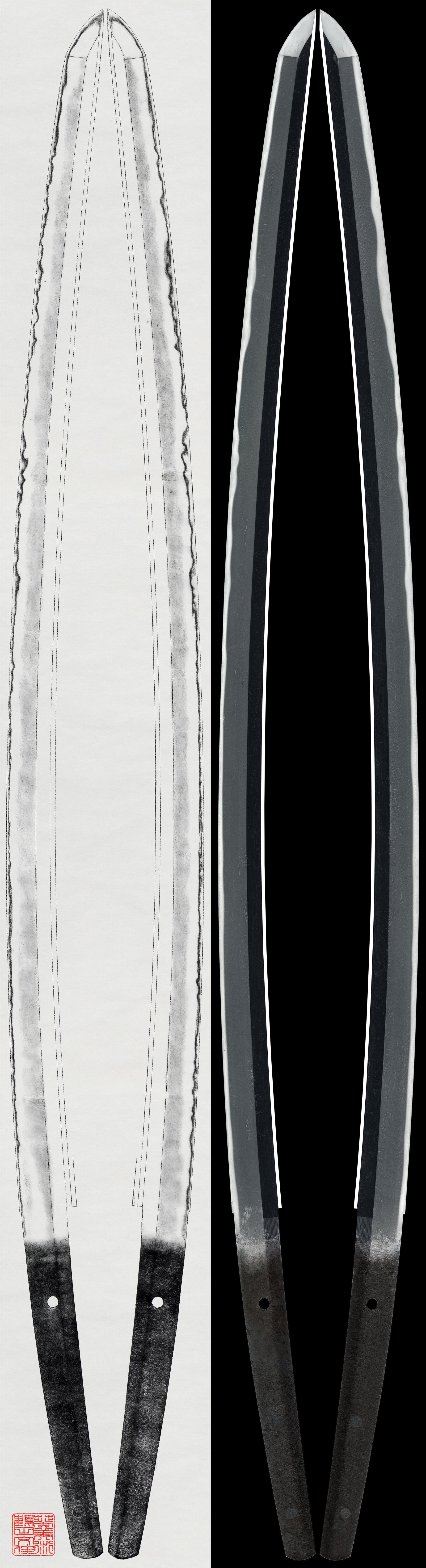
Sengoku Seki was an industry: smiths organized under their tutelary Kasuga shrine, arming the war bands of central Japan. Magoroku Kanemoto’s sanbonsugi and the finest Kanesada work prove quality survived inside mass production.
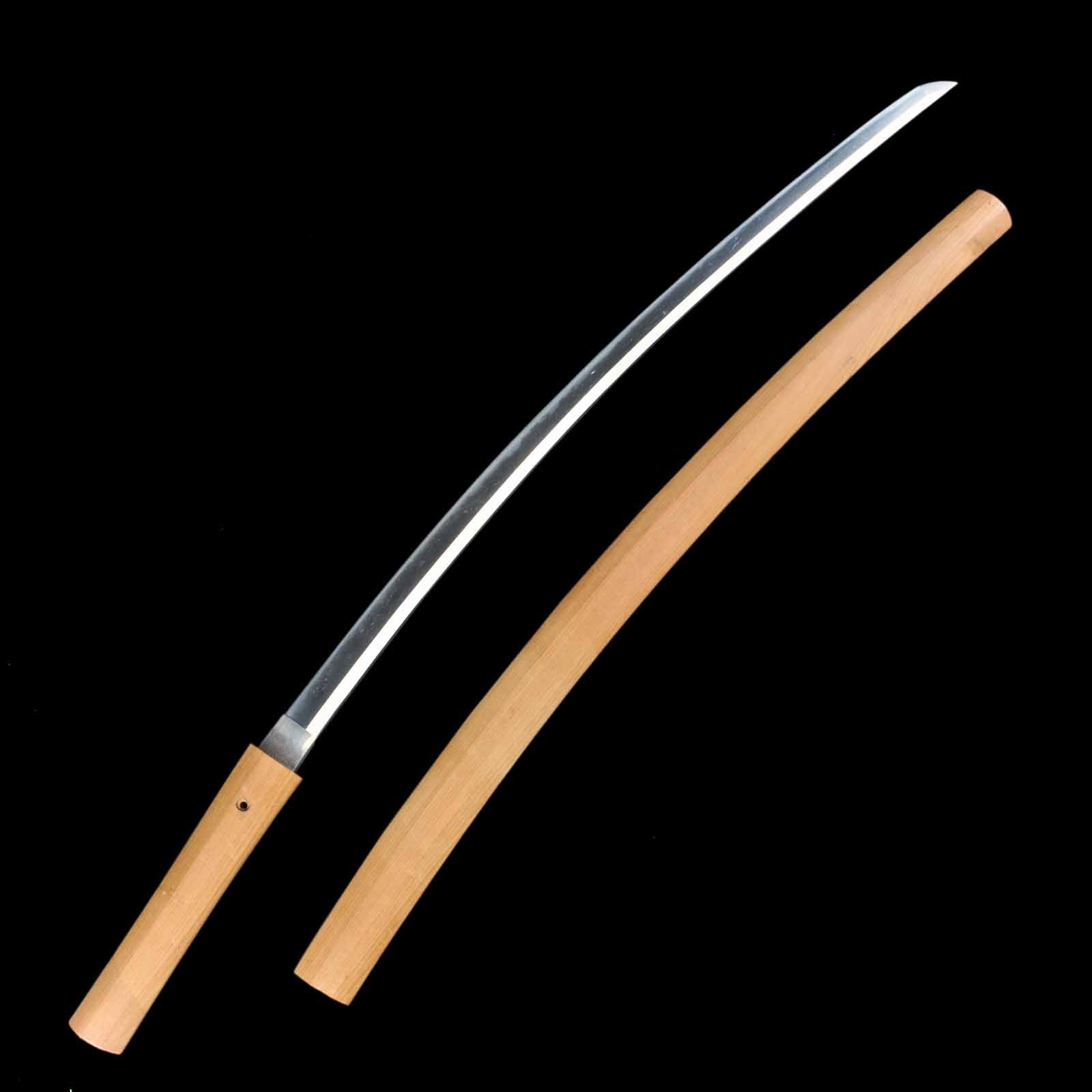
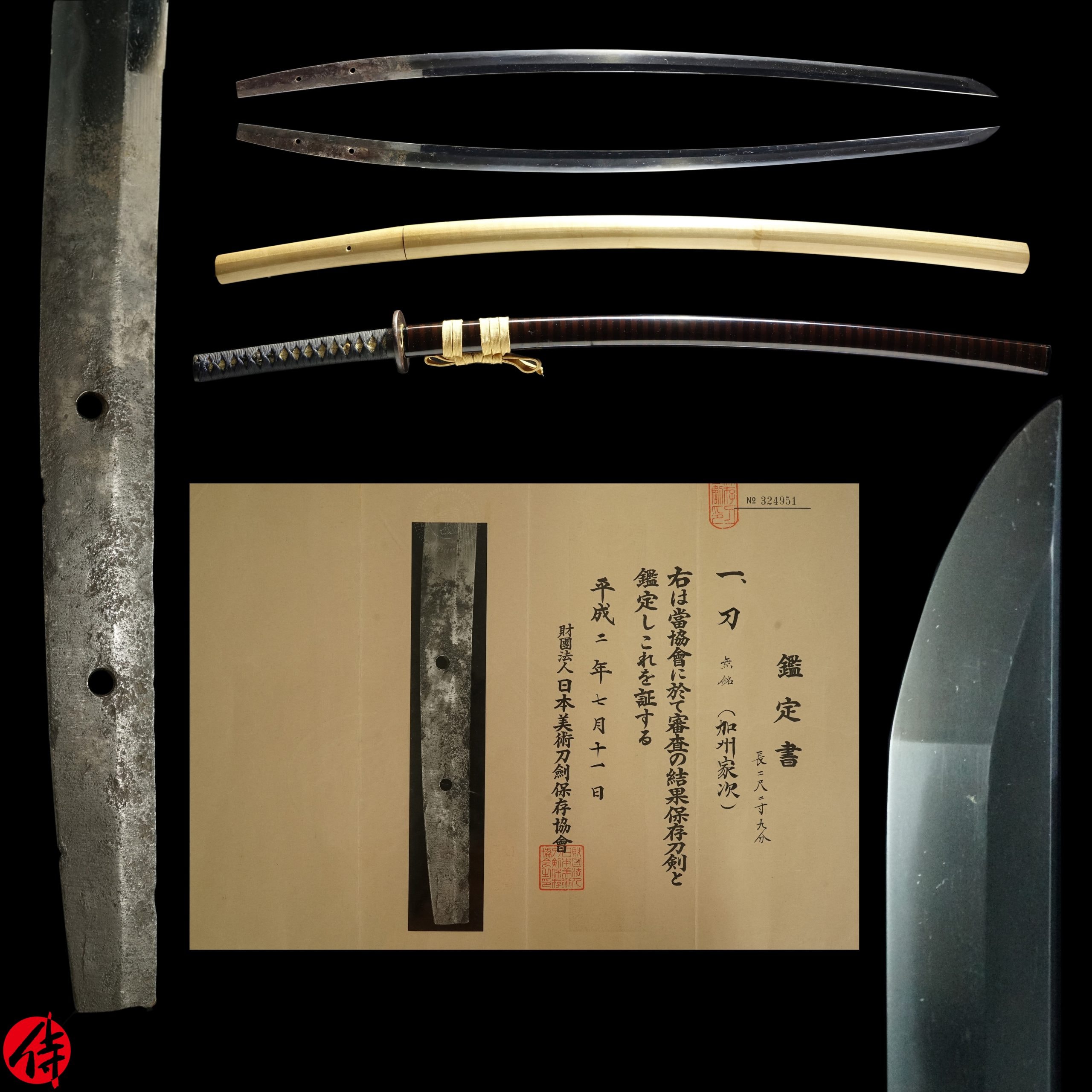
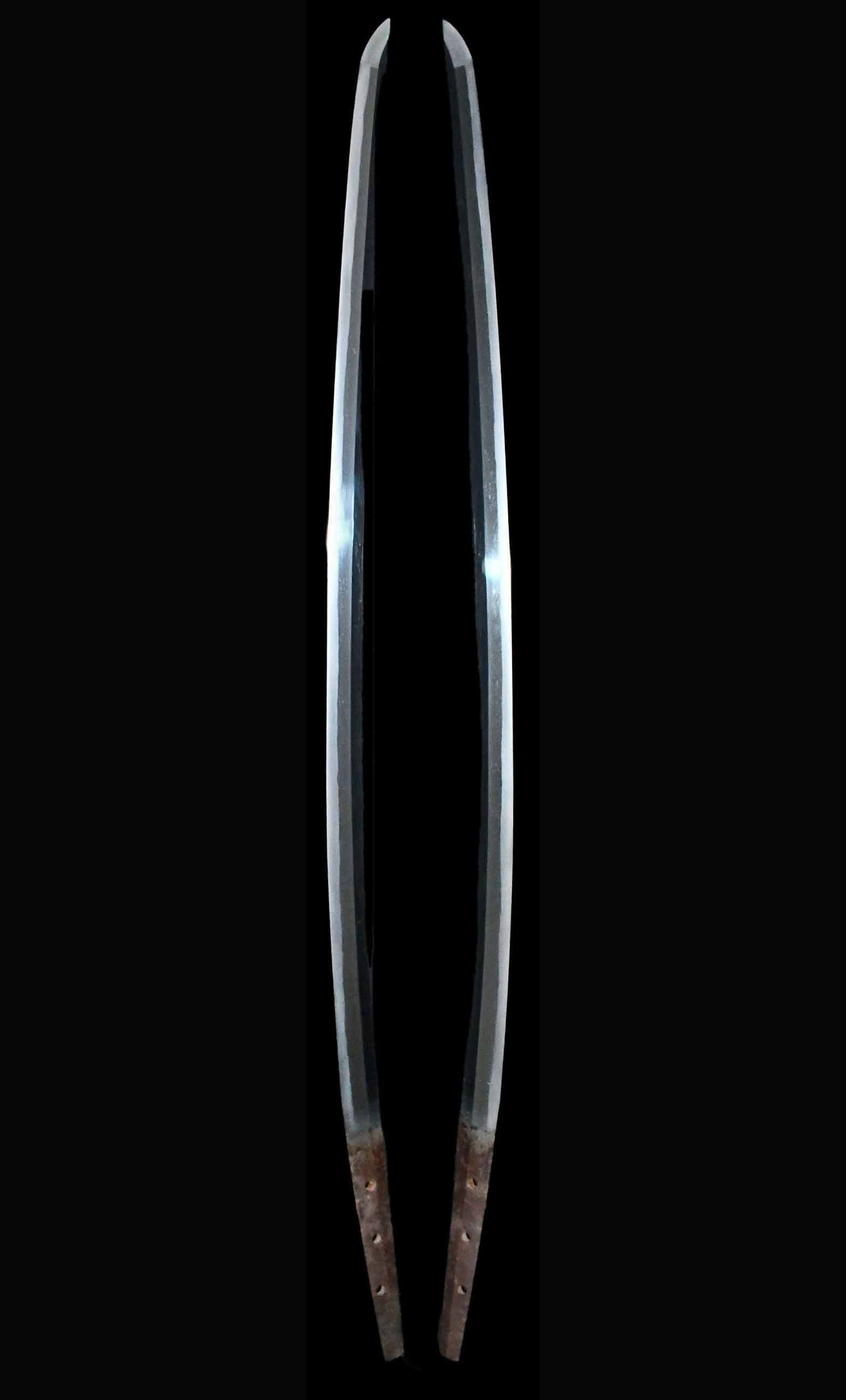
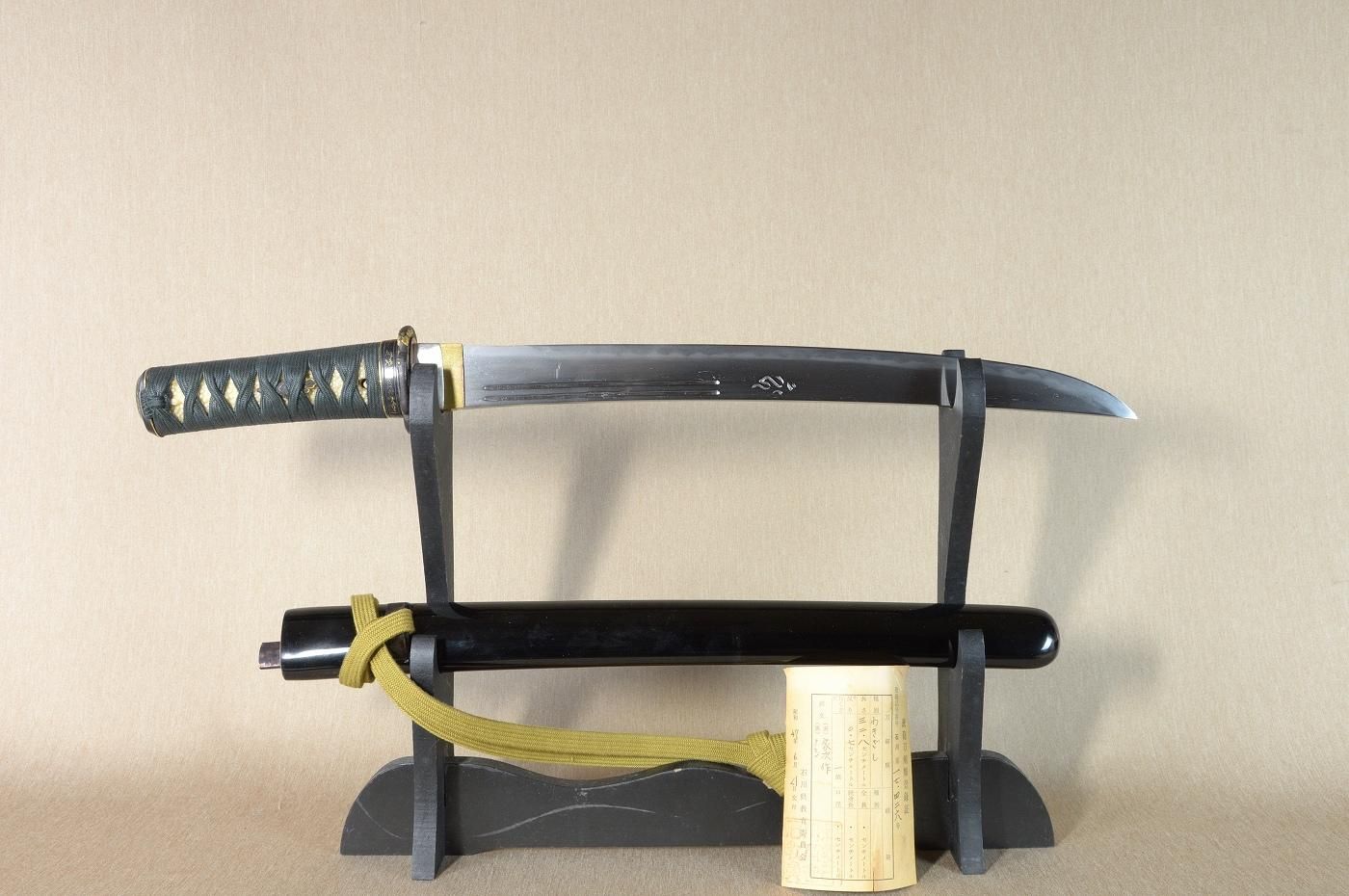
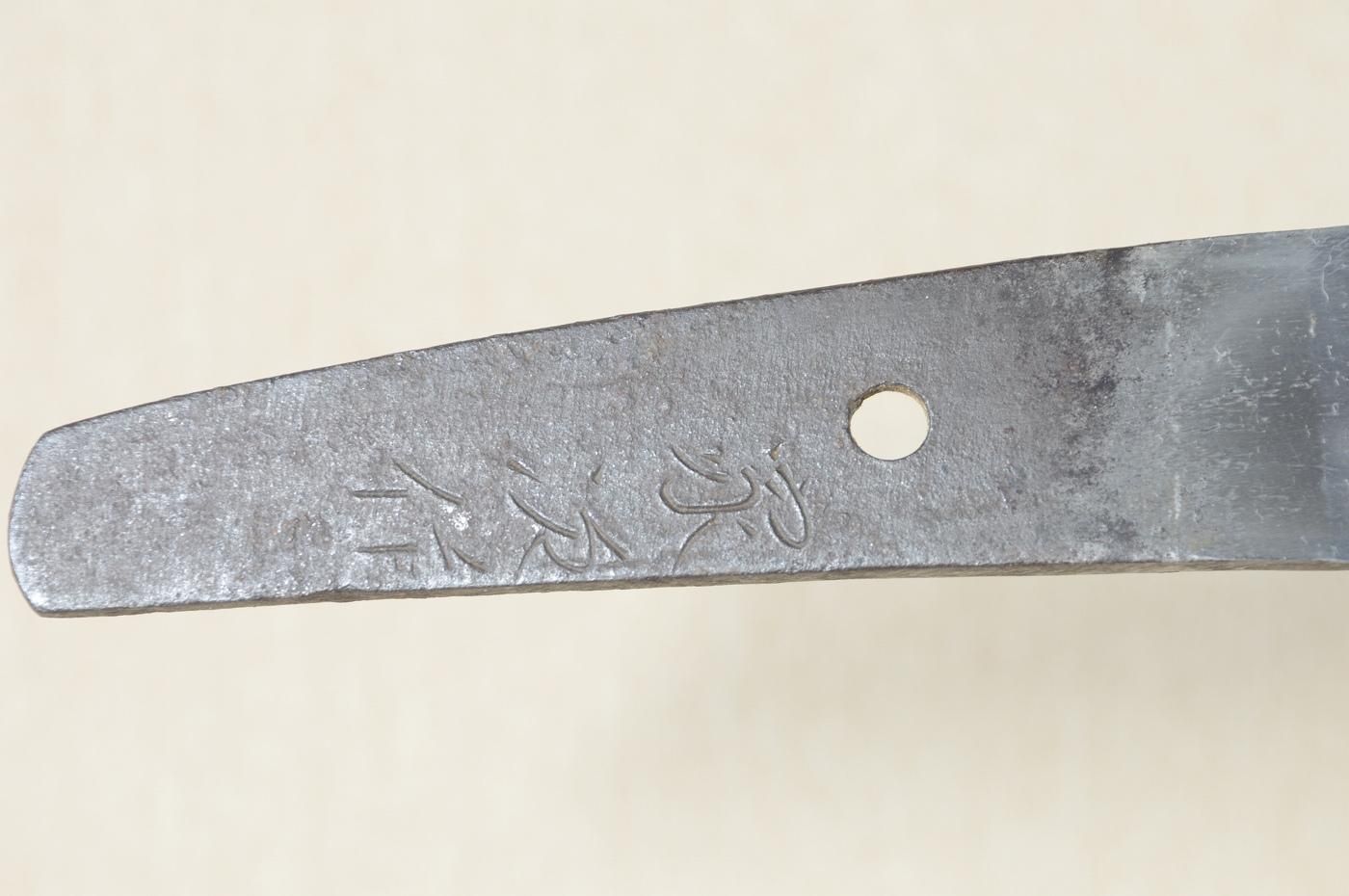
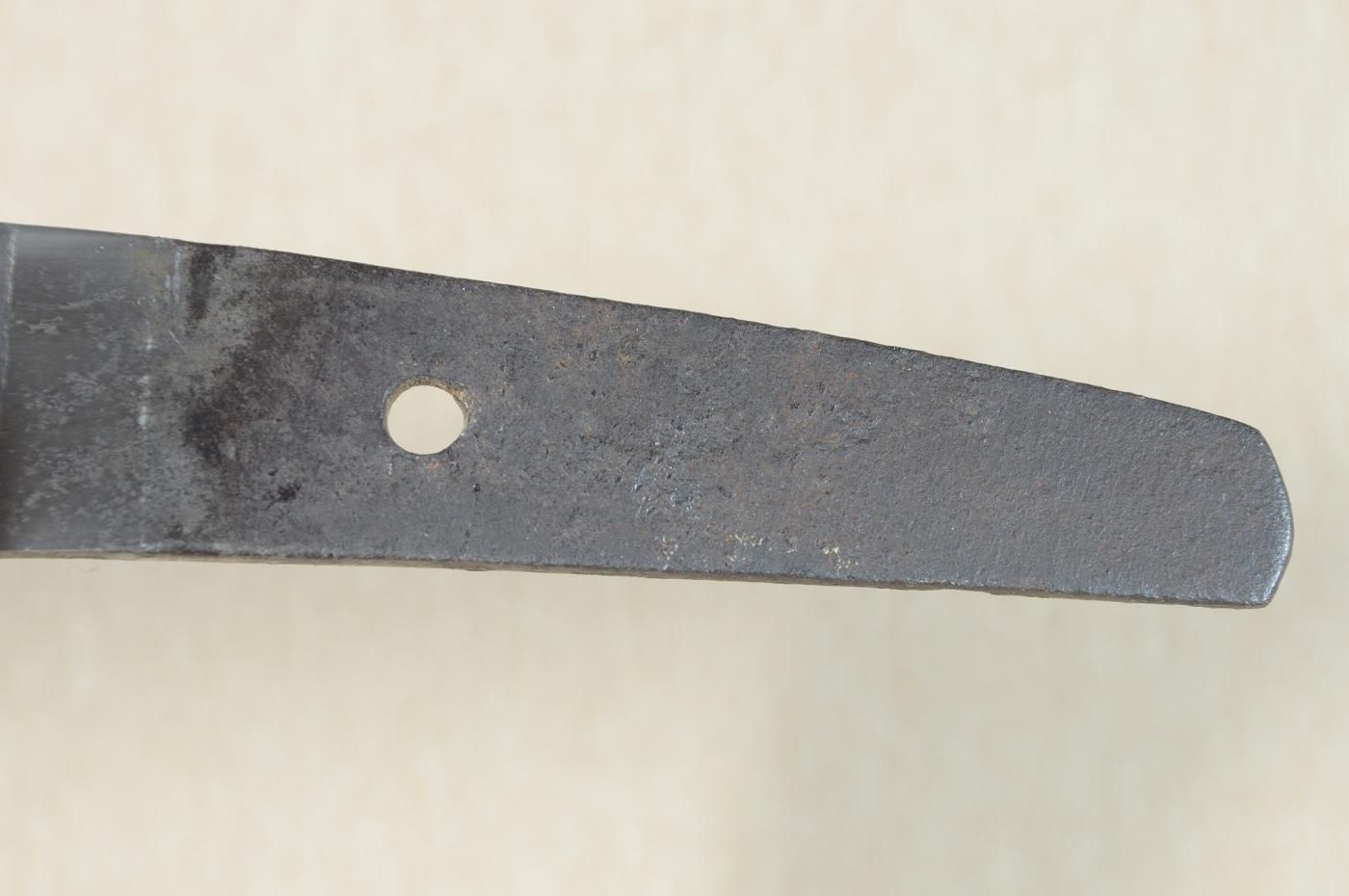
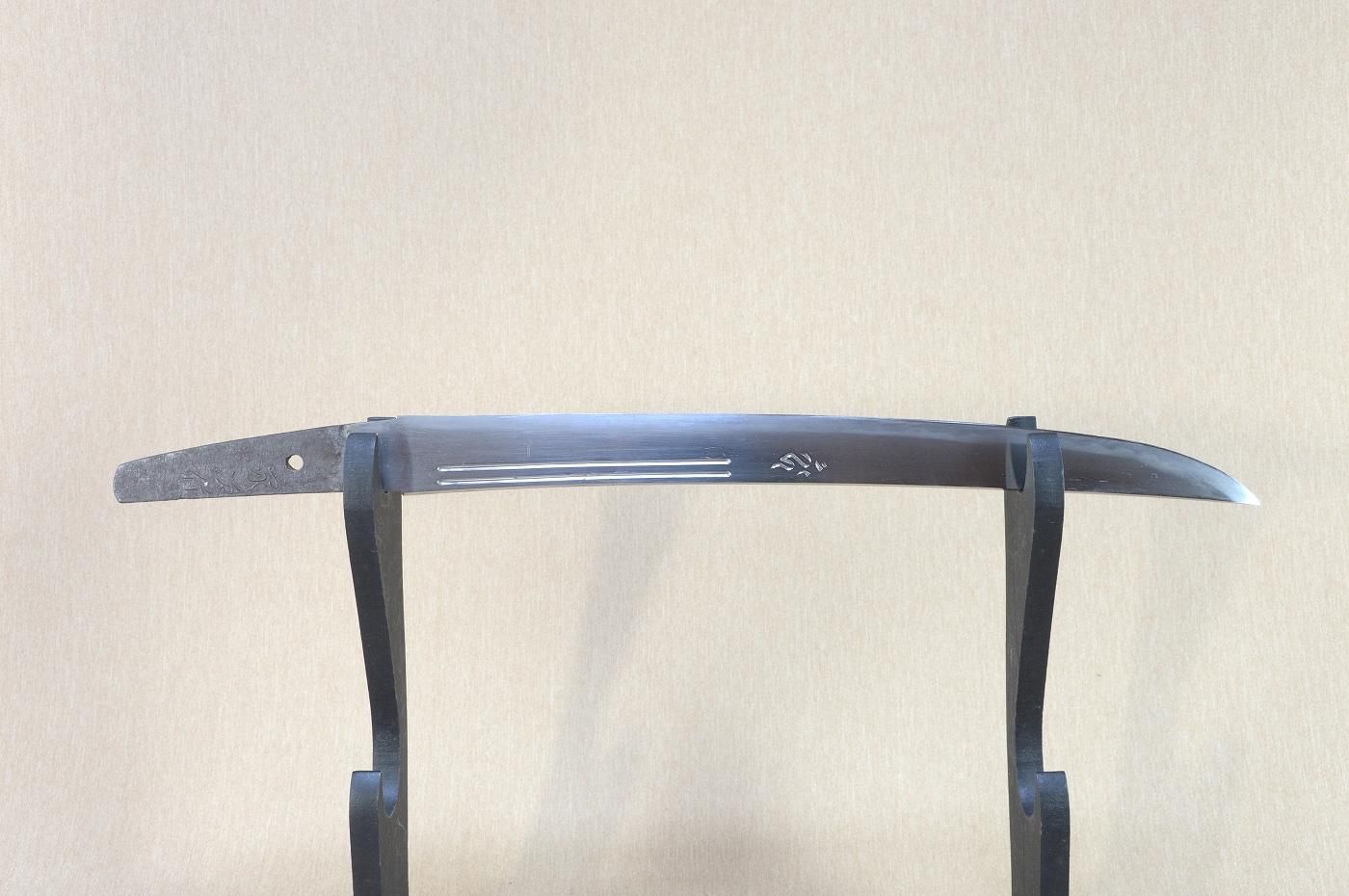
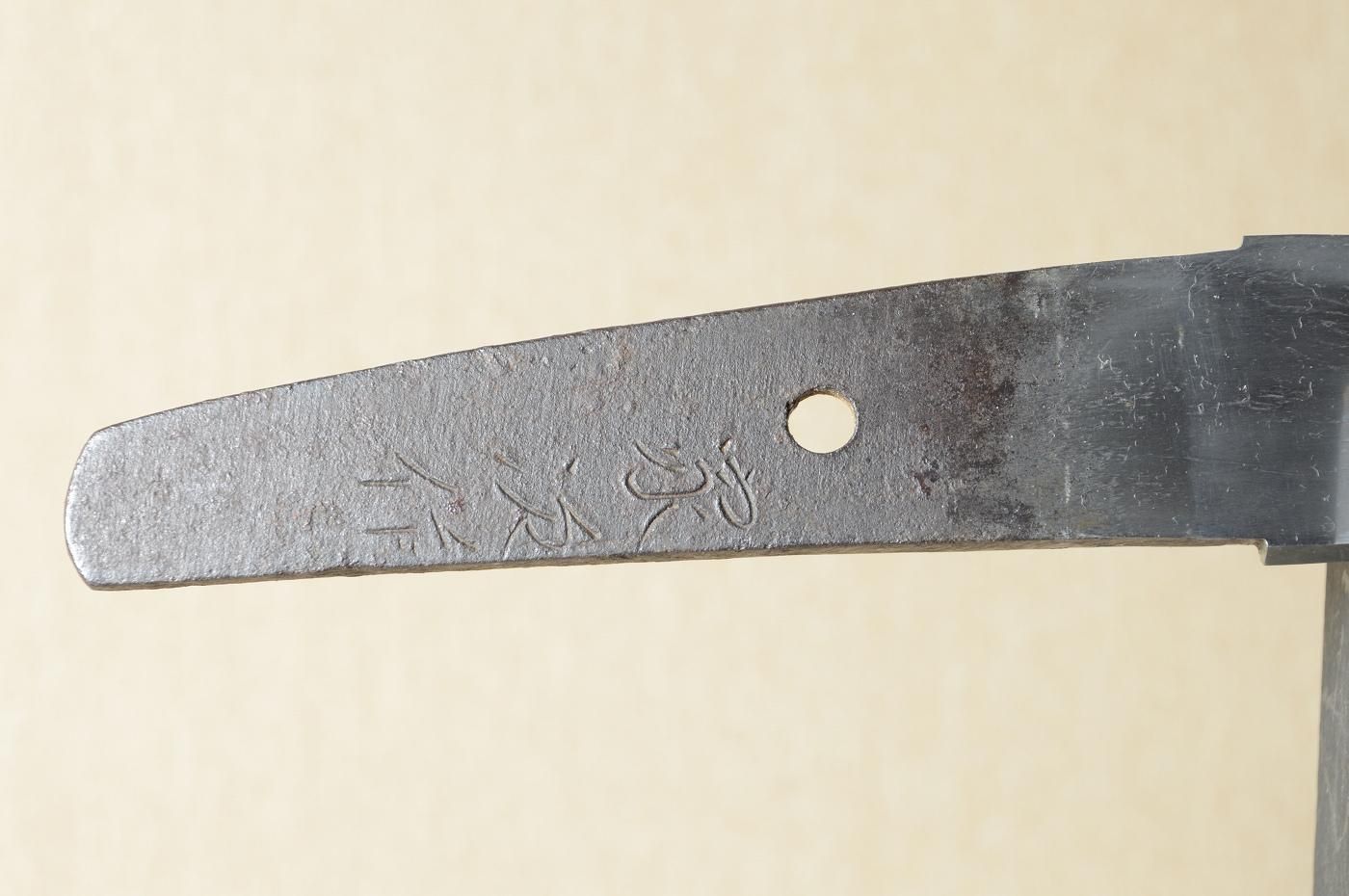
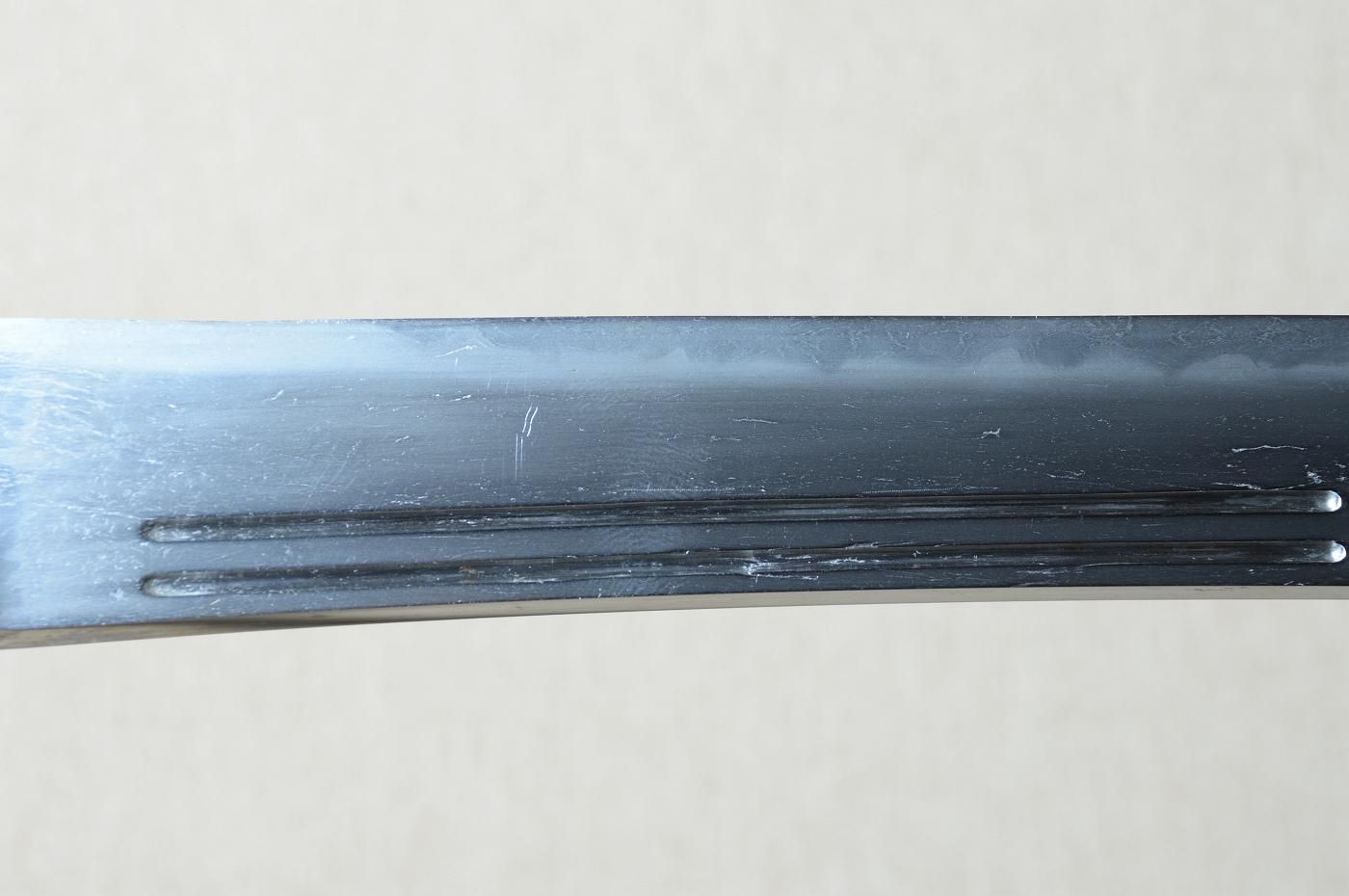
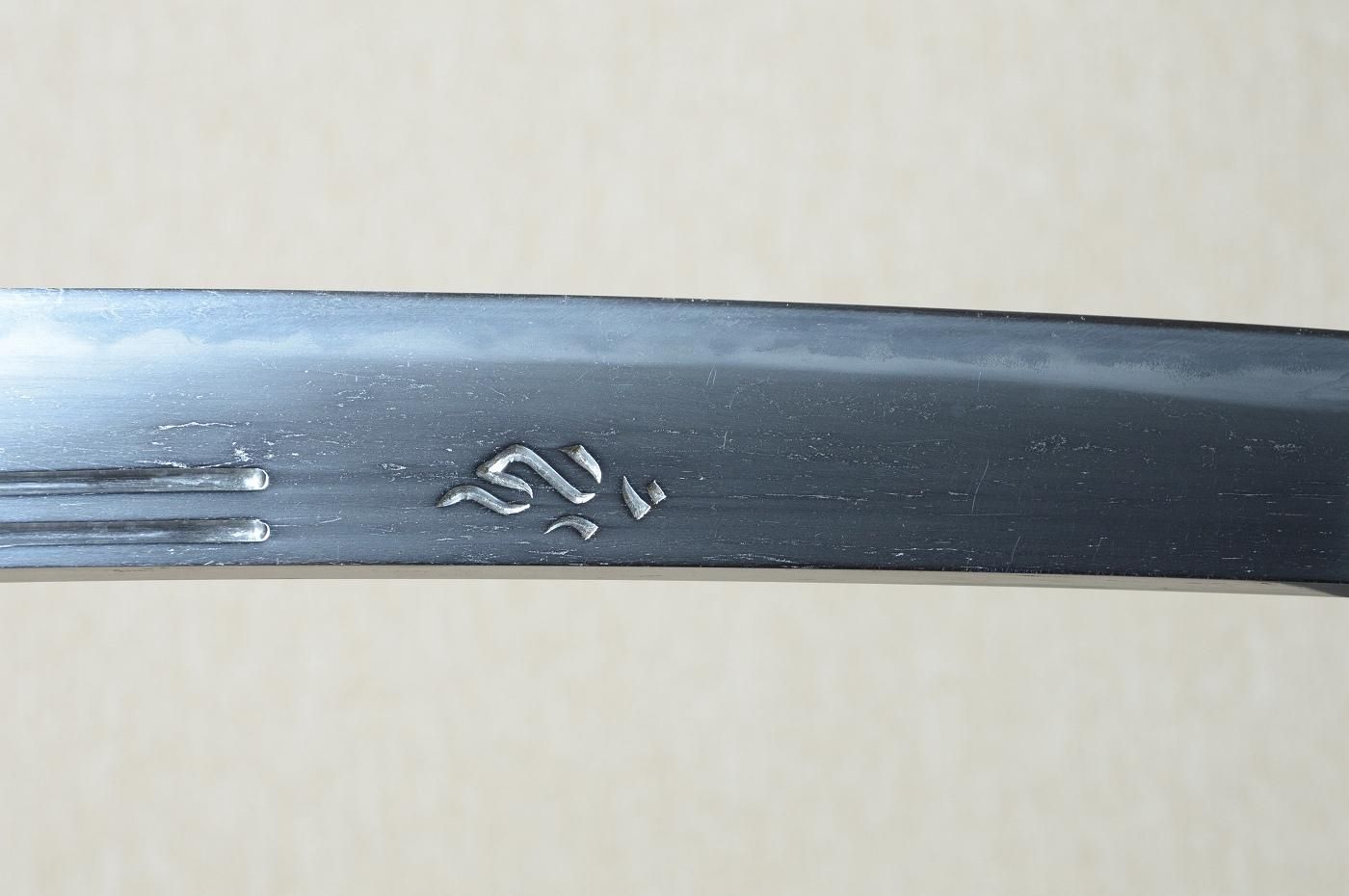
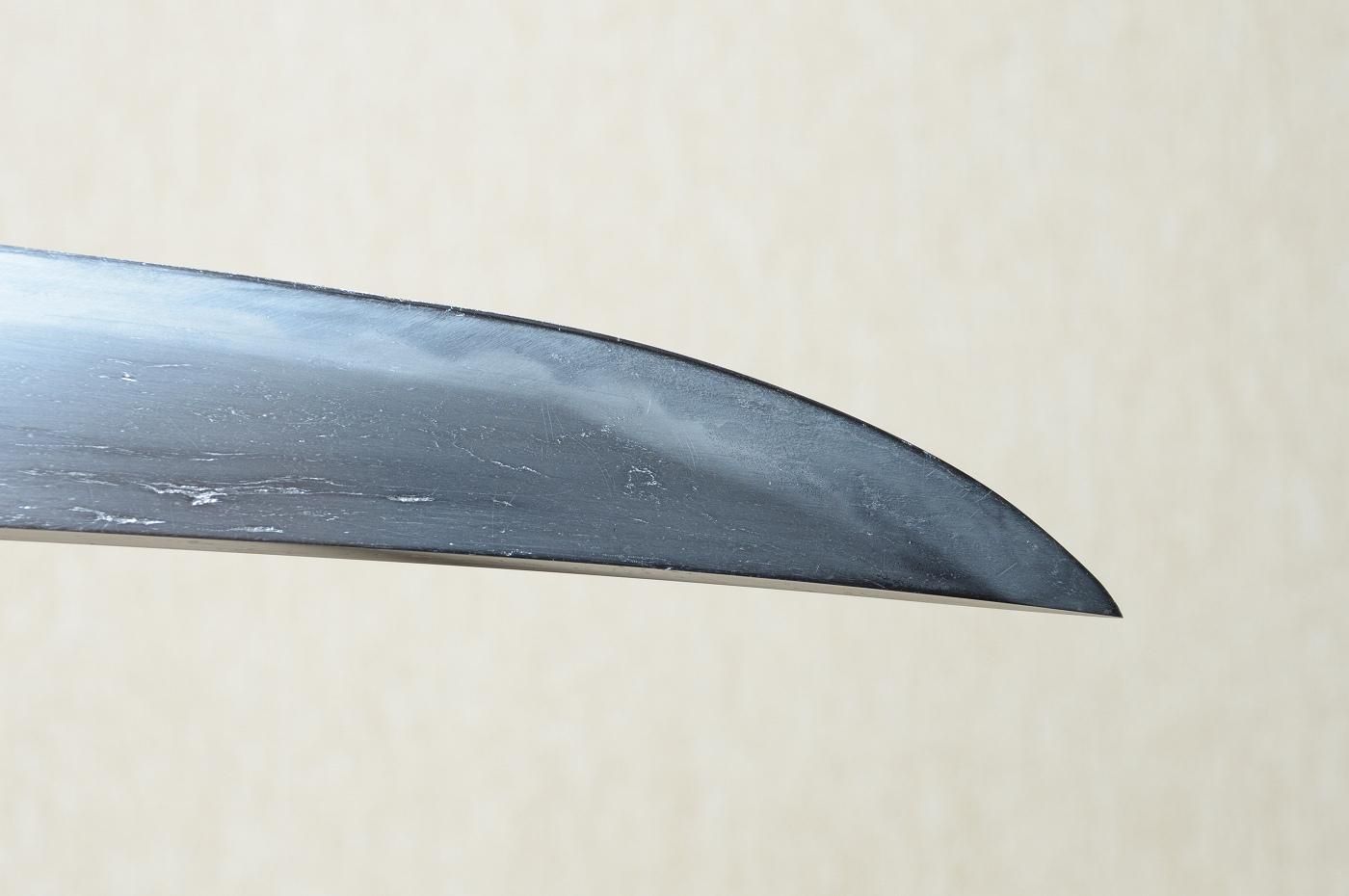
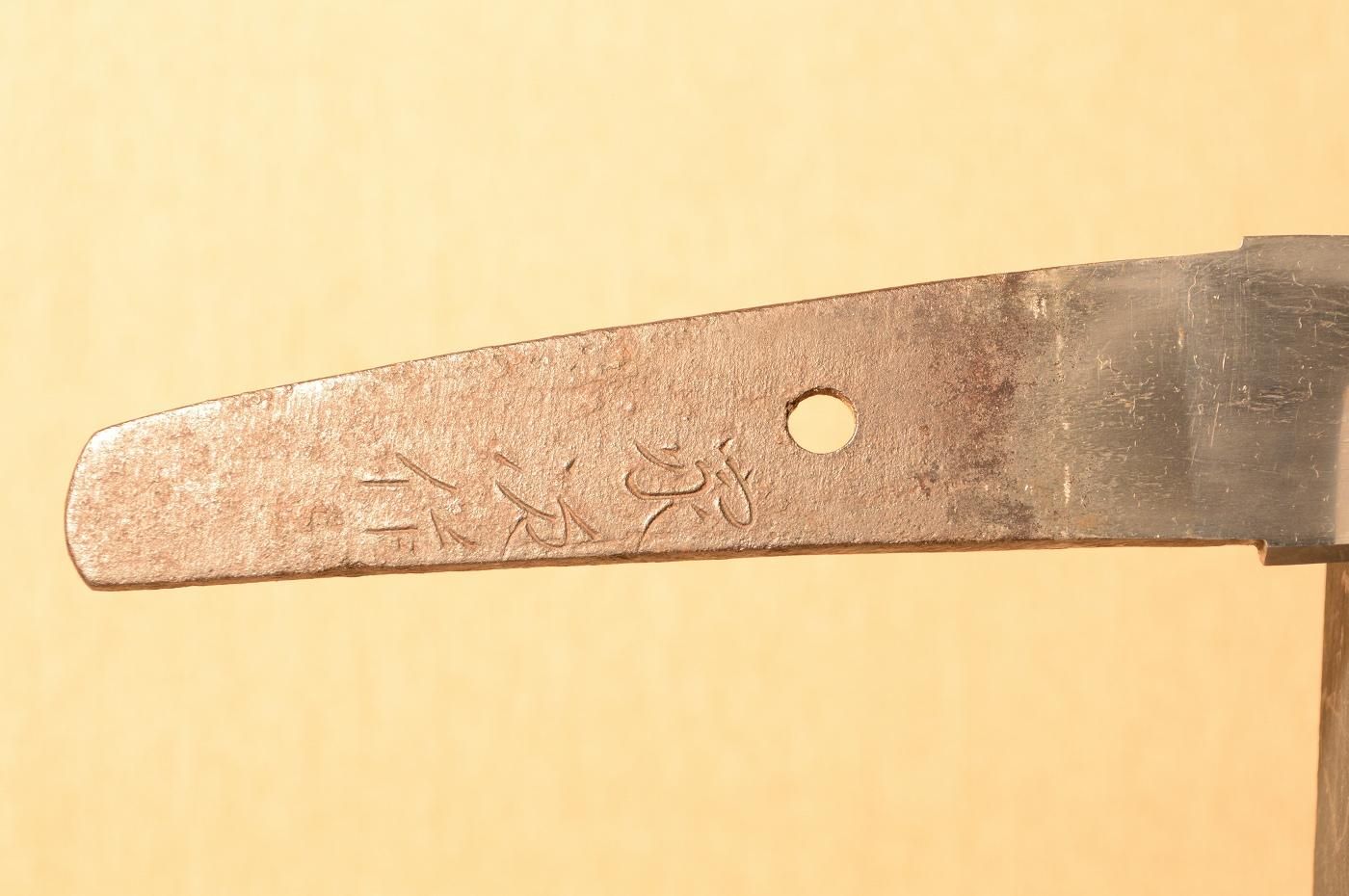
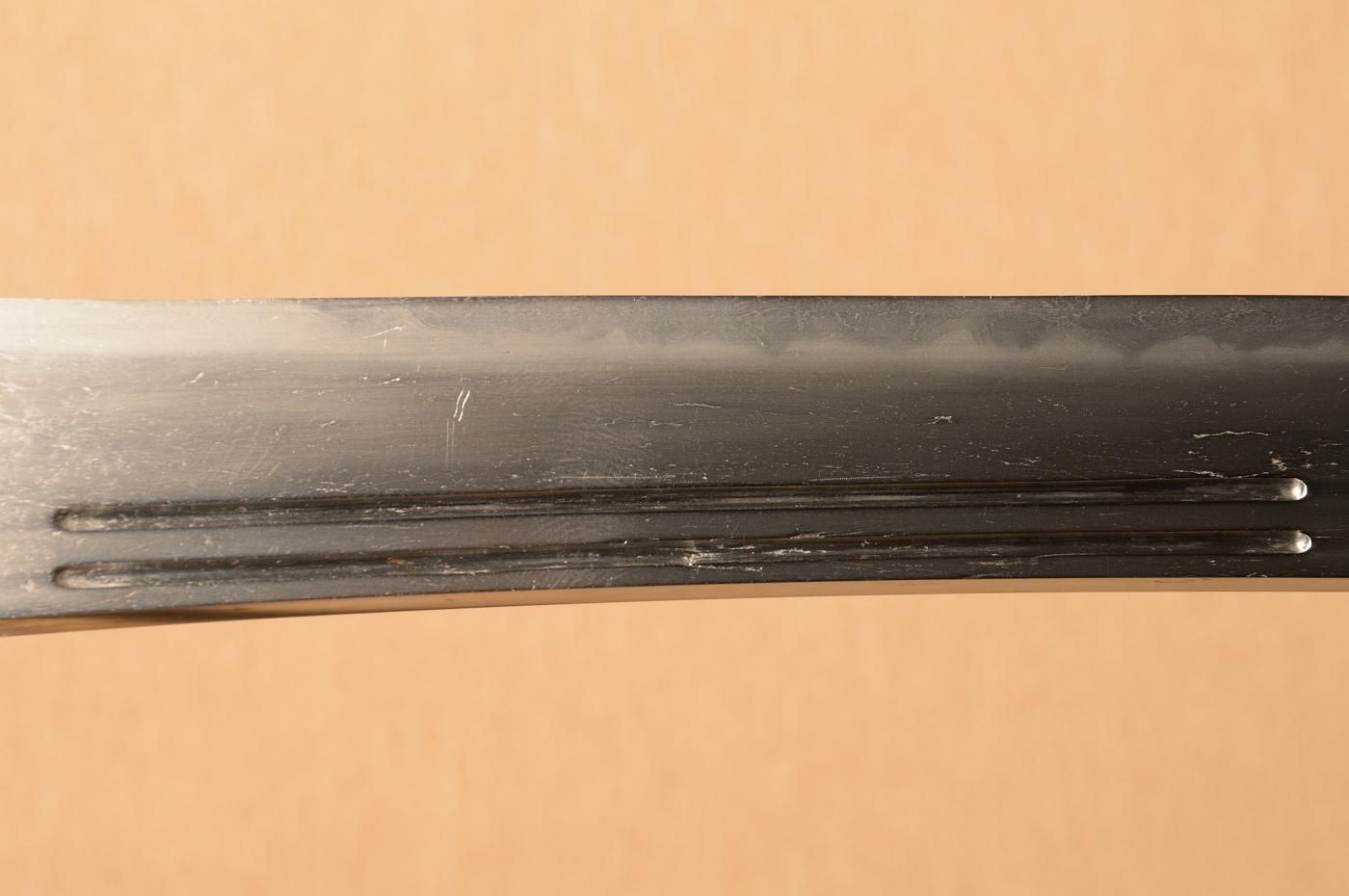
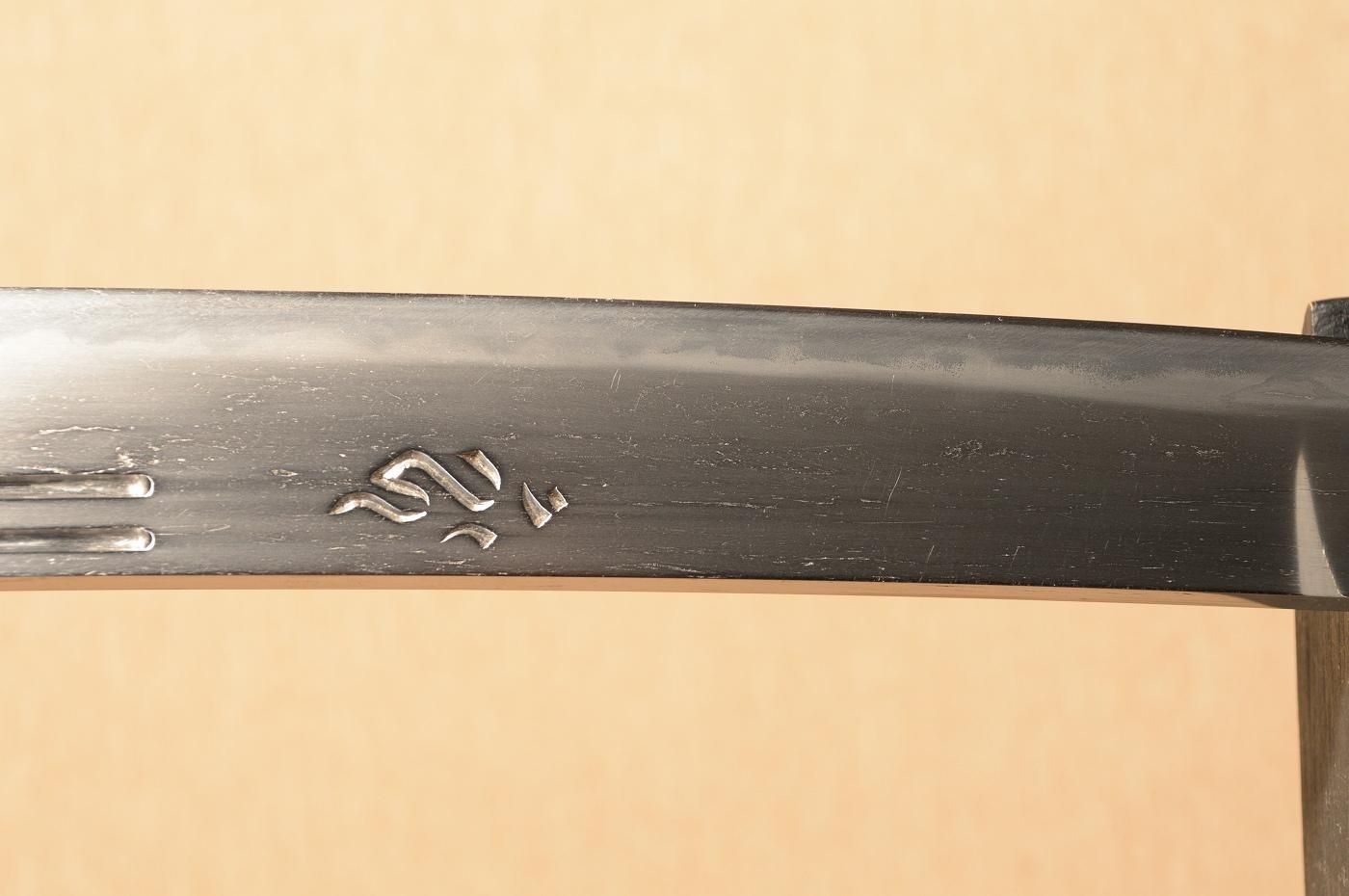
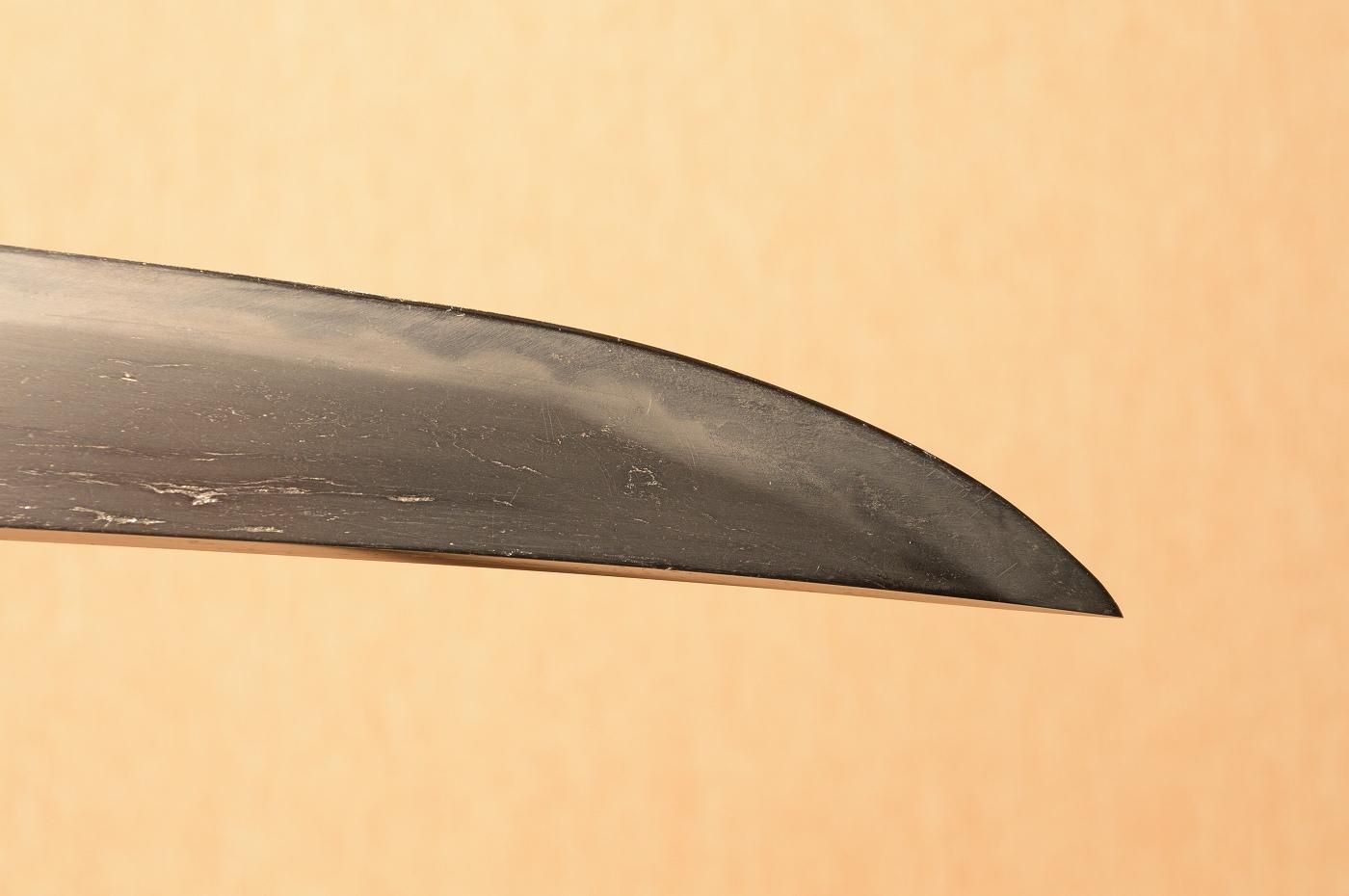
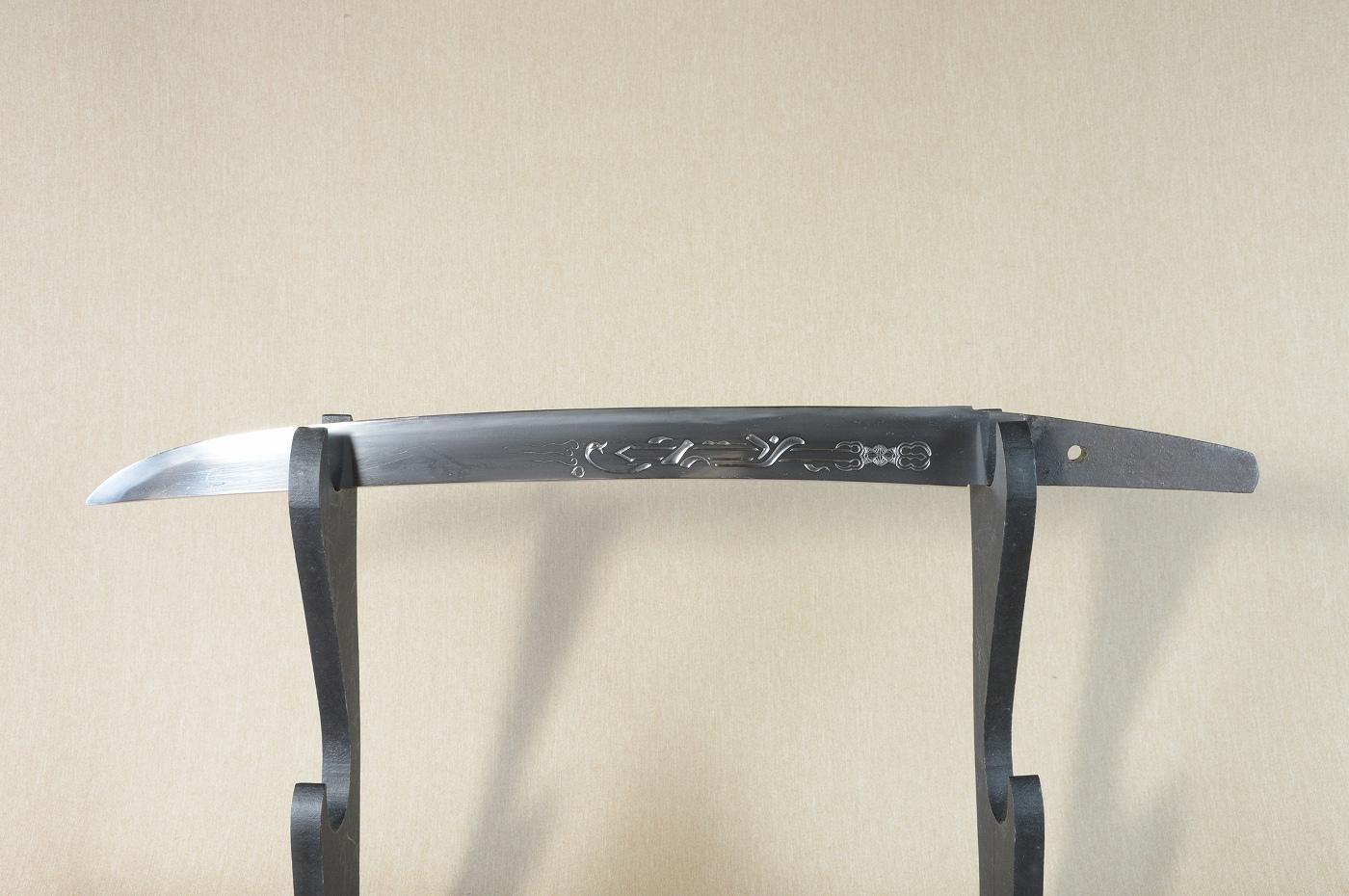
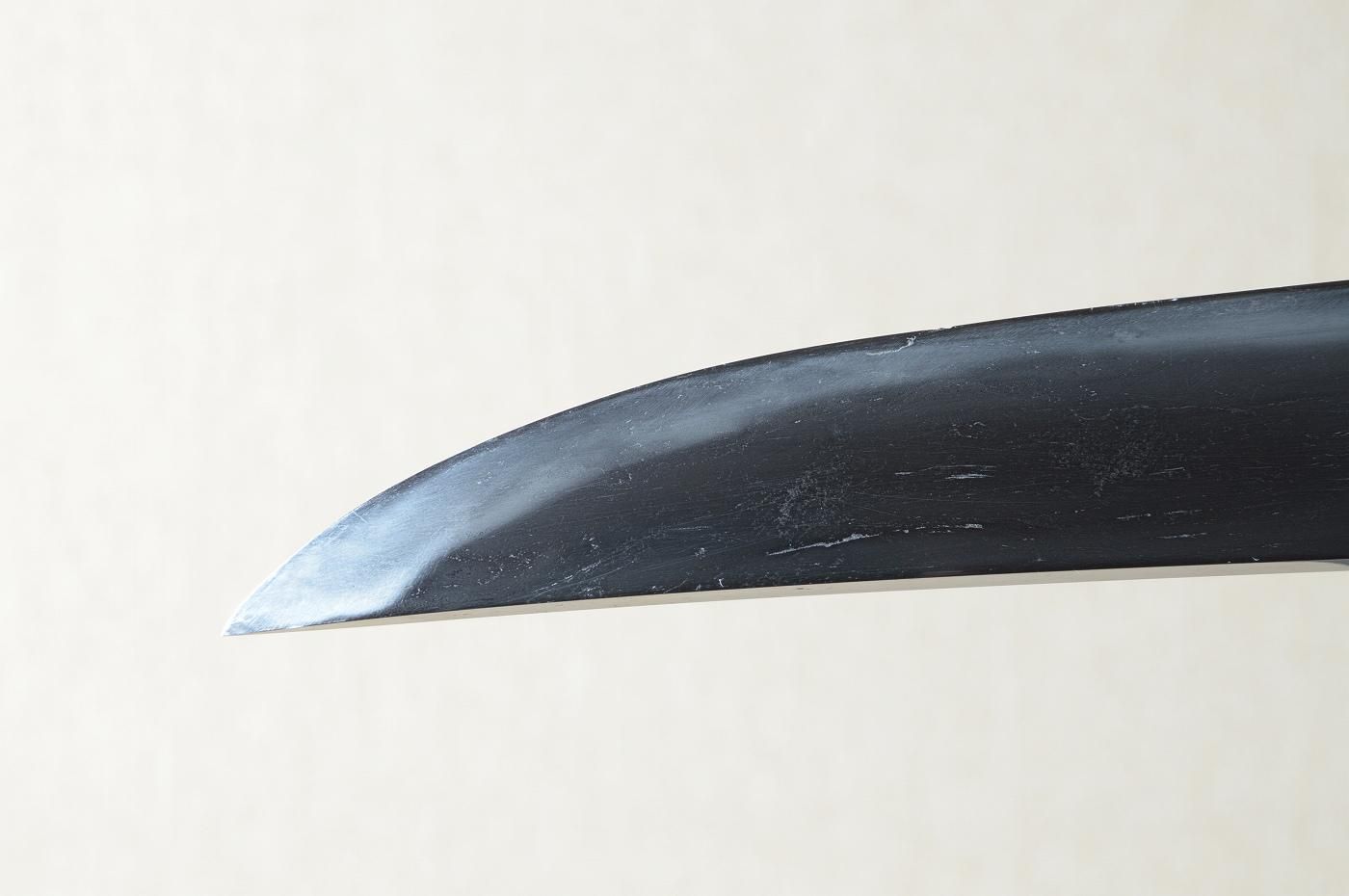
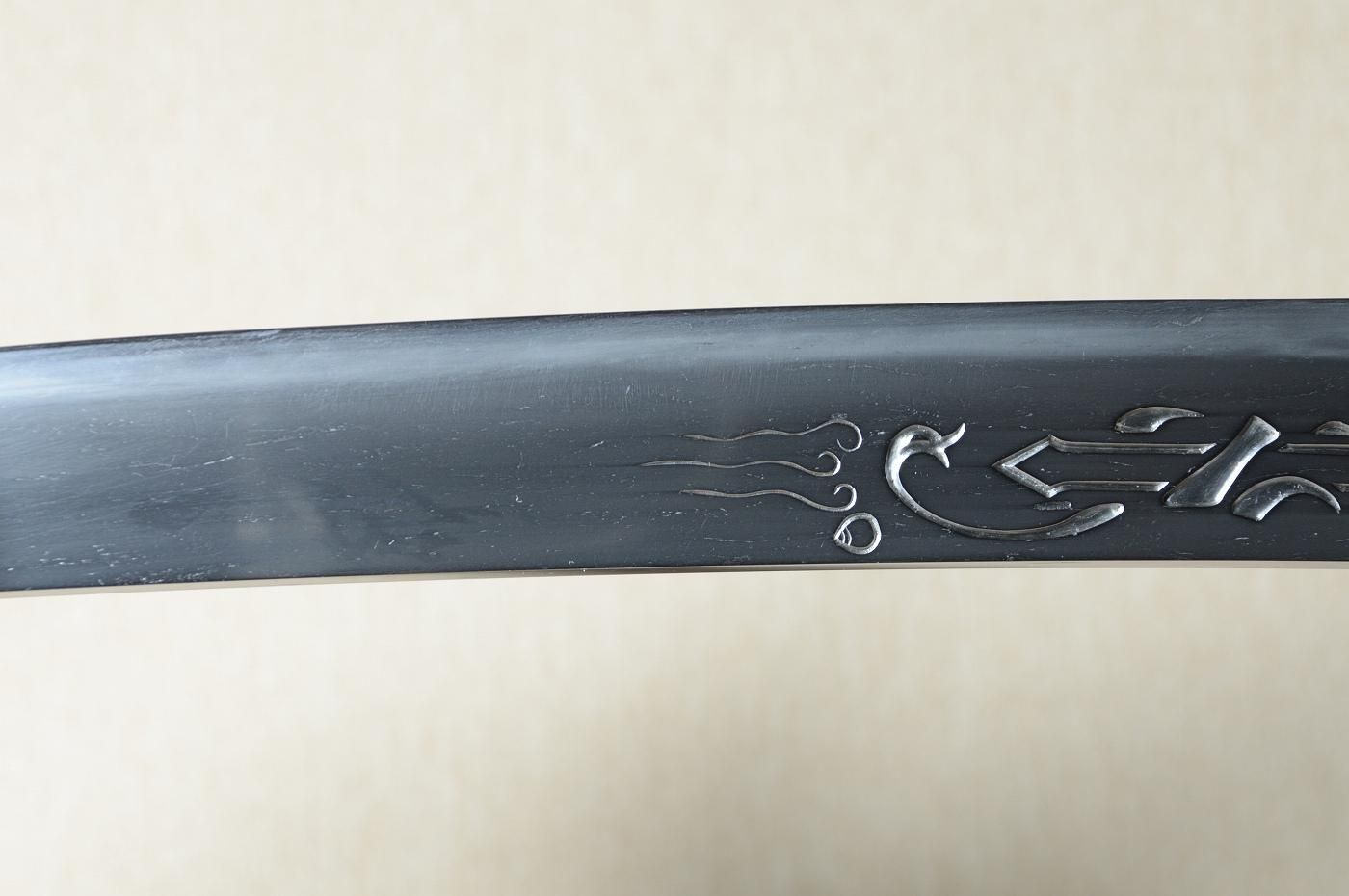
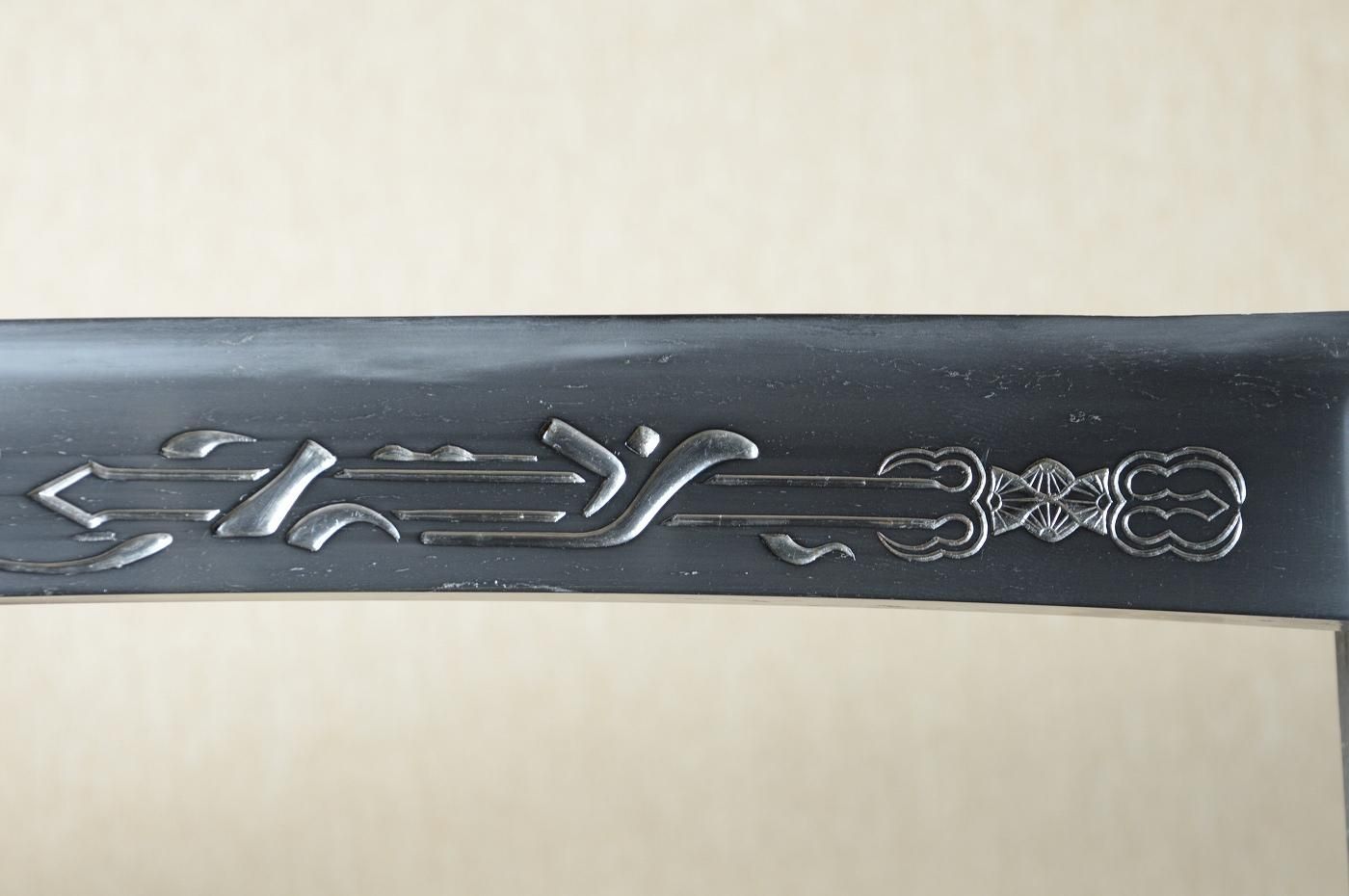
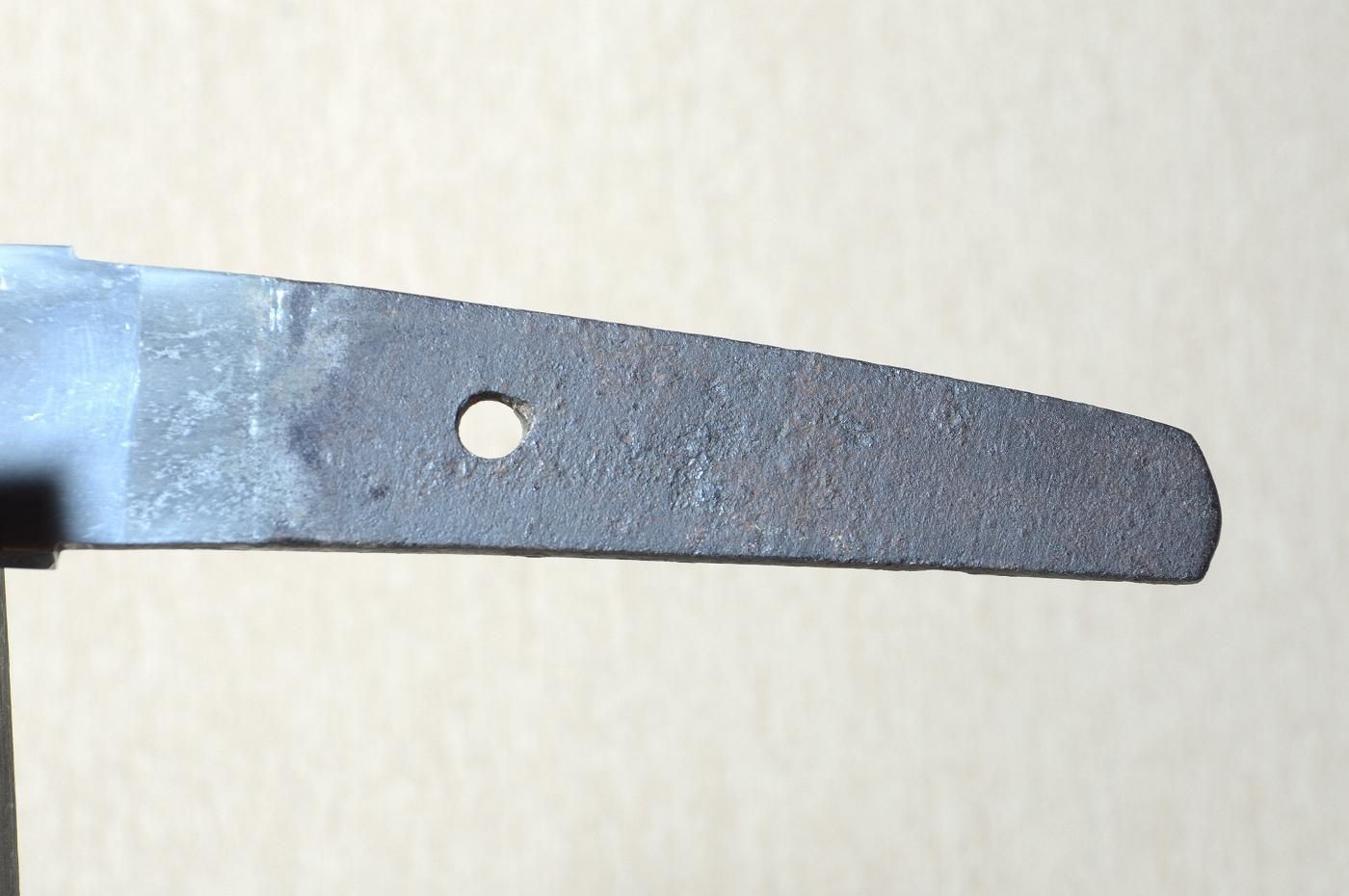
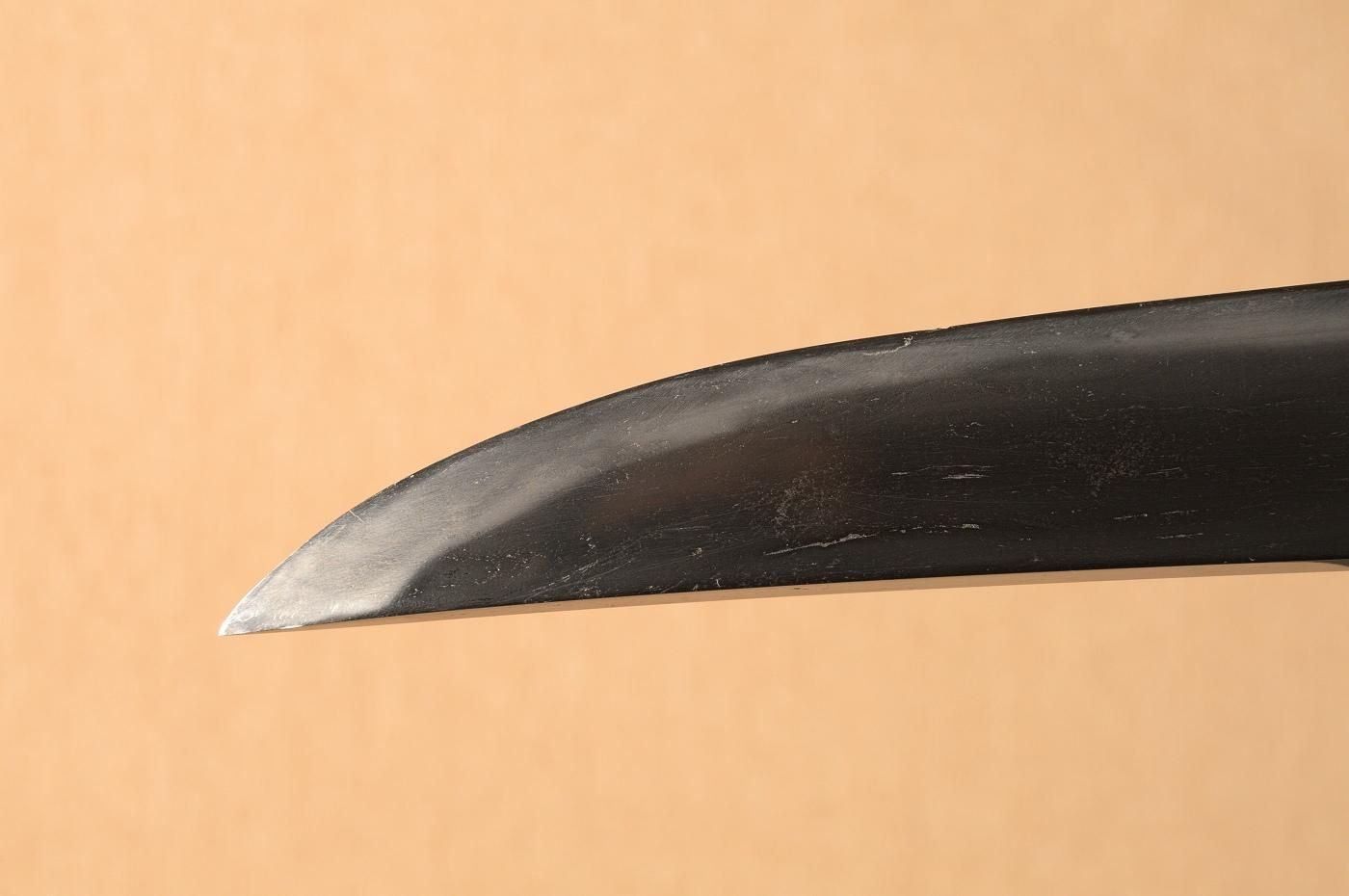
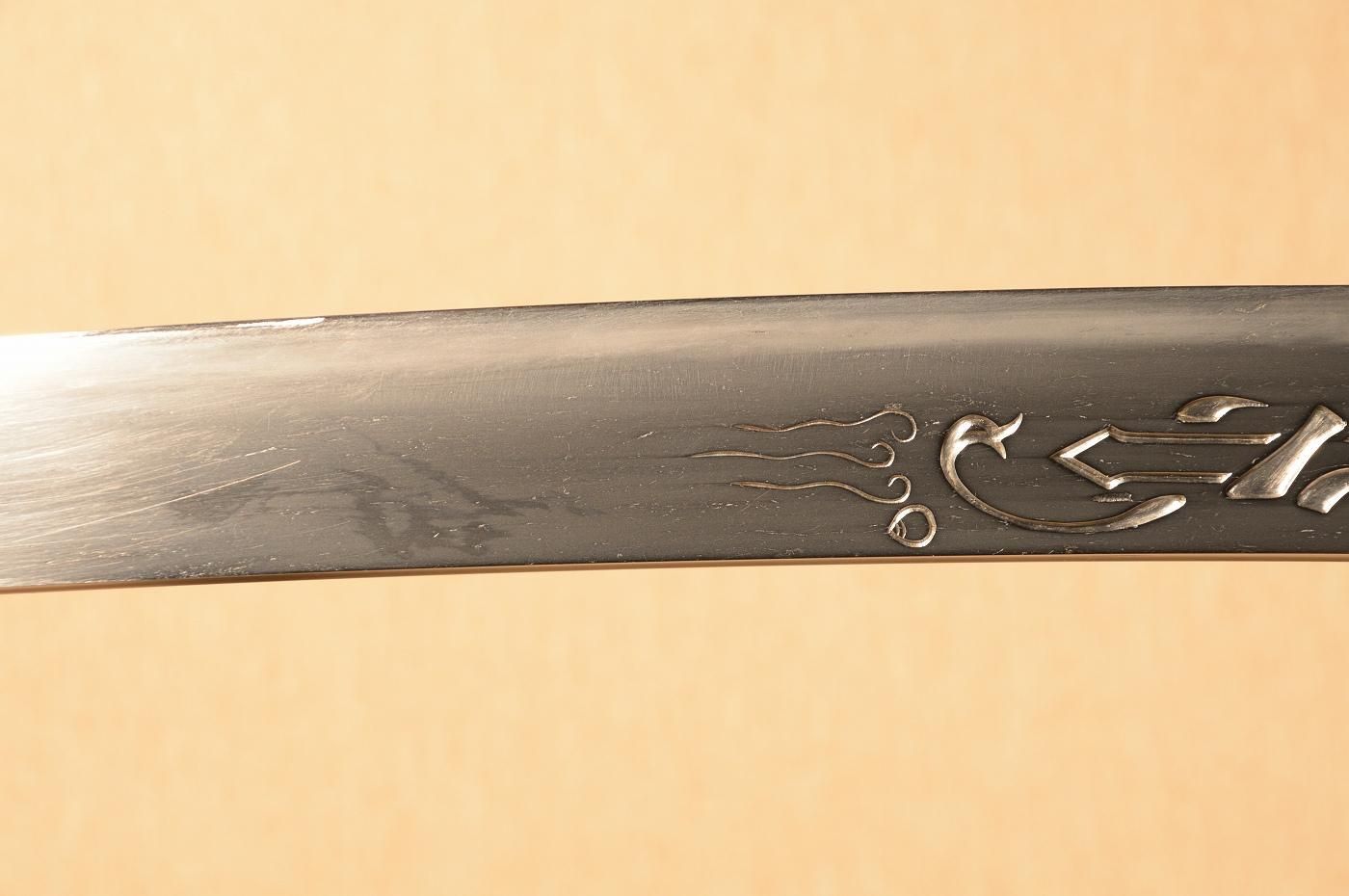
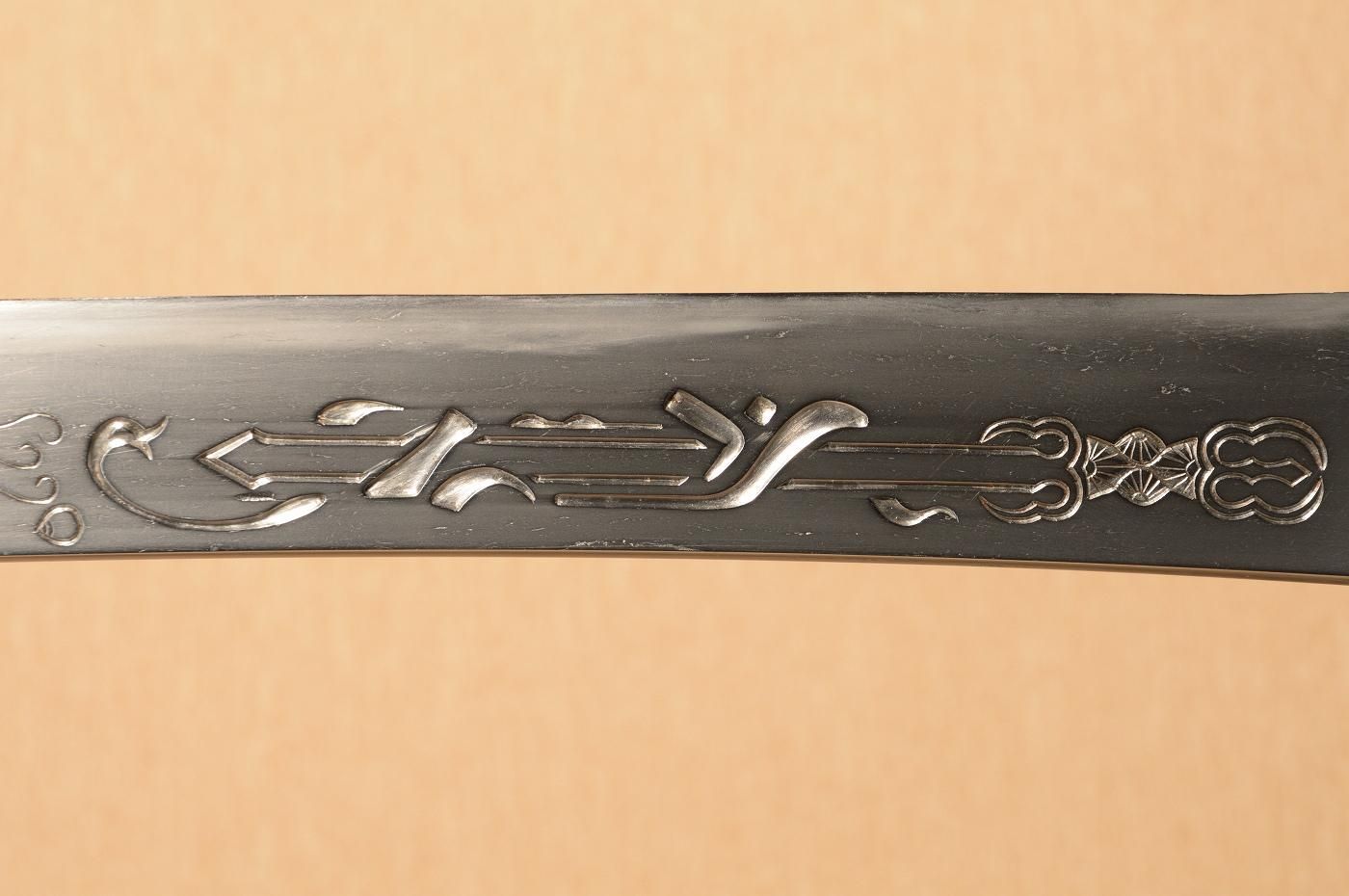
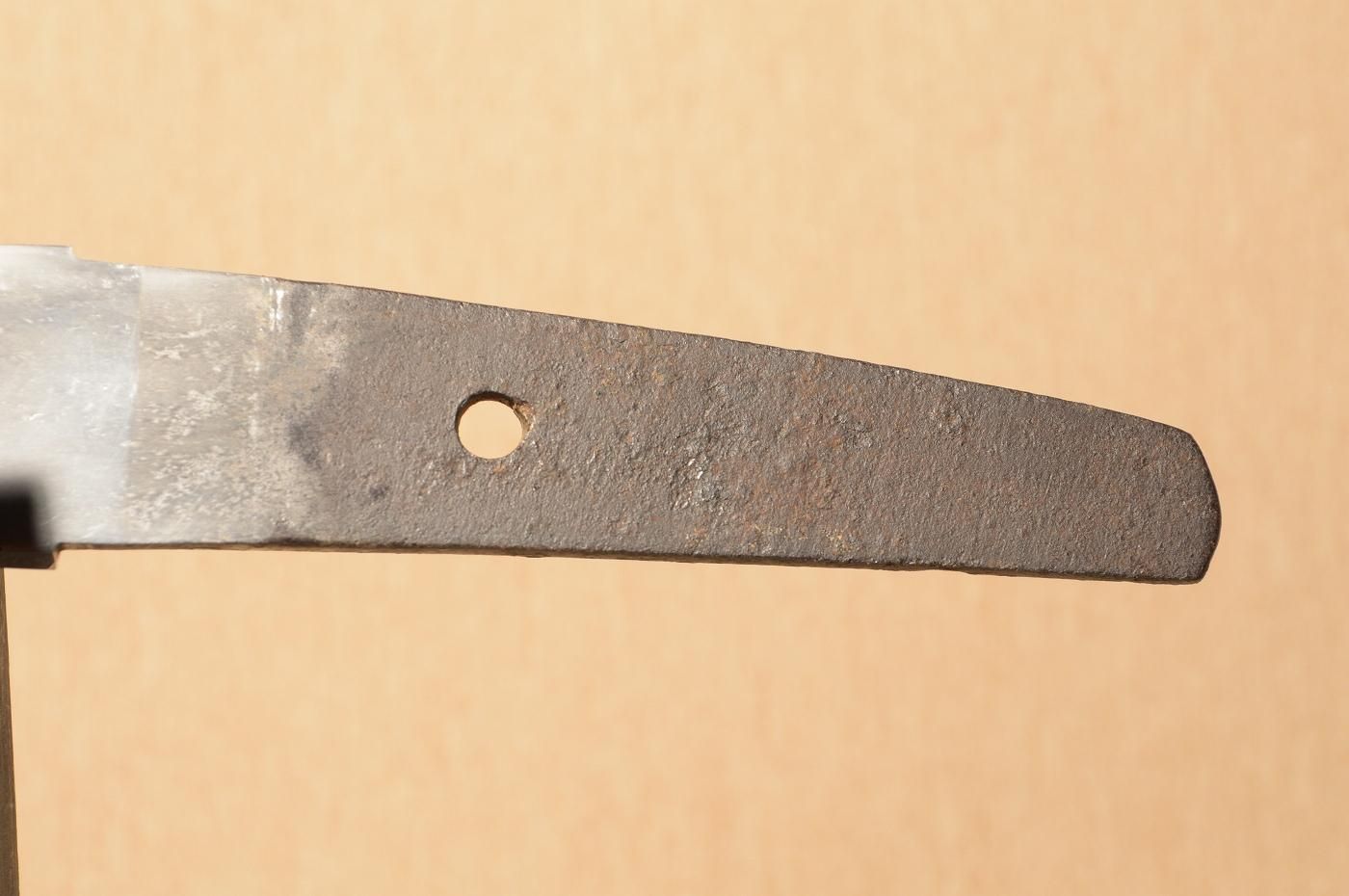
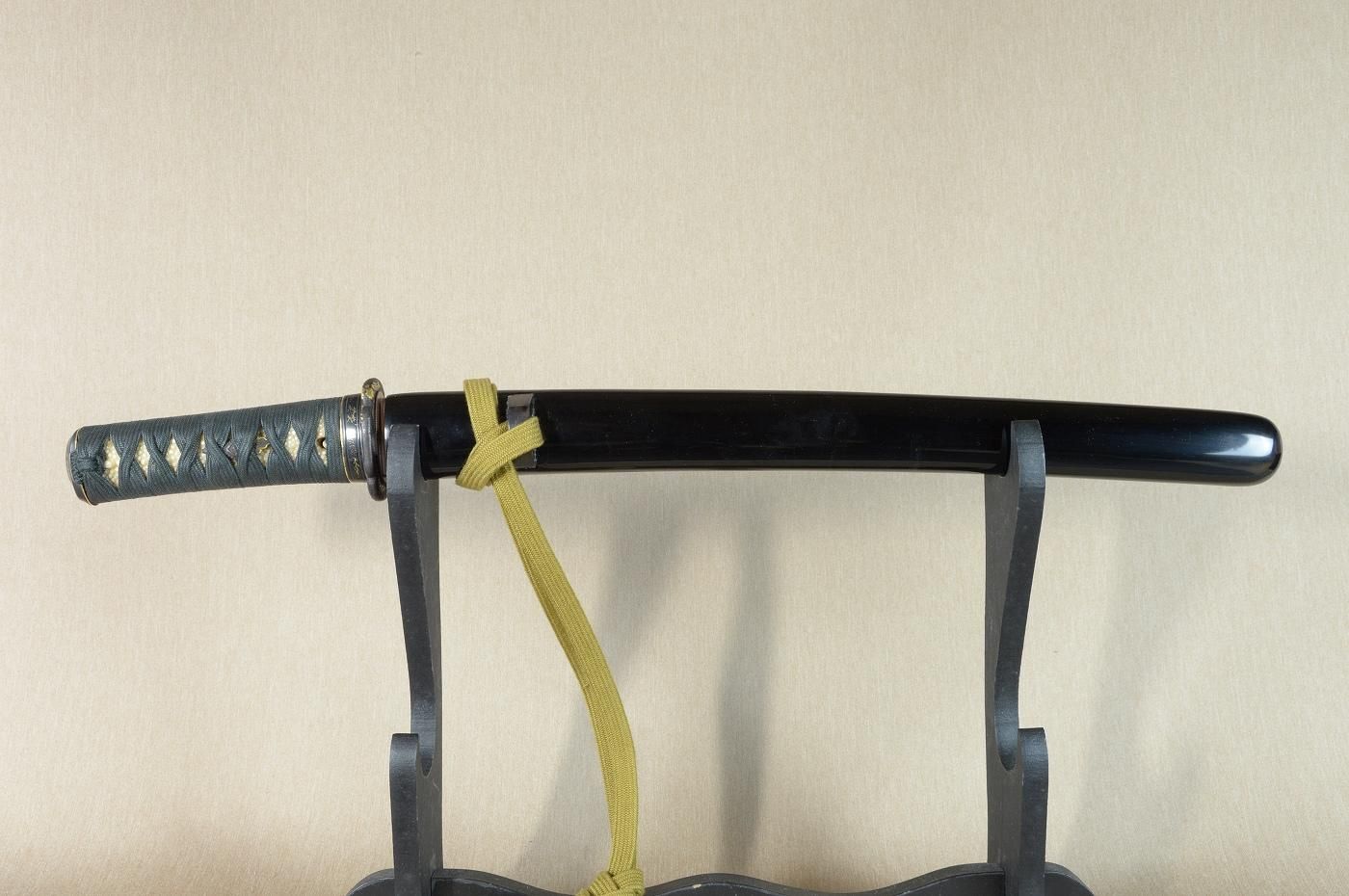
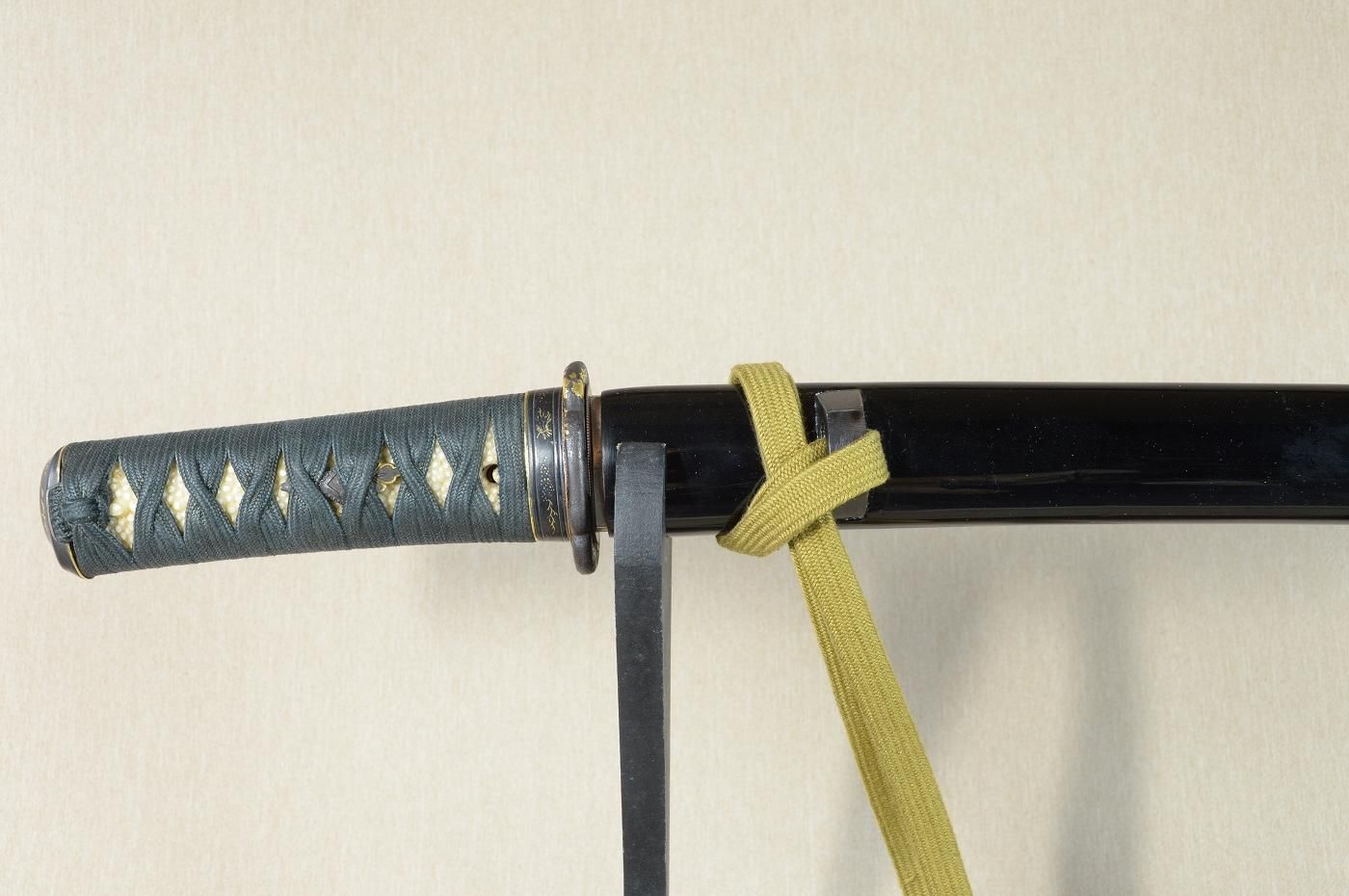
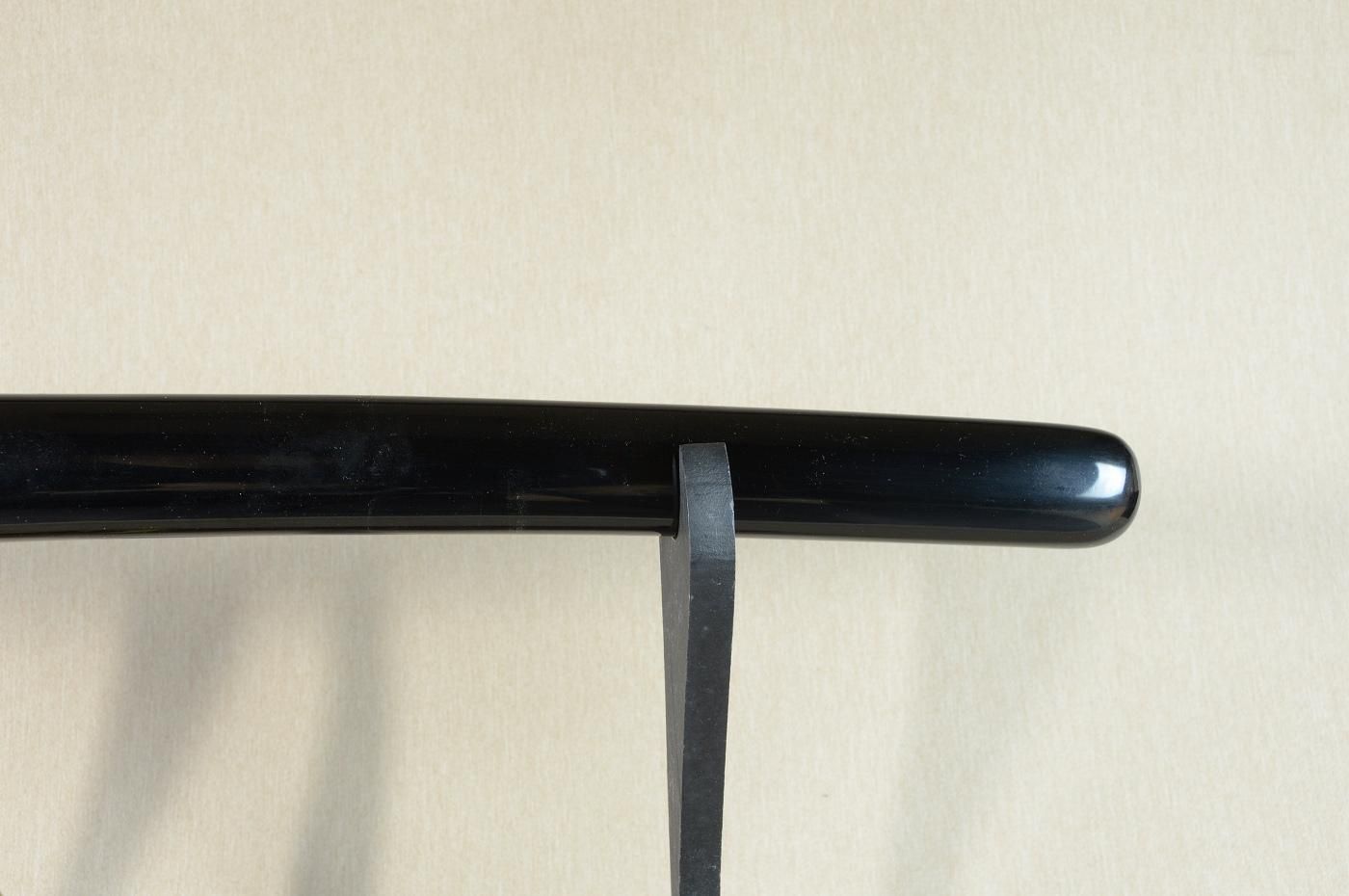
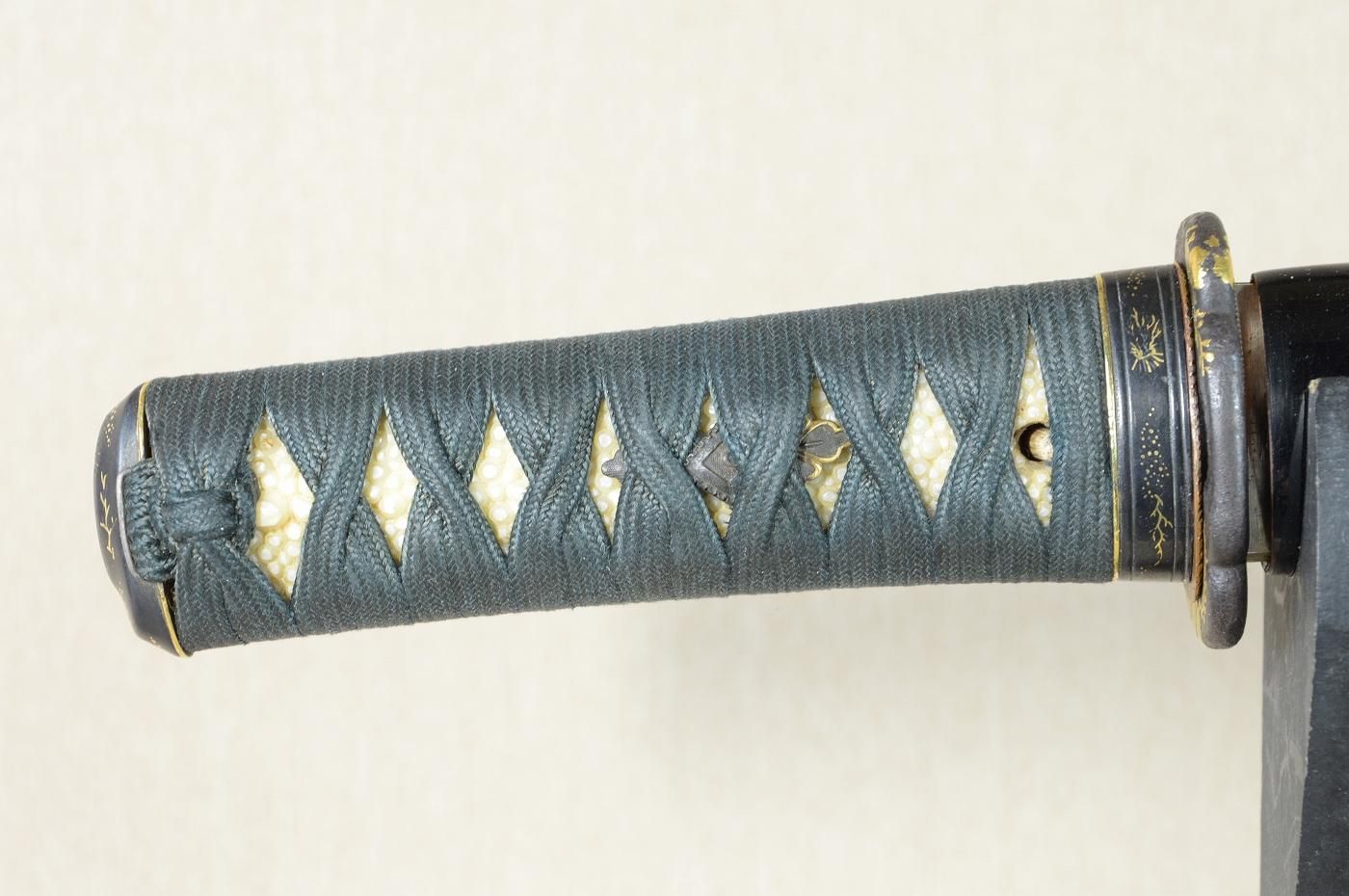
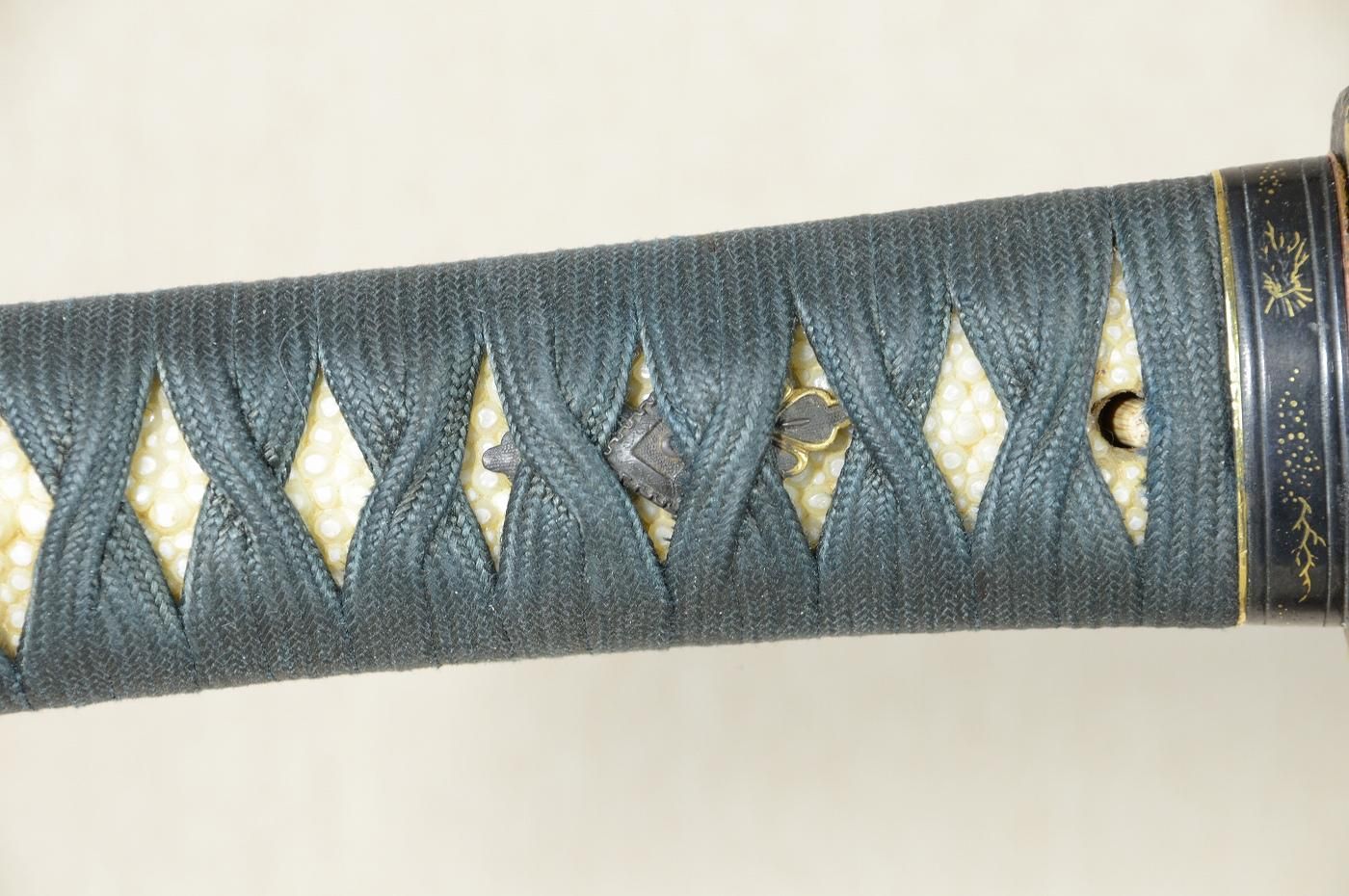
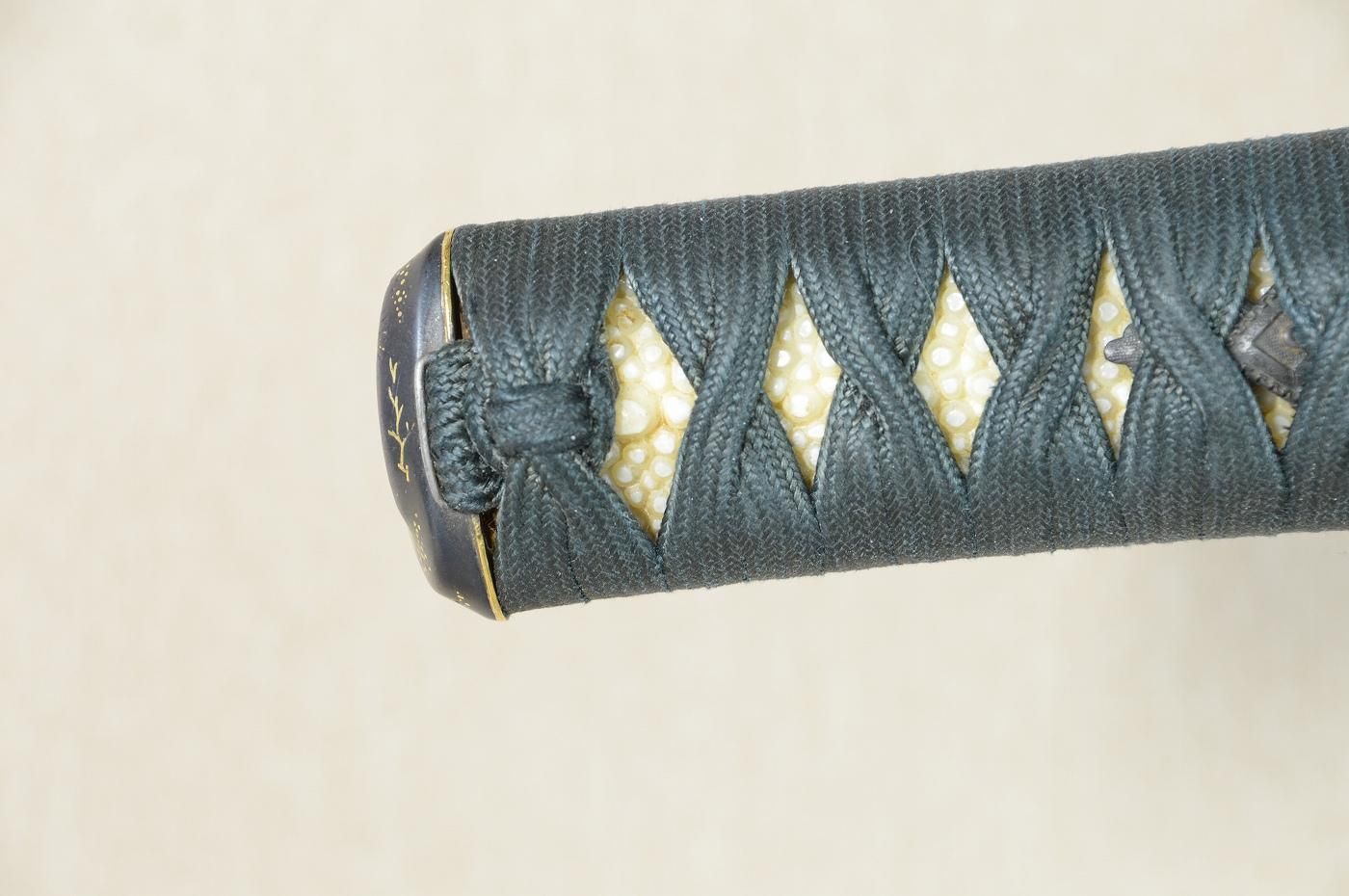
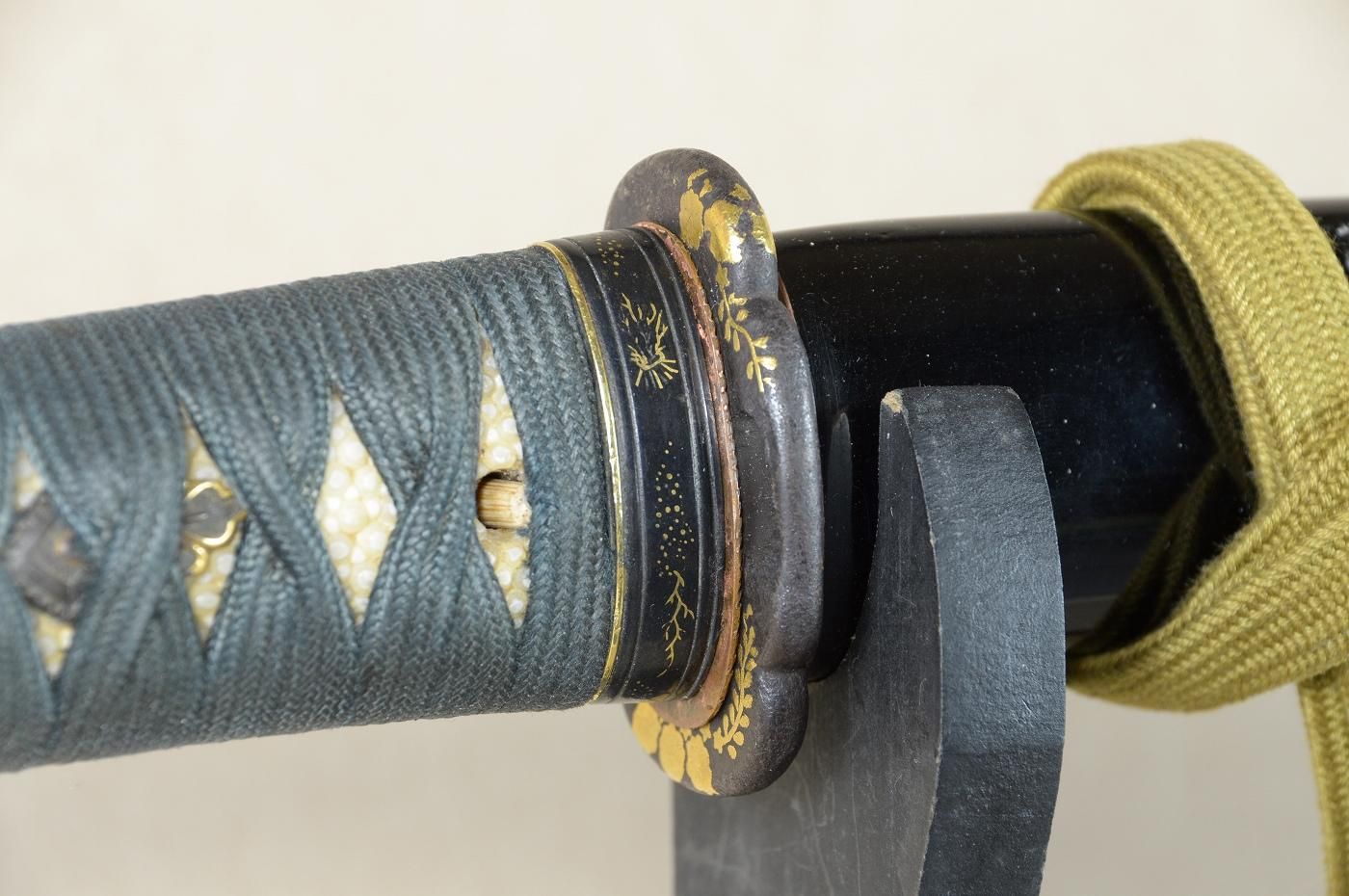
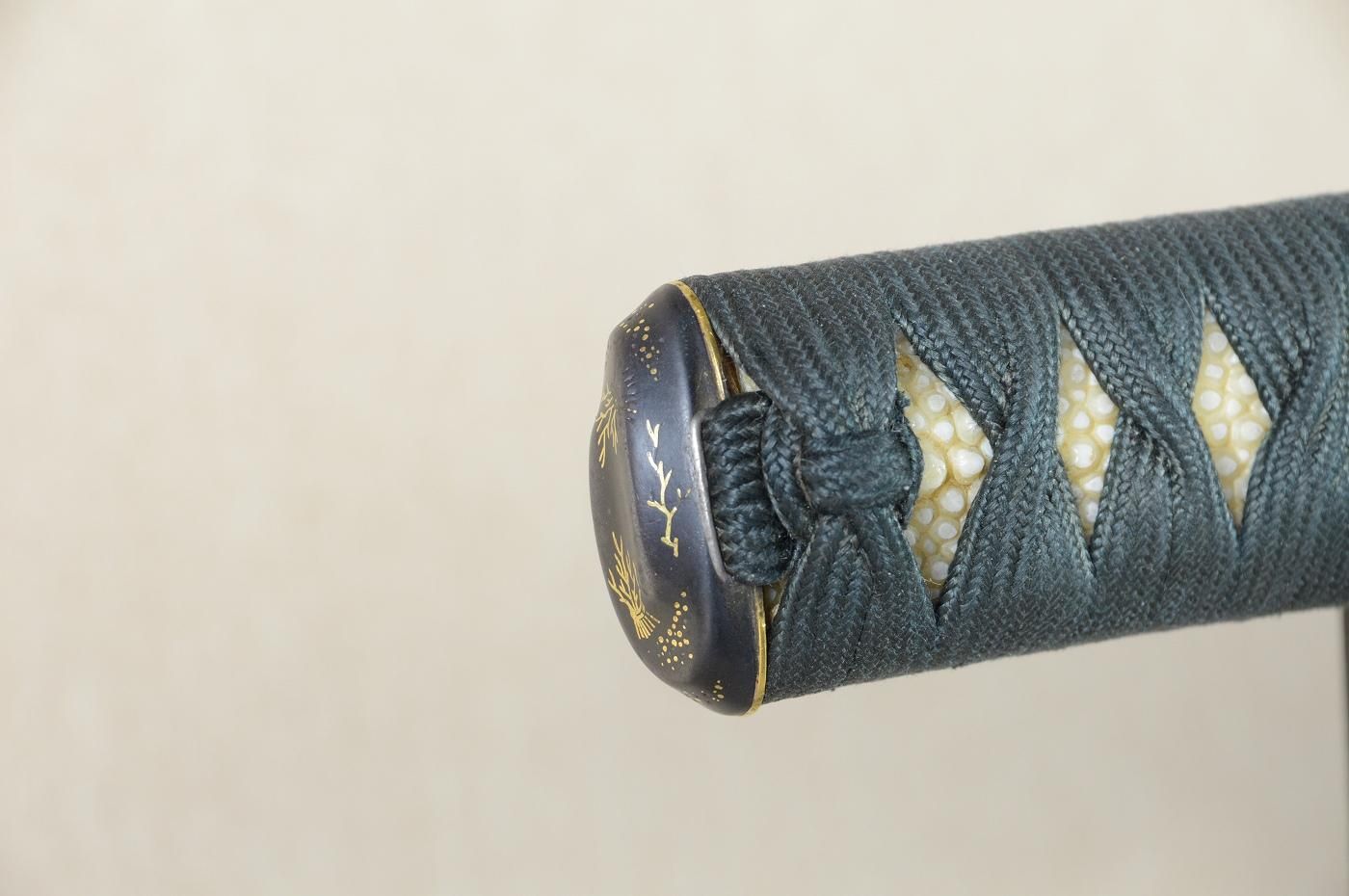
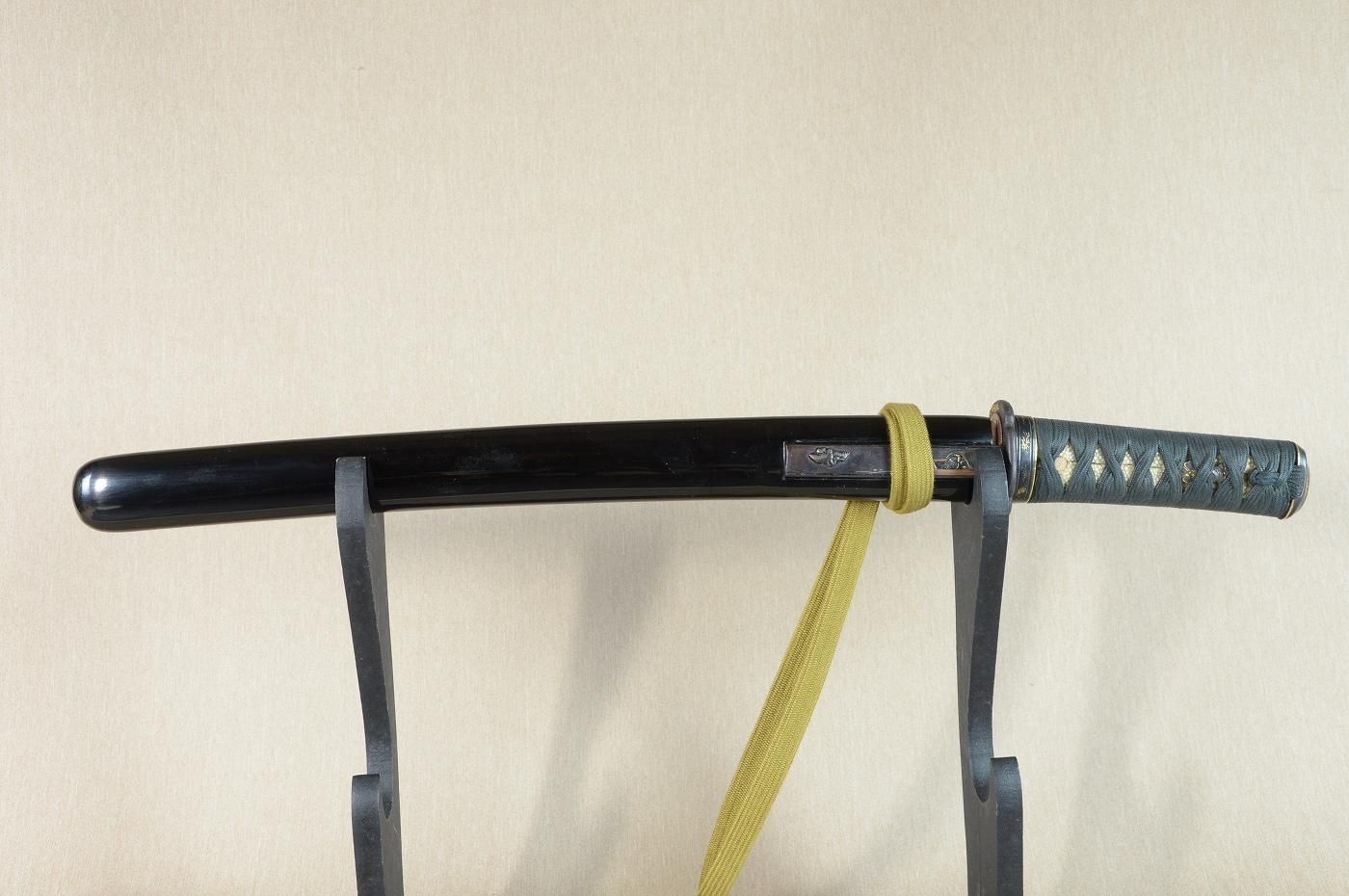
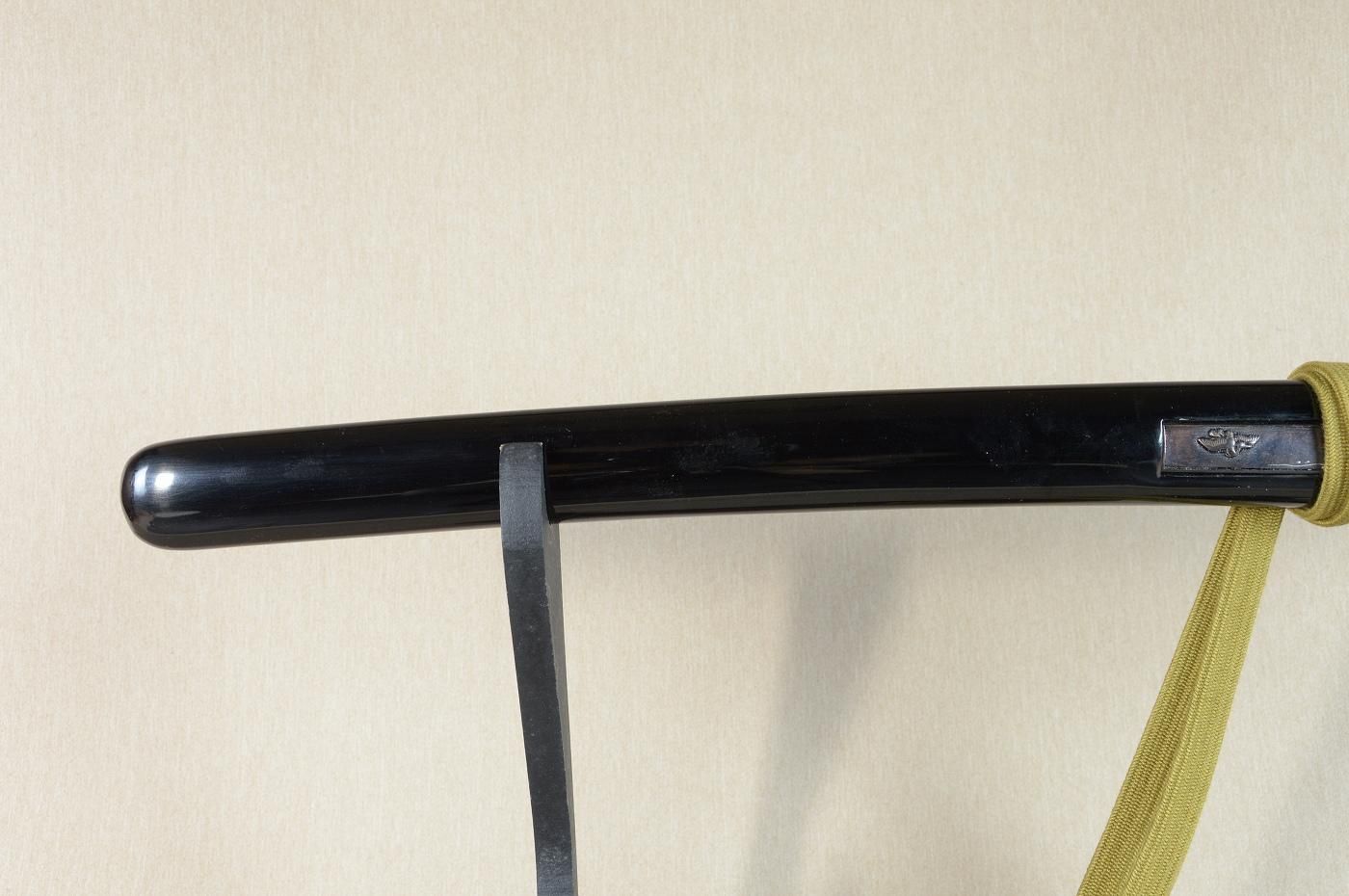
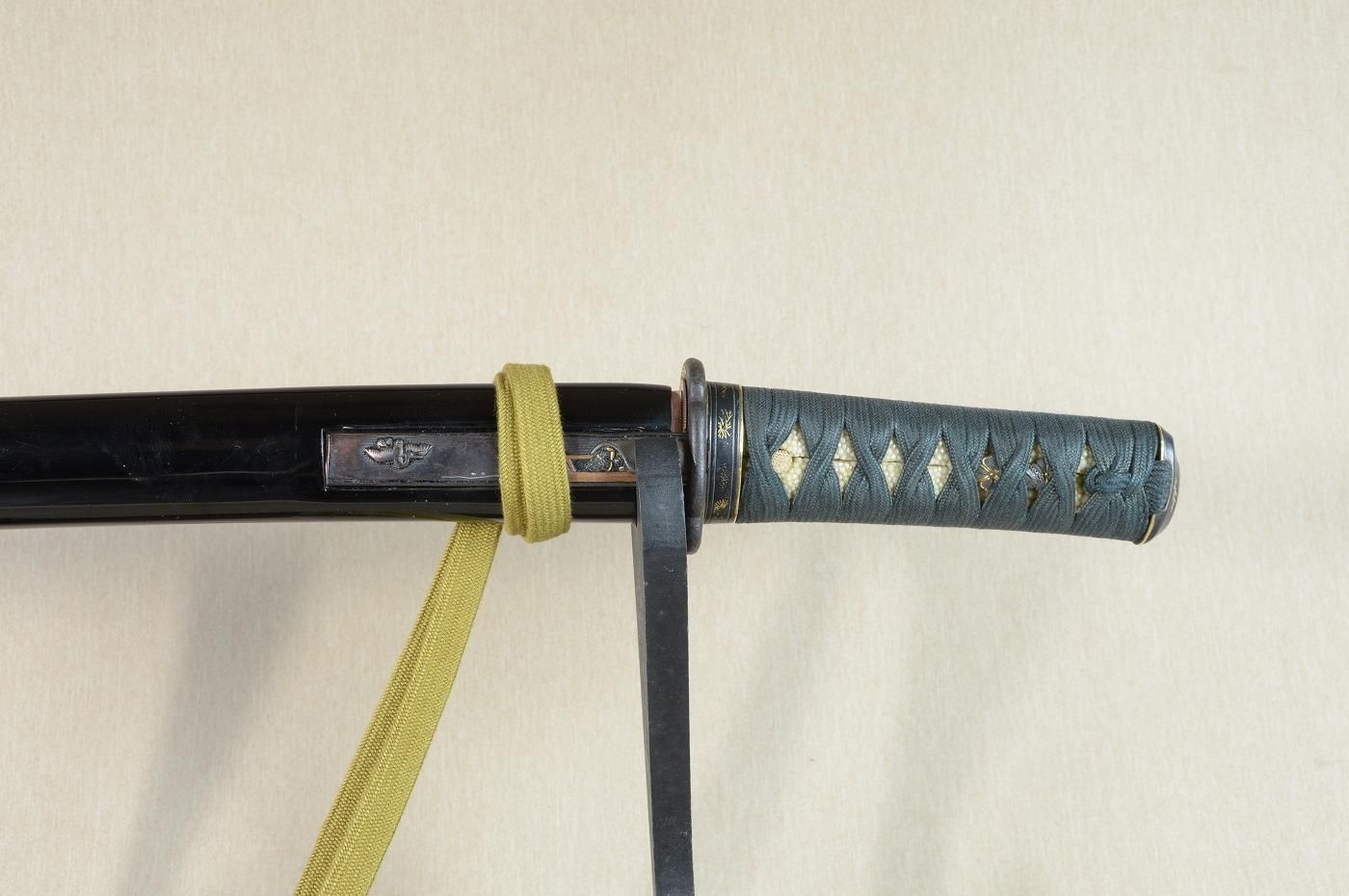
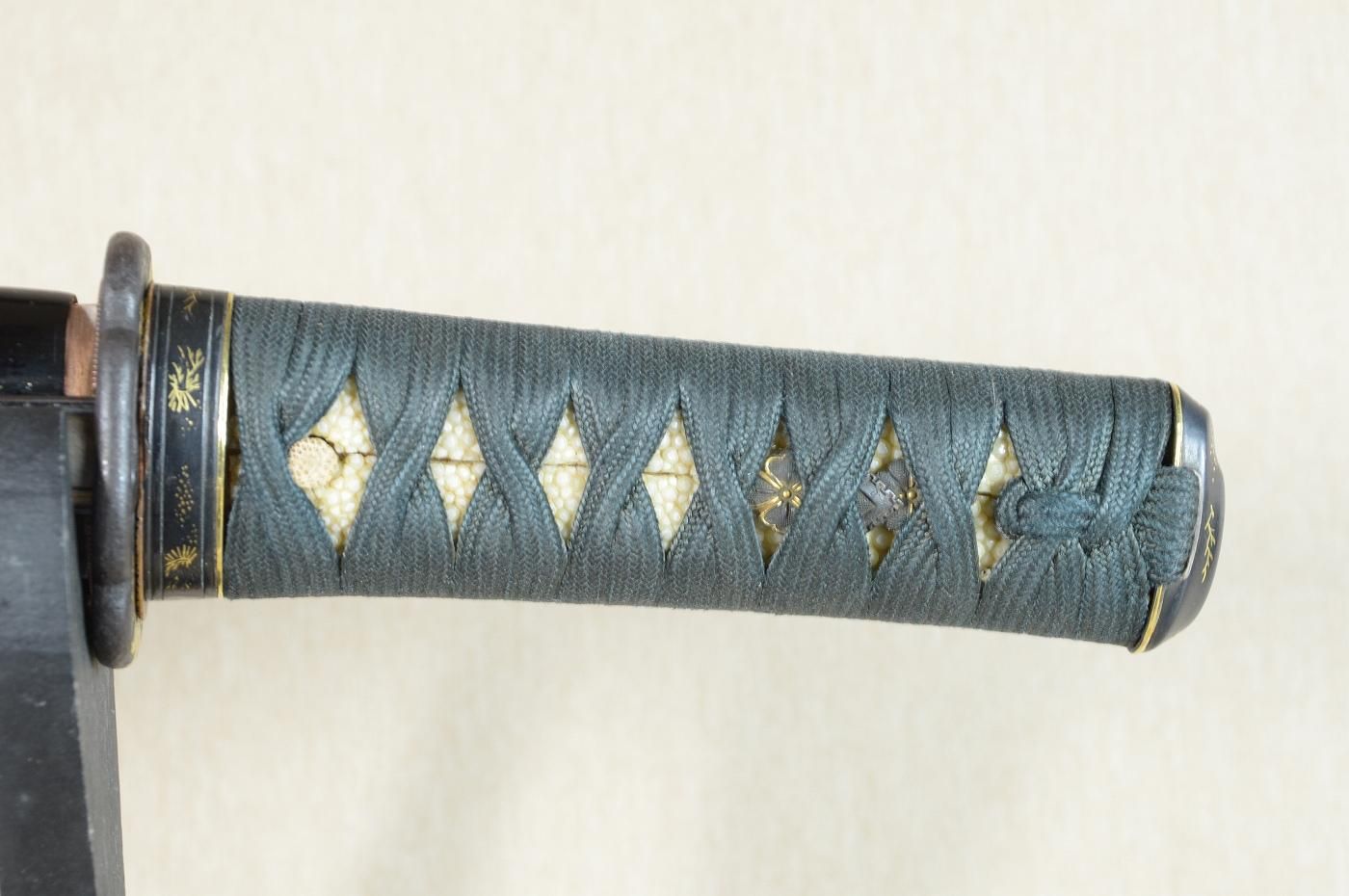
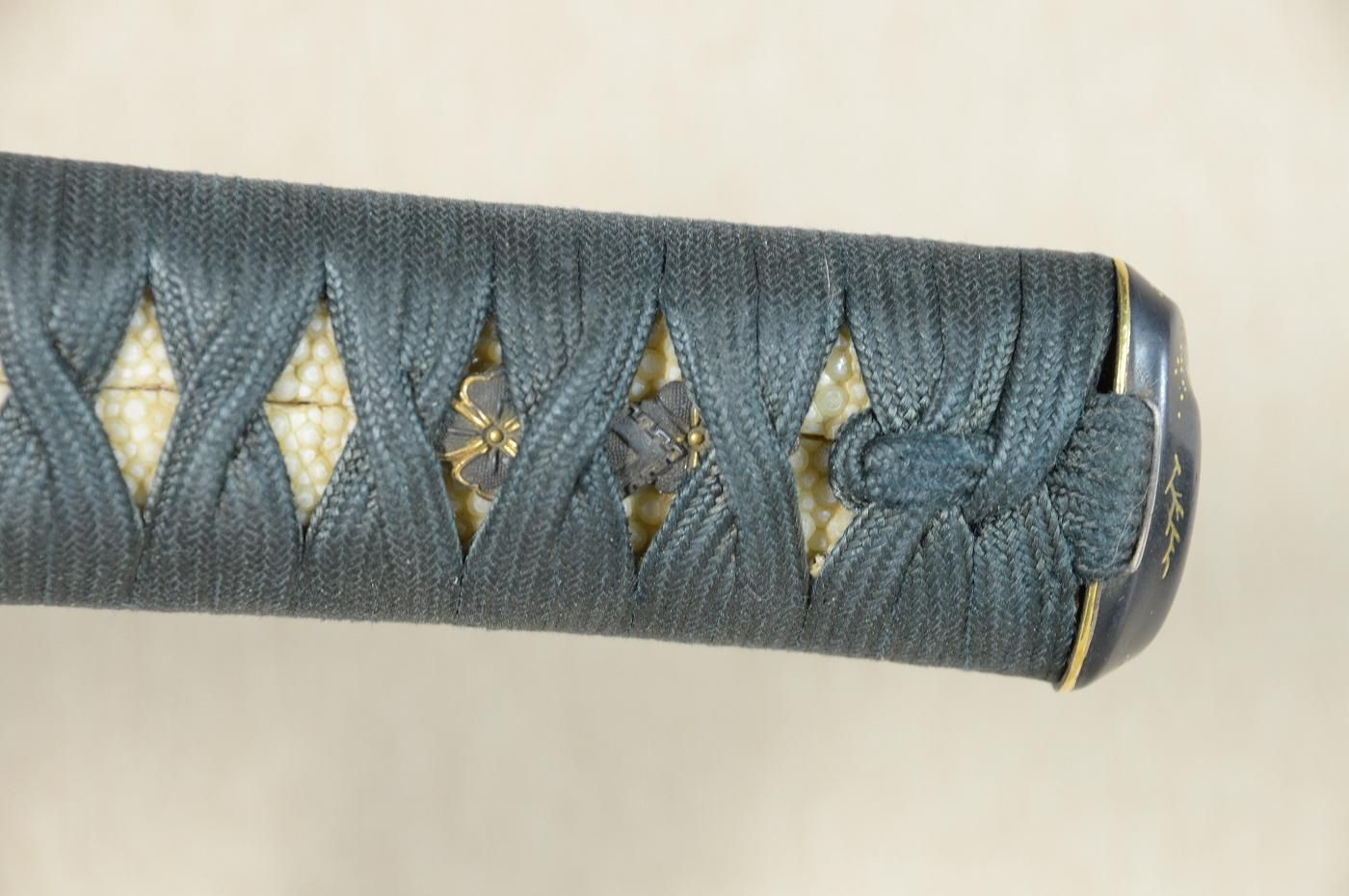
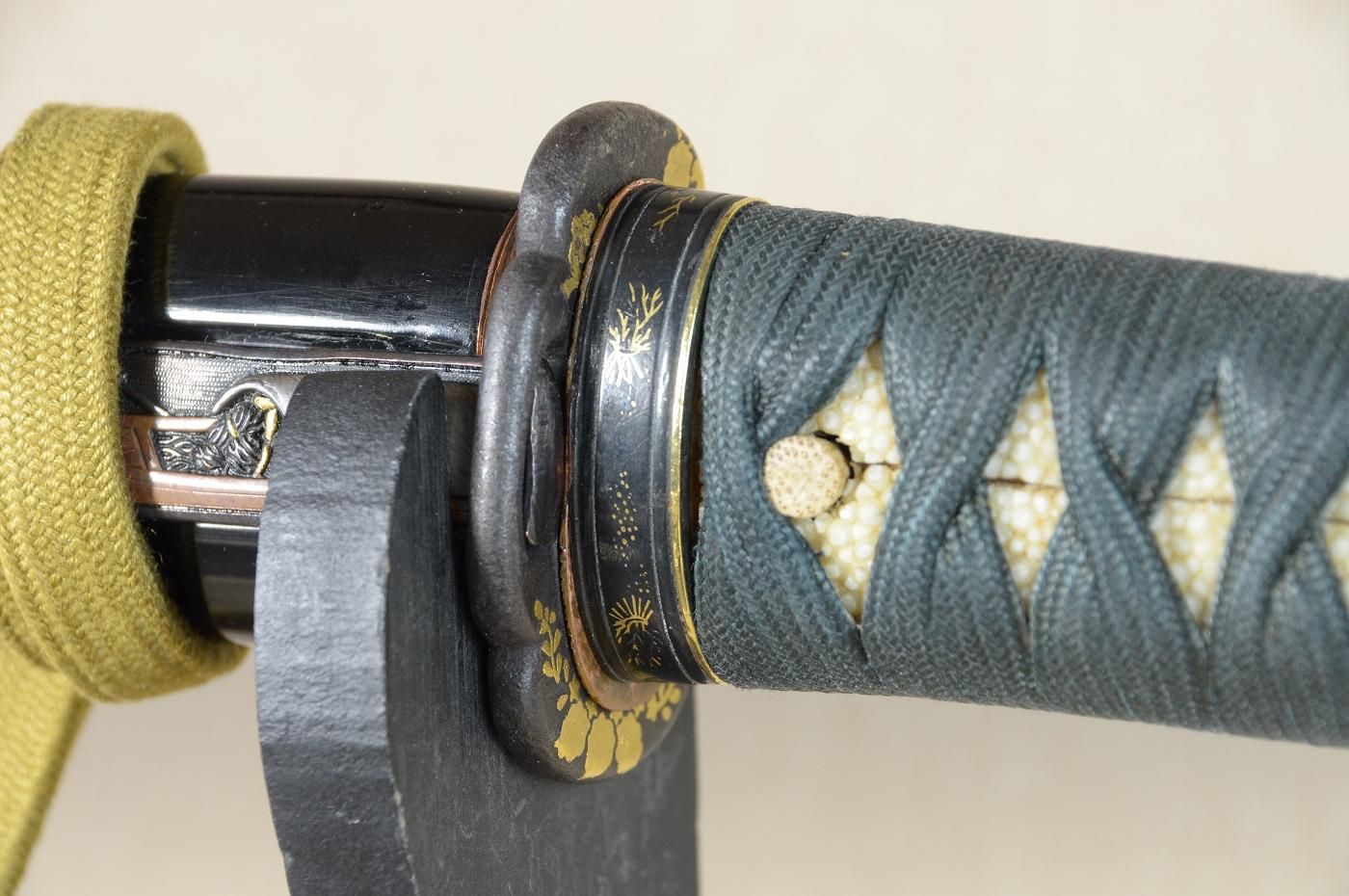
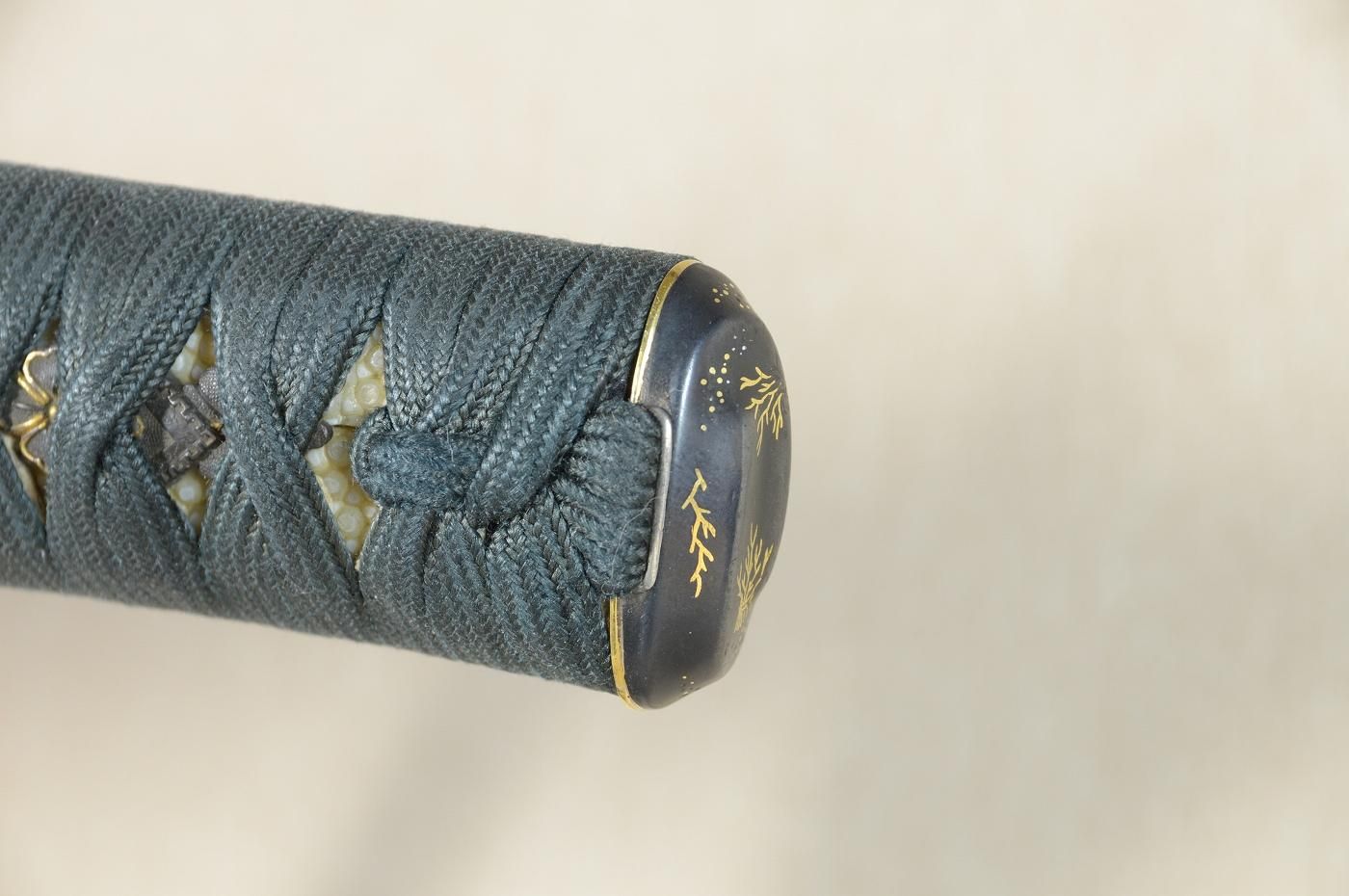
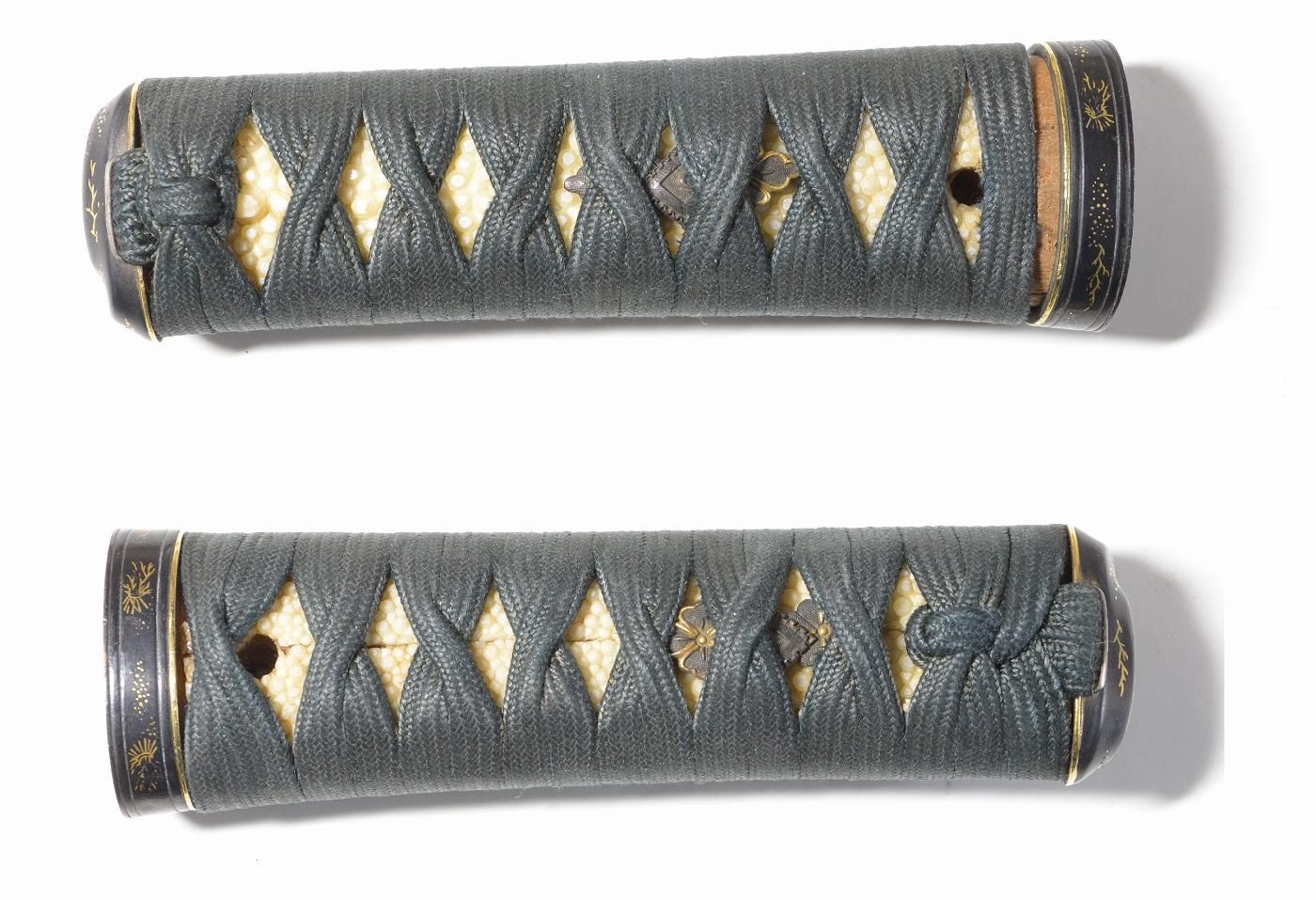
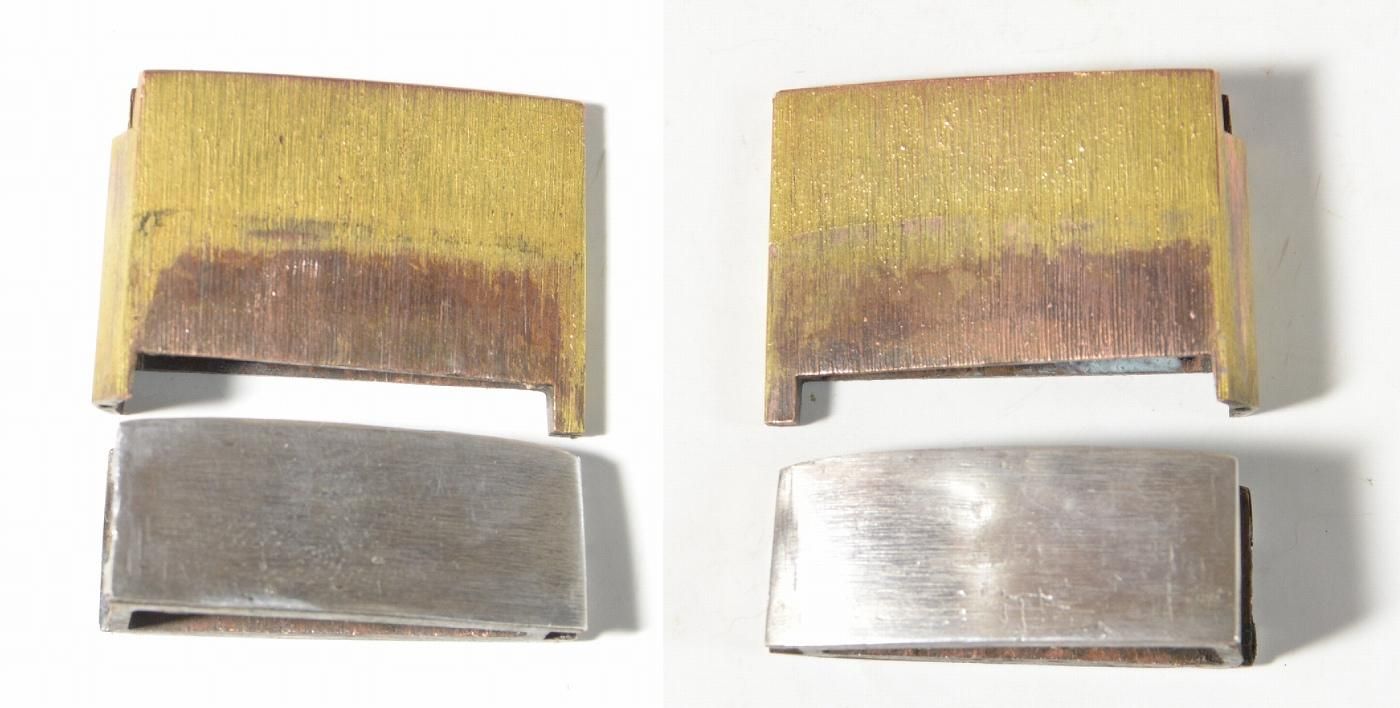
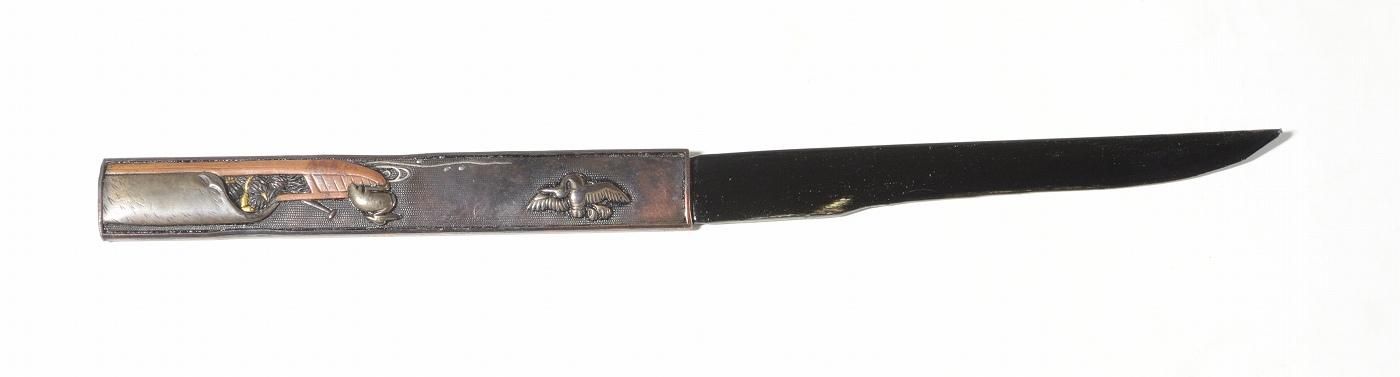
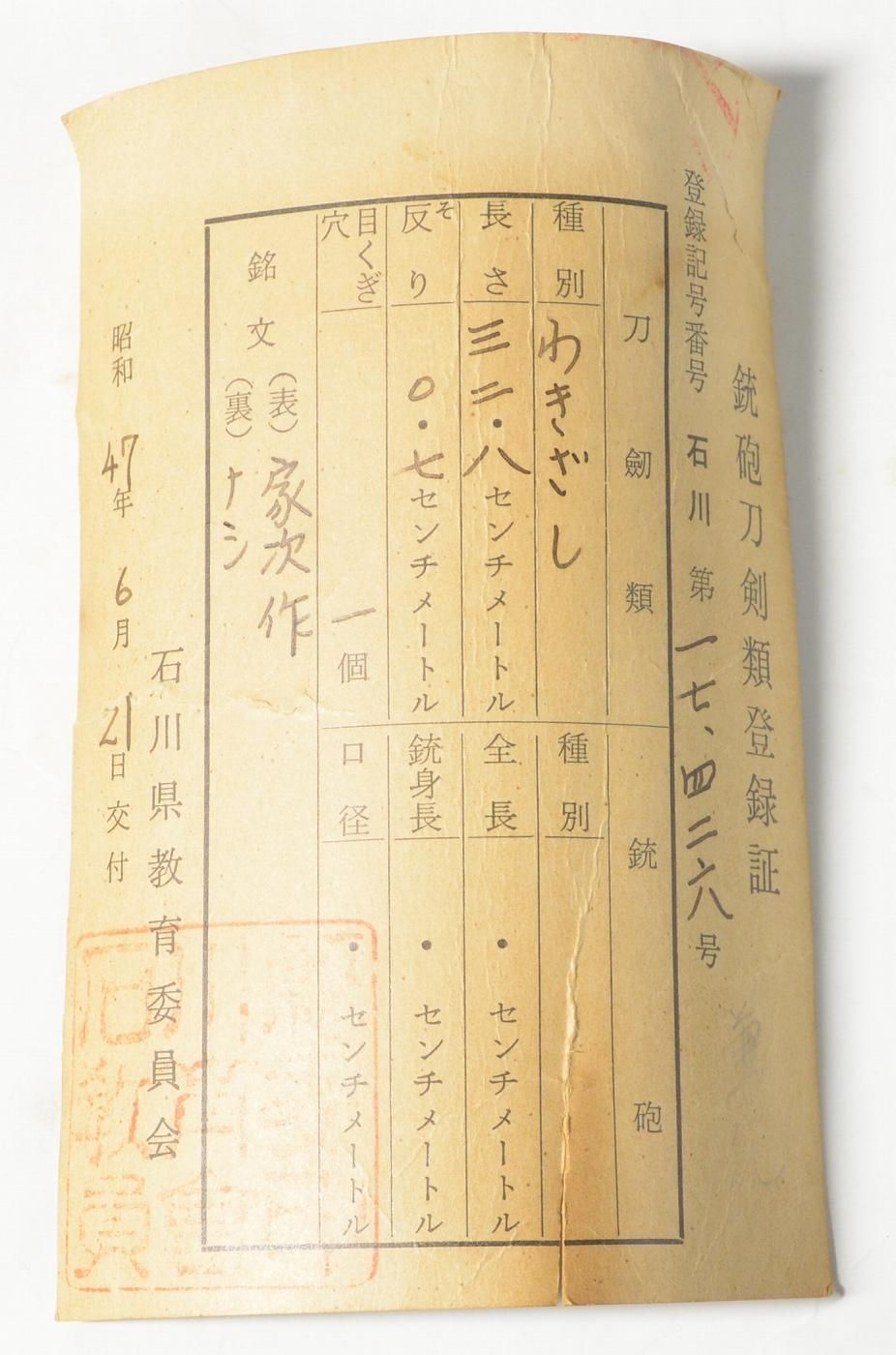
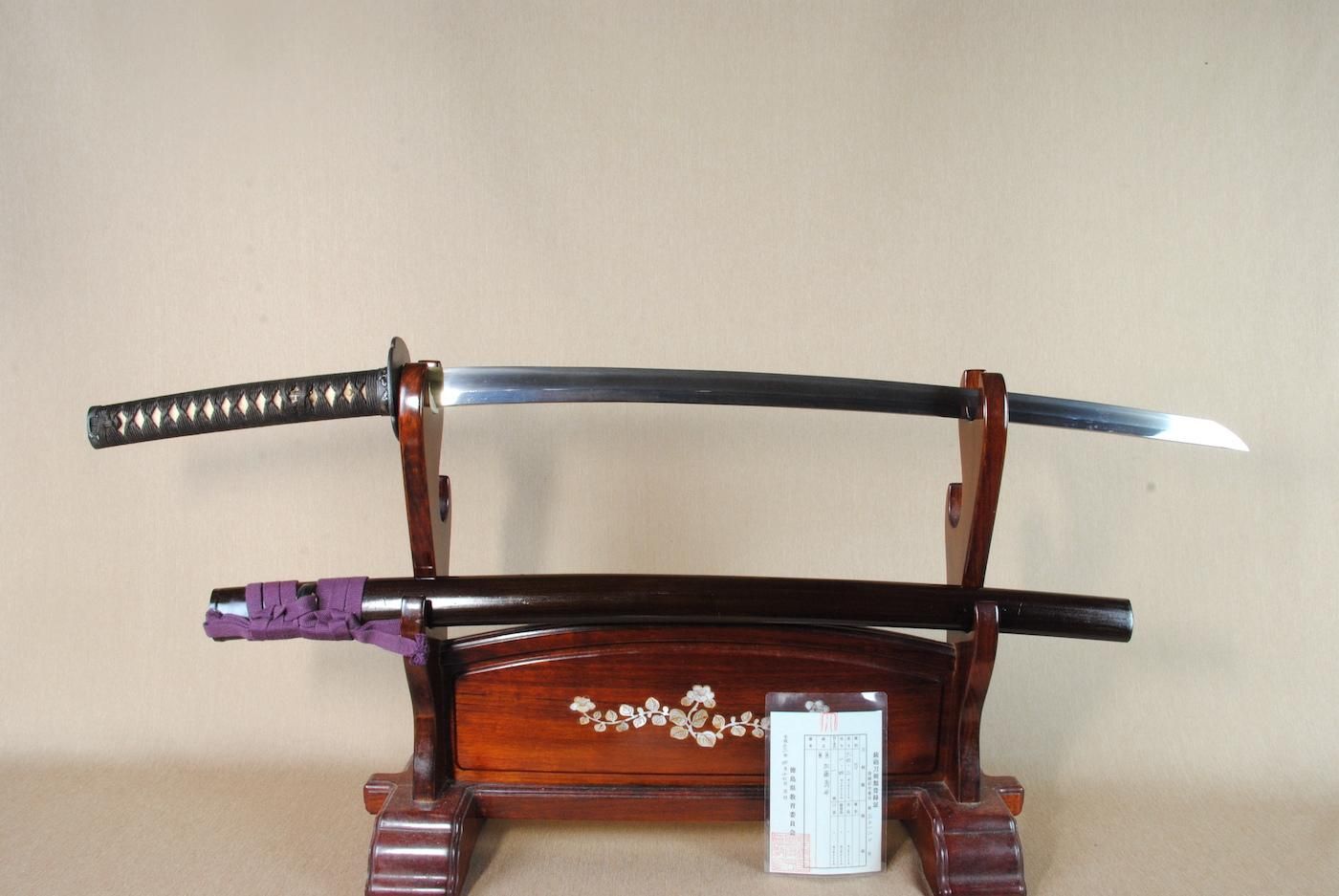
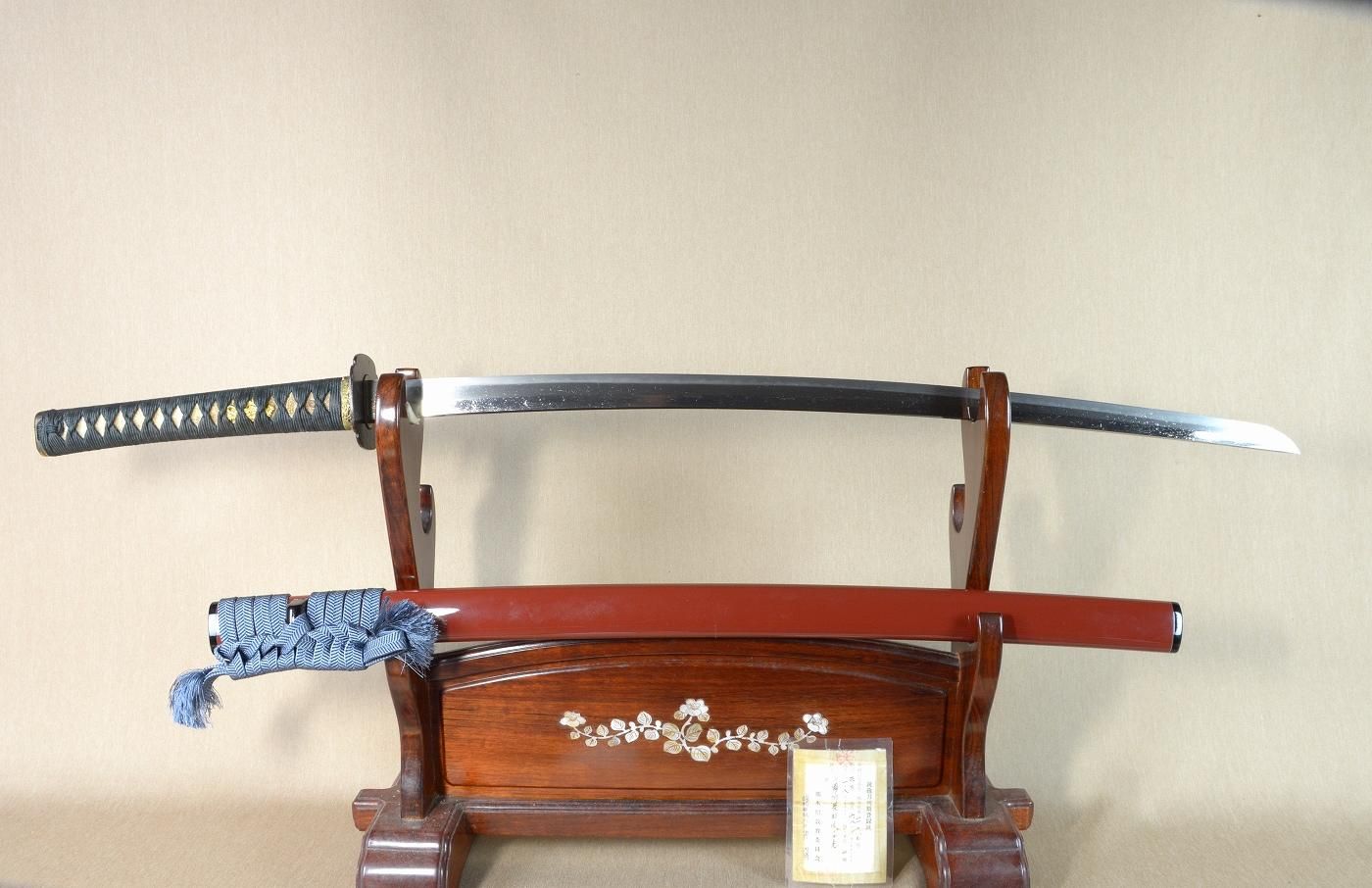
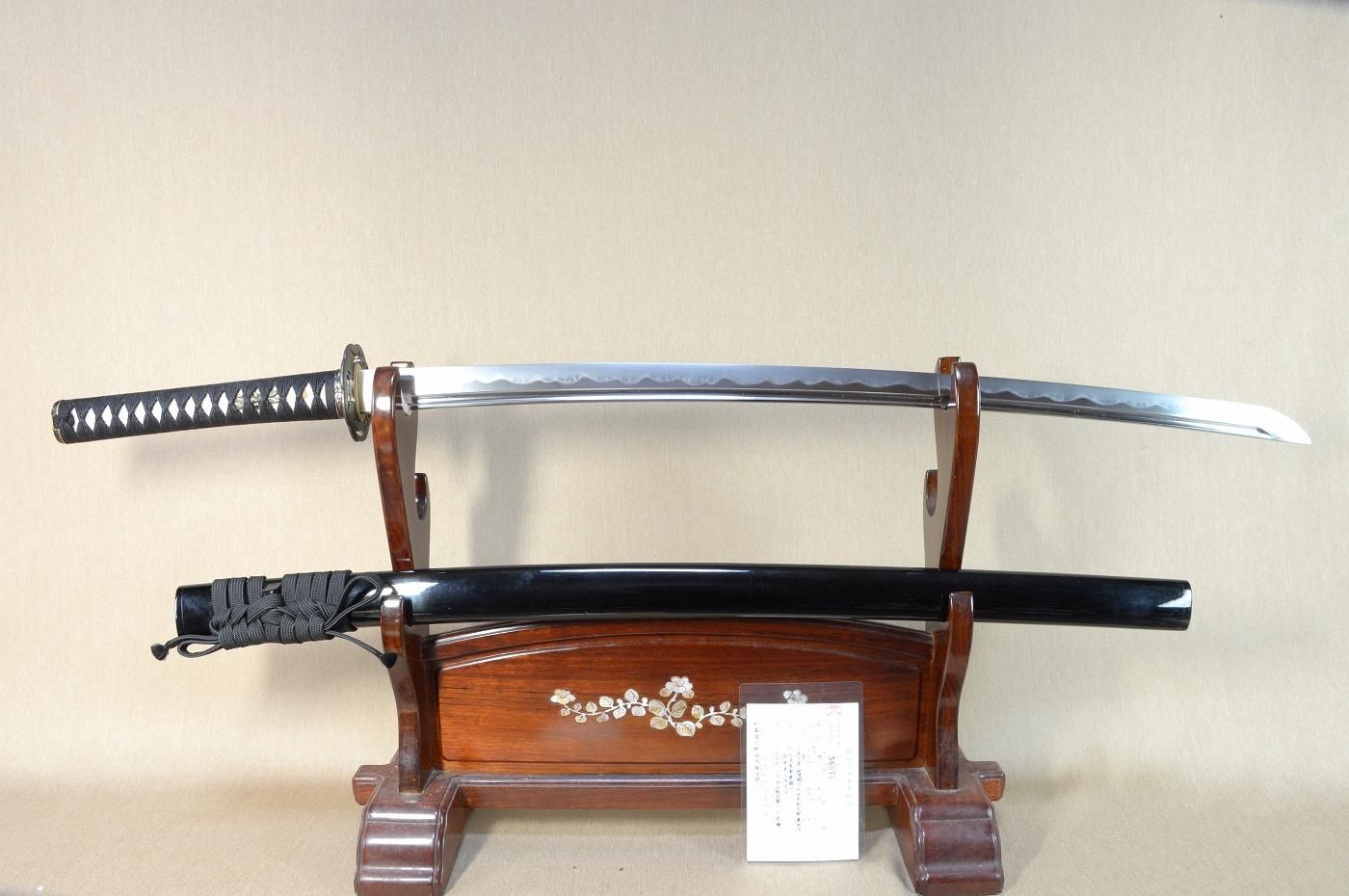
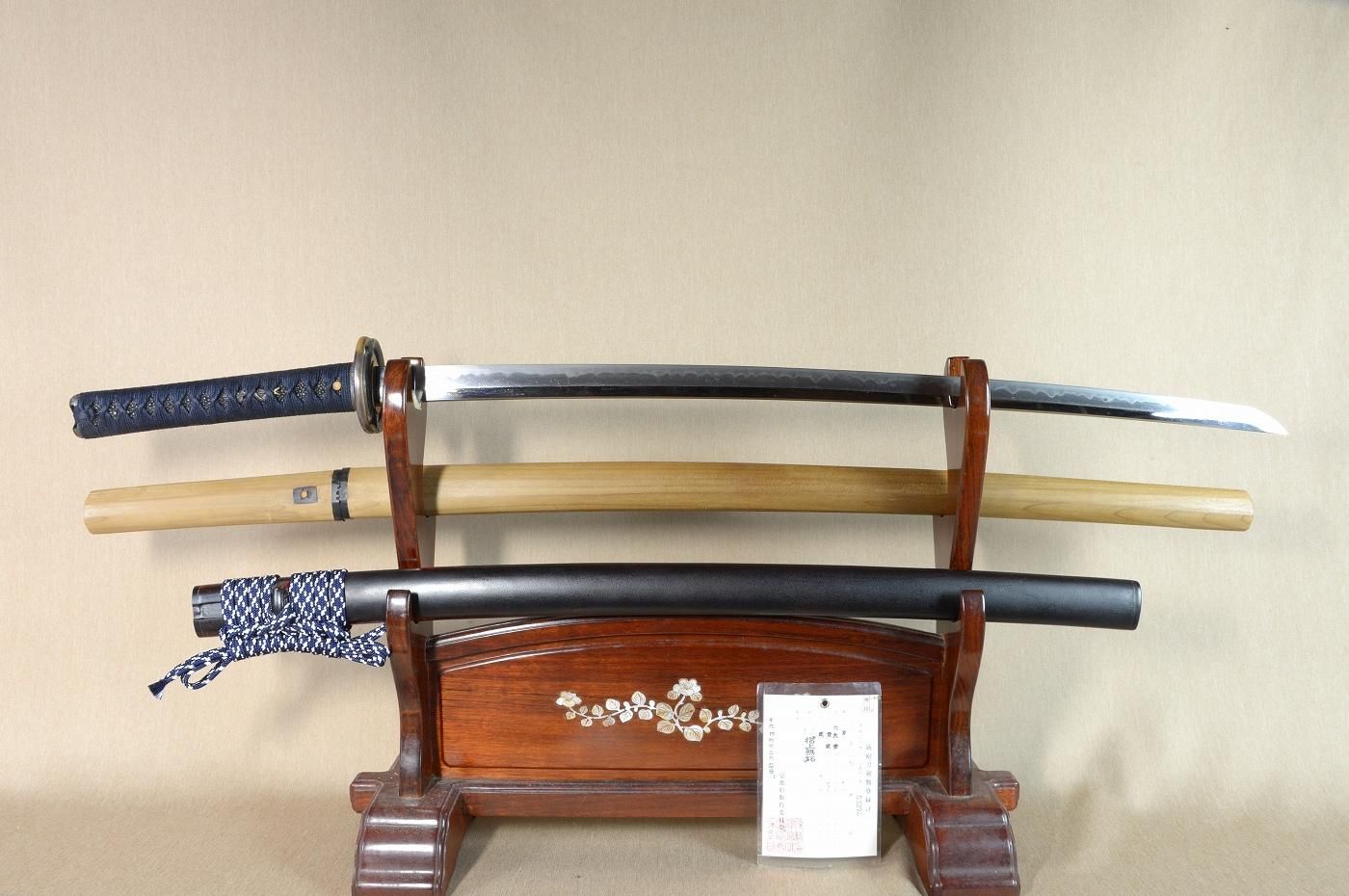
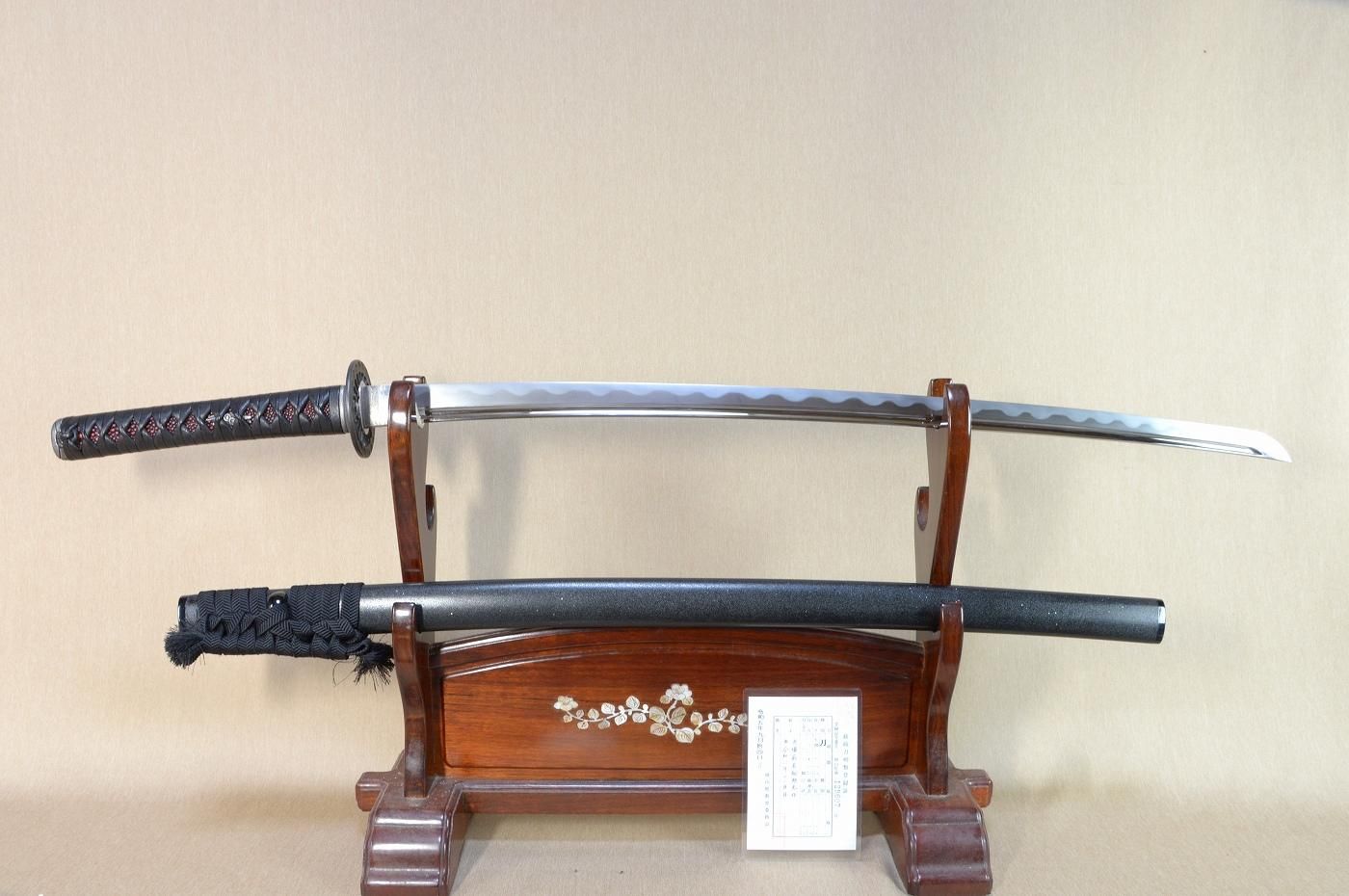
This is a tanto by Ietsugu, measuring 32.8cm. It dates back to the late Muromachi to Momoyama period. The blade has some skin rust commensurate with its age, but the hamon is dynamic and features carvings of Buddhist implements.
 NihontoWatch
mei · Muromachi · nagasa 32.8cm · sori 0.7cm
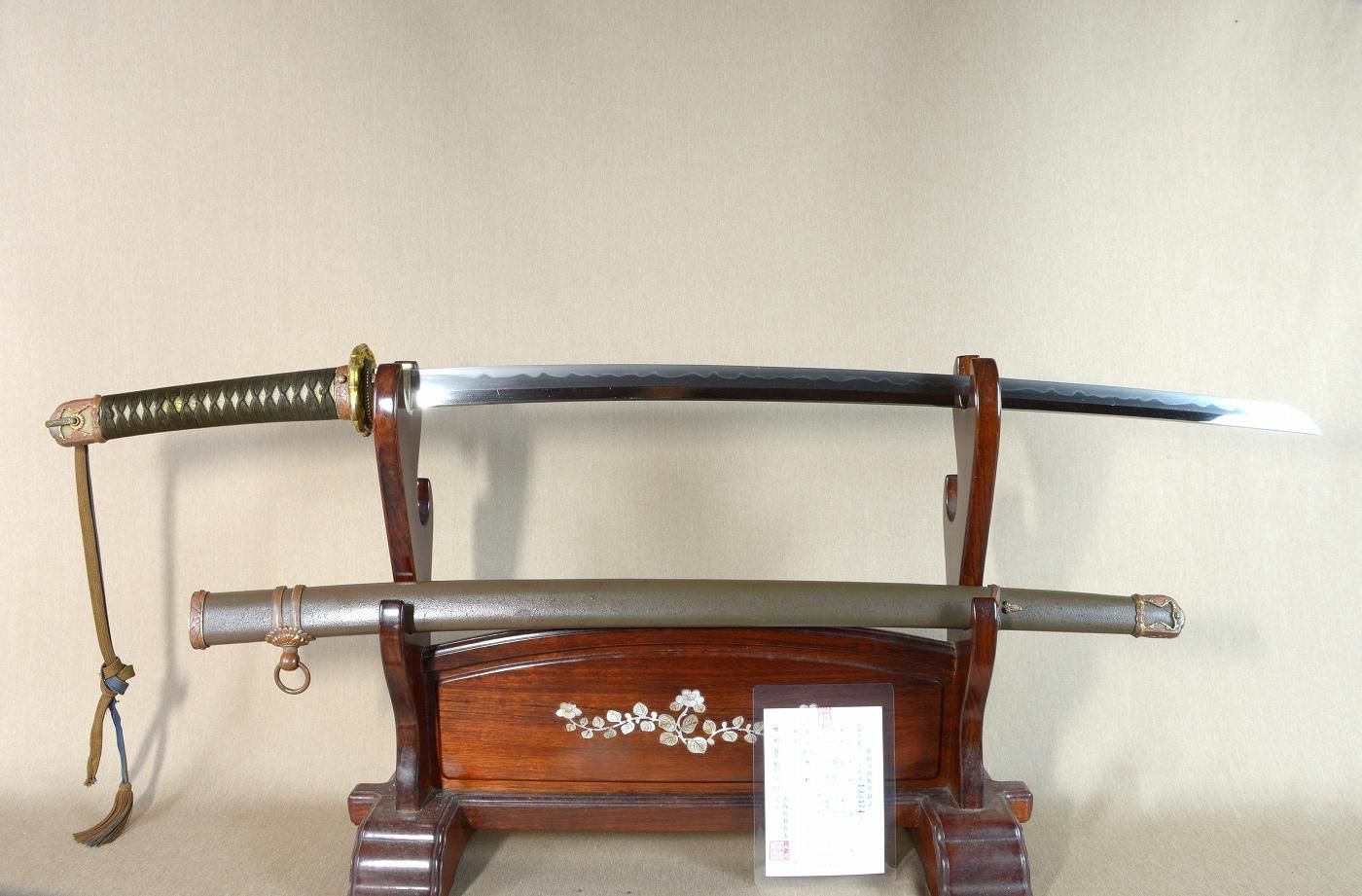
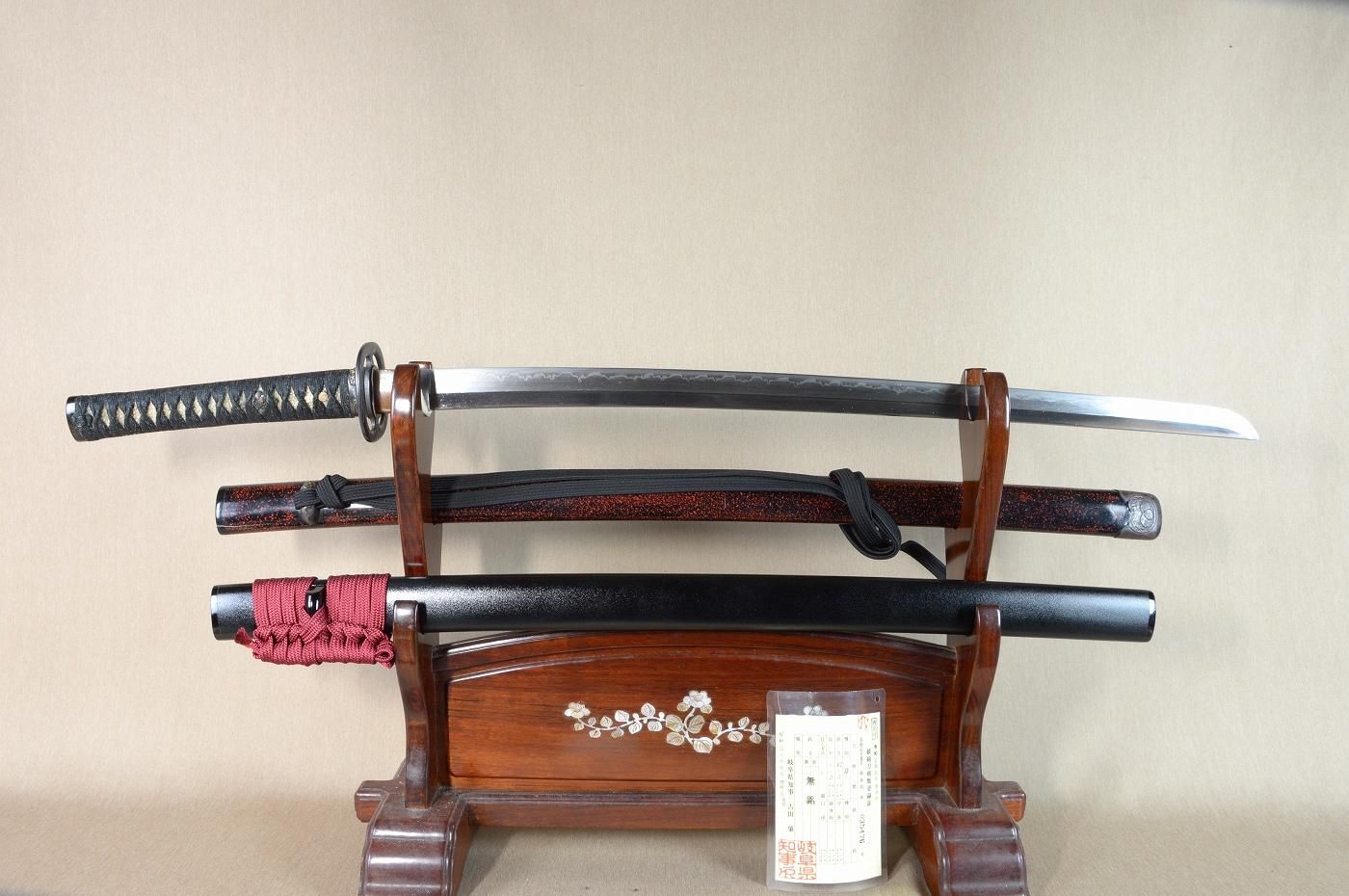
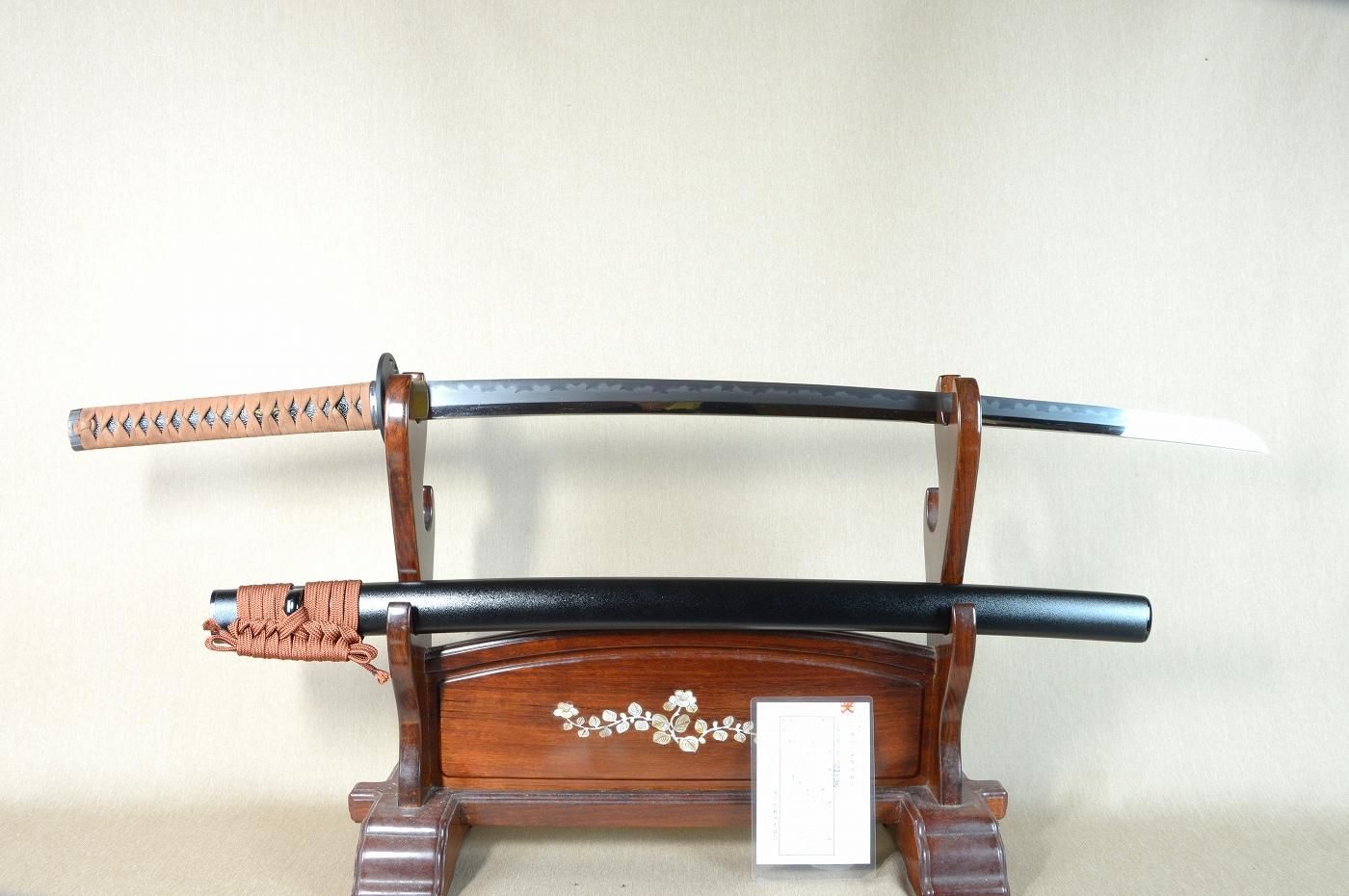
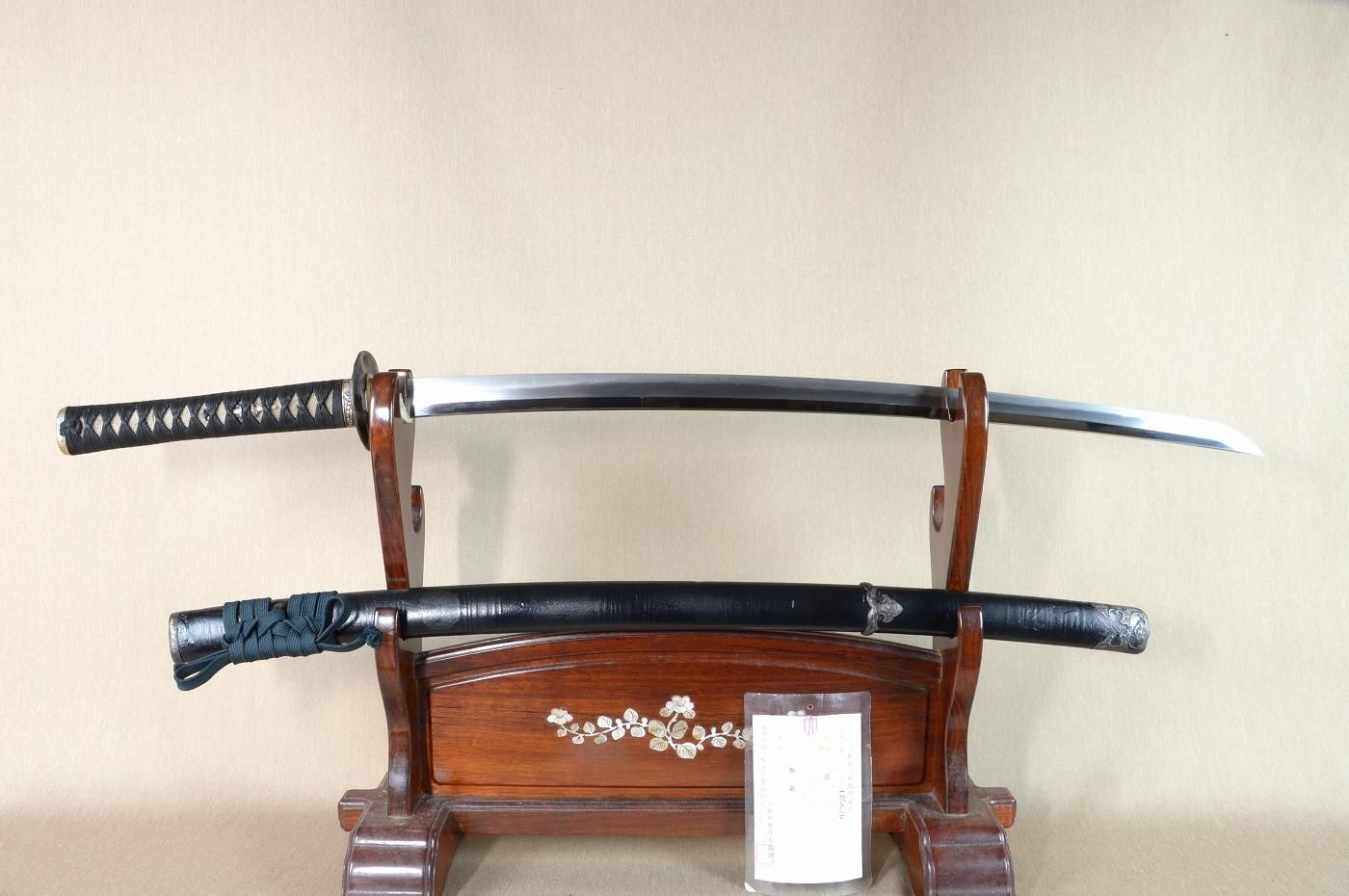
Mino-den · Kaga
26 pieces on the market now
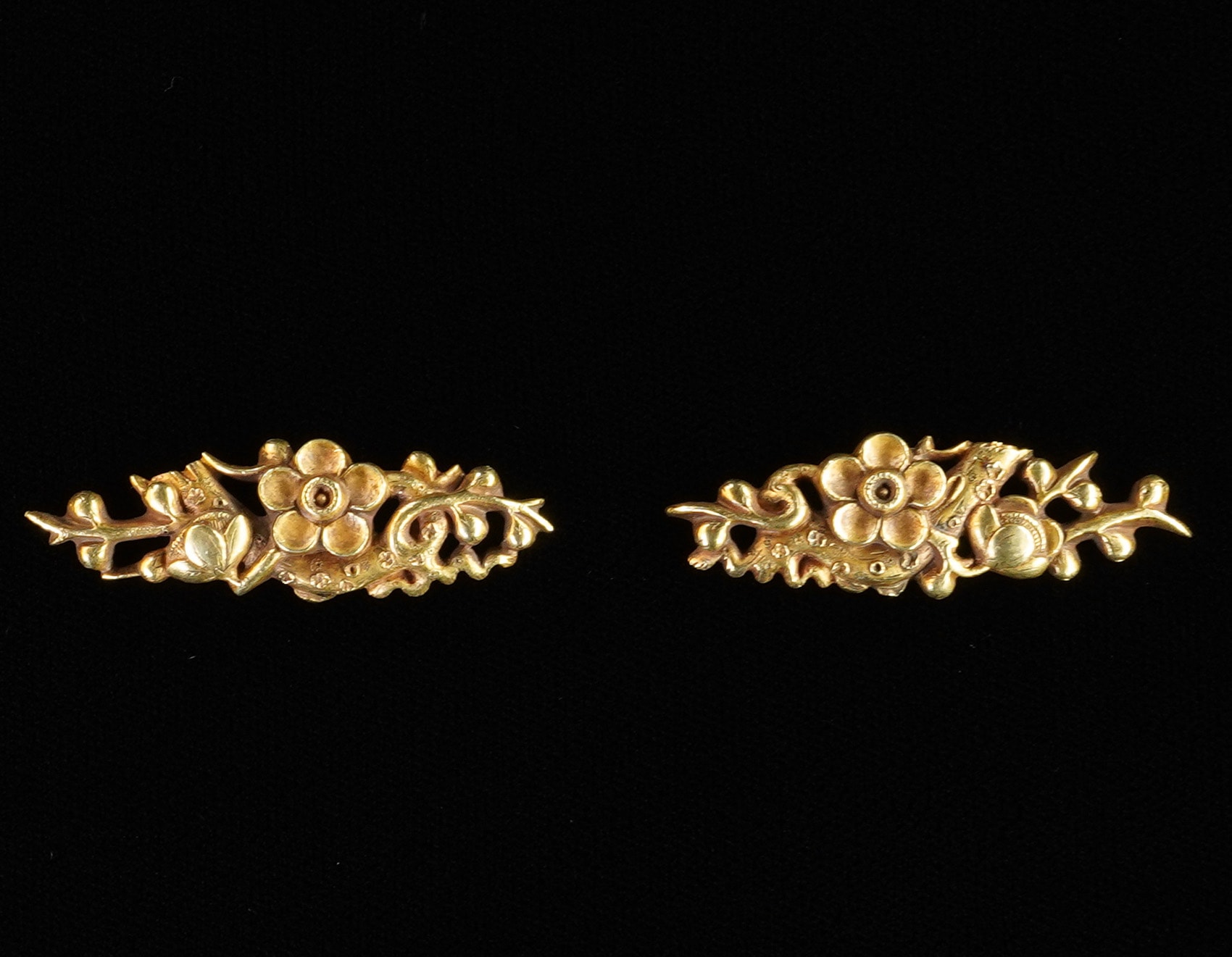
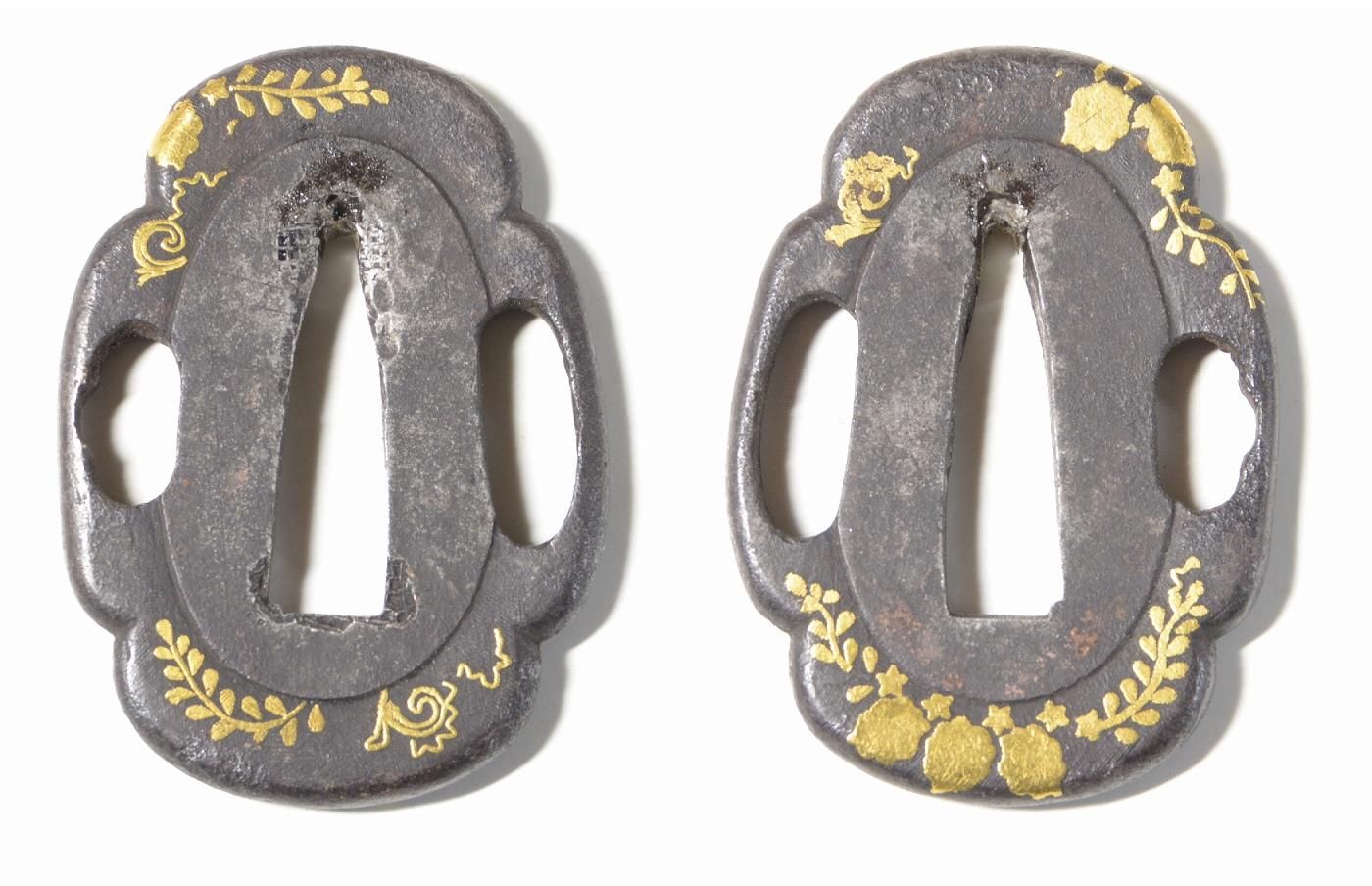
The Kaga inlay tradition (Kaga zōgan) emerged in Kaga Province during the early Edo period, centered on the castle town of Kanazawa under the patronage of the Maeda clan. This distinctive form of hira-zōgan is said to have developed when craftsmen specializing in stirrup decoration (abumi-shi) adapted their metalworking techniques to tsuba and other sword fittings, flourishing from the early seventeenth century through the Kyōhō era (1716–1736). Working against polished grounds of shakudō, shibuichi, or occasionally refined copper (suaka), these artisans created works characterized by their compositional sophistication and technical precision, establishing a regional aesthetic that would influence later generations of metalworkers. The hallmark of Kaga workmanship lies in its masterful deployment of multiple colored metals—gold, silver, copper, shakudō, and shibuichi—inlaid in flat relief against dark, highly polished grounds. Motifs range from naturalistic subjects such as autumn grasses, butterflies, and mandarin ducks beneath willows to more formal designs including paulownia crests and brocade wrappers, all rendered with meticulous kebori line engraving that adds refinement to the broader inlay work.
The compositions typically extend across the entire surface of the guard, creating an effect of visual richness and decorative abundance. Against jet-black shakudō or the warm tonality of suaka, the multicolored inlays achieve a luminous clarity, producing works of elegant splendor (fūryū) that balance technical virtuosity with restrained taste. The tradition's influence extended beyond its geographic center, with works attributed to Kaga methods appearing in collections throughout Japan. Large-scale presentation pieces demonstrate the school's capacity for ambitious design, while the consistent quality of execution across surviving examples suggests a well-established workshop system with shared technical standards. Though individual makers within the tradition rarely signed their work, the distinctive aesthetic—characterized by full-surface compositions, polished dark grounds, and precise multicolor inlay—remains immediately recognizable, preserving the legacy of Kanazawa's metalworking excellence through the Edo period. Learn more →
| Smith | Era | Designated |
|---|---|---|
| Sanekage真景 | 1362-1368 | 47 |
| Takahira高平 | 1621-1644 | 9 |
| Kagemitsu景光 | 1362-1368 | 3 |
| Ietsugu家次 | 1528-1558 | 1 |
| Kagehira景平 | 1661-1673 | 1 |
Mino in the Muromachi period
Sengoku Seki was an industry: smiths organized under their tutelary Kasuga shrine, arming the war bands of central Japan. Magoroku Kanemoto’s sanbonsugi and the finest Kanesada work prove quality survived inside mass production.
We could not find an authenticity certificate on the seller’s listing. Japanese swords and fittings are normally papered by the NBTHK (or the NTHK). Without one, the attribution is the seller’s own assessment and has not been independently verified — treat it with caution and ask the dealer about certification before buying.
Please contact us promptly after the item's arrival. Except where the item is defective, we cannot accept returns. For returns due to customer circumstances, the cost is the customer's responsibility. In the case of a defective item, we bear the cost.
This is a tanto by Ietsugu, measuring 32.8cm. It dates back to the late Muromachi to Momoyama period. The blade has some skin rust commensurate with its age, but the hamon is dynamic and features carvings of Buddhist implements.
NihontoWatchmei · Muromachi · nagasa 32.8cm · sori 0.7cm
Mino-den · Kaga
26 pieces on the market now
The Kaga inlay tradition (Kaga zōgan) emerged in Kaga Province during the early Edo period, centered on the castle town of Kanazawa under the patronage of the Maeda clan. This distinctive form of hira-zōgan is said to have developed when craftsmen specializing in stirrup decoration (abumi-shi) adapted their metalworking techniques to tsuba and other sword fittings, flourishing from the early seventeenth century through the Kyōhō era (1716–1736). Working against polished grounds of shakudō, shibuichi, or occasionally refined copper (suaka), these artisans created works characterized by their compositional sophistication and technical precision, establishing a regional aesthetic that would influence later generations of metalworkers. The hallmark of Kaga workmanship lies in its masterful deployment of multiple colored metals—gold, silver, copper, shakudō, and shibuichi—inlaid in flat relief against dark, highly polished grounds. Motifs range from naturalistic subjects such as autumn grasses, butterflies, and mandarin ducks beneath willows to more formal designs including paulownia crests and brocade wrappers, all rendered with meticulous kebori line engraving that adds refinement to the broader inlay work.
The compositions typically extend across the entire surface of the guard, creating an effect of visual richness and decorative abundance. Against jet-black shakudō or the warm tonality of suaka, the multicolored inlays achieve a luminous clarity, producing works of elegant splendor (fūryū) that balance technical virtuosity with restrained taste. The tradition's influence extended beyond its geographic center, with works attributed to Kaga methods appearing in collections throughout Japan. Large-scale presentation pieces demonstrate the school's capacity for ambitious design, while the consistent quality of execution across surviving examples suggests a well-established workshop system with shared technical standards. Though individual makers within the tradition rarely signed their work, the distinctive aesthetic—characterized by full-surface compositions, polished dark grounds, and precise multicolor inlay—remains immediately recognizable, preserving the legacy of Kanazawa's metalworking excellence through the Edo period. Learn more →
| Smith | Era | Designated |
|---|---|---|
| Sanekage真景 | 1362-1368 | 47 |
| Takahira高平 | 1621-1644 | 9 |
| Kagemitsu景光 | 1362-1368 | 3 |
| Ietsugu家次 | 1528-1558 | 1 |
| Kagehira景平 | 1661-1673 | 1 |
Mino in the Muromachi period
Sengoku Seki was an industry: smiths organized under their tutelary Kasuga shrine, arming the war bands of central Japan. Magoroku Kanemoto’s sanbonsugi and the finest Kanesada work prove quality survived inside mass production.
We could not find an authenticity certificate on the seller’s listing. Japanese swords and fittings are normally papered by the NBTHK (or the NTHK). Without one, the attribution is the seller’s own assessment and has not been independently verified — treat it with caution and ask the dealer about certification before buying.
Please contact us promptly after the item's arrival. Except where the item is defective, we cannot accept returns. For returns due to customer circumstances, the cost is the customer's responsibility. In the case of a defective item, we bear the cost.