Sengoku Seki was an industry: smiths organized under their tutelary Kasuga shrine, arming the war bands of central Japan. Magoroku Kanemoto’s sanbonsugi and the finest Kanesada work prove quality survived inside mass production.
 NihontoWatchNihontoWatch
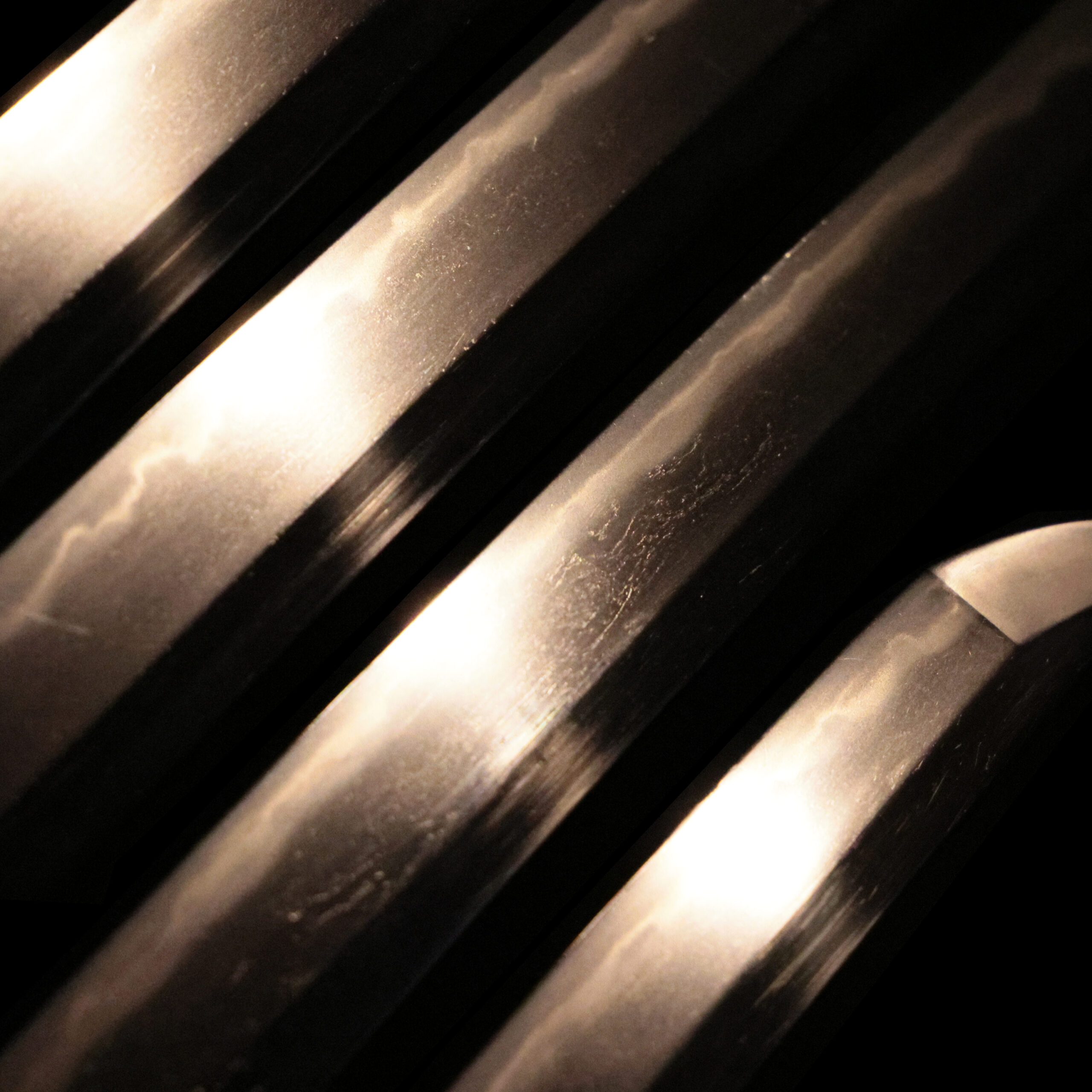
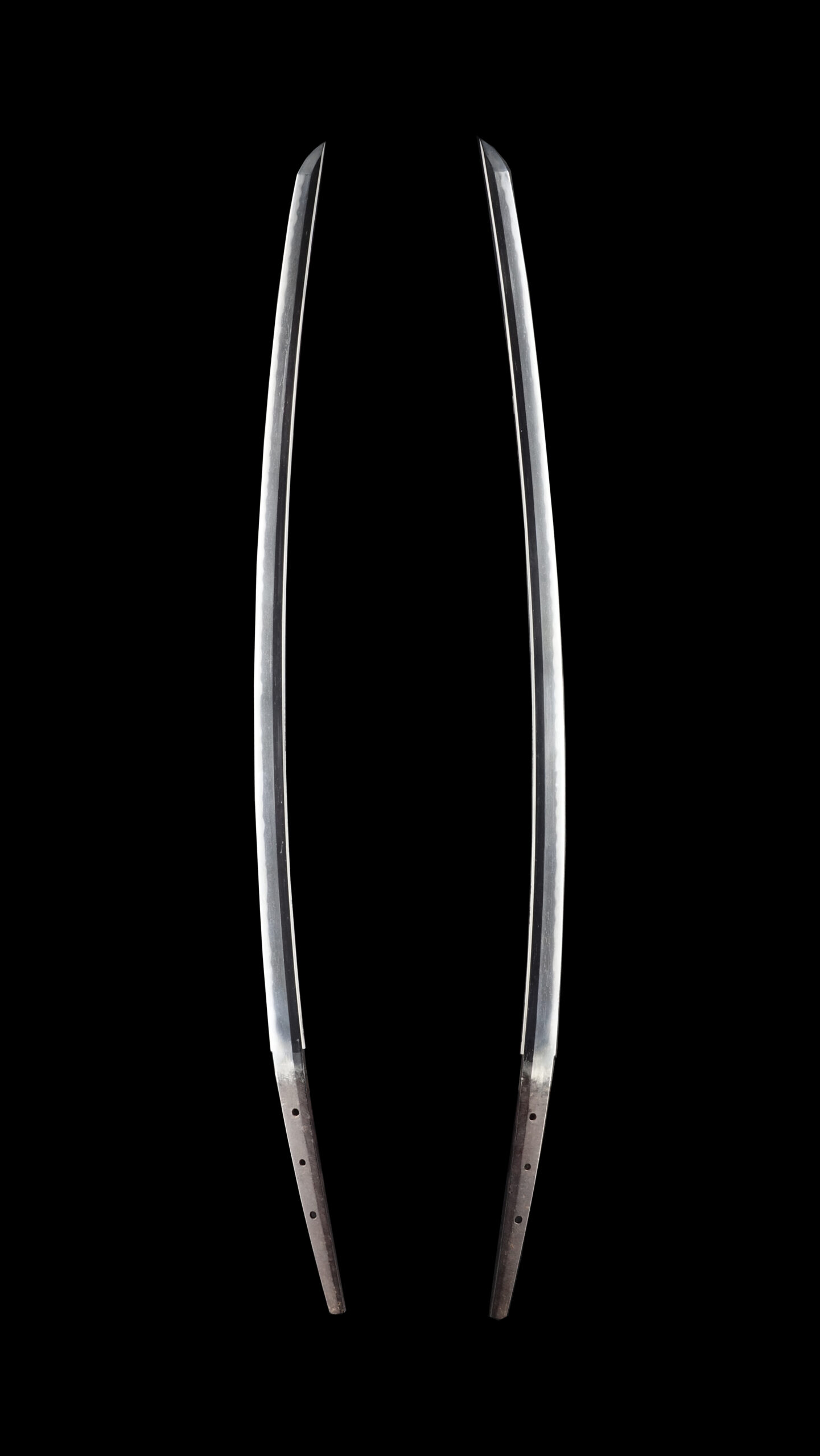
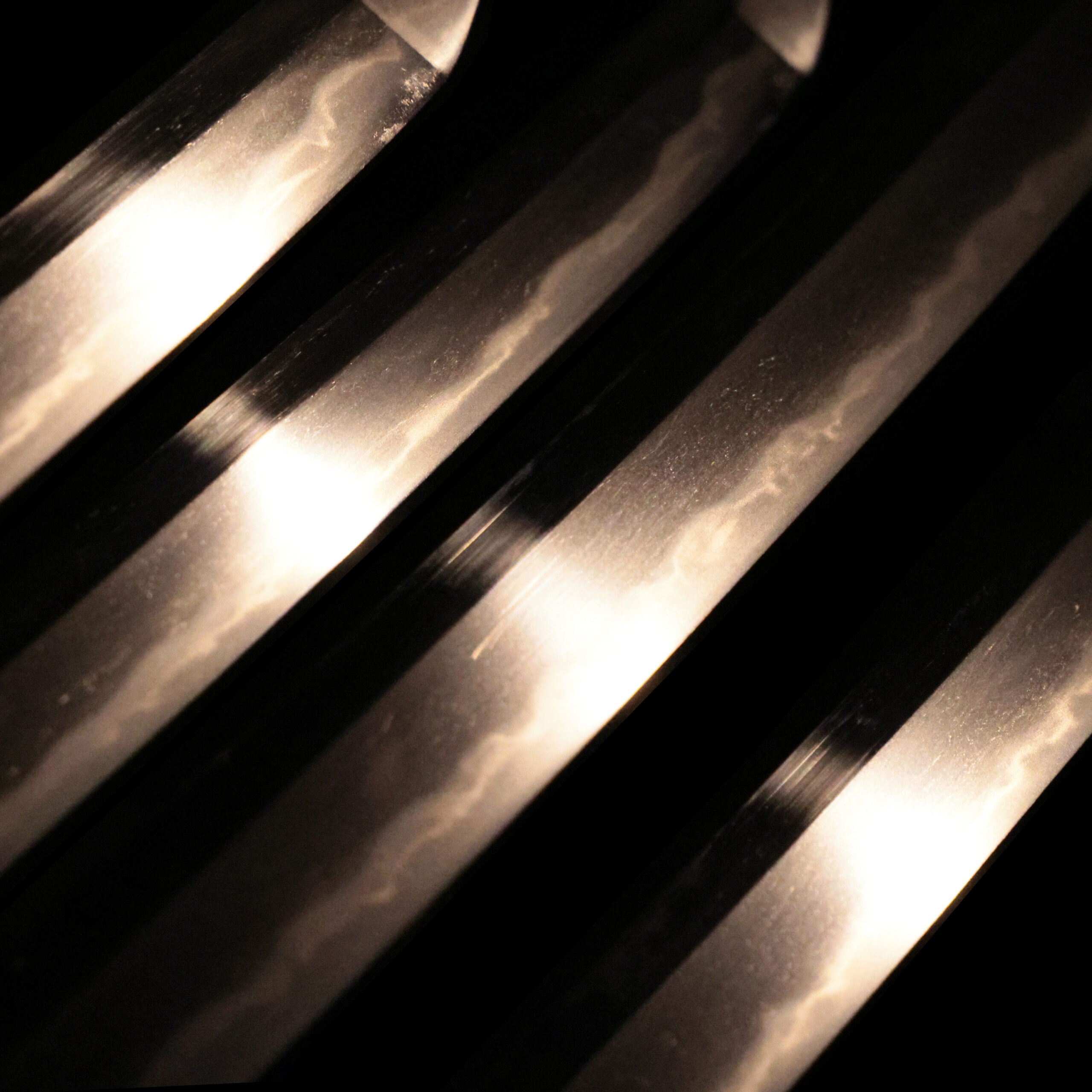
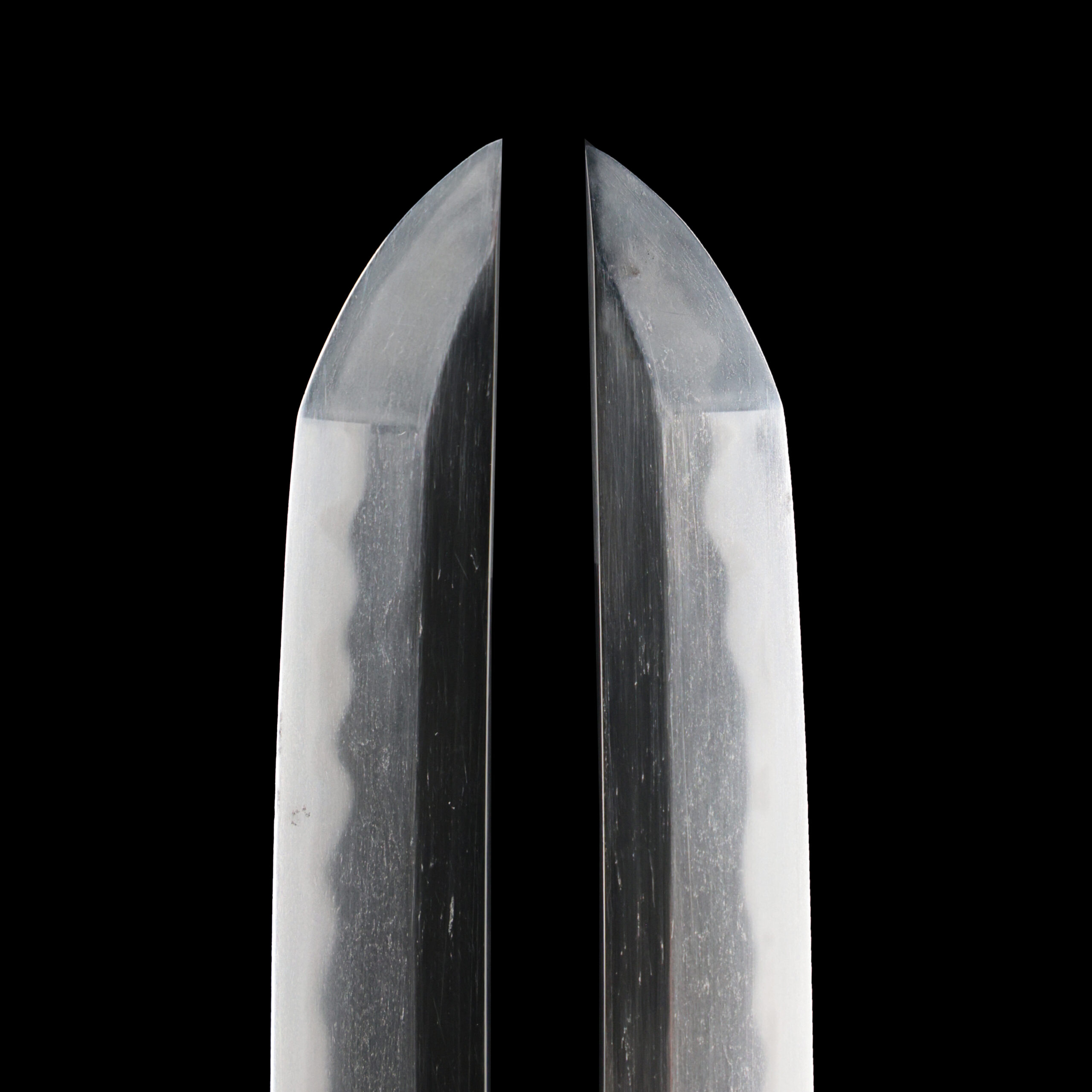
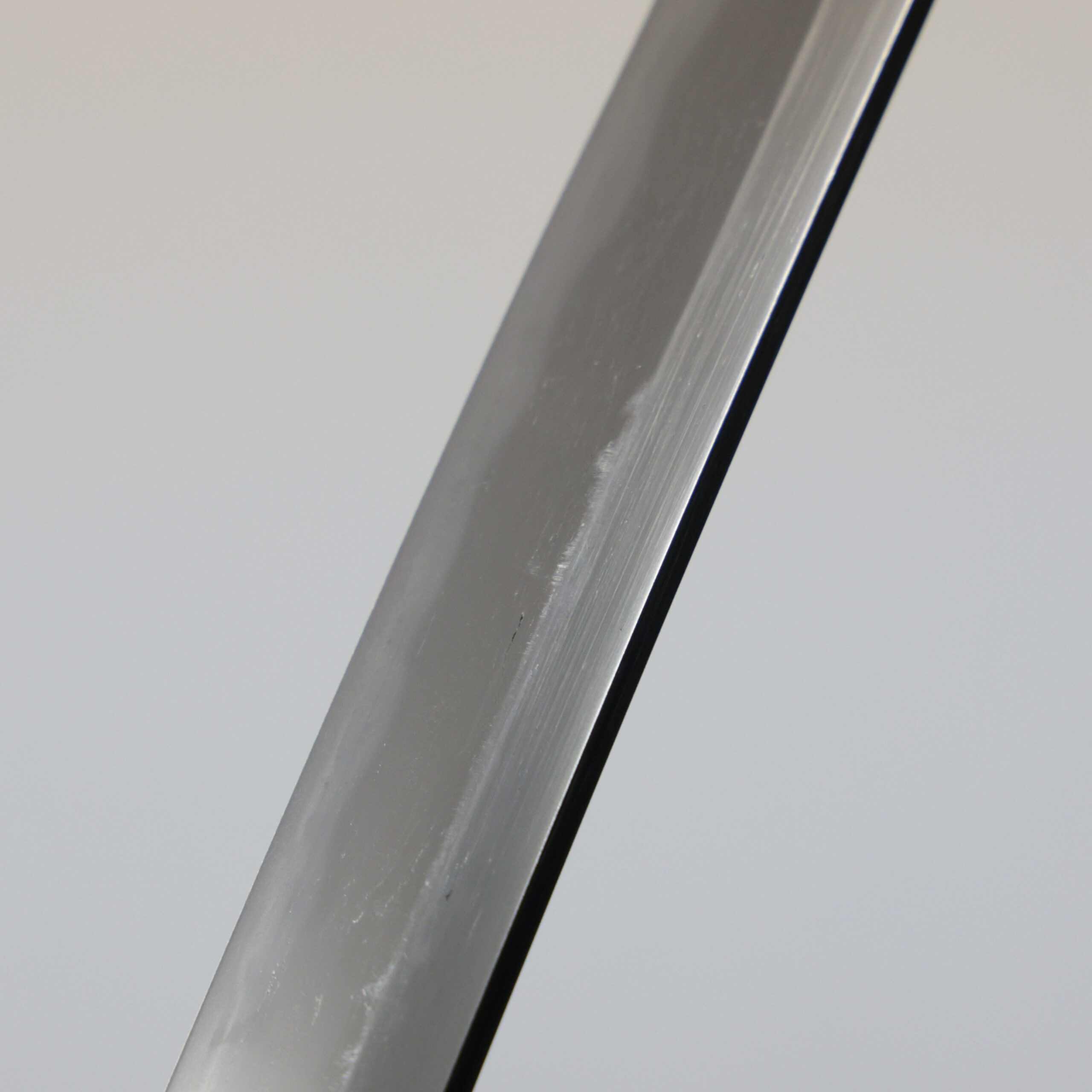
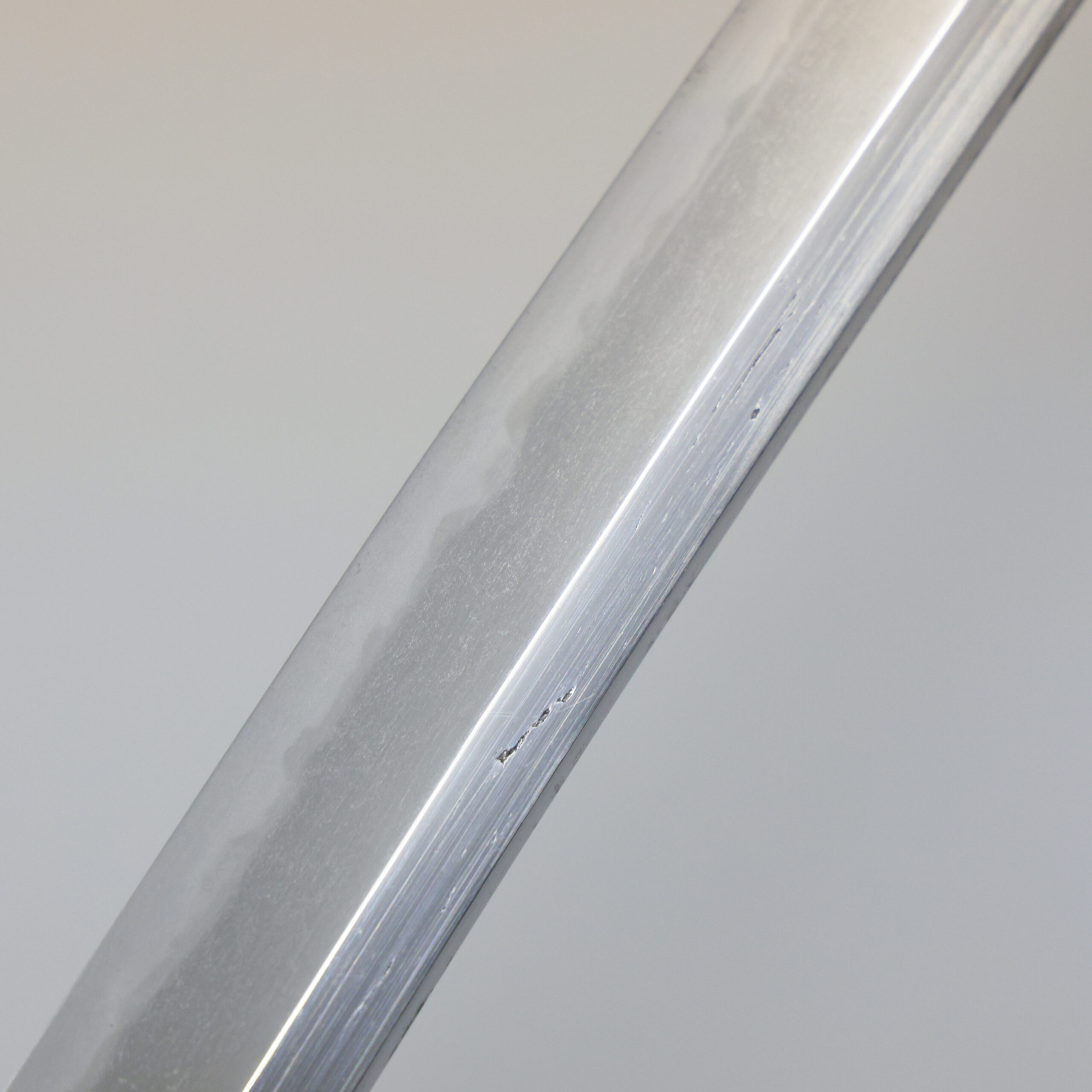
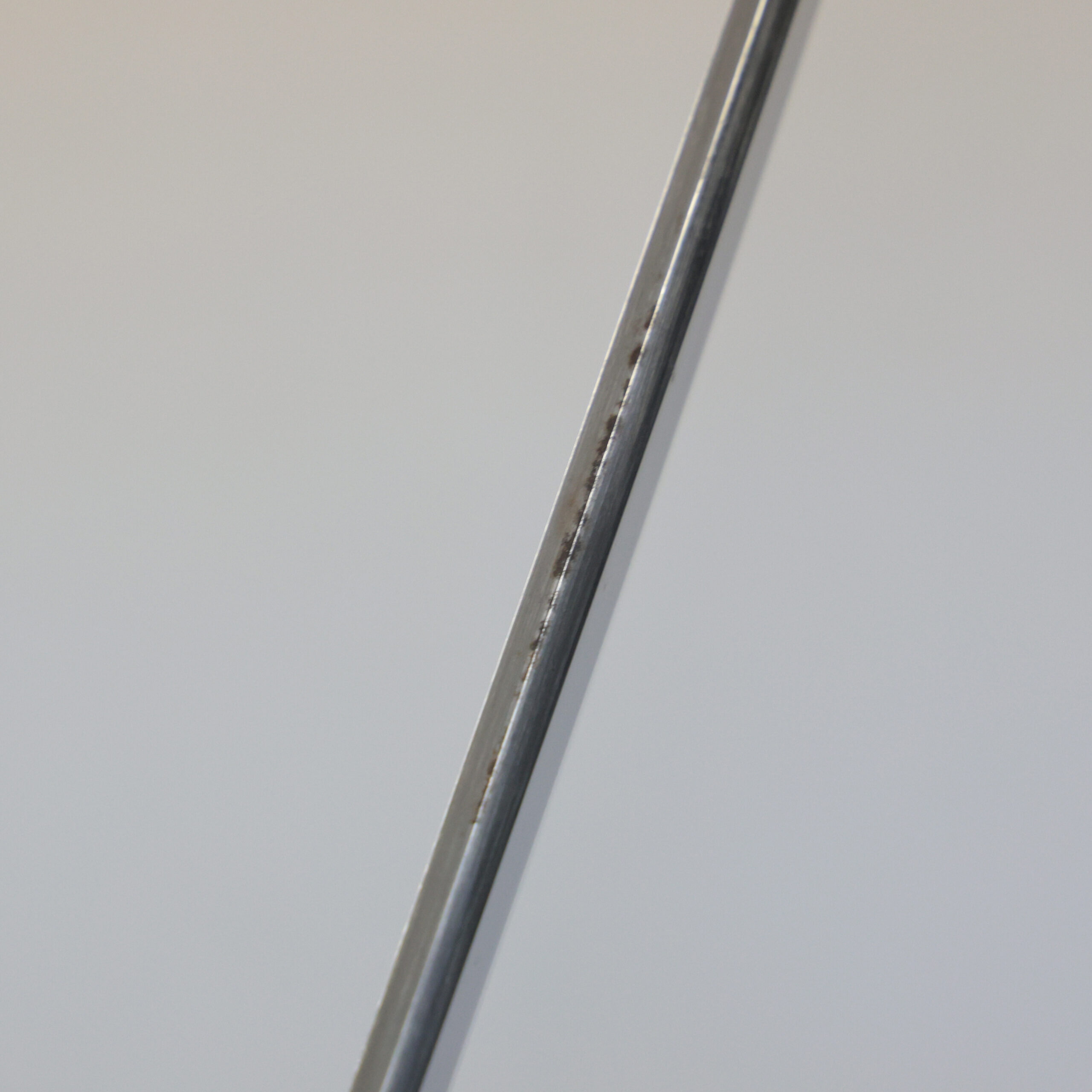
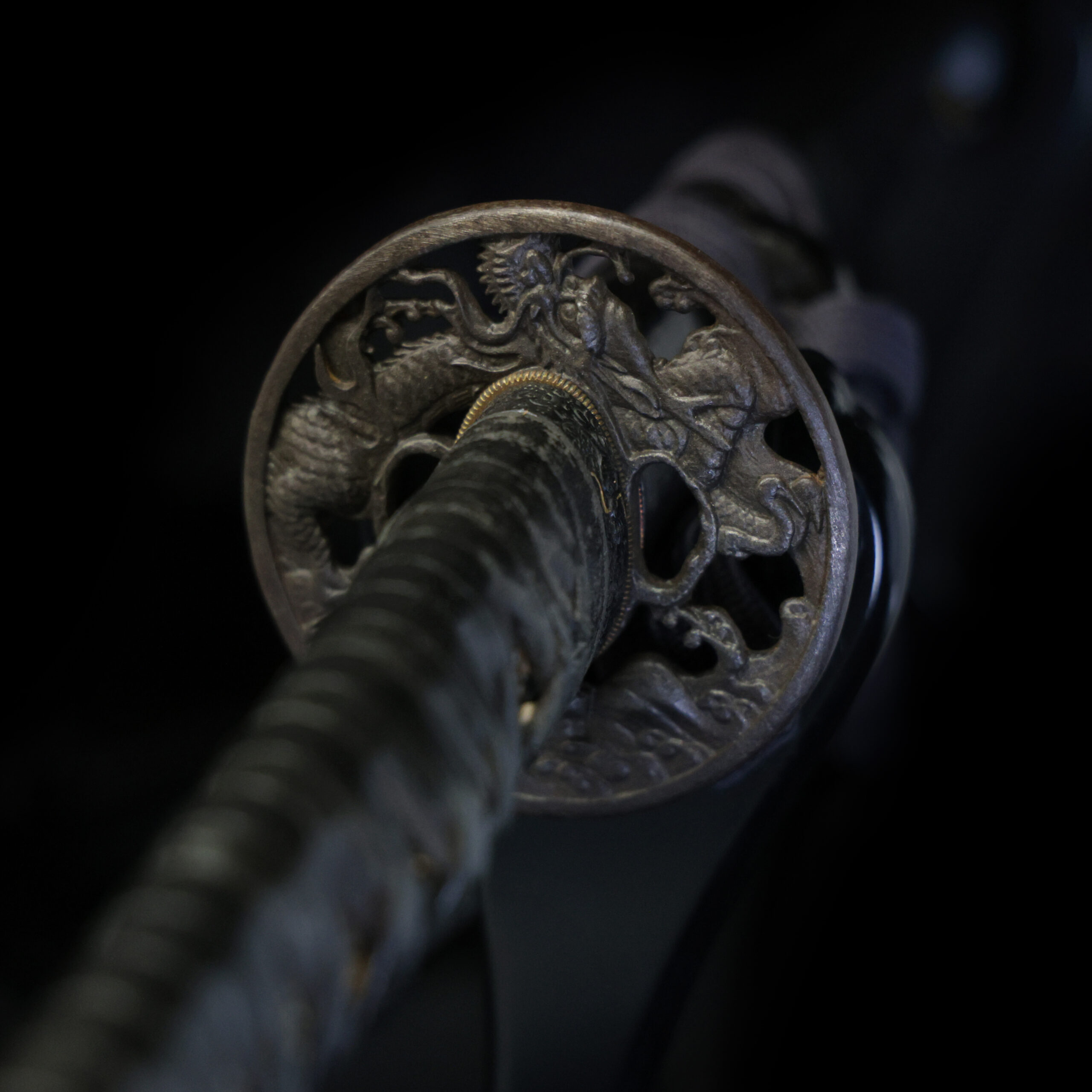
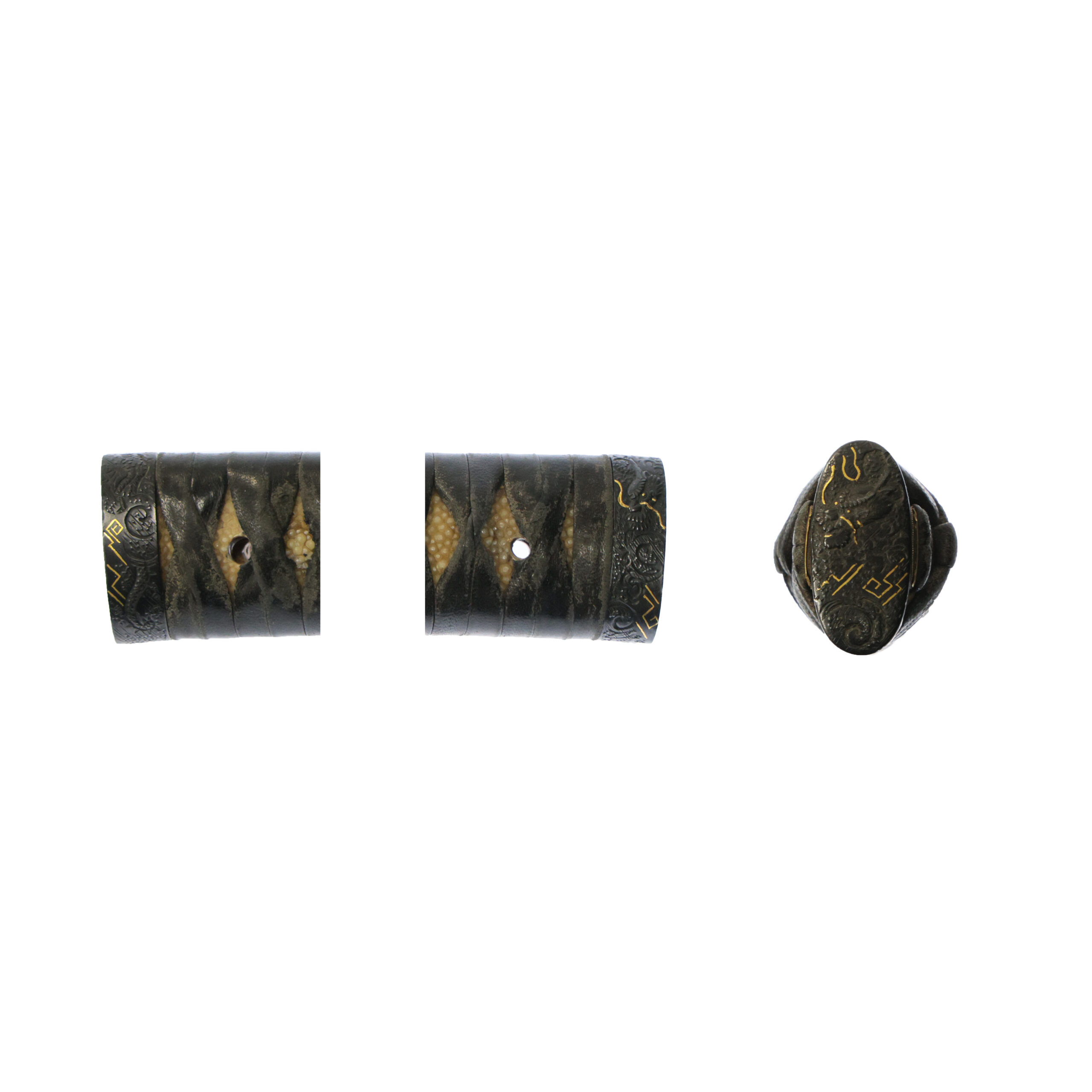
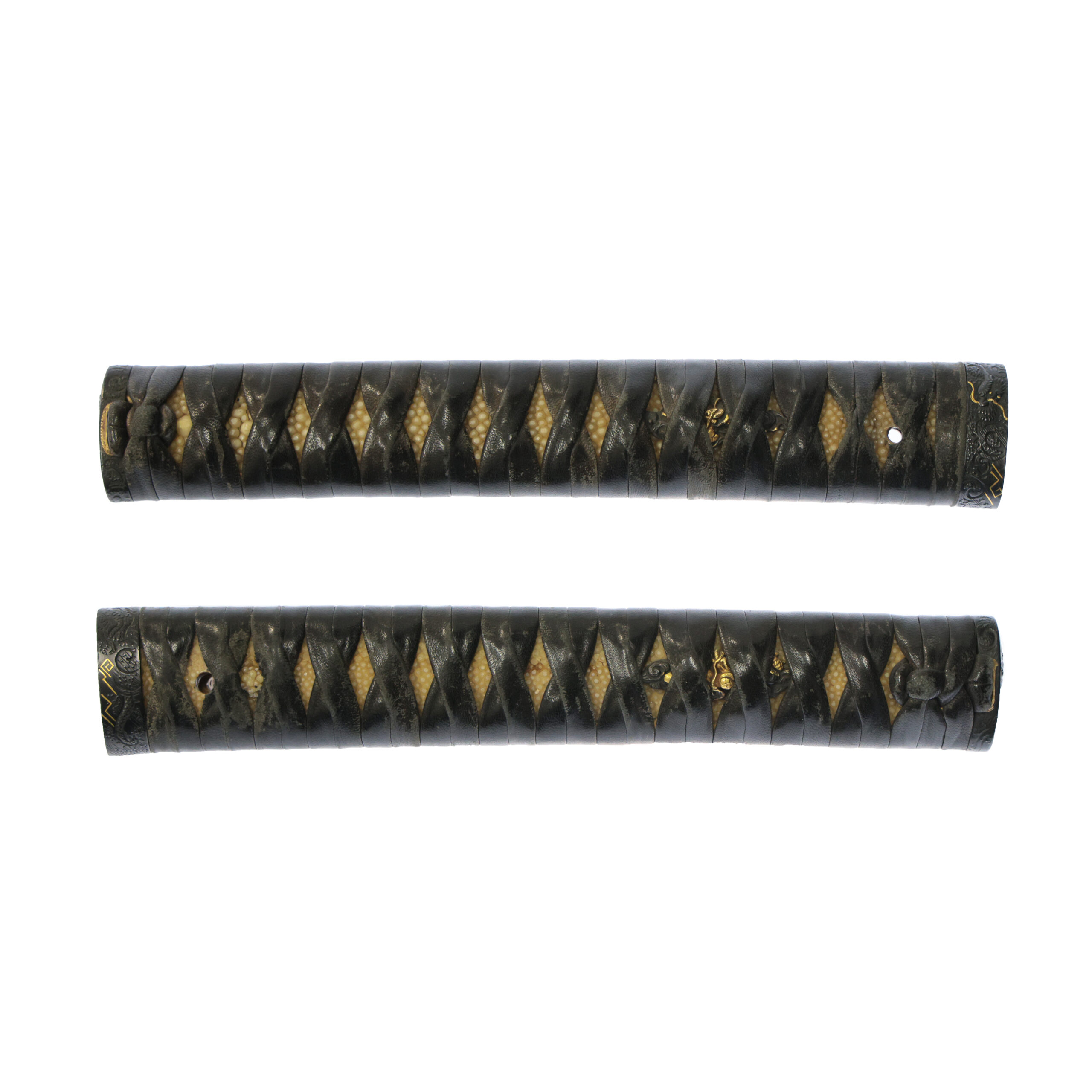
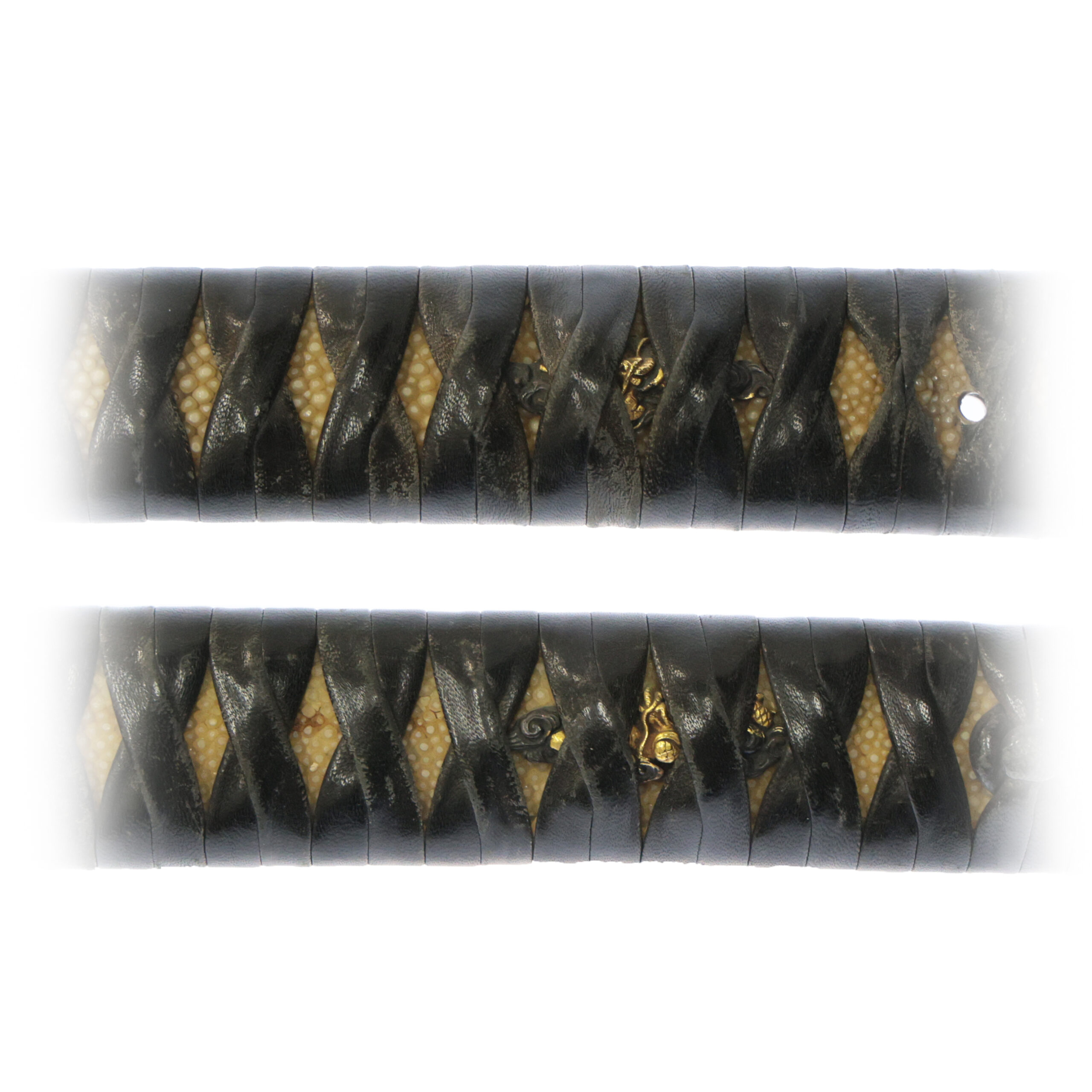
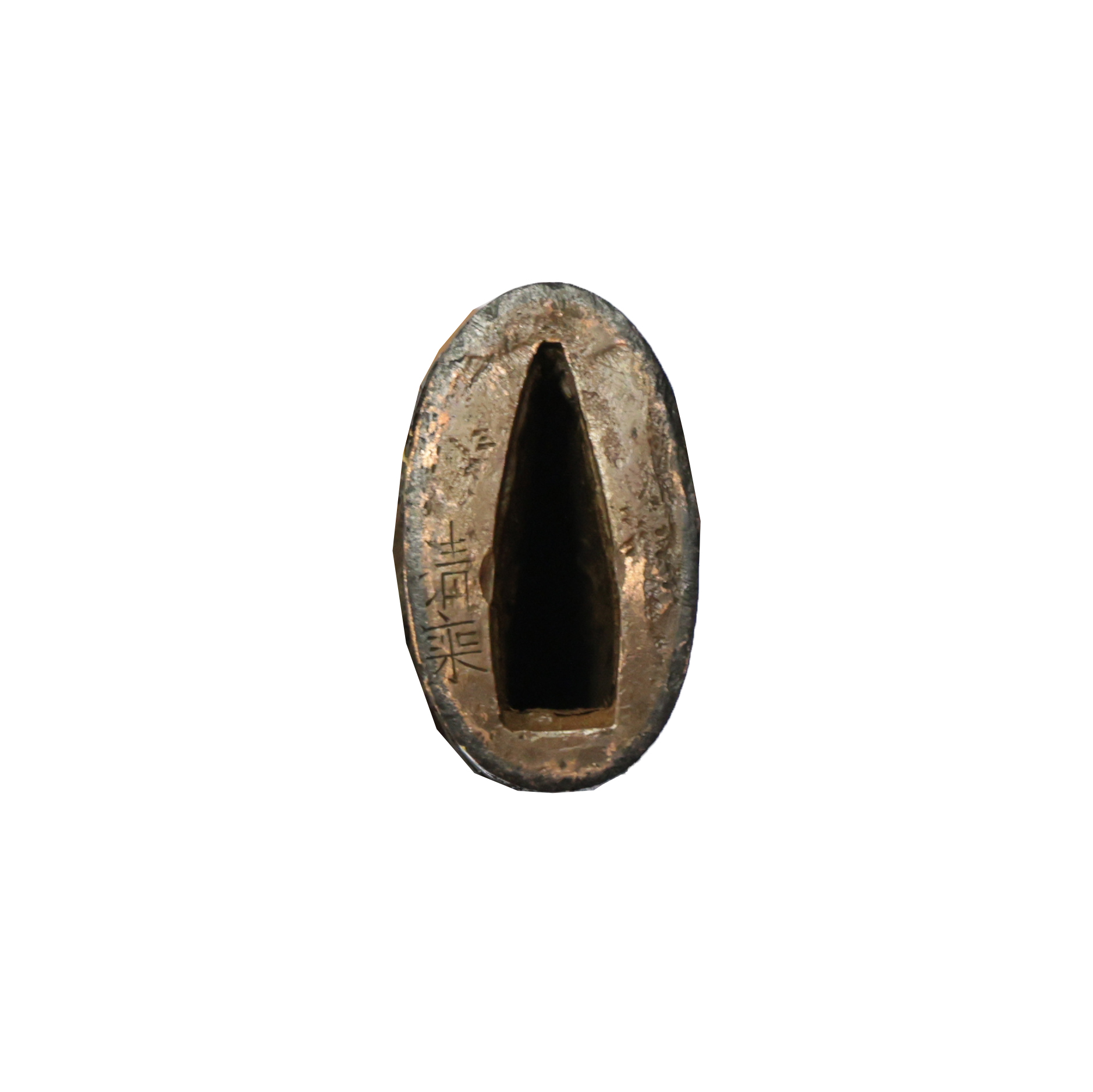
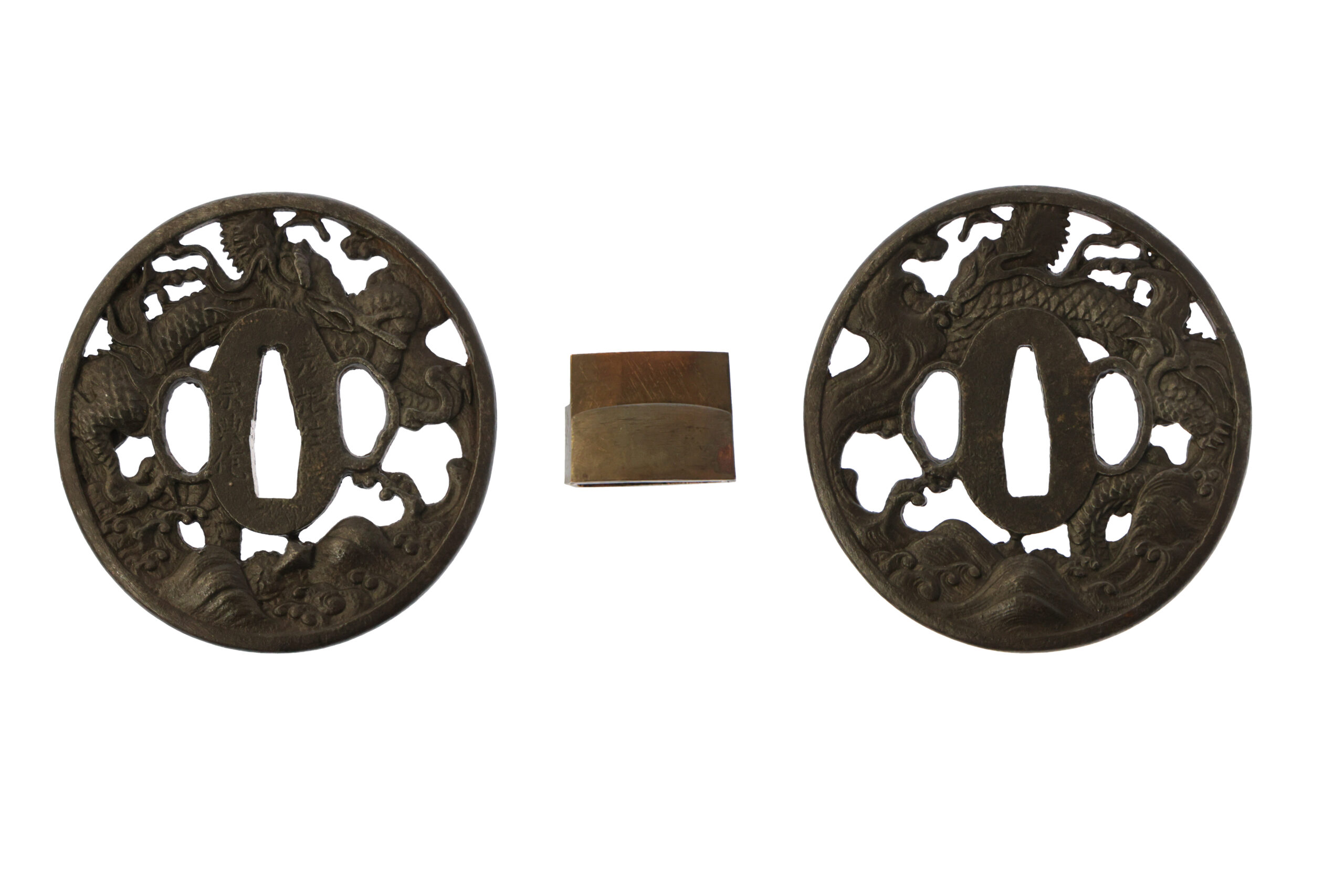
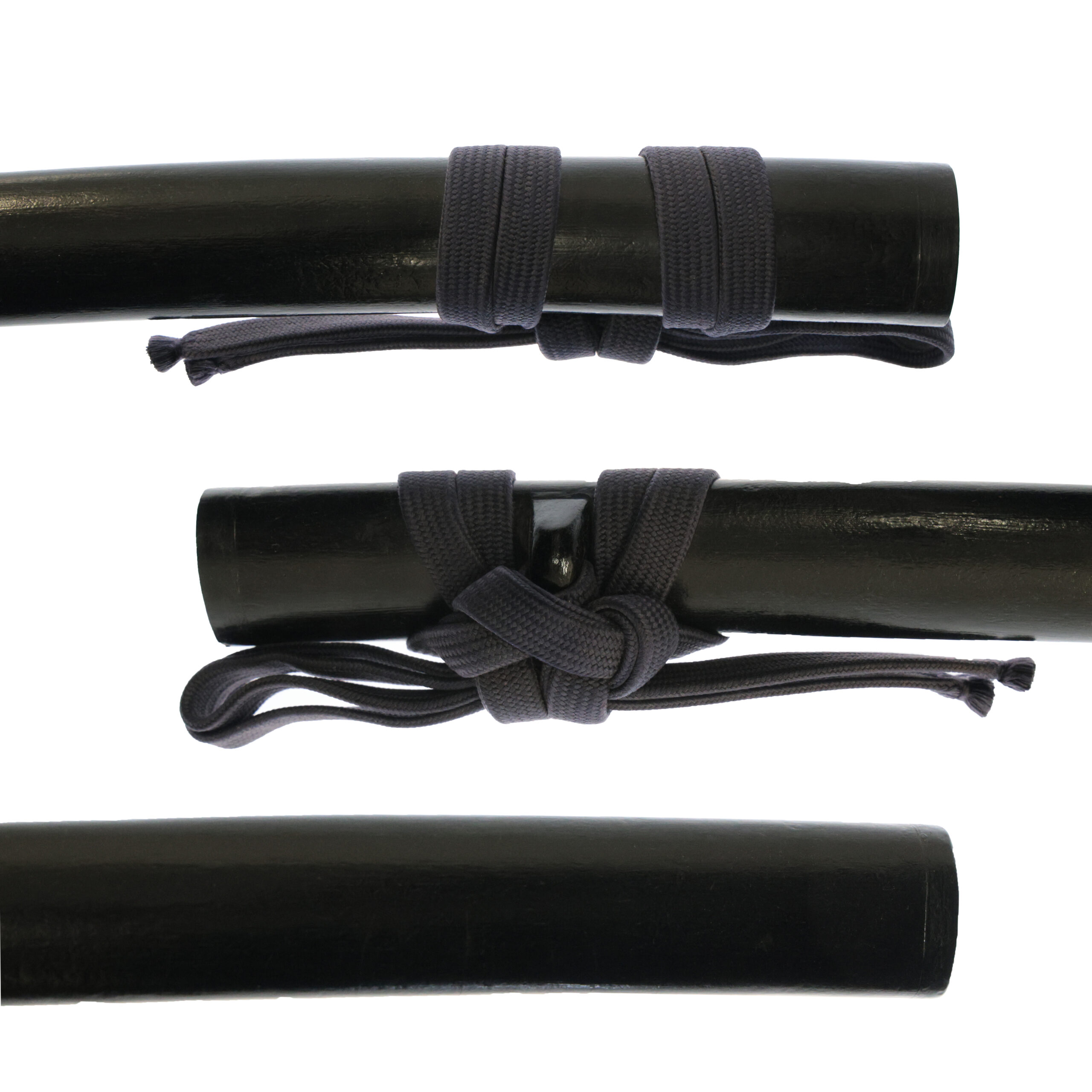
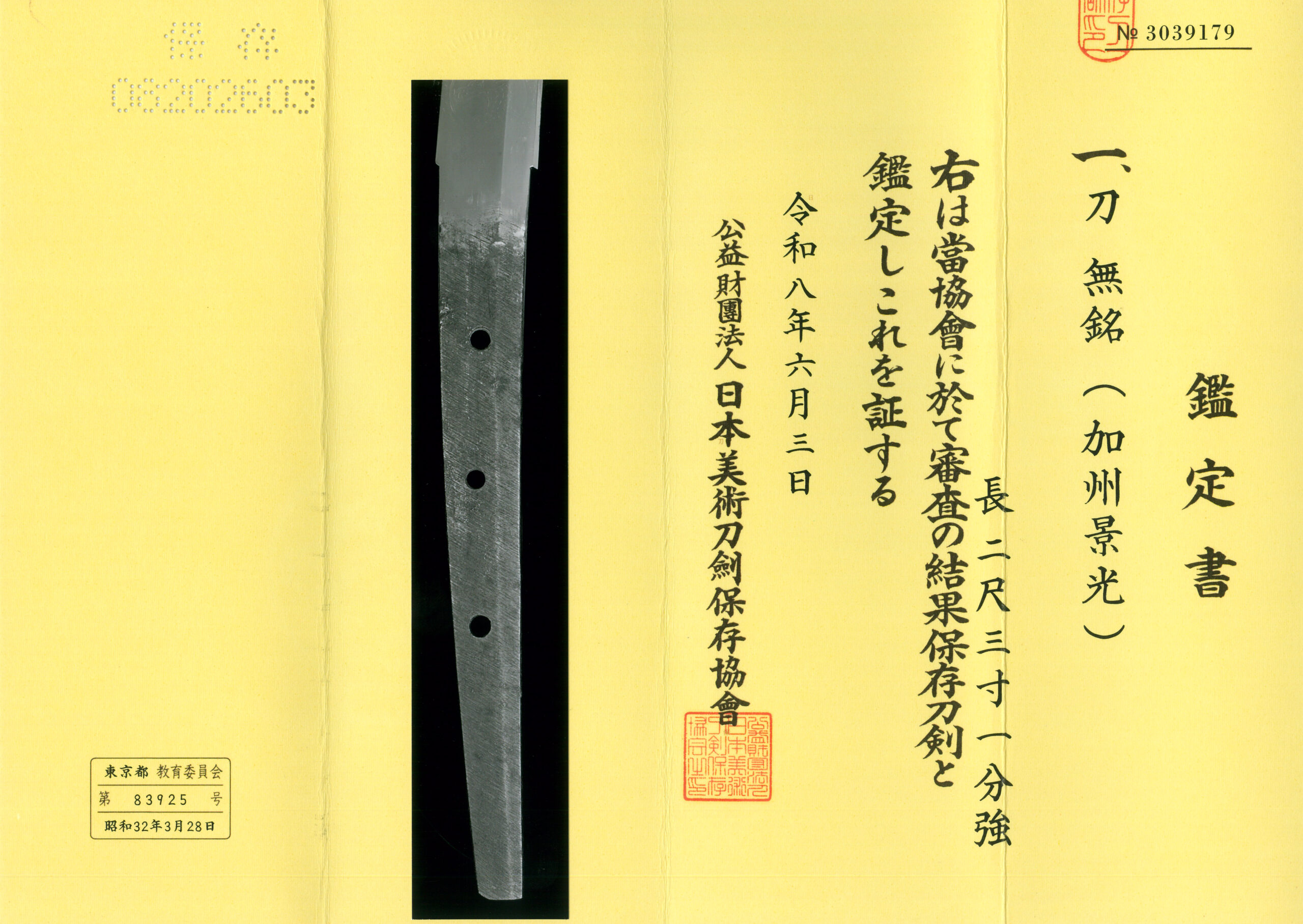
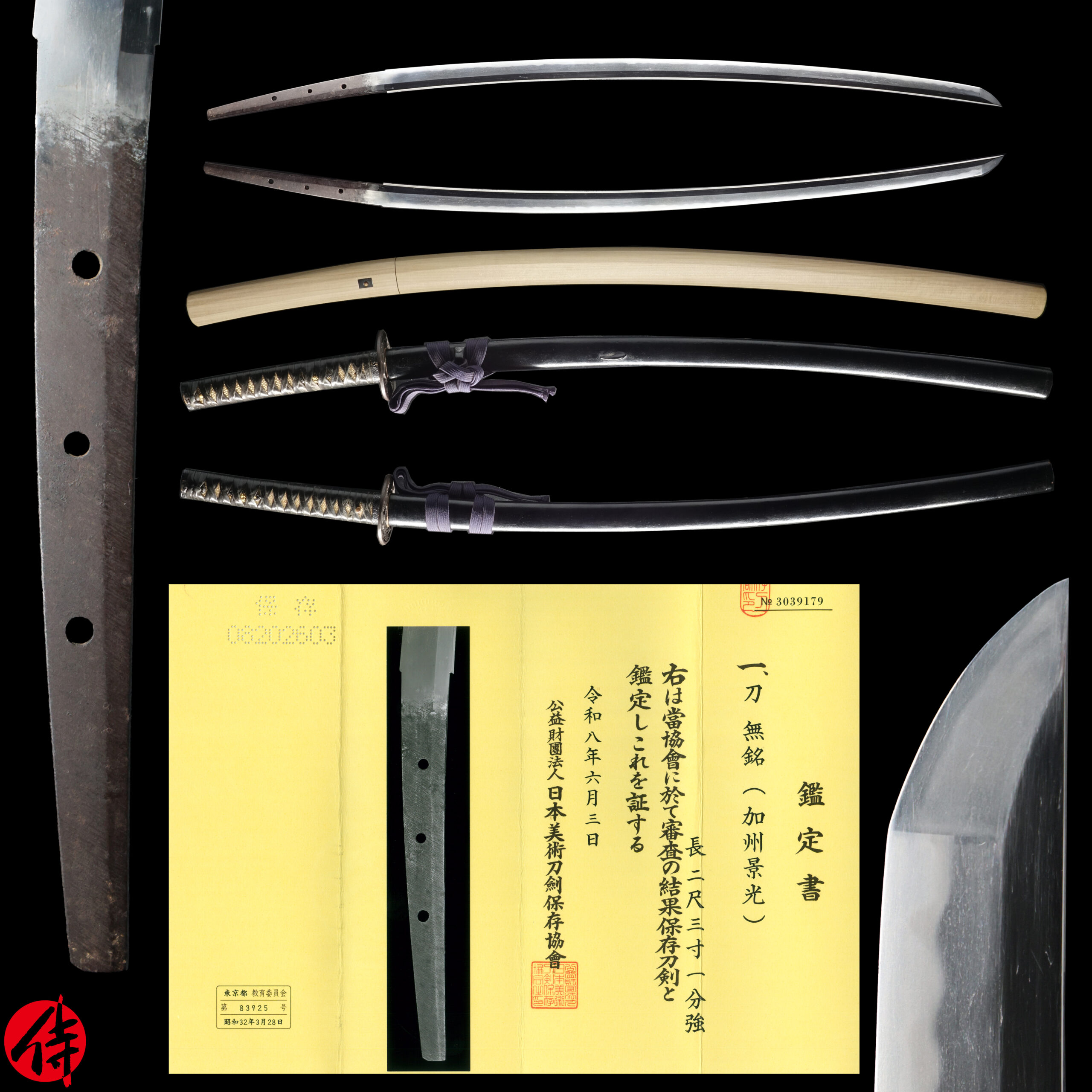
This blade is attributed to the work of Kashū Kagemitsu(加州景光). The smith’s name Kagemitsu lasted a few generations from the mid-Nanbokucho period-early Edo period (1356-1673). Based on the characteristic of this blade, we believe the attribution was given to one of Kagemitsu during the late Muromachi period (late 15th-early 16th century). The first-gen Kashū Kagemitsu is said to have been an apprentice of Fujishima Tomoshige. Kagemitsu’s father was Masakage(正景), who had been active in sword-forging during the mid-late Nonbokucho period. This blade was created in the middle of Sengoku Jidai(warring state period: late 15th -late 16th century). During this time, there was so much rivalry among strong feudal lords over lands, political power, and natural resources. We believe Kagemitsu forged swords for those strong Samurais. The generations of Kagemitsu were considered noble swordsmiths. It is said that Hōjyō Ujiteru sent a sword forged by one of Kagekatsu to Date Masamune as a present. Both of them are famous warlords from the Sengoku period(warring state period). This story tells us how reputable Kagemitsu was as a swordsmith during that time. This blade is appraised as a Hozon Token (保存刀剣) issued by NBTHK (Nihon Bijutsu Touken Hozon Kyokai:日本美術刀剣保存協会). *Please keep in mind that there are a couple of Kitae Kizu on the blade. Fuchi-Kashira The motif of this Fuch-Kashira is the classic Unryū-zu (雲龍図, dragon emerging from clouds) . The dragon is an imaginary creature originating in ancient Chinese mythology and has long been revered as a symbol of auspicious power. Its form is traditionally described as a composite of nine animals: antlers of a deer, a camel’s head, demon-like eyes, a snake’s neck, the belly of a mizuchi (蛟, a mythical Japanese water creature resembling a horned serpent), fish scales, falcon-like claws, tiger-like paws, and the ears of an ox. Because of this extraordinary and otherworldly appearance, the dragon was believed to reign supreme over all animals. In ancient China, the dragon motif was strictly reserved for the emperor, and even details such as its form and the number of claws were carefully regulated according to rank. In contrast, Japanese representations of dragons were not governed by rigid class-based rules. Nevertheless, the motif retained its significance as a universally auspicious symbol, associated with power, protection, and good fortune. In Japan, dragons have also been venerated as water deities under the belief known as Ryūjin Shinkō (竜神信仰, dragon-god worship). As rice cultivation has long been central to Japanese society, water has always been an essential and sacred resource. For this reason, the dragon motif—symbolizing rain, water, and life-giving force—has been deeply familiar to the Japanese people since ancient times. Tsuka and Menuki This Menuki appears to feature a Tennin (天人, Buddhist celestial being) motif. In Buddhist tradition, Tennin are heavenly beings who dwell in the celestial realm and honor the Buddhas and other divine beings. They are commonly portrayed flying through the heavens, playing music, or scattering flowers. Female Tennin are also known as Tennyo (天女, celestial maidens). At the center of this Menuki, a figure believed to represent a Tennin is rendered in gold inlay and surrounded by cloud motifs. The figure wears a flowing celestial robe or scarf known as a Hagoromo (羽衣, feathered robe), which was believed to enable heavenly beings to fly through the sky. Its gracefully trailing form emphasizes the figure’s supernatural and ethereal nature. Tsuba and Habaki The theme of this iron Tsuba is a water dragon (Suiryū, 水龍), a mythical creature traditionally believed to command the waters and offer protection. The dragon is an imaginary being composed of features from various animals and is commonly portrayed with a long body covered in fish-like scales. The design is further enhanced by Sukashi-bori (透かし彫り, openwork carving), in which parts of the iron ground have been carefully cut away. This technique creates a sense of depth and movement, giving the water dragon a more dynamic and powerful appearance. Saya This scabbard is covered with black lacquer. Due to its high waterproof effect, lacquer has been used since ancient times in Asia. The blade of a Japanese sword is made of iron, and moisture is the greatest enemy of iron. For the purpose of carrying the blade without degrading it, people devised a method of coating the scabbard with lacquer. To prevent not only moisture but also rain and snow from penetrating the inside of the scabbard, it was necessary to apply multiple layers of lacquer. The Nushi (塗師, lacquerers) was born precisely because advanced techniques were required to handle the complicated processes. Authentication Paper They authenticated the blade on June 3rd in the 8th year of Reiwa (2026). They appraised it as Hozon Touken, the blade worth preserving for Japanese society.
Kaga School加賀派
Offered by Samurai Museum
21 on the market

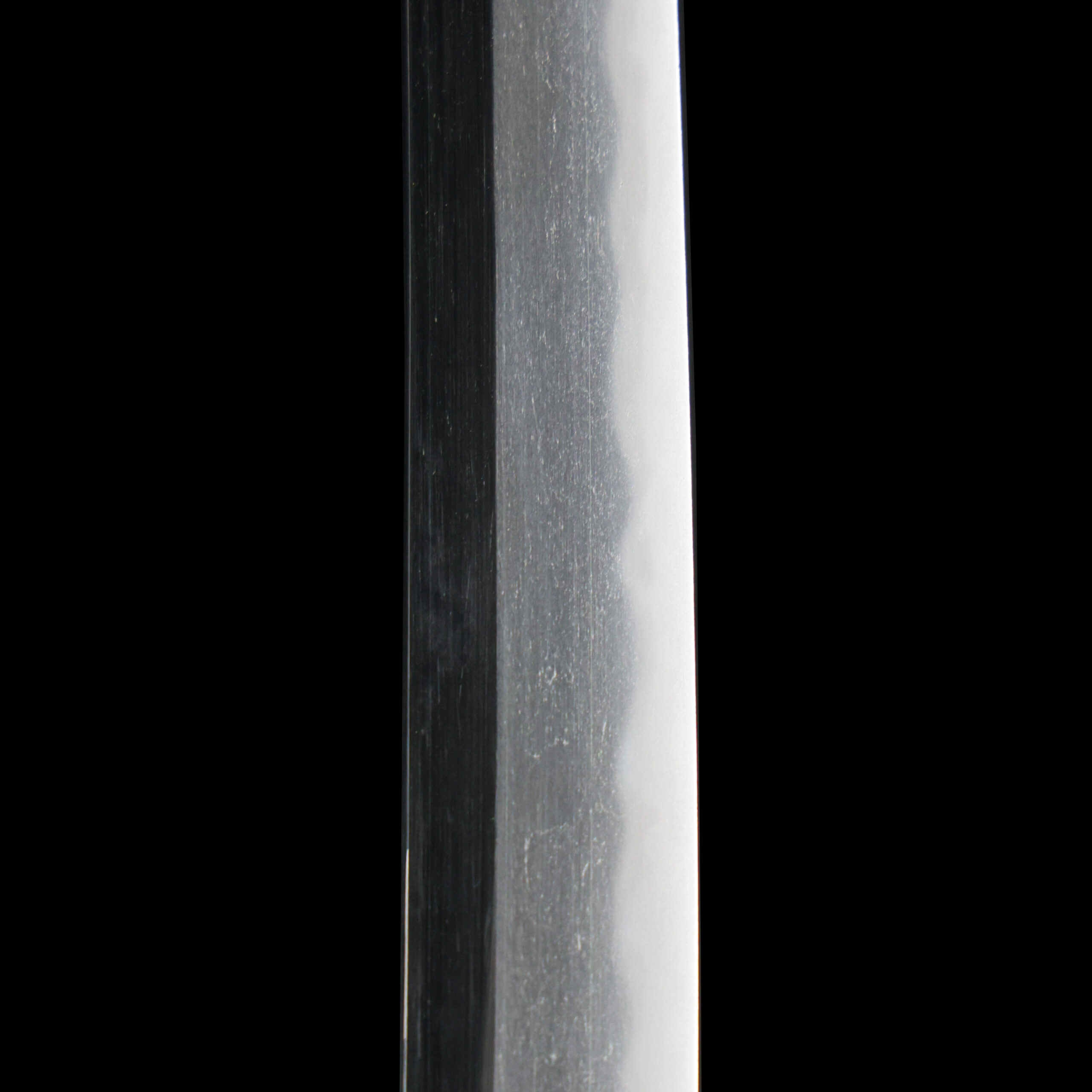
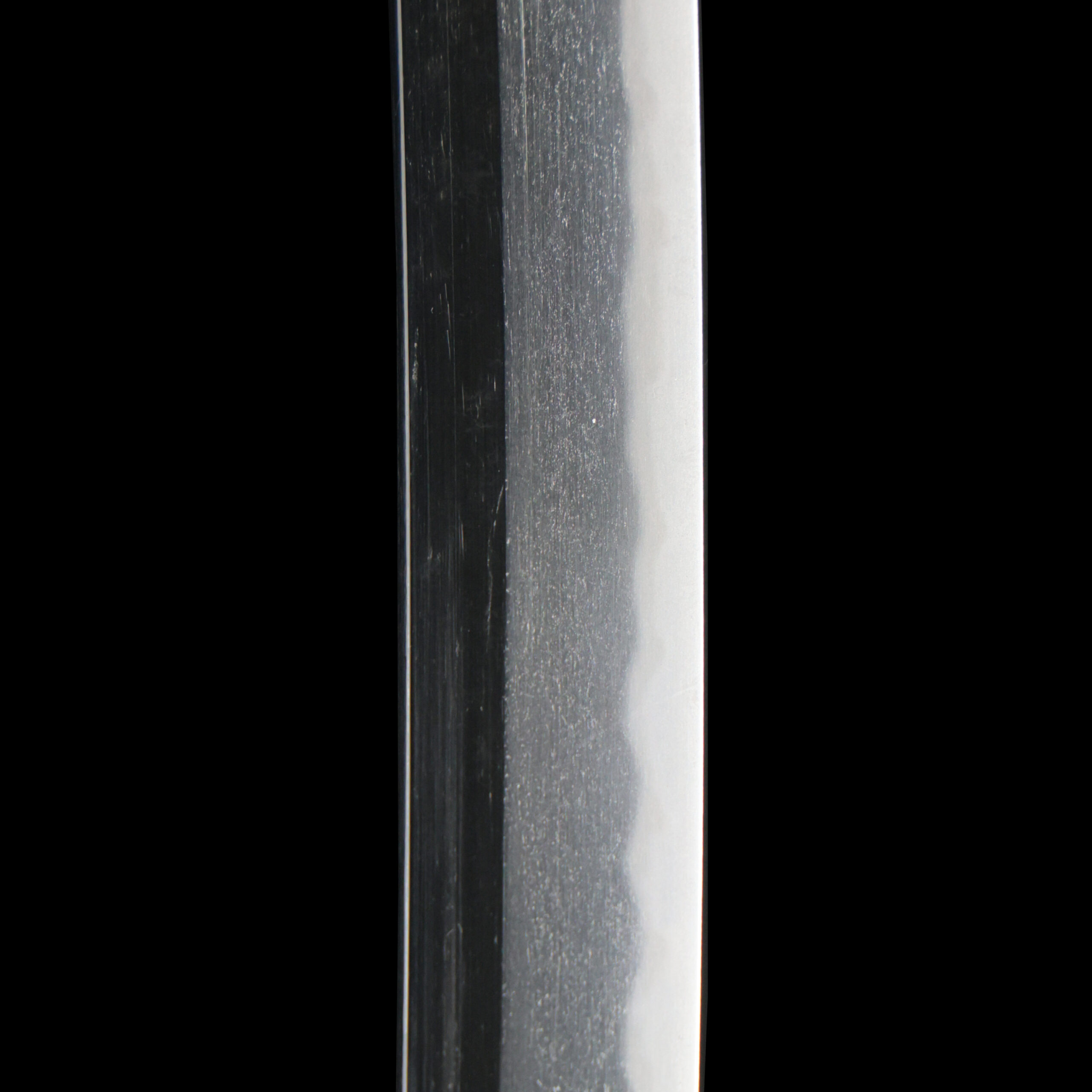
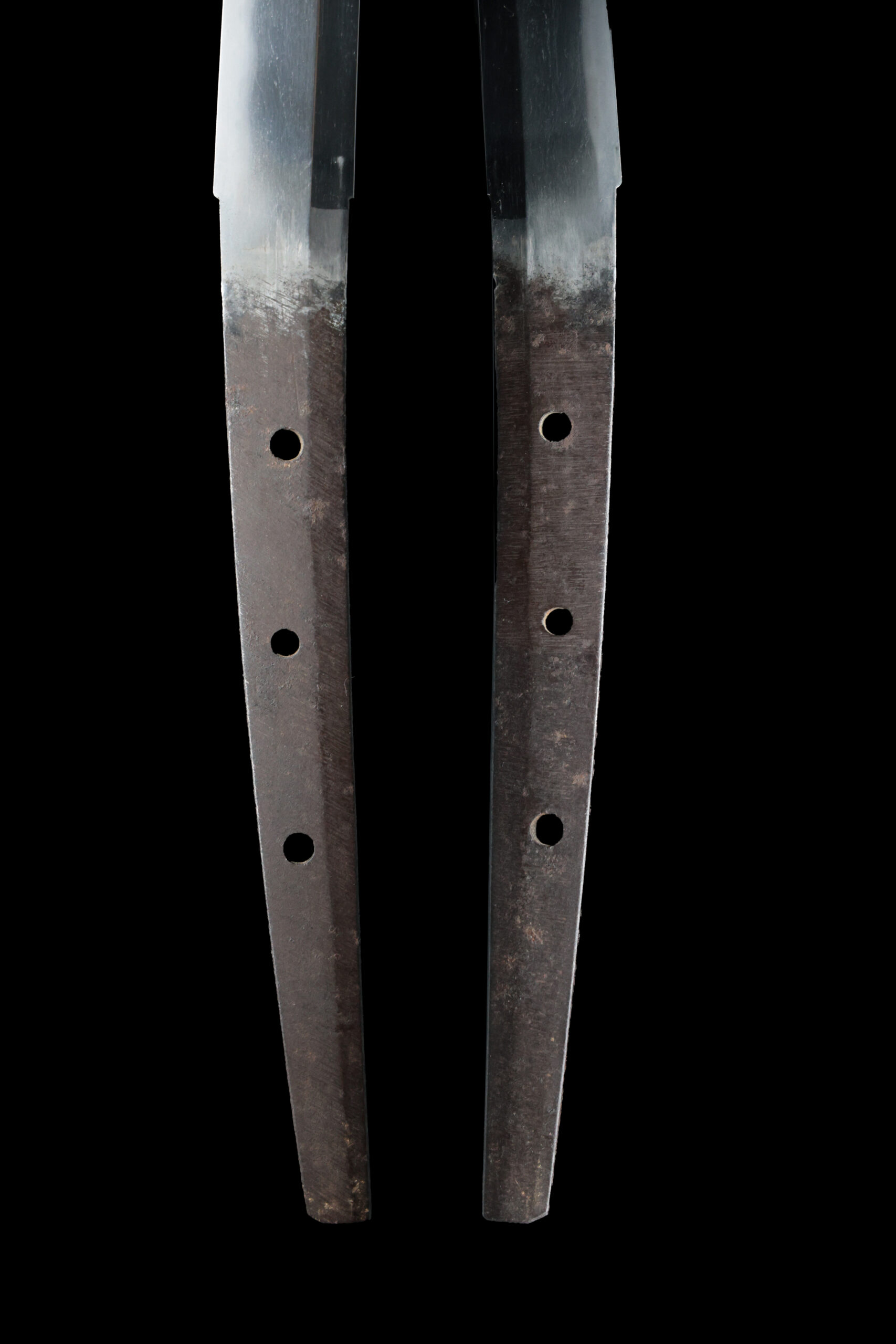
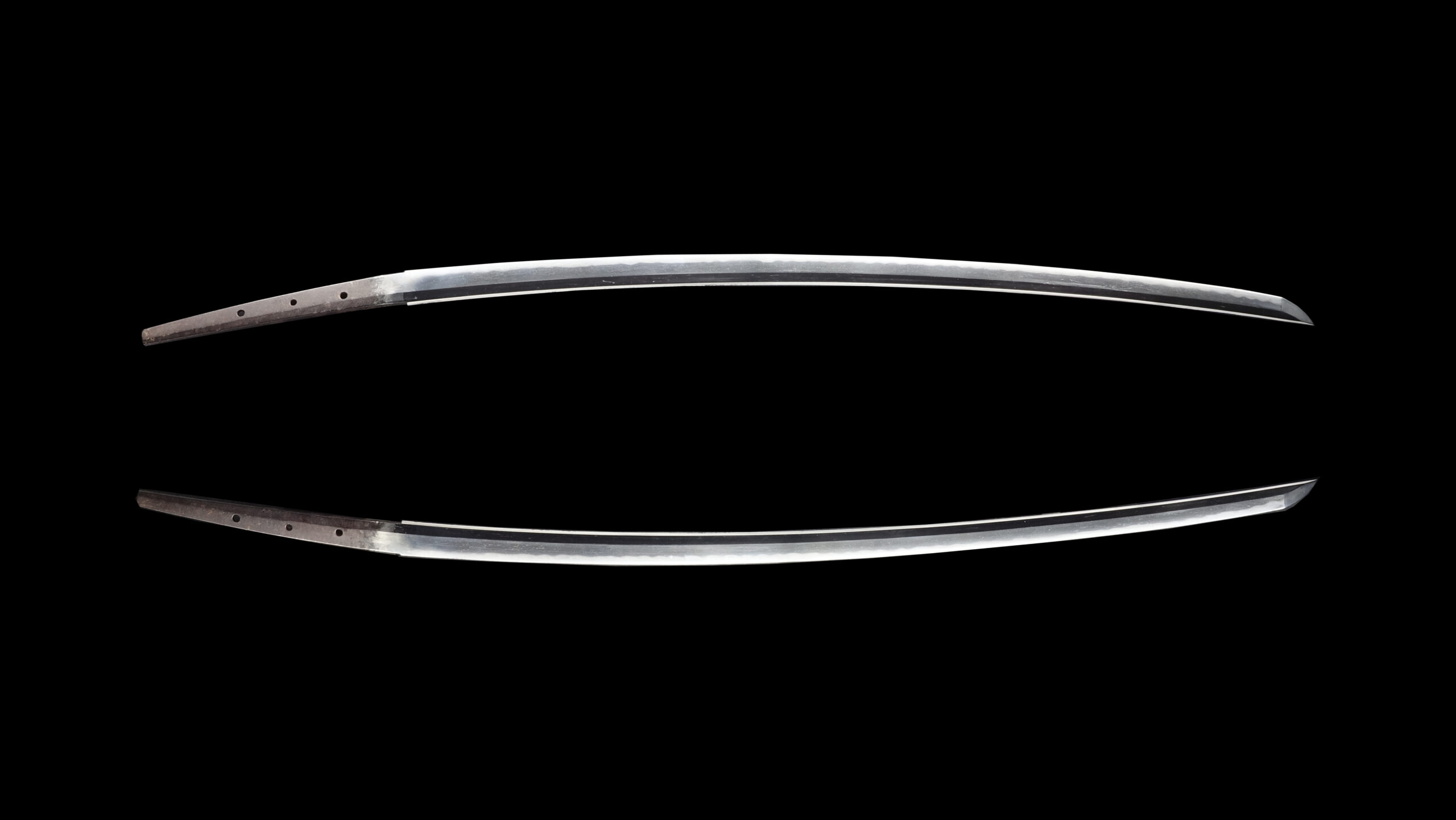
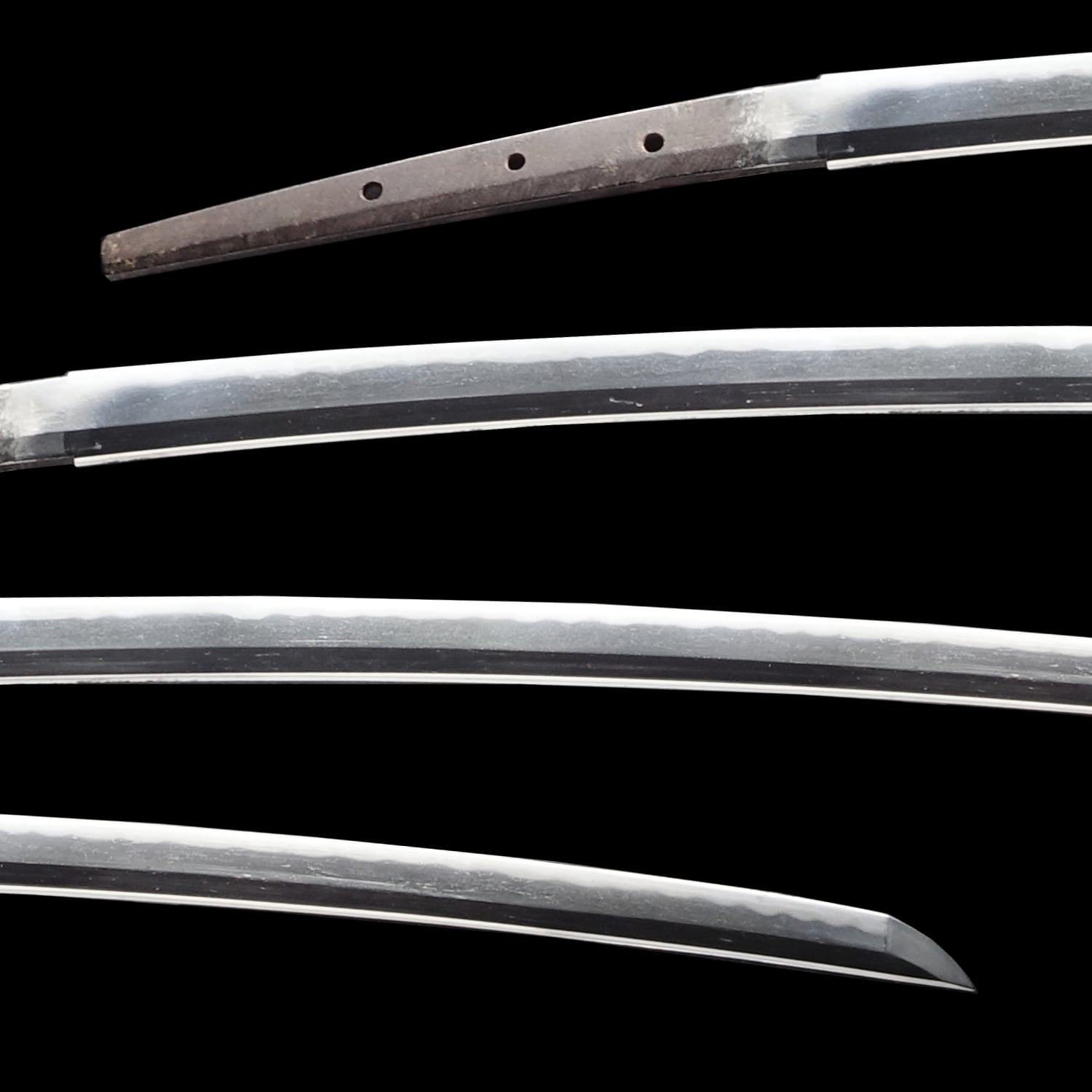
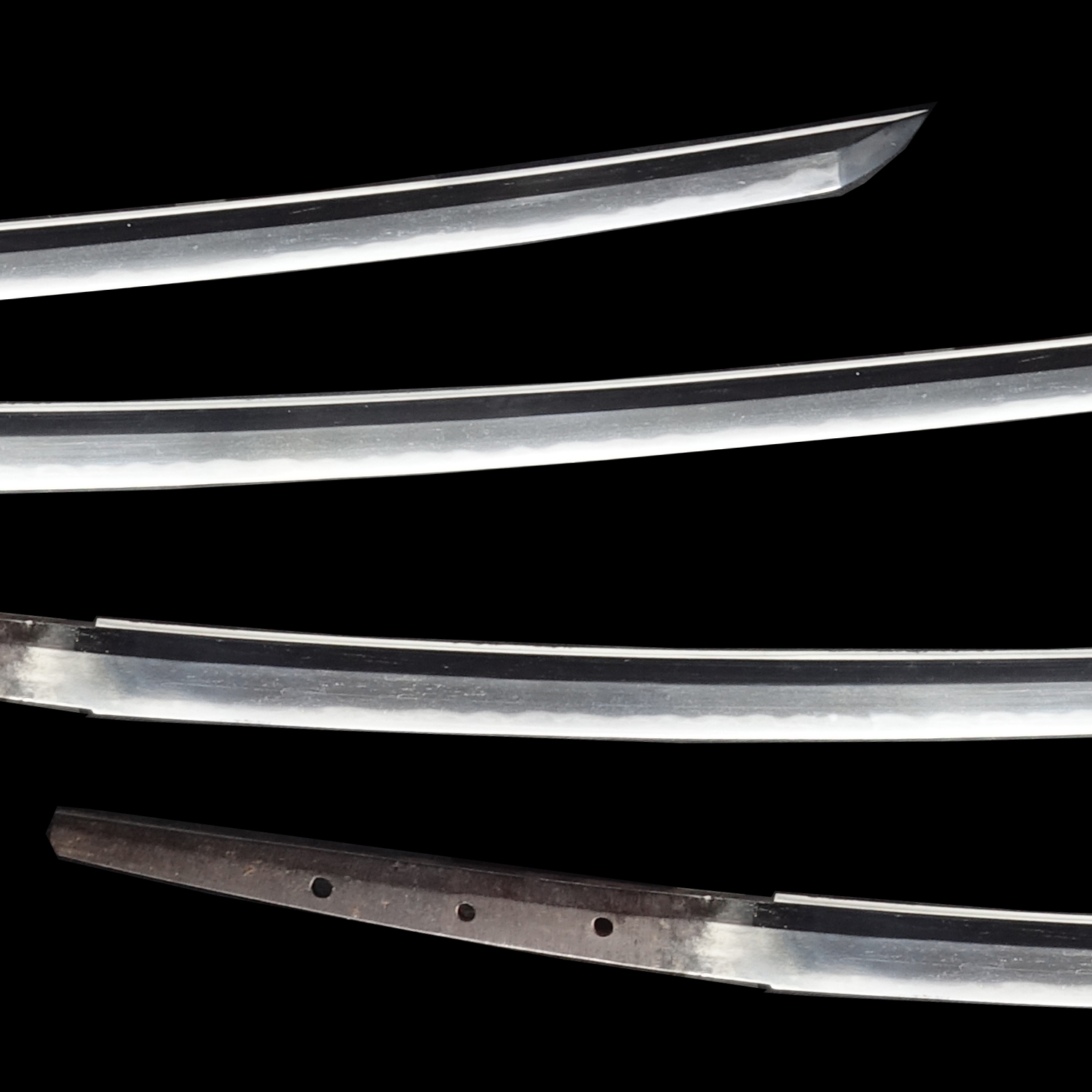
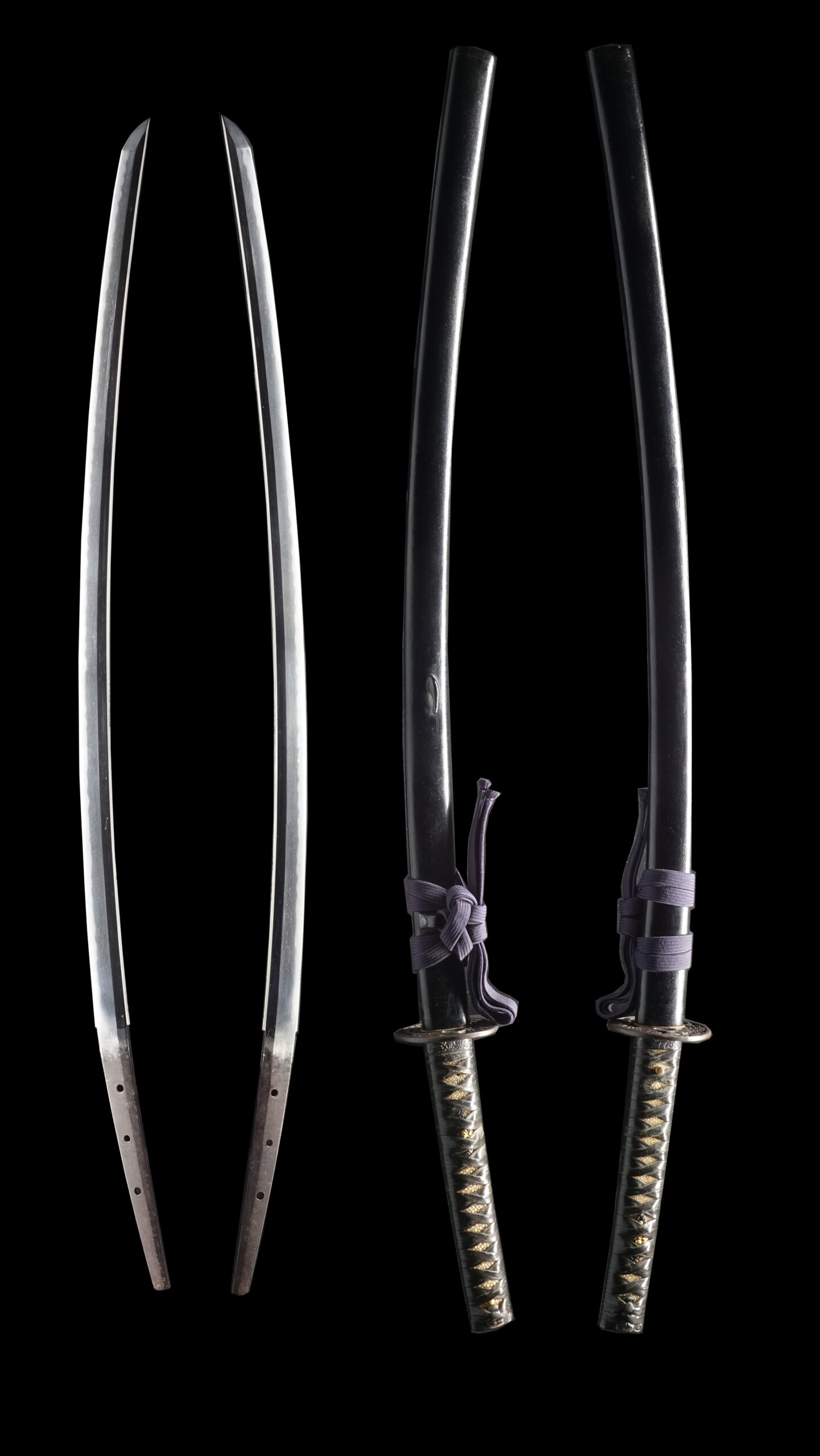
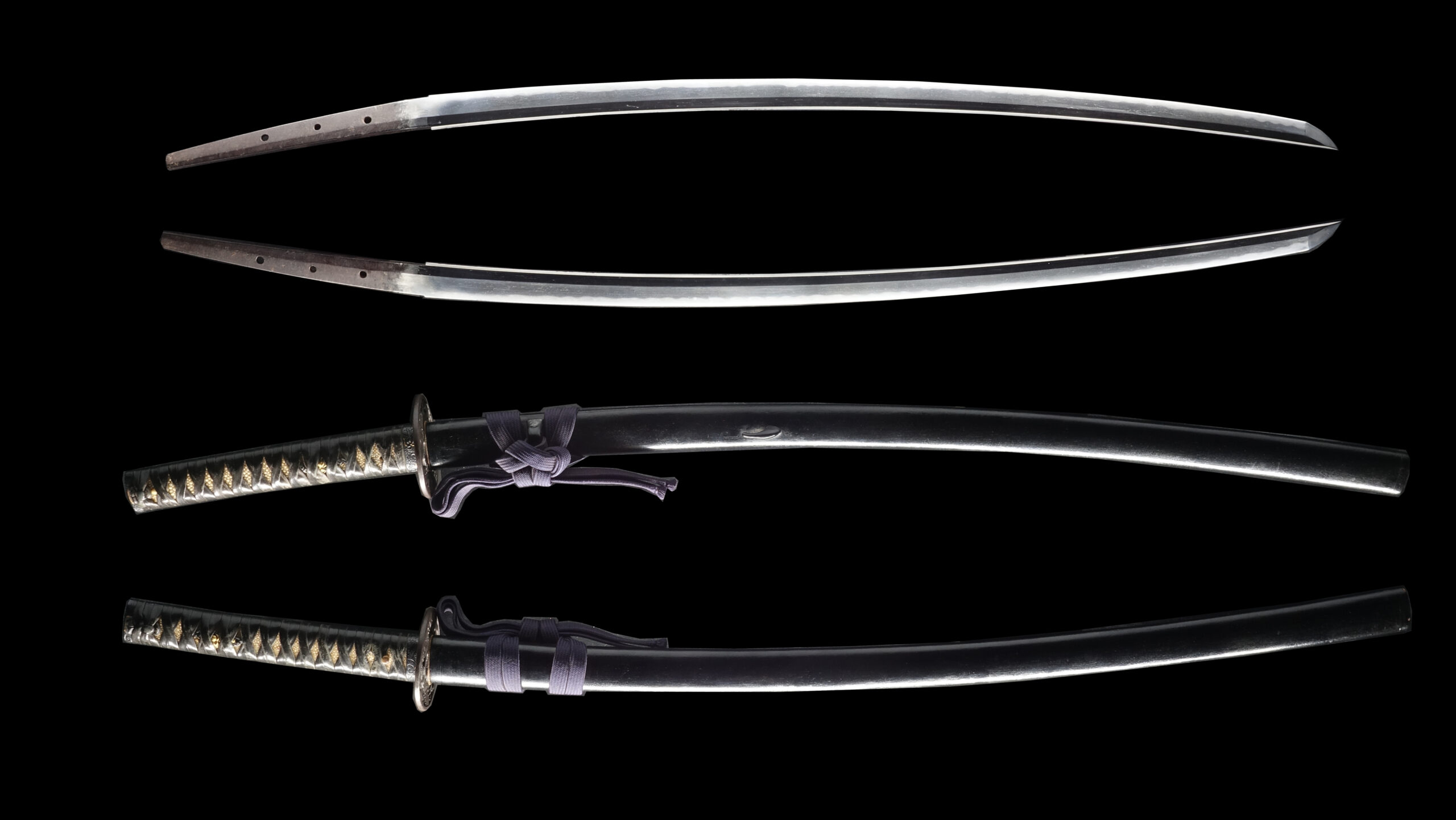
Mino-den · Kaga
21 pieces on the market now
The Kaga inlay tradition (Kaga zōgan) emerged in Kaga Province during the early Edo period, centered on the castle town of Kanazawa under the patronage of the Maeda clan. This distinctive form of hira-zōgan is said to have developed when craftsmen specializing in stirrup decoration (abumi-shi) adapted their metalworking techniques to tsuba and other sword fittings, flourishing from the early seventeenth century through the Kyōhō era (1716–1736). Working against polished grounds of shakudō, shibuichi, or occasionally refined copper (suaka), these artisans created works characterized by their compositional sophistication and technical precision, establishing a regional aesthetic that would influence later generations of metalworkers. The hallmark of Kaga workmanship lies in its masterful deployment of multiple colored metals—gold, silver, copper, shakudō, and shibuichi—inlaid in flat relief against dark, highly polished grounds. Motifs range from naturalistic subjects such as autumn grasses, butterflies, and mandarin ducks beneath willows to more formal designs including paulownia crests and brocade wrappers, all rendered with meticulous kebori line engraving that adds refinement to the broader inlay work.
The compositions typically extend across the entire surface of the guard, creating an effect of visual richness and decorative abundance. Against jet-black shakudō or the warm tonality of suaka, the multicolored inlays achieve a luminous clarity, producing works of elegant splendor (fūryū) that balance technical virtuosity with restrained taste. The tradition's influence extended beyond its geographic center, with works attributed to Kaga methods appearing in collections throughout Japan. Large-scale presentation pieces demonstrate the school's capacity for ambitious design, while the consistent quality of execution across surviving examples suggests a well-established workshop system with shared technical standards. Though individual makers within the tradition rarely signed their work, the distinctive aesthetic—characterized by full-surface compositions, polished dark grounds, and precise multicolor inlay—remains immediately recognizable, preserving the legacy of Kanazawa's metalworking excellence through the Edo period. Learn more →
| Smith | Era | Designated |
|---|---|---|
| Sanekage真景 | 1362-1368 | 47 |
| Takahira高平 | 1621-1644 | 9 |
| Kagemitsu景光 | 1362-1368 | 4 |
| Ietsugu家次 | 1528-1558 | 2 |
| Kagehira景平 | 1661-1673 | 1 |
Mino in the Muromachi period
Sengoku Seki was an industry: smiths organized under their tutelary Kasuga shrine, arming the war bands of central Japan. Magoroku Kanemoto’s sanbonsugi and the finest Kanesada work prove quality survived inside mass production.
Certifies a genuine blade worth preserving: a signature confirmed correct, or, if unsigned, an era, province, and school that the NBTHK can reliably identify.
The NBTHK (Nihon Bijutsu Tōken Hozon Kyōkai, the Society for the Preservation of Japanese Art Swords) is a public-interest incorporated foundation founded in 1948 and supervised by Japan’s Agency for Cultural Affairs (Bunkachō); it is based at the Japanese Sword Museum in Tokyo. Its expert panels physically examine each submitted work (shinsa) and issue a certificate (kanteishō) ranking it by artistic and historical merit. NBTHK papers are the most widely recognized standard of authentication for Japanese swords and fittings.
NBTHK official siteReturns/exchanges limited to defects caused by shipping (except willful misconduct or gross negligence by the company); customers must contact within 72 hours of receiving the product.
¥800,000